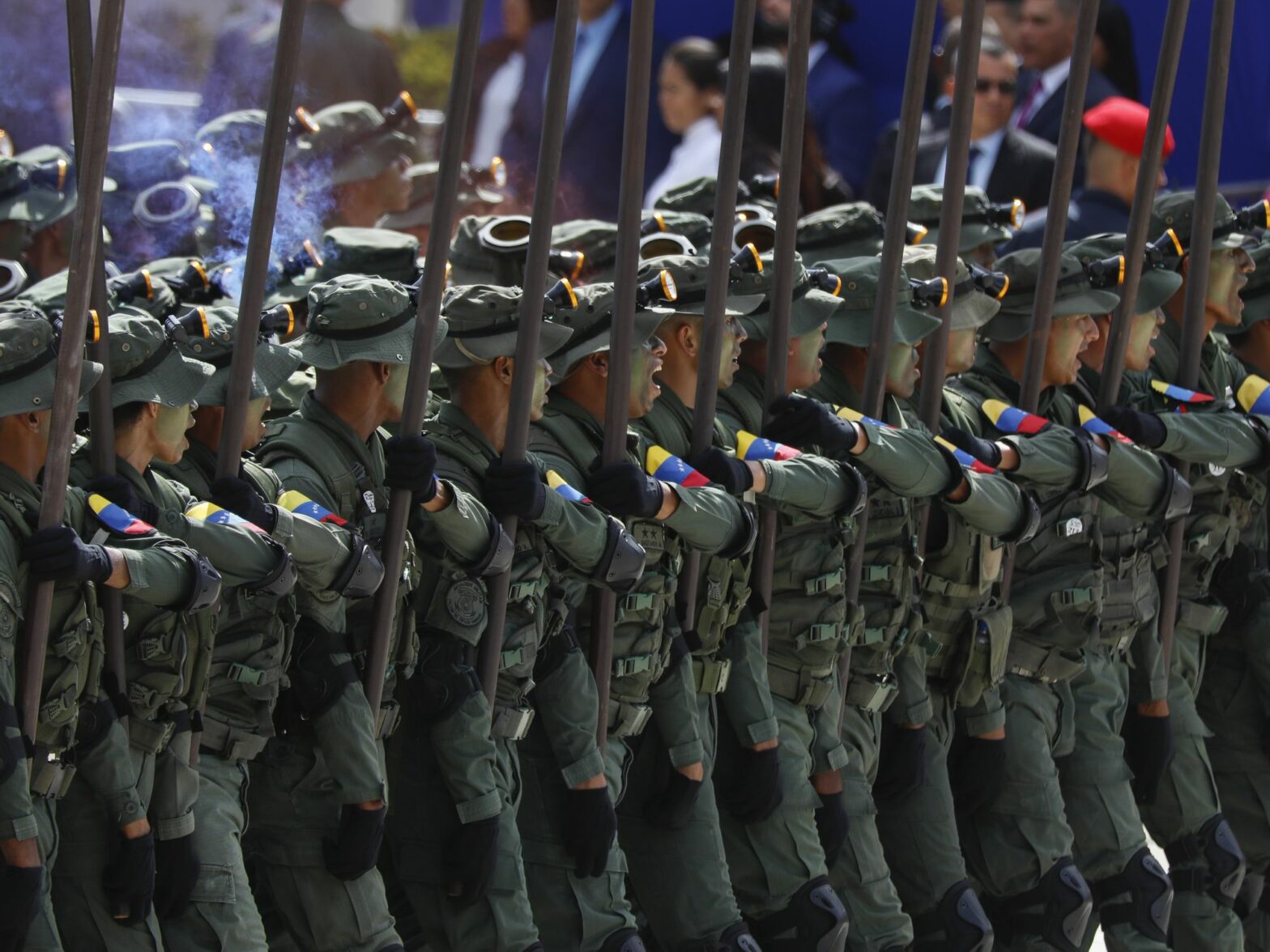
The armed forces have been dragged into political and electoral spats across the Americas, from the United States to Brazil to Venezuela. Is this another sign of liberal democracy’s decline in the West?
 Worldcrunch
The armed forces have been dragged into political and electoral spats across the Americas, from the United States to Brazil to Venezuela. Is this another sign of liberal democracy’s decline in the West?
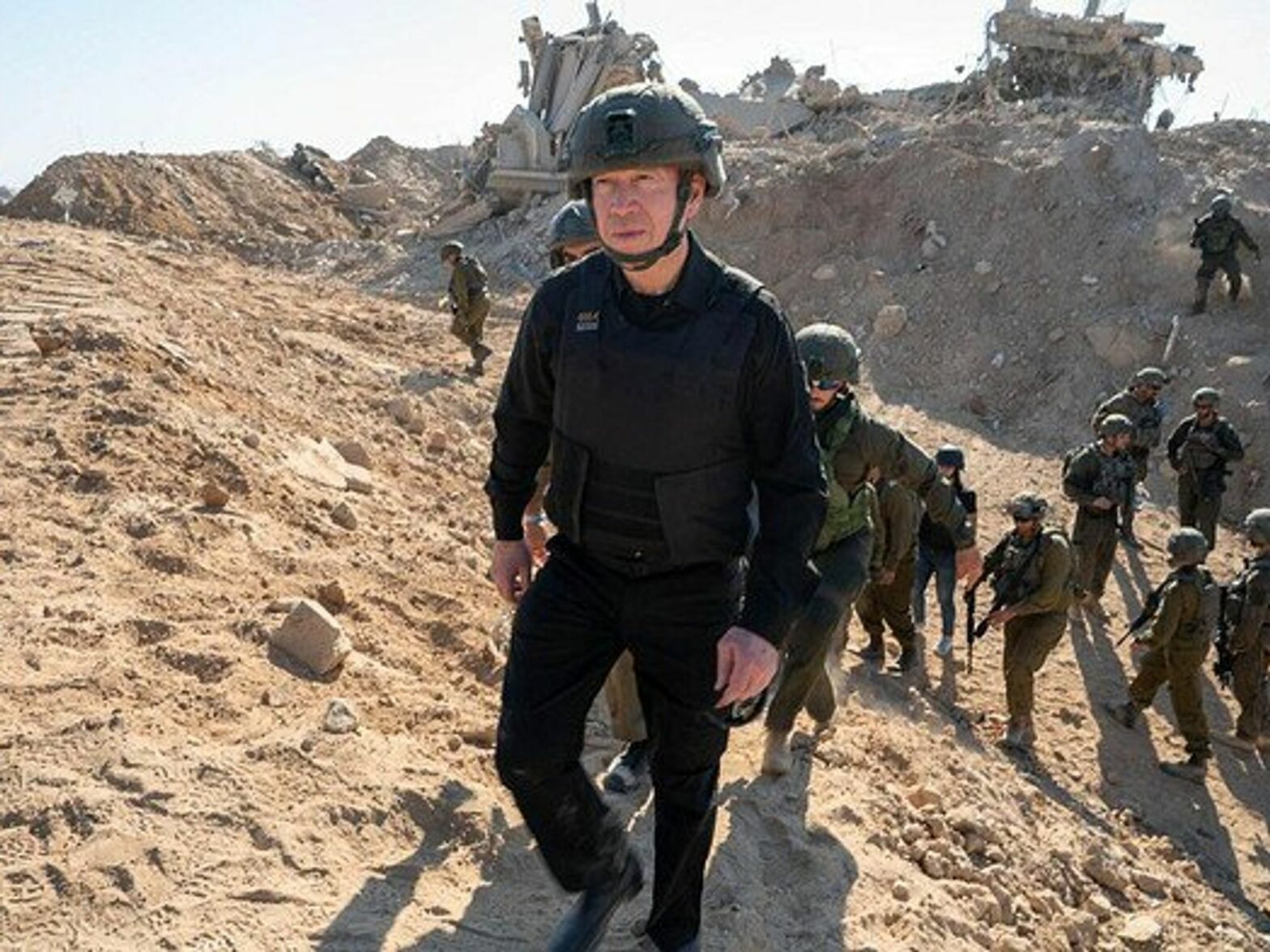
The Philadelphi Corridor has again become a sticking point in the ceasefire talks between Hamas and Israel. It’s all premeditated as Prime Minister Benjamin Netanyahu pursues his undeclared goal: keep fighting in order to occupy Gaza.
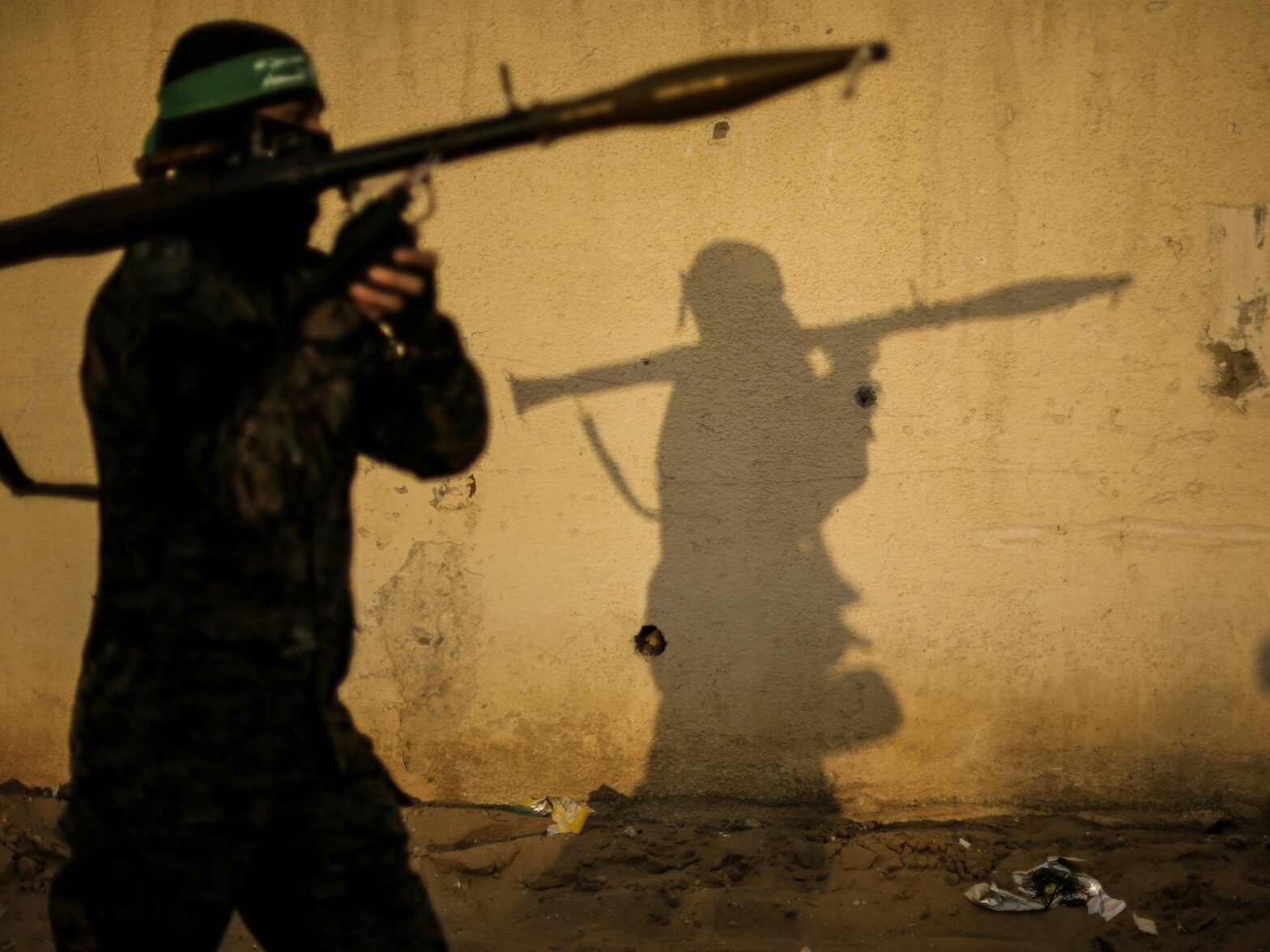
Since Oct. 7, the Israel-Hamas conflict has continued to spread, deepening divisions within Israeli society and radicalizing a section of public opinion. Radicals both in Israel and Hamas are taking advantage of the chaos of war to prevent peace — just as they did in the 1990s. For how long will the world allow them to do so?
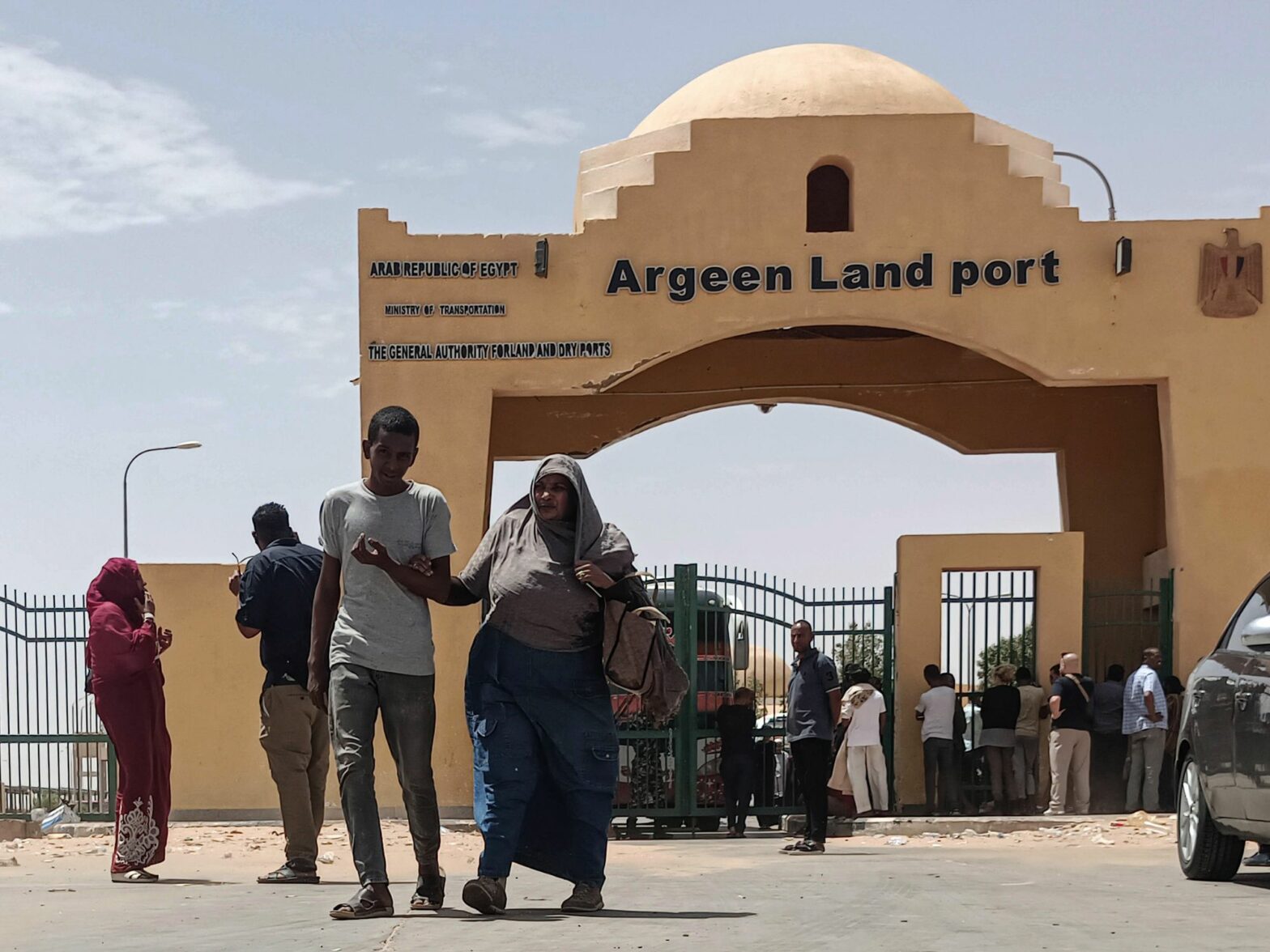
Is there anyone among us who can live with the guilt of turning away those who escaped death and sought refuge in Egypt? Can our conscience bear the death of an individual because we closed our door and let him die?
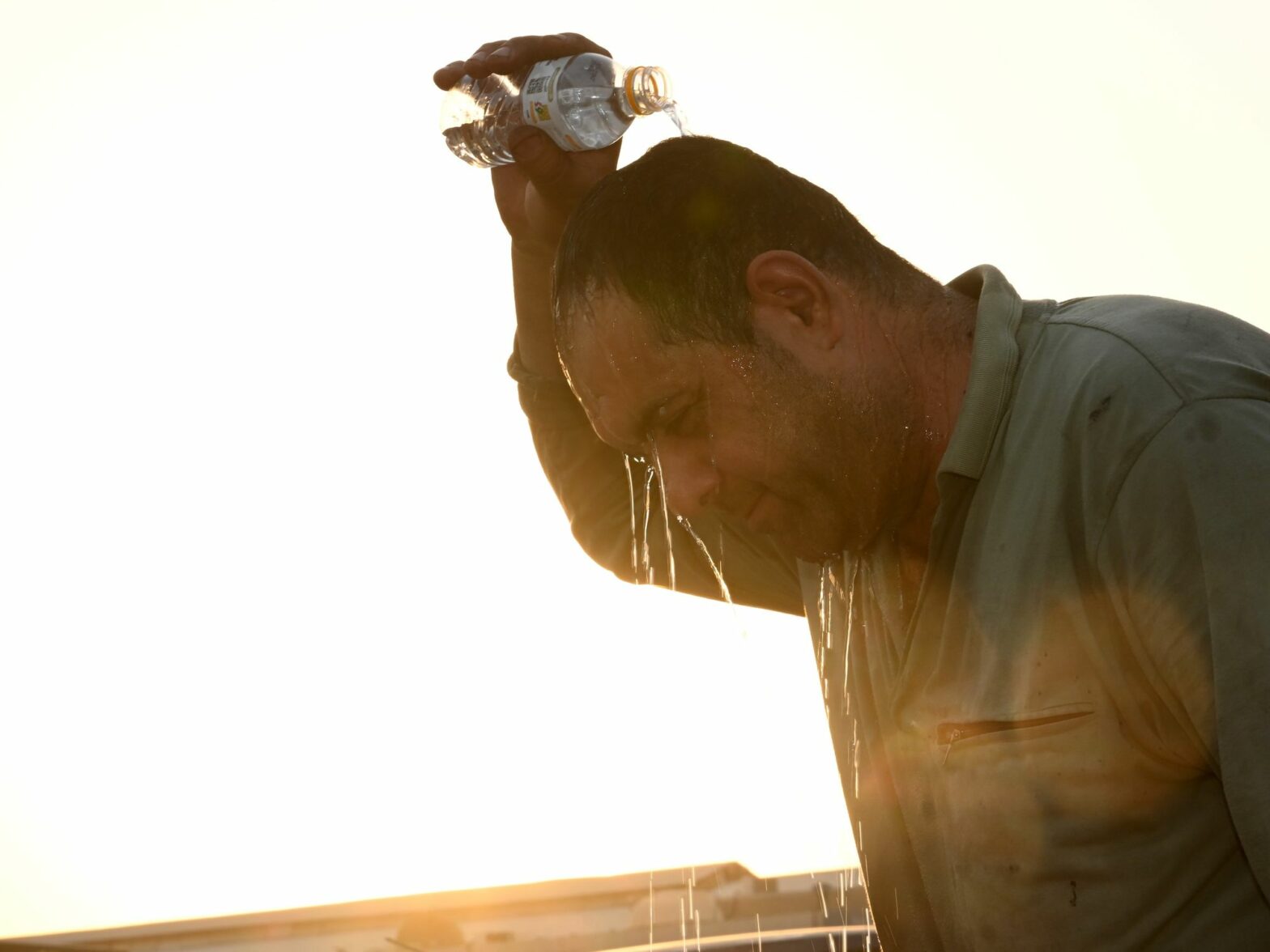
Climate change has become an inevitable issue in the Middle East and North Africa — which may soon experience 200 days of extreme heat annually — and with those changes come questions of environmental justice.
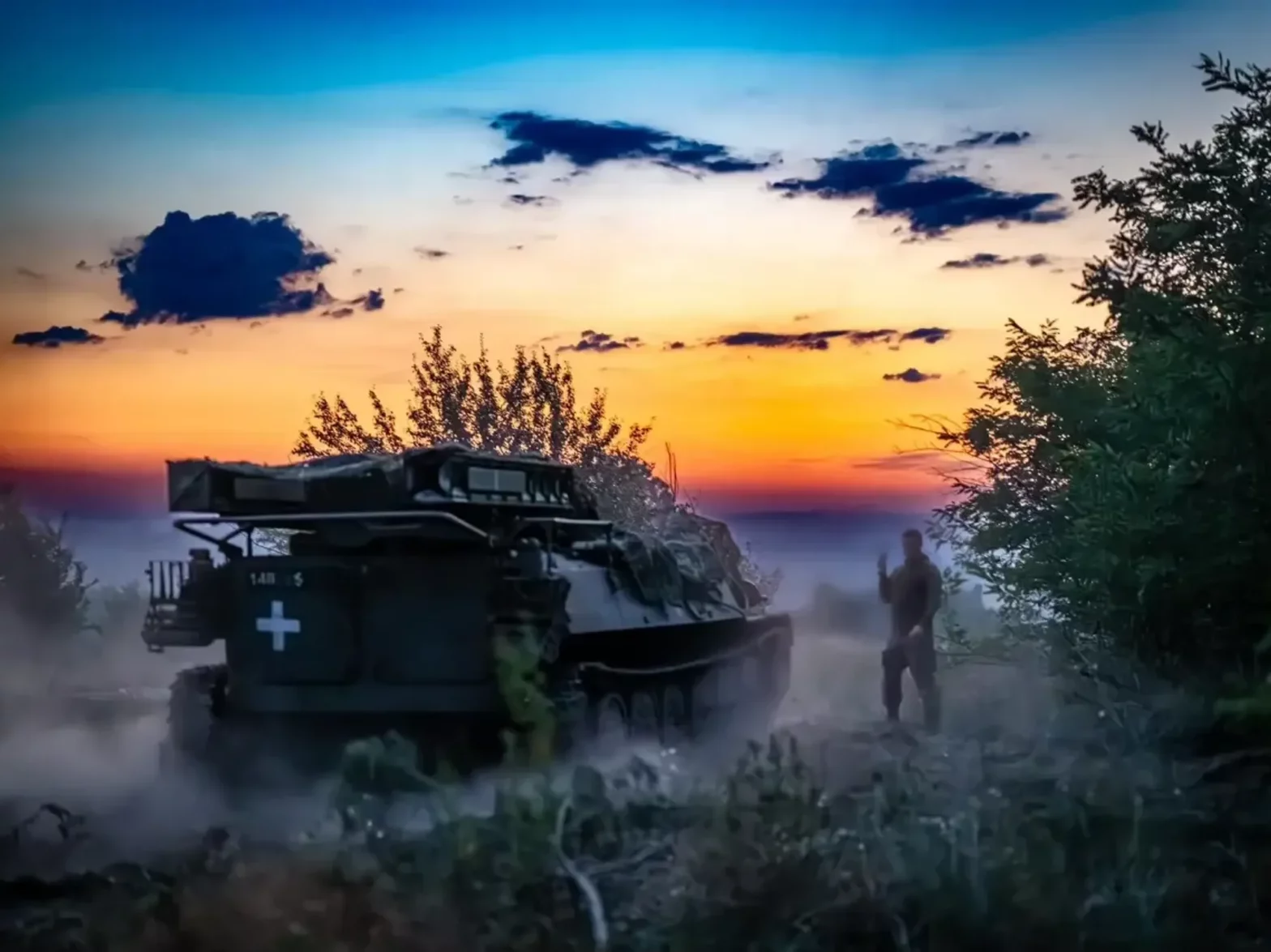
The Ukrainian attack on the strategically important Kursk region has taken Russia’s military and residents by surprise. But experts doubt whether the operation makes sense for Ukraine’s depleted military forces.
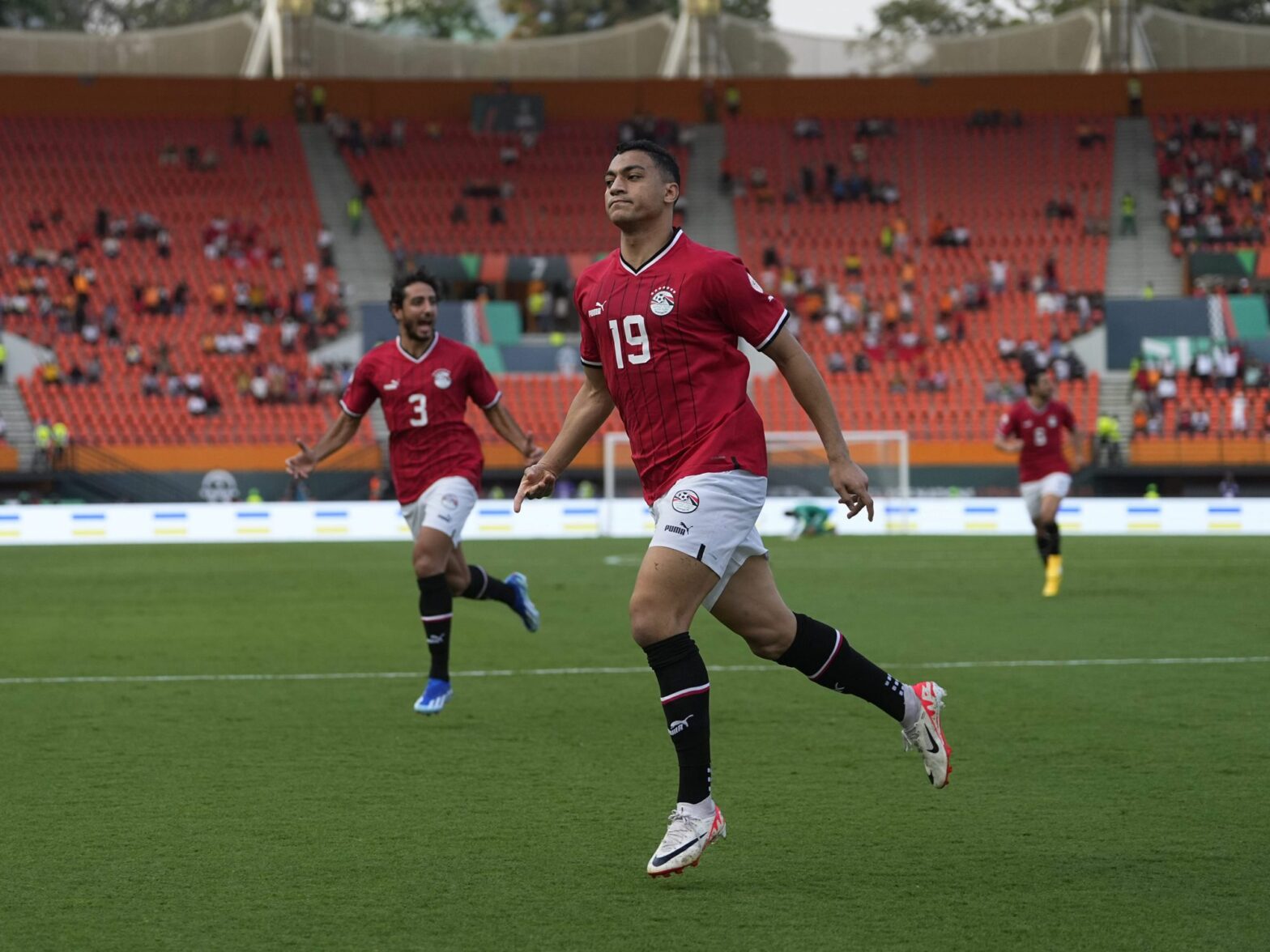
Egypt disqualified a track cyclist from the Paris Olympics following an incident of unsportsmanlike behavior. But there is general confusion in Egyptian society — whether in politics or soccer — over the concept of competition.
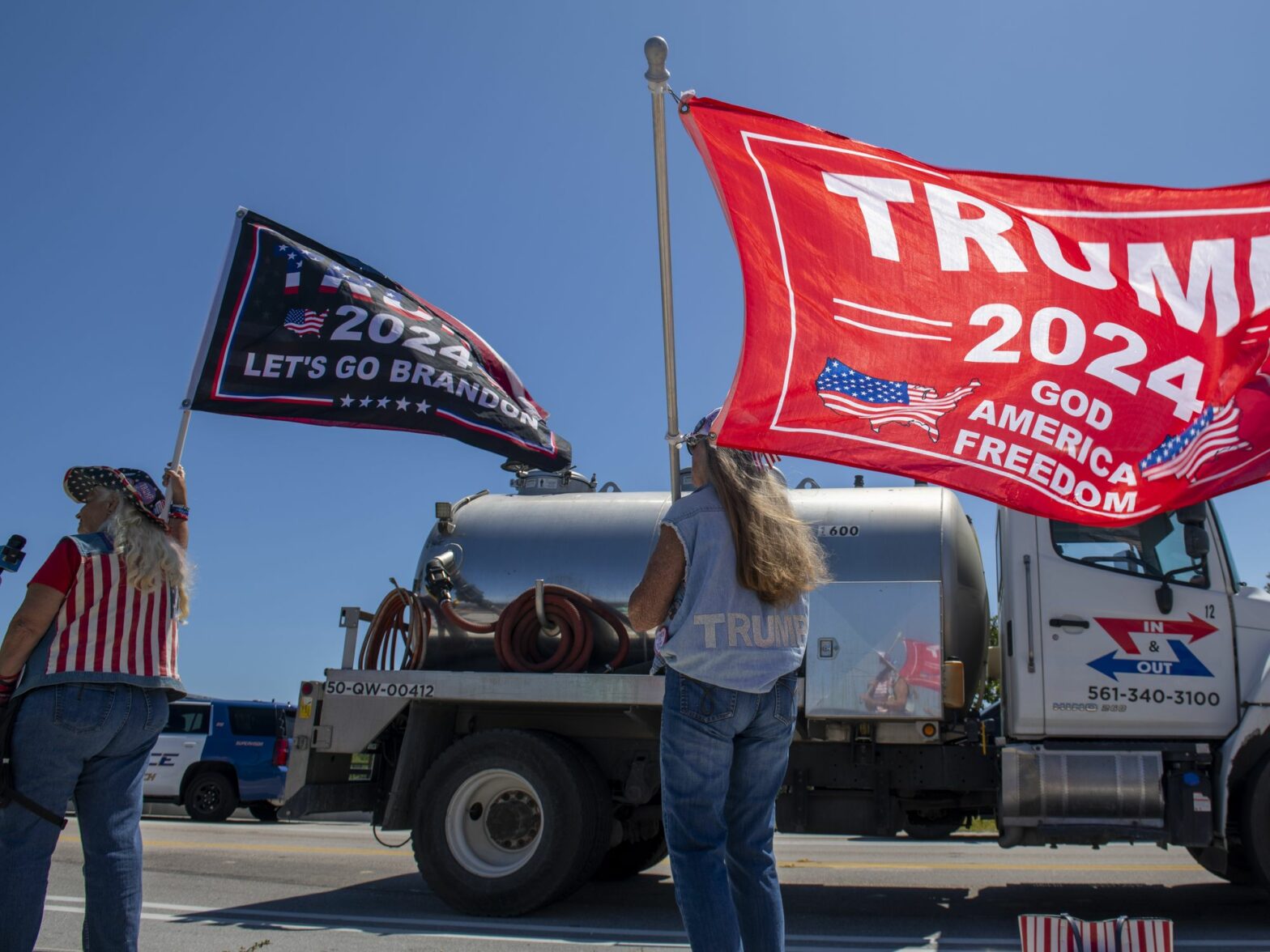
The West will be weakened should the United States turn its back on its alliances, but does the isolationist Donald Trump understand what that could mean for U.S. strength and security?
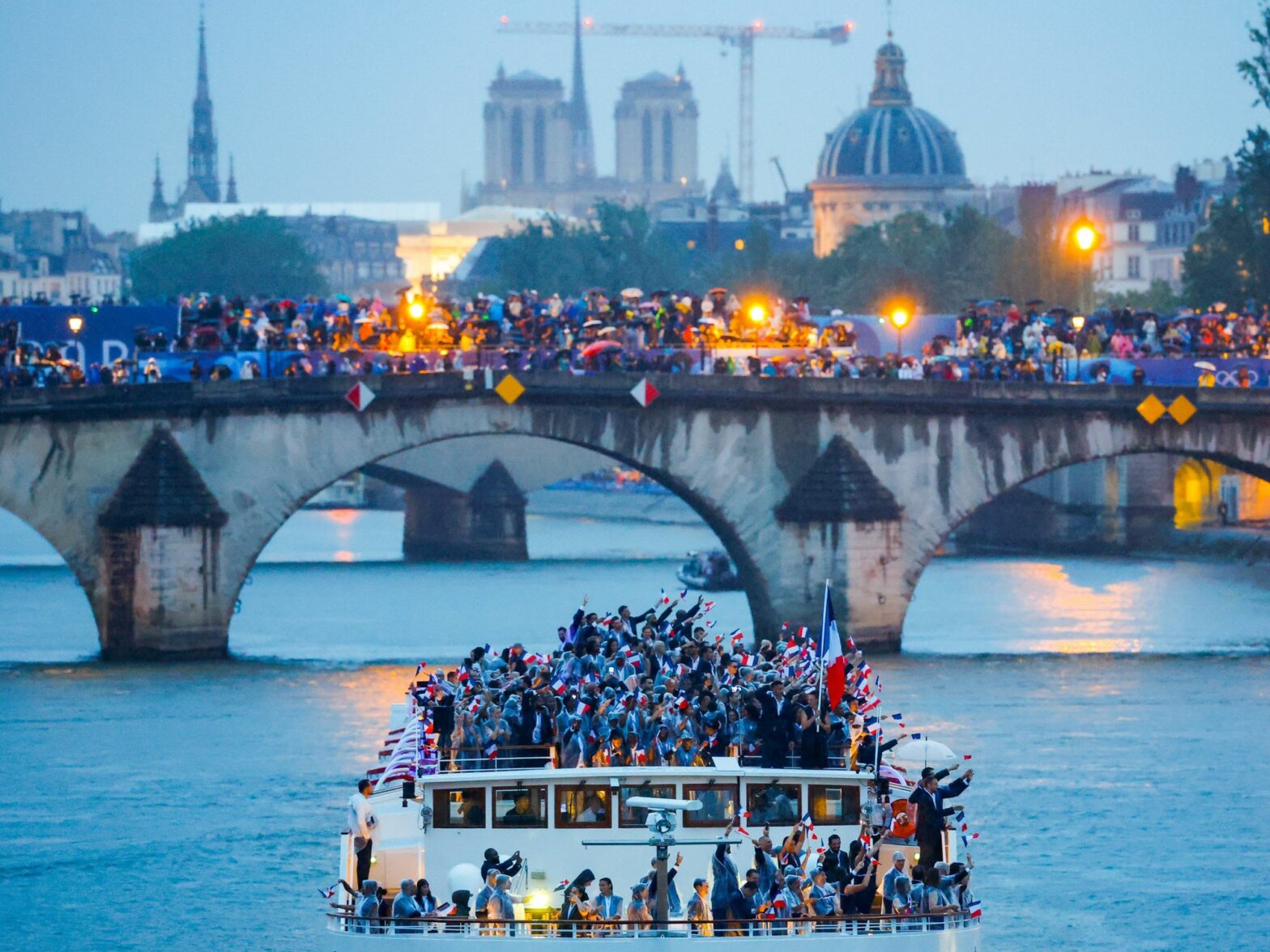
For years, France has been searching for what makes it truly stand out in the modern world, beyond its eternal critical sense and Gallic quarrels. The creativity of the opening ceremony of the Olympic Games was the beginning of the answer.
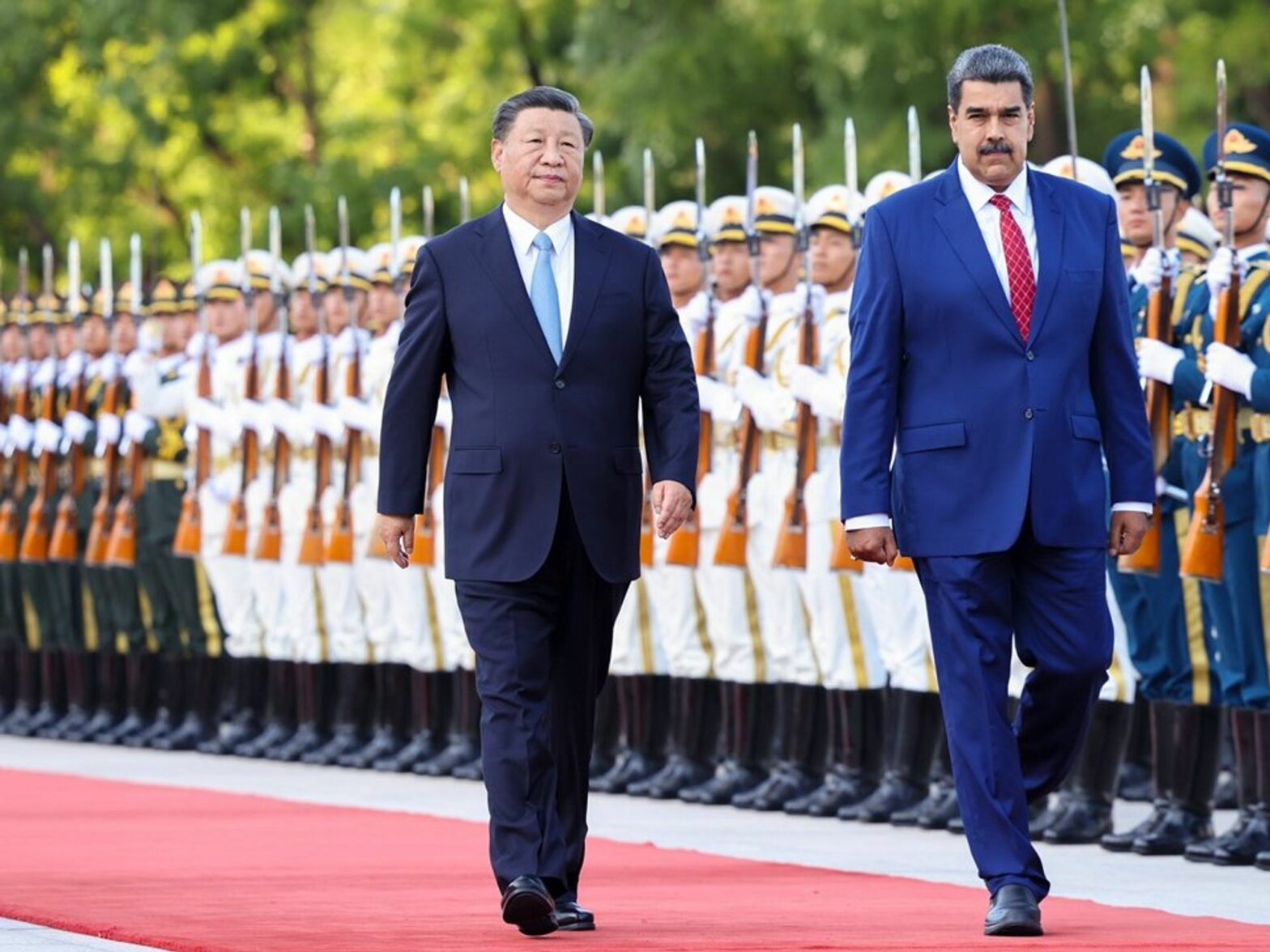
The crushing weight of Chinese loans to socialist Venezuela may yet become the biggest, if less publicized, obstacle to the restoration of liberal democracy there, if its power-drunk president were ever to abandon power as he once again appears unwilling to do after a highly contested election.
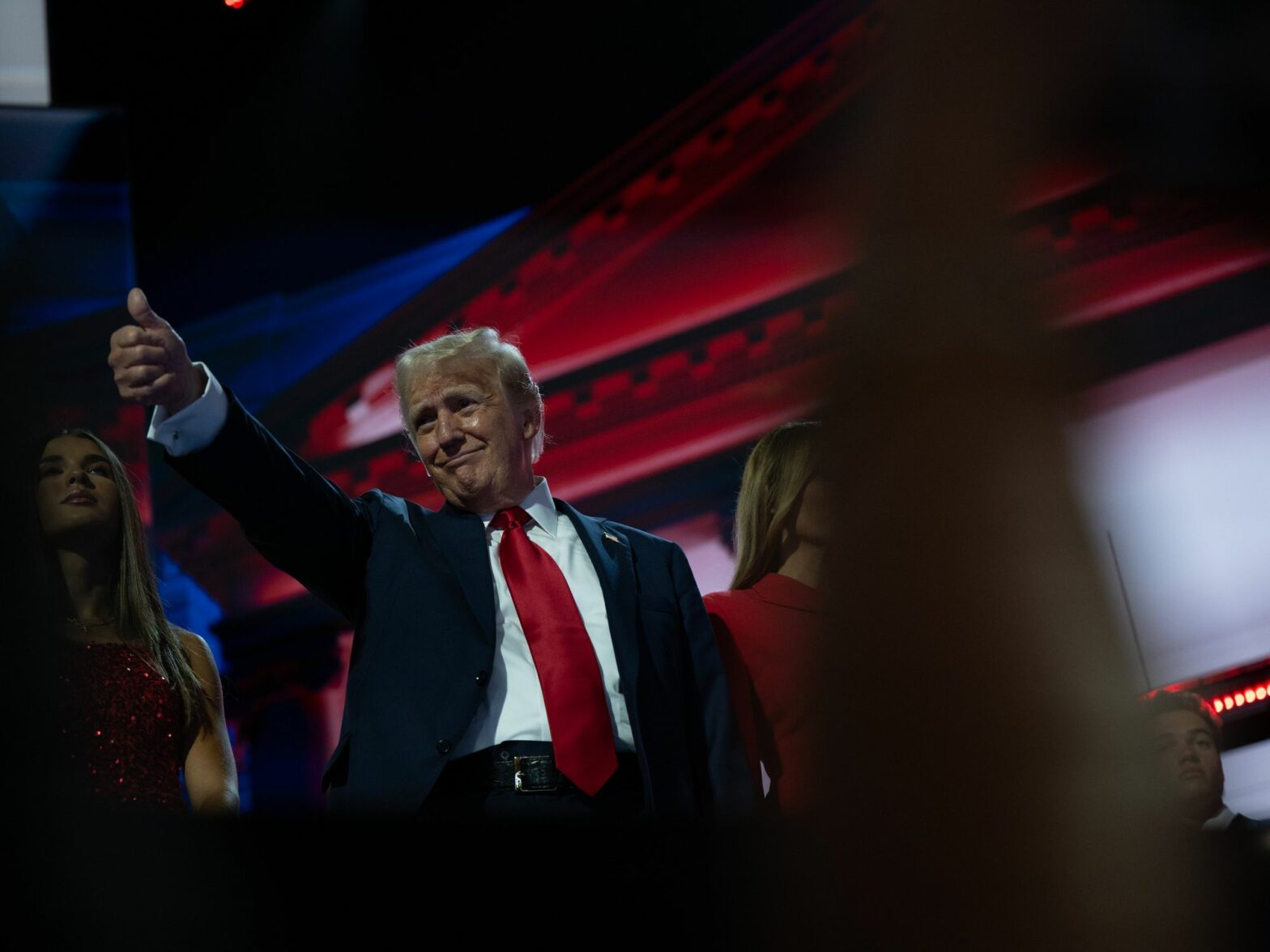
The current unprecedented political crises in France and the United States — two very different systems and political cultures — have points in common, notably that partisan issues are still taking precedence over the need to rethink the democratic system and its practices.
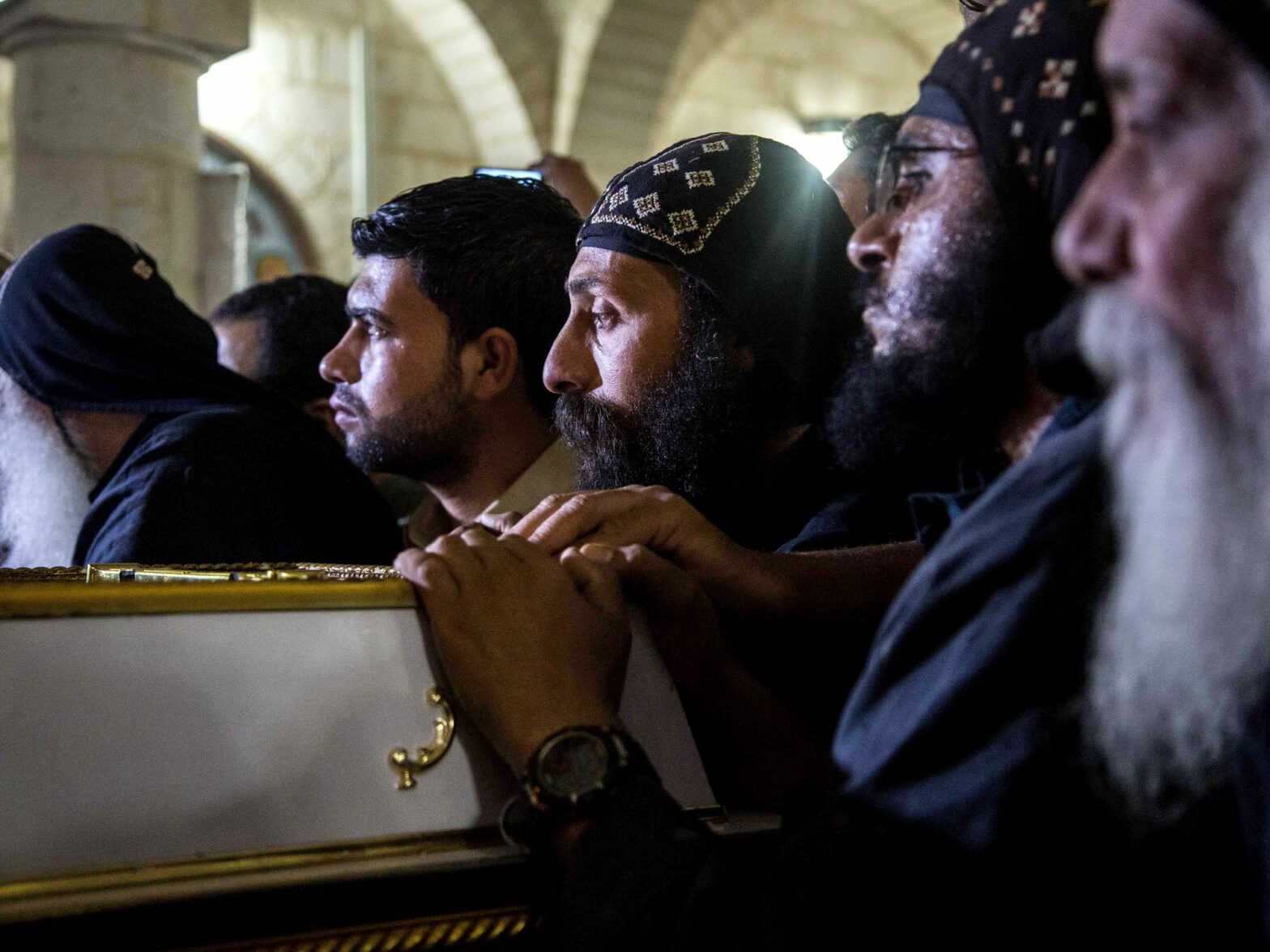
The positions of ultra-conservative Christian and Islamic Salafism supporters are almost identical on cultural, social and legal issues, such as their position on private and public freedoms. That often starts with women’s freedoms.
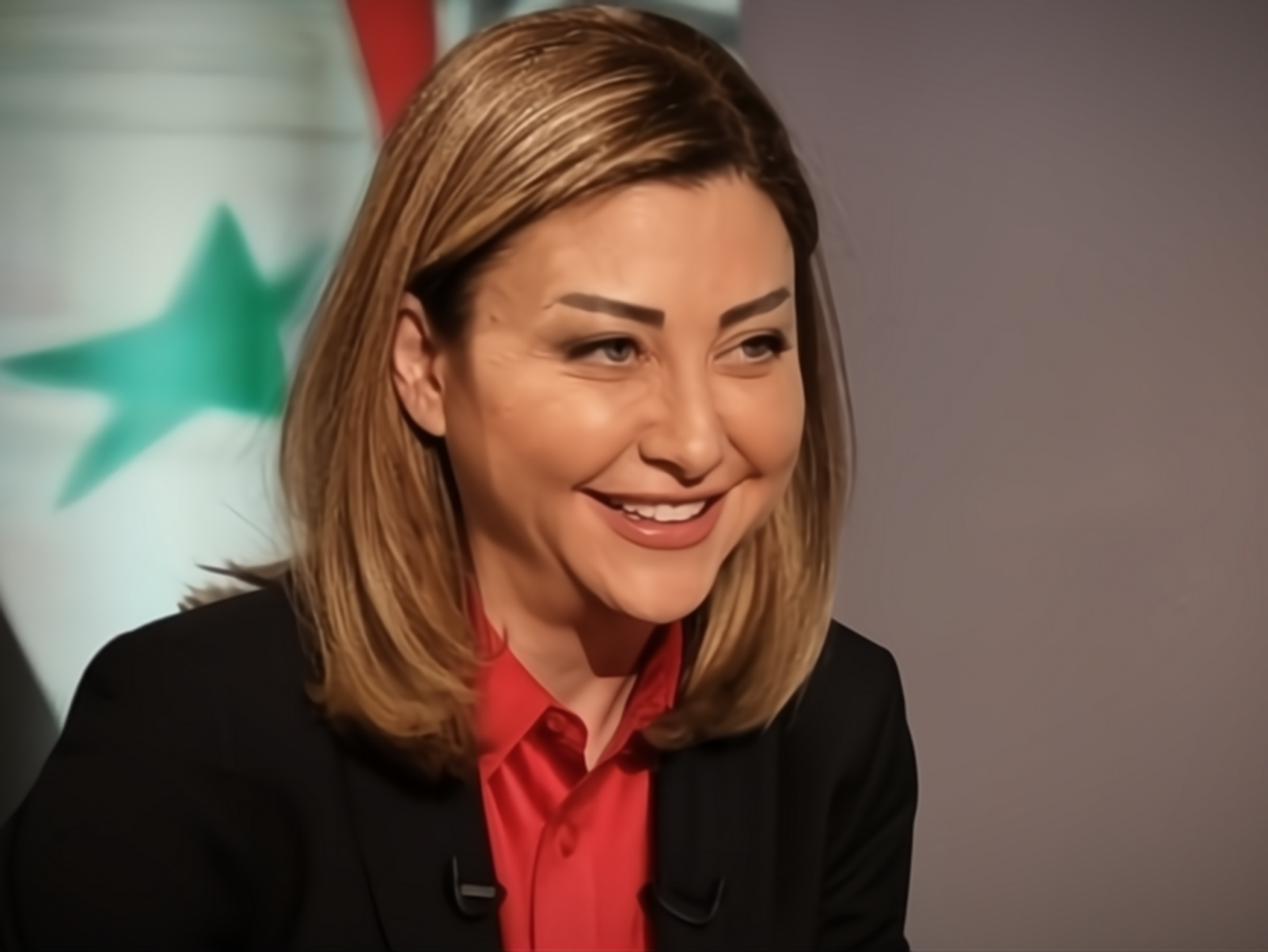
Luna al-Shibl, a media advisor to Syrian President Bashar al-Assad, was killed in a car crash in Damascus. But many didn’t believe the official account of her death given the Syrian regime’s long history of targeting opponents inside and outside Syria.

Those hoping that Labour unseating the Tories could change the diplomatic dynamic in the Middle East will be duly disappointed. Keir Starmer, the new British prime minister, appears as just an updated version of Tony Blair.
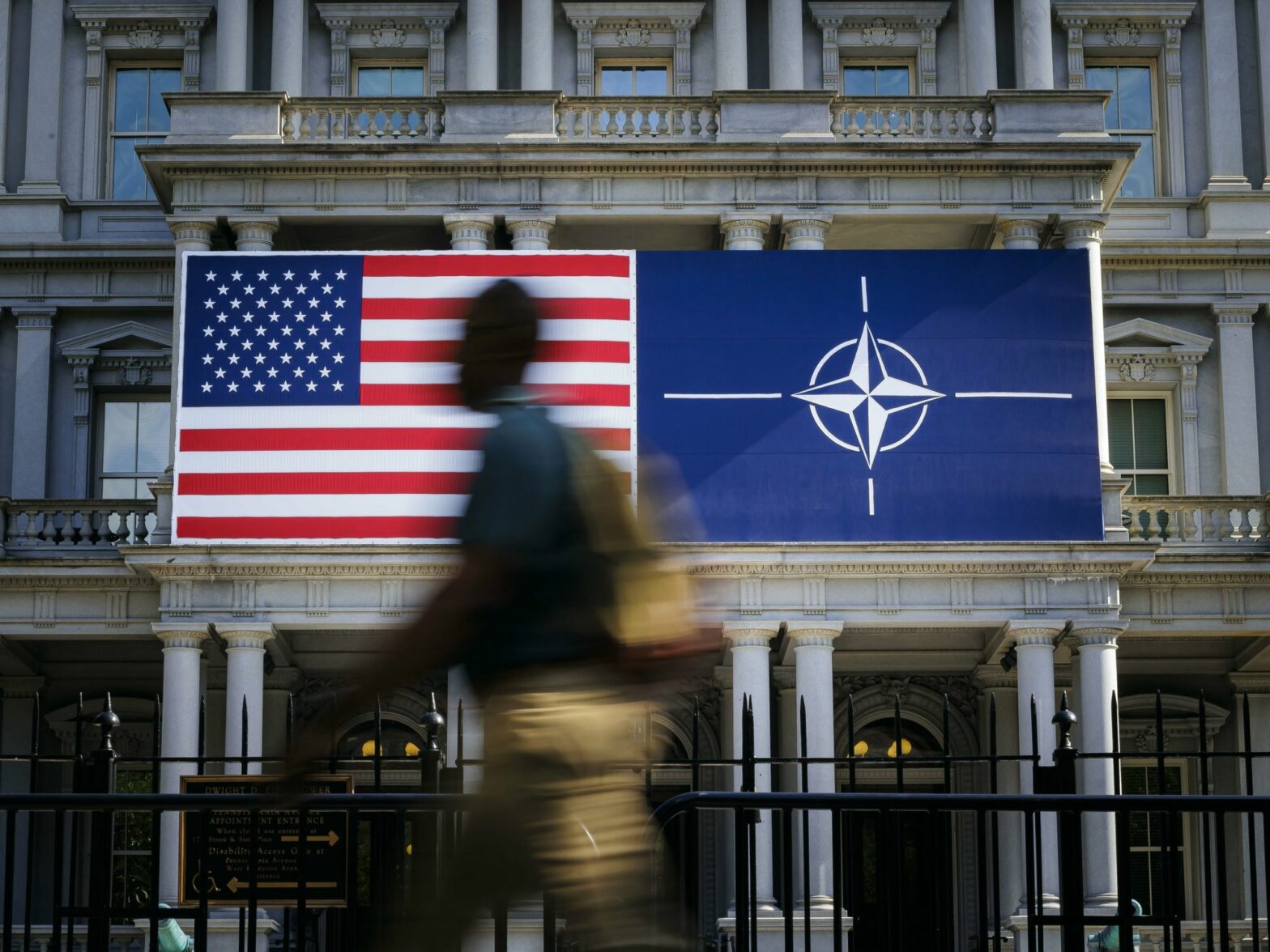
As the alliance’s 32 countries celebrate their 75th anniversary at a summit in Washington, uncertainties over the possible reelection of Donald Trump in November, and dark clouds over Europe and France are raising serious questions about NATO’s future.
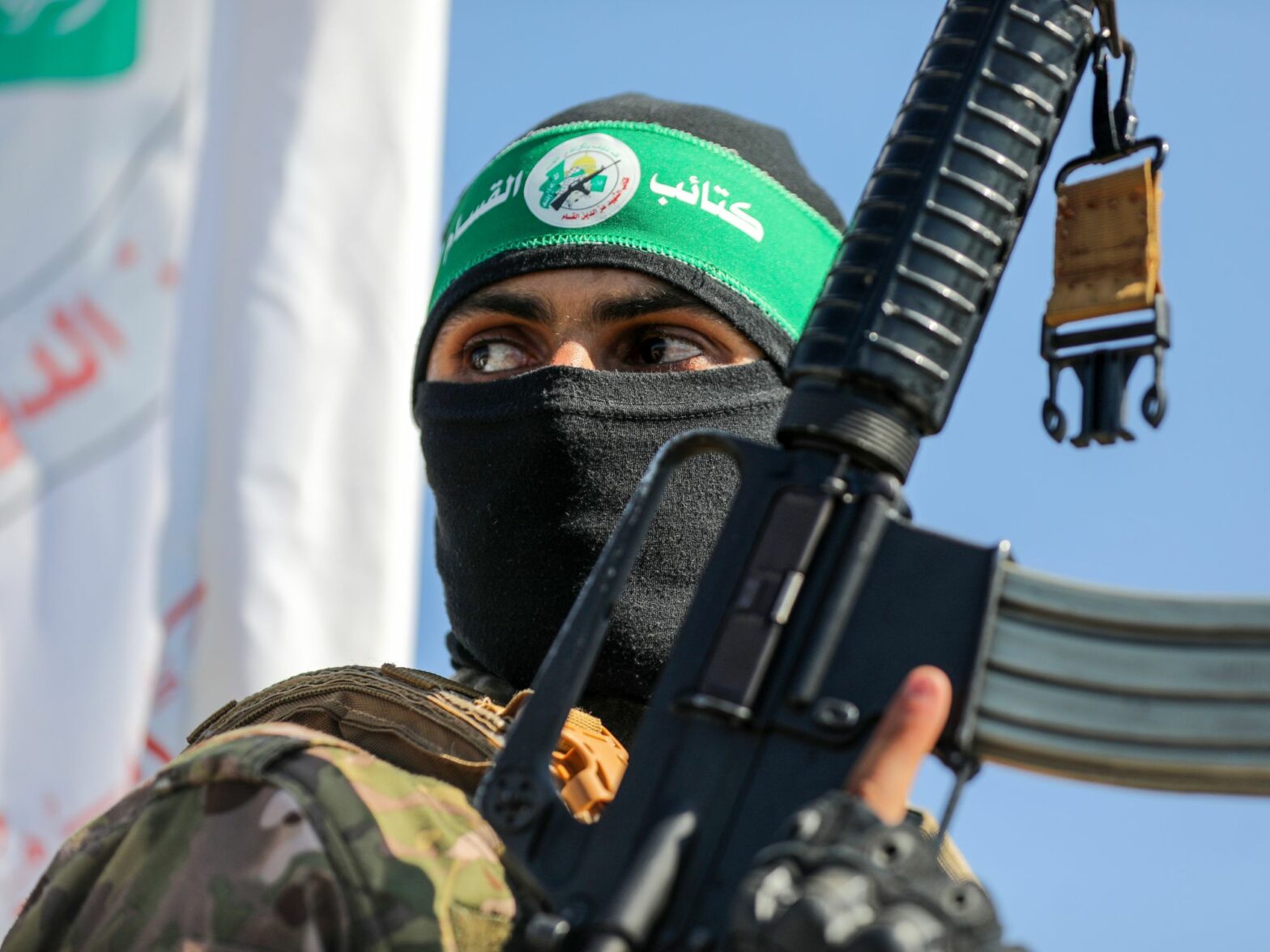
The concept of “resistance” adopted by militants in the Middle East has a close relationship with oppression and “divine victory,” which Hamas and Hezbollah both embrace in a false interpretation of the Koran, despite the heavy human and material losses inflicted.
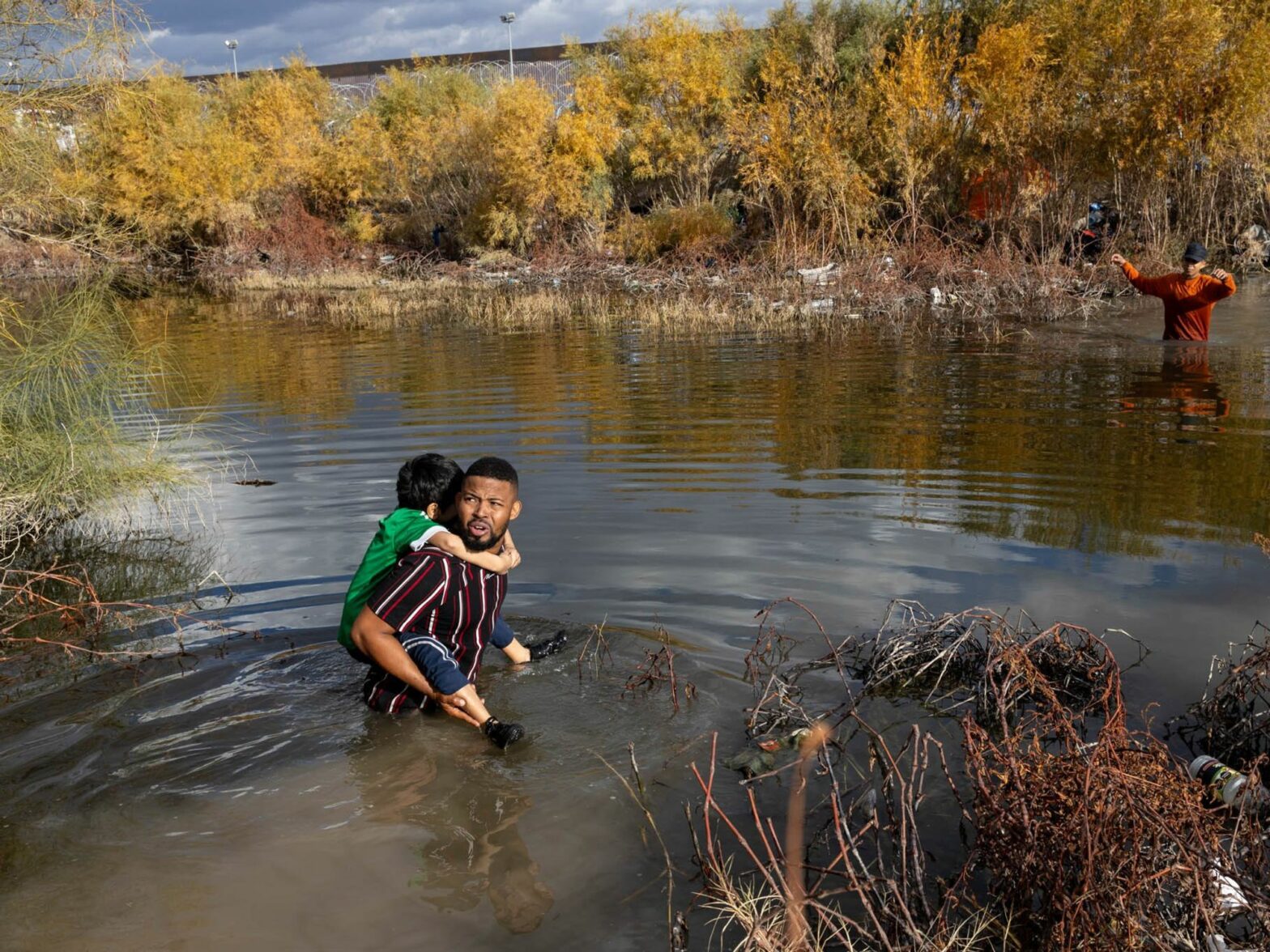
Since U.S. immigration laws were tightened in the 1990s, at least 8,000 people have died trying to cross from Mexico to the United States. Of those, more than 4,000 died in the Sonoran Desert in Arizona. While authorities call for migration through legal channels, NGOs argue that regulatory barriers are pushing people to make this dangerous journey.
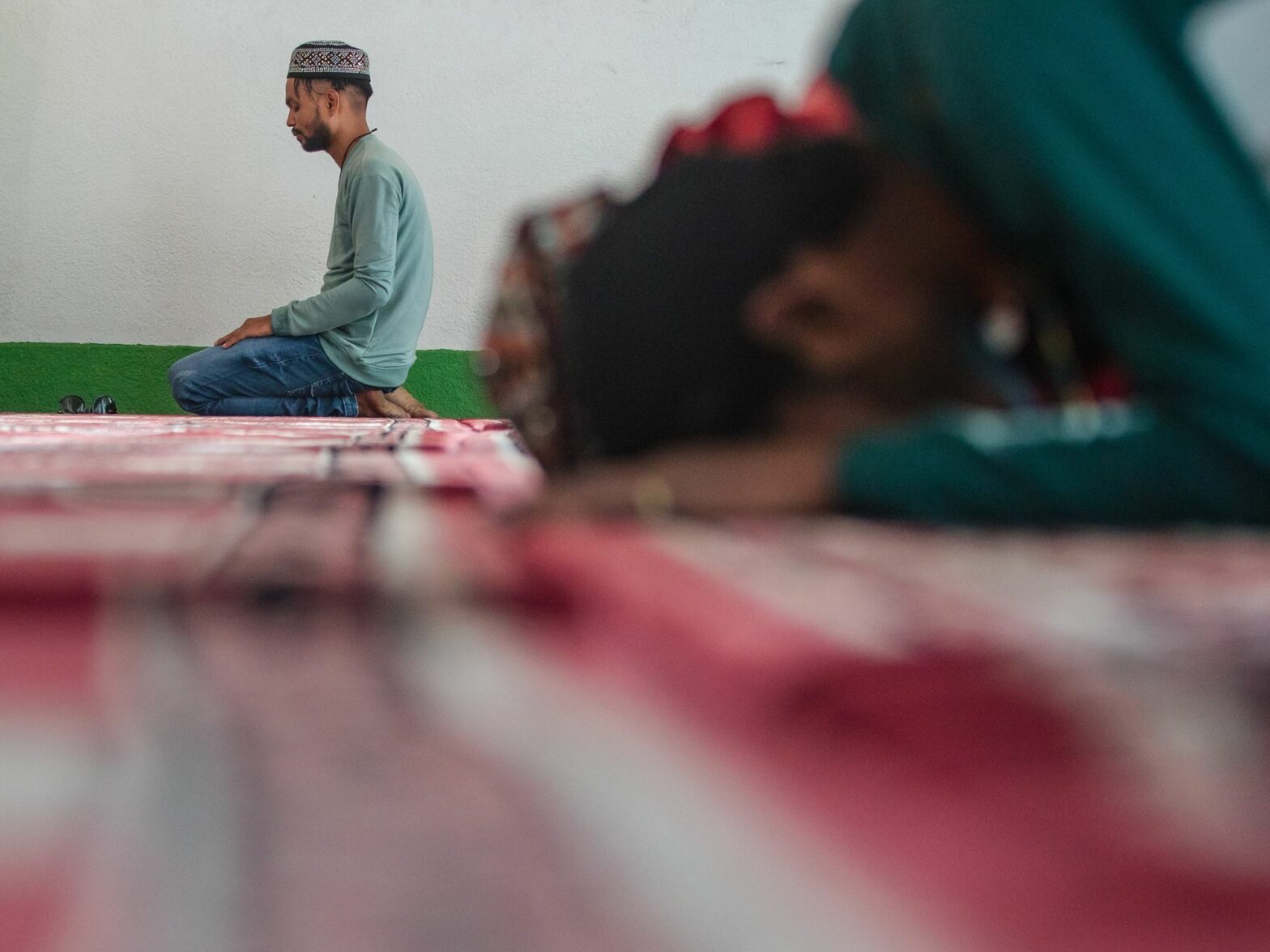
Violence and denunciation won’t beat political Islam. Its deconstruction must be through reasoned criticism, the methods of modern science and allowing space for religion to have its influence.
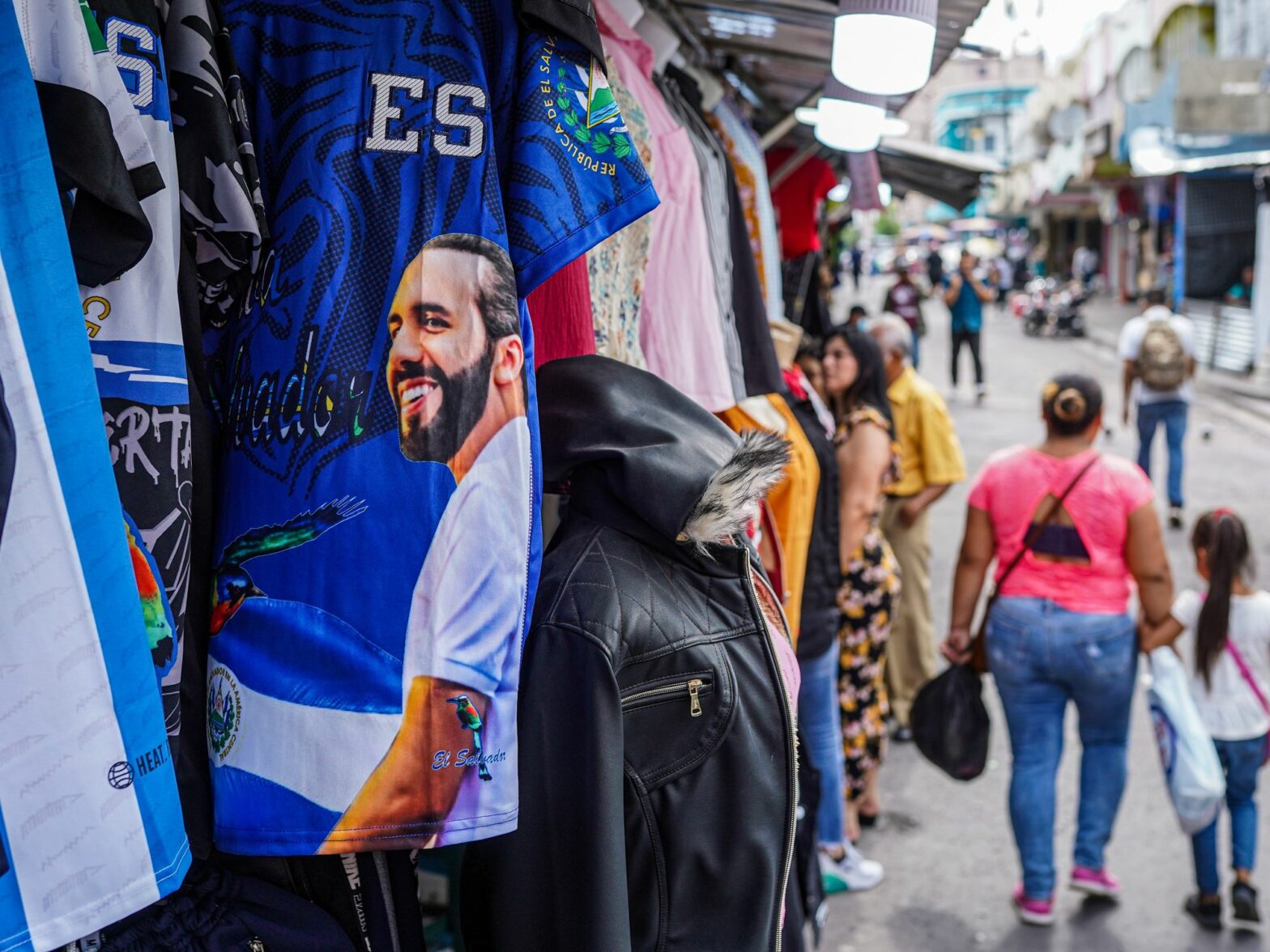
Through quiet diplomacy, Russia may be courting the rising star of Latin American populism, El Salvador’s President Nayib Bukele. In time, he must decide between international respectability and a bear hug from Vladimir Putin.
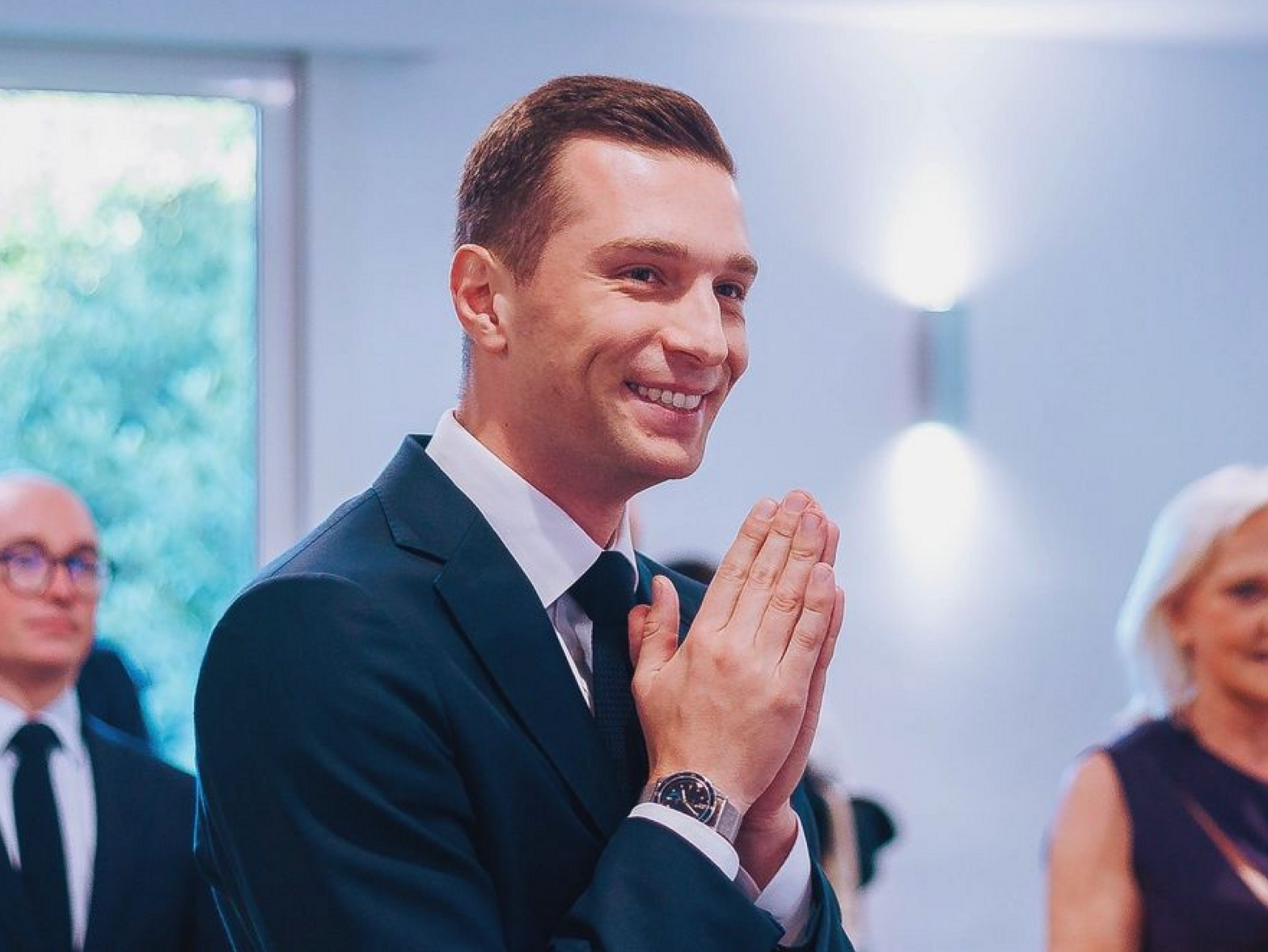
Unless there is a last-minute twist, the only real issue in the second round is whether the far-right party will have an absolute majority or not. The left seems unaware that its ideas are largely in the minority.
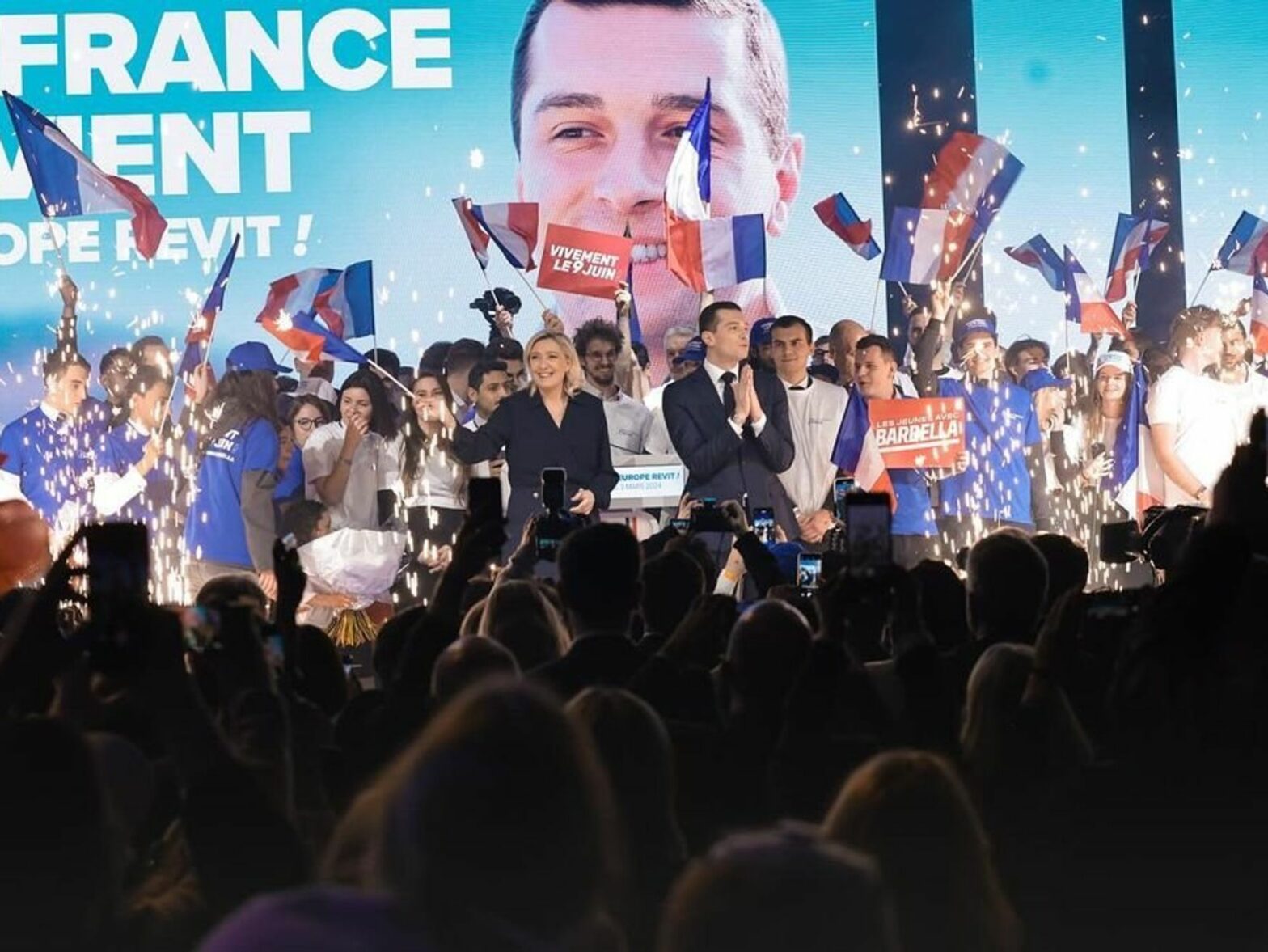
France’s European partners fear the outcome of the upcoming snap legislative elections and its consequences for the EU. German Chancellor Olaf Scholz has called for the victory of a party “other than Marine Le Pen’s,” a sign of this growing concern.
Jordan Bardella may become the first far-right prime minister in France since World War II. Is this good news for Vladimir Putin?
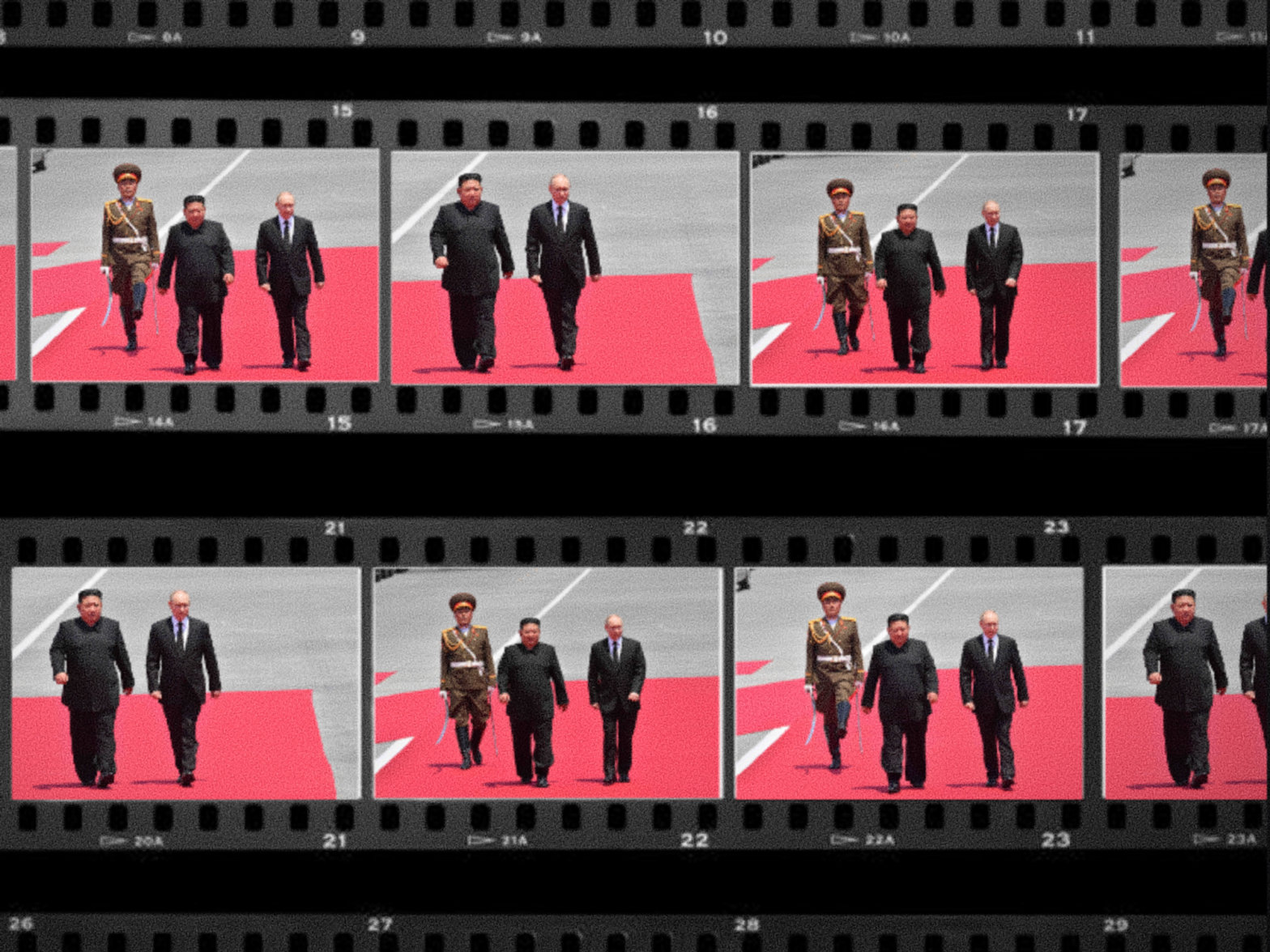
Vladimir Putin presents himself as the leading advocate for multipolarism, but continues to reveal his true world view, where we are divided among those that respect nothing but personal power — and fools.
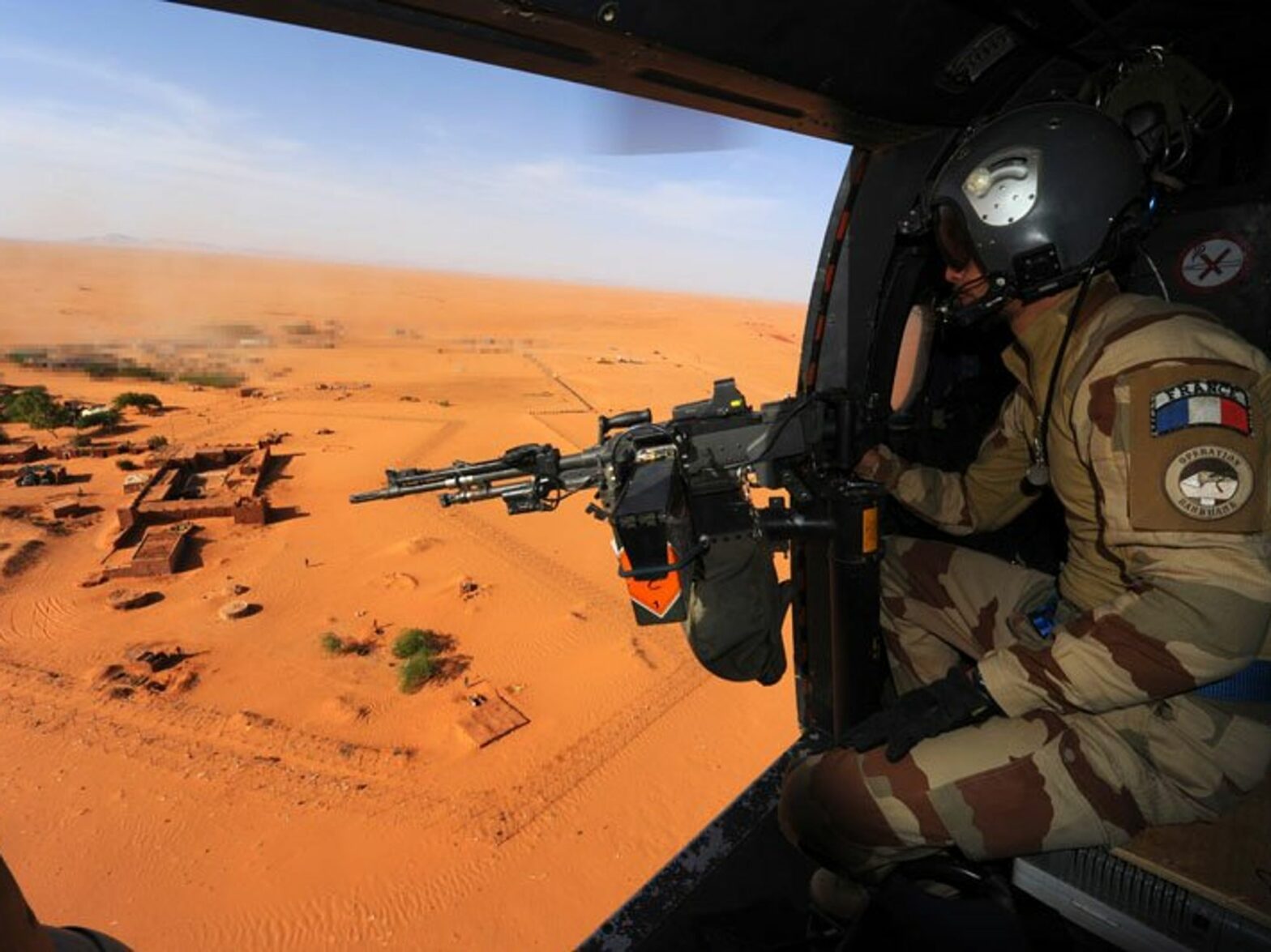
A chapter of history is closing: that of the active French military presence on the African continent, which will soon be reduced to a bare minimum after being a central element of France’s presence in its former colonial empire.
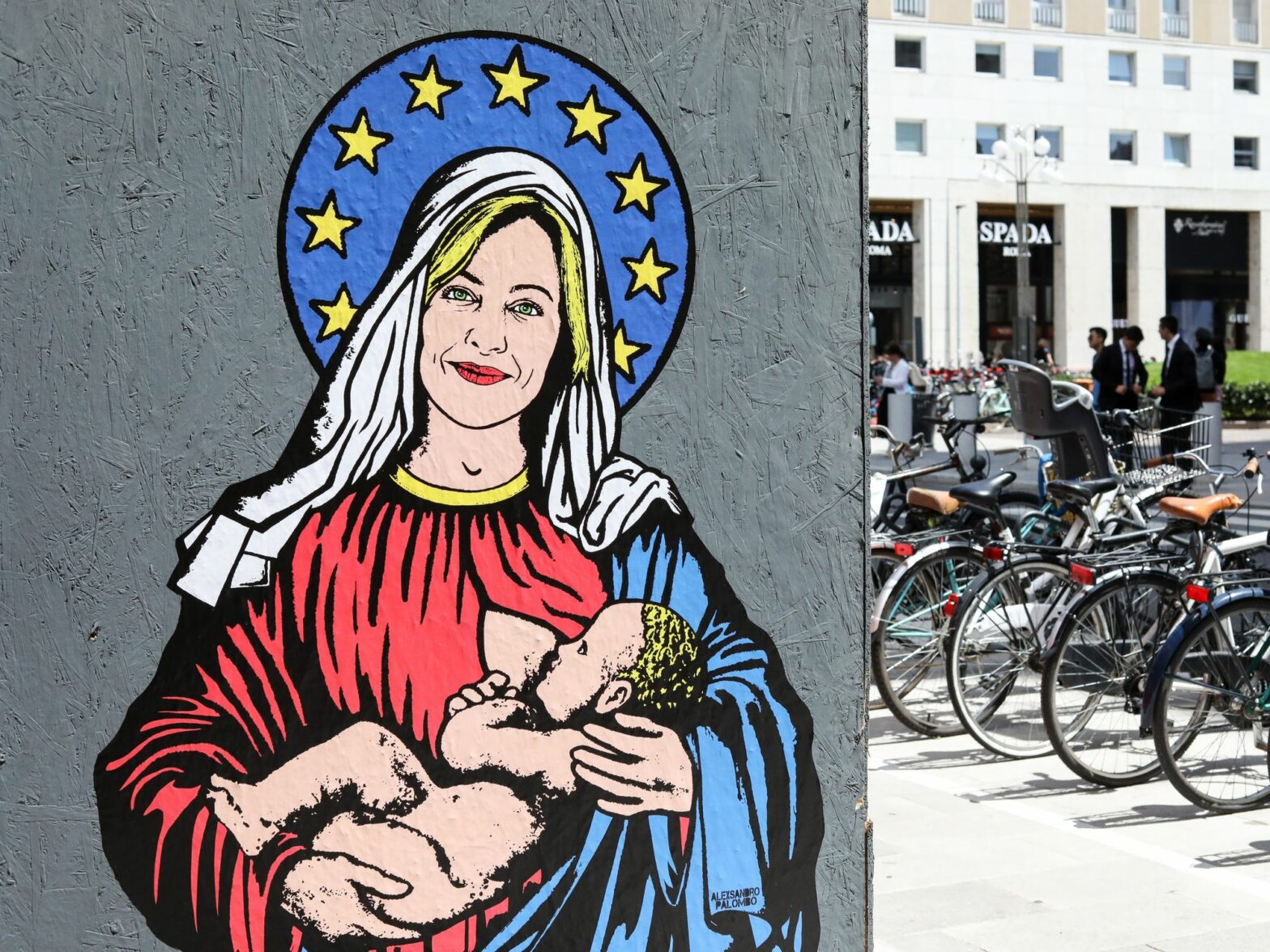
German Chancellor Olaf Scholz’s declaration labeling Italian Prime Minister Giorgia Meloni as “extreme right-wing” is a politically charged move. But is this assessment fair, given Meloni’s strong support for Ukraine and responsible economic decisions — or is there some demonizing and distracting at play?
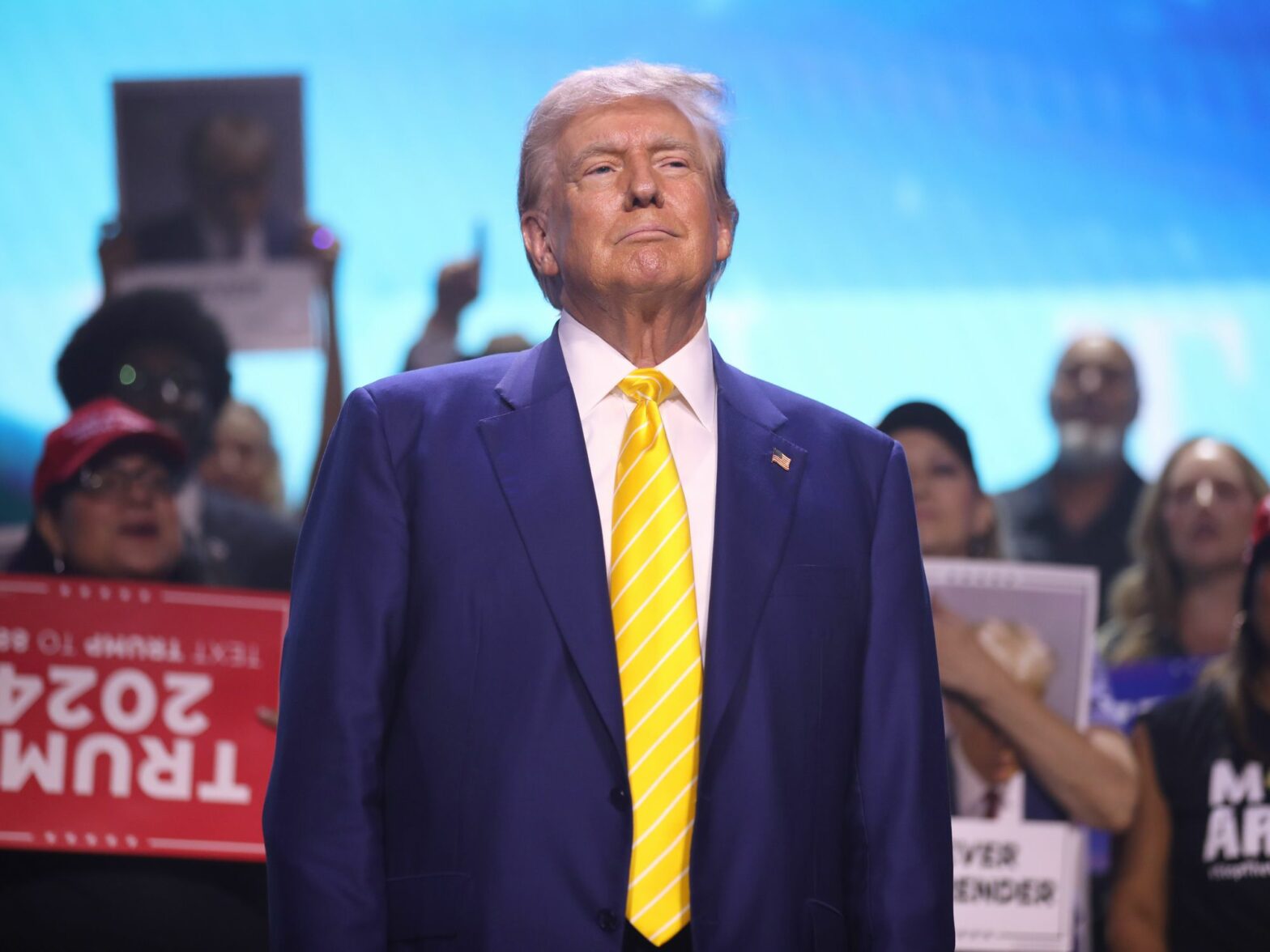
As the U.S. presidential election draws closer, independent Russian-language media Vazhnye Istorii spoke with American politics specialists about the possibility of a second Trump term and what it would mean for the Russia-Ukraine war, traditional U.S. allies and China.
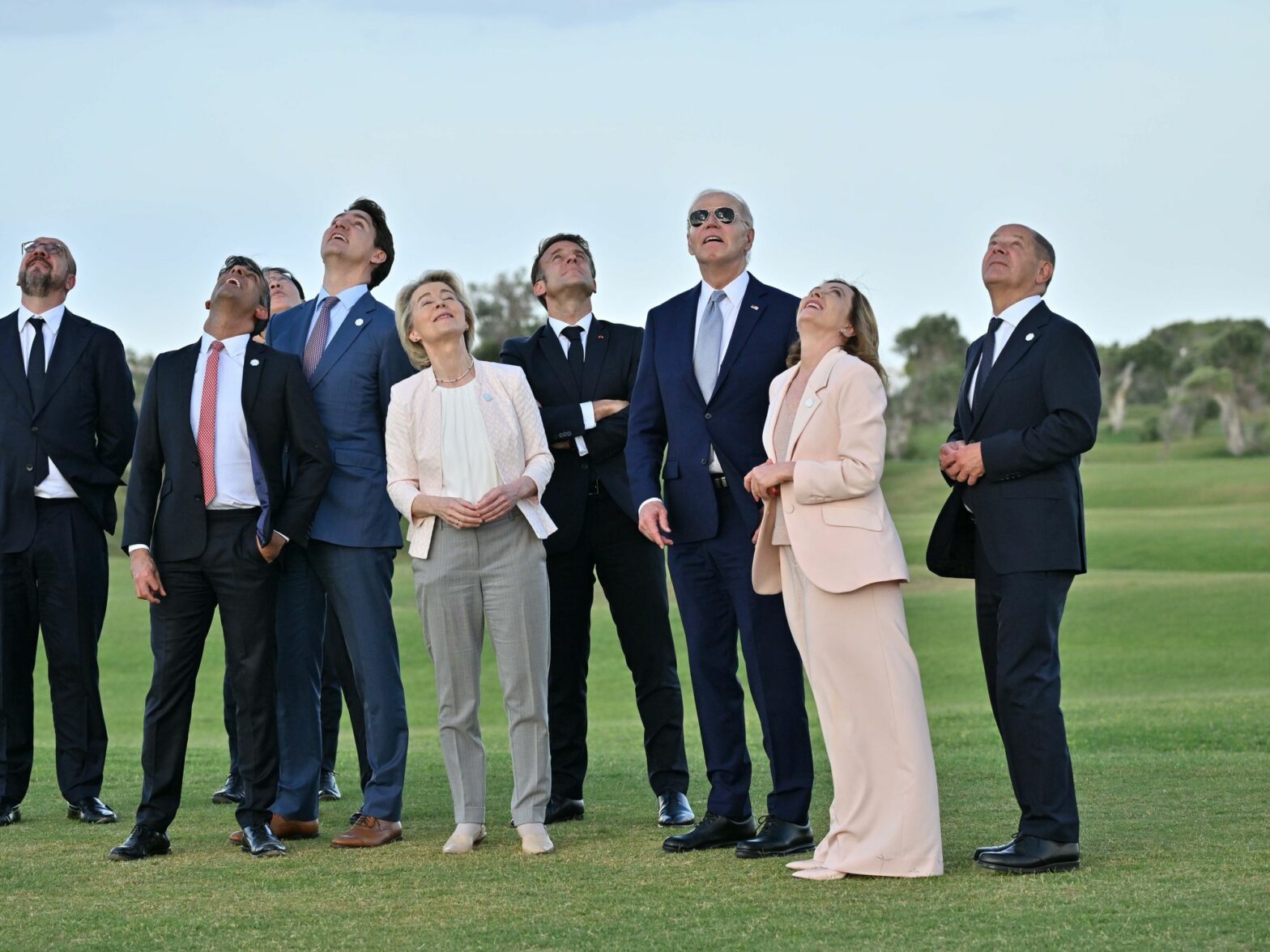
As the upcoming French and American elections show, the Western democratic model is being put into question — both externally by revisionist powers, and internally.
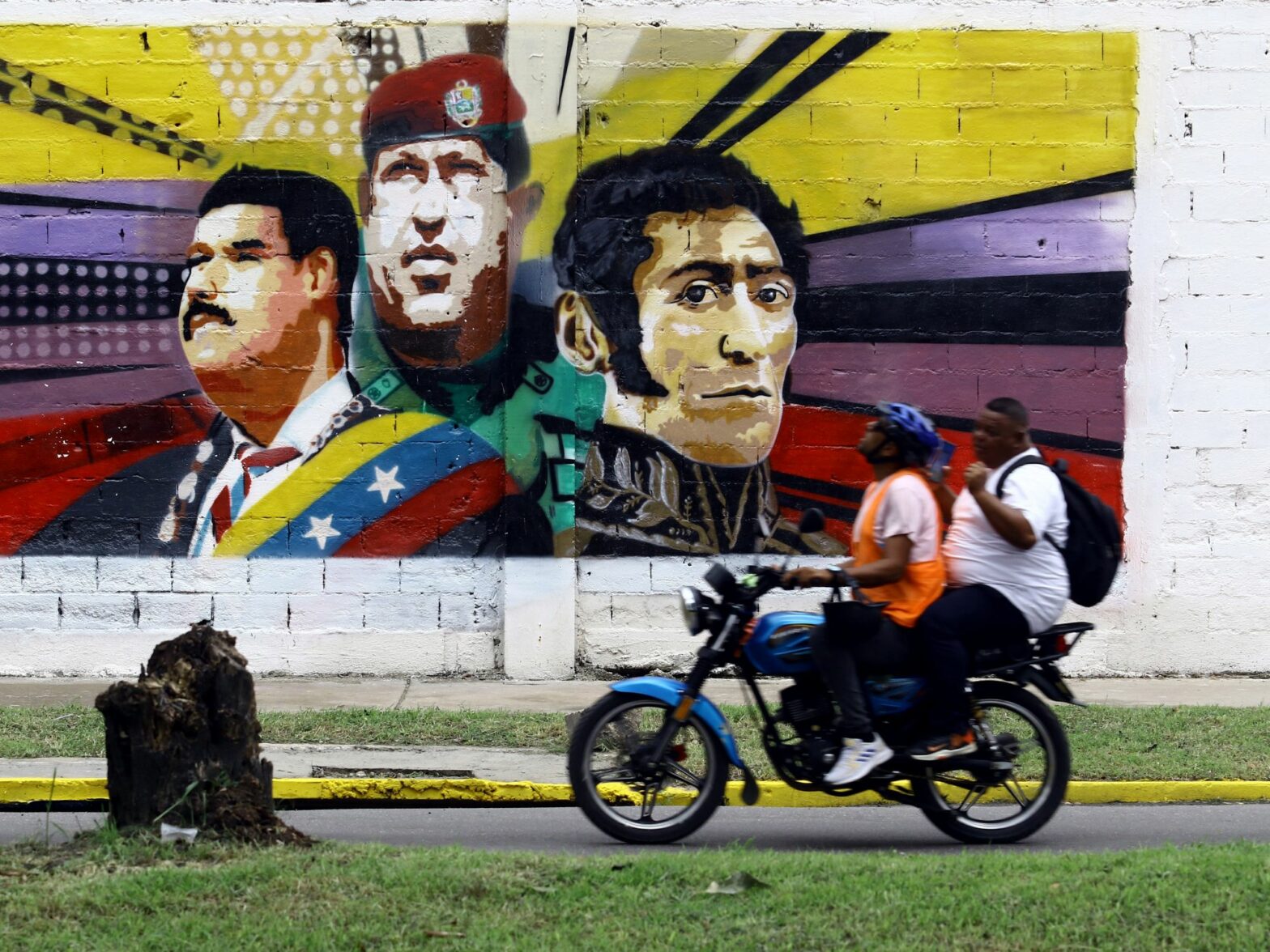
Venezuela and its neighbors are nervously waiting to see if President Maduro and his clique will soon hold a fair election, or cling onto power, fueling more despair and unleashing yet another migratory wave over the region.
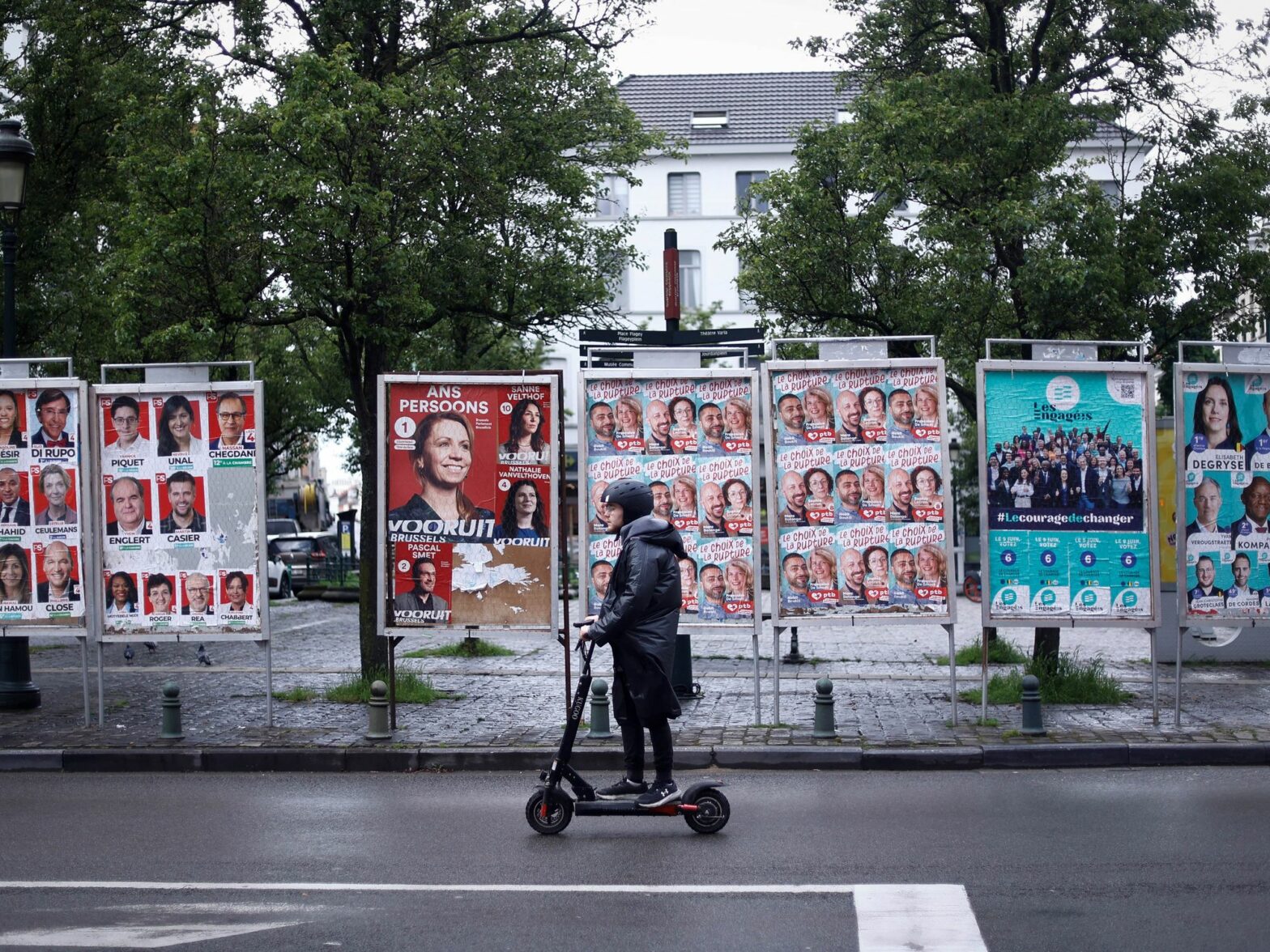
This week, 360 million voters across the EU will elect 720 Members of the European Parliament. Nationalist and far-right forces are expected to gain ground. At stake is the Europe’s ability to implement its security and competitiveness agenda over the next five years.
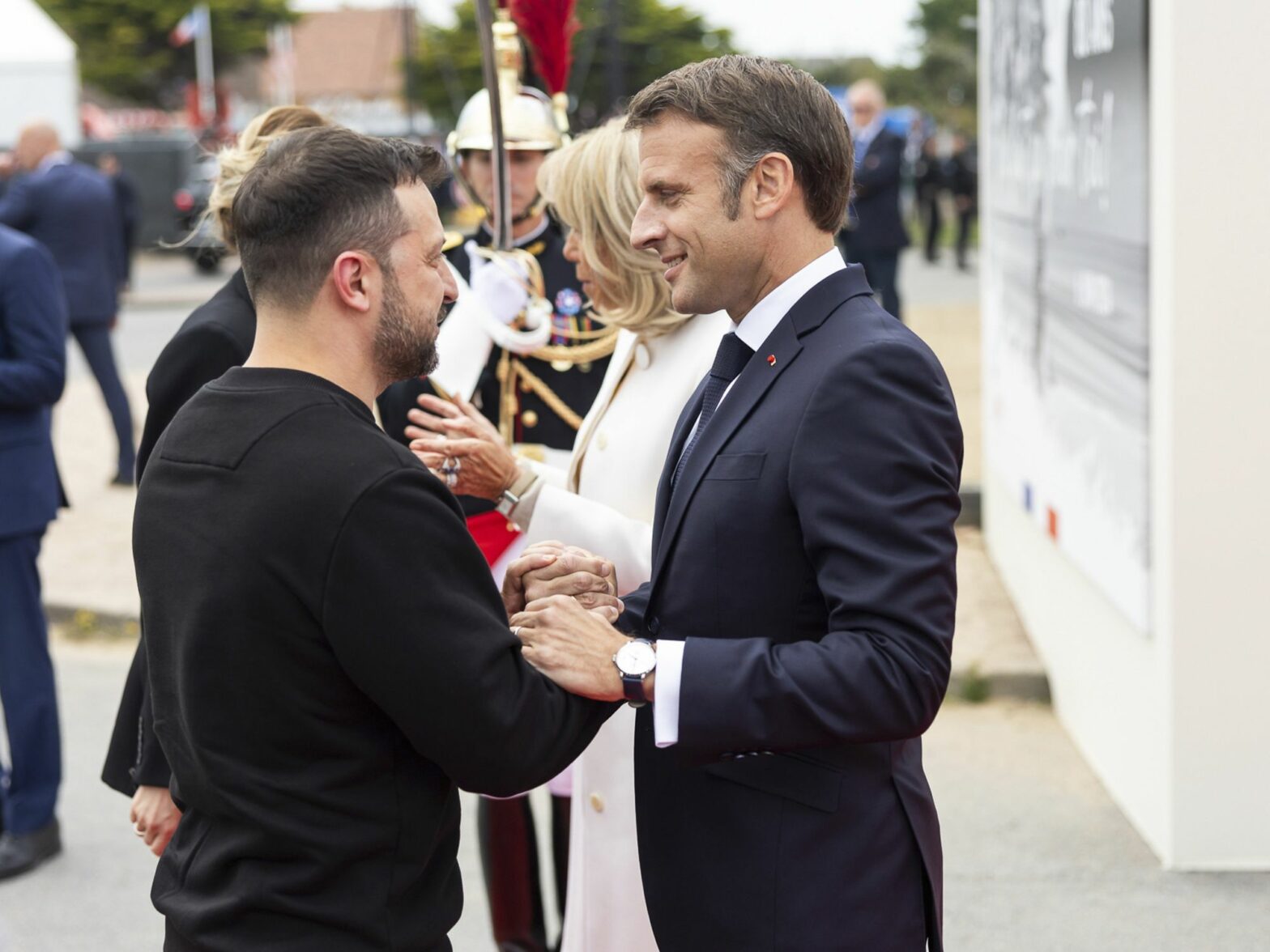
French Mirage jets and training of pilots on Ukrainian soil: these two announcements by Emmanuel Macron last night, as his Ukrainian counterpart Volodymyr Zelensky was in France for the June 6 ceremonies, mark an increased commitment — to help Ukraine restore the balance of power.
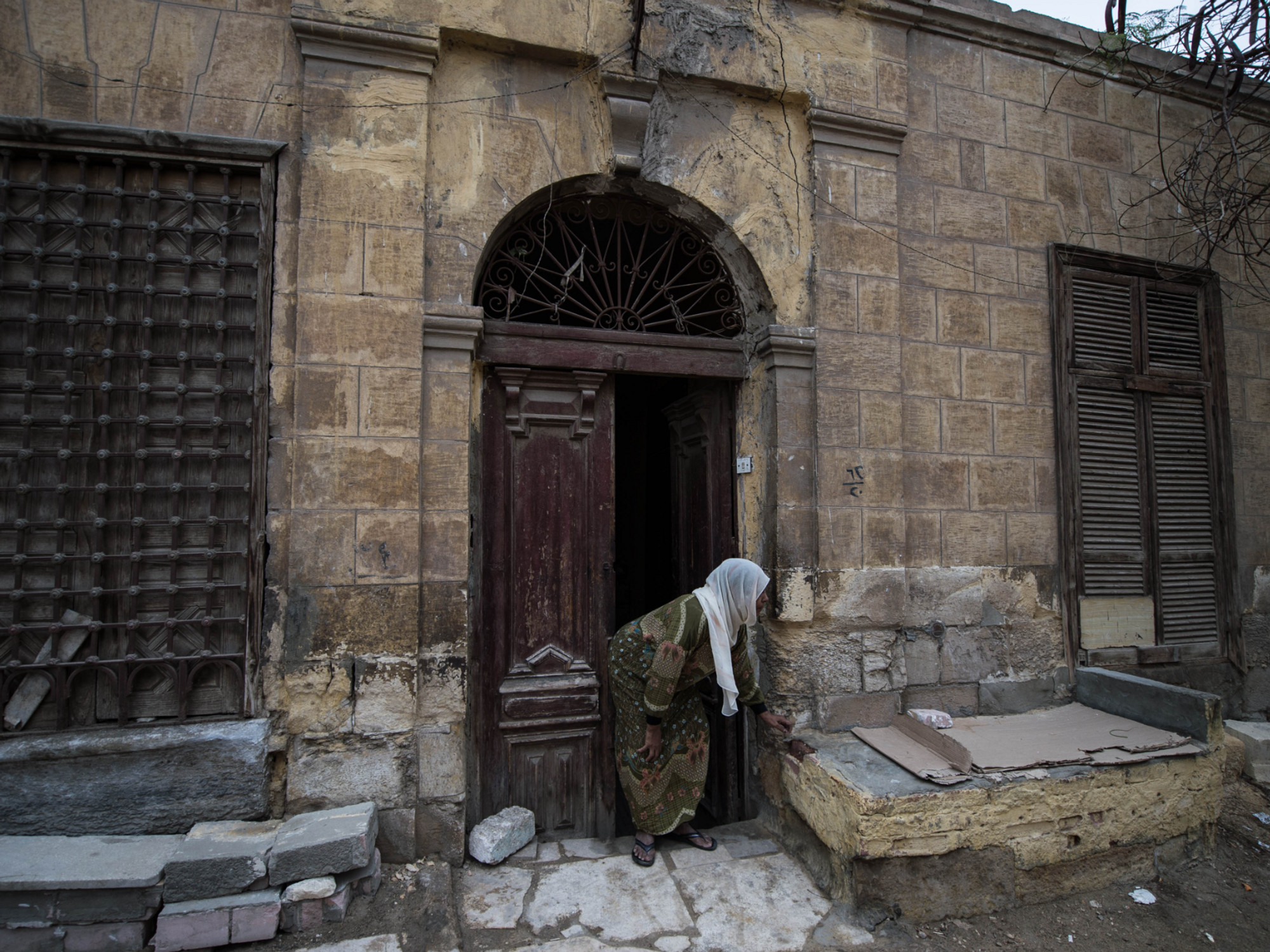
A government plan to build a series of highways that pass through centuries-old cemeteries in Cairo has sparked public backlash in recent years, as the Egyptian capital must measure itself against both places like Dubai and Manhattan..
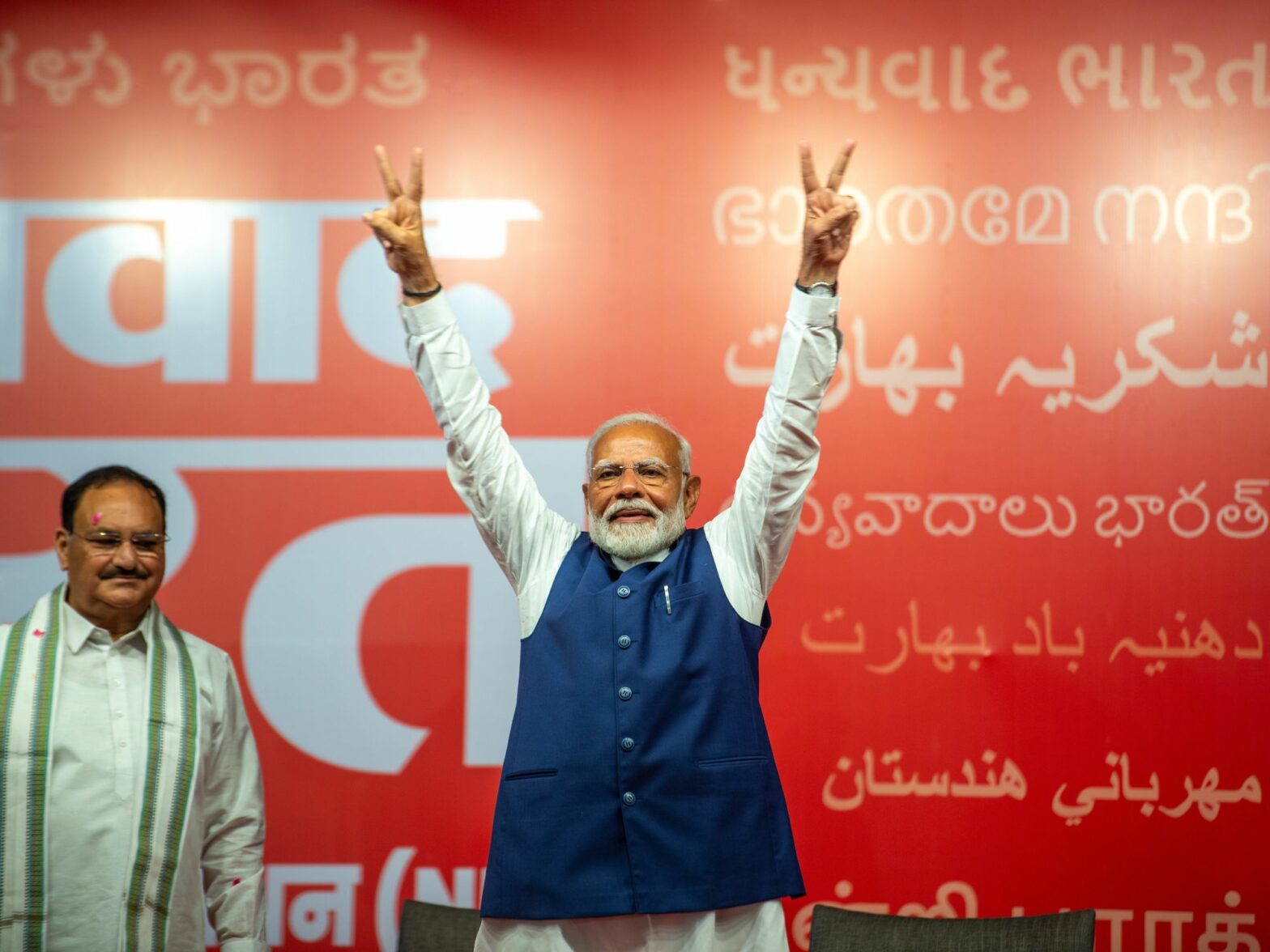
While the party of India’s Prime Minister came on top on the general elections, it failed to win an outright majority at the lower house. This means Modi will have to form a coalition government for the first time and learn how to work with others.
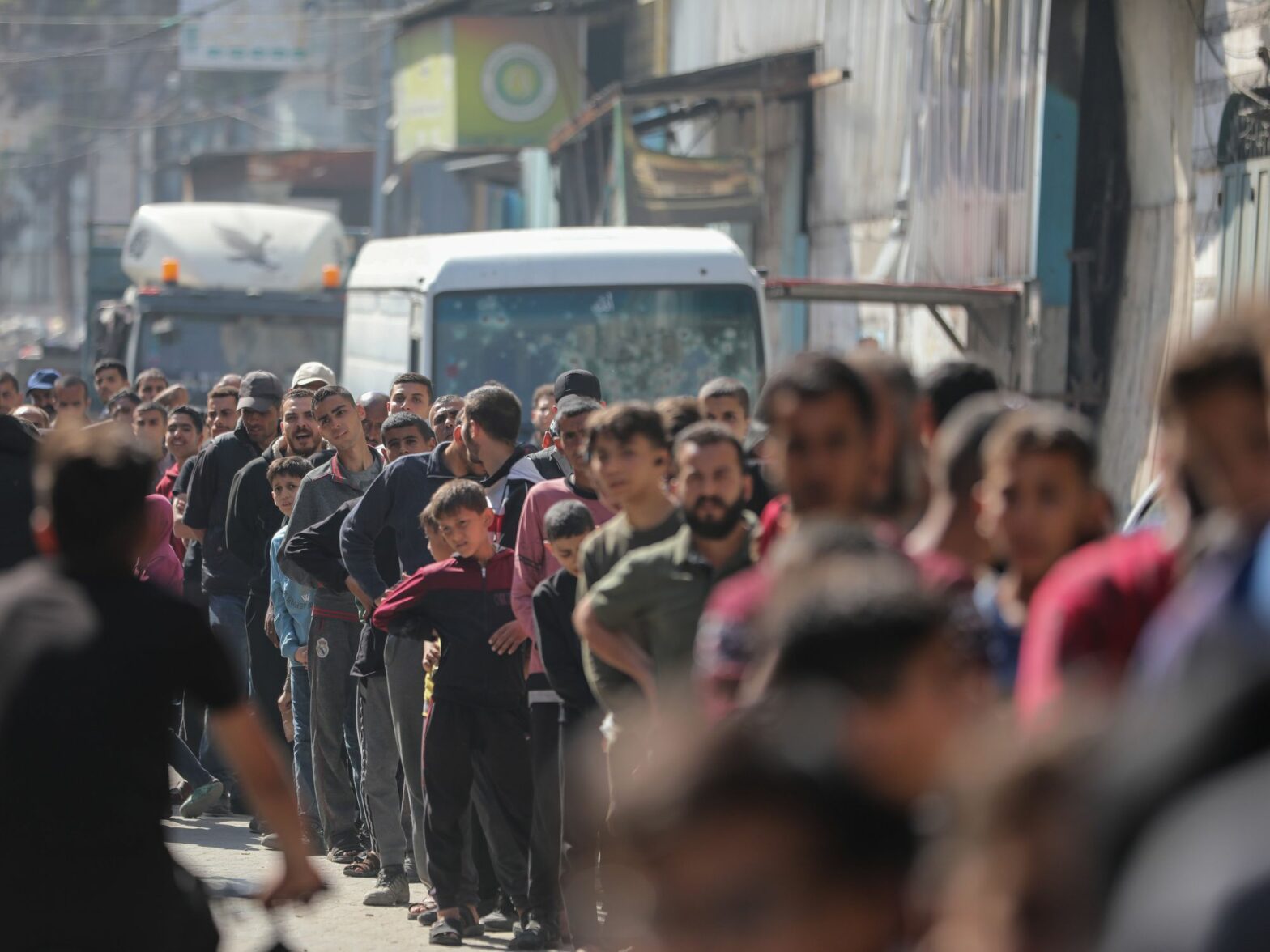
Israel’s war on Gaza, with the support of the West, is not far from the necessities of capitalist accumulation in many regions of the world, or at least about managing the crisis of contemporary global capitalism.
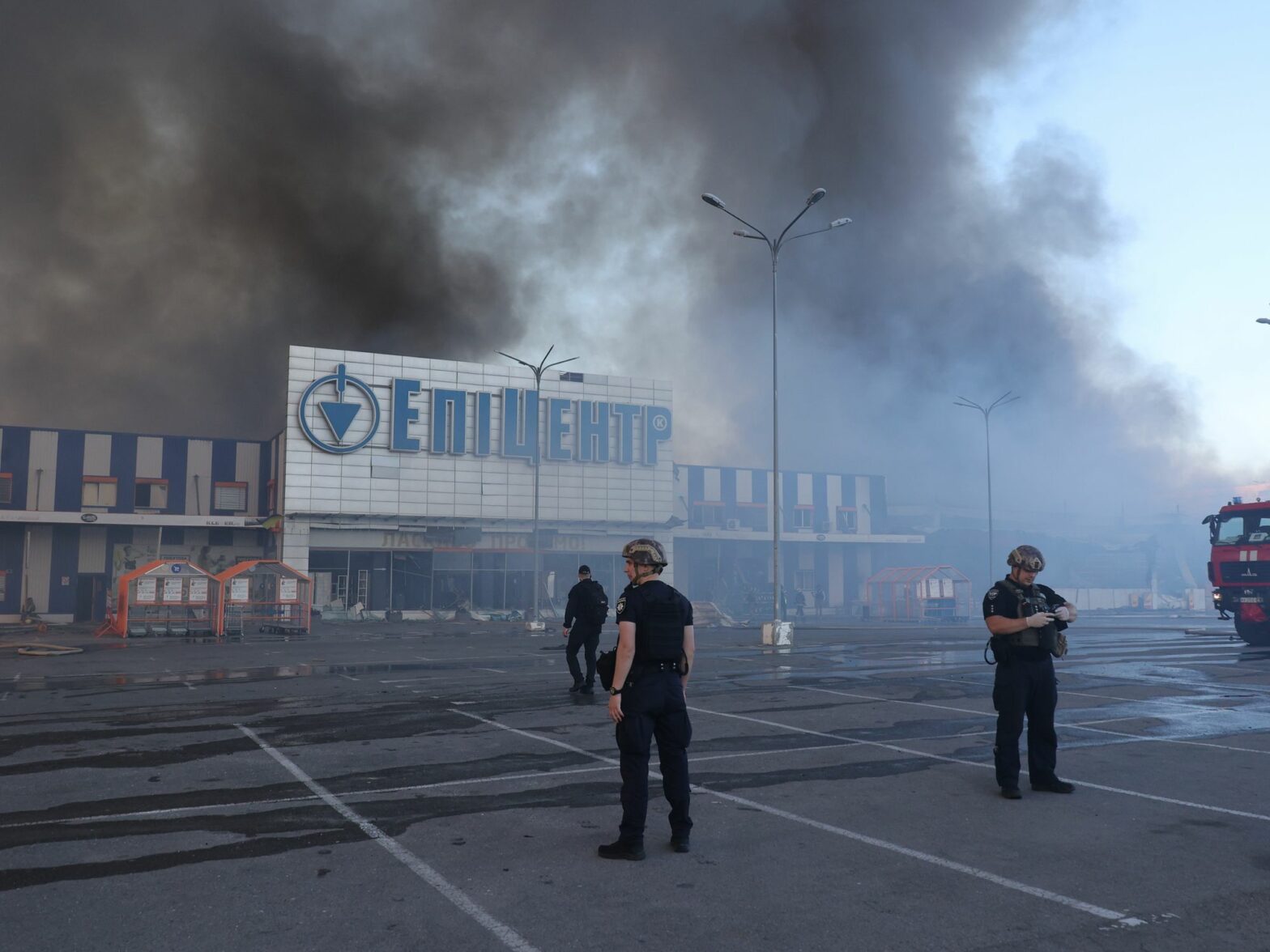
Ukraine is not allowed to attack Russian territory. Israel, on the other hand, has free rein. These are the would-be restrictions of Western weapons in two wars that might seem to have little in common.
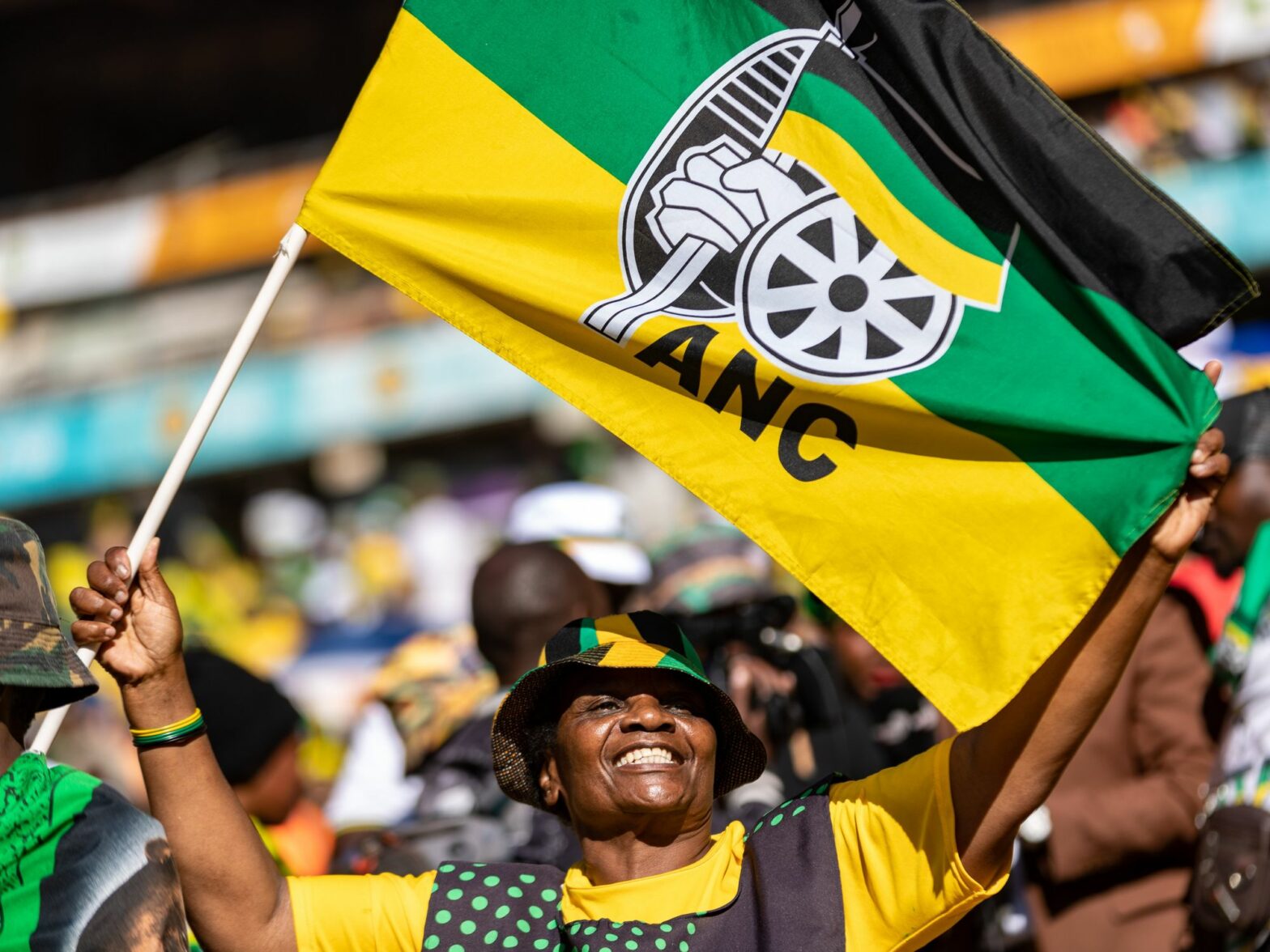
As South Africa goes to the polls, Nelson Mandela’s African National Congress party is facing disillusionment among its voters, and risks losing its absolute majority in parliament. Corruption, crime and persistent social inequality are at the root of this disenchantment — and the memory of the liberation struggle is fading.
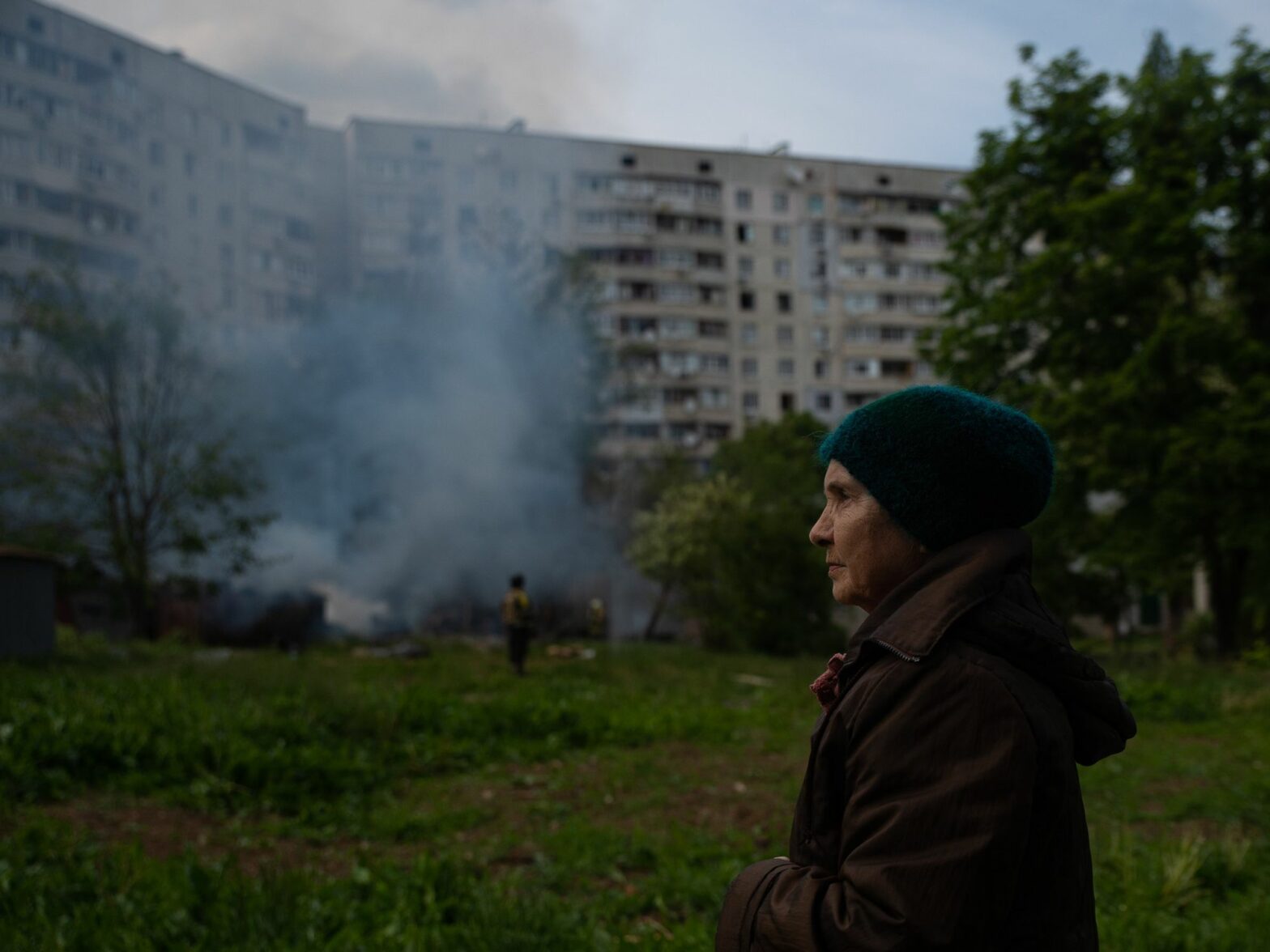
Russia is on the offensive, bombing the northern Ukrainian city of Kharkiv almost every day. Visiting the city over the weekend, President Zelensky again called for stronger, faster Western aid.
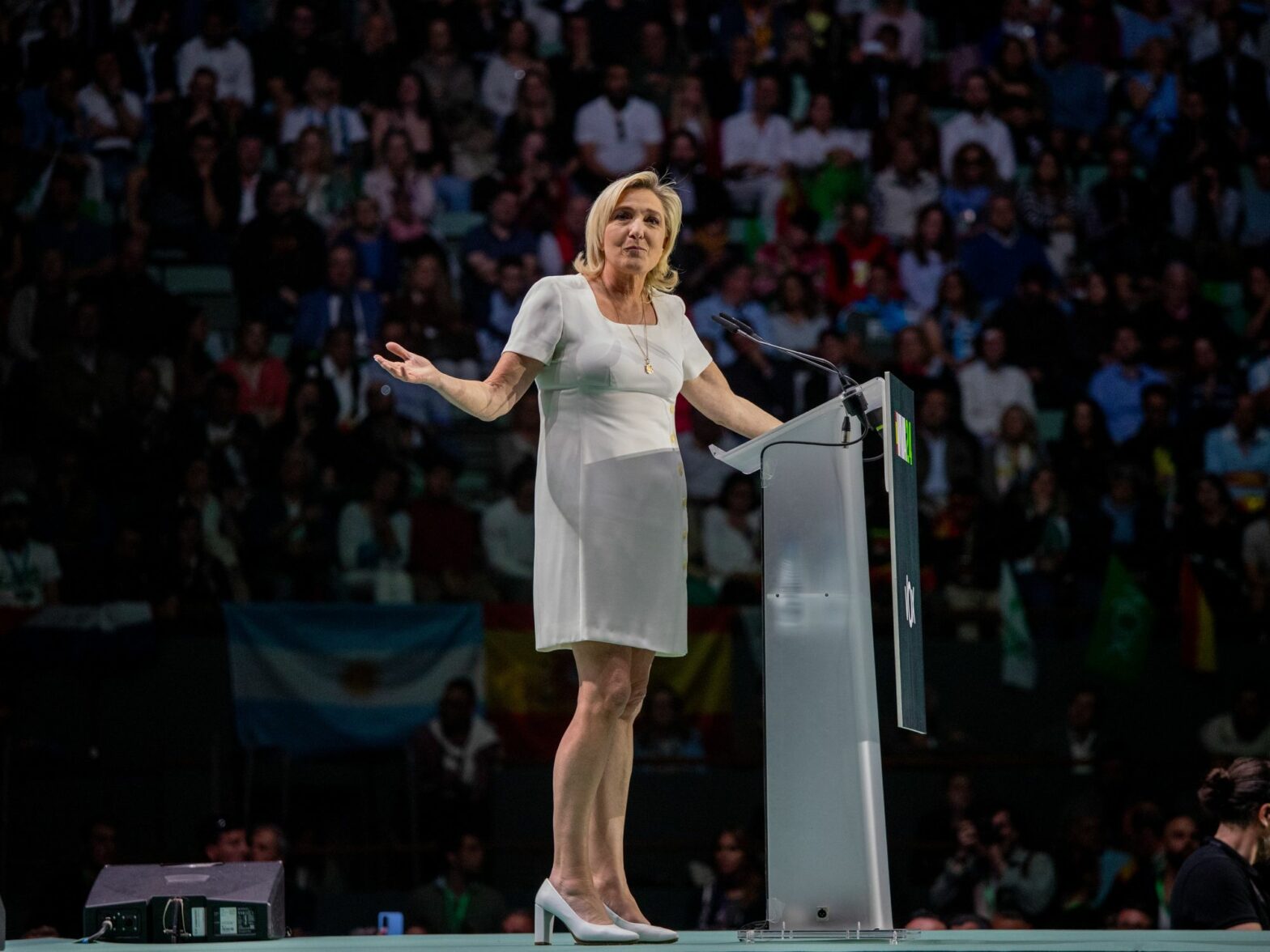
In Germany, support for the far-right AfD party is dwindling while its French counterpart, the Rassemblement National of Le Pen, is leading the polls. Opposed trajectories that stem from very different approaches: German radicalization vs. French “dédiabolization.”
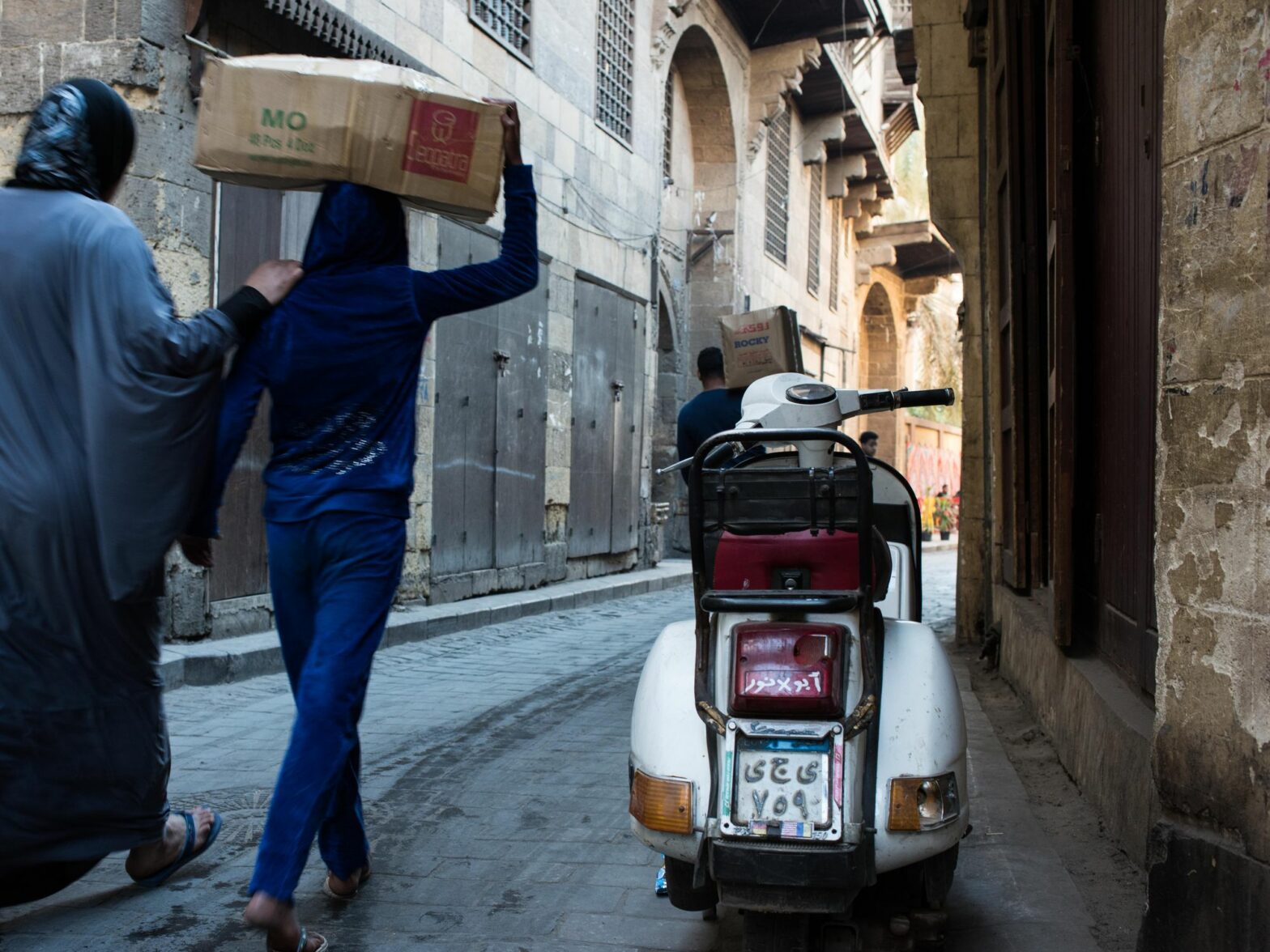
An anthropologist who has focused on urban geography and violence, Omnia Khalil reflects on how her daily movement was shaped by architectural design in Egypt, a country where sexual harassment is a widespread and serious problem.
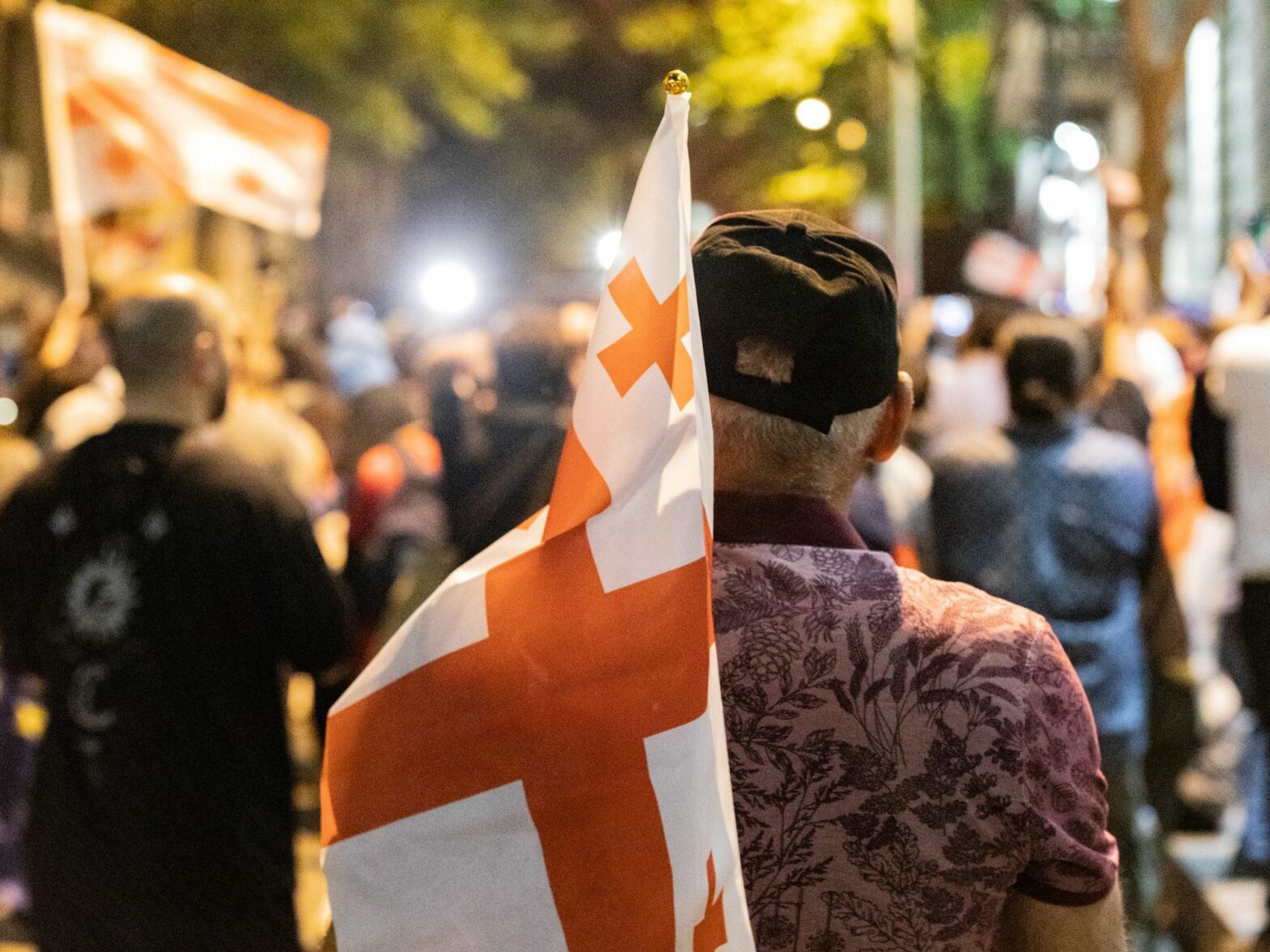
Europe’s fate is also being played out in countries outside the EU, where East and West are battling for influence. In Georgia on Tuesday, the government bowed to pressure from Moscow, and passed a law on “foreign influence” modeled on a Russia law.
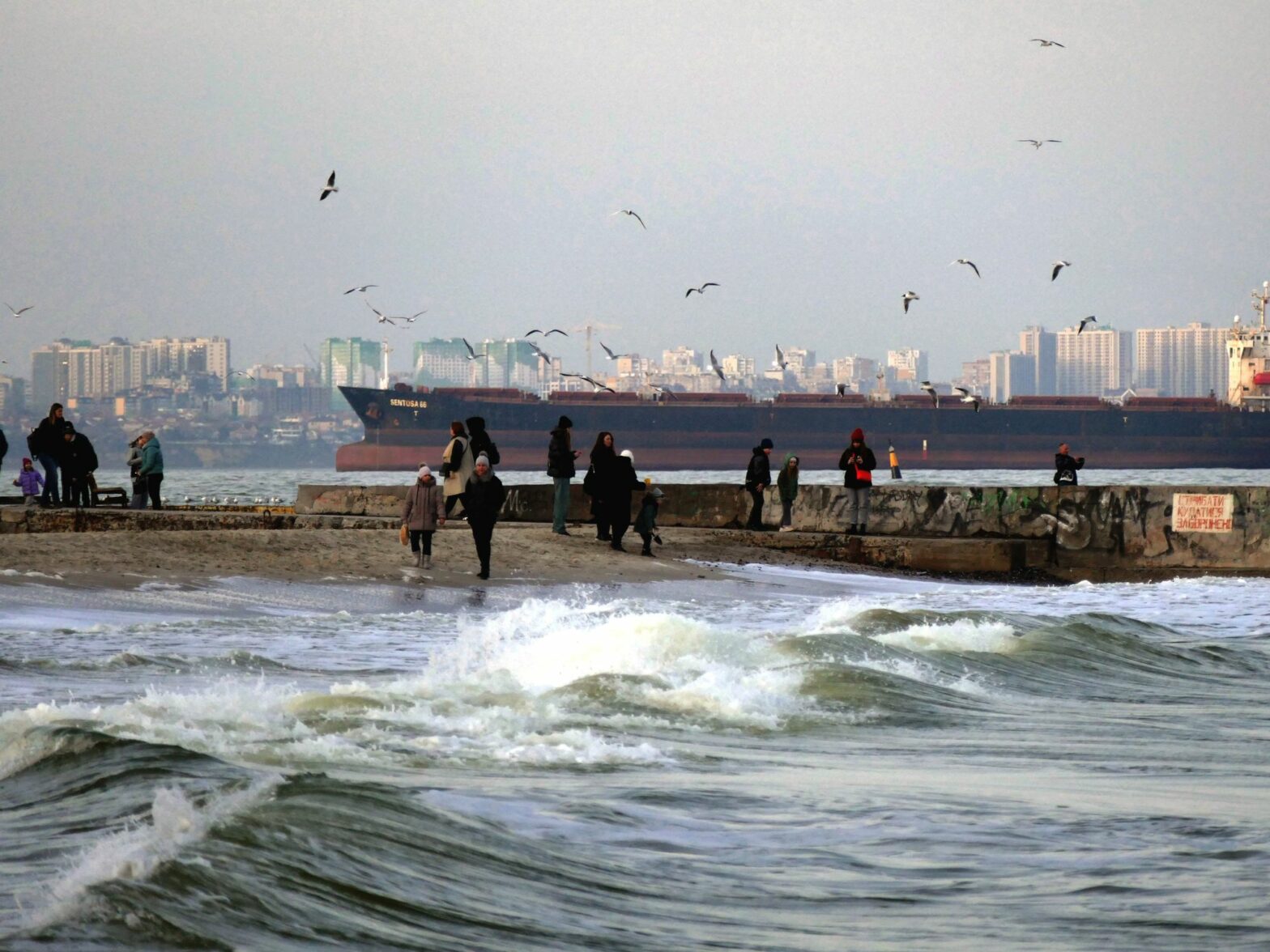
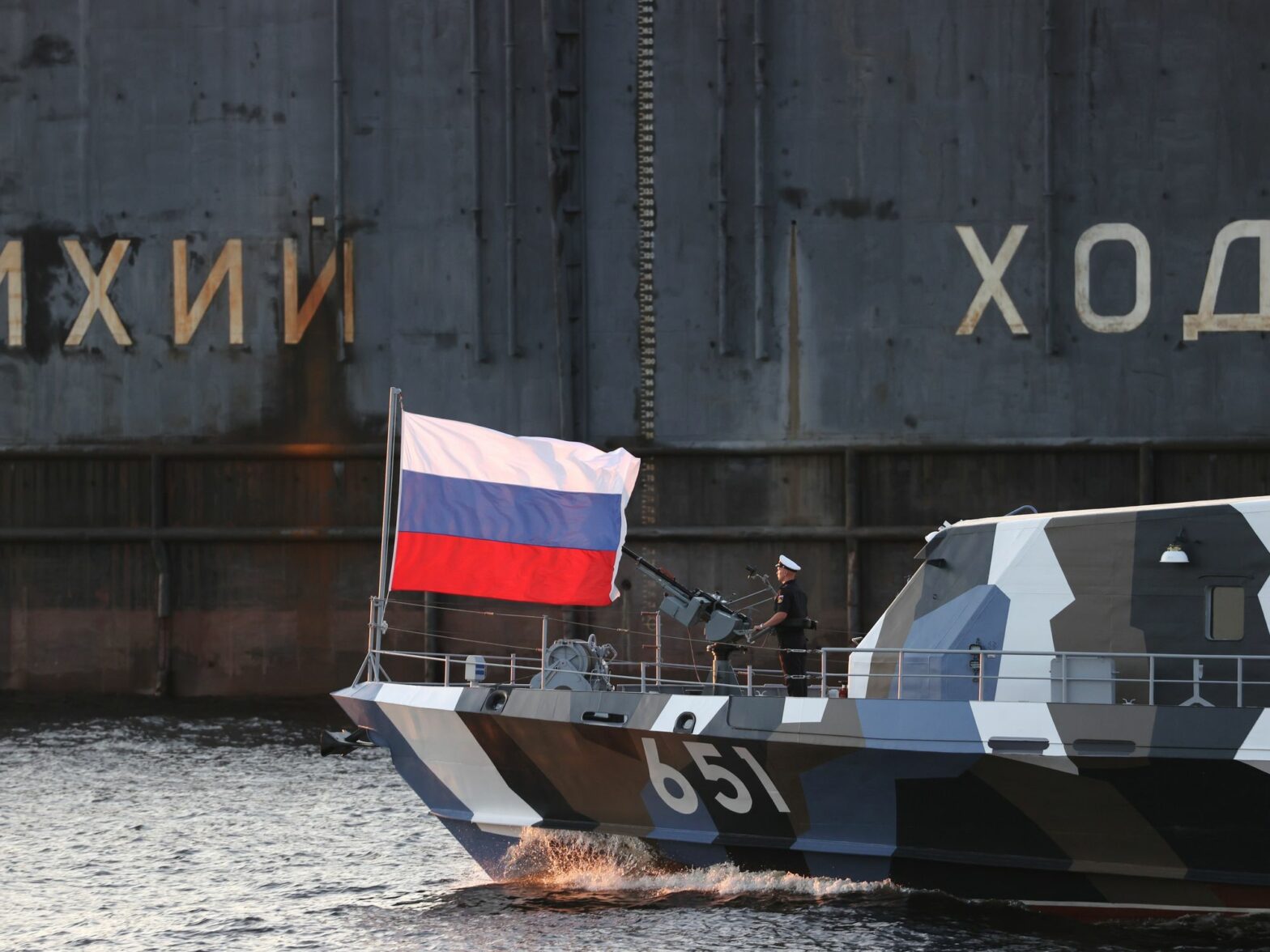
With strikes on Moscow’s fleet in the Black Sea, Ukraine has undermined the Russian capacity to slow down Ukrainian grain exports. It’s a pivotal triumph, which nonetheless can’t hide Kyiv’s losing ground on the front line on a regular basis.