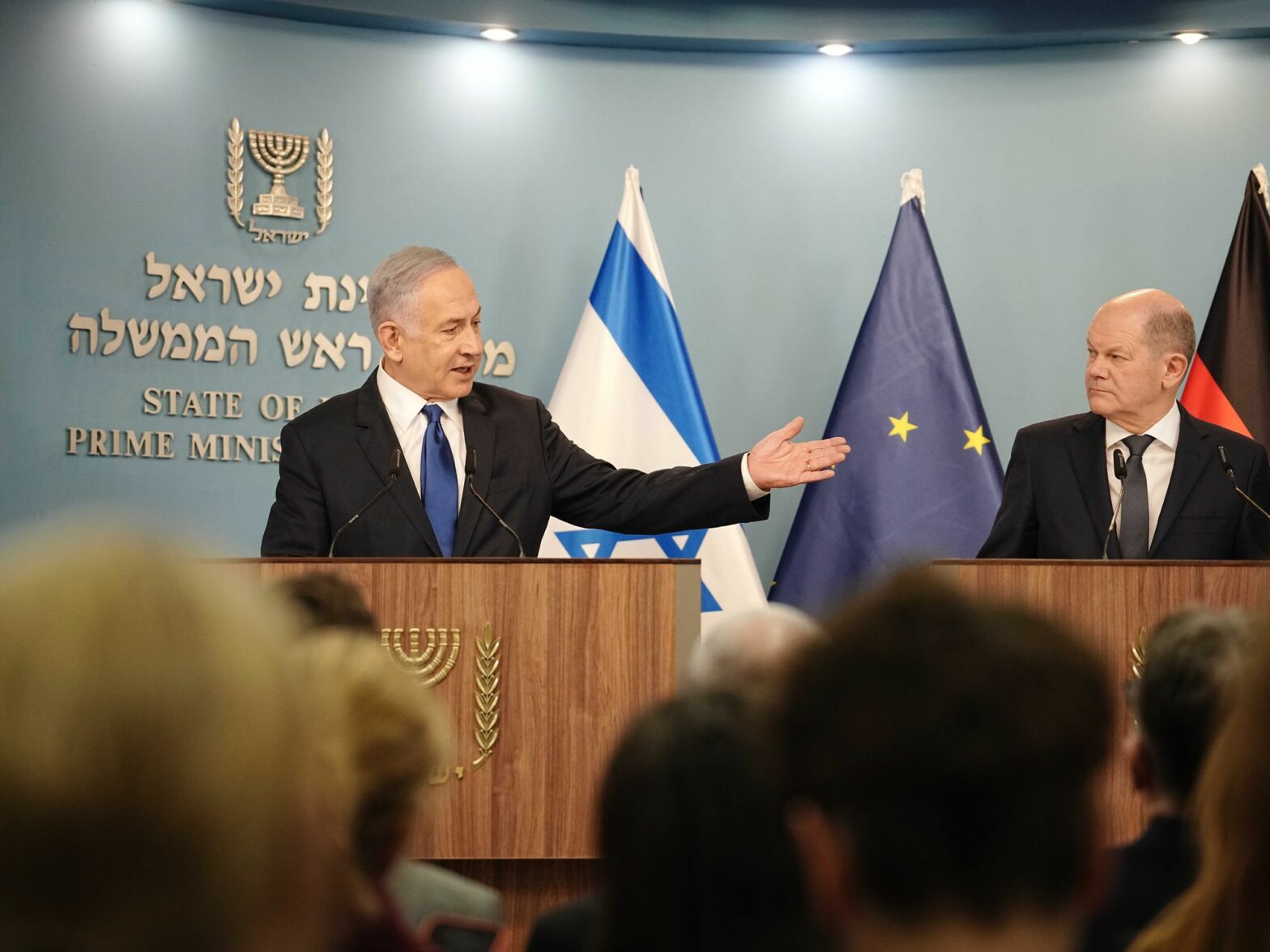
As Western leaders criticize Netanyahu and his war in Gaza, the Israeli Prime Minister apparently remains fully confident in forging ahead with a hardline that leaves a brutal human toll.
 Worldcrunch
As Western leaders criticize Netanyahu and his war in Gaza, the Israeli Prime Minister apparently remains fully confident in forging ahead with a hardline that leaves a brutal human toll.

Updated March 17, 2024 at 11:55 a.m. Golda Meir became the Prime Minister of Israel on this day in 1969, following the resignation of Prime Minister Levi Eshkol. She was the first woman to hold the position in Israel and one of the few female leaders in the world at the time. Who was Golda […]
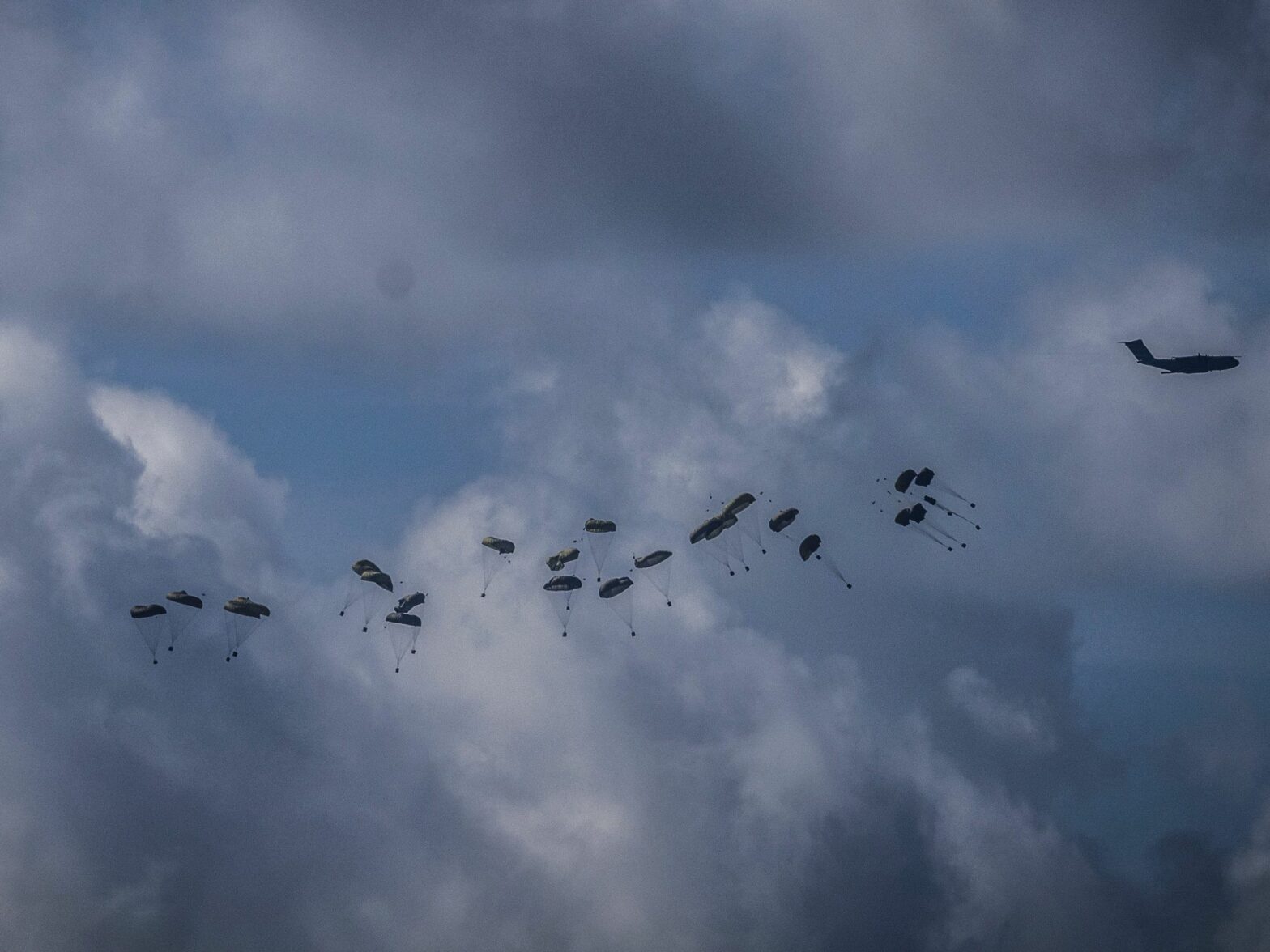
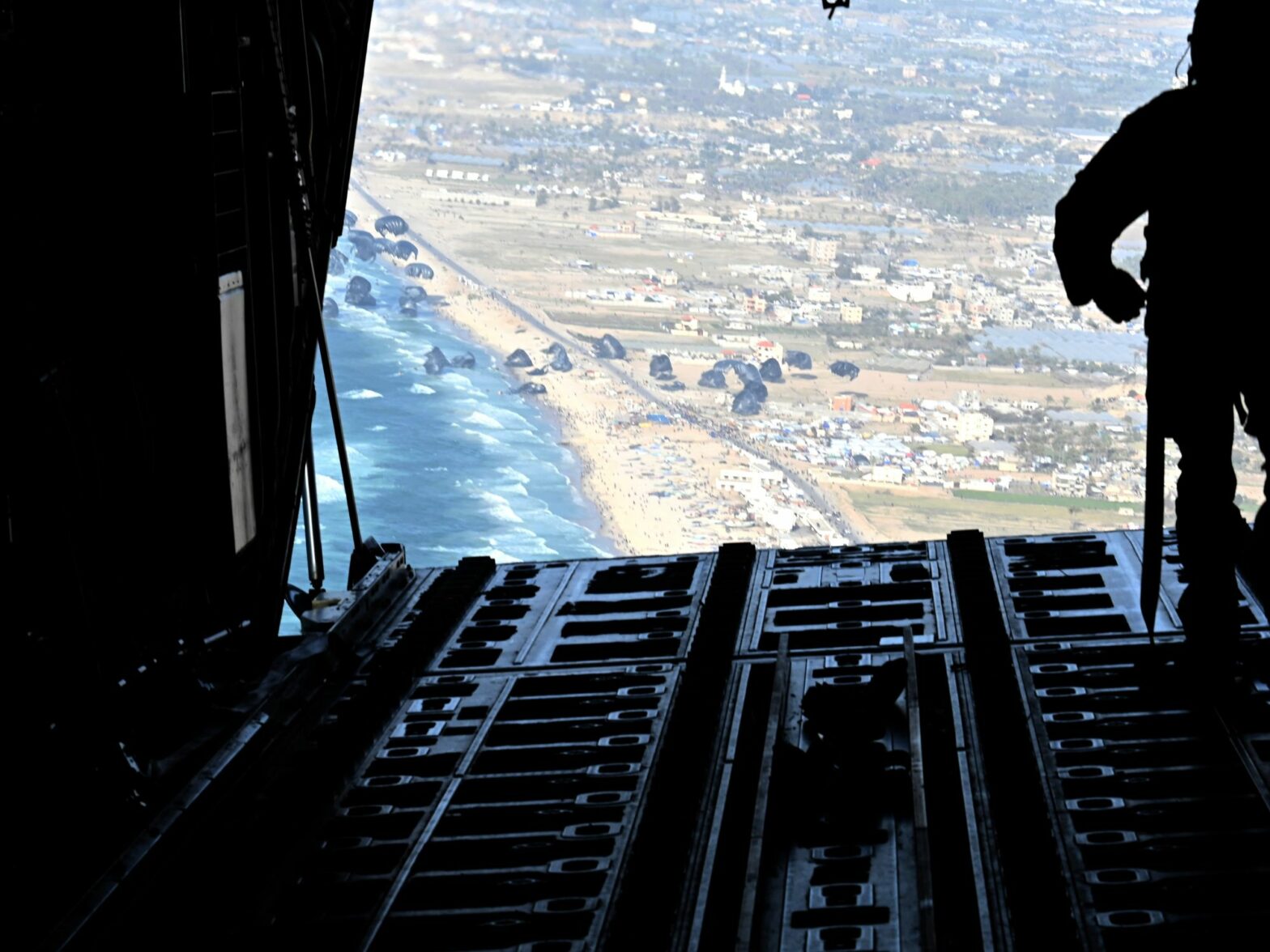
The U.S. has joined several other countries in airdropping aid to the Palestinians in Gaza, but this showy international response is ill conceived and unlikely to avert the looming famine in the coastal enclave.
U.S. President Joe Biden said this weekend that “Netanyahu is doing Israel more harm than good”: a phrase that speaks volumes about the lack of trust between the two men, especially still without a ceasefire, and humanitarian aid blocked from entering an increasingly desperate Gaza Strip.
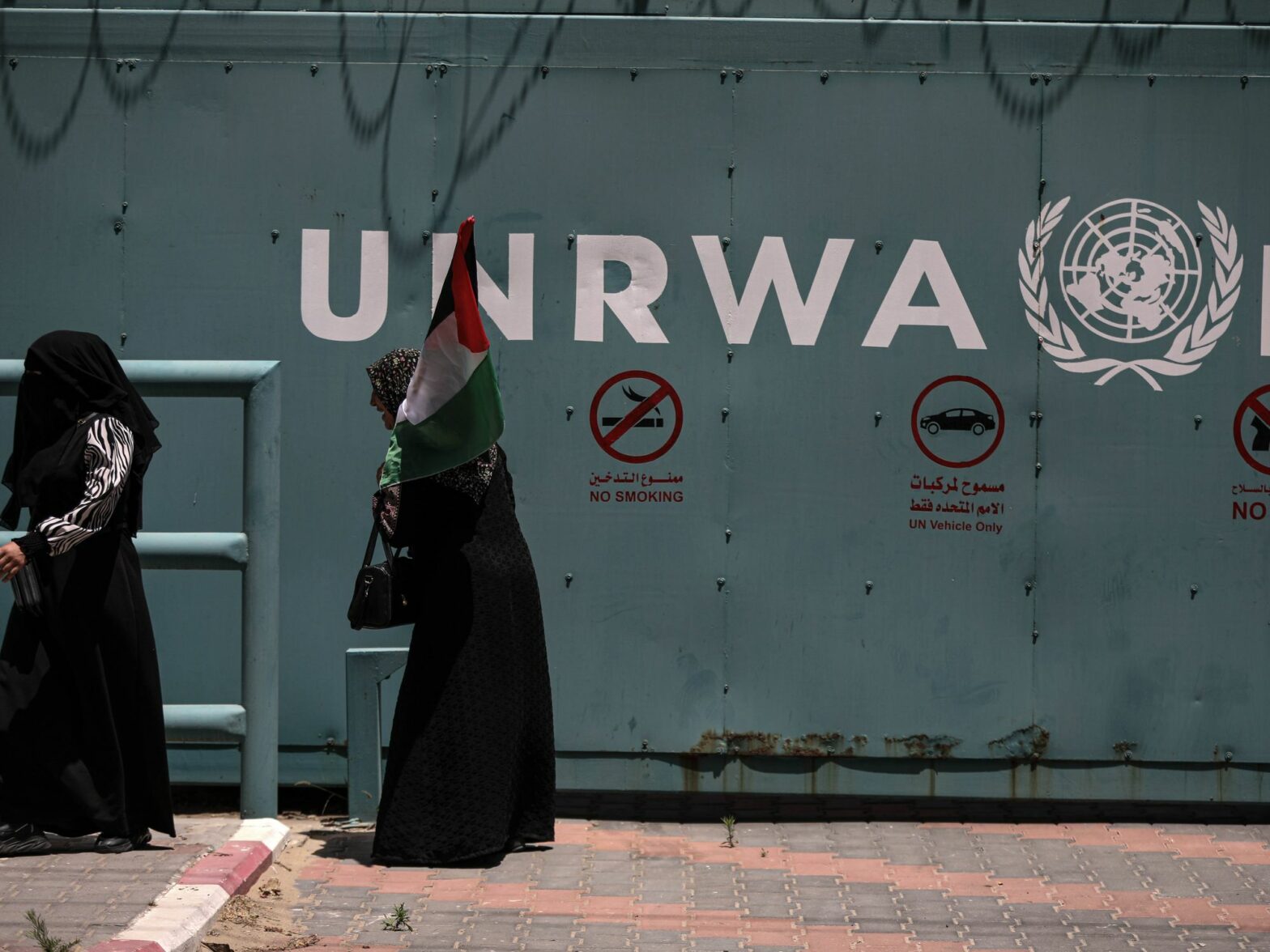
Tensions continue to rise between the UN and Israel, despite the publication of a UN report confirming Hamas’s accusations of sexual violence on October 7. It’s a long history of mistrust which has resurfaced in the current crisis.
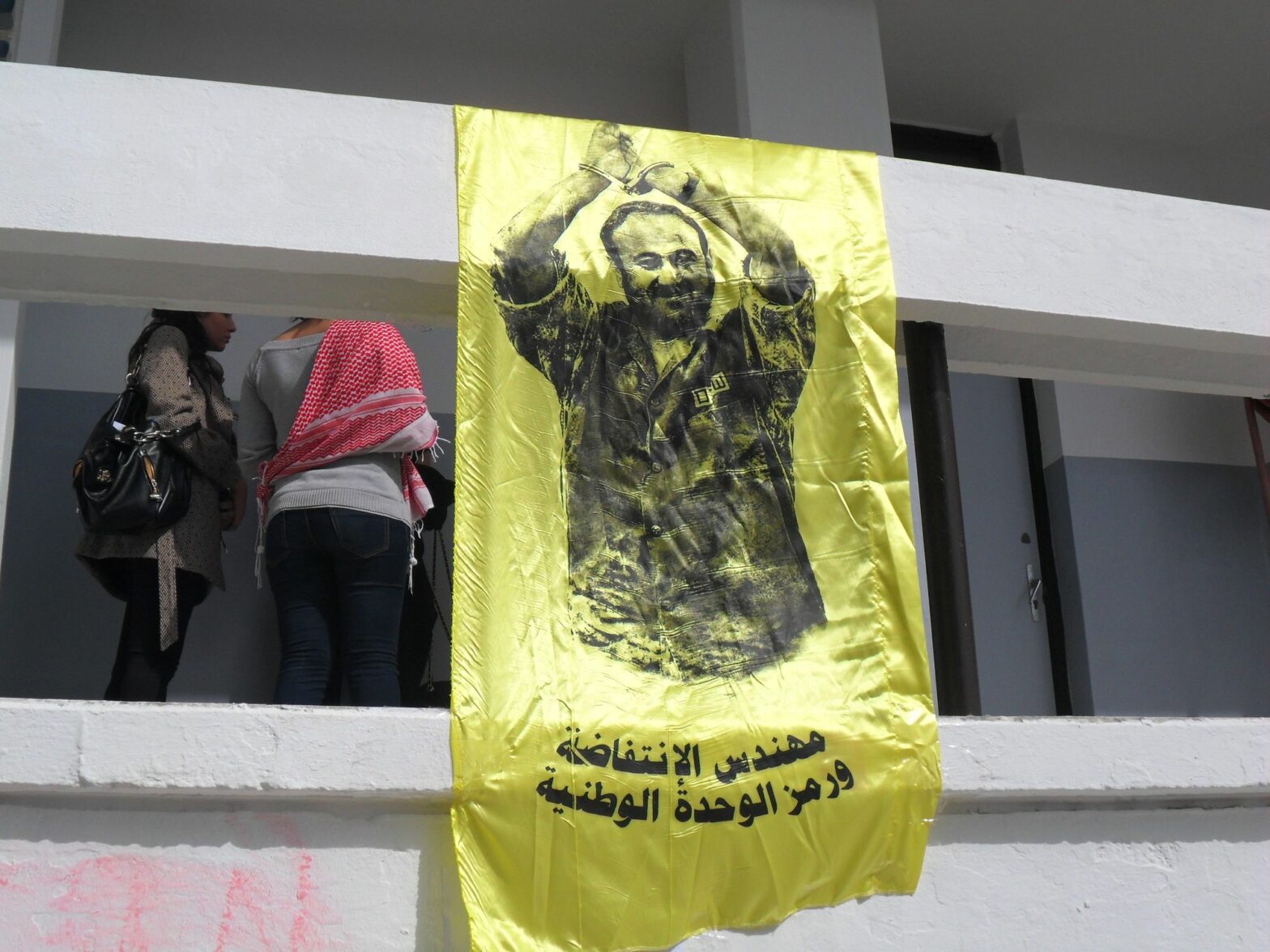
As negotiations intensify for an eventual ceasefire in Gaza, sources say the release of high-profile Palestinian prisoners may be part of the deal. If that includes Marwan Barghouti, the “Palestinian Mandela,” it could be a watershed moment in the region.
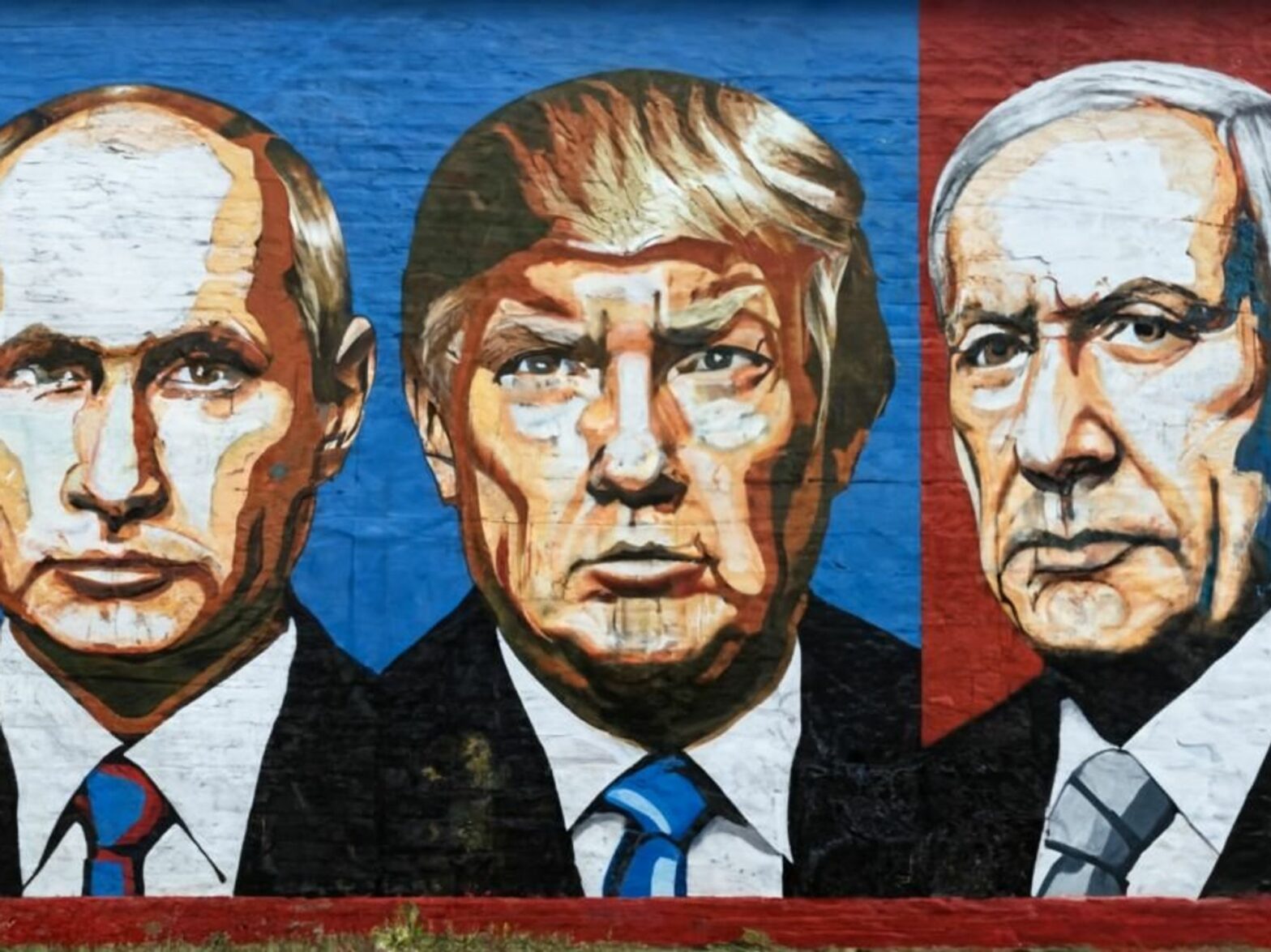
Donald Trump is not creating the U.S. malaise any more than Putin is creating the Russian malaise or Netanyahu the Israeli identity crisis. But all three illustrate the inescapable risk if a “me-first” attitude is taken to an extreme degree by individuals who’ve accumulated power.
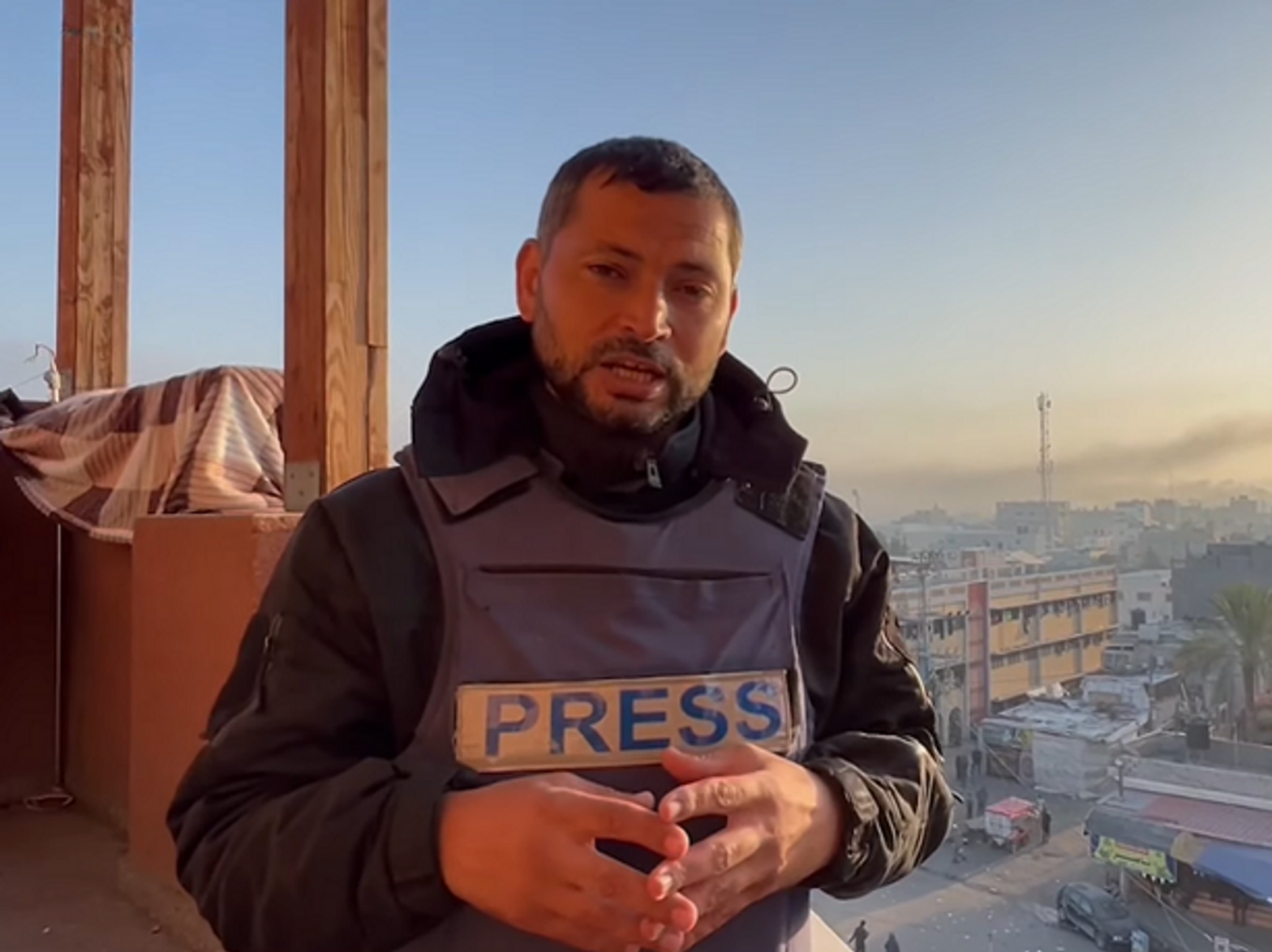
Following the strike that hit Al Jazeera journalists Ismail Abu Omar and Ahmed Matar, posts spread on social media platforms calling Abu Omar a “terrorist” affiliated with Hamas. At the same time, a campaign by Israel’s Foreign Ministry and military promoted the same allegations.
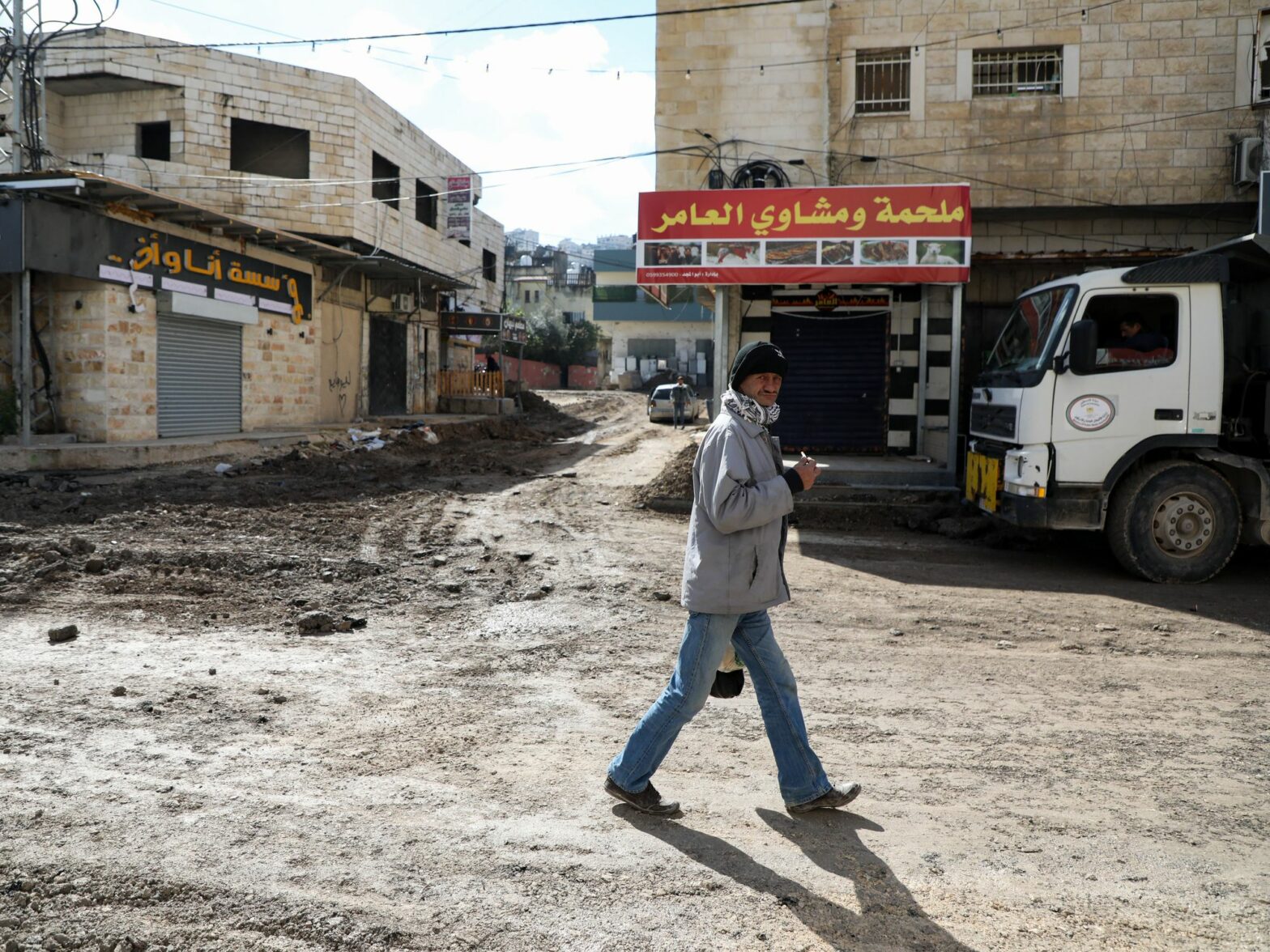
Since the Israel-Hamas war began in Gaza, Israel has imposed severe restrictions and economic sanctions on the Palestinians in the occupied West Bank, further exacerbating the already dire living conditions of Palestinians there.
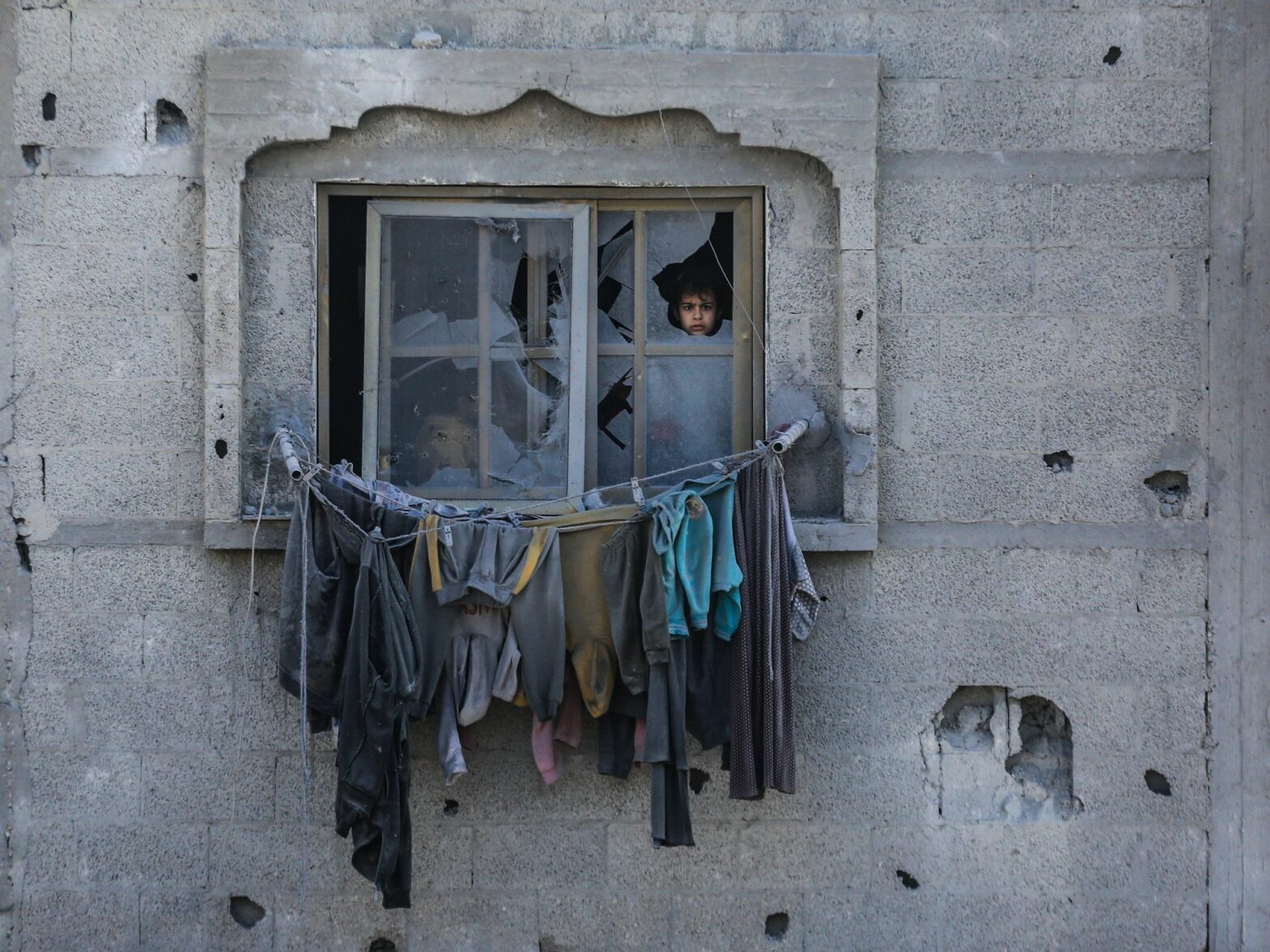
Rafah has become the new focus of Israel’s war. It is pressing to invade the city on the border with Egypt, where 1.4 million people — more than half of Gaza’s population — are now sheltering.
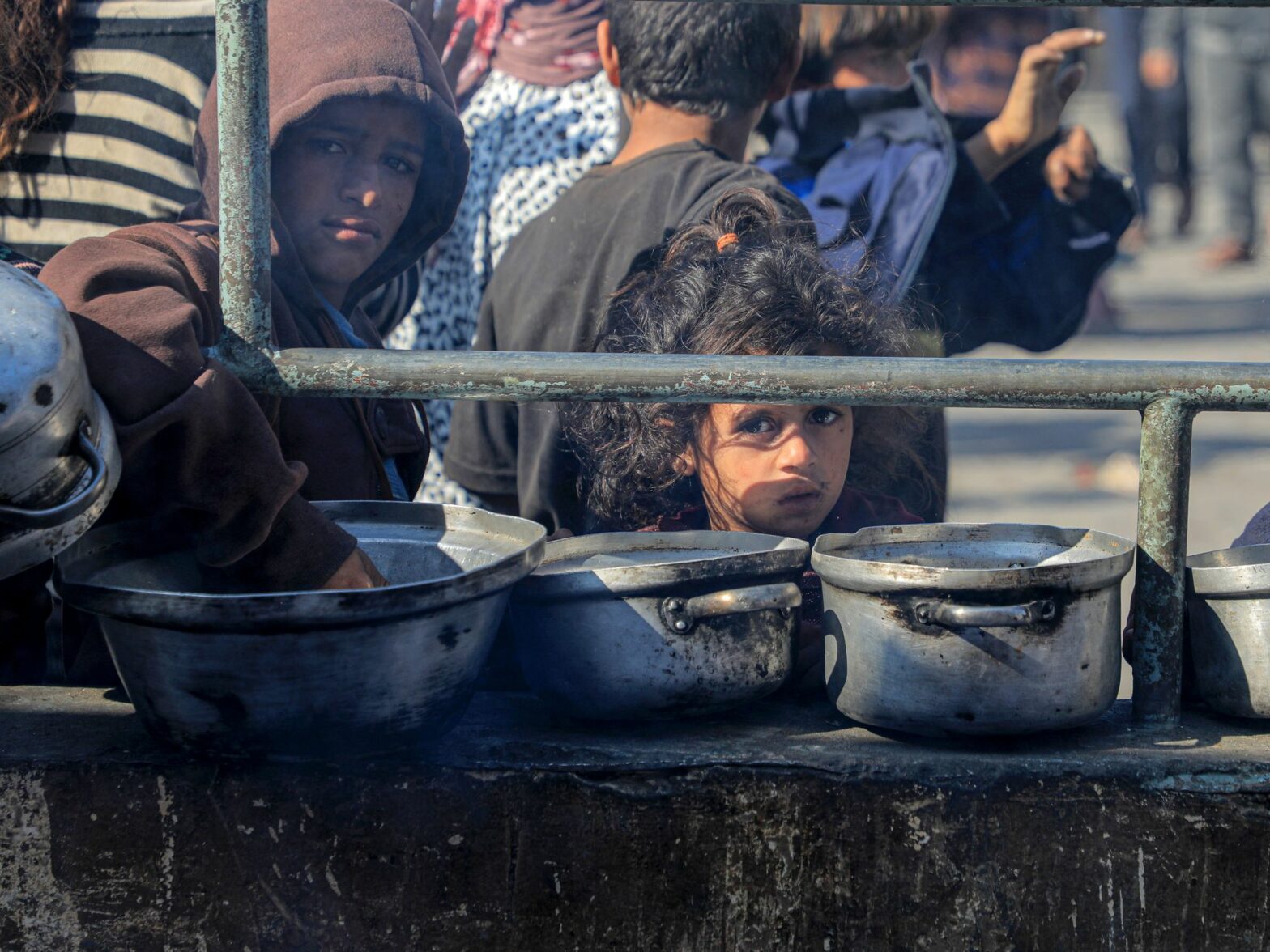
As the war in Gaza hits a critical juncture, the approaching Ramadan deadline adds urgency to international efforts, with Israel’s threat of an offensive on Rafah escalating tensions and raising the stakes for peace negotiations.
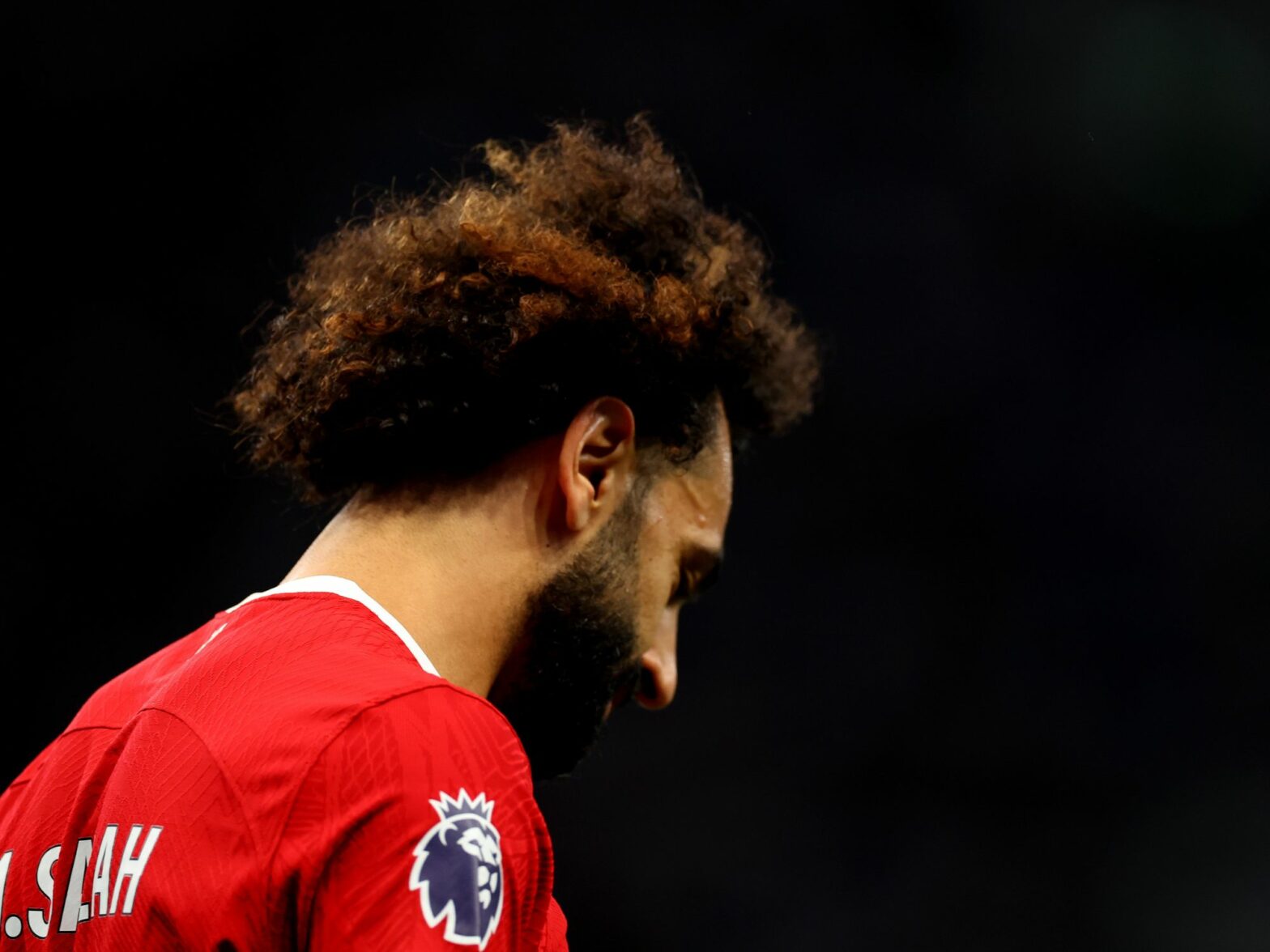
Egyptian football legend Mohamed Salah’s careful positioning on the Israeli war in Gaza sparked discussions from fans and non-fans alike. Is it about ideology or sponsorships? And should any of it matter when his job is to score goals not play politics?
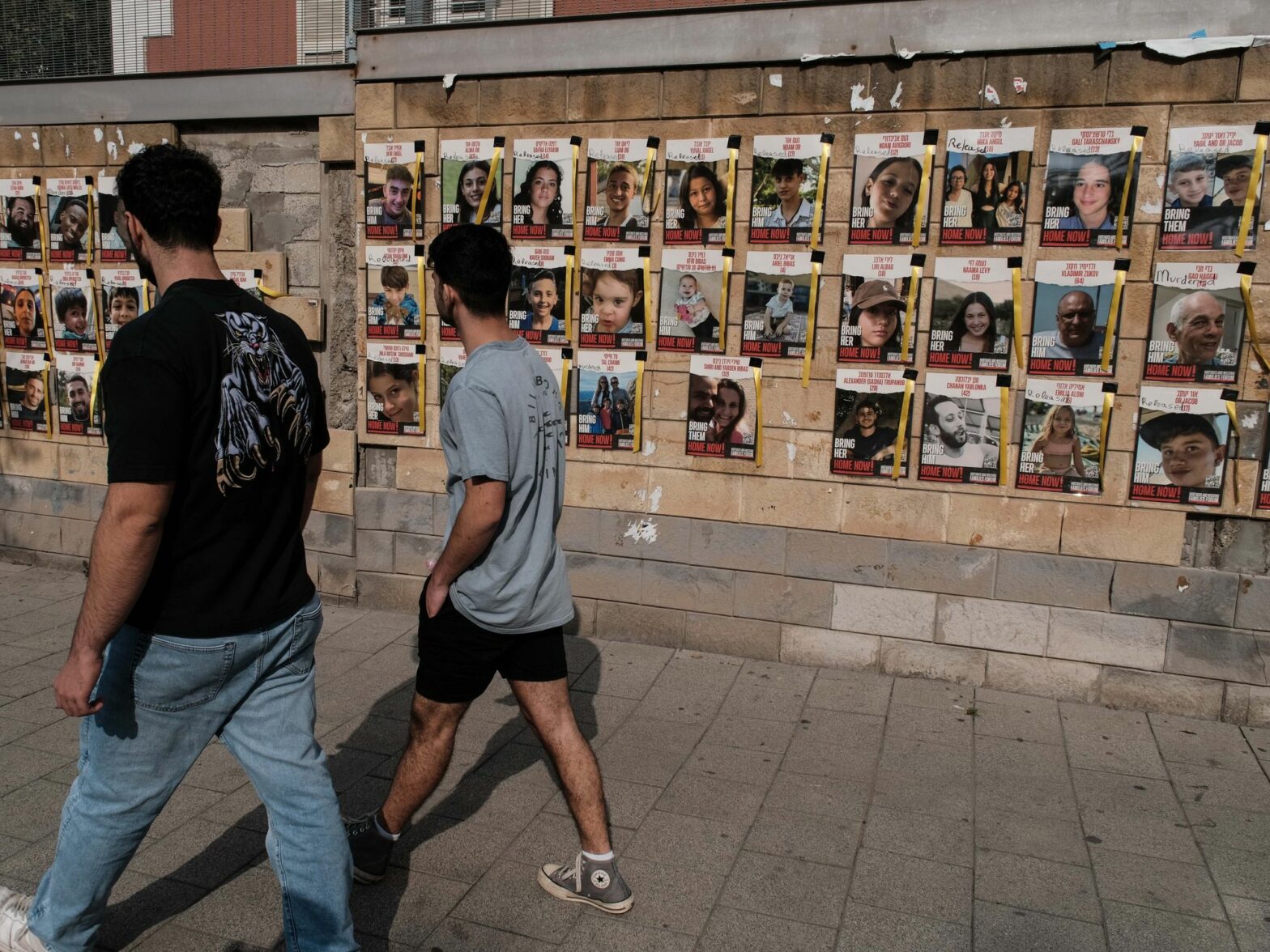
Benjamin Netanyahu has firmly rejected Hamas’ latest counter-proposal to Israel’s offer for a ceasefire. Still, a new round of negotiations has begun in Cairo — and it’s ever more clear that the first question that must be resolved is the if, how, when and who of the 140 Israeli hostages will be released. Hamas knows they are its best bargaining chip.
Iran’s allies are attacking the West across the region. The Hamas massacre, attacks on U.S. troops and the Houthi targeting of ships are possibly just the beginning. The fact that the Middle East is so unstable today is due to a decision first made by the U.S. a generation ago.
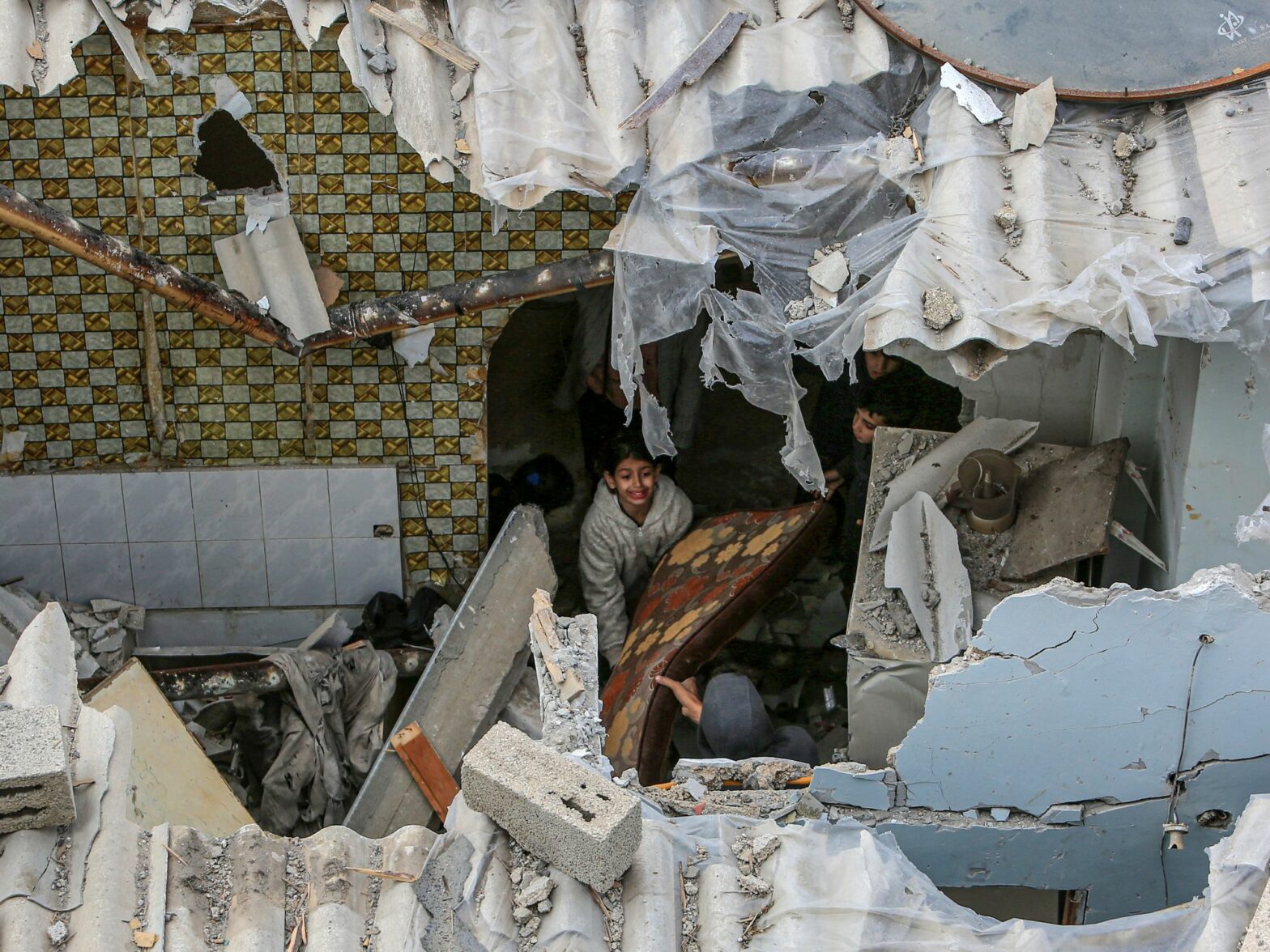
Children are Gaza’s most vulnerable. For those displaced families living in shelters, the cold weather, lack of food and spread of disease are among the most immediate threats. But children also face trauma, with virtually no resources
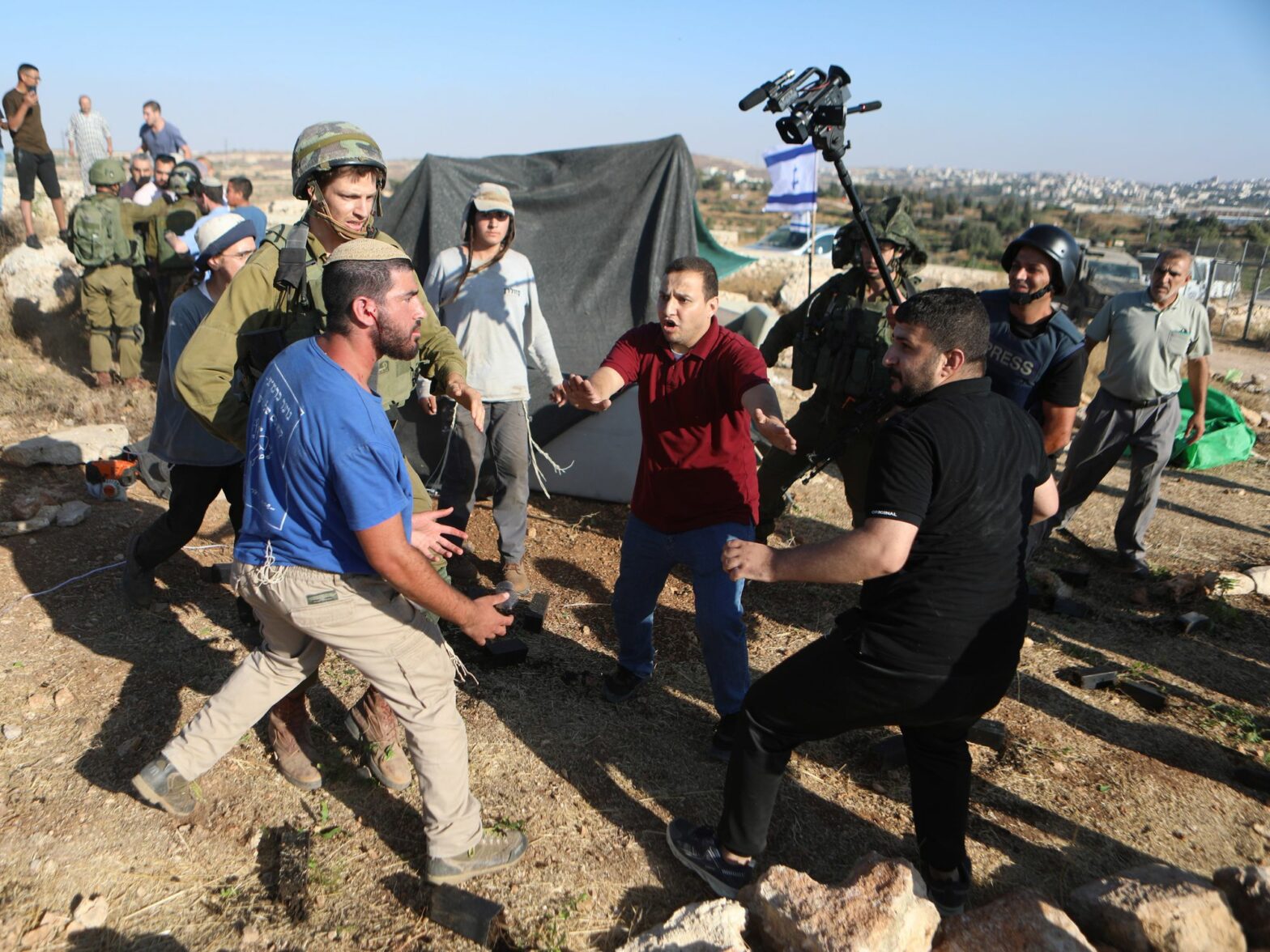
By sanctioning violent settlers in the West Bank, U.S. President Biden aims to reassure voters unhappy with his support for Israel, and to push Israeli Prime Minister Netanyahu to accept a ceasefire agreement.
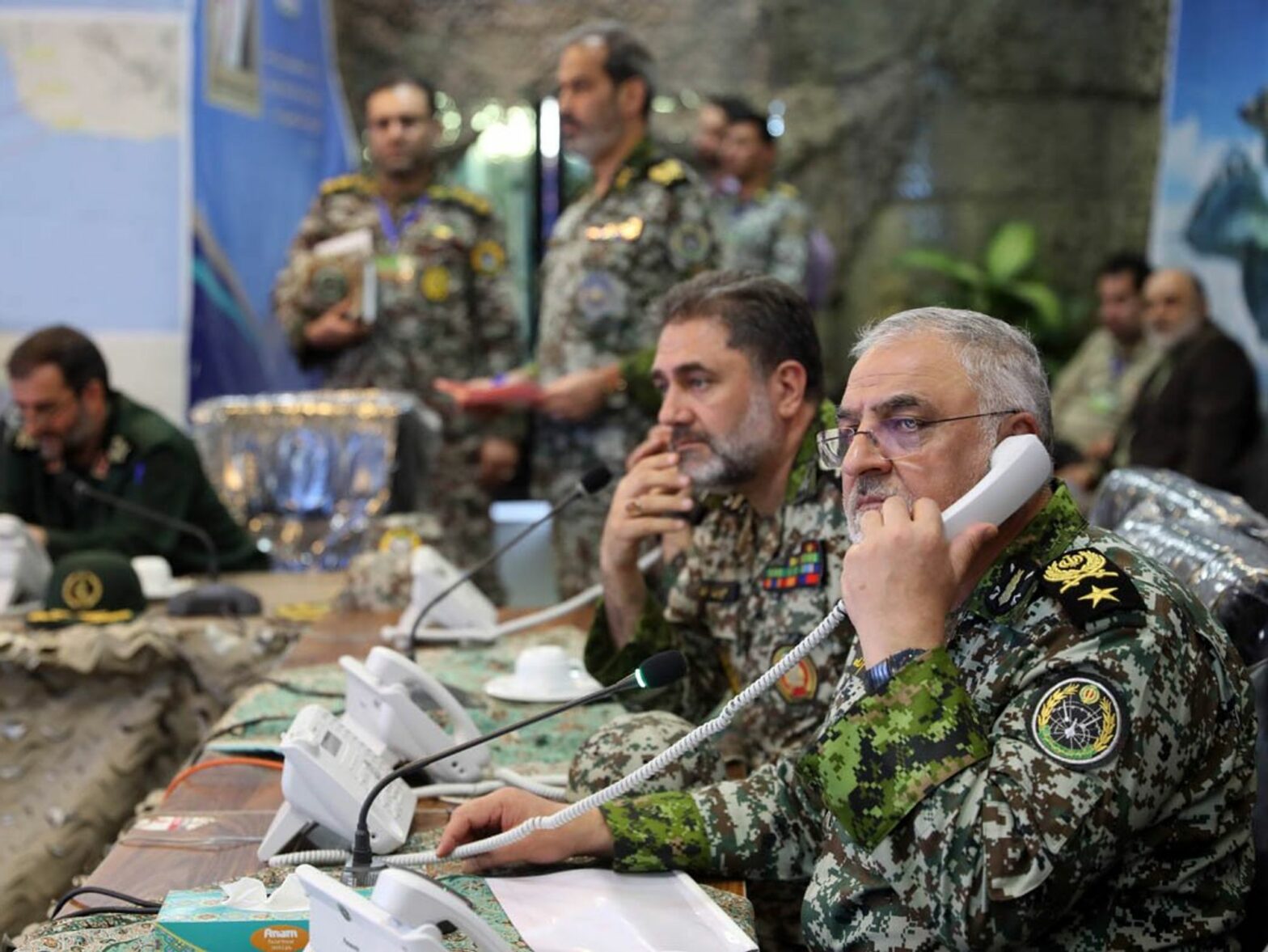
The death of three U.S. soldiers has raised the stakes in a low-simmering, but constant escalation between Washington and Tehran that could explode from the shadows of the war in Gaza — even if by pure accident.
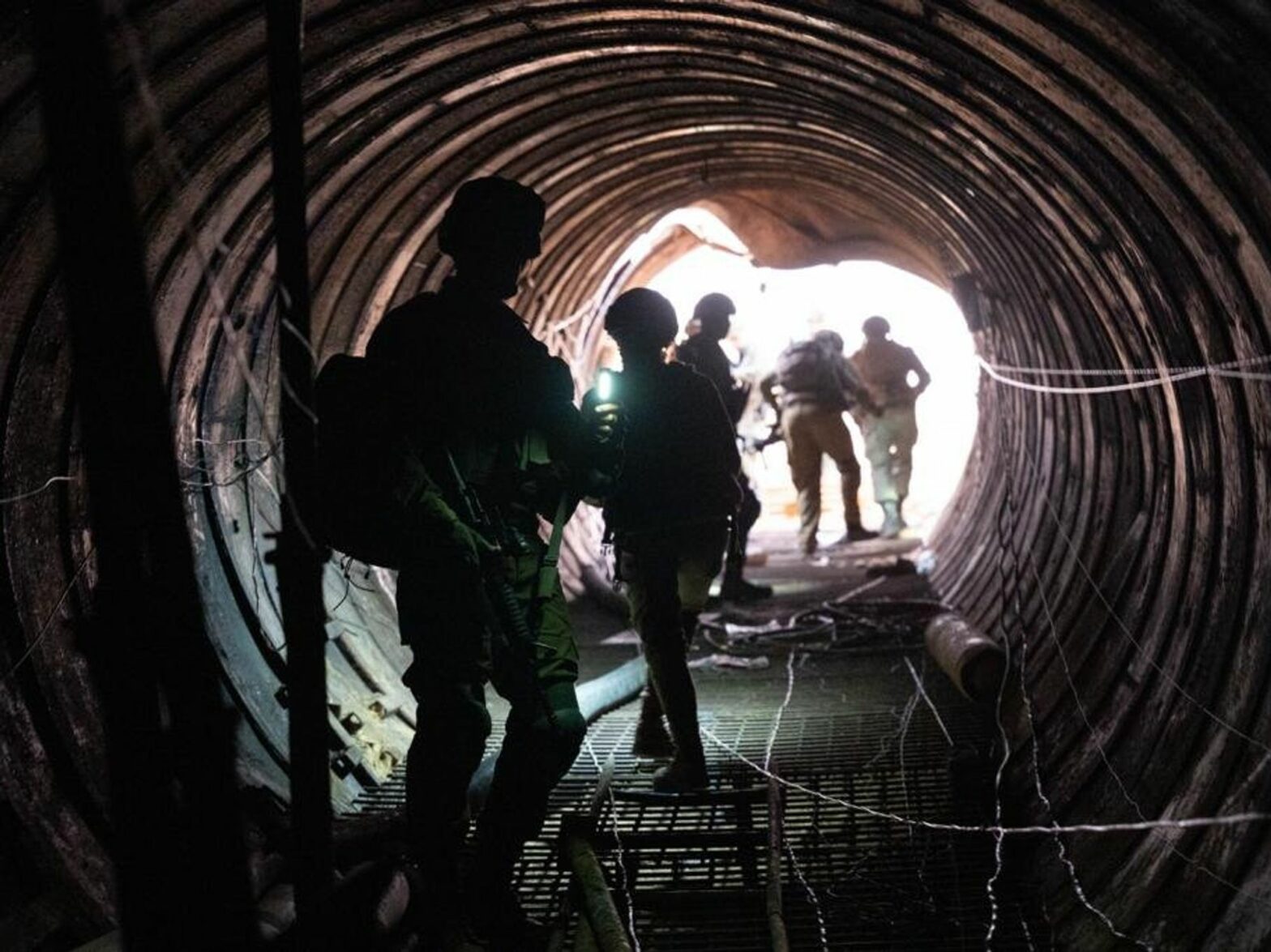
Four months into the war in Gaza, Israel has yet to find top Hamas leaders. Saudi-owned, London-based daily Asharq al-Awsat recently reported on the covert system that allows the Palestinian group communicate without being detected by Israel.
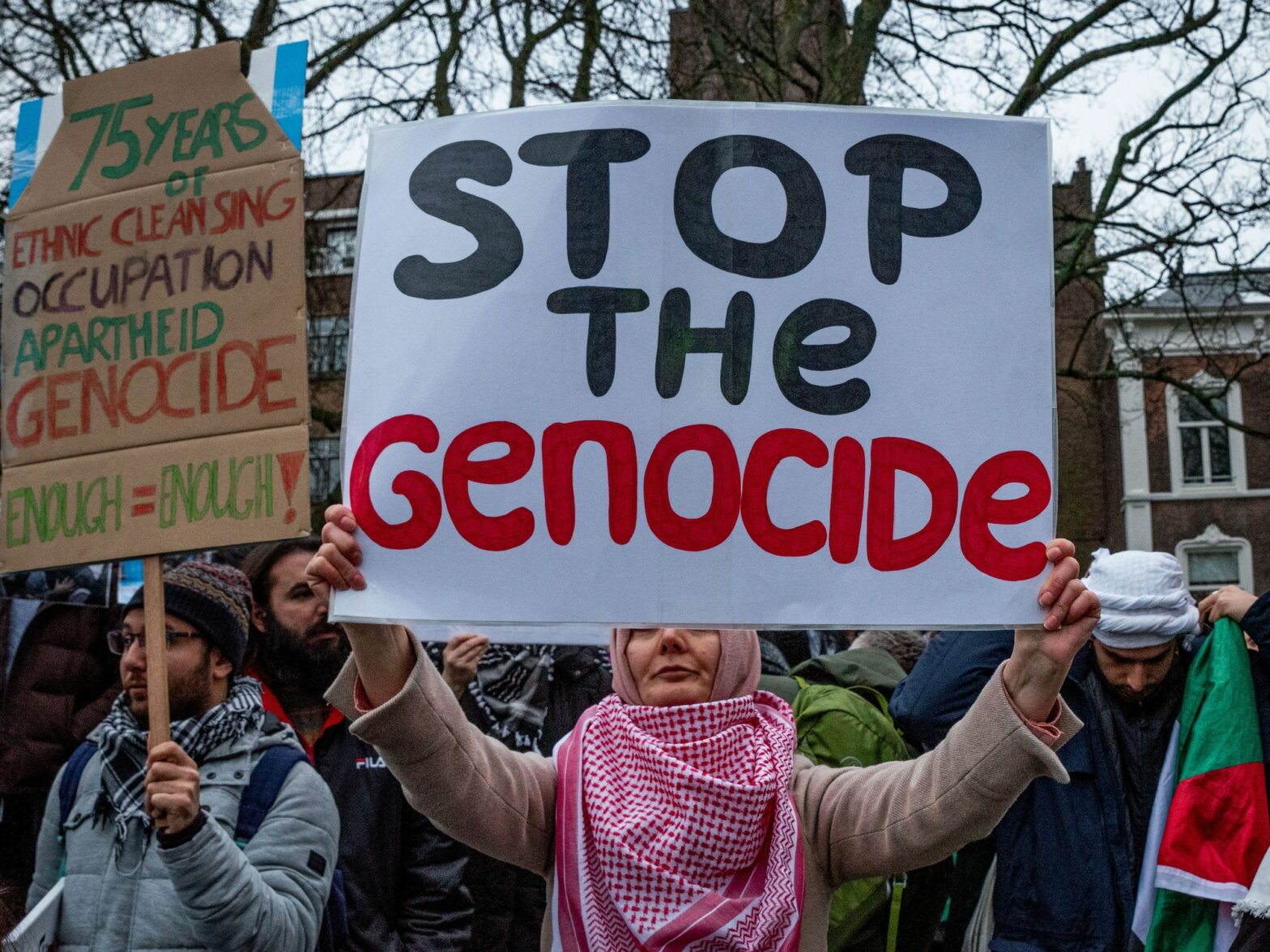
South Africa’s genocide case against Israel at the International Court of Justice attempts to turn longstanding international law on its head, writes Kai Ambos, a top expert on international law, for German daily Die Welt.
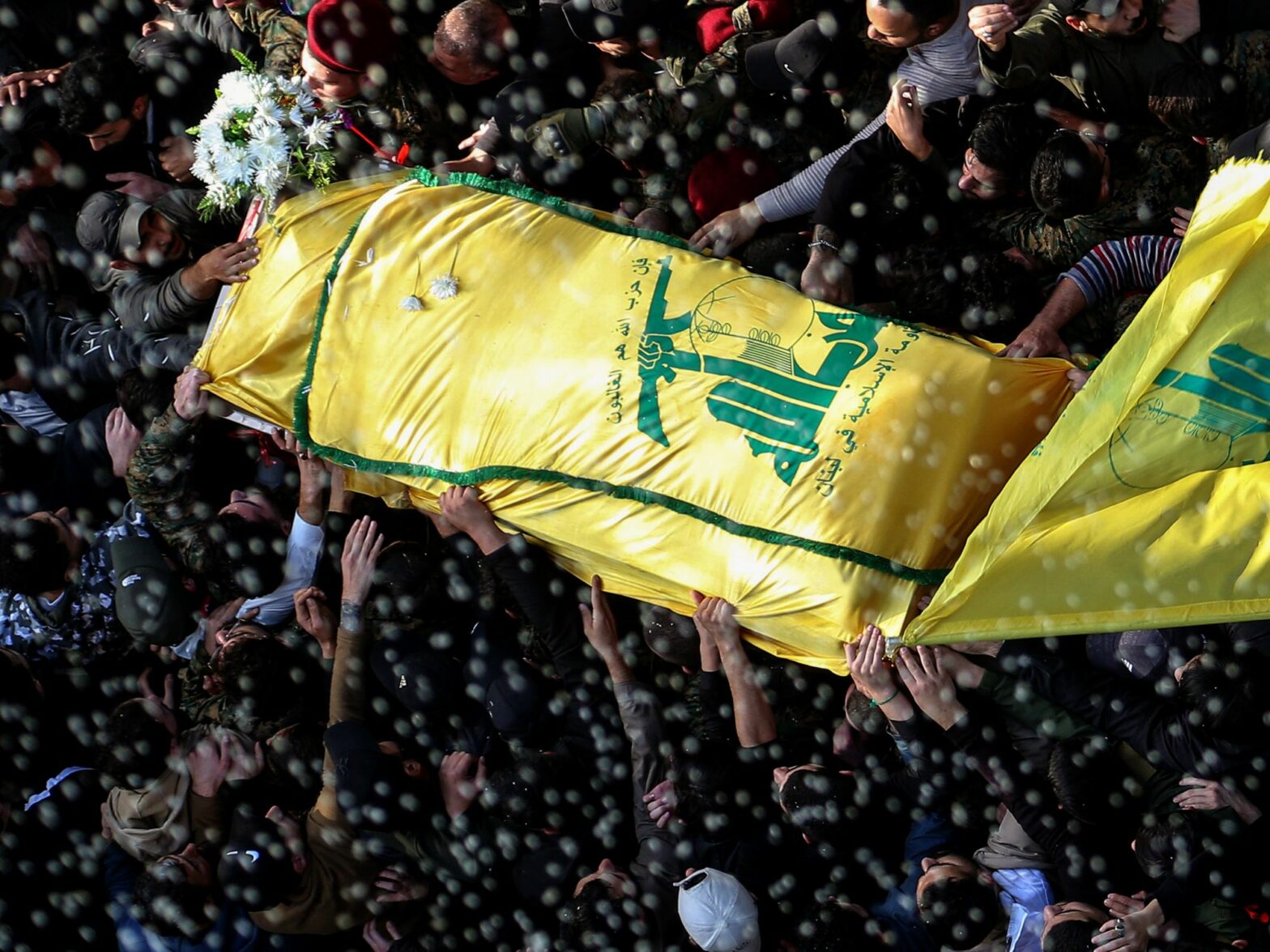
The killing of Hezbollah commander Wissam al-Tawil, which came after the Lebanese group launched its biggest strike on Israel since the war began, shows that Israel is more confident than ever of its military and intelligence superiority.
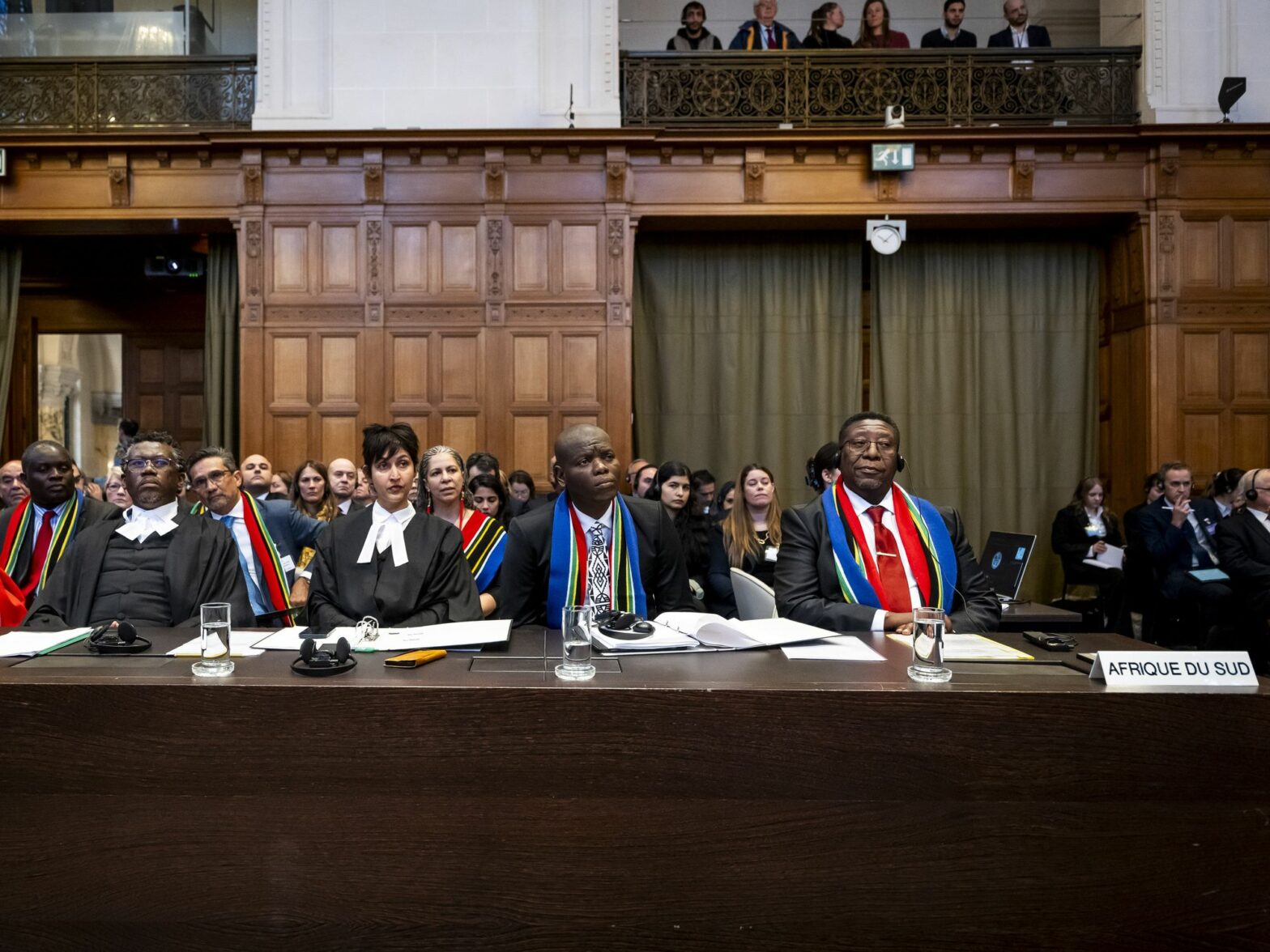
Following South Africa’s genocide allegations against Israel, Netanyahu’s government now has to defend itself at the International Court of Justice. But the lawsuit does not come as a surprise. For decades, there have been tensions between Israel and South Africa, where there is great sympathy for the Palestinian cause going back to the times of apartheid.
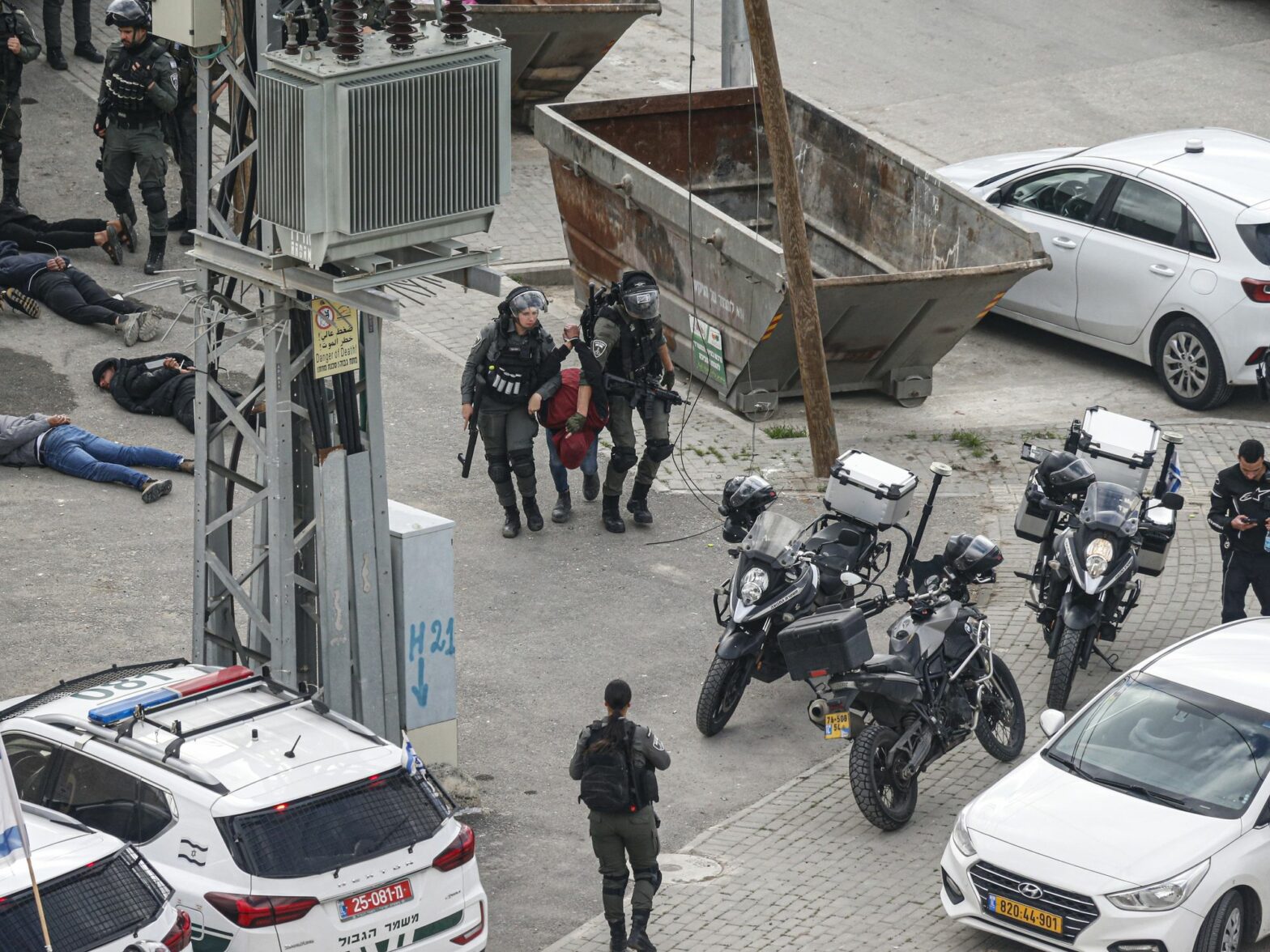
Since October 7, the Israeli army has imposed more restrictions and treated Palestinian residents of Jerusalem with unprecedented brutality, appearing to follow up on intention of some of Israel’s leaders to empty the holy city of its longtime Arab residents.
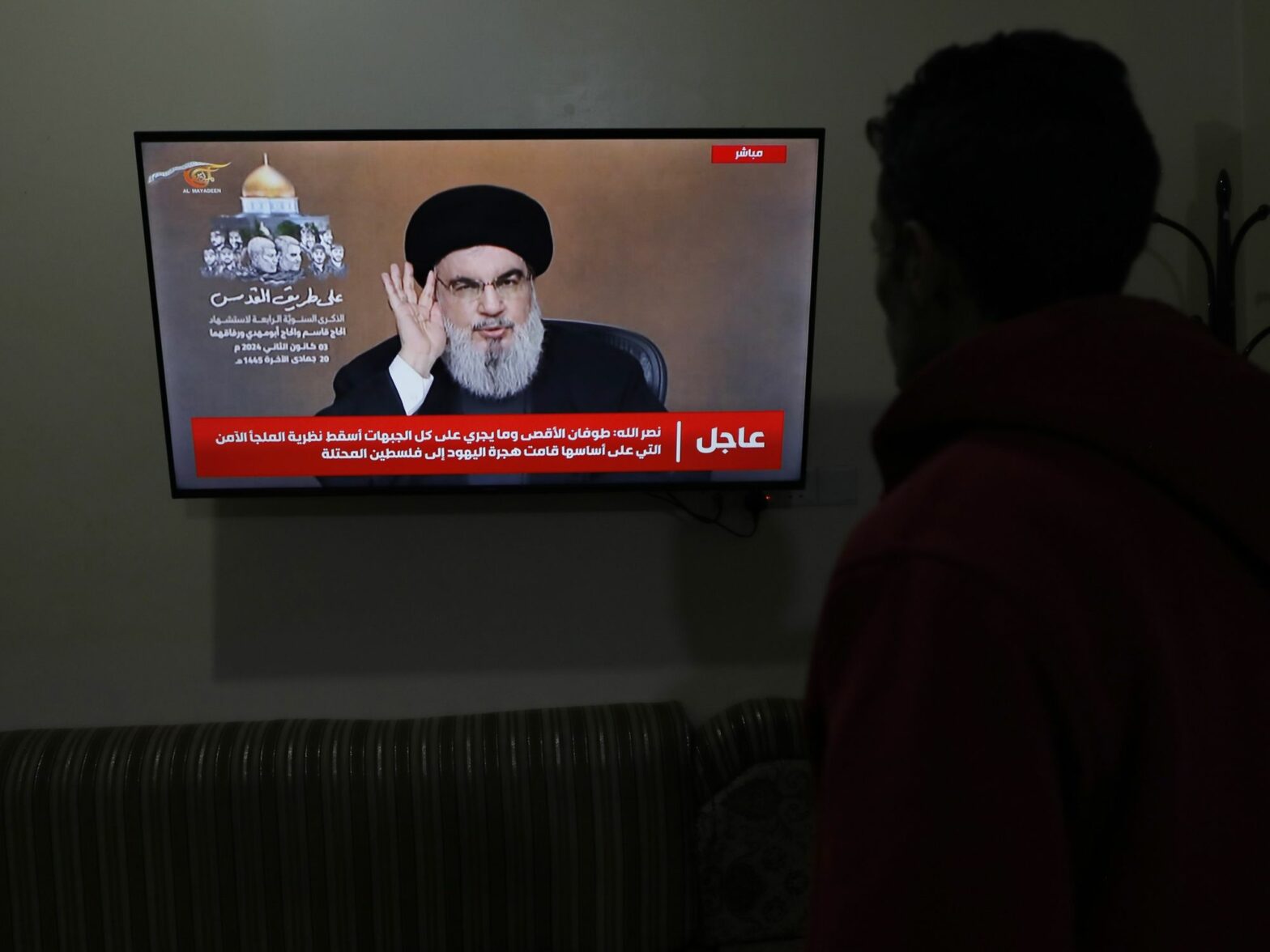
Hassan Nasrallah, the longstanding leader of Lebanon-based Hezbollah, grows stronger in direct relation to the declining influence of his rivals, foreign and domestic — embodying the formula for regional influence of Iran’s axis of powers.
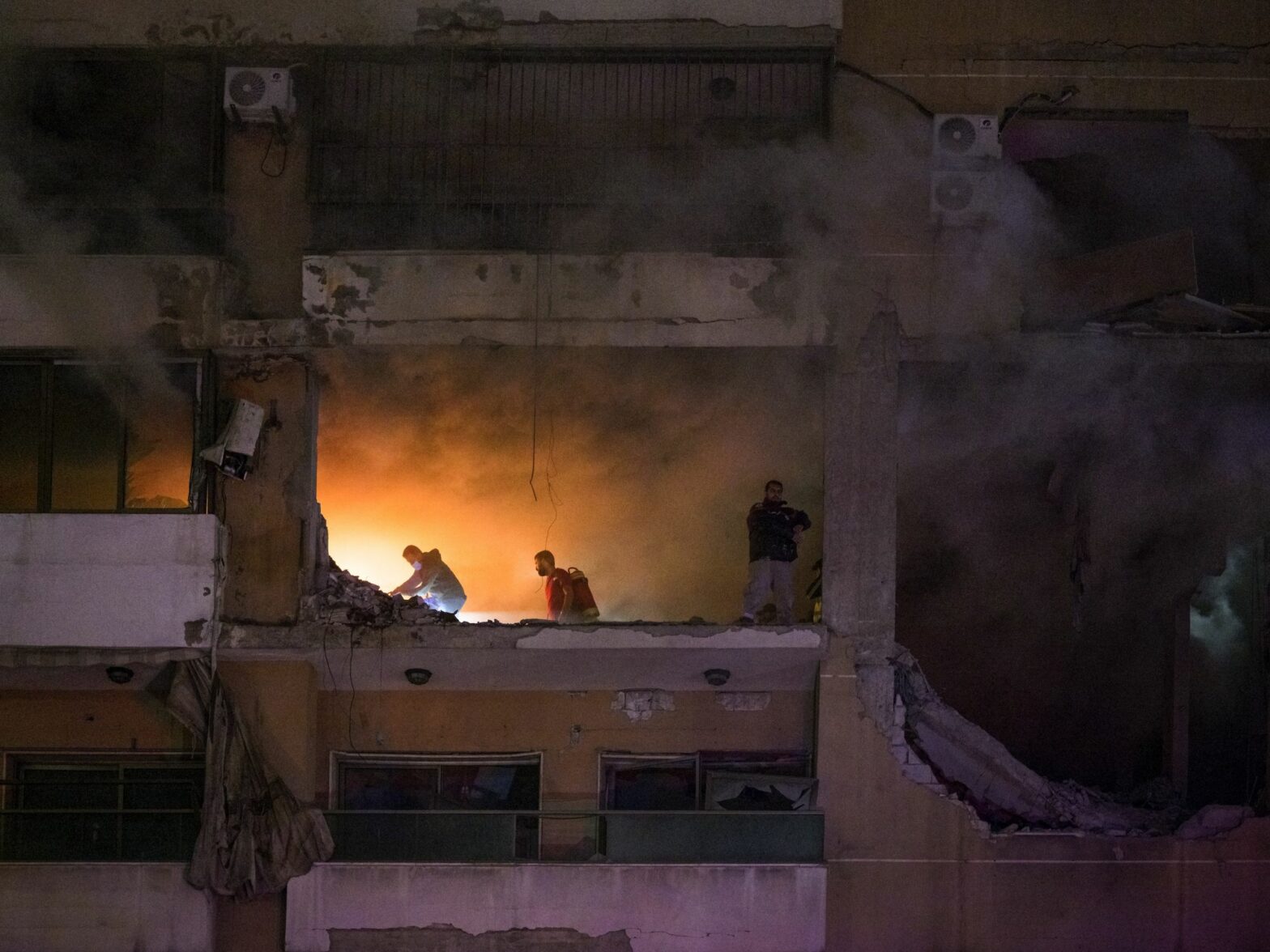
By eliminating Saleh al-Arouri, an important Hamas leader, with a drone strike in Beirut, Israel has taken a risky gamble: that Lebanon’s Hezbollah and its Iranian allies will not go to war over the death on Lebanese territory of a top Hamas figure.
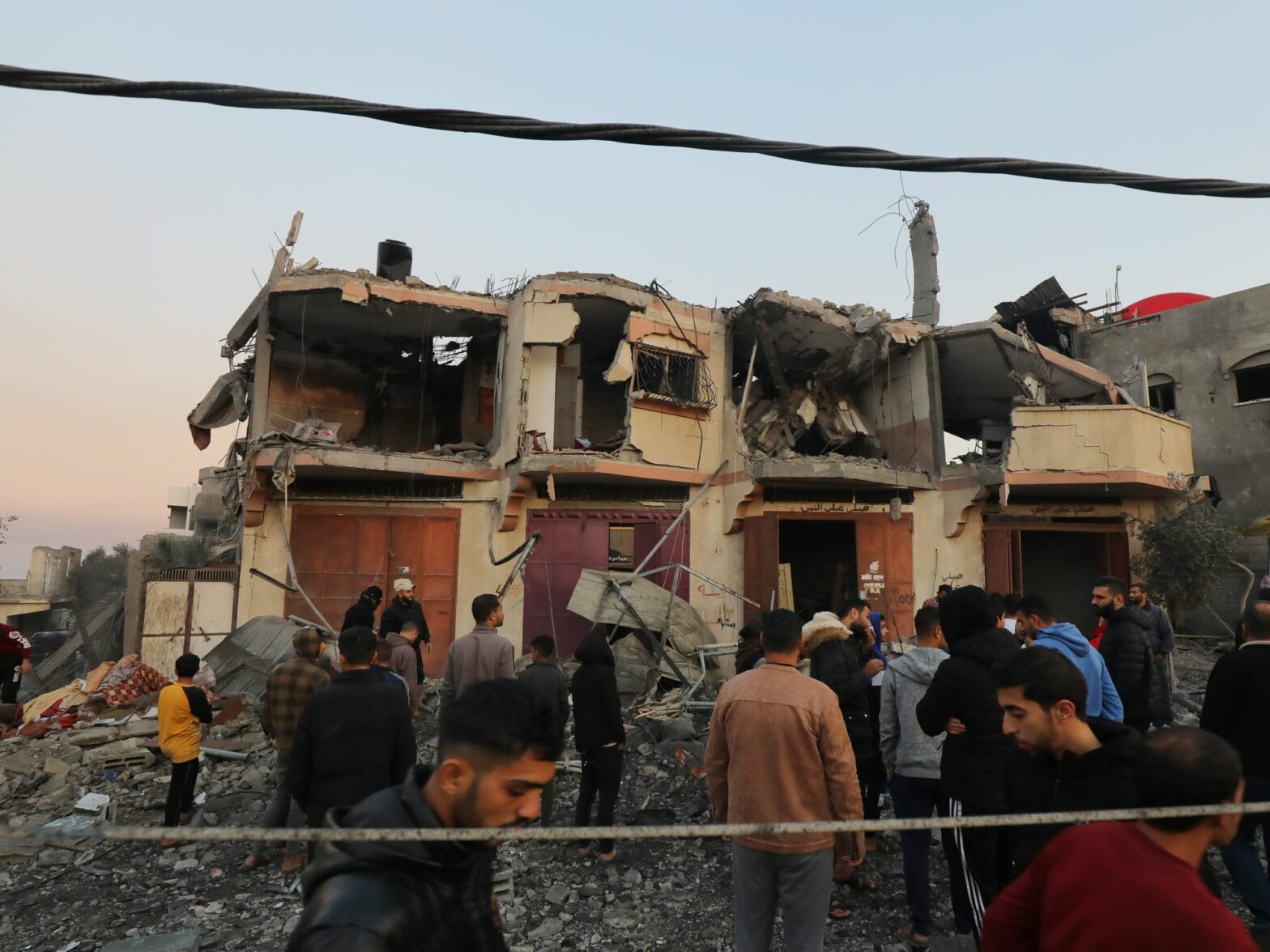
Are the Israelis perpetrating a genocide in Gaza? The answer is tied up in the definition and legal significance of the word itself, which is still not settled.

The French-American writer recalls a trip last Christmas to her father’s native Louisiana, and an invitation for some firing-range fun in the backyard.
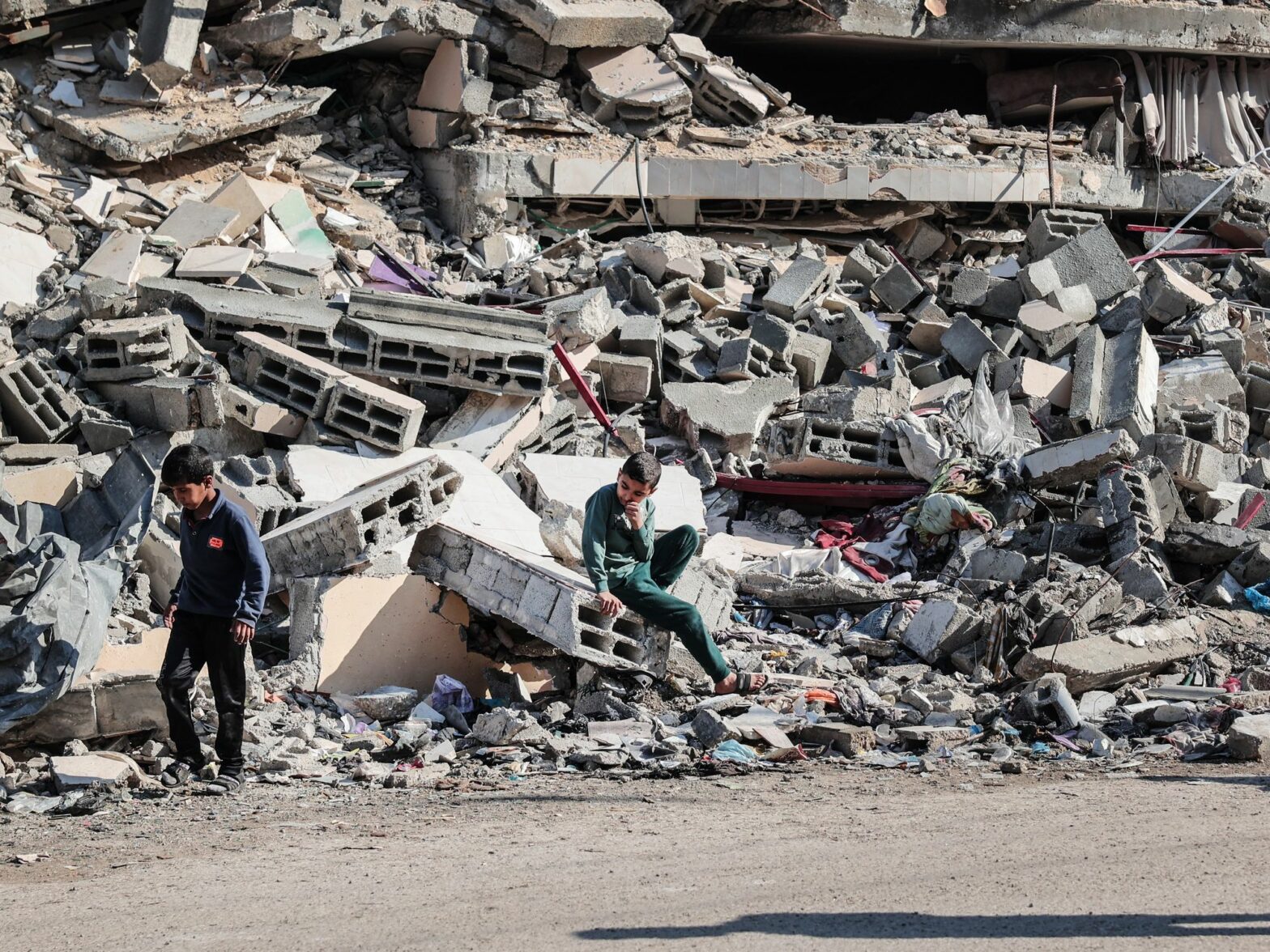
Sooner or later, Hamas’ reign in Gaza will come to an end. What will happen then? An Israeli occupation? The handover of power to local stakeholders? There are clear parallels with Germany’s situation after World War II.
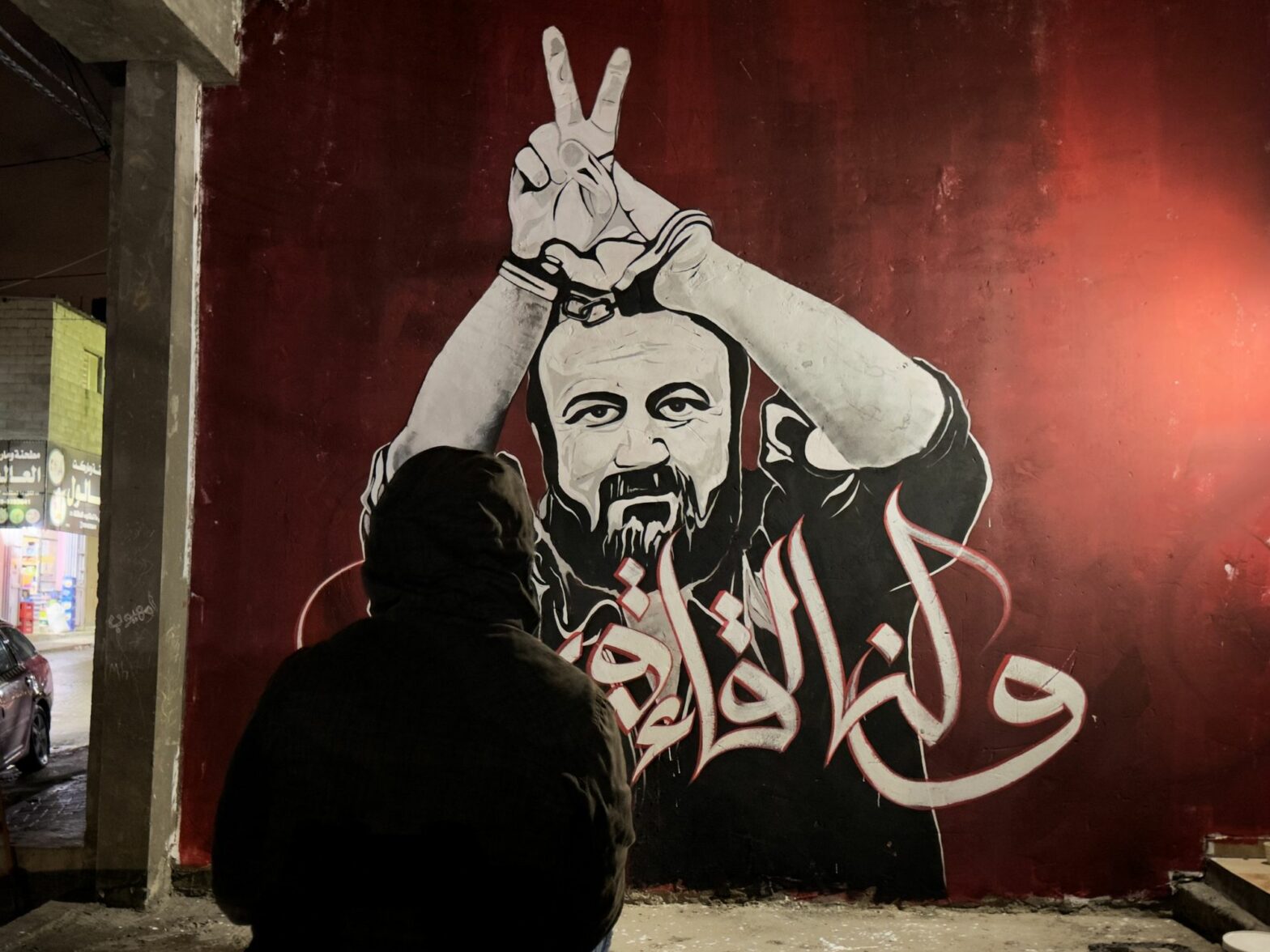
Palestinians believe that Barghouti is capable of uniting the Palestinians and achieving reconciliation between the Fatah and Hamas movements. He may be the only figure who is able to lead negotiations and achieve peace, but Israel will not release him because it doesn’t really want either
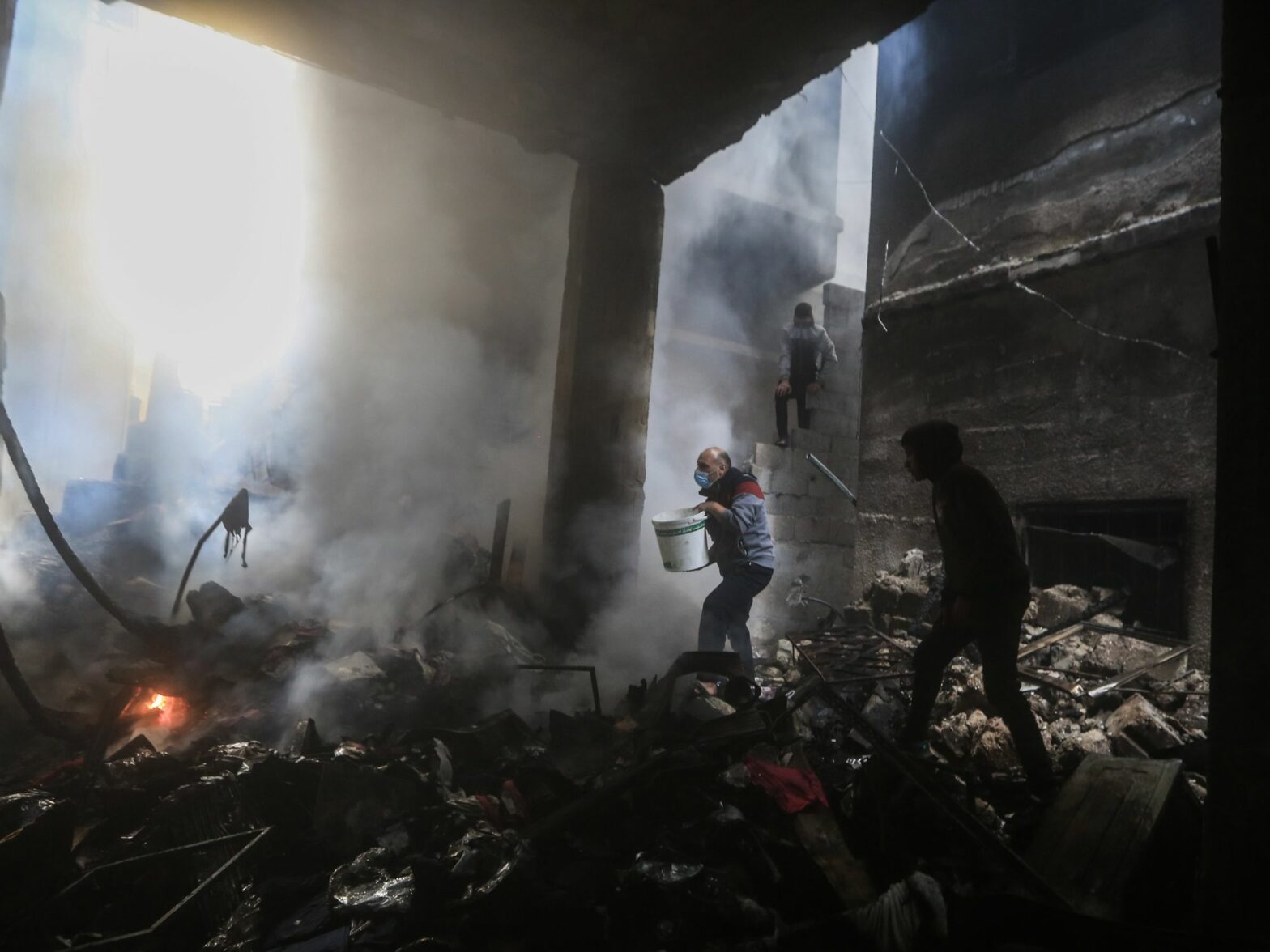
Daraj looks at the long-term deadly effects of Israeli munitions which will threaten Gaza for years after the current war ends.
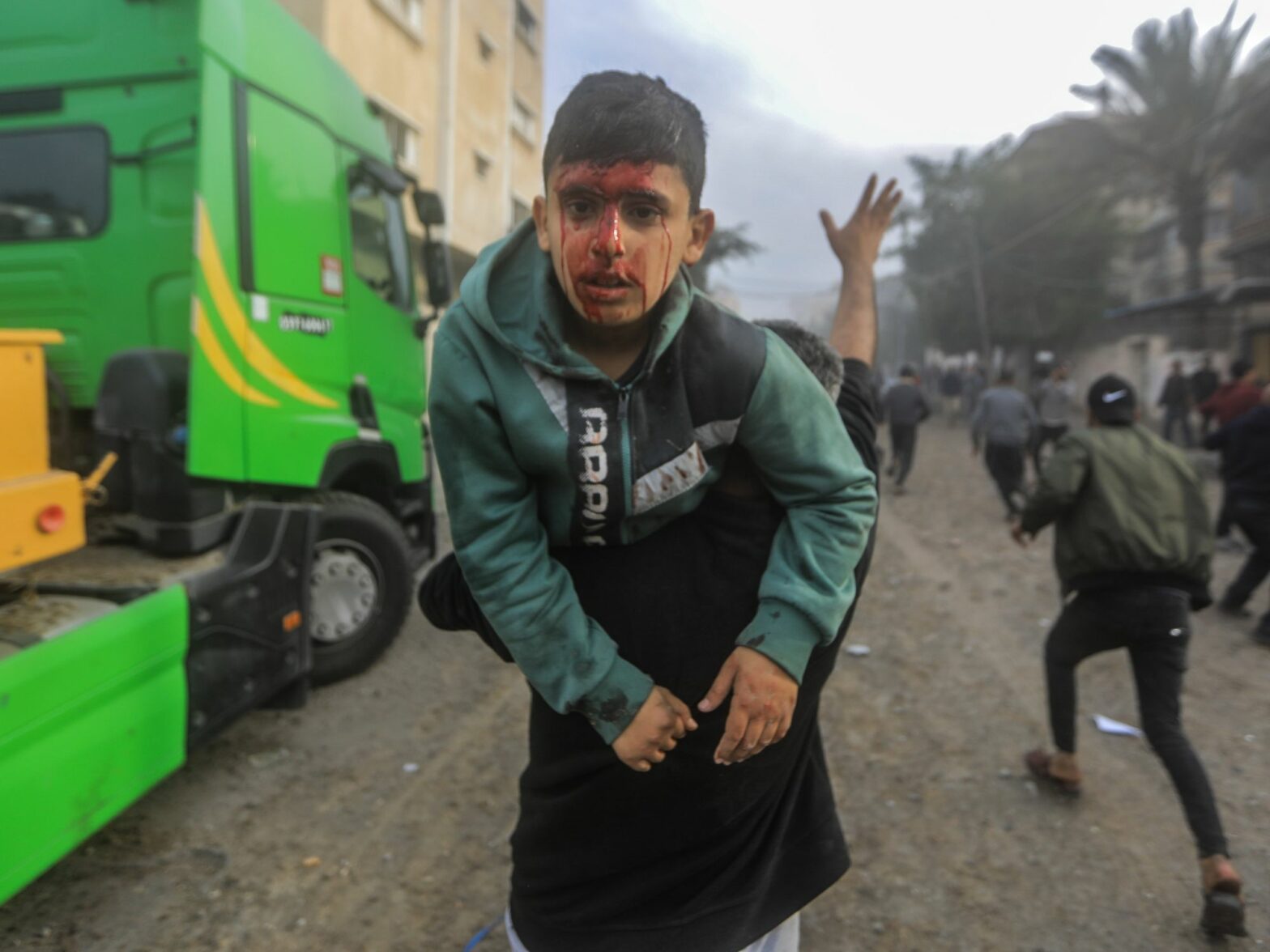
In two very different ways, the failure of the United Nations to inhibit aggressive nations is a sign of only more trouble ahead.
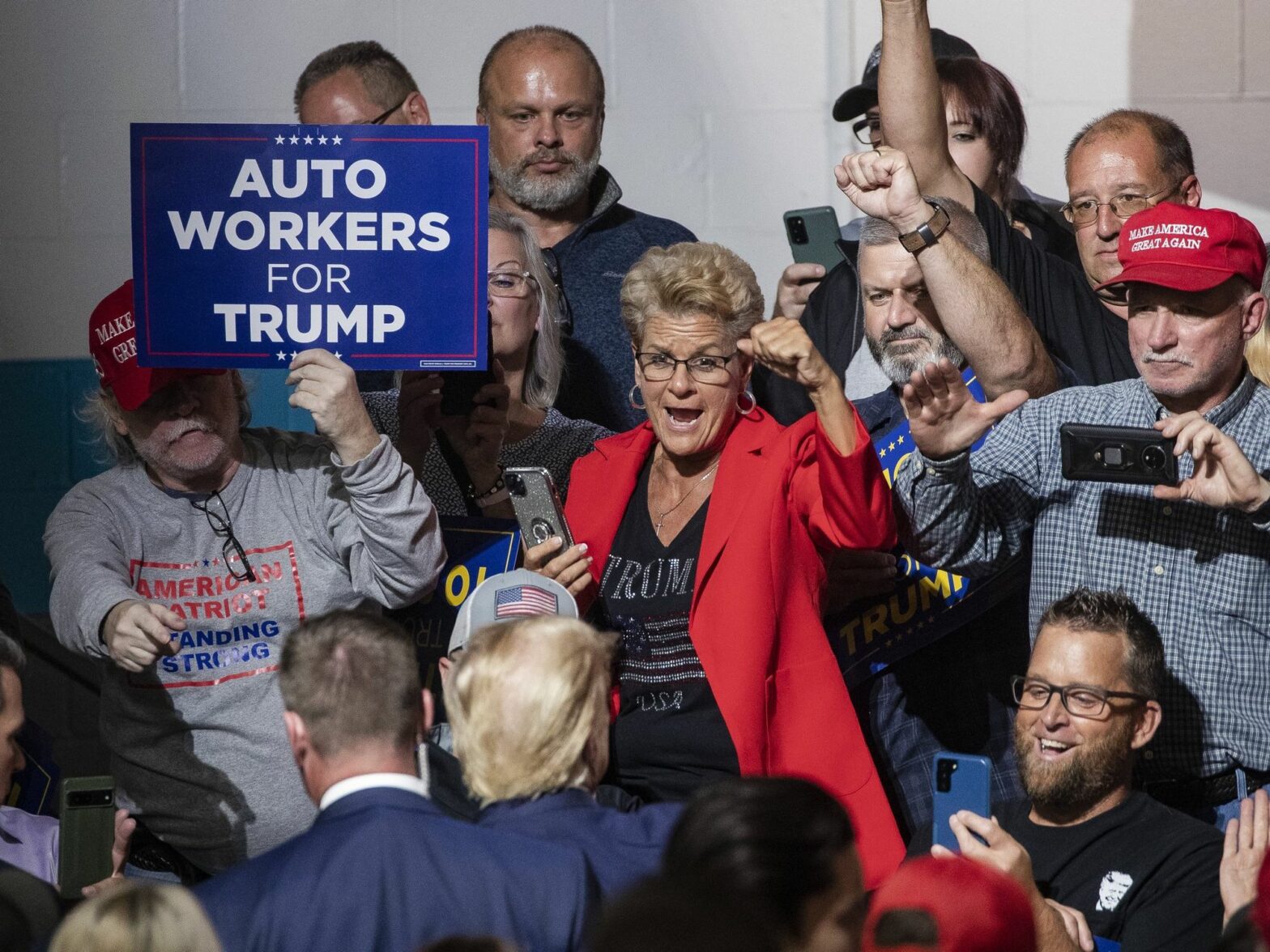
The 2024 U.S. presidential election is set to have far-reaching implications for the world. But the Republican and Democrat frontrunners, Donald Trump and Joe Biden, both have their own sets of hurdles to jump before then if they hope to secure voters’ support.
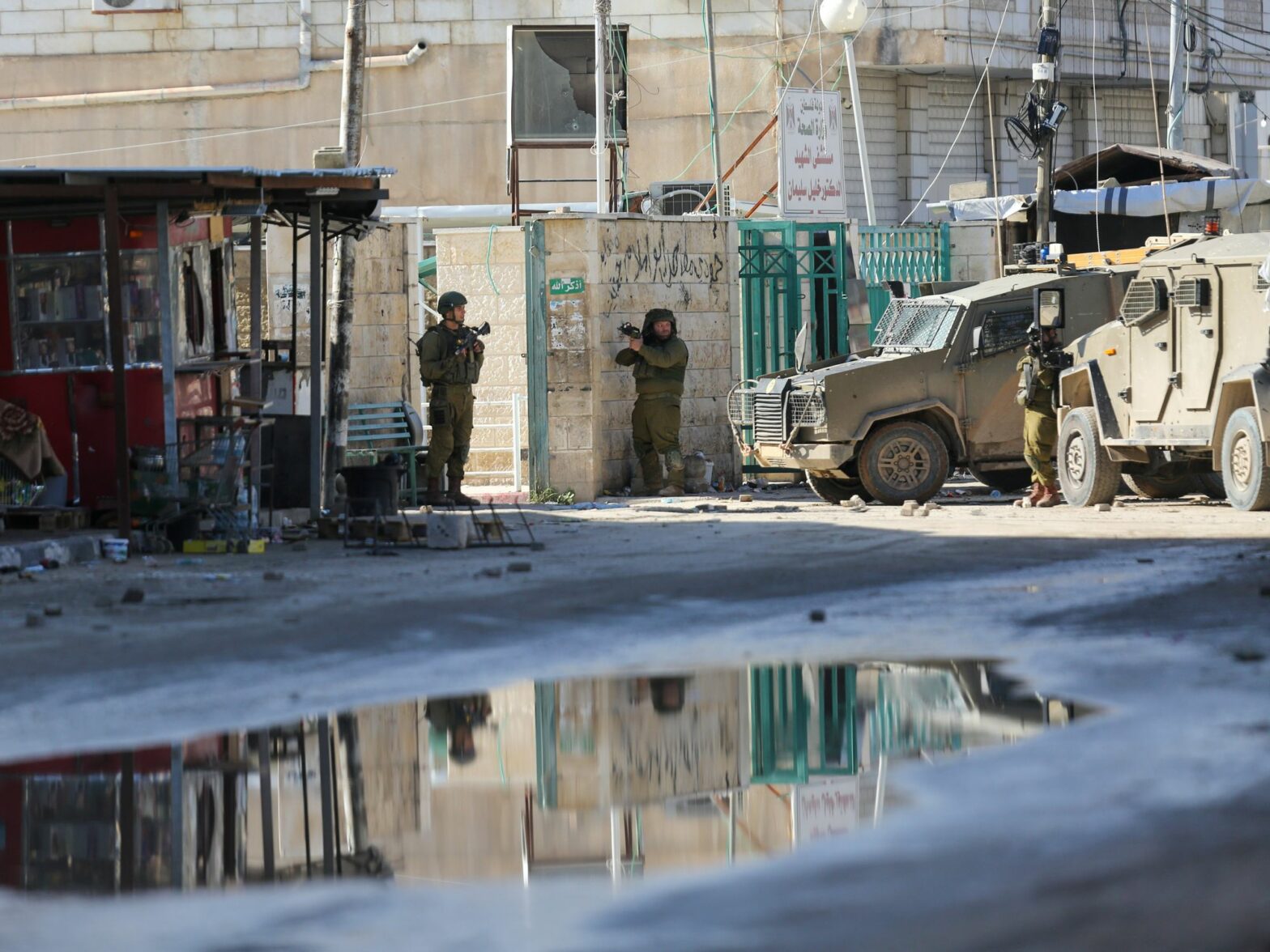
Israel has launched a massive campaign of retaliatory detentions in the occupied West Bank. The campaign aims not only to humiliate the detainees, but it has also targeted those who have been released and it has revealed widespread violations and Israel’s determination to punish “all” Palestinians.
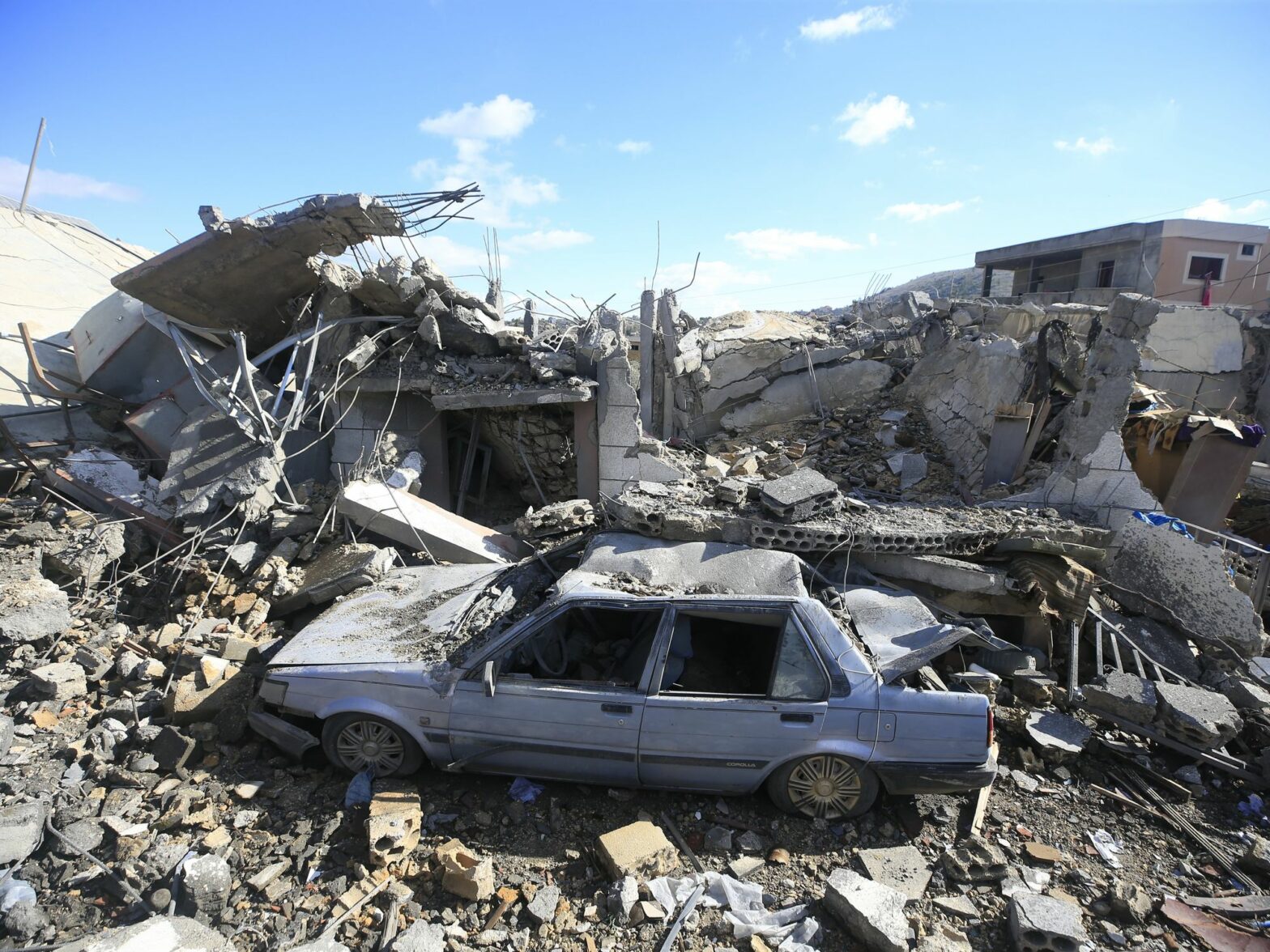
Pressure is rising from allies for Israel to change its tactics, which may only harden the position of Prime Minister Benjamin Netanyahu — which may only raise the stakes with regional adversary Iran. Here are three questions that are both crucial and connected.
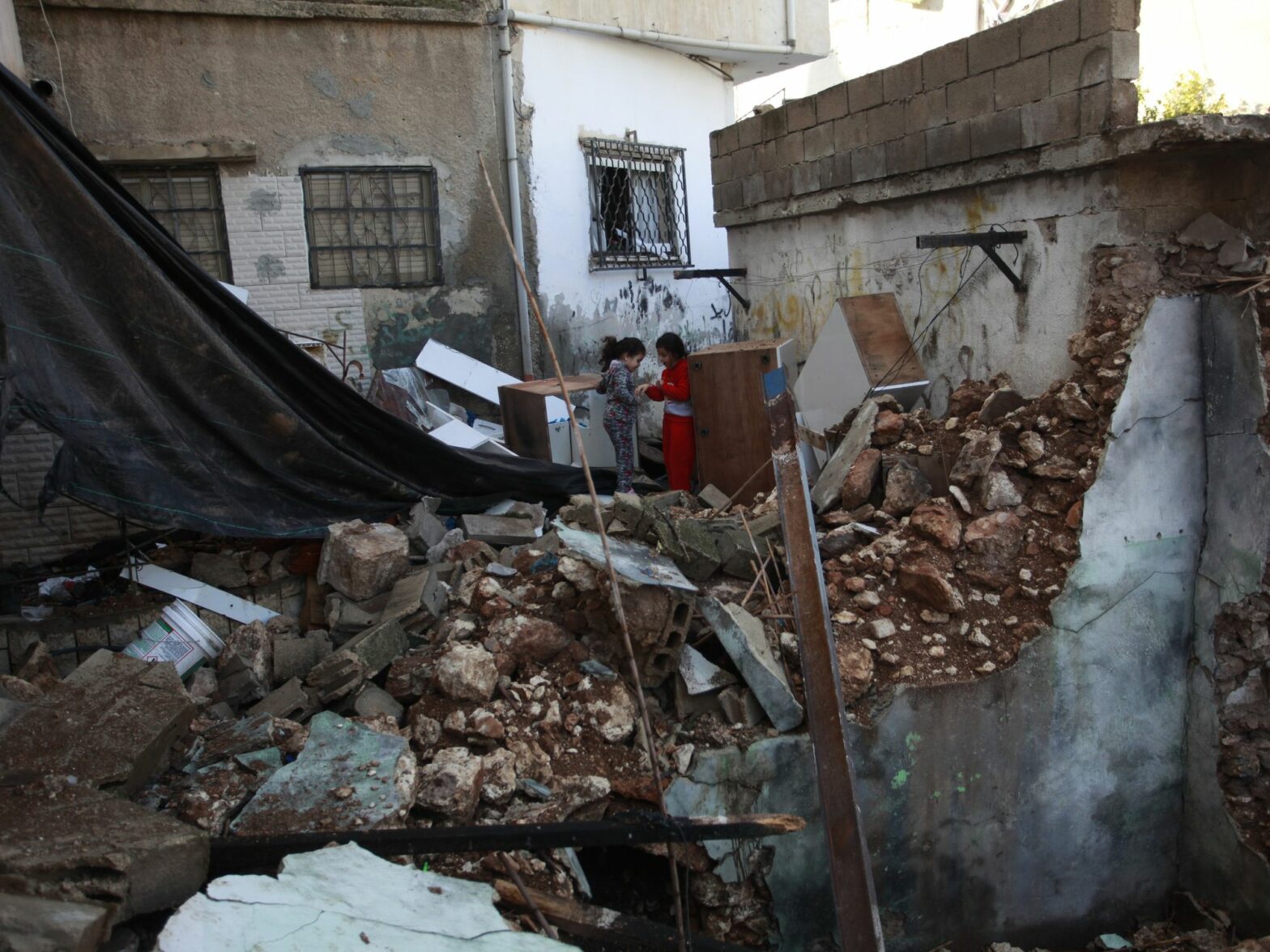
The Jenin refugee camp is rapidly spinning out of control, as the West Bank security coordination between Israel and the Palestinian Authority dissolves. The Israeli military wants to make an example of this symbol of Palestinian resistance in the West Bank.
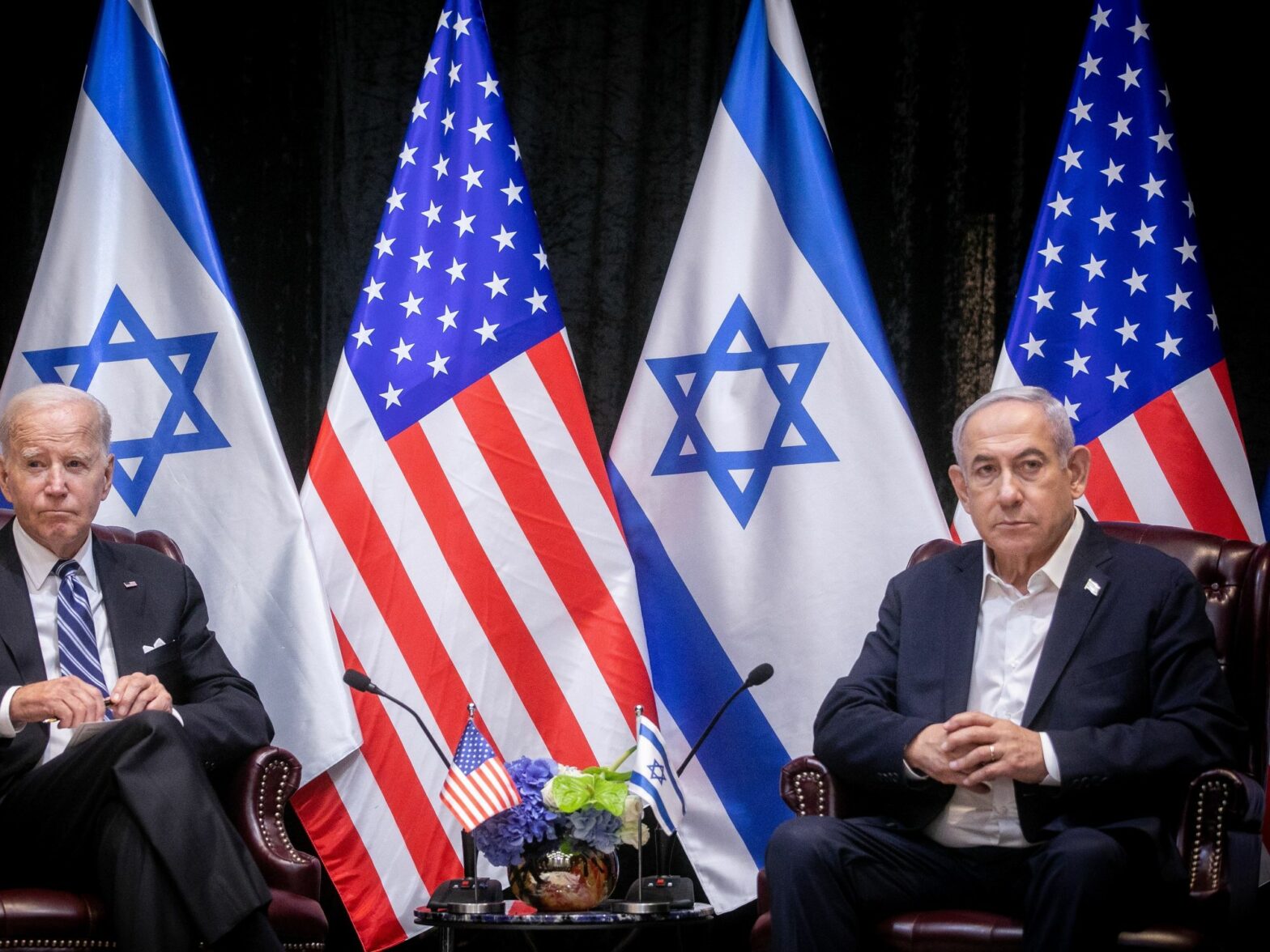
U.S. President Joe Biden’s tough words for Benjamin Netanyahu cannot really be reconciled, and point to a paradox: Netanyahu may be the warlord whom the army obeys, but he is also a politician whom the vast majority of his fellow citizens would like to see leave.
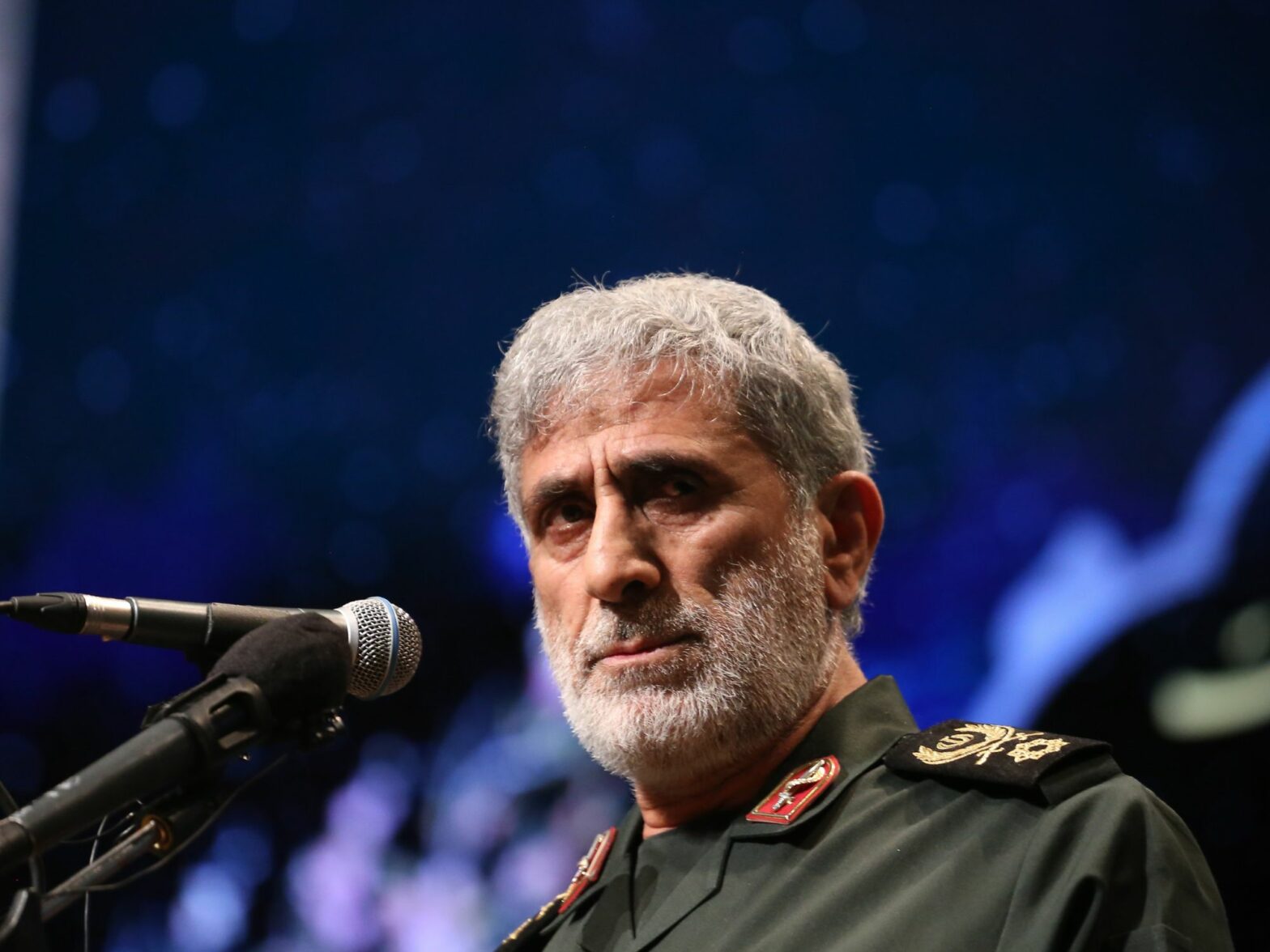

Updated Dec. 9, 2023 at 12:20 It was on this day in 1987 that a series of Palestinian protests and violent uprisings began in the West Bank, Gaza and Israel in defiance of Israeli occupation. The confrontation would last for nearly six years. How did the first Intifada begin? An Israeli Defense Forces’ (IDF) truck […]
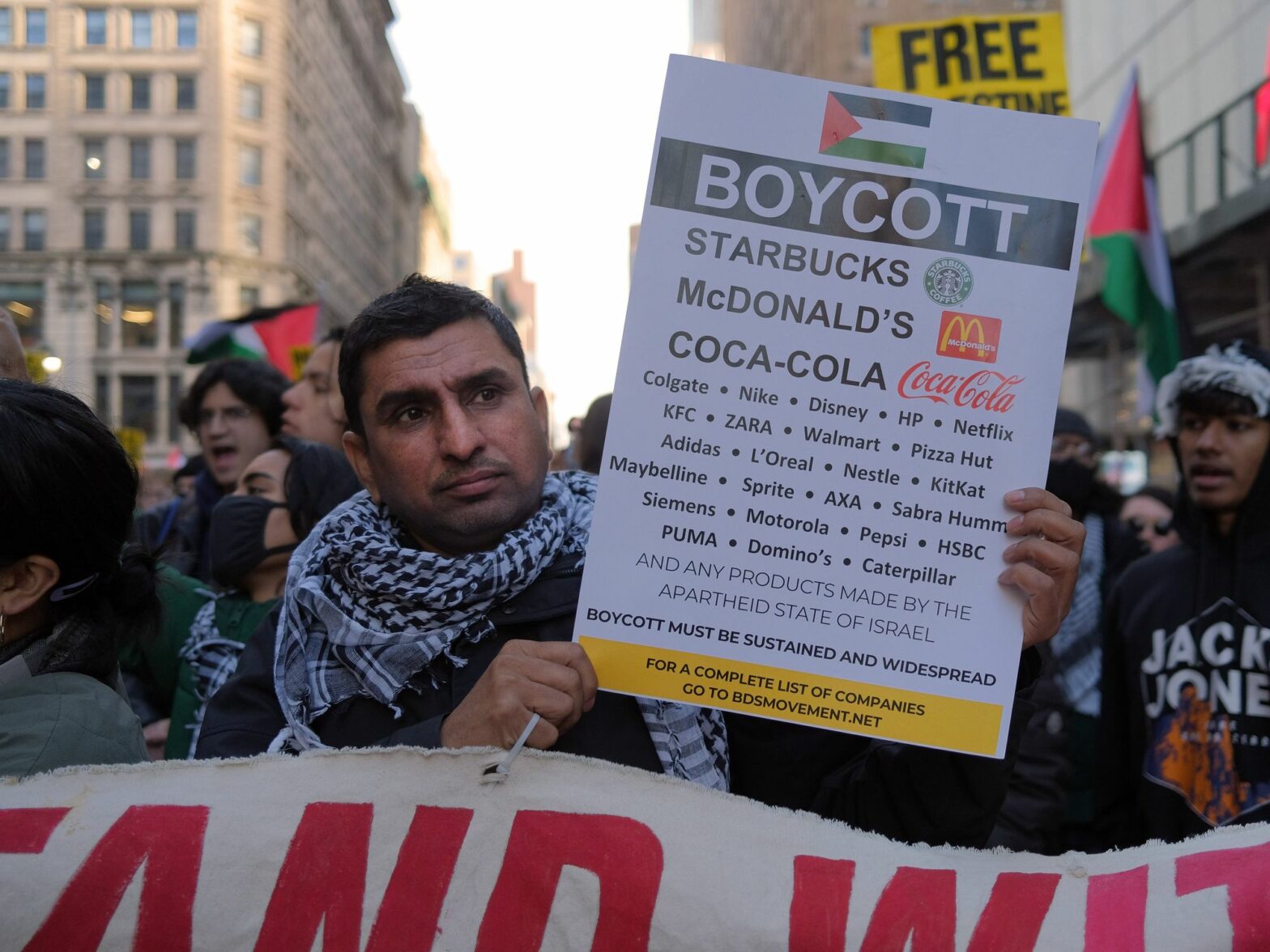
In Egypt and elsewhere in the region and the world, families and movements are mobilizing against companies that support Israel’s war on Gaza. The power of the people lies in their control as consumers — and the list of companies and brands to boycott grows longer.
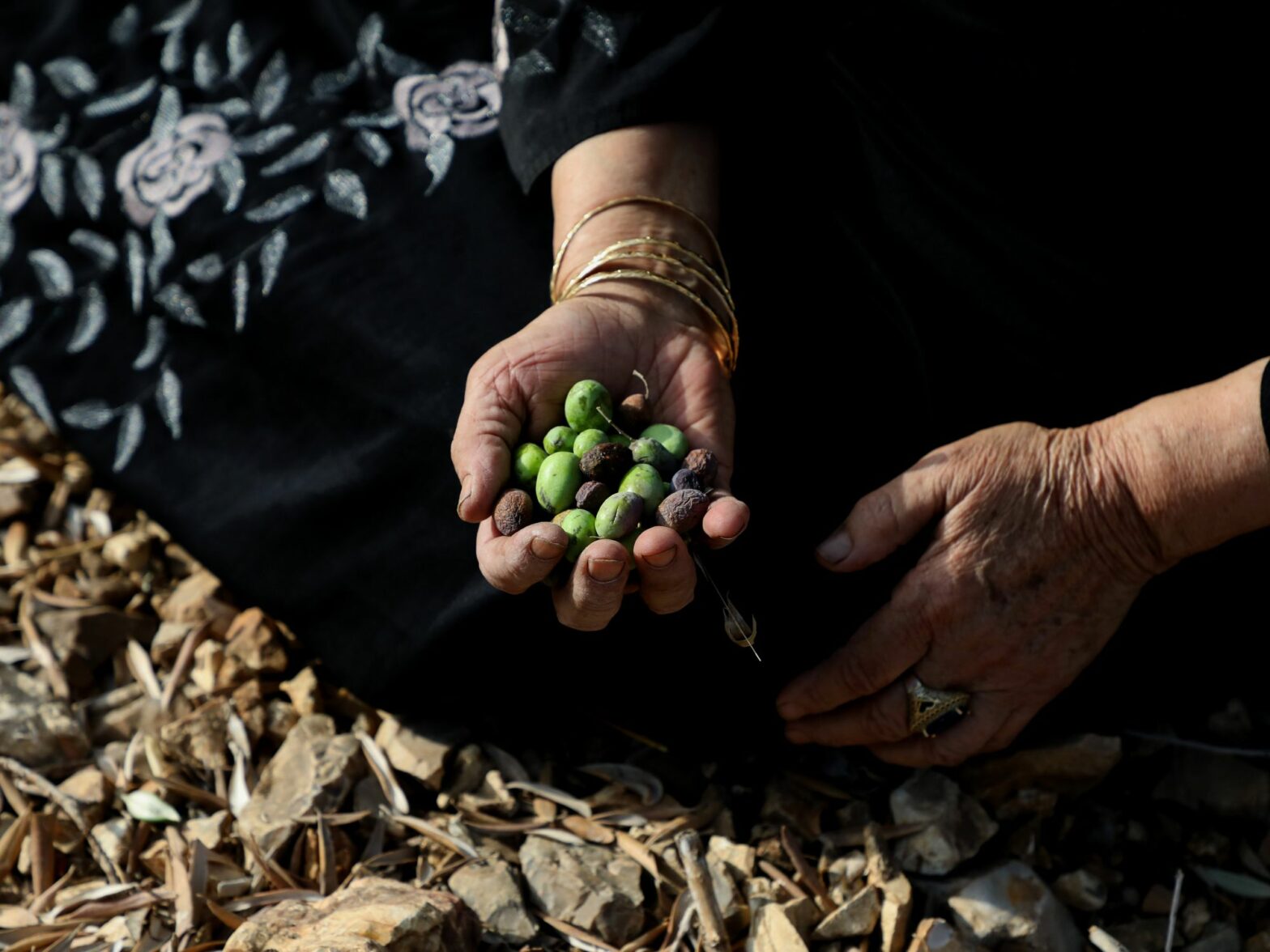
In the West Bank, a quieter form of oppression has been plaguing Palestinians for a long time. Their olive groves are surrounded by soldiers, and it’s forbidden to harvest the olives – this economic and social violence has gotten far worse since Oct. 7.
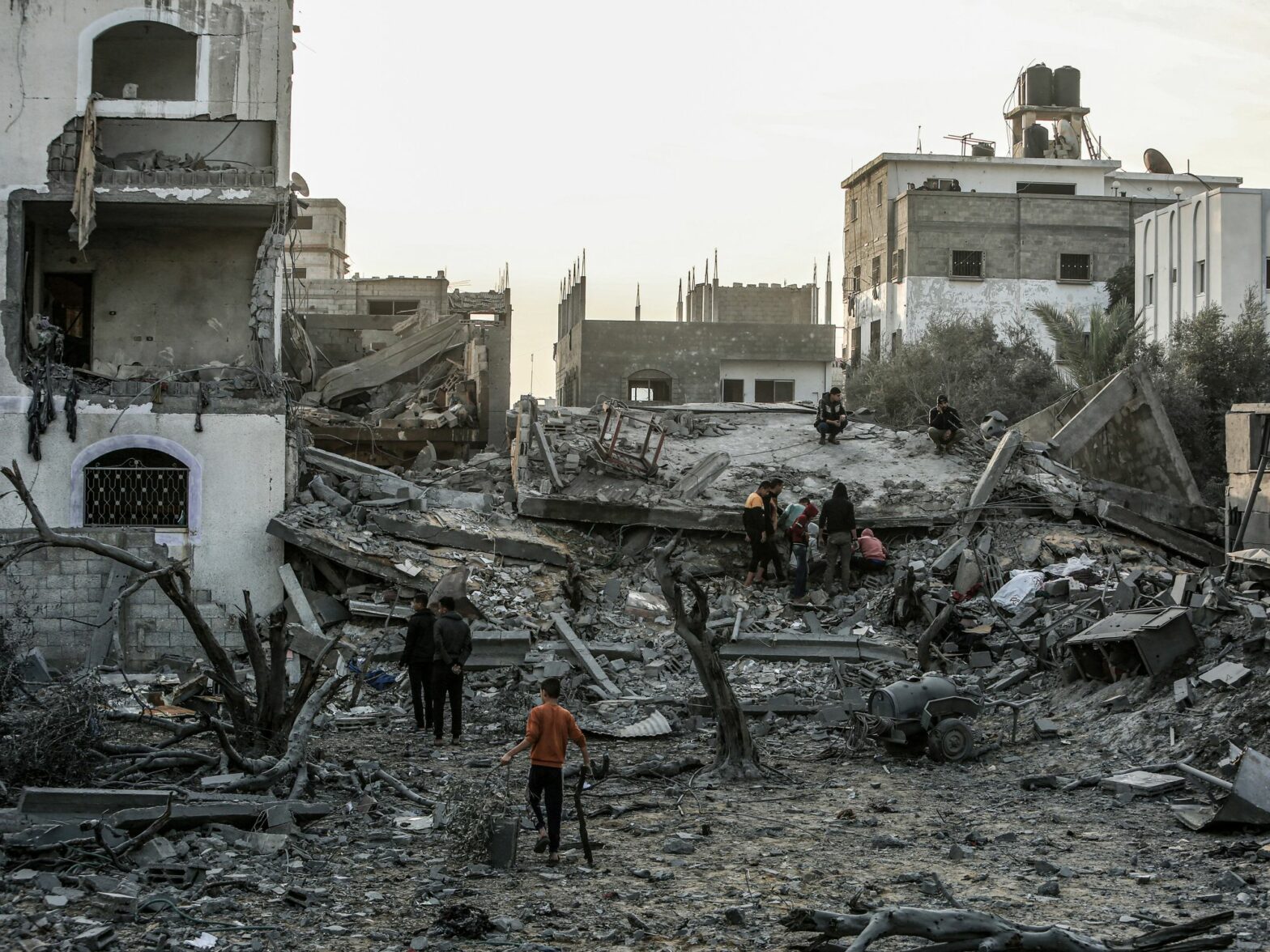
Three days since the truce ended, the Israeli army announced that it had launched 10,000 airstrikes on Gaza since the beginning of the war. Total war continues, with the invader’s fiercest fight waged against life itself.