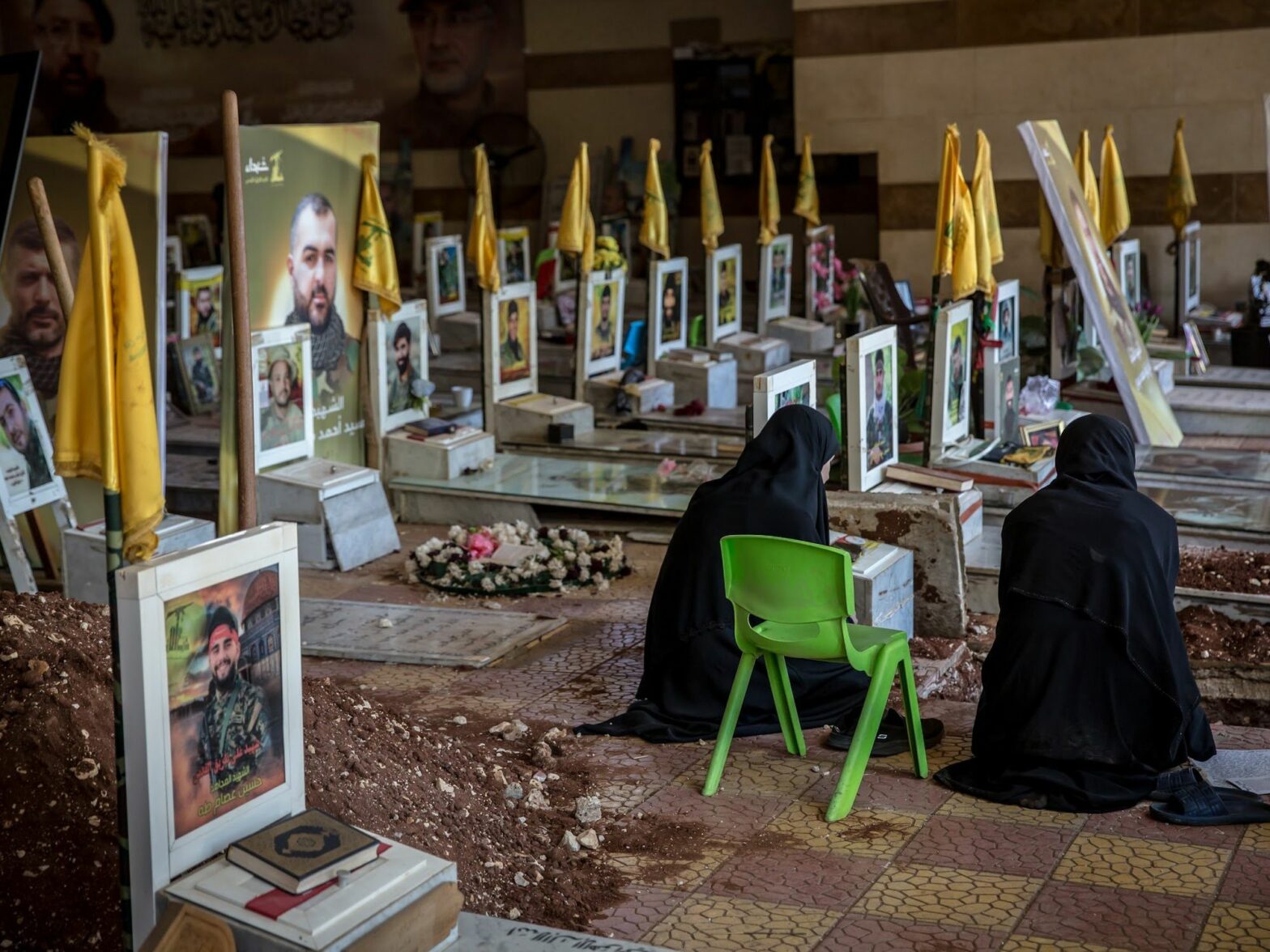
The Shia question is an expression of the entire Lebanese question, and requires the good will of all faiths, but also poses the responsibility of what to think and do about Hezbollah.
 Worldcrunch
The Shia question is an expression of the entire Lebanese question, and requires the good will of all faiths, but also poses the responsibility of what to think and do about Hezbollah.
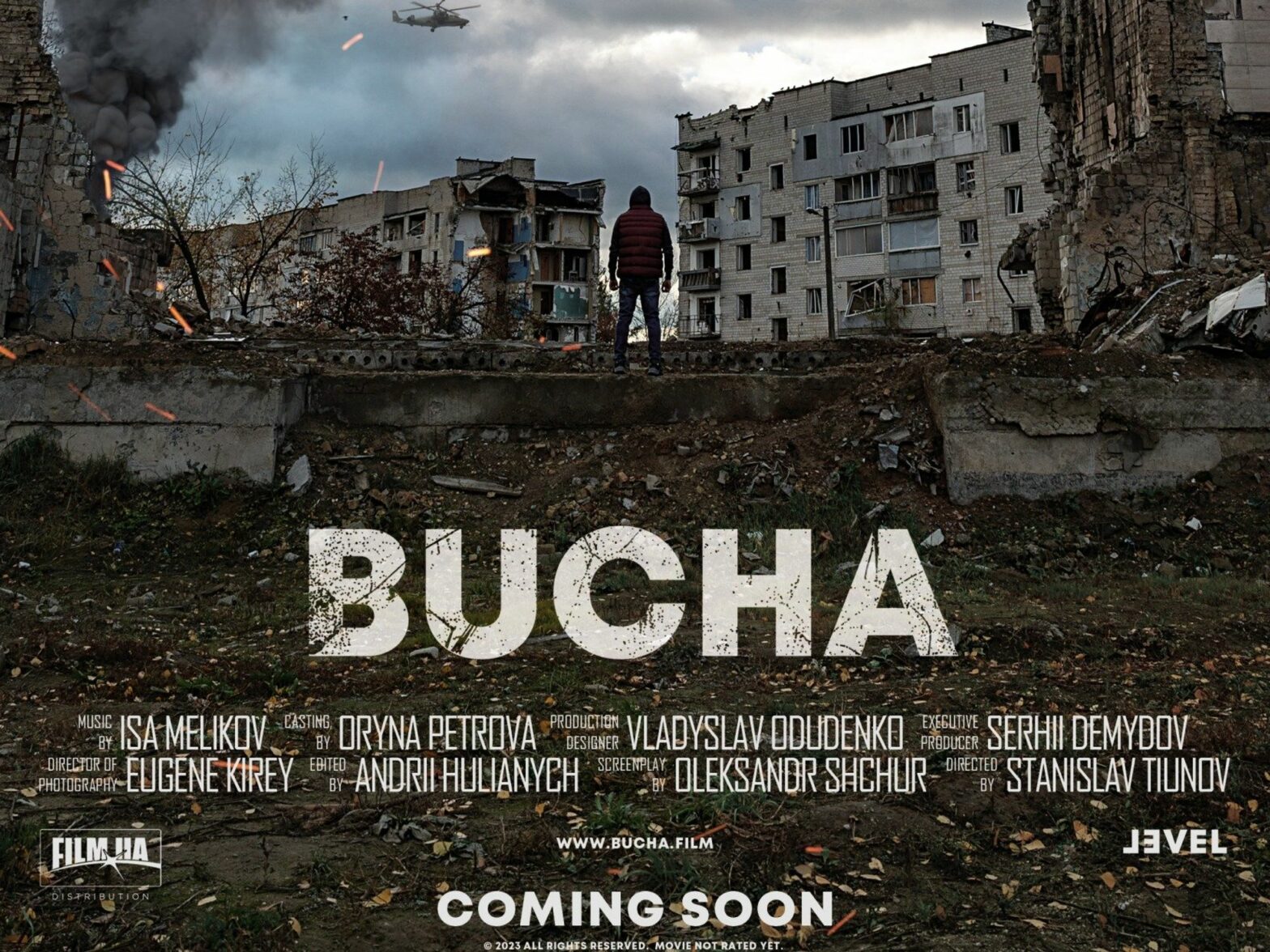
The release of the film Bucha by Ukrainian director Stanislav Tiunov, based on true events during the Russian invasion in spring 2022, raises questions about the ethics and exploitation of war on film. While this is not the first time a director has been accused of trying to make a blockbuster out of a tragedy, the film demonstrates the importance of taking time to reflect on such events.
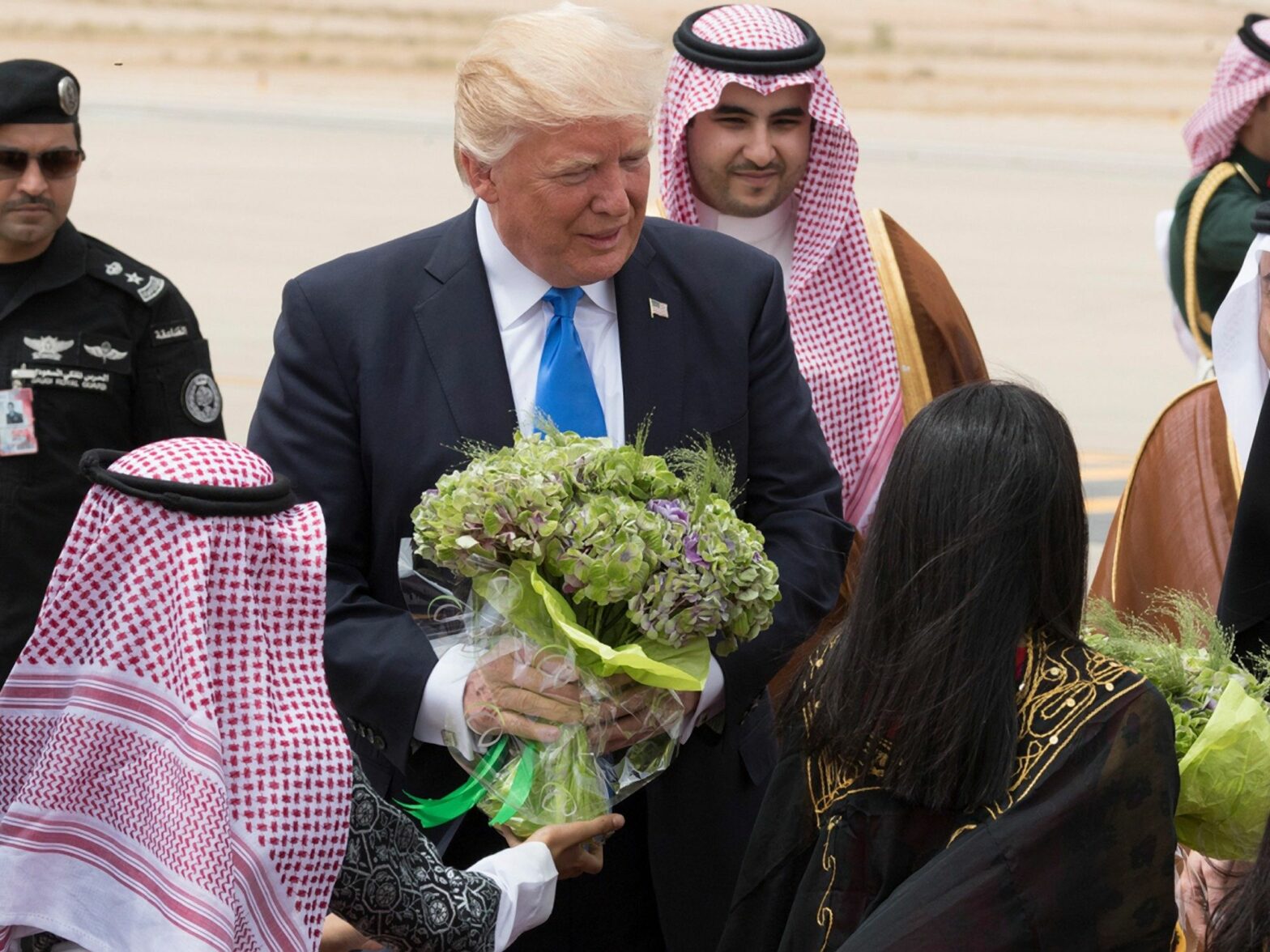
Trump is seen as a “transactional” operator by leaders in the Middle East. But the appointments to all key positions related to the region suggest that Arabs should brace for the worst of all deals.

Two undersea communication cables were severed in the Baltic Sea this weekend, prompting Germany’s defense minister to say that “no one believes” it was an accident. Many suspect a new escalation of hybrid warfare in a sea where Russia is the only country not part of NATO.
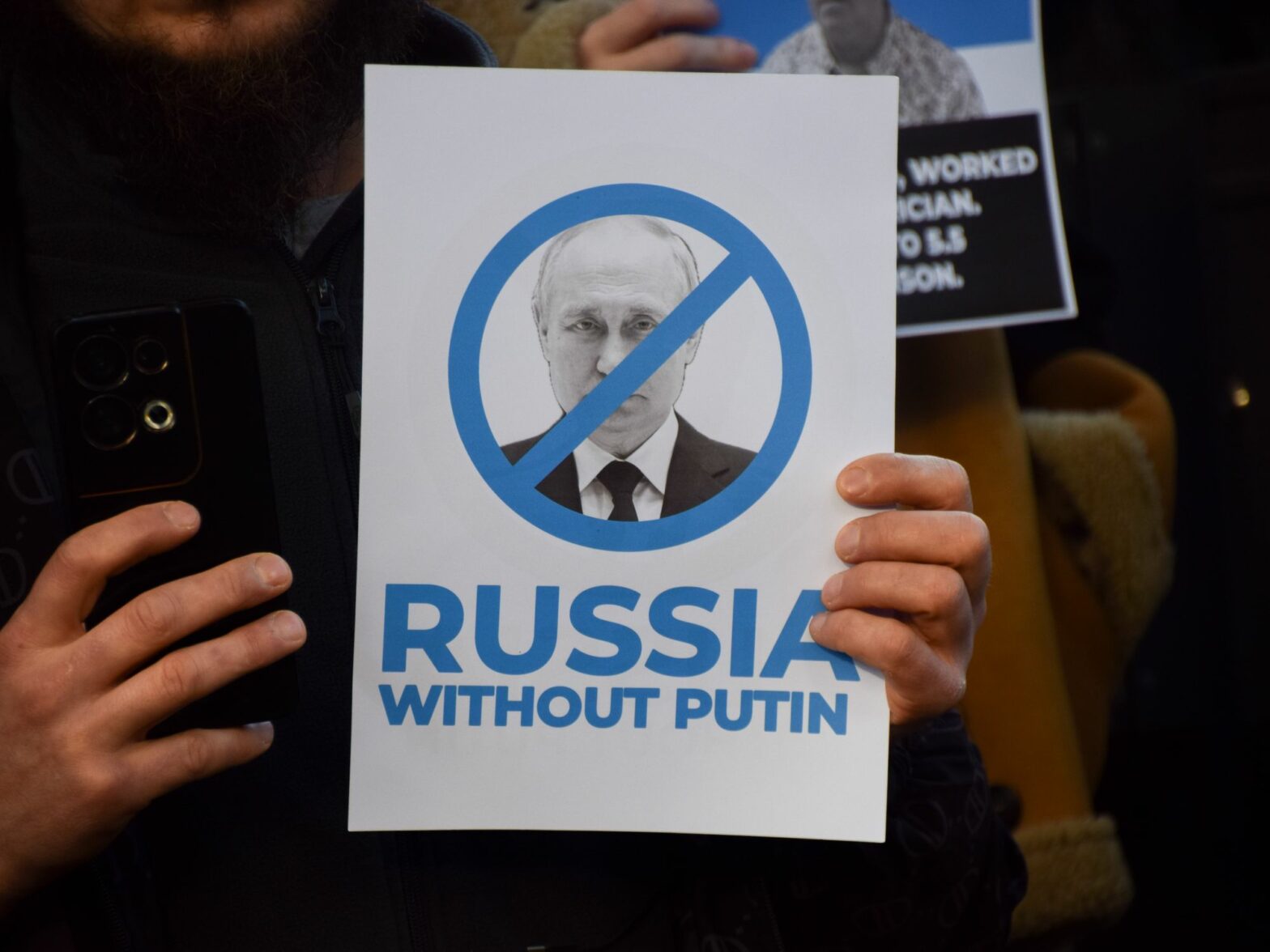
Russia launched its full-scale invasion of Ukraine 1,000 days ago. Since then, many Western nations, scholars and politicians have suggested negotiating for peace with Russia, rather than letting the war go on. But negotiations will not stop Putin’s imperial ambitions.
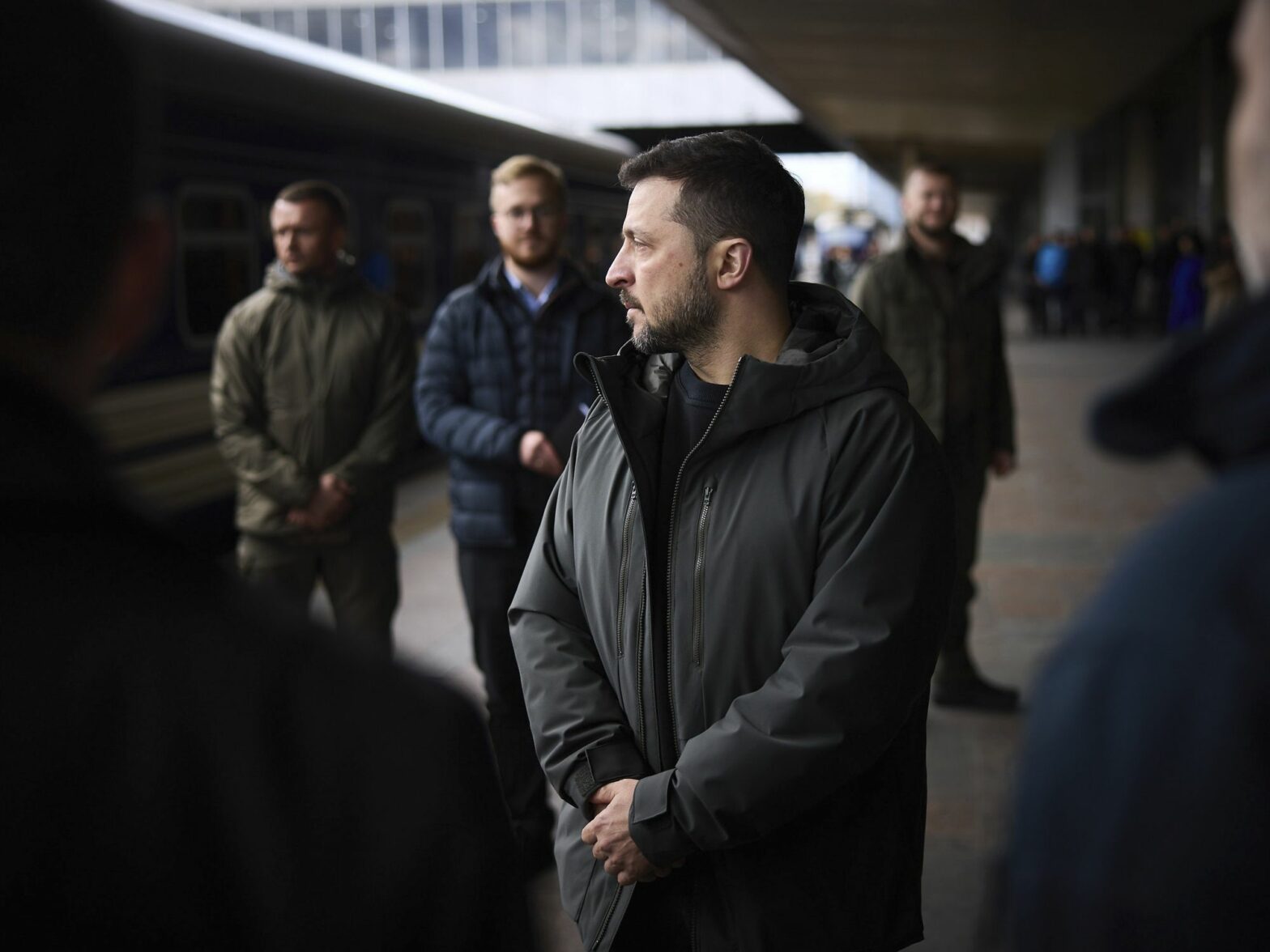
The U.S. has finally allowed Ukraine to strike Russian territory with long-range missiles following massive Ukrainian bombings of power infrastructure. Though only two months remain for the Biden administration before the uncertainty of the Trump era begins, the terms of any future negotiations are being fought over now.
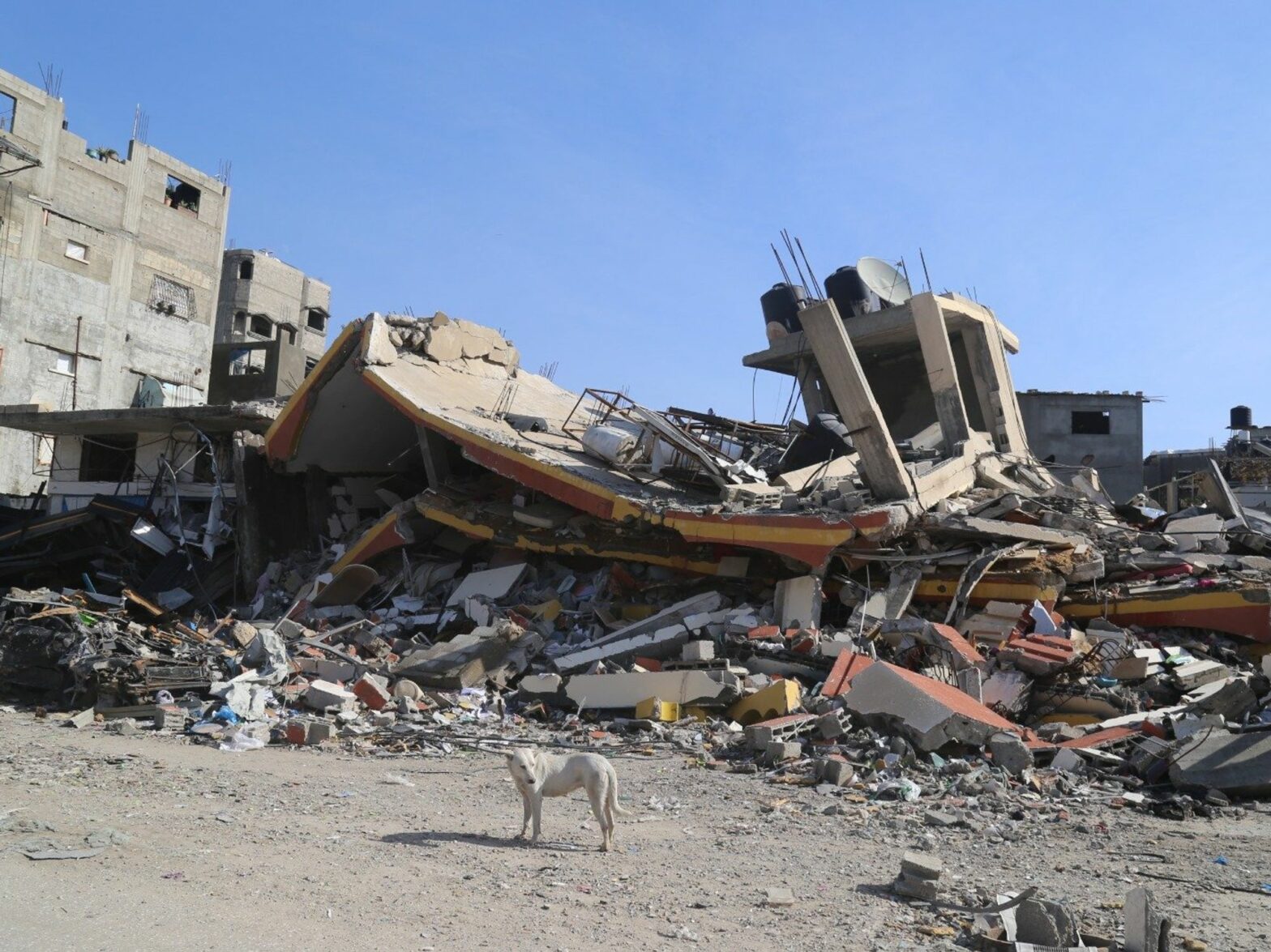
The situation in Gaza has become so dire that Palestinians have observed hungry dogs and cats eating dead bodies on the streets — and even digging up buried corpses — and becoming more aggressive toward people.
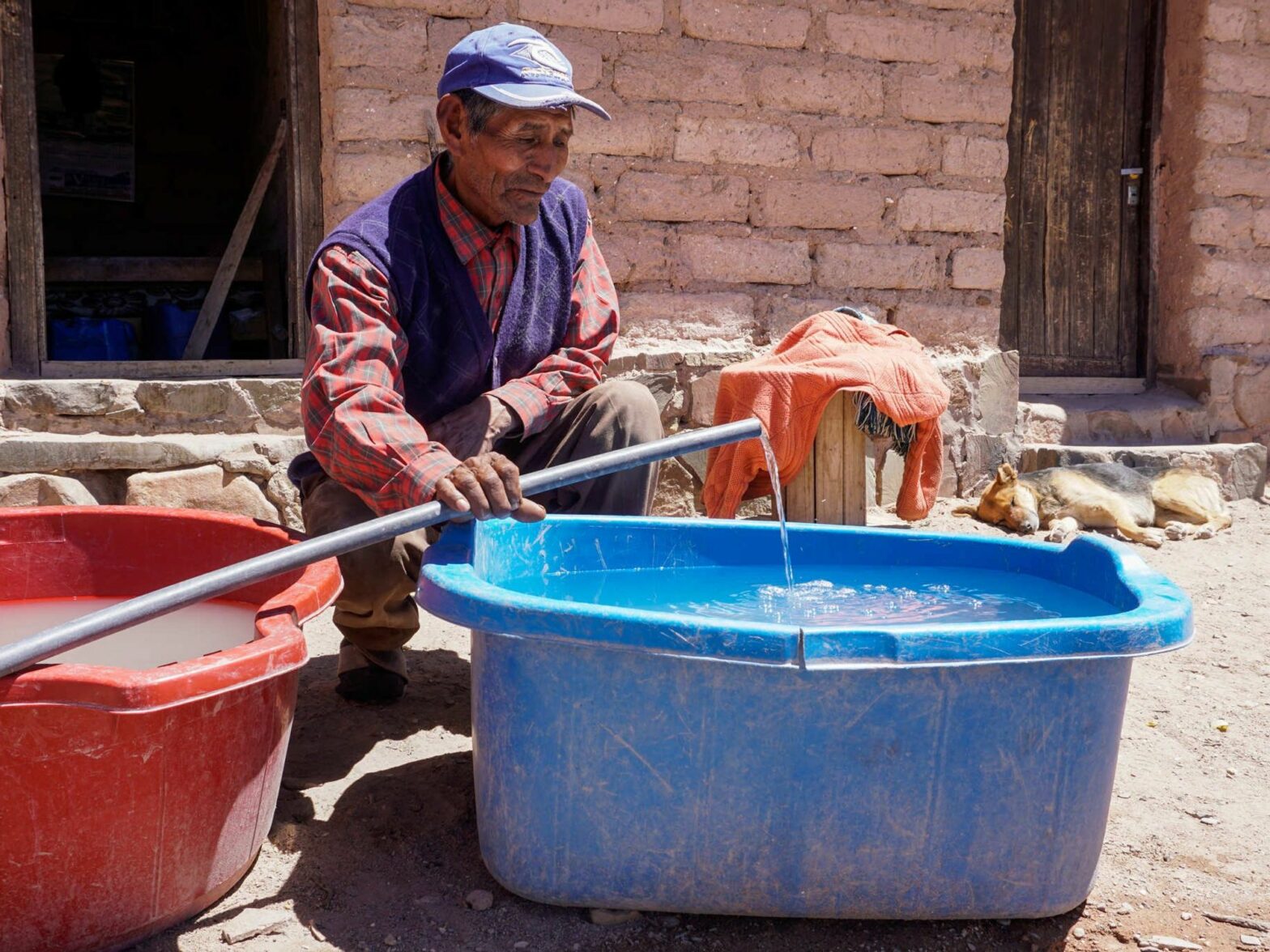
People in northwest Argentina let lithium mining companies onto their land. They didn’t expect to lose their water sources in the process.
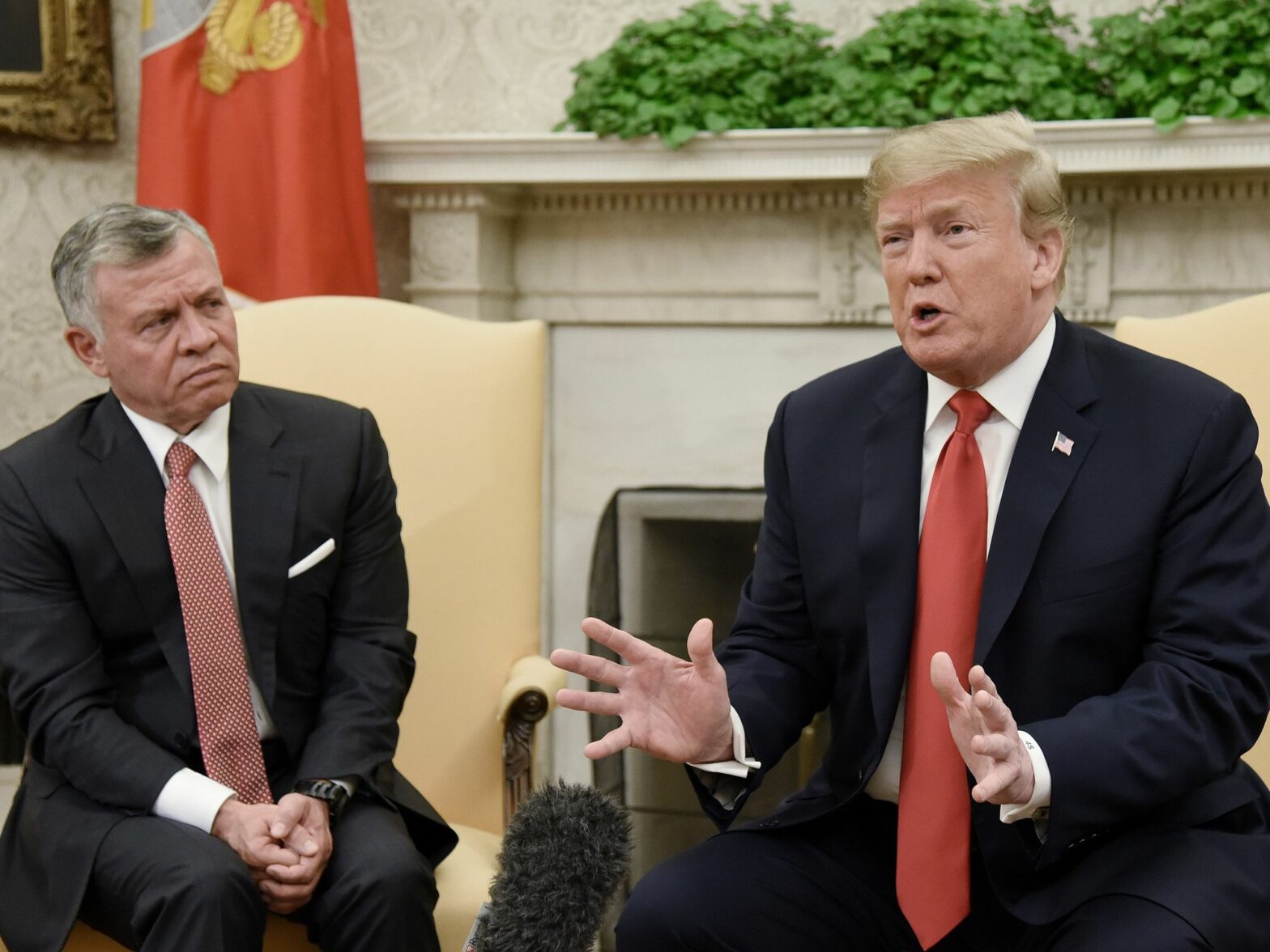
In his first term, Donald Trump tried to undermine the strategy that Jordan had bet on for more than two decades, to protect itself from the risk of transferring the Palestinians from the occupied West Bank to Jordan. What will a second Trump term mean for the country?
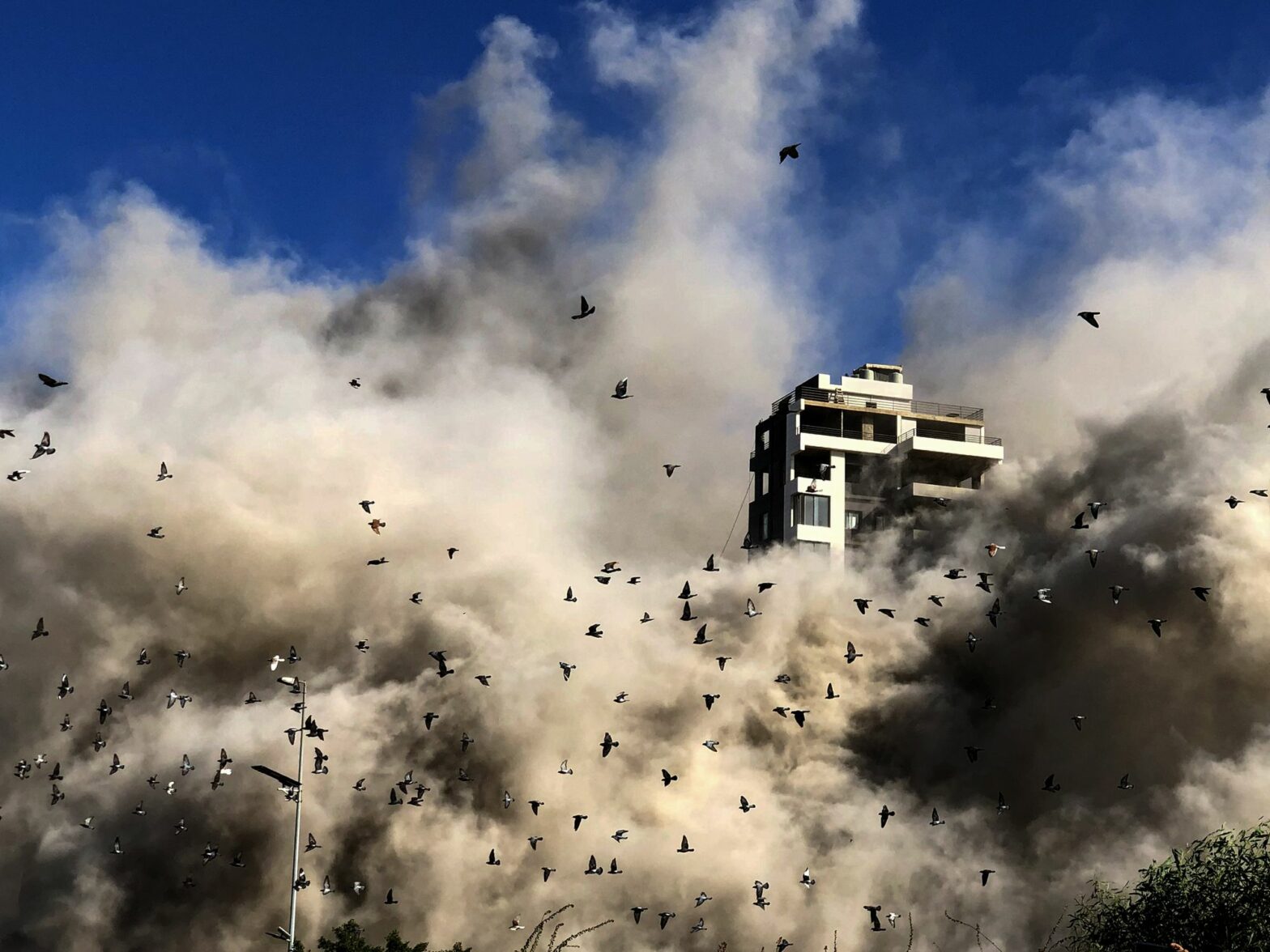
In more than a year since the Israel-Hezbollah conflict escalated, news of bombing has become a habit in Lebanon. In an essay for the Beirut-based independent media Daraj, Lebanese journalist Pascale Sawma discusses how war has become “normal” — and what that means for her and her work.
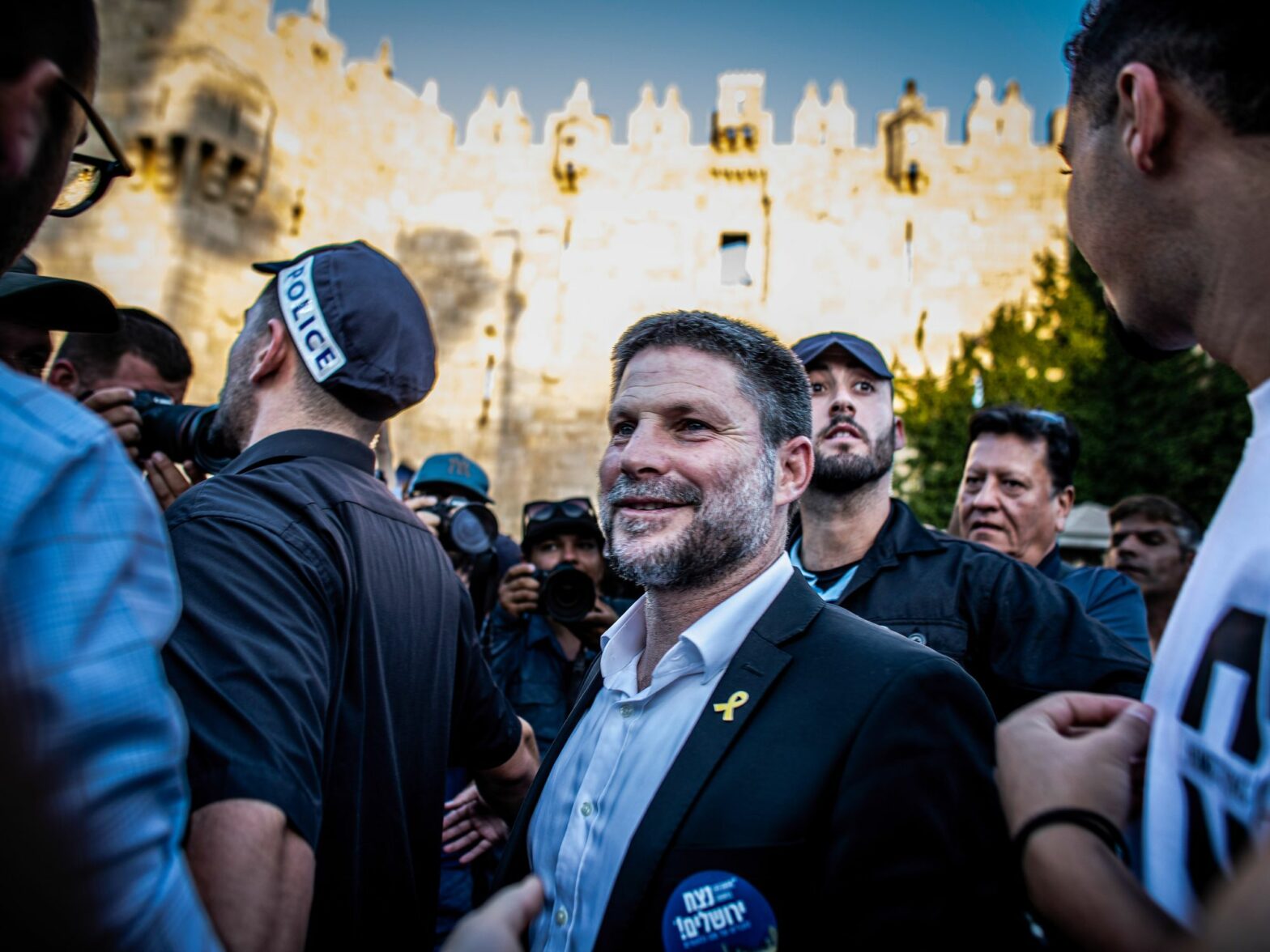
A prominent figure of Israel’s far-right, Finance Minister Bezalel Smotrich has announced that 2025 will be the year of the West Bank’s annexation. With Donald Trump’s victory, supporters of colonization hope he will back their approach, despite it being contrary to international law.
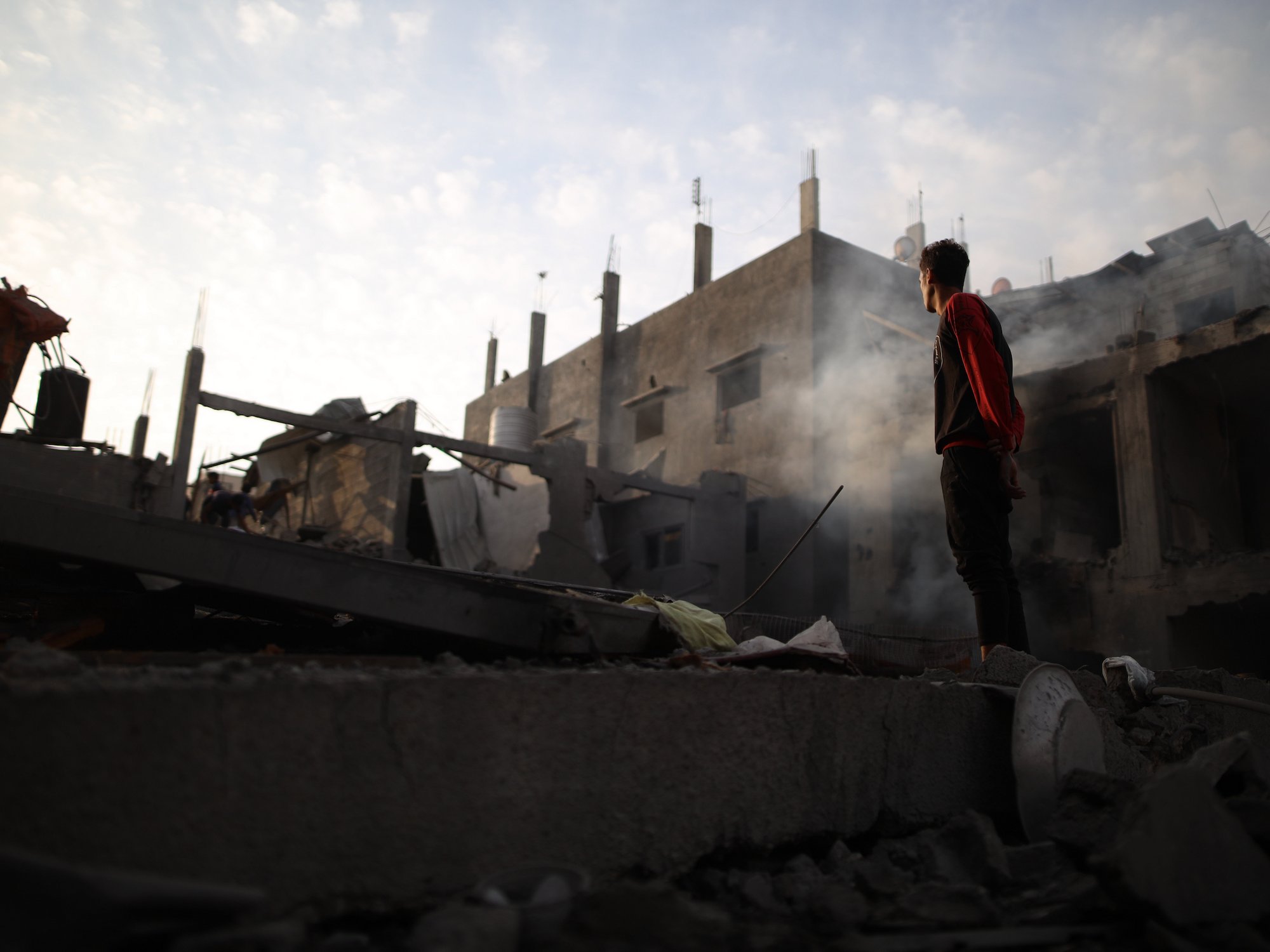
One Arab writer takes issue with a noted scholar who assigns the lion’s share of the blame to the establishment of the Jewish State. Israel has excelled, not only, because of its military strength and Western allies, but also because of its ability to build a state of institutions and relative freedom.
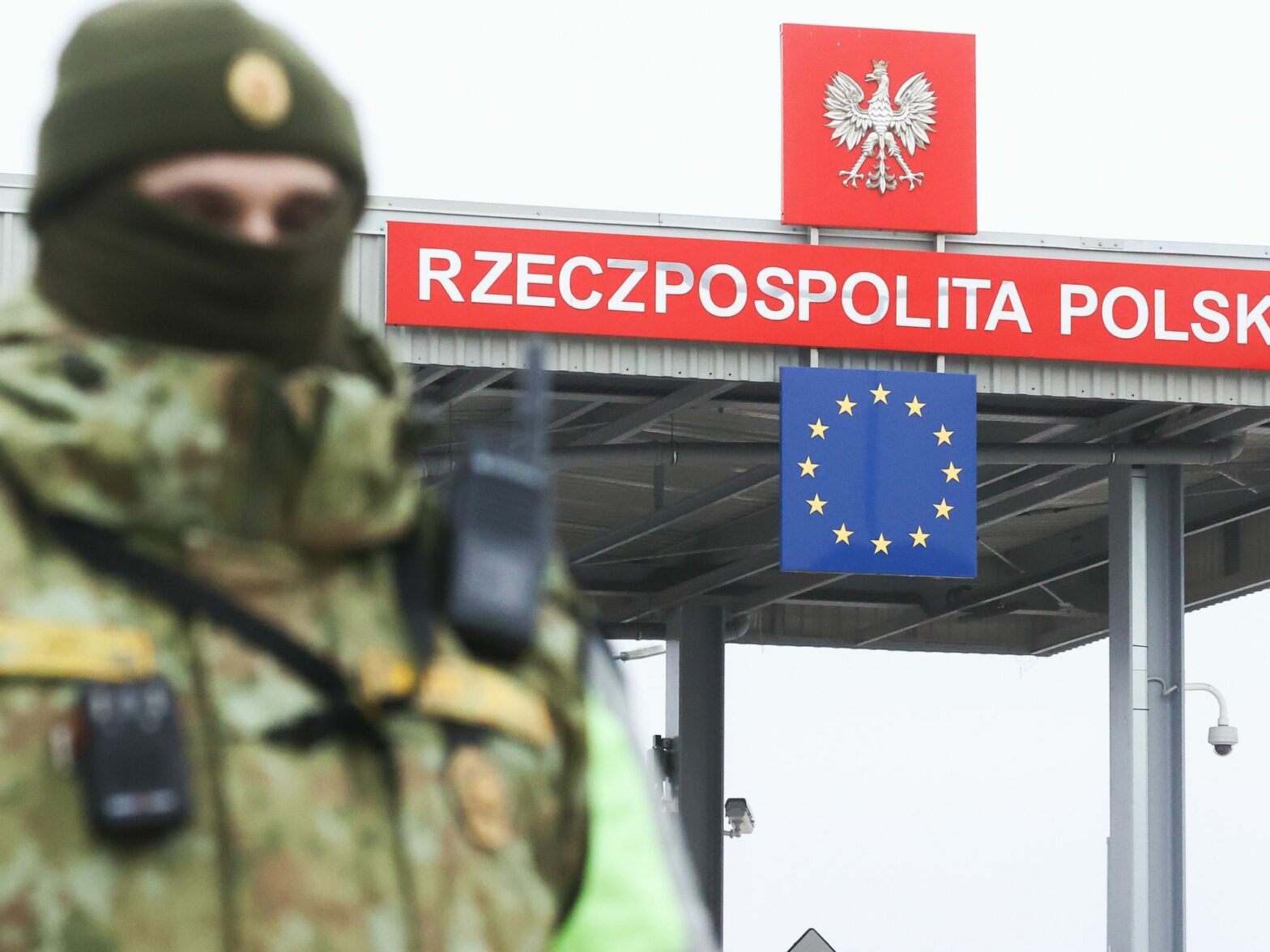
One of the few EU countries to not agree to the 2015 migration scheme, Poland had long been viewed as a right-wing periphery on migration. But with the rest of Europe moving rightward, Poland has emerged as the new leader on the issue.
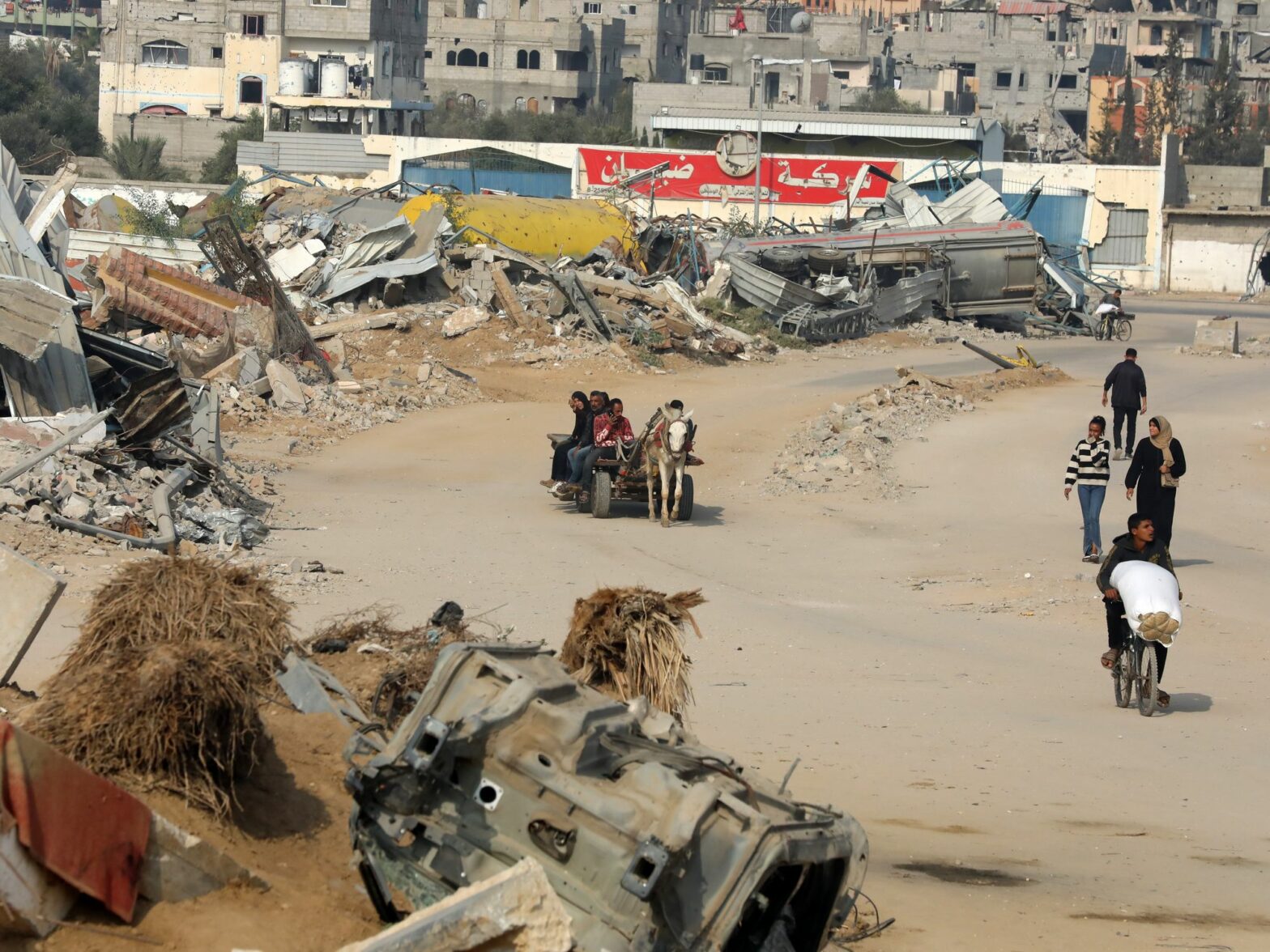
Having played a precious though ultimately futile role as mediator, Qatar announced it will step back from Gaza talks as both sides remain uninterested in a ceasefire. And following Trump’s election victory, there’s a notable new appointment to represent Israel in Washington.
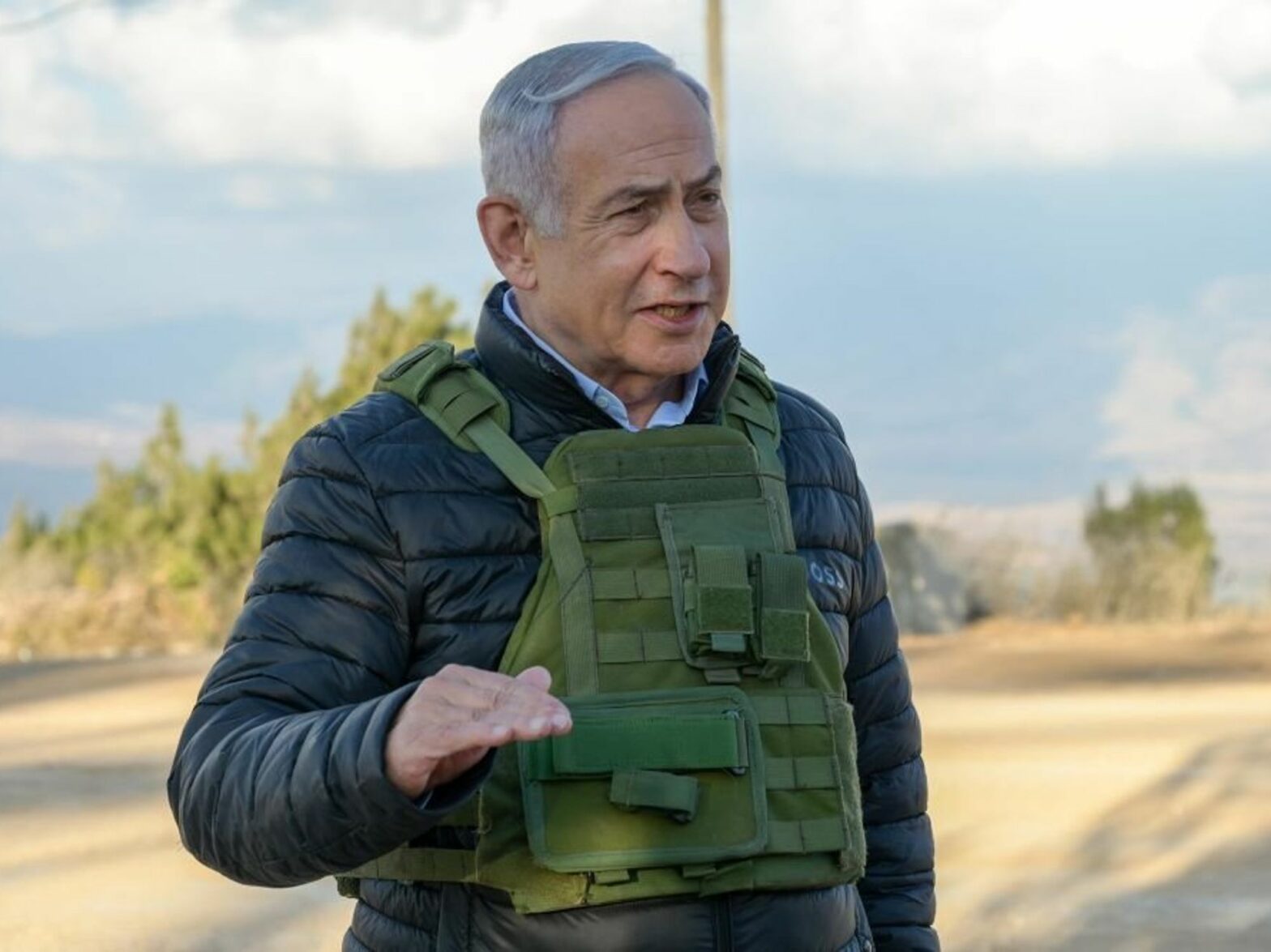
The election of Donald Trump has begun affecting global dynamics. In Ukraine, Zelensky fears losing U.S. support and has warned Europe against “suicidal” concessions to Russia. In Israel, Netanyahu stands as the main beneficiary, as Trump’s victory grants him the freedom to pursue his objectives unfettered.
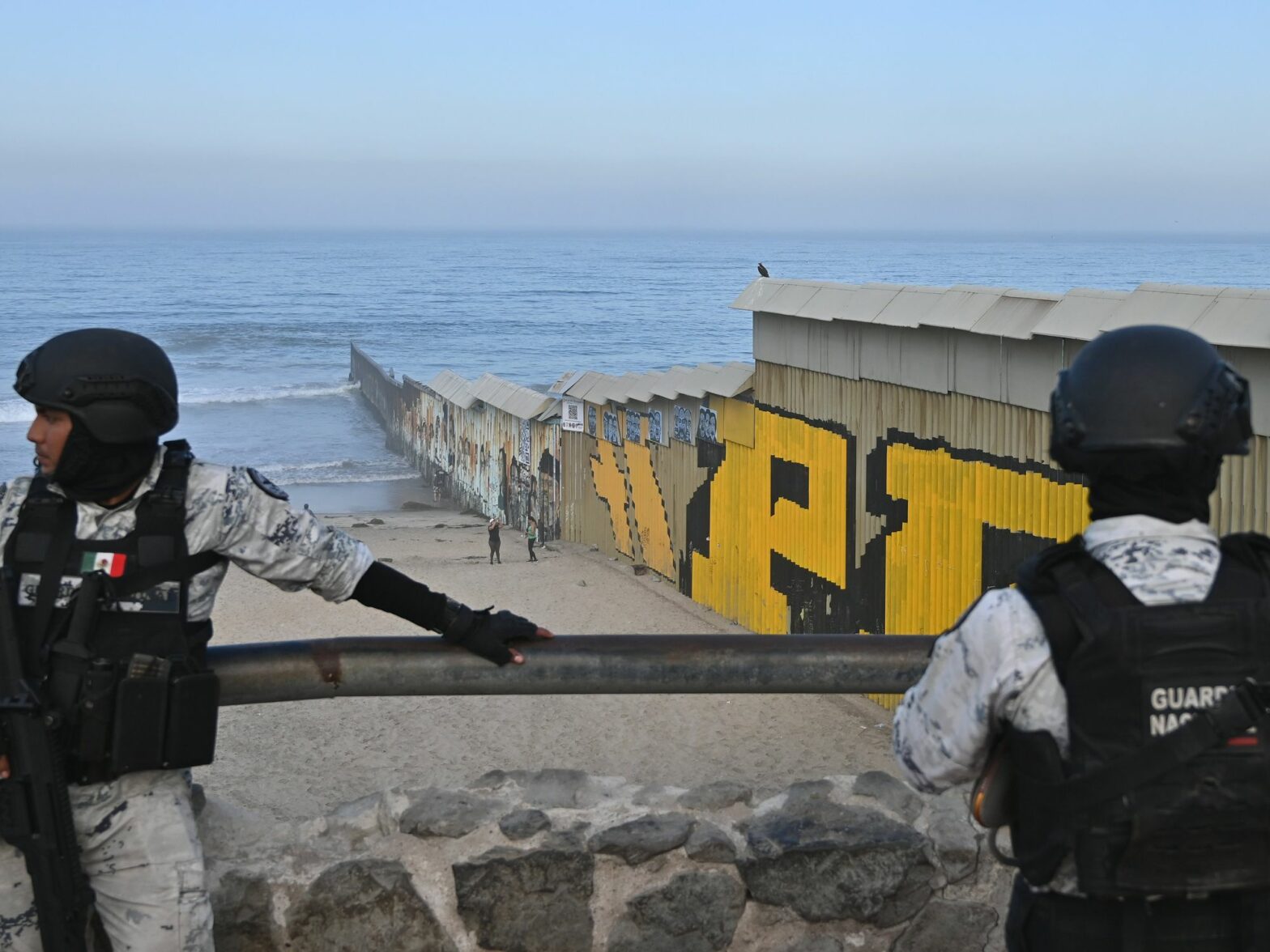
November 9 marks 35 years since the fall of the Berlin Wall. Once seen as a step toward open borders, walls and fences now span a quarter of the world’s land borders today. It’s central to what’s being called the “rebordering” among nations around the world.
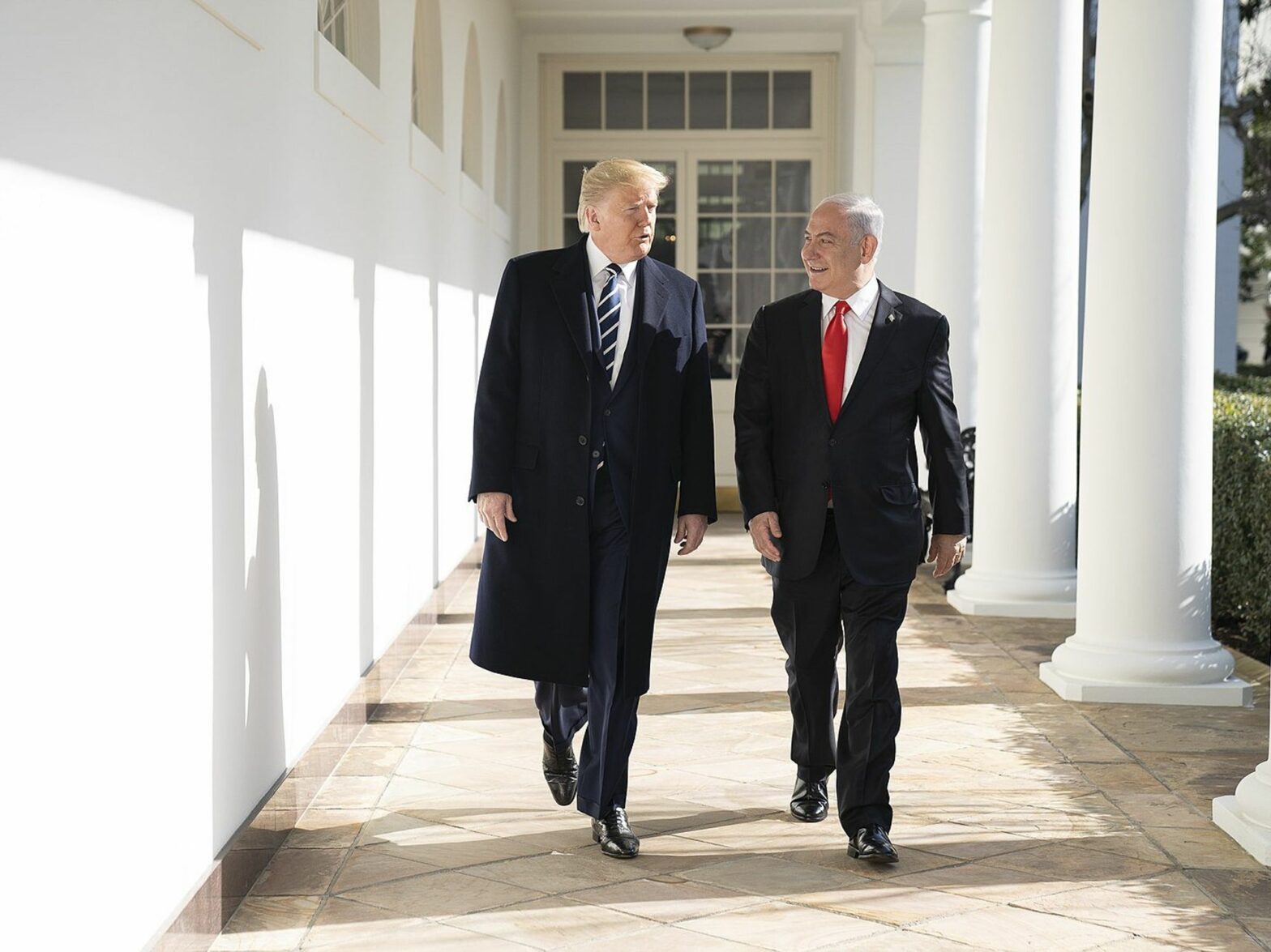
With the arrival of Donald Trump to the White House, we must expect a major shift in the Israeli-Palestinian conflict, and a return to the vision of the “Abrahamic Peace,” which includes no reference to the Palestinians’ right to a state.
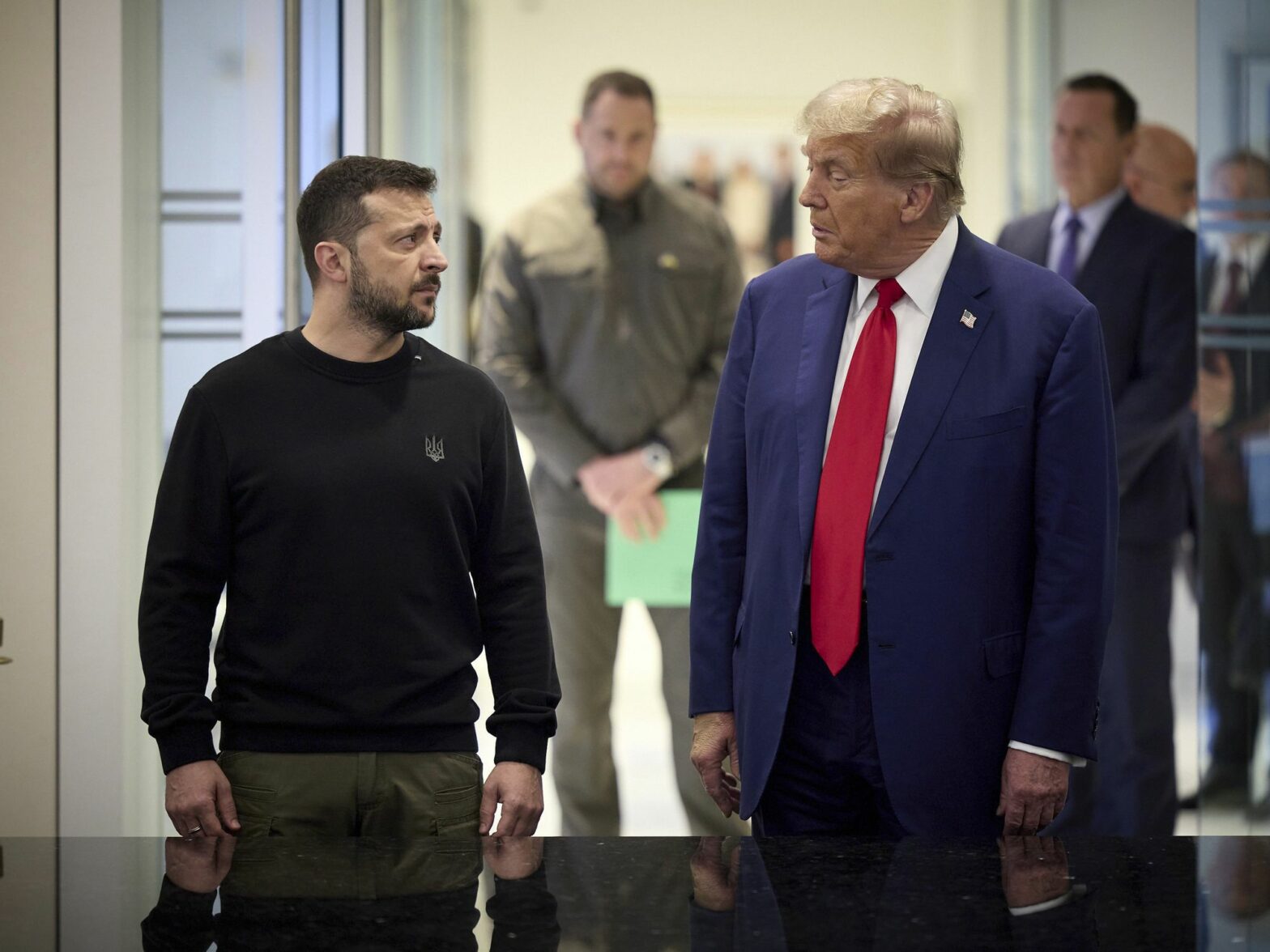
During his presidential campaign, Donald Trump repeatedly said he could end the Russia-Ukraine war “in a day” if reelected. Now that he has won, some Ukrainian commentators and politicians are hoping that they can use his unpredictability — and vanity — to their advantage.
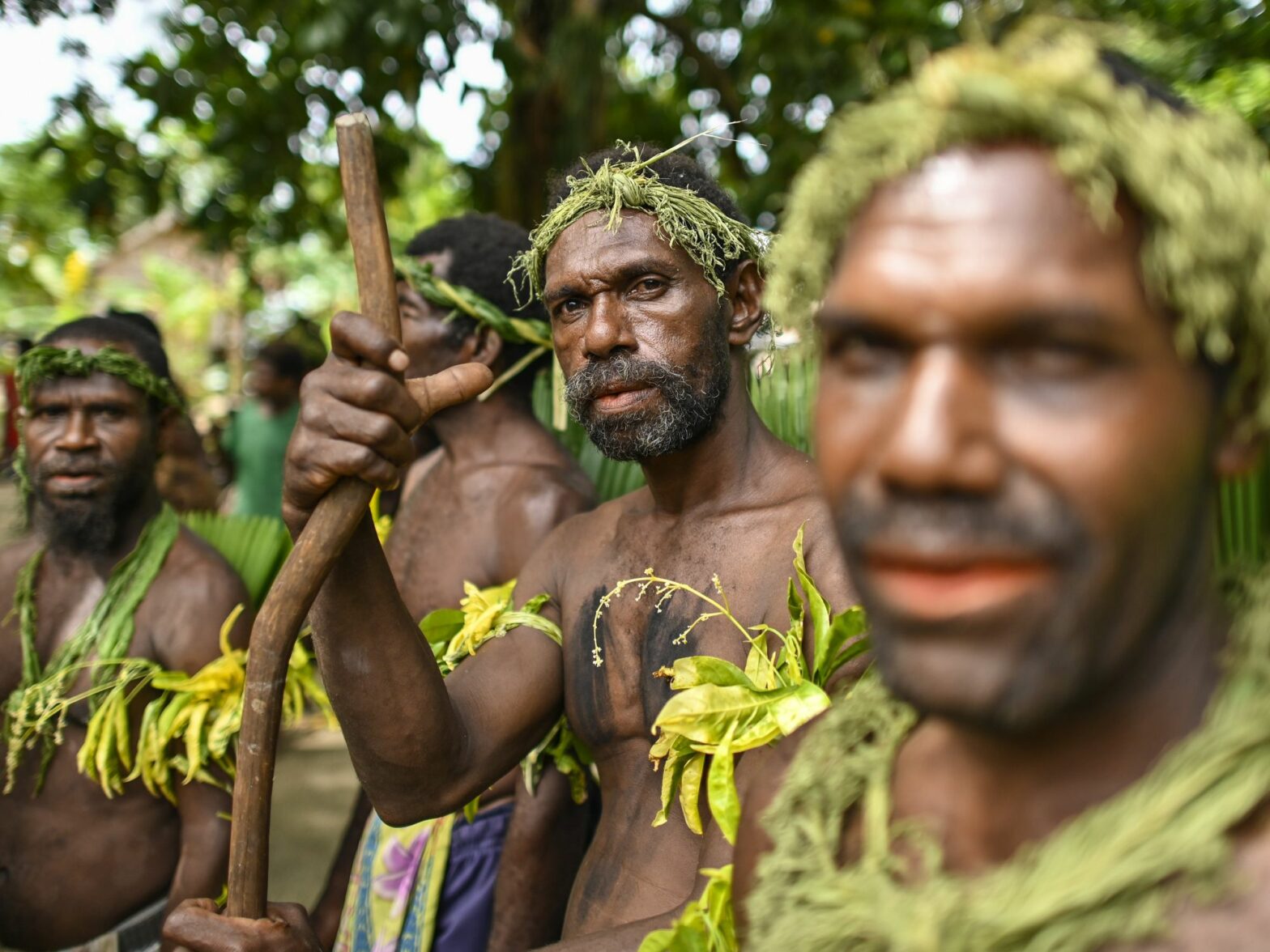
From combating invasive species in New Zealand to dealing with melting ice in Alaska, Indigenous peoples are on the front lines of climate change adaptation — yet often overlooked in international initiatives.
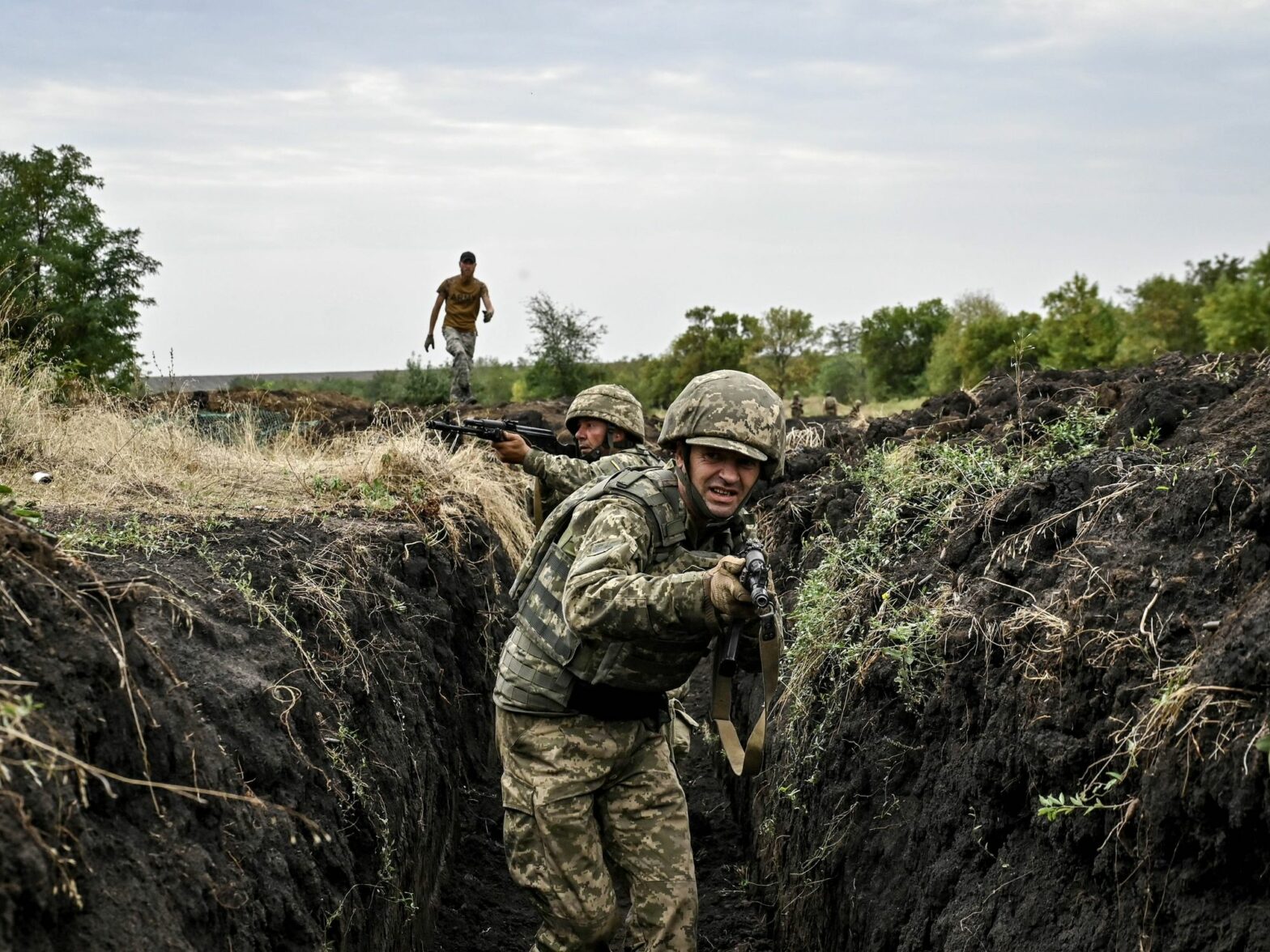
When politicians call for more diplomacy instead of weapons delivery, the basis of their arguments is misleading. The Russians and Ukrainians have already reached diplomatic agreements in many areas, but there are limits to open negotiations — mainly around whether Putin himself really wants to negotiate.
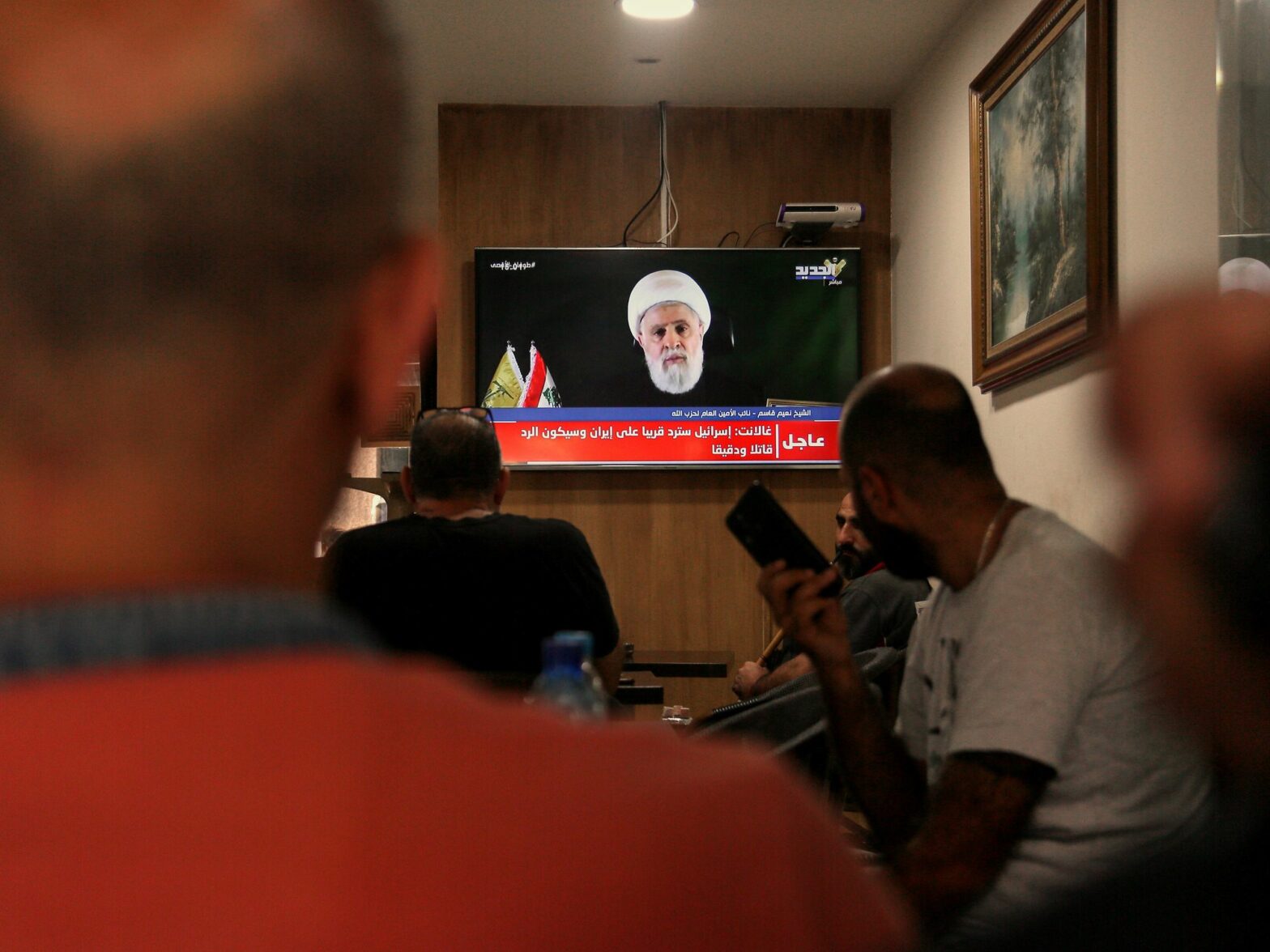
The legacy of Hassan Nasrallah will weigh heavily on Naim Qassem, who was named this week as new secretary general of Hezbollah. Can the less charismatic Qassem win the hearts of his followers?
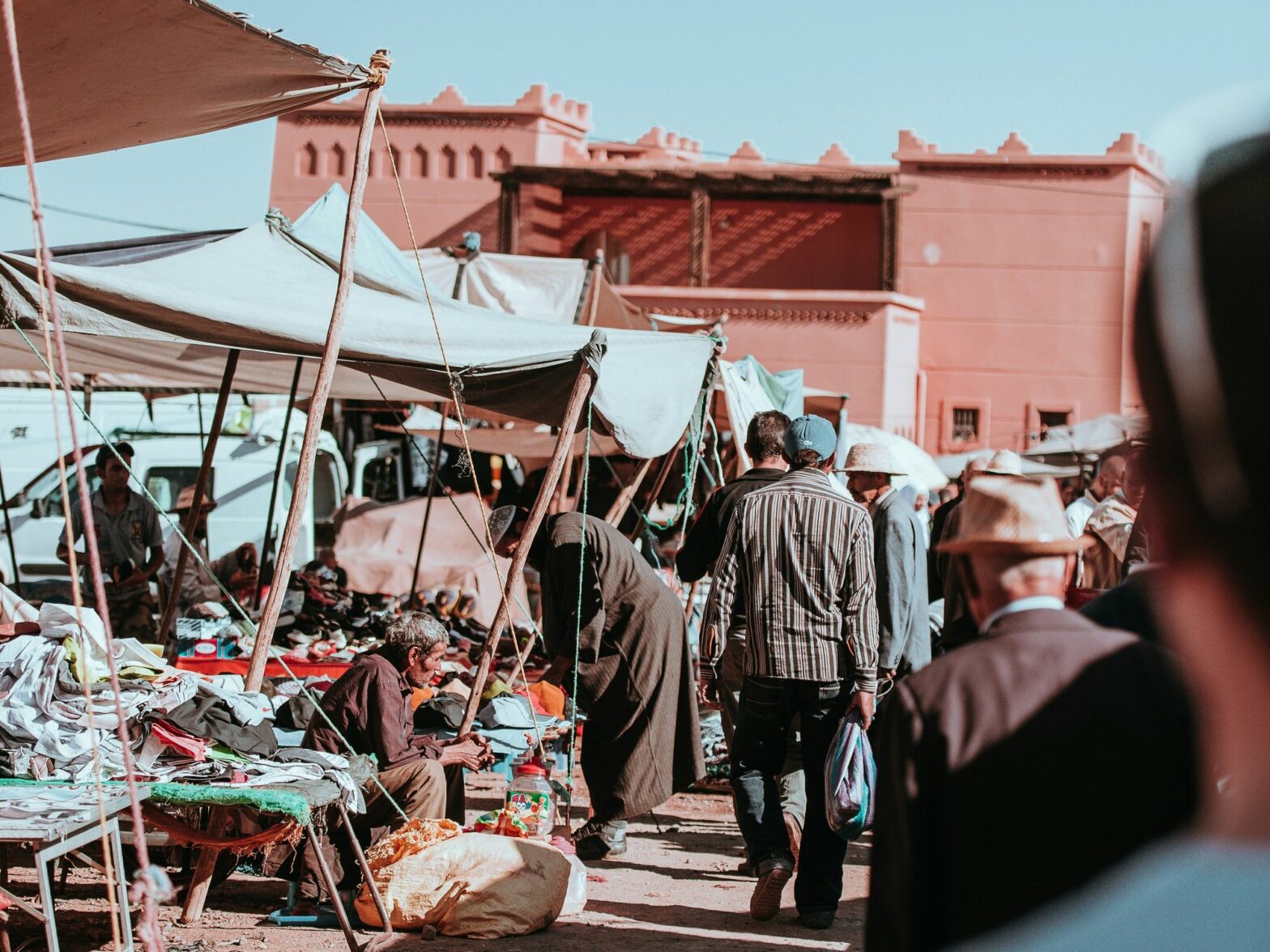
In Egypt, public support for a Palestinian homeland is deeply felt but constrained by the government that has had 40 years of diplomatic relations with Israel. Will the bloody war just across the border in Gaza change something?
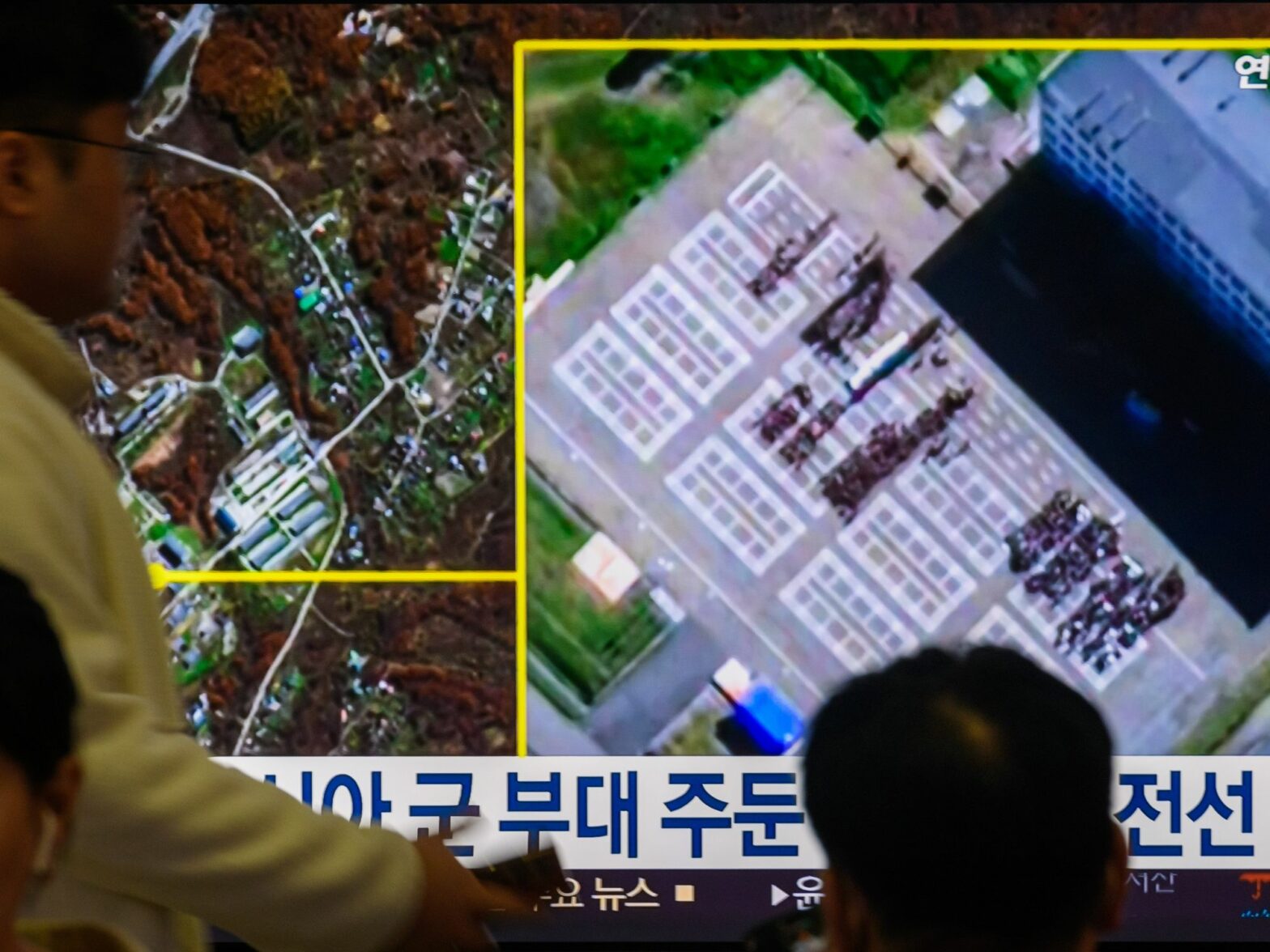
With tens of thousands North Korean troops confirmed to be moving toward the Russia-Ukraine front line, to fight on Moscow’s side in Ukraine, the two big questions are: What is Kim Jong-un trying to achieve? And more importantly, how does China fit into this picture?
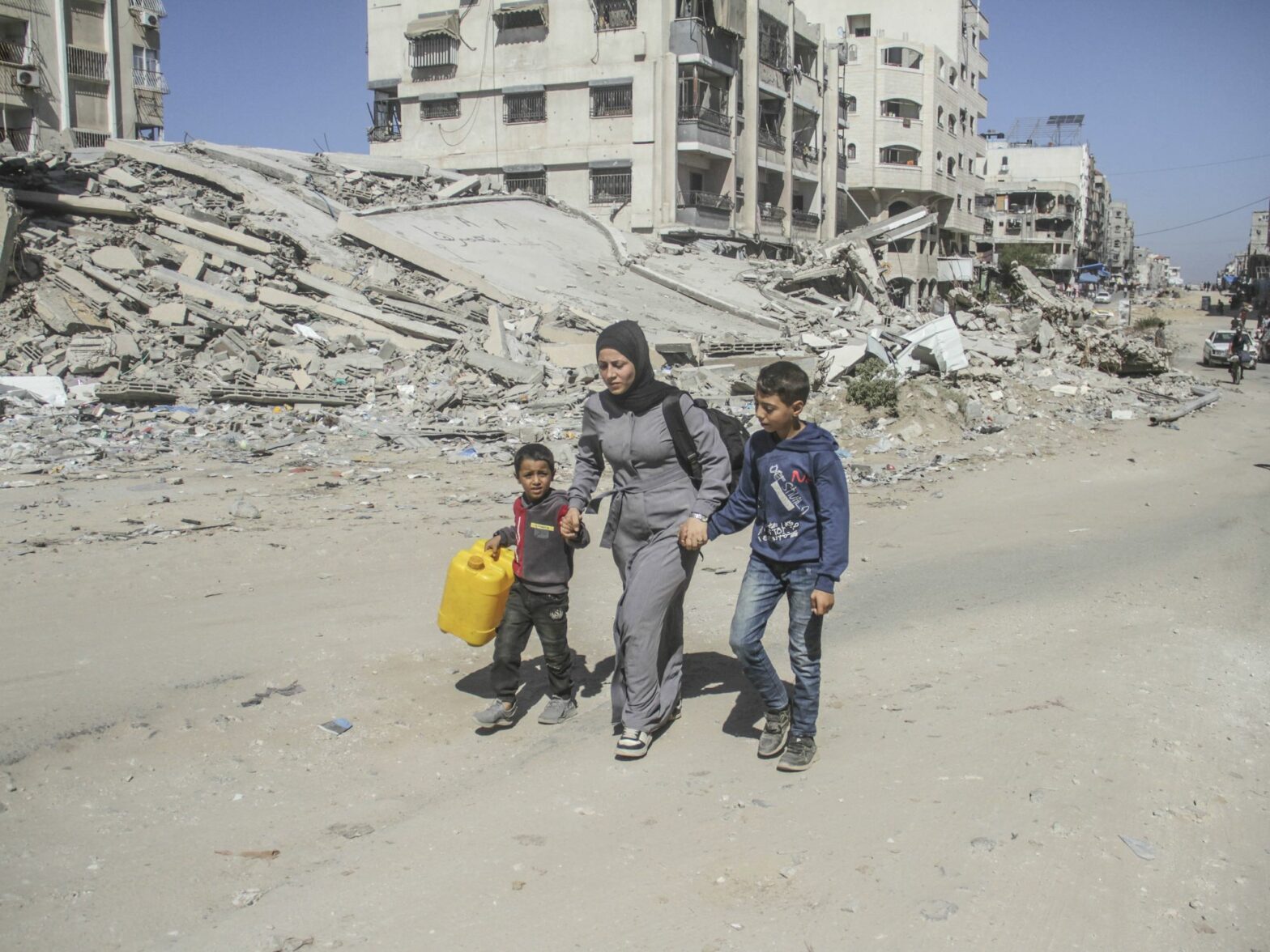
Israel’s new offensive in northern Gaza is trying to make the region uninhabitable, and force Palestinians into the south, toward the Egyptian border and into the Sinai. But since the start of the war, Egypt is dead set against taking in more war refugees.
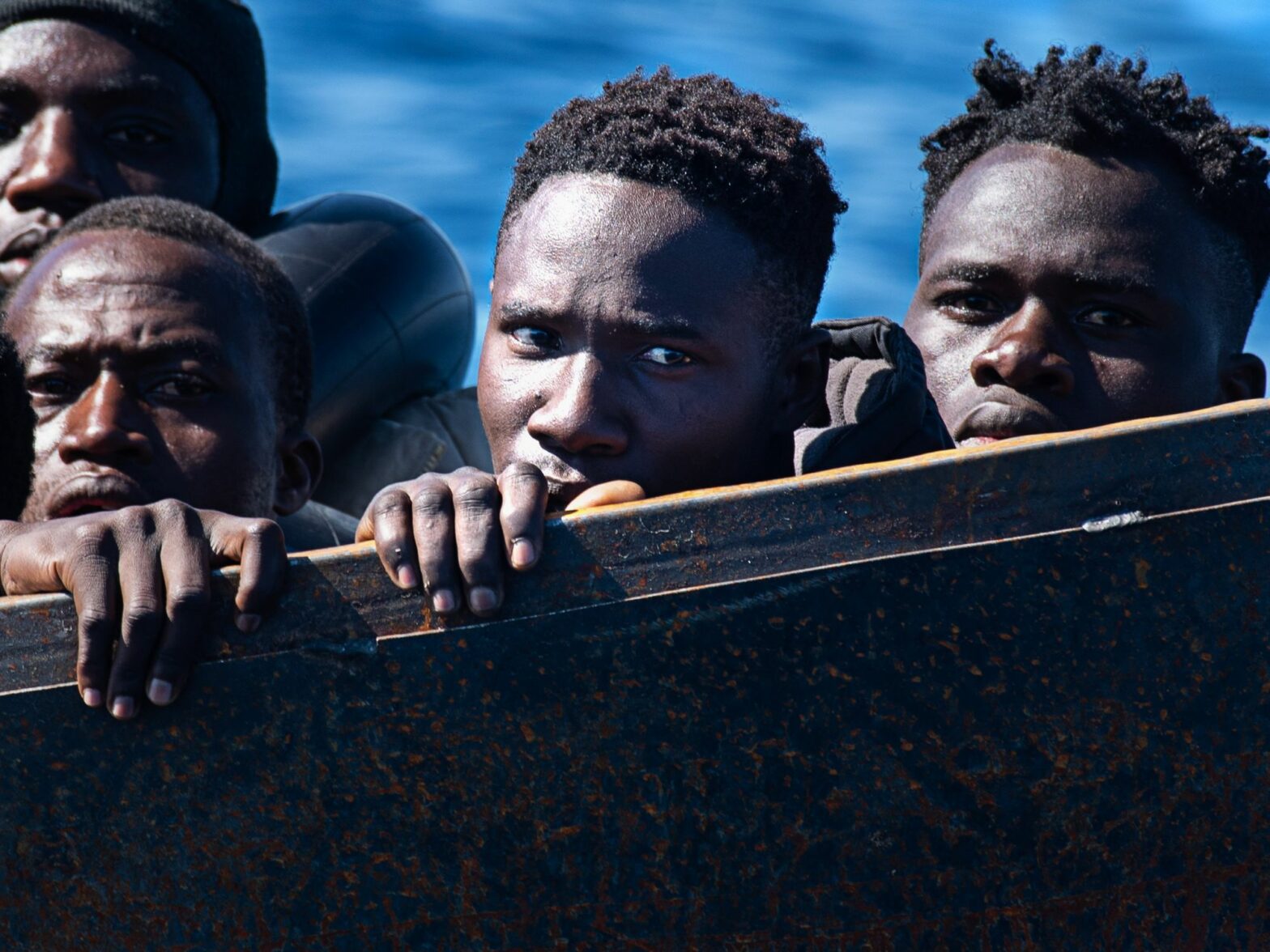
Soumaila Diawara, a refugee living in Italy, addresses Matteo Salvini’s remarks made on live television last week, where Italy’s deputy prime minister compared unregulated migrants to dogs and pigs.
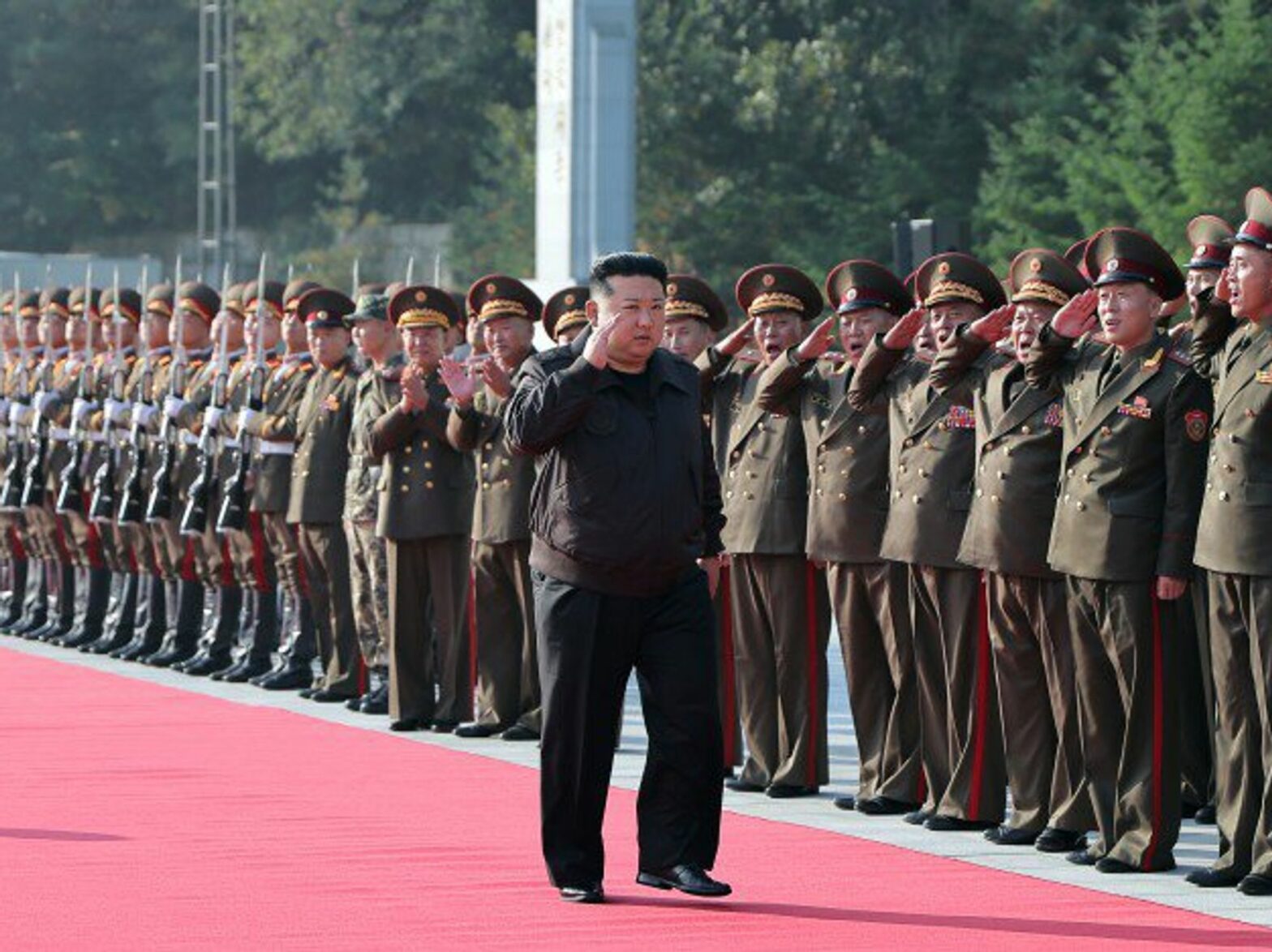
The United States’ confirmation of the presence of North Korean soldiers alongside the Russians in Ukraine has raised fears of an international escalation. All the more reason to fear that the current local or regional conflicts will gradually turn into global ones.
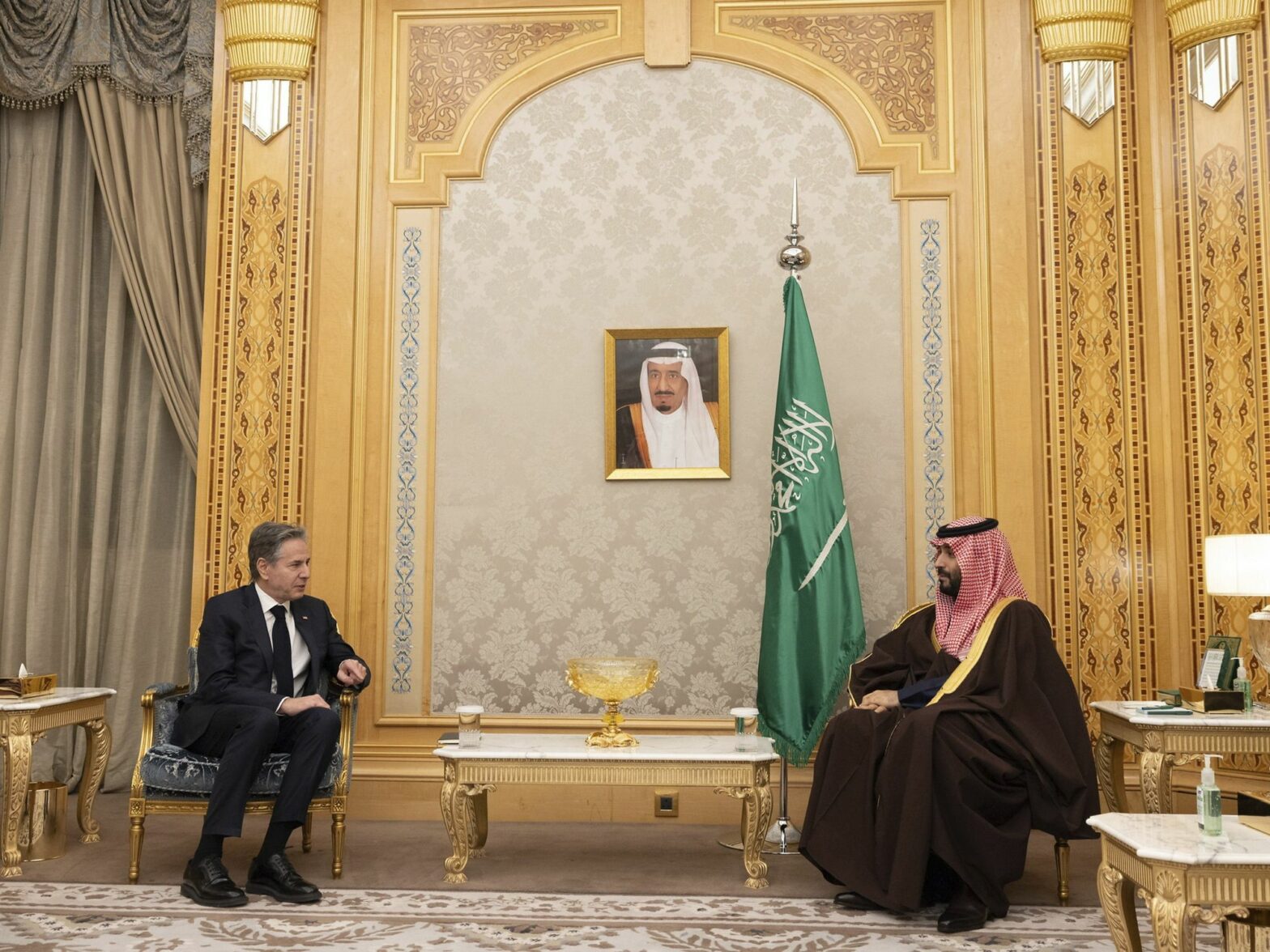
The ongoing crackdown on critics of the MBS regime becomes more difficult with the dire situation in Gaza and the ambiguity of Saudi foreign policy.
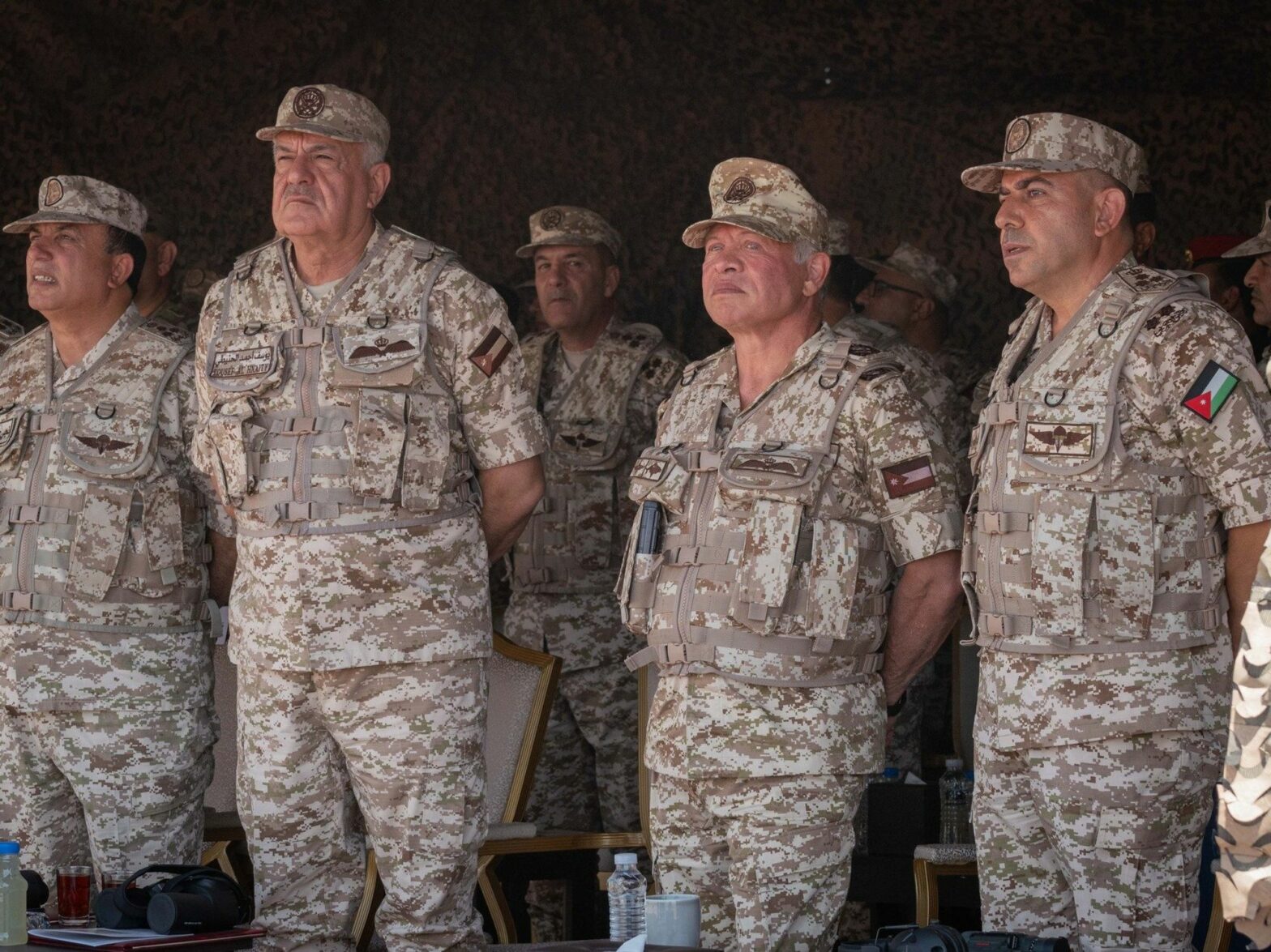
The Kingdom is trapped between the hammer of Netanyahu’s right-wing expansionist government policies, and the anvil of the growing influence of the discourse of the Iranian-led Axis of Resistance in the region. An ultimately unsuccessful attempt by militants to cross into Israel has raised new urgency.
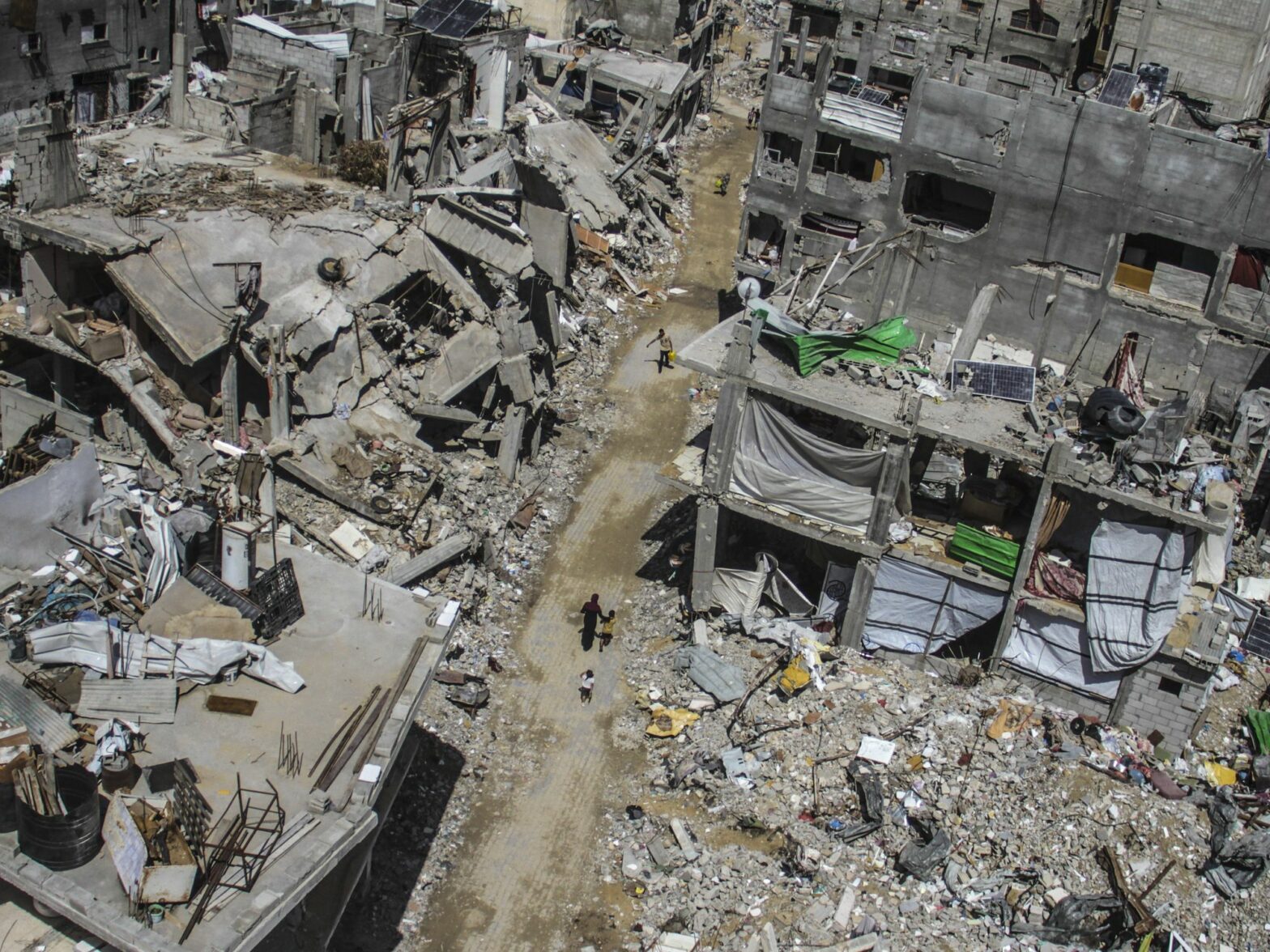
The director of the UN agency for Palestinian refugees has denounced the treatment of civilians in the Israel-Hamas war. But nothing is stopping this war, not even the death of Hamas leader Yahya Sinwar, while the ambiguity continues over Israeli Prime Minister Benjamin Netanyahu’s war aims in Gaza.
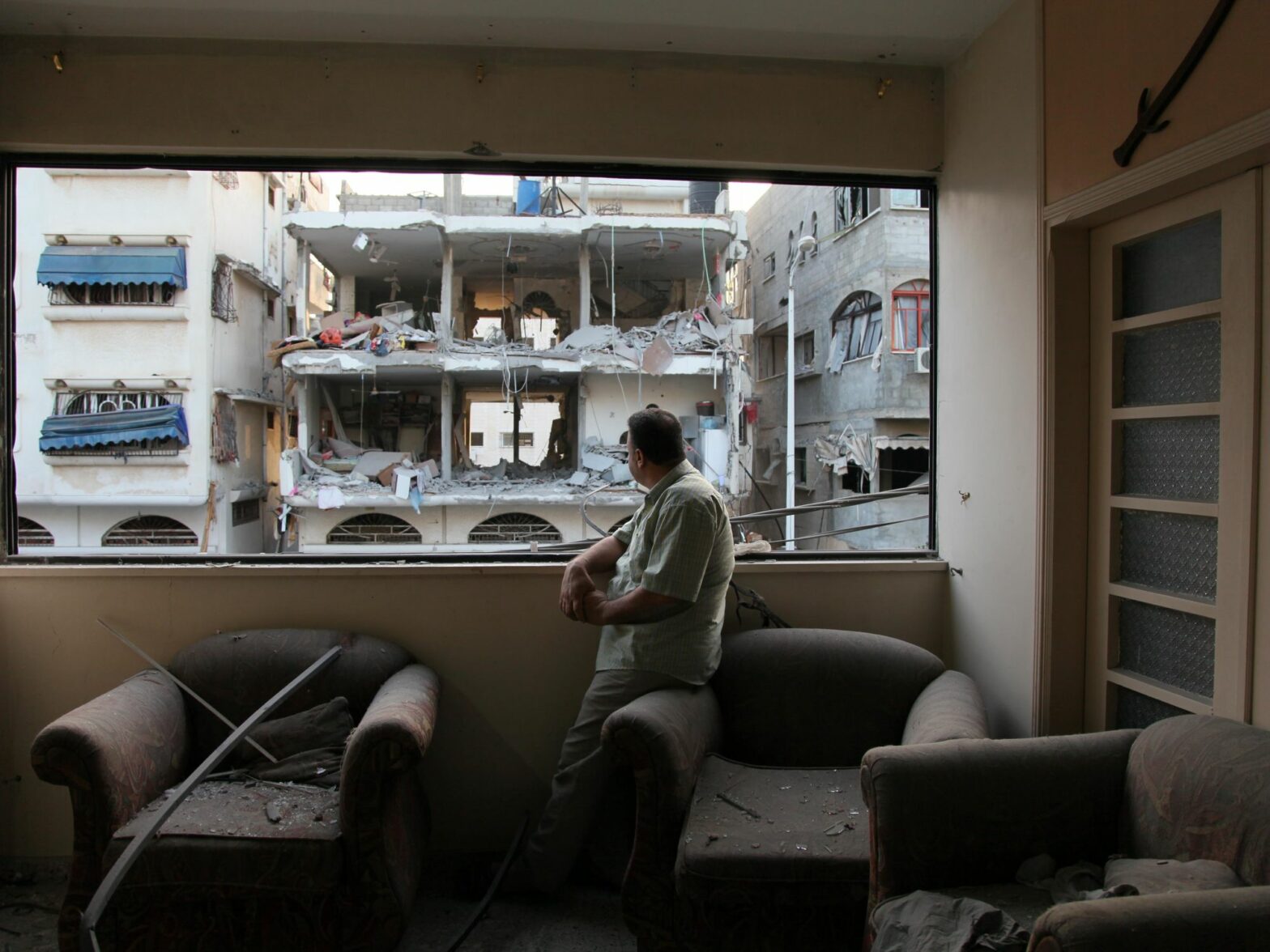
Since the Israel-Hamas war began, Palestinians in Gaza have lived in emotional, psychological and physical stress — a situation that has pushed many couples to the brink. The Cairo-based news website Al-Manassa speaks with Palestinians who have divorced due to the war.
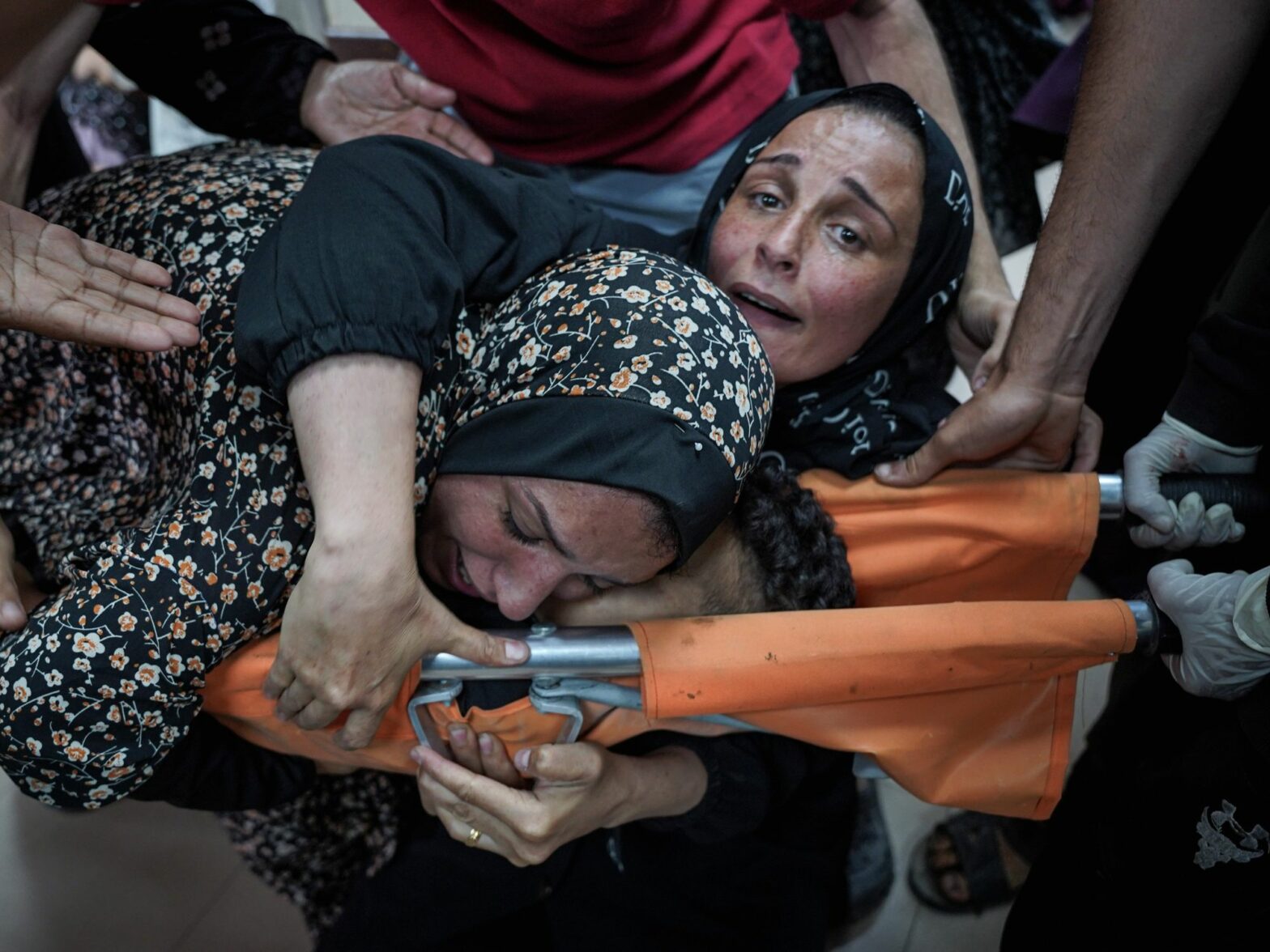
“Then the white man found the Middle East: a distant place, rich in nature and humanity, with a beautiful climate. He invaded it, then divided it, then separated the sections accordingly.”
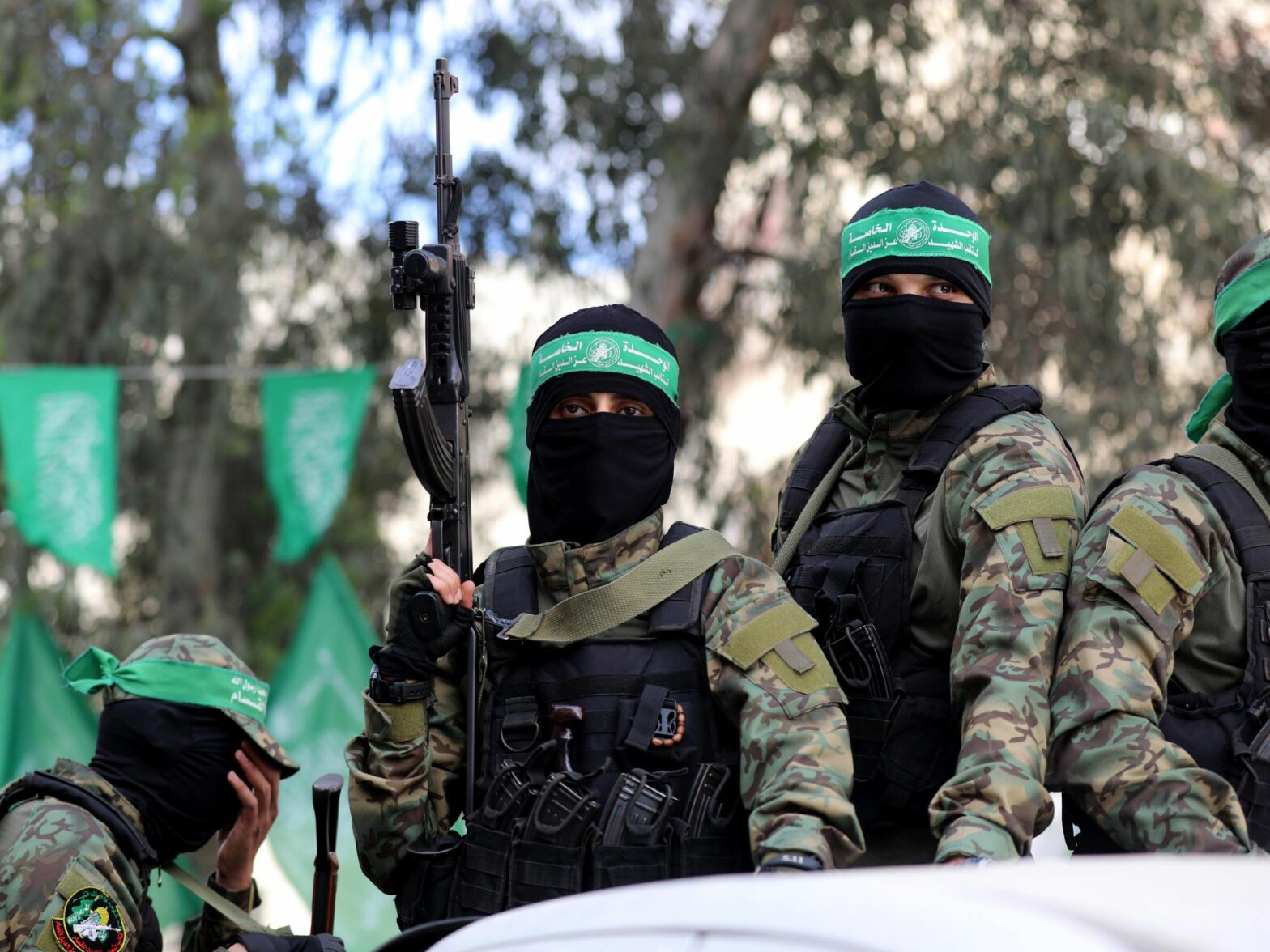
The question of who will succeed Yahya Sinwar is essentially a question of whether Hamas will return from its “Iranian exile” and embrace the Muslim Brotherhood.
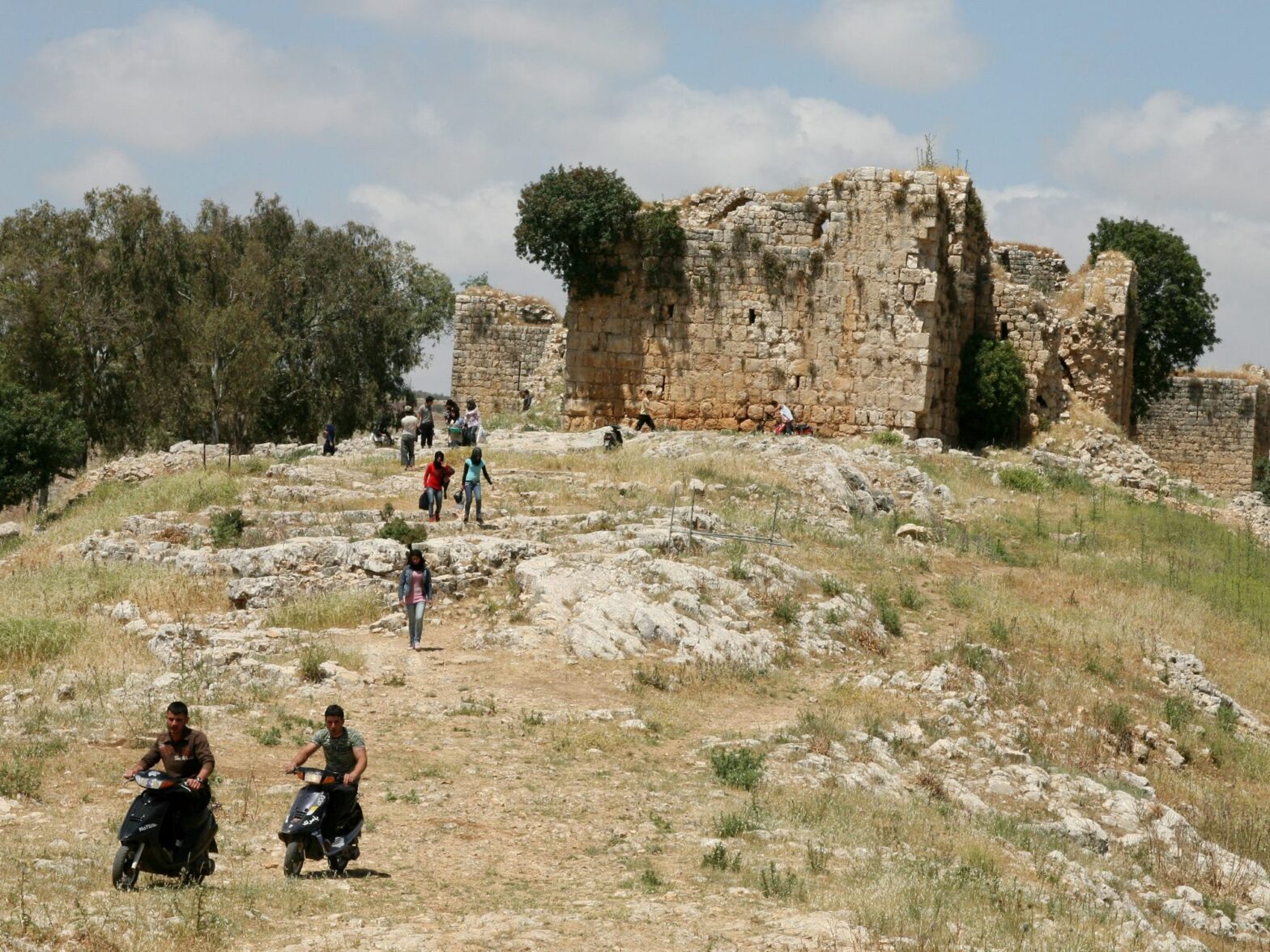
Lebanese writer Tarek Ismail, who fled his village in southern Lebanon in September, reflects on his new life as a displaced person: “I am now facing a fate that is not in my hands.”
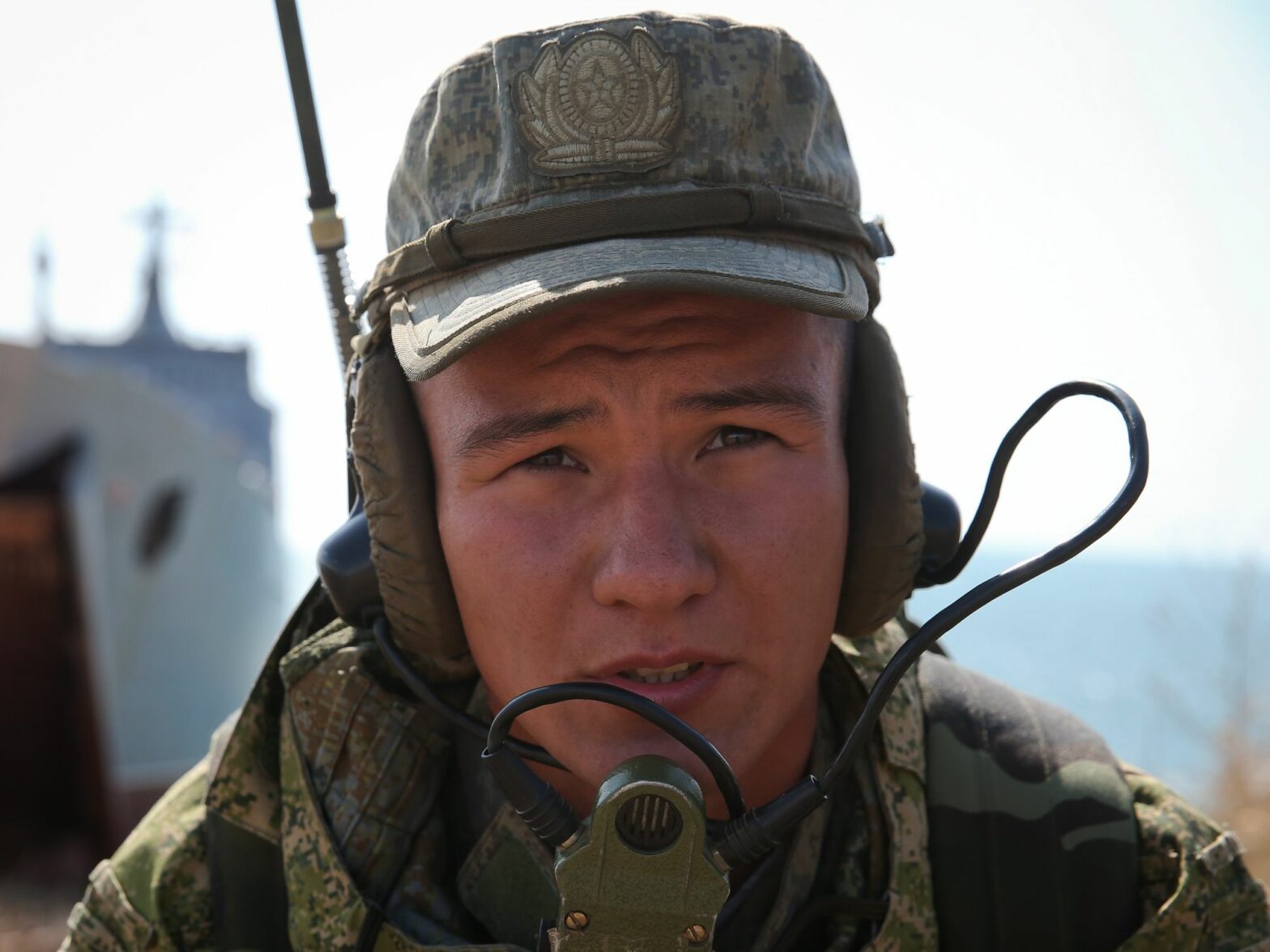
Russia’s Roskomnadzor agency blocked the Discord messaging application earlier this month, and thus disrupted one of the Russian military’s well-established communication systems. It’s a reminder of the Kremlin’s need for Western technology to wage its war against Ukraine.
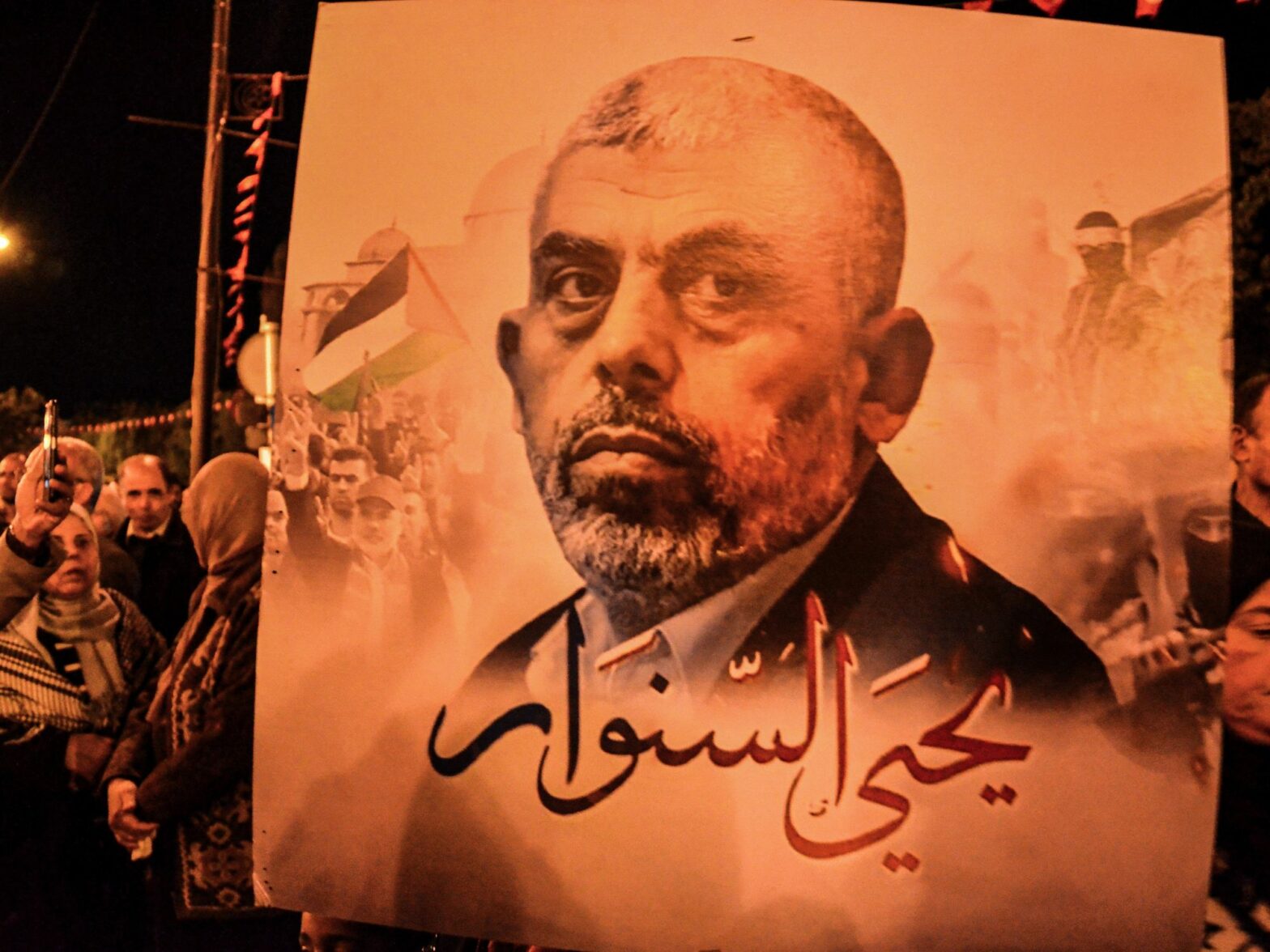
The death of Hamas leader Yahya Sinwar and mastermind of the Oct. 7 attack is just the latest Israeli strike against those who have tried to monopolize the notion of “resistance” as a purely military pursuit. The result has been the absolute destruction of Gaza, and now Lebanon, and the reinforcement of the Israeli occupation.
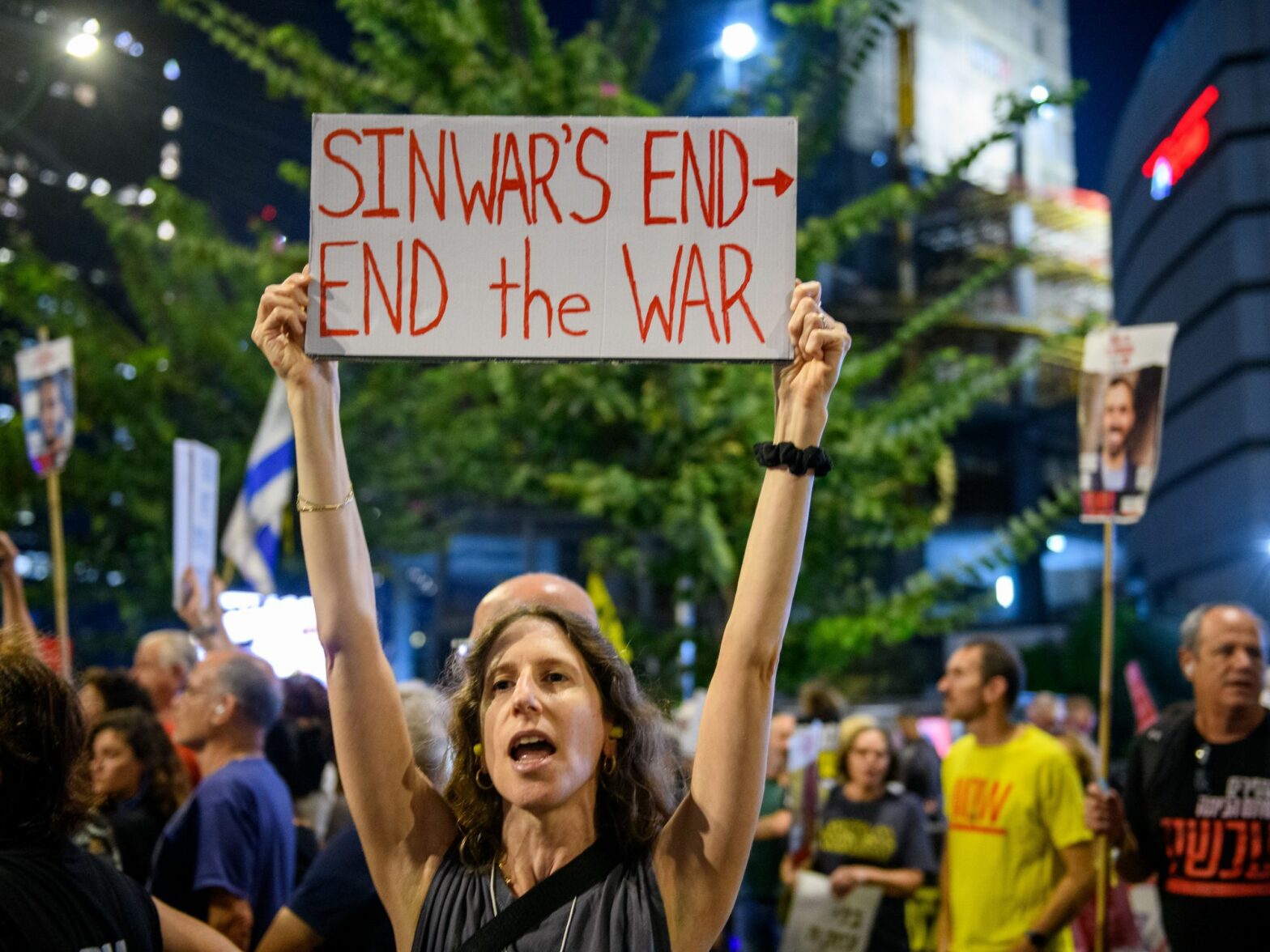
Hamas leader Yahya Sinwar, and above all ‘mastermind’ of October 7, is dead. Washington and Paris are calling on Israel to seize this opportunity to put an end to the war, but Netanyahu may choose to cash in another dividend.
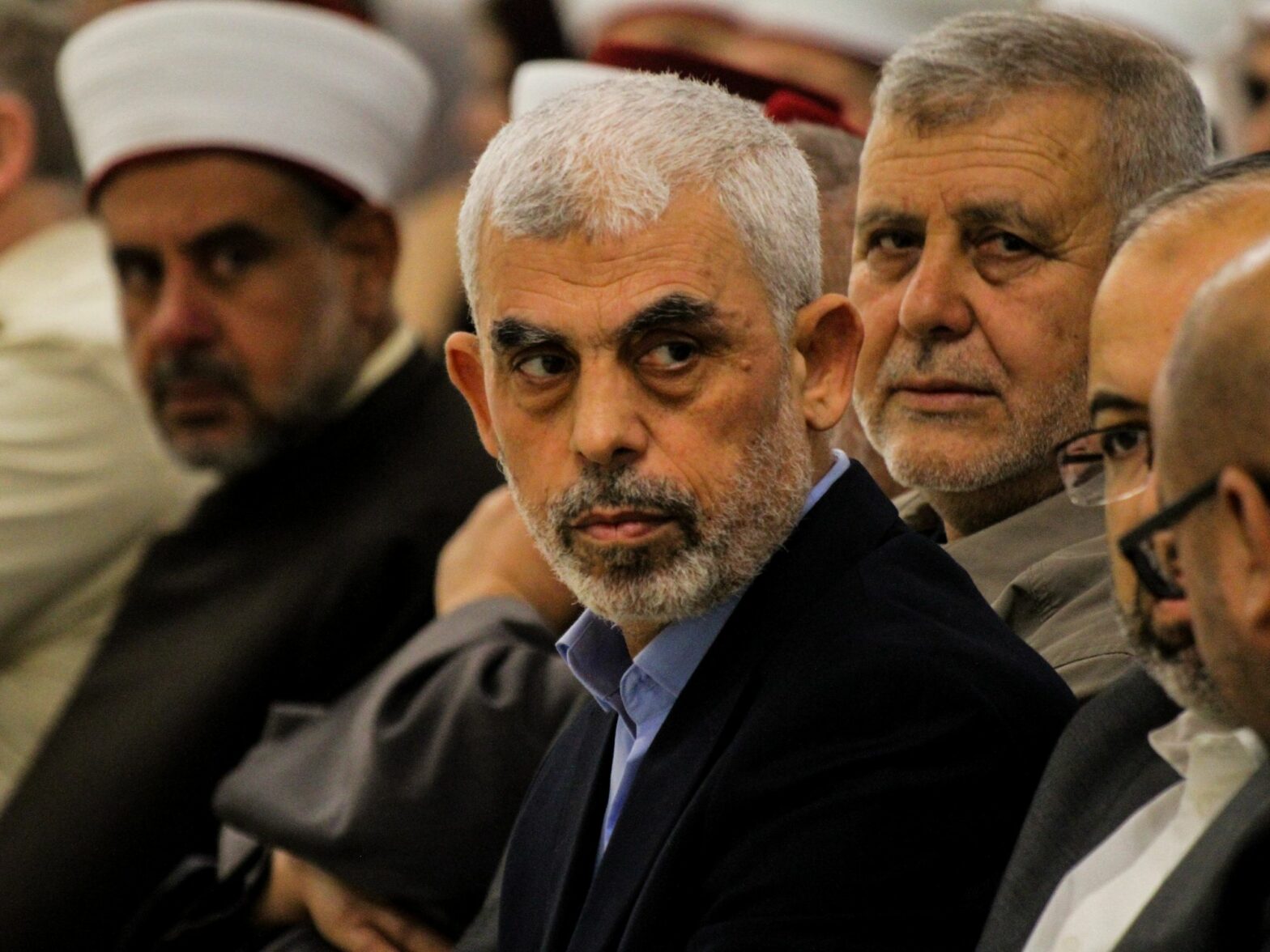
The Israeli military says Yahya Sinwar, the Hamas leader, has been killed in Gaza. The strike is a major victory for Israel, closing a chapter in recent Palestinian history in which Sinwar rose to the top of Hamas, and bet everything on the Oct. 7 attack, which made him more divisive than ever among the people of Gaza.
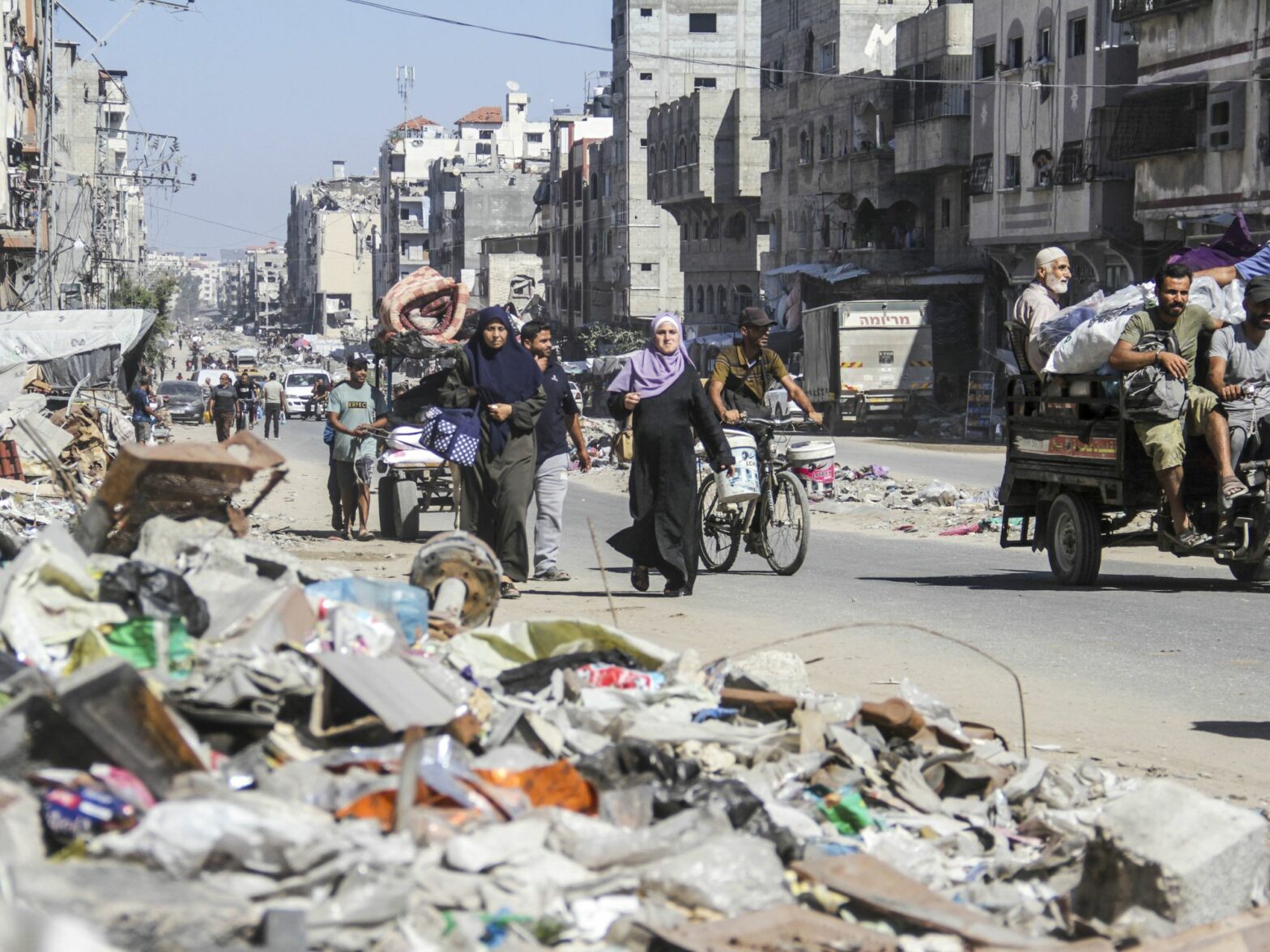
Observers believe that the military operations targeting civilians and blocking humanitarian aid in northern Gaza is the prelude to Israel reoccupying the region and establishing Jewish settlements.
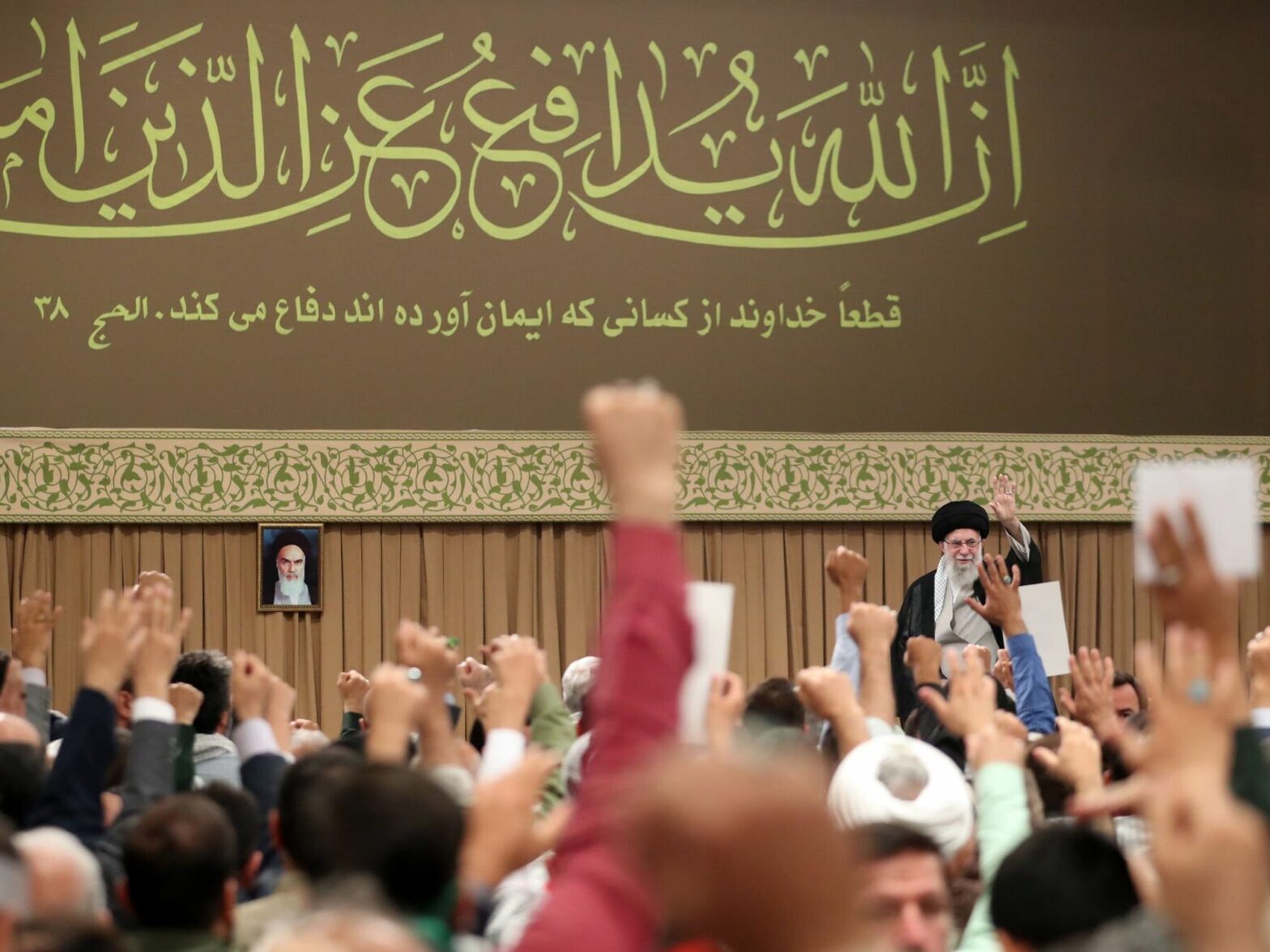
The Salafis, along with Gulf States like Saudi Arabia, consider the Shias as a greater threat to Islam than Zionism.
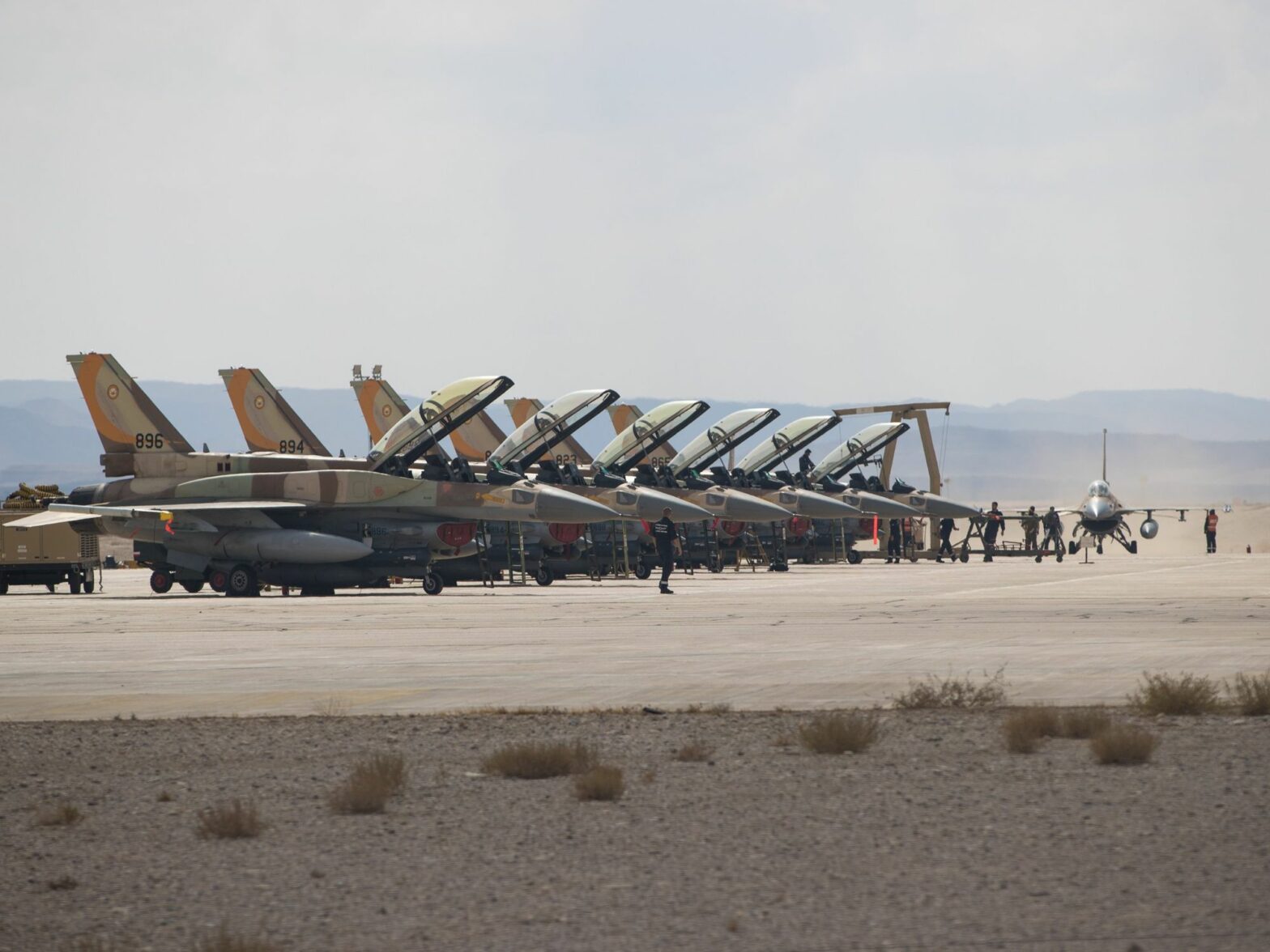
Israel is keeping the Tehran regime and outside observers guessing on the scope and timing of its threatened strikes on Iranian territory. Some say it is seeking to win itself time to “finish up” in Lebanon and Gaza, others say a massive attack on Iran could help reorder the whole region.