The overthrow of the Assad regime is about more than just Russia’s boasting rights as a major power. It will have consequences on the war in Ukraine, and Russian expansion in Africa. Indeed, it may be proof that it is not a major power.
 Worldcrunch
Stay updated with comprehensive news on Russia from Worldcrunch. Discover insights on Russian politics, economic strategies, societal issues, and cultural landmarks with translations from top international sources. Highlights include Moscow, Russian history, and events like the Moscow International Film Festival.
The overthrow of the Assad regime is about more than just Russia’s boasting rights as a major power. It will have consequences on the war in Ukraine, and Russian expansion in Africa. Indeed, it may be proof that it is not a major power.
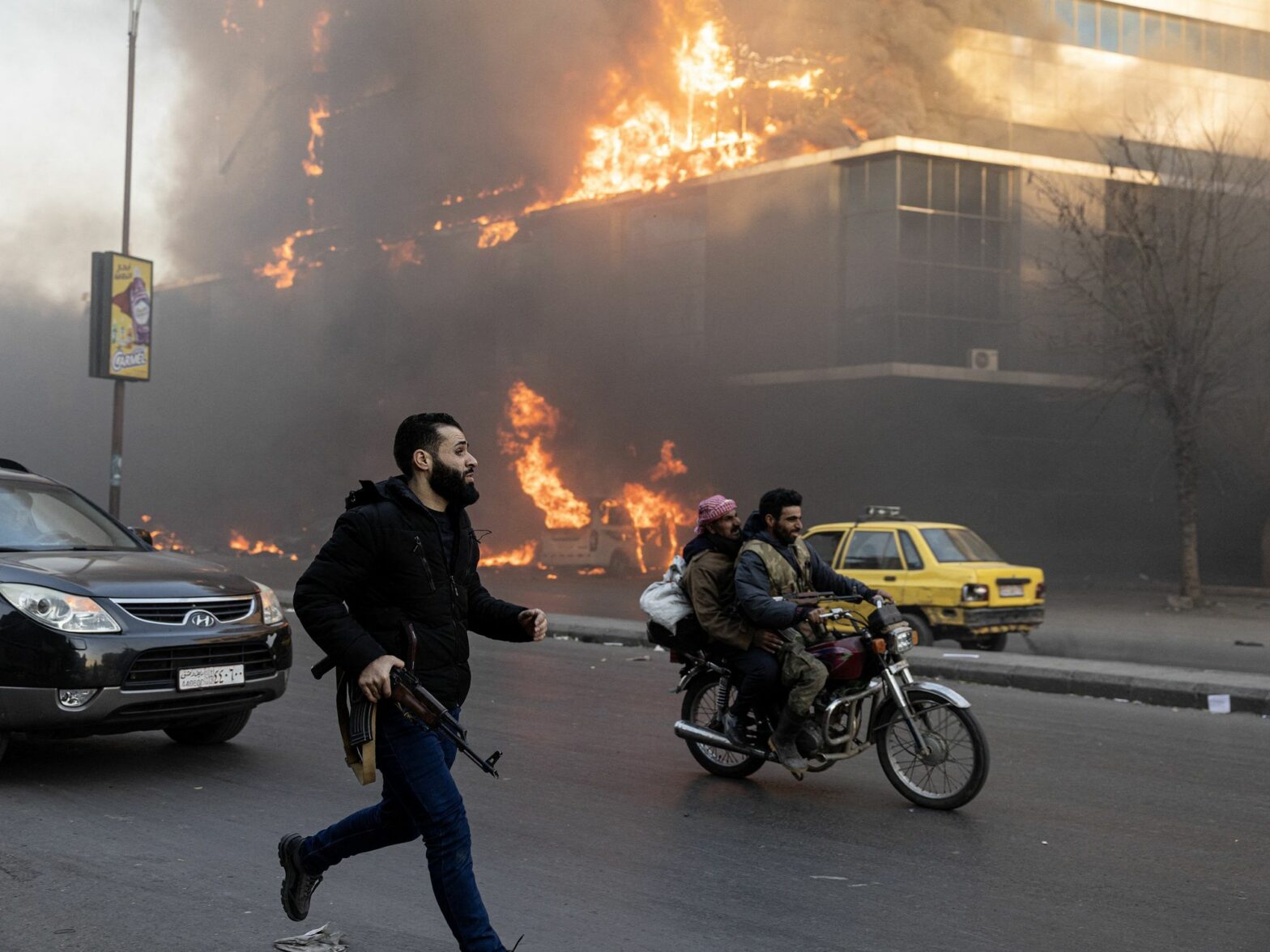
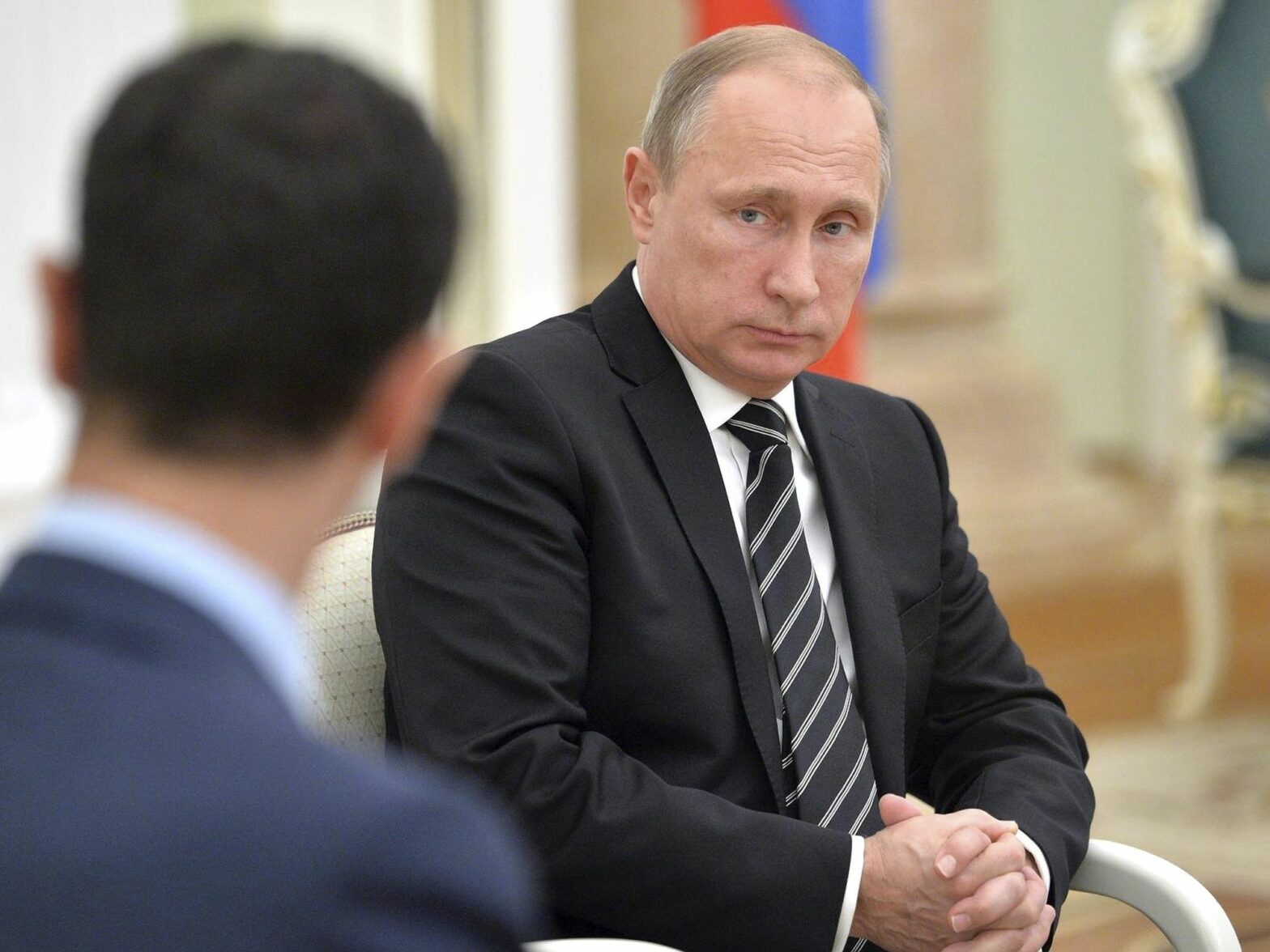
We must first recognize the joy of the Syrian people at the fall of a brutal regime that ruled for more than half a century. Yet, there’s also major geopolitical stakes in this highly sensitive region, with its losers — Russia and Iran — and its winners, foremost among them Erdogan’s Turkey. And a ton of uncertainty.
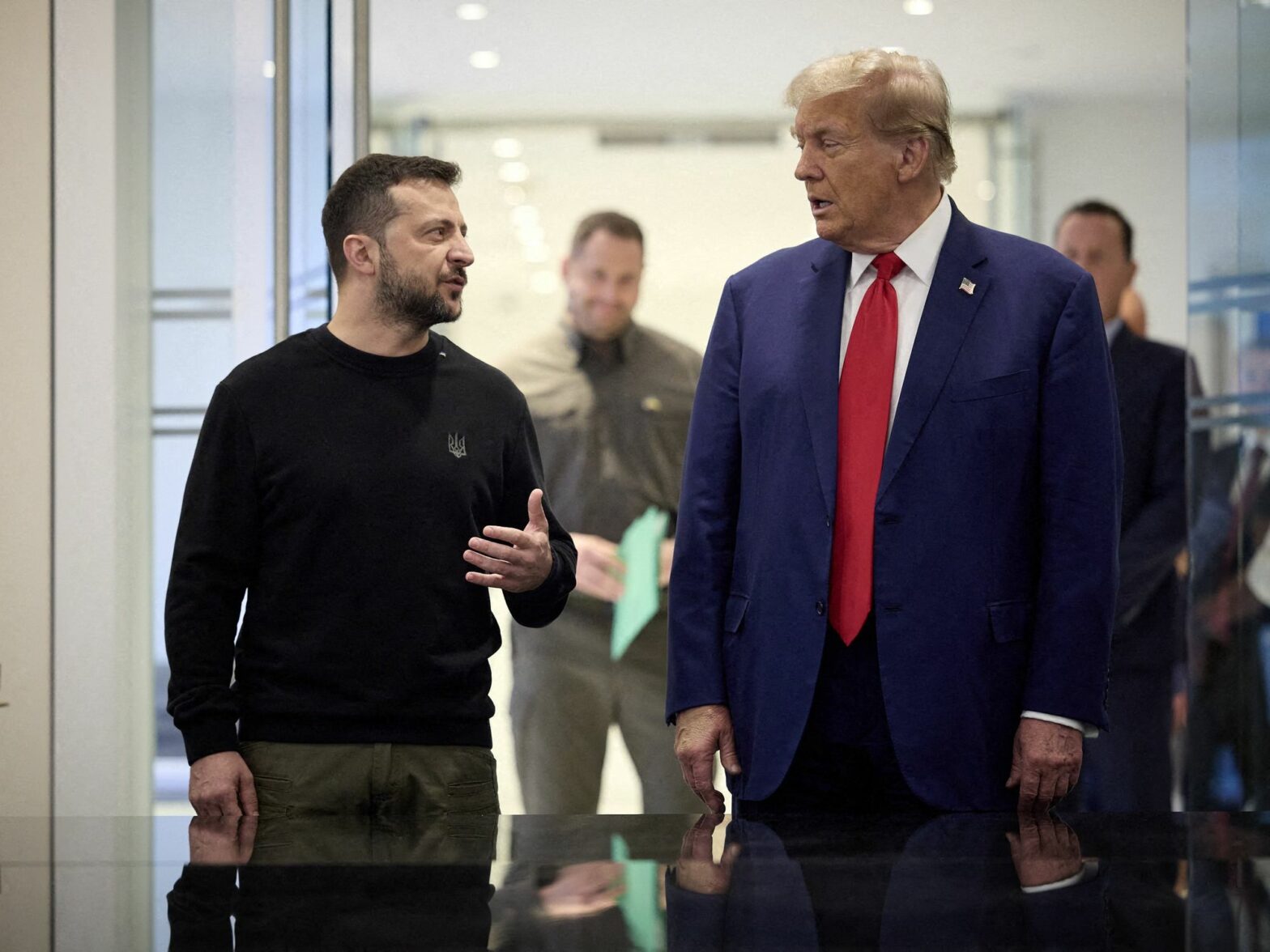
The key question is whether any peace agreement will satisfy the U.S. president, or if he will push for real security guarantees for Kyiv. The question is what Trump will do if Russia or Ukraine (or both) refuse to negotiate on U.S. terms and are not intimidated by the threats of the American leader.
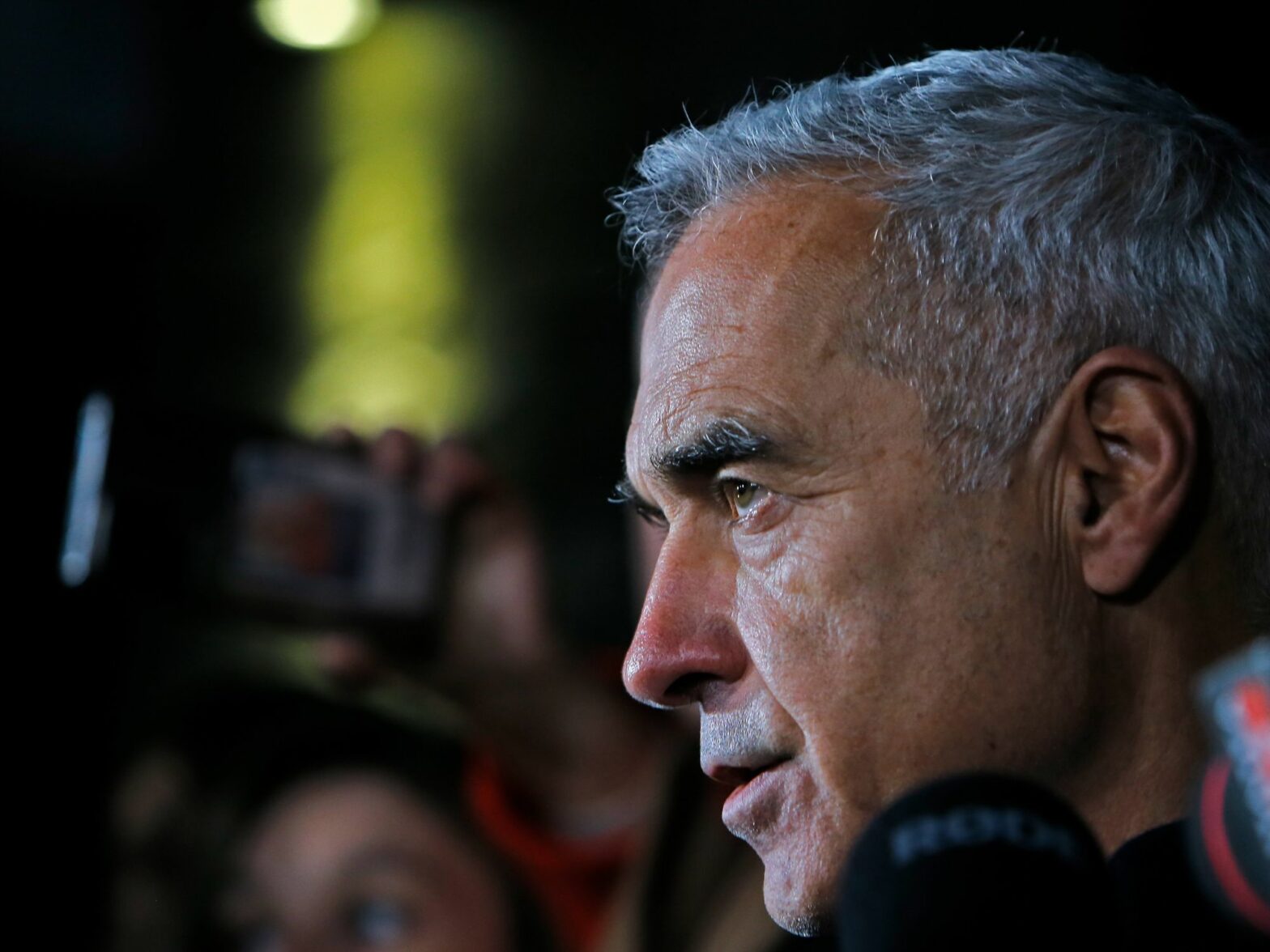
Romania’s out-of-nowhere far right presidential candidate Călin Georgescu has become the latest case study showing just how much sway social media platforms can have over elections, going even farther than Donald Trump on Elon Musk’s X.
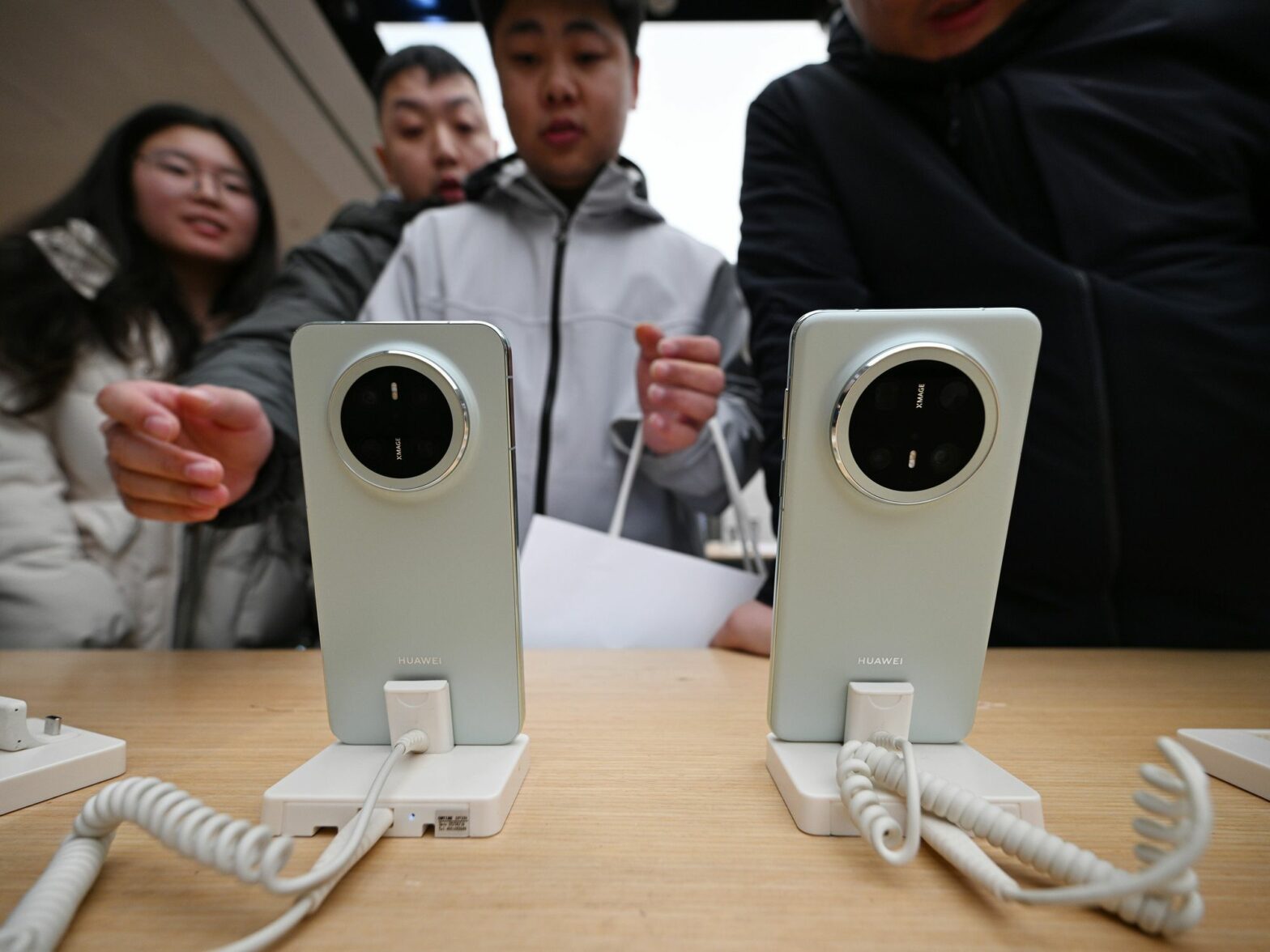
Before leaving office, the Biden administration yesterday imposed its toughest sanctions yet to deny China access to AI chips. This long-standing policy will undoubtedly continue under Donald Trump, a rare point of continuity.
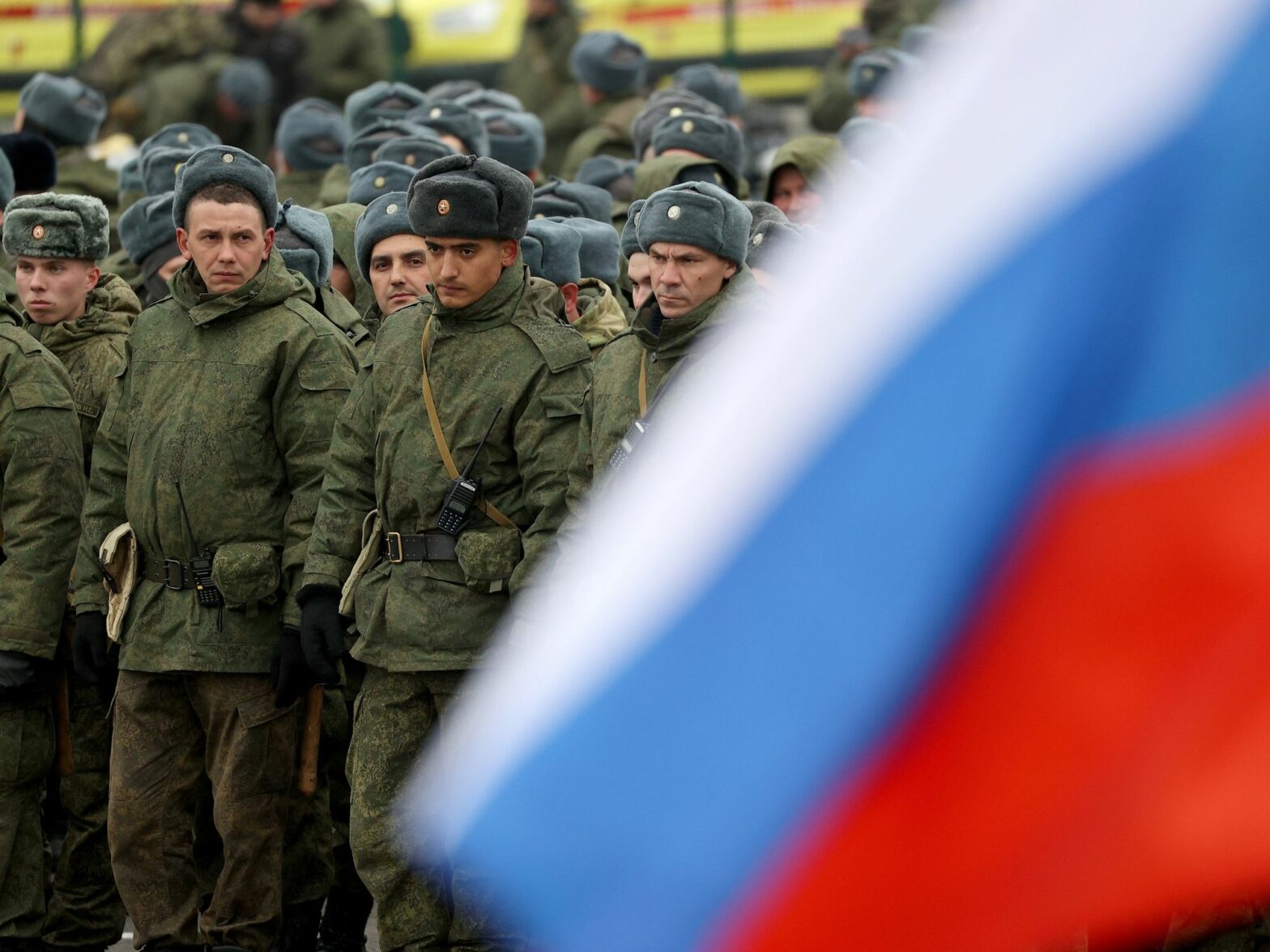
Many in the opposition to the Kremlin have renounced the “tricolor” flag. Yet the white-blue-red flag is a symbol of a free Russia, not of war. We need to stop beating ourselves up and embrace the soul of the nation as the ultimate path to take down Putin’s dictatorship.
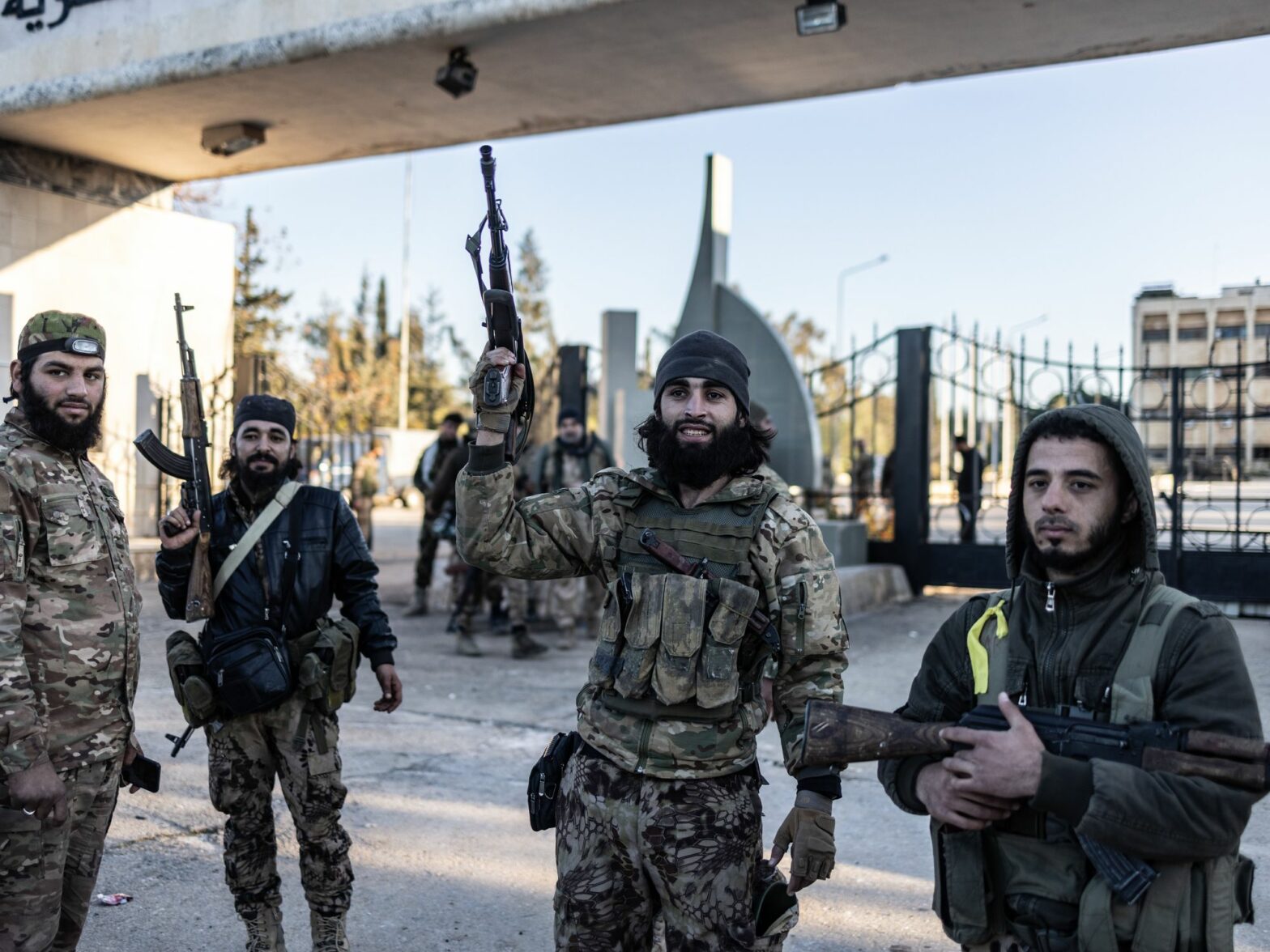
The Syrian rebels’ surprise offensive allowed them to capture Aleppo, Syria’s second-largest city, in just three days. Already in crisis since Oct. 7, 2023, the Middle East is now facing a whole new level of turmoil.
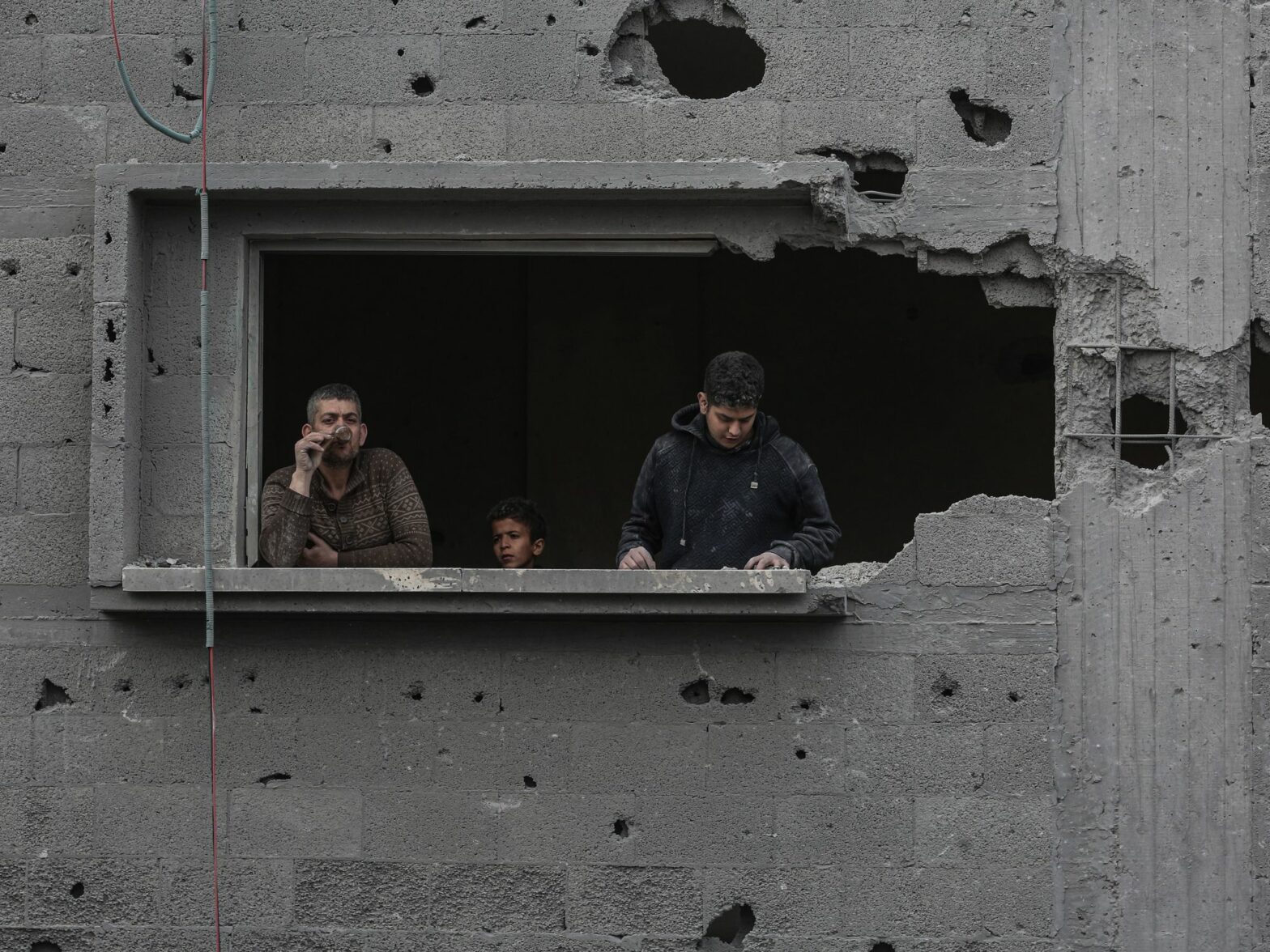
Since the Oct. 7 Hamas attack, use of the term “evil” has increased. The more heinous and public the murder, the more the evil of the murderer would be revealed and “the world” would be pushed to intervene. Yet in both Syria and Gaza, that world has been satisfied with symbolic responses.
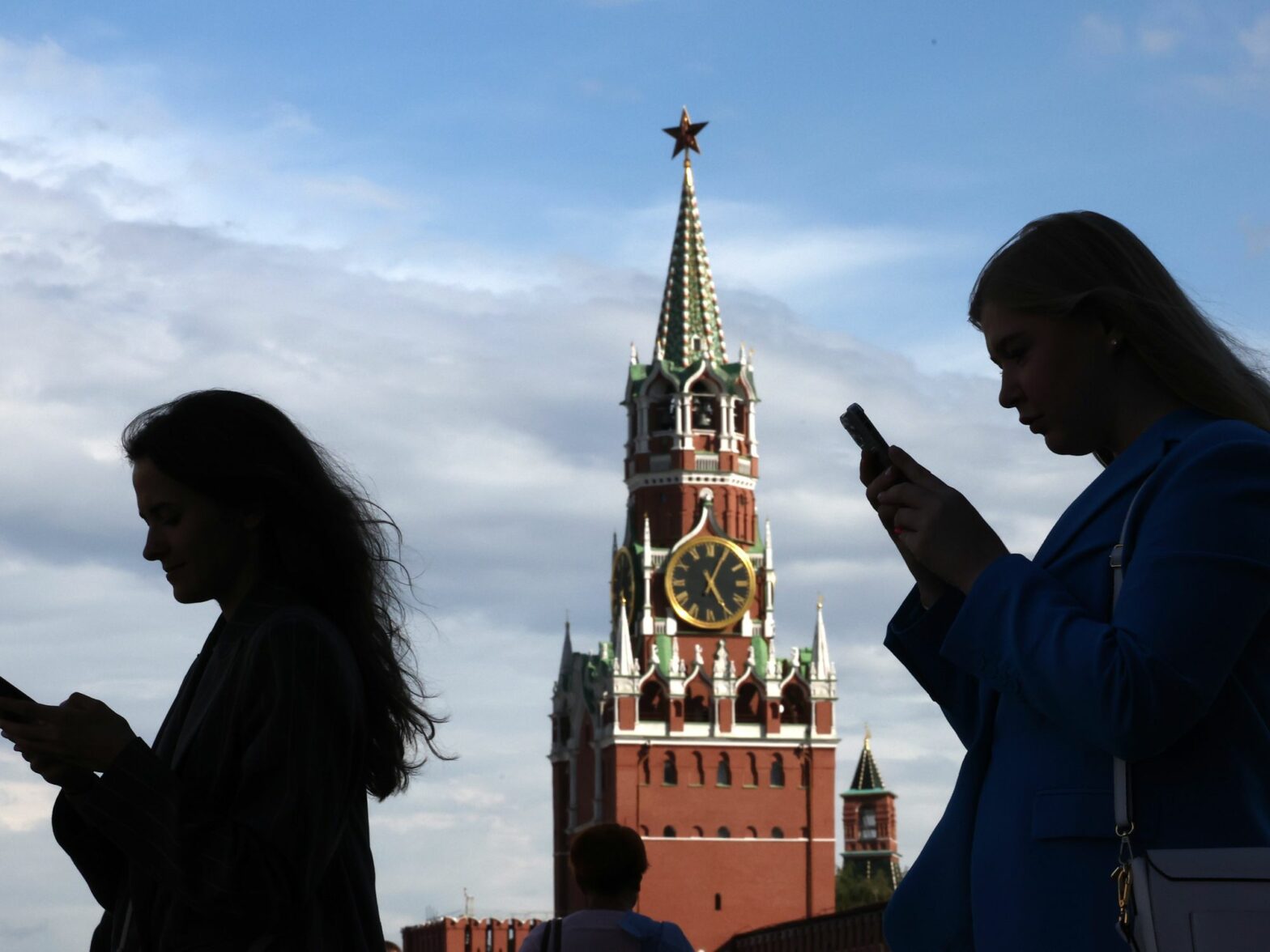
In wartime Russia, women are behaving in starkly different ways: some are fighting desperately to bring their men home, while others are actively encouraging them to go to the front — for the promise of good money.
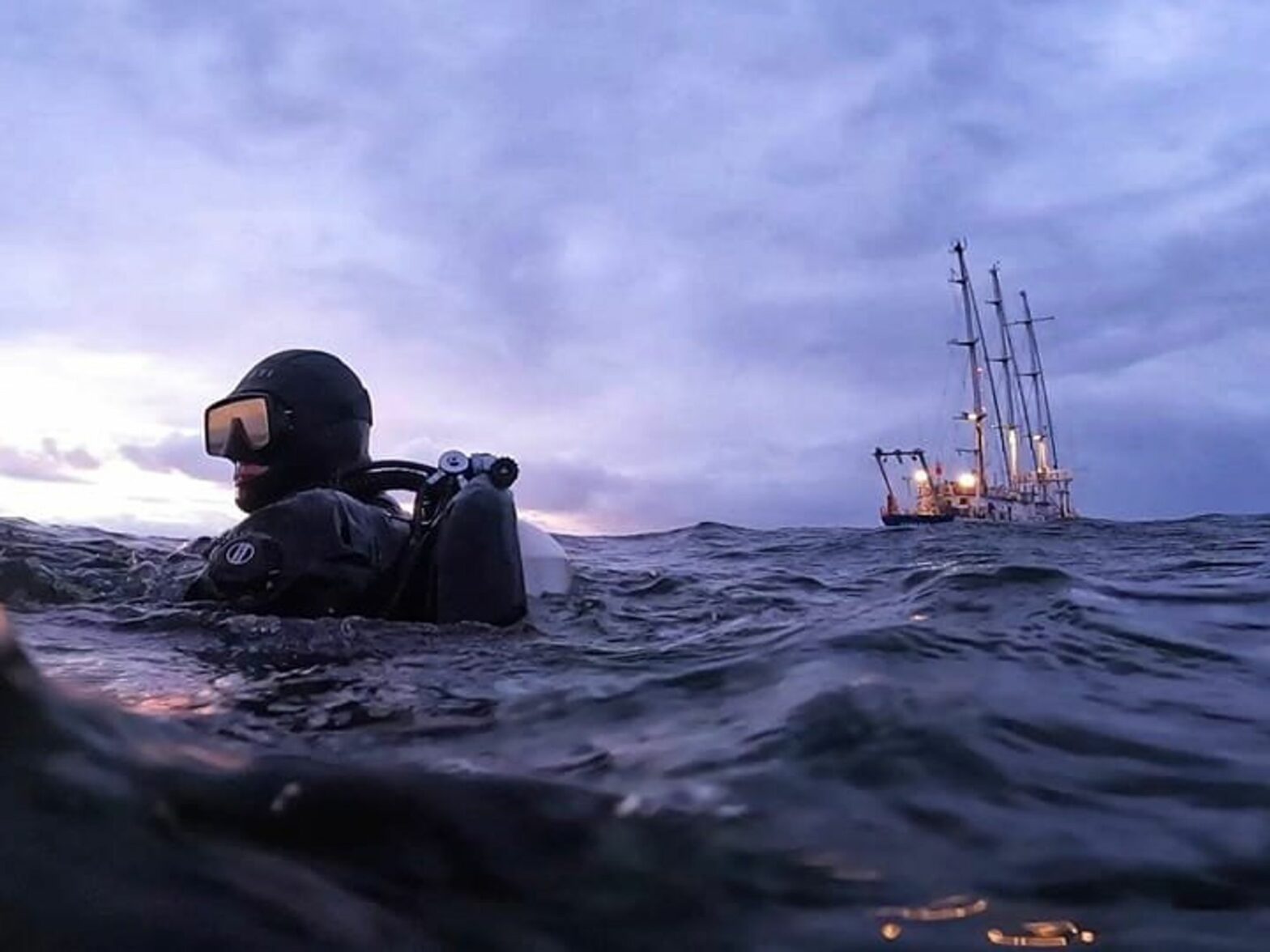
Russia’s invasion of Ukraine and fears of westward escalation have already led many European countries to up their own defense strategies. But instead of the latest technologies, rockets, and fighter jets, the true key to fighting back may lie in studying the polar region, critical for world stability.
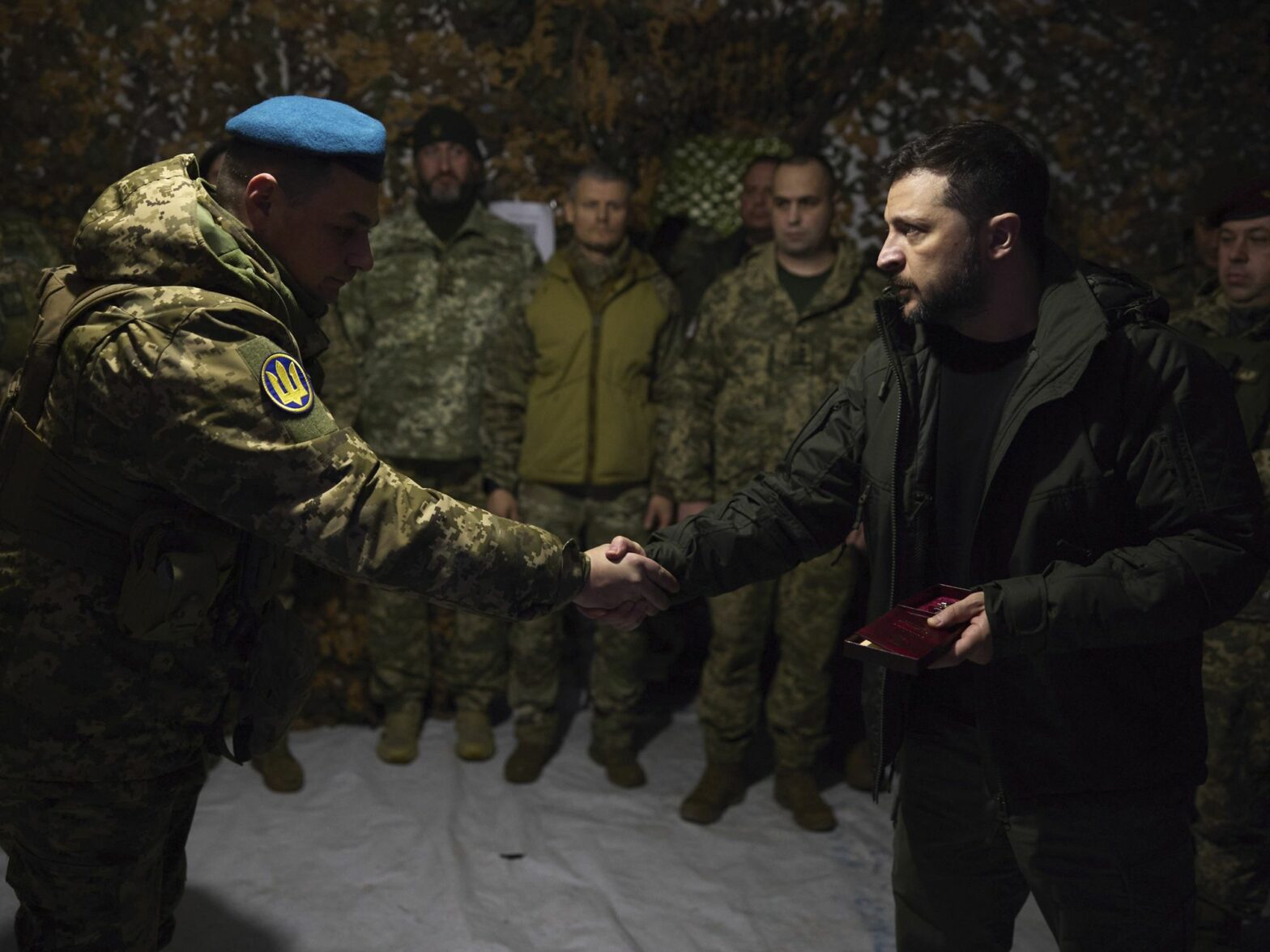
Russia is expanding its nuclear doctrine and intensifying strikes on Ukraine, including Thursday’s unprecedented launch of an intercontinental ballistic missile. This is an apparent response to new U.S. authorization of use of its weapons in attacks on Russian territory. All can be traced to the radical White House transition underway.
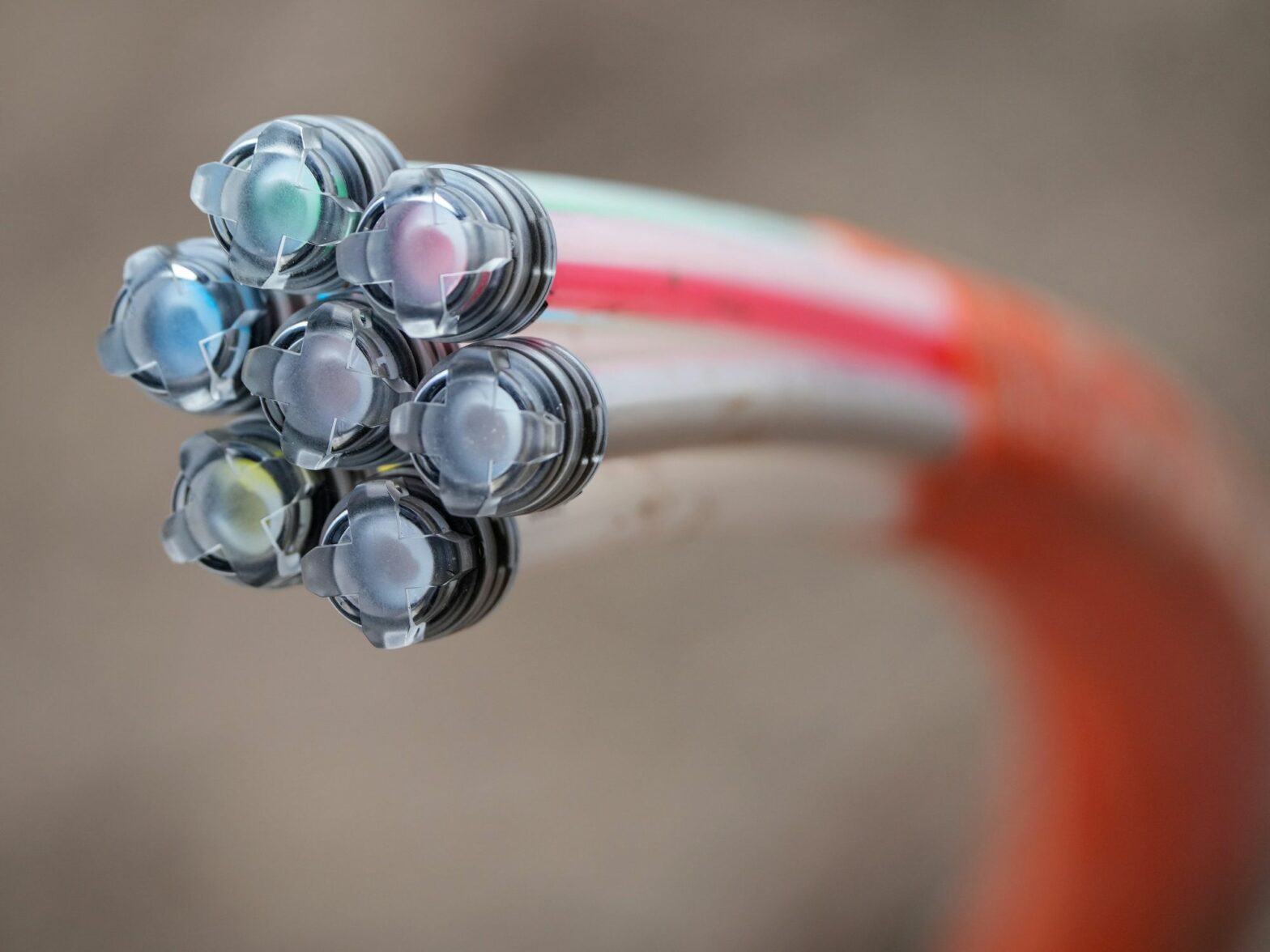
Two undersea communication cables were severed in the Baltic Sea this weekend, prompting Germany’s defense minister to say that “no one believes” it was an accident. Many suspect a new escalation of hybrid warfare in a sea where Russia is the only country not part of NATO.
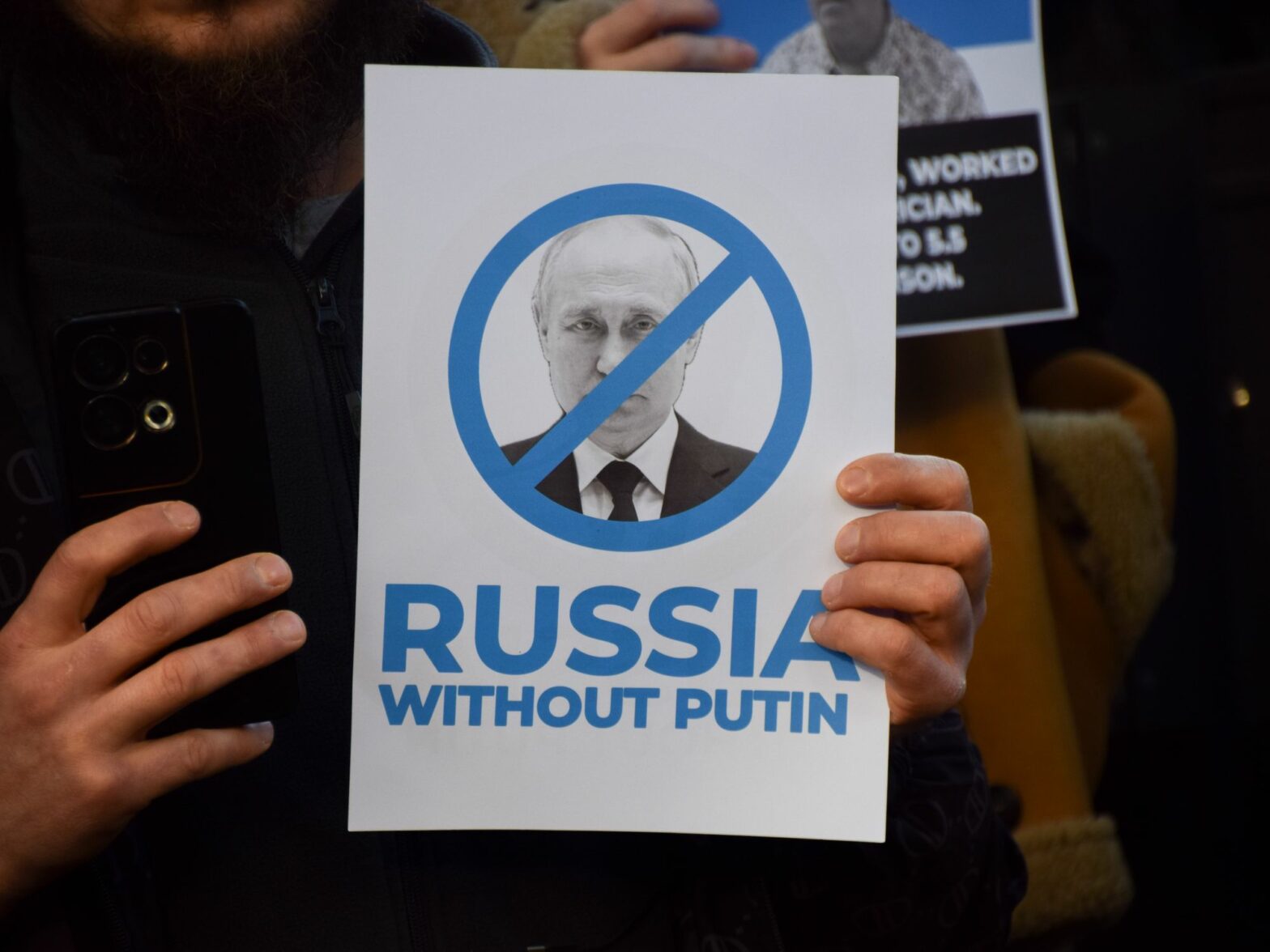
Russia launched its full-scale invasion of Ukraine 1,000 days ago. Since then, many Western nations, scholars and politicians have suggested negotiating for peace with Russia, rather than letting the war go on. But negotiations will not stop Putin’s imperial ambitions.
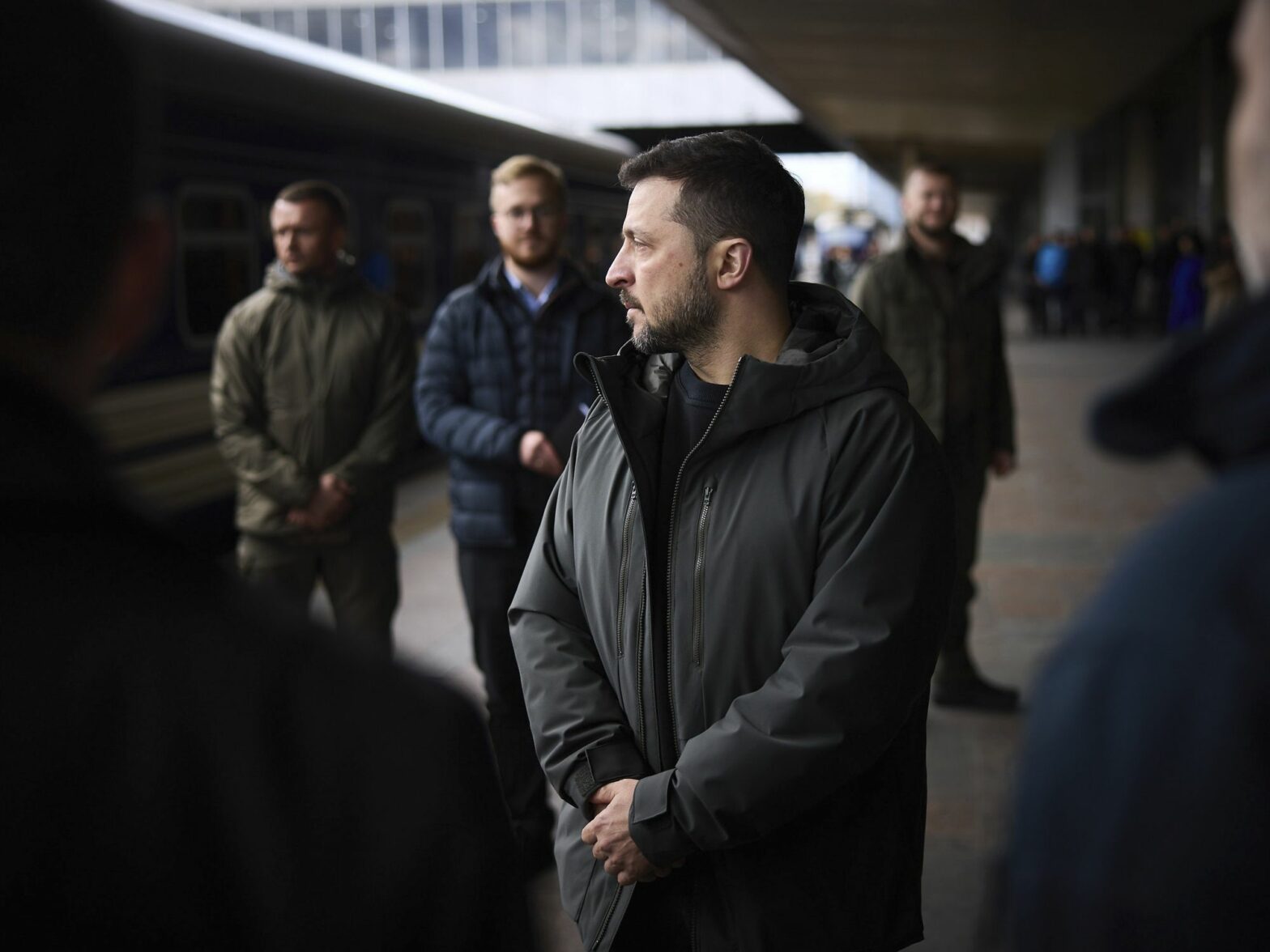
The U.S. has finally allowed Ukraine to strike Russian territory with long-range missiles following massive Ukrainian bombings of power infrastructure. Though only two months remain for the Biden administration before the uncertainty of the Trump era begins, the terms of any future negotiations are being fought over now.
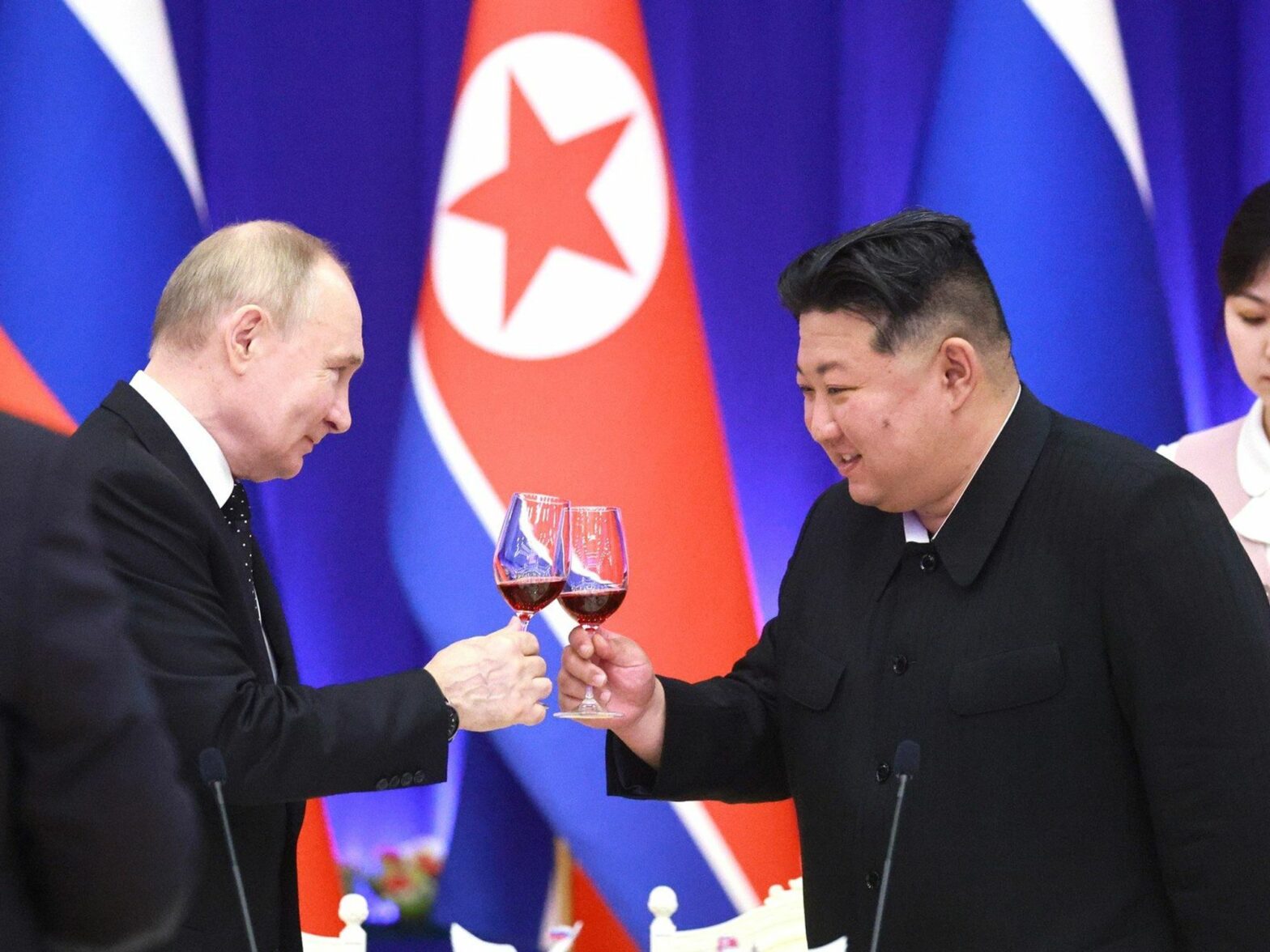
Pyongyang has just ratified its new defense pact with Moscow. North Korean soldiers are deployed near Kursk, in an unprecedented engagement that marks a reversal of Kim Jong-un’s foreign policy.
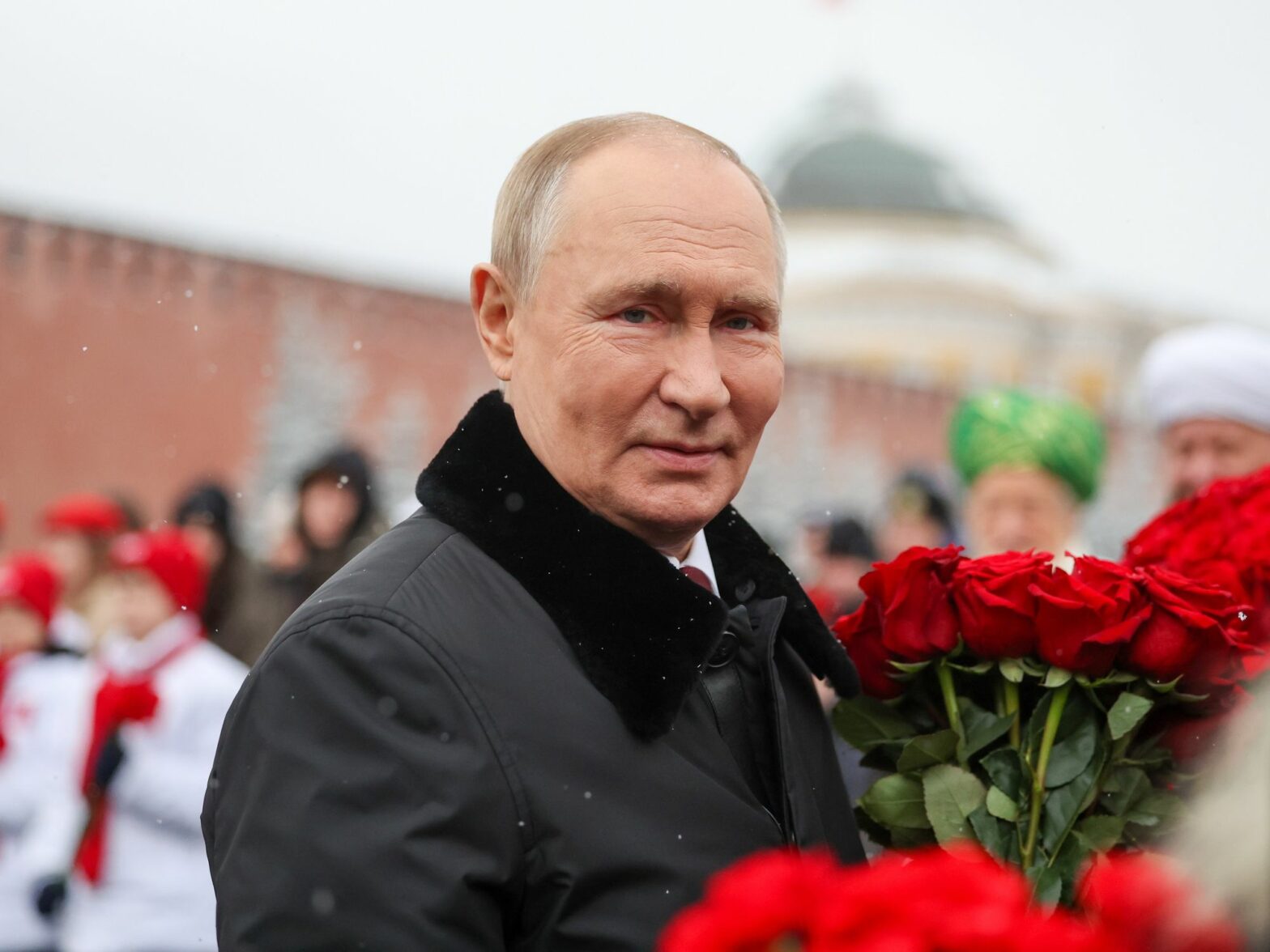
With the U.S. elections on the brink, and polls extra tight in swing states, the Kremlin is lapping it up. Rather than outwardly pulling for a Trump victory, however, Wacław Radziwinowicz argues that Moscow is above all, hoping for the high level of chaos that would come with a hung election.
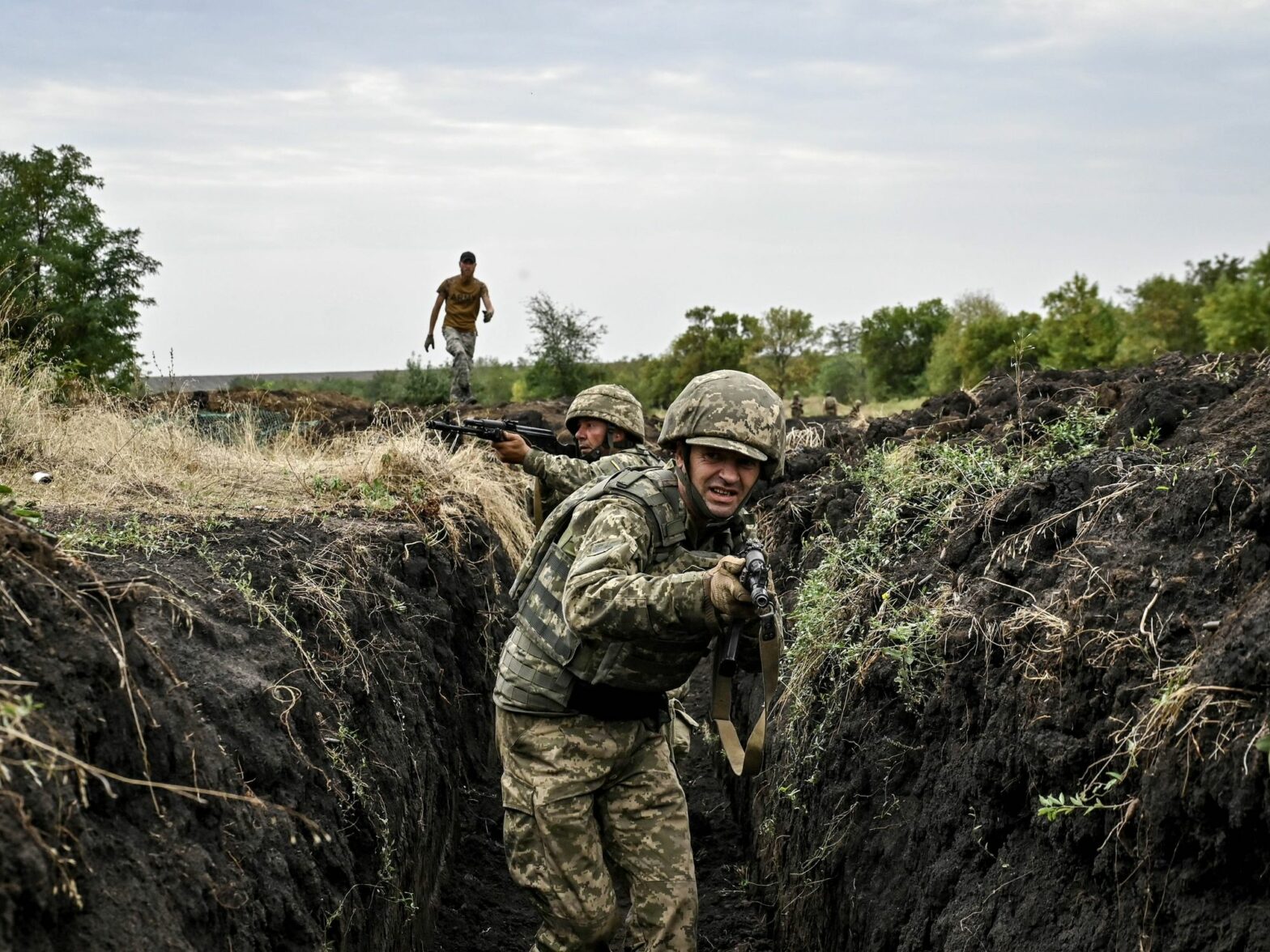
When politicians call for more diplomacy instead of weapons delivery, the basis of their arguments is misleading. The Russians and Ukrainians have already reached diplomatic agreements in many areas, but there are limits to open negotiations — mainly around whether Putin himself really wants to negotiate.
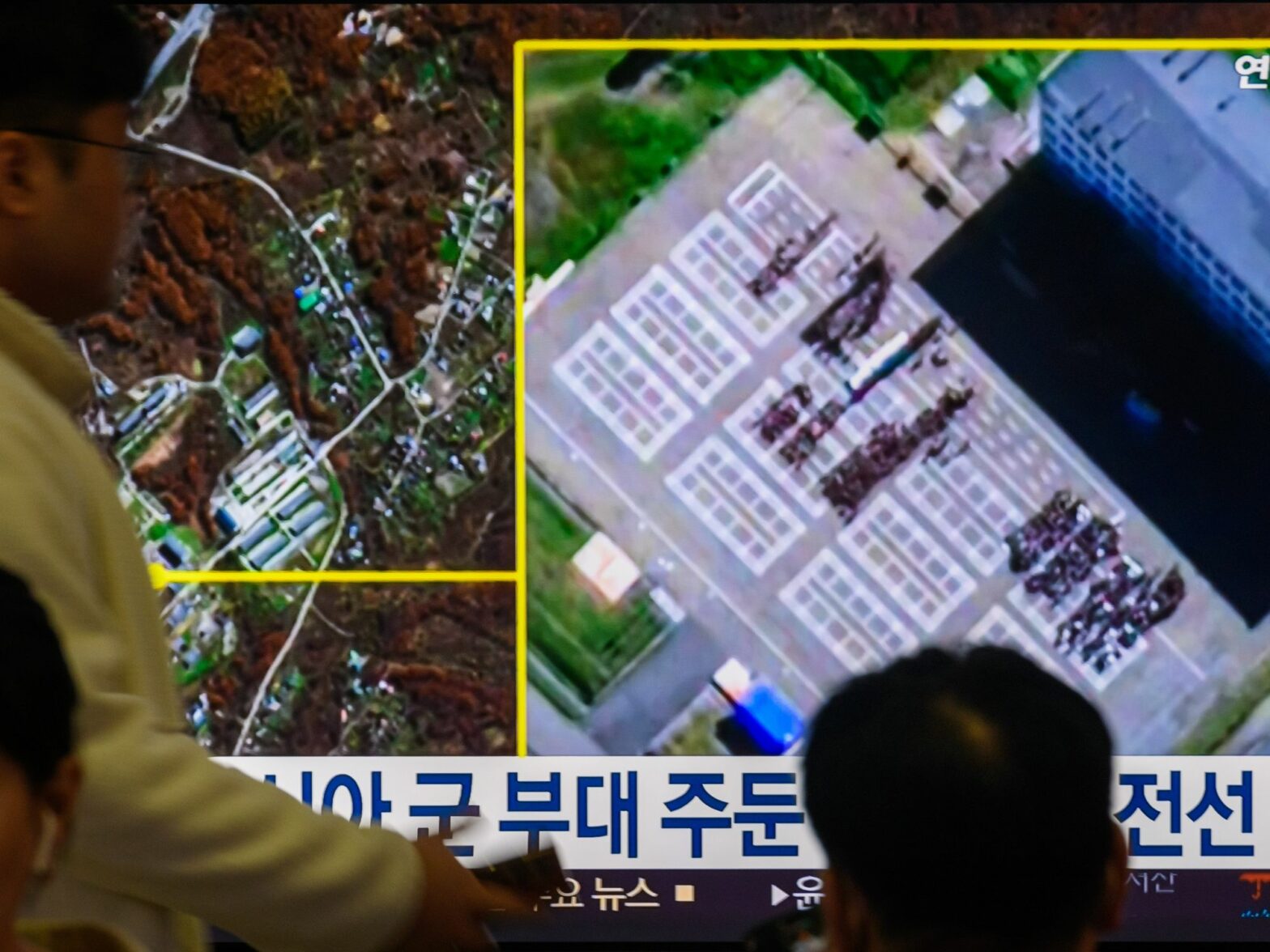
With tens of thousands North Korean troops confirmed to be moving toward the Russia-Ukraine front line, to fight on Moscow’s side in Ukraine, the two big questions are: What is Kim Jong-un trying to achieve? And more importantly, how does China fit into this picture?
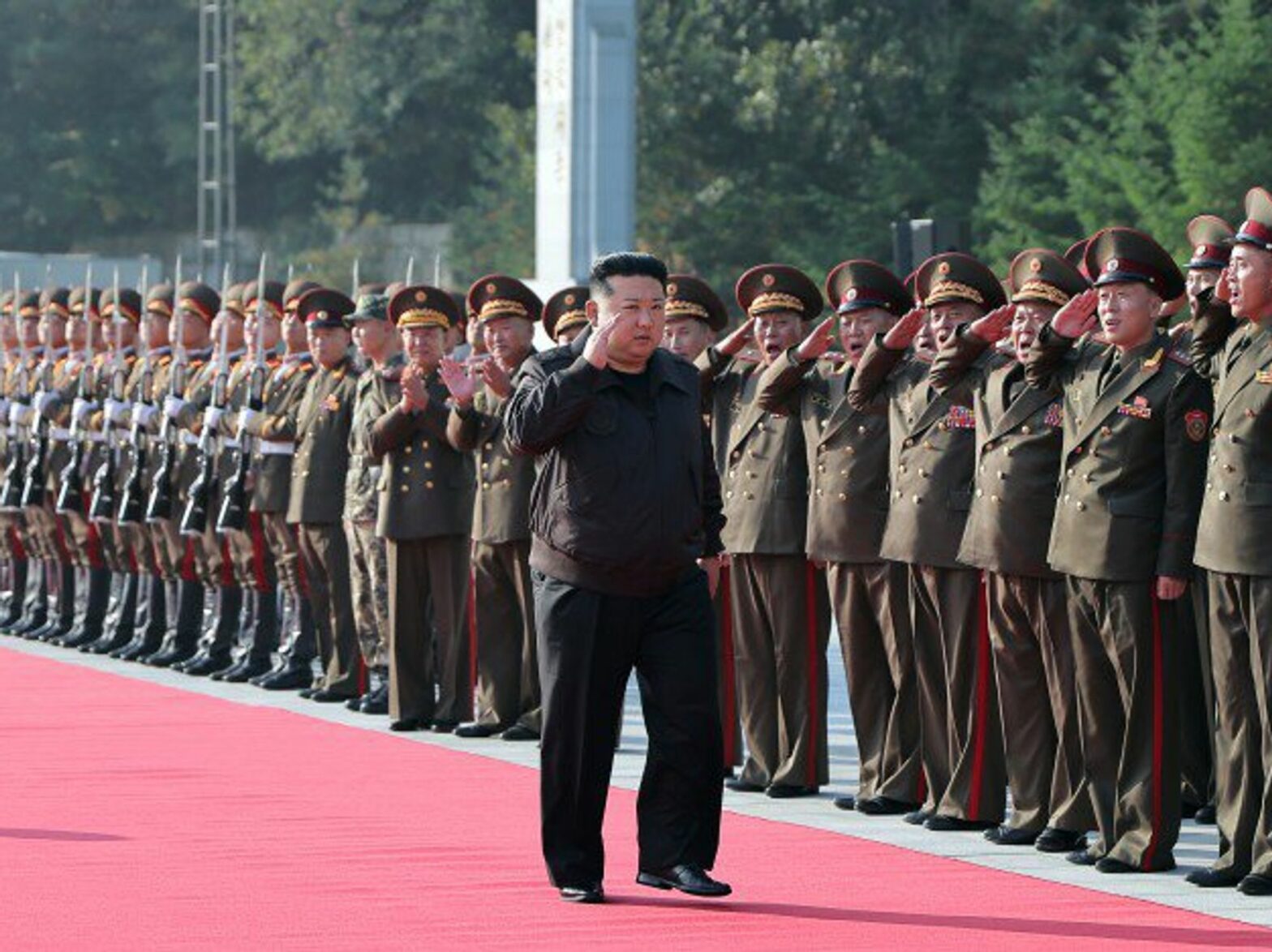
The United States’ confirmation of the presence of North Korean soldiers alongside the Russians in Ukraine has raised fears of an international escalation. All the more reason to fear that the current local or regional conflicts will gradually turn into global ones.
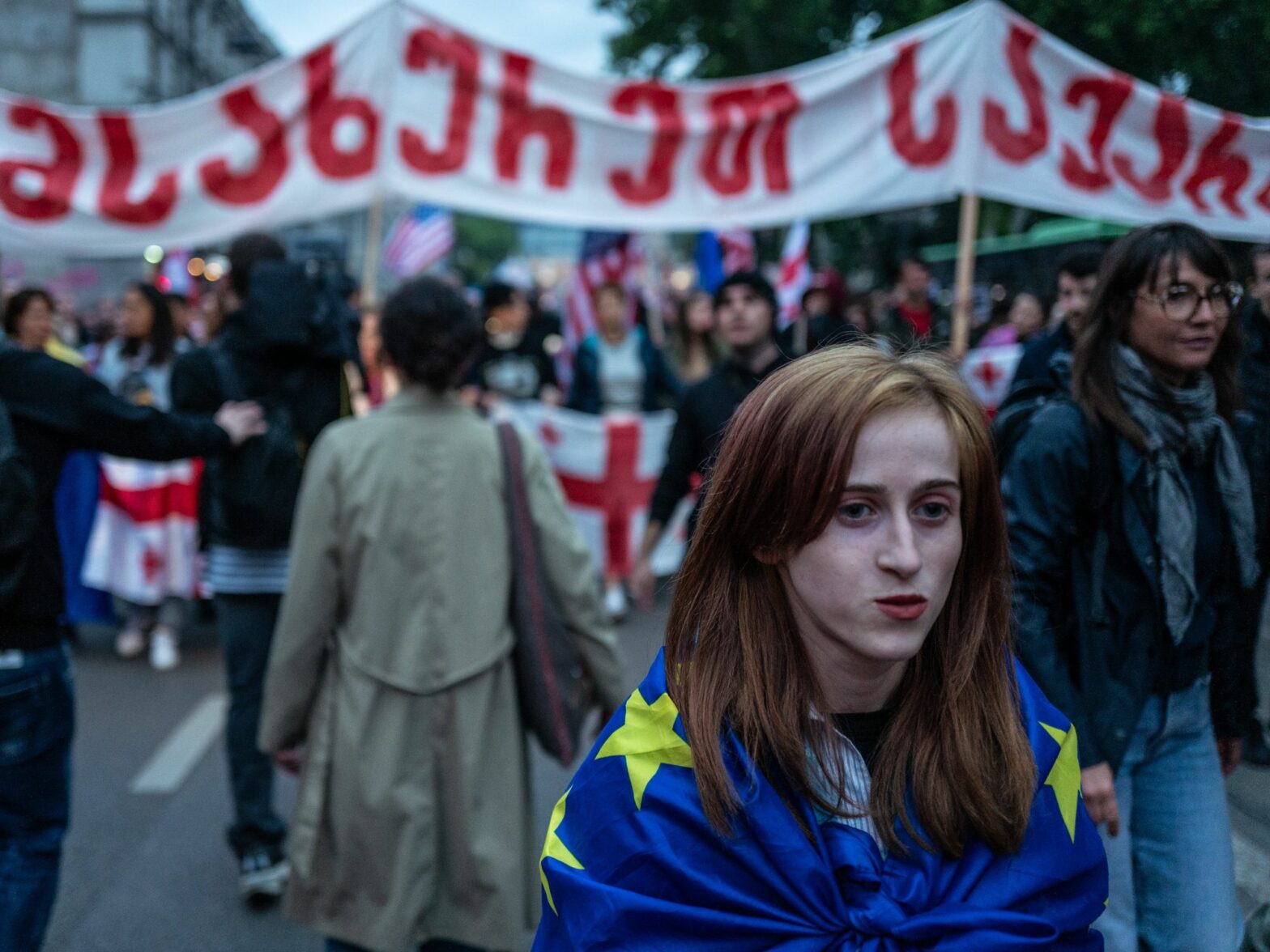
In Moldova, as in Georgia, pro-Russian forces are trying to prevent a move towards Europe. Sunday’s referendum on EU membership in Moldova was won by the pro-Europeans by a very narrow margin, and the government is talking of Russian interference.
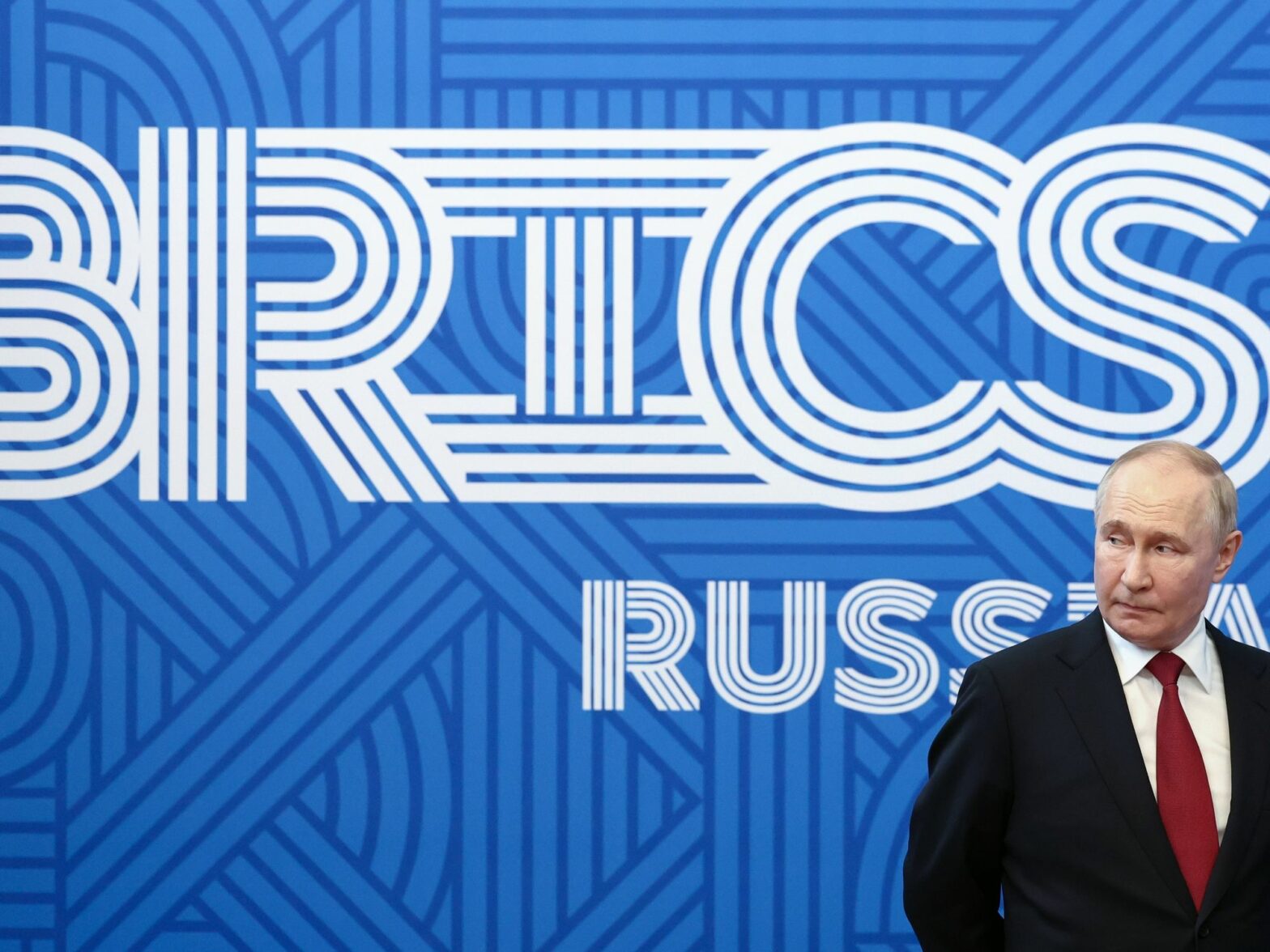
The BRICS Summit, which opens on Tuesday in Kazan, Russia, is an opportunity for Vladimir Putin to show that he is not isolated. But it is above all the power of attraction of this club of emerging countries that needs to be seen, in a world dominated by the West since 1945 and struggling to evolve.
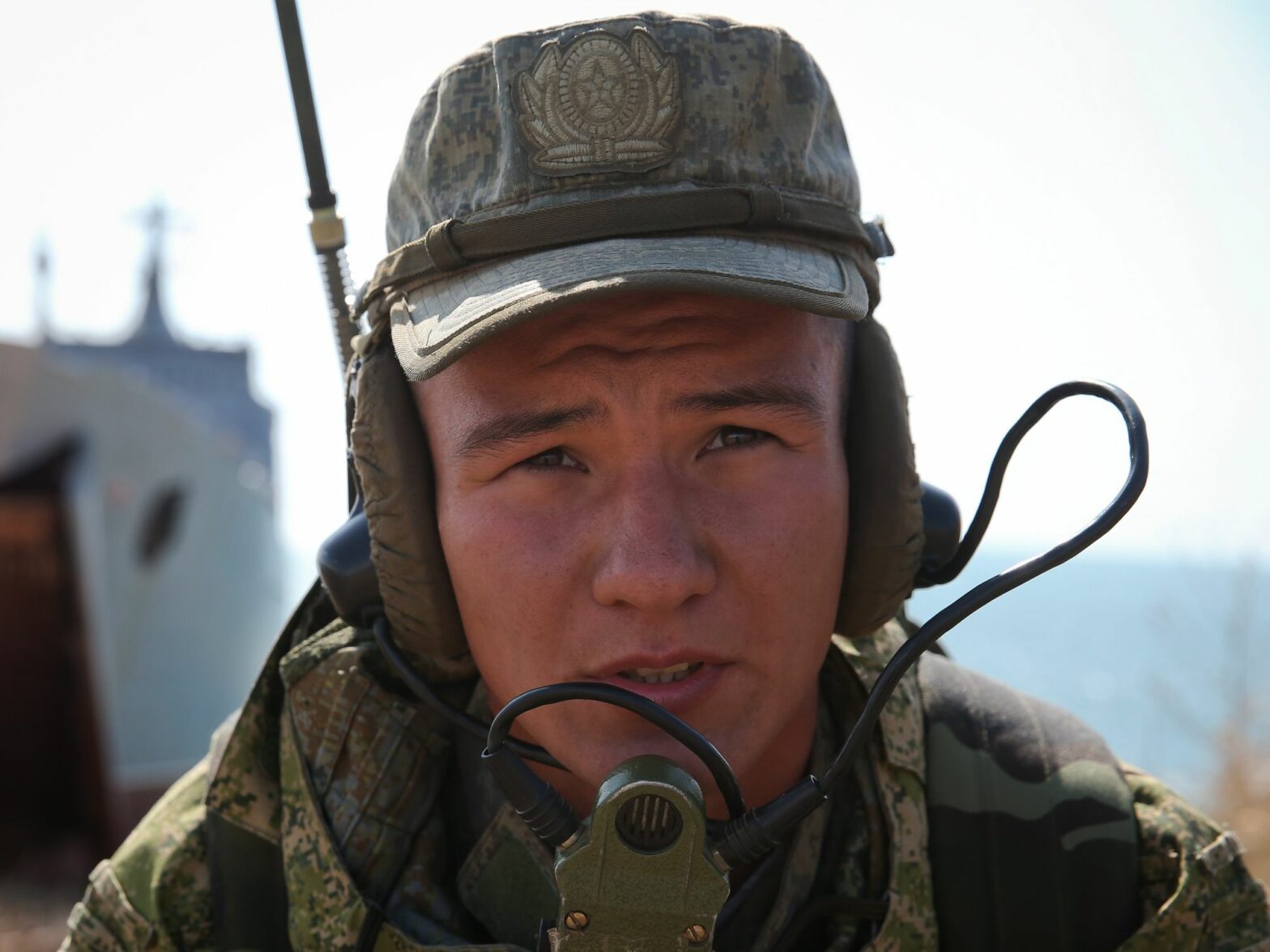
Russia’s Roskomnadzor agency blocked the Discord messaging application earlier this month, and thus disrupted one of the Russian military’s well-established communication systems. It’s a reminder of the Kremlin’s need for Western technology to wage its war against Ukraine.
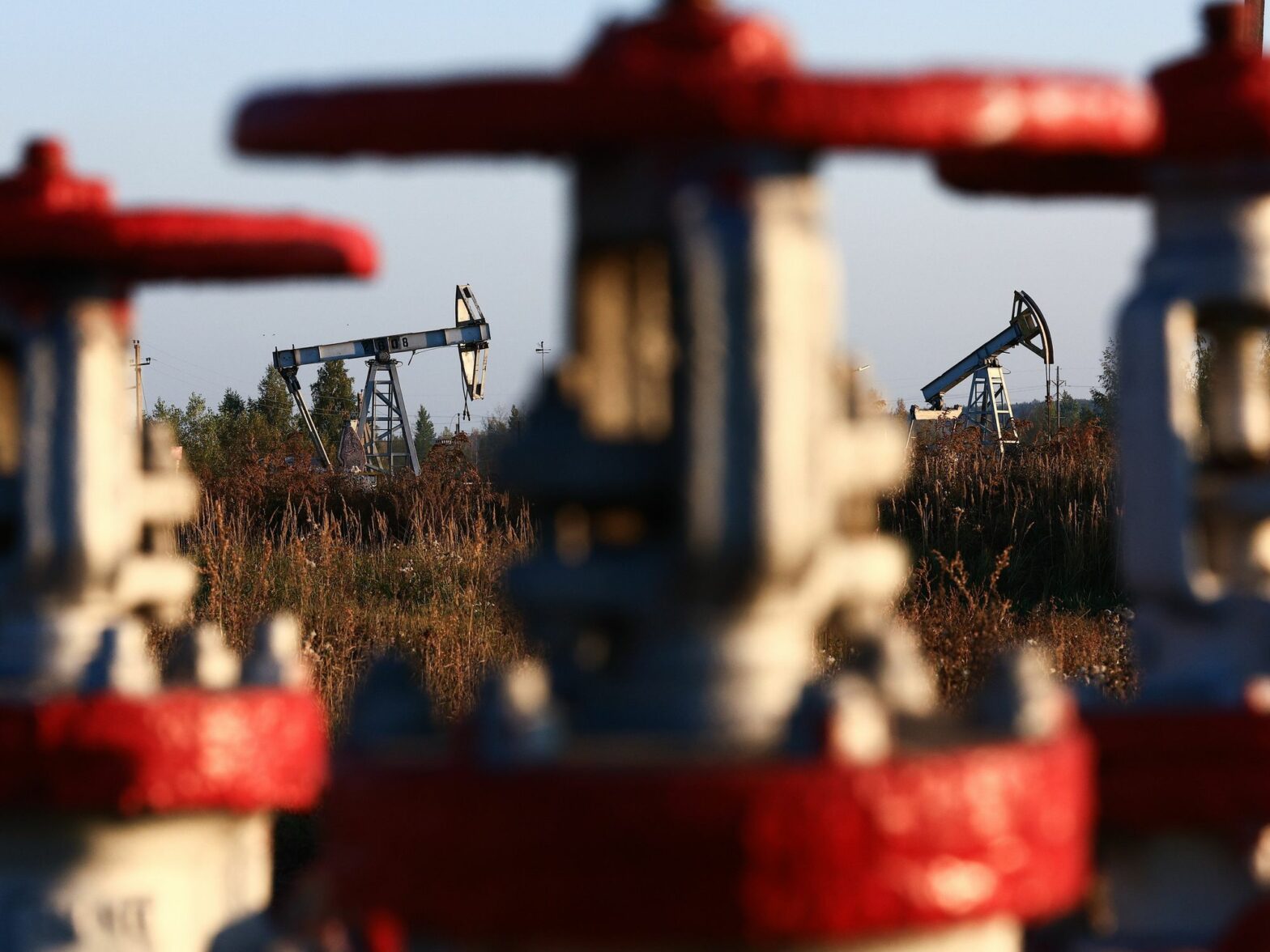
Since the end of the 20th century, the idea has spread that there’s a fundamental link between energy prices and Moscow’s ability to carry out military aggression. After all, low energy prices were one of the factors behind the economic collapse of the USSR.
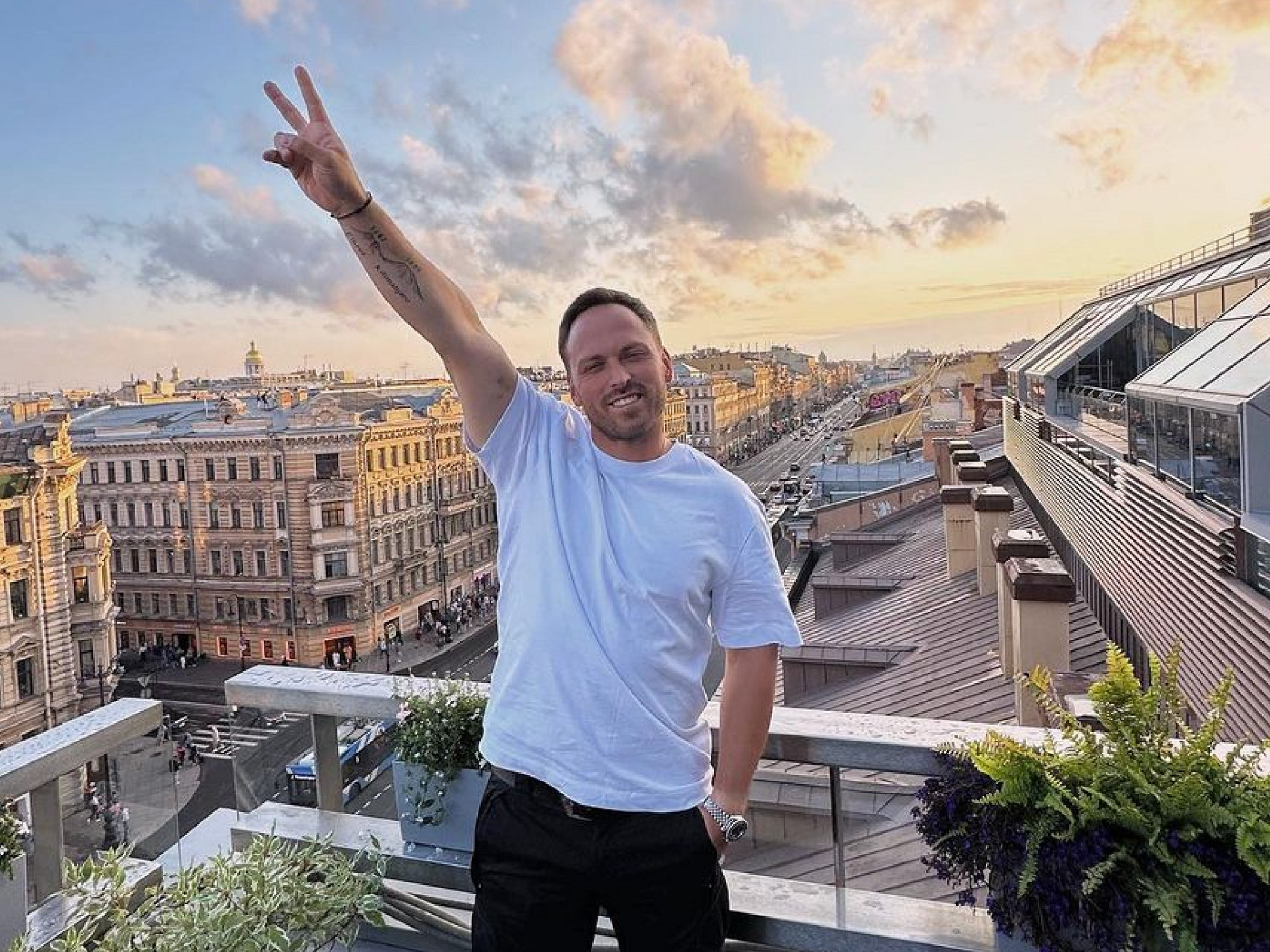
The offspring of Russia’s elite were used to luxury loft apartments, expensive cars and carefree living. So how did Putin’s successive drafts of new troops impact them? As independent Russian news platform Vazhnyye Istorii found out, life essentially continues as normal.
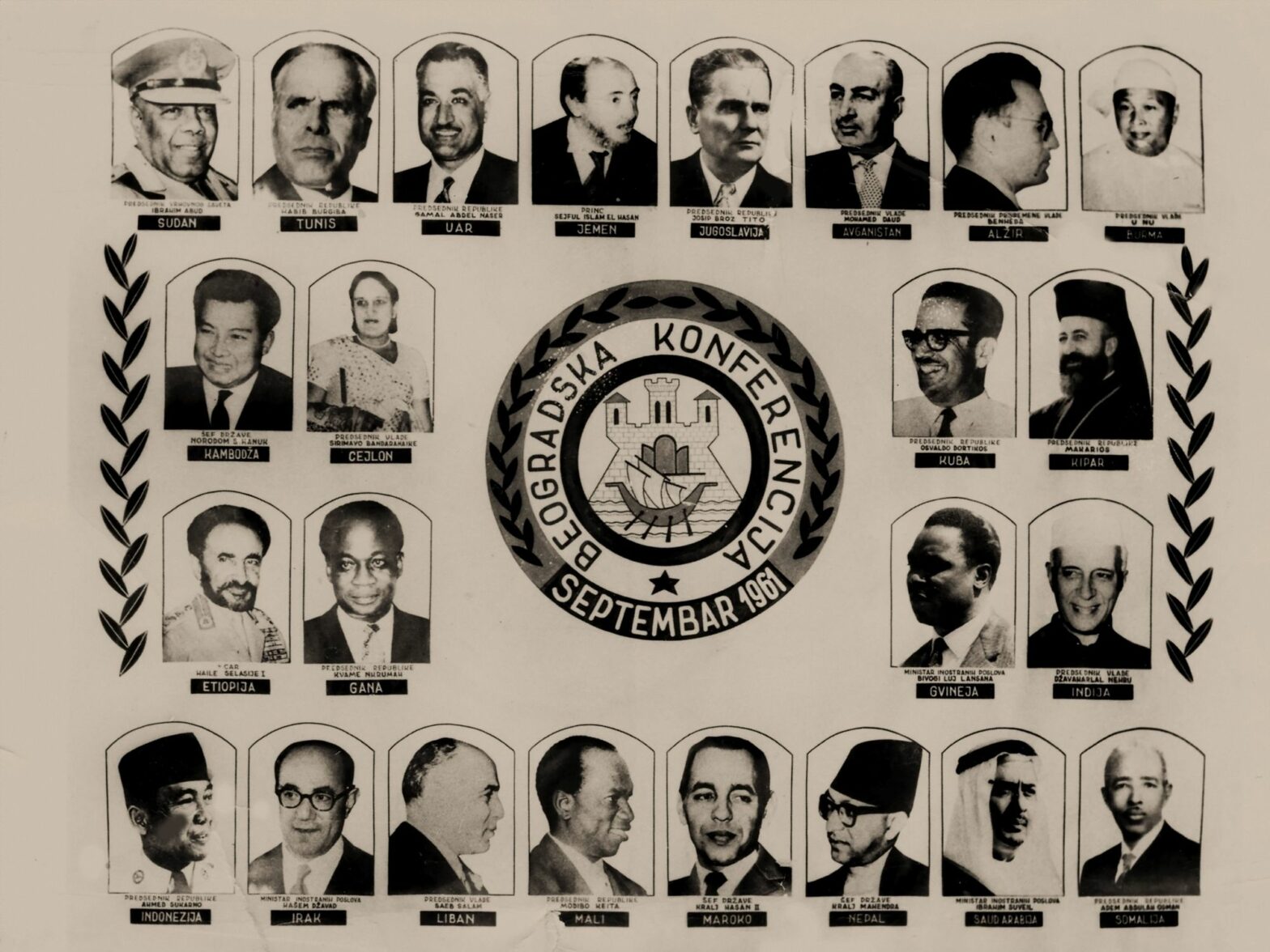
It’s called Active Non-Alignment. The end of a bipolar world and of Western supremacy has created a more fluid, and threatening, geopolitical map. For smaller powers, especially in Latin America, this is the time to “get the best deal” for themselves with the superpowers.
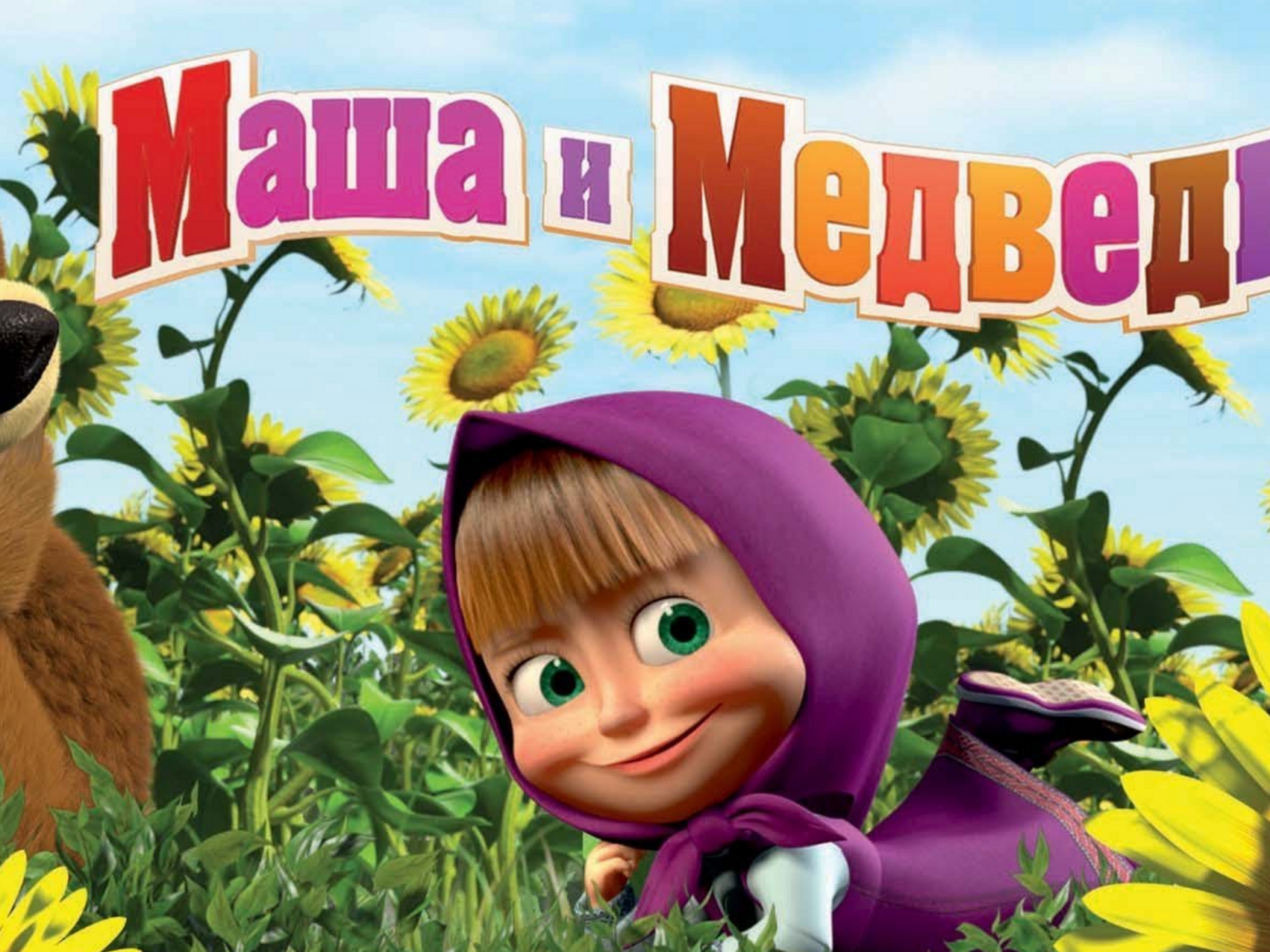
Packed full of Russian culture, the children’s cartoon Masha and the Bear is a very popular cultural export. But does that make the little girl and her furry friend pro-Putin propaganda? Reflections from a conflicted parent in Germany.
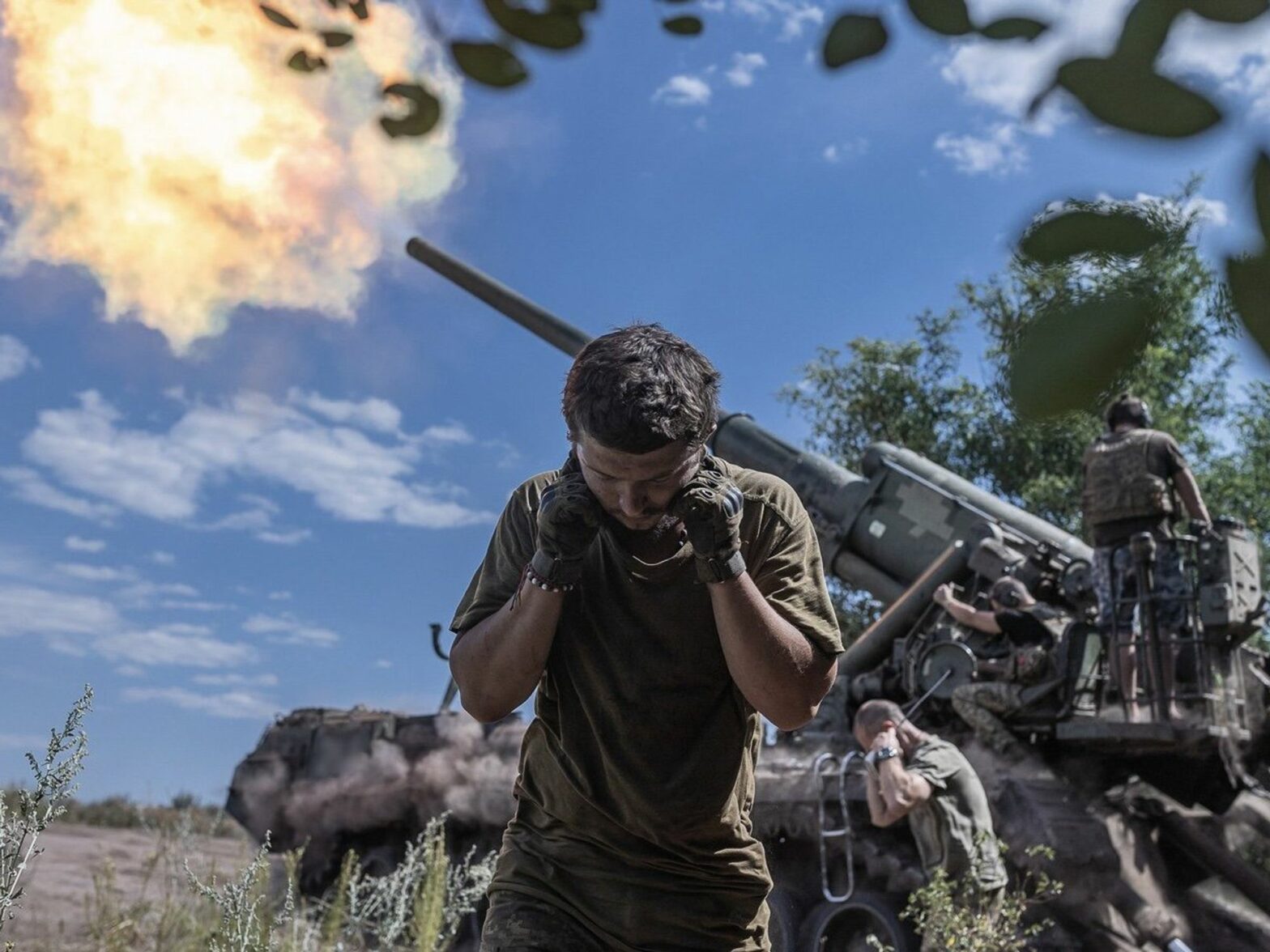
Calls for negotiation between Russia and Ukraine are growing louder. But peace would require strong security guarantees for the invaded country.

With increased aggression from clients, police repression and a sudden decrease in their livelihoods, Russia’s invasion of Ukraine is impacting this already-vulnerable group of women.
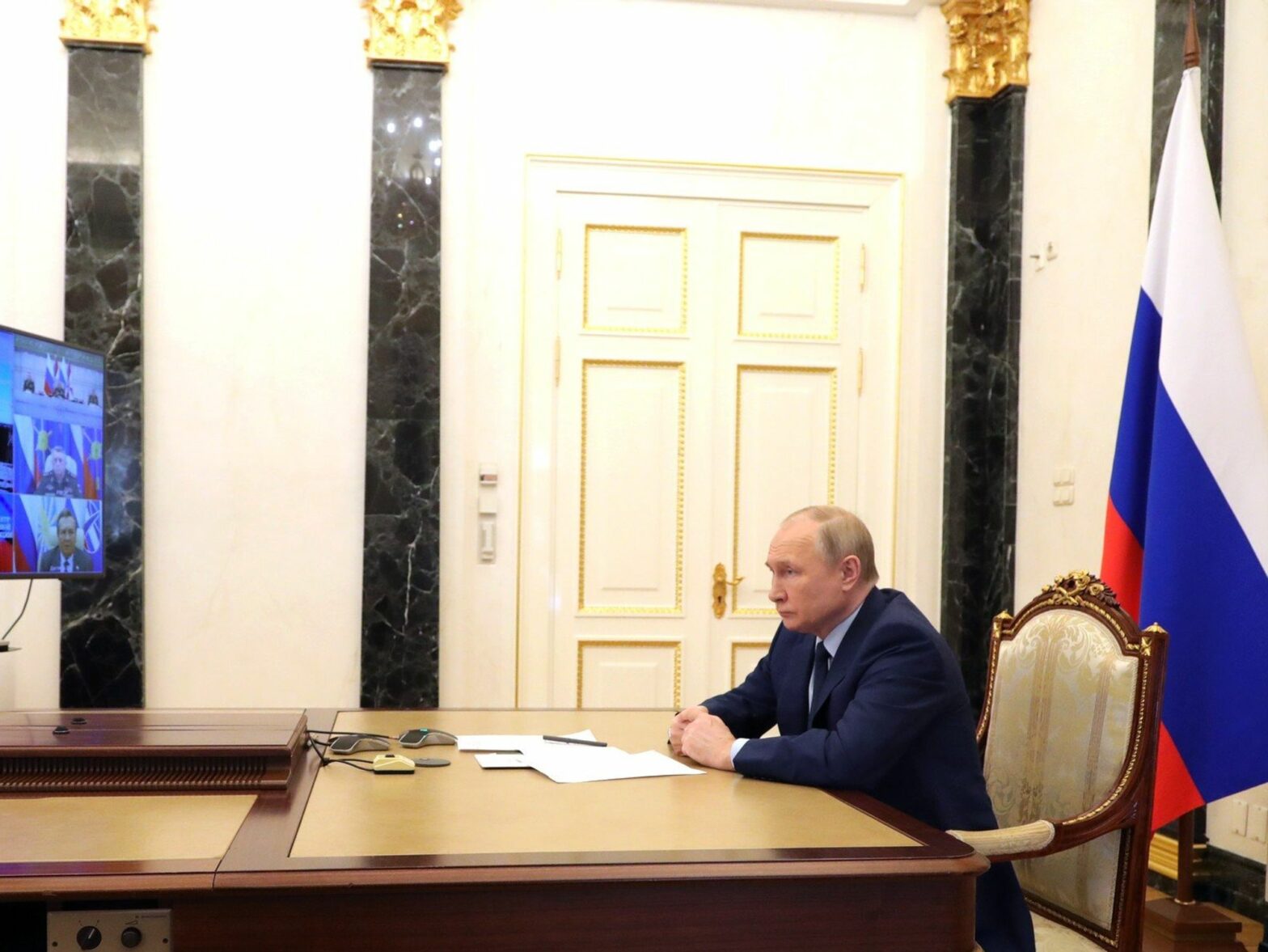
What should we make of Vladimir Putin’s “new rules” regarding what constitutes a nuclear aggressor and how Moscow might retaliate? A closer look, especially after another recent failed launch test of the Sarmat missile system, shows the Soviet legacy increasingly appears to be a rusting shell of its former self.
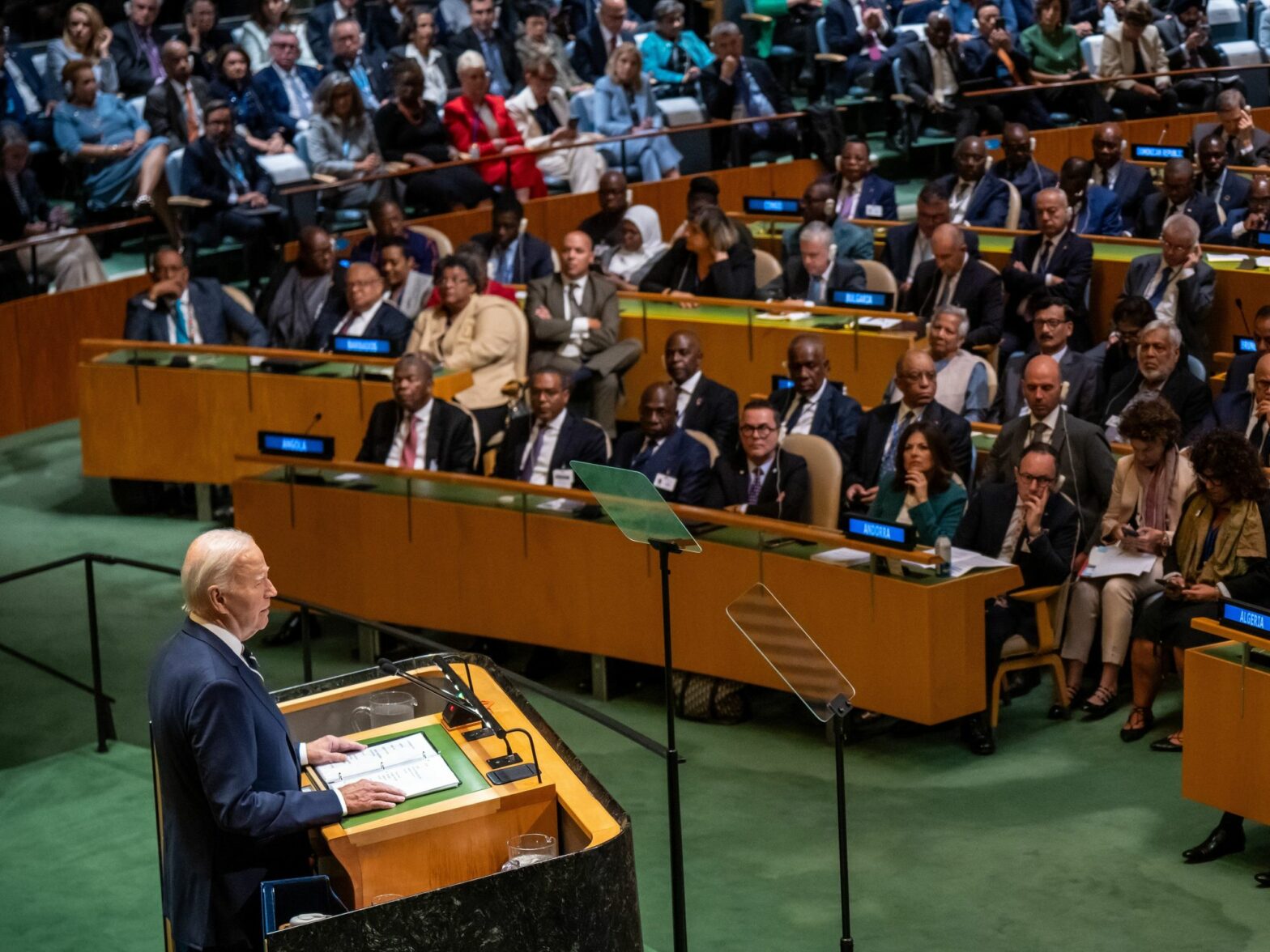
Joe Biden delivered his final speech to the UN General Assembly, in the form of a message from a wise old man who has seen dark times before. But while he has re-established a predictable presidency, he still appears hesitant on Ukraine and the Middle East, which tarnishes his record.
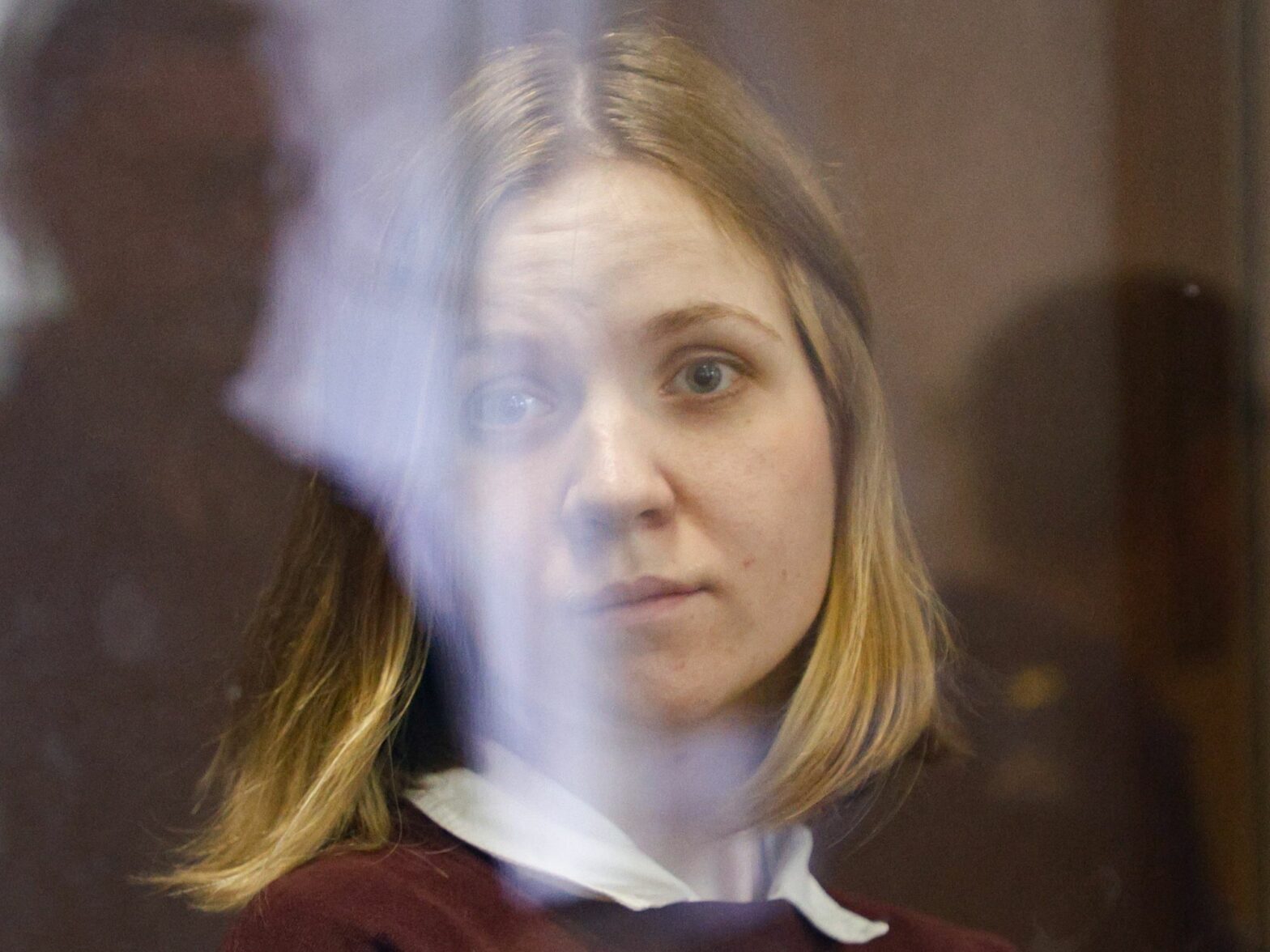
Earlier this year, Darya Trepova was sentenced to 27 years in prison for the attack that killed pro-war blogger Vladlen Tatarsky — the harshest sentence a woman has received in modern Russia. Holod‘s Marina Kiryunina spoke with her husband Dmitry Rylov, who is still trying to get Dasha, as he calls her, out of jail.
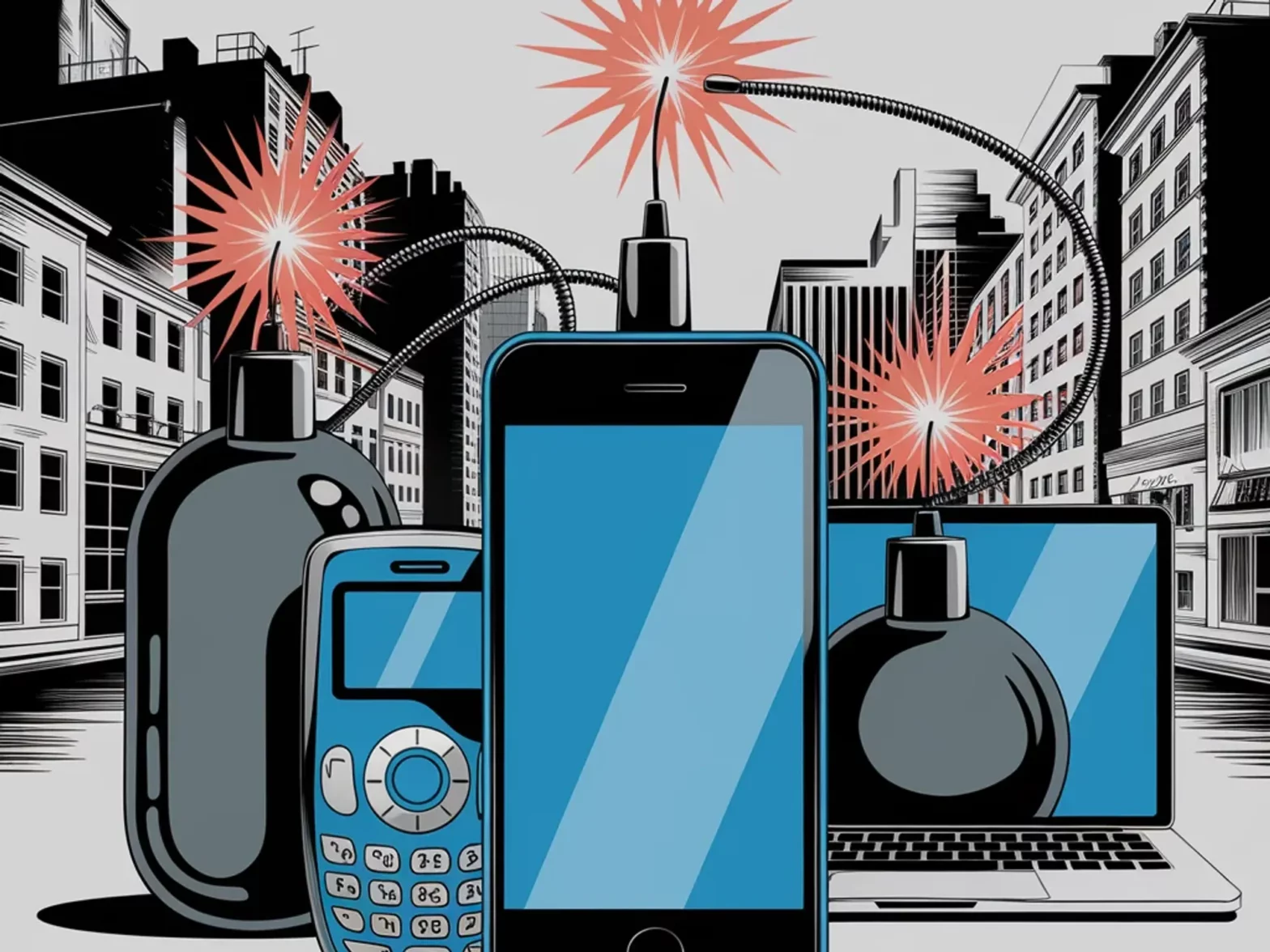
Even if the exploding Hezbollah pagers was not the first supply chain attack, having thousands of remote, hand-held devices raised terrifying questions that hadn’t been widely considered before, marking a potential turning point in the public’s trust in their electronic devices, and in governments’ ability to protect them.
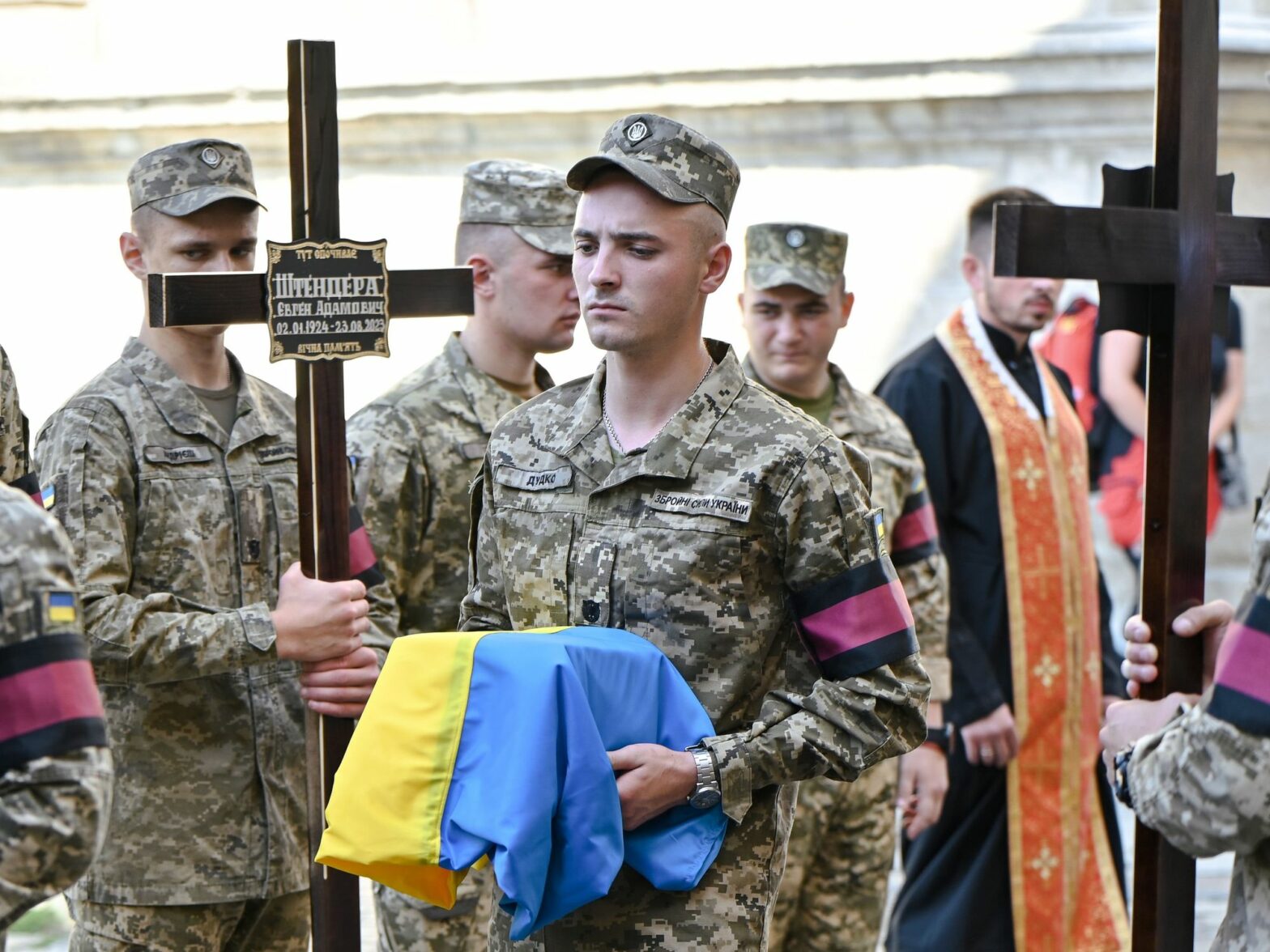
The Wall Street Journal puts the number of Russian and Ukrainian dead and wounded at one million after two-and-a-half years of war, with more than twice as many Russians dead as Ukrainians. Yet this tragic toll only reinforces both sides to continue to seek victory.
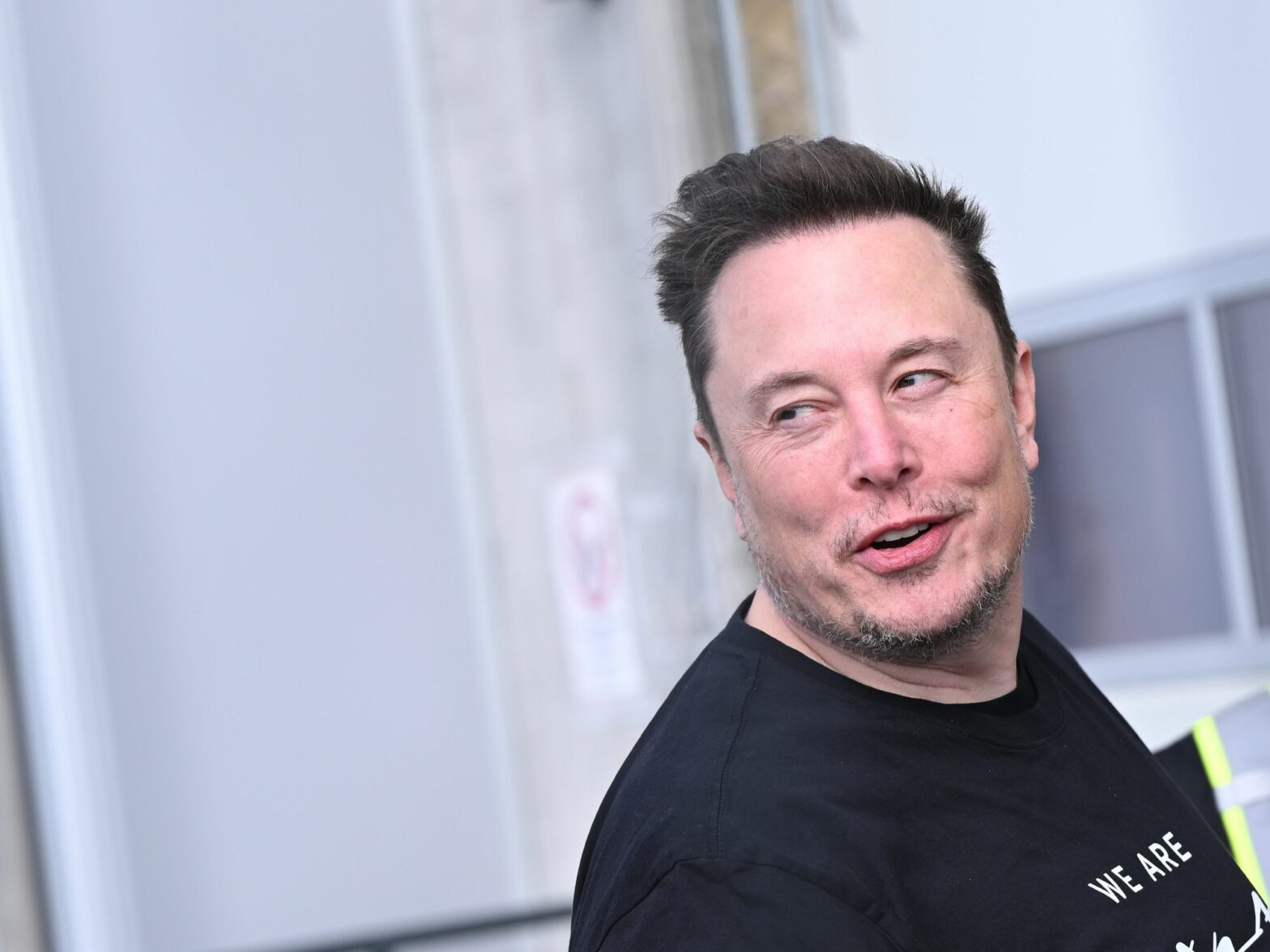
It says a lot about the state of U.S. politics that Elon Musk, a powerful supporter of Donald Trump and owner of the X platform, used that same platform to joke about the killing of the American president and vice president. Will political violence and the reaction to it shape the results of November’s election?
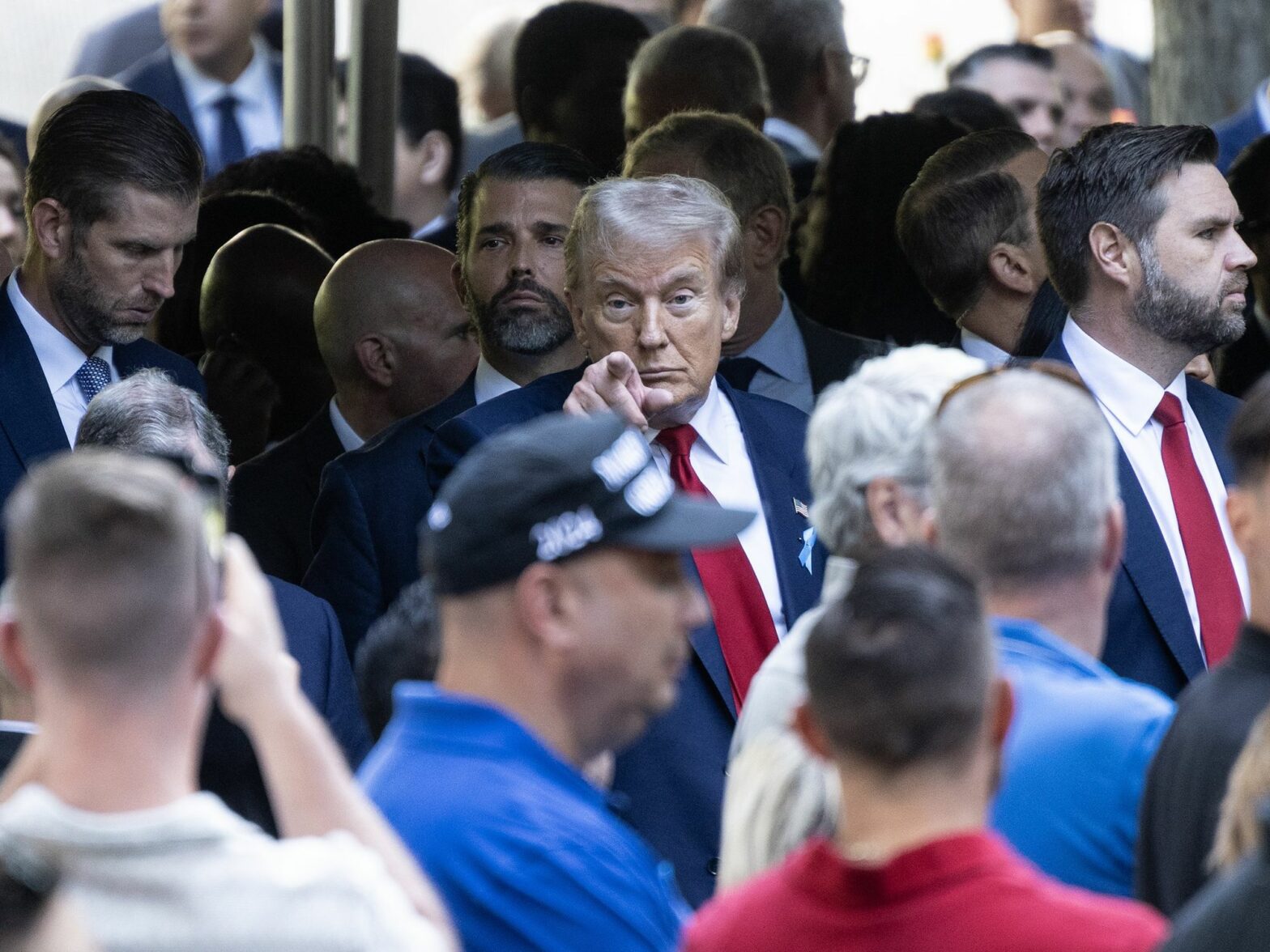
The first presidential debate between Vice President Kamala Harris and former President Donald Trump was an important reminder that the American election will help determine the fate of Ukraine. It did not take long to see which option was better. So much so the moderators had to ask Trump “Do you want Ukraine to win?”
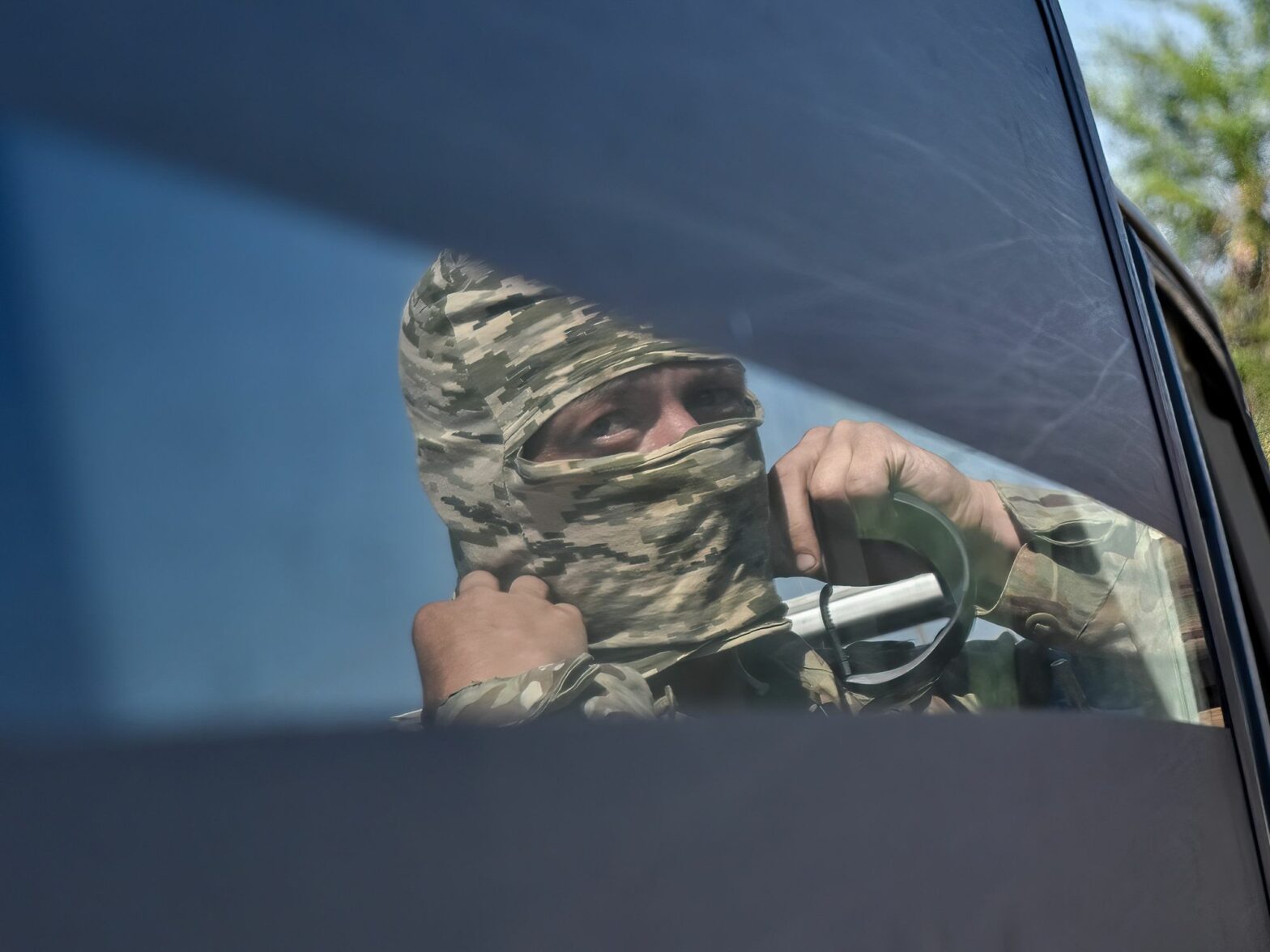
Russian President Vladimir Putin’s brutality and the escalation of Russian strikes on Ukrainian cities should prompt Ukraine’s allies to demonstrate total unity and solidarity against Moscow.
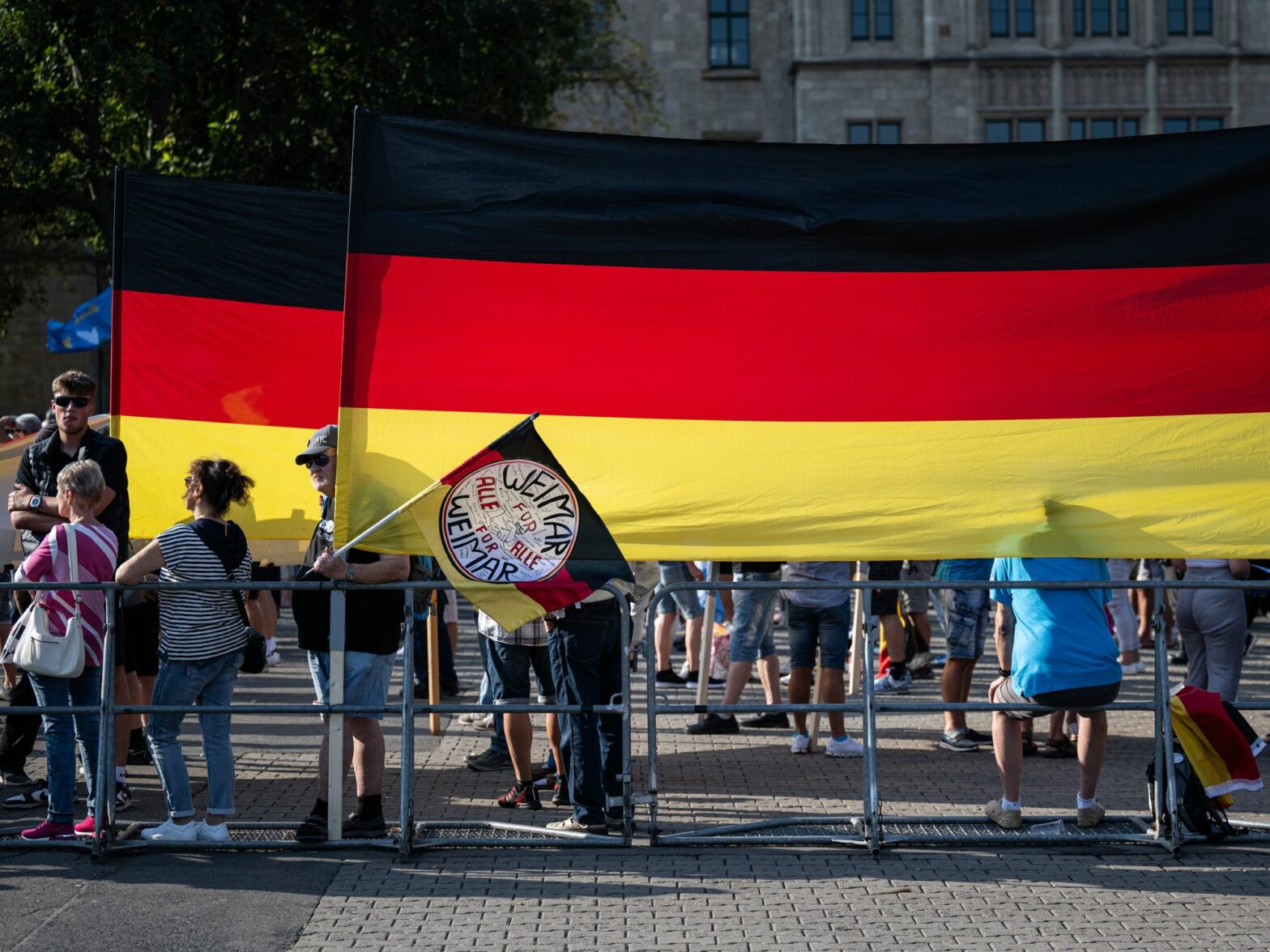
U.S. authorities have seized documents that expose a Russian-led fake news offensive in Europe. The devastating effects of this large-scale propaganda campaign are for all to see in the recent elections in Thuringia and Saxony.
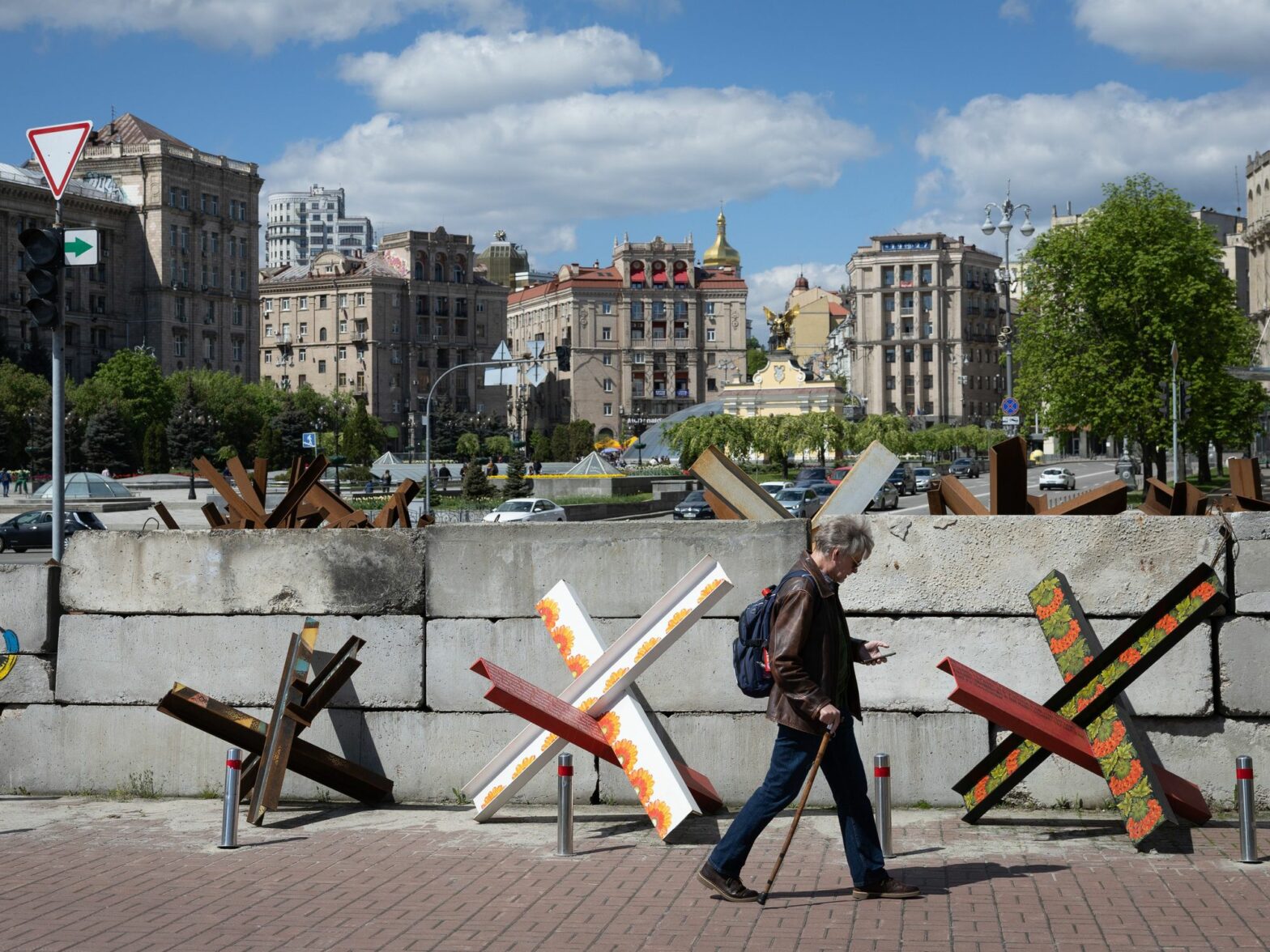
Ukraine’s Western Allies, which not too long ago were mired in “war fatigue”, have now begun allowing – and encouraging – Ukraine to strike Russian targets. And use their weapons. Is it time, again, to call Putin’s bluff? It’s a question right now for Washington to answer.
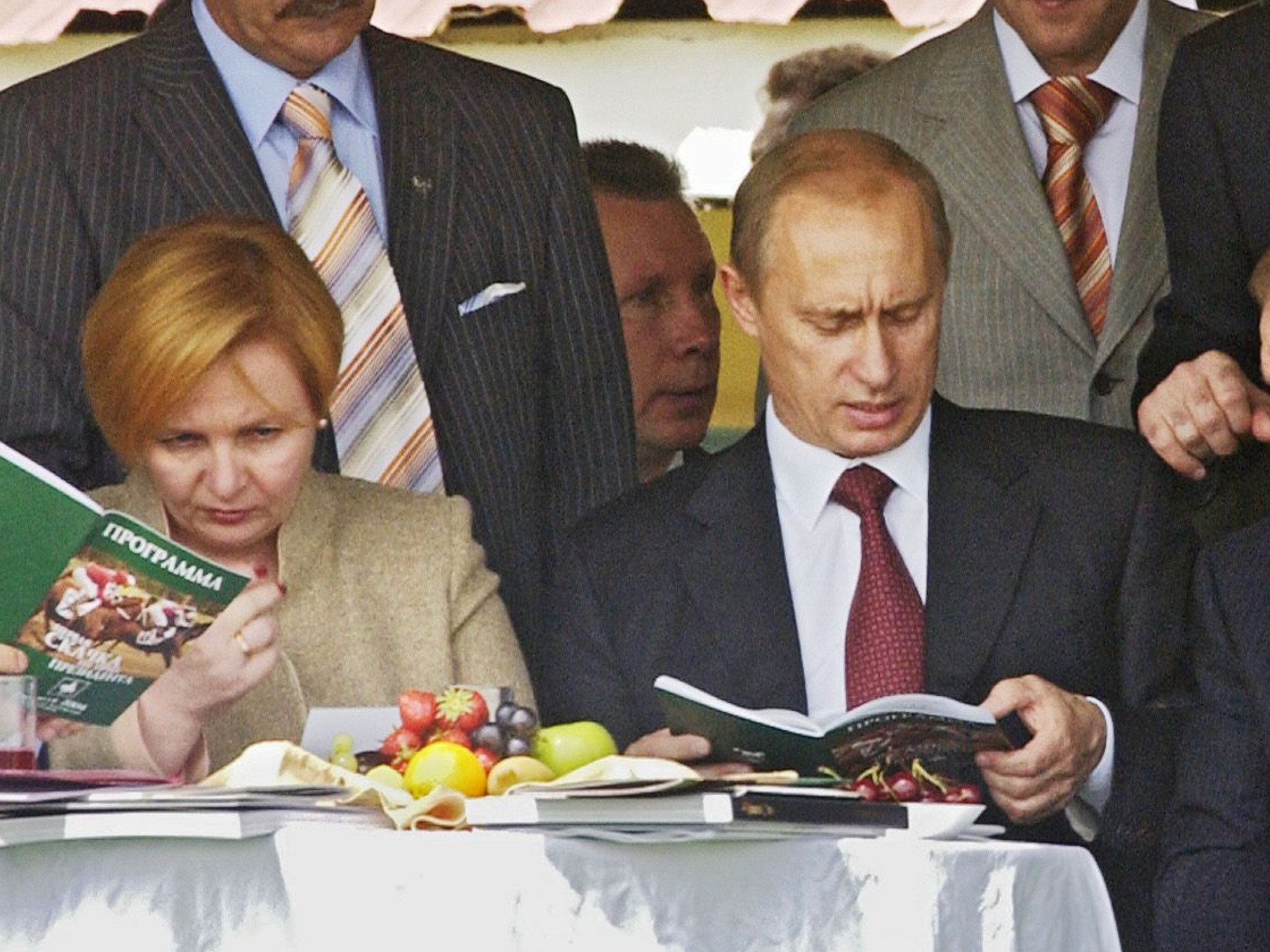
Even Russians are unlikely to have noticed that since Vladimir Putin came to power some 25 years ago, the biography the Kremlin presents of him has been repeatedly altered. A new investigation revealing details about his two sons is but an exception in a long history of authorities carefully hiding facts and evidence about Putin’s life and his relationship with his family and friends — and the Russian people.
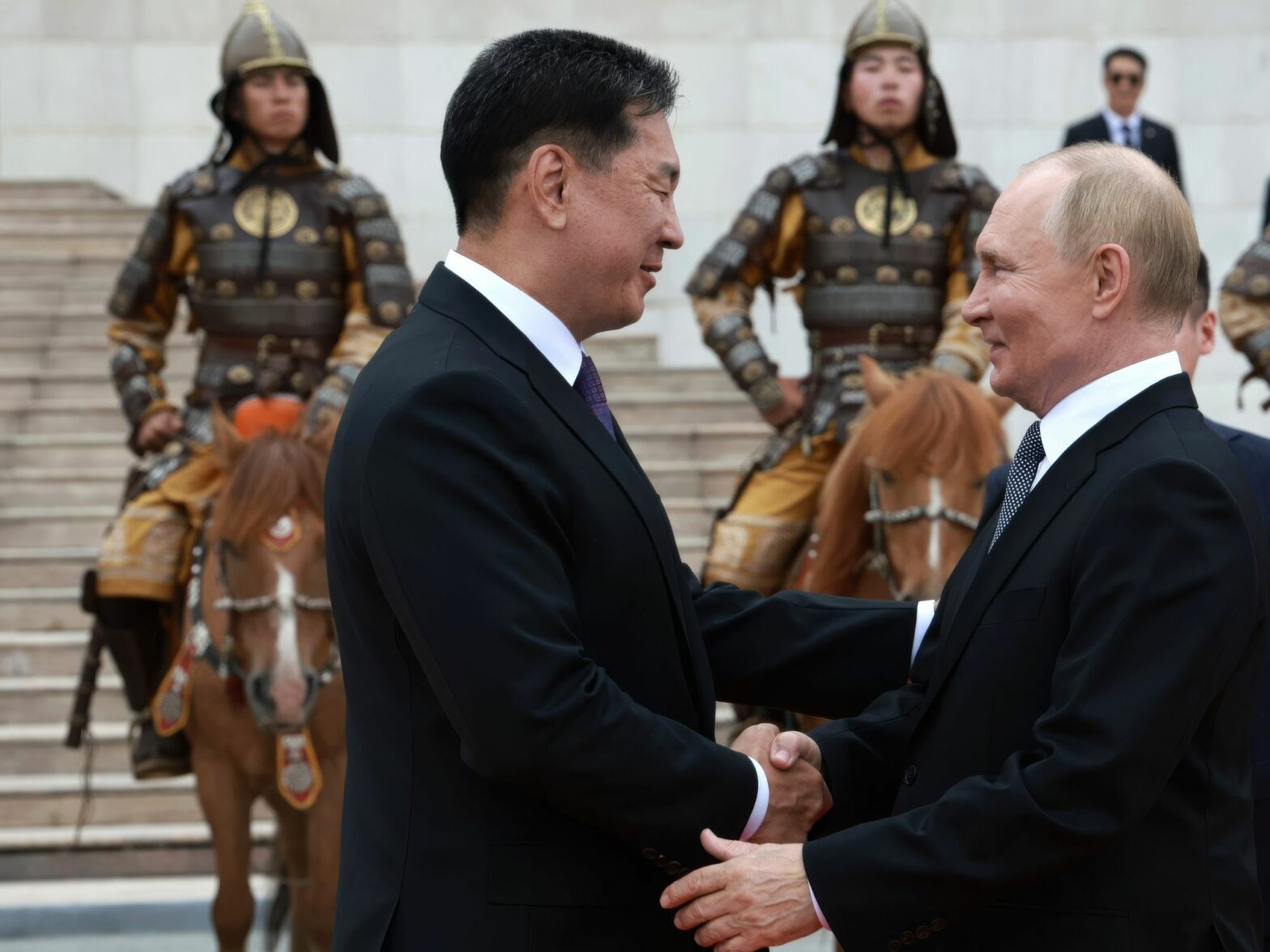
Mongolia is a signatory to the International Criminal Court treaty and should have arrested Vladimir Putin on his arrival in the capital yesterday. Of course, it didn’t — nobody believed it would. But for international affairs specialist Pierre Haski, this is only a setback for international justice.