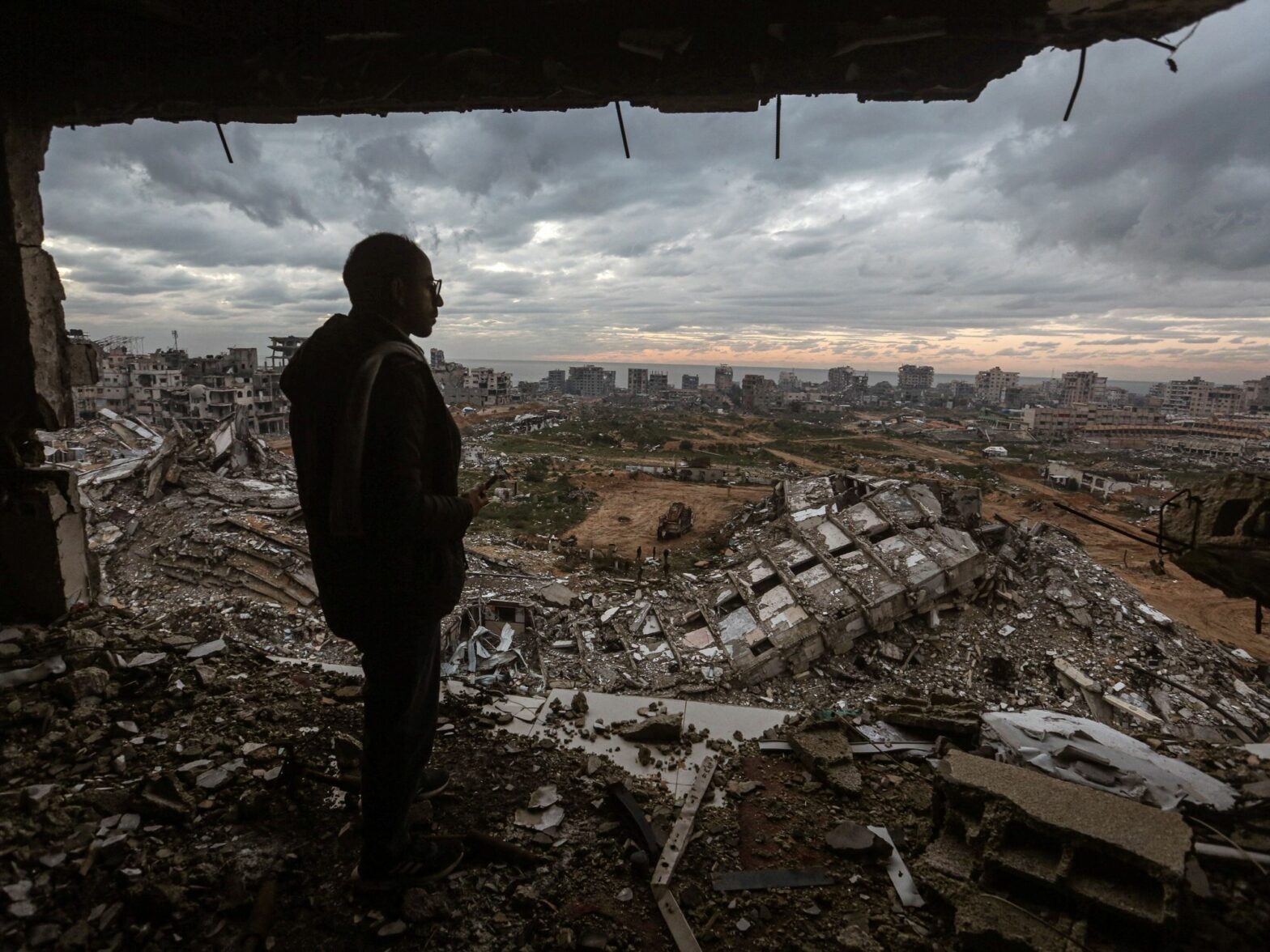
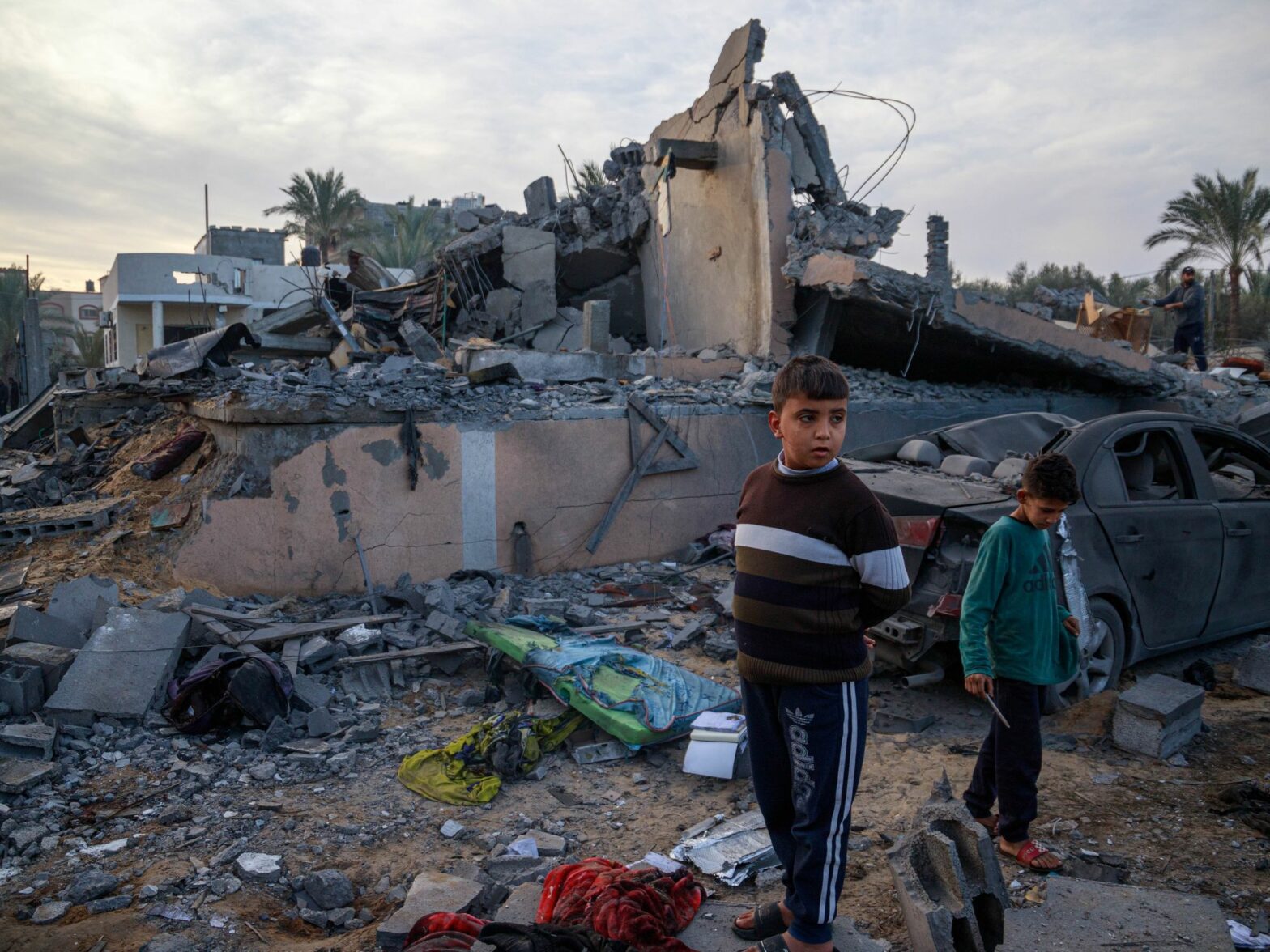
As Gazan families struggle to find food and shelter amid the rubble, the future remains uncertain. Residents remain in a constant state of waiting, oscillating between hope and despair.
 Worldcrunch
Stay updated with comprehensive news on Israel from Worldcrunch. Discover insights on Israeli politics, economic strategies, societal issues, and cultural landmarks with translations from top international sources. Highlights include Jerusalem, Israeli history, and cultural events.
As Gazan families struggle to find food and shelter amid the rubble, the future remains uncertain. Residents remain in a constant state of waiting, oscillating between hope and despair.
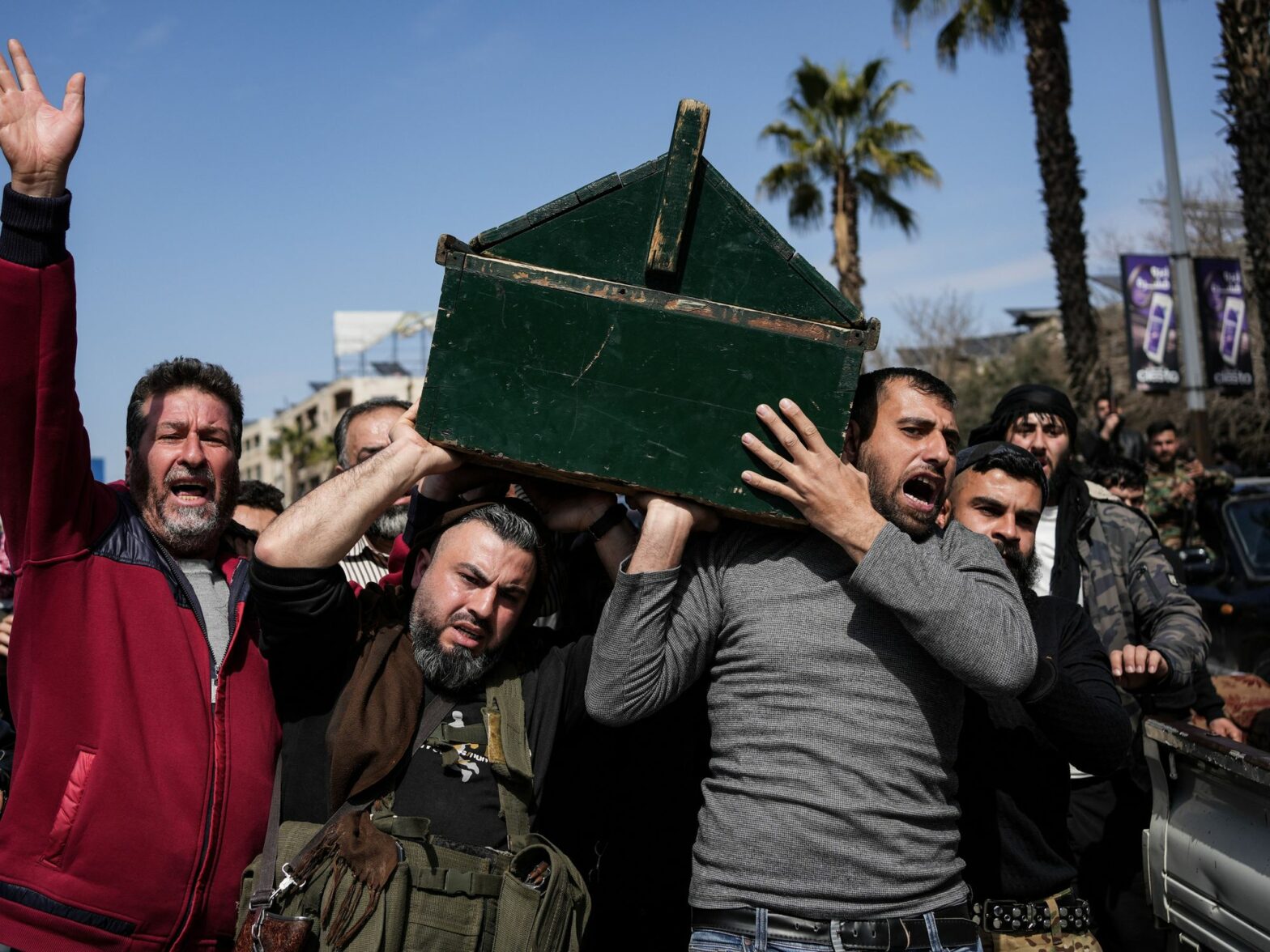
After an attack on soldiers by supporters of the former Assad regime, a wave of violence has left more than 1,300 dead in the Alawite region, the Assad stronghold. The transitional president is calling for unity, but he must reassure minorities and rein in his more radical supporters.

The documentary by a Palestinian-Israeli collective satisfies multiple and divergent audiences at the same time, and has been met with critical success. But the film never evokes the idea that there is another land for Palestinians: that of historic Palestine.
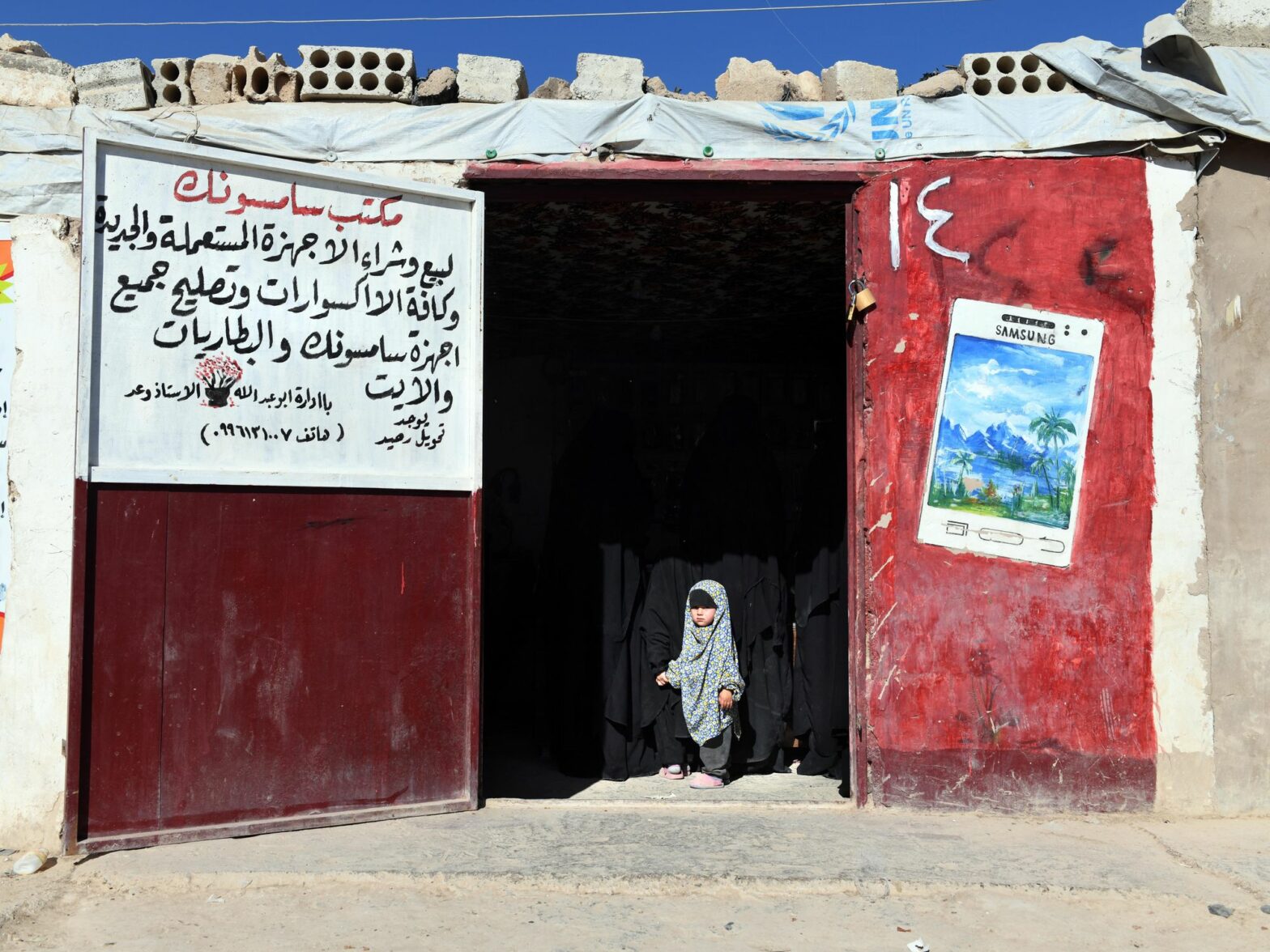
A number of international humanitarian organizations, local associations, and organizations operate within the al-Hol refugee camp in northern Syria. Most of these organizations are primarily funded by the U.S., meaning that three sectors and several community segments are directly affected by the U.S. State Department’s decision to halt foreign aid.

Donald Trump has suspended U.S. military aid to Ukraine until Volodymyr Zelensky demonstrates “good faith” in negotiating with Vladimir Putin. It’s an unprecedented move with an interesting parallel with what’s happening with Israel, where the U.S. Secretary of State Marco Rubio has expedited the delivery of $4 billion in military aid.

An AI-generated video shared by Donald Trump on his social network depicts the transformation of Gaza he has proposed: luxury resorts, and no Palestinians. An abomination toward the victims of the war, it also contains a depiction of Trump himself that is the seed of his own inevitable downfall.
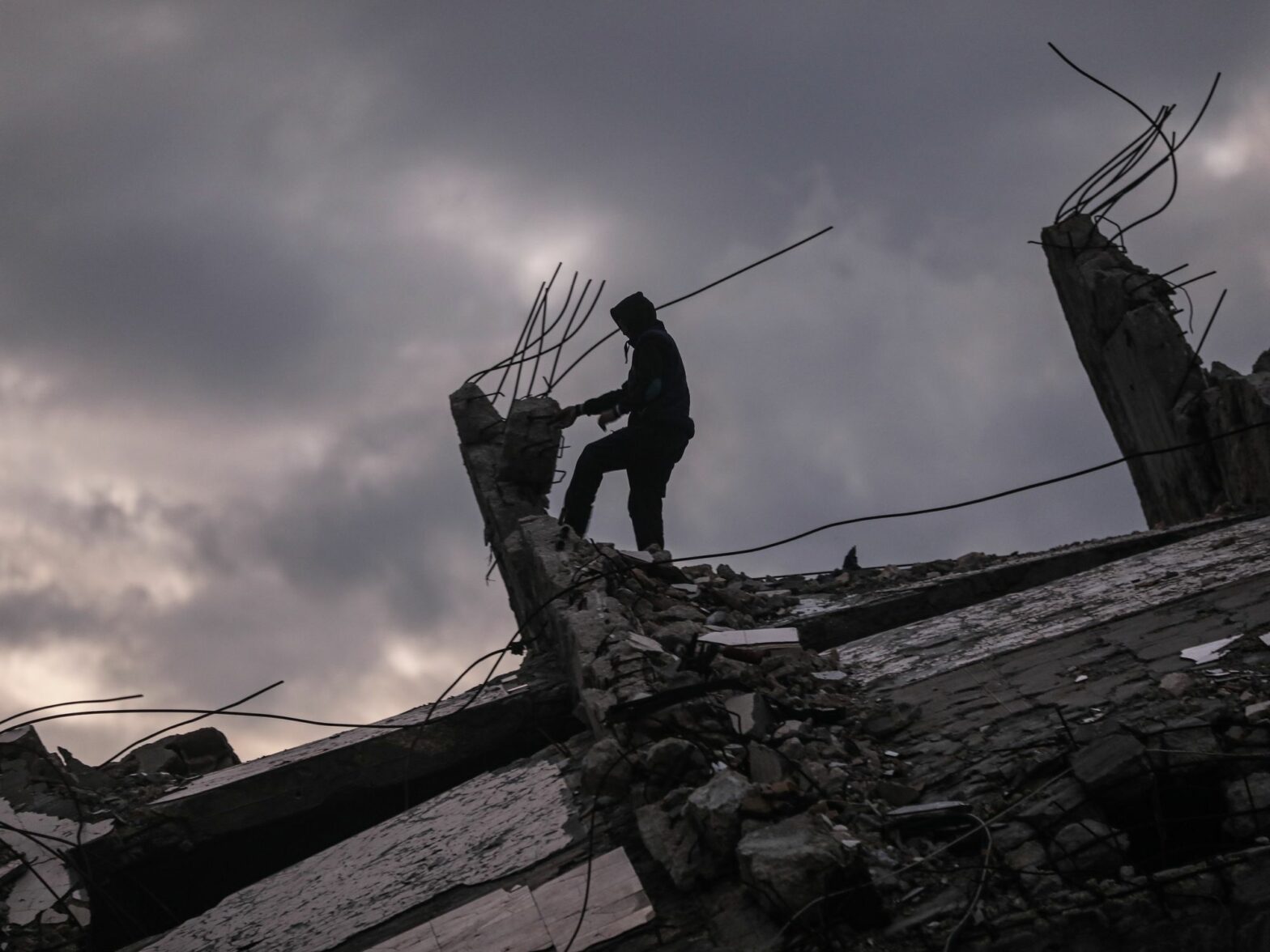
While Arab countries have rejected U.S. President Donald Trump’s plan to expel Palestinians from Gaza, they have yet to outline an alternative plan. It seems some have accepted the idea of searching for alternatives that align with American-Israeli desires. But this is a historic opportunity for Arab countries to prove to their peoples their ability to break free from the American orbit.
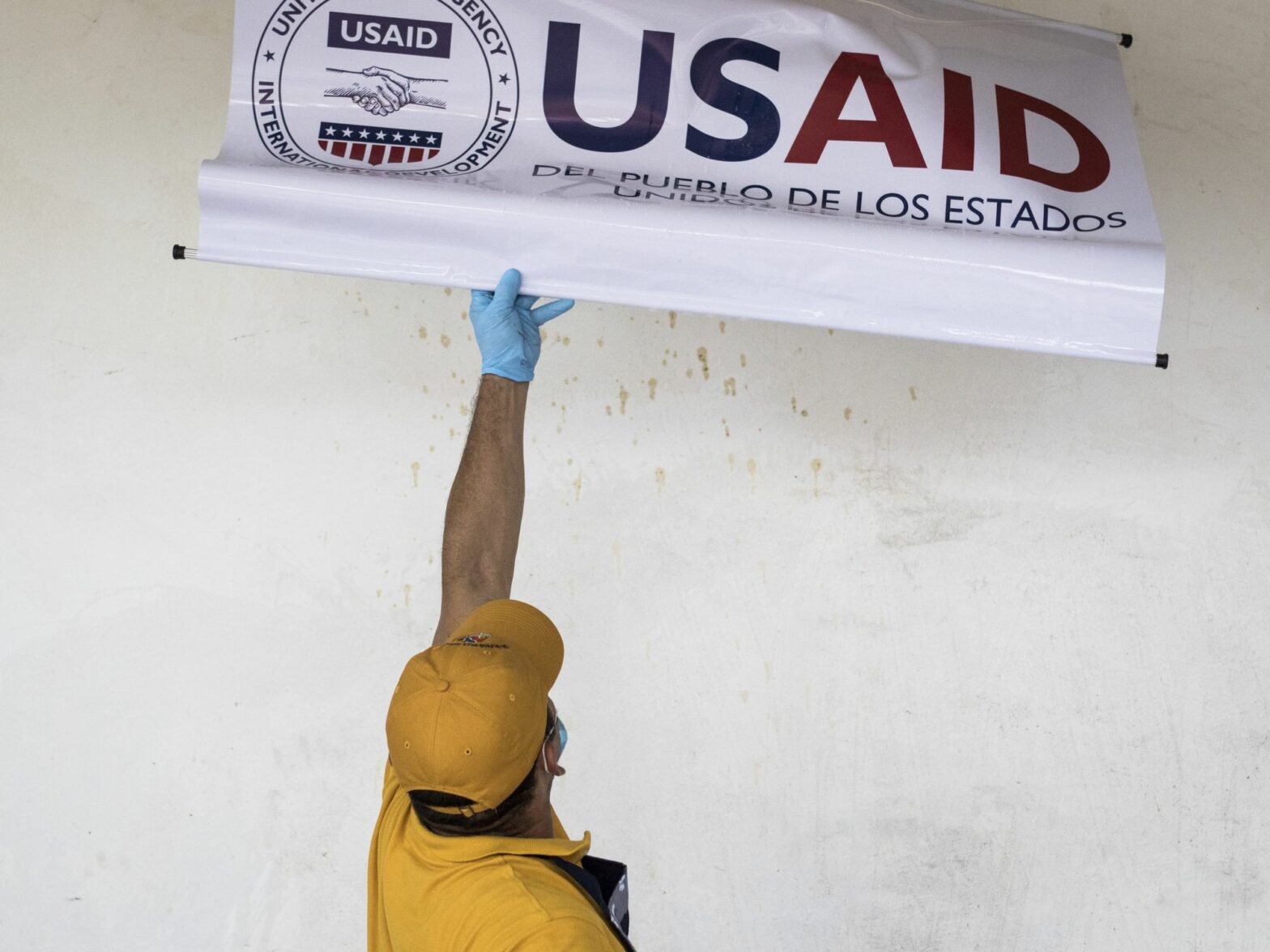
Launched in the 1960s, USAID was effectively about exercising political control in Latin America and other countries. So why the fuss now that U.S. President Donald Trump has done away with the agency? We should be more concerned about what’s coming next.
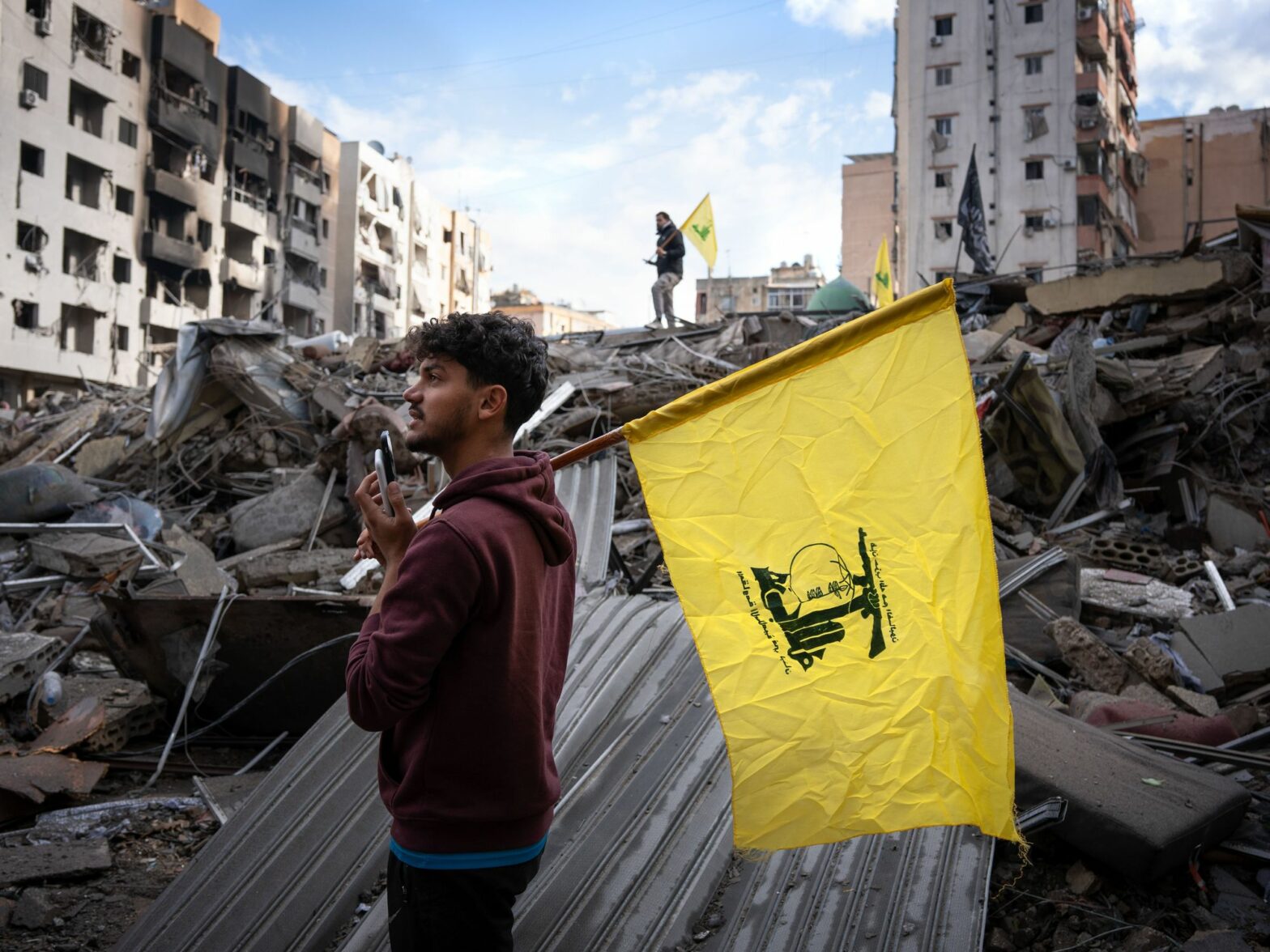
Hezbollah has emerged notably weaker from the war with Israel. The image of the protector that it had entrenched in Lebanon’s Shiite consciousness was shattered by the war in favor of an idea that calls for the Lebanese army as an alternative guardian. Yet Hezbollah is hardly fading away.
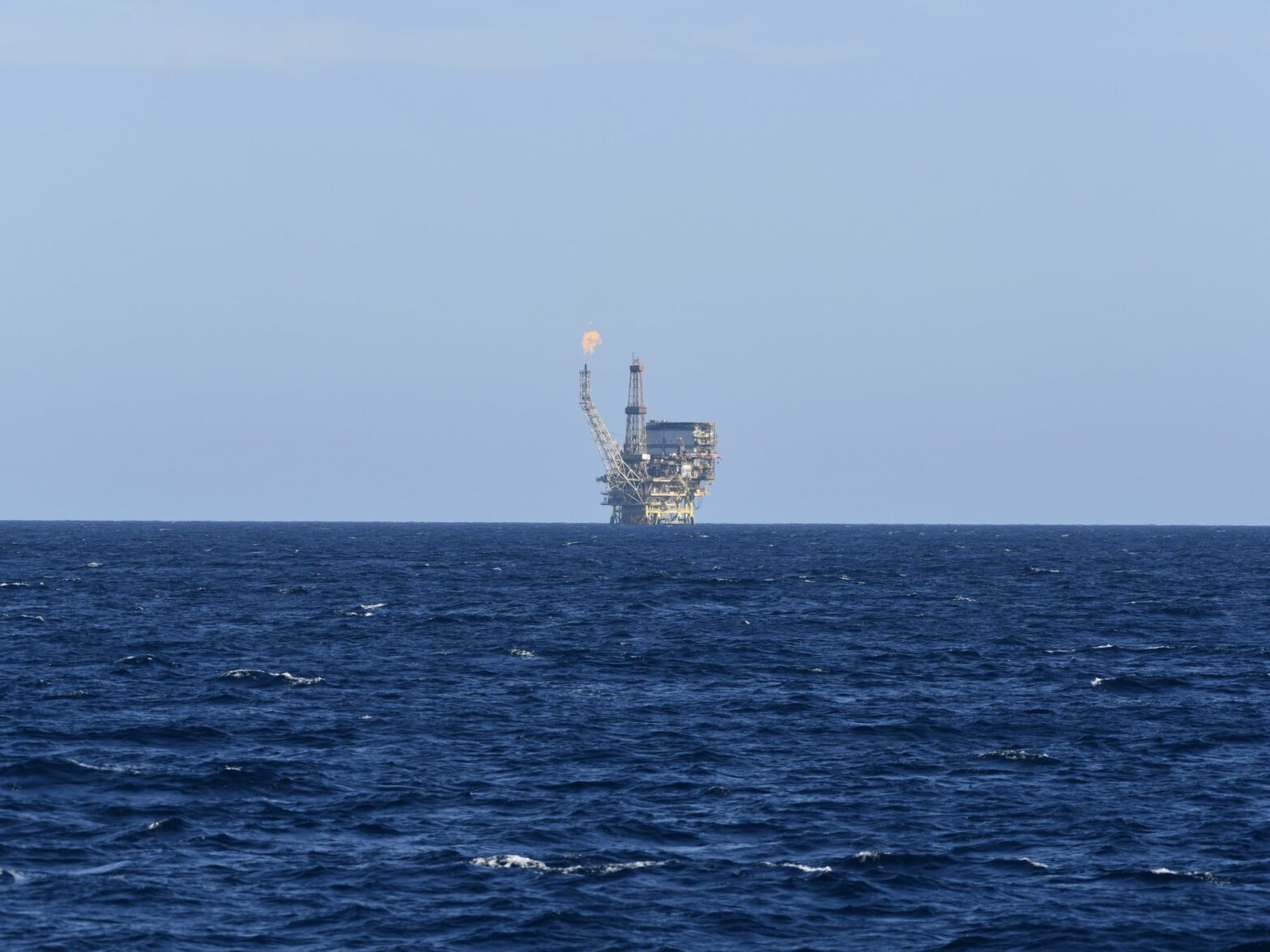
While the U.S. President has mostly focused on his real estate vision of a new “Riviera” along the coastal enclave, there are also untapped off-shore gas fields that Trump may be after.
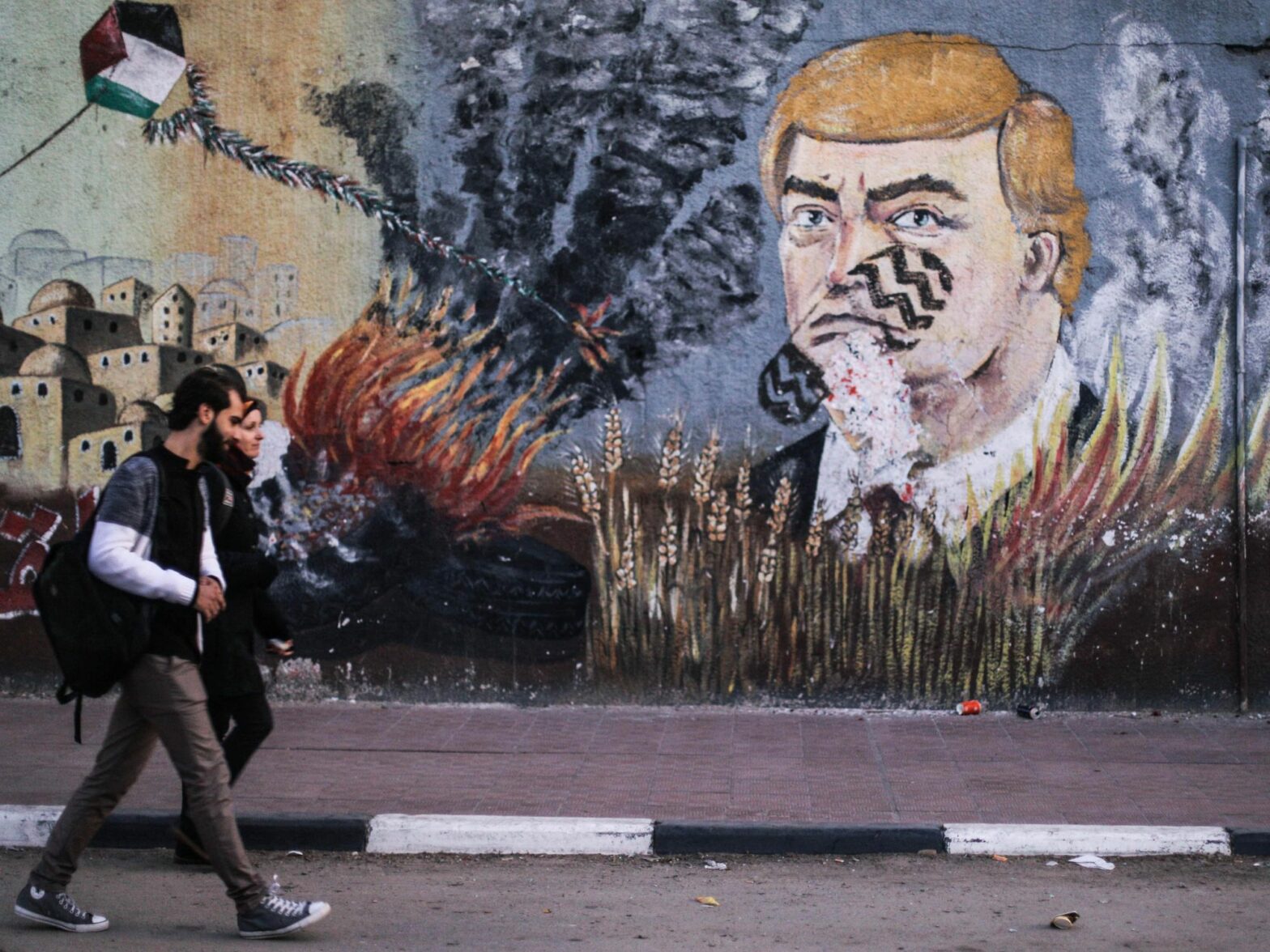
U.S. President Donald Trump’s vile proposal to take over Gaza has led to a shift in discourse Egypt, Saudi Arabia and Jordan. This moment could mark a new beginning, with Arab regimes aligning their politics with those of their peoples. That is the only safeguard against Trump’s blackmail and Israeli Prime Minister Benjamin Netanyahu’s ambitions.
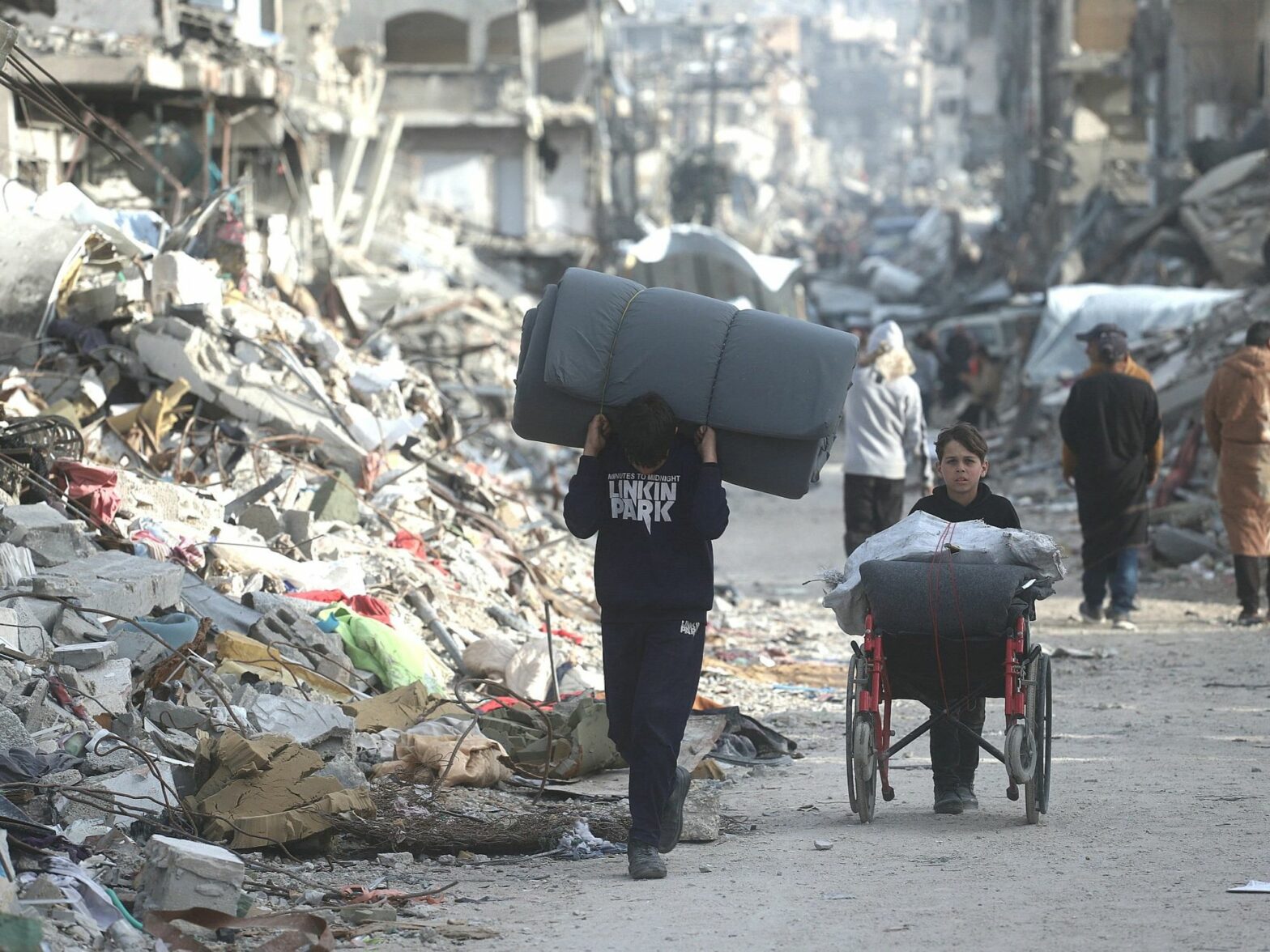
Displaced Palestinians have been returning to northern Gaza following the Israel-Hamas ceasefire deal. Yet no official or international body has provided these refugees with temporary shelters, drinking water or humanitarian aid, despite these provisions being part of the ceasefire agreement. The poor conditions are pushing many to return to the South in a “reverse displacement.”
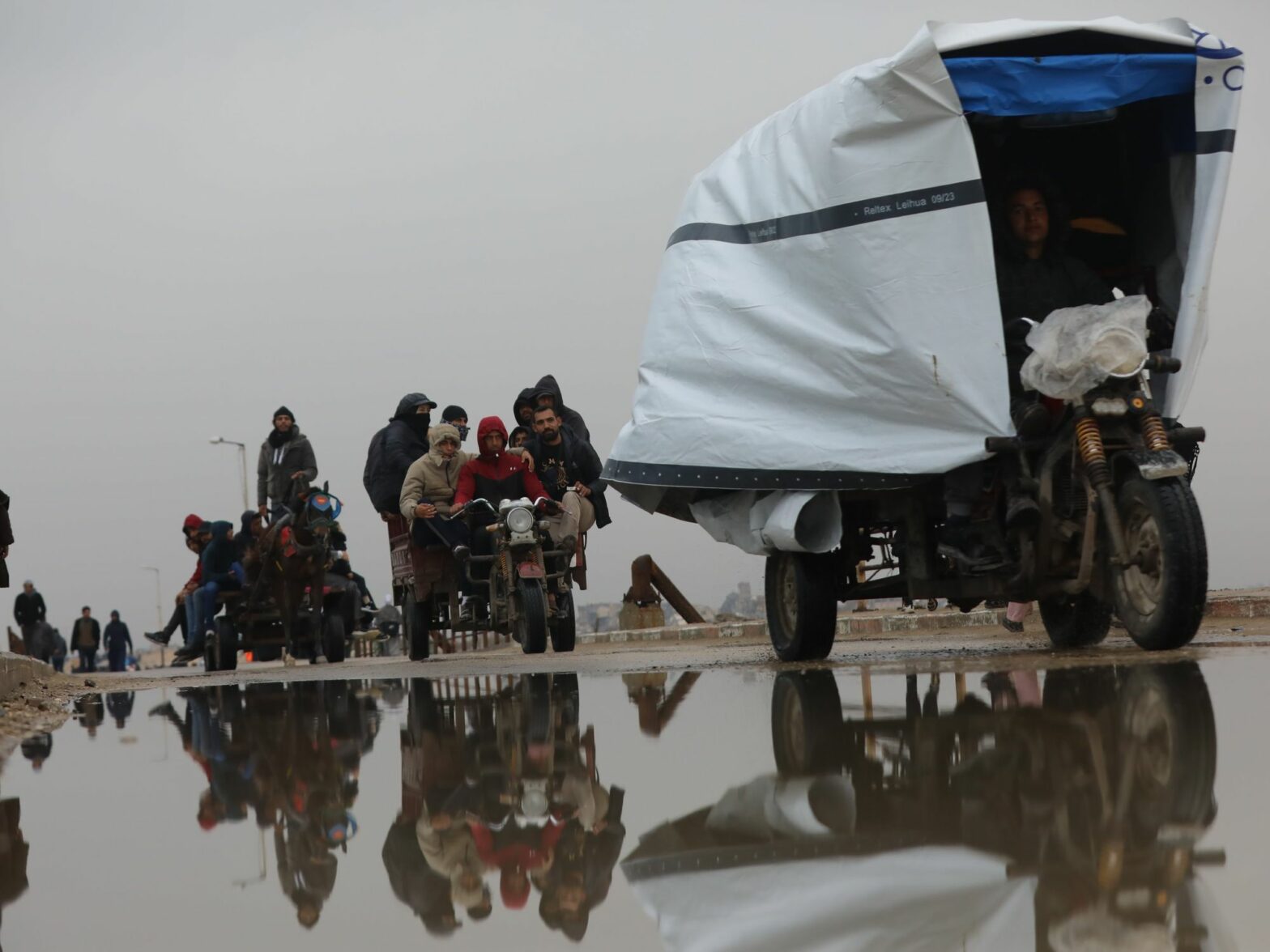
Following President Trump’s shocking proposal for the U.S. to redevelop Gaza, leaders in Cairo are seriously considering canceling the 1979 Egypt-Israel peace treaty. An Egyptian official has said that the U.S. plan, which would displace the Palestinian people, would will push the entire Middle East into a military confrontation whose scope and repercussions are unknown.
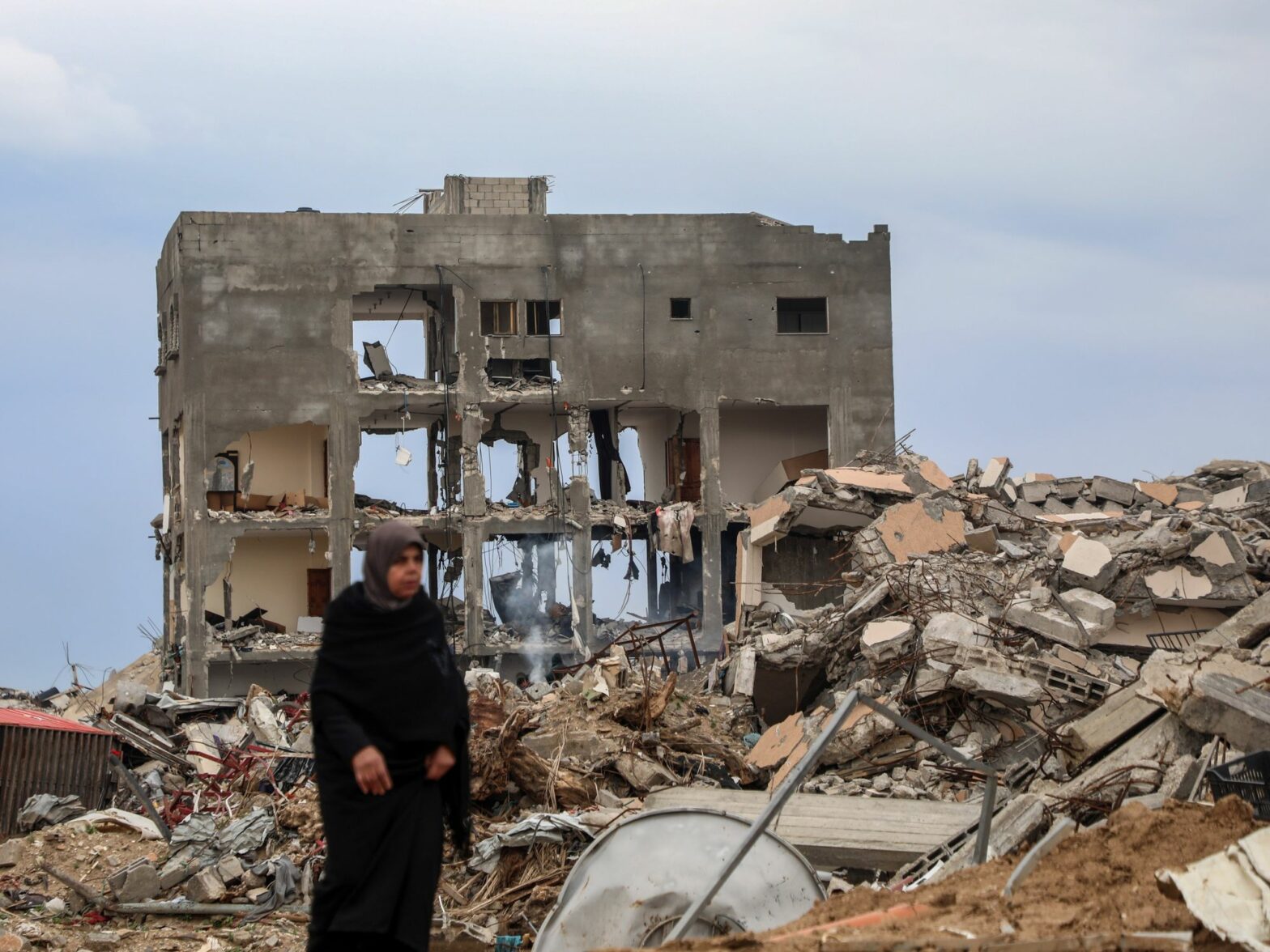
Donald Trump made ever more clearly Monday that he is serious about relocating Palestinians permanently outside Gaza. It’s a plan that the entire Arab world categorically rejects, and puts the U.S. back on the hook for resolving the thorniest of Middle East conflicts.
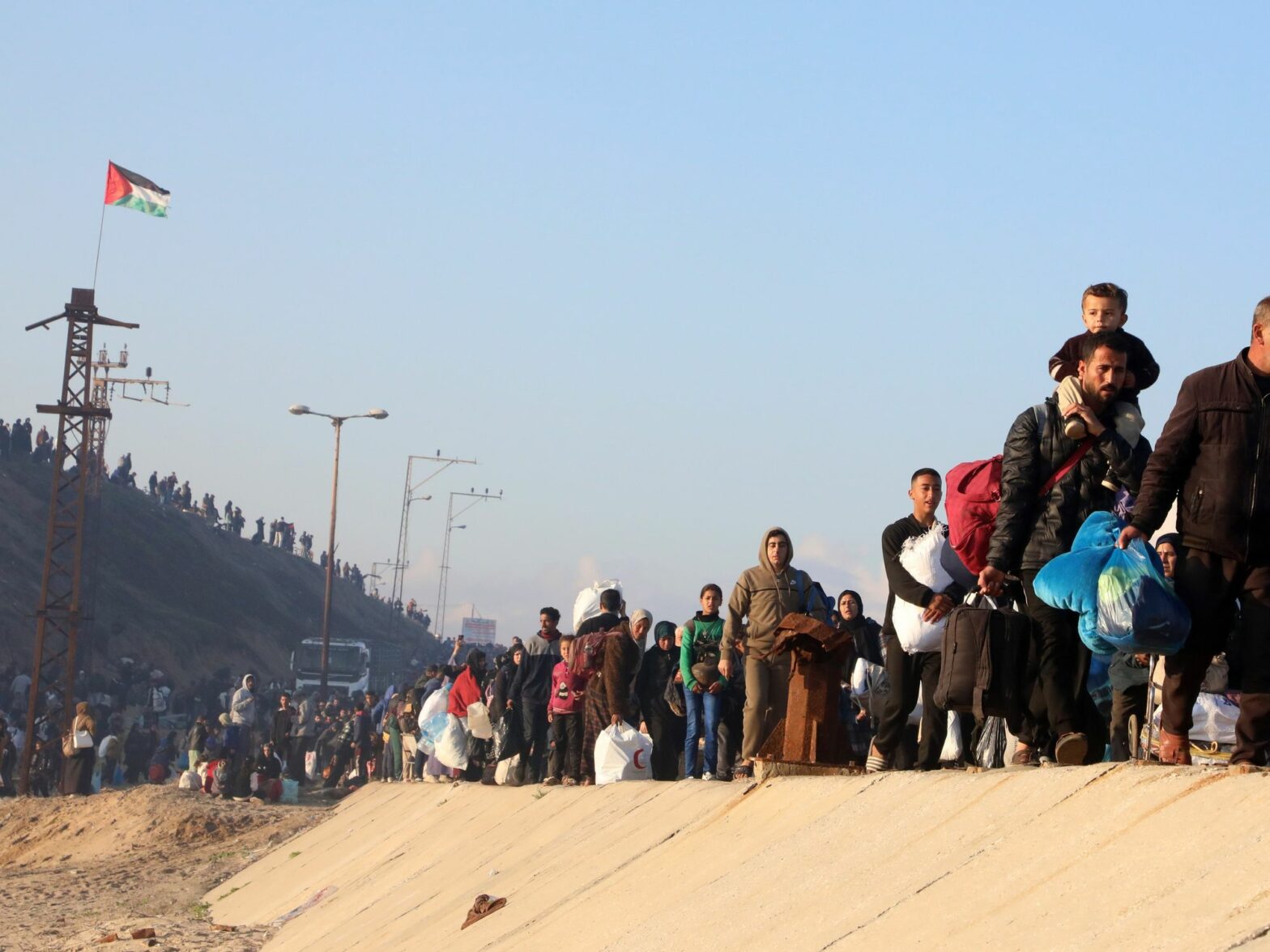
Donald Trump touts the delusion of turning Gaza into the Riviera of the Middle East. Hamas would seem satisfied to continue to lord over a land turned to rubble after the folly of its Oct. 7 massacre. Where does that leave two million Gazans?
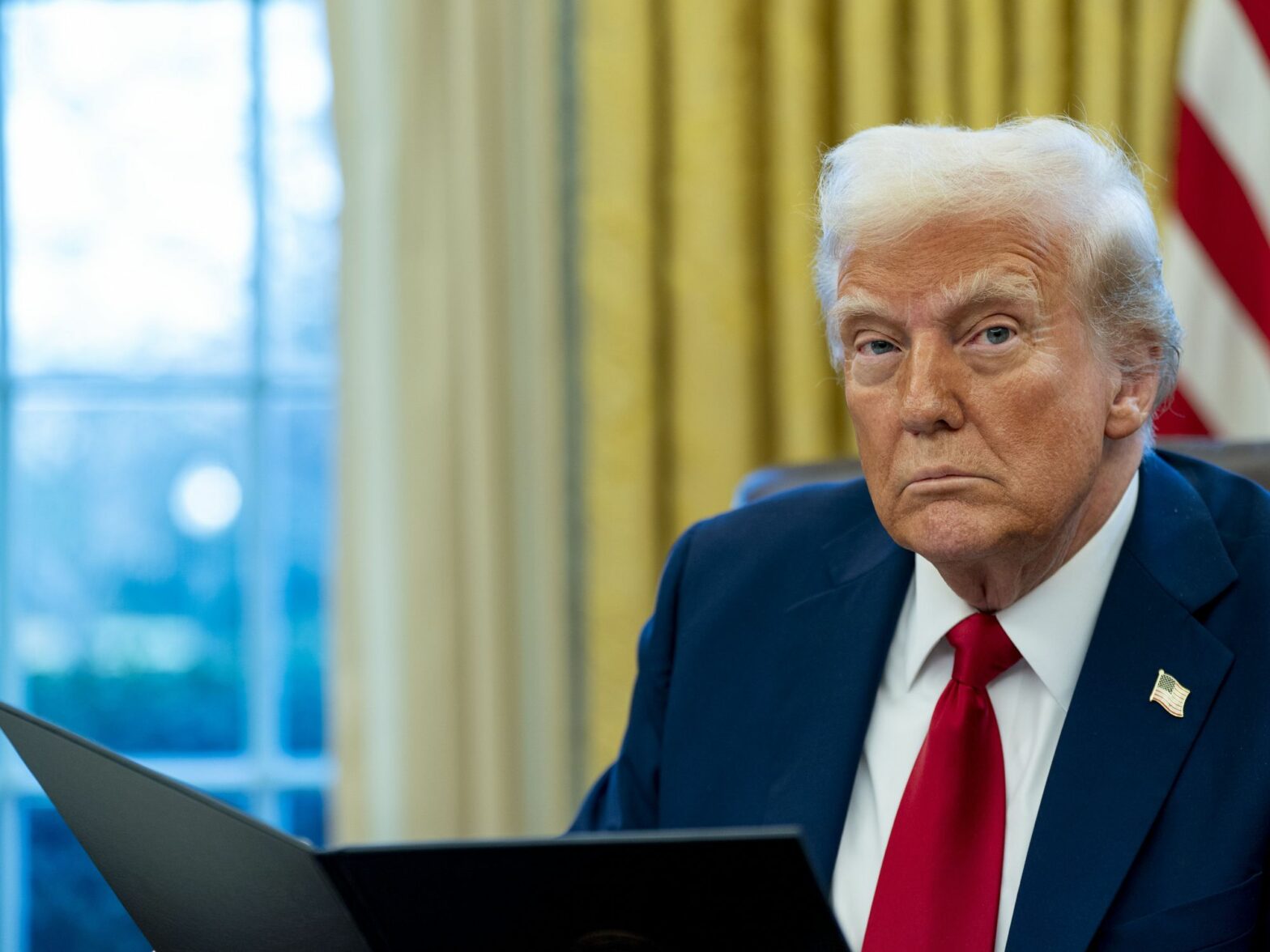
What’s Donald Trump aiming for with his flood of provocative statements? Part distraction, part negotiating ploy, it’s all meant to allow the marketer-in-chief to always claim victory.
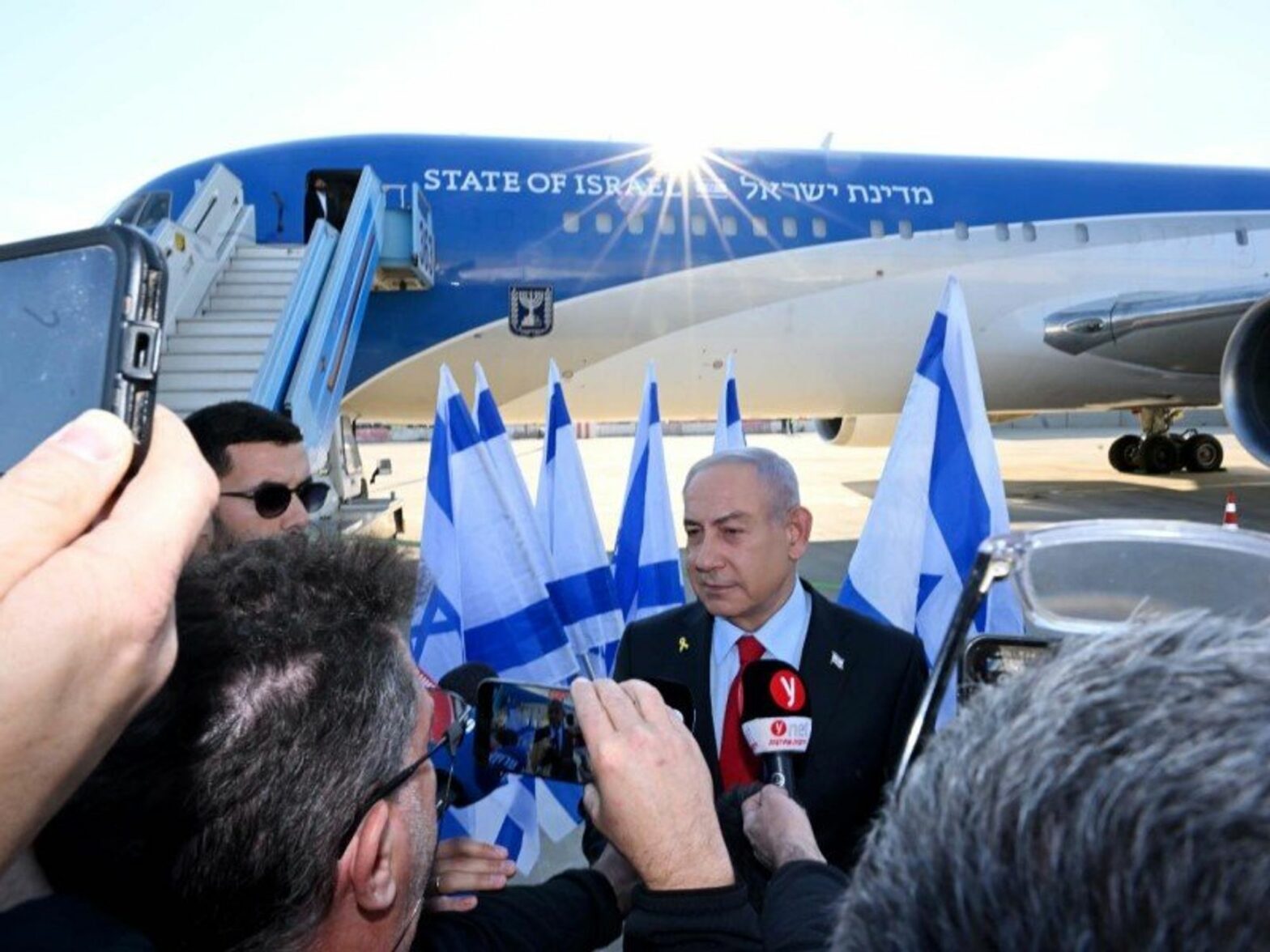
Talks for the second phase of the Gaza ceasefire — and with it, the release of hostages and prisoners — kick off today as the Israeli prime minister arrives in Washington. His meeting with Donald Trump tomorrow could be a turning point, deciding between peace or war in the months ahead.
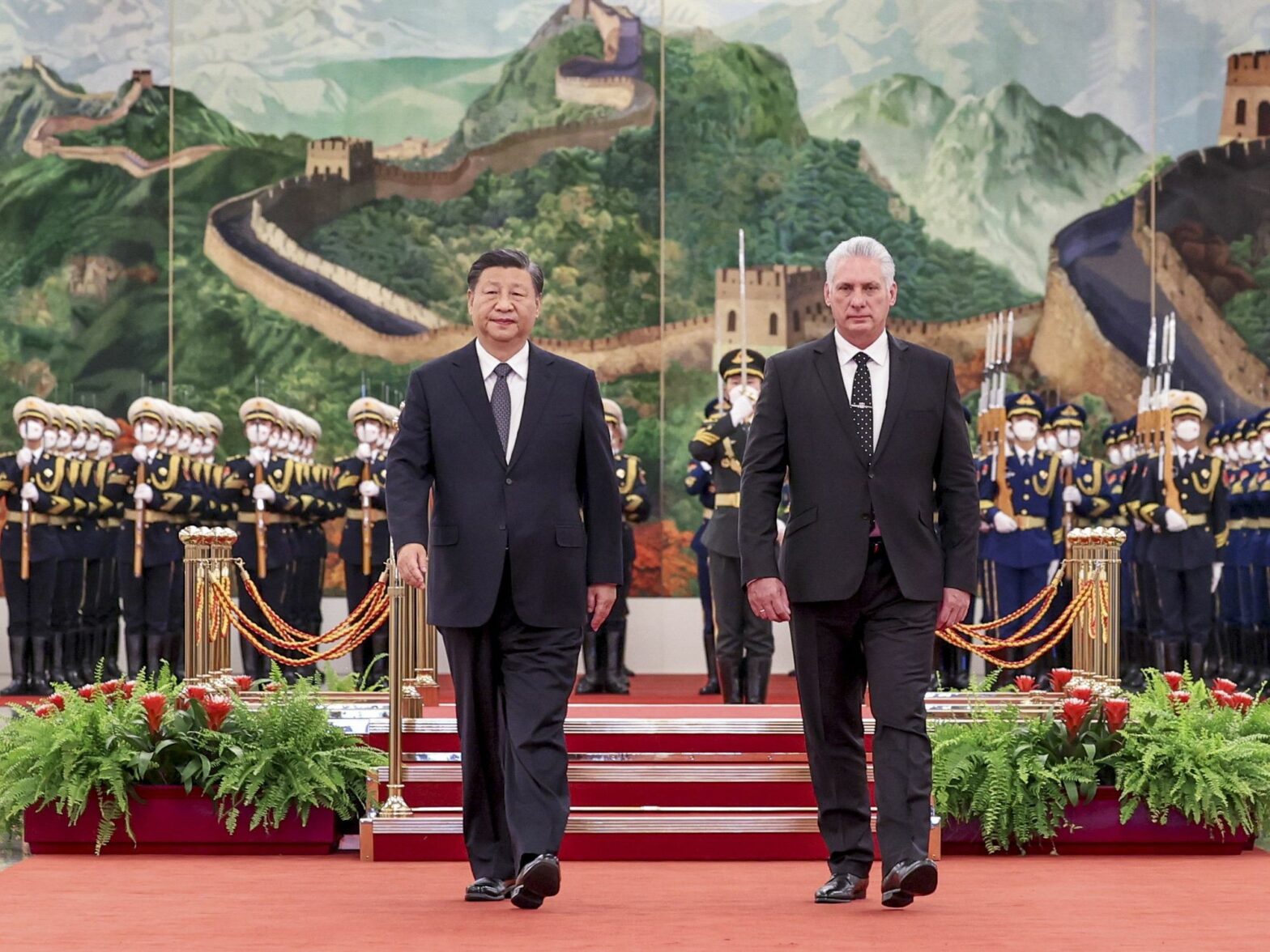
In another sign of changing power relations in the ‘post-Western’ world, the BRICS group of emerging economies could frustrate the United States’ bid to sink communism in Cuba by strangling its economy.
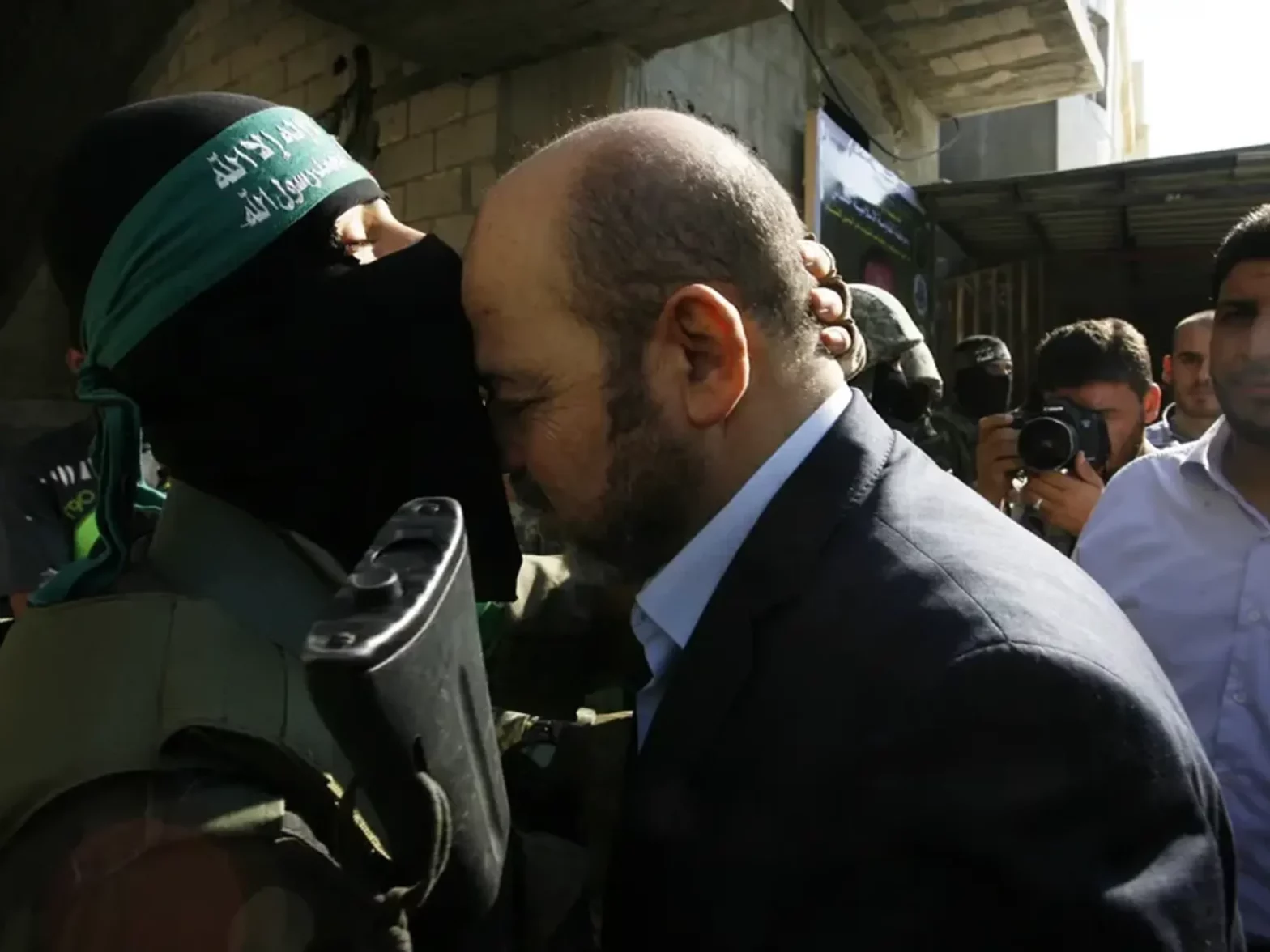
In his first extensive interview since the ceasefire, longtime influential Hamas leader Mousa Abu Marzouk said the group is running Gazan affairs, despite Israel’s attempt to unseat it. Still, Abu Marzouk said Hamas is seeking a future Palestinian unity leadership that it doesn’t necessarily have to run on its own.
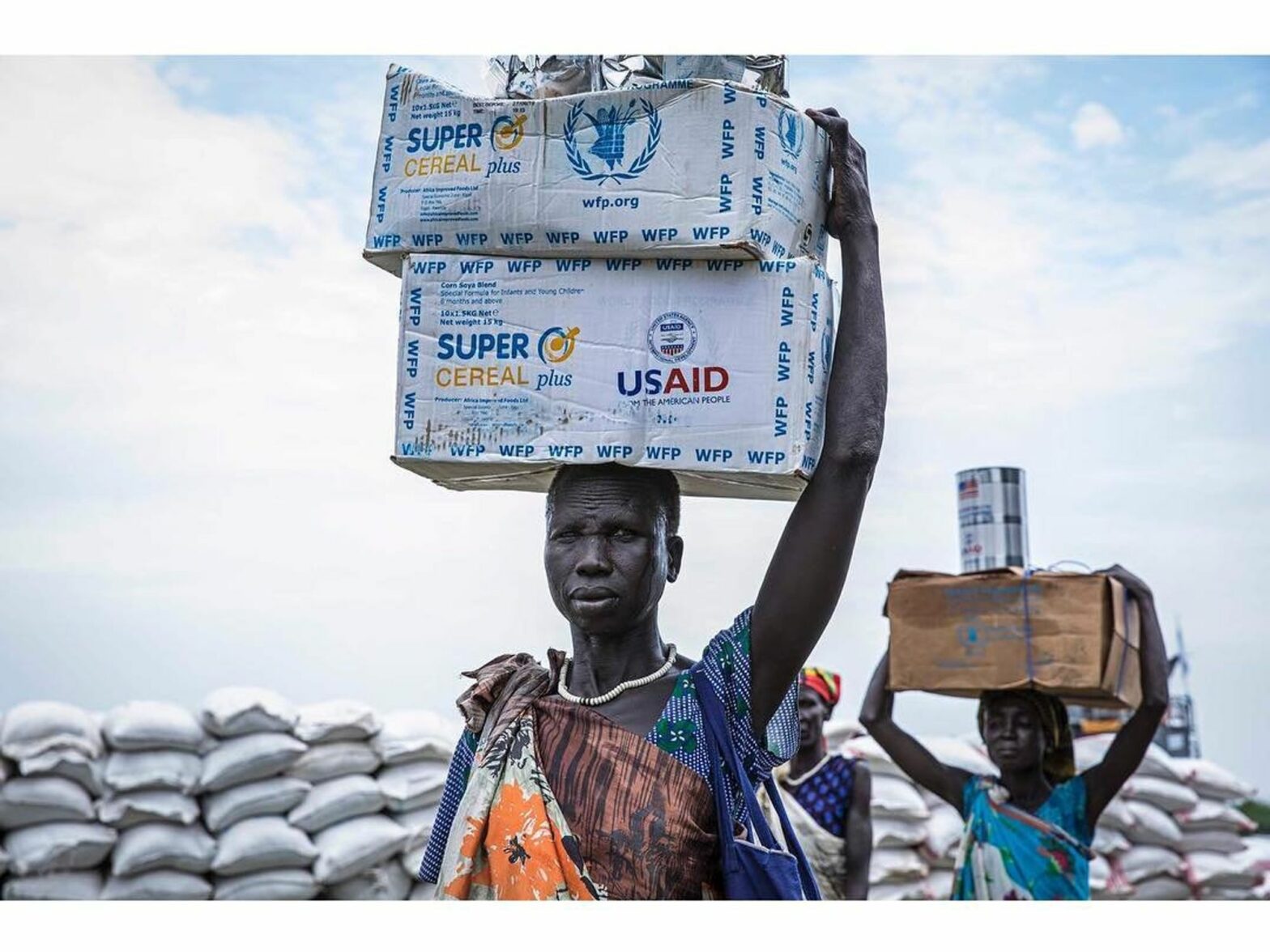
The Trump administration sought to slash social aid in the U.S. but had to backtrack amid public outcry. However, it froze international humanitarian and development aid for 90 days, sparking confusion and panic in many affected countries and organizations. It is just the kind of narrative Beijing and Moscow are happy to spin across the world.
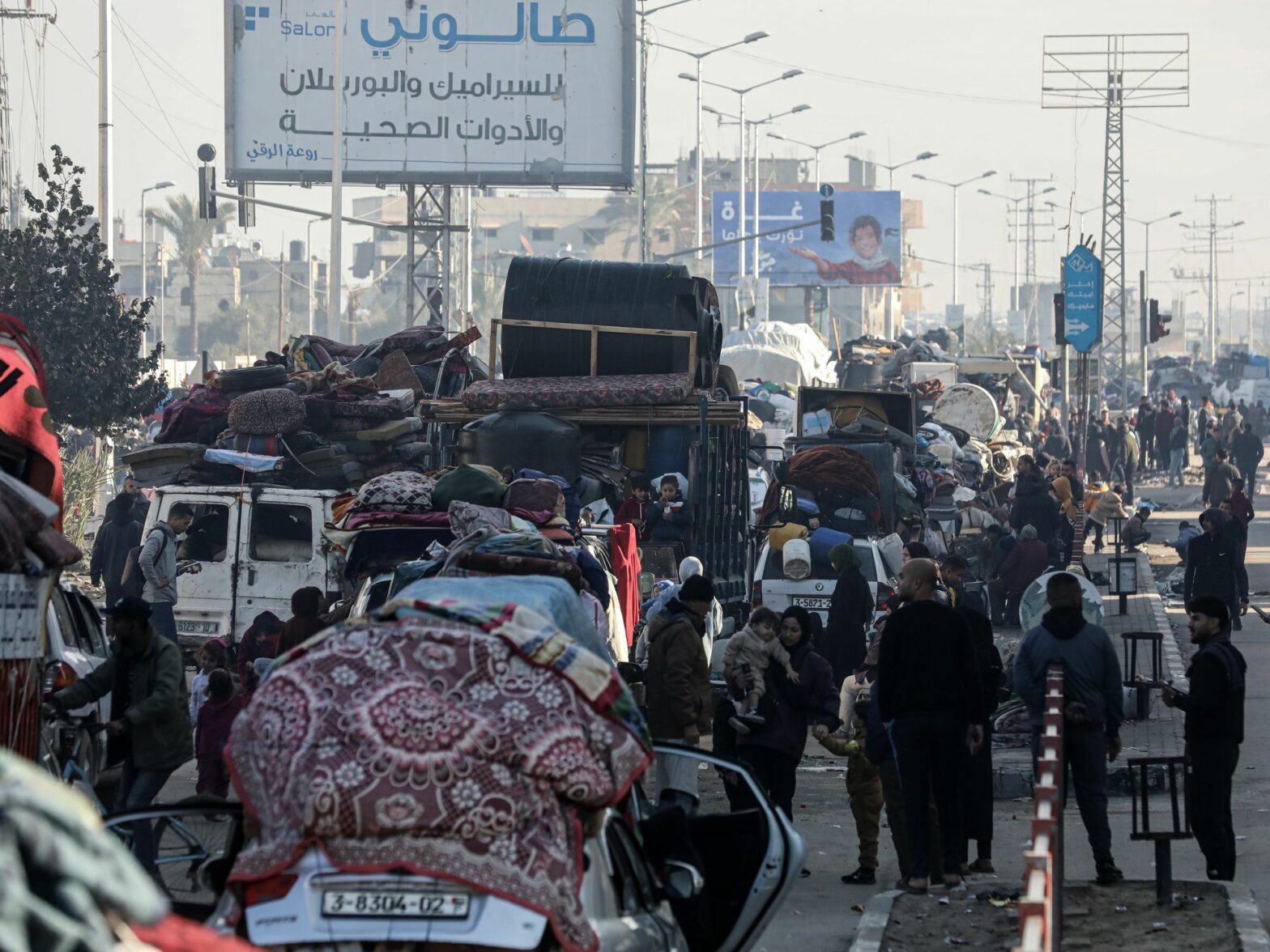
Donald Trump’s proposal to send Palestinians from Gaza to Egypt and Jordan has been embraced by the Israeli far-right but rejected by Palestinians and the countries involved. It amounts to illegal ethnic cleansing and revives an ugly history of Nakba. But it today’s world, it might even happen.
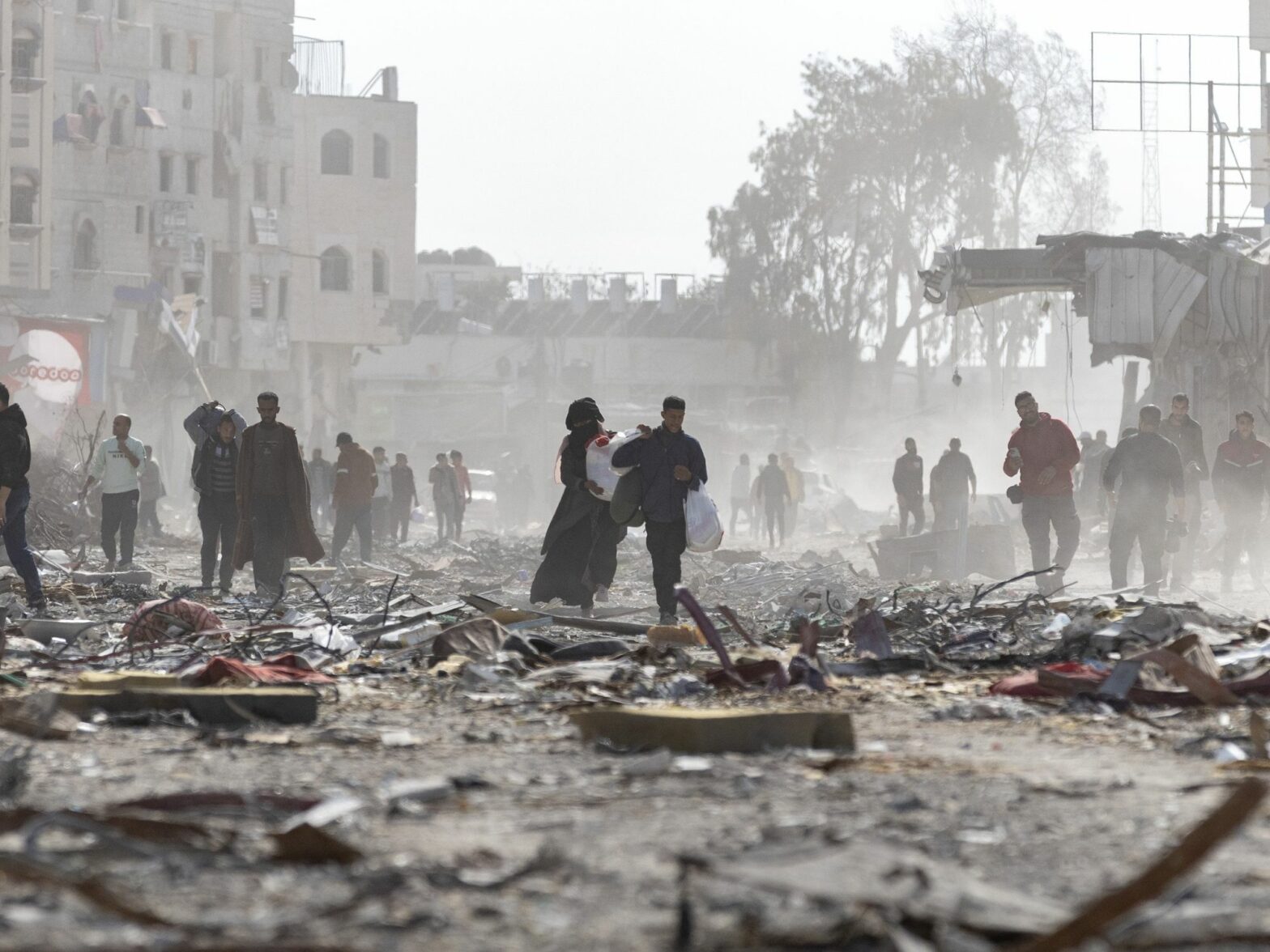
The Gaza ceasefire between Israel and Hamas has gone into effect and the complex prisoner exchange has started. Yet the road is still too long before it is possible to discuss who is the victor and who is the vanquished. Many factors — in Gaza, Israel and in the new Trump White House — could still revive the conflict.

As the ceasefire settles in Gaza, the Israeli army has launched a large-scale operation in Jenin, in the West Bank. This move reignites tensions already fueled by the violent actions of settlers and serves as a reminder that no political solution is tied to the agreement reached in Gaza.
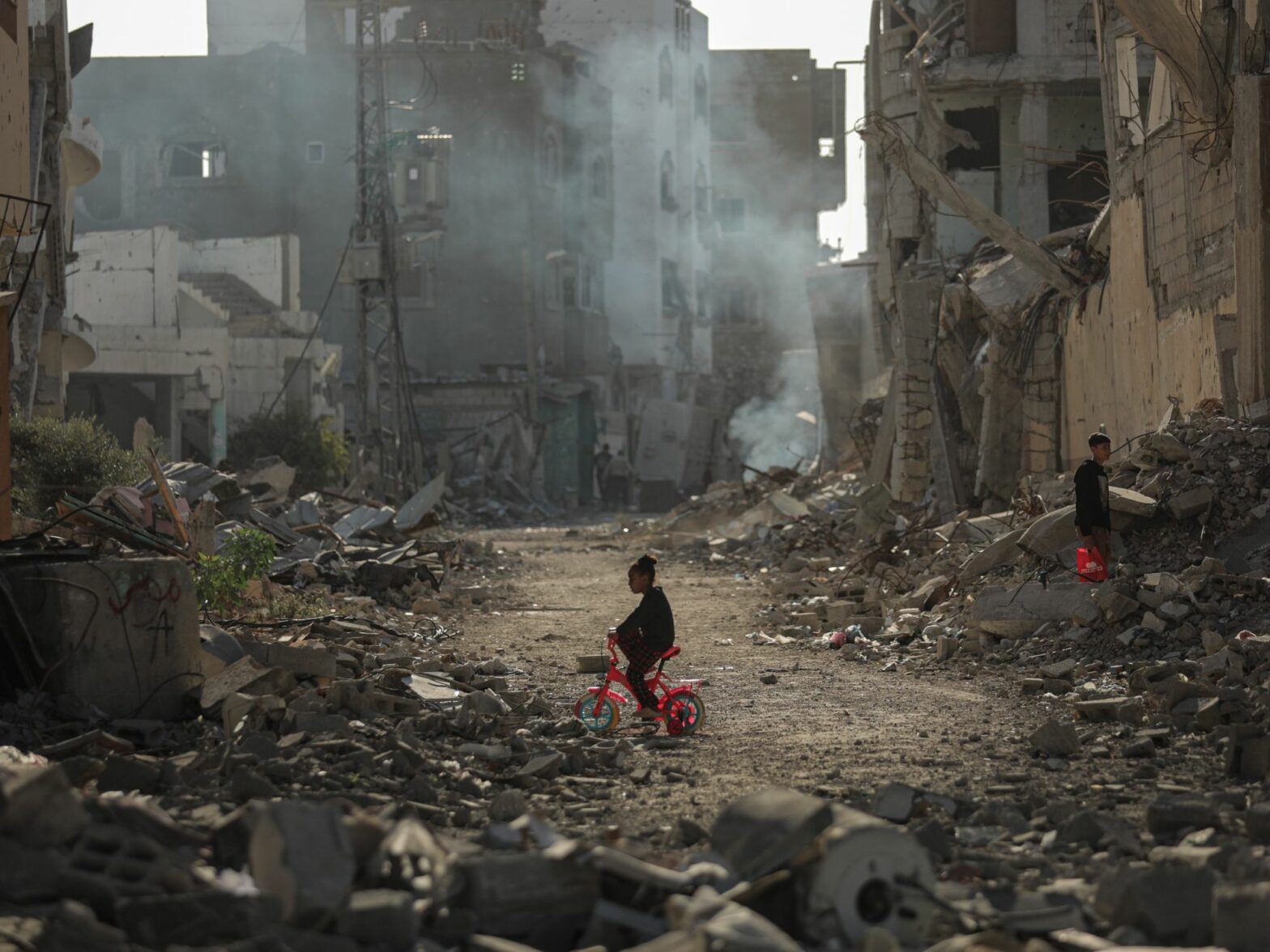
The joys of victory, the tears of defeat, all the while ignoring the Zionist deterrent known as “peace.”
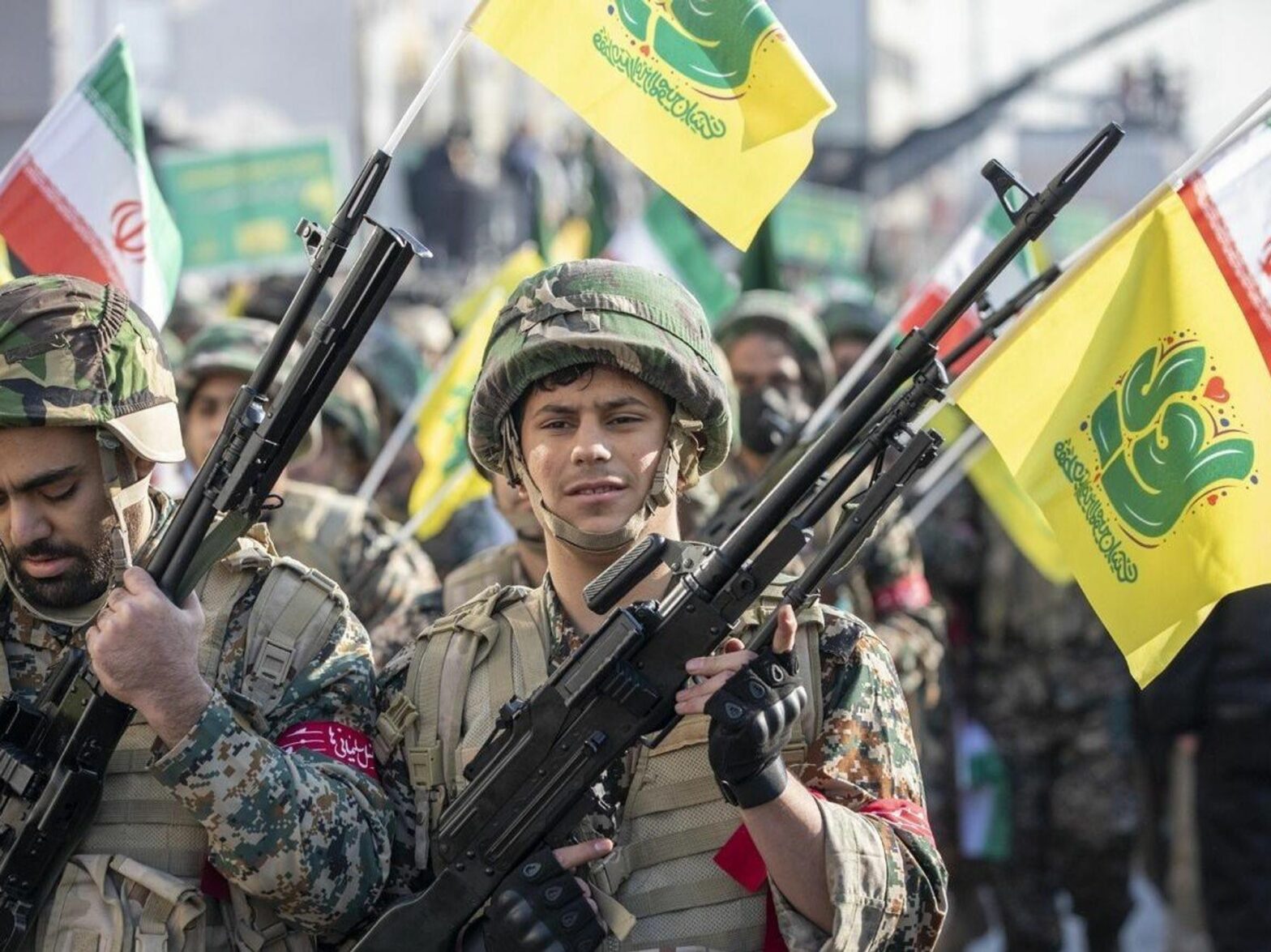
Iranian officials have been unnerved by the Assad regime’s collapse, with one top general admitting the country was “defeated very badly” in Syria. A shaky ceasefire in Gaza follows 15 month of war in which Tehran’s proxy Hamas was decimated. Will unrest in the region spill over to Iran, where problems — both foreign and domestic — are piling up for the regime?
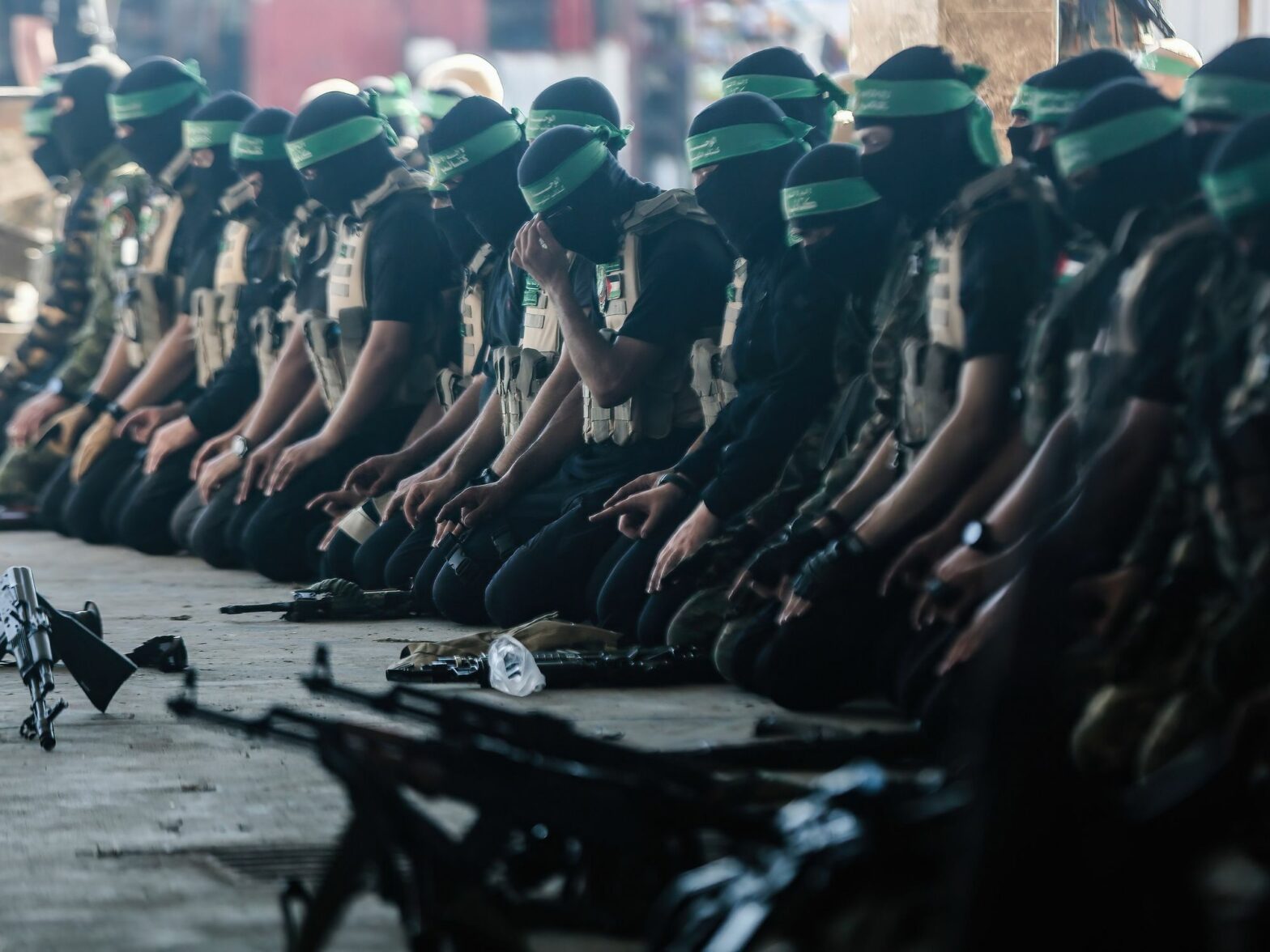
Israel has killed thousands of Hamas fighters. But the Gaza-based terrorist organization has not yet been completely destroyed, nor have its allied militias in the region.
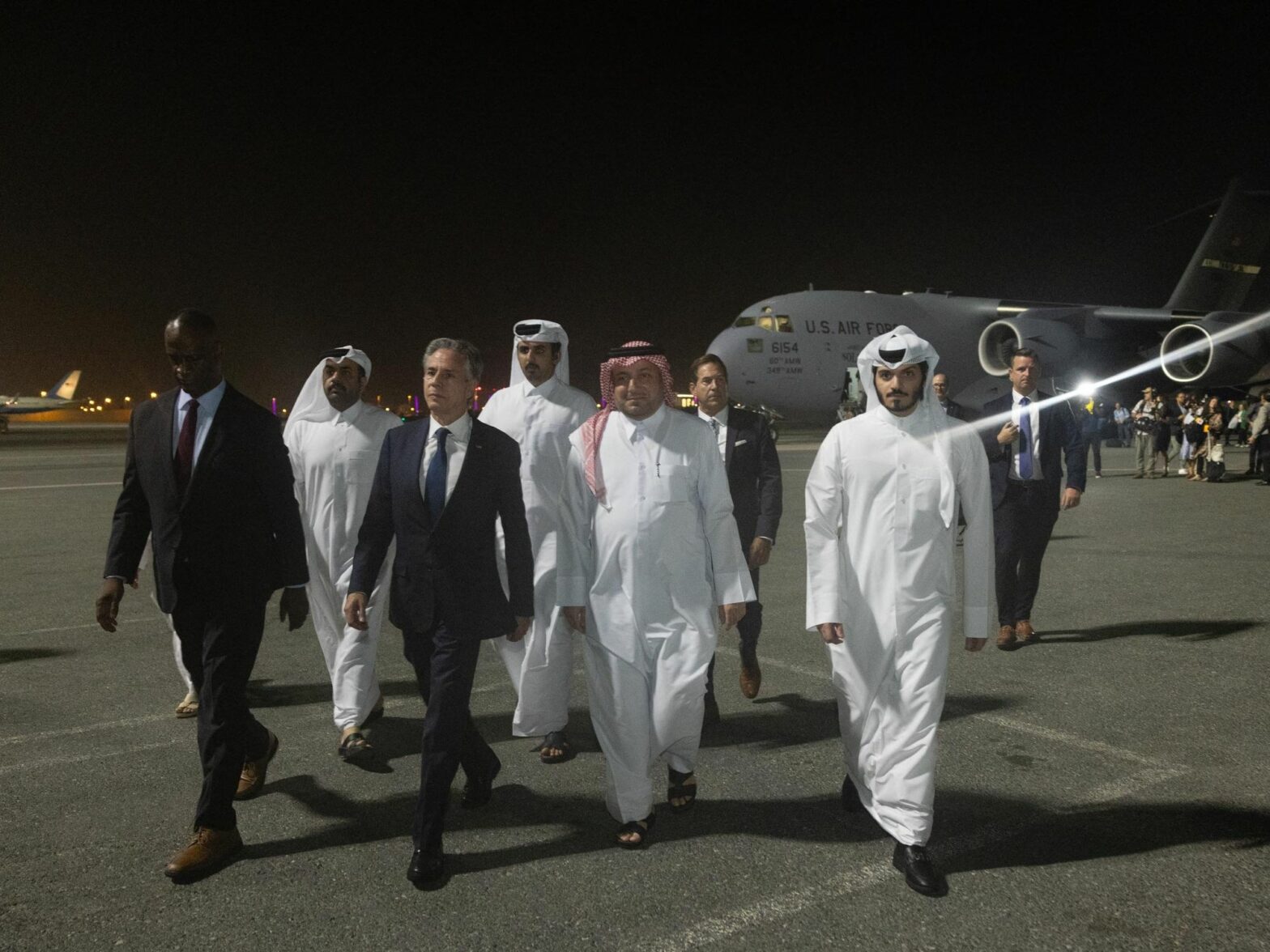
Qatar was crucial to the ceasefire negotiations in the Middle East. It proves that you don’t need a large army or nuclear weapons to play an important role in the world.

Israel and Hamas have reached a ceasefire agreement brokered by the United States — with an important role played by Donald Trump — along with Qatar and Egypt. It’s a relief to families of hostages and Palestinians in Gaza but also raises the question of the “day after,” which remains unwritten.
Beyond the moral component, the realists in international affairs believe that support for Israel does not serve the U.S. interests. They also believe that Israel’s violations against the Palestinians are not in Israel’s interests either.
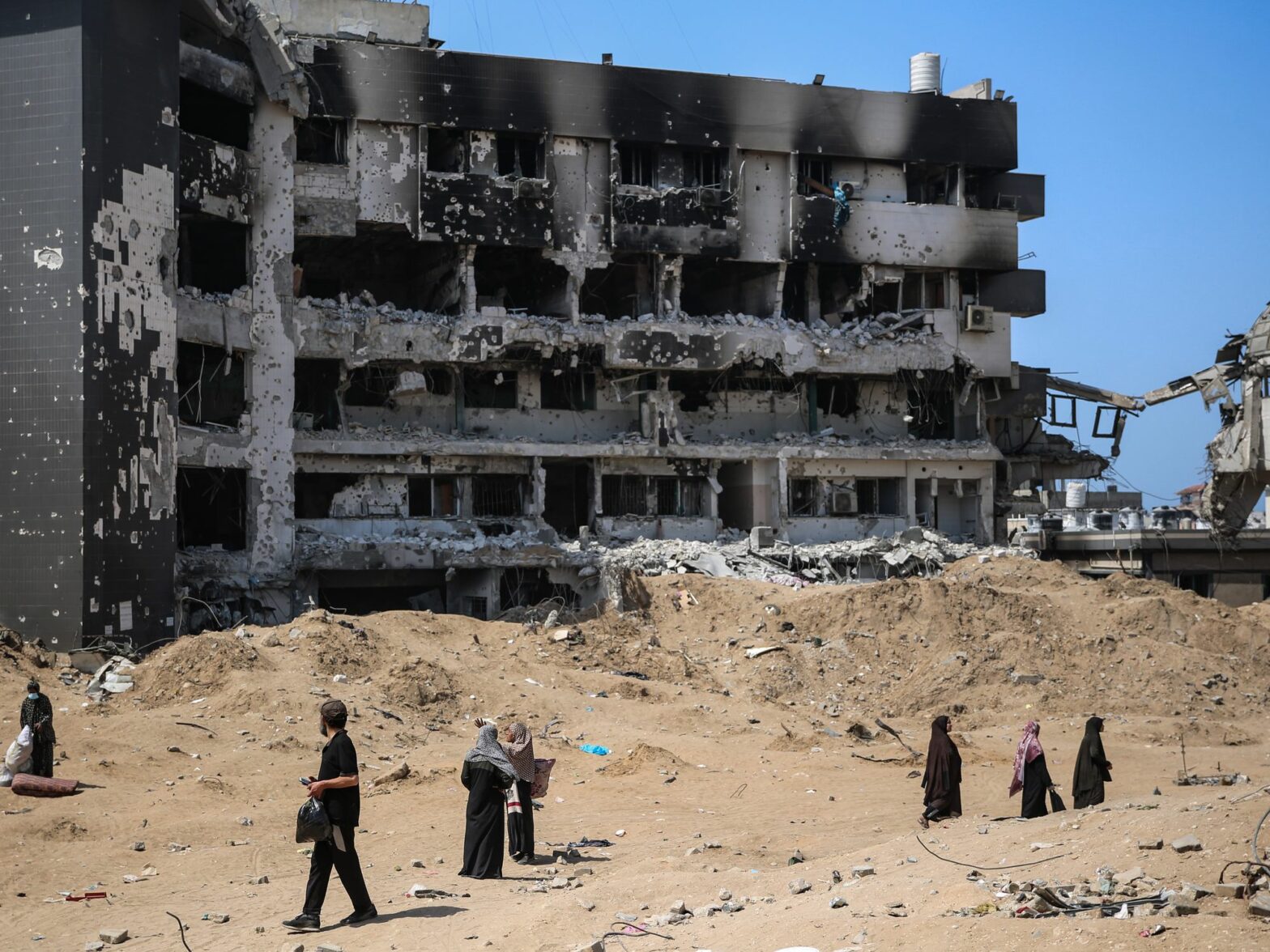
The Palestinian Health Ministry says at least 1,000 healthcare workers have been killed in the war in Gaza. Those on a mission to save lives are losing their own in what some human rights groups say are systemic and targeted attacks on medical facilities in Gaza.
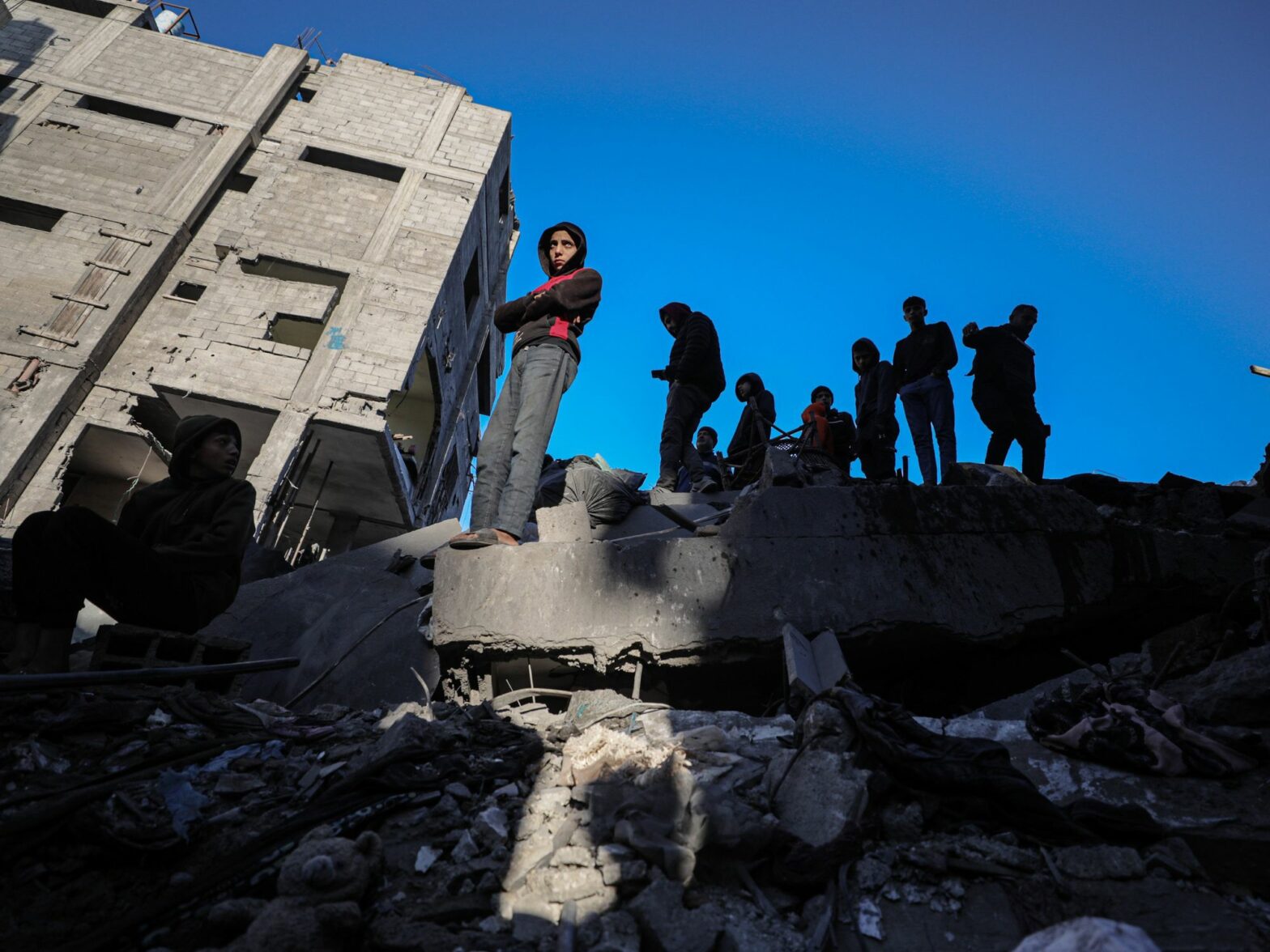
A ceasefire could happen any moment now in Gaza, with Donald Trump’s surrogates playing a key role in softening Benjamin Netanyahu. The president-elect wants to reenter the White House having already ended a conflict, even if nothing is actually resolved for the long term.
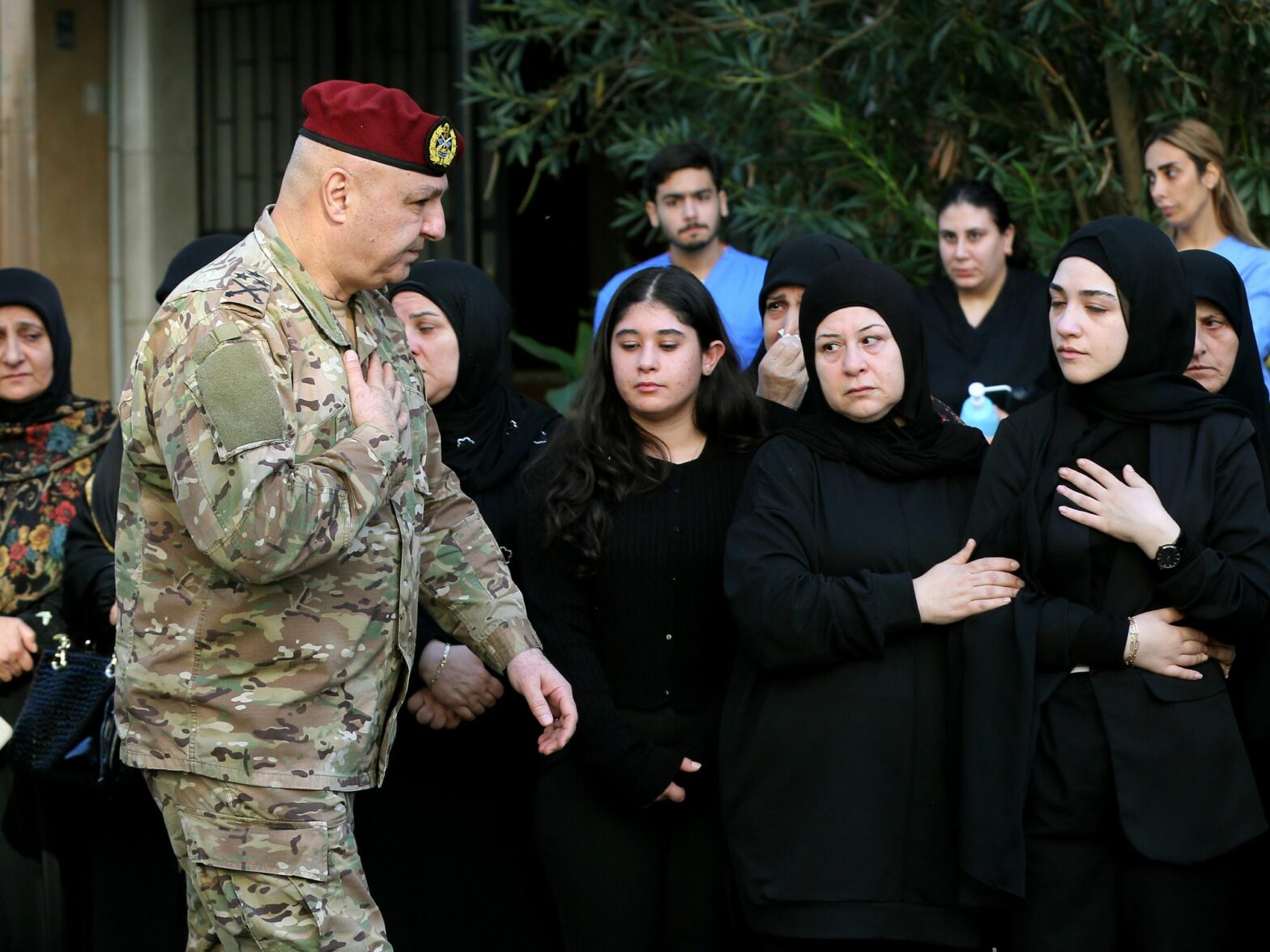
Lebanon’s parliament elected army chief Joseph Aoun as president on Thursday, following extensive behind-the-scenes negotiations. This marks a beginning, not an end, for a nation left drained by Hezbollah’s war with Israel amid a region in turmoil.
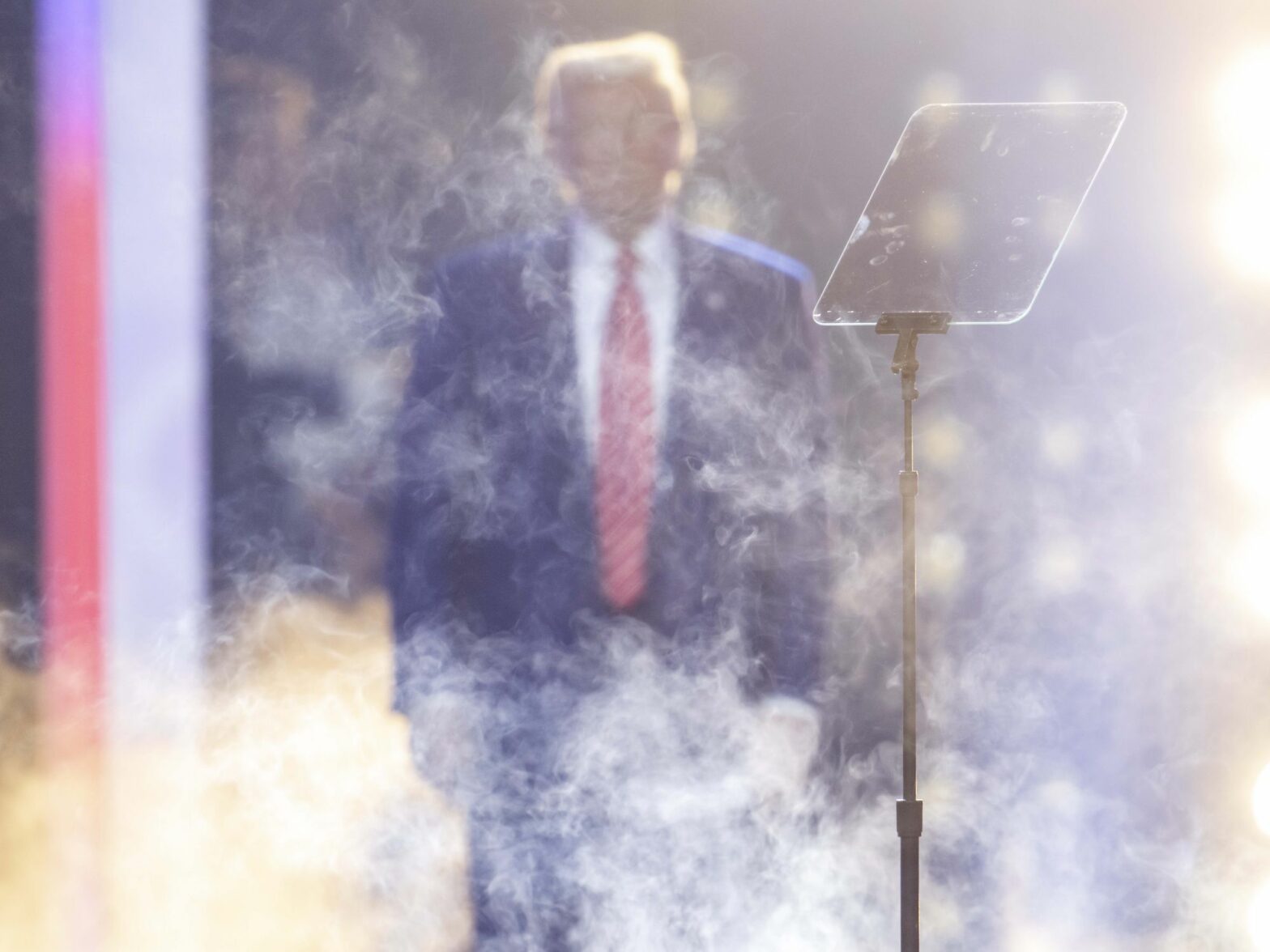
With the unpredictable Donald Trump returning to the White House in January, what will global politics be like in 2025? In addition to major issues like the war in Ukraine, the conflicts in the Middle East and China, there’s another nagging question: What about Europe?

The previous world order, based on the domination of a few superpowers, has been turned upside down in 2024. Will this be the year of explosions, or the year of reactions? French political theorist Jacques Attali explains the theory of order through noise.

The radical far-right in Israel’s government is demanding to build settlements in the Gaza Strip. Israel’s army is creating the conditions for this.
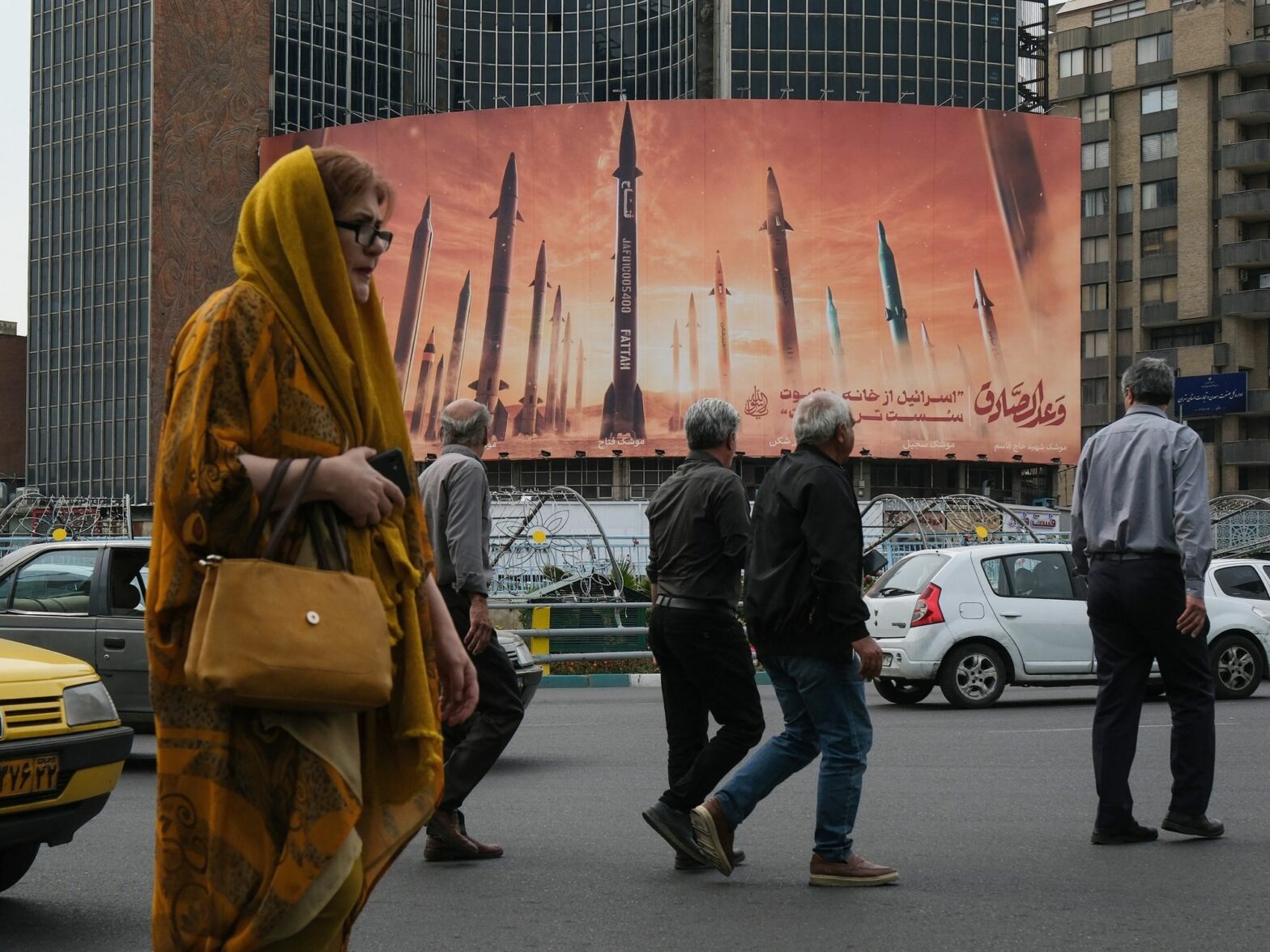
Donald Trump, Vladimir Putin and Israel are reshaping the Middle East in a possible, bigger deal involving a peace deal in Ukraine. With the regional militias and Syria out of the strategic equation, is the next step removing the Tehran regime?
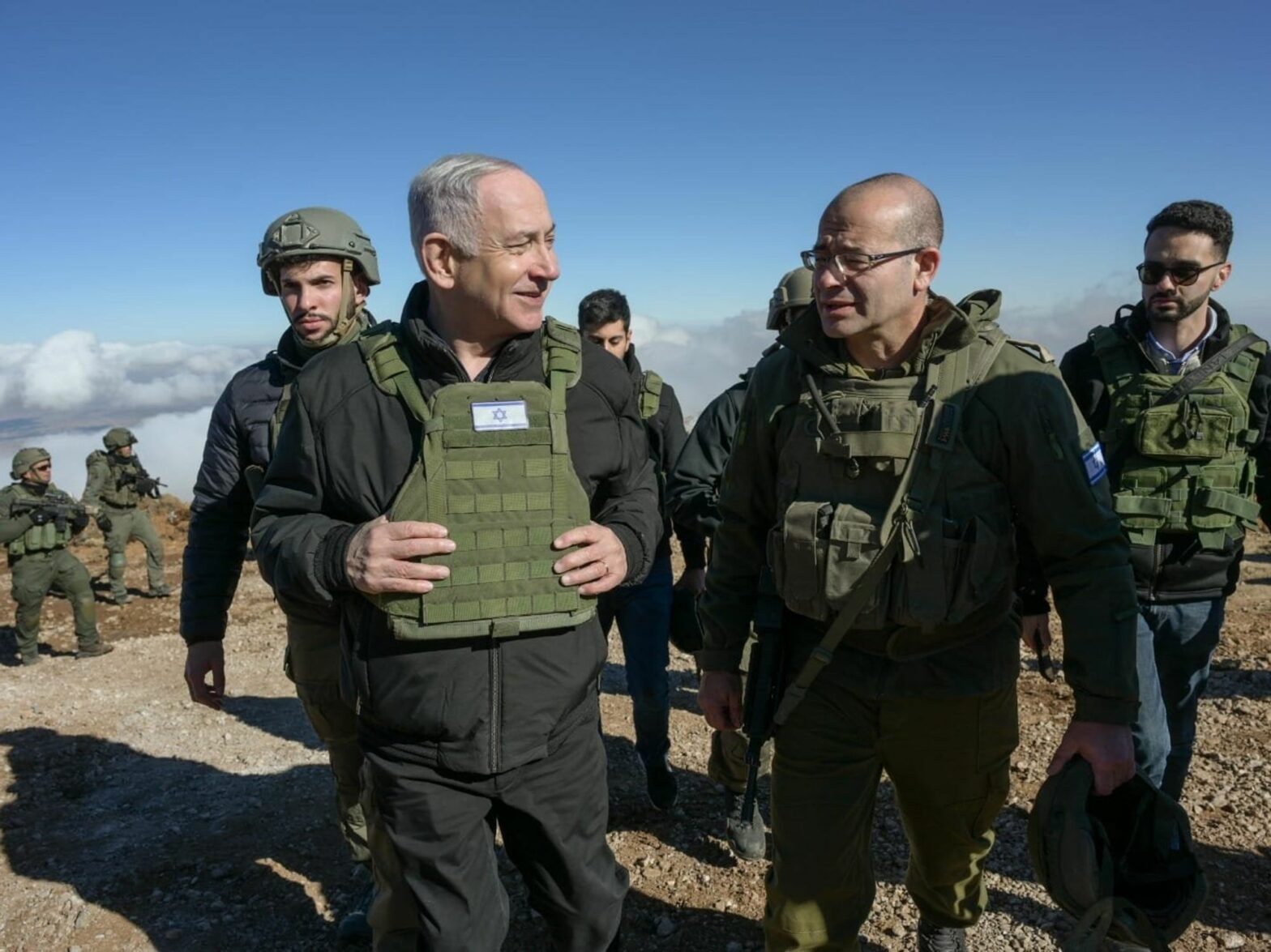
What Netanyahu represents and symbolizes historically and ideologically on the global level, beyond just Israel and the U.S., is unmatched. It says a lot about where the world has arrived. Where it’s heading is up to the rest of us.
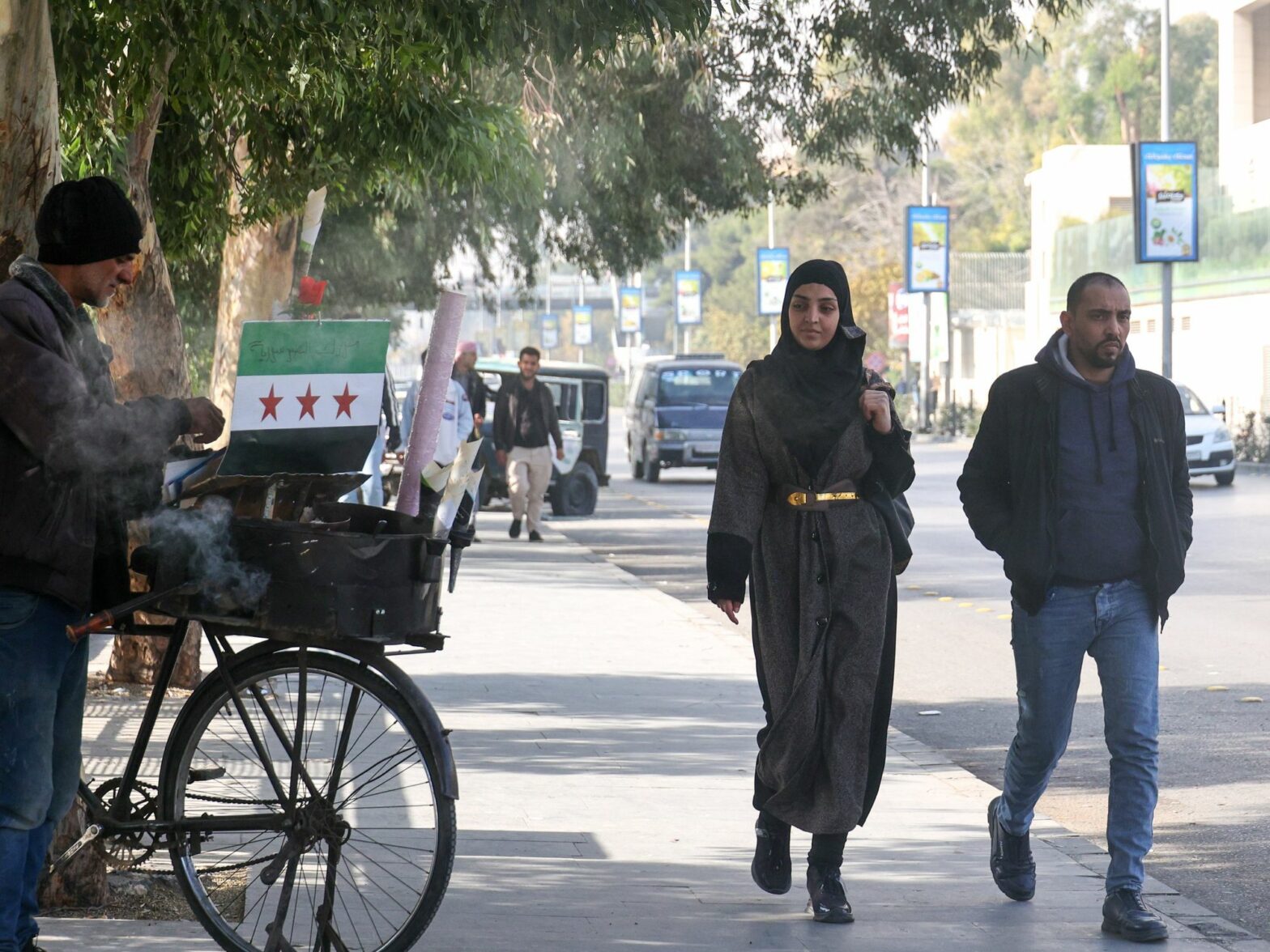
A post-Assad tour of Damascus, that singular Middle East capital, from which the Ba’ath Party spared nothing and desecrated everything. How quickly it shed all the ugliness that the Assad regime had spread over more than five decades!
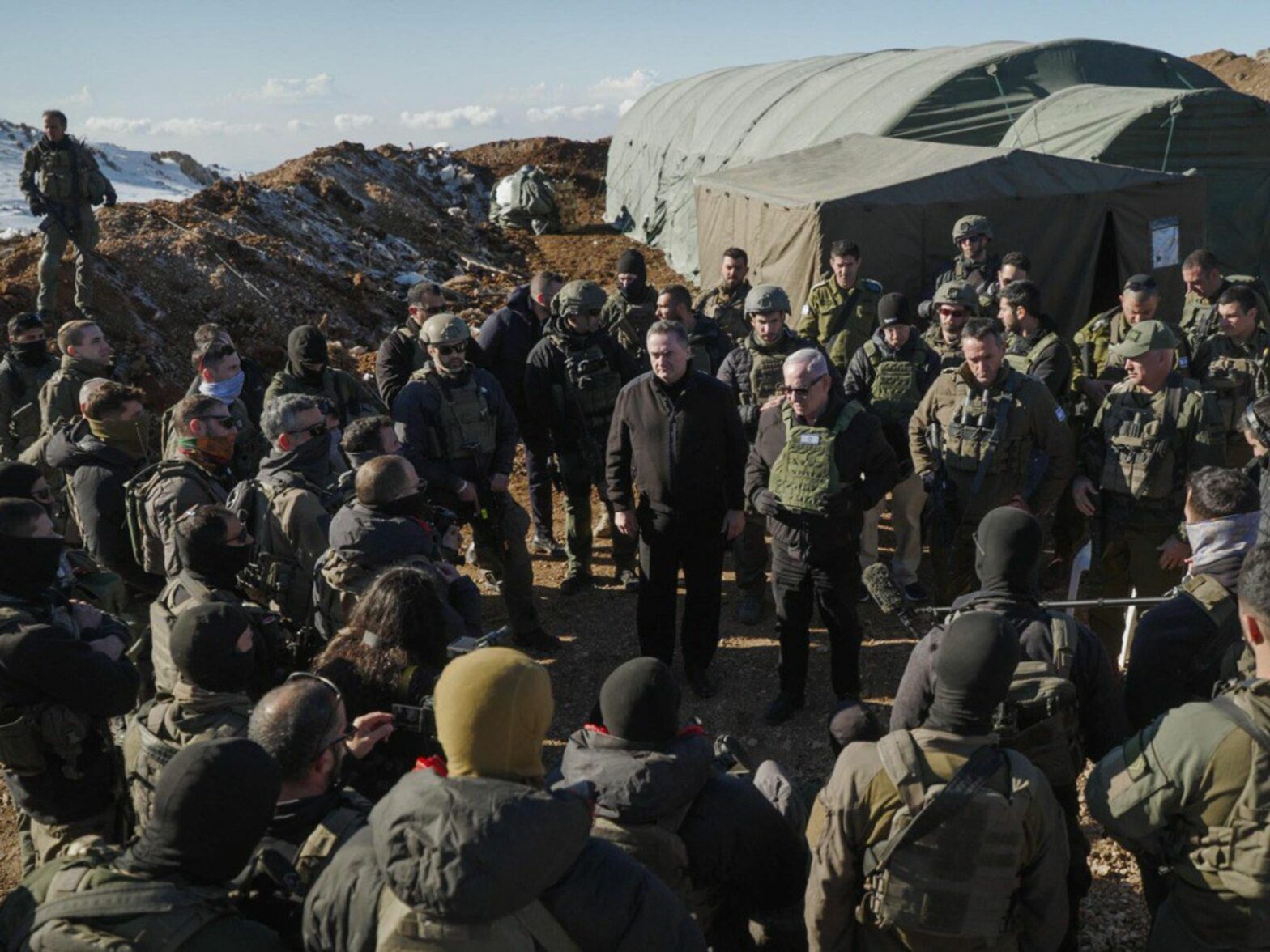
Replacing the dominant roles of Russia and Iran exerting influence over Syria, following the downfall of President Bashar al-Assad, Turkey and Israel are best positioned to divide up their respective roles on the territory of the shared neighbor.
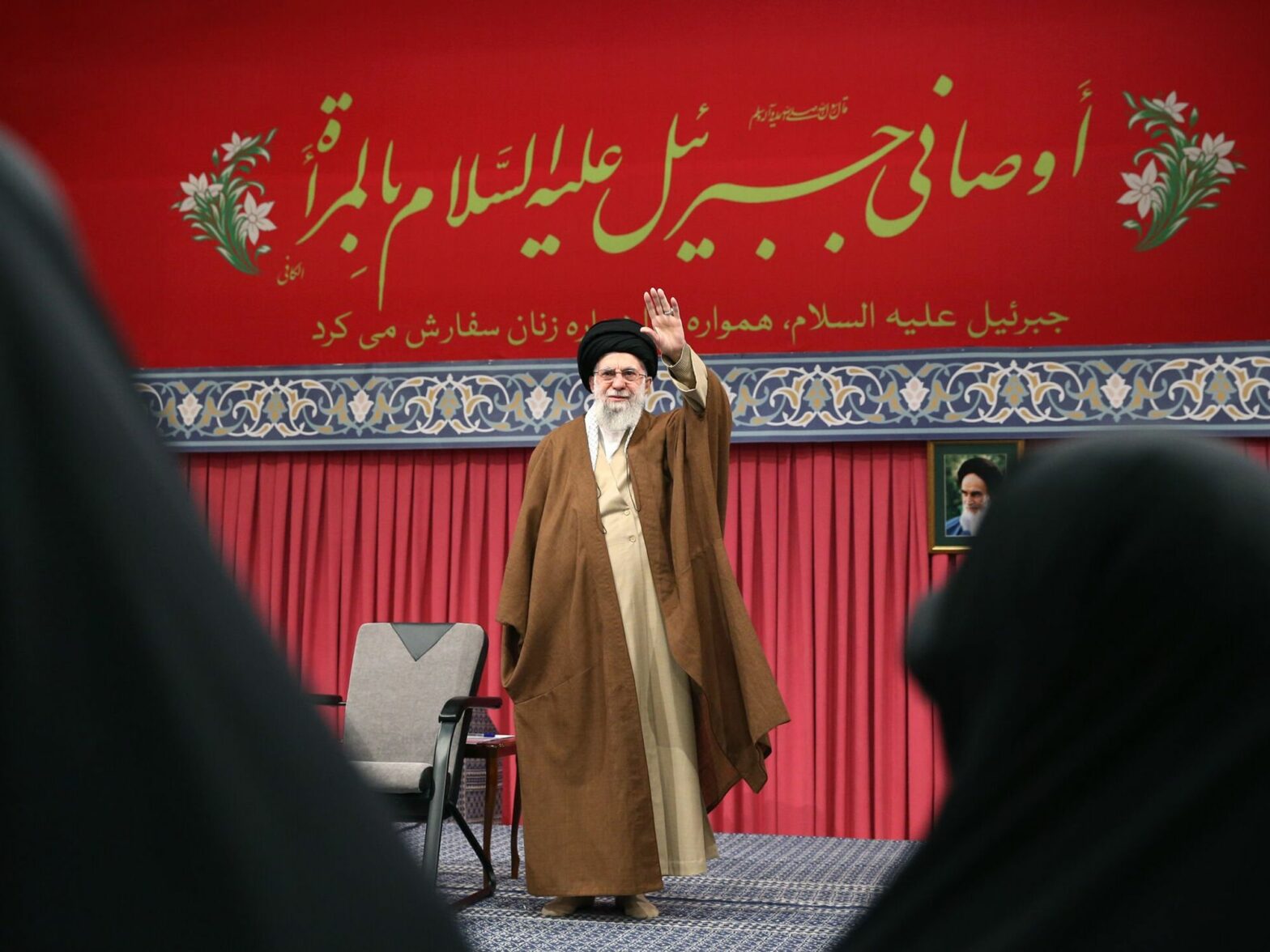
Israel’s decimation of Iran’s proxies in Gaza and Lebanon, and now events in Syria, have shown the Tehran regime is far weaker than it had wanted the world and its neighbors to believe. The Supreme Leader is now scrambling to rationalize it all, as the Islamic Republic clings to power.