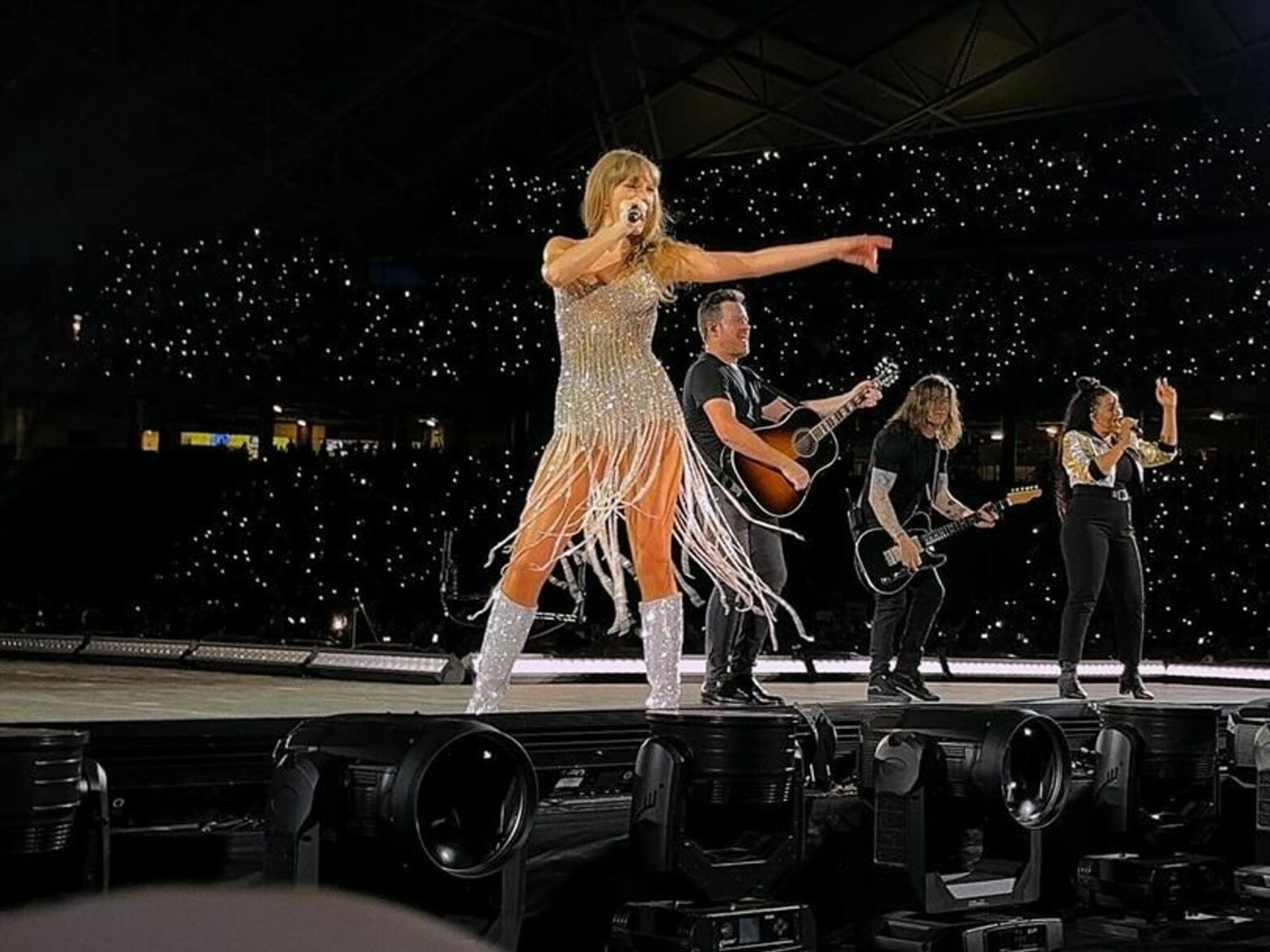
With record-breaking ticket sales for Taylor Swift’s concert tour — mobilizing fans from all over the world to secure tickets — has it all been worth it?
 Worldcrunch
Stay updated with comprehensive news on China from Worldcrunch. Discover insights on Chinese politics, economic developments, societal issues, and cultural landmarks with translations from top international sources. Highlights include Beijing, Shanghai, and events like the Chinese New Year.
With record-breaking ticket sales for Taylor Swift’s concert tour — mobilizing fans from all over the world to secure tickets — has it all been worth it?
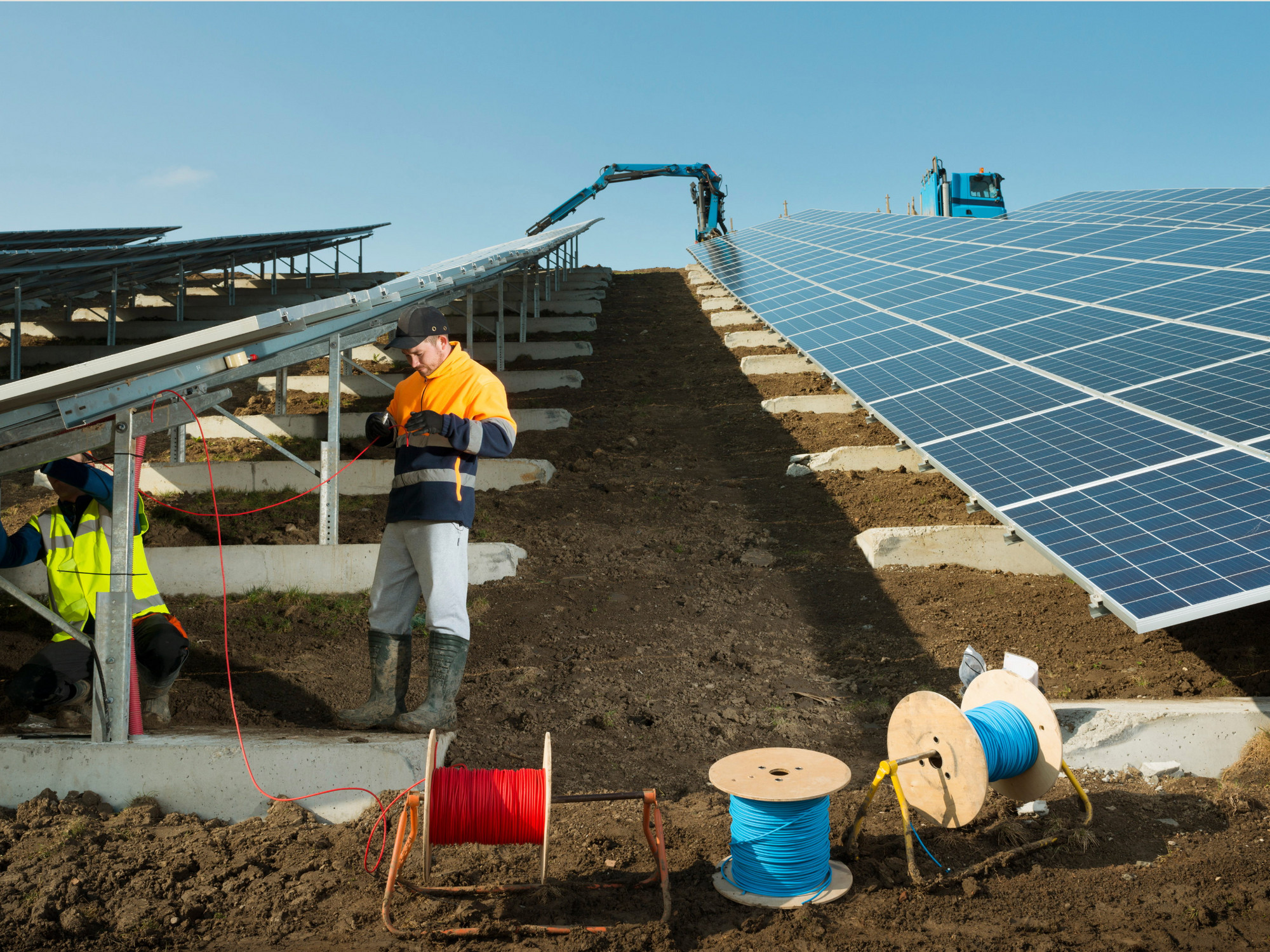
The global fight against climate change is essential, but the solutions are not universal. Measures must account for the local realities of the Global South, where economic development is equally important and where the imposition of strict environmental standards by the North has devastating social and economic consequences.
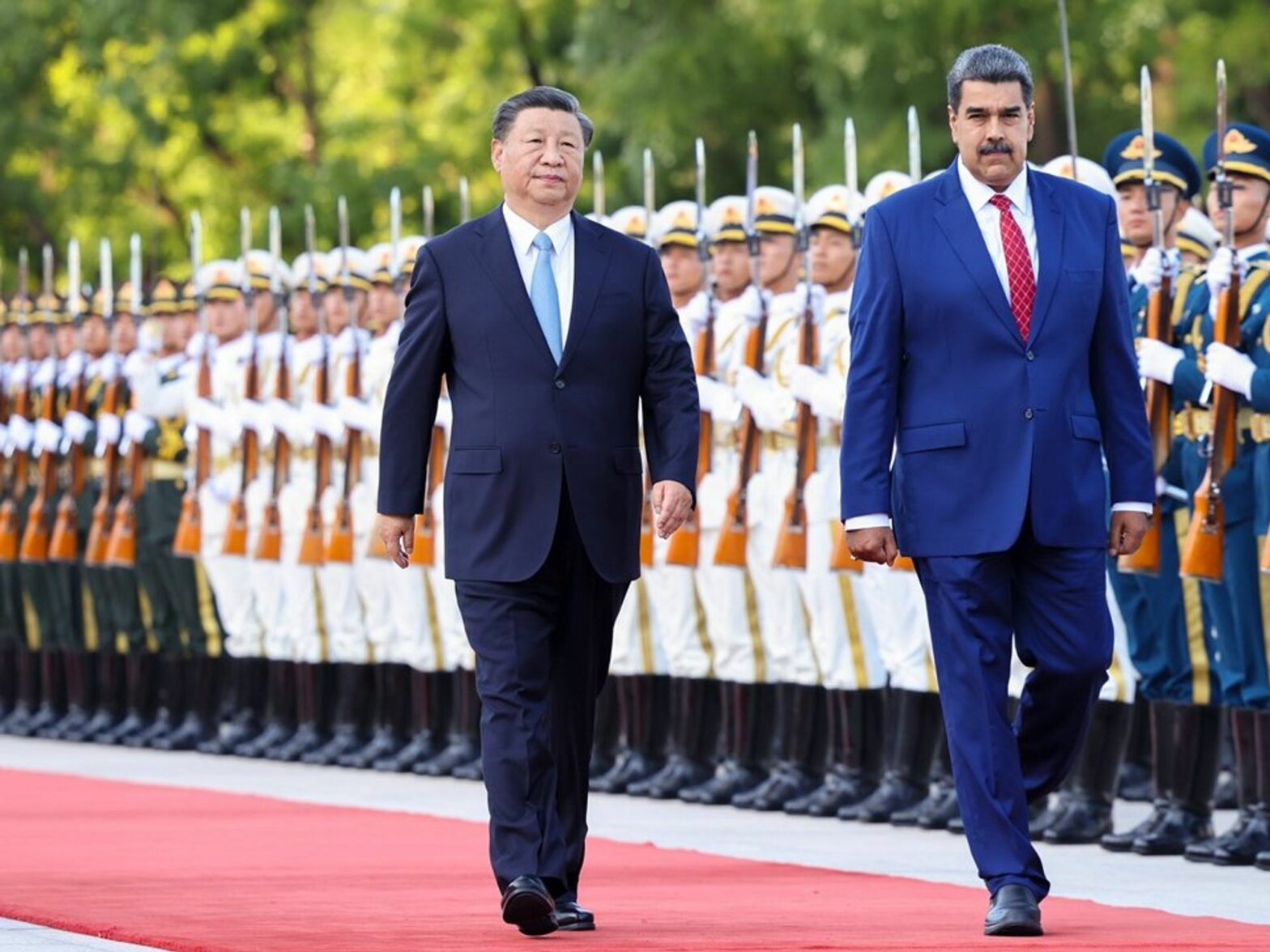
The crushing weight of Chinese loans to socialist Venezuela may yet become the biggest, if less publicized, obstacle to the restoration of liberal democracy there, if its power-drunk president were ever to abandon power as he once again appears unwilling to do after a highly contested election.
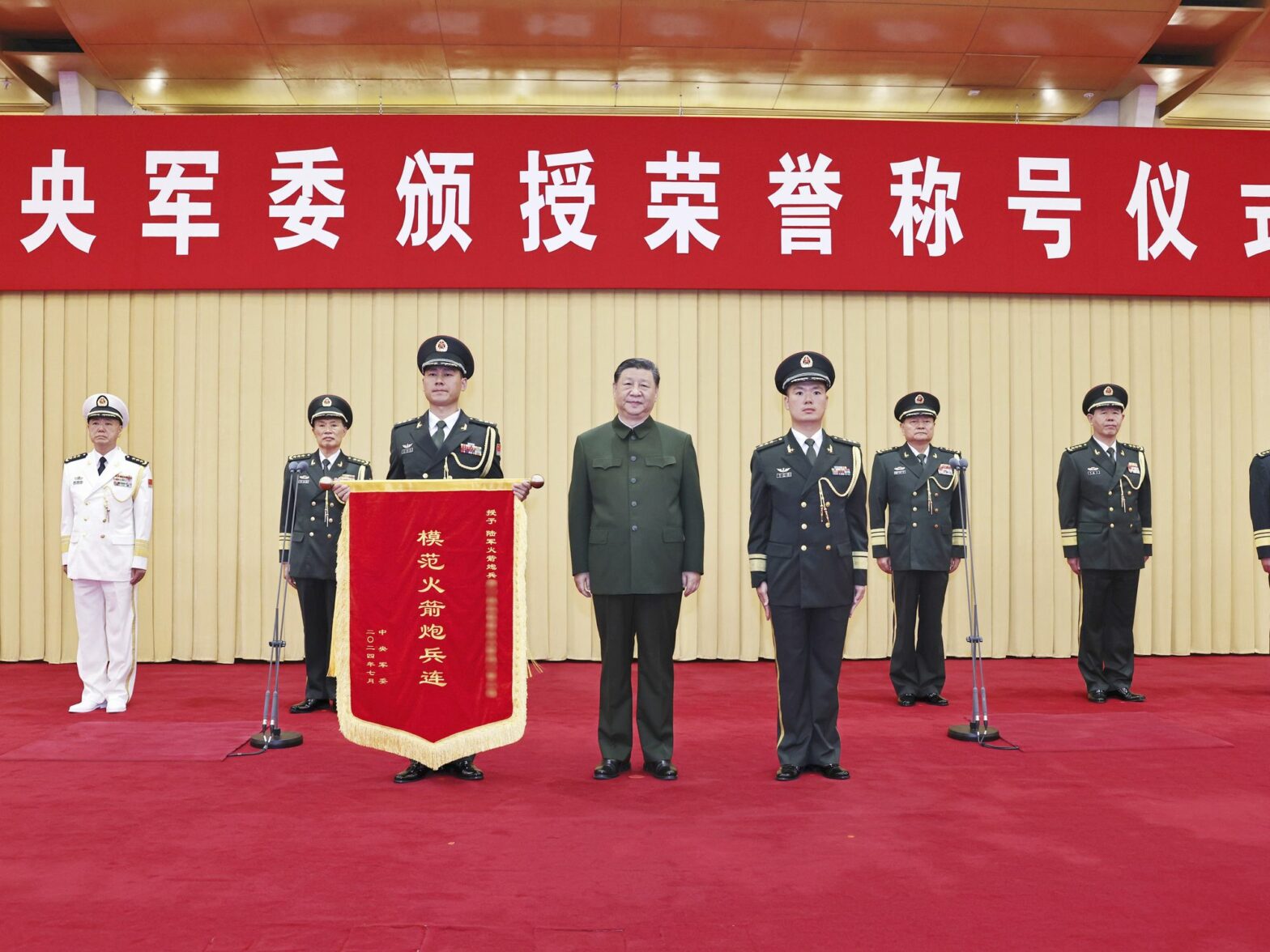
In its final communiqué of the Washington summit, NATO severely criticized Chinese support for Russia in Ukraine, drawing a strong reaction from Beijing. China fears that the Transatlantic military alliance is now a tool for the U.S. in its global showdown with China.

David Carey, an Irish musician who lived in China for nine years, built an independent record label and a thriving cultural space that was appreciated by foreigners and locals alike. But the screening of a film that included LGBTQ+ elements brought an end to all that.
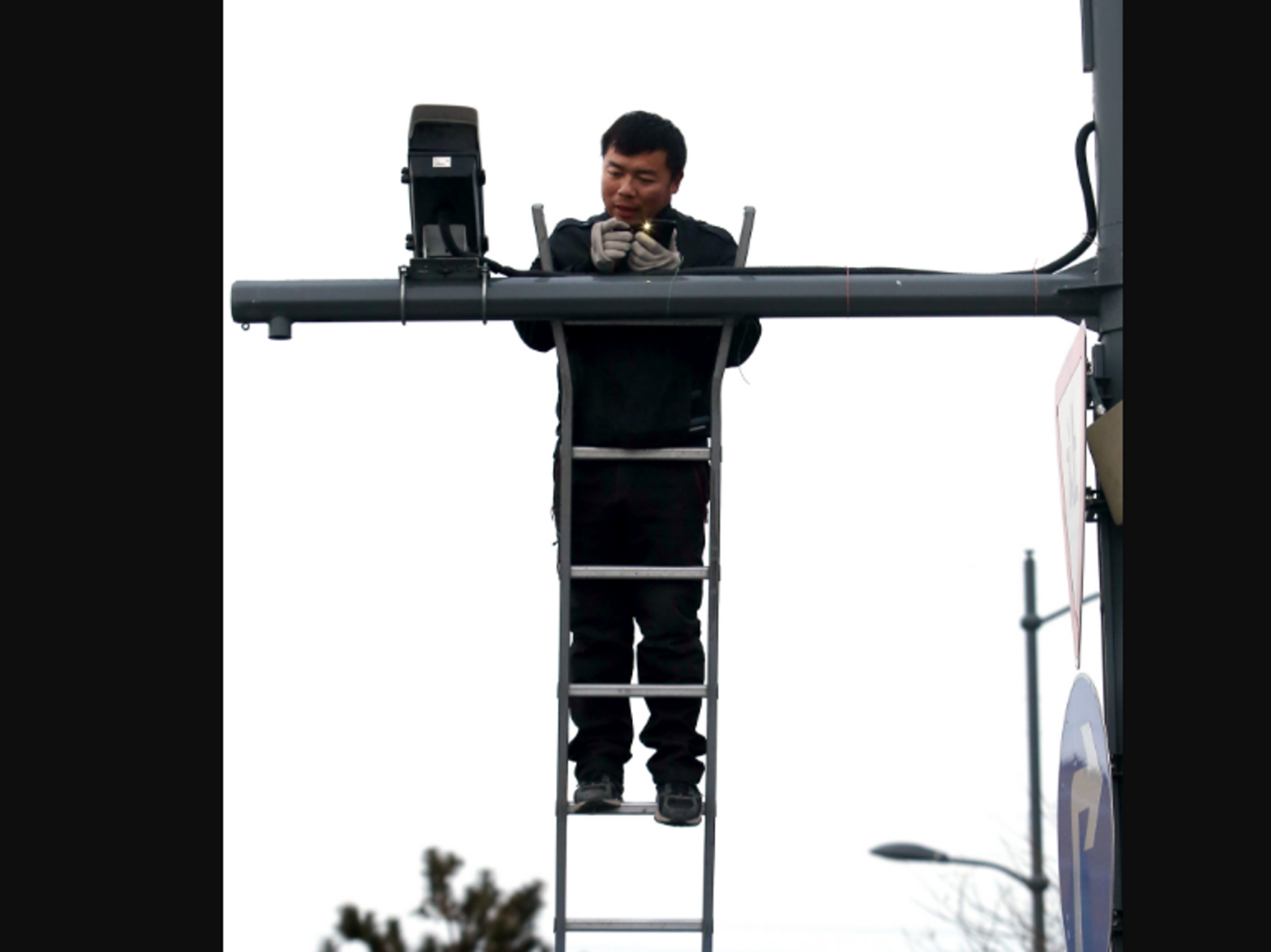
Twenty-five years in the making, China has developed a mass surveillance state, from Beijing alleyways to rural villages. And citizens don’t object because they’ve been co-opted into it.
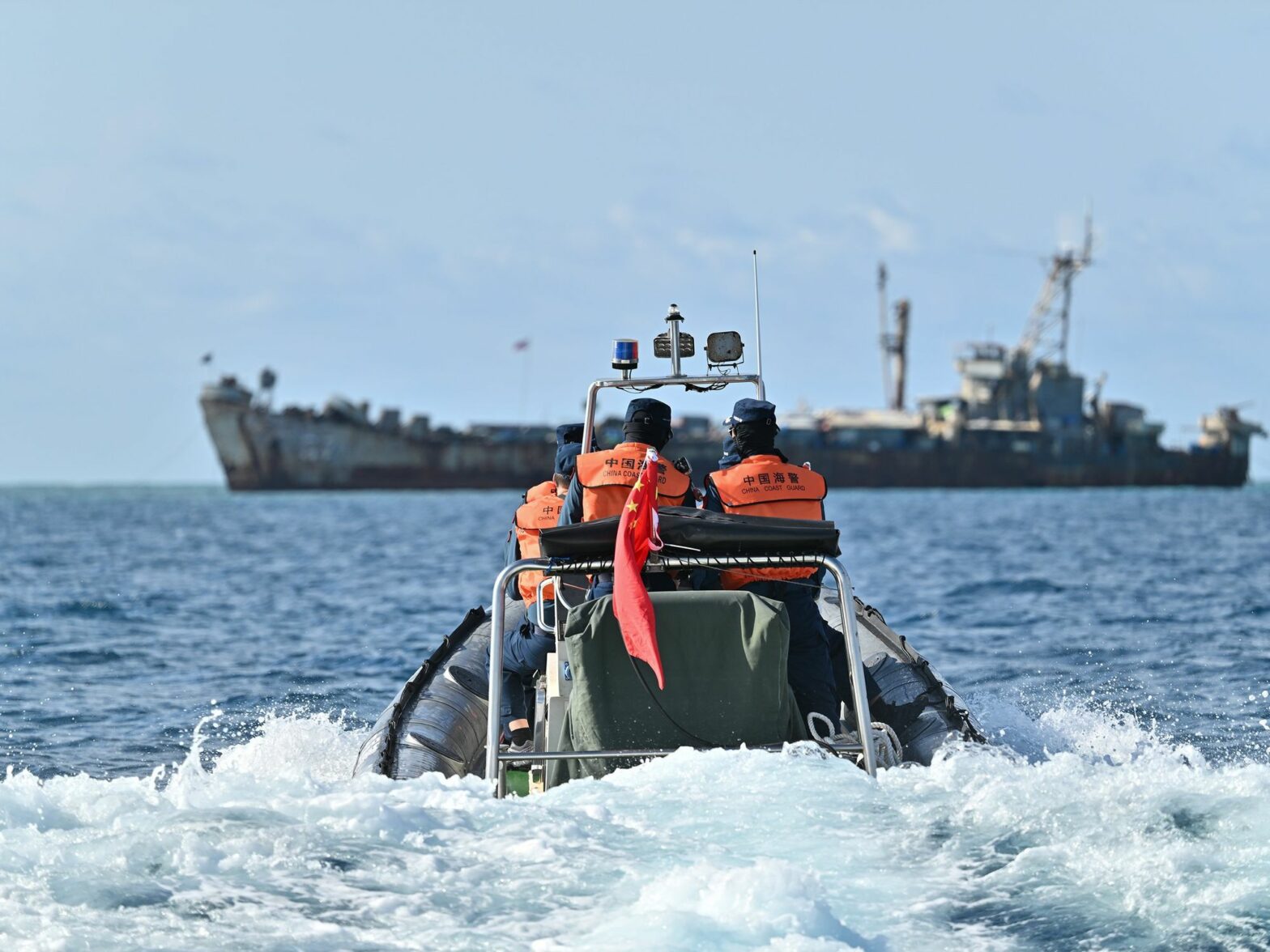
The Sierra Madre, a World War II cargo ship grounded 300 kilometers off The Philippine coast, was involved in an incident between the Philippine and Chinese navies on Monday. It’s the focus of a tug-of-war between Beijing and Manila, against the backdrop of the U.S.-China Cold War.
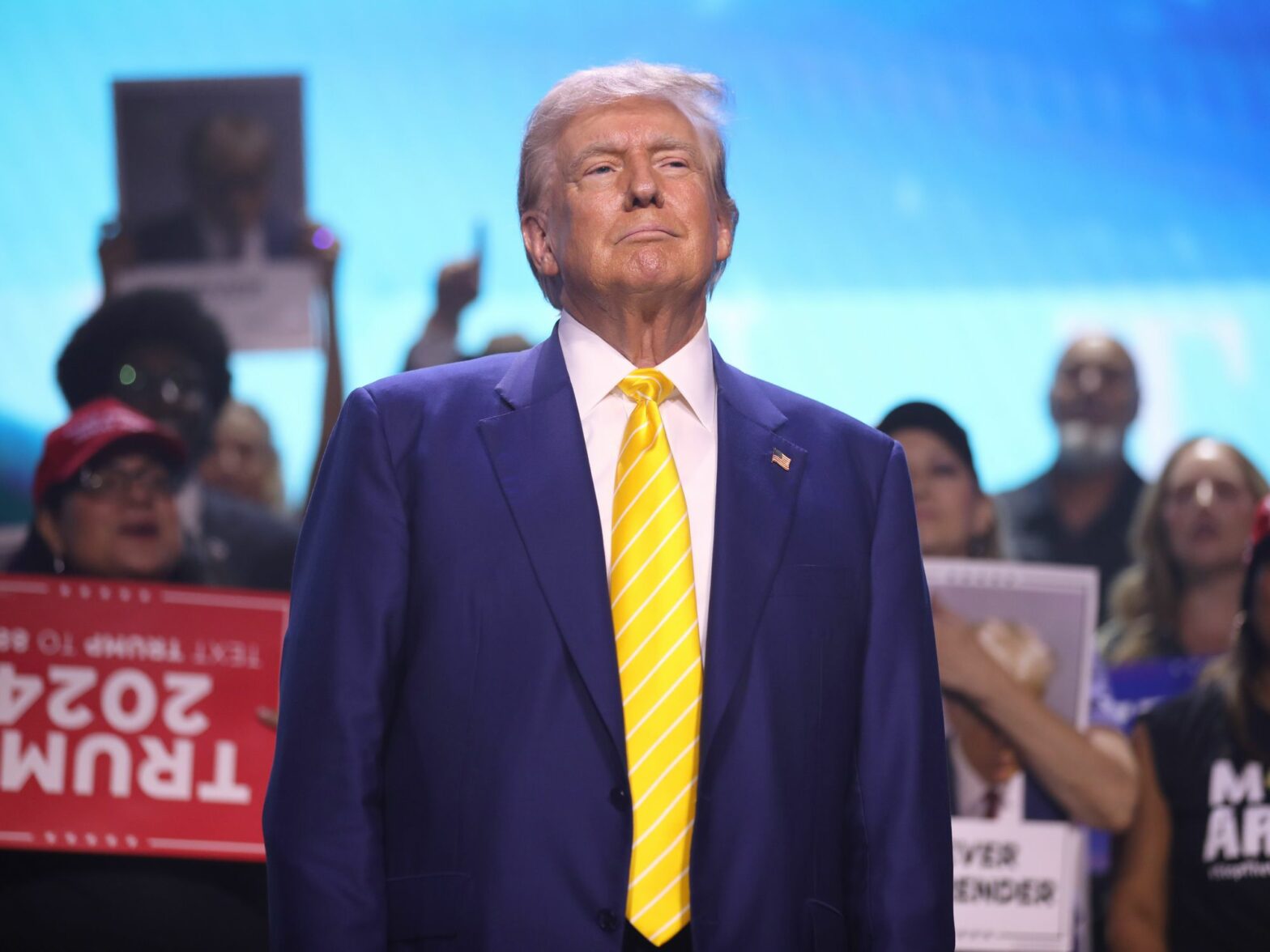
As the U.S. presidential election draws closer, independent Russian-language media Vazhnye Istorii spoke with American politics specialists about the possibility of a second Trump term and what it would mean for the Russia-Ukraine war, traditional U.S. allies and China.
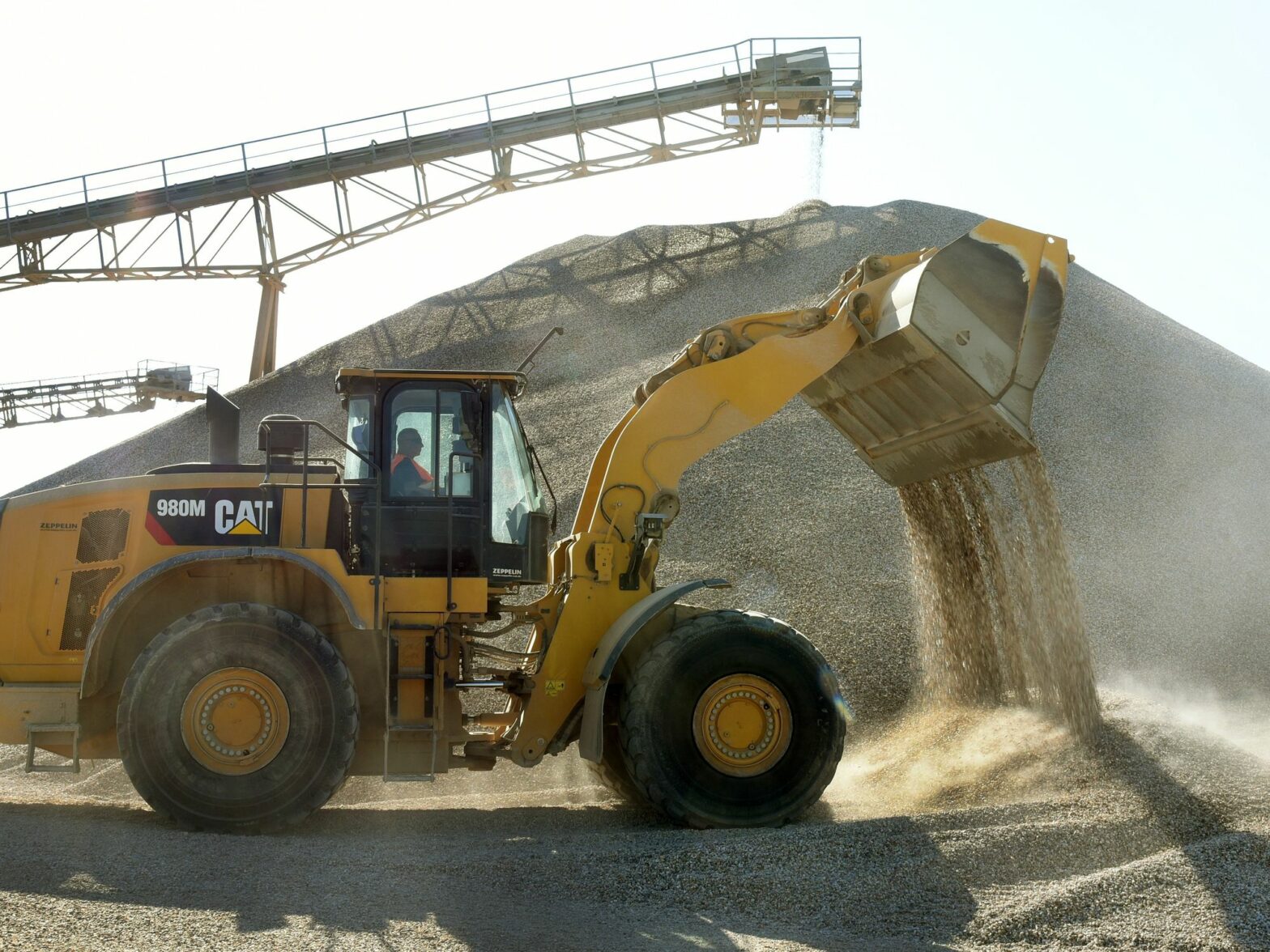
Global sand consumption has tripled in 20 years, to the point where the United Nations has called for countries to rethink their use of this “strategic resource” that is fueling tensions between states.
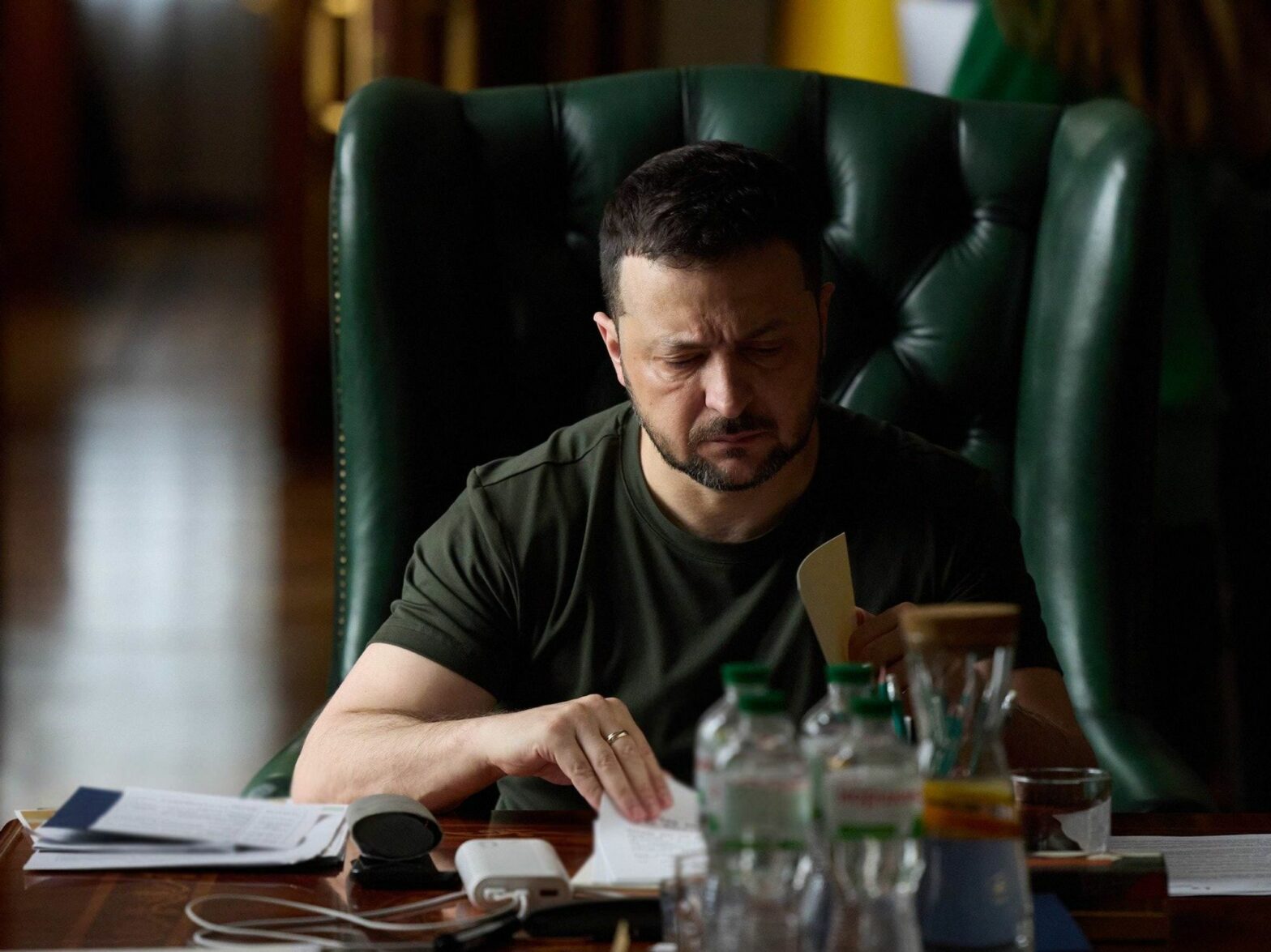
Two weeks ahead of the Ukraine conference in Switzerland, Volodymyr Zelensky blamed China for sabotaging the meeting at Russia’s behest. Urkaine’s president may use the upcoming D-Day memorial to raise the stakes with his own allies.
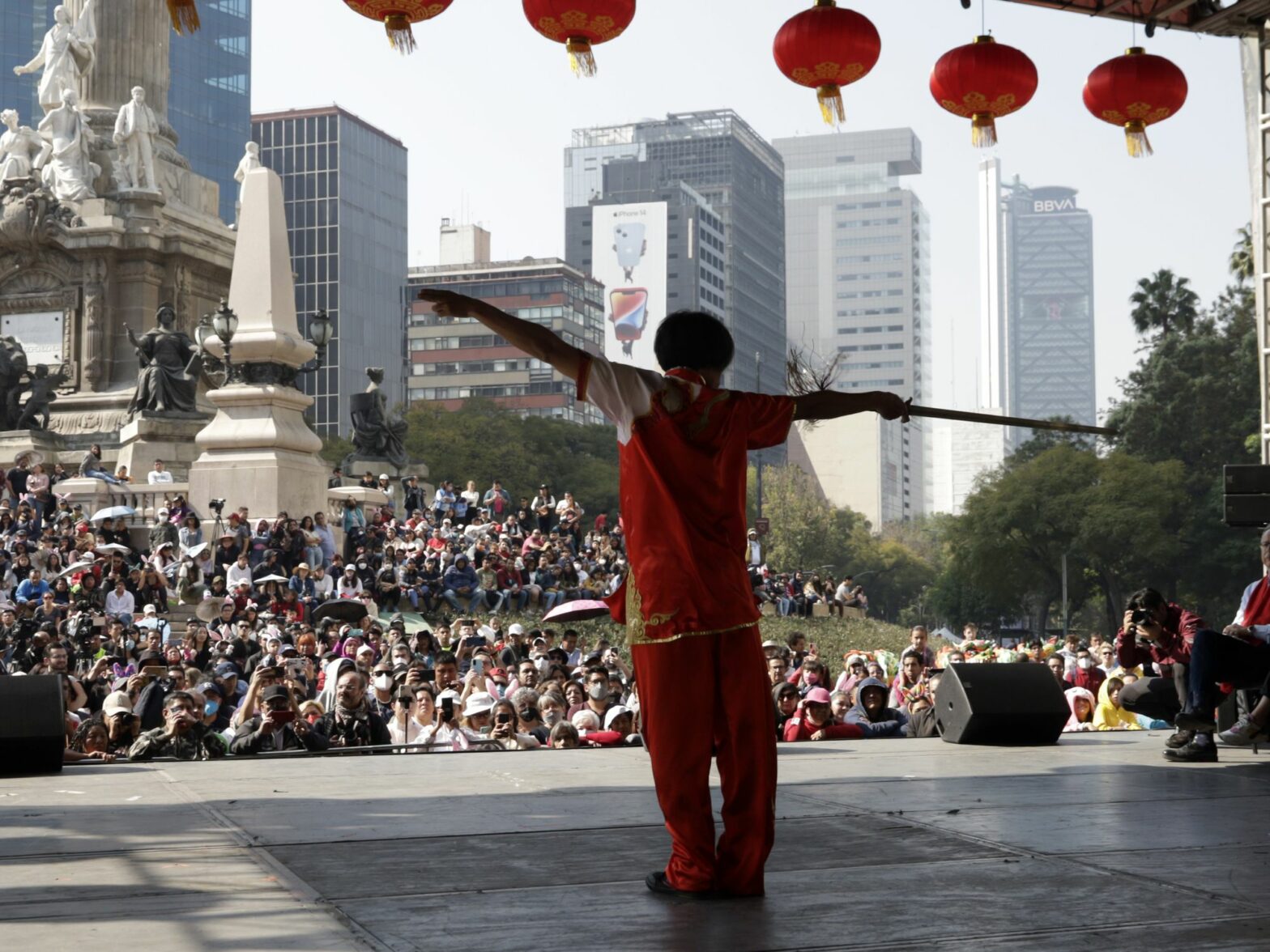
The United States has shown it prefers economic incentives over penalties to help keep regional democracies within its orbit and away from China. That is a national-interest opportunity Latin American states cannot ignore.
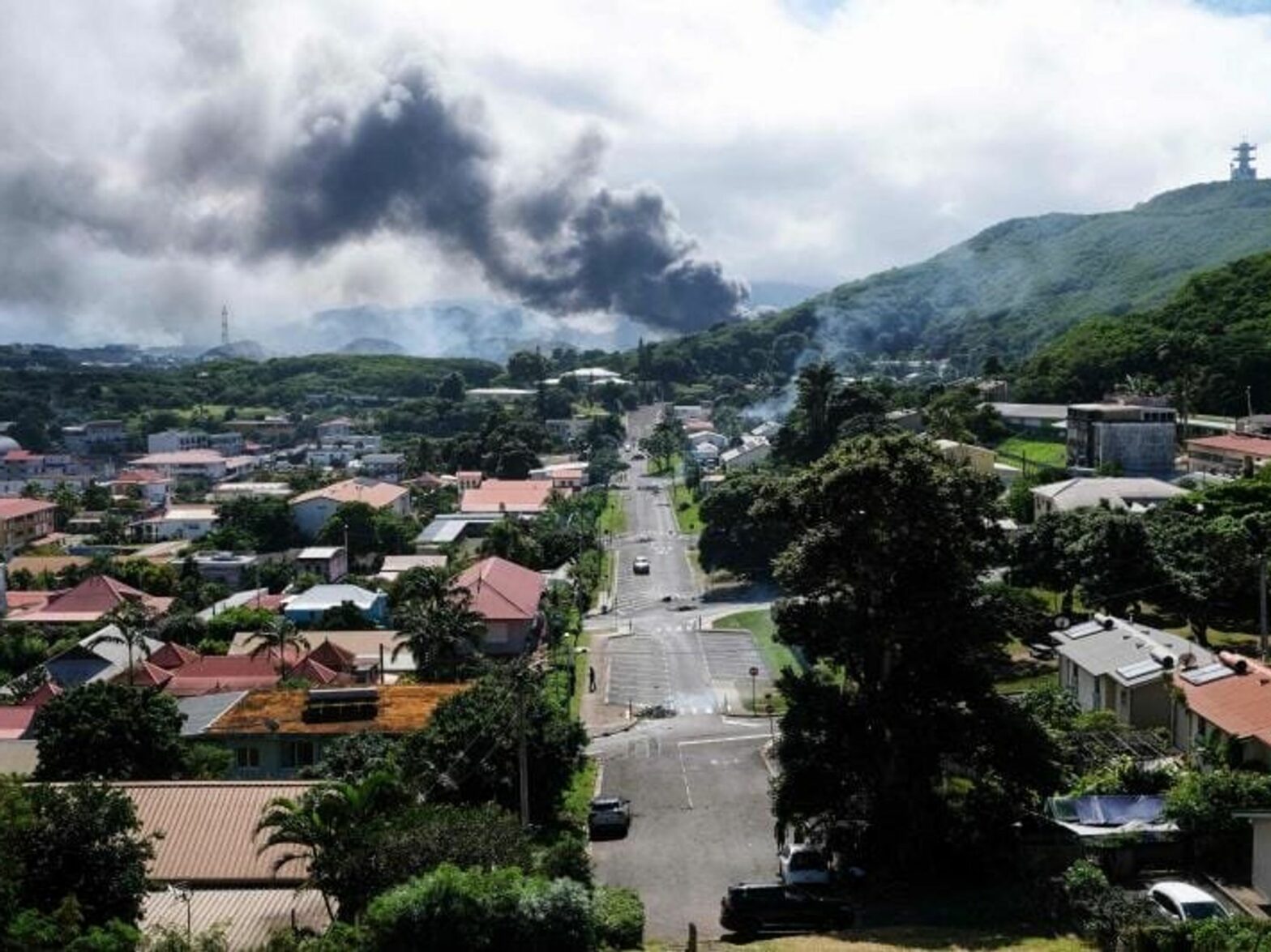
Paris has accused Azerbaijan of meddling in the unrest in the French Pacific territory of New Caledonia. But in this new hybrid war of influence, external actors don’t create problems, they amplify them.
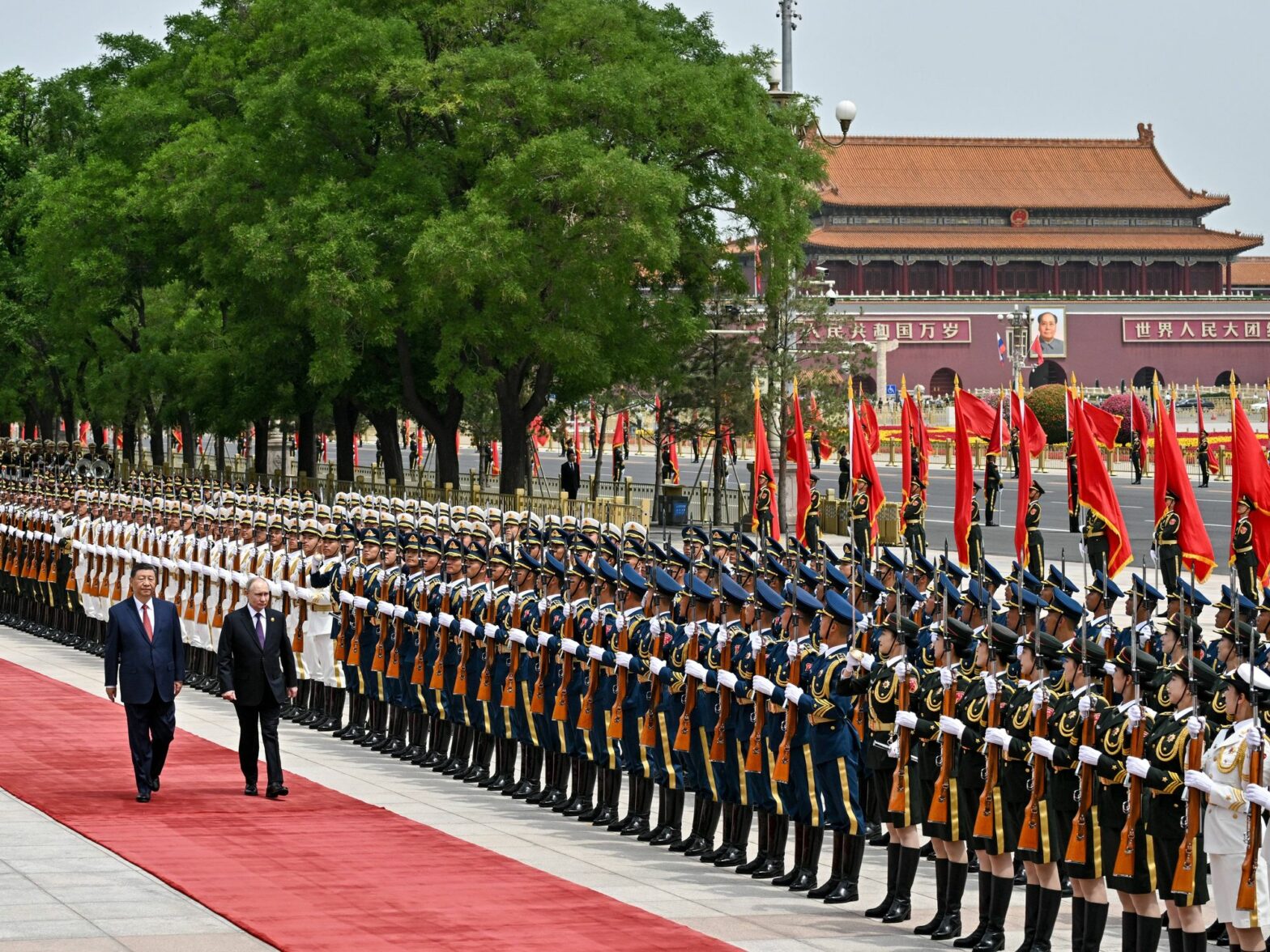
The Russian president is in Beijing on Thursday and Friday, his first foreign trip since his re-election. Beijing and Moscow have their differences, but share the same long-term objective of changing the international order.
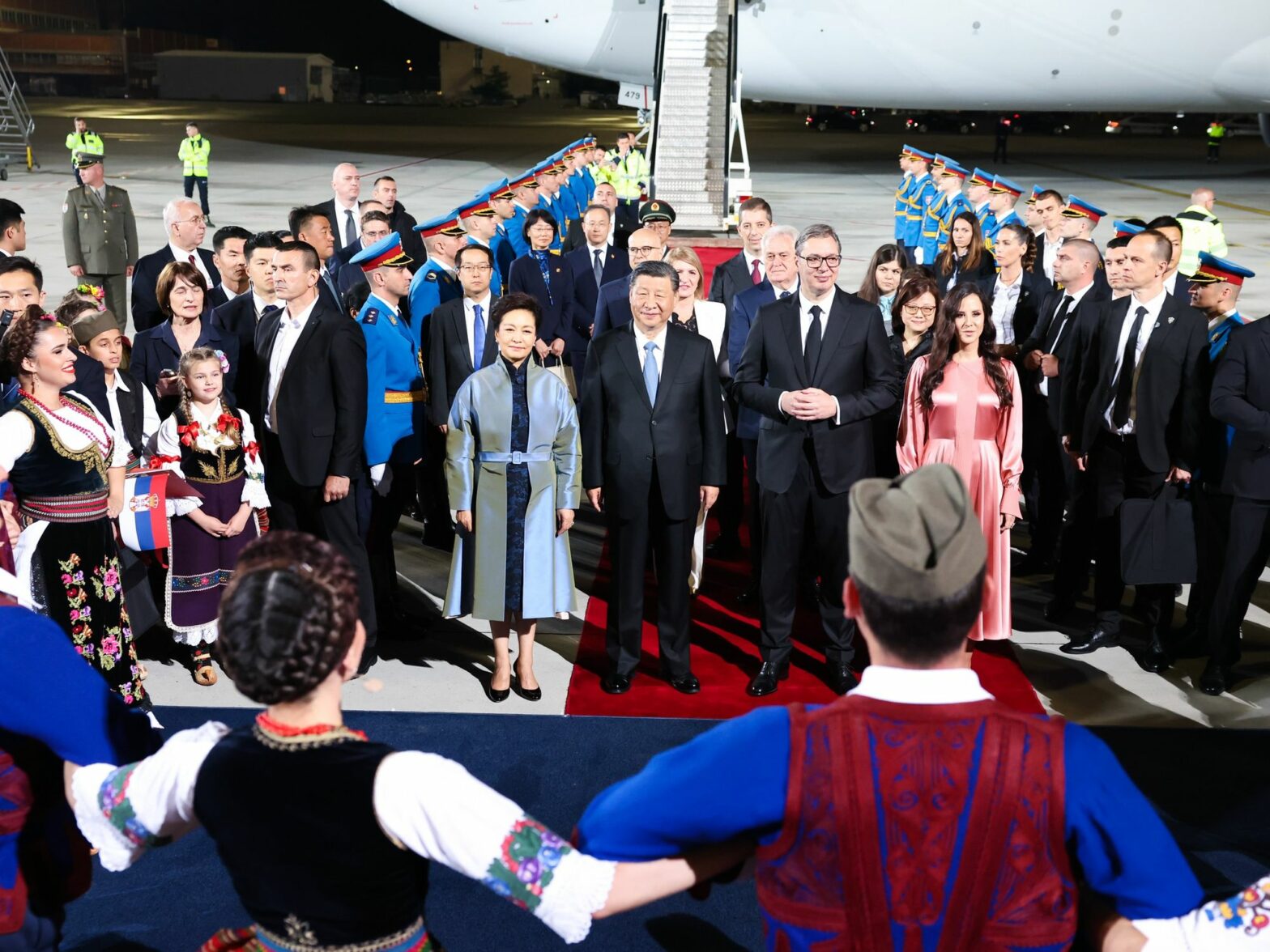
By visiting Serbia and Hungary, two countries that will soon be linked by a railroad built and financed by China, Xi Jinping is showing that he has not given up on cultivating special friendships on the continent, even if it undermines relations with Europe’s more influential leaders.
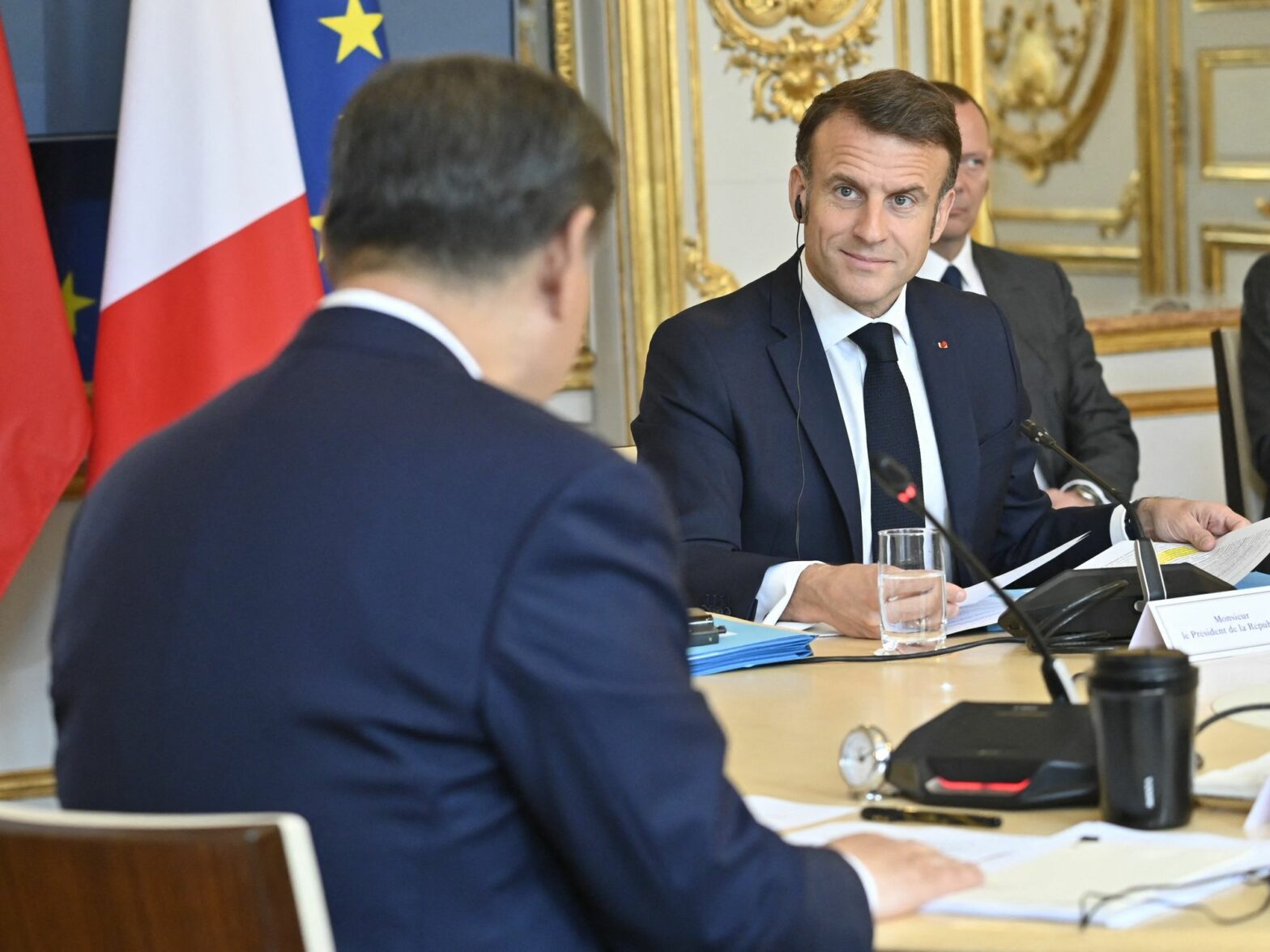
The Chinese president is in France for the 60th anniversary of French-Chinese diplomatic relations. He will play up Europe’s independence from the United States, but behind the smiles will be the war in Ukraine and the Russian-Chinese “friendship.”
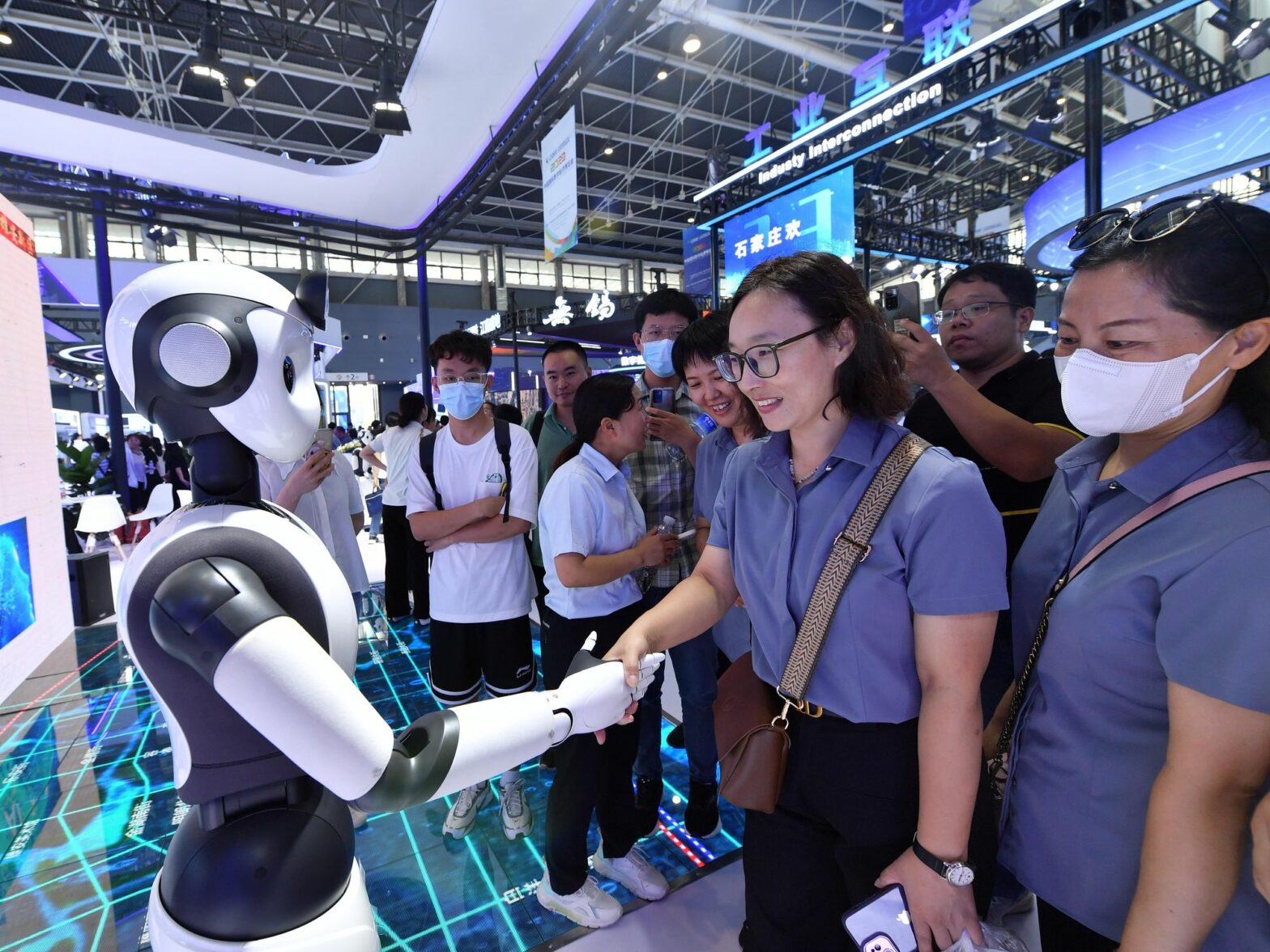
Driven by advances in artificial intelligence, the development of human-shaped robots is accelerating on both sides of the Pacific. China see it as a way of accelerating modernization of its industrial base, while American venture capitalists are betting on their mass adoption in warehouses and factories.
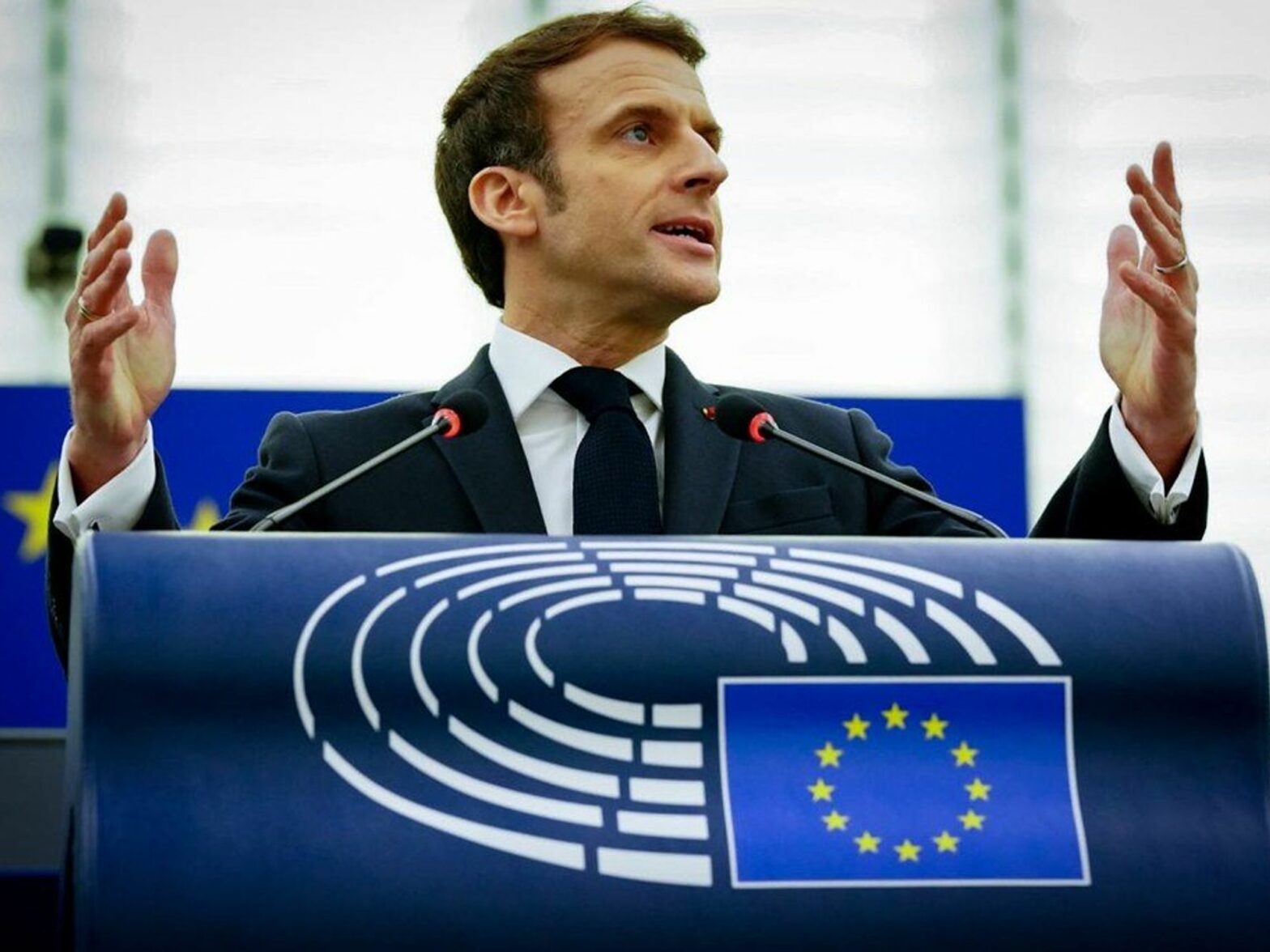
In an ominous speech in Paris, the French president warned that Europe is in mortal danger. Macron also suggested he may be just the man to save it.
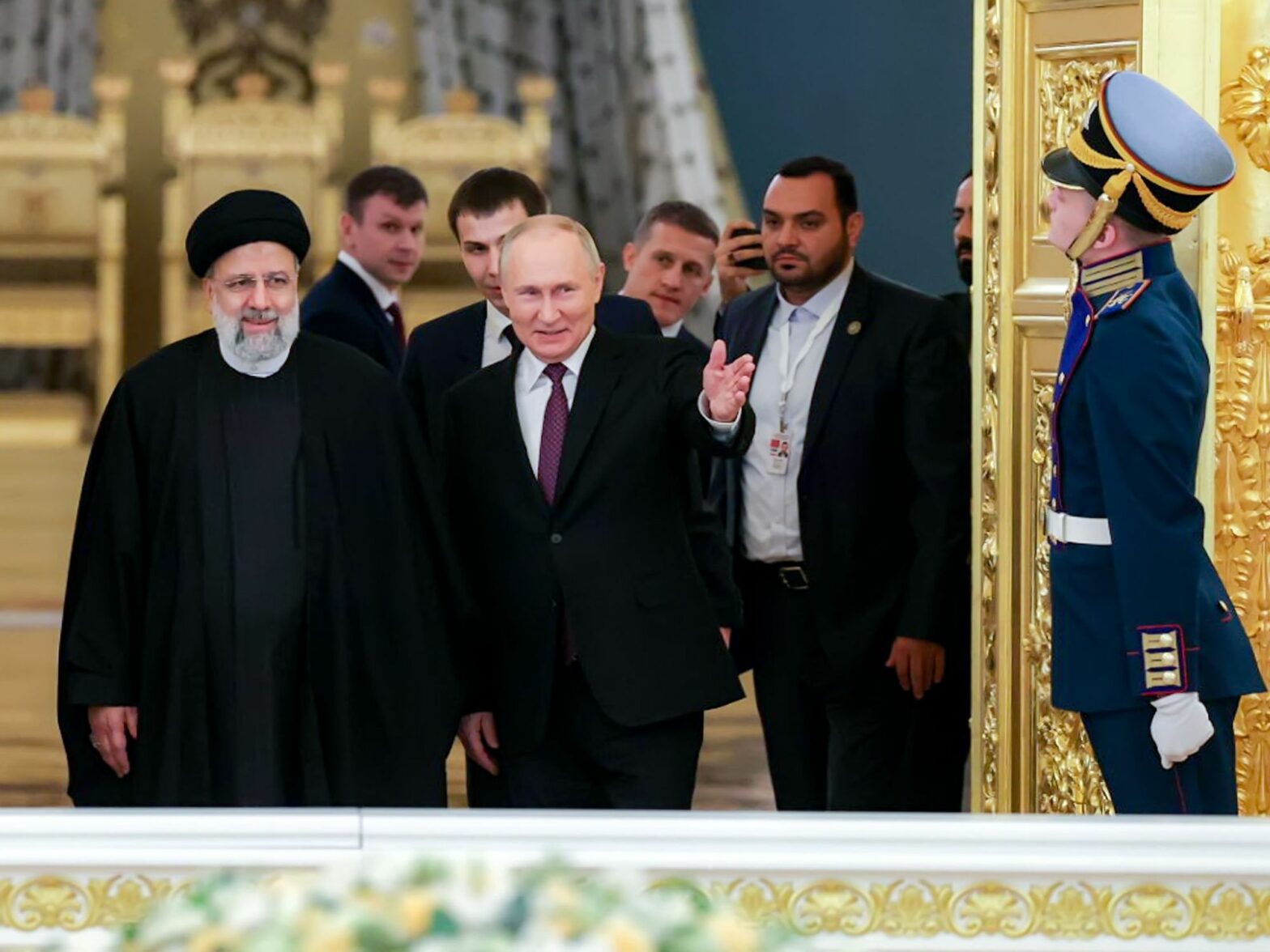
What are the links between Iran and the two powers challenging the Western order, Russia and China? And how do their relations affect the international climate? This is a key question at a time when the logic of war is at work in several regions of the world.
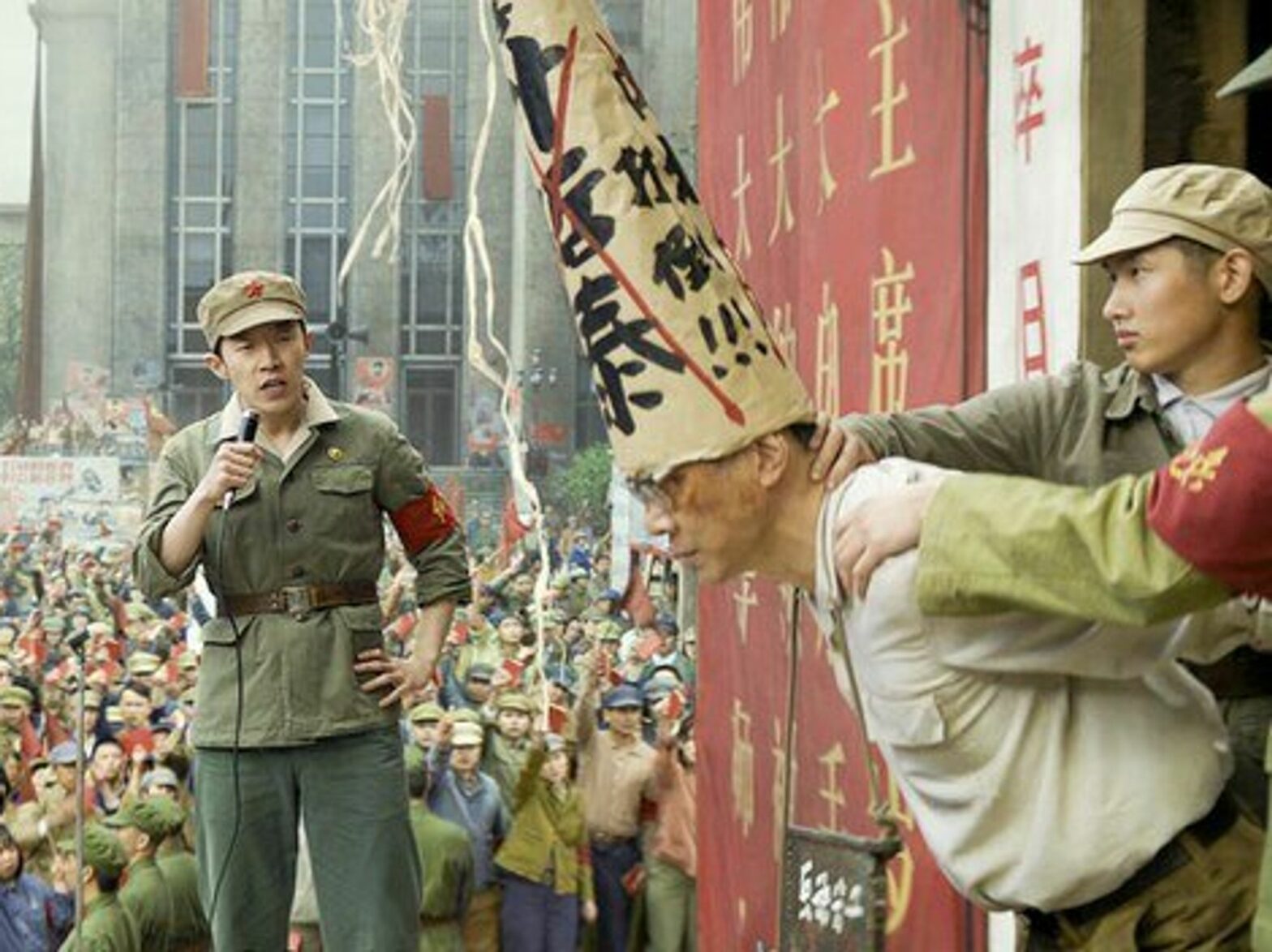
The success of the Netflix series 3 Body Problem, adapted from a famous Chinese science fiction novel, has rekindled hostility between Beijing and Washington. But what is really behind China’s attacks on American cultural hegemony?
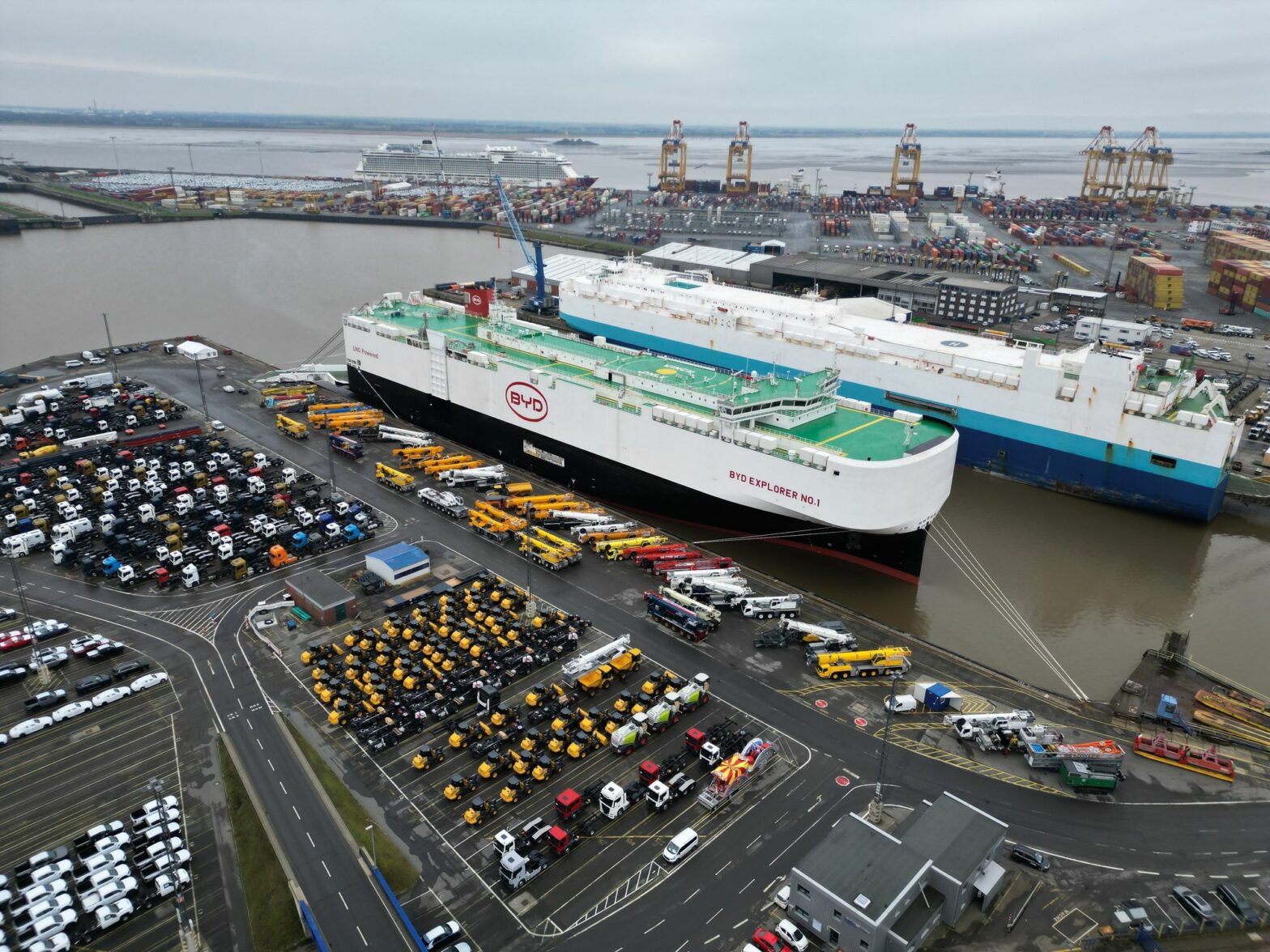
In China, sales of electric cars, consumer goods and industrial products are stalling. State-owned companies have built up excess capacity. The new plan is to flood the European market with the products. The first signs are appearing in Germany.
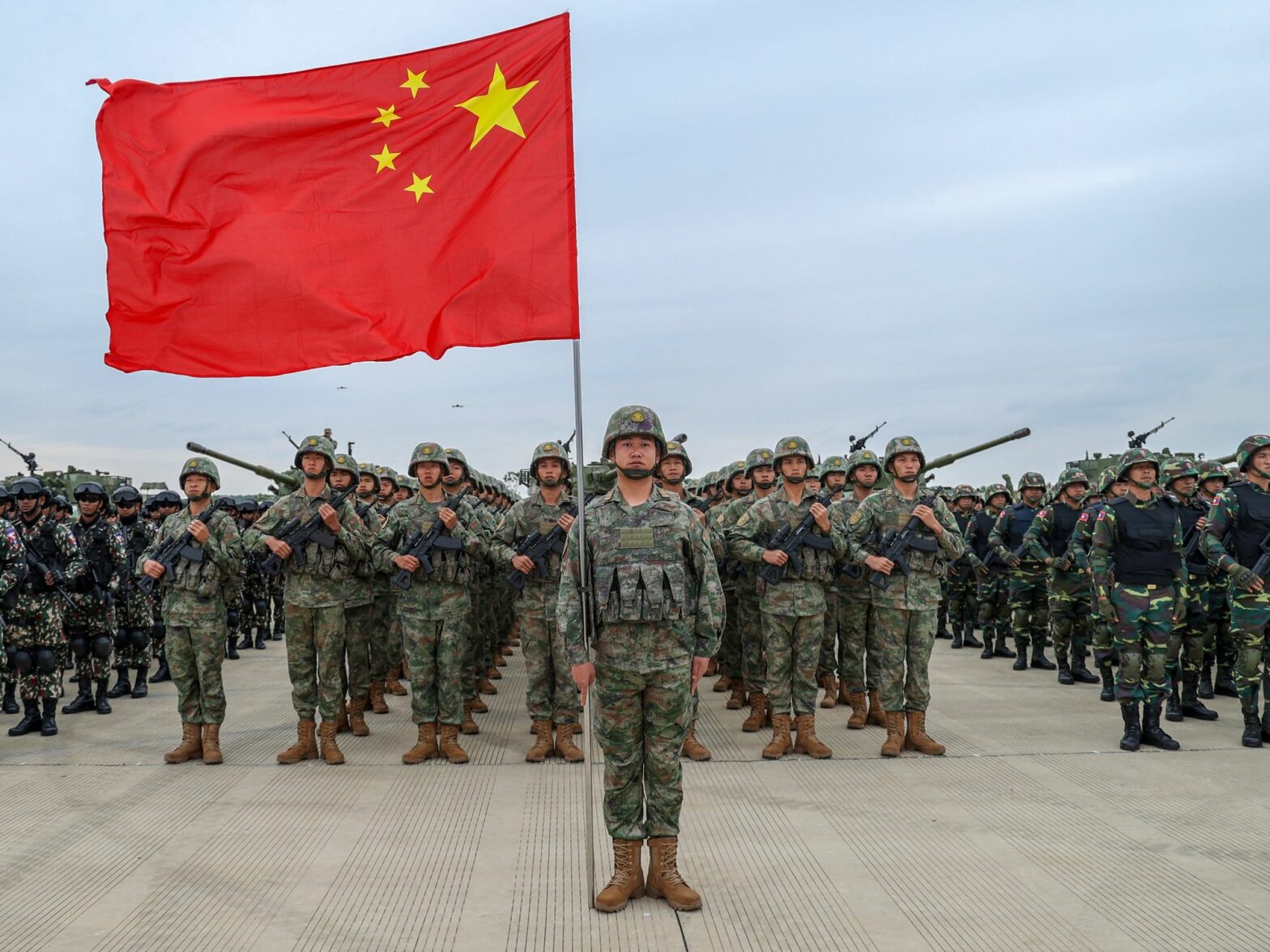
Just because war appears more likely to spread to Europe or the Middle East than Asia, we should not forget China’s enormous weight. But does Beijing want to do with it?
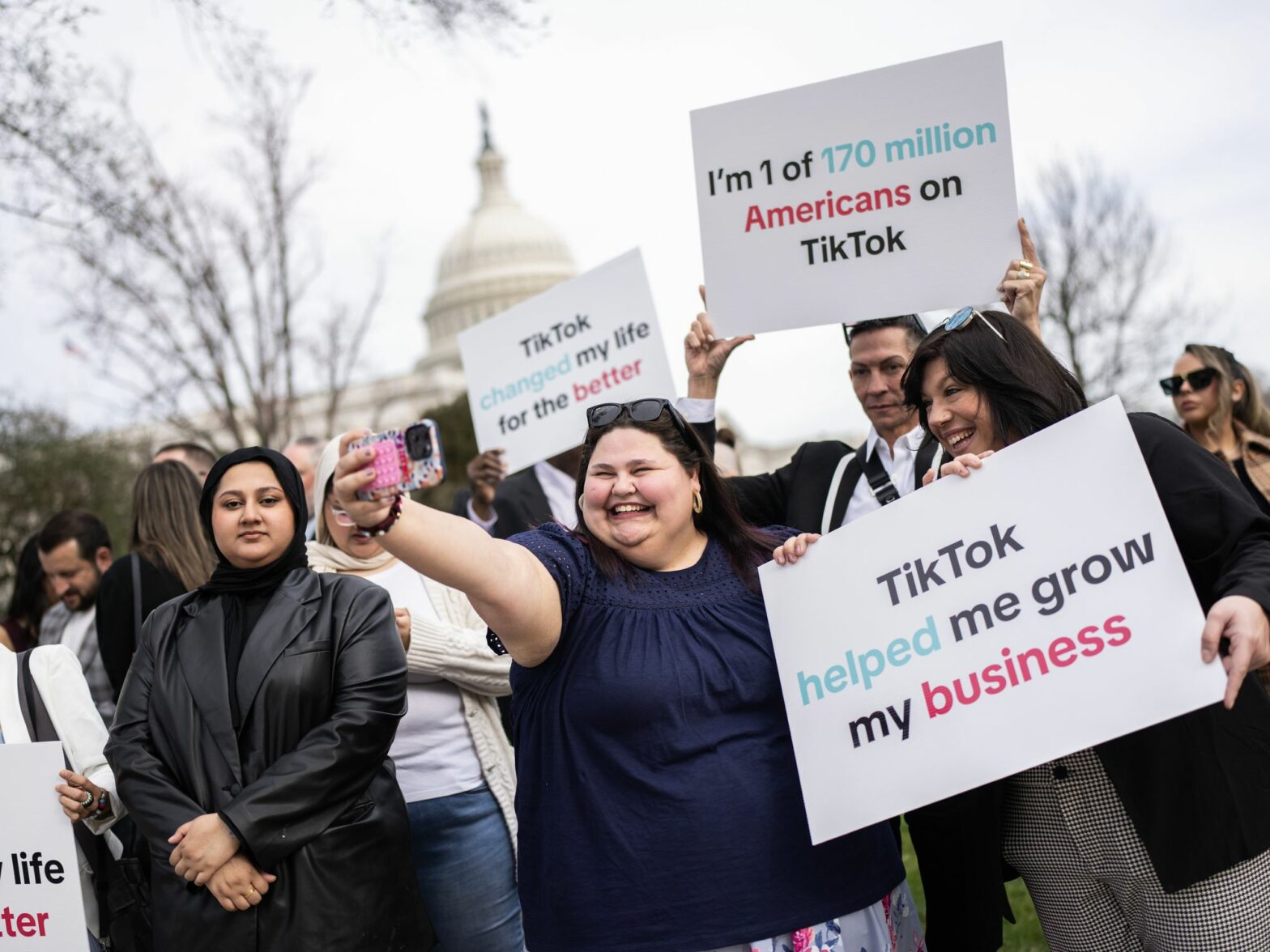
Safety or addiction concerns about TikTok are very real. But would U.S. elected officials seek to ban or control this social network if it were not Chinese? Are U.S. social networks less harmful? For France Inter, Pierre Haski warns us to take a step back when pointing the finger at TikTok.
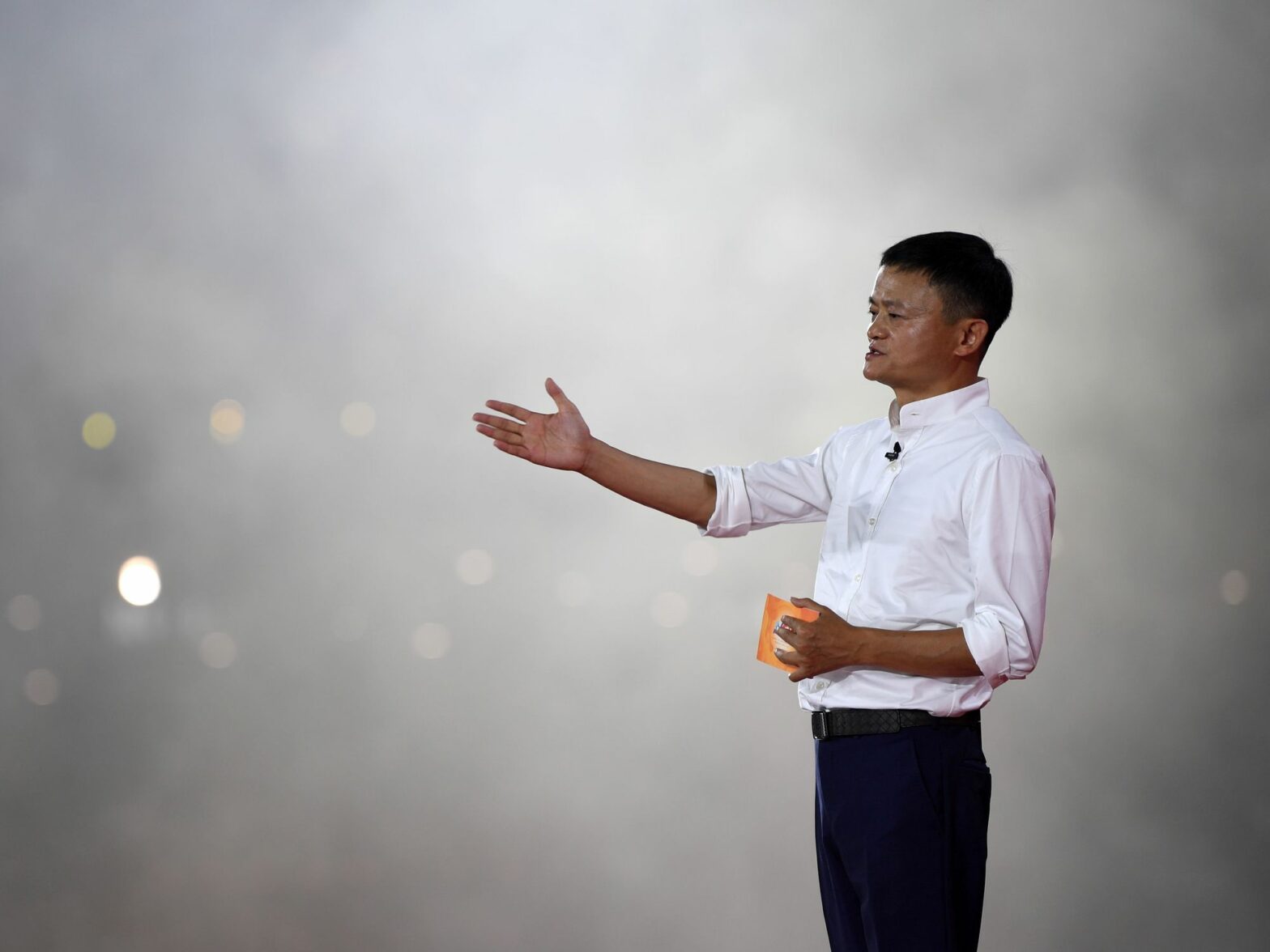
China’s richest man, Zhong Shanshan, has been pursued for weeks by an online nationalist campaign claiming he is not patriotic enough. Official tolerance questions this ideological hardening, at a time of economic slowdown, strong international tensions and built-in contradictions of China’s statists-capitalistic economy.
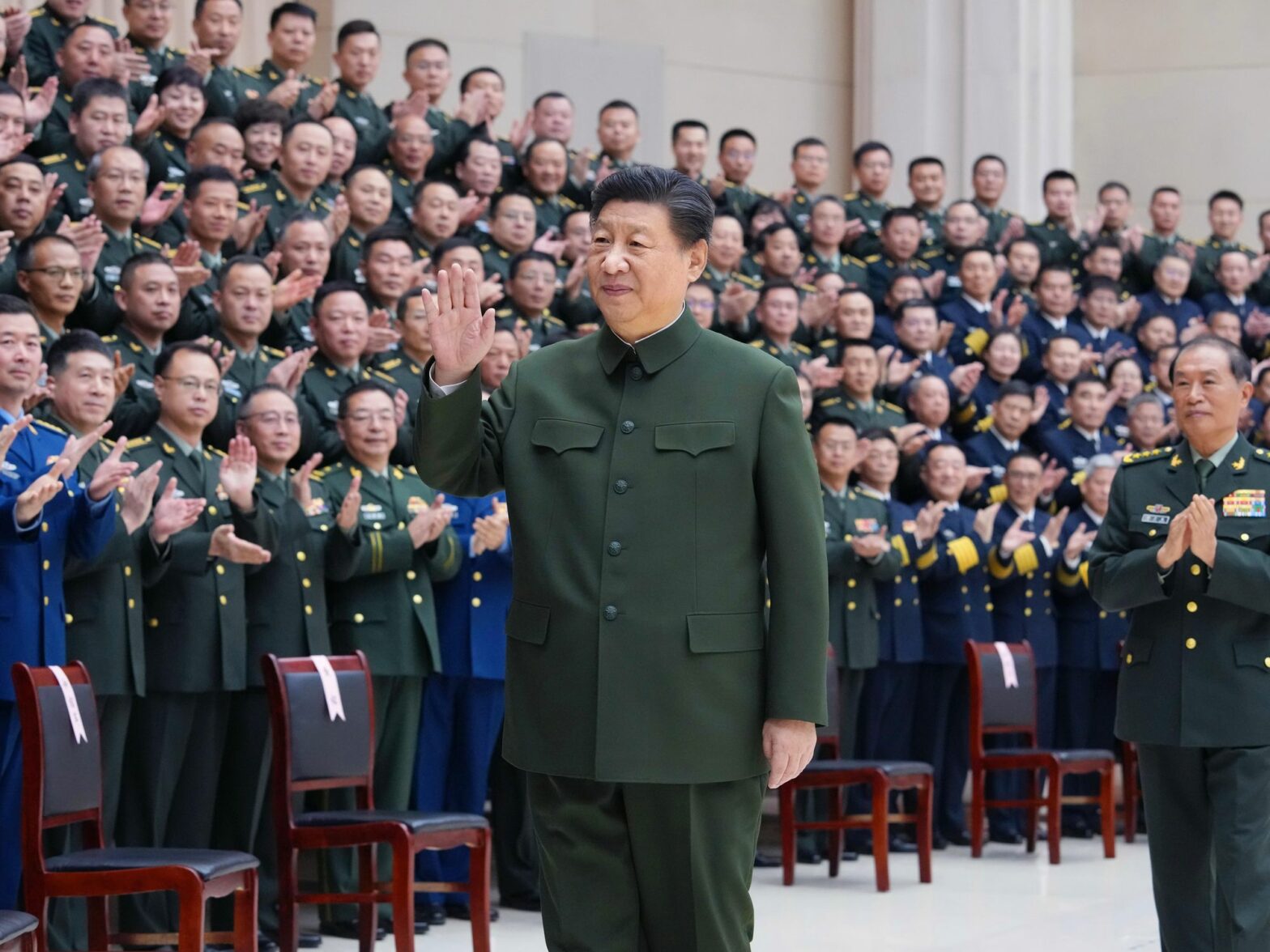
China has recently been discreet over major crises, such as Ukraine and Gaza, focusing its attention and energy on its domestic difficulties, particularly economic ones. Convinced that his country is entering a stormy period, President Xi Jinping is strengthening his hold over the nation, but may
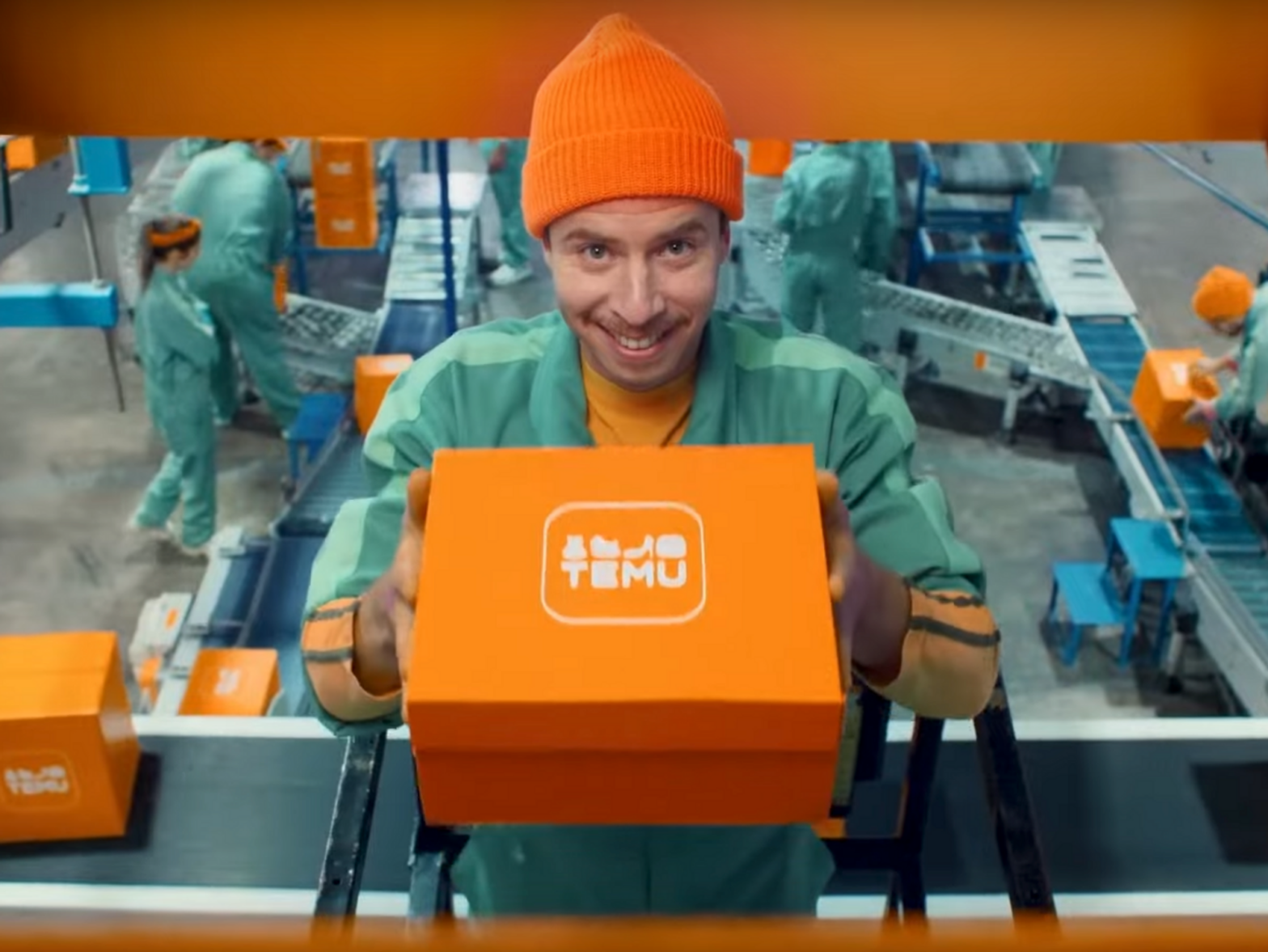
Discreet about its strategy, the Chinese company Temu is proving a fierce competitor to incumbent e-commerce brands, notably Amazon, by operating at a major loss. Some are worried whether its aim is to collect something more valuable: data on the habits of Westerners.
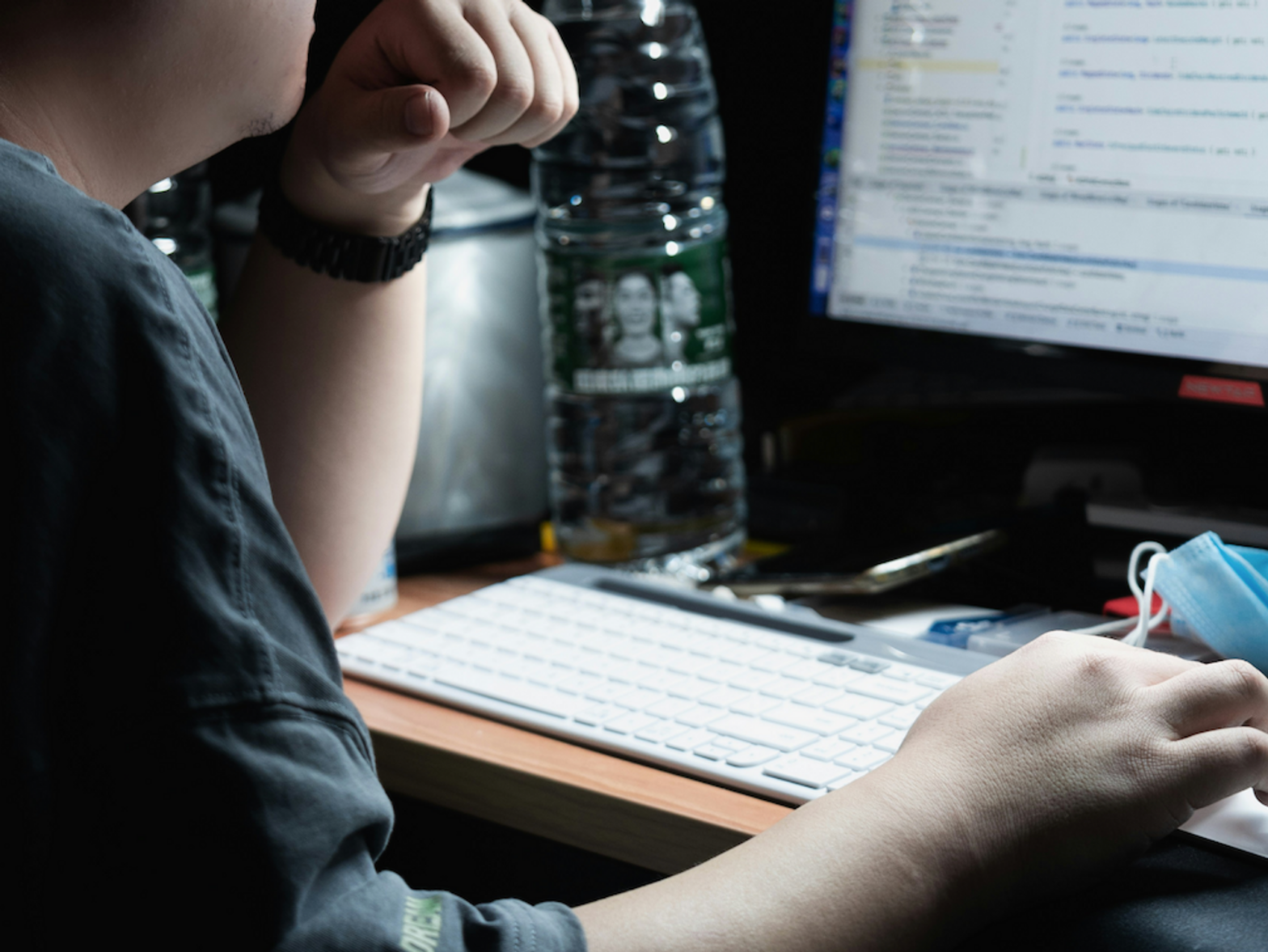
A document leak from a major hacking company opens the door to the Chinese system of digital espionage and influence, which is part of worldwide system that is changing the nature of geopolitics.
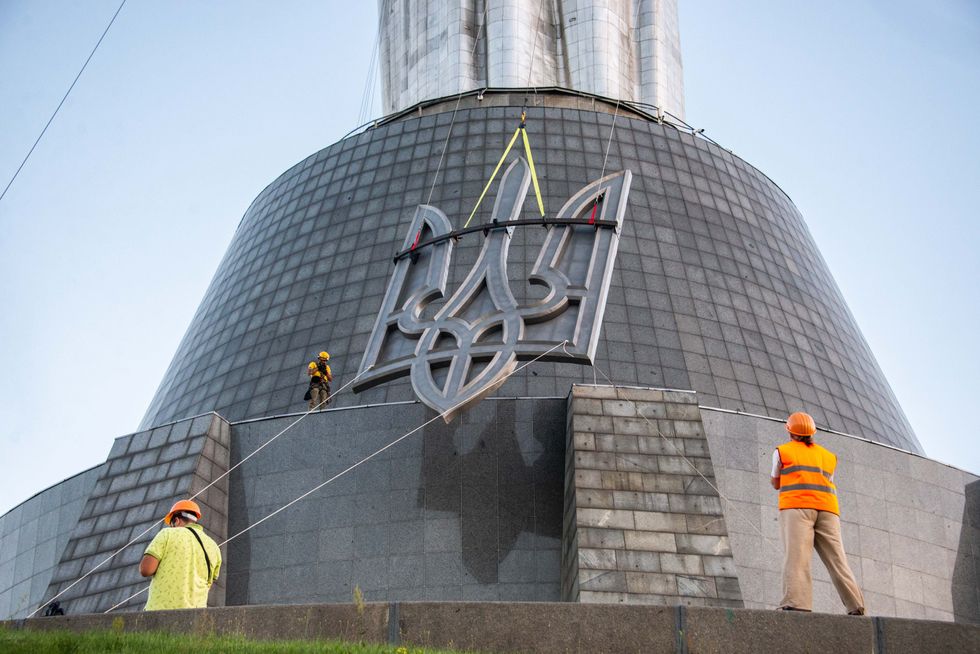
Vibrations originating at one point on the globe rapidly extend to its farthest corners due to the effects of globalization and information connectivity. Having repelled Moscow’s war, Ukraine symbolizes the significant shifts in the global balance of power and influence.

Private video cameras in the Perm region will now have to be connected to a unified regional video surveillance system. The requirement is set to be copied in regions across the country as Russia seeks to expand its monitoring of citizens.
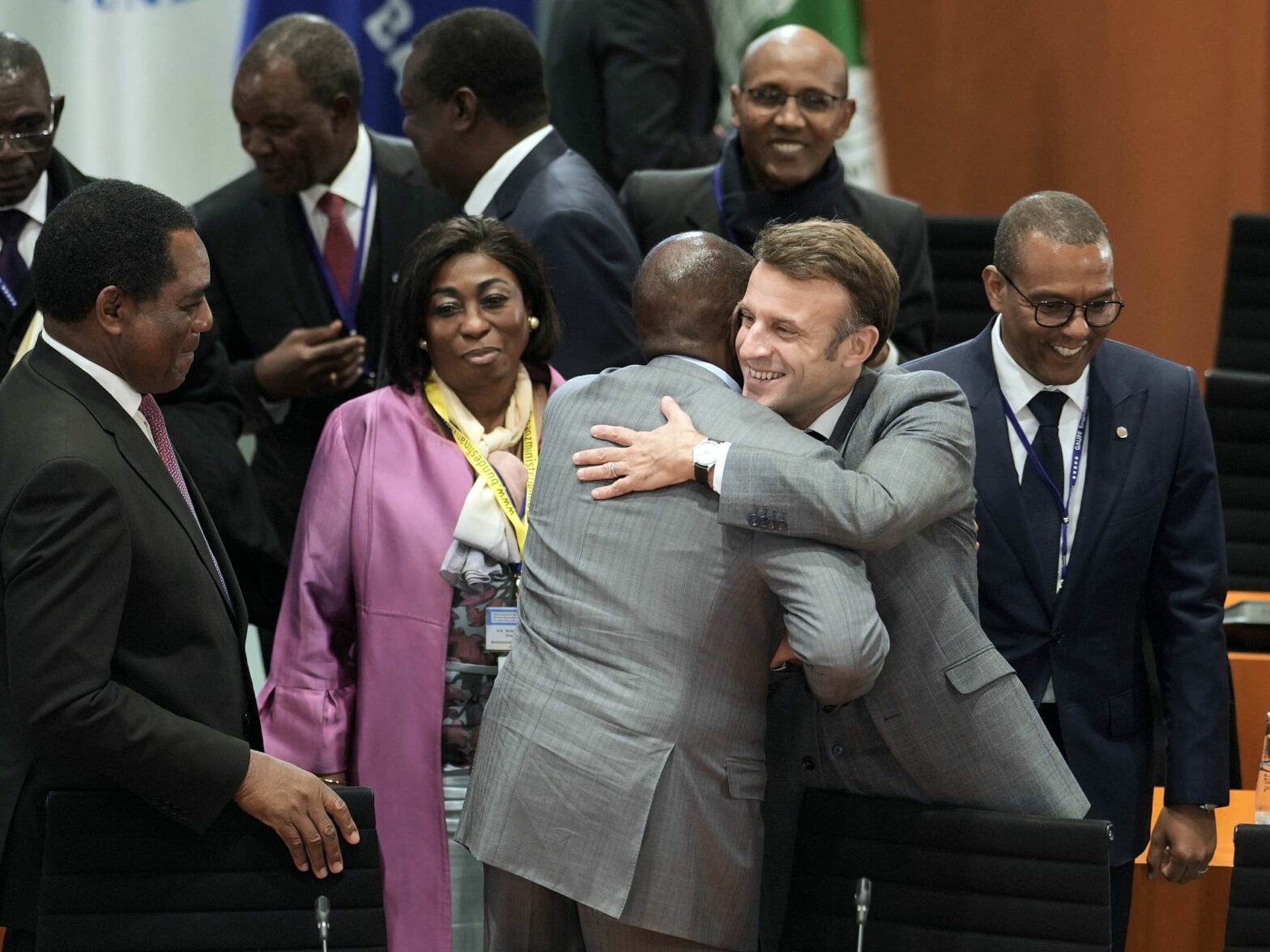
As Russia and China weave more intricate and long-lasting relations within the African continent, former colonizing powers like France need to step up their game in order to maintain their influence and connections.
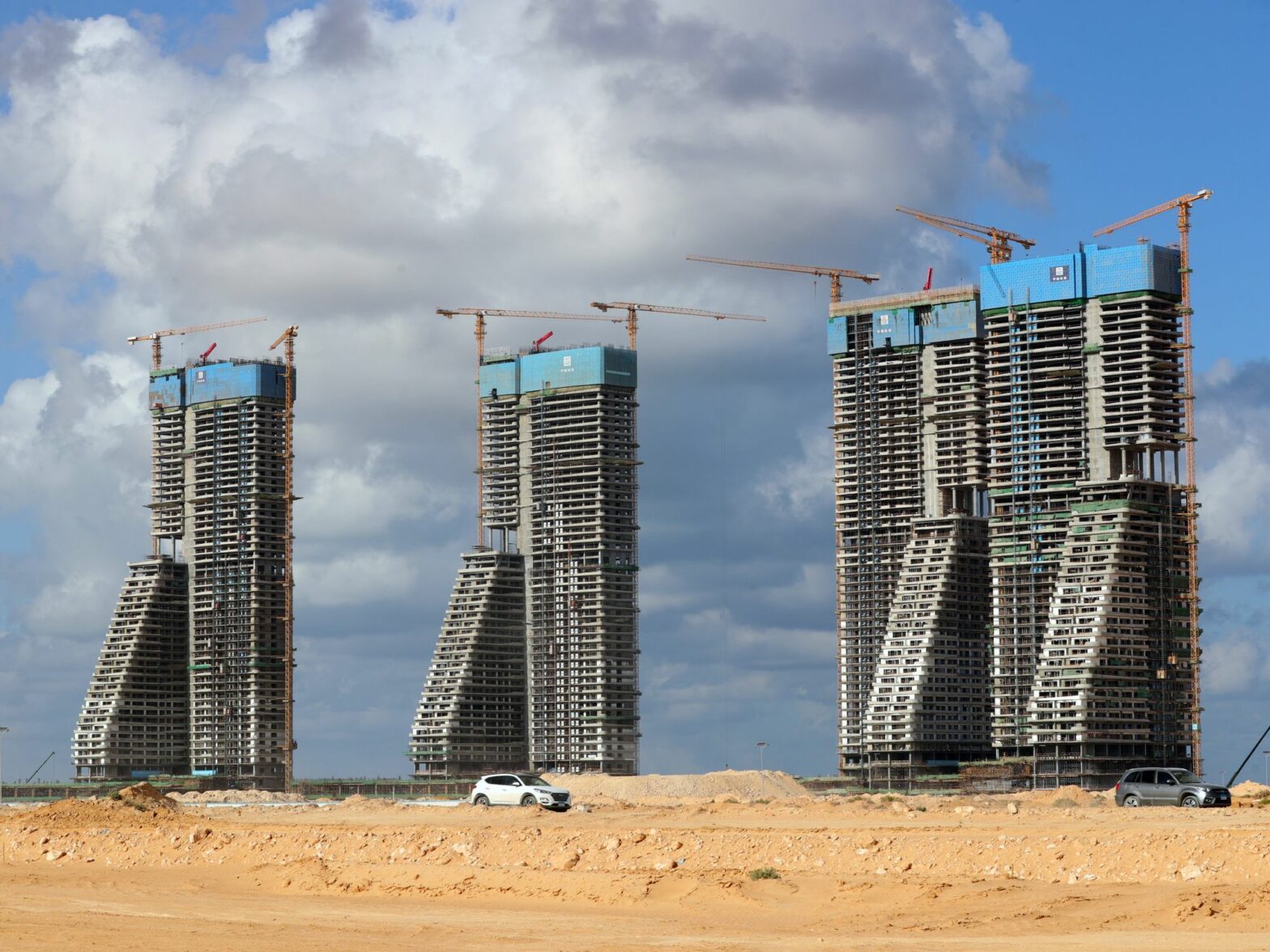
Ambition and ambiguity are the unspoken rules utilized by the participating parties in China’s much touted Belt and Road Initiative, launched 10 years ago, to expand its economic power across the world. But what has actually come of it is not so clear.

Streaming video channels that allows interactive home shopping has been booming in China, and is beginning to win over customers abroad as a cheap and cheerful way of selling products to millions of consumers glued to the screen.
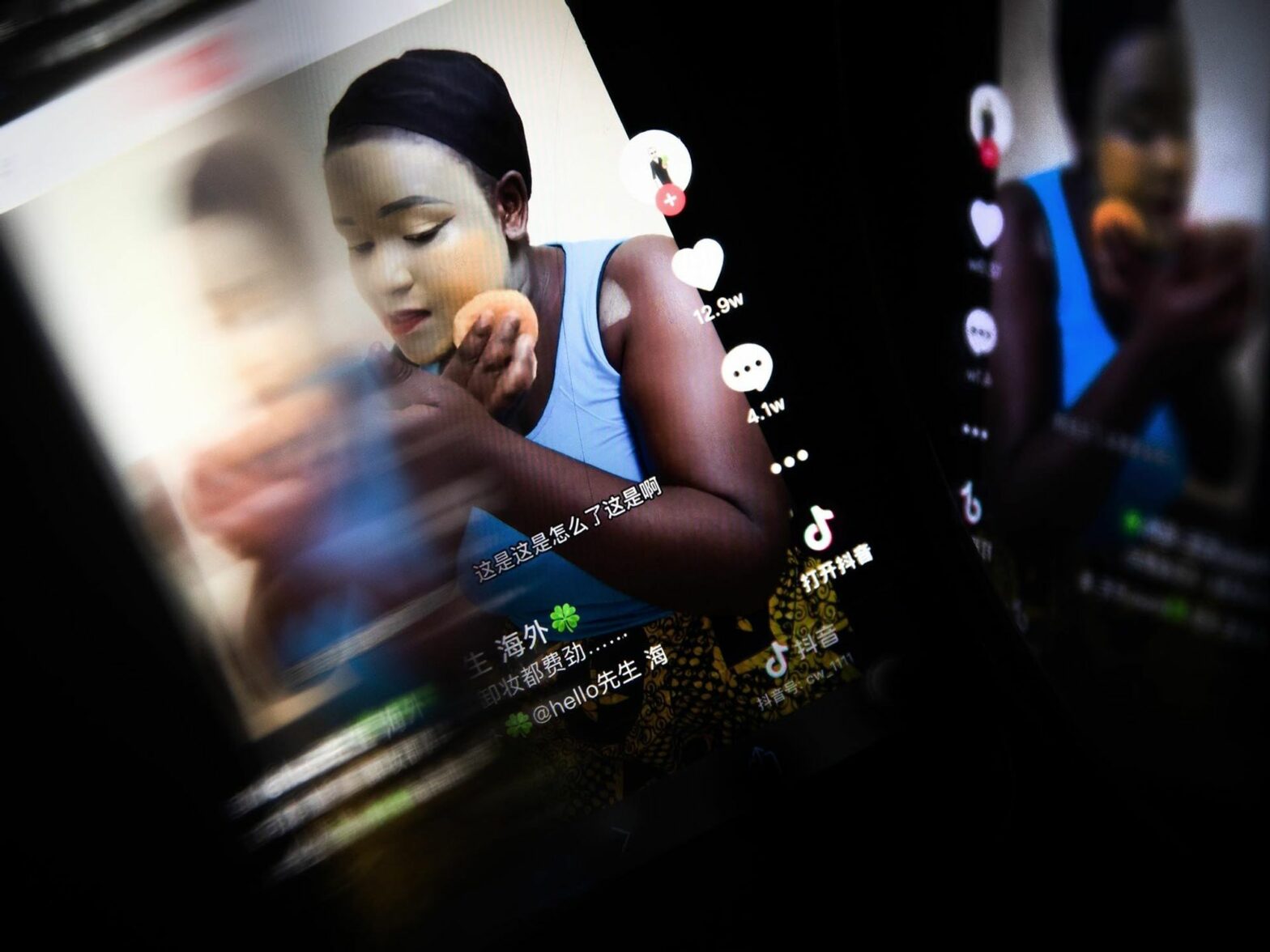
What has driven the rise and slow decline of Chinese social media influencers on the African continent? A mix of business, racism and censorship — and short attention spans of all of the above.
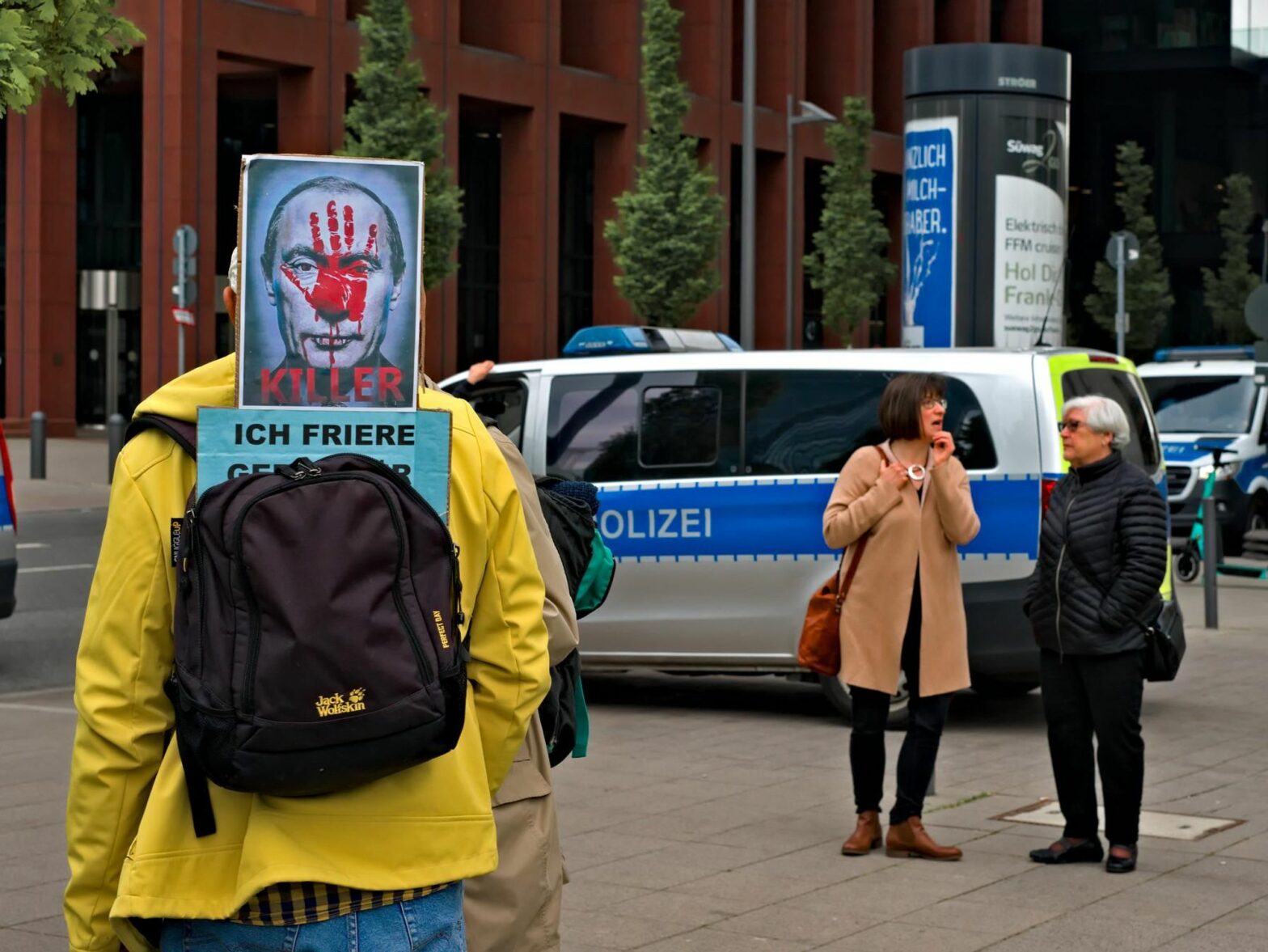
The leaders of key EU countries have been on the phone with Vladimir Putin since the war in Ukraine began. Weighing the costs, benefits…and morals…of leaving the door open to a man who brutally invaded a sovereign nation — and taking Munich 1938 as a starting point.
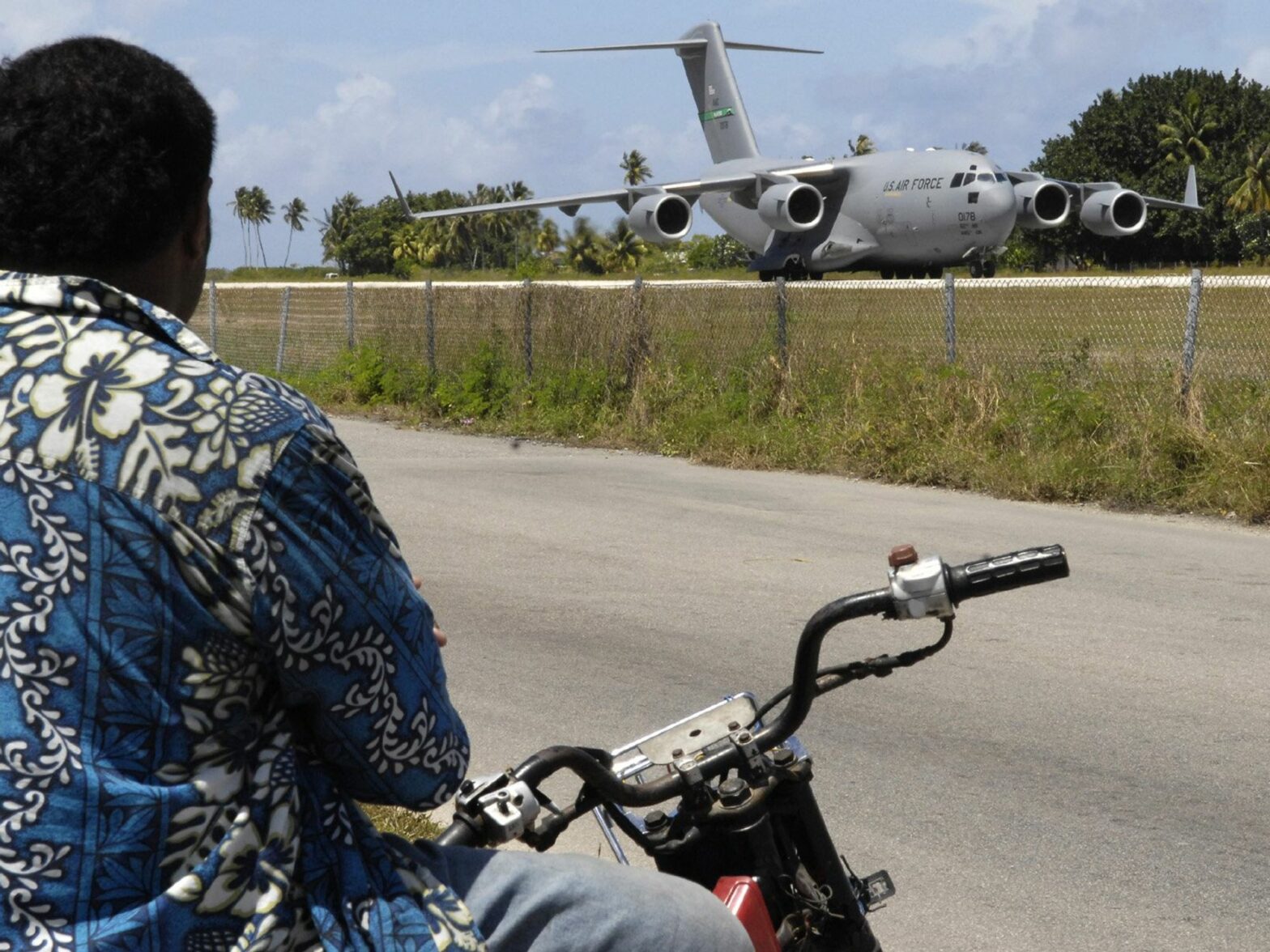
There is major maneuvering among the small but strategic islands in the South Pacific, with China offering security cooperation, and the United States reopening embassies and reviving dormant cooperation.
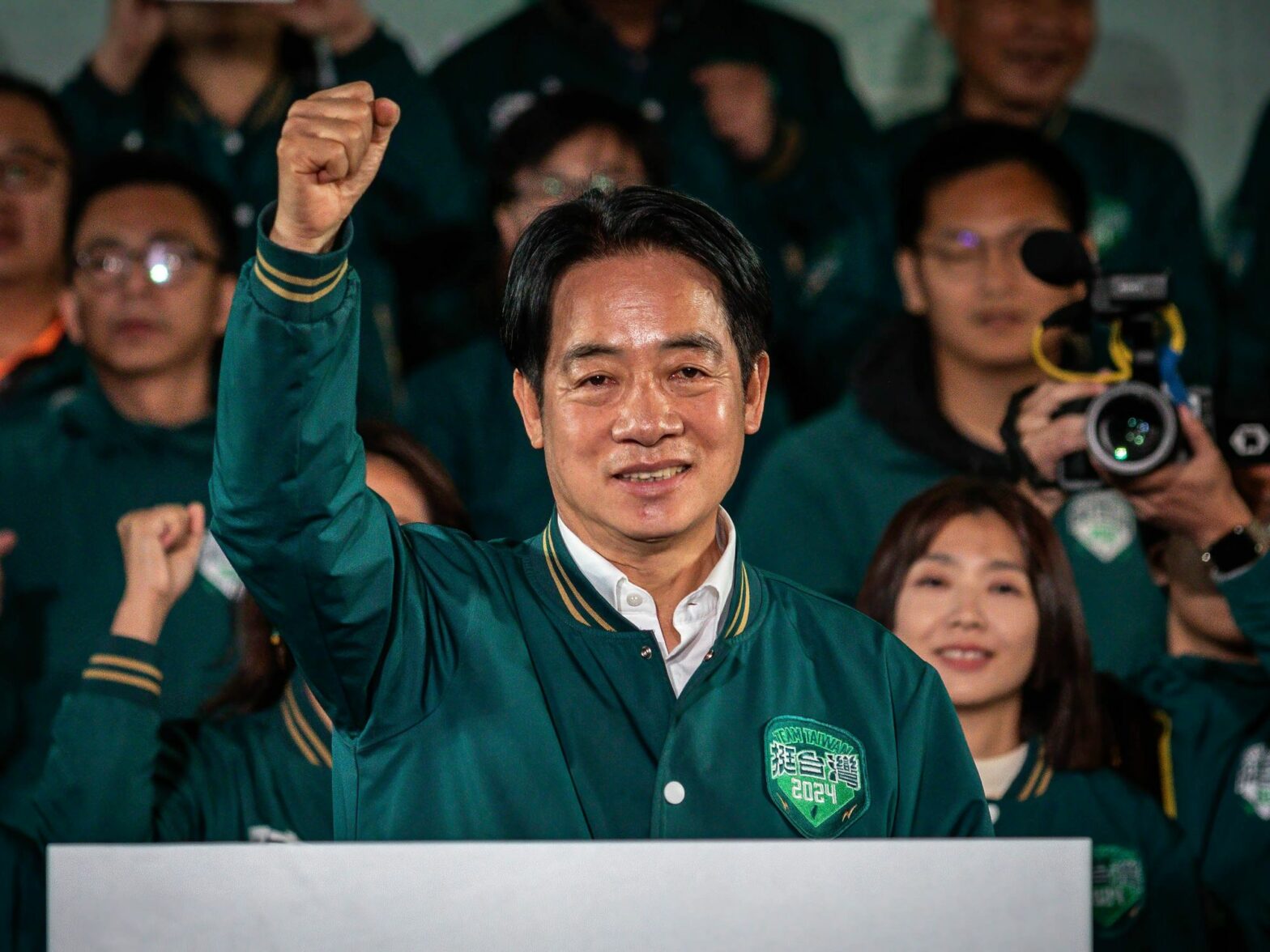
By electing William Lai, the Taiwanese people have reaffirmed their desire for sovereignty and independence from China in the face of Chinese threats. And meanwhile, Donald Trump’s comeback could reshuffle the cards again.
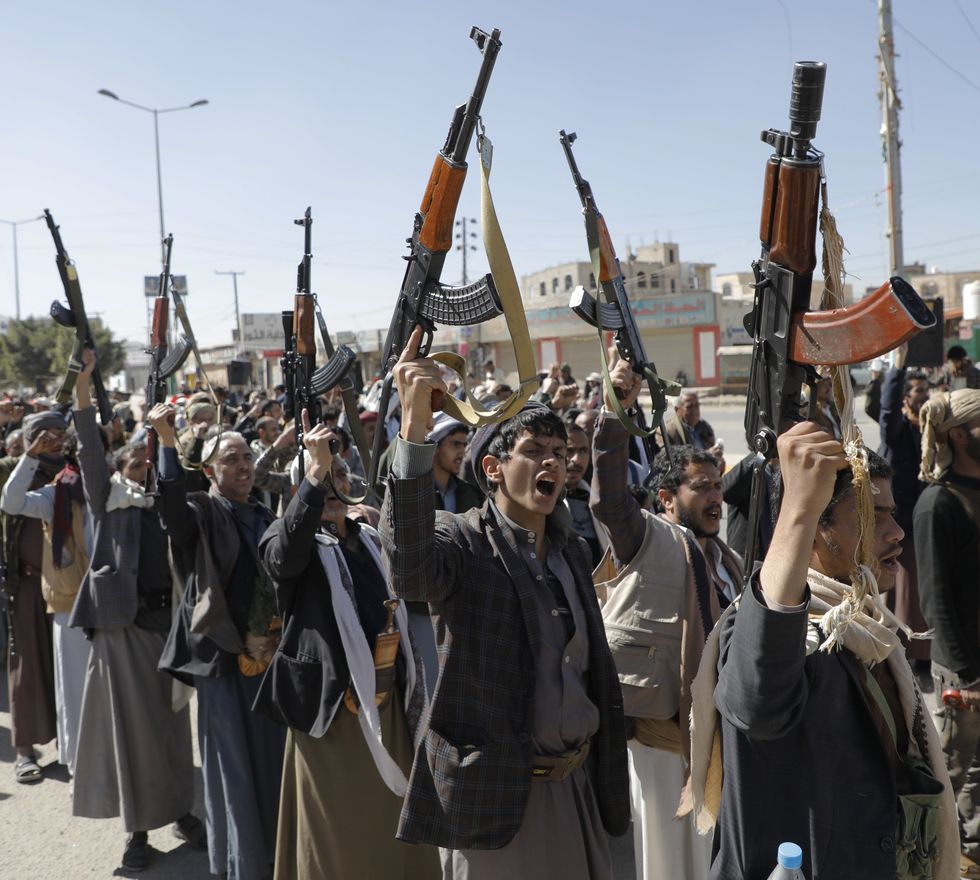
Houthi rebels are now blocking the strategic Red Sea, by striking or seizing merchant ships, while also attempting to launch rockets into Israeli territory. This has sparked a strong response from the U.S and Britain, escalating a situation that could impact global security in major ways, with competing powers ready to cash in.
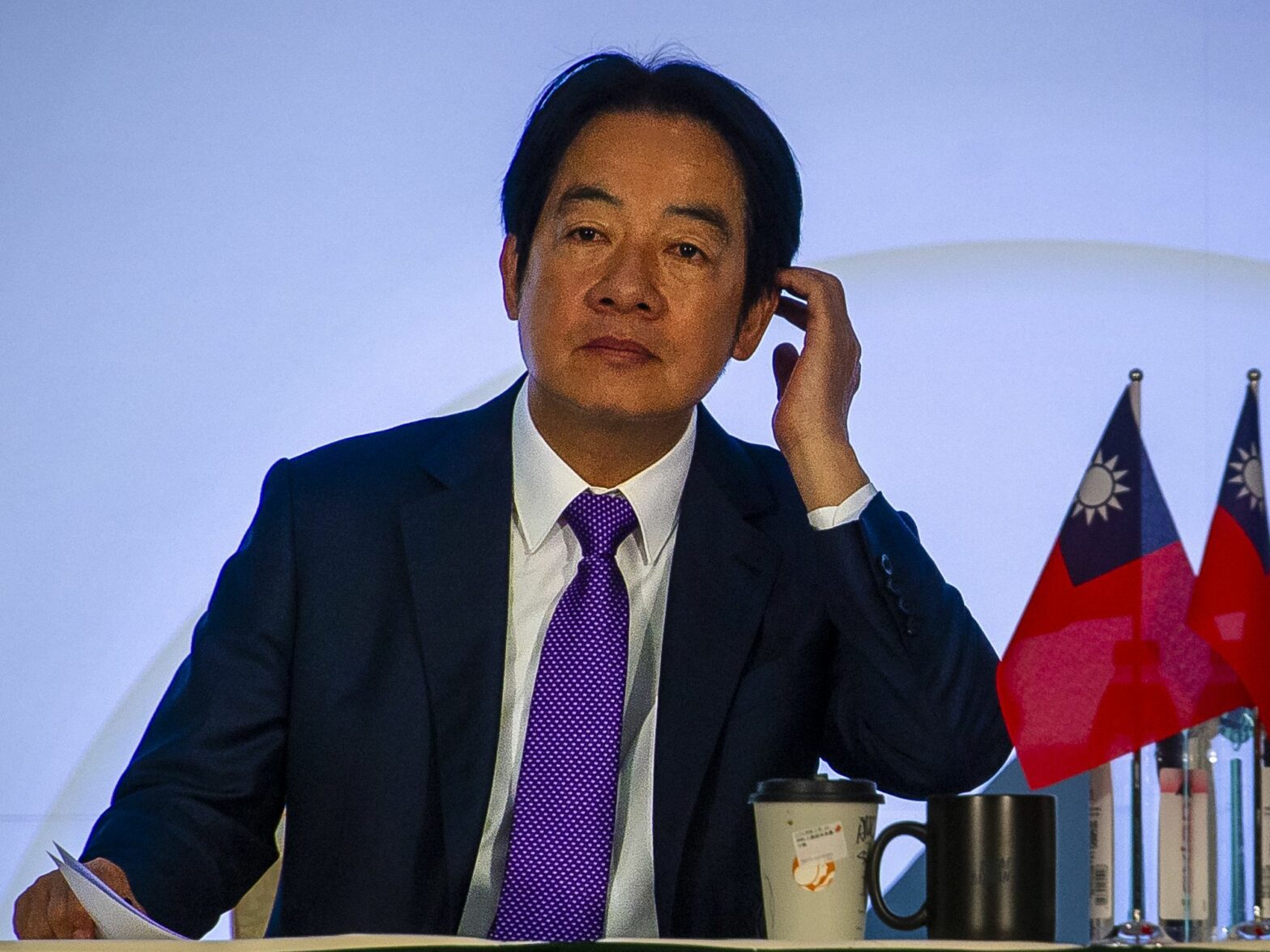
Saturday’s election is bound to create tensions, if the favorite, William Lai, candidate of the Democratic Progressive Party (DPP), wins. Xi Jinping has warned against voting for him. But is it just posturing?
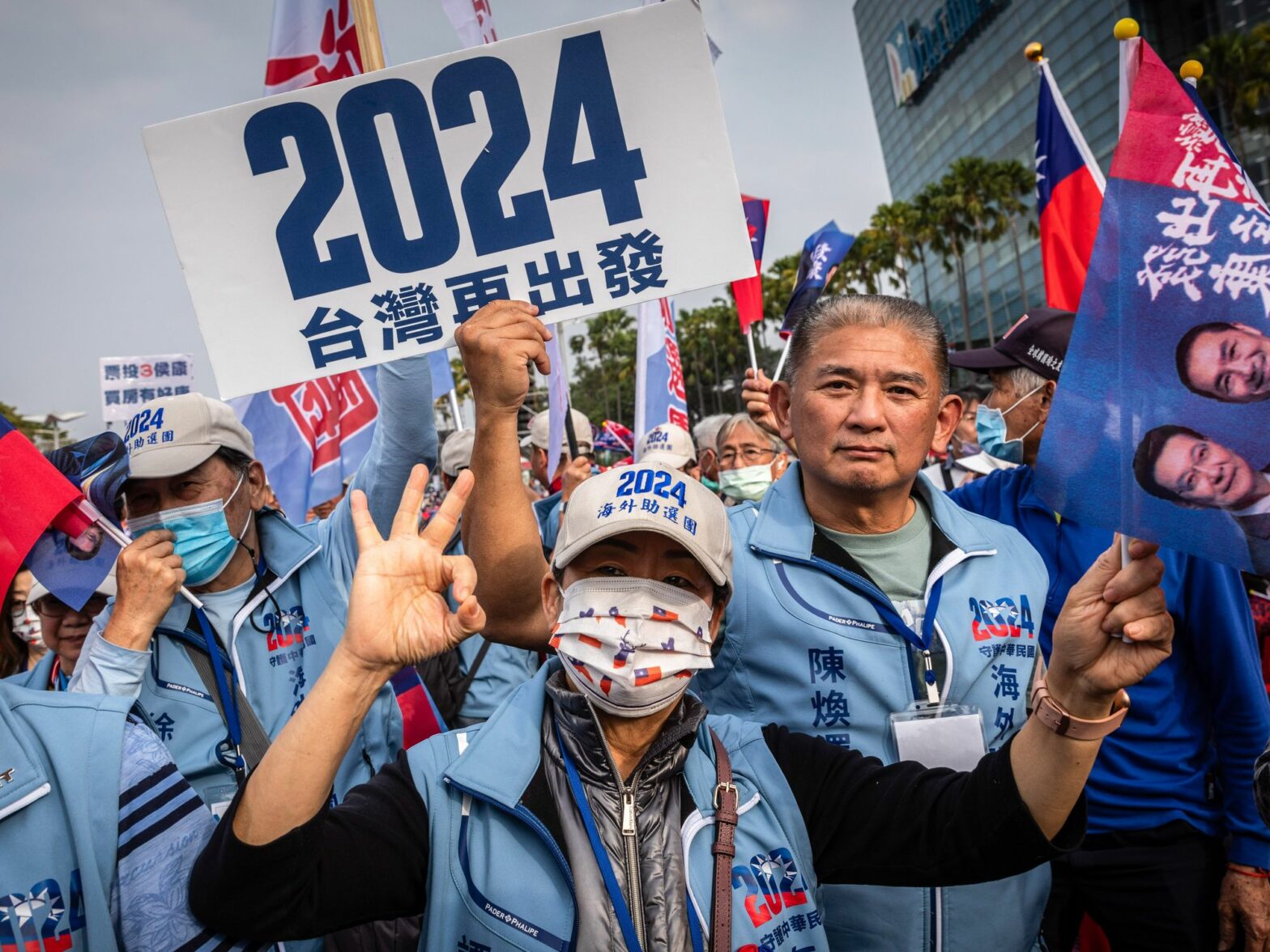
It’s the first big election of 2024, and it may well prove one of the most contested — and significant ones. As these vote on Saturday, Taiwanese citizens will be picking the fate of their identity and democracy.
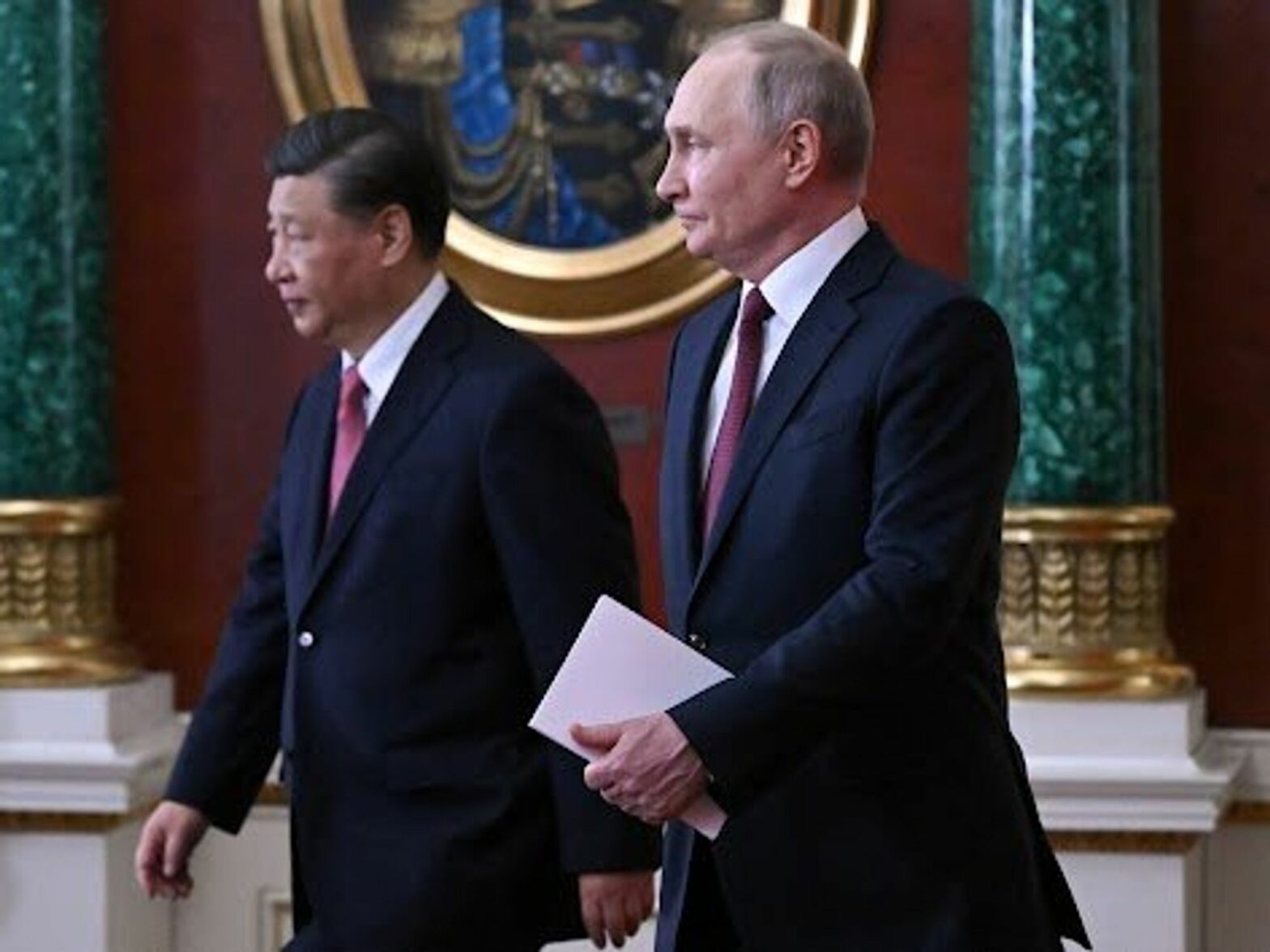
The West is a spent force, say China, Russia and their global clique, yet it retains plenty of decisive cards including a choice to back Ukraine to the hilt. The year may yet reveal the world’s rising, and ranking, powers.
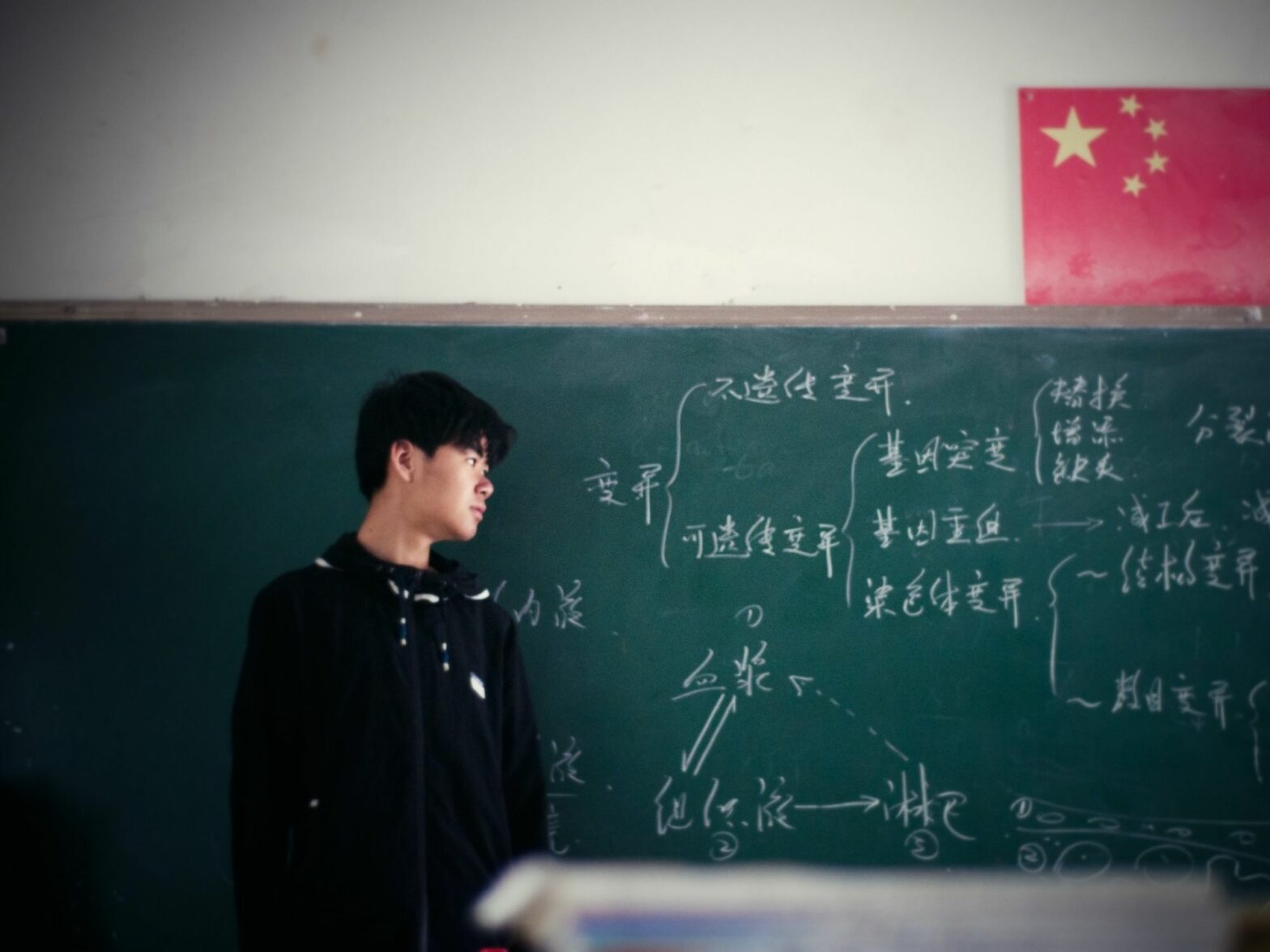
China’s exam-oriented culture fails to foster imagination, which is necessary to create better employees and better people.