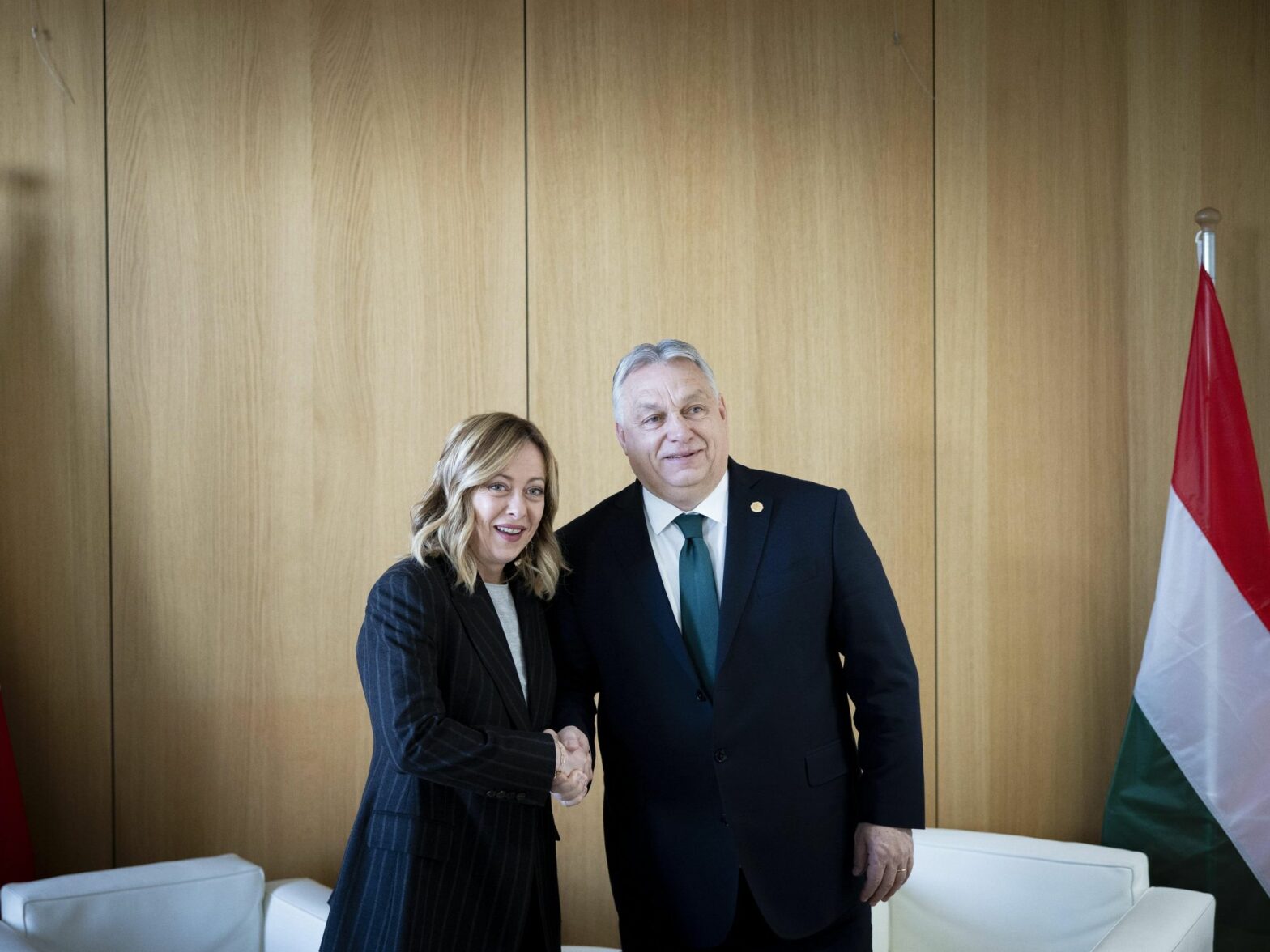
Ahead of the June’s EU elections, Europeans are deeply divided between fears of migration and of the Ukraine war, between emotion and reason. How can the EU respond in the most united and credible manner to the Russian threat?
 Worldcrunch
Ahead of the June’s EU elections, Europeans are deeply divided between fears of migration and of the Ukraine war, between emotion and reason. How can the EU respond in the most united and credible manner to the Russian threat?
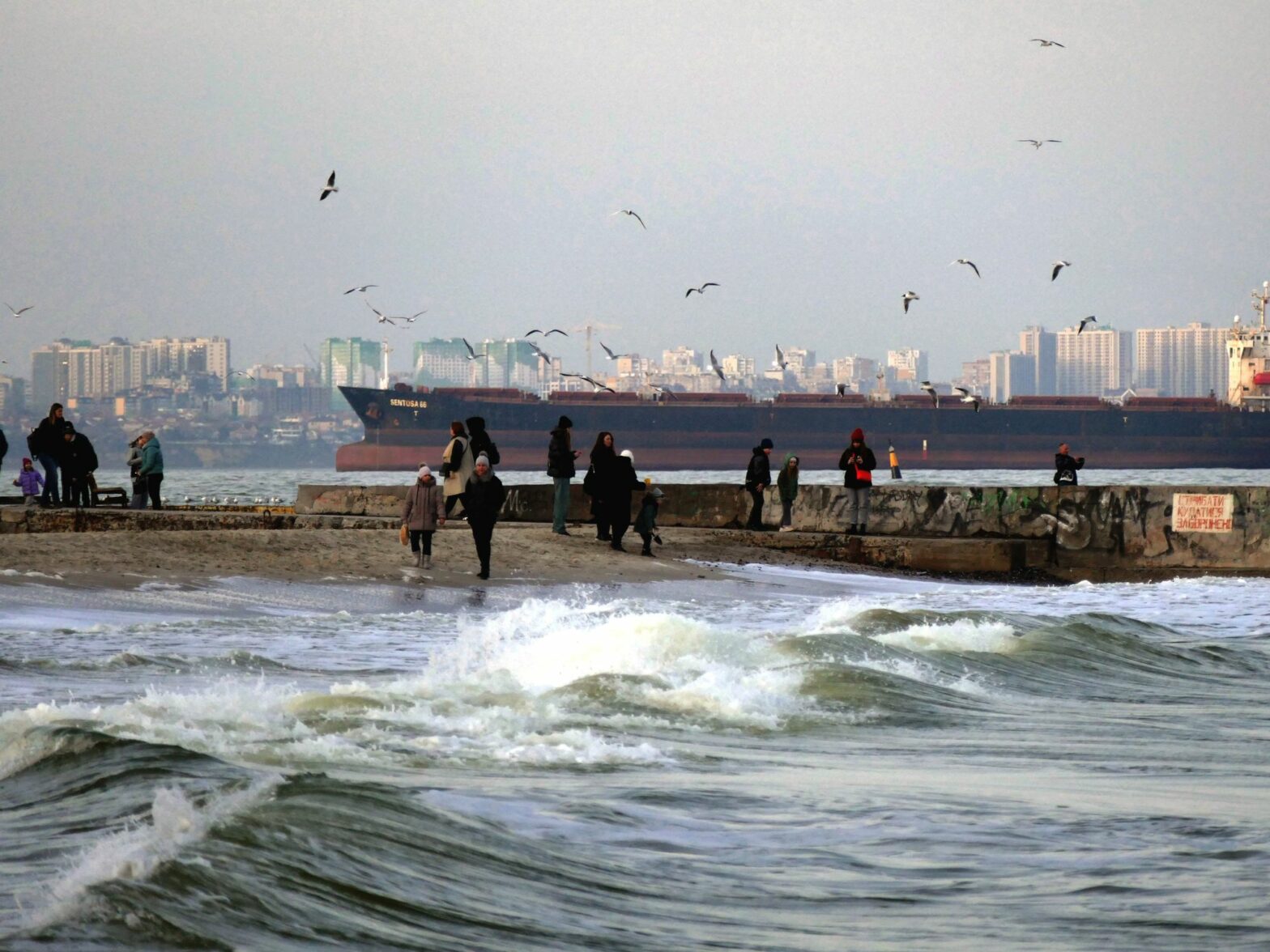
With strikes on Moscow’s fleet in the Black Sea, Ukraine has undermined the Russian capacity to slow down Ukrainian grain exports. It’s a pivotal triumph, which nonetheless can’t hide Kyiv’s losing ground on the front line on a regular basis.
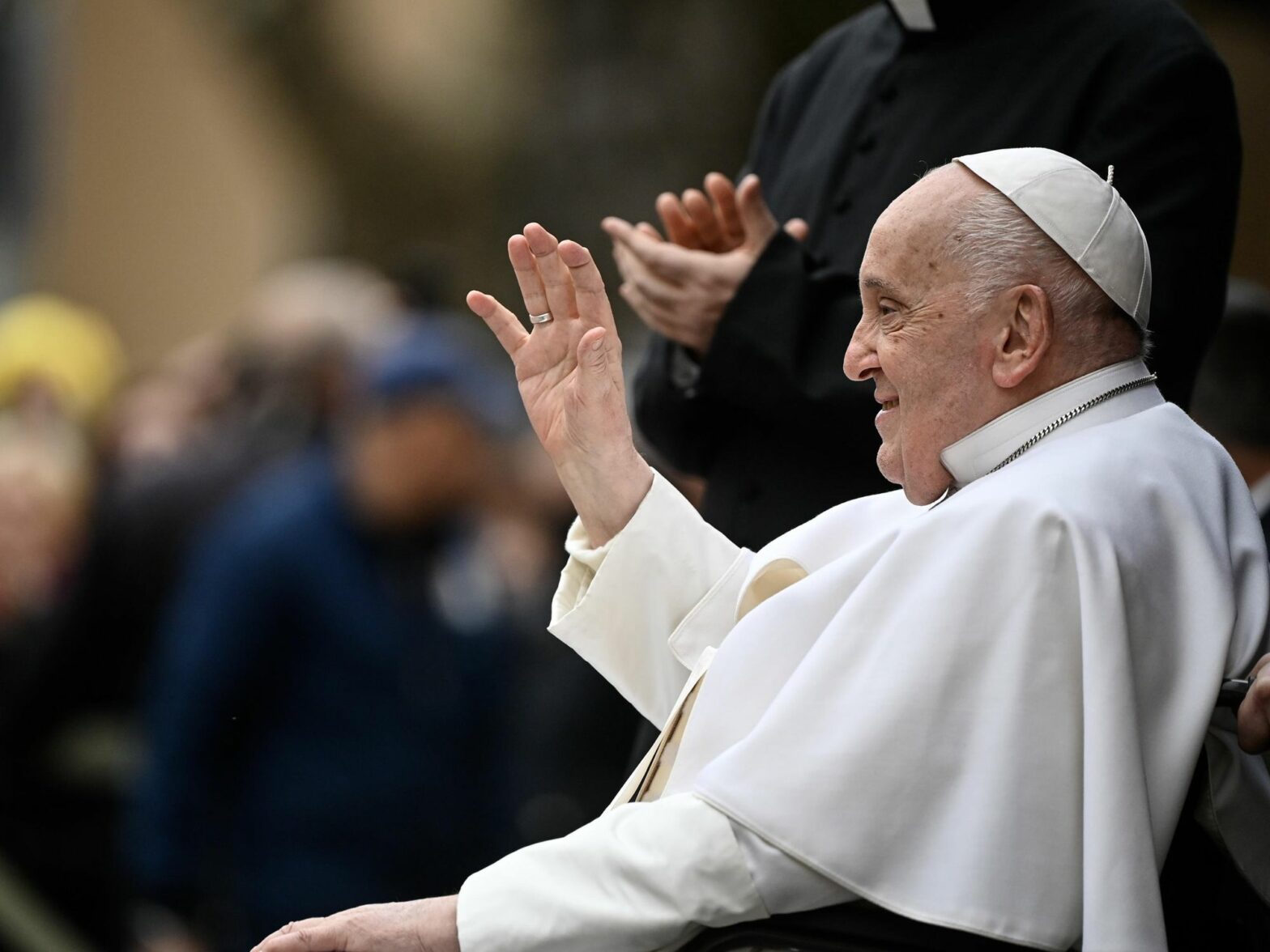
Pope Francis appears incapable of grasping that for Ukraine to “raise the white flag” would be to concede defeat, and accept the victory of evil over good. Is he a poor theologian or a poor global strategist, or both?
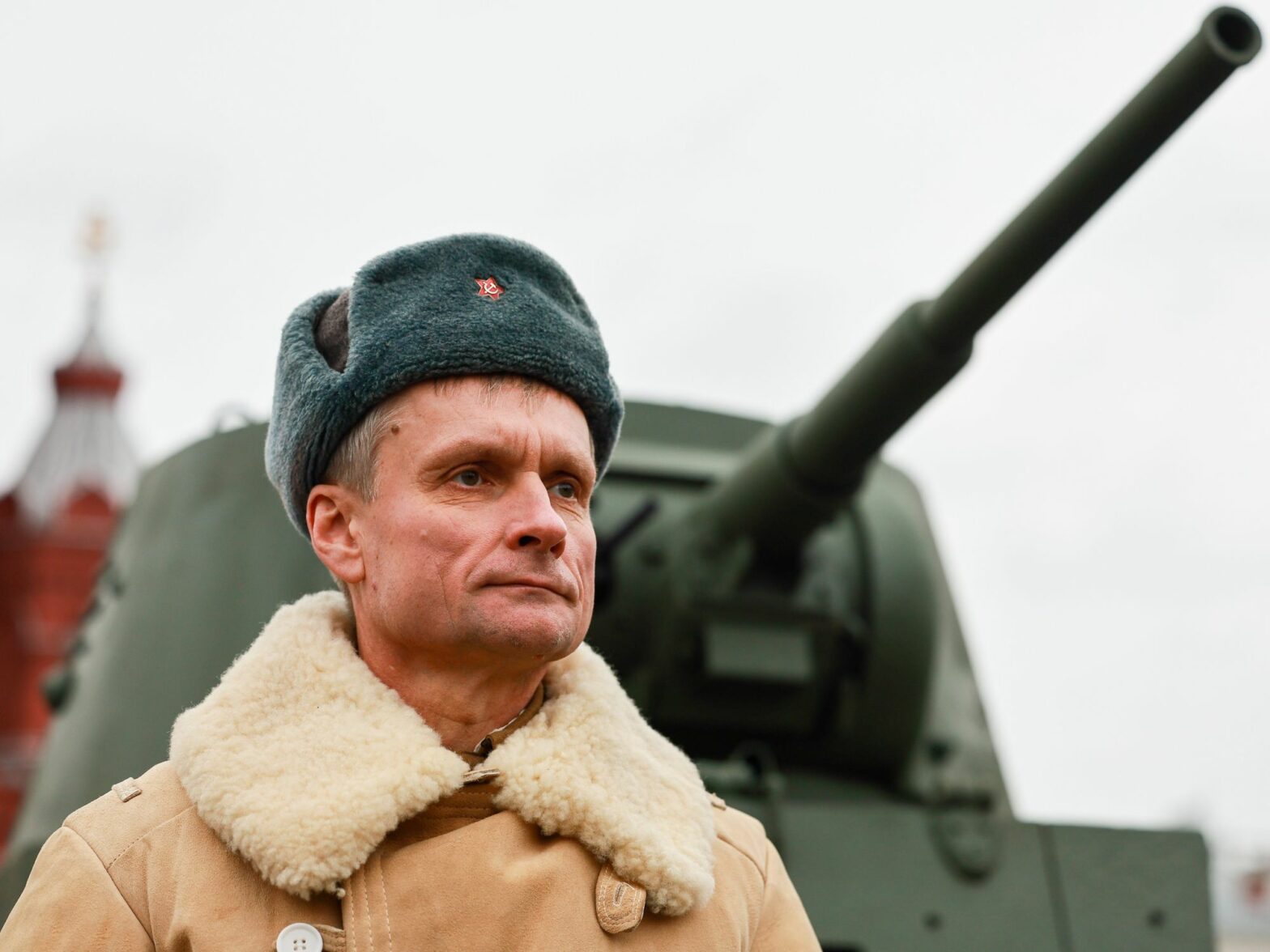
President Vladimir Putin is just a vessel for a longstanding Russian psychology that is simultaneously expansionist and worried about external threats on the Motherland.
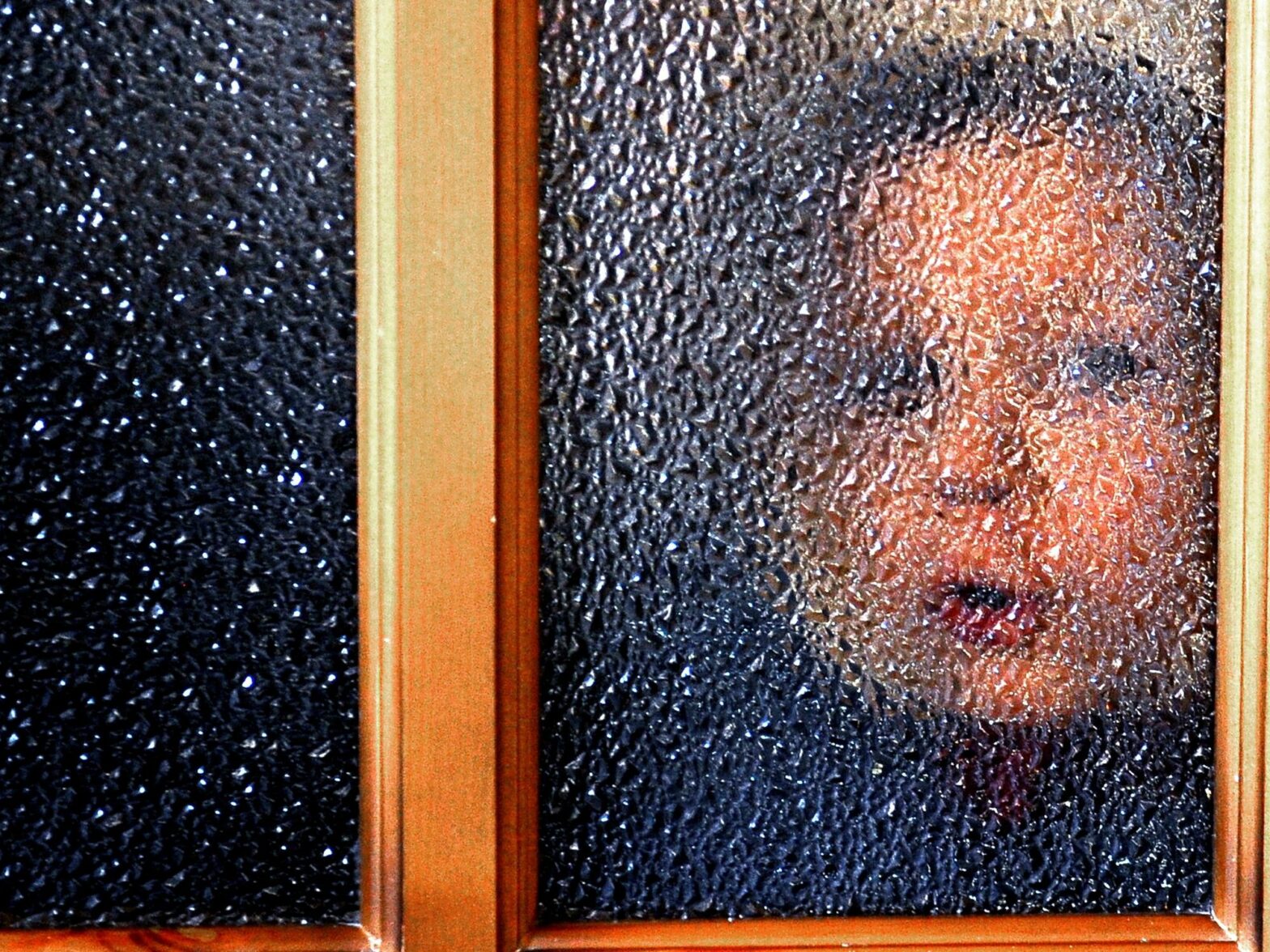
Since the war began, an estimated 2,500 children have been transferred from Ukraine to Russia, where local authorities are training potential foster parents on how to raise these “children from the combat zone” and “work with their national identity.”
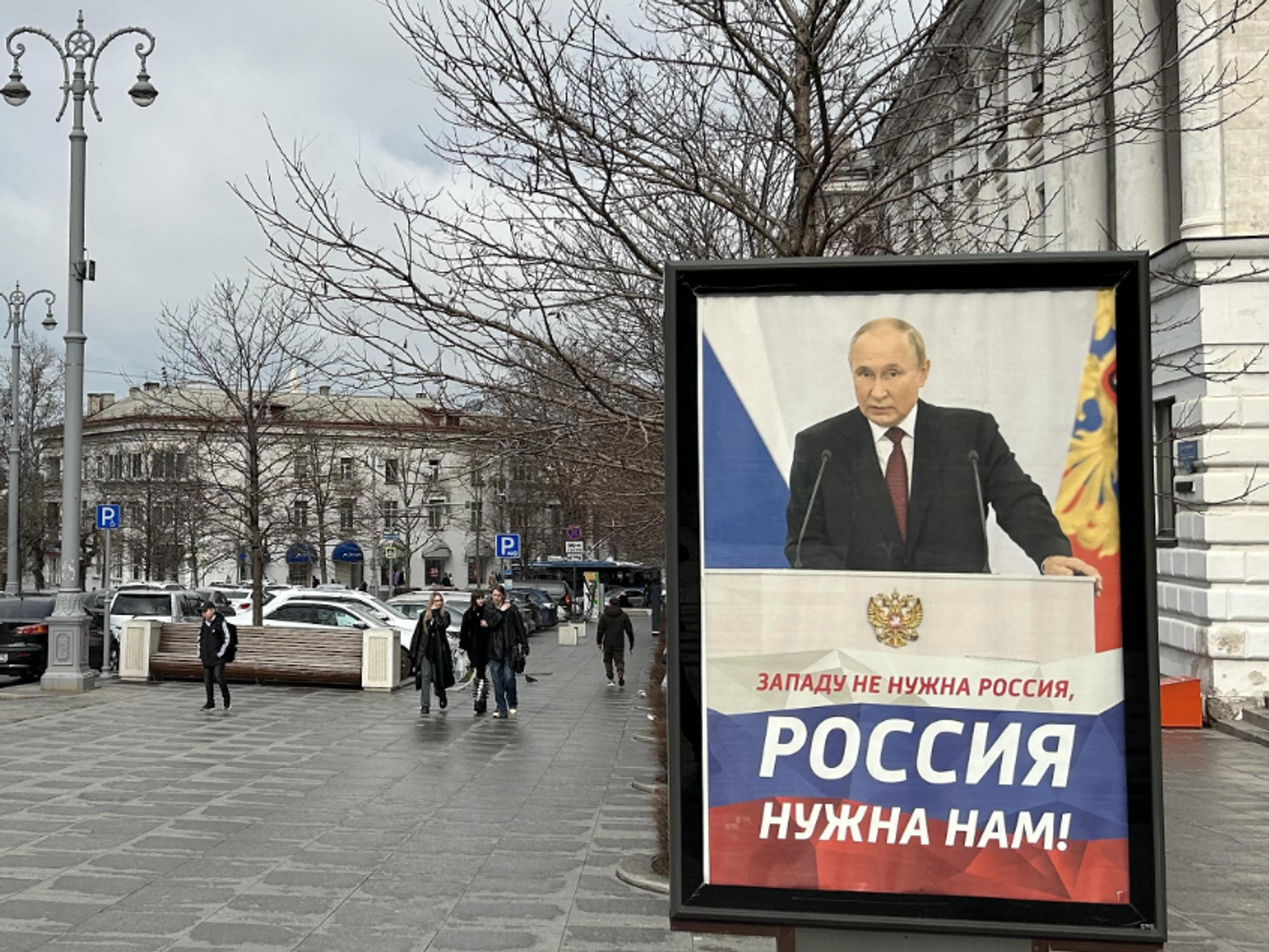
Russians have long waged systematic and effective disinformation campaigns. Roman Vybranovskyi considers “active measures” that have been successful in the past, and what can be done to fight them today, notably in Ukraine.
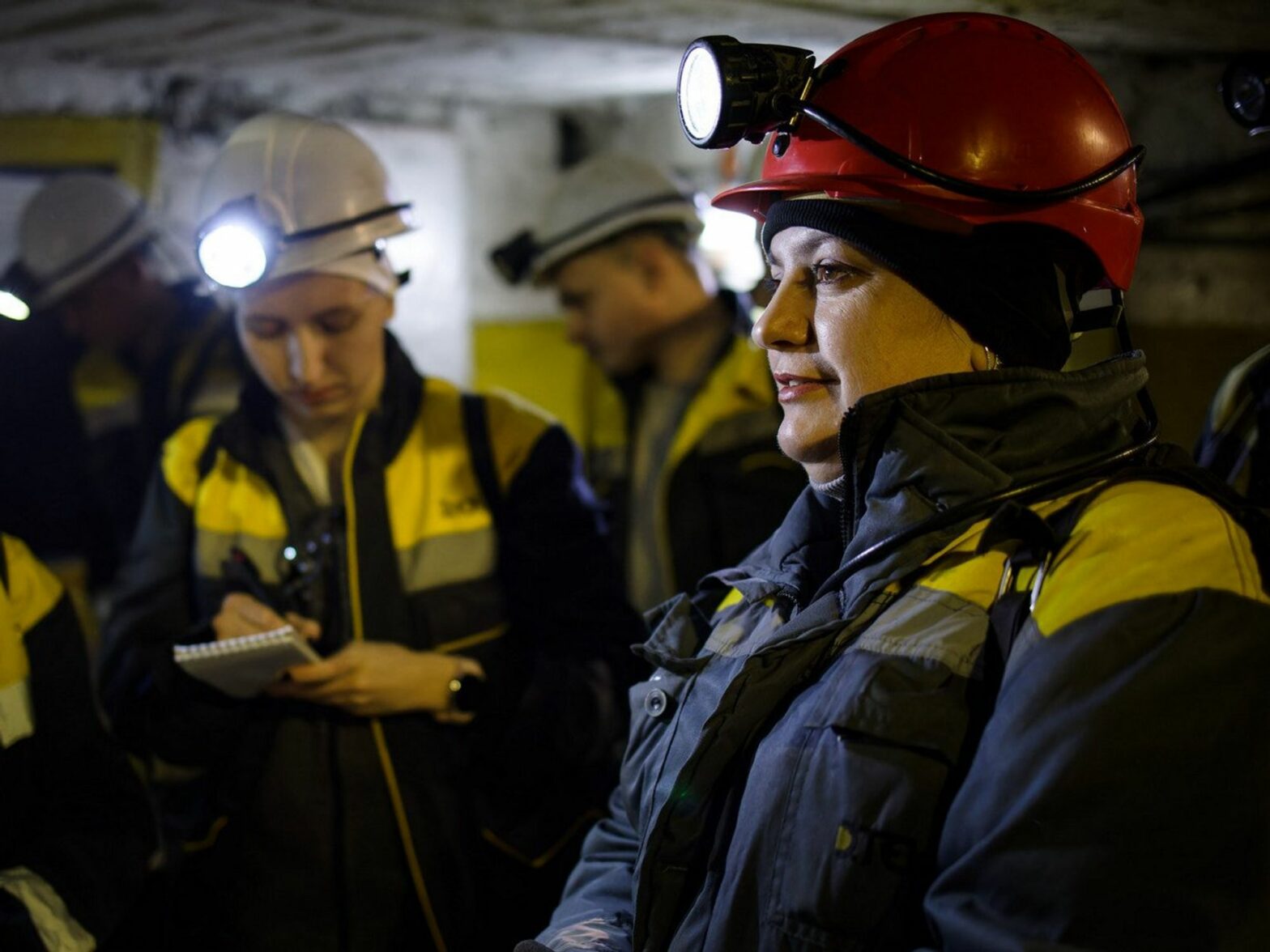
With men leaving for the front, Ukrainian women have stepped in to fill the void, notably in the coal industry. A reportage from the mines of the Dnipropetrovsk region to see how women are faring in this male-dominated field.
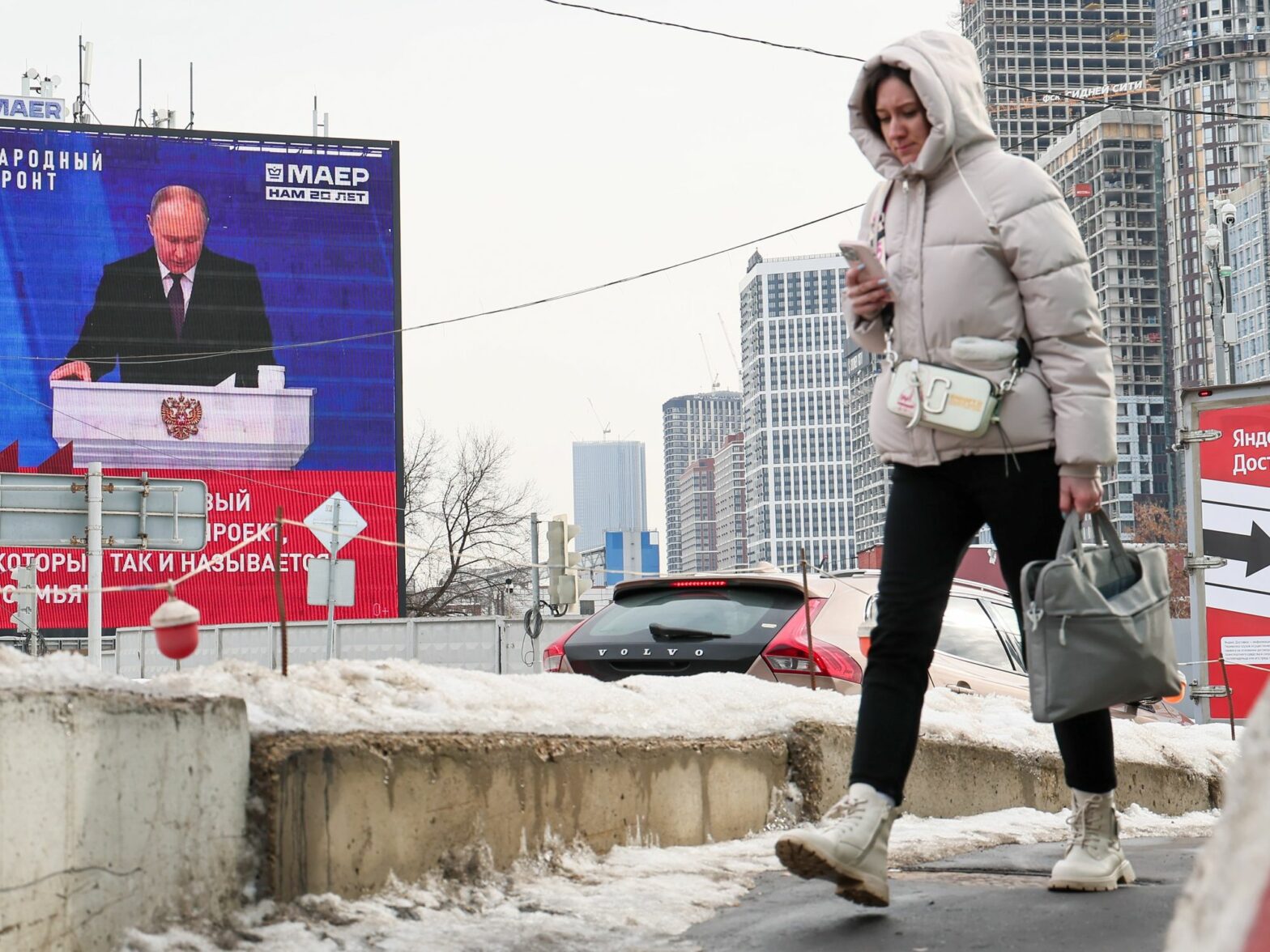
Three days after Emmanuel Macron’s statement on deploying troops to Ukraine, Putin warned that such a move could provoke nuclear war. It’s a serious threat that has regularly resurfaced over the past two years. So far, we’re all still here.
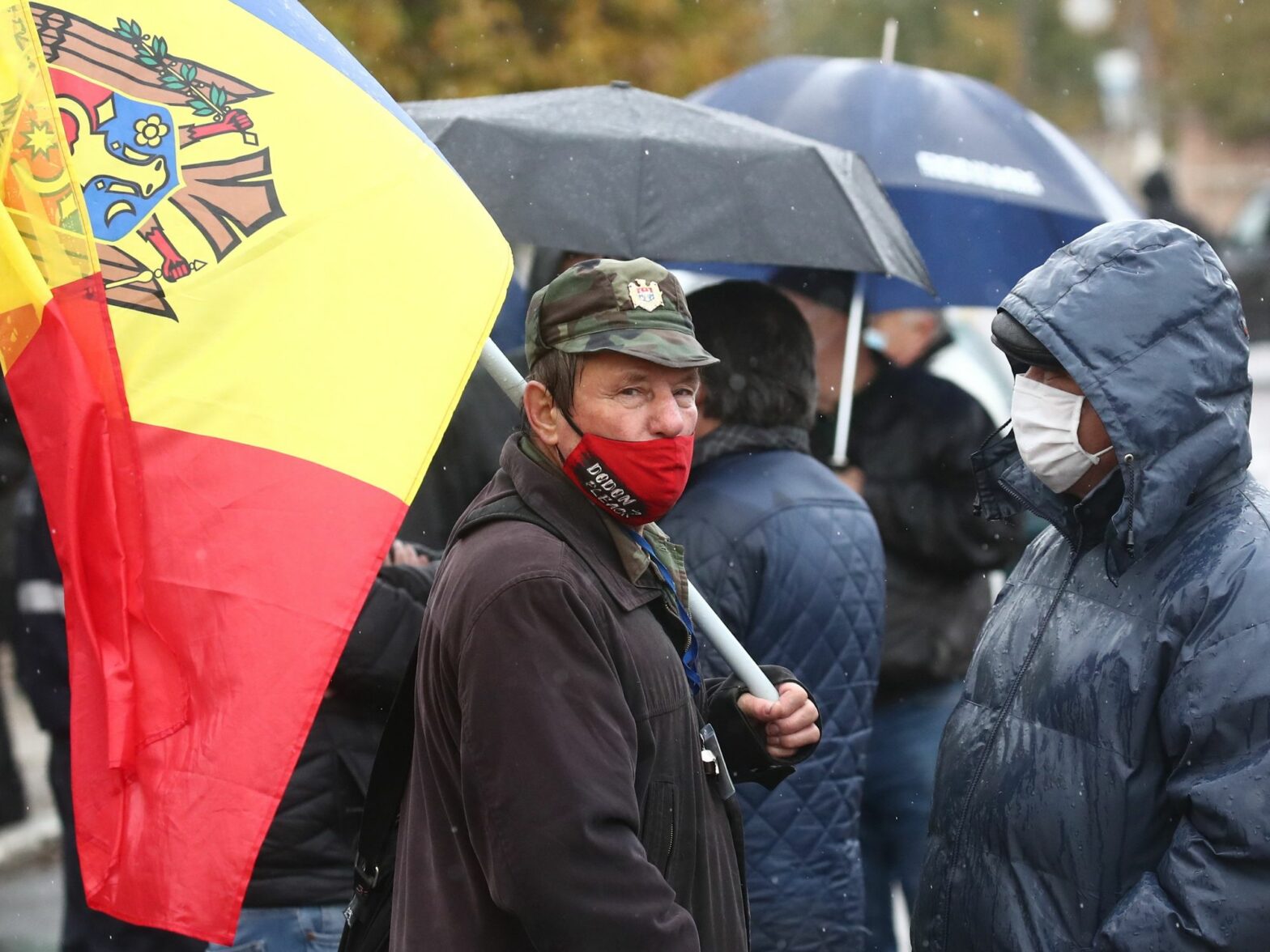
The authorities of the pro-Russian breakaway region of Transnistria in Moldava have asked for “protection” from Russia, which has been quick to respond. It is a blatantly “engineered-from-scratch” crisis in a region bordering Ukraine. This tiny territory may be the next place on the world map to watch.
Updated Feb. 24, 2024 at 1:30 p.m. On this day two years ago, Russia invaded Ukraine. Why did Russia invade Ukraine? Russia launched a military invasion of Ukraine in a steep escalation of the Russo-Ukrainian War. The campaign had been preceded by a Russian military buildup since early 2021 and numerous Russian demands for security […]
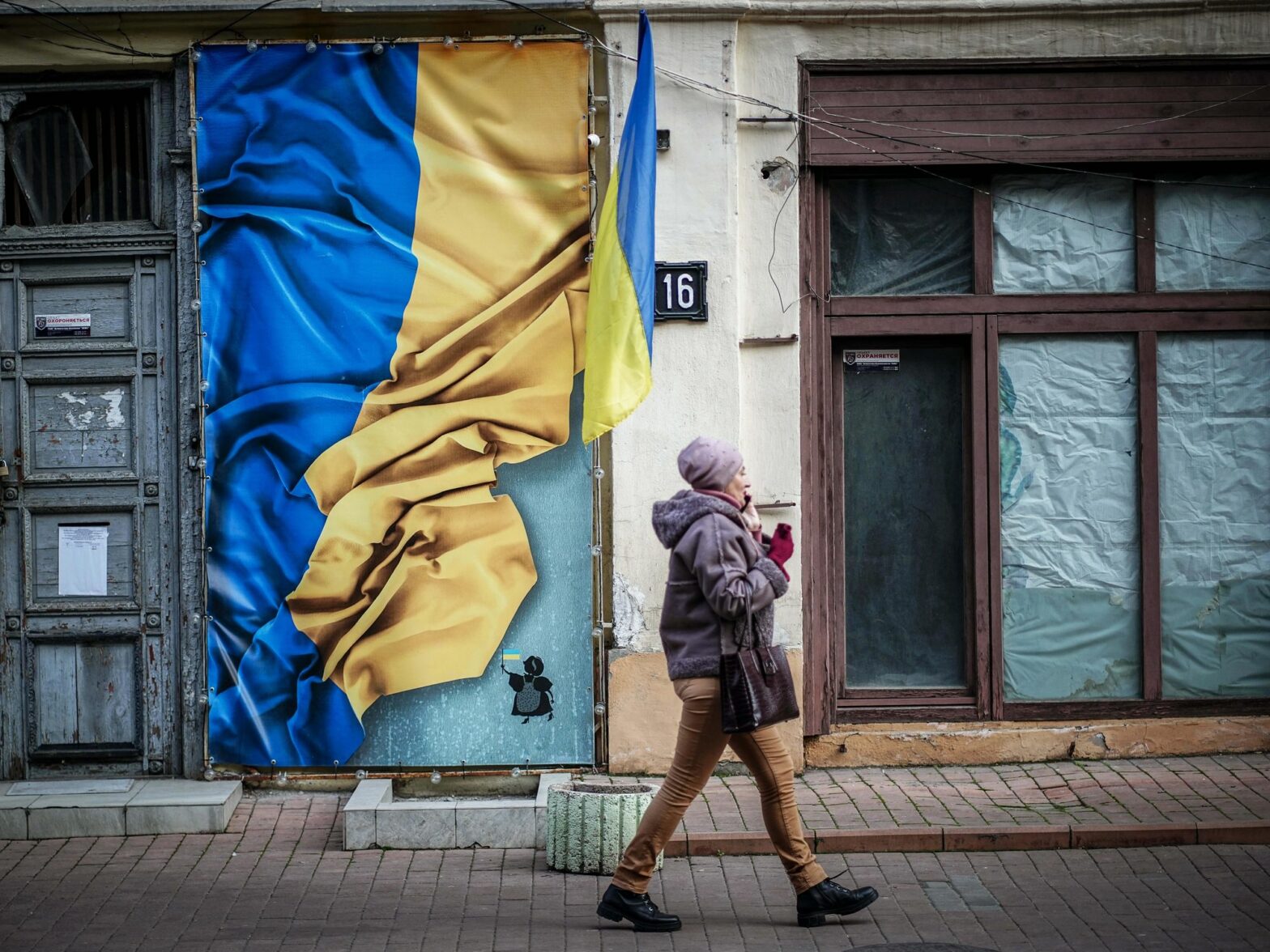
As the war in Ukraine enters its third year, results of a survey suggest that only one European out of ten thinks that Ukraine will come out of this war with a victory. While their support has not shifted towards Russia, the poll results give an insight into how fatigue is playing in citizens’ minds — and what European governments have to put up with if they want to continue supporting an expensive war.
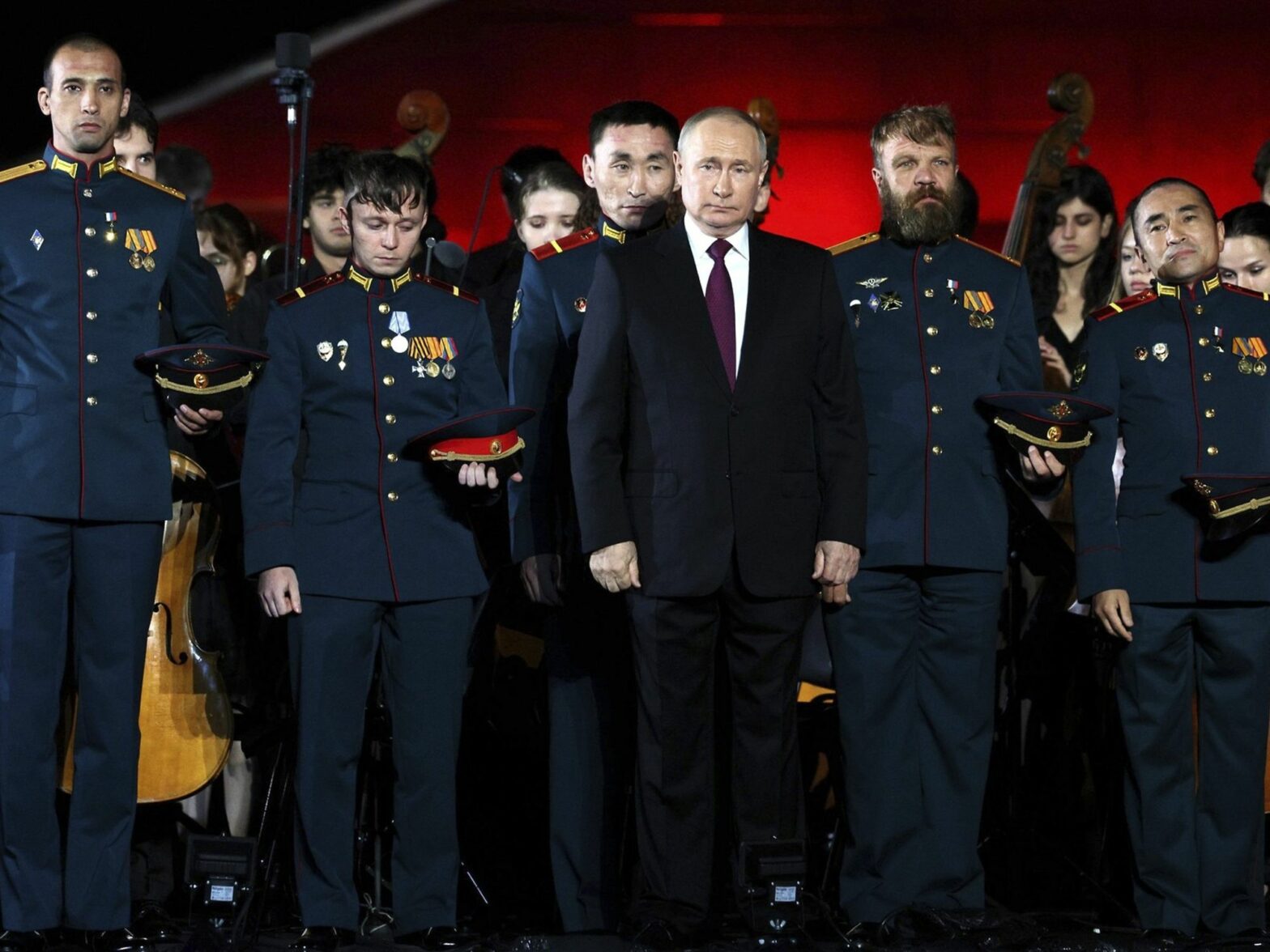
While Ukrainians may be hoping for Russia to disintegrate, history shows otherwise. Only when Putin’s authoritarian regime will come down, will it be possible for Chechens, Dagestanis, Buryats, Yakuts, or Bashkortostans to gain any kind of autonomy or democracy vis a vis Moscow.
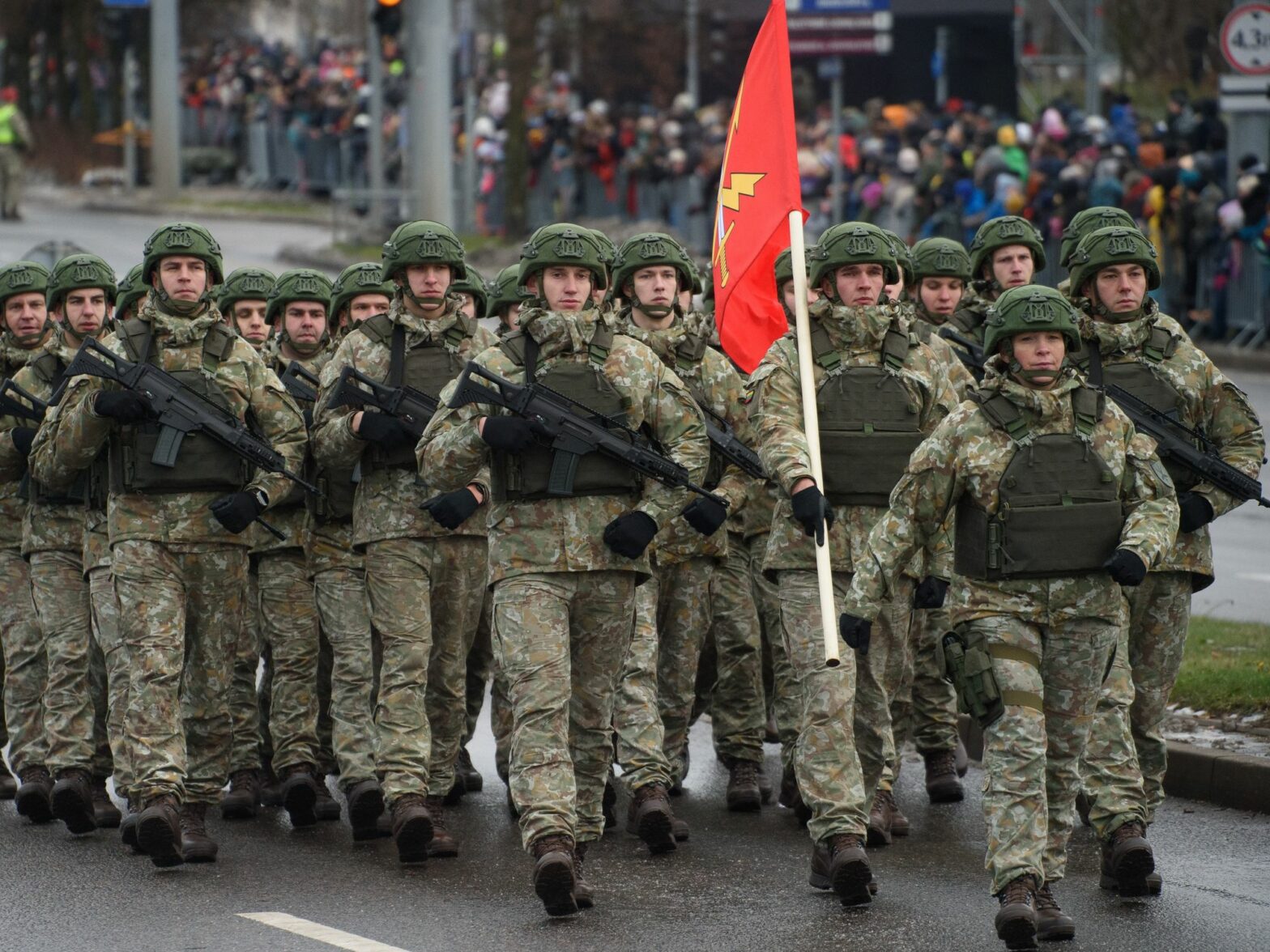
With Estonian Prime Minister Kaja Kallas put on Russia’s Most Wanted list, Tallinn is drawing up clear plans on how it intends to secure its border with Russia — an idea it shares with Latvia and Lithuania. But the three small countries don’t have the territorial or strategic depth to absorb an attack the way Ukraine did, which is why they ultimately rely on NATO.
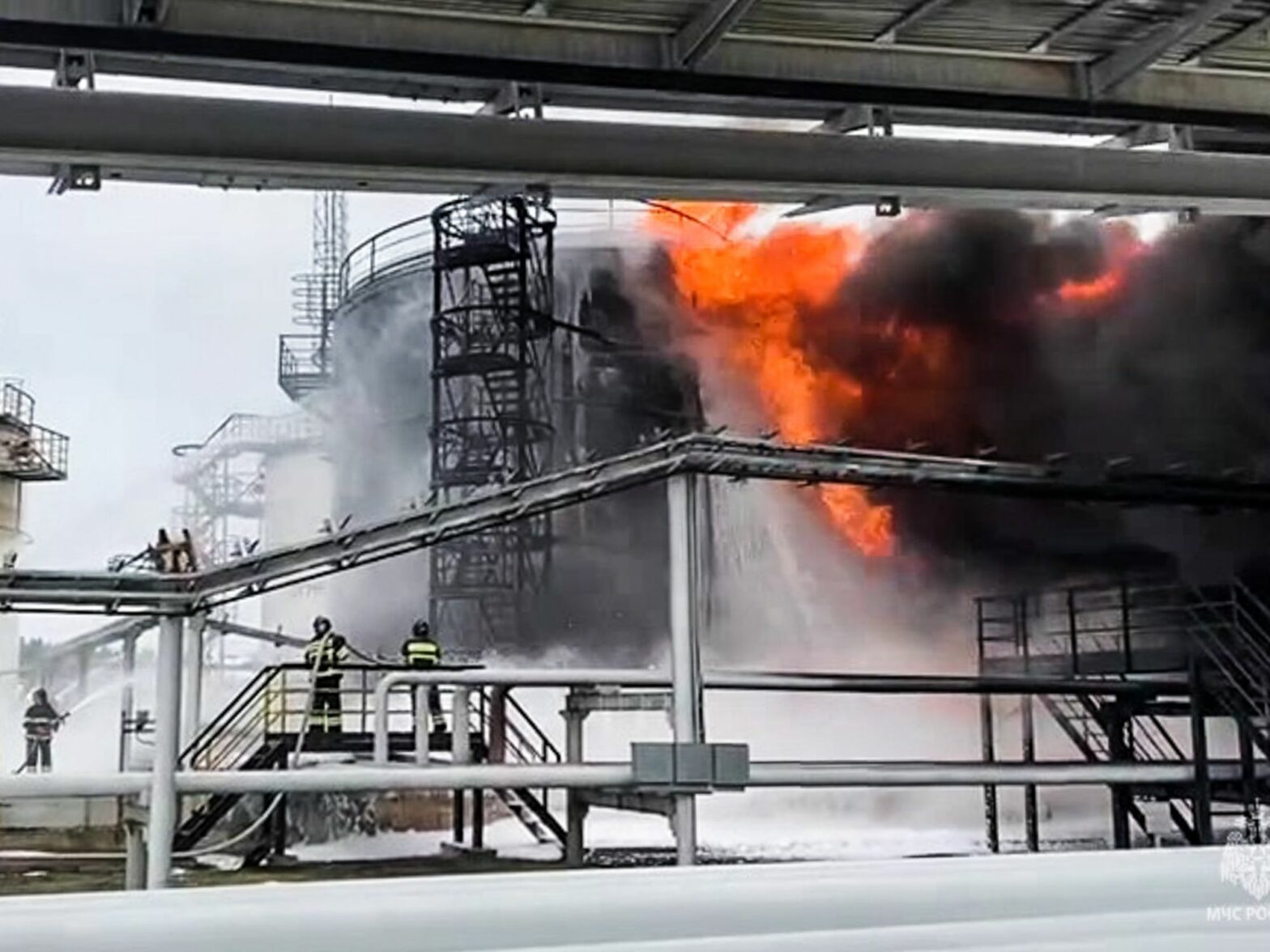
The targeting of oil industry sites in occupied or border regions has now been replaced by a series of drone strikes of energy-producing structures deep inside Russian territory. These attacks aim to cripple Russia’s economy, which could turn the tide on the war.
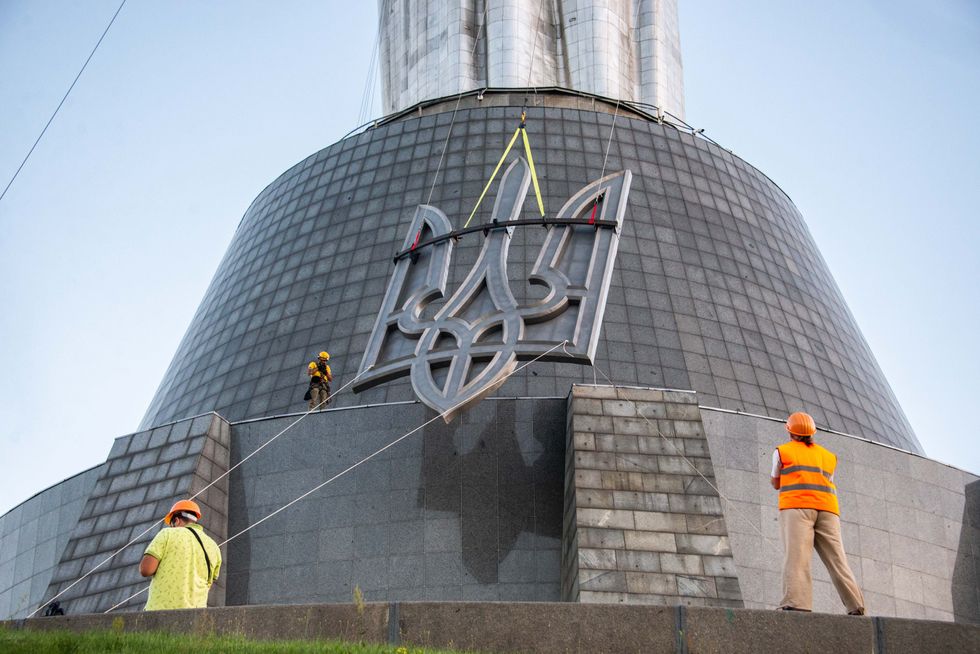
Vibrations originating at one point on the globe rapidly extend to its farthest corners due to the effects of globalization and information connectivity. Having repelled Moscow’s war, Ukraine symbolizes the significant shifts in the global balance of power and influence.
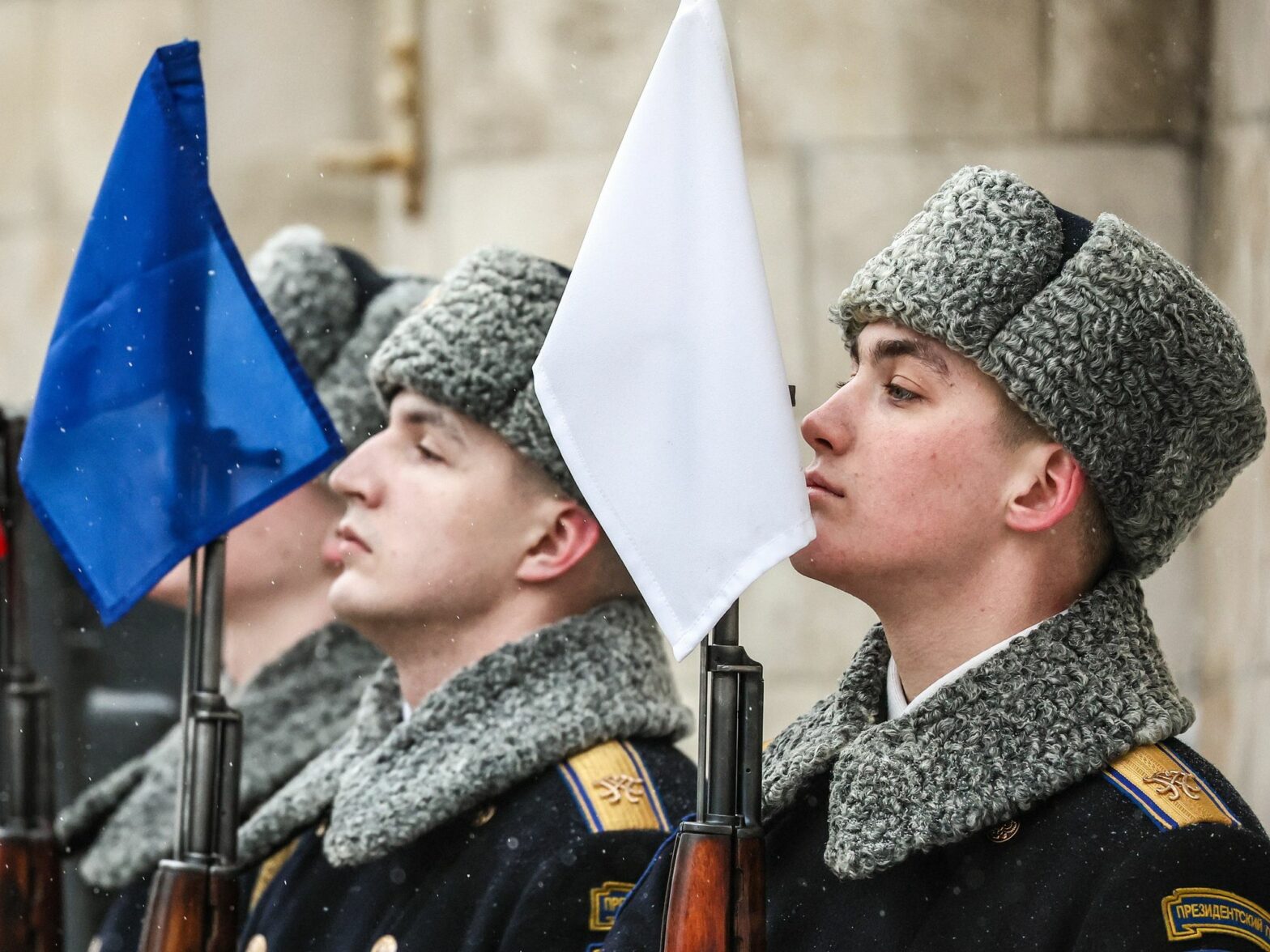
Wikipedia remains one of the few independent platforms accessible in Russia, but since the war in Ukraine started, the online encyclopedia has come under increasing pressure. Stanislav Kozlovsky, the director of Wikimedia.ru, the nonprofit organization supporting the Russian segment of Wikipedia, explains how he manages (barely) to keep the Kremlin censors at bay.
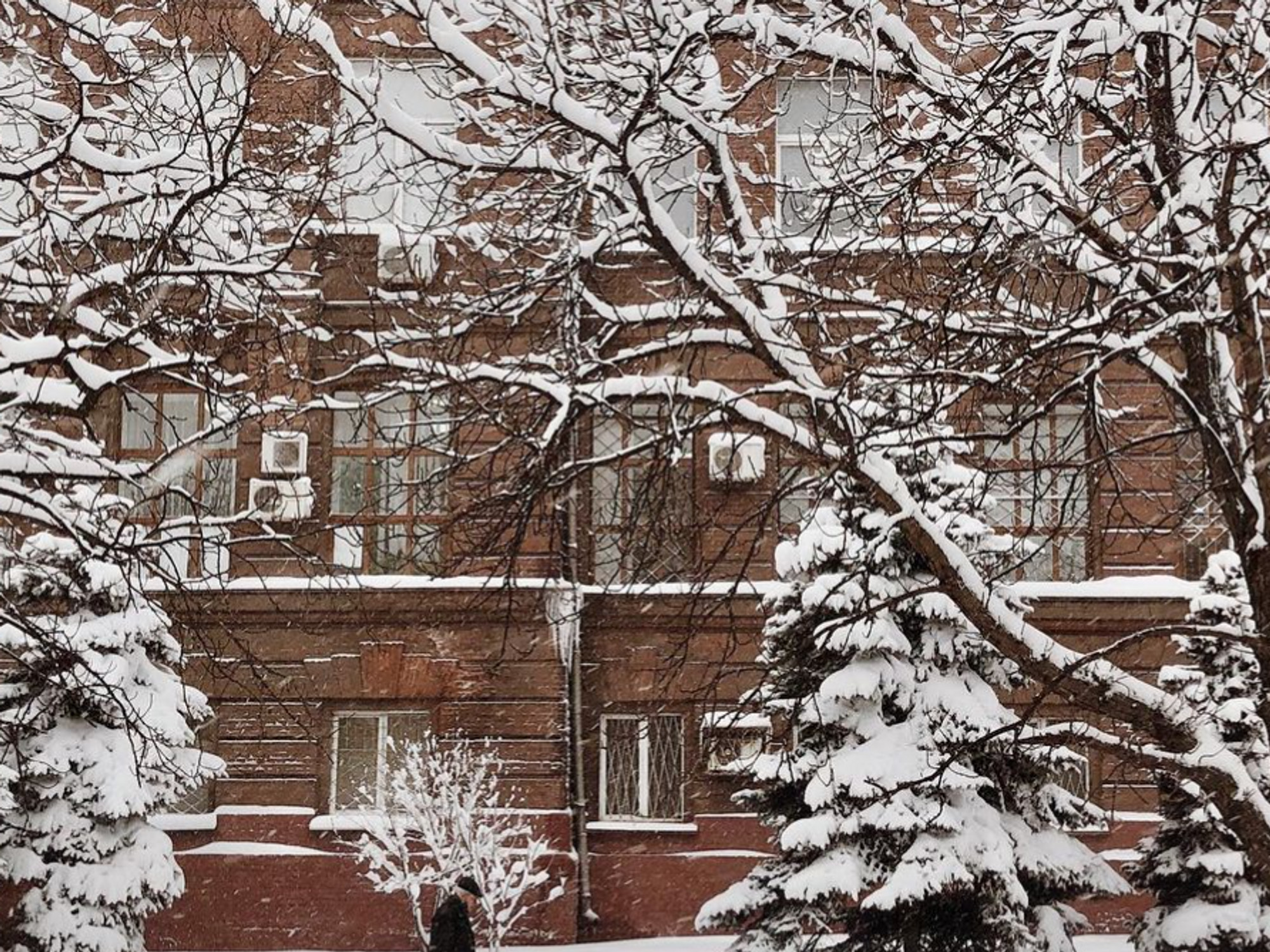
Two residents tell Vazhnye istorii about the Kremlin’s propaganda about rebuilding and the reality of their living conditions in Mariupol, and the pain of fellow Ukrainians judging them for staying after Russia took over.

Private video cameras in the Perm region will now have to be connected to a unified regional video surveillance system. The requirement is set to be copied in regions across the country as Russia seeks to expand its monitoring of citizens.
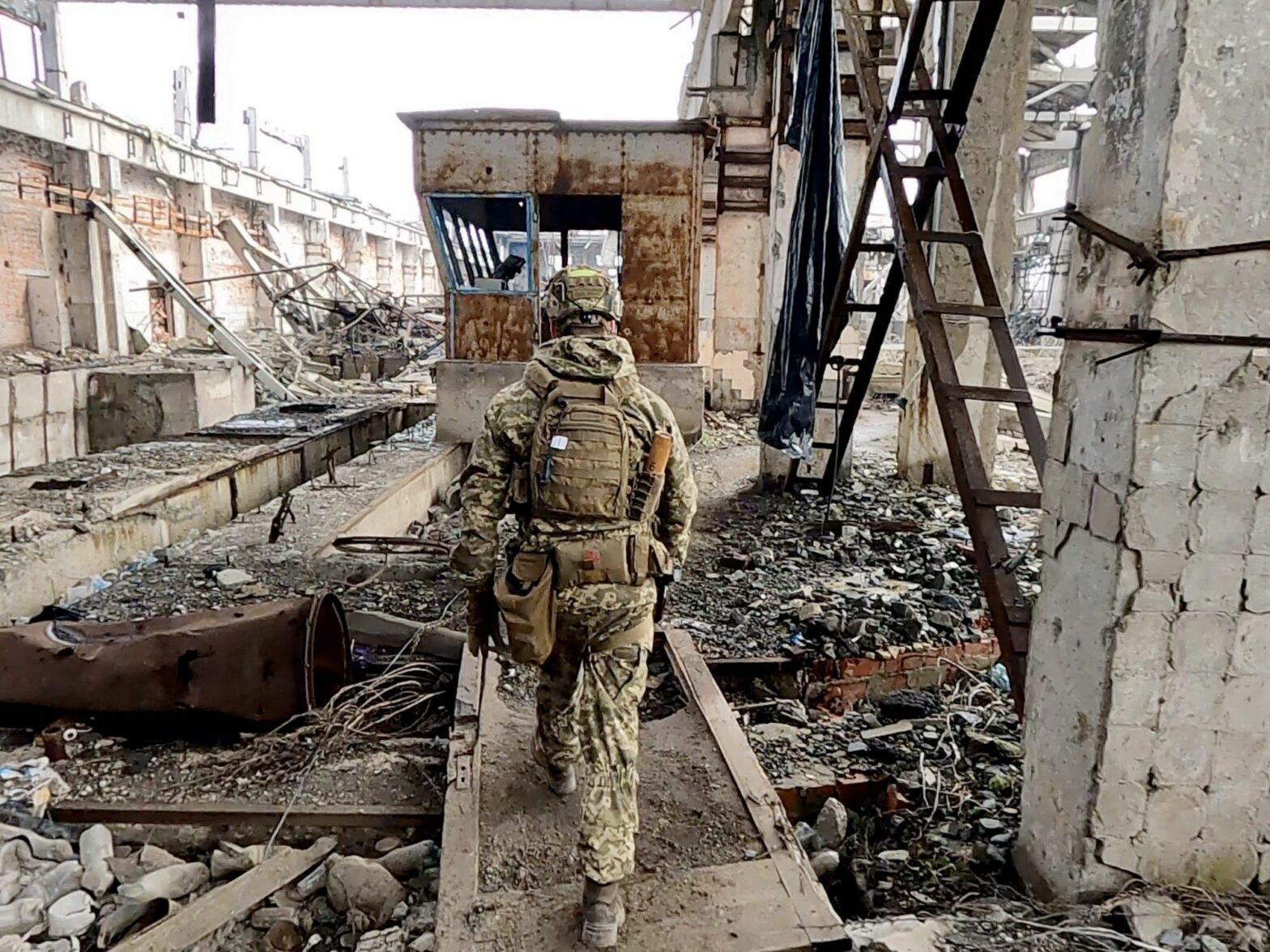
Despite uncertainty over Western delivery of weapons and setbacks on the battlefield, it is crucial for Ukraine to continue fighting each and every battle, writes Viktor Kevlyuk in Livy Bereg, as every conquered inch of terrain can tip the war’s balance.
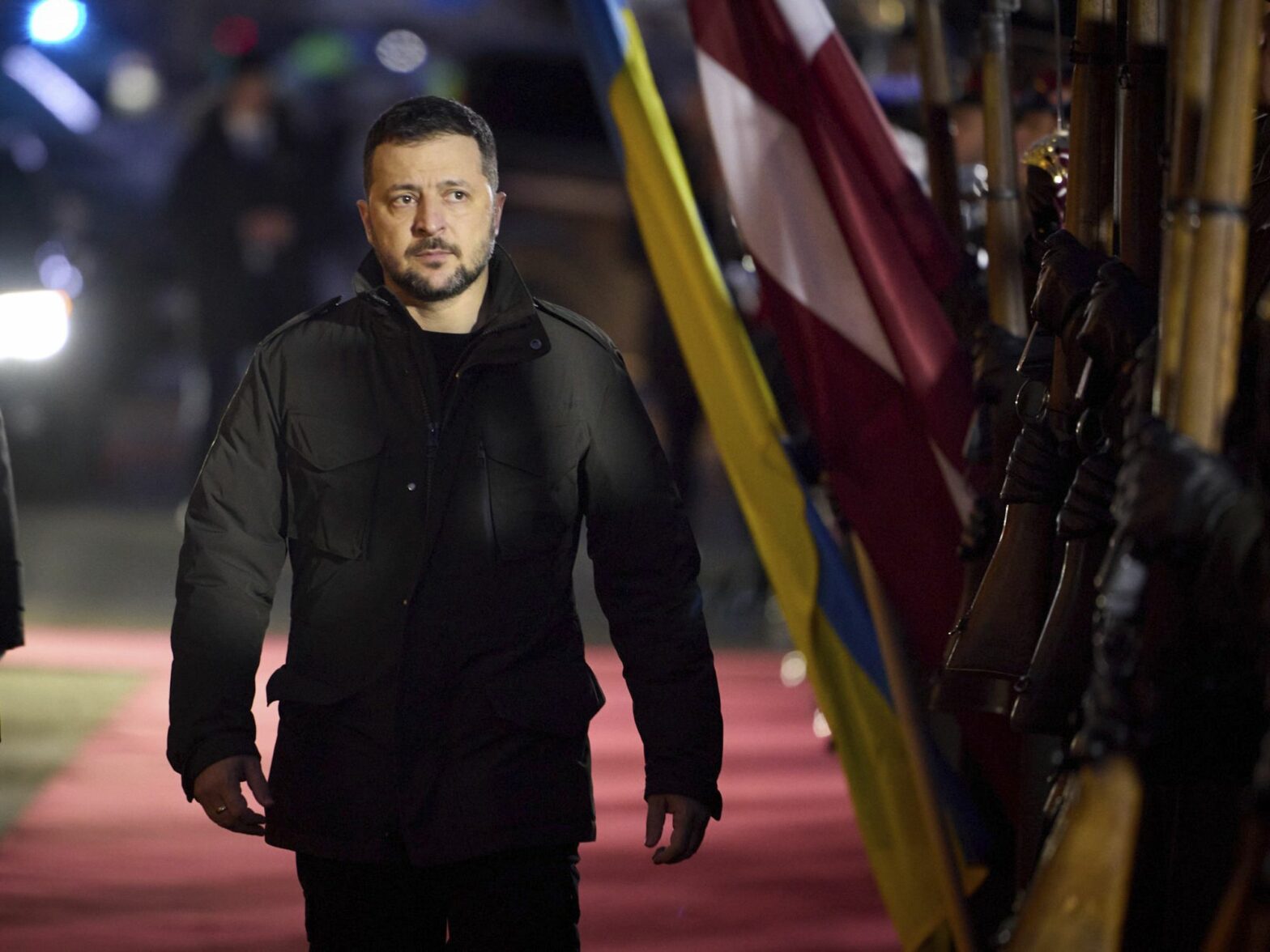
Both Russian online trolls and Ukrainians who never liked him will be calling into question Volodymyr Zelensky’s right to hold on to the presidency as his five-year term is set to end in May. But they’ll also be questioning the morality and strategy of his war aims. What should be his response?
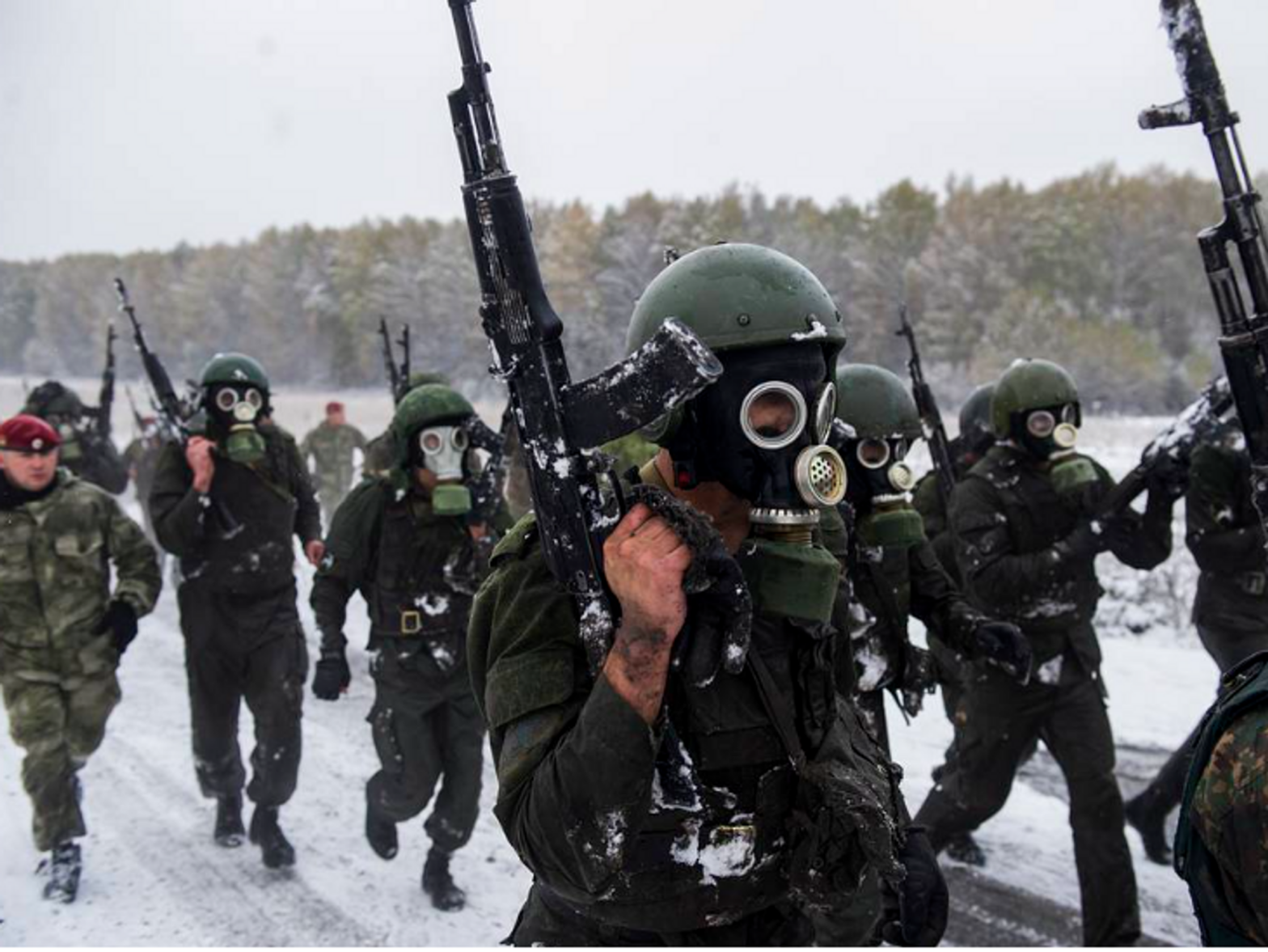
President Vladimir Putin had transferred elite “Grom” troops after the fallout from last year’s Wagner Group mutiny to the south-central Russian republic of Bashkortostan, where there is dissent about preserving local language and culture.
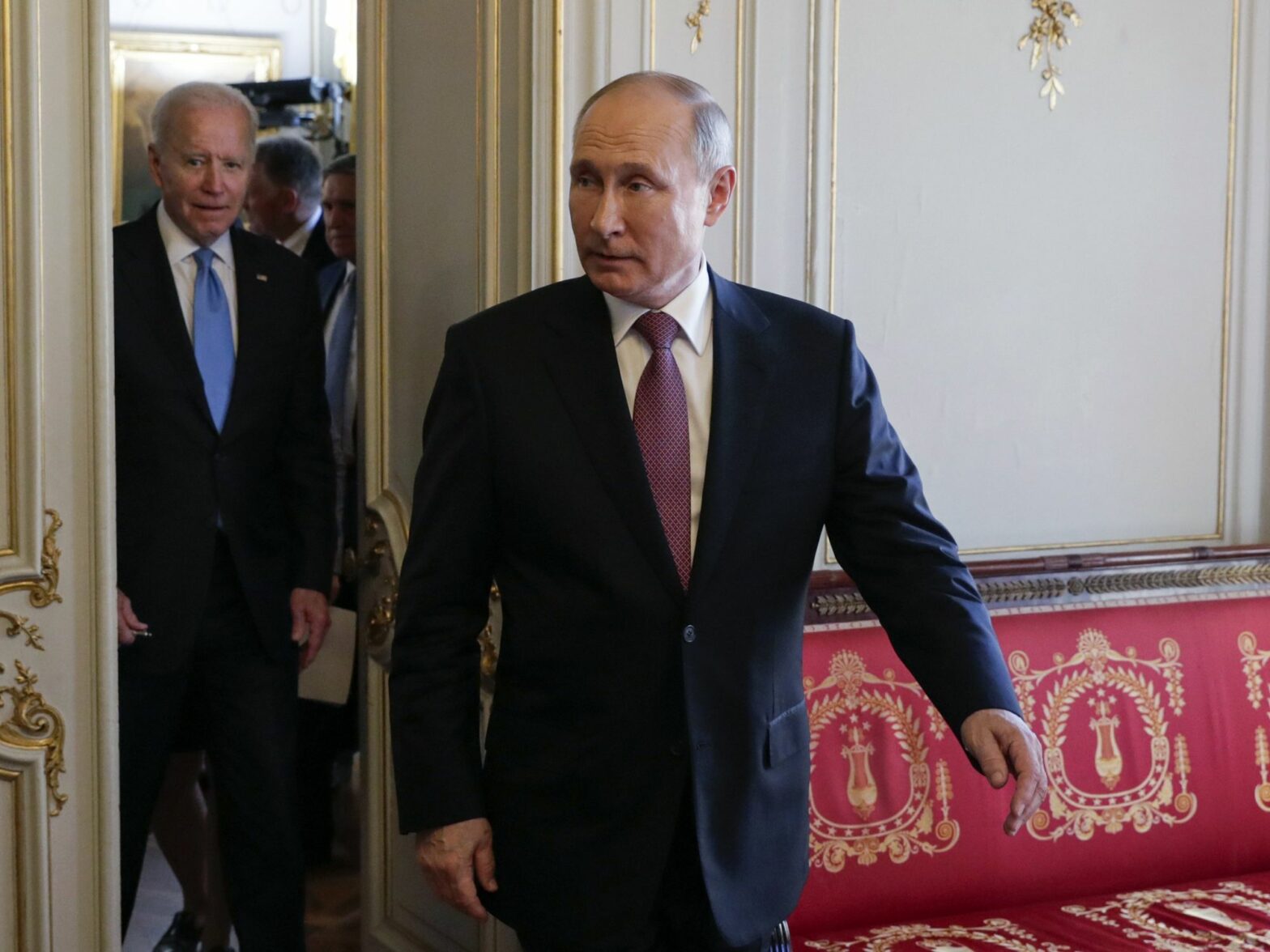
As Western sanctions have proven ineffective, Russian economy has been growing, along with defense and security expenditures. The world’s singular superpower in Washington has three cards it could pull to squeeze the invading country. Yet something is holding it back.
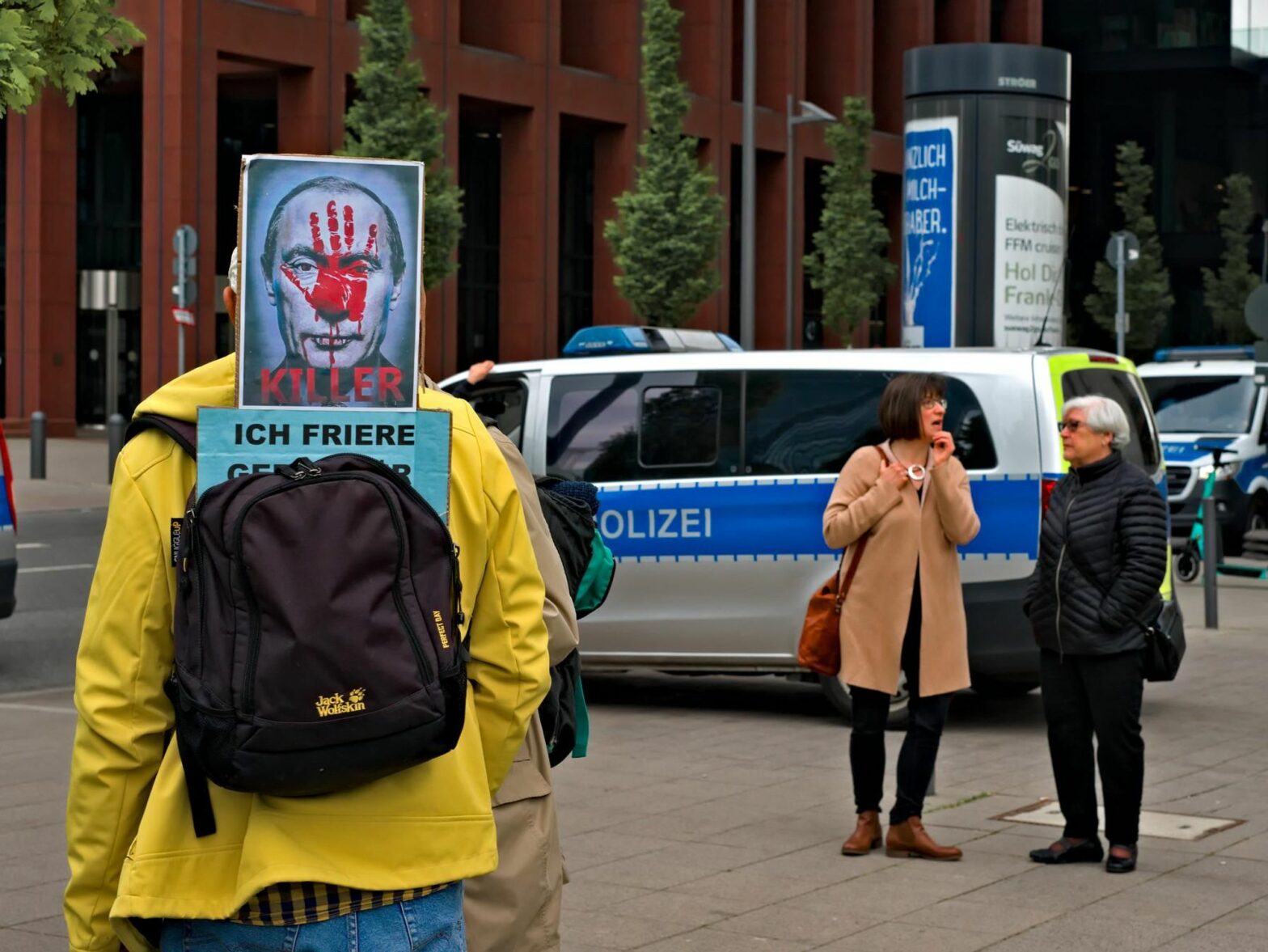
The leaders of key EU countries have been on the phone with Vladimir Putin since the war in Ukraine began. Weighing the costs, benefits…and morals…of leaving the door open to a man who brutally invaded a sovereign nation — and taking Munich 1938 as a starting point.
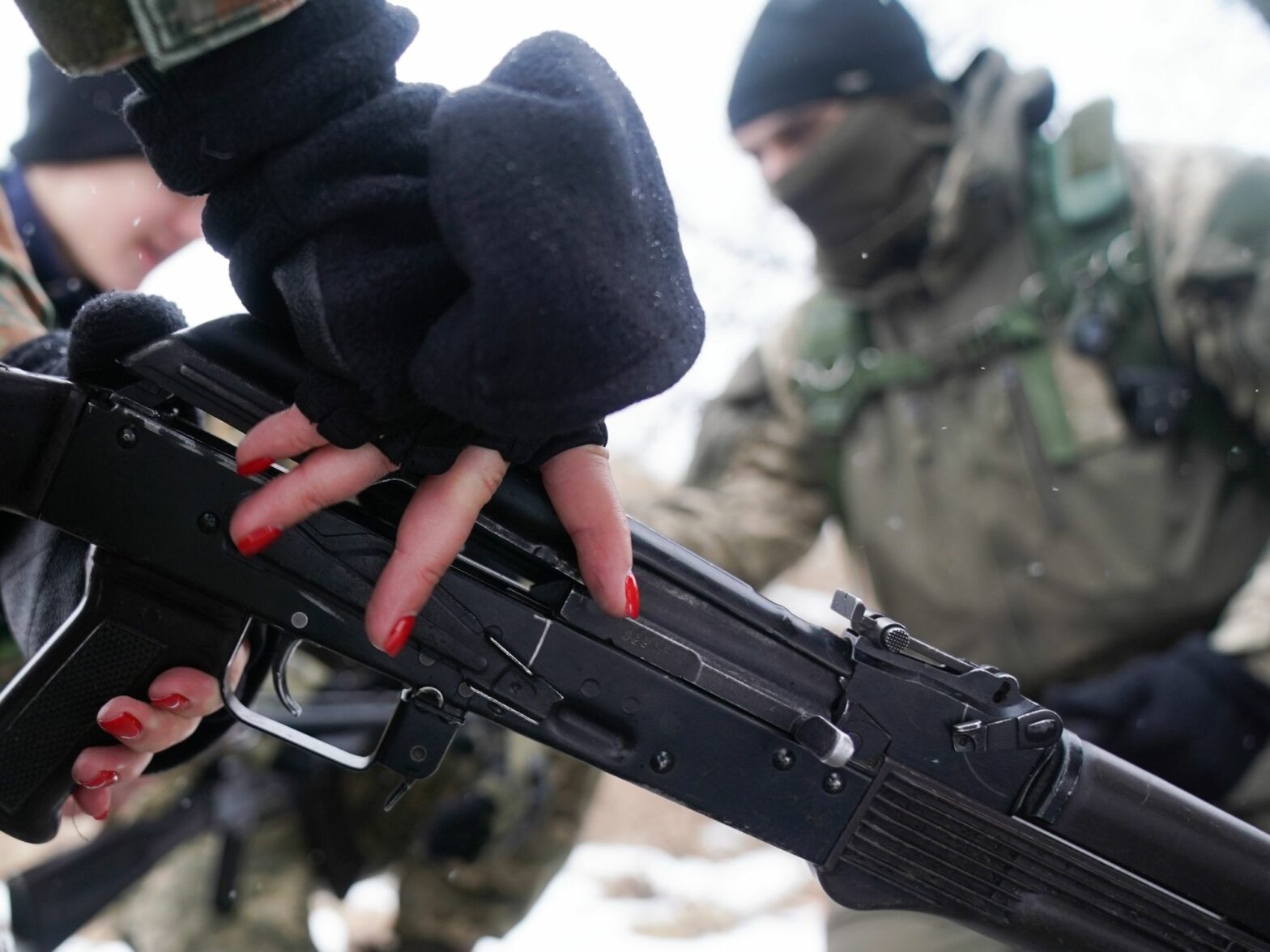
Following Russia and Ukraine’s prisoner exchange earlier this month, Vazhnyye Istorii/Important Stories shares the first-hand account of a Ukrainian prisoner of war, who spent nine months in captivity before she was released in February last year. Alla Senchenko, a sniper, recounts her harrowing nine months in captivity in Russian prisons and what helped her get through it.
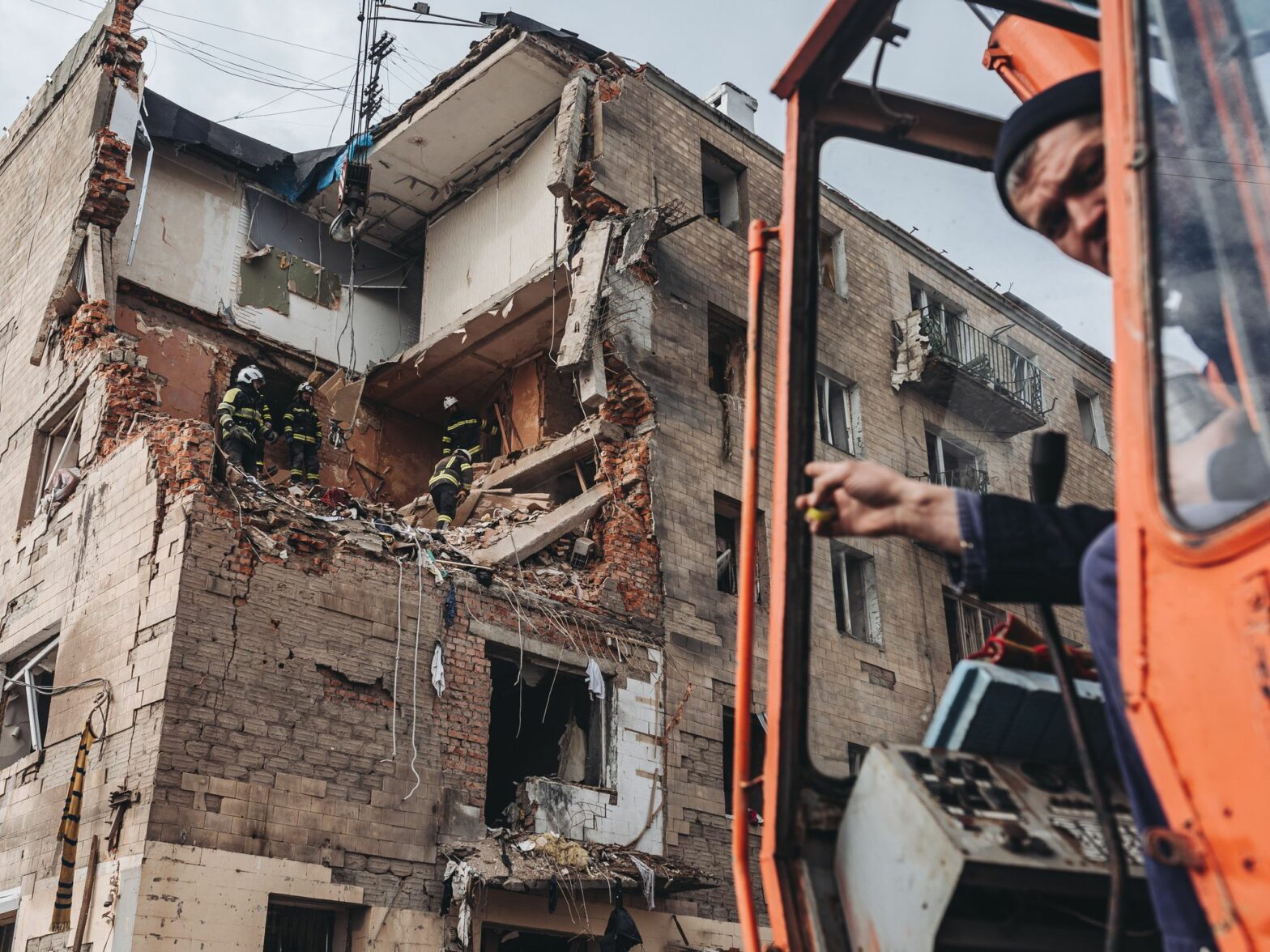
How daily life continues in this city in eastern Ukraine of 1.4 million, which has been shelled by Russia throughout the nearly two-year war.
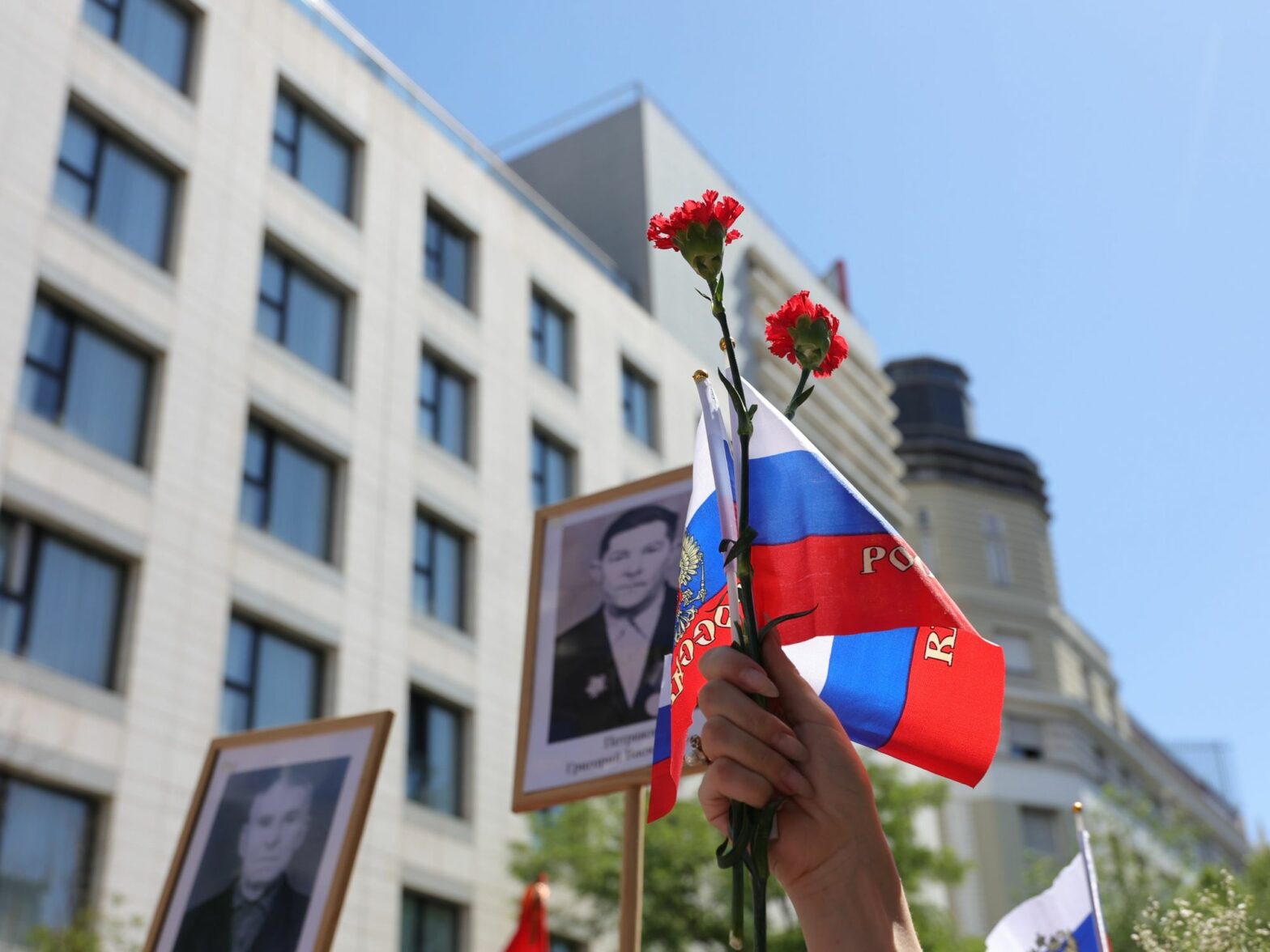
It goes far beyond Vladimir Putin: determinism, imperialism and other deeply ingrained ideas color the perceptions of many Russian citizens — even the would-be “liberal” sectors of society.
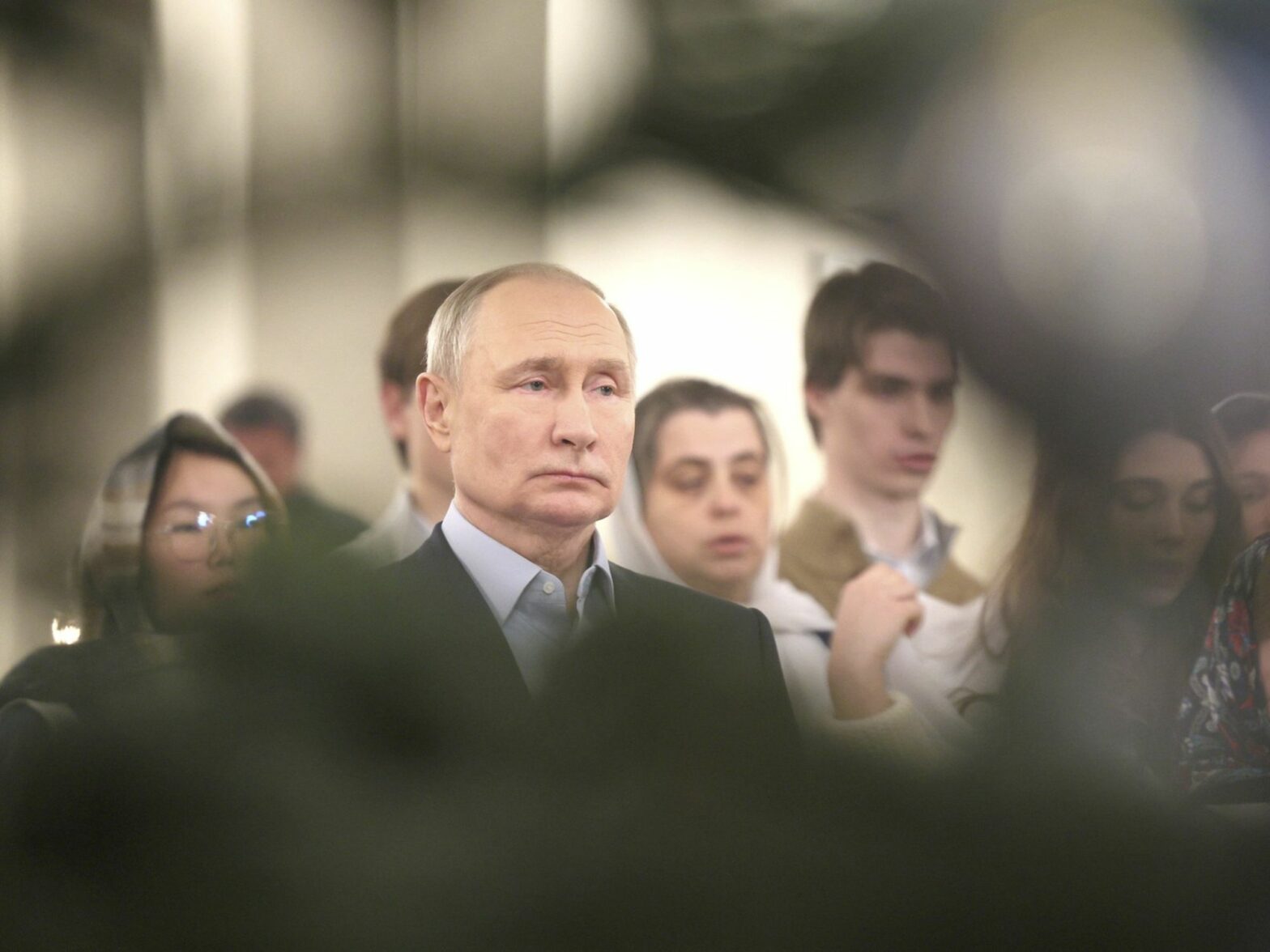
Beginning with Russia’s annexation of Crimea, Moscow’s actions against its supposed “brotherly” neighbors have yielded decidedly mixed results. Yet there are certain outcomes of Russian aggression against Ukraine that have weakened the West and the post-Cold War global order.
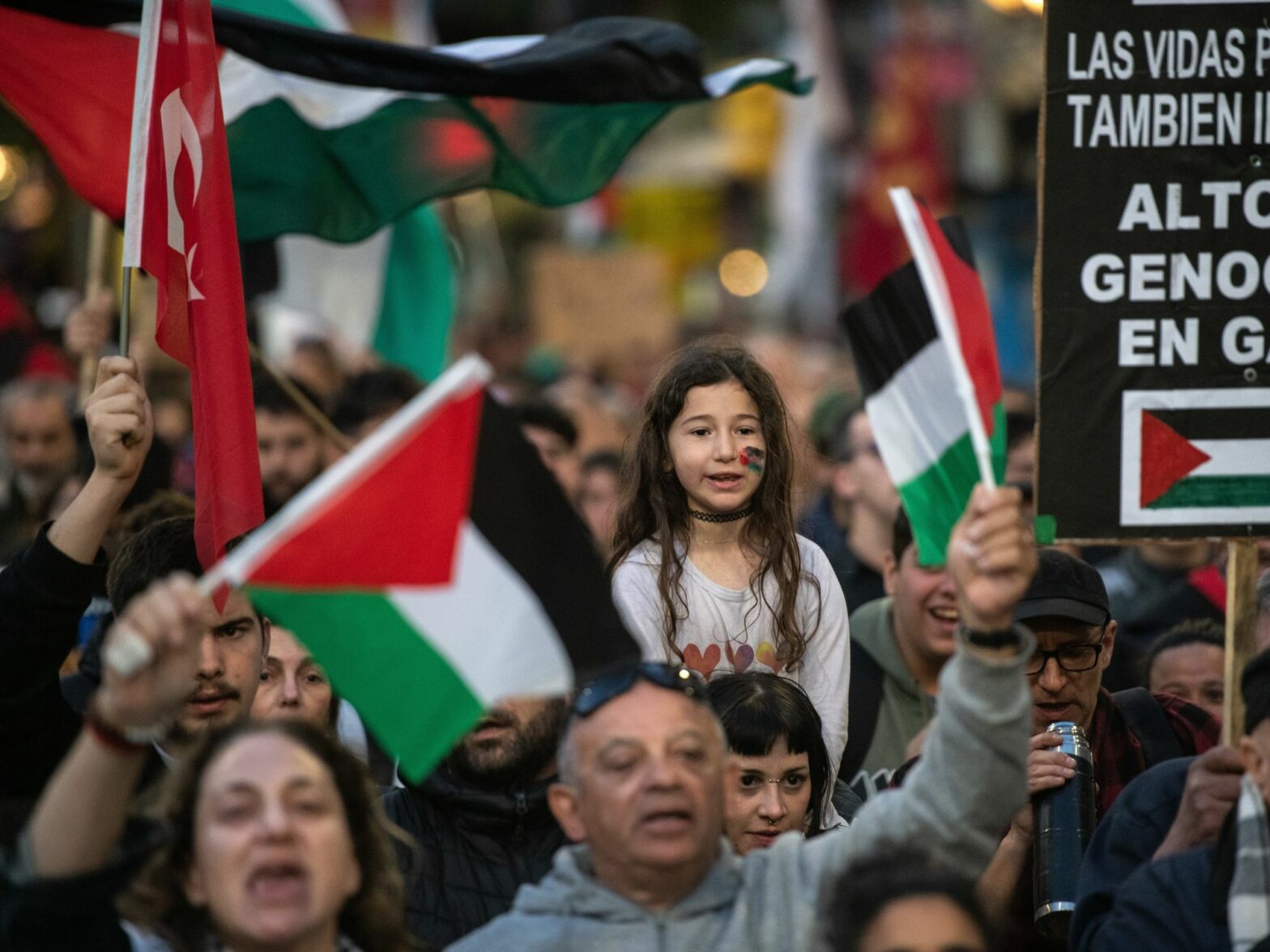
For almost two years, since Russia’s invasion of Ukraine, the West has been trying to salvage its relationship with the countries of the so-called Global South, unconvinced by the sincerity of its discourse on international law.
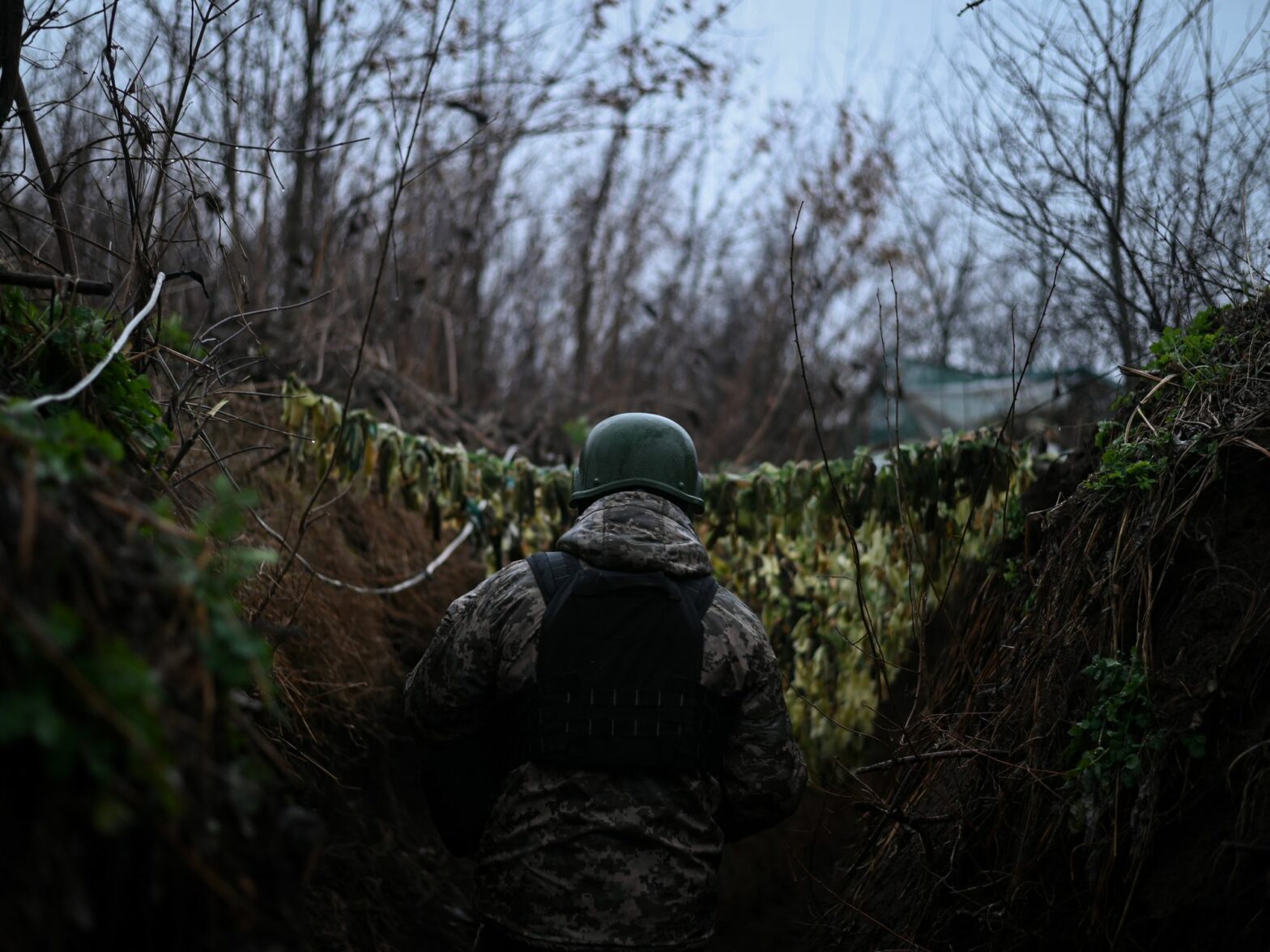
If we don’t compel those capable of bearing arms into the military, then we’ll soon cease to exist. And when we do, there will be nothing left. Artists in exile might write and read thoughtful articles about how we lost everything, but what good will that do?
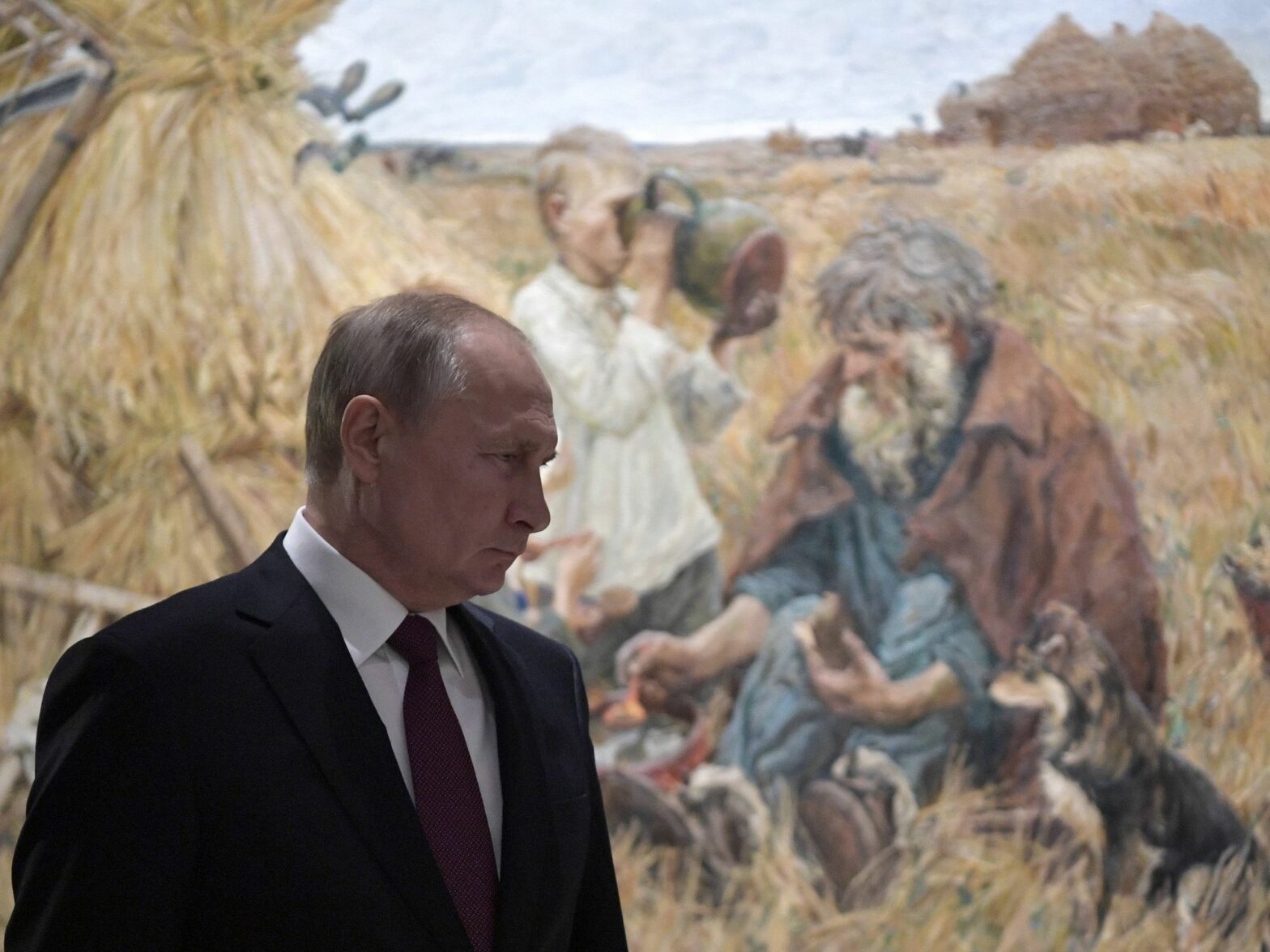
Vladimir Putin has tried to tie Russia’s cultural achievements to the nation’s past empire and his modern imperial ambitions — still, it’s a mistake to try to bury the nation’s great art, music and literature, argues Ukrainian publication Ukrainska Pravda.
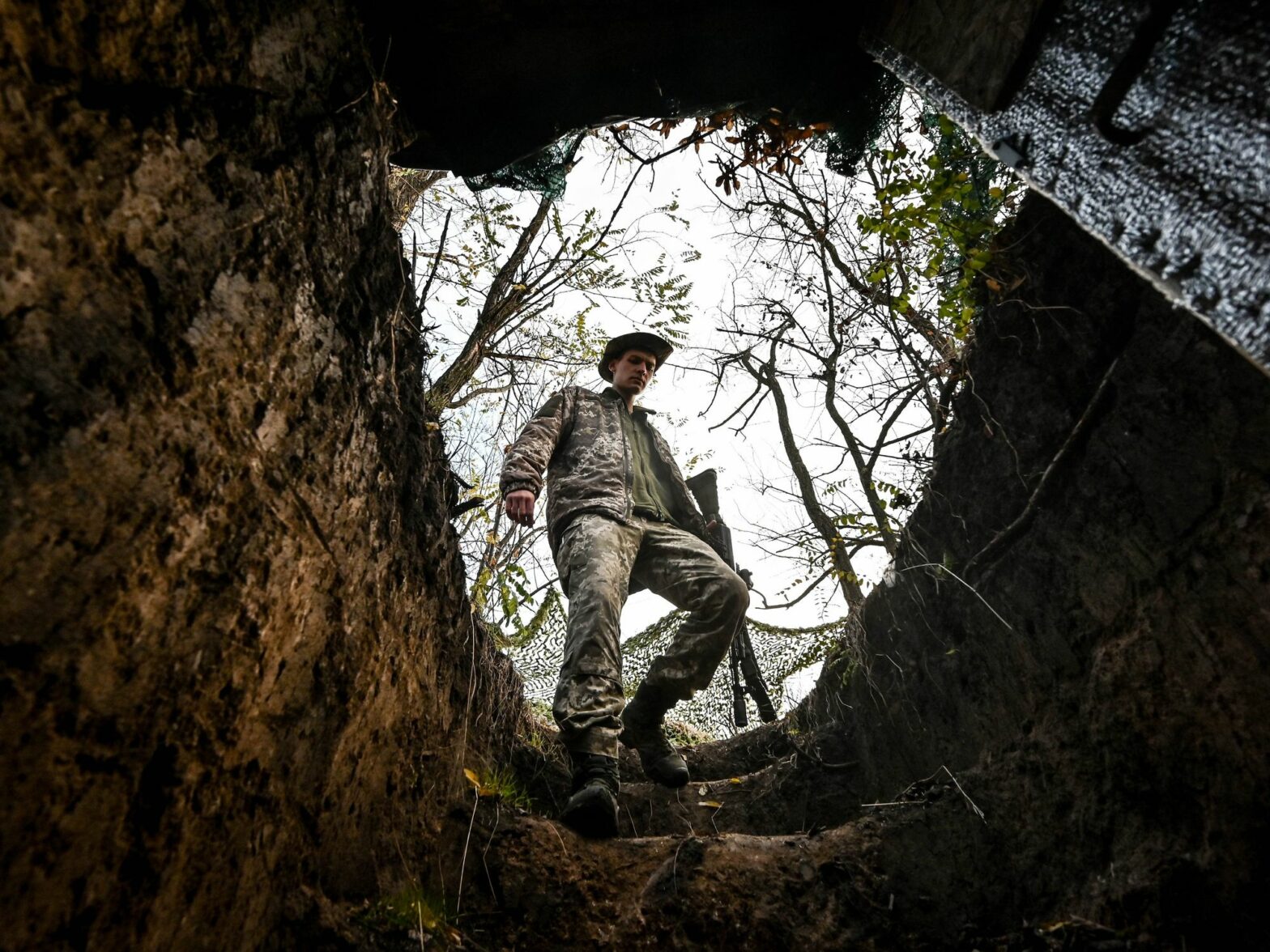
Ukraine’s Western allies seem to be sticking to a strategy of giving the country just enough weapons to defend itself, but not enough to win.
An operation gone awry pushed him deep into enemy territory. His wife prepared for his funeral. Then, he came back.
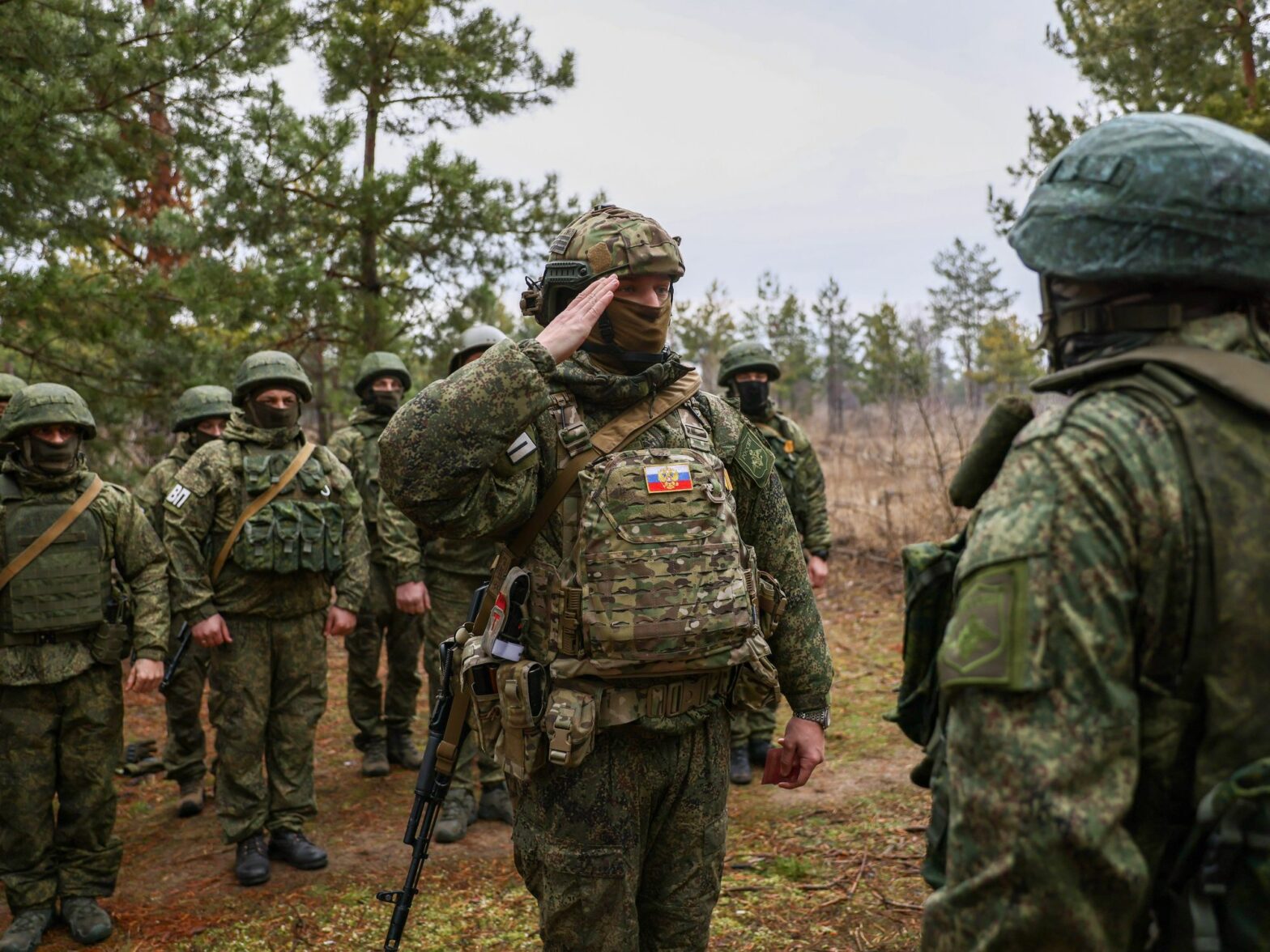
From mortal mistakes to brutal punishments, Russian soldiers in Ukraine face daily horrors, not from the enemy but from their fellow officers. One Russian soldier who voluntarily signed up for the army tells his story and the psychological toll the war has had on him.
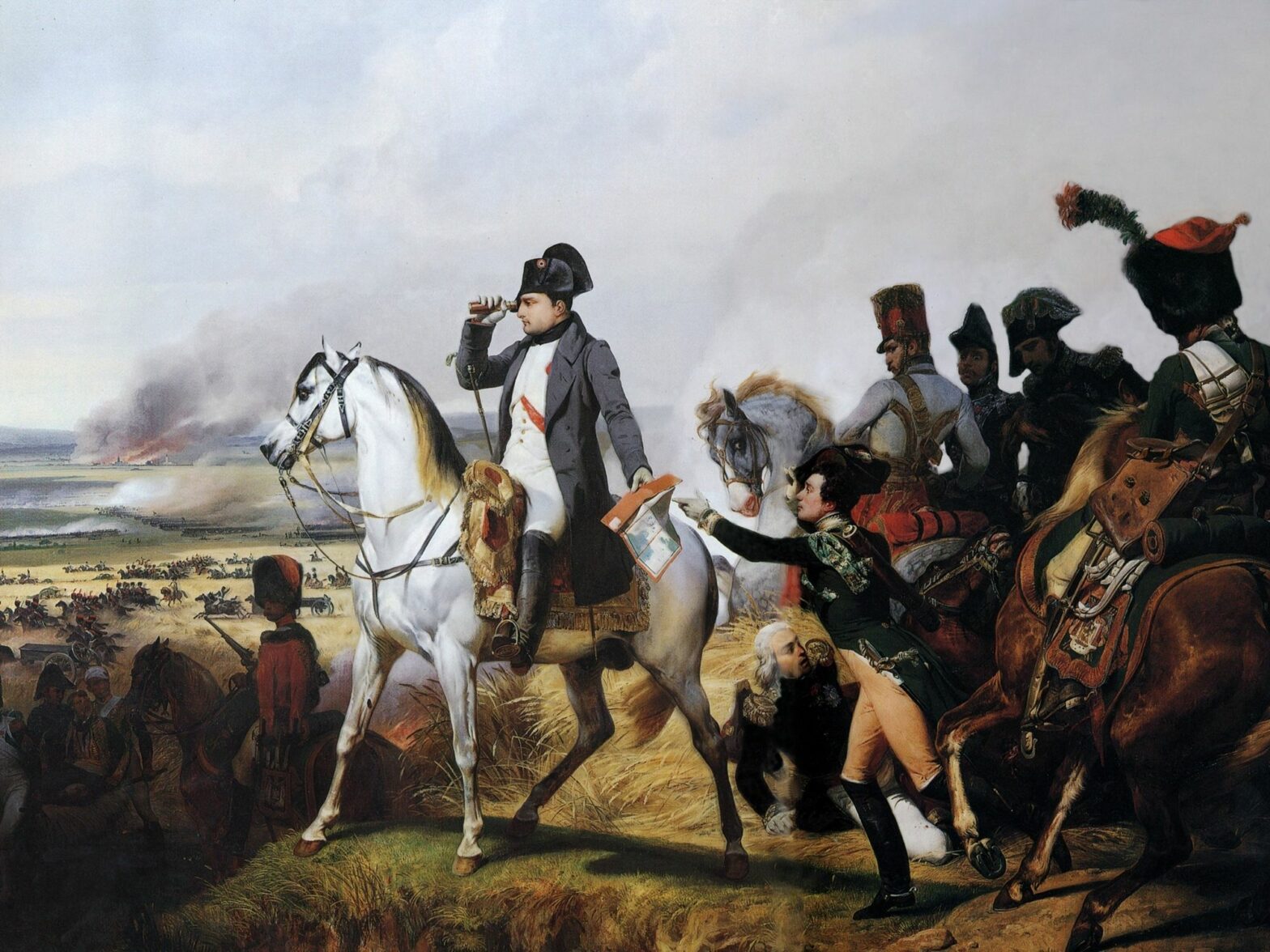
The feuding Ukrainian and Russian leaders both share the French emperor’s sense of mission and intransigence. The way these modern-day Bonapartes’ messianic ambitions translate into reality, however, differ greatly.
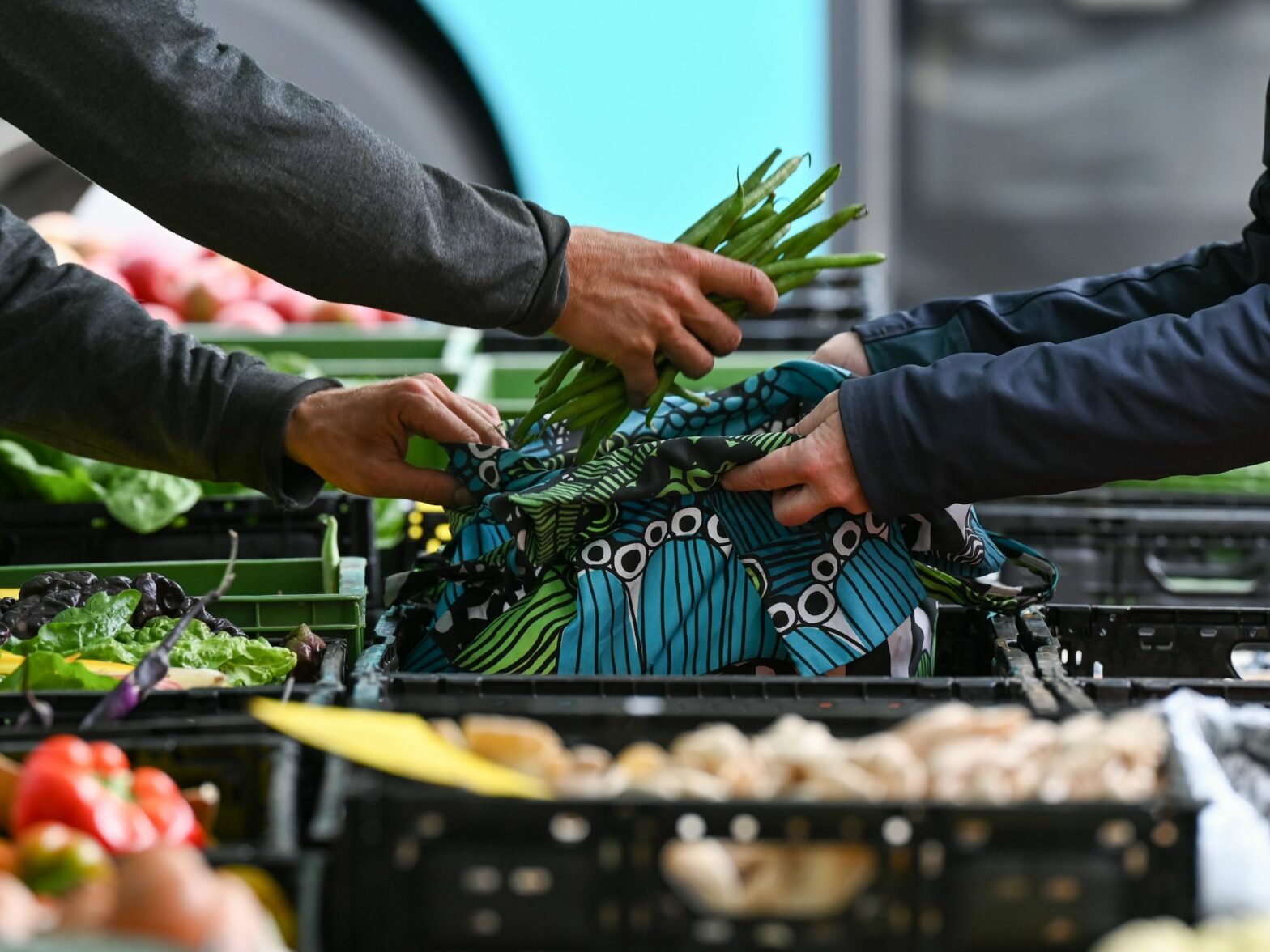
From South African lunch culture to the Mexican instant noodle market, a look into how people from around the globe are adapting to rising food prices and the cultural shifts occurring throughout the culinary world.
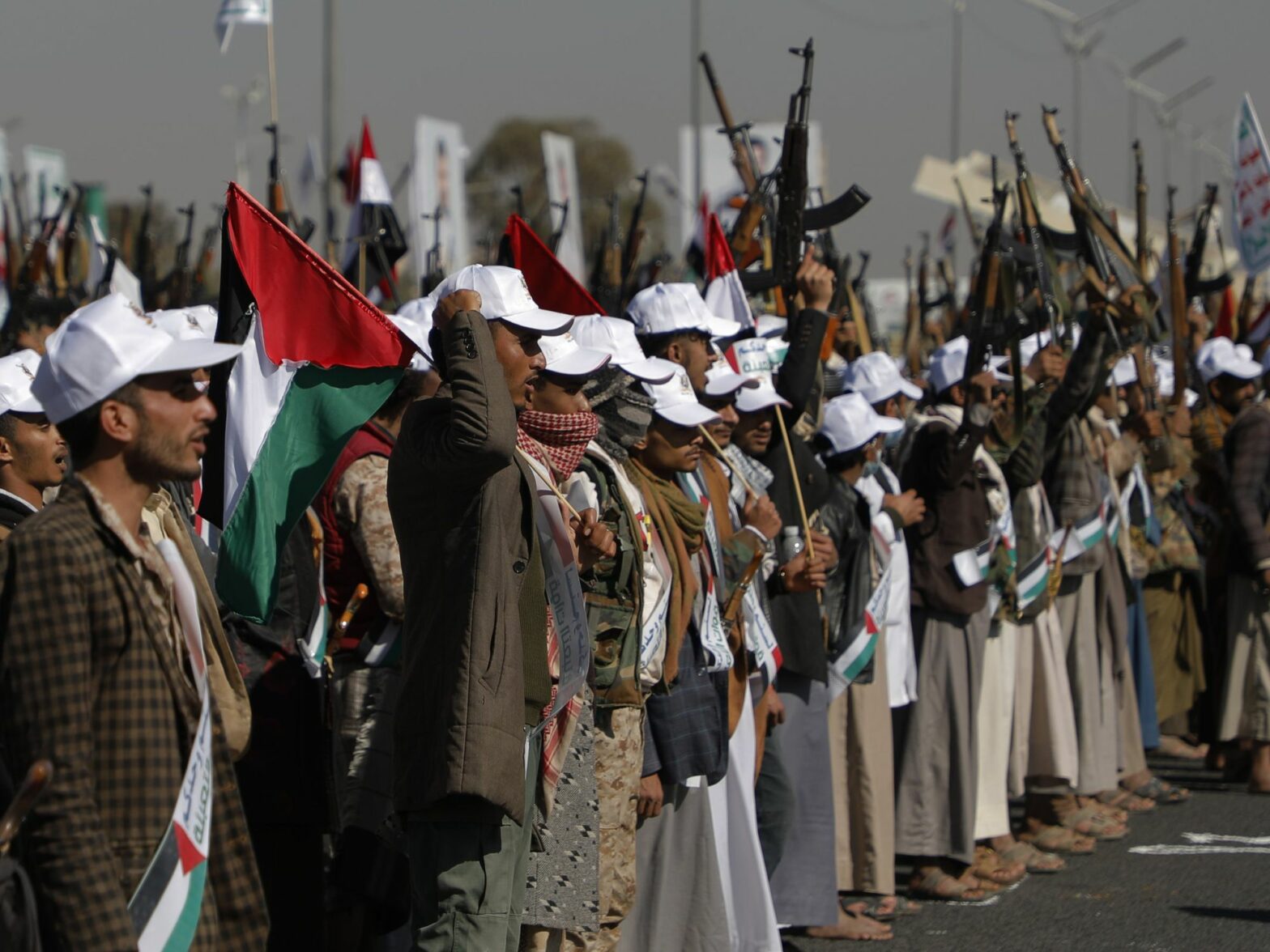
Nuclear weapons are a constant fear simmering in the background of modern-day conflicts. With the potential for Iran to join the Israel-Hamas war, and a threatening Russia at war with Ukraine, there is a more urgent necessity of reestablishing communication channels and confidence-building measures among nuclear powers.
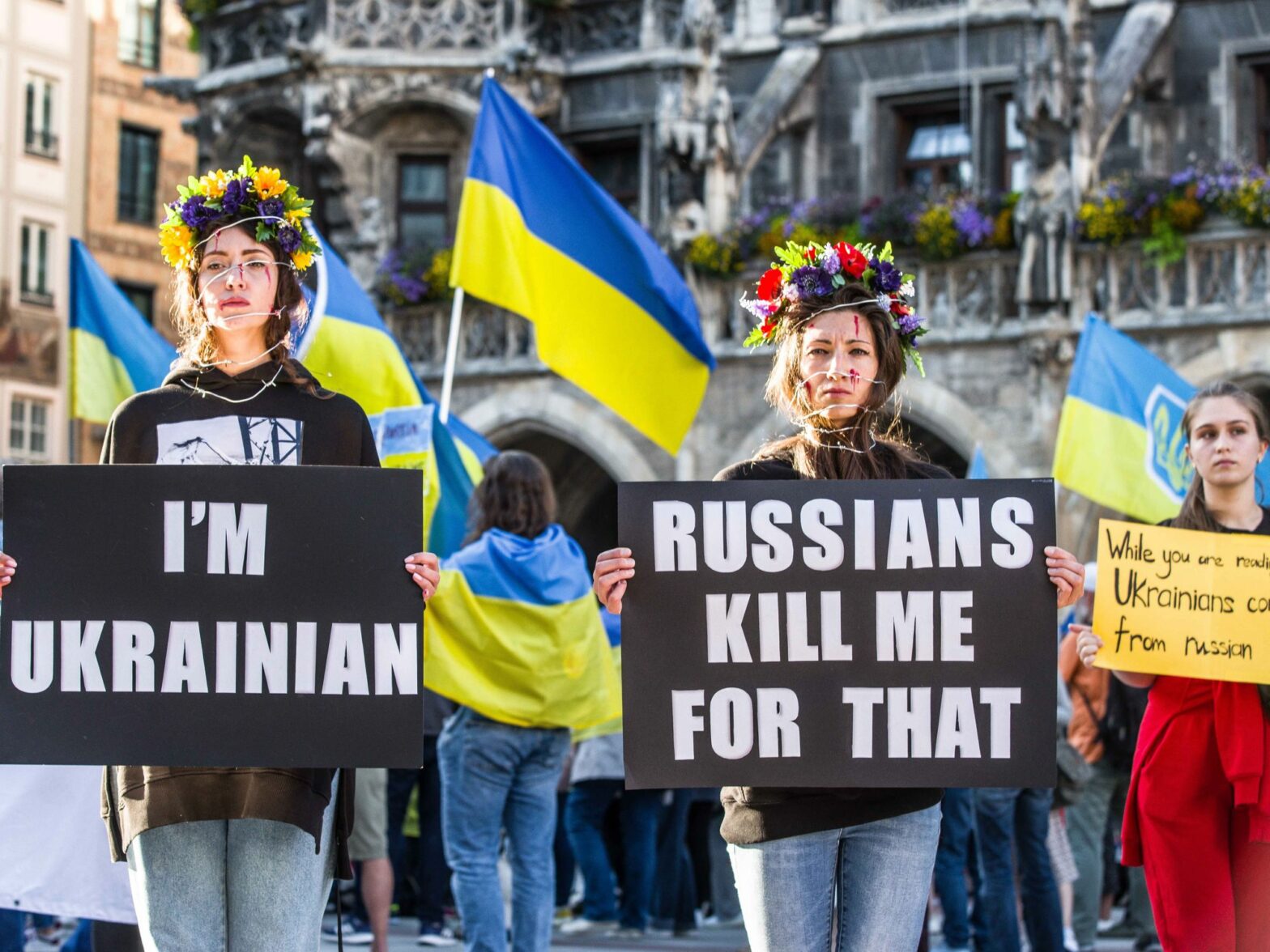
Wars in Ukraine and the Middle East are only the most recent and glaring conflicts that are driven, at least in part, by extreme animosity fueled by ethnic and national identity. For independent Russian website Important Stories, Vsevolod Bederson looks at what we can learn from other ethnic conflicts, what has worked, and what has not, when it comes to extinguishing animosity and violence.
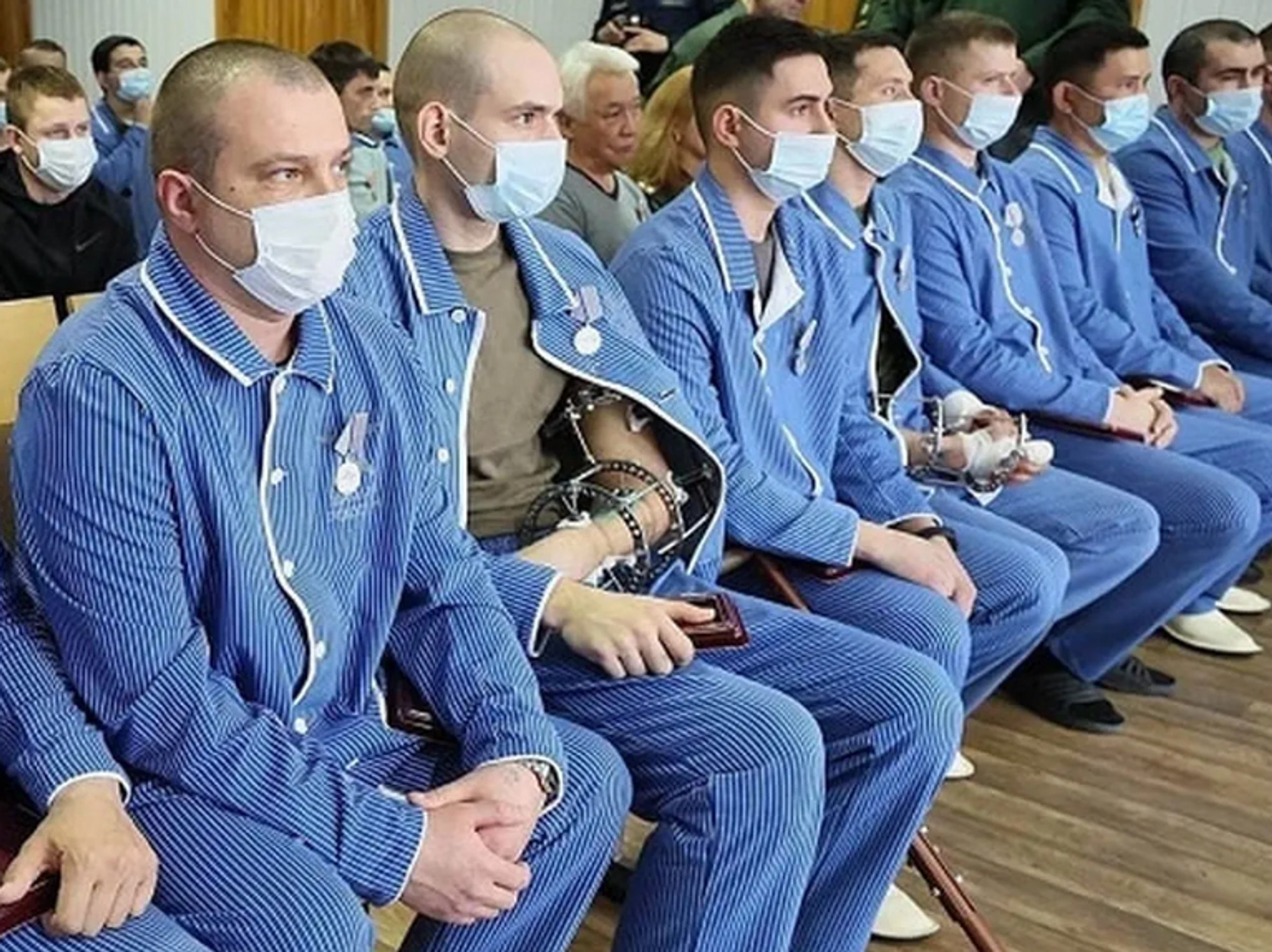
So-called “convalescent regiments” have been formed within the Russian army in an apparently desperate, and inhumane, attempt to avoid a deepening shortage of troops.
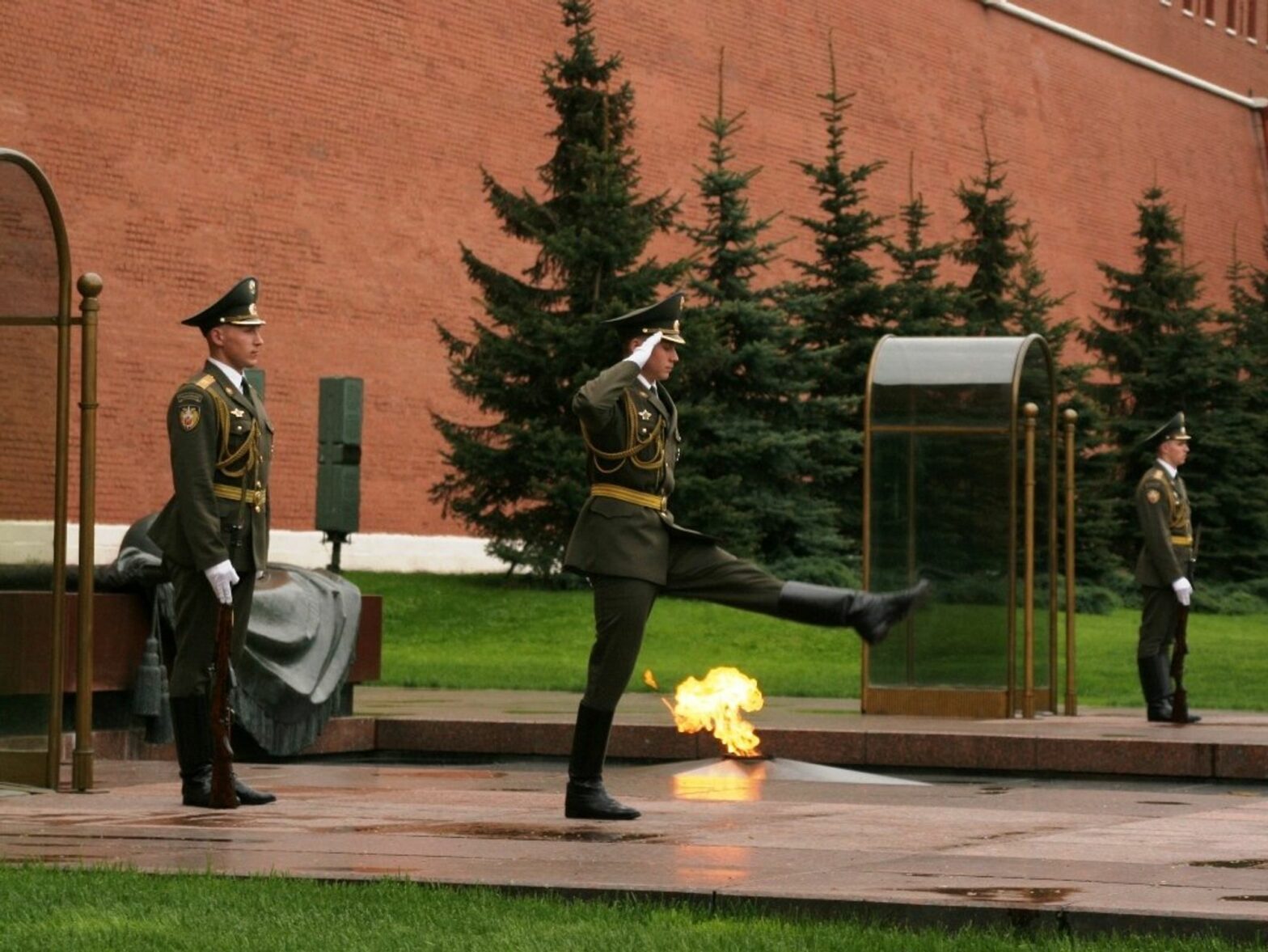
Tracing the early roots of the concept of the “Russian world” that sees the Russian state as eternal and impervious to change. Its primary objective is the establishment of a robust national state, a realm of expansionism where autocracy is the only form of governance possible.
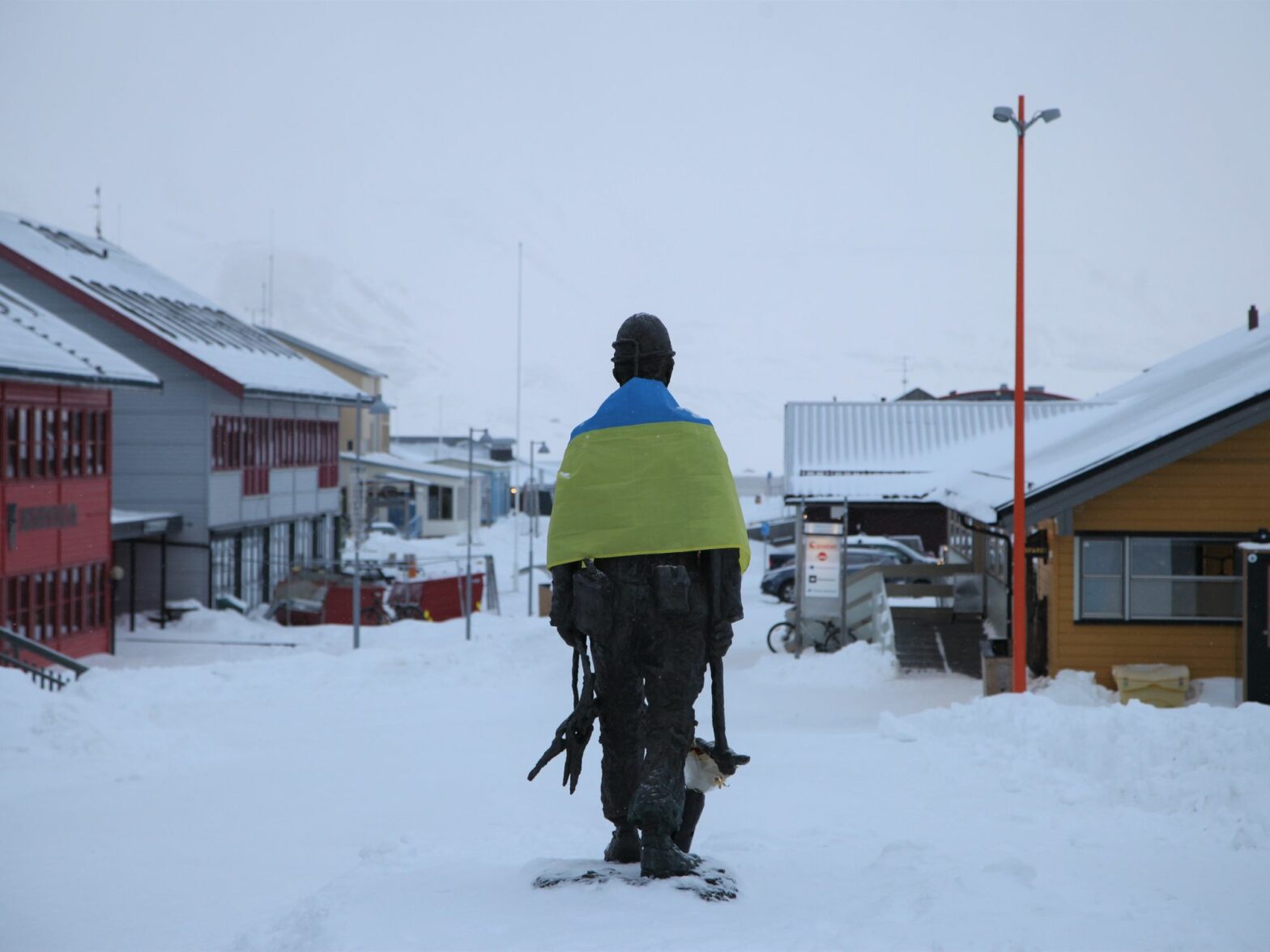
The melting of the sea ice in the Far North has accelerated in recent years. The Norwegian archipelago of Svalbard has become the focal point of the environmental drama gripping the Arctic as well as the geopolitical tensions it is causing there, with Russia in particular.