Why is the U.S. suddenly hostile towards the EU? It’s a question of models and ideology, but also a wake-up call for Europeans for what’s at stake.

 Worldcrunch
Why is the U.S. suddenly hostile towards the EU? It’s a question of models and ideology, but also a wake-up call for Europeans for what’s at stake.
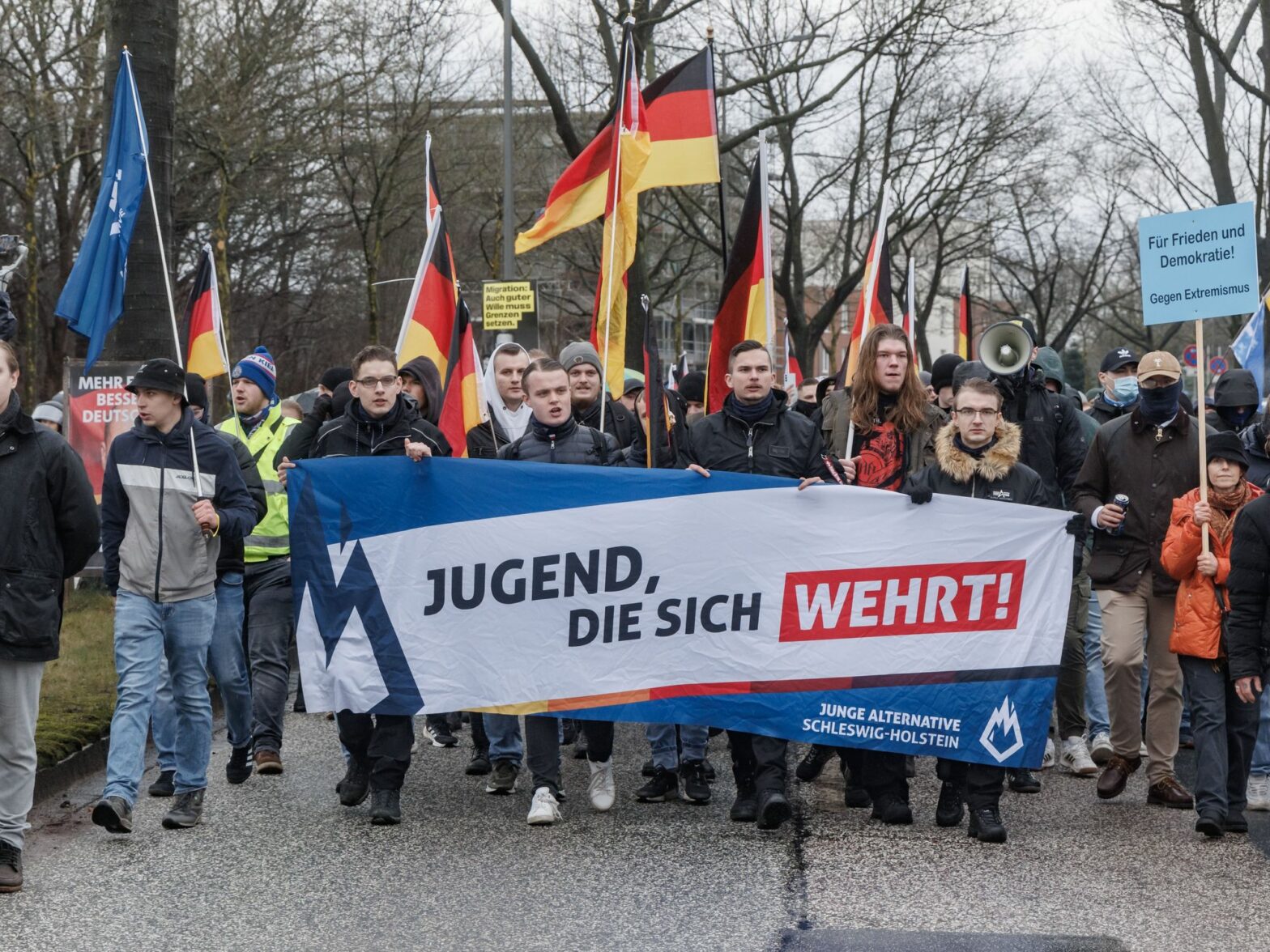
Young men showed one of the most dramatic shifts toward Donald Trump in this year’s election. But with rightward shifts among both men and women of the Gen Z demographic, the reality is reaching deeper — and farther — than most pollsters or analysts can explain.
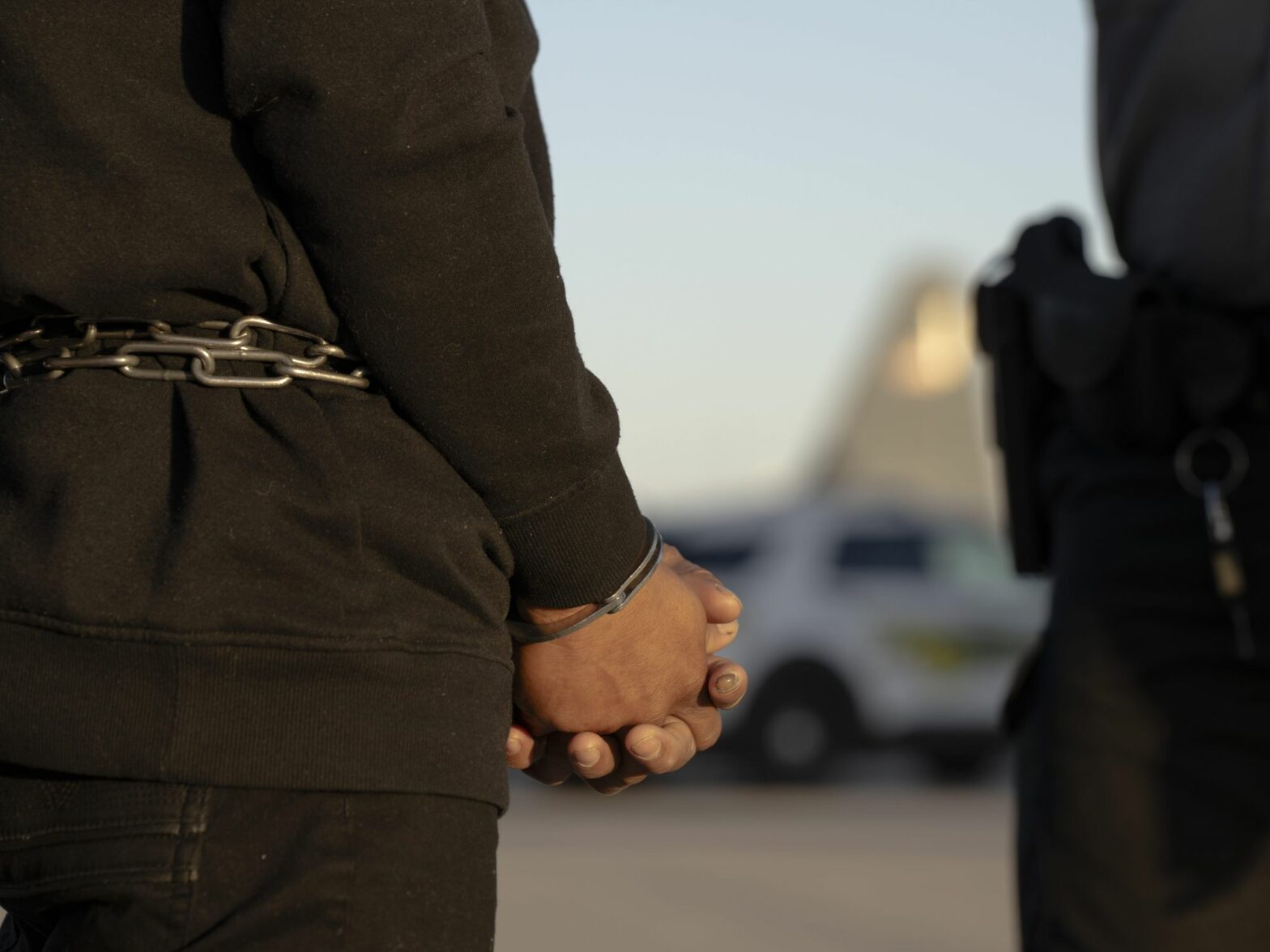
The White House has showcased images of deported migrants in shackles. This deliberate display of humiliation is part of a broader strategy that combines cruelty with political messaging, undermining both personal dignity and democratic values, writes Caterina Soffici for Italian daily La Stampa.
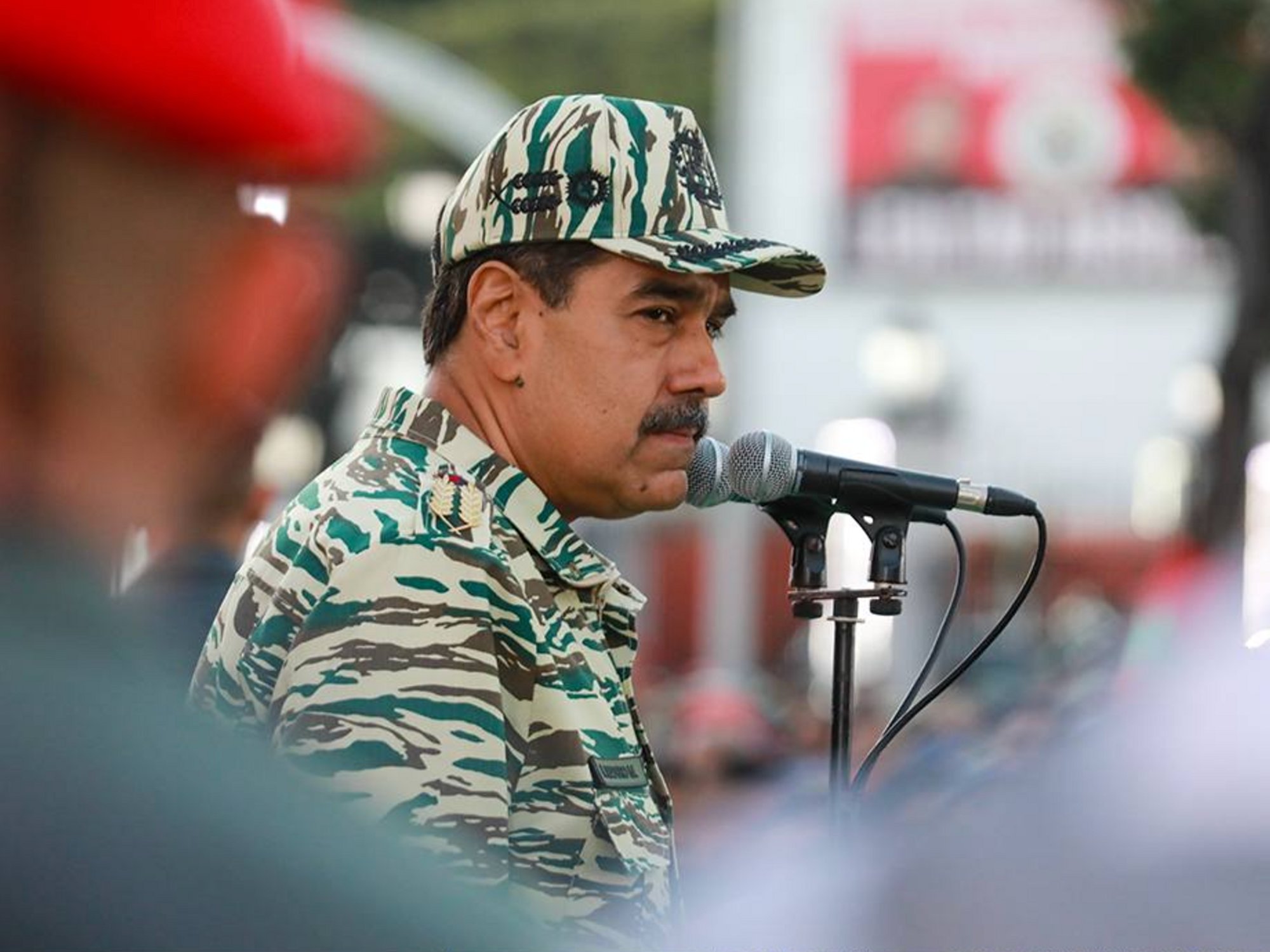
In its first decade, Venezuela’s Bolivarian revolution was radical yet legitimate, and enjoyed the people’s electoral support under leader Hugo Chávez. This changed when his successor, Nicolás Maduro, took over after Chávez’s death, and decided he wasn’t going to let votes thwart his insatiable love of power and money.
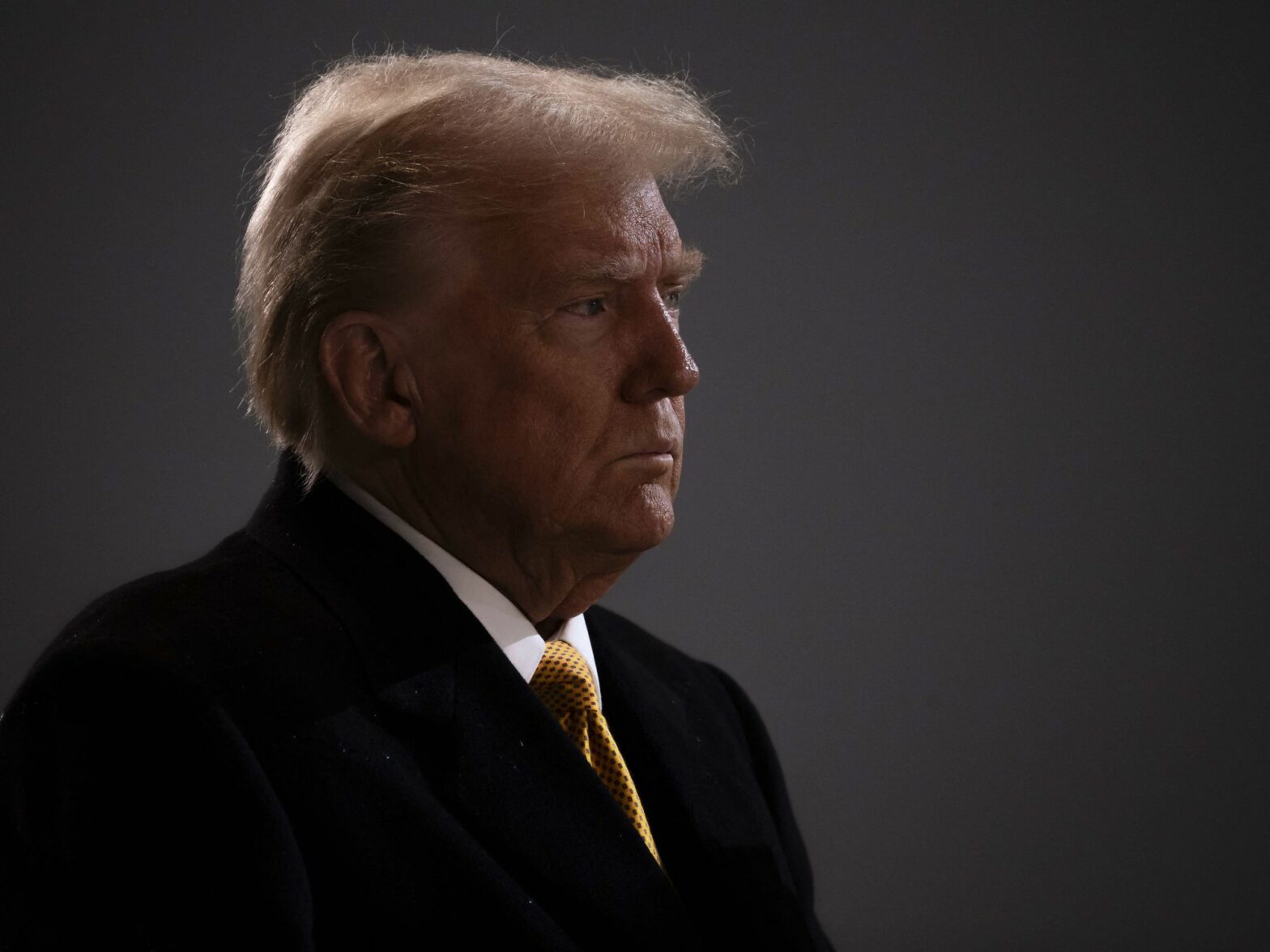
Donald Trump’s second term as U.S. president will undoubtedly bring about a transformation in geopolitics and the world economy. With a businessman rather than a politician in the White House, the country will take a more transactional approach based on negotiations.
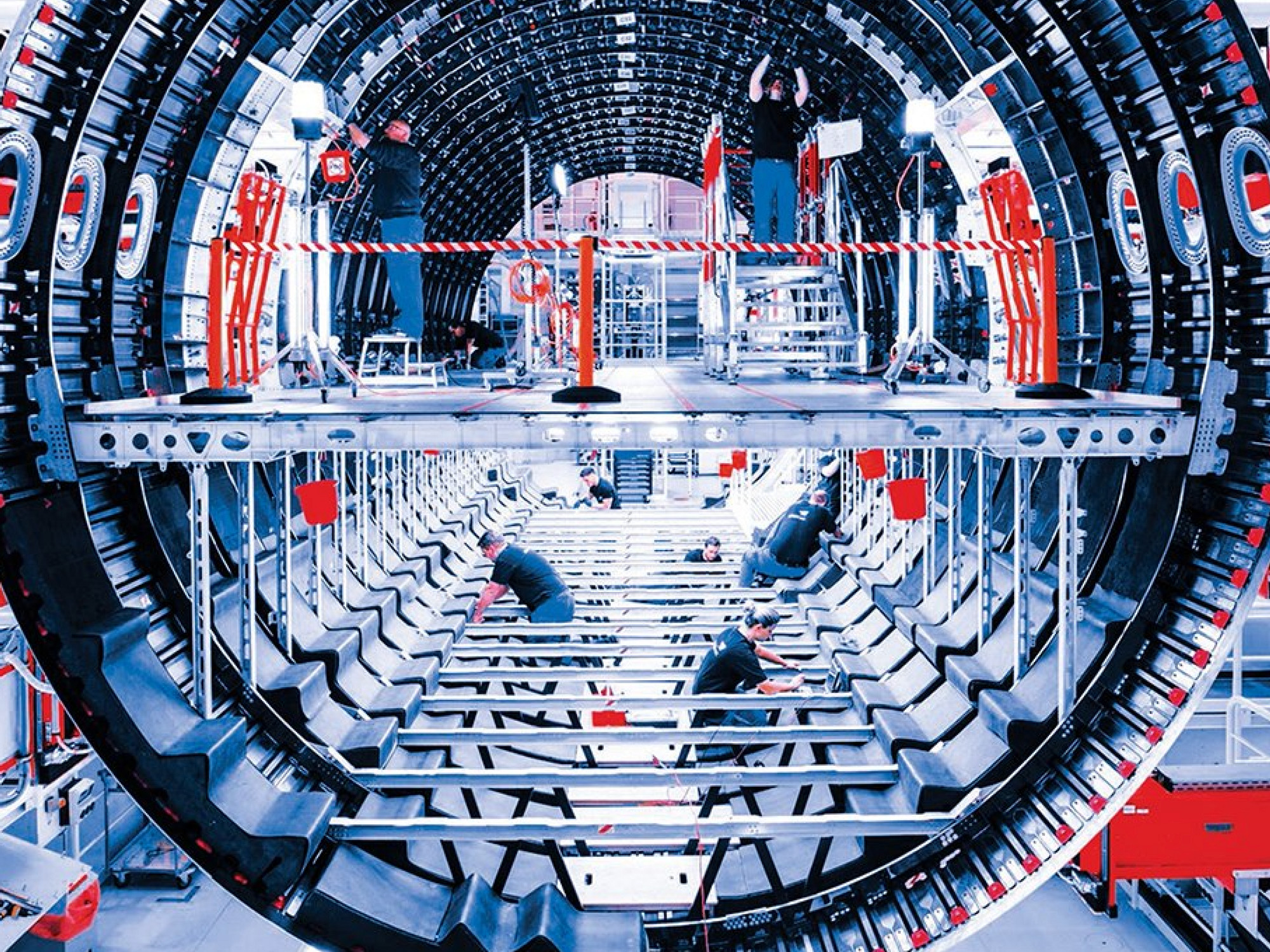
The United States seeks to strengthen its competitive edge over the European Union through broad deregulation. While this poses a genuine risk, it also presents Europe with a chance to step up and fill a void, globally.
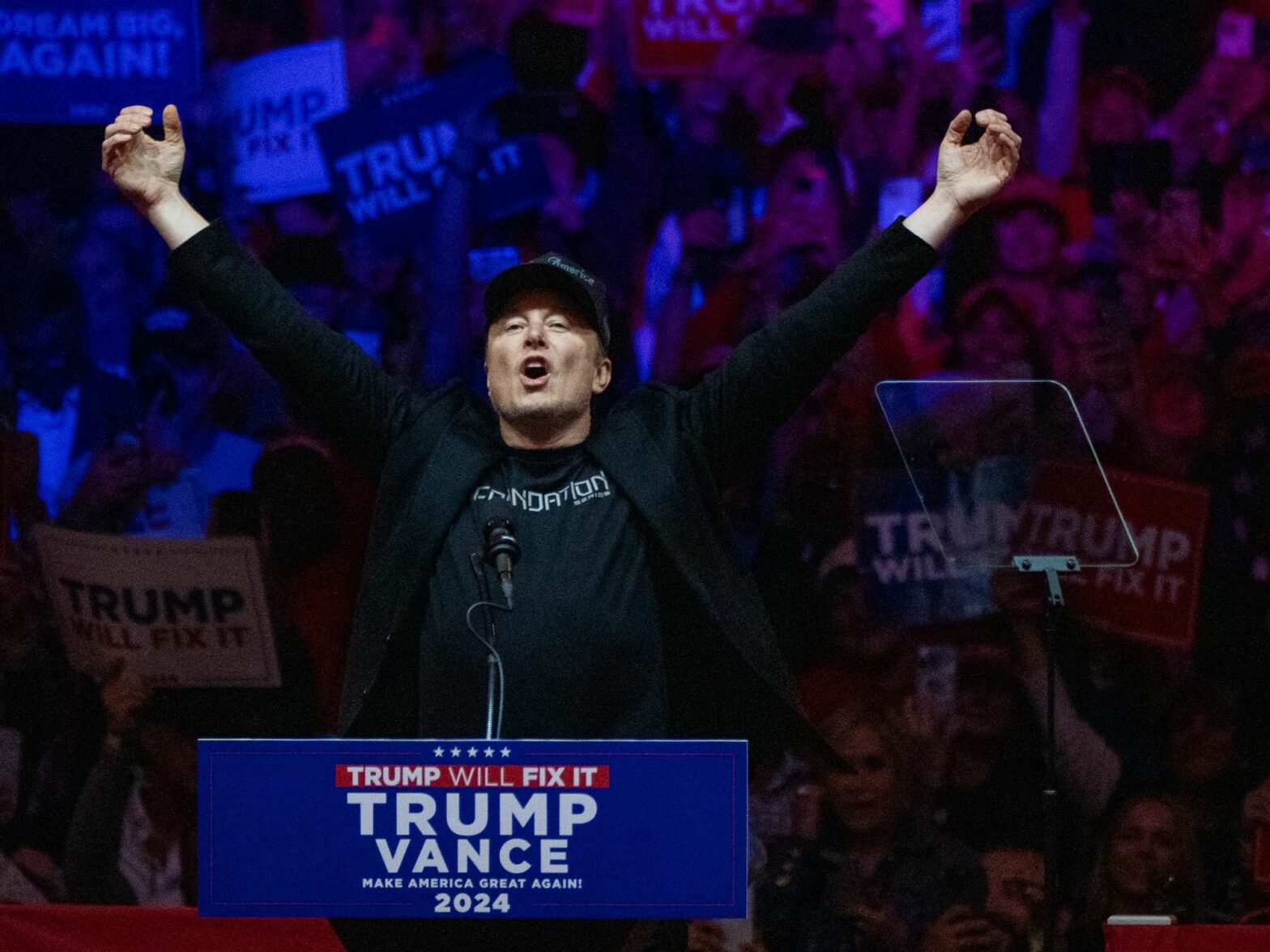
With the announcement that Elon Musk will become part of Donald Trump’s administration, the tech billionaire’s influence on the U.S. will keep on growing. From pouring hundreds of millions into Trump’s campaign to bending social media narratives, Musk’s actions underscore the ease with which the techno-oligarchy can buy political sway, writes Natalia Viana of Brazil’s leading investigative platform Agência Pública.
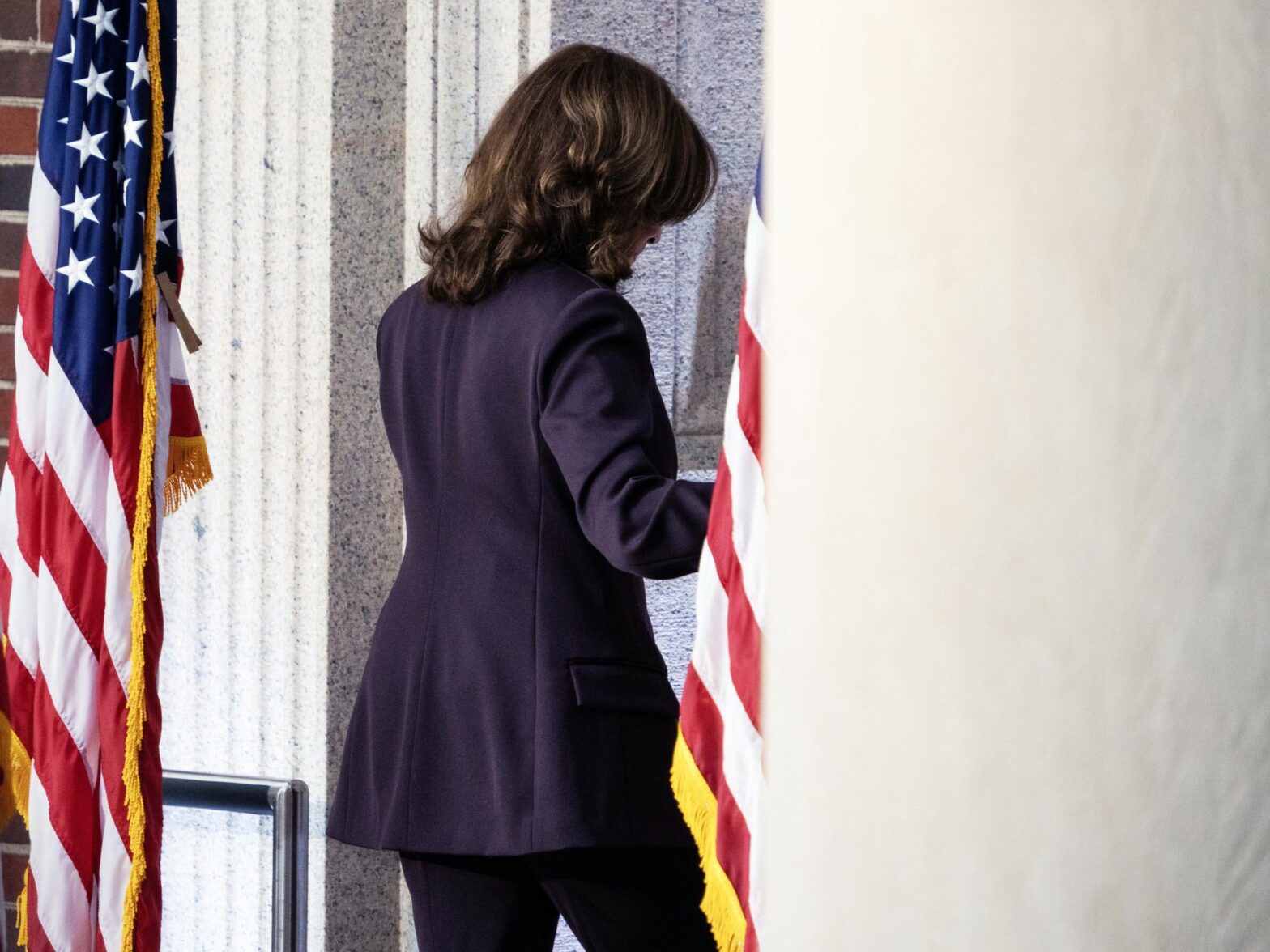
Donald Trump’s success is also a revelation of the weaknesses of the American left, which is plagued by self-righteousness and the belief that painting your opponent as a threat to democracy is a political agenda. But blackmail is not a strategy.
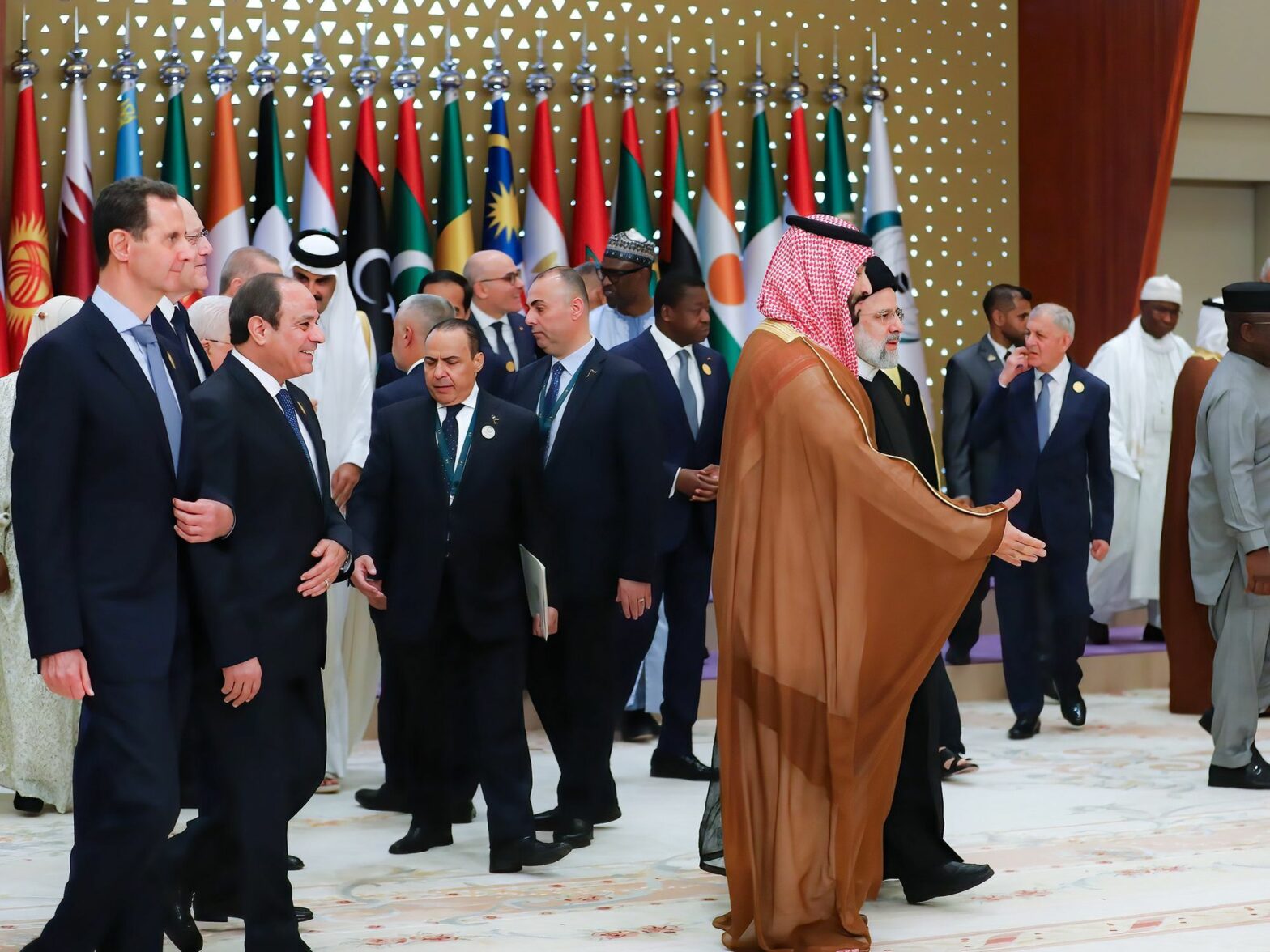
Will the Arabs take the initiative to take tangible measures before the fire reaches their countries, or will they be forced to be mere tools and bases to protect Israel? After the six-day war of 1967, the Three No’s of an Arab Summit set a new hardline. That should be the model now.
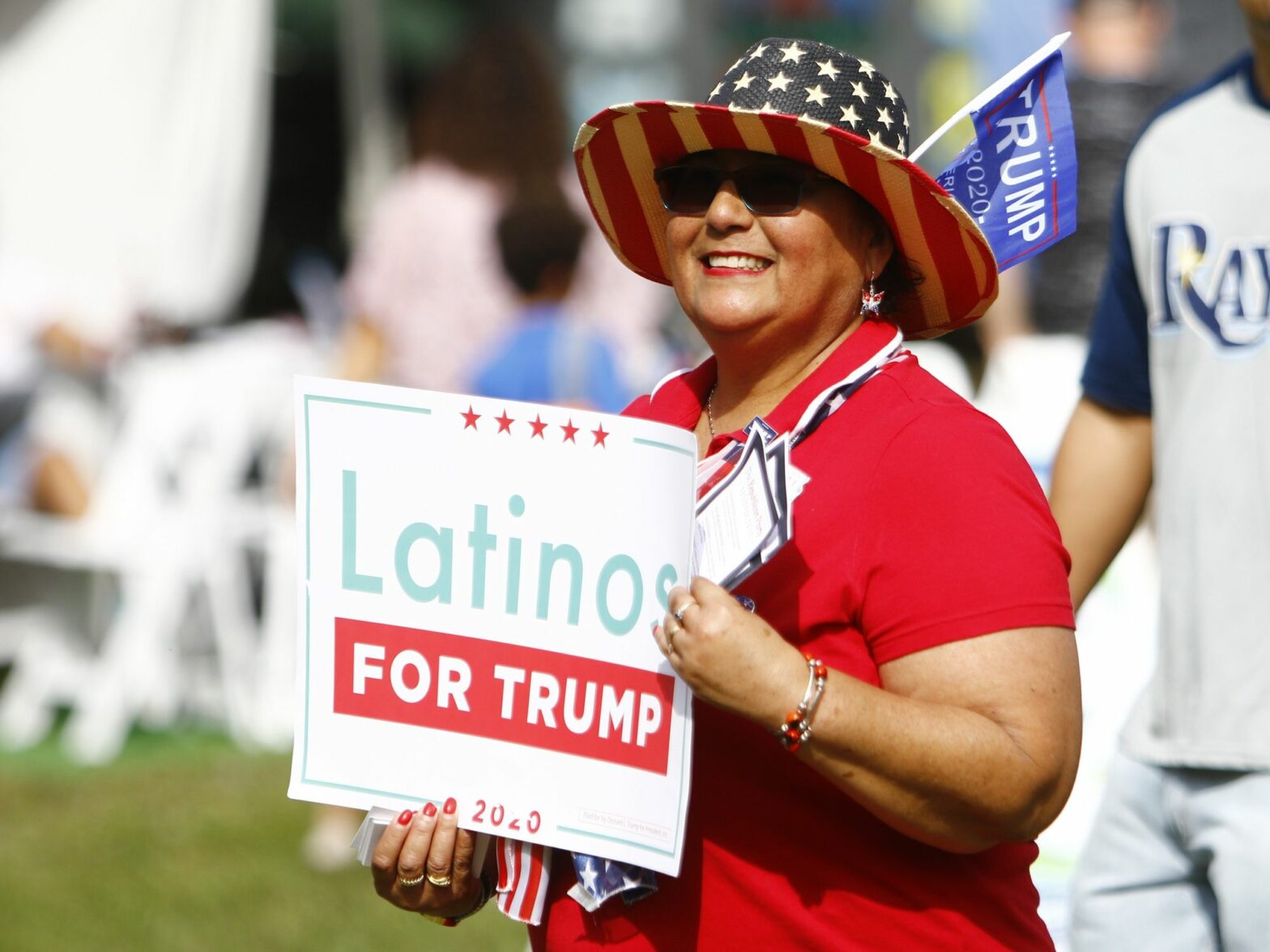
As Donald Trump makes his third bid for the White House, Catalina Uribe Rincón considers, in the Colombian daily El Espectador, why so many Hispanic-Americans back a racist and anti-immigrant candidate.
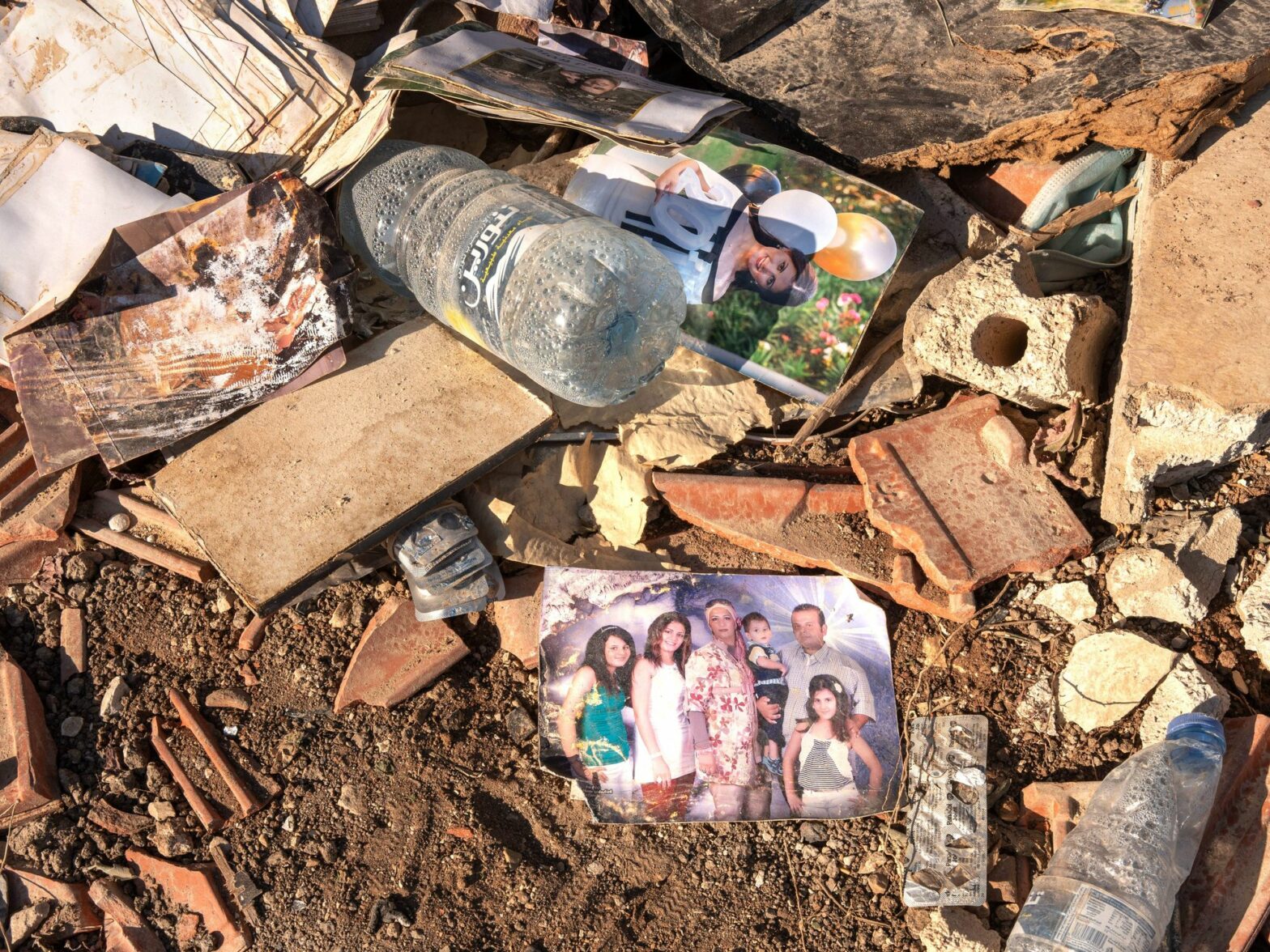
Benjamin Netanyahu has publicly urged the Lebanese to turn on Hezbollah, as he drops bombs that kill thousands of civilians. But every citizen knows what an occupier looks like.
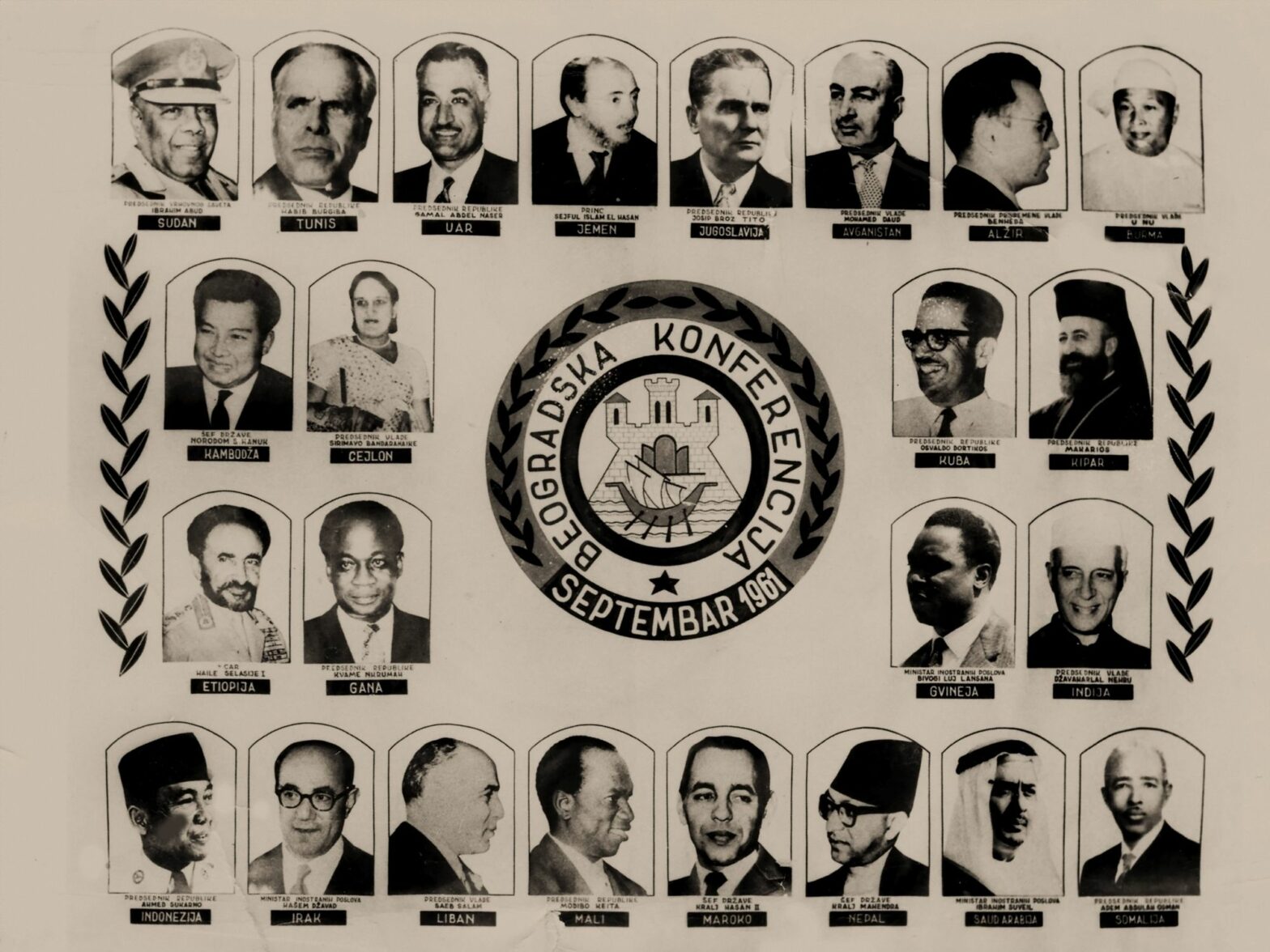
It’s called Active Non-Alignment. The end of a bipolar world and of Western supremacy has created a more fluid, and threatening, geopolitical map. For smaller powers, especially in Latin America, this is the time to “get the best deal” for themselves with the superpowers.
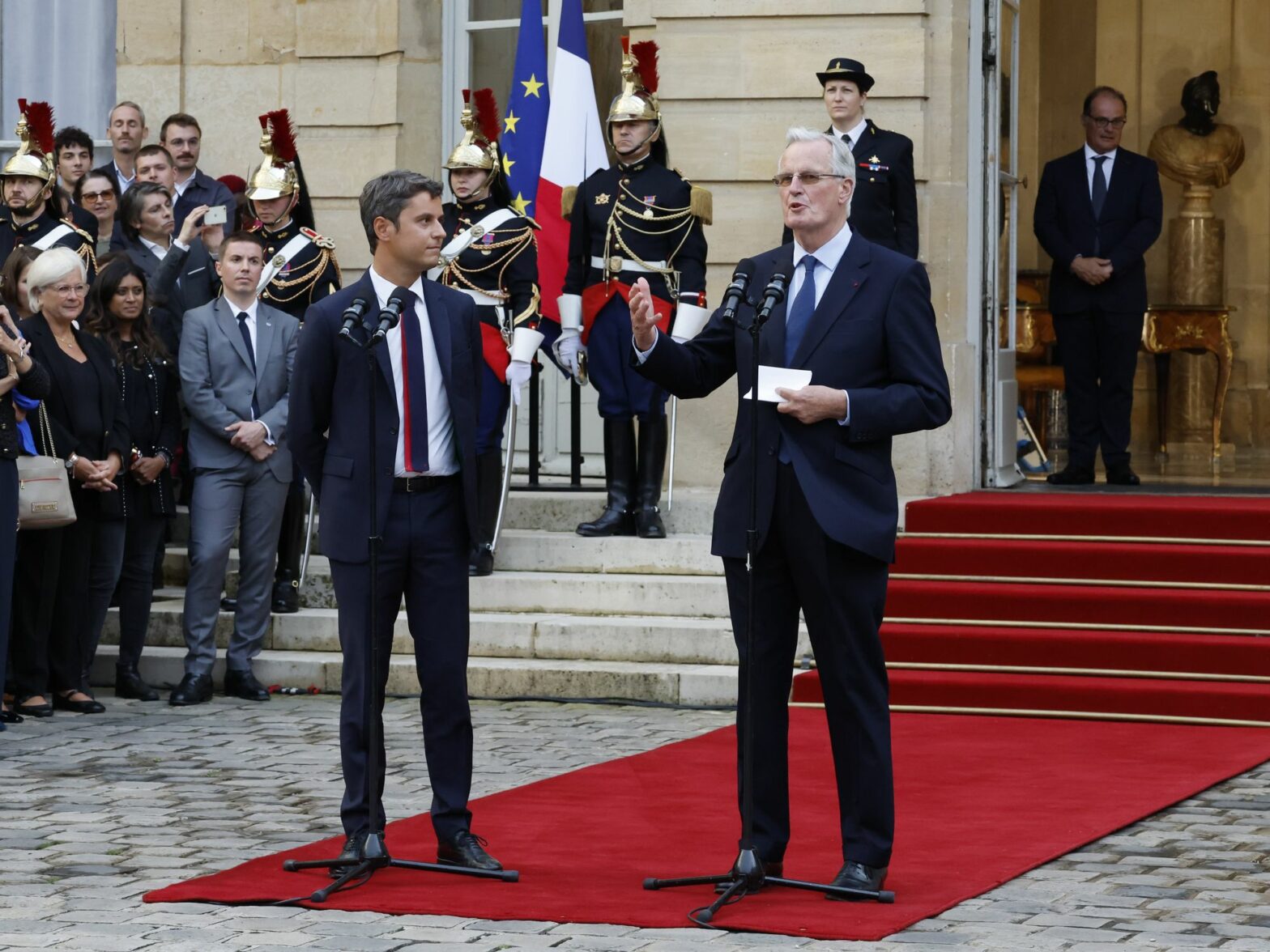
French President Emmanuel Macron’s choice of new prime minister isn’t without irony. Michel Barnier negotiated Brexit’s terms with the British, who were as divided at the time as the French are today.
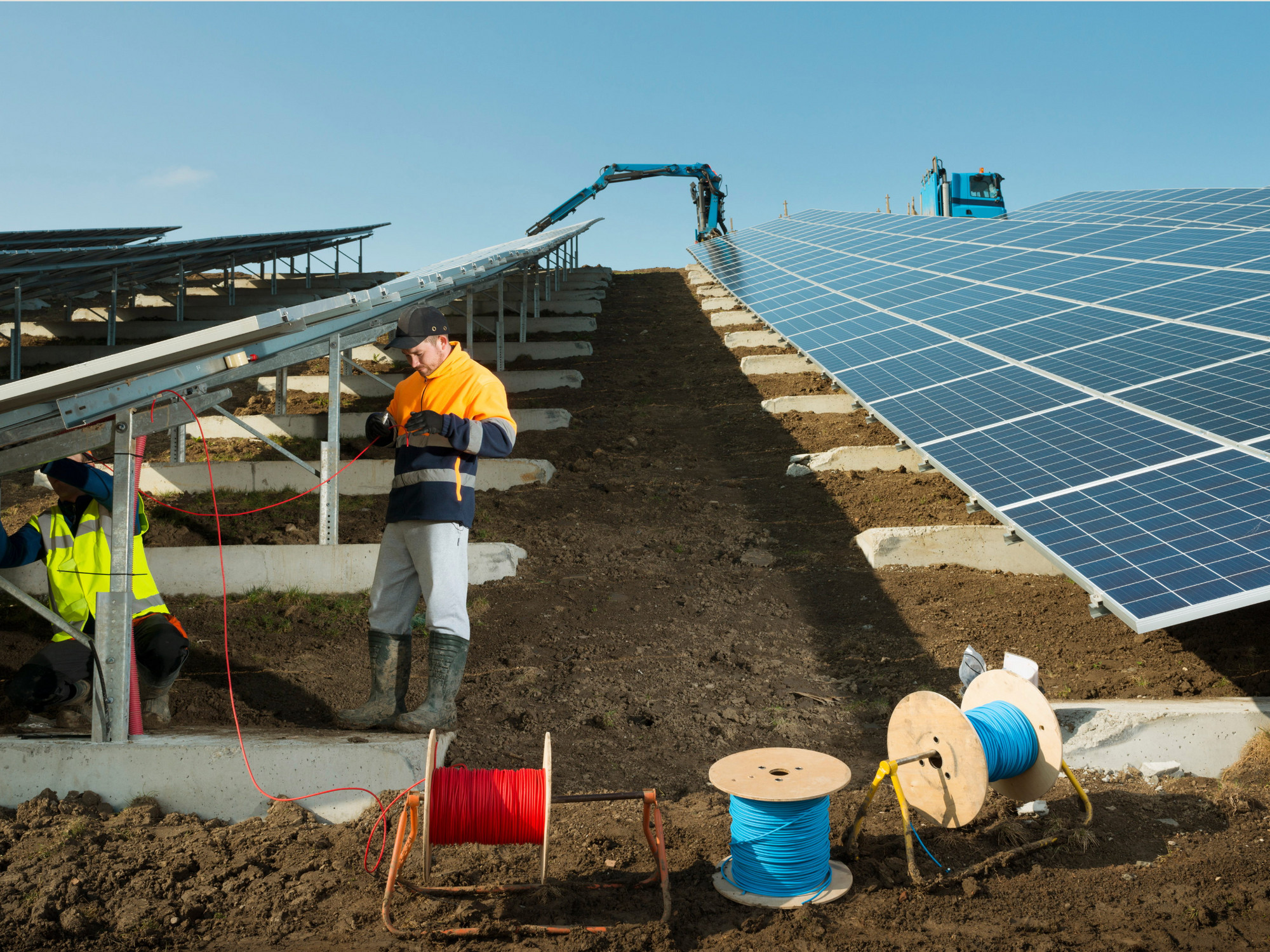
The global fight against climate change is essential, but the solutions are not universal. Measures must account for the local realities of the Global South, where economic development is equally important and where the imposition of strict environmental standards by the North has devastating social and economic consequences.
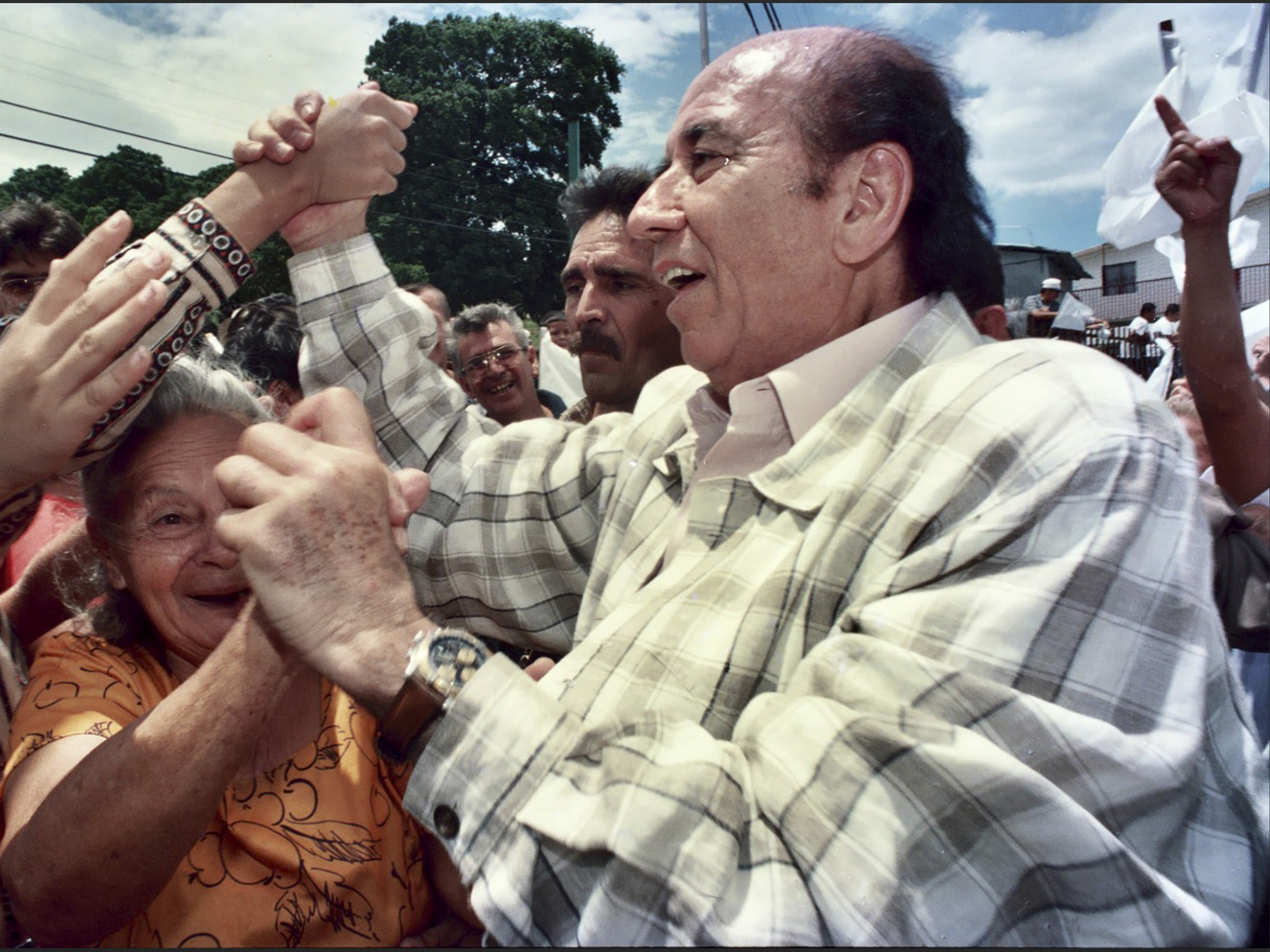
Today, Venezuela is barely recognizable as the prosperous and liberal state of the late 20th century that gave refuge to regional dissidents, thanks to the resolve of the late Carlos Andrés Pérez — the “roguish” president whose commitment to democracy has put his socialist successors to shame.
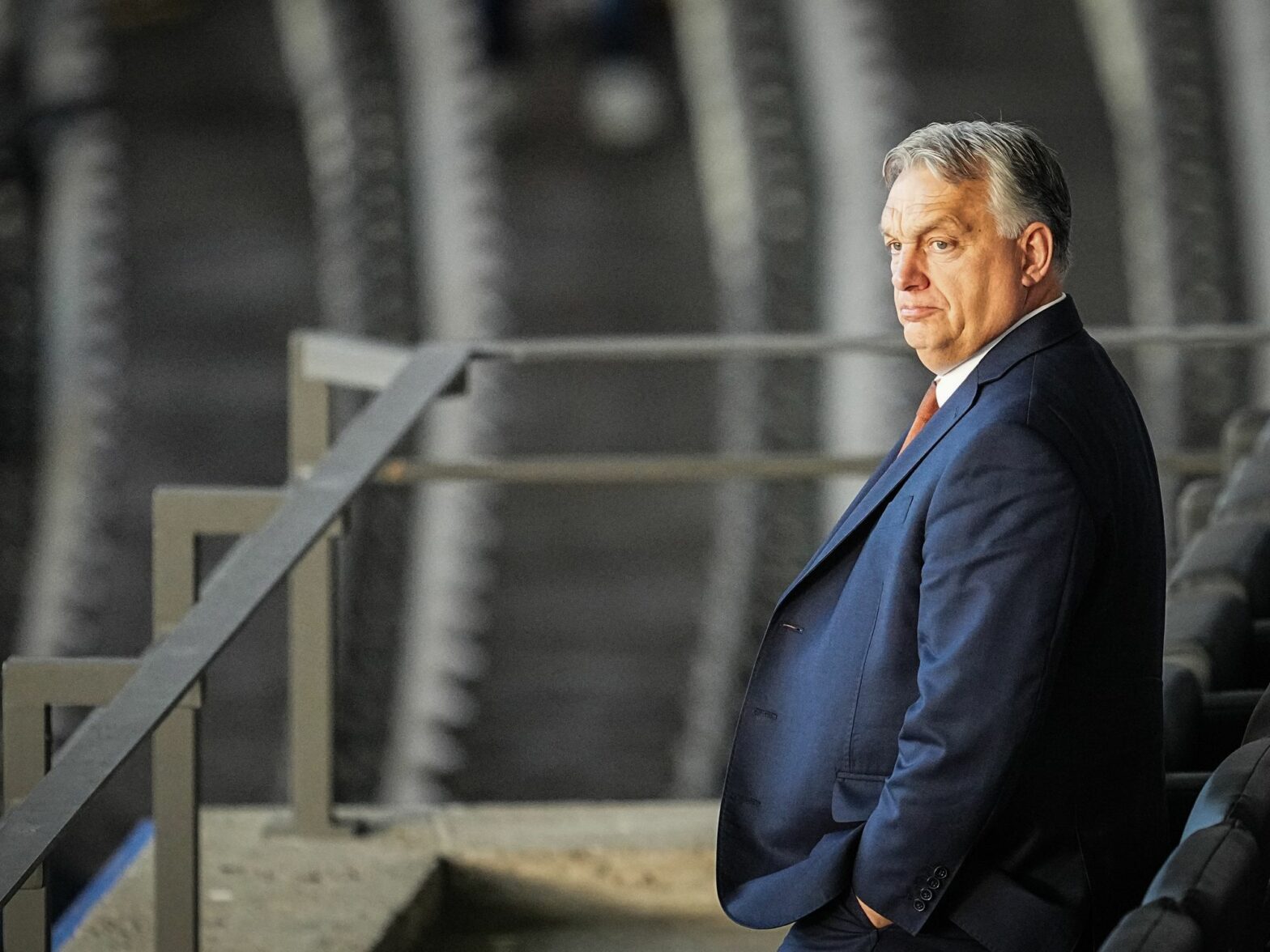
The Hungarian prime minister has long been known for his conflictual relationship with the European Union. But Viktor Orbán’s recent diplomatic world tour, together with his proximity to Donald Trump, shows that he should not be underestimated.
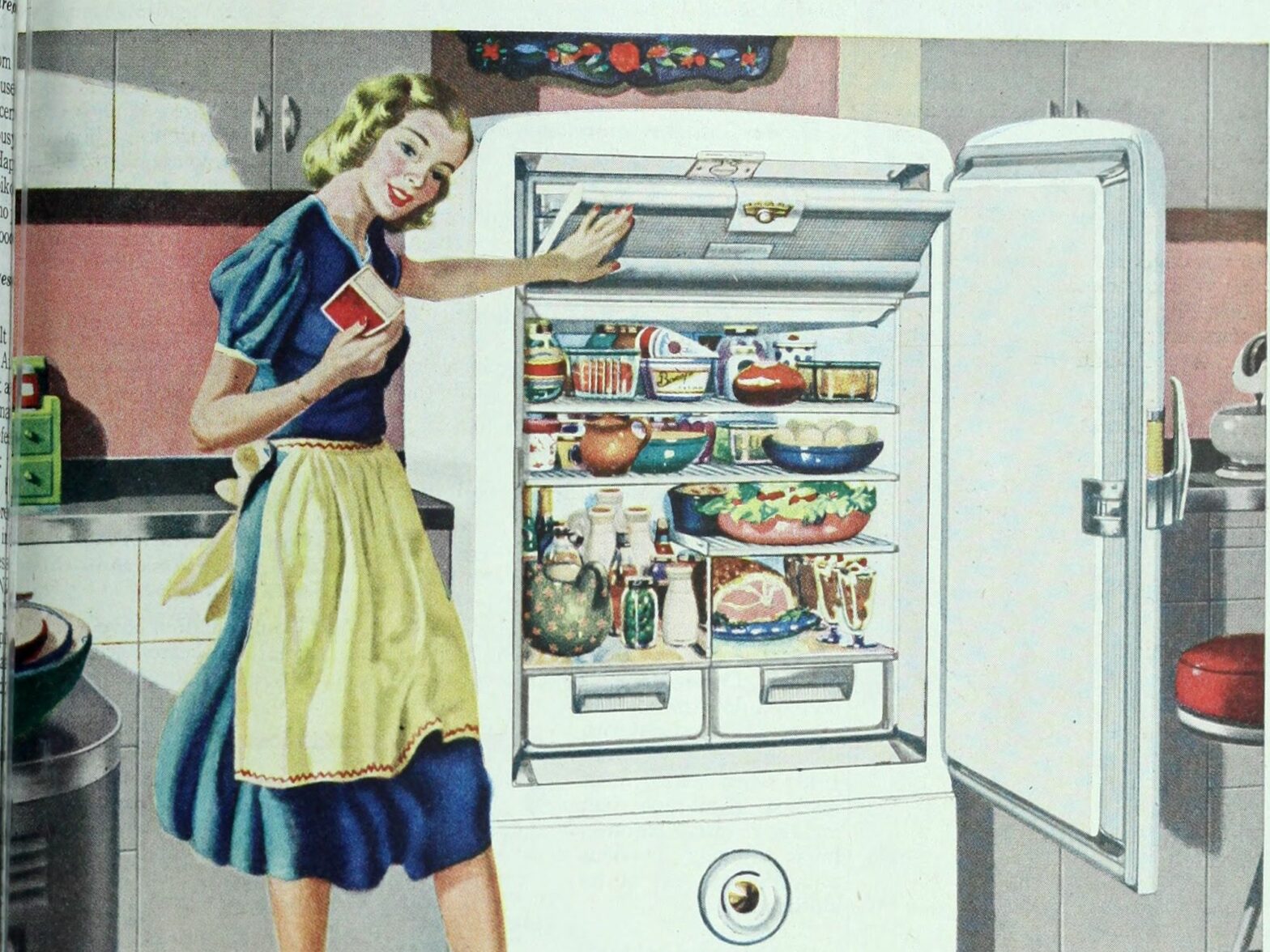
Doing the laundry, tidying up after men, “I’ll do it”: Even modern women fall for stereotypical patterns in the household. They should learn to put their feet up.
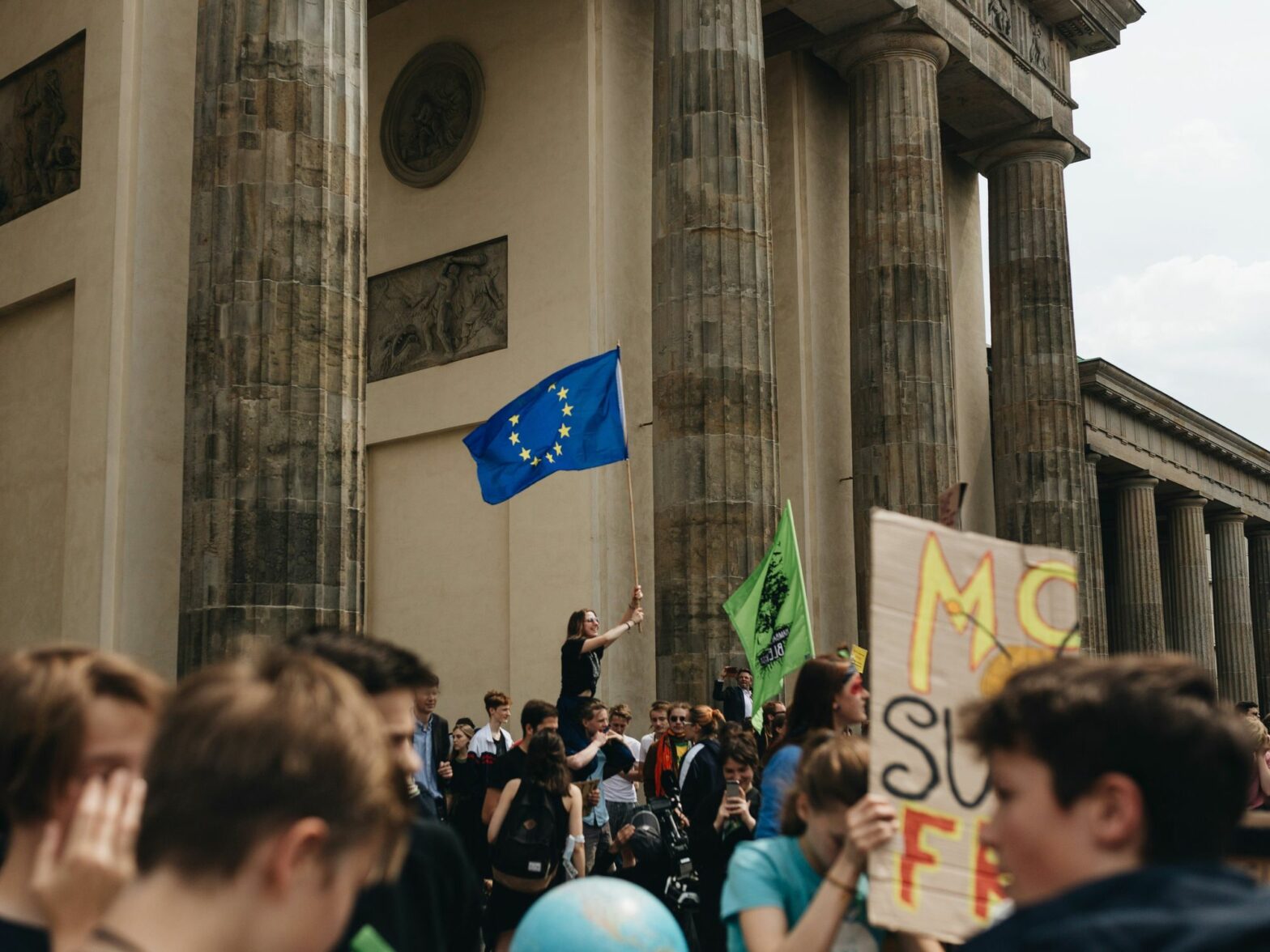
As the “American Century” and the West’s time at the center of the world draws to an end, Europe — which has died and been reborn many times — may have a new role as the wise teacher of decline, therefore also a teacher of limits and temperance.
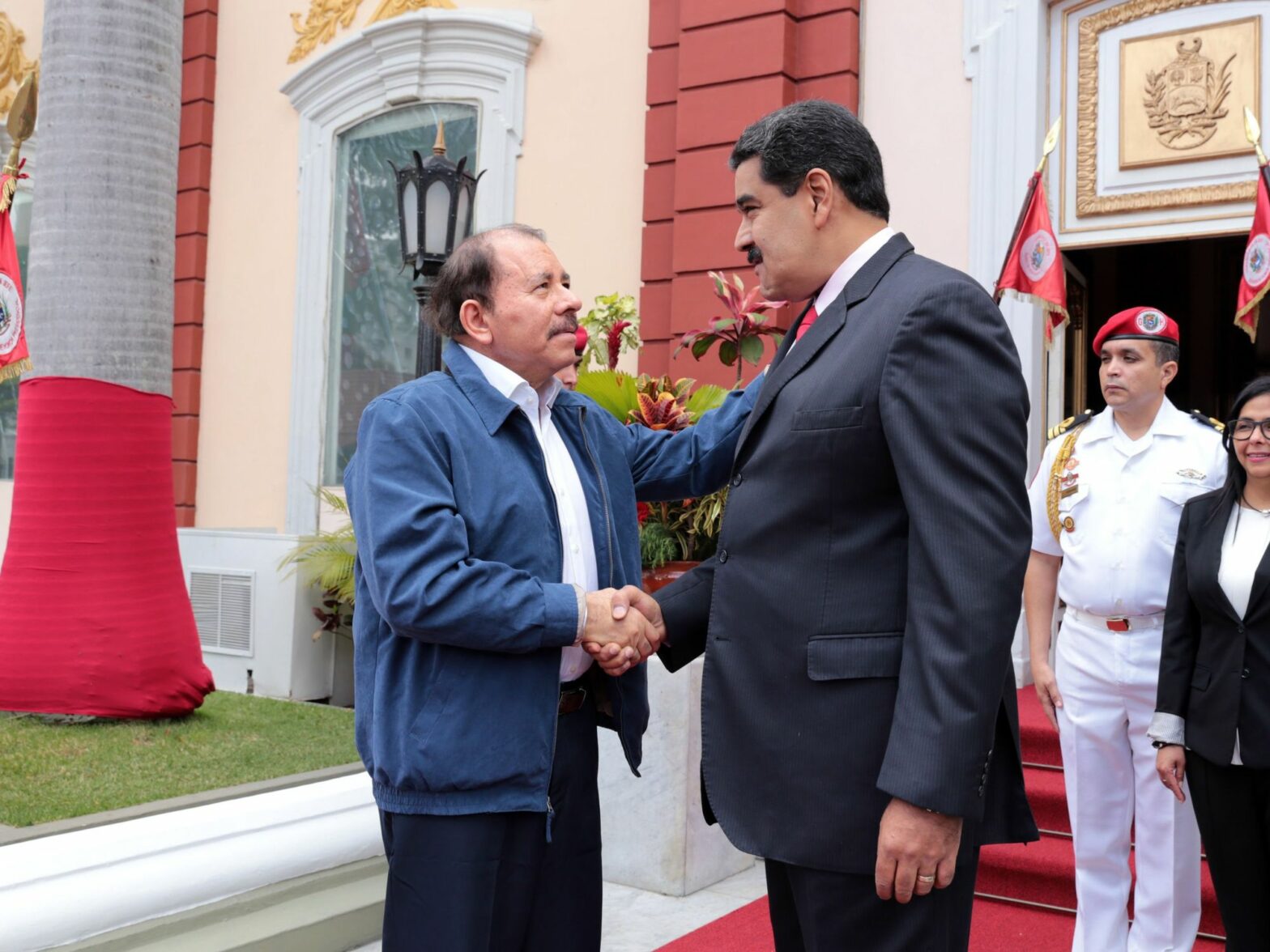
Venezuela’s elections this year took a very different course than Nicaragua’s in 2021. In both Latin American countries, an authoritarian leader wanted to stay in power and committed electoral fraud to do so. But in Venezuela, the opposition was able to create resistance to Nicolás Maduro.
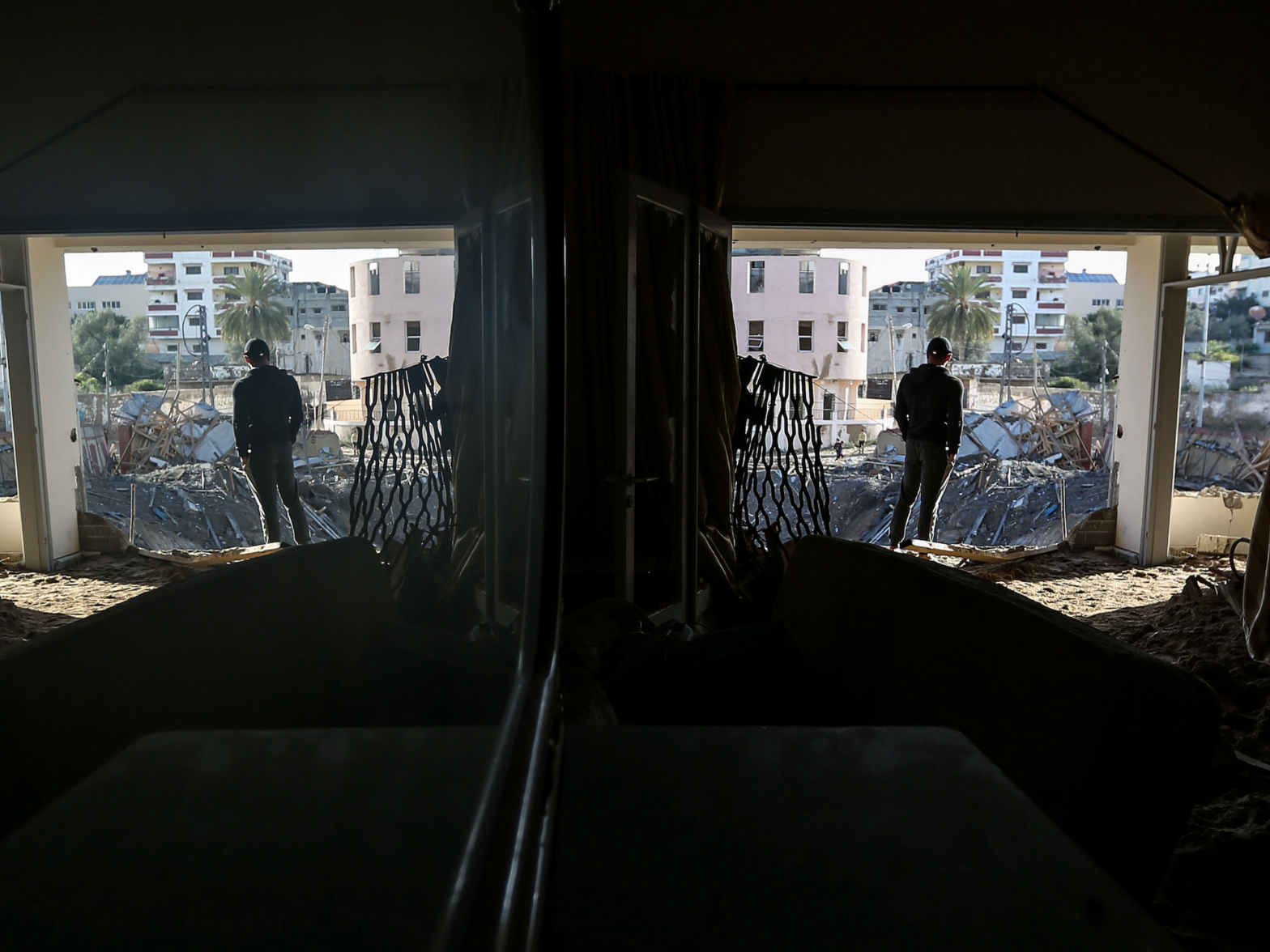
Almost 10 months after the Oct. 7 attack, the Middle East appears to be on the verge of a second act of tragedy. This new escalation of the conflict could result in regional war on a massive scale.
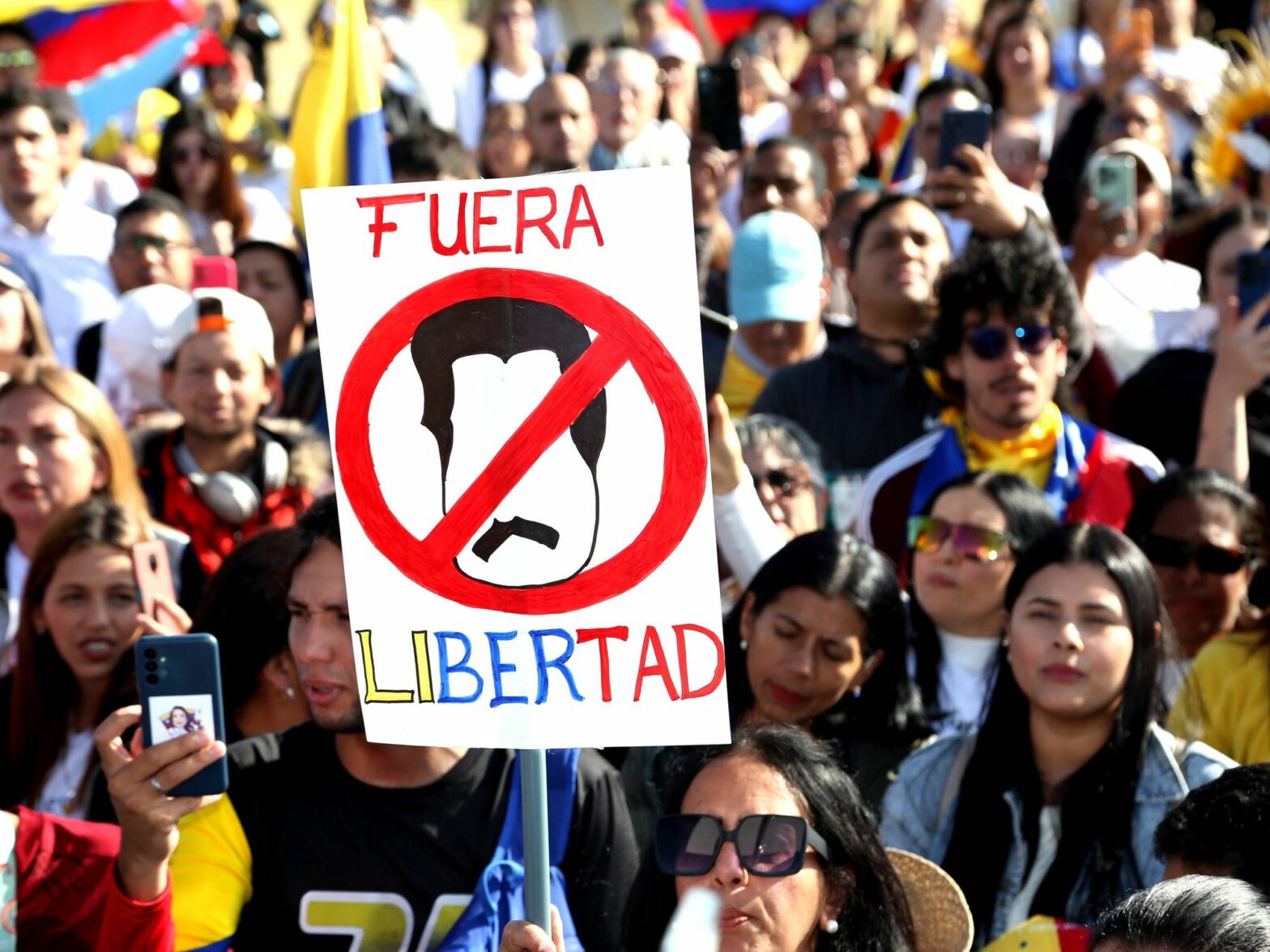
The leaders of three big Latin American powers, Colombia, Brazil and Mexico, have shown they believe keeping a fellow socialist in power is more important than respecting the votes of millions of ordinary Venezuelans who chose freedom over socialism.
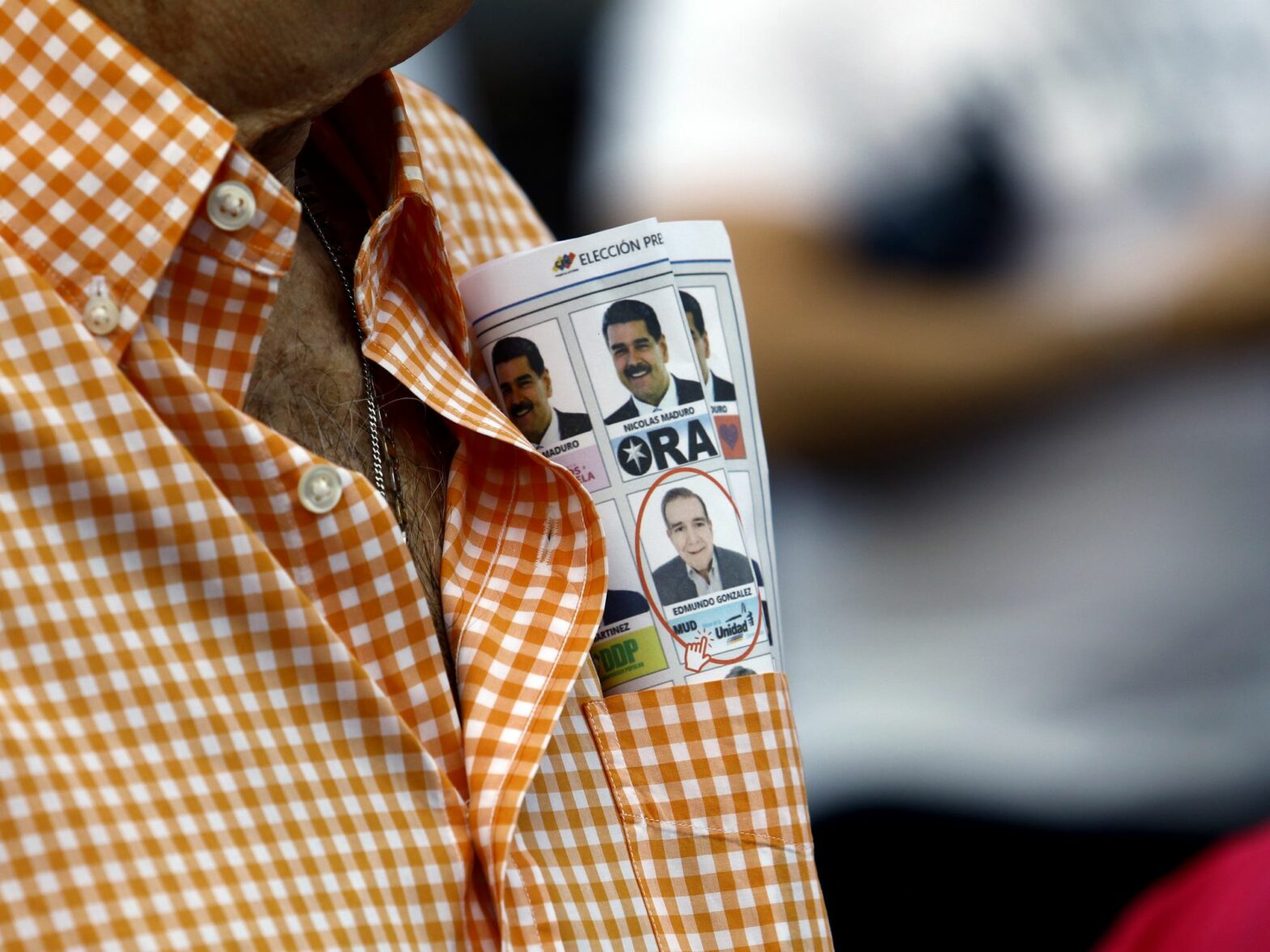
Corruption, human rights violations, and alliances with totalitarian regimes are all good reasons why the West should be paying attention to Venezuela ahead of the country’s presidential elections on July 28, writes Venezuelan journalist Miguel Henrique Otero in Nicaragua’s Confidencial newspaper.
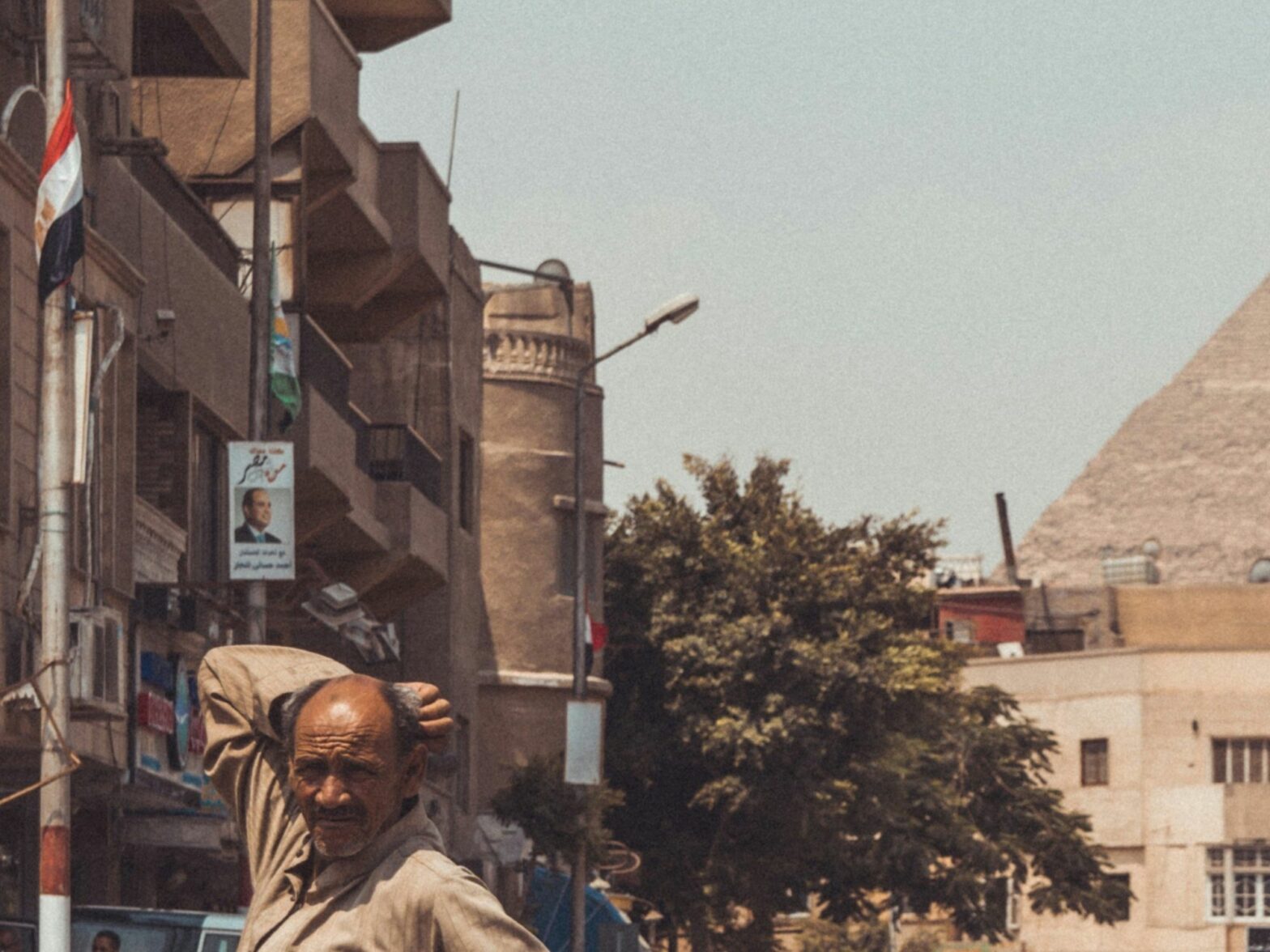
The Muslim Brotherhood called for anti-government protests on July 12, yet again failing to understand what is really on Egyptians’ minds and overestimating their readiness of taking to the street against the government of President Abdel-Fattah el-Sissi.
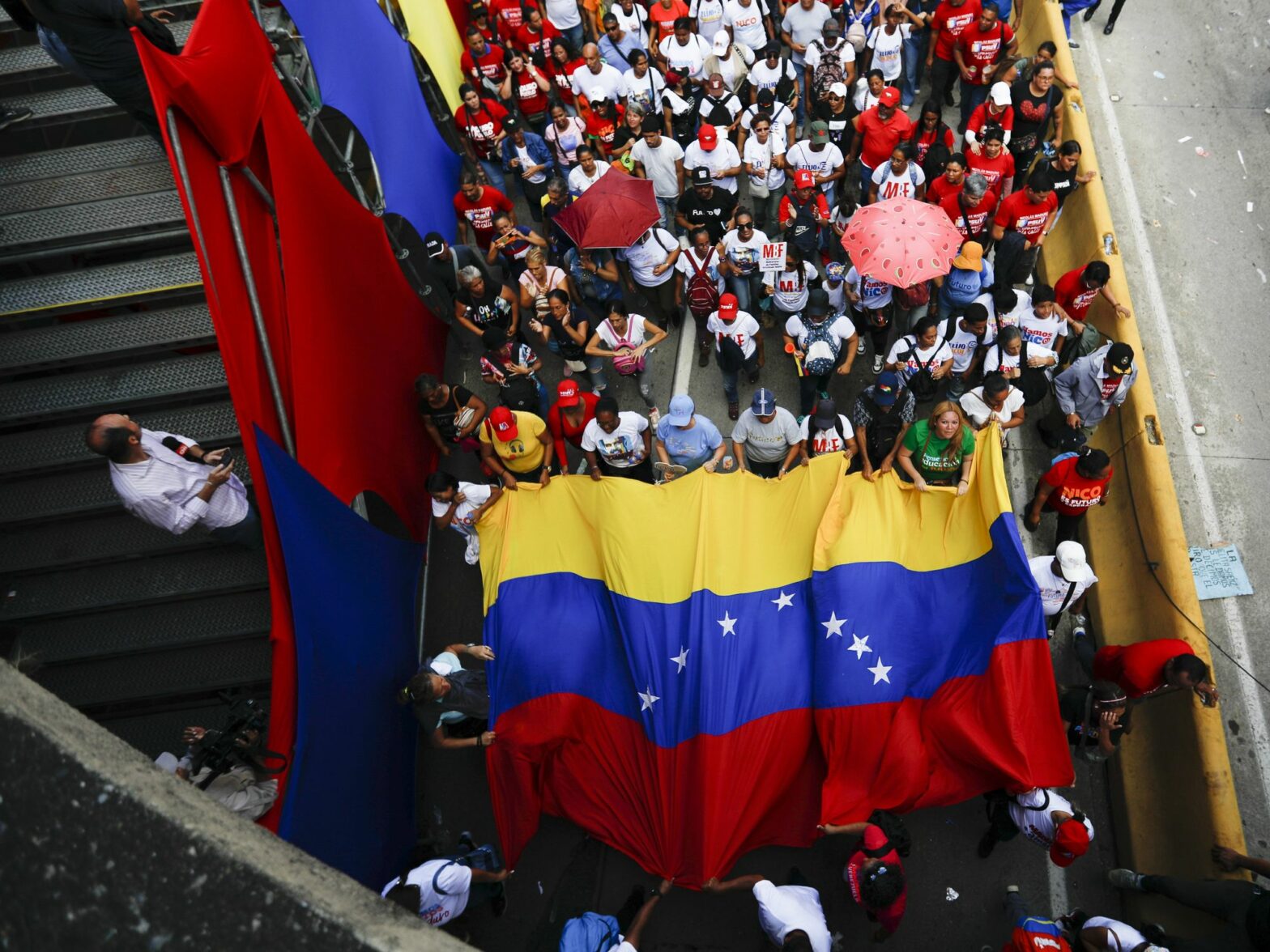
What we are witnessing is the struggle of a people against their oppressors. This electoral process, although flawed, could become a milestone for Venezuelans to regain their freedom — and it is one that should concern everyone who believes in democracy.
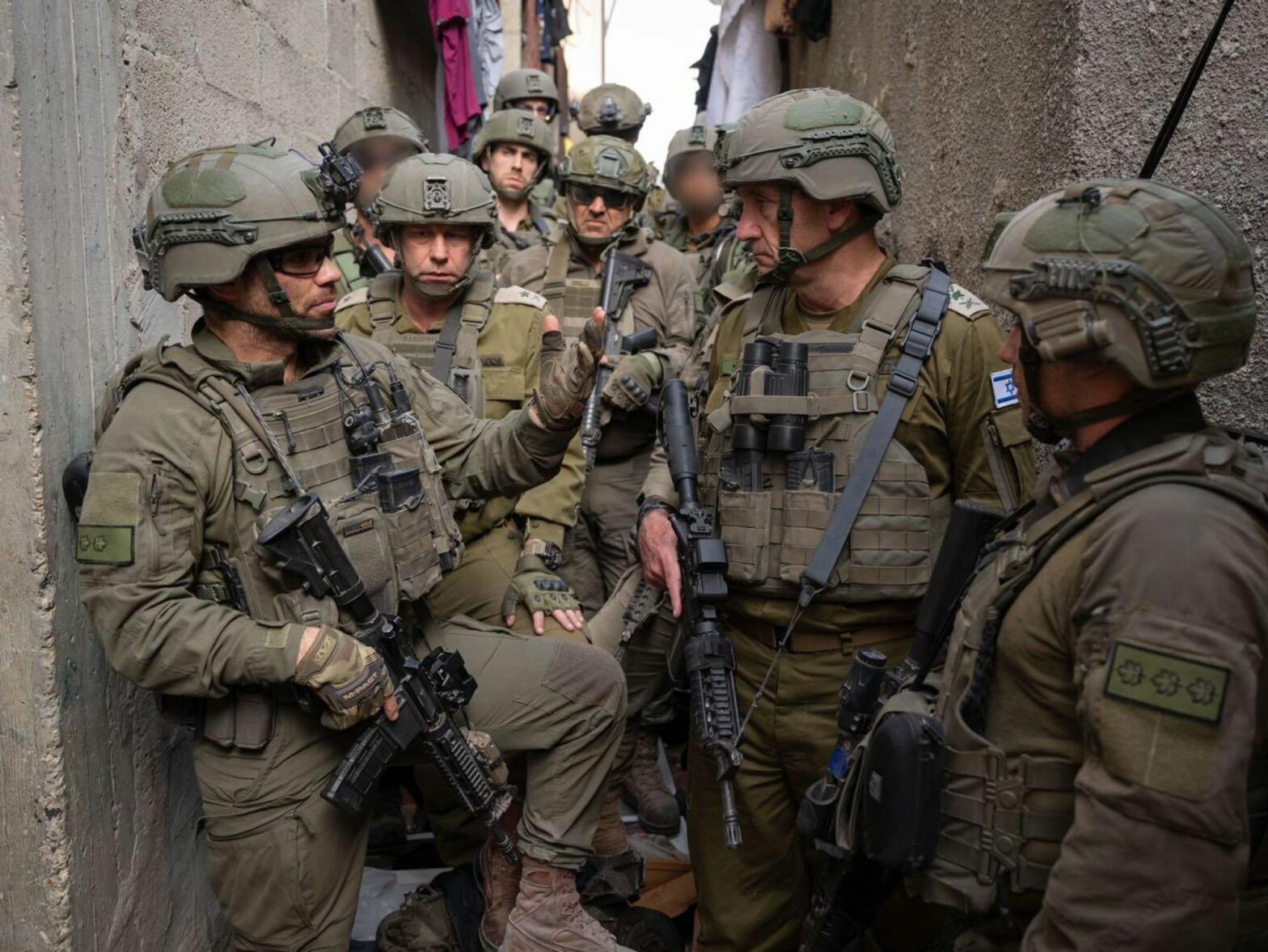
The recent images showing a wounded Palestinian tied to the hood of an Israeli military vehicle is not an isolated incident. Despite the accumulation of evidence indicating the Israel is committing genocide in Gaza, the country’s politicians and officials continue to claim that their army is the world’s most moral.
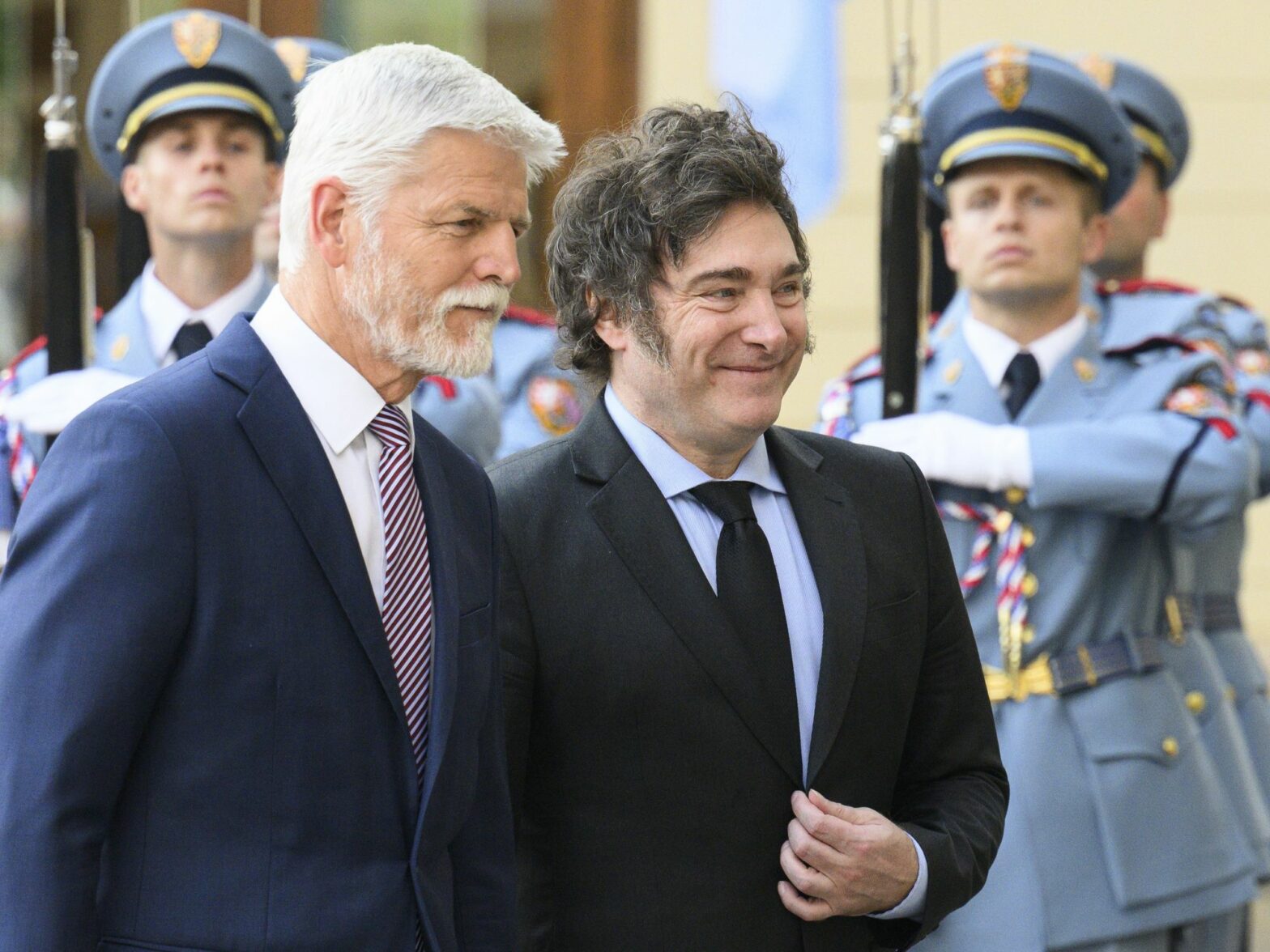
Argentina’s rabidly neo-liberal president, Javier Milei, is downsizing the state at home and curbing diplomacy to the bare minimum of promoting the free market, lambasting communism, and nurturing ties with just two, cherished states, Israel and the United States.
It is not not gray-haired men who feel uncomfortable with feminism, but rather Gen Z boys. So what is causing young men, witnesses of #MeToo, to take sides against feminism?
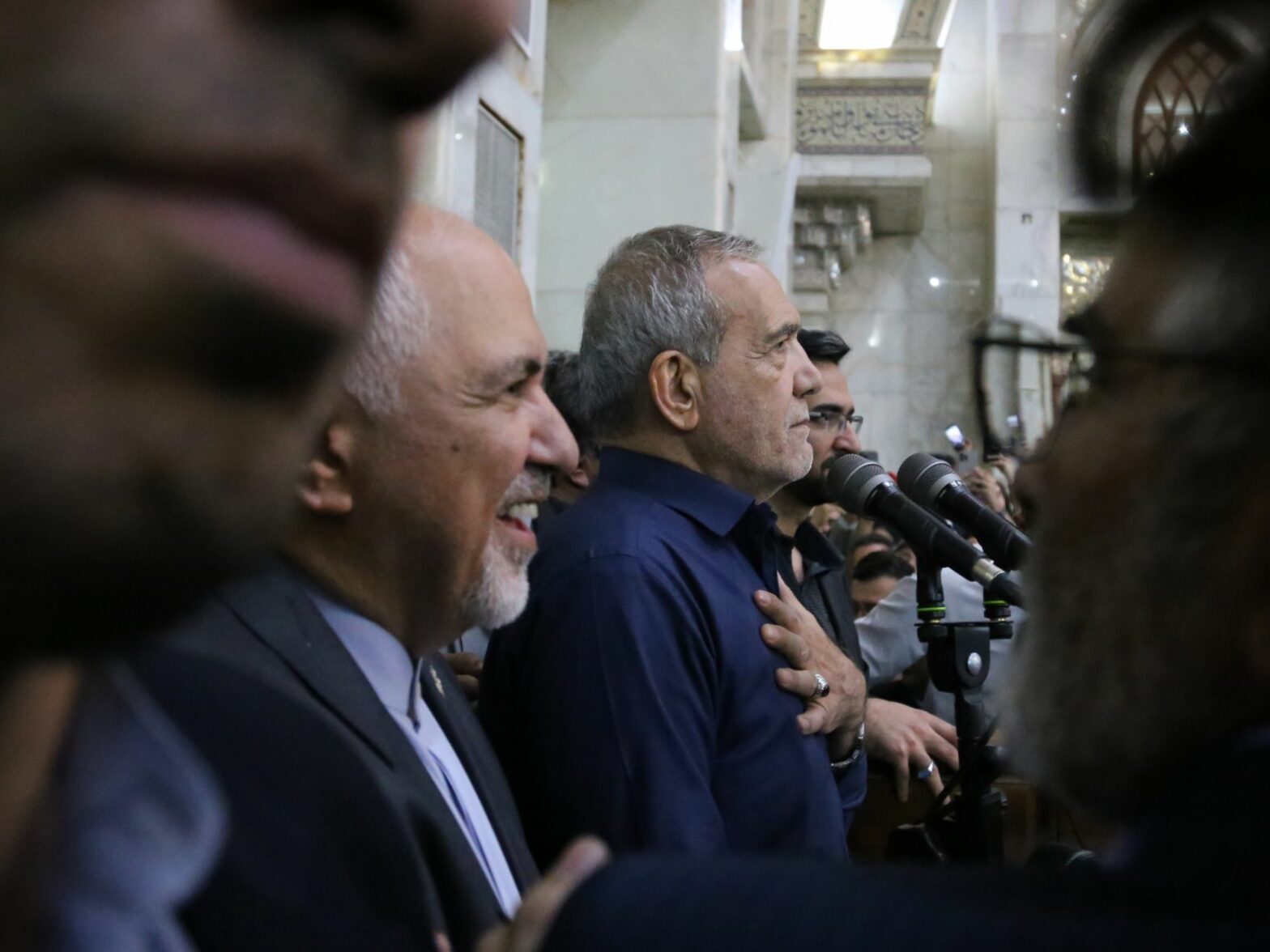
Fearing Europe’s shift to the right and a second Trump term, Tehran has dusted off its reformist credentials — with president-elect Masoud Pezeshkian and veteran diplomat Mohammed Javad Zarif — to show the West it is willing to talk. But this ploy will not work again.
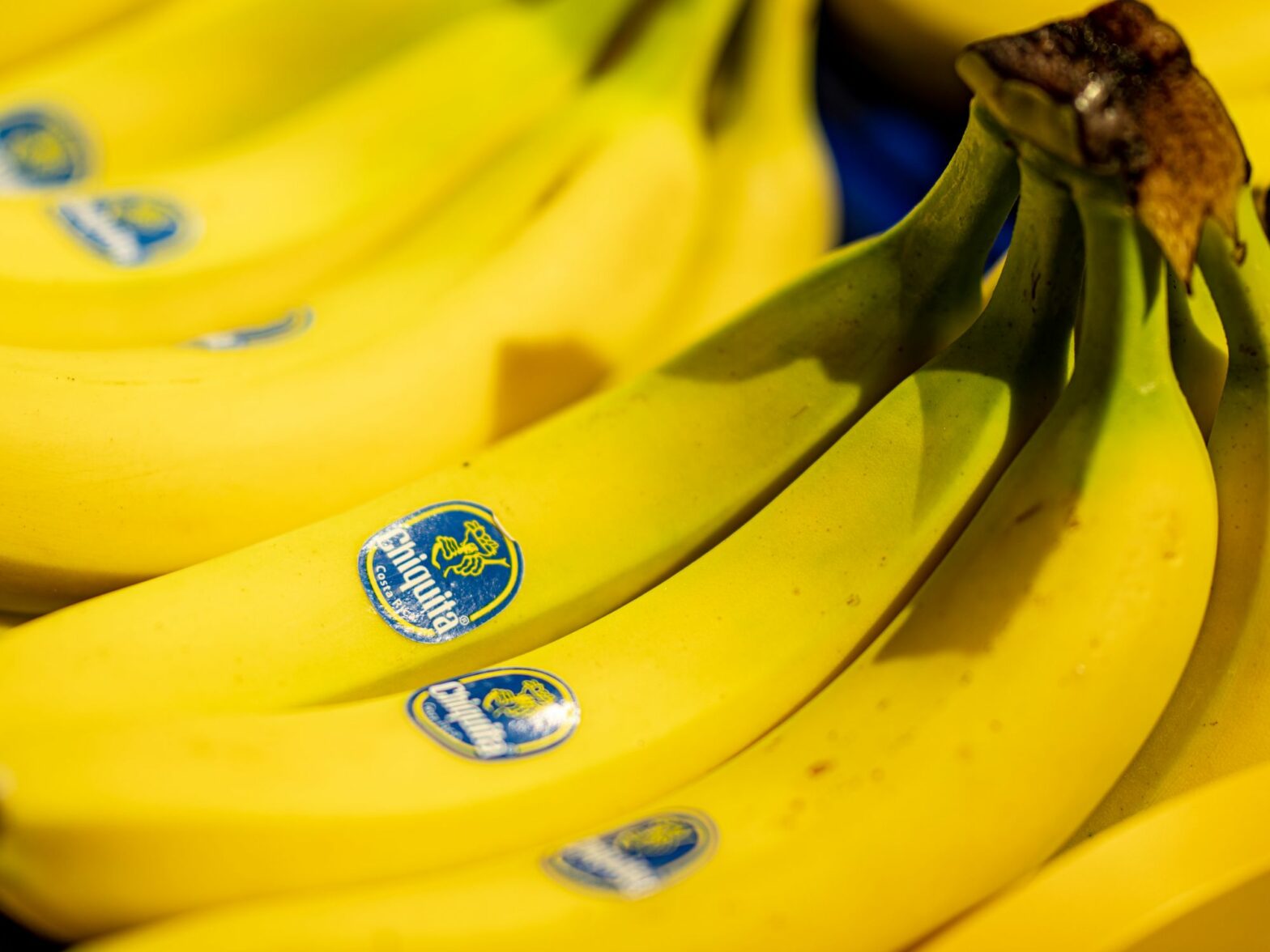
Chiquita — the former United Fruit Company — is being ordered to compensate victims of the paramilitaries it financed in Colombia in the late 20th century. Like Monsanto with pesticides, it might begin saving funds to pay more such fines.
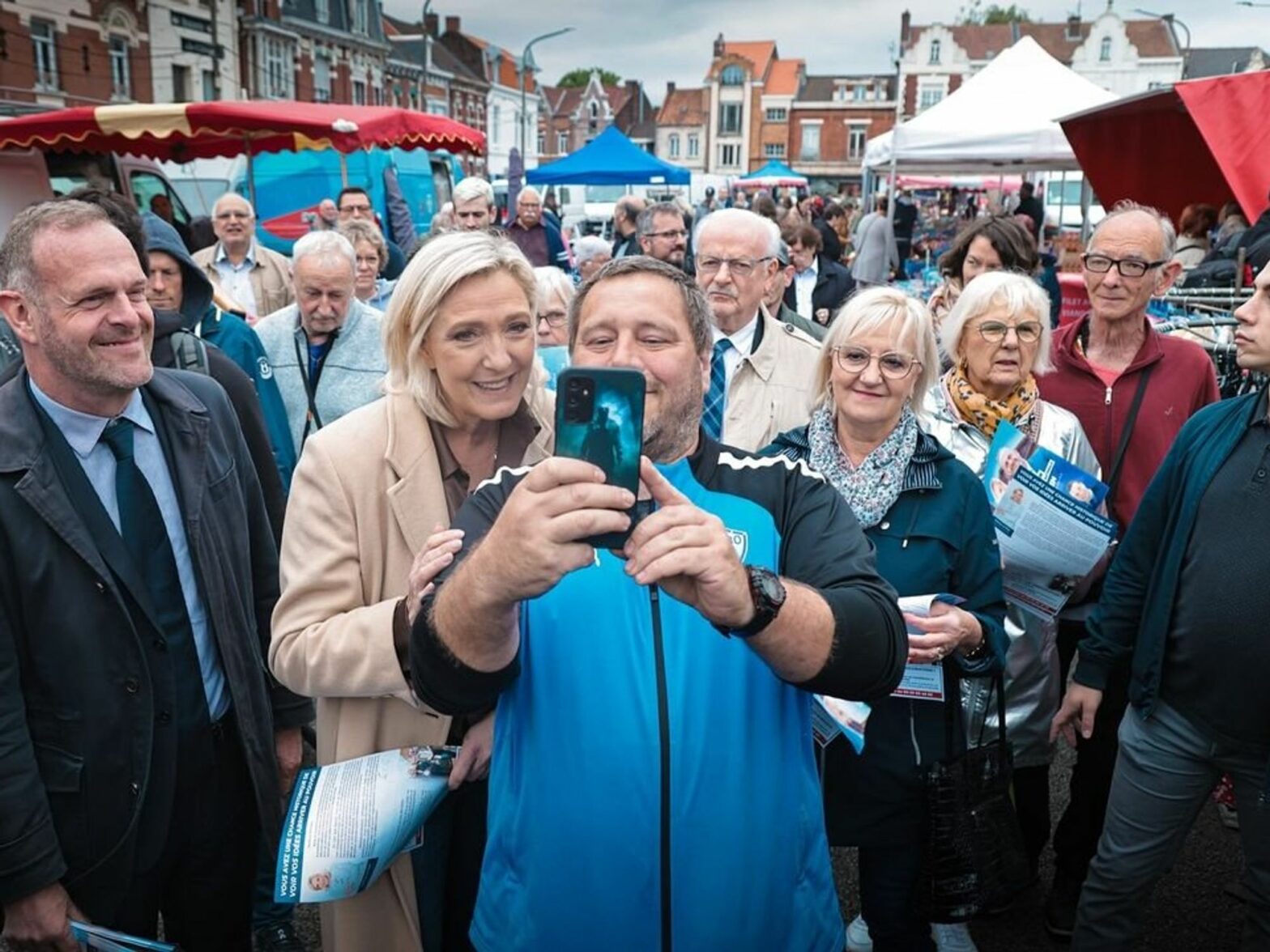
In matters of foreign policy, whether the war in Ukraine or in Gaza, the rejection of extremes should appear as an obvious fact of reason and ethics. Unfortunately, this is not the case.

Whatever happened to the love letter? Many are sitting in literary archives, while today’s youth prefers WhatsApps and emojis.
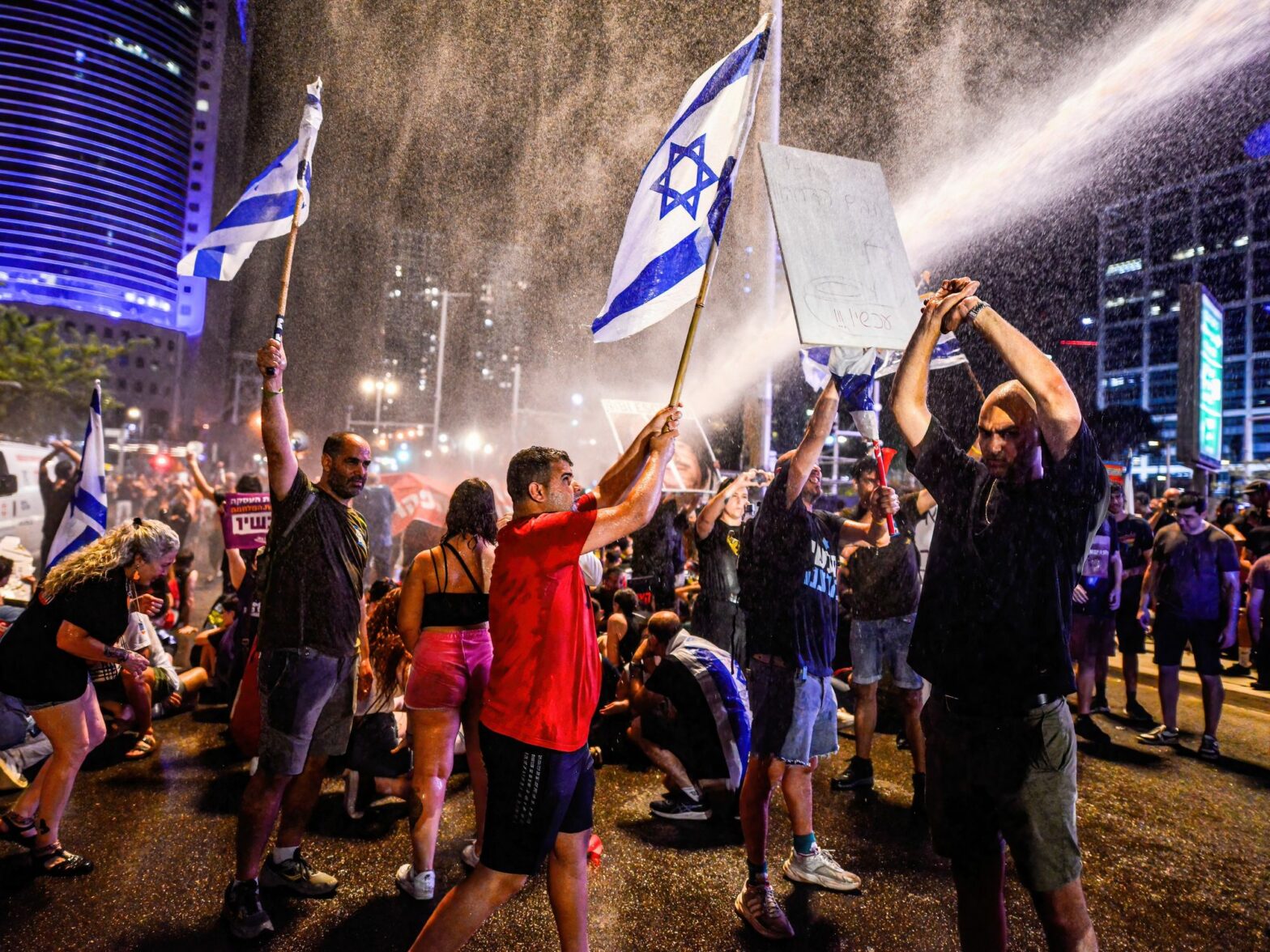
Hamas attack on Oct. 7 created a deep rift in the confidence of Israel’s citizens, in their country’s security, military and moral superiority. The Zionist project may never recover.
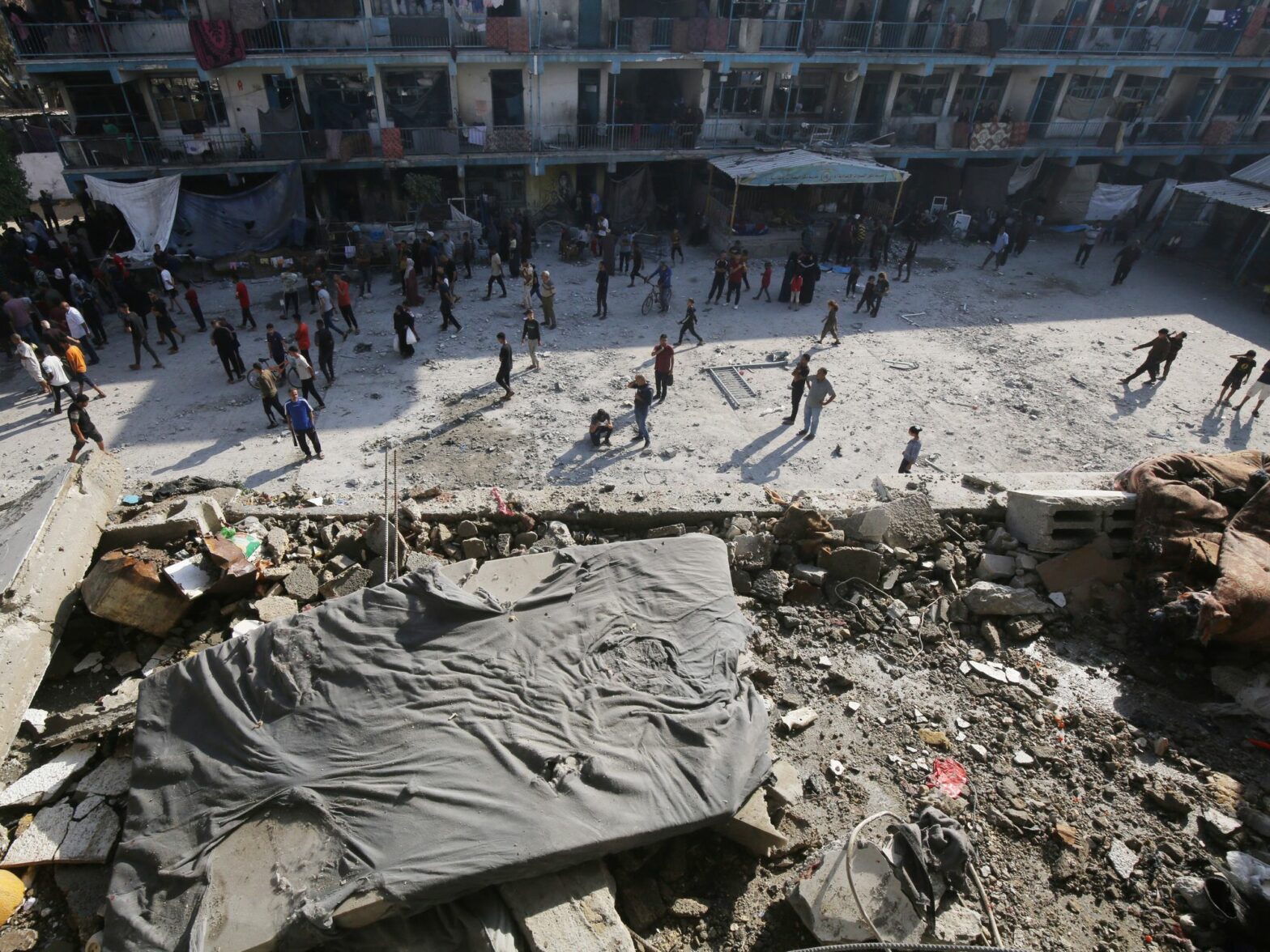
Israel is like a huge elephant in a room of fragile ceramic pieces. It may be able to get out, but Israel will certainly not emerge from its war in Gaza completely unscathed.
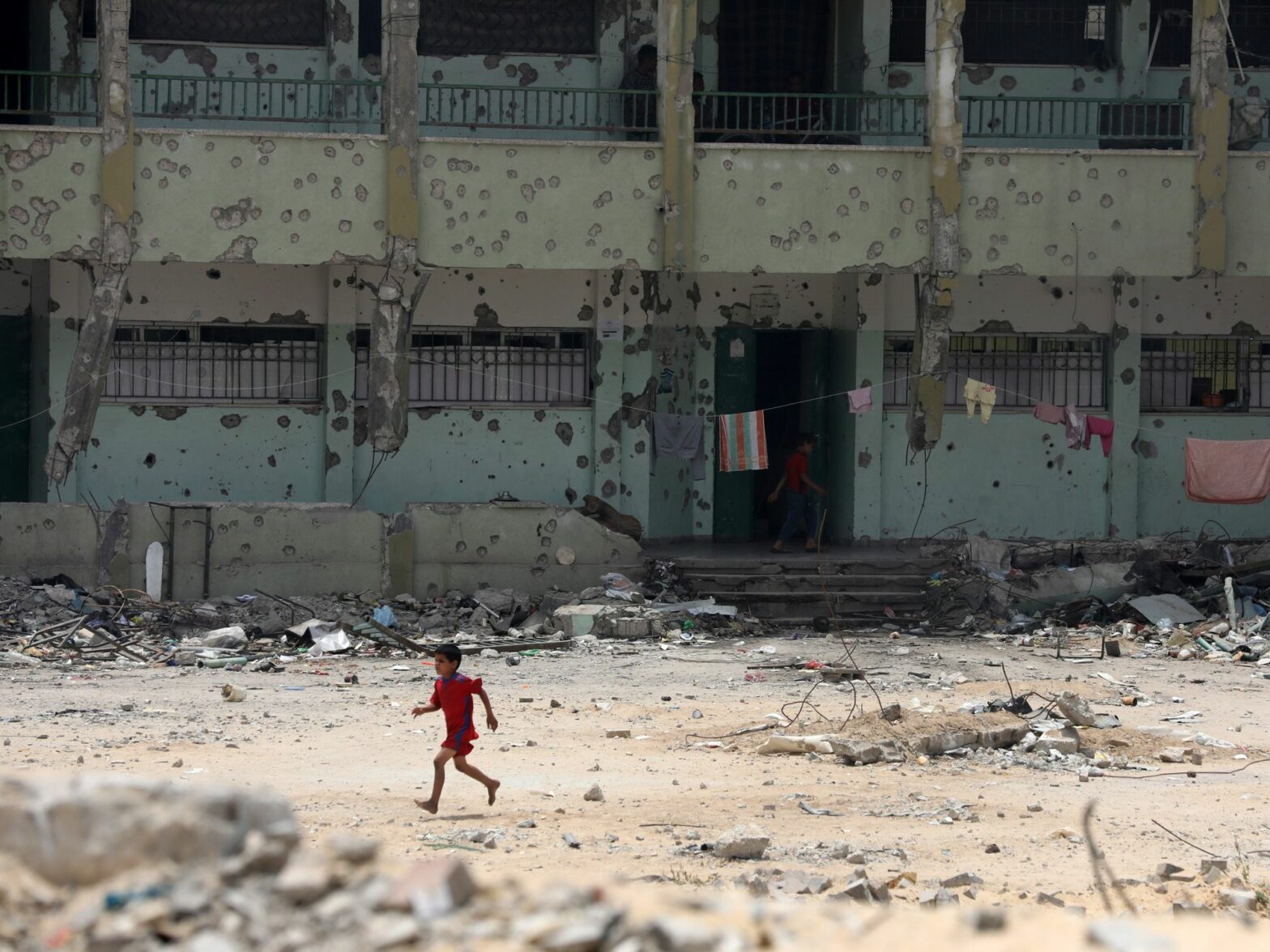
The efforts of chief prosecutor Karim Khan to try Israel’s Prime Minister and Defense Minister over the Gaza war could be a starting point to hold Israeli political and military officials accountable for crimes have committed over many years against Palestinians.
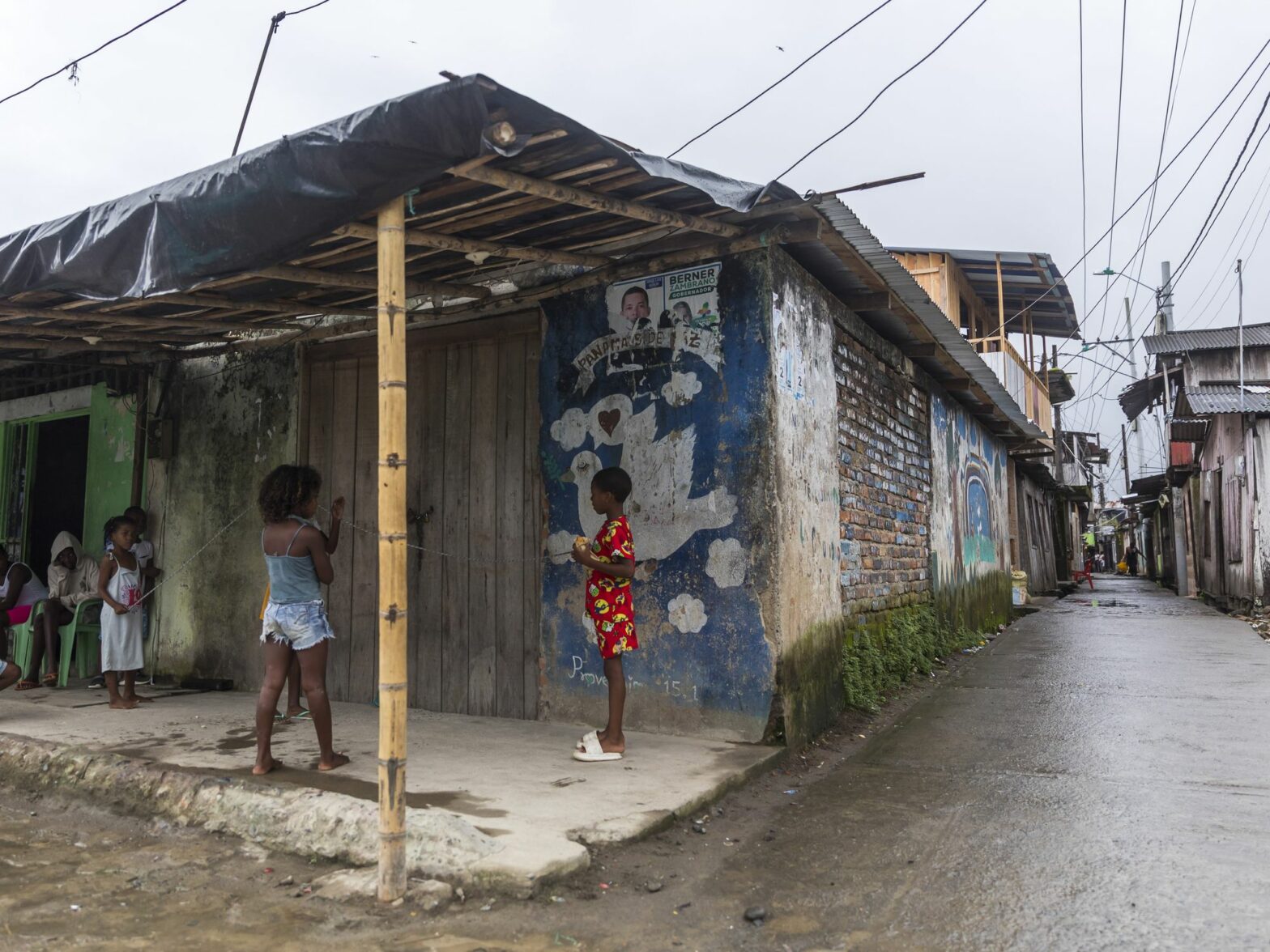
Trafficking people, especially for sex, between Colombia and Mexico is rife and rising, buoyed in part by pervasive social and media contempt for the working-class girls who are among the chief victims.
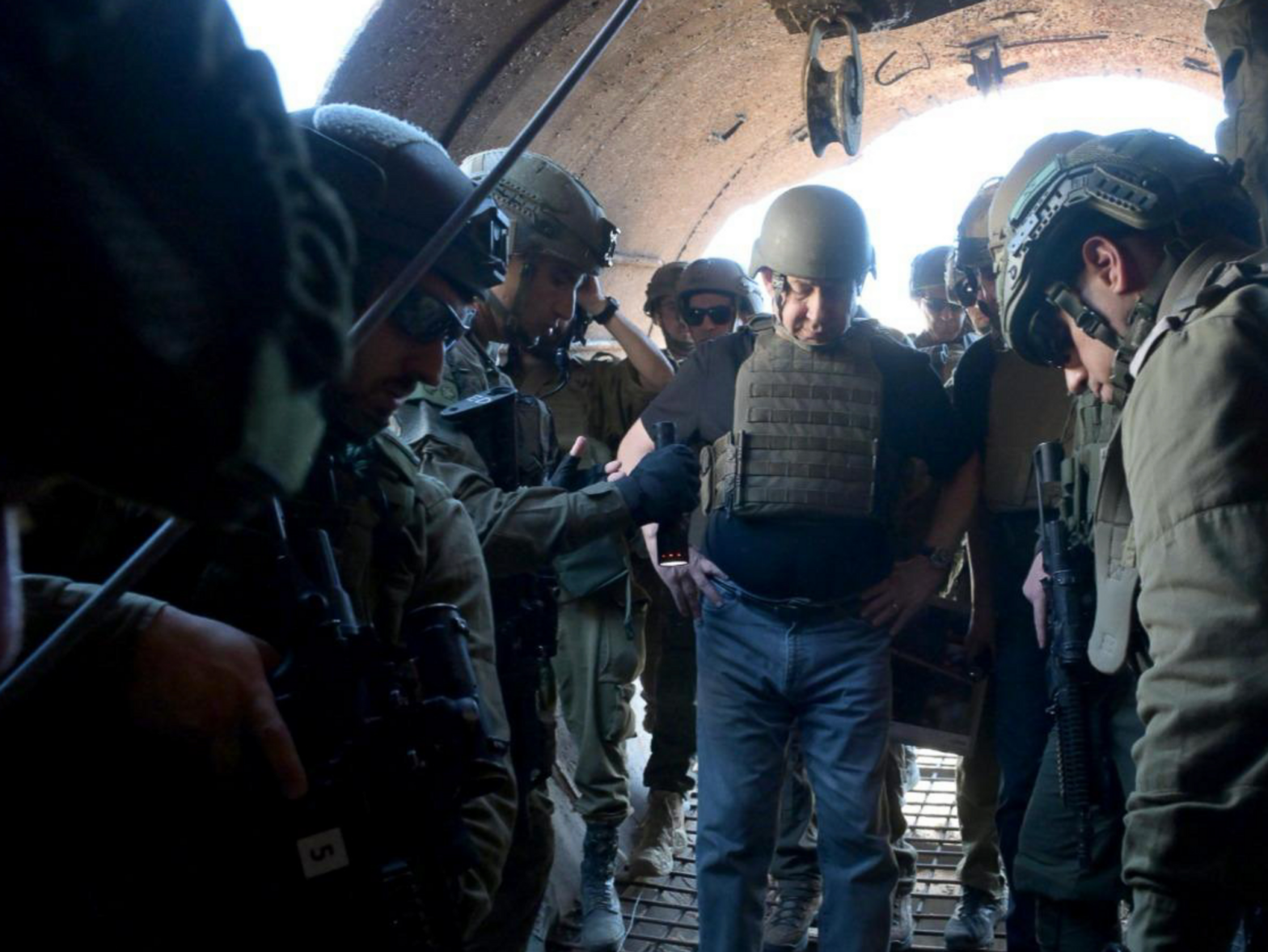
By helping to intercept Iran’s counter attack against Israel, the U.S. and Western allies, along with Jordan, have deprived Benjamin Netanyahu of a pretext to expand the war and to divert attention from his actions in Gaza.
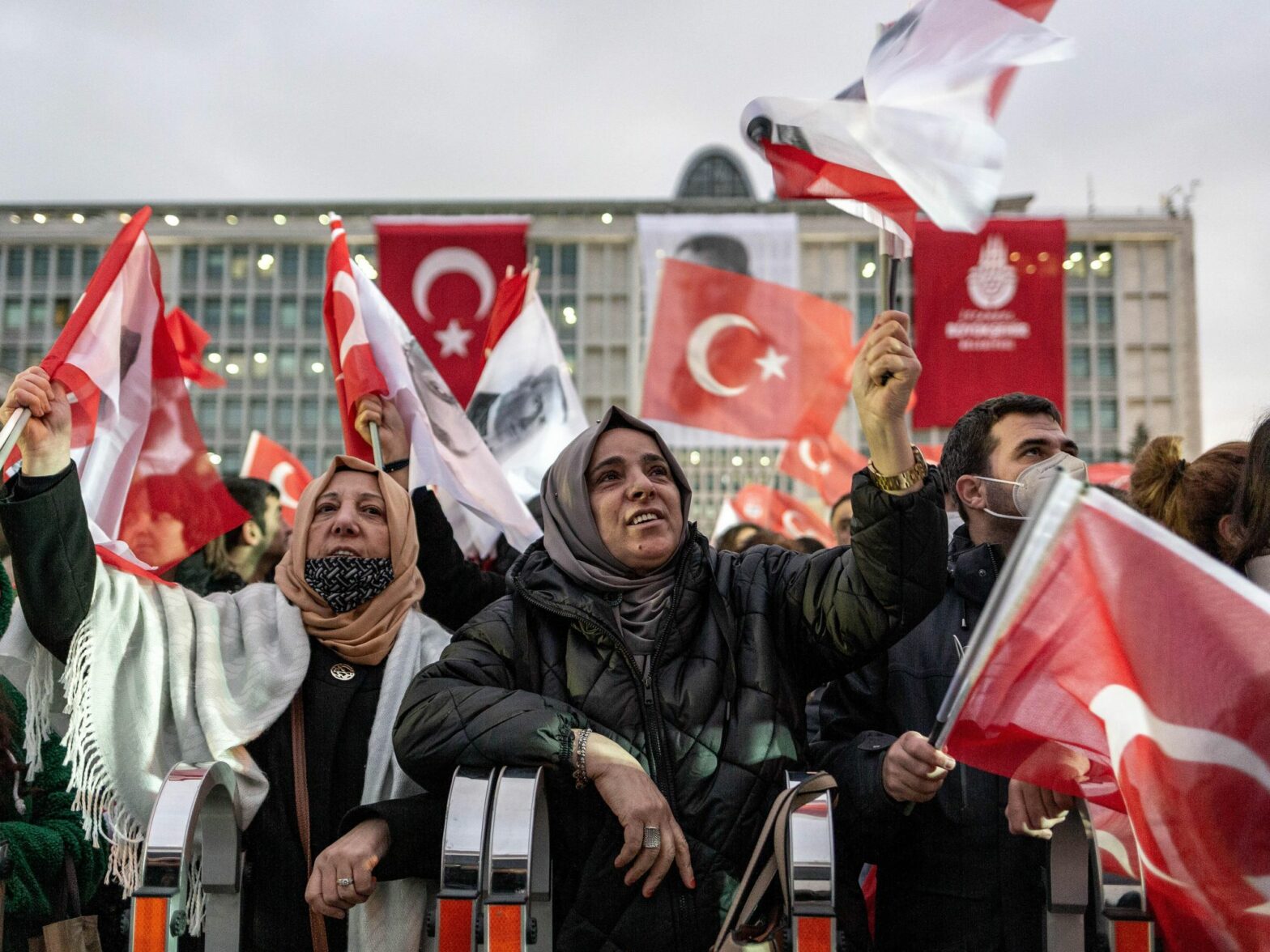
Turkey heads to the polls in June in elections that decide the country’s future direction. It is a referendum on President Erdoğan, but also a challenge for the divided opposition. Much is at stake in a country roiled by multiple crises and declining trust in its leaders.
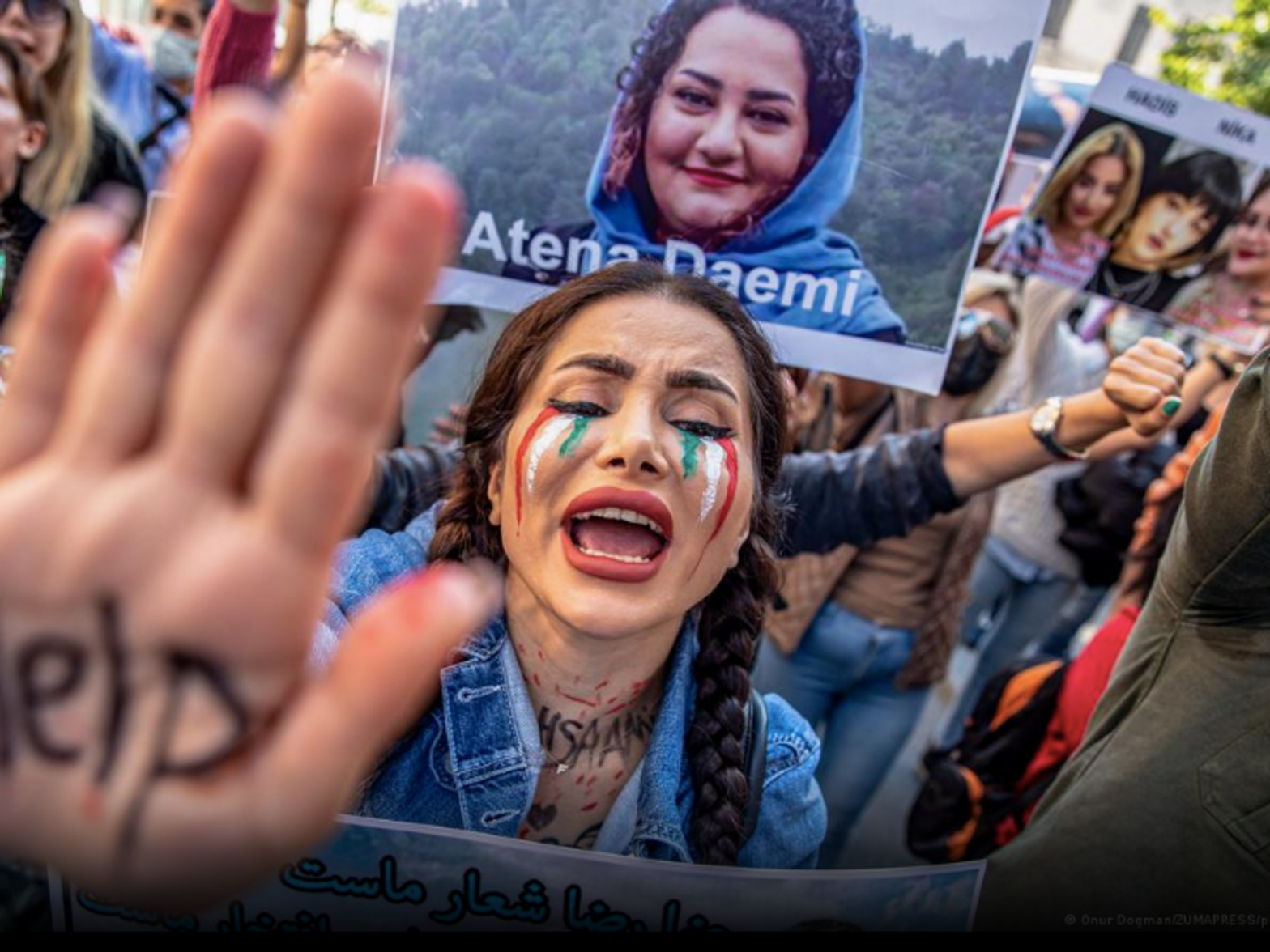
The revolt in Iran began in protest of police brutality and the Islamic Republic’s rotten structures, but quickly became a “revolution of minds,” hastening the rise of a national community united in its resolve to live in a free and lawful state.
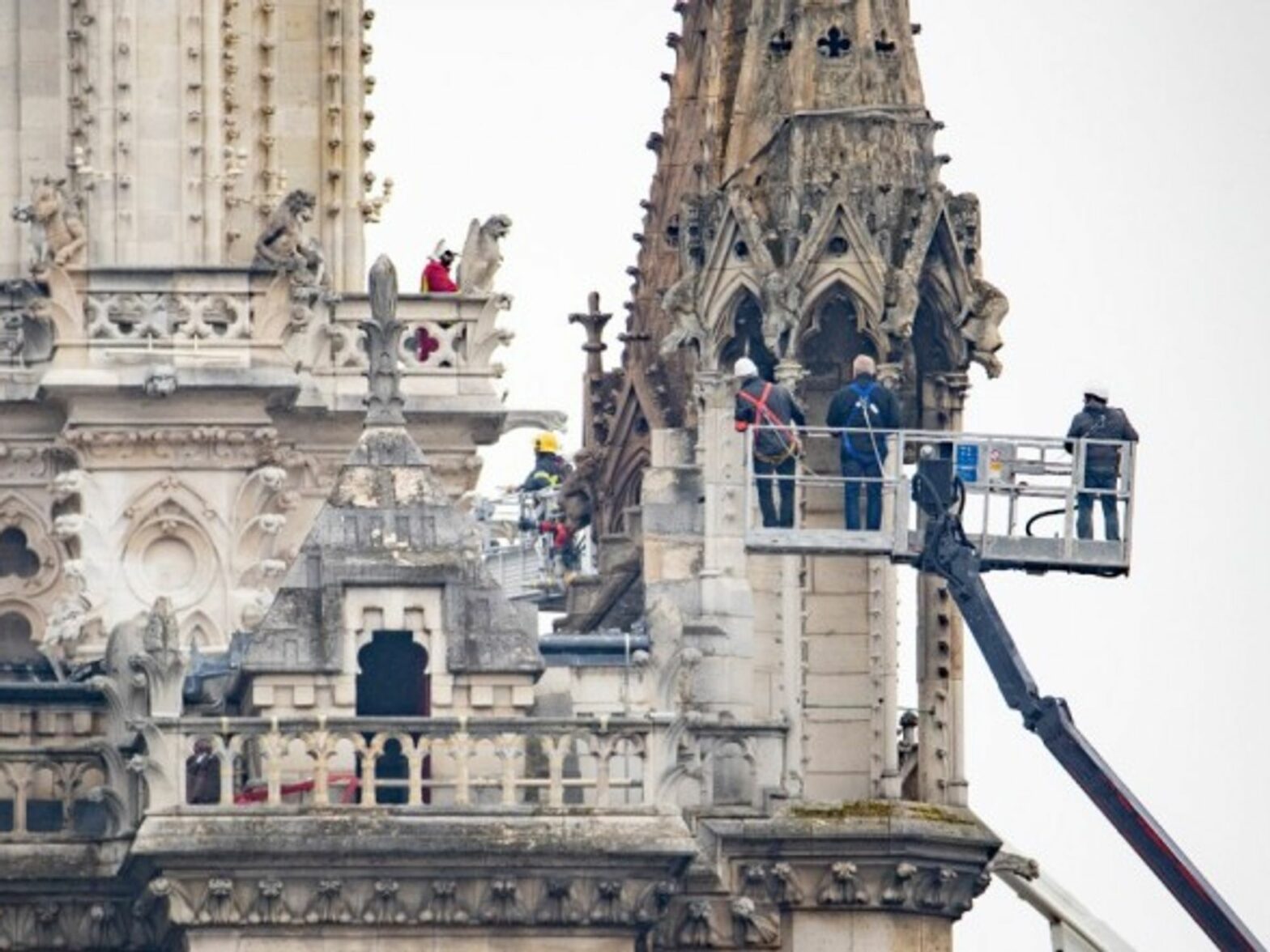
In all likelihood, the cause of the Notre Dame fire is linked to mundane management issues. It’s a symbol for today’s French culture.