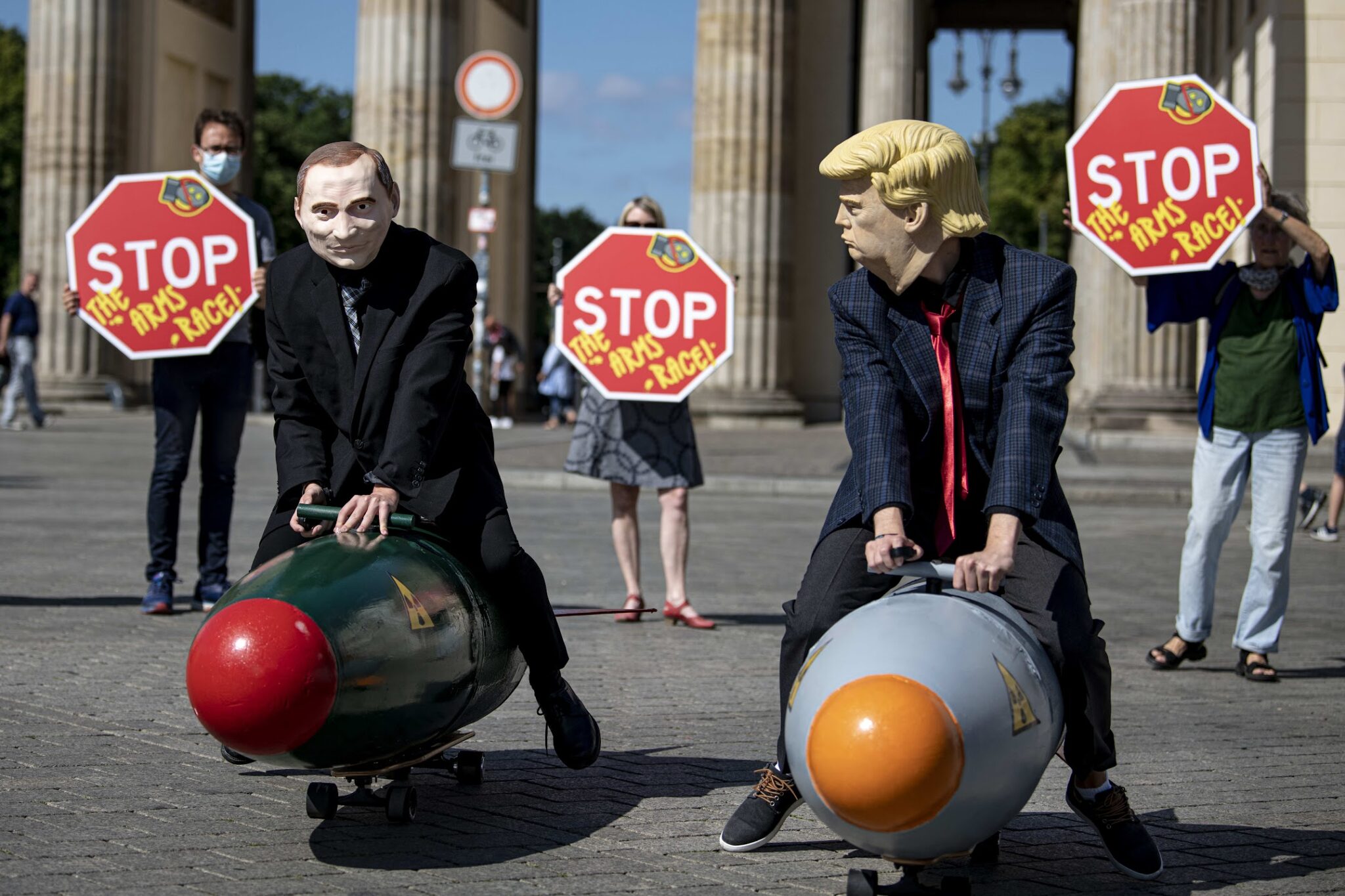
Donald Trump has ordered renewed testing of nuclear weapons, while Vladimir Putin is touting the power of his nuclear-capable missiles and underwater drones. Why all this noise about nuclear weapons?
 Worldcrunch
Donald Trump has ordered renewed testing of nuclear weapons, while Vladimir Putin is touting the power of his nuclear-capable missiles and underwater drones. Why all this noise about nuclear weapons?
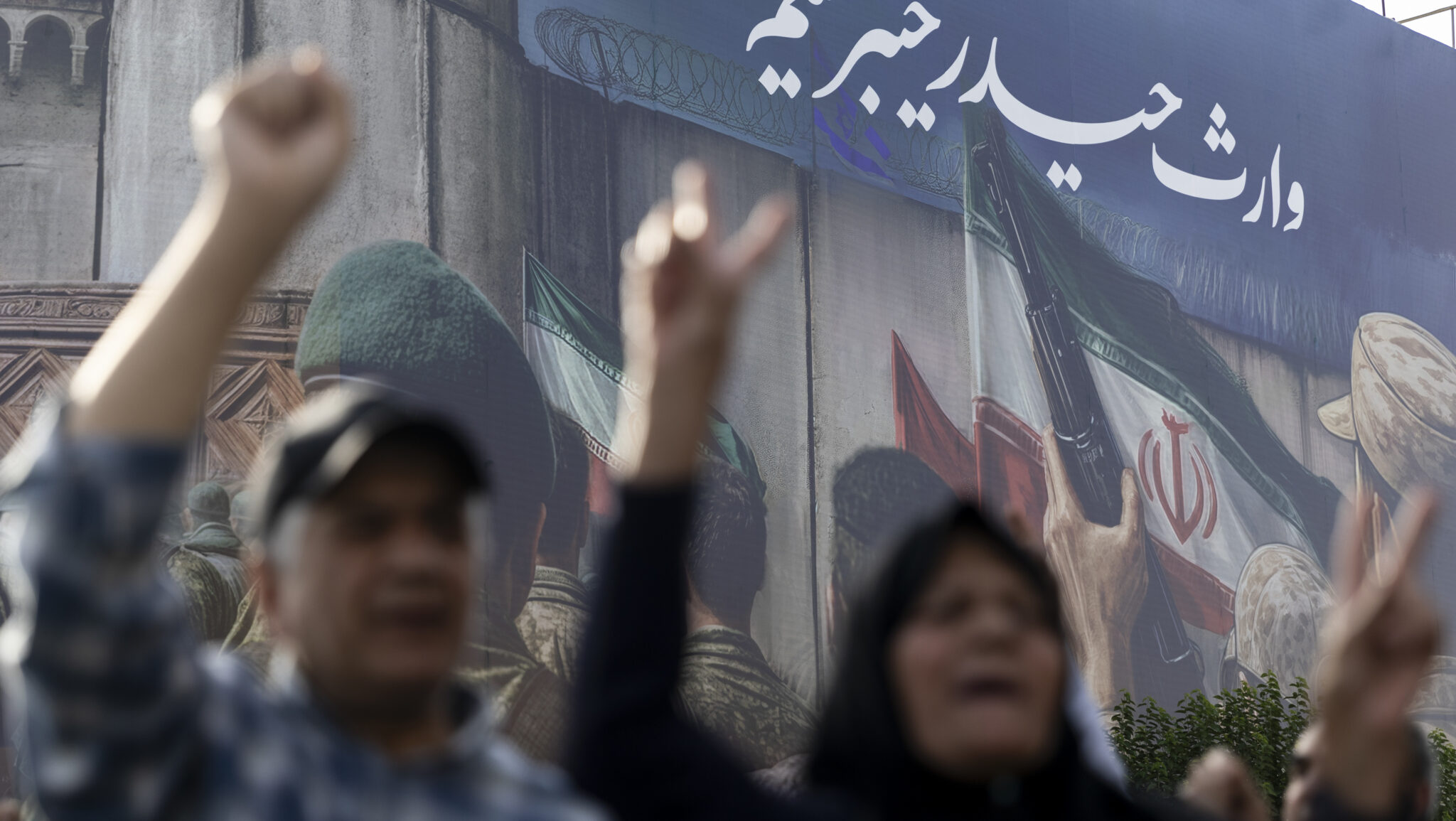
War with Israel and the United States may harm Iran and its infrastructures. But for the regime, it’s a chance to distract opinion from its economic failures and to quell dissent.
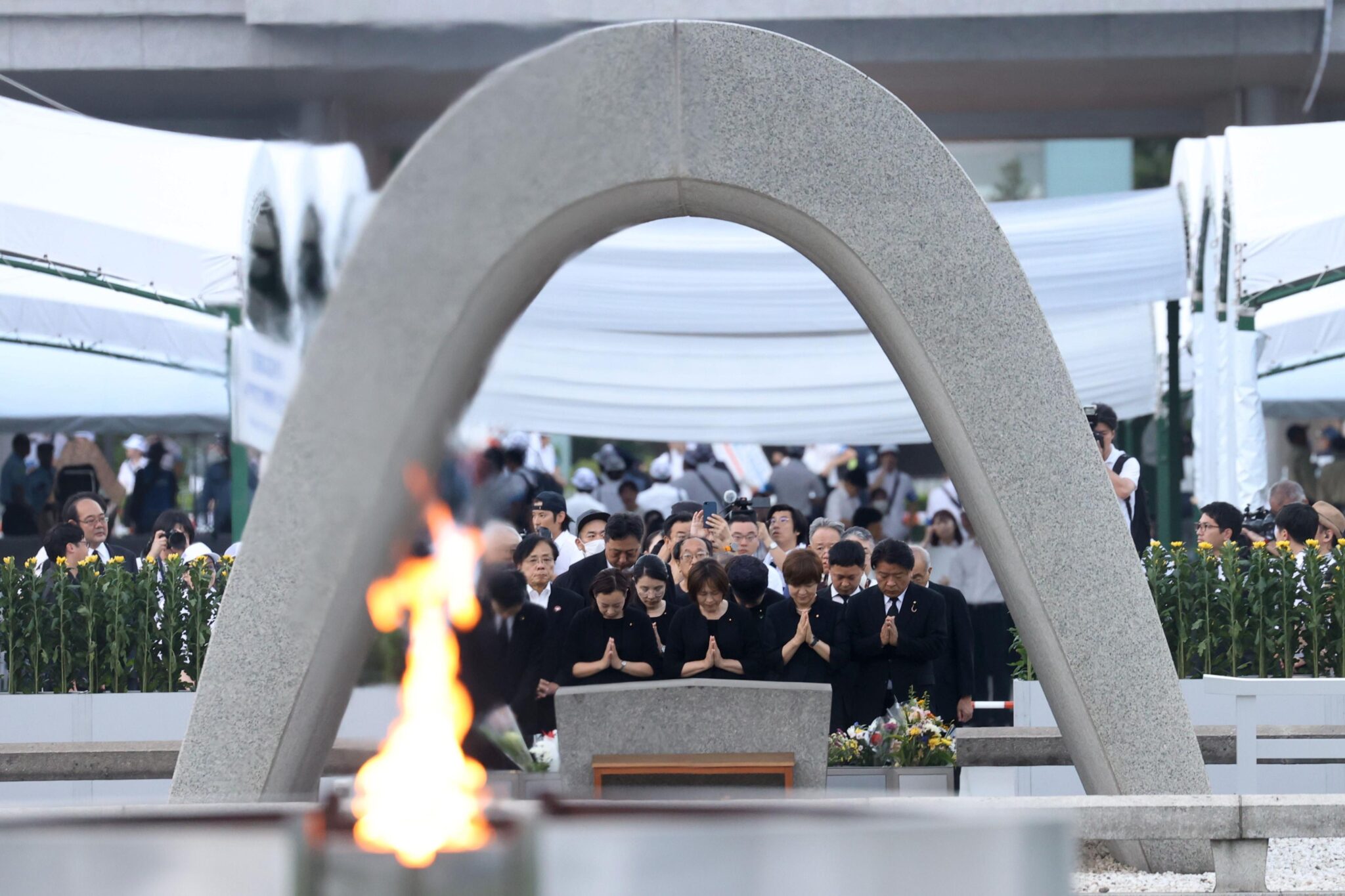
👋 Manao ahoana!* Welcome to Wednesday, where Israeli Prime Minister Benjamin Netanyahu calls for “complete” defeat of Hamas as Israel considers total Gaza occupation, the world marks 80 years since the atomic bombing of Hiroshima, and today’s quiz question highlights a Parisian mishap. Meanwhile, La Marea’s Amador Iranzo looks at the worrying gentrification at play […]
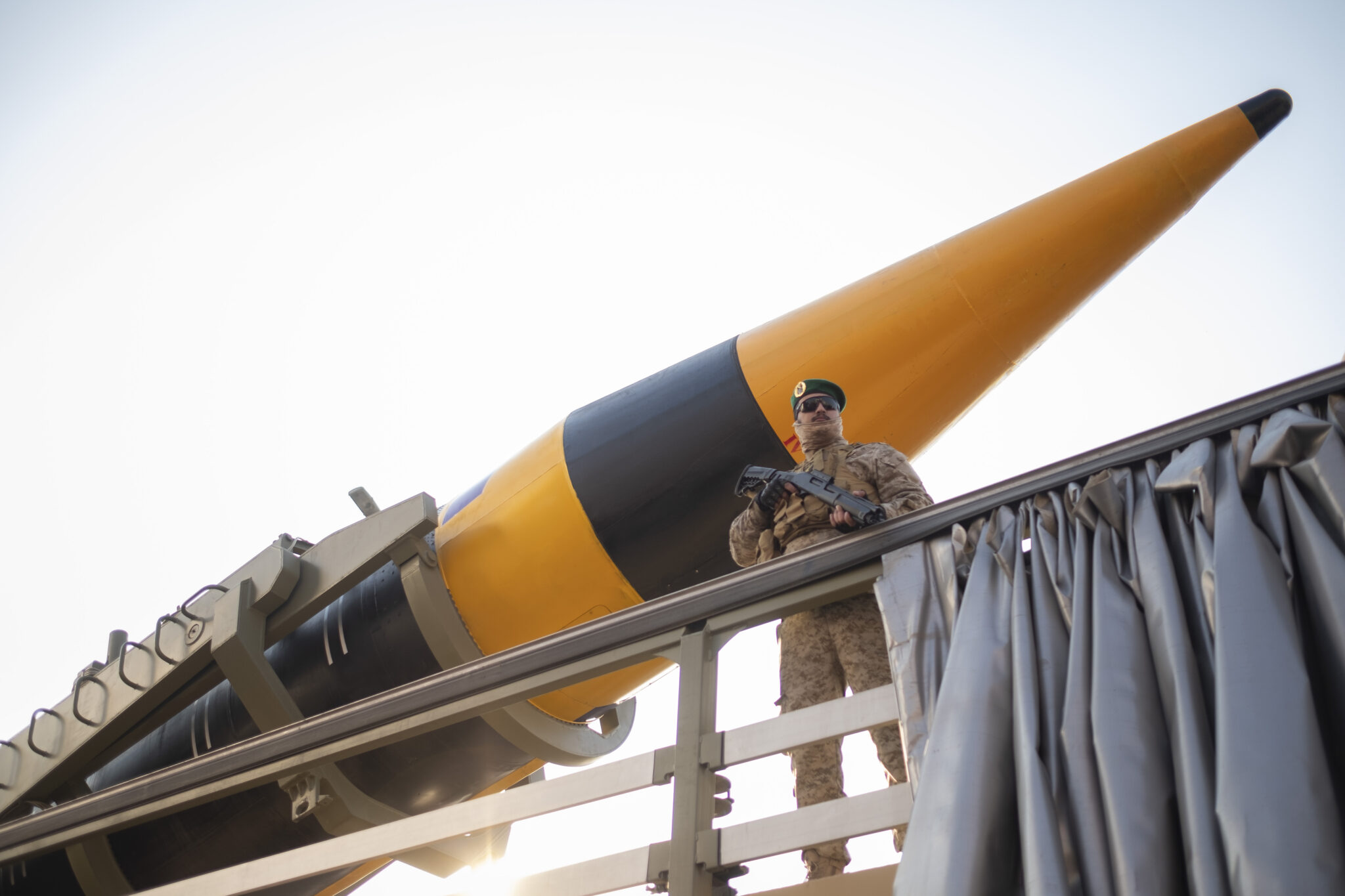
The so-called 12-day war ended in a June ceasefire. But it really just returned the Israel-Iran war to the shadows, with both sides now preparing for the direct conflict to start again.
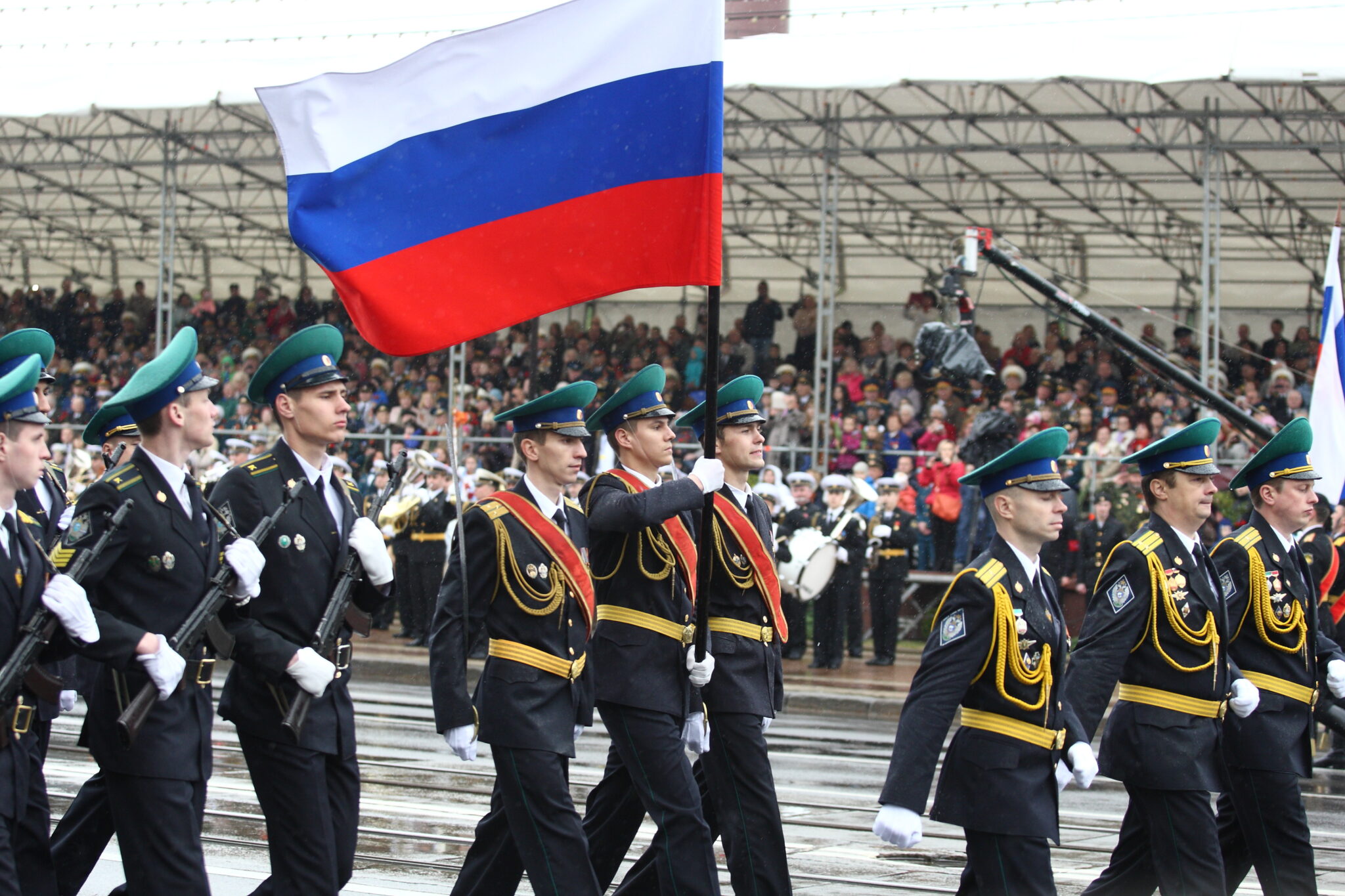
This small but strategically located Russian exclave is the most militarized area in Europe. Much of the continent remains within range of Kaliningrad’s Iskander missiles which allows Russia to keep NATO in check. What is the real potential of the Russian military forces stationed just beyond our northern border?
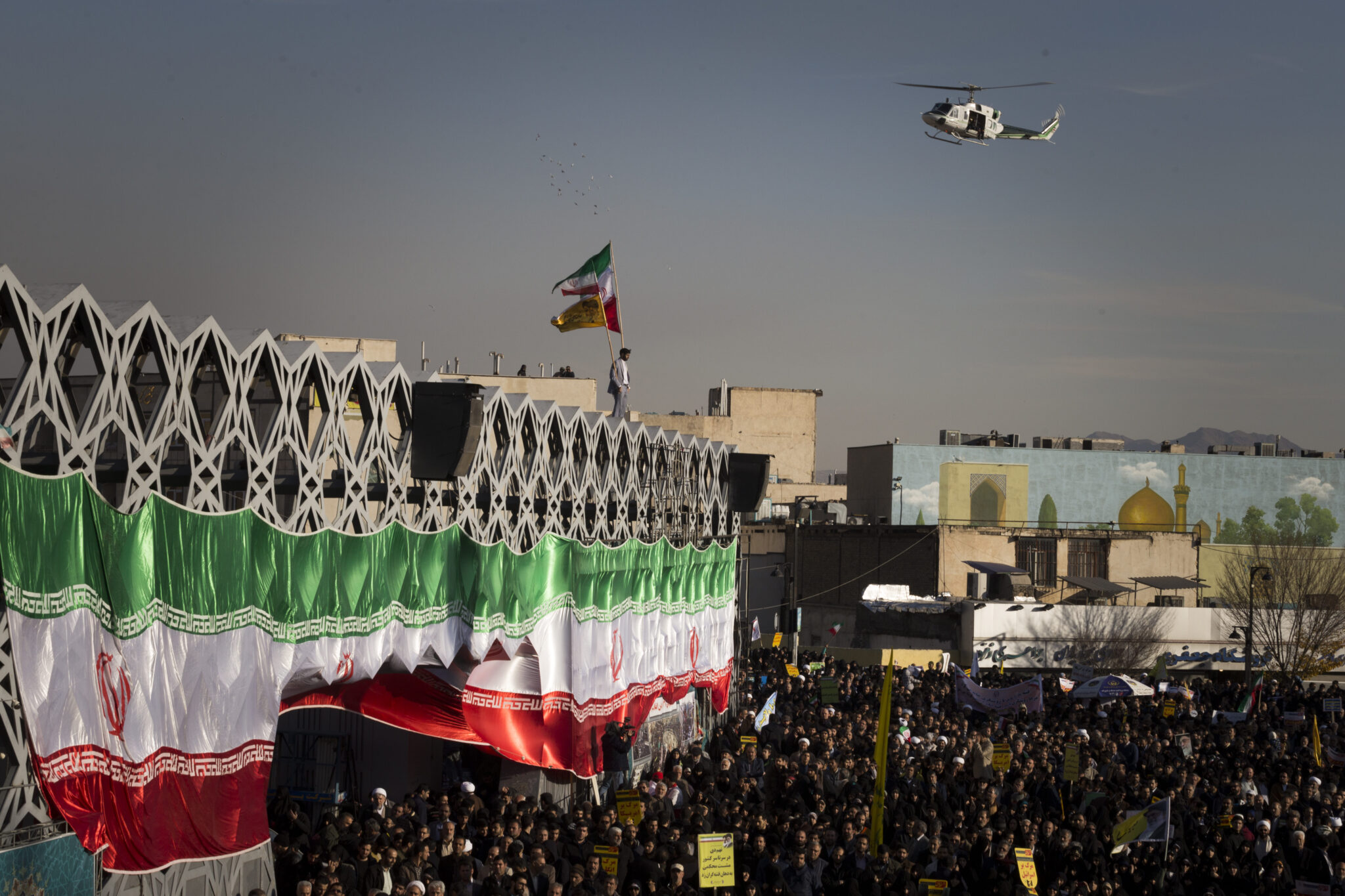
German Chancellor Friedrich Merz said what others were thinking: Israel is doing the world a favor by trying to stop Iran’s nuclear program: Westerners and Arabs but also Russia and China, all would rather Tehran doesn’t get the bomb. But it may now be up to President Trump who is only concerned with his own interest.
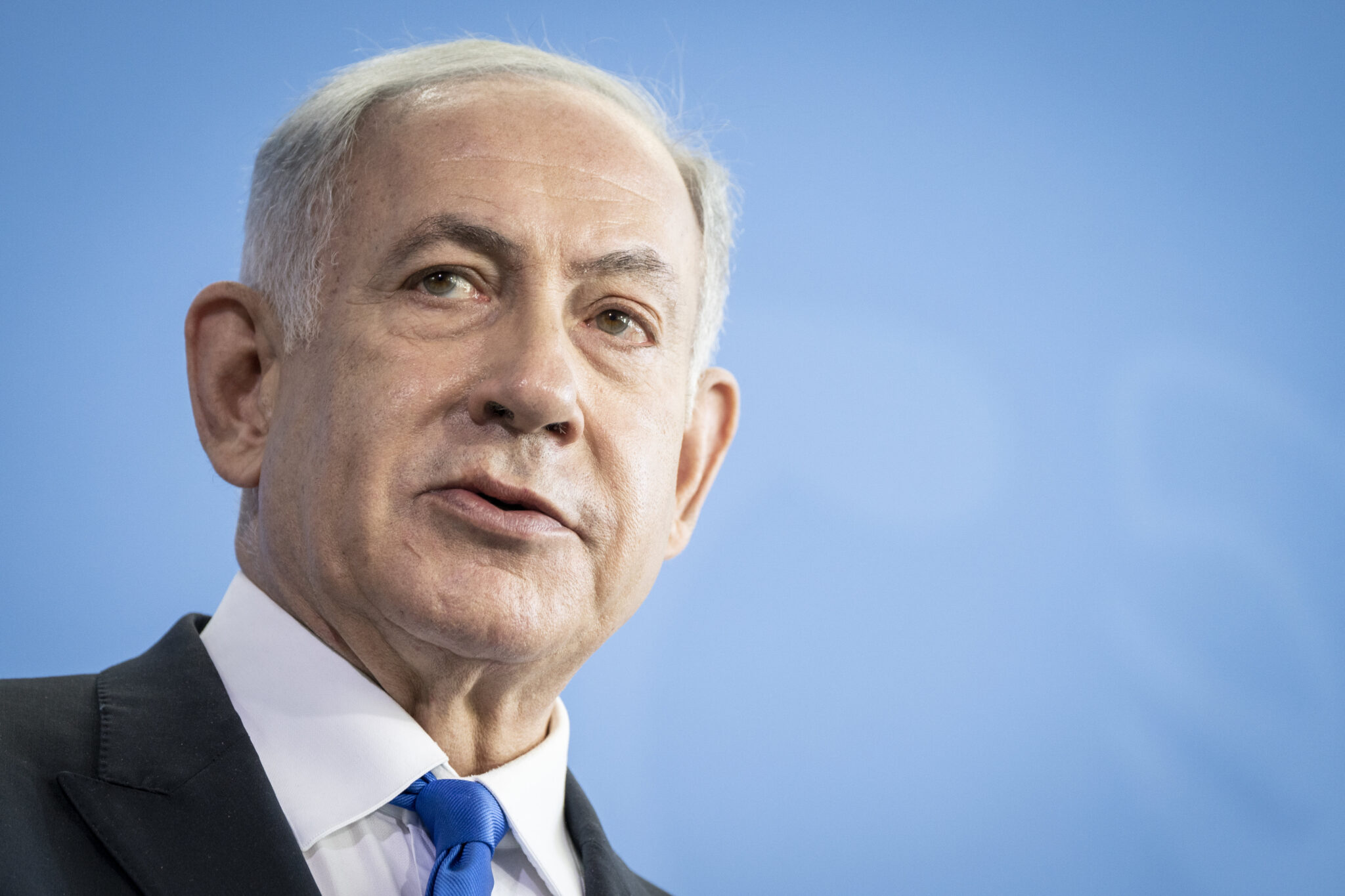
Israeli Prime Minister Benjamin Netanyahu has long viewed the Iranian regime as an existential threat to the Jewish state. Now, with direct strikes on Iran, he may be realizing a goal he’s pursued for decades — driven by history, personal conviction and political survival. But the risks for Israel and the region are huge.
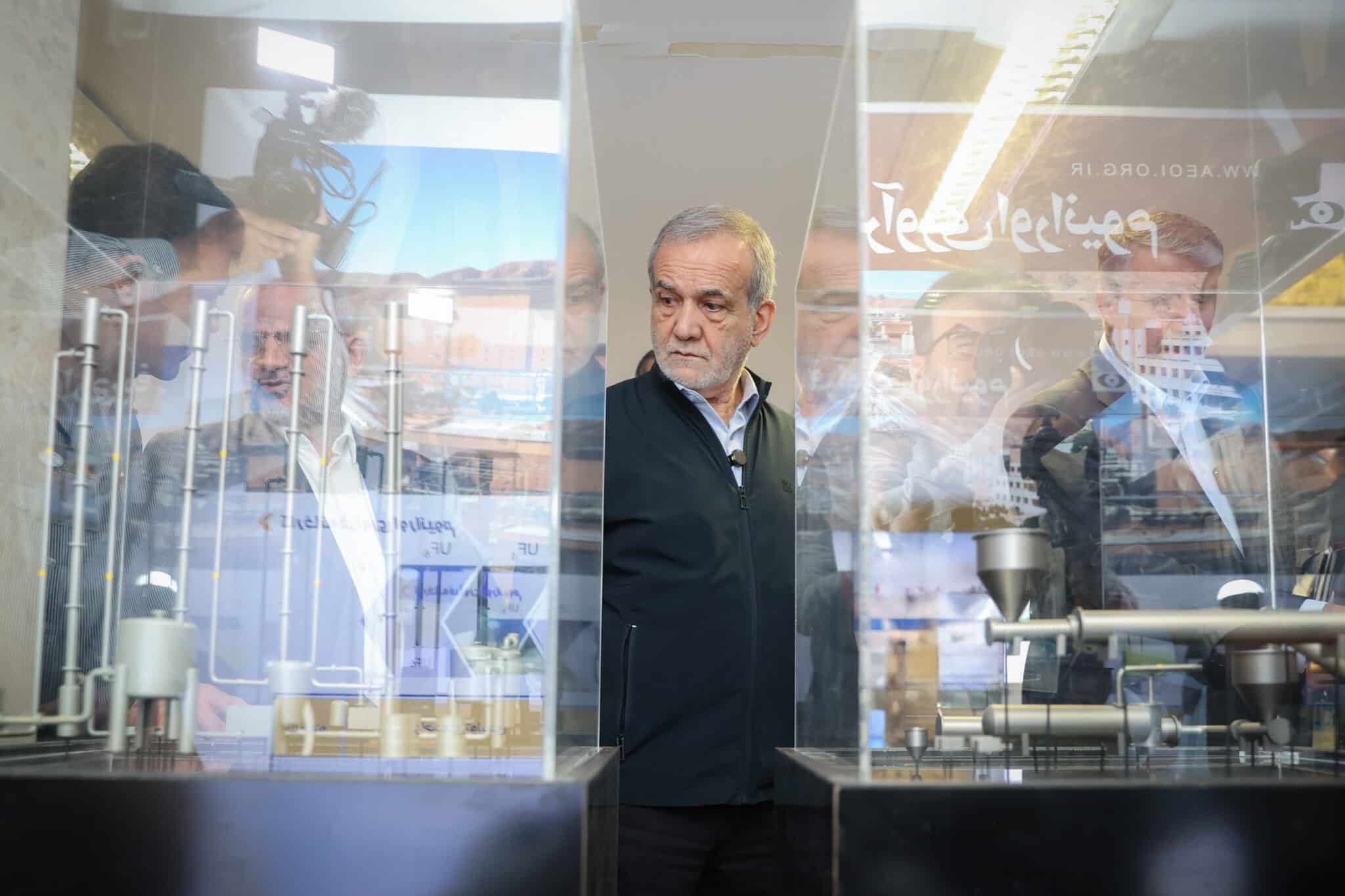
Both Iranian negotiators and U.S. President Donald Trump have stated that they are on the verge of a major deal on the Tehran’s nuclear program. But a closer look reveals an old game of bait and switch.
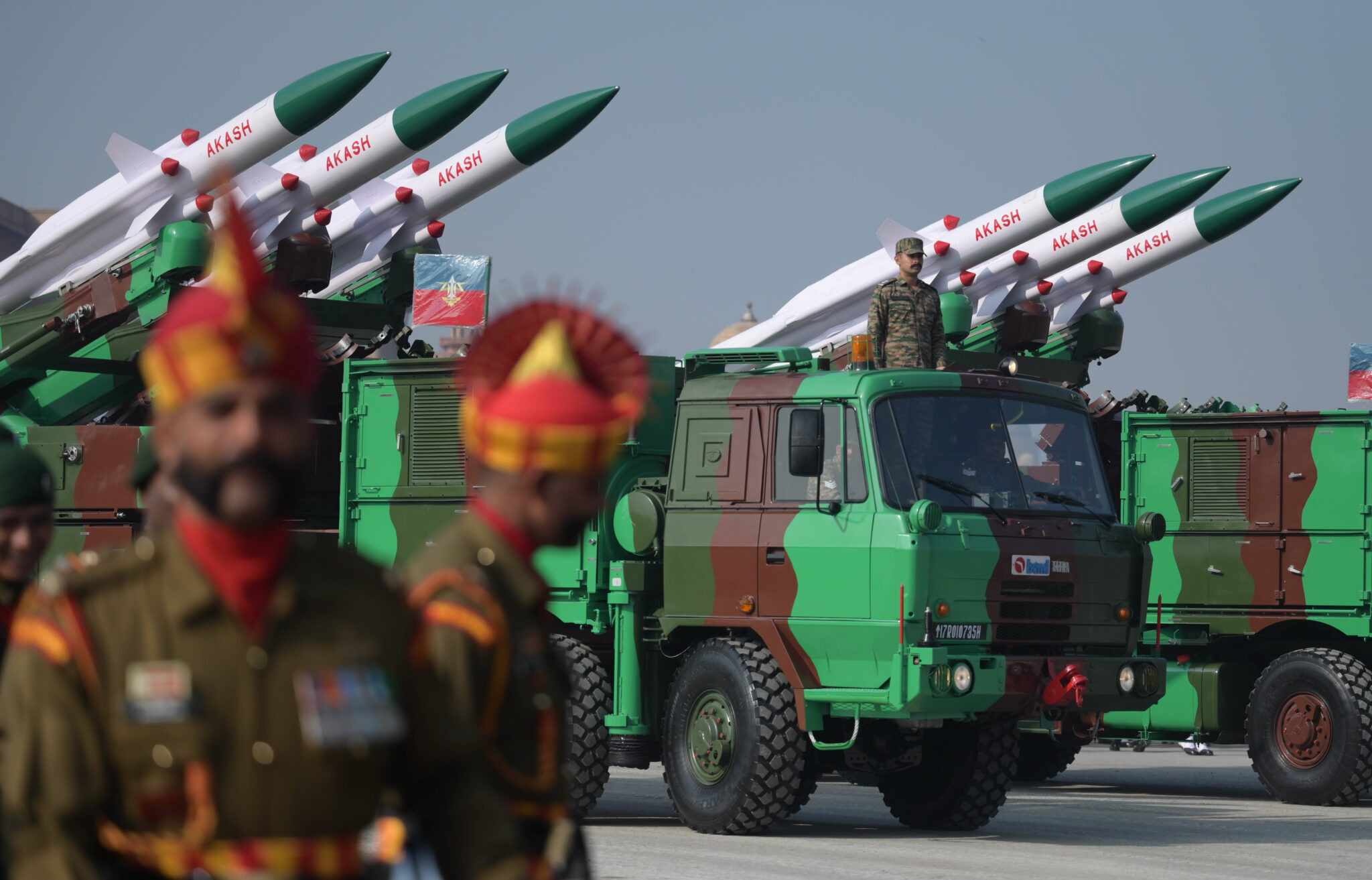
In only a few days, Tuesday’s murder of 26 tourists in Indian-controlled Kashmir has driven India and Pakistan to the edge of war. For obvious and not-so-obvious reasons, the stakes couldn’t be higher.
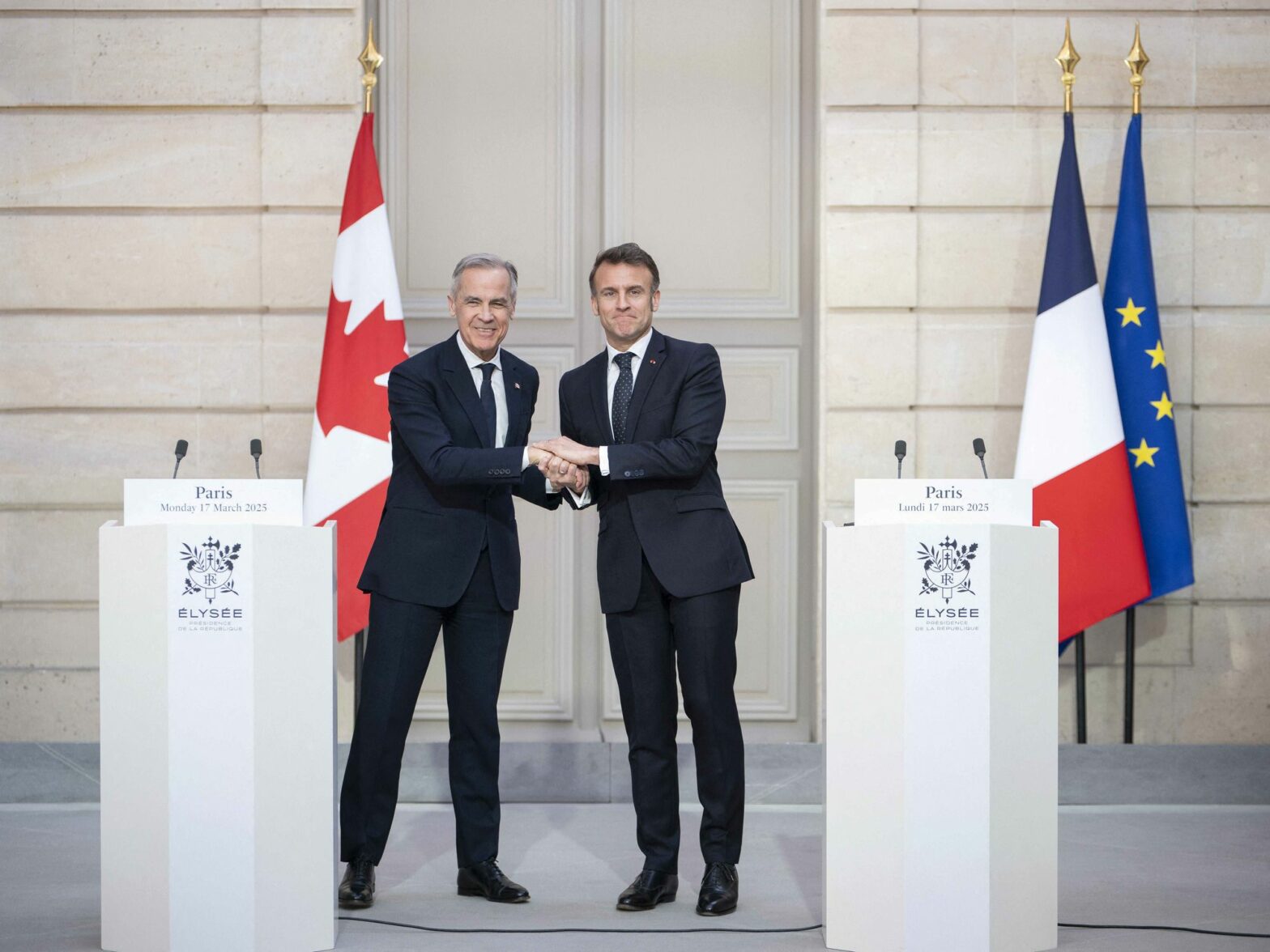
An international front is refusing to bow to the White House’s demands, and it’s the only way out of the crisis.
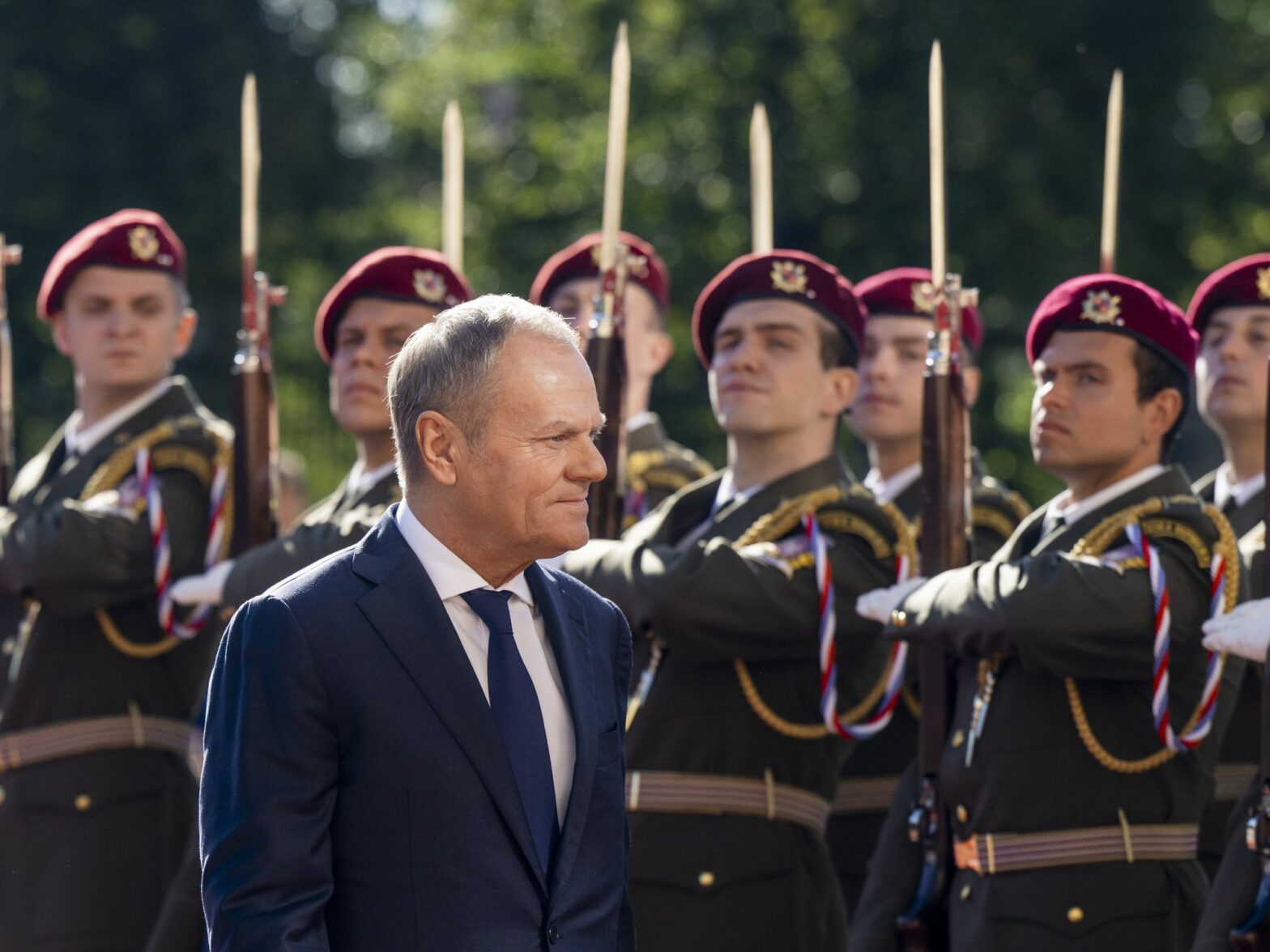
Poland, which borders Ukraine and has been their close ally since the beginning of the war, is one of the many European countries that began reasserting their security priorities after Donald Trump began peace talks with Russia. Now, wanting to deter Russian aggression, Polish political leaders are floating the idea of procuring nuclear weapons.
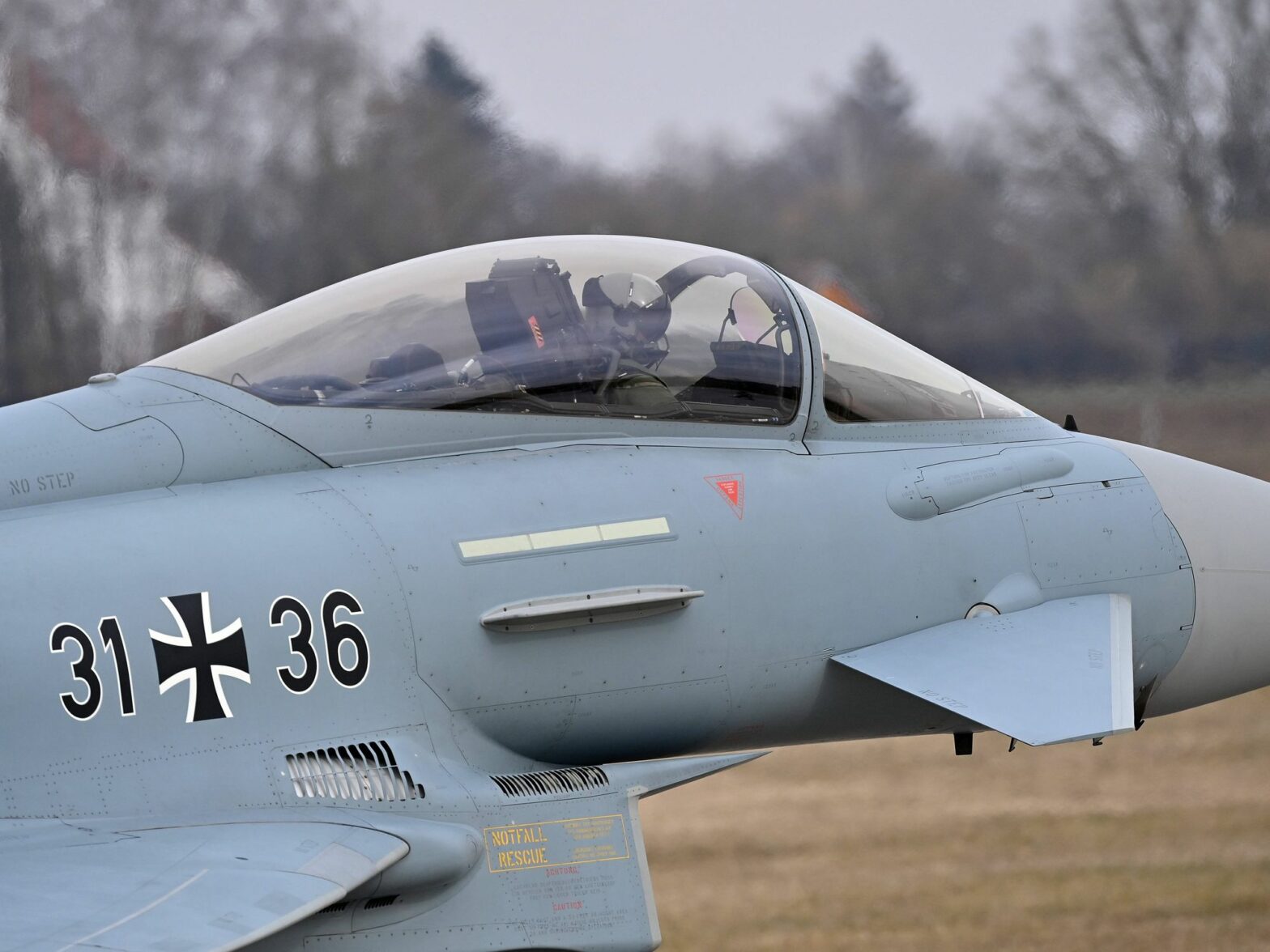
As the U.S. turns its back on security commitments, Germany faces one of the most profound shifts in its post-war defense policy. Can it still rely on nuclear guarantees from France and the UK? Or is it time to, finally, go nuclear?
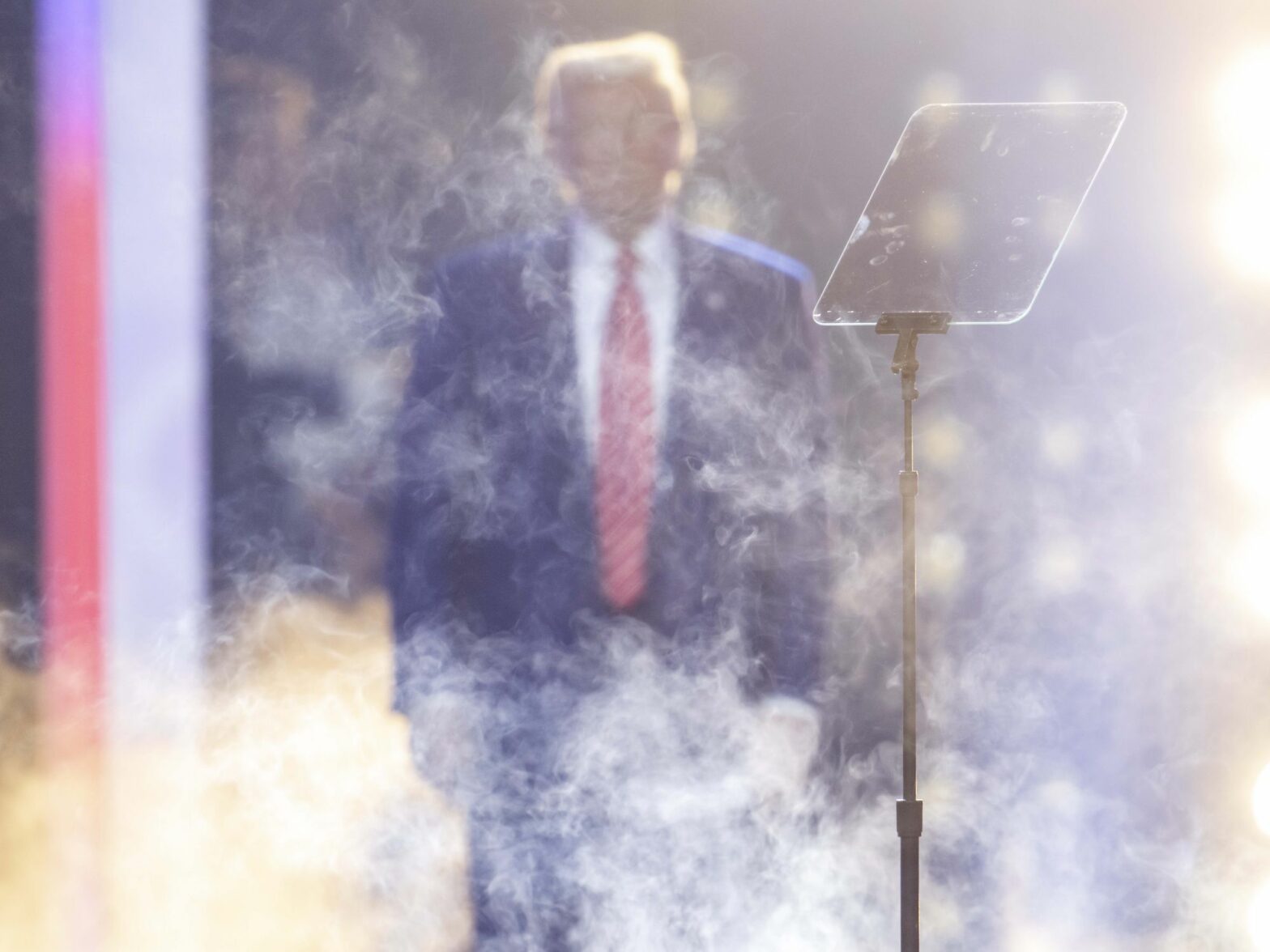
With the unpredictable Donald Trump returning to the White House in January, what will global politics be like in 2025? In addition to major issues like the war in Ukraine, the conflicts in the Middle East and China, there’s another nagging question: What about Europe?
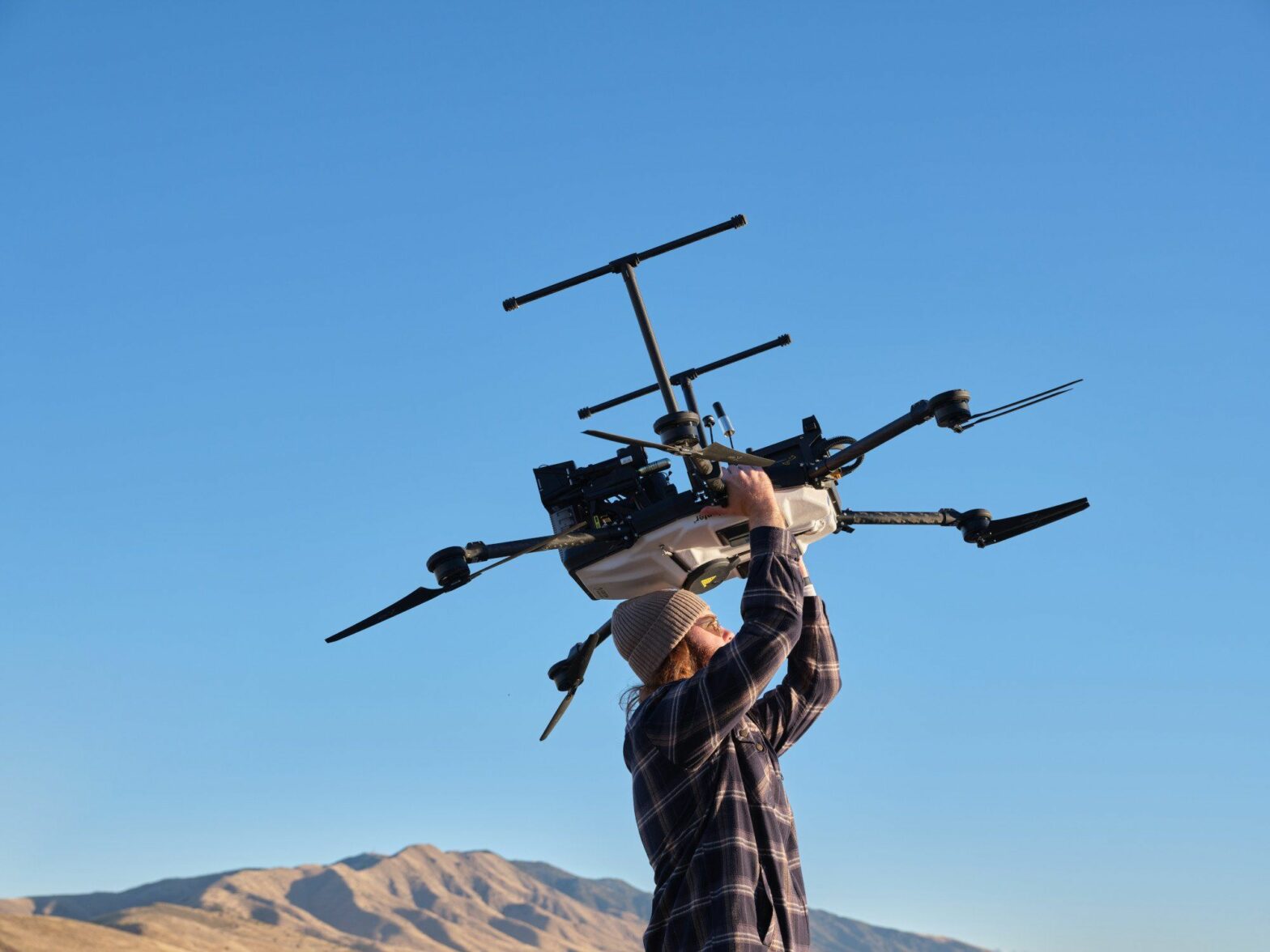
How autonomous and semi-autonomous technology will operate in the future is up in the air, and the U.S. government will have to decide what limitations to place on its development and use. Those decisions may come sooner rather than later…
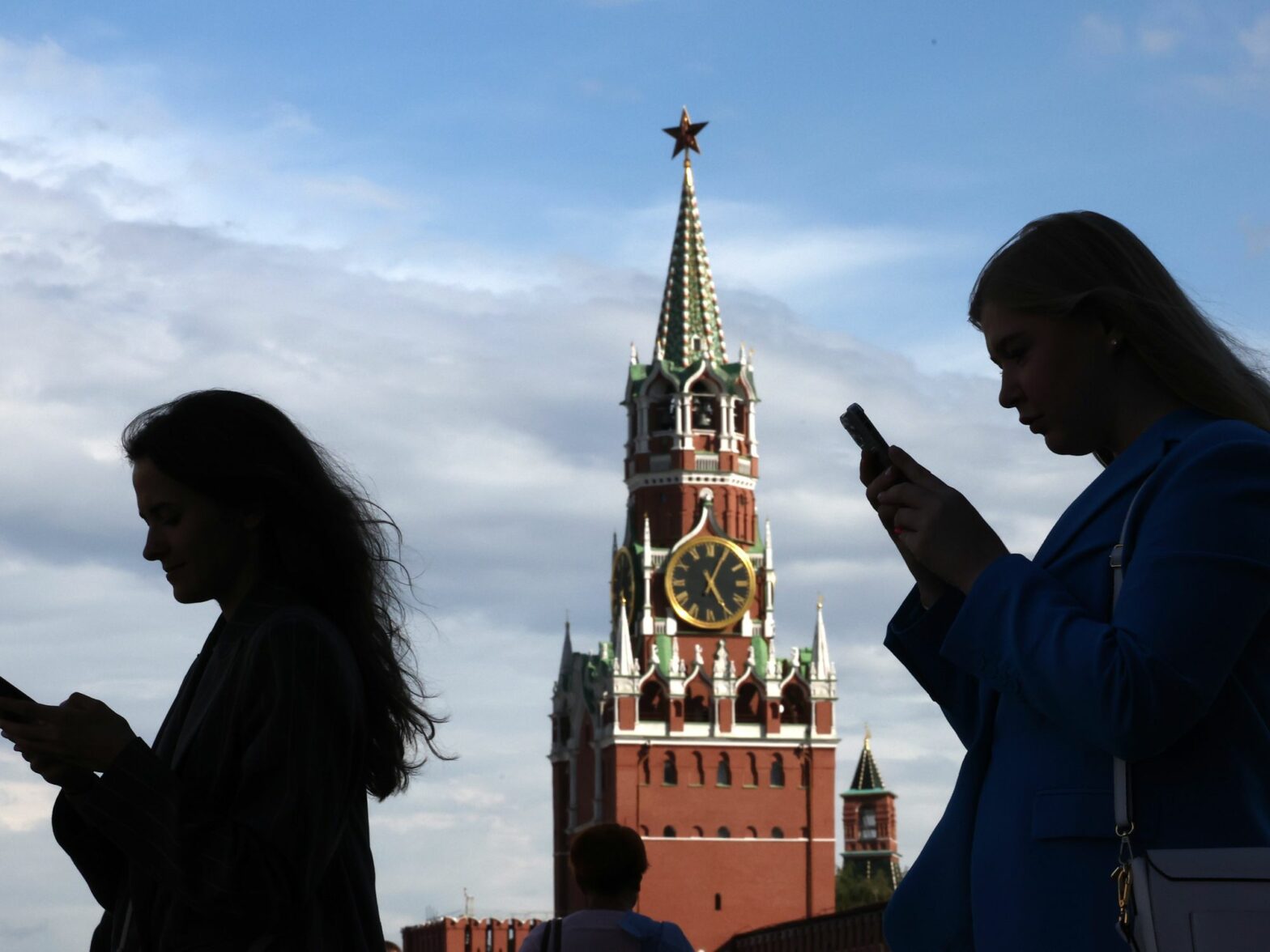
In wartime Russia, women are behaving in starkly different ways: some are fighting desperately to bring their men home, while others are actively encouraging them to go to the front — for the promise of good money.
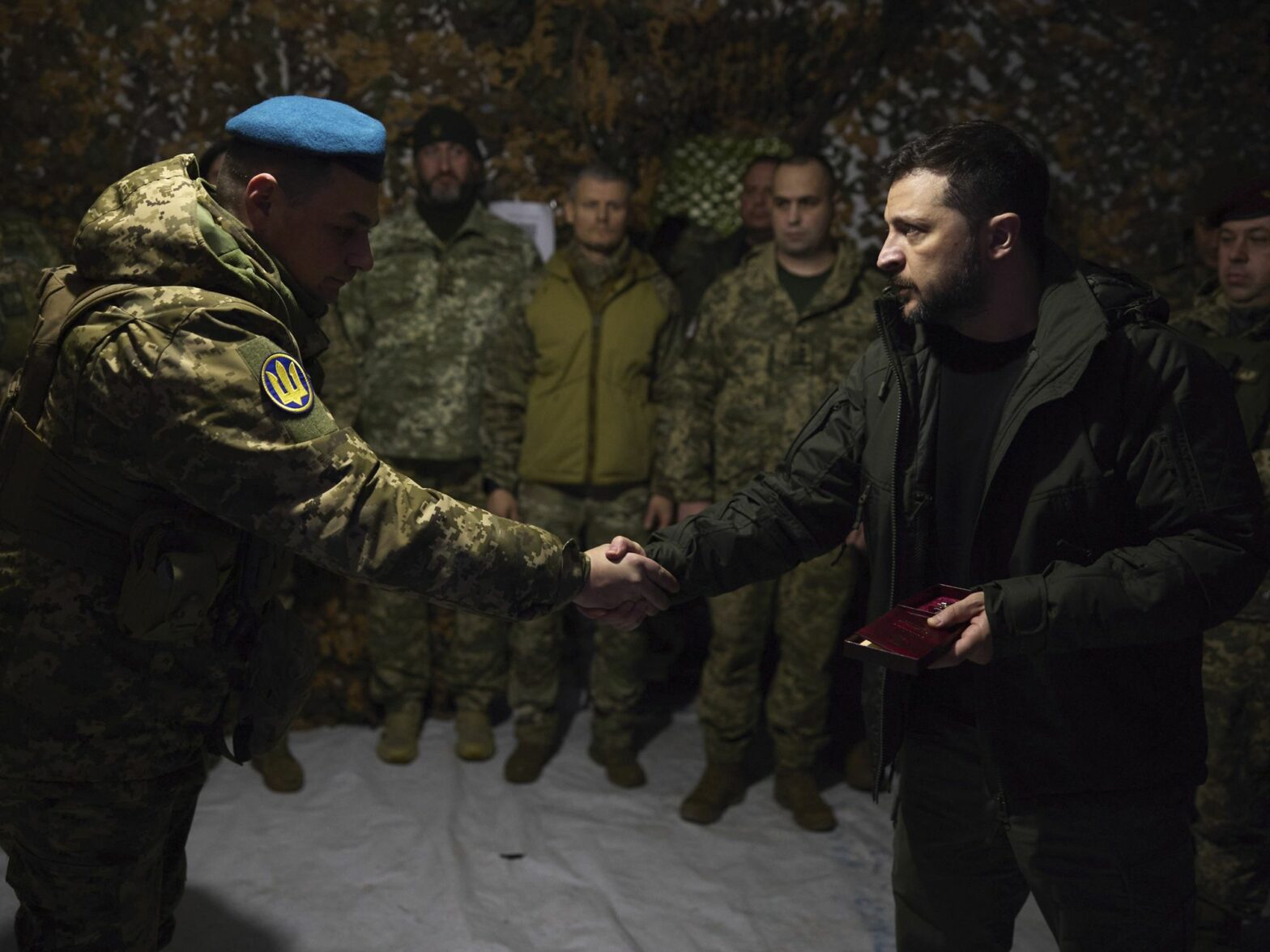
Russia is expanding its nuclear doctrine and intensifying strikes on Ukraine, including Thursday’s unprecedented launch of an intercontinental ballistic missile. This is an apparent response to new U.S. authorization of use of its weapons in attacks on Russian territory. All can be traced to the radical White House transition underway.

Updated October 22, 2024 at 11:30 a.m. U.S. President John F. Kennedy announced that American reconnaissance planes discovered Soviet nuclear weapons in Cuba, marking the beginning of the Cuban Missile Crisis on this day in 1962. What did President Kennedy reveal in his televised address? In his address, President Kennedy revealed that American reconnaissance planes […]

Updated Oct. 9, 2024 at 11:00 a.m. North Korea conducted its first nuclear weapon test on this day in 2006. The test marked a significant development in North Korea’s nuclear capabilities. What was North Korea’s first type of nuclear weapon it tested? The exact nature of the device tested has been a subject of debate […]
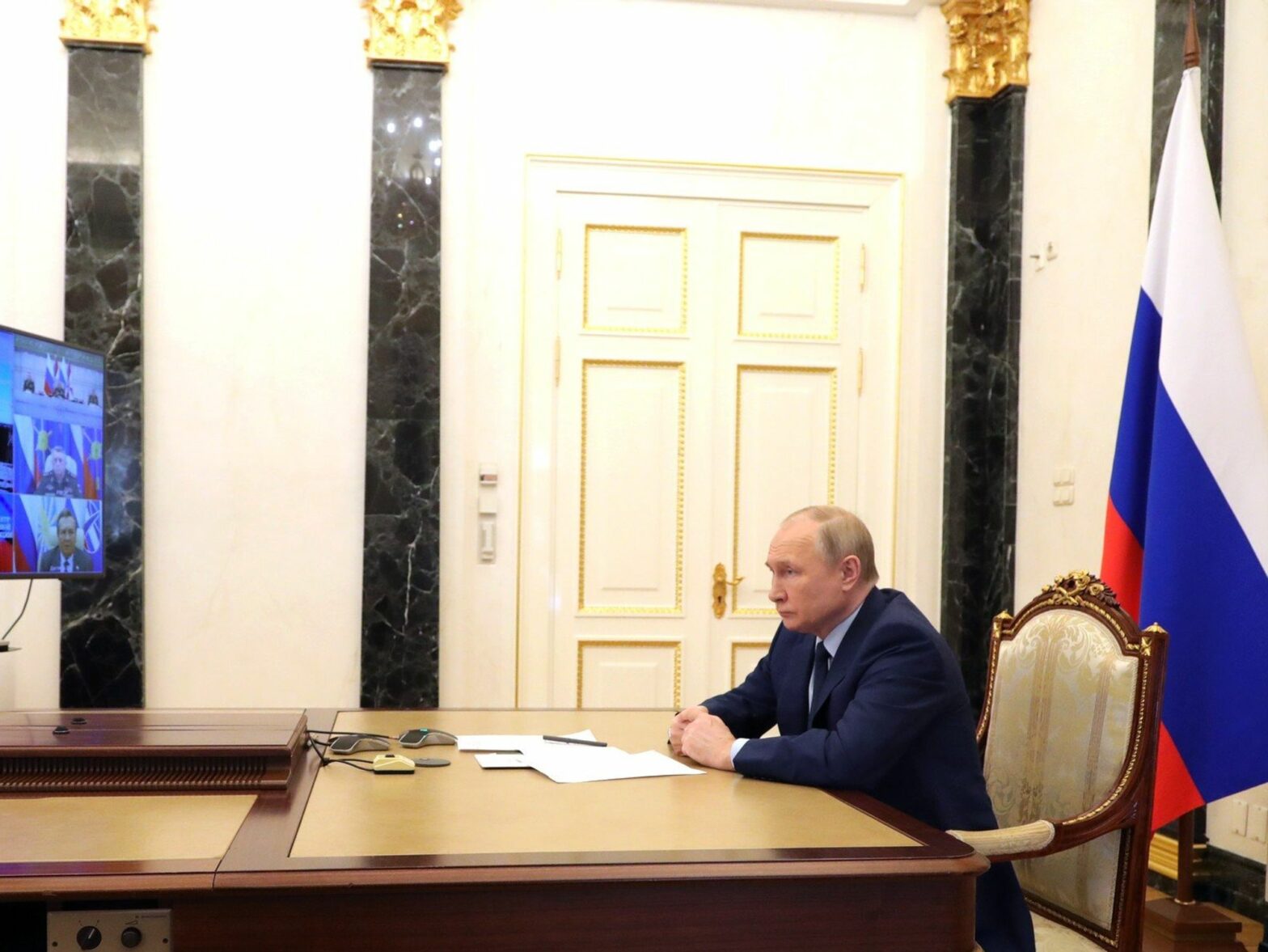
What should we make of Vladimir Putin’s “new rules” regarding what constitutes a nuclear aggressor and how Moscow might retaliate? A closer look, especially after another recent failed launch test of the Sarmat missile system, shows the Soviet legacy increasingly appears to be a rusting shell of its former self.
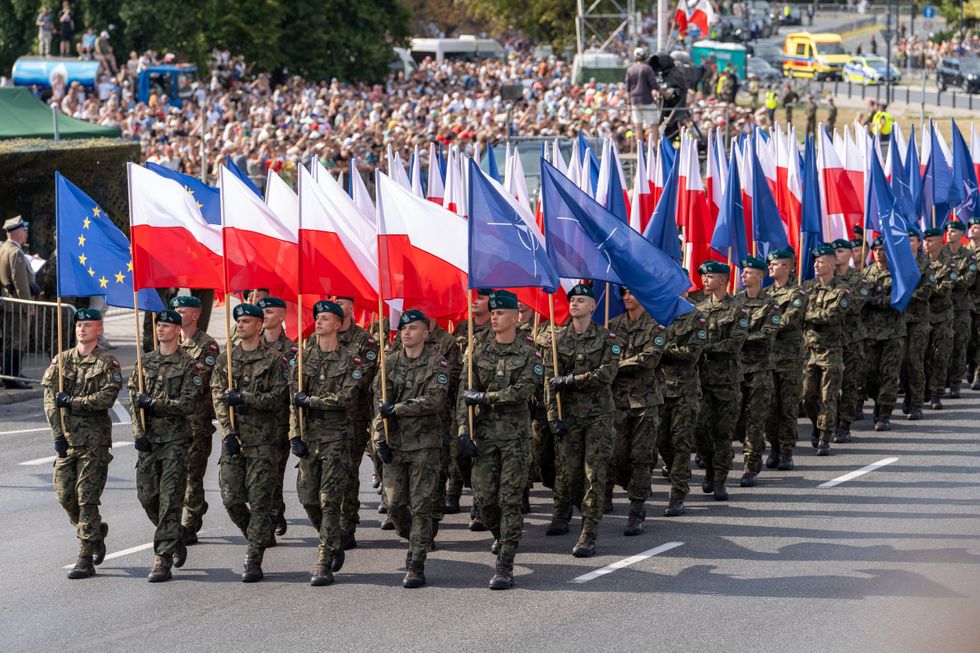
Russia’s annexation of Crimea, in 2014, warned Europe over a changing geopolitical scenario and the bloc’s vulnerability in terms of security. Now, the war in Ukraine has pushed EU member states to strengthen their defense policies and reopened the debate over the need for a European army.
Updated July 18, 2024 at 12:05 p.m. On this day in 2012, Kim Jong-un was officially appointed as the Supreme Leader of North Korea and given the rank of Marshal in the Korean People’s Army by the Workers’ Party of Korea, the ruling party in North Korea. What does it mean to be the Supreme […]
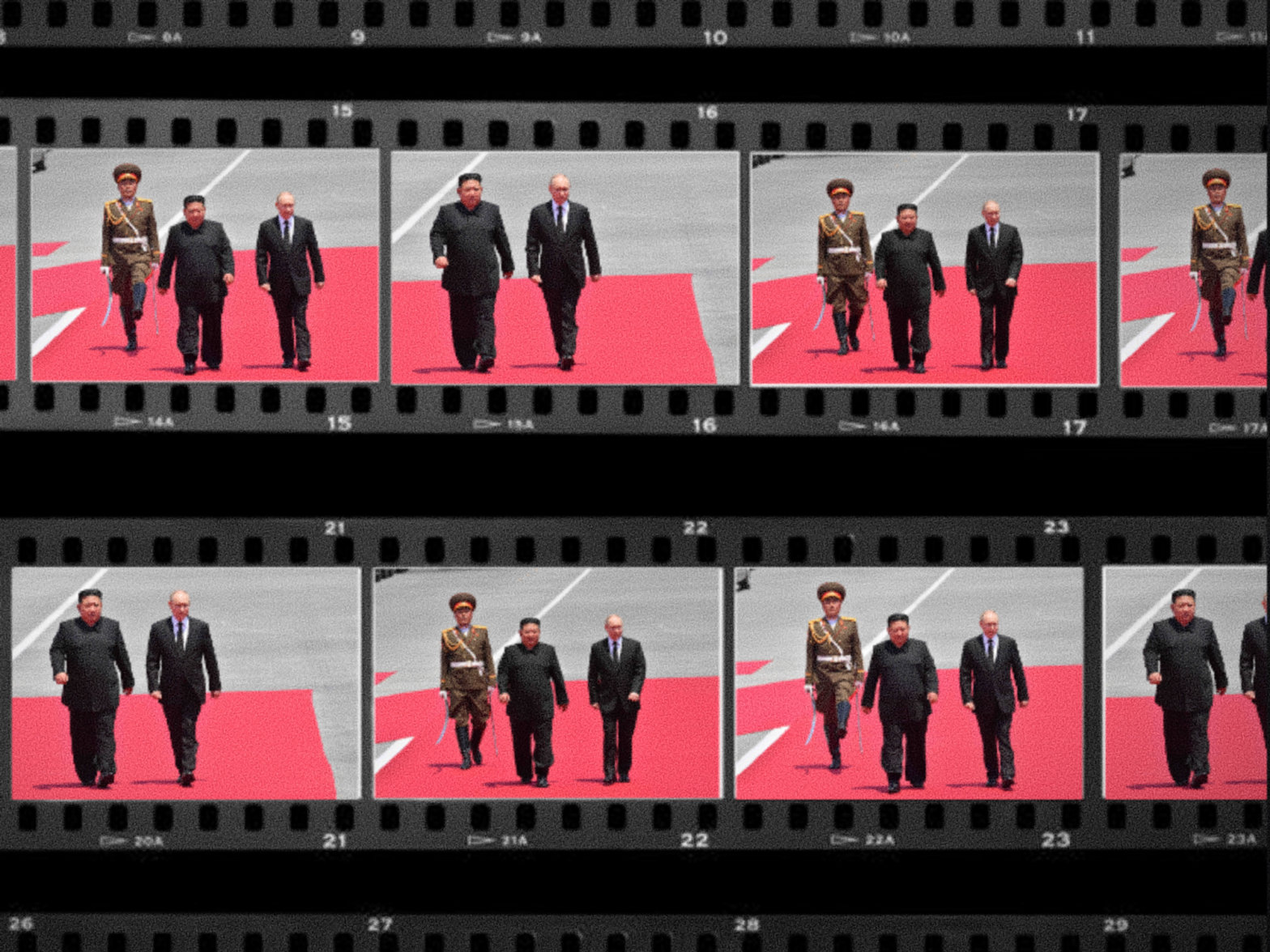
Vladimir Putin presents himself as the leading advocate for multipolarism, but continues to reveal his true world view, where we are divided among those that respect nothing but personal power — and fools.
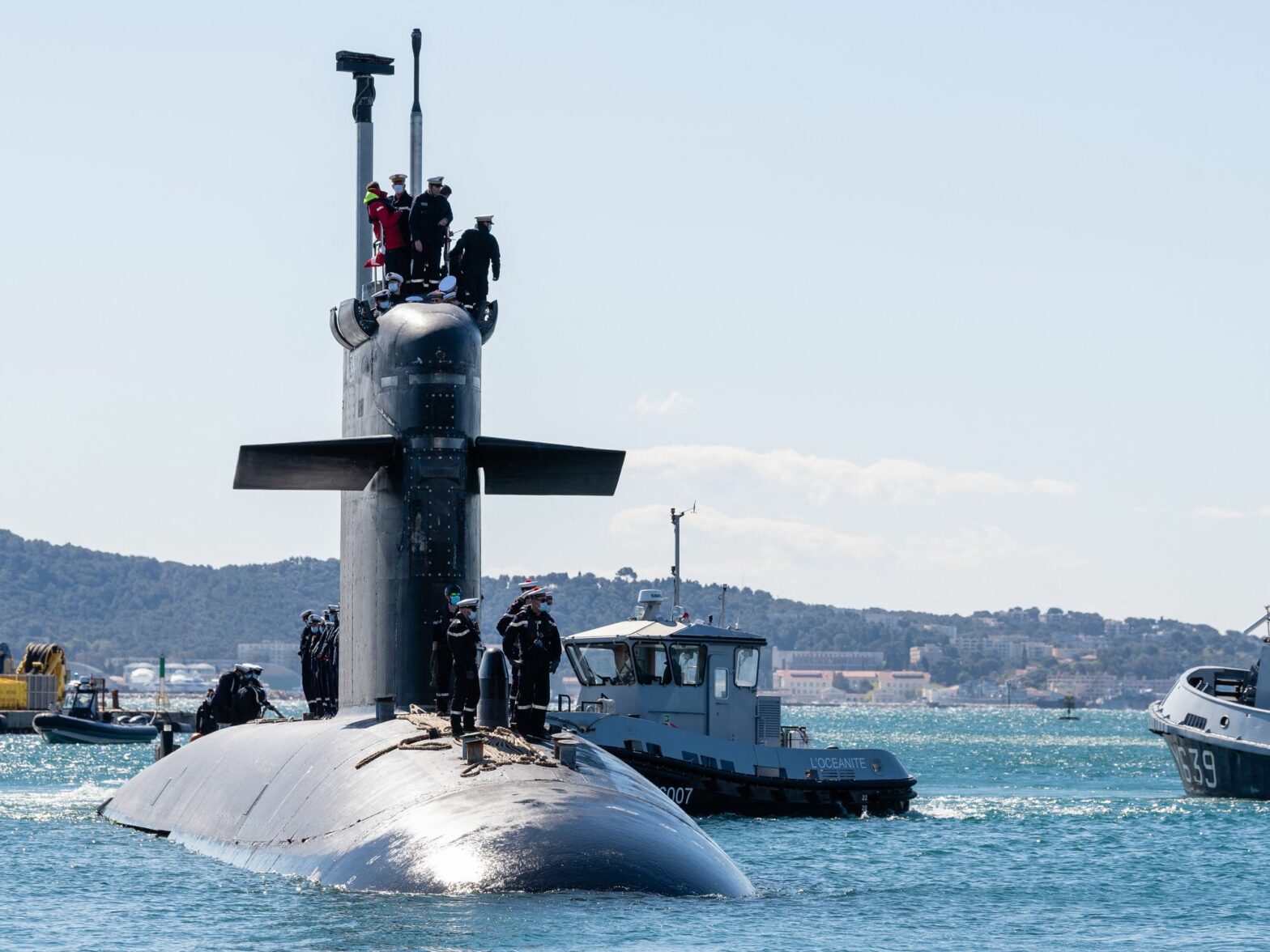
The French president has voiced France’s readiness to “contribute more to the defense of Europe” through its nuclear arsenal. It’s a message fro European allies and for Putin’s Russia — and another reminder of how much hangs on November’s U.S. elections.
Scholars are increasingly pointing to ways that an overwhelming focus on emissions reduction — what has become known as carbon tunnel vision — can get in the way of holistically addressing the many sources of environmental decay.
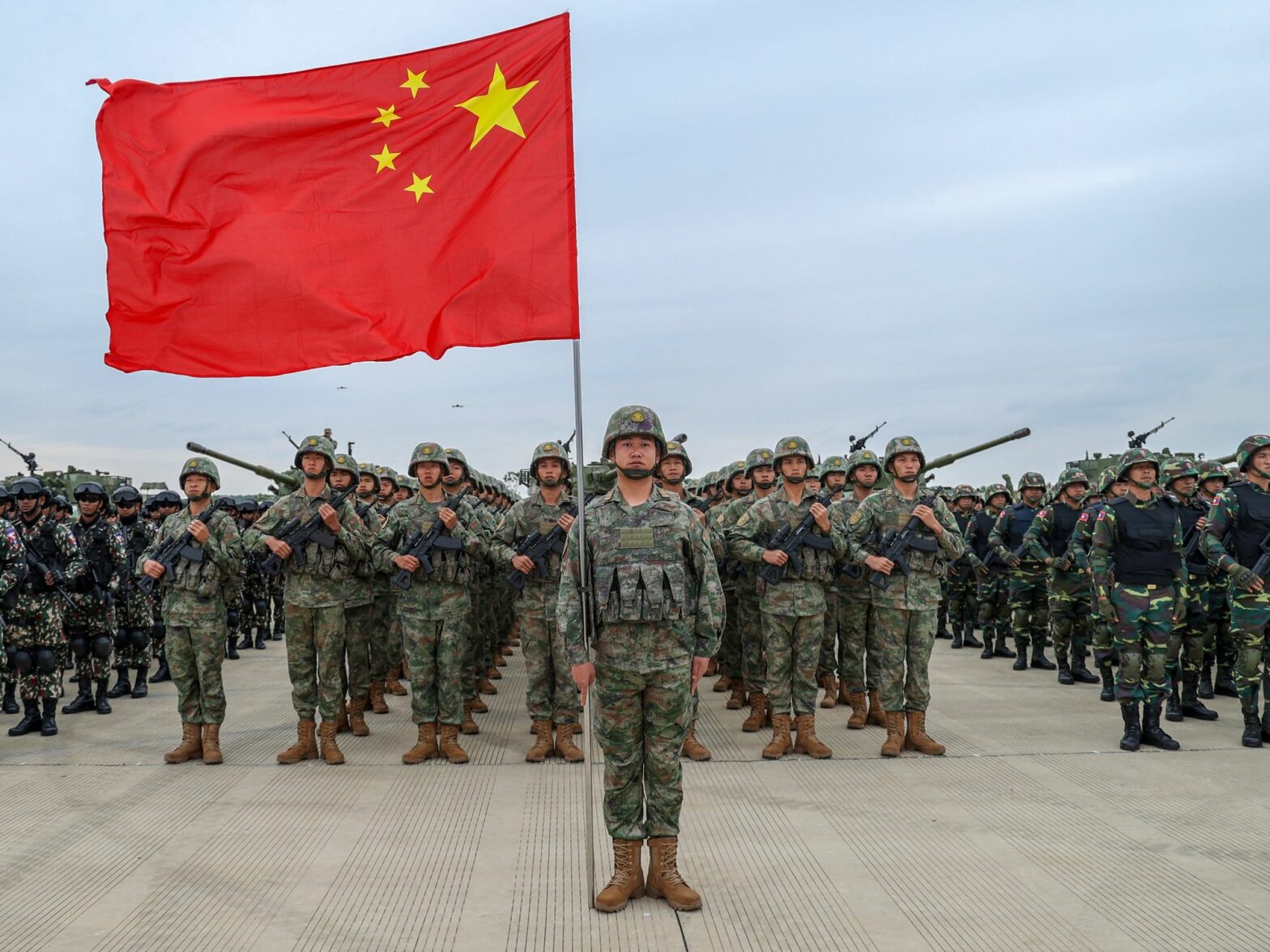
Just because war appears more likely to spread to Europe or the Middle East than Asia, we should not forget China’s enormous weight. But does Beijing want to do with it?
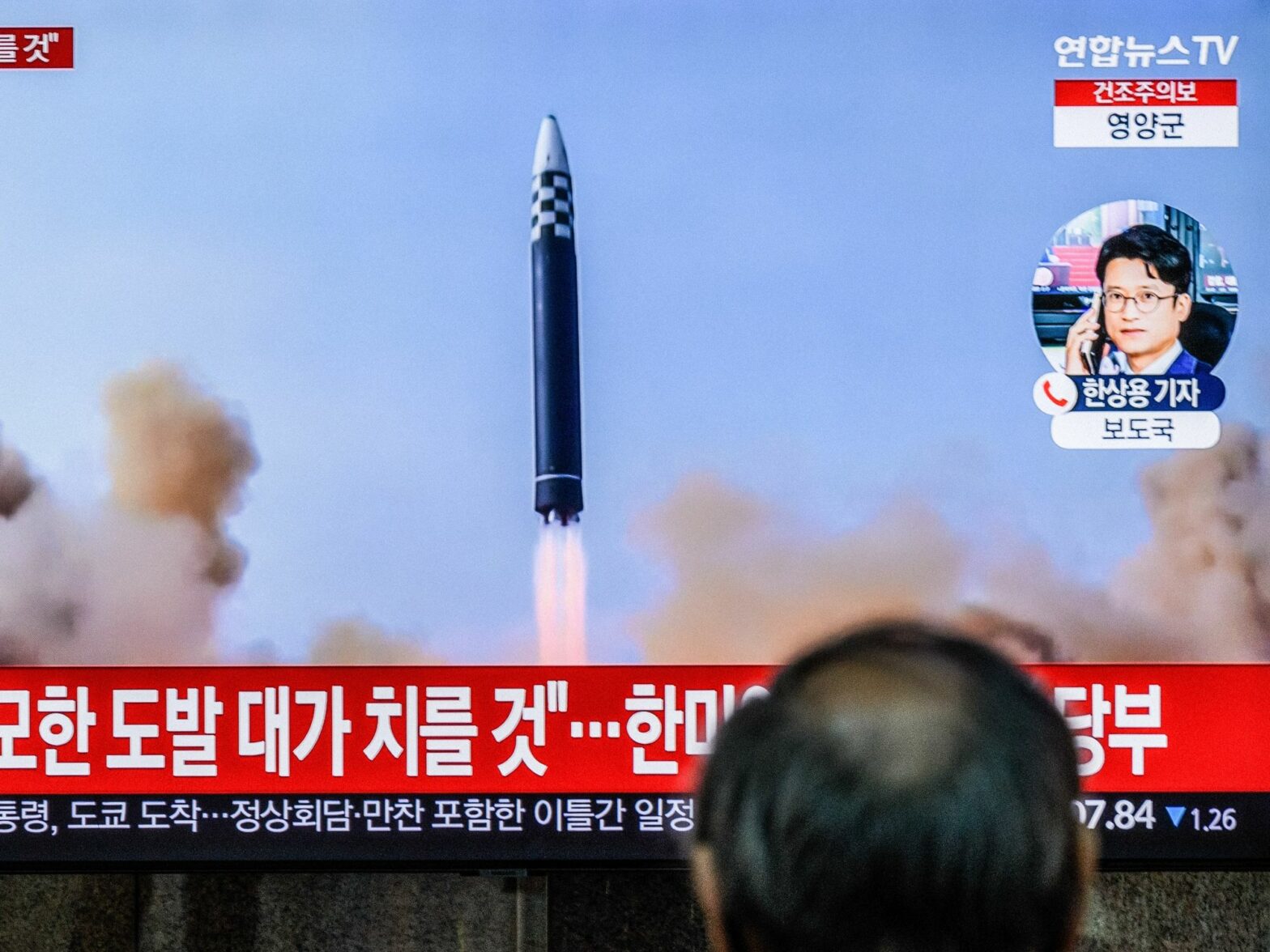
Moscow “killed” the body charged with overseeing the sanctions regime against North Korea — now Putin’s ally against Ukraine — dealing yet another blow to the edifice of global governance inherited from the post-war era.
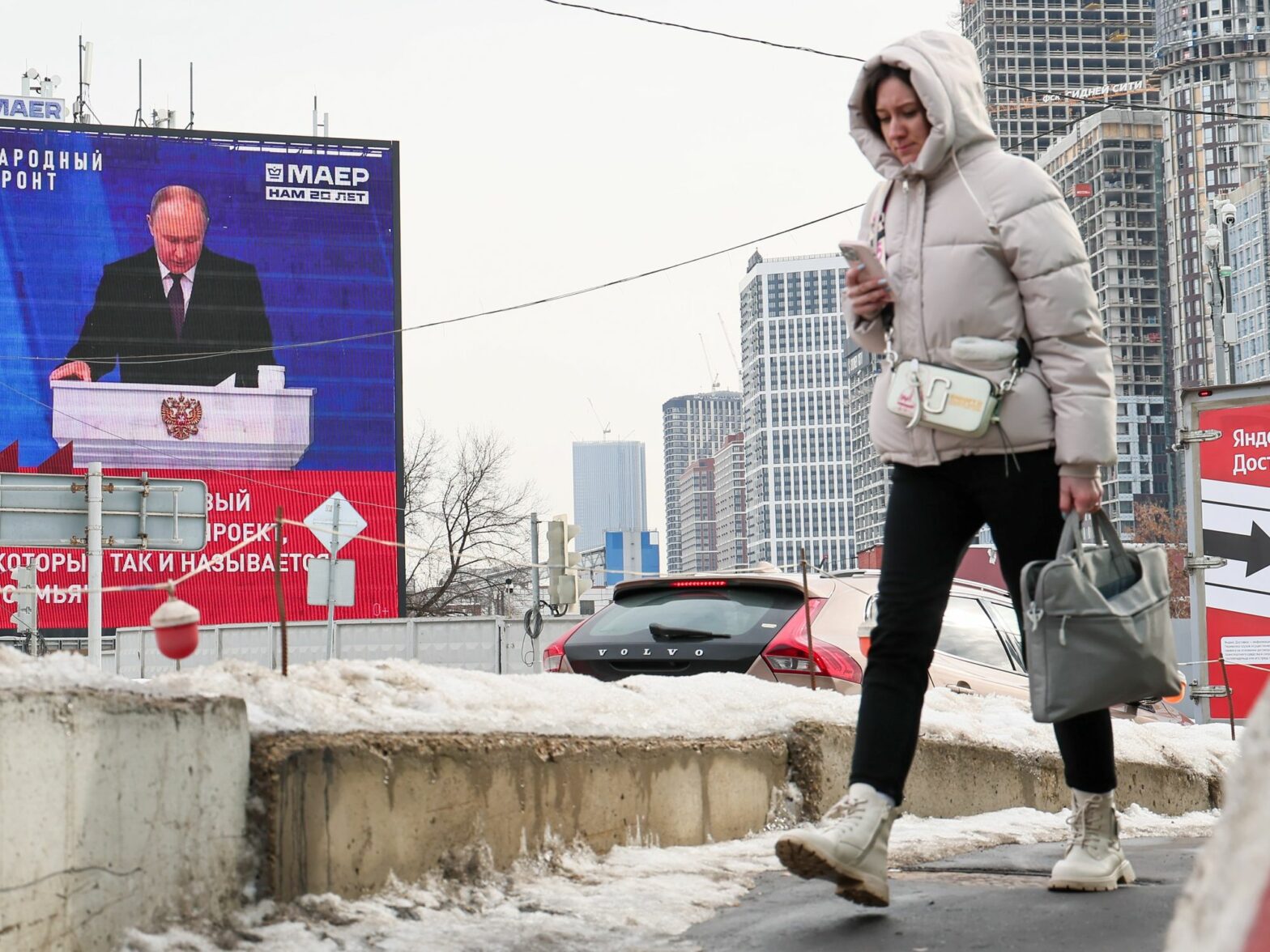
Three days after Emmanuel Macron’s statement on deploying troops to Ukraine, Putin warned that such a move could provoke nuclear war. It’s a serious threat that has regularly resurfaced over the past two years. So far, we’re all still here.
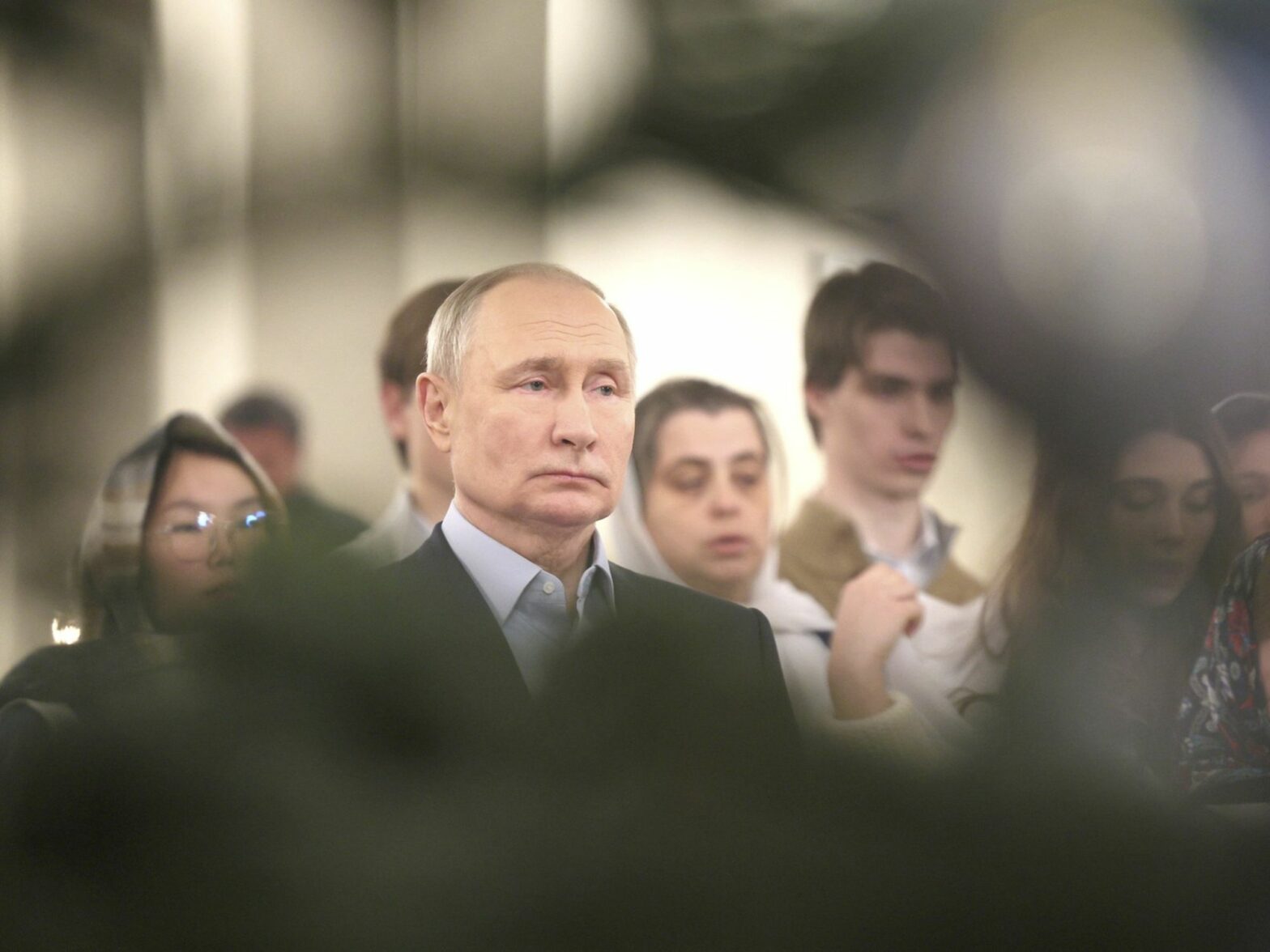
Beginning with Russia’s annexation of Crimea, Moscow’s actions against its supposed “brotherly” neighbors have yielded decidedly mixed results. Yet there are certain outcomes of Russian aggression against Ukraine that have weakened the West and the post-Cold War global order.
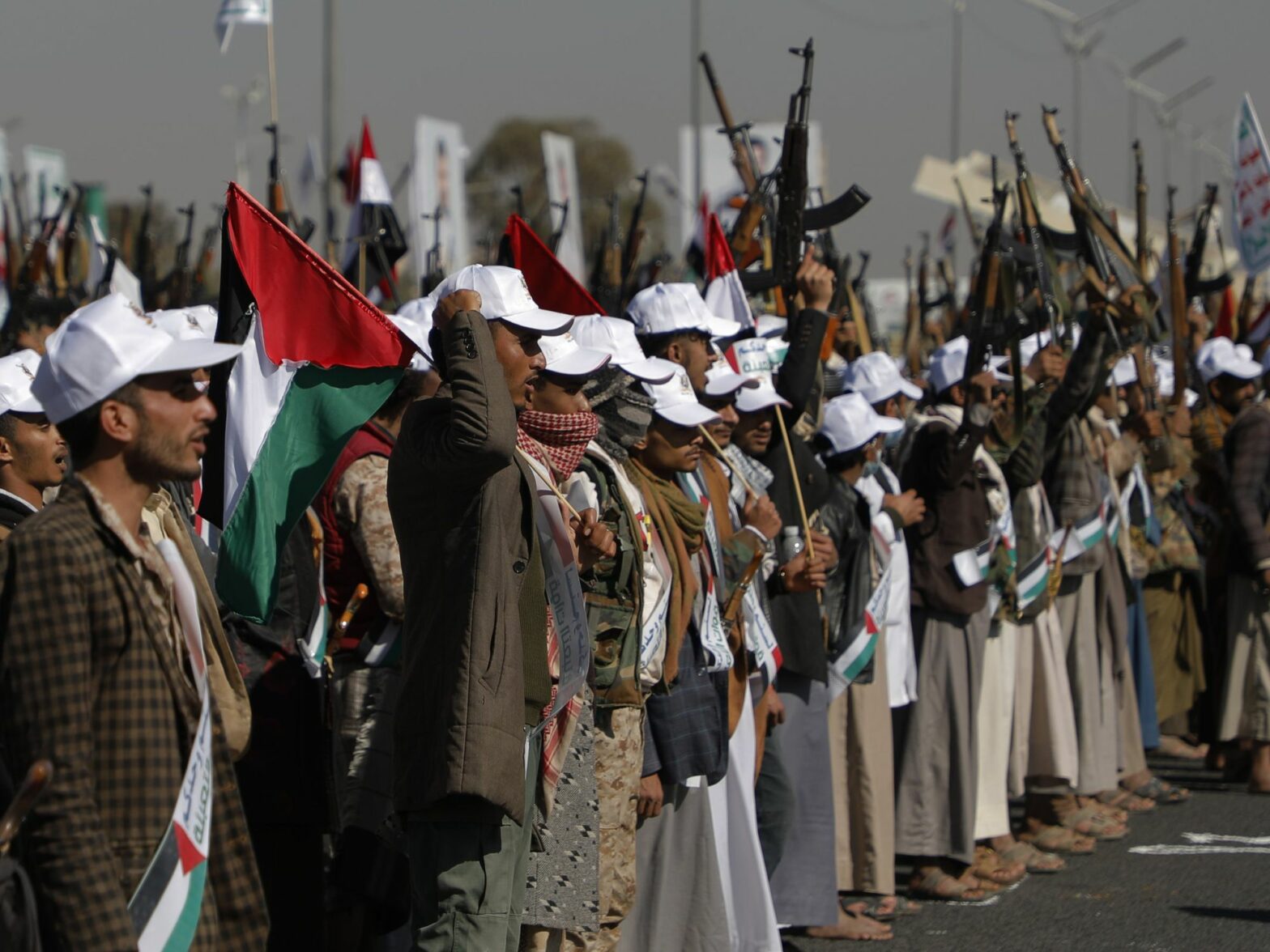
Nuclear weapons are a constant fear simmering in the background of modern-day conflicts. With the potential for Iran to join the Israel-Hamas war, and a threatening Russia at war with Ukraine, there is a more urgent necessity of reestablishing communication channels and confidence-building measures among nuclear powers.
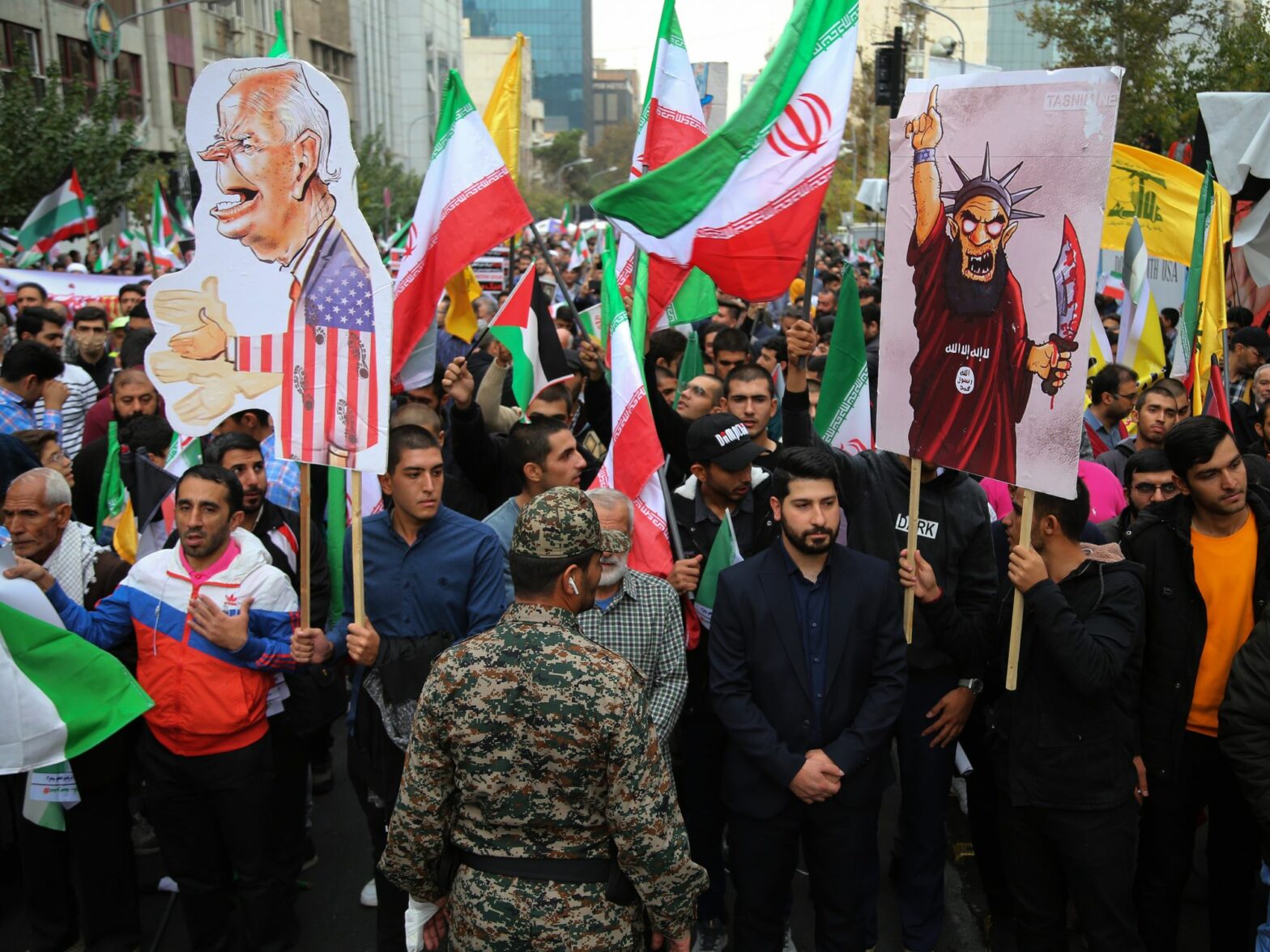
The West’s decision to pressure Israel over Gaza, and indulge Iran’s violent and troublesome regime, follows the U.S. Democrats’ line with the Middle East: just keep us out of your murderous affairs.
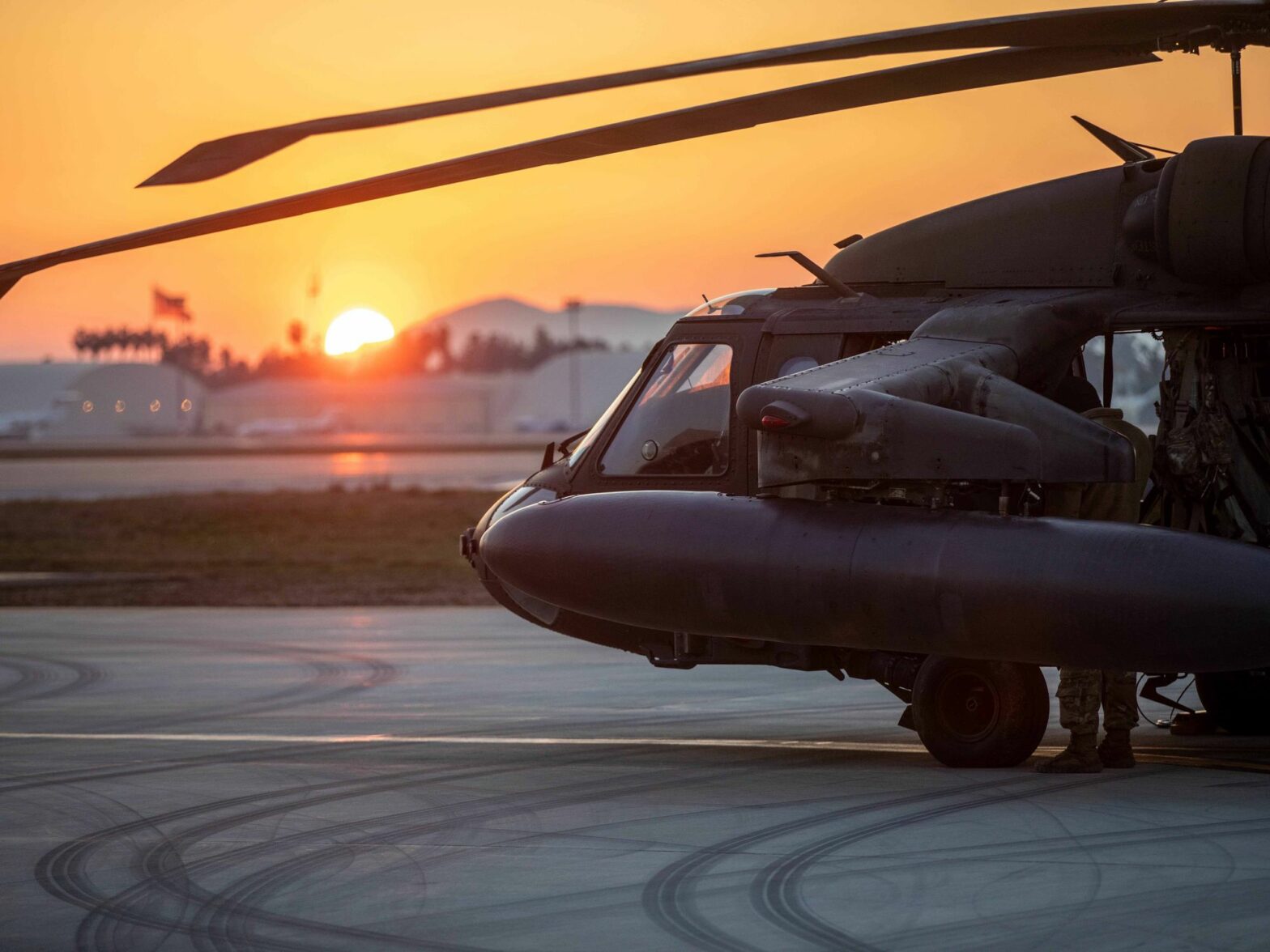
It was a wakeup call for some: pro-Palestinian demonstrators in Turkey tried to storm the U.S. base Incirlik where nuclear weapons have long been stationed. There is more discussion than ever about whether the NATO partner is still a trustworthy military ally with such potent weapons within reach.

With $6 billion freed up to go in the coffers of the corrupt and repressive regime in Tehran, nobody is happy. But sometimes there is no alternative to the imperfect nature of international diplomacy.
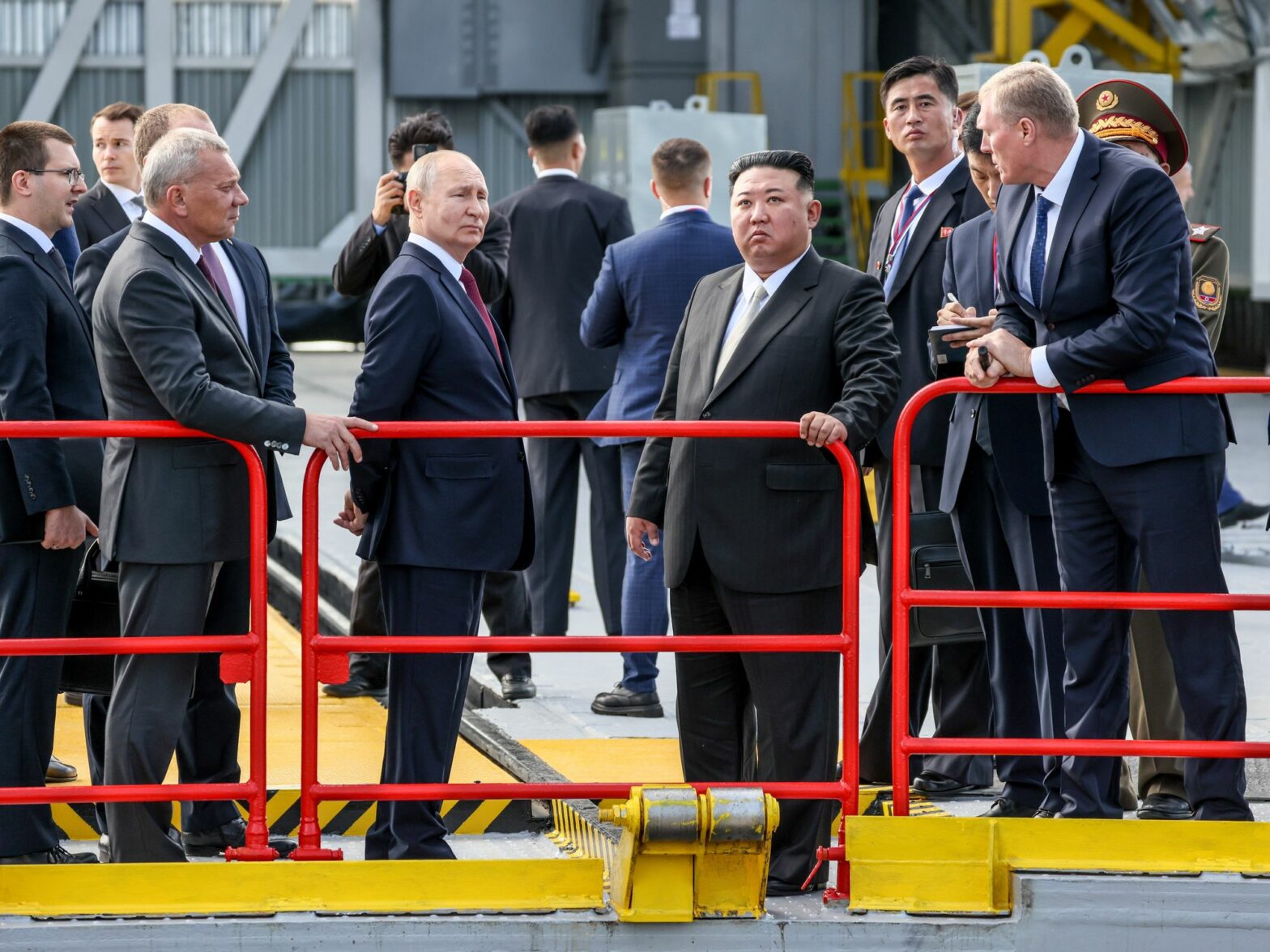
North Korea lends its full support to Russia’s war in Ukraine, and will supply ammunition to Moscow, which in return will help Kim Jong-un with his space ambitions. With the whiff of a Cold War alliance, it shows how two regimes that have become so isolated they multiply the risks for the rest of the world.
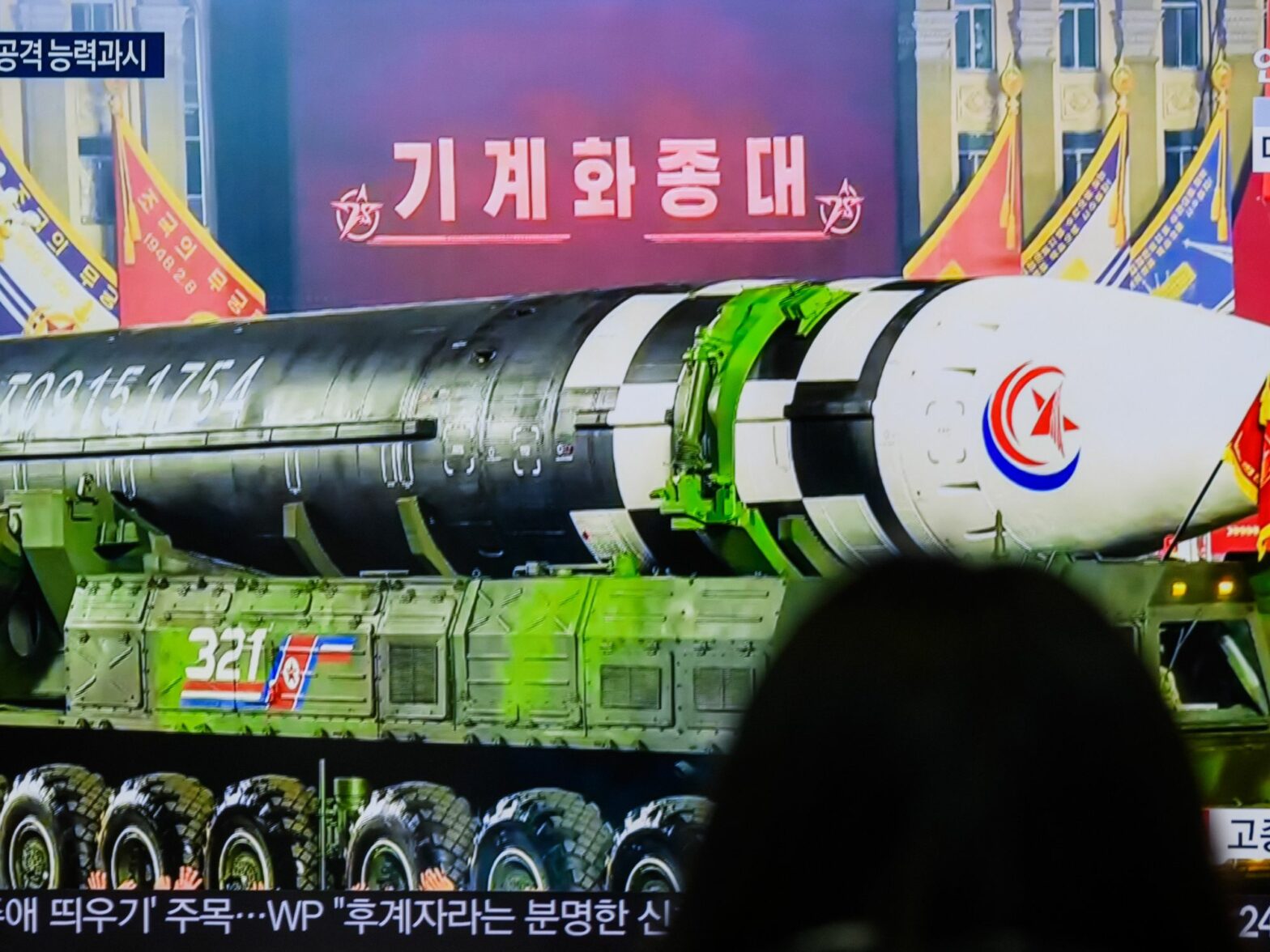
North Korea has industrialized the theft of cryptocurrency to finance its nuclear weapons program and its state-sponsored hackers are getting better at emptying digital wallets. But global law enforcement agents are in hot pursuit, and cashing in crypto is harder than ever.
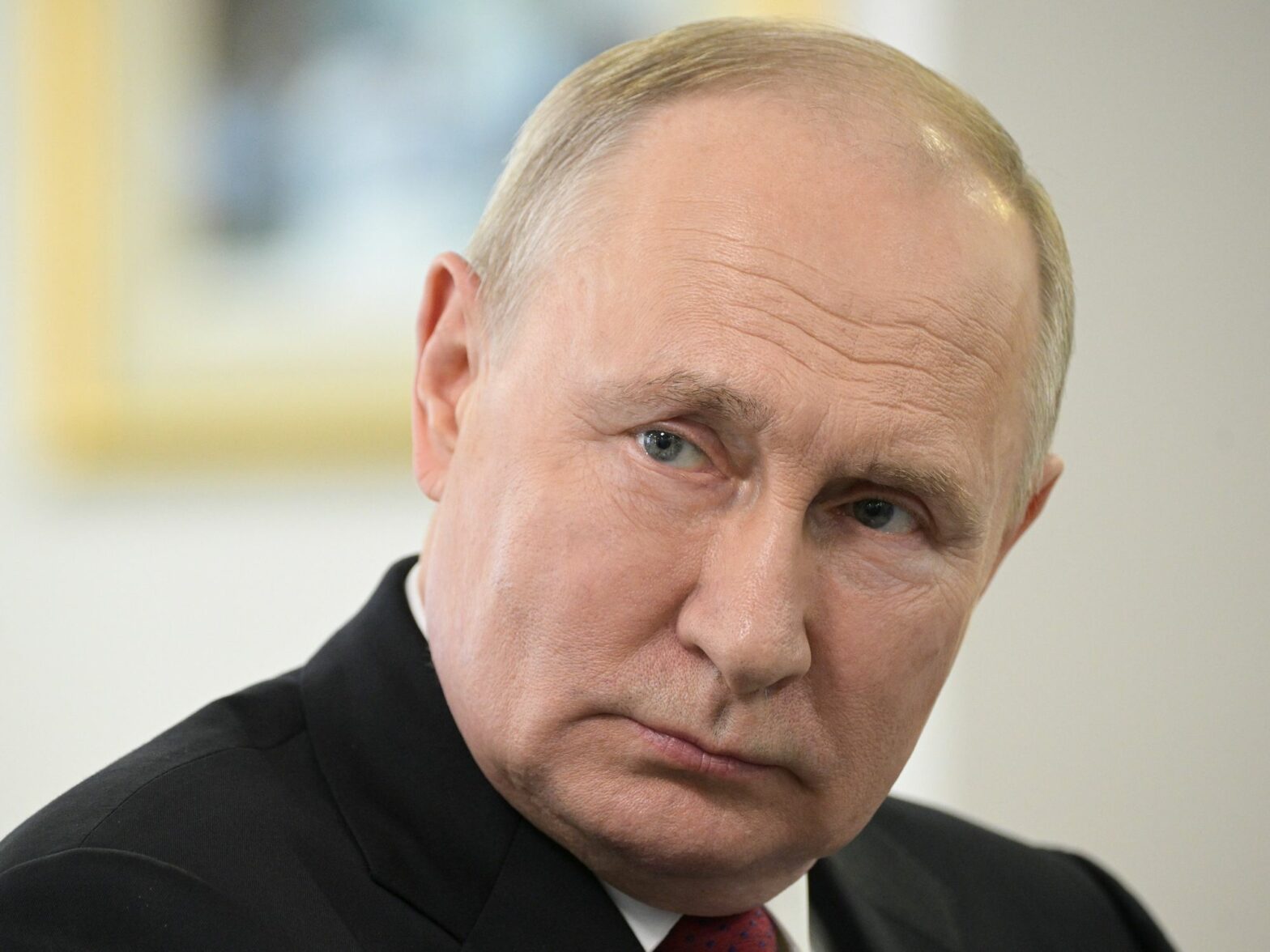
The idea of “peacemaking” with Russia has been creeping into Western media, bolstered by fears that Putin could ultimately resort to nuclear weapons. But Oleksiy Danilov, Secretary of the National Security Council of Ukraine, warns of the traps of this thinking.
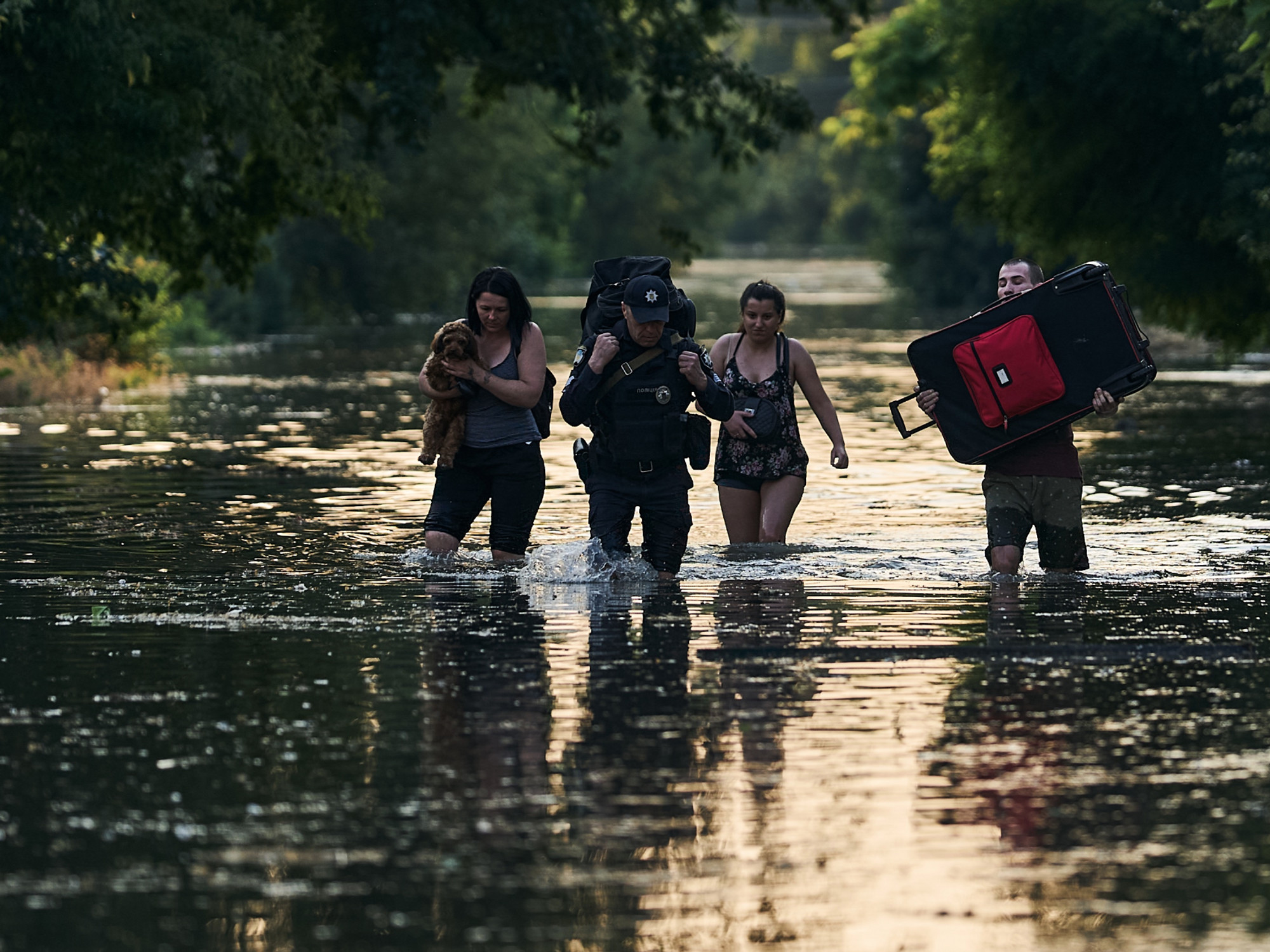
The Nova Kakhovka dam explosion was undoubtedly carried out by Putin, putting both Ukrainian and Russian lives at risk. The explosion makes clear that there are no limits to how far Putin will go. That has been his message since Day One of the war.
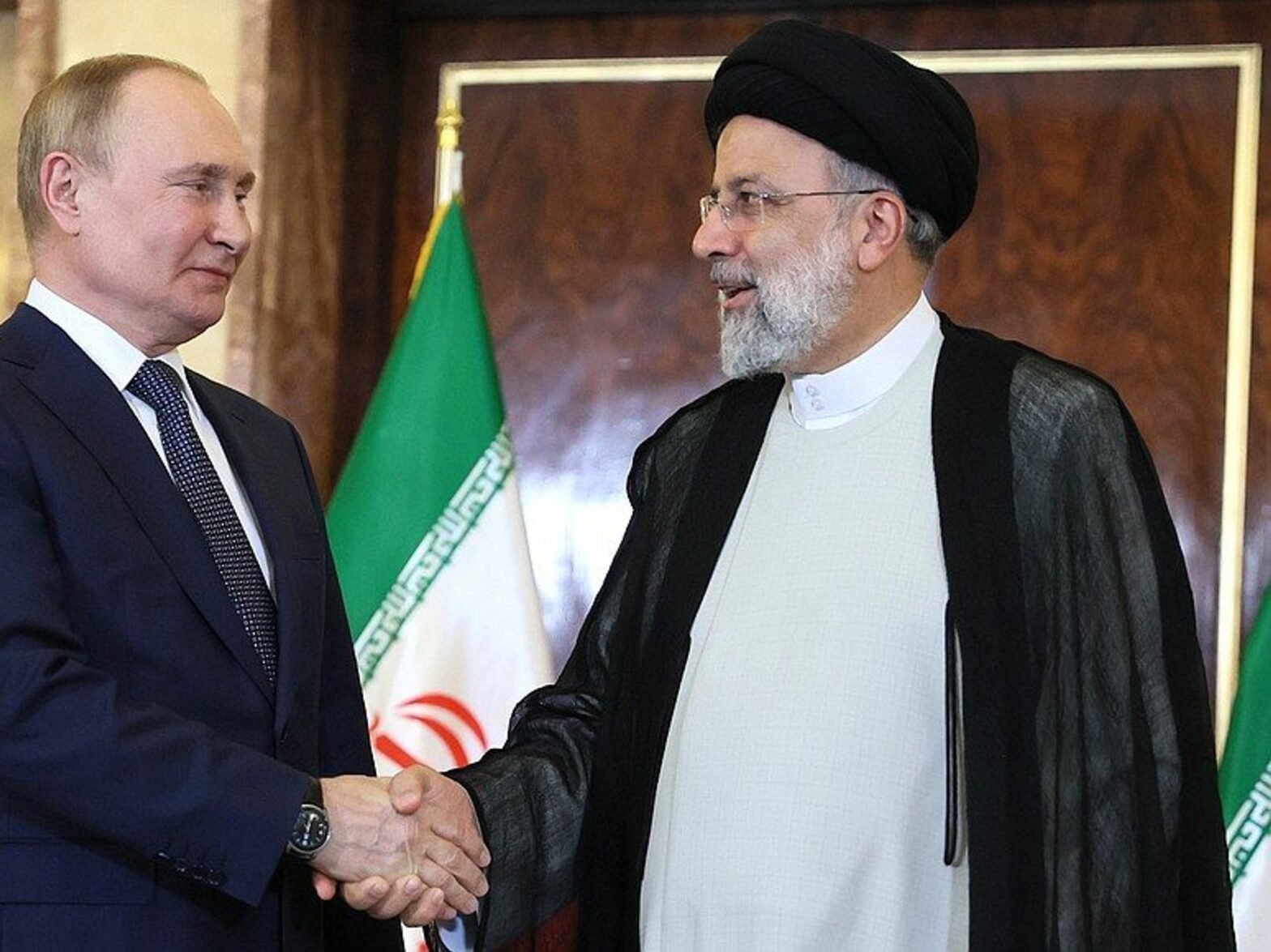
Russia attacks Ukraine with Iranian shahed drones, thinks about buying Iranian missiles, sells Iran Su-35 fighters, and starts repairing its civilian aircraft. How is it that Iran has become Russia’s main ally?
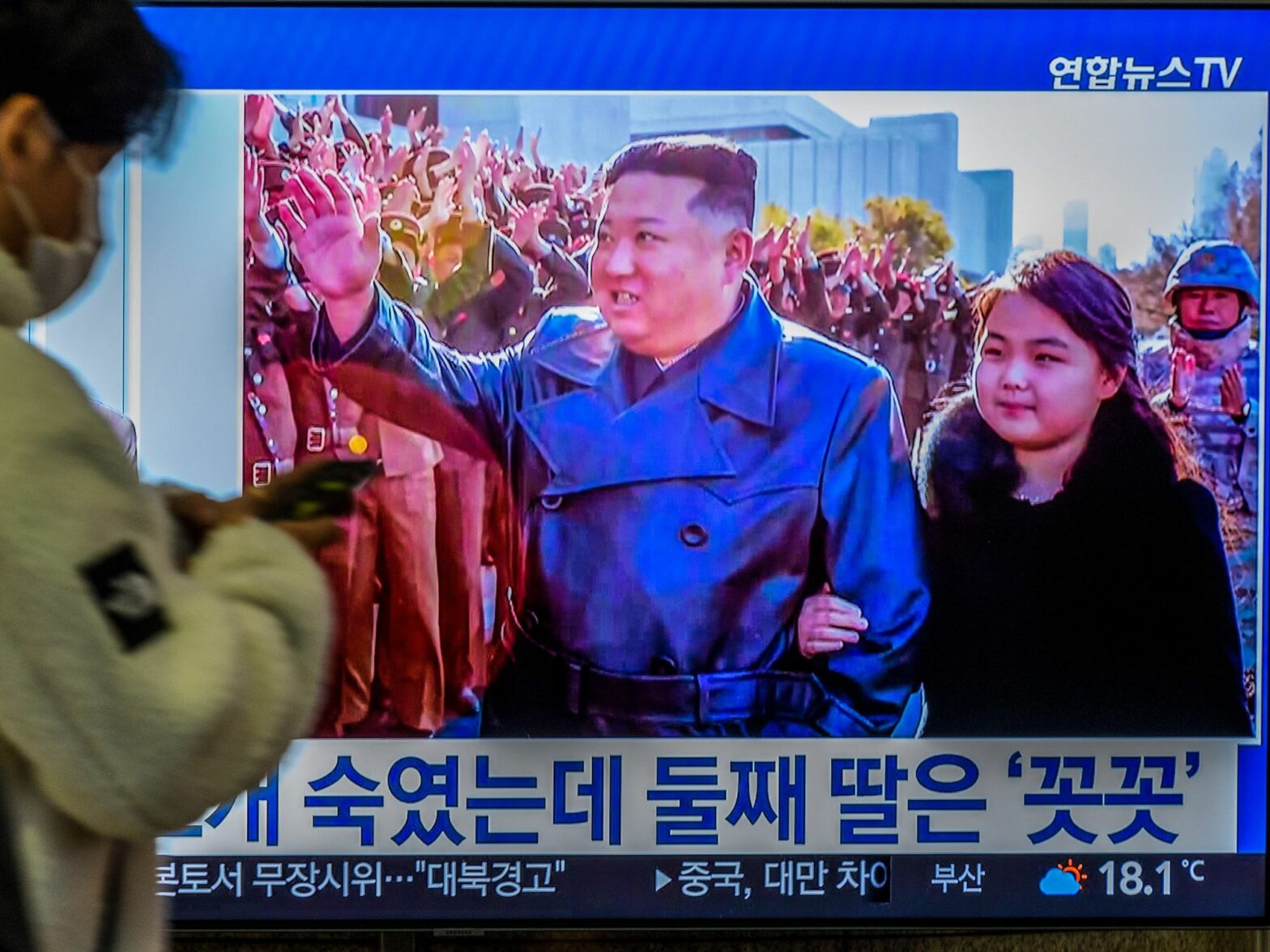
What should the world make of Kim Jong-un, his young daughter Ju Ae in tow, flexing North Korea’s military hardware? Nothing good, though the scenario that it is mostly just a flex is still the most likely.
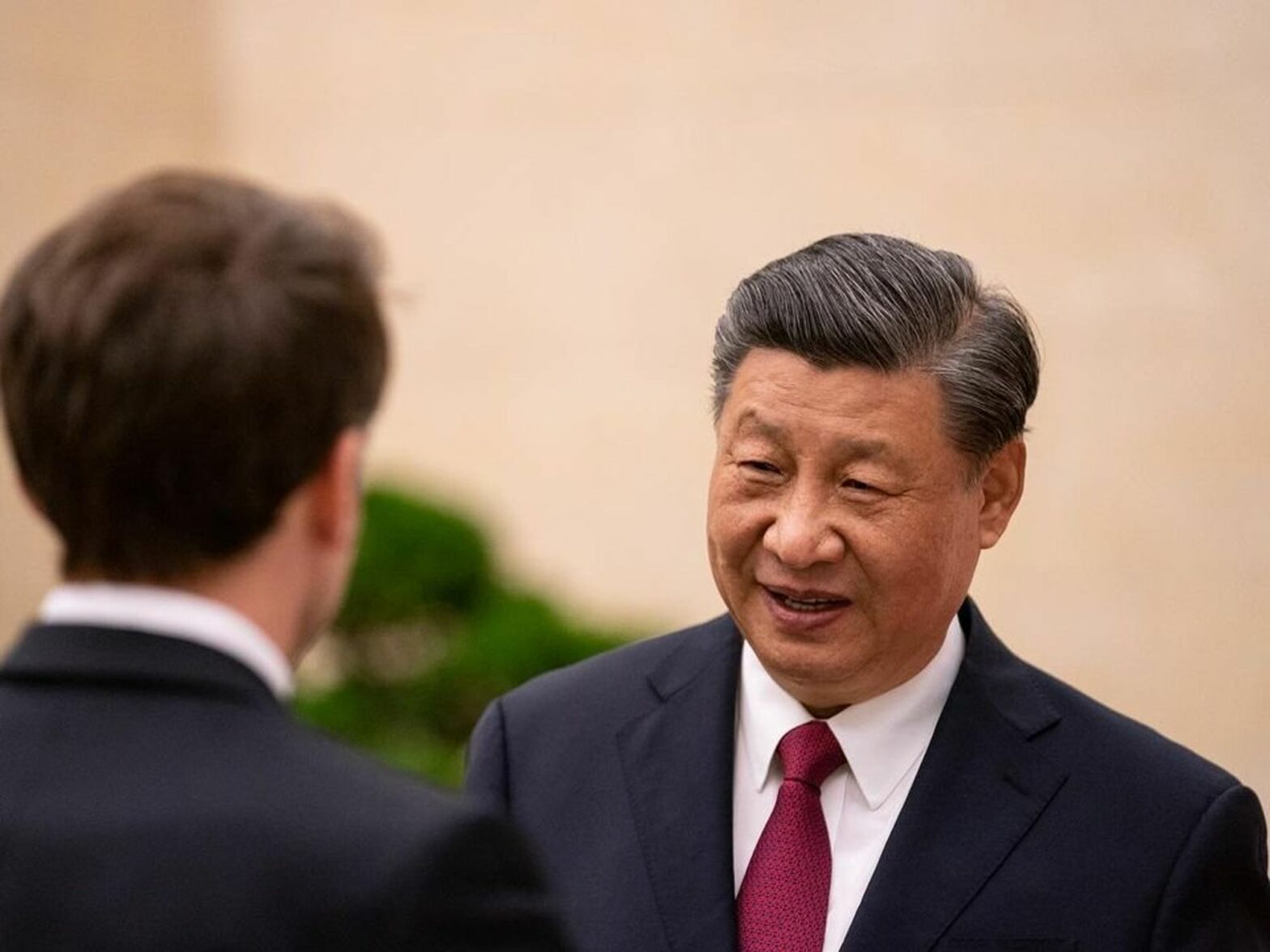
Ukraine was the trickiest part of French President Emmanuel Macron’s state visit to China. And though Xi Jinping didn’t say much, Macron made his voice clear on the war and possible arms shipments to Russia — and the West is watching closely.
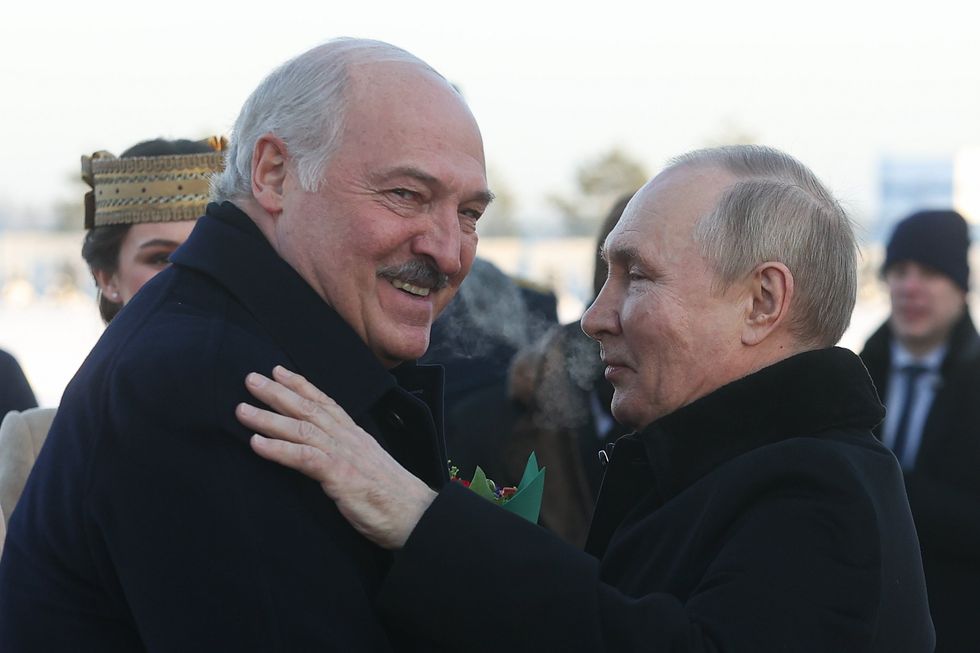
A few weeks after an explosion at a military field in Belarus, Vladimir Putin announced plans to deploy tactical nuclear weapons in Belarus. There is a connection, even if Belarus leader Alexander Lukashenko is walking a tight rope of domestic control and keeping Putin satisfied.