The French president wants to convince Vladimir Putin to halt military deployment around Ukraine. But some in Moscow believe the Russian president is only interested in negotiating with the U.S. about the wider global balance of power.

 Worldcrunch
The French president wants to convince Vladimir Putin to halt military deployment around Ukraine. But some in Moscow believe the Russian president is only interested in negotiating with the U.S. about the wider global balance of power.
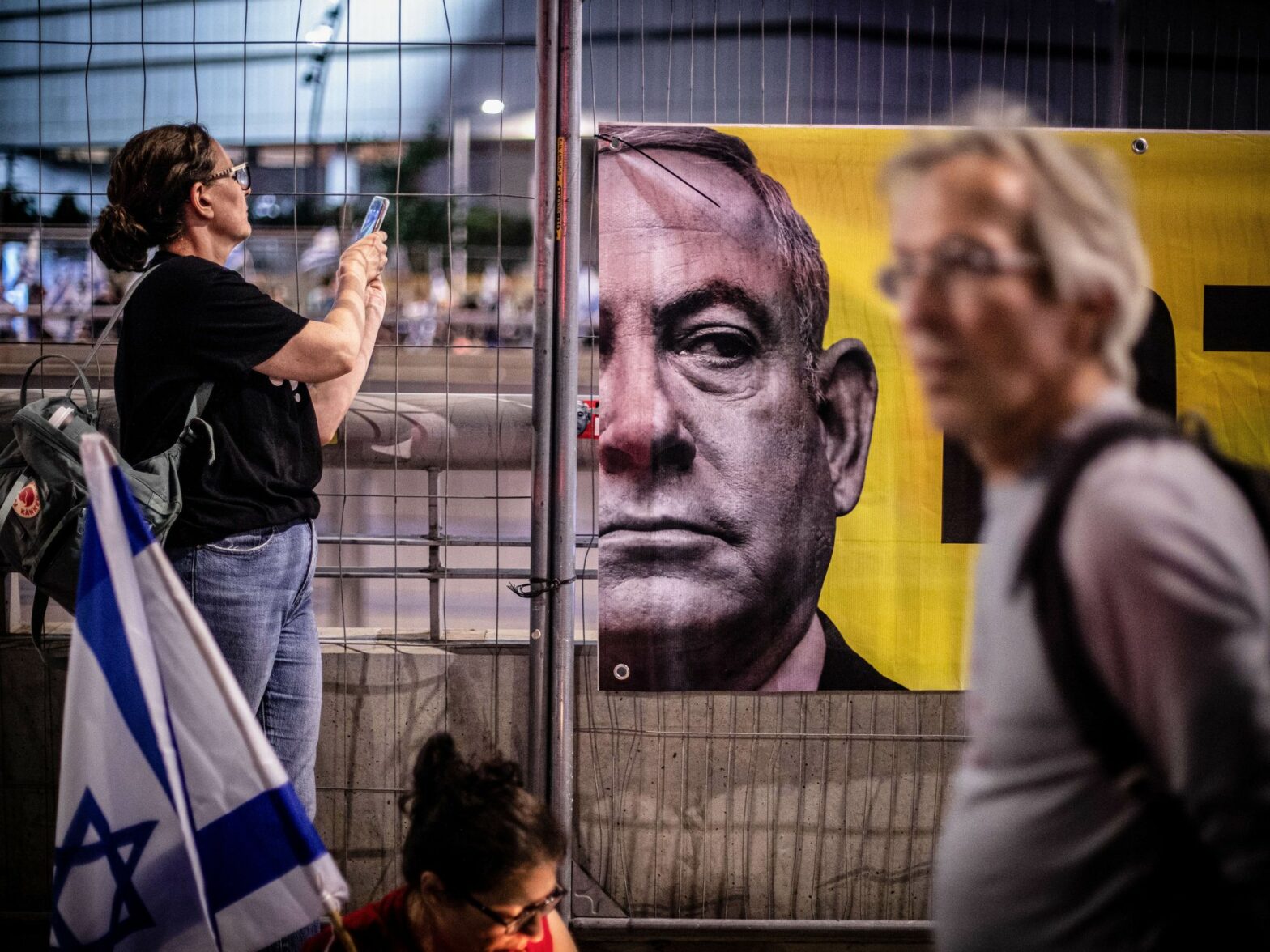
The announcement of the International Criminal Court’s prosecutor that he would seek arrest warrants for Israel’s prime minister and defense minister, as well as three Hamas leaders, provoked indignant reactions in Israel and the U.S. and revealed the rifts between the West and the global South.

The competing May 8 and May 9 World War II victory celebrations, and an upcoming D-Day snub to Vladimir Putin, show how uncertain the future appears right now. Perhaps even more uncertain than the Cold War.

The context and scale are different, but there are common methods in the suppression of demonstrations in the Arab Spring in 2011 and crackdowns against pro-Palestinian groups on university campuses in the U.S. Will President Biden, like Hosni Mubarak 13 years ago, lose power as a result?
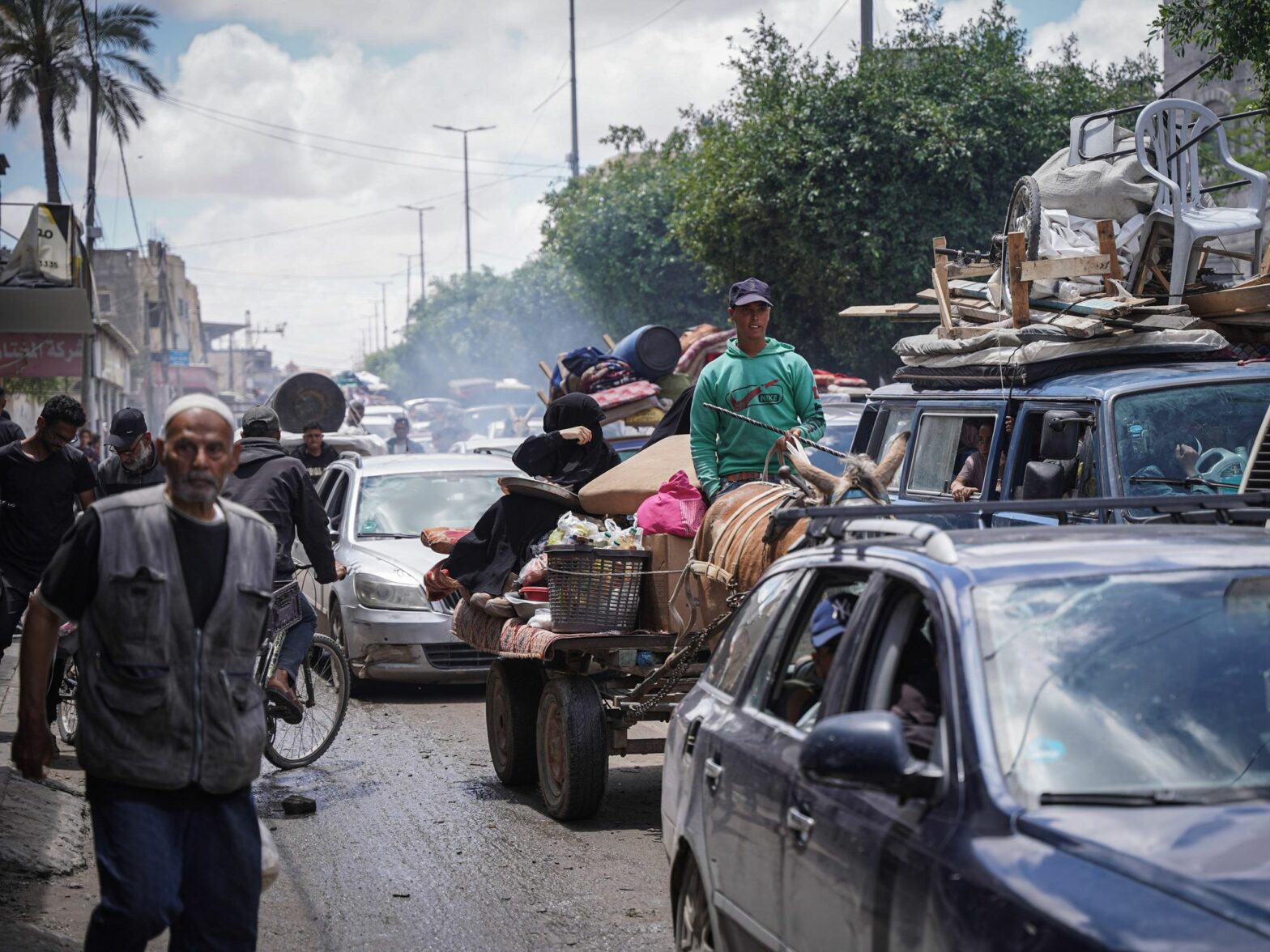
The Israeli prime minister has foreign and domestic pressure to accept a ceasefire deal, but he may be set to make the bloodiest decision of the war to date in the southern Gaza city of Rafah.
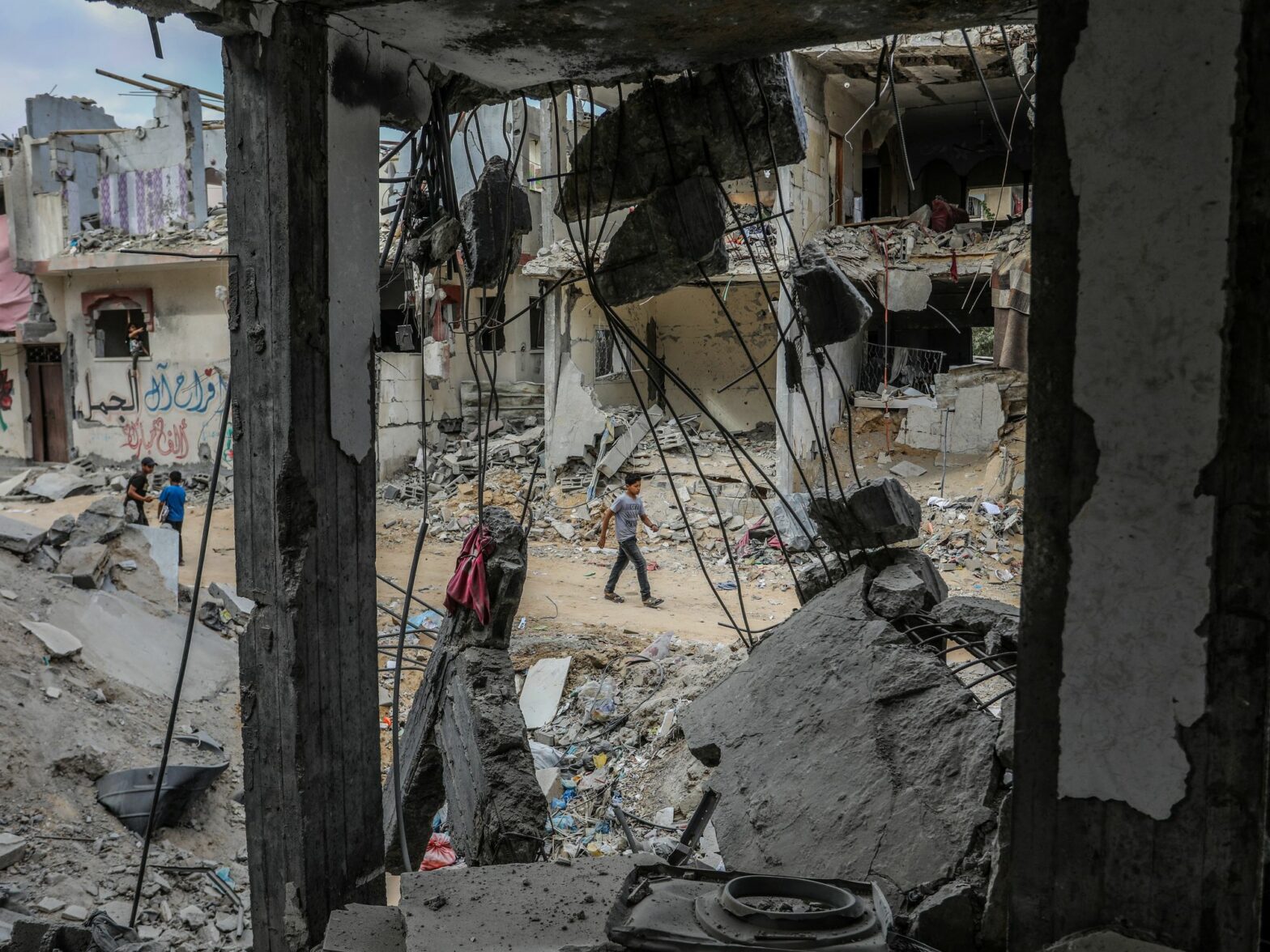
Israeli Prime Minister Benjamin Netanyahu and Hamas leaders both have deeply cynical reasons to prolong hostilities. Meanwhile, it’s in the self-interest of both the U.S. and Arab regimes to try all avenues to broker a ceasefire to ease the suffering of those caught in the crossfire.
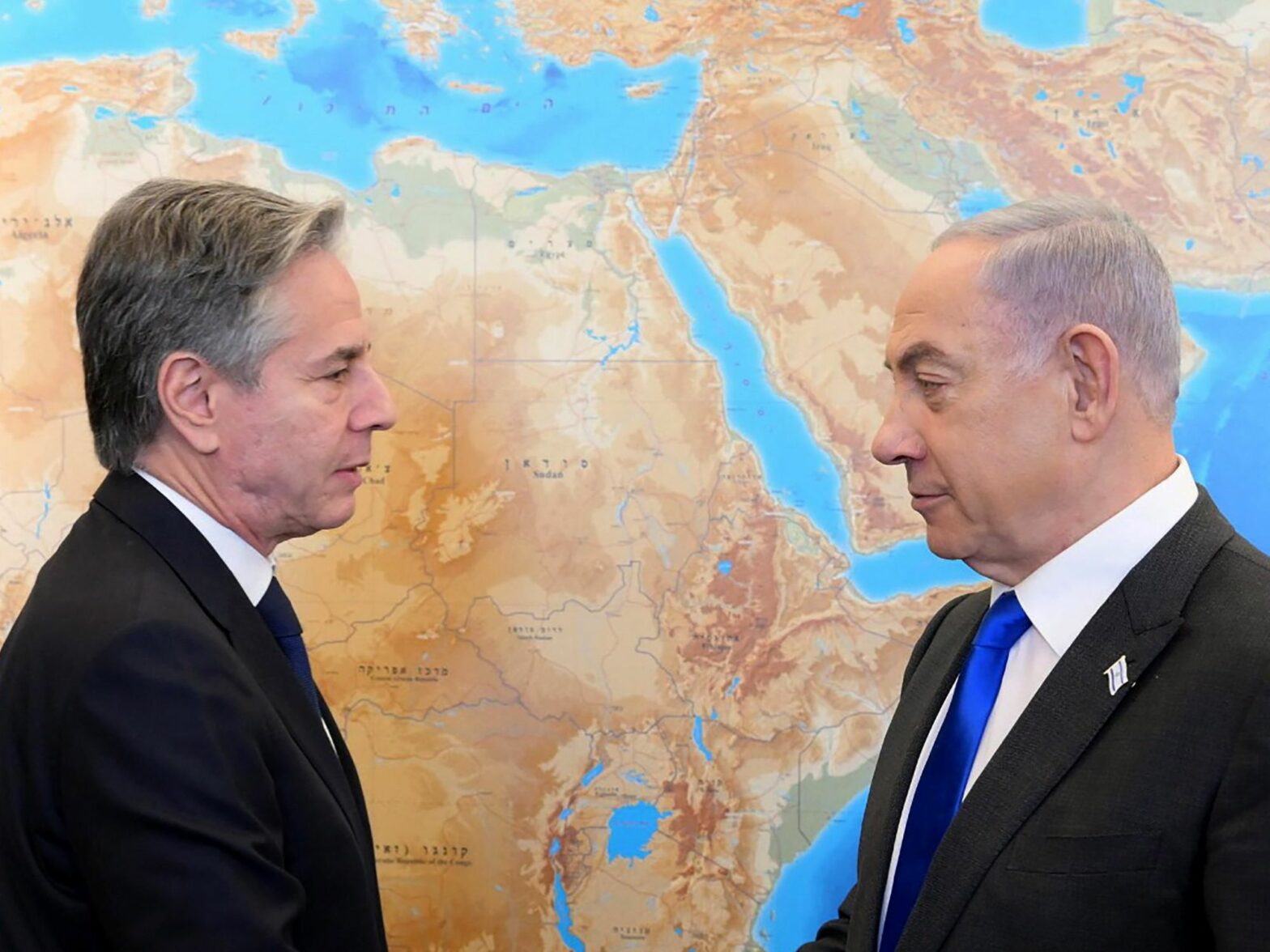
Have the ruling institutions in the United States learned the lesson and realized that the main means of confronting Iran’s influence — if they really wanted to — is to put pressure on Israel.
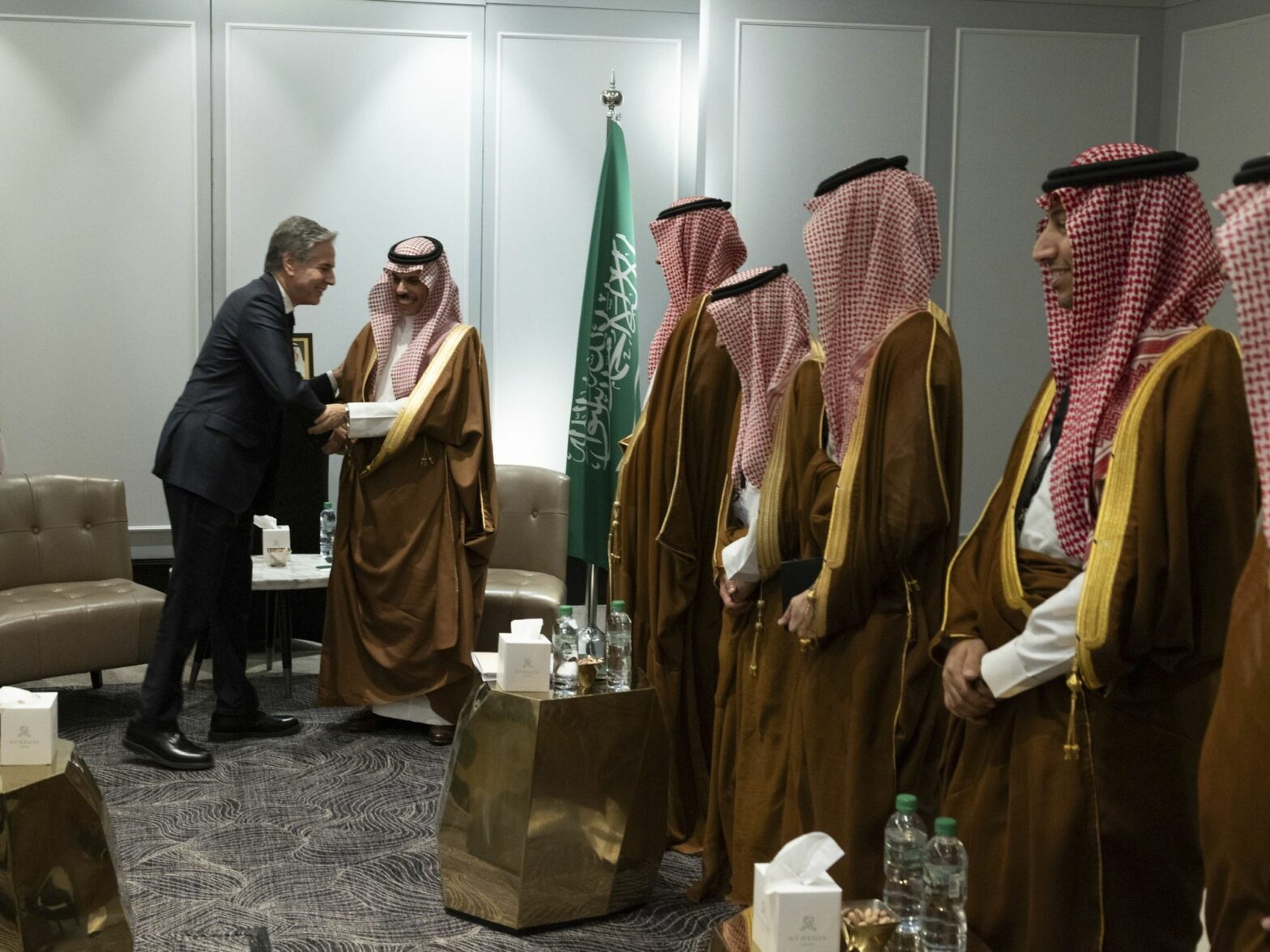
Washington has vetoed Palestine’s full membership to the United Nations and is using talk of the “two-state solution” to distract from Israel’s war crimes in Gaza. Pushed by the U.S. to normalize ties with Israel, what will Arab states do?
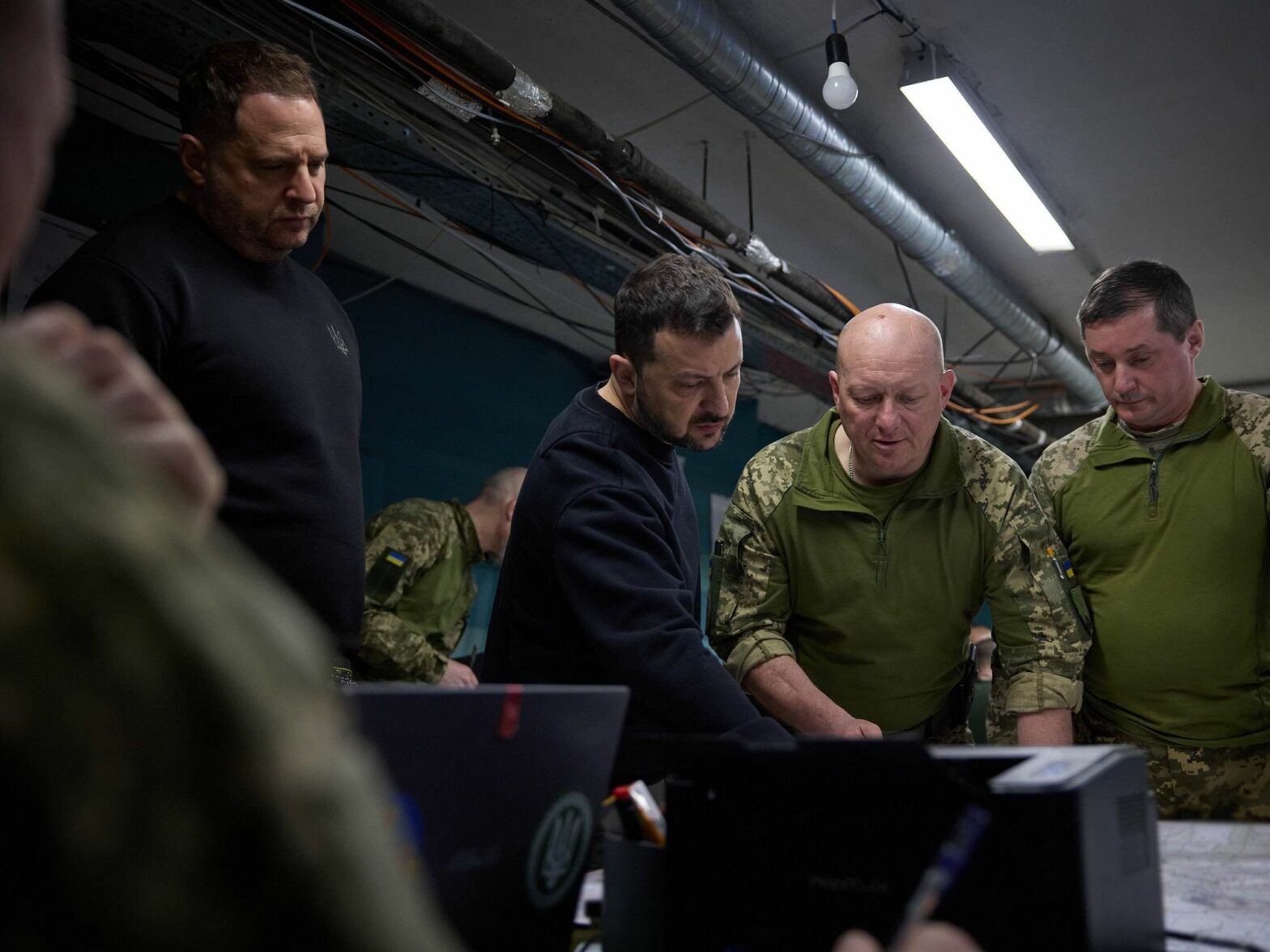
It has taken months for Ukraine to be able to celebrate the U.S. approval of a much-needed aid package. Now that the House of Representatives has voted in favour, what is crucial is the timing of the arms delivery. Because the aid package comes late, but hopefully not too late for Ukraine to reverse its losses on the battlefield, writes Pierre Haski for France Inter.
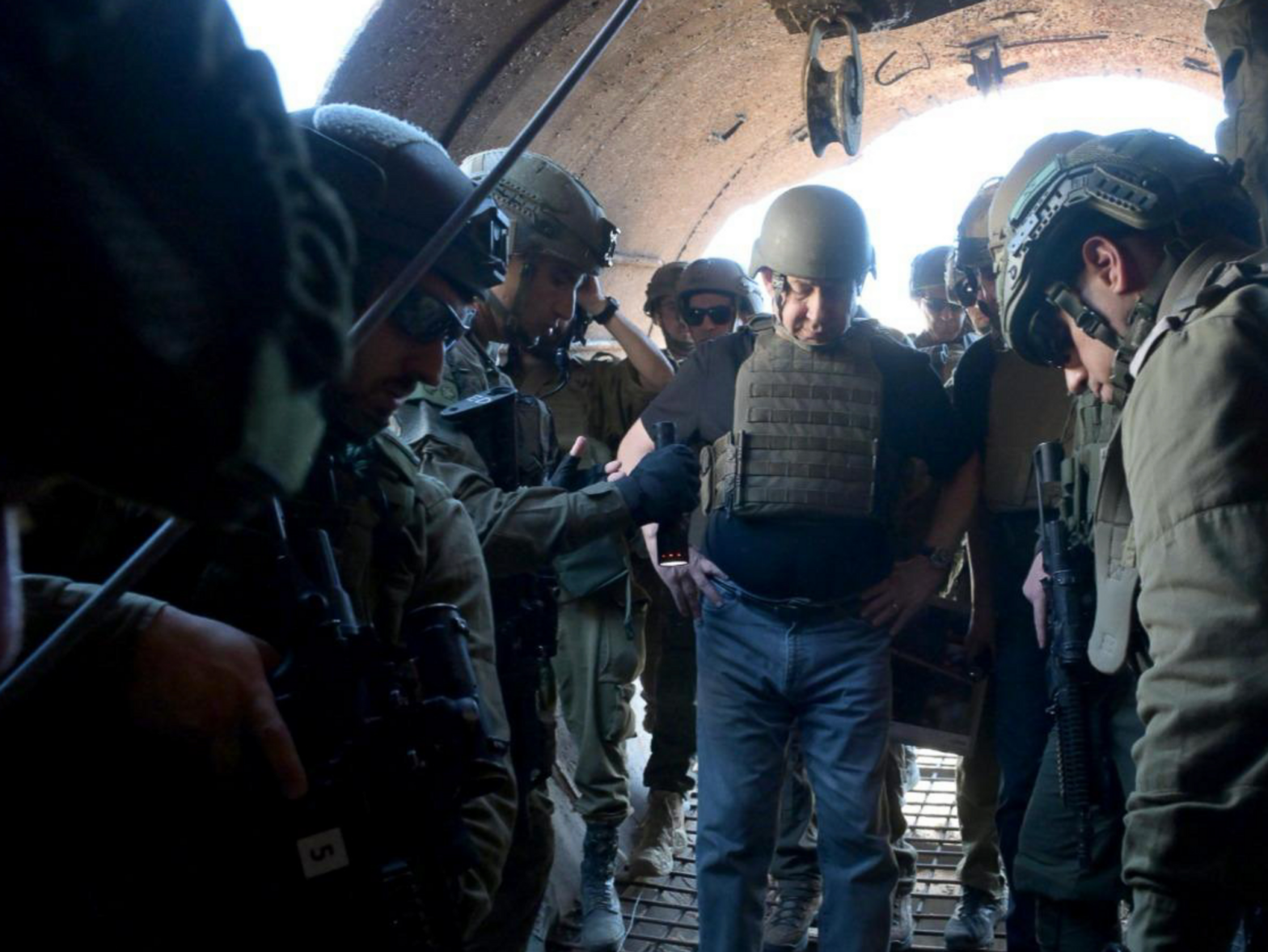
By helping to intercept Iran’s counter attack against Israel, the U.S. and Western allies, along with Jordan, have deprived Benjamin Netanyahu of a pretext to expand the war and to divert attention from his actions in Gaza.
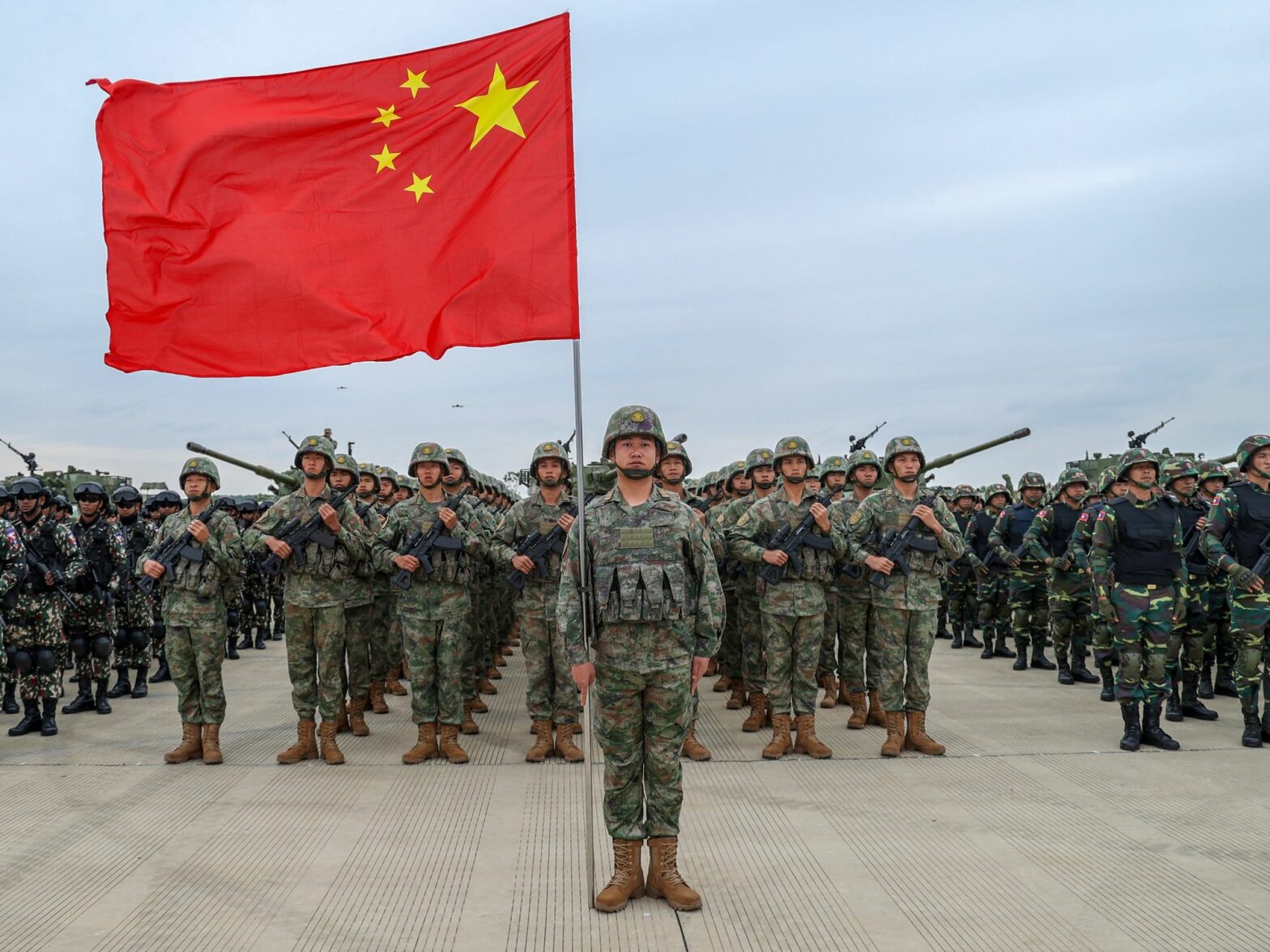
Just because war appears more likely to spread to Europe or the Middle East than Asia, we should not forget China’s enormous weight. But does Beijing want to do with it?
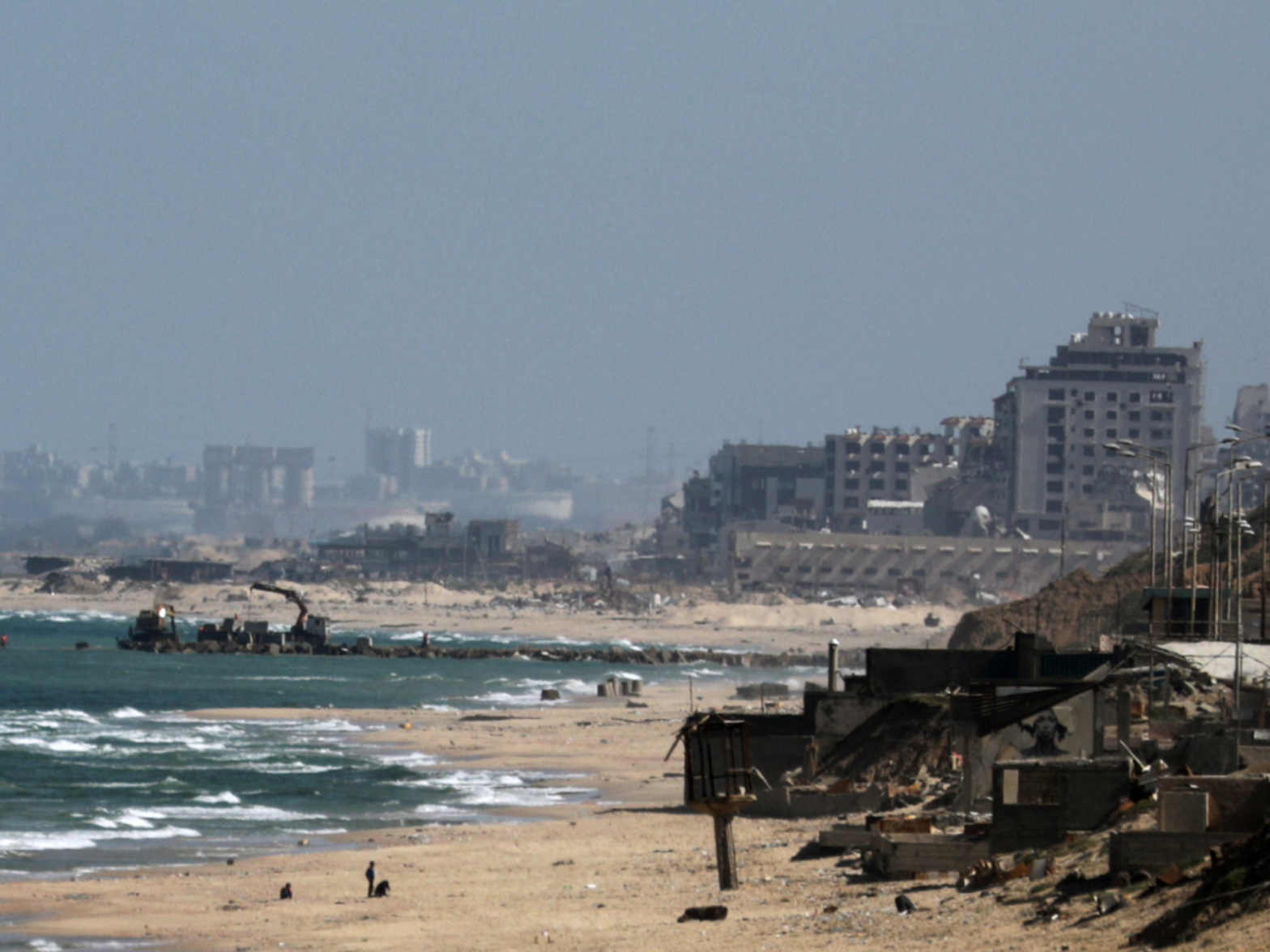
The U.S. pier and sea corridor aims at isolating Gaza from its Arab neighbors, paving the way for the incoming authority, and facilitating attacks on the resistance.
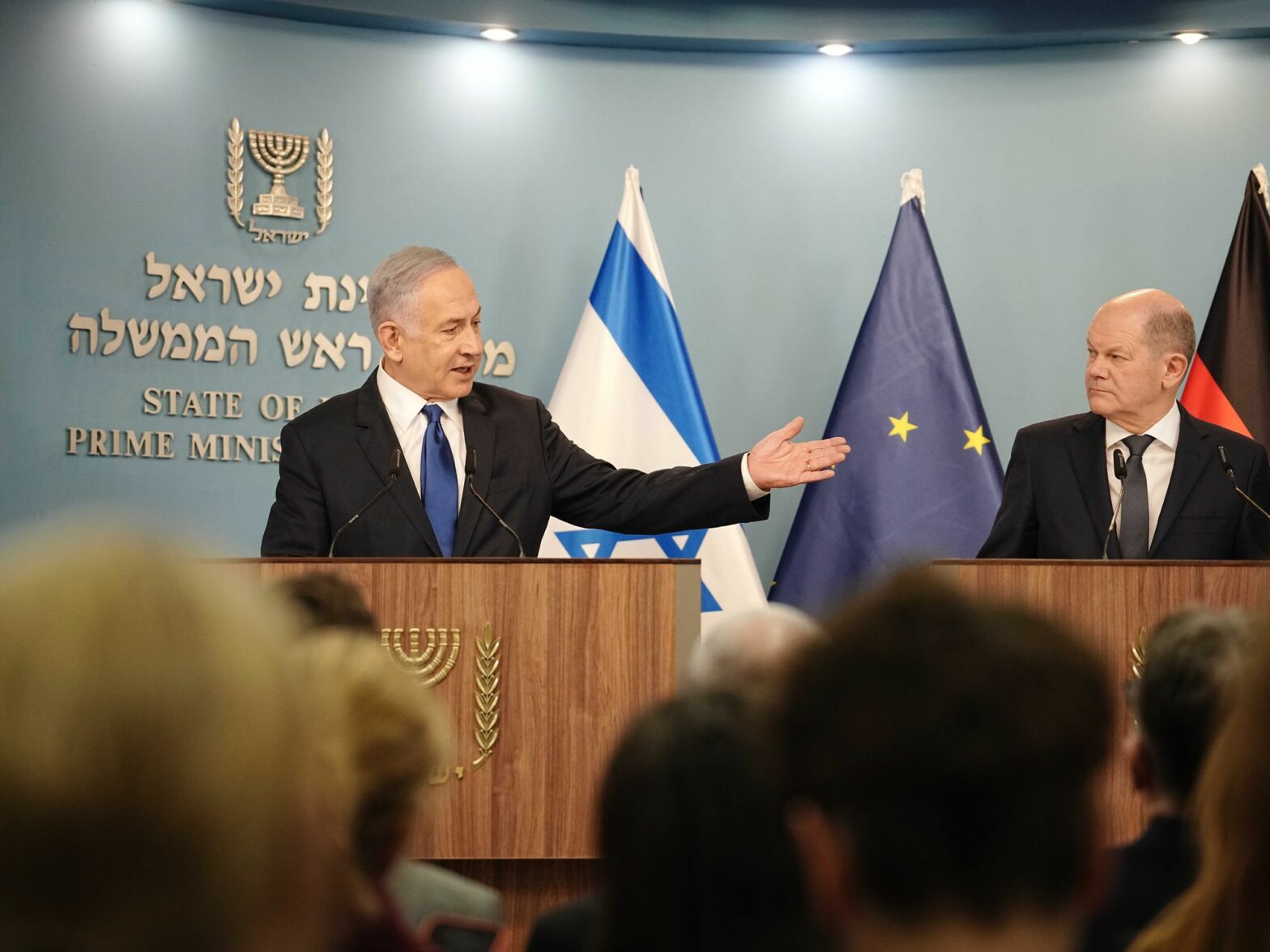
As Western leaders criticize Netanyahu and his war in Gaza, the Israeli Prime Minister apparently remains fully confident in forging ahead with a hardline that leaves a brutal human toll.
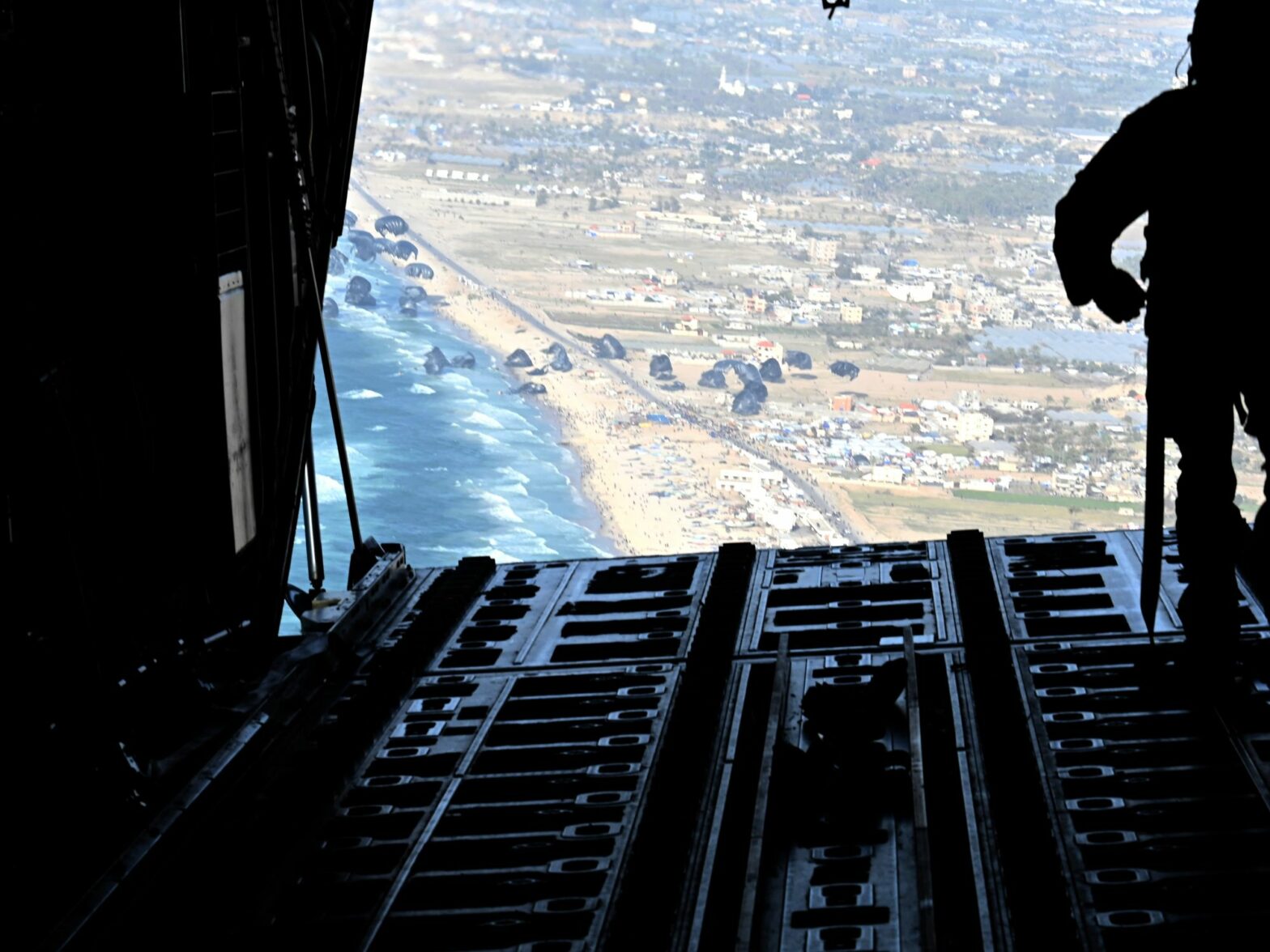
U.S. President Joe Biden said this weekend that “Netanyahu is doing Israel more harm than good”: a phrase that speaks volumes about the lack of trust between the two men, especially still without a ceasefire, and humanitarian aid blocked from entering an increasingly desperate Gaza Strip.

After Super Tuesday, Americans (and the world) are now virtually assured of another Biden-Trump showdown in November. It’s a chilling reminder to Europe that their fate is tied too closely to the whims of U.S. politics.
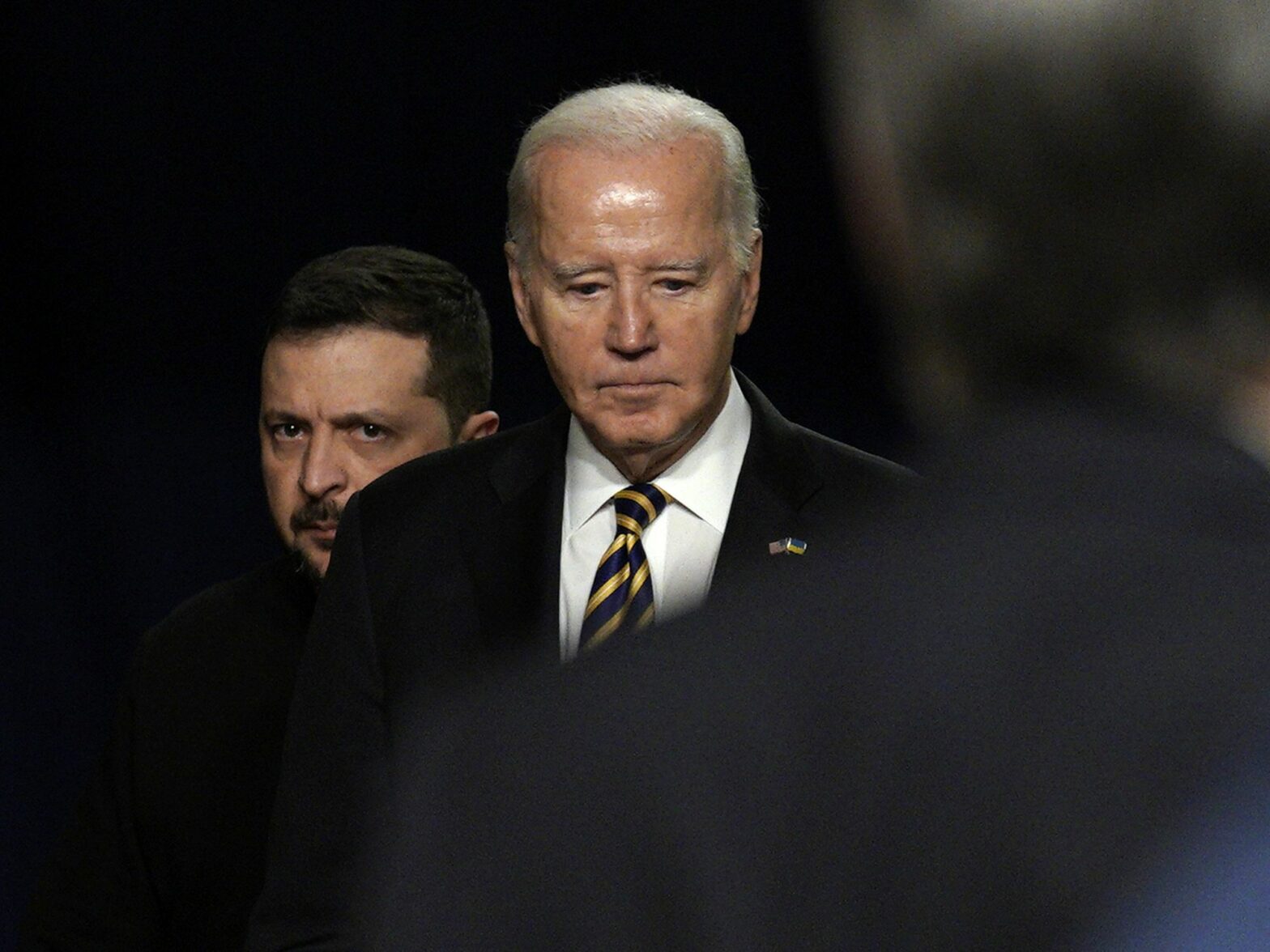
With U.S. elections slated for November, support to Ukraine is becoming a divisive electoral issue. Wednesday’s vote in the U.S. Senate over Ukraine aid will be telling, but it won’t end there.

By sanctioning violent settlers in the West Bank, U.S. President Biden aims to reassure voters unhappy with his support for Israel, and to push Israeli Prime Minister Netanyahu to accept a ceasefire agreement.
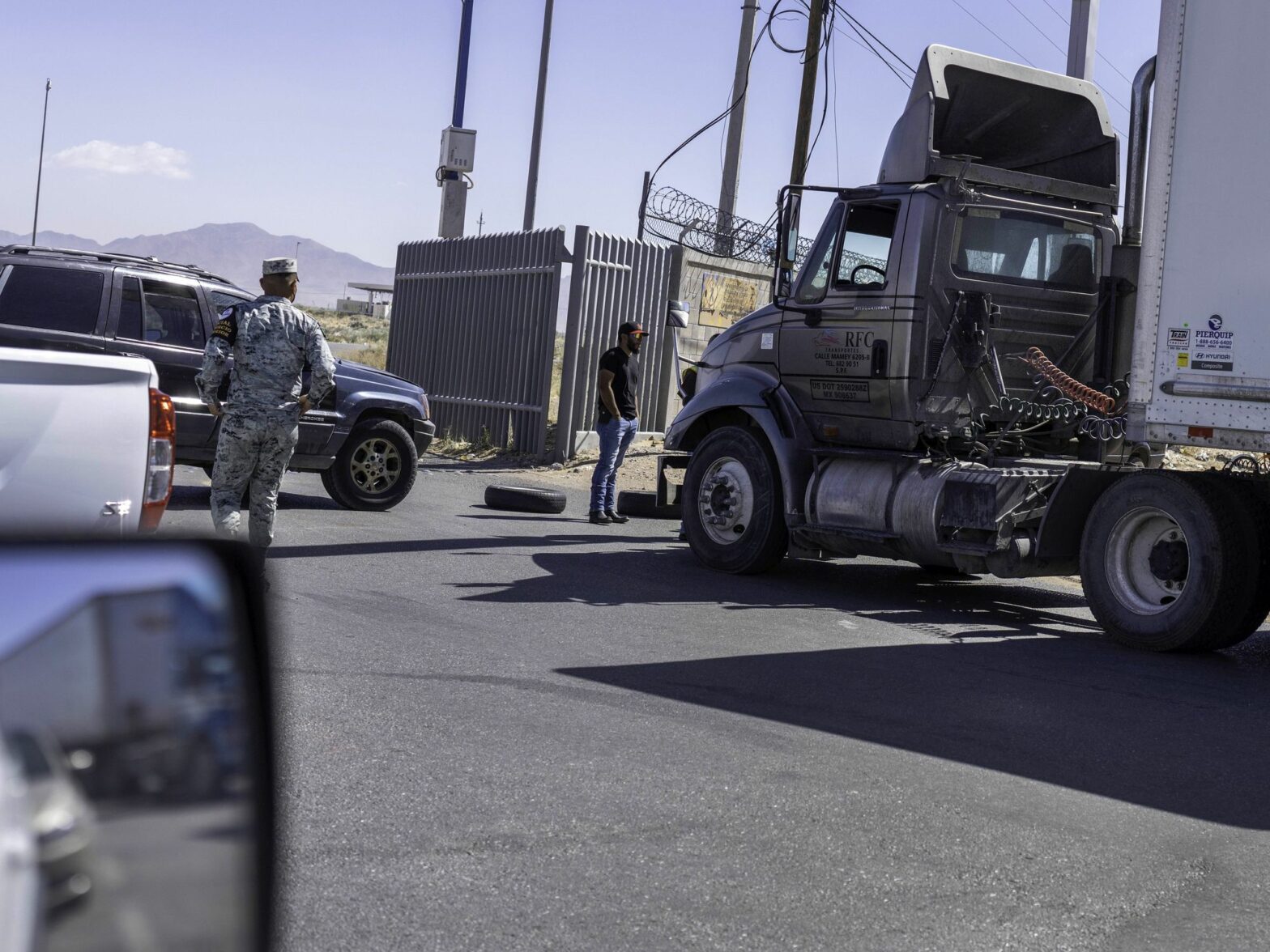
U.S. President Biden has quietly turned his Republican predecessor’s anti-foreign posturing into economic policies that strongly favor domestic manufacturing. Does Mexico, which depends on massive exports to the U.S., have anything to look forward to in the upcoming presidential elections?
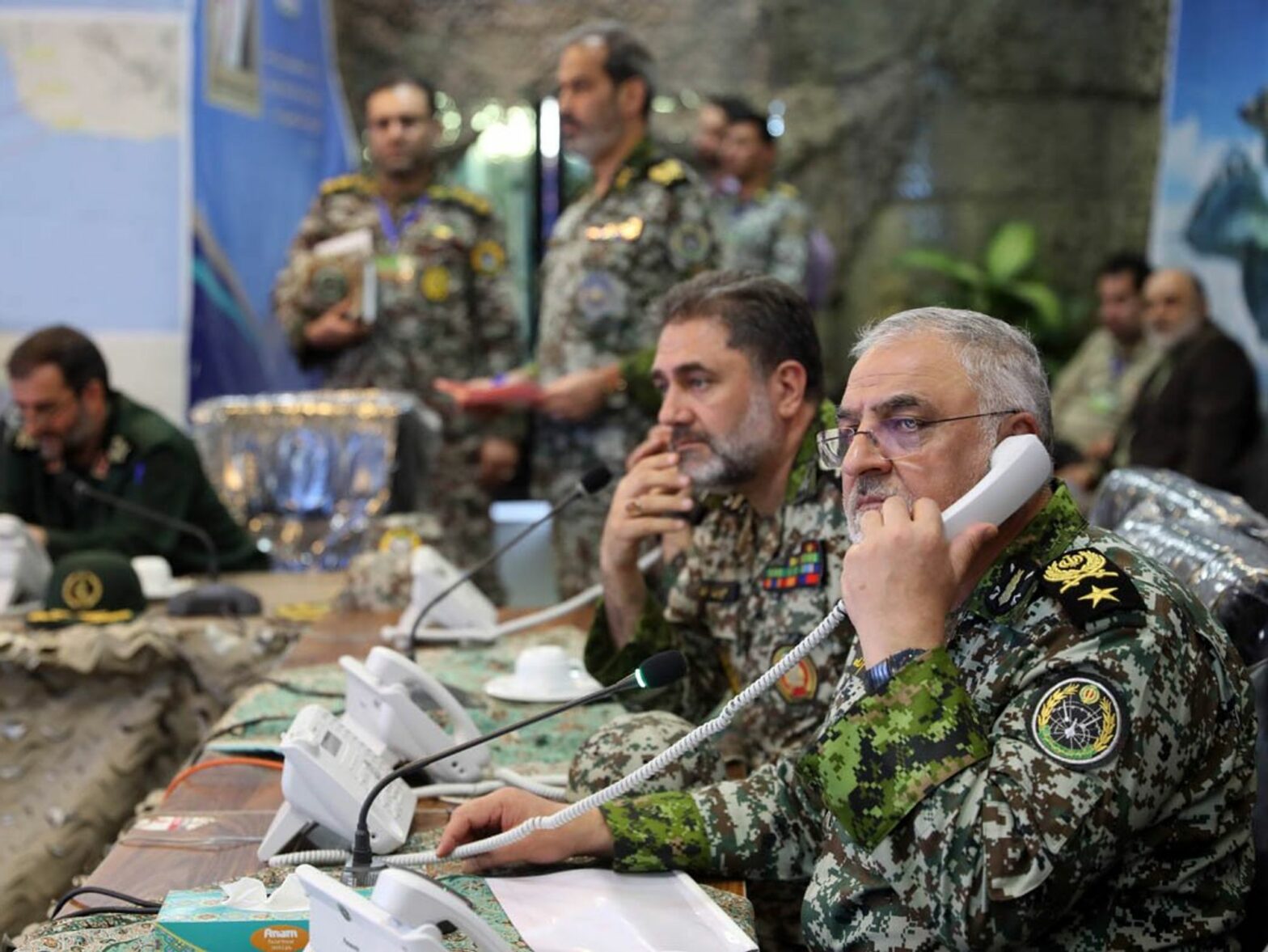
The death of three U.S. soldiers has raised the stakes in a low-simmering, but constant escalation between Washington and Tehran that could explode from the shadows of the war in Gaza — even if by pure accident.
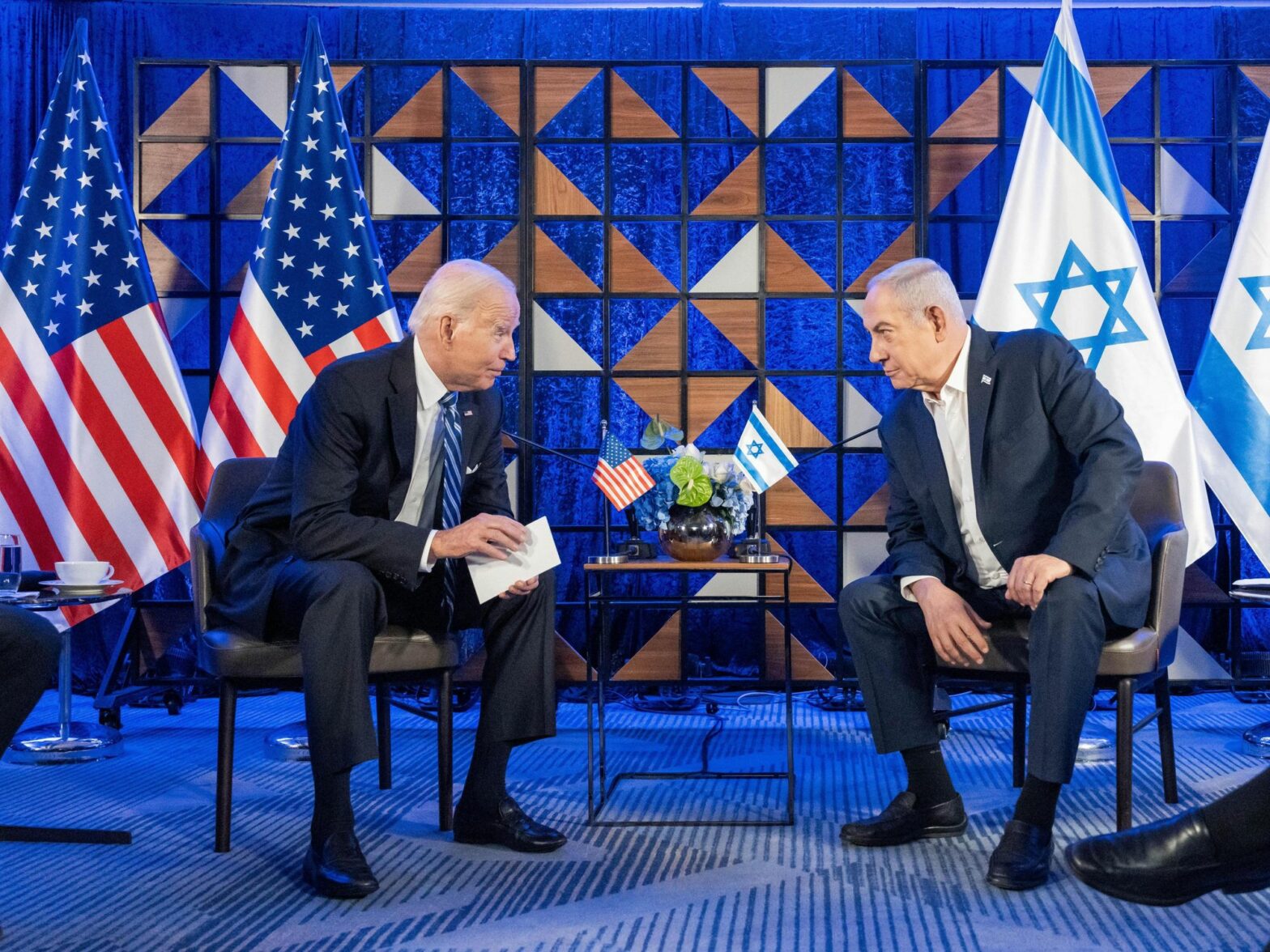
The rising tensions between U.S. President Joe Biden and Israeli Prime Minister Benjamin Netanyahu are about different visions of the geopolitics of the Middle East — but the stakes are also personal for each leader.
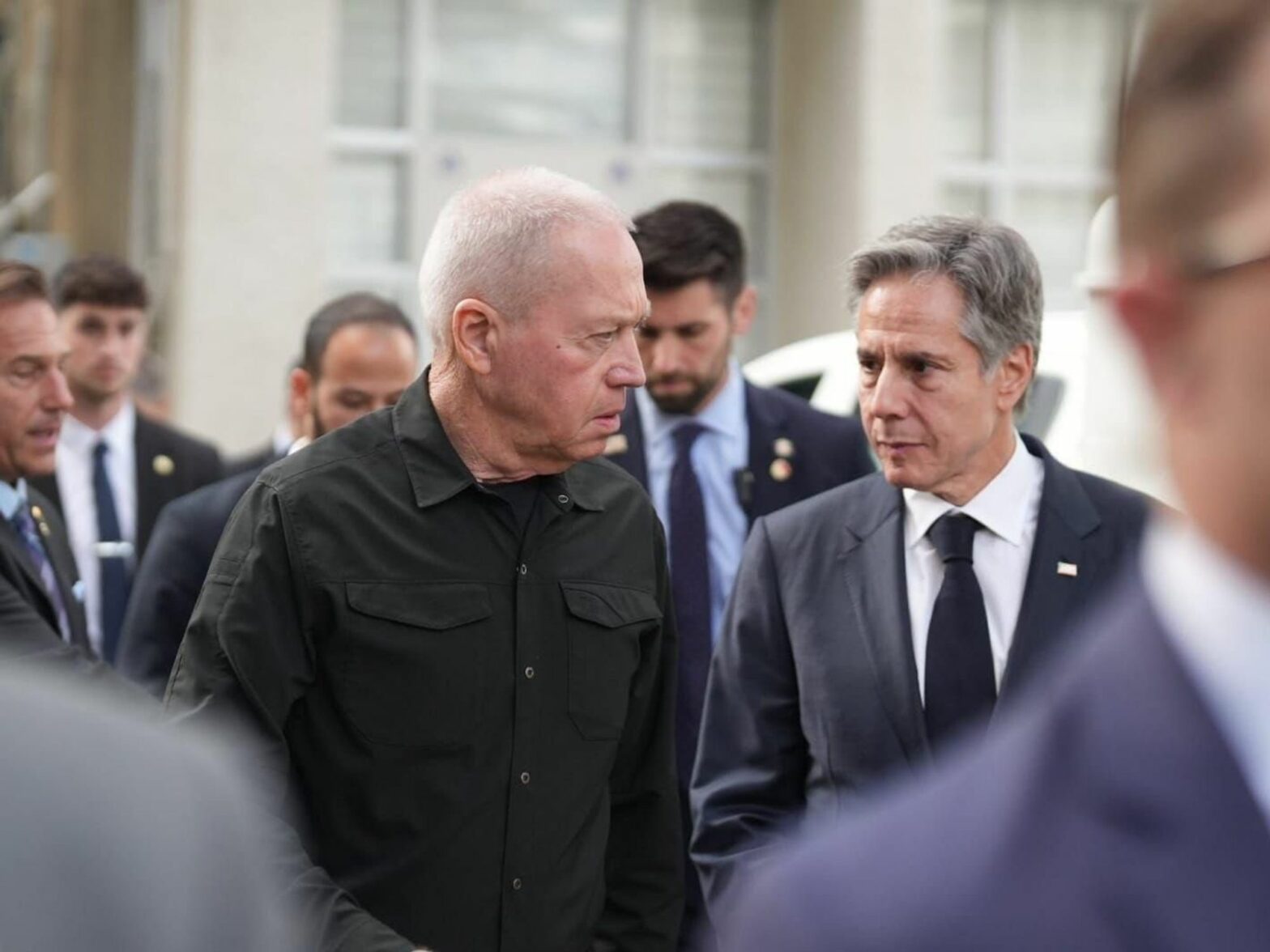
Ahead of Secretary of State Antony Blinken’s arrival, Israeli officials declared that the army will shift to a more targeted campaign in Gaza. Benjamin Netanyahu may just be bidding his time.
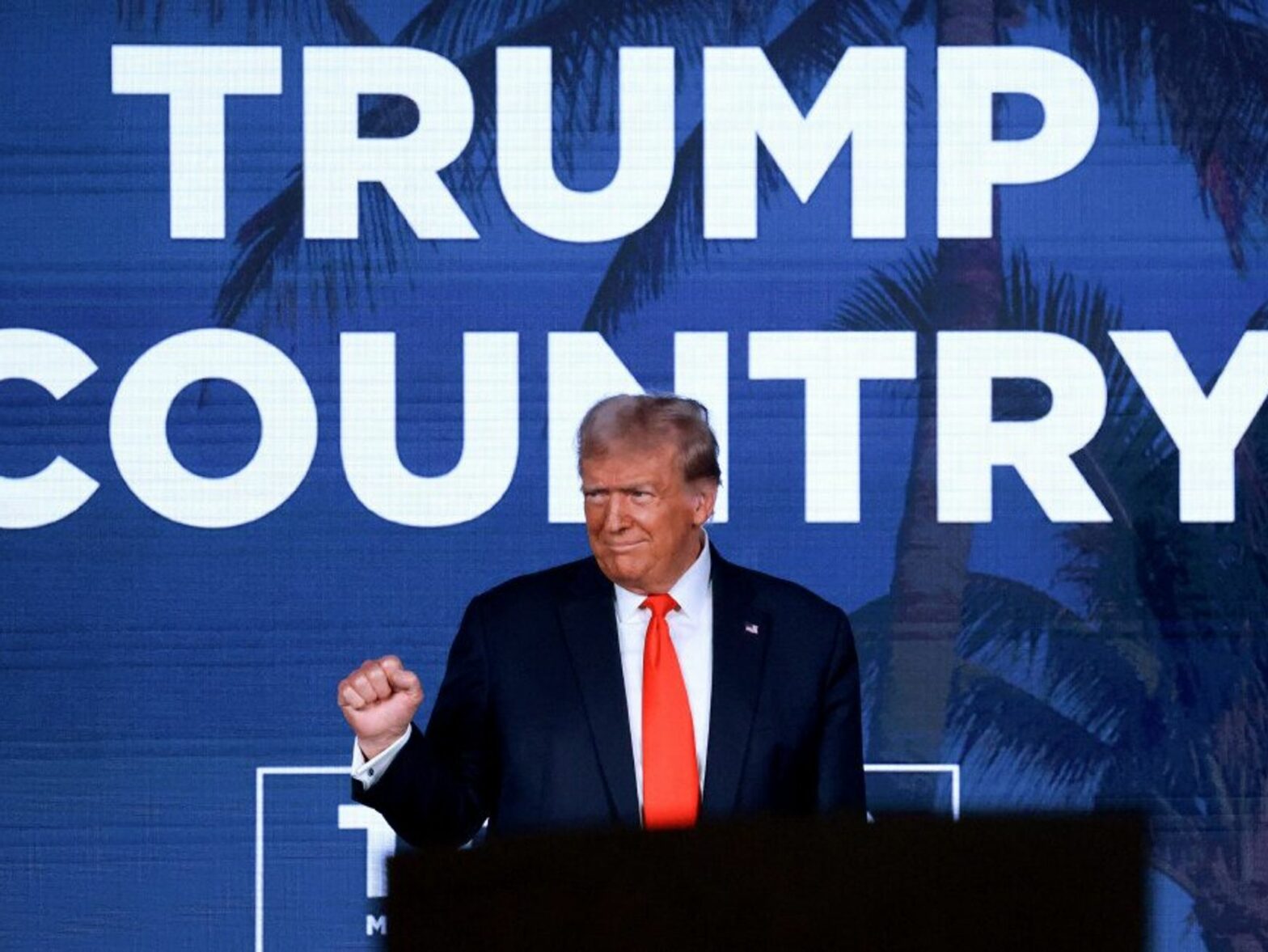
It’s early January and already, former U.S. President Donald Trump’s presence can be felt on every current geopolitical situation. With his return in the White House becoming less and less unlikely, leaders are already factoring in what a second Trump era would mean for the world.

Ukraine’s Western allies seem to be sticking to a strategy of giving the country just enough weapons to defend itself, but not enough to win.
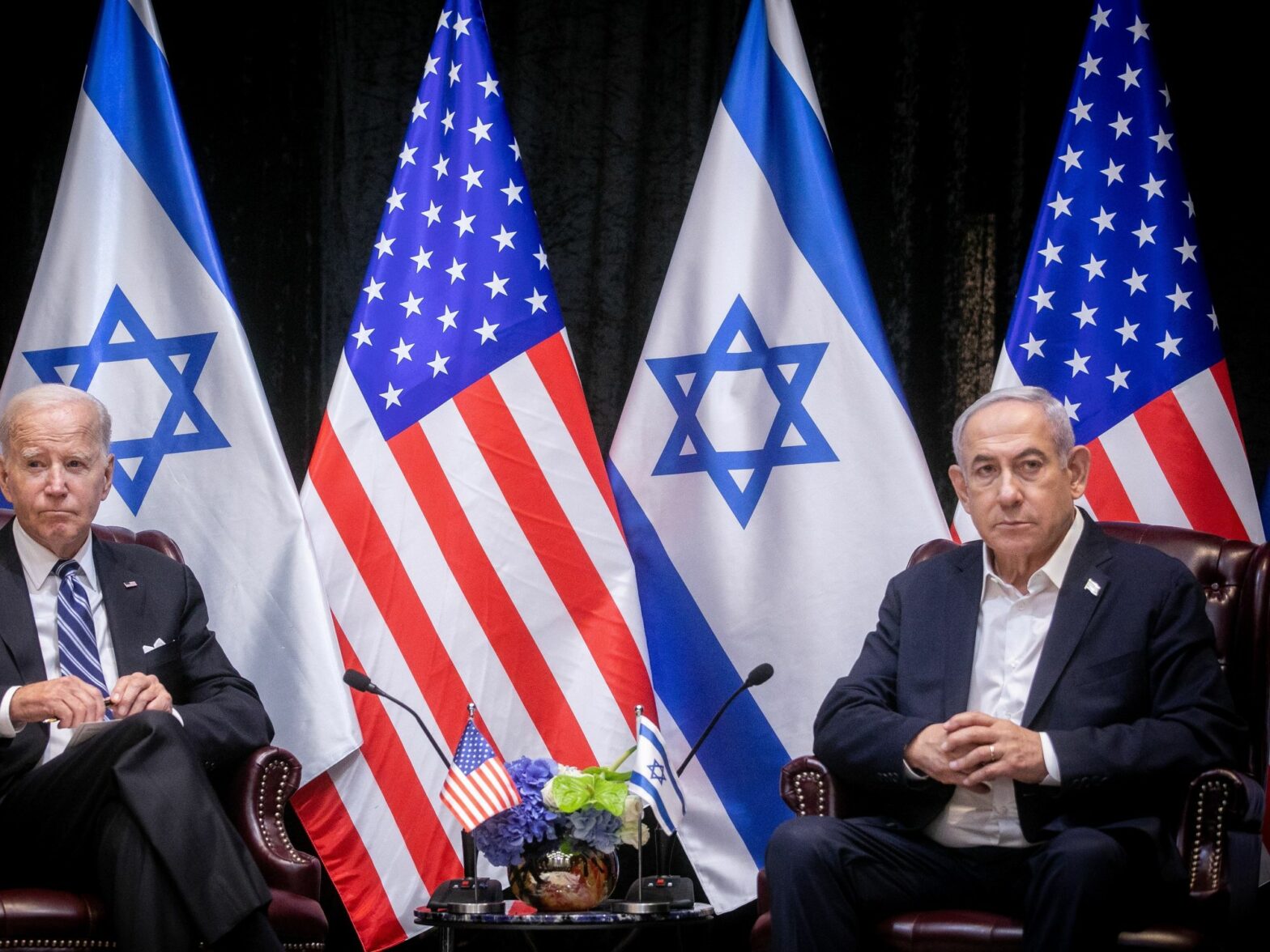
U.S. President Joe Biden’s tough words for Benjamin Netanyahu cannot really be reconciled, and point to a paradox: Netanyahu may be the warlord whom the army obeys, but he is also a politician whom the vast majority of his fellow citizens would like to see leave.

If computing power becomes a major tool for superpowers like China and the U.S., then what does the latest U.S. technology blockade mean for the race to a more powerful AI? Honk Kong-based daily The Initium looks at the nuclear race of our time, with chips as the modern-day equivalent of enriched uranium.
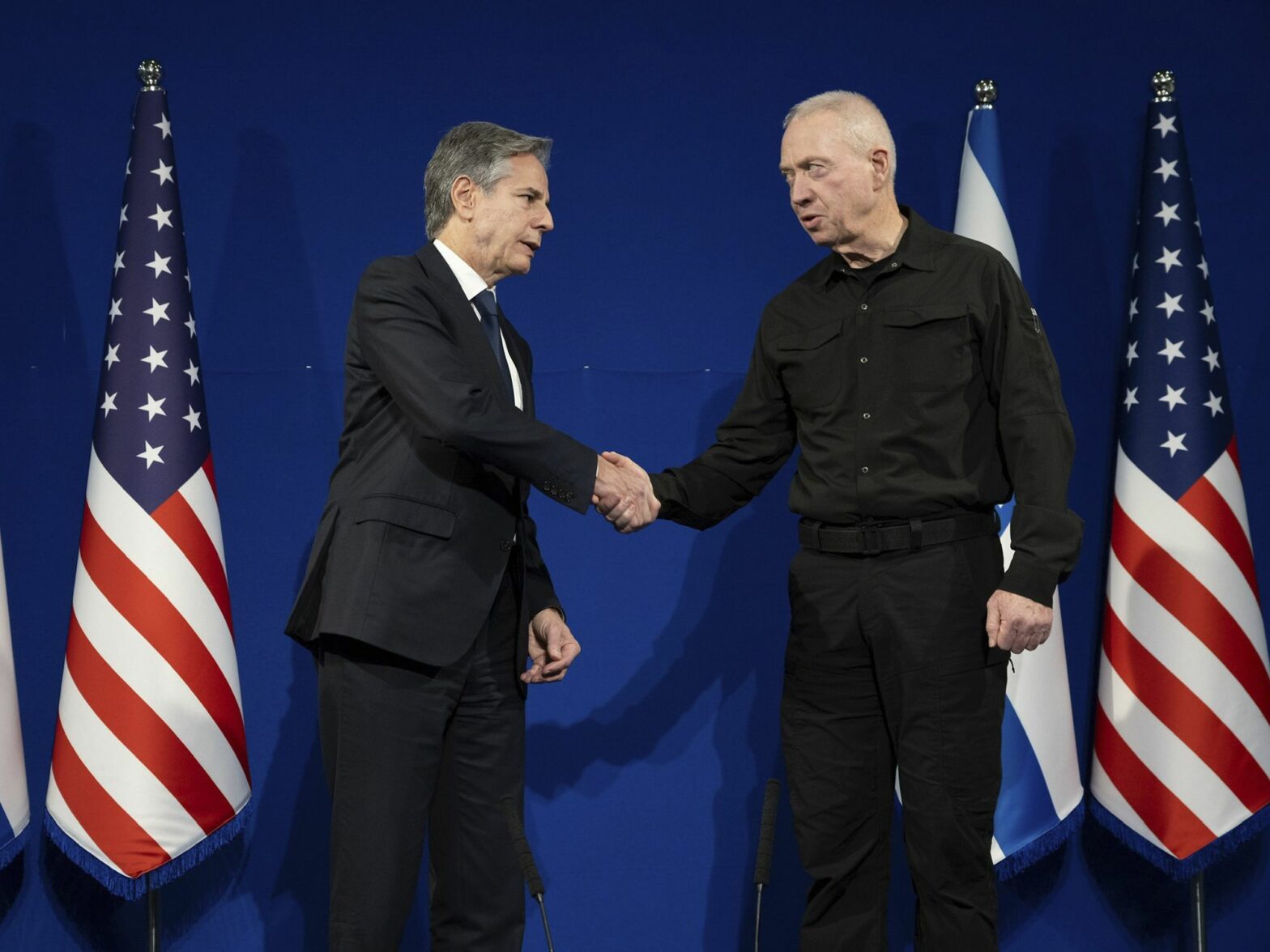
In the Israel-Hamas war, Qatar now plays the key role in negotiations, while the United States appears increasingly disengaged. Shifts in the region and beyond require that Washington move quickly or risk ceding influence to China and others for the long term.
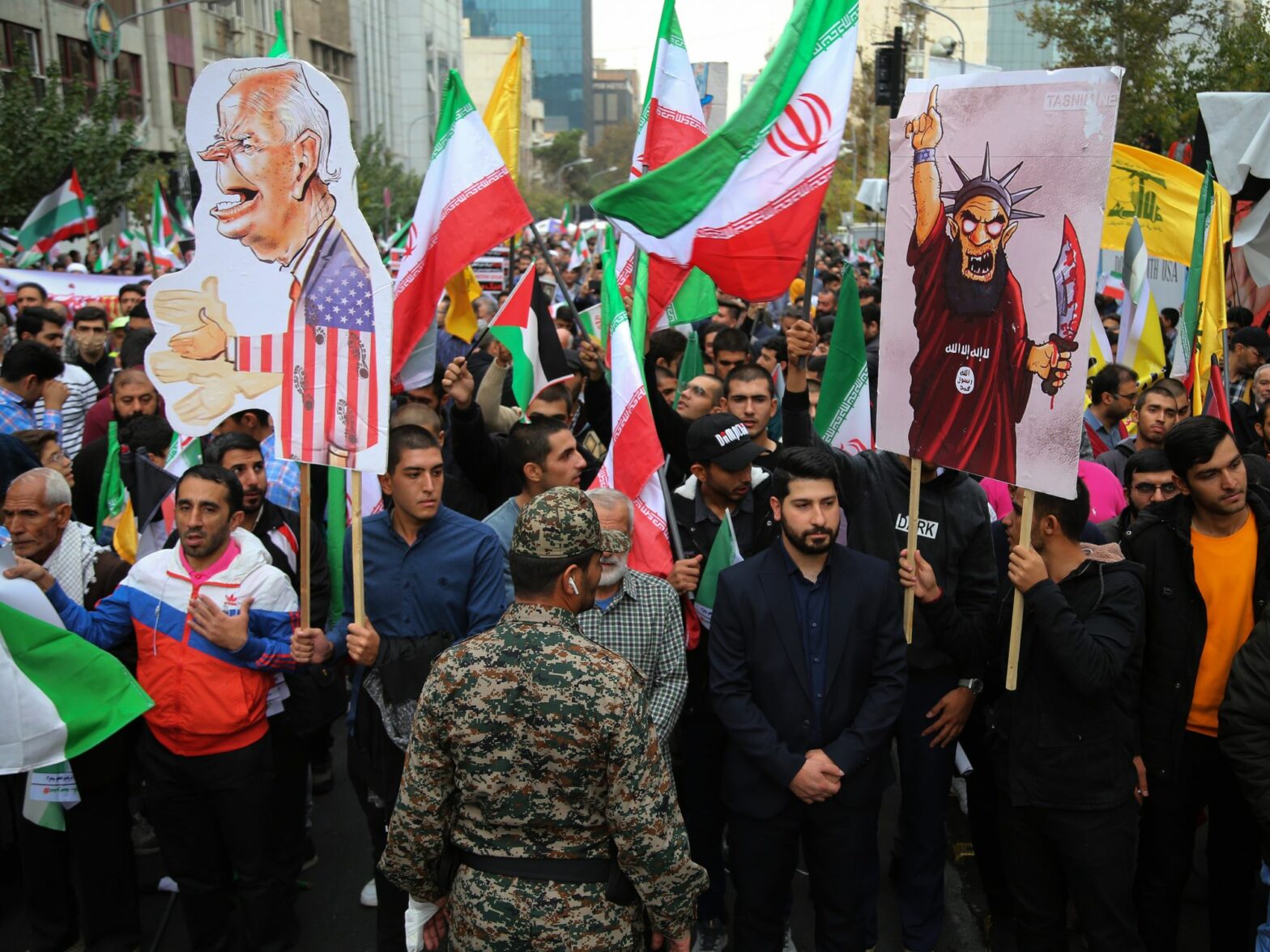
The West’s decision to pressure Israel over Gaza, and indulge Iran’s violent and troublesome regime, follows the U.S. Democrats’ line with the Middle East: just keep us out of your murderous affairs.
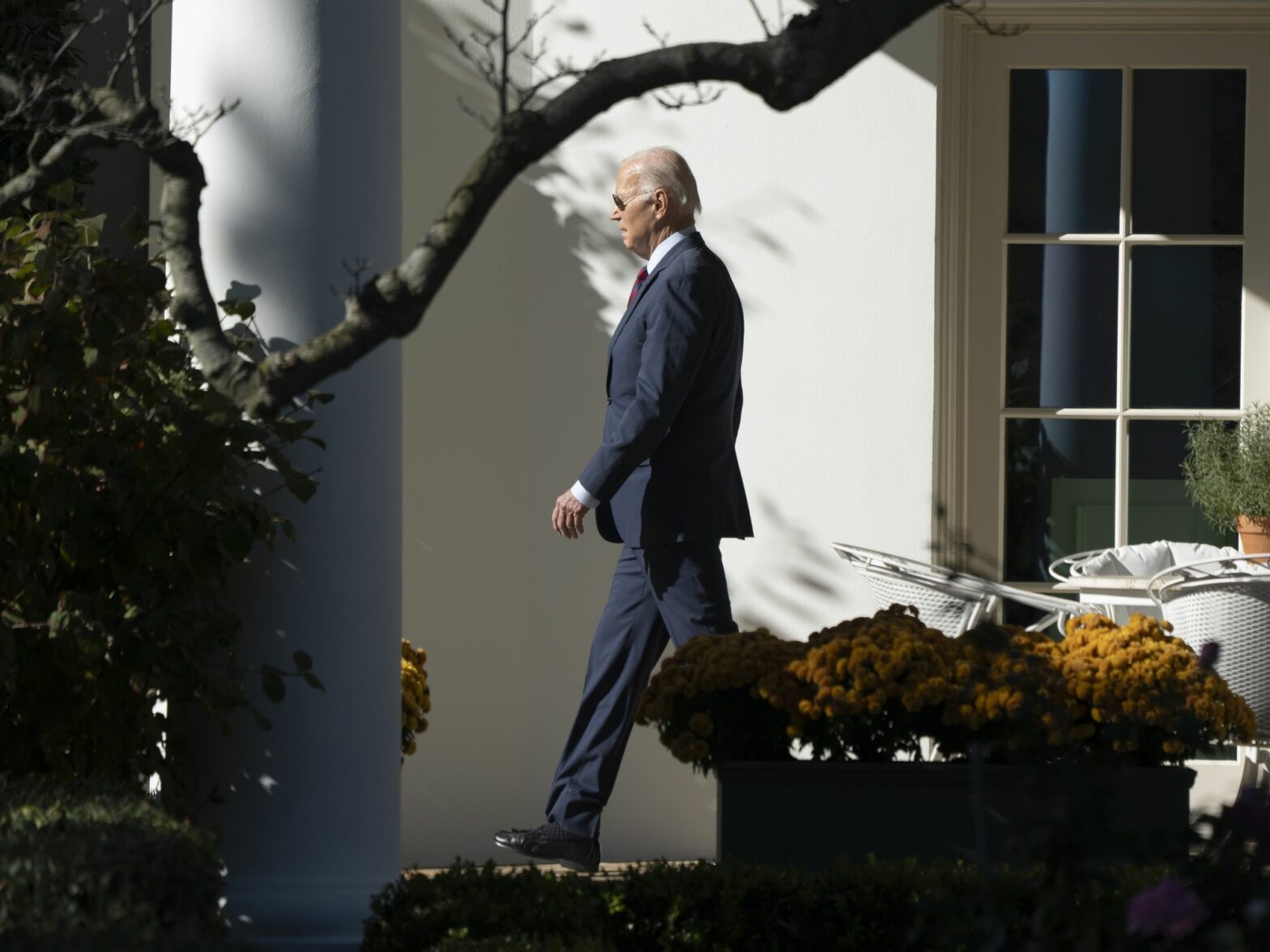
Challenged back home, U.S. President Joe Biden has just published an op-ed in the Washington Post in which he outlines a future for the Palestinian territories that’s different from the one envisaged by Israeli Prime Minister Benjamin Netanyahu, and threatens violent settlers in the West Bank with sanctions. But where are the teeth?
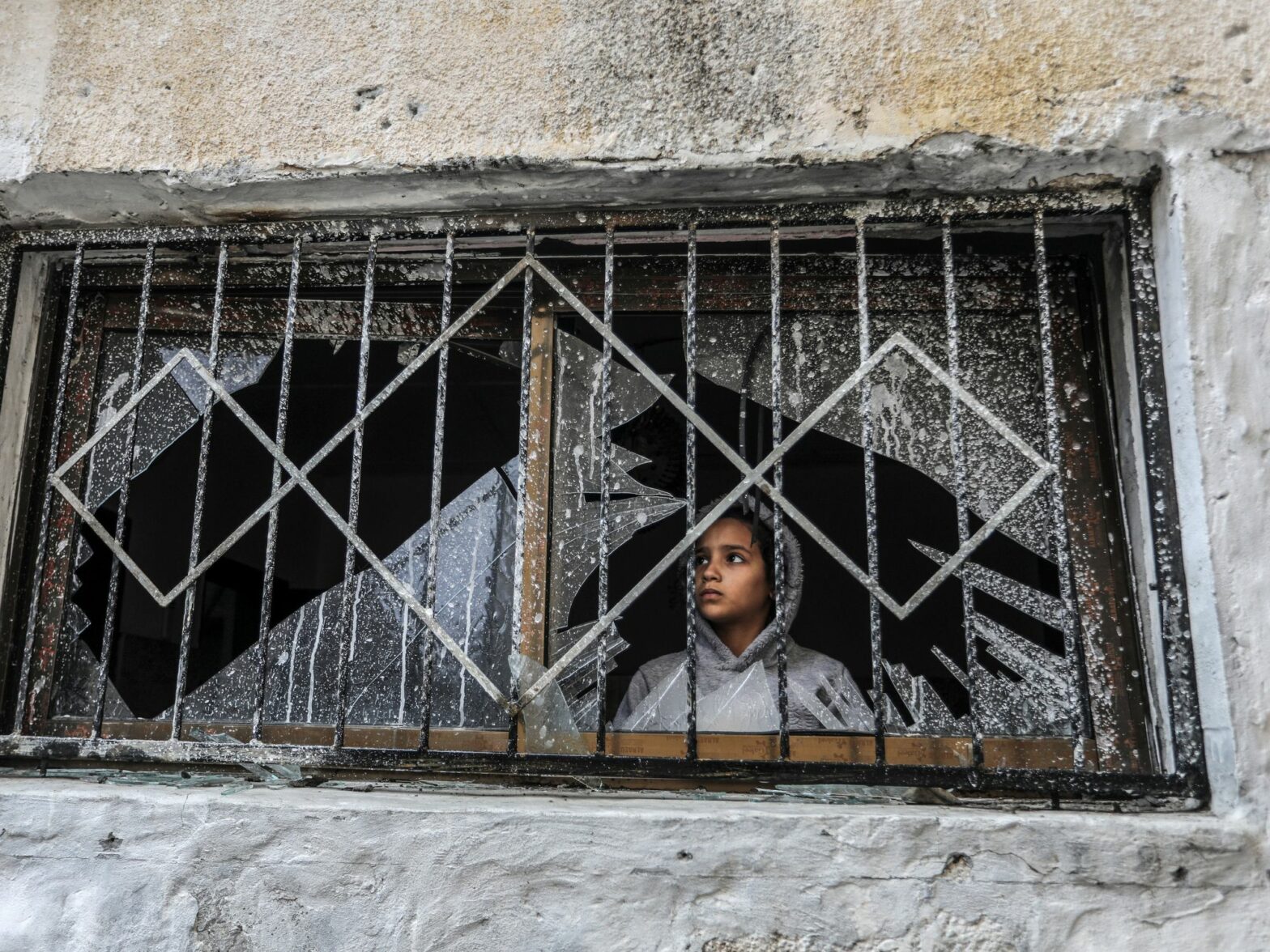
Launching a ground invasion in the south of Gaza, where residents have been forced to flee, will be virtually impossible for the Biden Administration to accept.
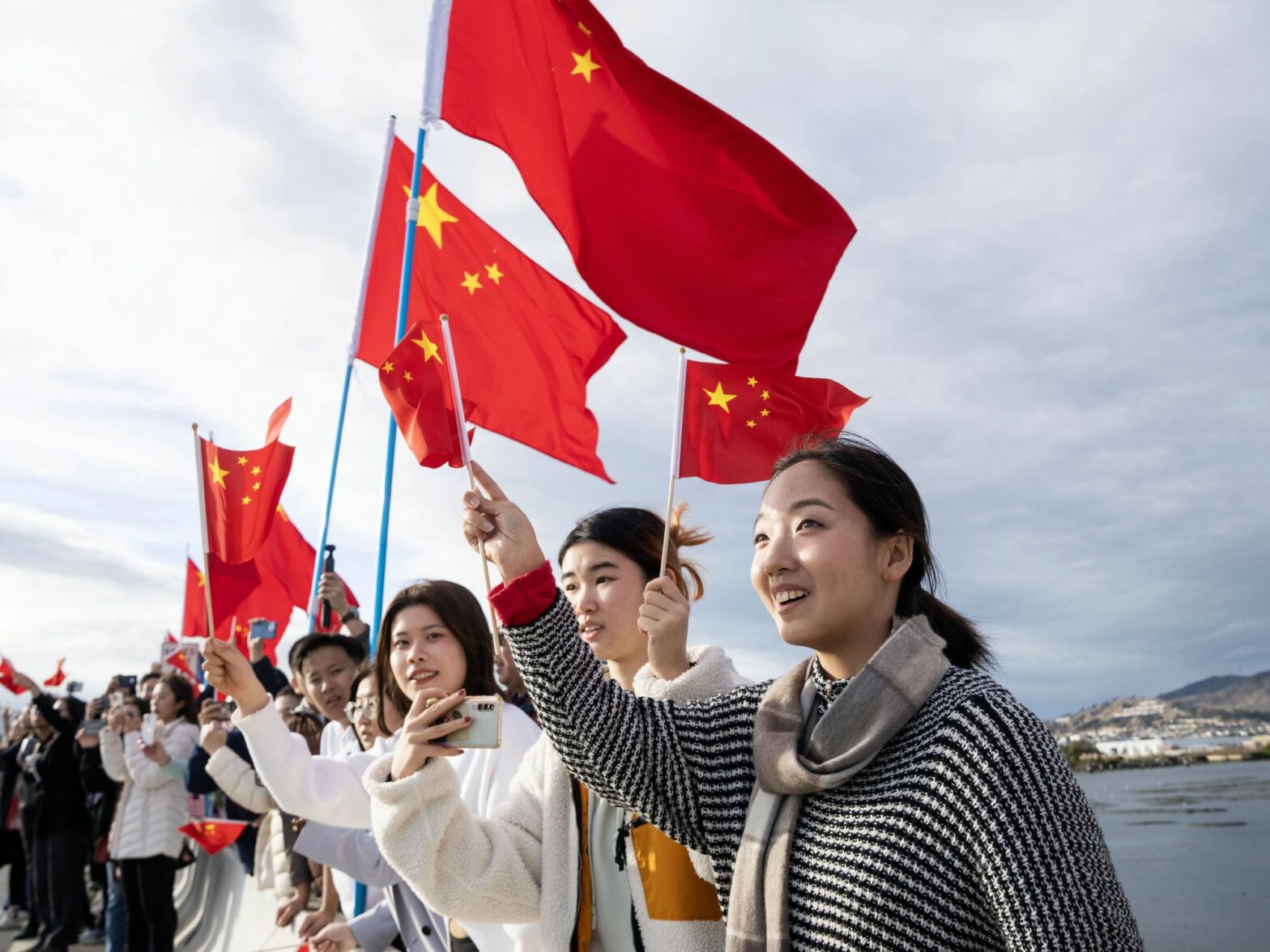
The highly anticipated face-to-face between Joe Biden and Xi Jinping is about more than just global trade, it’s about putting the brakes on humanity sliding into total chaos and conflict.
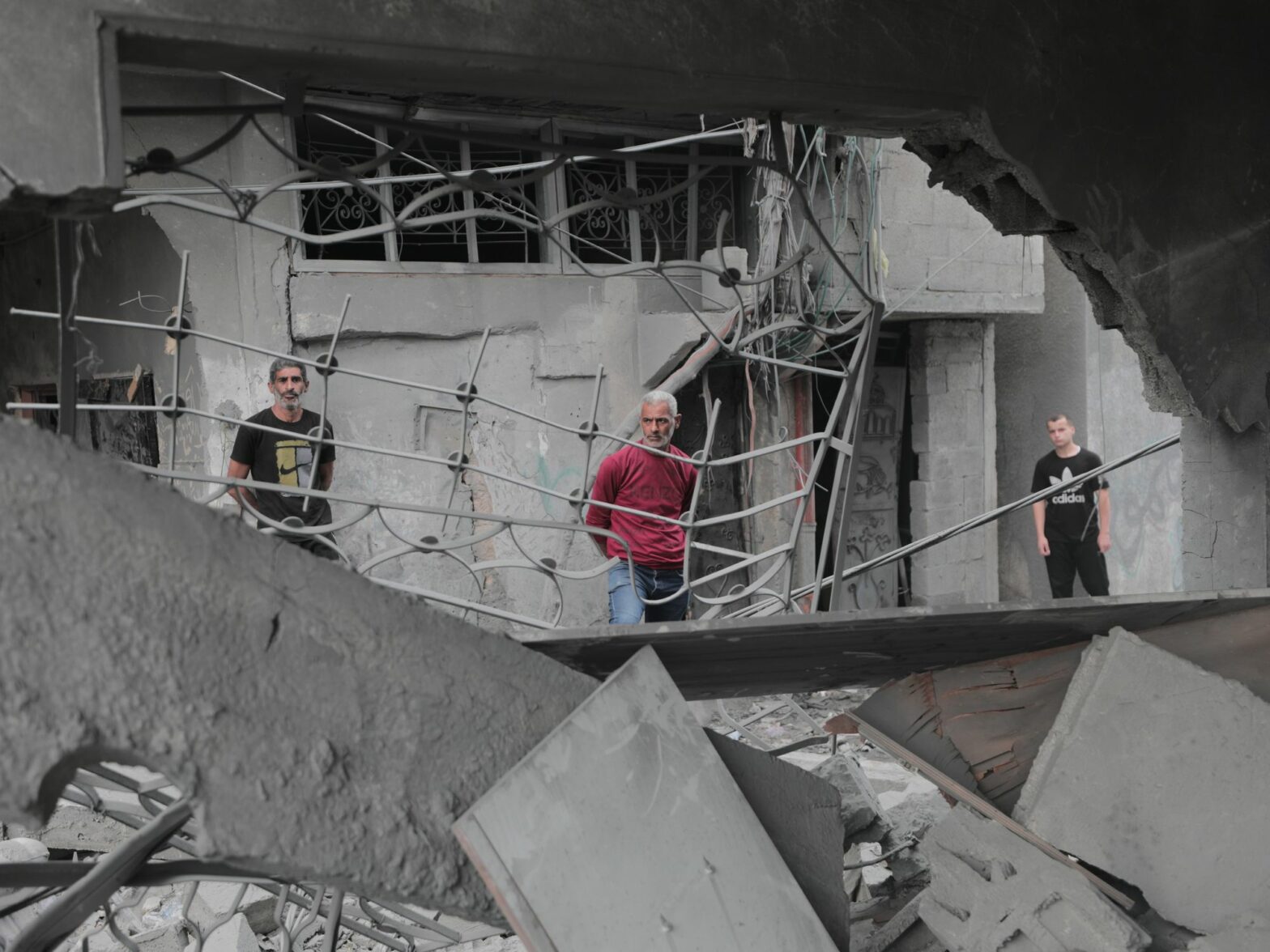
Washington, Moscow and Beijing can all, in different ways, emerge stronger from the war in Gaza war, says French geopolitical expert Dominique Moïsi. The U.S. has been more present in the Middle East since Oct. 7 — but so has Russia, while China is keeping relatively quiet.
The United States has found itself at the forefront of a conflict that the whole world is following. President Joe Biden faces the pull of public opinion, the threat of Iranian action, and the escalation of the Israeli state.
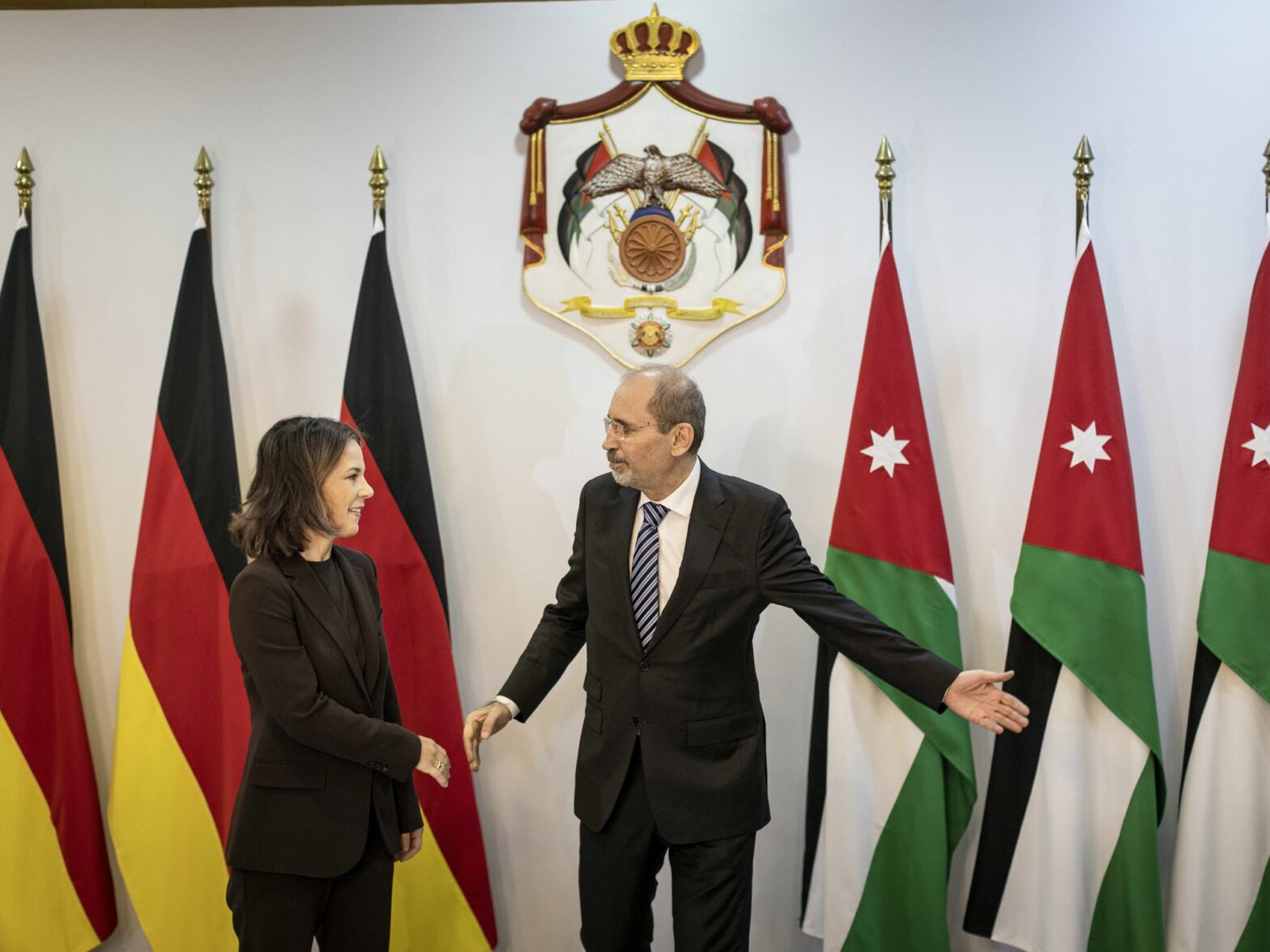
In Qatar, Egypt, Paris or on the phone, negotiators are busy trying to secure the release of hostages, push for “humanitarian pauses”, and prepare for the political aftermath of the war. Meanwhile, the war rages on in Gaza.
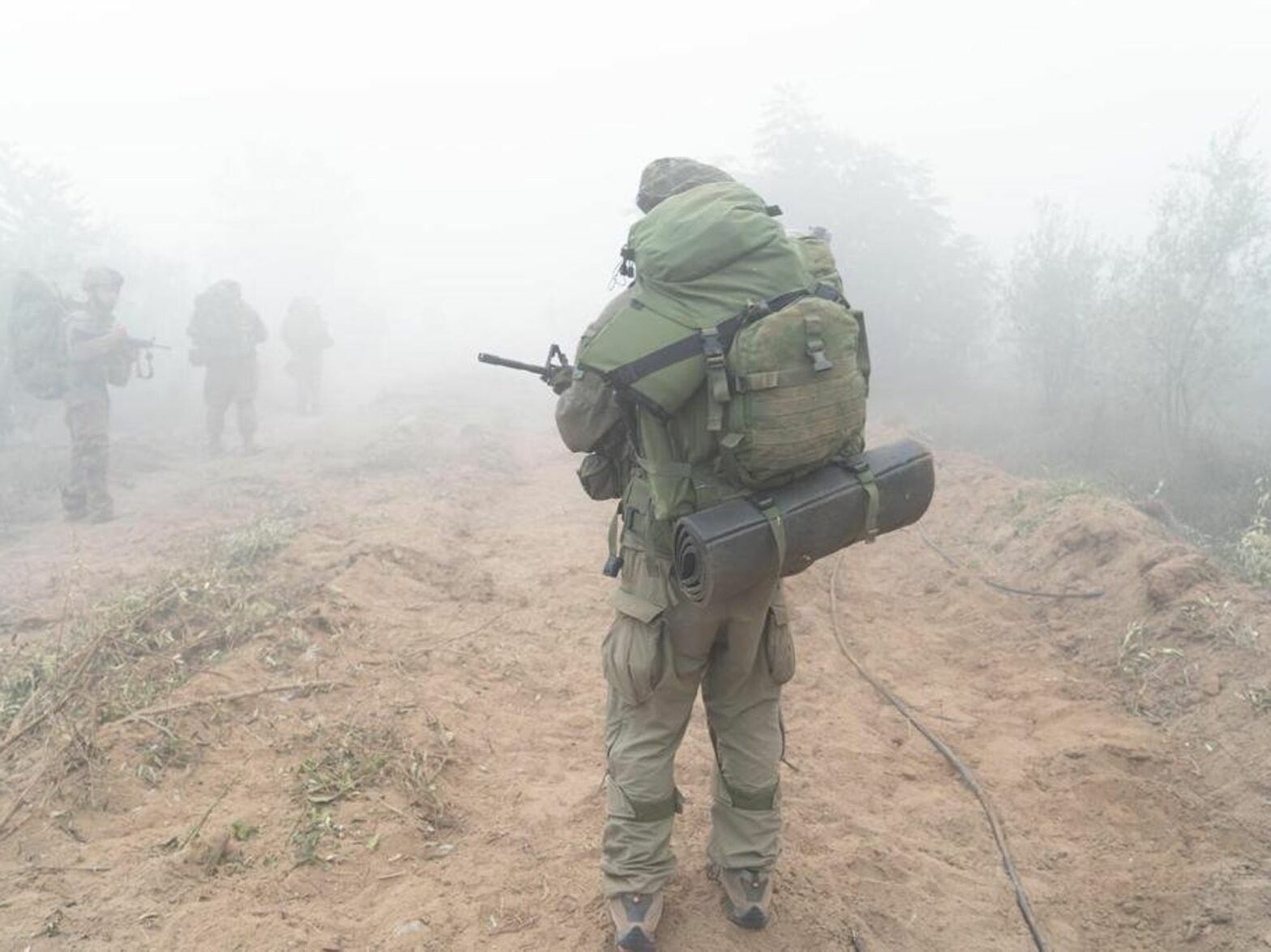
Prime Minister Netanyahu’s mention of “indefinite” control of security in Gaza does not sit well with Washington. Biden has a growing number of reasons to start pushing back against Israel’s war and post-war aims.

Marking one month of war in the Middle East, French political commentator Pierre Haski takes stock of three major geopolitical consequences.
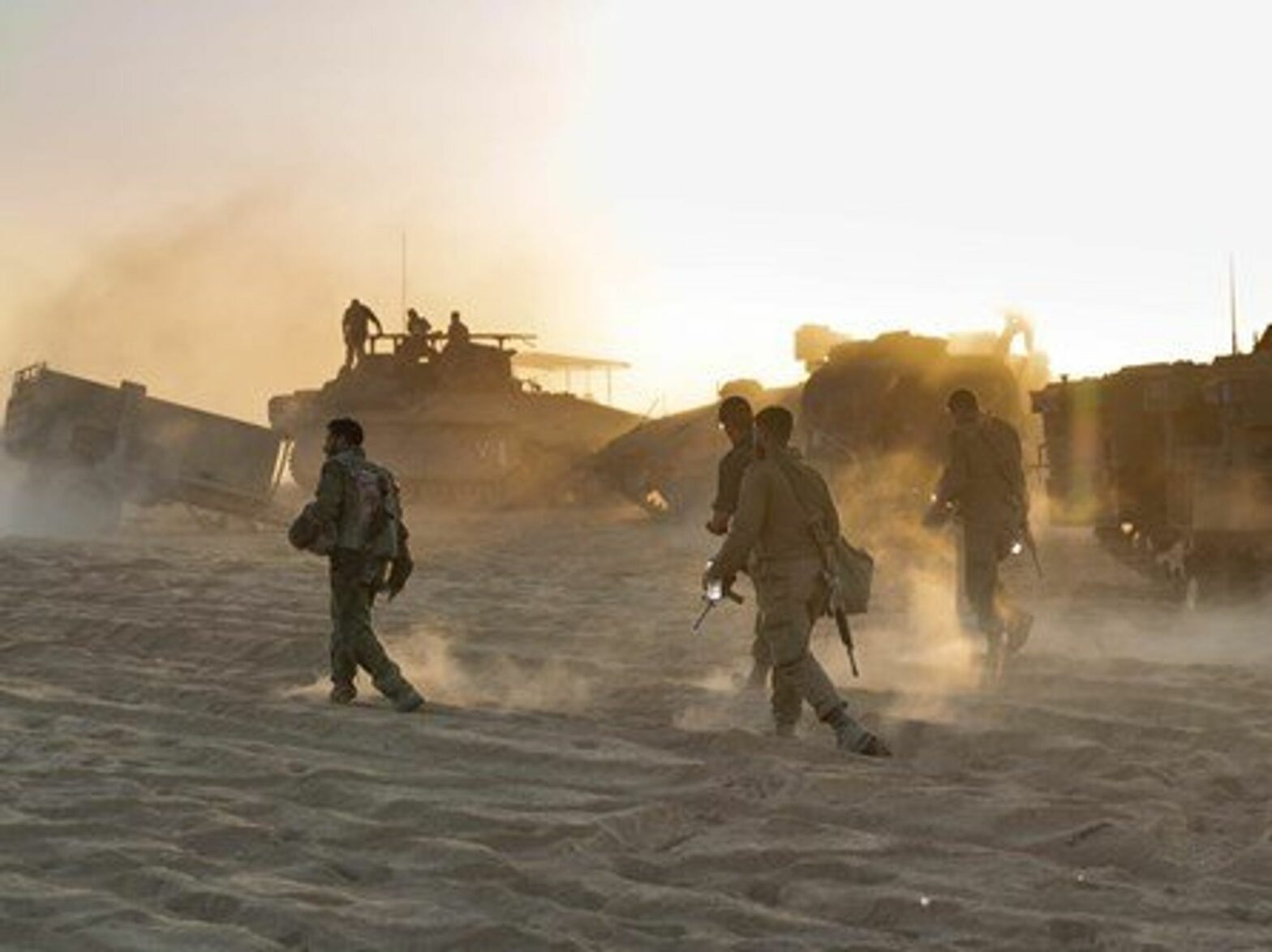
Calls for a “humanitarian pause” are multiplying as the war rages on for almost a month, but the West is careful not to talk about a ceasefire, which Israel totally rejects. Where does that leave us in a search for a way out?
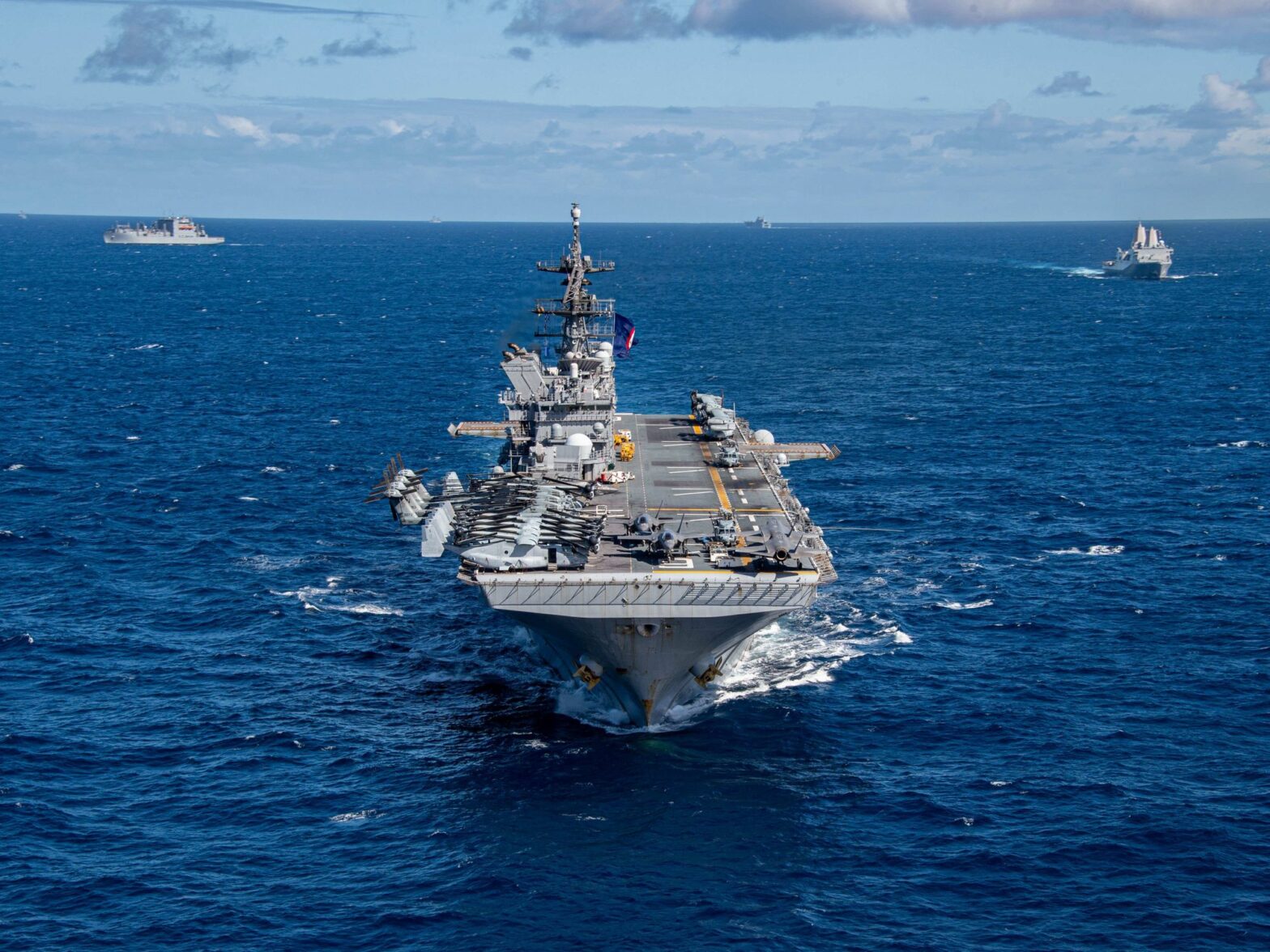
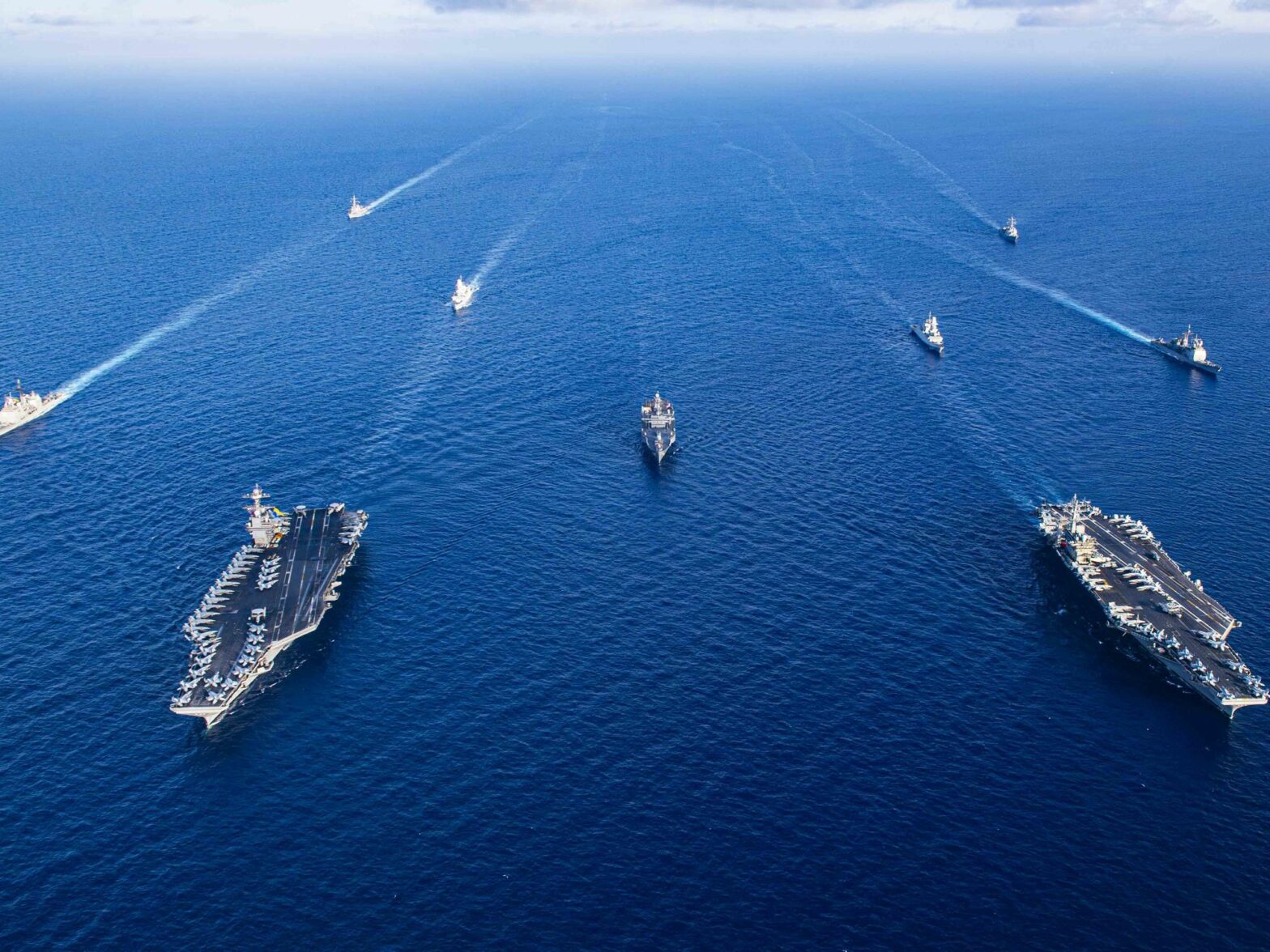
In the wake of Hamas’s attack on Israel, the United States, often projected as no longer wanting to be the region’s policeman, finds itself deploying aircraft carriers in the eastern Mediterranean and conducting F16 raids against Iranian targets in Syria. But the epoch-shifting challenge is elsewhere.
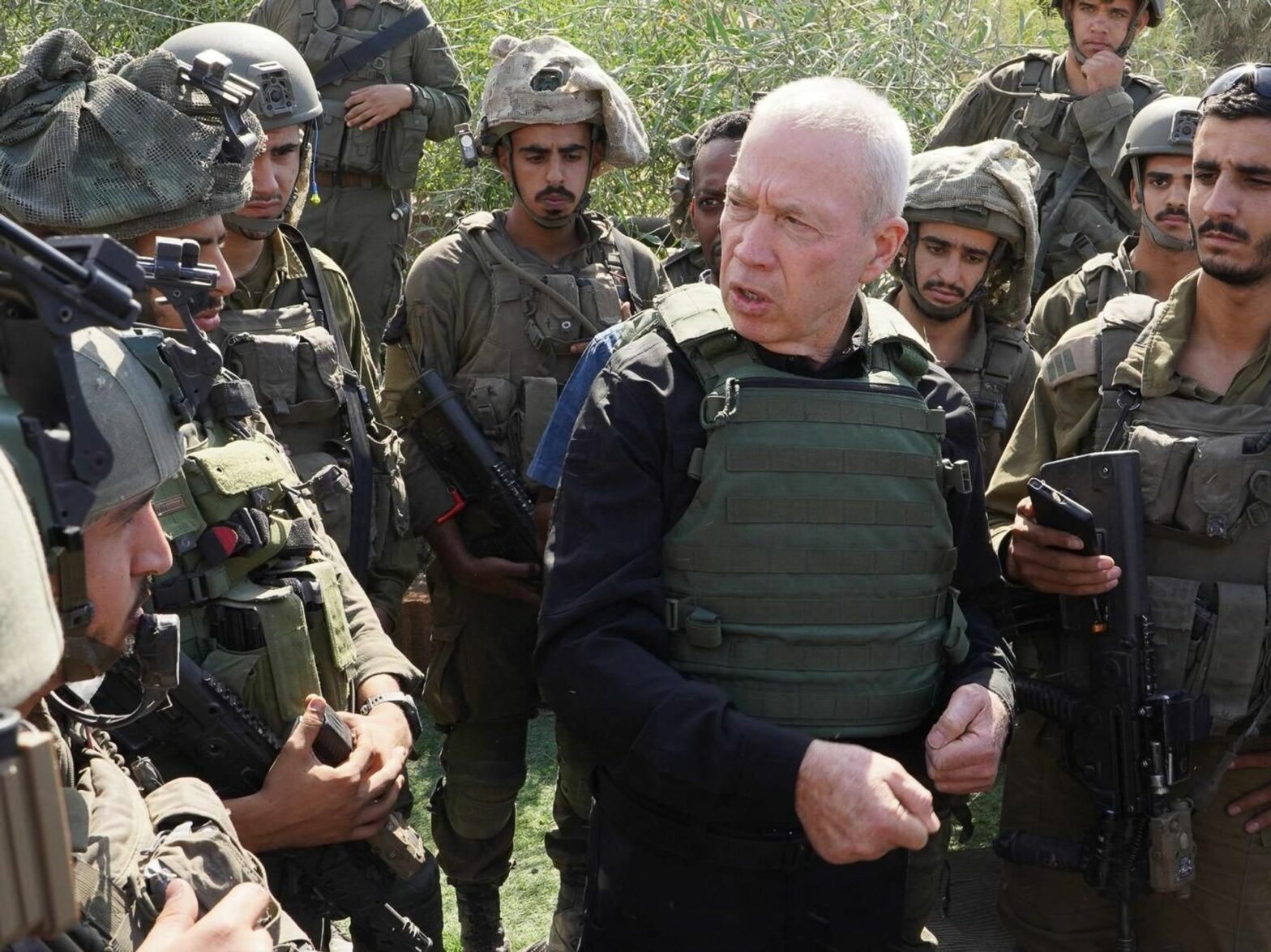
Also: Russia and Iran blast Biden’s speech, Aid blocked at Rafah crossing, Explosion at Gaza’s oldest church. And more…
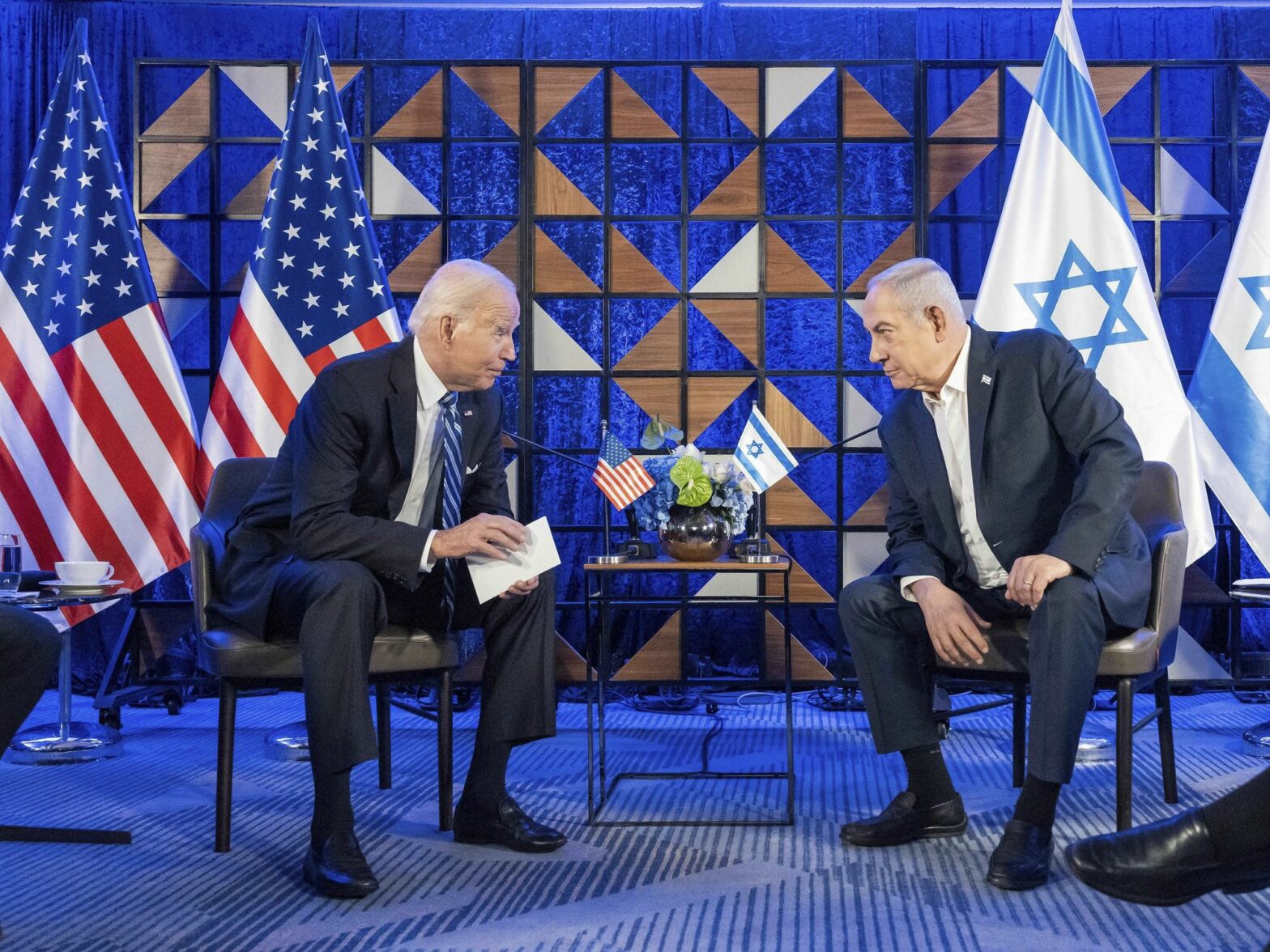
The American president succeeded in obtaining humanitarian corridors through Gaza, and supported Israel’s claims that it wasn’t responsible for bombing a Gaza hospital. But in the Arab world, he consolidated his image as Israel’s main supporter, and lost the political battle for public opinion.
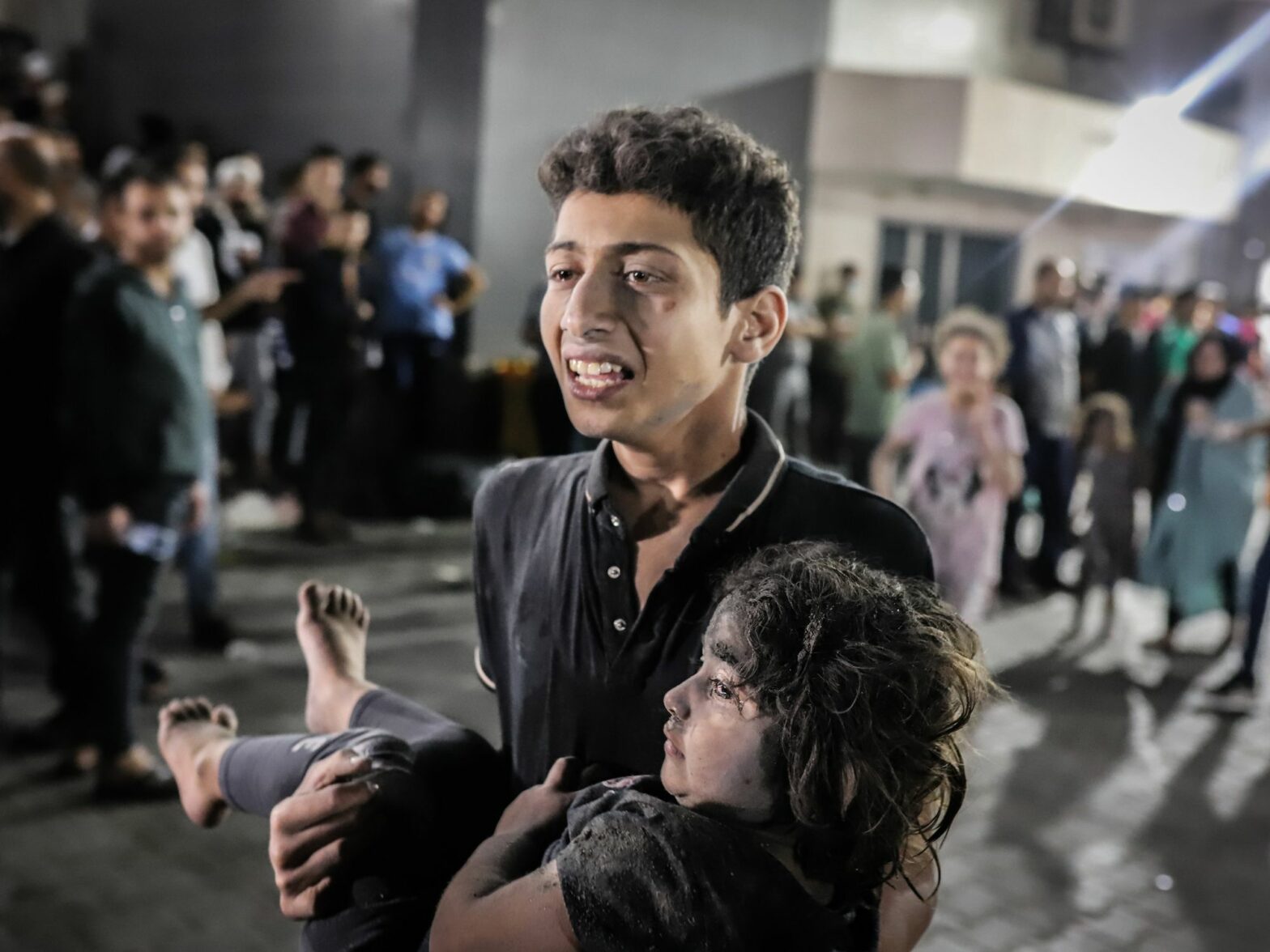
The strike on Gaza’s Al-Ahli hospital, which left hundreds dead, has changed the climate of the conflict between Israel and Hamas, even as the two sides shift the blame to each other. Calls for a ceasefire multiply as Joe Biden arrives in Israel.