Iran’s Supreme Leader Khamenei vowed on Friday that the country’s regional allies would “not back down” against Israel. Yet neither criticism of Tehran has been growing among Hezbollah supporters since the assassination of Hassan Nasrallah.
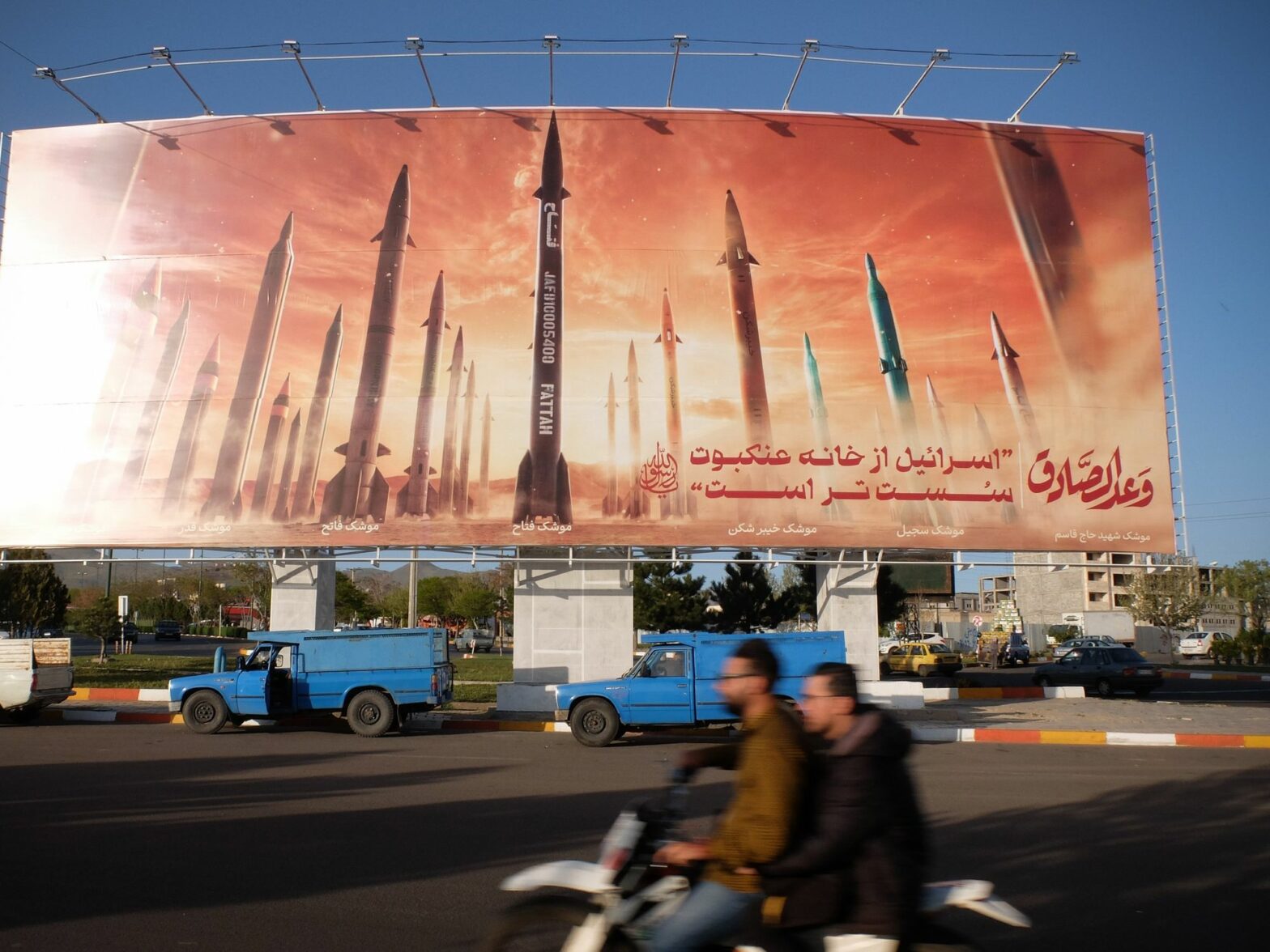
 Worldcrunch
Iran’s Supreme Leader Khamenei vowed on Friday that the country’s regional allies would “not back down” against Israel. Yet neither criticism of Tehran has been growing among Hezbollah supporters since the assassination of Hassan Nasrallah.
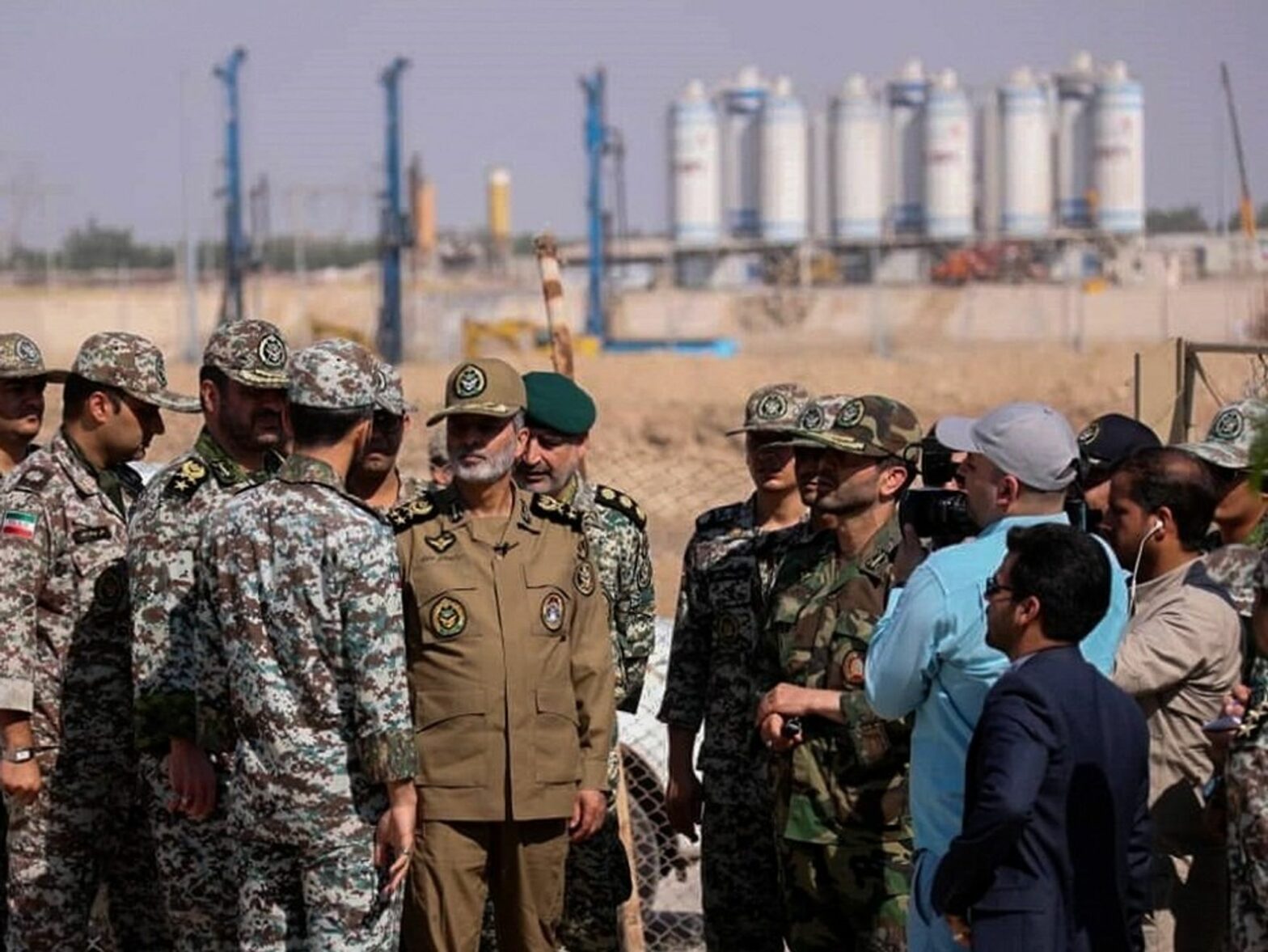
Iran decided on Tuesday to respond to the assassination of Hezbollah leader Hassan Nasrallah and Israel’s offensive in Lebanon, at the risk of Israel’s merciless retaliation. At stake is Iran’s nuclear program, which Israel has long wanted to destroy.
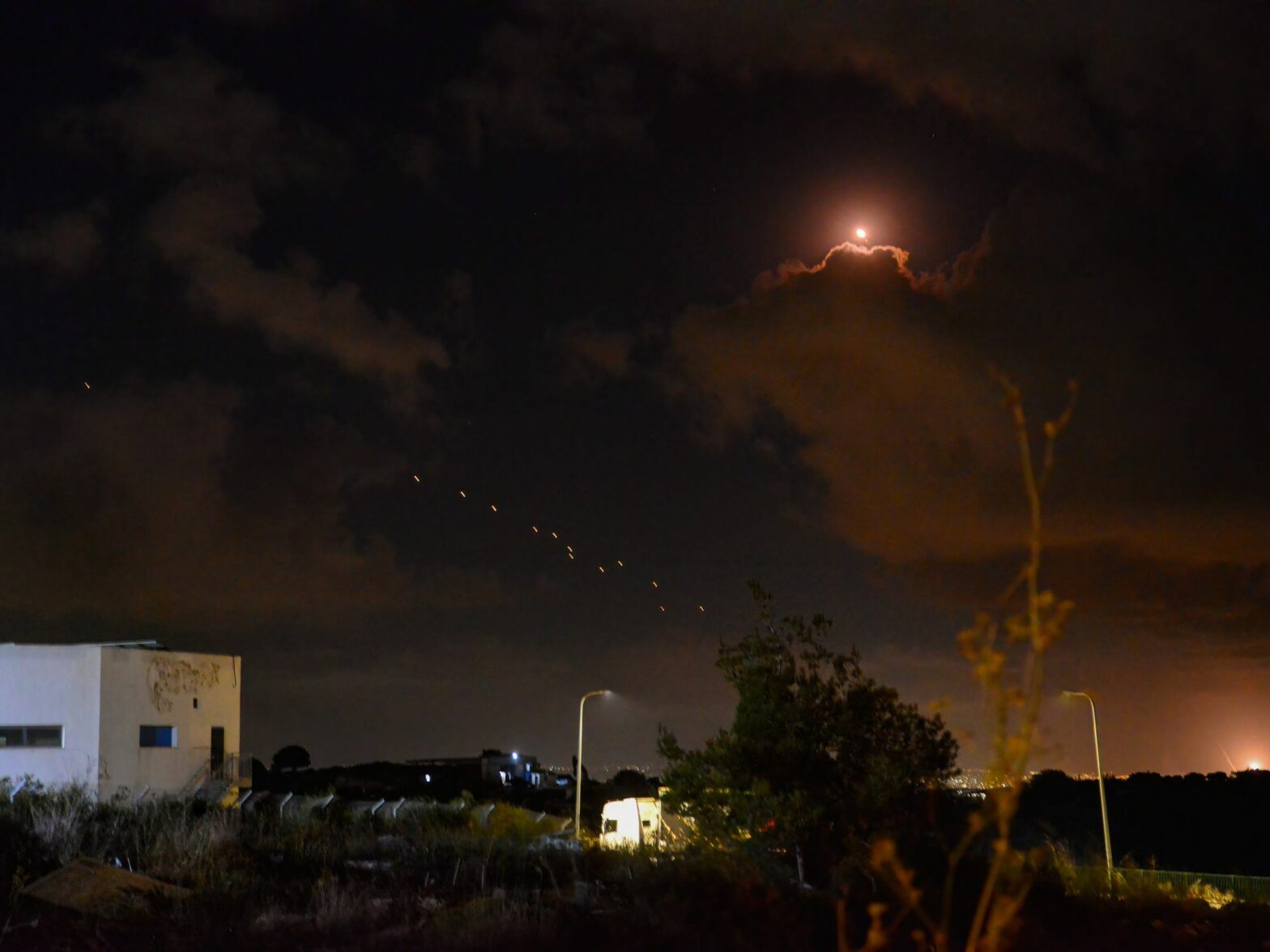
A core group of Iranian legislators demanded that Tehran to stop tiptoeing around Israel, and to seek revenge for the deaths of Hamas’ Ismail Haniyeh and Hezbollah’s Hassan Nasrallah. The “war trap” be damned. But now the ball is in the hands of Israel’s own hardline government.
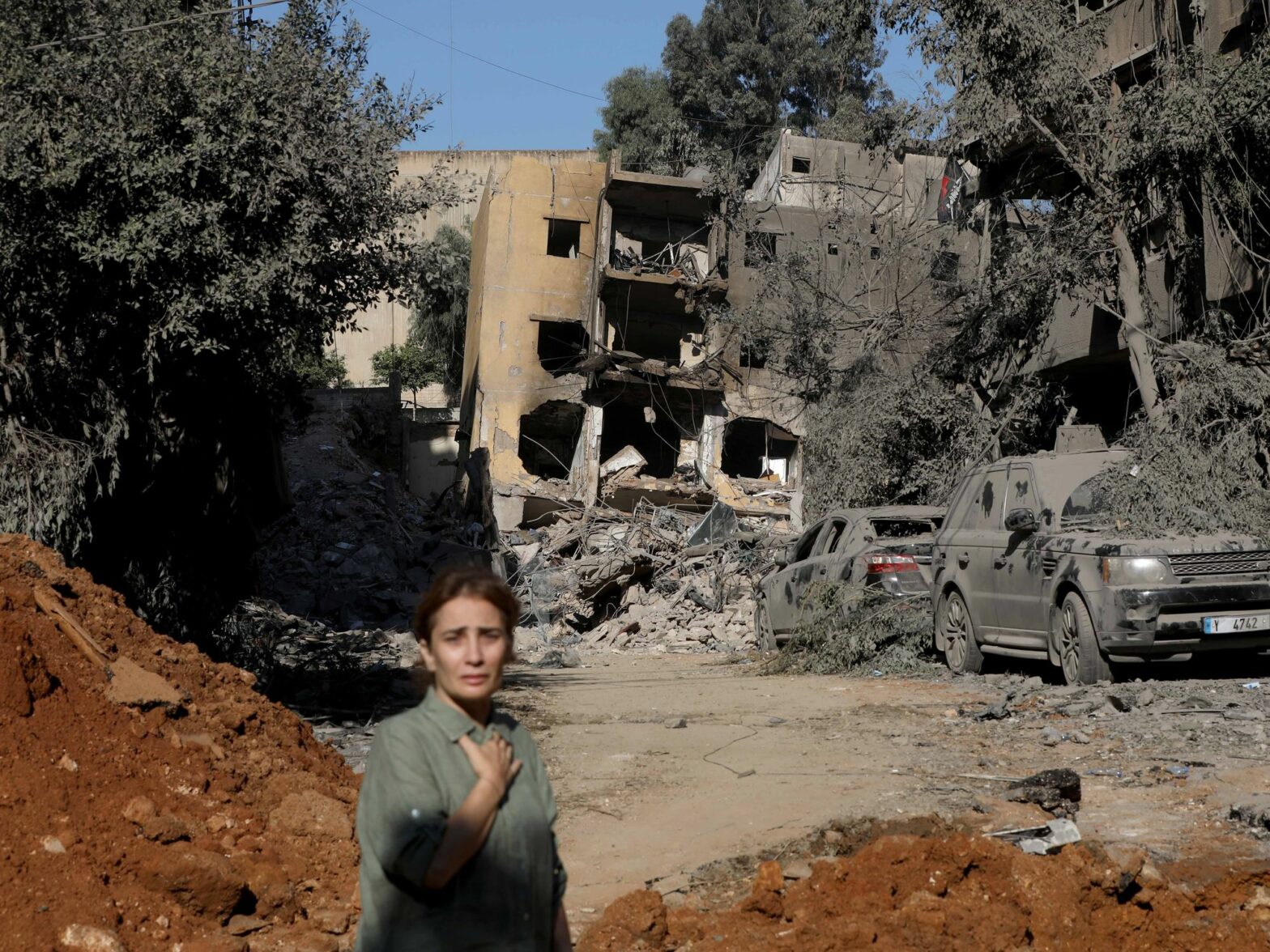
As Israel celebrates the death of Hezbollah’s leader, Washington and Tehran both suddenly seem powerless, looking like spectators of an unraveling tragedy that is beyond their control. Yet, given its demographics and geography, Israel desperately needs allies.
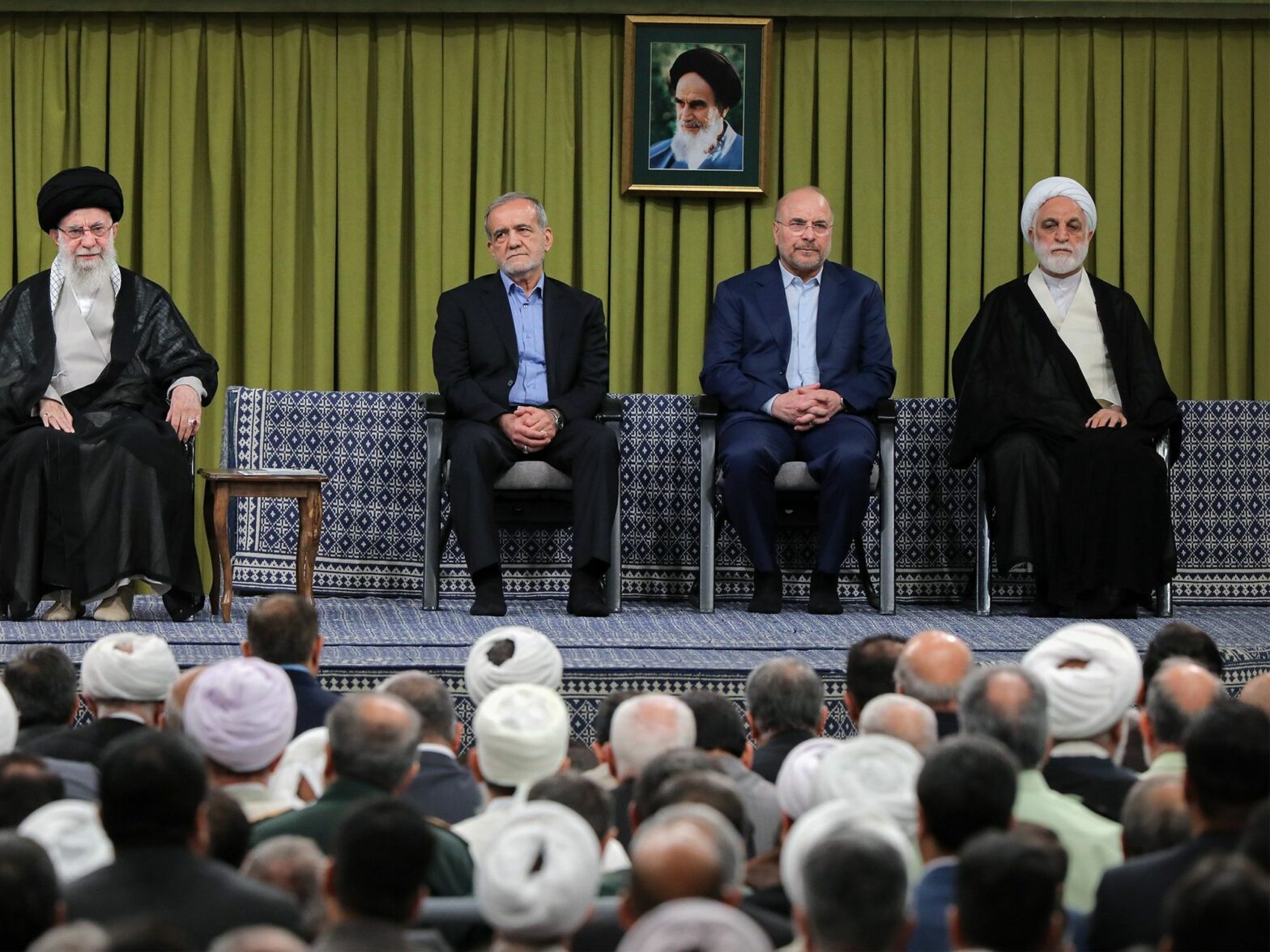
As the conflict rages on across the Israeli-Lebanese border, Iran, which is Hezbollah’s principal sponsor, appears to be doing all it can to avert a war spreading around the Middle East. It could wind up on Tehran’s doorstep.
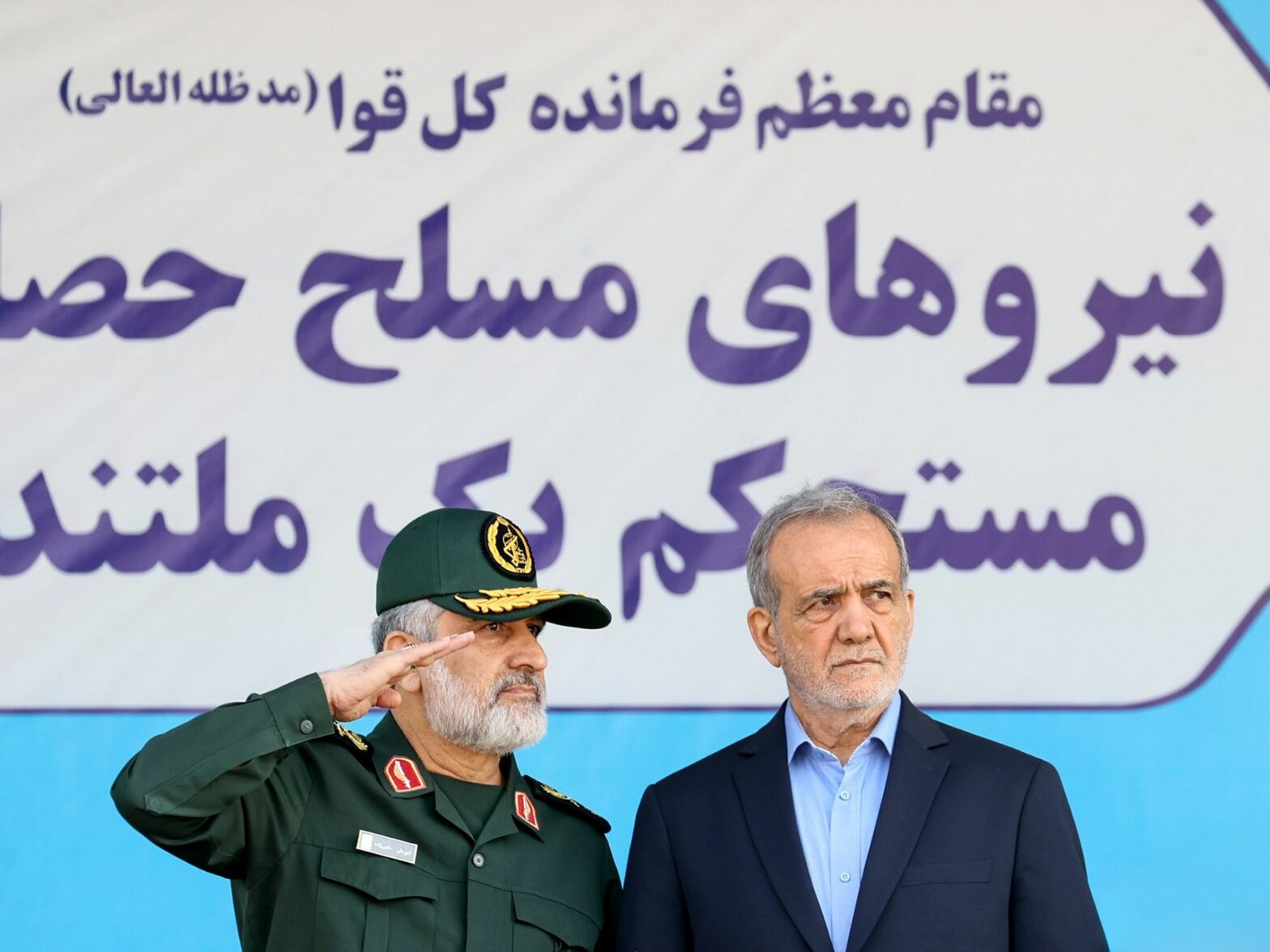
As Israel pounds Hezbollah in Lebanon, after its well-orchestrated attack on the group’s remote devices, the militia’s patrons in Tehran were increasingly concerned they could become the next targets of Israel’s ruthless campaign.
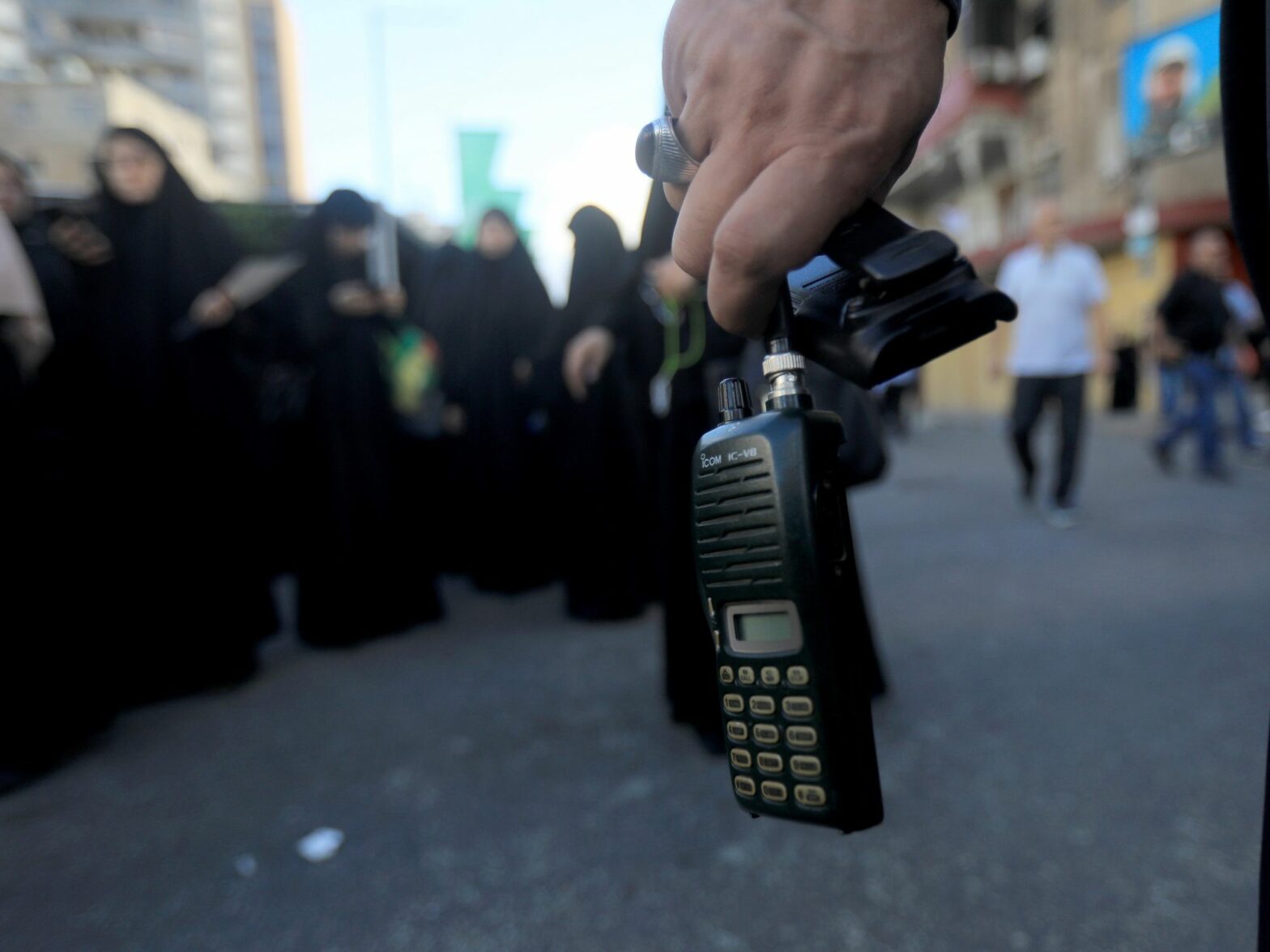
With its unprecedented attacks on pagers and walkie-talkies in Lebanon that again killed innocent victims, Israel now faces the risk of losing the war not just on moral and legal grounds, but also from a strategic perspective.
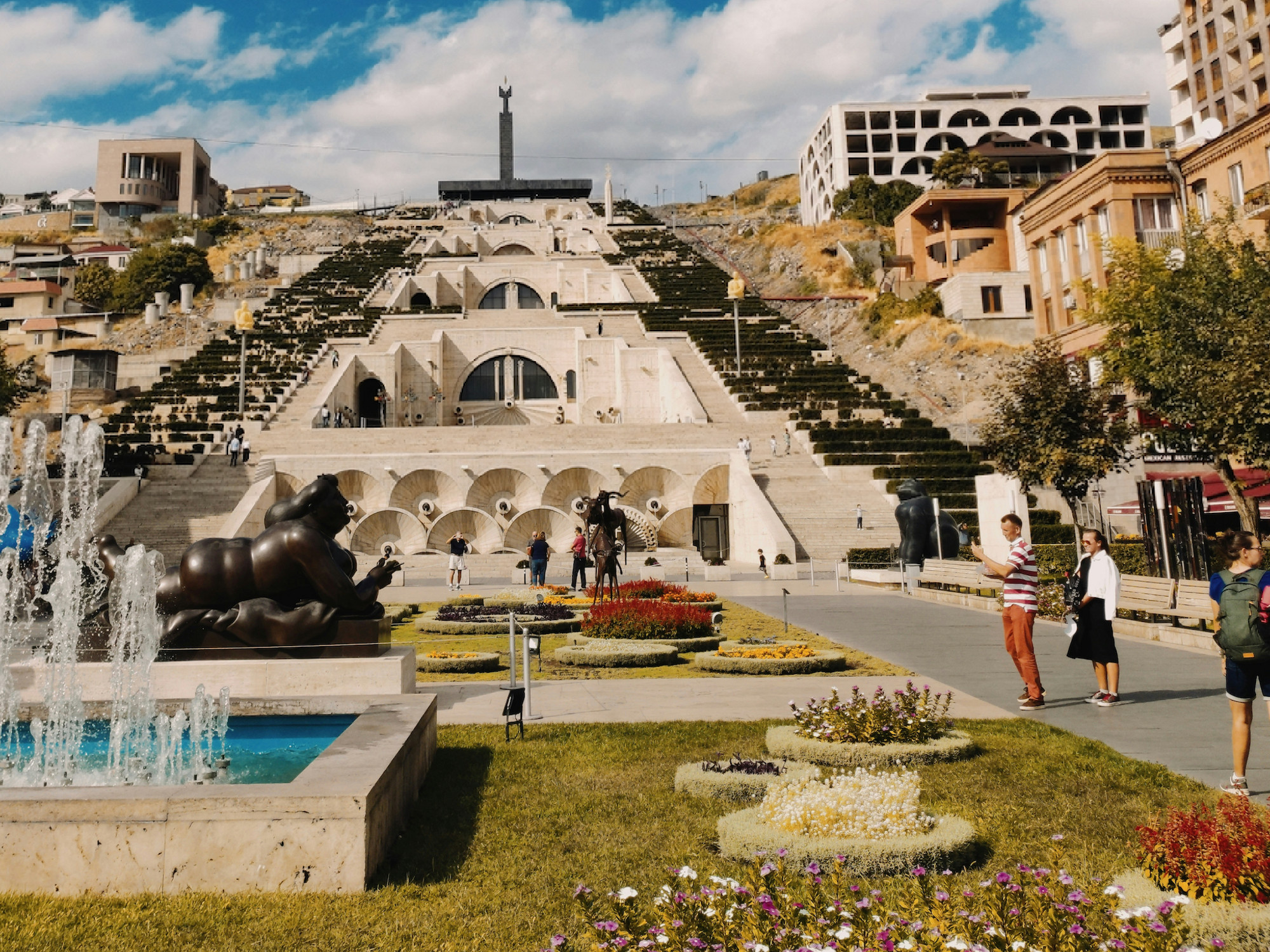
Armenia, under pressure from its aggressive neighbor Azerbaijan, is seeking security in closer ties with the European Union. Just next door, Iran may welcome this Western alignment if it means winning a shorter land route for exports to the Black Sea and EU markets.
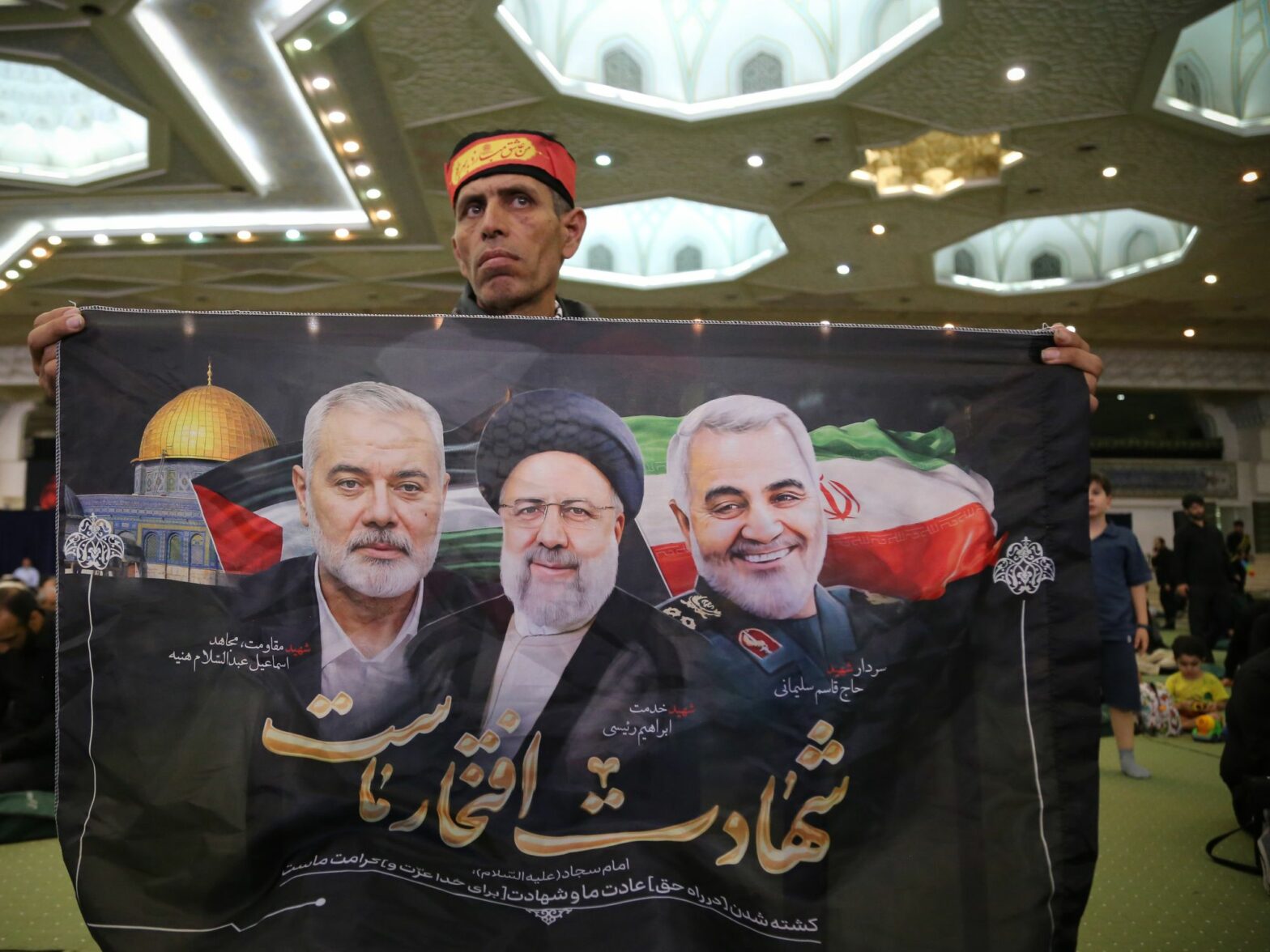
It’s been weeks since Hamas leader Ismail Haniyeh’s killing in Tehran. Will Iran end up striking Israel, as it promptly said it would, or persist in an unnerving waiting game, leaving the rest of the word in the dark as to its plans, resolve and capabilities?
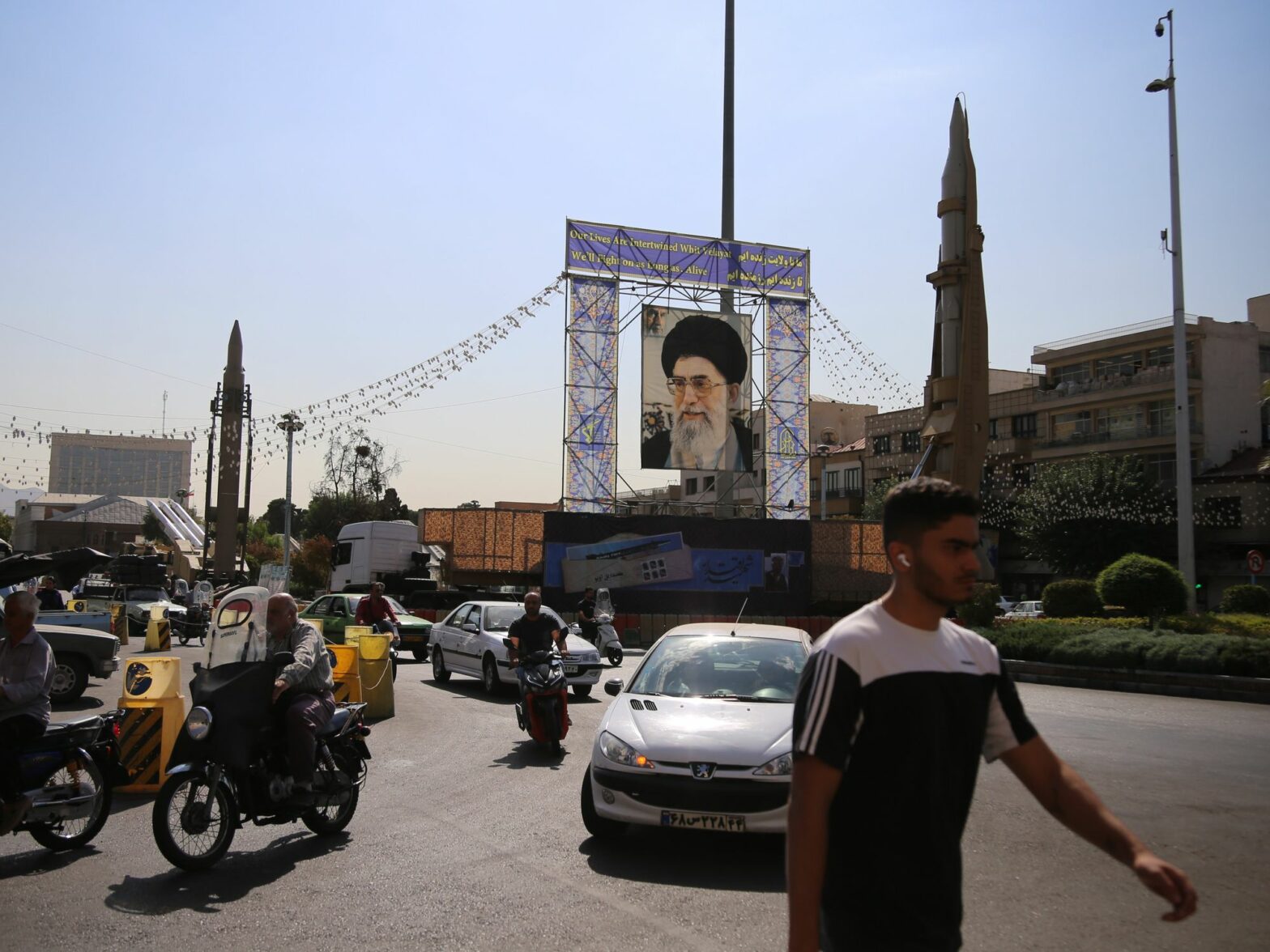
Iranian authorities have been fining young men for wearing shorts. But while this may be an effort to show they are unbiased in their drive to safeguard public decency, reports suggest the men are treated less harshly than women.
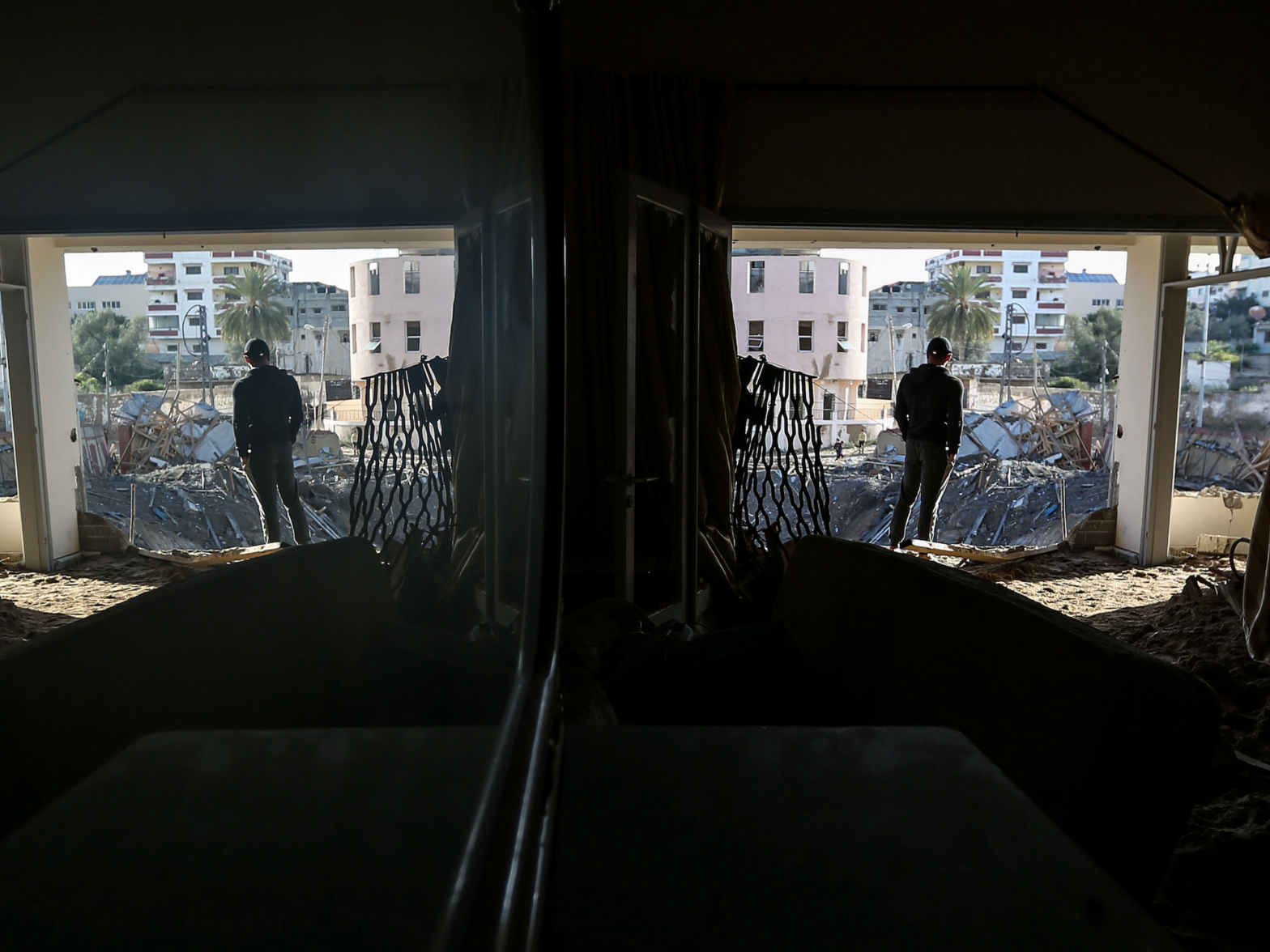
Almost 10 months after the Oct. 7 attack, the Middle East appears to be on the verge of a second act of tragedy. This new escalation of the conflict could result in regional war on a massive scale.

Updated August 2, 2024 at 12:00 p.m. Iraq invaded Kuwait on this day in 1990. This surprise invasion marked the beginning of a major international conflict and set the stage for the Gulf War. What were the reasons behind Iraq’s invasion of Kuwait? One key factor was Iraq’s desire to control Kuwait’s vast oil reserves, as Iraq was struggling with significant debt from the Iran-Iraq War. Additionally, territorial disputes, economic grievances, and claims of Kuwaiti overproduction of oil were cited by Iraq as reasons for the invasion. What were the major events of the Gulf War? Significant events included the […]
August 5 – August 11, 2024
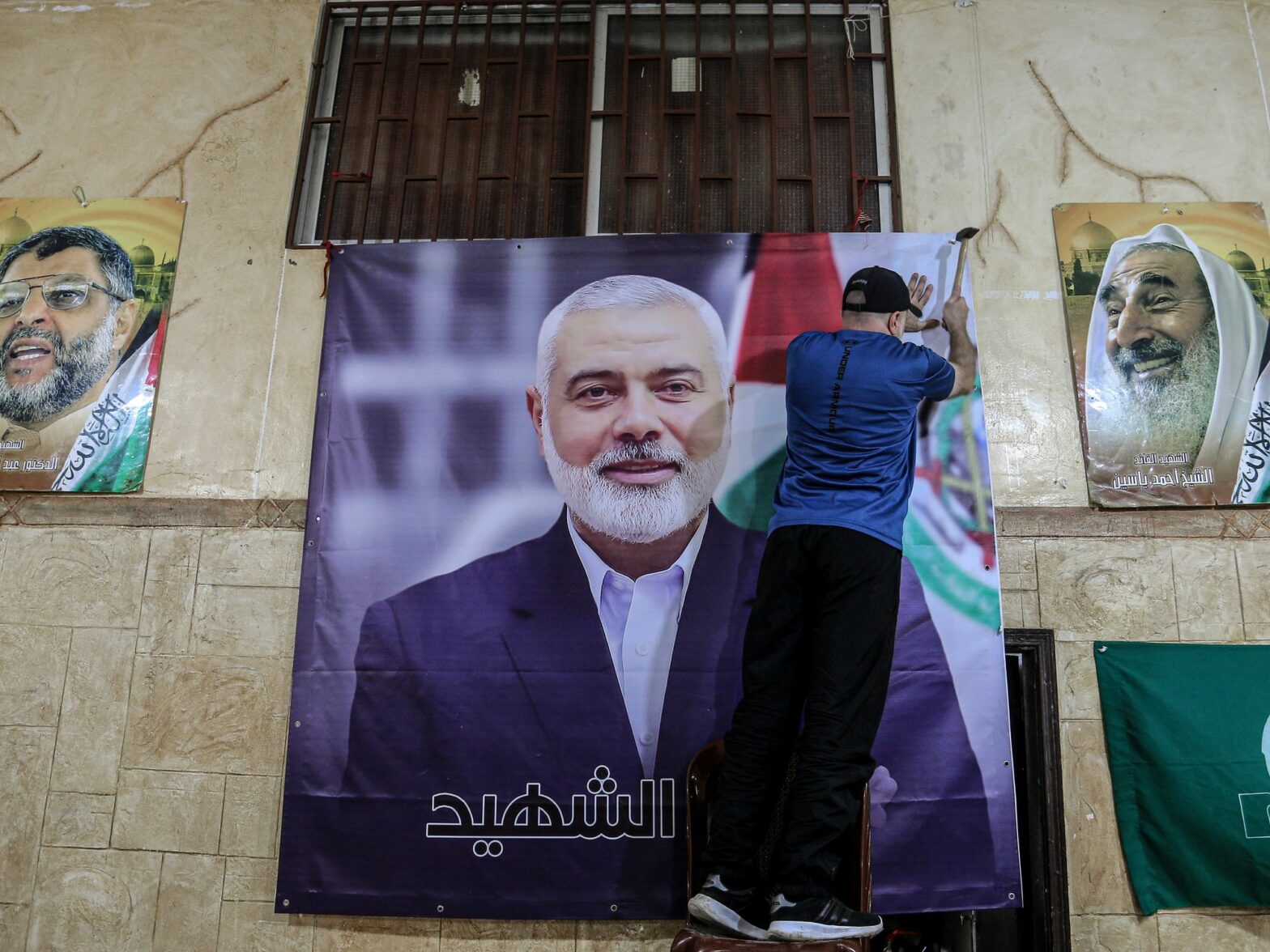
A series of strikes occurred just days after Netanyahu returned from the United States, which will have difficulty denying a role in the targeting of three capitals in the region in 24 hours, and may spark a much wider war in the Middle East.
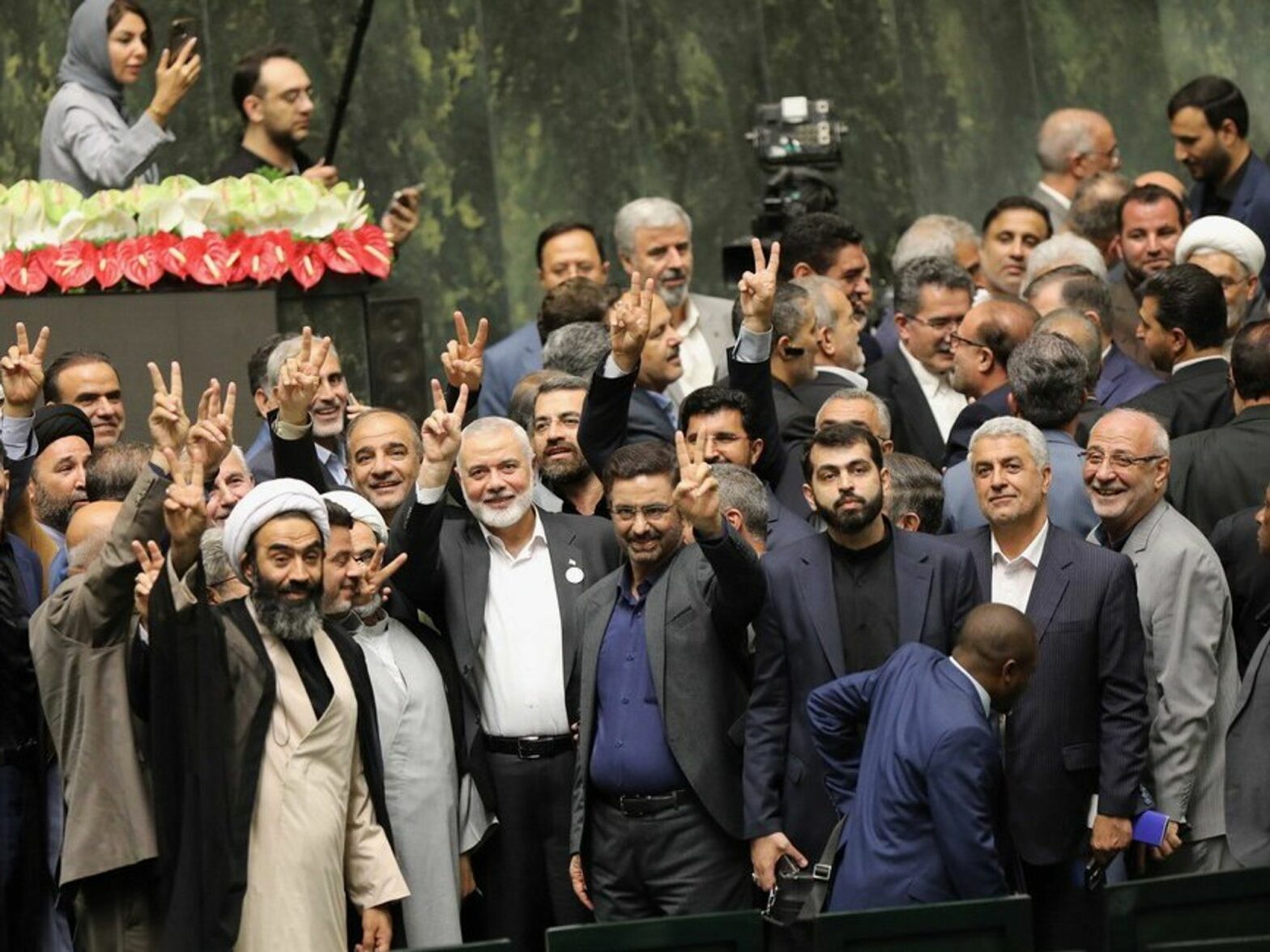
Tehran claims the visiting Hamas leader was struck down in the capital with a “high-tech” missile or drone, so his killing could not be attributed to another security lapse on the ground against the chief suspect, Israel.
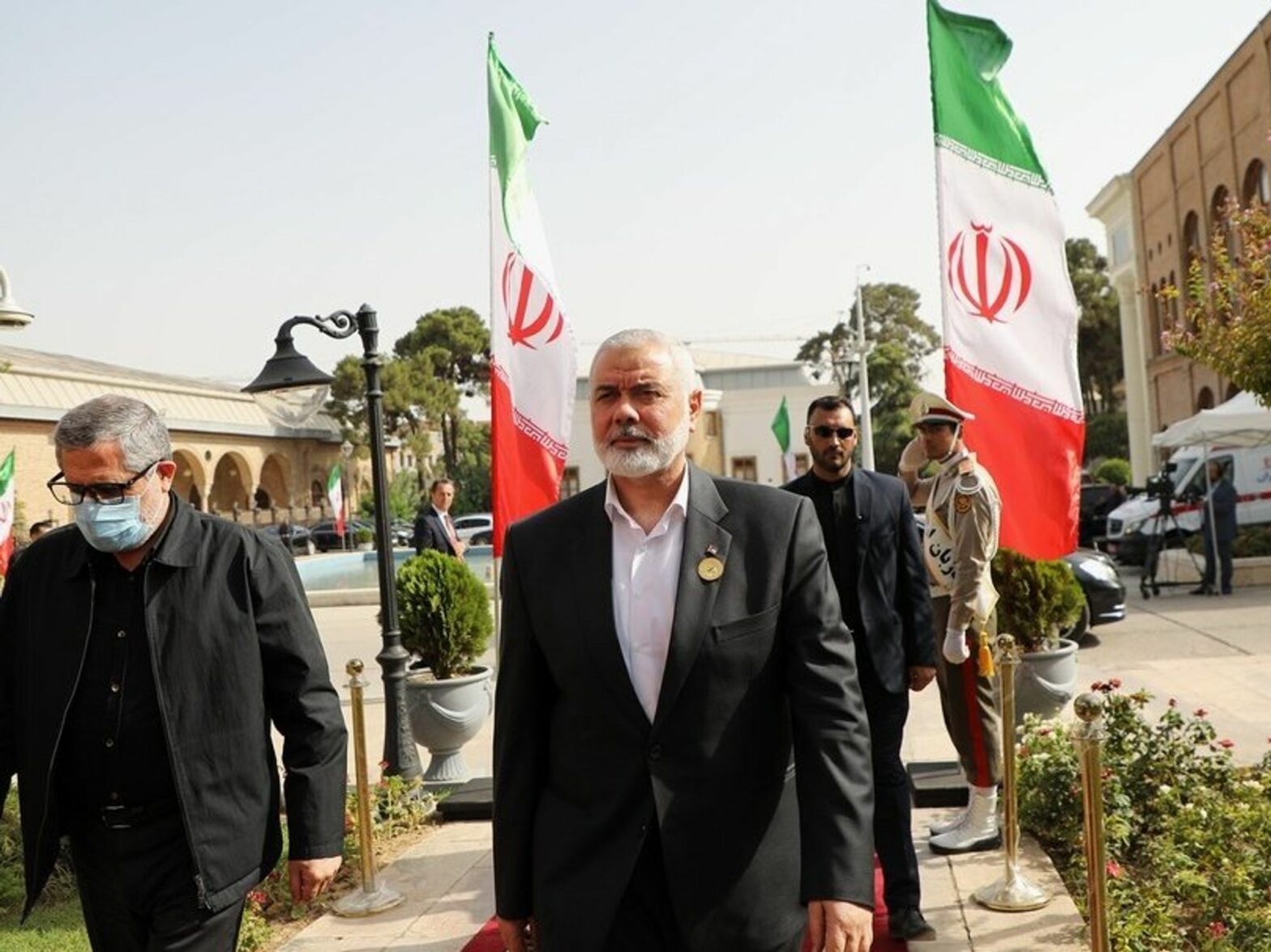
Hamas reported that its leader Ismail Haniyeh was assassinated in the early hours of Wednesday morning in Iran, most likely by Israel, drawing fears of wider escalation in this region already shaken by the war in Gaza and on the Israeli-Lebanese border.
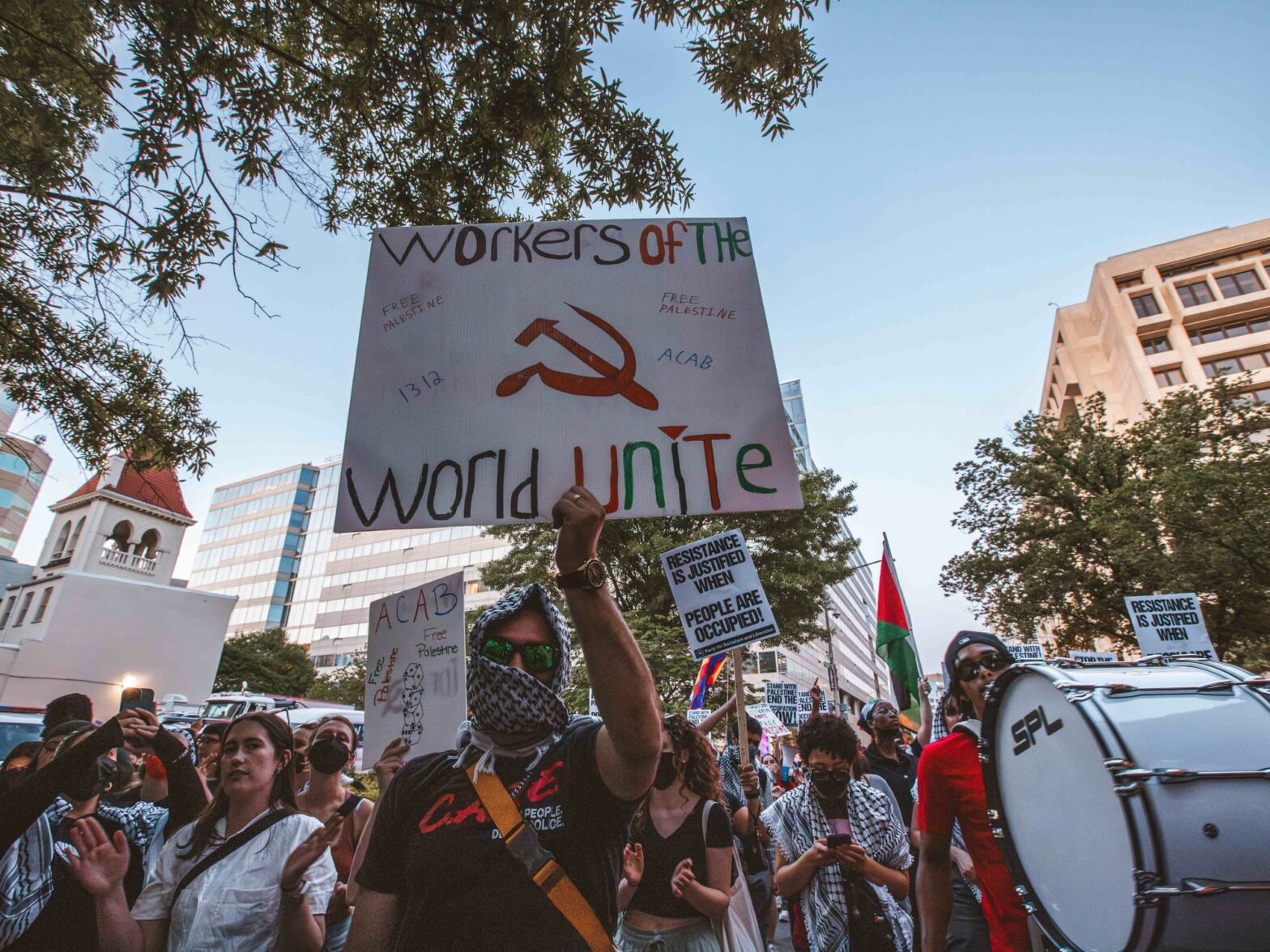
A confounding alliance between leftists, wokism and Islamic fanatics is the perfect smokescreen for an insidious enemy targeting the West’s liberal values. It’s happened before.
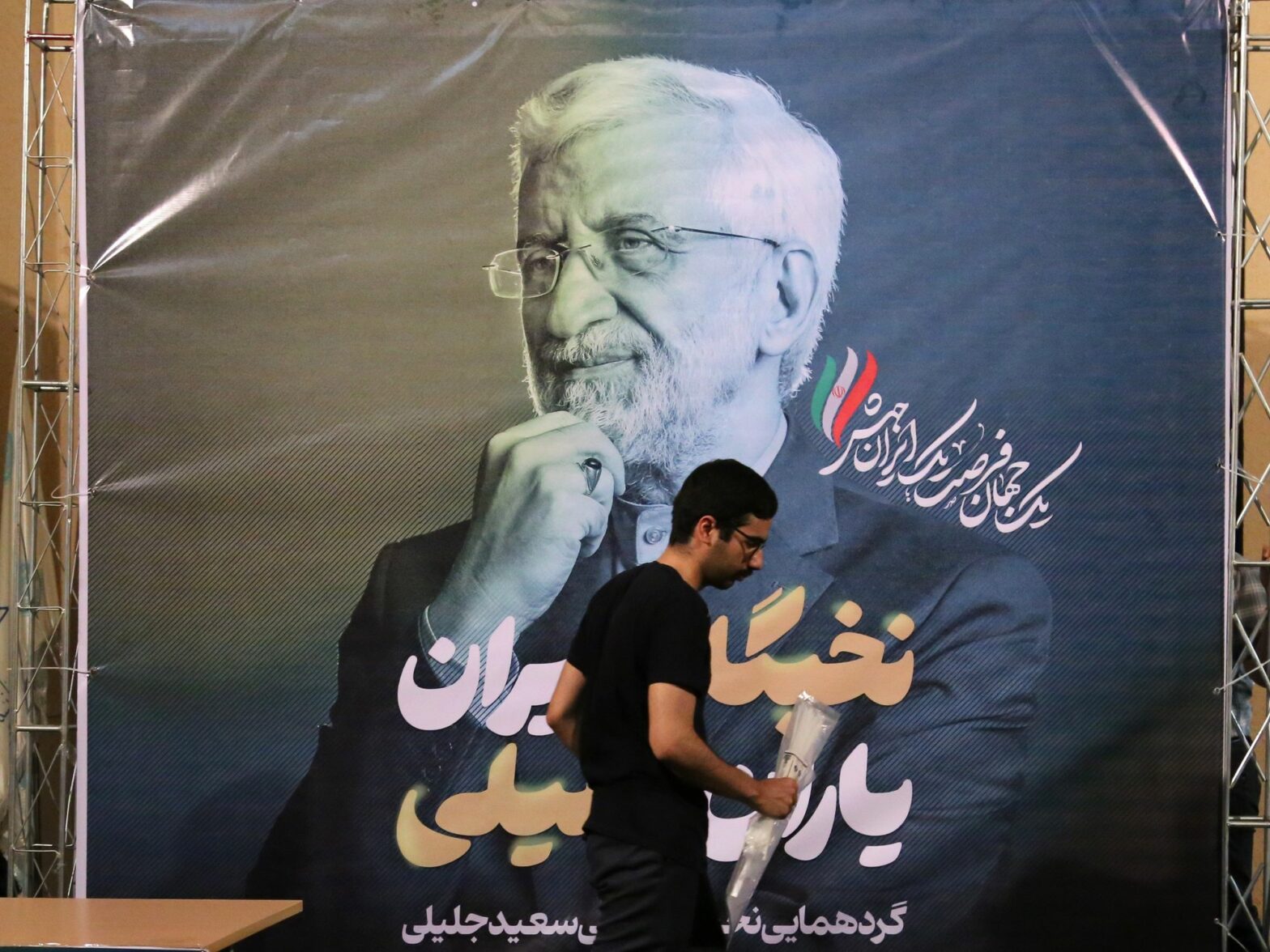
Tehran seems to be paving the way for a moderate to become the country’s next president. But the regime’s goal is not to make life better for Iranians, but to leave him with the daunting task of handling a second Trump administration.
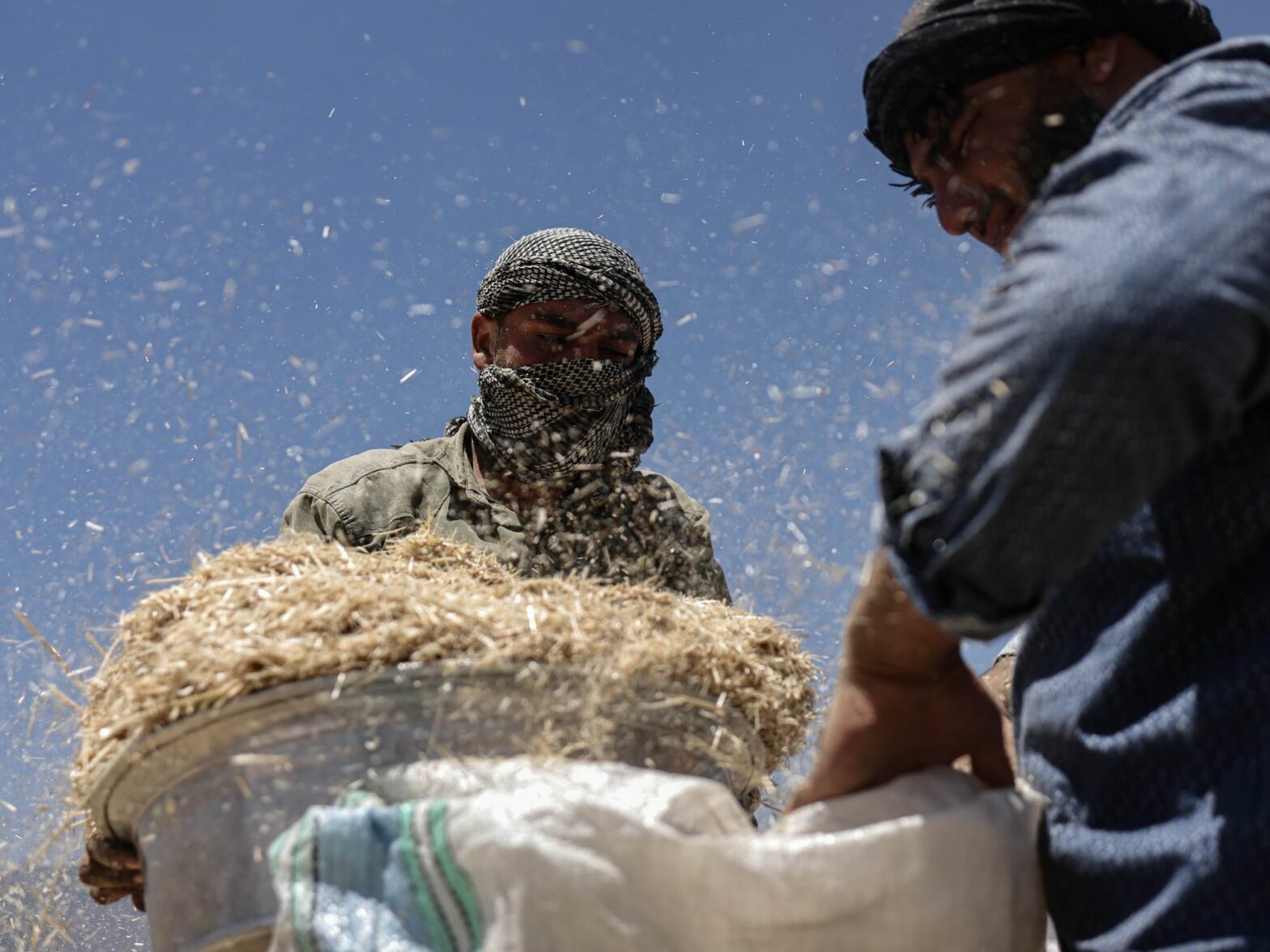
The production of wheat, a staple food in Syria, fell dramatically this year due to the effects of climate change. The poor harvest has left wheat farmers, already suffering from decades of conflict, struggling to rebuild their lives.
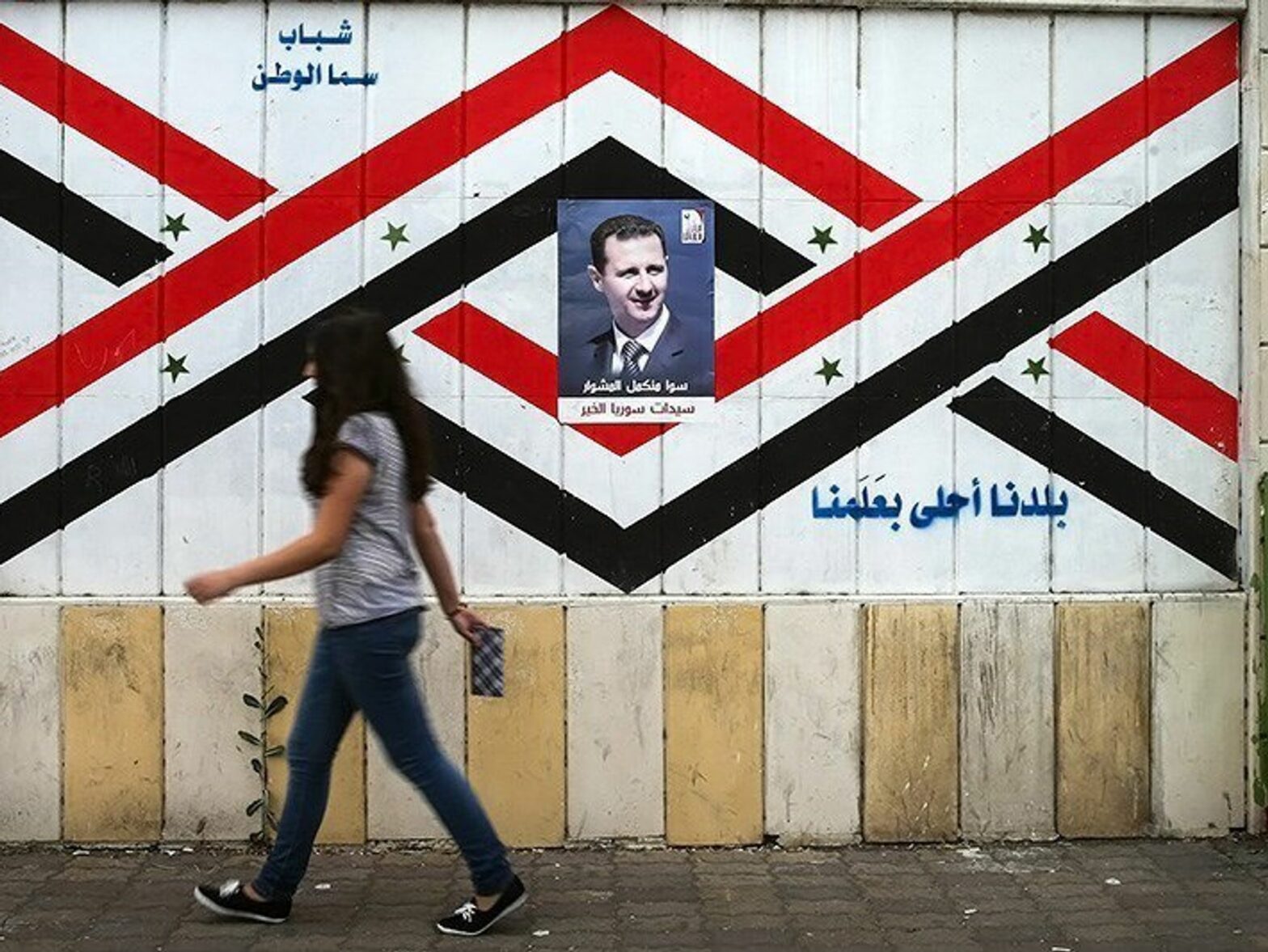
Under pressure from Arab states and Russia, which calls the shots in Syria, President Bashar al-Assad is tiptoeing away from the Iranian regime, a troublesome ally that has nevertheless spent billions of dollars to help keep him in power.

Updated June 13, 2024 at 12:30 p.m. Mahmoud Ahmadinejad was declared the winner of the Iranian presidential election on this day in 2009. What were the circumstances surrounding the 2009 Iranian presidential election? The 2009 Iranian presidential election was marked by controversy and widespread protests. Many Iranians believed that the election results were fraudulent and […]
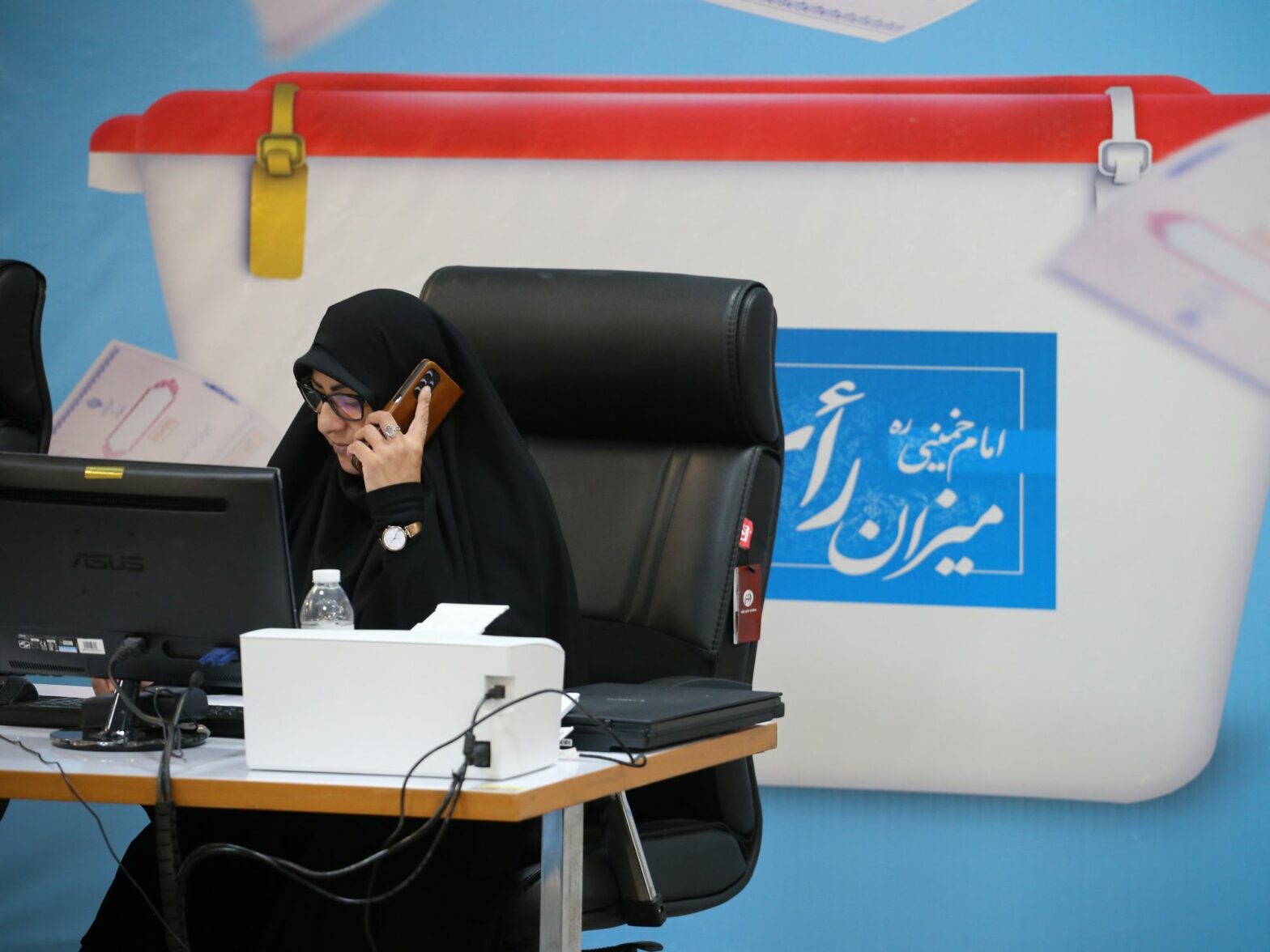
Awkward political figures will run for the Iranian presidency in the elections planned later this month. The one reformer allowed to run will not be able to grant legitimacy to the regime.
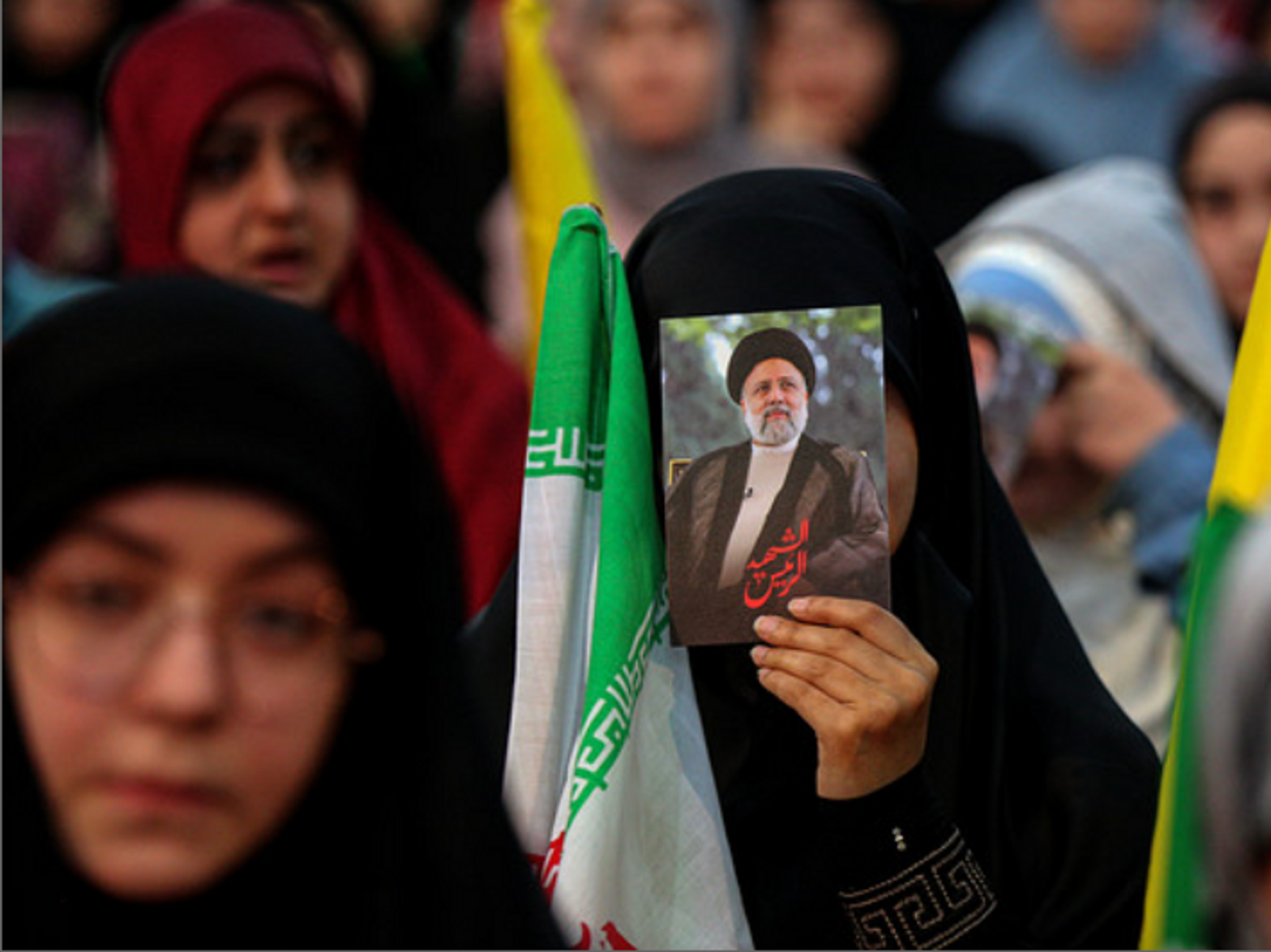
In spite of the Iranian regime’s inclination to conclude the matter of the president’s recent fatal helicopter crash, murmurs around a possible murder plot or a foreign strike are not going away.
May 27 – June 2, 2024
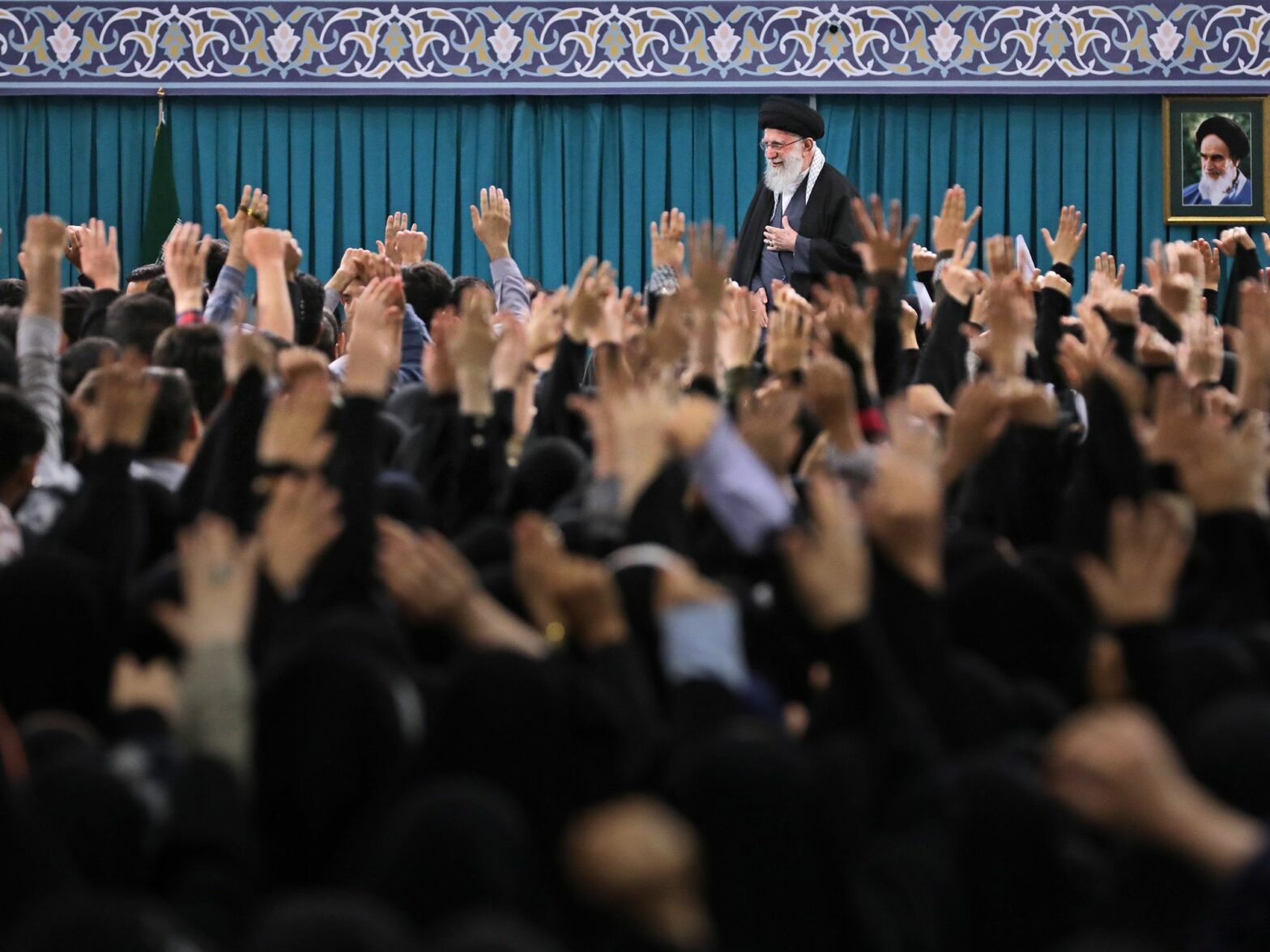
The death of Iran’s hardline president might create some political terrain for moderates there and stabilize relations with a complacent West and especially the Biden administration, eager to put a lid on the Middle East before November’s presidential elections.
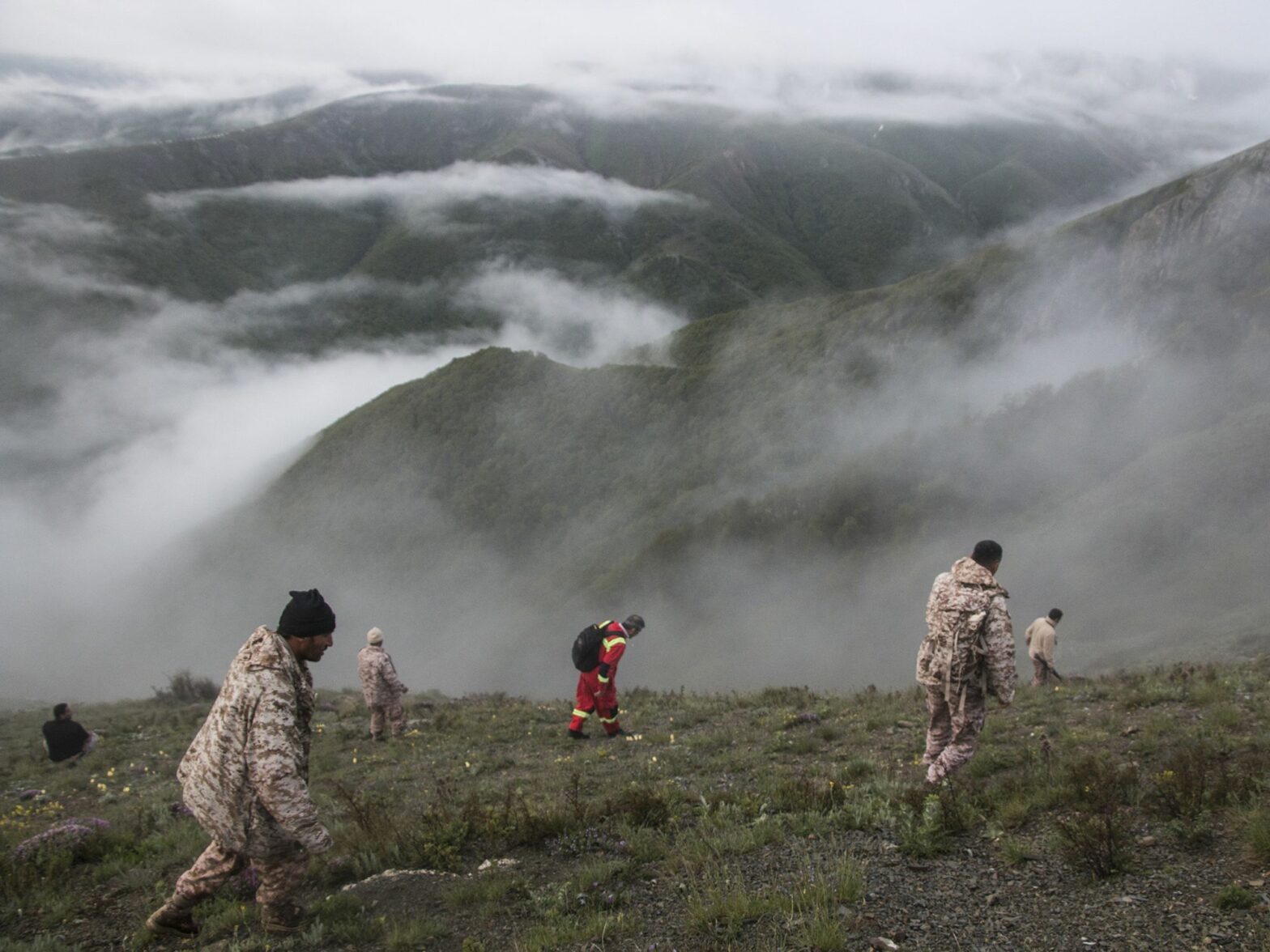
In spite of the political or diplomatic headaches this could cause, there are preliminary grounds for not ruling out foul play as causing the Iranian president’s helicopter to crash days ago, reports the leading independent Persian-language news site.
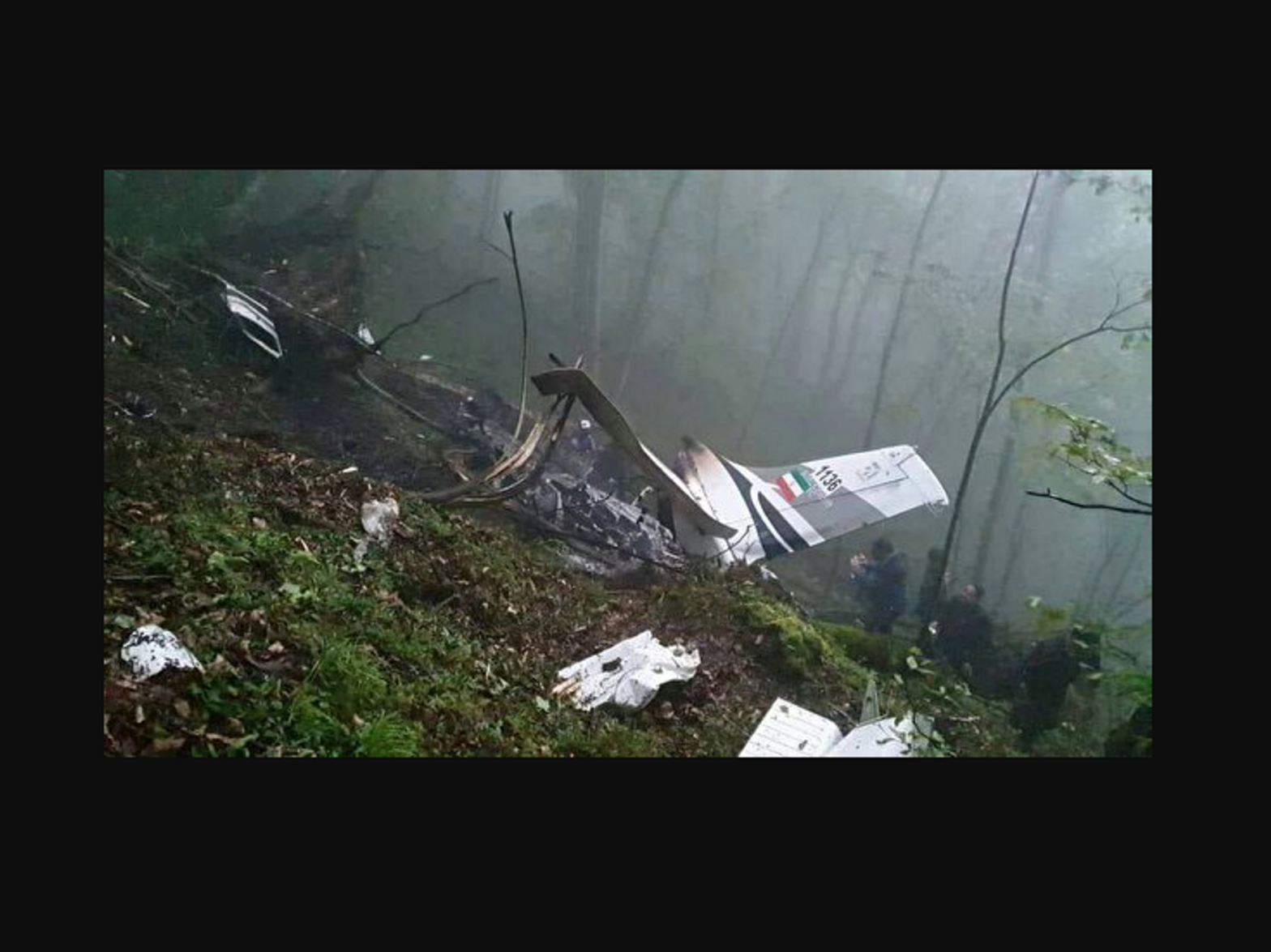
The death of Iranian President Ebrahim Raisi in a helicopter crash comes in an already tense context, five weeks after Iran’s confrontation with Israel. The consequences are heavy, both in terms of regional and domestic conflicts.
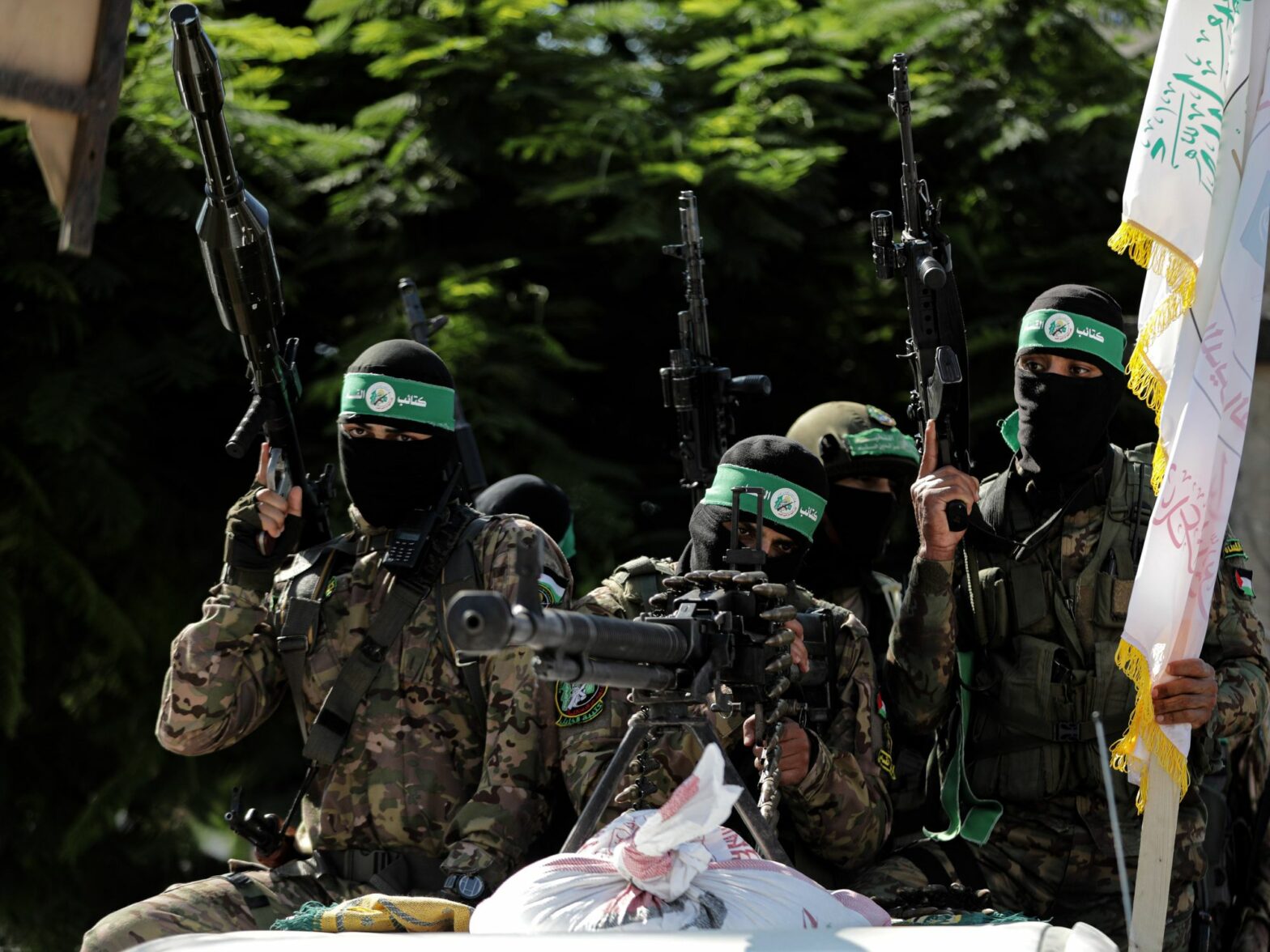
The higher cost of the war will not deter Hamas leaders from claiming victory once any truce is reached. It will only push the discussion of a real solution for the region farther away from all.
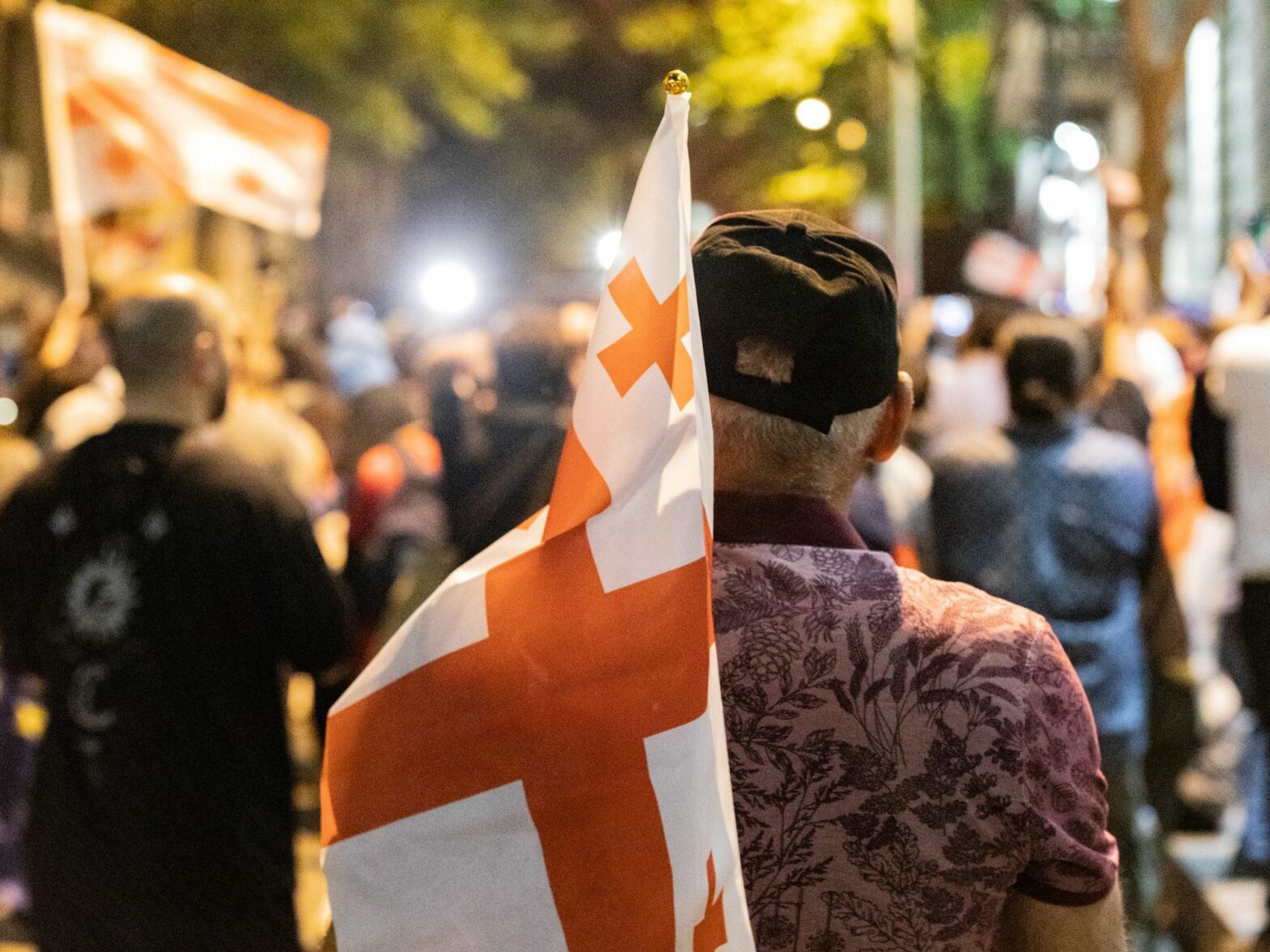
Europe’s fate is also being played out in countries outside the EU, where East and West are battling for influence. In Georgia on Tuesday, the government bowed to pressure from Moscow, and passed a law on “foreign influence” modeled on a Russia law.
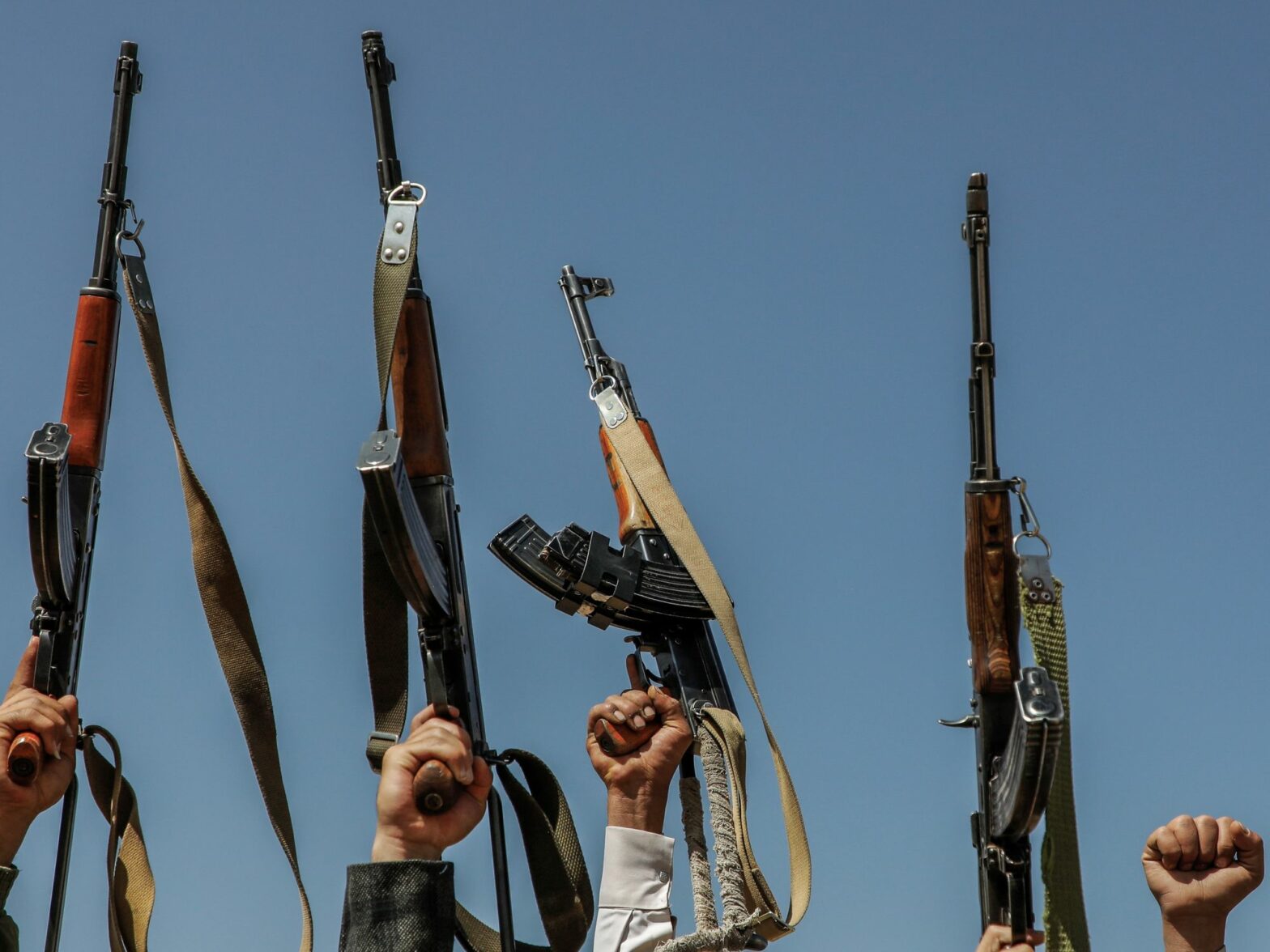
While the Palestinian cause is important for Iran and the Arab militias it backs, the return of this issue to the forefront may not benefit the resistance camp. And its tactic of strategic patience may not produce the intended results.
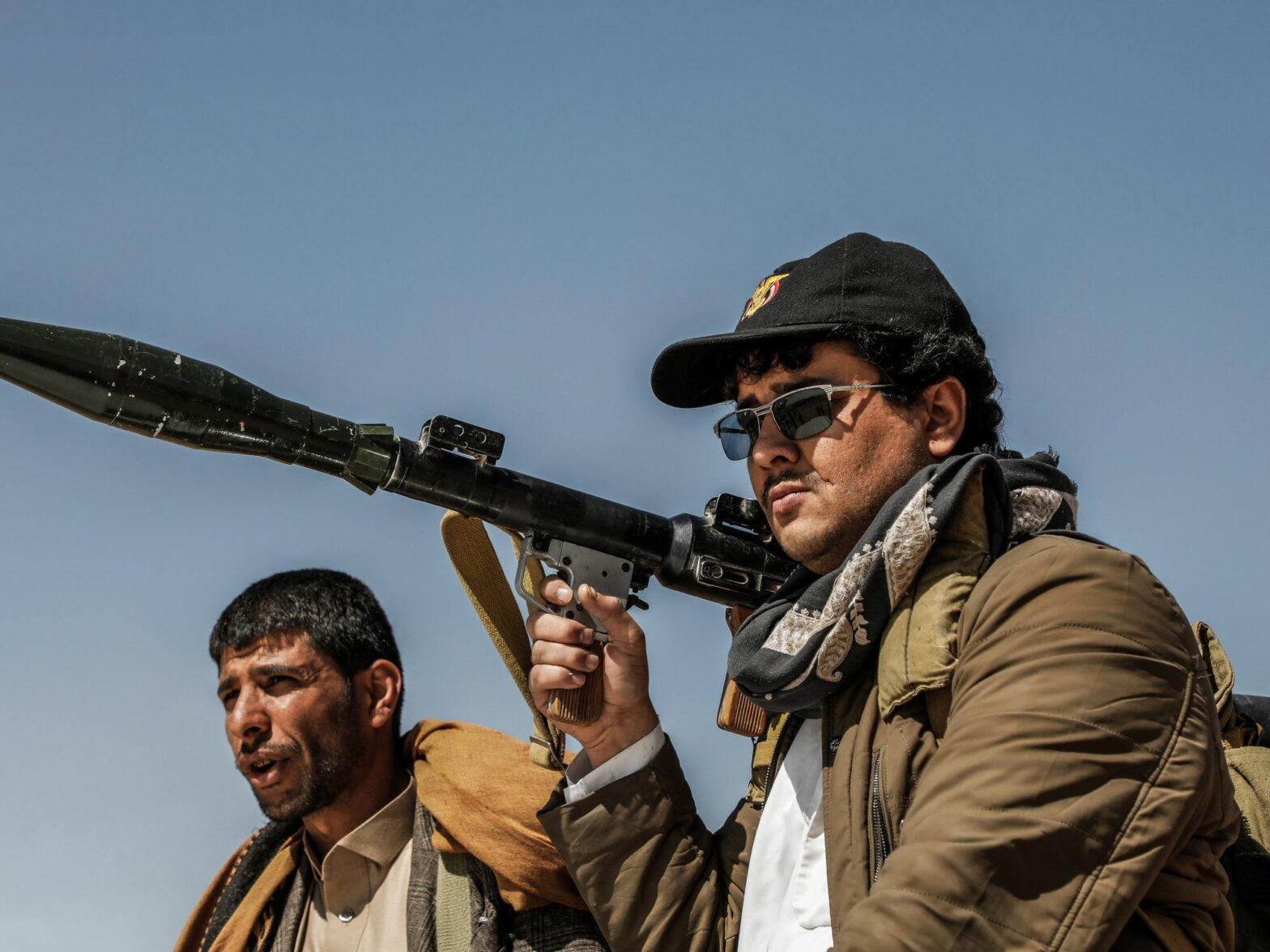
The Middle East’s militant and terror gangs, often described as Iran’s proxy forces, may have more in common with the cartels of a globalized war than with the fighters with a cause, more typical in the 20th century.
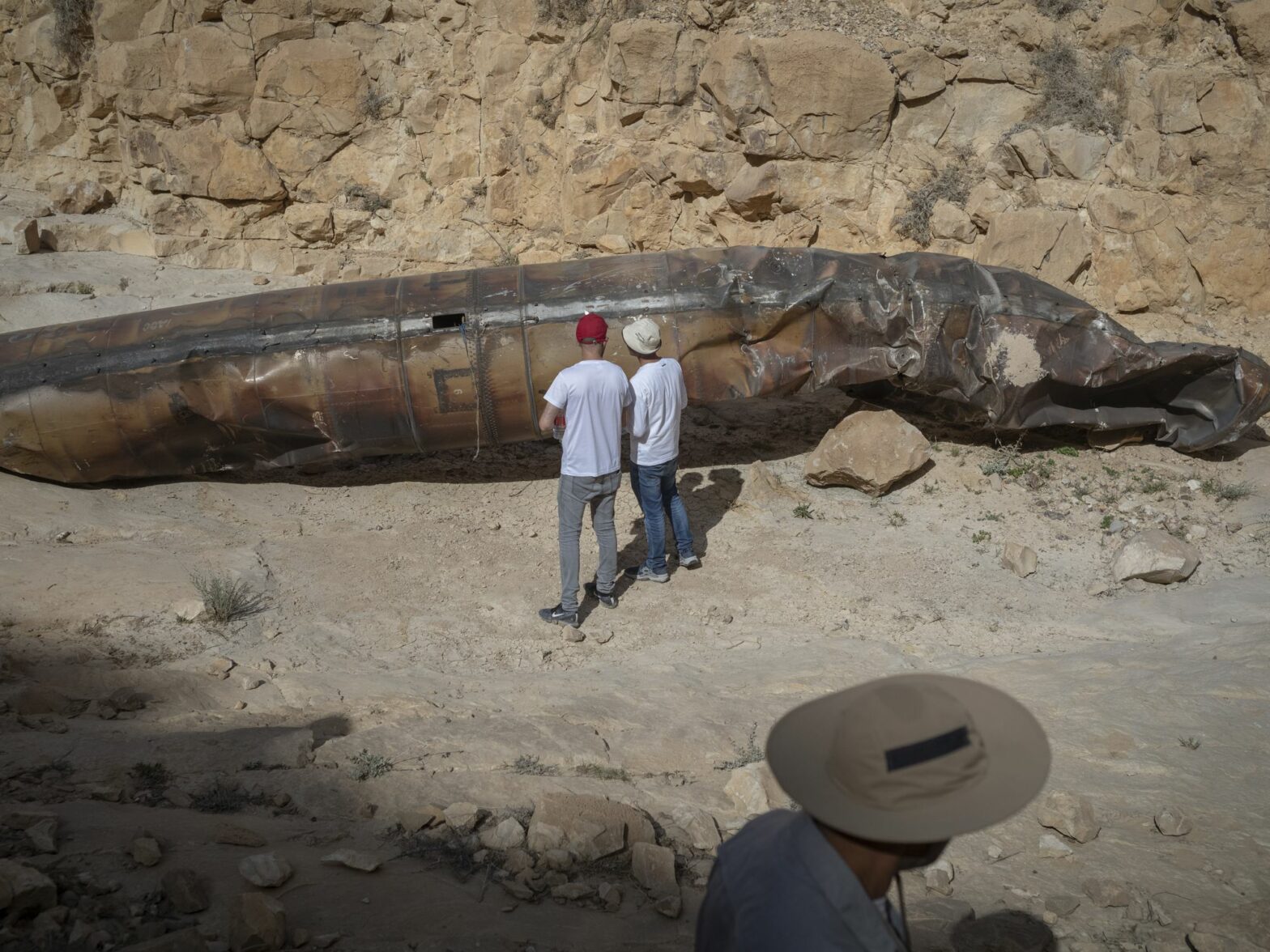
While the whole world was shocked by Iranian drones attacking Israel, which caused no casualties, nobody pays much attaention to the attacks being carried out by the same Iranian drones in northwestern Syria, where they regularly kill civilians.
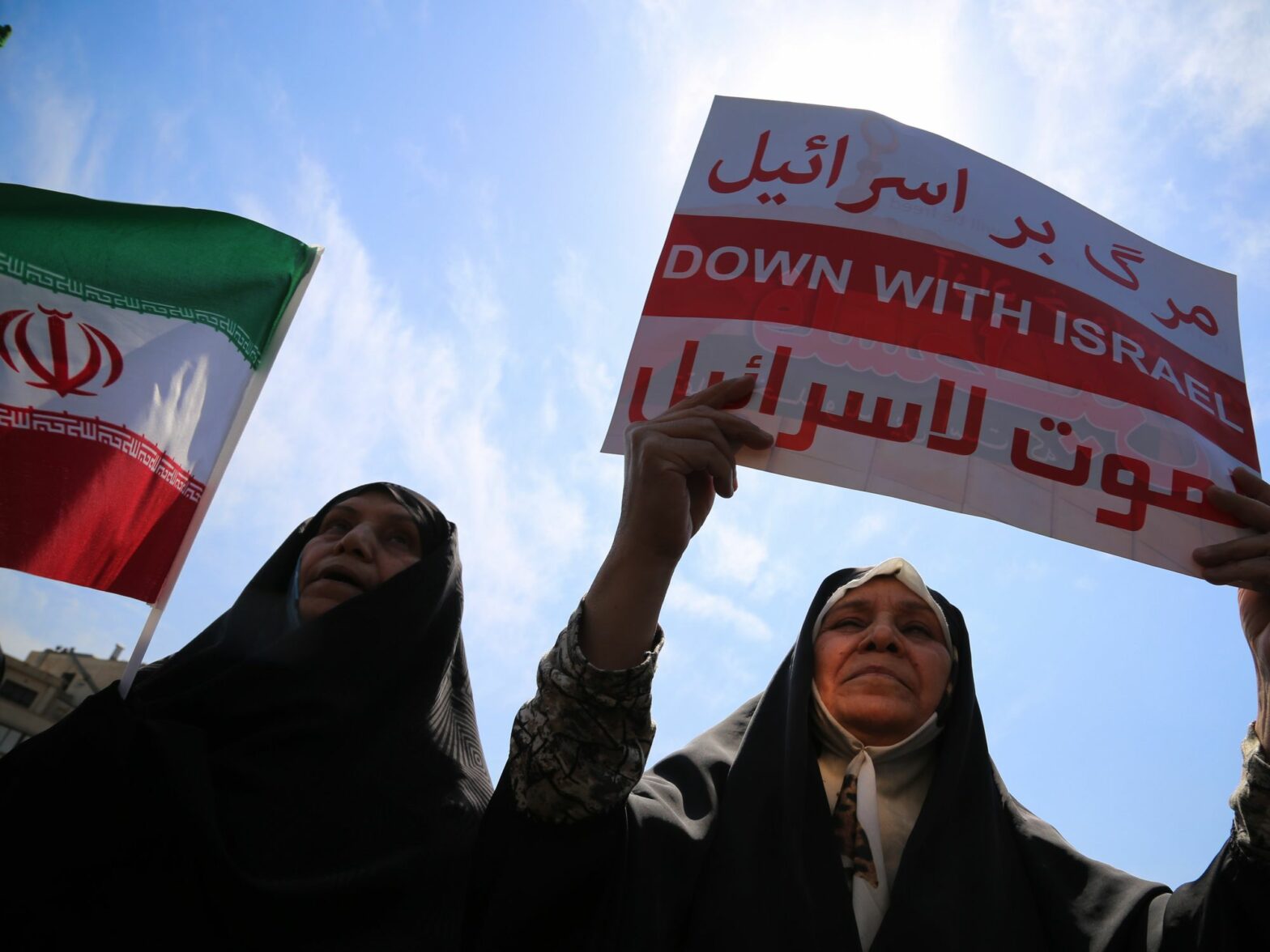
Israel’s recent strike on central Iran was a warning shot for Tehran, tempered by a desire to close the recent spate of tit-for-tat attacks and by pressure from the U.S. Yet this may have only ended round one of the Iran-Israeli showdown.
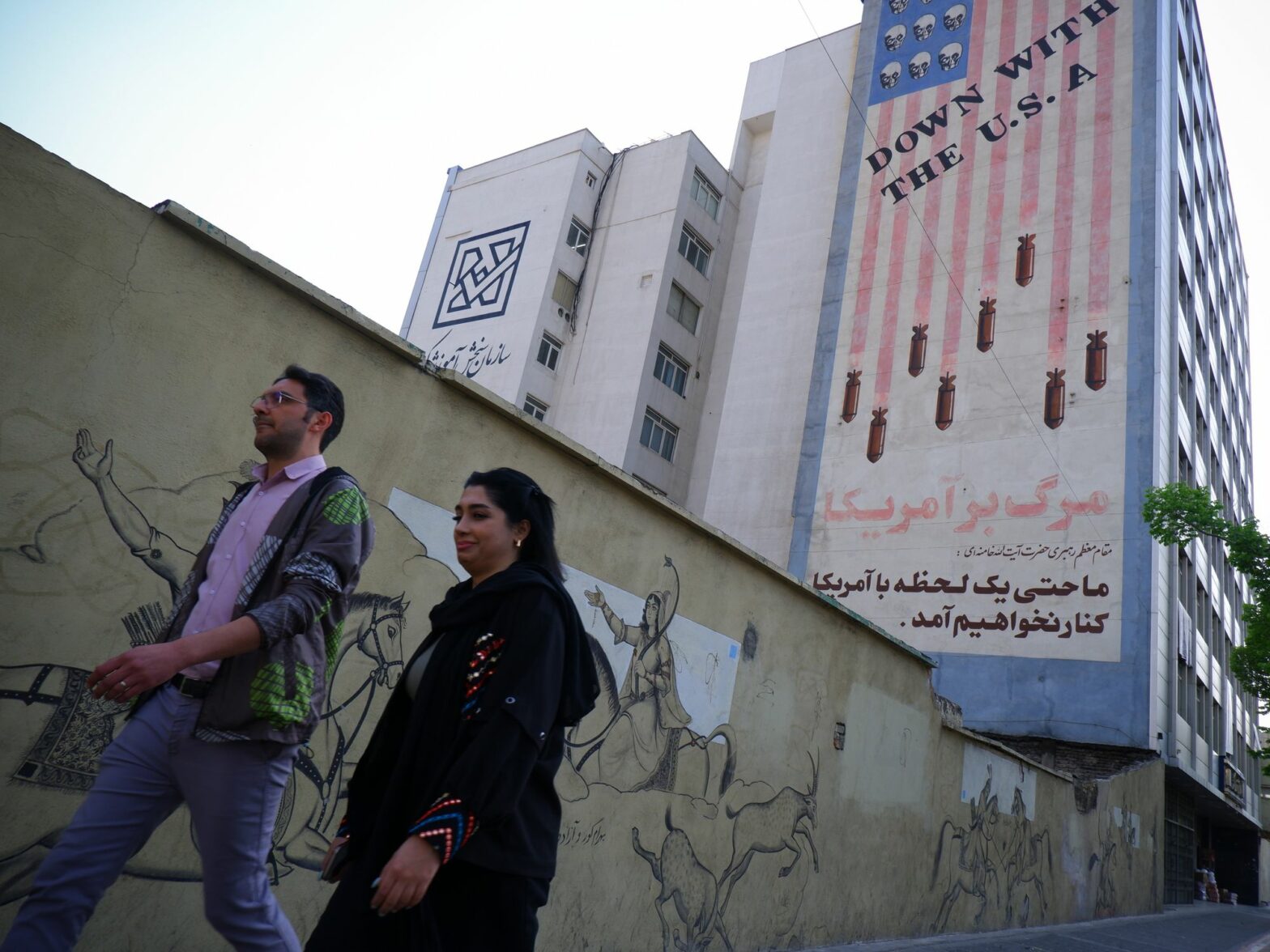
Iranian authorities are enforcing Islamic dress norms with renewed vigor and the backing of a new law, and insist a “hostile West” is goading Iranian women into living indecent lives.
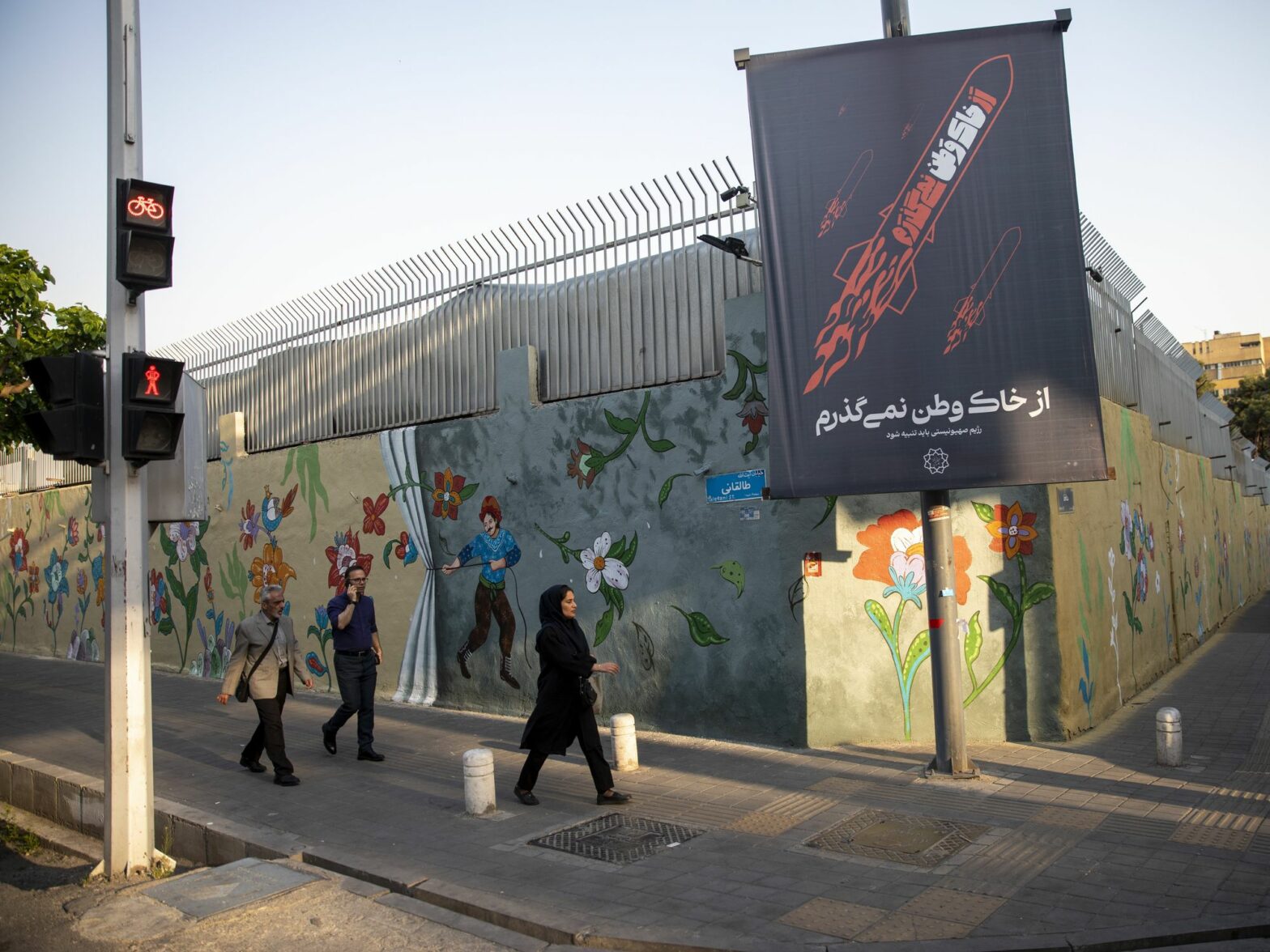
The Islamic Republic of Iran wants to destroy Israel and seems willing to obliterate Iran in the process. How do you deal with a regime that sees international chaos as serving divine wishes? Many in Iran see the direct challenge from Israel as the path to their nation’s liberation.
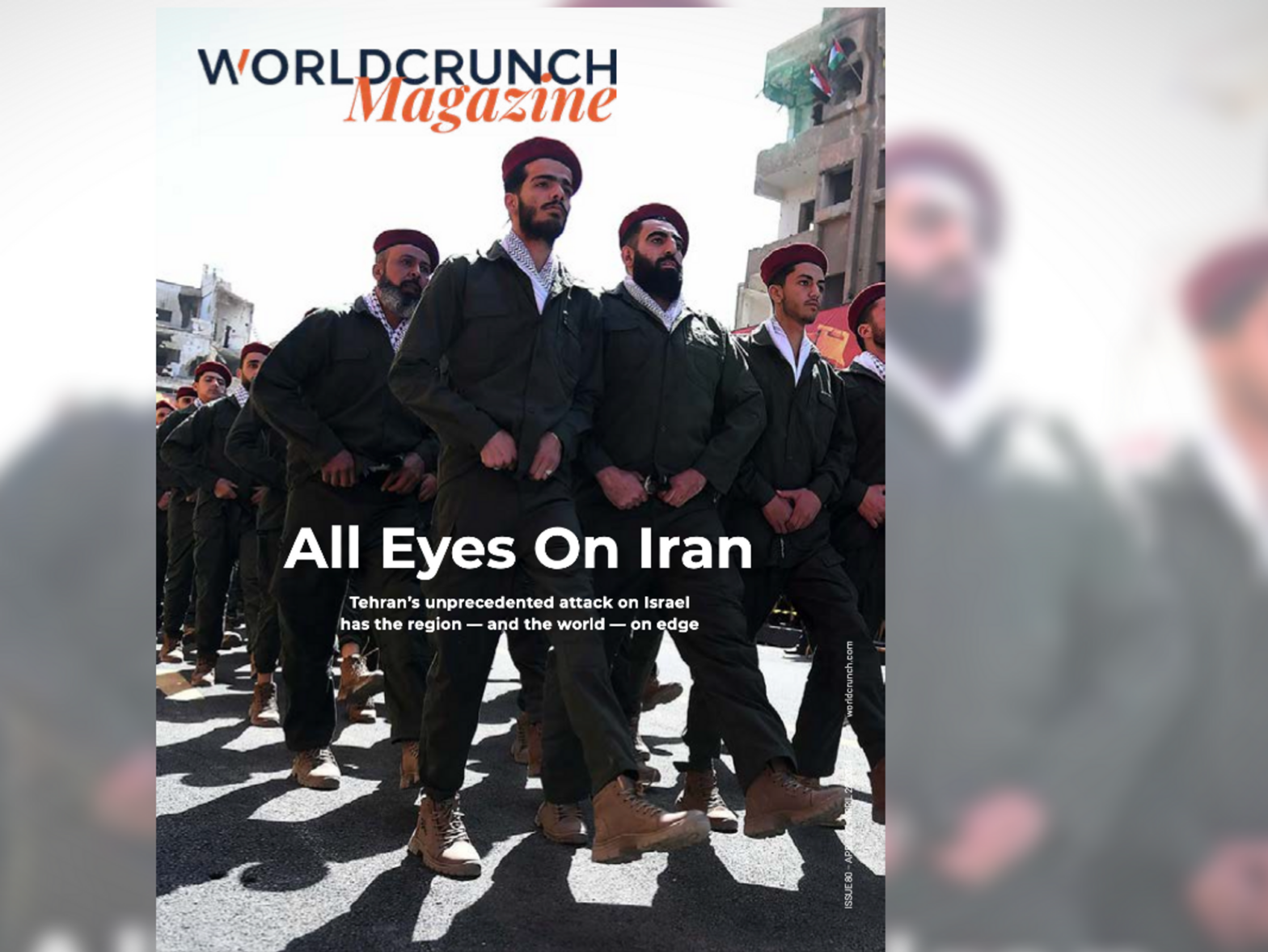
April 22 – April 28, 2024
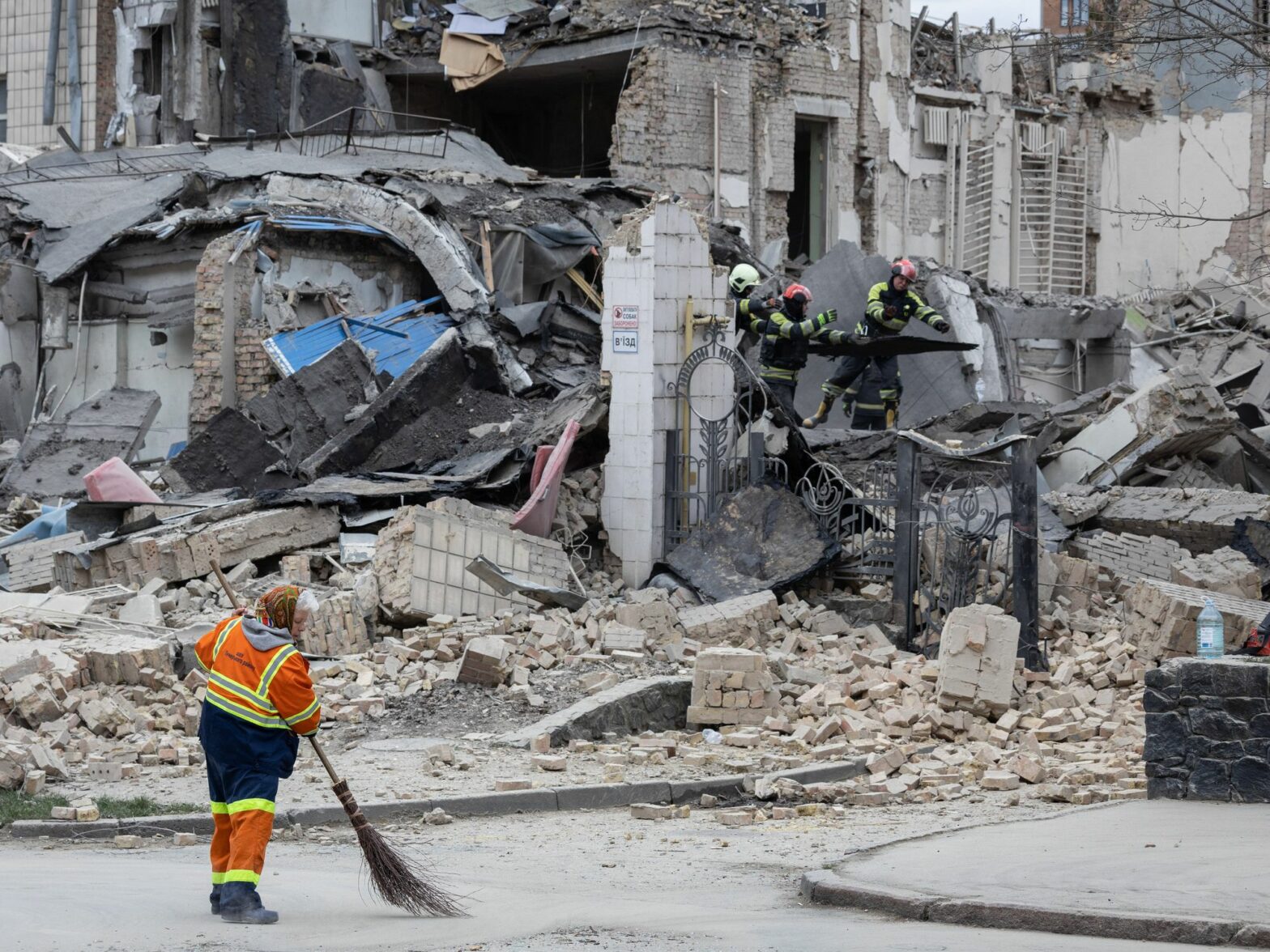
Seeing the near-perfect effectiveness of Israel’s defense against Iranian drones and missiles, Ukrainians are bitterly wondering why the West is denying them life-saving assistance. Fear of confrontation with a nuclear Russia remains the main reason.
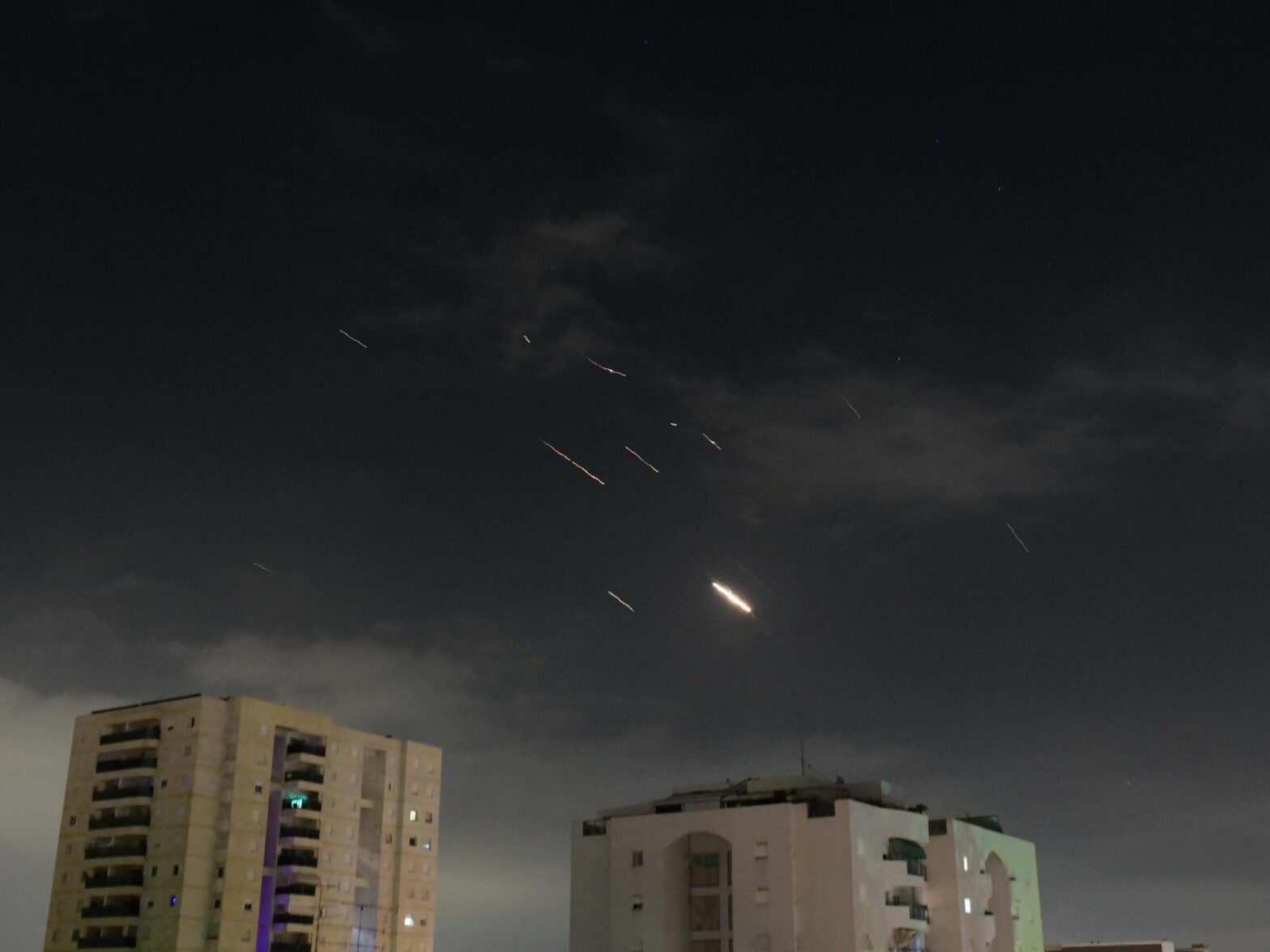
The world watches as Netanyahu walks that fine line between deterrence and escalation.
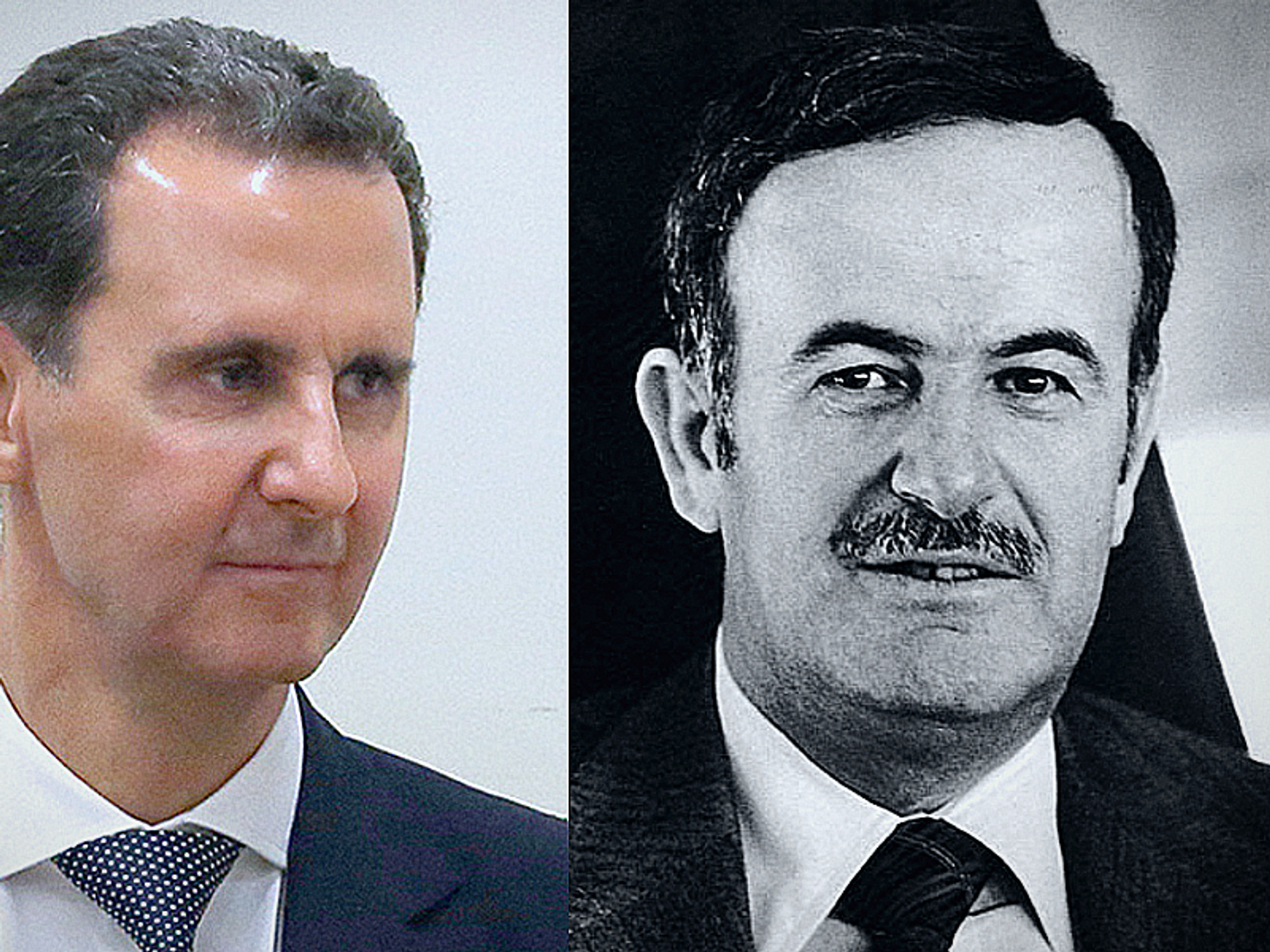
Recent changes in Syria’s security apparatus are yet another step in President Bashar al-Assad’s years-long effort to escape the shadow of his father and predecessor, Hafez al-Assad, more than two decades after his death.
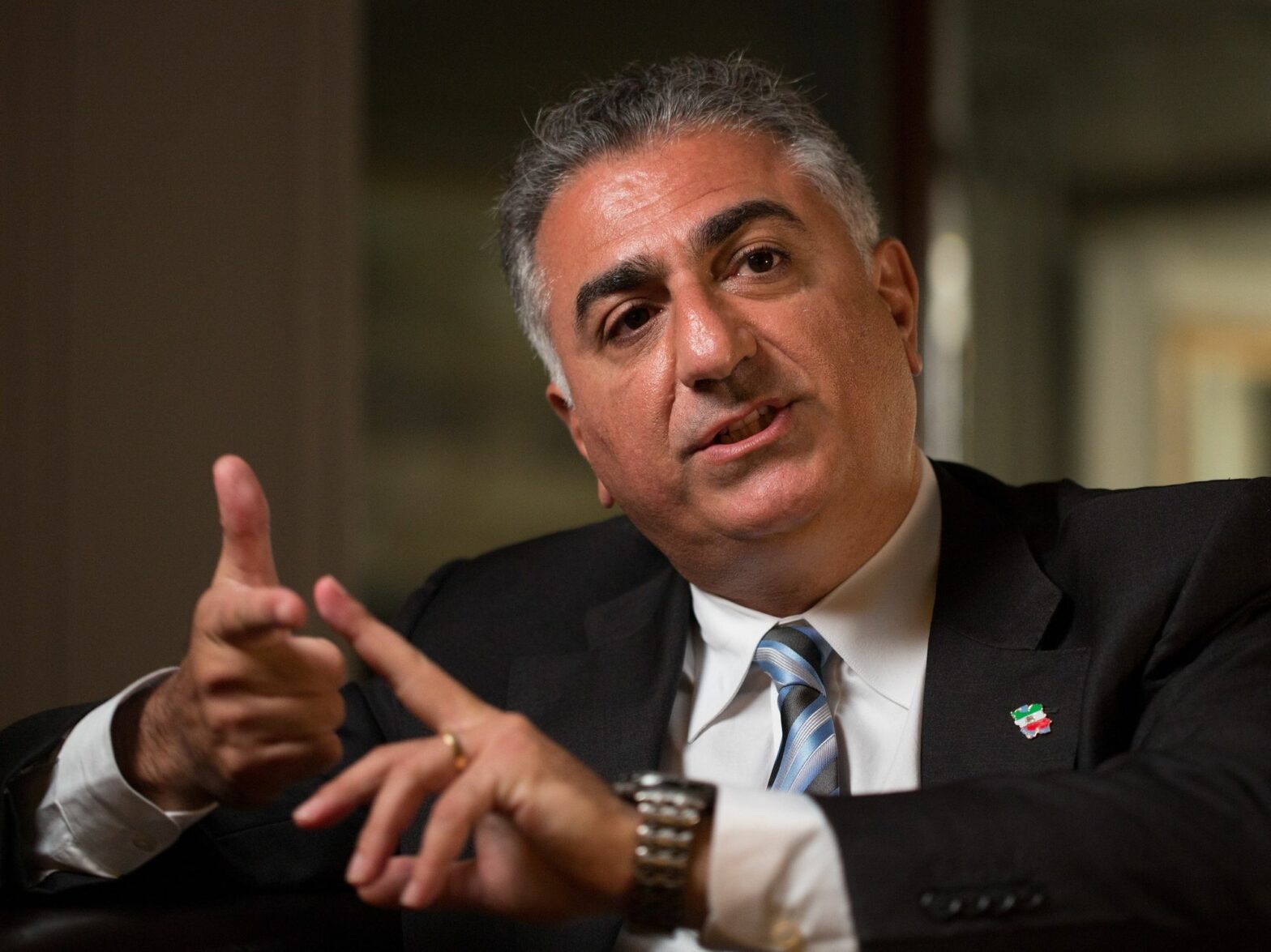
Iran’s exiled and surprisingly popular crown prince Reza Pahlavi is the son of the last shah, and is uniquely positioned to help unite opponents against the country’s brutal regime. But he can only do that by reaffirming his royal status, rather than responding on calls to renounce his title.