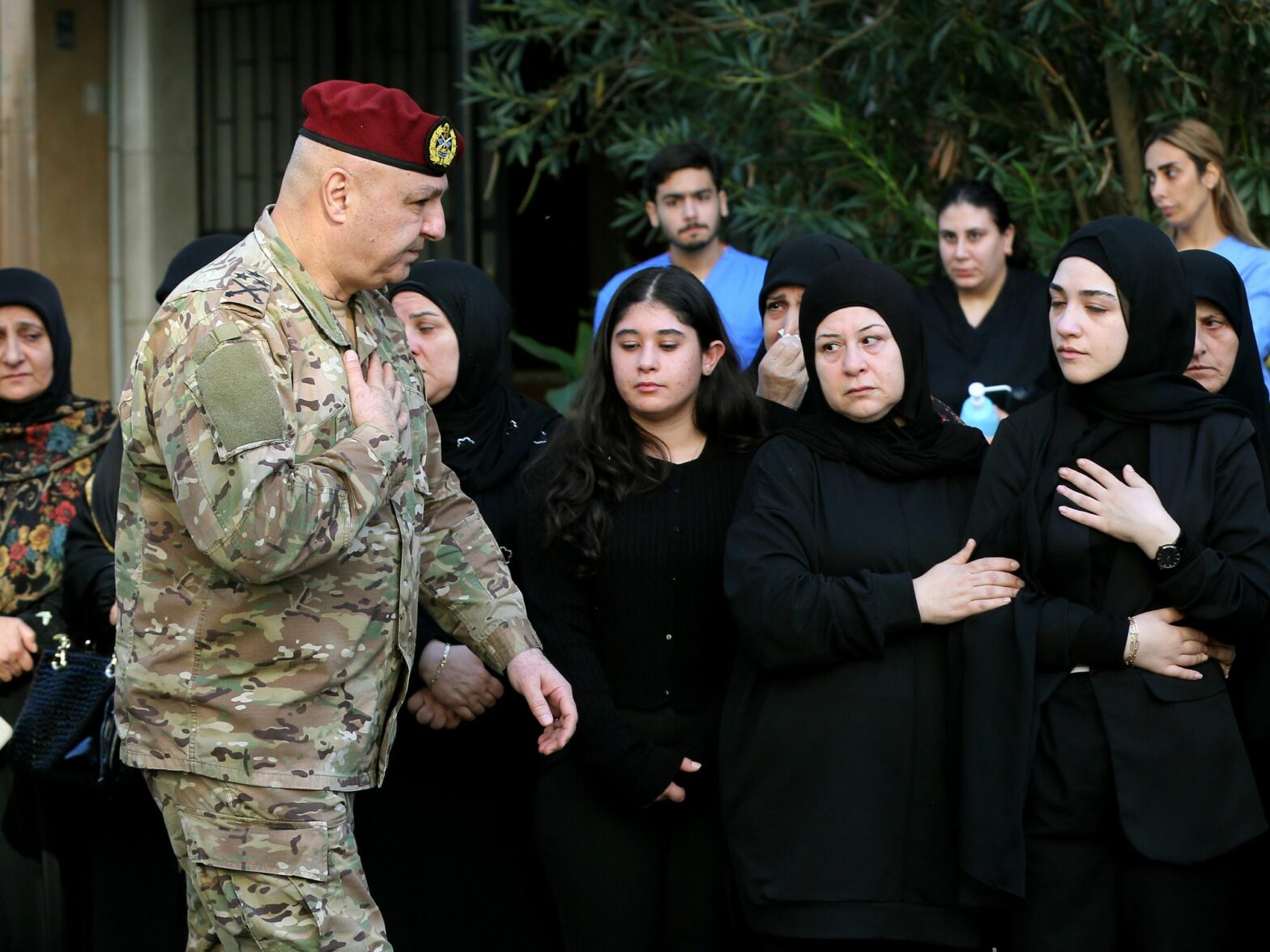
Lebanon’s parliament elected army chief Joseph Aoun as president on Thursday, following extensive behind-the-scenes negotiations. This marks a beginning, not an end, for a nation left drained by Hezbollah’s war with Israel amid a region in turmoil.
 Worldcrunch
Lebanon’s parliament elected army chief Joseph Aoun as president on Thursday, following extensive behind-the-scenes negotiations. This marks a beginning, not an end, for a nation left drained by Hezbollah’s war with Israel amid a region in turmoil.
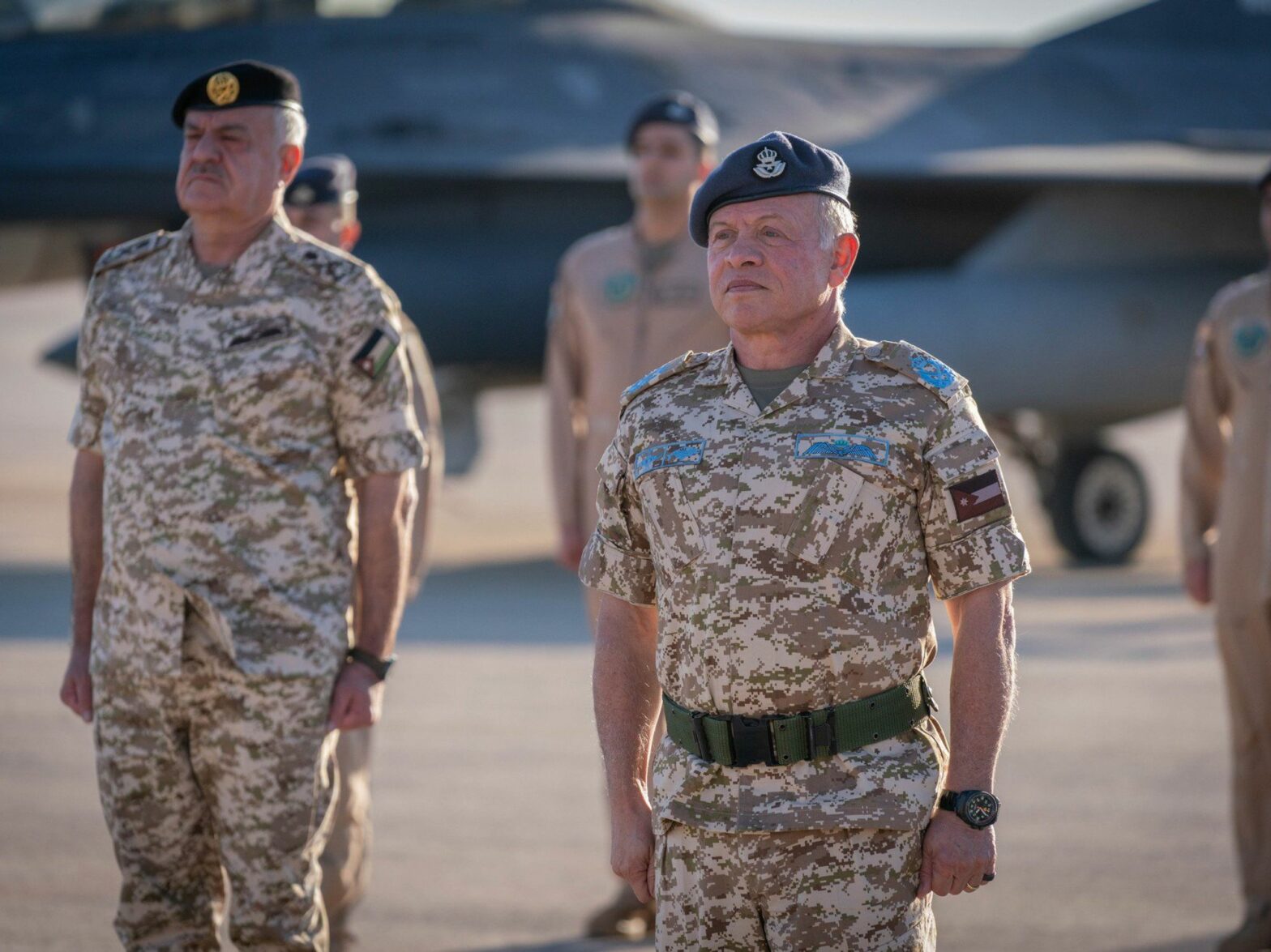
Jordan has cautiously followed the emergence of Syria’s de facto leader, Ahmed al-Sharaa, from the ranks of jihad fighters to a statesman. Amman is increasingly concerned that the Muslim Brotherhood could exploit the rise of Islamists in Syria to sow chaos in Jordan, or the return of extremist fighters to areas on its borders.
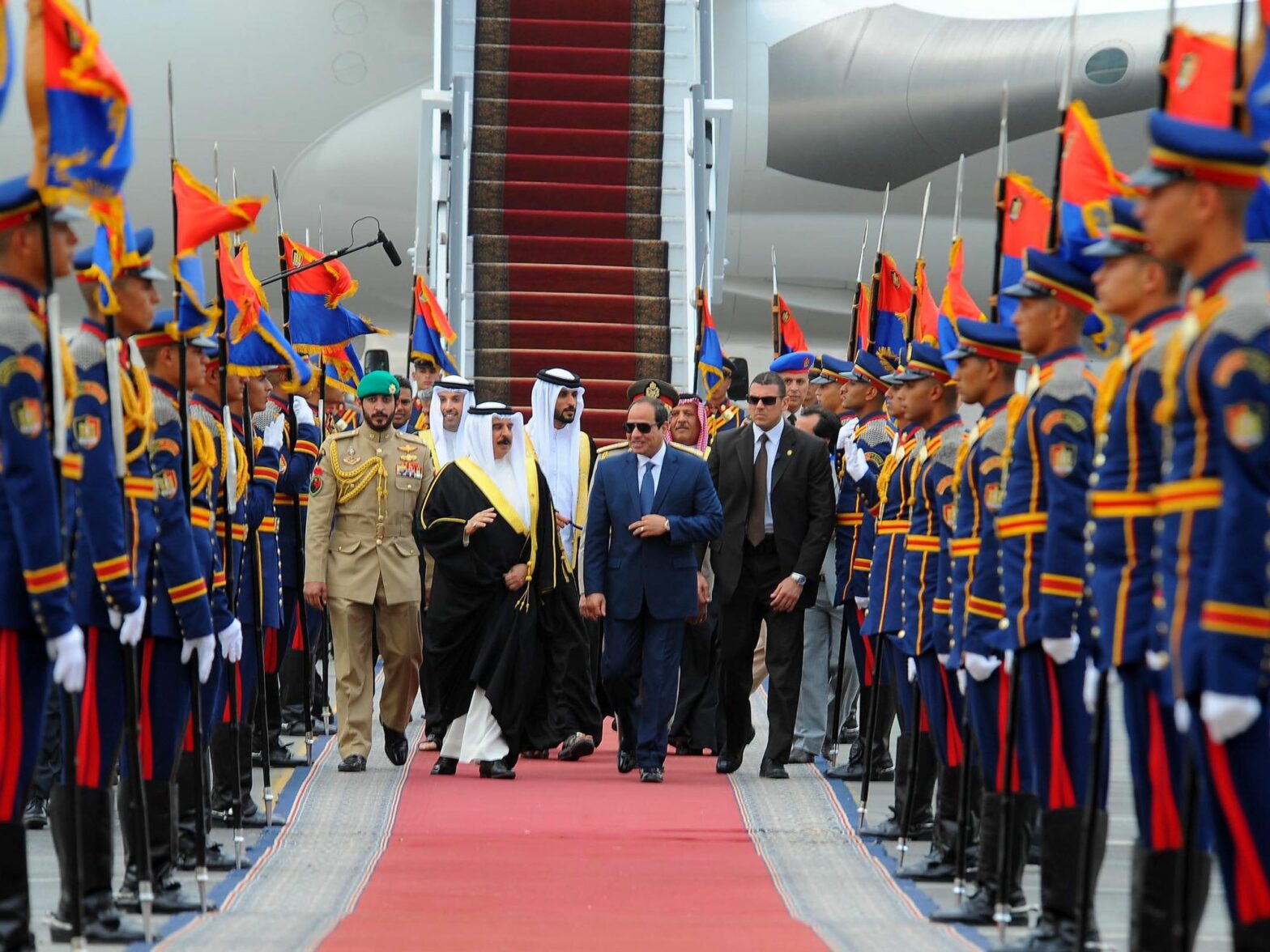
The Middle East needs a vision that emanates from the region itself, and includes clear reassurances to all parties.
Here, the opportunity appears for Egypt, which can play a vital role in helping neighboring countries shape this vision, after the Middle East that we knew since the Cold War has gone forever.
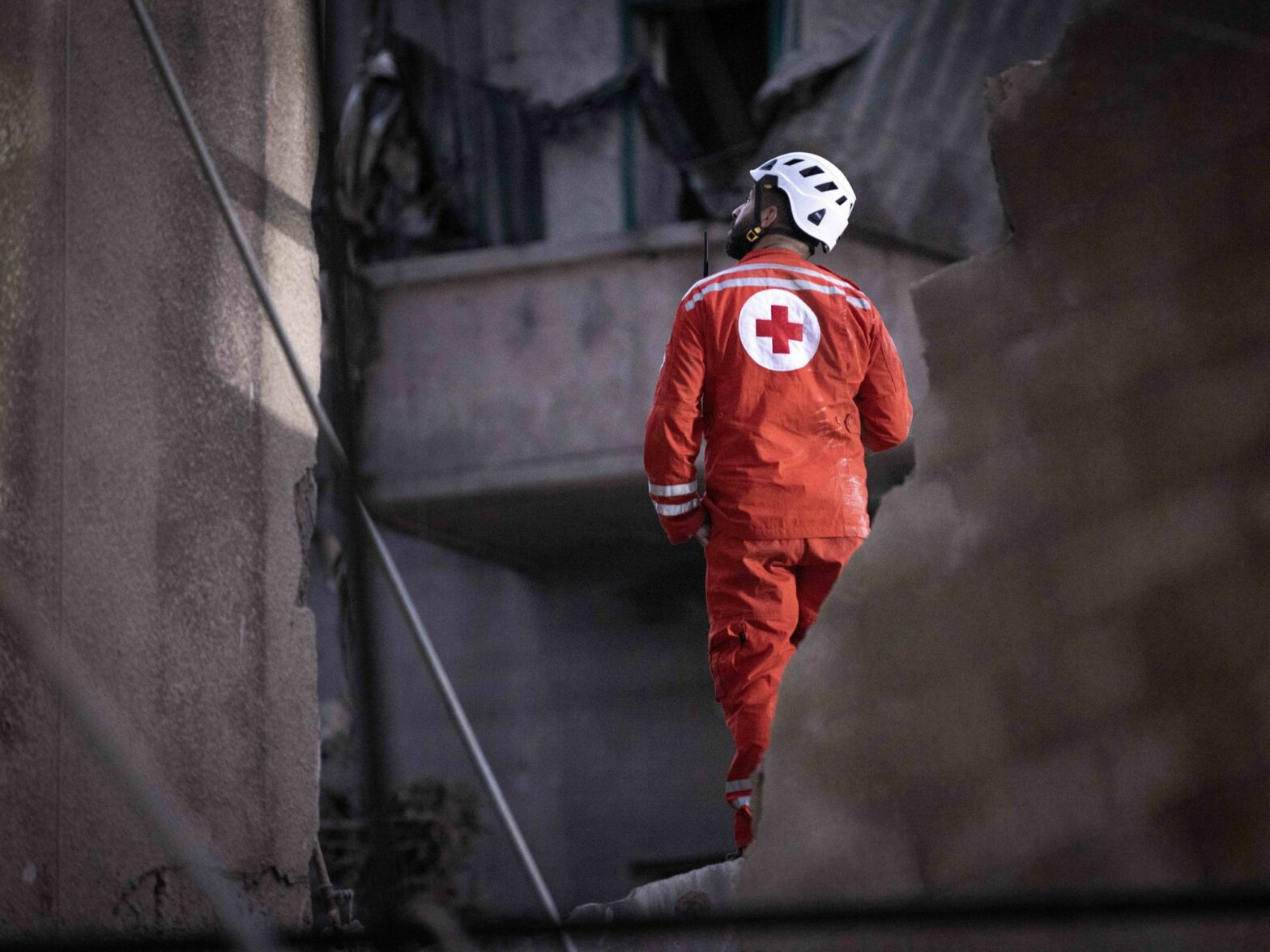
Israel and Lebanon have reached a U.S. and France-brokered ceasefire agreement. It’s an intricate agreement that requires a withdrawal of Israeli forces within 60 days, contingent on Hezbollah retreating north. And it shifts focus, allowing the war in Gaza to continue unabated.
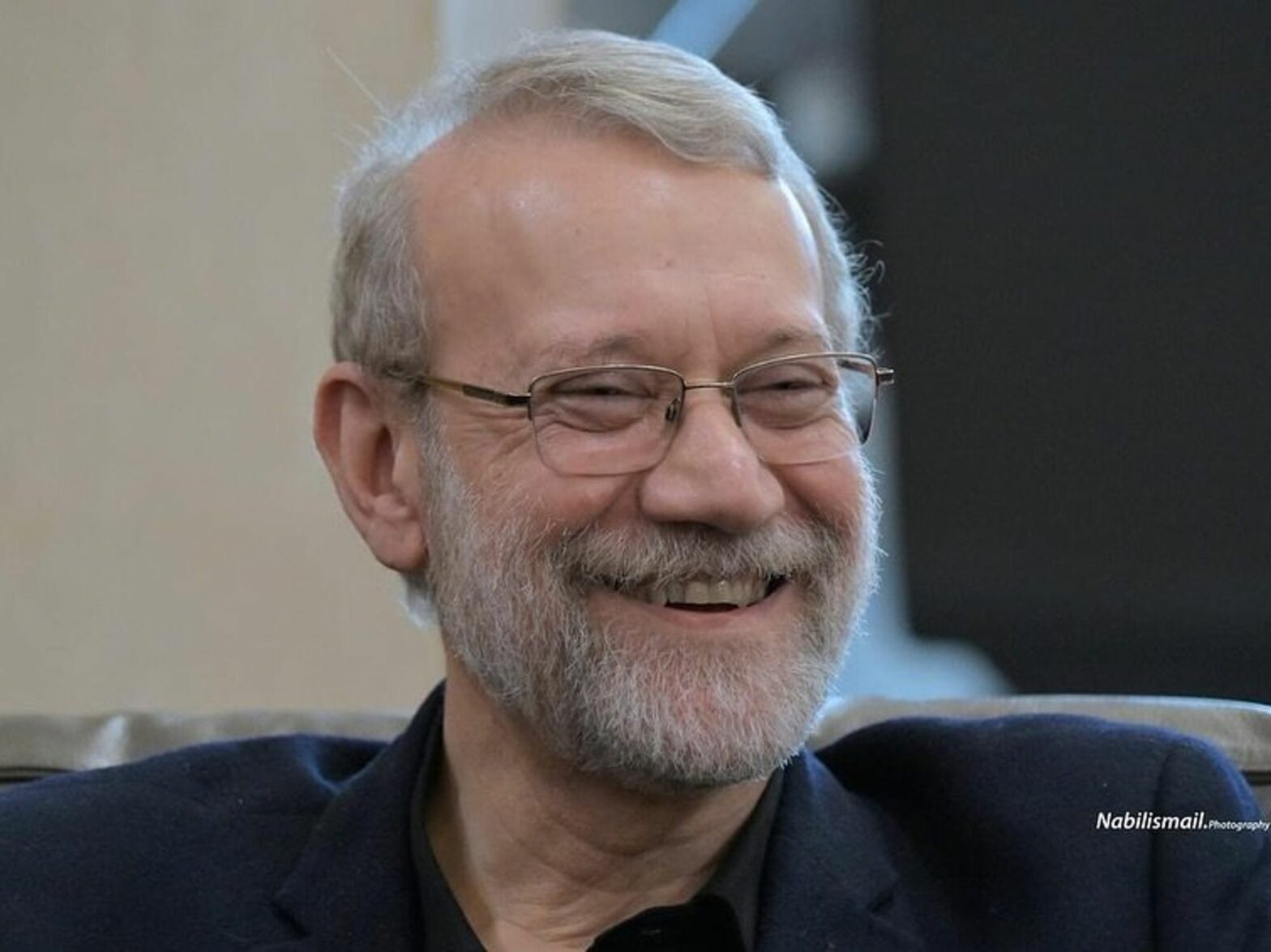
A photographer captured the seasoned Iranian official Ali Larijani laughing on his visit Thursday to Beirut, fully aware of what laughter means in such a situation. The seasoned Iranian diplomat knows that many Lebanese hold his regime responsible for dragging their country into a bloody, senseless, and destructive war.
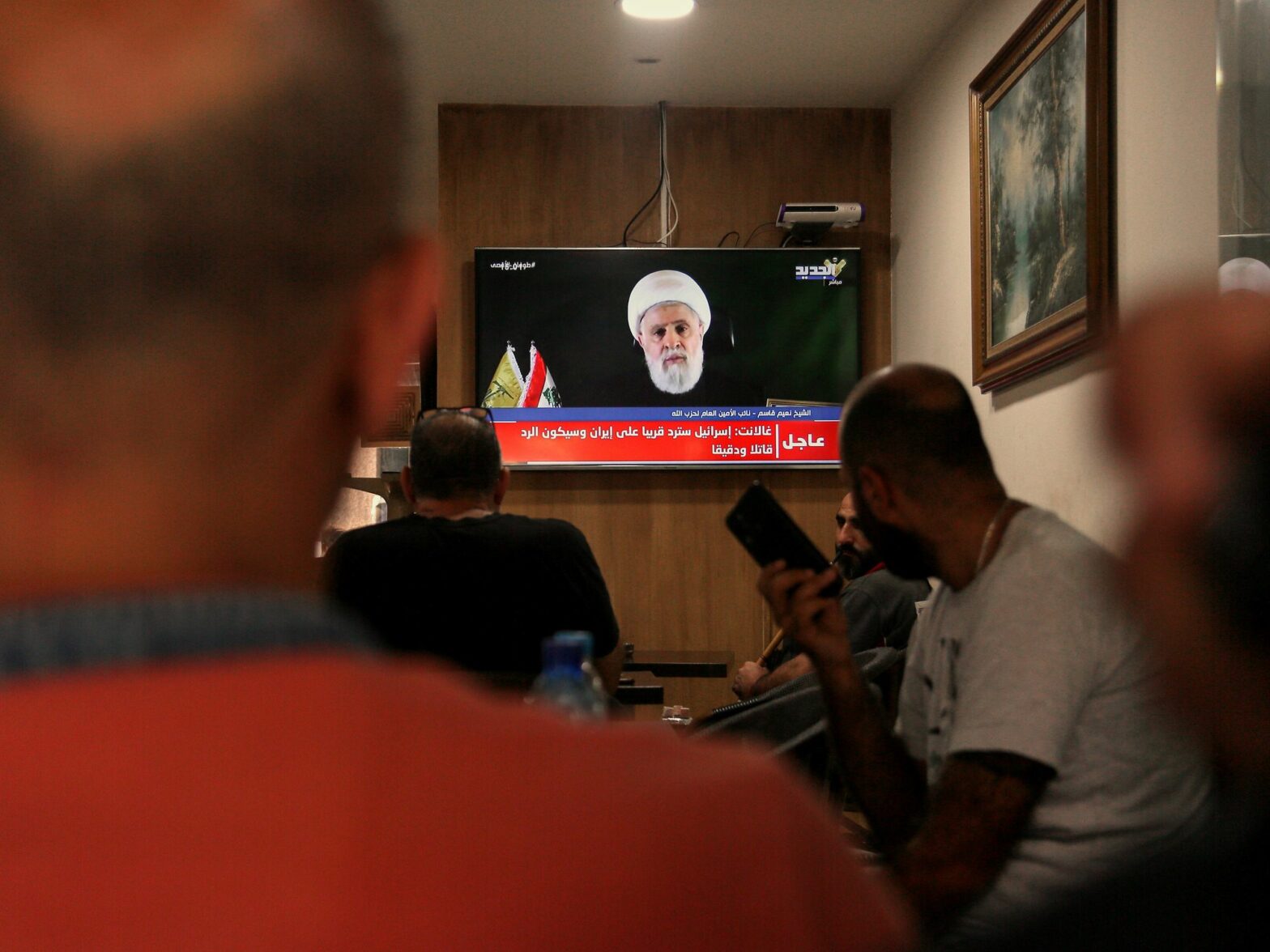
The legacy of Hassan Nasrallah will weigh heavily on Naim Qassem, who was named this week as new secretary general of Hezbollah. Can the less charismatic Qassem win the hearts of his followers?
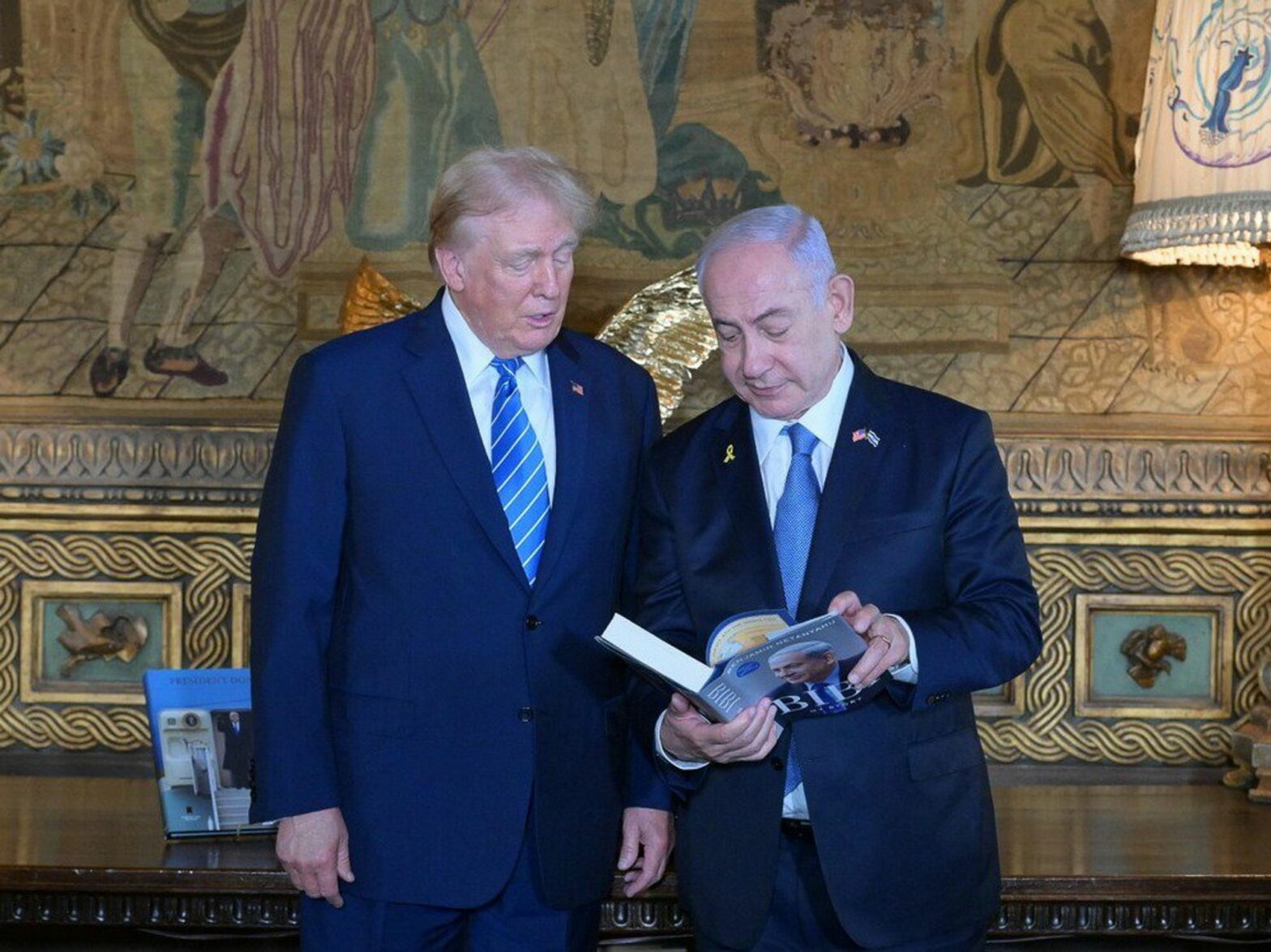
A Donald Trump victory would likely mean that the expected calm in the confrontation between Israel and Iran in the coming weeks will be just a warrior’s rest.
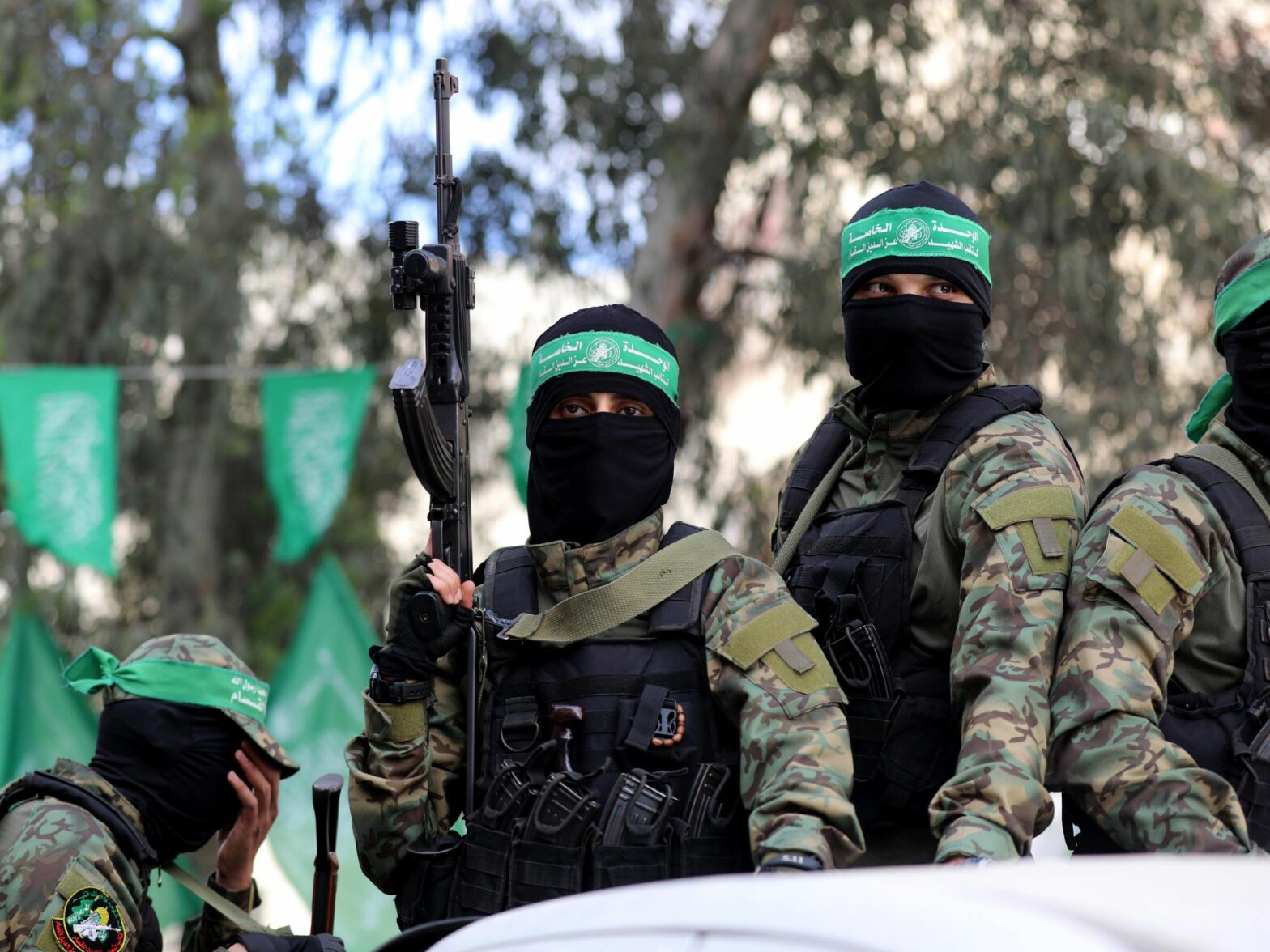
The question of who will succeed Yahya Sinwar is essentially a question of whether Hamas will return from its “Iranian exile” and embrace the Muslim Brotherhood.
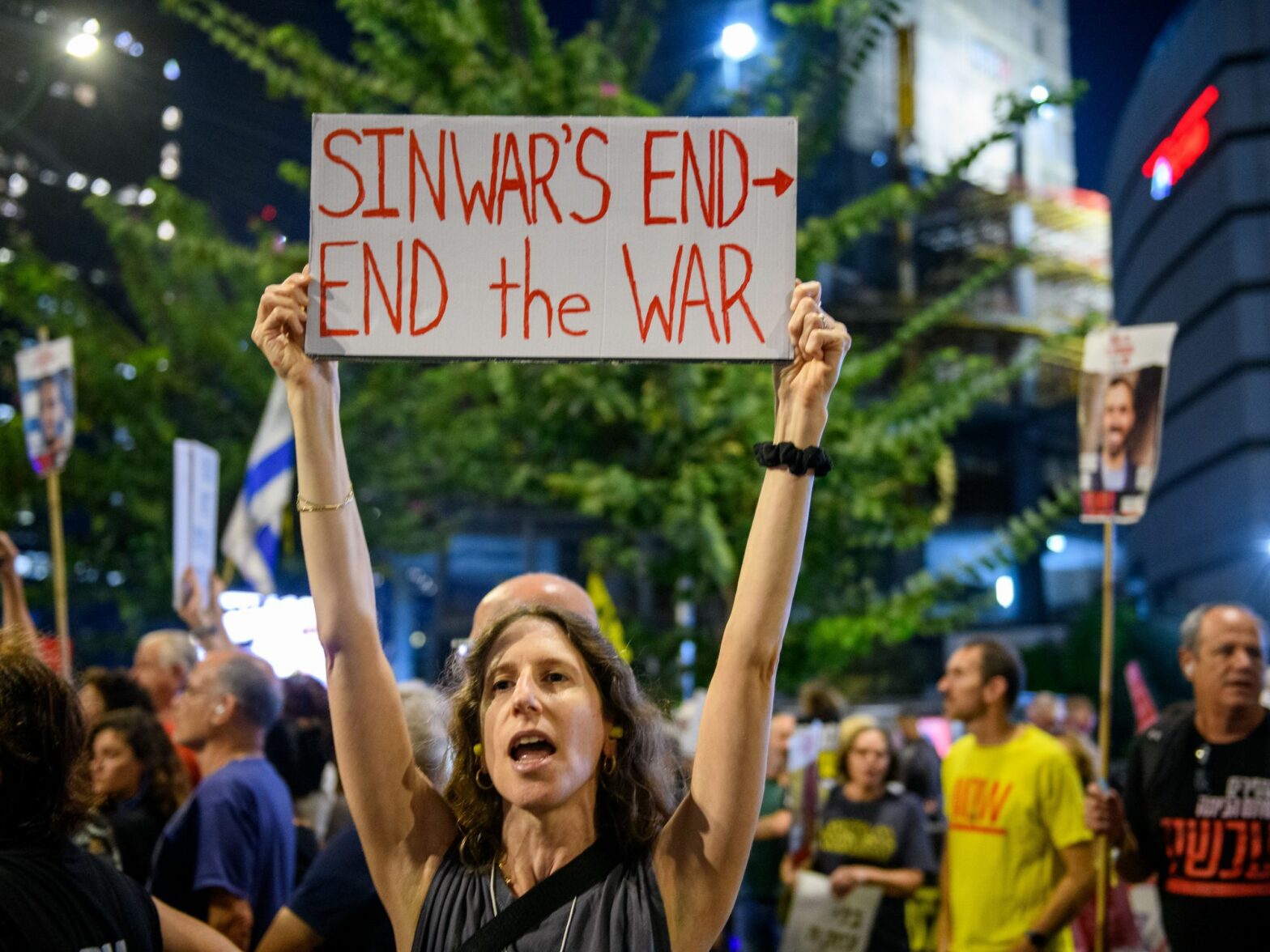
Hamas leader Yahya Sinwar, and above all ‘mastermind’ of October 7, is dead. Washington and Paris are calling on Israel to seize this opportunity to put an end to the war, but Netanyahu may choose to cash in another dividend.
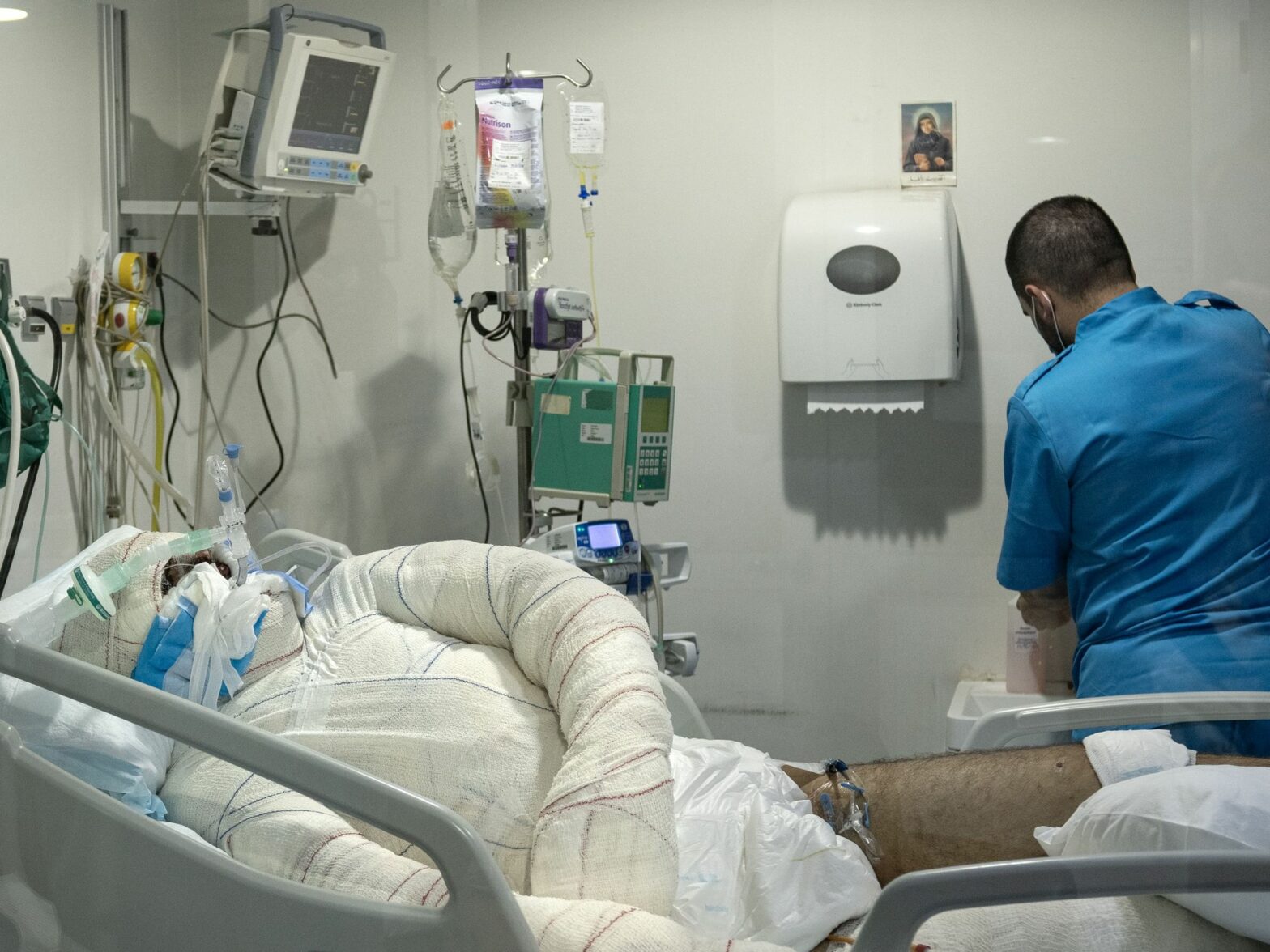
As Israel’s air strikes on Lebanon intensify, following the unprecedented exploding pagers attack, the severely injured get care inside Geitawi General Hospital that aims to salvage their forever altered lives.
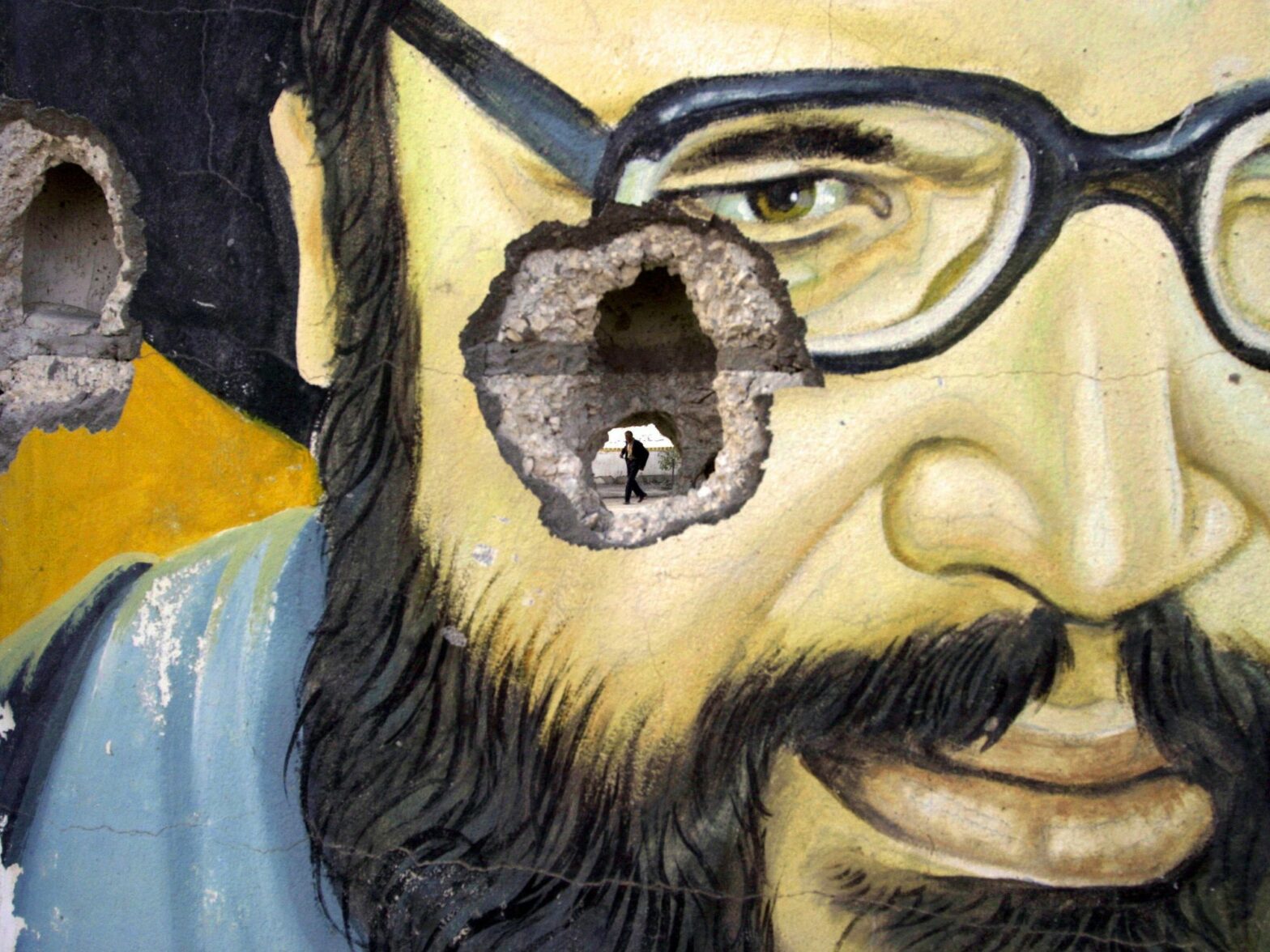
When Israel killed Hassan Nasrallah in an airstrike on a stronghold in Beirut, journalist Khaled Dawoud recalled his meeting with the head of Hezbollah more than two decades ago, and gauges how his death marks the end of an era of confrontation with Israel.
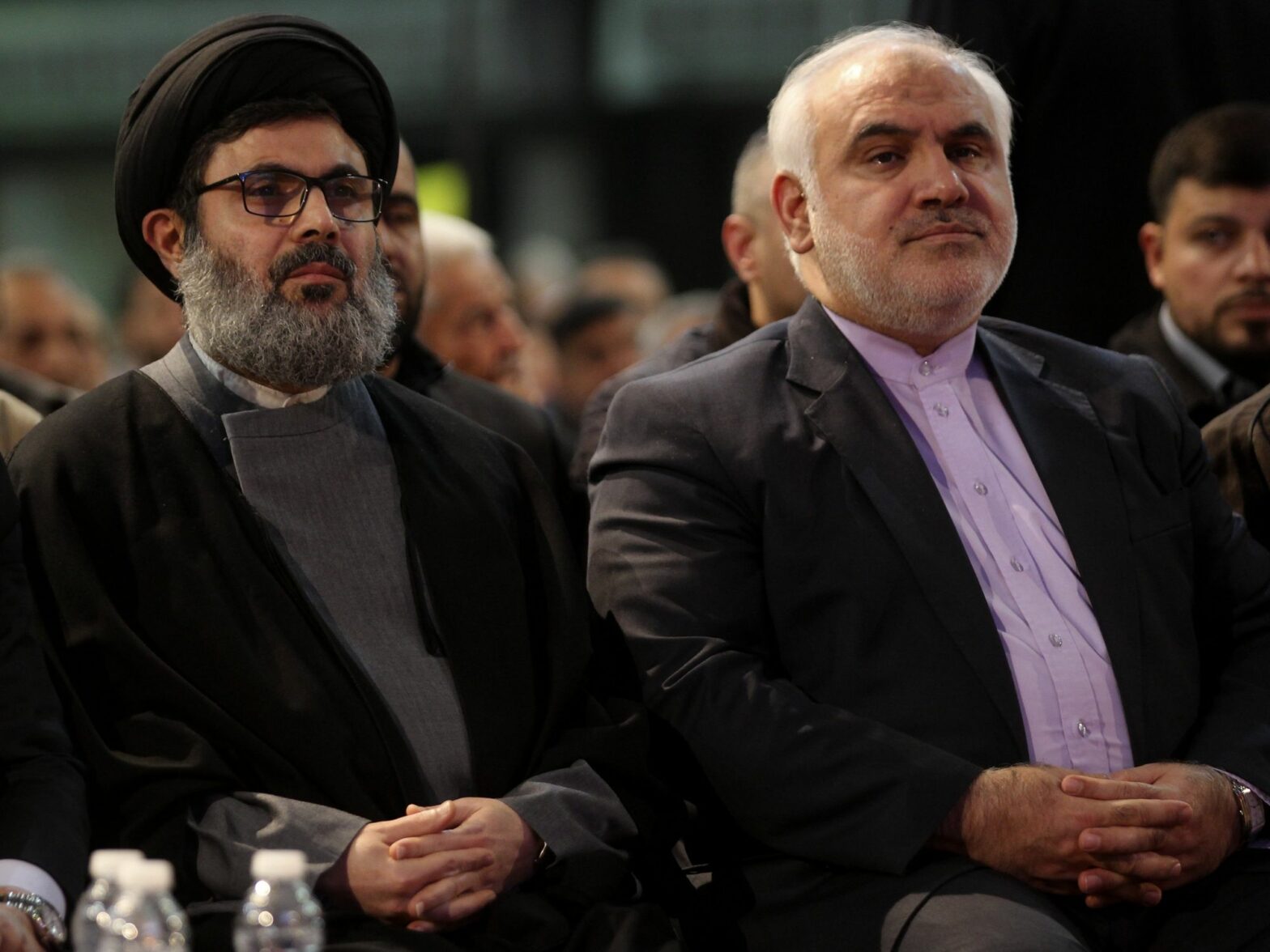
Israel has targeted Hashem Safieddine, the younger cousin of slain Hezbollah chief Hassan Nasrallah, in an overnight air strike early Friday. Believed to be the heir apparent, Safieddine rose through the ranks and positions within the organizational structure. He also has very strong ties, and family connections, with hardliners in Iran.
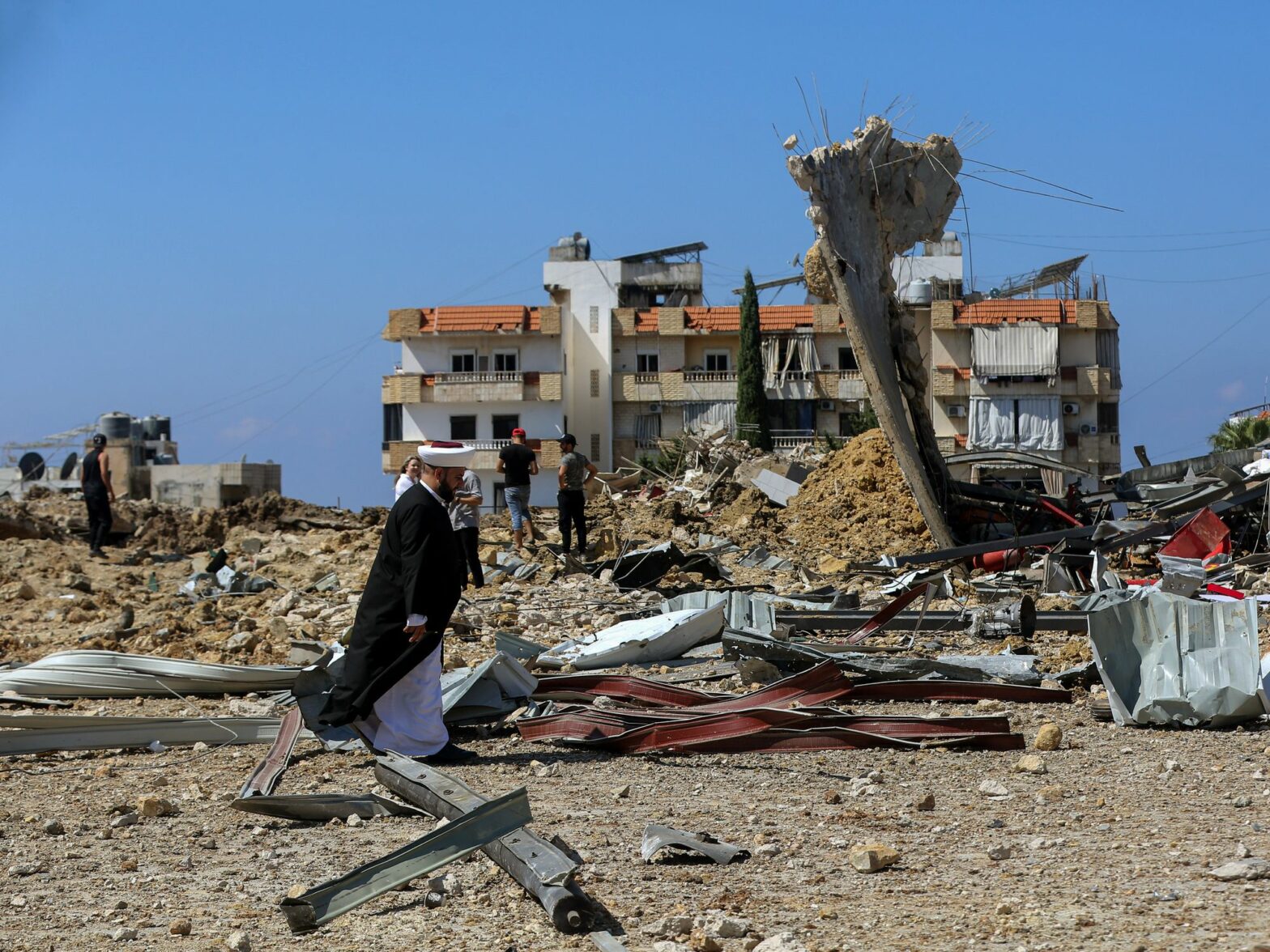
Israeli Prime Minister Benjamin Netanyahu laid out a careful plot to push and ultimately shatter the long-established “rules of engagement” in the Middle East. It caught everyone, from Iran to Hezbollah to the White House, by surprise. The aim is to remake the whole region to revolve around Israel.
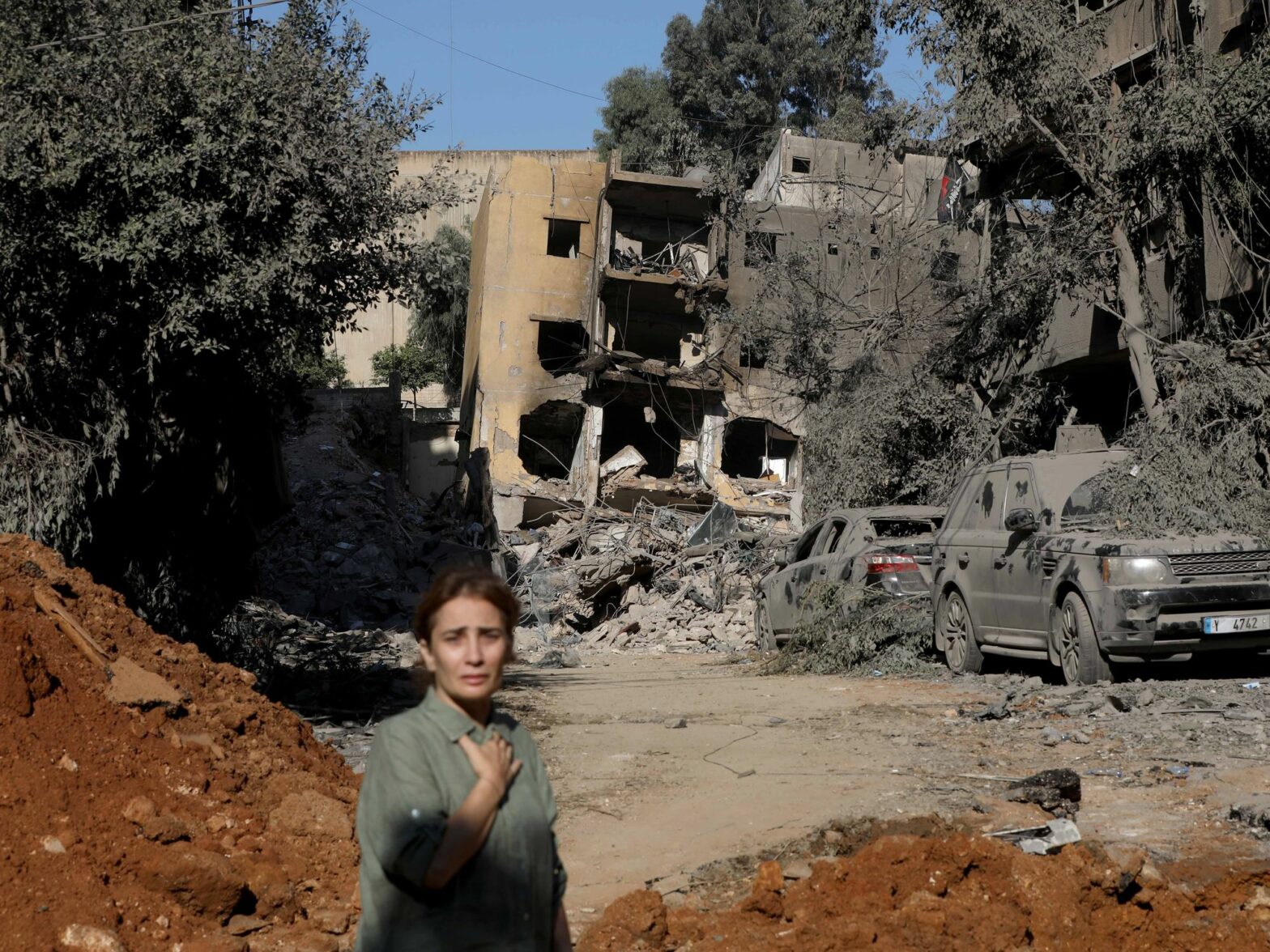
As Israel celebrates the death of Hezbollah’s leader, Washington and Tehran both suddenly seem powerless, looking like spectators of an unraveling tragedy that is beyond their control. Yet, given its demographics and geography, Israel desperately needs allies.
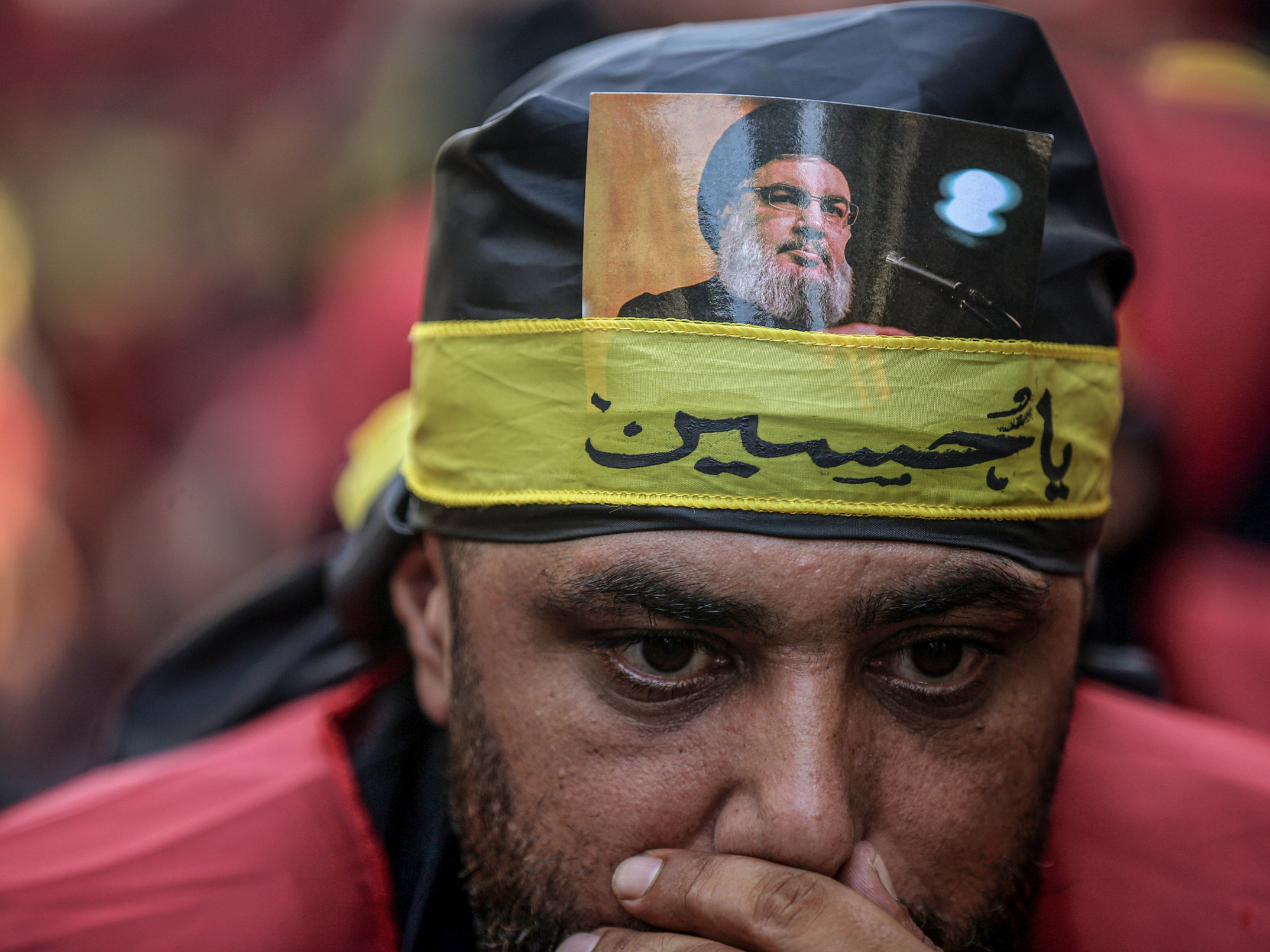
Israel has killed Hassan Nasrallah, longtime charismatic head of Lebanese militant organization Hezbollah. His recent leadership had been marked by a new kind of realism in the face of the balance of power, and served as a complement to Hezbollah supporters’ knee-jerk celebrations even when they are defeated.
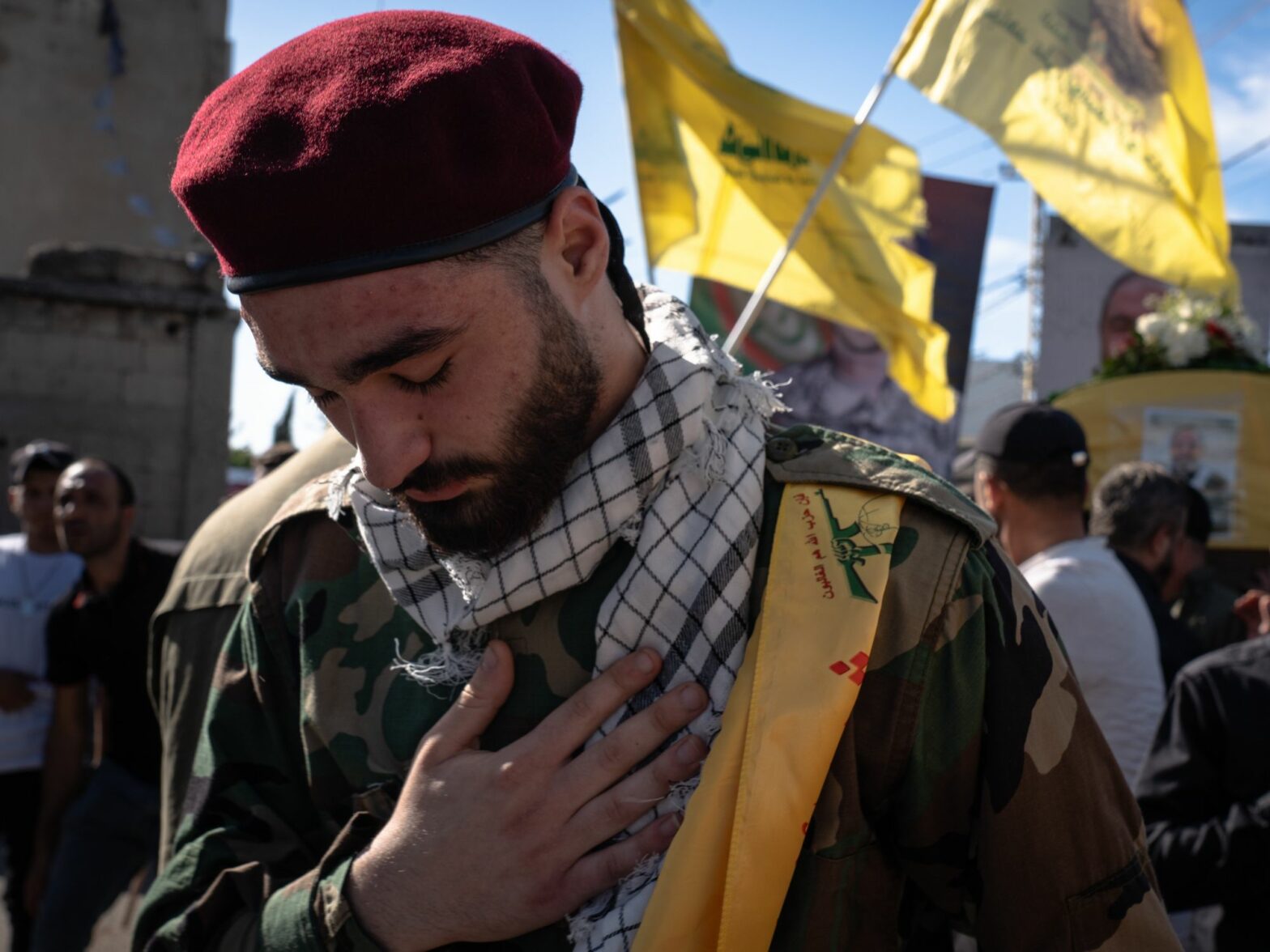
Nearly a year into the war in Gaza, the people of Lebanon are paying a price for both a failing of Hezbollah security, and more broadly for a support war so ambiguous that it’s impossible to understand its cause, purpose, or if anything has been achieved.
![Close-up photo of a Hezbollah supporter sporting a headband that reads in Arabic and Hebrew "We swear we will cross [into Israel]" during a rally in Beirut.](https://worldcrunch.com/assets/uploads/2025/03/close-up-photo-of-a-hezbollah-supporter-sporting-a-headband-that-reads-in-arabic-and-hebrew-we-swear-we-will-cross-into-israel-during-a-rally-in-beirut-1568x1176.jpg)
We have entered a new phase of confrontation. The war on the northern front has become a reality and not just threats. Hezbollah may be reeling after the pagers attack and the bombings in southern Lebanon, but it is also set to go on the offensive, taking aim at Israel’s northern coastal city of Haifa.
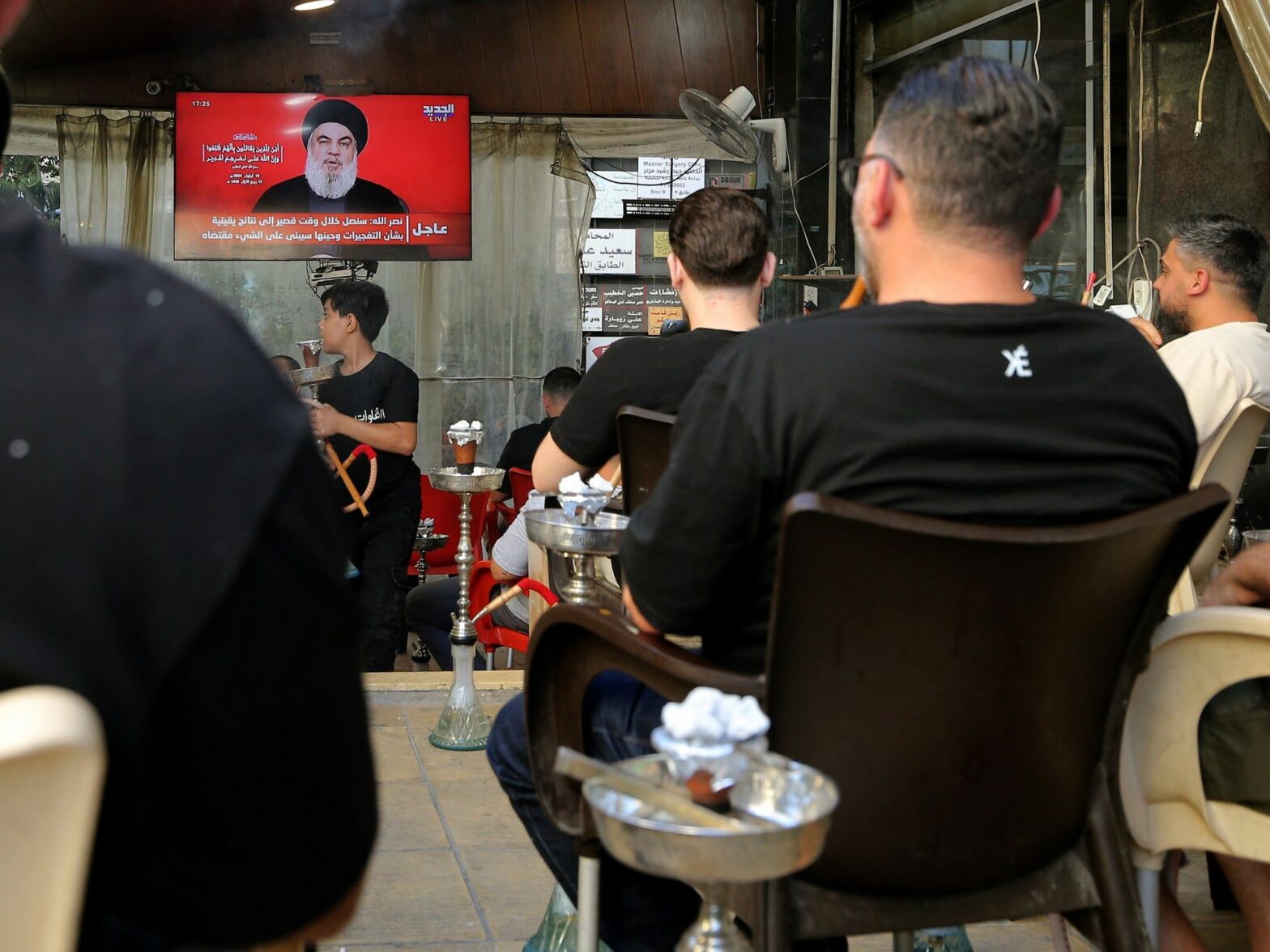
After a series of Hezbollah pager and walkie-talkie explosions attributed to Israel, Hassan Nasrallah, the movement’s leader, promised to retaliate, while Israel stepped up its air raids. But neither side has a strategic vision beyond the battlefield.
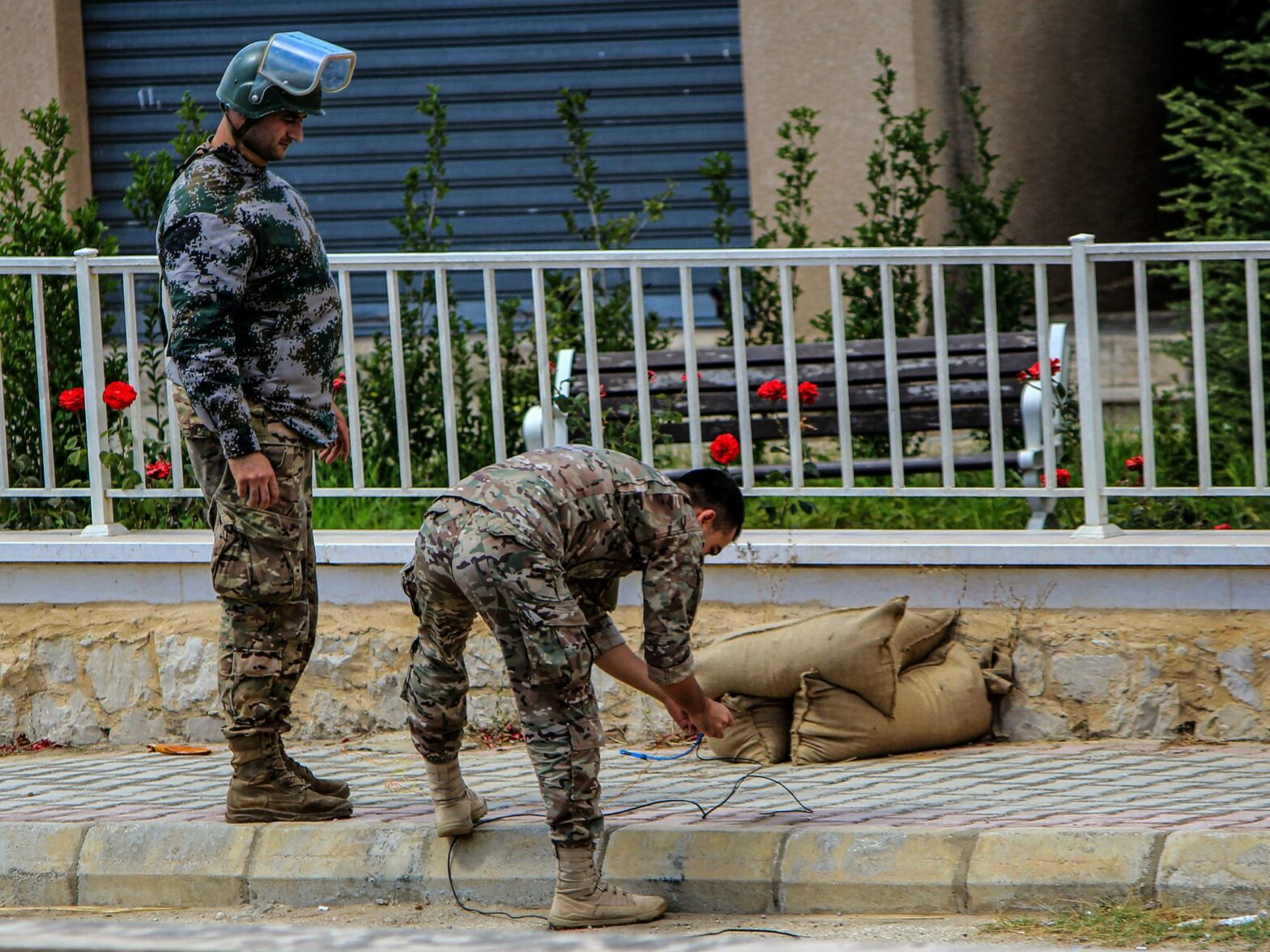
Striking with the knowledge that innocents will die is the same genocidal approach that has killed nearly 40,000 Palestinians in Gaza. The particular approach, detonating electronic devices by remote control, should worry everyone in the world.
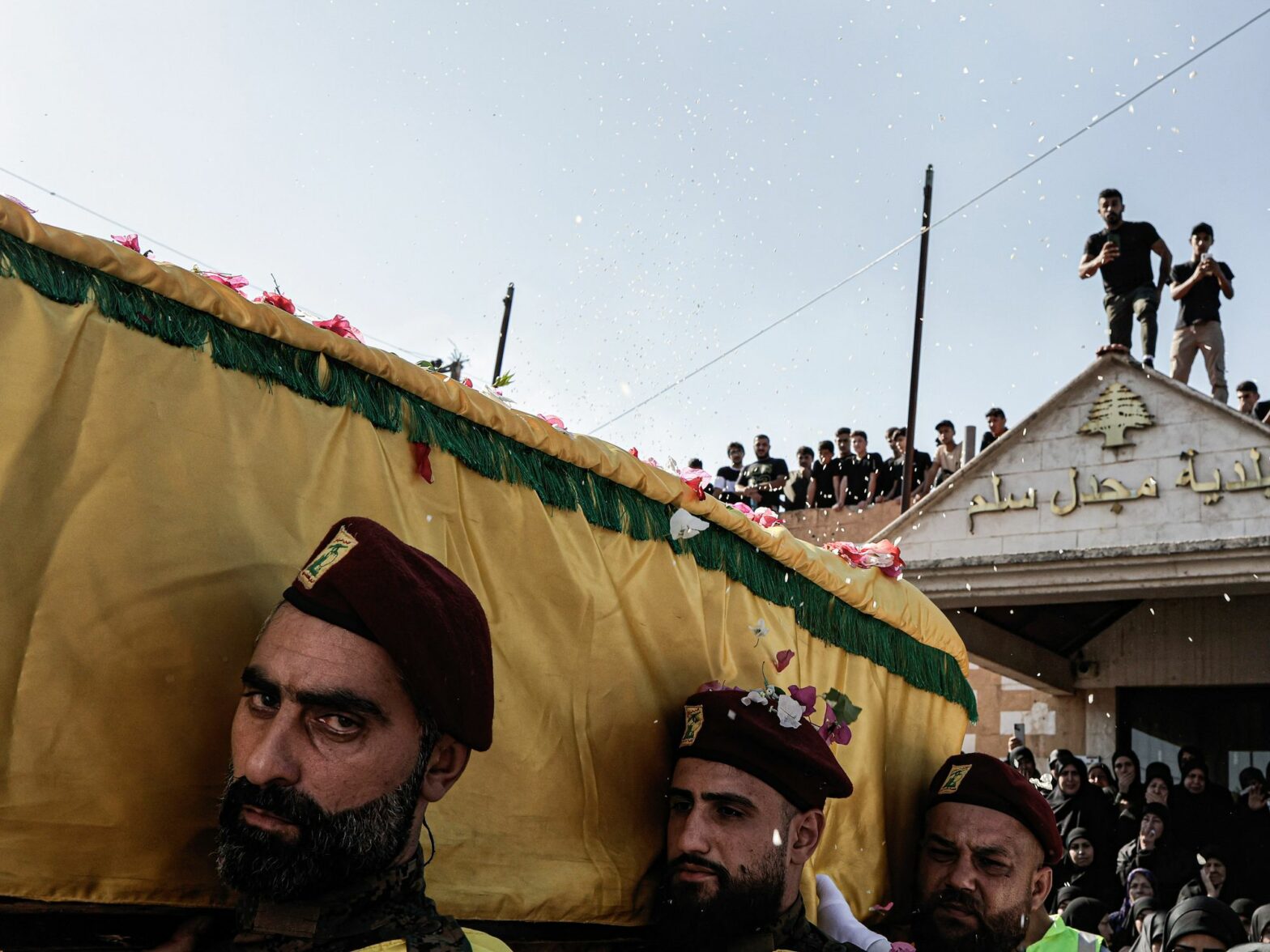
Nine dead and nearly 3,000 wounded. The unprecedented attack on the pagers of Hezbollah members is the larger explosion of a war already underway that could consume the whole Middle East.
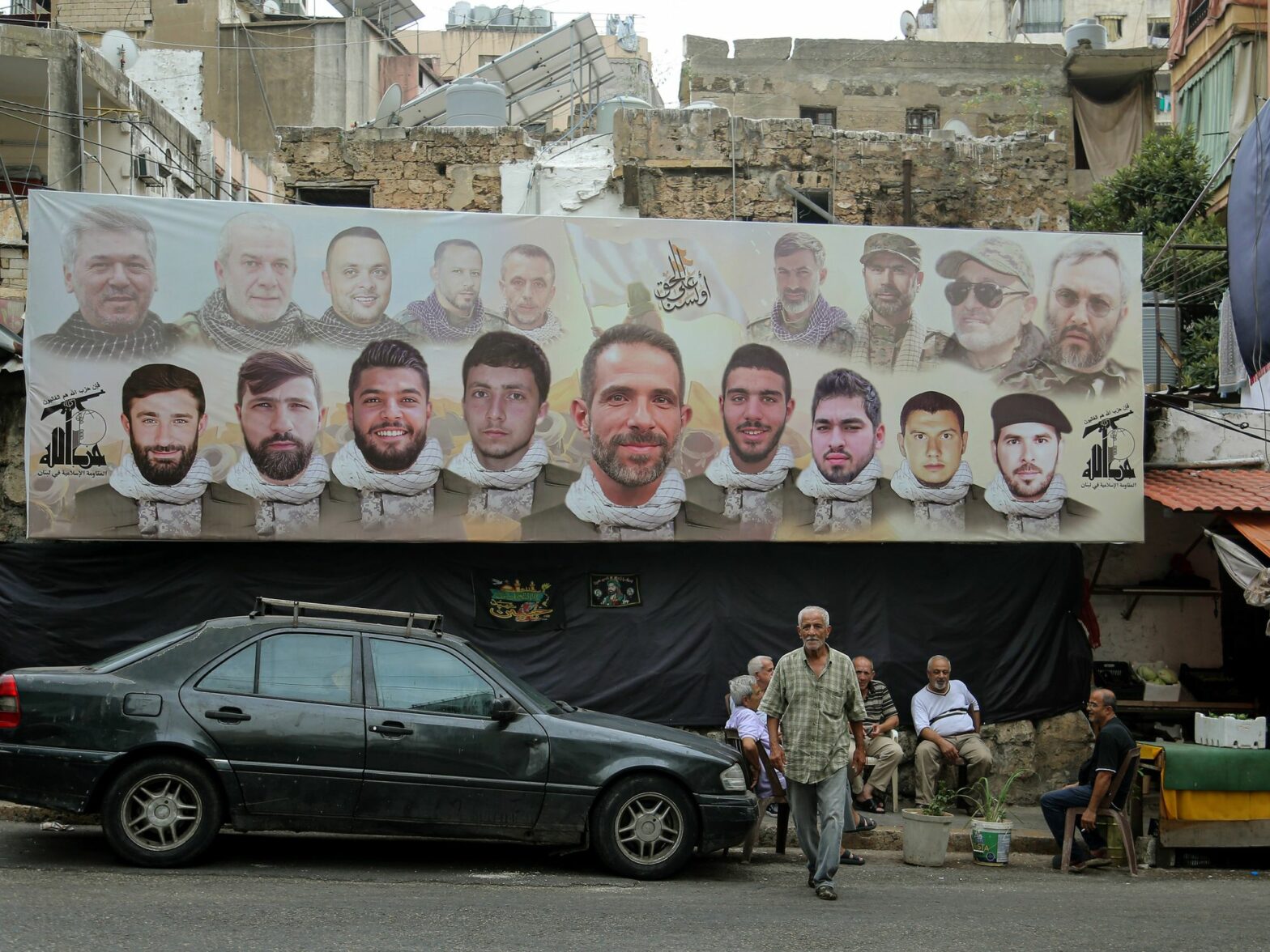
If there is a real peace project and an Israeli intention to solve the Palestinian tragedy, Hamas would have lost its justification for existence. Not just Hamas, but all the resistance factions.
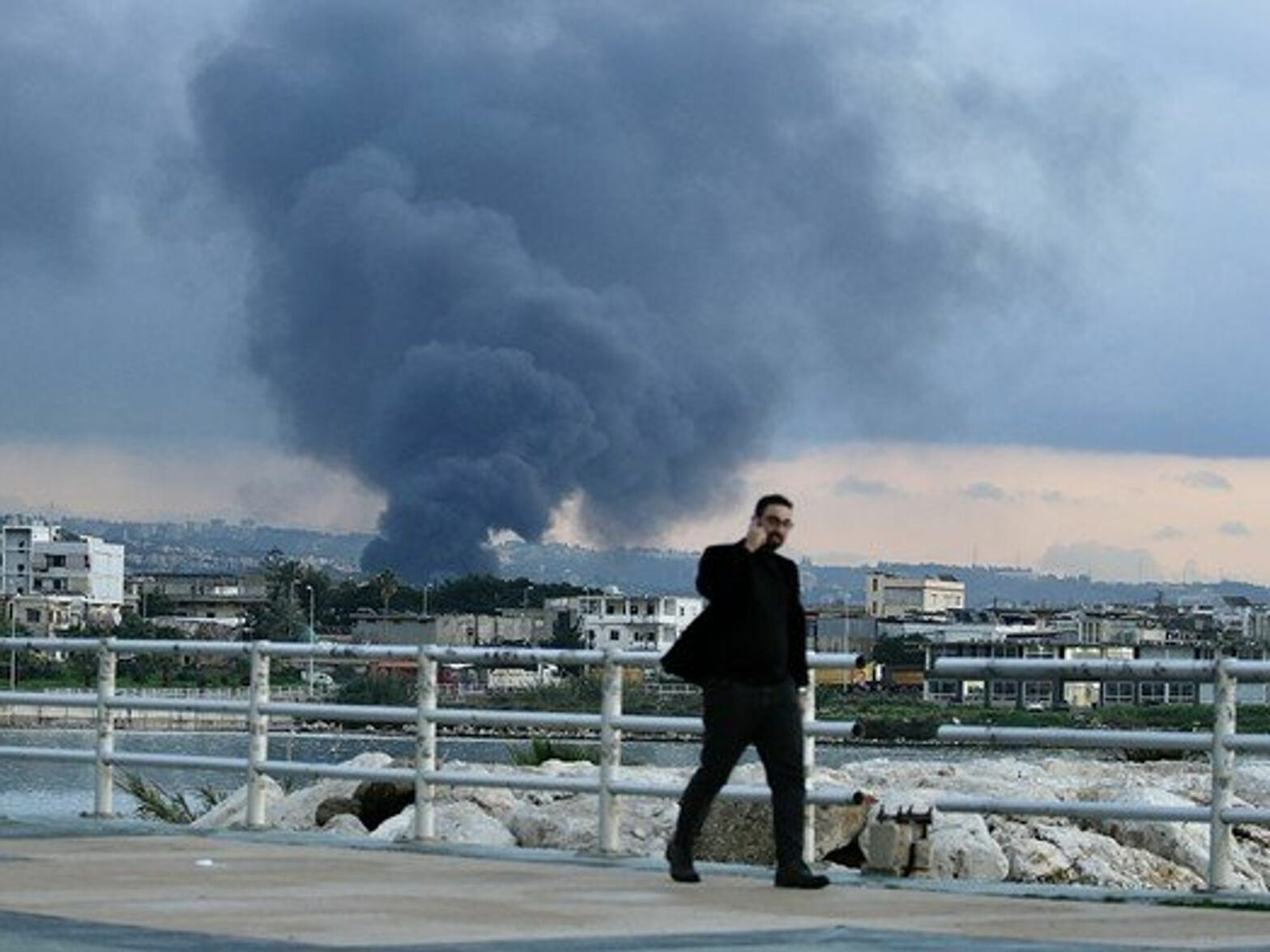
Residents of southern Lebanon believe that their hometowns will remain an open arena for a long-term war between Israel and Hezbollah, even if this has only happened so far in a way that allows both sides to stop short of declaring an all-out war.
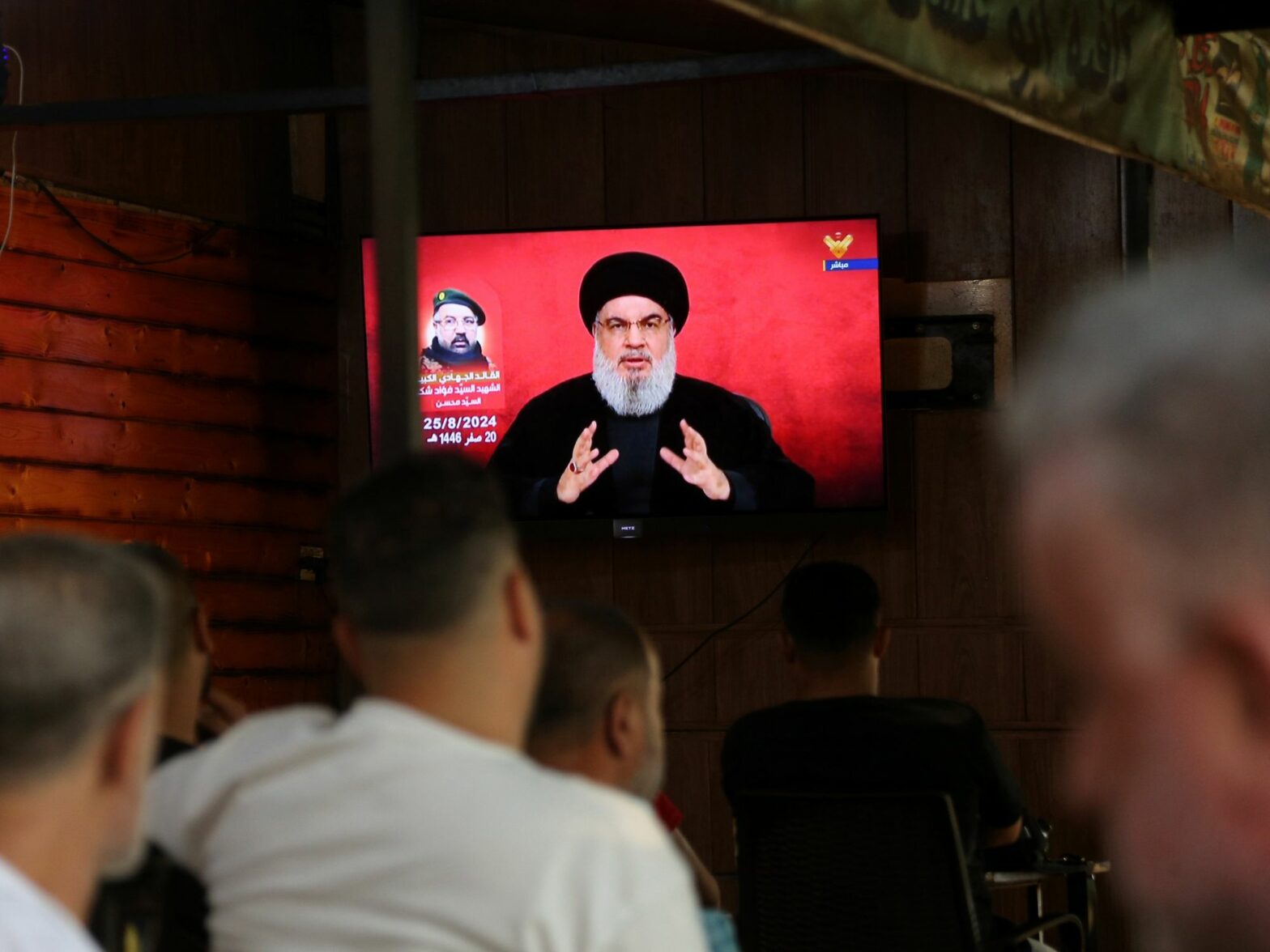
For two decades Hezbollah chief Hassan Nasrallah spoke about destroying Israel, but in recent speeches, he’s just demanding it pull out of Gaza. It’s one more sign that its patrons in Tehran have made a calculation to try to salvage a status quo in the region.
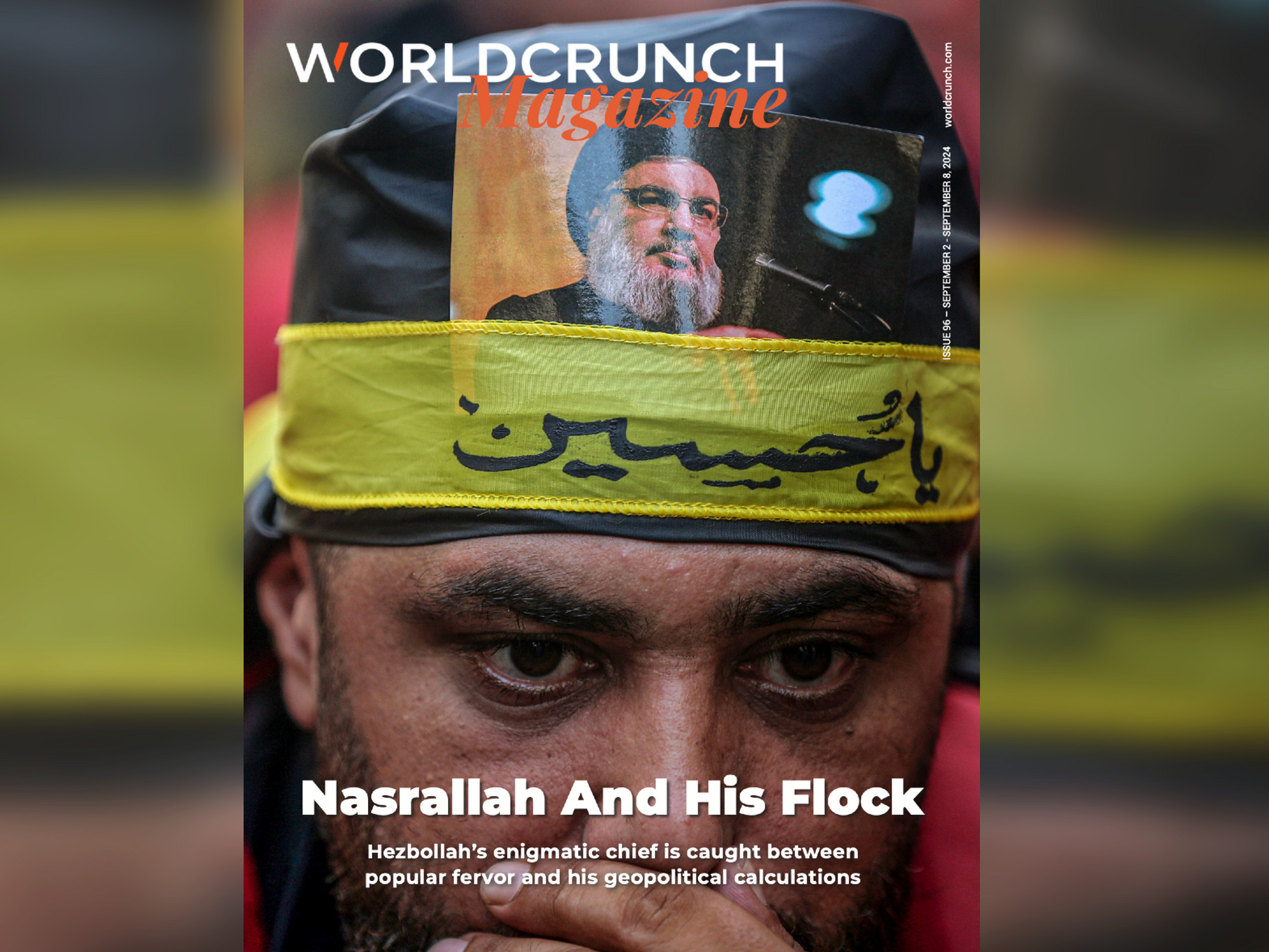
September 2 – September 8, 2024
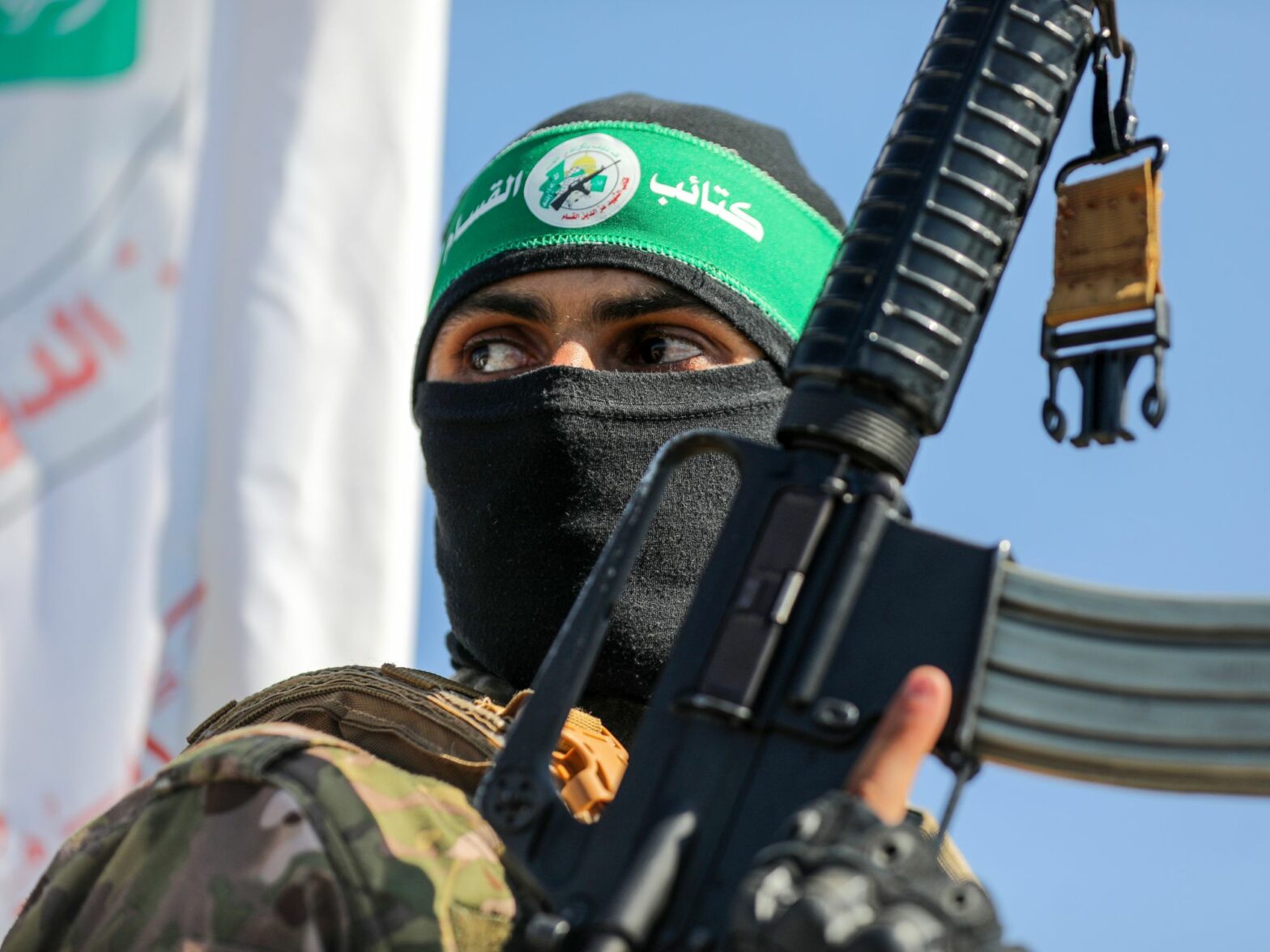
The concept of “resistance” adopted by militants in the Middle East has a close relationship with oppression and “divine victory,” which Hamas and Hezbollah both embrace in a false interpretation of the Koran, despite the heavy human and material losses inflicted.
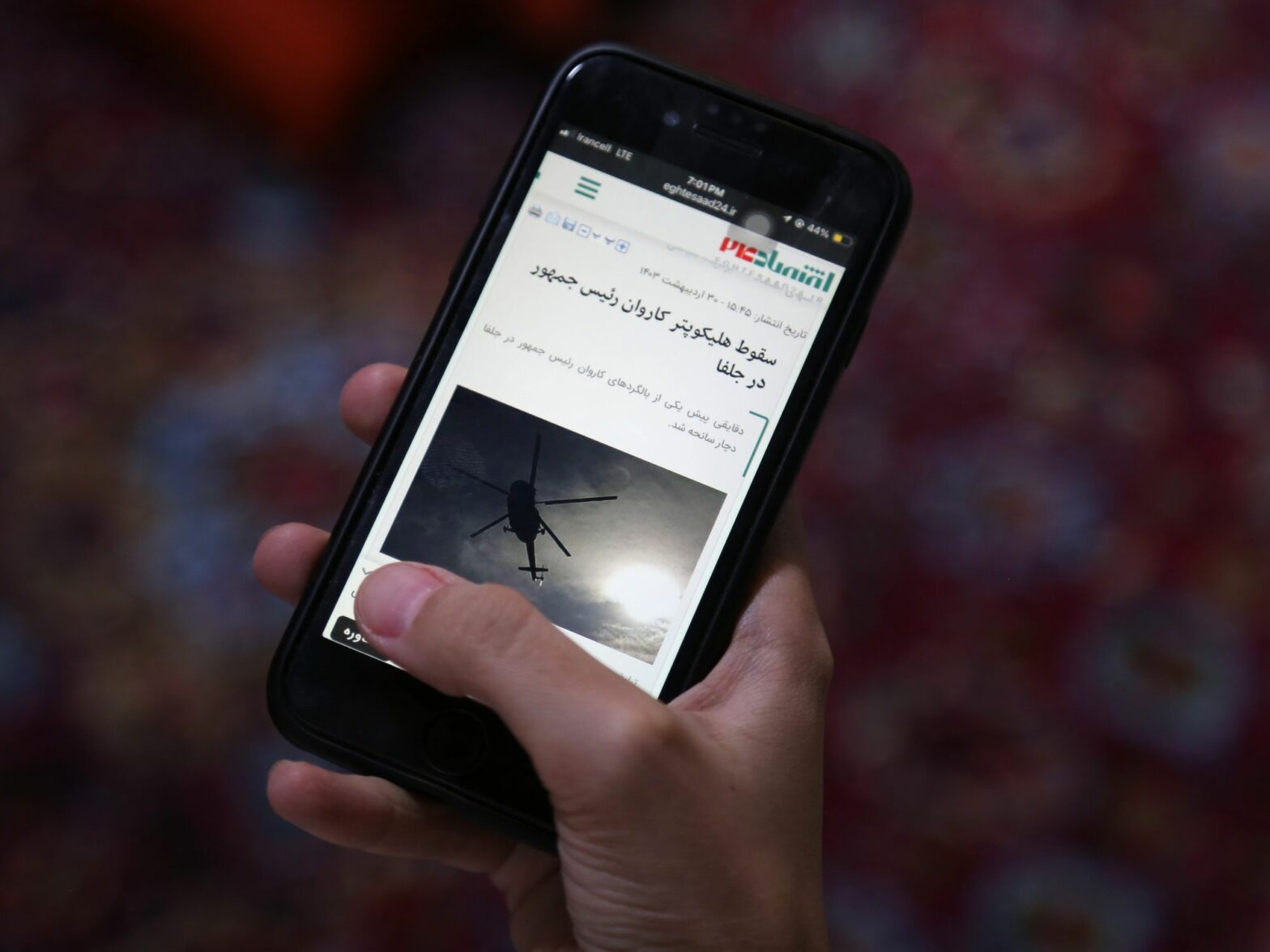
With the passing of President Ebrahim Raisi, some dare hope for a boost in anti Iranian regime movements. Others mourn the death of a martyr or blame Israel. But his succession is for all a high-stake issue.
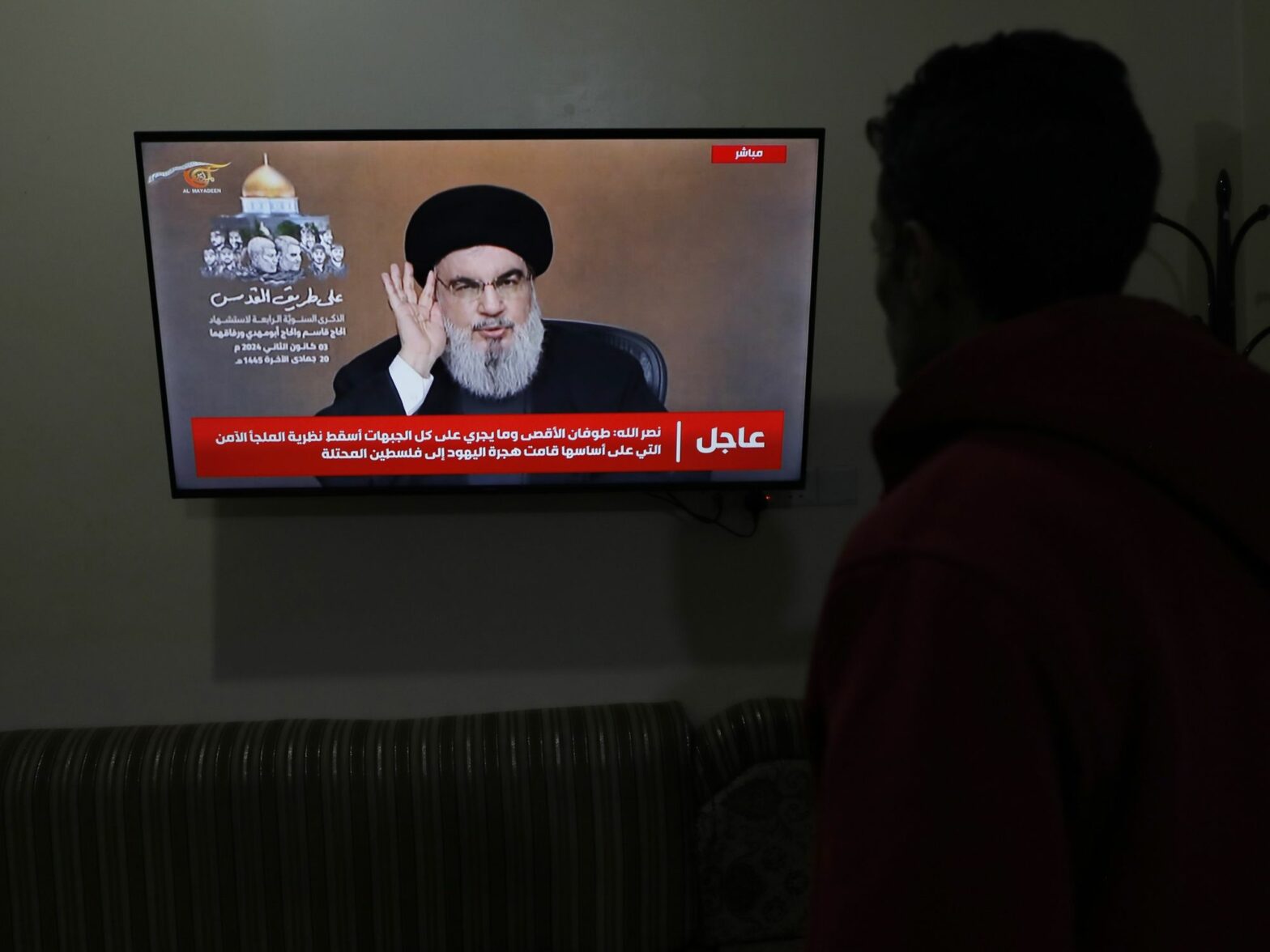
Hassan Nasrallah, the longstanding leader of Lebanon-based Hezbollah, grows stronger in direct relation to the declining influence of his rivals, foreign and domestic — embodying the formula for regional influence of Iran’s axis of powers.
January 8 – January 14, 2024
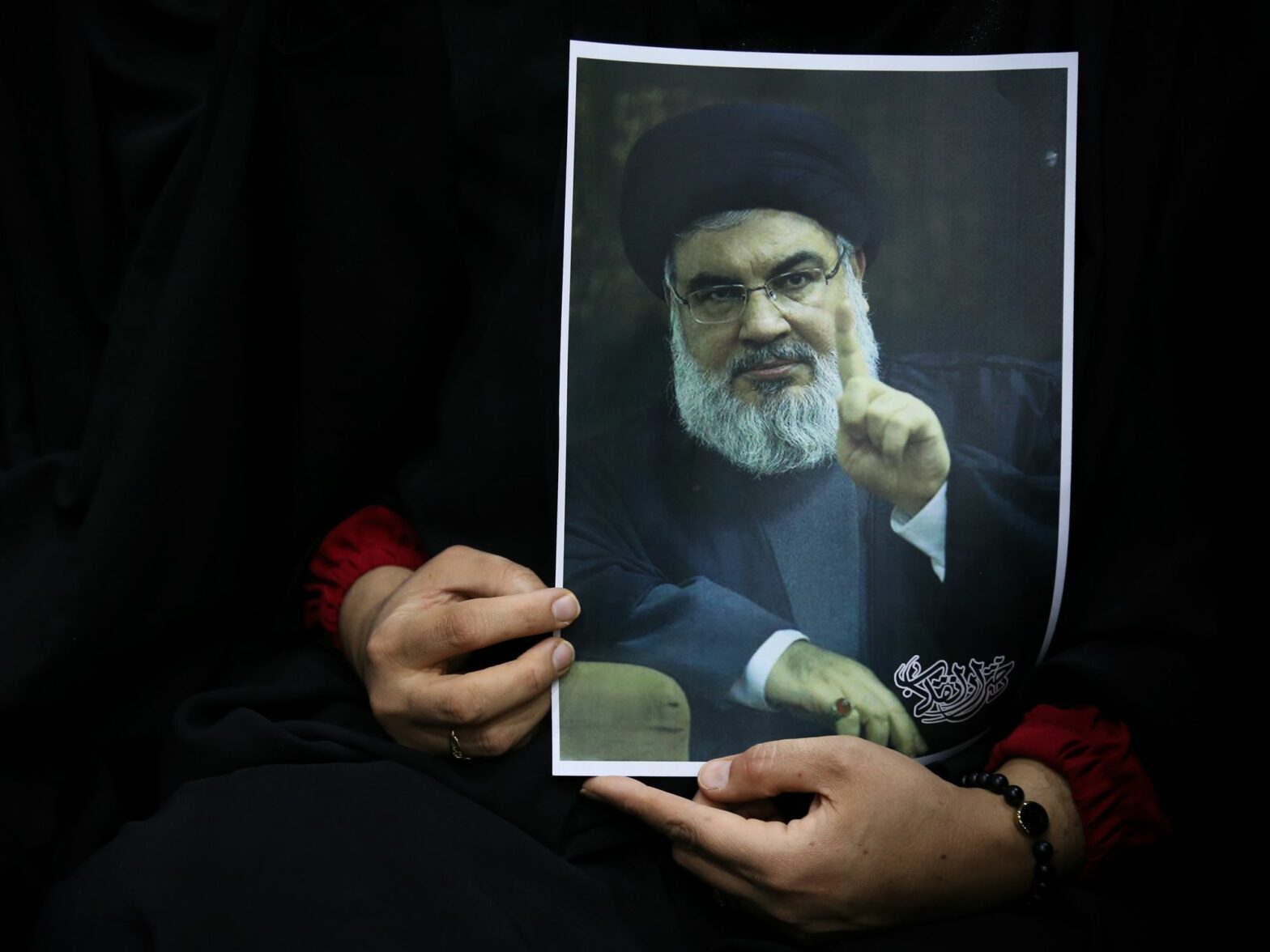
Iran’s constitution effectively allows any Shia theologian to become Supreme Leader, and the maneuvering to succeed Ali Khamenei now appears to include Hassan Nasrallah, longtime influential leader of Lebanon’s Hezbollah militia. It could redraw the map of the Middle East, but would ordinary Iranians and politicians stomach such an audacious imposition?
BBC, AL JAZEERA, NEW YORK TIMES Worldcrunch BEIRUT – A previously unknown Sunni group has claimed responsibility for Thursday’s car-bomb explosion in a southern Beirut neighborhood, one of Lebanon’s bloodiest attacks in recent memory and the clearest sign to date that the conflict in neighboring Syria is crossing the border. As the death toll climbed […]