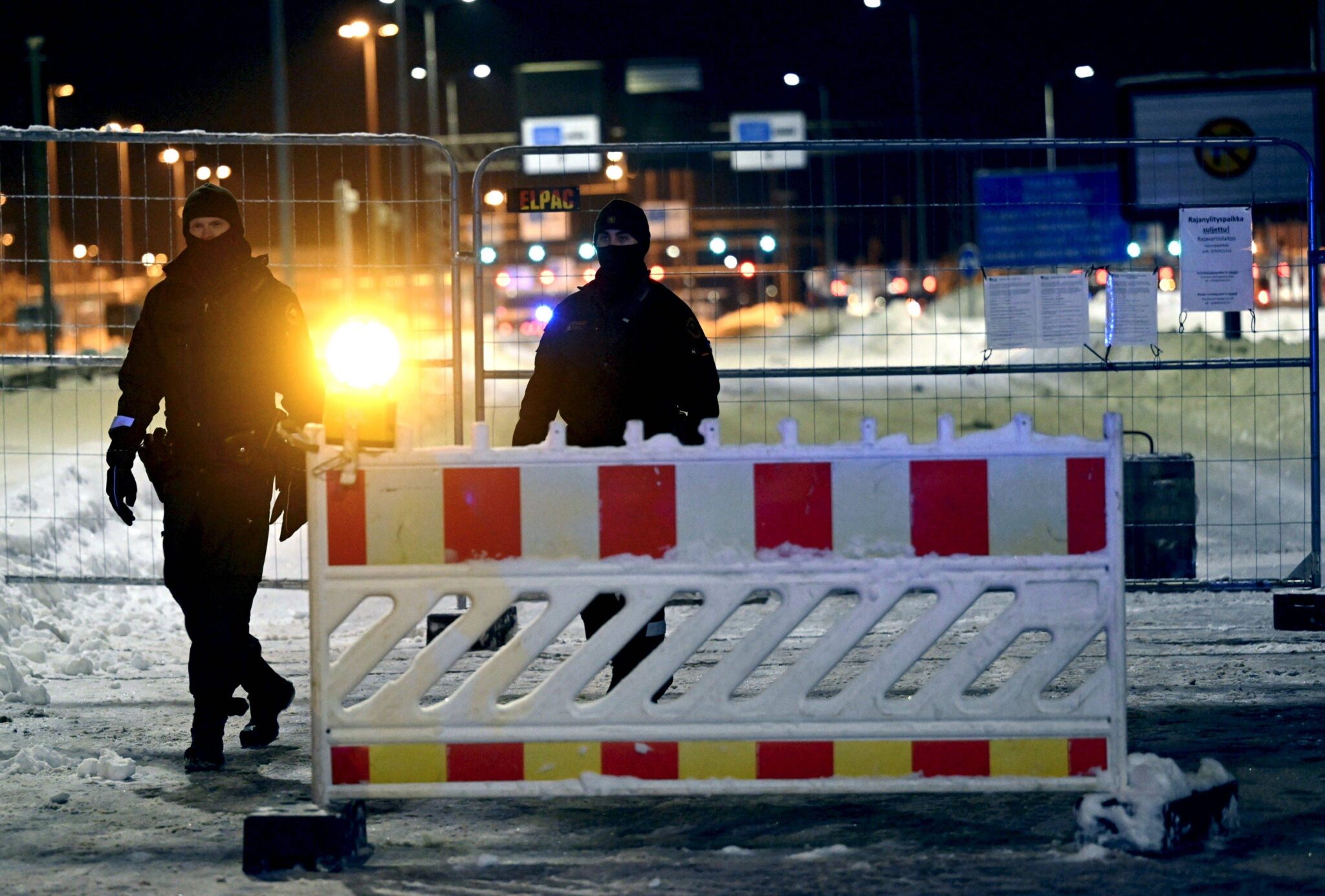
Since the Russian border was closed, people in the far east of Finland have been living with a new Iron Curtain that is reshaping daily life and upending the regional economy.
 Worldcrunch
Founded in 1946, Die Zeit (“The Time”) is a German weekly and news website known for its in-depth coverage and intellectual rigor. The print weekly is published in Hamburg, while Zeit Online is headquartered in Berlin.
Since the Russian border was closed, people in the far east of Finland have been living with a new Iron Curtain that is reshaping daily life and upending the regional economy.

Pessimism weighs on both body and mind. But research shows optimism can be trained, and even small steps can make a difference.
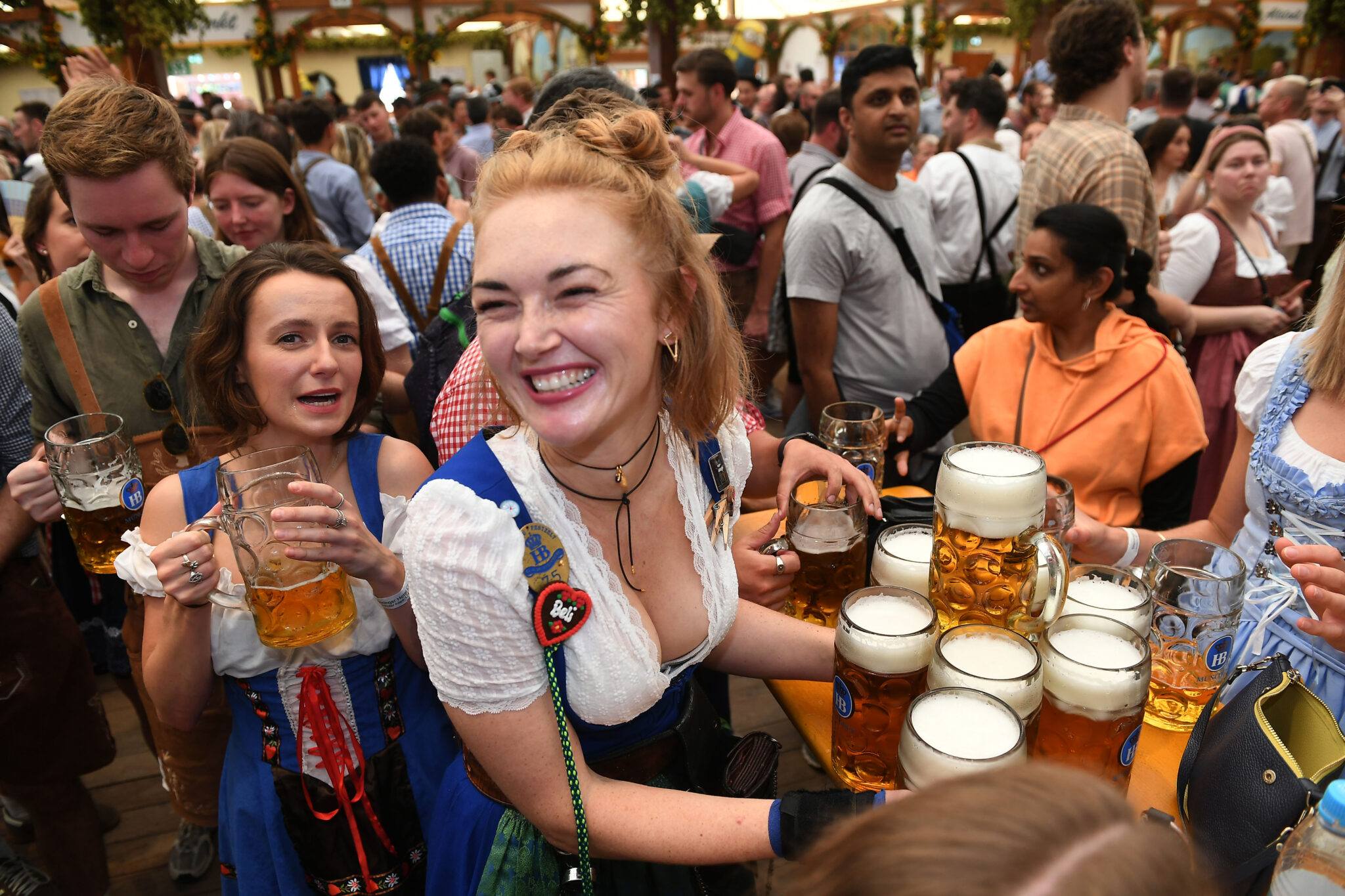
Nothing would happen at the Oktoberfest without waiters. Die Zeit wired one of them with a microphone to get a behind-the-scenes look at what it takes to survive Munich’s world-famous festival.

From political folly to looming crises, investors are betting on collapse — and turning to gold as their safe haven.
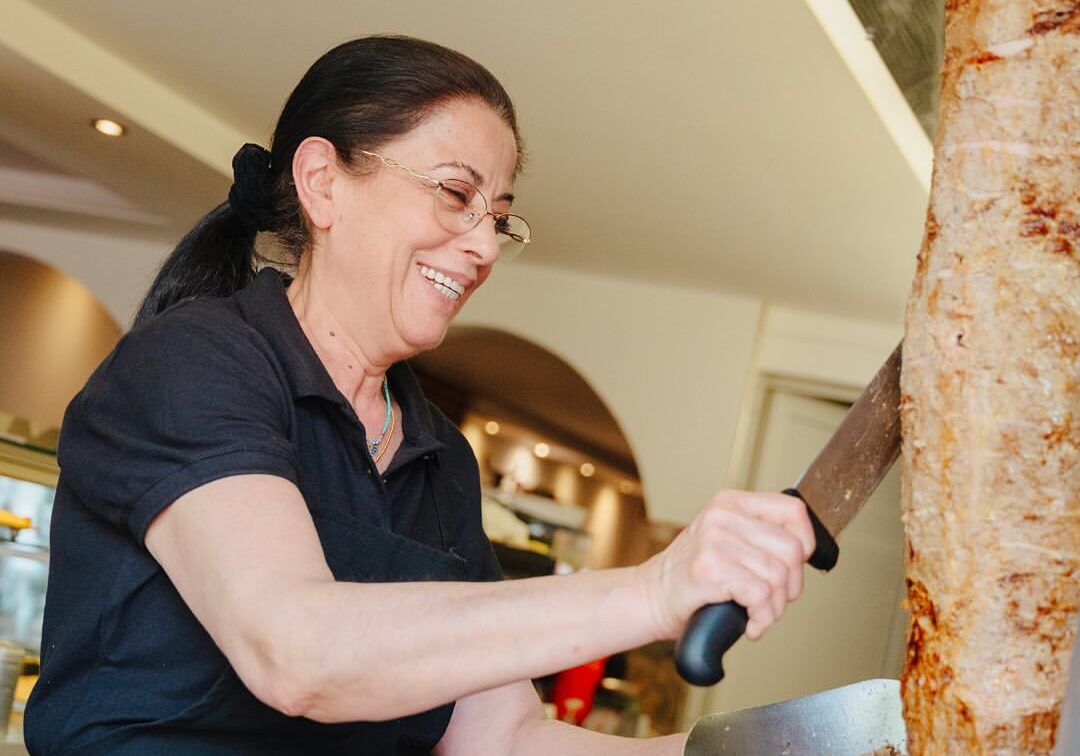
It’s 122° F at the kebab grill. My mother has been standing there for 35 years, and I’ve been joining her there every day now, even though I’m still at university. Because that’s our form of resistance.
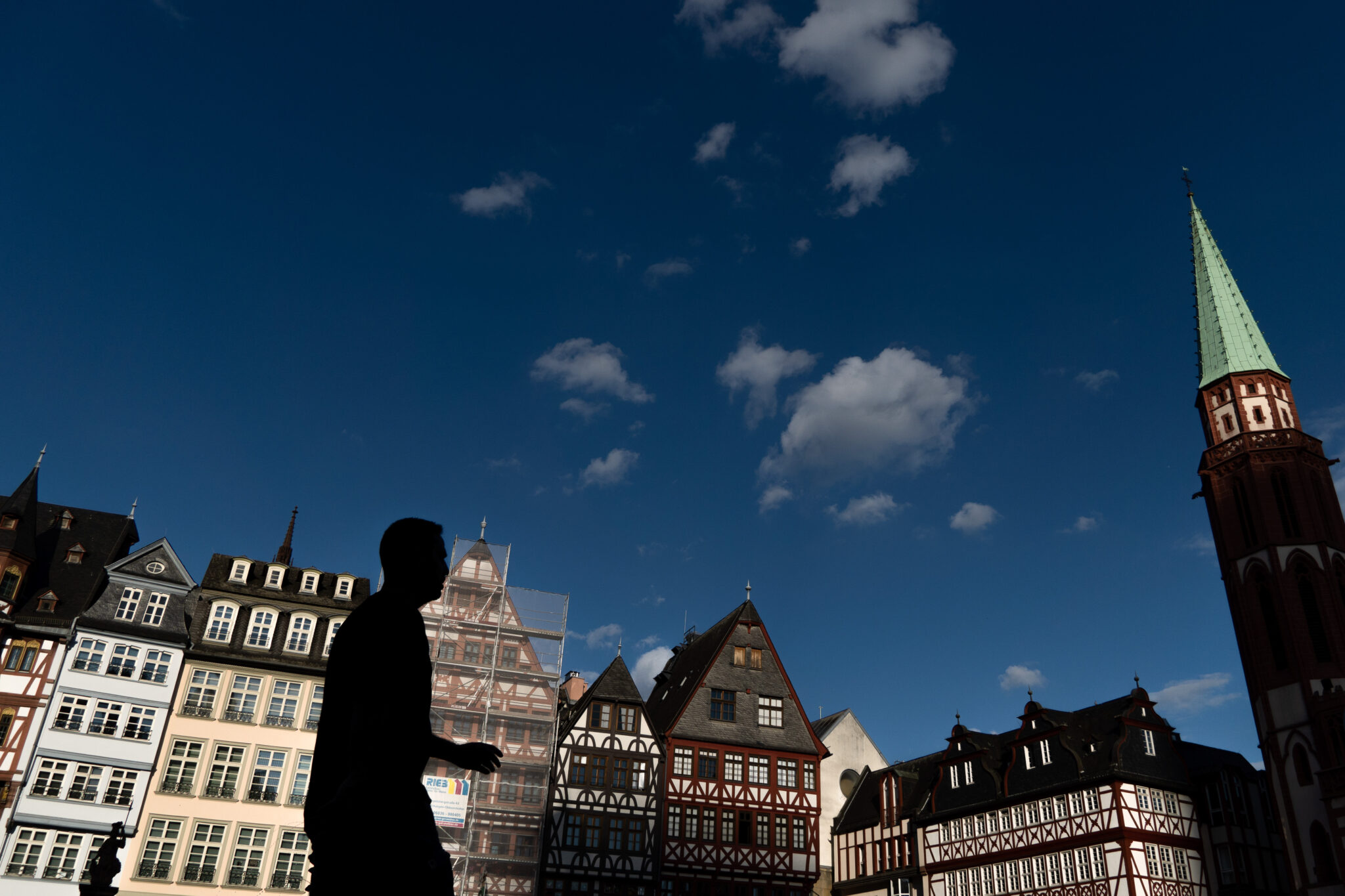
Armed with cameras, case files and witness tips, Frankfurt city inspectors track down covert Airbnb-style apartments that are squeezing an already tight housing market.

Billions in investment, soaring room rates, and hasty construction mark Brazil’s bid to put the Amazon at the center of climate diplomacy.

From drones over Poland to jets in Estonian airspace, Moscow is testing Europe’s nerves as Ukraine’s deep strikes rattle Russia. But the escalation could backfire, bringing Europeans closer together instead of driving them apart.

As Russian jets breach Estonian airspace, Tallinn’s mayor Jevgeni Ossinovski explains how the capital is preparing for war while holding on to faith in NATO protection.
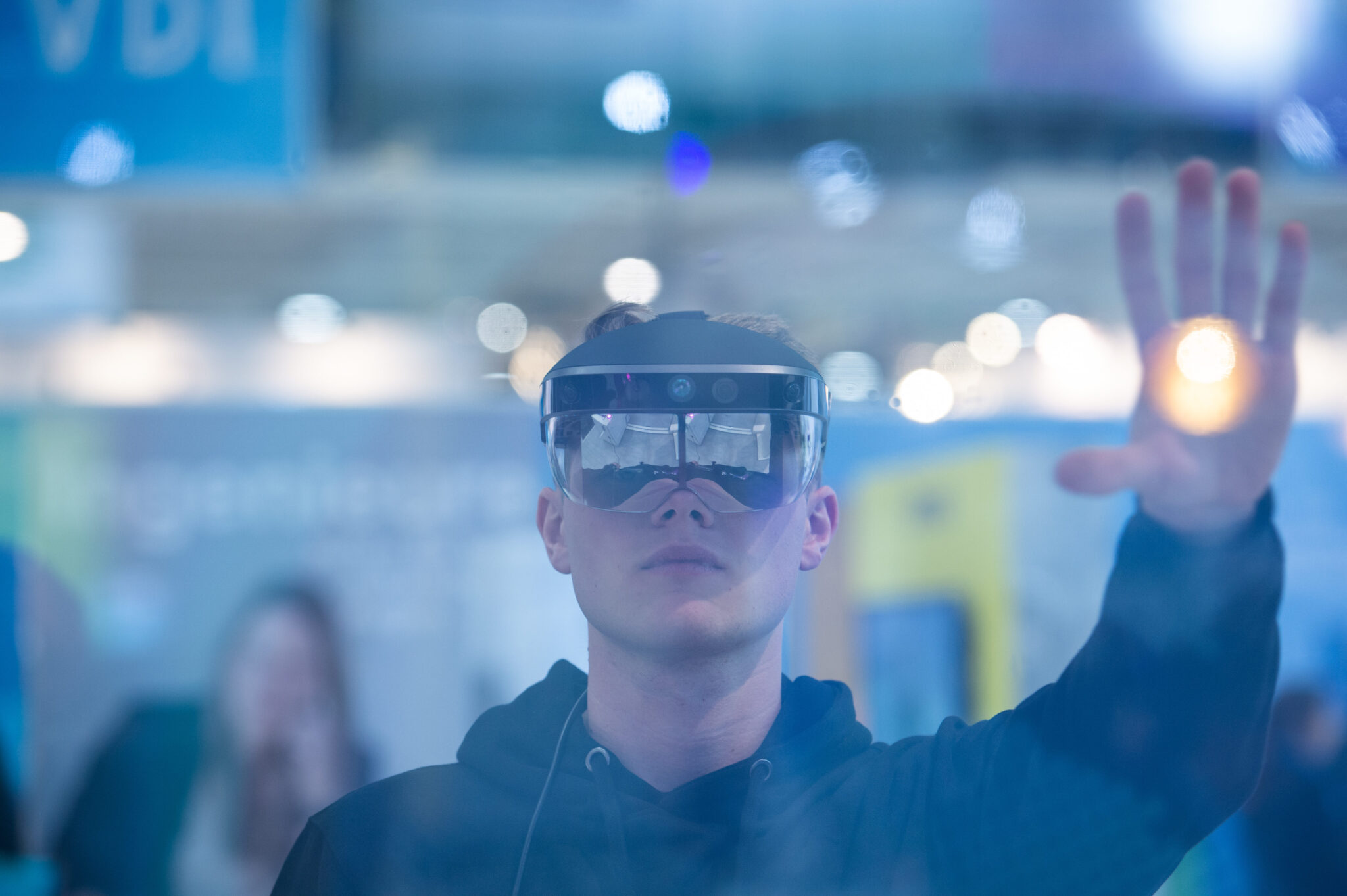
Meta bets on everyday AI tools like smart glasses, while doomsayers such as Eliezer Yudkowsky warn that artificial intelligence could one day wipe us out.
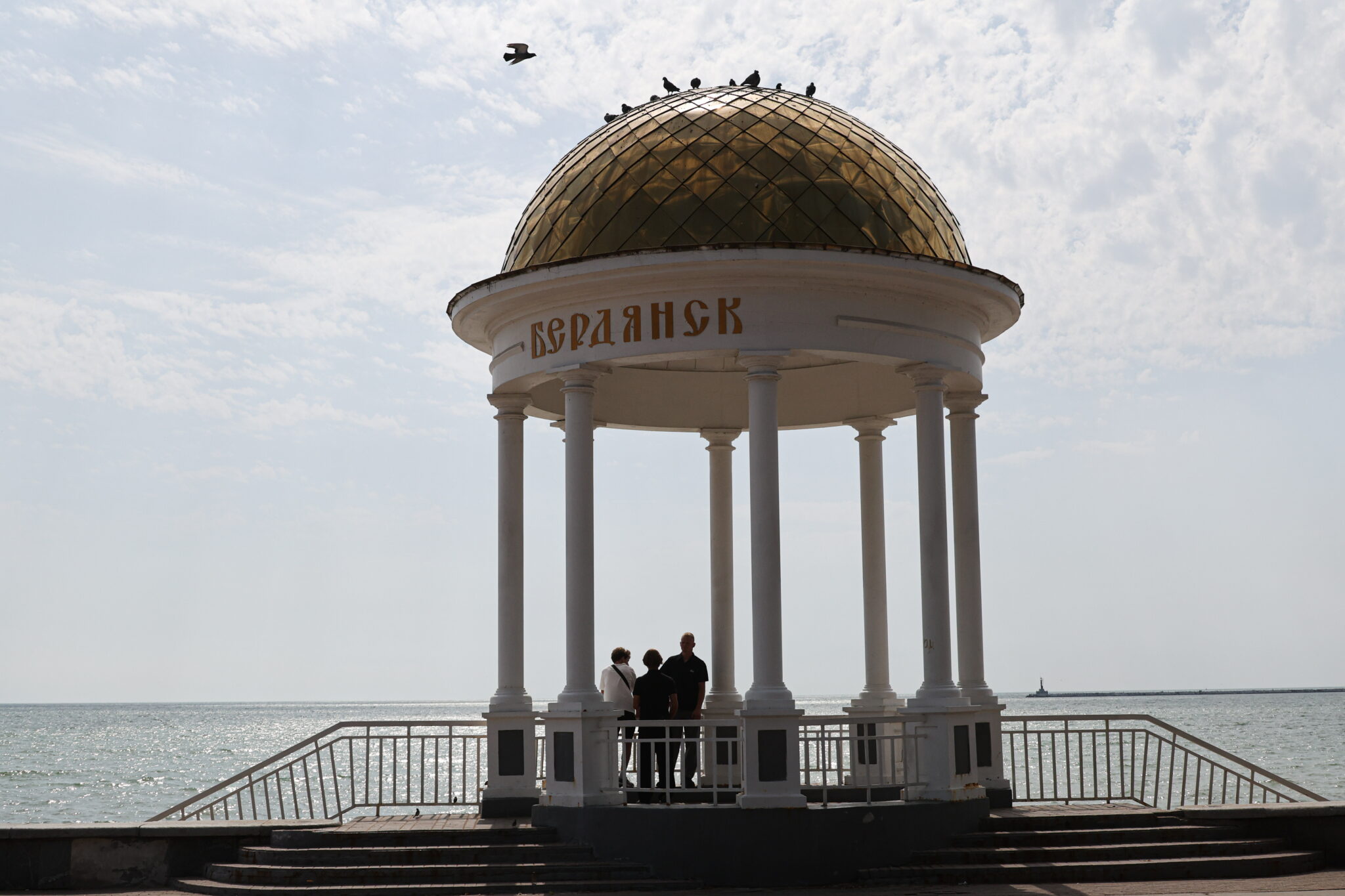
From language bans to property seizures, residents of the Ukrainian port city of Berdyansk live under constant surveillance, intimidation, and the threat of losing everything.

Hamza Aydin challenged orthodox teachings and was hounded out of his university. His story reveals how Erdogan’s Turkey wields religion as a political weapon, reaching from Ankara to German mosques.

Once trapped in bulimia and anorexia, our author sees the return of fragile bodies, Ozempic glamour, and weight-loss slogans: it’s threatening teenagers all over again.
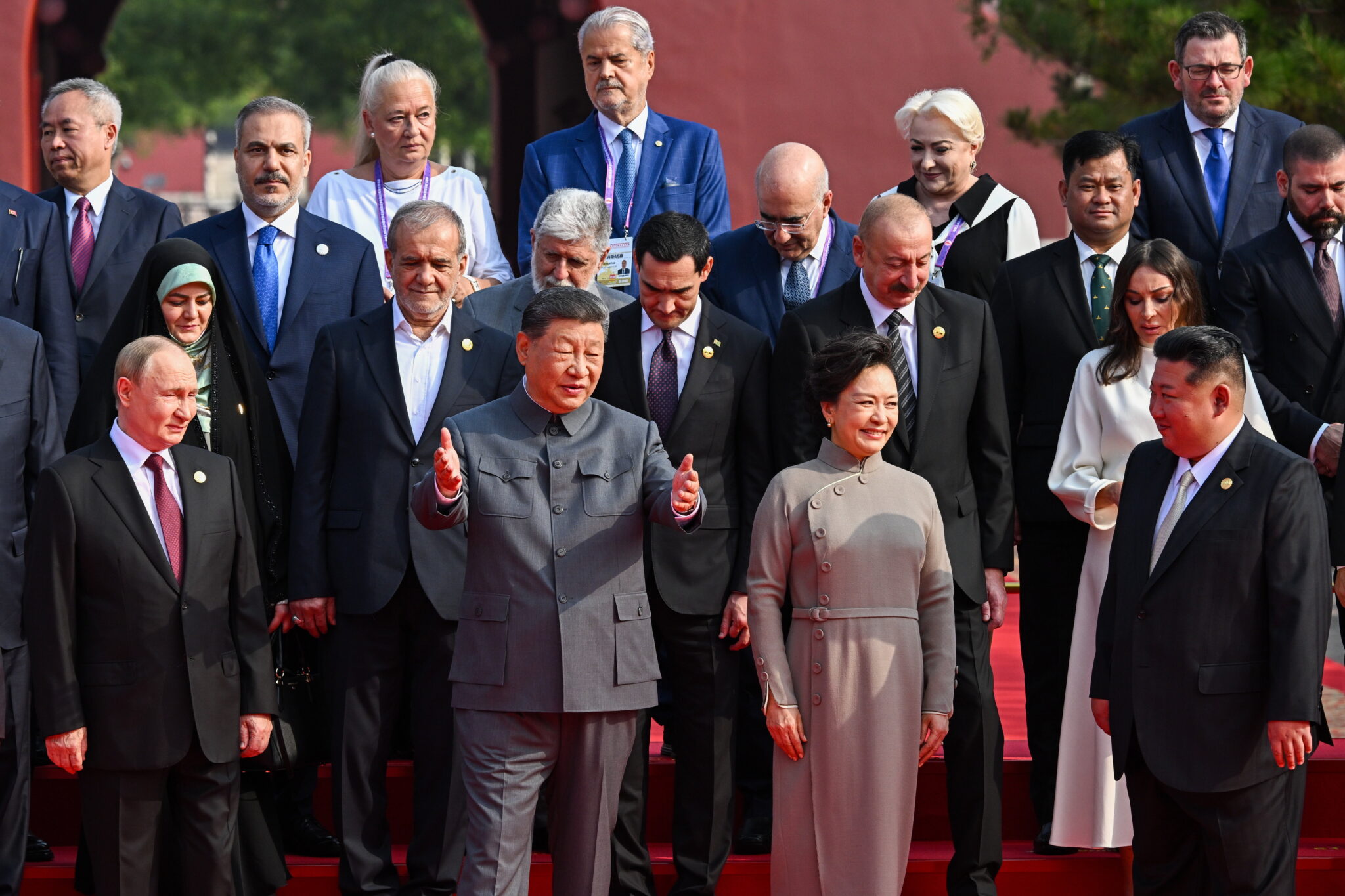
Xi Jinping’s military show in Beijing and his alliance of autocrats may look like the dawn of a new world order, yet the economic, scientific, and military balance still tilts toward the democracies of the West.
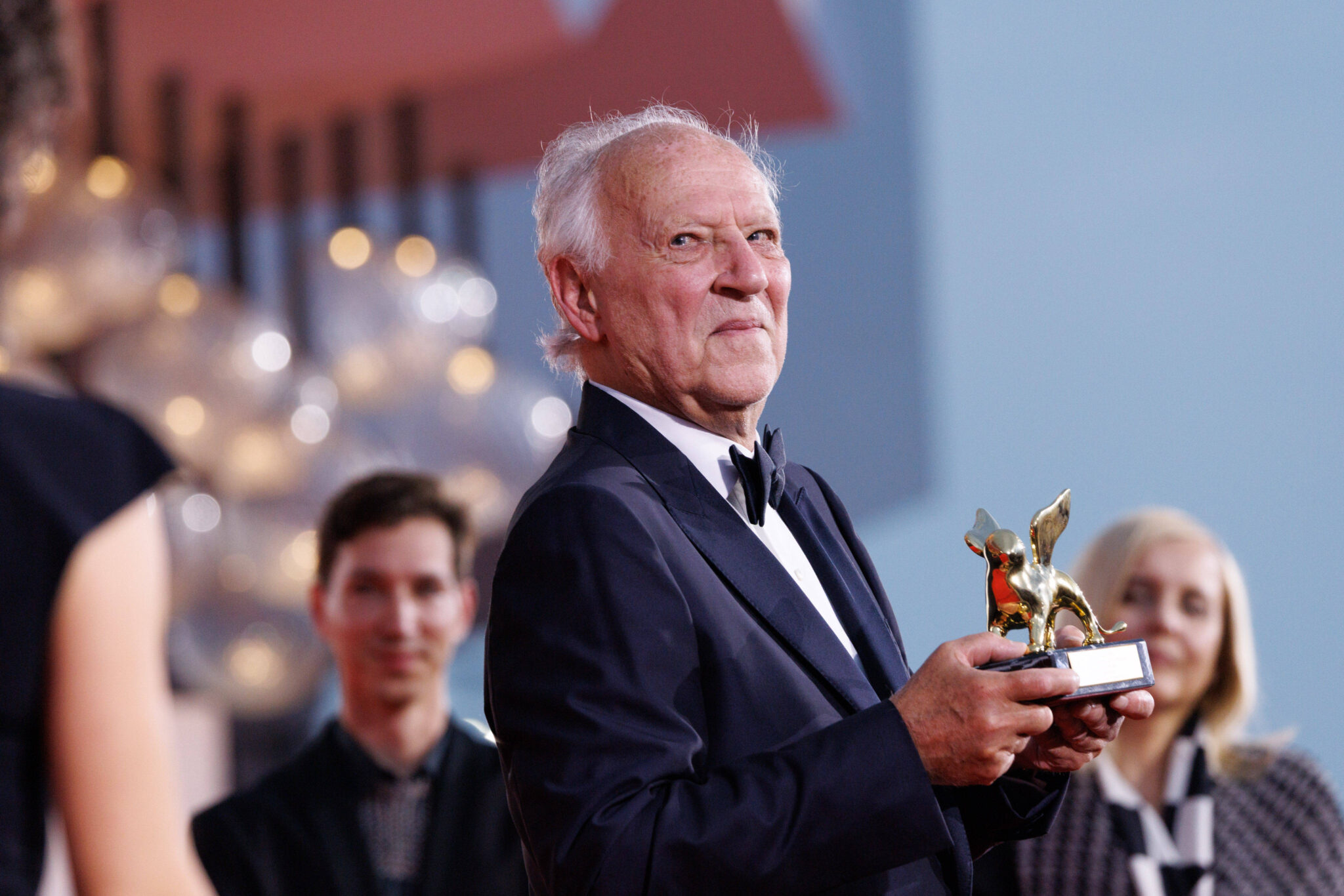
The German master, famous for his defiance and disdain for social media, suddenly opens a window onto his world. At 83, he seems gentler, yet still unmistakably Herzog.

The debate too often strips Palestinians of their political agency, ignoring their own demands for equality, self-determination, and return.
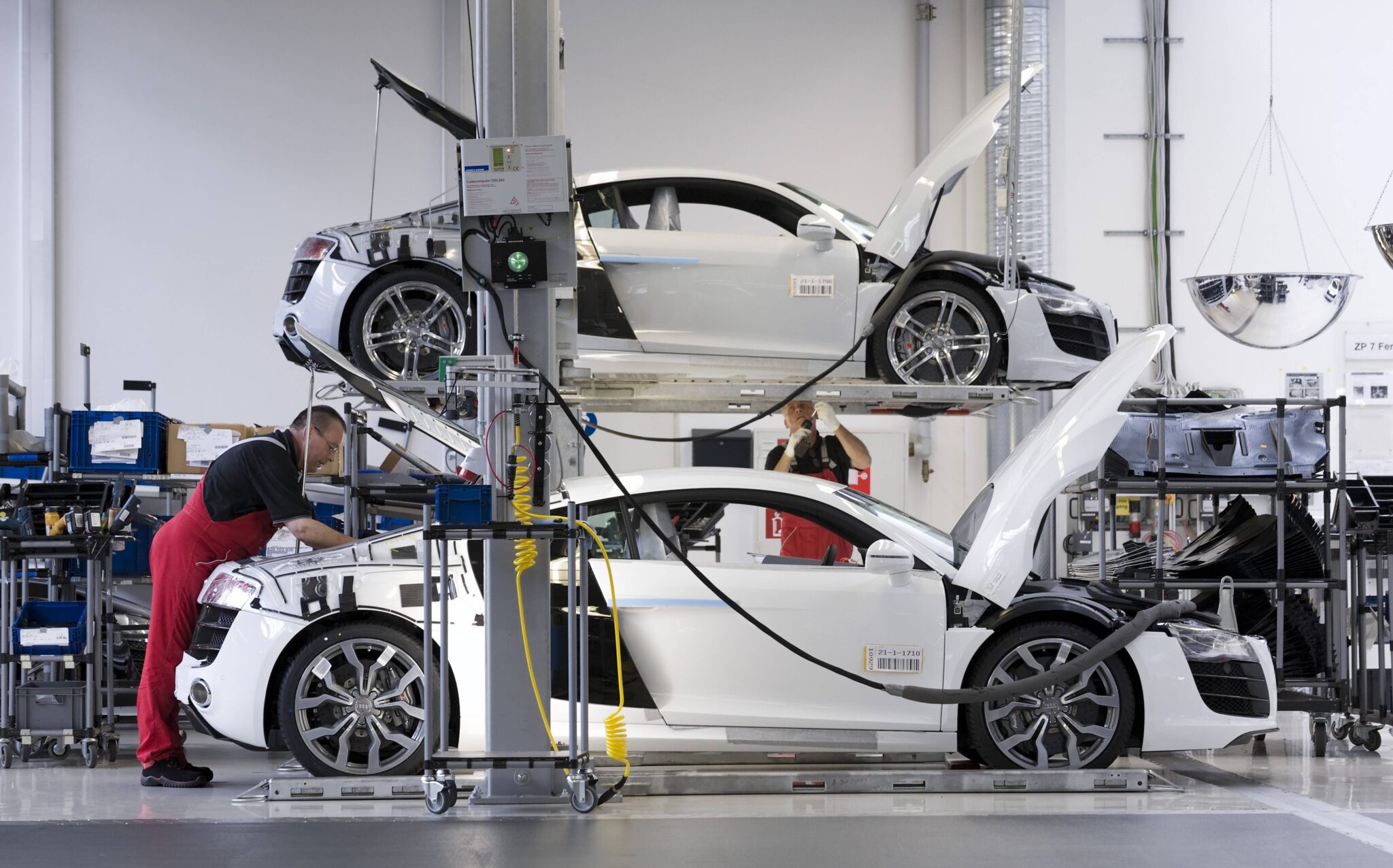
Sales are falling, rivals are surging, and China no longer craves the four rings. CEO Gernot Döllner is cutting bureaucracy, betting on speed, and trying to steer the brand through a maze of tariffs, scandals, and shifting markets.
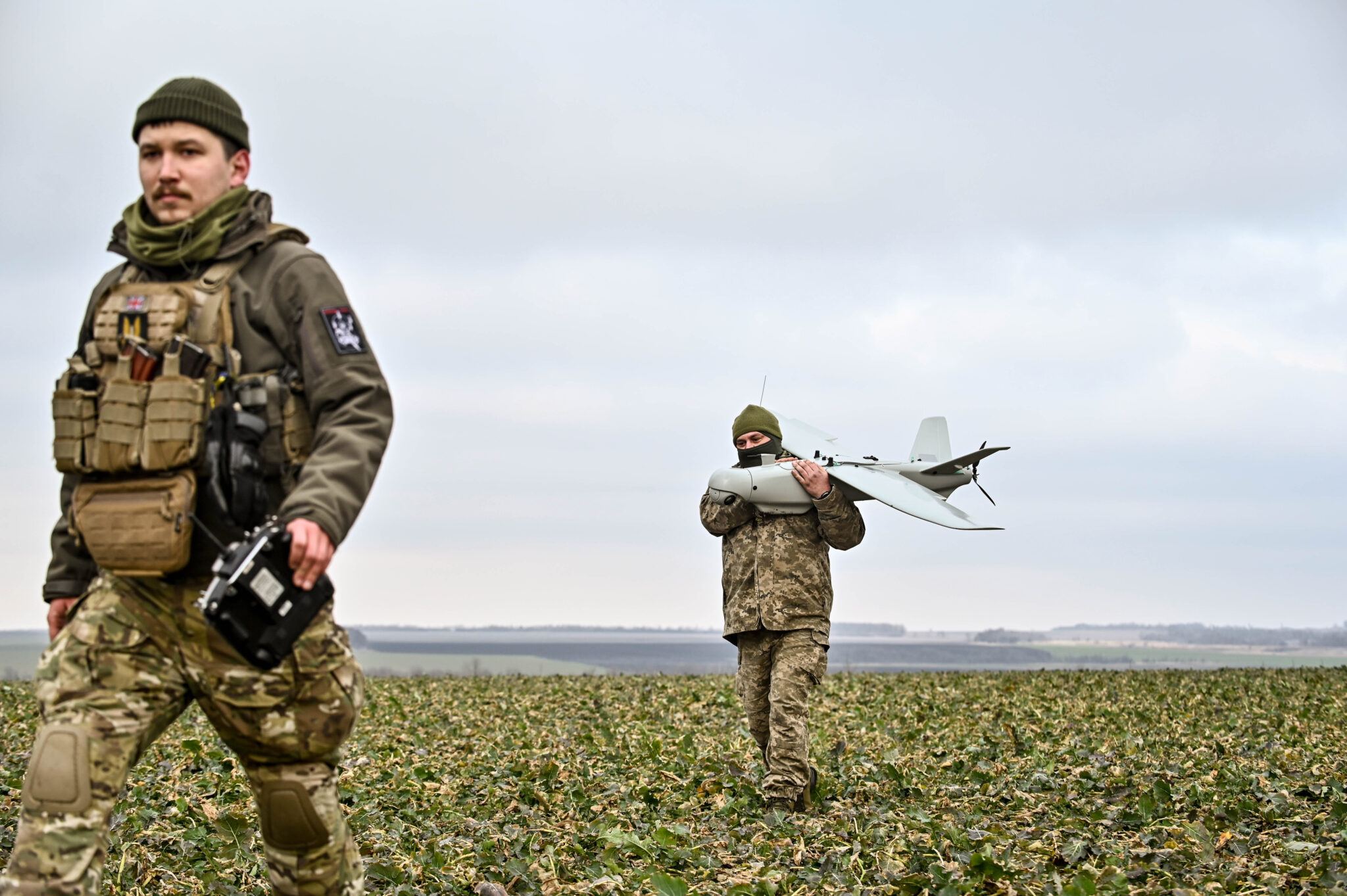
With strikes on Russia’s oil industry, Ukraine is showing just how effectively it can defend itself. A new missile could soon spell further trouble for Moscow.
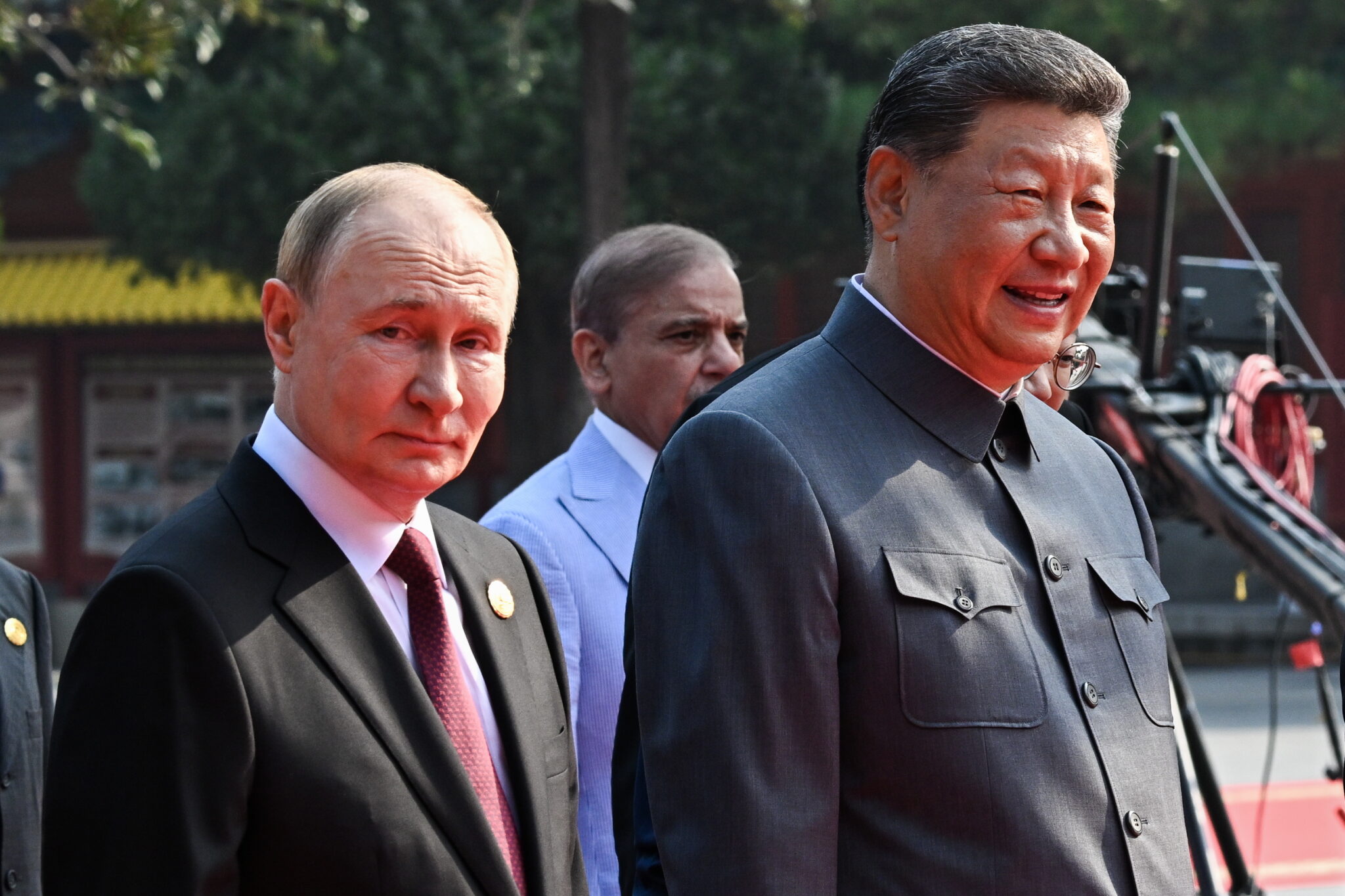
A hot-mic chat between the Russian and Chinese leaders echoes a century of utopian schemes to defeat mortality.
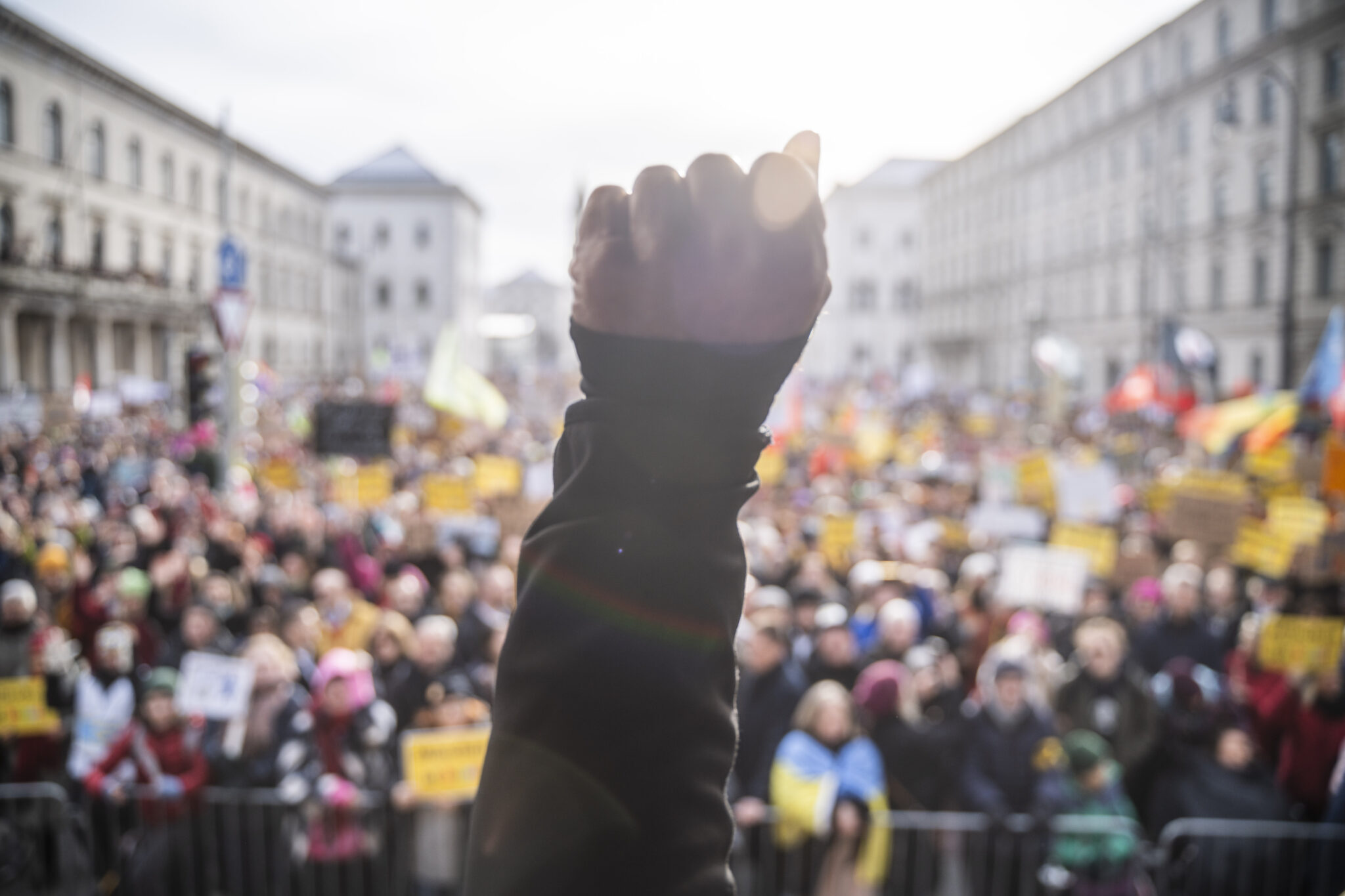
By trading class struggle for identity politics and lifestyle dogmas, Germany’s left has estranged ordinary citizens and handed the far right a chance to pose as their defenders.
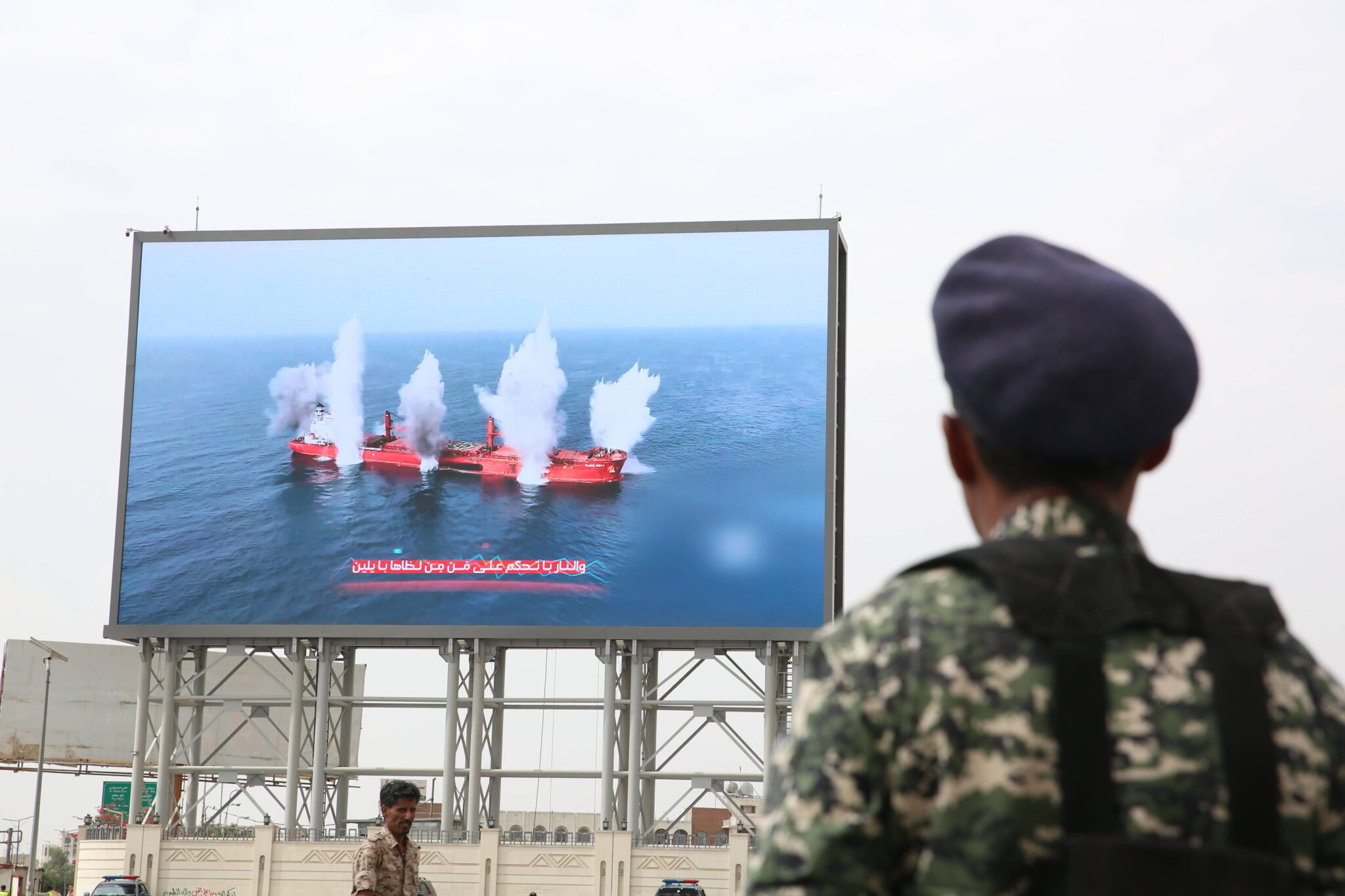
With more than 115 attacks since 2023, Yemen’s Houthis now offer ship operators a website to register vessels and avoid drone or missile strikes, a move that raises alarms among maritime security experts and highlights the rebels’ bid to control global shipping lanes.
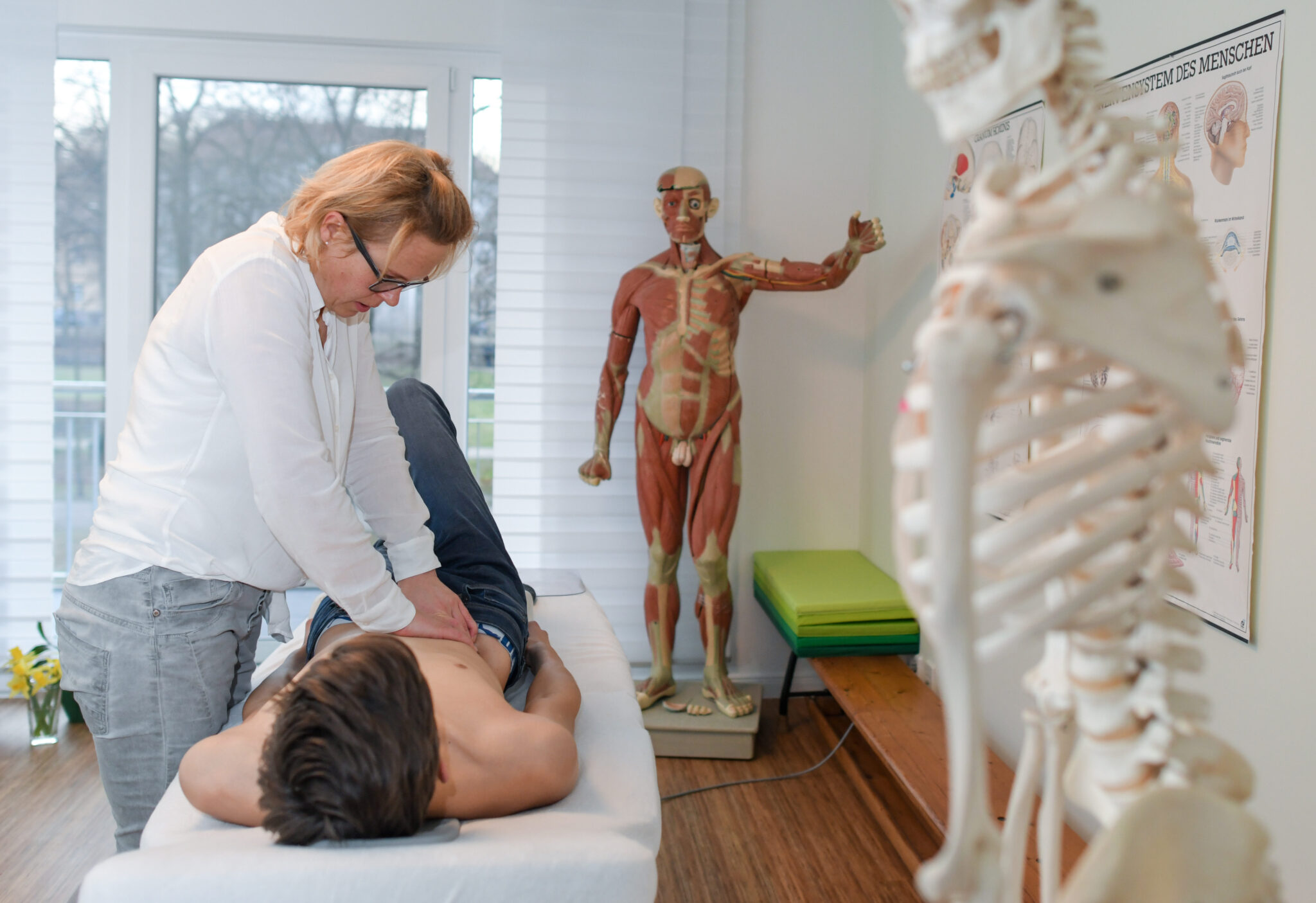
Practitioners want legal recognition, critics call it pseudoscience. Can osteopathy really heal? The problem is that evidence is not always consistent.
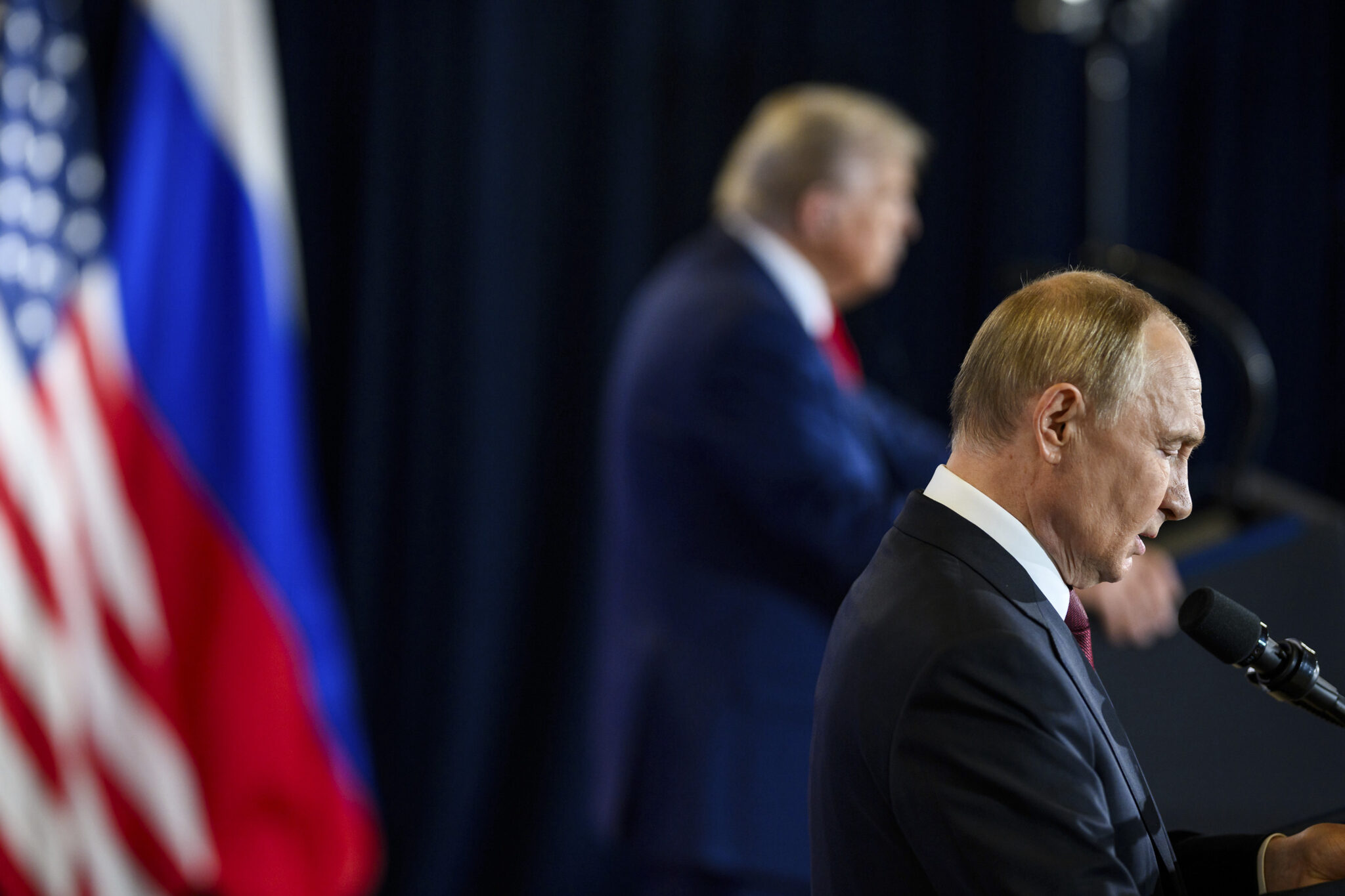
With resources poured into the fight, allies watching, and propaganda framing it as a struggle against the West, President Vladimir Putin has locked Russia’s foreign policy into a war Moscow cannot afford to lose.
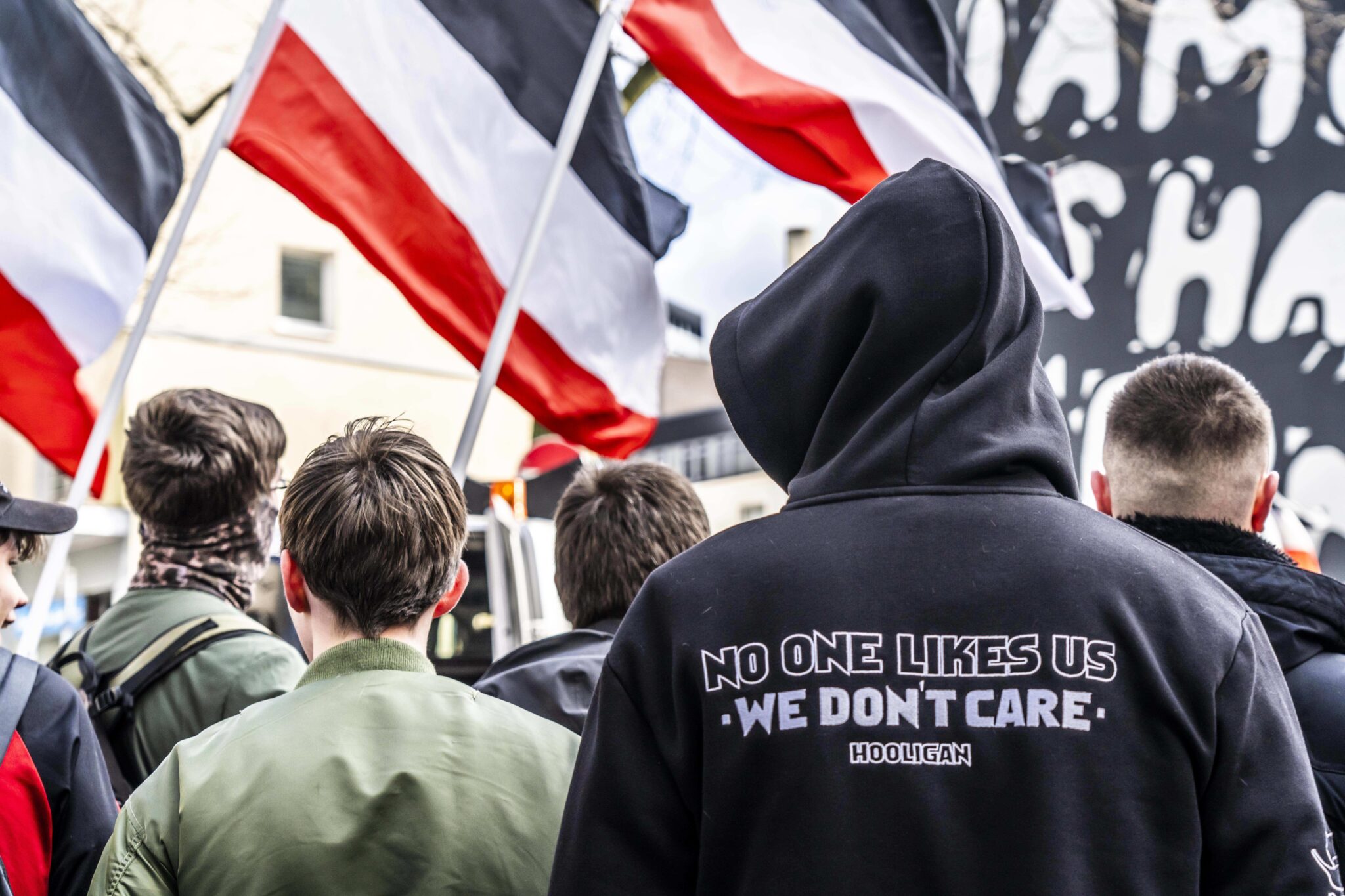
From the family home to online networks, the stories of Fabian K. and Hagen R. show how extremist ideas are passed down and reinforced.
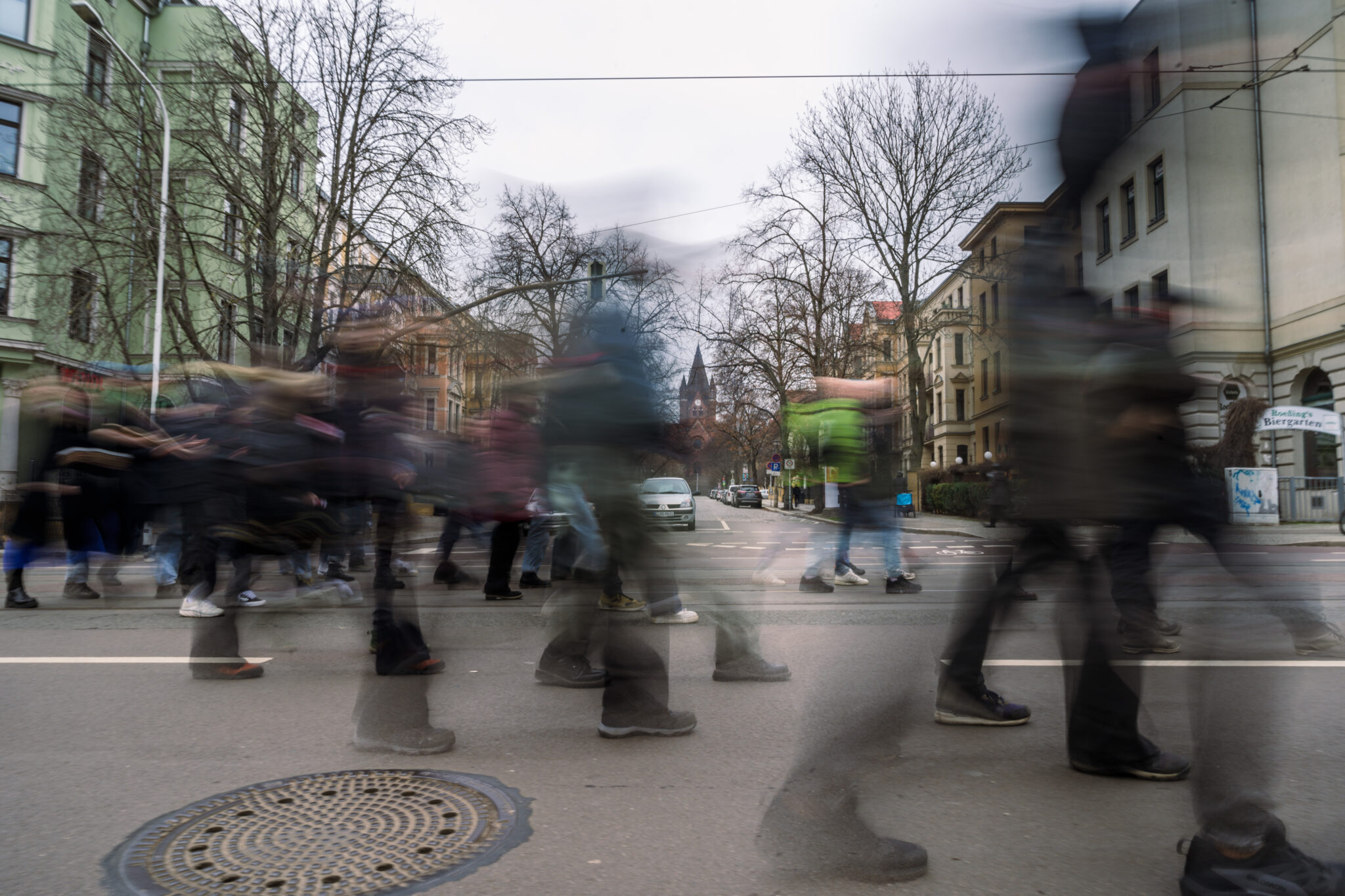
While the political debate and far right fixate on visible problems, new research shows that Germany’s everyday institutions quietly succeed in integrating refugees, often without anyone noticing.

With limited childcare and resources, parents are stretched thin during summer vacation months. If Germany wants more children, it needs to start giving parents more vacation days or more childcare options.

A study of hundreds of thousands of YouTube videos and podcasts reveals that AI isn’t just changing how we write, it’s subtly altering our spoken language too, raising new concerns about cultural homogenization and who controls the words we use.

As Spotify CEO Daniel Ek pours millions into an AI weapons company, bands like Deerhoof, Xiu Xiu, and King Gizzard & the Lizard Wizard are pulling their music from the streaming platform, challenging a model they say was never built for them.
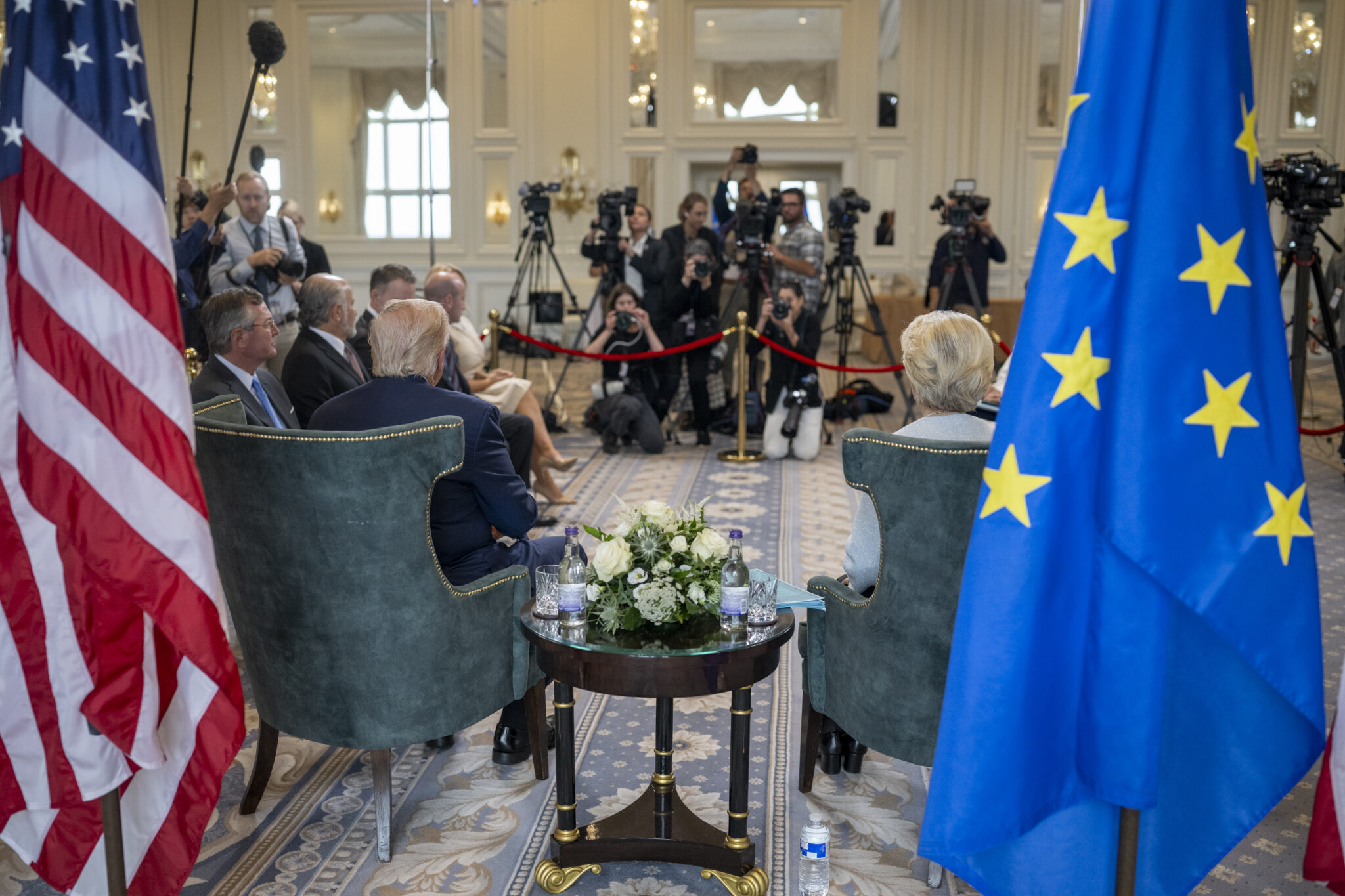
Trump’s approach to U.S.-EU trade relations prioritizes dominance and loyalty over partnership, leaving Europe with little choice but to comply to avoid severe economic fallout. Breaking free from U.S. leverage would require Europe to build a new global alliance, effectively acknowledging the end of the traditional transatlantic trade partnership.
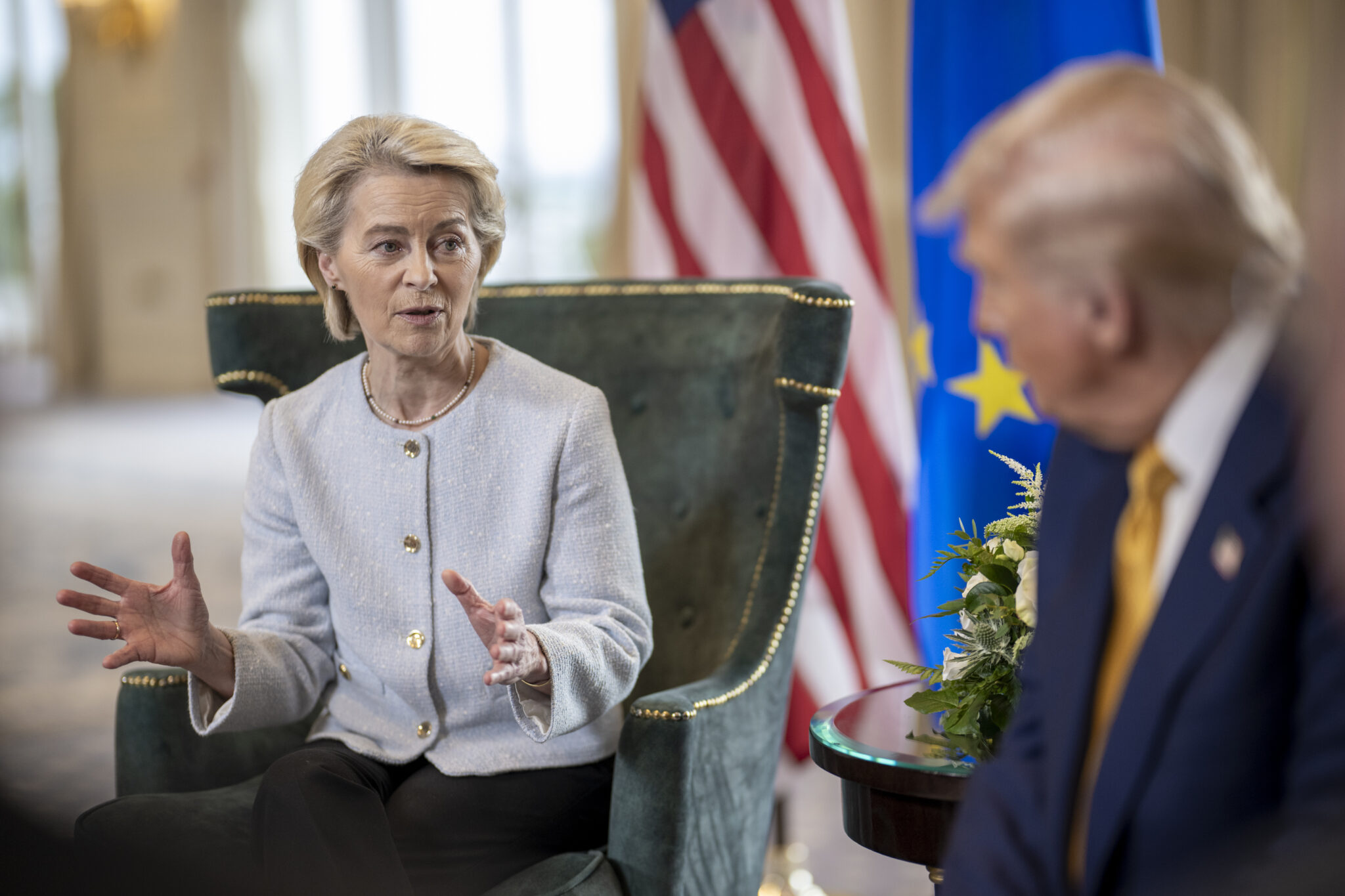
European Commission President Ursula von der Leyen’s controversial trade deal may look like a surrender to U.S. President Donald Trump, but it could be a calculated play in a surreal game of bluff, designed to keep Europe afloat — and Trump distracted.

Outdated labels are giving way to a new diagnostic model that sees personality traits on a spectrum. The newest revision of the International Classification of Diseases (ICD-11) introduces a shift in how we understand, treat and talk about personality disorders, focusing less on rigid categories and more on individual patterns and distress.
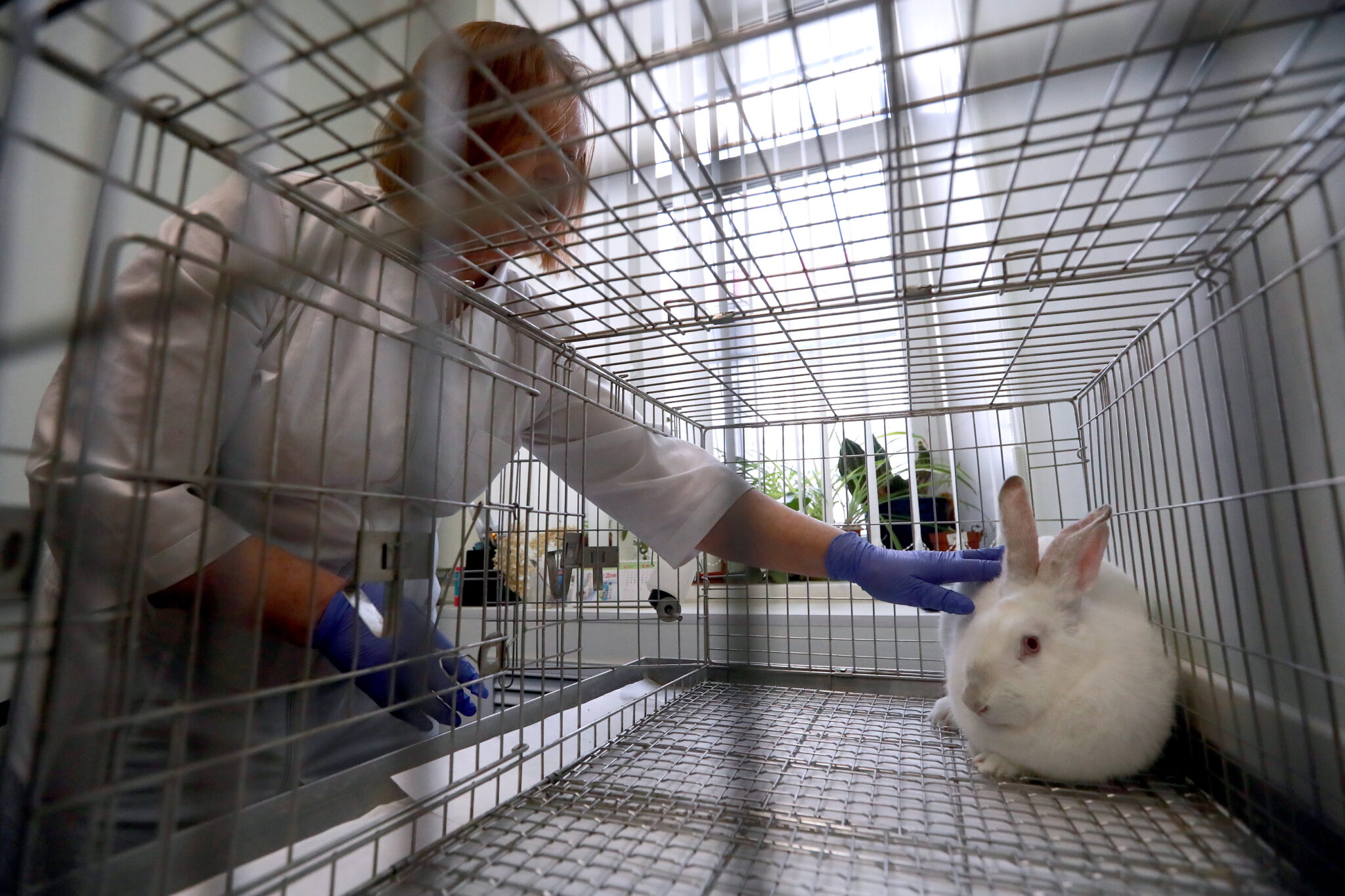
Most of us can accept that animal experiments are ok before allowing new drugs on the market. But allowing such animal testing is important even when no specific application is at stake. They are also crucial for understanding complex biological processes to help treat diseases like Alzheimer’s, Parkinson’s and depression.
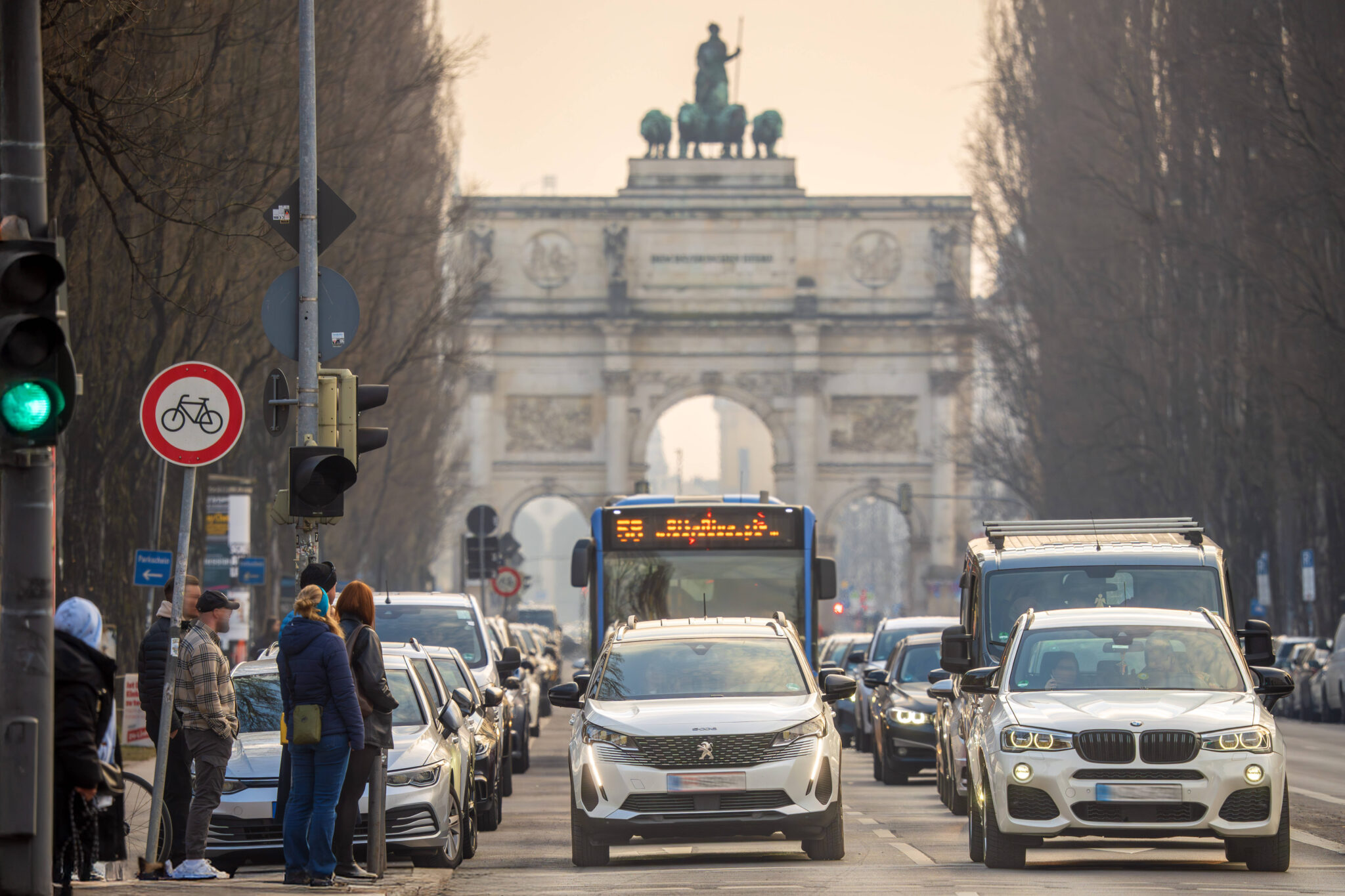
As Chancellor Friedrich Merz’s government doubles down on highways and combustion engines, critics warn that ignoring electric trends and digital innovation could cost Germany its place in the global auto industry.
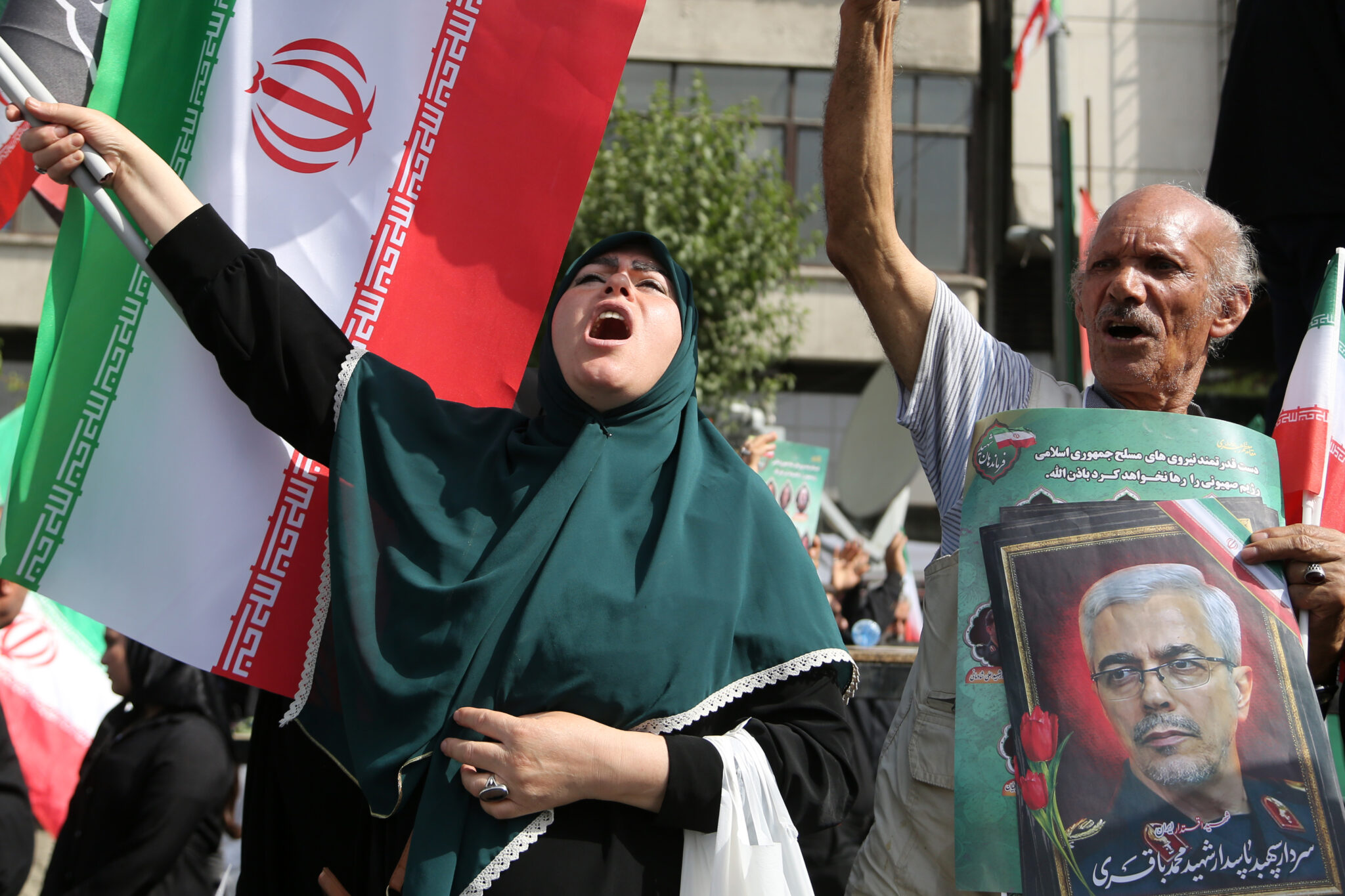
Negotiations over Iran’s nuclear program have resumed. While Europe demands guarantees that Tehran will not build a nuclear bomb, Trump is also pushing for a deal. Is the regime willing to give ground, or is it bluffing?

Getting along with your partner’s parents doesn’t mean becoming family. For writer Adam Fletcher and his partner, the secret to harmony lies (mostly) in boundaries.

New studies from Finland, Denmark and Norway suggest that mental health disorders might spread through social contact. But how strong is the effect — and should we call it an epidemic?

Known in the past decade as a horse tranquilizer and surgical anesthetic, ketamine is now gaining popularity as a party drug and even a life-coping aid. But while it shows promise in treating depression, its misuse brings real risks and a growing blind spot.
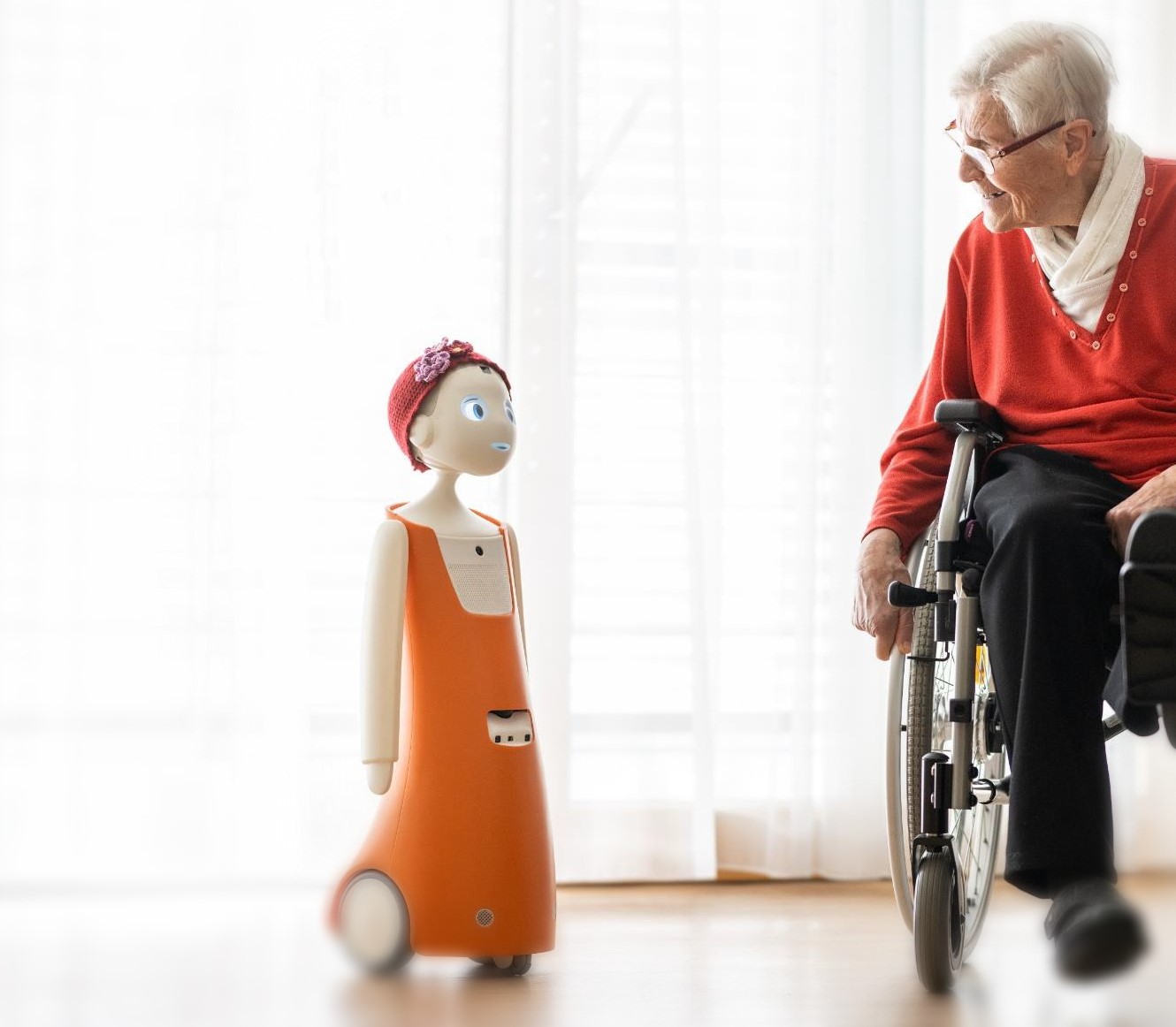
As staff shortages grow, a Munich startup is testing and training childlike AI companions designed to talk, remember and emotionally connect with the elderly — without ever losing patience.
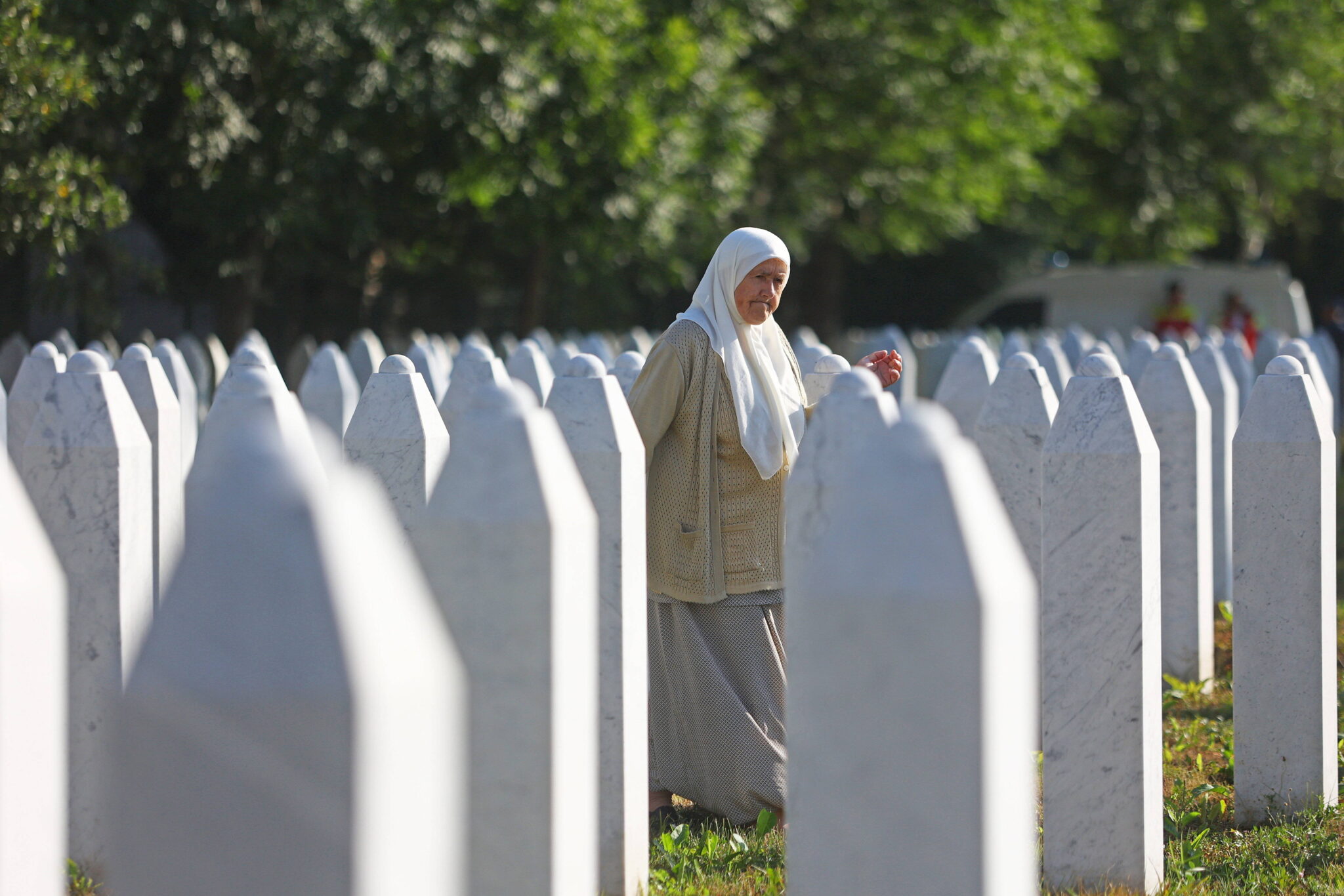
Once dismissed as a tragic anomaly of the post–Cold War era, the 1995 massacre of 8,000 Bosnian Muslims now echoes through today’s wars and ideologies. From Gaza to Ukraine, the logic of ethnic violence is back, and the world is once again looking away.
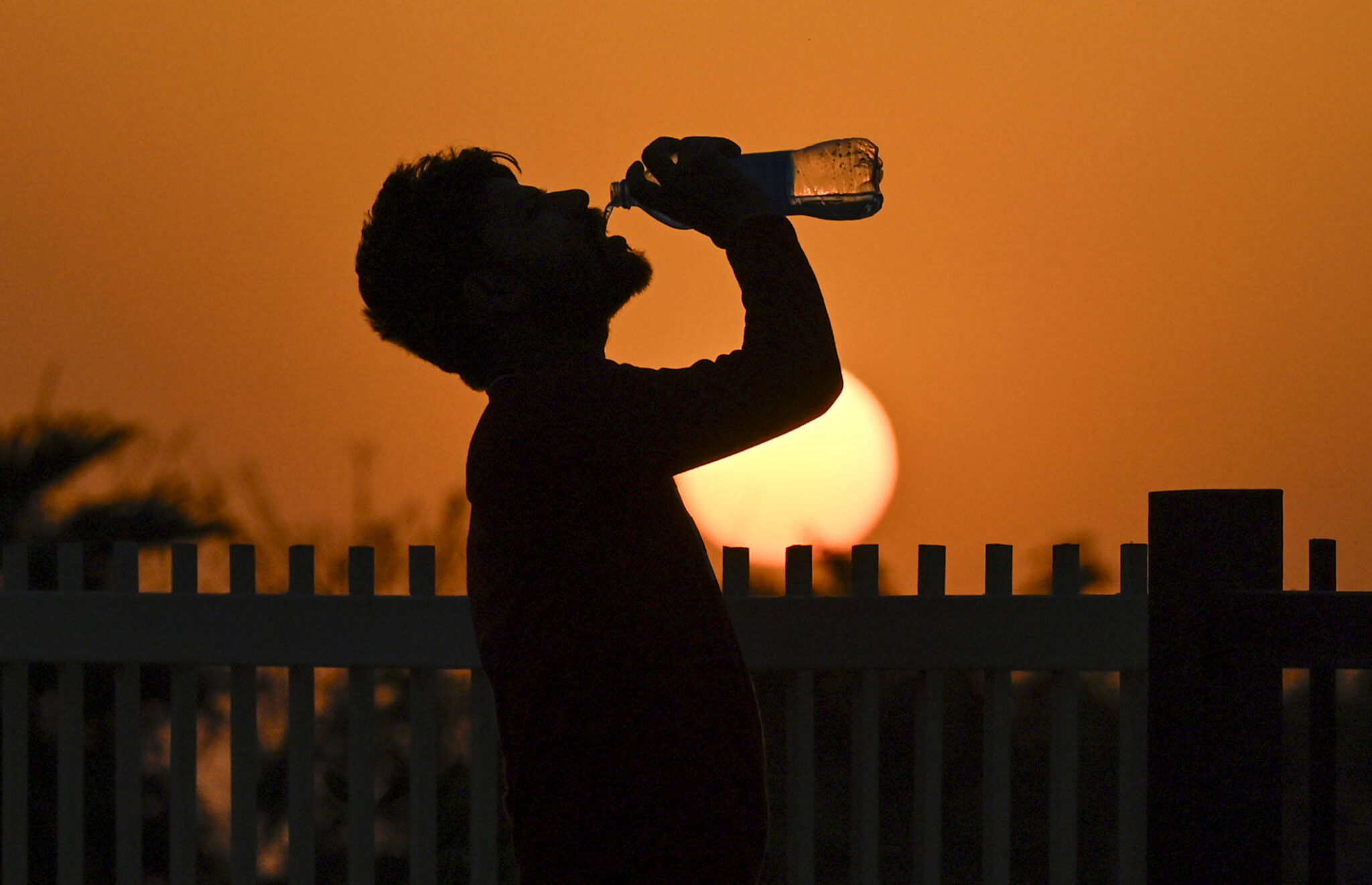
Very few people actually need two liters of water a day. But how much do they really need? What changes in the heat, whether coffee counts – and why many amateur athletes drink dangerously large amounts.