
-Analysis-
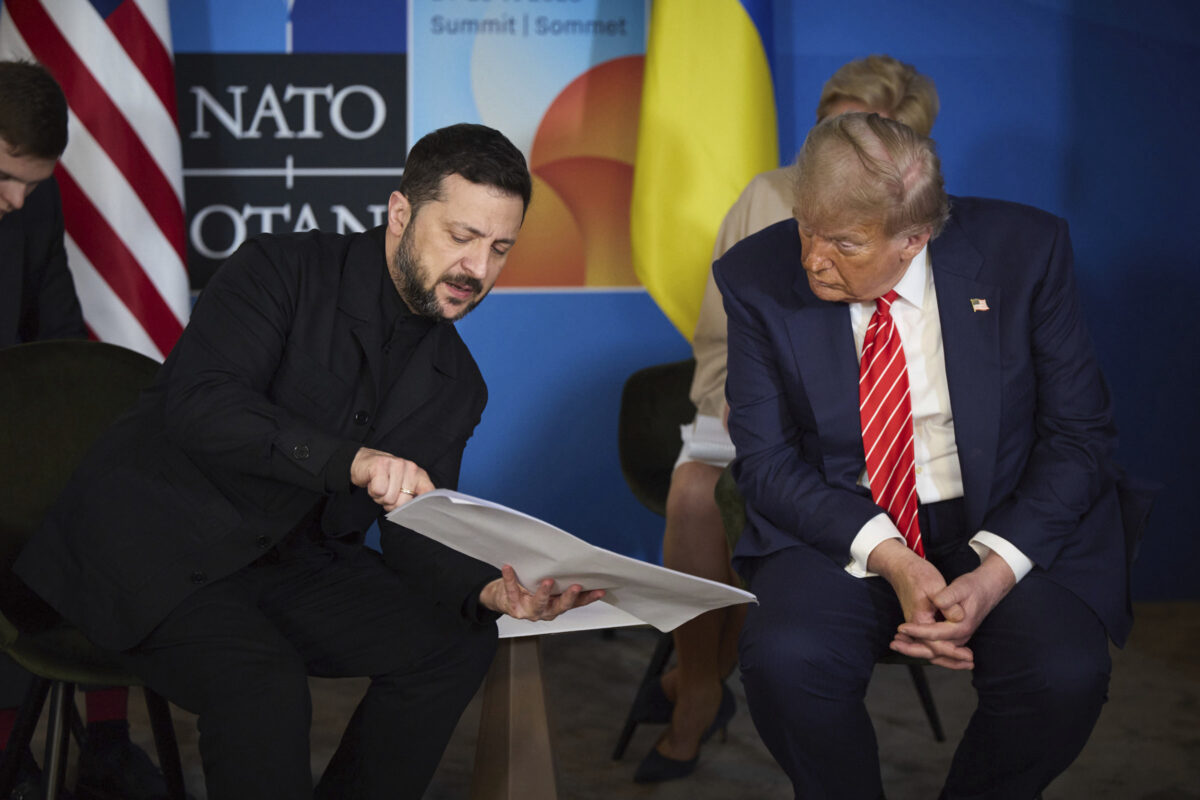
KYIV — The main problem facing the United States isn’t that the new administration can’t settle on a consistent message. First, Donald Trump promises to end the war in 48 hours, then claims he’s already reached agreements on Ukraine four separate times, then threatens to impose tough sanctions and tariffs within 50 days on countries buying Russian hydrocarbons.
Political rhetoric is one thing: Everyone is used to the eccentricities of the U.S. president, who one moment dreams of building beaches and casinos in Gaza, and the next is
threatening Canada with tariffs. But the real issue is that neither the EU nor the U.S. has a viable alternative to supporting Ukraine.
If Moscow succeeds in occupying Ukraine, it will undoubtedly move on to “gathering
historic Russian lands,” which could include not only the Baltics but also Poland and Finland.
Rivalry and distrust
This isn’t just about geopolitics. It’s also about economics, sanctions, the lost oil and gas
market in the EU, and the axis of pariah states, where Iran is drifting ever closer to China.
Meanwhile, the Kremlin’s economic problems haven’t gone anywhere. And no matter how
many Ukrainian regions are seized, they won’t disappear.
Most likely, Russia’s neighbors will ramp up defense spending. Relations with Moscow will be shaped by rivalry and distrust — trade will exist only where it’s profitable but doesn’t strengthen the adversary. For Russia, that means a future of North Korean-style tourism, a tightly controlled internet modeled on China’s, rising mortgage rates, a tightening “debt noose,” and stagflation — all of which await its economy regardless of how the war ends.
The image of a bear going downhill on a bicycle — unable to brake, pedal or jump off the seat — is a perfect metaphor for what’s happening to Moscow right now.
Systemic issues
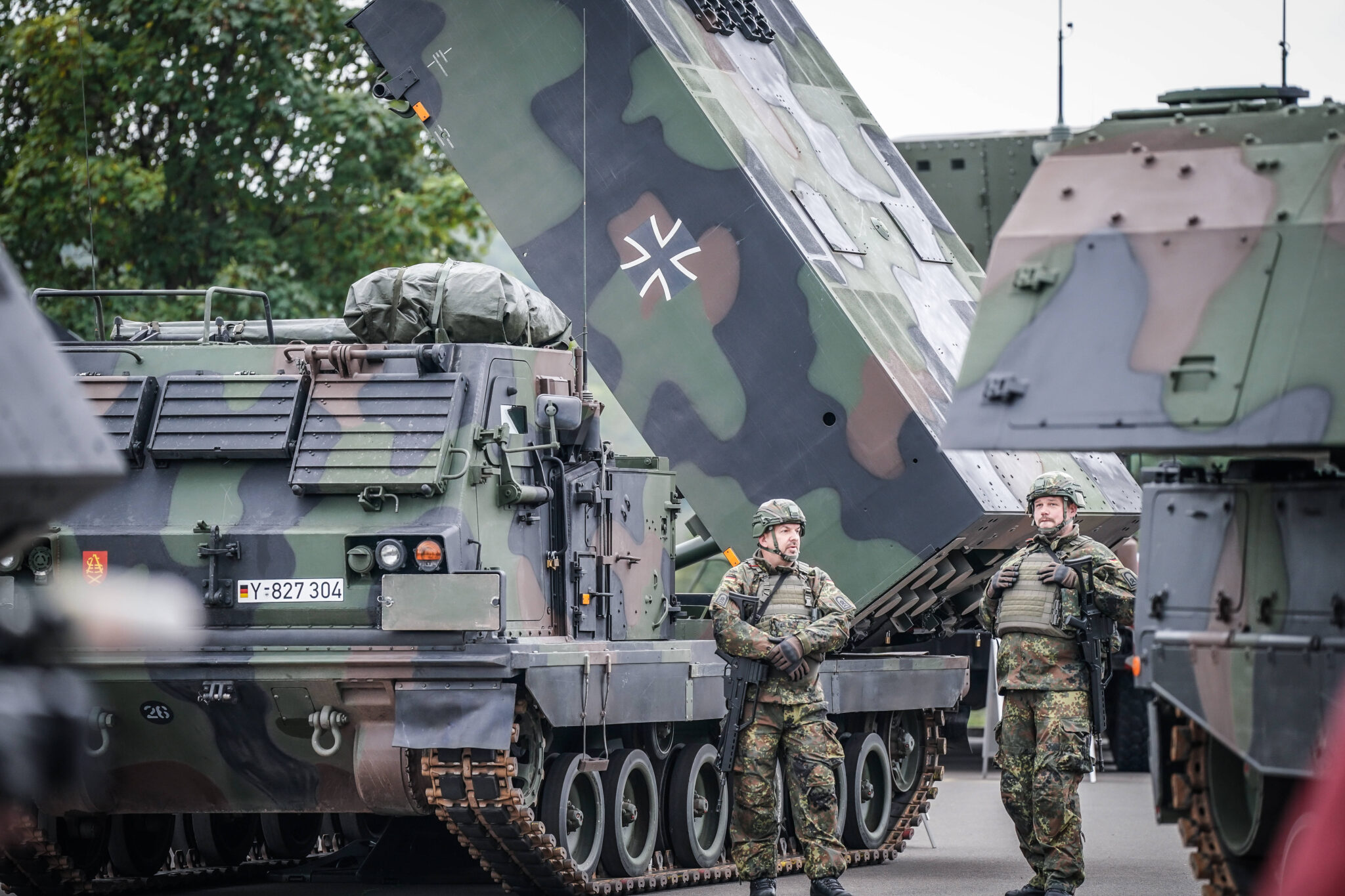
America’s real problem is this: With just 60 Patriot air defense batteries in its arsenal (not counting those under maintenance, being upgraded, or out of action), the search for systems to send to Ukraine has turned into an excuse for endless meetings, debates over funding, and disputes over who’s supposed to pay.
These are systemic issues. And this isn’t even about industrial mobilization or the need to bear a heavier burden than Ukraine. After all, a few Patriot batteries over three years is not a tall order for a superpower — or is it?
The real sticking point is the Kremlin’s demand for Ukraine to disarm.
The same applies to the plans to ramp up production of PAC-2 GEM-T and PAC-3 MSE missiles — with a combined goal of 750 units per year. That’s based on the assumption that the new plant in Germany gets fully up and running, and that production in Japan is successfully scaled. As for reaching 750 PAC-3 MSEs annually — that’s projected for 2027, if all the stars align.
Russia, meanwhile, is producing roughly the same number of Iskander and Kinzhal missiles annually — meaning there can be no talk of any meaningful replenishment of Western arsenals.
And beyond just dealing with ballistic threats, Ukraine also needs test launches, while Germany must replenish its own stocks after parting with a quarter of its Patriot systems. Poland and Romania are also expecting deliveries.
Despite the U.S. having the entire production chain, college programs for skilled labor, state
subsidies and guaranteed contracts — the final output remains modest at best.
A kind of stability
Germany plans to finance new batteries for Ukraine. Meanwhile, Switzerland has been told that delivery timelines for its five ordered batteries have been pushed back by several years. Now Bern is likely facing parliamentary hearings to understand how the country ended up with no missiles, no launchers and no clear date for U.S. delivery.
This is how it’s turned out: Under former U.S. President Joe Biden, delivery of missiles was delayed; under Trump, it’s the batteries themselves. That’s stability, of a kind.
Ukraine’s task remains the same.
On the other hand, Washington is once again actively participating in the process of arming Ukraine, as efforts to freeze the war along the current front lines have failed. Disarming Kyiv or withdrawing from fortified positions in Zaporizhzhia, Kherson and Donetsk contradicts U.S. interests. Because Moscow must not be allowed to grow stronger — especially if the West gets nothing in return.
The real sticking point is the Kremlin’s demand for Ukraine to disarm. It’s this, and not the
status of the Russian language or issues like the line of contact, that stands in the way of an agreement.
Why the war continues
Moscow fears the burden of sustaining a million-strong army, and the idea of drone strikes
deep into European Russia doesn’t sit well with them either. Meanwhile, we know exactly
how much their promises are worth — and we understand that the level of Western support
Ukraine is receiving now will be hard to replicate in any future campaign.
These are the real reasons the war continues: the possibility of a Ukrainian reconquista if we resist Russia’s blackmail, or a repeat of the Bucha massacre on a national scale if we give in.
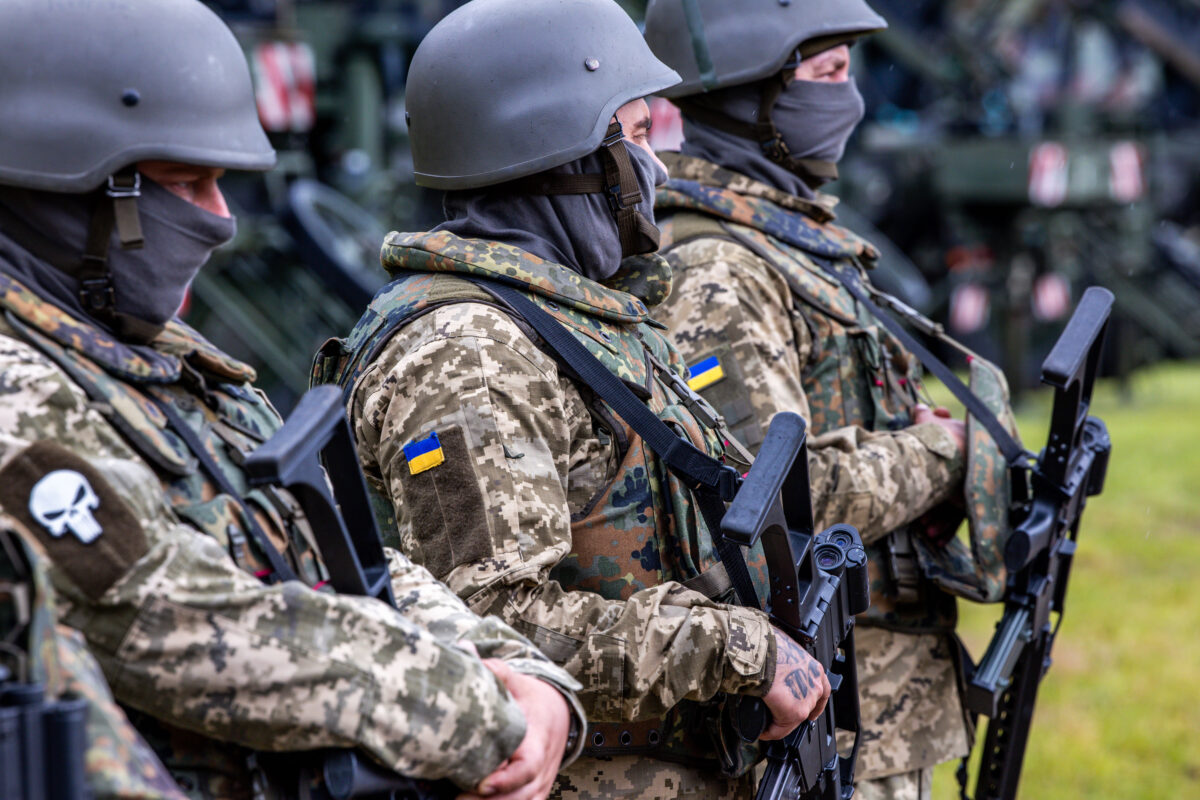
So Ukraine’s task remains the same: build out its defense industry, fueled by injections
Western technology, spare parts, machinery and financing. The West, for its part, must help
shield our distributed production — from makeshift garages to factories — producing self-
propelled artillery, shells, mines, drones, UAV interceptors, cruise and ballistic missiles.
Everything that can raise the cost of war for the Kremlin and protect our rear.
At present, no one but Washington can provide Ukraine with hundreds of ballistic missile
interceptors. And given the looming possibility of confrontation with Beijing, the U.S. needs
to scale up missile production — while ensuring Moscow does not grow stronger. That’s why, in the near future, we can expect good news on air and missile defense.