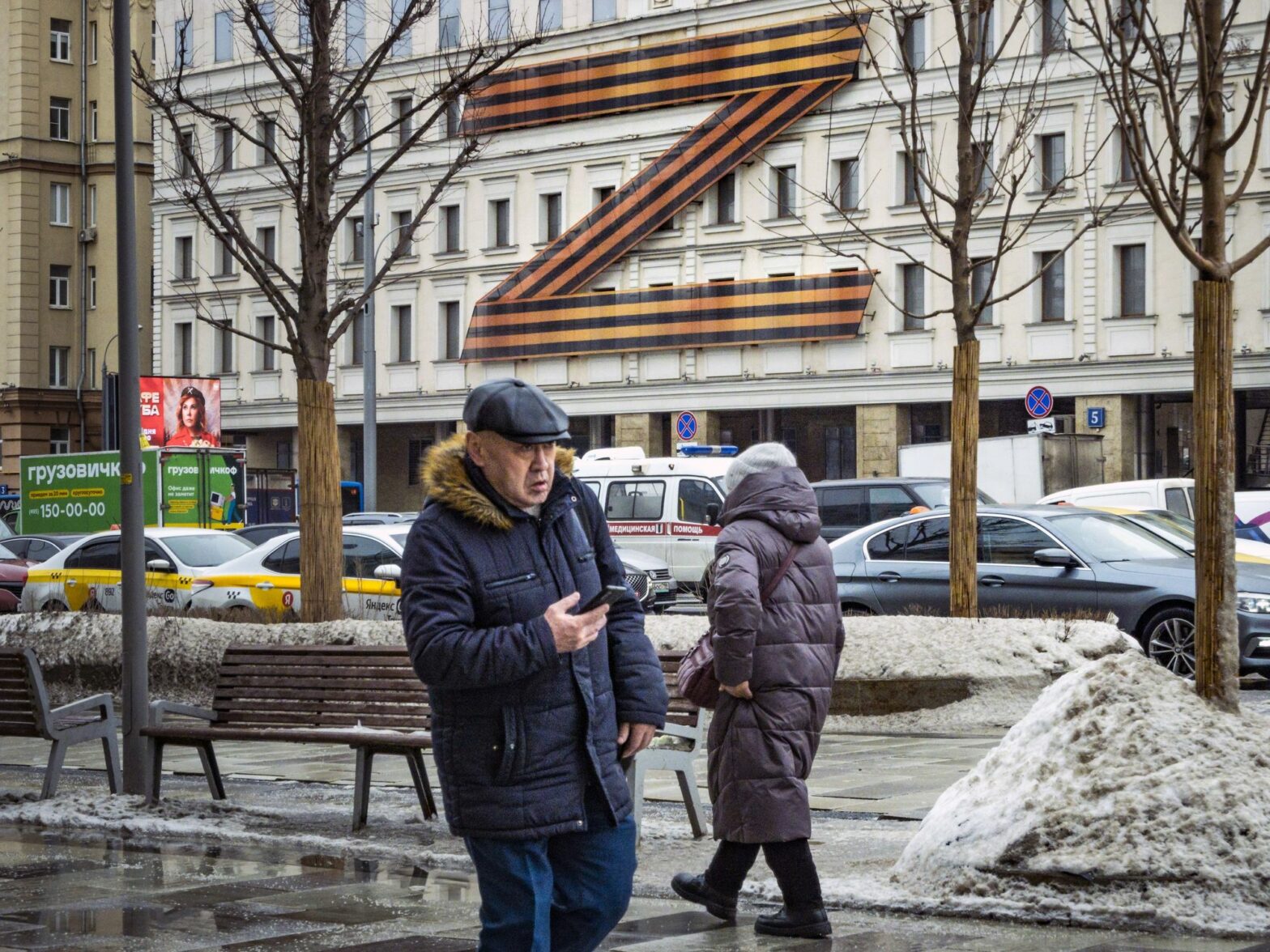
Disappointed by poor gains over the past three years in Ukraine, Russia’s pro-war Z community is blaming a new scapegoat. Russian writer and historian Ivan Philippov explains why a society that just wants to live and to work is now their main enemy.
 Worldcrunch
Disappointed by poor gains over the past three years in Ukraine, Russia’s pro-war Z community is blaming a new scapegoat. Russian writer and historian Ivan Philippov explains why a society that just wants to live and to work is now their main enemy.
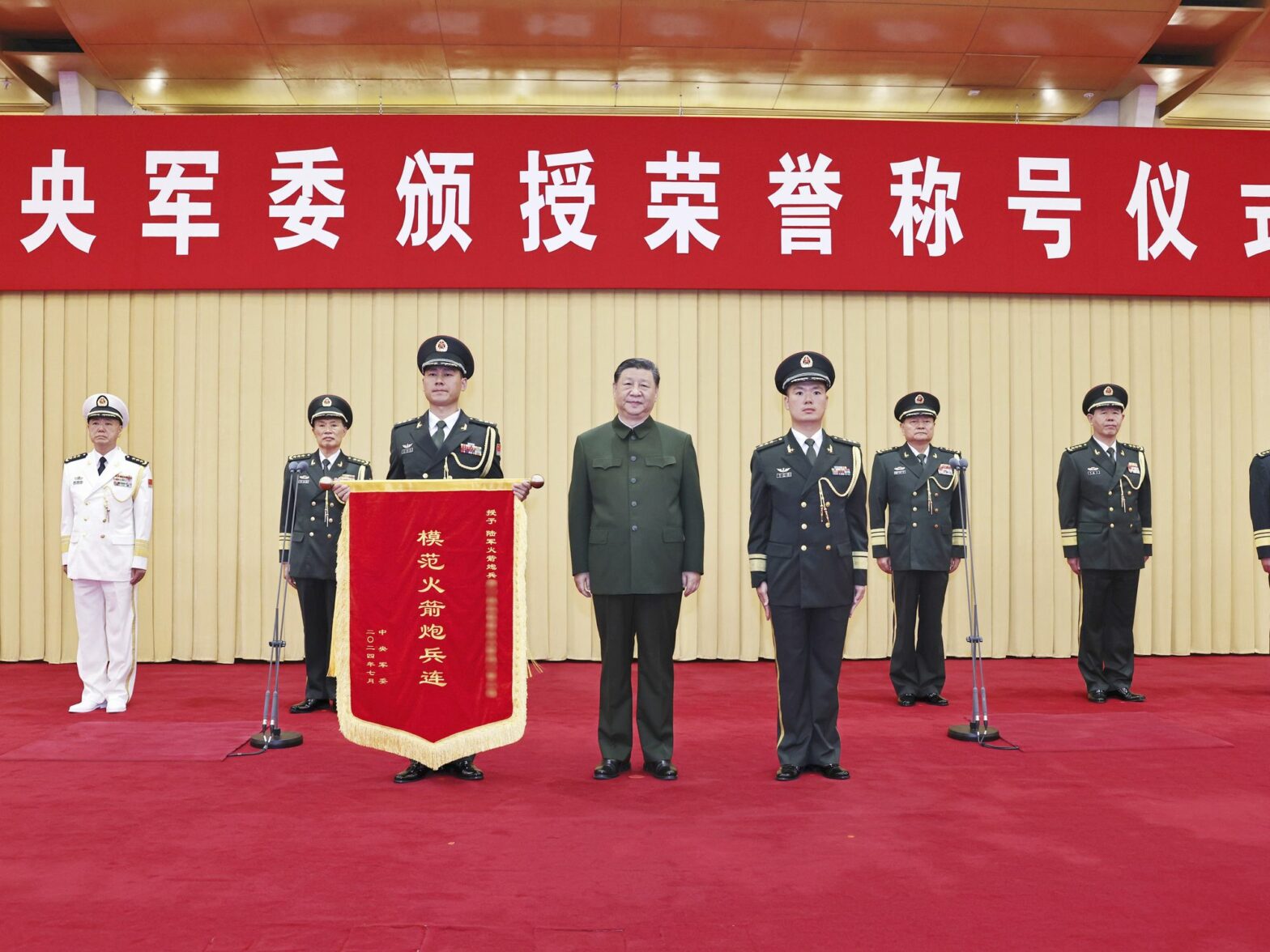
In its final communiqué of the Washington summit, NATO severely criticized Chinese support for Russia in Ukraine, drawing a strong reaction from Beijing. China fears that the Transatlantic military alliance is now a tool for the U.S. in its global showdown with China.
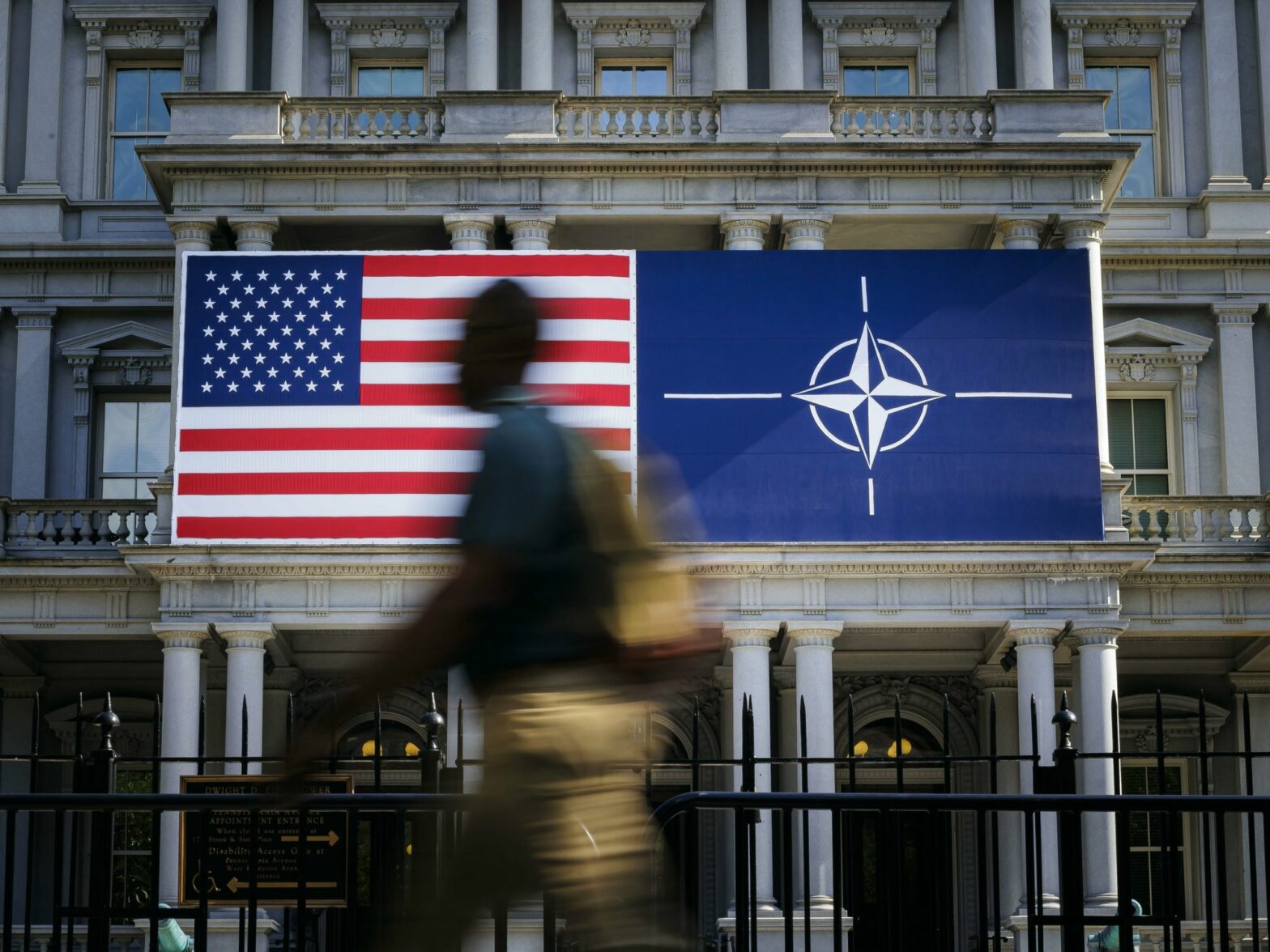
As the alliance’s 32 countries celebrate their 75th anniversary at a summit in Washington, uncertainties over the possible reelection of Donald Trump in November, and dark clouds over Europe and France are raising serious questions about NATO’s future.
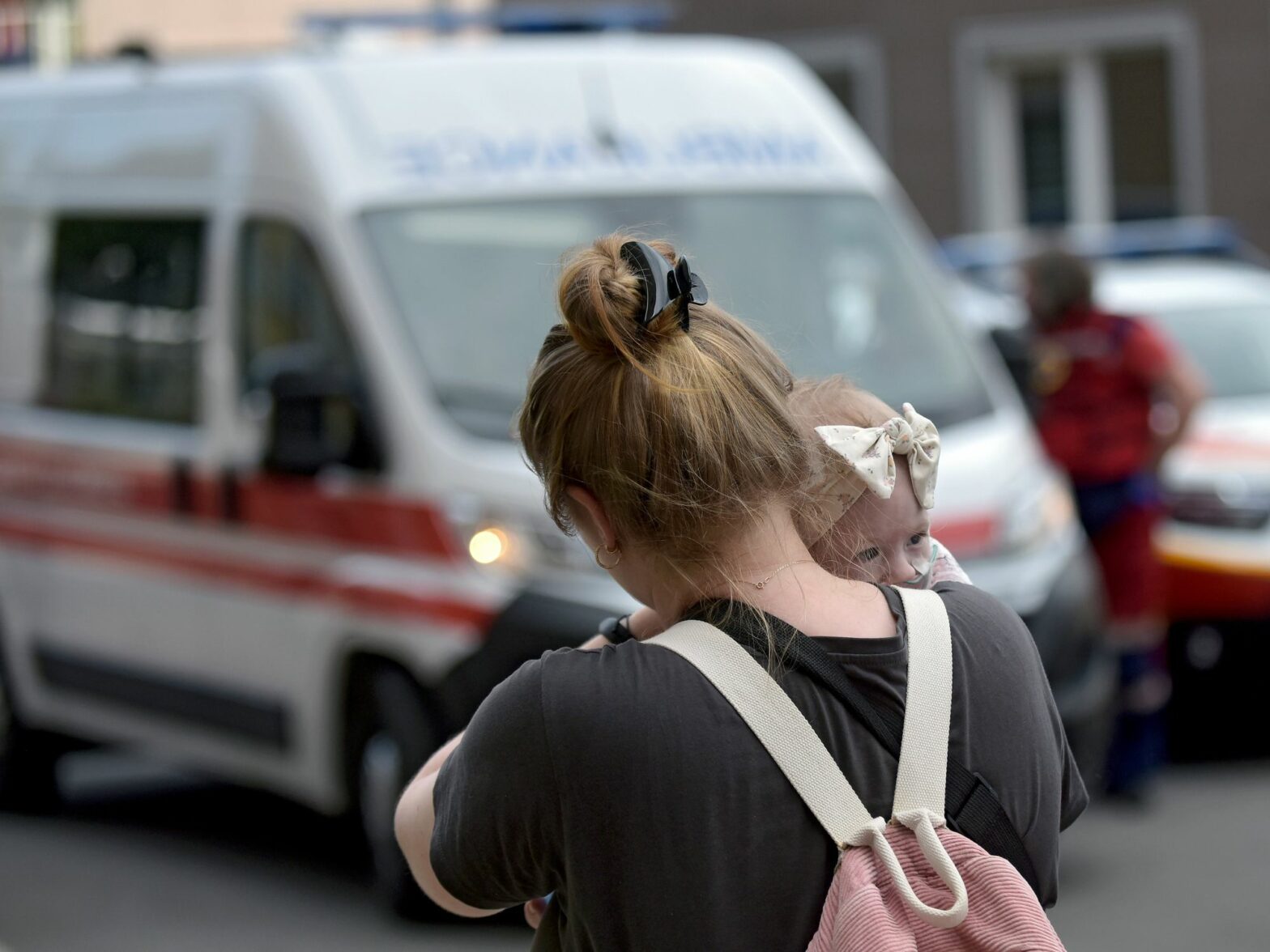
After more than two years of war, Russia’s bombing of a children’s hospital in Kyiv on Monday was among the most violent. What does Vladimir Putin aim to achieve with this escalation of horror — which came just 48 hours before the NATO Summit in Washington in the presence of Volodymyr Zelensky?
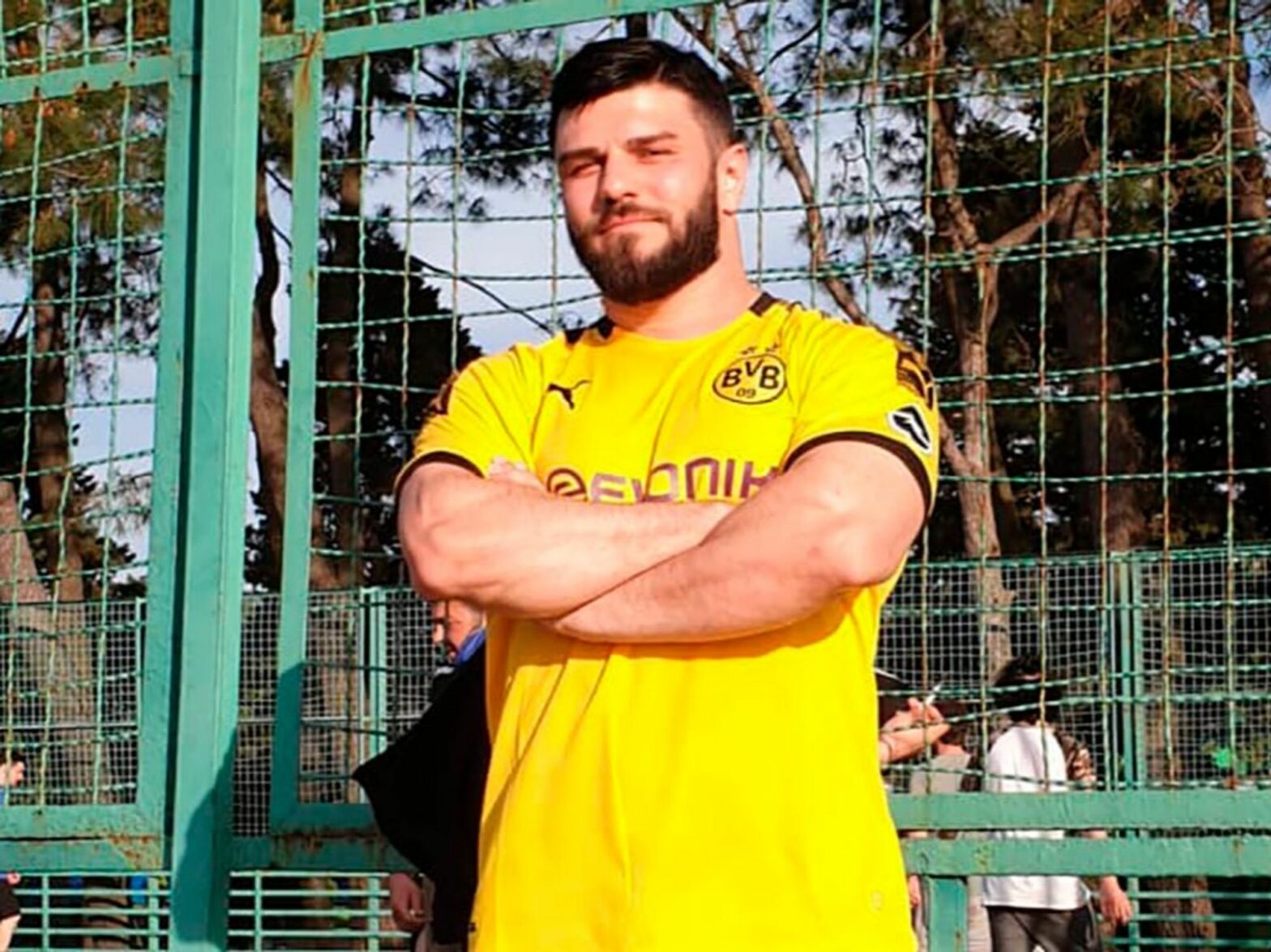
Having gained notoriety for his Male State movement, which was deemed too radical, even for Putin, Vladislav Pozdnyakov came up last year in connection with brutal videos being shared online, as well as a more recent attack against an ally of late Russian opposition leader Alexey Navalny.
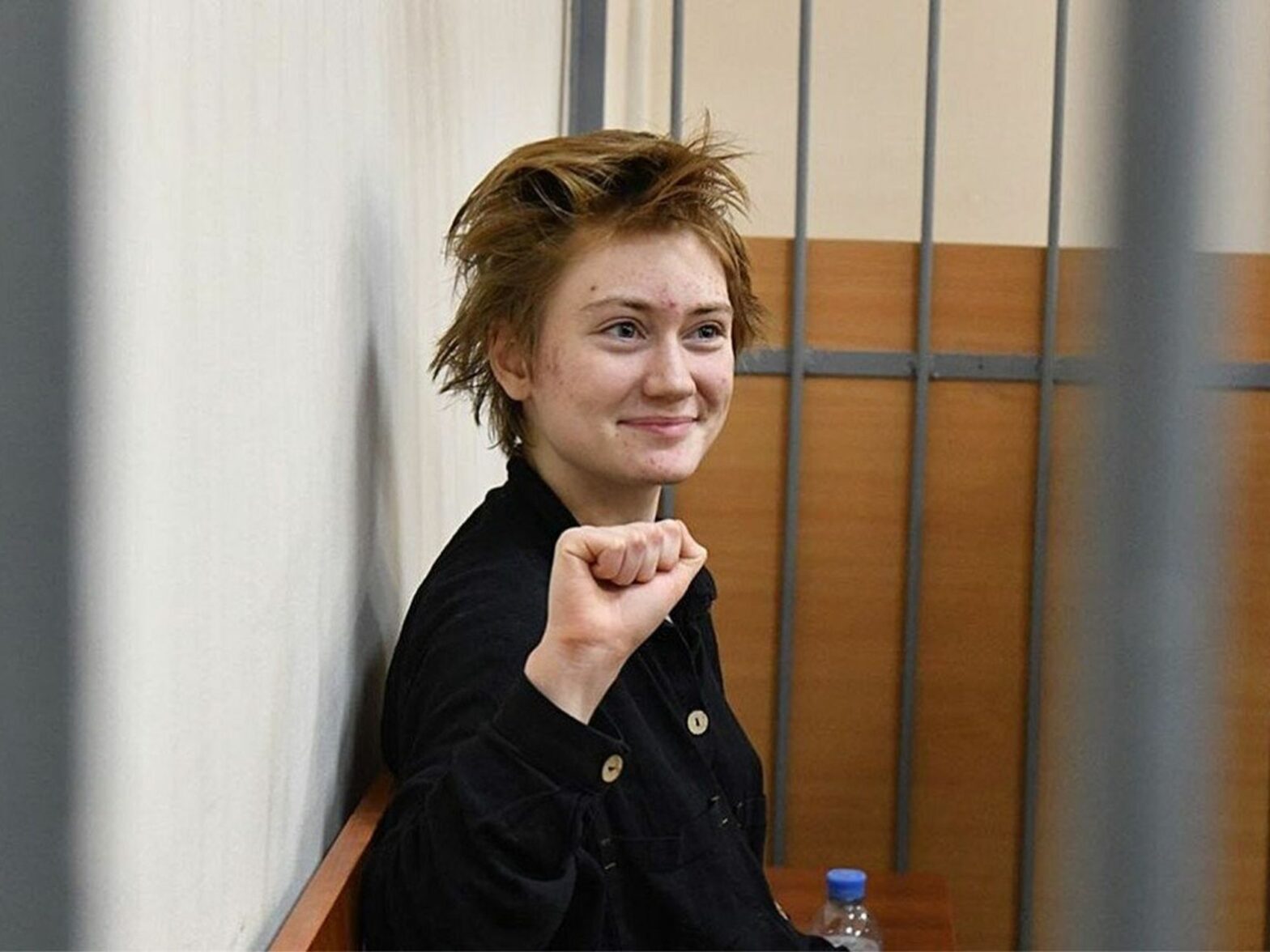
At just 18-years-old, Daria Kozyreva sits in a pre-trial detention center. She is facing five years for “repeatedly discrediting the Russian army.” Here is her letter to all Russians, trying to convince people of good will to denounce the Kremlin regime.
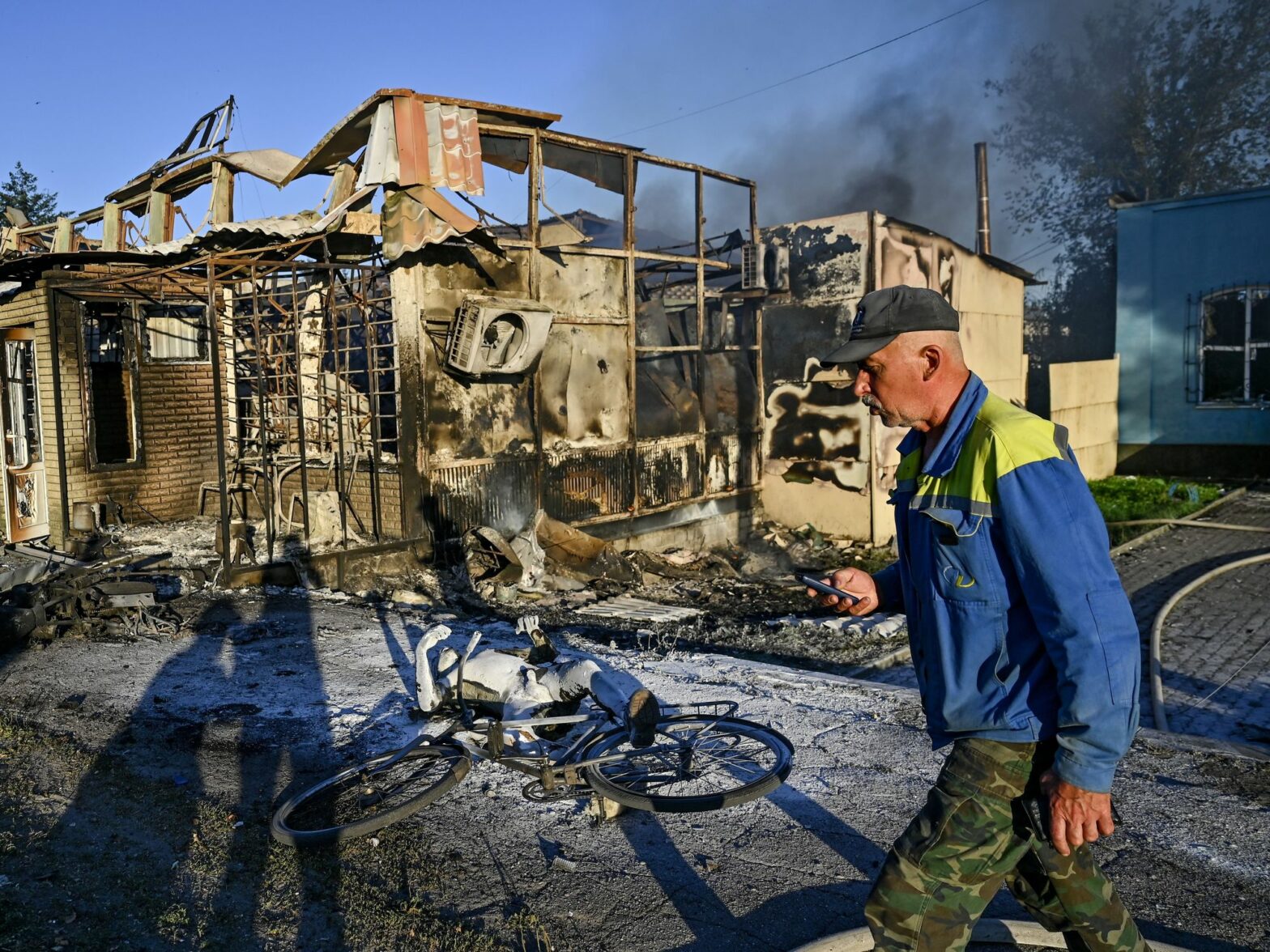
The result of the French elections, along with doubts about U.S. President Joe Biden’s health, weakens Western support for Ukraine. A poll of Europeans shows support for Ukraine continues to be strong, but that Europeans no longer believe a military victory against Russia is possible.
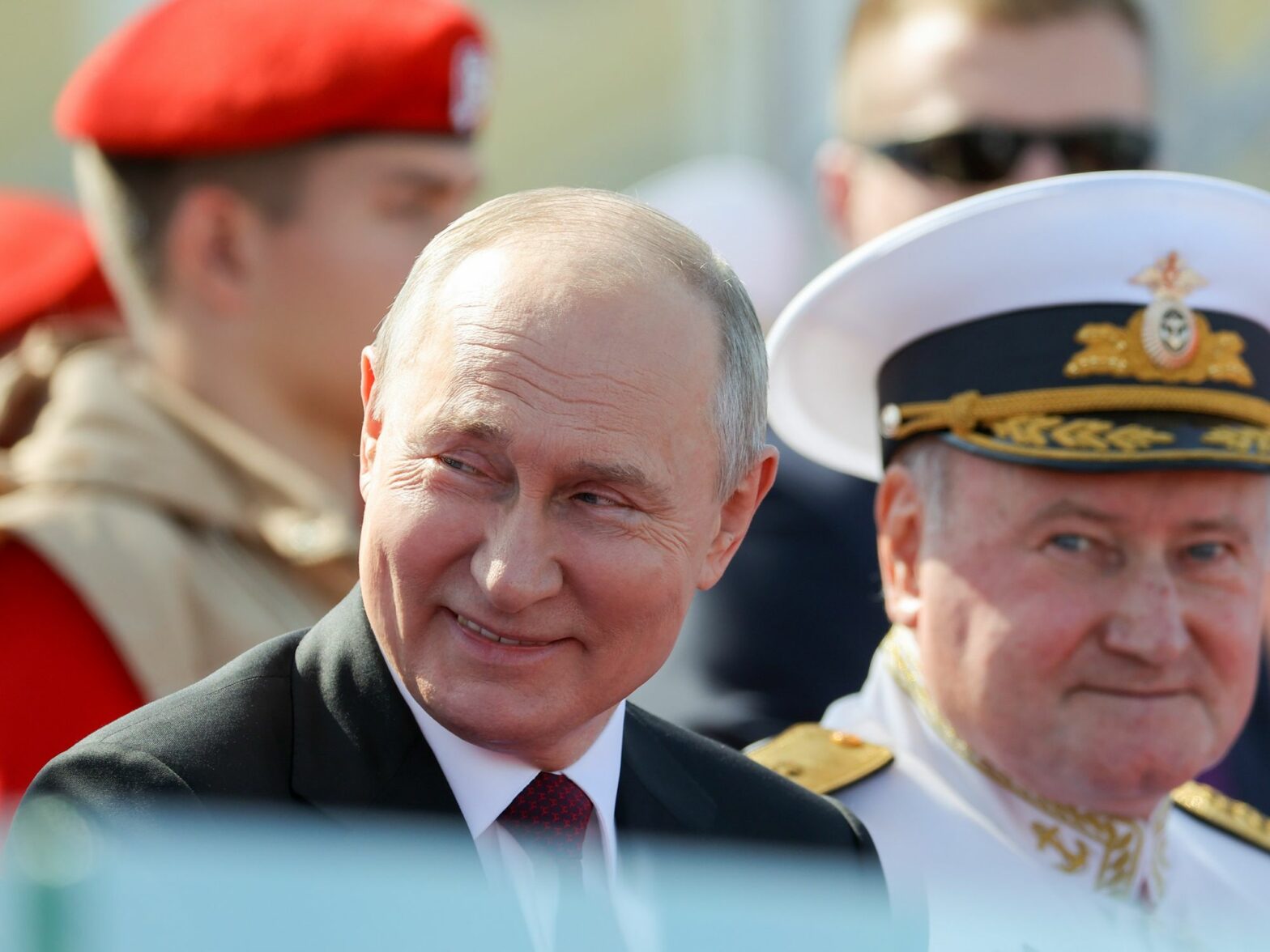
Vladimir Putin threatened major escalation if Ukraine was allowed to strike into Russian territory with Western weapons. Once the West crossed that red line, the escalation did not happen. The West knows that bluffing is Putin’s favorite way of conducting foreign policy, so why does it keep playing this game?
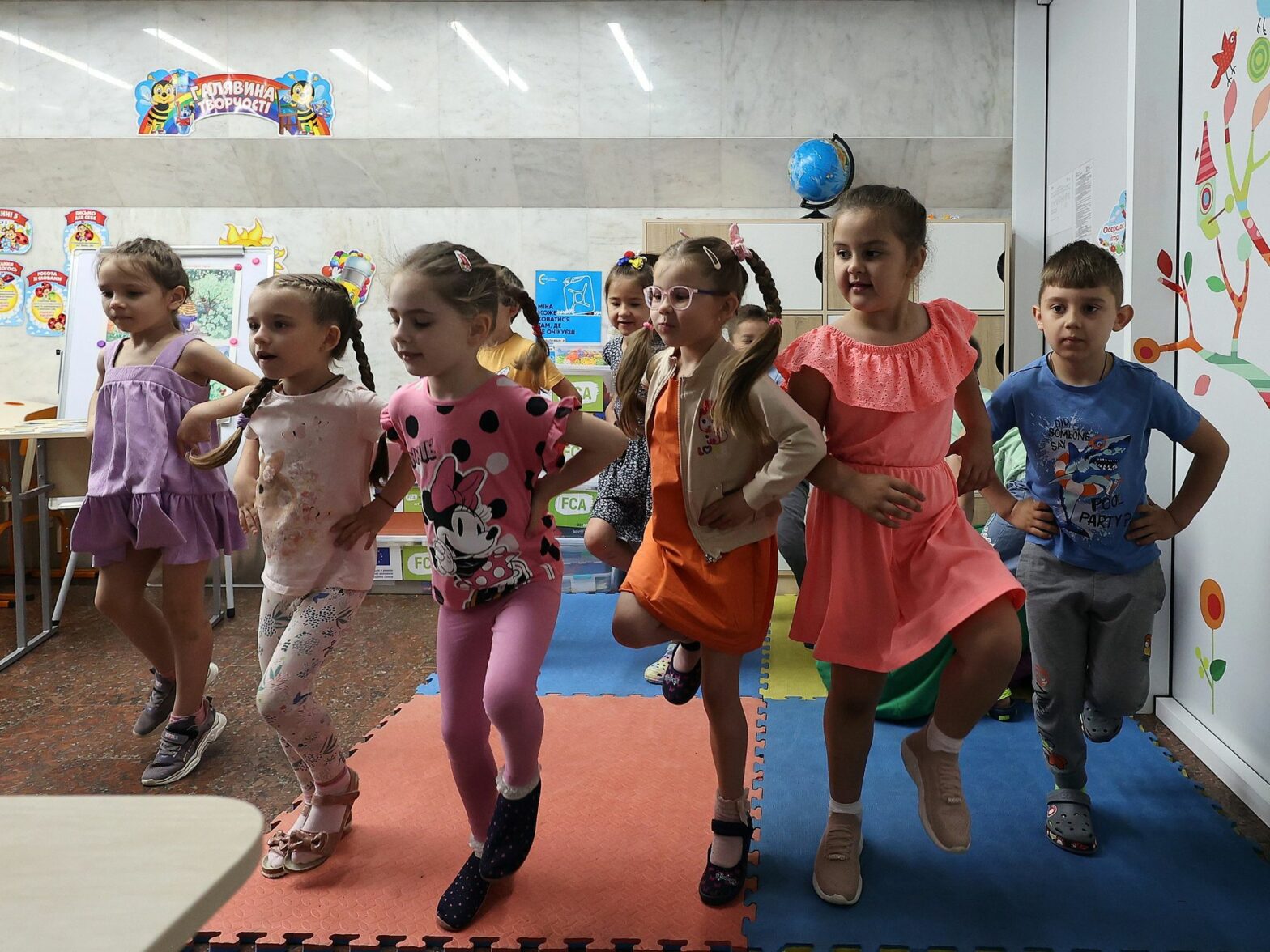
This spring, Kharkiv has been under almost daily shelling. Yet cafes, beauty salons, theaters and shops are still open in Ukraine’s second-largest city, and residents are spending time in parks, jogging and maintaining elements of a normal life.
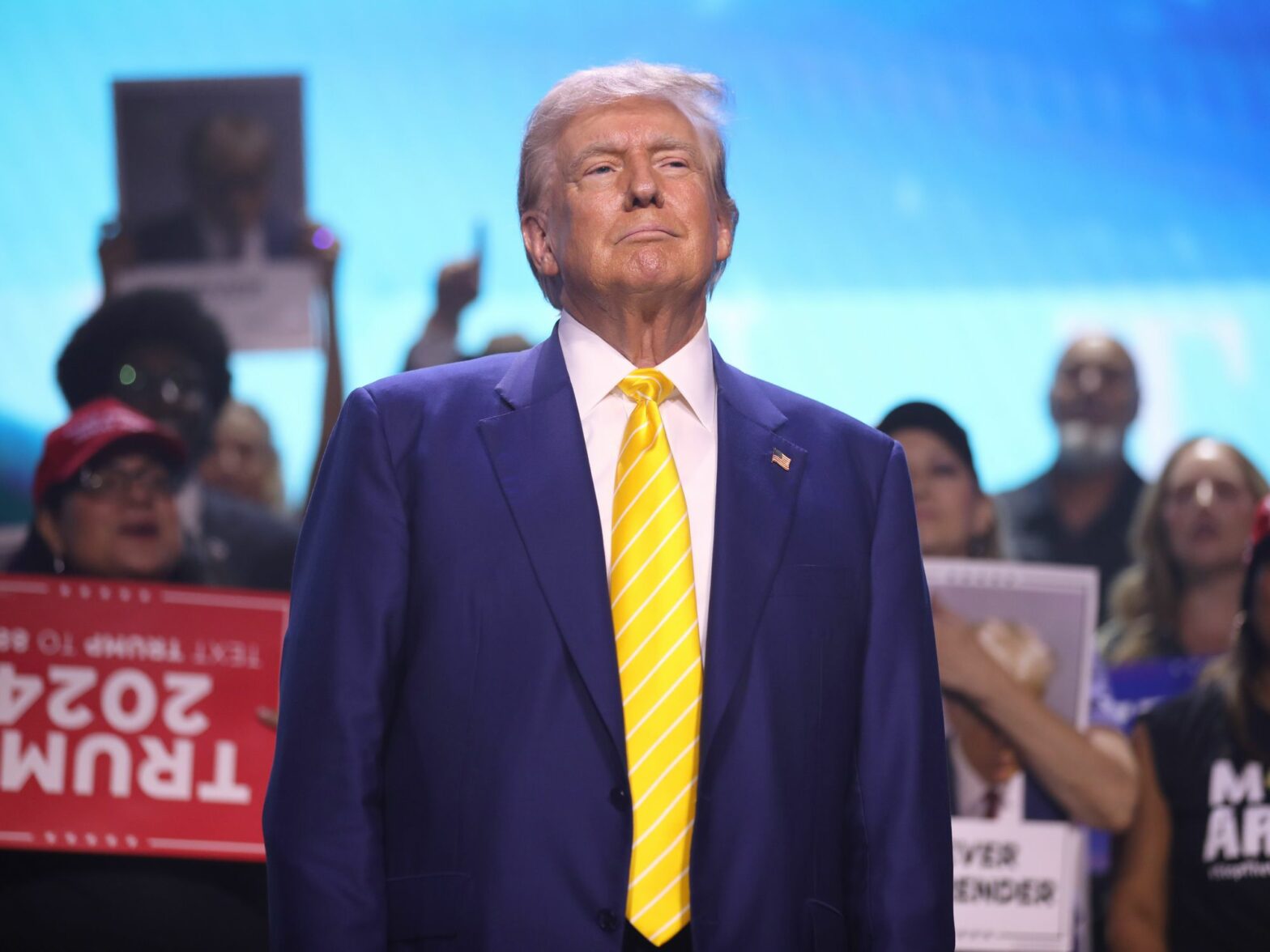
As the U.S. presidential election draws closer, independent Russian-language media Vazhnye Istorii spoke with American politics specialists about the possibility of a second Trump term and what it would mean for the Russia-Ukraine war, traditional U.S. allies and China.
As the upcoming French and American elections show, the Western democratic model is being put into question — both externally by revisionist powers, and internally.
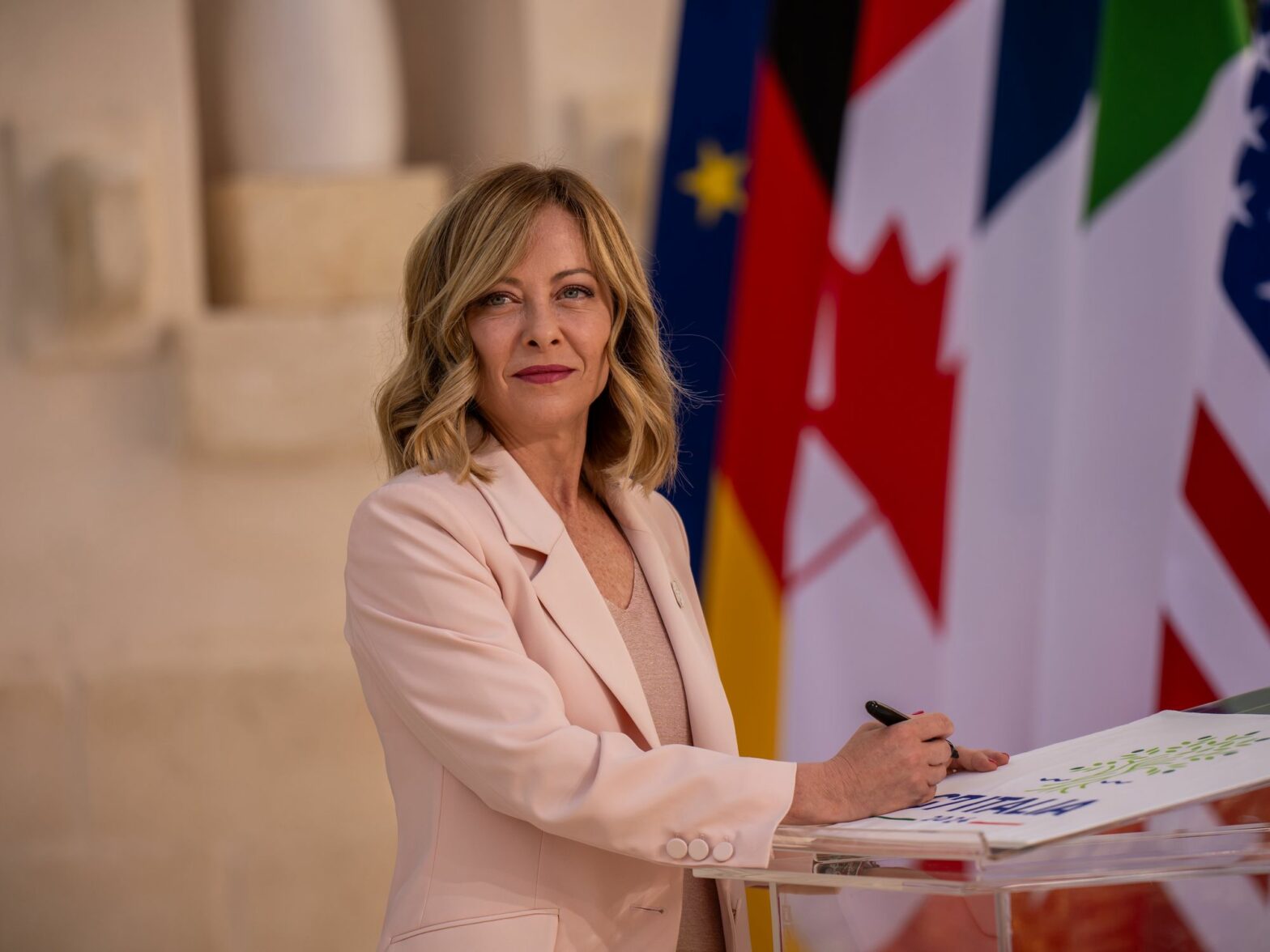
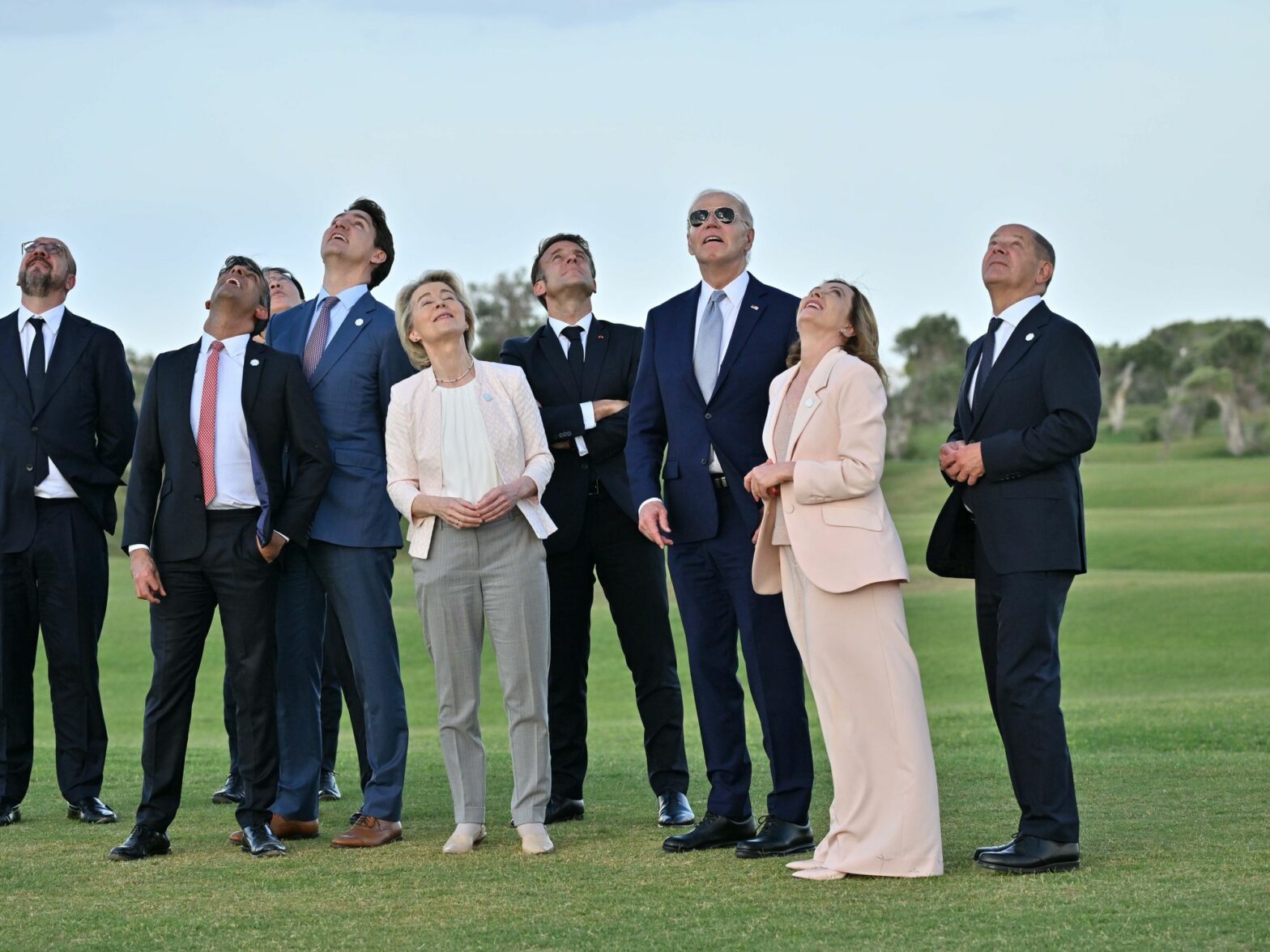
The G7 countries meeting in Italy are examining a proposed $50 billion loan to Ukraine, a way of preempting possible future obstacles: Trump in the U.S. and the far-right in France. The wildcard is Italian Prime Minister Giorgia Meloni.
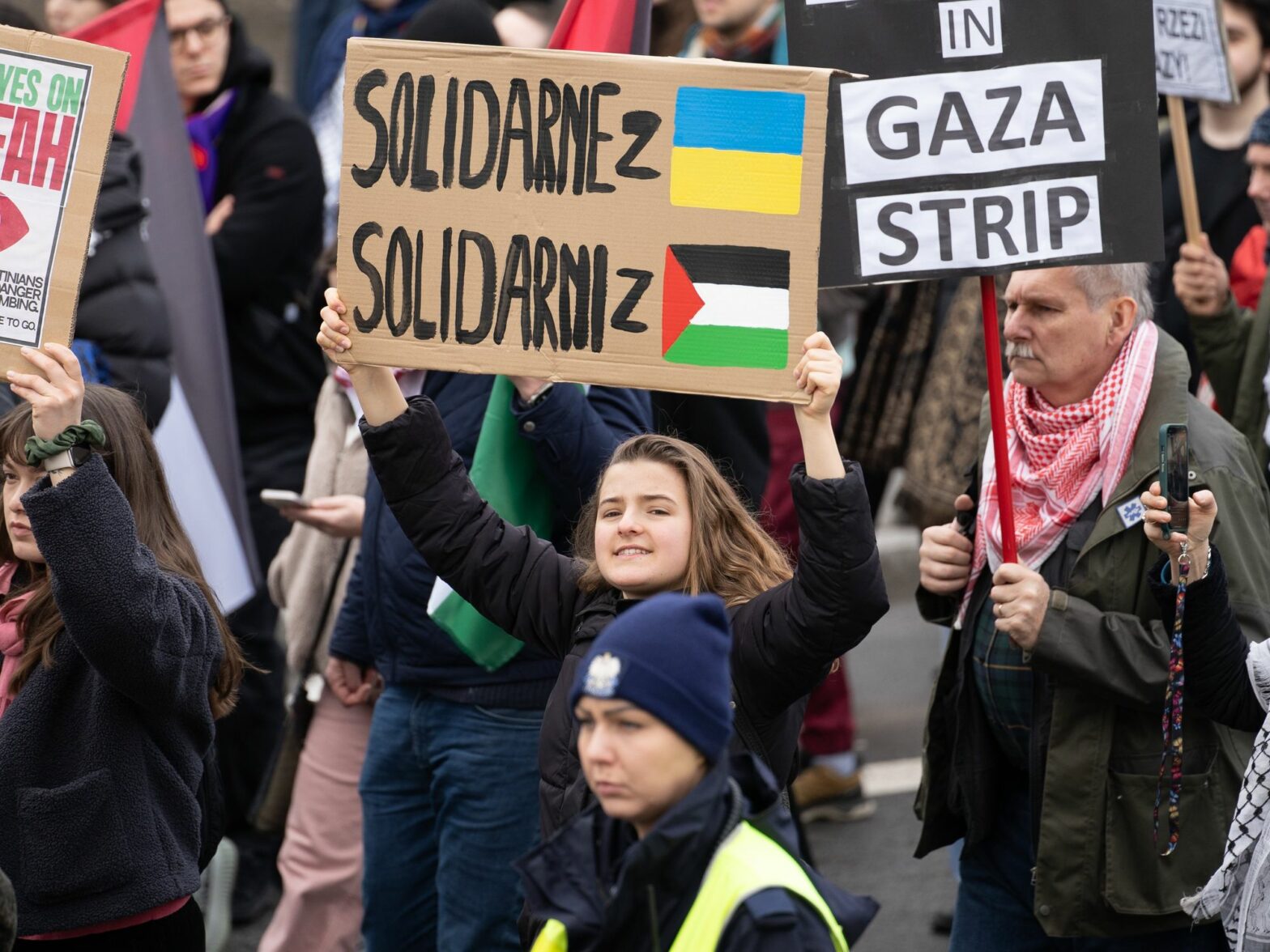
Comparisons between the wars in Europe and the Middle East tell us a lot about the standpoint of those who compare. They also signal to a new world order that has yet to be shaped.
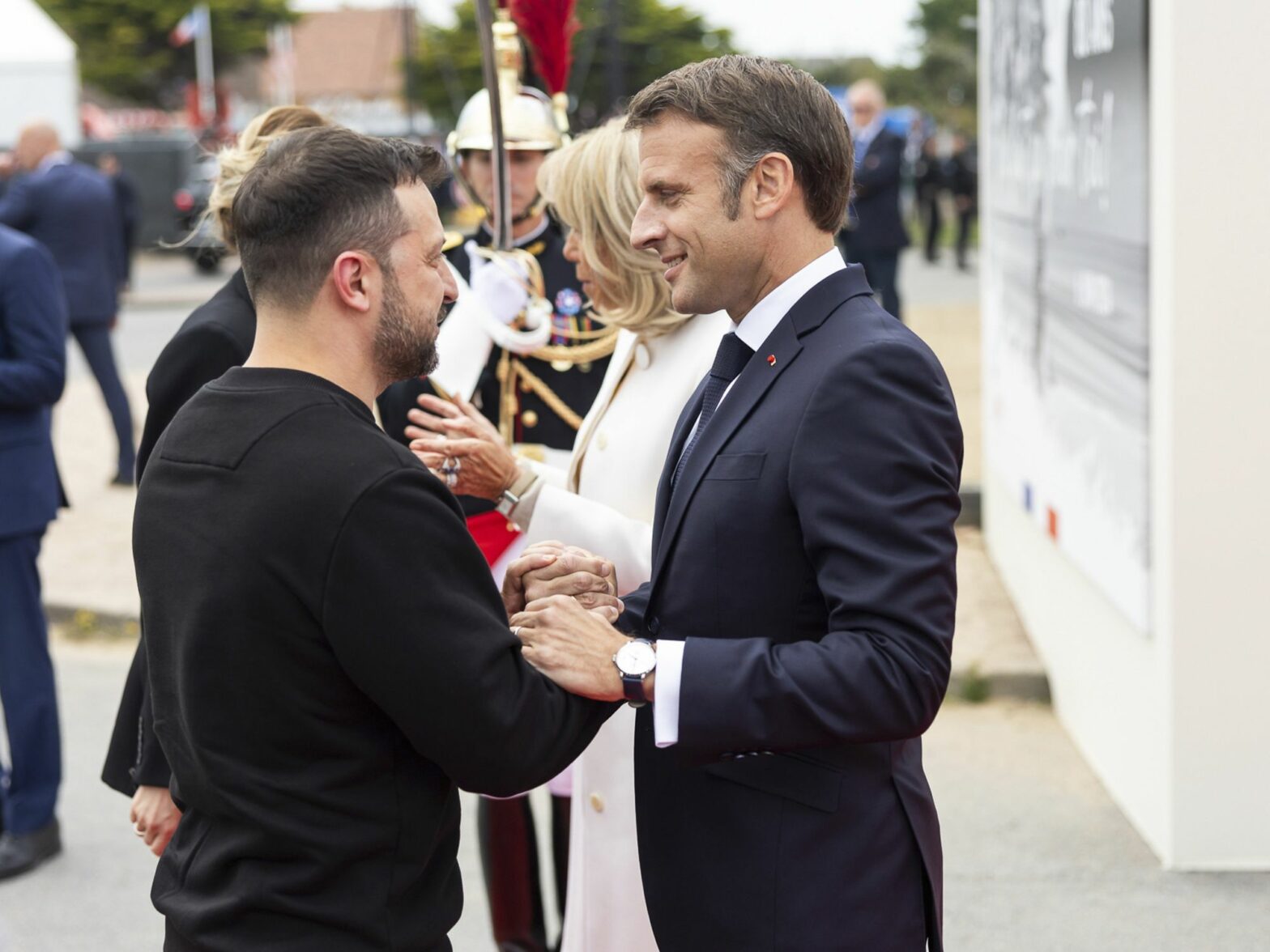
French Mirage jets and training of pilots on Ukrainian soil: these two announcements by Emmanuel Macron last night, as his Ukrainian counterpart Volodymyr Zelensky was in France for the June 6 ceremonies, mark an increased commitment — to help Ukraine restore the balance of power.
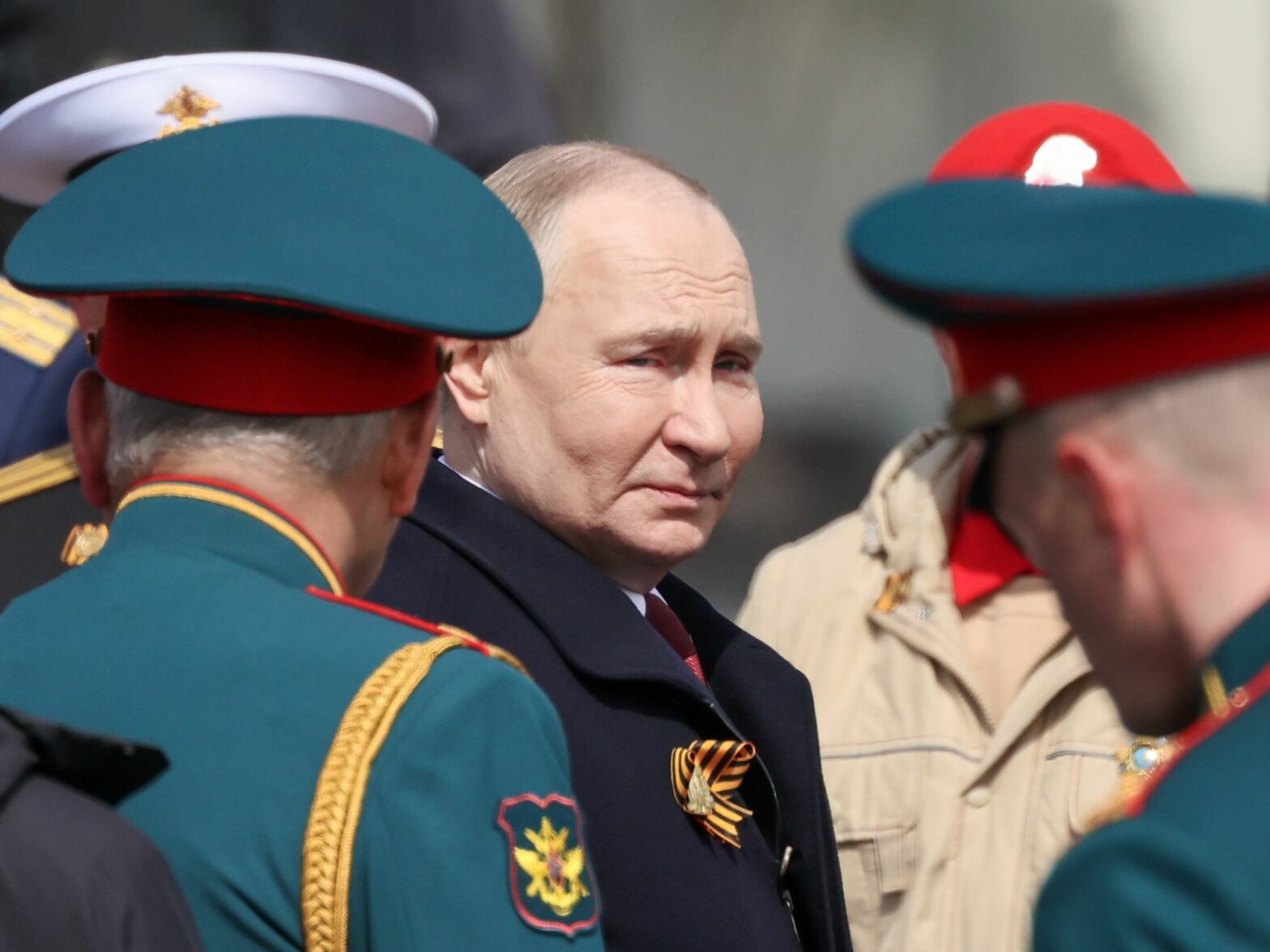
Over the past two weeks, Vladimir Putin has stated four times that Russia is ready for peace talks with Ukraine, but that those negotiations would be based on “current realities at the front,” by which he means maintaining occupied territories under his control.
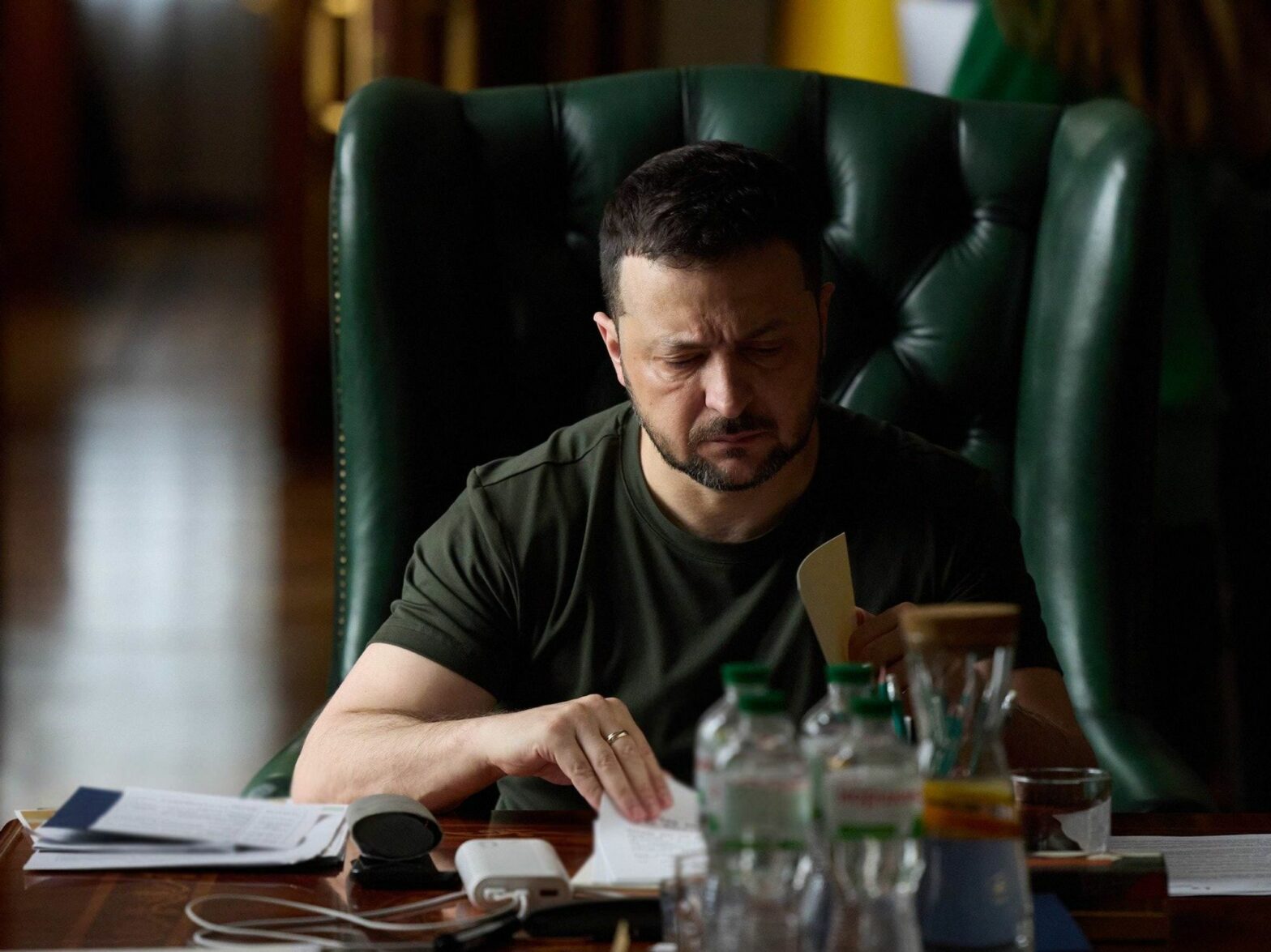
Two weeks ahead of the Ukraine conference in Switzerland, Volodymyr Zelensky blamed China for sabotaging the meeting at Russia’s behest. Urkaine’s president may use the upcoming D-Day memorial to raise the stakes with his own allies.
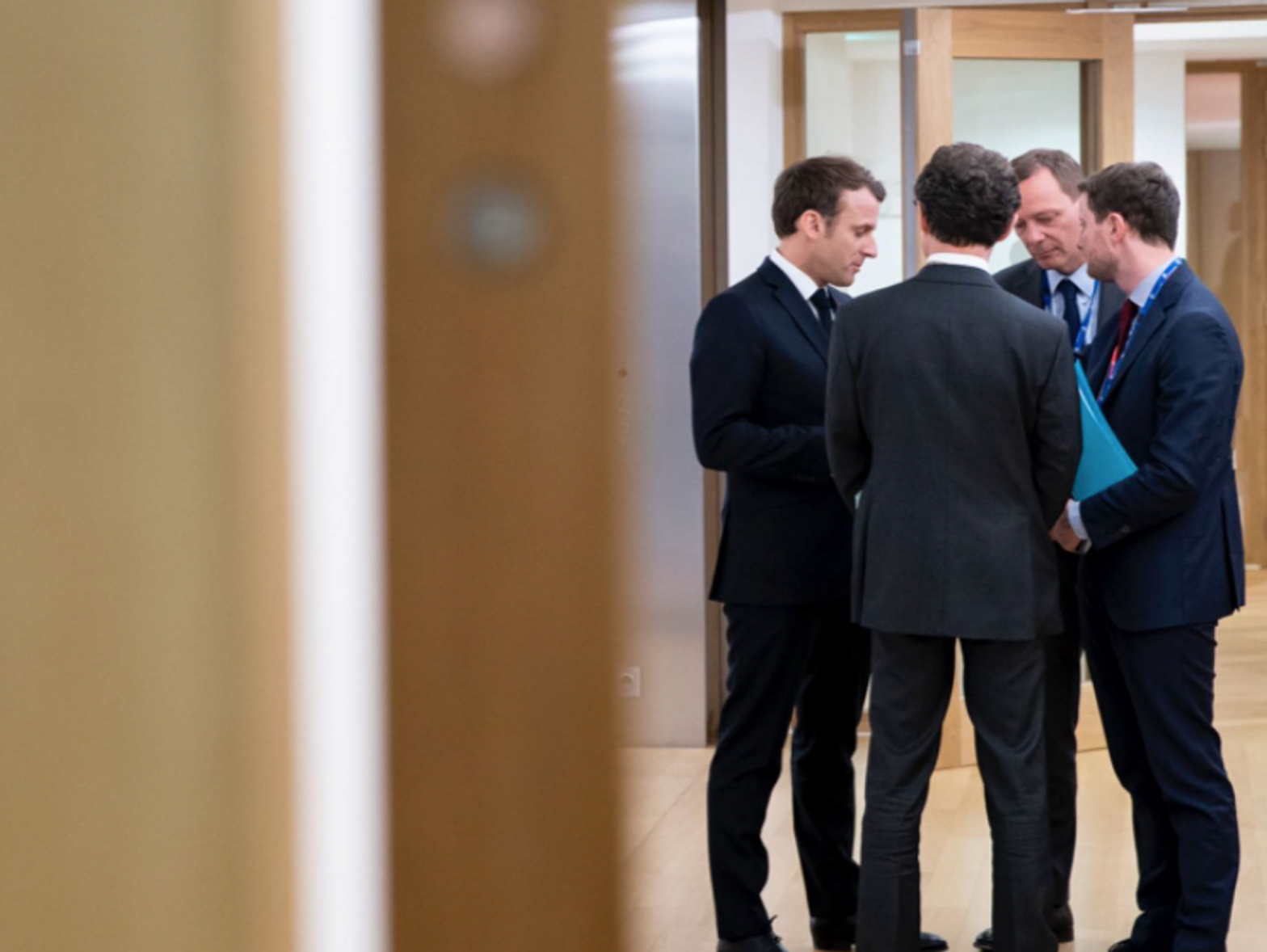
The French president wants to convince Vladimir Putin to halt military deployment around Ukraine. But some in Moscow believe the Russian president is only interested in negotiating with the U.S. about the wider global balance of power.
Ukraine is not allowed to attack Russian territory. Israel, on the other hand, has free rein. These are the would-be restrictions of Western weapons in two wars that might seem to have little in common.
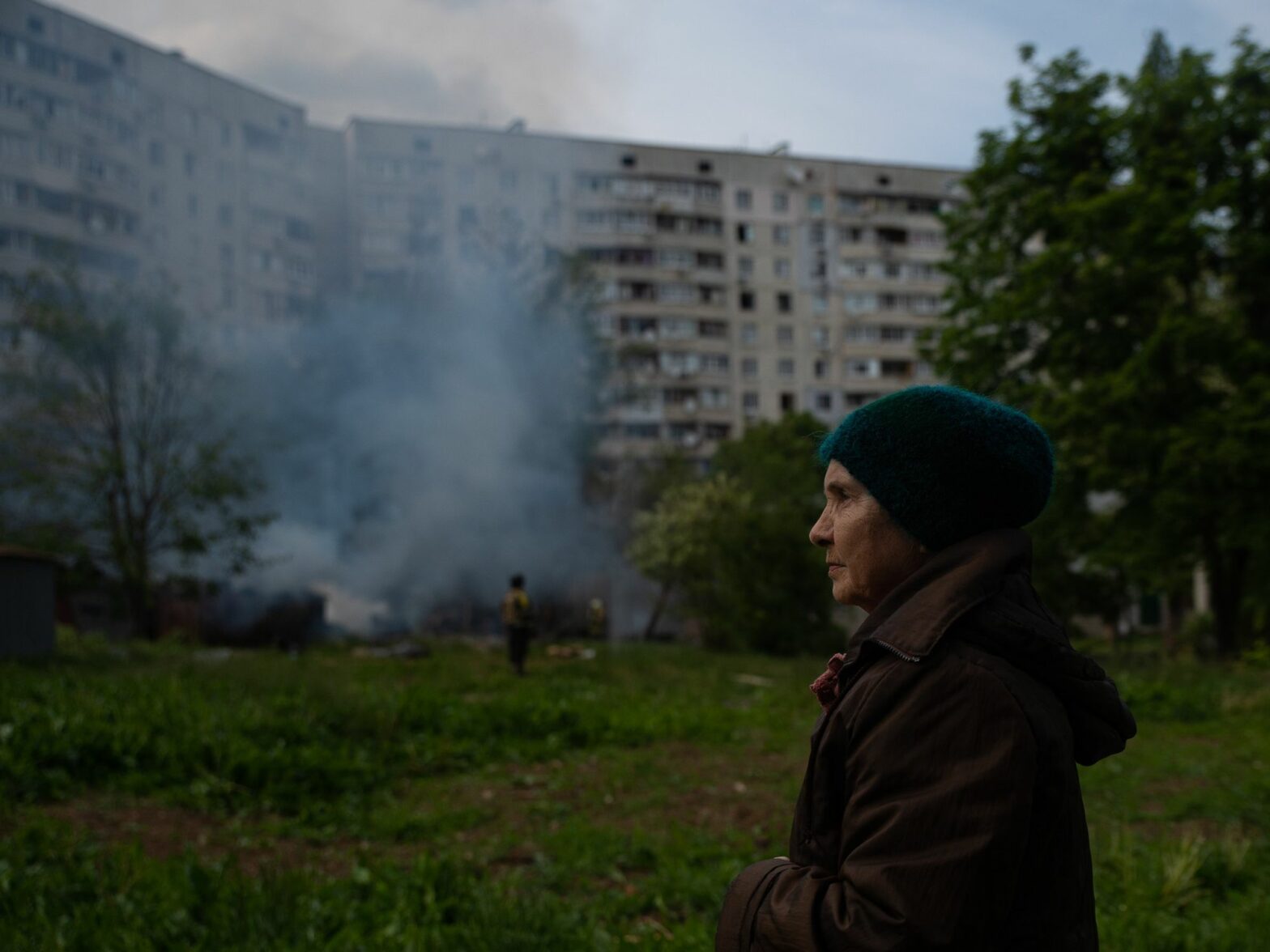
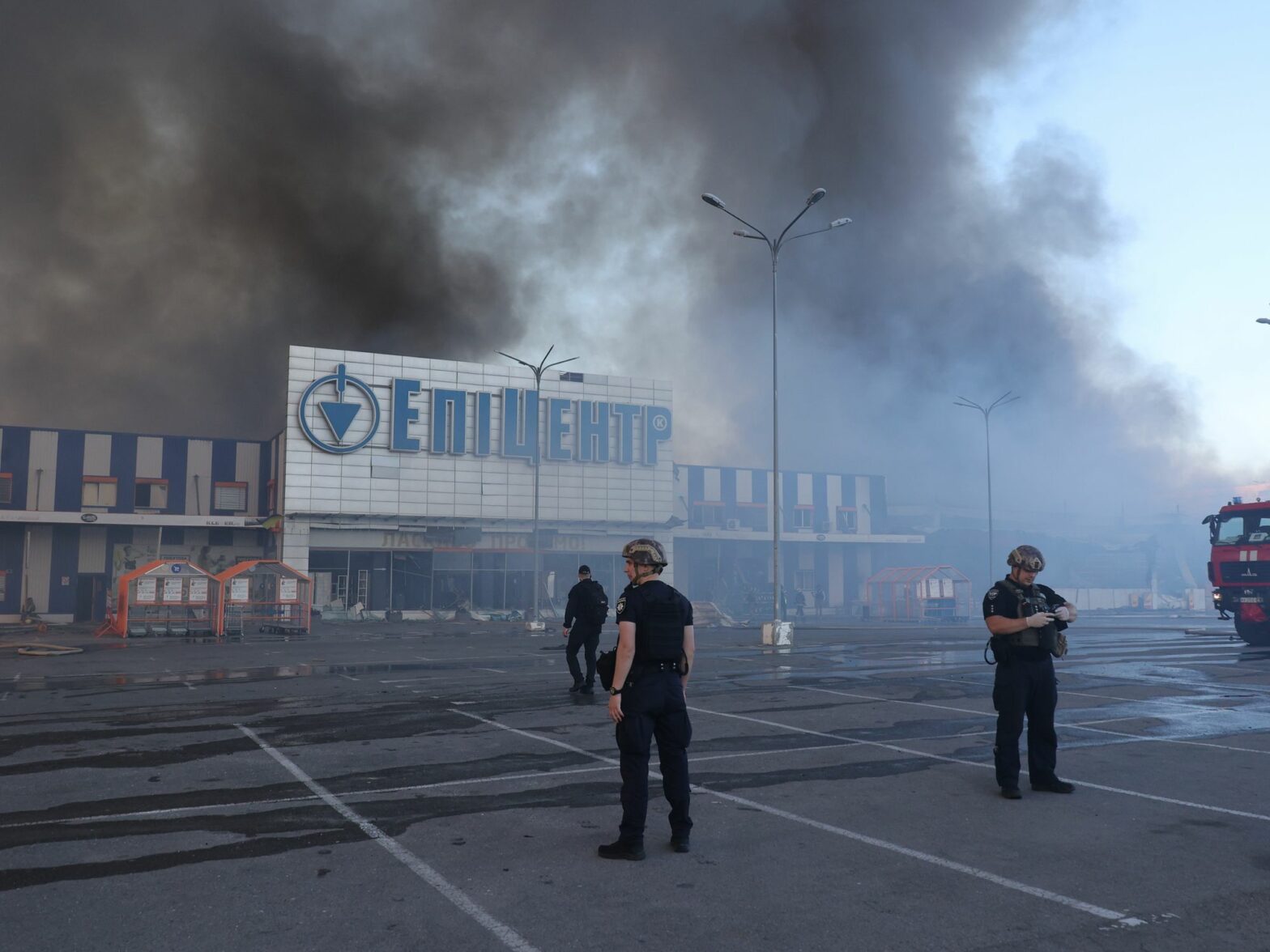
Russia is on the offensive, bombing the northern Ukrainian city of Kharkiv almost every day. Visiting the city over the weekend, President Zelensky again called for stronger, faster Western aid.
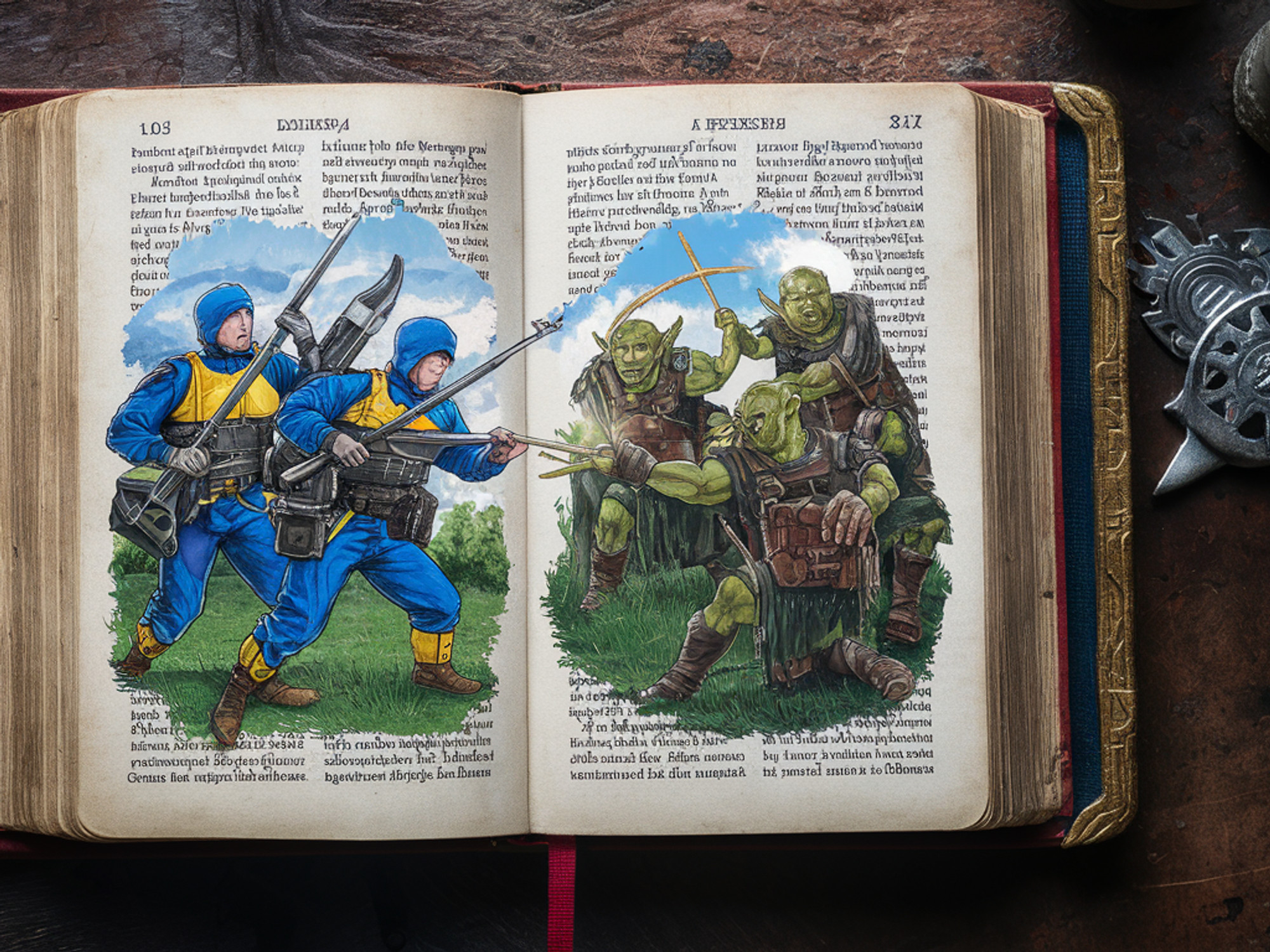
Literary scholar and fiction writer Mykhailo Nazarenko discusses the would-be cast of characters of fantasy writer JRR Tolkien in Ukraine’s war against the Russian invaders.
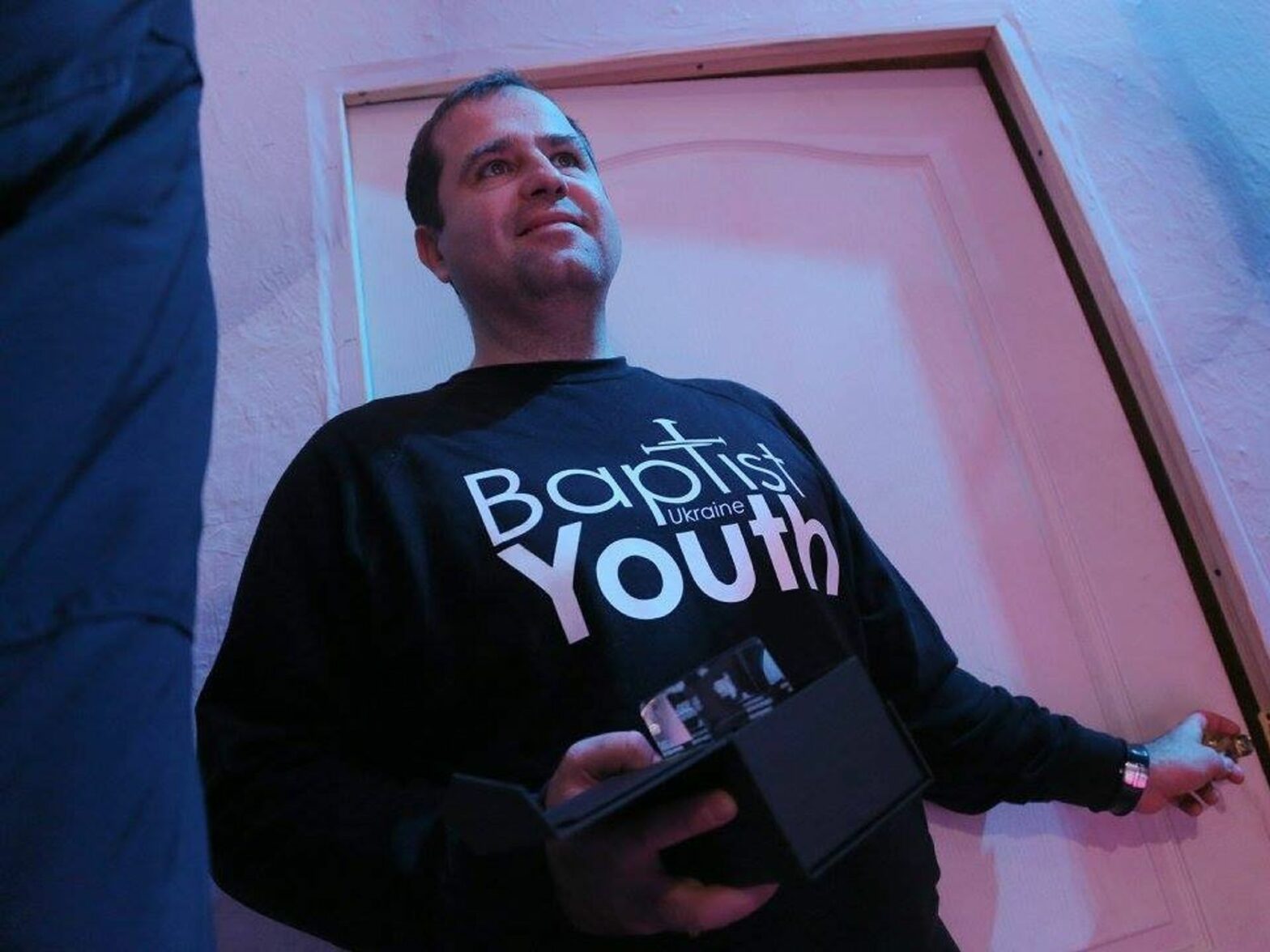
Inside the activism of a prominent Ukrainian Protestant trying to show Republicans in the U.S. that Kyiv is the real defender of Christian values.
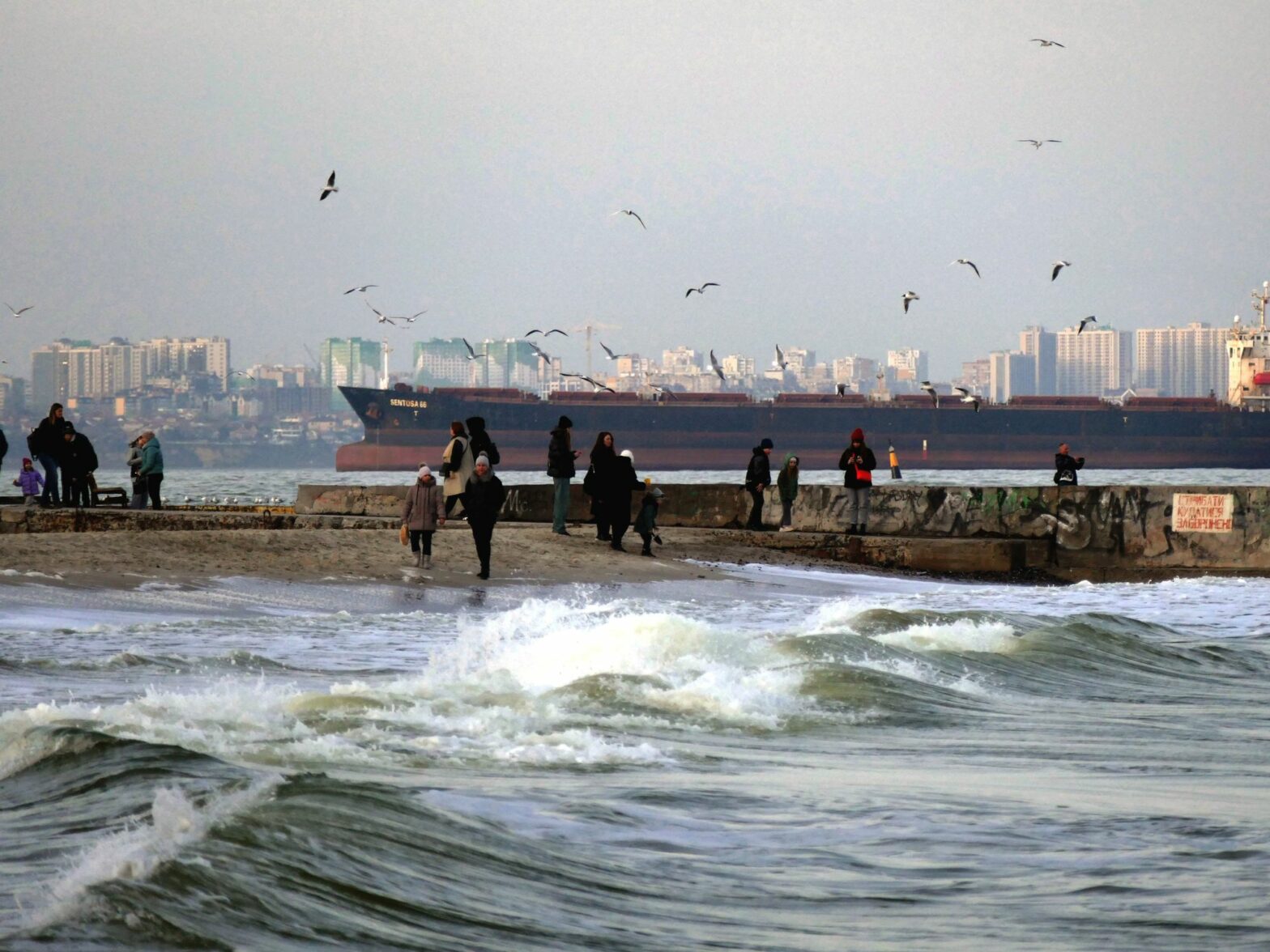
With strikes on Moscow’s fleet in the Black Sea, Ukraine has undermined the Russian capacity to slow down Ukrainian grain exports. It’s a pivotal triumph, which nonetheless can’t hide Kyiv’s losing ground on the front line on a regular basis.
Boris Yeltsin had a technique for not stopping certain top Russian officials from eliminating their opponents. Vladimir Putin refined the practice. So ingrained in the country’s politics, it’s a formula for murder borrowed from mafia dons.
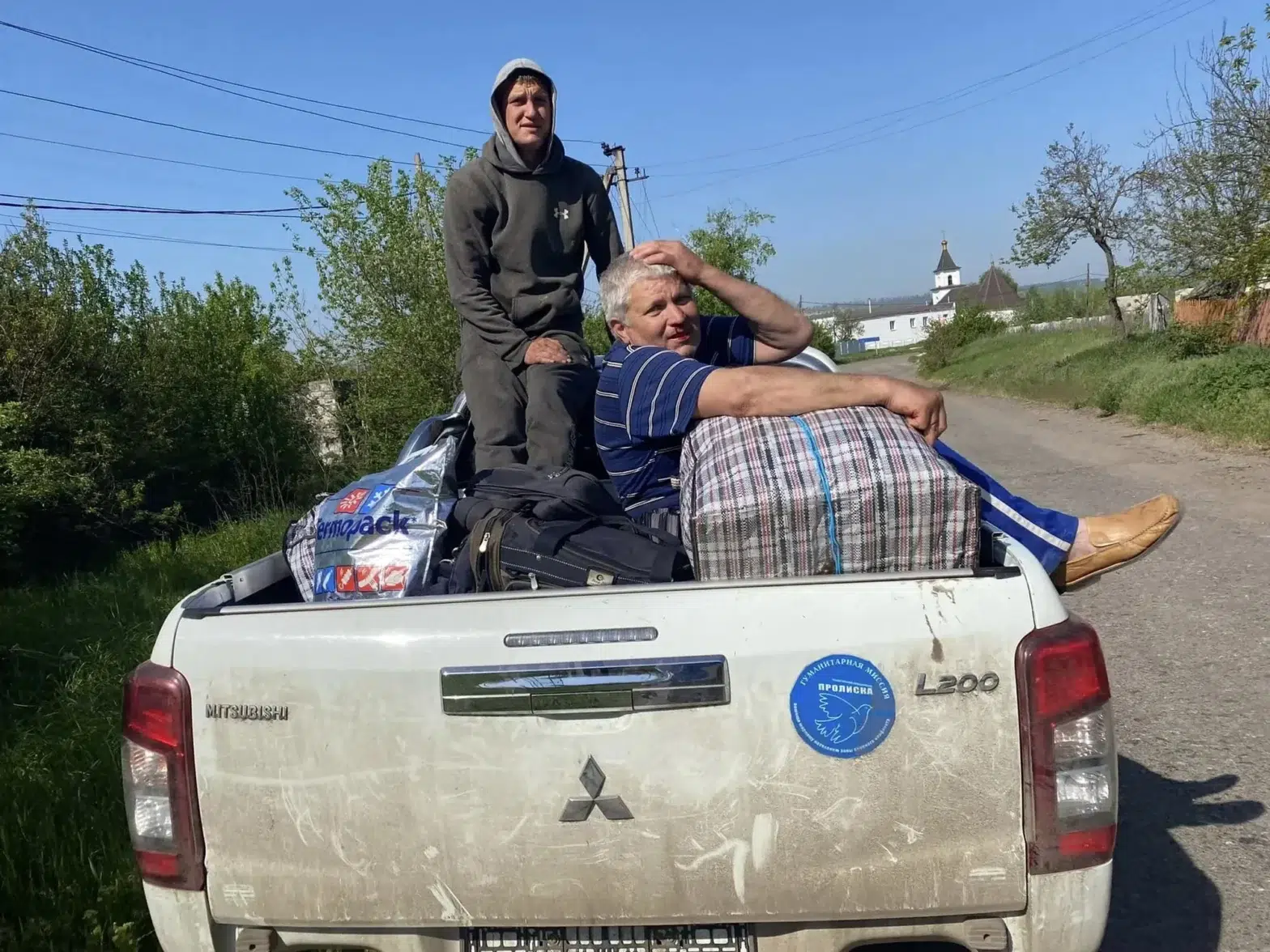
After going on humanitarian missions in Kenya and Rwanda, Ukrainian surgeon Evgeniy Tkachev returned home in 2014 when the Donbas war broke out. He recounts his experiences as a medical volunteer then and now, as his hometown of Chasiv Yar is being stormed by Russian troops.
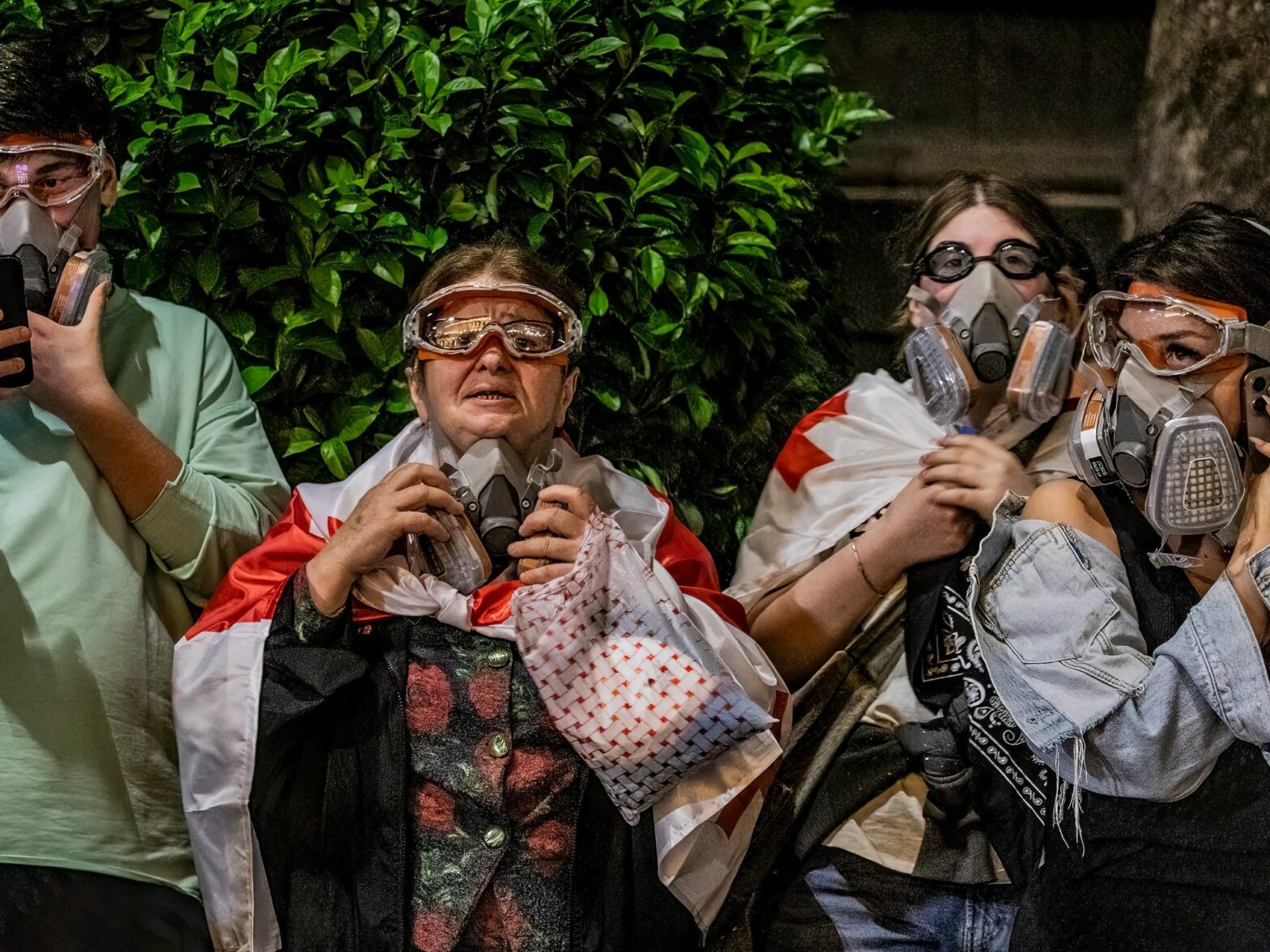
Demonstrations suppressed by the forces of order are taking place daily in the Georgian capital of Tbilisi around a draft law on “foreign interests”, considered by the protesters to be a “Russian law.” At stake is Georgia’s future, between the European Union and Putin’s Russia.
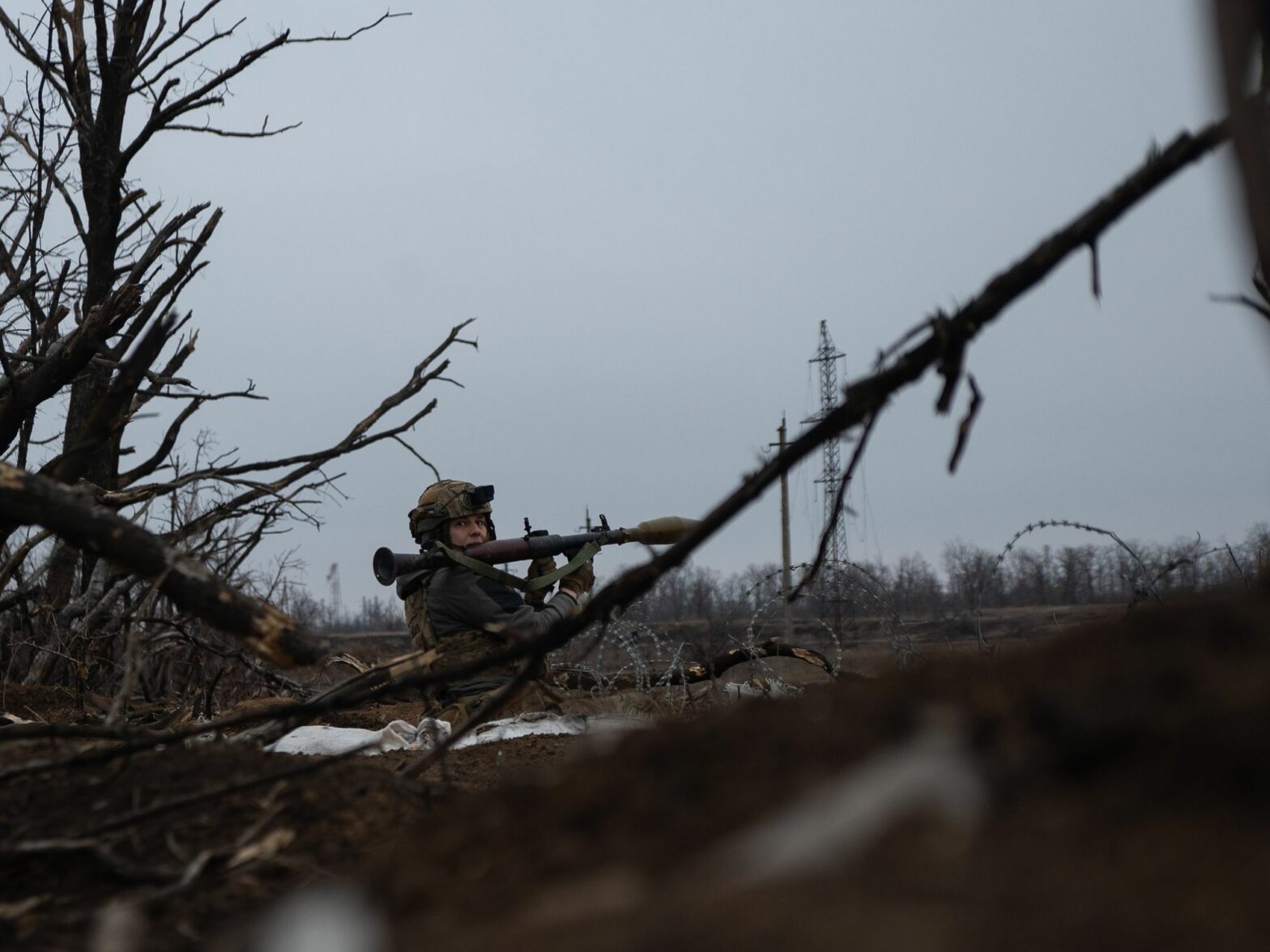
When the U.S. and other Western countries recently defended Israel against Iran’s drones and missiles, Ukrainians began to blame themselves for not receiving similar protection against Russia’s attacks. But the reality is very different.
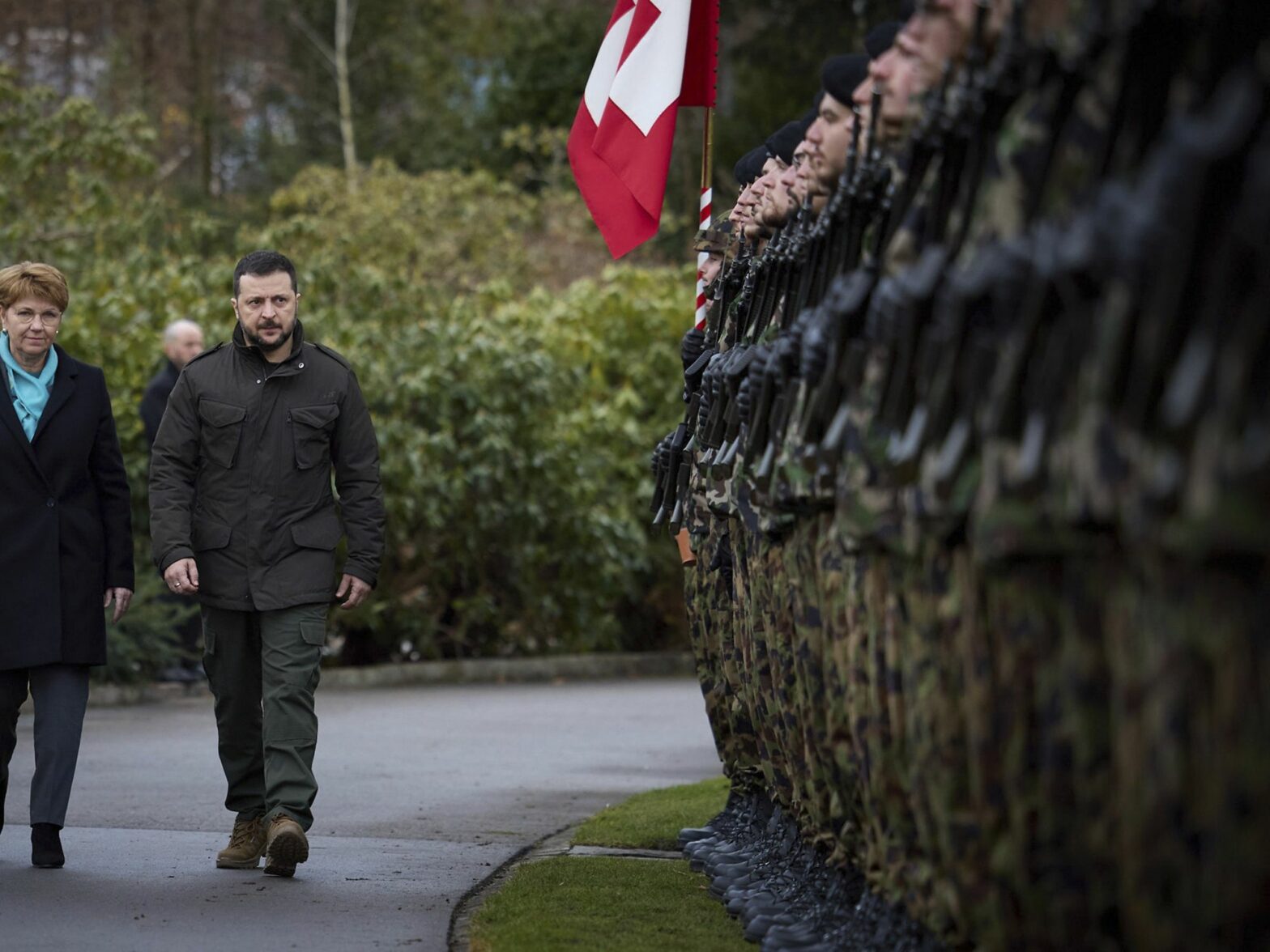
Switzerland announced, on April 10, that it would hold a peace conference on Ukraine in June. While some 100 countries are expected to attend, Russia will not. So what is behind these talks, and what can be expected from them?
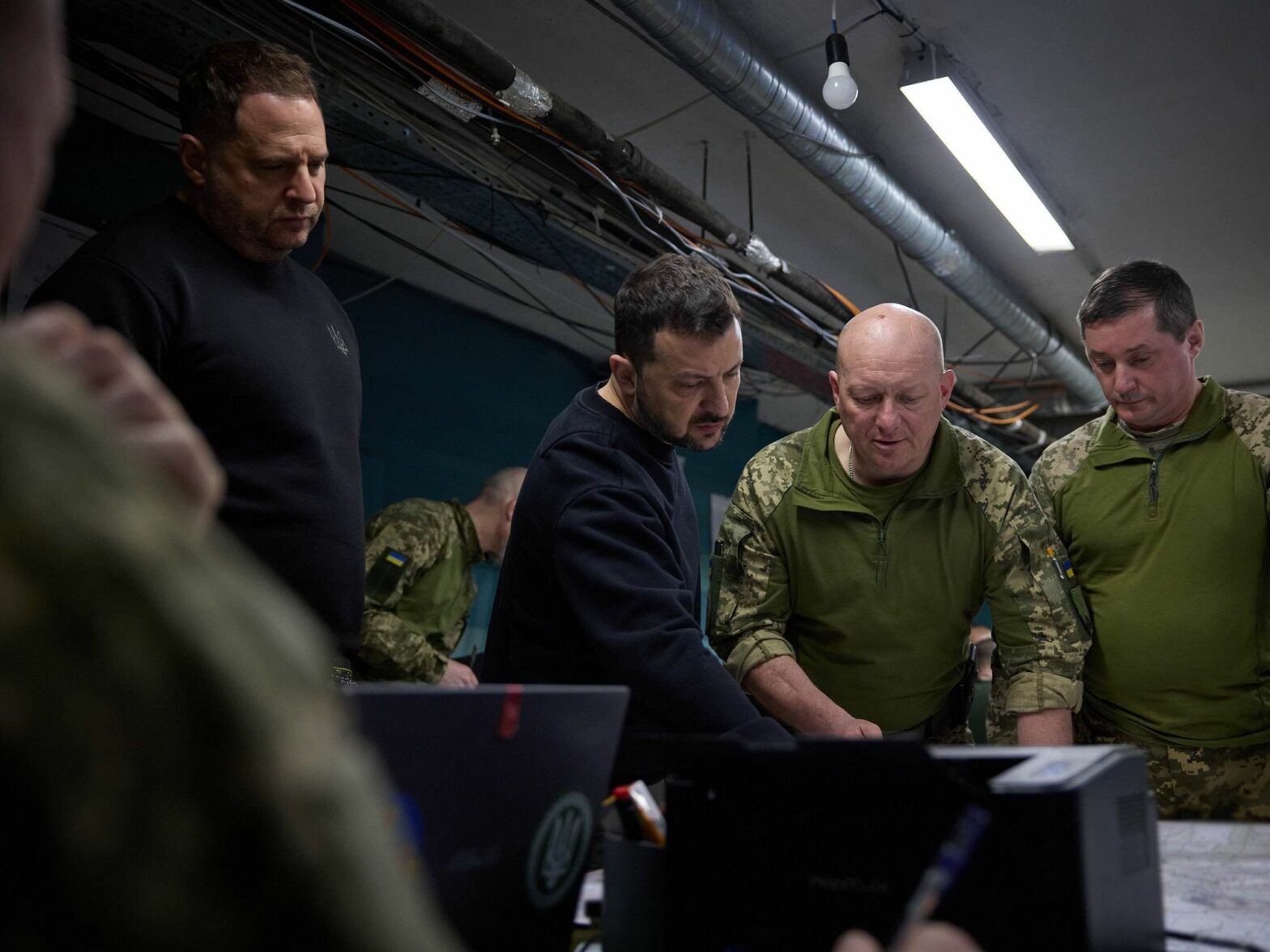
It has taken months for Ukraine to be able to celebrate the U.S. approval of a much-needed aid package. Now that the House of Representatives has voted in favour, what is crucial is the timing of the arms delivery. Because the aid package comes late, but hopefully not too late for Ukraine to reverse its losses on the battlefield, writes Pierre Haski for France Inter.
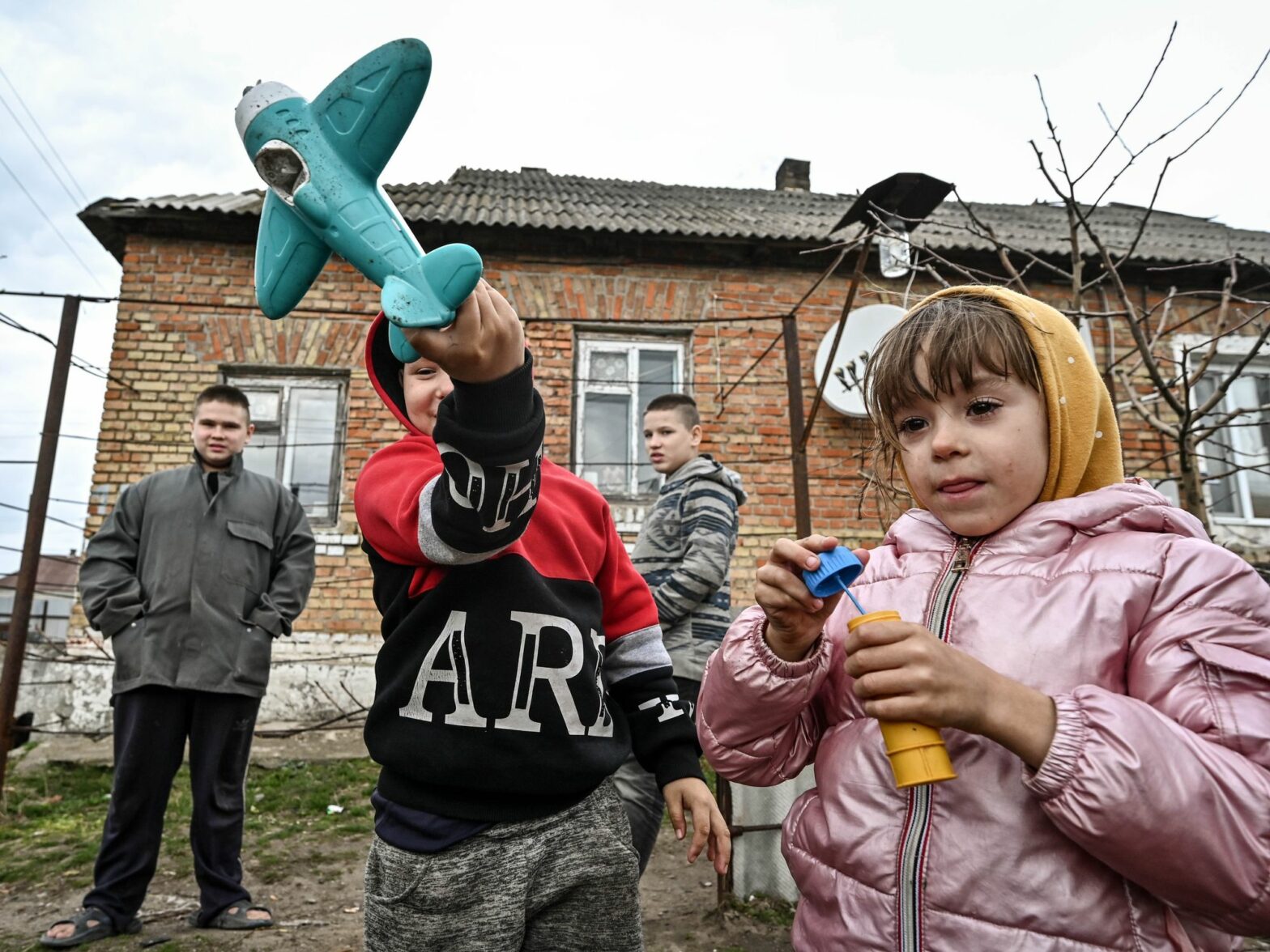
As Putin’s Russian propaganda aims at Islamist terrorists now, justifying the use of torture, Russian literary critic Ilya Kukulin takes a step back to understand how we can keep our humanity amidst such violence. Human rights are perceived as something natural, akin to a birth right. But this is not so in reality: these rights can only be established by human will.
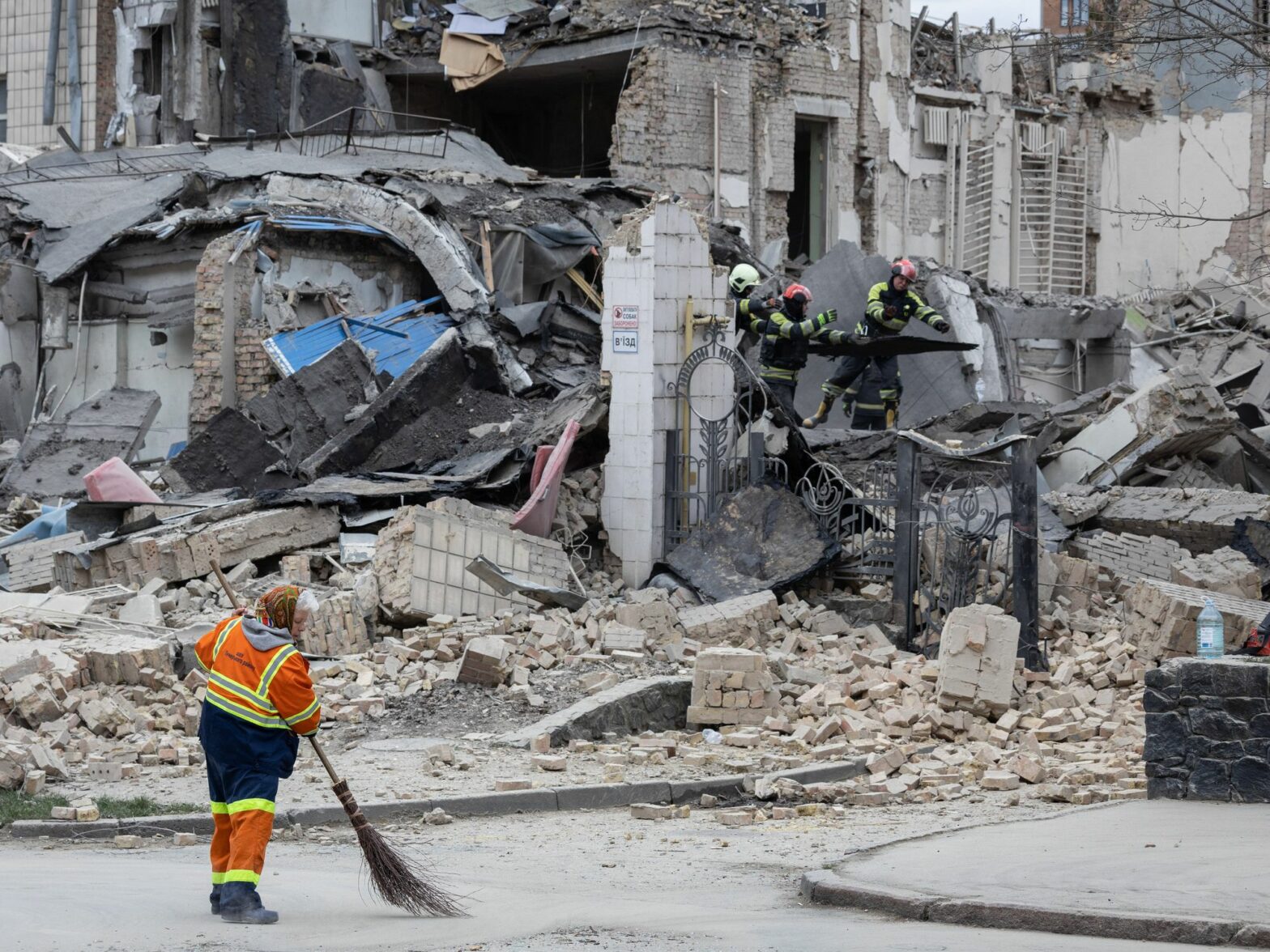
Seeing the near-perfect effectiveness of Israel’s defense against Iranian drones and missiles, Ukrainians are bitterly wondering why the West is denying them life-saving assistance. Fear of confrontation with a nuclear Russia remains the main reason.
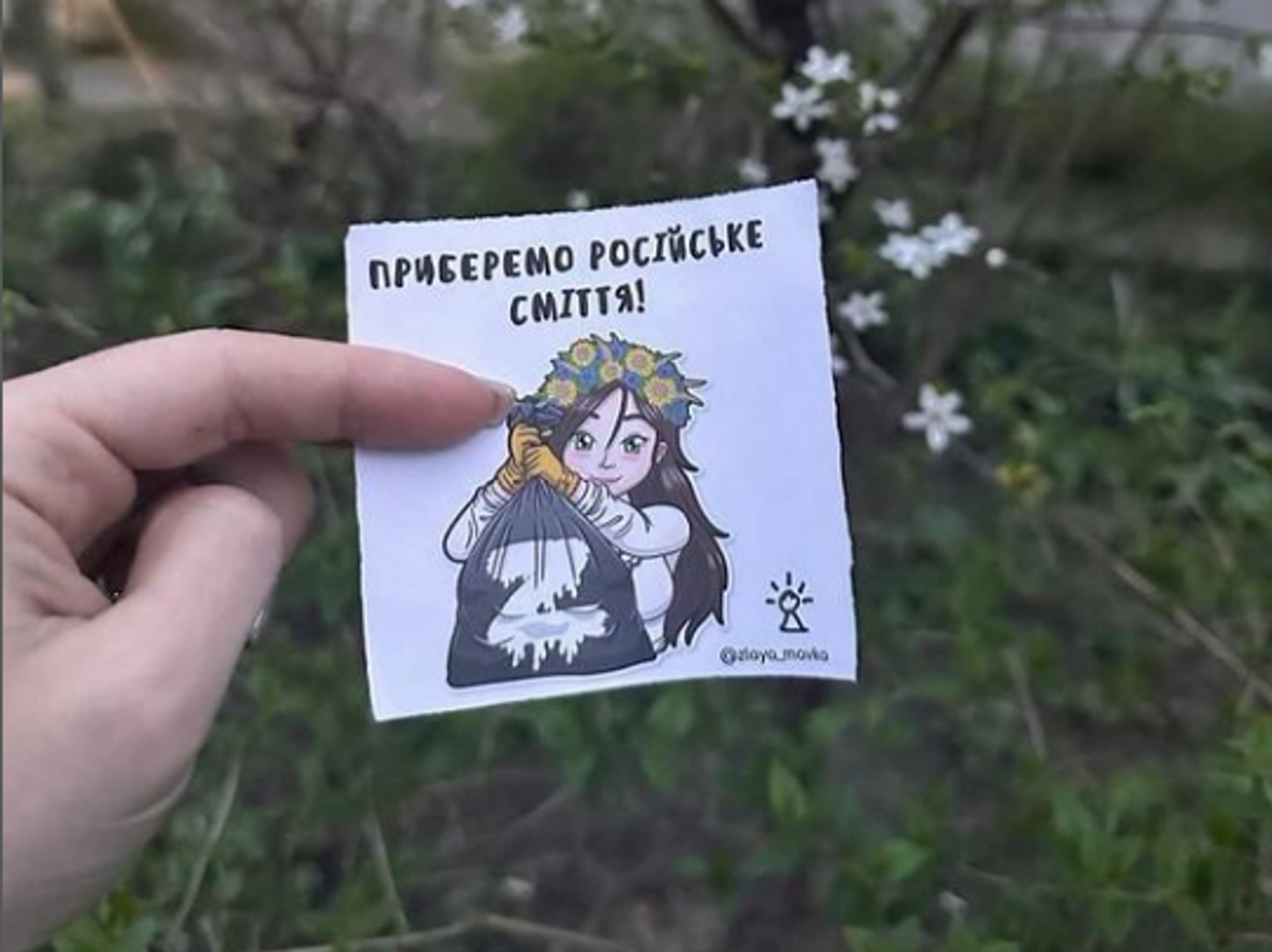
How the women’s partisan movement rose up from the southeastern city of Melitopol to carry out undercover operations in the occupied territories of Ukraine that undermine every step of the Russian troops.
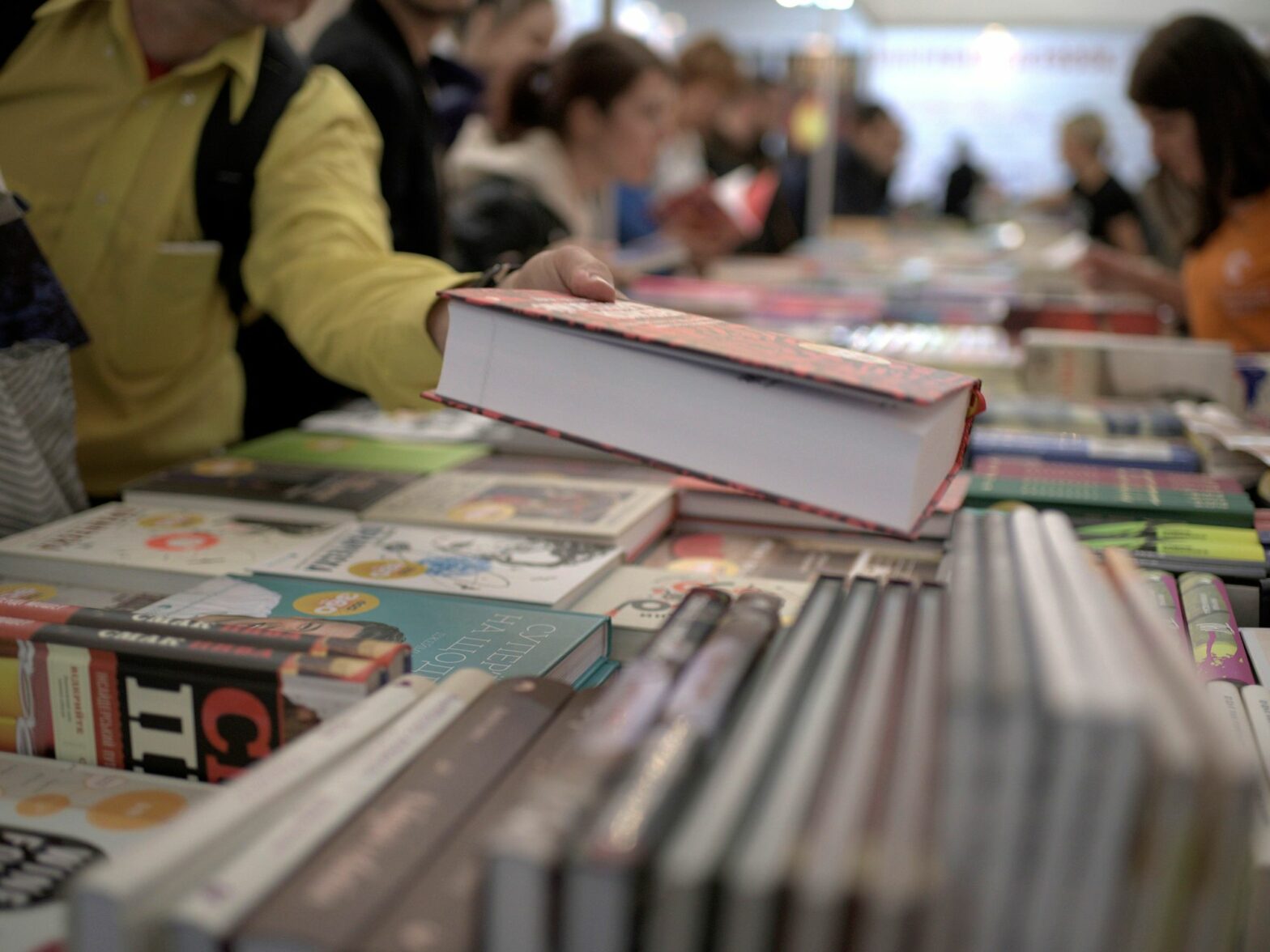
Russia’s semantic war against Ukraine aims to create a discourse and future in which Ukraine never was and never will be. Ukraine — and its Western allies — must take this war as seriously as the military war.
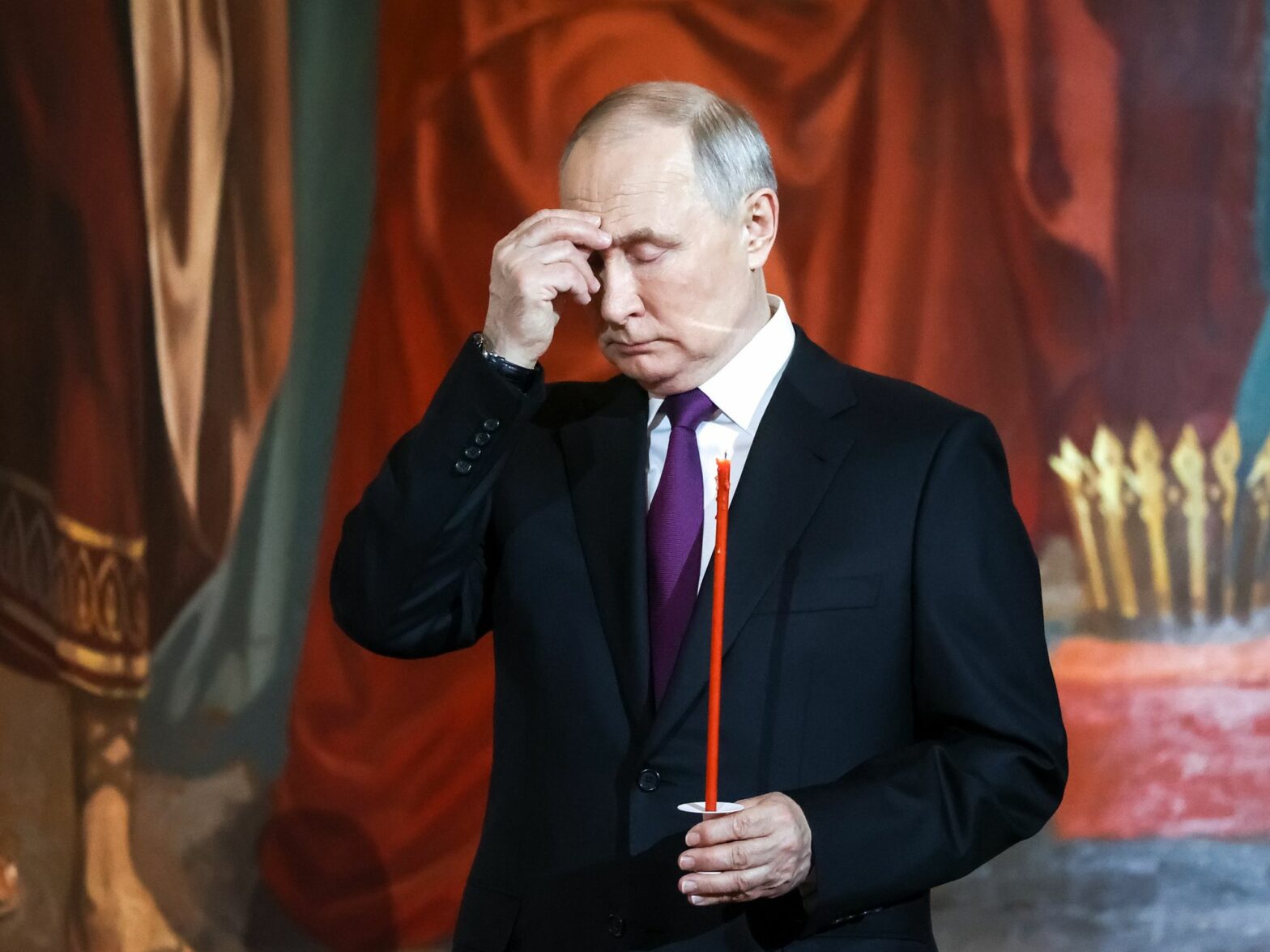
Geopolitical analysts who view Russia as an unpredictable force tend to understand Moscow’s actions in purely worldly, political terms. German Professor of Theology Hubertus Lutterbach has uncovered a different message hidden in Putin’s religiosity — an implicit threat to his neighbors and the world.
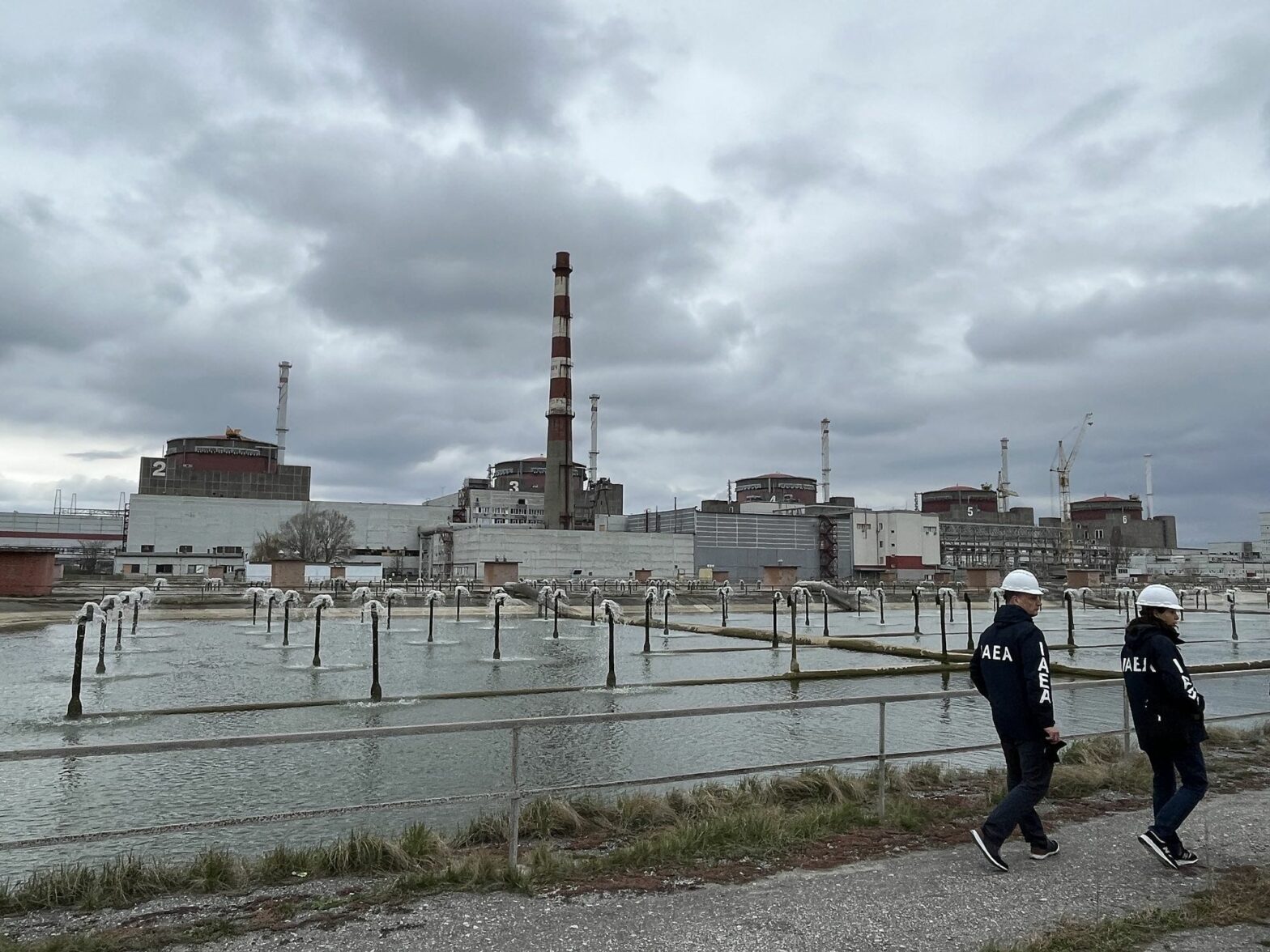
New drones near the Russian-occupied Zaporizhzhia nuclear plant, in the wake of attacks that killed at least three in the area in southeastern Ukraine, have once again raised fears of a Chernobyl scenario. Threatening nuclear disaster is a tool Putin has used before.
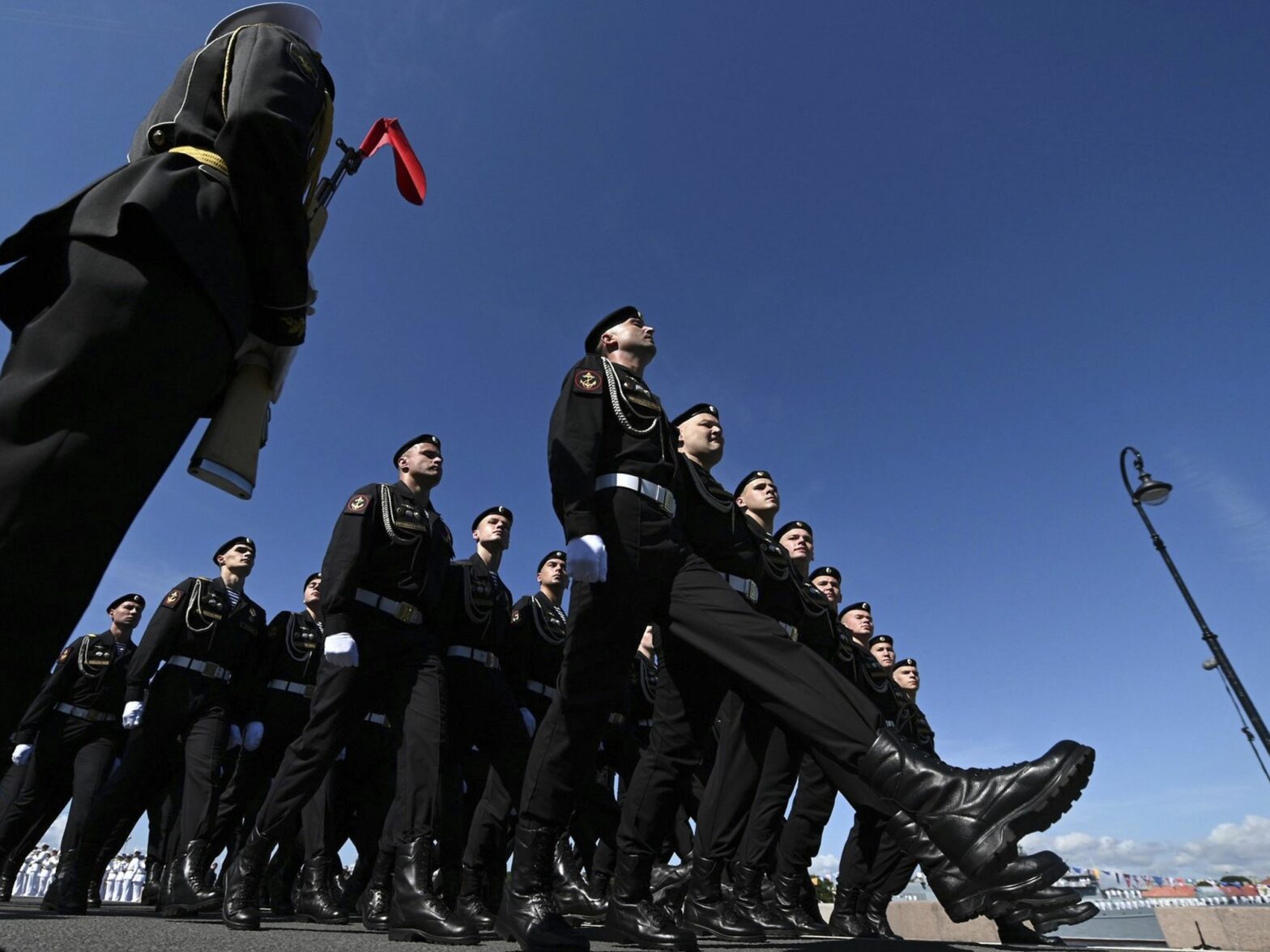
Russia is planning a large-scale offensive in Ukraine for the coming months. Putin wants to gain as much territory as possible, while Kyiv is waiting in vain for the West to provide more weapons. But the Ukrainian army is by no means as vulnerable as it seems.
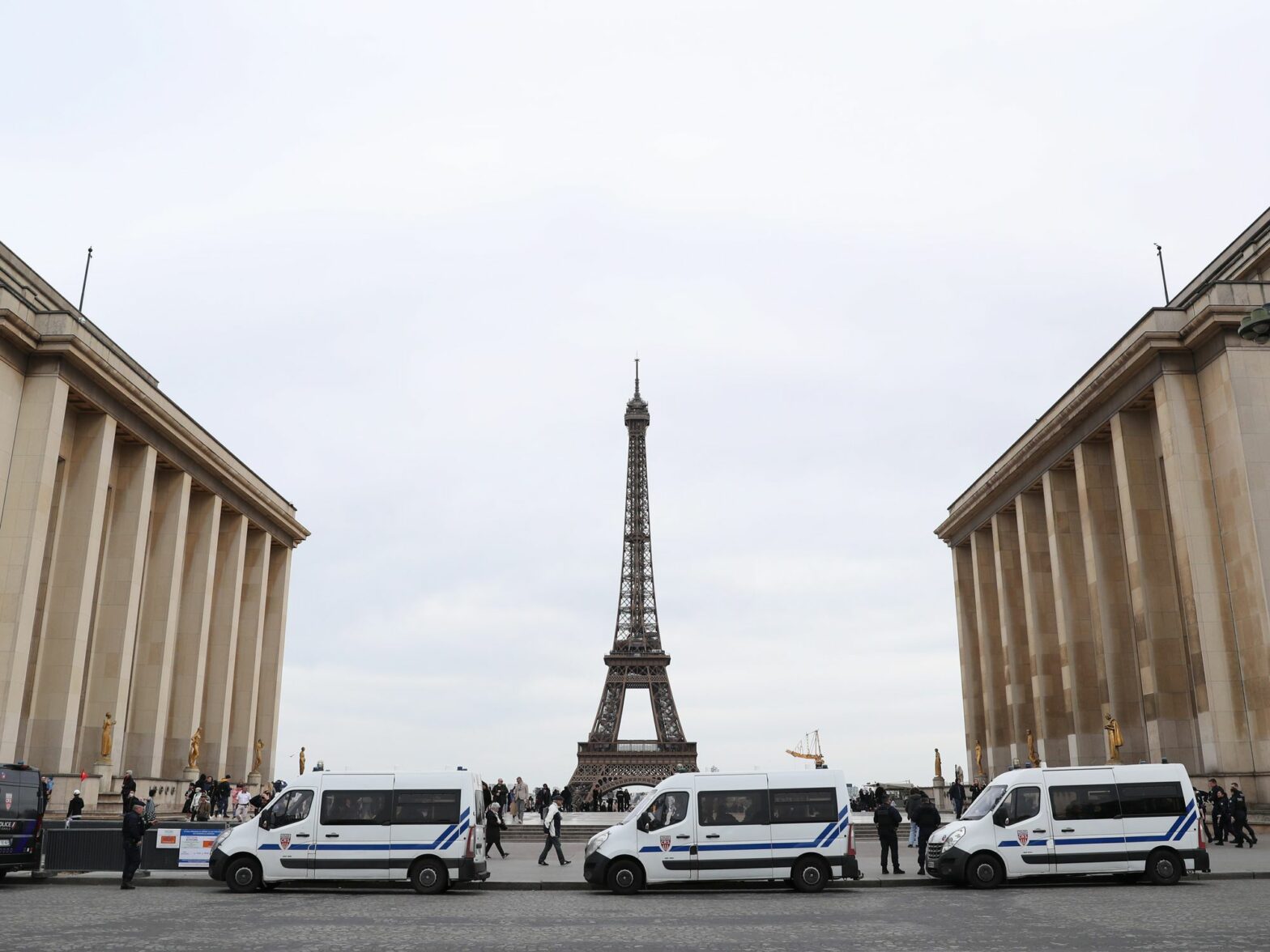
A telephone call between French and Russian defense ministers on Wednesday gave rise to Russian accusations and threats against France. The terrorist risk shared by the two countries did not allow the slightest progress to be made: this is worrying just a few months before the Paris Olympic Games.
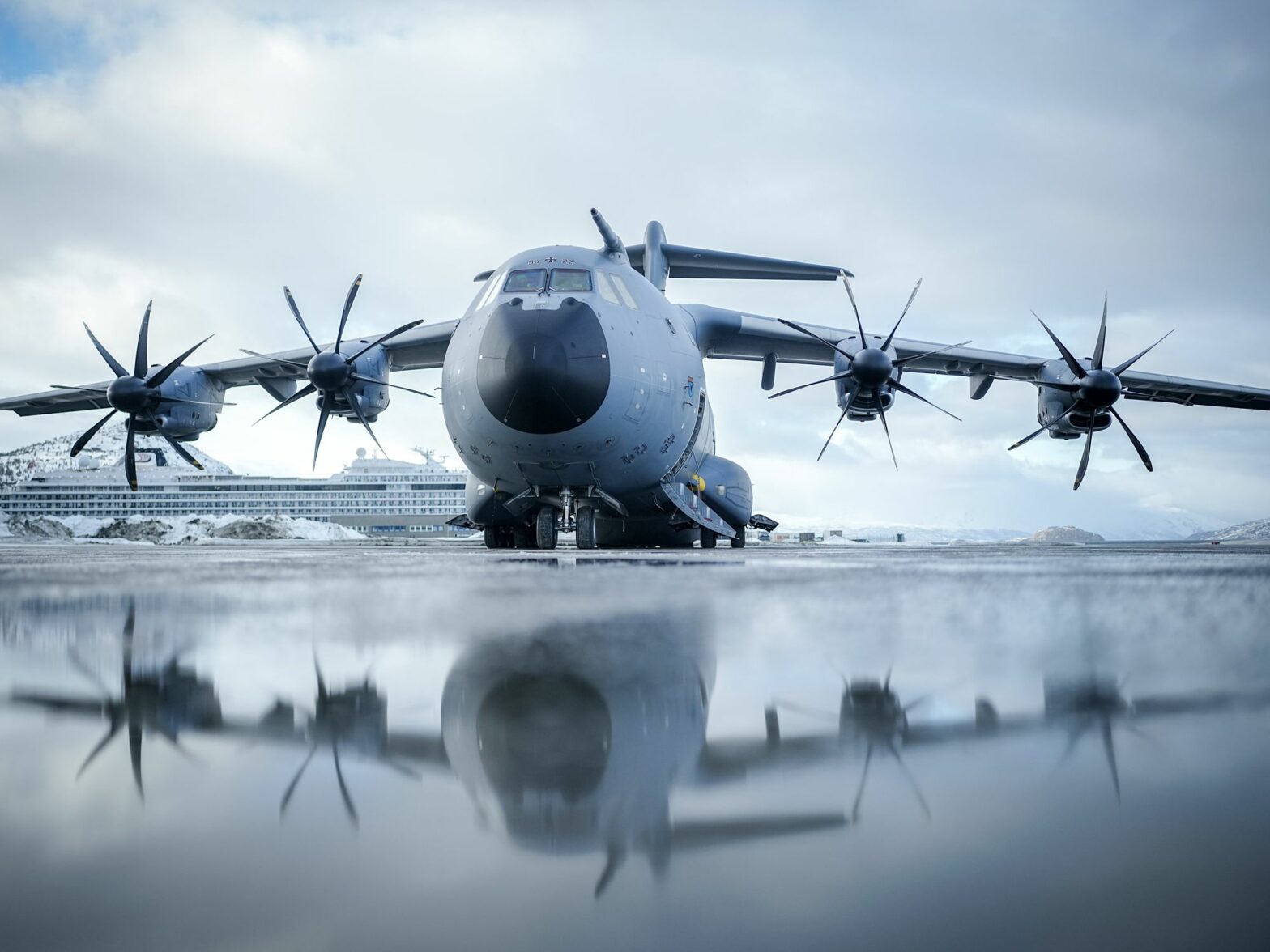
NATO this week unveiled new plans to massively expand its support for Ukraine. A plan by Secretary-General Jens Stoltenberg includes an additional 100 billion euros in military aid to be coordinated by the Alliance — together with weapons delivery and military training. The plan is meant to reverse the momentum in the defensive campaign against Russia. But it carries several major risks.
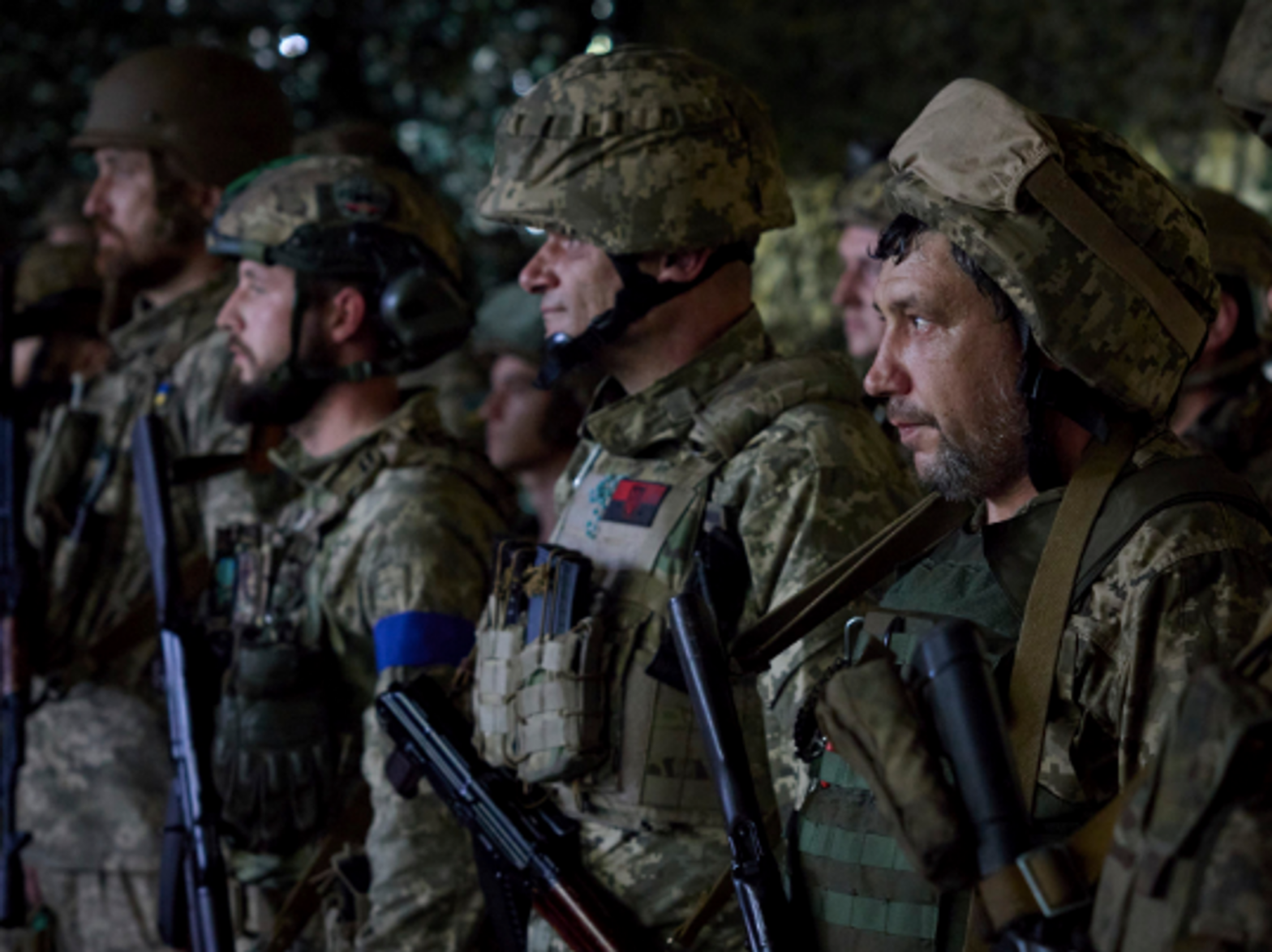
Ukrainian President Volodymyr Zelensky’s decision to lower conscription age from 27 to 25 may not be sufficient to replenish the army’s ranks, in a country where the age of the average soldier is far above other countries at war — now and historically. Here’s why.
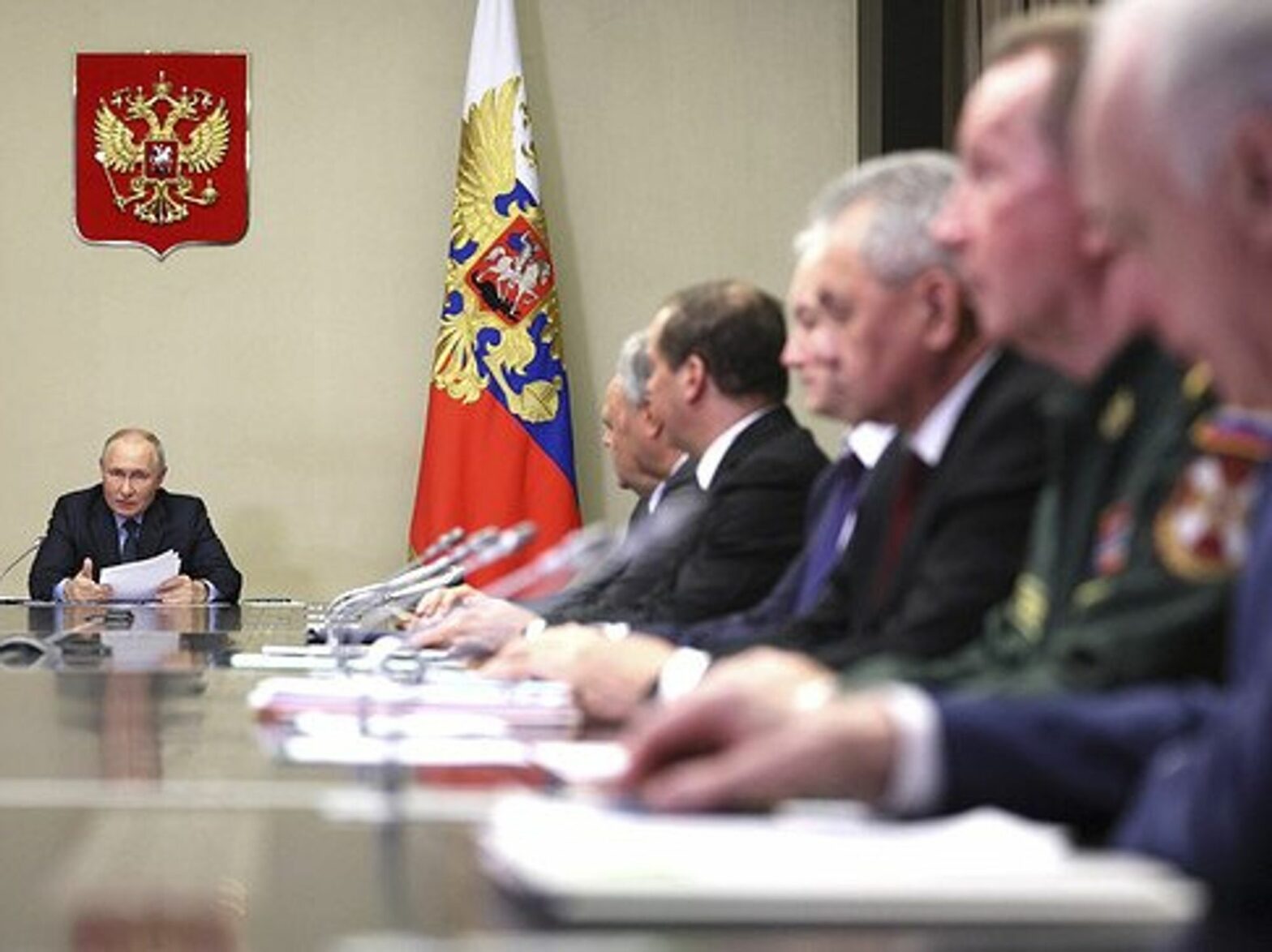
While Vladimir Putin wages his holy war against the West, Russian officials and their families are often seeking better lives there. Will these double lives be the downfall of the aging dictator’s fixation?
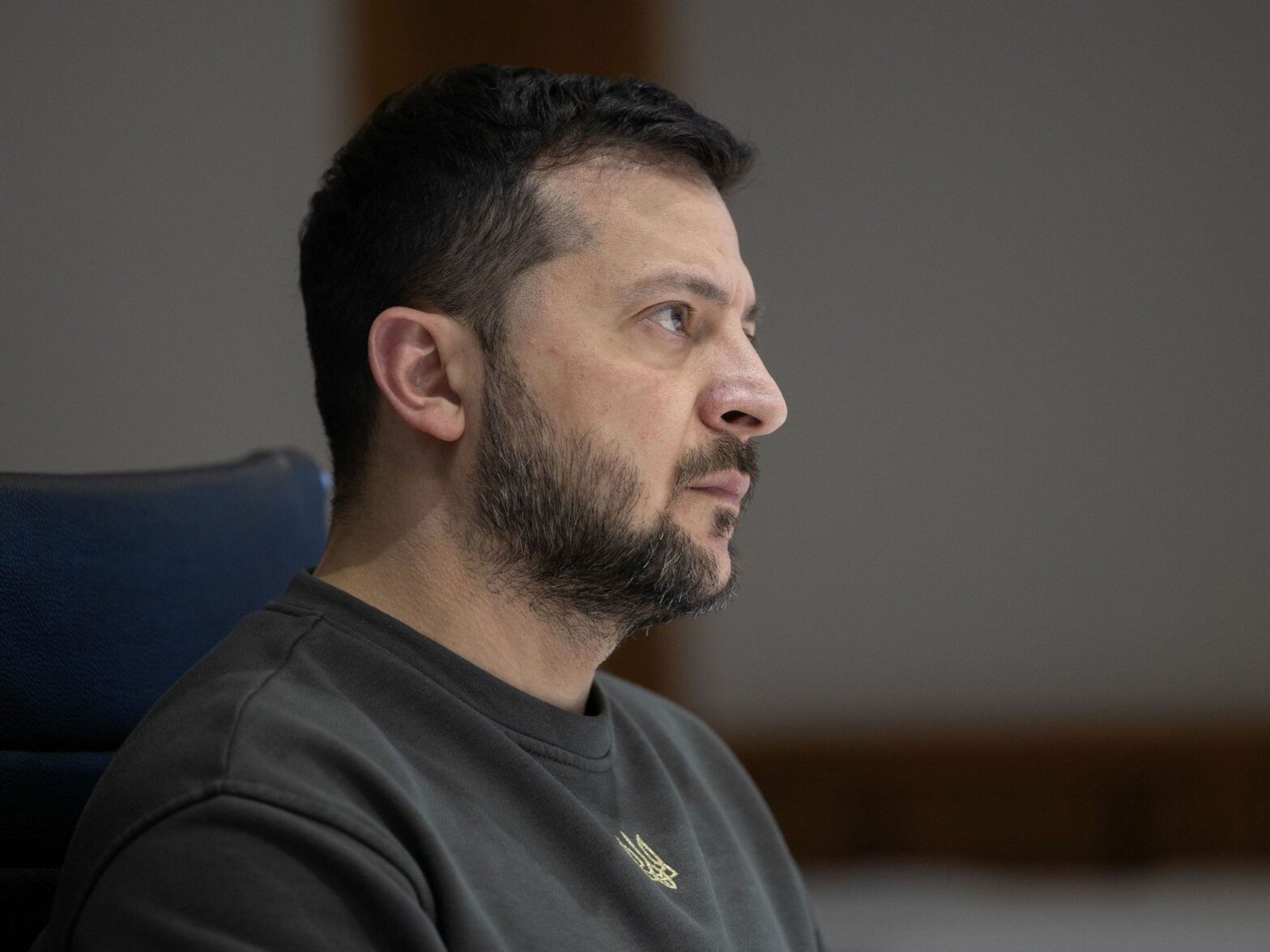
Compared to the worldwide admiration for Volodymyr Zelensky, authorities in Moscow have systematically tried to demean the Ukrainian leader. Yet even among Russians, that strategy appears to be backfiring.