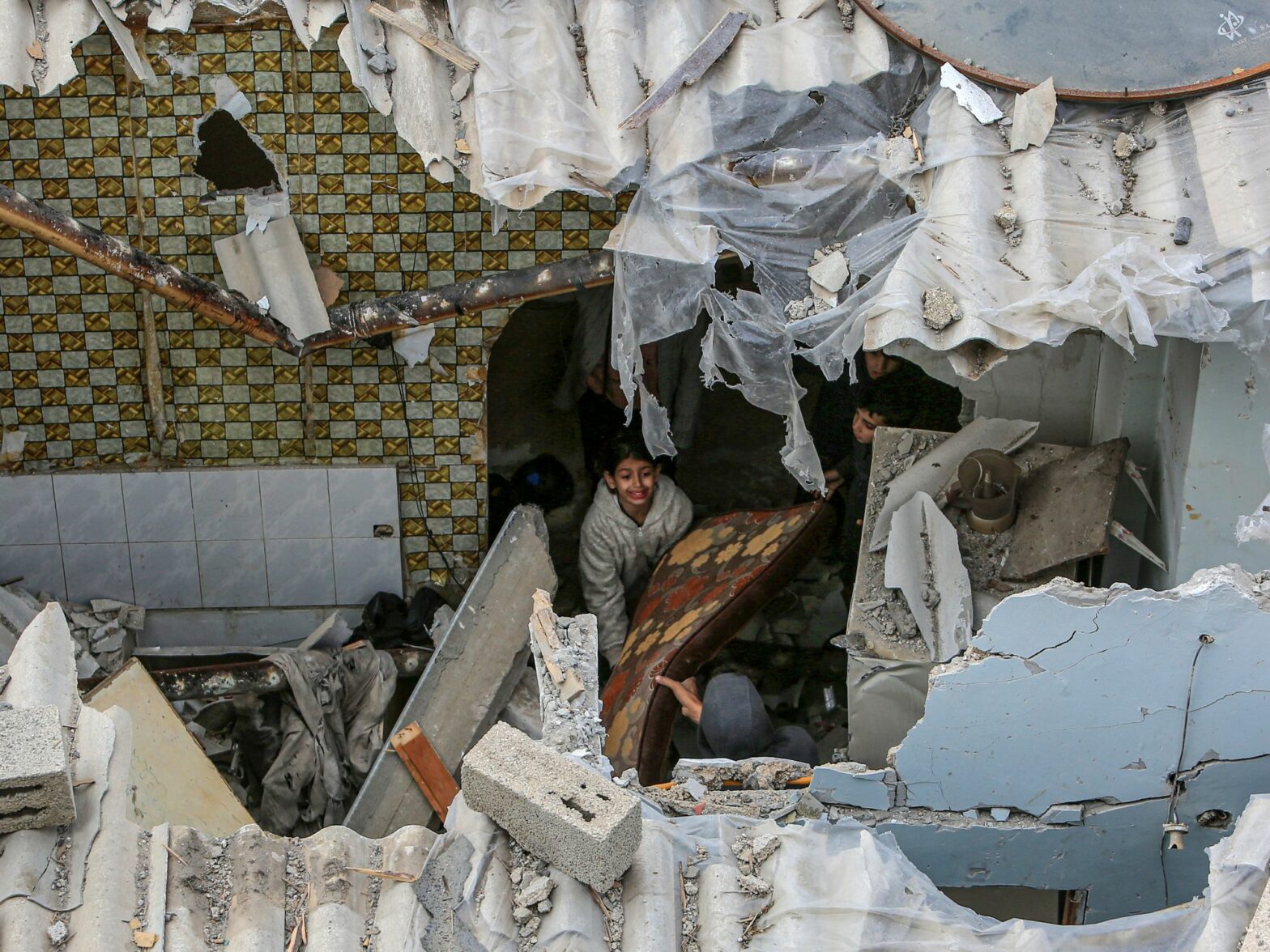
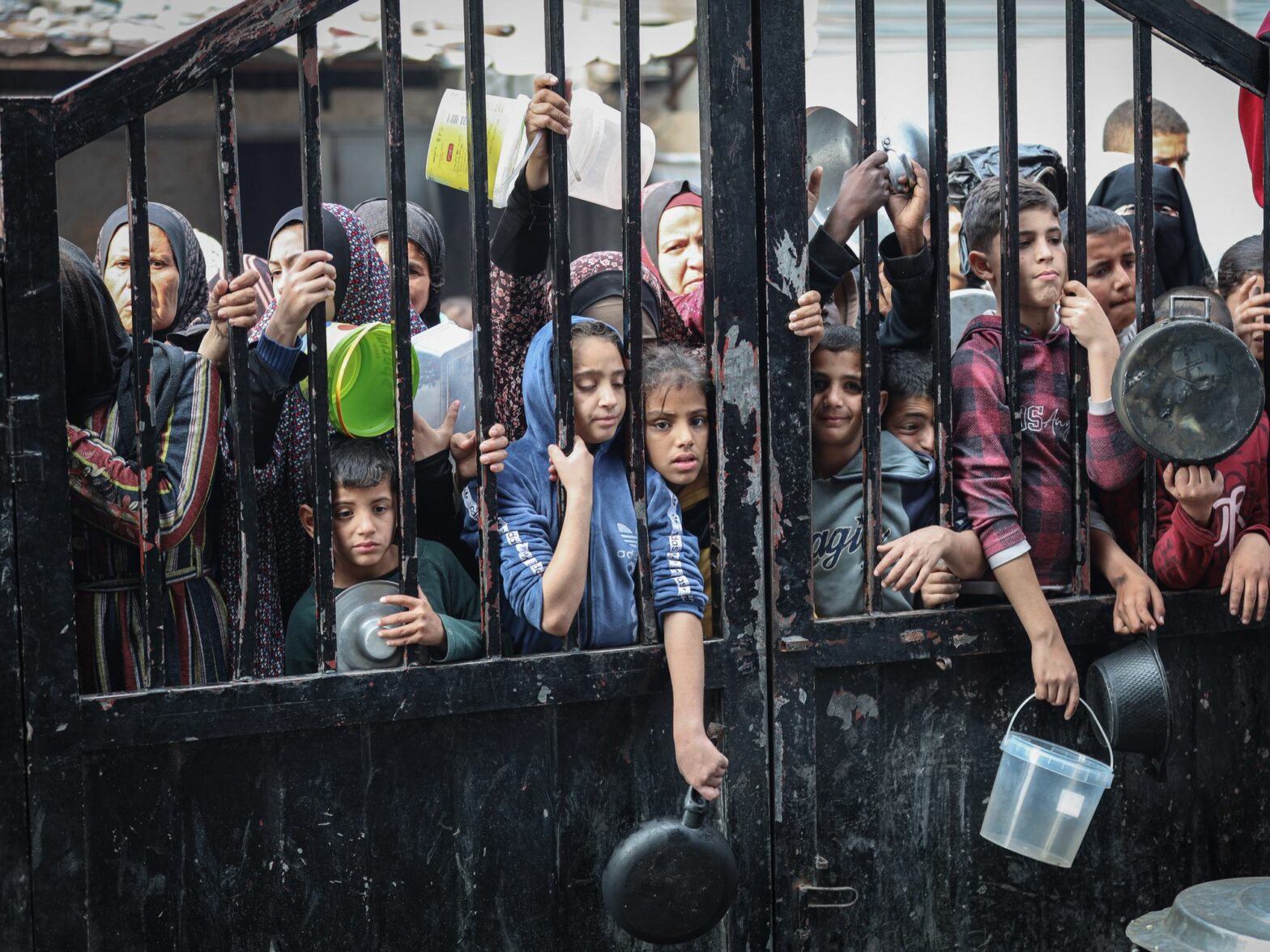
Children are Gaza’s most vulnerable. For those displaced families living in shelters, the cold weather, lack of food and spread of disease are among the most immediate threats. But children also face trauma, with virtually no resources
 Worldcrunch
Children are Gaza’s most vulnerable. For those displaced families living in shelters, the cold weather, lack of food and spread of disease are among the most immediate threats. But children also face trauma, with virtually no resources
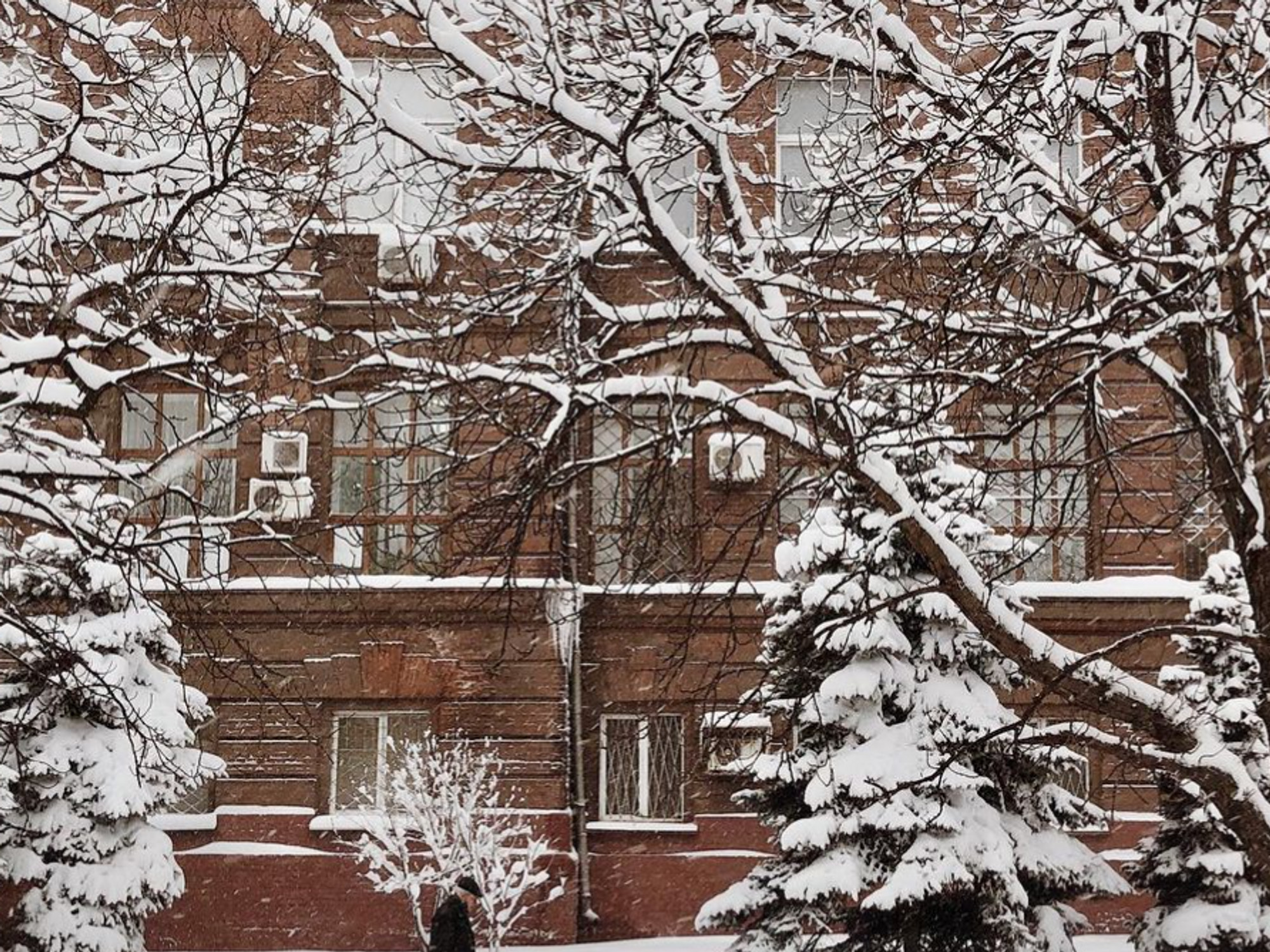
Two residents tell Vazhnye istorii about the Kremlin’s propaganda about rebuilding and the reality of their living conditions in Mariupol, and the pain of fellow Ukrainians judging them for staying after Russia took over.
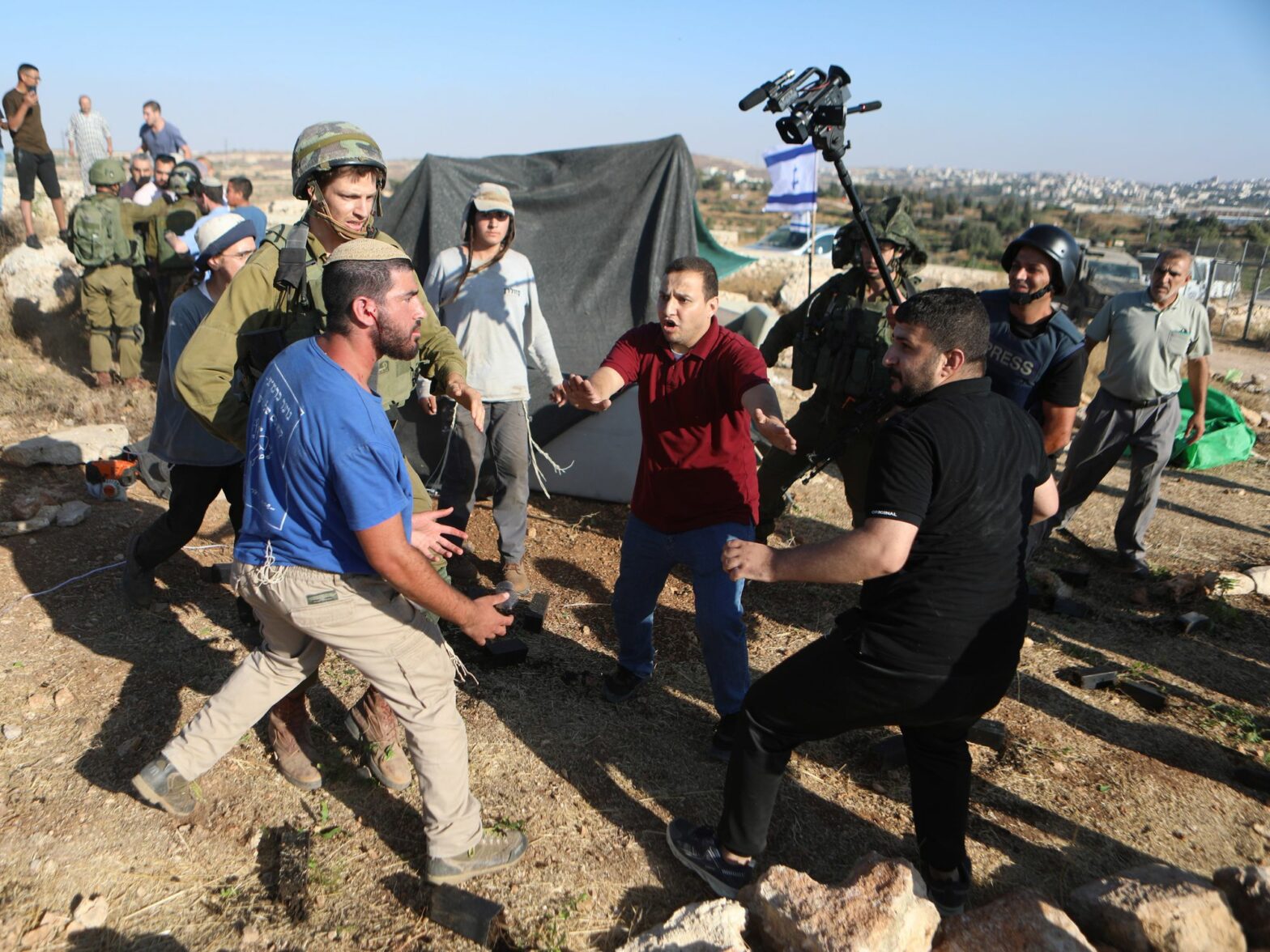
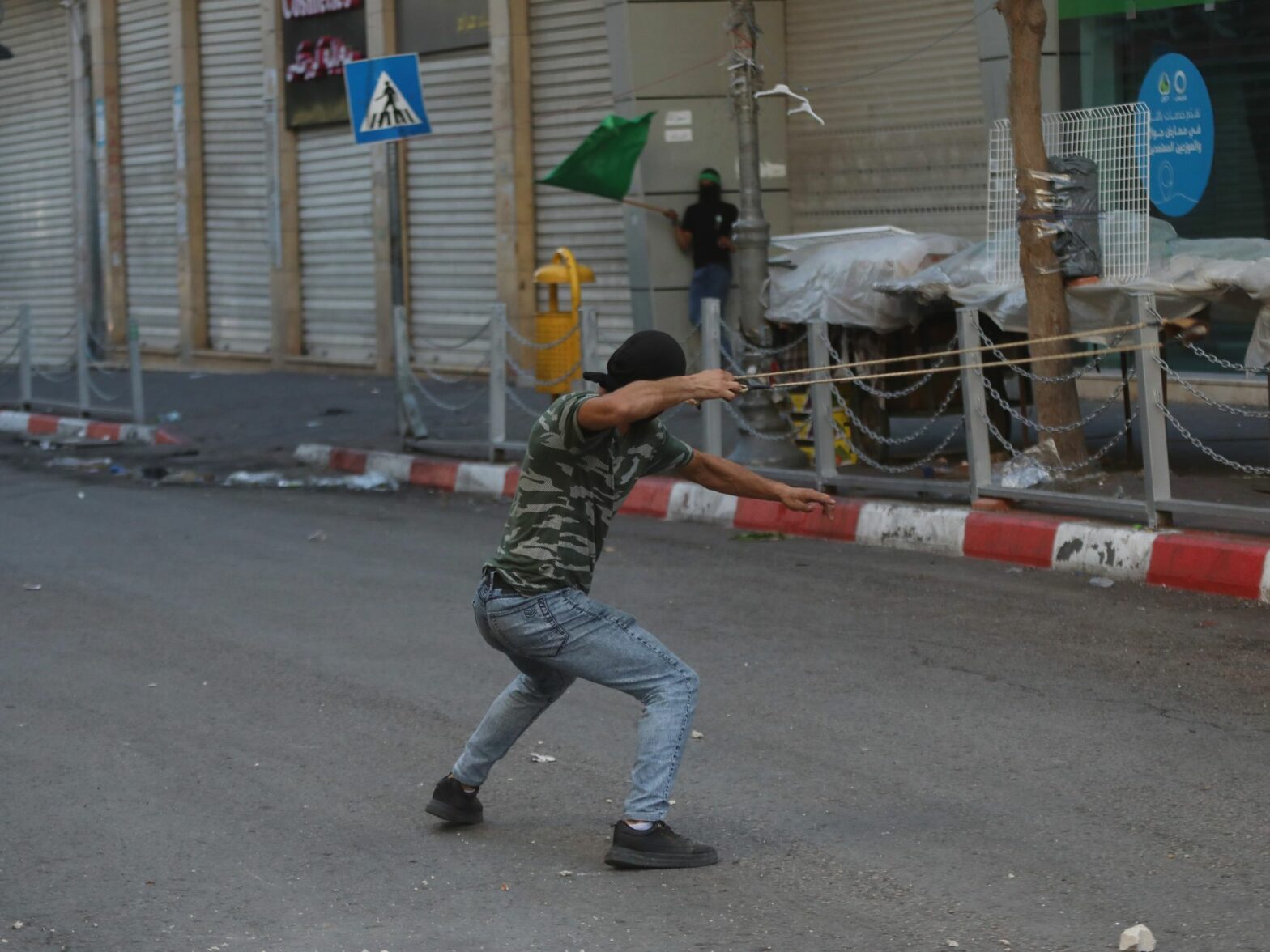
By sanctioning violent settlers in the West Bank, U.S. President Biden aims to reassure voters unhappy with his support for Israel, and to push Israeli Prime Minister Netanyahu to accept a ceasefire agreement.

Israeli forces assassinated three Palestinian militants in a West Bank hospital. The operation, one of the boldest since Oct. 7, is part of Israel’s long history of covert assassinations in decades of Arab-Israeli conflict.
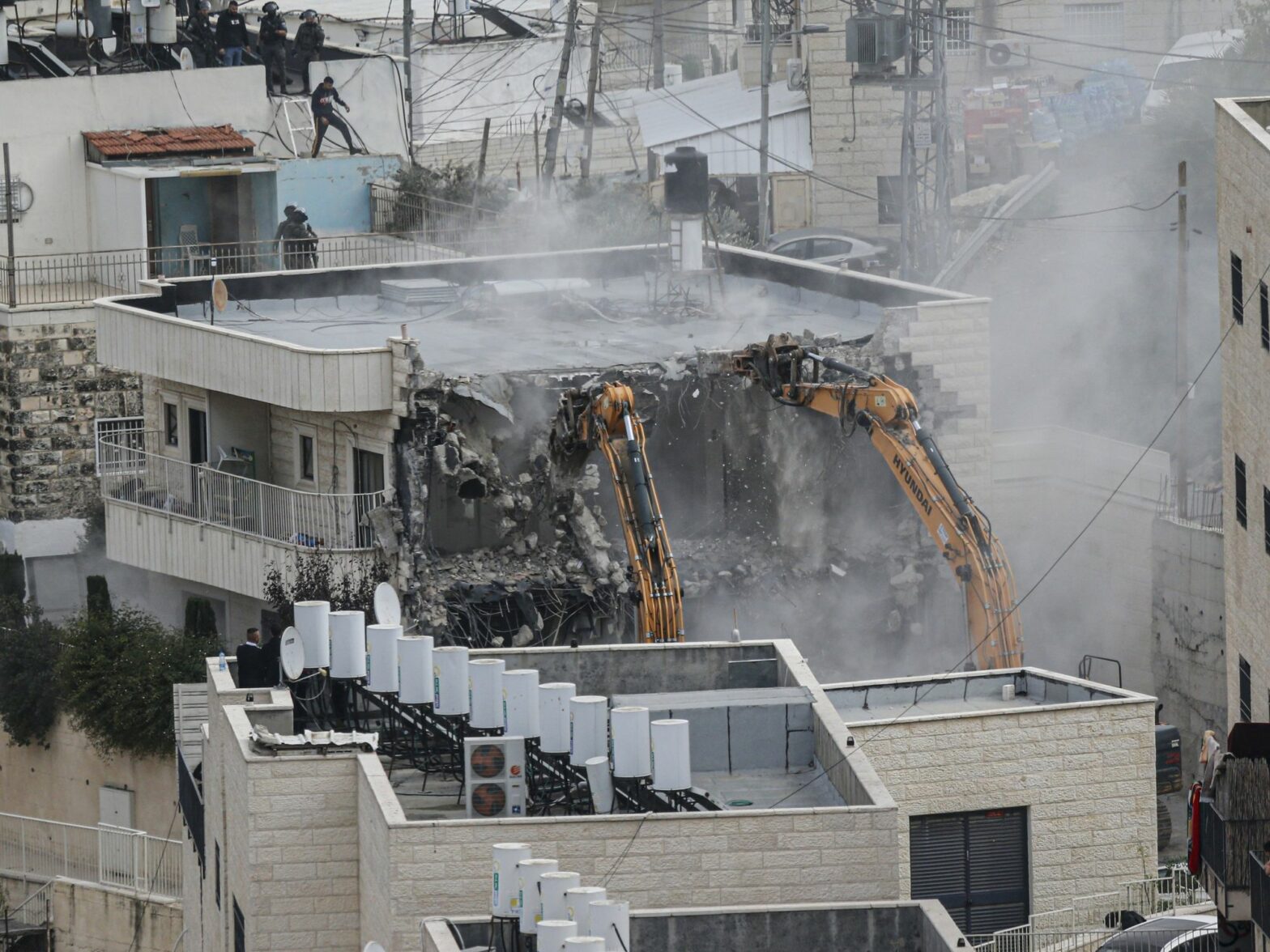
Israel says it is establishing a buffer zone inside Gaza along the strip’s border, as part of its efforts to guarantee security and avoid another Oct. 7. But it’s already led to the destruction of thousands of buildings and acres of agricultural land. In other words: Occupation.
As the Israel-Hamas war continues unabated, the U.S., Egypt and Qatar are pushing to quickly reach an agreement. Will internal divisions be overcome? But even if a deal is struck, the war is far from over.
The “day after” the war and after Prime Minister Benjamin Netanyahu, a desperate man standing on the edge of his political demise, is the first day of a the two-state solution.
As the Israel-Hamas war in Gaza continues unabated after nearly four months, brokers and travel agents are now charging Palestinians who want to leave the besieged strip up to $10,000 to get them out, according to Palestinians and Egyptians trapped in the coastal enclave.
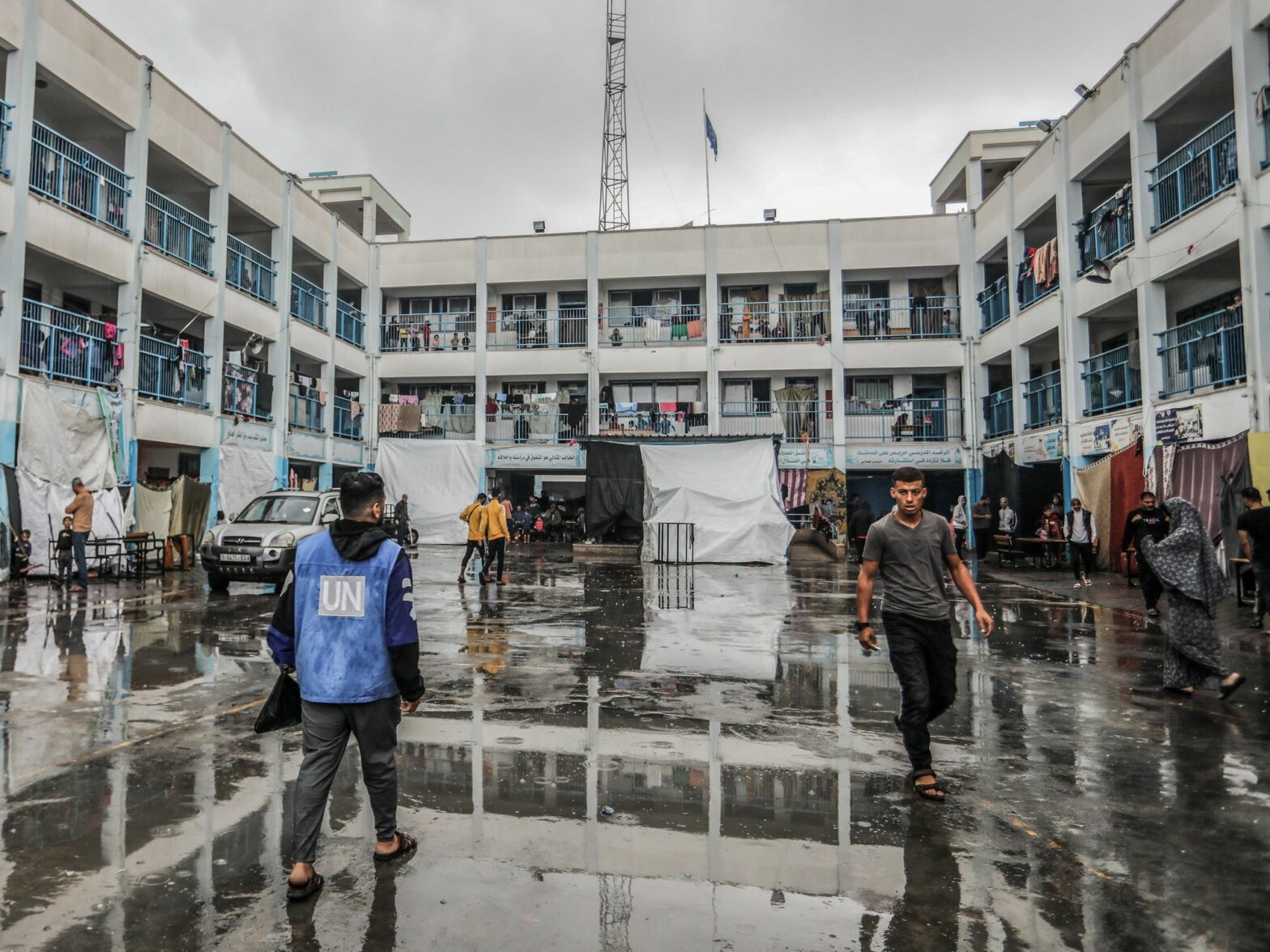
Israel has accused 12 employees the UN agency for Palestinian refugees UNWRA, of participating in the Oct. 7 attack. The United States and other countries have suspended their funding, which risks worsening the ongoing tragedy for the two million Palestinians in Gaza.
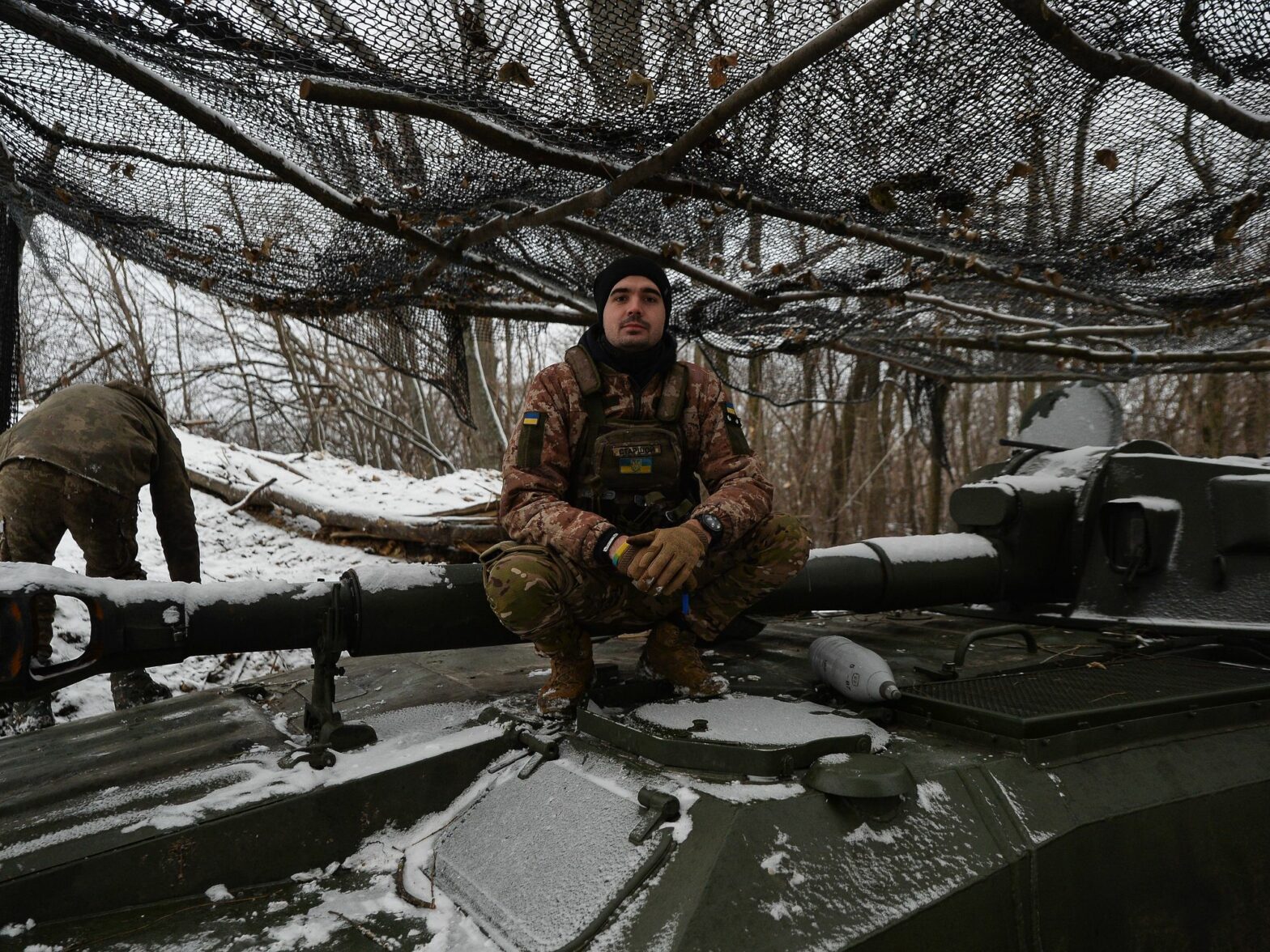
Joe Biden, Olaf Scholz and co. always claim that they will help Ukraine as much as possible. Yet they only ever supply exactly enough weapons to ensure that Russia is not defeated. There is a cynical calculation behind it that is based on an unjustified fear of Putin’s escalation.

A former journalist and city councilor, Yekaterina Duntsova, 40, has suddenly gained surprising popularity among Russians opposed to Vladimir Putin and its offensive in Ukraine. She explains why barring her from the March presidential election won’t stop her campaign.
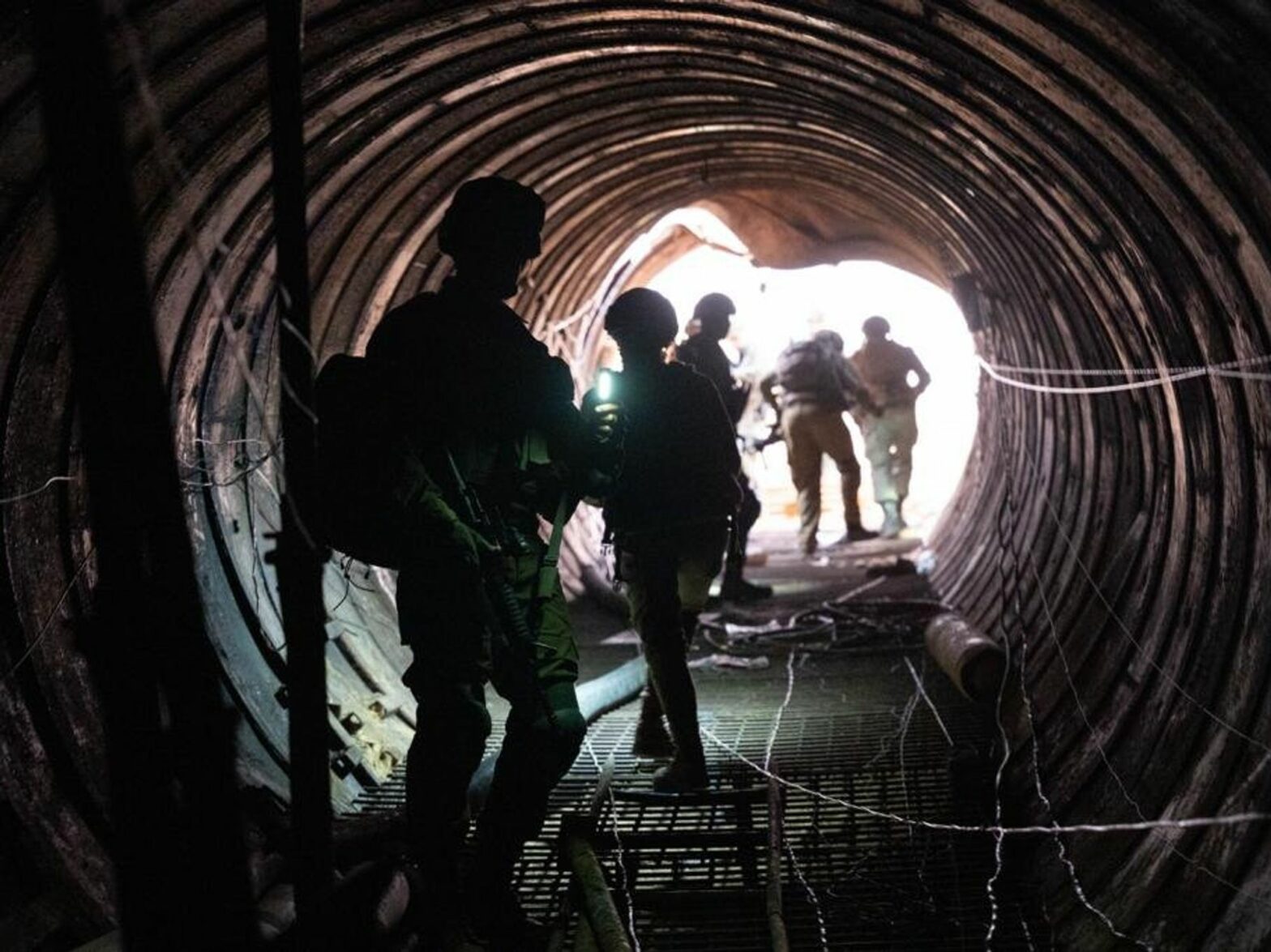
Four months into the war in Gaza, Israel has yet to find top Hamas leaders. Saudi-owned, London-based daily Asharq al-Awsat recently reported on the covert system that allows the Palestinian group communicate without being detected by Israel.

Private video cameras in the Perm region will now have to be connected to a unified regional video surveillance system. The requirement is set to be copied in regions across the country as Russia seeks to expand its monitoring of citizens.
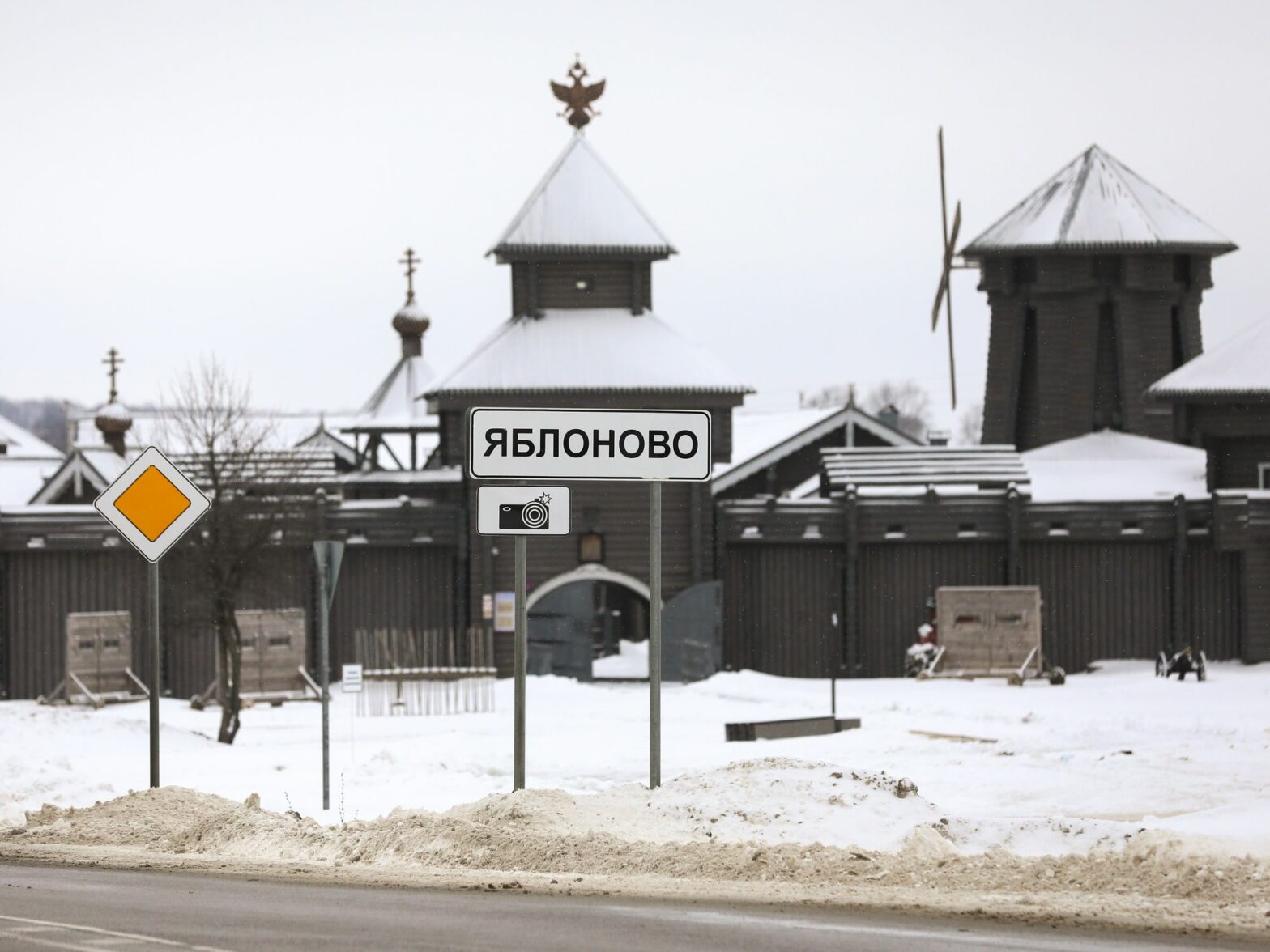
Ukraine and Russia are blaming each other for the Russian military plane crash. It will be hard to get at the truth of the accident, as either party is unlikely to release information, which is another weapon in their war.
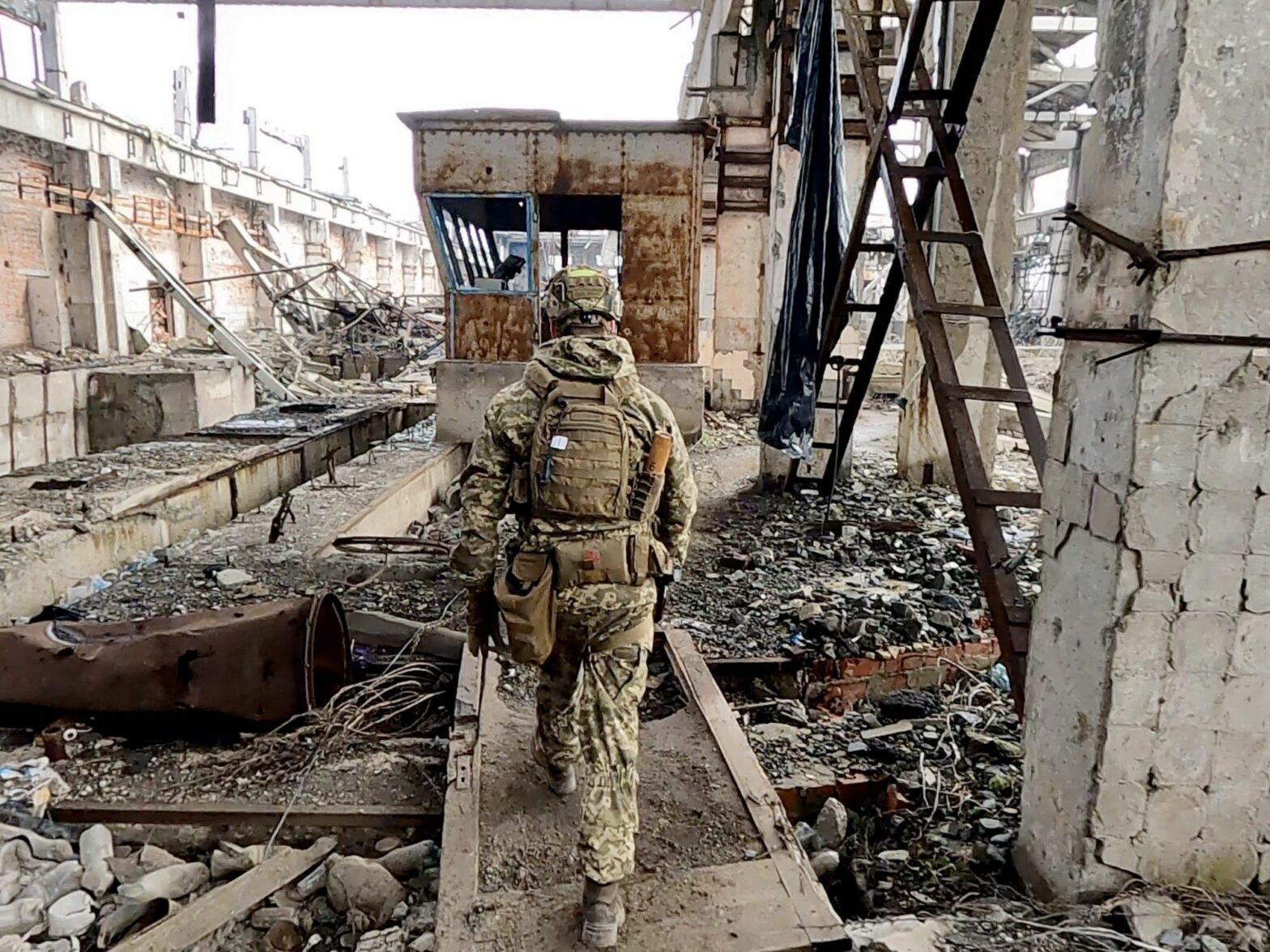
Despite uncertainty over Western delivery of weapons and setbacks on the battlefield, it is crucial for Ukraine to continue fighting each and every battle, writes Viktor Kevlyuk in Livy Bereg, as every conquered inch of terrain can tip the war’s balance.
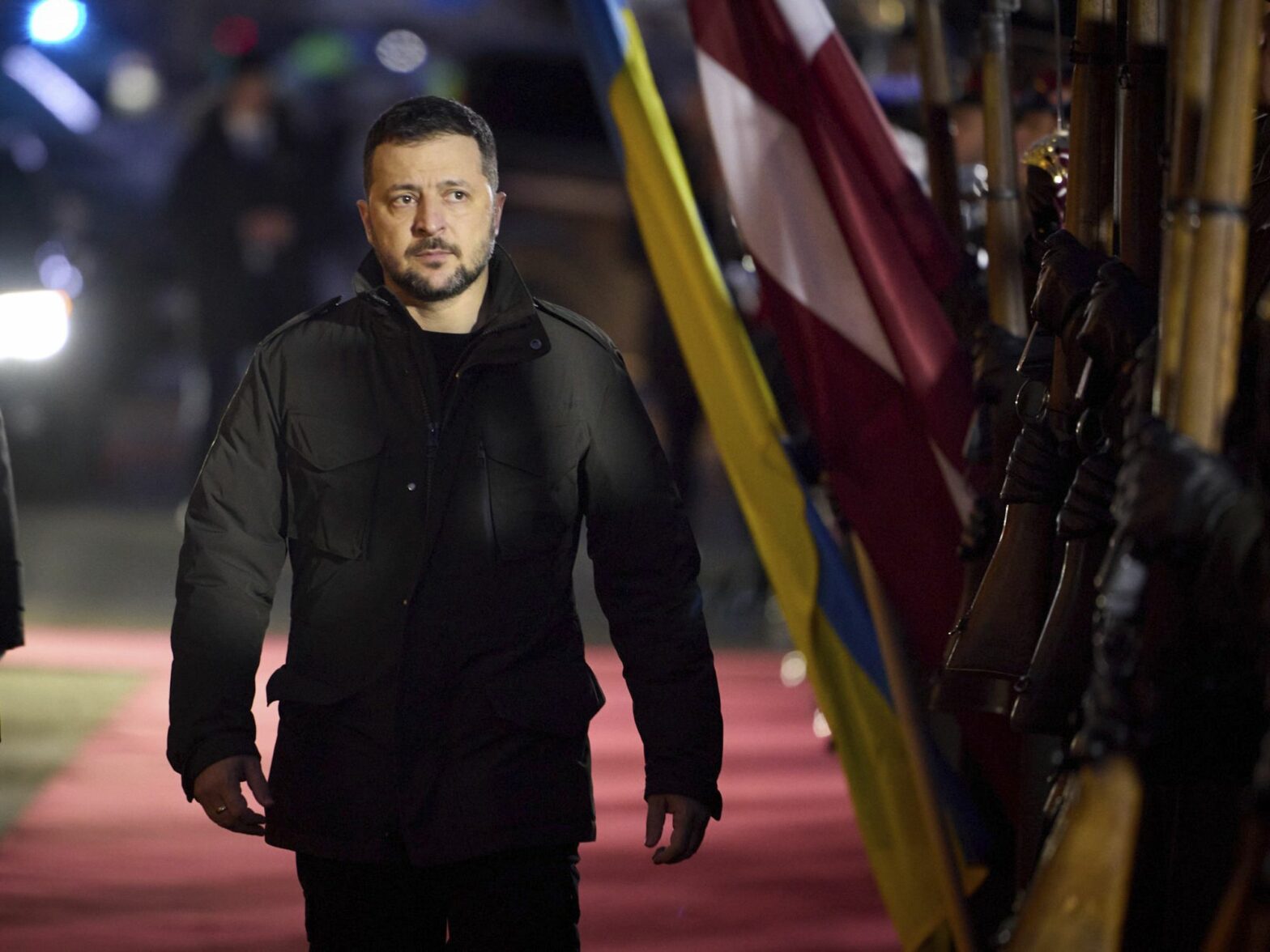
Both Russian online trolls and Ukrainians who never liked him will be calling into question Volodymyr Zelensky’s right to hold on to the presidency as his five-year term is set to end in May. But they’ll also be questioning the morality and strategy of his war aims. What should be his response?
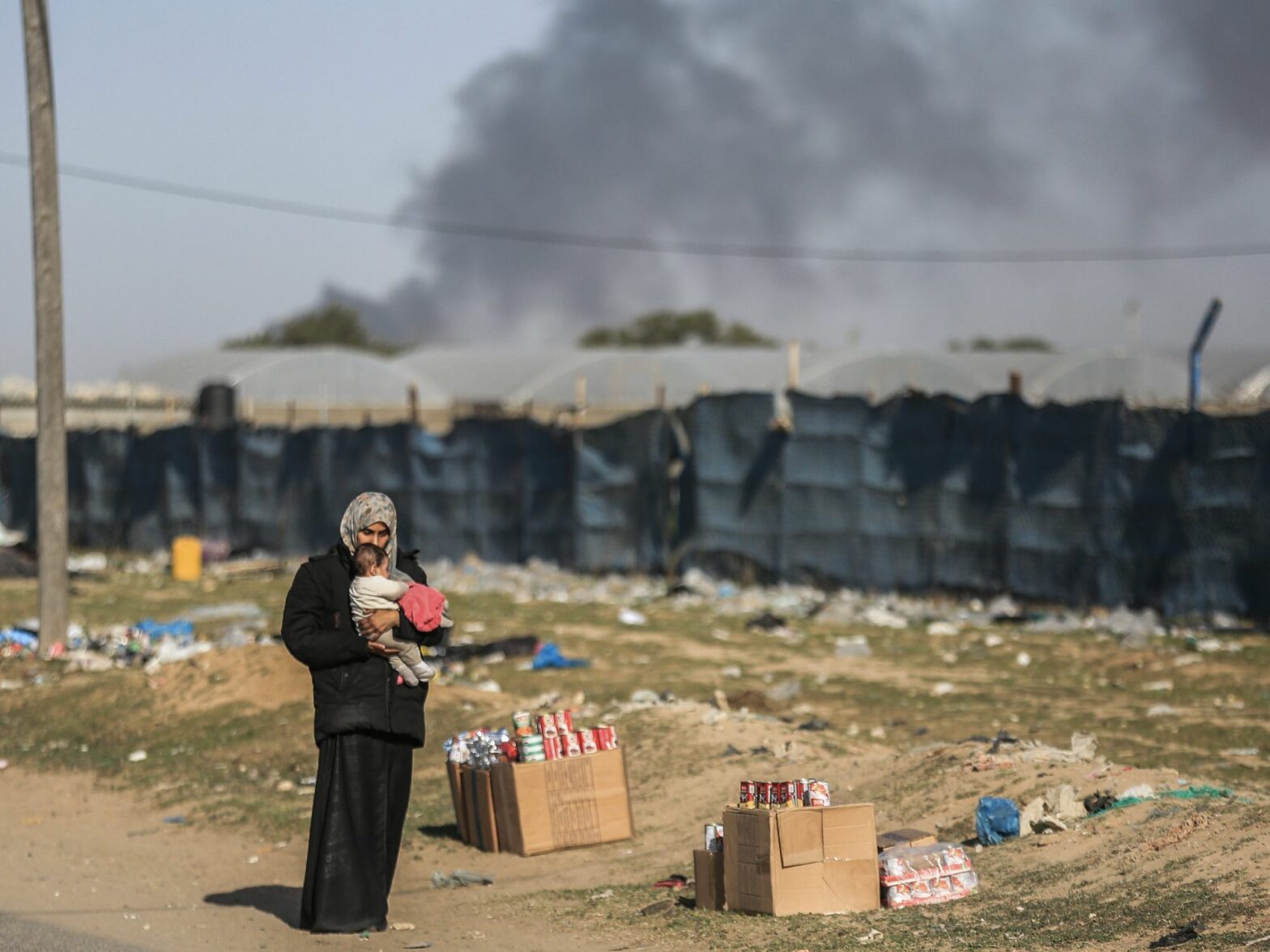
After suffering its heaviest losses in a single day, the Israeli army continues its hunt for Hamas leaders and troops in Khan Younis, an overcrowded refugee camp in southern Gaza. Even heavier Palestinian civilian casualties are feared, as the war appears to be reaching a moment of truth.
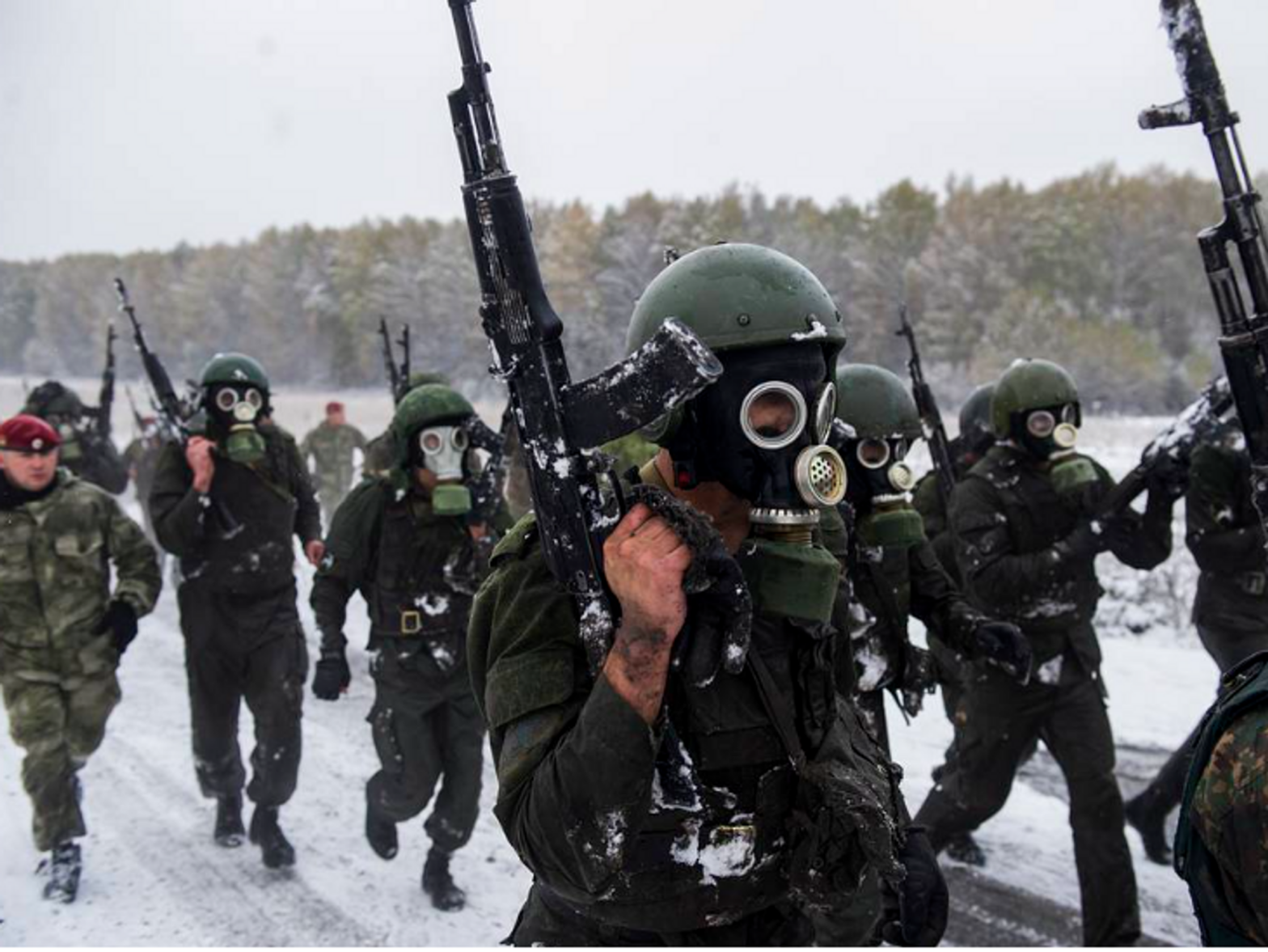
President Vladimir Putin had transferred elite “Grom” troops after the fallout from last year’s Wagner Group mutiny to the south-central Russian republic of Bashkortostan, where there is dissent about preserving local language and culture.
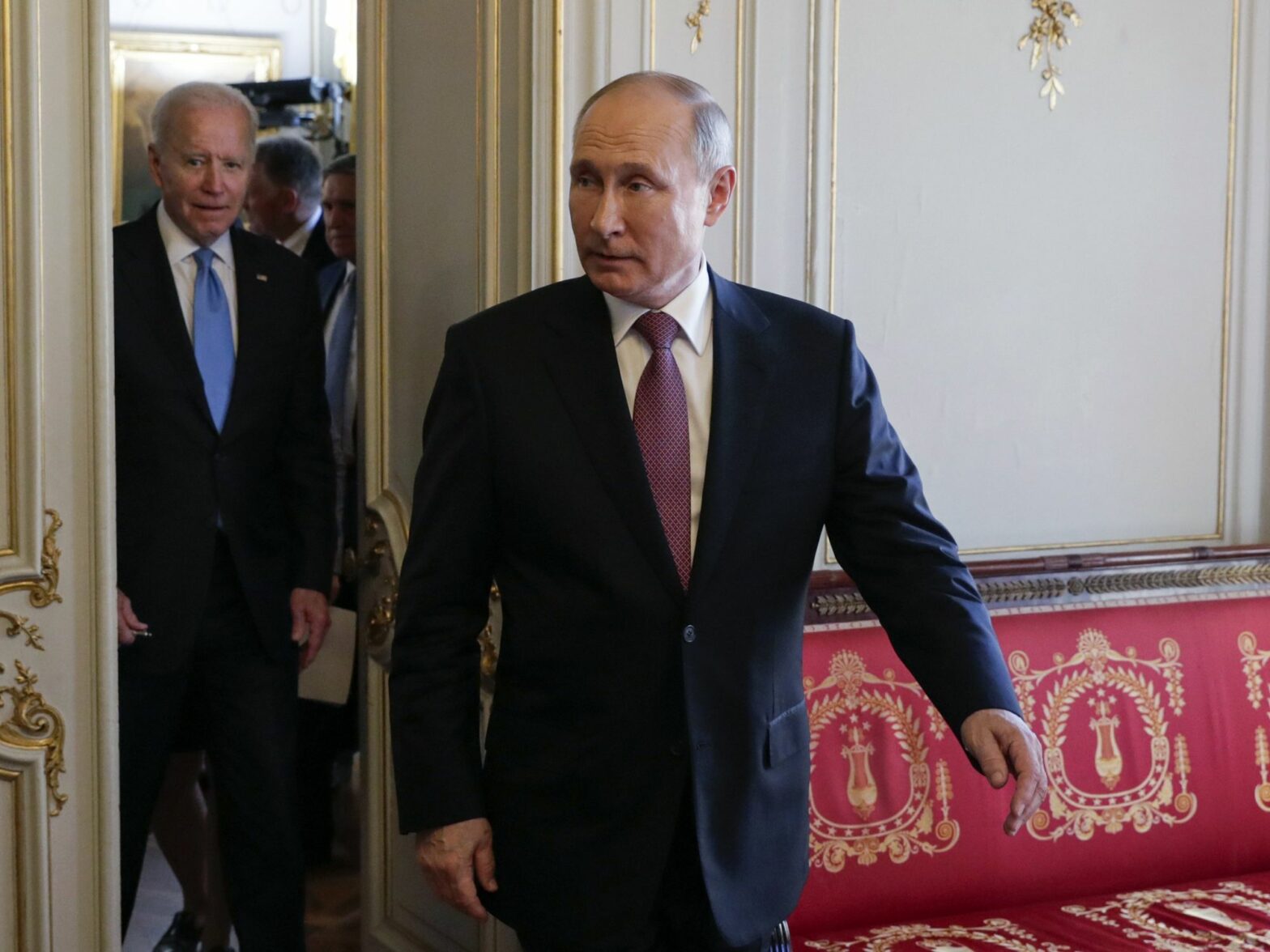
As Western sanctions have proven ineffective, Russian economy has been growing, along with defense and security expenditures. The world’s singular superpower in Washington has three cards it could pull to squeeze the invading country. Yet something is holding it back.
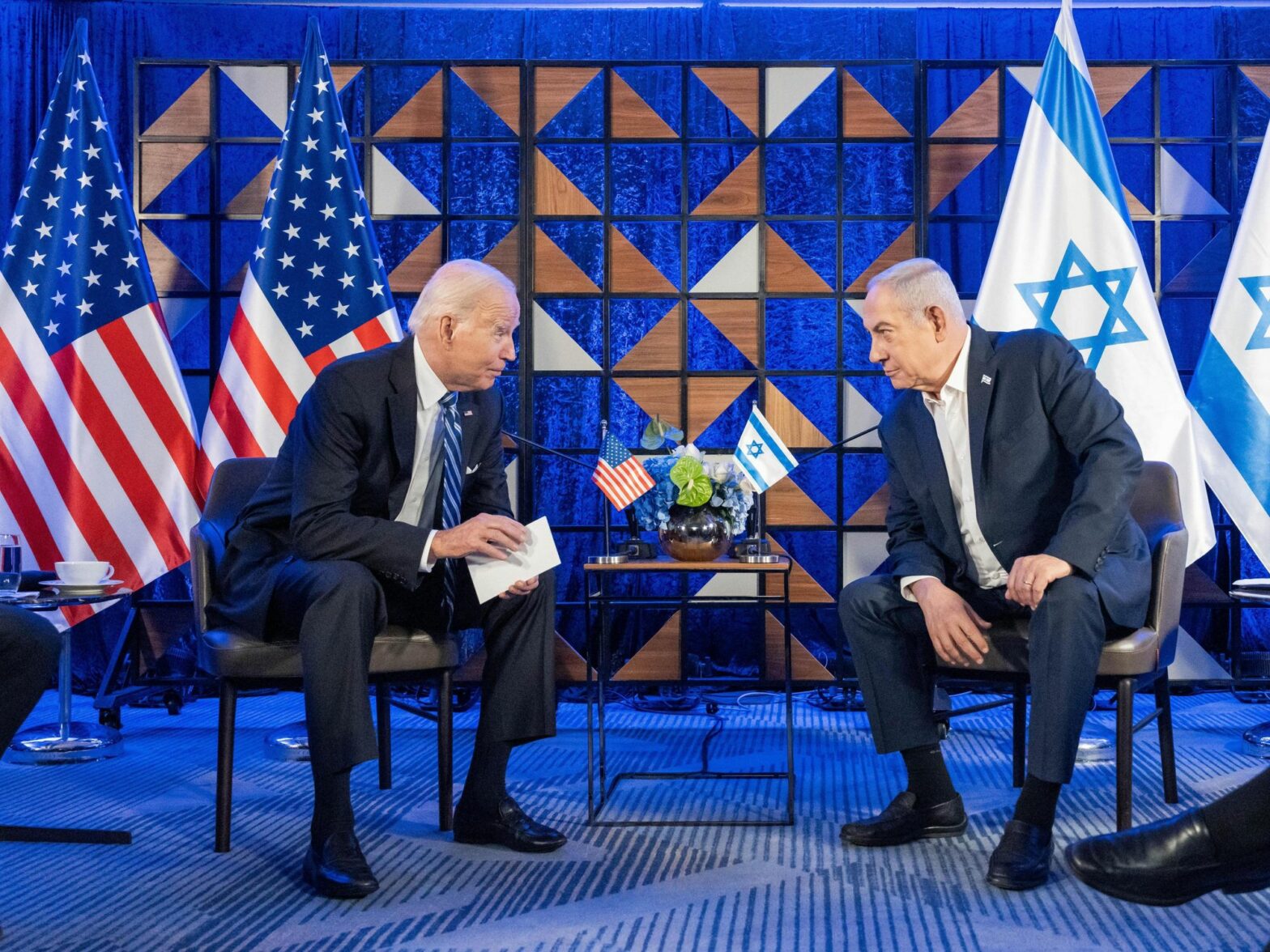
The rising tensions between U.S. President Joe Biden and Israeli Prime Minister Benjamin Netanyahu are about different visions of the geopolitics of the Middle East — but the stakes are also personal for each leader.
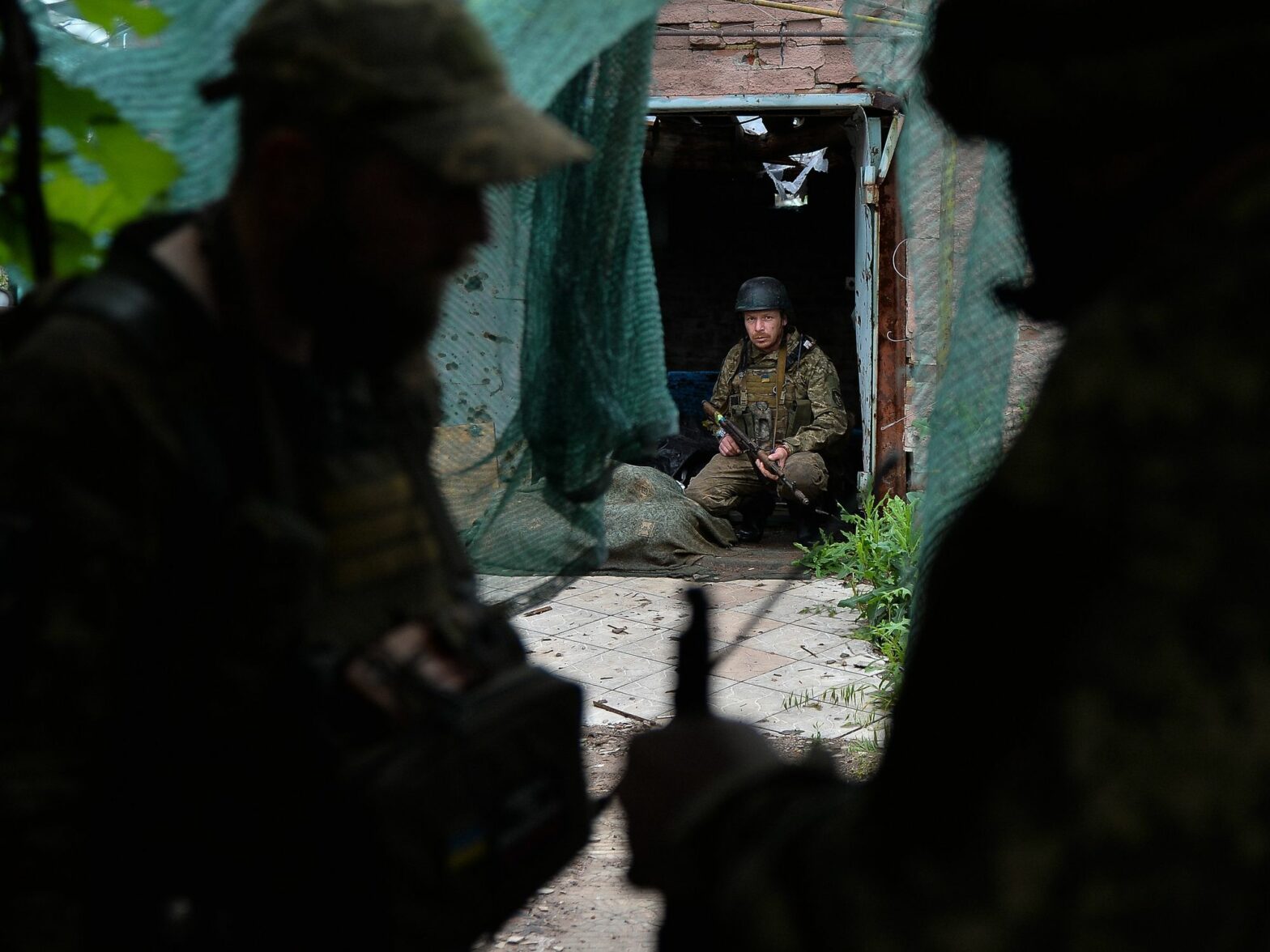
Putin has threatened Ukraine with a long war in the hope that Western support will wane and that his troops will eventually outnumber Ukraine’s. But his army has had a few difficult months and arms production can’t keep up. Meanwhile, Western support for Kyiv is holding steady.
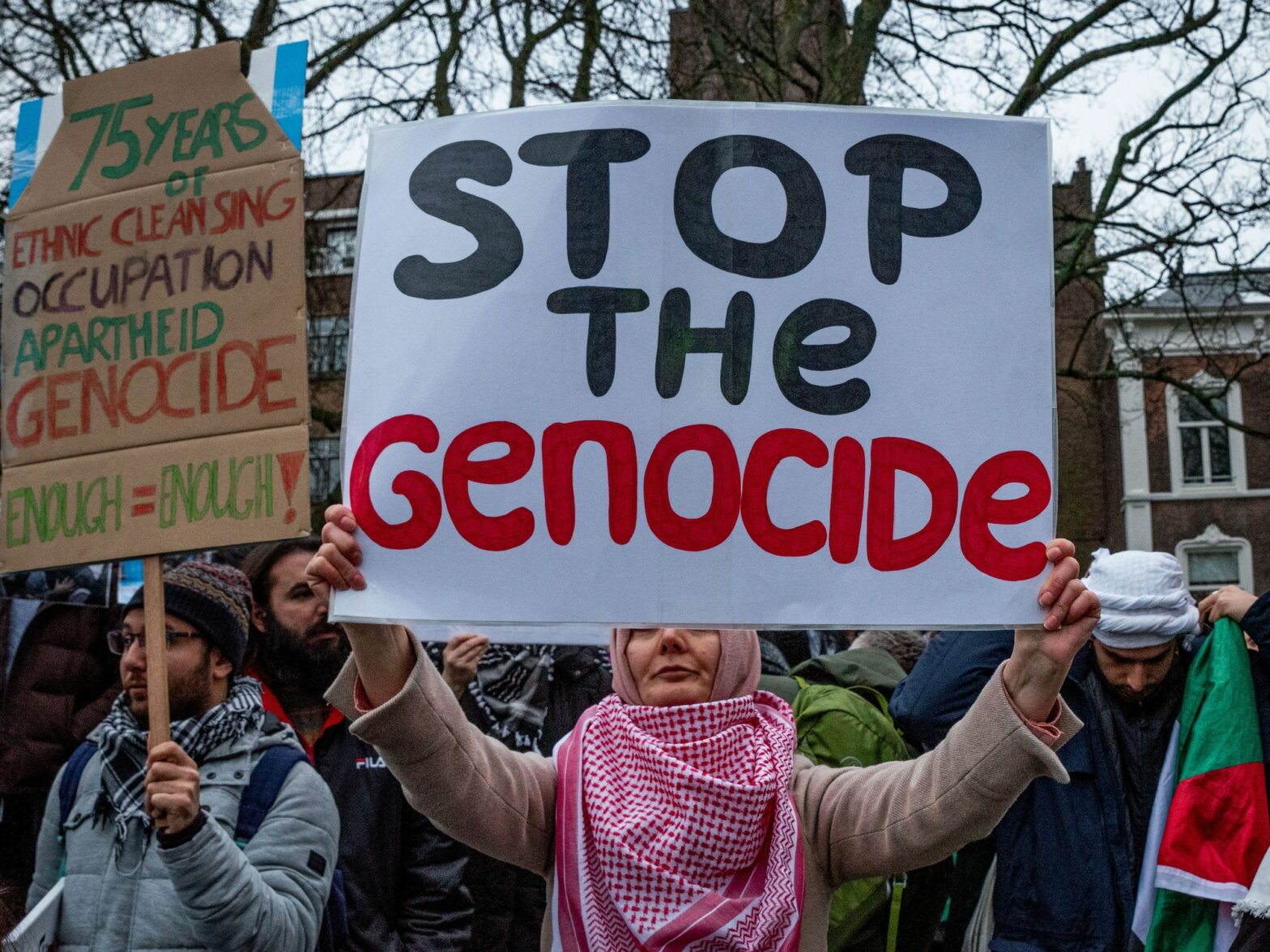
South Africa’s genocide case against Israel at the International Court of Justice attempts to turn longstanding international law on its head, writes Kai Ambos, a top expert on international law, for German daily Die Welt.
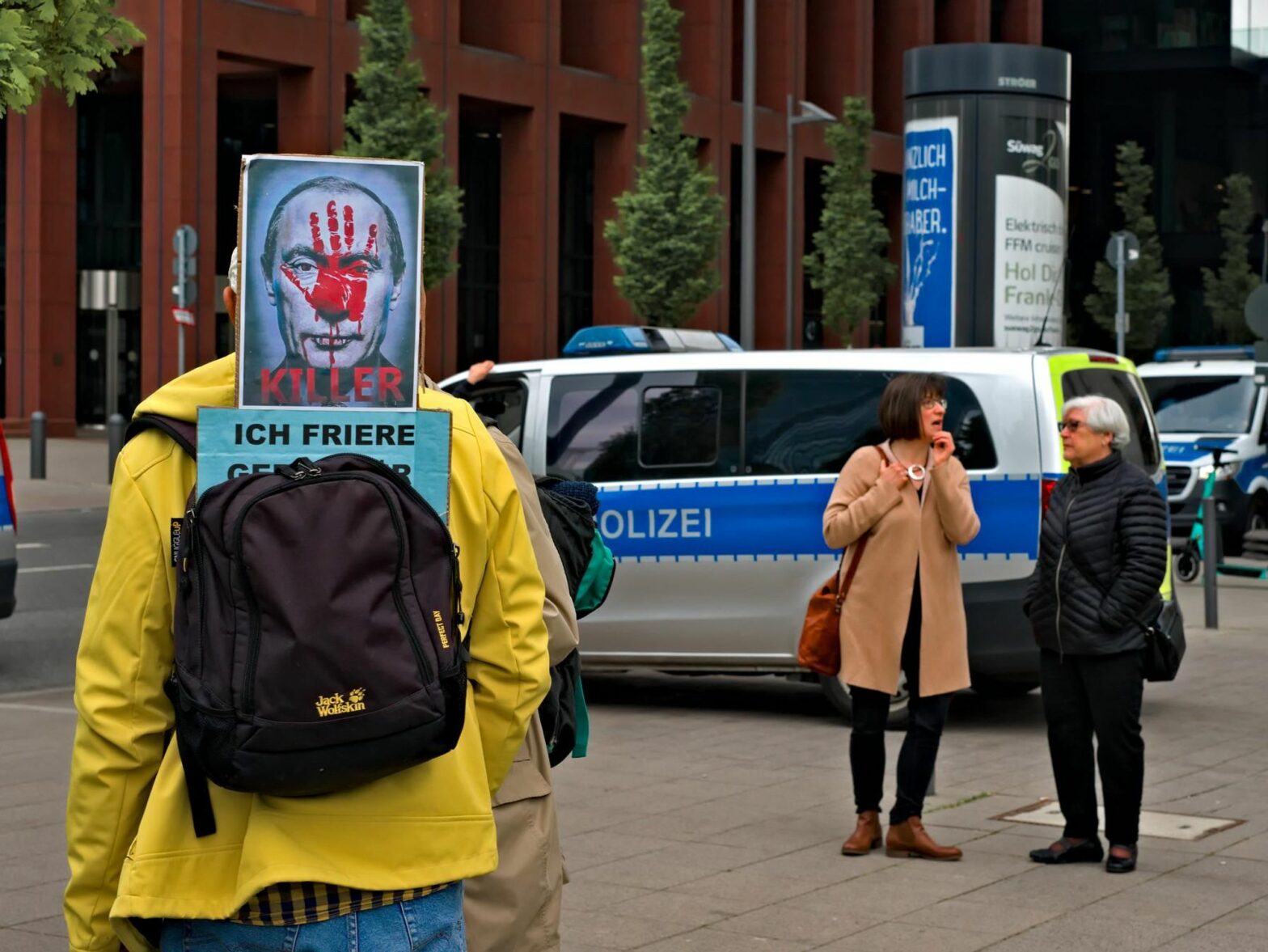
The leaders of key EU countries have been on the phone with Vladimir Putin since the war in Ukraine began. Weighing the costs, benefits…and morals…of leaving the door open to a man who brutally invaded a sovereign nation — and taking Munich 1938 as a starting point.
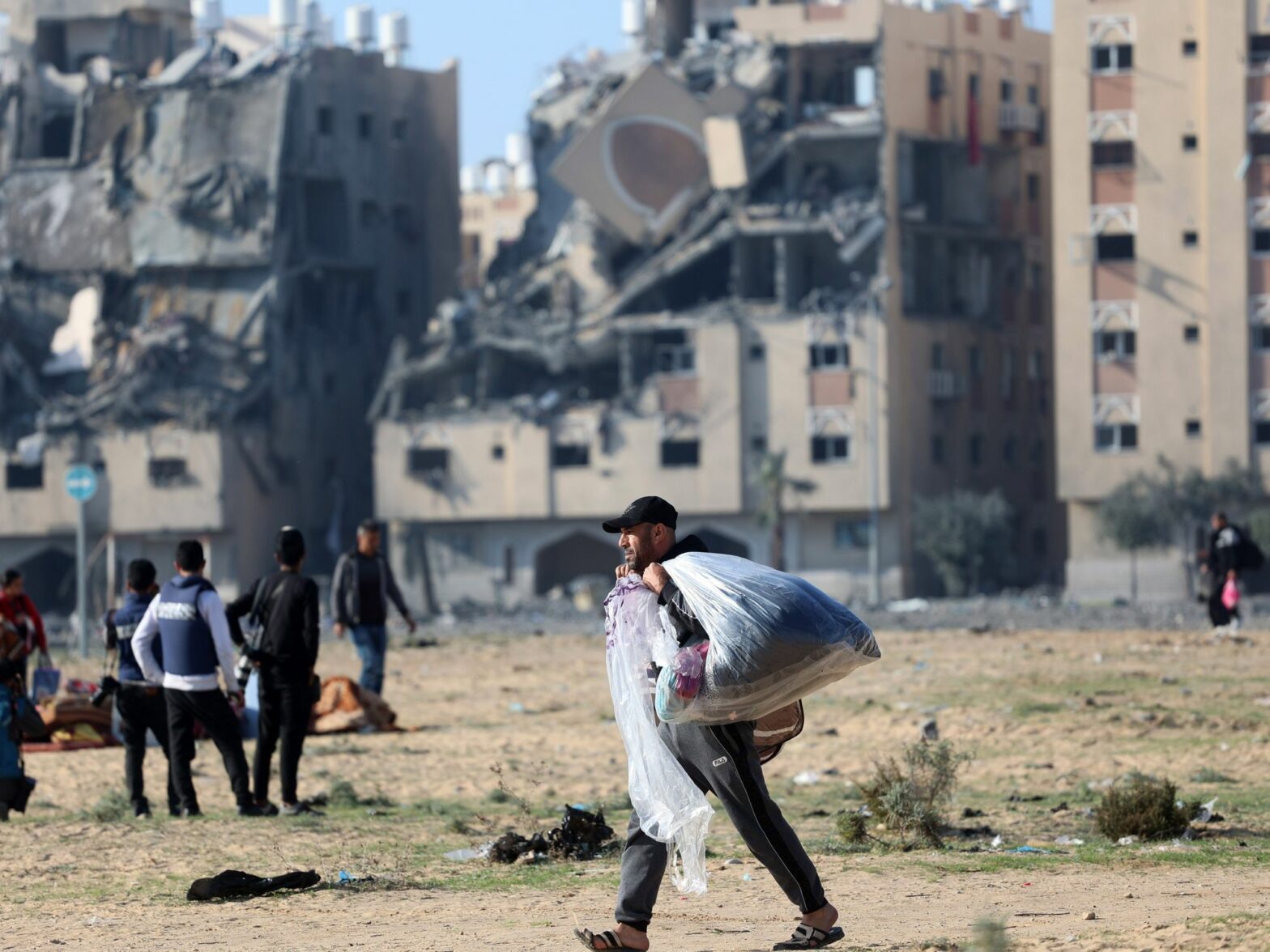
Omar Sharara, a journalist for the Cairo-based media Mada Masr reports on his exchanges with a Aden, a Palestinian photojournalist in Gaza, since the war began. Amid bombings and communications blackouts, Aden relays his family’s efforts to seek shelter.
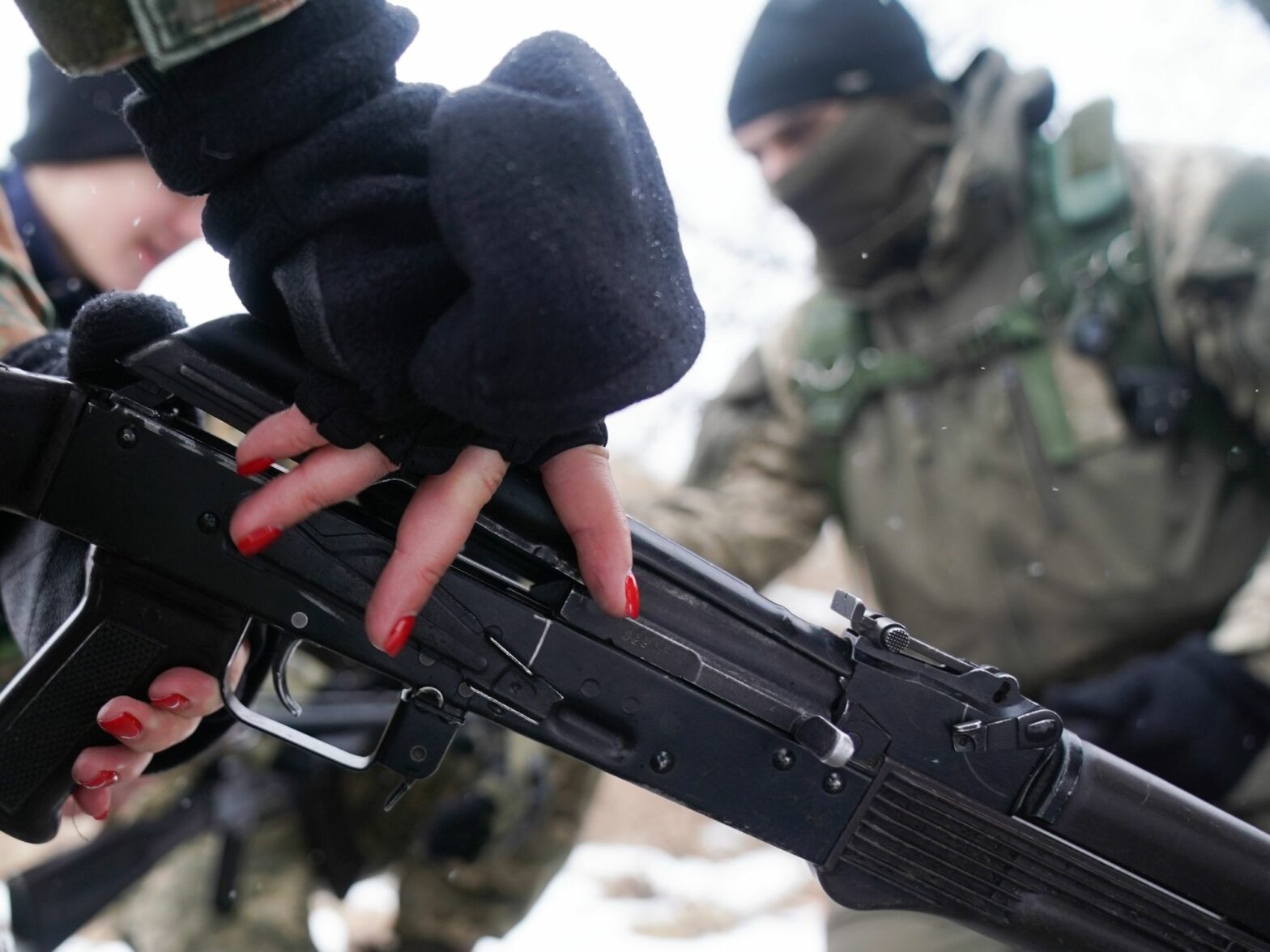
Following Russia and Ukraine’s prisoner exchange earlier this month, Vazhnyye Istorii/Important Stories shares the first-hand account of a Ukrainian prisoner of war, who spent nine months in captivity before she was released in February last year. Alla Senchenko, a sniper, recounts her harrowing nine months in captivity in Russian prisons and what helped her get through it.
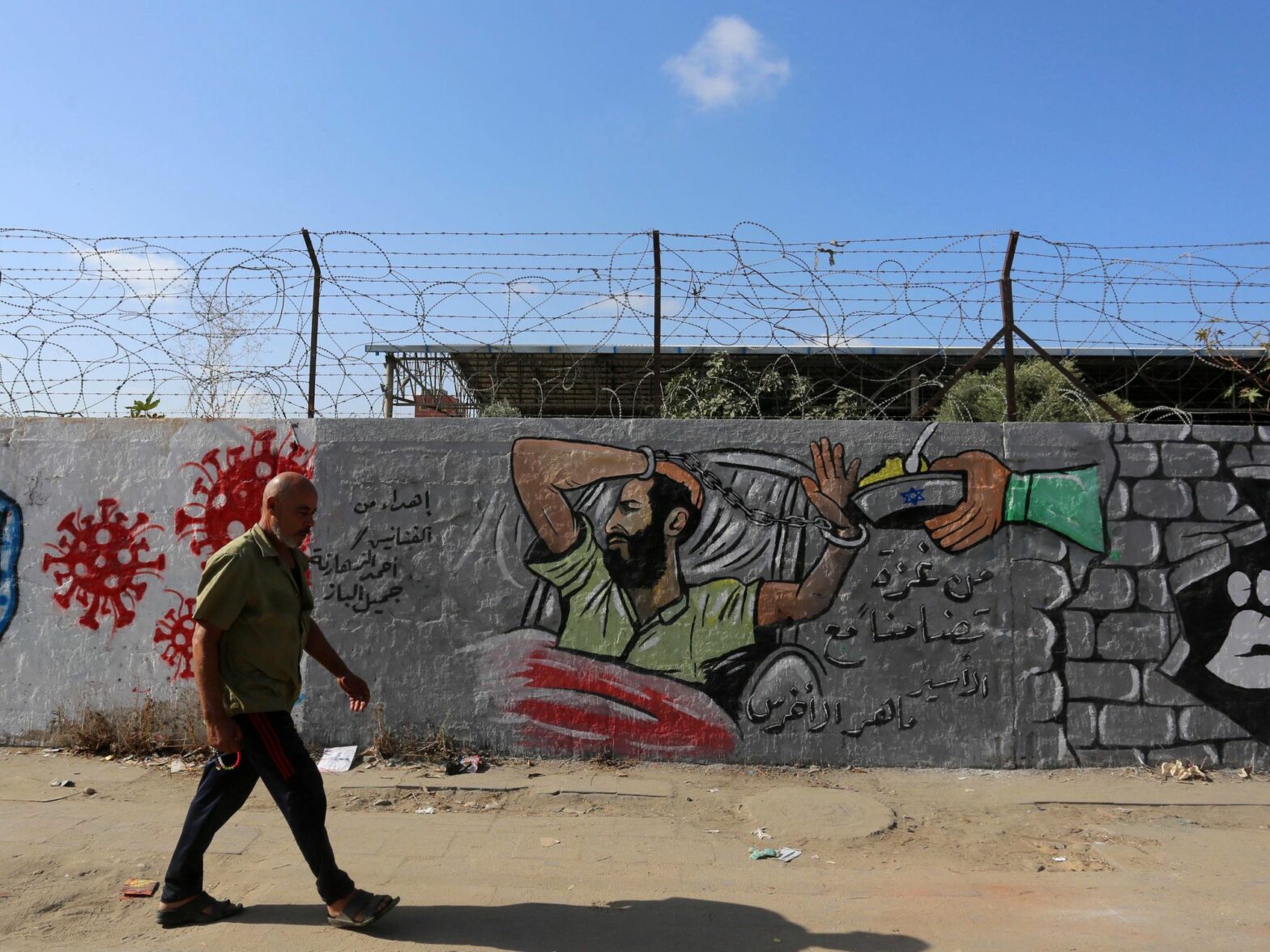
Since Oct. 7, Israel has launched a crackdown on Palestinians, in both Gaza and the West Bank. Once the new detainees are taken to jail, they allege that authorities regularly take an extra hard line, including a disturbingly high number of prisoners killed.
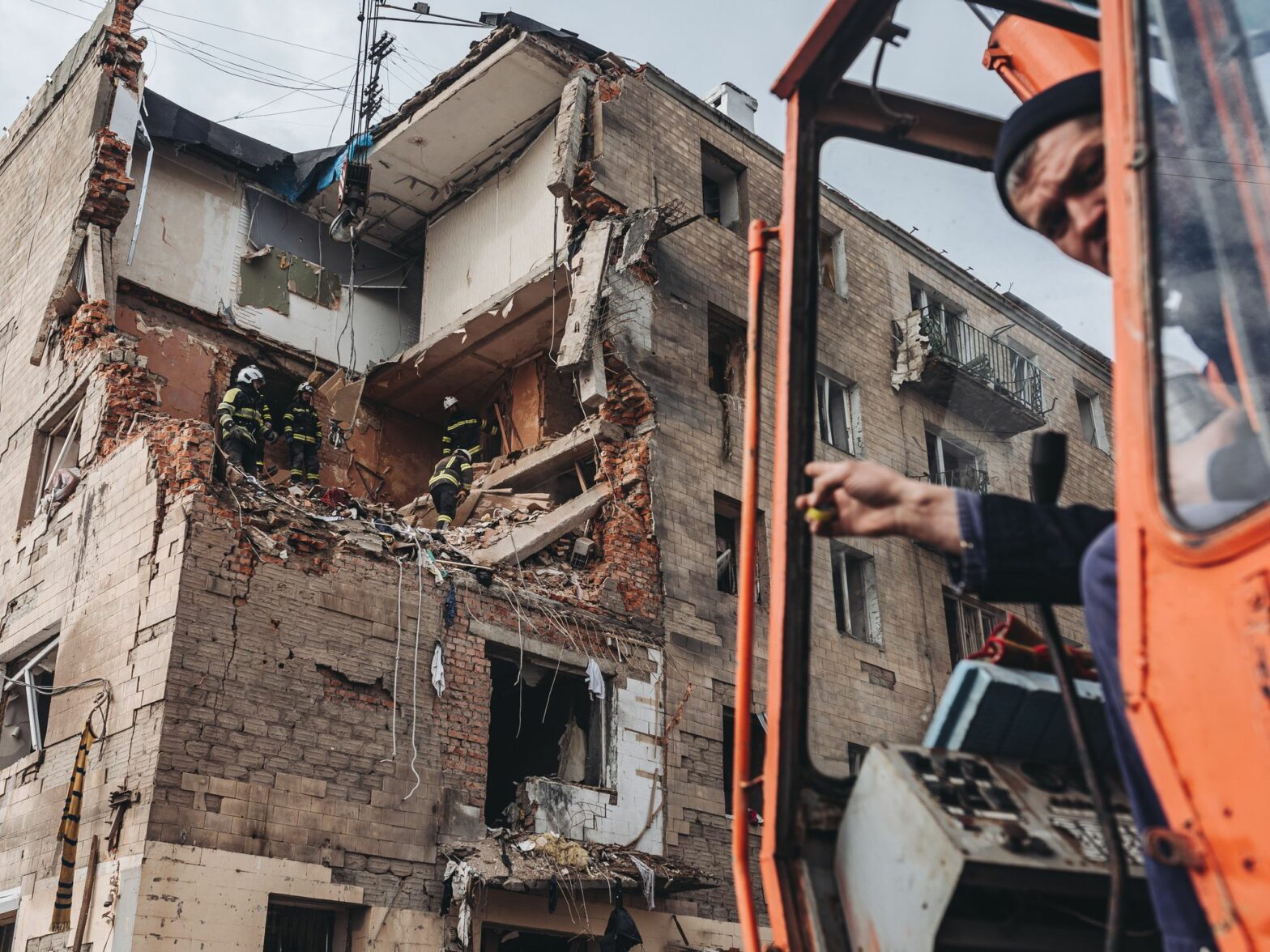
How daily life continues in this city in eastern Ukraine of 1.4 million, which has been shelled by Russia throughout the nearly two-year war.
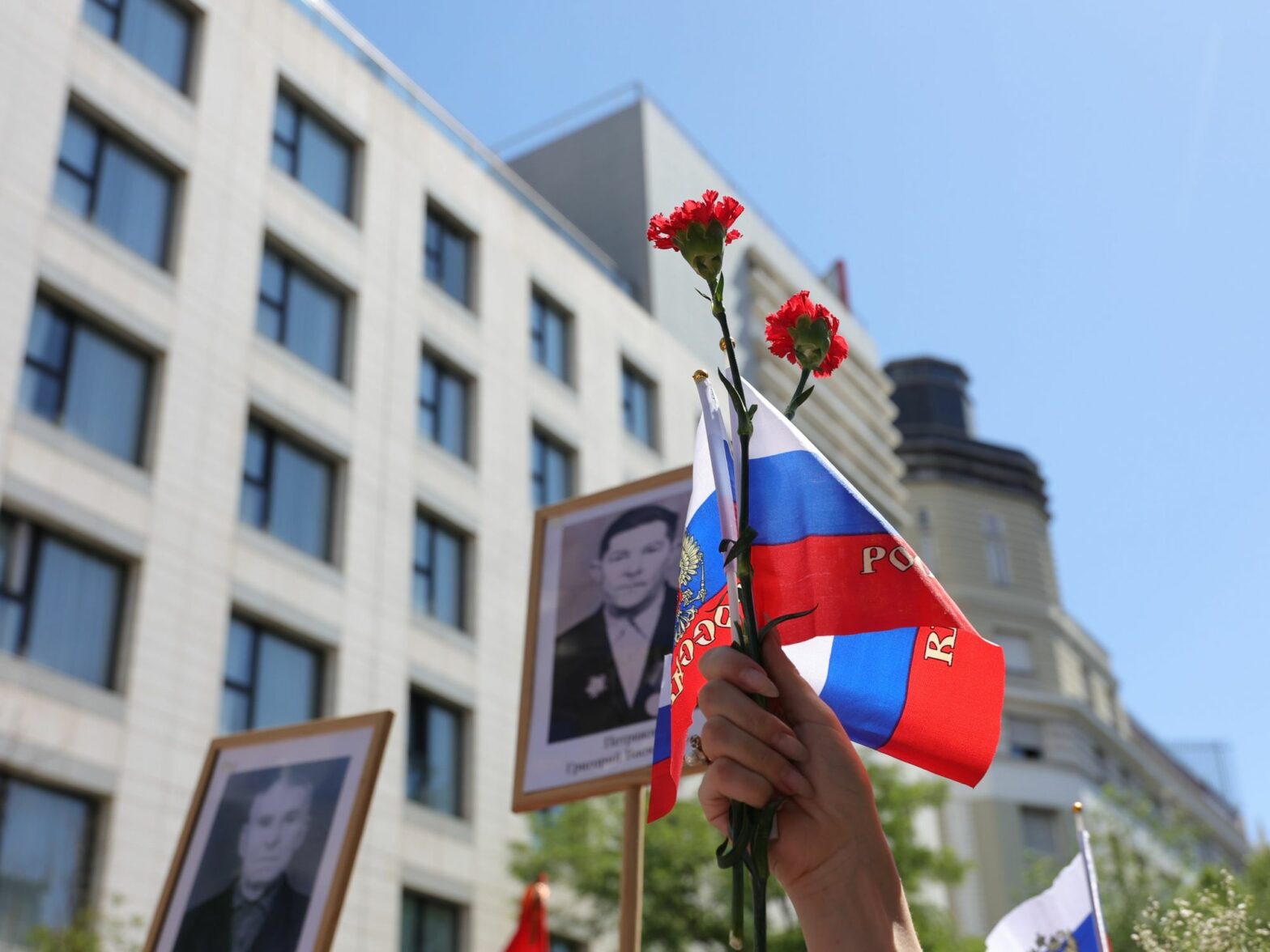
It goes far beyond Vladimir Putin: determinism, imperialism and other deeply ingrained ideas color the perceptions of many Russian citizens — even the would-be “liberal” sectors of society.
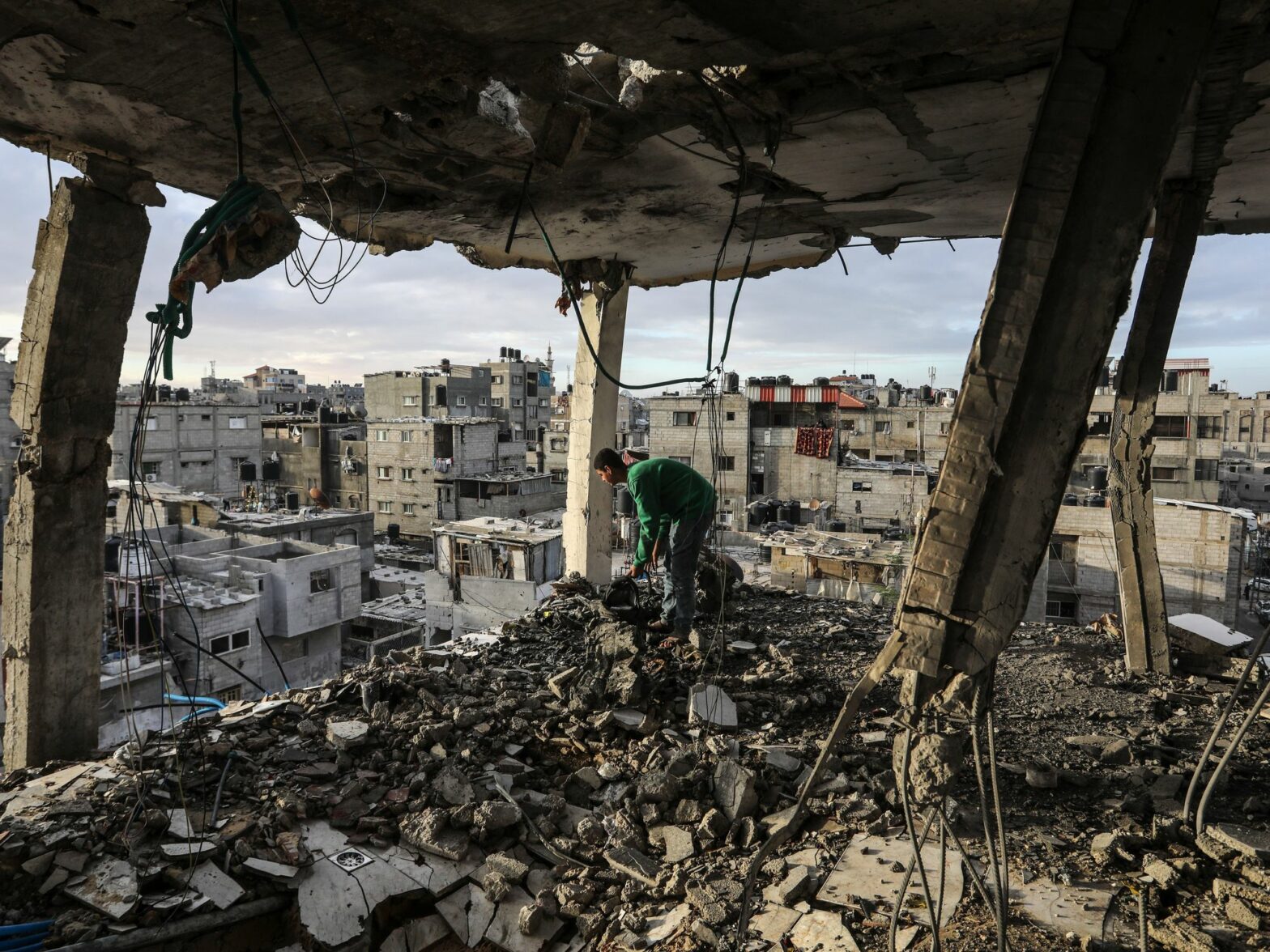
After 100 days of war, Israeli Prime Minister Benjamin Netanyahu has made it clear that he has no plans to listen to what any other country has to say, including his closest allies. There’s every reason to expect the situation to get worse.
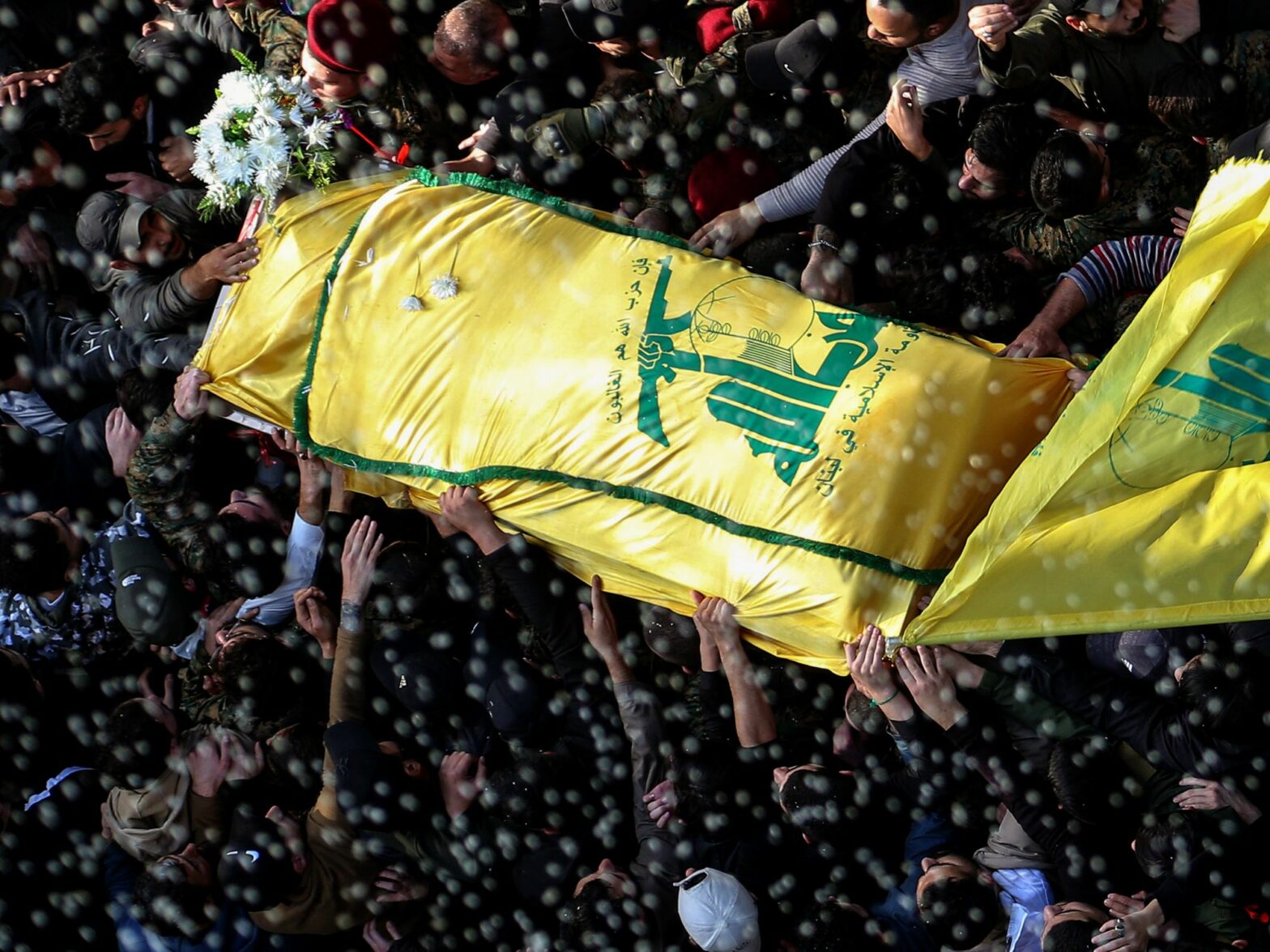
The killing of Hezbollah commander Wissam al-Tawil, which came after the Lebanese group launched its biggest strike on Israel since the war began, shows that Israel is more confident than ever of its military and intelligence superiority.
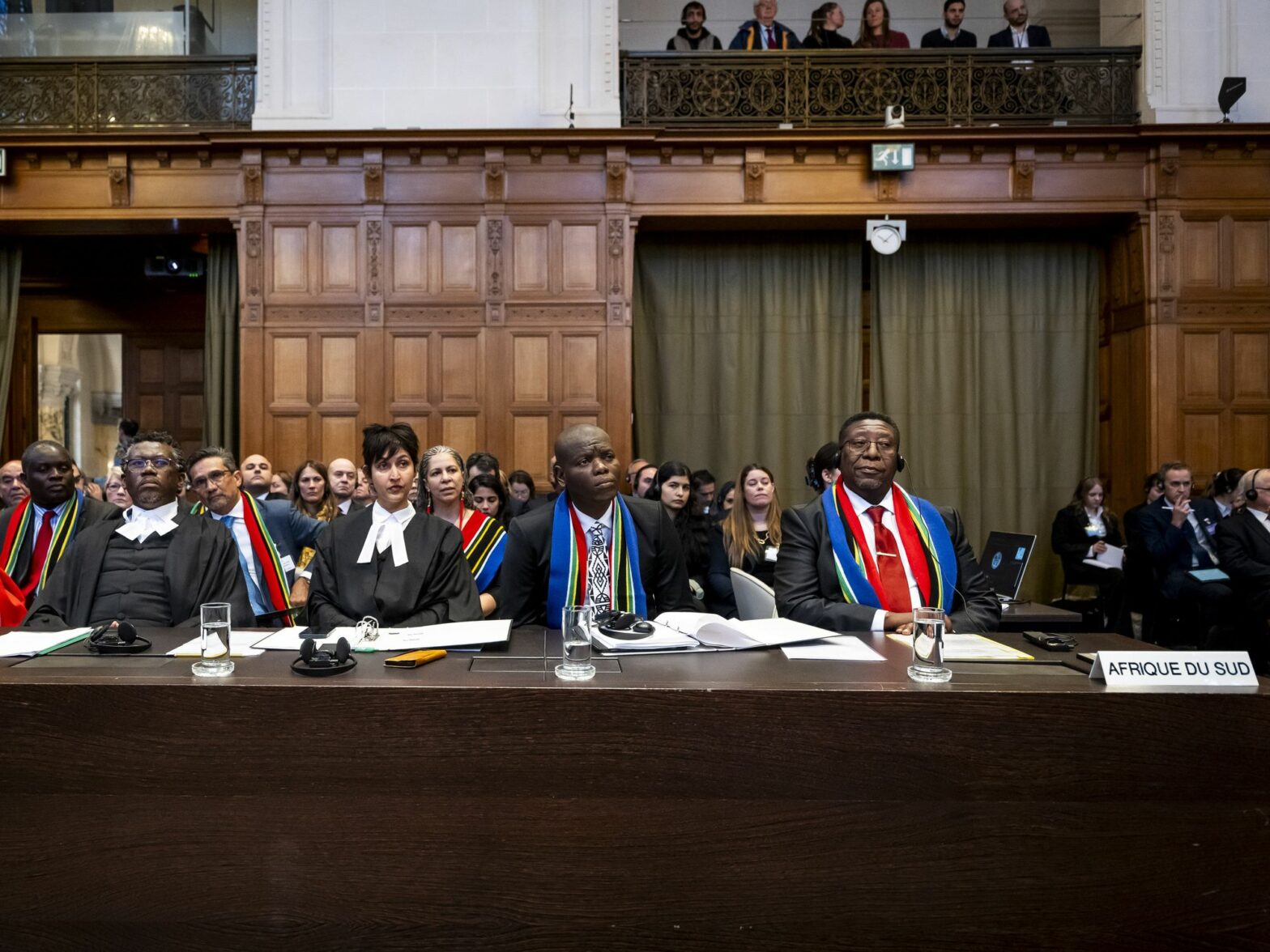
Following South Africa’s genocide allegations against Israel, Netanyahu’s government now has to defend itself at the International Court of Justice. But the lawsuit does not come as a surprise. For decades, there have been tensions between Israel and South Africa, where there is great sympathy for the Palestinian cause going back to the times of apartheid.
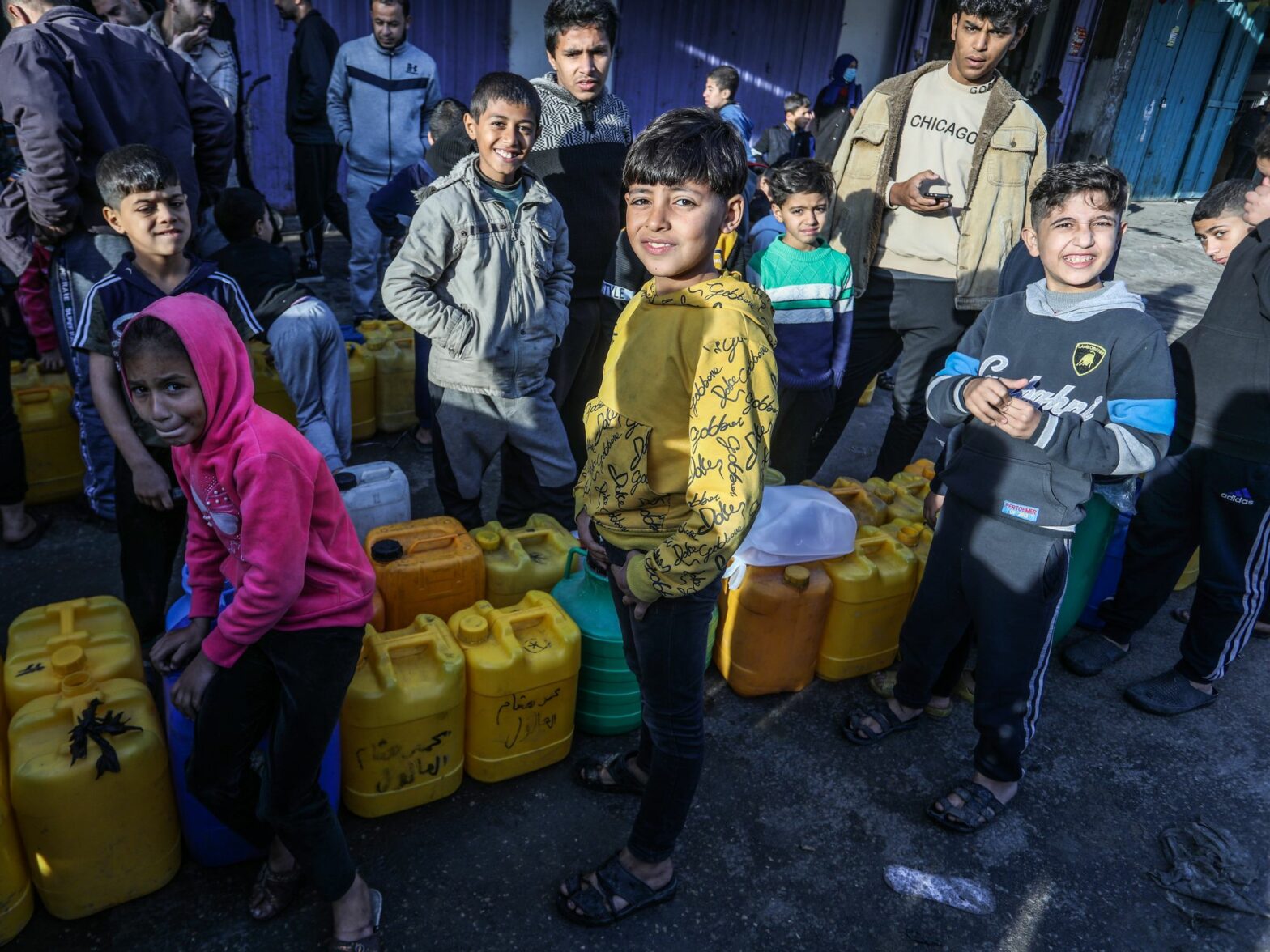
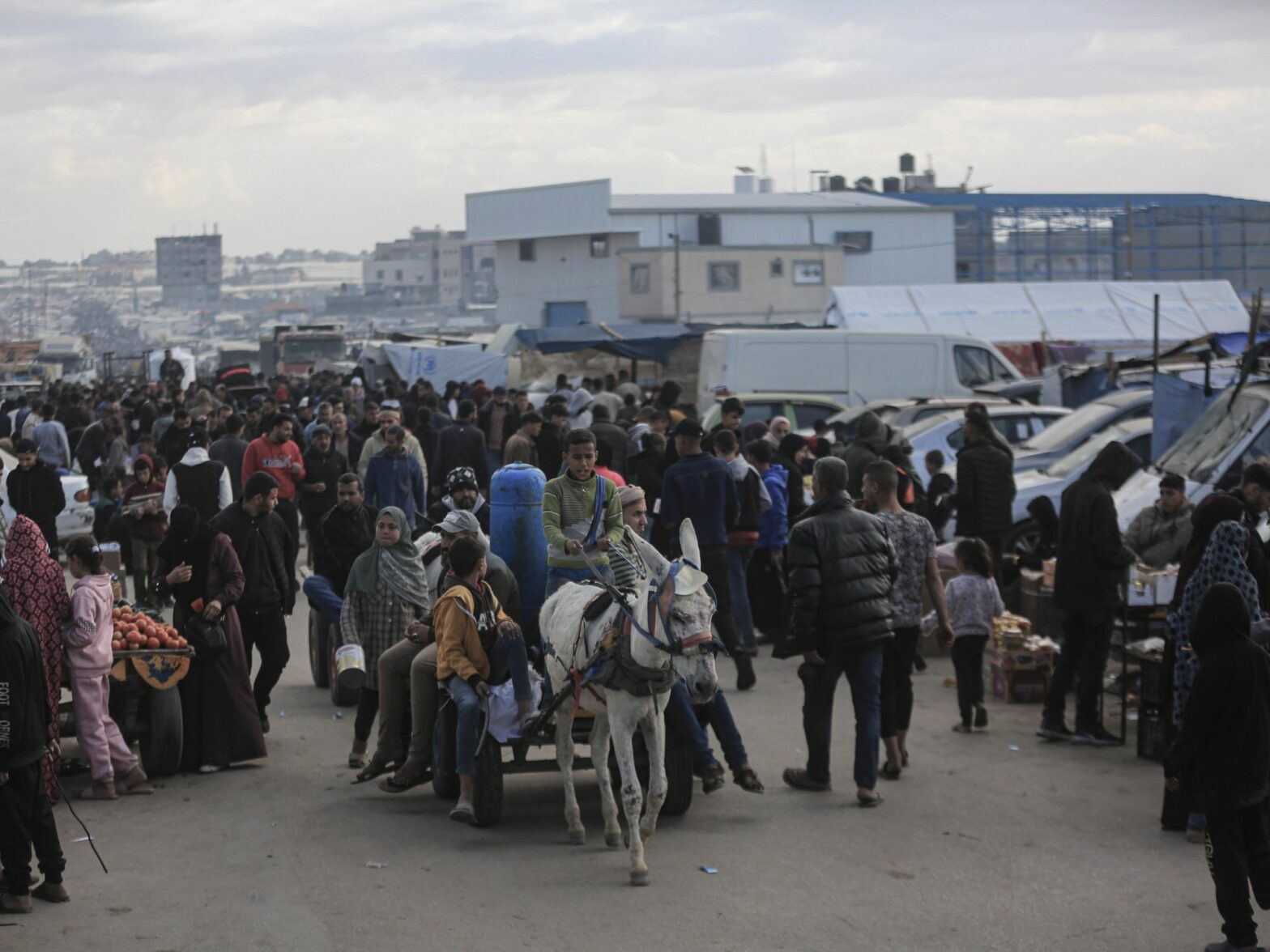
Displaced Palestinian families are streaming into Rafah on Gaza’s southernmost border, with Egypt, fleeing Israel’s relentless bombardment. With more than one million people now cramped in the town, conditions are dire and many fear another “Nakba,” pushed out of their homeland for good.
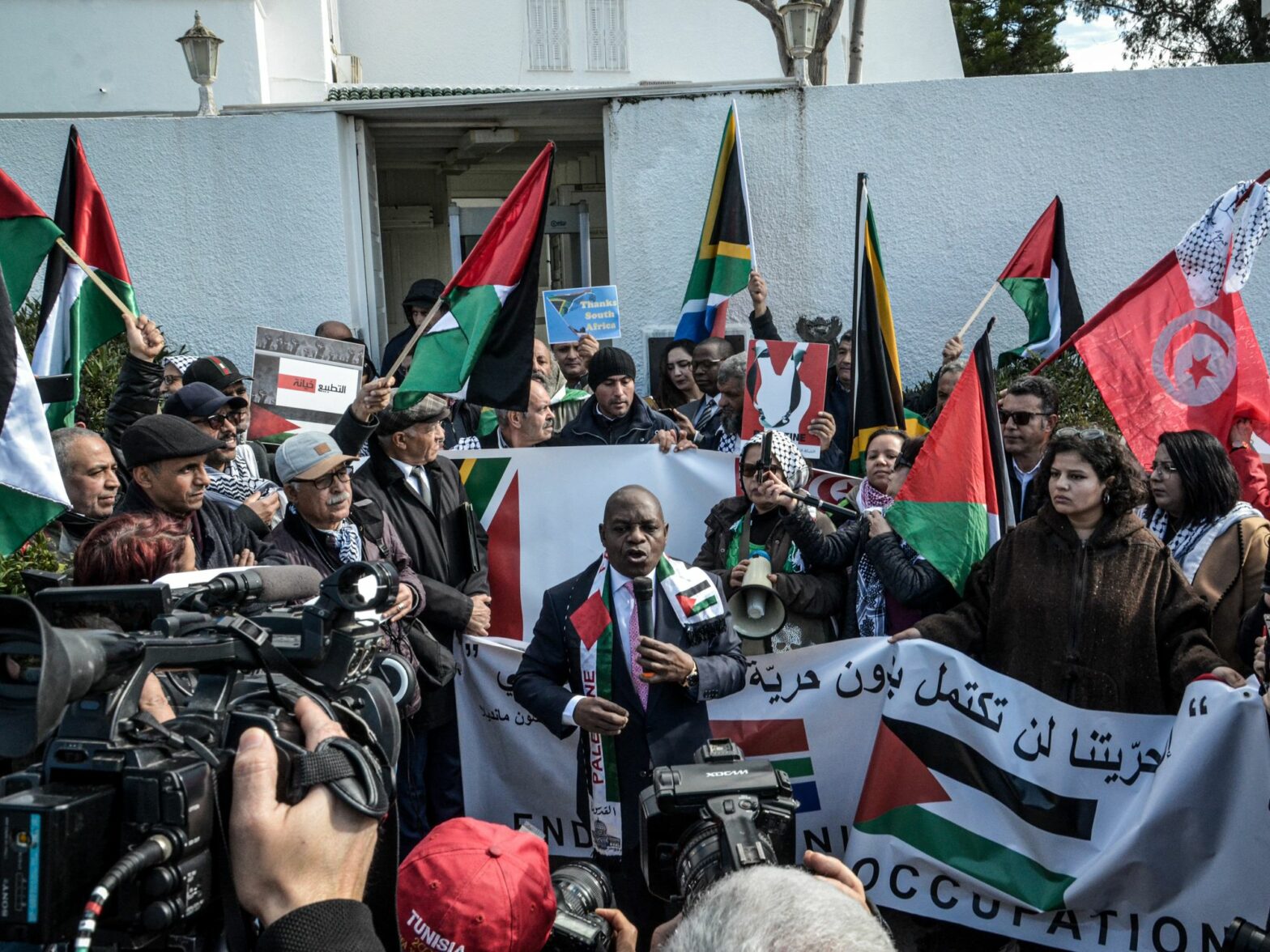
Cicero declared that when weapons speak, the law goes mute. So what happens when the law speaks up even as the weapons keep firing? That’s what happening now at the International Court of Justice at the Hague.
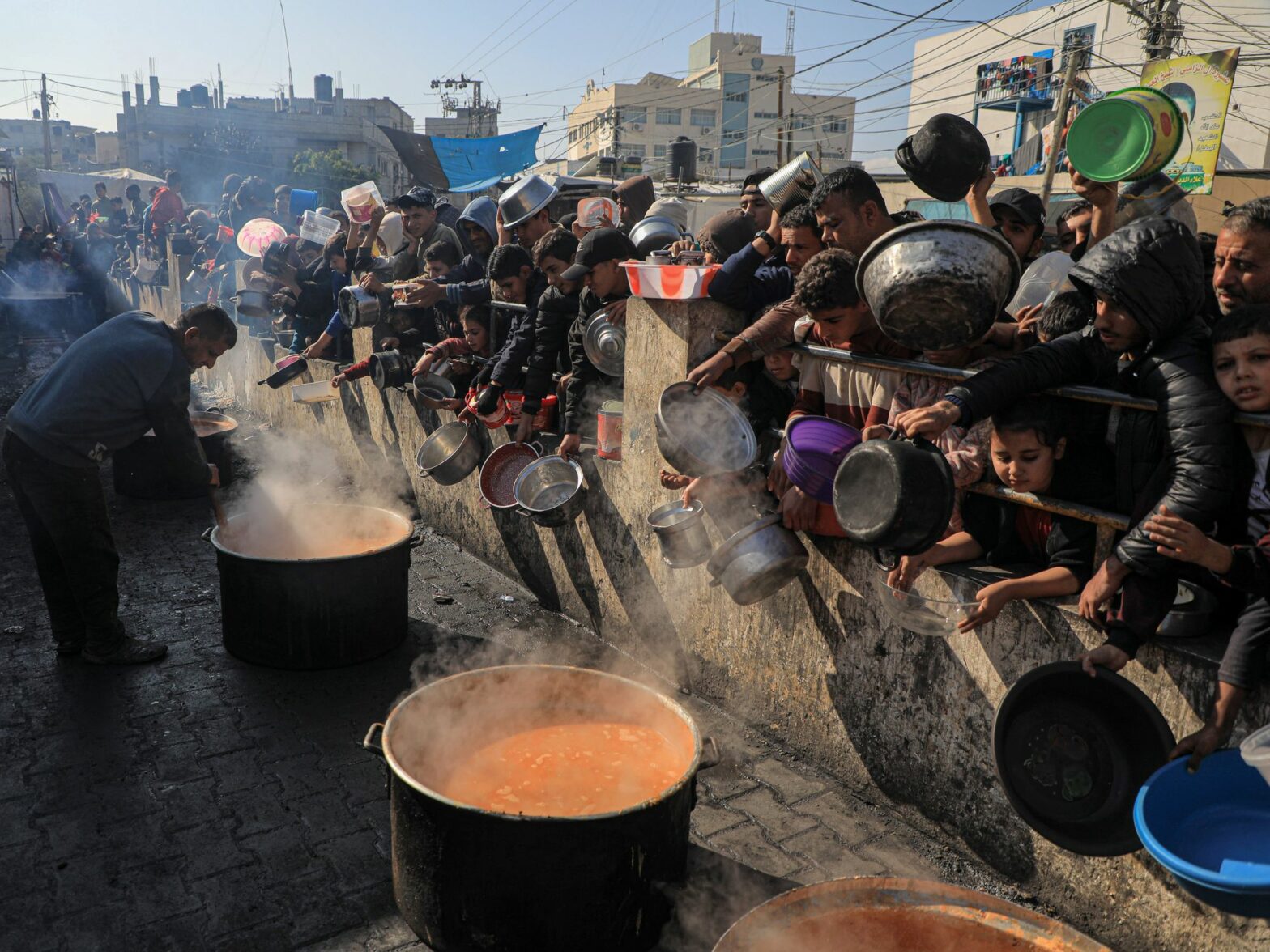
The UN Security Council resolution providing for the safe, unhindered and widespread delivery of humanitarian aid to Gaza has done little to avoid the most dire conditions from spreading in the war-torn enclave.
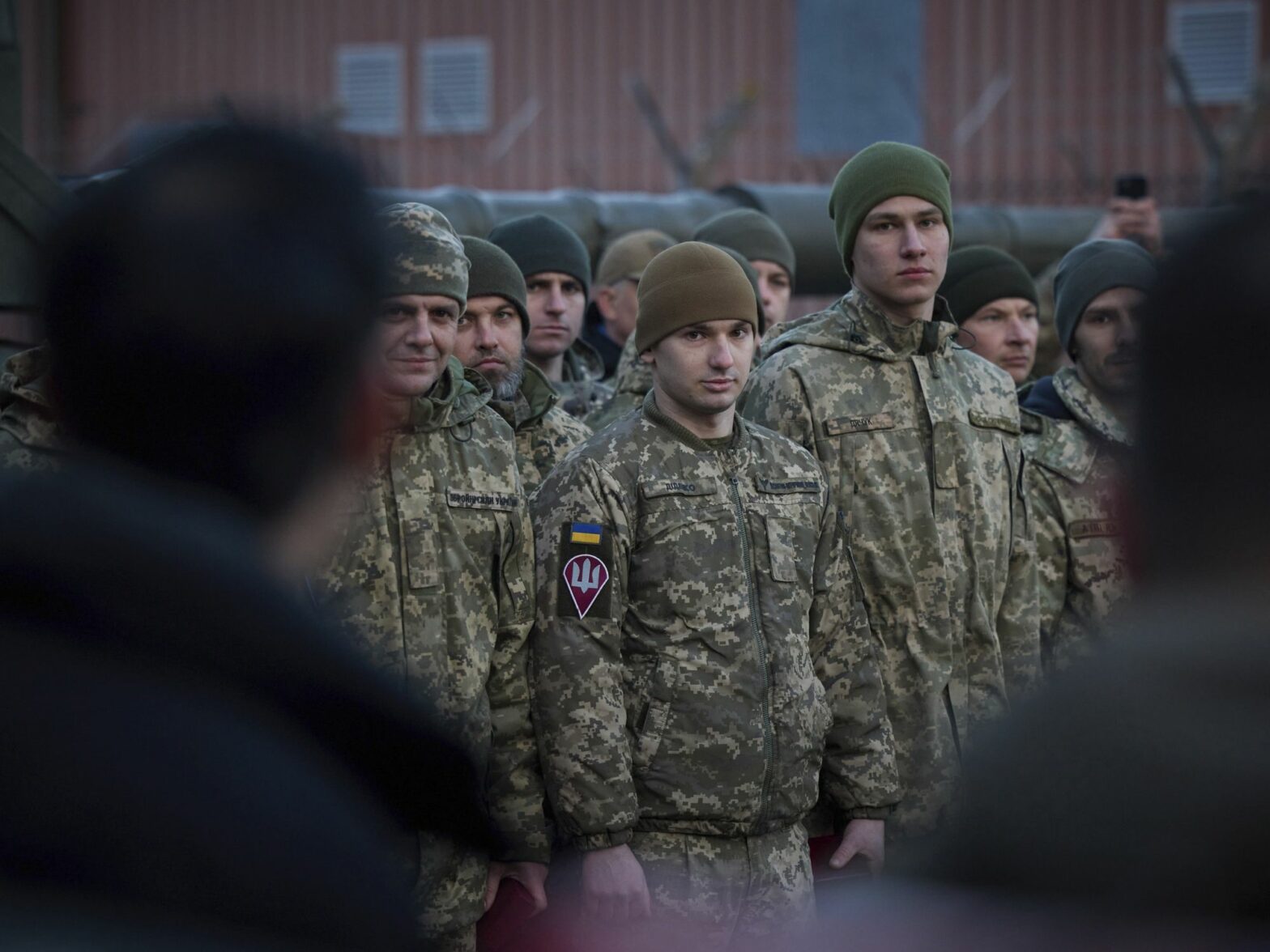
Nearly two years on, the Ukraine war is confirming to be one of those decisive moments where history calls on us to respond. The Spanish Civil War was one too, and despite its obvious differences, there are lessons about the failure a century ago that should make us redouble our support for Kyiv.
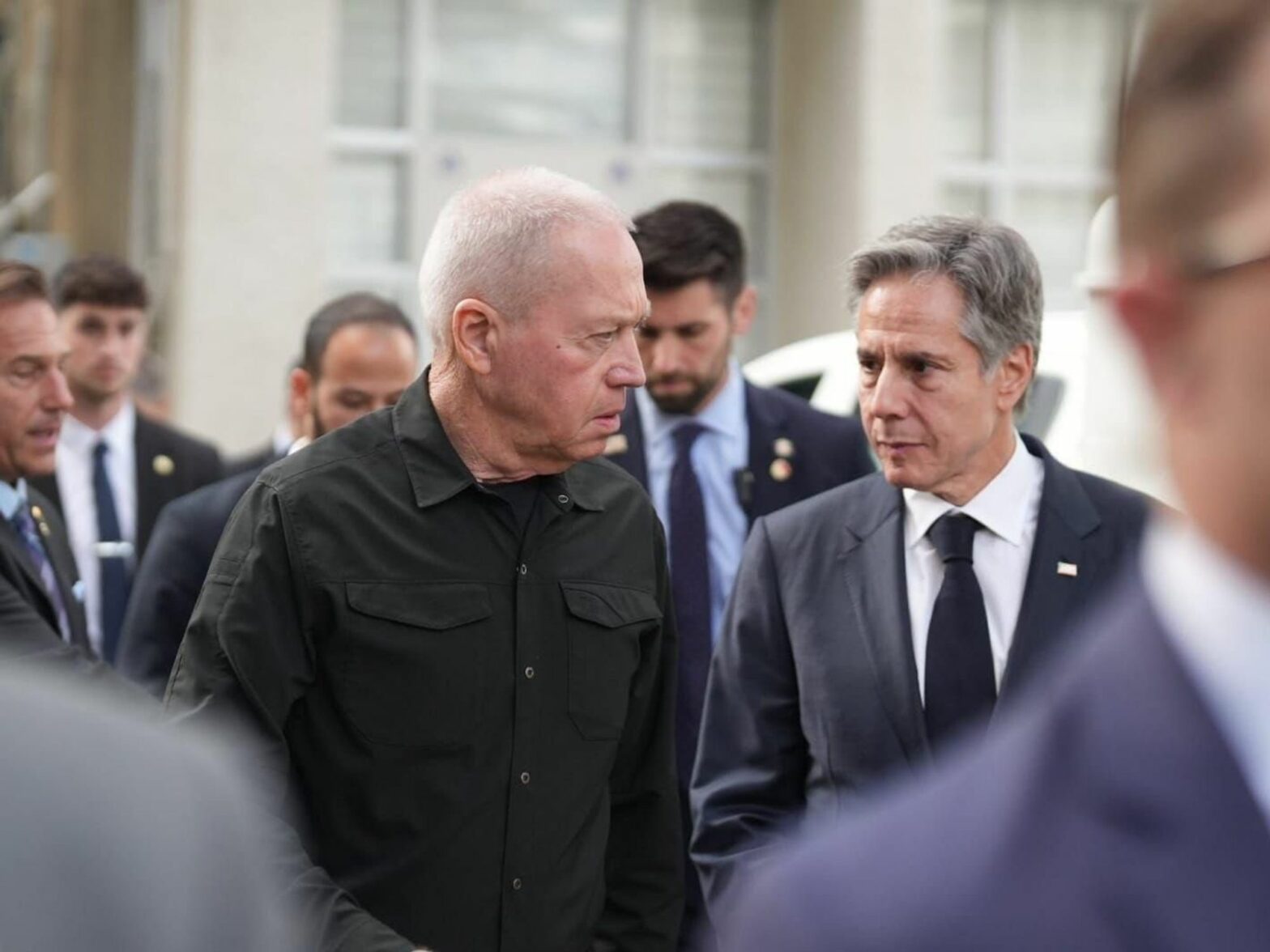
Ahead of Secretary of State Antony Blinken’s arrival, Israeli officials declared that the army will shift to a more targeted campaign in Gaza. Benjamin Netanyahu may just be bidding his time.
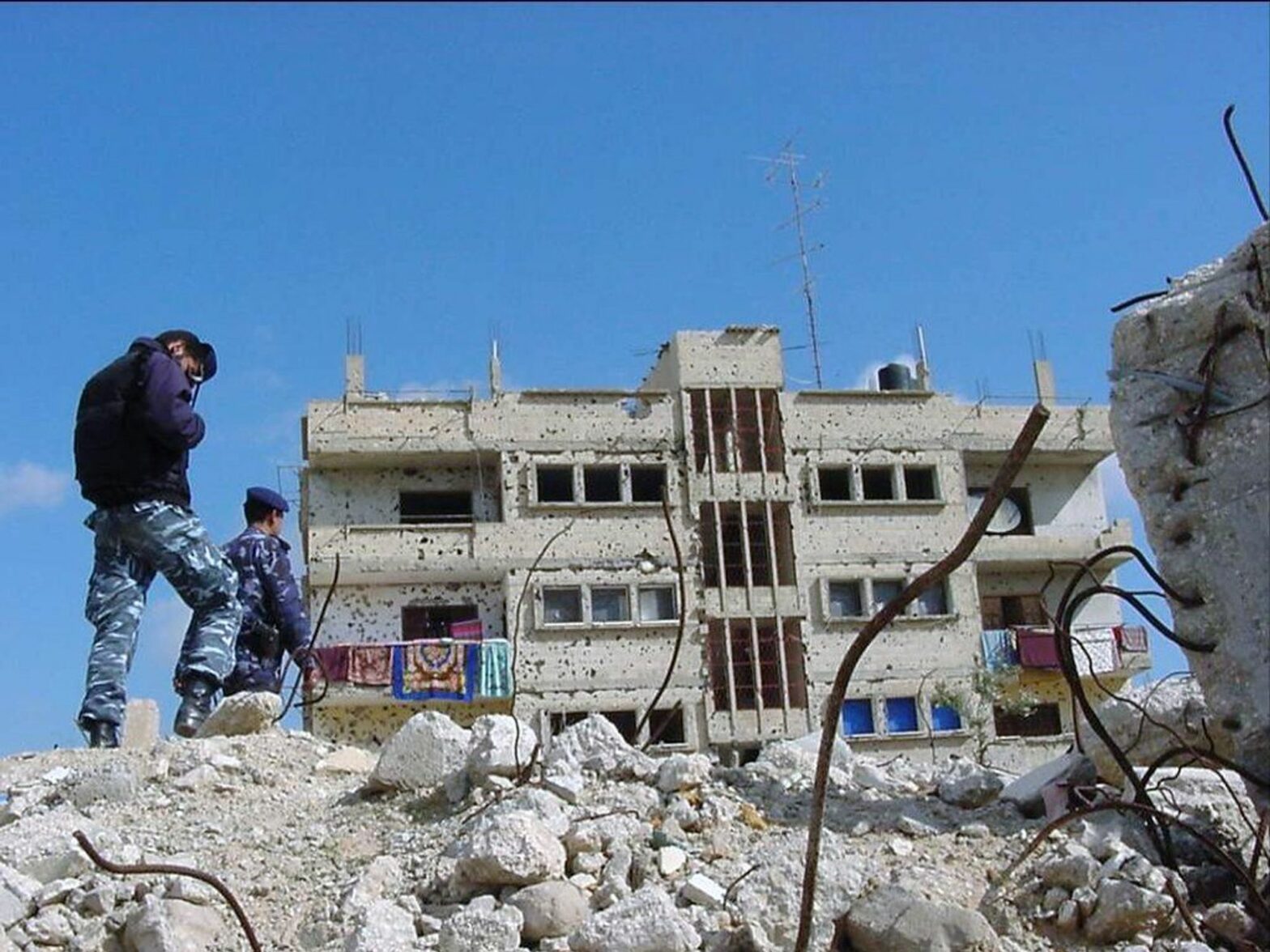
Israel is pushing for more control of the disputed passage near the Egypt-Gaza border, testing Egypt’s security stance and threatening the peace treaty between the two nations.
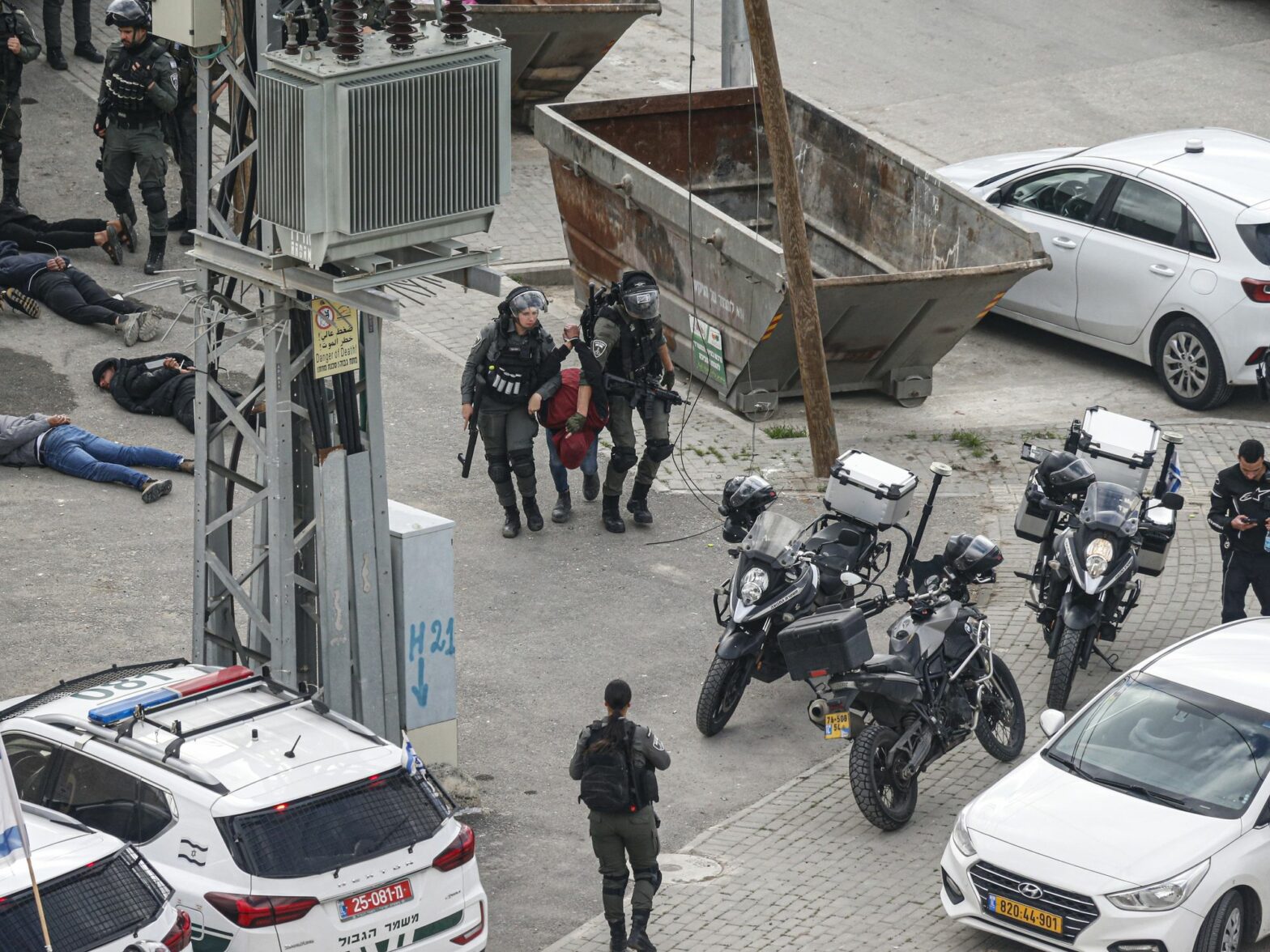
Since October 7, the Israeli army has imposed more restrictions and treated Palestinian residents of Jerusalem with unprecedented brutality, appearing to follow up on intention of some of Israel’s leaders to empty the holy city of its longtime Arab residents.
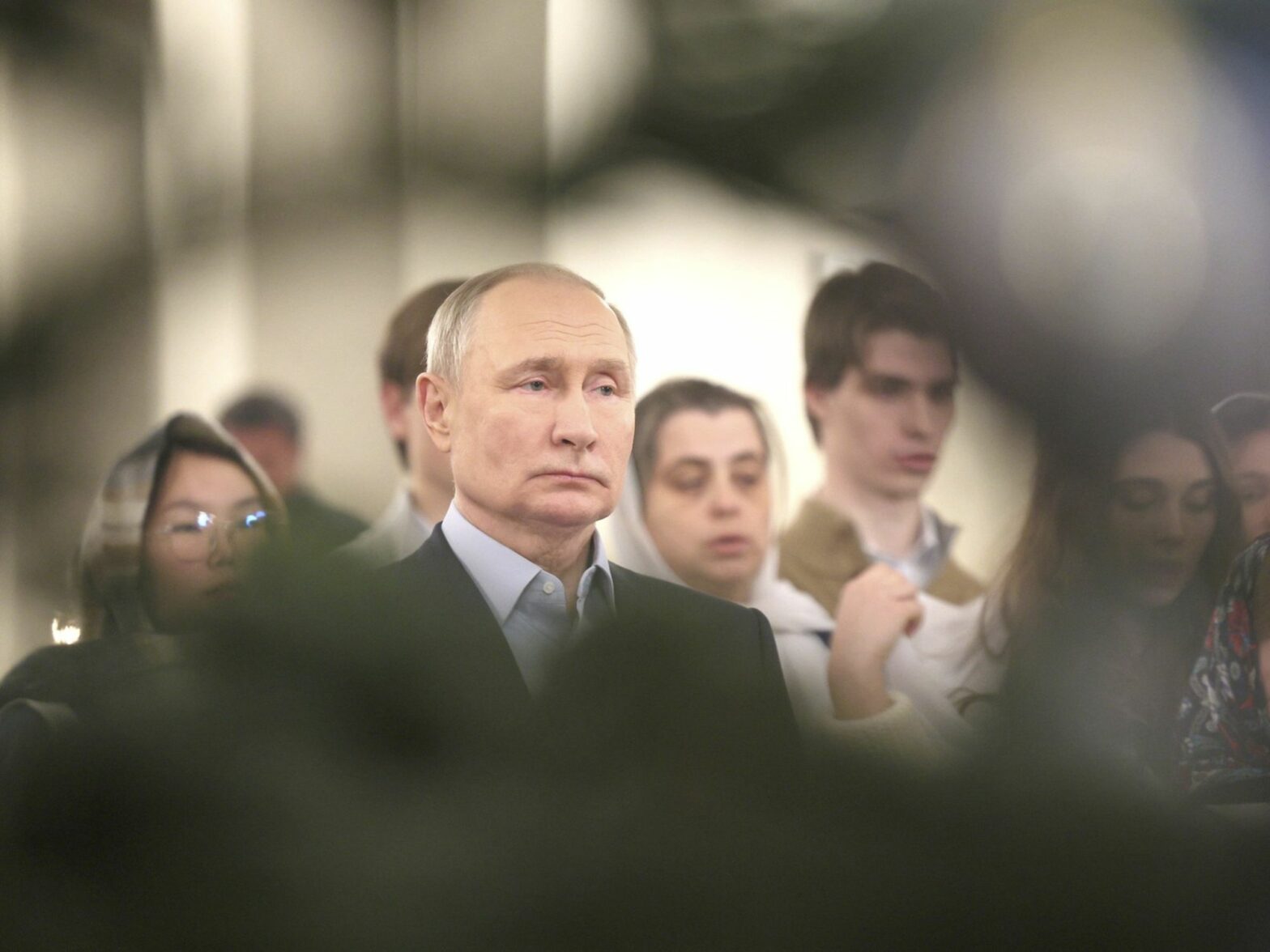
Beginning with Russia’s annexation of Crimea, Moscow’s actions against its supposed “brotherly” neighbors have yielded decidedly mixed results. Yet there are certain outcomes of Russian aggression against Ukraine that have weakened the West and the post-Cold War global order.
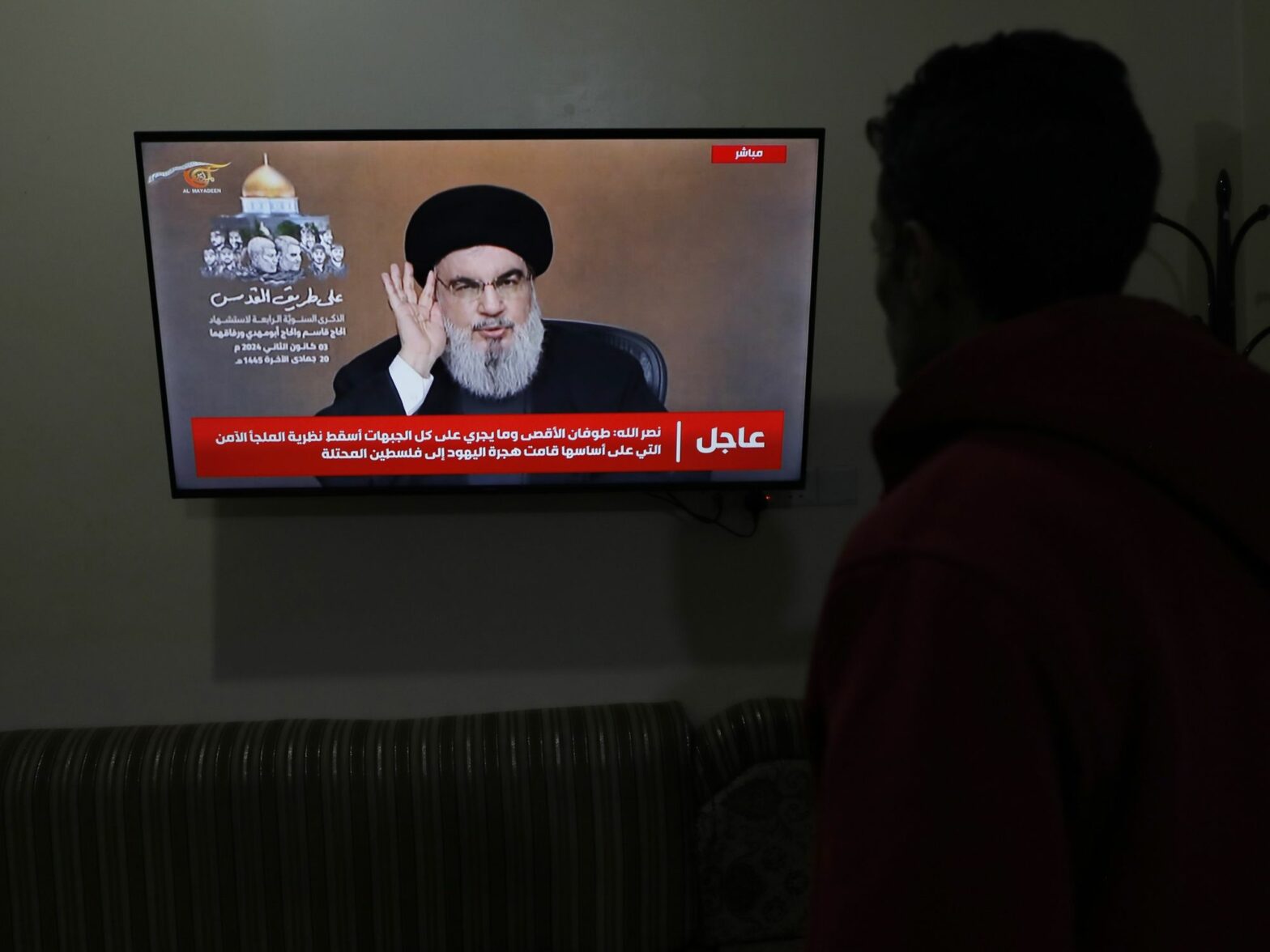
Hassan Nasrallah, the longstanding leader of Lebanon-based Hezbollah, grows stronger in direct relation to the declining influence of his rivals, foreign and domestic — embodying the formula for regional influence of Iran’s axis of powers.