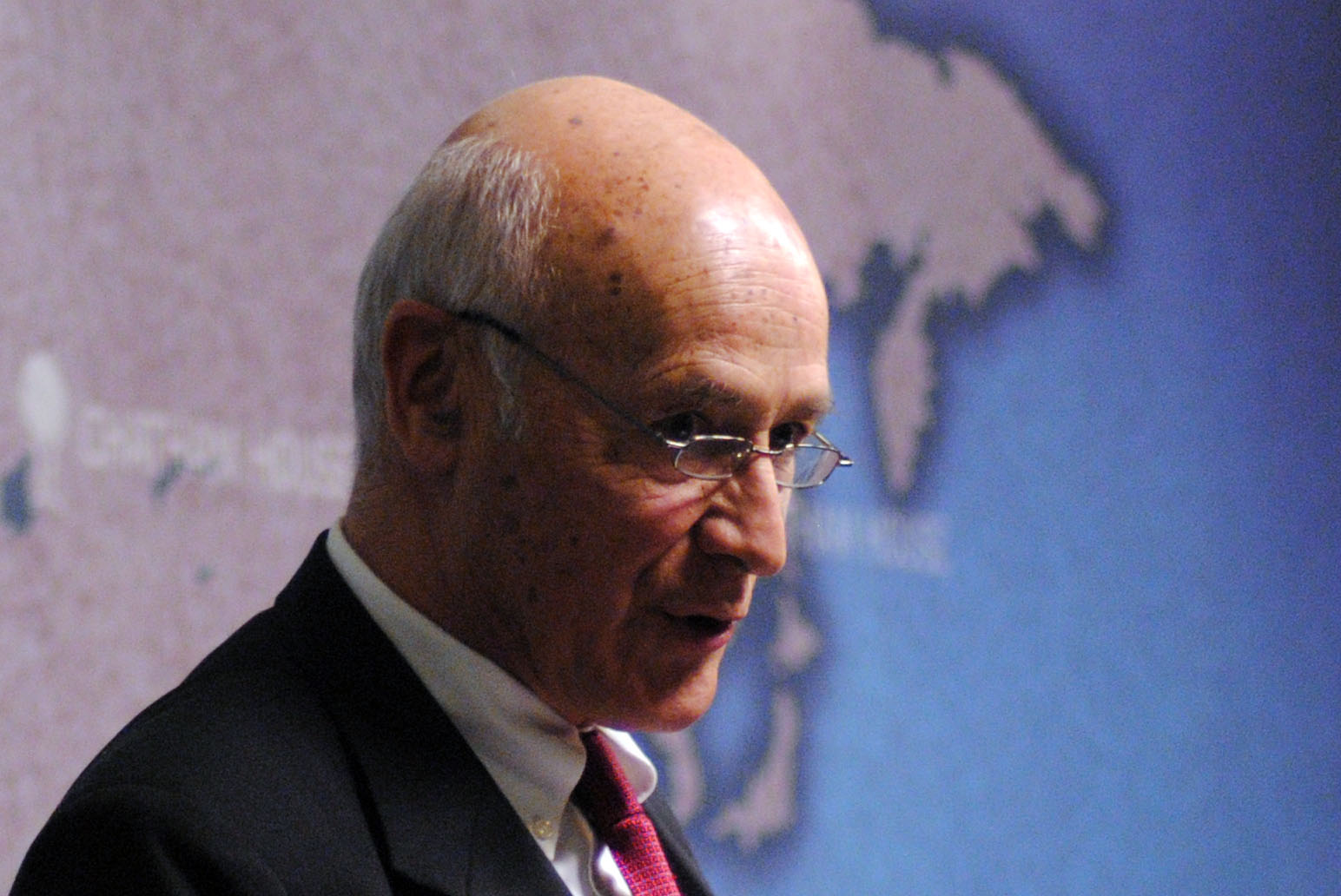
The inventor of the term “soft power,” Joseph Nye, has died at the age of 88, at a time when his concept of gentle influence is being destroyed by Donald Trump.
 Worldcrunch
Stay updated with comprehensive news on the United States from Worldcrunch. Discover insights on American politics, economic strategies, societal issues, and cultural landmarks with translations from top international sources. Highlights include Washington D.C., New York, Los Angeles, and cultural events.
The inventor of the term “soft power,” Joseph Nye, has died at the age of 88, at a time when his concept of gentle influence is being destroyed by Donald Trump.
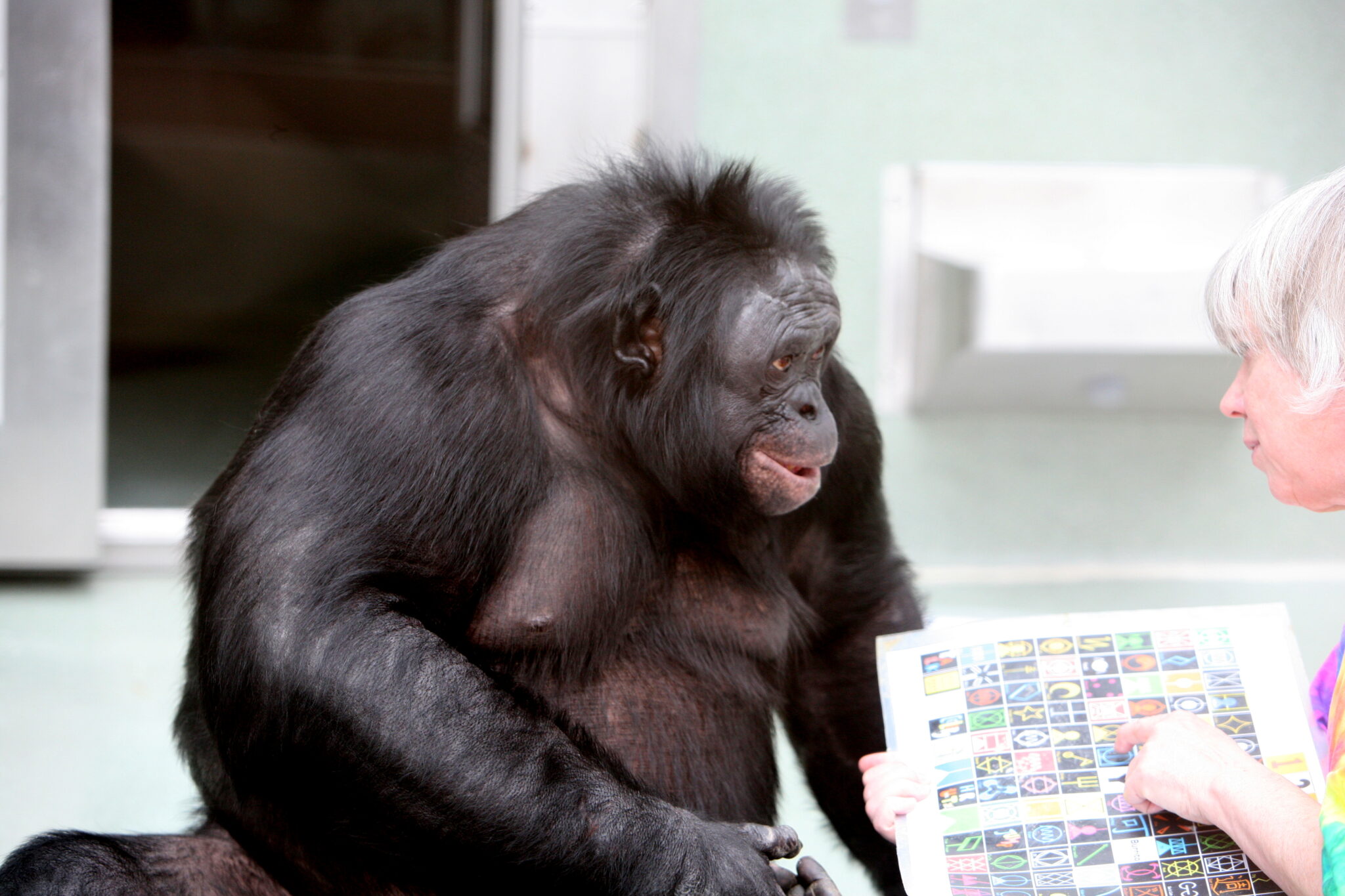
Despite startling breakthroughs, the first words and signs of great apes are rarely publicly celebrated by scientists.
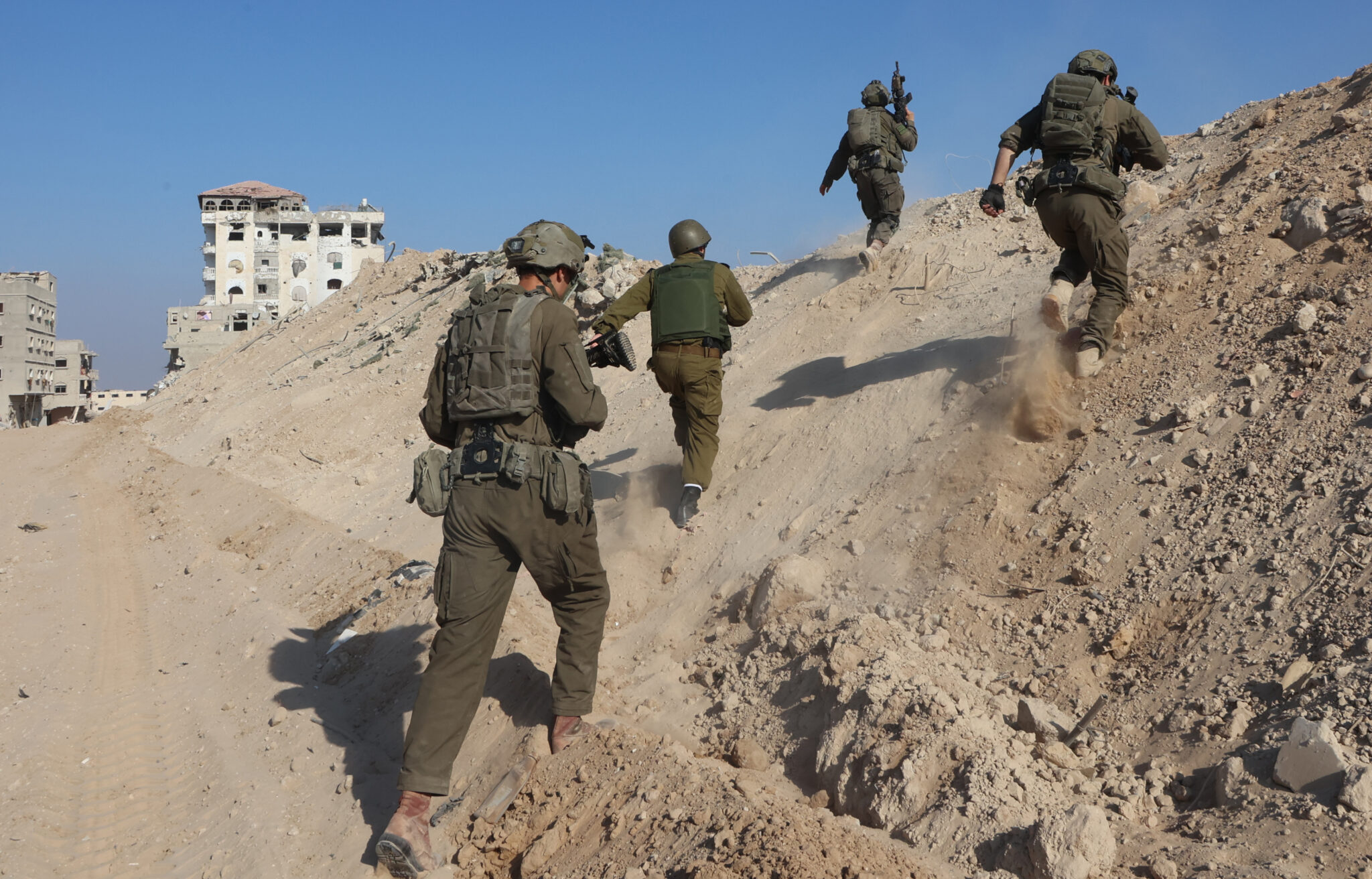
Israel is calling up tens of thousands of reservists as its military operations threaten to expand in Gaza and grow more significant in Syria. This escalation raises serious questions about the goals behind what has become one of the longest wars in the country’s history.
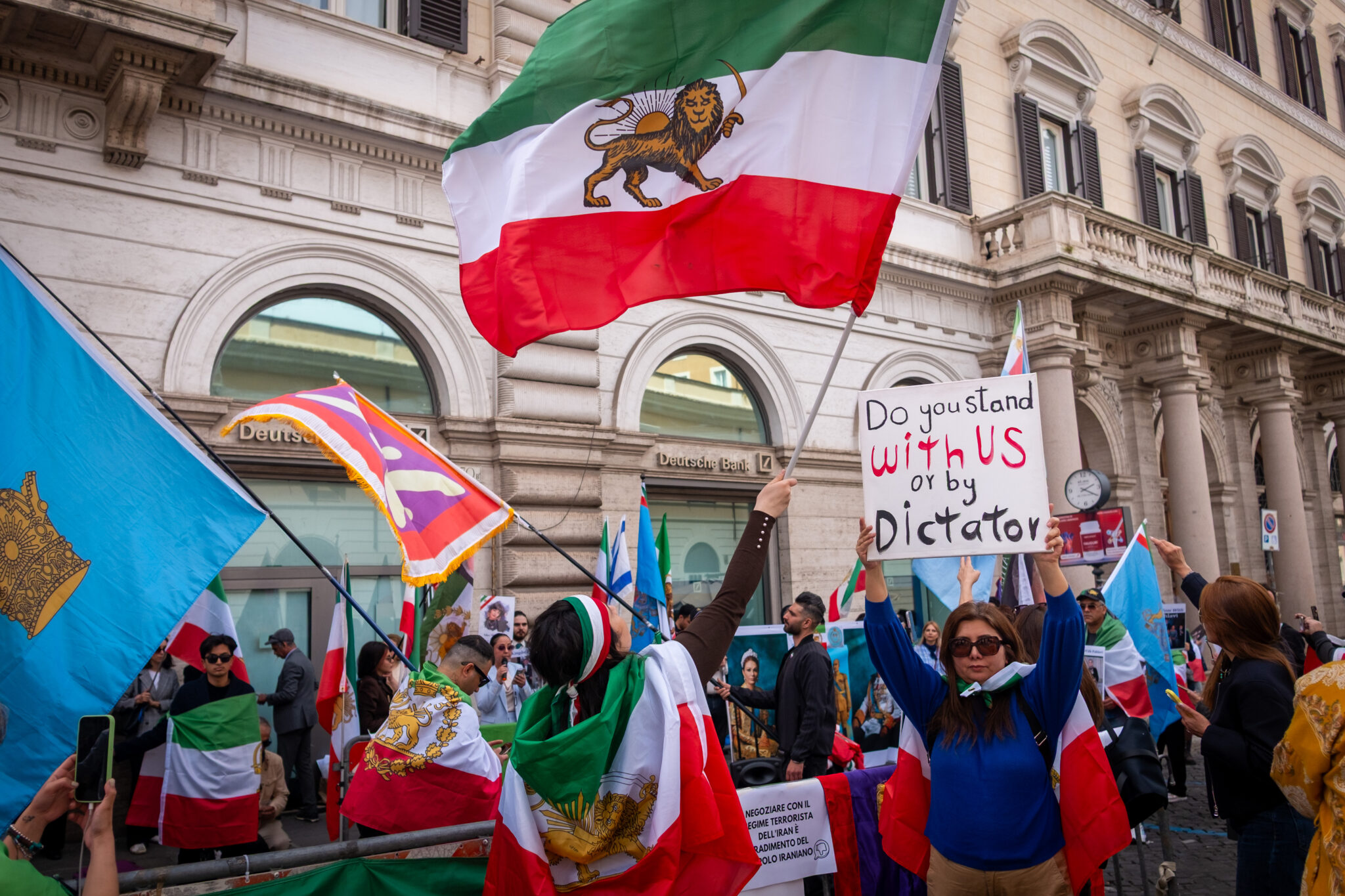
The first thing to remember is that Trump believes that Iran tried to assassinate him. But even if the United States and Iran have opened direct talks about the regime’s nuclear activities, it is unlikely anyone in the administration will take Tehran’s word for anything. Indeed, it may all be a set up for an inevitable U.S. military strike.
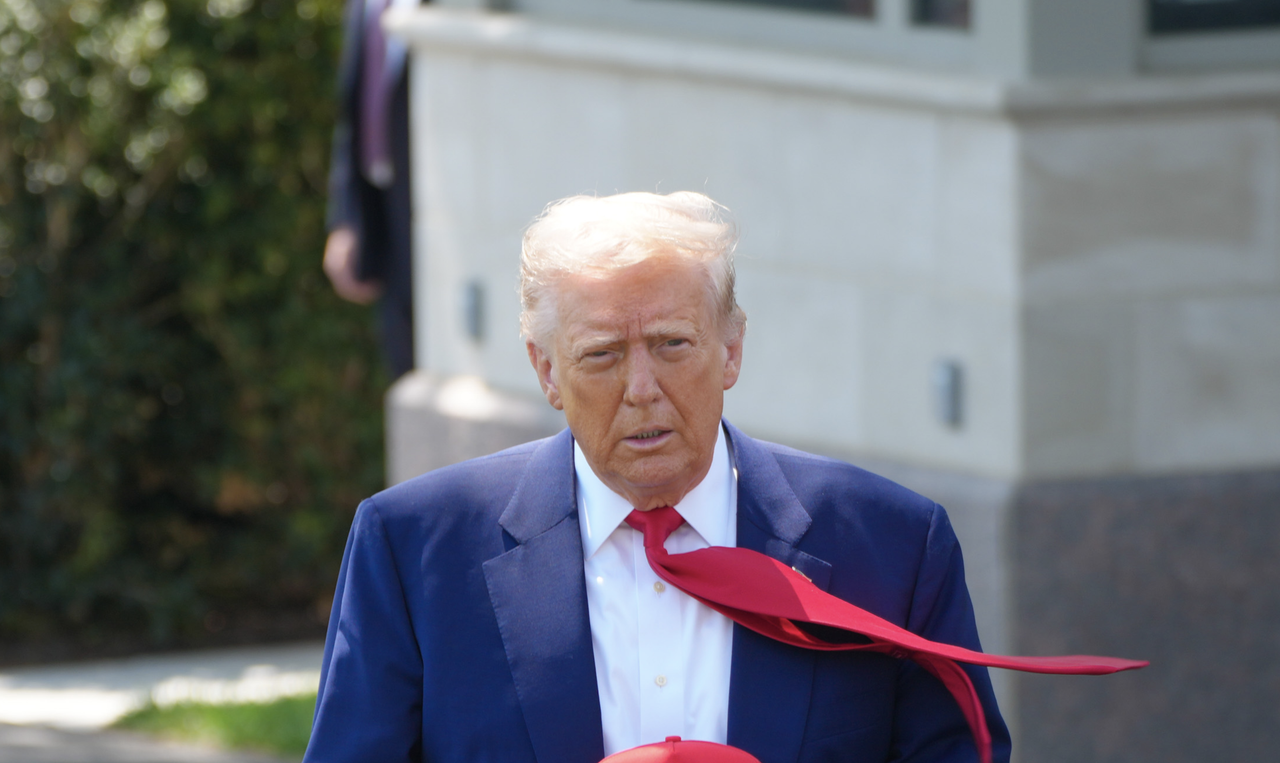
The U.S. president has tried to impress (and reshape) the world with a “tough guy” act. But it’s hardly going as planned: start by looking north of the border.
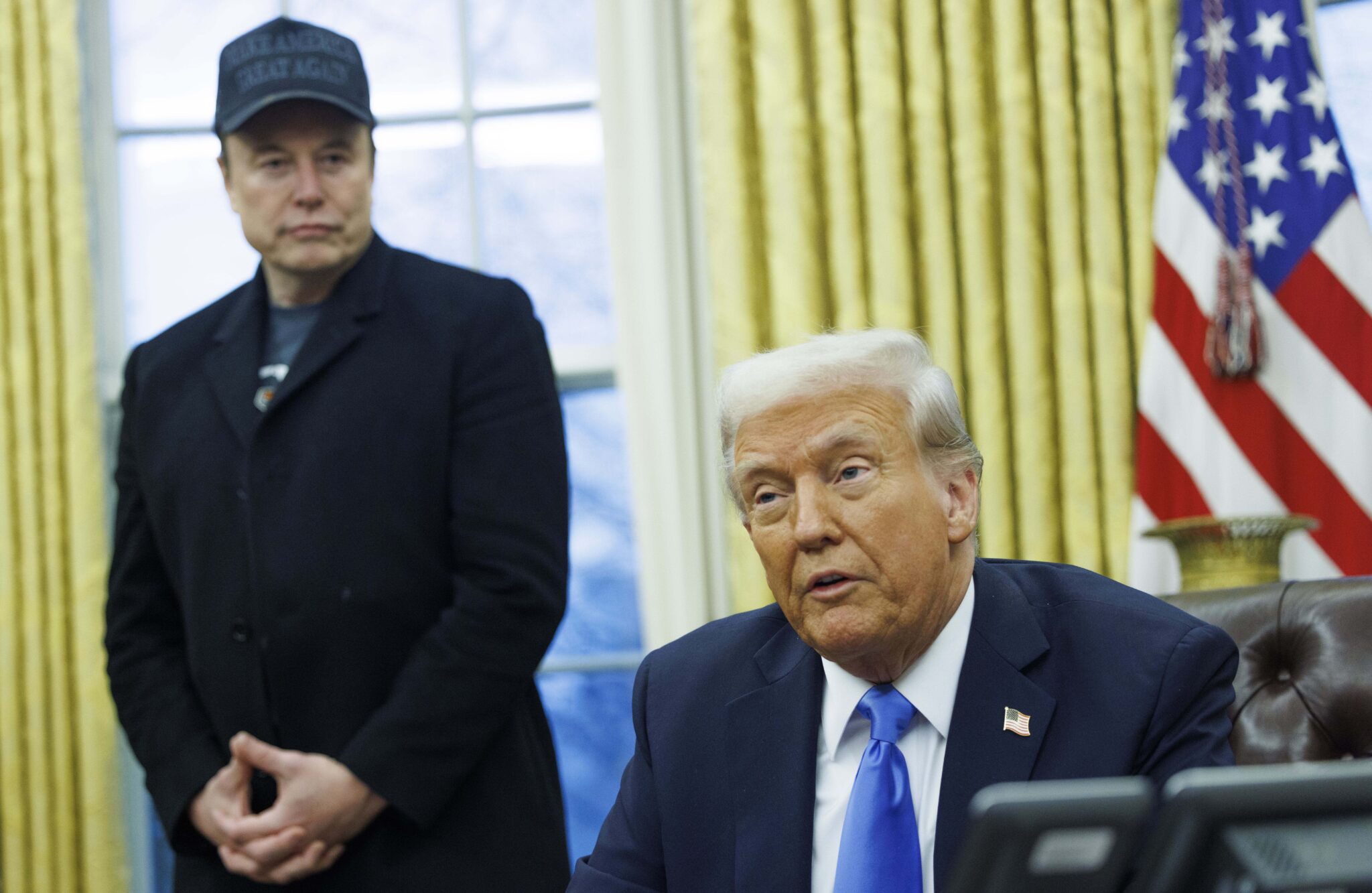
The unlikely alliance between Donald Trump and Elon Musk didn’t make it past the 100-day mark of the new presidency. What’s really to blame?

A rare wildfire in New York has reignited debate over the role of controlled burns in forest management. As climate change fuels more extreme weather, experts and policymakers are divided on whether fighting fire with fire might actually make sense.
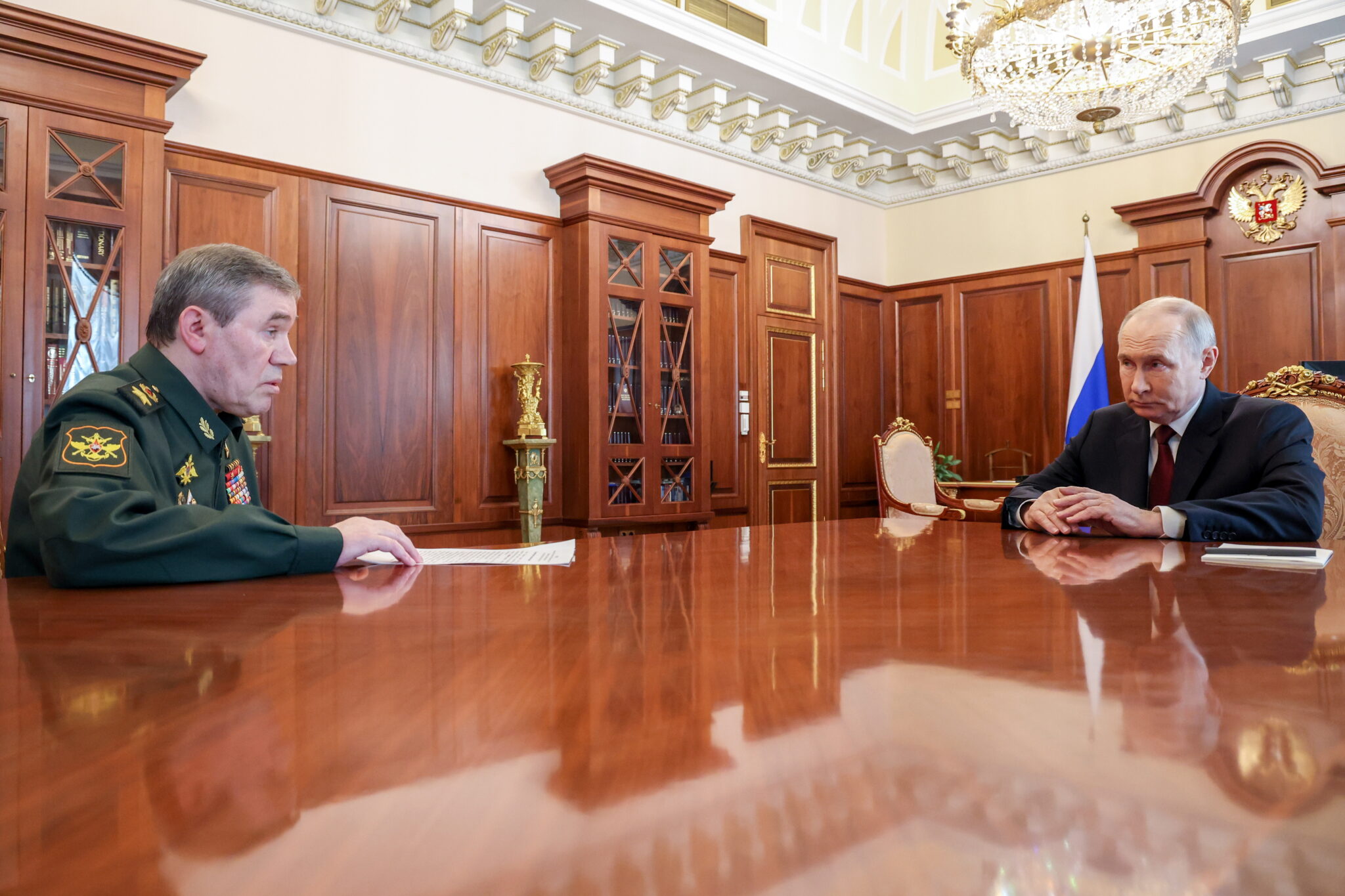
Ceasefire talks are going nowhere, but they expose that the U.S. has different viewpoints coexisting in the White House on how to resolve the war.
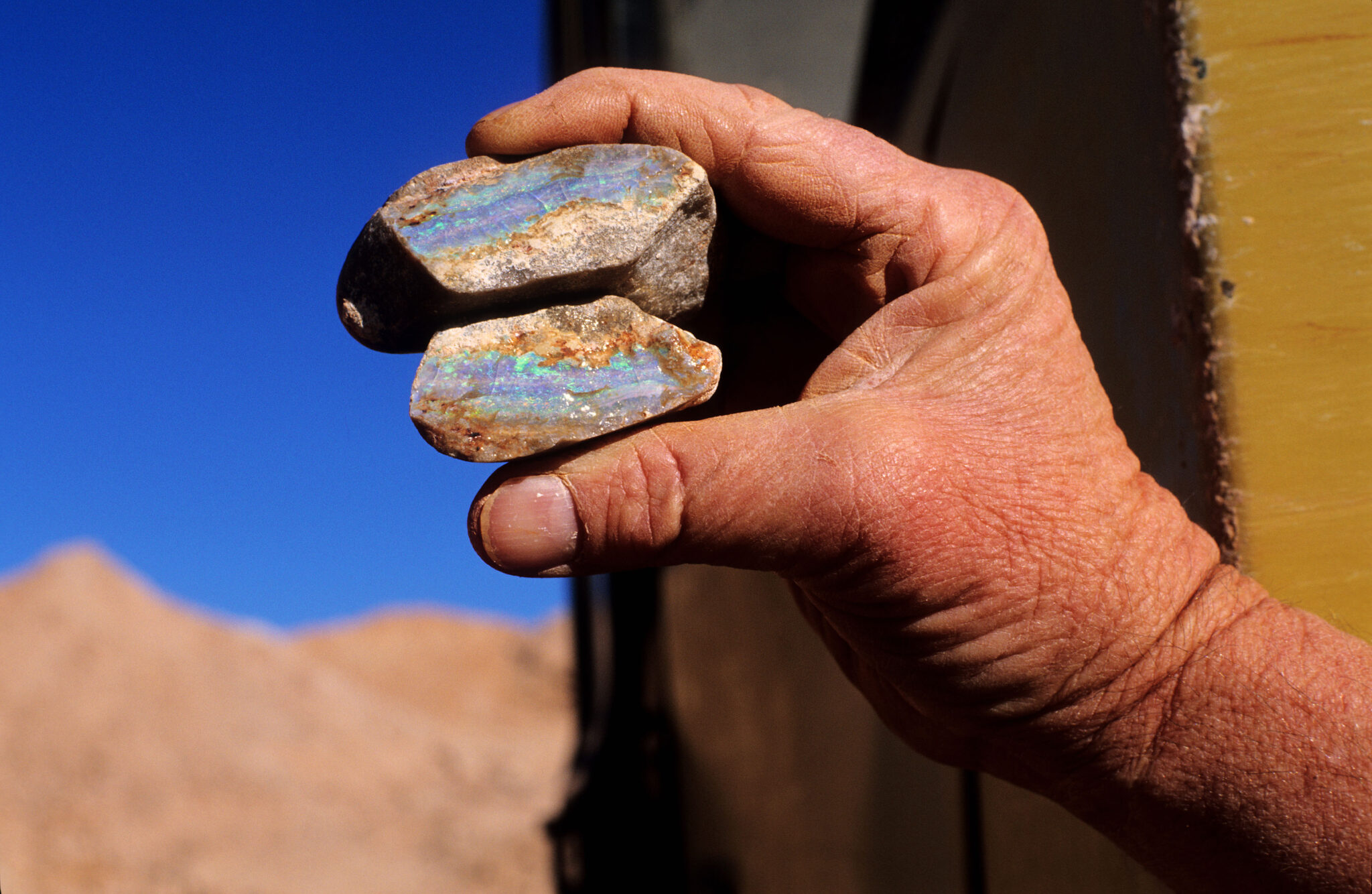
In the trade war against the U.S., China has moved to curb supply of critical minerals. Can Australia seize this opportunity – or will it come with strings attached?
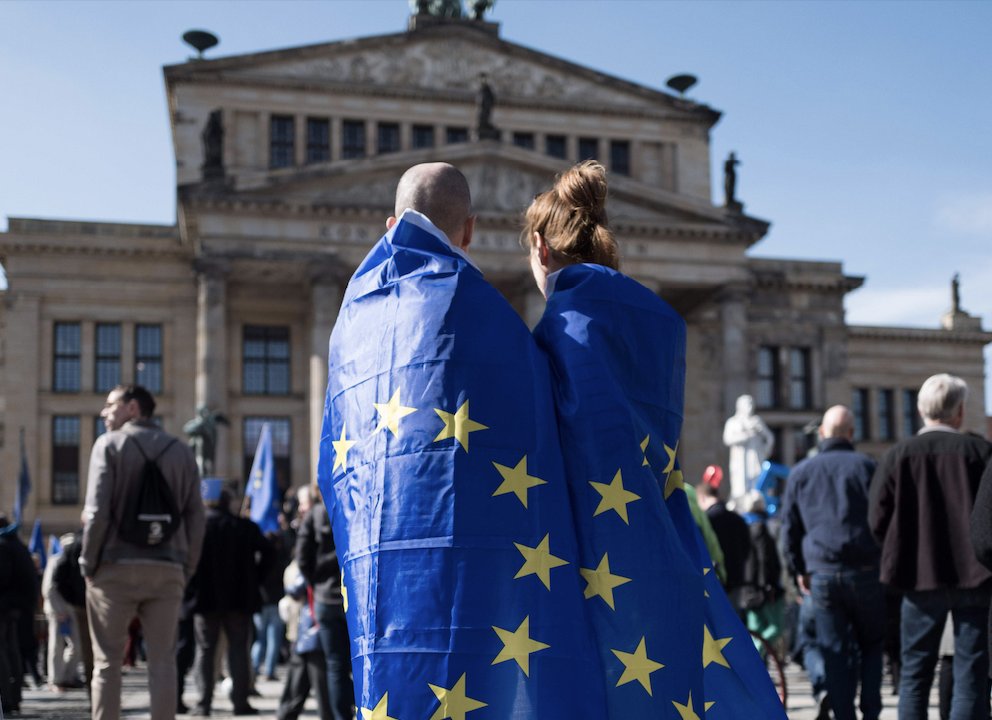
Europe is holding on to qualities that are gradually disappearing elsewhere. How can these be preserved? How can we avoid a return to power struggles of imperial times, to the brutality toward which we all suddenly appear to be heading?
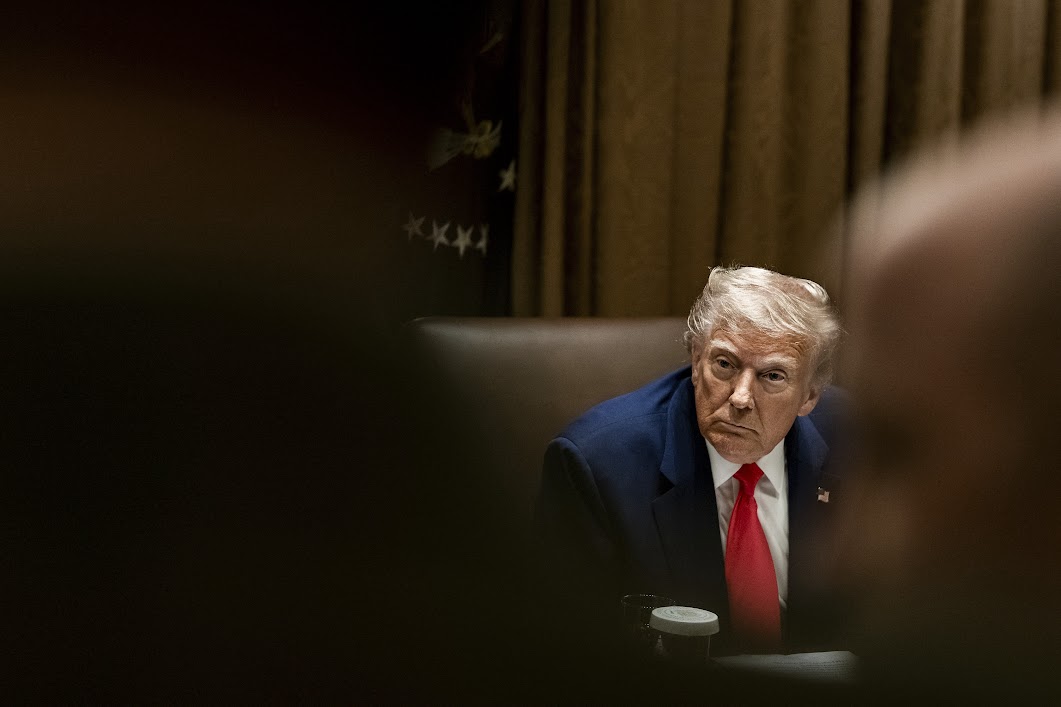
No matter how he spins it, the U.S. president has been revealed as vulnerable — and the U.S. lost something it may never get back.
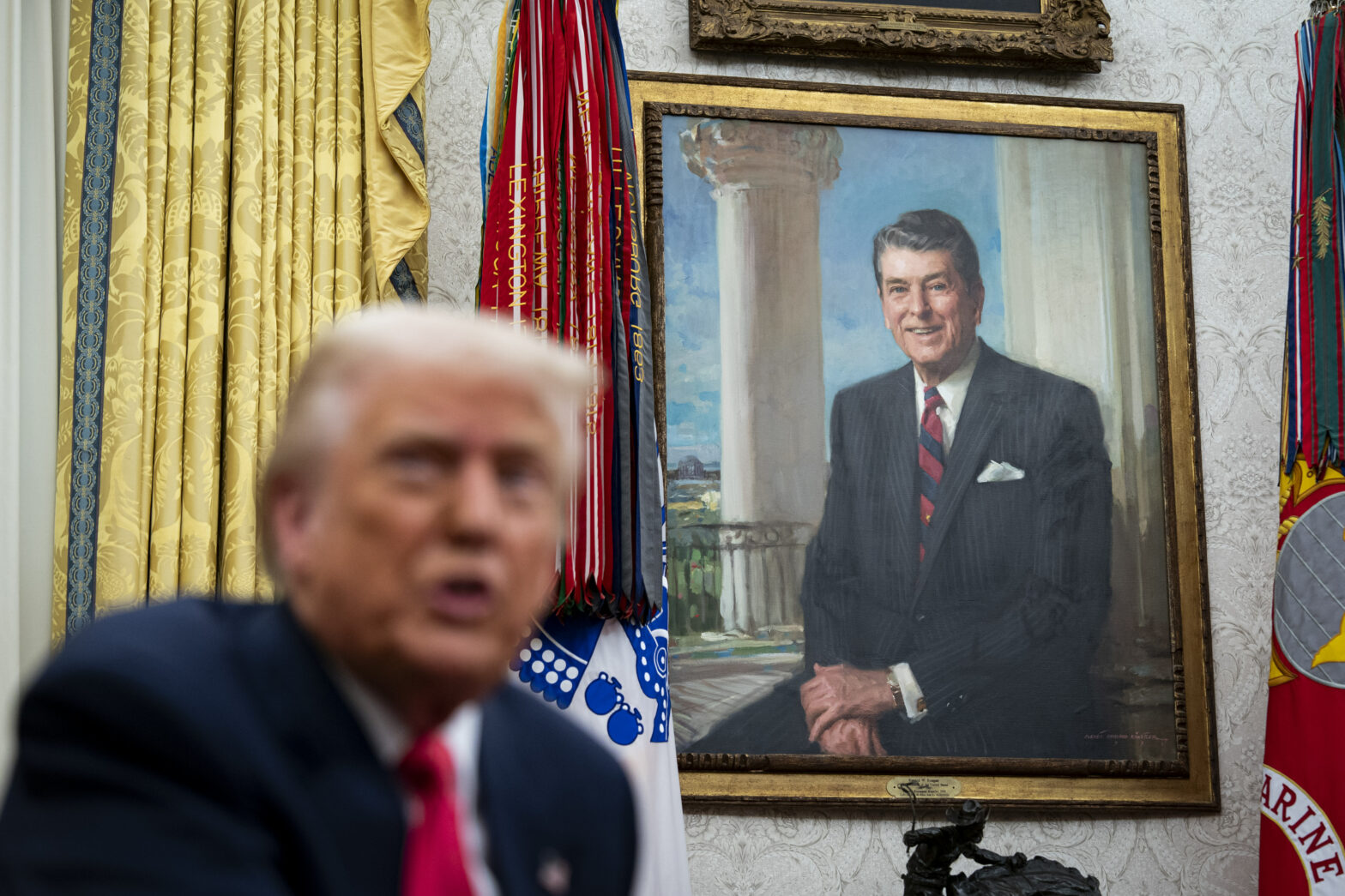
By seeking to impose his rules on the rest of the world, Donald Trump follows in the footsteps of his 20th century predecessors in the White House. But protectionism is a whole new trick.
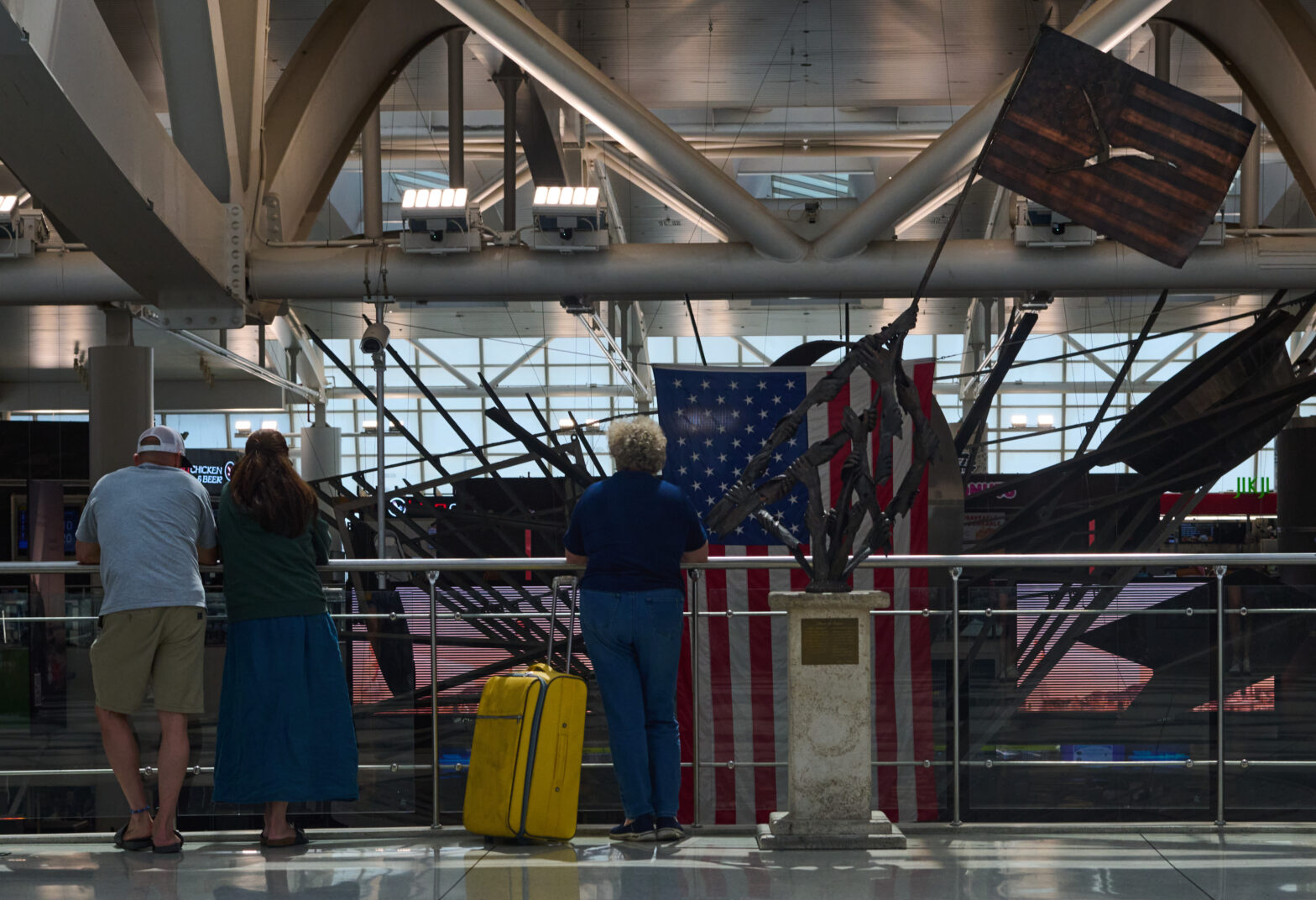
After Donald Trump returned the White House, he quickly began implementing stricter immigration and security policies, including increased checks in airports. Many cases, such as that of a German tattoo artist being detained, became highly publicized around the world. But are the changes under Trump as harsh as they seem?
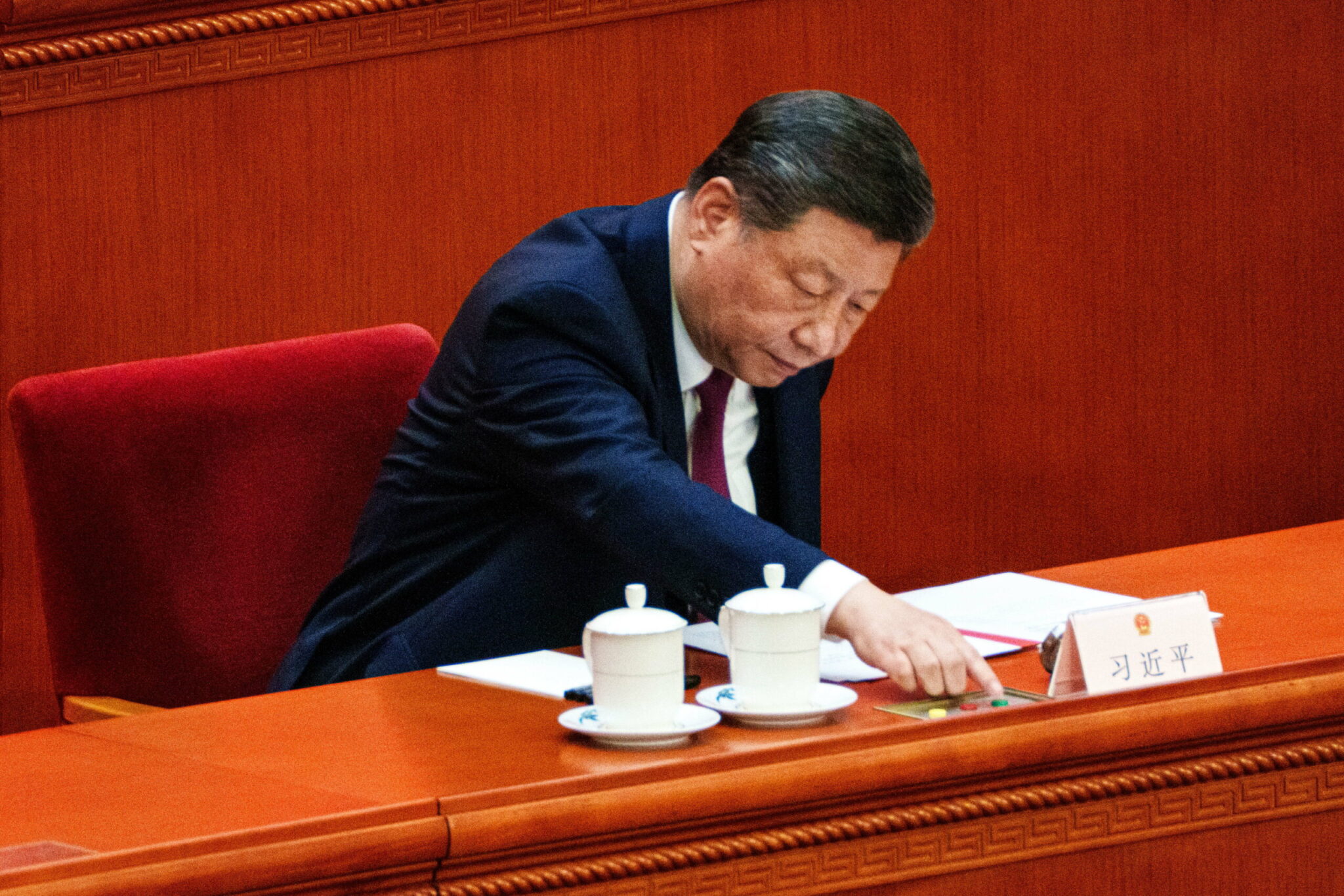
Donald Trump has threatened to slap an additional 50% in tariffs on China if Beijing doesn’t roll back its retaliatory measures by Tuesday. But with so much at stake, it’s unlikely China will yield to the U.S. president’s ultimatum — risking a steep and dangerous escalation that can bring the global economy down with it.
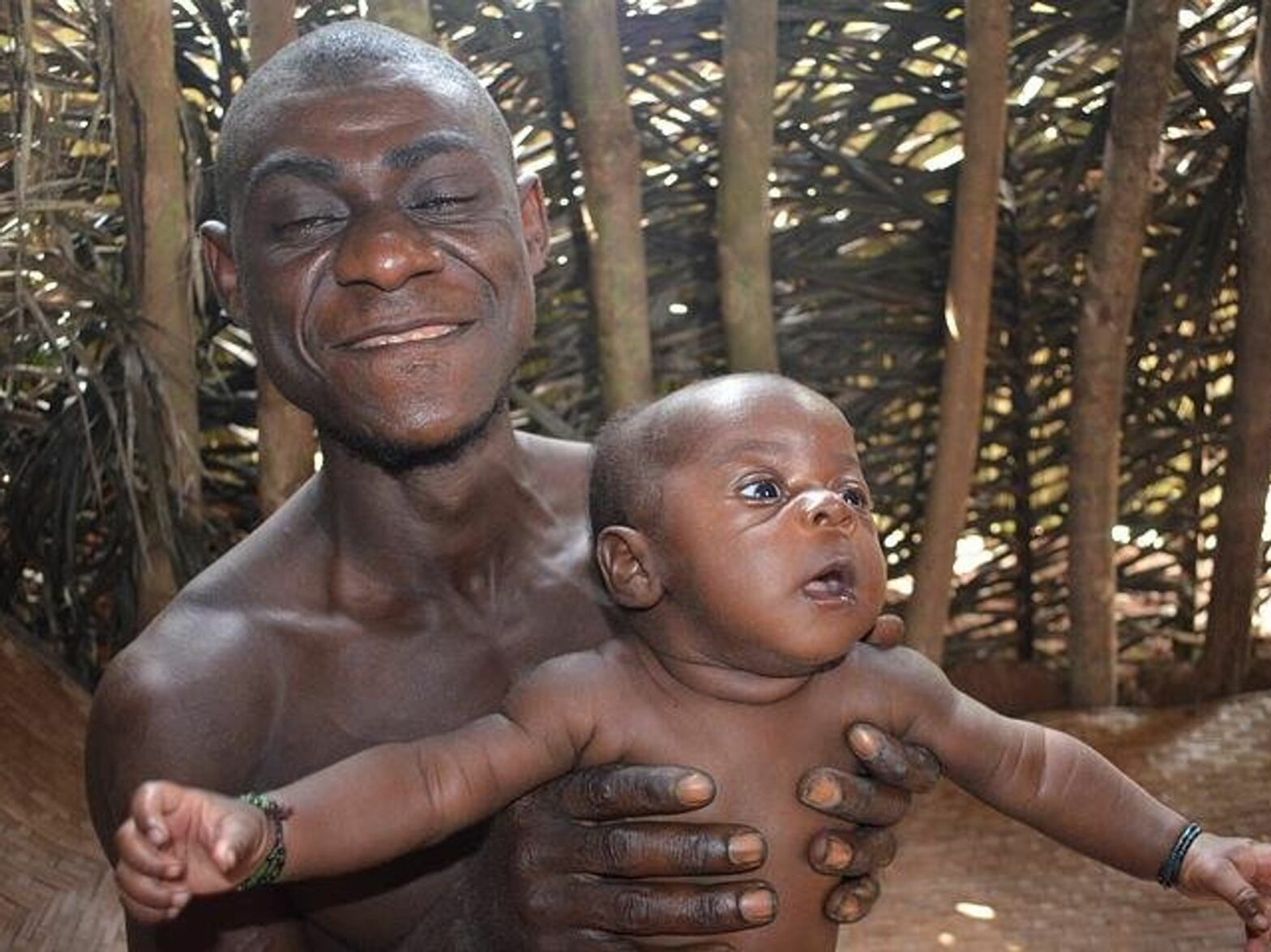
In a tribe in central Africa, male and female roles are practically interchangeable in caregiving to children. Even though their lifestyle might sound strange to the West, it offers important life lessons about who raises children — and how.
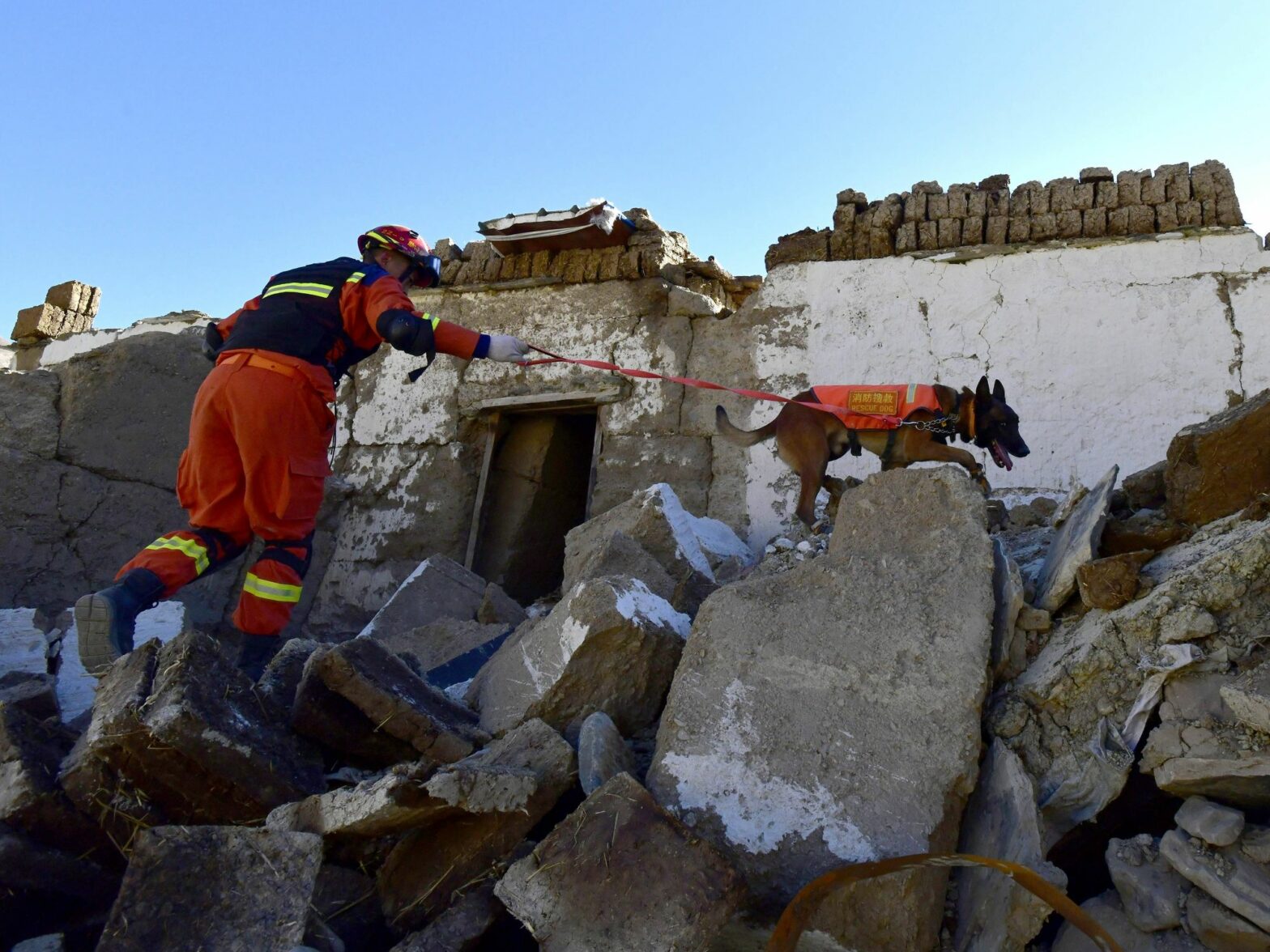
Researchers have identified a possible link between climate change and the frequency of earthquakes — and the quakes may also start a vicious circle of accelerating climate change.
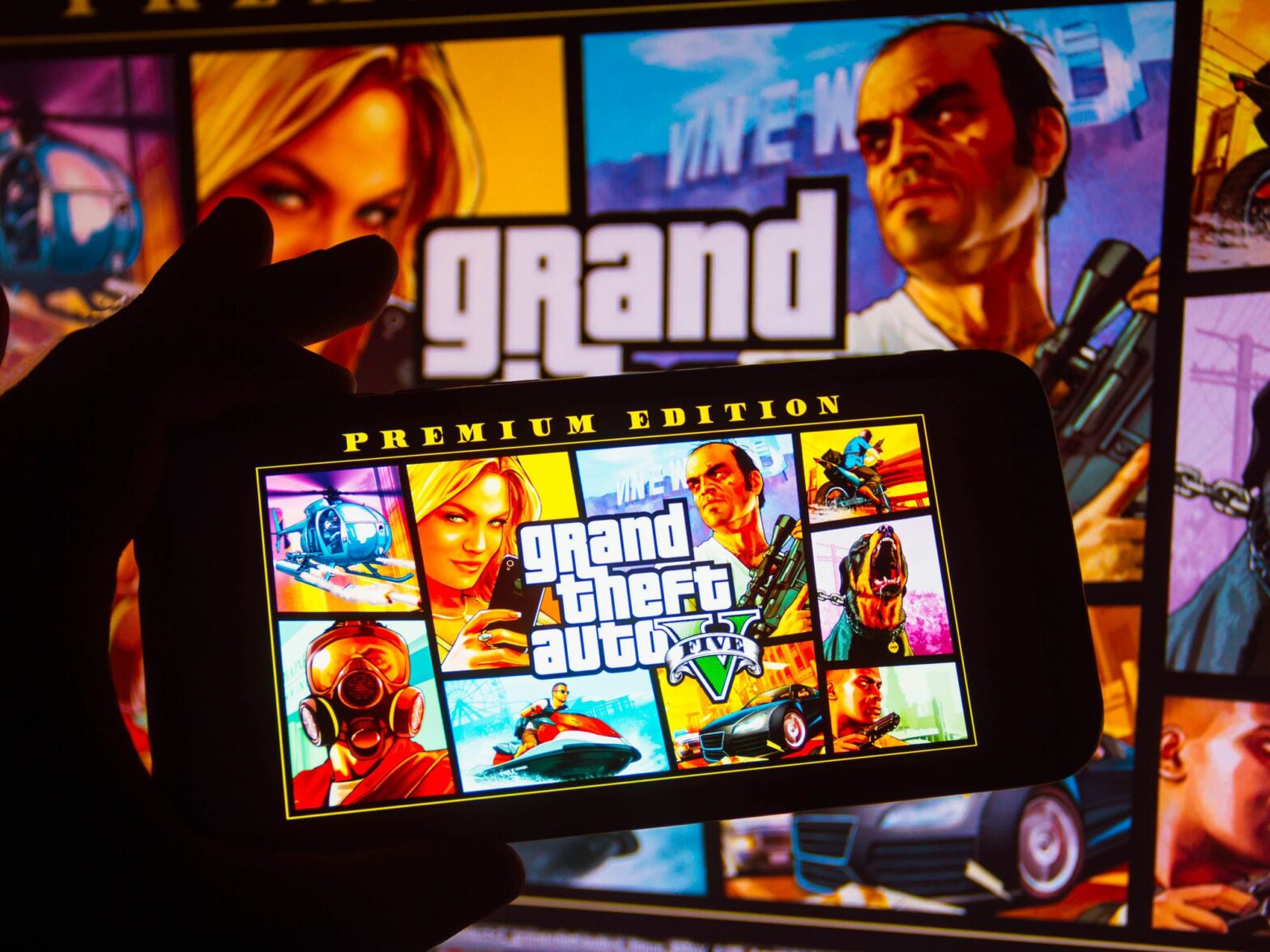
A French writer goes deep into the imagined reality of the violent Grand Theft Auto video game franchise, and finds a full-throttle, 360-degree takedown of American society.
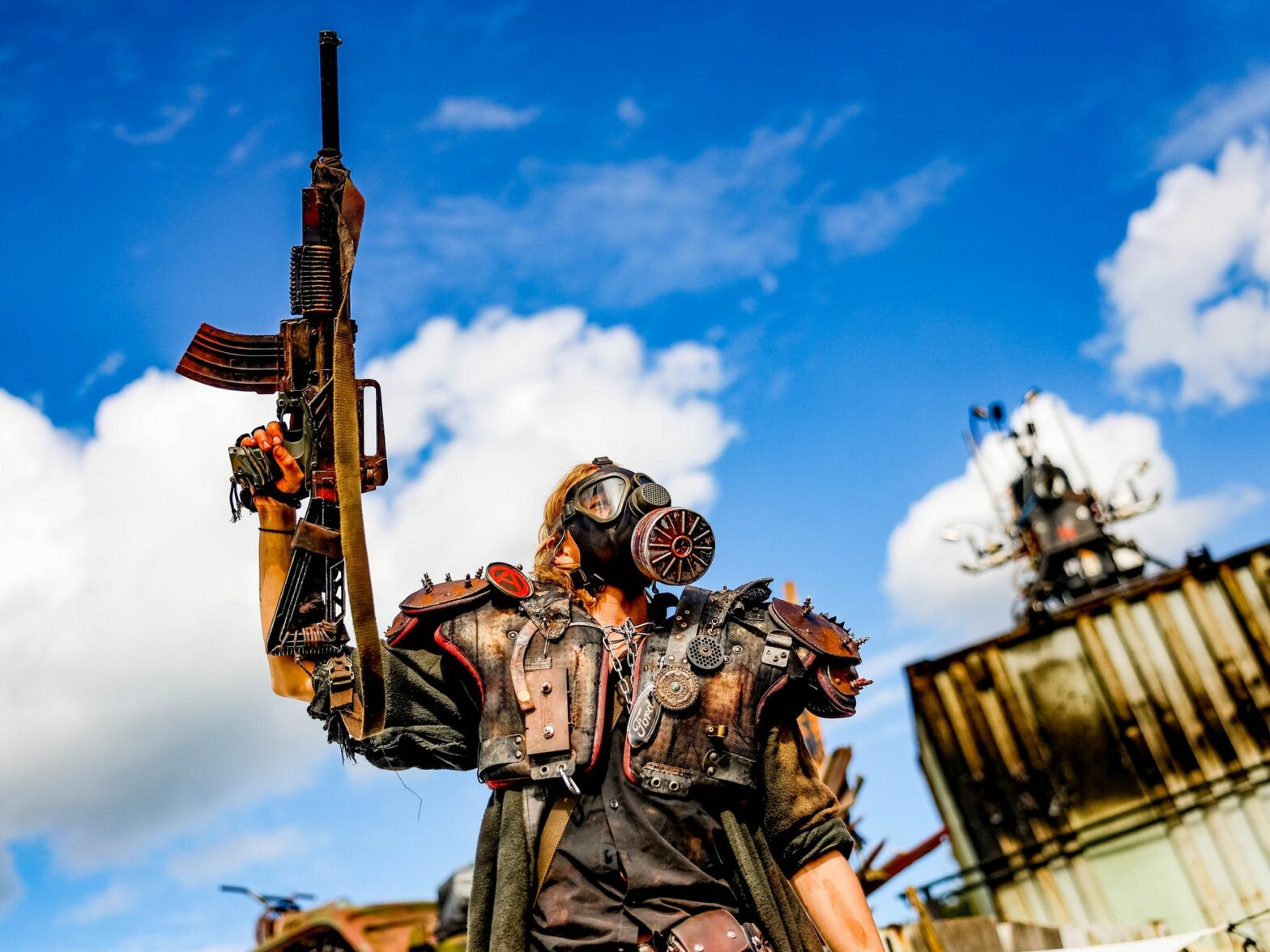
Eco-disaster fiction has changed since Soylent Green, one of Hollywood’s first eco-disaster films, came out in 1973; there has been an evolution from catastrophic fatalism to a certain optimism, with TV series like The Last Of Us.
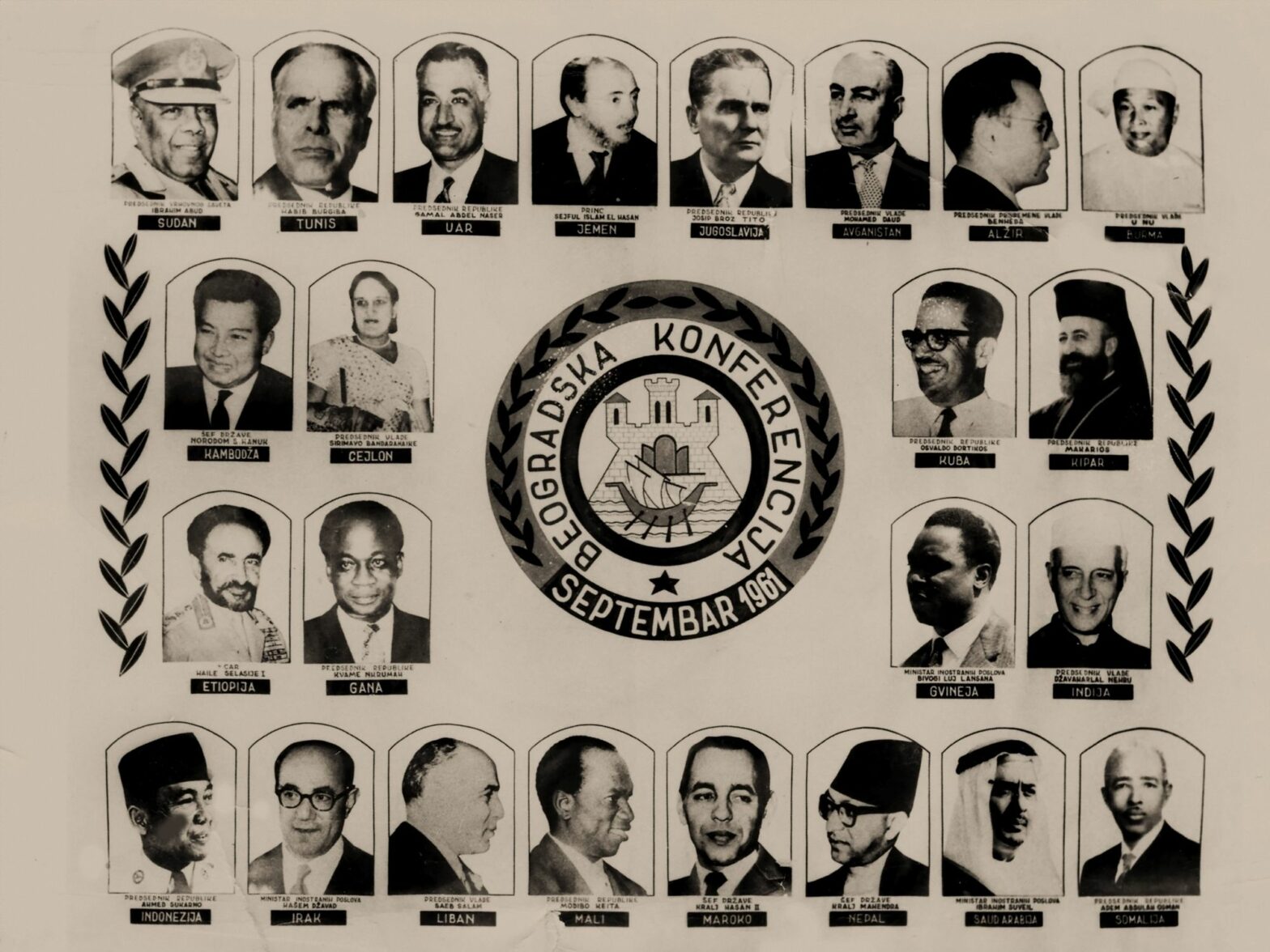
It’s called Active Non-Alignment. The end of a bipolar world and of Western supremacy has created a more fluid, and threatening, geopolitical map. For smaller powers, especially in Latin America, this is the time to “get the best deal” for themselves with the superpowers.
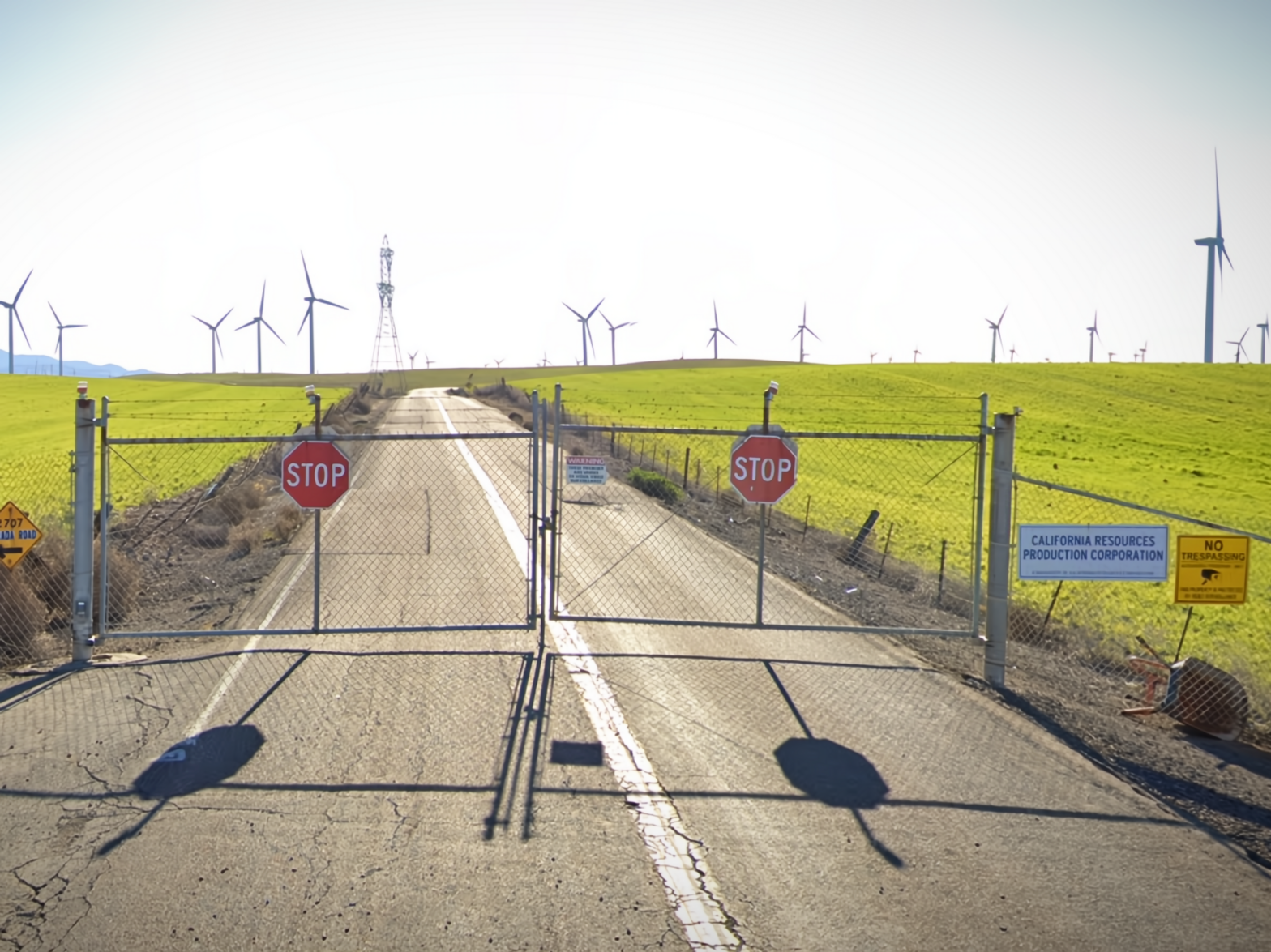
Tech’s biggest fortunes are funding a project to build a new city of 400,000 people just an hour outside of San Francisco. But the residents of the region’s most rural county are resisting.
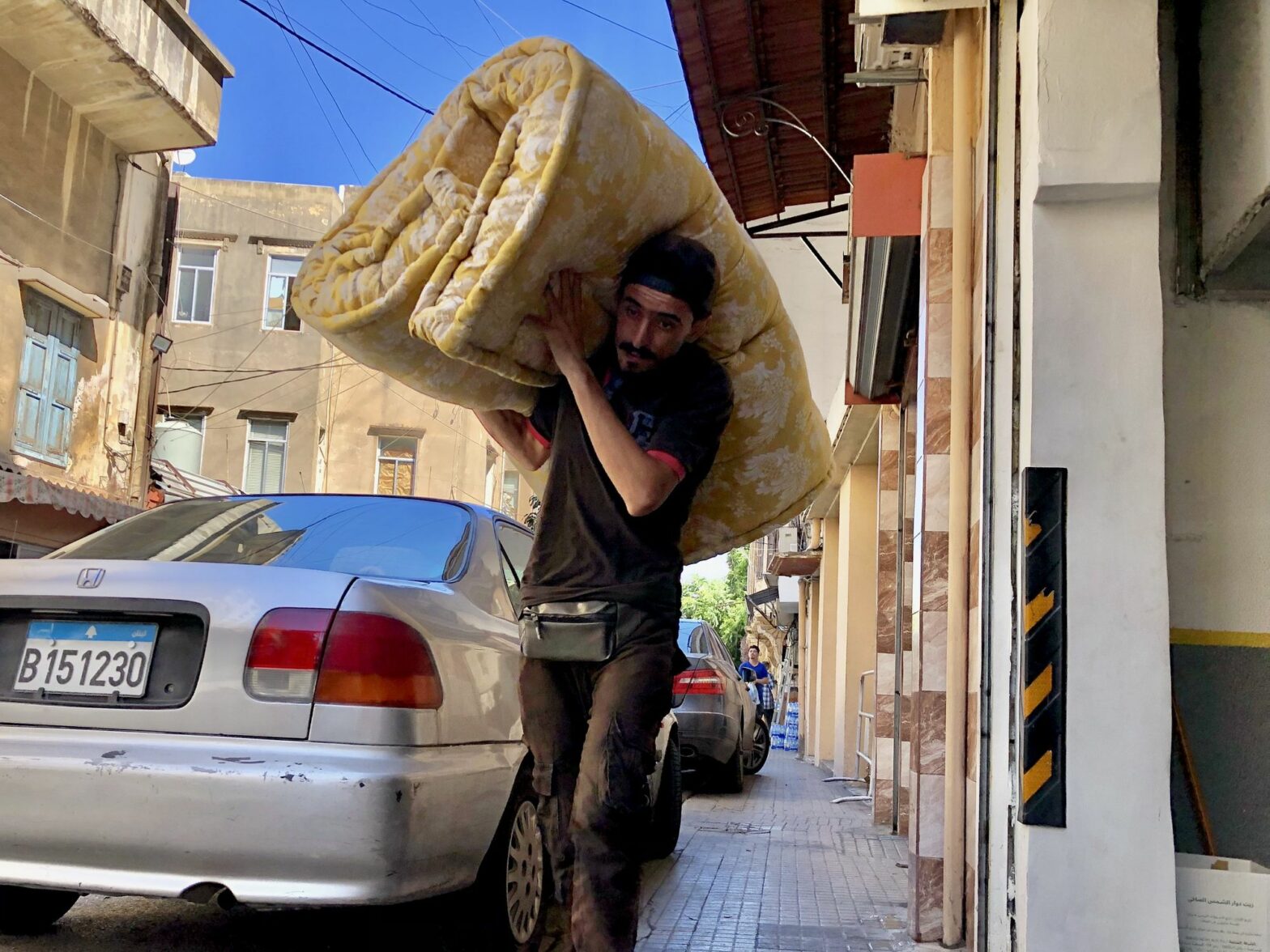
After the pagers explosions and the elimination of several key Hezbollah leaders, Israel massively bombed southern Lebanon, killing more than 550 people. Proportionality is over. Escalation has begun. The civilian death toll may start to pile up just like in Gaza.
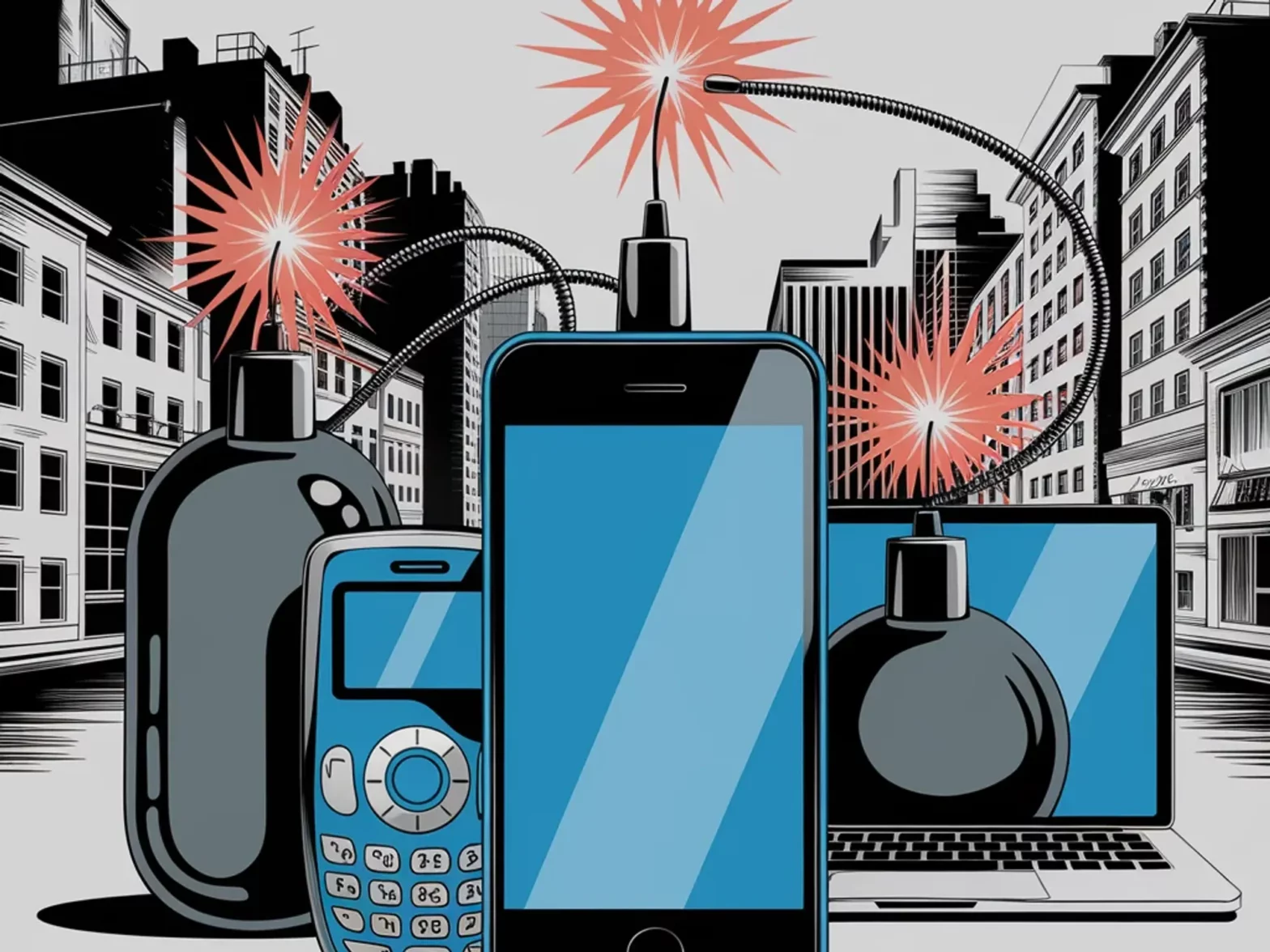
Even if the exploding Hezbollah pagers was not the first supply chain attack, having thousands of remote, hand-held devices raised terrifying questions that hadn’t been widely considered before, marking a potential turning point in the public’s trust in their electronic devices, and in governments’ ability to protect them.
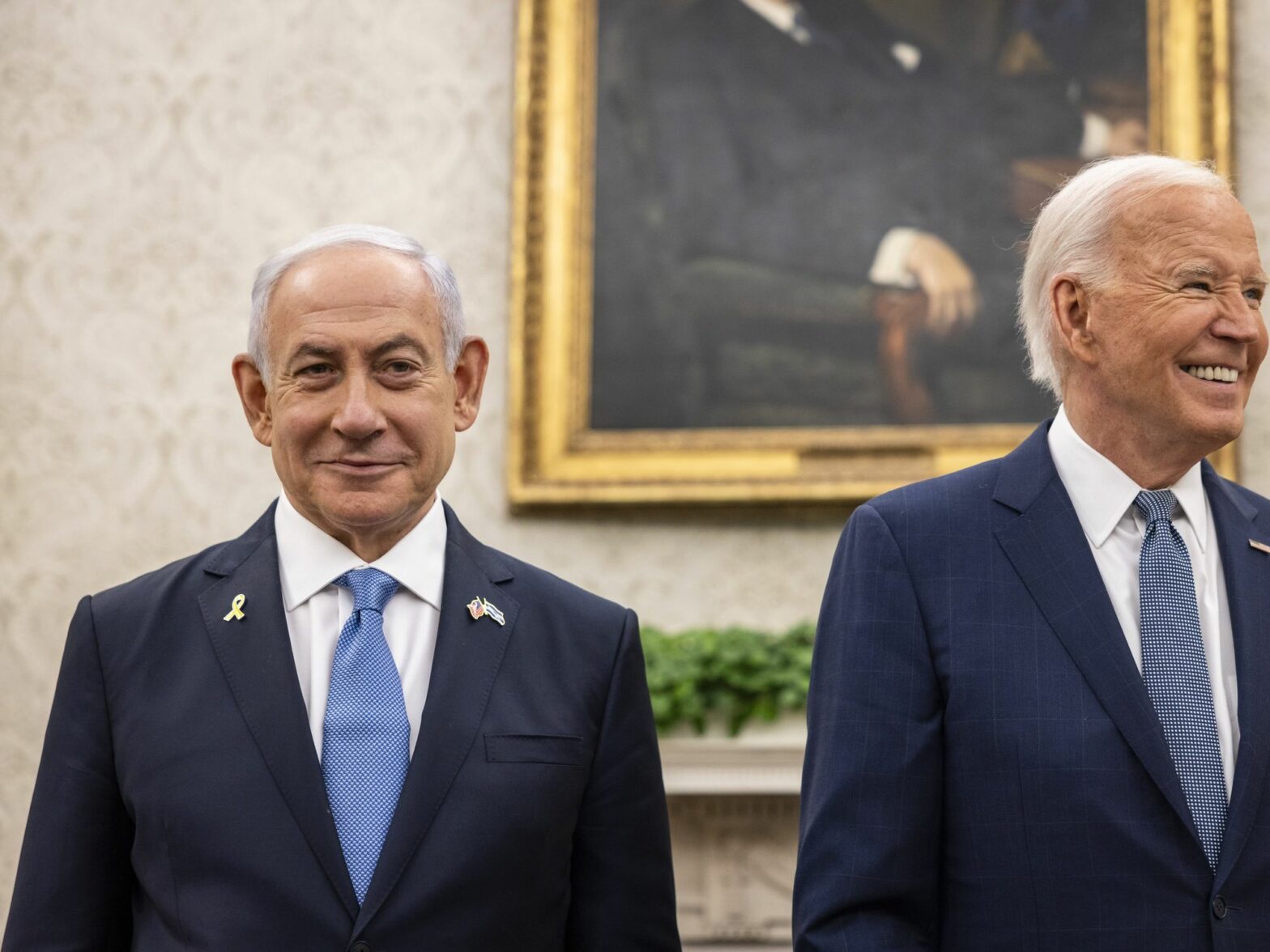
The upsurge in violence between Israel and Hezbollah in recent days carries the risk of regional conflagration that the United States does not want. But once again, for almost a year now, the Americans have been unable to get their Israeli ally to listen.
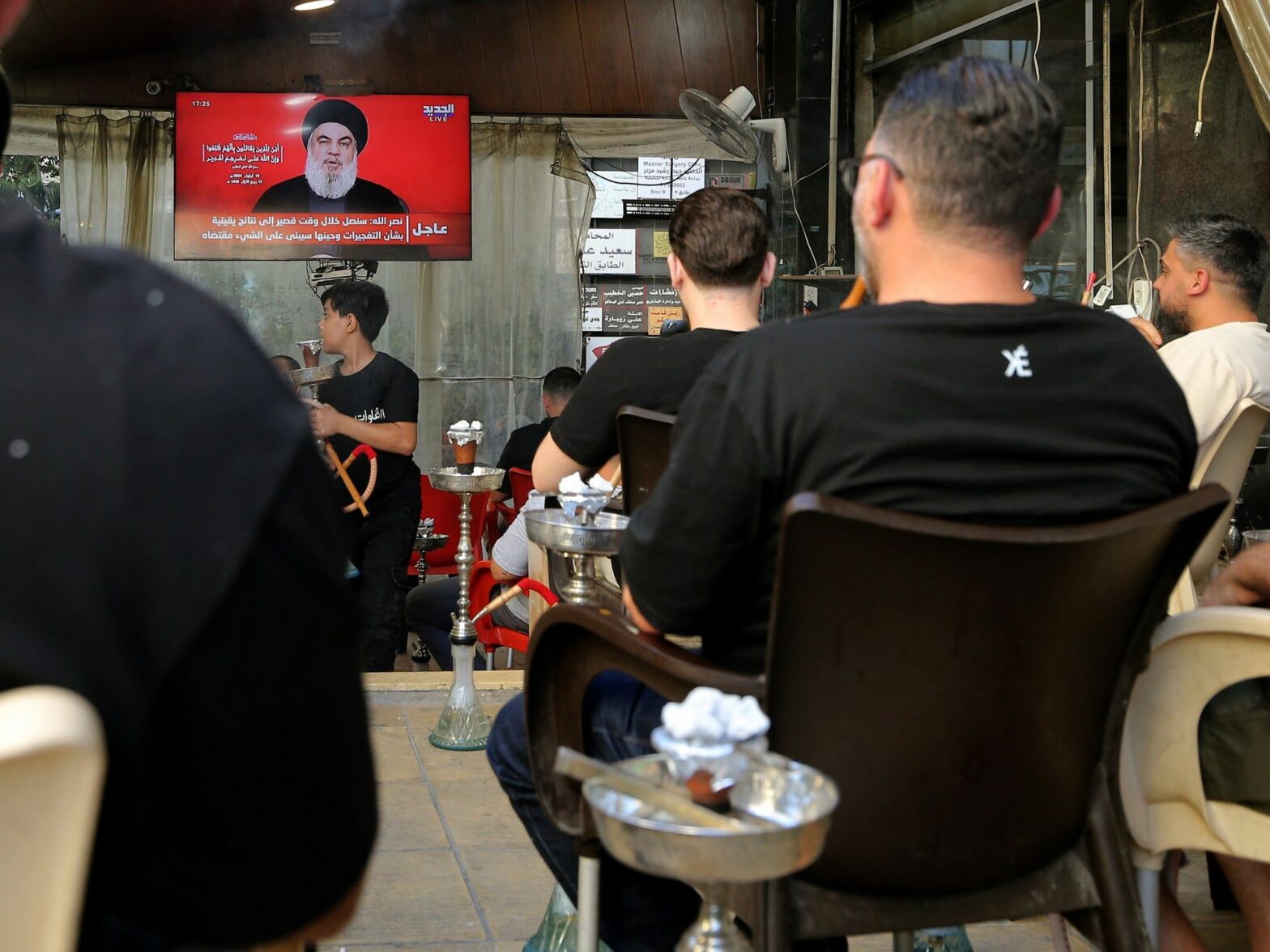
After a series of Hezbollah pager and walkie-talkie explosions attributed to Israel, Hassan Nasrallah, the movement’s leader, promised to retaliate, while Israel stepped up its air raids. But neither side has a strategic vision beyond the battlefield.

From a 91-year-old fitness influencer in Canada to fashion grannies in China, elderly influencers are taking social media by storm, fighting back against ageist stereotypes while they inspire millions.
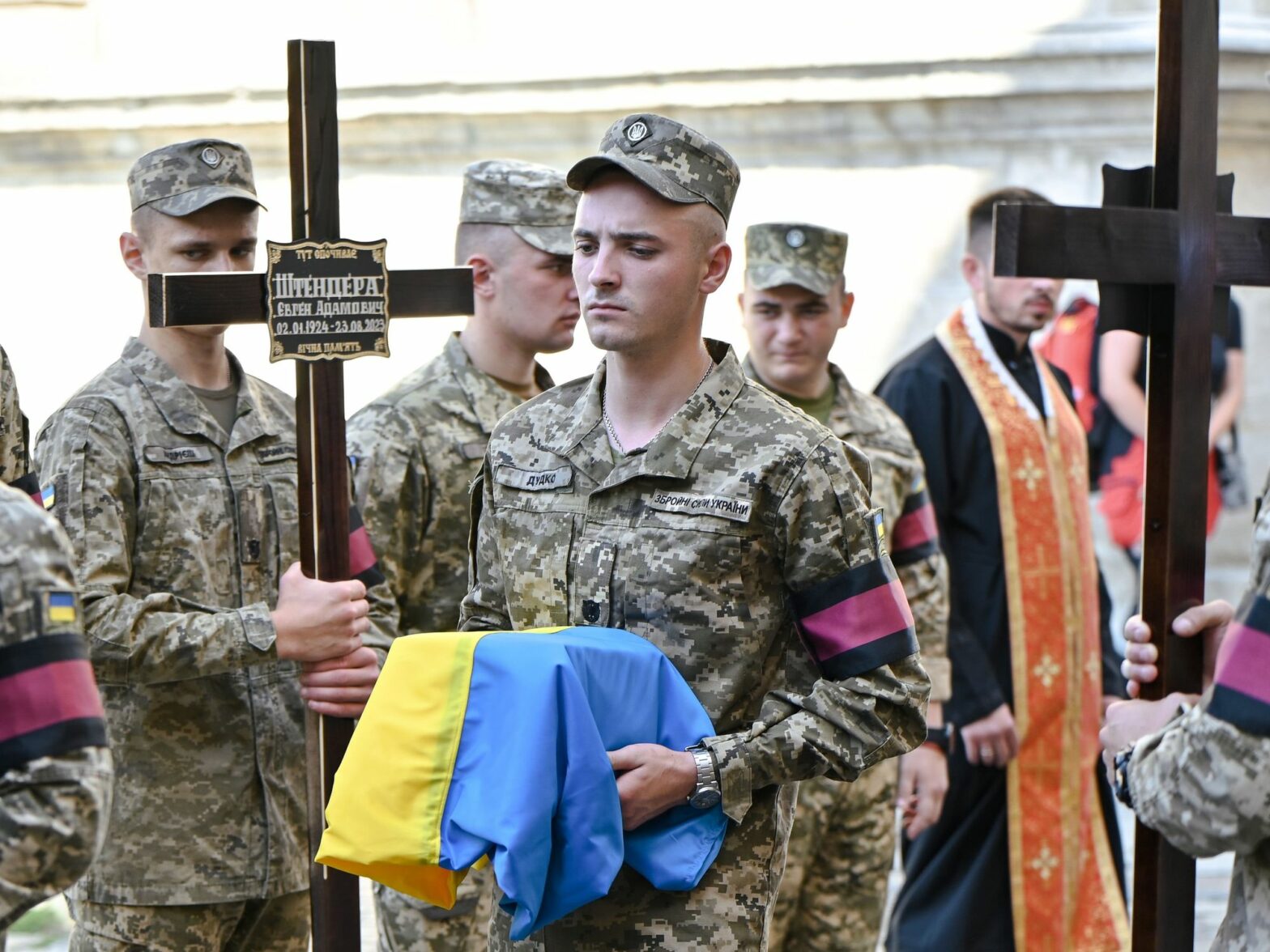
The Wall Street Journal puts the number of Russian and Ukrainian dead and wounded at one million after two-and-a-half years of war, with more than twice as many Russians dead as Ukrainians. Yet this tragic toll only reinforces both sides to continue to seek victory.
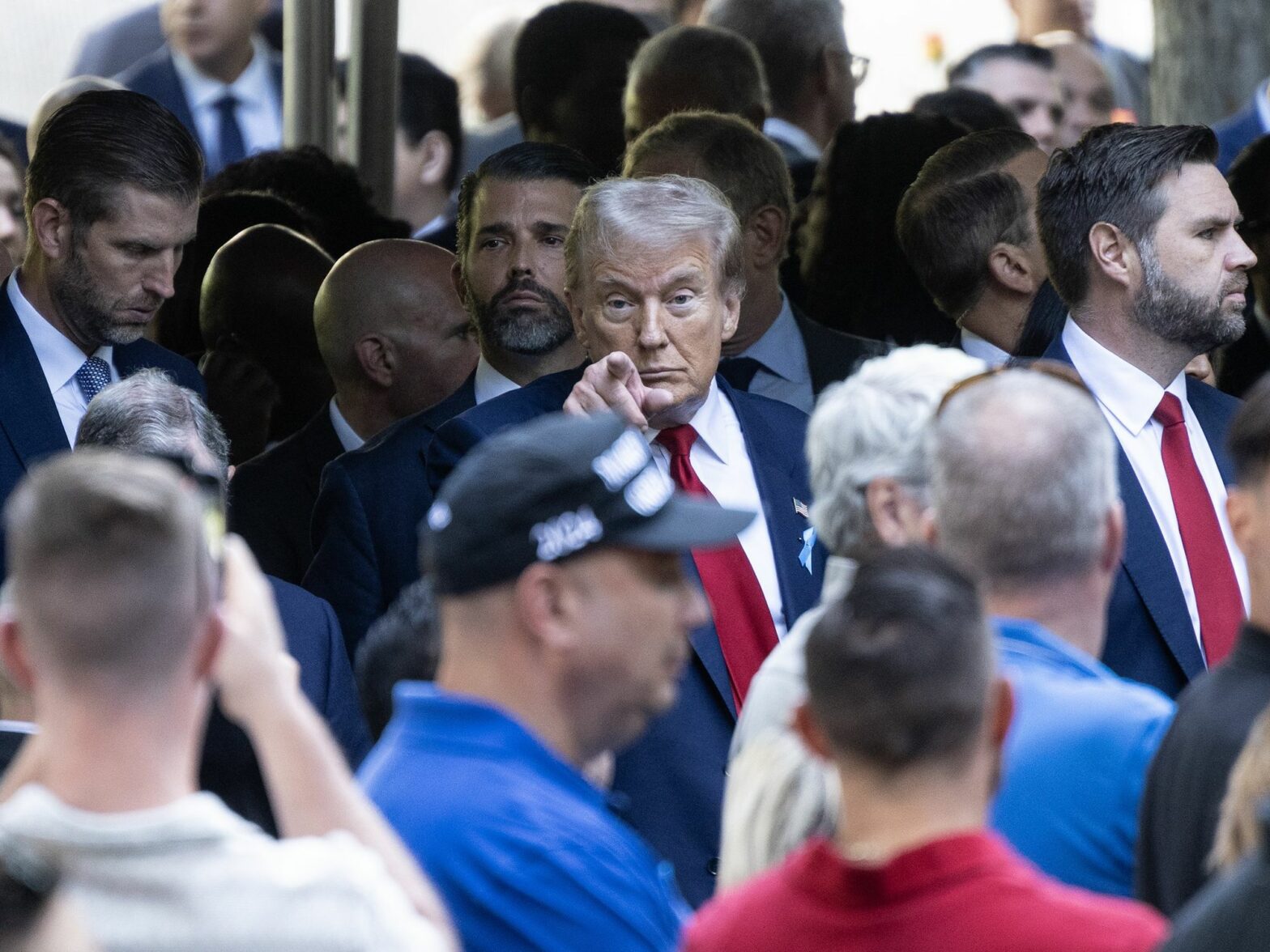
The first presidential debate between Vice President Kamala Harris and former President Donald Trump was an important reminder that the American election will help determine the fate of Ukraine. It did not take long to see which option was better. So much so the moderators had to ask Trump “Do you want Ukraine to win?”
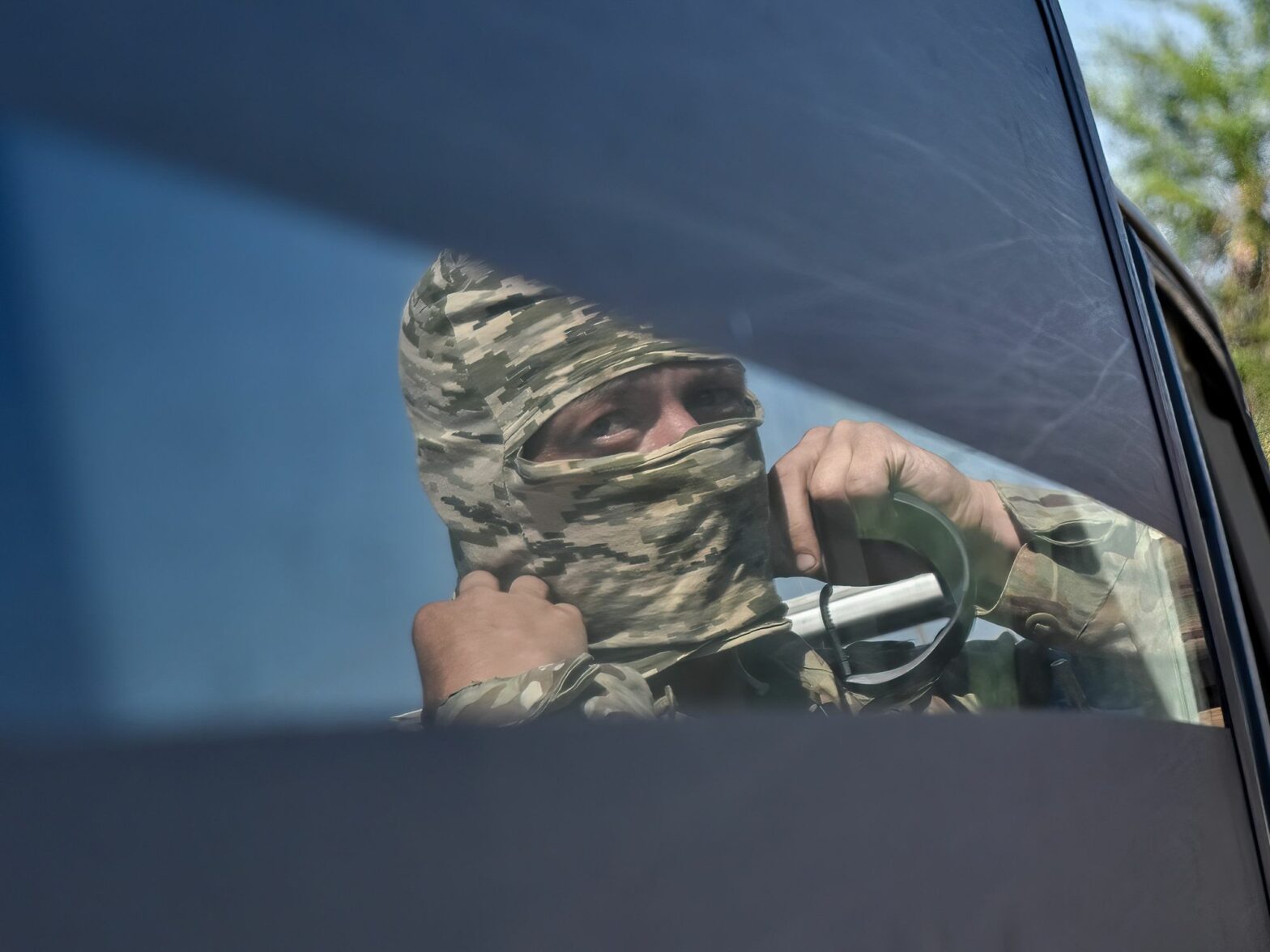
Russian President Vladimir Putin’s brutality and the escalation of Russian strikes on Ukrainian cities should prompt Ukraine’s allies to demonstrate total unity and solidarity against Moscow.
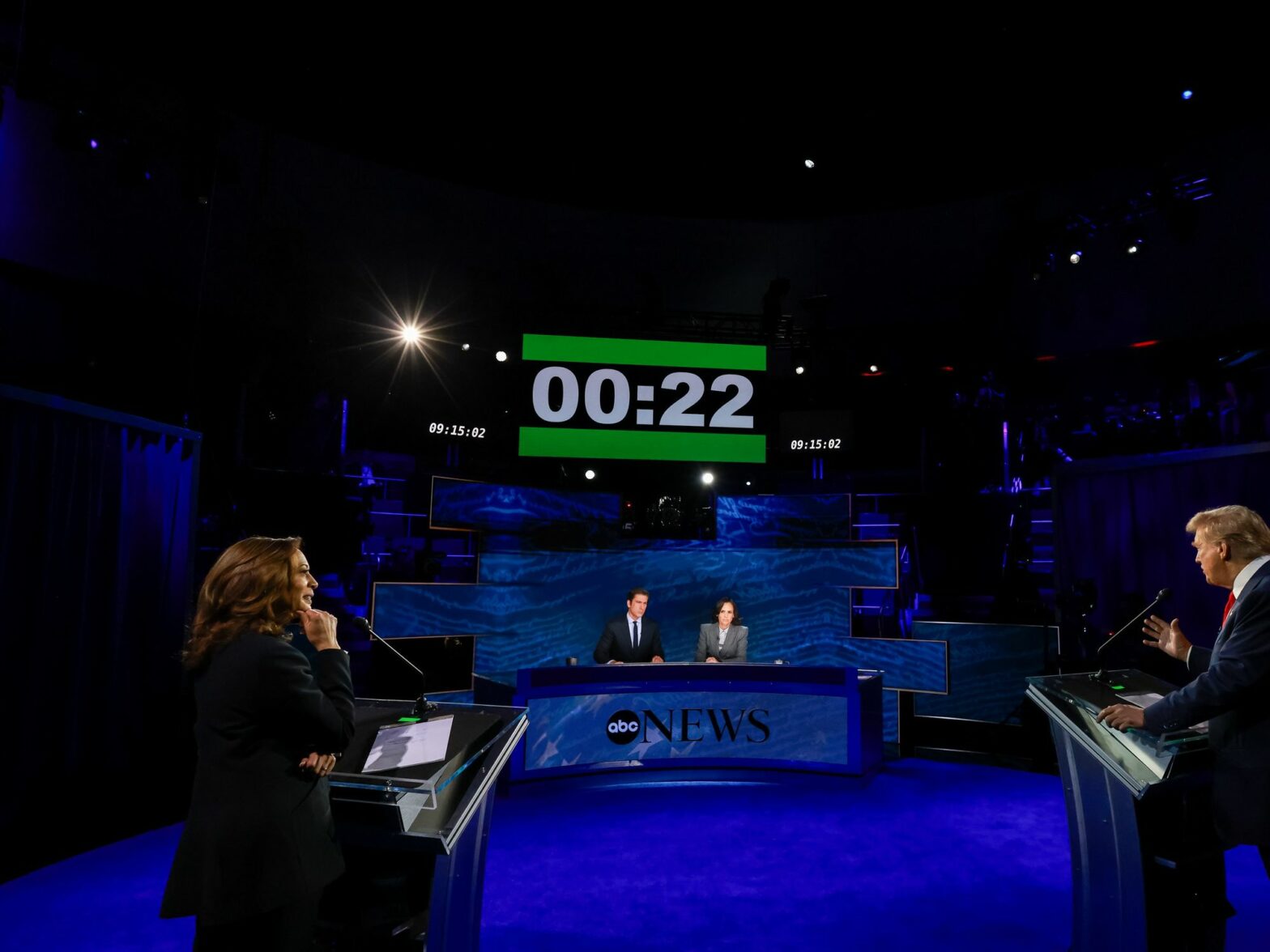
The two candidates for the U.S. presidential election presented two visions of the role of American power in the world. For Europeans, the choice of Kamala Harris may be more reassuring, but the fate of course is in the hands of the American people.
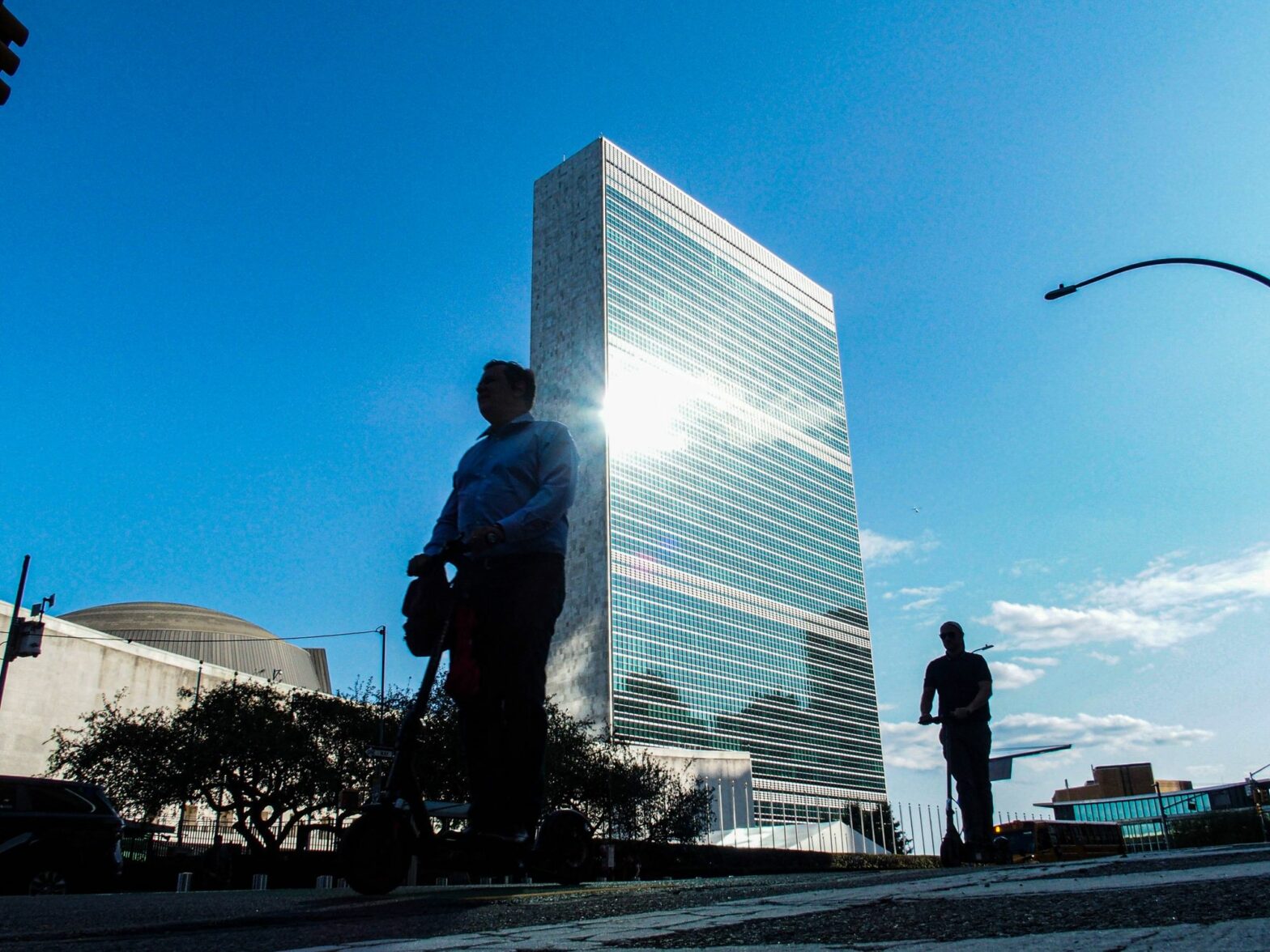
The UN Security Council is paralyzed by the major powers, and the General Assembly, which opens today, has no binding power. At a time when conflicts are multiplying around the world, how can global governance be saved? Is it time to scrap the UN and start over?
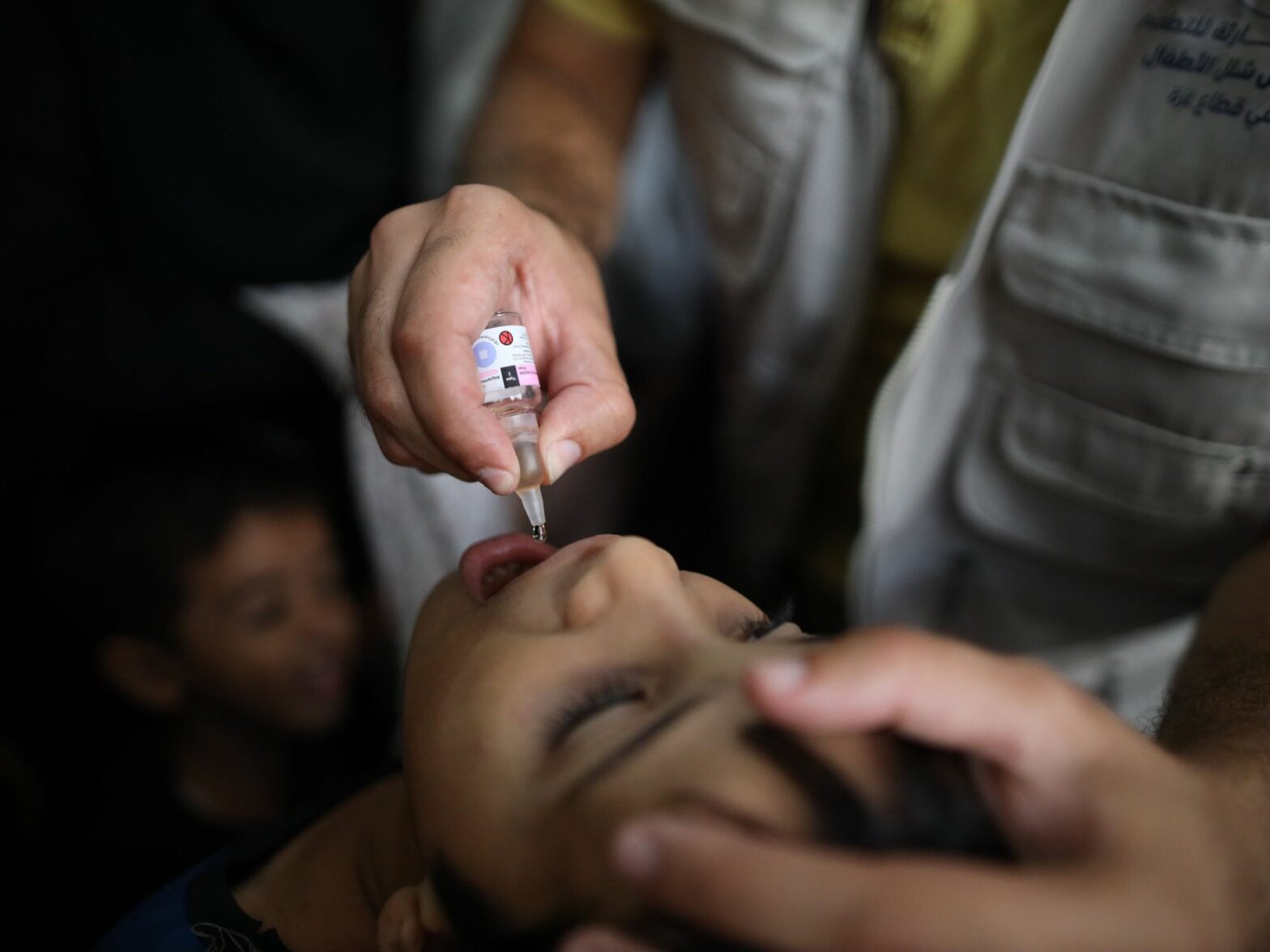
Efforts to vaccinate children in Gaza are undoubtedly motivated in part by moral reasons, but they also stem from the world’s concern – especially in neighboring countries – about the virus becoming endemic in the Palestinian enclave. The writer recalls how it can all implode, or spread, at any time.
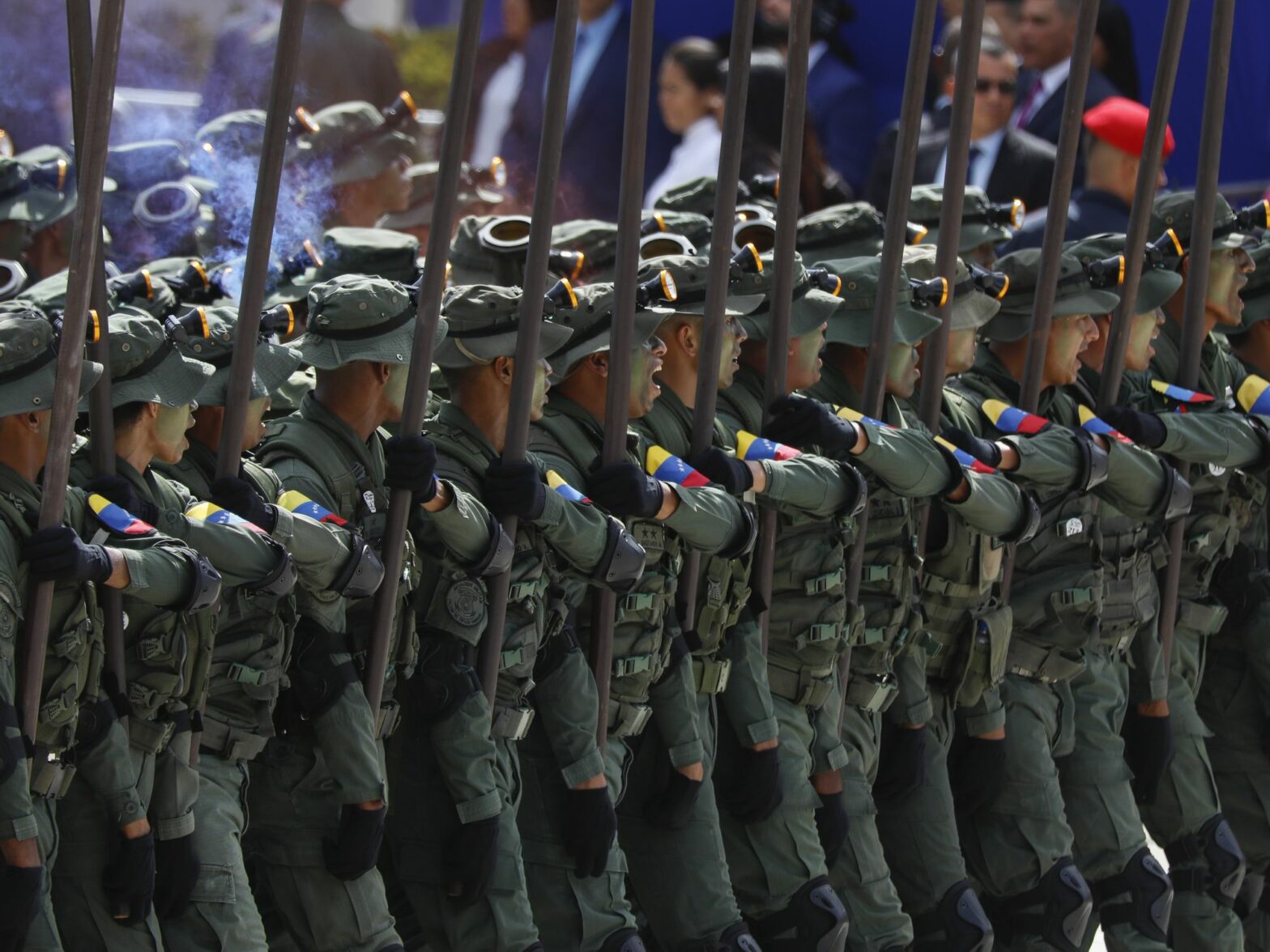
The armed forces have been dragged into political and electoral spats across the Americas, from the United States to Brazil to Venezuela. Is this another sign of liberal democracy’s decline in the West?
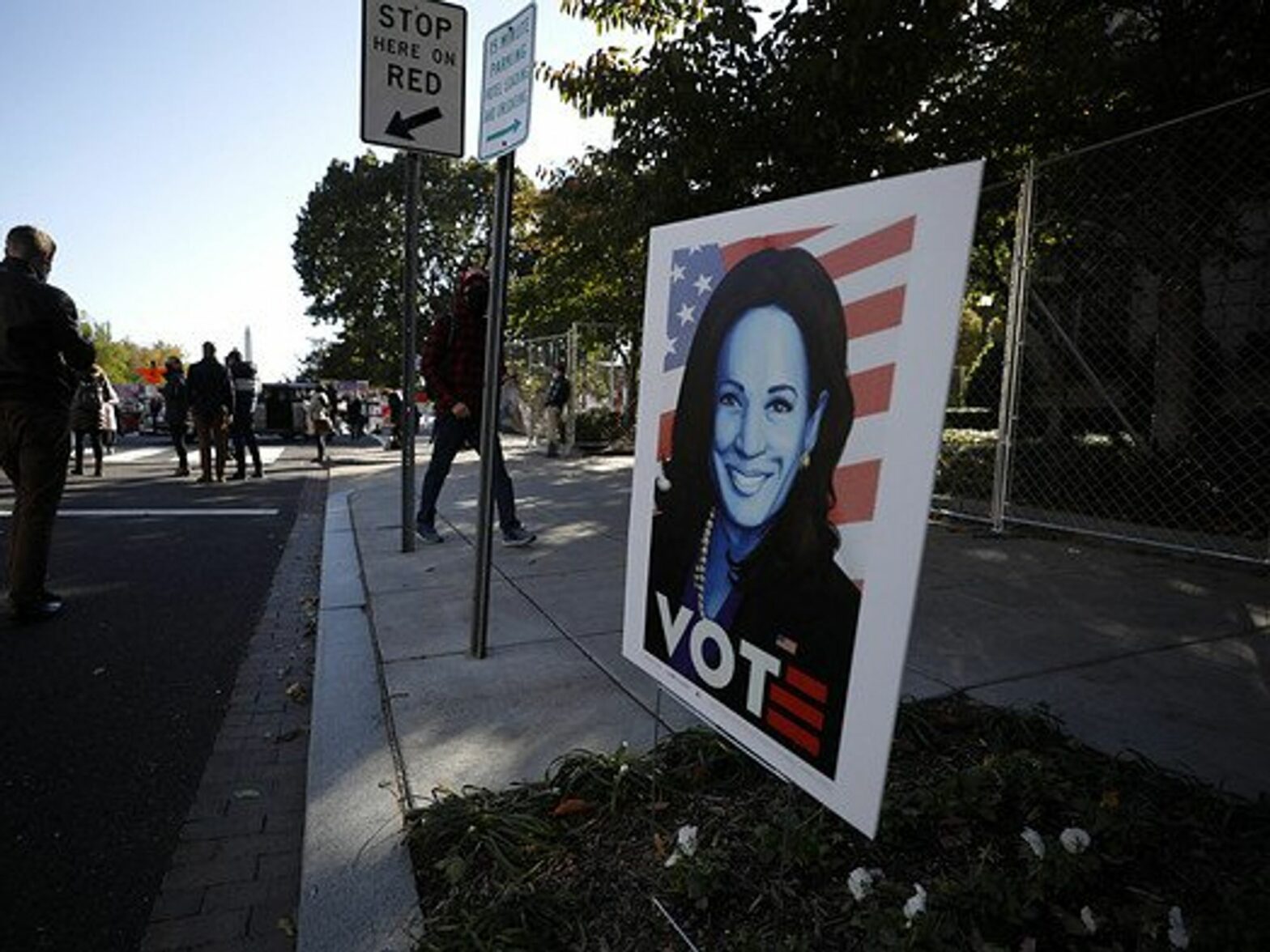
Arab Americans’ outrage over the Biden-Harris administration’s politics is understandable. But boycotting the election — or voting for a third-party candidate — would benefit Donald Trump, who has played up his relationship with Benjamin Netanyahu. What choice does that leave?
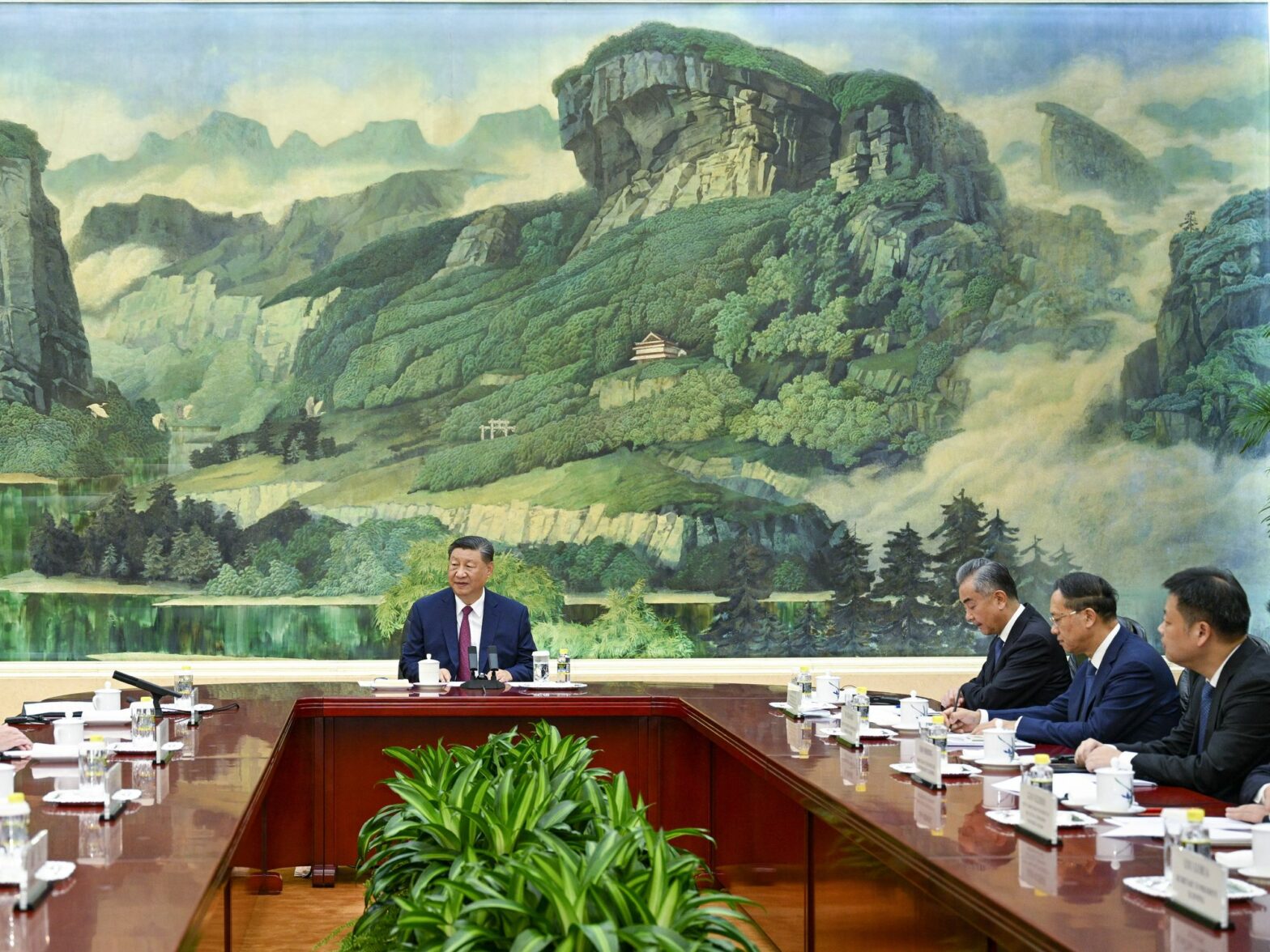
U.S. National Security Advisor Jake Sullivan has assured Xi Jinping that, if elected, Kamala Harris would handle ties between their countries “responsibly.” U.S.-China relations are the major issue of this century, as tensions rise over Taiwan, technology and the South China Sea. A Trump victory would make that prospect scary.
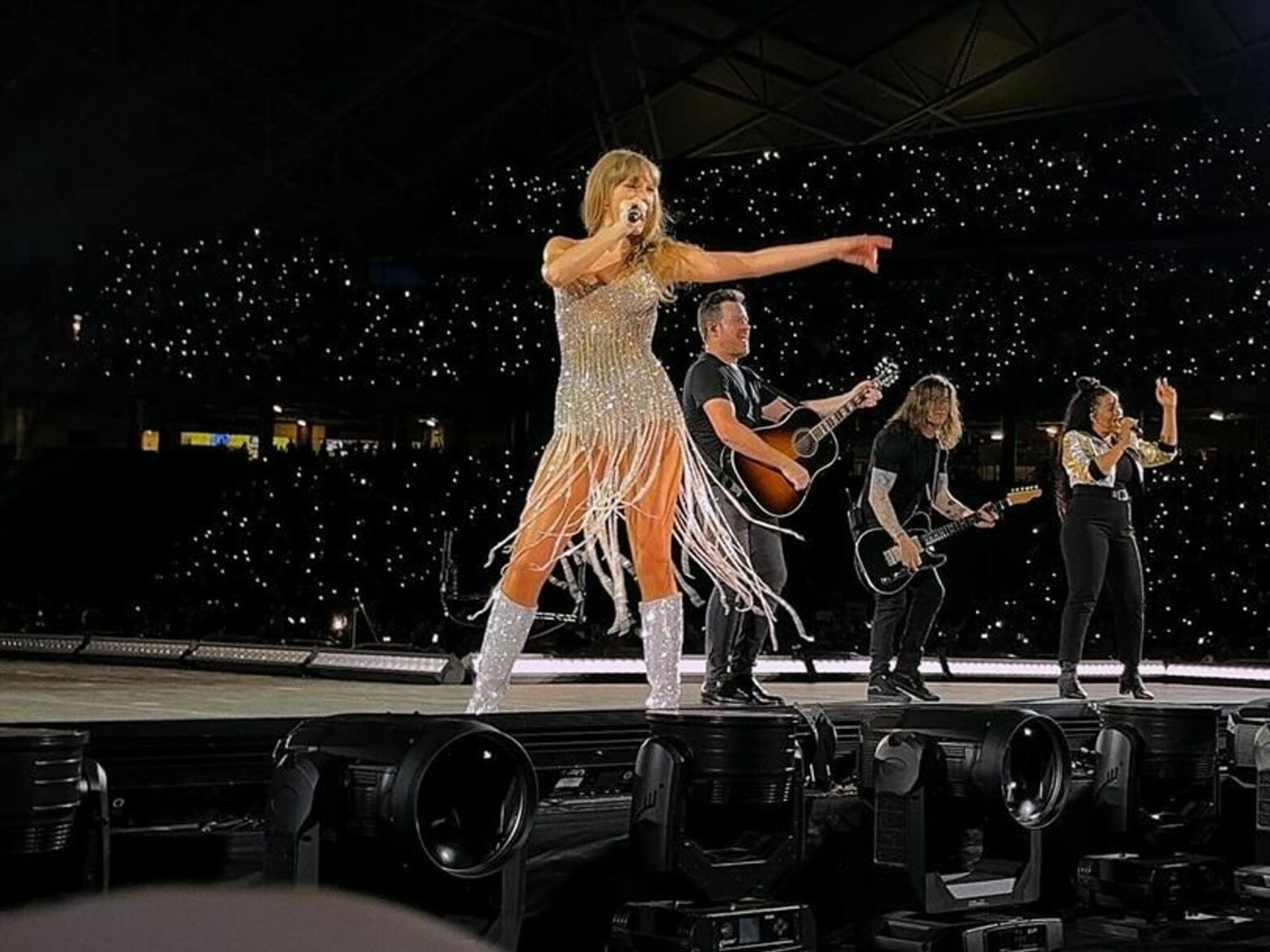
With record-breaking ticket sales for Taylor Swift’s concert tour — mobilizing fans from all over the world to secure tickets — has it all been worth it?
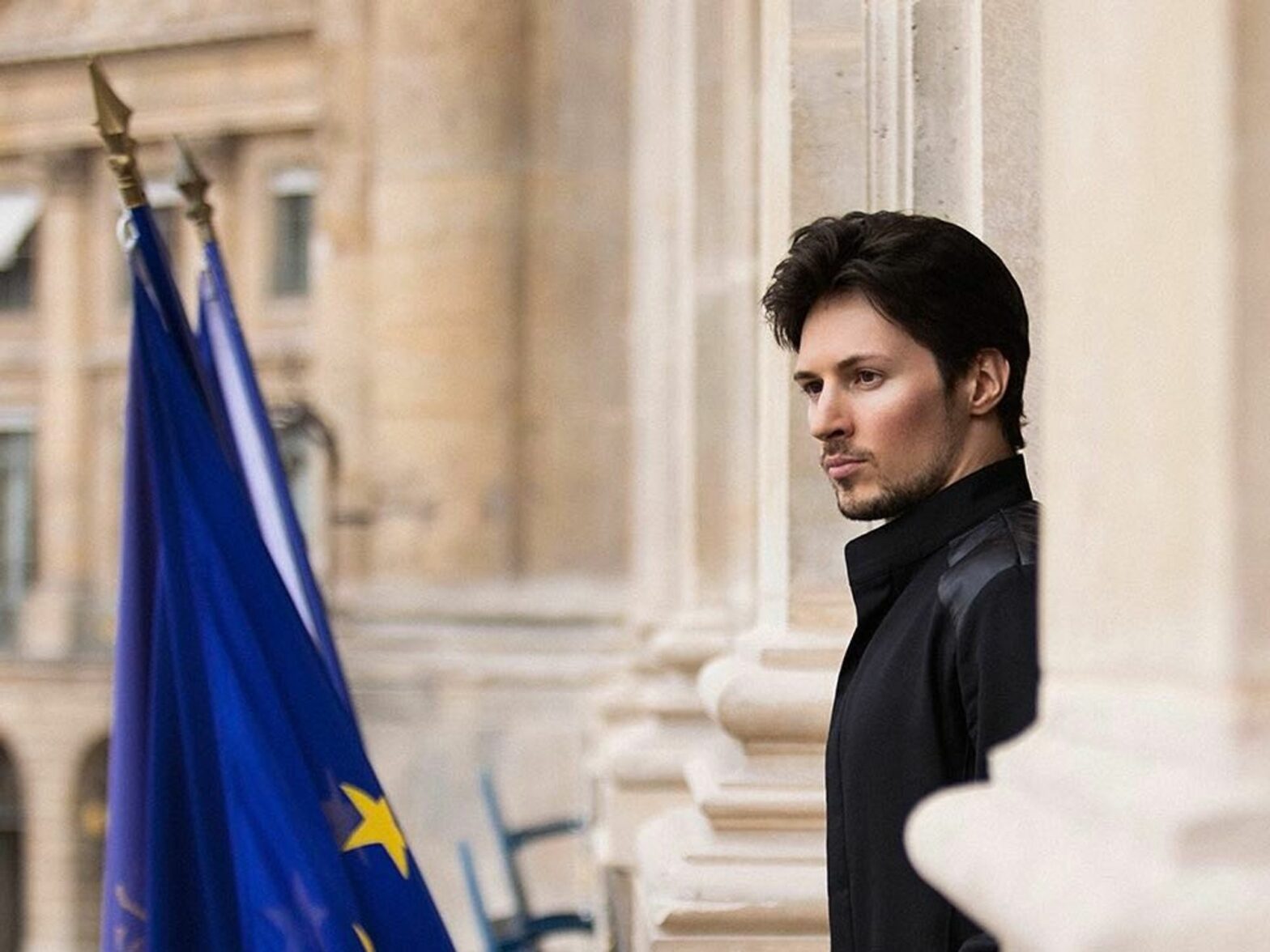
Following the arrest of Telegram founder Pavel Durov near Paris on Aug. 24, independent Russian-language media Important Stories looks into the claims Western authorities have made against Durov since the messaging application was launched in 2013, always keep its door open to the internet’s darkest corners.
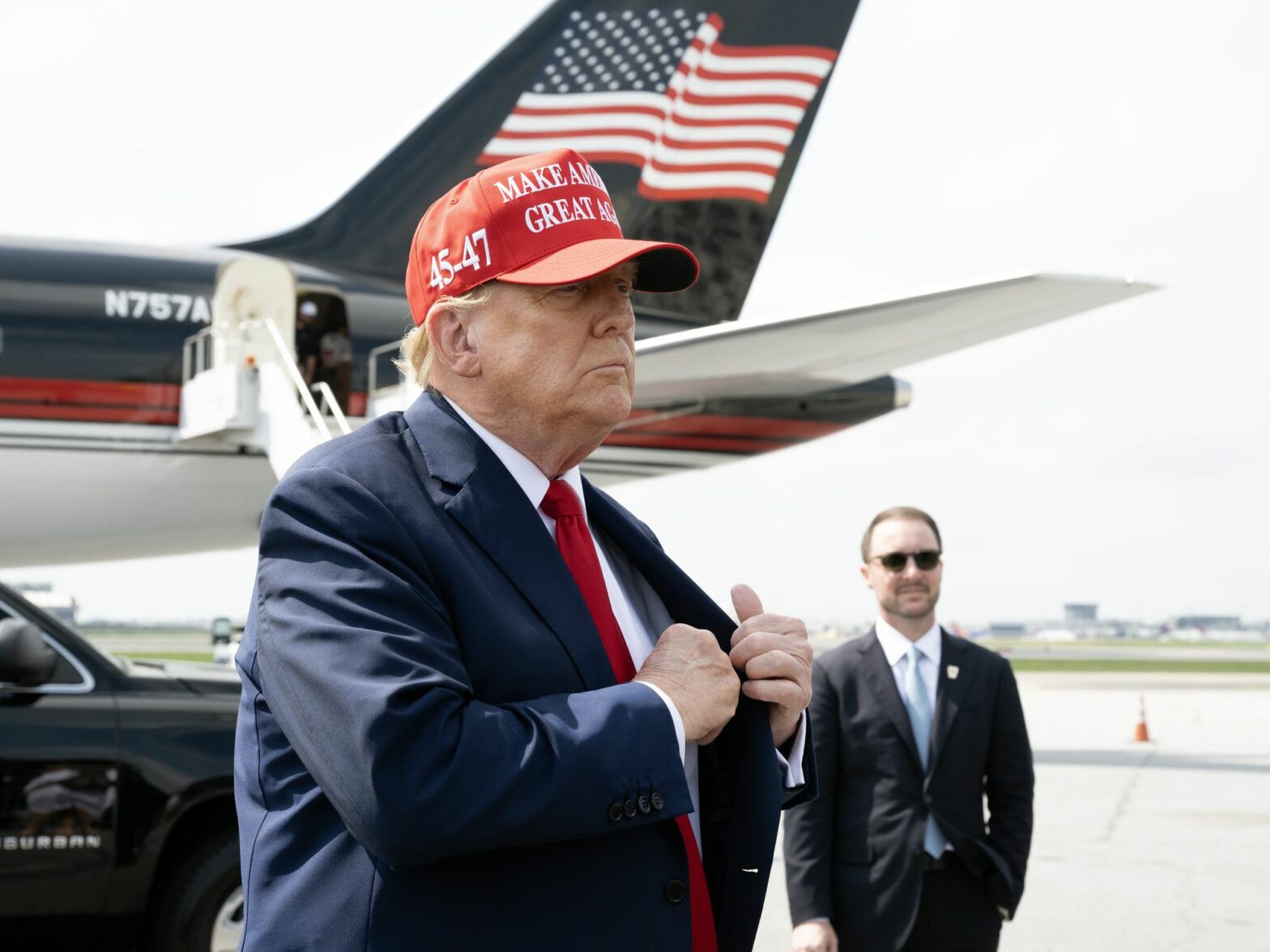
Ahead of the U.S. presidential election, Ivan Timofeev of the Russian International Affairs Council, considers which candidate would be better for Russia. While it’s often thought that Moscow should hope for Donald Trump to win, his first term as president shows his “transactional” nature and otherwise minor impact on foreign policy.
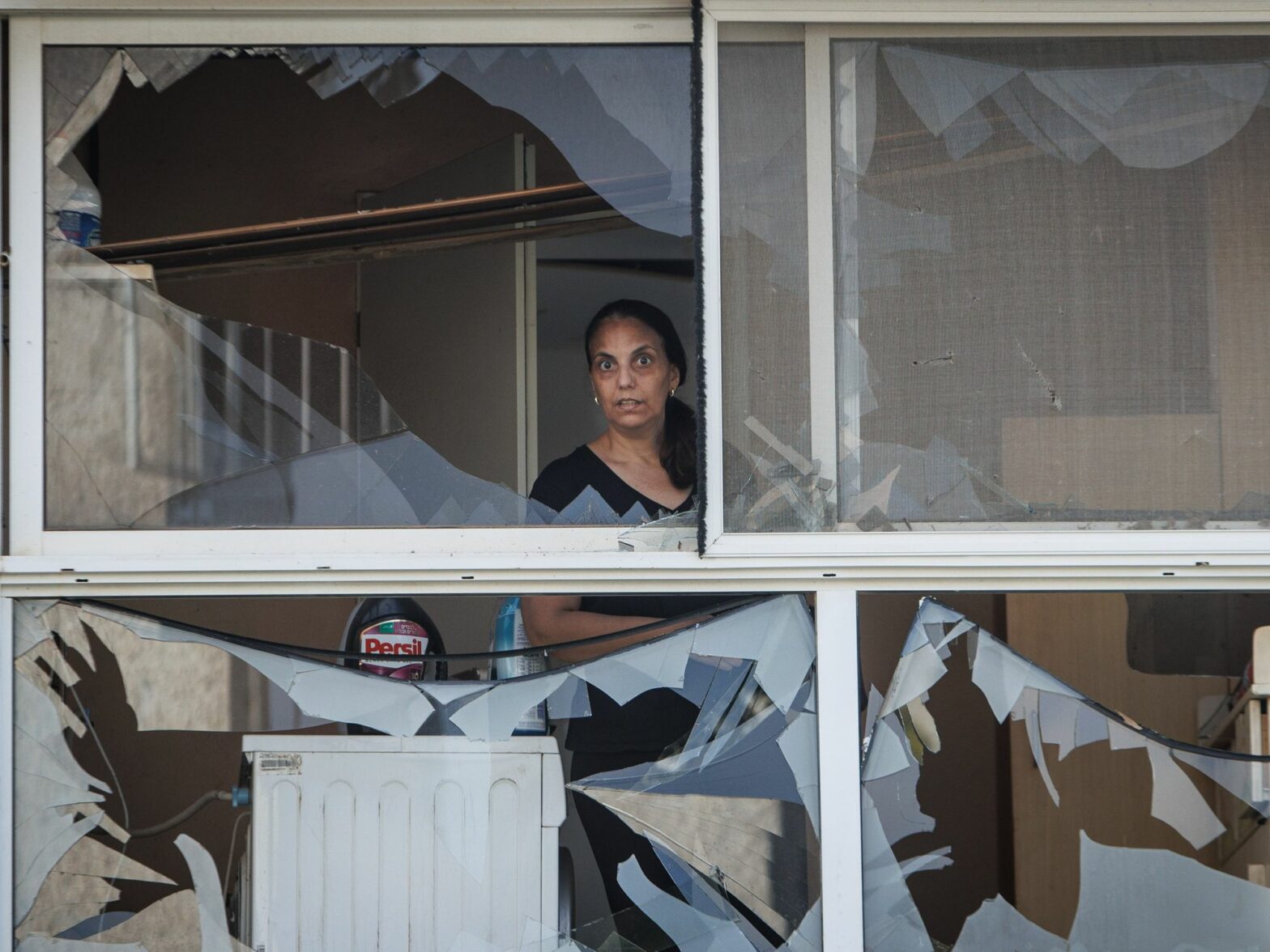
Between Hezbollah and Israel, the Sunday morning exchange of attacks looked to be the beginning of the long dreaded regional war. But the sound and fury of Israeli jets and Hezbollah weapons amounted to another round of warfare, but not (yet) total war as major power sponsors in Washington and Tehran try to wind them back.
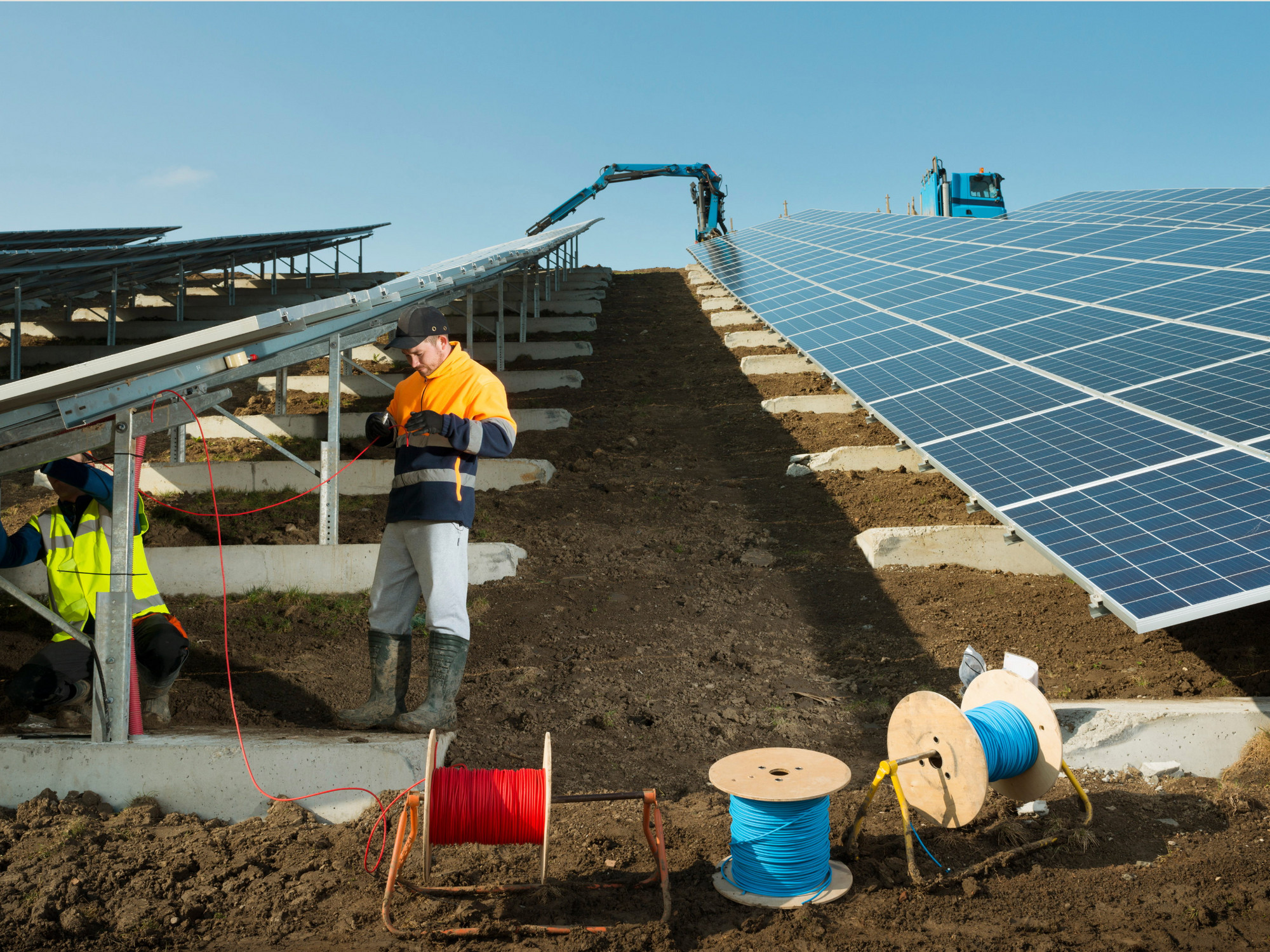
The global fight against climate change is essential, but the solutions are not universal. Measures must account for the local realities of the Global South, where economic development is equally important and where the imposition of strict environmental standards by the North has devastating social and economic consequences.
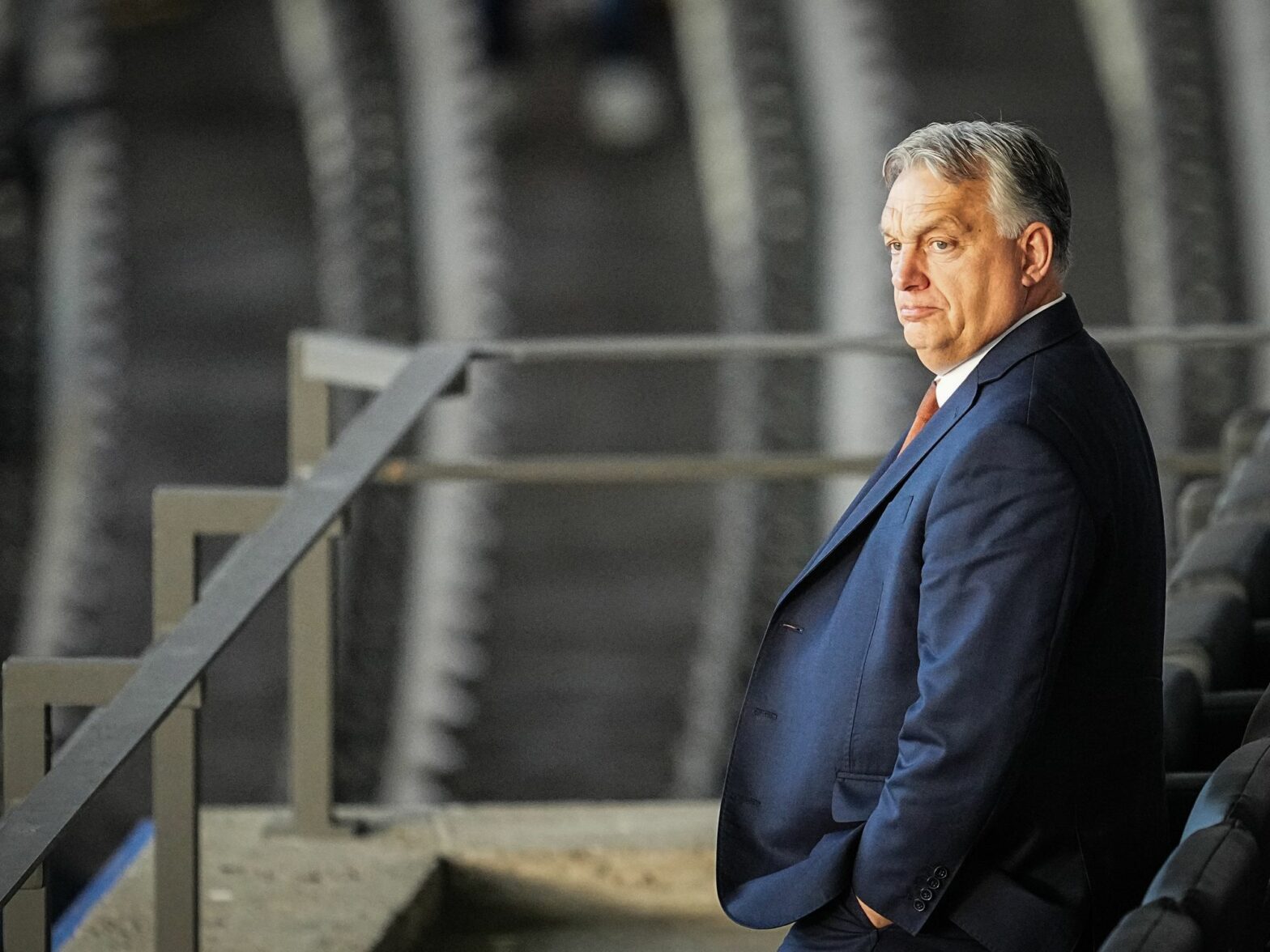
The Hungarian prime minister has long been known for his conflictual relationship with the European Union. But Viktor Orbán’s recent diplomatic world tour, together with his proximity to Donald Trump, shows that he should not be underestimated.