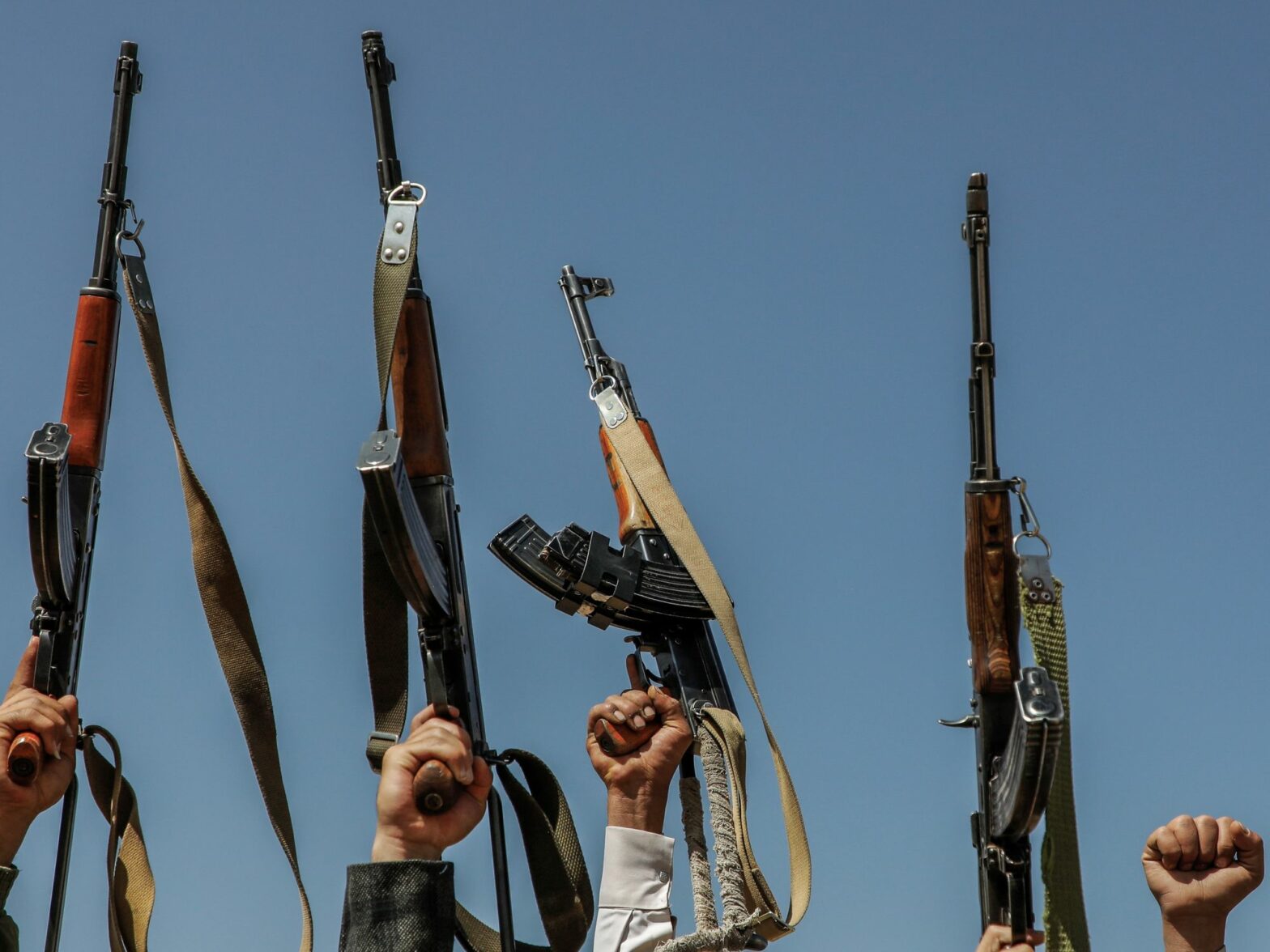
While the Palestinian cause is important for Iran and the Arab militias it backs, the return of this issue to the forefront may not benefit the resistance camp. And its tactic of strategic patience may not produce the intended results.
 Worldcrunch
Stay updated with comprehensive news on Israel from Worldcrunch. Discover insights on Israeli politics, economic strategies, societal issues, and cultural landmarks with translations from top international sources. Highlights include Jerusalem, Israeli history, and cultural events.
While the Palestinian cause is important for Iran and the Arab militias it backs, the return of this issue to the forefront may not benefit the resistance camp. And its tactic of strategic patience may not produce the intended results.
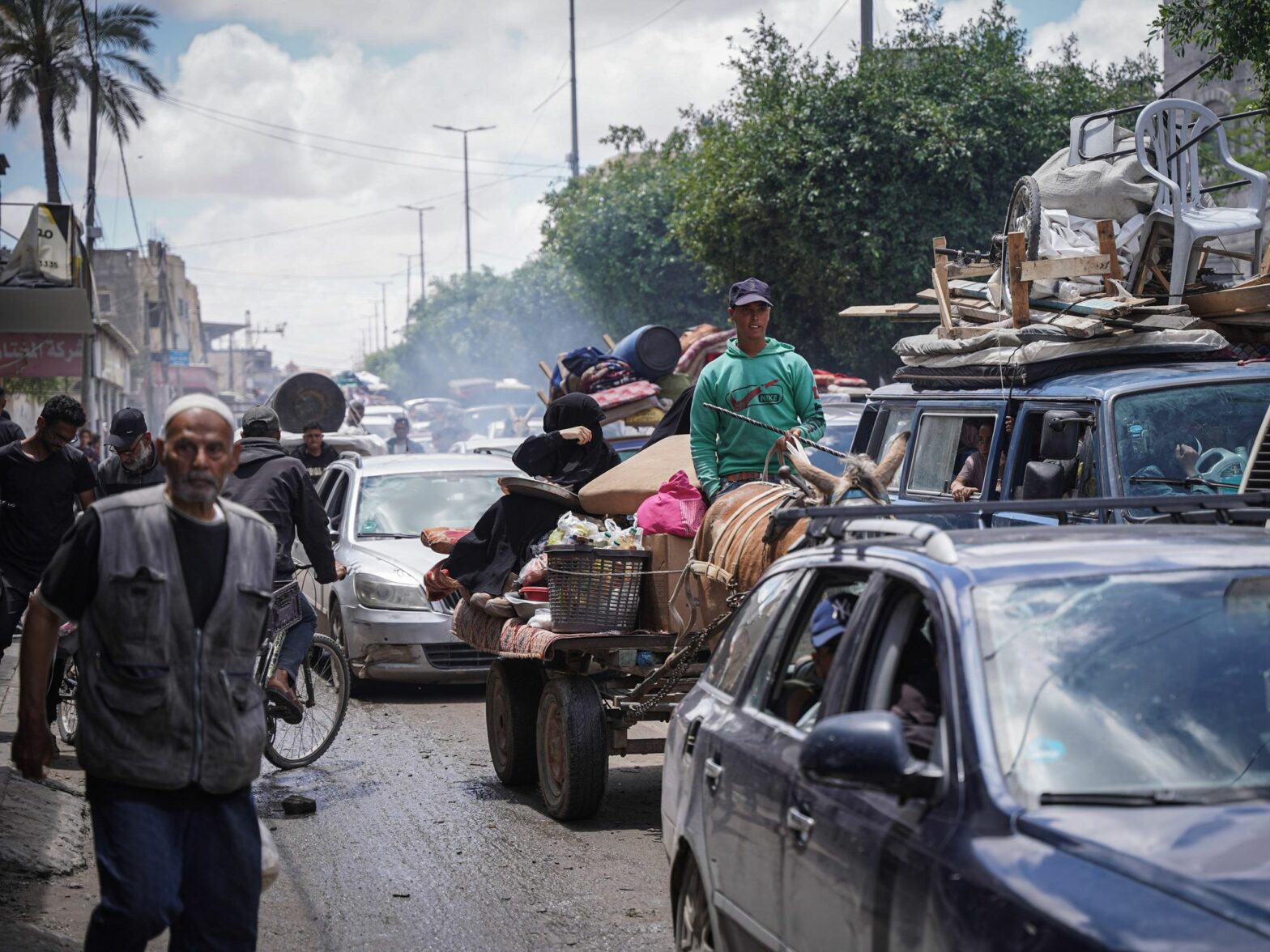
The Israeli prime minister has foreign and domestic pressure to accept a ceasefire deal, but he may be set to make the bloodiest decision of the war to date in the southern Gaza city of Rafah.
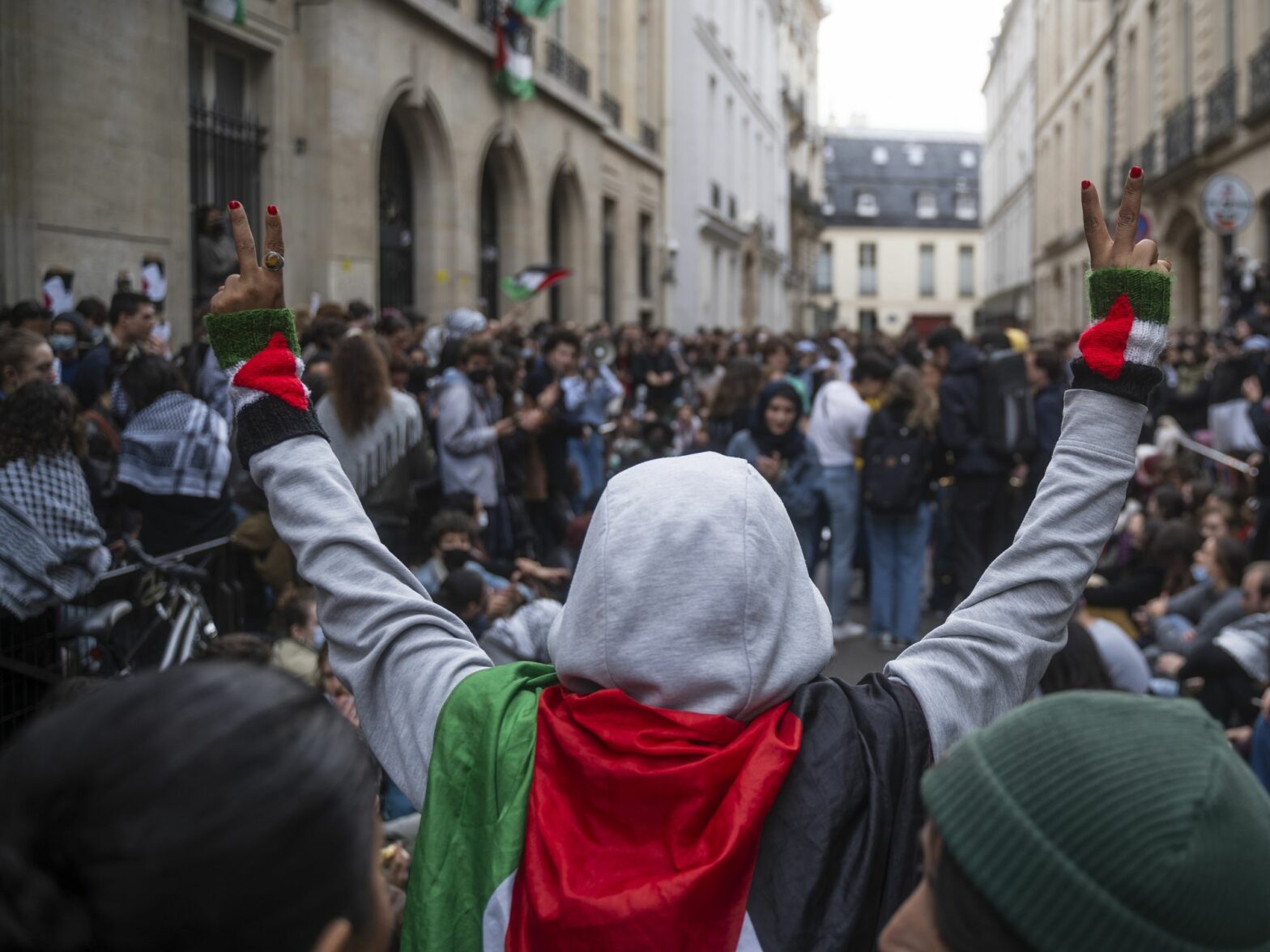
Images of recent student-led, pro-Palestinian protests across the world are reminiscent of the demonstrations of solidarity in support of Vietnam, that rocked campuses some 50+ years ago. But beyond the same indignation fueling the demonstrations, the context, and potential political repercussions, vary greatly.
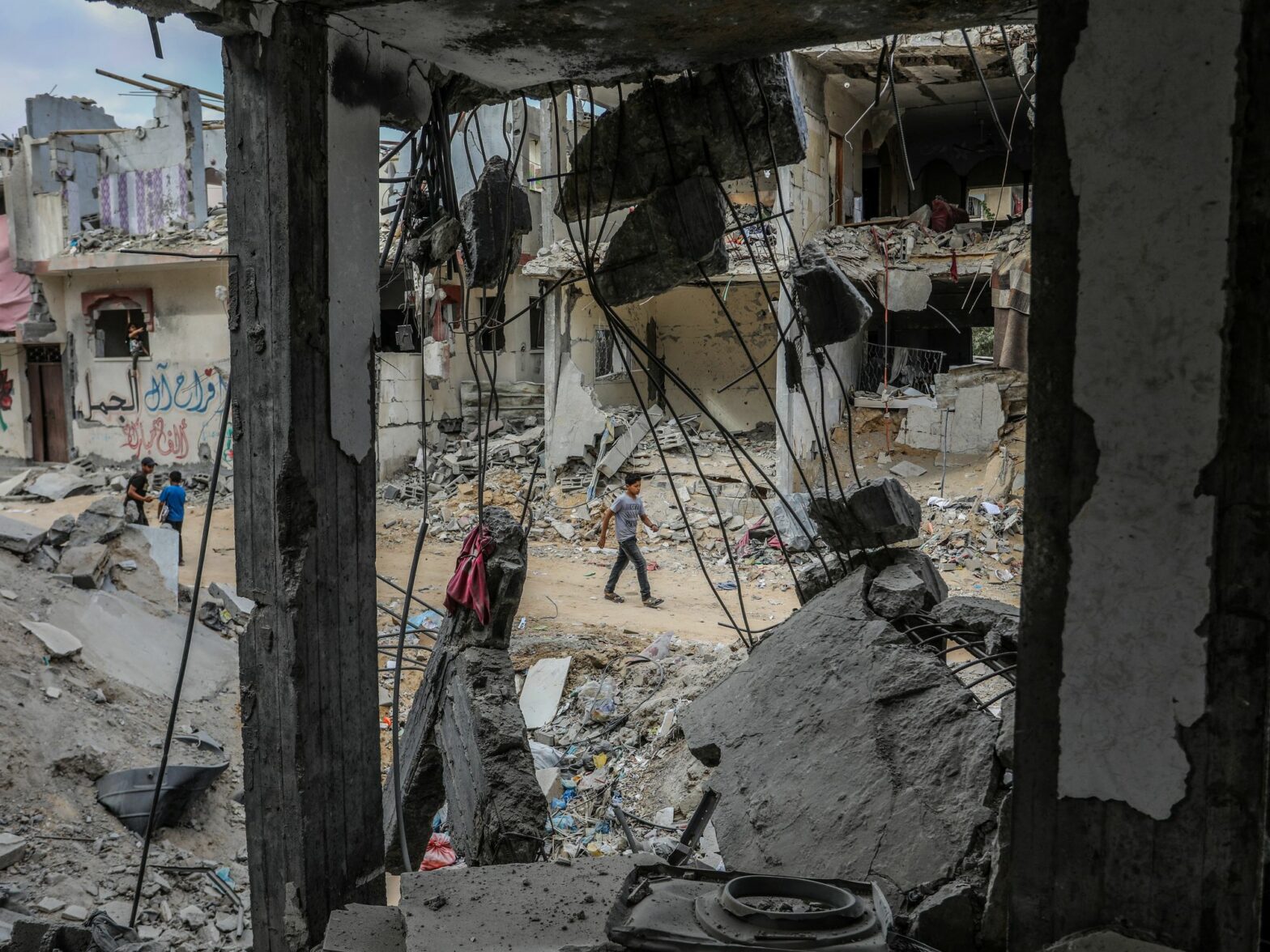
Israeli Prime Minister Benjamin Netanyahu and Hamas leaders both have deeply cynical reasons to prolong hostilities. Meanwhile, it’s in the self-interest of both the U.S. and Arab regimes to try all avenues to broker a ceasefire to ease the suffering of those caught in the crossfire.
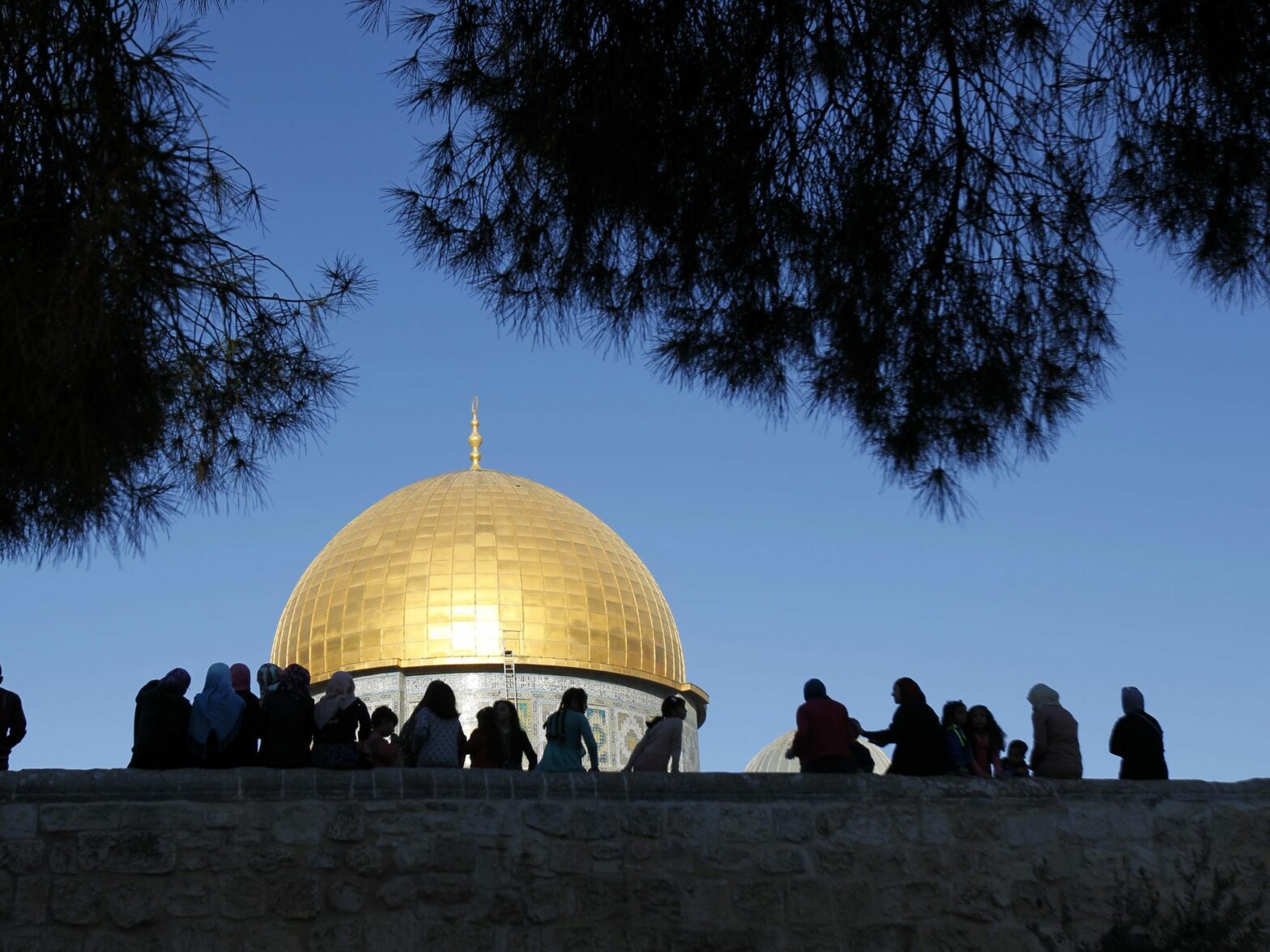
A Jewish attack on the revered Al-Aqsa Mosque during passover may be part of a plan to fulfill an obscure slaughtering rite of a “Red cow” to achieve the prophecy that will trigger the push to construct the mythic third temple of Jerusalem. The war in Gaza is raising the stakes.
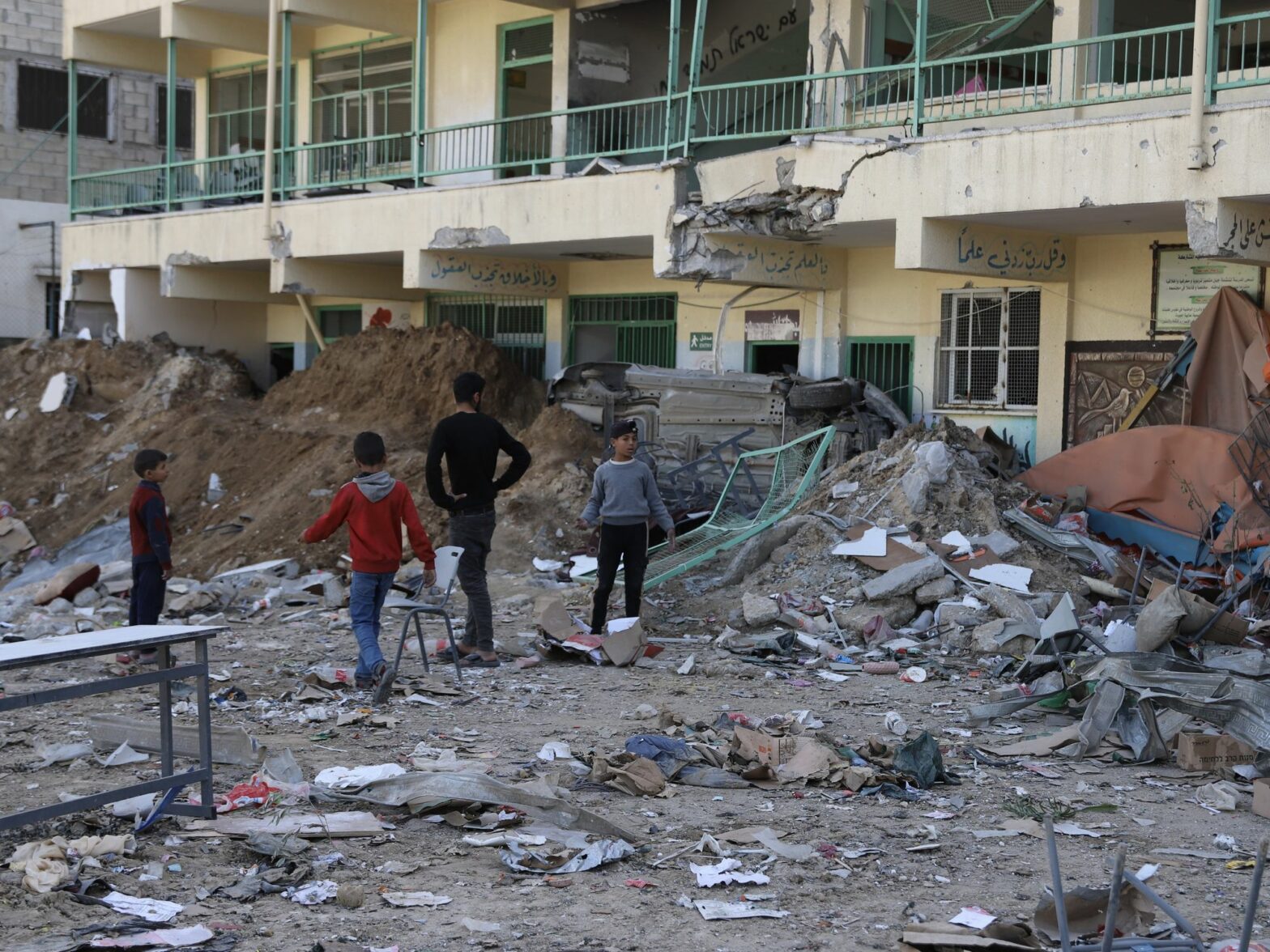
Besides repeated bombings of school buildings, the Israeli army also has turned many universities into military barracks and interrogation sites, before blowing them up. That’s part of a premeditated policy to destroy Gaza’s entire education system.
Have the ruling institutions in the United States learned the lesson and realized that the main means of confronting Iran’s influence — if they really wanted to — is to put pressure on Israel.
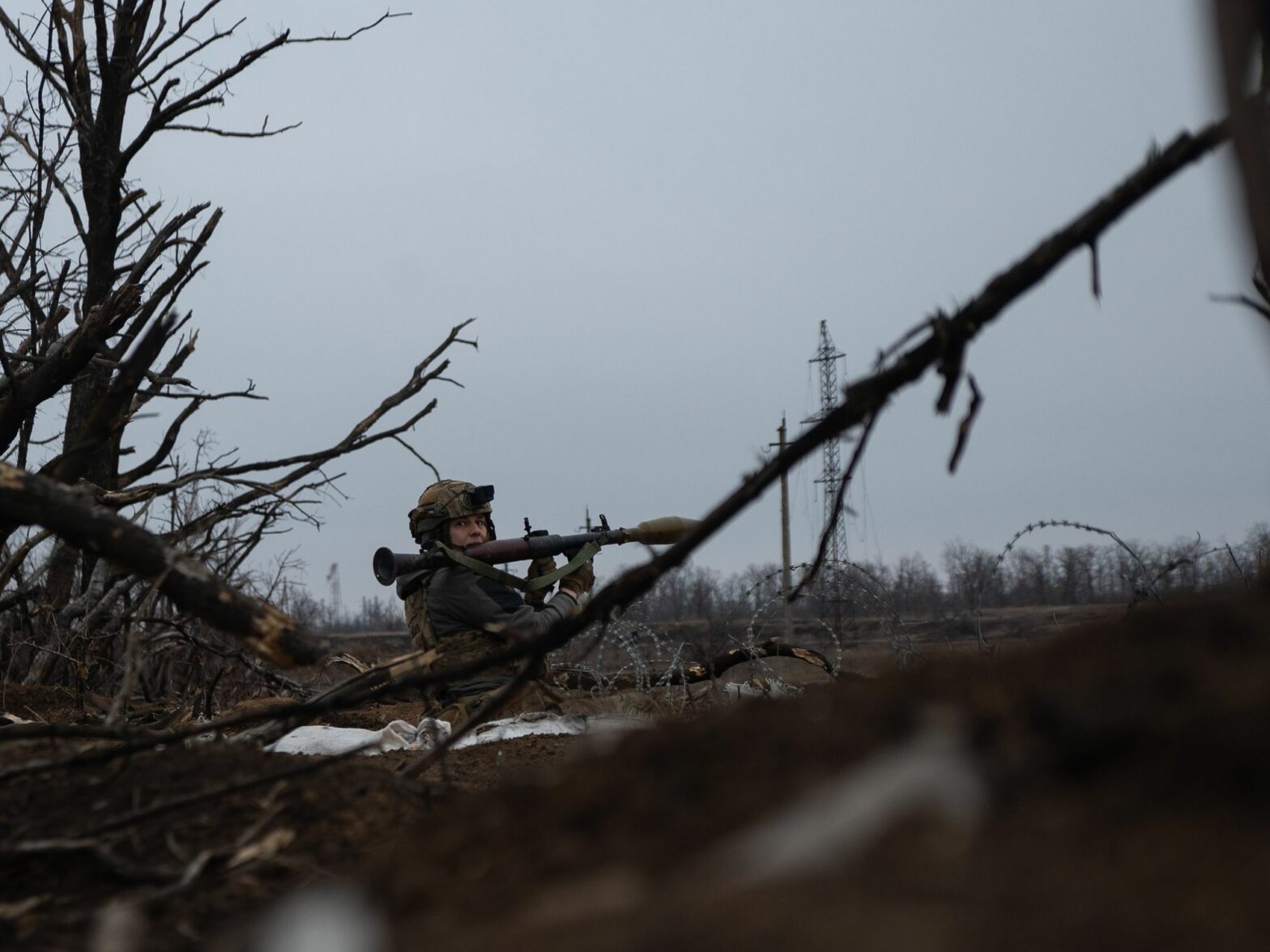
When the U.S. and other Western countries recently defended Israel against Iran’s drones and missiles, Ukrainians began to blame themselves for not receiving similar protection against Russia’s attacks. But the reality is very different.
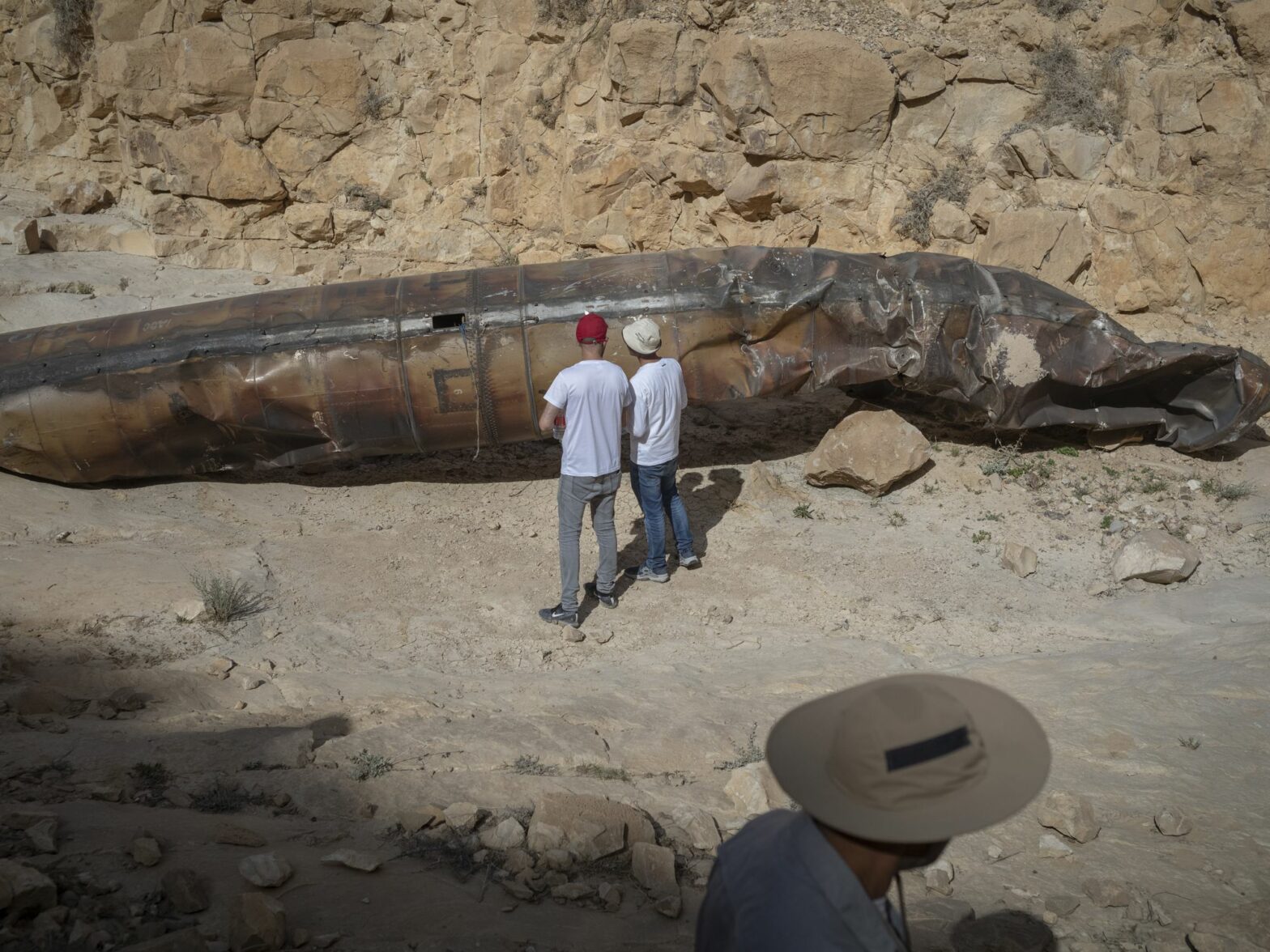
While the whole world was shocked by Iranian drones attacking Israel, which caused no casualties, nobody pays much attaention to the attacks being carried out by the same Iranian drones in northwestern Syria, where they regularly kill civilians.
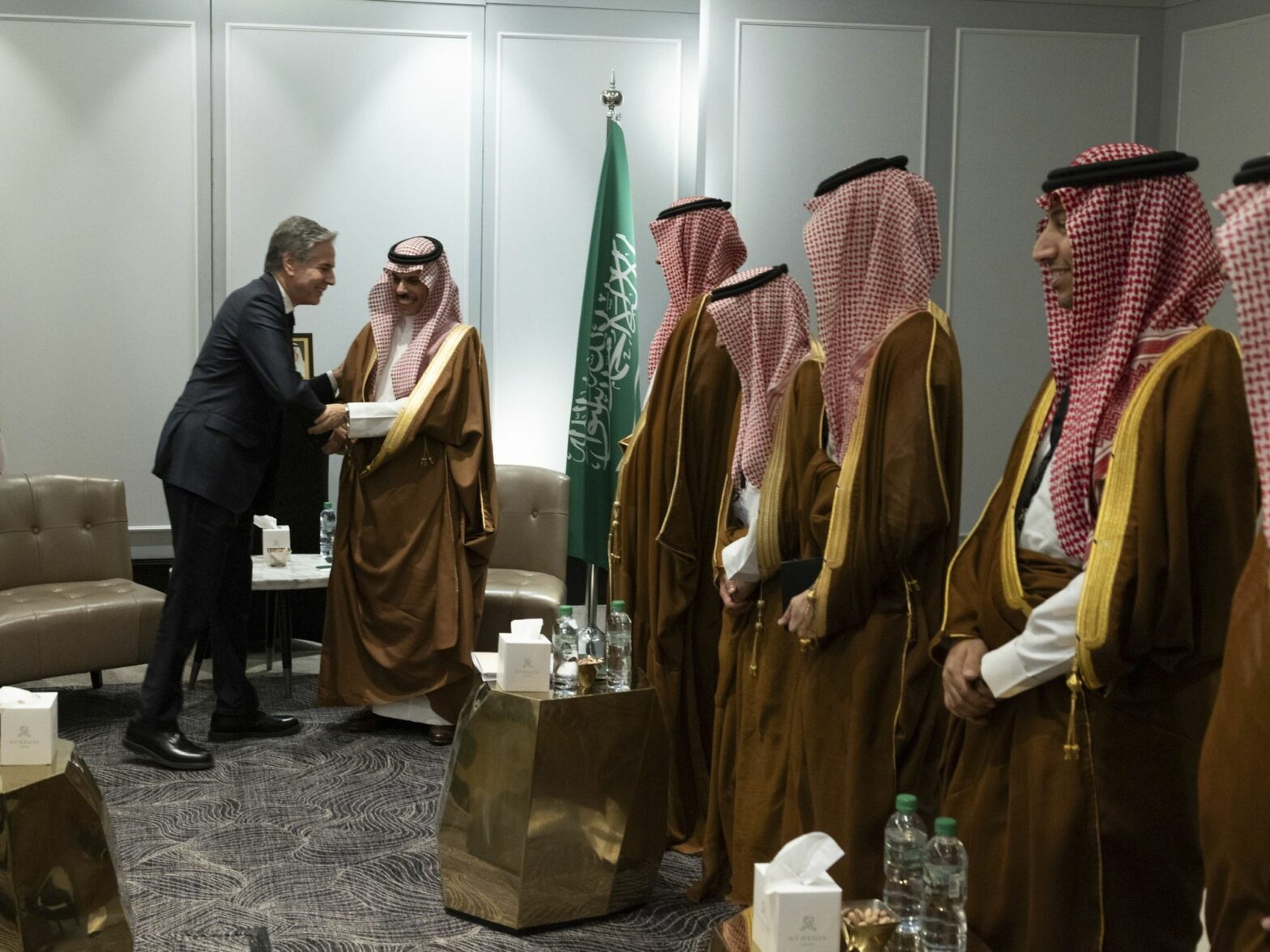
Washington has vetoed Palestine’s full membership to the United Nations and is using talk of the “two-state solution” to distract from Israel’s war crimes in Gaza. Pushed by the U.S. to normalize ties with Israel, what will Arab states do?
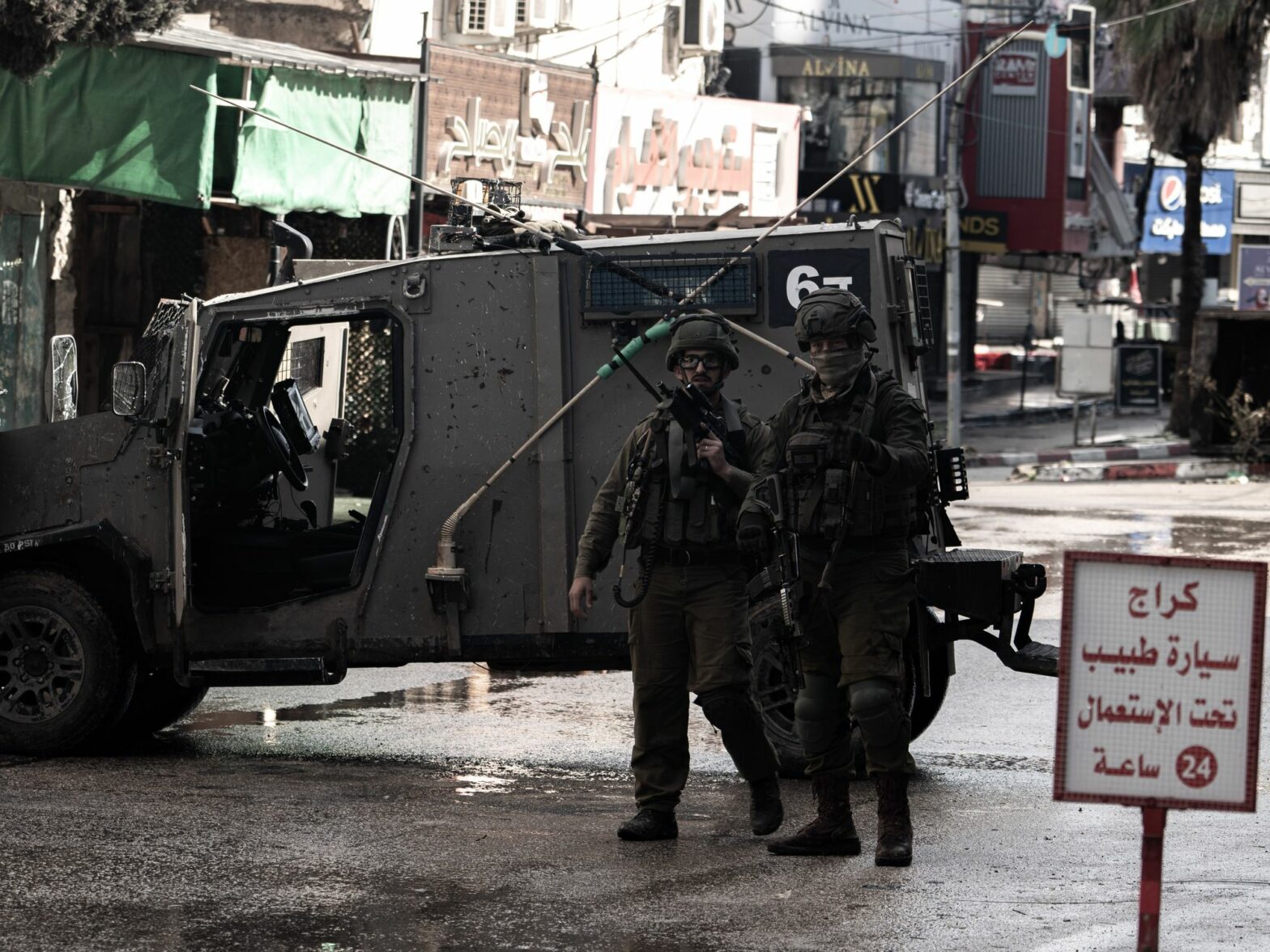
The Israeli Army Unit operating in the West Bank has been sanctioned by the Biden administration, accusing it of human rights violations. It’s the first time this has happened and it embodies a highly symbolic gesture that puts a stop to the excuse of “holy mission” that turn into crimes.
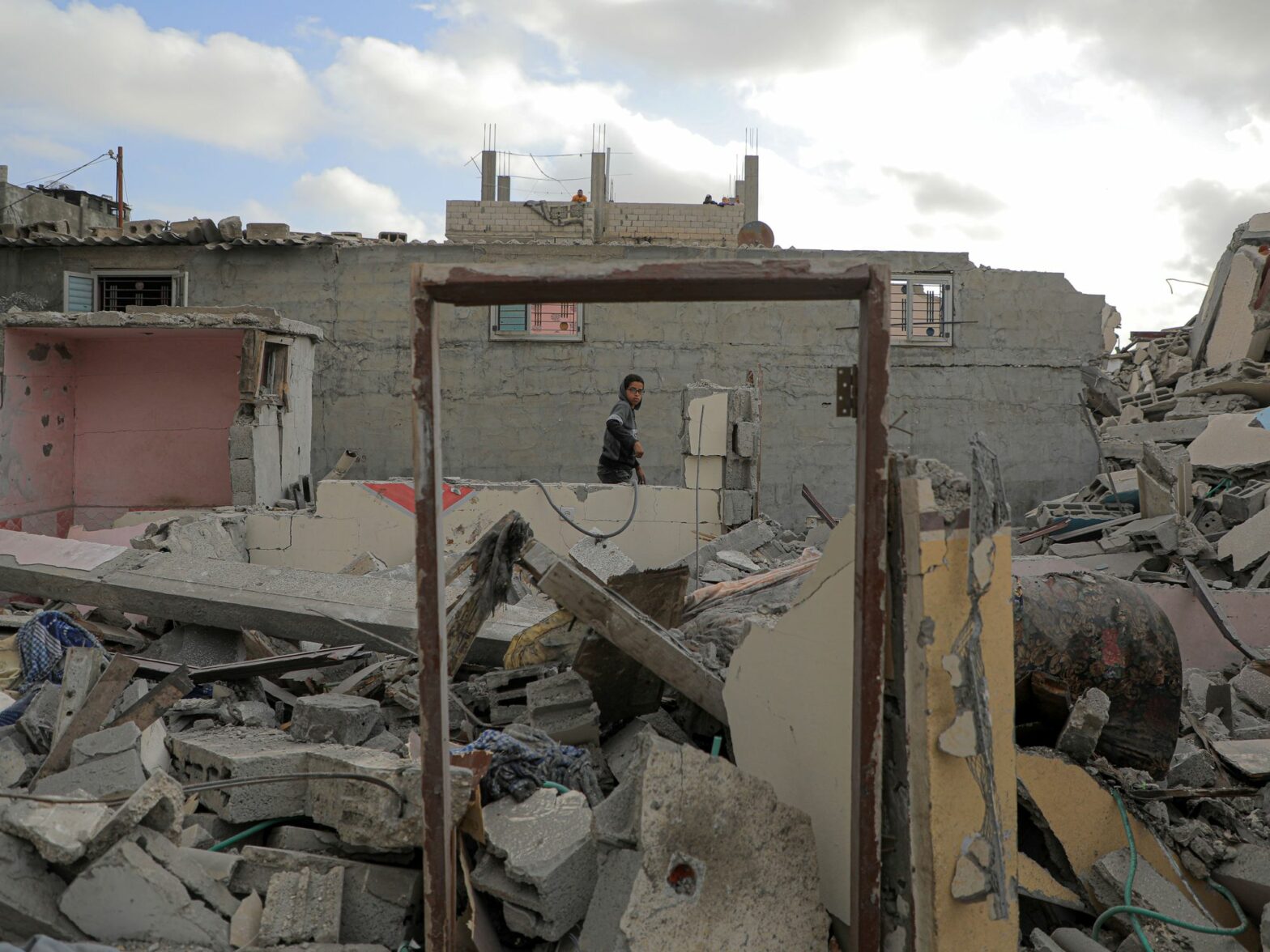
Despite talk of a smaller impact, Israel is prolonging its war on Gaza with more bombing campaigns that regularly kill civilians. The daily slaughter continues as the international community and Middle East have been focused on the growing tensions between Israel and Iran.
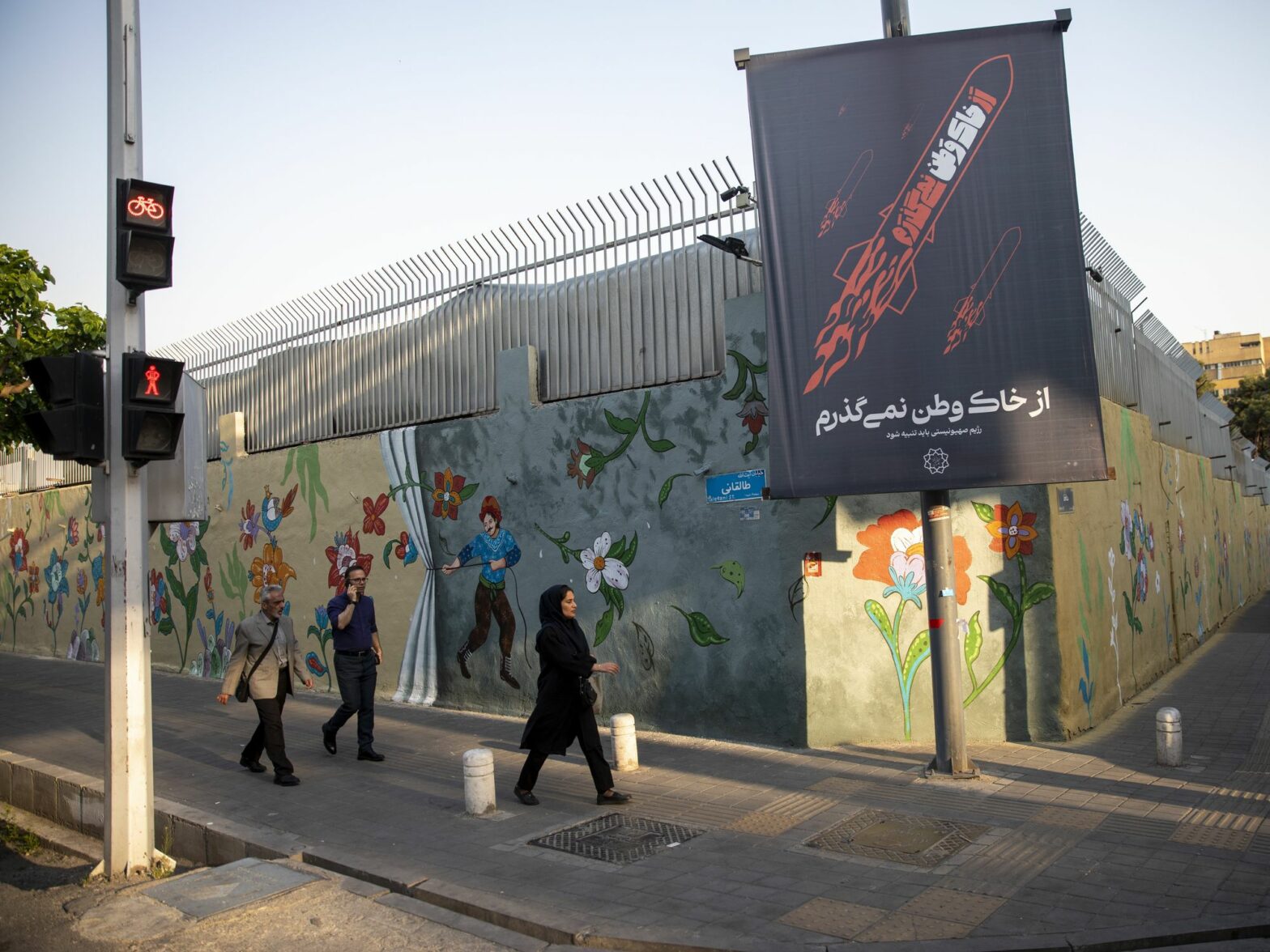
The Islamic Republic of Iran wants to destroy Israel and seems willing to obliterate Iran in the process. How do you deal with a regime that sees international chaos as serving divine wishes? Many in Iran see the direct challenge from Israel as the path to their nation’s liberation.
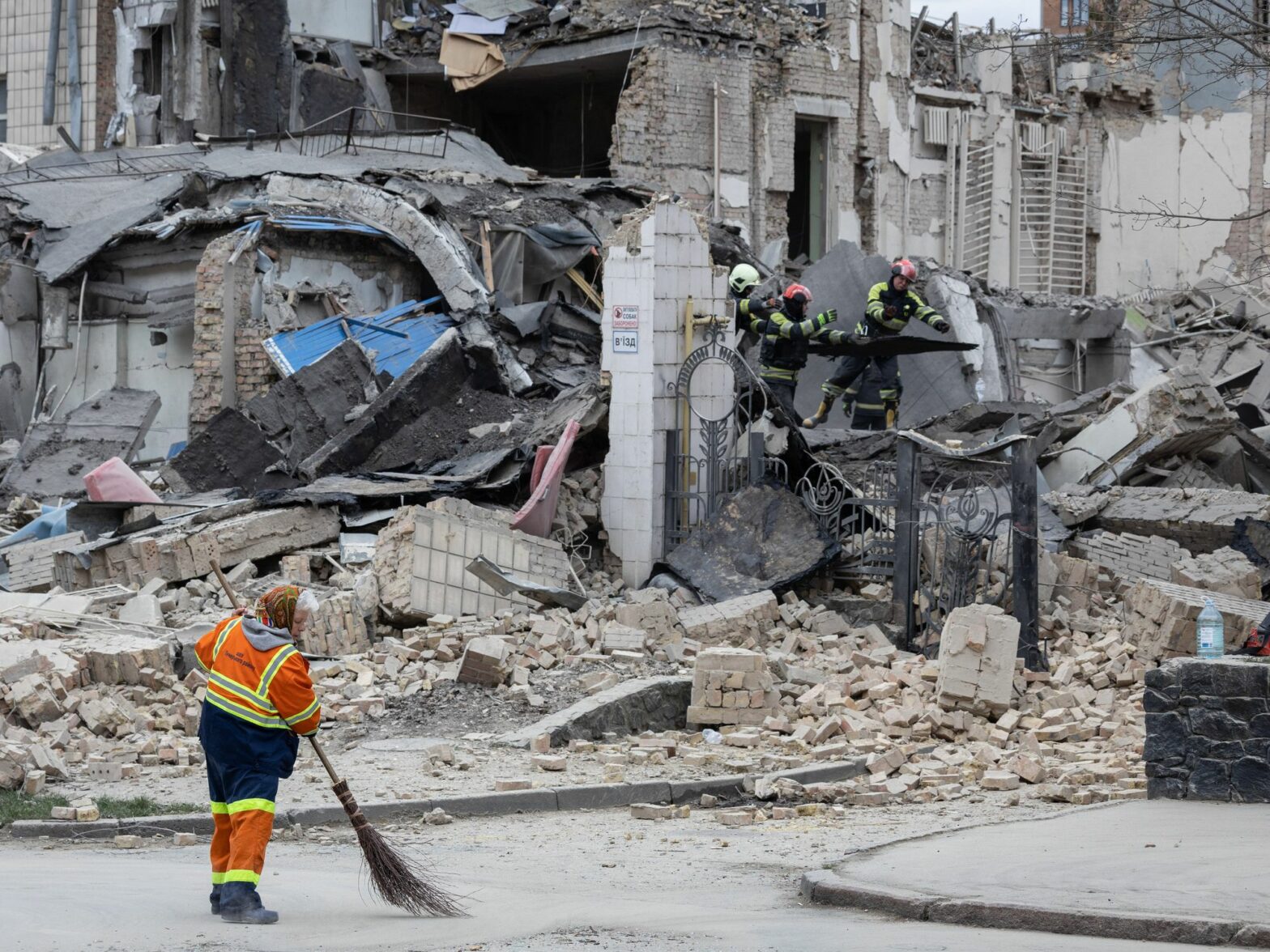
Seeing the near-perfect effectiveness of Israel’s defense against Iranian drones and missiles, Ukrainians are bitterly wondering why the West is denying them life-saving assistance. Fear of confrontation with a nuclear Russia remains the main reason.

By helping to intercept Iran’s counter attack against Israel, the U.S. and Western allies, along with Jordan, have deprived Benjamin Netanyahu of a pretext to expand the war and to divert attention from his actions in Gaza.
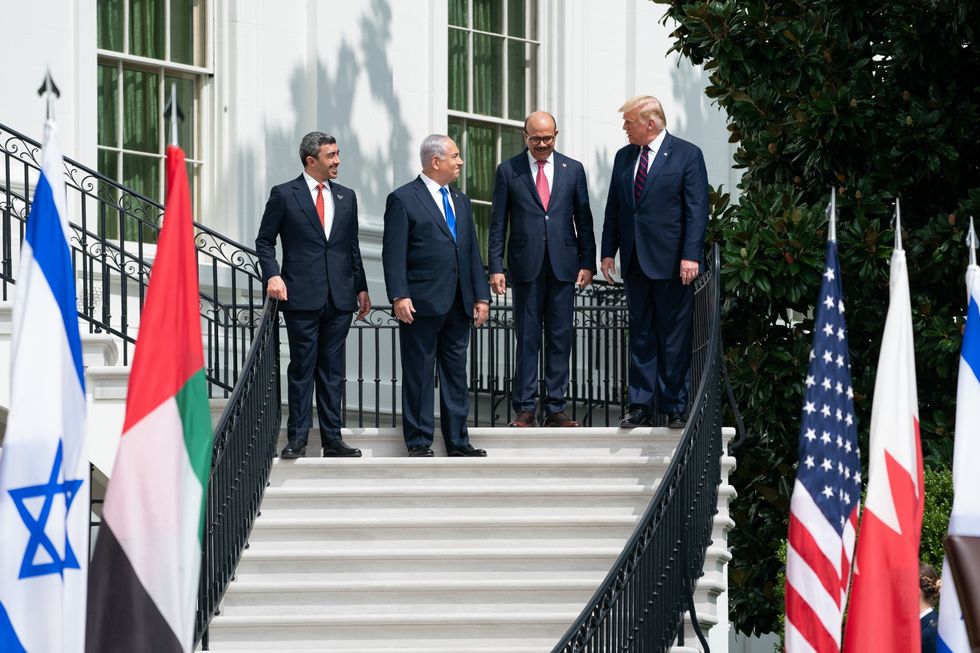
Despite Israel’s bloody war on Gaza, Jordan participated, on Saturday, in the destruction of Iranian missiles and drones targeting Israel. But it is not the only Arab country involved, a major regional shift that follows years of discreet military contacts orchestrated by the United States.
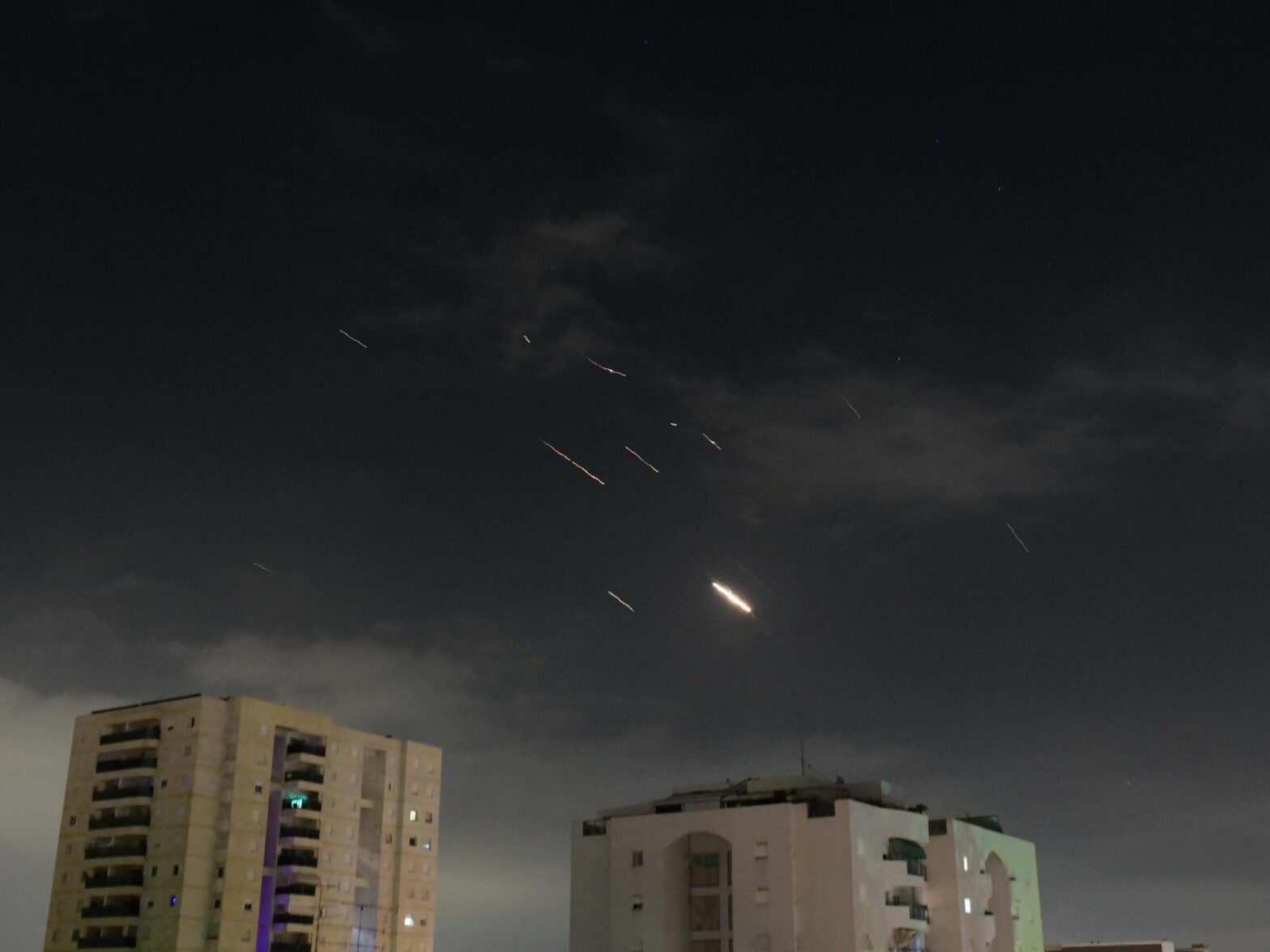
The world watches as Netanyahu walks that fine line between deterrence and escalation.
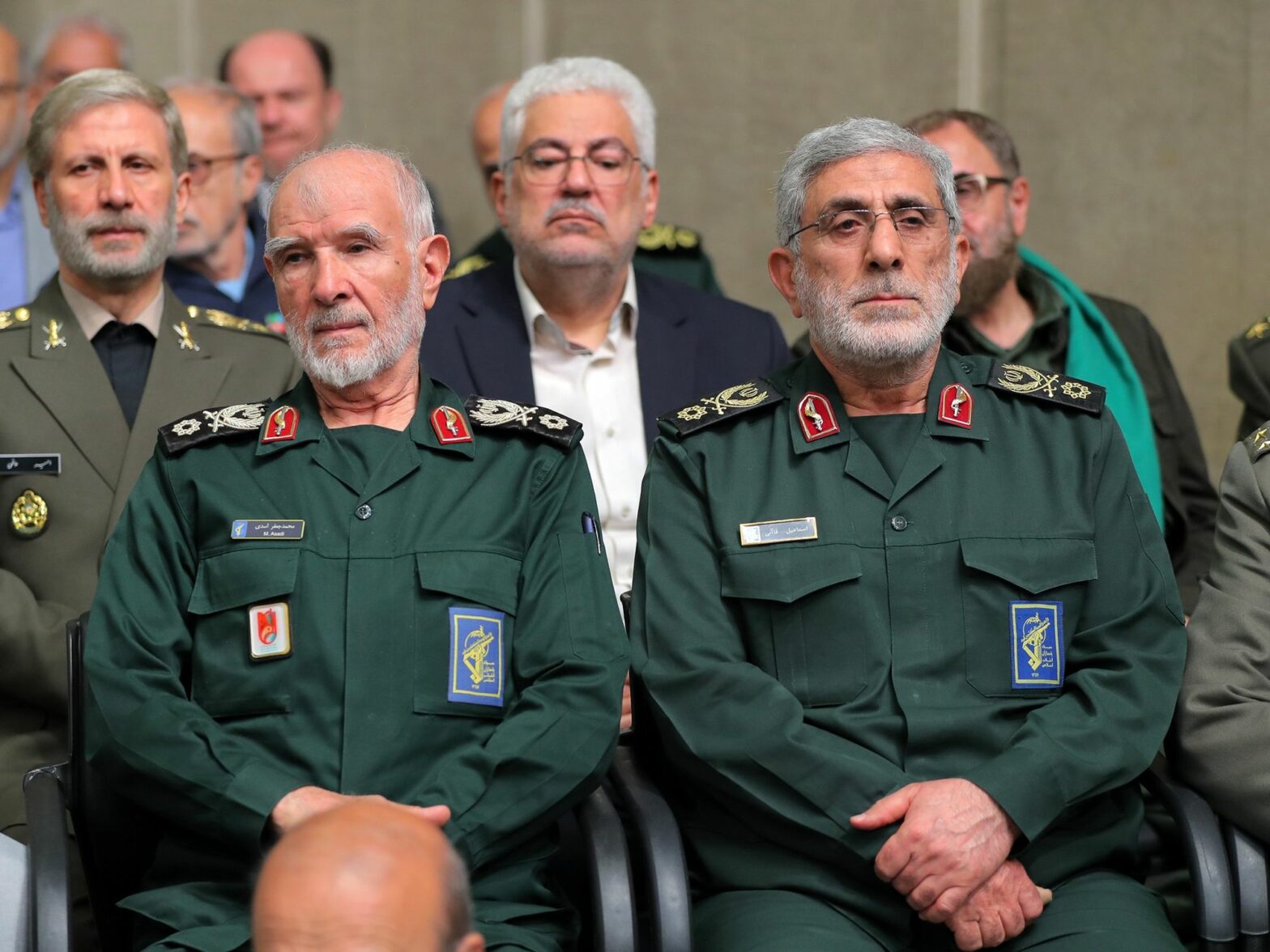
For decades Iran’s leaders have promoted the vision of martyrdom as a precept of the regime, but appear to have carefully weighed how much damage to try to inflict on Israel after its attack against its top military leaders in Syria on April 1. What does this say about the state and stability of the regime?
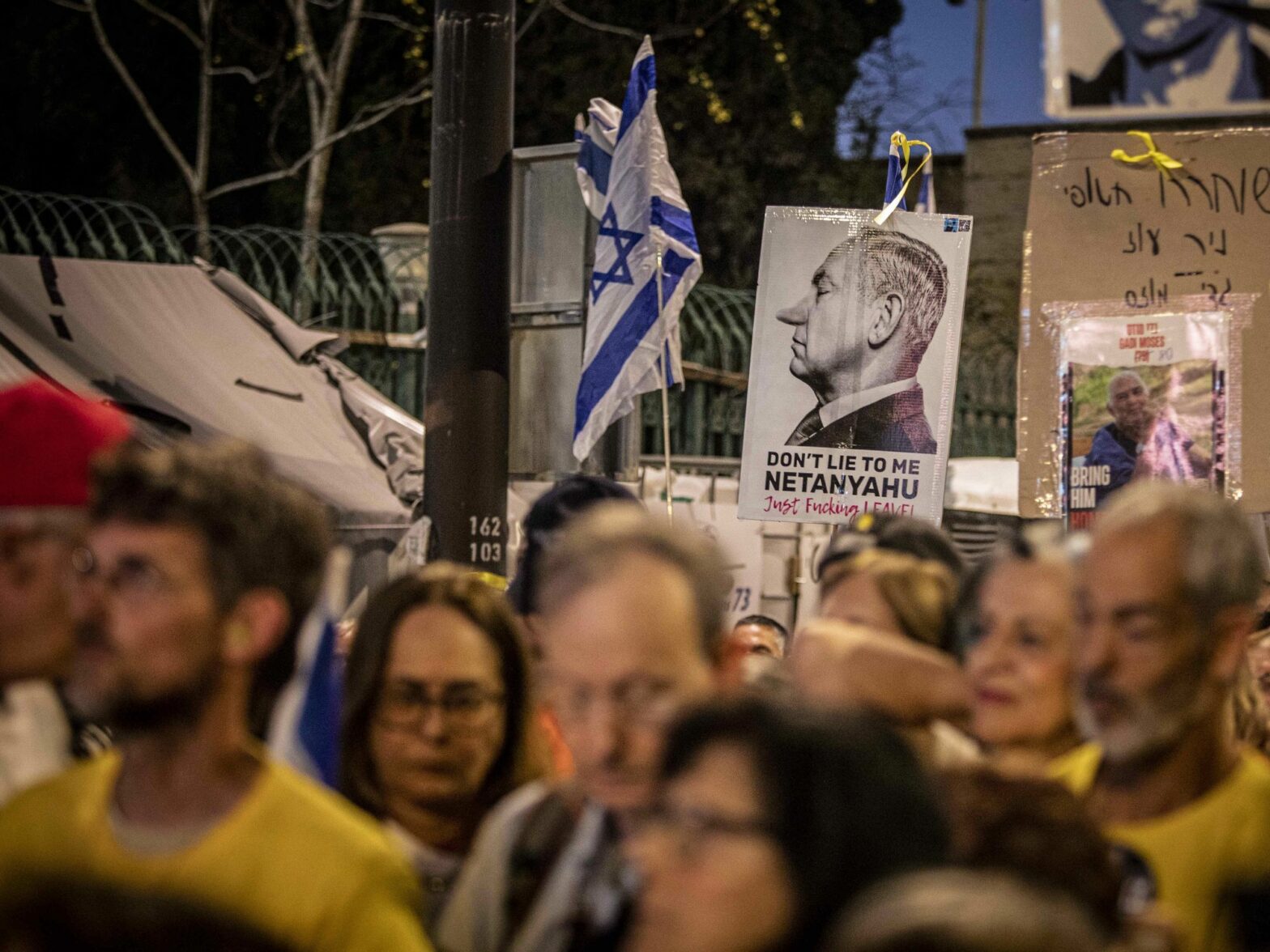
After Israel’s military killed seven aid workers from the World Central Kitchen — including six foreigners —, its closest allies in the West revolted. Some threatened to stop supplying Israel’s war machine. The Arab countries, meanwhile, are still taking the position of “concerned observer” of Israel’s killing of over 33,000 Palestinians, two thirds of them women and children.

Faced with the challenges of population growth and climate change, the development of new technologies such as precision fermentation or cultured meat are paving the way to an era of new food.
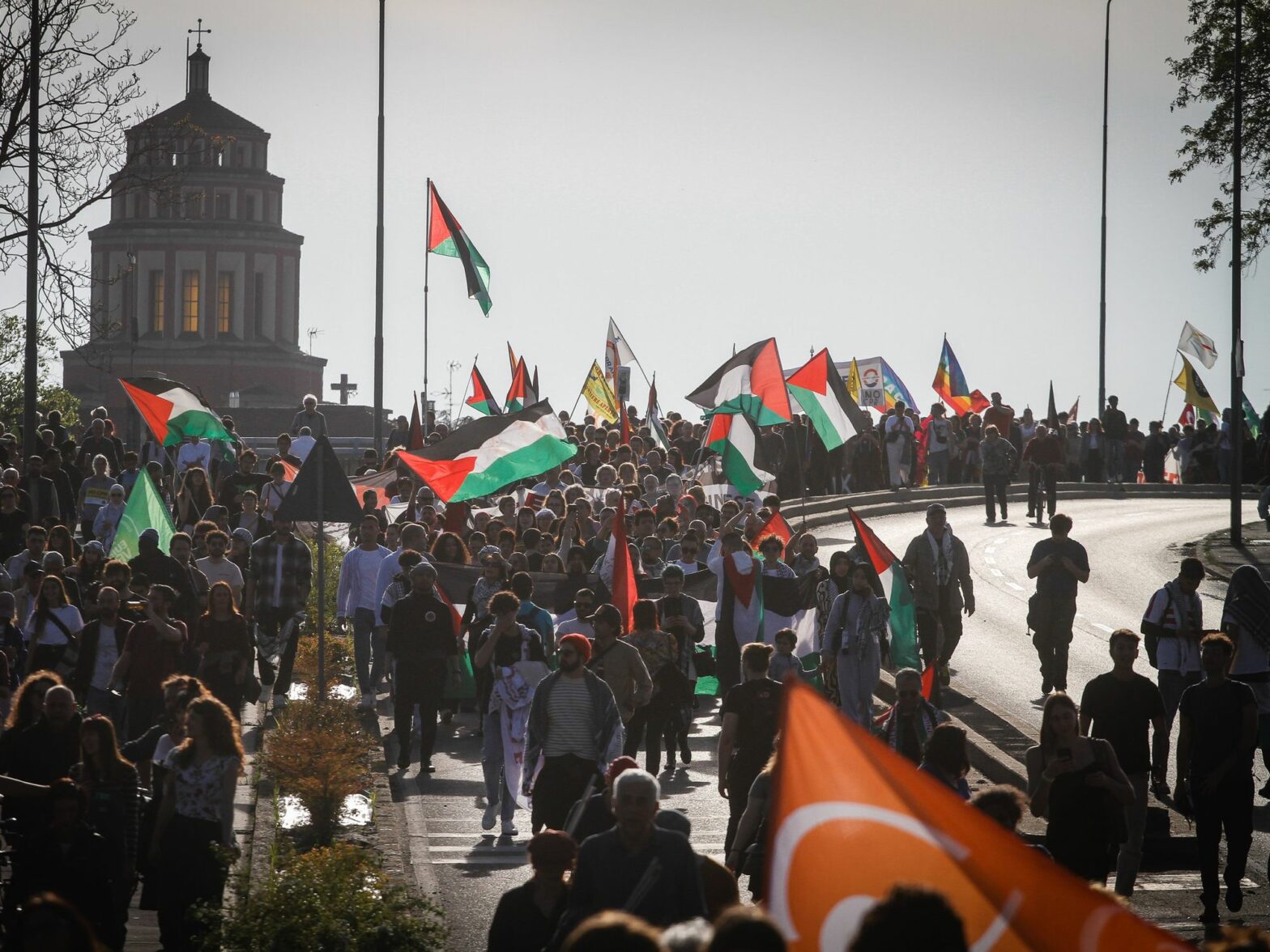
Spain is leading the way on European recognition of the state of Palestine. Ireland, Malta and Slovenia have also signed a joint statement asserting readiness to recognize the warring region. Will other European Union countries follow suit?
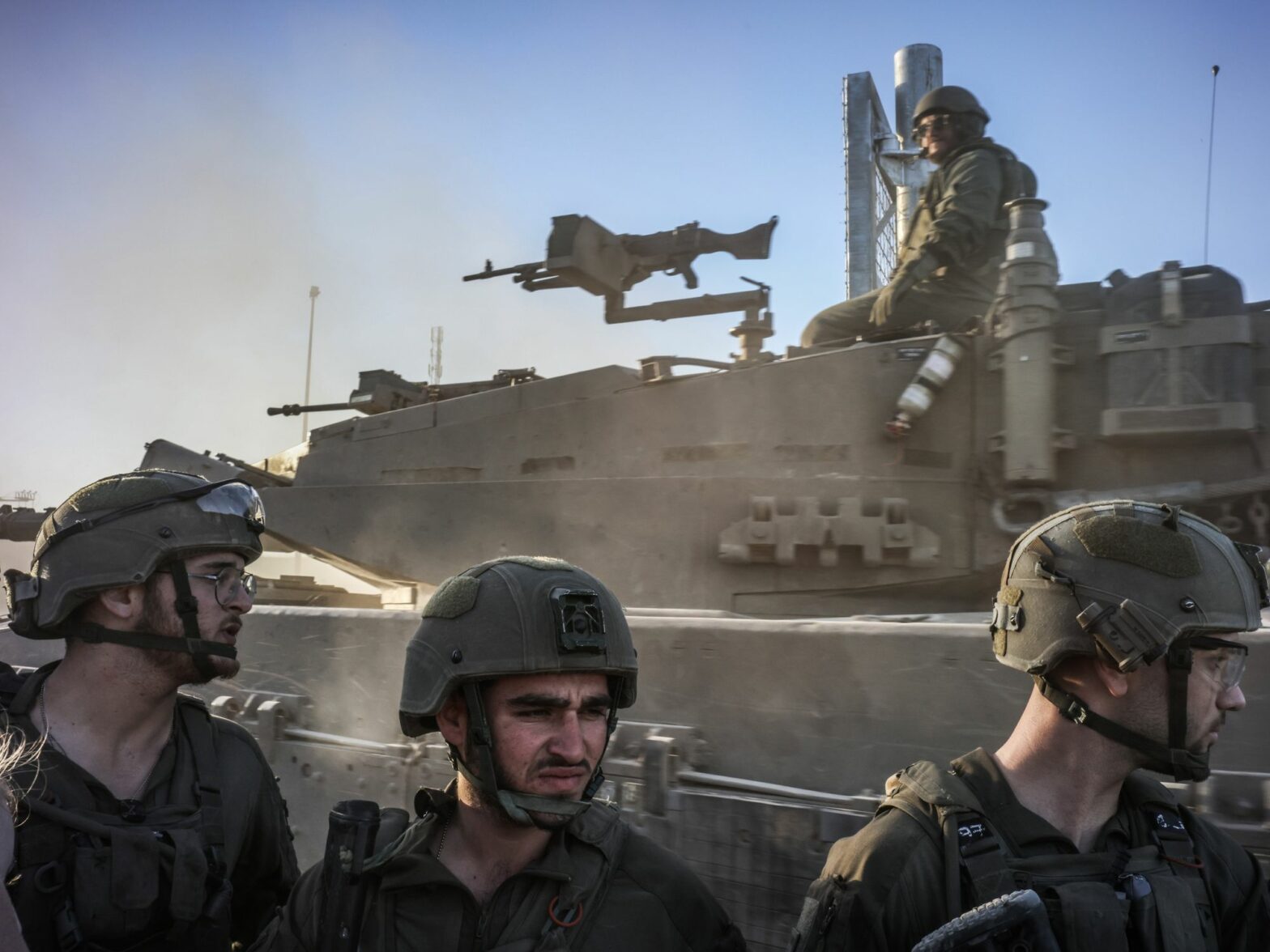
The eighth part of an anthology of poetry from the IDF’s front line soldiers prompted the withdrawal of its copies, with some poems articulating an Israeli “call for revenge.” Sometimes only poetry can truly expose the brutal truth.
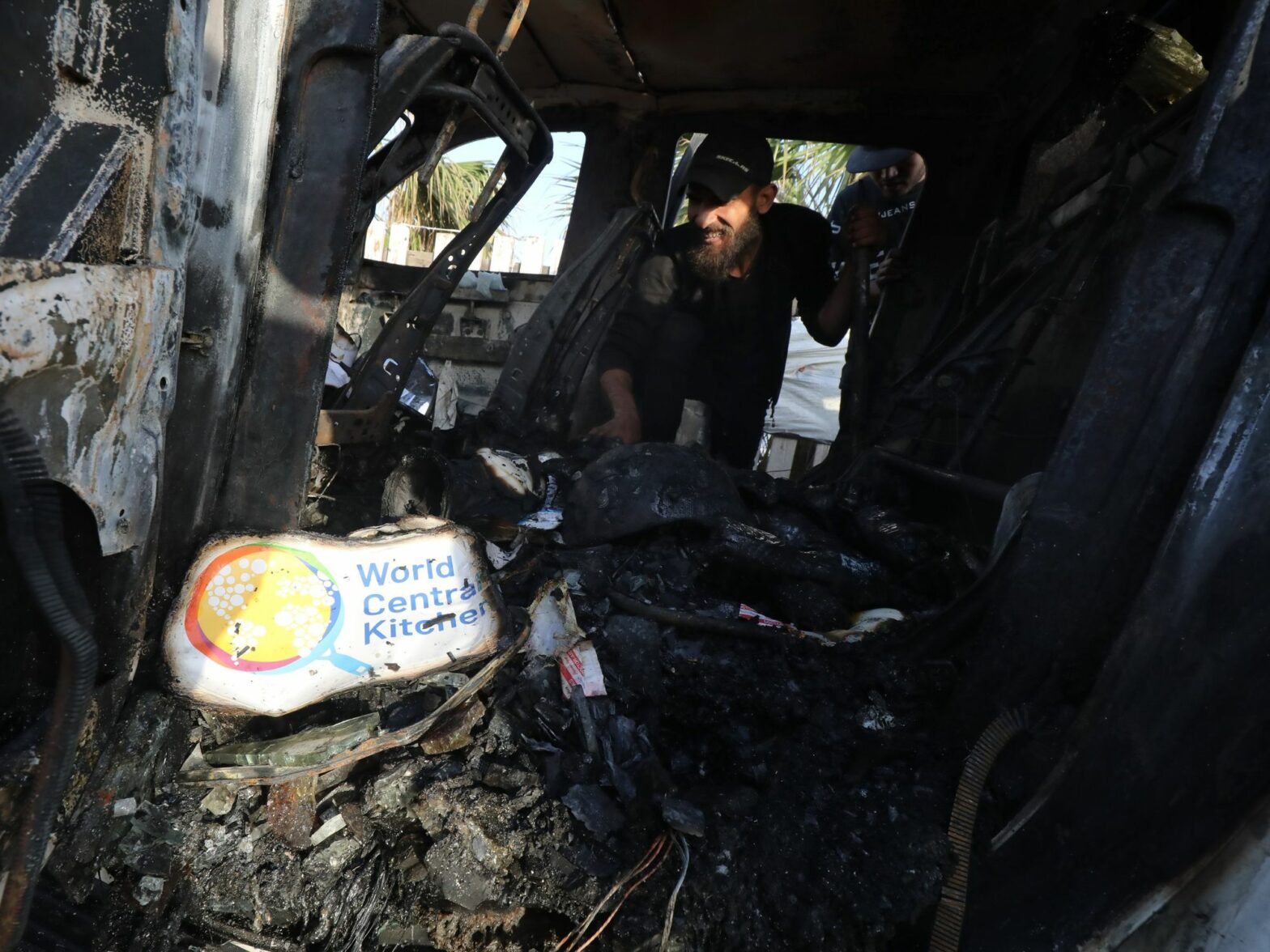
The Israeli drone strike that killed seven aid workers in Gaza has set off an international outcry. And Israeli Prime Minister Benjamin Netanyahu’s reaction was a reminder that cutting off humanitarian aid has been part of the strategy from the start of the war in Gaza.
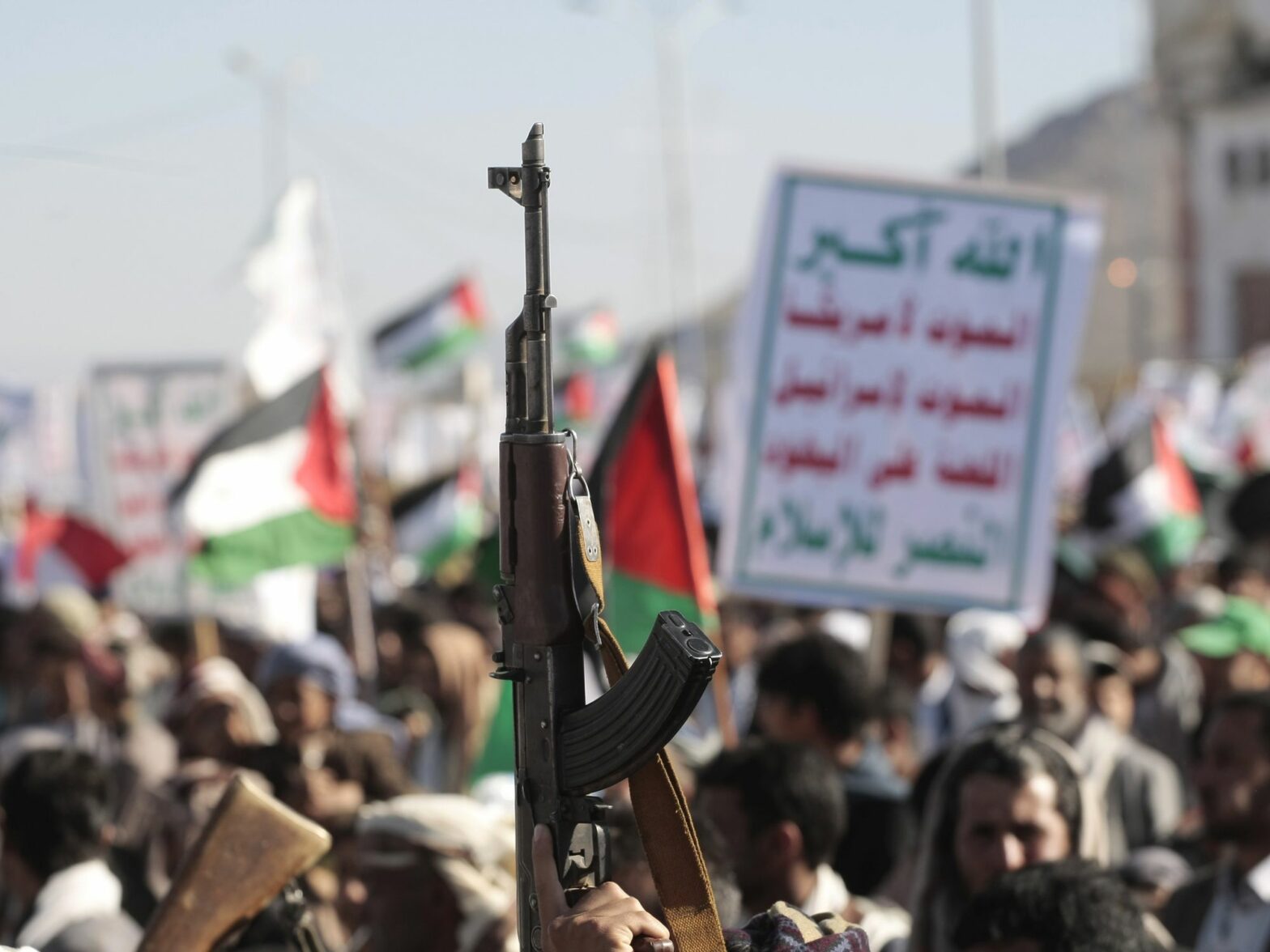
Hamas’s Oct. 7 attack and Israel’s subsequent war in Gaza have given Islamists new momentum and a new outlook on their recent political setbacks.
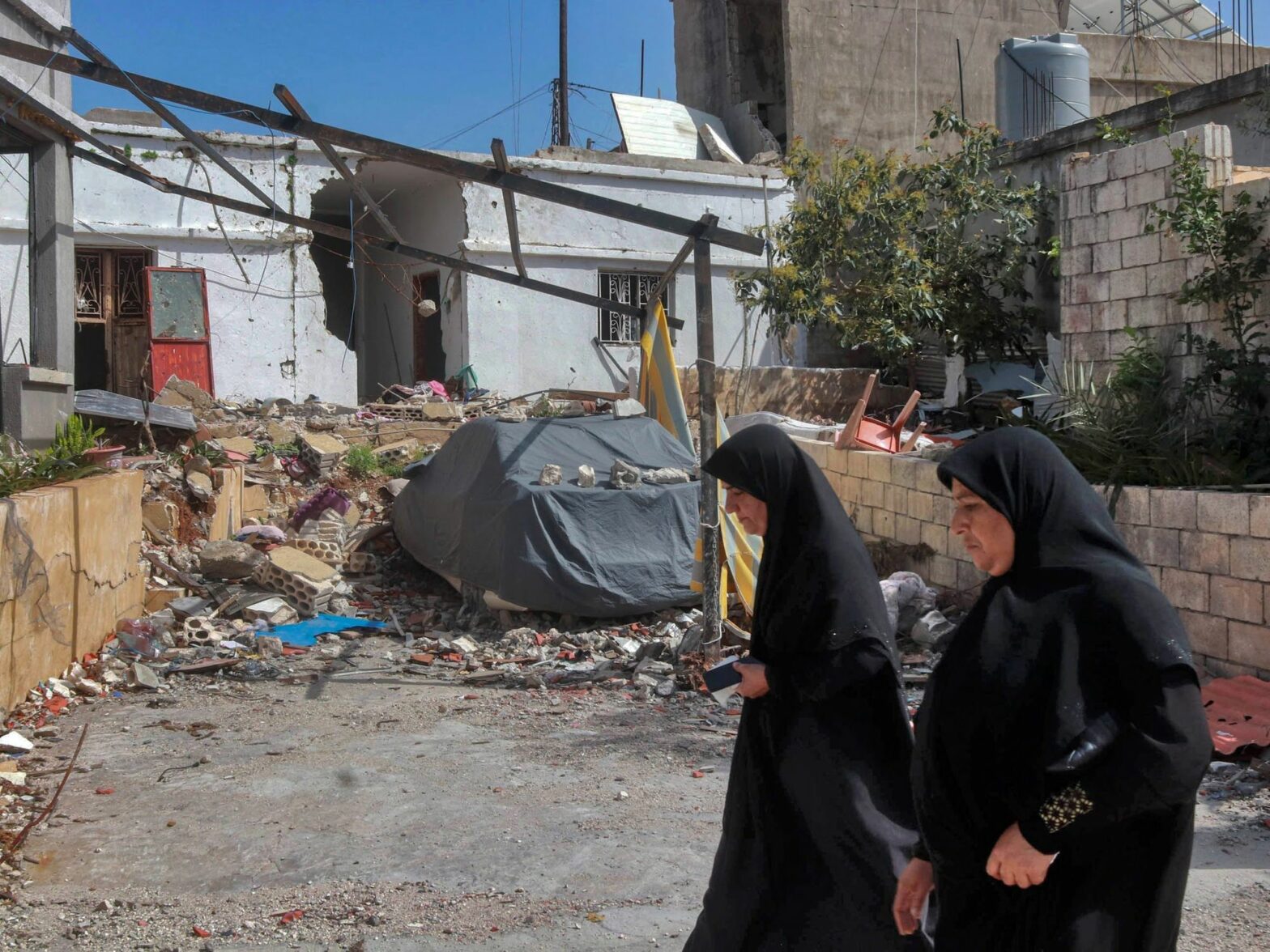
As Israel prosecutes its war on Gaza, Lebanon found itself caught in the daily attacks between Israel and Hezbollah. Lebanese know that Israel has made its position clear, which leaves the big question mark with the regime in Tehran, which largely guides Hezbollah in its response to Israel.
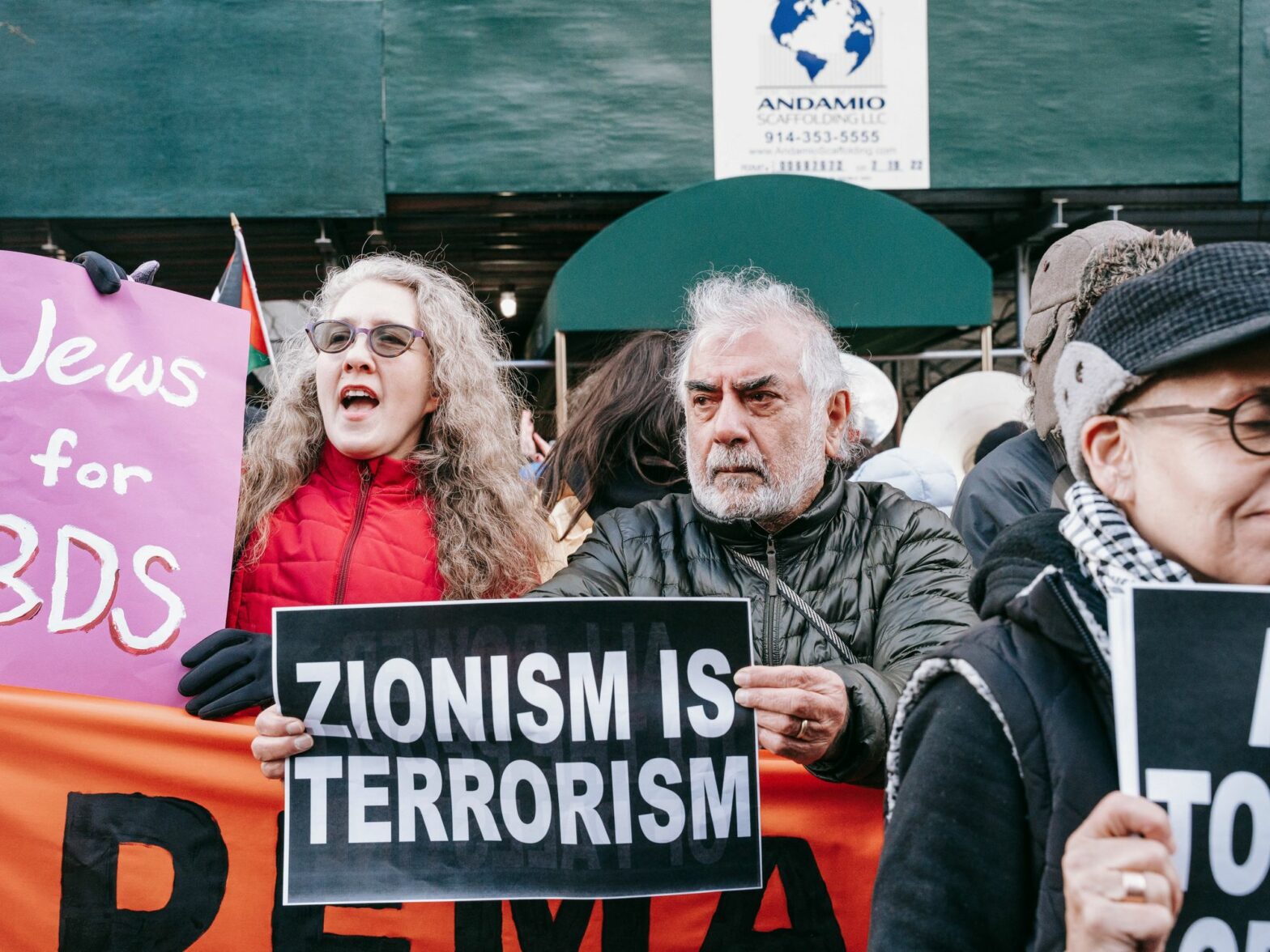
Criticism of Israel in the United States remained a taboo for many decades. But this has begun to change with new generations and Palestinians presenting their cause on a humanitarian basis. It may ultimately make it impossible to reconcile being both a progressive and a Zionist.
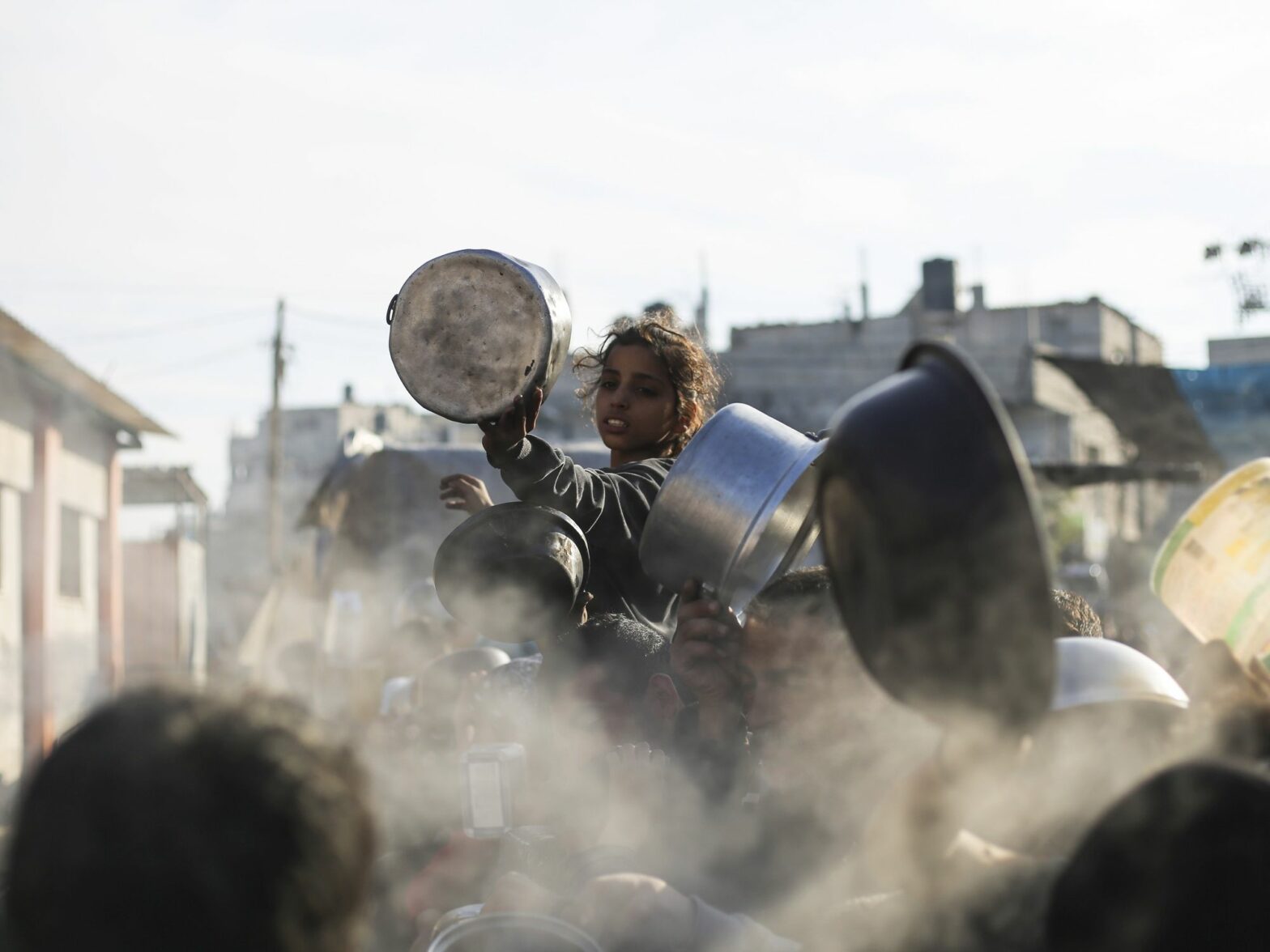
With Israel blocking aid from entering Gaza, some are either resorting to force to get aid to feed their children or turning to a new black market where merchants and war profiteers exploit people’s needs.
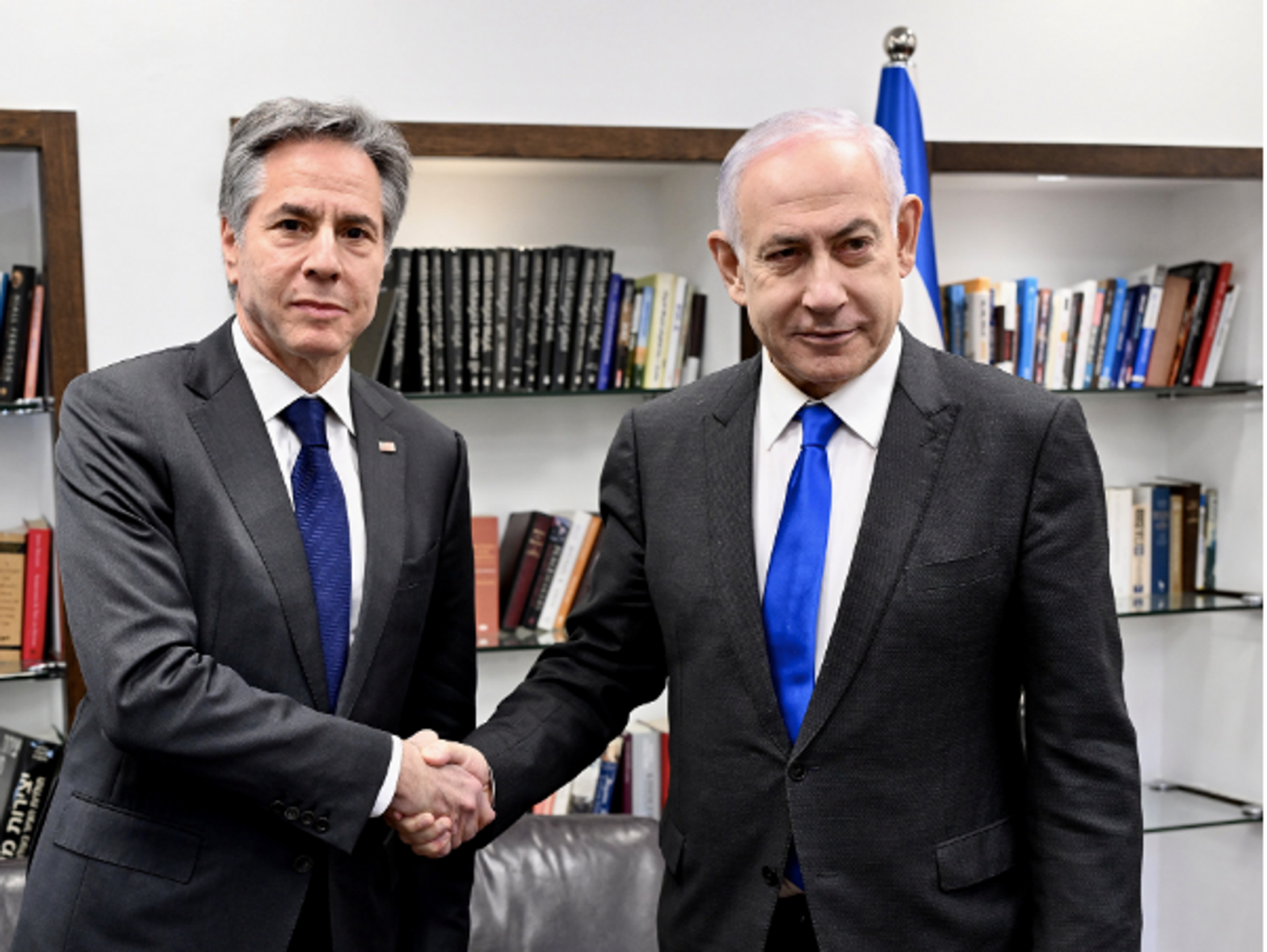
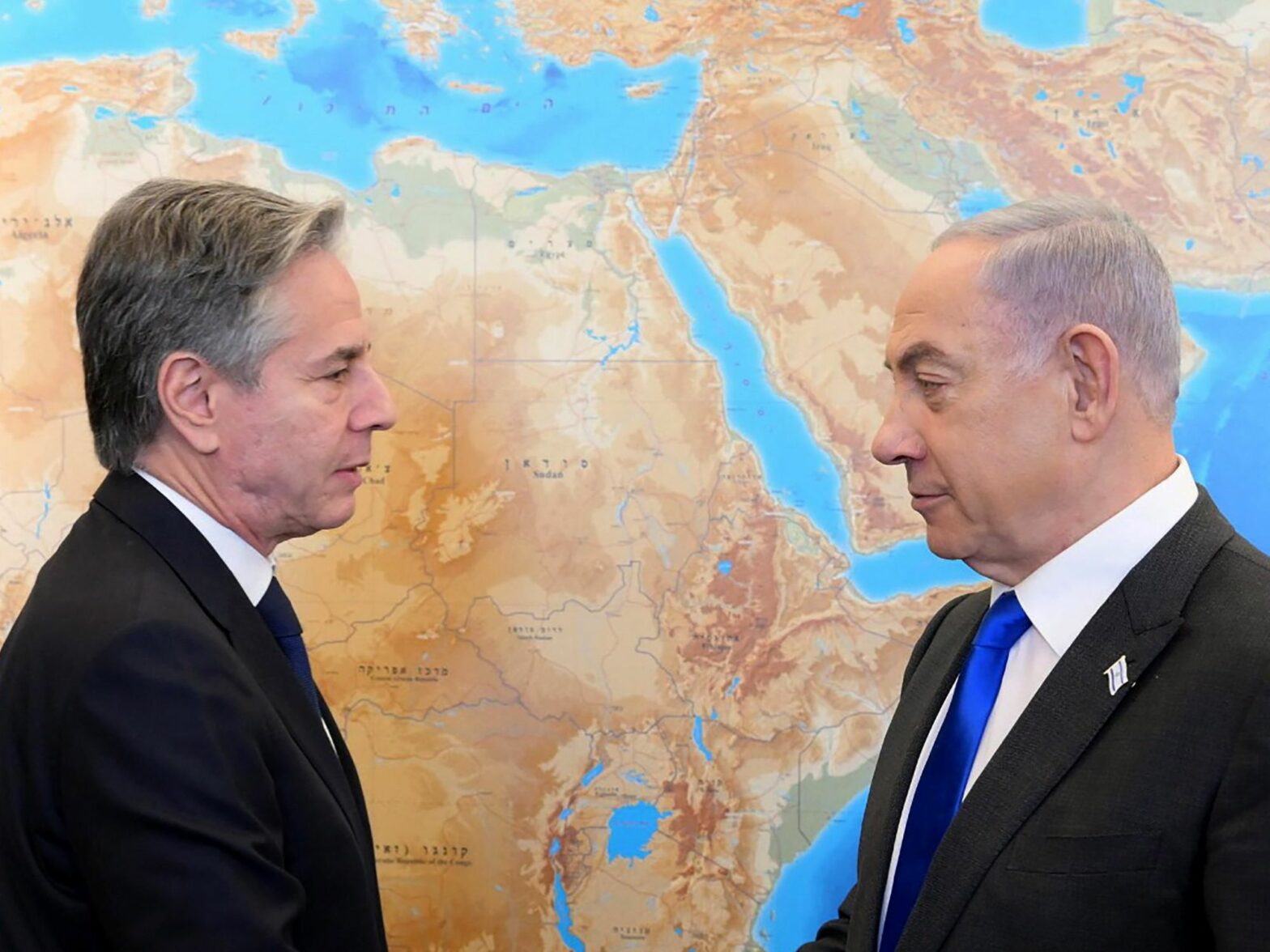
U.S. Secretary of State Antony Blinken meets with Israeli Prime Minister Benjamin Netanyahu, just as Washington has submitted a stunning resolution at the UN pressuring Israel into a ceasefire. But is there a way out?
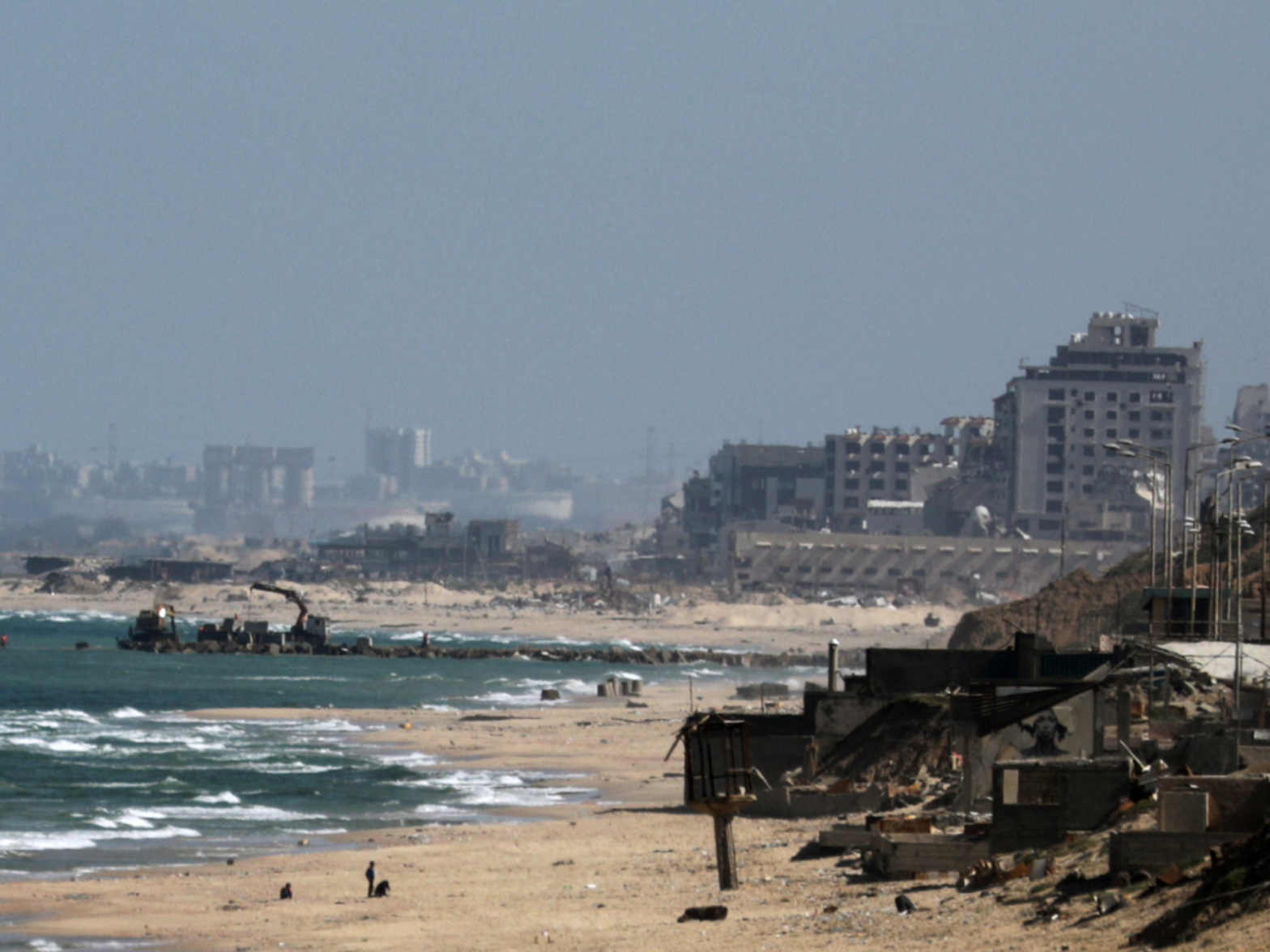
The U.S. pier and sea corridor aims at isolating Gaza from its Arab neighbors, paving the way for the incoming authority, and facilitating attacks on the resistance.
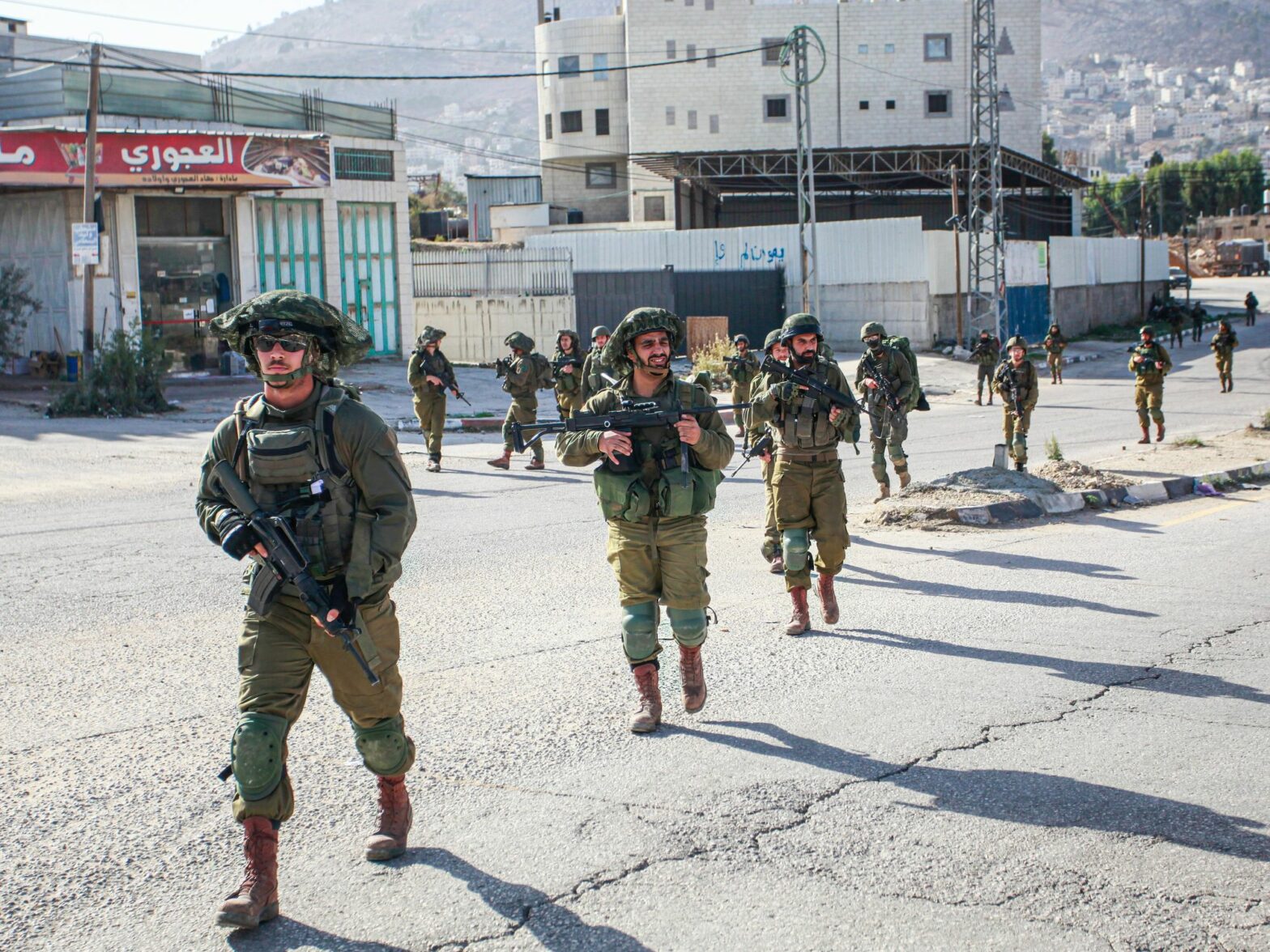
Released detainees detail how Israel’s military used them as human shields in its war against Hamas in Gaza. Soldiers would put civilian Palestinians in front of military targets, endangering their lives, according to accounts from recently-released detainees.
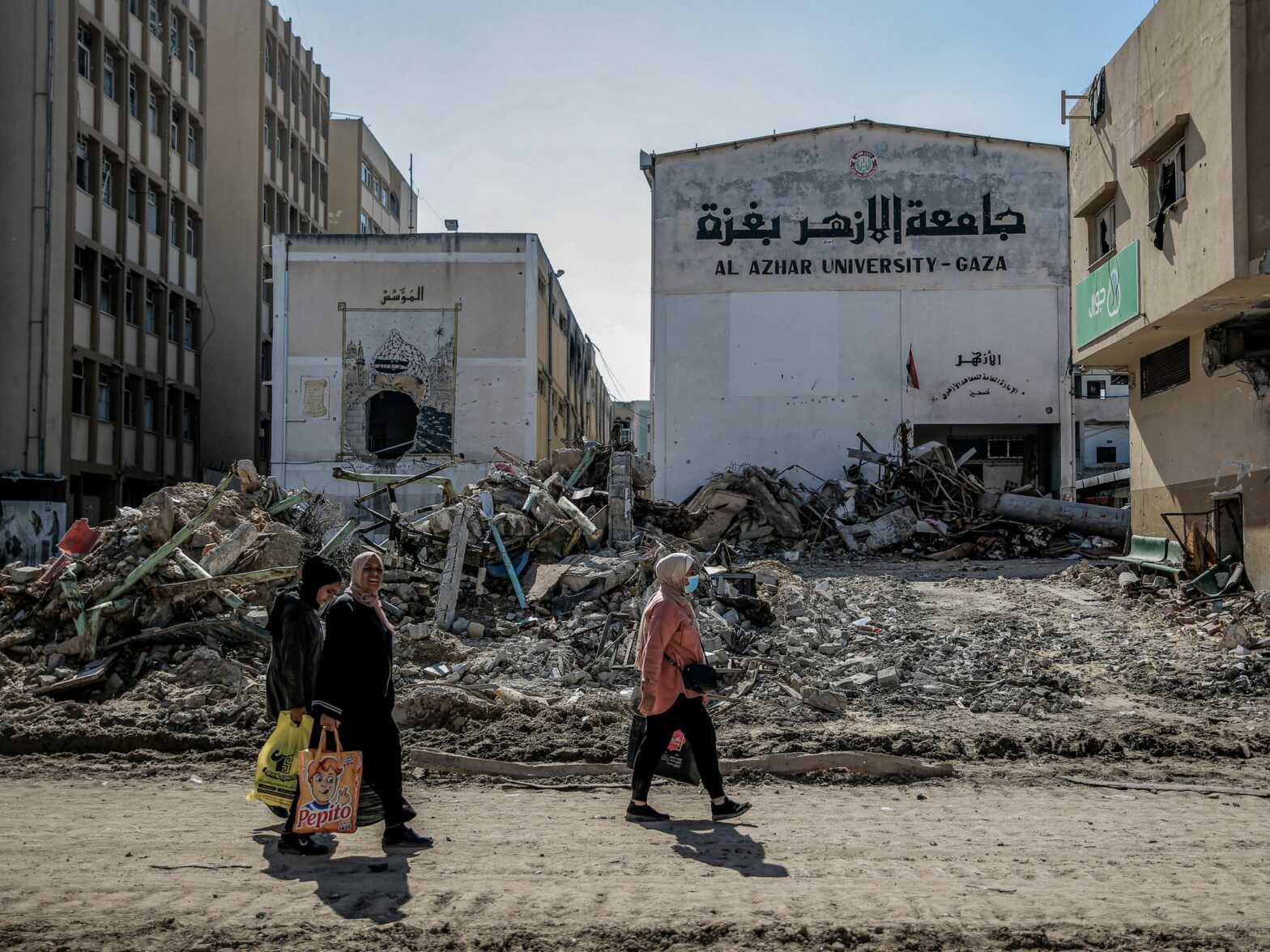
Israel’s war on Gaza could be seen as “a cultural genocide,” which targets Gaza’s history, the Palestinian cause and traces of those who lived in the strip. That will have consequences that would last for centuries.
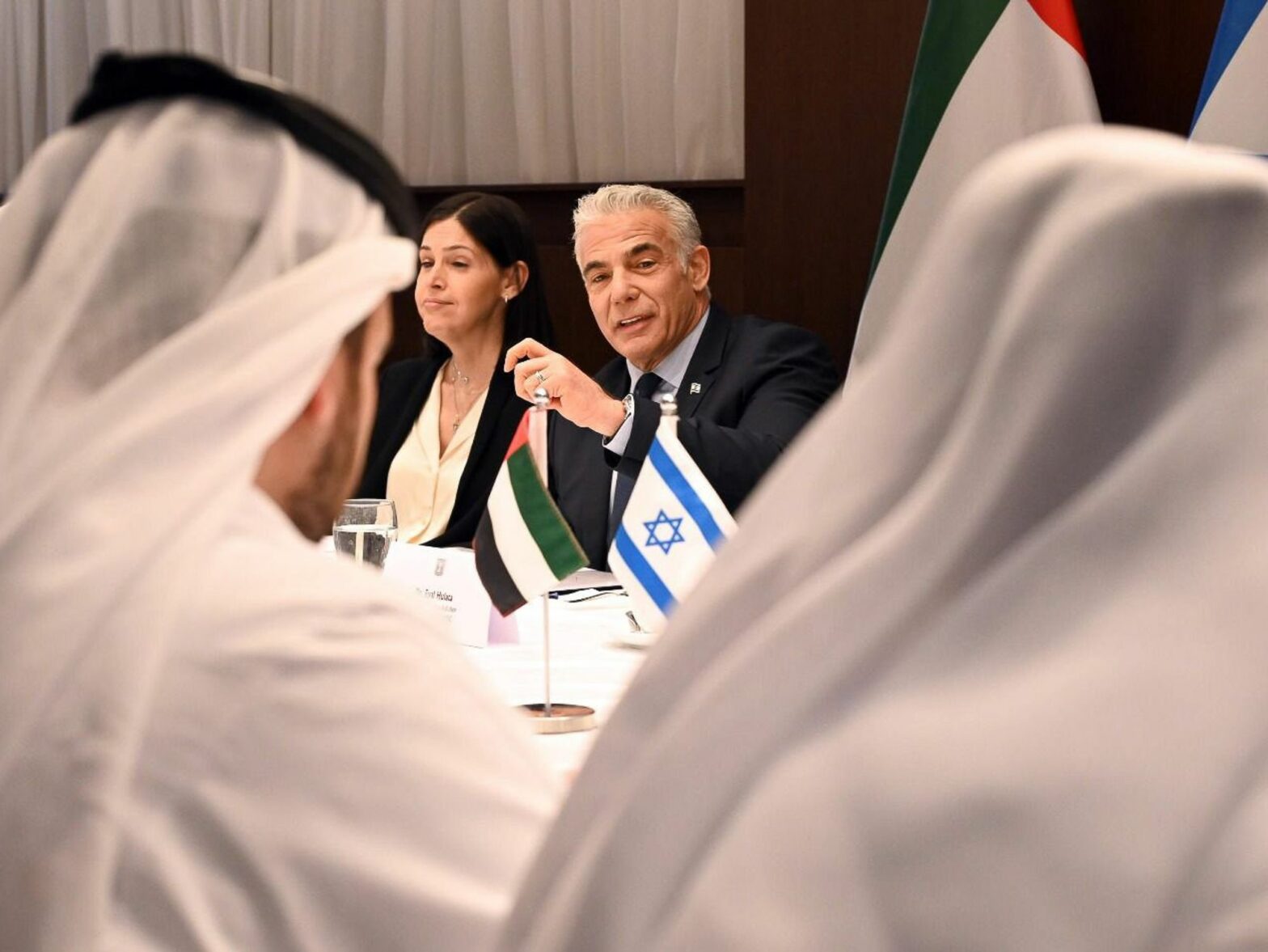
As the United Arab Emirates normalizes relations with Israel, an Emirati organization’s recent revival of a famous pan-Arab song is strangely devoid of all common Arab issues and subjects that would anger Israel, just as Palestinians are being massacred in Gaza.
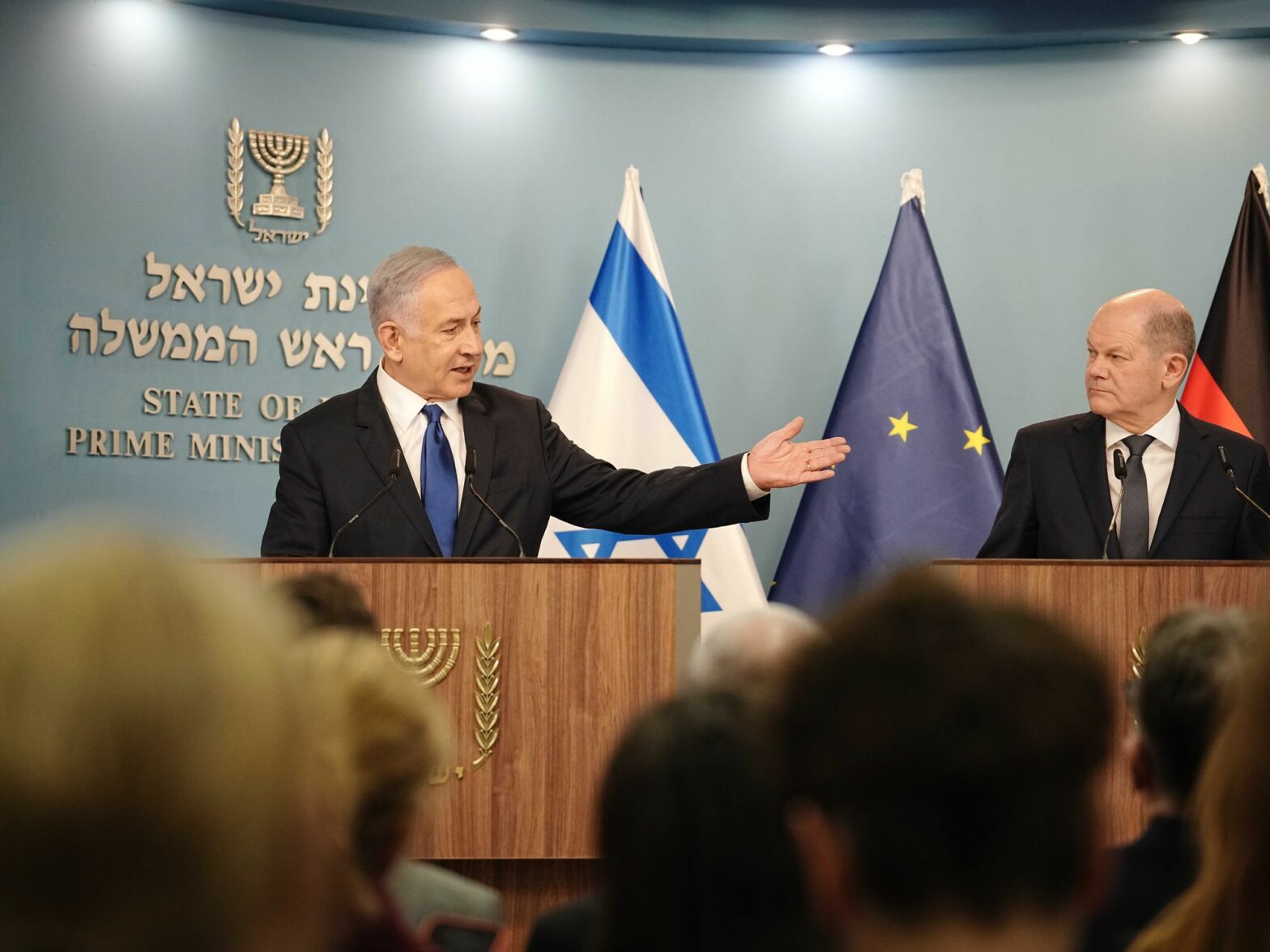
As Western leaders criticize Netanyahu and his war in Gaza, the Israeli Prime Minister apparently remains fully confident in forging ahead with a hardline that leaves a brutal human toll.
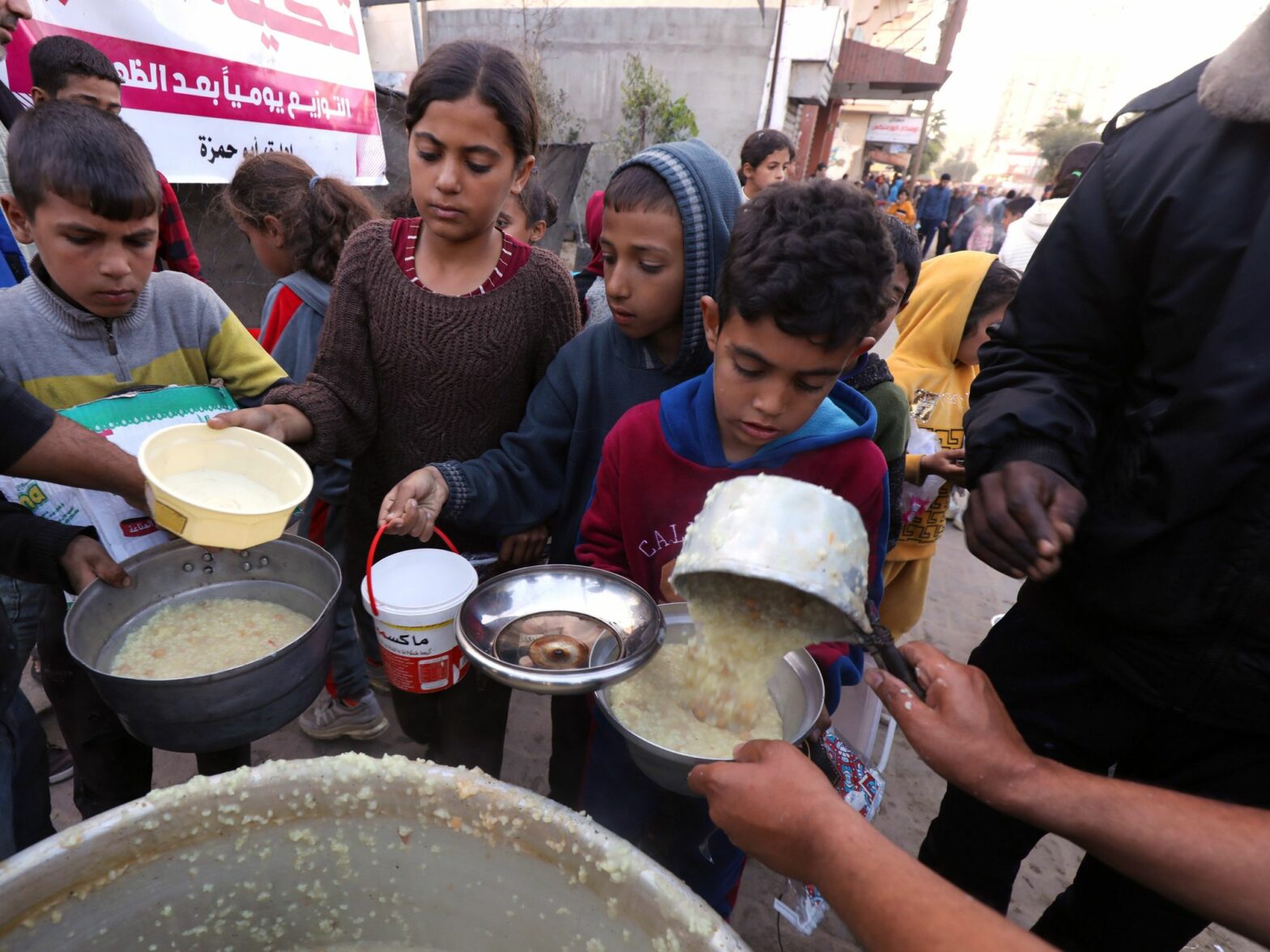
With the Israel-Hamas war now in its sixth month and hunger worsening in Gaza, Palestinian have begun fasting for Ramadan. Al Manassa spent the first day of the Muslim holy month with a displaced family in their tent in Mawasi.
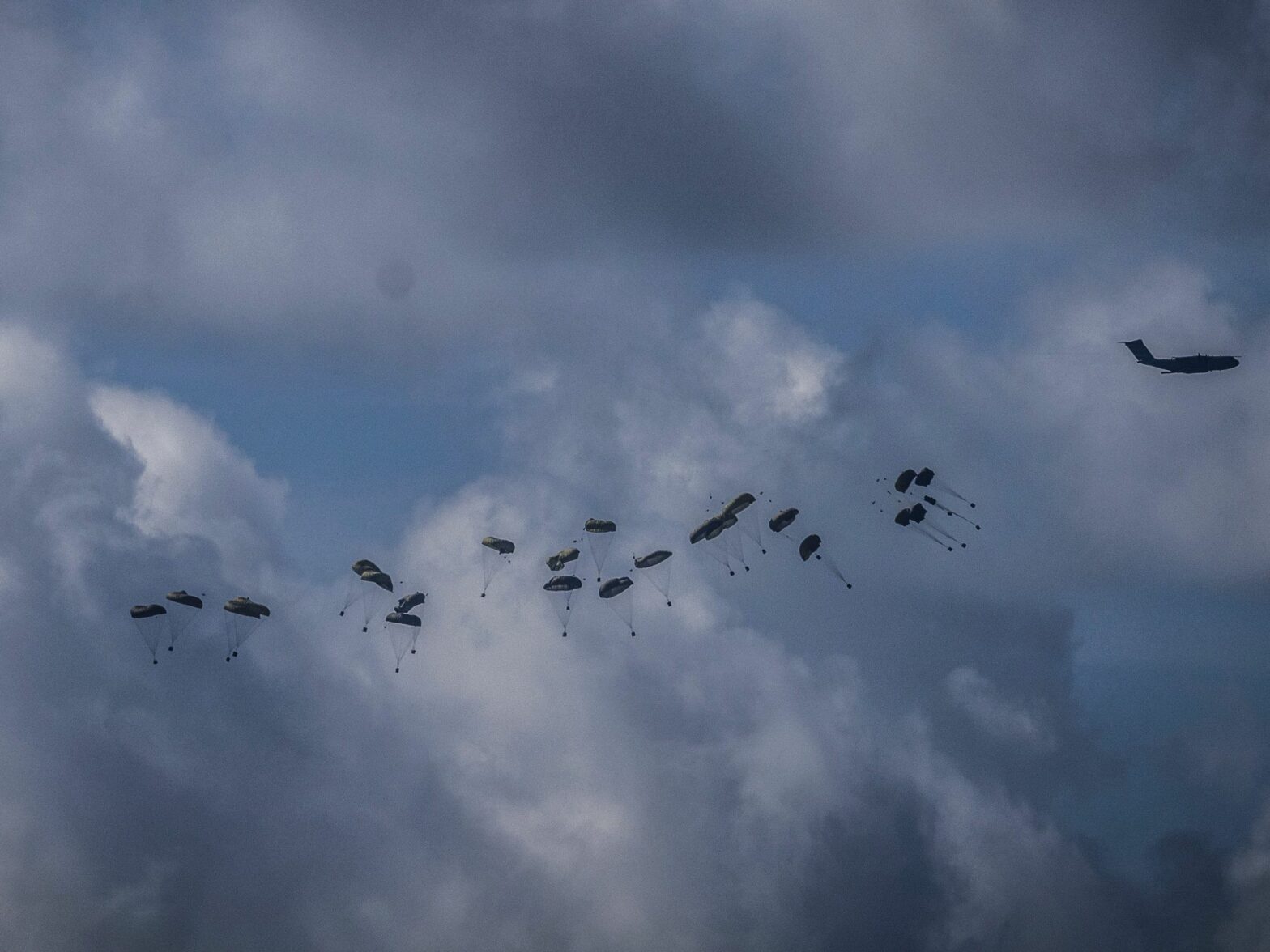
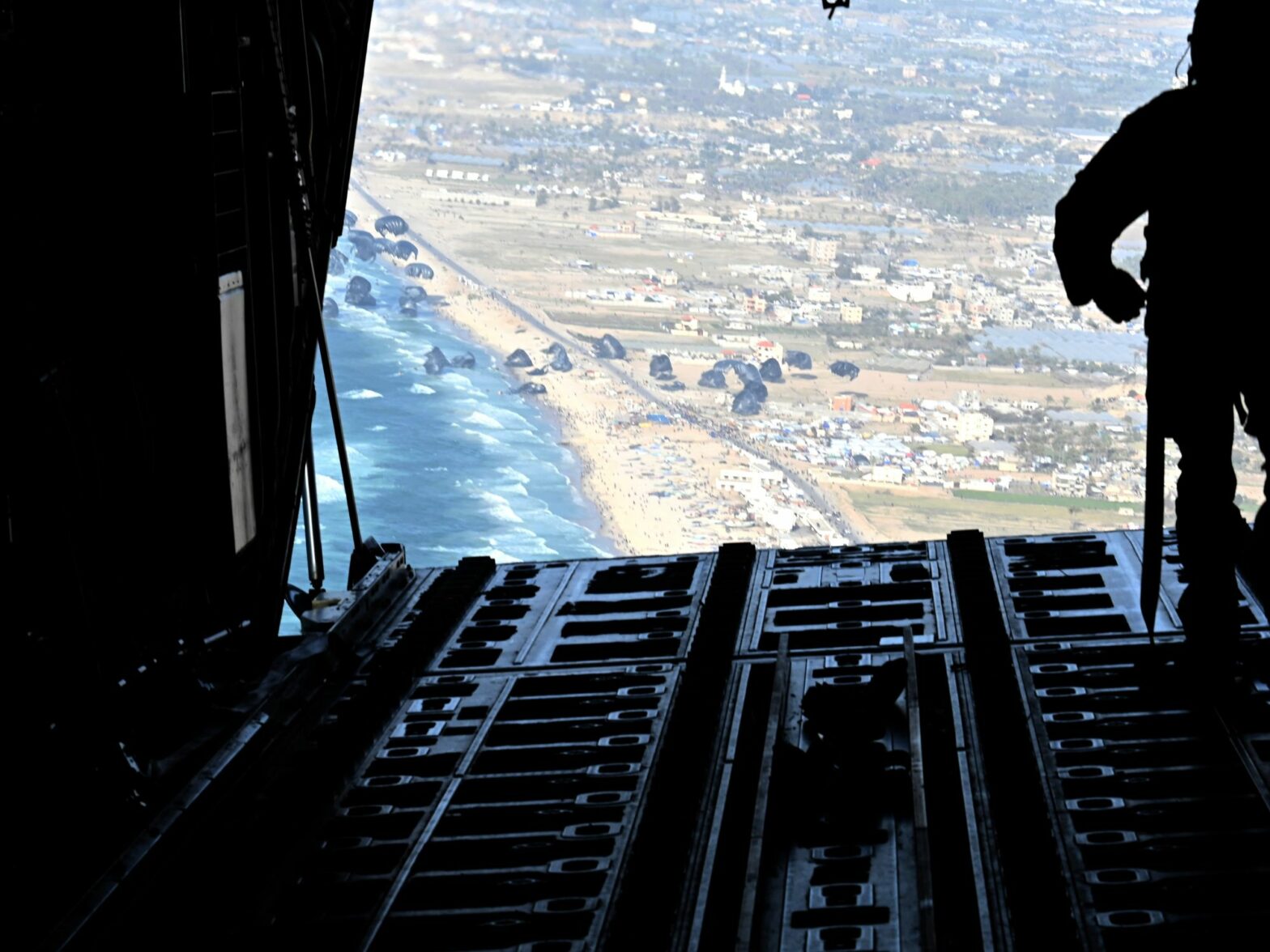
The U.S. has joined several other countries in airdropping aid to the Palestinians in Gaza, but this showy international response is ill conceived and unlikely to avert the looming famine in the coastal enclave.
U.S. President Joe Biden said this weekend that “Netanyahu is doing Israel more harm than good”: a phrase that speaks volumes about the lack of trust between the two men, especially still without a ceasefire, and humanitarian aid blocked from entering an increasingly desperate Gaza Strip.

A 31-year-old Gaza woman shares her firsthand account of being detained by Israeli soldiers for more than a month without any clear reason while fleeing Israel’s bombardment.
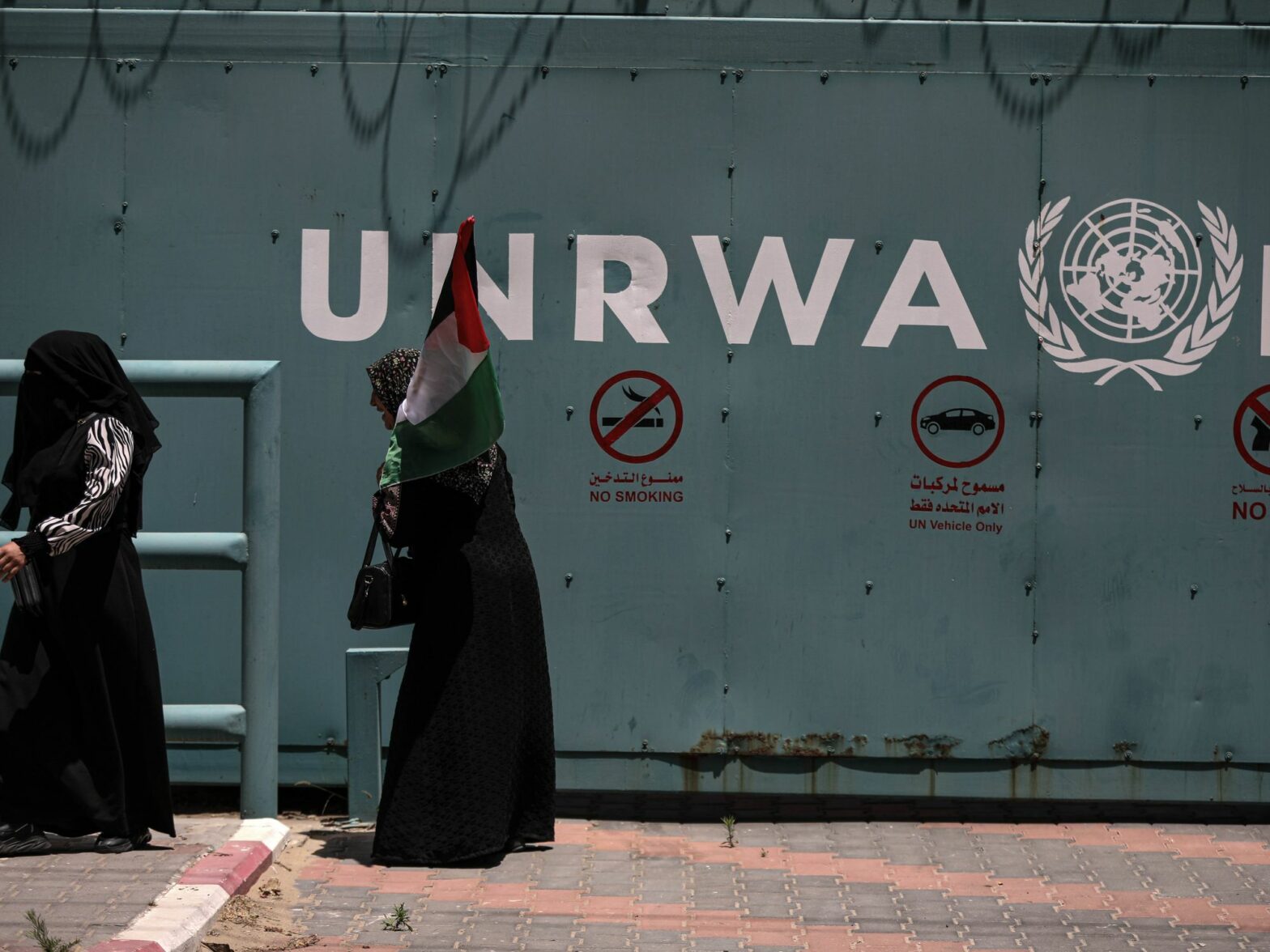
Tensions continue to rise between the UN and Israel, despite the publication of a UN report confirming Hamas’s accusations of sexual violence on October 7. It’s a long history of mistrust which has resurfaced in the current crisis.
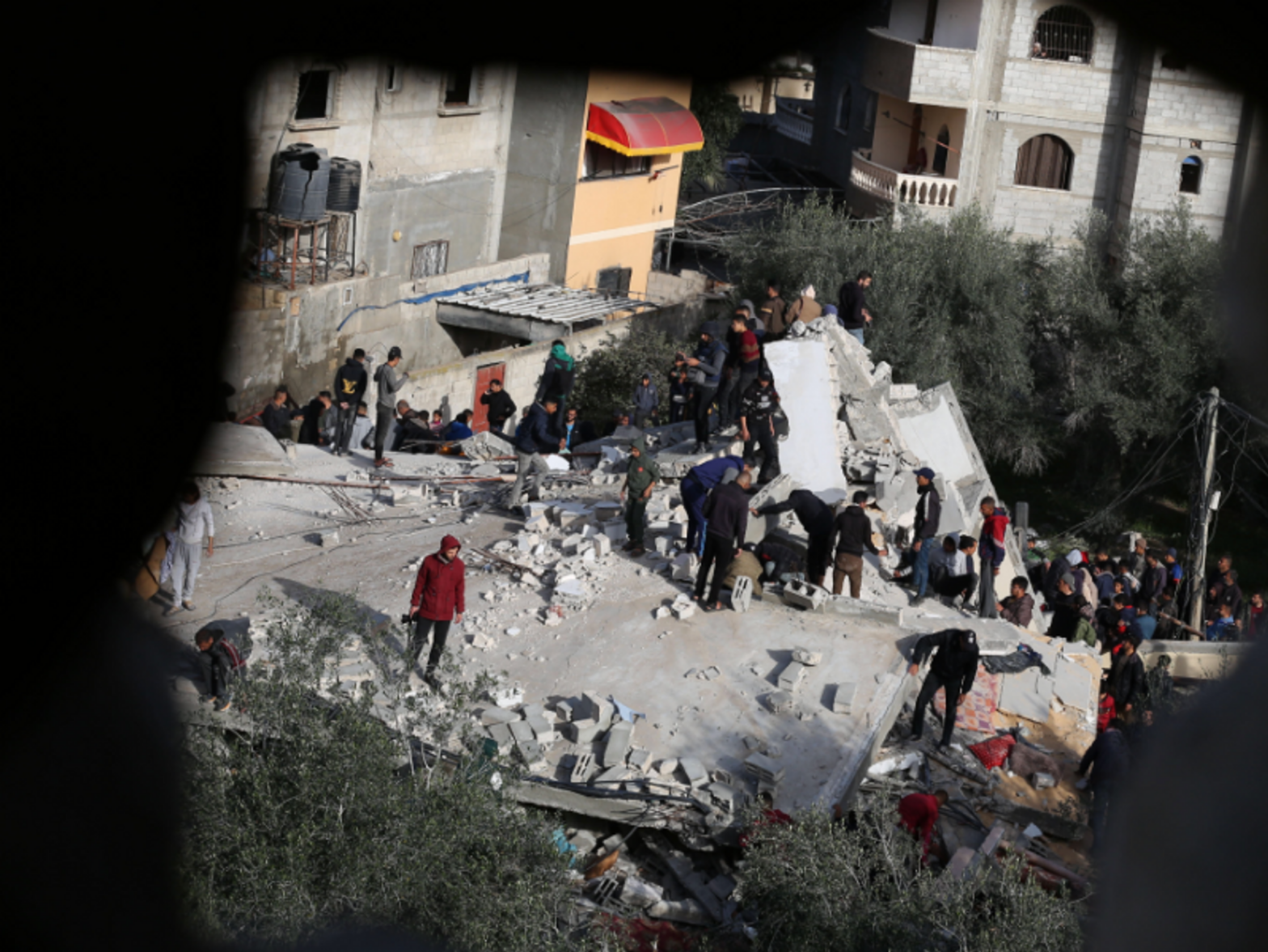
What to make of the criticism of Hamas’ statements or slogans, which are similar to Fatah rhetoric in its early years? Does any debate of the merits of the two rival organizations matter in the face of Israel’s responsibility for the ongoing slaughter in Gaza?
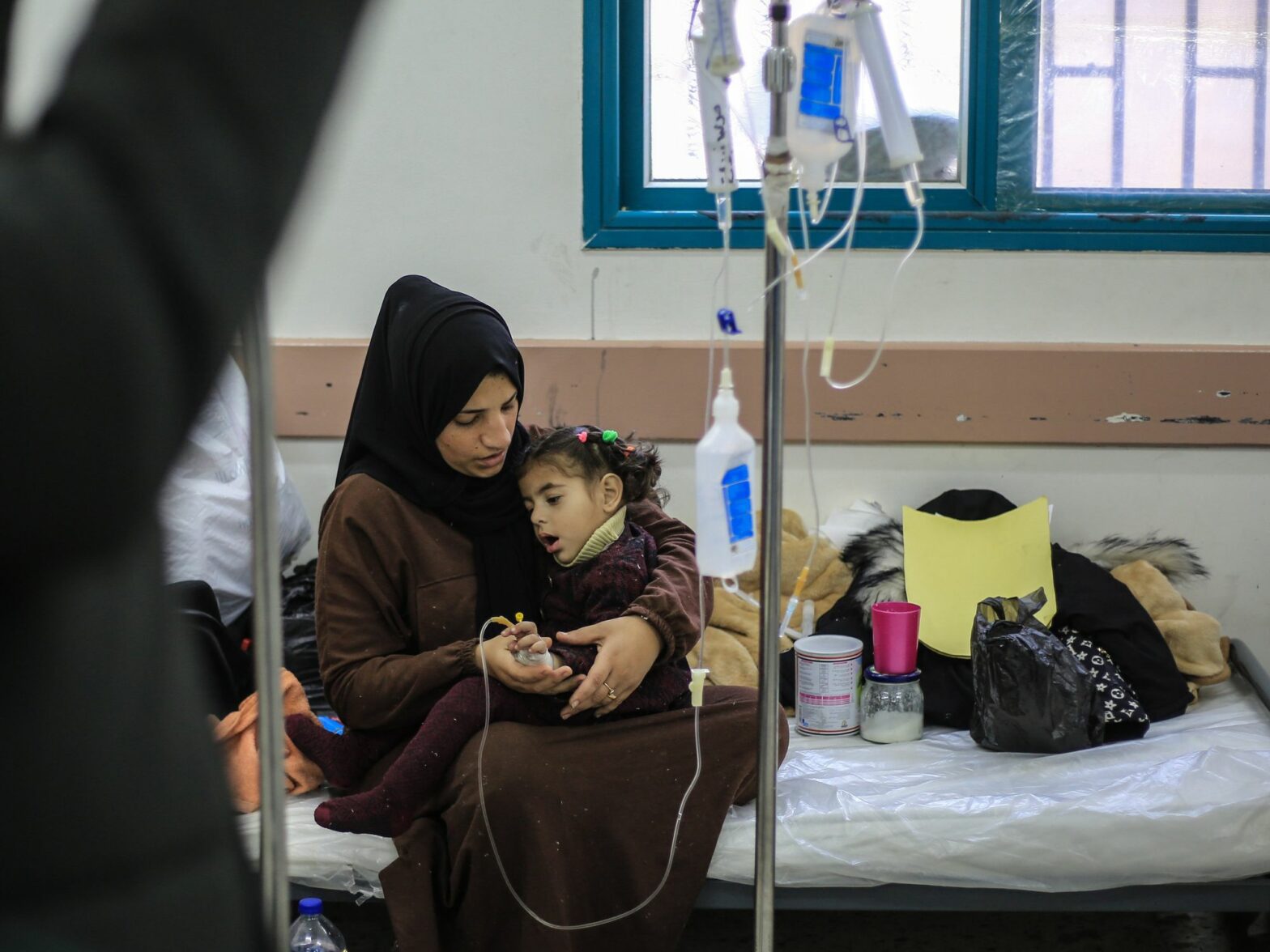
Israel no longer has any interest in prolonging the destruction — and spreading the condemnation around the world for its “collective punishment” of the people of Gaza.