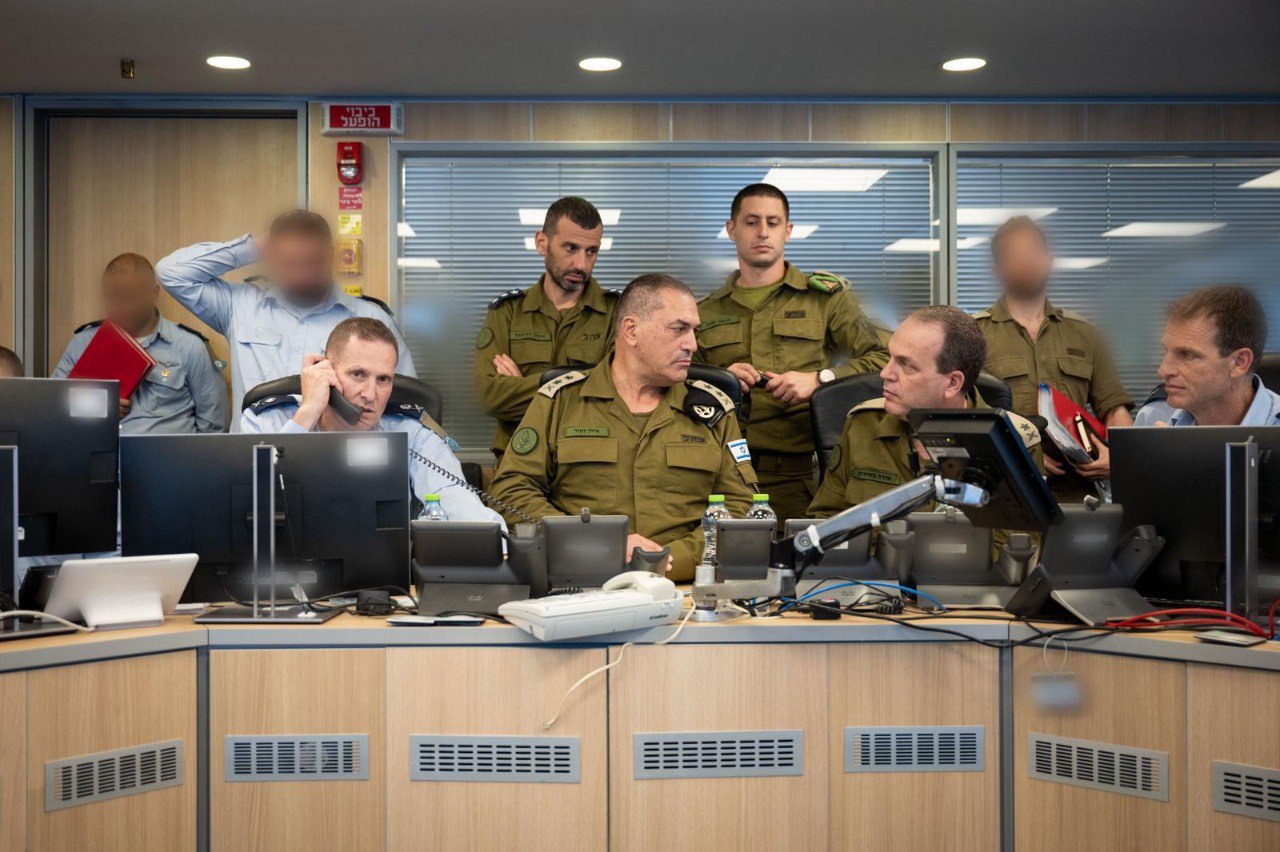
In a bold move, Israel targeted Iran’s nuclear infrastructure and leadership in an operation that may have been years in the making, much like last year’s attack on the pagers of Hezbollah members.
 Worldcrunch
Stay updated with comprehensive news on Israel from Worldcrunch. Discover insights on Israeli politics, economic strategies, societal issues, and cultural landmarks with translations from top international sources. Highlights include Jerusalem, Israeli history, and cultural events.
In a bold move, Israel targeted Iran’s nuclear infrastructure and leadership in an operation that may have been years in the making, much like last year’s attack on the pagers of Hezbollah members.
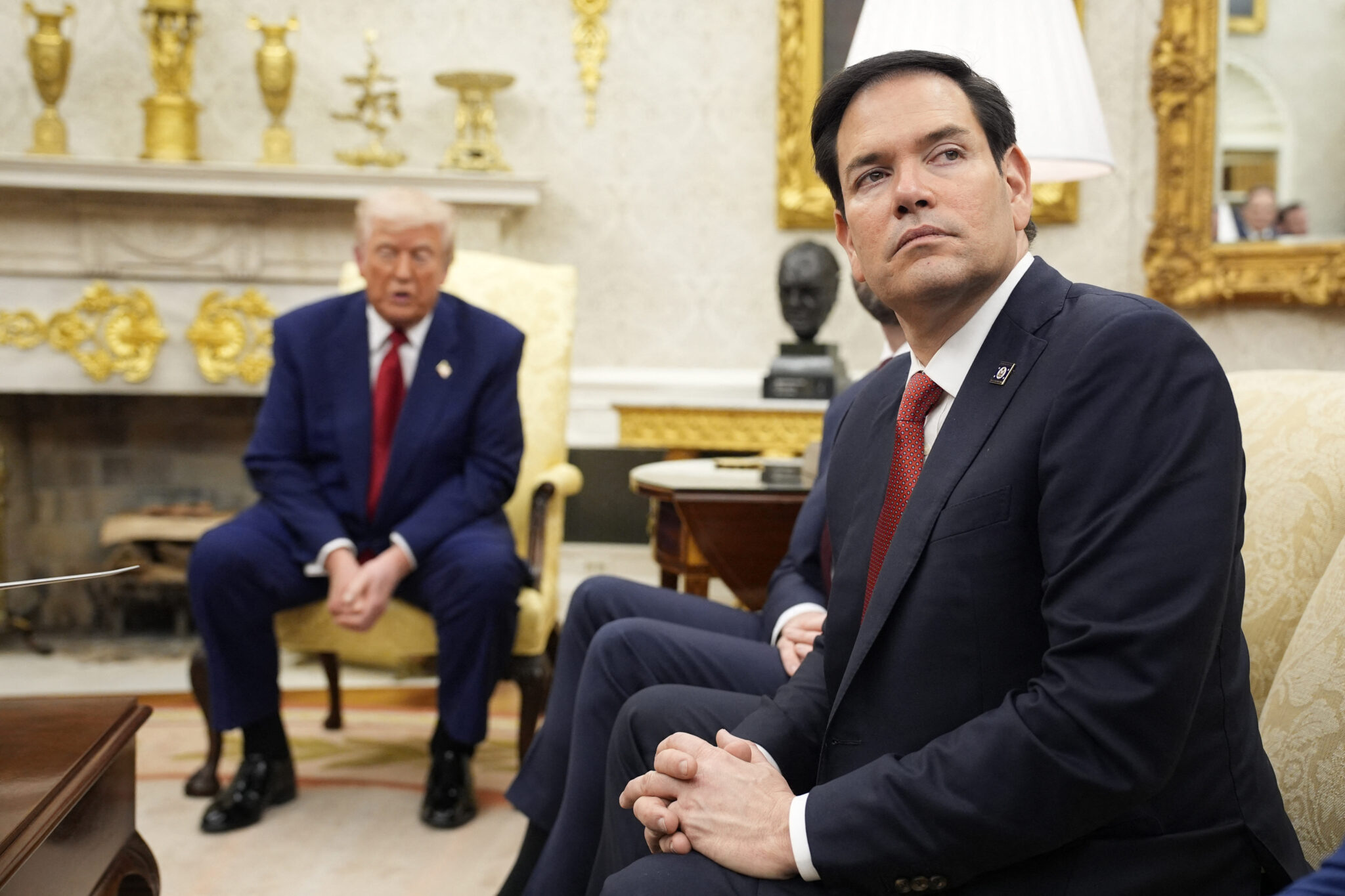
Though he tried to keep Washington’s hands clean, U.S. President Trump necessarily gave his green light for the unprecedented operation against Iranian nuclear targets. It’s a victory for the foreign policy hardline faction, led by Secretary of State Marco Rubio.
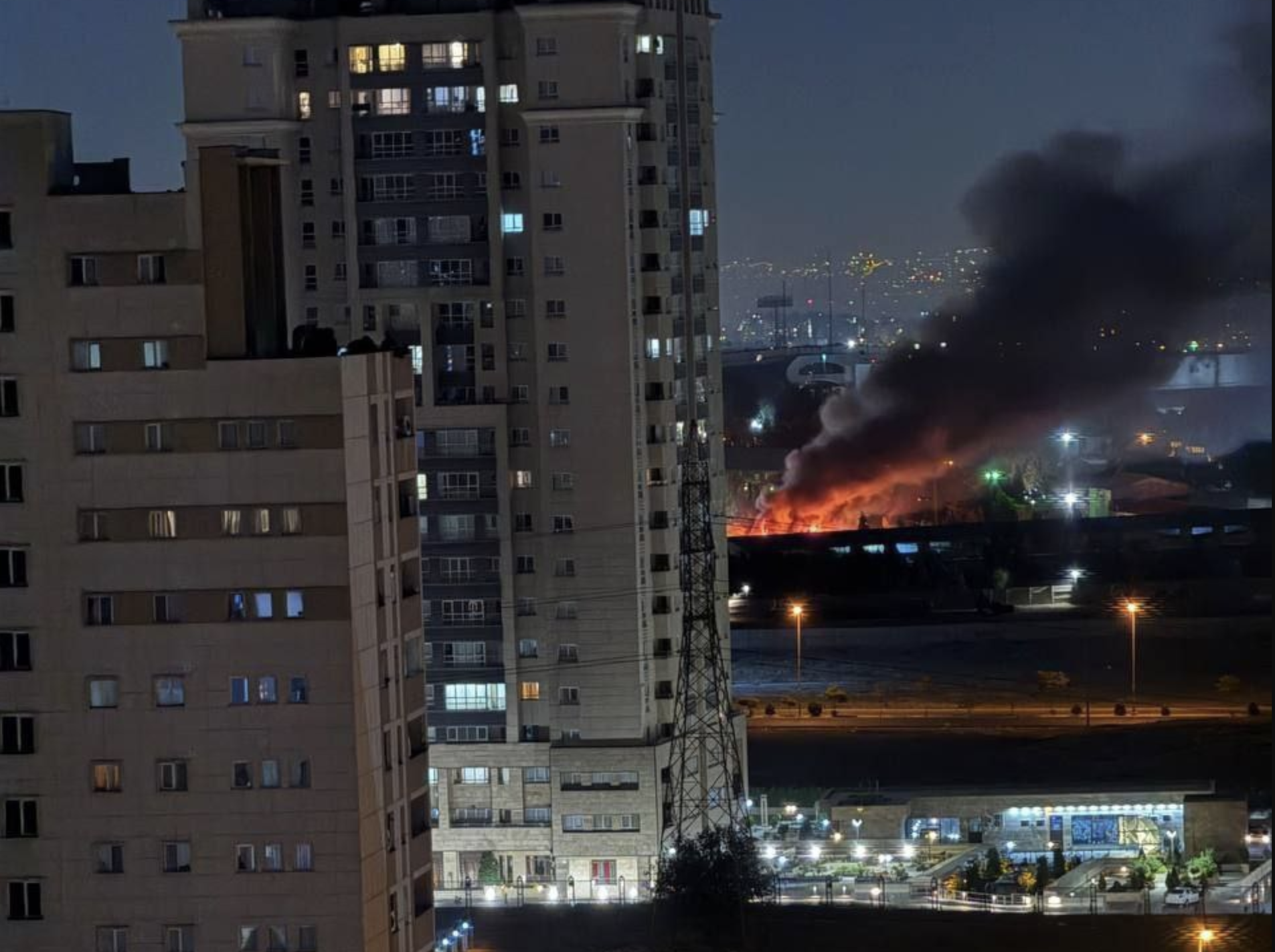
Israel bombed Iranian nuclear and military facilities last night, killing the head of the Revolutionary Guards and several Iranian scientists. It may appear as a strategic victory, but it also appears to be a choice to live with war across the region for years to come.

Six centuries after the Arab world’s greatest philologist traced a cultural fault line between Bedouins and urban Arabs, that same divide echoes in today’s Middle East conflicts — from ISIS and al-Nusra to Gaza’s shifting alliances.
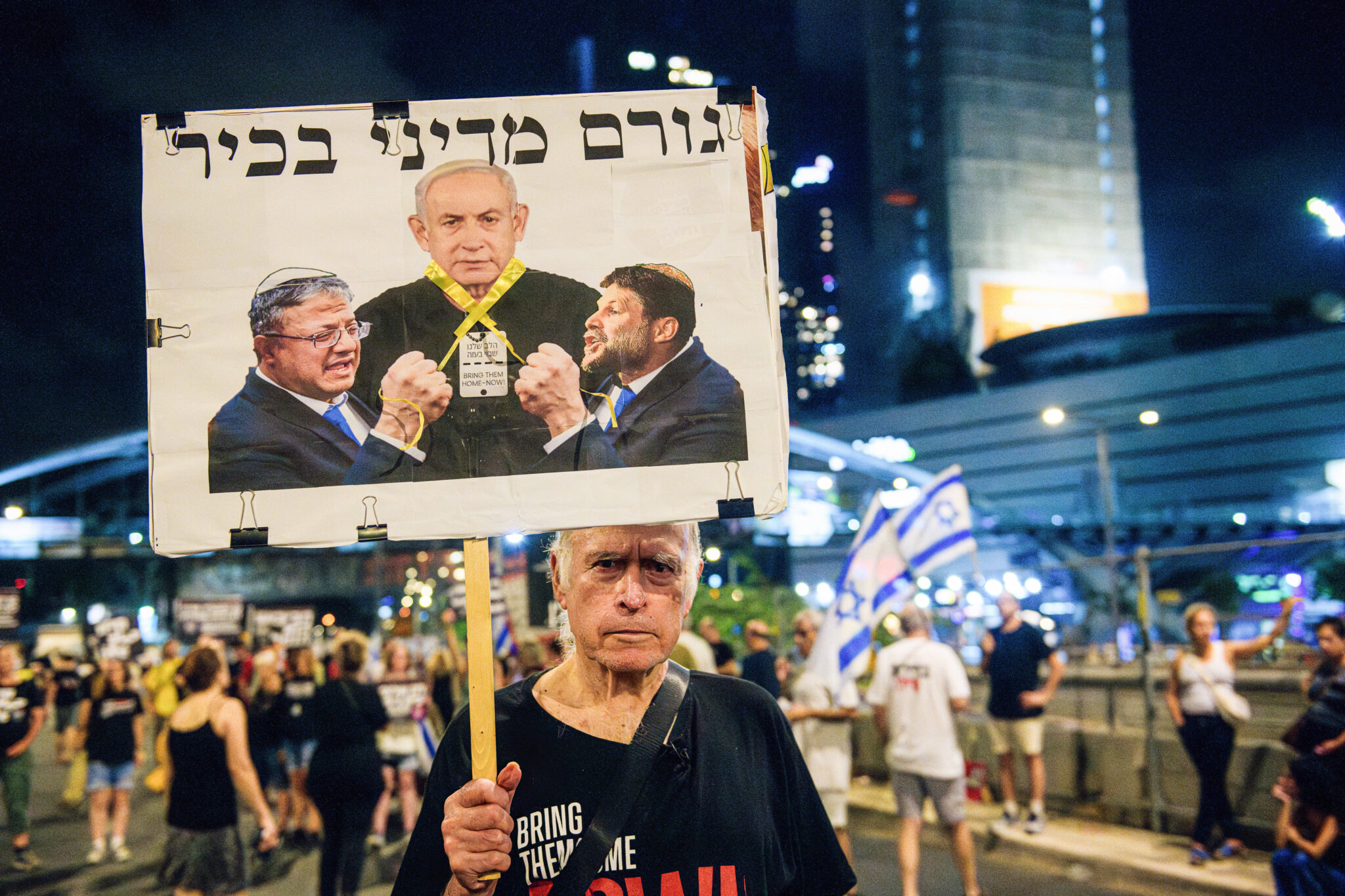
Five countries have imposed sanctions against the two most important far-right ministers in Israel’s Netanyahu government — Finance Minister Bezalel Smotrich and Internal Security Minister Itamar Ben Gvir — a first that marks the deterioration in relations between Israel and its allies. But with the Trump administration standing behind Netanyahu, little can be actually be done.
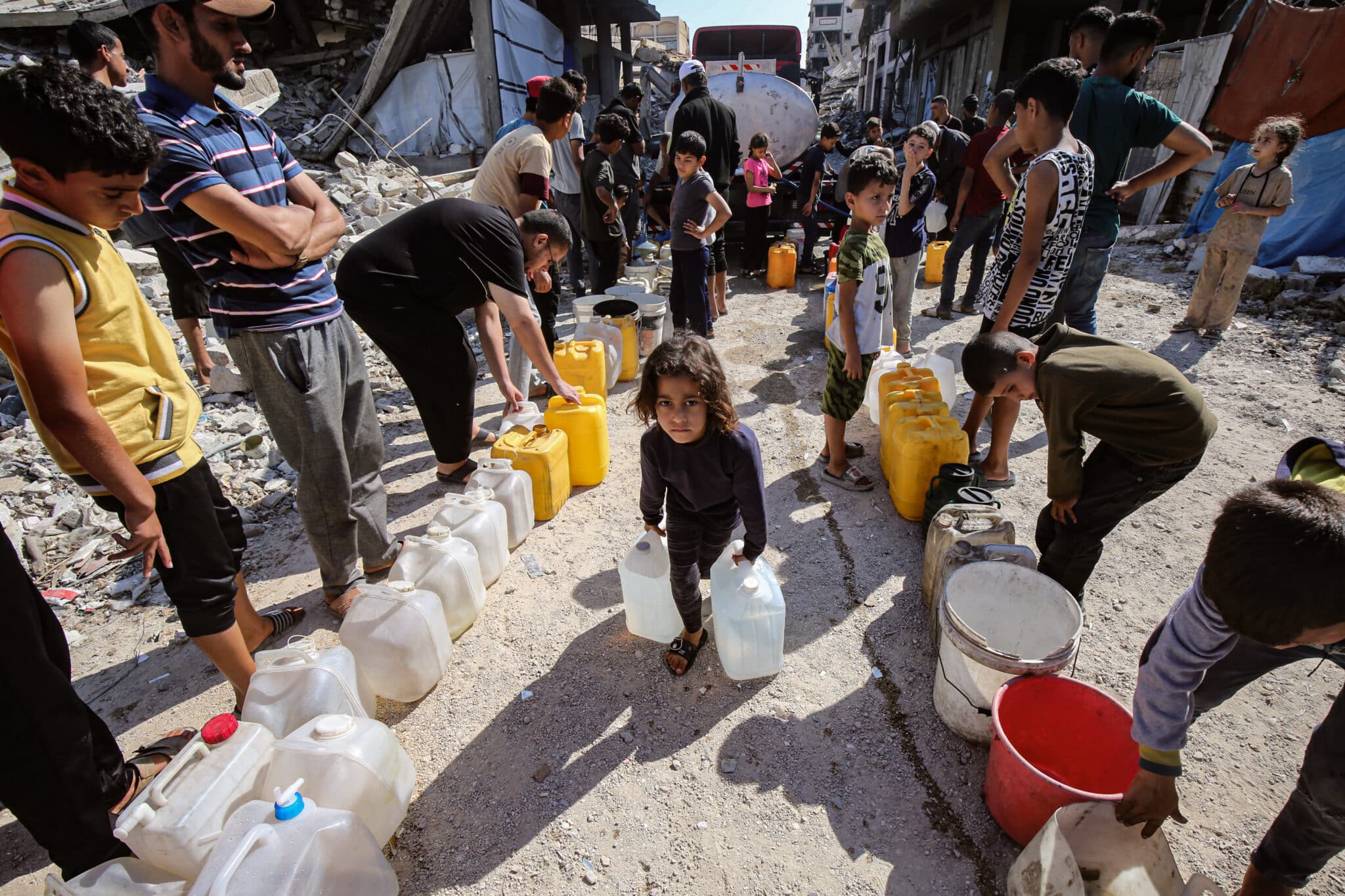
Beyond the immeasurable horror for the people of Gaza, the war is also seeing a rise in hatred against Israelis, and Jews. Netanyahu says he wants to defend Israel, but is instead exposing his nation and all Jews to contempt and isolation.
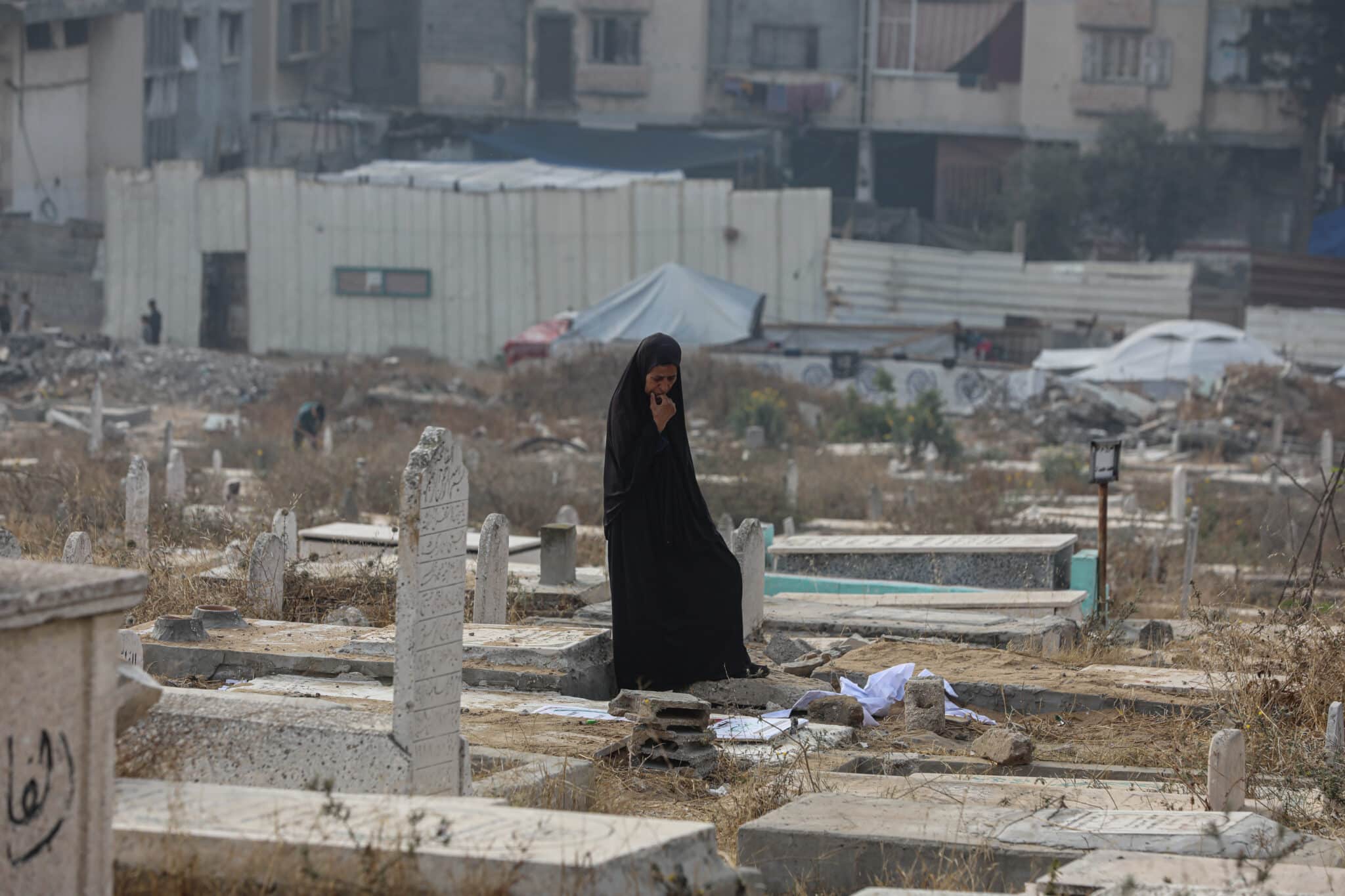
Neither Israel nor Hamas has any interest in declaring victory or defeat. Yet, as a moral obligation, Hamas must preempt the Israeli mission and agree to withdraw from Gaza.
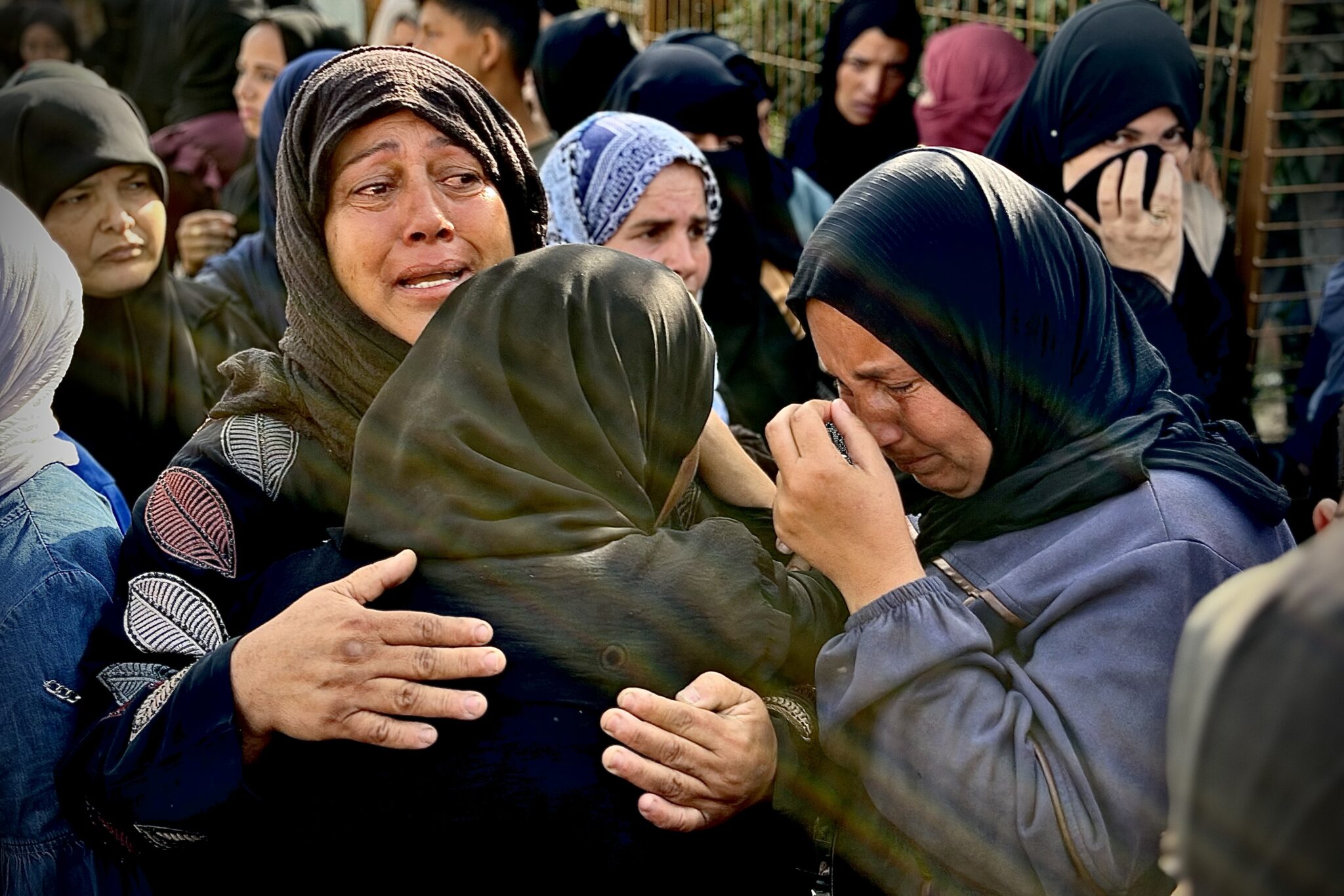
A new horror during food distribution in Gaza comes, with the warring parties digging in their heels at the expense of the population. Only the White House has the weight to impose a truce. Why is it waiting?
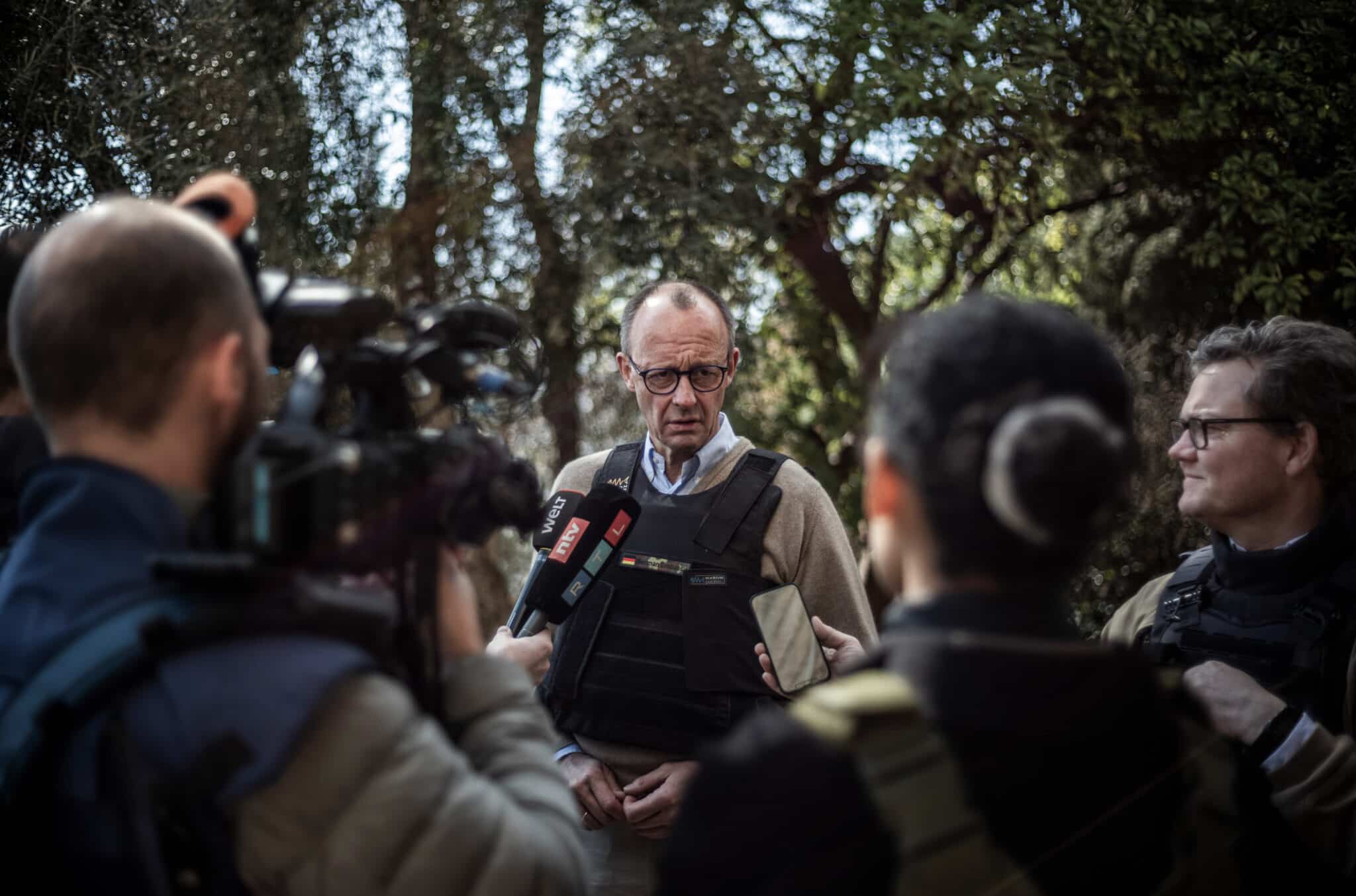
As Berlin and Tel Aviv mark a diplomatic milestone, the relationship born out of pragmatism, guilt and survival faces its toughest questions yet — especially amid war, protest and growing calls for criticism.
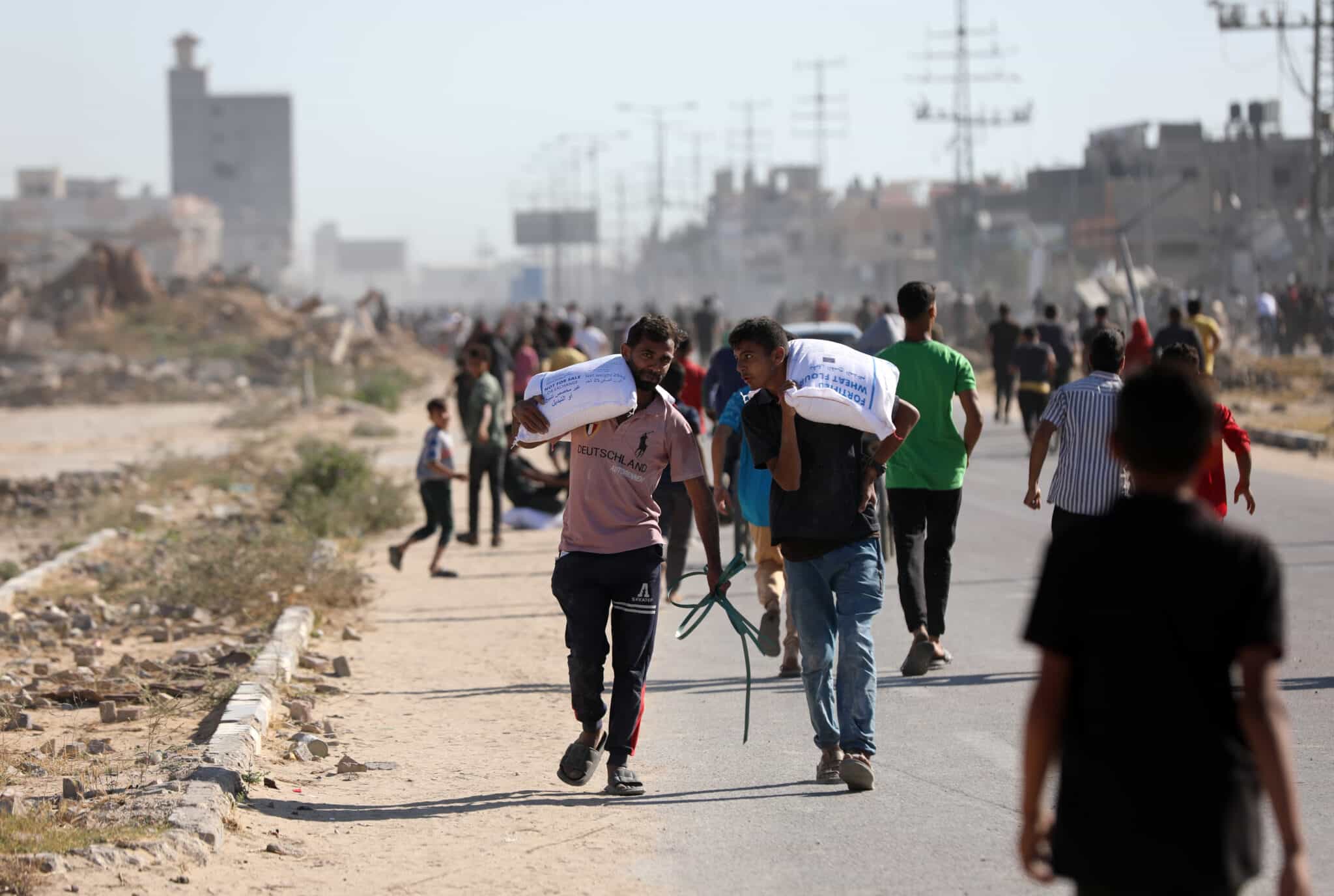
The distribution of food aid in Gaza was suspended yesterday after chaotic scenes prompted the Israeli army to open fire. Humanitarian experts had warned the effort was doomed to fail after Israel bypassed established aid organizations in favor of an unknown foundation.
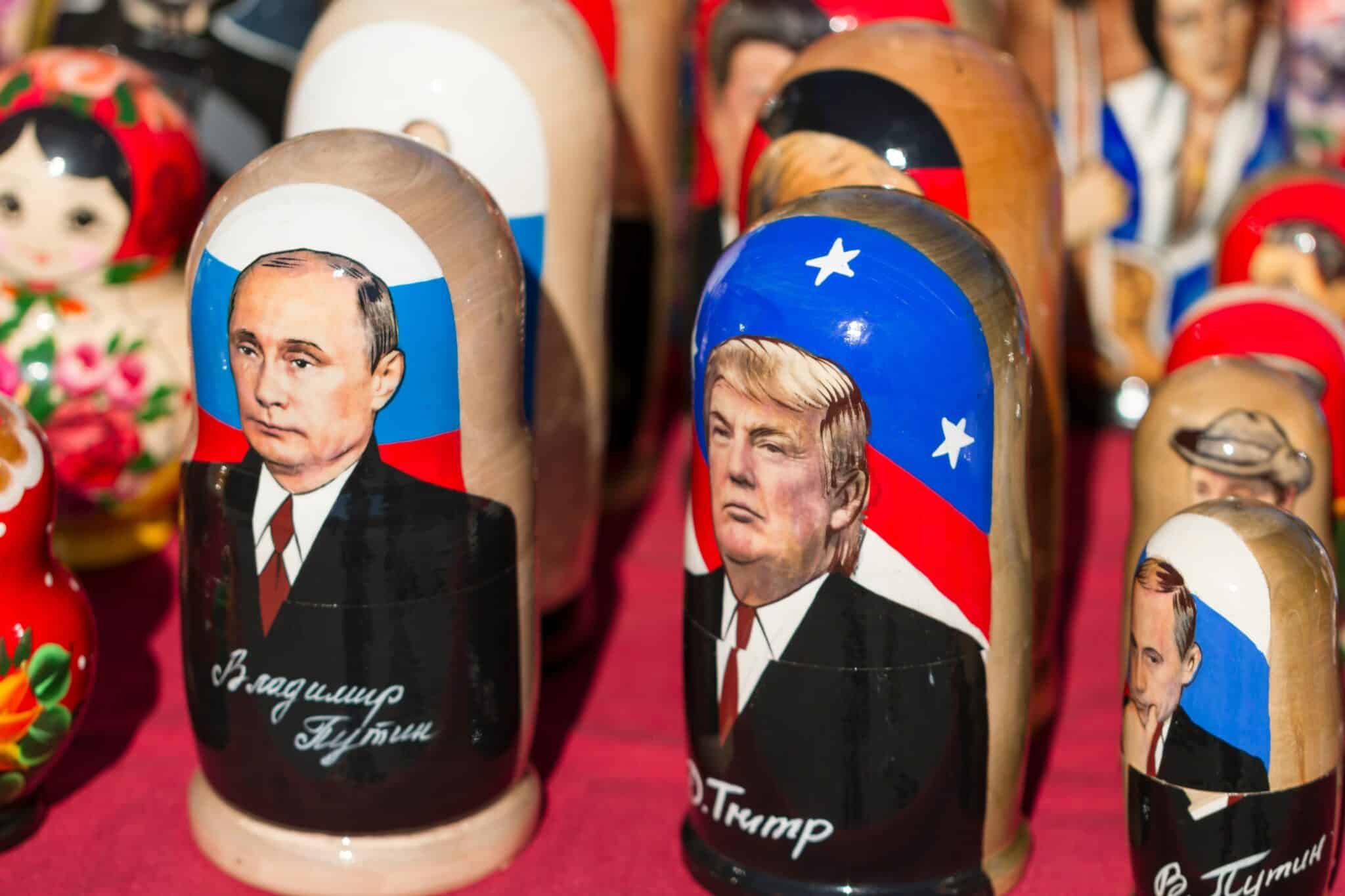
With global diplomacy now driven more by personalities than institutions, summits resemble showdowns — and geopolitics risks becoming a game where the stakes are dangerously real.
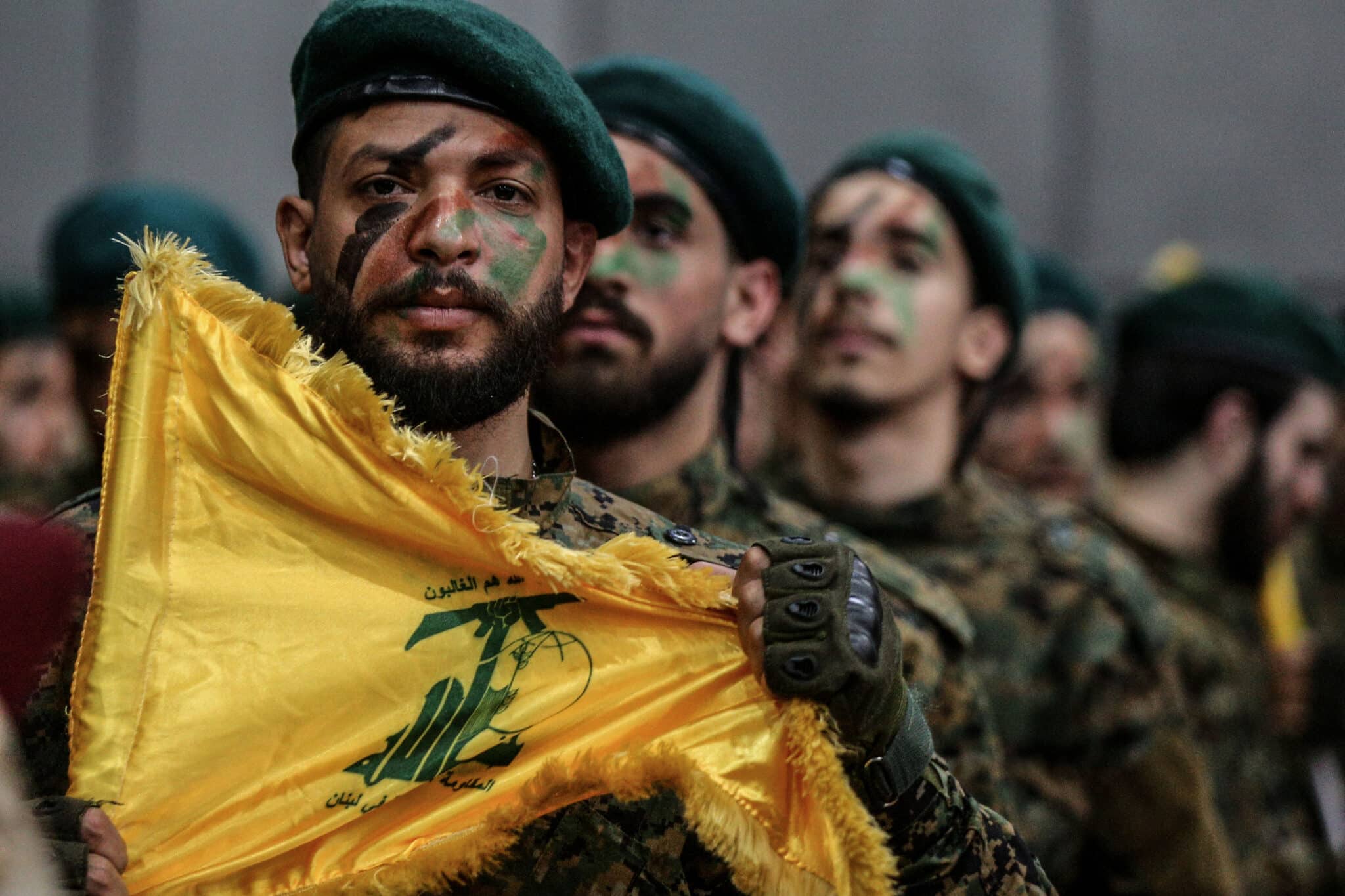
Sources say Hezbollah is in such dire financial shape, as Israel and Lebanon are successfully cutting off funding from Iran, it puts the organization at existential risk.
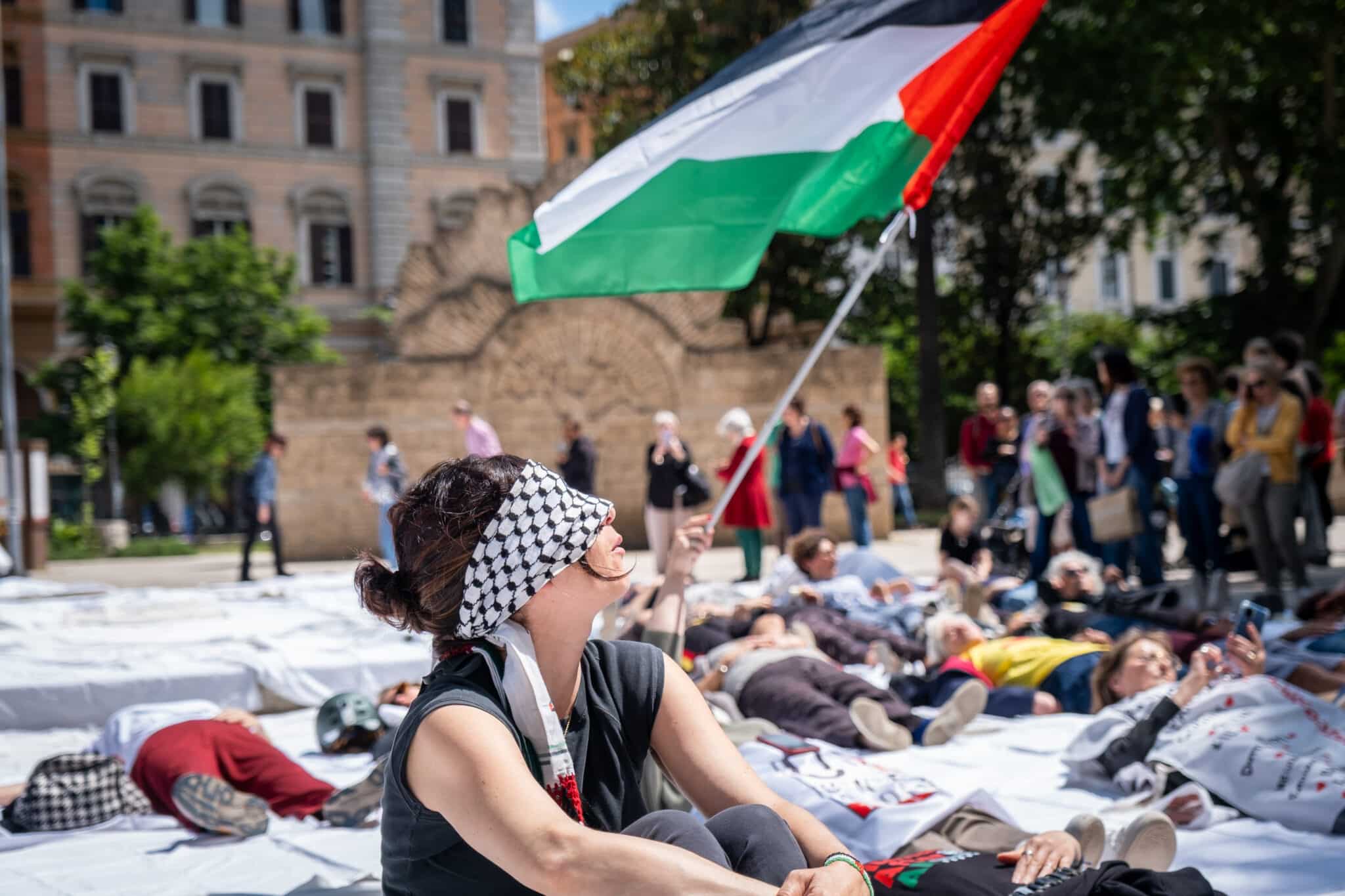
There may be plausible explanations for the delay in international reactions to the tragedy in Gaza. But in the past two months of killing and blockades, the tide has turned.
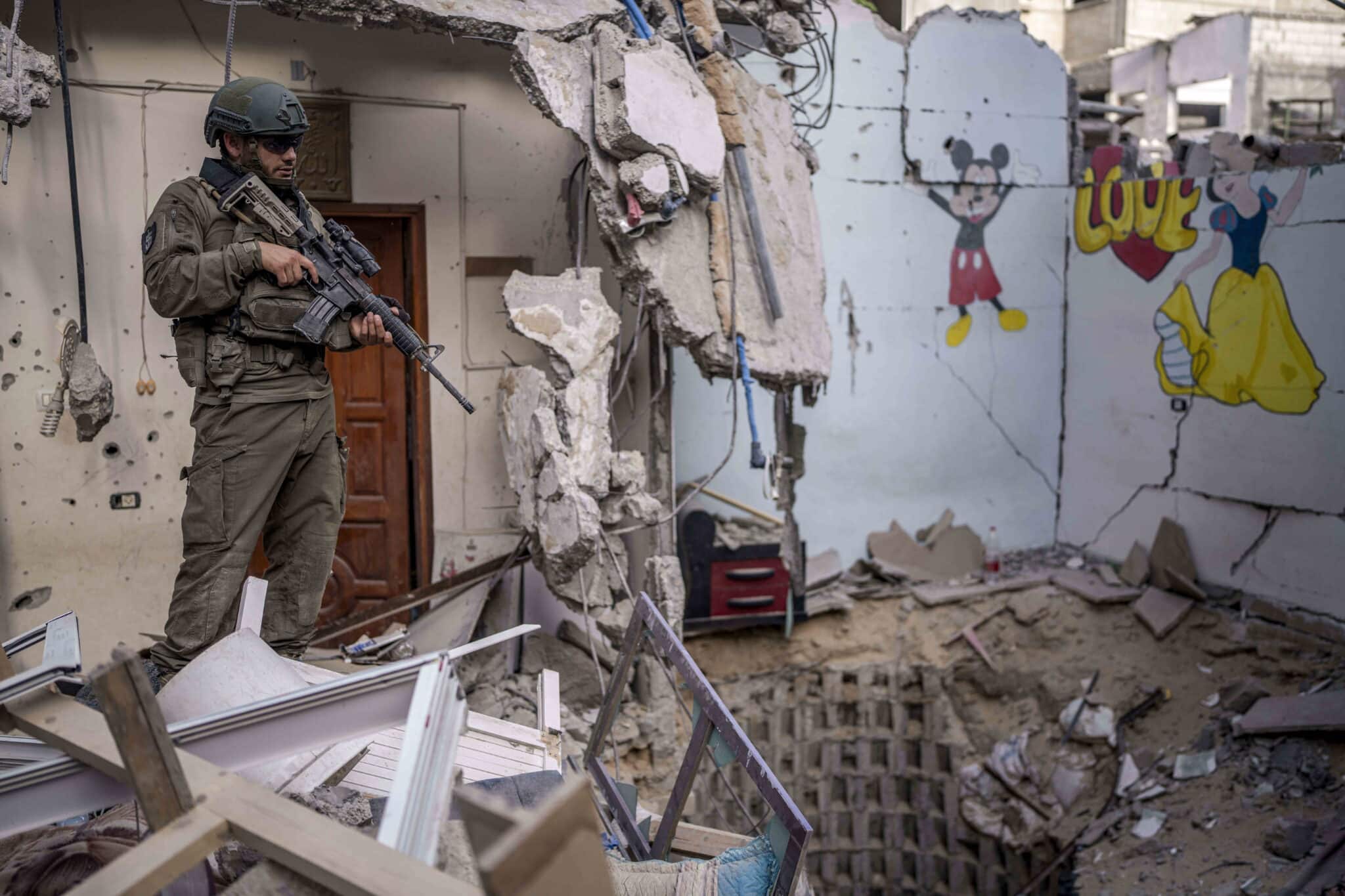
As Israeli bombs continue to fall and international condemnation mounts, a long-avoided question resurfaces in Israeli society: when are soldiers morally bound to disobey orders?
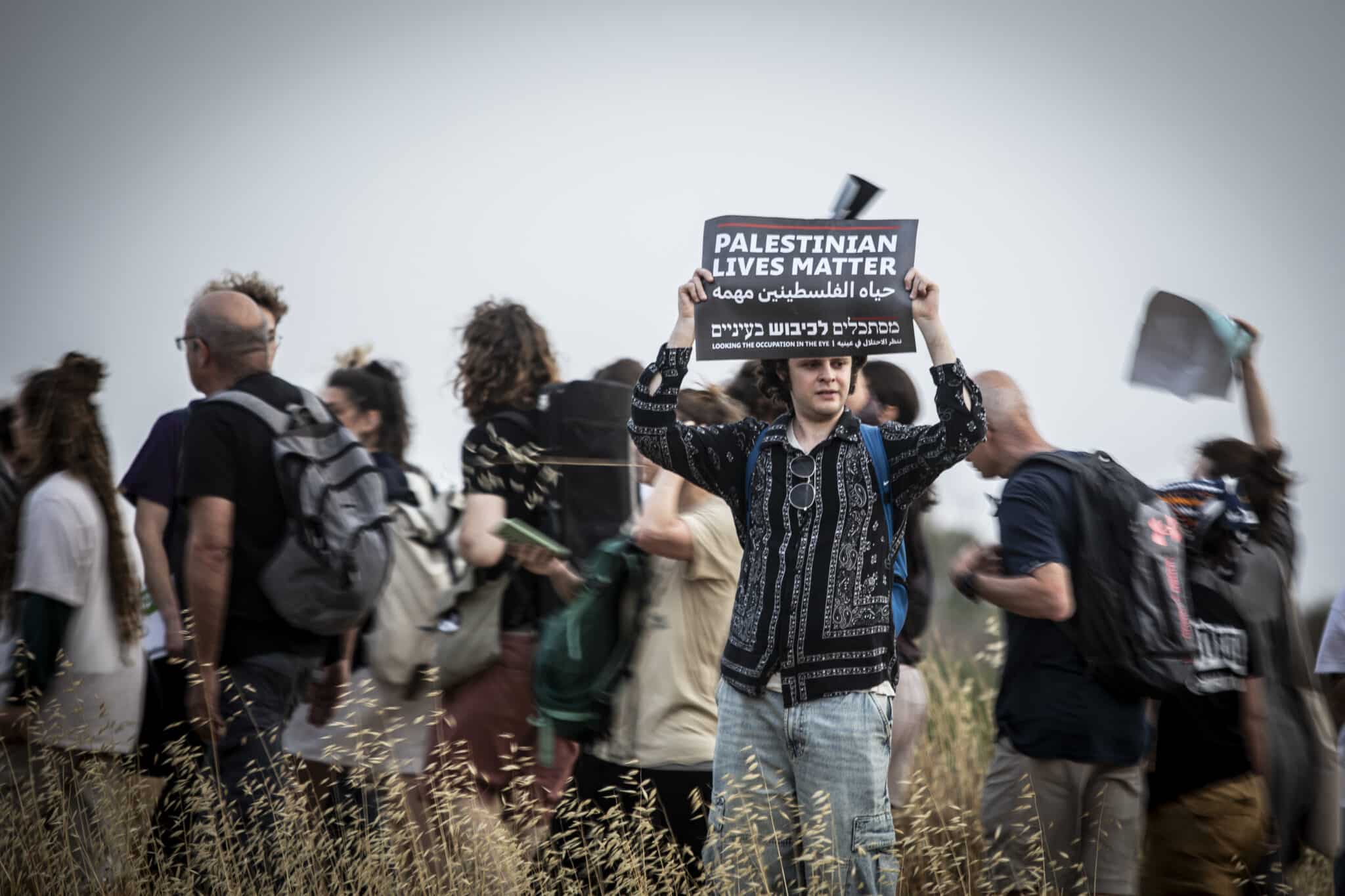
A growing number of Israelis oppose the ruthless war in the Gaza Strip and fear their country’s international isolation. Increasing criticism from Europe is fueling this sentiment, which, for now, has not stopped Benjamin Netanyahu from escalating the conflict.
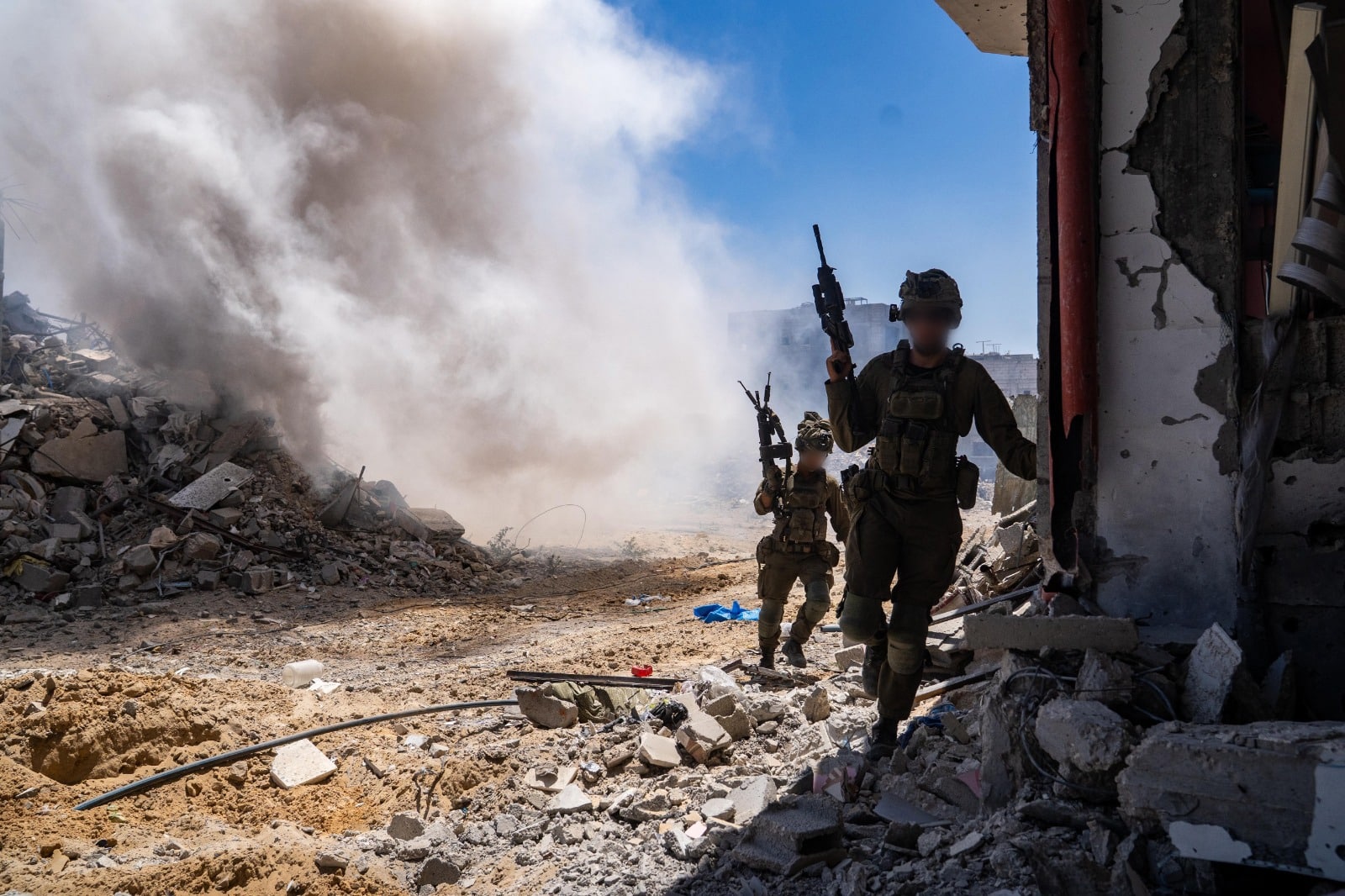
Netanyahu has resumed limited food aid to Gaza for “diplomatic reasons.” Meanwhile, the Israeli army continues its offensive to take control of the entire territory, and the West’s diplomatic weakness is glaring.
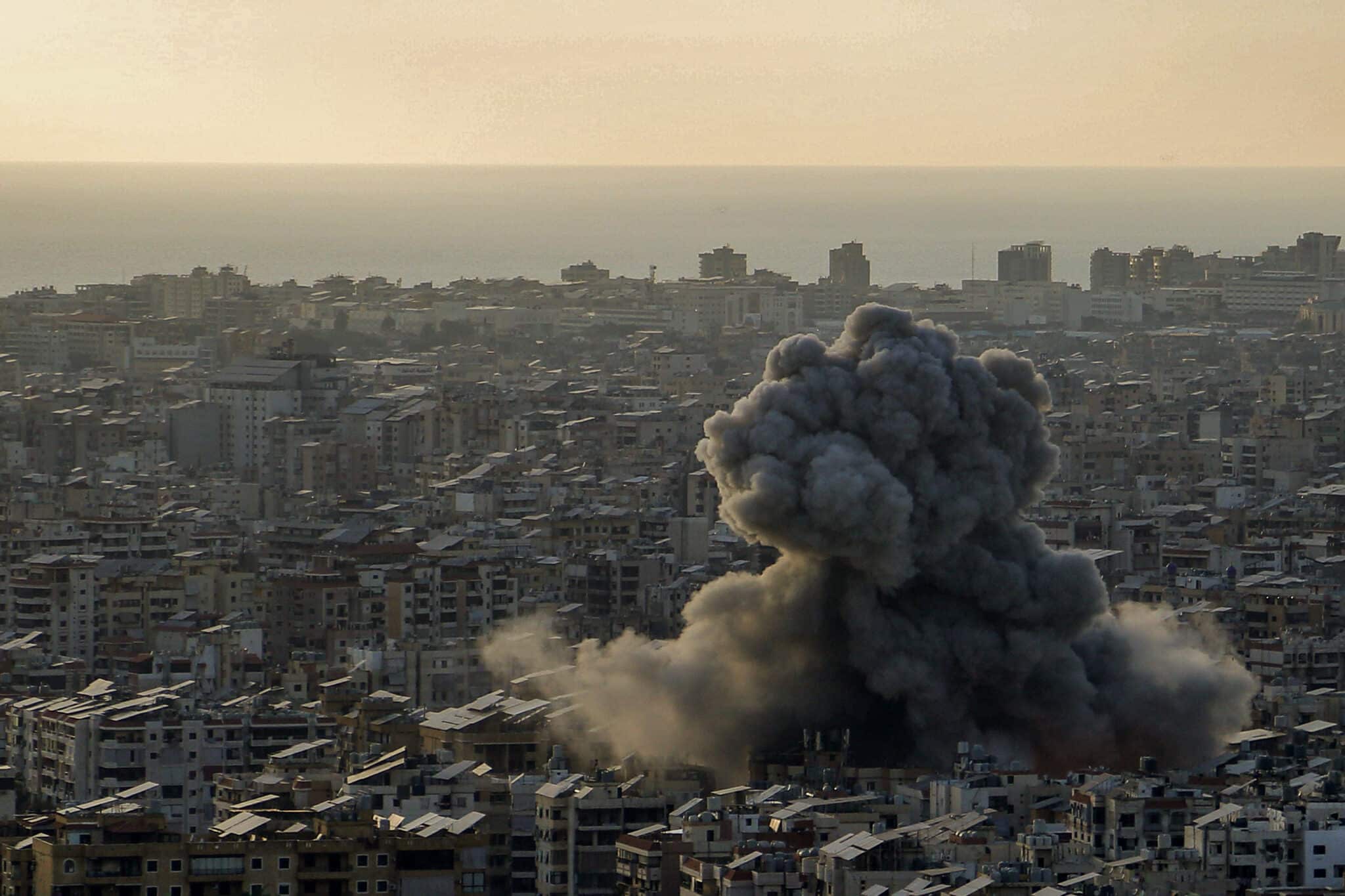
The Israeli army has imposed itself as the most powerful in the region in the wars waged since Oct. 7. But this military hegemony does not come with any political solution: This is Netanyahu’s weakness at a time when Trump is visiting the wealthy princes of the Gulf.
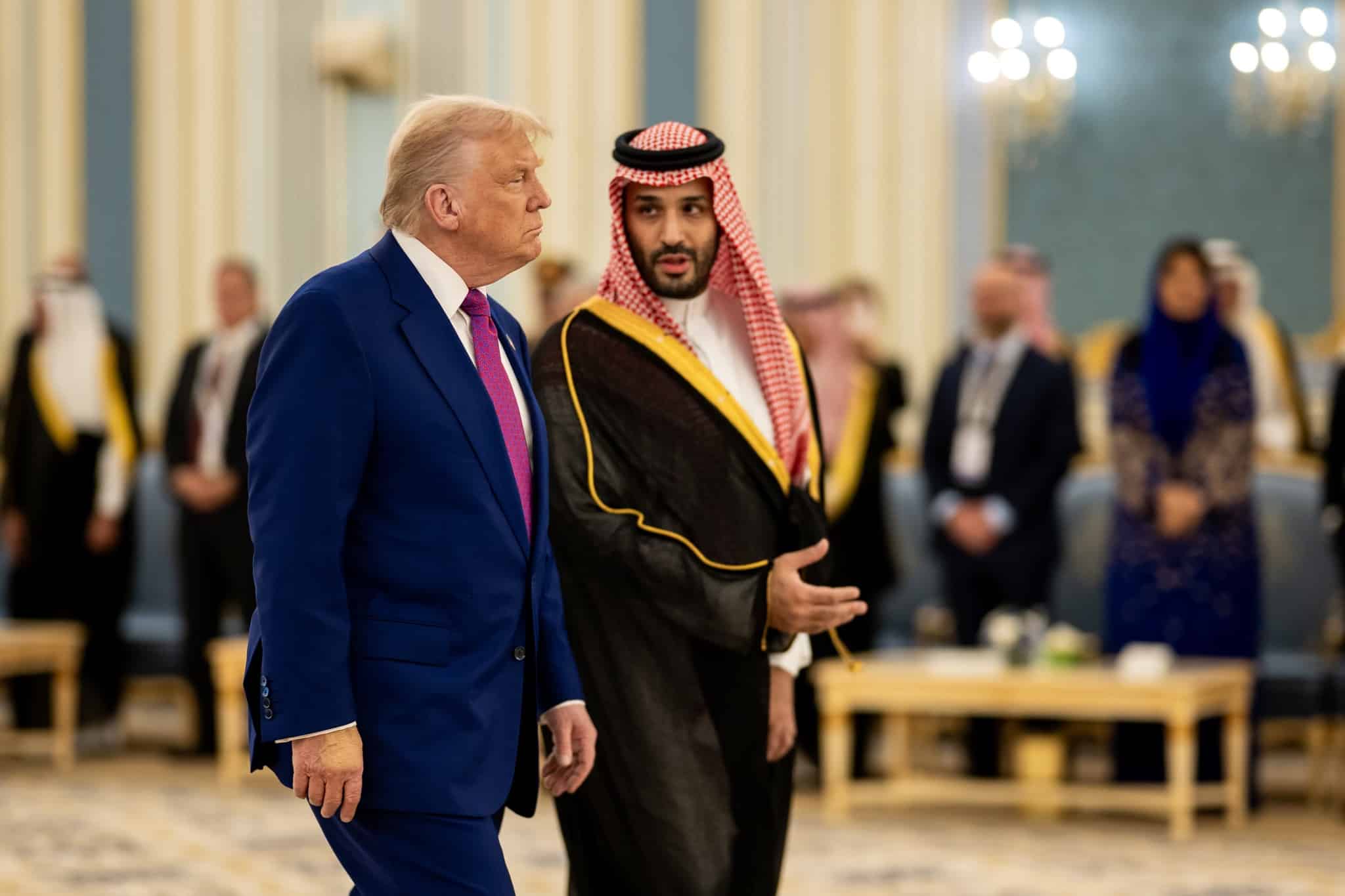
Donald Trump surprised everyone by meeting Ahmed al-Sharaa, the Syrian president, a former jihadist. It’s all about Trump’s gut and what Saudi Crown Prince MBS has planned for the region’s future.
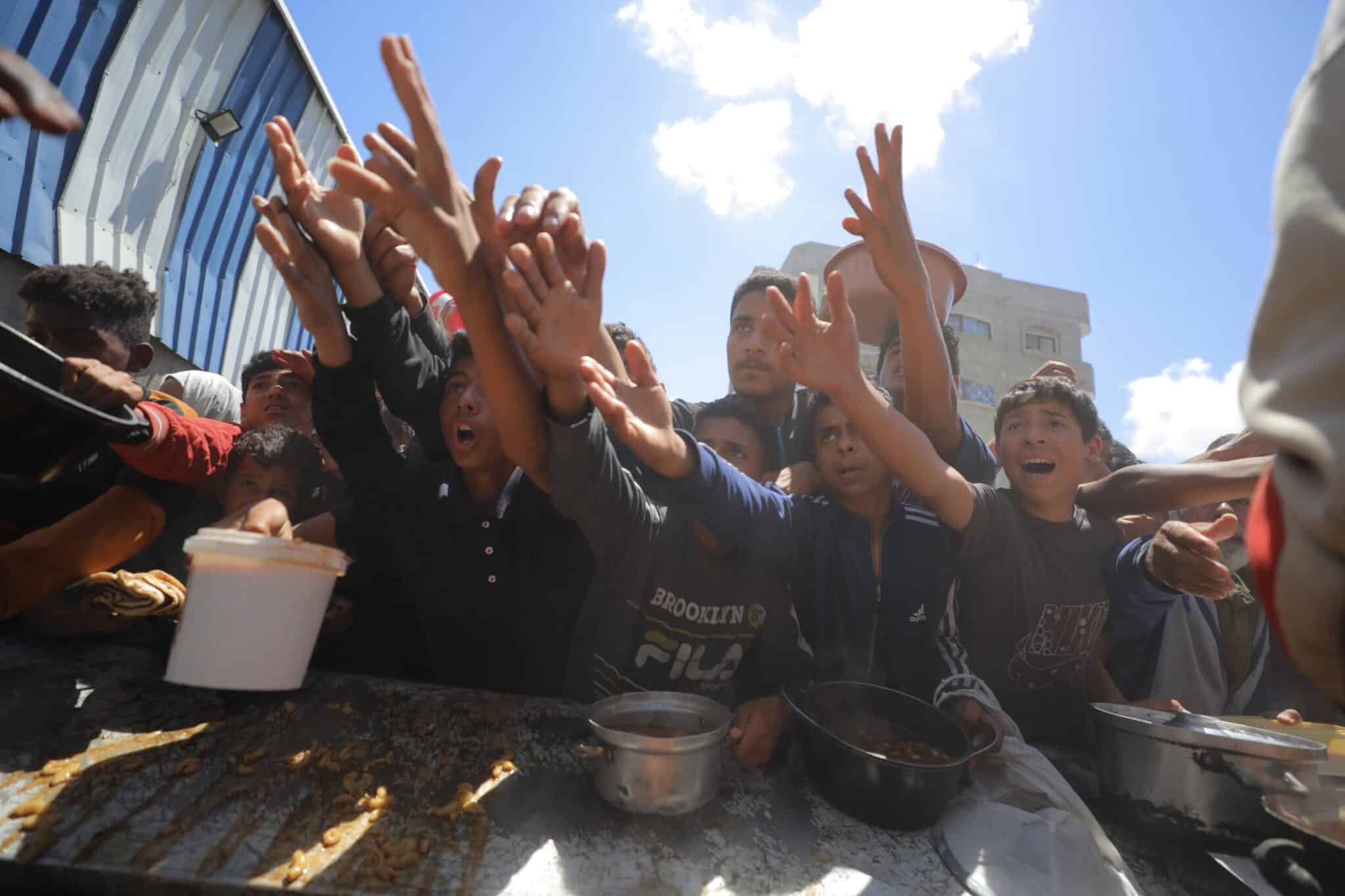
More than two months after Israel closed the borders into Gaza and blocked aid from entering the enclave, the UN World Food Programme has warned that the entire population of the Gaza Strip is at risk of famine.
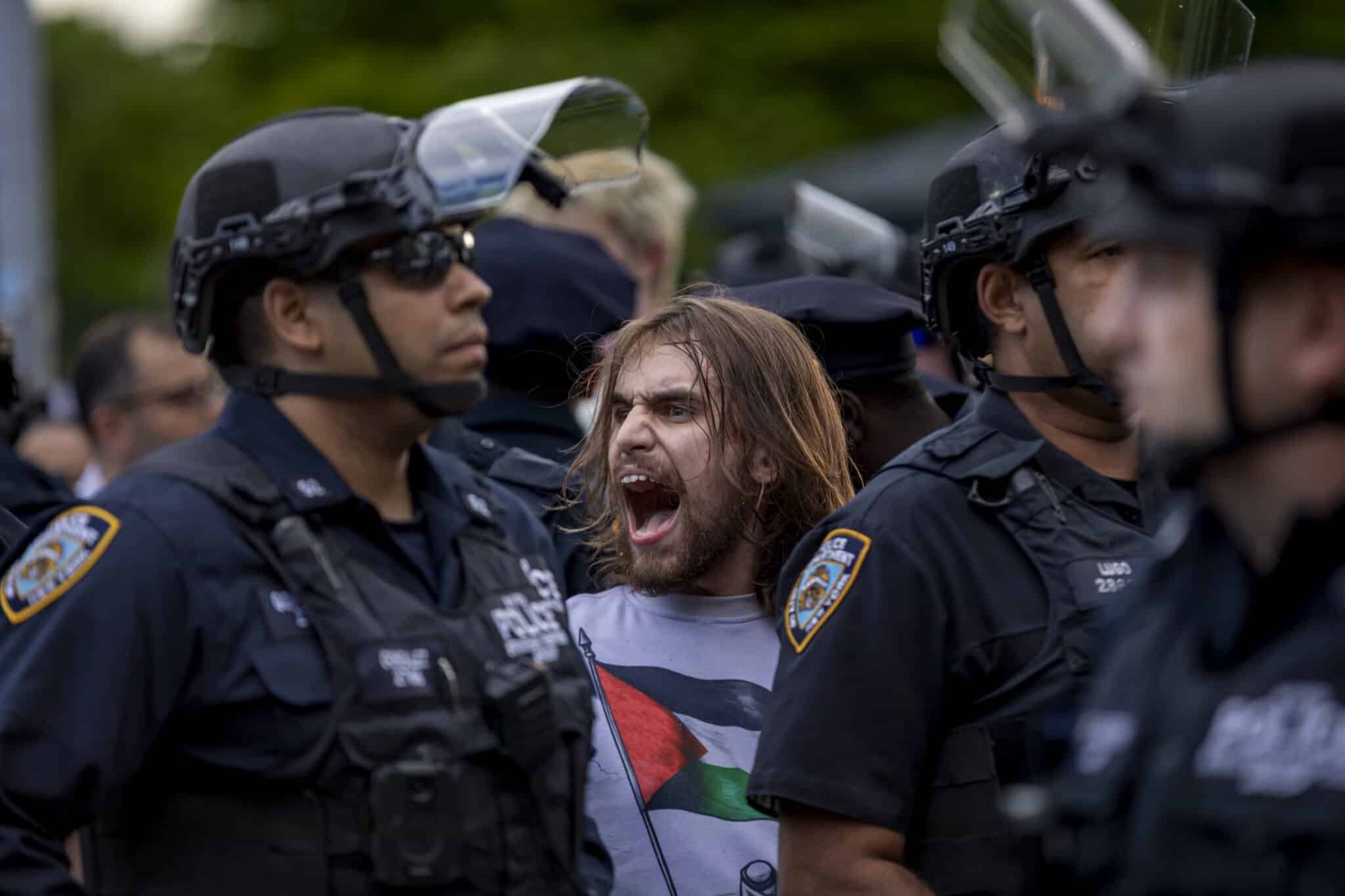
The West’s treatment of Pro-Palestinian protesters has shattered the image of democracies as bastions of free expression. But the West’s contradictions hold lessons for the Arab world.
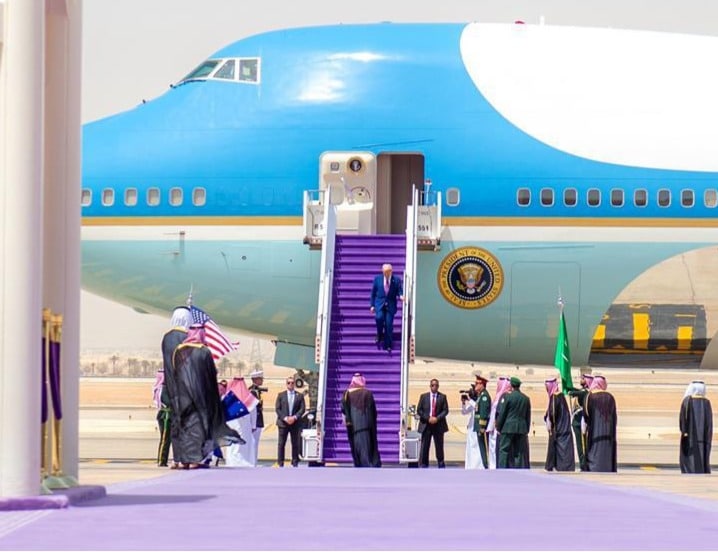
U.S. President Donald Trump is on a Gulf tour that is adding to Israel’s worries about its strongest ally: the U.S. has negotiated the release of an American hostage with Hamas, and a ceasefire with the Houthis, without involving Israel.
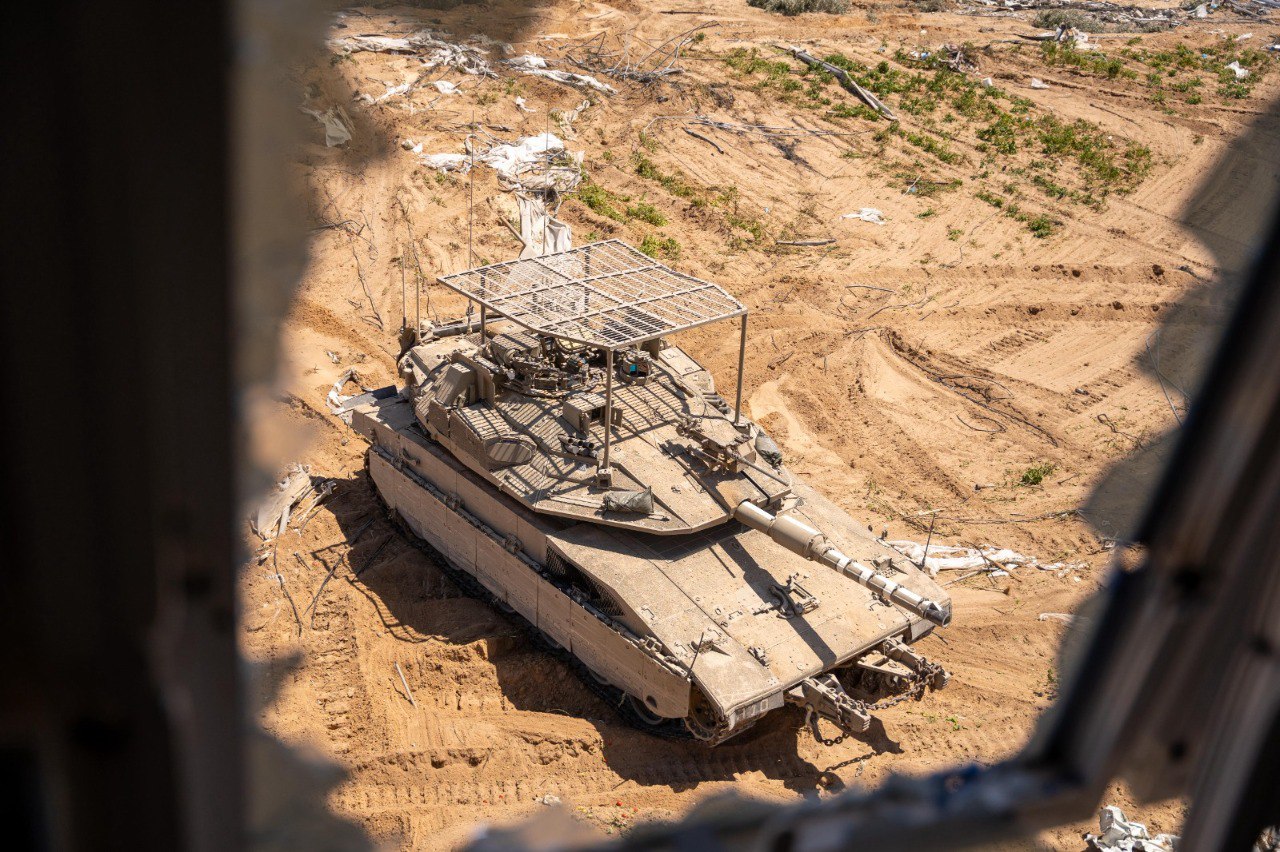
Israel is brutally asserting its plans to reoccupy Gaza and the “voluntary” expulsion of its inhabitants. France is attempting to make a modest counterpoint, in part by receiving Ahmed al-Sharaa the president of the Syrian transition.
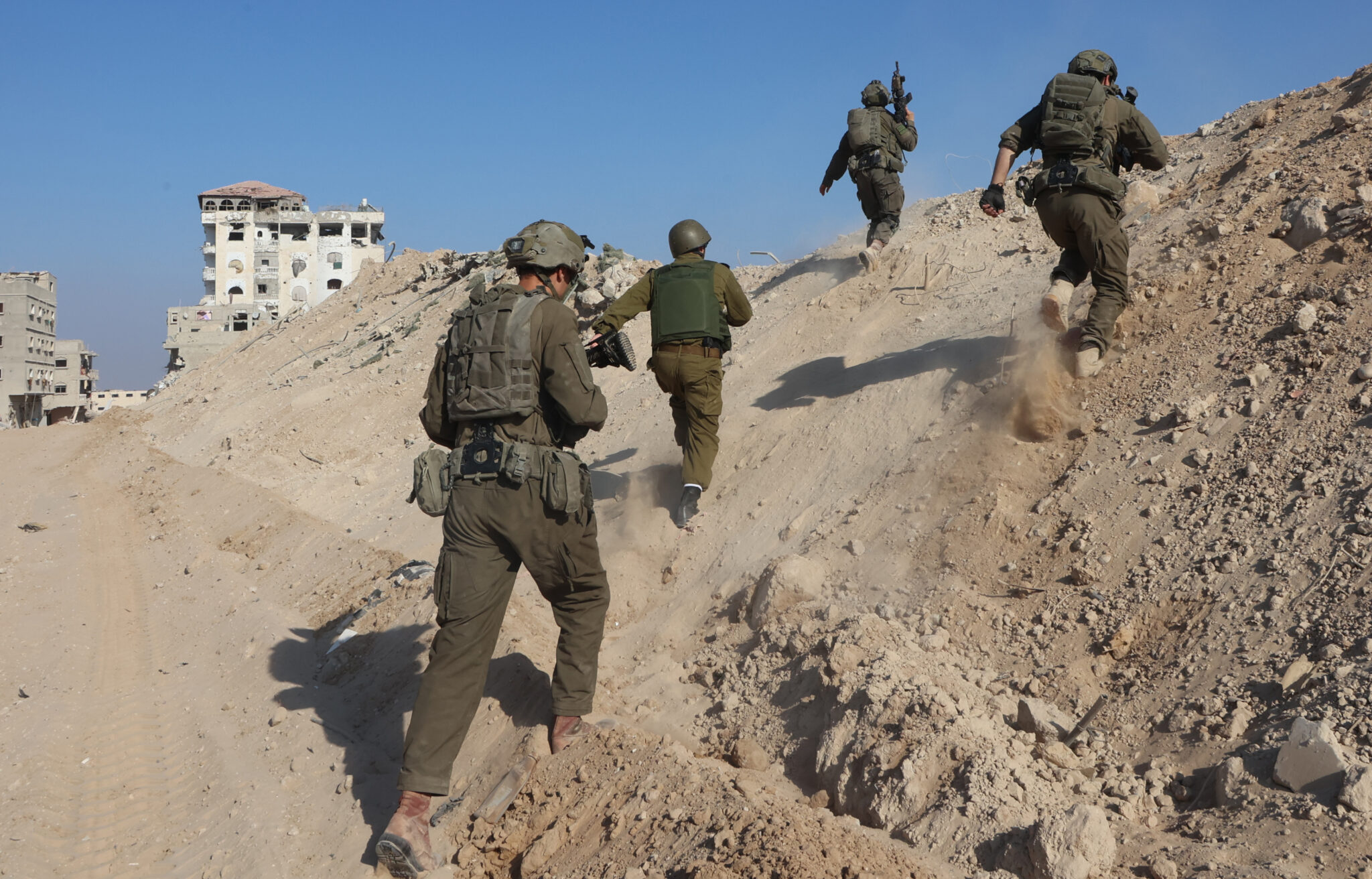
Israel is calling up tens of thousands of reservists as its military operations threaten to expand in Gaza and grow more significant in Syria. This escalation raises serious questions about the goals behind what has become one of the longest wars in the country’s history.
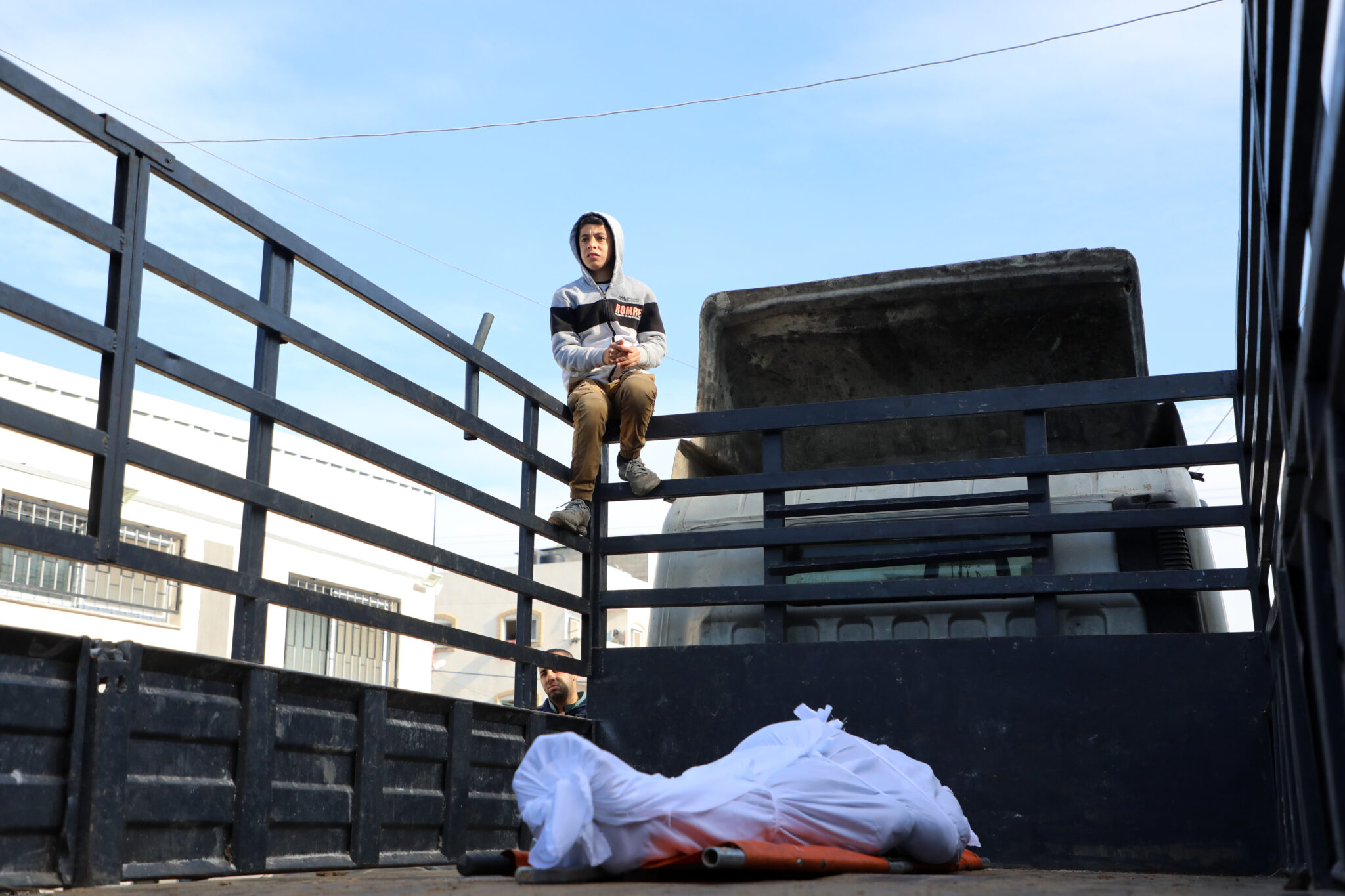
What’s happening today in Gaza goes beyond the bounds of human suffering, a complete eradication of dignity. The humiliation and despair has now reached a point where the living are forced to pay money for the right to bury their dead.
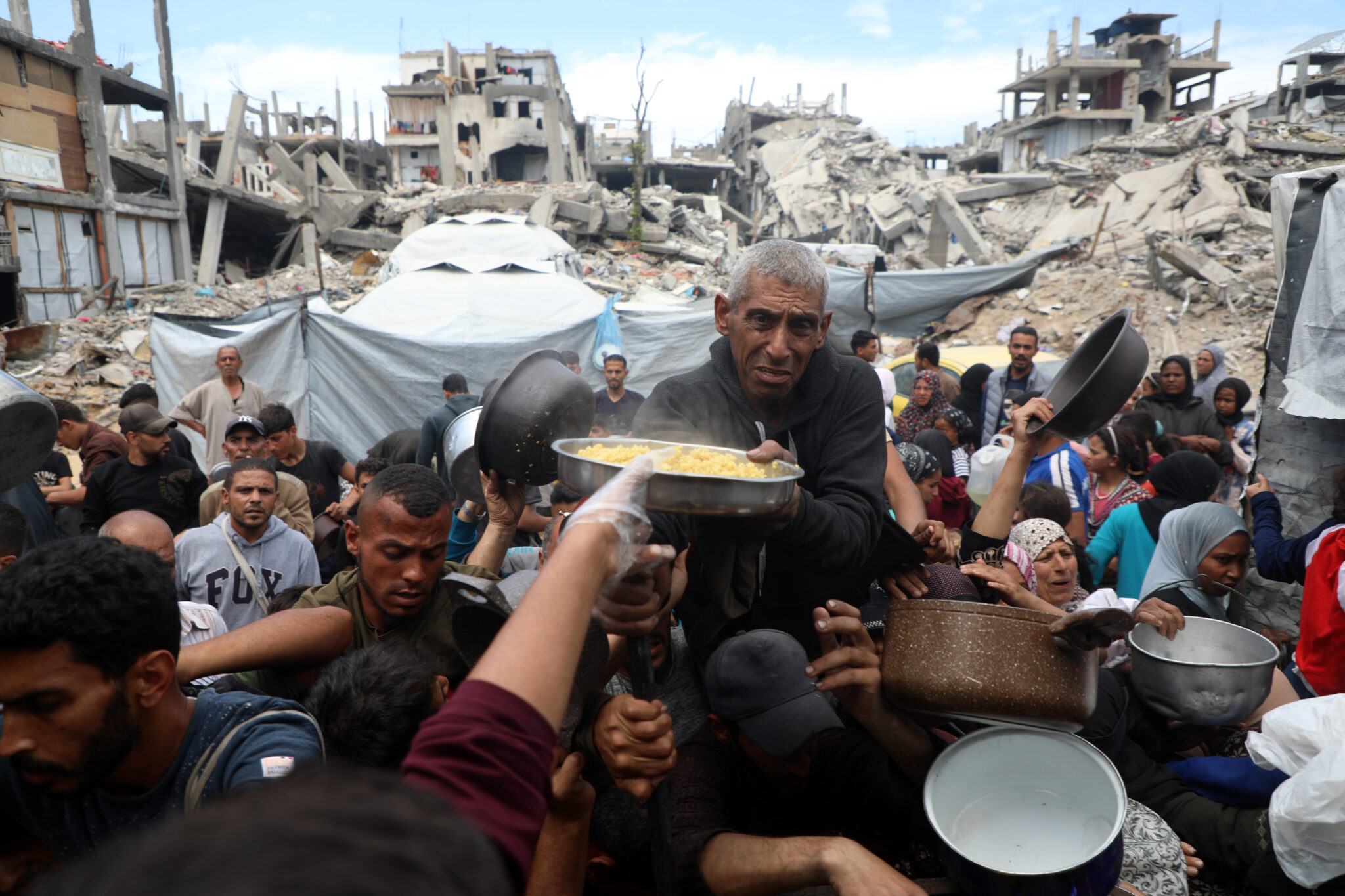
For 59 days now, Israel has prevented the supply of humanitarian aid into Gaza, and the UN is warning that stocks are running out. The International Court of Justice (ICJ) in The Hague opened proceedings where Israel is accused use of hunger as a weapon. This practice should have been left in the 19th century.
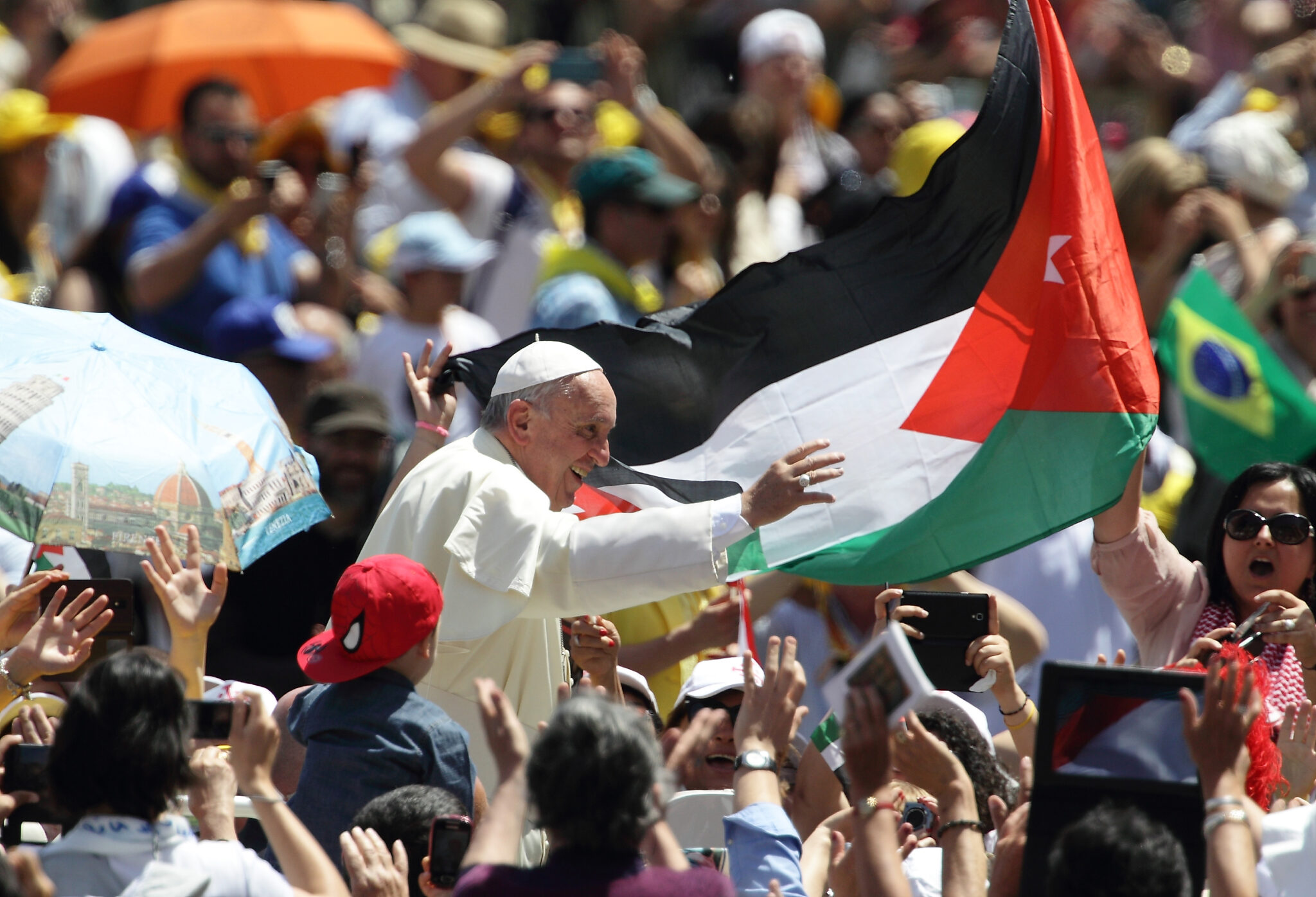
The link between political developments in the Middle East and the theological and cultural exchange between Judaism and Christianity has always remained tight. Since Oct. 7, old ghosts have appeared — and ugly insinuations against the late Pope.
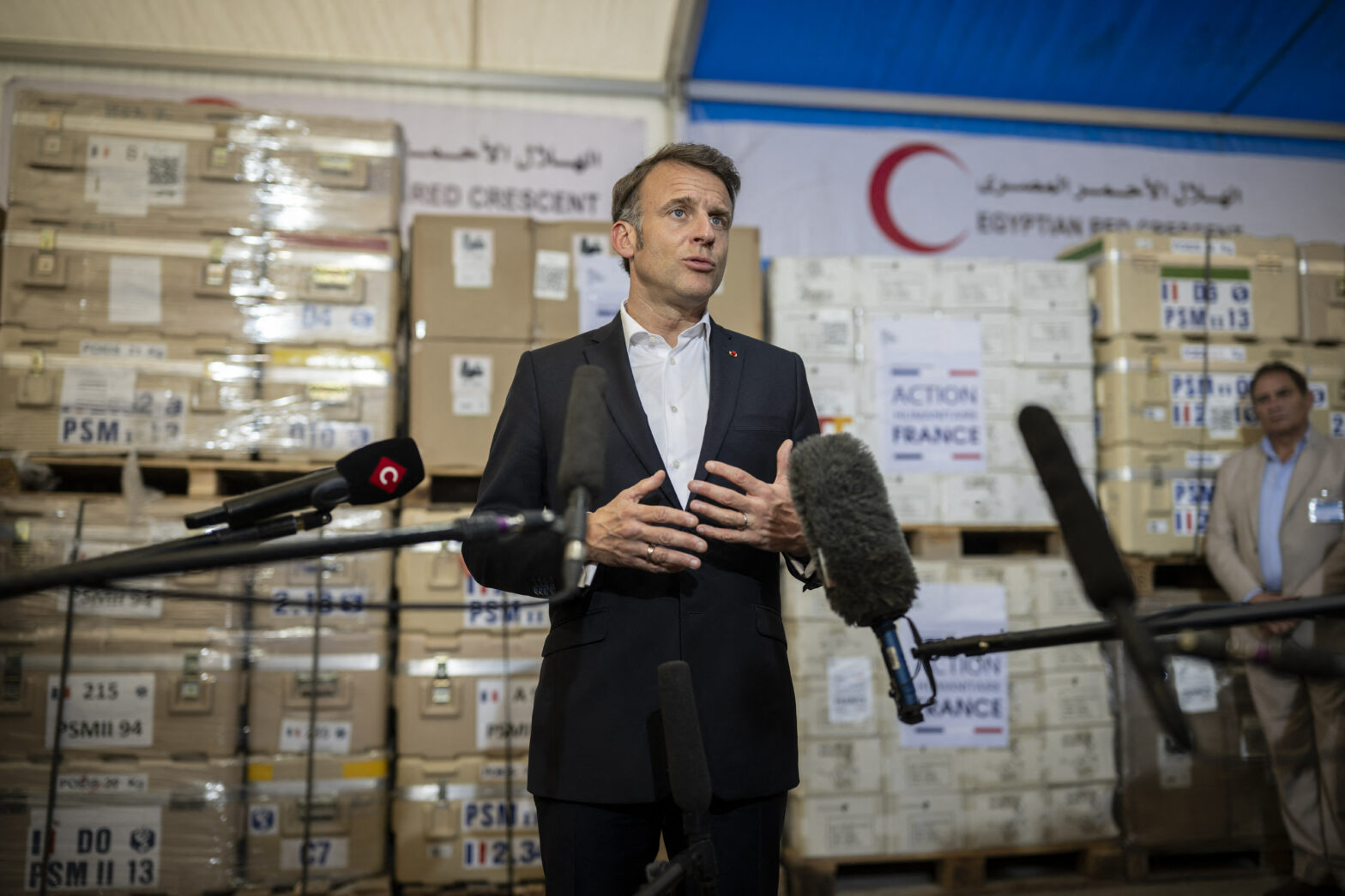
France may recognize the State of Palestine as early as June, President Emmanuel Macron said Wednesday. It marks a clear hardening of the French position, and a possible return to the country’s “Arab policy” of a generation ago.
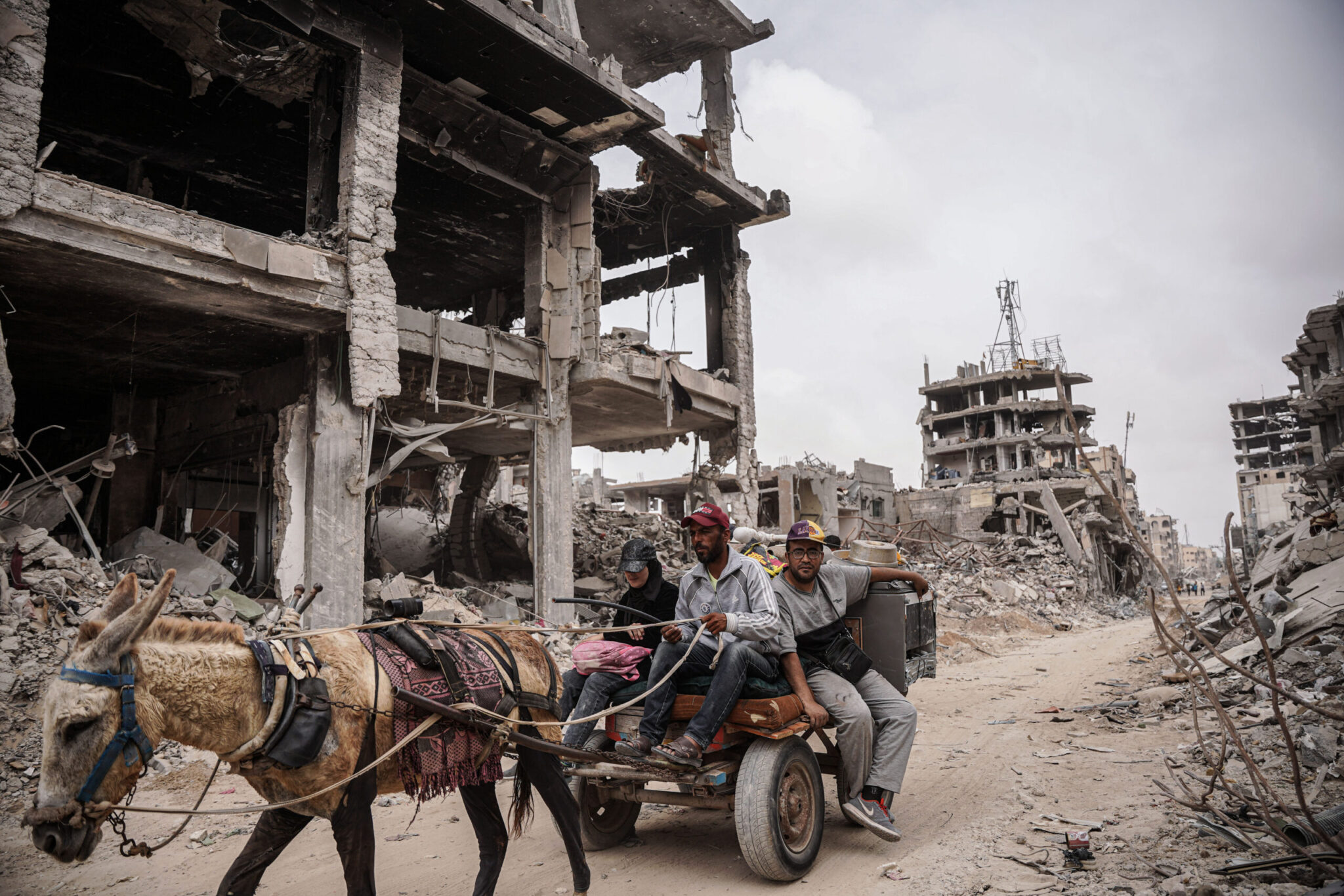
Trump and Netanyahu have both pushed the idea of forcing Palestinians out of Gaza, but it has gotten nowhere. The specter of a massive displacement of people has gotten vocal push back from large parts of the world. Instead, the recent return to slaughtering innocents doesn’t seem to provoke must international opposition.
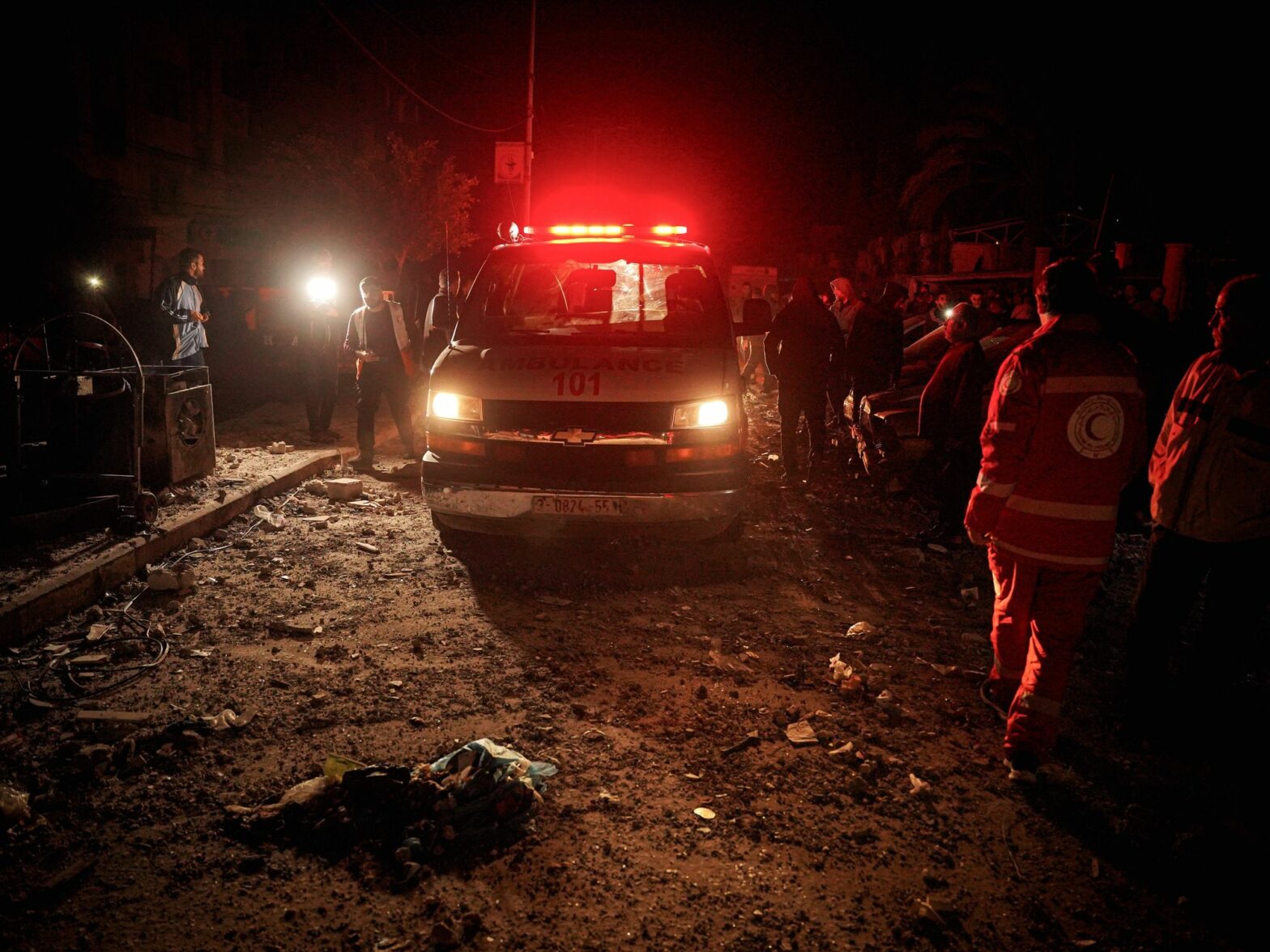
The Israeli account of the deaths of 15 Palestinian aid workers is contradicted by a video. But that won’t change anything in this war that follows no rules. In this context, Emmanuel Macron is in Egypt, but this rare diplomatic initiative is unlikely to carry much weight for now.
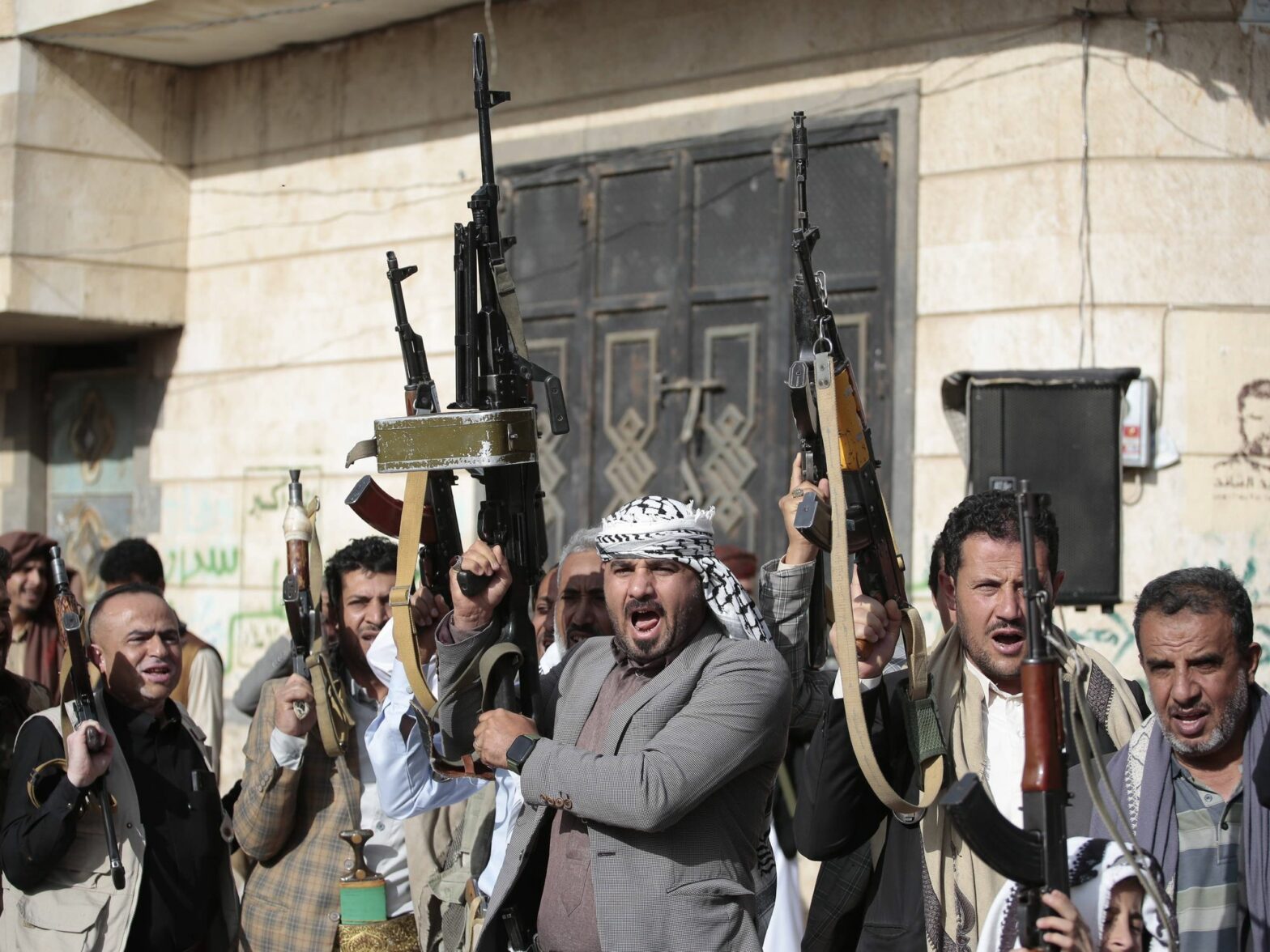
The United States has “quietly” kept bombing Yemen, more than 50 times in two weeks. But what if Donald Trump’s real target is Iran?
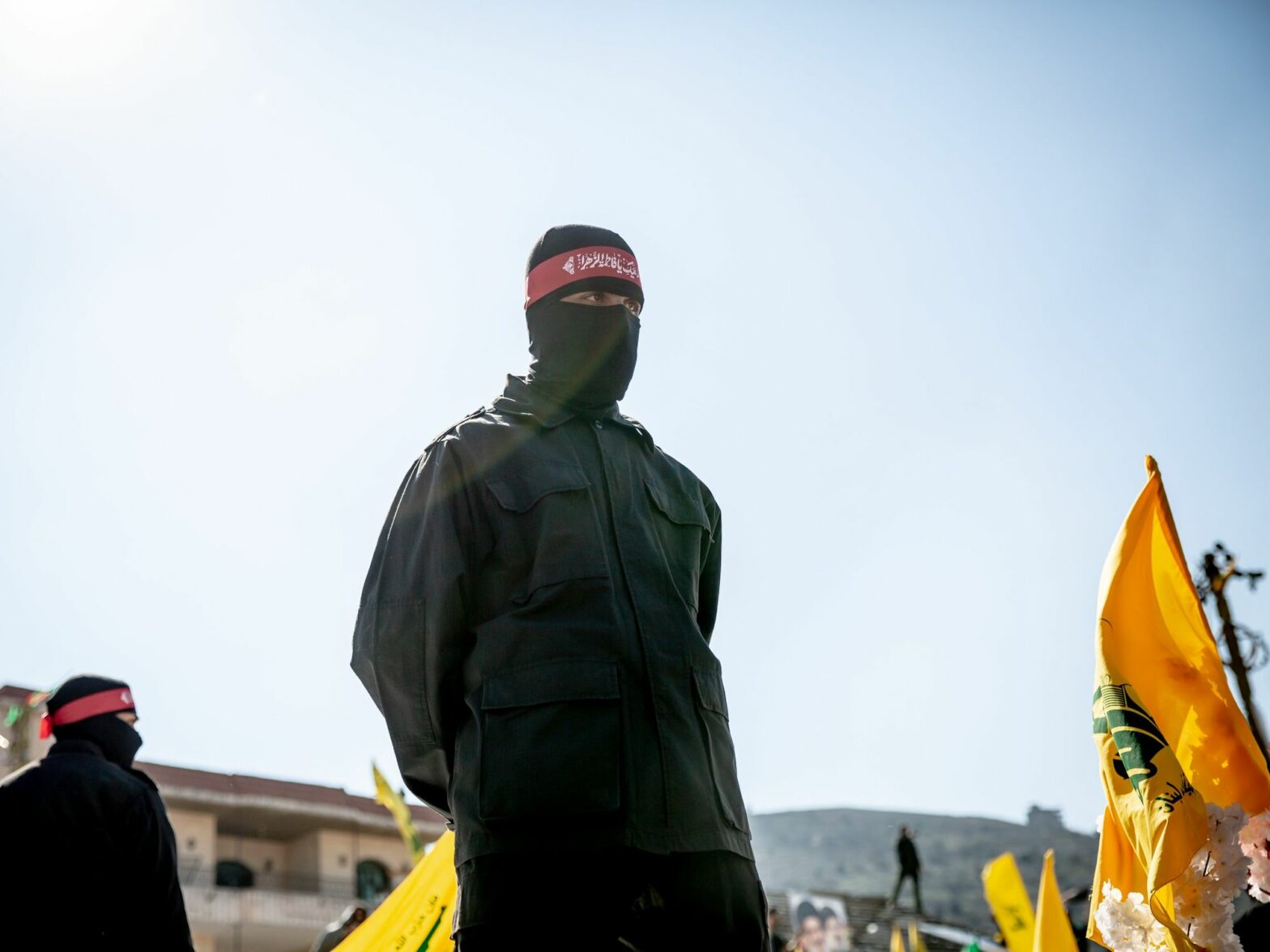
After suffering losses last year, Lebanon’s Hezbollah militia has transferred its war against Israel from the ground to cyberspace — at the risk of undermining the precarious ceasefire between the two countries.
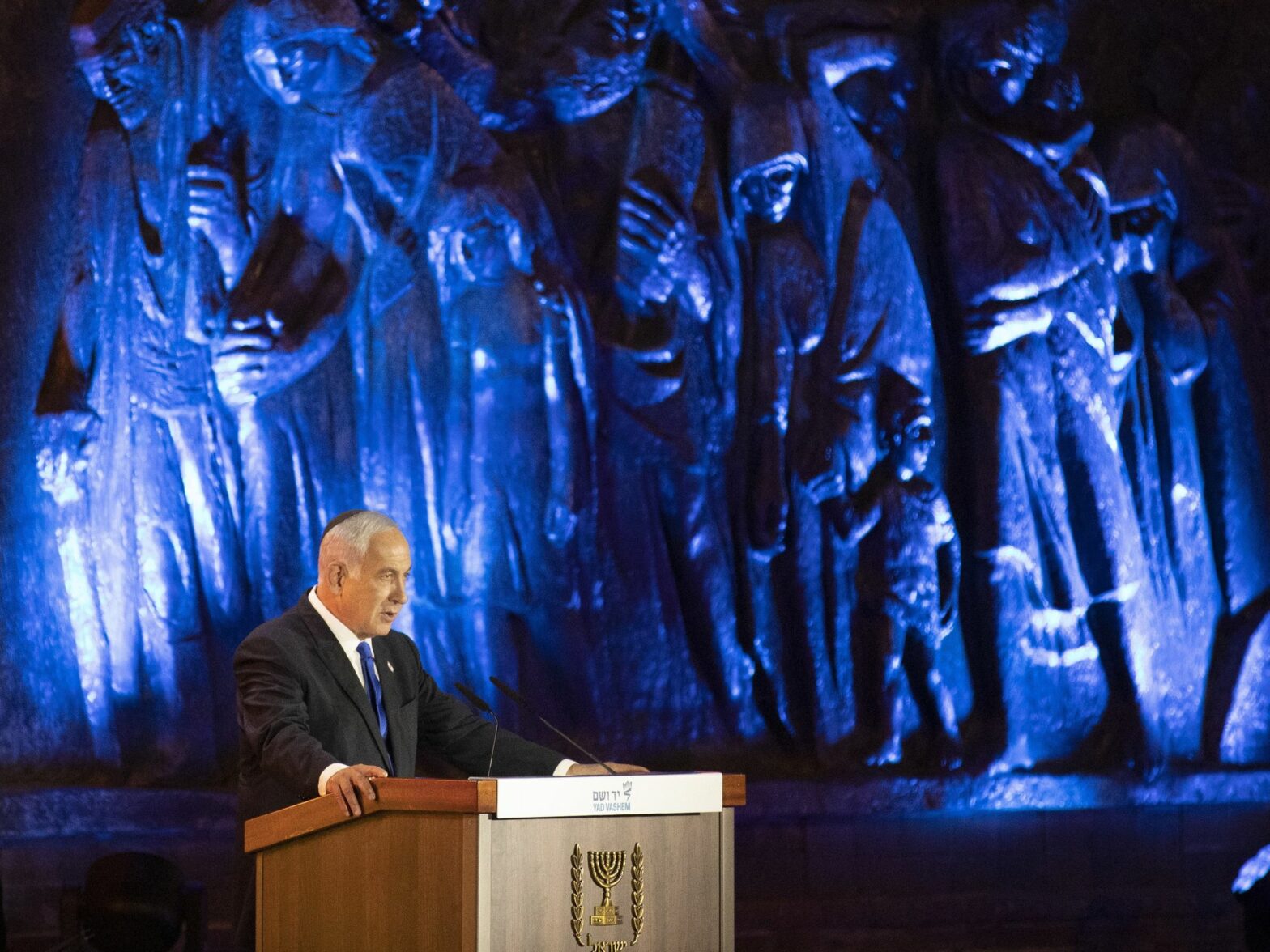
The upcoming International Conference on Combating Antisemitism in Jerusalem will include leaders from the European far right, revealing a disturbing shift in the meaning of solidarity, memory and the political use of the Holocaust.
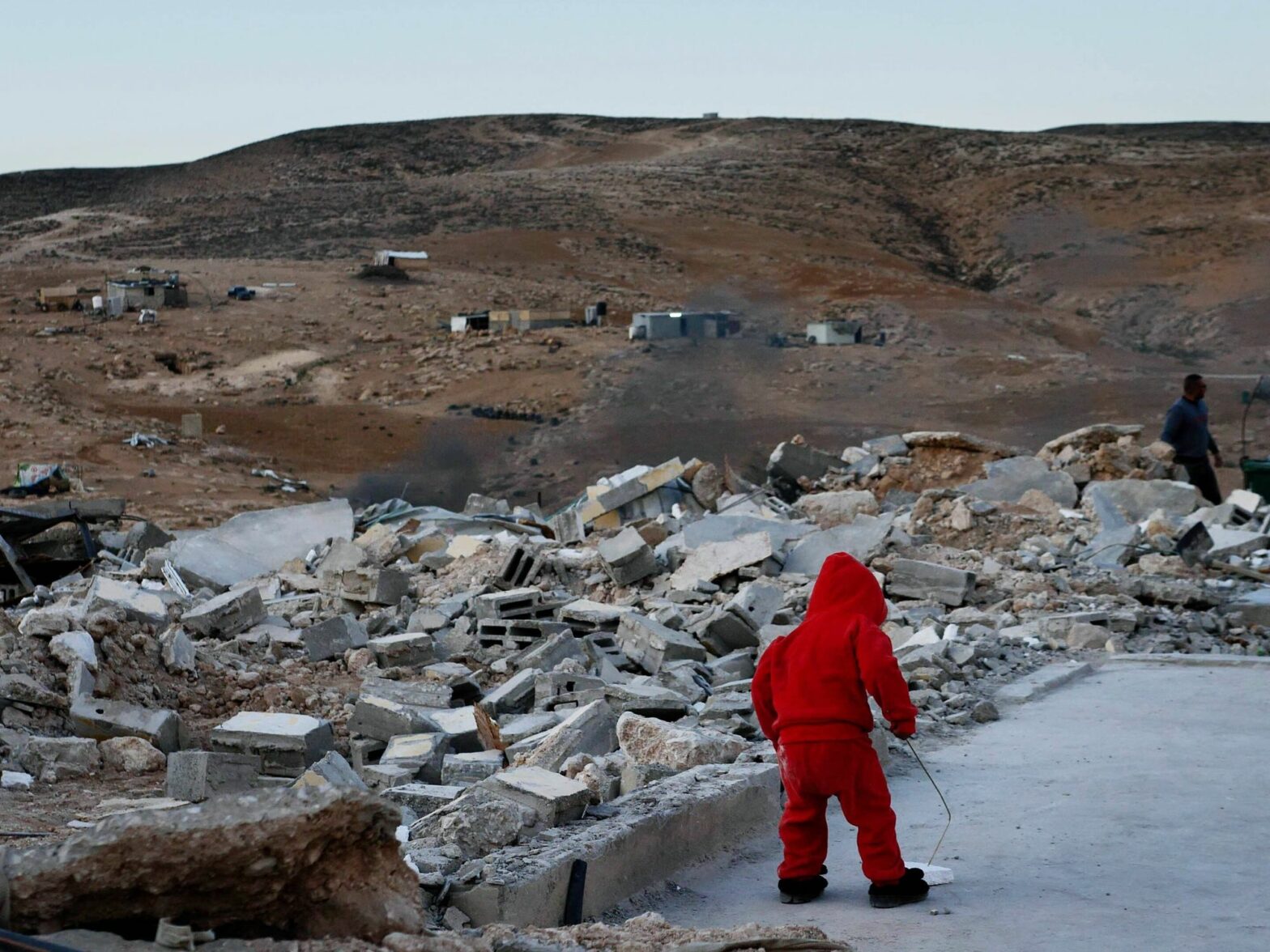
The documentary by a Palestinian-Israeli collective satisfies multiple and divergent audiences at the same time, and has been met with critical success. But the film never evokes the idea that there is another land for Palestinians: that of historic Palestine.
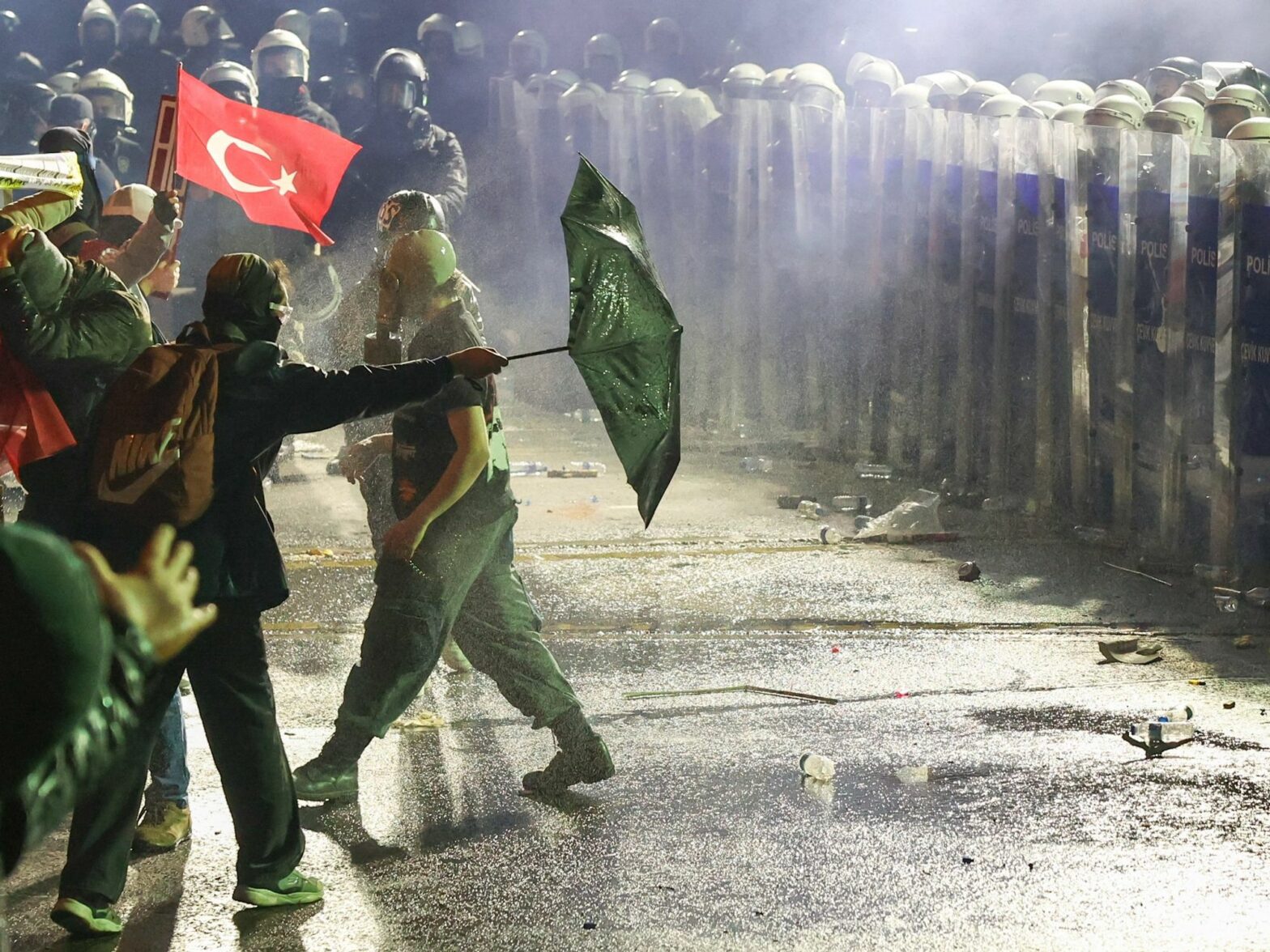
In both Israel and Turkey, the rulers’ shift toward “illiberal” policies has sparked a backlash from parts of society. In both cases, leaders are targeting checks and balances, feeling emboldened by a similar trend unfolding in the United States under Donald Trump.
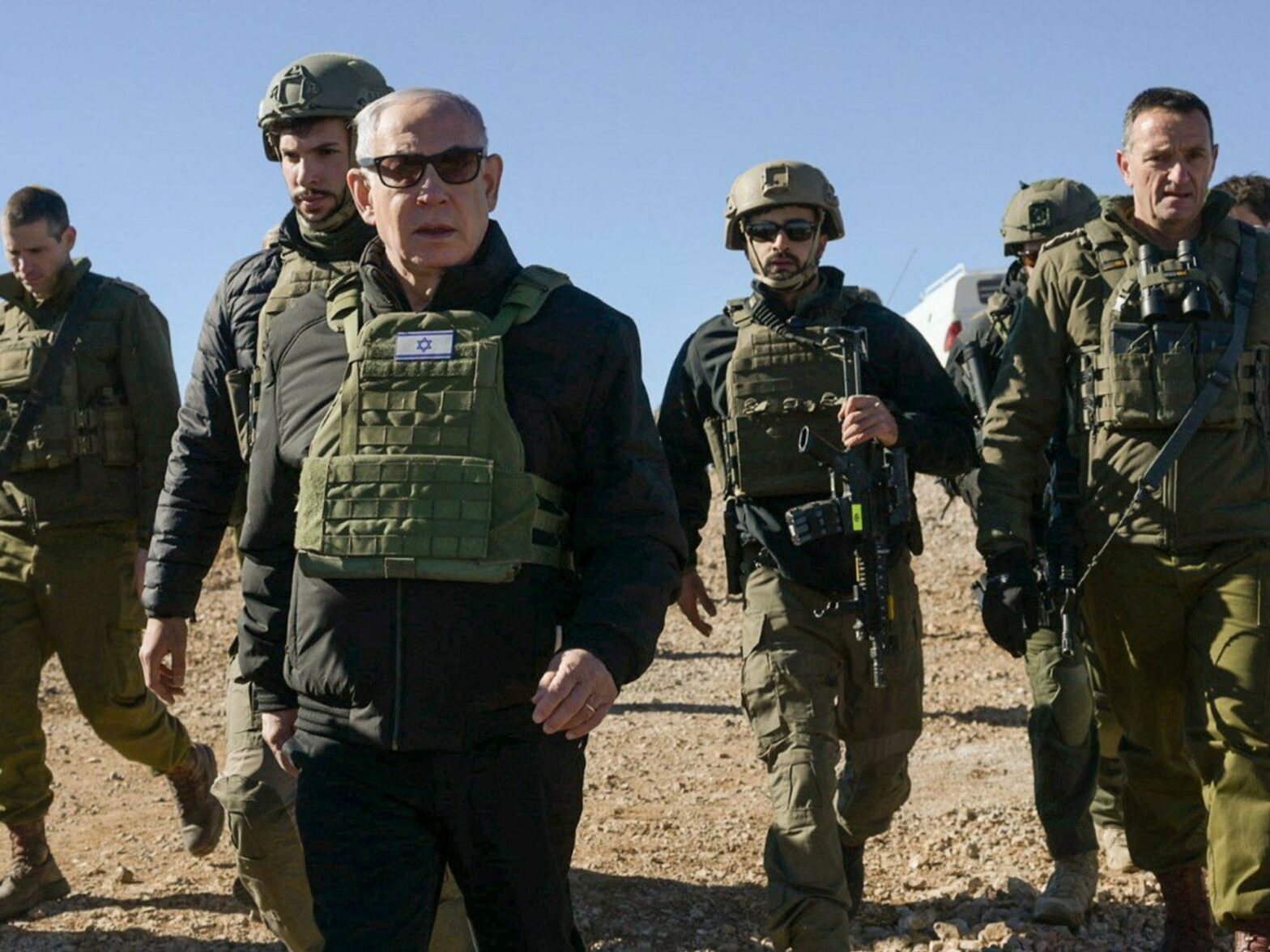
For three days, war has raged once again in Gaza, leaving hundreds of Palestinians dead. Yet a segment of Israeli society is pushing back against the justifications put forth by Prime Minister Benjamin Netanyahu. Backed by Trump, Netanyahu carries on his brutal policy.
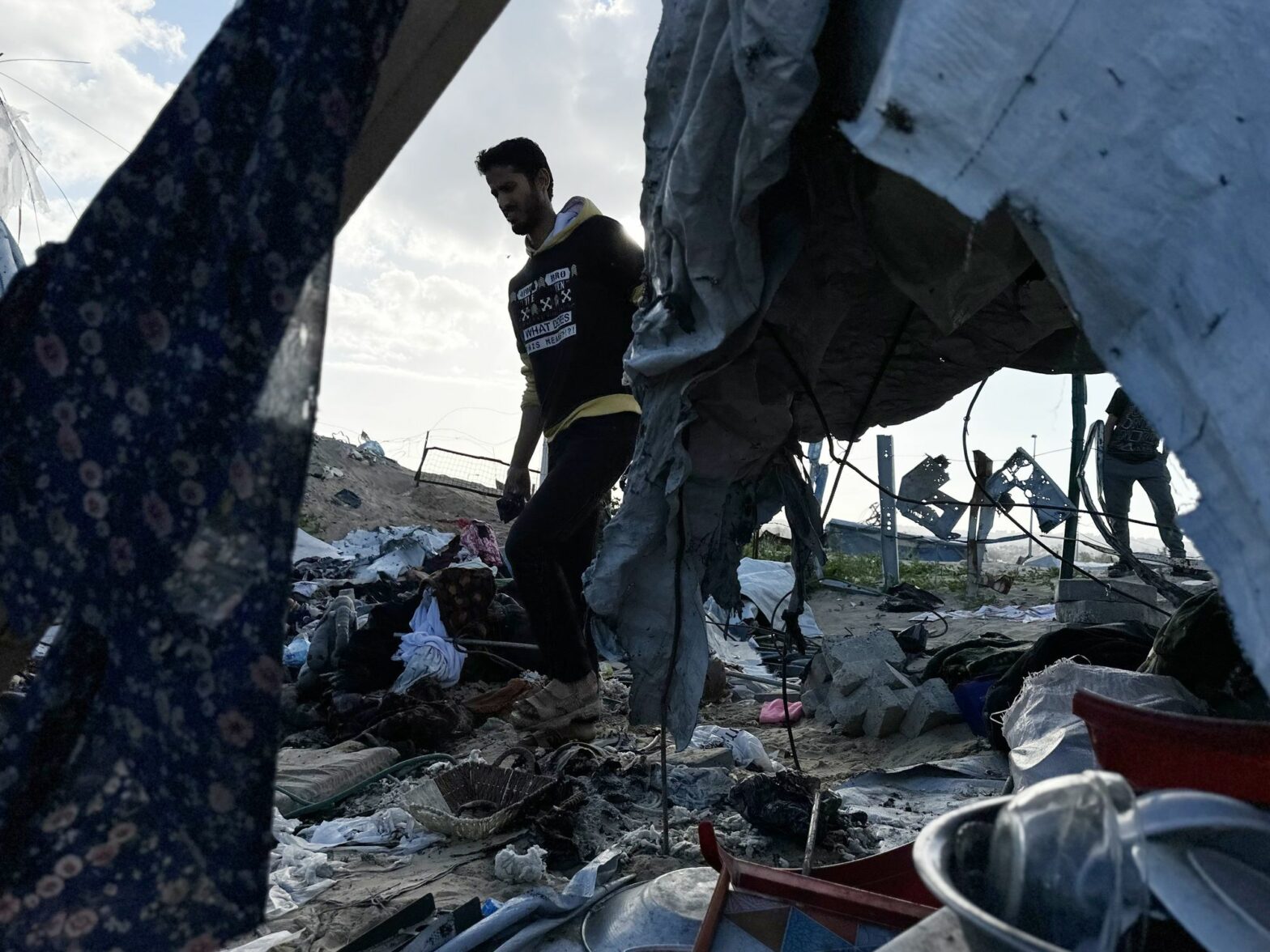
Israel has upended the ceasefire in Gaza, resuming war amid propaganda of continuing negotiations under fire. Can Egypt spearhead a “semi-permanent” solution to end the conflict and prevent further escalation?
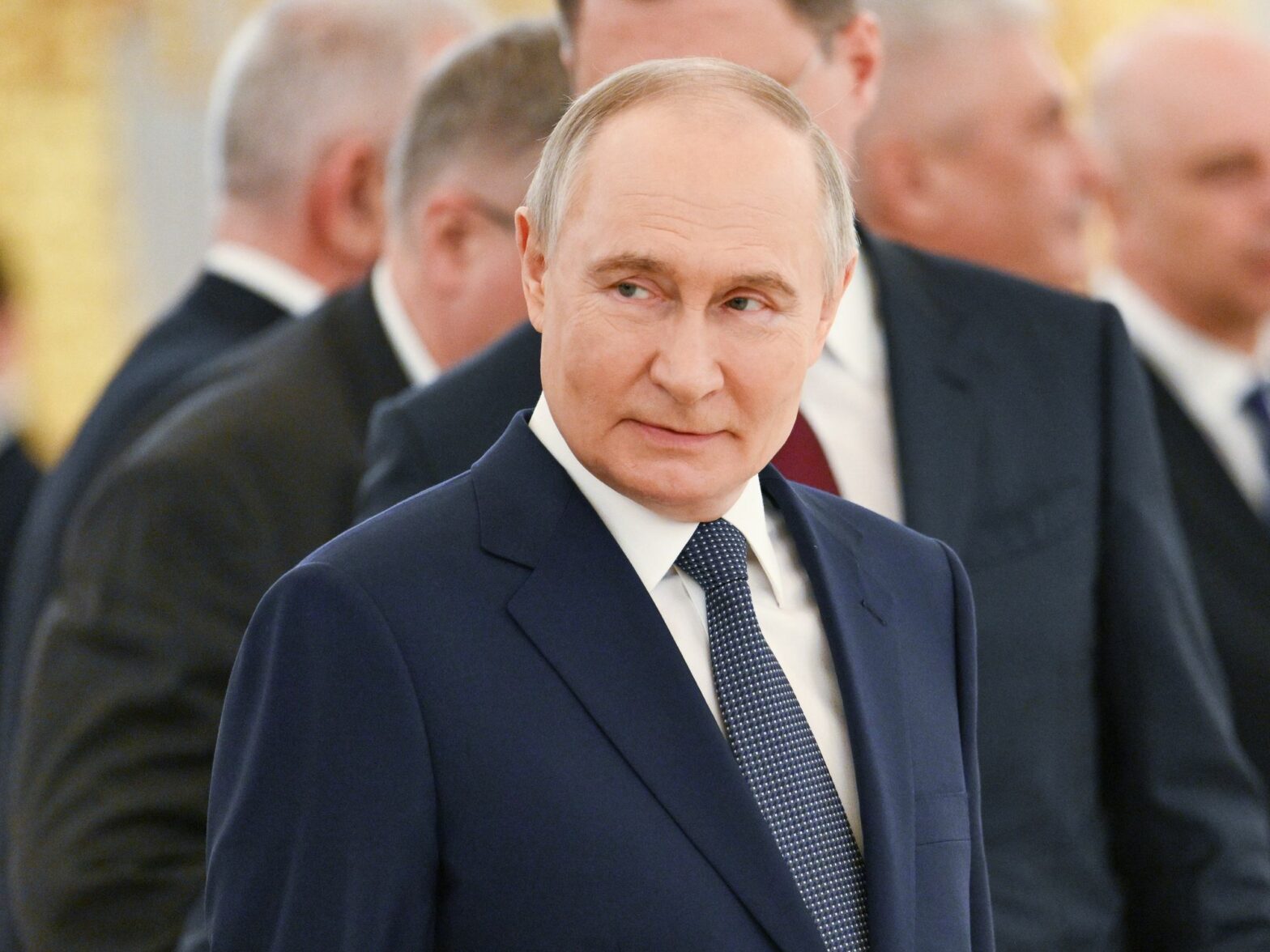
After more than two hours of talks with Trump, Putin agreed only to a partial truce on energy infrastructure and laid out his conditions for moving forward — chief among them, an end to Western aid for Ukraine. Who knows if Trump pushed back at all.
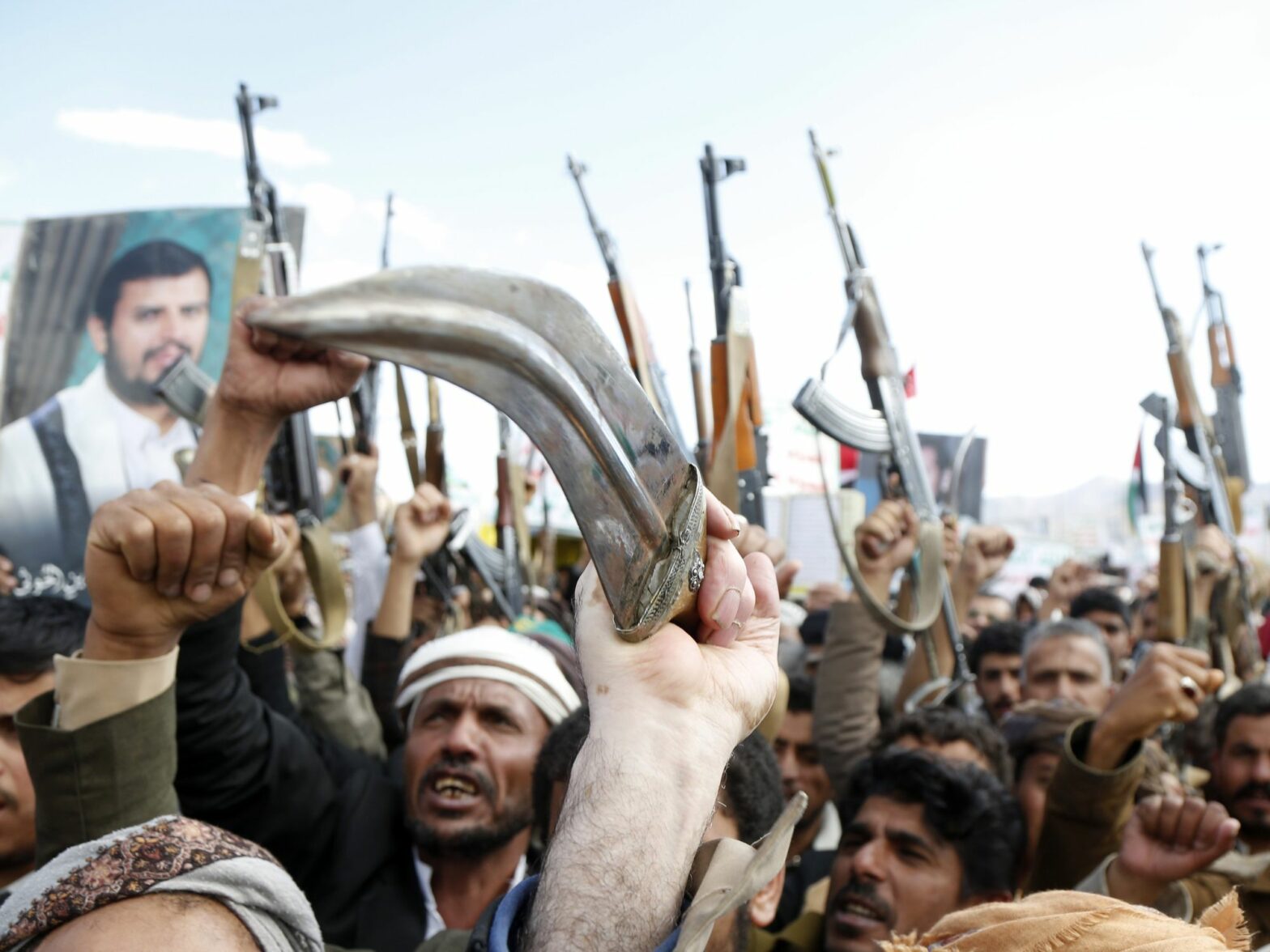
Donald Trump has launched his most significant military operation since taking office, ordering airstrikes on Yemen’s Houthis. At the same time, he is directly threatening Iran while also offering a nuclear compromise — a dual approach that keeps the possibility of war on the table.
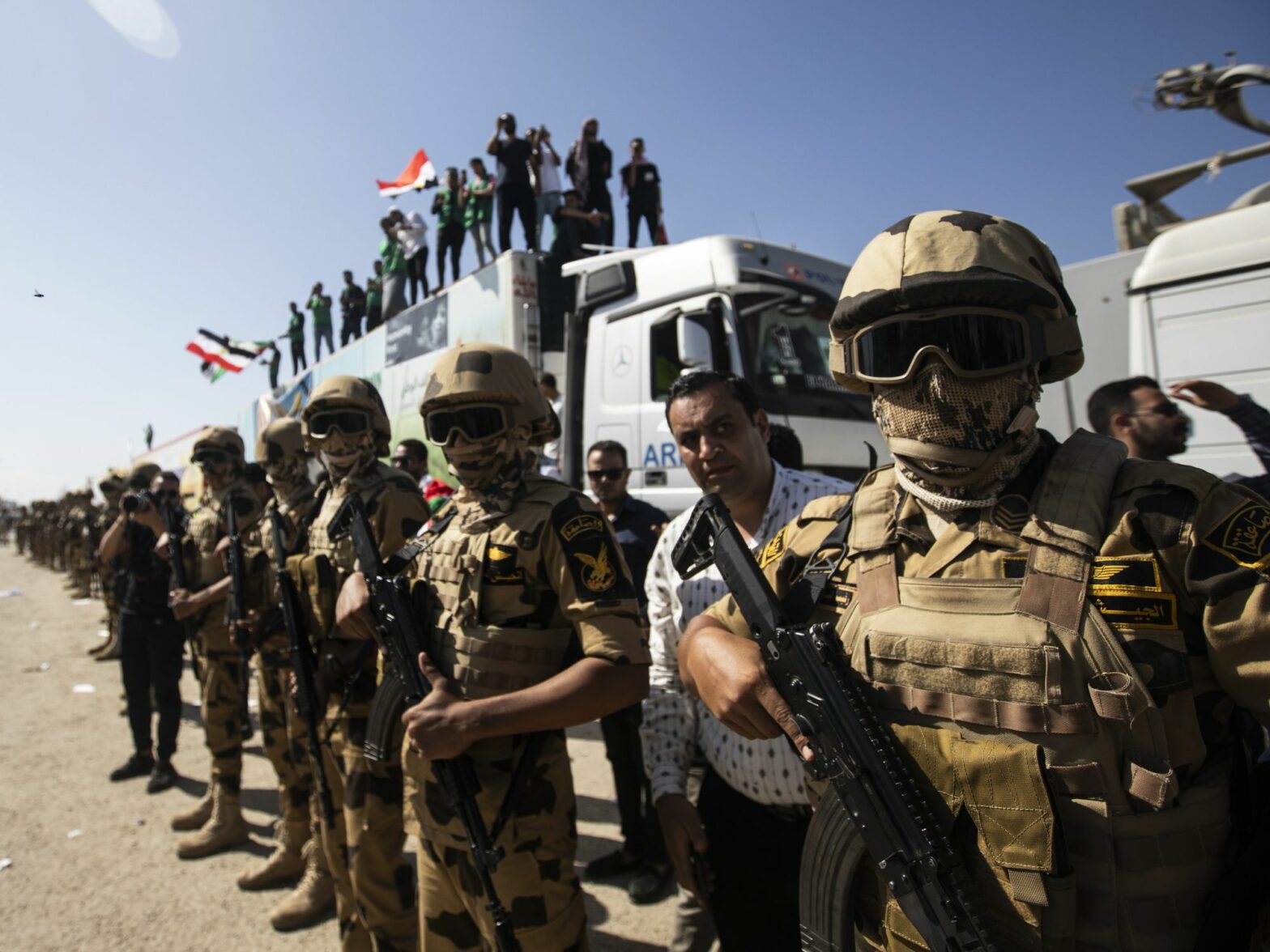
Any future conflict with Israel will not resemble the 20th-century wars — those highly controlled, limited conflicts that lasted only days or weeks. Wars then followed rules of engagement because they were overseen by the two superpowers of the Cold War.

The porn industry and amateur and professional adult content plays a role in the Israeli war on Gaza. Some pornographic companies did not only provide support to Israel, but adult content also contributed to drawing a violative imagination about Israeli soldiers and their relationship with the battlefield and the Gazan victims. It is part of a long history linking pornography and war.