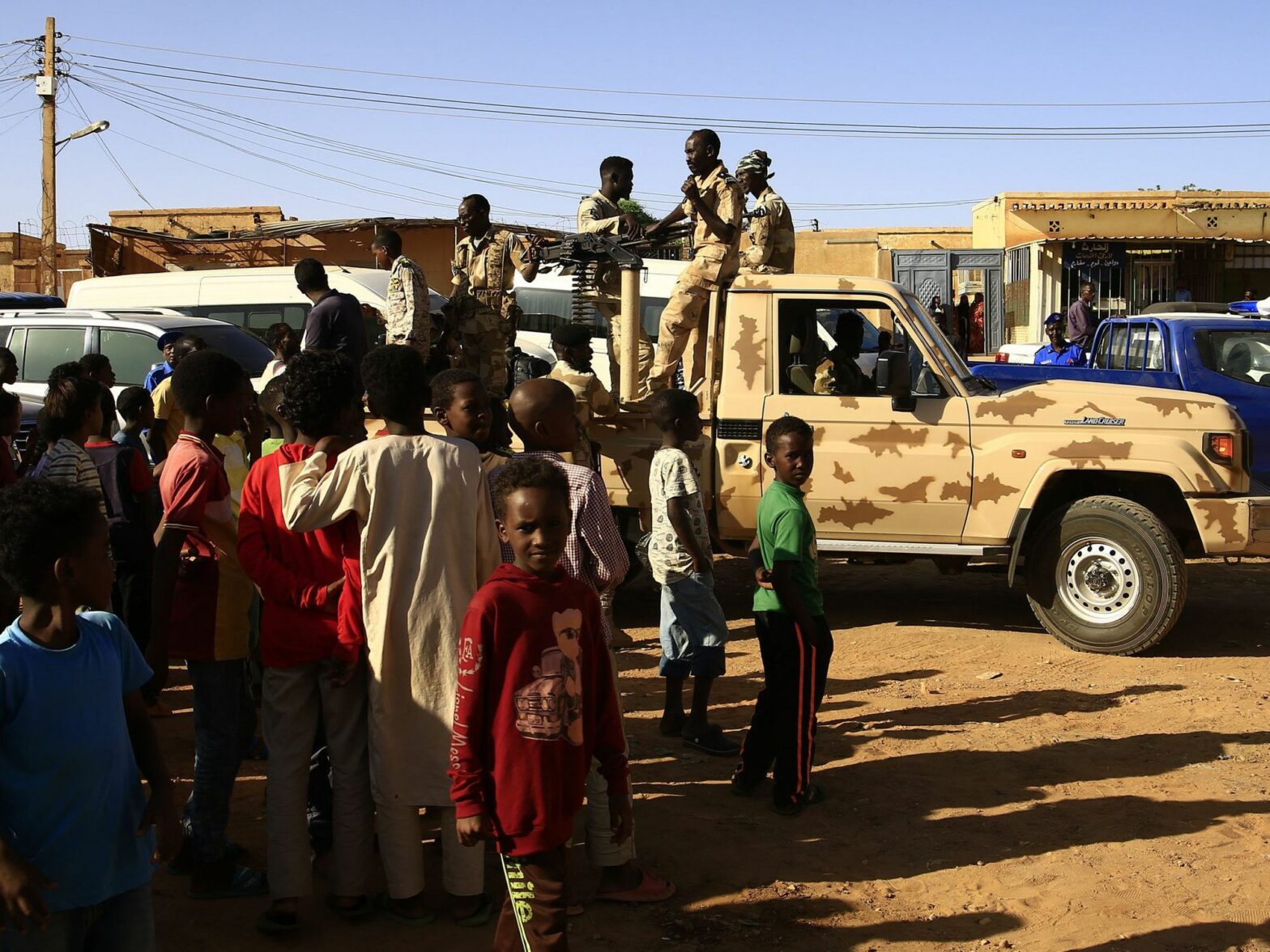
The military has cleared many neighborhoods in Khartoum and Omdurman from RSF fighters, paving the road for many refugees to return home.
 Worldcrunch
The military has cleared many neighborhoods in Khartoum and Omdurman from RSF fighters, paving the road for many refugees to return home.
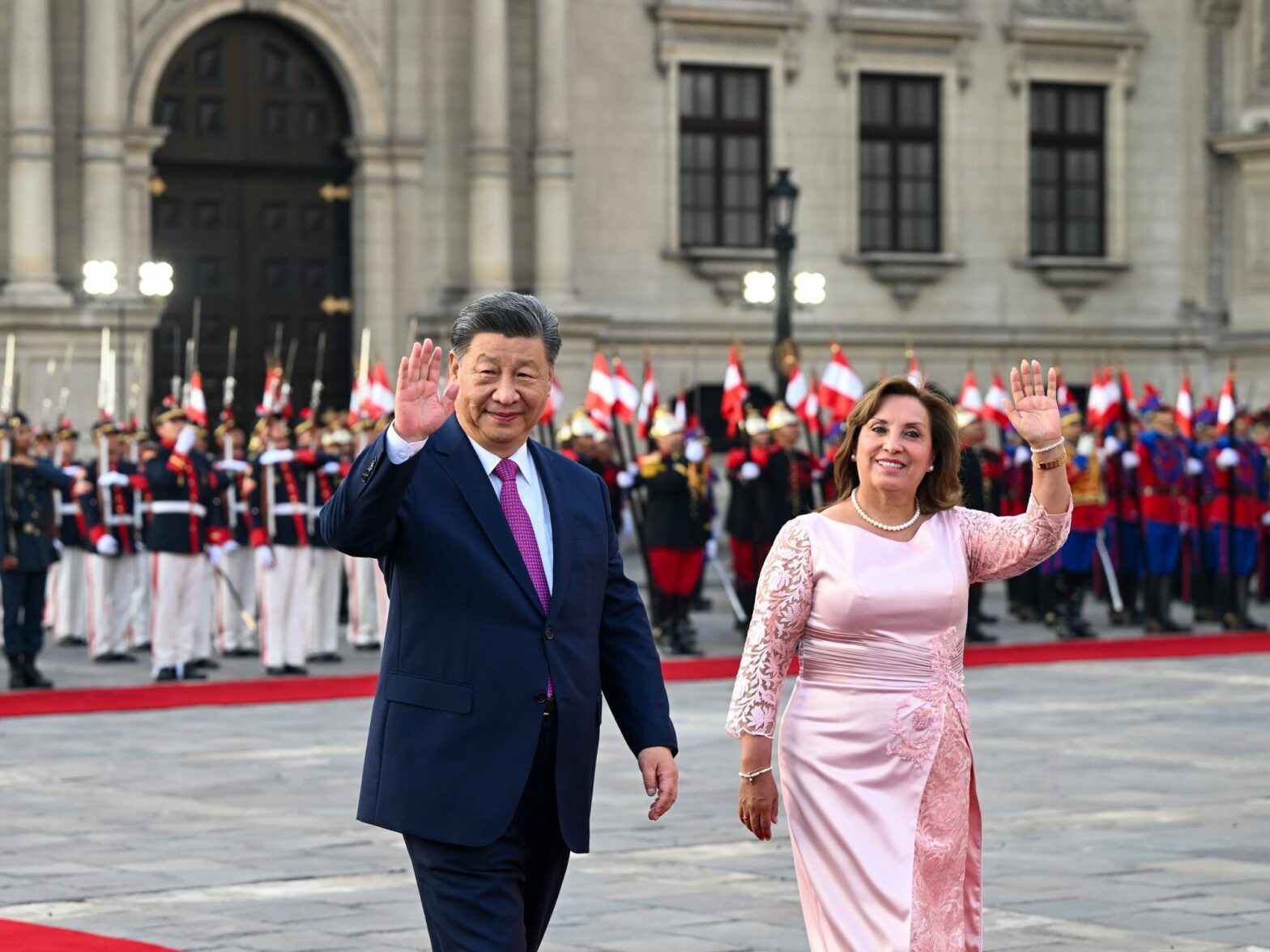
China has become Latin America’s leading partner, under the nose of the United States, which is busy elsewhere. Xi Jinping inaugurated a Chinese-built megaport in Peru, underscoring Beijing’s growing influence in the region — and the looming showdown with the future Trump administration.
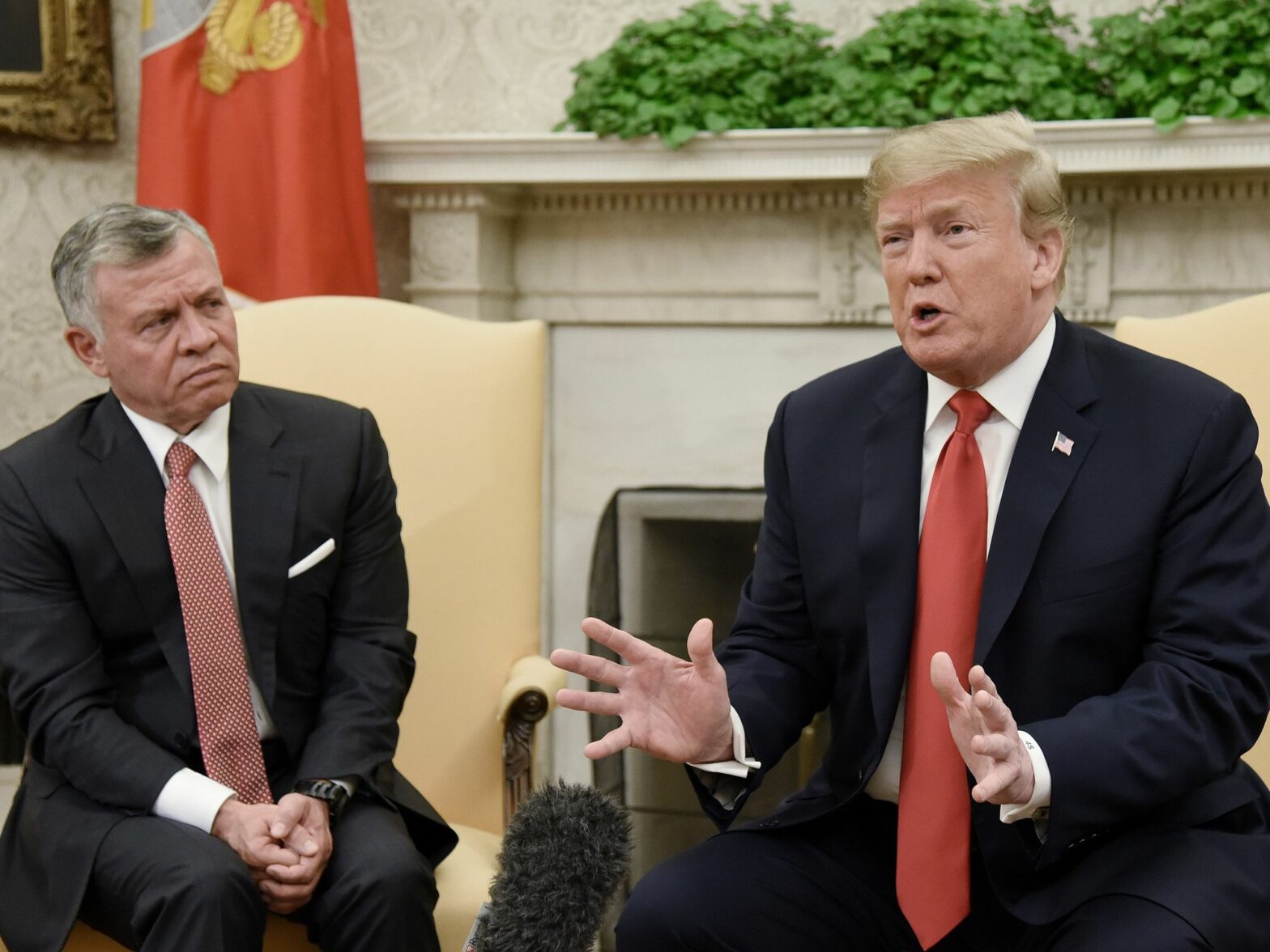
In his first term, Donald Trump tried to undermine the strategy that Jordan had bet on for more than two decades, to protect itself from the risk of transferring the Palestinians from the occupied West Bank to Jordan. What will a second Trump term mean for the country?
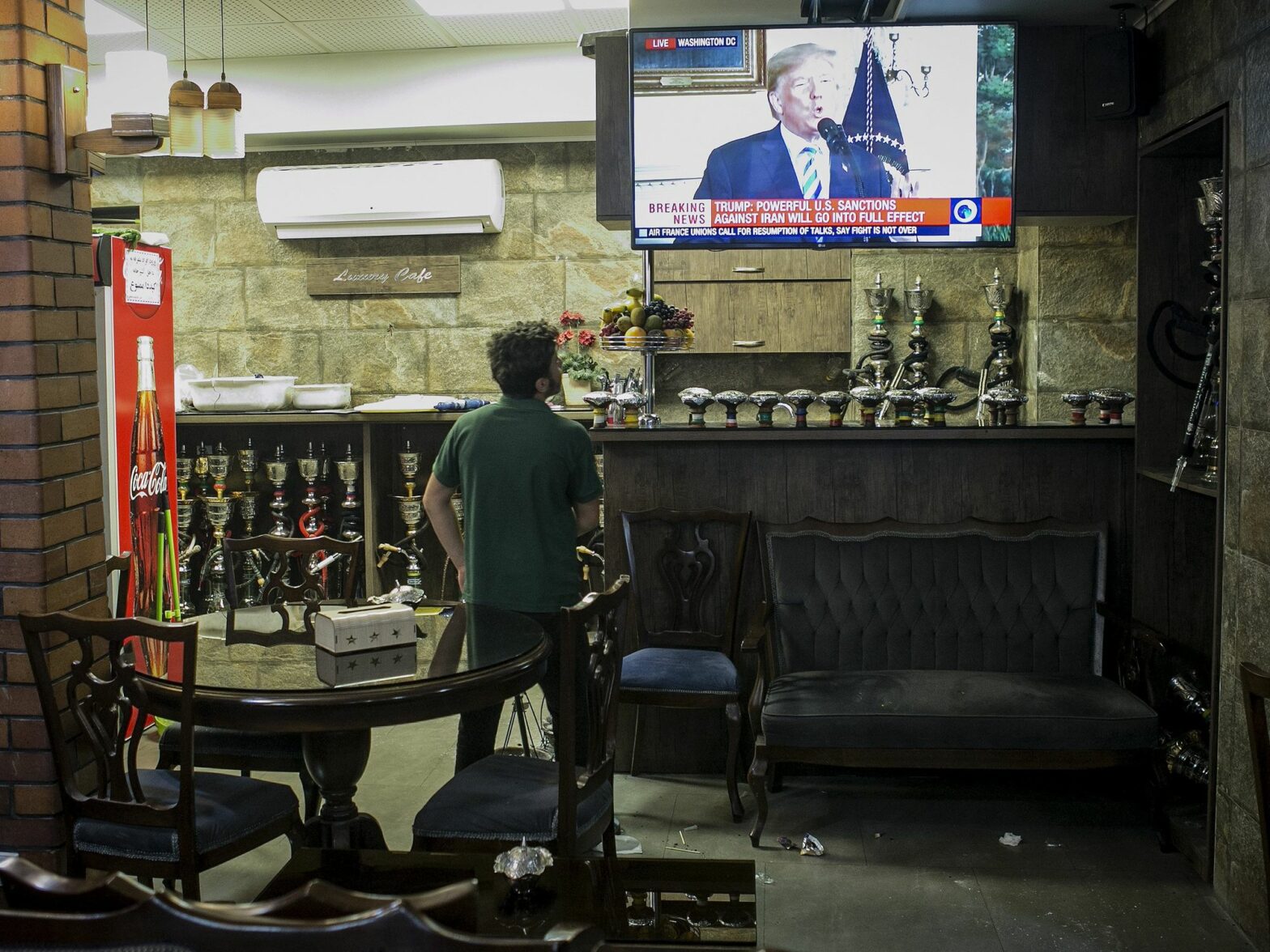
Iranian officials insist another Trump presidency could never change its policies — including fighting Israel where it can. But given the first Trump administration, Tehran should expect hard times ahead.
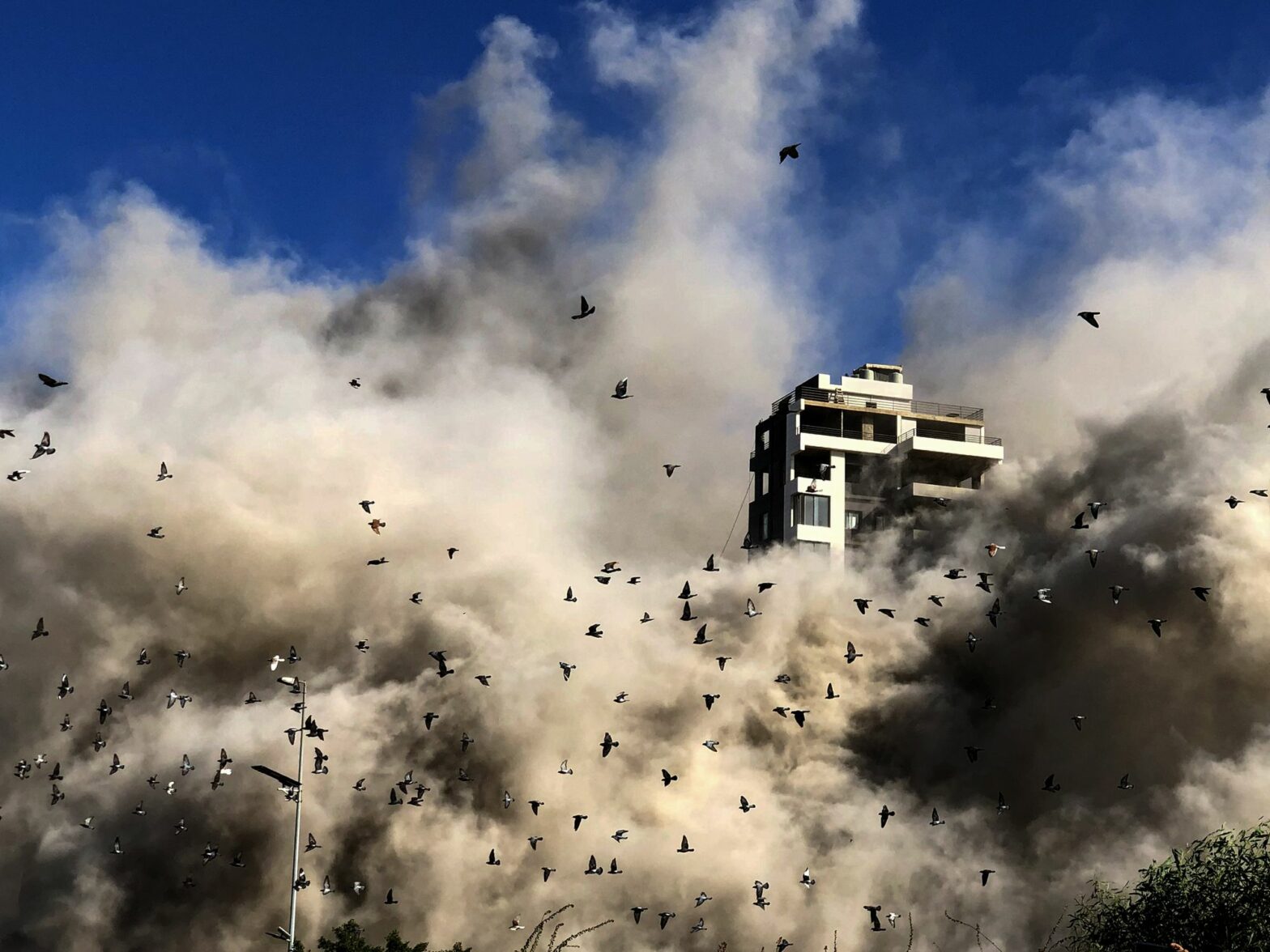
In more than a year since the Israel-Hezbollah conflict escalated, news of bombing has become a habit in Lebanon. In an essay for the Beirut-based independent media Daraj, Lebanese journalist Pascale Sawma discusses how war has become “normal” — and what that means for her and her work.
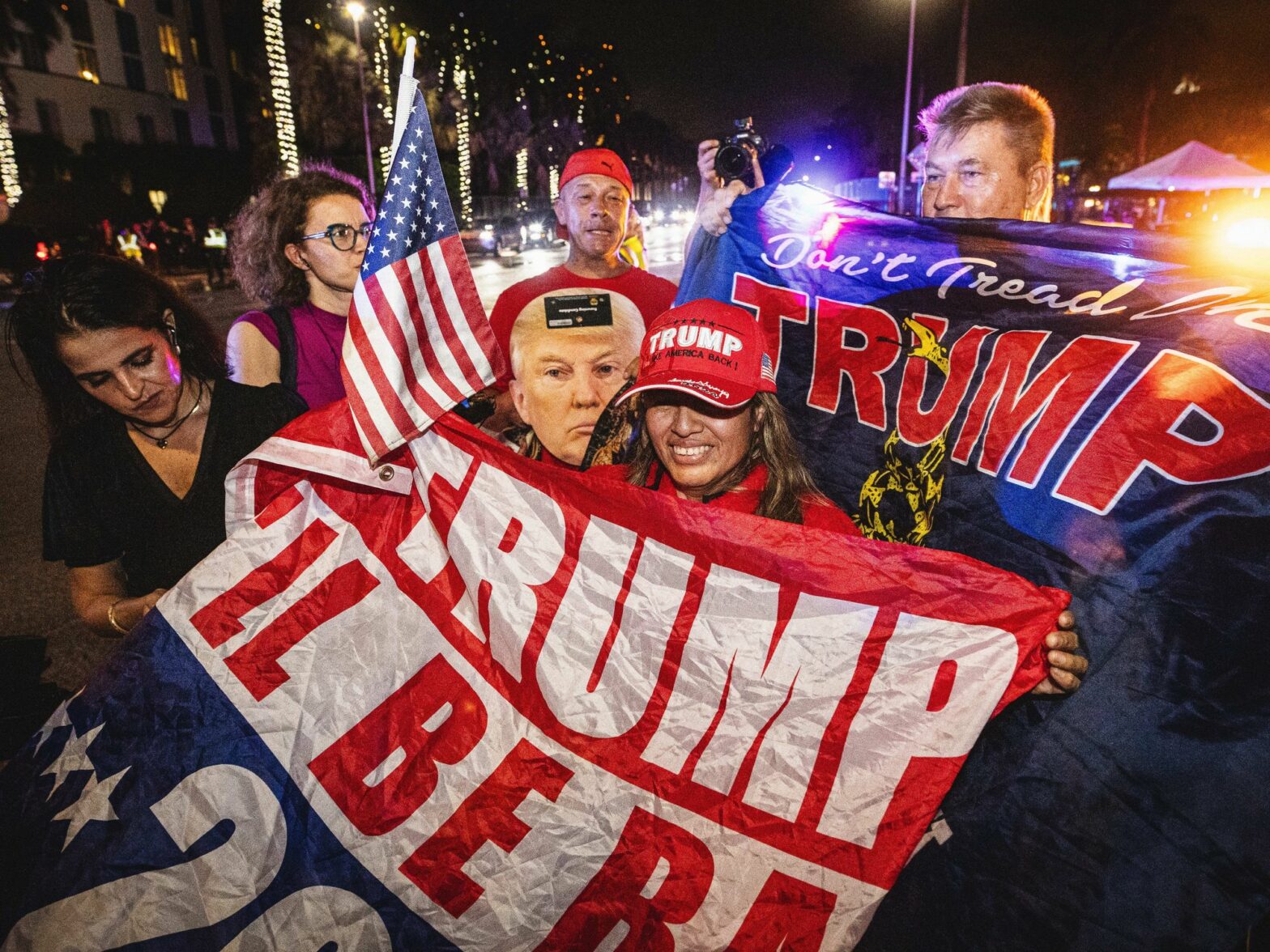
Donald Trump’s reelection marks a new social coalition that found no voice in traditional political forces, writes Italian historian Giovanni Orsina in daily La Stampa. The utopian-liberal order of the 21st century failed to deliver on its promises and it succumbed to a boisterous, combative new right.
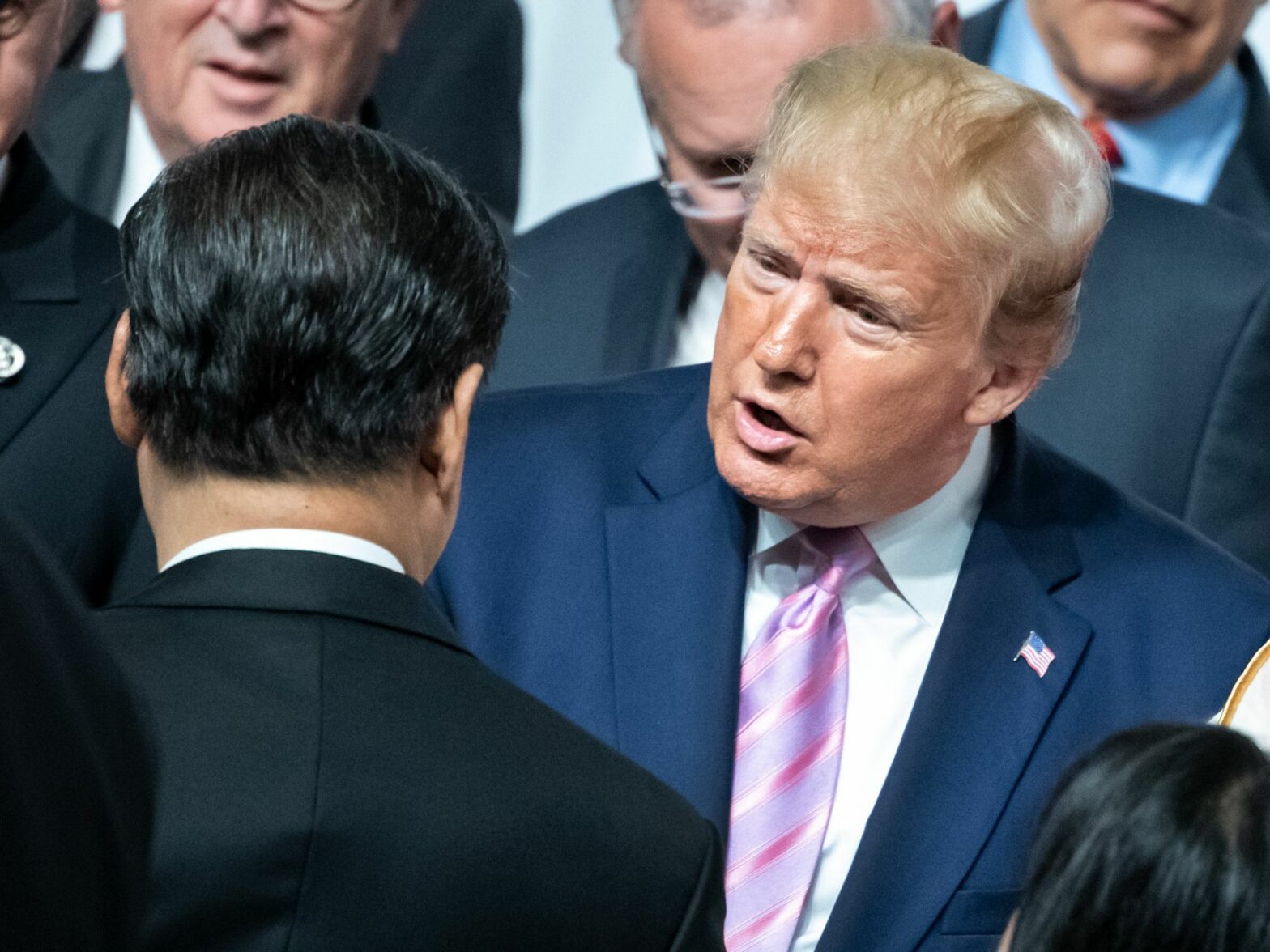
Many experts are counting on Trump’s economic policies to be a disaster. But that doesn’t have to happen: he could leave the economy to his advisors, and focus his attention on consolidating power.
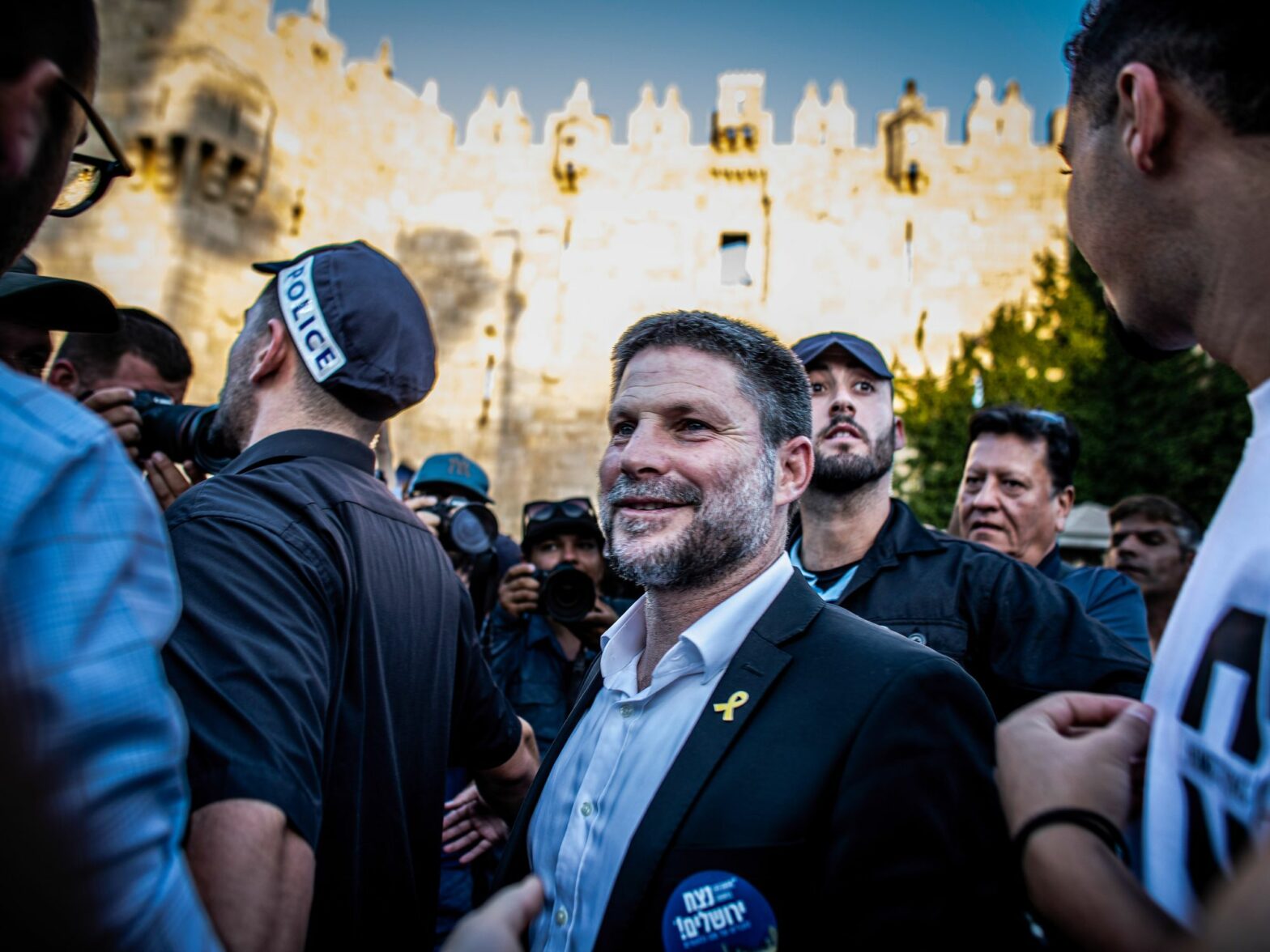
A prominent figure of Israel’s far-right, Finance Minister Bezalel Smotrich has announced that 2025 will be the year of the West Bank’s annexation. With Donald Trump’s victory, supporters of colonization hope he will back their approach, despite it being contrary to international law.
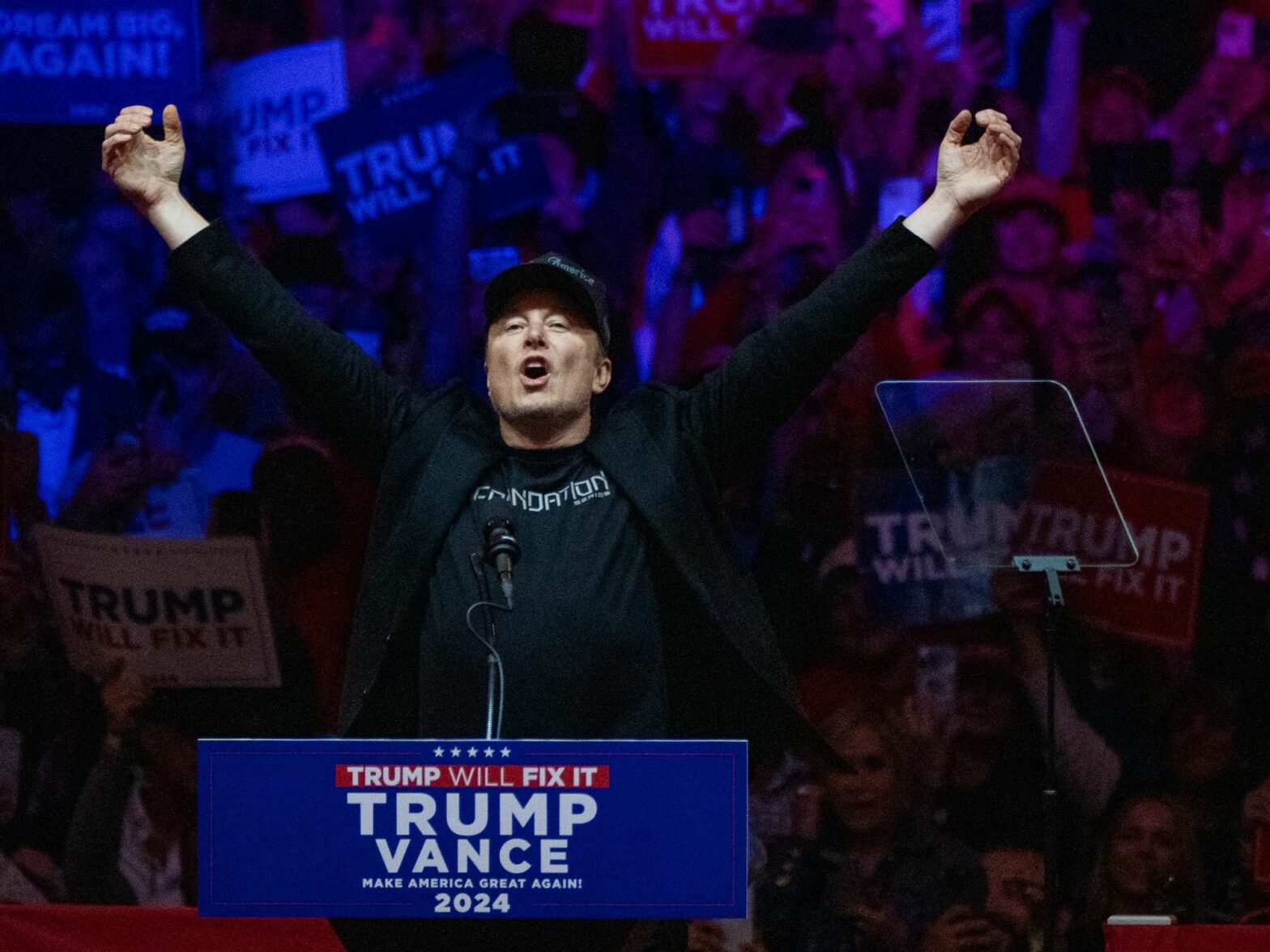
With the announcement that Elon Musk will become part of Donald Trump’s administration, the tech billionaire’s influence on the U.S. will keep on growing. From pouring hundreds of millions into Trump’s campaign to bending social media narratives, Musk’s actions underscore the ease with which the techno-oligarchy can buy political sway, writes Natalia Viana of Brazil’s leading investigative platform Agência Pública.
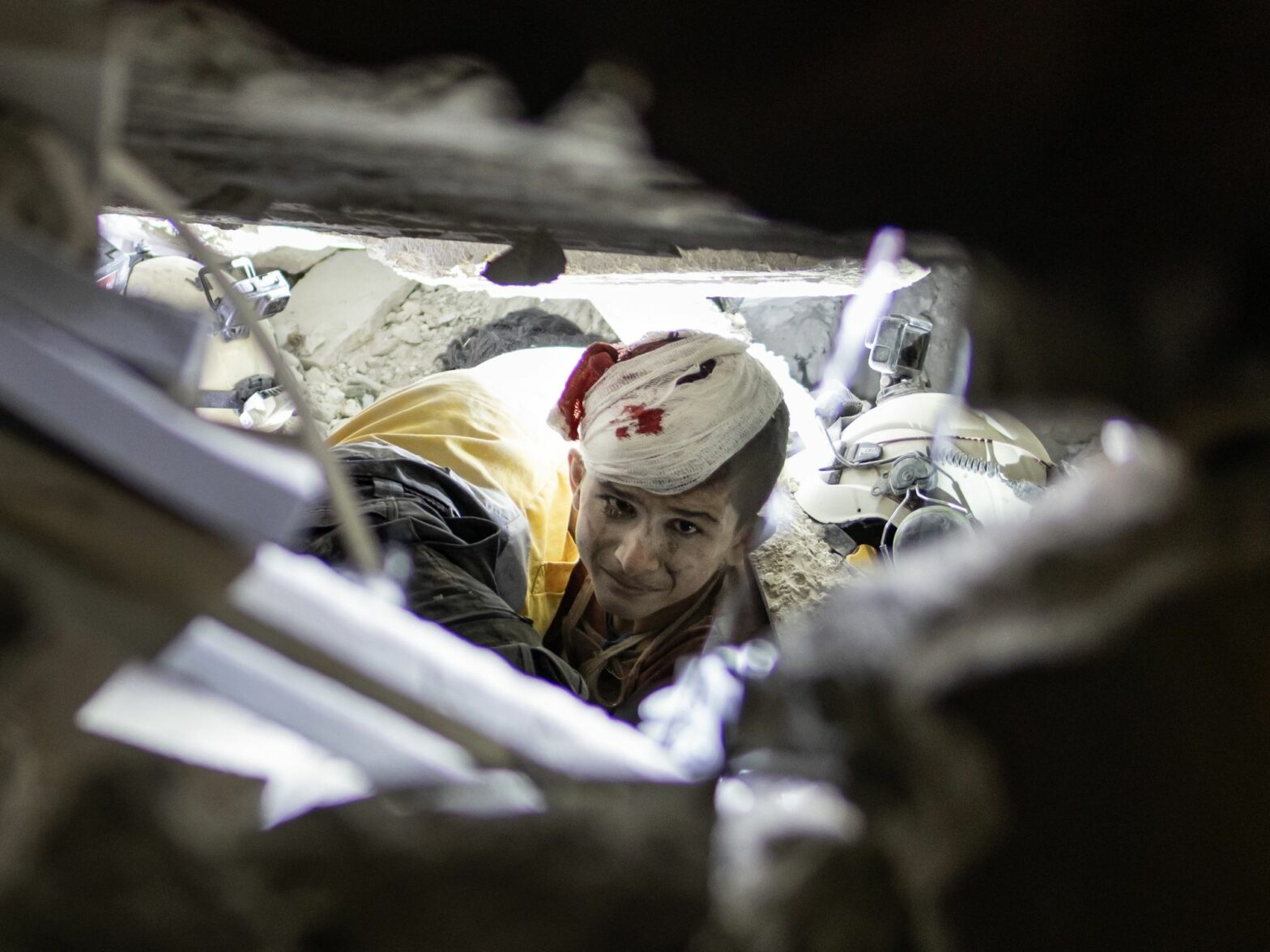
Last month saw a sudden uptick in violence on Syrian territory, either carried out by Israel, or by the Assad government and its Russian and Iranian allies. Once again, innocent Syrians, including too many children, are paying the price.
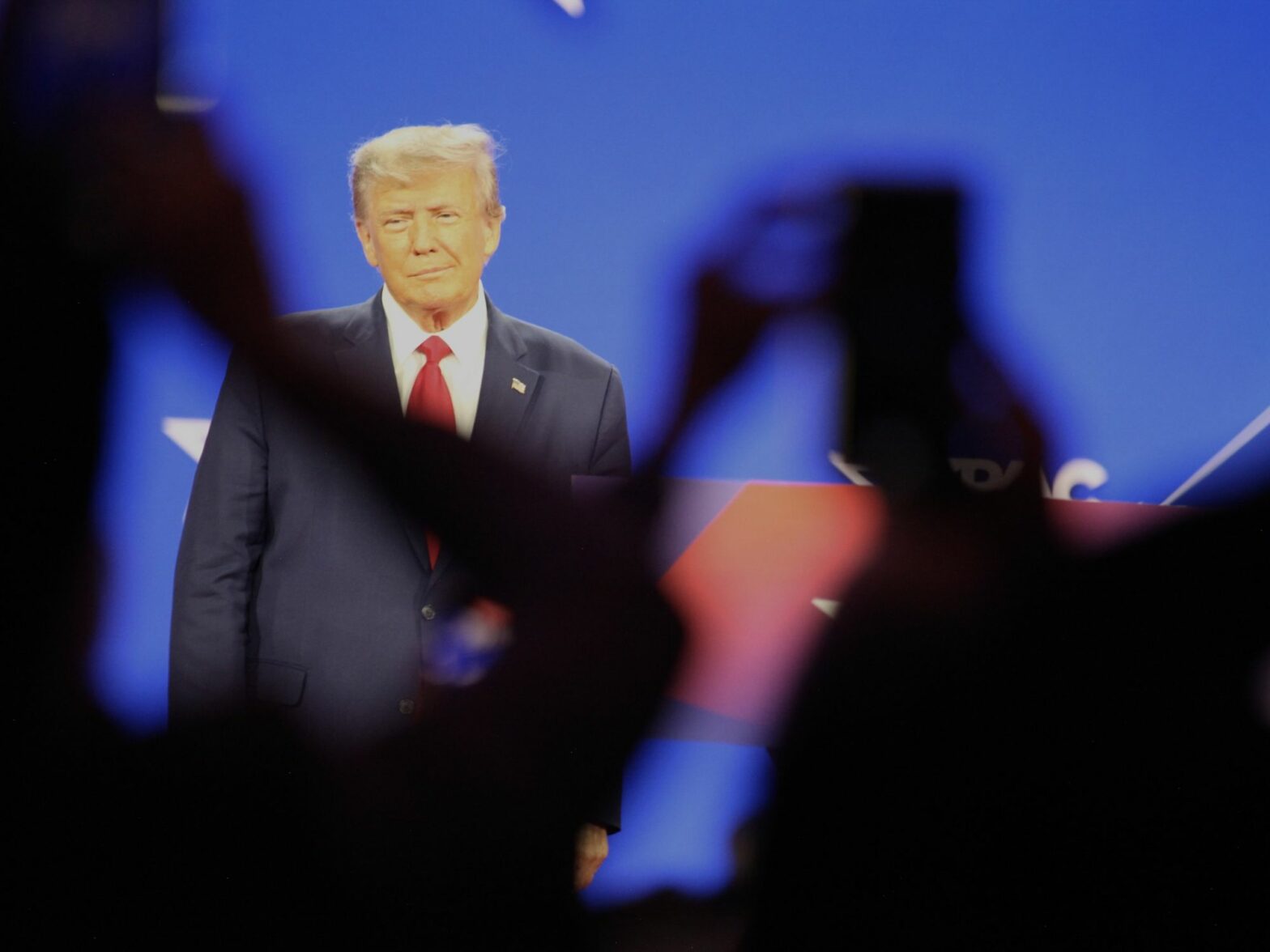
The first appointments of Donald Trump’s upcoming administration signal a firm stance on divisive issues like immigration, but the influence of figures like Elon Musk remains uncertain. An analysis of early steps and their implications.
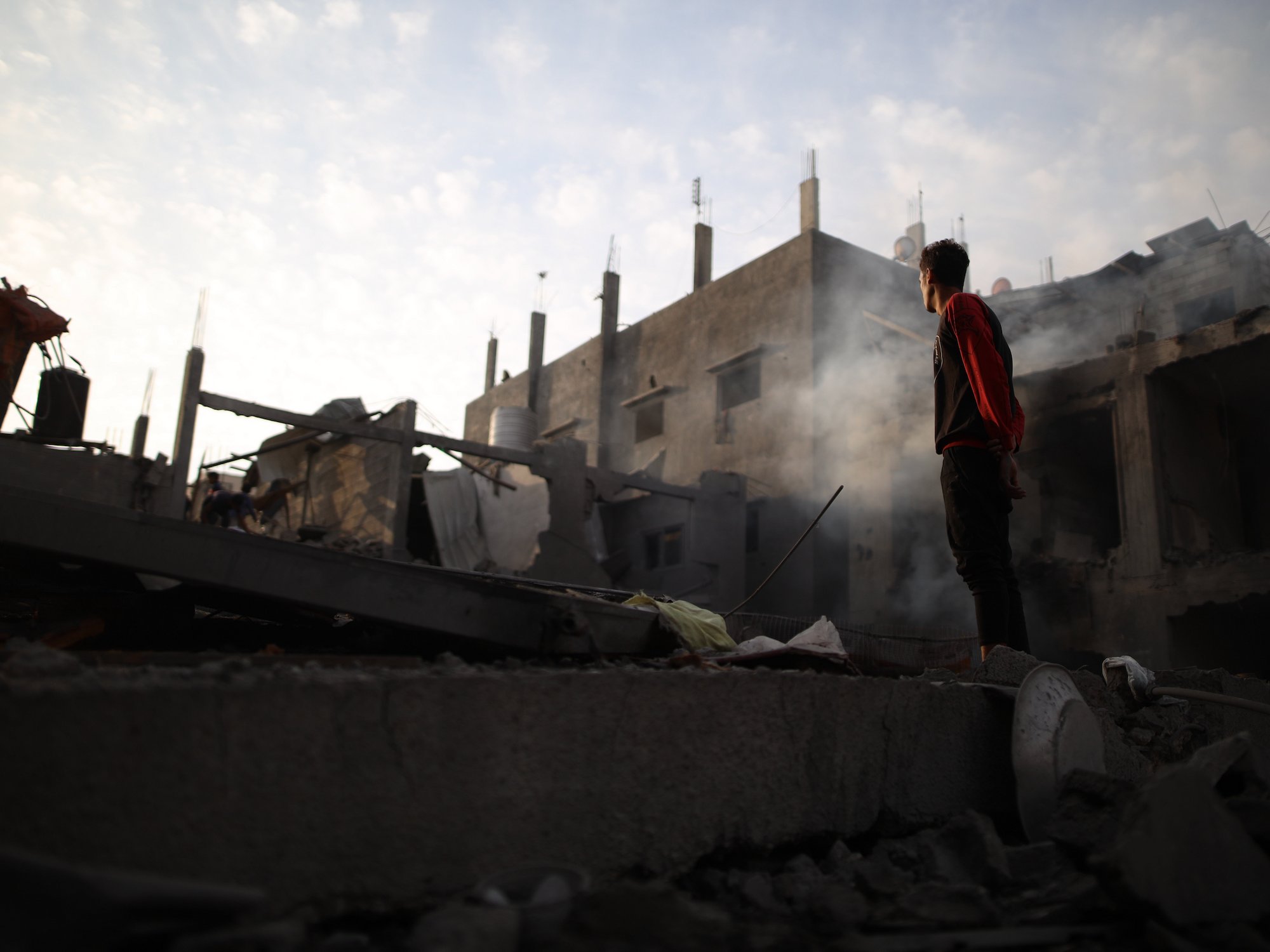
One Arab writer takes issue with a noted scholar who assigns the lion’s share of the blame to the establishment of the Jewish State. Israel has excelled, not only, because of its military strength and Western allies, but also because of its ability to build a state of institutions and relative freedom.
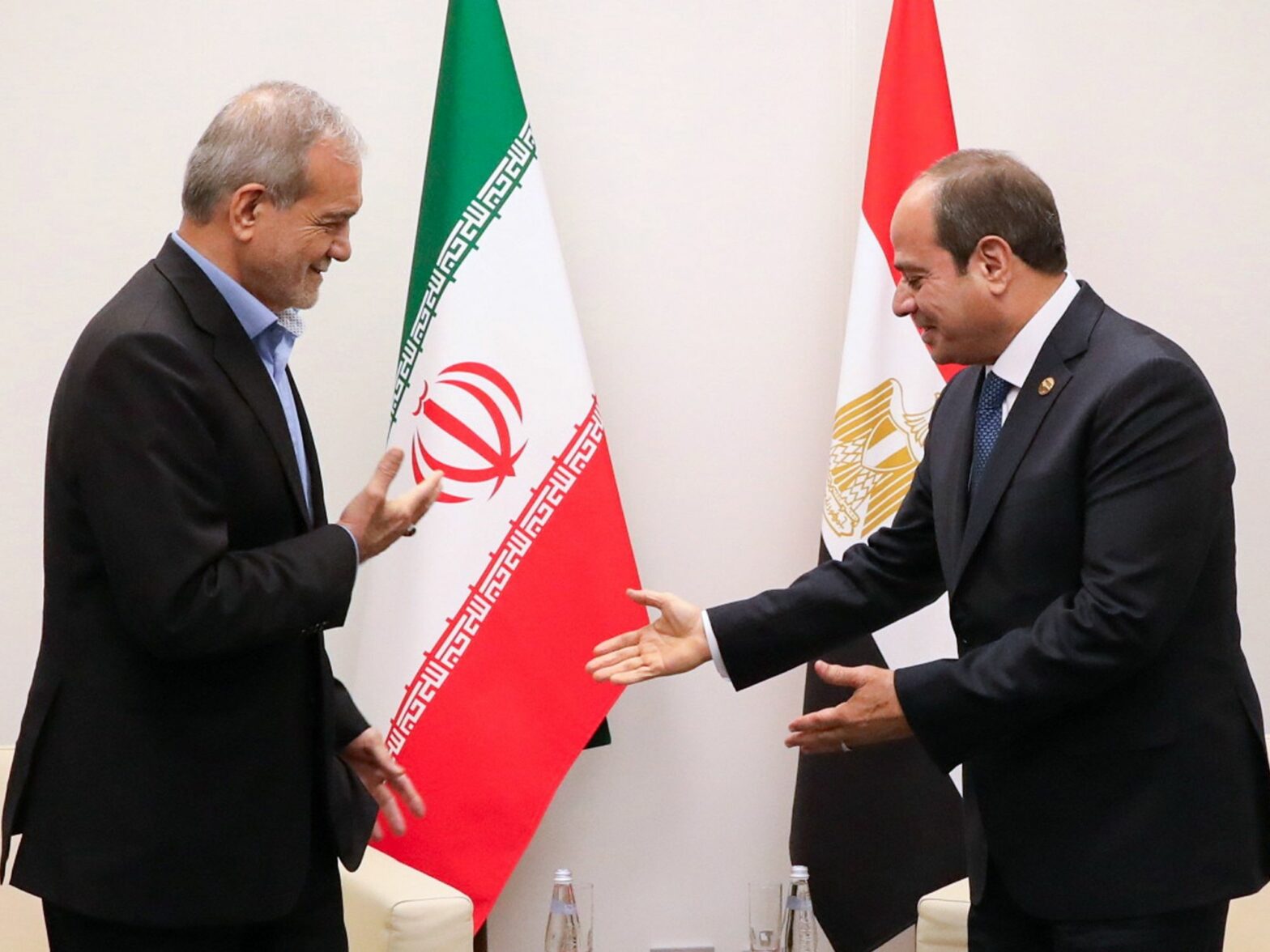
Relations between Egypt and Iran have been growing closer. But the return of Donald Trump to the White House could be a setback for the rapprochement, given that Iran is among his top enemies.
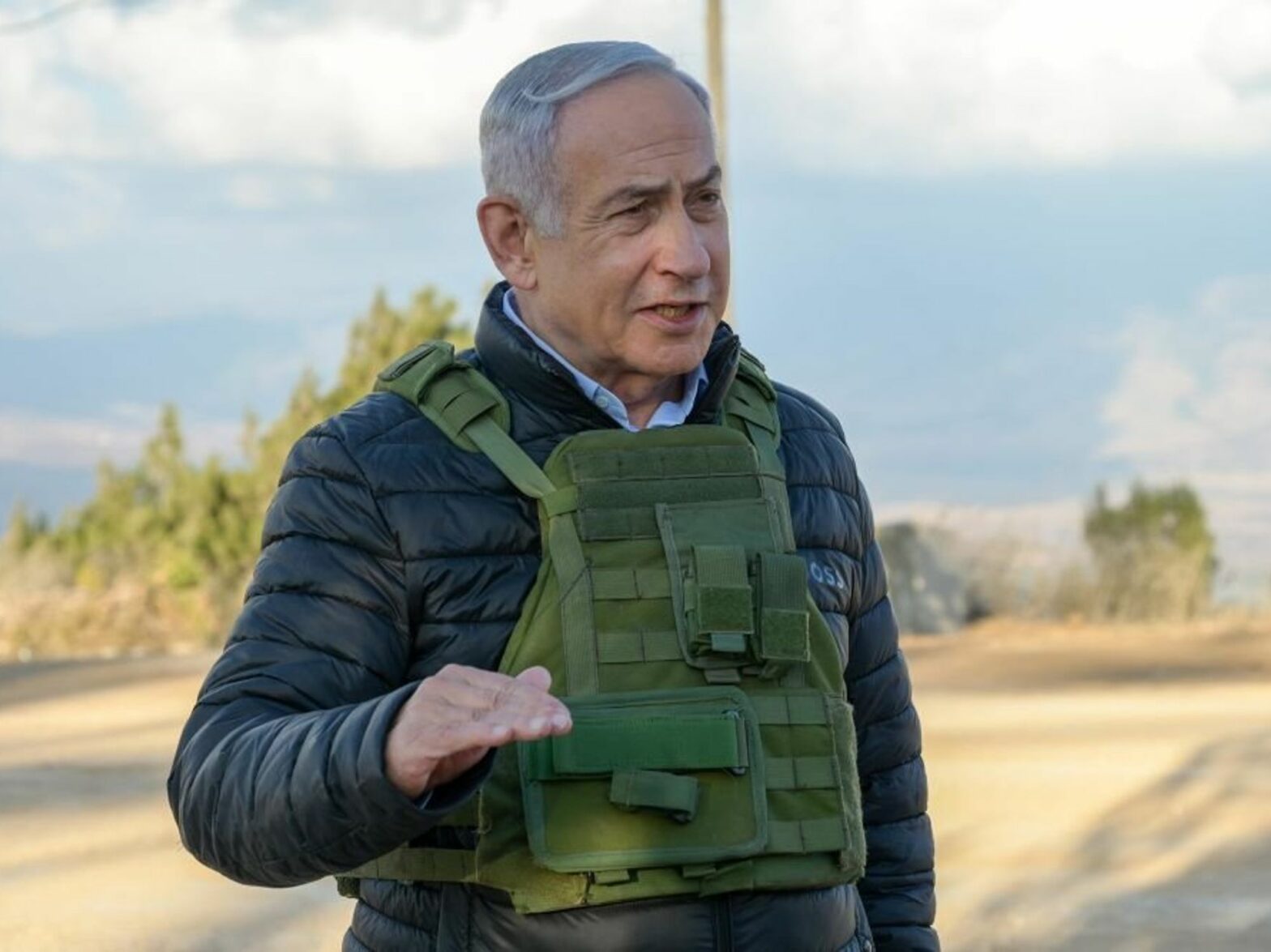
The election of Donald Trump has begun affecting global dynamics. In Ukraine, Zelensky fears losing U.S. support and has warned Europe against “suicidal” concessions to Russia. In Israel, Netanyahu stands as the main beneficiary, as Trump’s victory grants him the freedom to pursue his objectives unfettered.
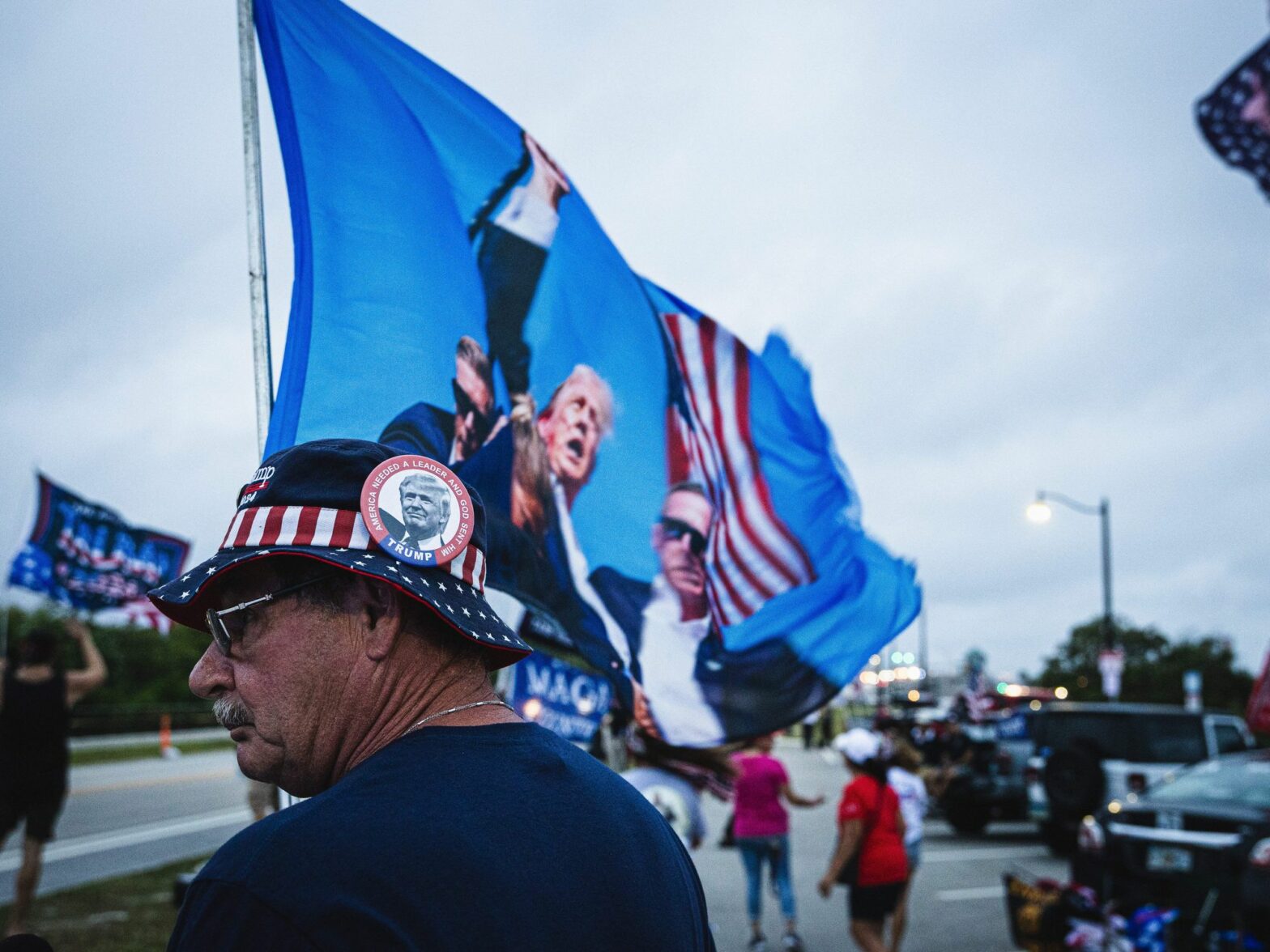
Americans have re-elected Donald Trump, choosing a convicted demagogue who champions power over principle. This historic turn raises a sobering question: Is the West’s beacon of democracy slipping toward the authoritarianism it opposed in its founding principles? A timely viewpoint from Germany’s Die Zeit.
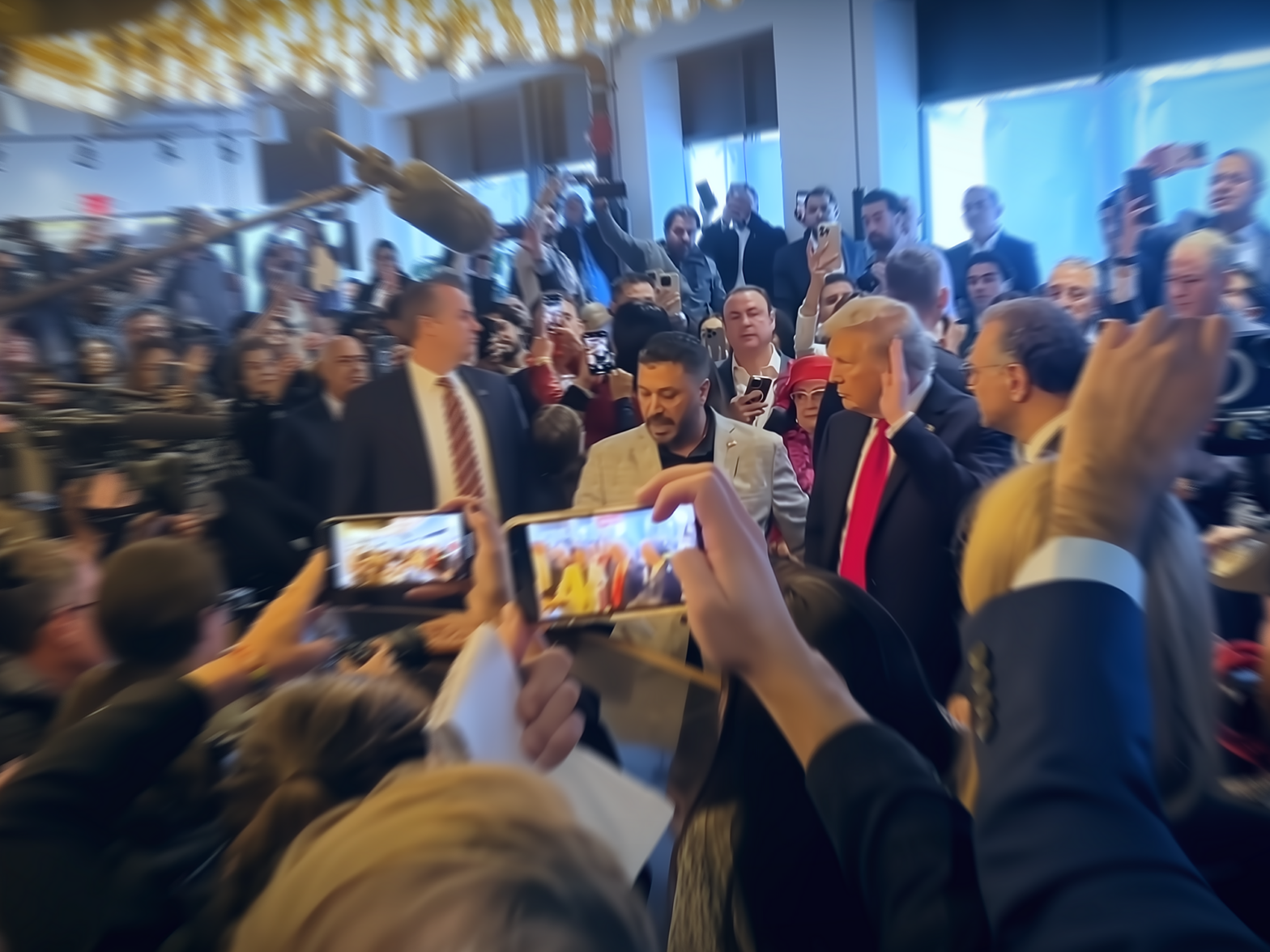
Lebanese House Speaker Nabih Berri has made a notable public quip about Donald Trump signing a pledge to end the violence in Lebanon in a famous café in Dearborn, Michigan. Everyone is trying to read between the lines, even as thousands are dying across Lebanon since Israel launched its offensive.
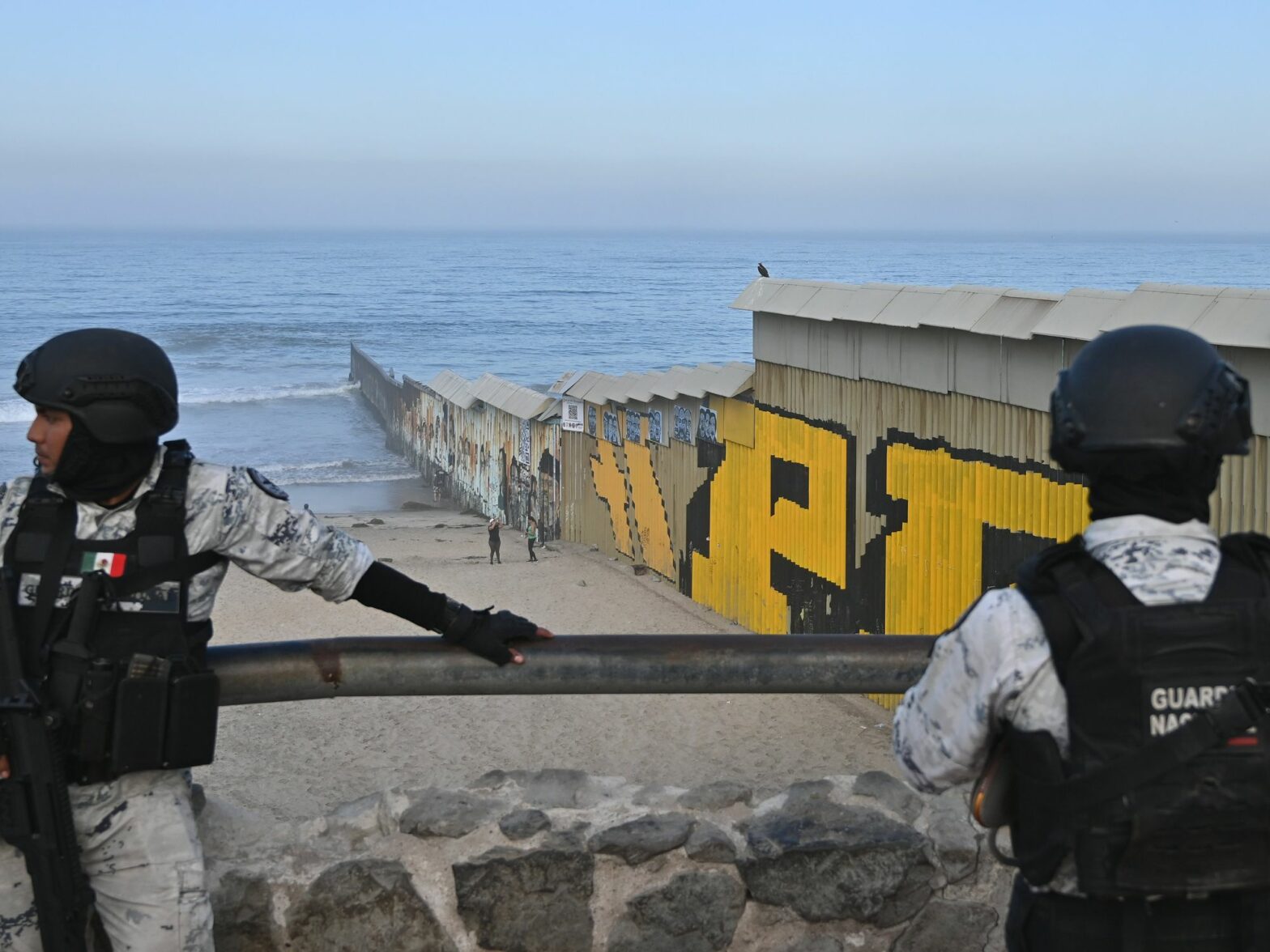
November 9 marks 35 years since the fall of the Berlin Wall. Once seen as a step toward open borders, walls and fences now span a quarter of the world’s land borders today. It’s central to what’s being called the “rebordering” among nations around the world.
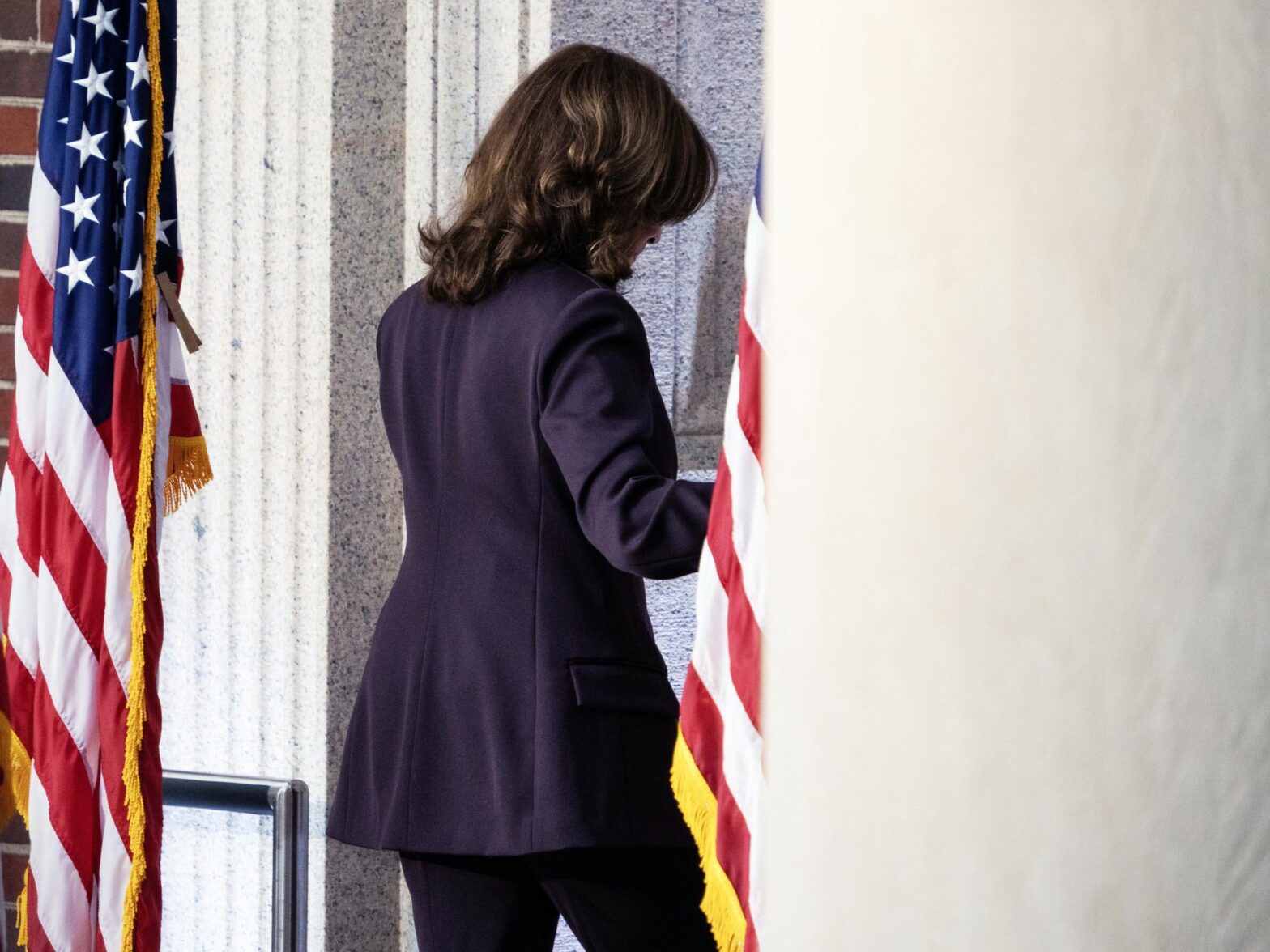
Donald Trump’s success is also a revelation of the weaknesses of the American left, which is plagued by self-righteousness and the belief that painting your opponent as a threat to democracy is a political agenda. But blackmail is not a strategy.
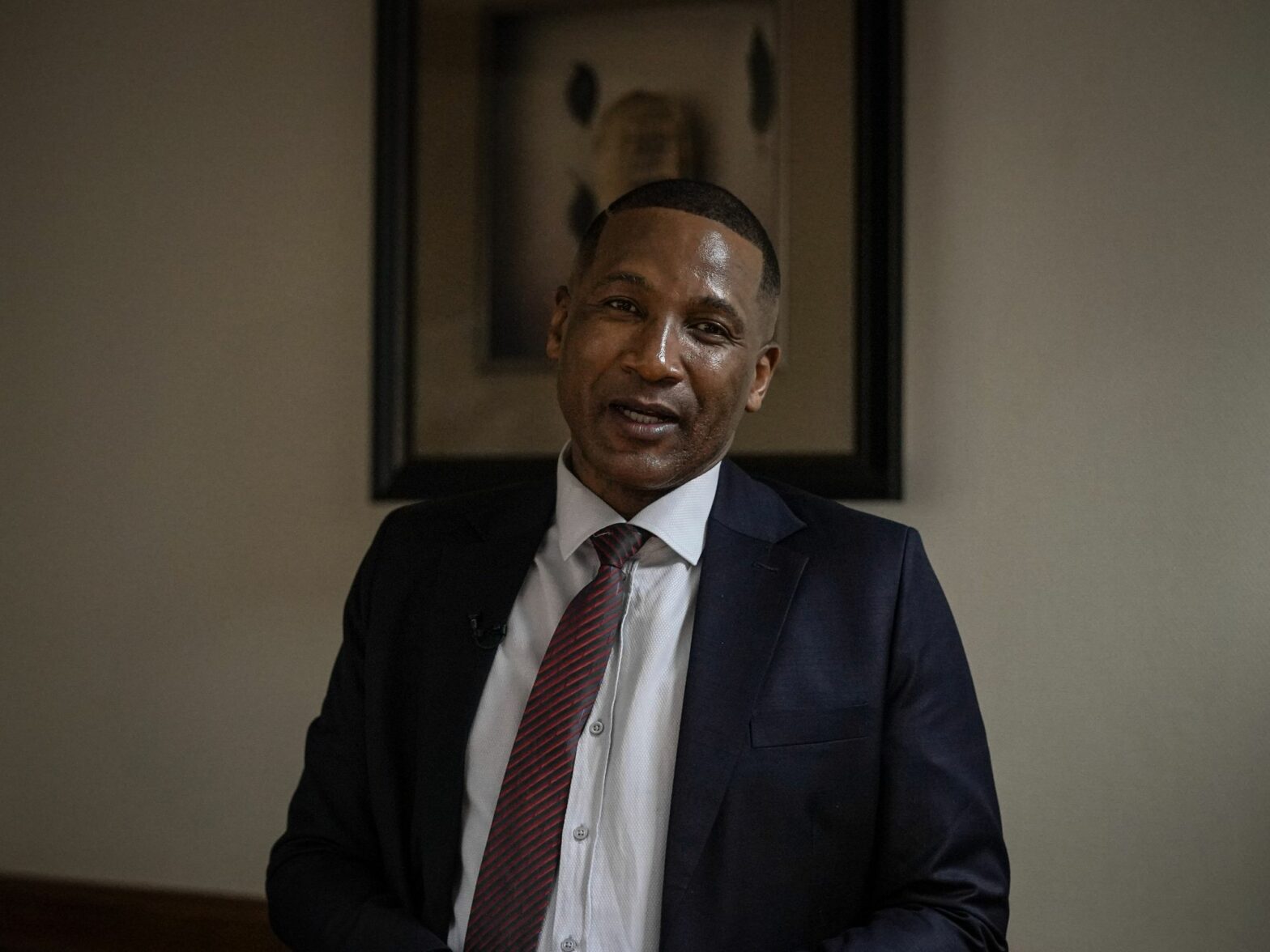
The defeat of the Botswana Democratic Party in the October 2024 elections has brought opposition leader Duma Boko to the forefront. As he steps into power, questions arise about his leadership style, vision, and the challenges he faces in transforming the country.
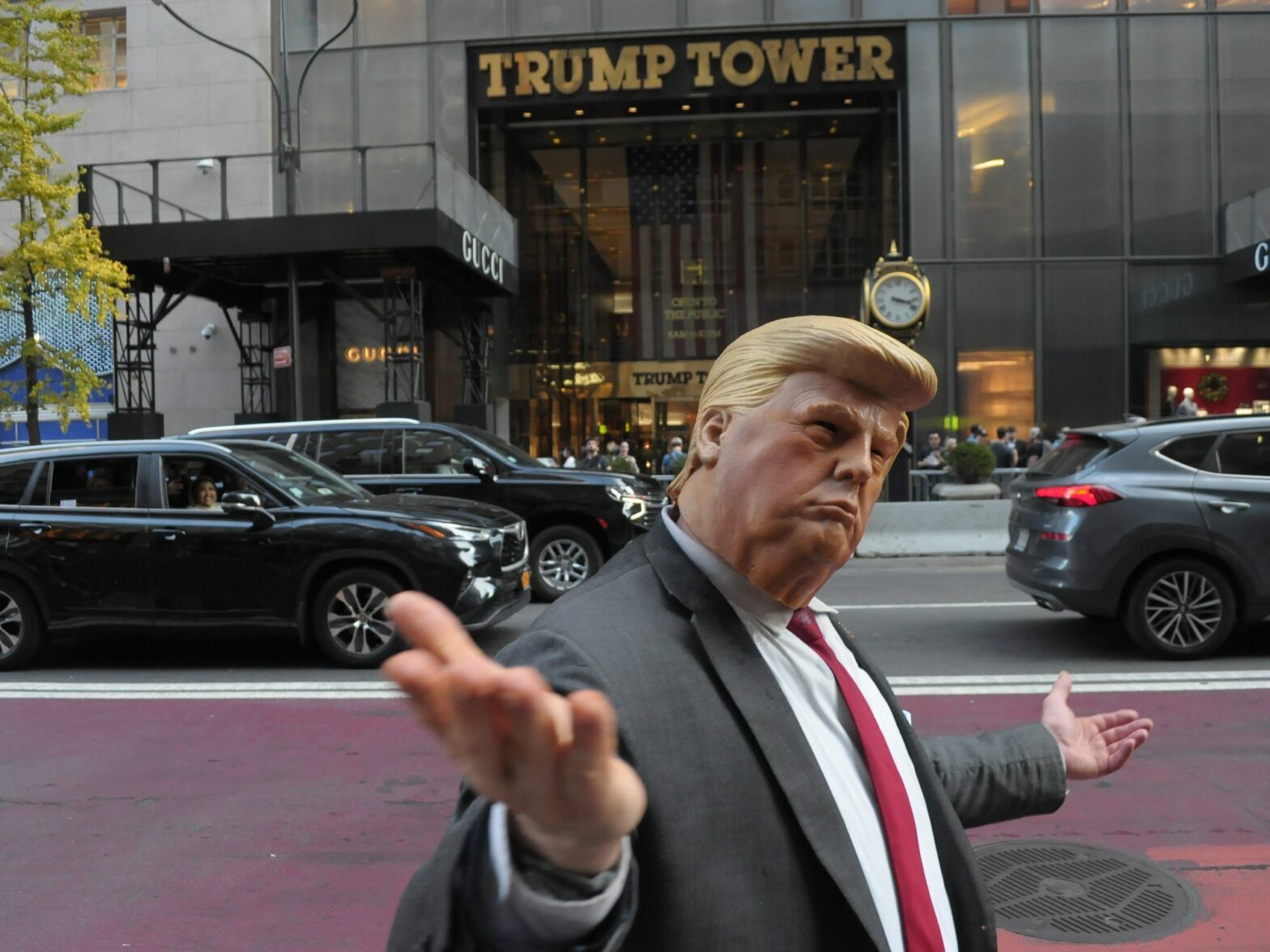
What will Donald Trump’s foreign policy be in his second term? There is no manual for it, but there are a few clues to understand. This isn’t a typical democratic shift: Nothing will be the same, and there will be no guardrails like during his first term.

Following the collapse of Germany’s governing traffic light coalition on Wednesday, Chancellor Olaf Scholz and former Finance Minister Christian Lindner are pointing fingers at each other — hardly a wise move as Donald Trump’s reelection sends a chill through democracies worldwide.
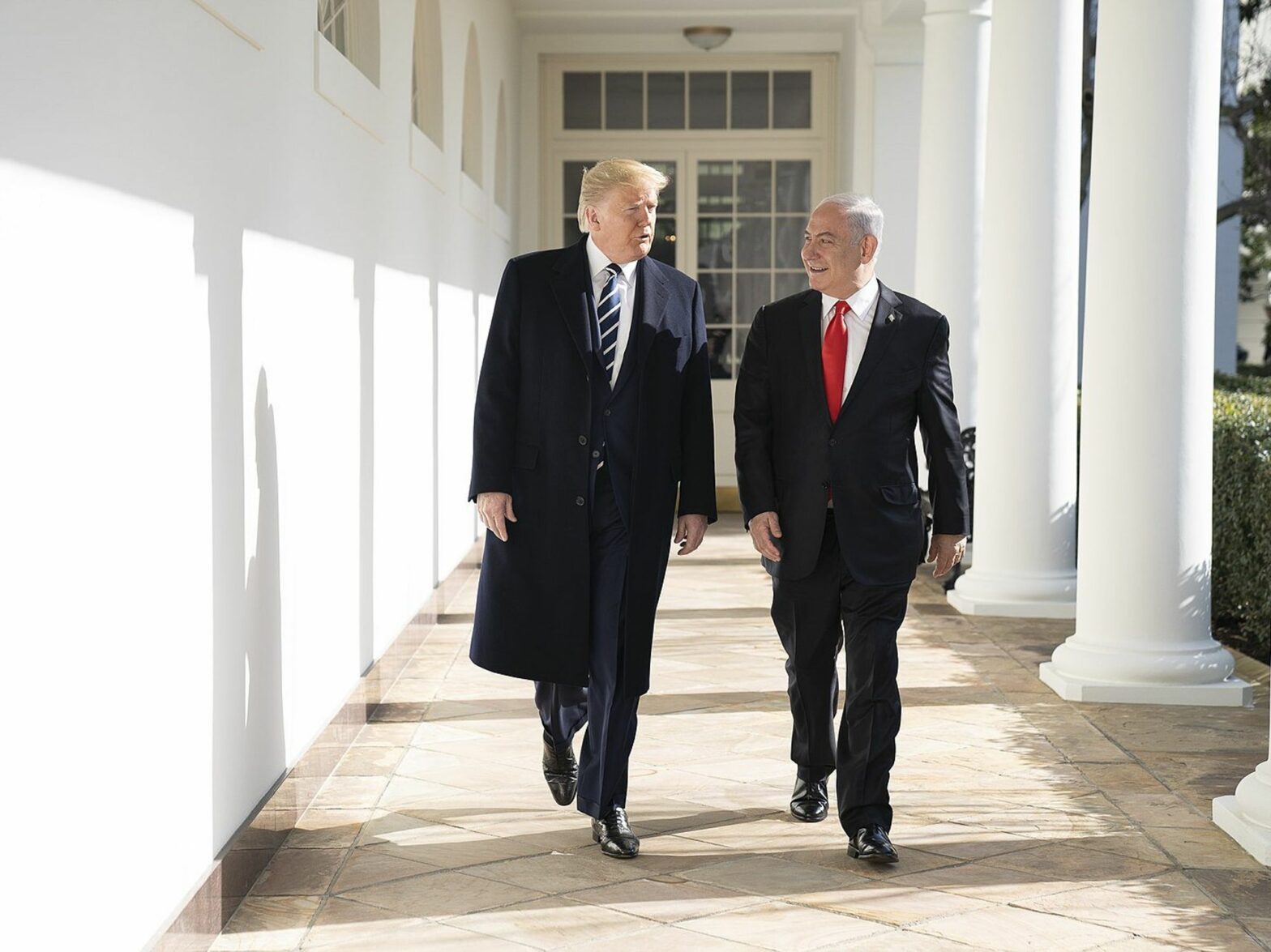
With the arrival of Donald Trump to the White House, we must expect a major shift in the Israeli-Palestinian conflict, and a return to the vision of the “Abrahamic Peace,” which includes no reference to the Palestinians’ right to a state.
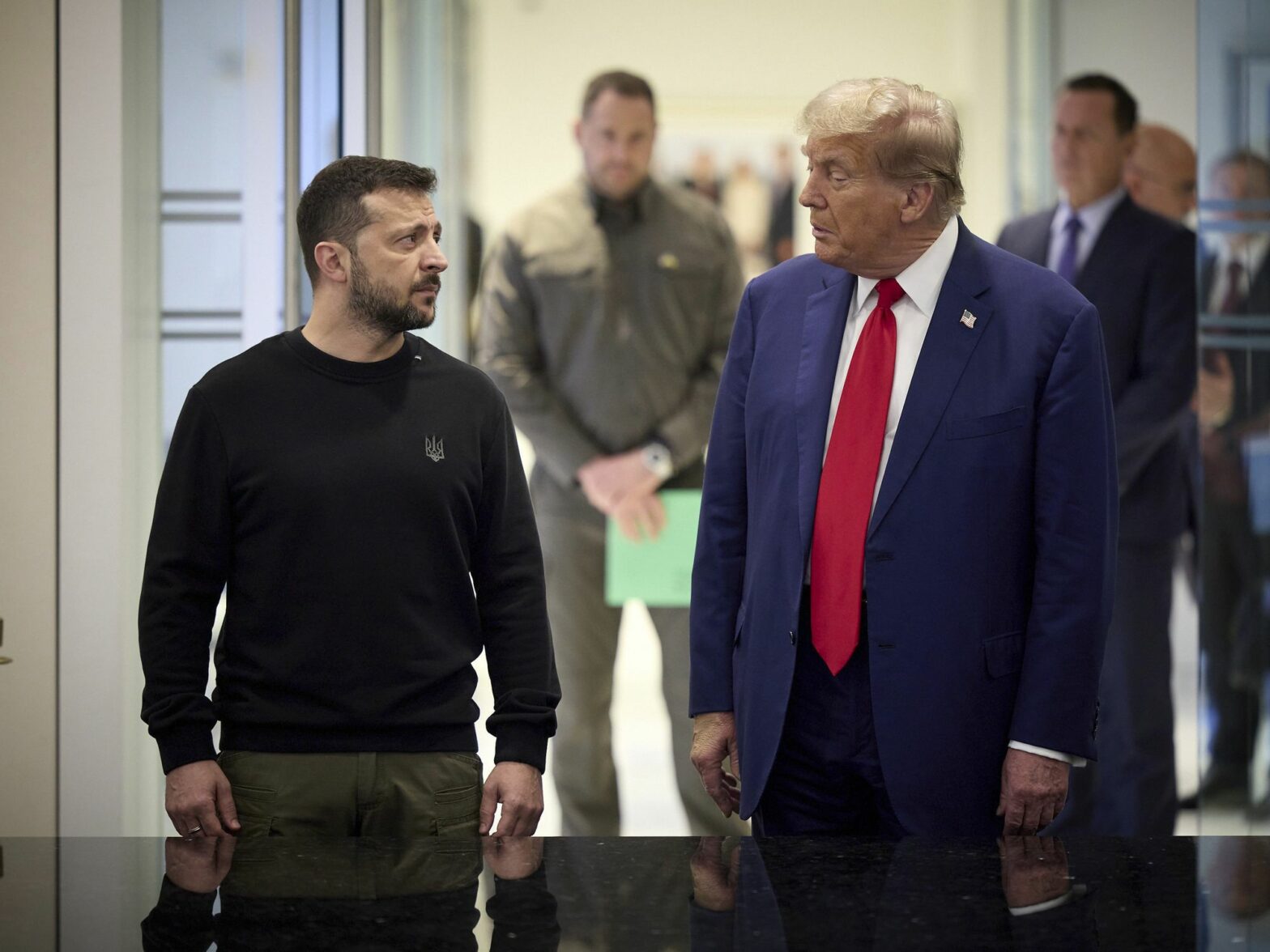
During his presidential campaign, Donald Trump repeatedly said he could end the Russia-Ukraine war “in a day” if reelected. Now that he has won, some Ukrainian commentators and politicians are hoping that they can use his unpredictability — and vanity — to their advantage.
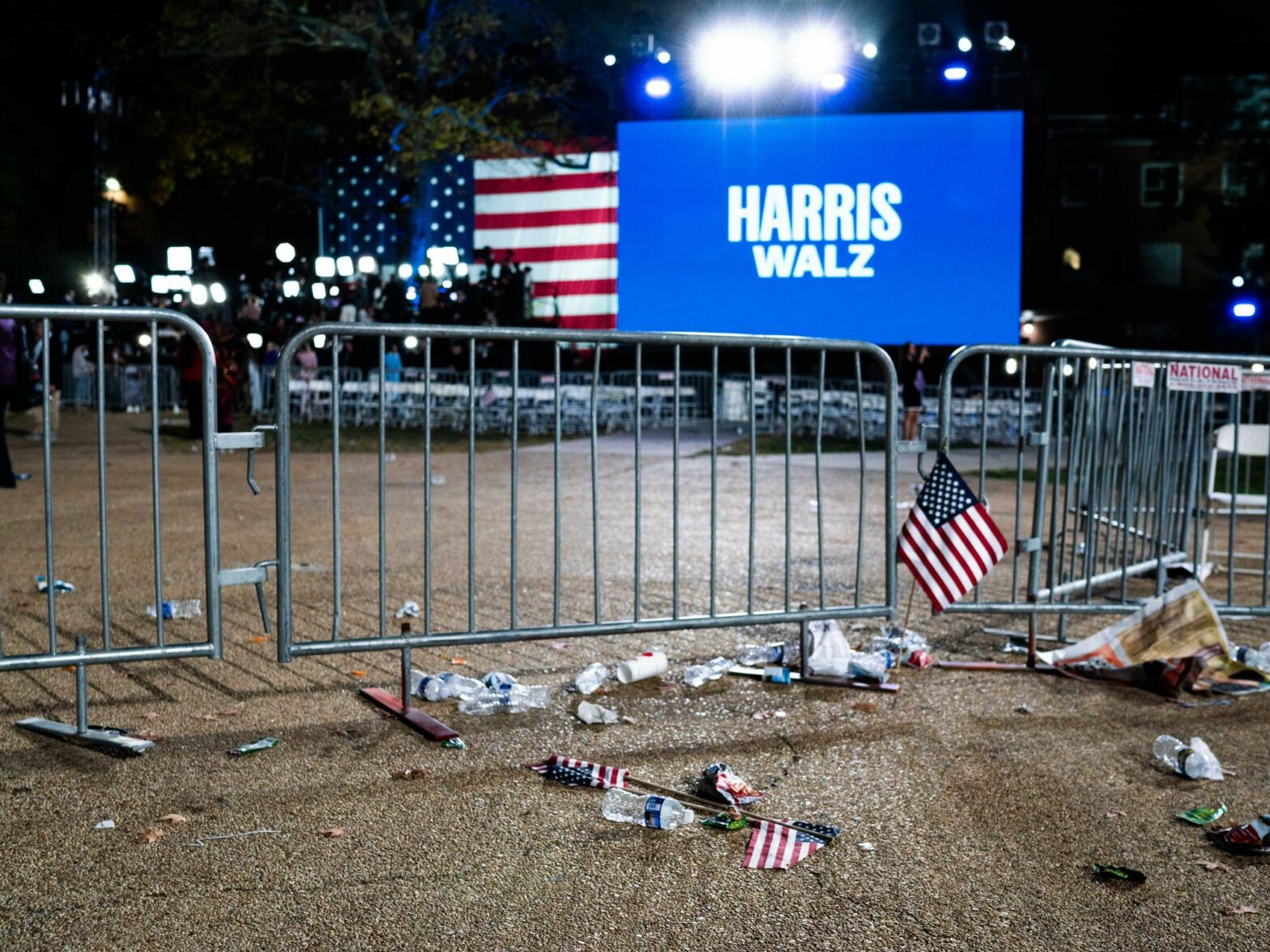
Trump’s victory is not some unforeseen accident. Europe should have been preparing for this. It didn’t. The actions we take now are vital for the future of democracy and the free world, writes Giovanni di Lorenzo, Die Zeit‘s editor-in-chief.
Donald Trump’s victory comes in a world that is different from that of 2016. It is more fractured and dangerous. In this context, the European Union, divided and weakened, risks becoming Trump’s first casualty.
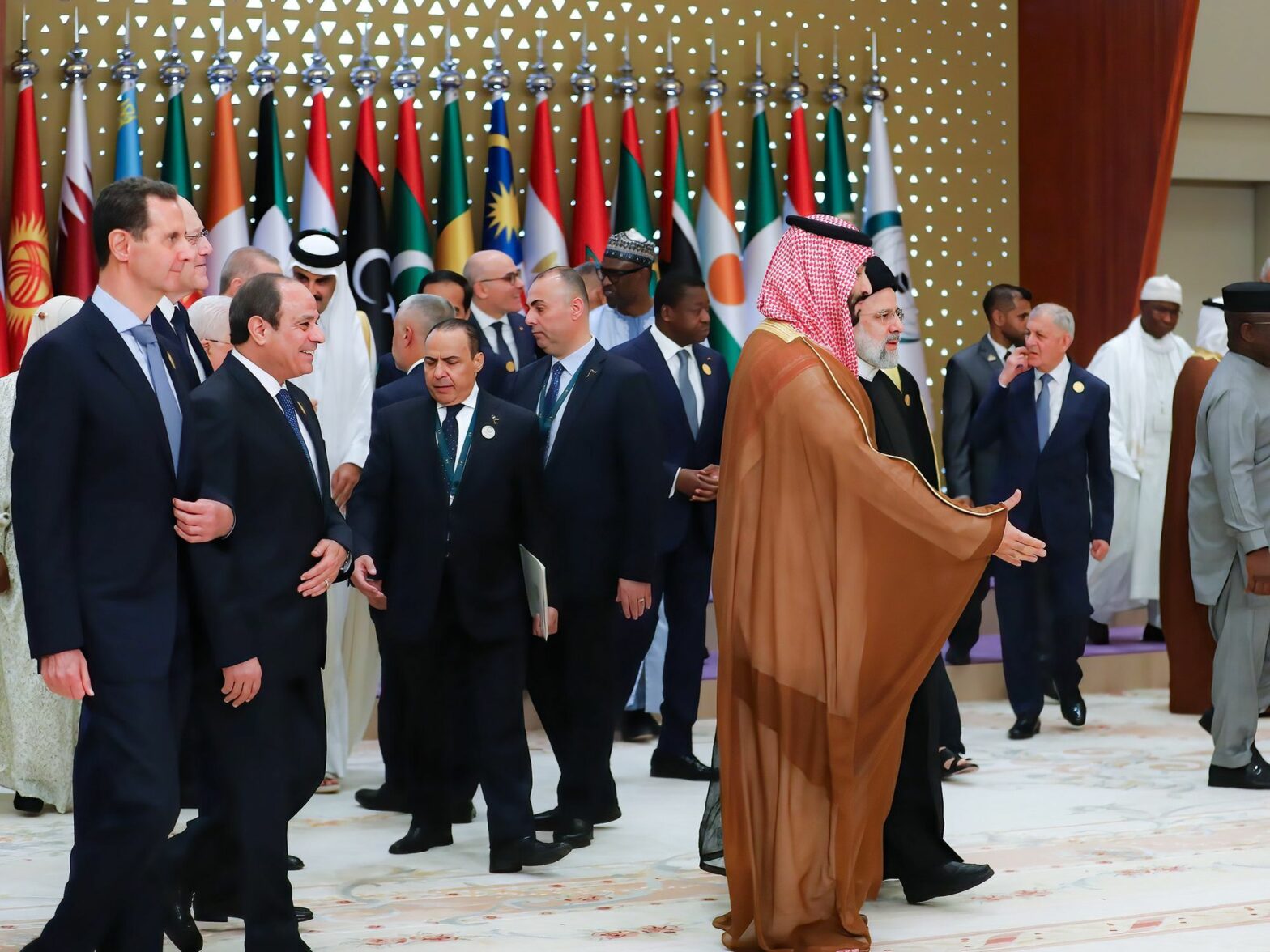
Will the Arabs take the initiative to take tangible measures before the fire reaches their countries, or will they be forced to be mere tools and bases to protect Israel? After the six-day war of 1967, the Three No’s of an Arab Summit set a new hardline. That should be the model now.
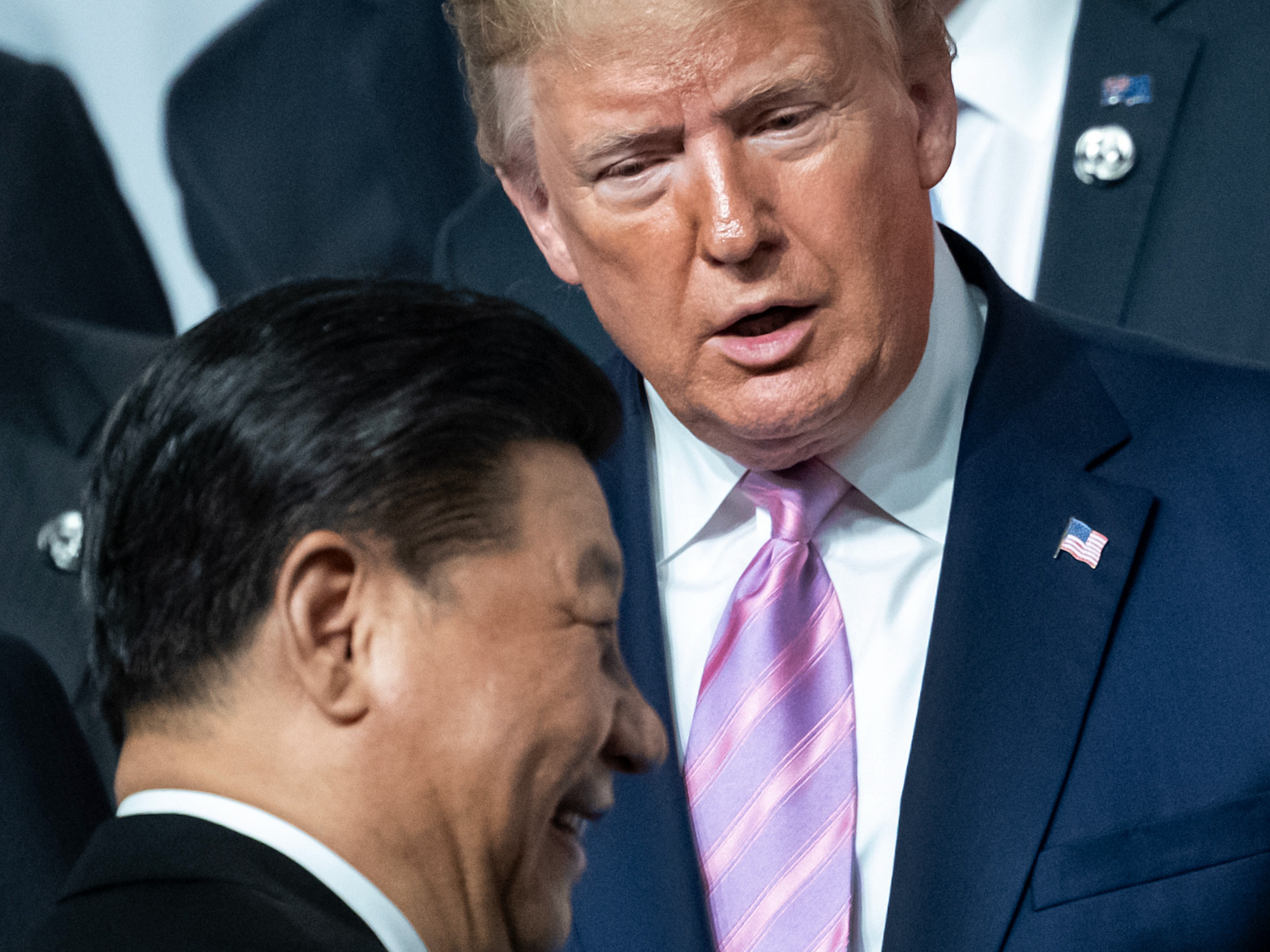
Republicans and Democrats agree on just one thing: being tough with China. That’s why Chinese leaders are not expressing a preference in the U.S. presidential election. Yet some in Beijing are leaning toward Donald Trump and what they see as his penchant for “pragmatism” and “deals” between China and the United States.
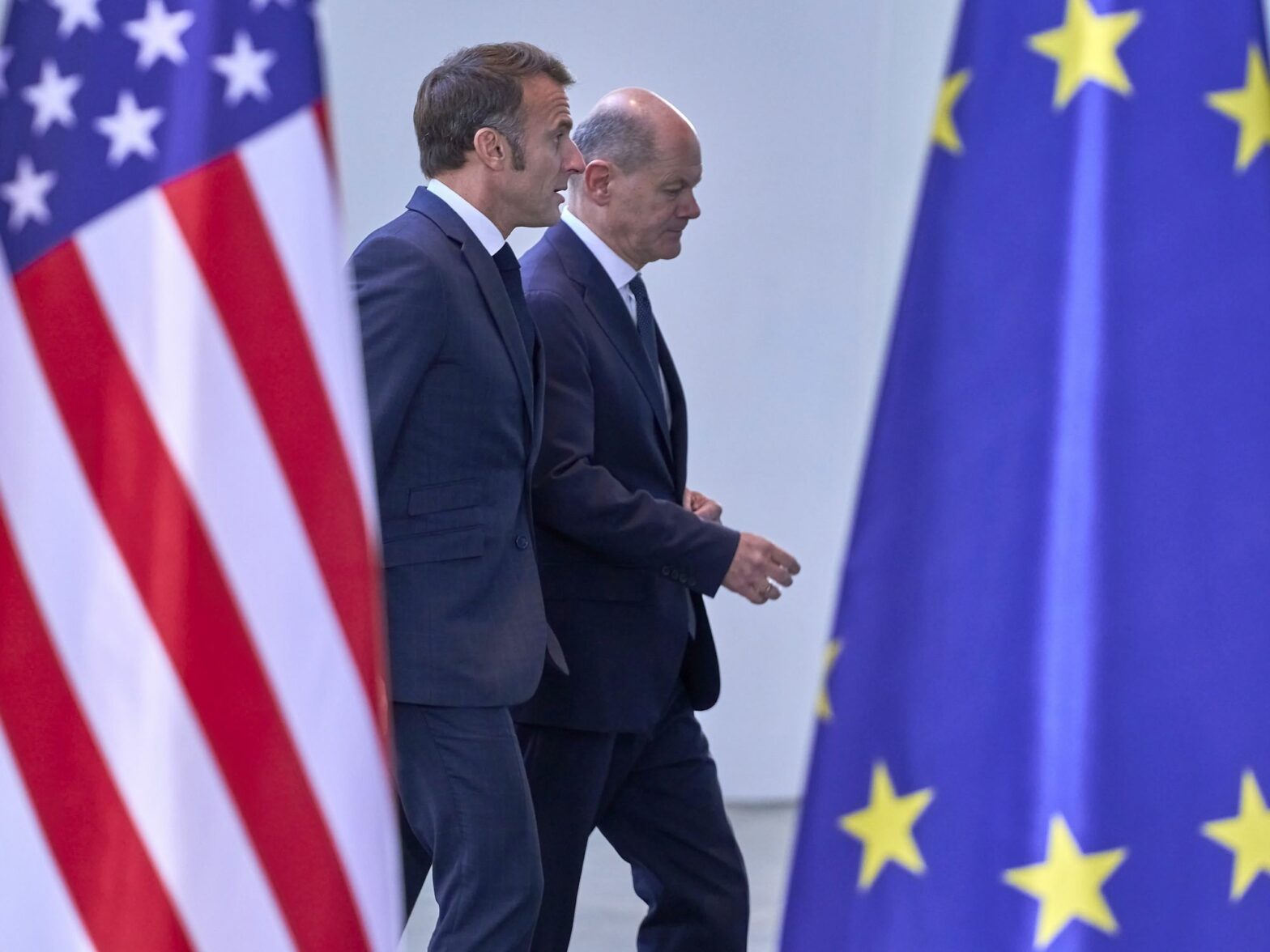
While the Western establishment is hoping for a Kamala Harris victory, either way fundamental changes are coming to the Transatlantic relationship that Europe can no longer evade.
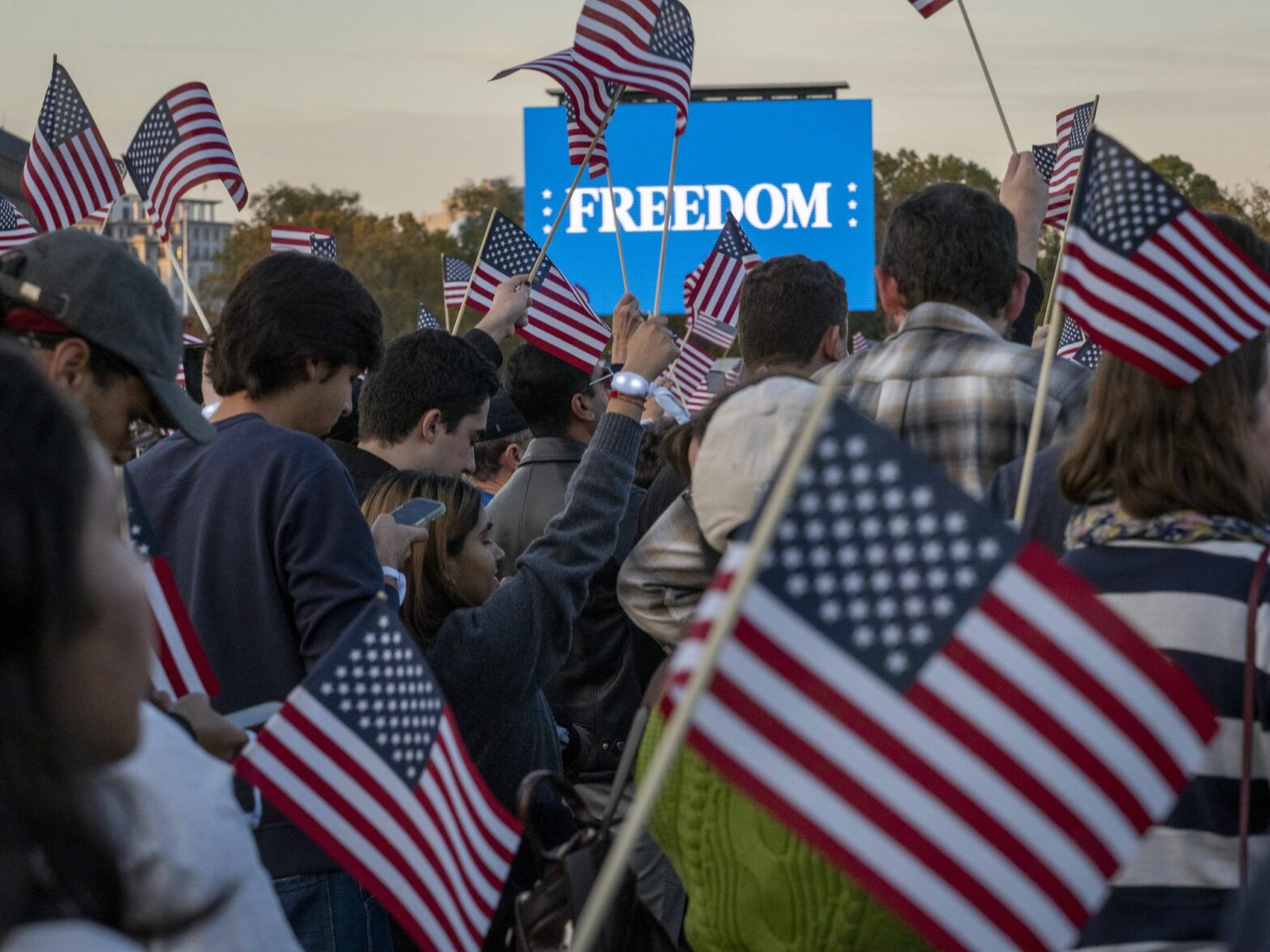
Whether it is Donald Trump or Kamala Harris, aggressive bullying or hypocritical well wishes, the actual decisions of U.S. foreign policy toward the Middle East always follow the same cynical script.
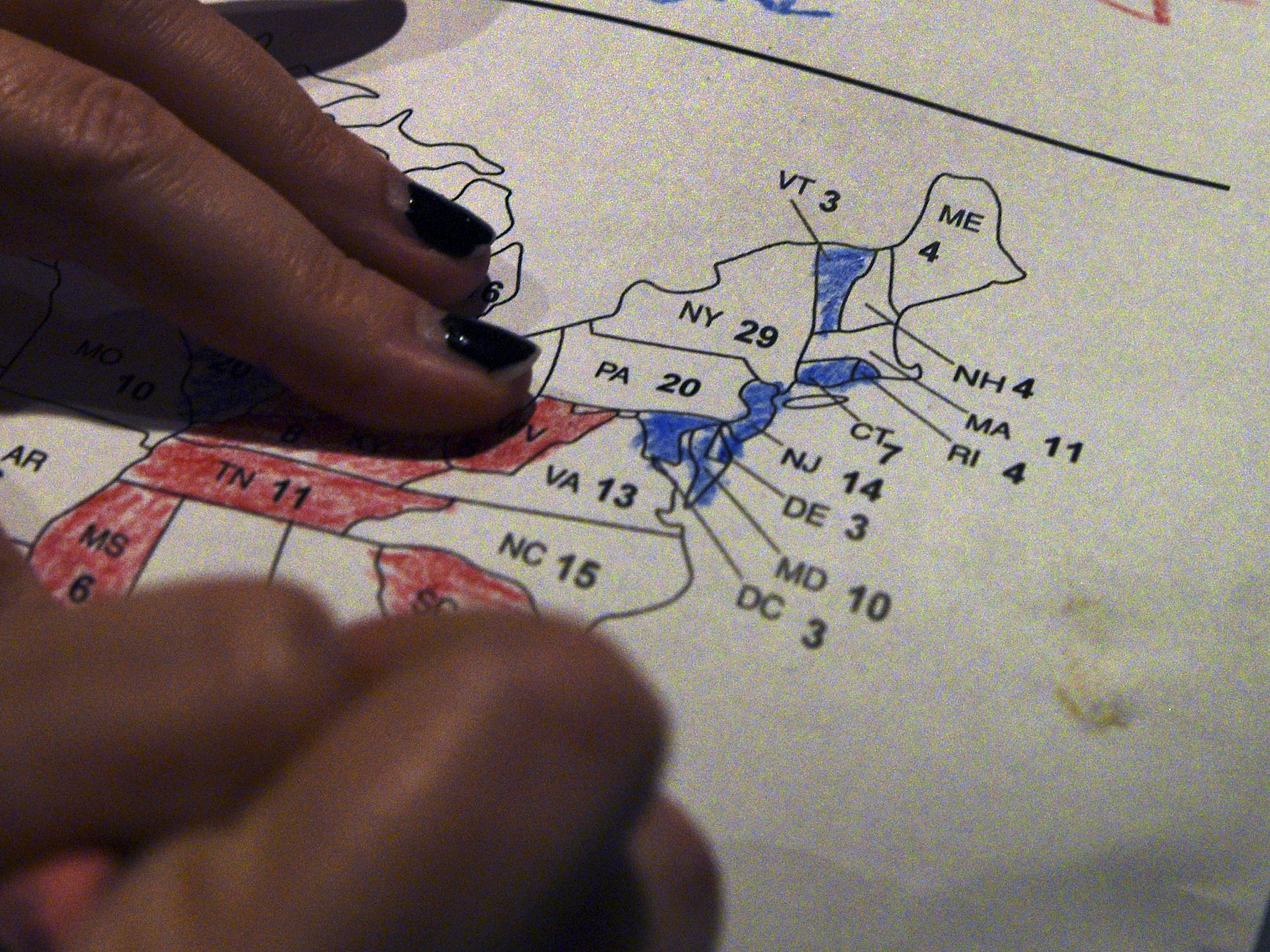
If the 2020 U.S. presidential election taught us one thing, it’s that it shouldn’t be about who’s the quickest to announce electoral results: it should be about being accuracy.
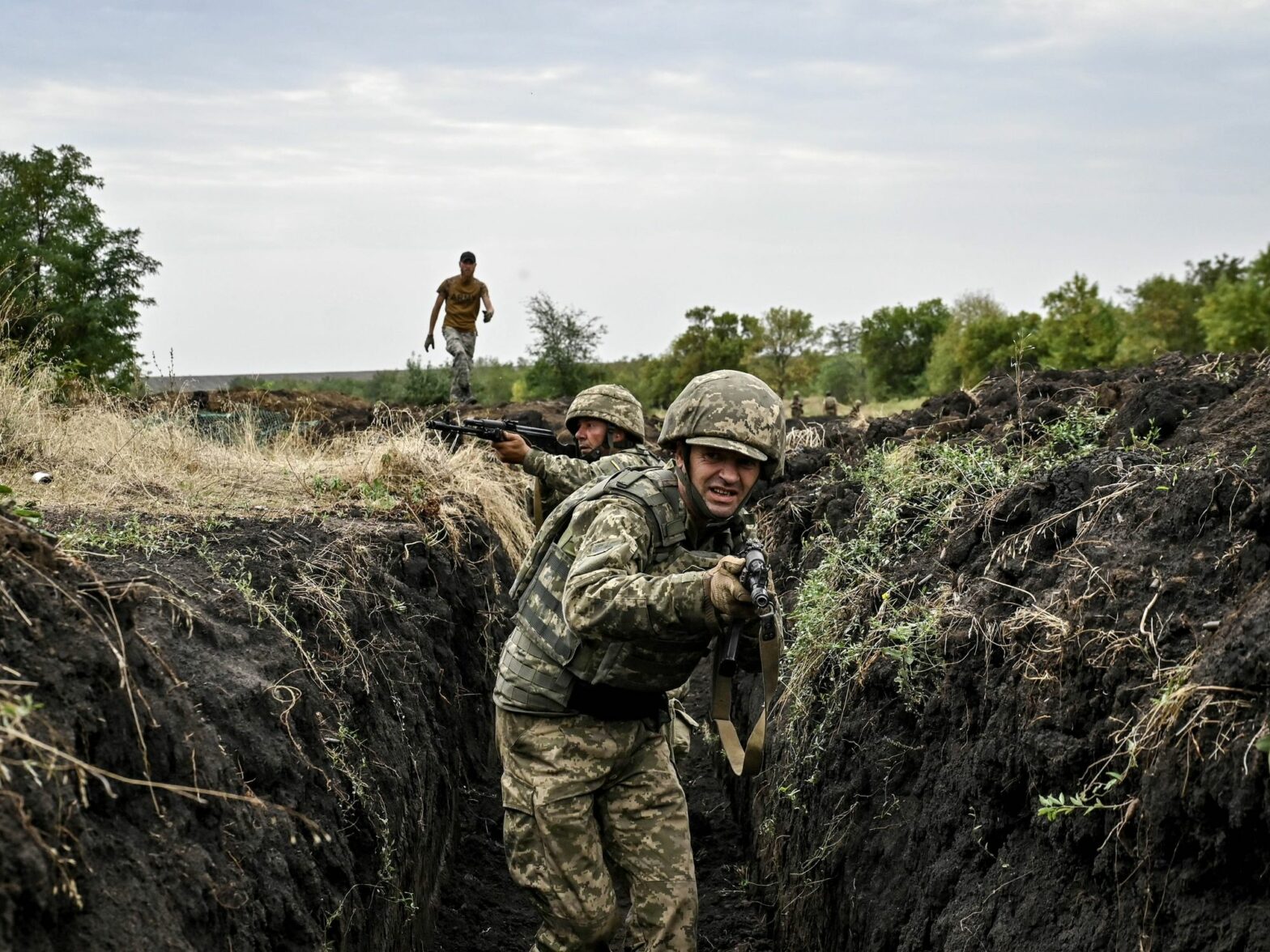
When politicians call for more diplomacy instead of weapons delivery, the basis of their arguments is misleading. The Russians and Ukrainians have already reached diplomatic agreements in many areas, but there are limits to open negotiations — mainly around whether Putin himself really wants to negotiate.
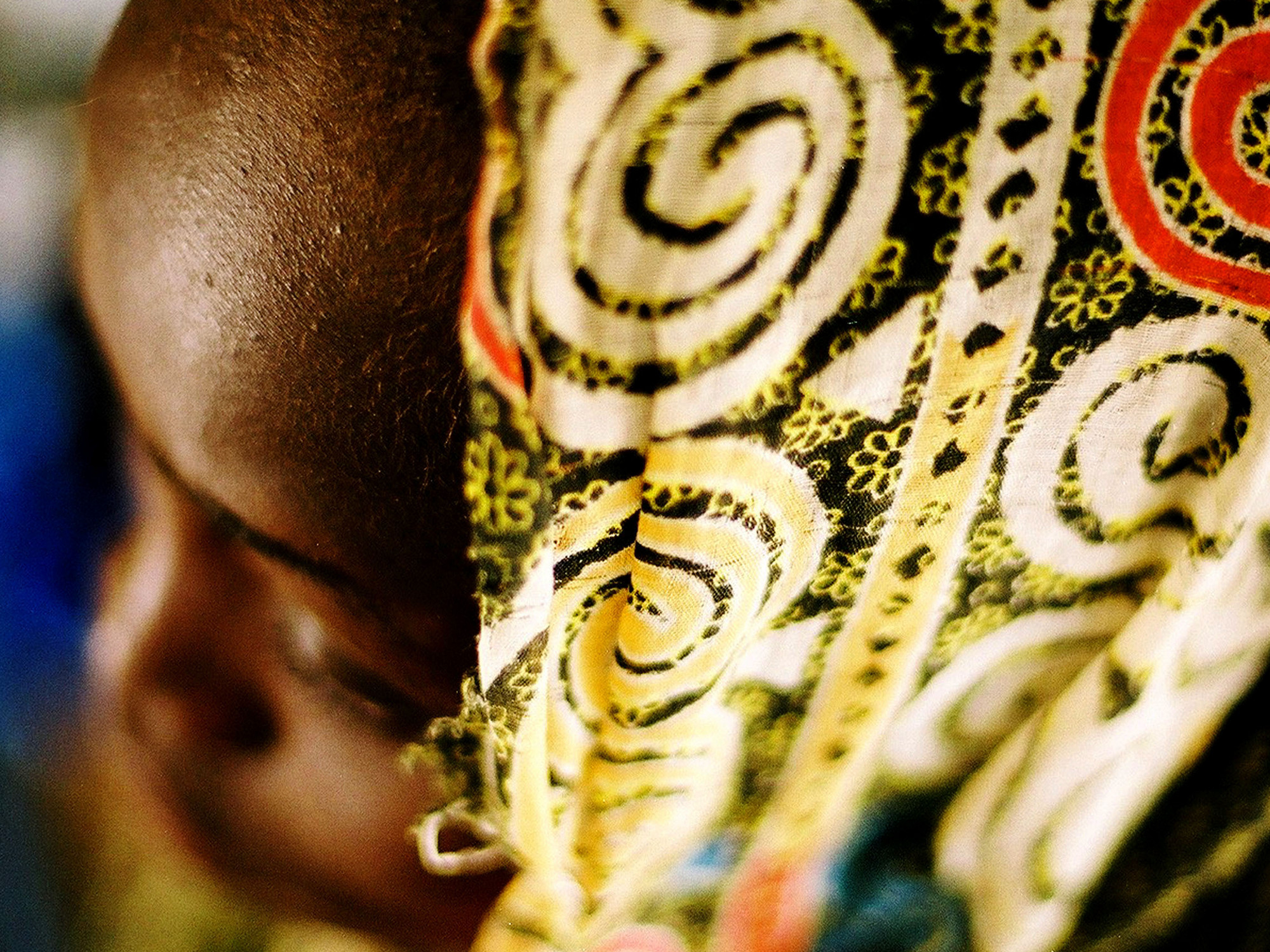
Sudan’s ongoing war has been marked by widespread reports of rape and gang rape, atrocities long documented in the African country dating back to the Darfur conflict in early 2000s.
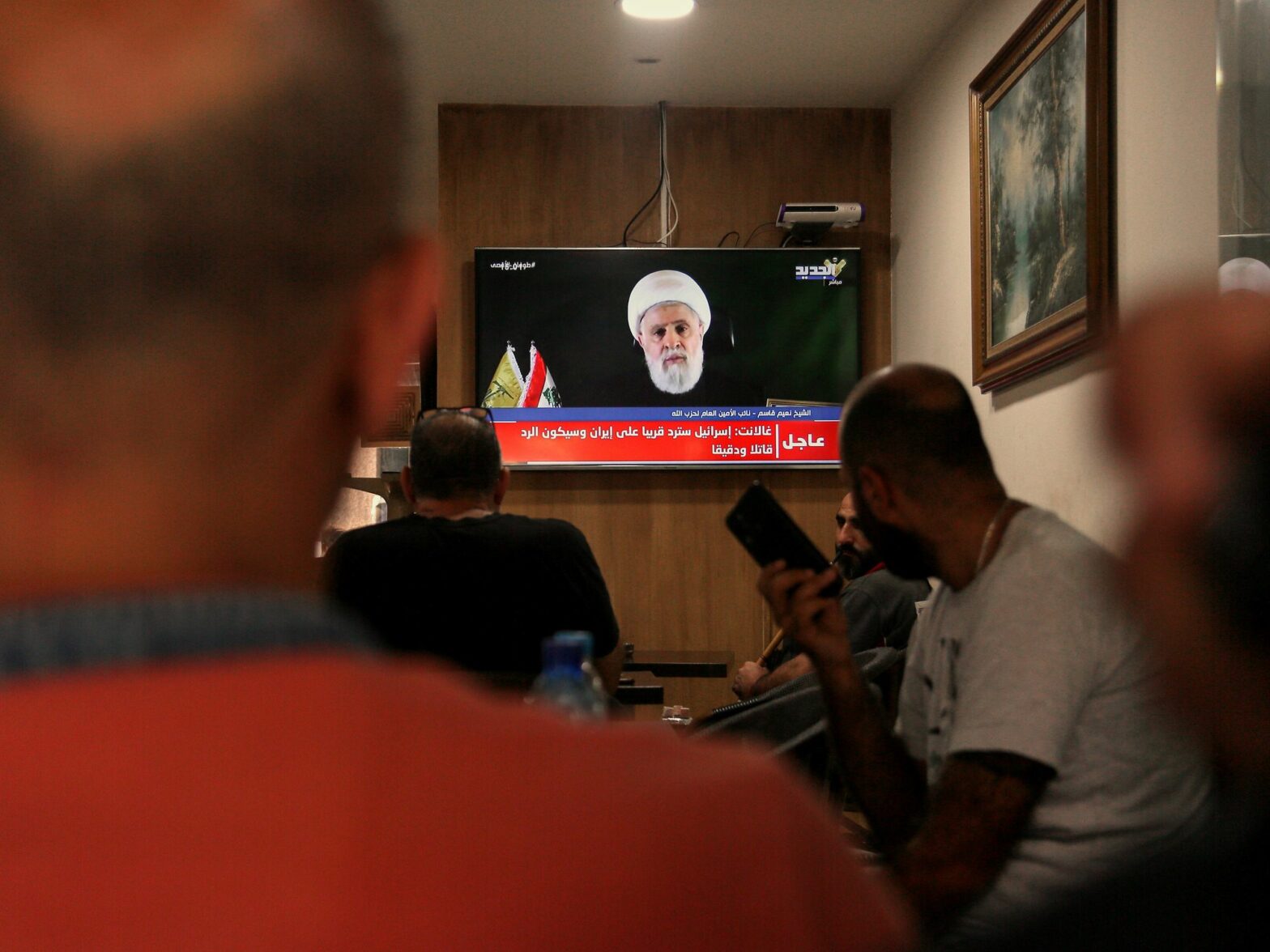
The legacy of Hassan Nasrallah will weigh heavily on Naim Qassem, who was named this week as new secretary general of Hezbollah. Can the less charismatic Qassem win the hearts of his followers?
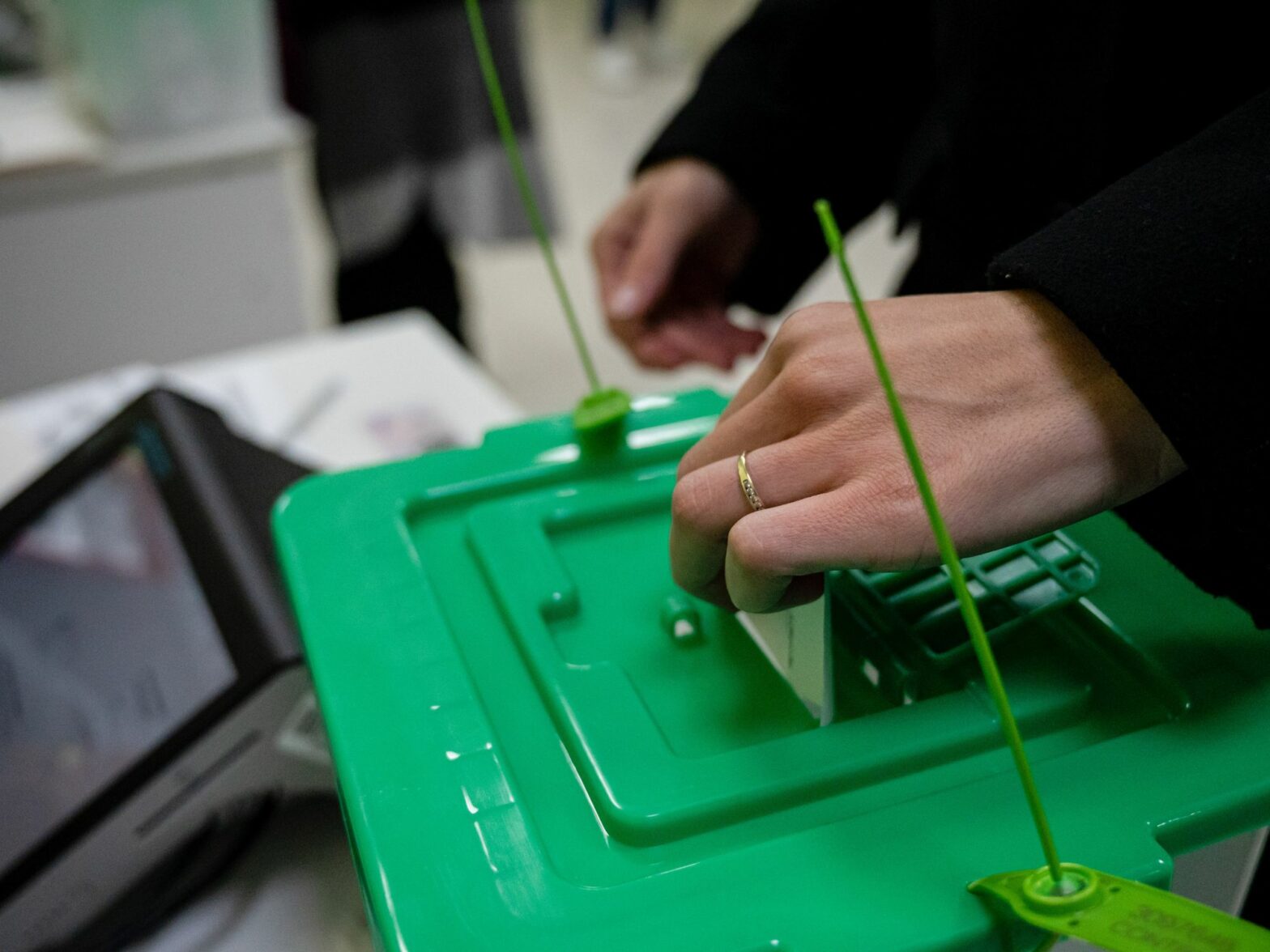
Mobbing, vote-buying, surveillance, and even violence at polling stations can now be correlated with the strong results of the pro-Russia party Georgian Dream in districts where turnout was high. Die Zeit crosschecked the data with reports of voter intimidation.
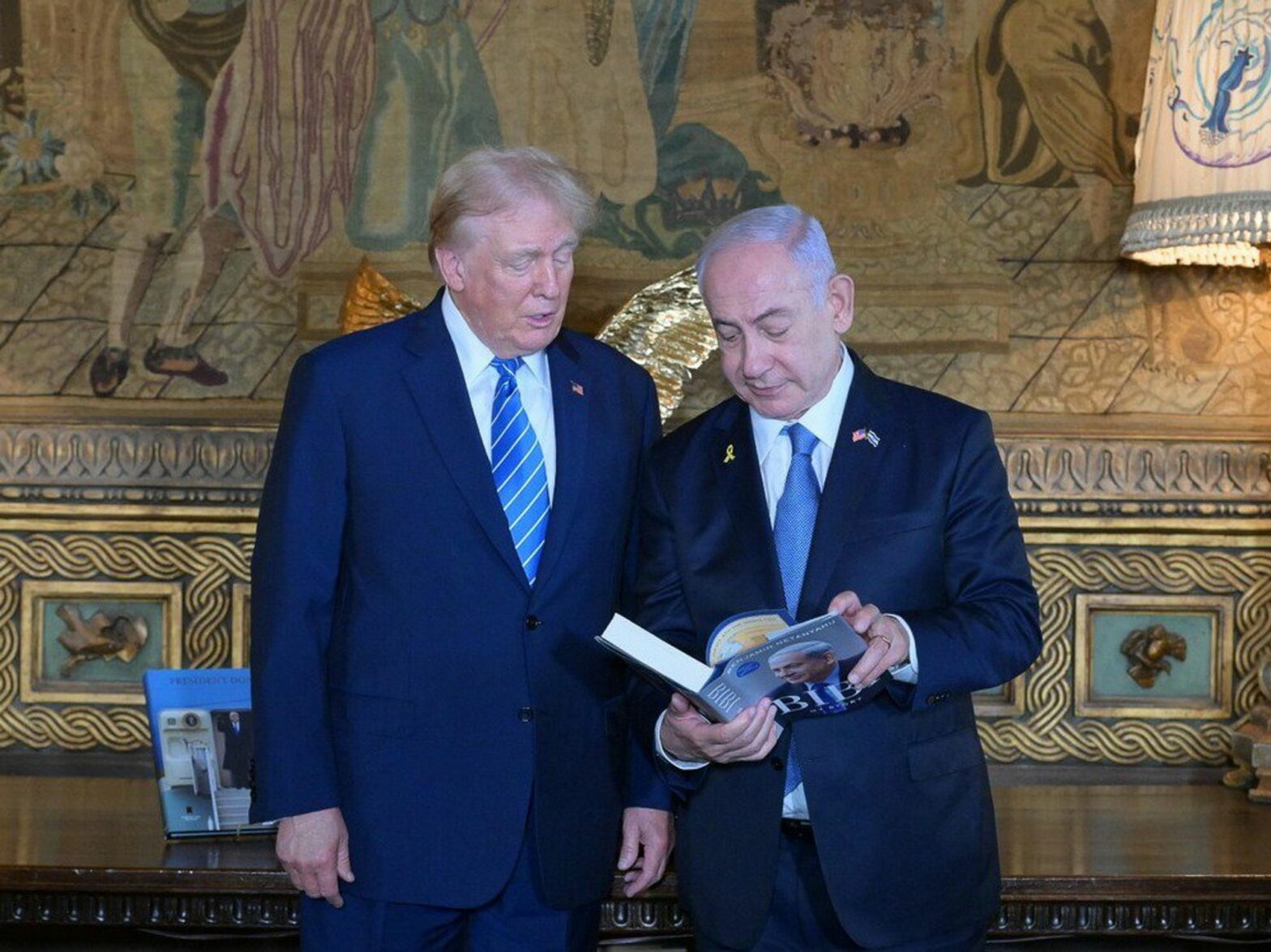
A Donald Trump victory would likely mean that the expected calm in the confrontation between Israel and Iran in the coming weeks will be just a warrior’s rest.

A $2.4 billion project to exploit lithium deposits in Serbia’s Jadar Valley could cover 90% of Europe’s current lithium needs. But the plan has sparked protests across the country and created an unlikely coalition of opposition, which President Aleksandar Vučić’s government has sought to suppress.
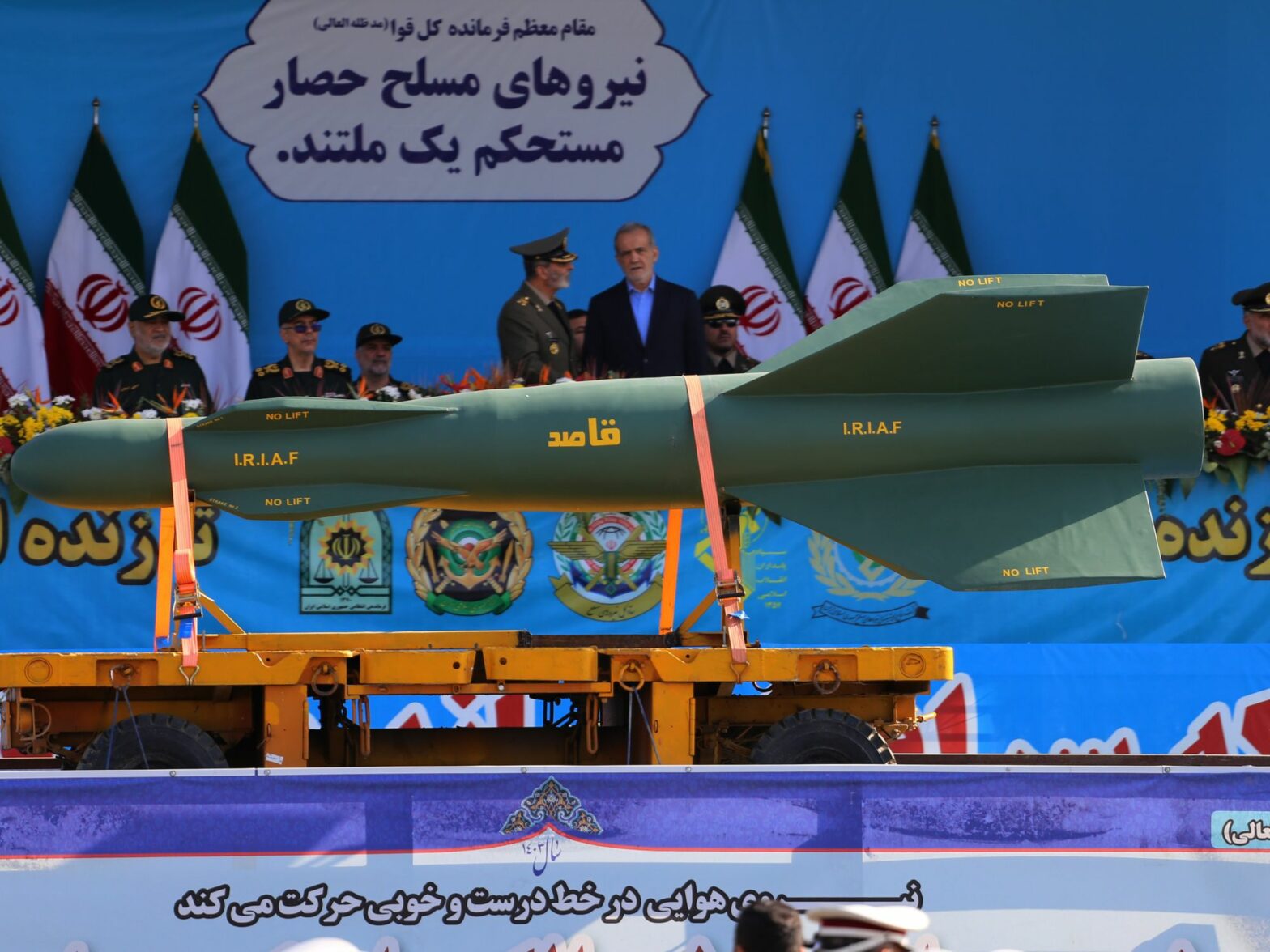
Israel and the West are seeking a stabilized Middle East to shorten the trading corridor with India and Asia. It’s a win-win situation for prosperous economies and the West, but what about Tehran’s truculent regime?
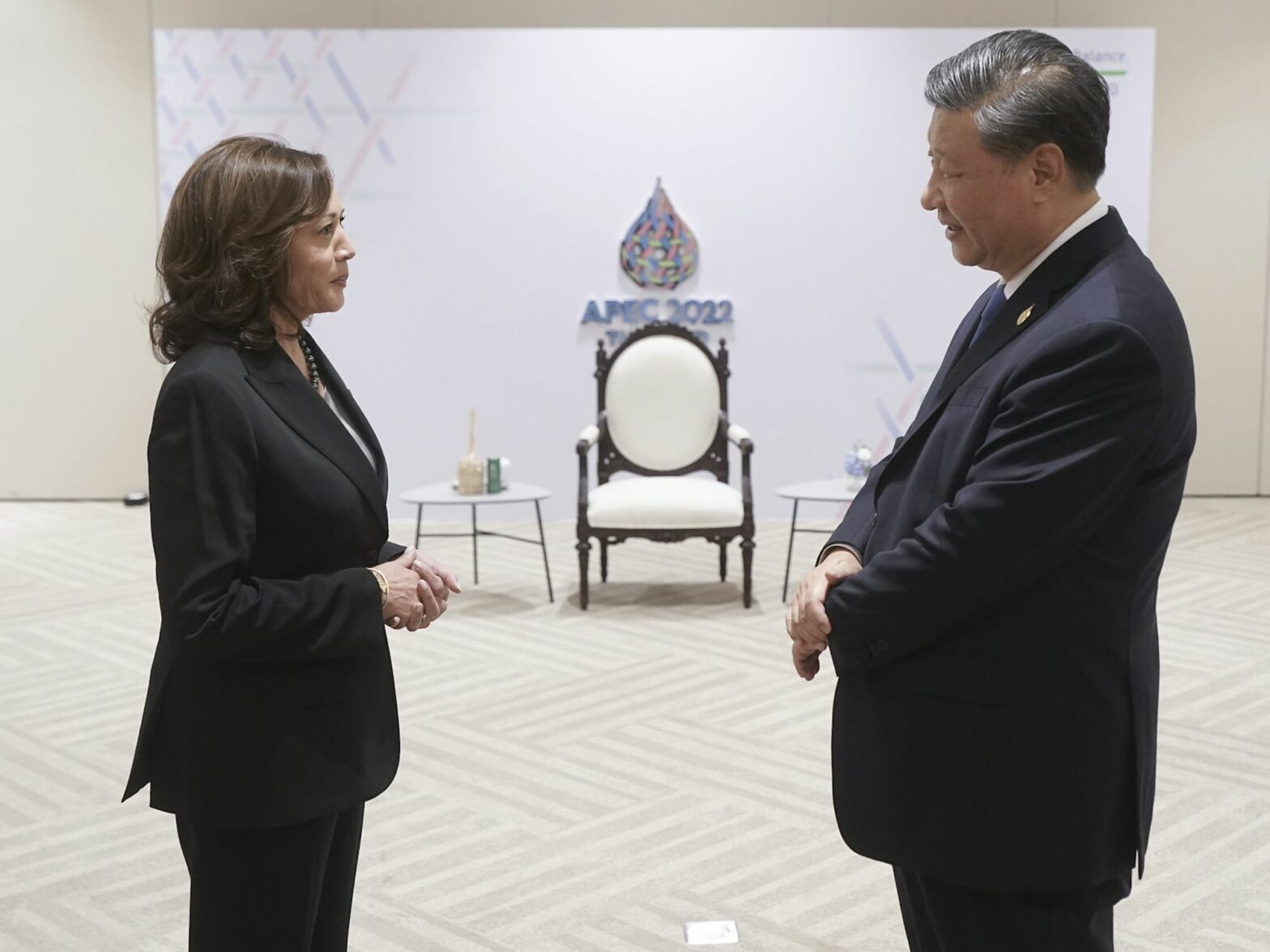
If there’s one thing Kamala Harris and Donald Trump can agree on its the demonization of China. After the fall of the Soviet Union, China has become the United States’ ideological adversary — a rival shaping America’s own identity, uniting both left and right. Why does American politics always seem to need an external enemy?
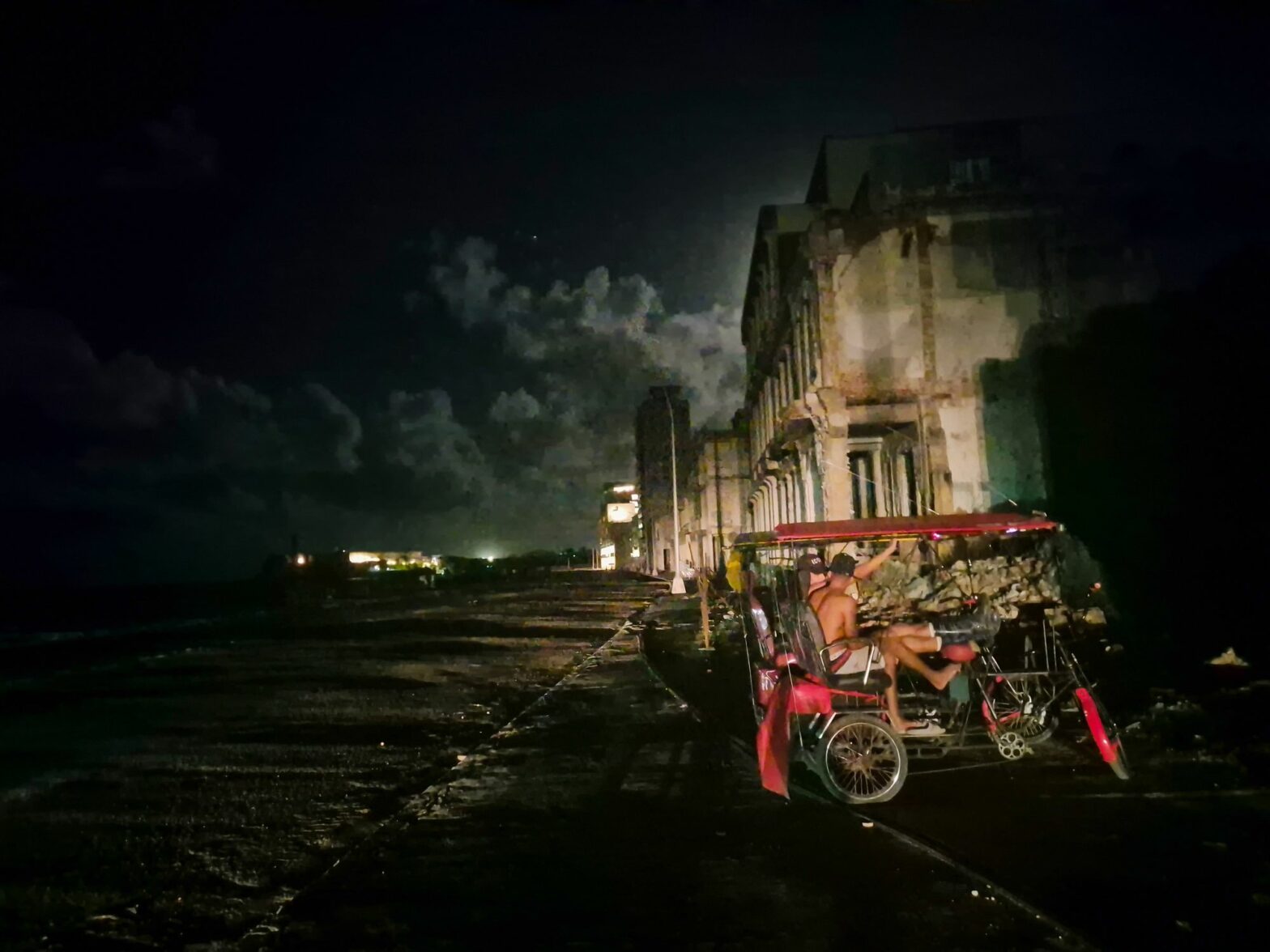
Cuba’s current energy crisis is a dramatic illustration, symbolic and otherwise, of the overall downfall of a country that could have followed the successful models of its Asian cousins. Faced with a socioeconomic dead-end, record numbers of Cubans are fleeing the country.