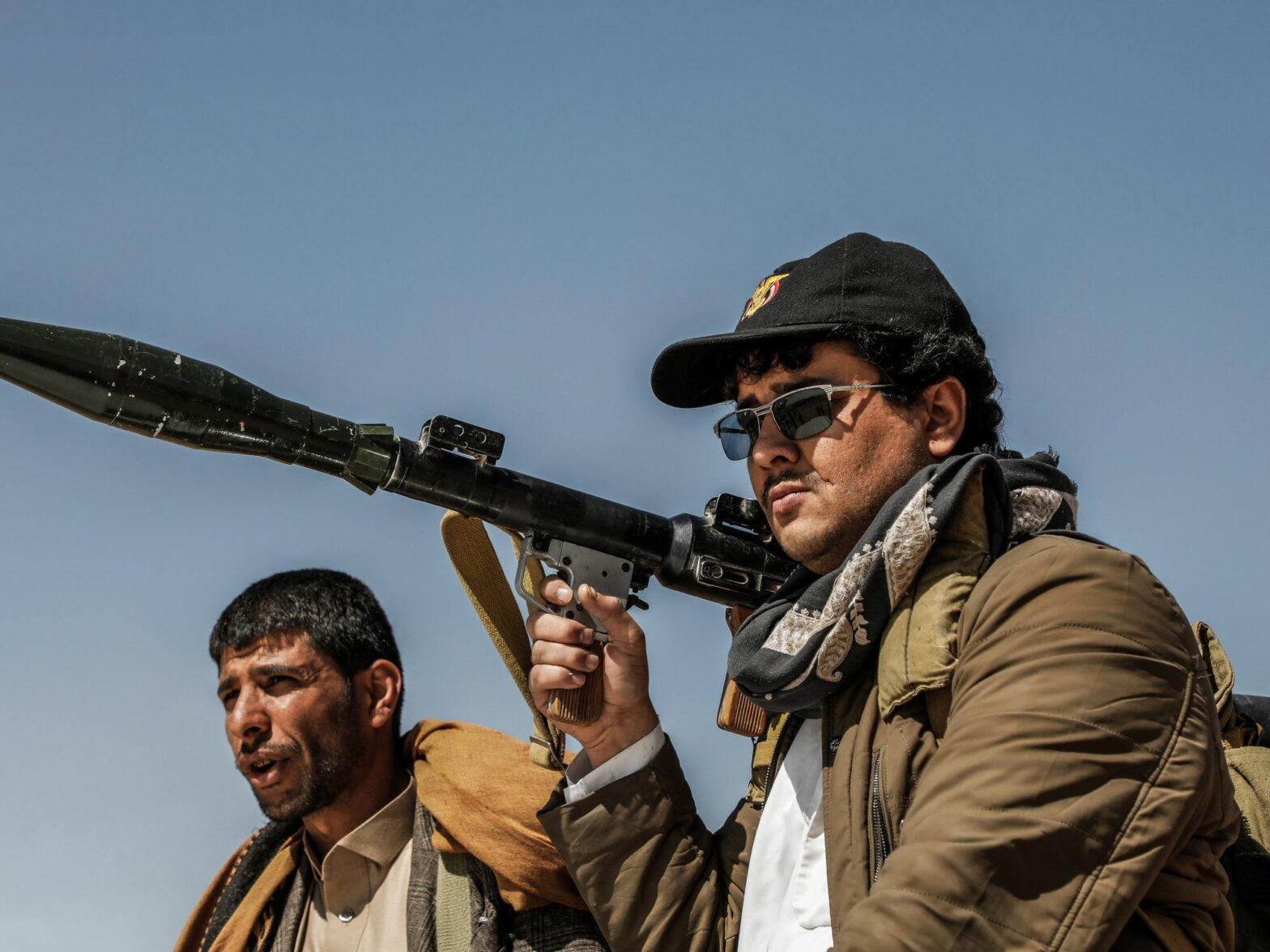
The Middle East’s militant and terror gangs, often described as Iran’s proxy forces, may have more in common with the cartels of a globalized war than with the fighters with a cause, more typical in the 20th century.
 Worldcrunch
The Middle East’s militant and terror gangs, often described as Iran’s proxy forces, may have more in common with the cartels of a globalized war than with the fighters with a cause, more typical in the 20th century.
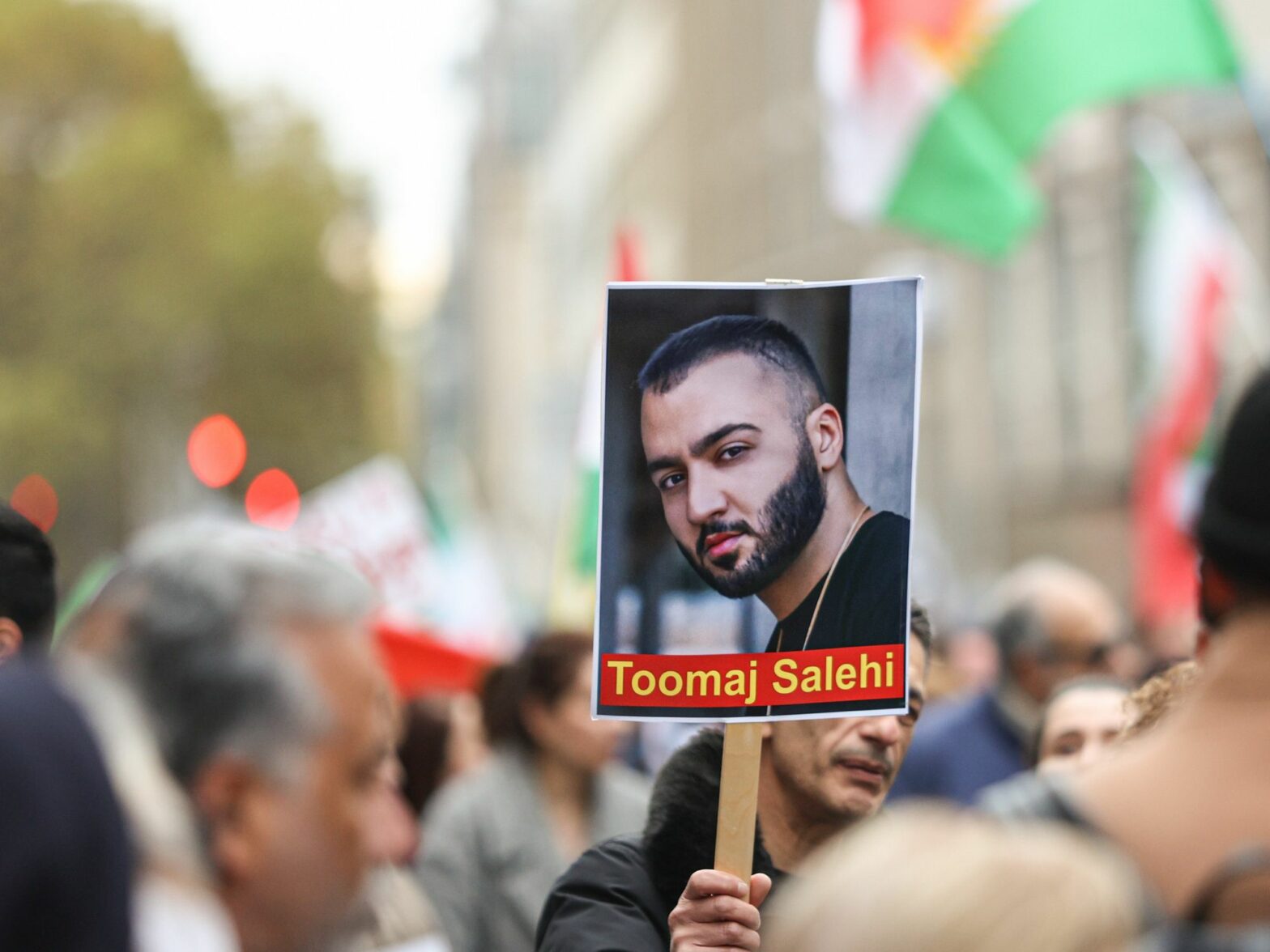
Injustice and inhumanity comes in many forms and places in the Middle East, including the Iranian regime’s death sentence for the rapper Toomaj. Why can’t those protesting the deaths of civilians in Gaza take a moment to try to save this innocent life as well?
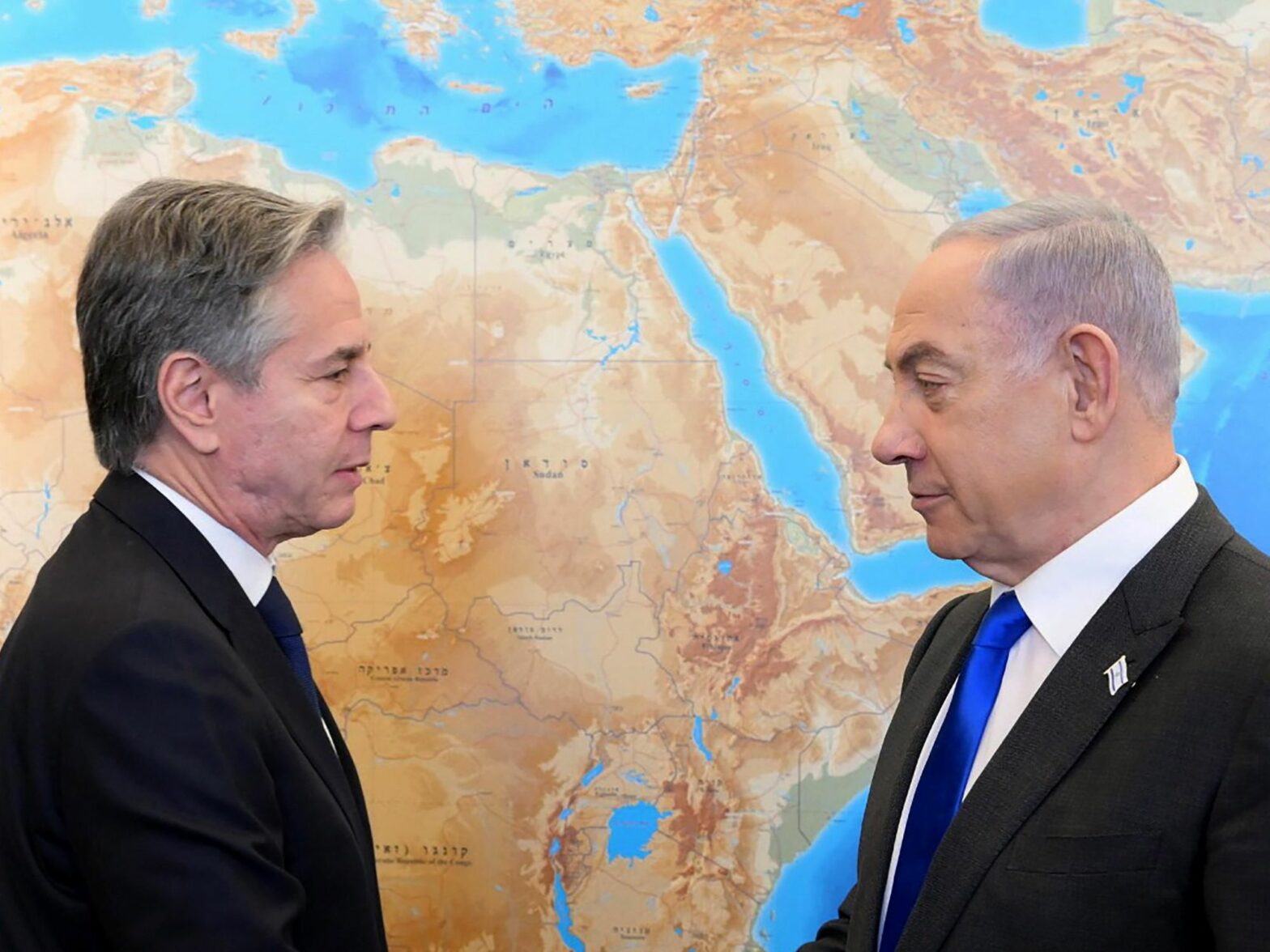
Have the ruling institutions in the United States learned the lesson and realized that the main means of confronting Iran’s influence — if they really wanted to — is to put pressure on Israel.
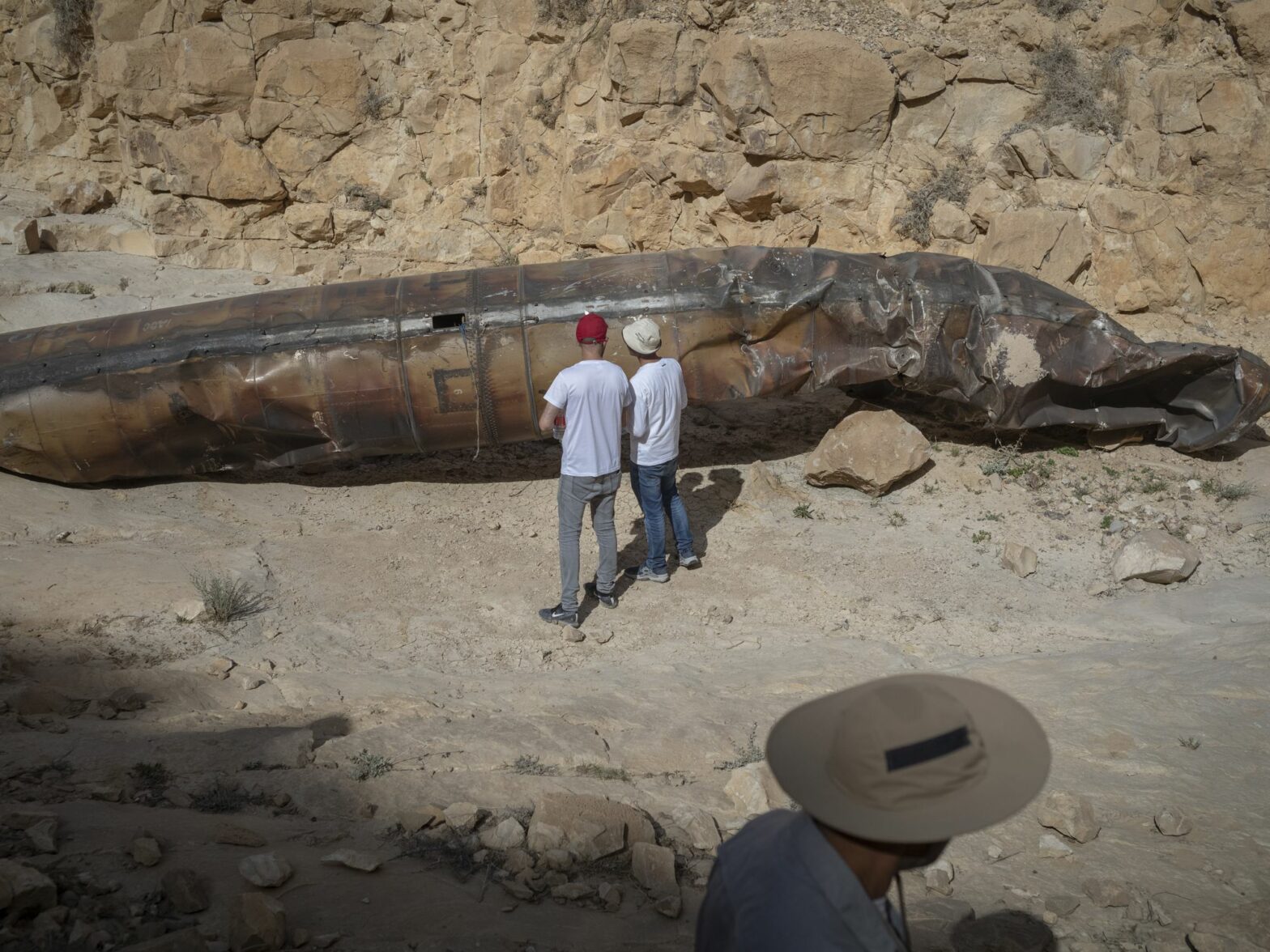
While the whole world was shocked by Iranian drones attacking Israel, which caused no casualties, nobody pays much attaention to the attacks being carried out by the same Iranian drones in northwestern Syria, where they regularly kill civilians.
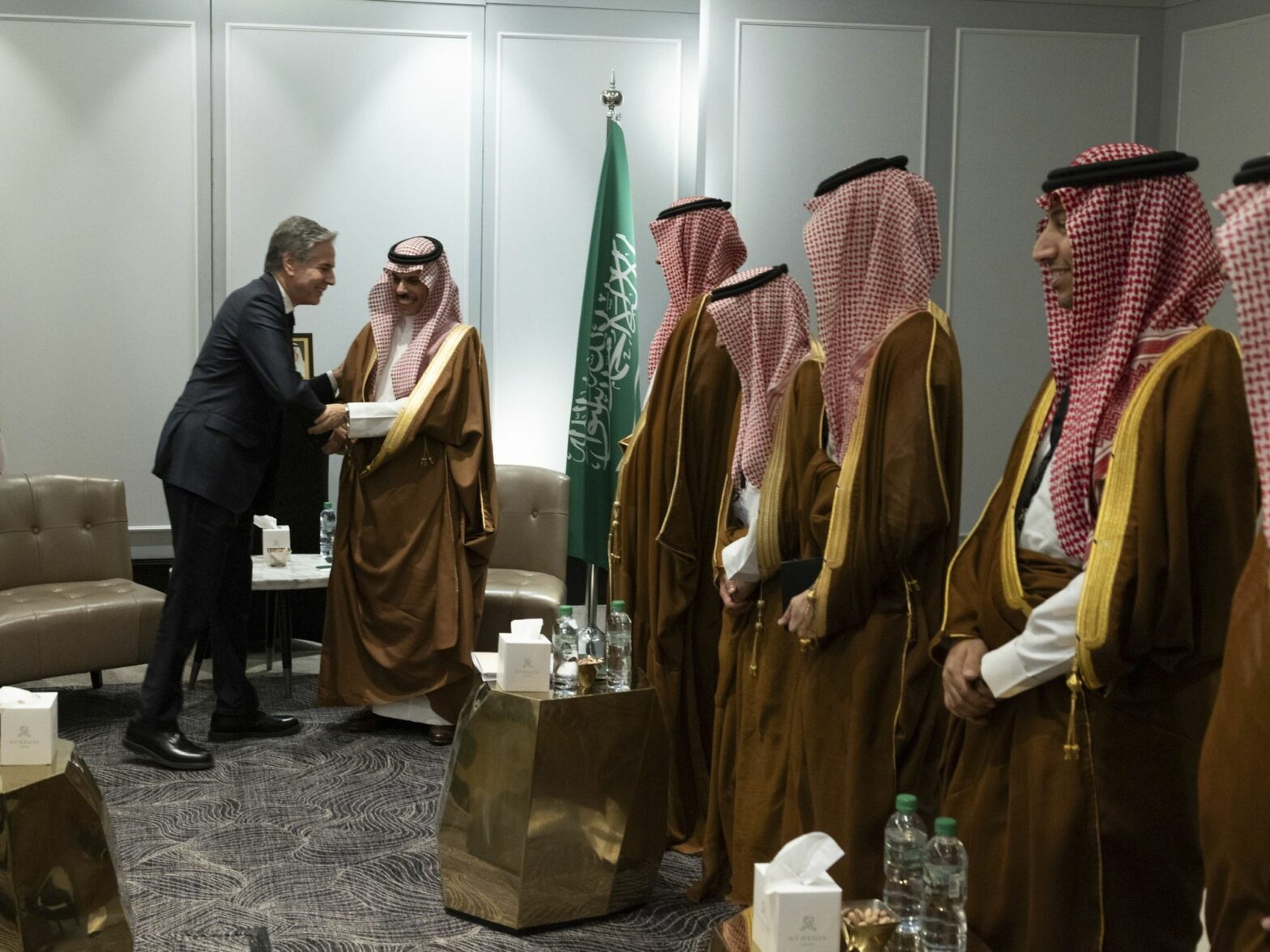
Washington has vetoed Palestine’s full membership to the United Nations and is using talk of the “two-state solution” to distract from Israel’s war crimes in Gaza. Pushed by the U.S. to normalize ties with Israel, what will Arab states do?
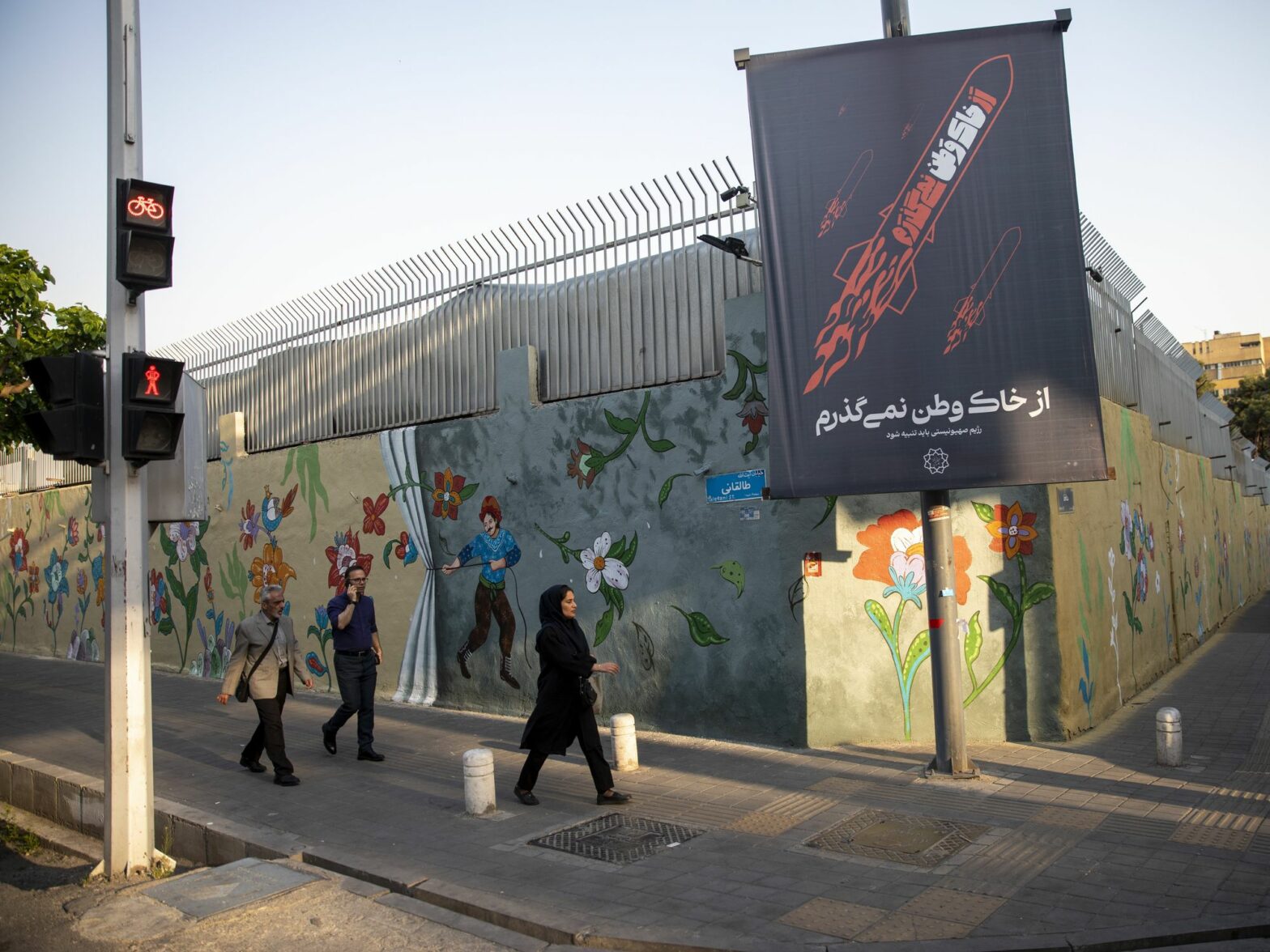
The Islamic Republic of Iran wants to destroy Israel and seems willing to obliterate Iran in the process. How do you deal with a regime that sees international chaos as serving divine wishes? Many in Iran see the direct challenge from Israel as the path to their nation’s liberation.
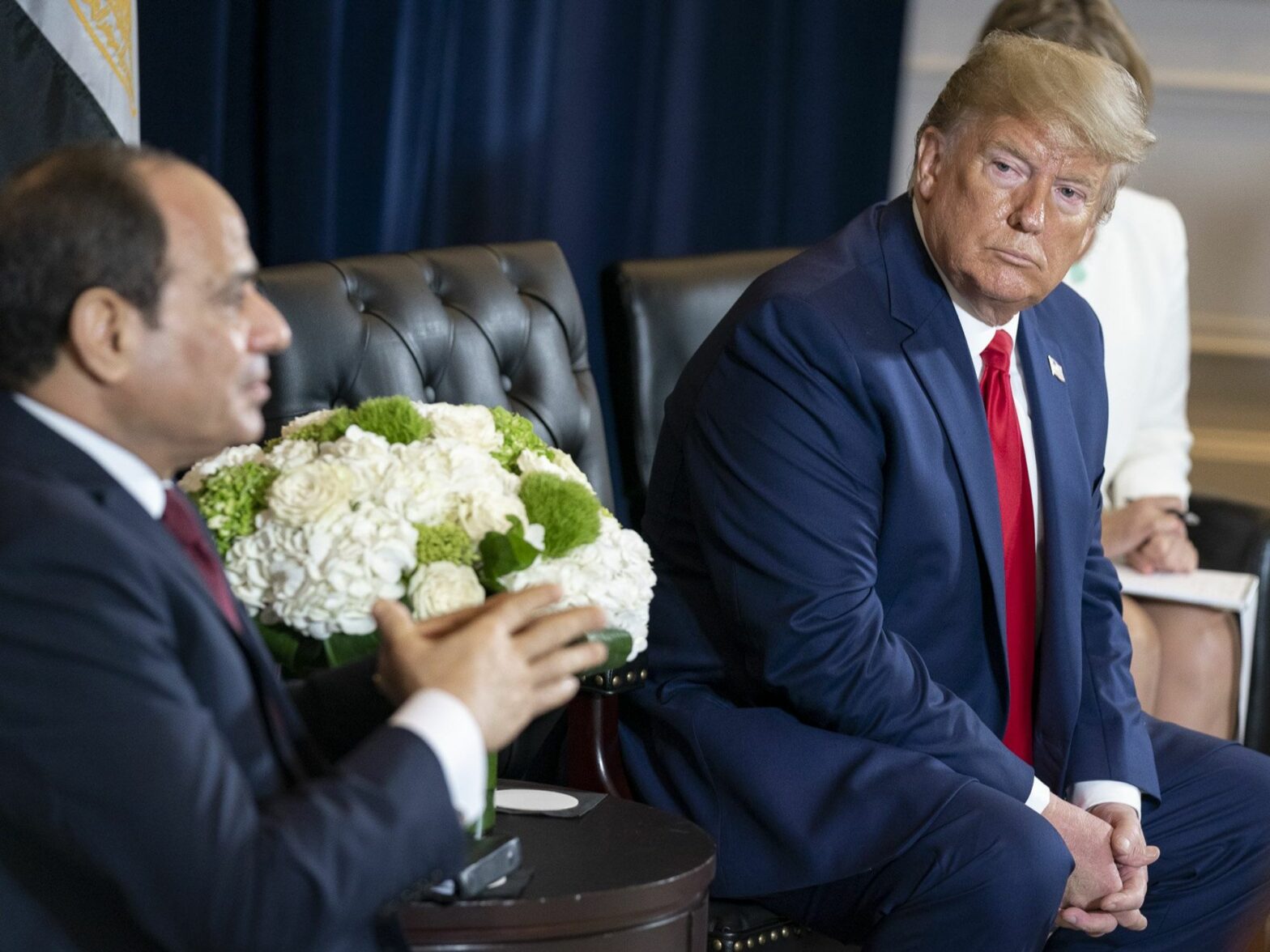
Will former U.S. President Donald Trump maintain his “dealmaker” approach towards Egypt in case he finds his way back to the White House?
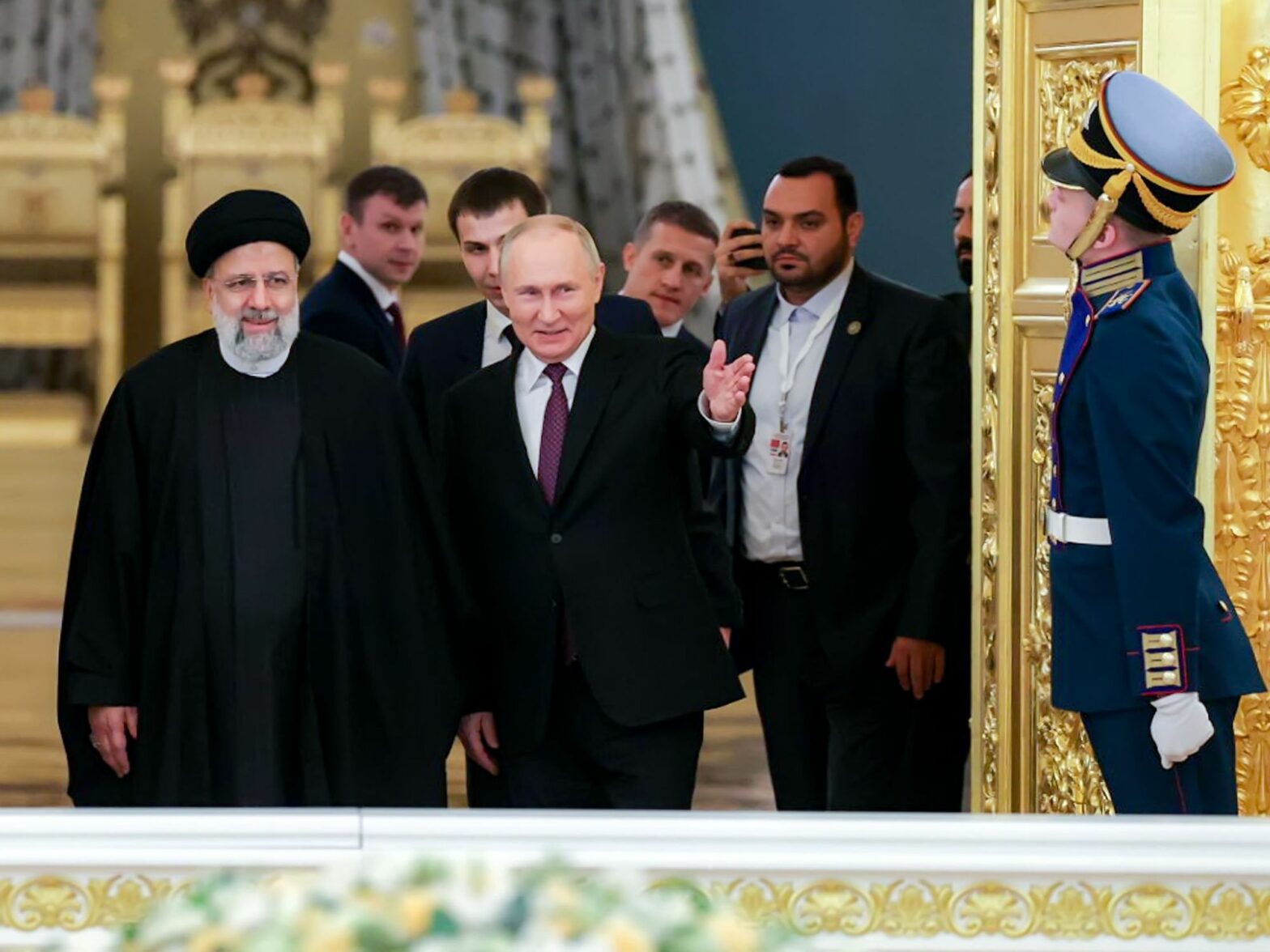
What are the links between Iran and the two powers challenging the Western order, Russia and China? And how do their relations affect the international climate? This is a key question at a time when the logic of war is at work in several regions of the world.
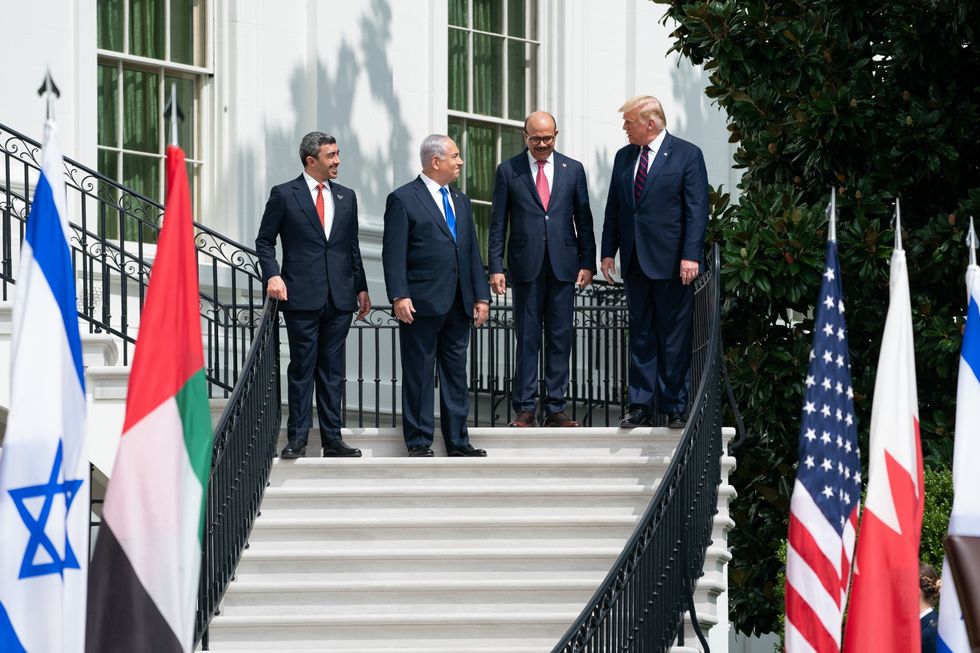
Despite Israel’s bloody war on Gaza, Jordan participated, on Saturday, in the destruction of Iranian missiles and drones targeting Israel. But it is not the only Arab country involved, a major regional shift that follows years of discreet military contacts orchestrated by the United States.
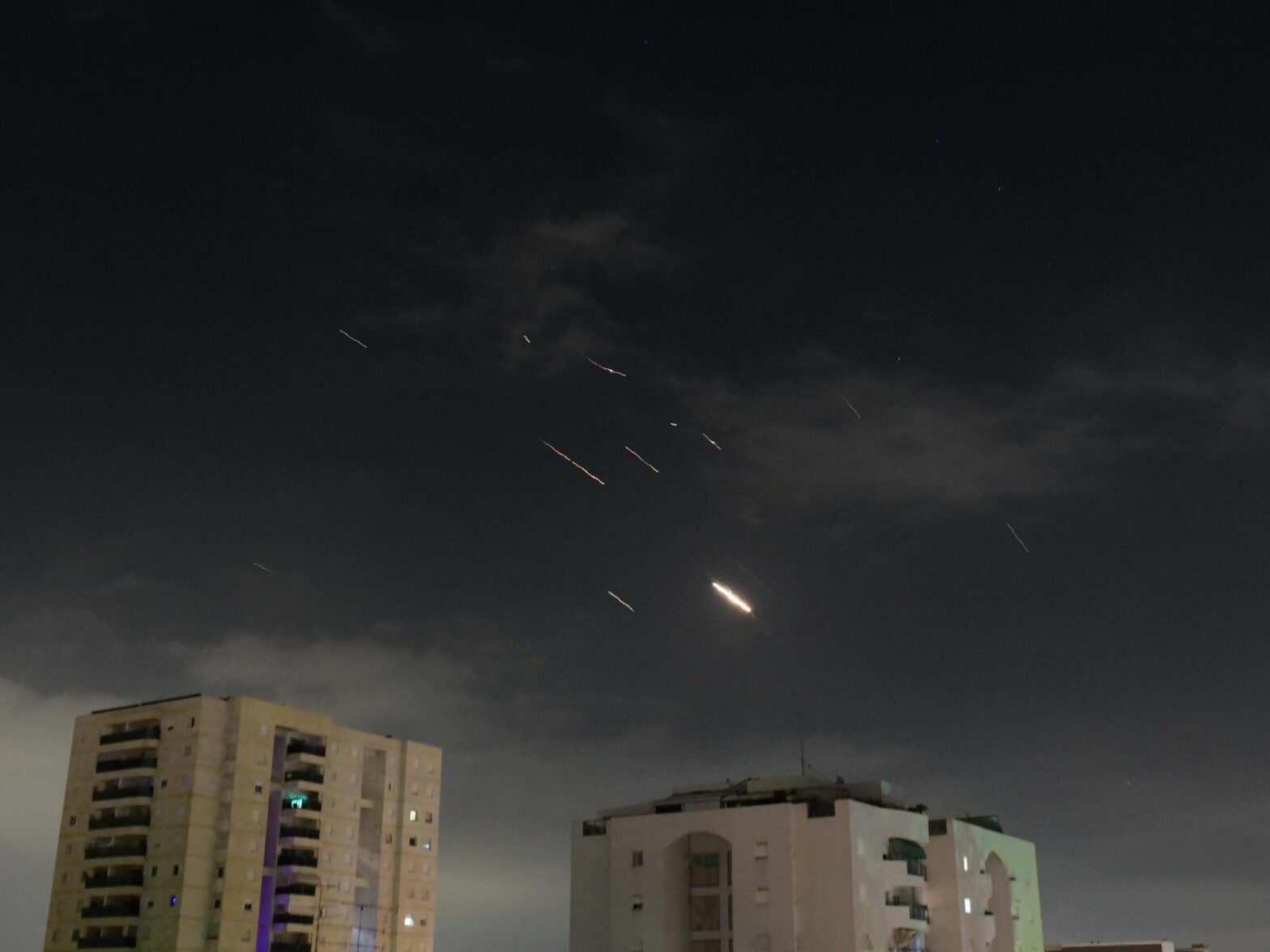
The world watches as Netanyahu walks that fine line between deterrence and escalation.
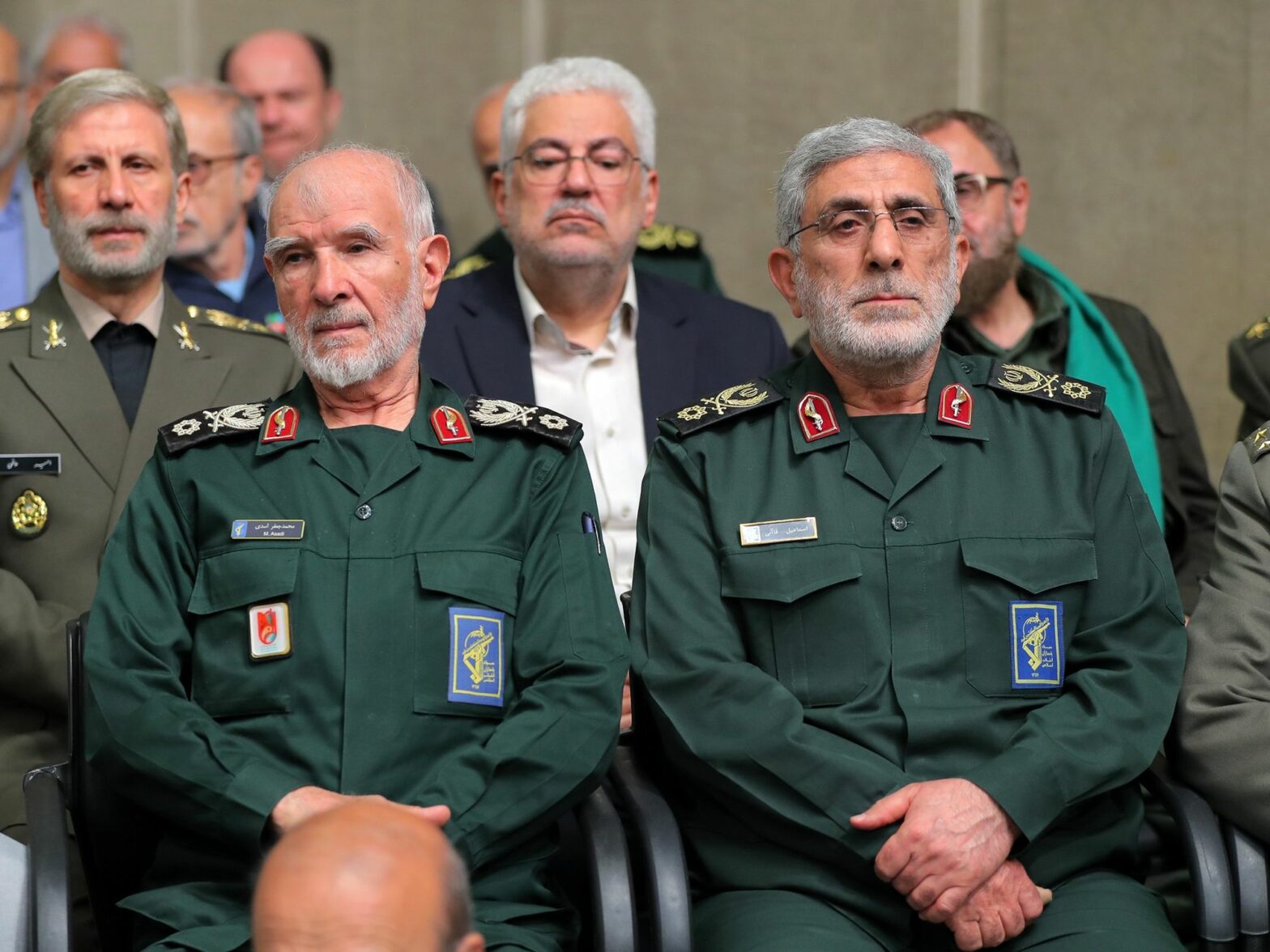
For decades Iran’s leaders have promoted the vision of martyrdom as a precept of the regime, but appear to have carefully weighed how much damage to try to inflict on Israel after its attack against its top military leaders in Syria on April 1. What does this say about the state and stability of the regime?
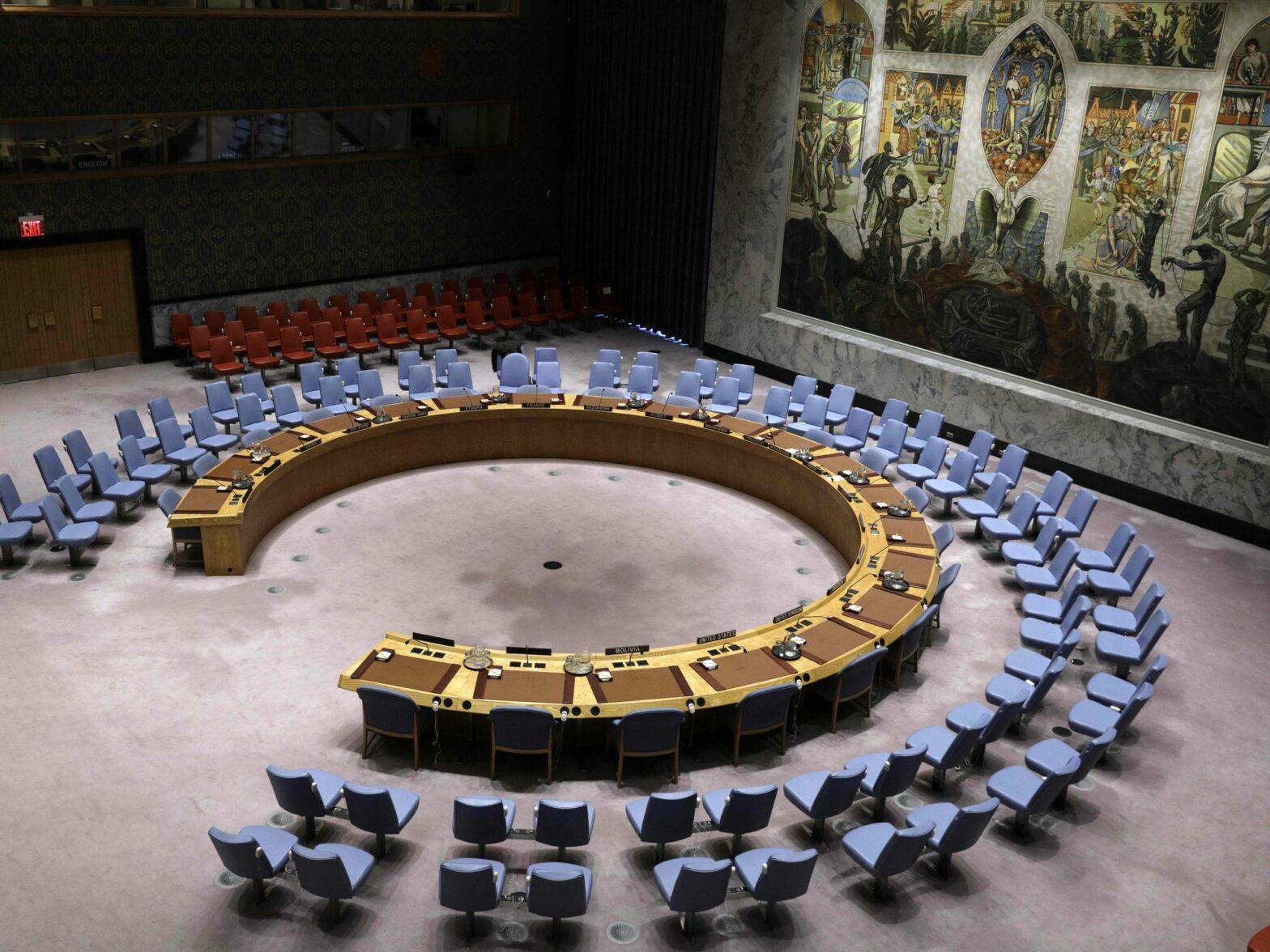
The UN and the international criminal justice system are failing to prevent and punish brazen aggressions and killings around the world. When this period of turmoil ends, states must find new rules and tools to prevent the return of totalitarian violence.
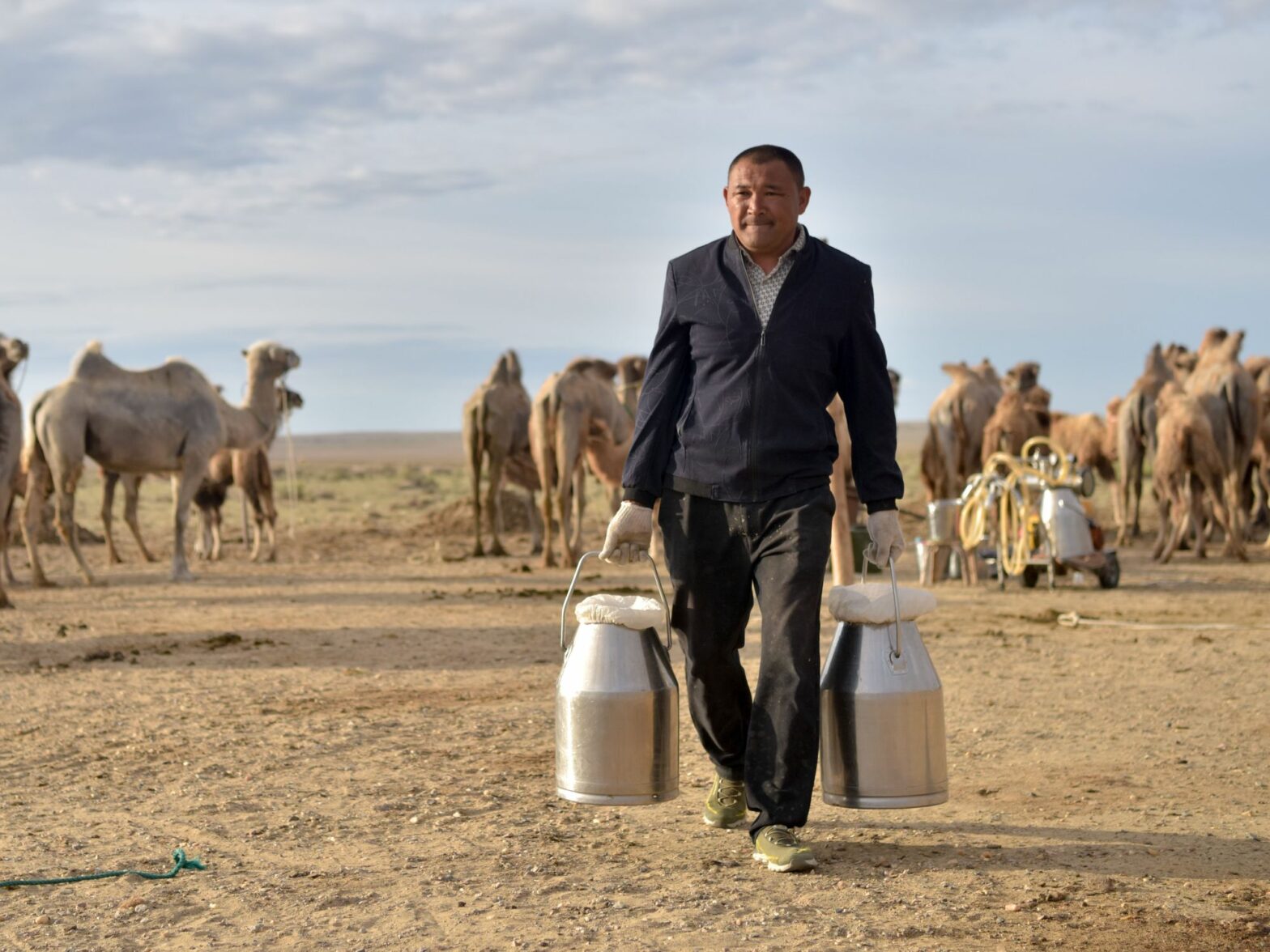
Camels’ resilience to climate change and increasingly sought-after milk make them more and more attractive for intensive farming in the Middle East. But this shift could prove detrimental to both the environment and the region’s traditional camel herding.

An ancestral city that has managed to keep its authenticity while infusing a variety of influences? Here’s a quick guide on where to find the best spots to eat, drink and discover the City of Stairs, as it is sometimes called!
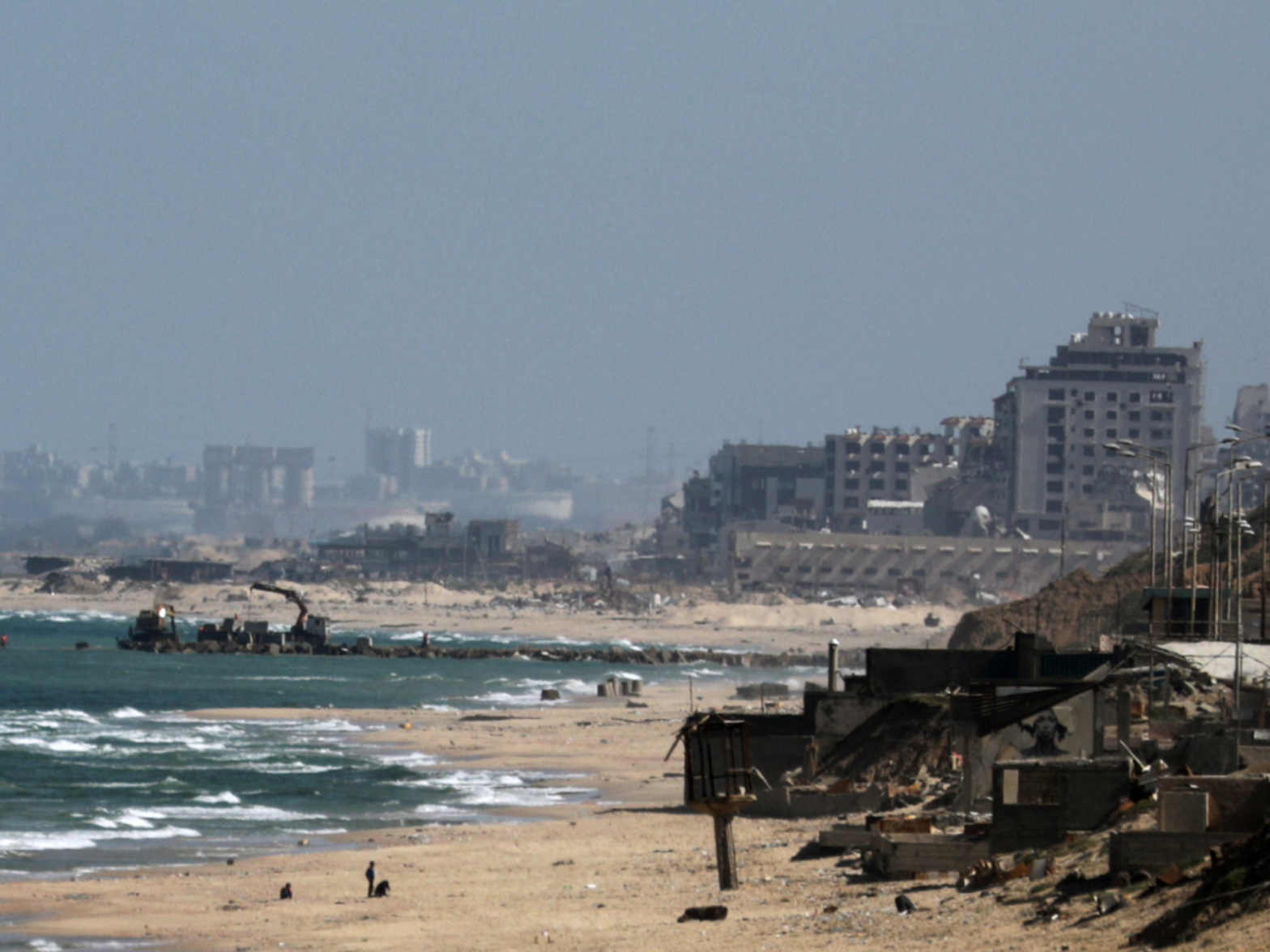
The U.S. pier and sea corridor aims at isolating Gaza from its Arab neighbors, paving the way for the incoming authority, and facilitating attacks on the resistance.
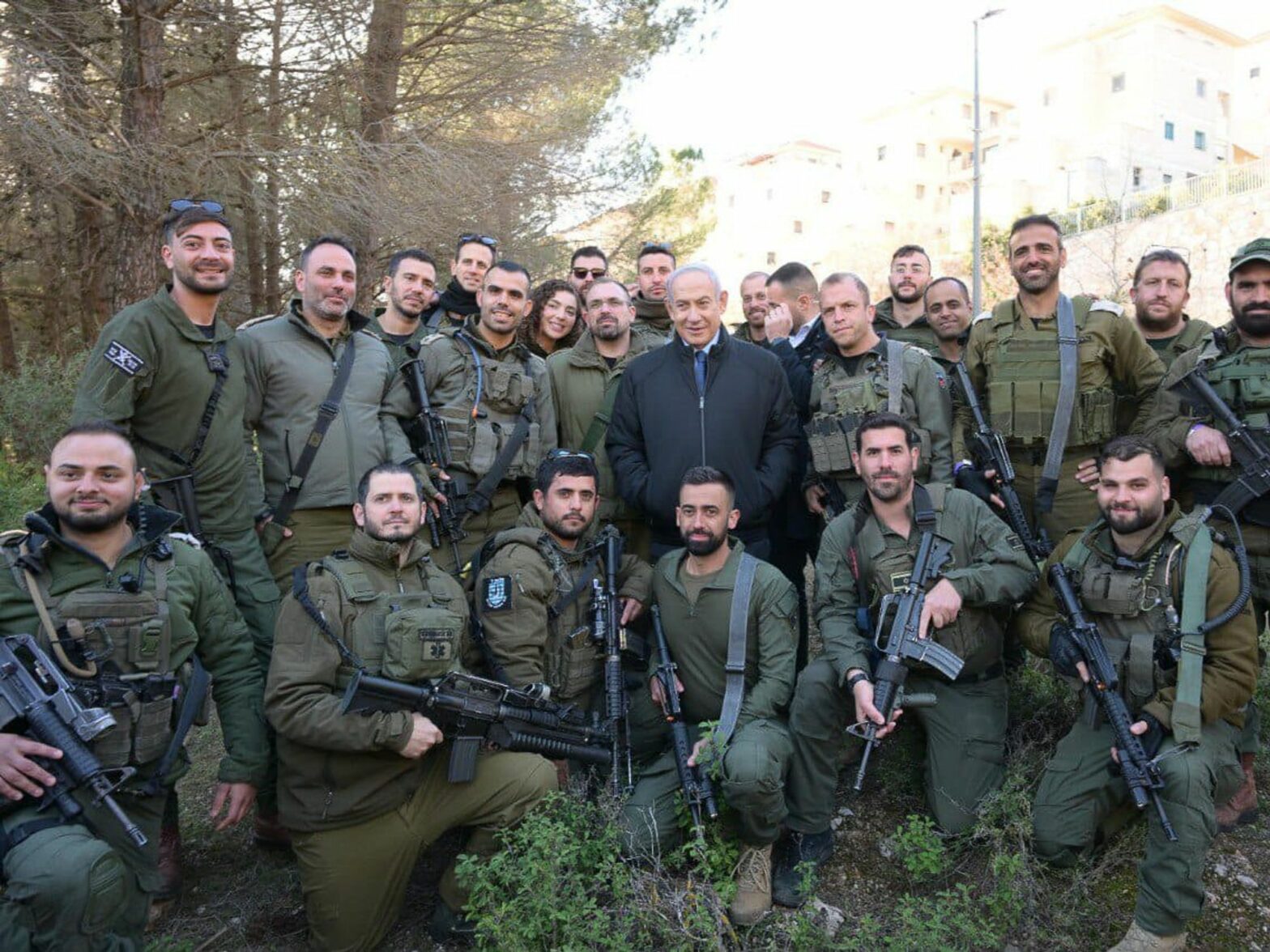
The Israeli prime minister appears dead set against a ceasefire, with the leak of a new 10-year plan for “occupation from afar” for Gaza. All of this to avoid the fate that awaits him if he leaves office.

Egyptian football legend Mohamed Salah’s careful positioning on the Israeli war in Gaza sparked discussions from fans and non-fans alike. Is it about ideology or sponsorships? And should any of it matter when his job is to score goals not play politics?
Iran’s allies are attacking the West across the region. The Hamas massacre, attacks on U.S. troops and the Houthi targeting of ships are possibly just the beginning. The fact that the Middle East is so unstable today is due to a decision first made by the U.S. a generation ago.
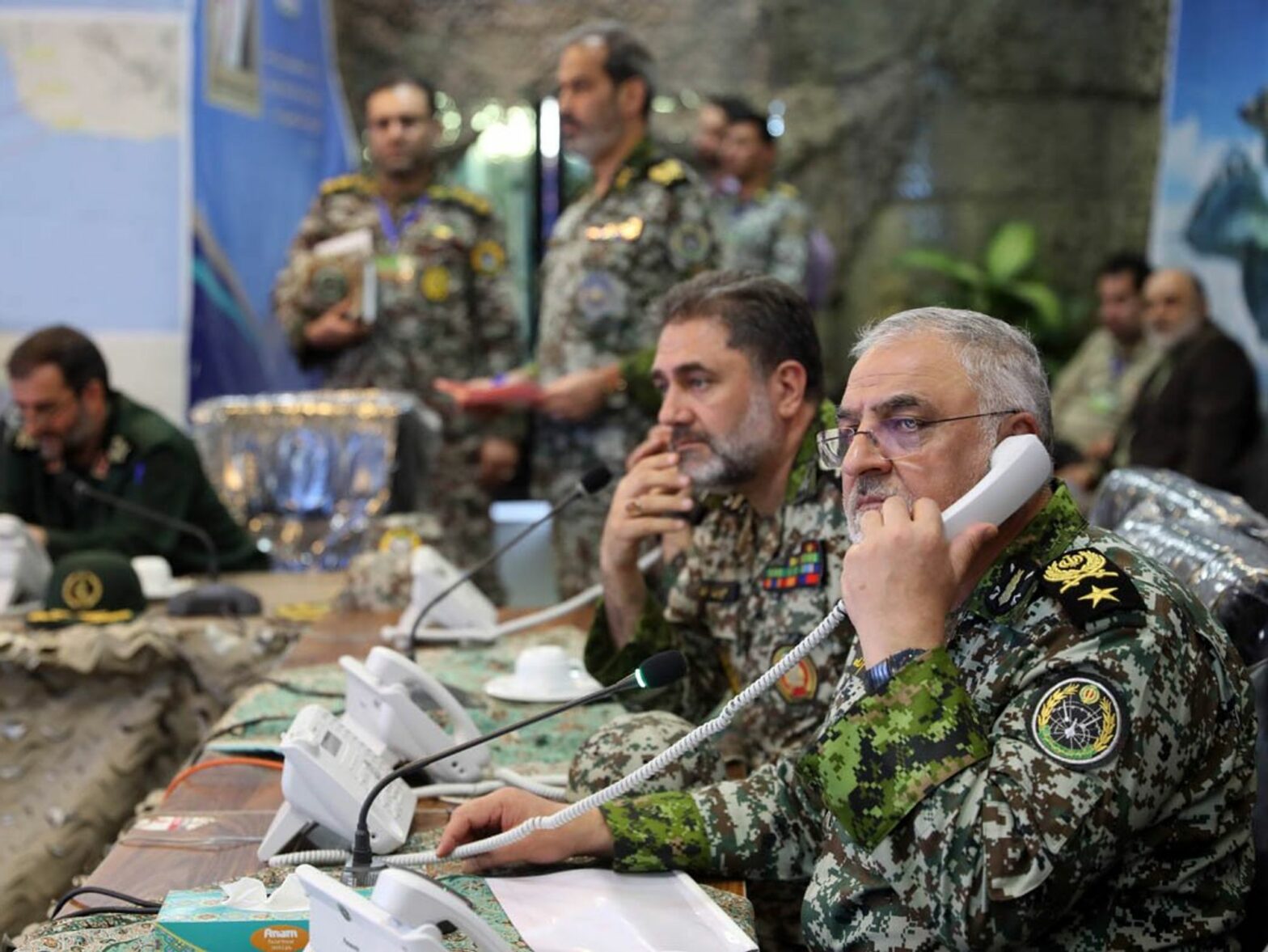
The death of three U.S. soldiers has raised the stakes in a low-simmering, but constant escalation between Washington and Tehran that could explode from the shadows of the war in Gaza — even if by pure accident.

Now in its third month, the Israel-Hamas war has led to an increase in Israeli strikes on Iranian posts in Syria. At the same time, the pace of drug smuggling from Syria to Jordan has increased, prompting the latter to launch airstrikes inside Syria.
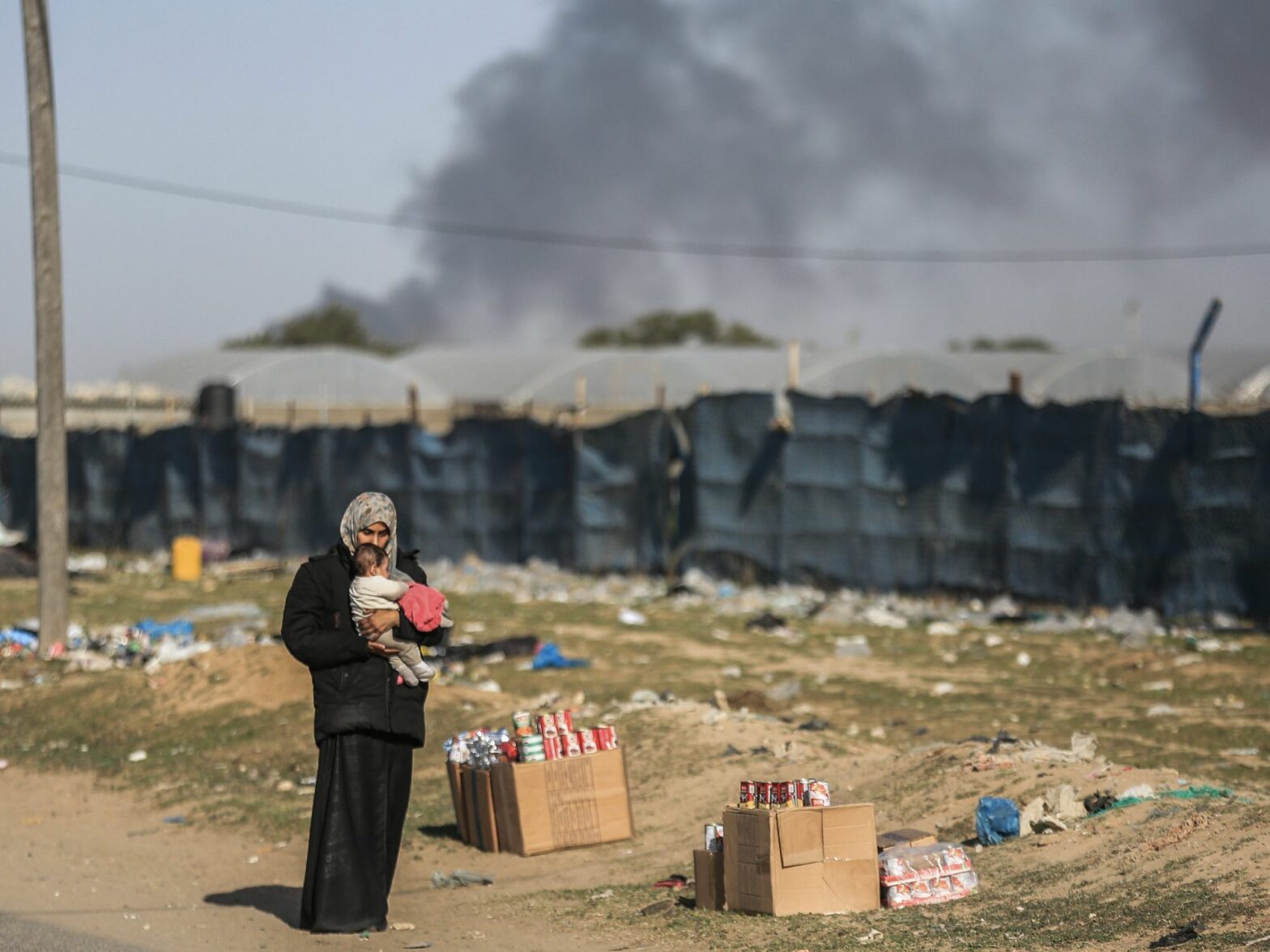
After suffering its heaviest losses in a single day, the Israeli army continues its hunt for Hamas leaders and troops in Khan Younis, an overcrowded refugee camp in southern Gaza. Even heavier Palestinian civilian casualties are feared, as the war appears to be reaching a moment of truth.
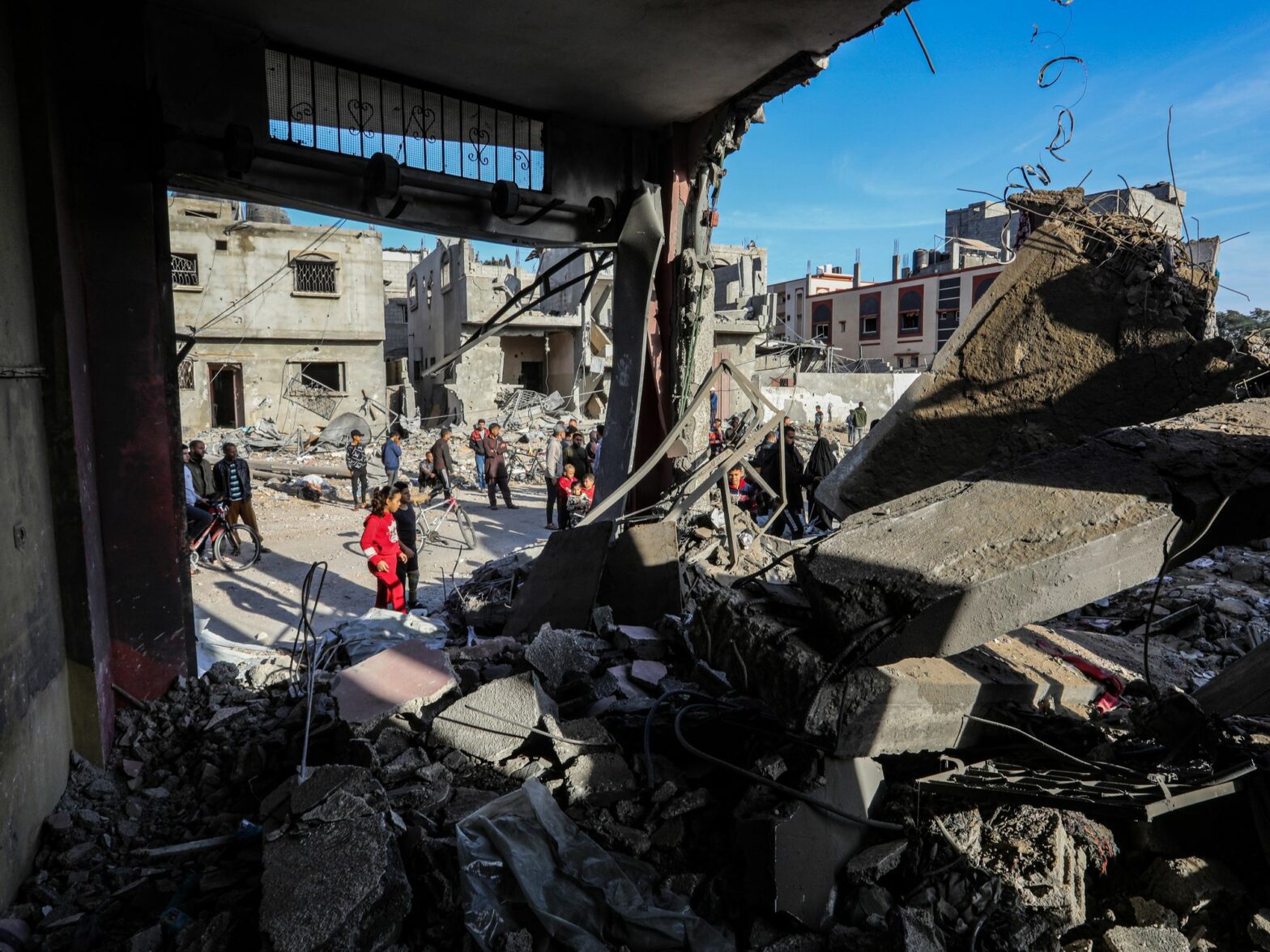
When the guns fall silent, Saudi Arabia and its ambitious prince want to be the historic peacemaker in the Middle East.
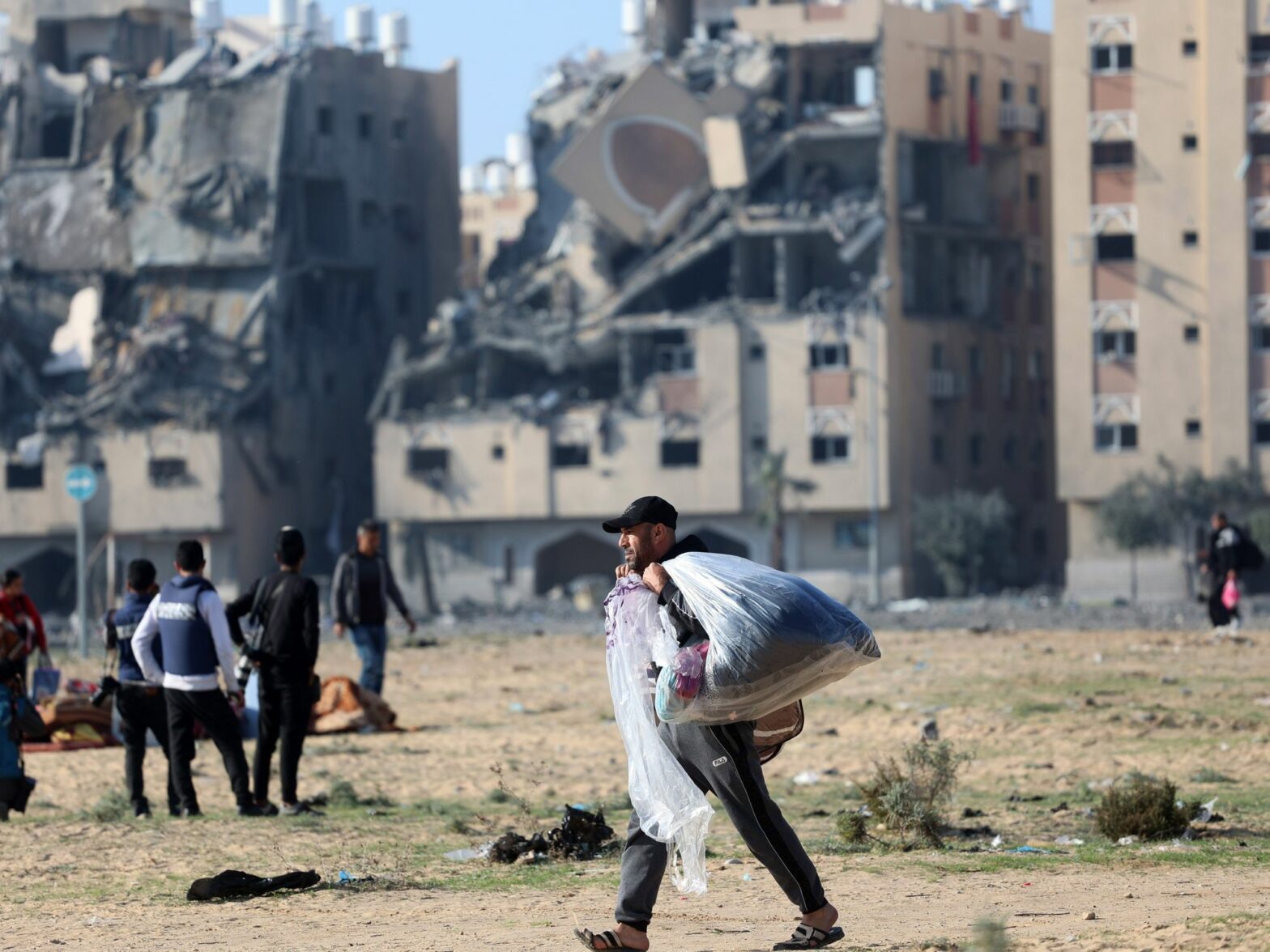
Omar Sharara, a journalist for the Cairo-based media Mada Masr reports on his exchanges with a Aden, a Palestinian photojournalist in Gaza, since the war began. Amid bombings and communications blackouts, Aden relays his family’s efforts to seek shelter.
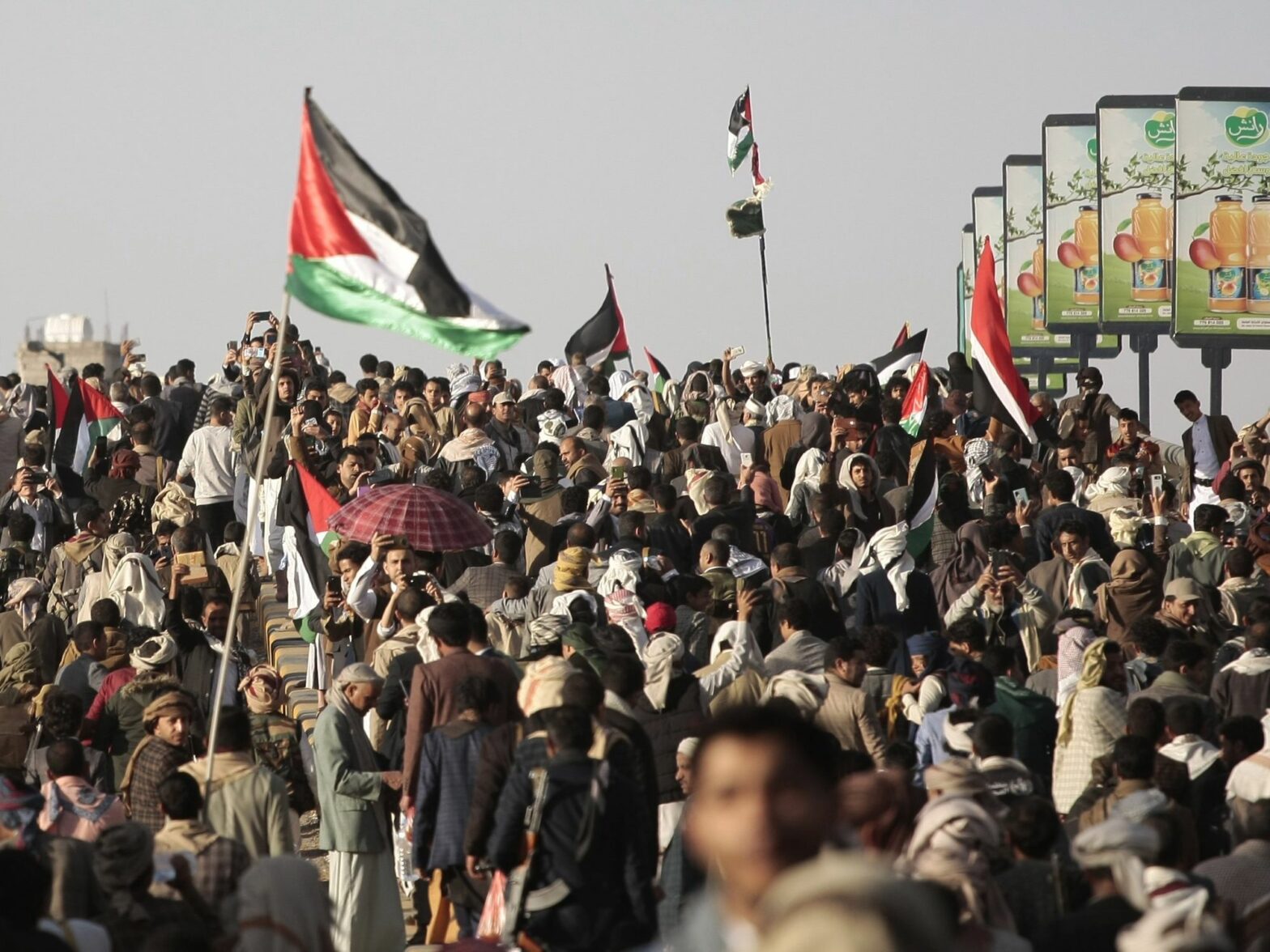
As the situation escalates in the Middle East, the prospect of an all-out war may hinge on whether Iran will cross the Rubicon.
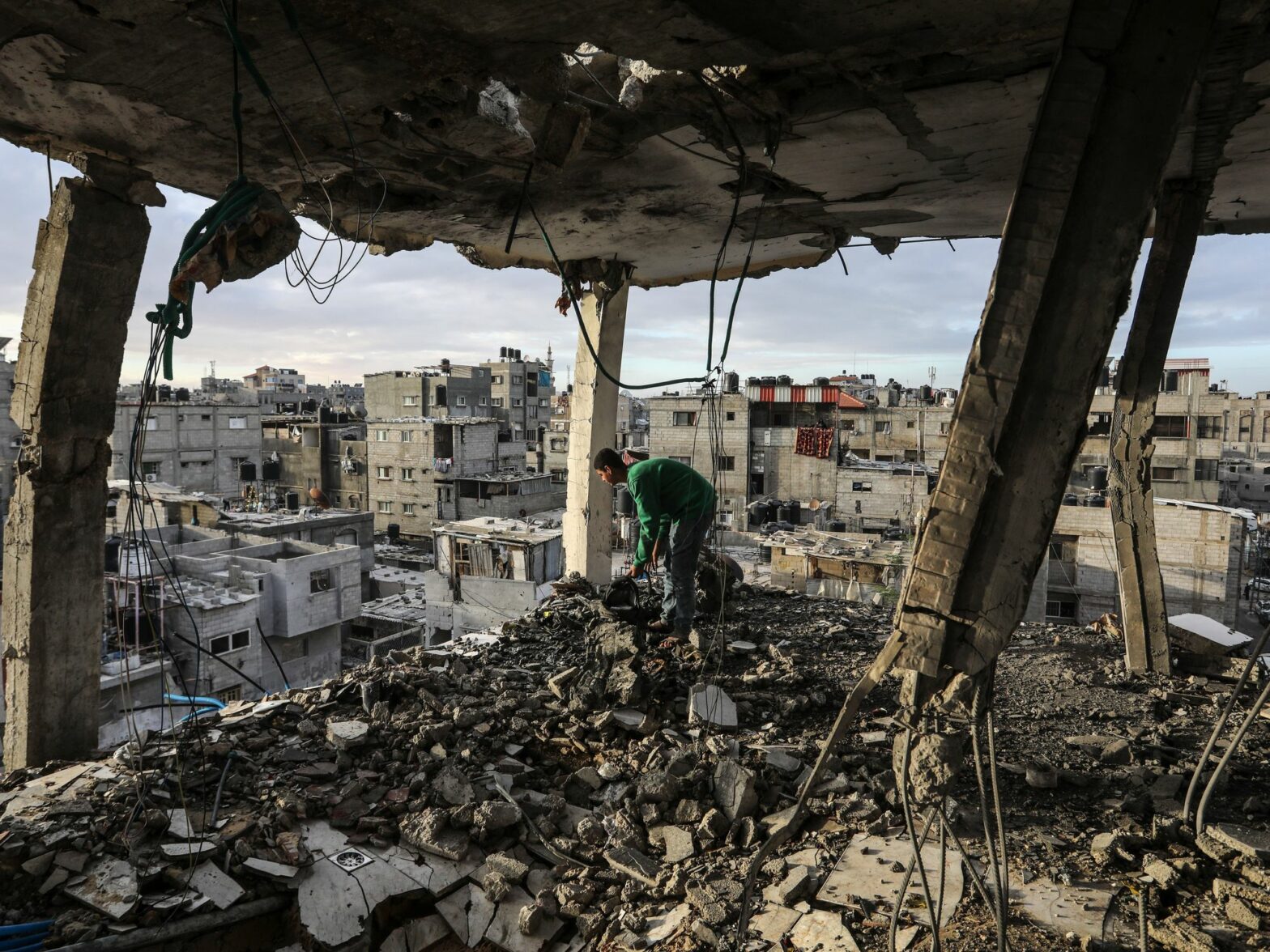
After 100 days of war, Israeli Prime Minister Benjamin Netanyahu has made it clear that he has no plans to listen to what any other country has to say, including his closest allies. There’s every reason to expect the situation to get worse.

Ahead of Secretary of State Antony Blinken’s arrival, Israeli officials declared that the army will shift to a more targeted campaign in Gaza. Benjamin Netanyahu may just be bidding his time.
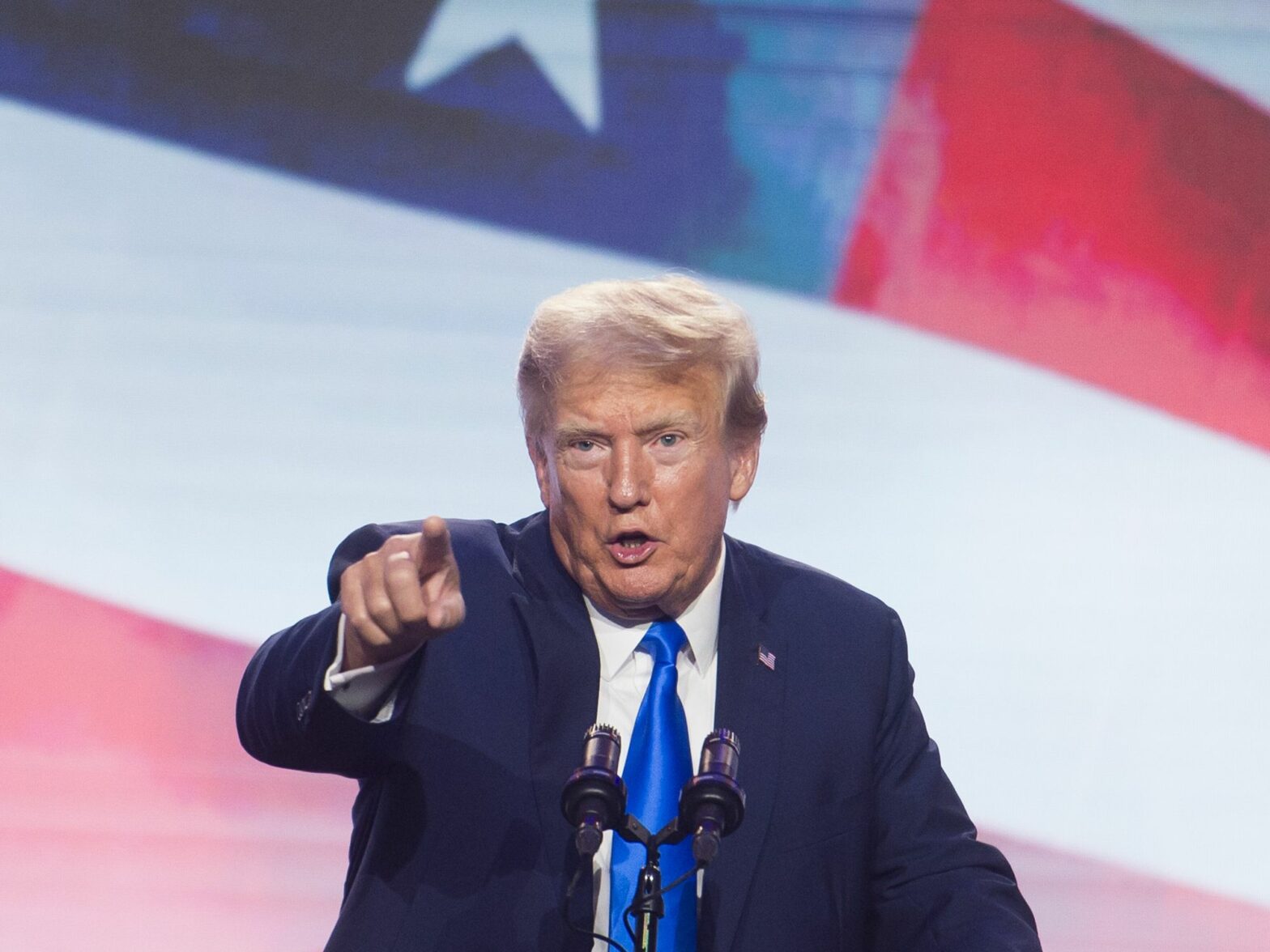
Donald Trump’s comeback at the White House could cause major disruptions for the war in Ukraine, the Middle East and more generally, global security. Europe has to acknowledge this reality, and see in it an opportunity to reaffirm its own place in the world.
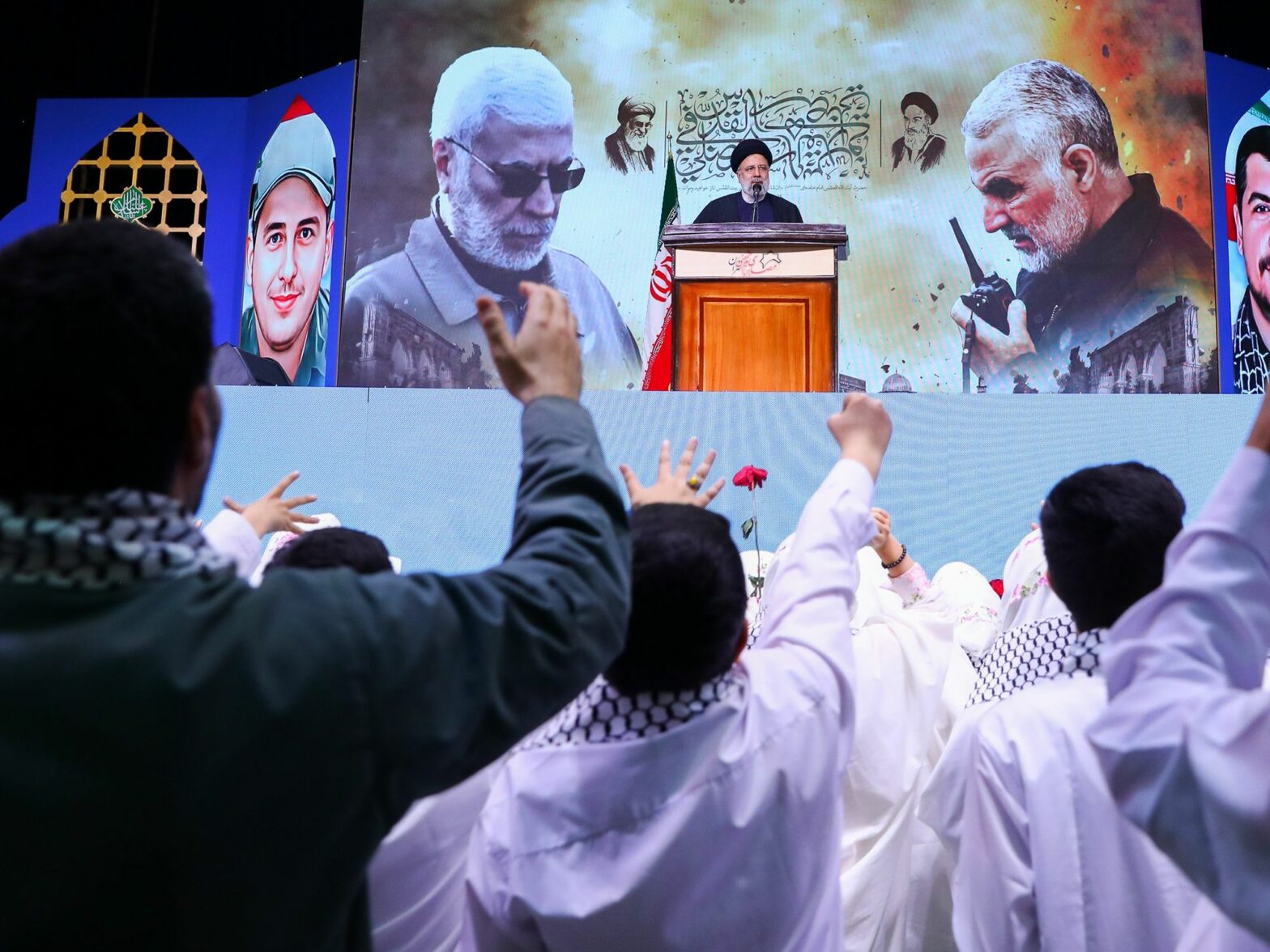
Though all-out war has not yet spread, there are a multiplying number of attacks, targeted and otherwise, taking place across borders that has all the makings of a region-wide conflagration.
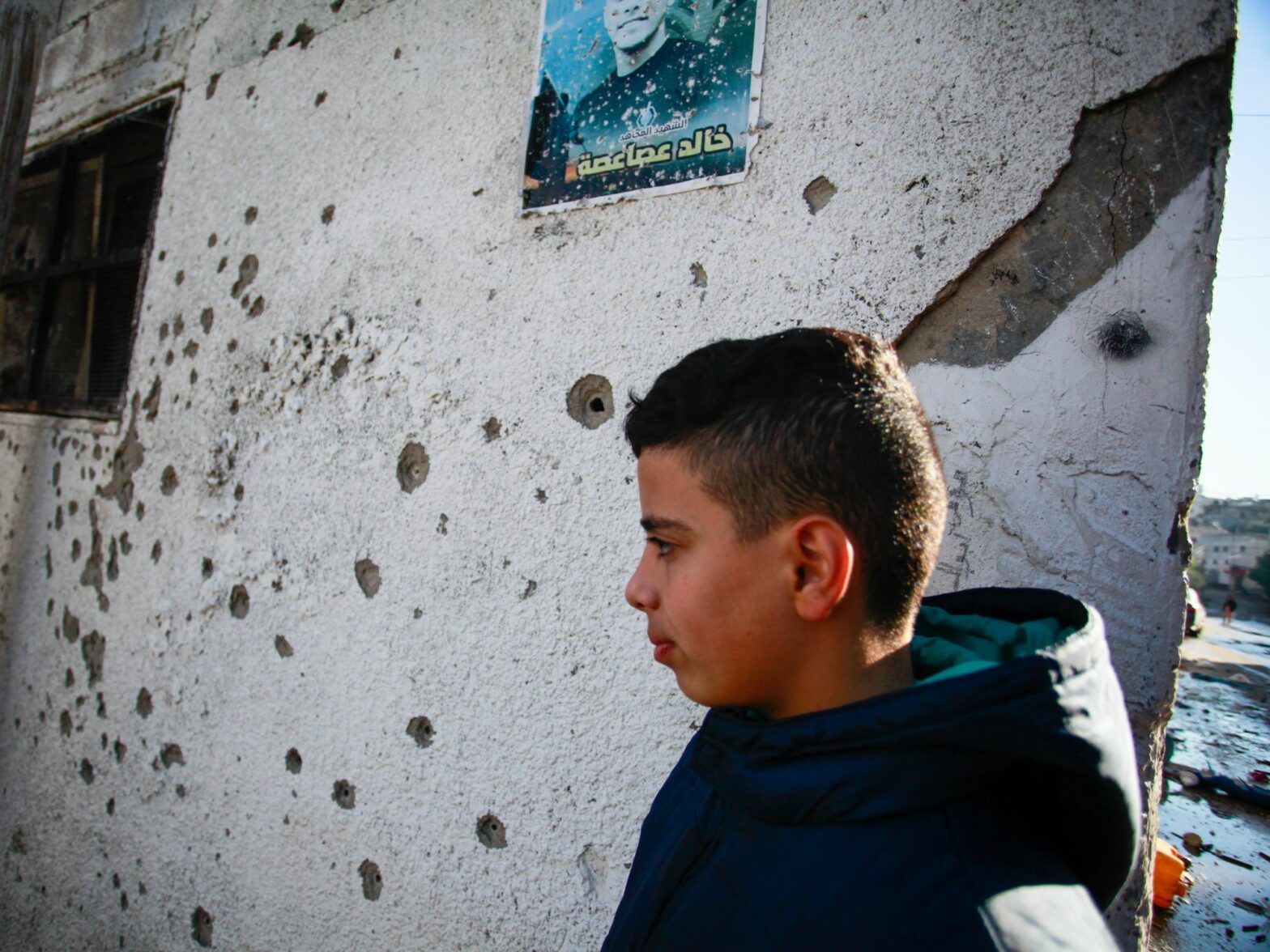
Fedaa Zeyad is tired of seeing all the attempts to portray the people of Gaza as superheroes, somehow undeterred in the face of death. She prefers to present them simply as human beings: fearful, tired, desperate, objecting to the terms and conditions of this war.
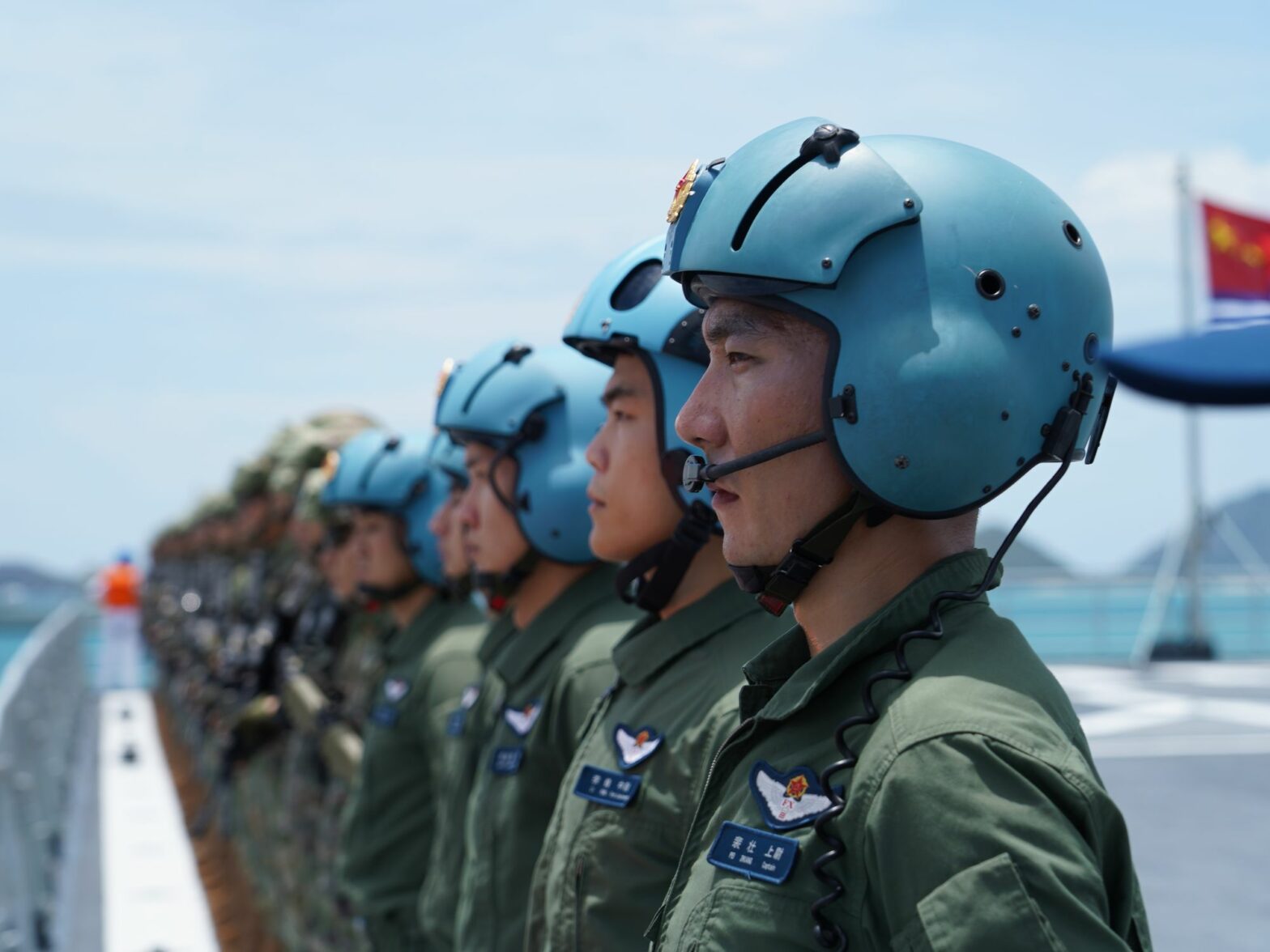
The American superpower (and its European allies) are not seeing the results they’d hoped for Ukraine’s war against Russia, while the Middle East spirals out of control. Chinese leaders may see Washington as too vulnerable to challenge it in the South China Sea.
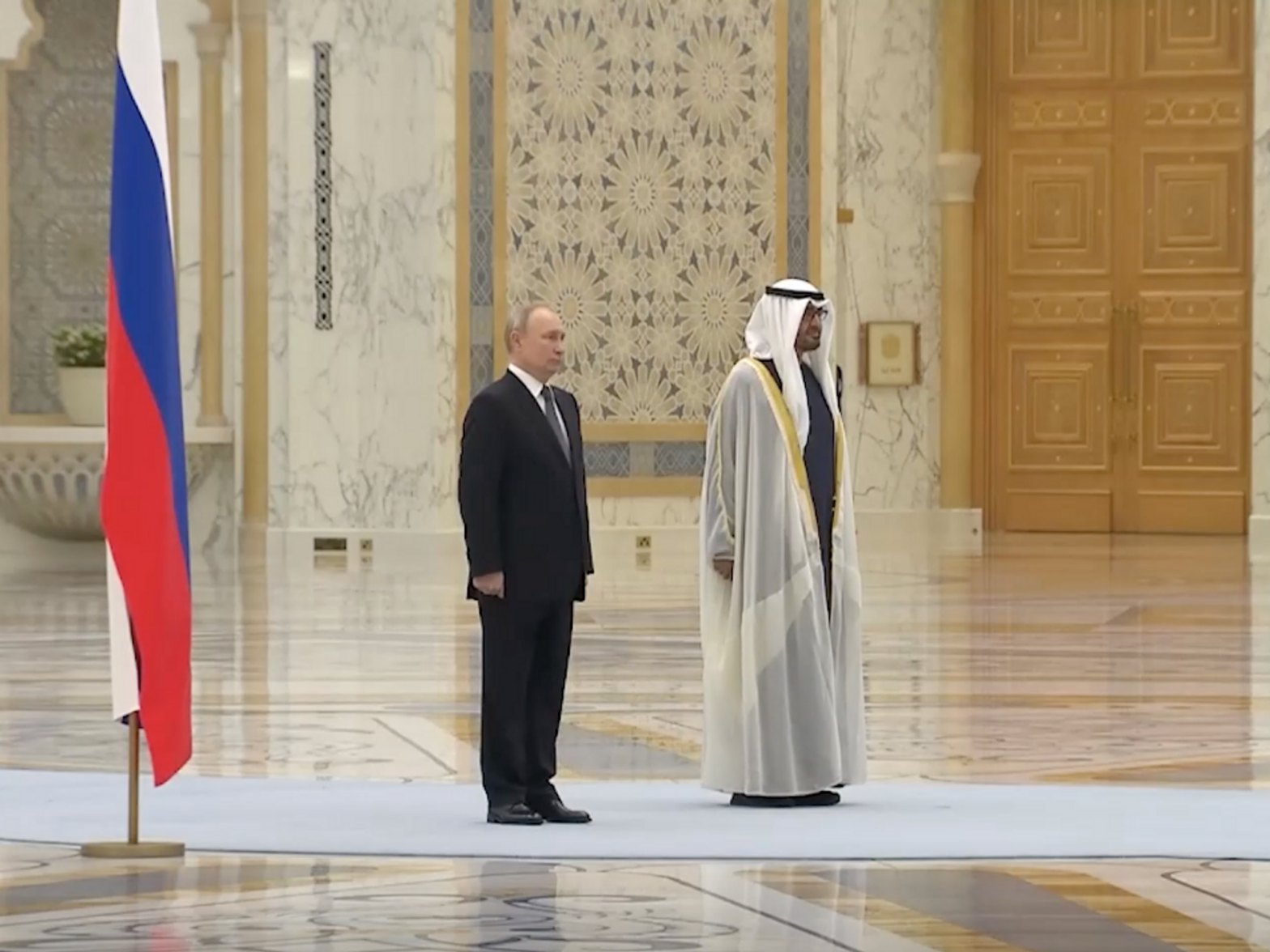
Defying an ICC arrest warrant, Russian President Vladimir Putin is on a one-day foray to UAE and Saudi Arabia to display his role in shaping the geopolitical and energy landscape — and to make the world forget about the Ukraine war just a little bit more.
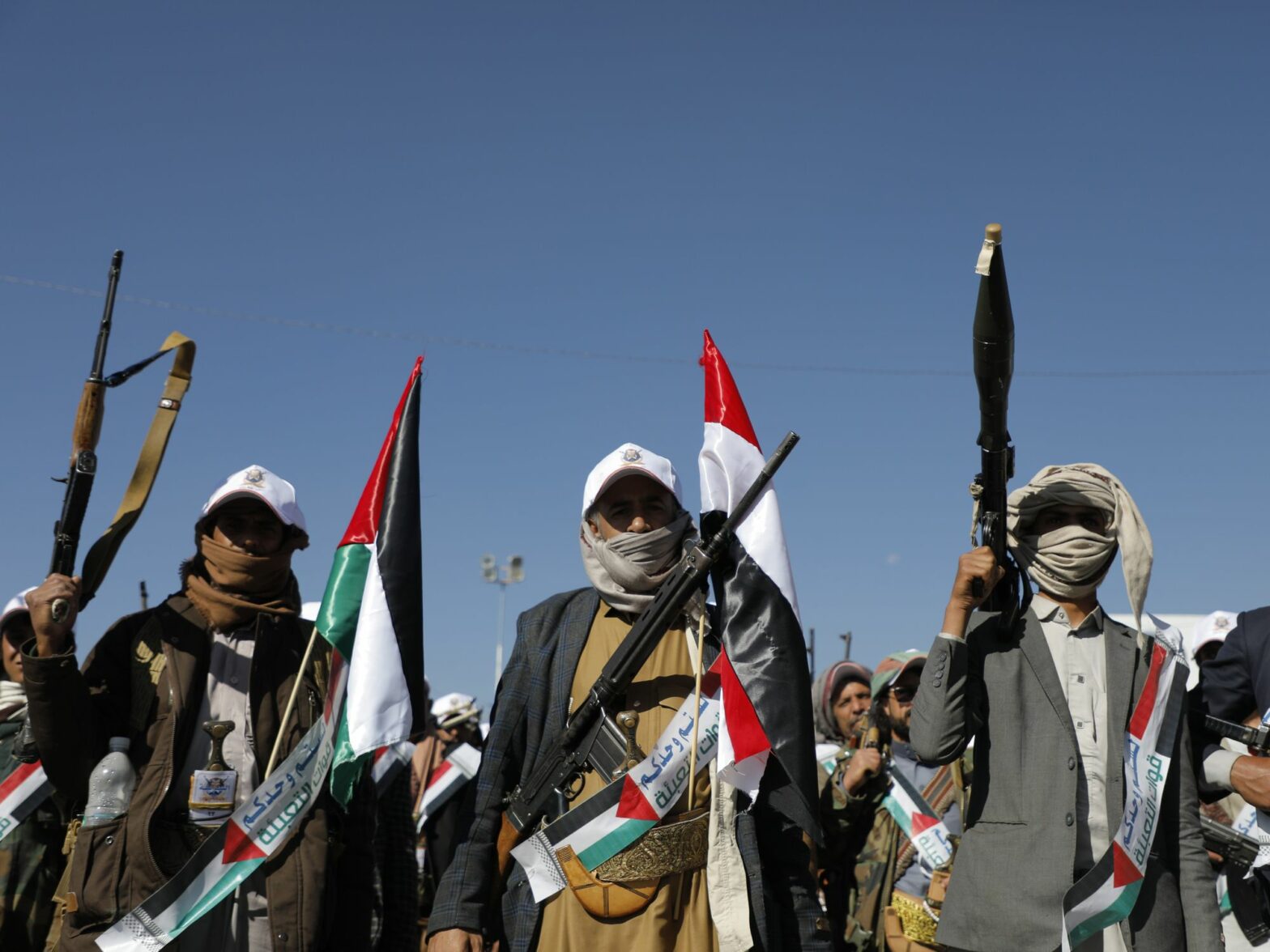
Houthi rebels in Yemen have escalated their maritime attacks in the strategically vital Red Sea. Both their links to Iran, and the decision to target key shipping routes raises the risks for international escalation.
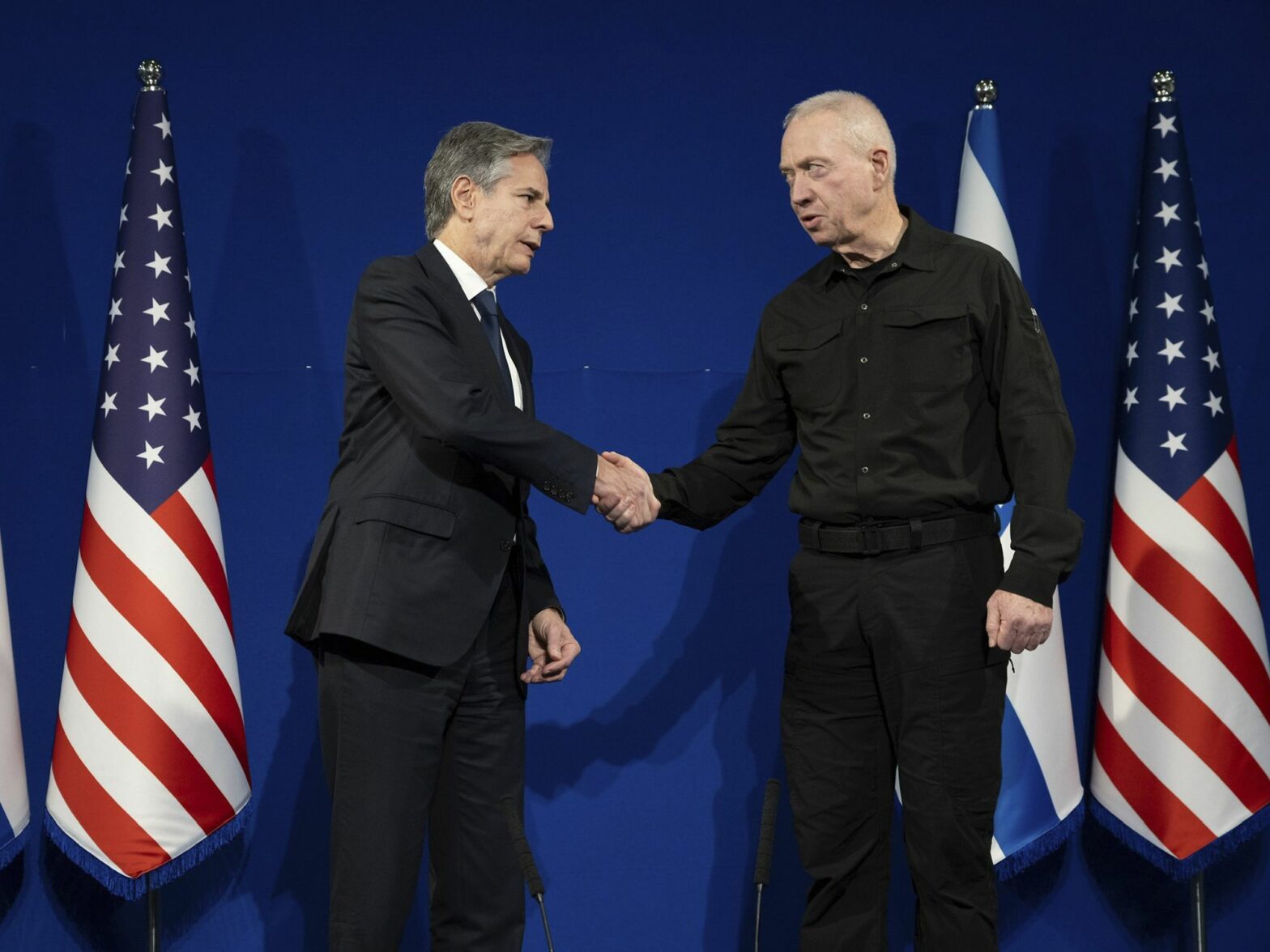
In the Israel-Hamas war, Qatar now plays the key role in negotiations, while the United States appears increasingly disengaged. Shifts in the region and beyond require that Washington move quickly or risk ceding influence to China and others for the long term.
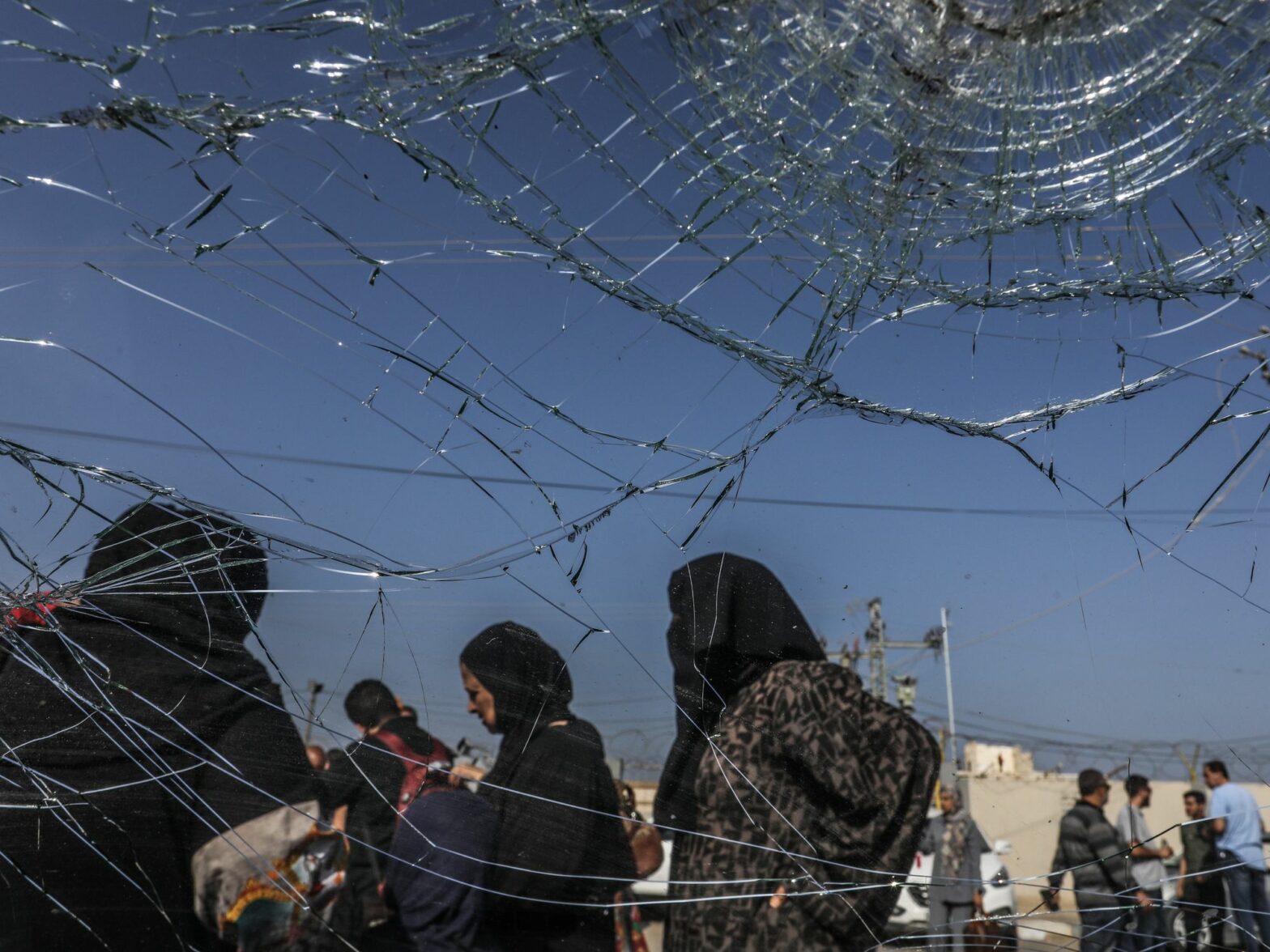
Ever since Hamas launched its attack on October 7, experts have feared that the conflict, alongside the one in Ukraine, could spill over into a large-scale war between the world’s major geopolitical players. Nikolai Kozhanov, associate professor at the Center for Gulf Studies at Qatar University, analyzes how likely this is and who would benefit from such a conflict.
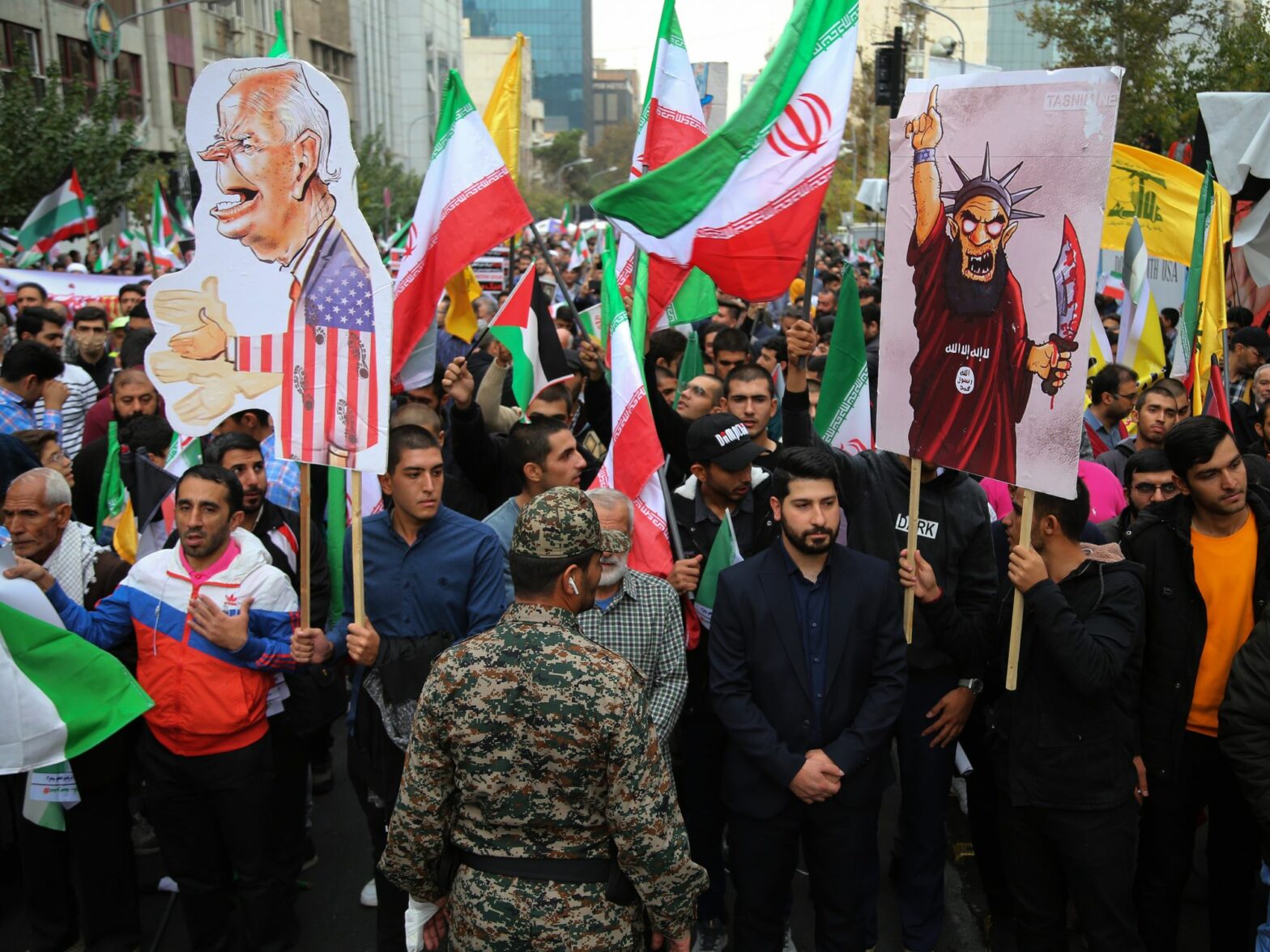
The West’s decision to pressure Israel over Gaza, and indulge Iran’s violent and troublesome regime, follows the U.S. Democrats’ line with the Middle East: just keep us out of your murderous affairs.
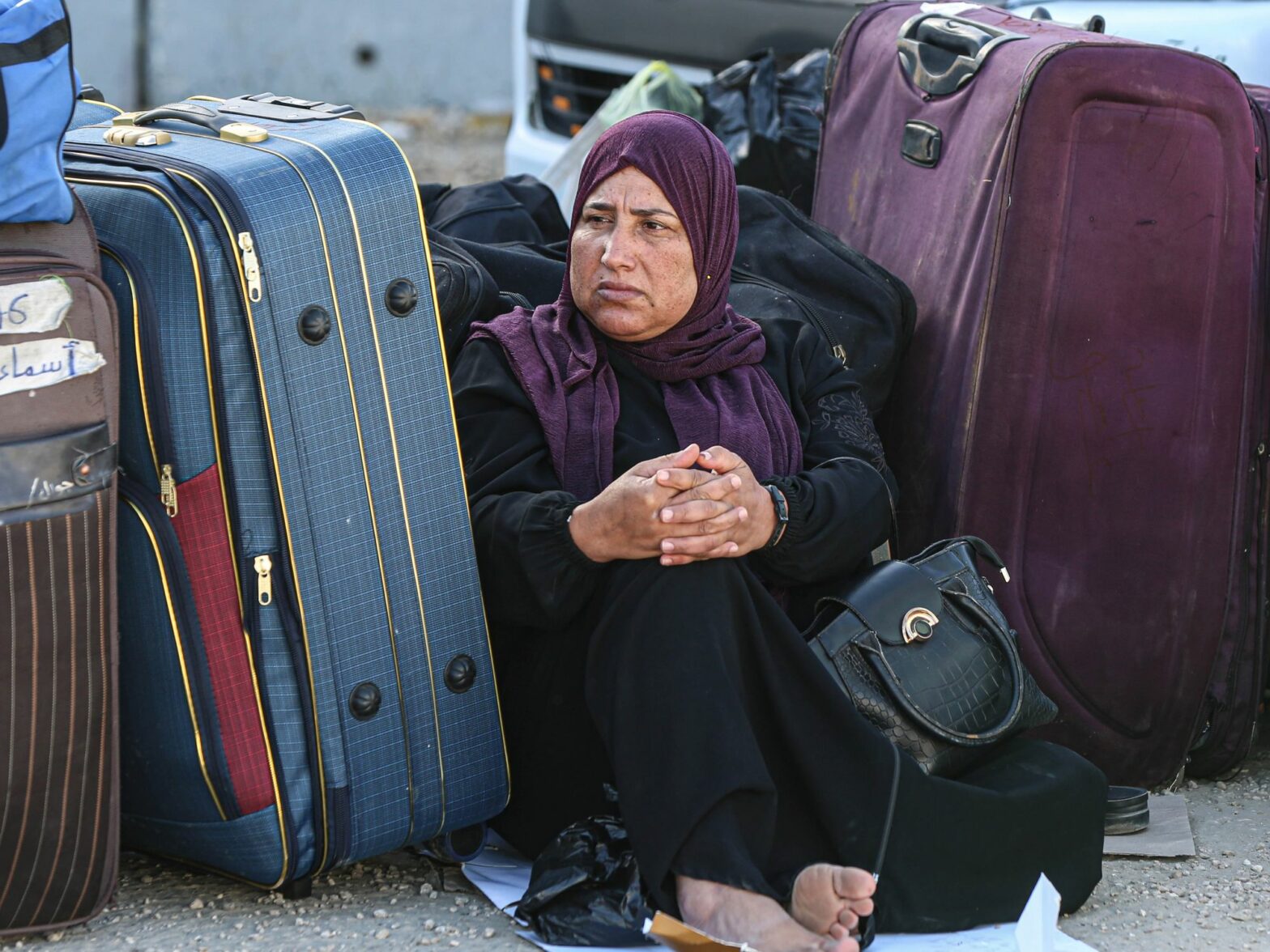
Having been stuck outside their besieged homeland, hundreds of Palestinians have reentered Gaza, preferring to risk it all to be close to loved ones.
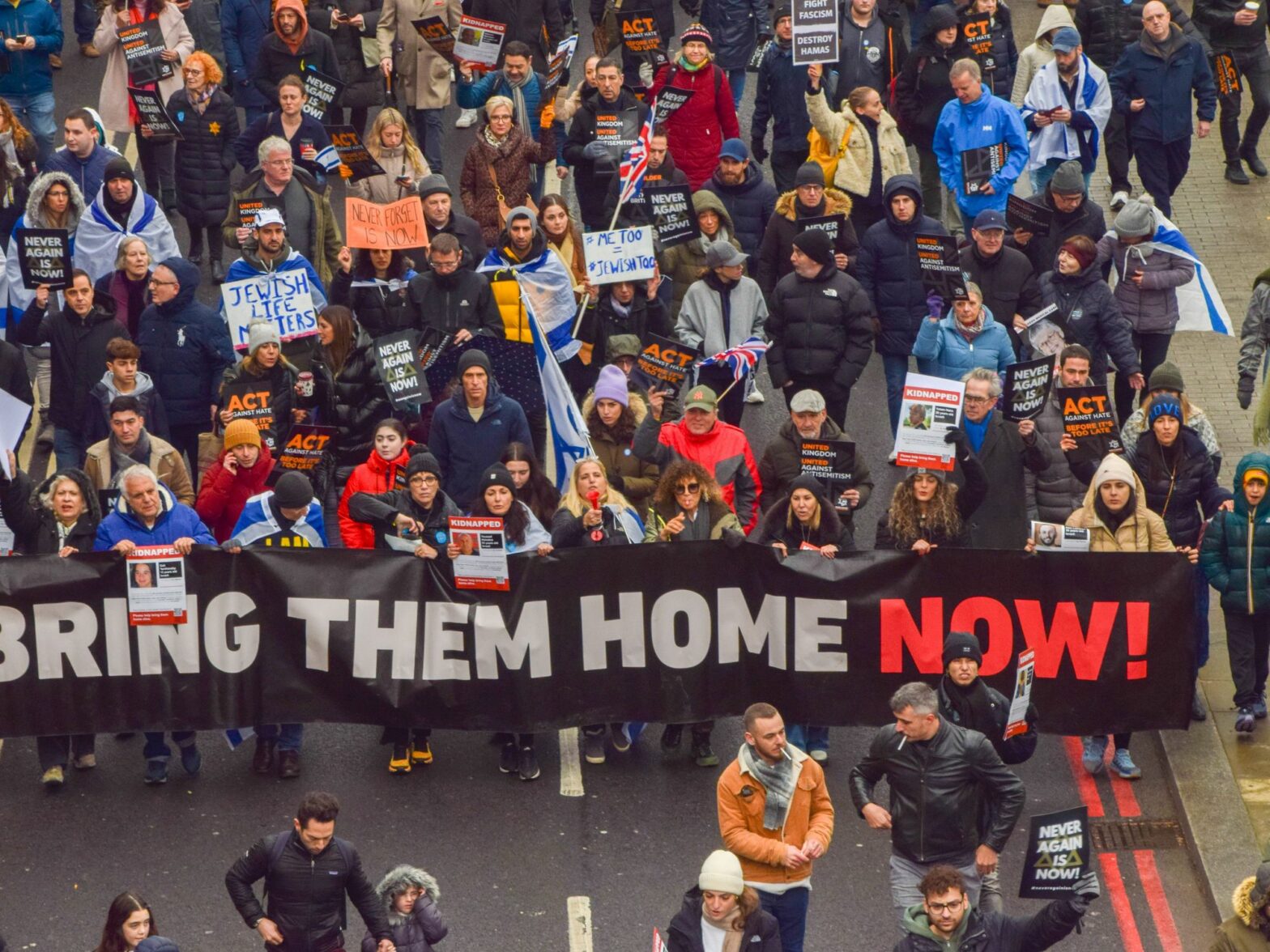
The Israeli government has declared it is opposed to any ceasefire with Hamas. But one of its key objectives — and the top priority for Israelis — is to recover hostages. And only the ceasefire can achieve that…
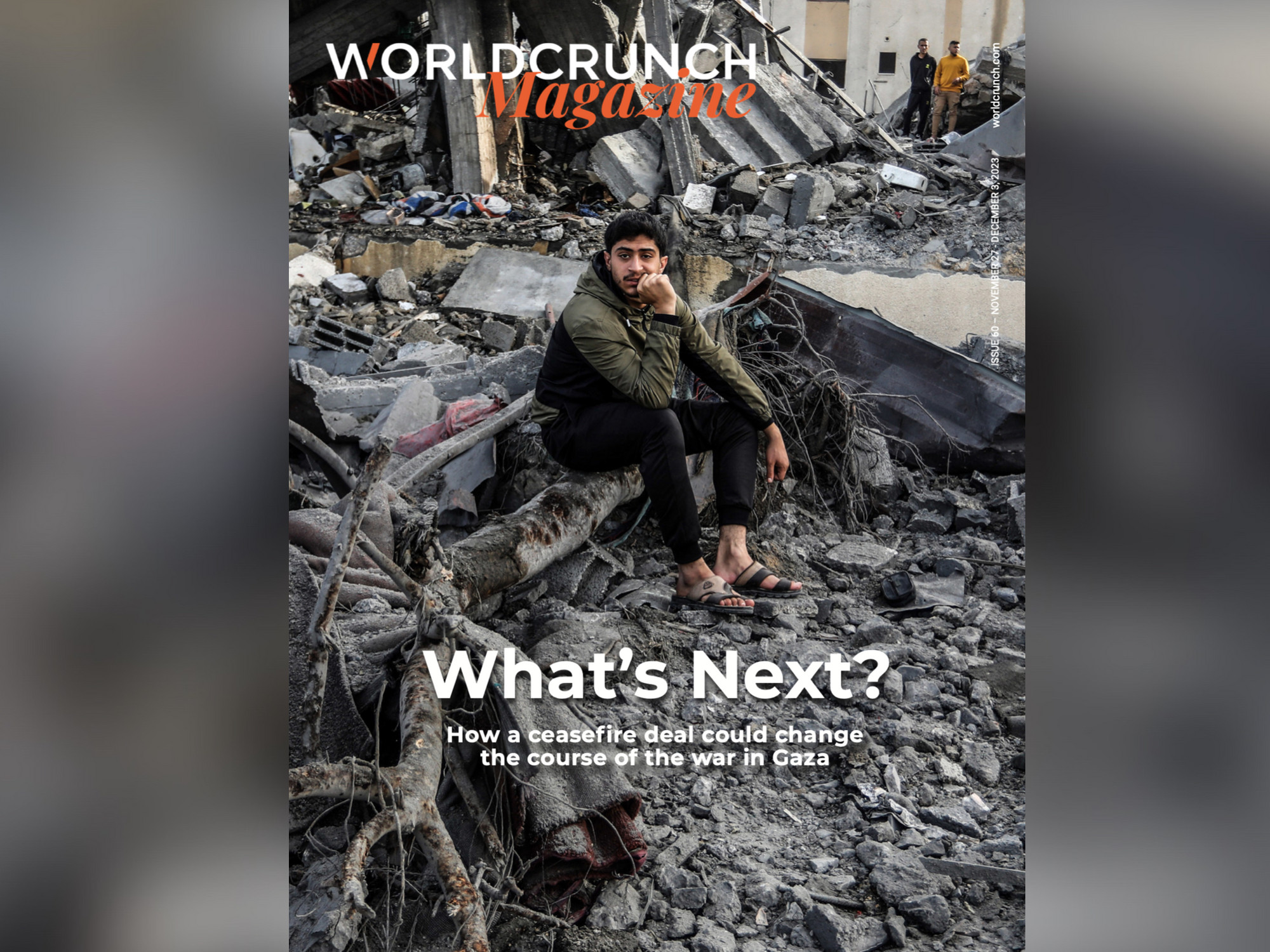
November 27 – December 3, 2023
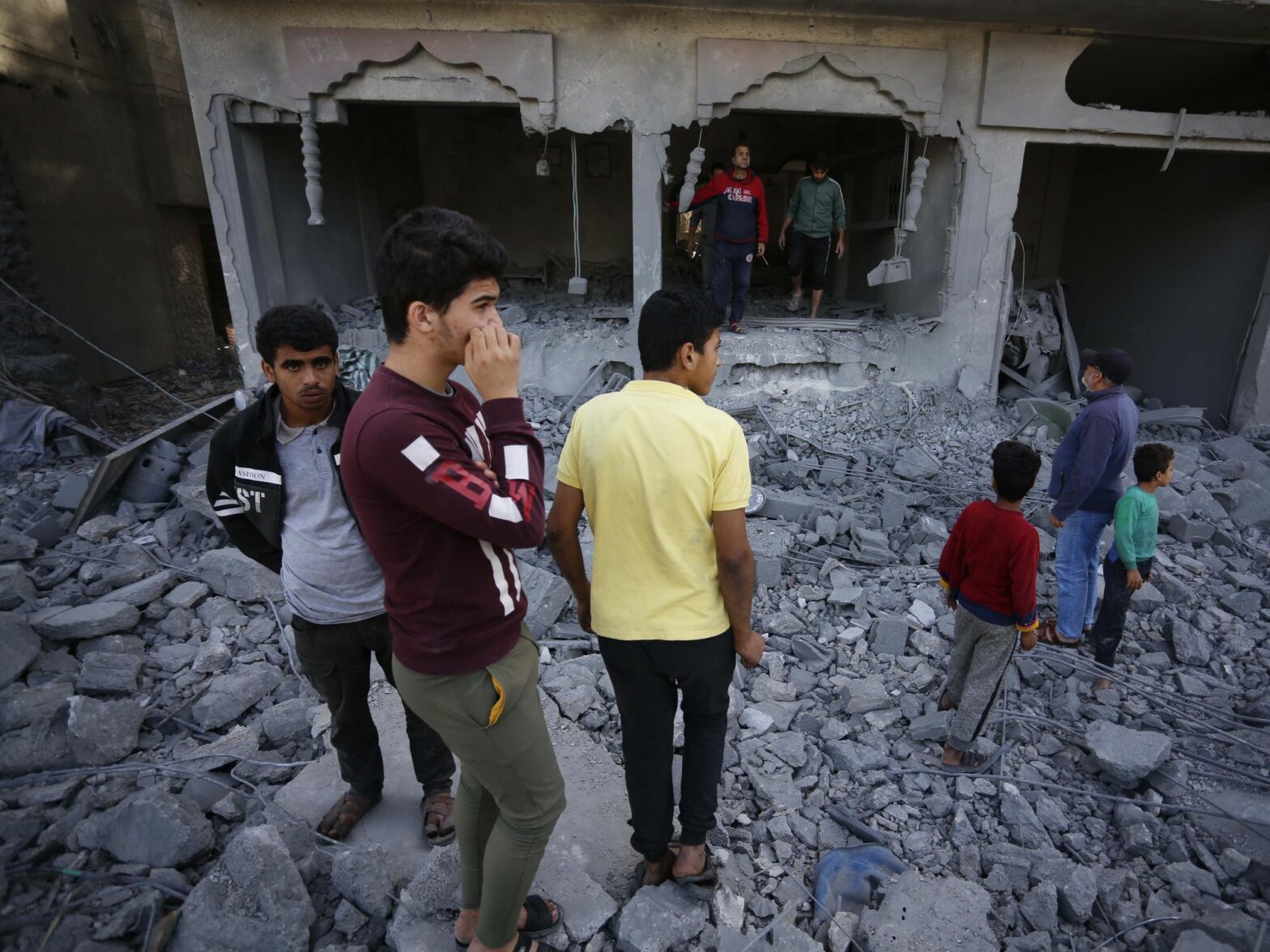
With Qatar now confirming that the temporary truce will begin Friday morning, ordinary Gazans may be able to breathe for the first time since Oct. 7. But for most, the task ahead is a mix of heartbreak and the most practical tasks to survive. And there’s the question hanging over all: can the ceasefire become permanent?
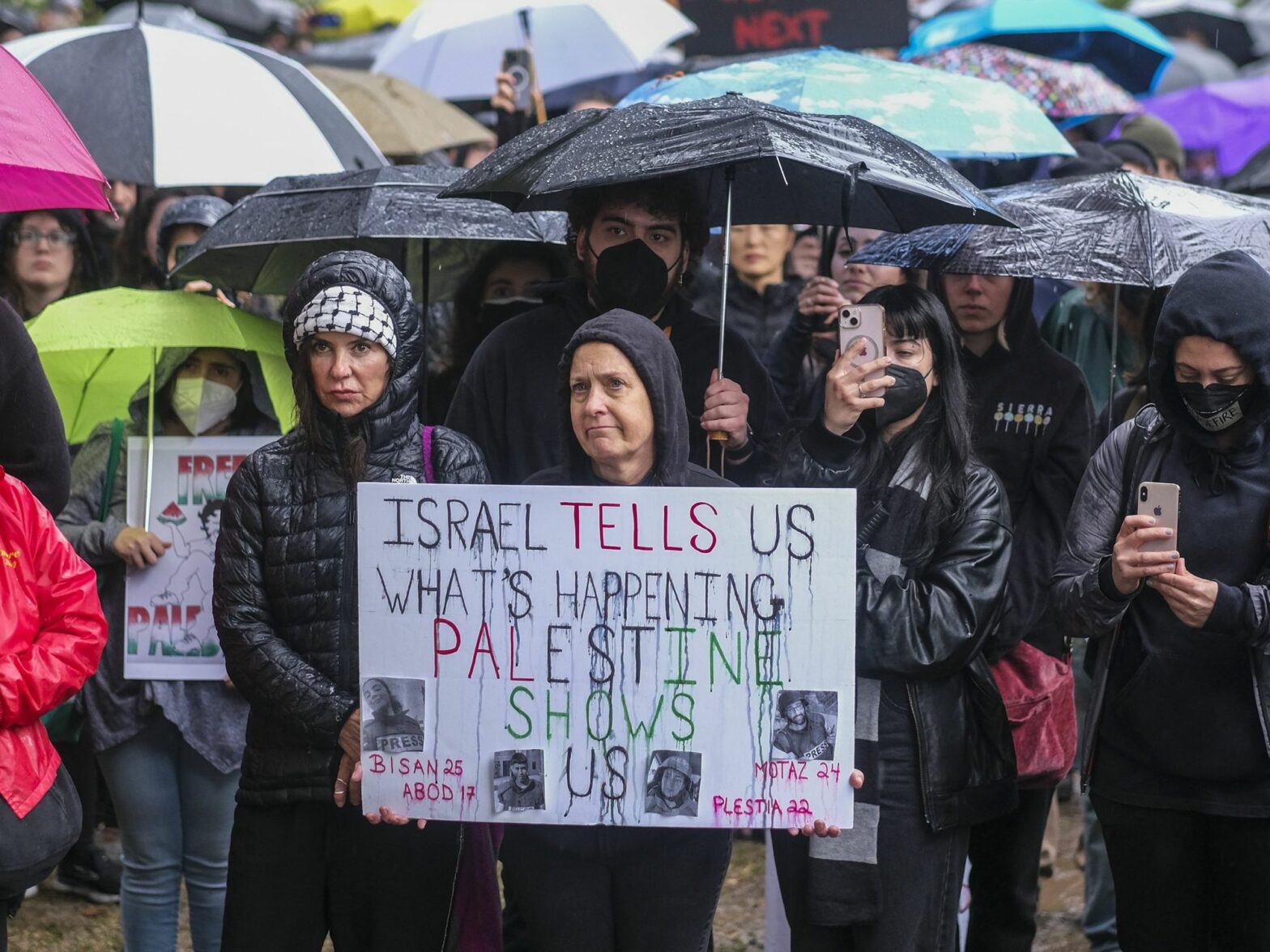
Protests in big cities in the U.S. and Europe against Israel may remind some Iranians of the Western Left’s deluded, and arrogant, support in 1979 for a revolution that turned Iran and the Middle East into a cesspool of terrorism.