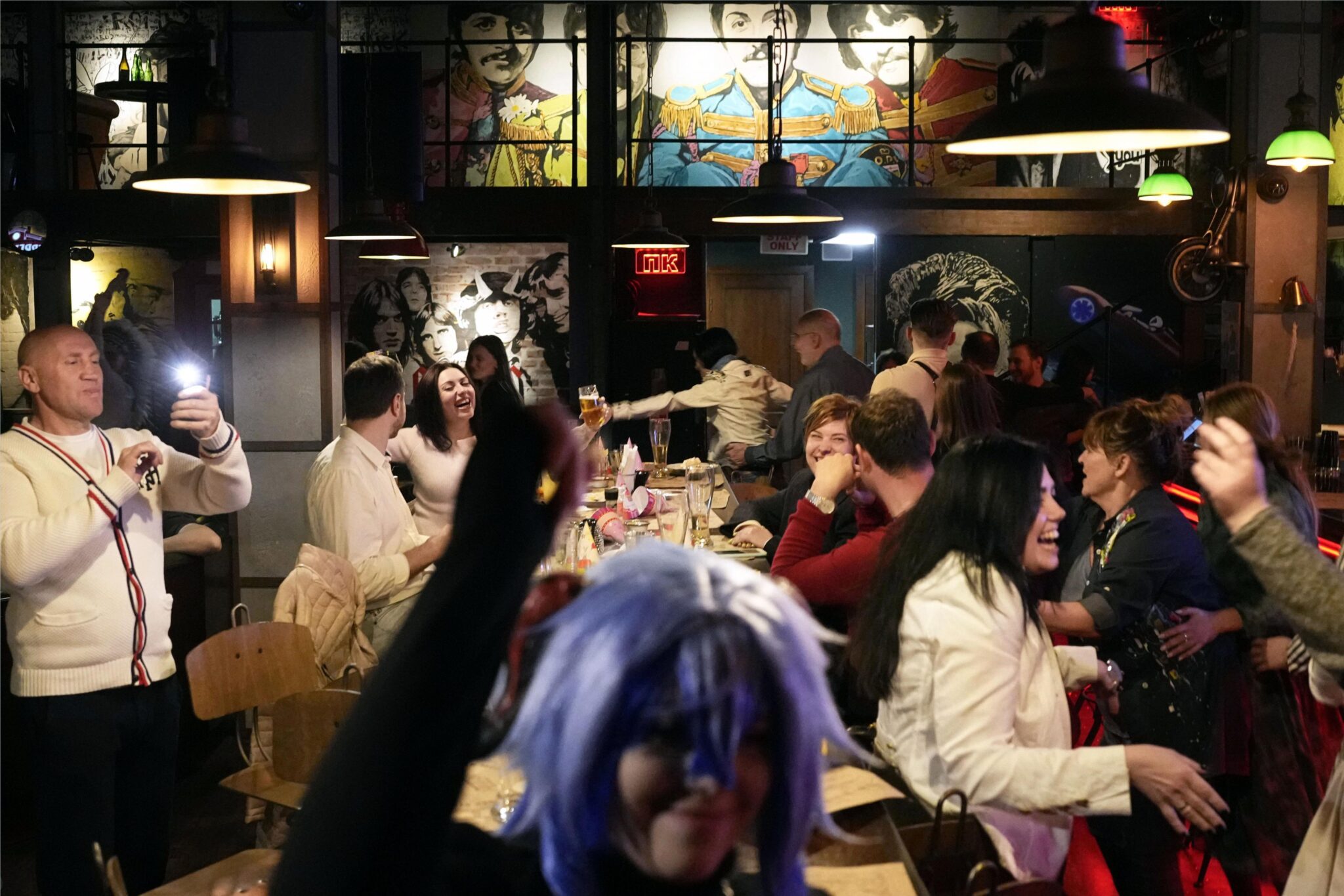
More than three years into Russia’s full-scale invasion of the country, life in Ukraine is still marked by strikes and fear. But Ukrainians are also seeking getaways to catch a break and find relief.
 Worldcrunch
More than three years into Russia’s full-scale invasion of the country, life in Ukraine is still marked by strikes and fear. But Ukrainians are also seeking getaways to catch a break and find relief.
👋 Ekamowir omo!* Welcome to Thursday, where Canada says it will recognize a Palestinian state if democratic conditions are met, a Russian airstrike kills at least six in Kyiv, and today’s quiz question takes us back to one of the earliest traces of human addiction. Meanwhile, for German weekly Die Zeit, researcher Olivia Masseck lays […]
Despite promises of Patriot missiles and steep tariffs, Trump’s latest overtures give Russia time to press its offensive—and the Moscow stock market is celebrating.
As official data vanishes from Russian state reports, independent experts warn that losses from Putin’s war in Ukraine are becoming too large to hide.
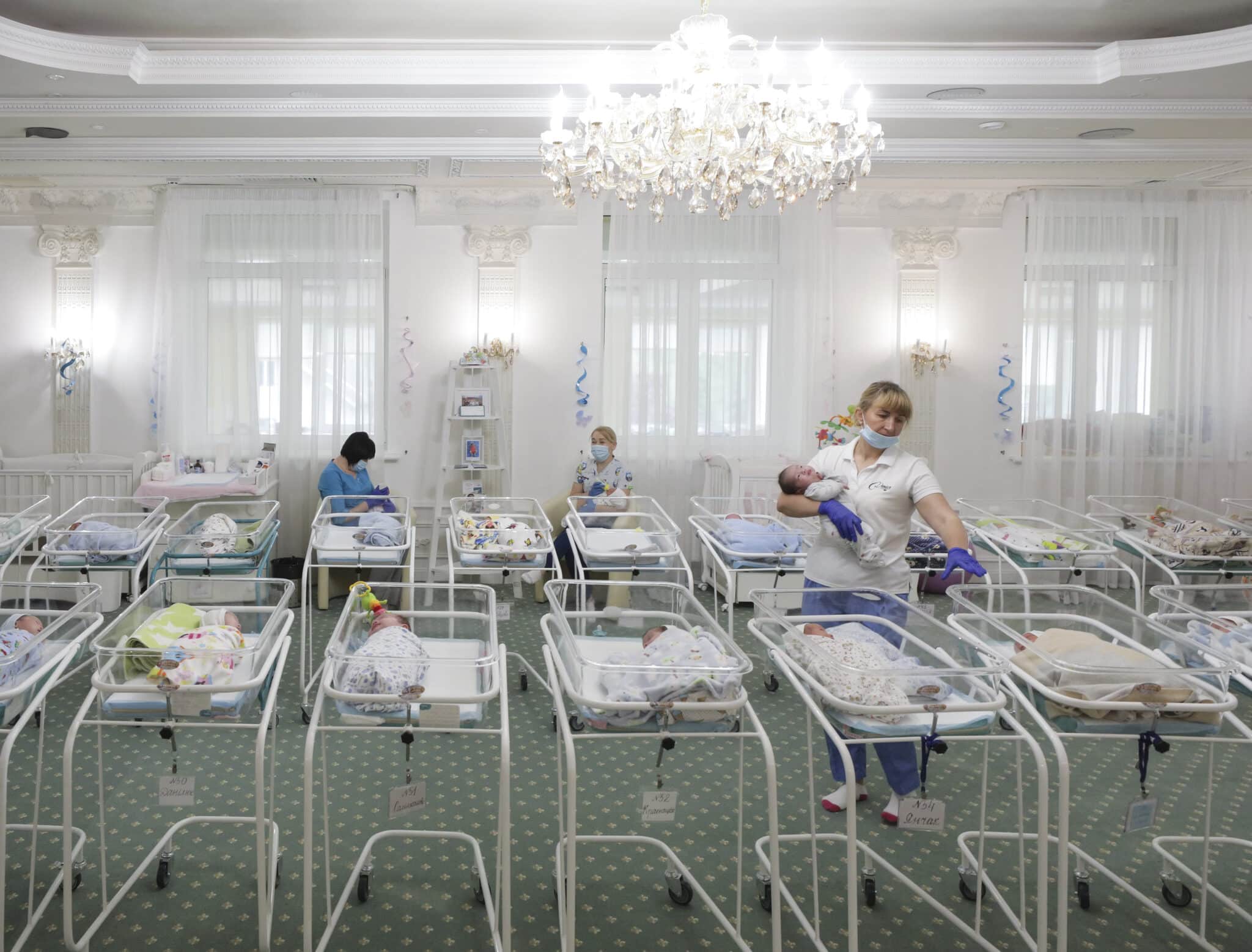
Since the start of the Russian invasion, Ukrainian surrogacy clinics have expanded their market to China and the Arab countries and have increased the range of services, including births in Greece, Cyprus and Georgia.

For Kyiv, the race to accelerate arms production capacity is especially crucial as it strives to replace the Western arms it once depended on.

Here are the latest headlines
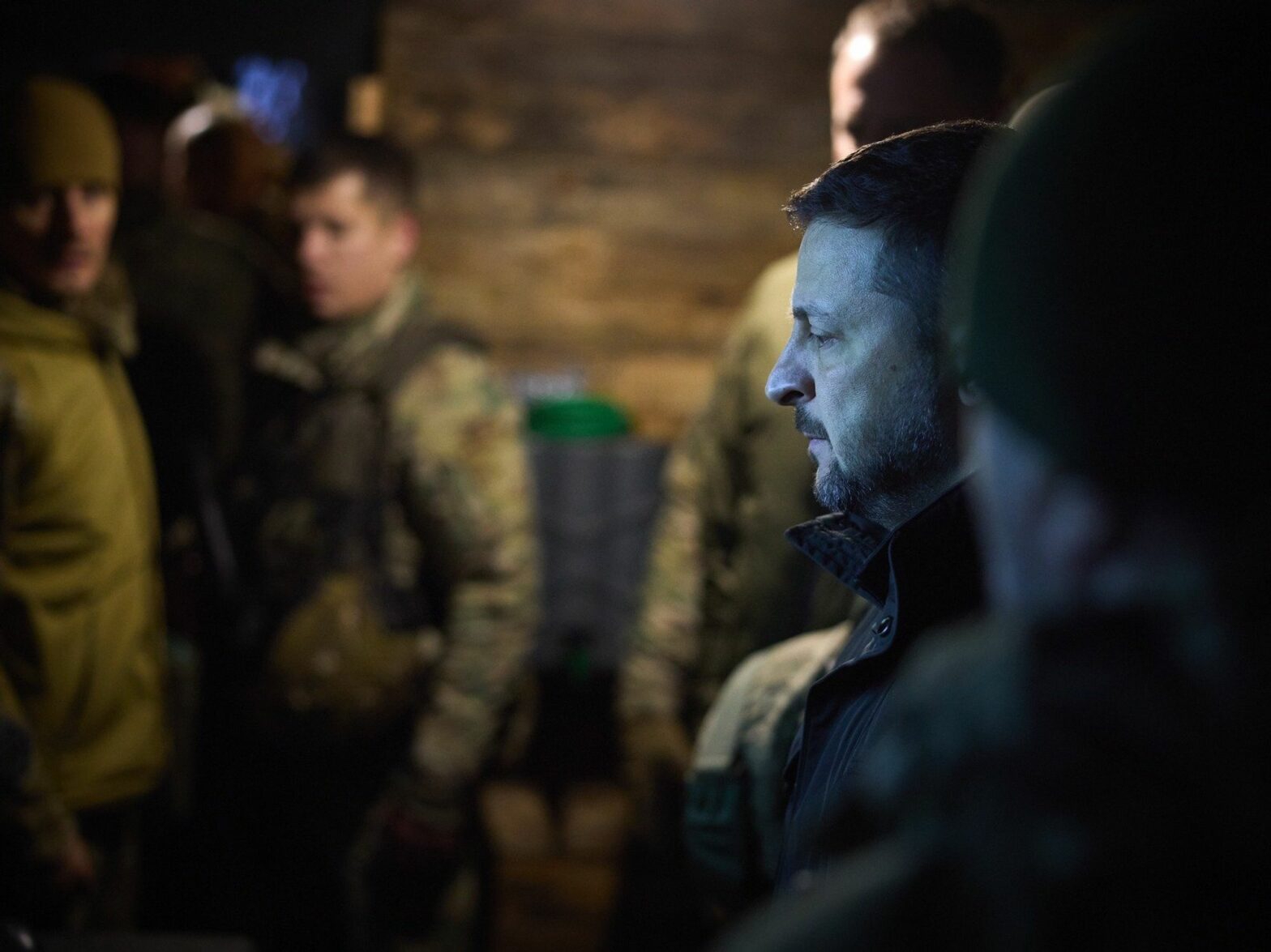
Even his critics inside Ukraine are uniting behind Volodymyr Zelensky for standing up to U.S. President Trump and Vice President Vance to defend their nation’s interests.
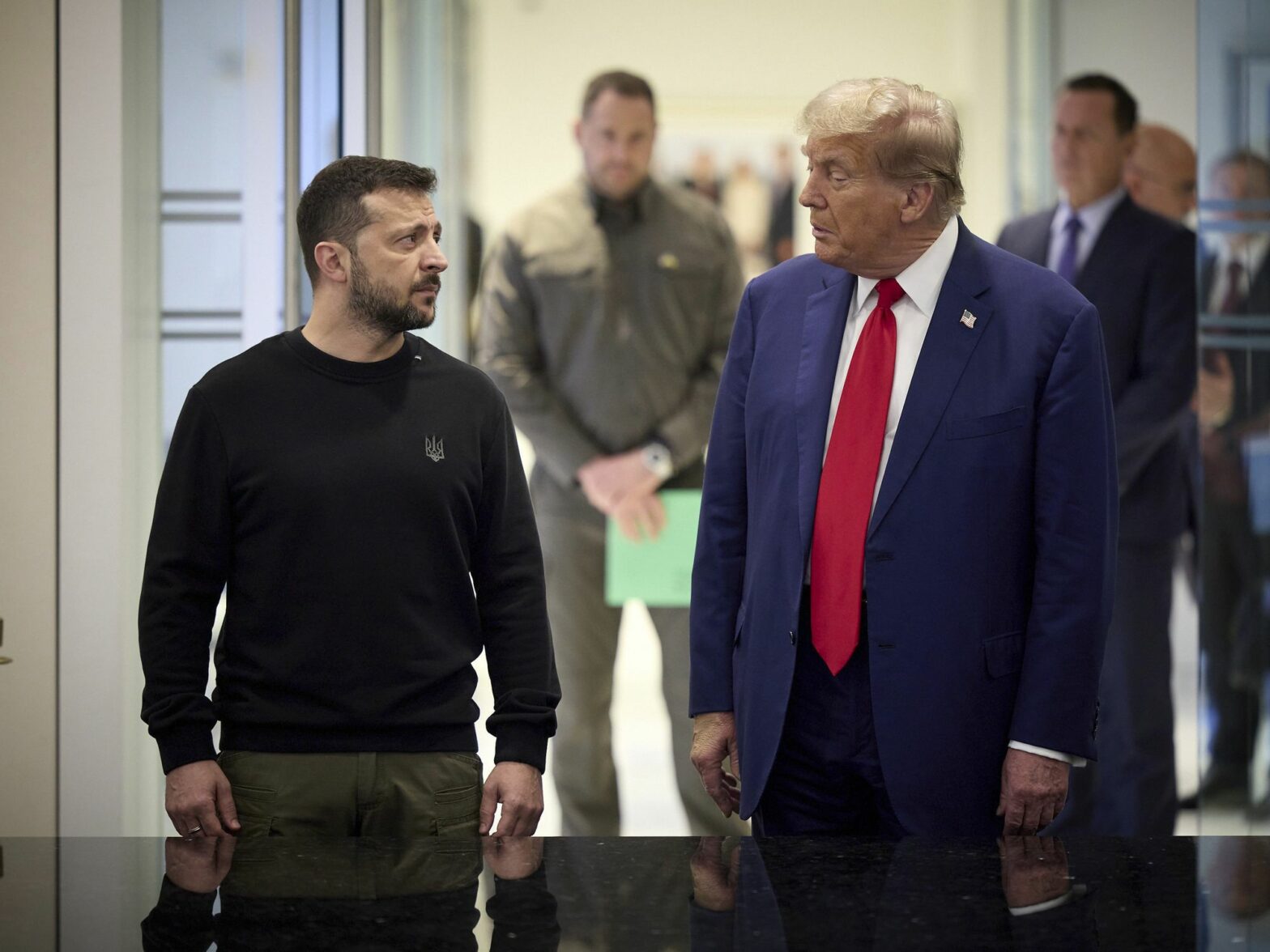
This week, U.S. President Donald Trump doubled down on his accusations against Ukraine. It looks as though Kyiv may have to rely solely on European military aid. But France’s president, along with the British prime minister, have made urgent plans to visit Trump.
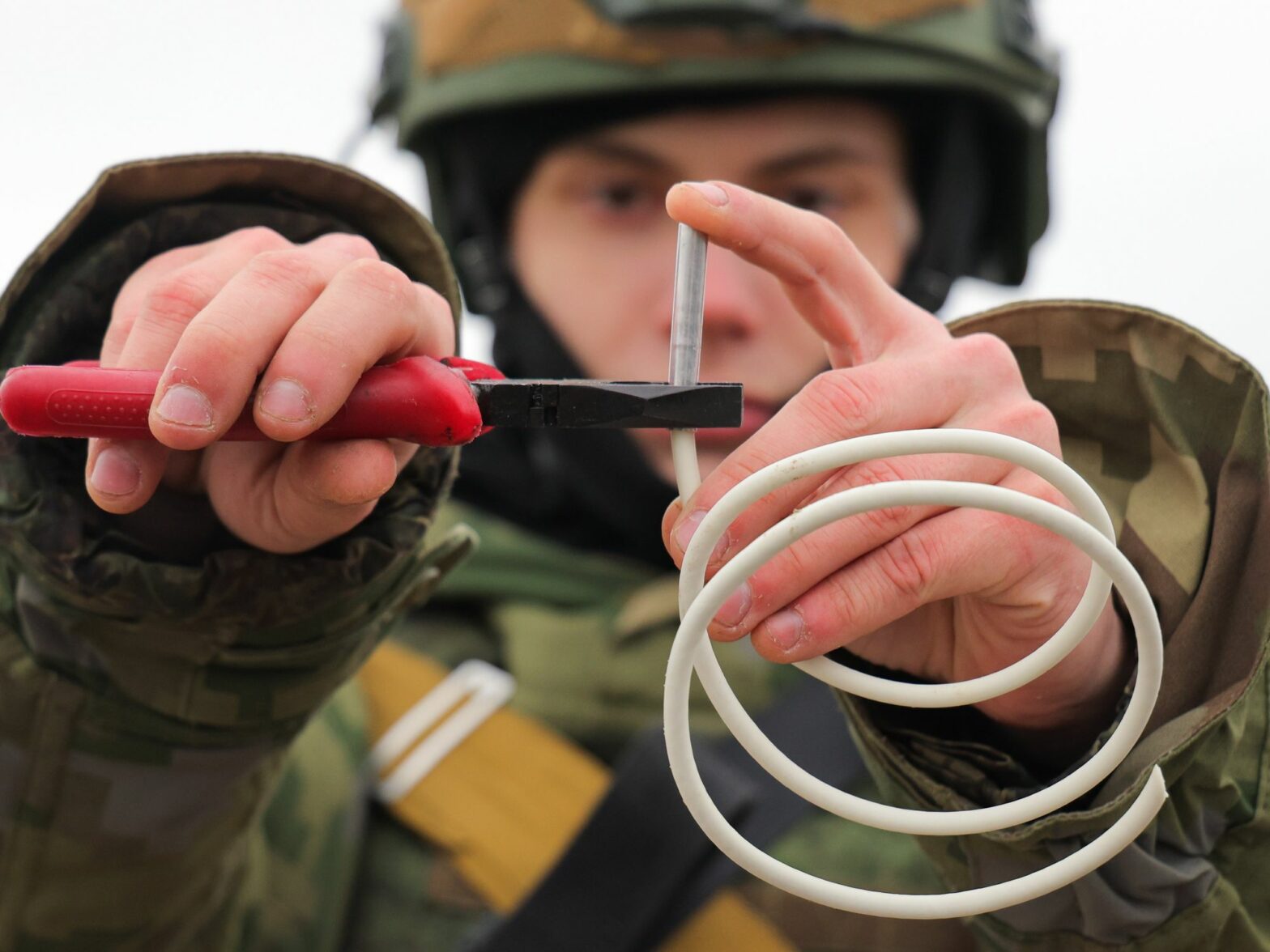
Both Russia and Ukraine are waiting to see what stance the new U.S. president and his administration will take on the war and aid to Kyiv. Within Russia’s pro-war factions, some are eagerly anticipating a potential shift in U.S. policy. But regardless of Washington’s decisions, Ukraine’s main allies are those ensuring Moscow’s military is corrupt and inefficient.
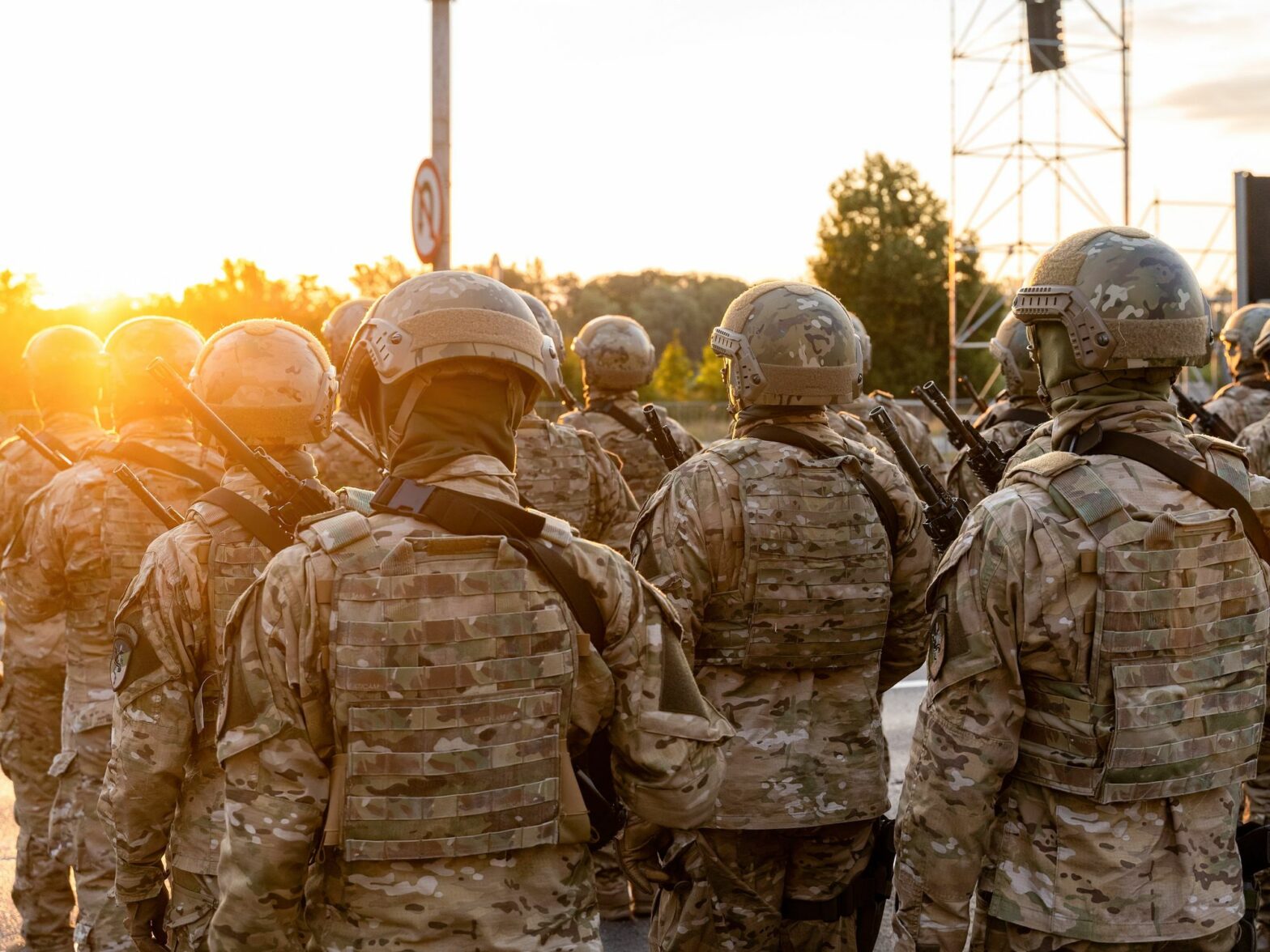
The debate over a possible ceasefire in Ukraine has shifted from territorial defense to securing guarantees for Kyiv. A new formula that involves NATO might be the most realistic hope now that Trump is arriving at the White House.

Founded by four amateur musicians with a passion for rock, Ukraine’s largest holding company, which includes supermarkets and banks, has paid a heavy price for the war. But that has not stopped Fozzy Group from using its economic power to serve its threatened homeland.
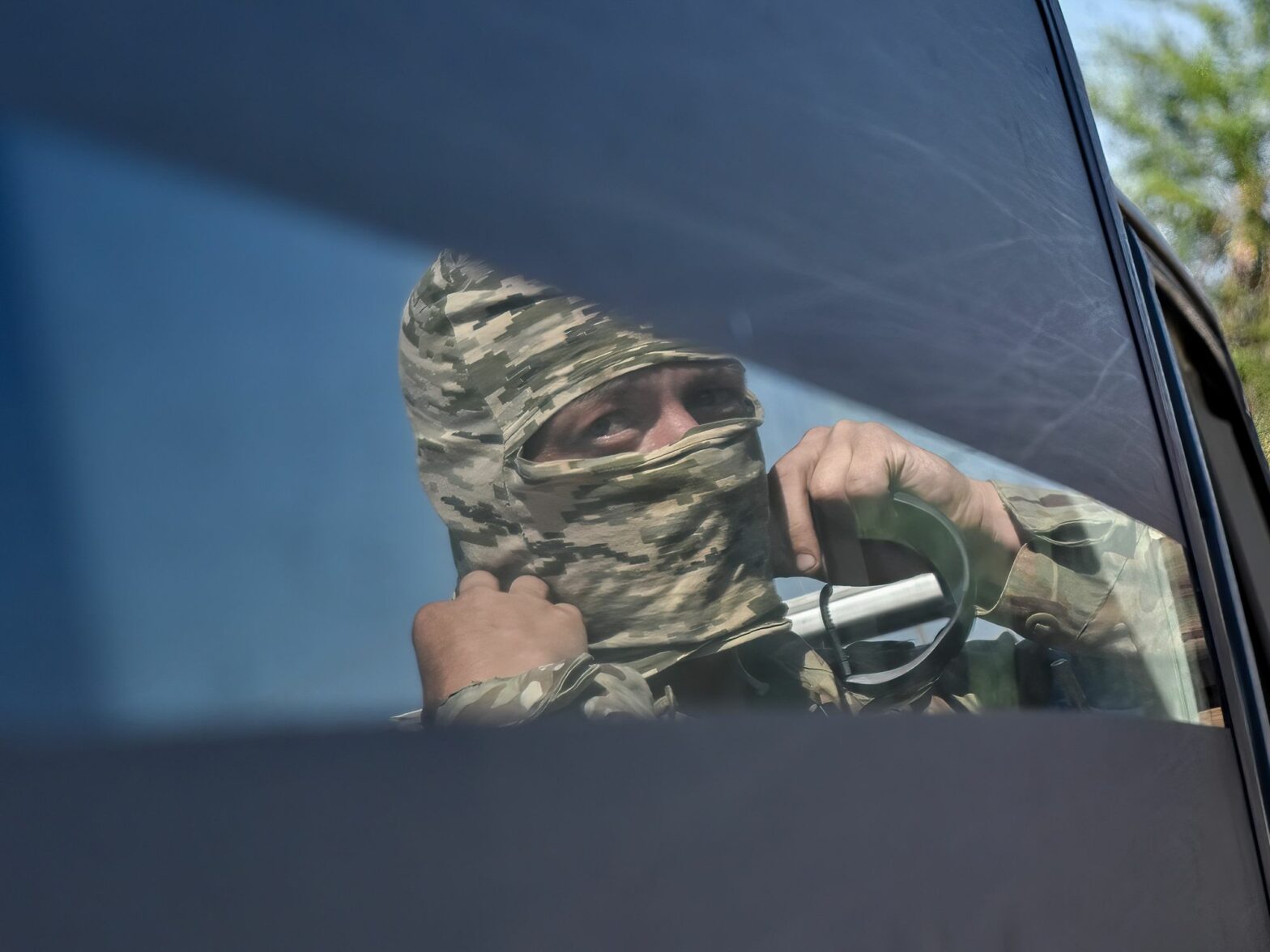
Russian President Vladimir Putin’s brutality and the escalation of Russian strikes on Ukrainian cities should prompt Ukraine’s allies to demonstrate total unity and solidarity against Moscow.
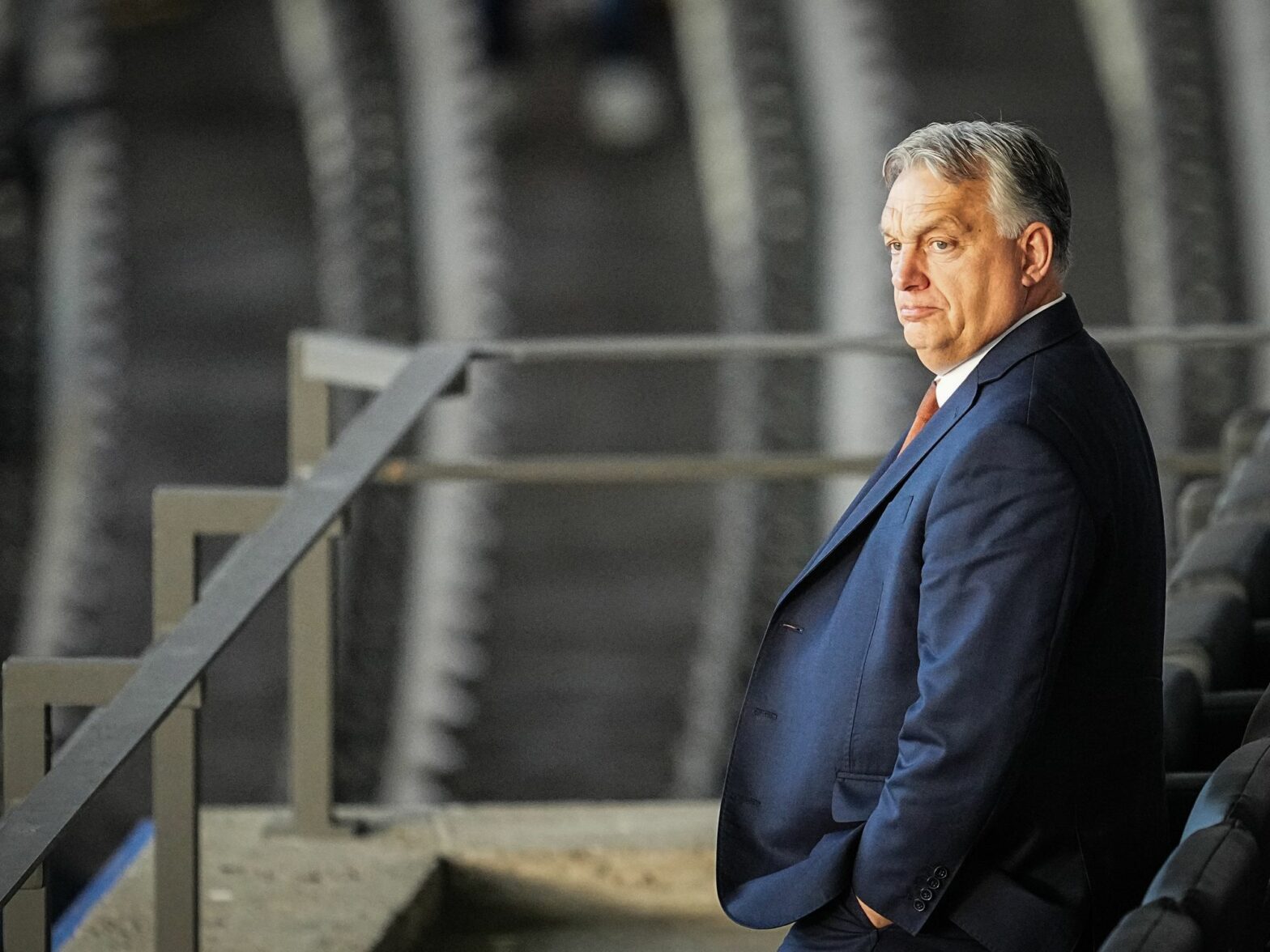
The Hungarian prime minister has long been known for his conflictual relationship with the European Union. But Viktor Orbán’s recent diplomatic world tour, together with his proximity to Donald Trump, shows that he should not be underestimated.
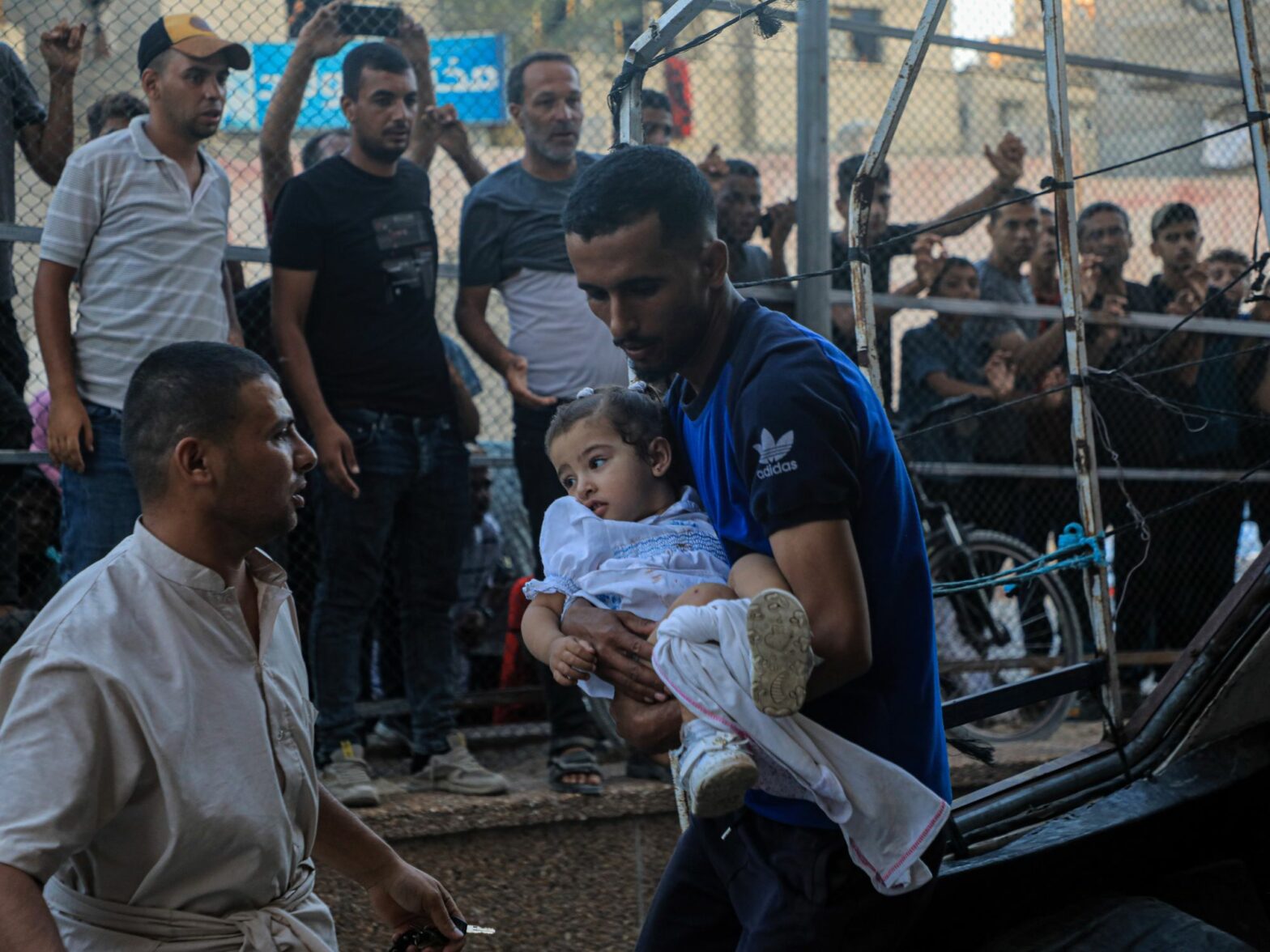
An Israeli missile struck children playing soccer in a schoolyard a day after international outrage at Russia’s bombing of Ukraine’s largest children’s hospital. As the Israel-Hamas war drags on, ceasefire negotiations get harder as the rest of the world looks away.
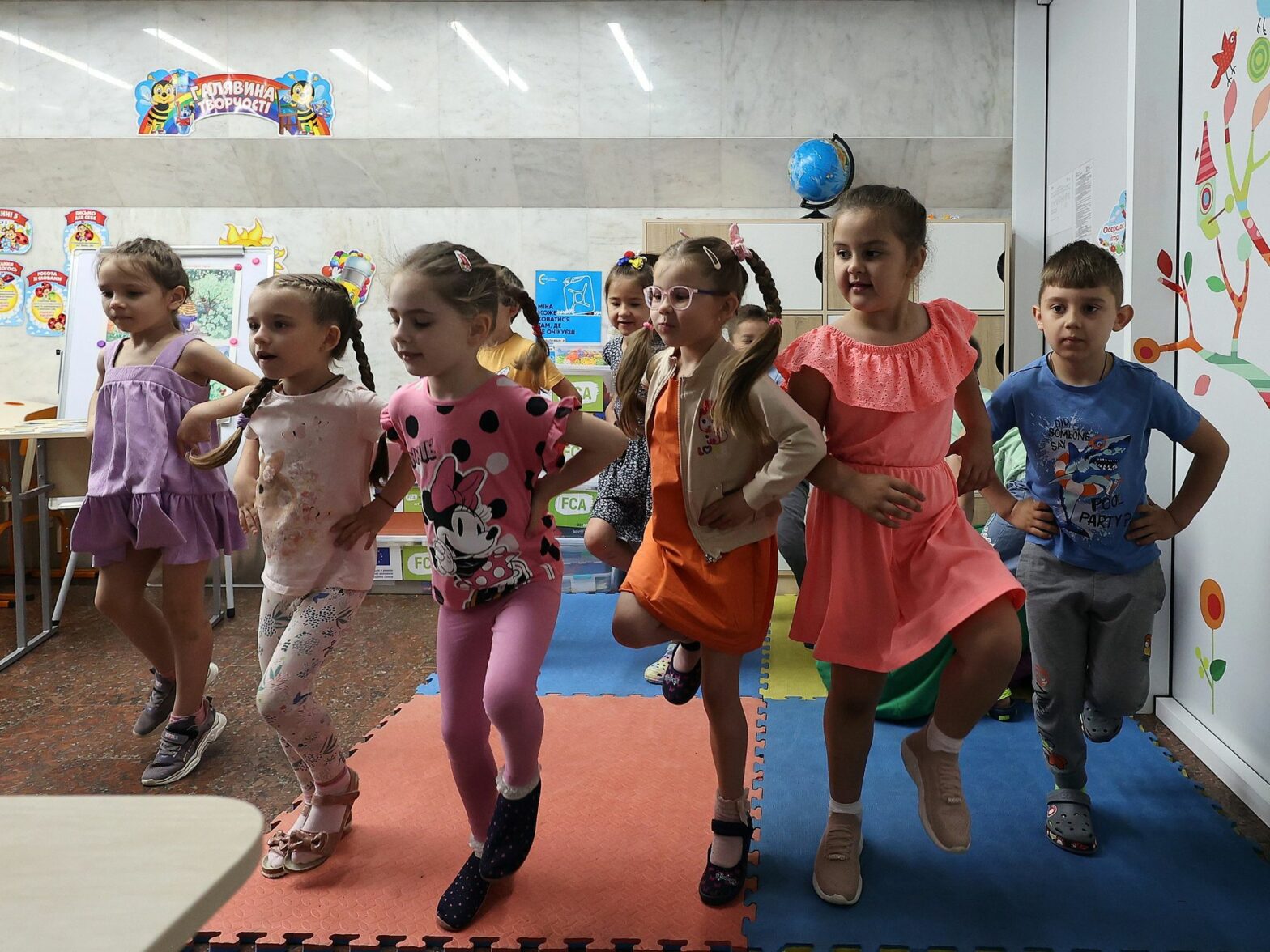
This spring, Kharkiv has been under almost daily shelling. Yet cafes, beauty salons, theaters and shops are still open in Ukraine’s second-largest city, and residents are spending time in parks, jogging and maintaining elements of a normal life.

Inside the activism of a prominent Ukrainian Protestant trying to show Republicans in the U.S. that Kyiv is the real defender of Christian values.
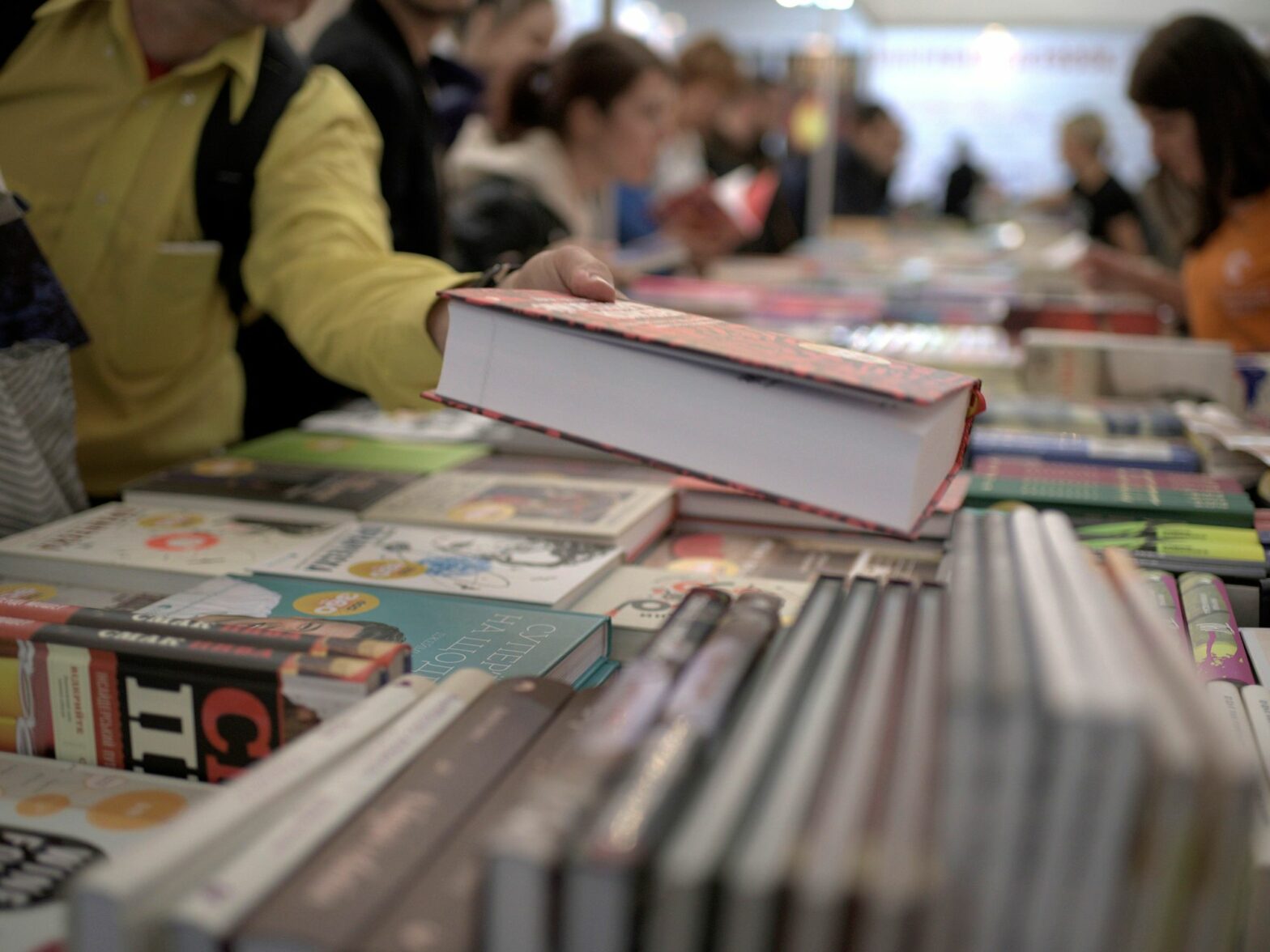
Russia’s semantic war against Ukraine aims to create a discourse and future in which Ukraine never was and never will be. Ukraine — and its Western allies — must take this war as seriously as the military war.
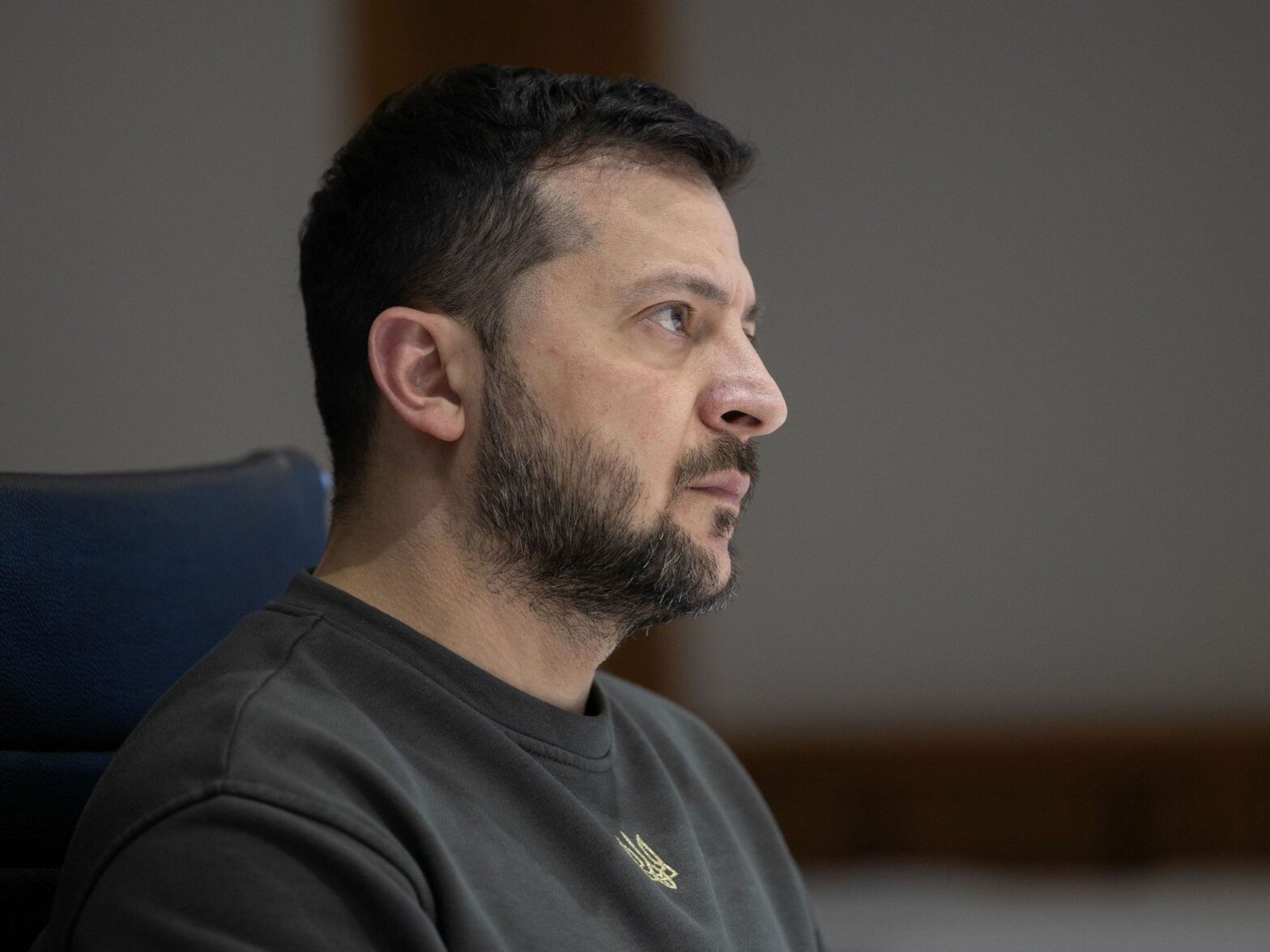
Compared to the worldwide admiration for Volodymyr Zelensky, authorities in Moscow have systematically tried to demean the Ukrainian leader. Yet even among Russians, that strategy appears to be backfiring.
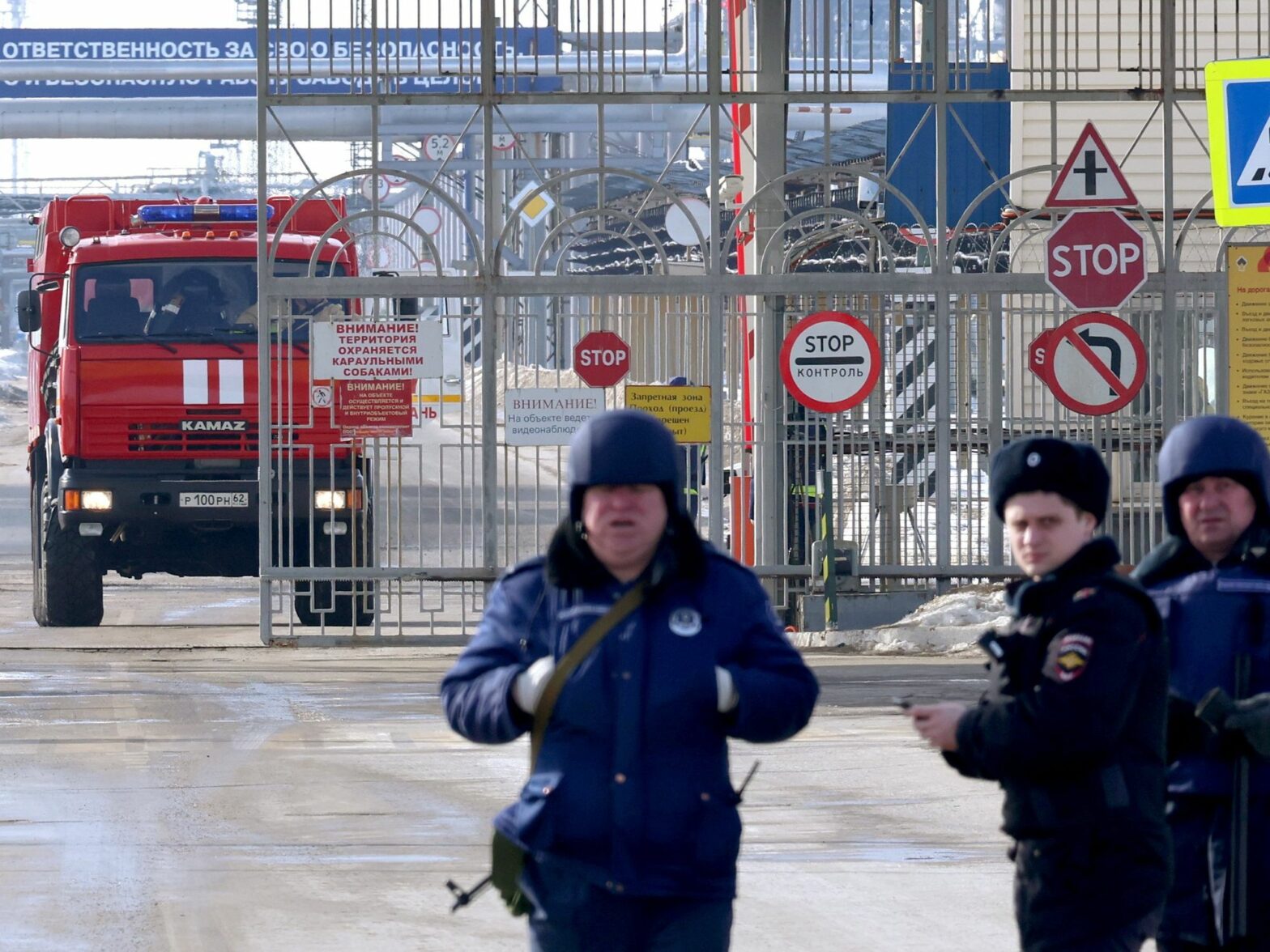
Ukrainian drones that struck nine Russian provinces on Tuesday while armed Russian dissident soldiers launched a ground attack against Moscow’s troops in the Bolgorod region, bordering Ukraine. It’s a reminder to the Russian people that the war is on them, and won’t be ending anytime soon.
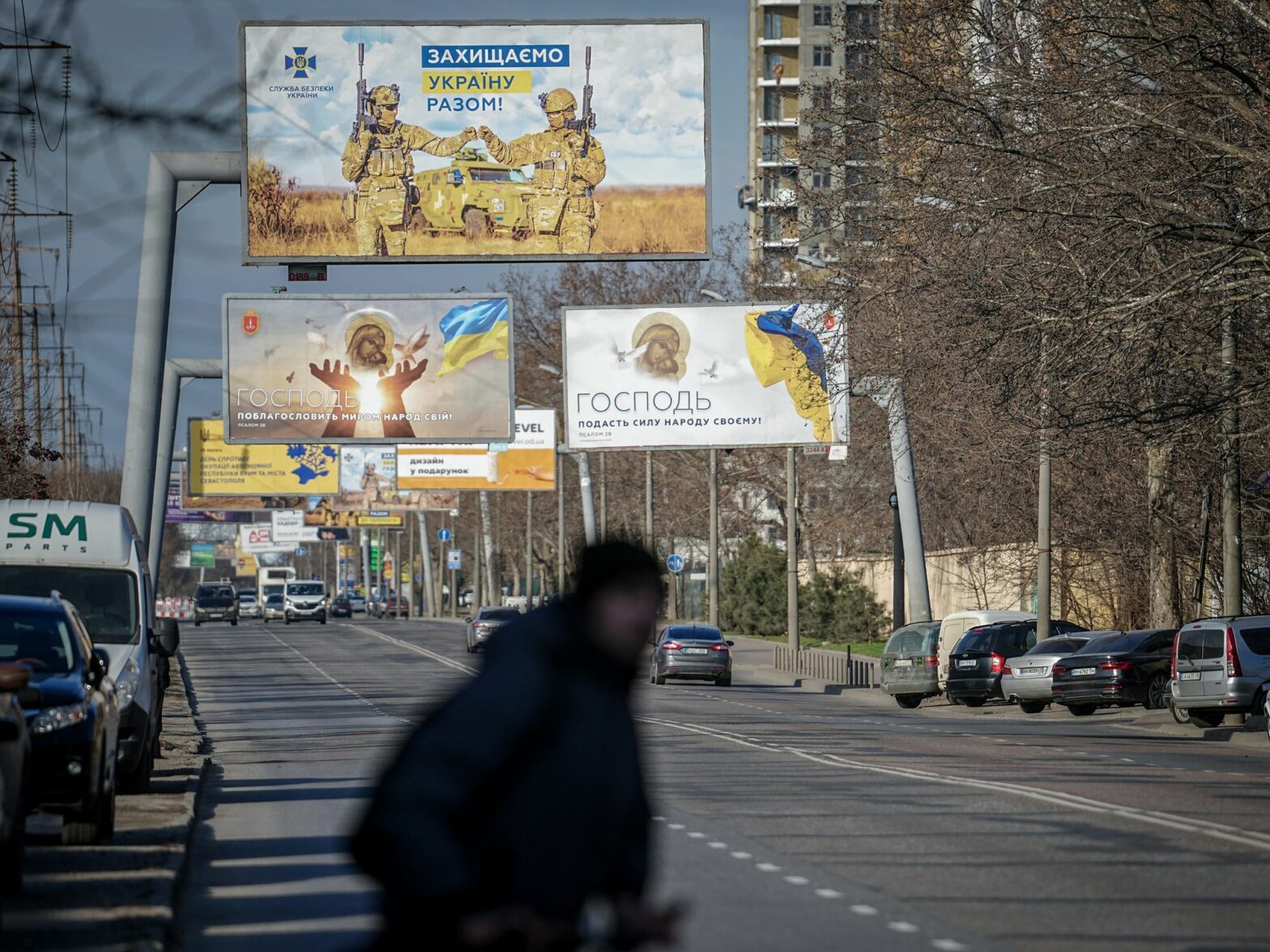
The “pearl of the Black Sea” was the scene of the single Ukrainian military victory in 2023, when the country broke the maritime blockade imposed by Moscow. But, as a third year under the bombs begins, the first cracks appear among the port city’s residents, who are torn between weariness, anger toward Ukraine’s leaders and an insatiable passion to live a full life.
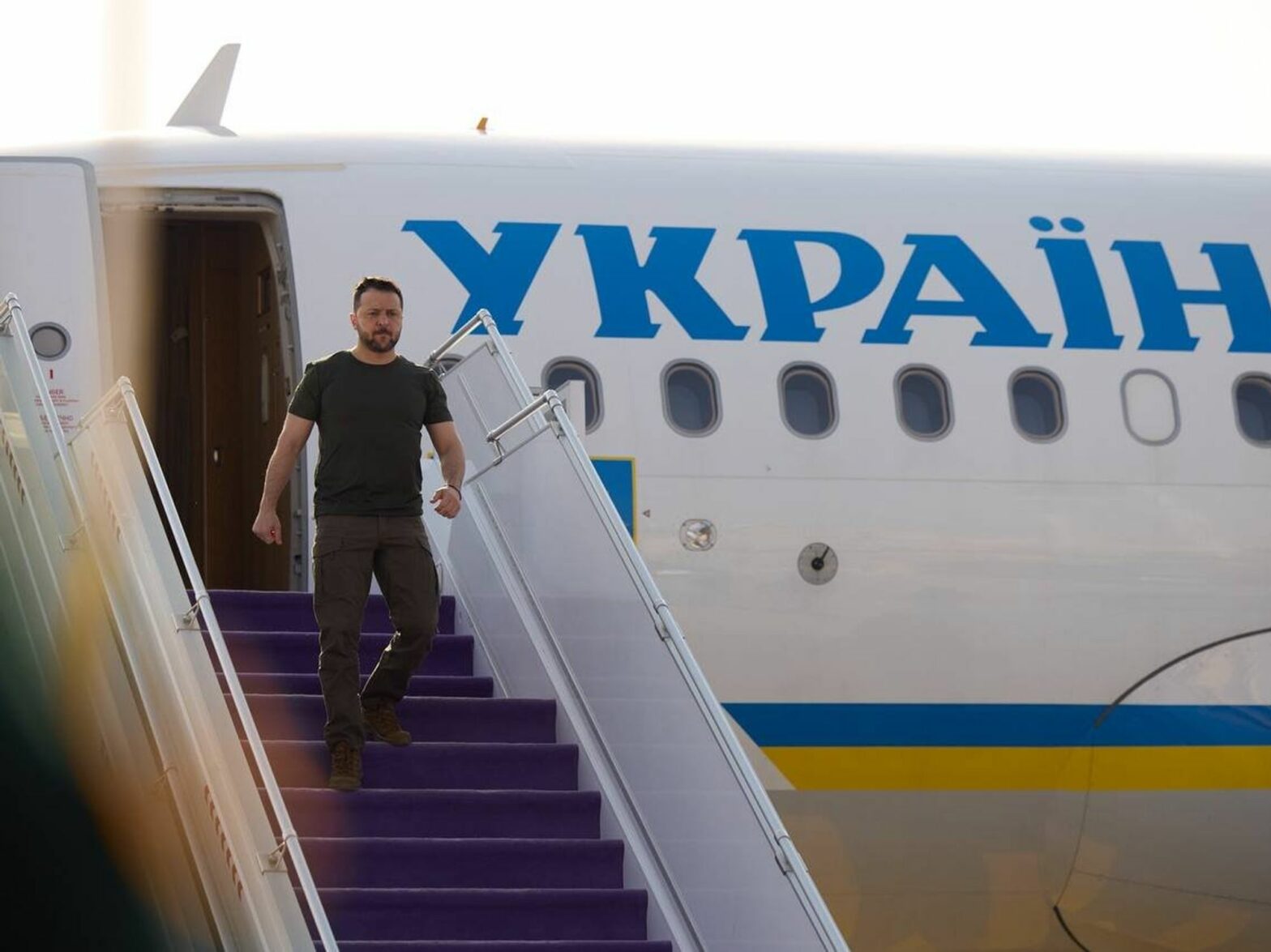
The fact that the Ukrainian army has been forced onto the defensive is mainly due to sluggish support from the West. However, there is another factor at play that is contributing to the dangerous situation: the leadership approach of President Zelensky is being increasingly called into question.
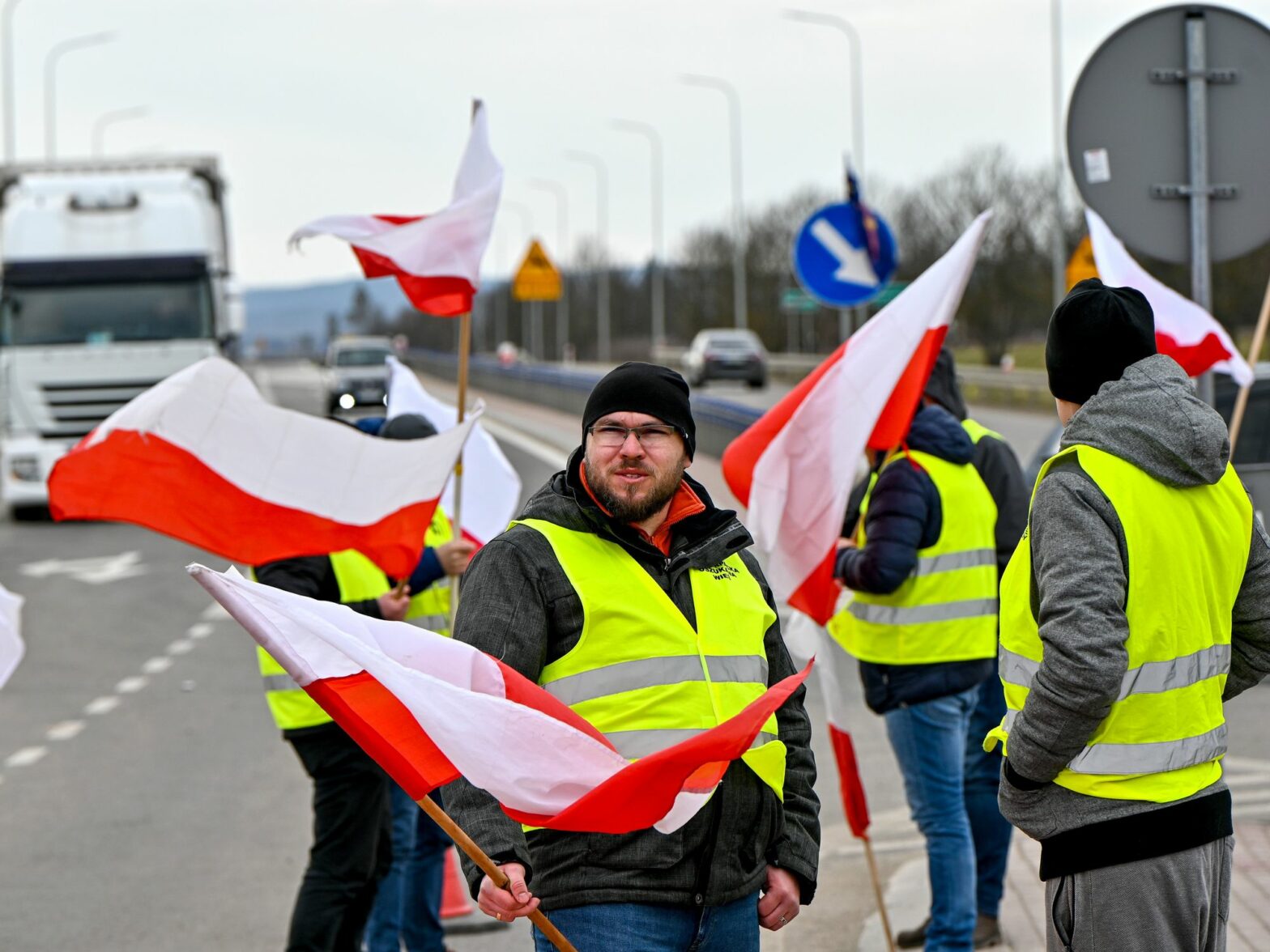
After a short “honeymoon period” that followed the start of the full-scale Russian invasion, Ukrainian-Polish relations have once again entered a state of permanent crisis. Strong words against Russia at the UN by Polish Foreign Minister were appreciated, but long-term relations between Kyiv and Warsaw are bound to be more complicated.
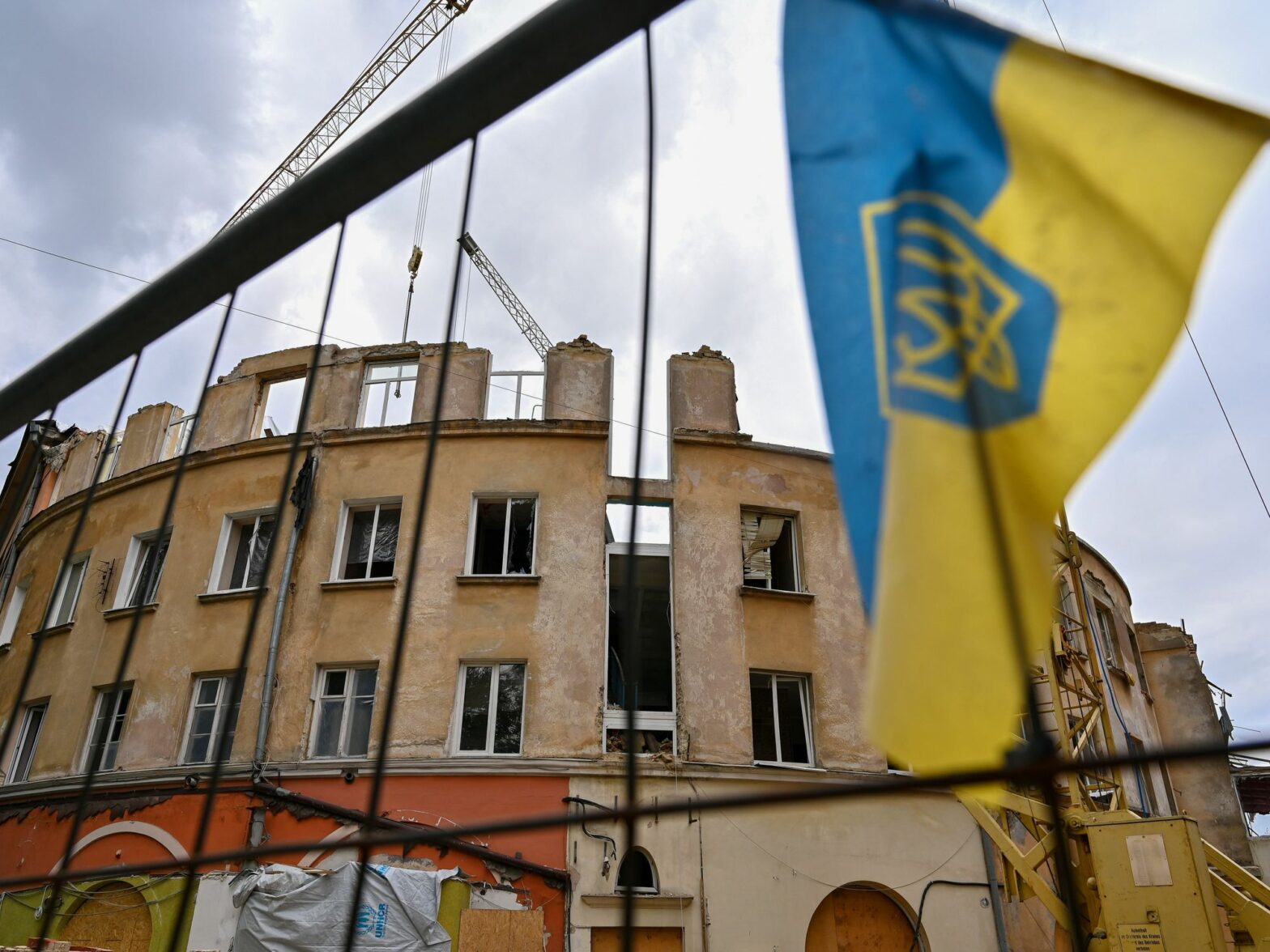
Real estate is booming in Ukraine, even as the war with Russia has fundamentally changed where people want to live, and in what kind of buildings. There is, in any case, a lot of activity as lives are uprooted — and a general preference for lower floors.
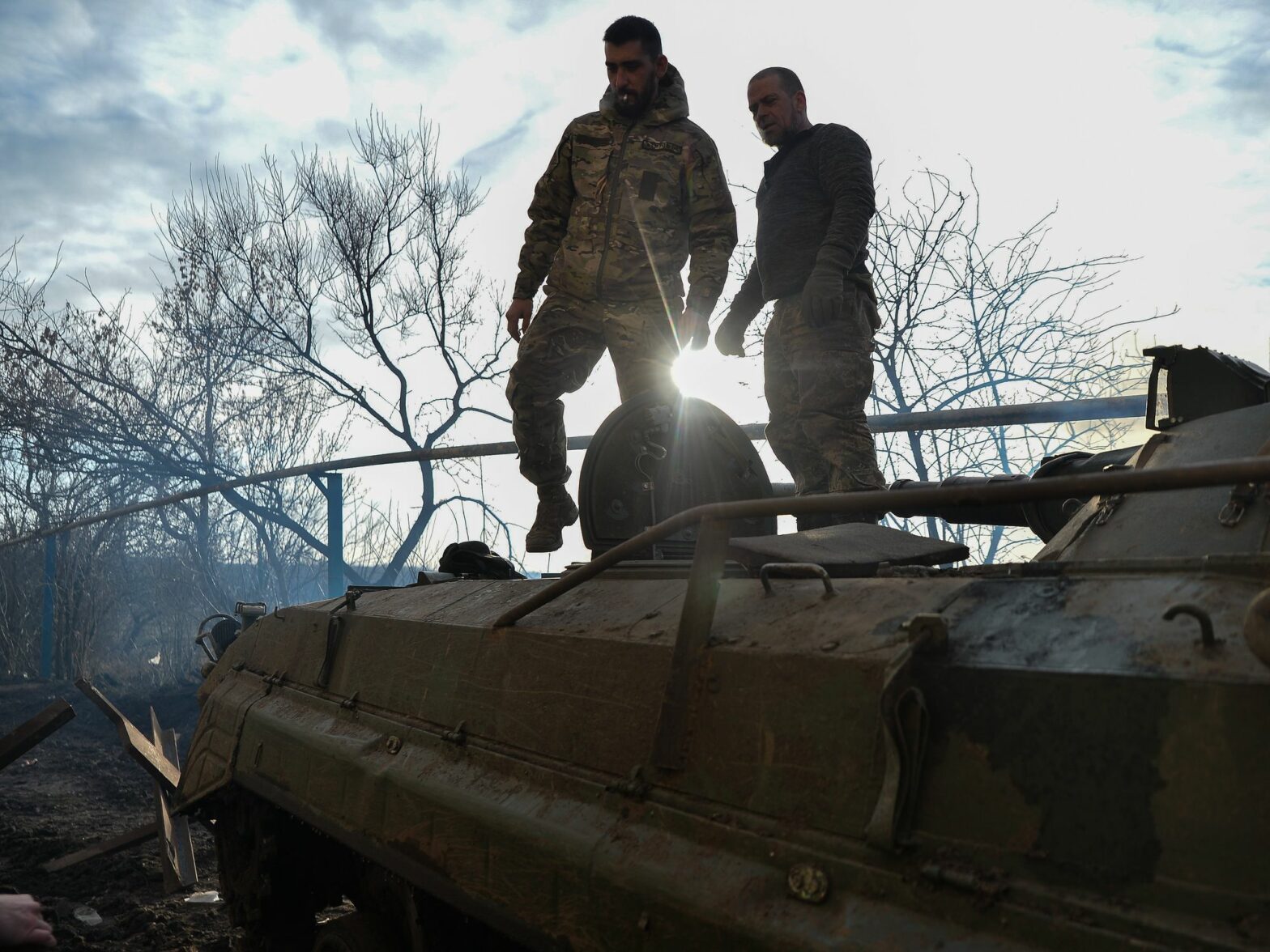
There are many analogies between 1916 and 2024, two years into World War I and the War in Ukraine respectively. It offers a clear way to try to understand what may happen next in Ukraine — and the world.
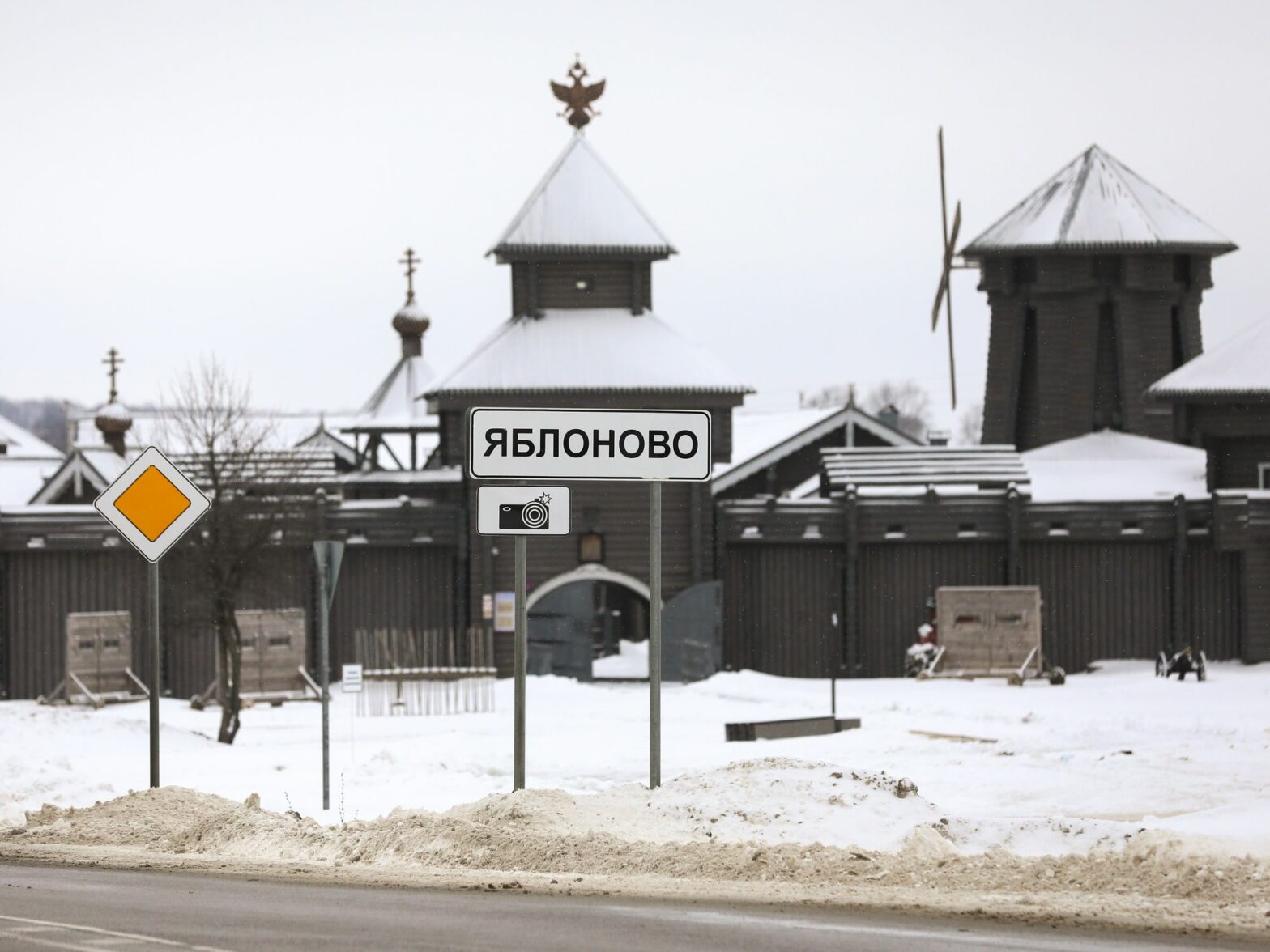
Ukraine and Russia are blaming each other for the Russian military plane crash. It will be hard to get at the truth of the accident, as either party is unlikely to release information, which is another weapon in their war.
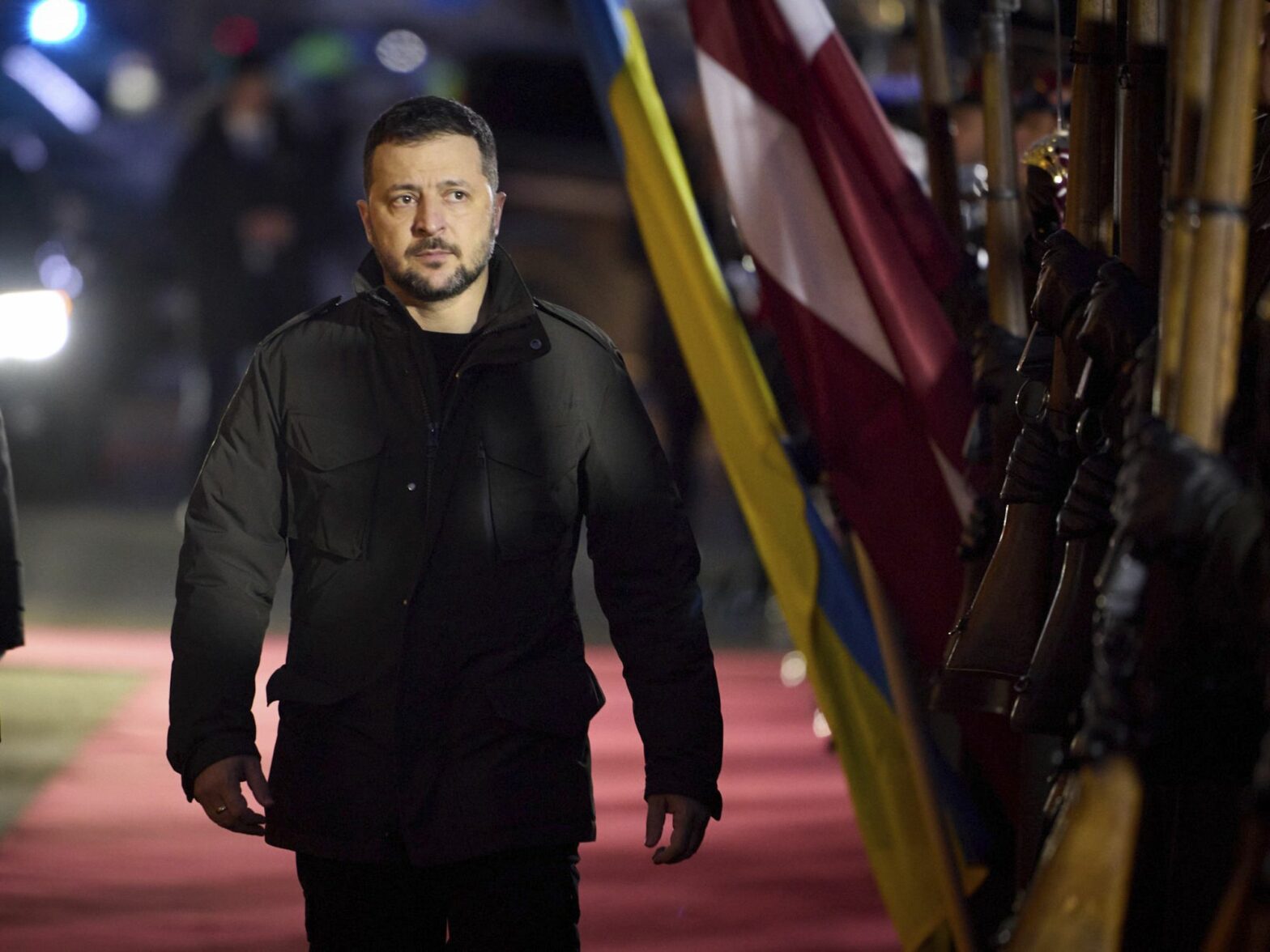
Both Russian online trolls and Ukrainians who never liked him will be calling into question Volodymyr Zelensky’s right to hold on to the presidency as his five-year term is set to end in May. But they’ll also be questioning the morality and strategy of his war aims. What should be his response?
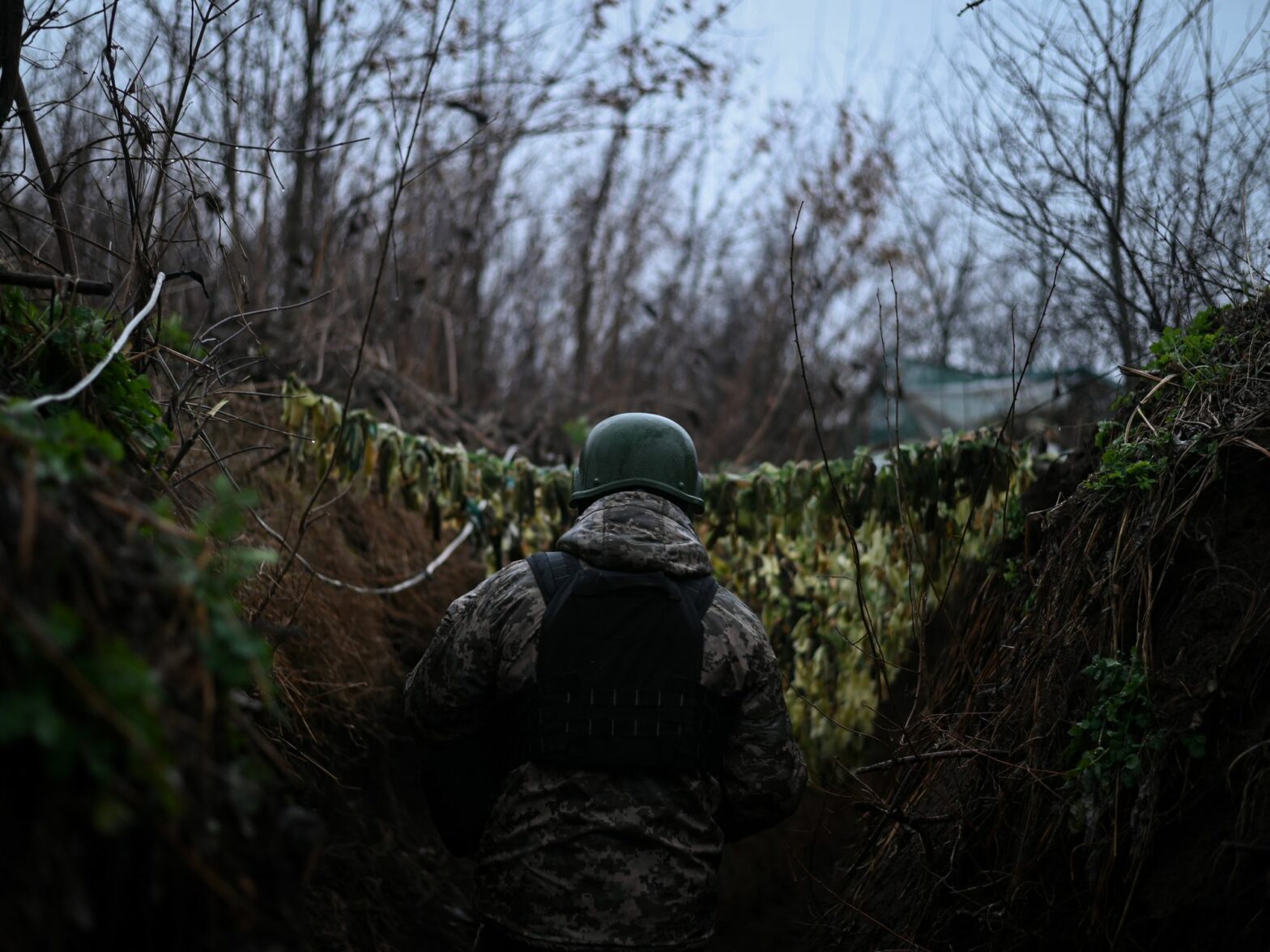
If we don’t compel those capable of bearing arms into the military, then we’ll soon cease to exist. And when we do, there will be nothing left. Artists in exile might write and read thoughtful articles about how we lost everything, but what good will that do?
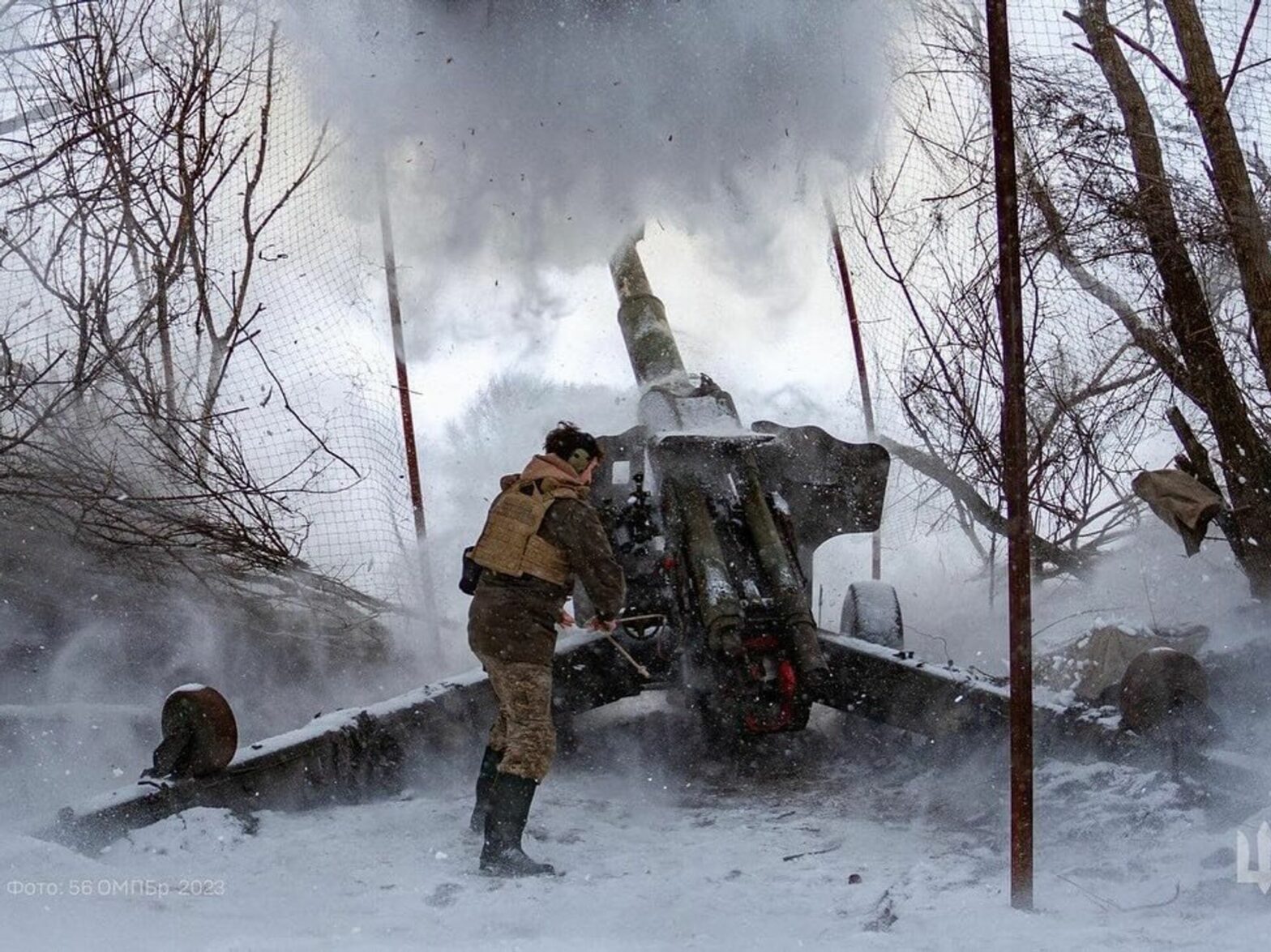
Kyiv’s troops are facing bitter cold and snow on the frontline, but the coming season also poses longer term political questions for Ukraine’s allies. It may be now or never.
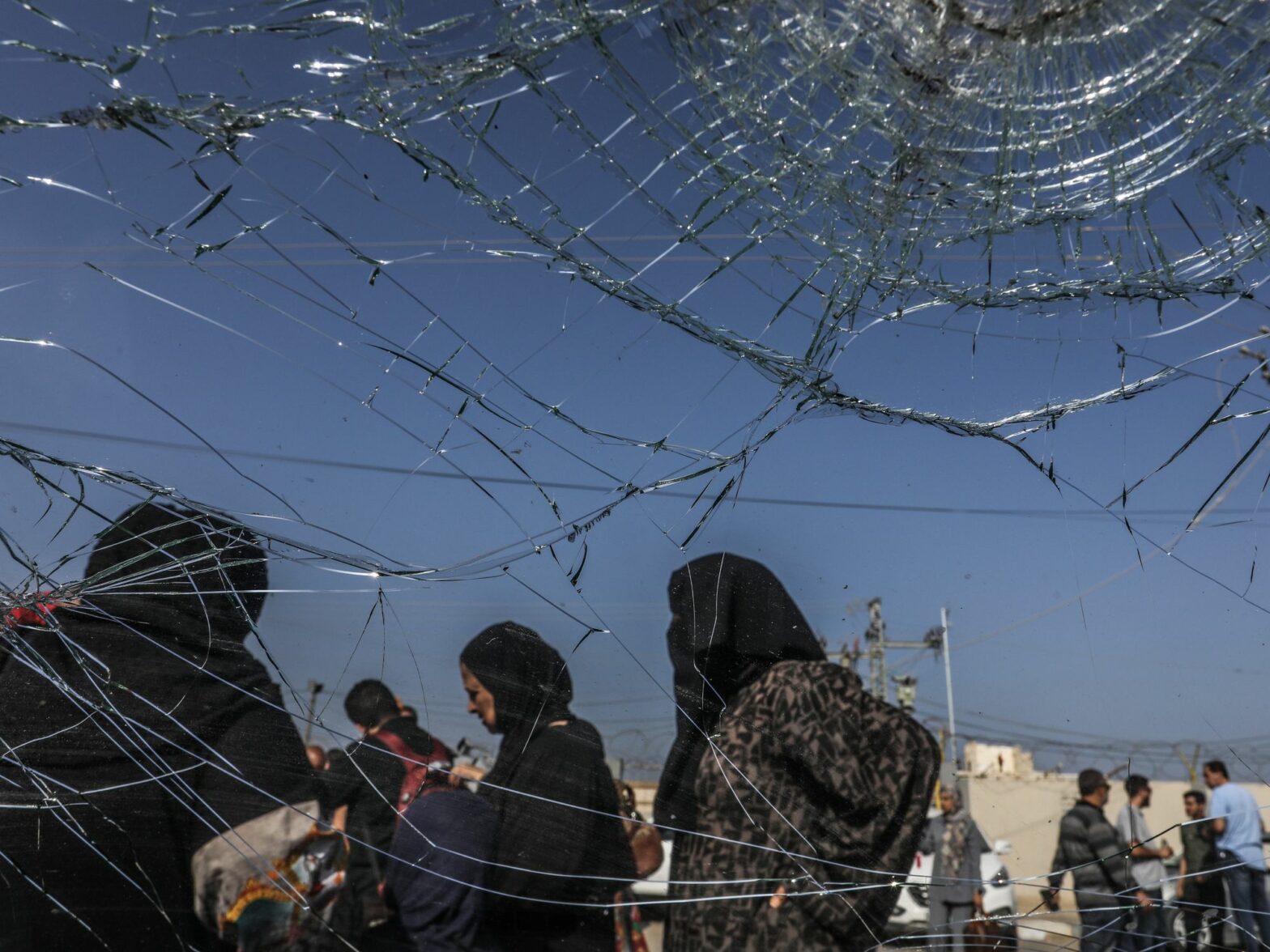
Ever since Hamas launched its attack on October 7, experts have feared that the conflict, alongside the one in Ukraine, could spill over into a large-scale war between the world’s major geopolitical players. Nikolai Kozhanov, associate professor at the Center for Gulf Studies at Qatar University, analyzes how likely this is and who would benefit from such a conflict.
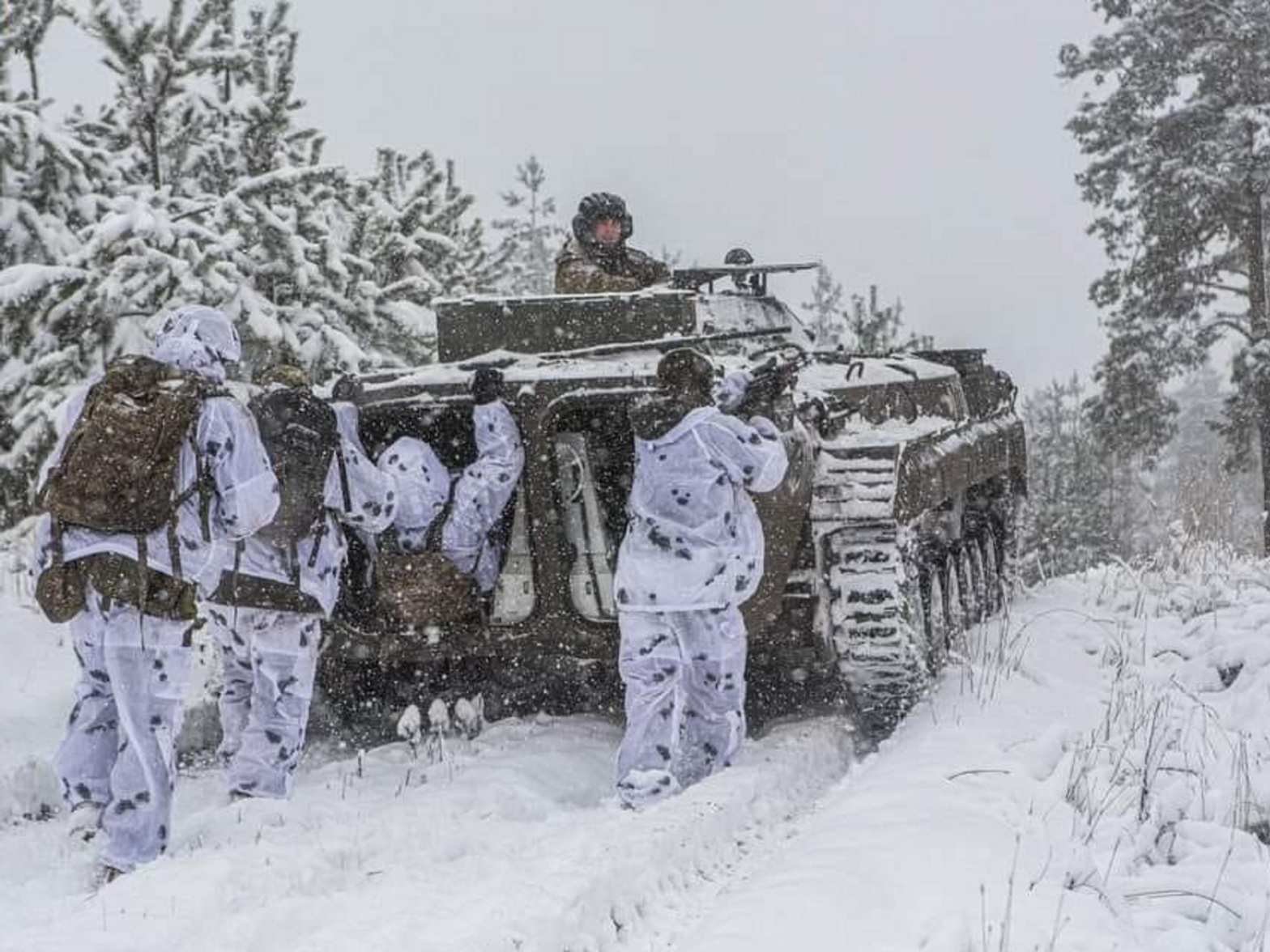
The escalation of war in the Middle East and the stagnation of the Ukrainian counteroffensive have left many leaders in the West, who once supported Ukraine unequivocally, to look toward ceasefire talks with Russia. For Polish daily Gazeta Wyborcza, Piotr Andrusieczko argues that Ukraine simply cannot afford this.
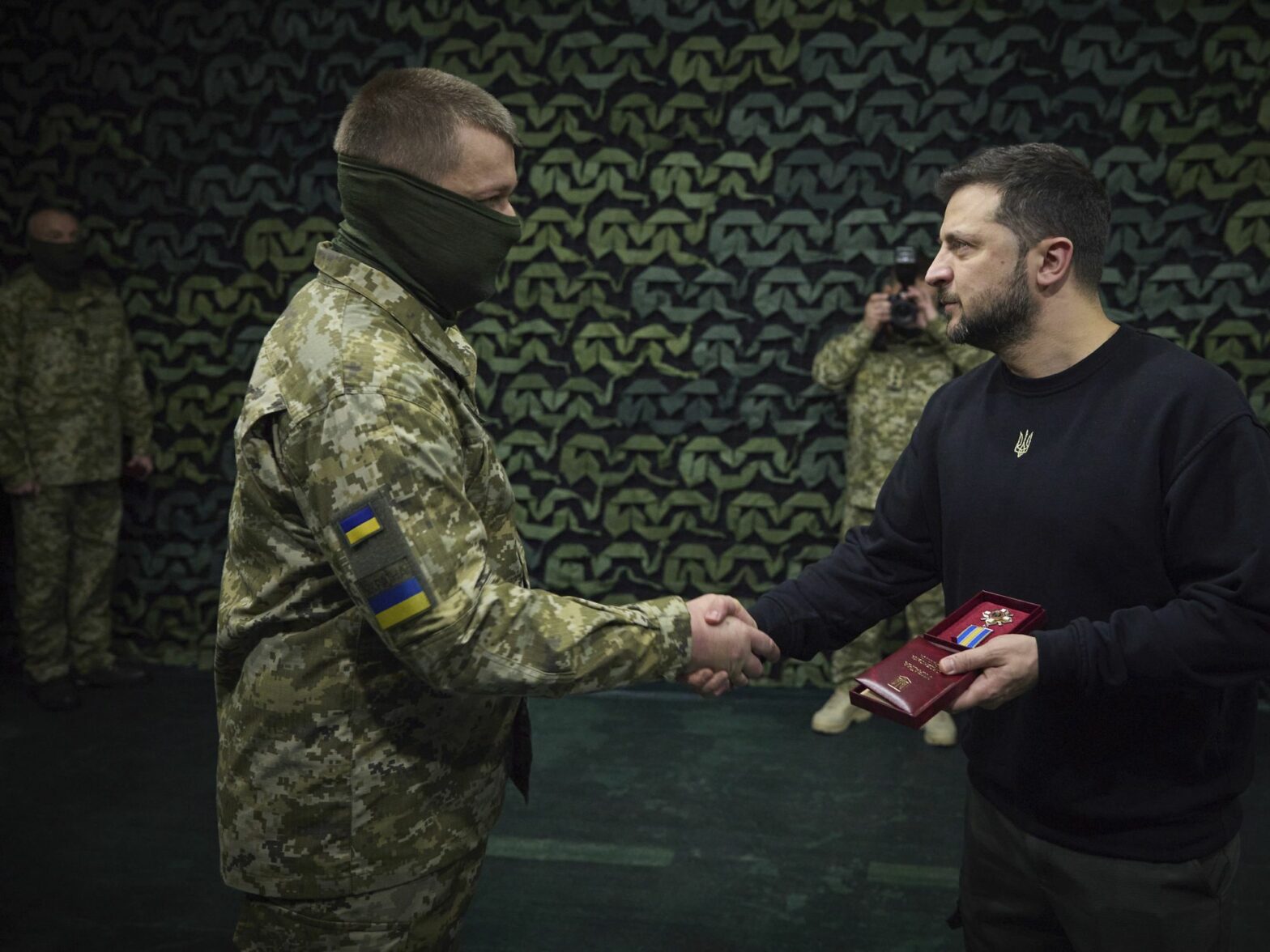
Some of the Ukrainian Armed Forces units are at only 70% of their intended strength. But President Zelensky is unwilling to raise the question of mass mobilization. The result is a parallel reality, with more recruitment coming from rural areas and lower classes, and some urbanites feeling victory is not too far, and their sacrifice is not needed.
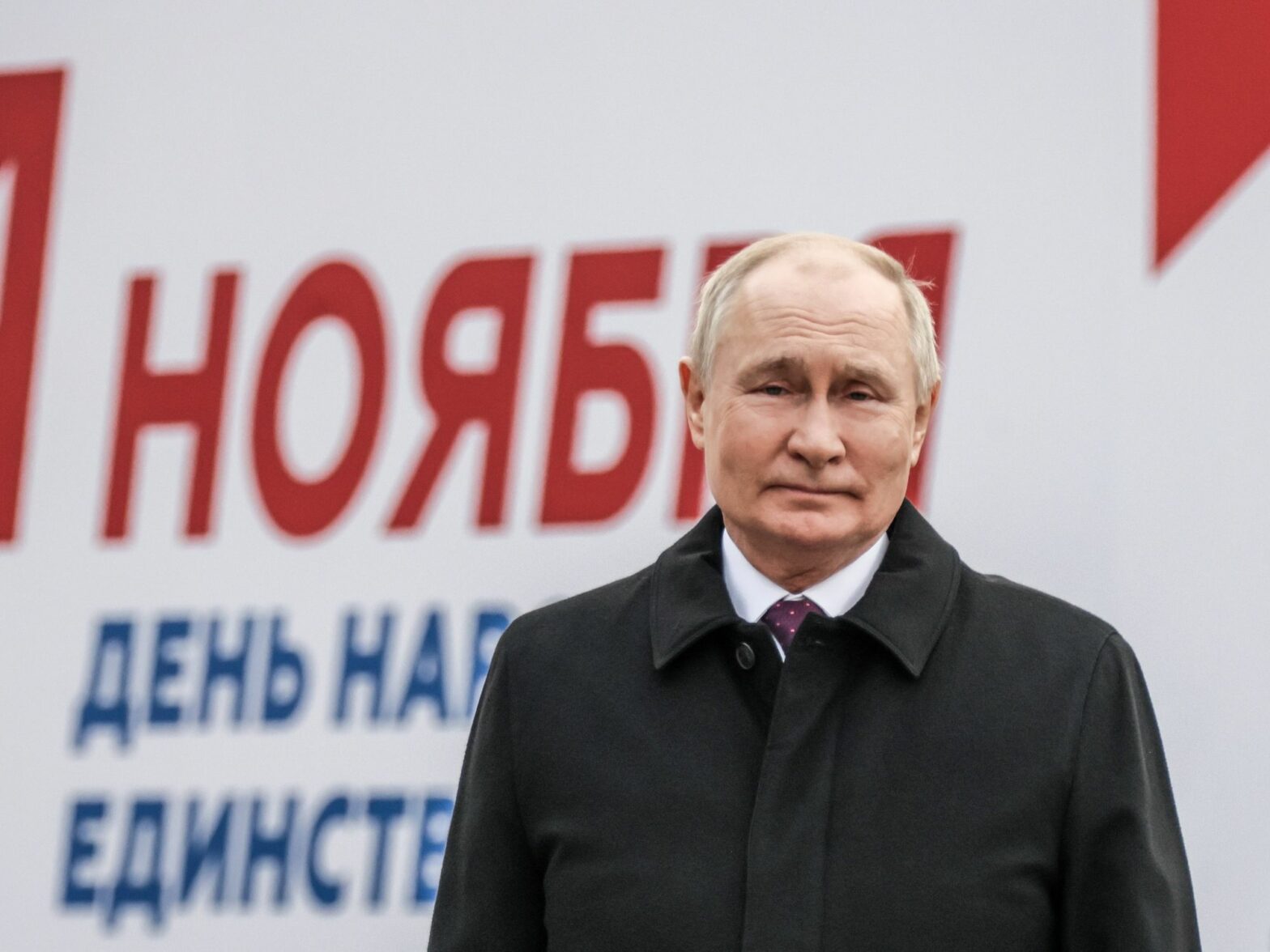
A report Monday from Reuters tells us what all knew: Vladimir Putin will seek a fifth term in Russia’s March 2024 presidential elections. But he needs a high turnout and overwhelming support to seal the legitimacy of his war in Ukraine.
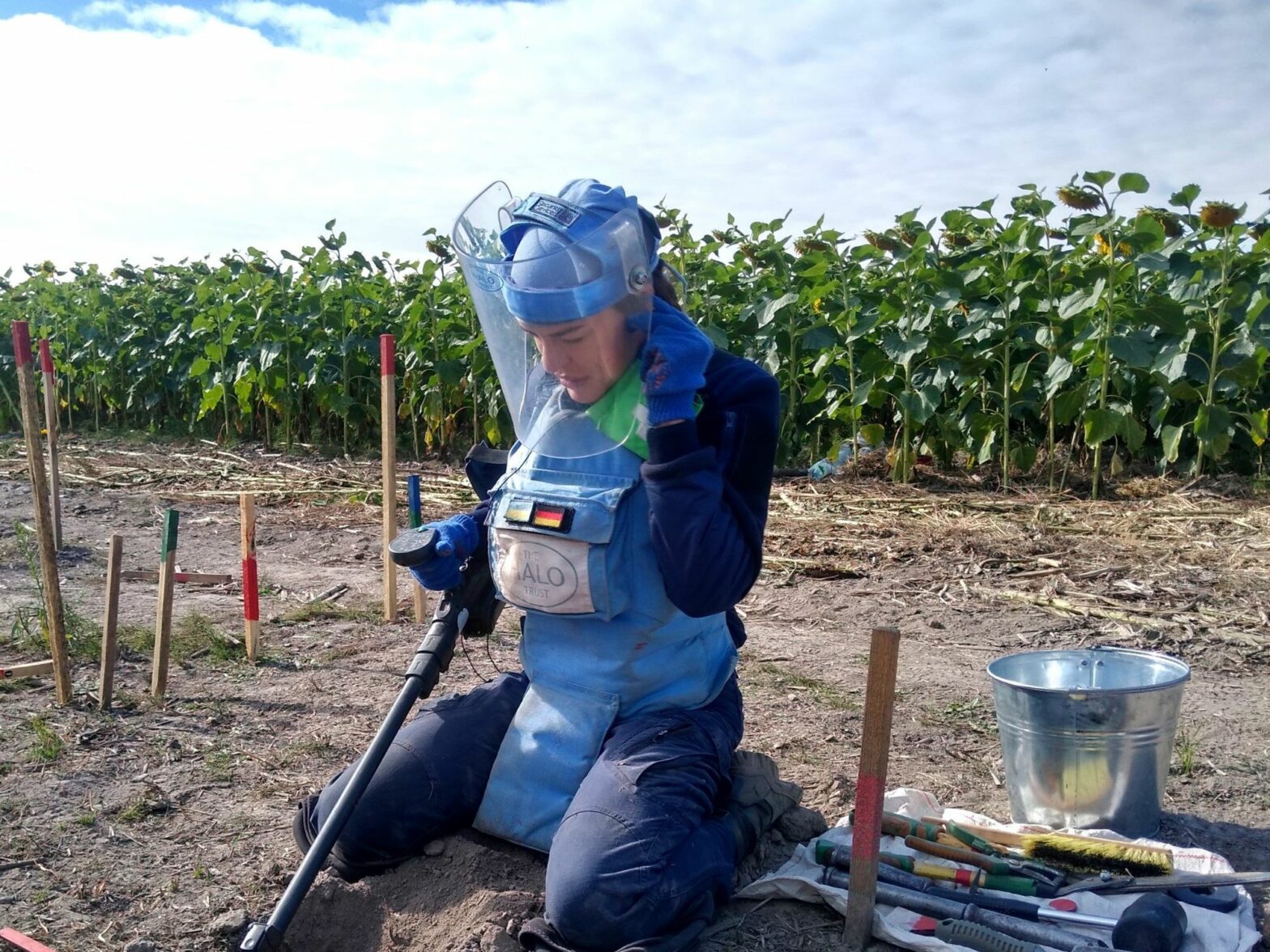
Leading Austrian daily Der Standard has been following Ukrainian teams braving constant danger to clear the largest minefield in the world.
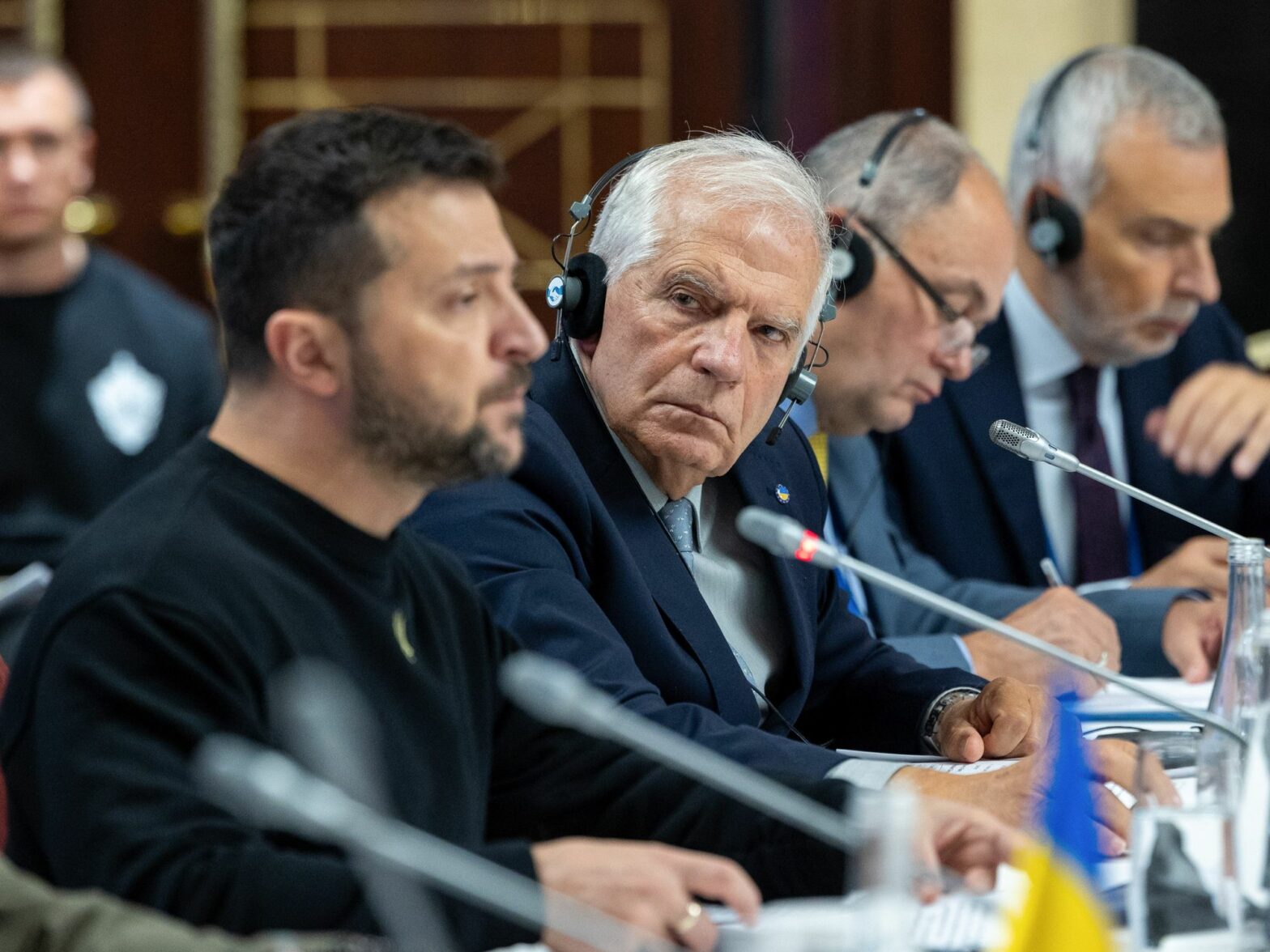
Europe’s foreign ministers traveled together to Kyiv yesterday to reaffirm their support for Ukraine. It is necessary after the first signs of “fatigue” in Western support, from a Polish about-face to the victory of a pro-Russian prime minister in Slovakia.
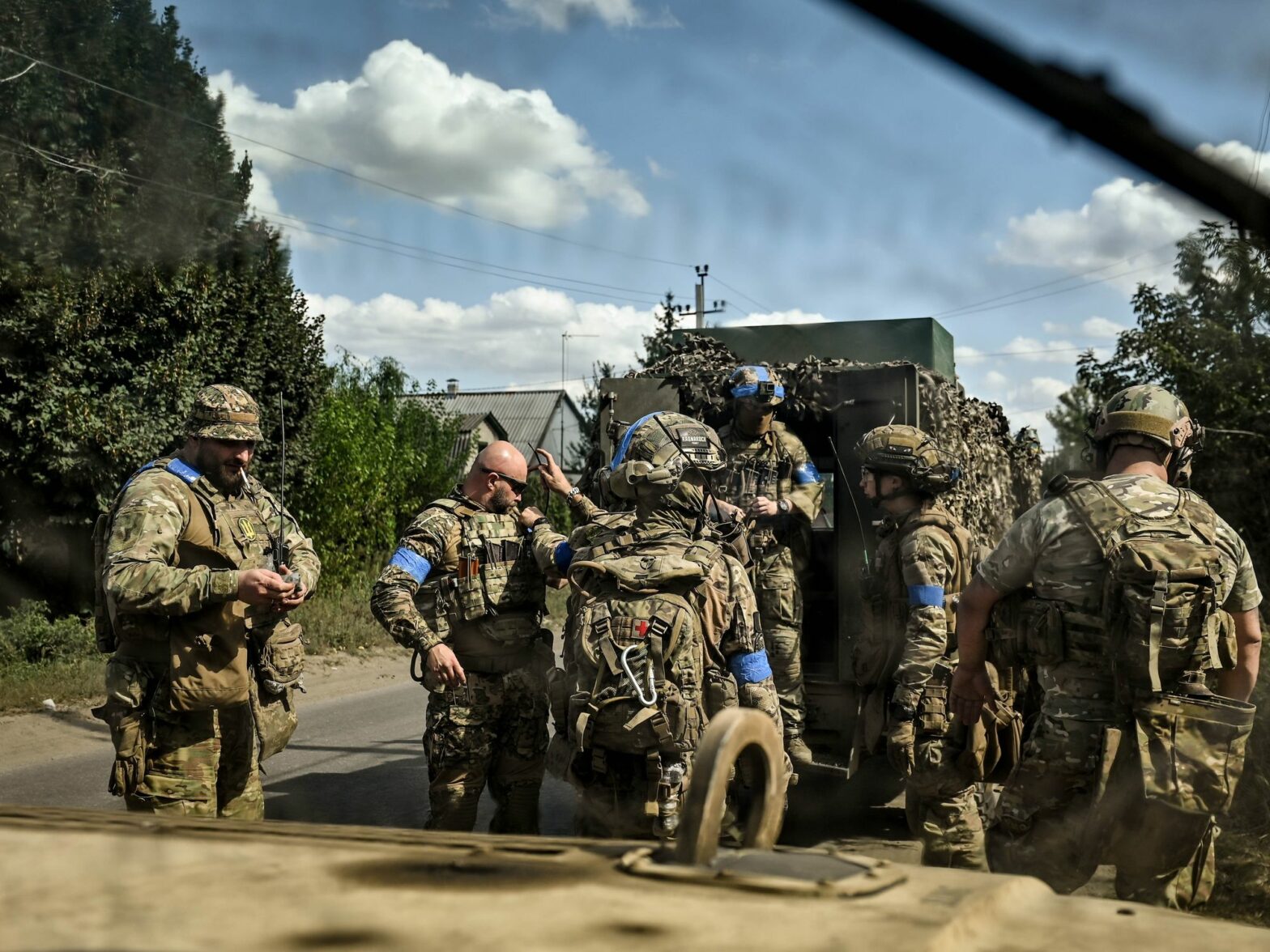
Russia is hoping that the West’s support for Ukraine will begin to falter. Kyiv knows this, and is therefore trying to obtain long-term aid agreements — which have the potential to determine their future. But the current Poland-Ukraine row is a troubling sign.
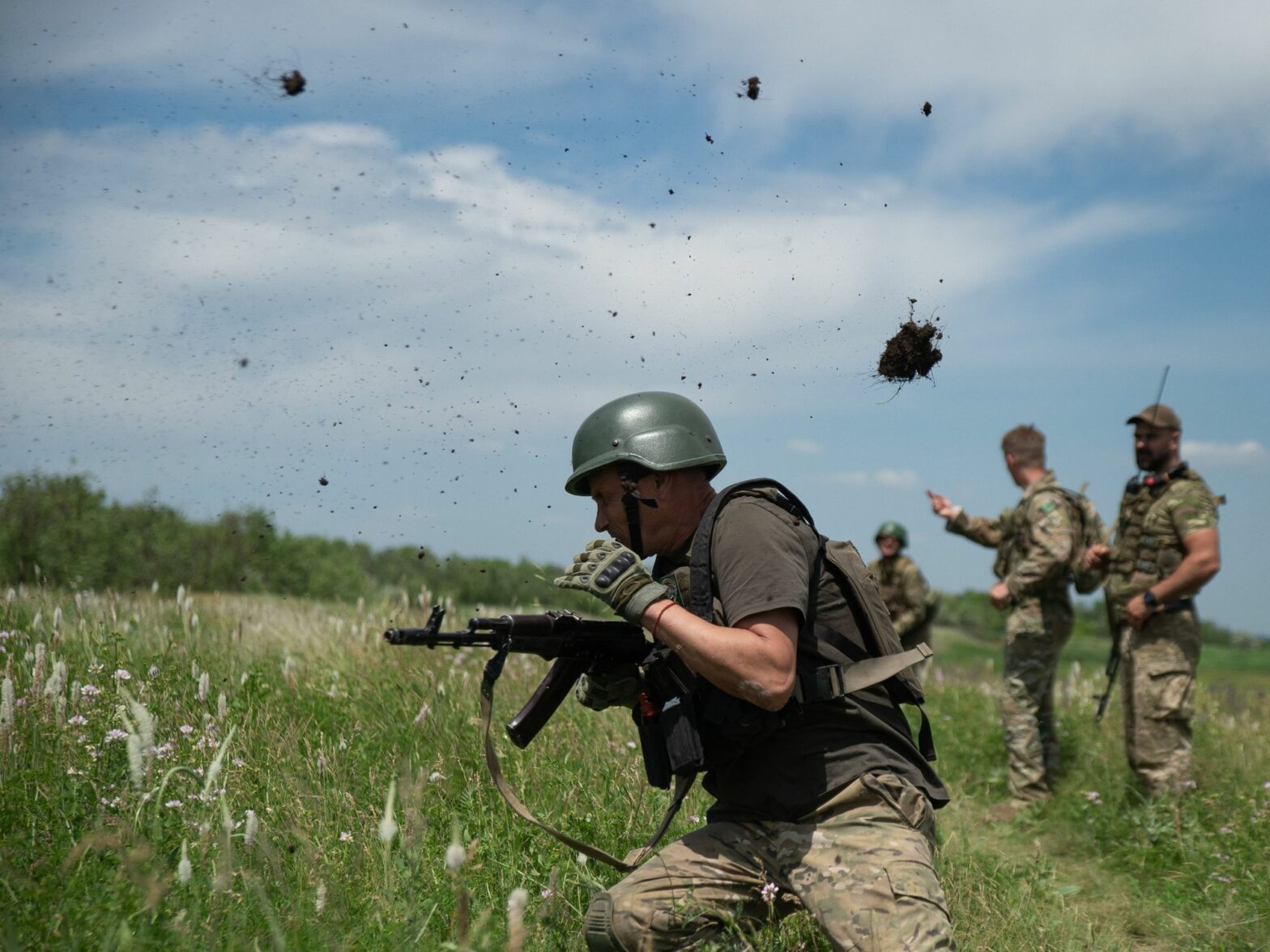
The war in Ukraine continues, and the death toll shows no signs of slowing down. This is prompting some to call for a rush to the negotiating table. This would mean strengthening Russia and, worst of all, abandoning Ukraine and our values.
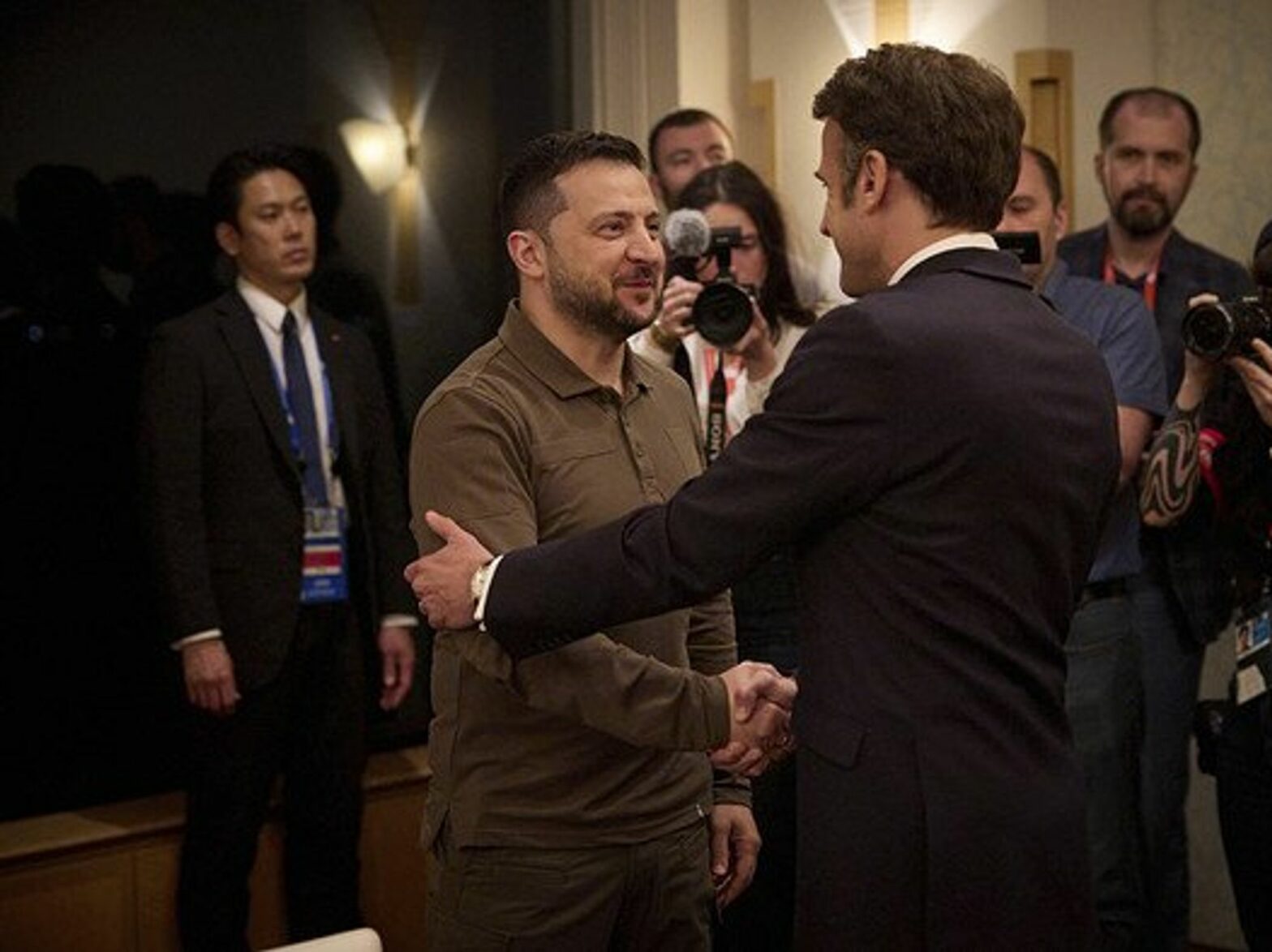
It’s undeniable that questions are being raised in the West about the cost of supporting Ukraine in its defense against Russia’s invasion. But no time soon will Western powers turn their backs on Kyiv. And the U.S. in particular has one big extra reason to work against a Russian victory: China.
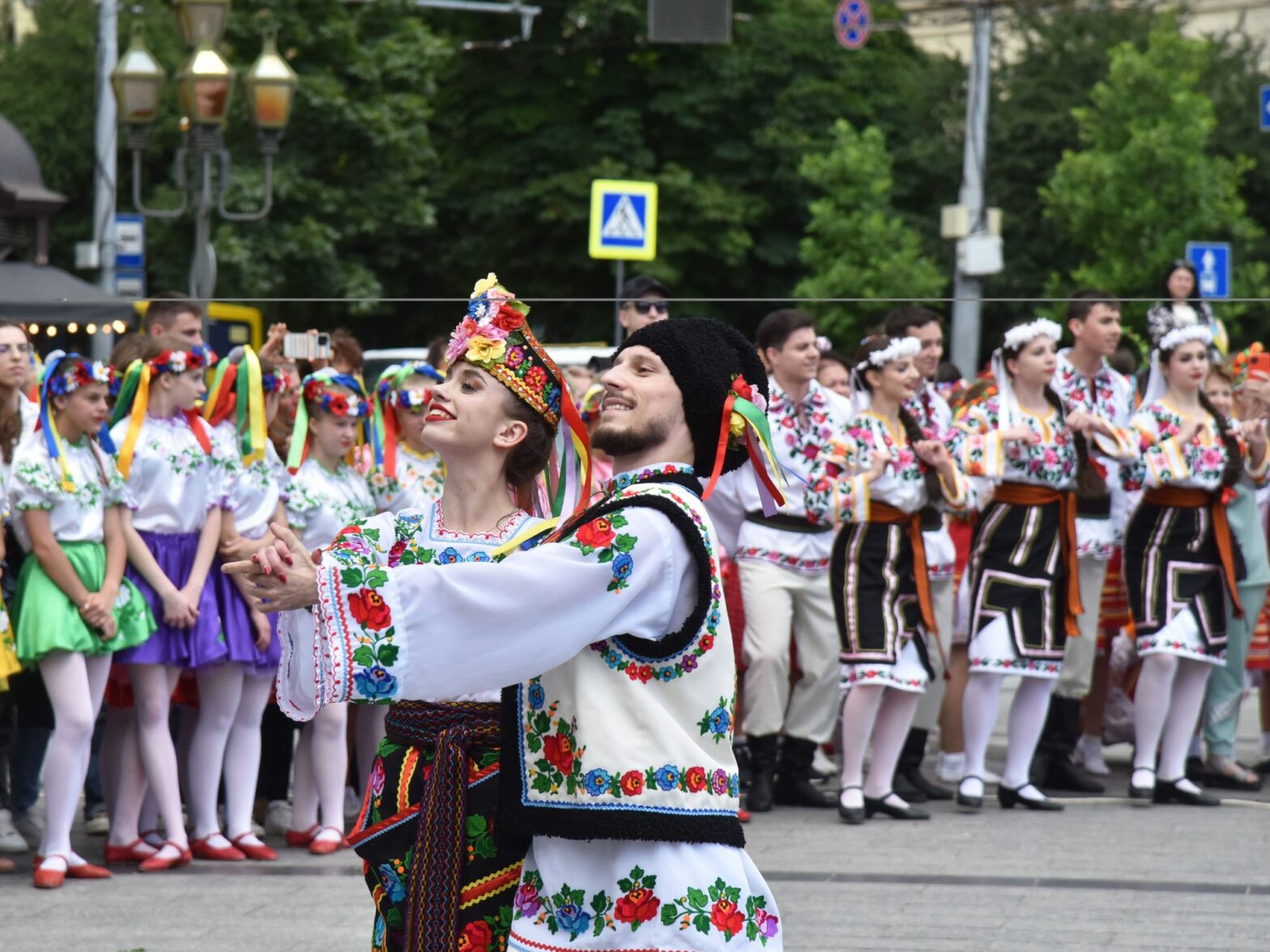
Volodymyr or Vladimir? As the Ukraine war rages on, Kyiv is also defending itself against Russian aggression on the linguistic battlefield, countering Russification attempts, past or present.
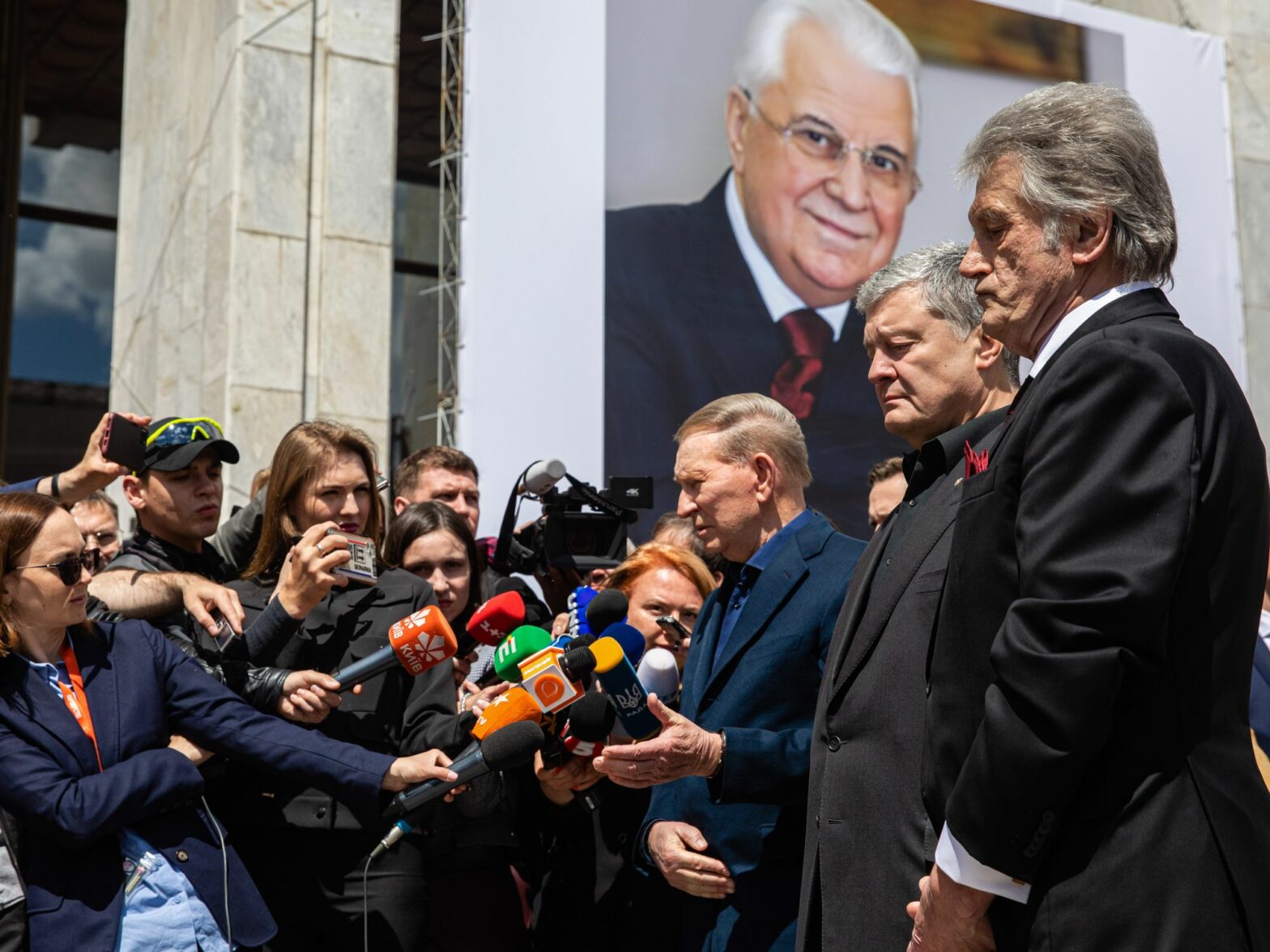
Four of the five presidents who have led Ukraine since its independence from the Soviet Union are alive. As Russia’s full-scale invasion of Ukraine continues, a look at what they have (or haven’t) done.