The Middle East’s militant and terror gangs, often described as Iran’s proxy forces, may have more in common with the cartels of a globalized war than with the fighters with a cause, more typical in the 20th century.
 Worldcrunch
The Middle East’s militant and terror gangs, often described as Iran’s proxy forces, may have more in common with the cartels of a globalized war than with the fighters with a cause, more typical in the 20th century.
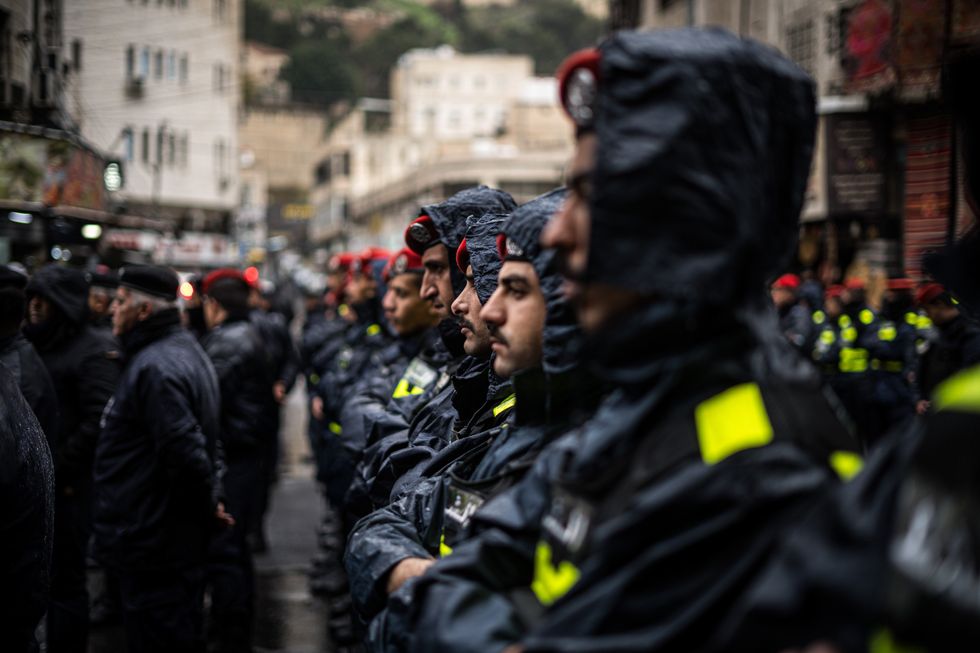
Iran has some influence over Hamas, but not like Hezbollah in Lebanon or other Iranian-backed groups in the region. Hamas, instead, has more links with Jordan, the birthplace of some of its top leaders.
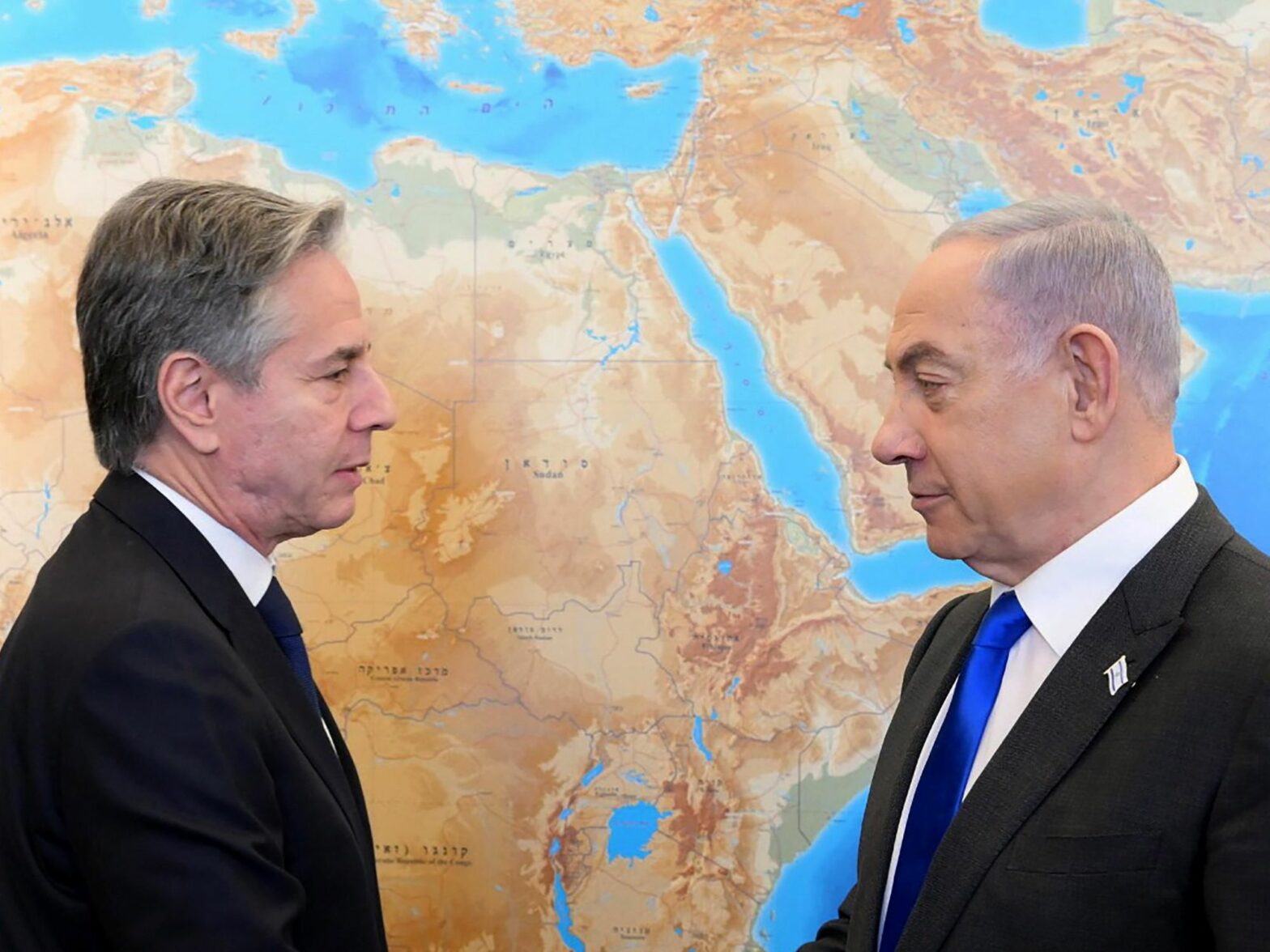
Have the ruling institutions in the United States learned the lesson and realized that the main means of confronting Iran’s influence — if they really wanted to — is to put pressure on Israel.
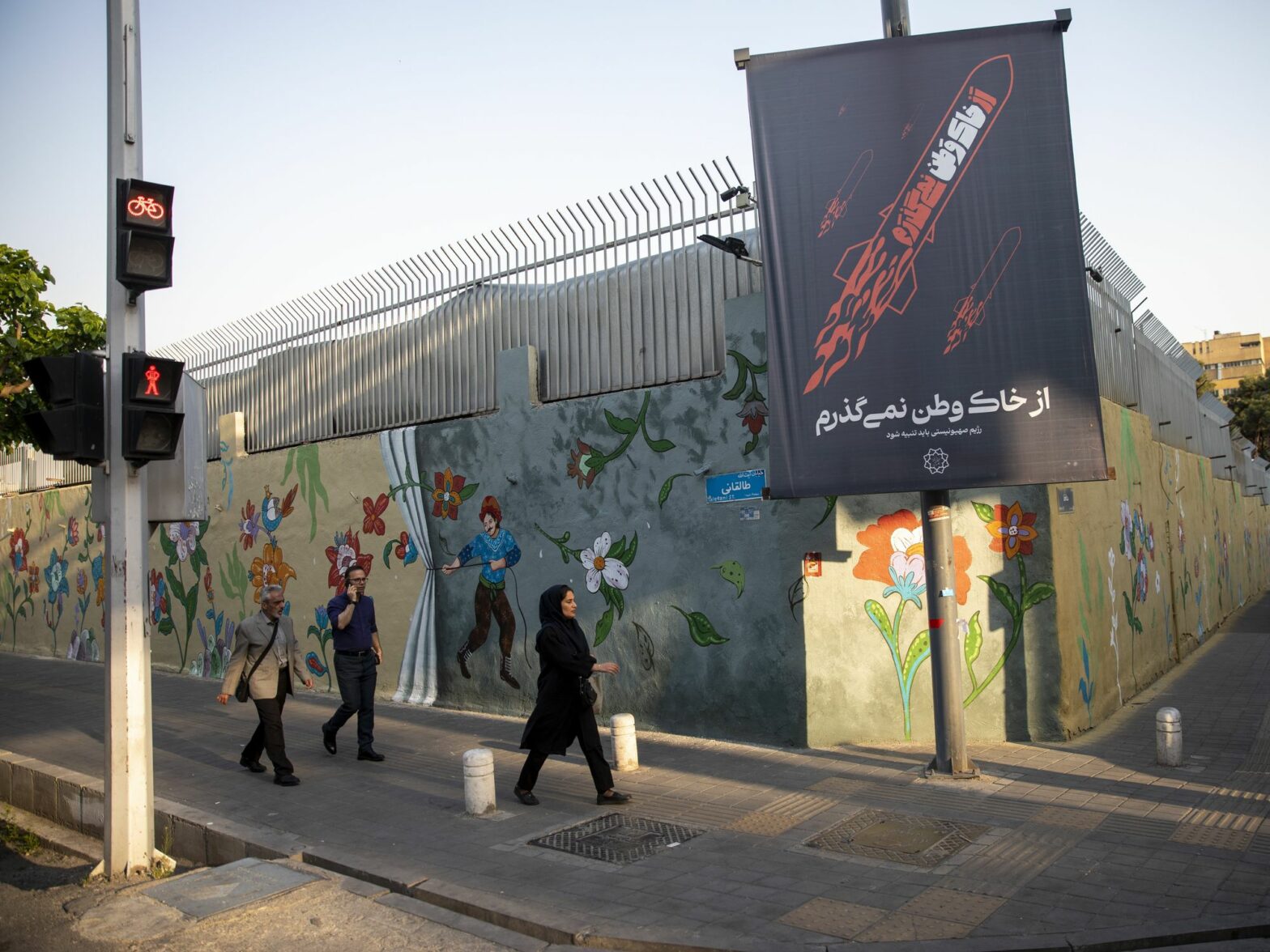
The Islamic Republic of Iran wants to destroy Israel and seems willing to obliterate Iran in the process. How do you deal with a regime that sees international chaos as serving divine wishes? Many in Iran see the direct challenge from Israel as the path to their nation’s liberation.
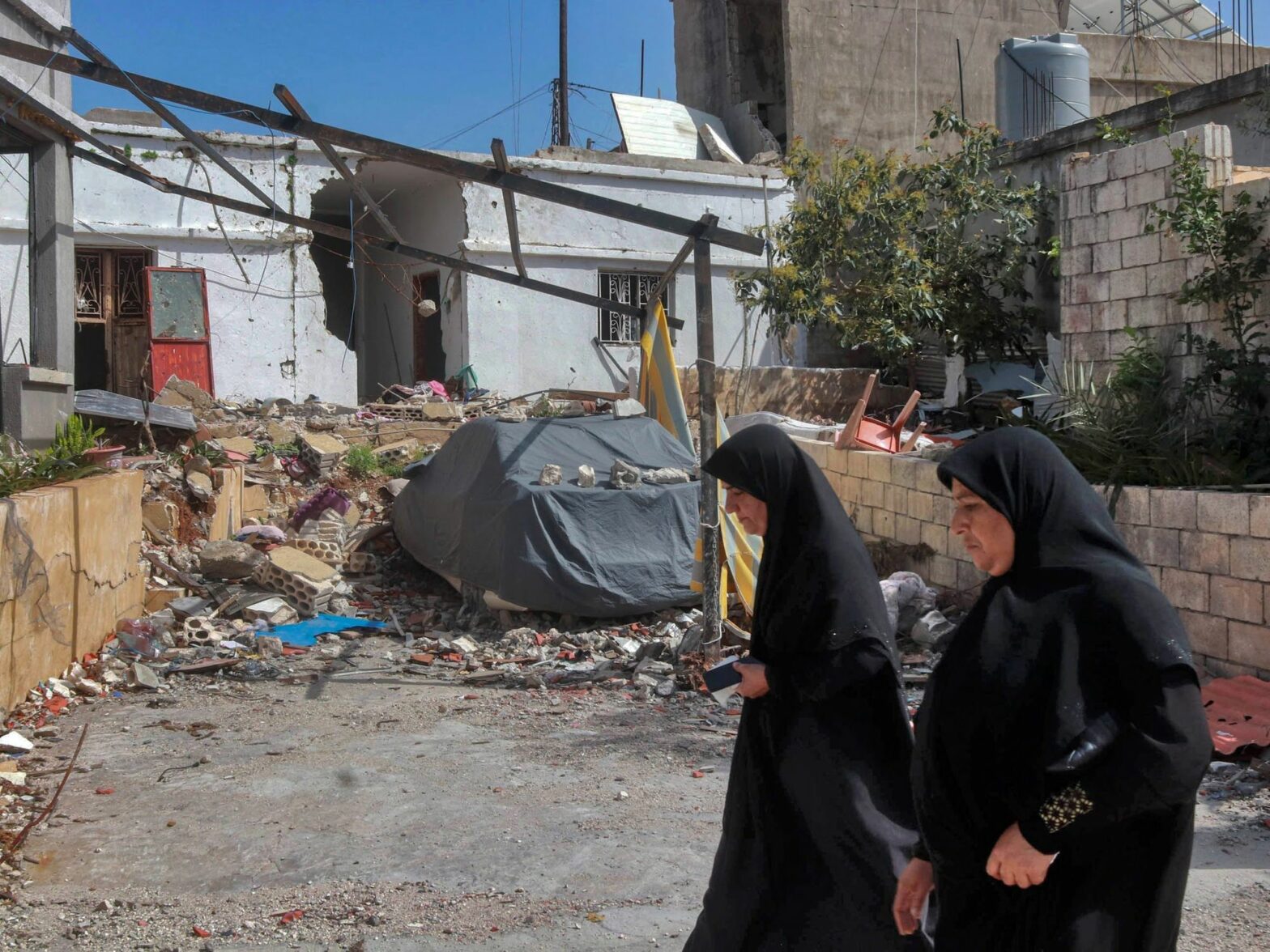
As Israel prosecutes its war on Gaza, Lebanon found itself caught in the daily attacks between Israel and Hezbollah. Lebanese know that Israel has made its position clear, which leaves the big question mark with the regime in Tehran, which largely guides Hezbollah in its response to Israel.
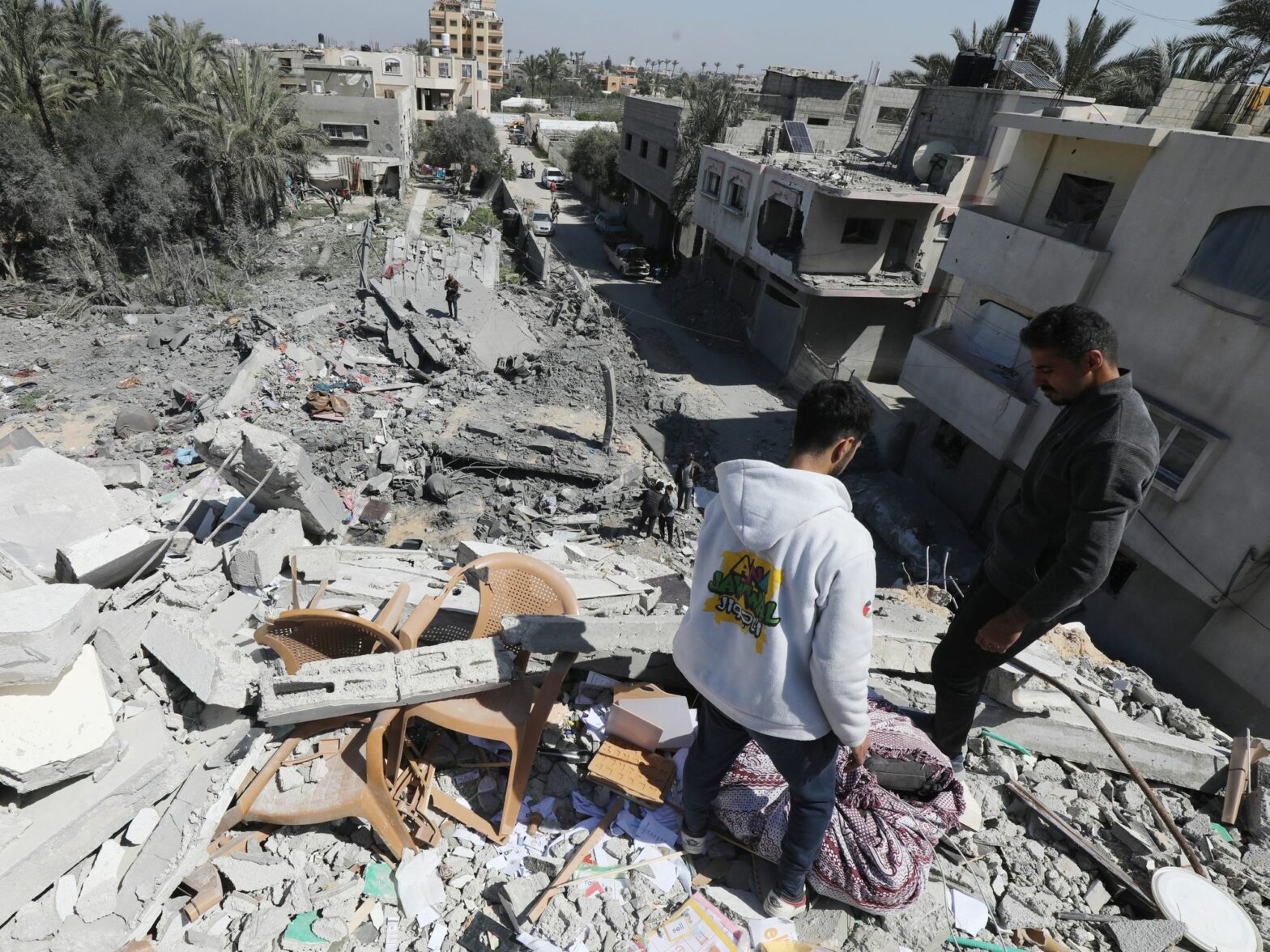
Famine creeps into Gaza, one could expect a certain pragmatism would push influential countries in the region to intervene. Yet each of these countries has its own political agenda.
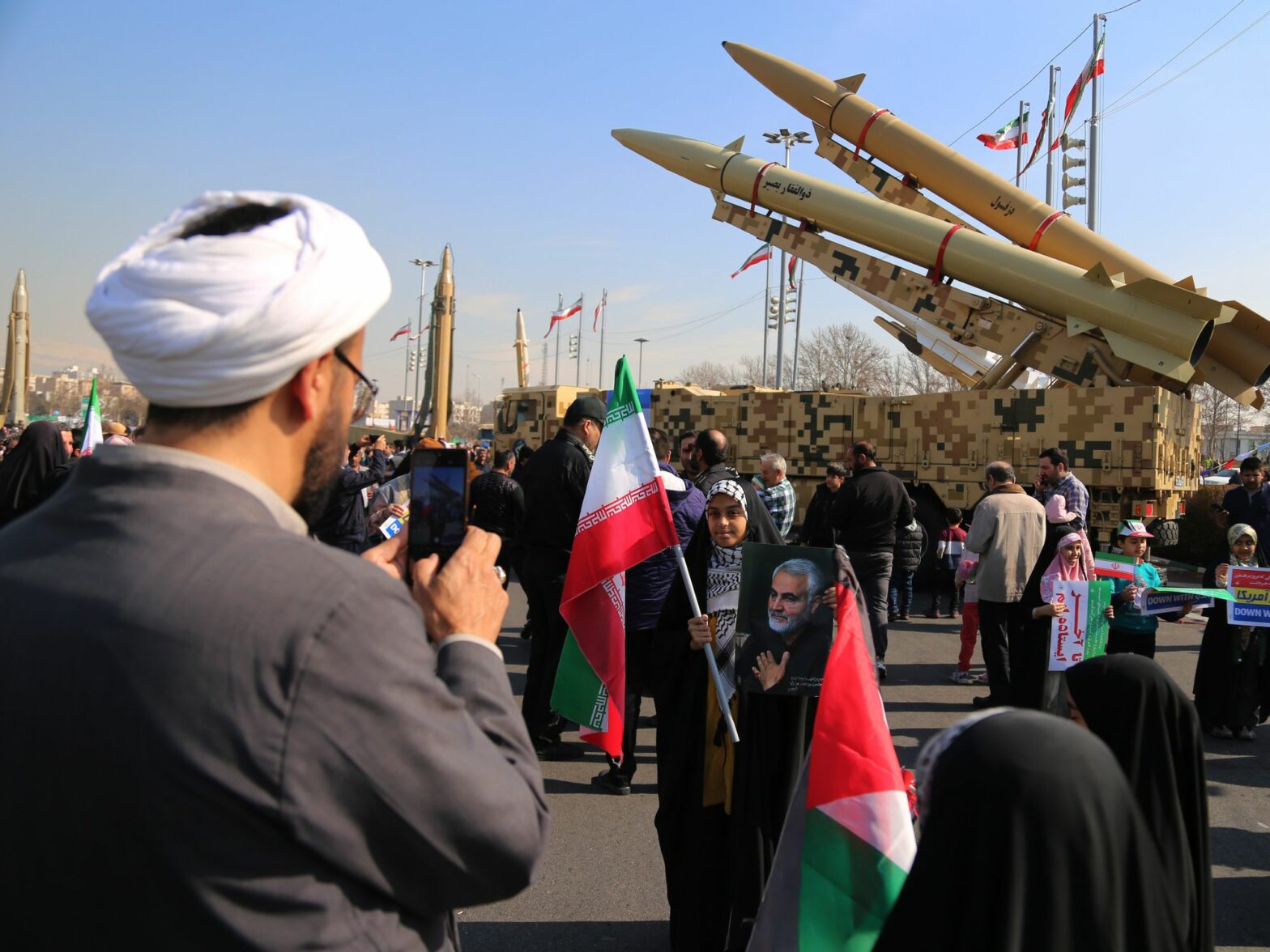
Western diplomacy shows the West will tolerate the Iranian regime’s repression at home and violent intrigues in the Middle East and beyond, but it might clarify to the public why liberal democracies should want to keep the mullahs in power in Tehran.
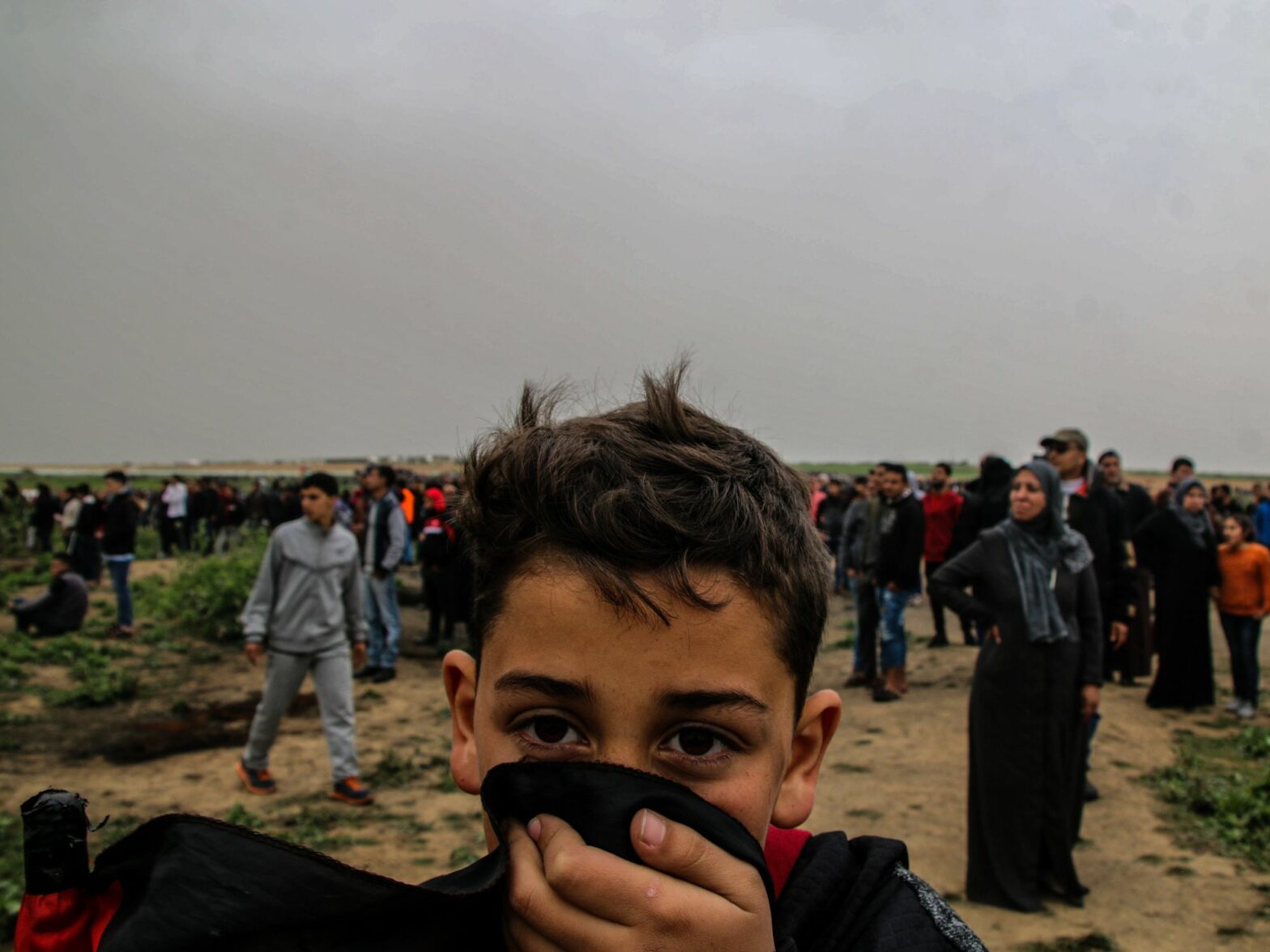
When Arab countries started normalizing relations with Israel, they did so disregarding the fate of Palestinians. It was a terrible error of judgment, and worse. Yet while the Palestinian cause remains a cornerstone of political legitimacy in the Arab world, few reasonable solutions are being brought forward, and radicalization continues to gain ground among the masses.
Iran’s allies are attacking the West across the region. The Hamas massacre, attacks on U.S. troops and the Houthi targeting of ships are possibly just the beginning. The fact that the Middle East is so unstable today is due to a decision first made by the U.S. a generation ago.

Now in its third month, the Israel-Hamas war has led to an increase in Israeli strikes on Iranian posts in Syria. At the same time, the pace of drug smuggling from Syria to Jordan has increased, prompting the latter to launch airstrikes inside Syria.
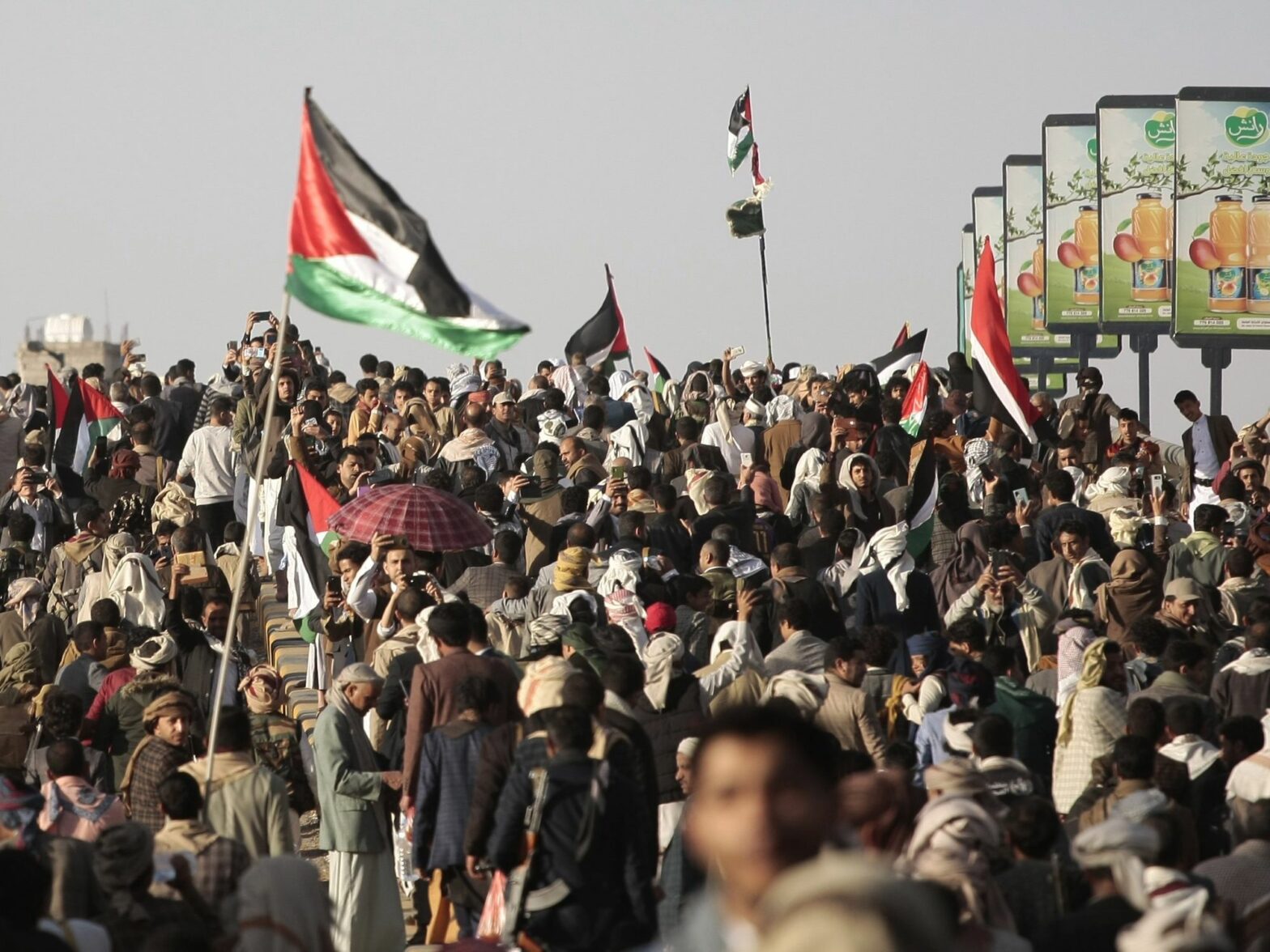
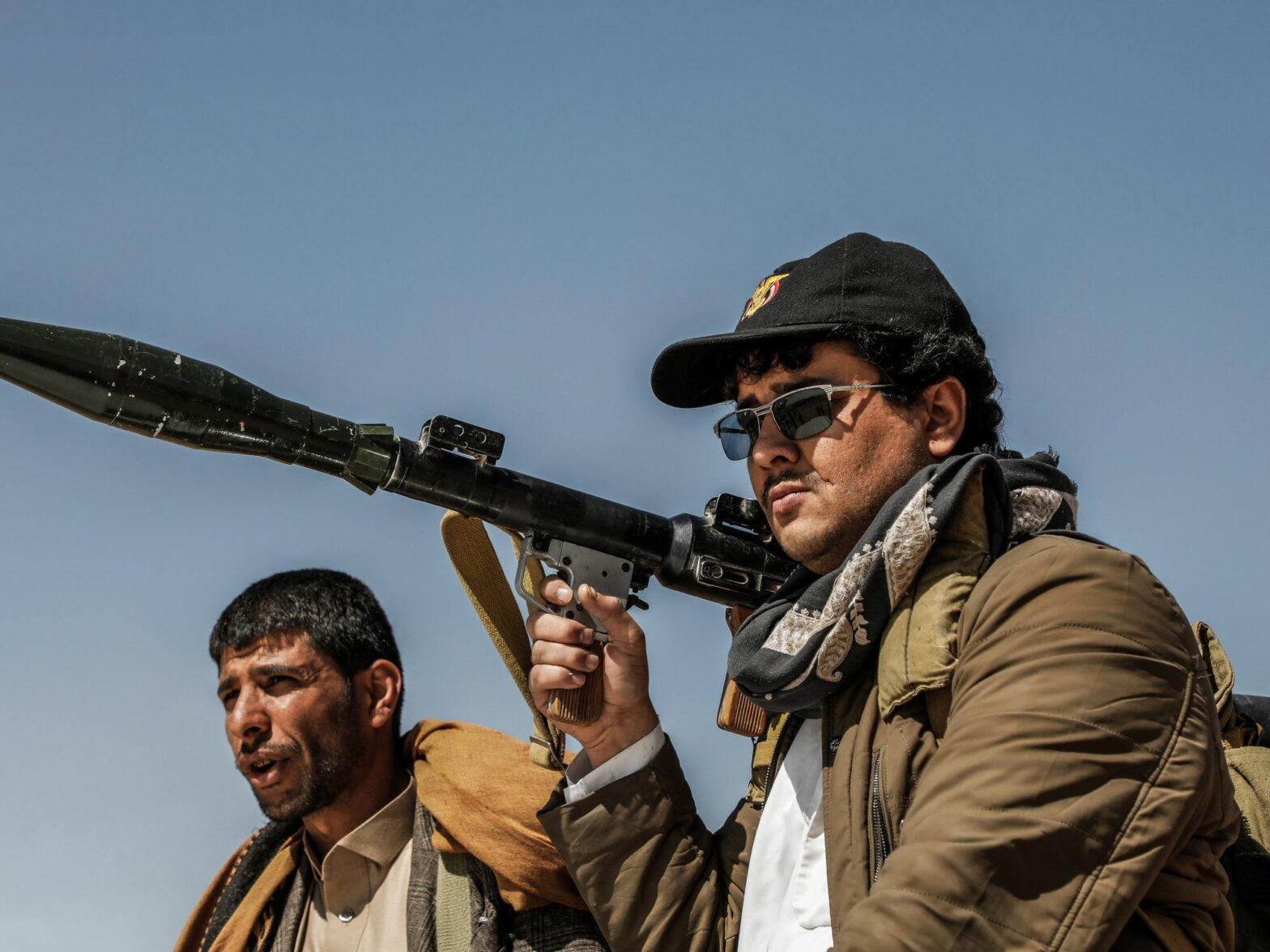
The Iranian-supported Houthi rebels in Yemen are now using the conflict in Gaza as a justification for widening its reach. But the direct clash with the U.S. and others in the Red Sea may take a nine-year-long war to a whole other level.
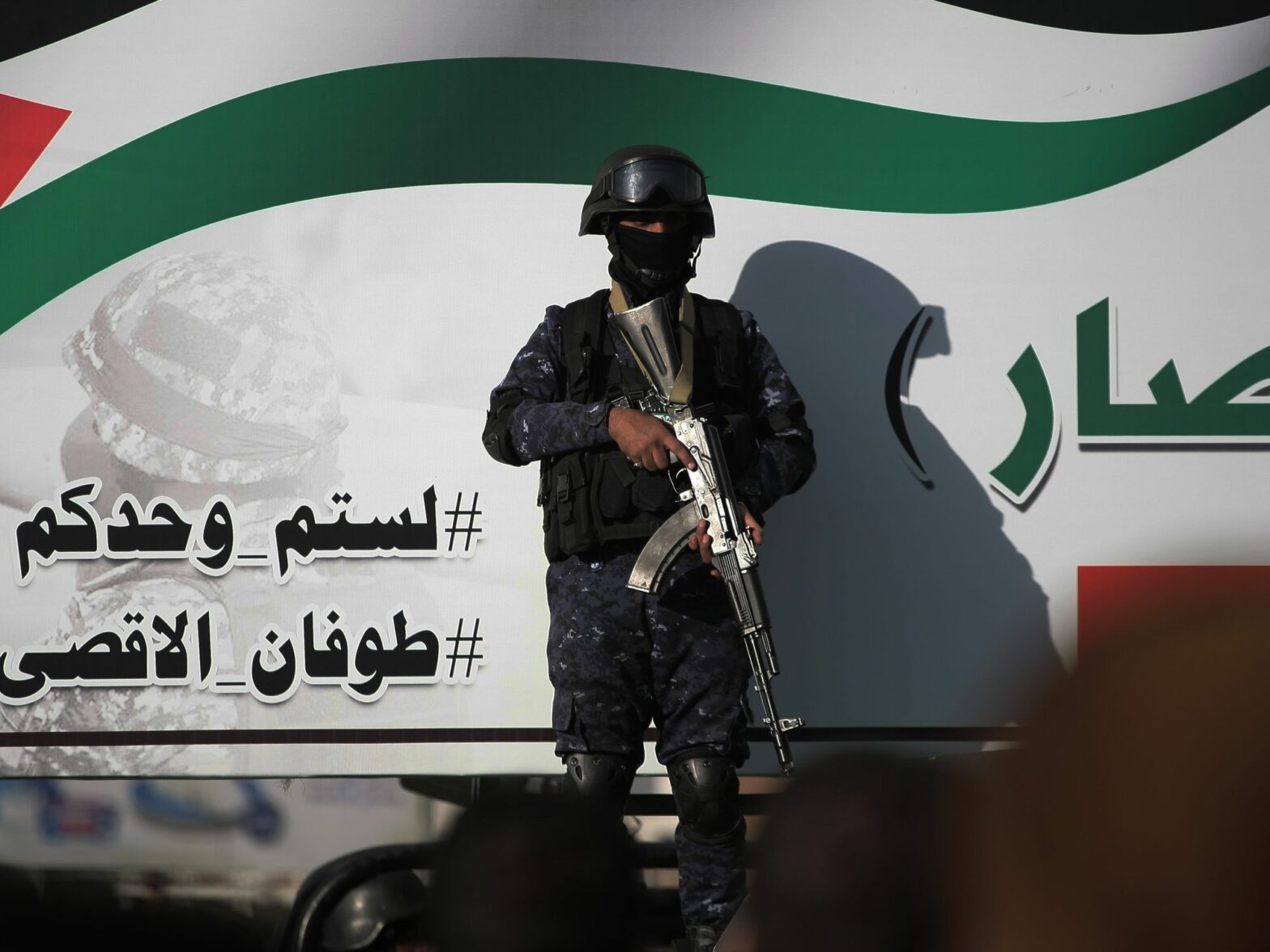
Iran’s revolutionary regime is believed to have aided Russia against Ukraine and goaded Hamas into attacking Israel. Could its insidious backing for Houthi attacks on Red Sea shipping finally end the West’s appeasement of a hooligan state.
As the situation escalates in the Middle East, the prospect of an all-out war may hinge on whether Iran will cross the Rubicon.
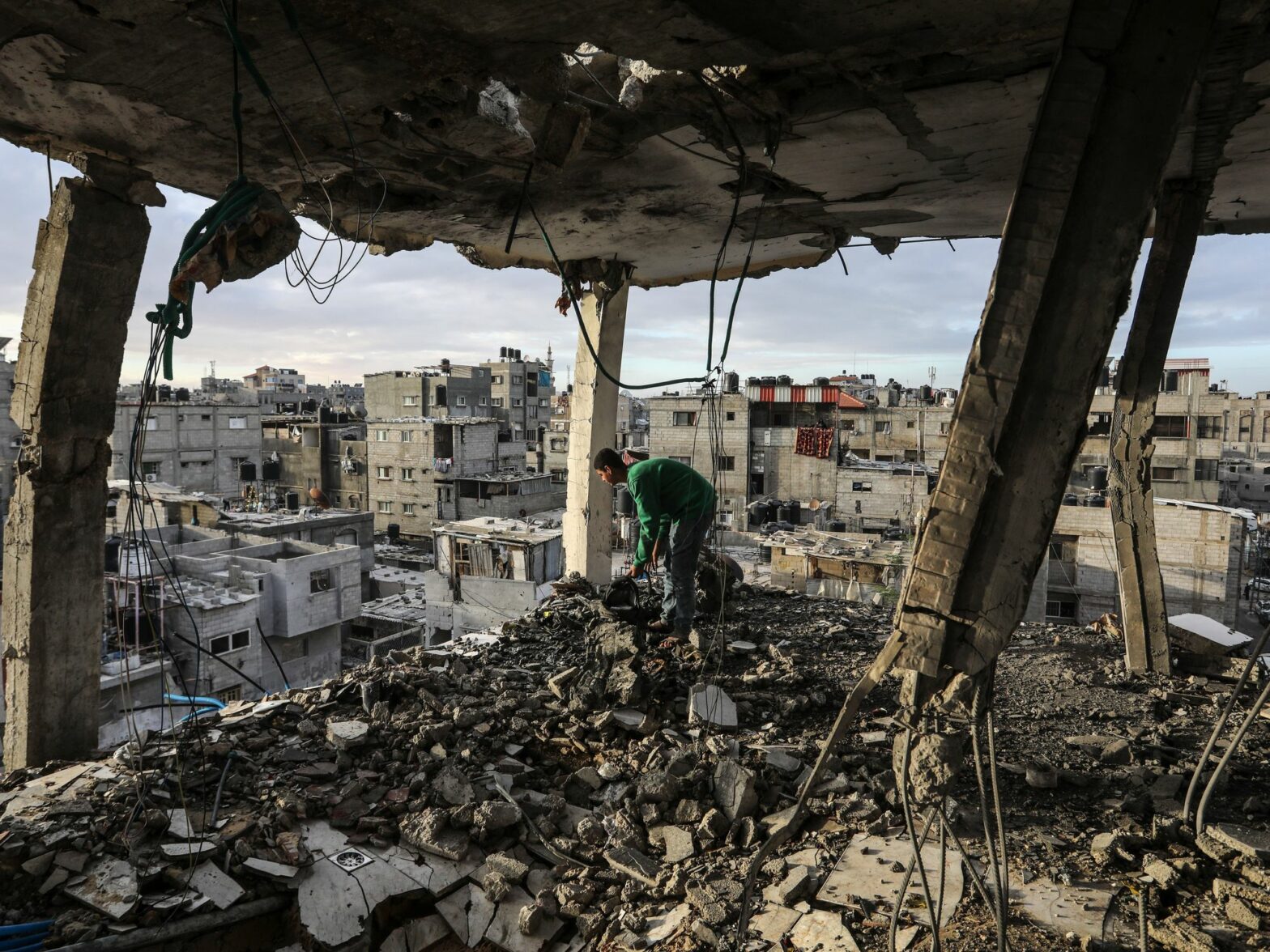
After 100 days of war, Israeli Prime Minister Benjamin Netanyahu has made it clear that he has no plans to listen to what any other country has to say, including his closest allies. There’s every reason to expect the situation to get worse.
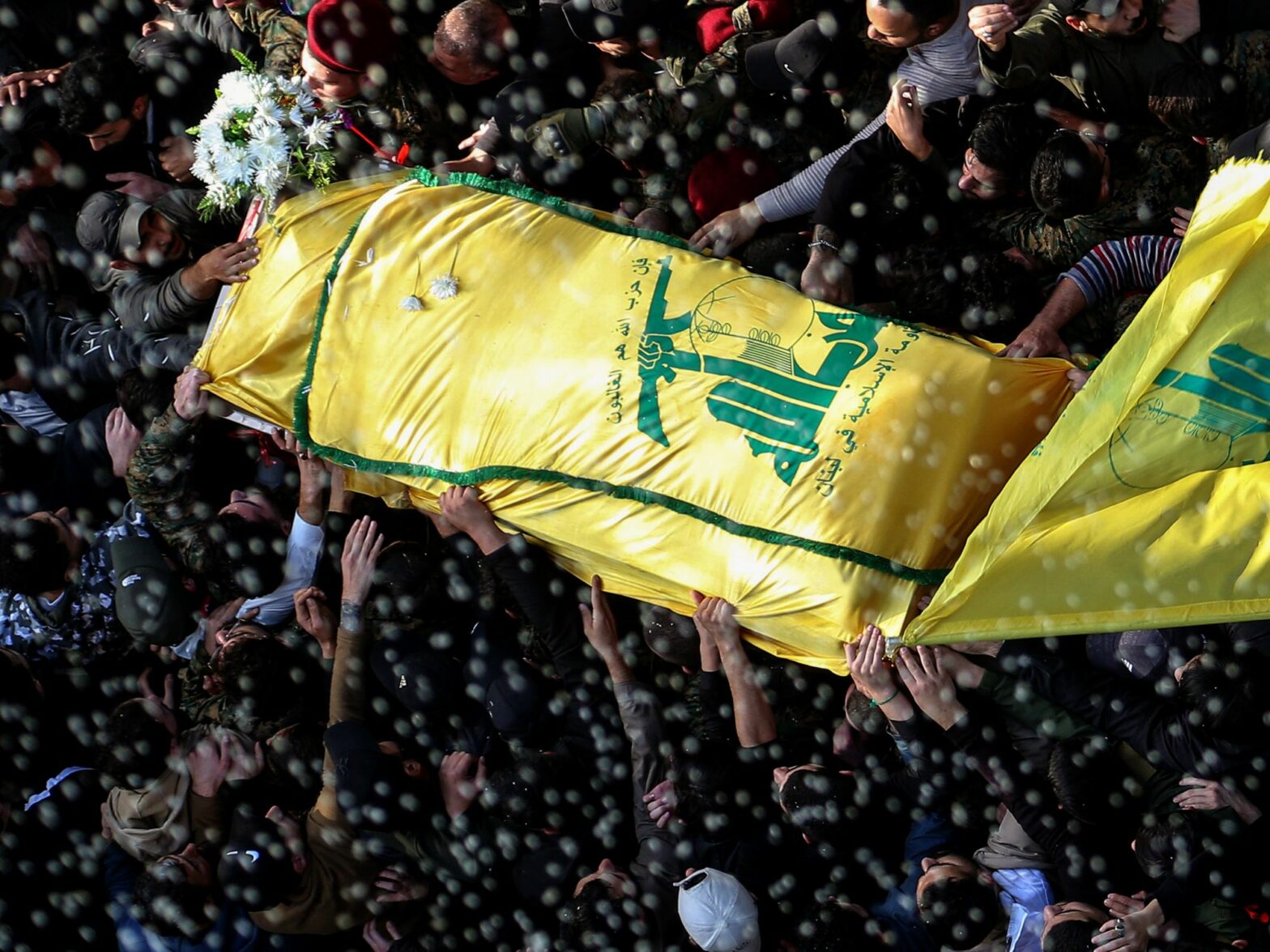
The killing of Hezbollah commander Wissam al-Tawil, which came after the Lebanese group launched its biggest strike on Israel since the war began, shows that Israel is more confident than ever of its military and intelligence superiority.
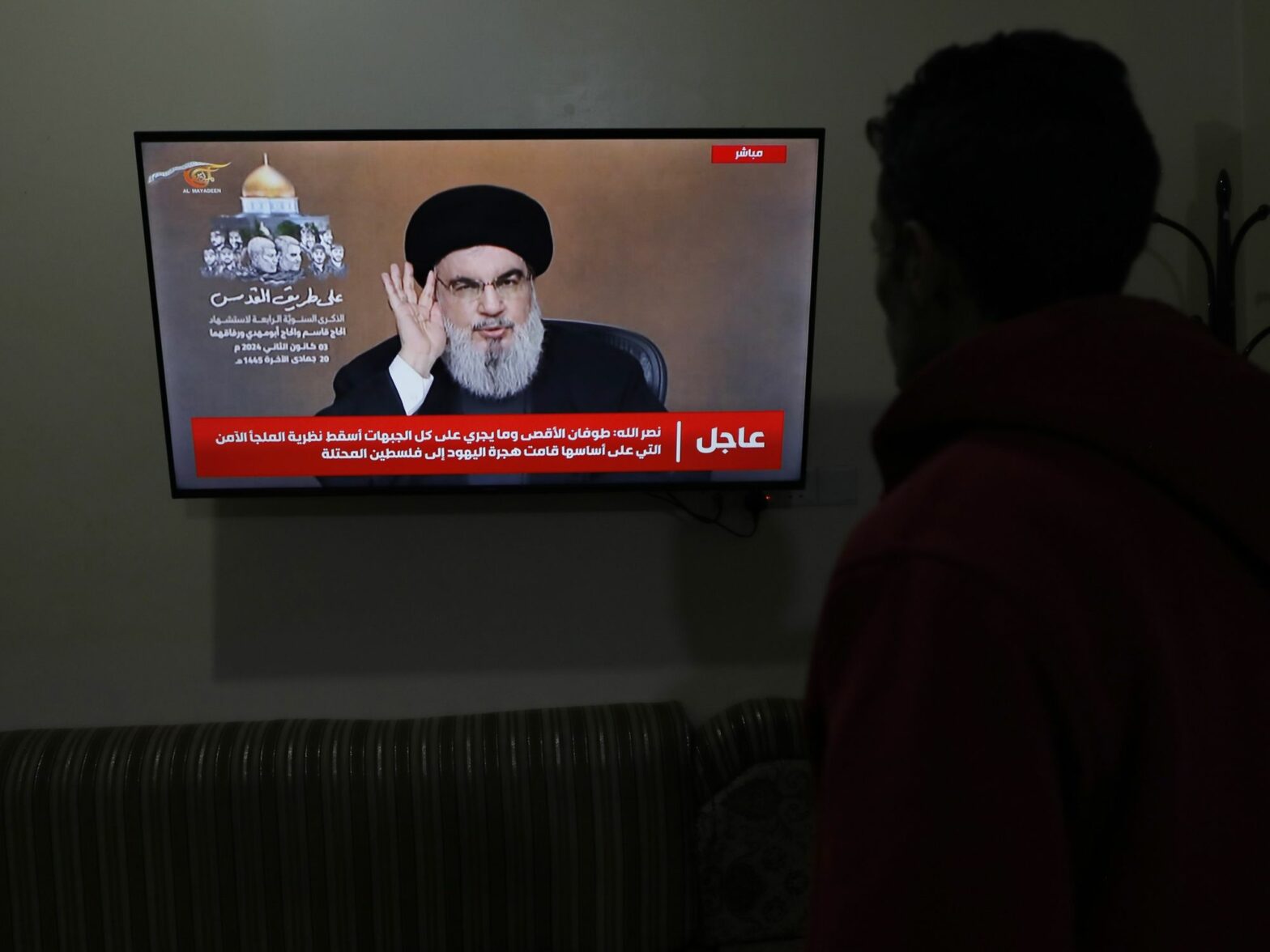
Hassan Nasrallah, the longstanding leader of Lebanon-based Hezbollah, grows stronger in direct relation to the declining influence of his rivals, foreign and domestic — embodying the formula for regional influence of Iran’s axis of powers.
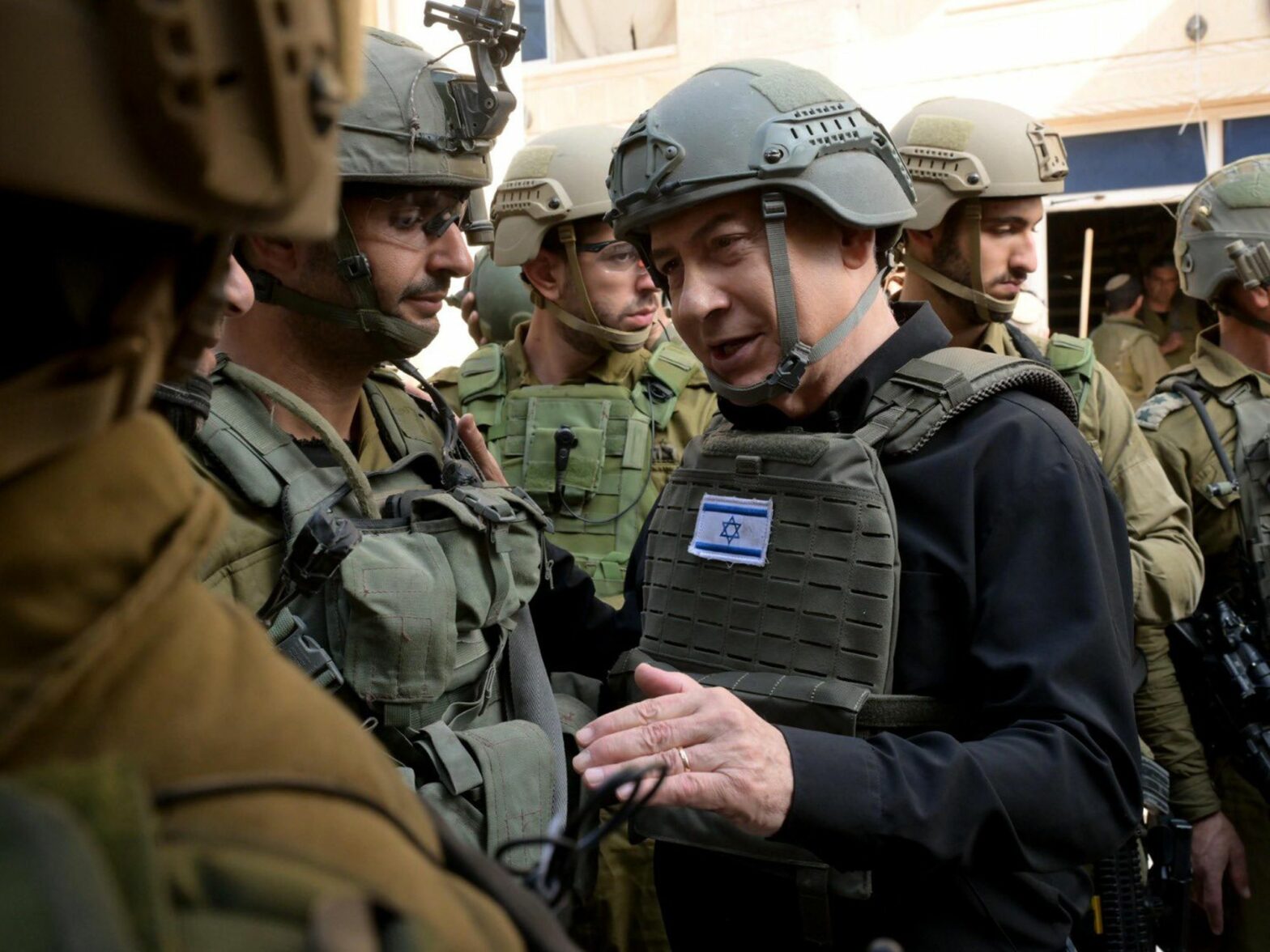
It is rare that a wartime leader doesn’t gain the support of his people. Israeli Prime Minister Netanyahu, instead, has the most dismal popularity ratings in memory. But he is also Israel’s longest-serving leader for a reason. The coming days and weeks will be crucial in deciding his fate, along with that of his troubled nation.

January 8 – January 14, 2024
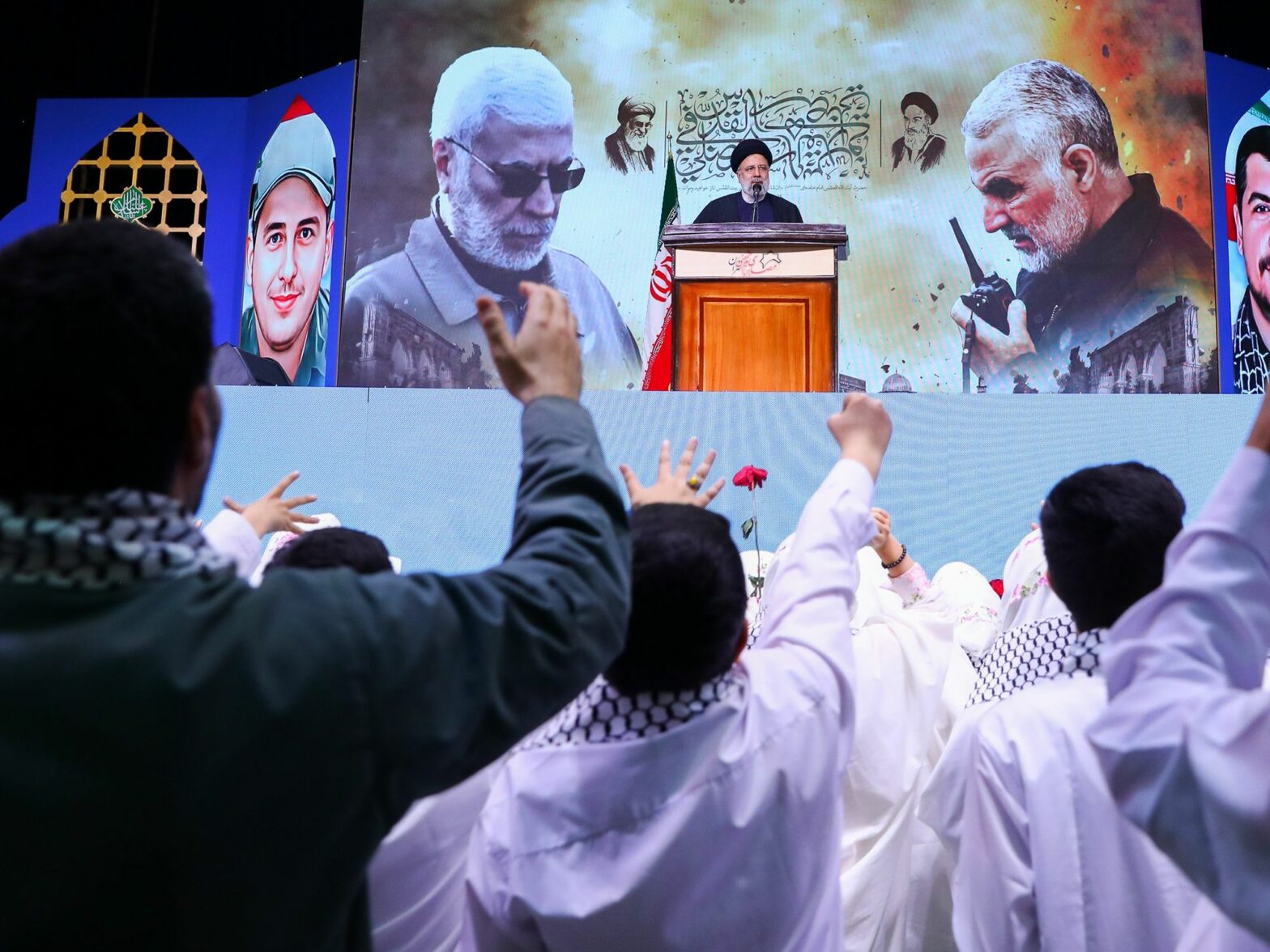
Though all-out war has not yet spread, there are a multiplying number of attacks, targeted and otherwise, taking place across borders that has all the makings of a region-wide conflagration.
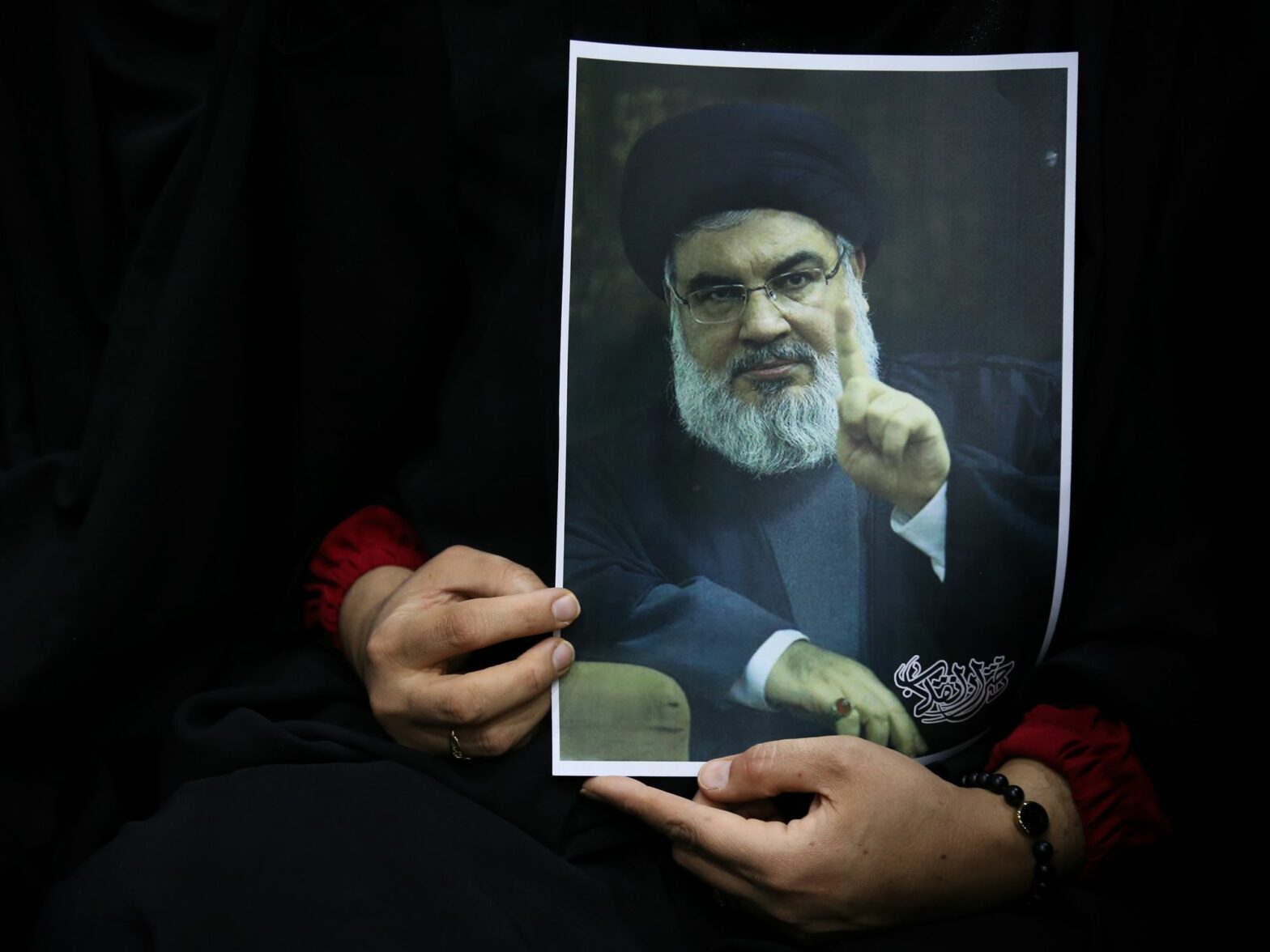
Iran’s constitution effectively allows any Shia theologian to become Supreme Leader, and the maneuvering to succeed Ali Khamenei now appears to include Hassan Nasrallah, longtime influential leader of Lebanon’s Hezbollah militia. It could redraw the map of the Middle East, but would ordinary Iranians and politicians stomach such an audacious imposition?
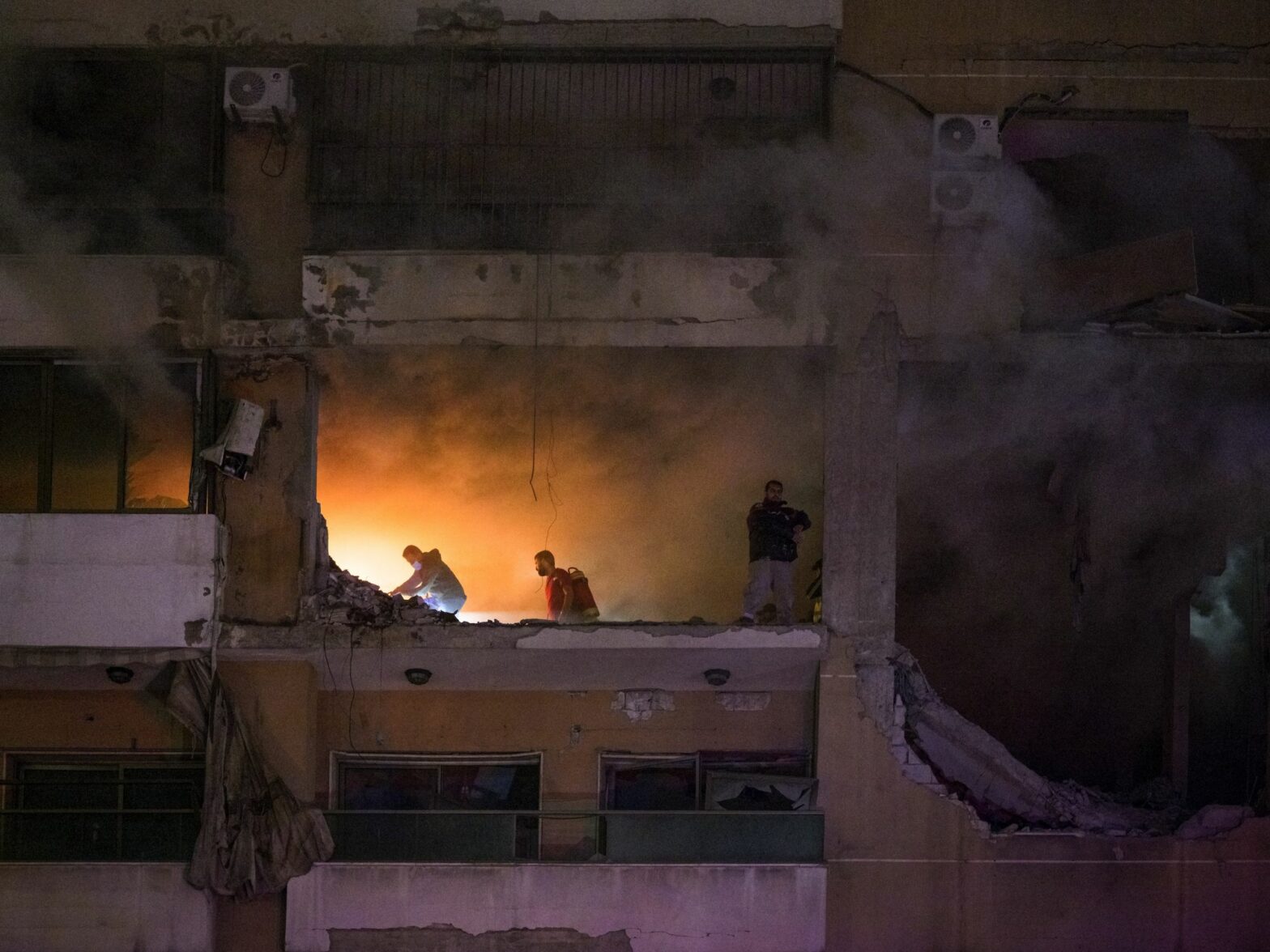
By eliminating Saleh al-Arouri, an important Hamas leader, with a drone strike in Beirut, Israel has taken a risky gamble: that Lebanon’s Hezbollah and its Iranian allies will not go to war over the death on Lebanese territory of a top Hamas figure.
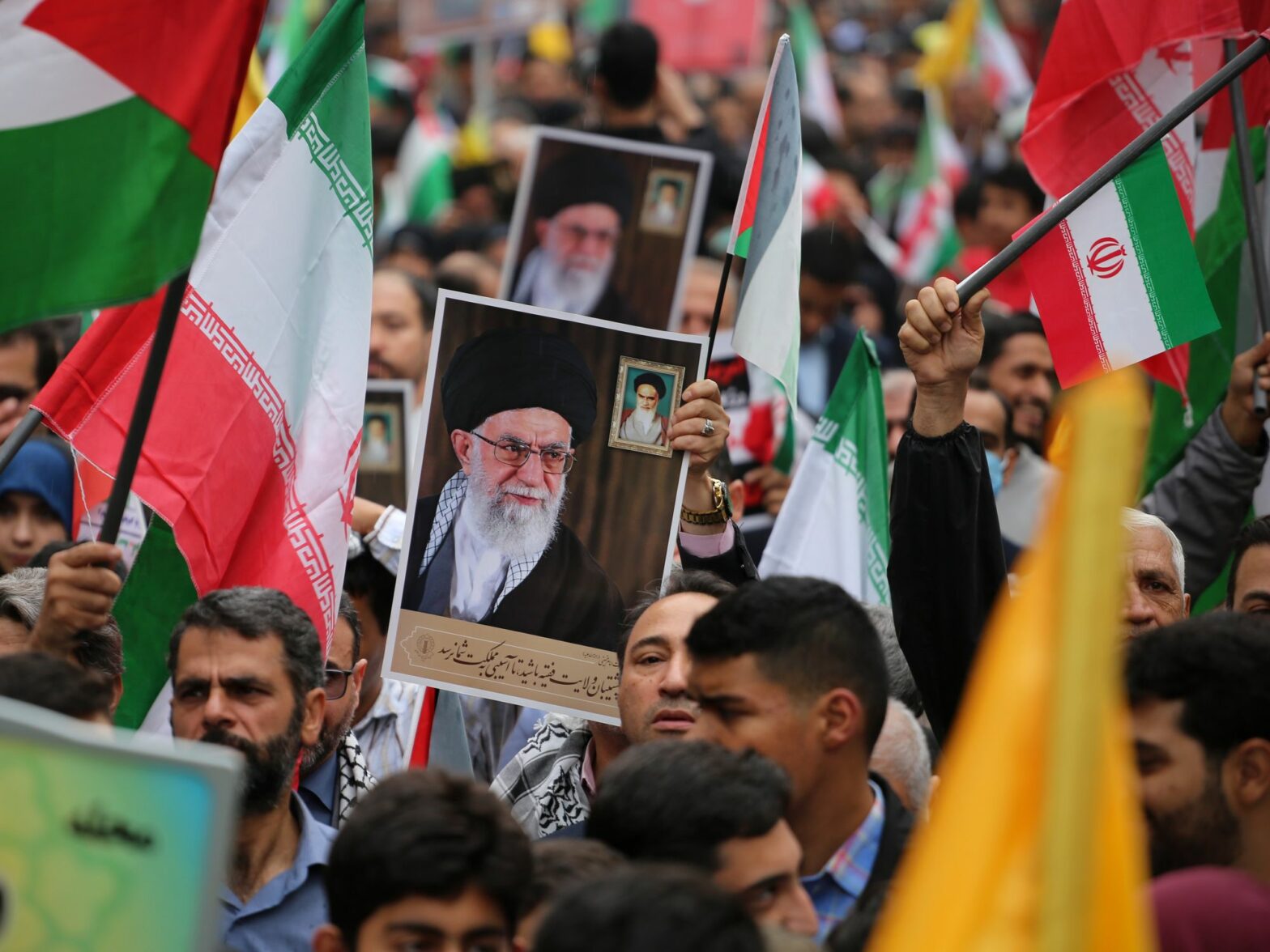
The recent repression of an old man dancing at a fish market shows how on edge Iran’s regime is domestically, writes Pierre Haski. While Iran may be stepping up its game regionally, its fragile attitude domestically can be a sign of what an irrational actor the mullah regime can be.
Nuclear weapons are a constant fear simmering in the background of modern-day conflicts. With the potential for Iran to join the Israel-Hamas war, and a threatening Russia at war with Ukraine, there is a more urgent necessity of reestablishing communication channels and confidence-building measures among nuclear powers.
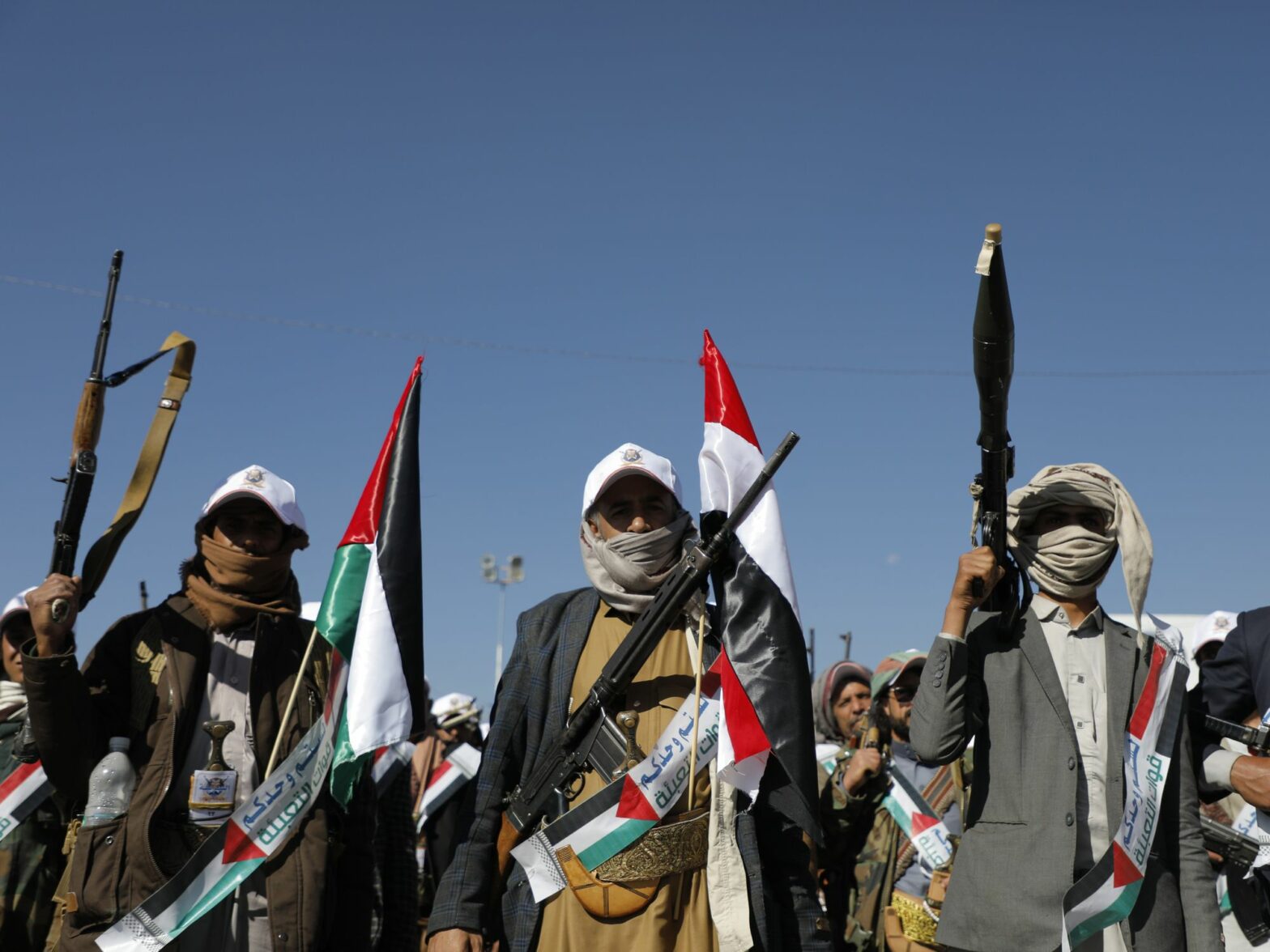
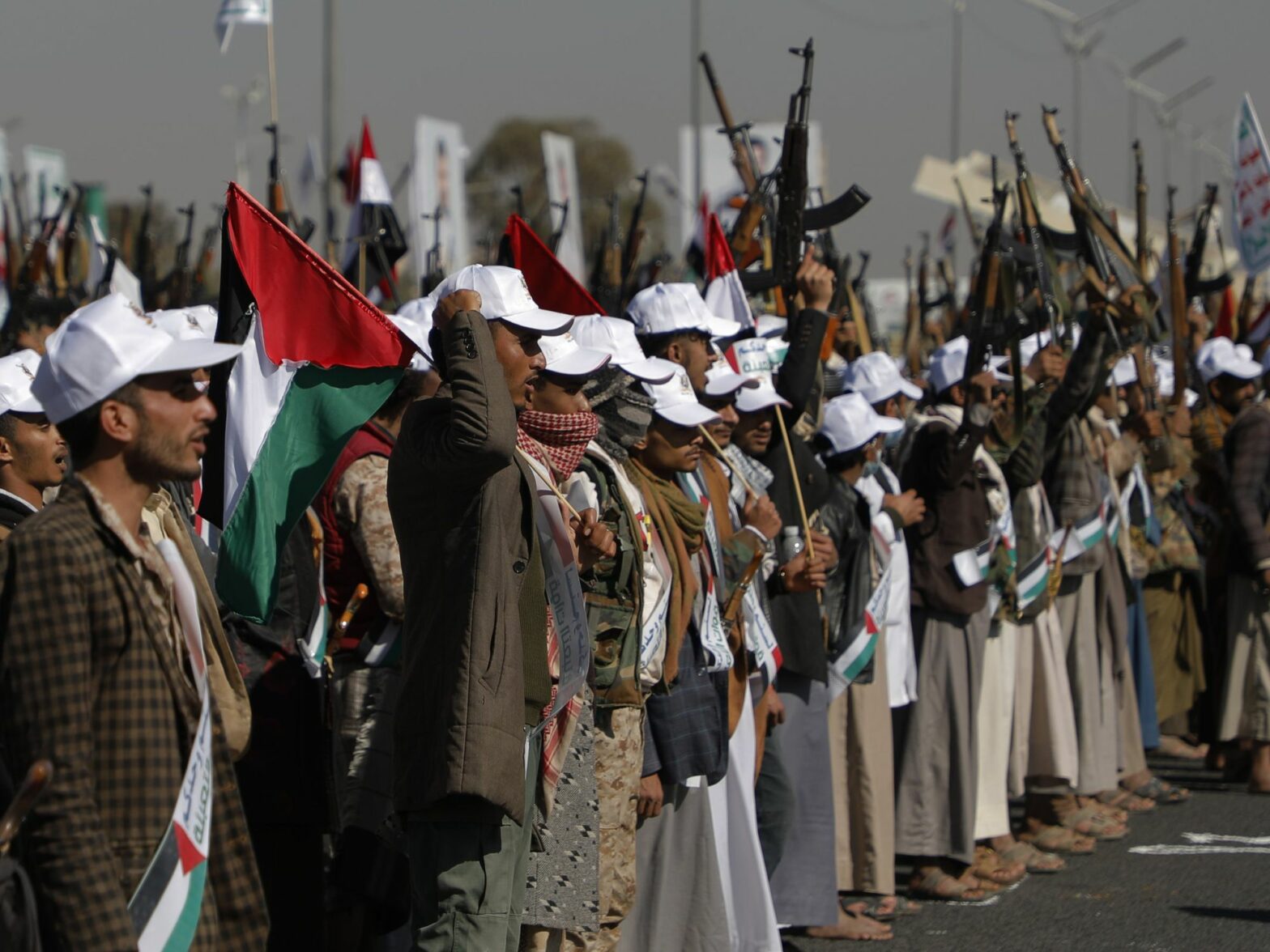
Houthi rebels in Yemen have escalated their maritime attacks in the strategically vital Red Sea. Both their links to Iran, and the decision to target key shipping routes raises the risks for international escalation.
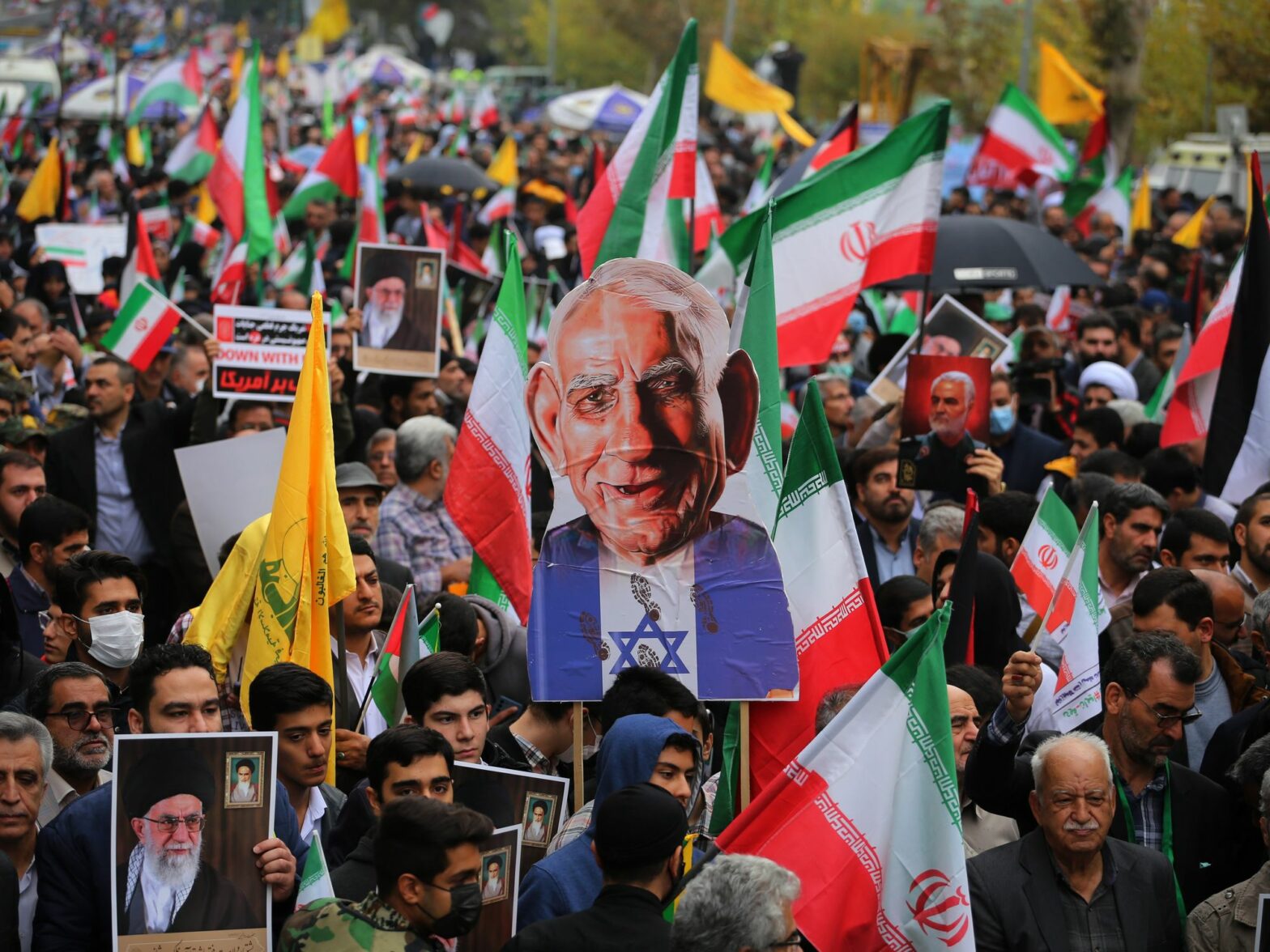
Iran this week has reaffirmed its full support for Hamas, issuing new threats to escalate with more attacks like Oct. 7. This came after some in the region had criticized Iran for now joining the fray directly. With the rising rhetoric, Iran can’t stay passive forever.
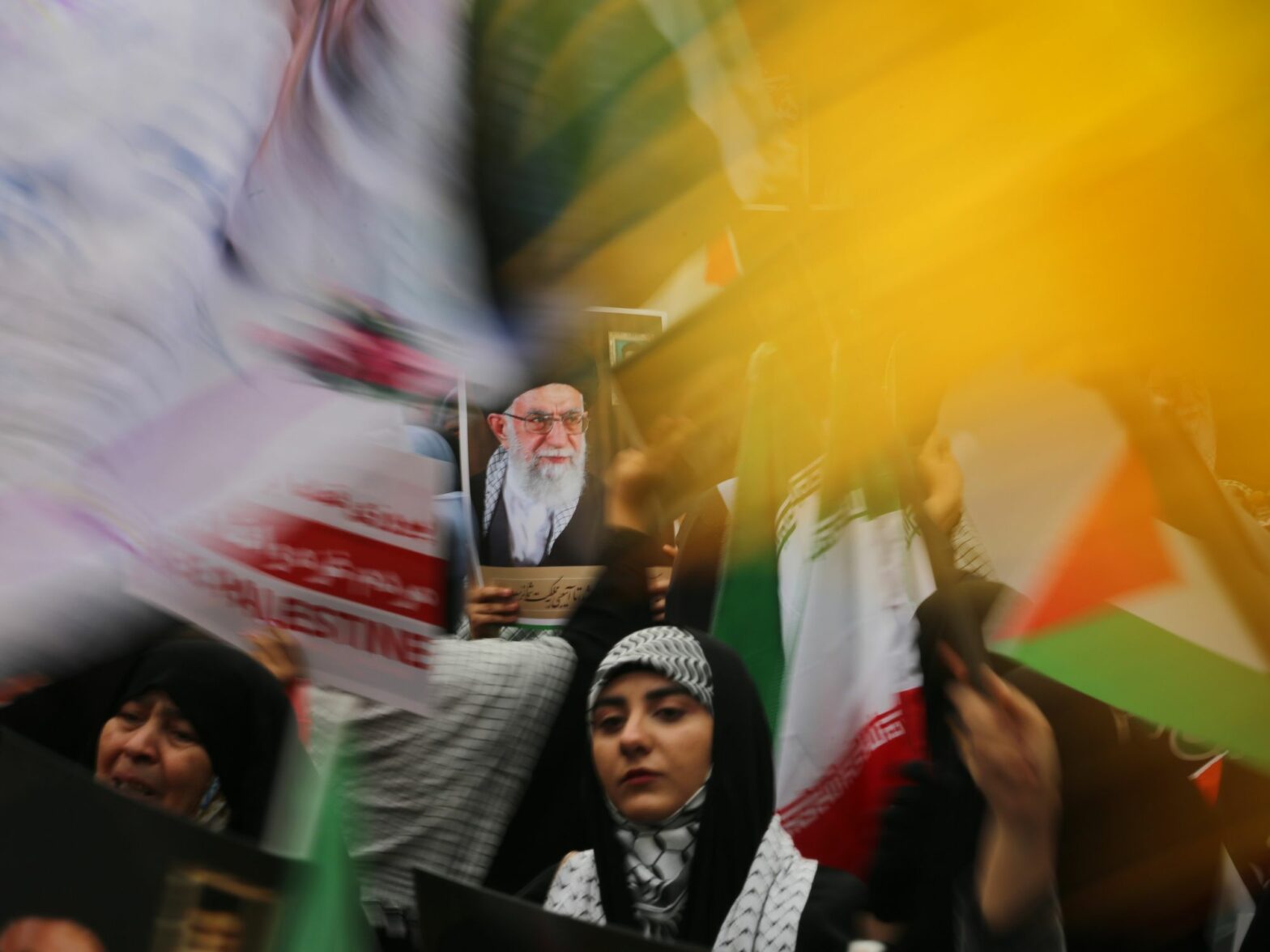
Iran’s revolutionary regime insists it wants Israel destroyed and has threatened a regional war, but its actions are ambivalent, suggesting it may fear a regional war that would hasten its demise. As a result, it may decide to stop supporting Hamas in Gaza.
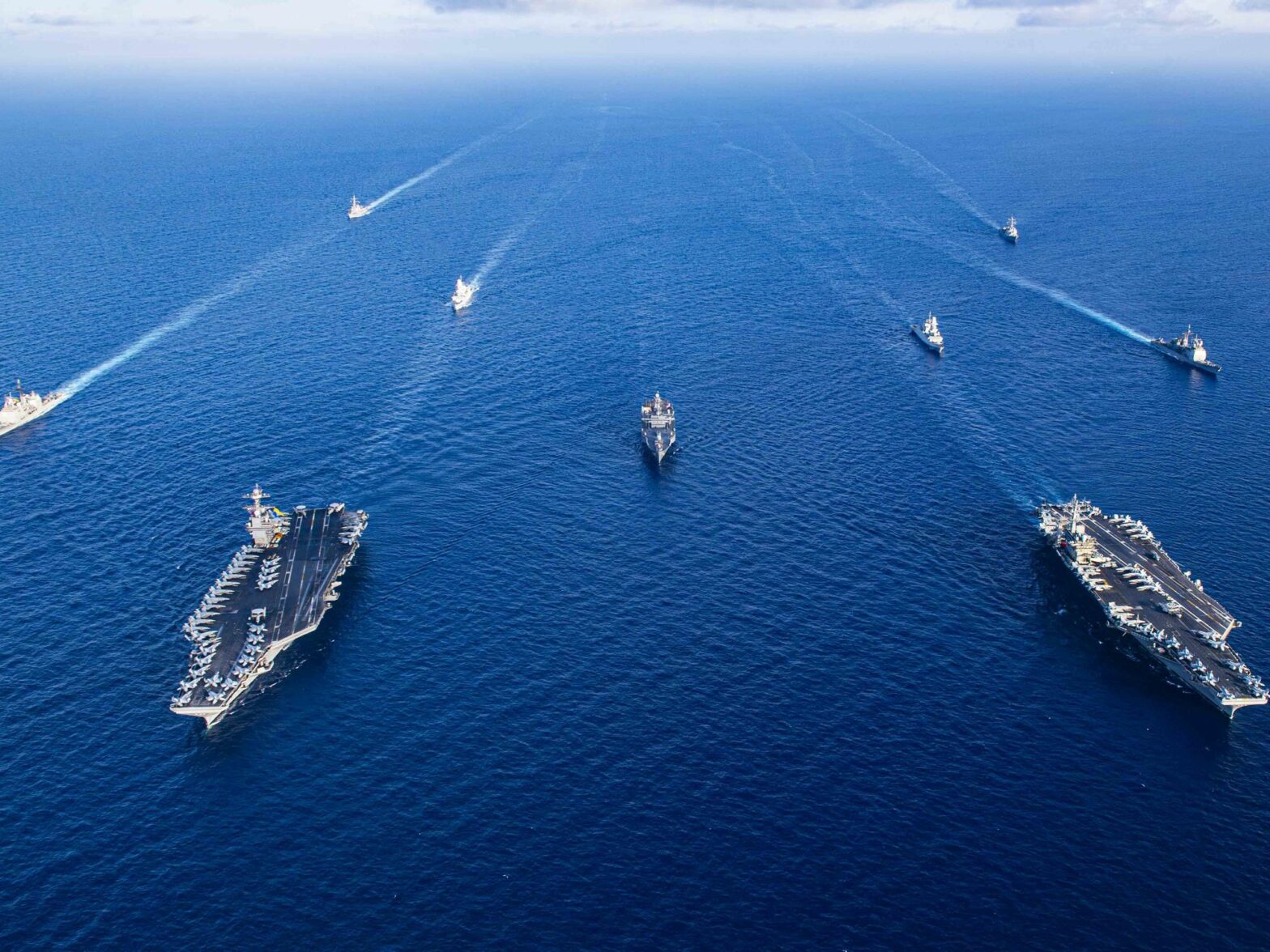
The United States has found itself at the forefront of a conflict that the whole world is following. President Joe Biden faces the pull of public opinion, the threat of Iranian action, and the escalation of the Israeli state.
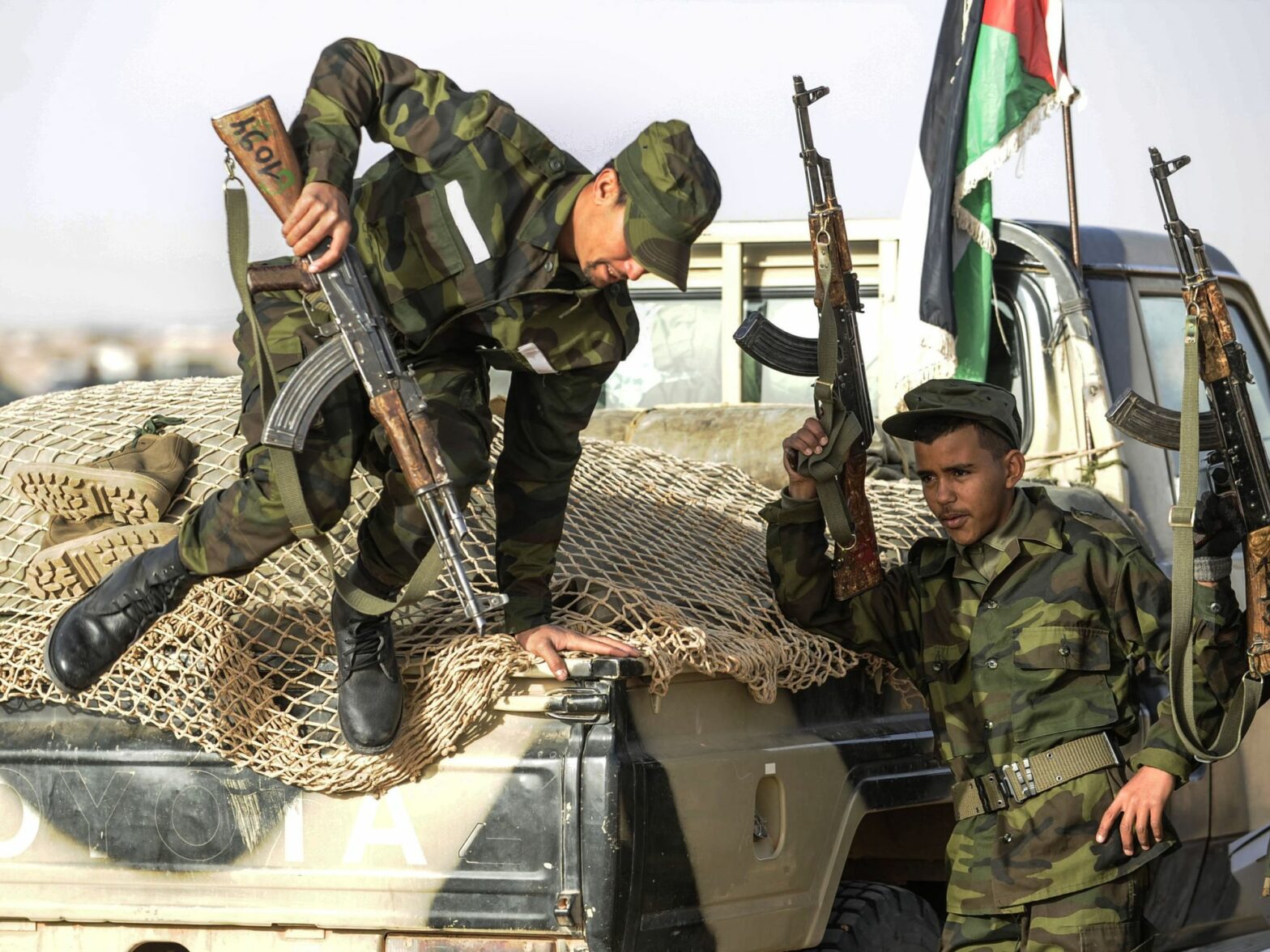
Germany’s Die Welt newspaper has had access to information from secret services that reveal Iran’s trail of support of anti-Israel terrorist groups that go as far as the Sahara. A militia is developing there that supports Hamas — and aims to plot deadly attacks against Israel and its interest wherever possible.
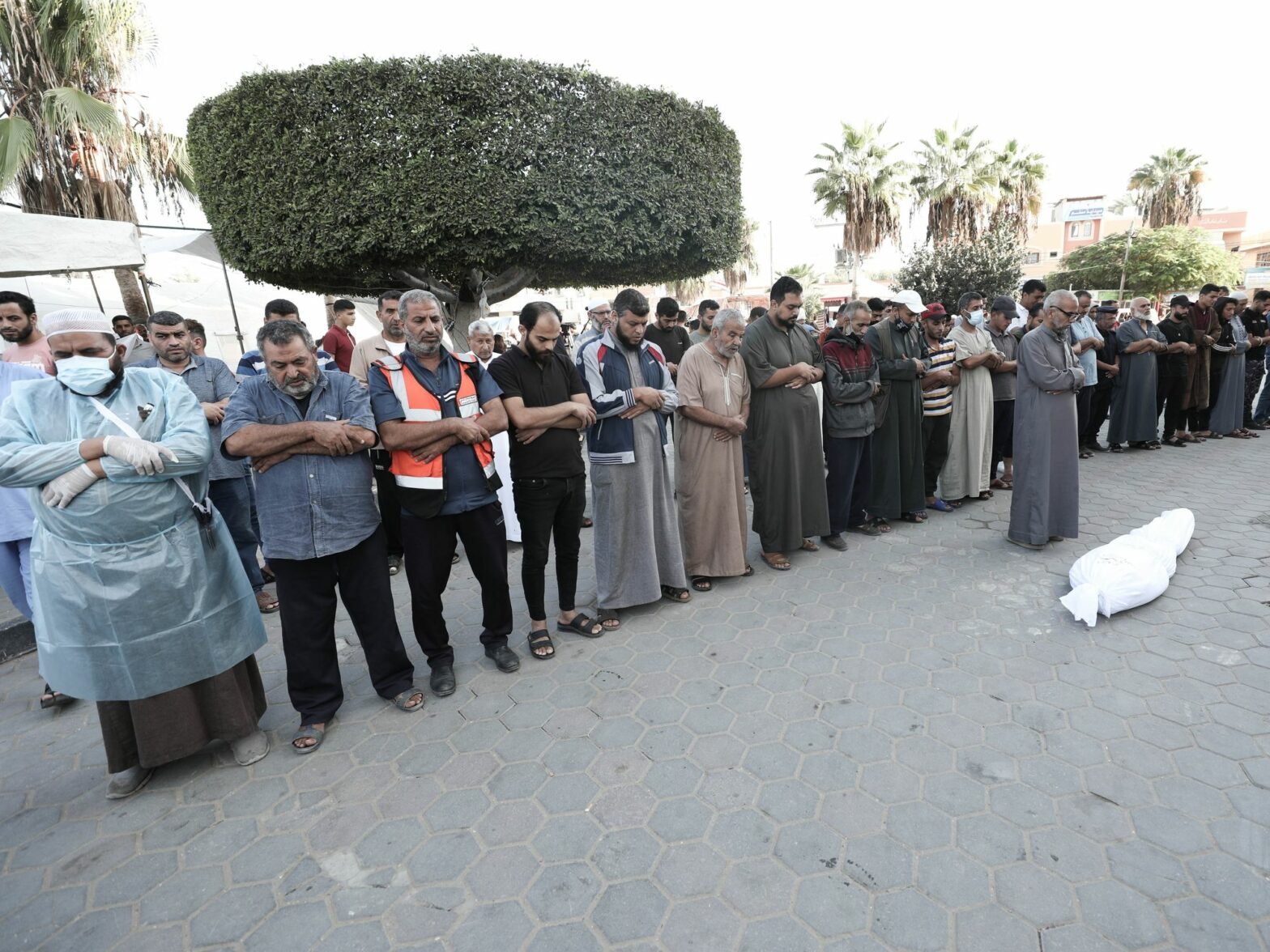
As the death toll in Gaza reaches 10,000, Israel has launched what may be its most intense bombardment, as ground offensive continues to accelerate. All of this as U.S. Secretary of State Blinken says he’s trying to get Israel to limit the civilian casualties.
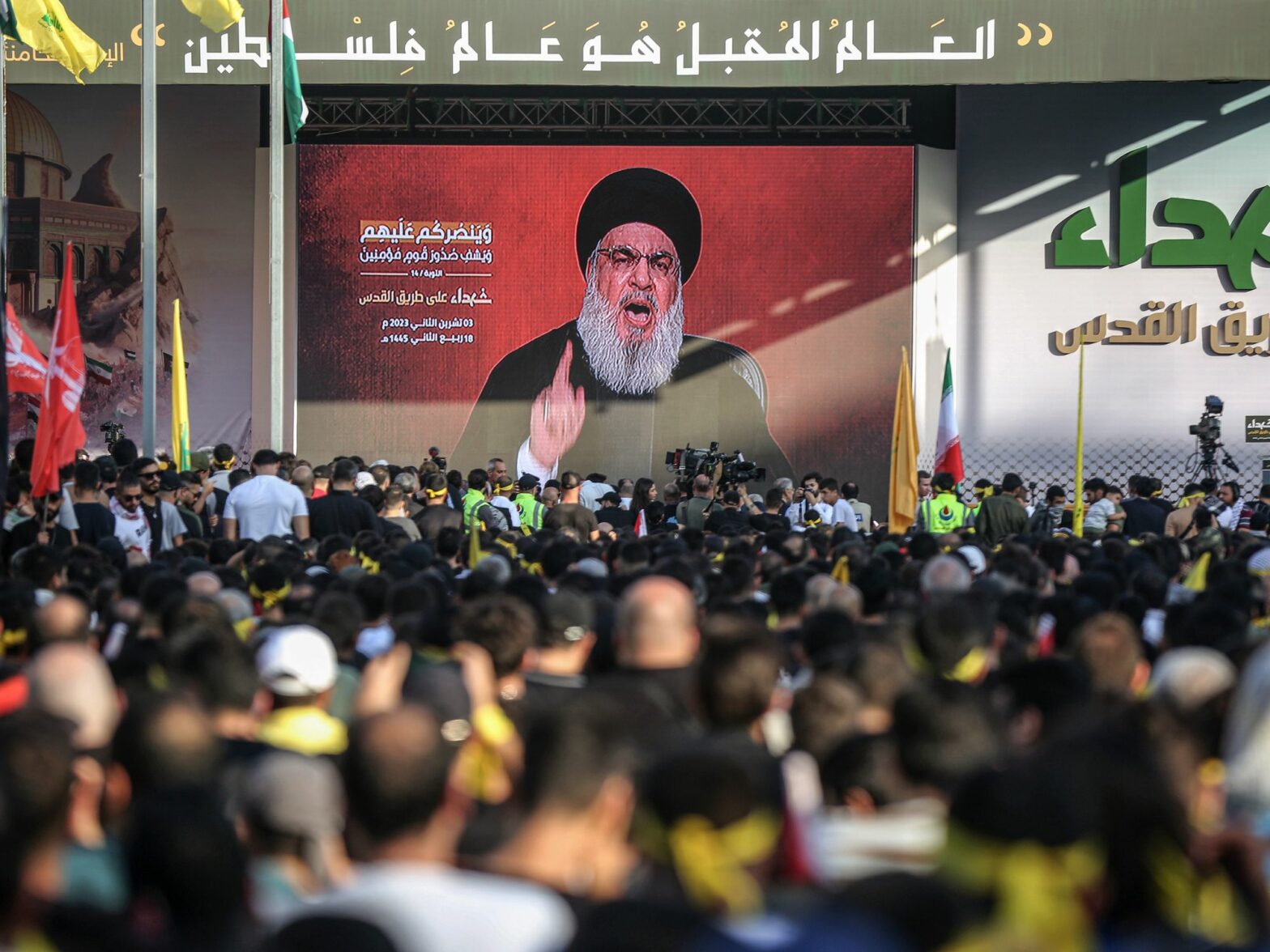
Here are six key points from Hezbollah Secretary General Hassan Nasrallah’s long awaited speech, including a threat to Israel that it was a “realistic possibility” that the war along the Lebanese border is about to escalate.
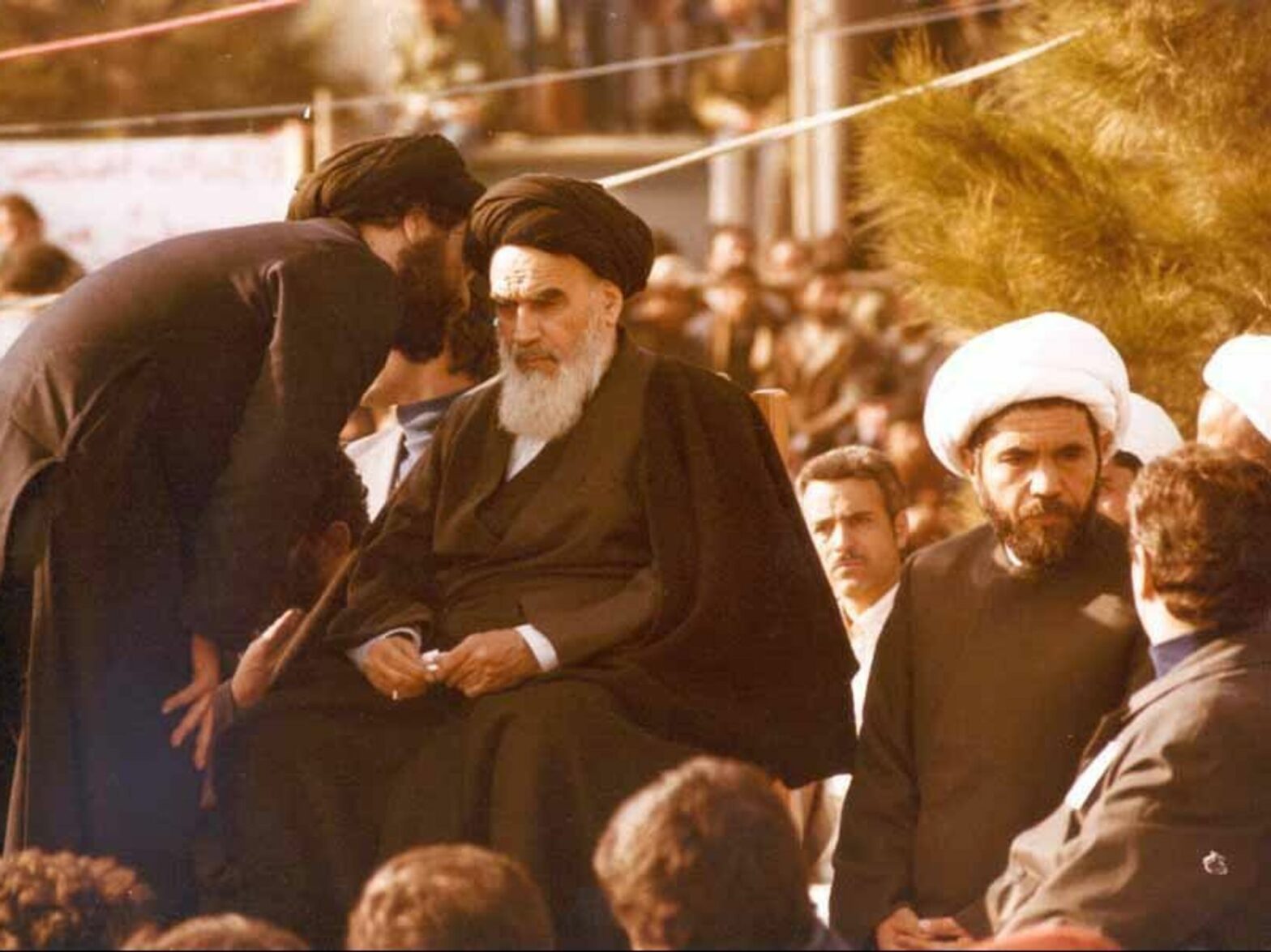
Whom should we blame for the death and destruction in Gaza: terrorists, Israel or ‘warmongers’ beyond them, notably the Tehran regime that envisaged, decades ago, a regional war as the prelude to spreading its “Islamic revolution.”
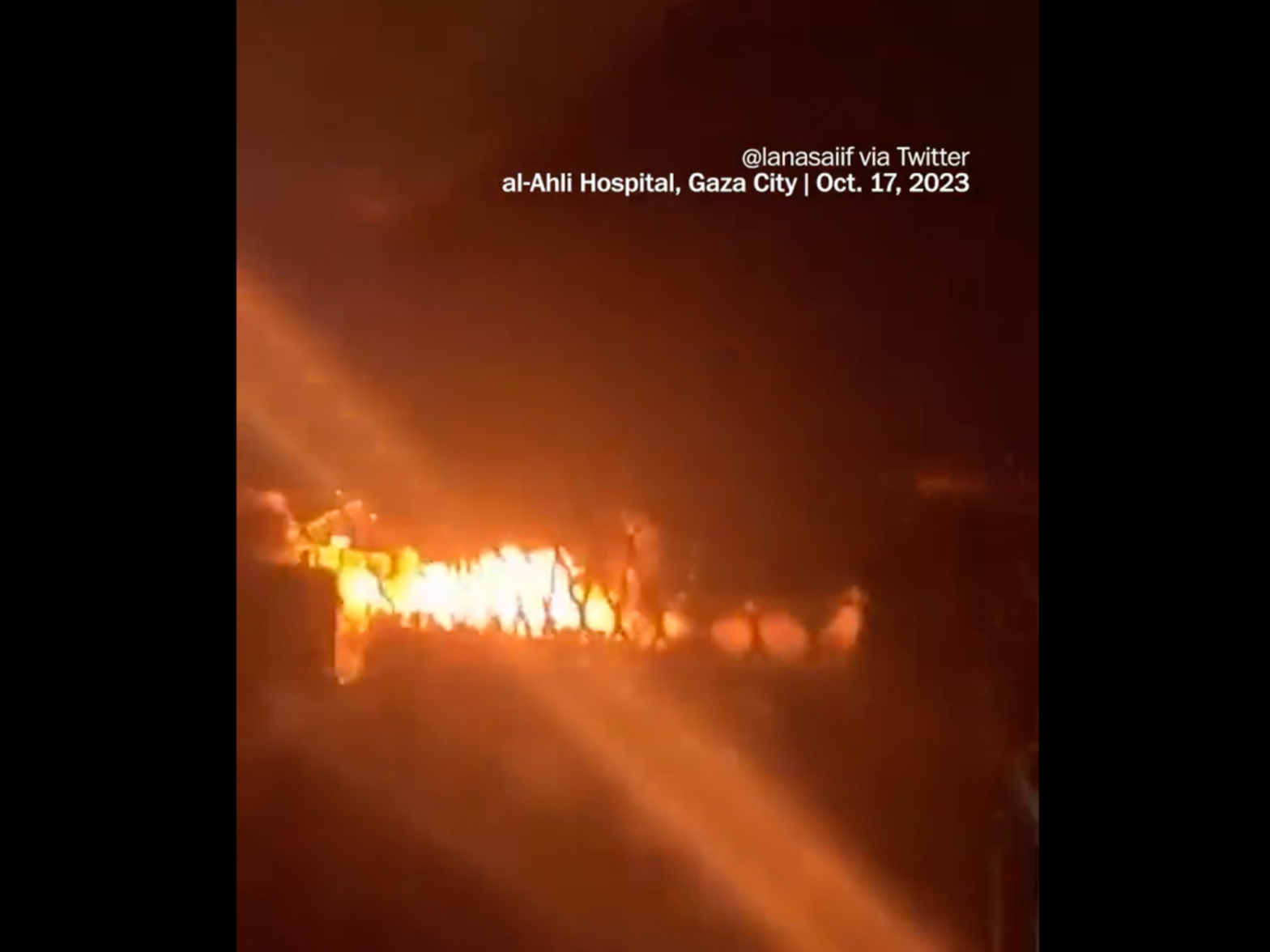
As outrage spreads over the civilian casualties in Tuesday night’s bombing, Israel justifies the strike as necessary to eliminate Hamas leaders, including at least one suspected mastermind of the Oct. 7 attack.
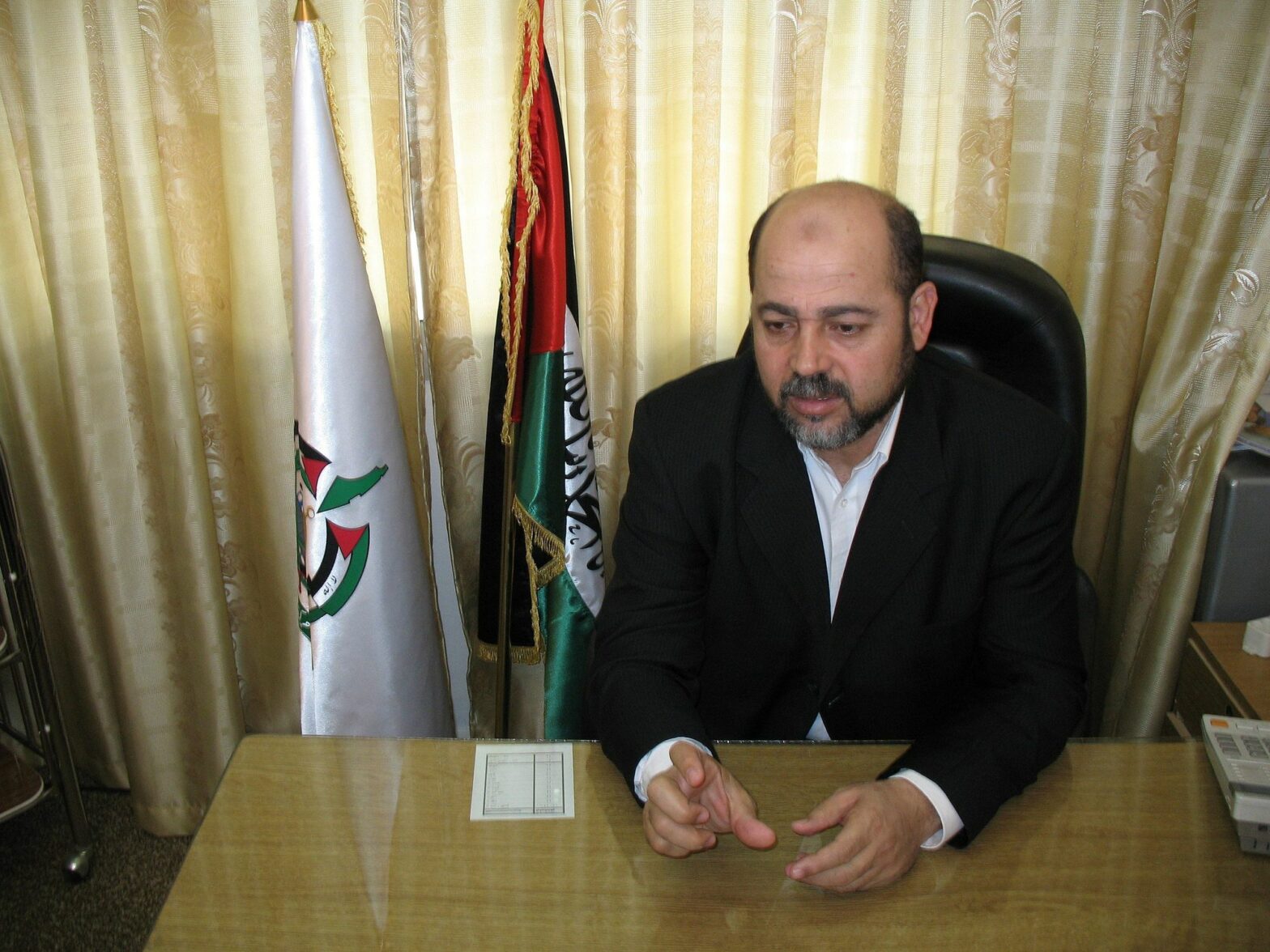
A Hamas delegation arrived in Russia, as Putin warns Israel that the war could spread beyond the Middle East.
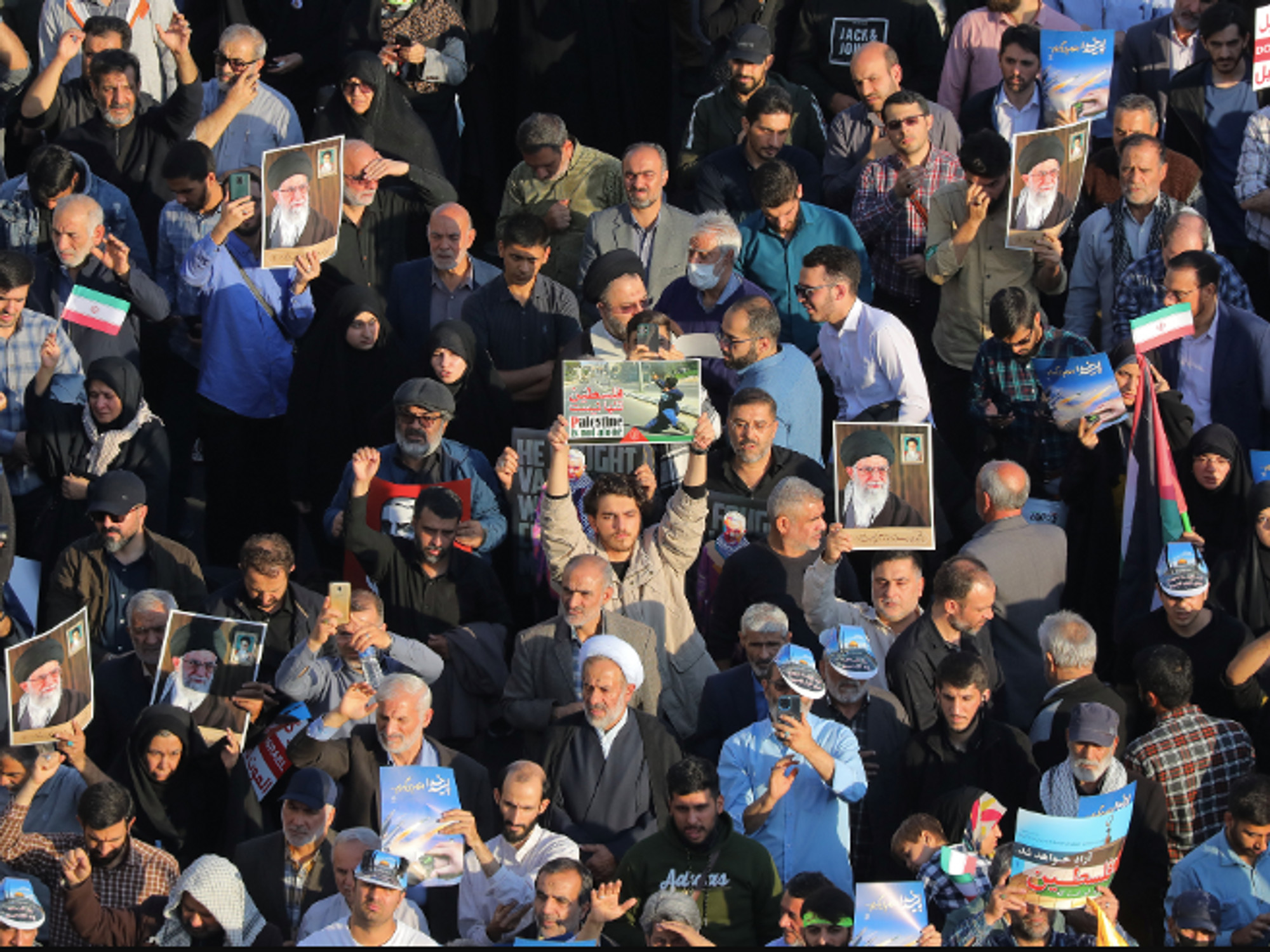
What happens next in the Middle East, including a possible expansion of the war at the Israeli-Lebanon border, will be determined by choices that are made in different capitals. Keep your eye on Tehran.
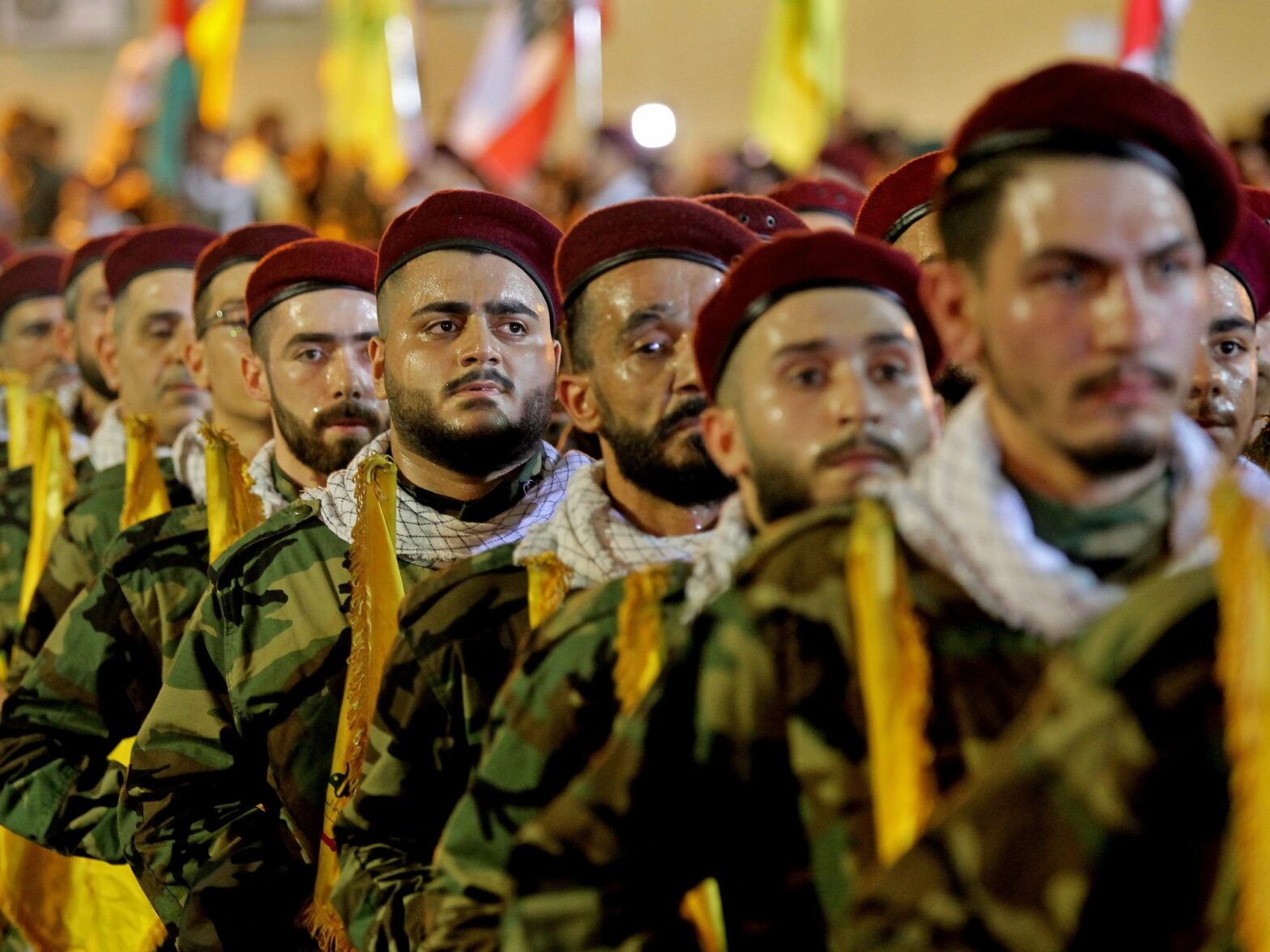
For decades now, the Islamic Republic of Iran has created, armed and trained paramilitary groups in several Middle Eastern states, all of which are believed to stand at the ready to strike Israel and Western targets at Tehran’s command.
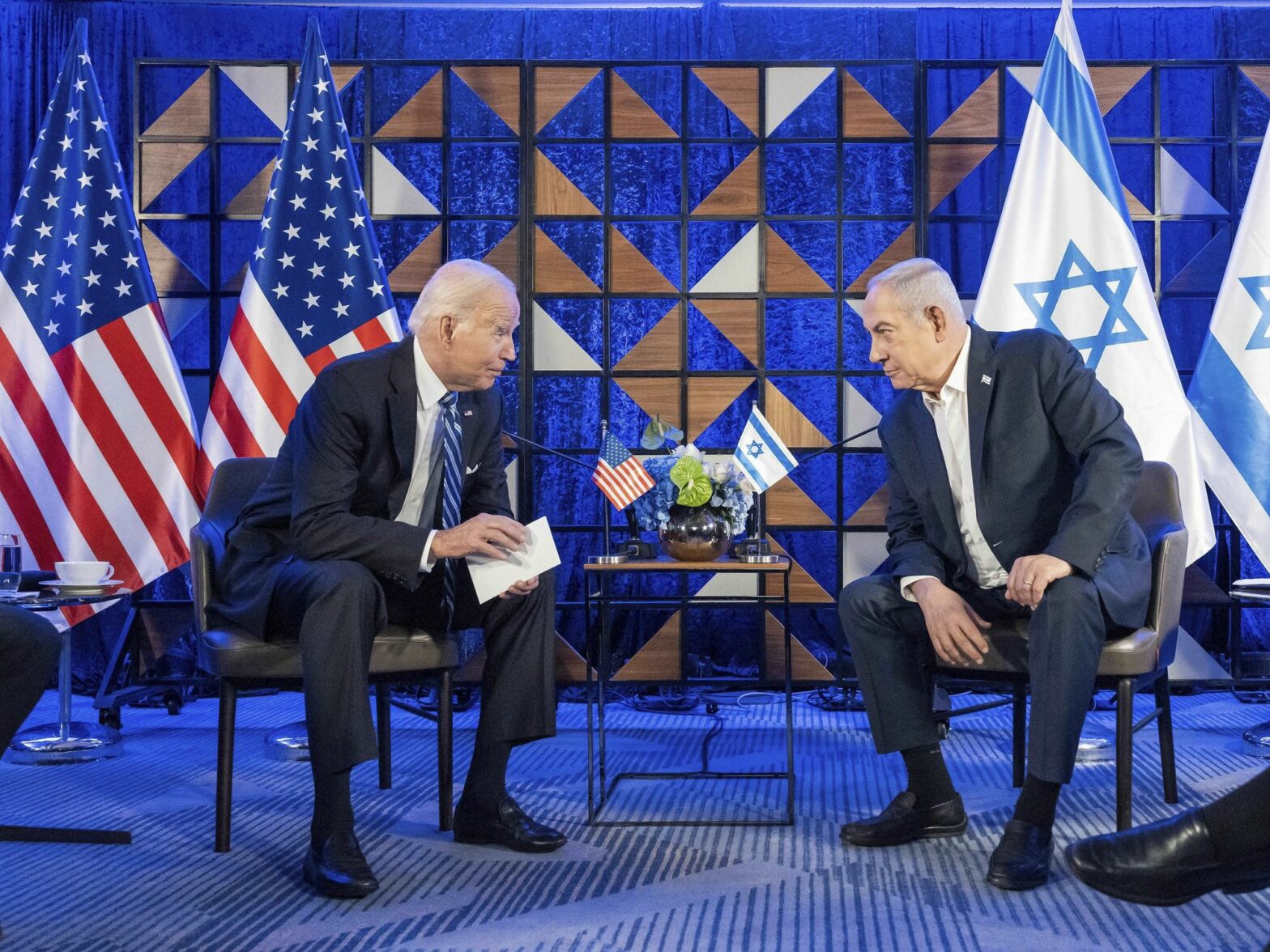
The American president succeeded in obtaining humanitarian corridors through Gaza, and supported Israel’s claims that it wasn’t responsible for bombing a Gaza hospital. But in the Arab world, he consolidated his image as Israel’s main supporter, and lost the political battle for public opinion.
Also, Egyptian president appears to threaten war with Israel over Palestinian refugees, and German chancellor forced to evacuate his plane amid air raid alert.
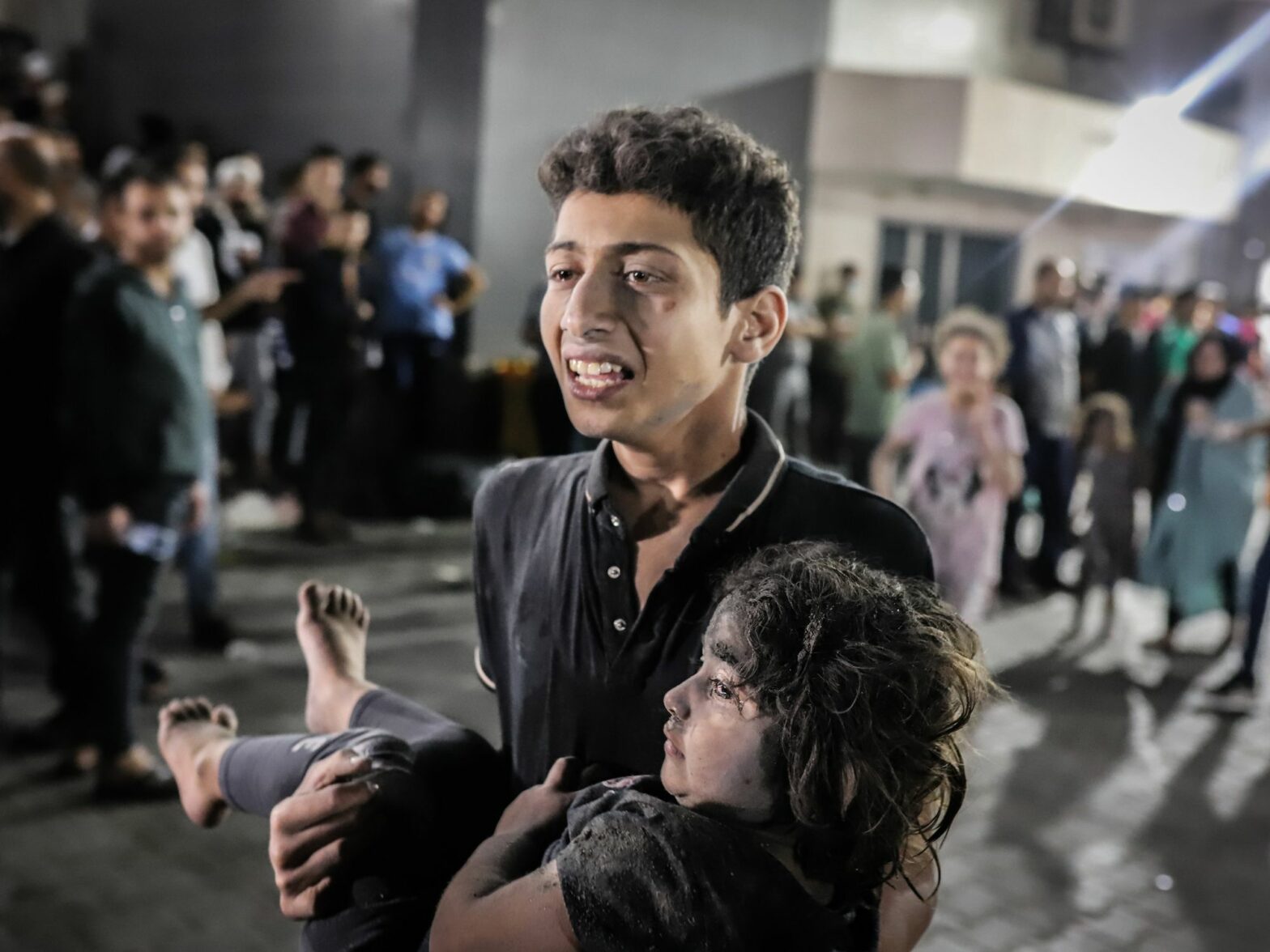
The strike on Gaza’s Al-Ahli hospital, which left hundreds dead, has changed the climate of the conflict between Israel and Hamas, even as the two sides shift the blame to each other. Calls for a ceasefire multiply as Joe Biden arrives in Israel.

Memories are still clear of the war in 2006, which exploded after a Hezbollah attack in northern Israel. Nobody wants war again, even as solidarity for the Palestinian cause is stronger than ever.
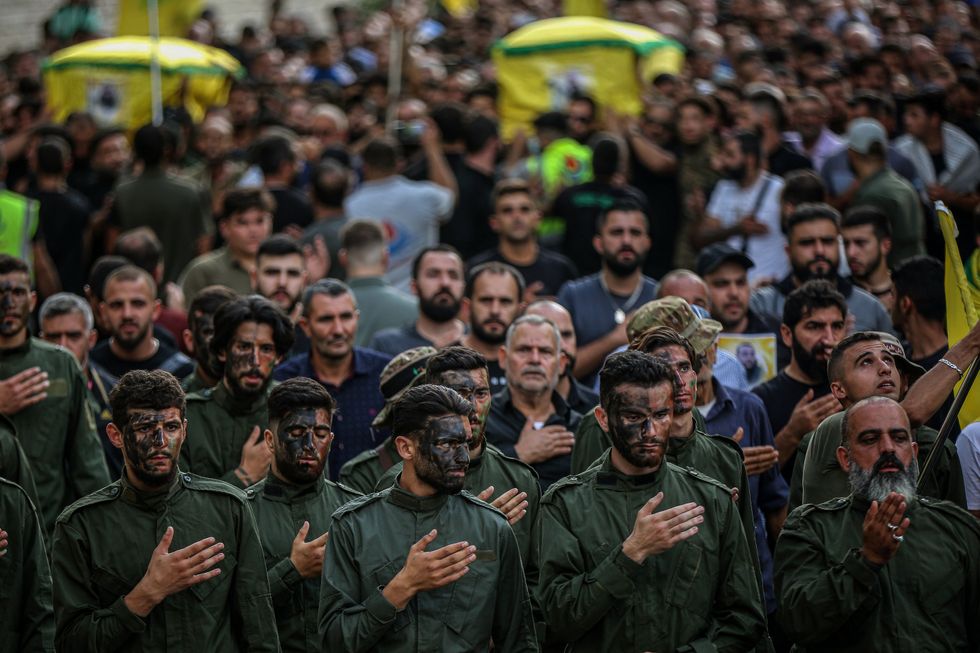
The widely believed inability of Lebanon to control Hezbollah has sparked fears among Lebanese that the Iranian-backed group will join Hamas’ war against Israel and dragged their troubled nation back to a dark chapter in history.