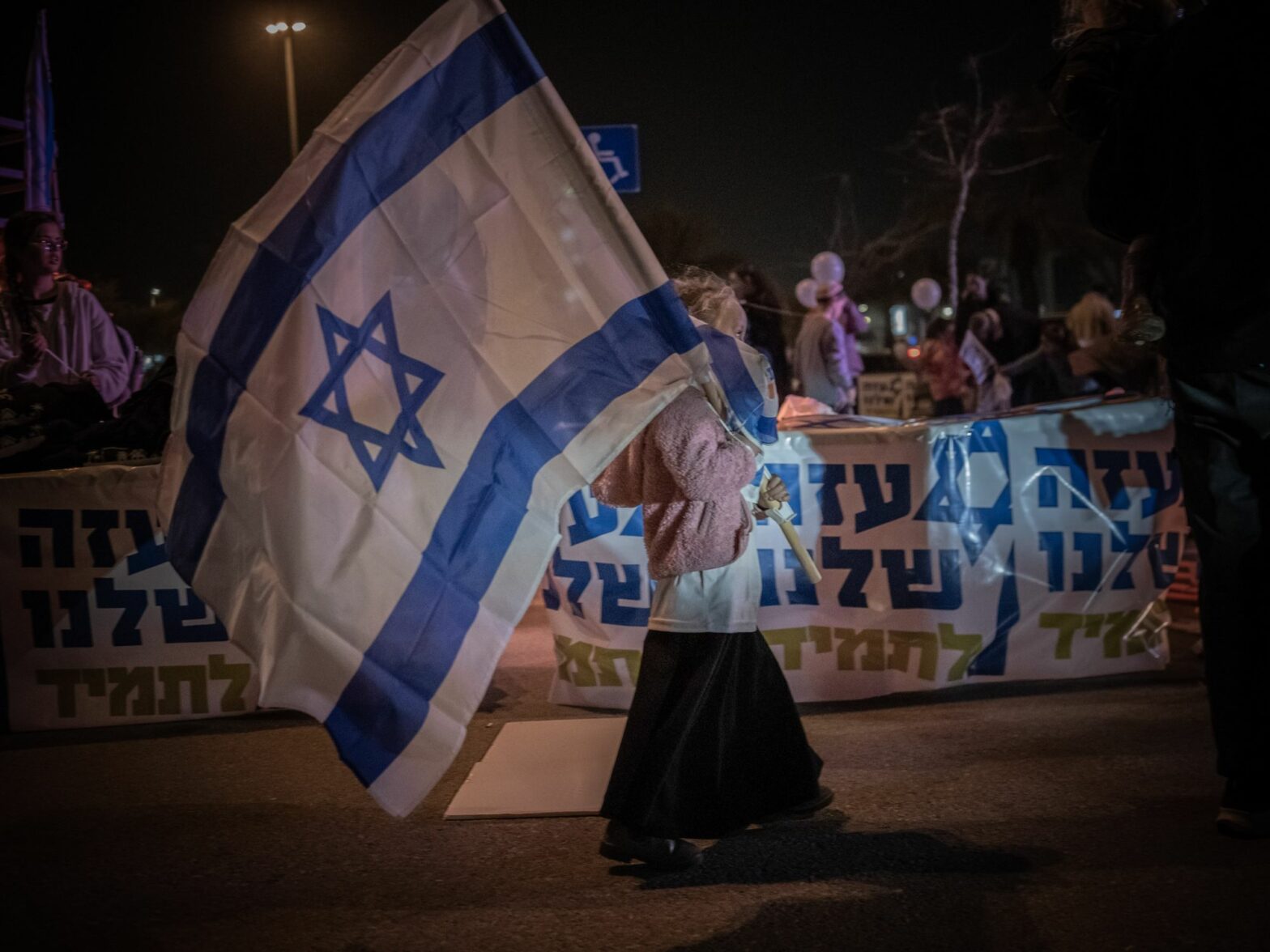
The radical far-right in Israel’s government is demanding to build settlements in the Gaza Strip. Israel’s army is creating the conditions for this.
 Worldcrunch
The radical far-right in Israel’s government is demanding to build settlements in the Gaza Strip. Israel’s army is creating the conditions for this.

In partnership with ZUMA photo agency, here are the top images for the week of Dec. 27-Jan. 2. The selection includes a devastating plane crash in South Korea that claimed 179 lives, an apparent terror attack that marred New Year’s Eve in New Orleans, while Russia and Ukraine exchanged hundreds of prisoners in a UAE-brokered […]

Also: a look inside the slippery world of stand-up comedy in China and Ukraine’s clandestine online school network.
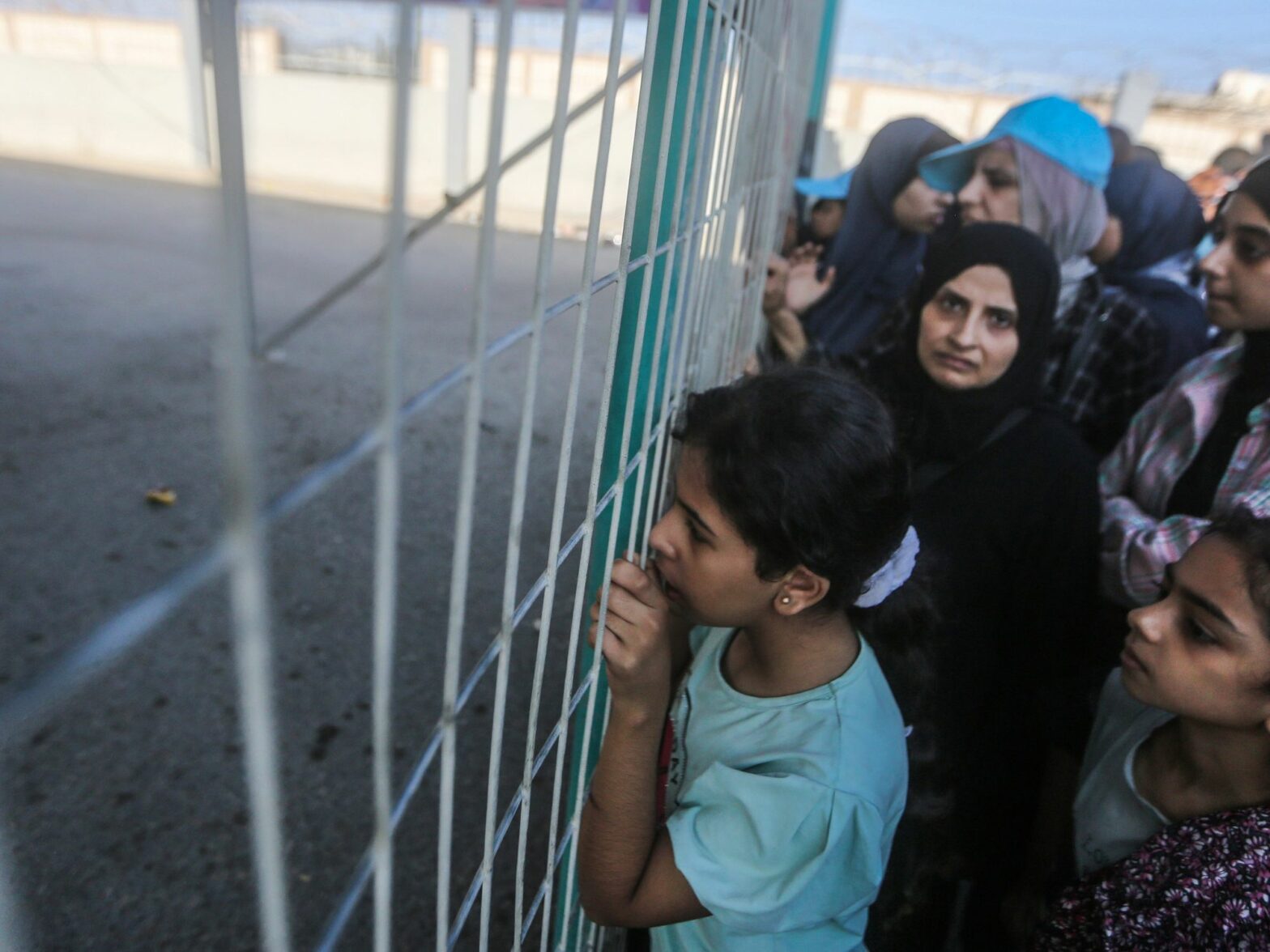
Tens of thousands of Palestinian families have been torn apart by the Israeli-Hamas war in Gaza. Cairo-based independent news website Al-Manassa talks with Palestinians in Egypt who are separated from family members trapped in the coastal enclave.

From an Italian take on Hawaiian pizza to gay rodeo, Sam Altman’s eye-scanning “orb”… and more!
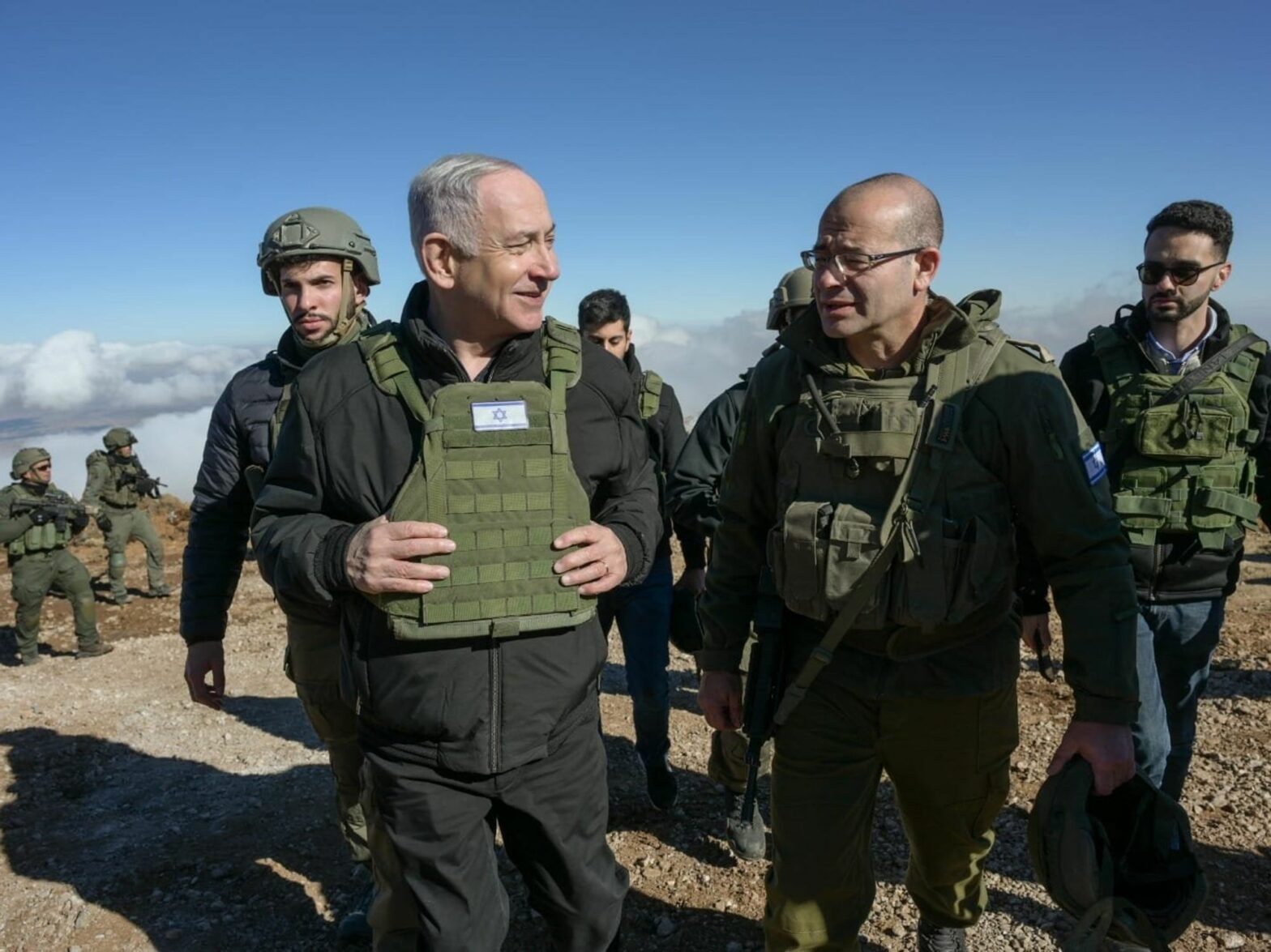
What Netanyahu represents and symbolizes historically and ideologically on the global level, beyond just Israel and the U.S., is unmatched. It says a lot about where the world has arrived. Where it’s heading is up to the rest of us.
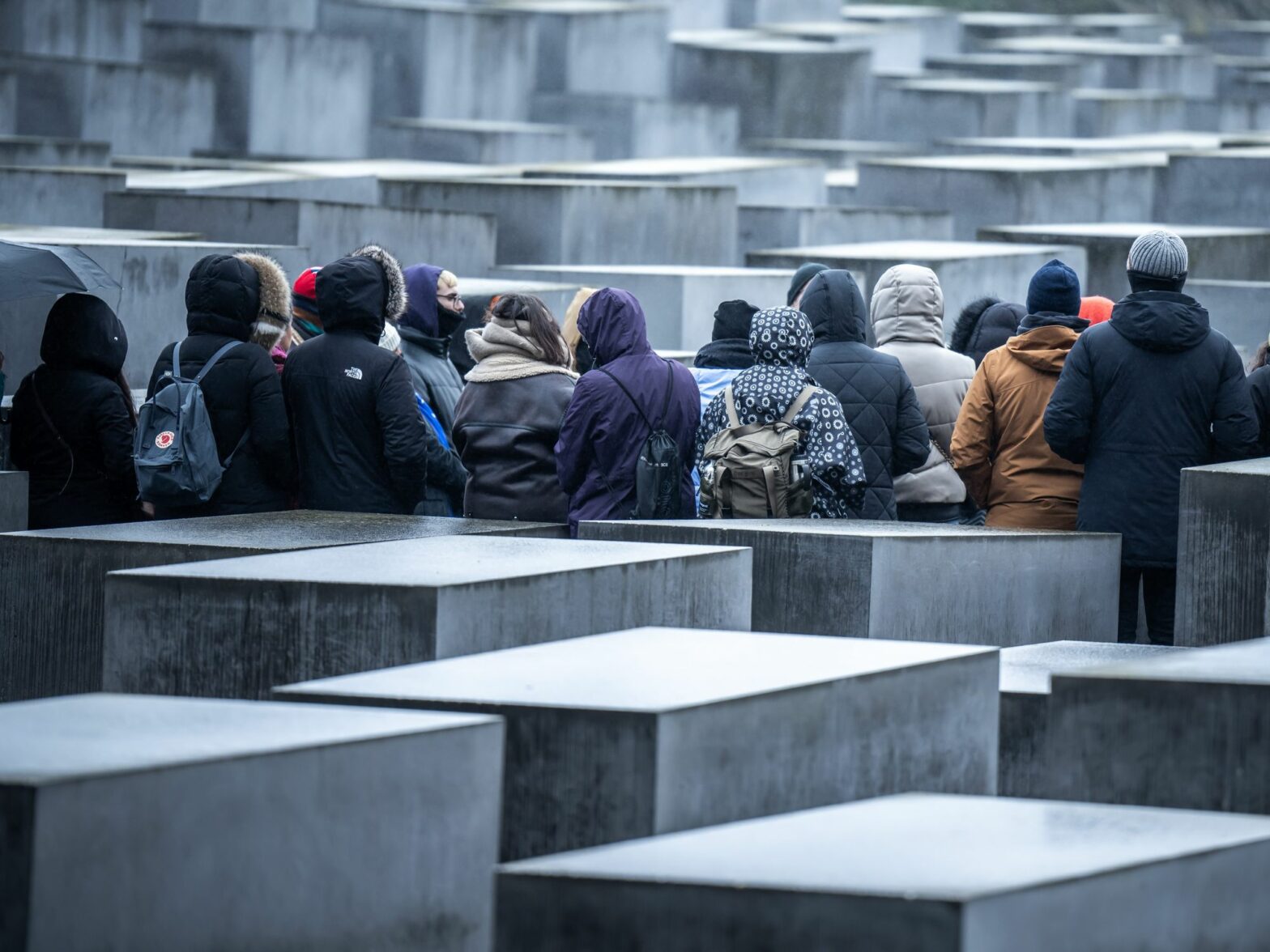
German history teachers talk about teaching their subject during a resurgence of the far-right AfD party and rising antisemitism in the country.
Israel has been long hailed as an oasis of democratic rule in a region of would-be savage Arabs. But now, the International Criminal Court (ICC) has essentially ruled that it is a racist rogue state.
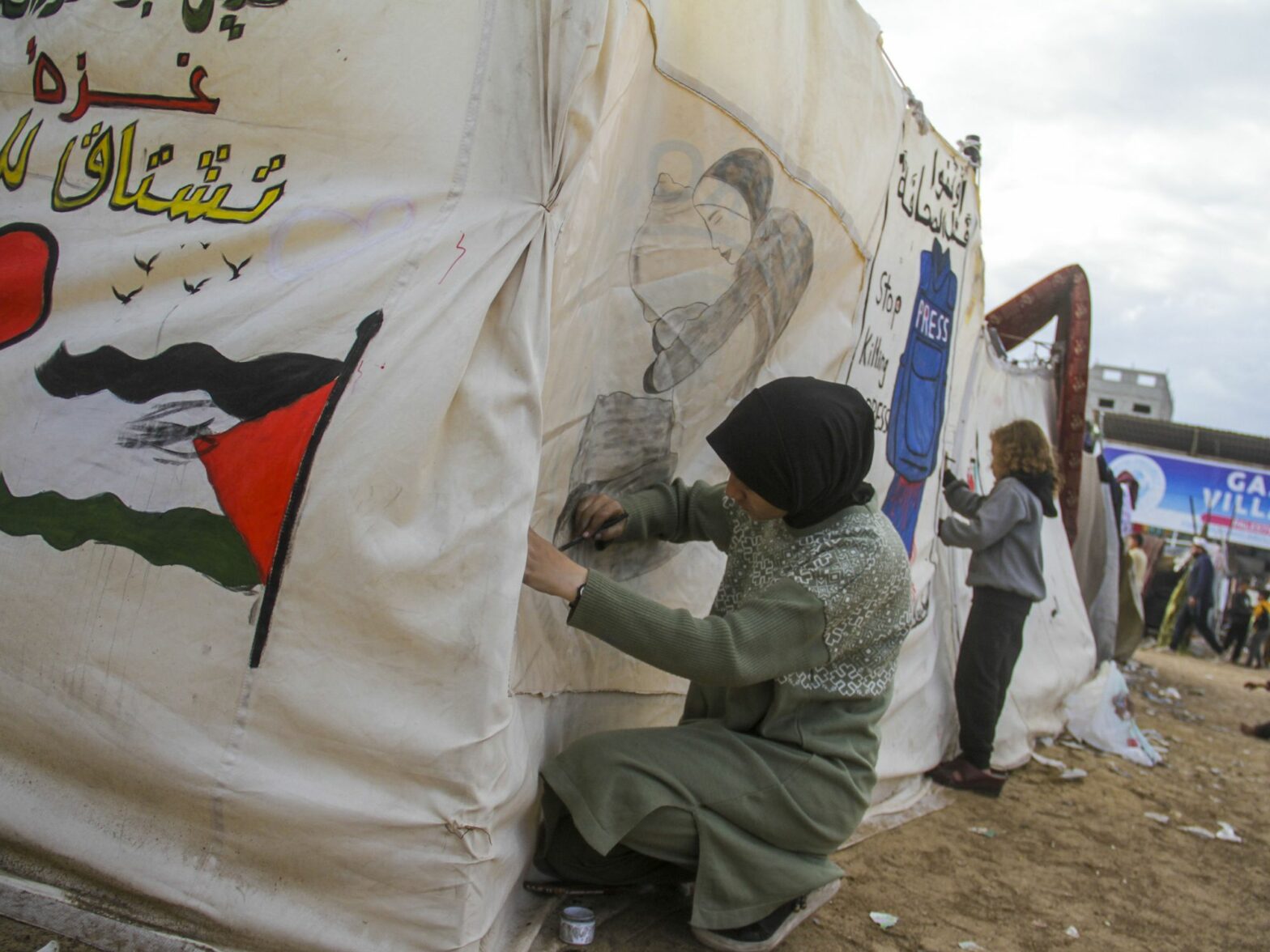
Palestinians need to rationalize their anger and resentment for the sake of a humanitarian project that enjoys global support.
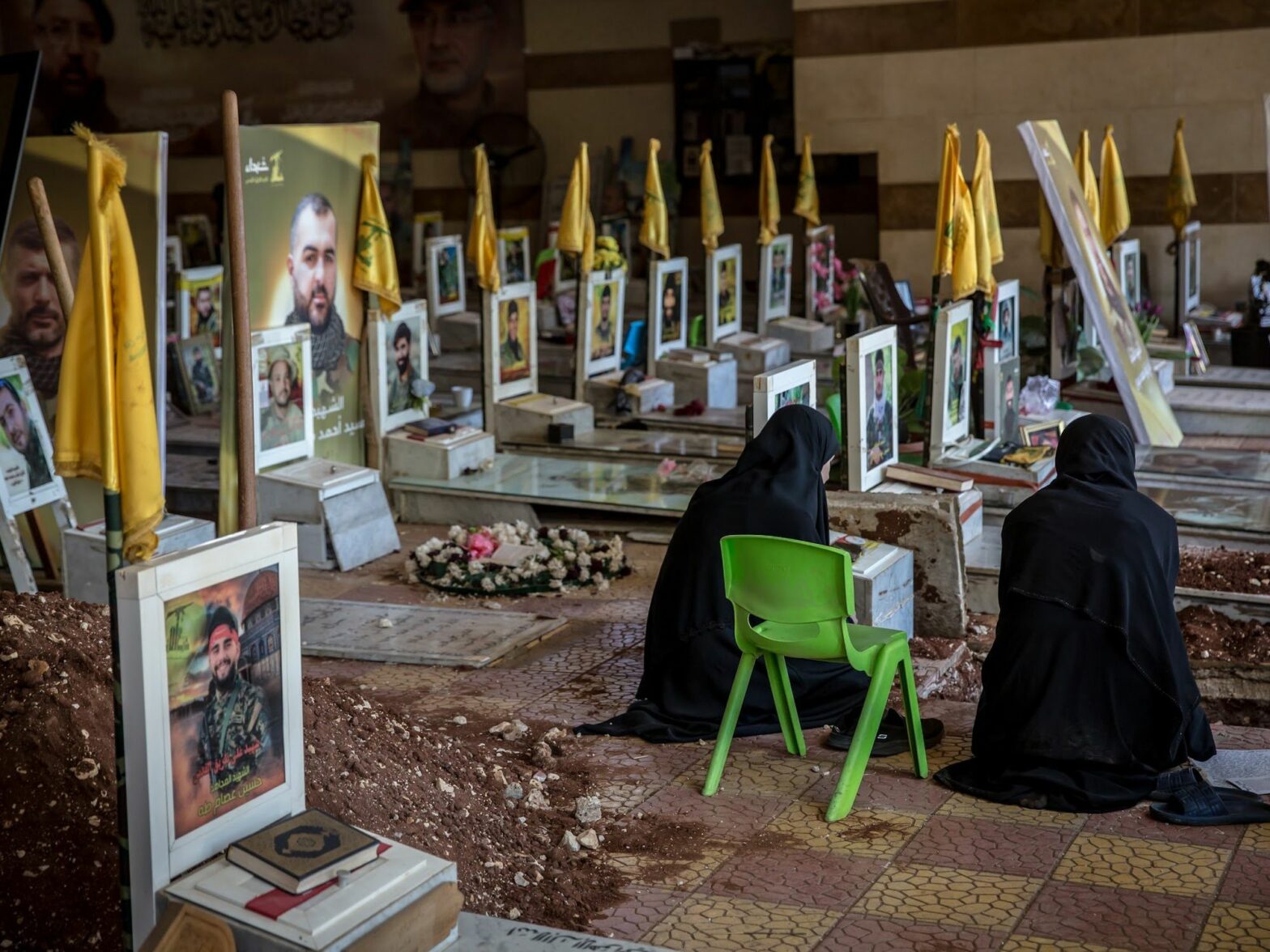
The Shia question is an expression of the entire Lebanese question, and requires the good will of all faiths, but also poses the responsibility of what to think and do about Hezbollah.
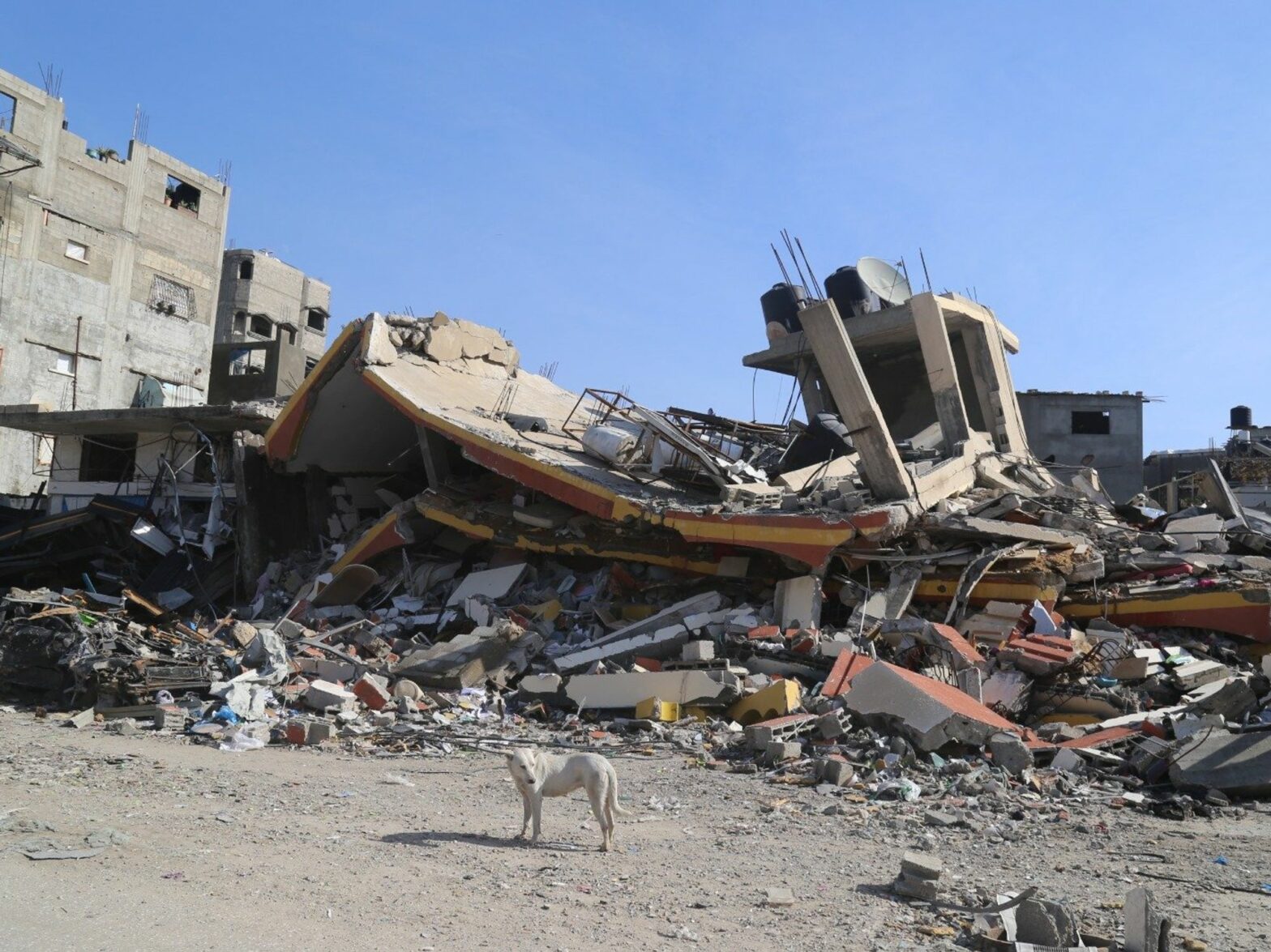
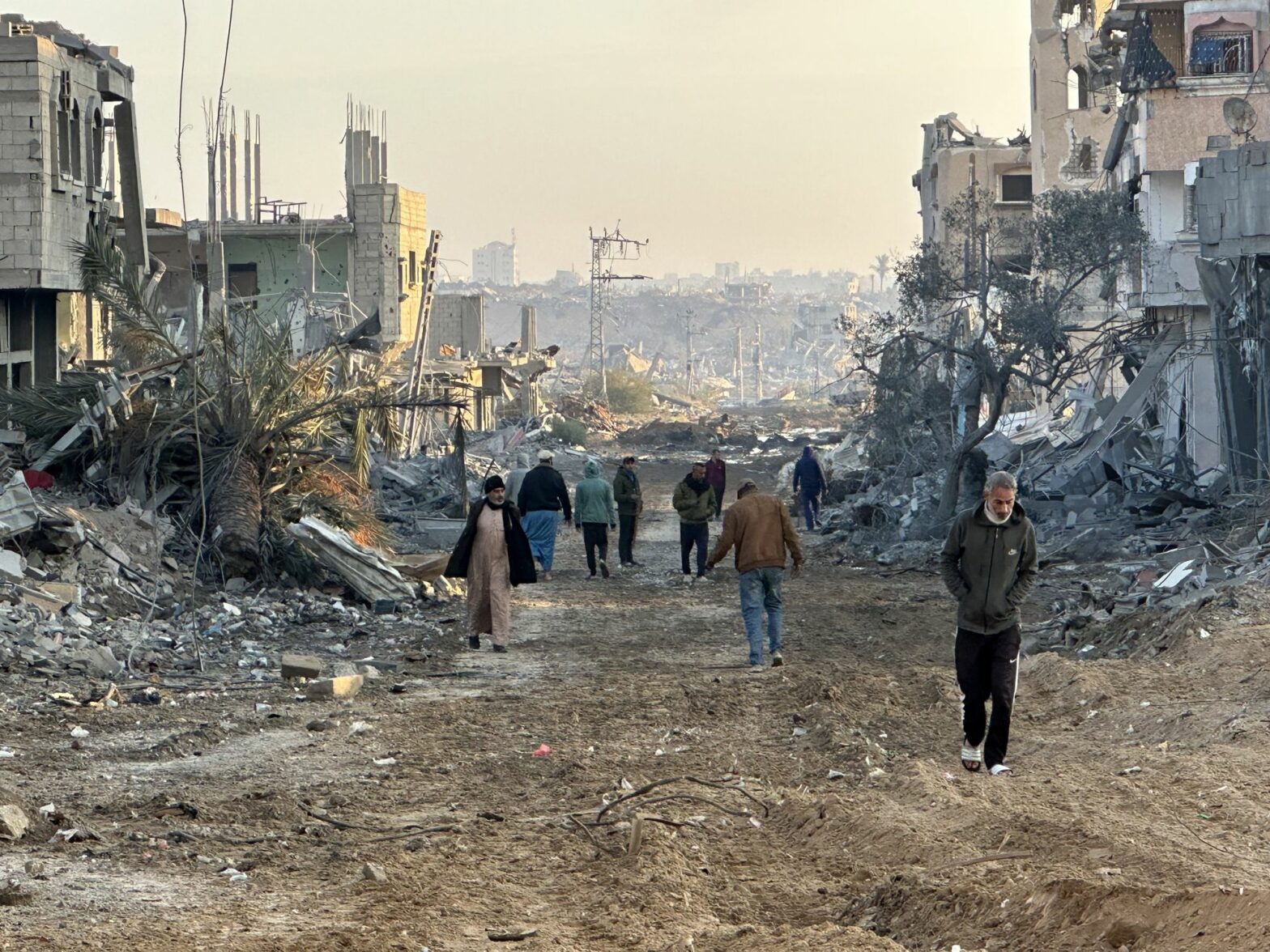
The situation in Gaza has become so dire that Palestinians have observed hungry dogs and cats eating dead bodies on the streets — and even digging up buried corpses — and becoming more aggressive toward people.
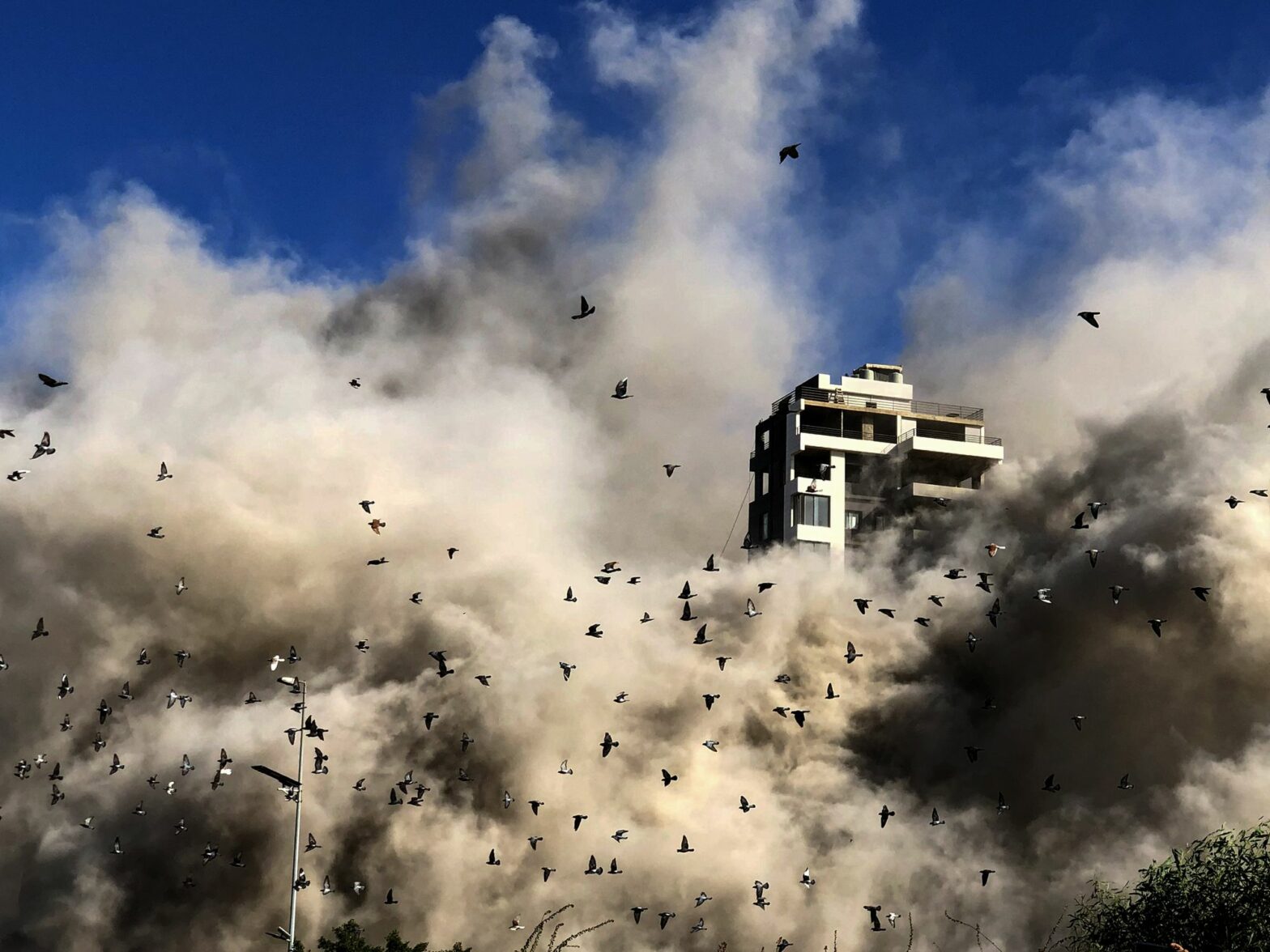
In more than a year since the Israel-Hezbollah conflict escalated, news of bombing has become a habit in Lebanon. In an essay for the Beirut-based independent media Daraj, Lebanese journalist Pascale Sawma discusses how war has become “normal” — and what that means for her and her work.
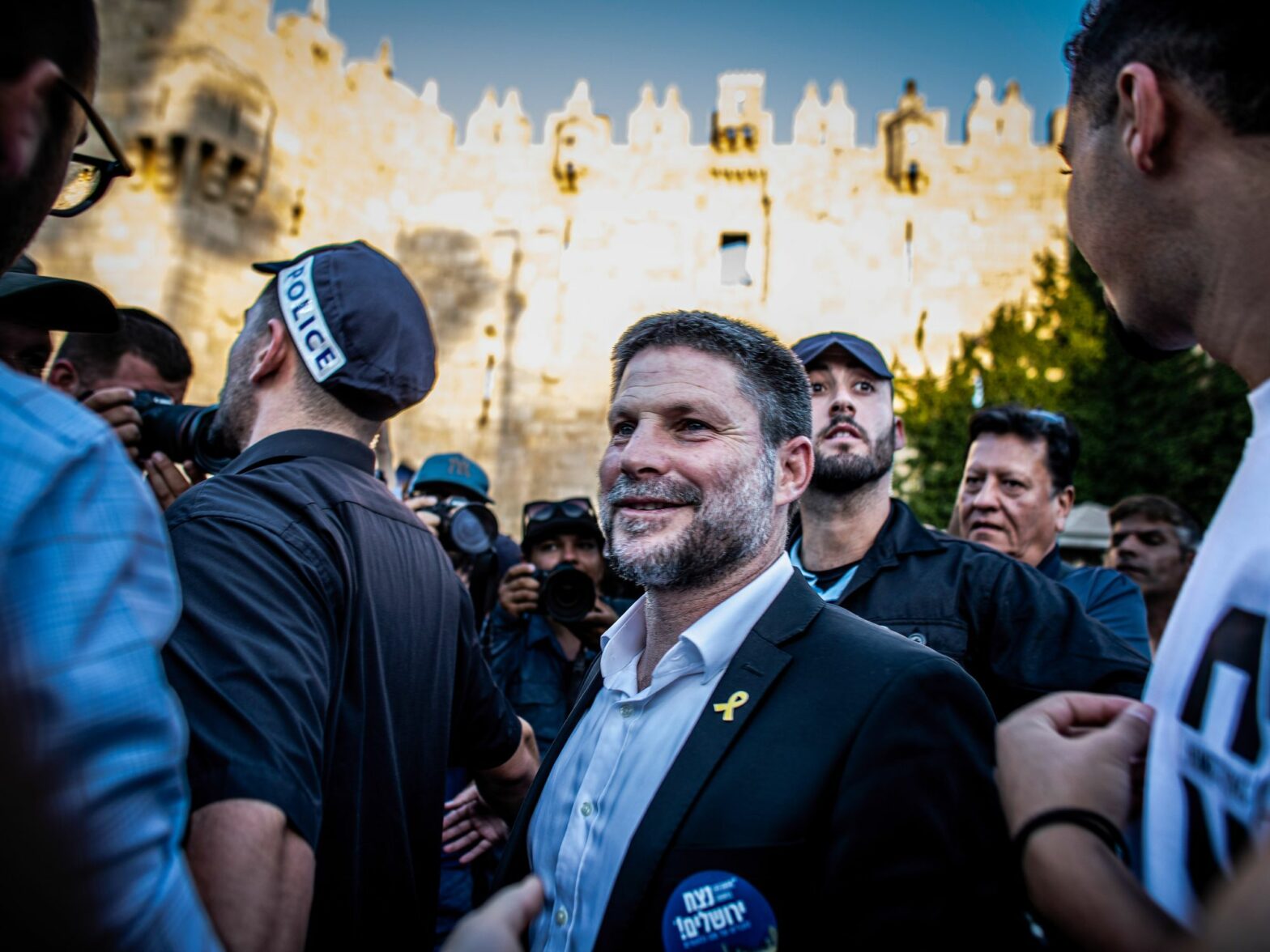
A prominent figure of Israel’s far-right, Finance Minister Bezalel Smotrich has announced that 2025 will be the year of the West Bank’s annexation. With Donald Trump’s victory, supporters of colonization hope he will back their approach, despite it being contrary to international law.
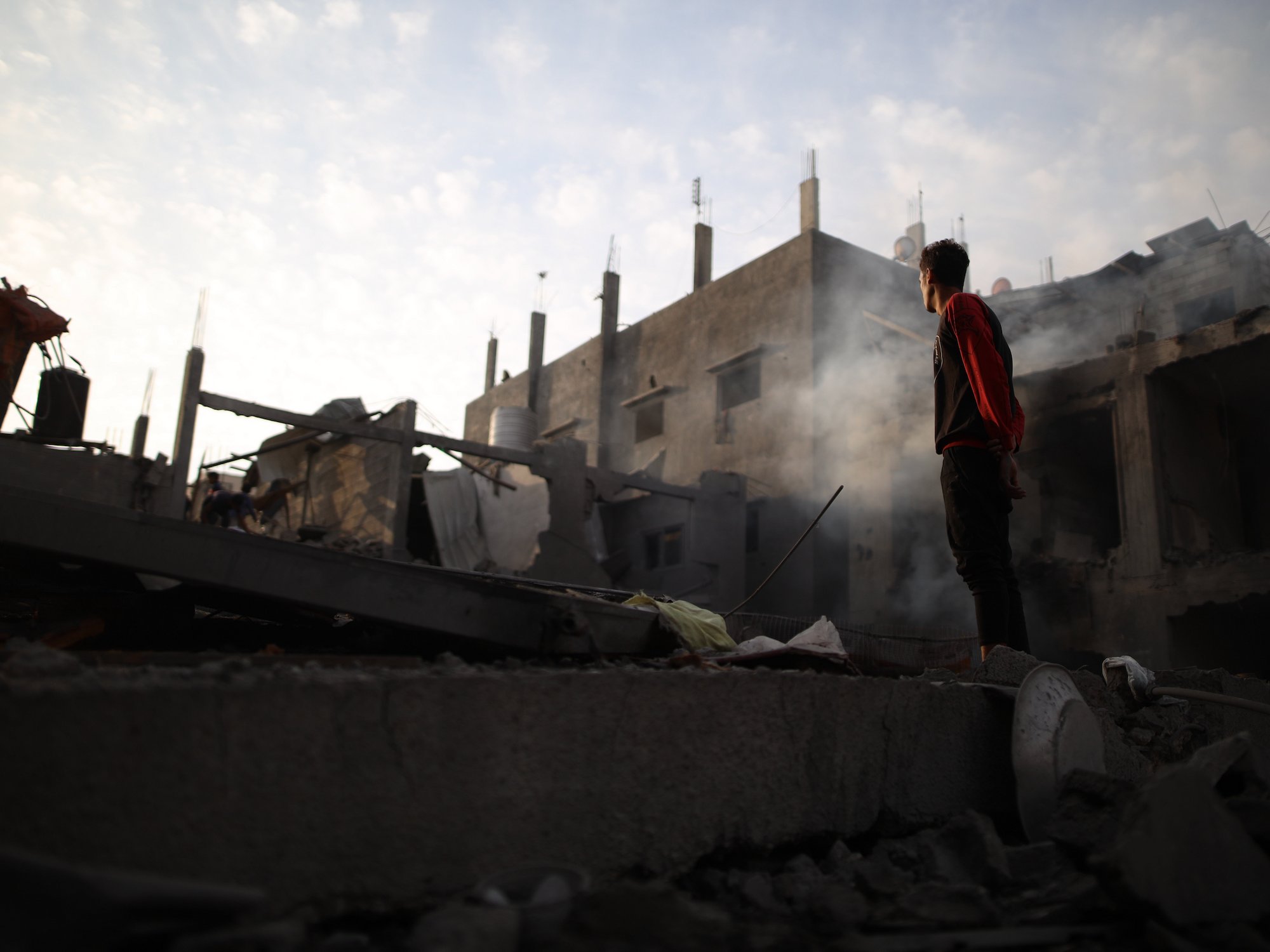
One Arab writer takes issue with a noted scholar who assigns the lion’s share of the blame to the establishment of the Jewish State. Israel has excelled, not only, because of its military strength and Western allies, but also because of its ability to build a state of institutions and relative freedom.
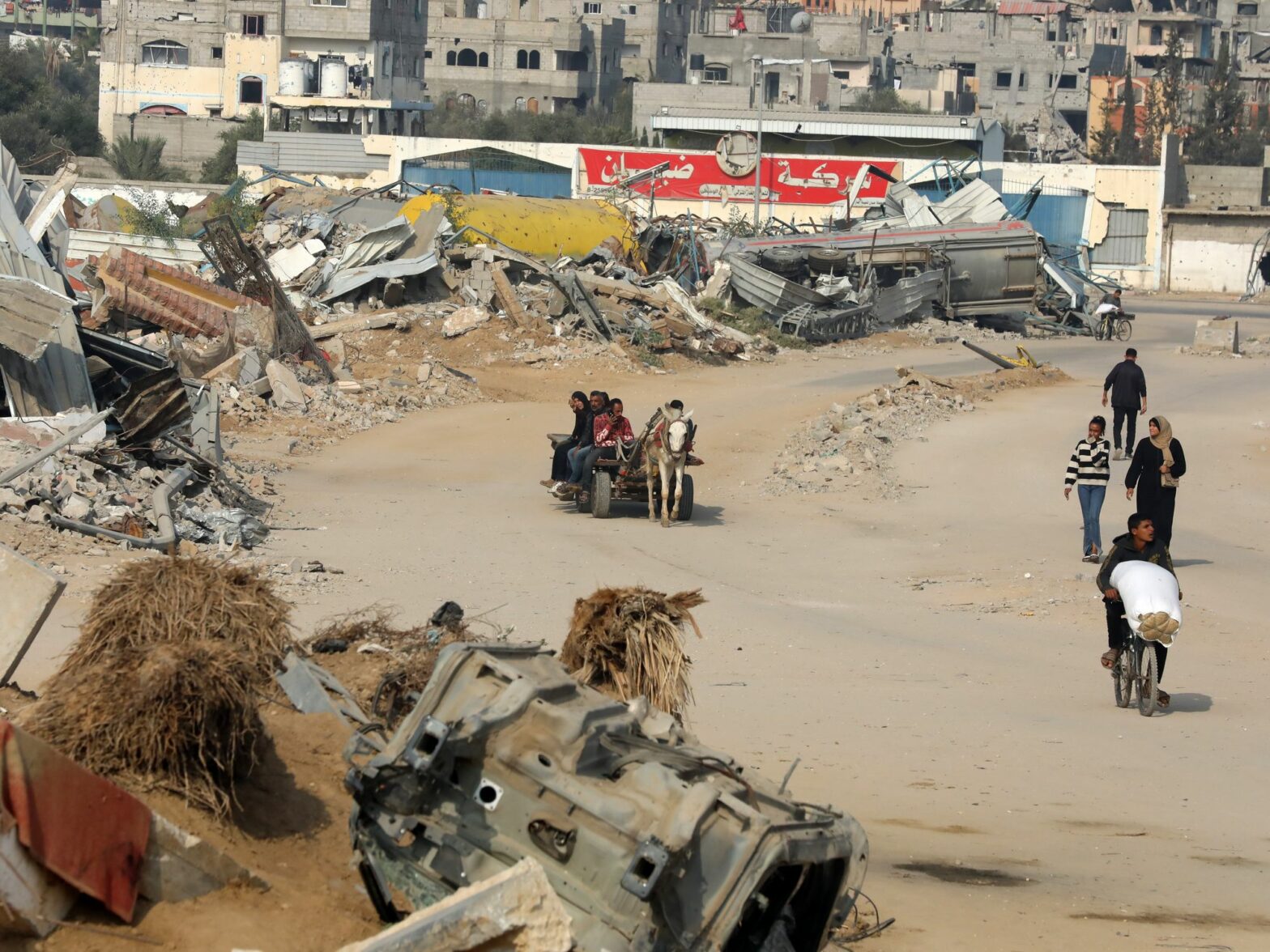
Having played a precious though ultimately futile role as mediator, Qatar announced it will step back from Gaza talks as both sides remain uninterested in a ceasefire. And following Trump’s election victory, there’s a notable new appointment to represent Israel in Washington.
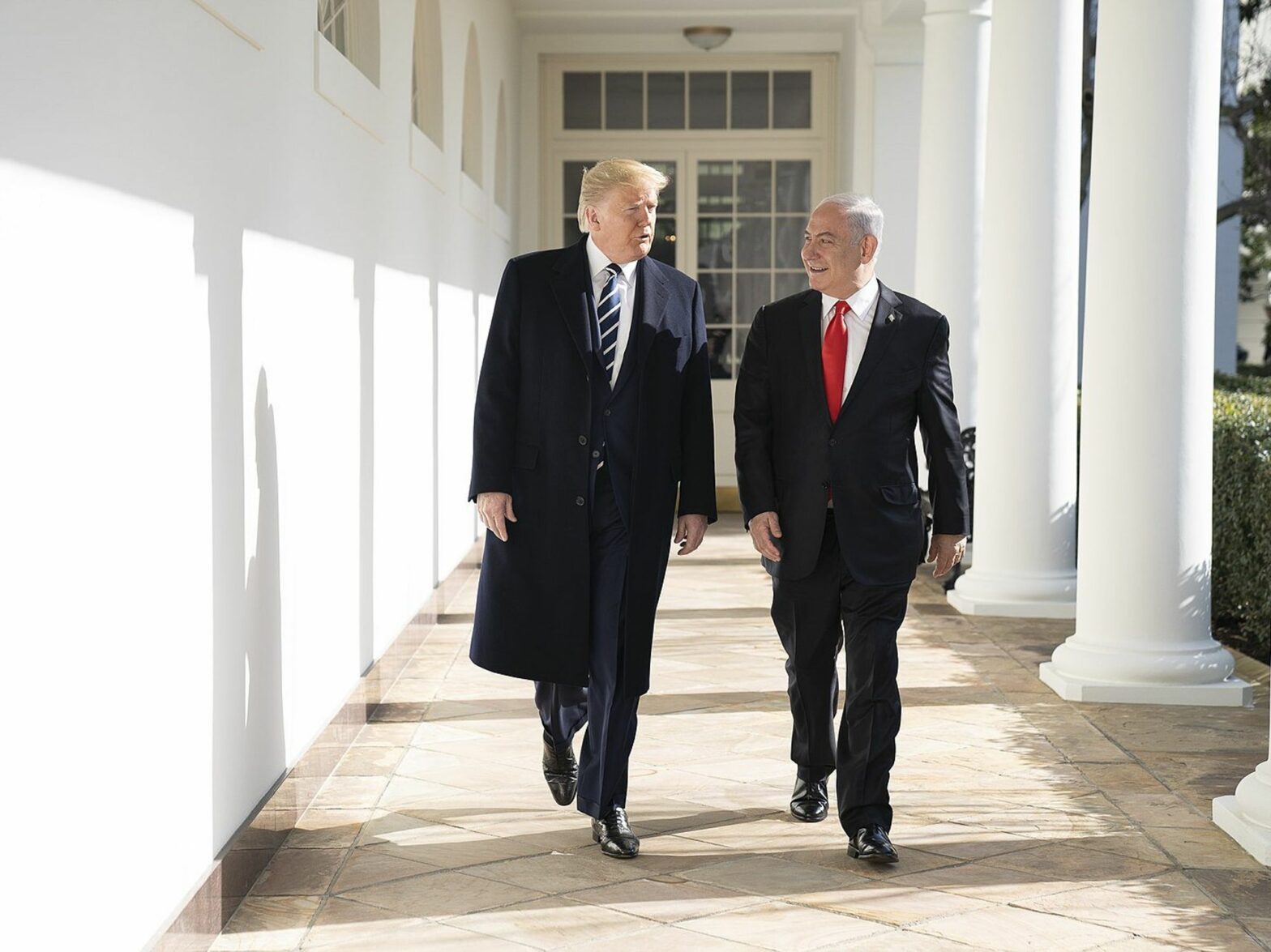
With the arrival of Donald Trump to the White House, we must expect a major shift in the Israeli-Palestinian conflict, and a return to the vision of the “Abrahamic Peace,” which includes no reference to the Palestinians’ right to a state.
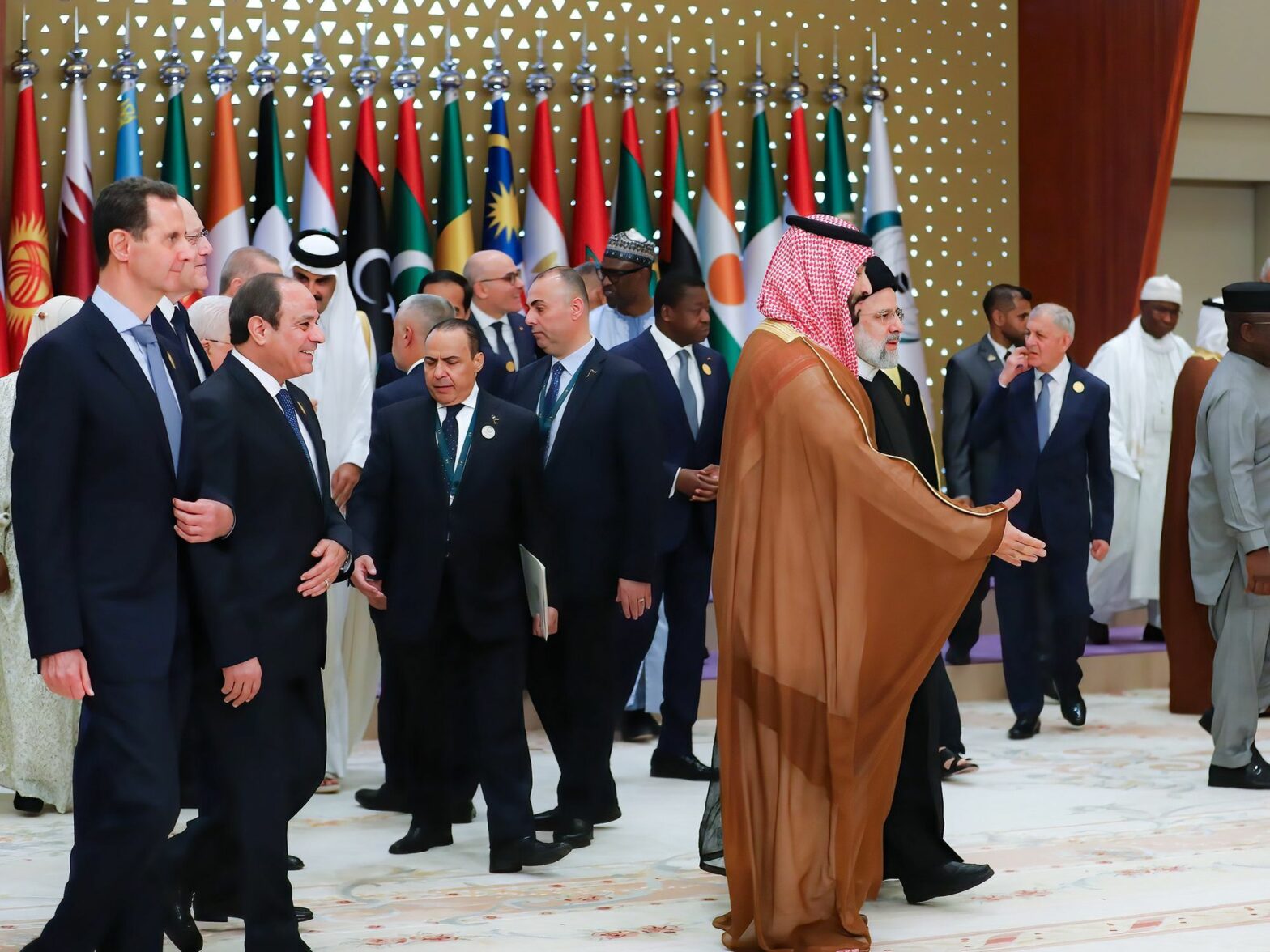
Will the Arabs take the initiative to take tangible measures before the fire reaches their countries, or will they be forced to be mere tools and bases to protect Israel? After the six-day war of 1967, the Three No’s of an Arab Summit set a new hardline. That should be the model now.
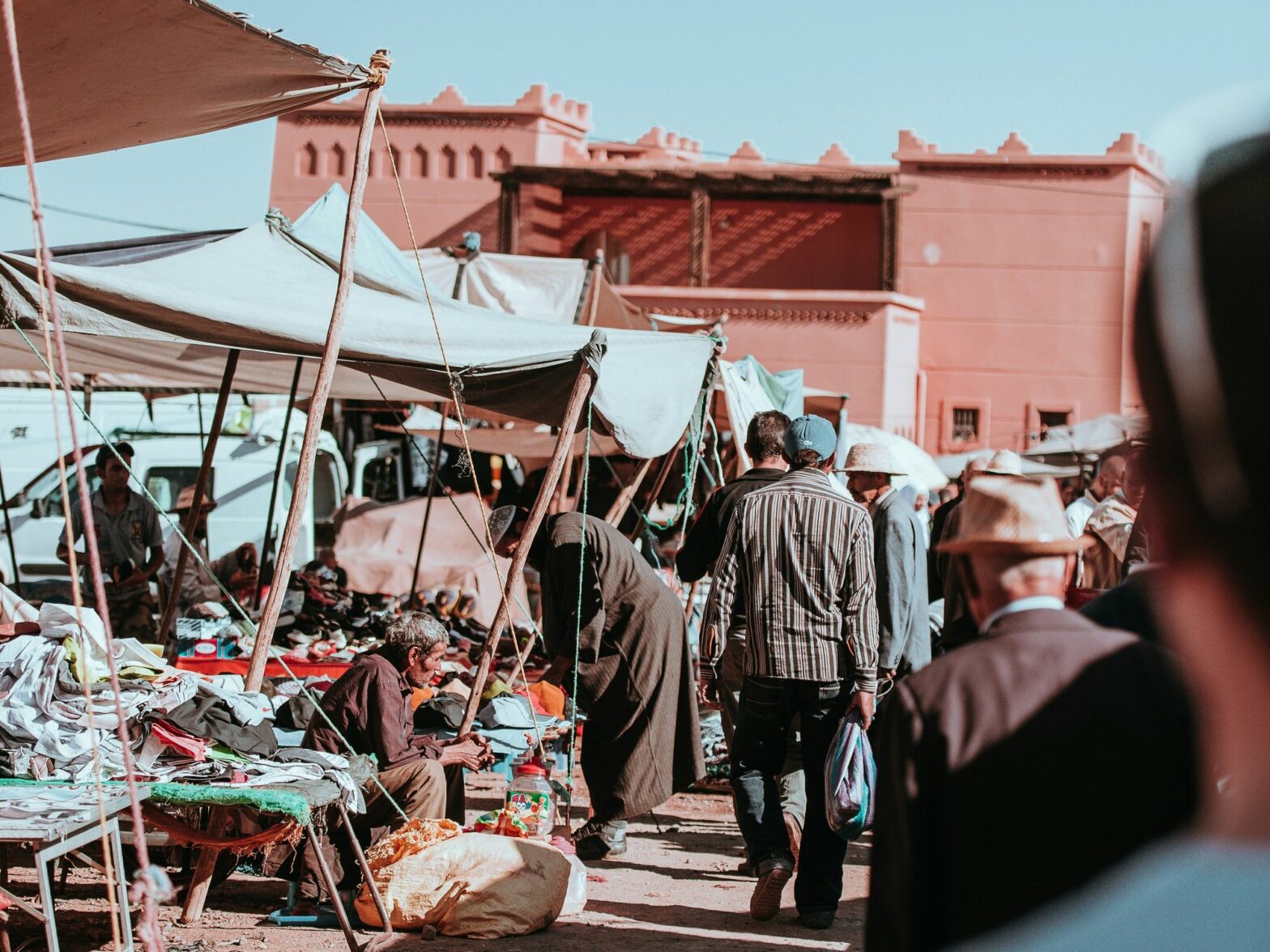
In Egypt, public support for a Palestinian homeland is deeply felt but constrained by the government that has had 40 years of diplomatic relations with Israel. Will the bloody war just across the border in Gaza change something?
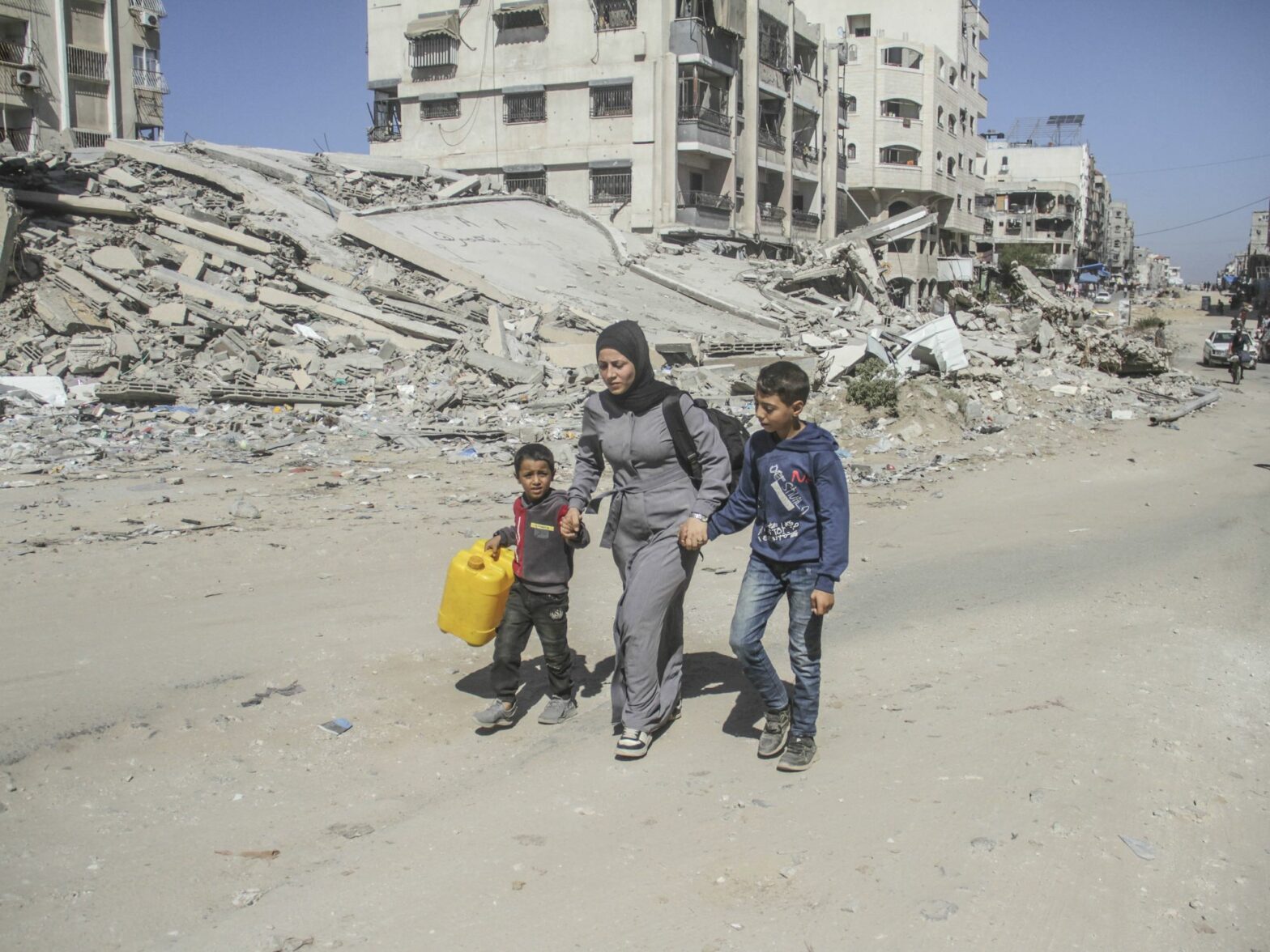
Israel’s new offensive in northern Gaza is trying to make the region uninhabitable, and force Palestinians into the south, toward the Egyptian border and into the Sinai. But since the start of the war, Egypt is dead set against taking in more war refugees.
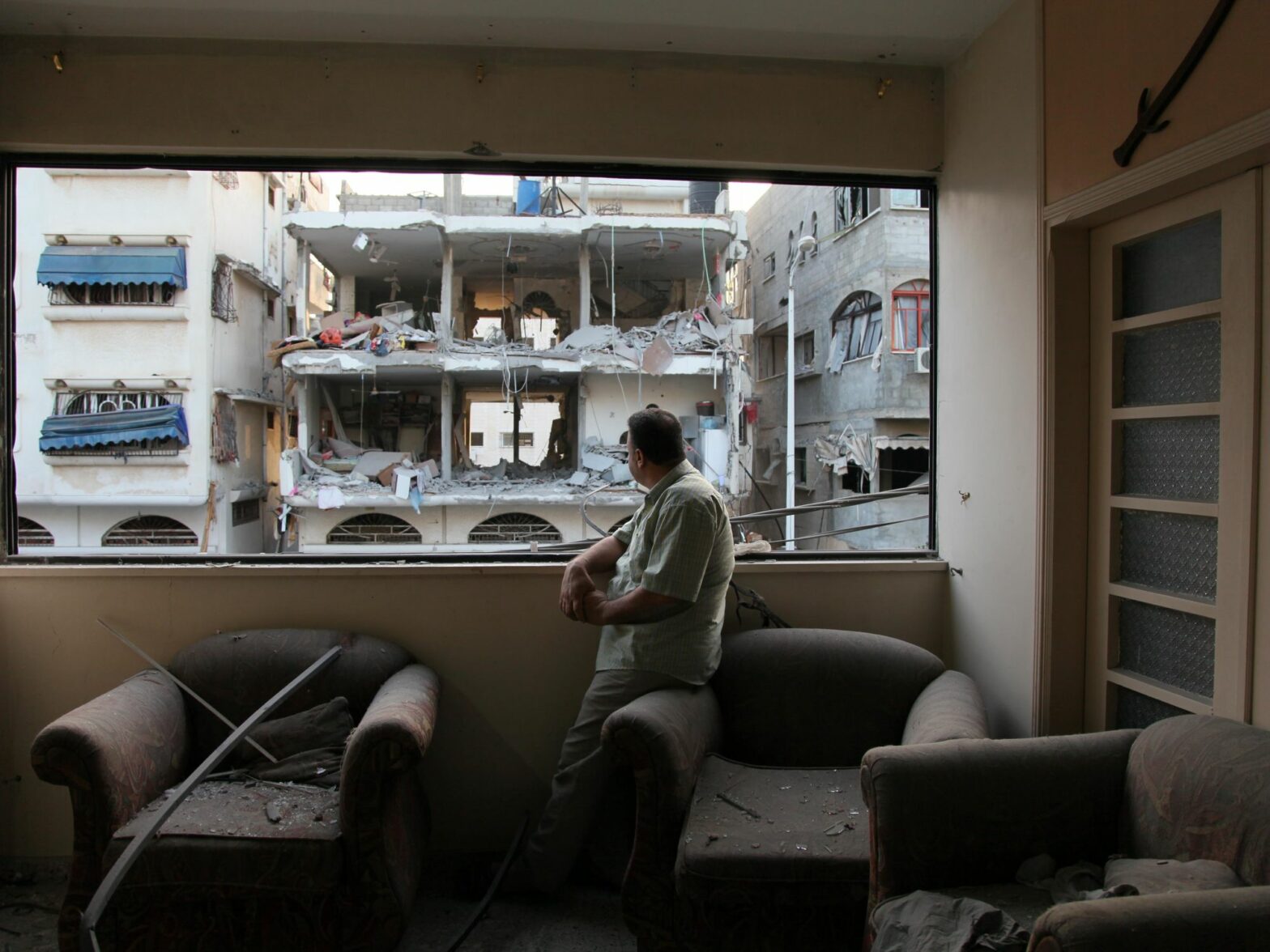
Since the Israel-Hamas war began, Palestinians in Gaza have lived in emotional, psychological and physical stress — a situation that has pushed many couples to the brink. The Cairo-based news website Al-Manassa speaks with Palestinians who have divorced due to the war.
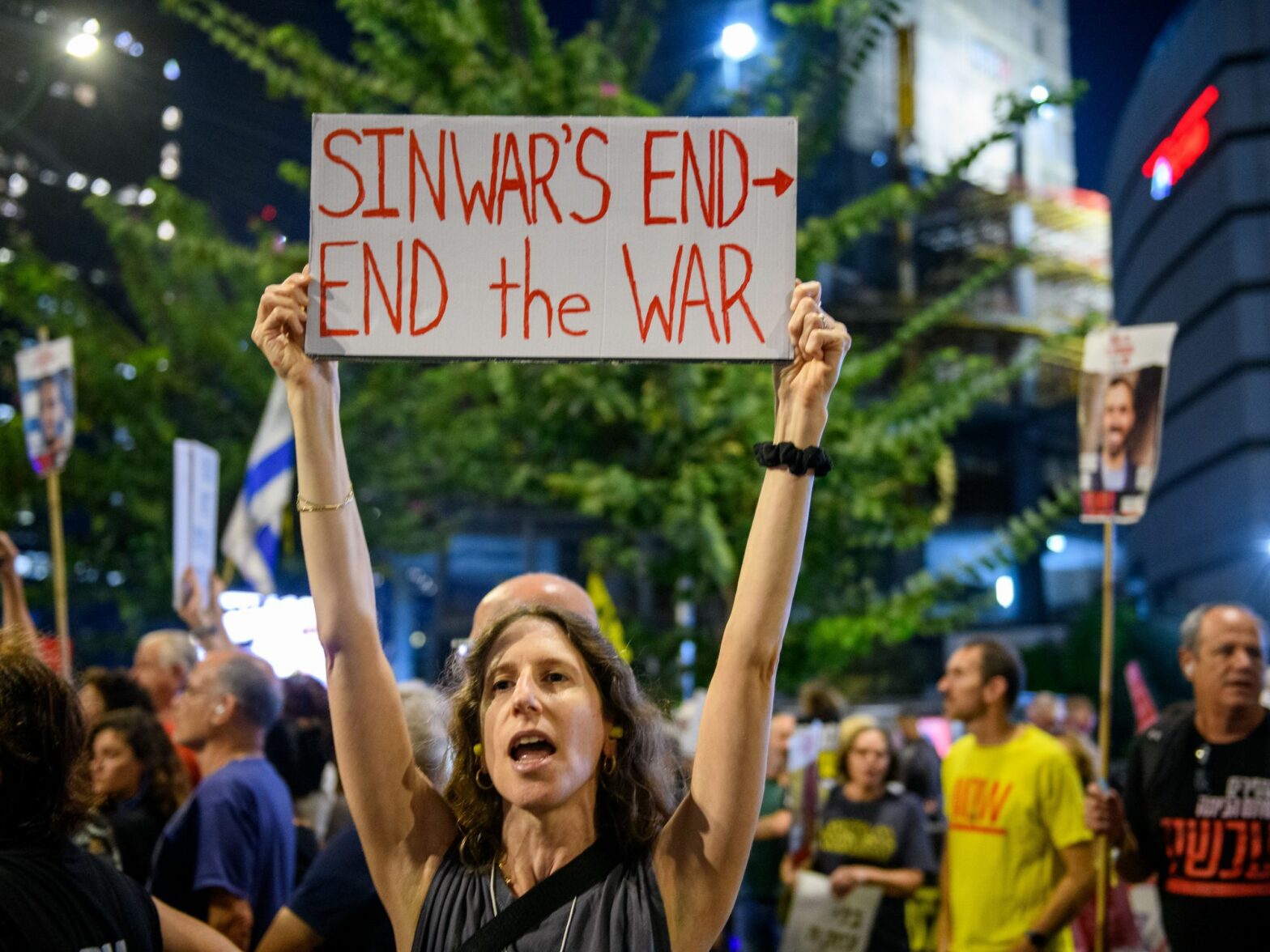
Hamas leader Yahya Sinwar, and above all ‘mastermind’ of October 7, is dead. Washington and Paris are calling on Israel to seize this opportunity to put an end to the war, but Netanyahu may choose to cash in another dividend.
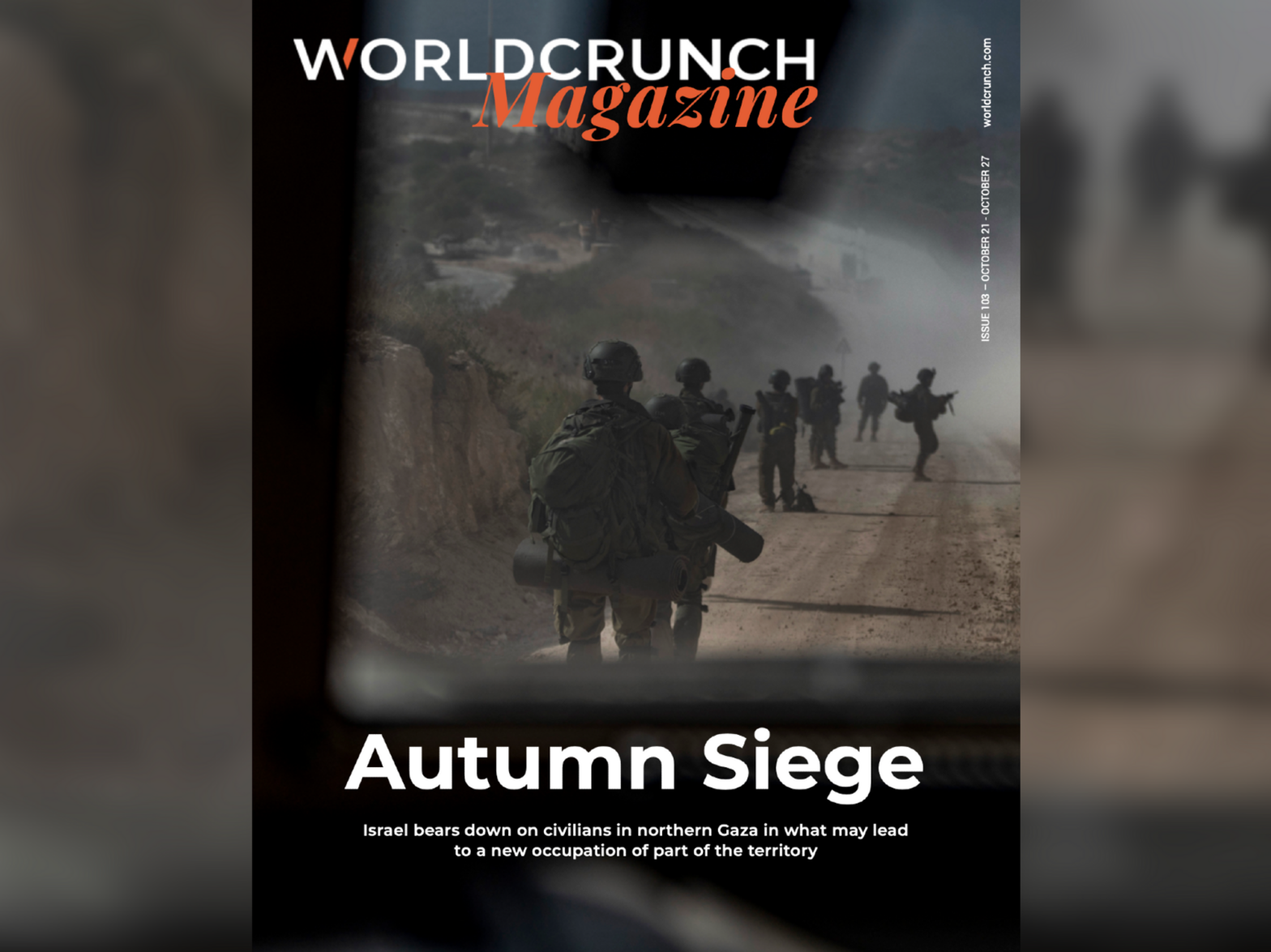
October 21 – October 27, 2024
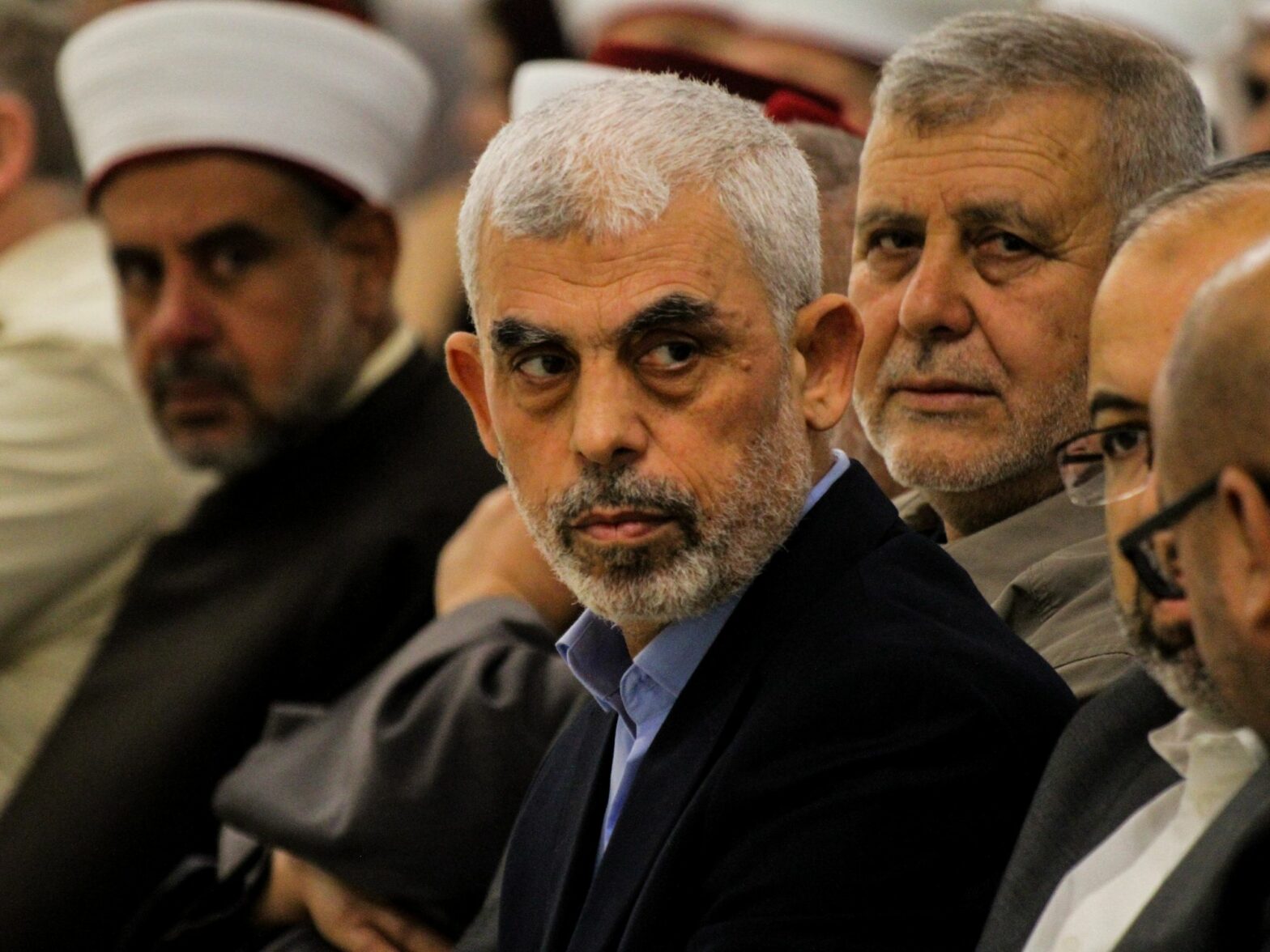
The Israeli military says Yahya Sinwar, the Hamas leader, has been killed in Gaza. The strike is a major victory for Israel, closing a chapter in recent Palestinian history in which Sinwar rose to the top of Hamas, and bet everything on the Oct. 7 attack, which made him more divisive than ever among the people of Gaza.
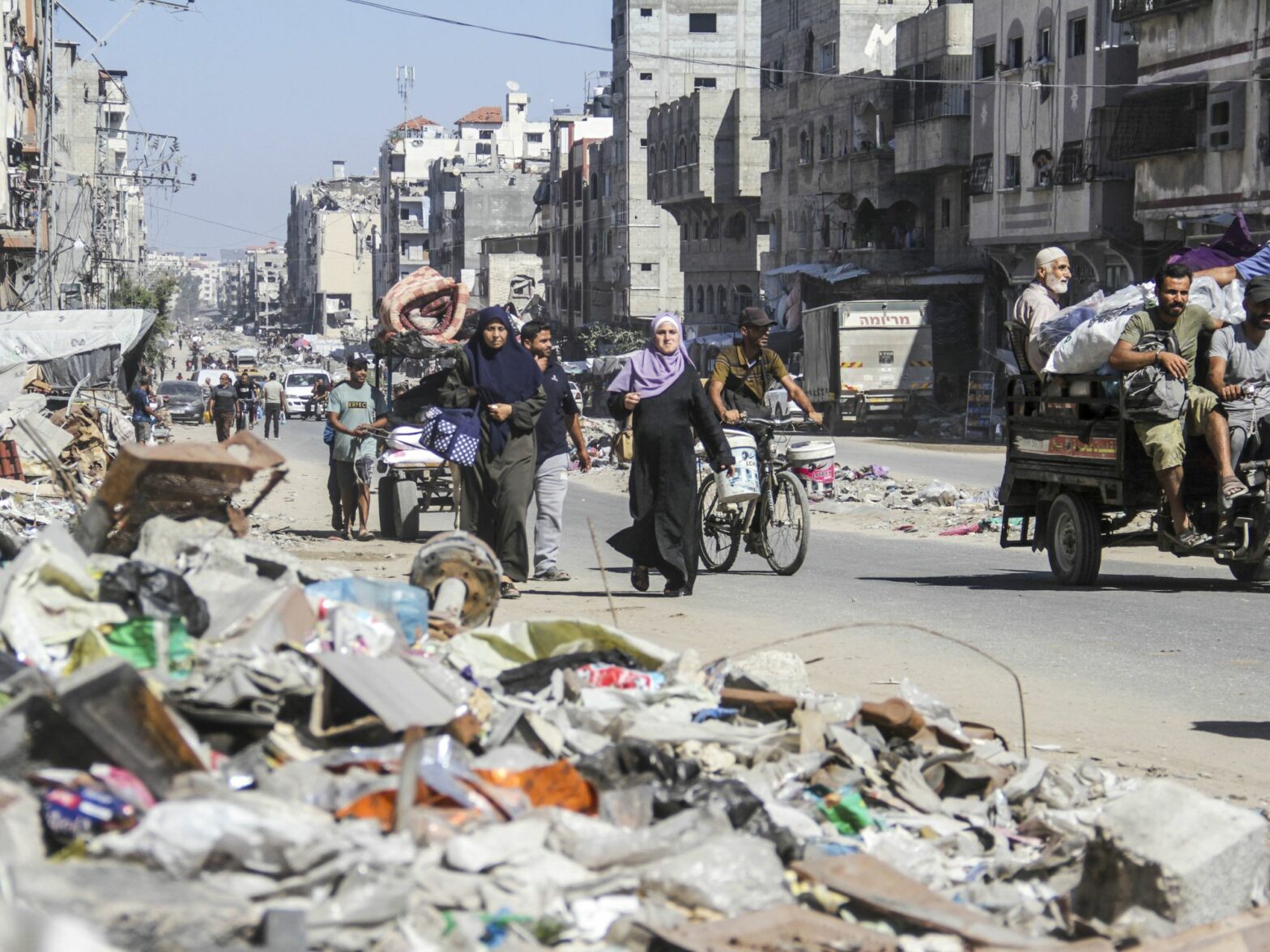
Observers believe that the military operations targeting civilians and blocking humanitarian aid in northern Gaza is the prelude to Israel reoccupying the region and establishing Jewish settlements.
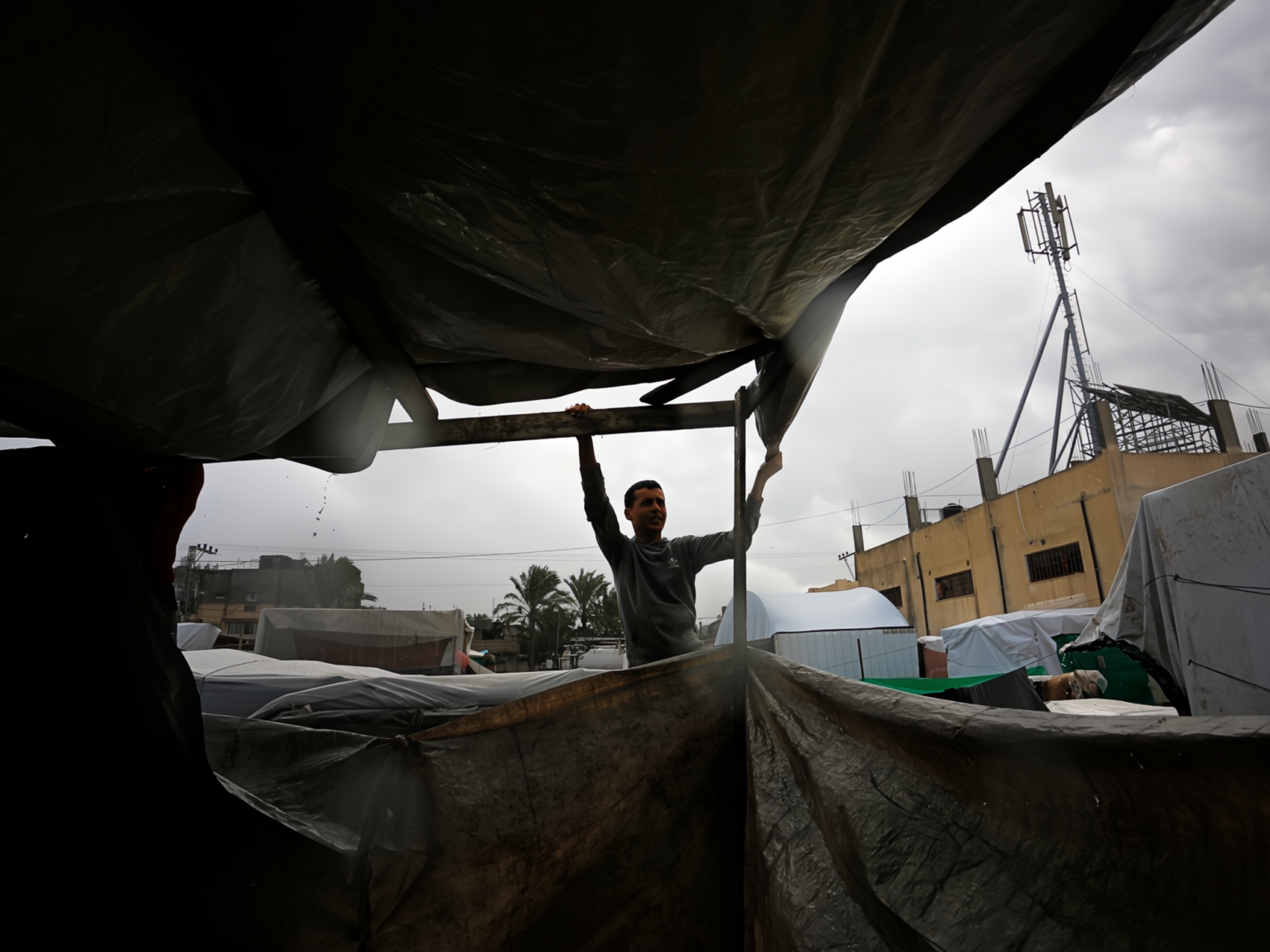
With up to two million displaced, United Nations designated more than 50 sites and shelters as the most vulnerable areas for floods and rainfall across Gaza. But as some people have been displaced multiple times, and humanitarian aid is being blocked, refugees have few options to shelter themselves ahead of the upcoming winter.
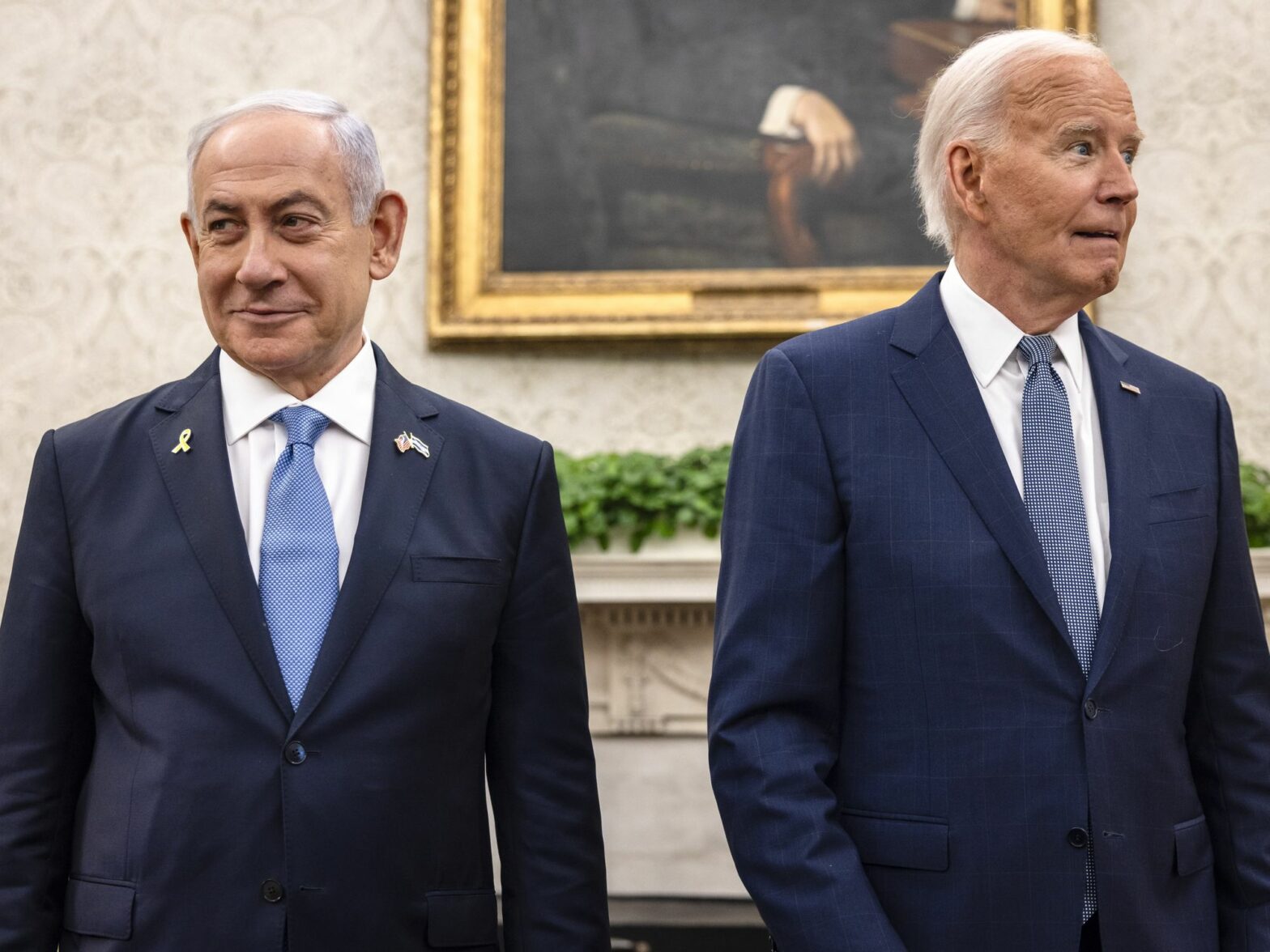
Never since it became the “great protector” of the Jewish state has the United States shown so much weakness towards Israel, as the Israeli prime minister stays one step ahead of his adversaries in a cunning maneuver to help Trump return to the White House.
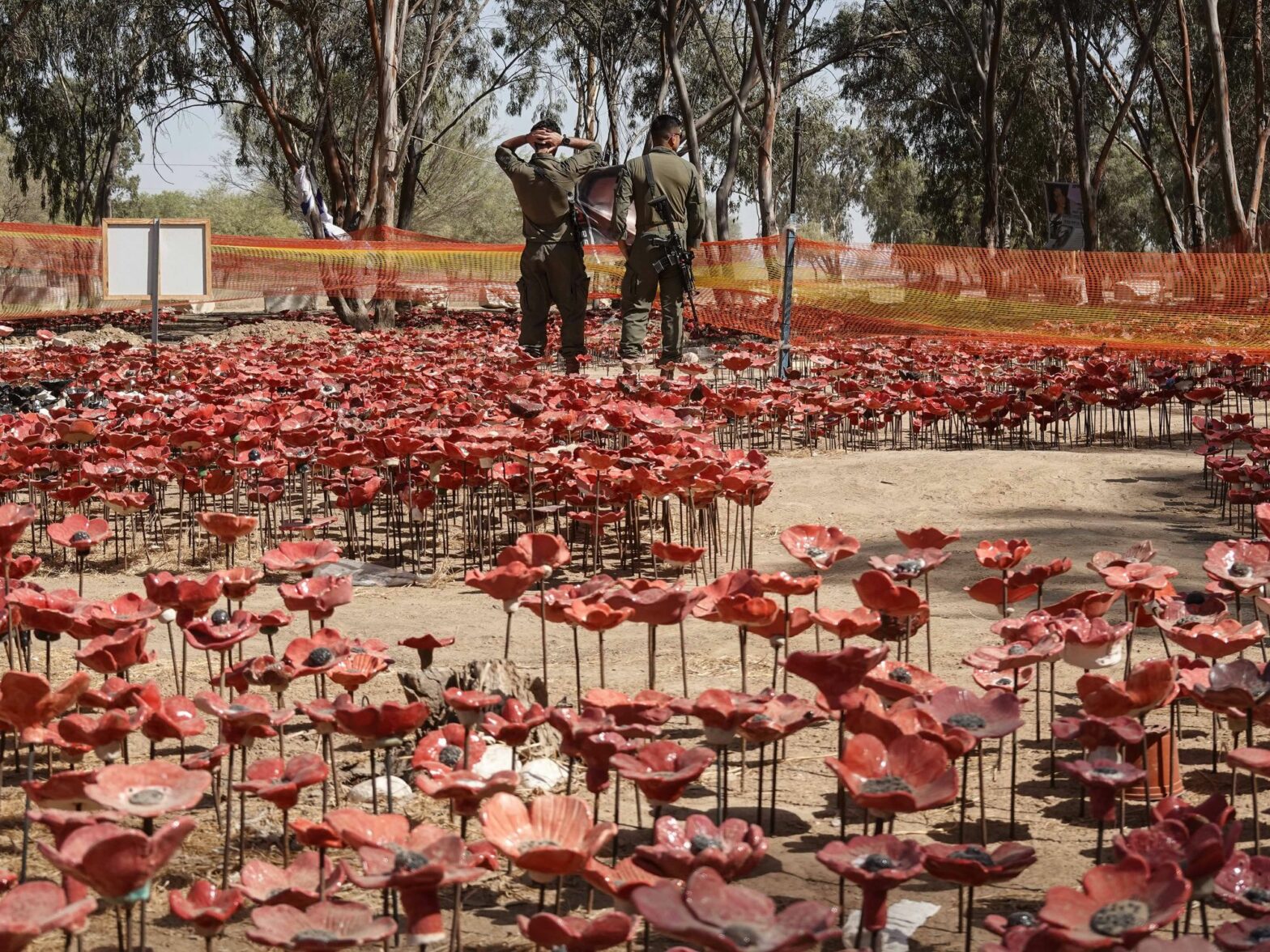
Benjamin Netanyahu escaped the growing calls to stop the war in Gaza and bring the hostages back, by launching another war on Hezbollah. It’s a taste of what’s to come.
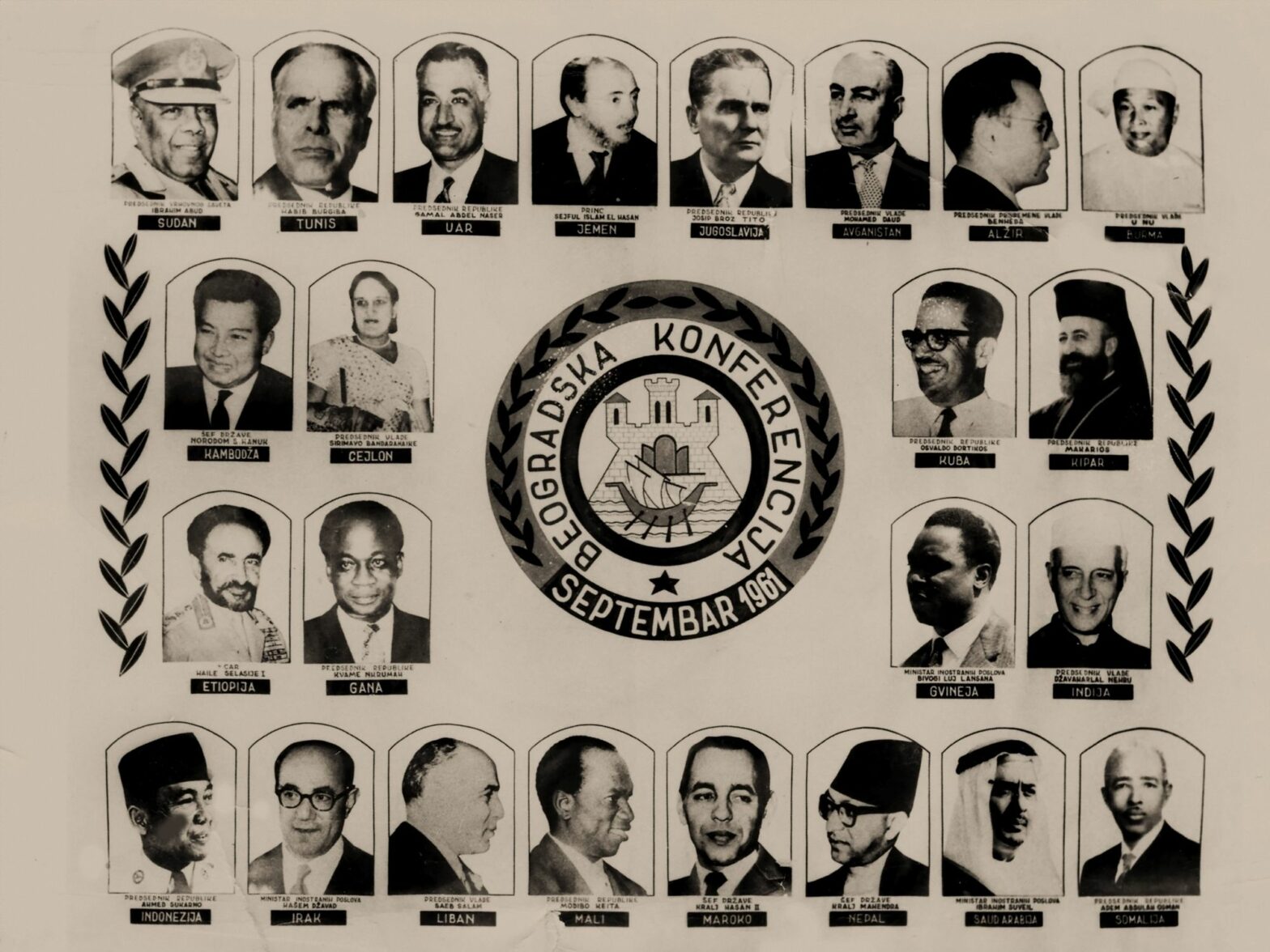
It’s called Active Non-Alignment. The end of a bipolar world and of Western supremacy has created a more fluid, and threatening, geopolitical map. For smaller powers, especially in Latin America, this is the time to “get the best deal” for themselves with the superpowers.
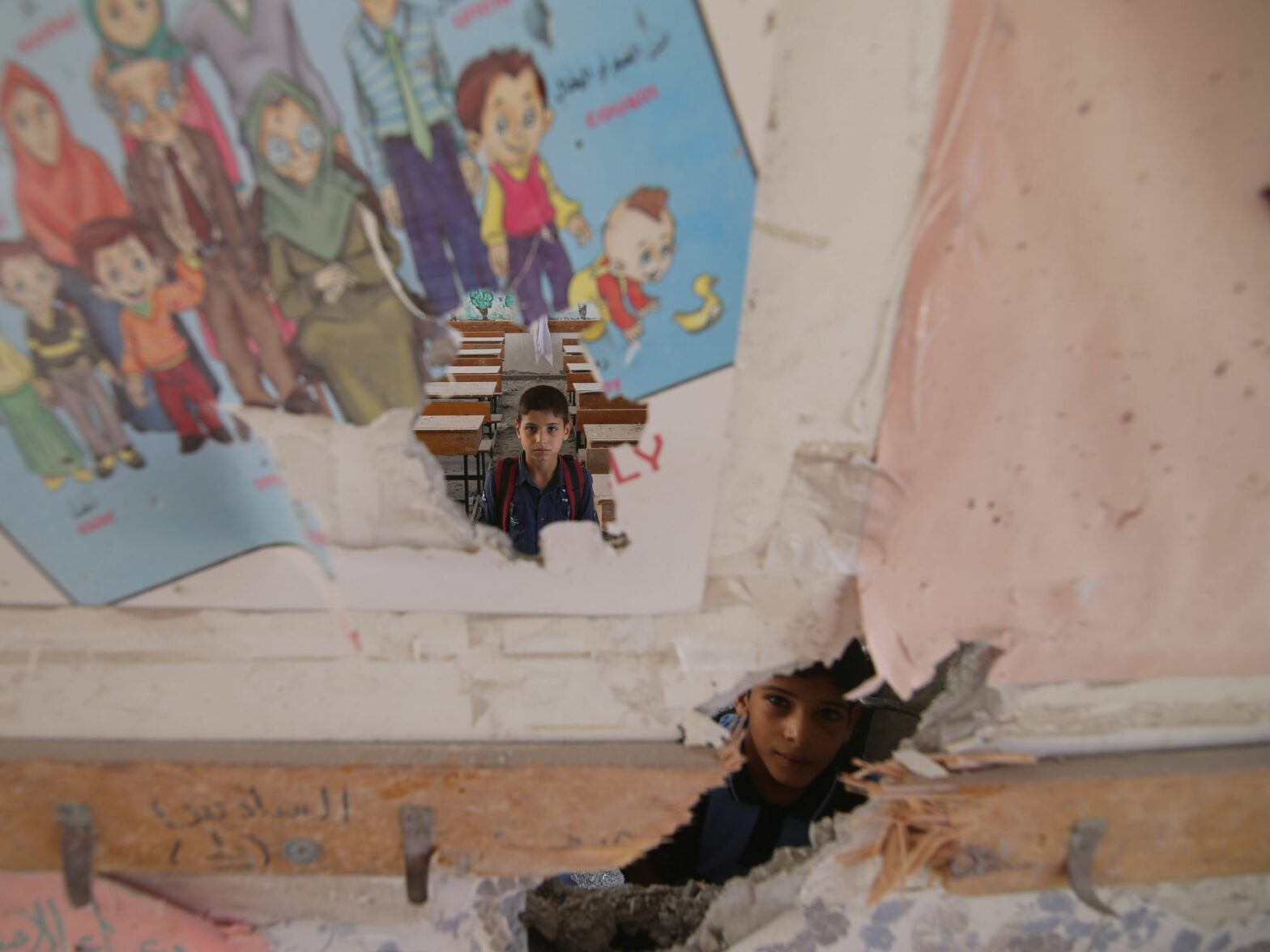
Egyptian authorities give Gaza’s refugees a 45-day tourist visa which doesn’t allow them to apply for residency, study or work in the country. But online learning platforms, including the West Bank’s official educational system, are helping children with their schooling, despite the war.
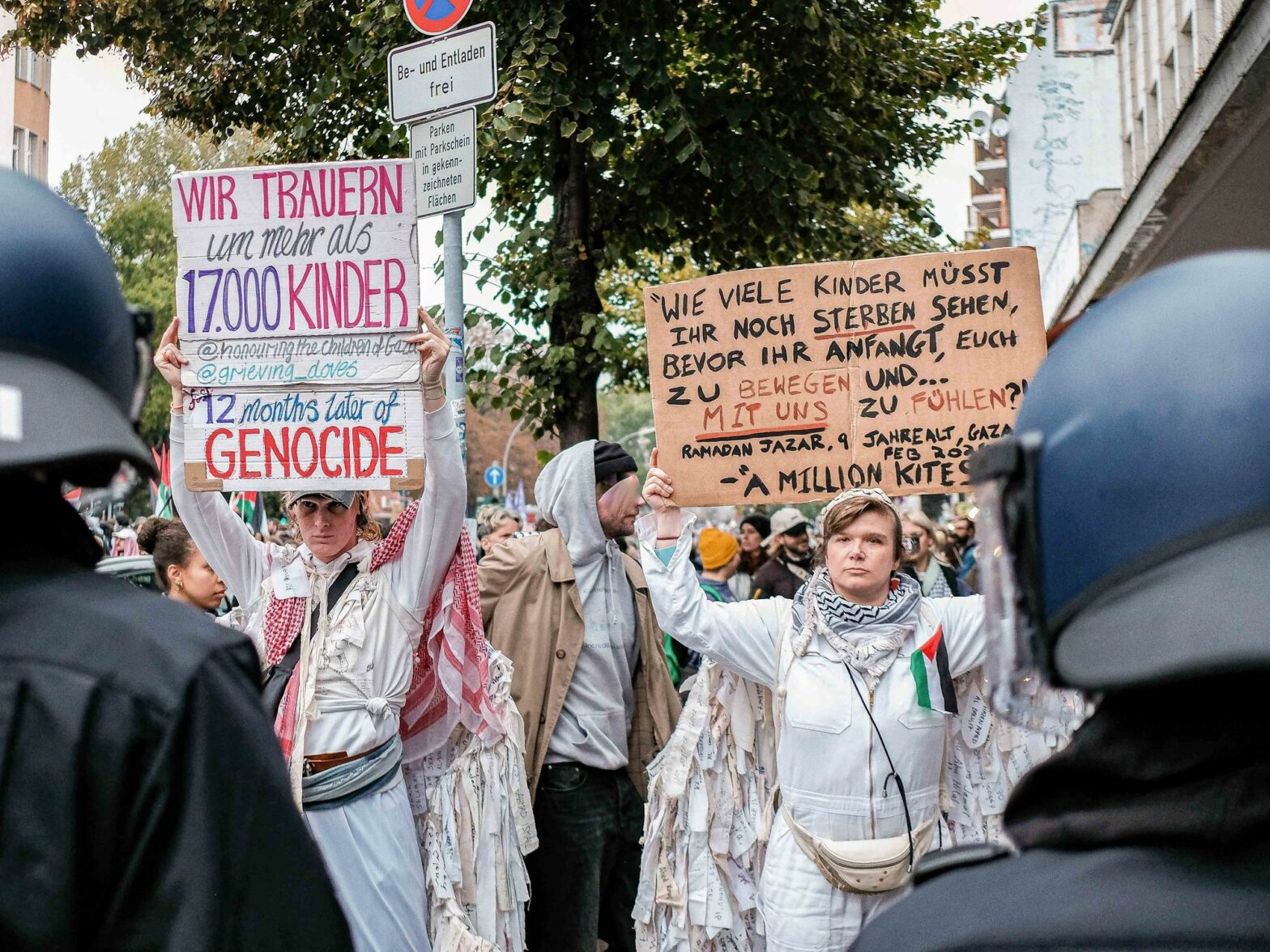
An increasingly positive era of post-Holocaust Jewish life in Germany ended one year ago — the sense of progress and confidence gave way to a new, age-old fear, writes Sascha Chaimowicz in Die Zeit.
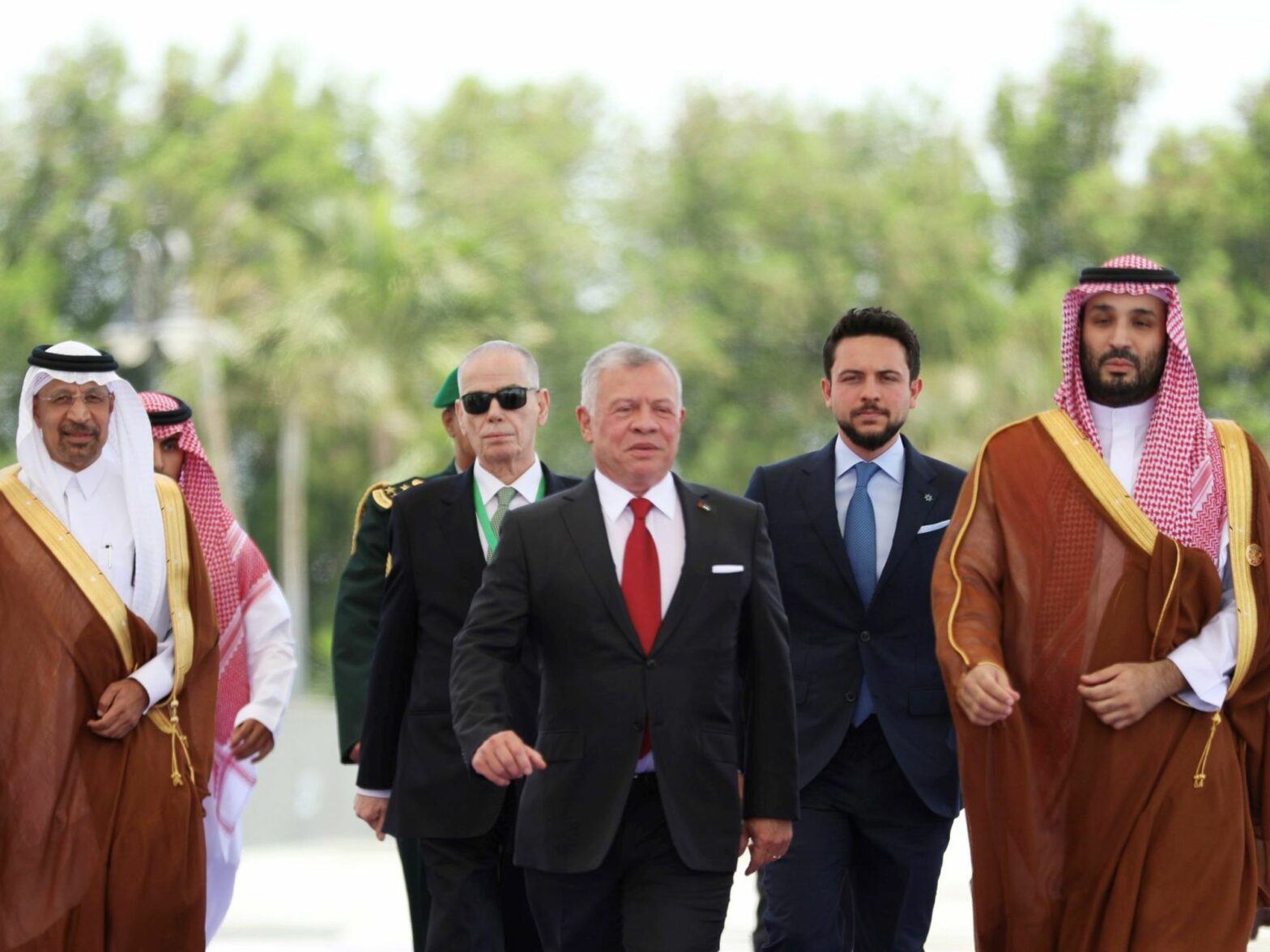
Arab countries remain largely missing in action as the region goes up in flames. Those that have recognized Israel are keeping a low profile, the Saudis are talking about a Palestinian state, but they are not averse to crushing the pro-Iranian forces and targeting Tehran. And yet a regional war would upset the current balance.
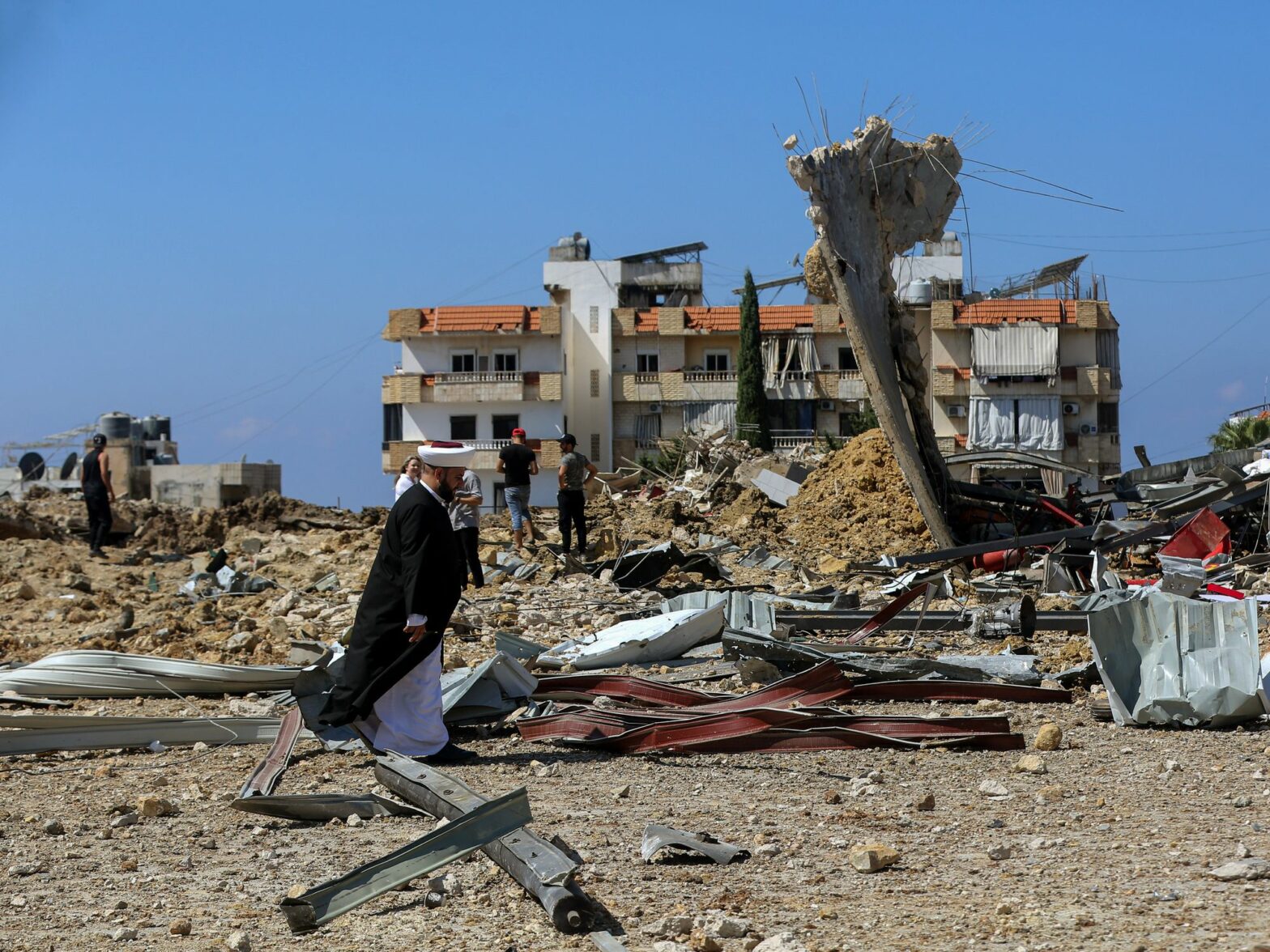
Israeli Prime Minister Benjamin Netanyahu laid out a careful plot to push and ultimately shatter the long-established “rules of engagement” in the Middle East. It caught everyone, from Iran to Hezbollah to the White House, by surprise. The aim is to remake the whole region to revolve around Israel.

Wounded by the bombs, some had to face surgeries on kitchen tables. La Stampa reporter Francesca Mannocchi met them and their parents in Doha, Qatar, where they seek refuge.
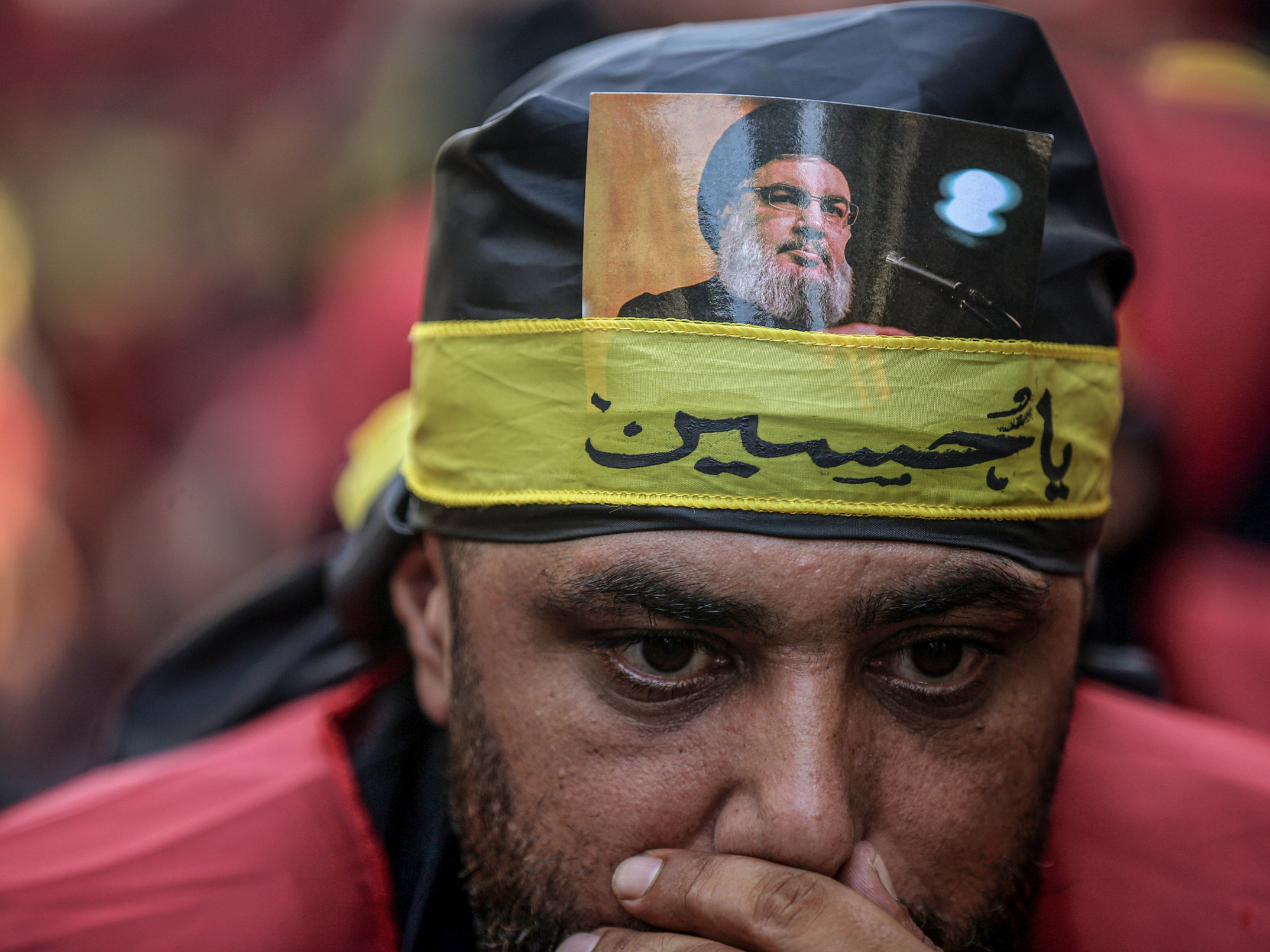
Israel has killed Hassan Nasrallah, longtime charismatic head of Lebanese militant organization Hezbollah. His recent leadership had been marked by a new kind of realism in the face of the balance of power, and served as a complement to Hezbollah supporters’ knee-jerk celebrations even when they are defeated.
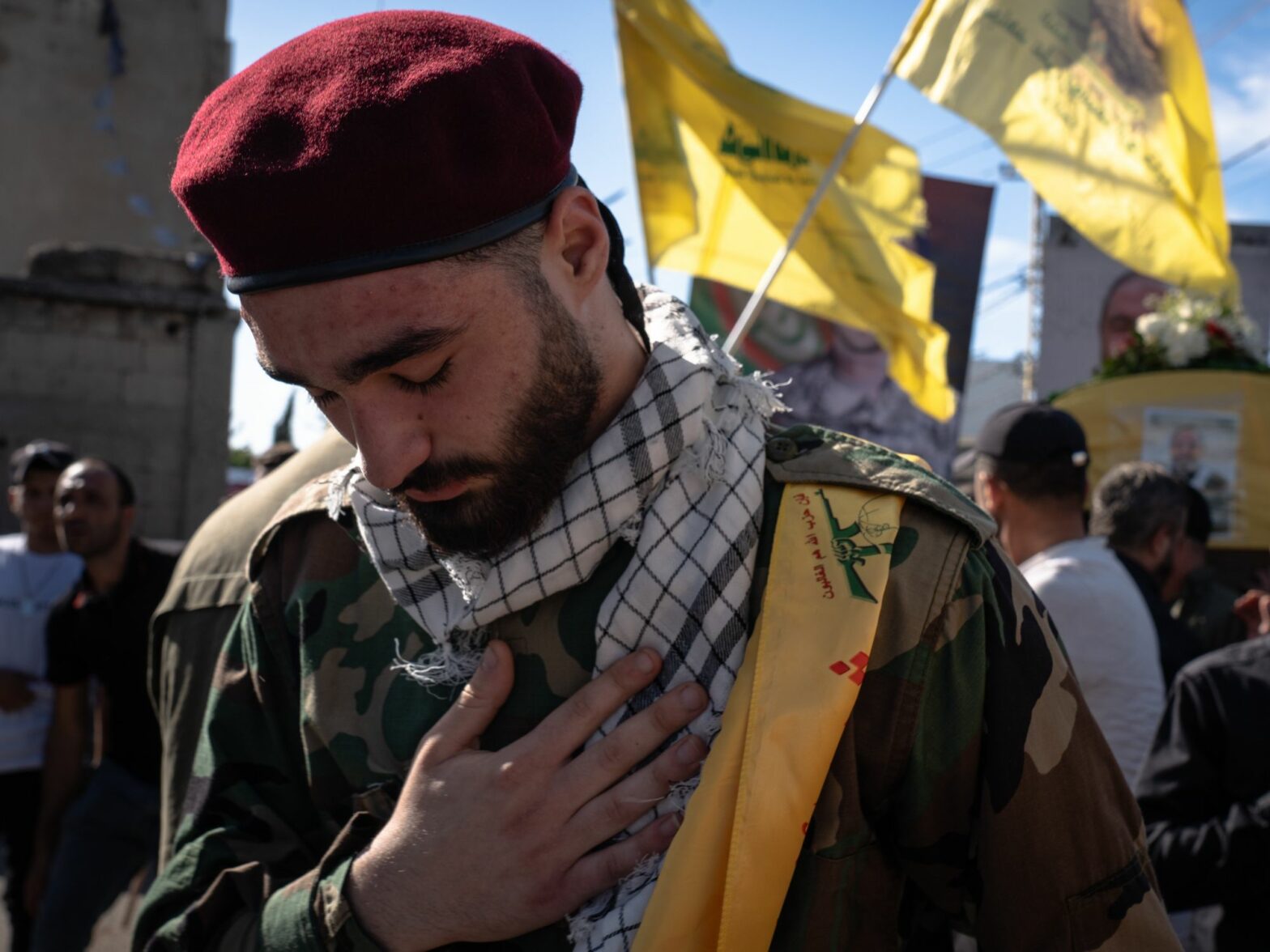
Nearly a year into the war in Gaza, the people of Lebanon are paying a price for both a failing of Hezbollah security, and more broadly for a support war so ambiguous that it’s impossible to understand its cause, purpose, or if anything has been achieved.
![Close-up photo of a Hezbollah supporter sporting a headband that reads in Arabic and Hebrew "We swear we will cross [into Israel]" during a rally in Beirut.](https://worldcrunch.com/assets/uploads/2025/03/close-up-photo-of-a-hezbollah-supporter-sporting-a-headband-that-reads-in-arabic-and-hebrew-we-swear-we-will-cross-into-israel-during-a-rally-in-beirut-1568x1176.jpg)
We have entered a new phase of confrontation. The war on the northern front has become a reality and not just threats. Hezbollah may be reeling after the pagers attack and the bombings in southern Lebanon, but it is also set to go on the offensive, taking aim at Israel’s northern coastal city of Haifa.
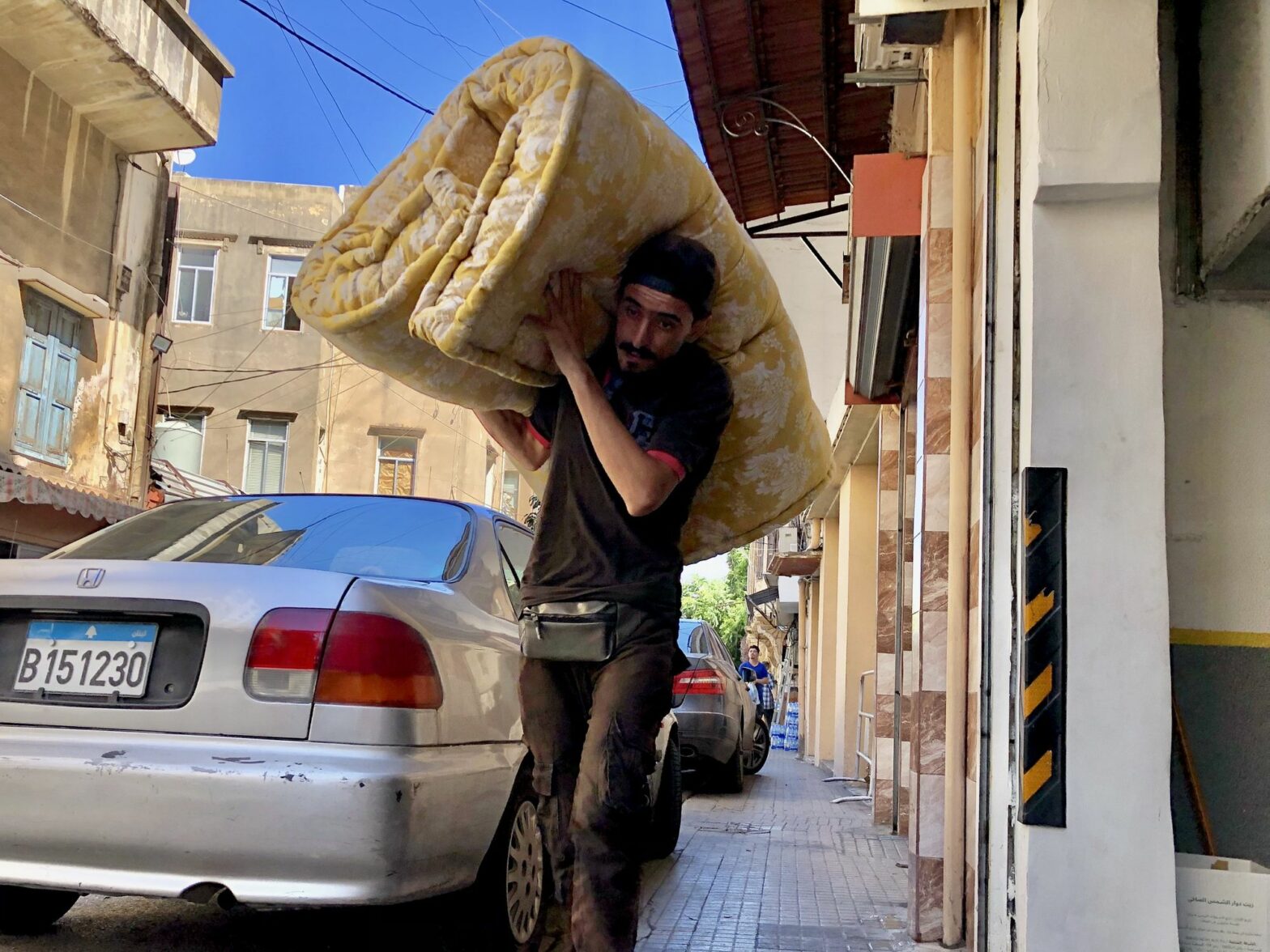
After the pagers explosions and the elimination of several key Hezbollah leaders, Israel massively bombed southern Lebanon, killing more than 550 people. Proportionality is over. Escalation has begun. The civilian death toll may start to pile up just like in Gaza.
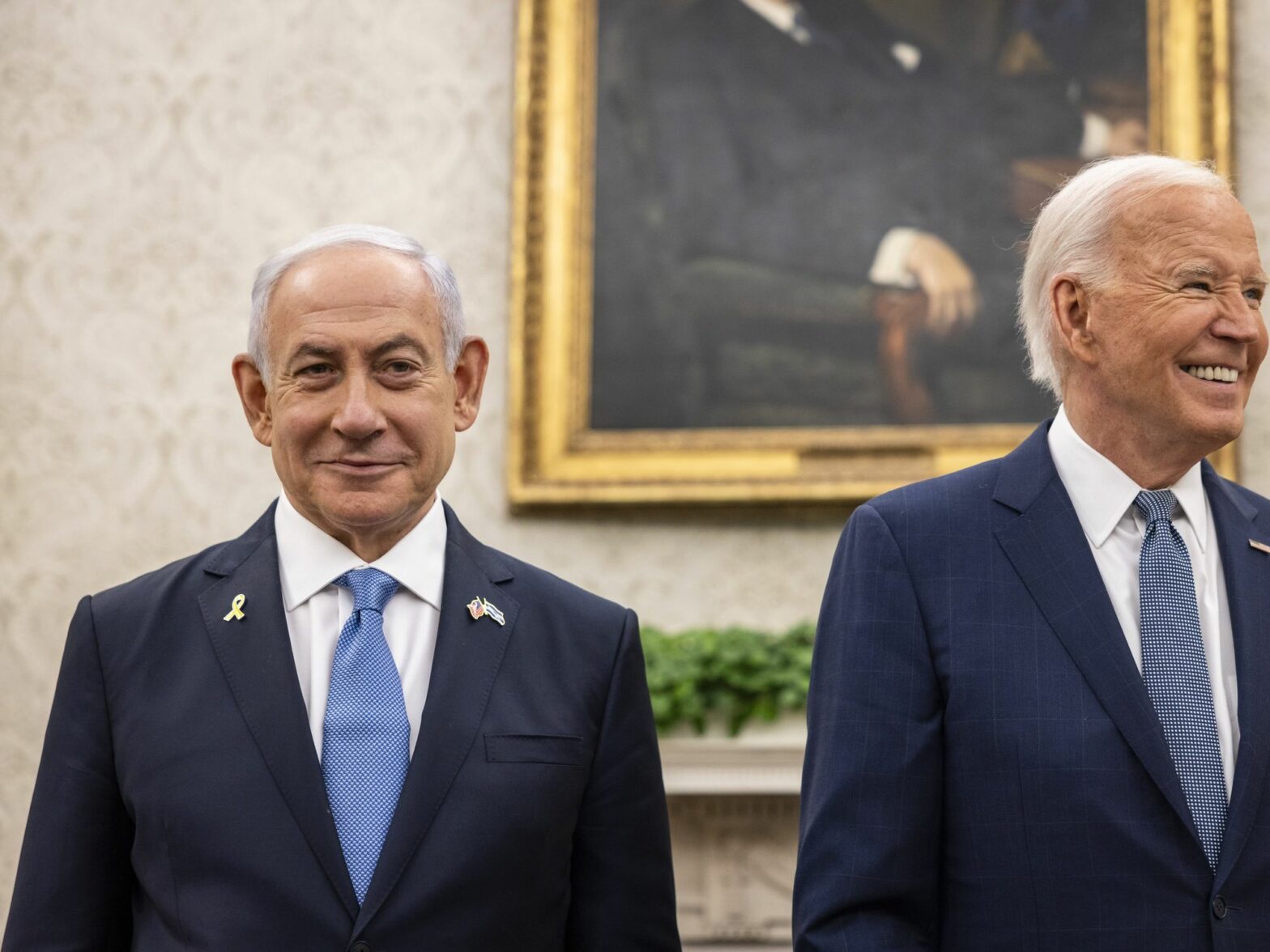
The upsurge in violence between Israel and Hezbollah in recent days carries the risk of regional conflagration that the United States does not want. But once again, for almost a year now, the Americans have been unable to get their Israeli ally to listen.
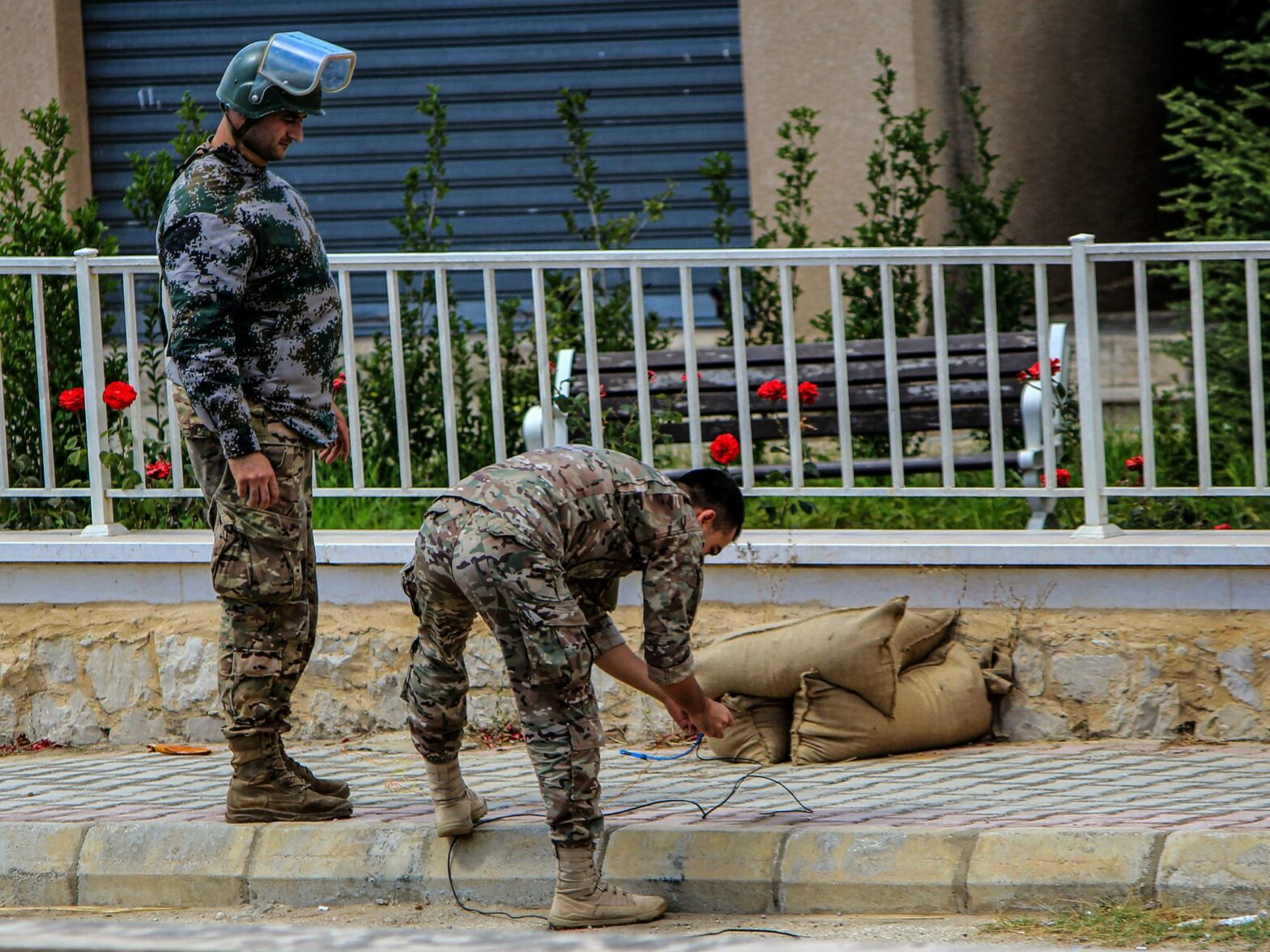
Striking with the knowledge that innocents will die is the same genocidal approach that has killed nearly 40,000 Palestinians in Gaza. The particular approach, detonating electronic devices by remote control, should worry everyone in the world.
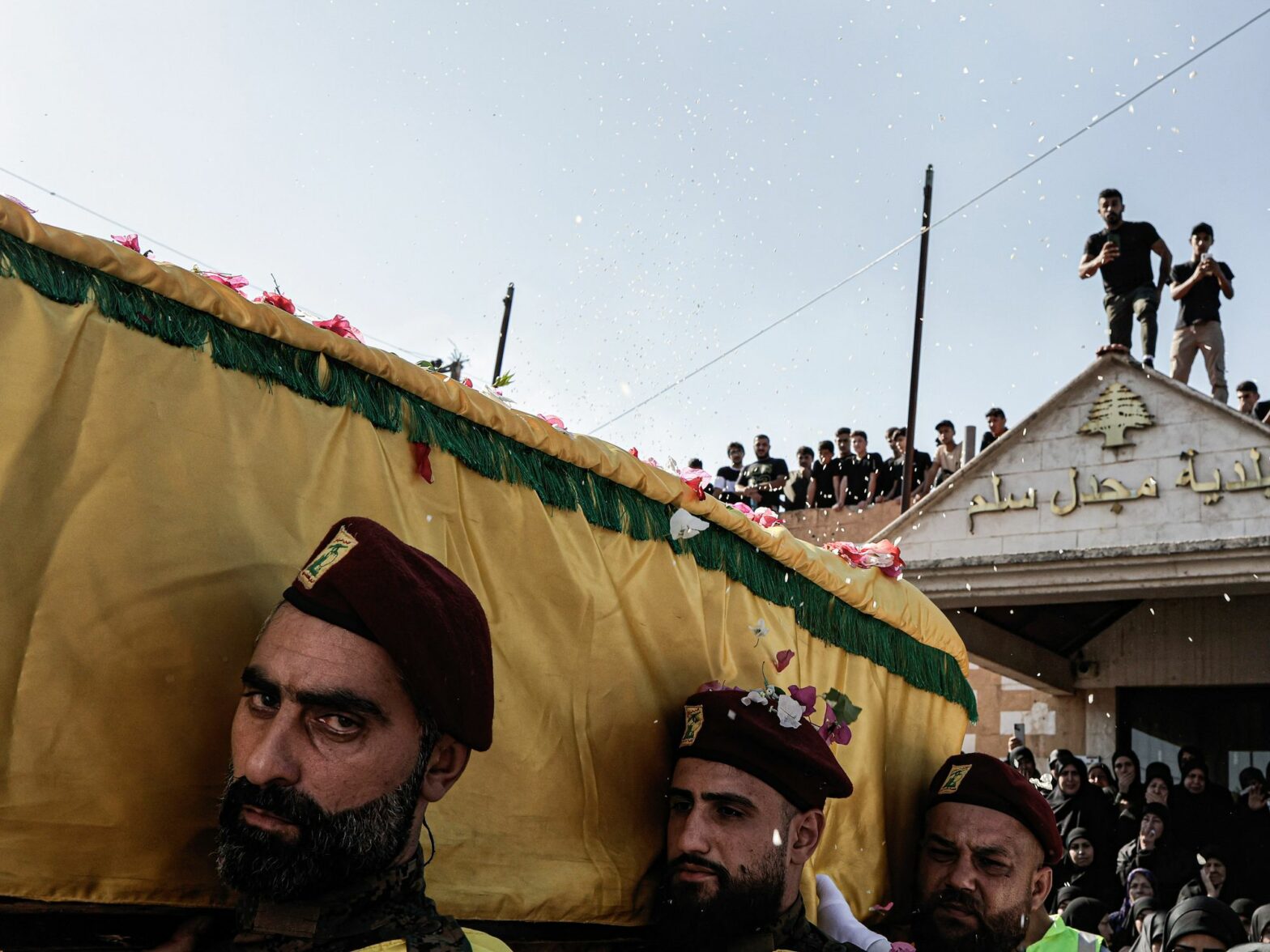
Nine dead and nearly 3,000 wounded. The unprecedented attack on the pagers of Hezbollah members is the larger explosion of a war already underway that could consume the whole Middle East.