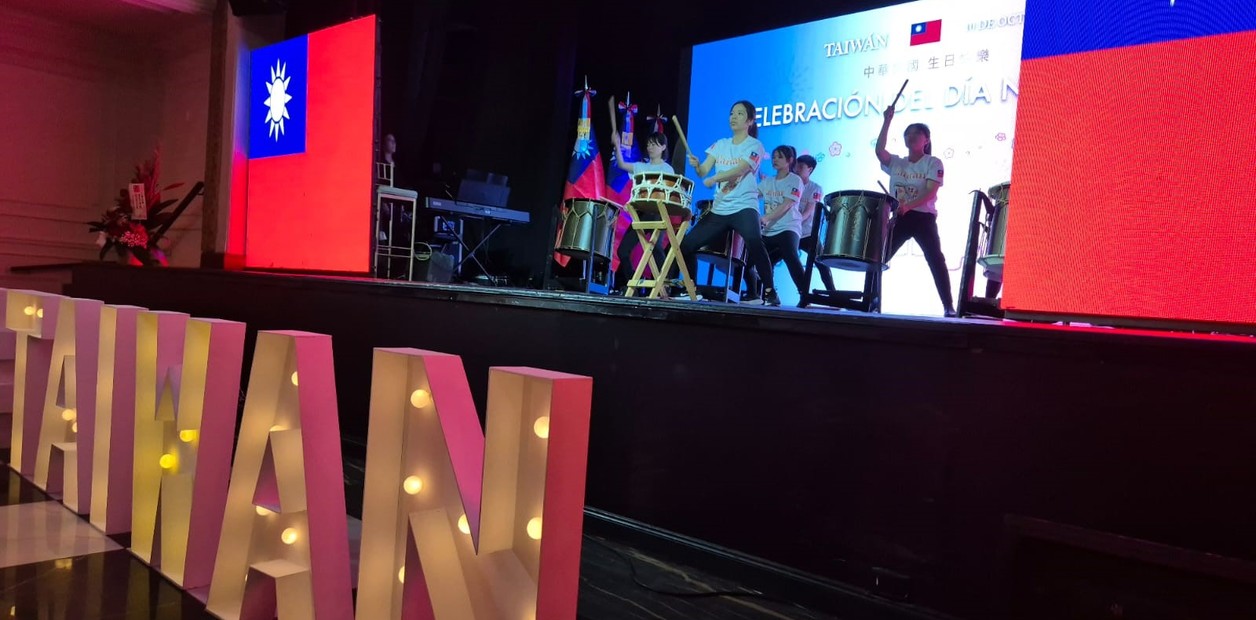
In several Latin American countries, there is renewed interest and advocacy to reactivate bilateral ties with Taiwan, after years of broken political promises and economic contracts.
 Worldcrunch
In several Latin American countries, there is renewed interest and advocacy to reactivate bilateral ties with Taiwan, after years of broken political promises and economic contracts.
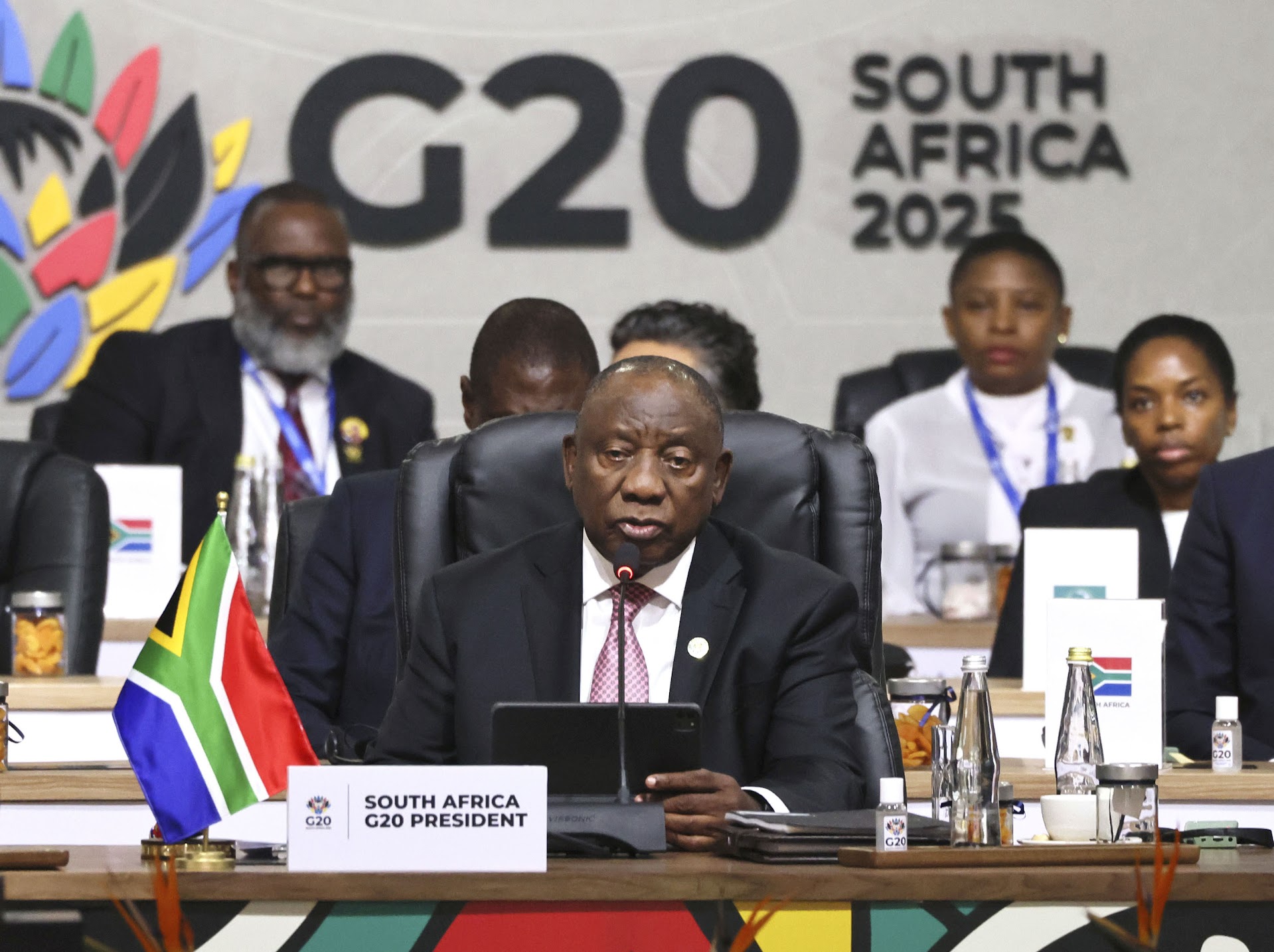
The U.S. president won’t invite South Africa to the next G20 on American soil and is cutting all funding to the country, accusing it of carrying out a genocide against Afrikaners. Official denials have changed nothing — Donald Trump is continuing to pursue South Africa with his absurd vendetta.
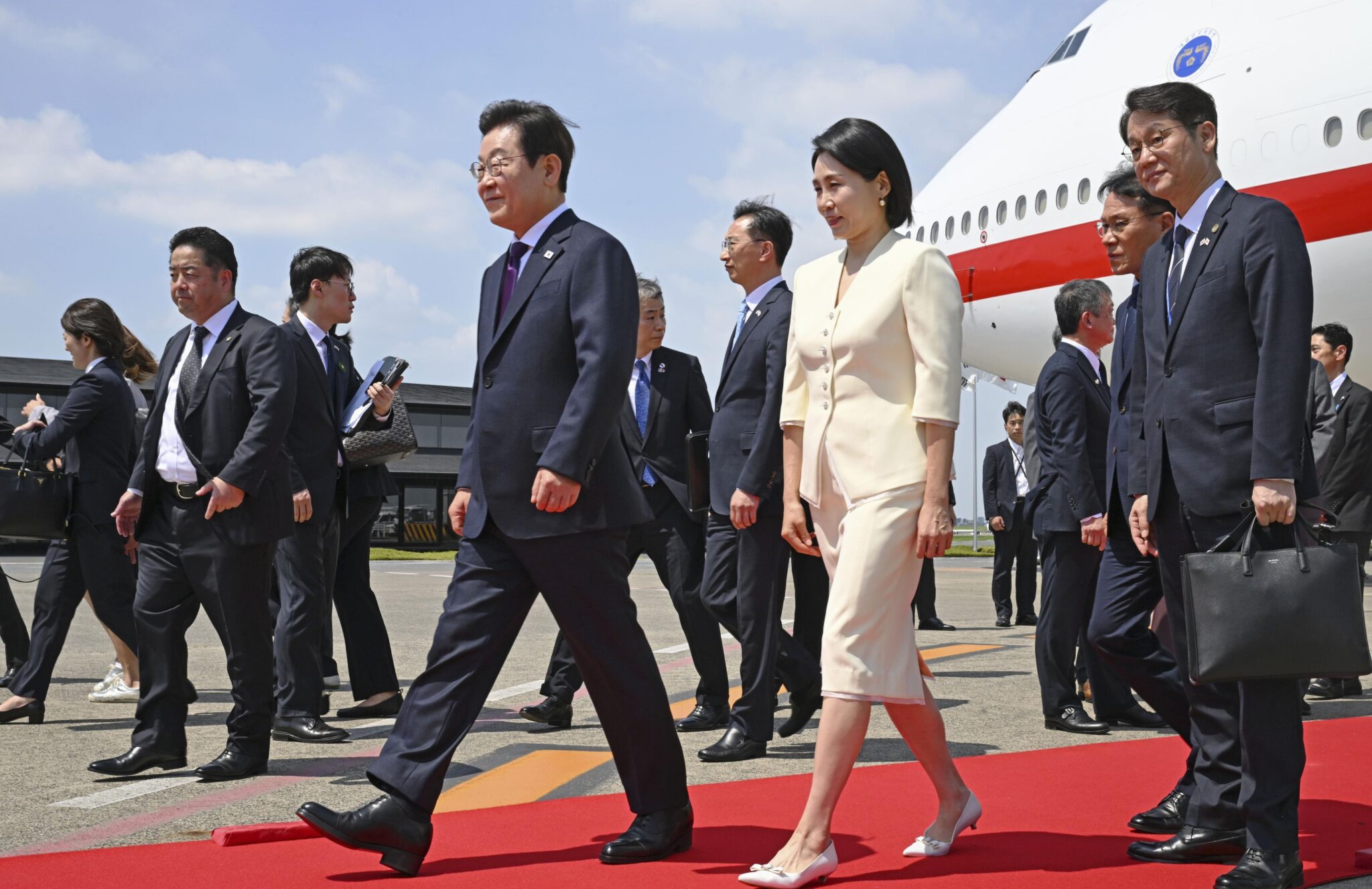
South Korea’s president Lee Jae Myung is shifting foreign policy toward a pragmatic approach: diversifying partnerships without upsetting the U.S., strengthening trade and technology, and managing regional challenges — with lessons for Argentina.
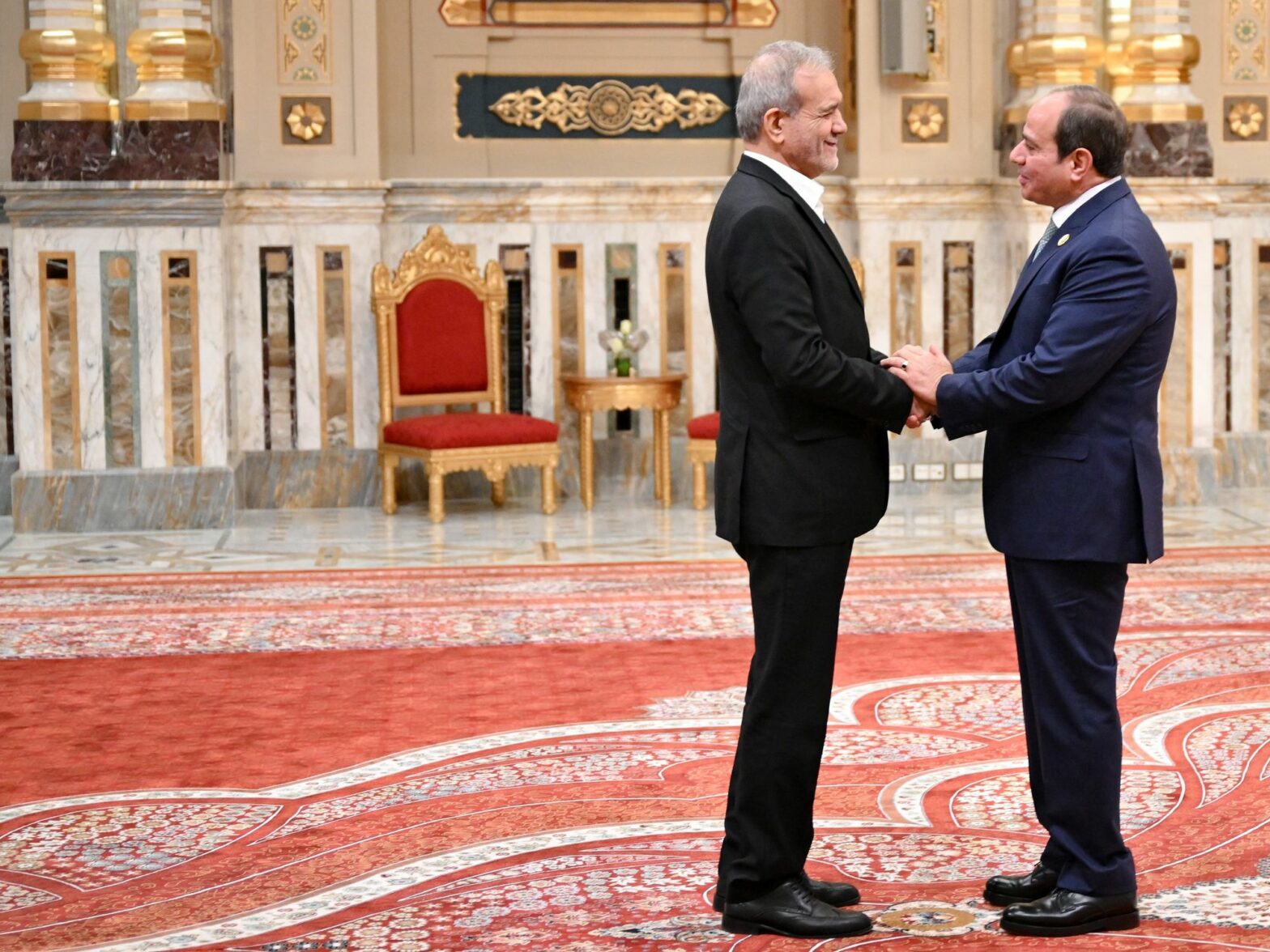
Egypt has perfected the art of passive resistance in navigating international pressures — delaying, complicating, and outlasting unwanted initiatives. From blocking the Arab NATO project to managing the fate of two Red Sea islands, Cairo deploys its bureaucratic “Madame Afaf” tactic to stall without confrontation.
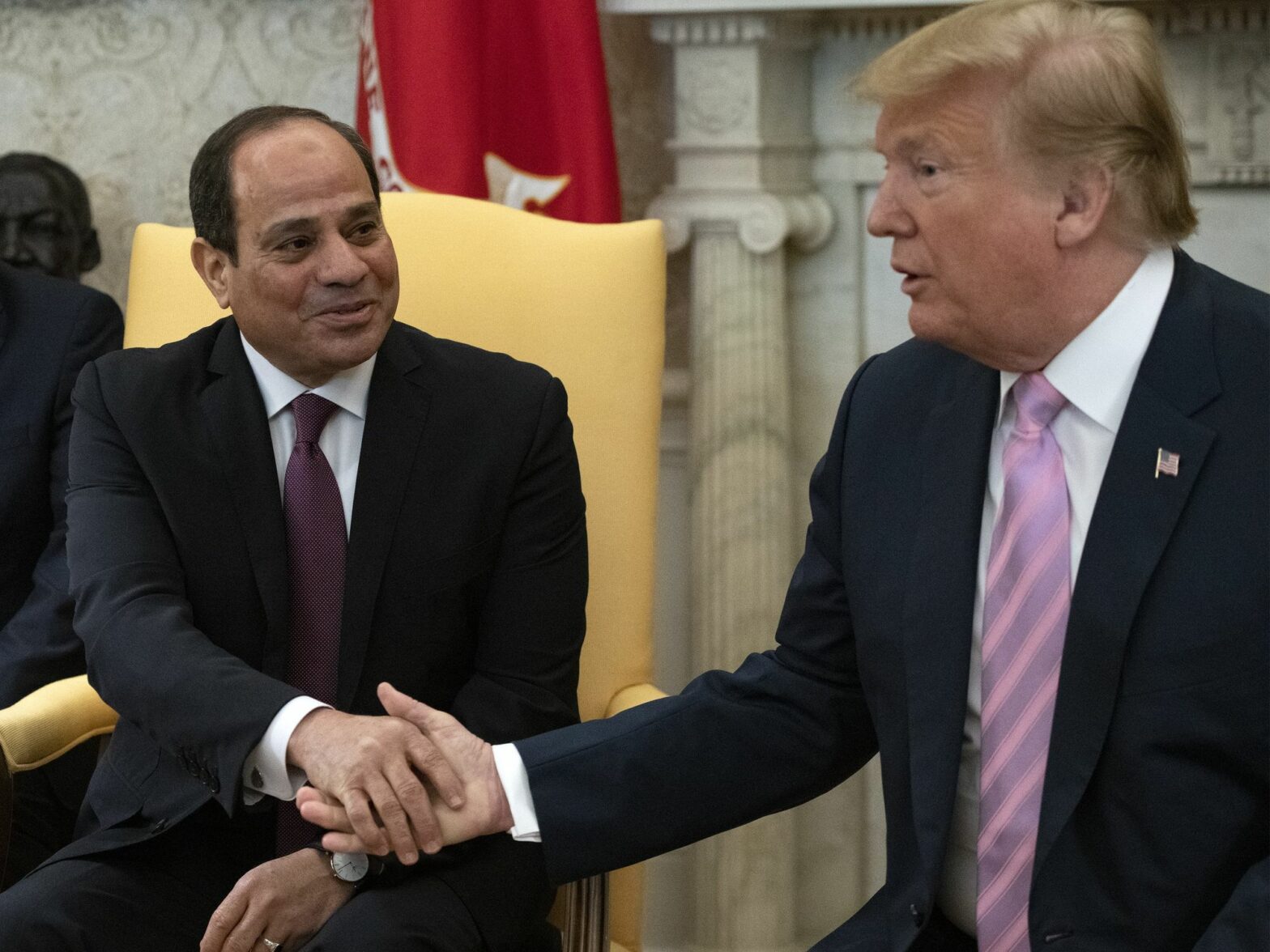
Egypt has perfected the art of passive resistance in navigating international pressures — delaying, complicating, and outlasting unwanted initiatives. From blocking the Arab NATO project to managing the fate of two Red Sea islands, Cairo deploys its bureaucratic “Madame Afaf” tactic to stall without confrontation. As Trump returns with bold regional proposals, Egypt is once again playing the long game, waiting out the storm.
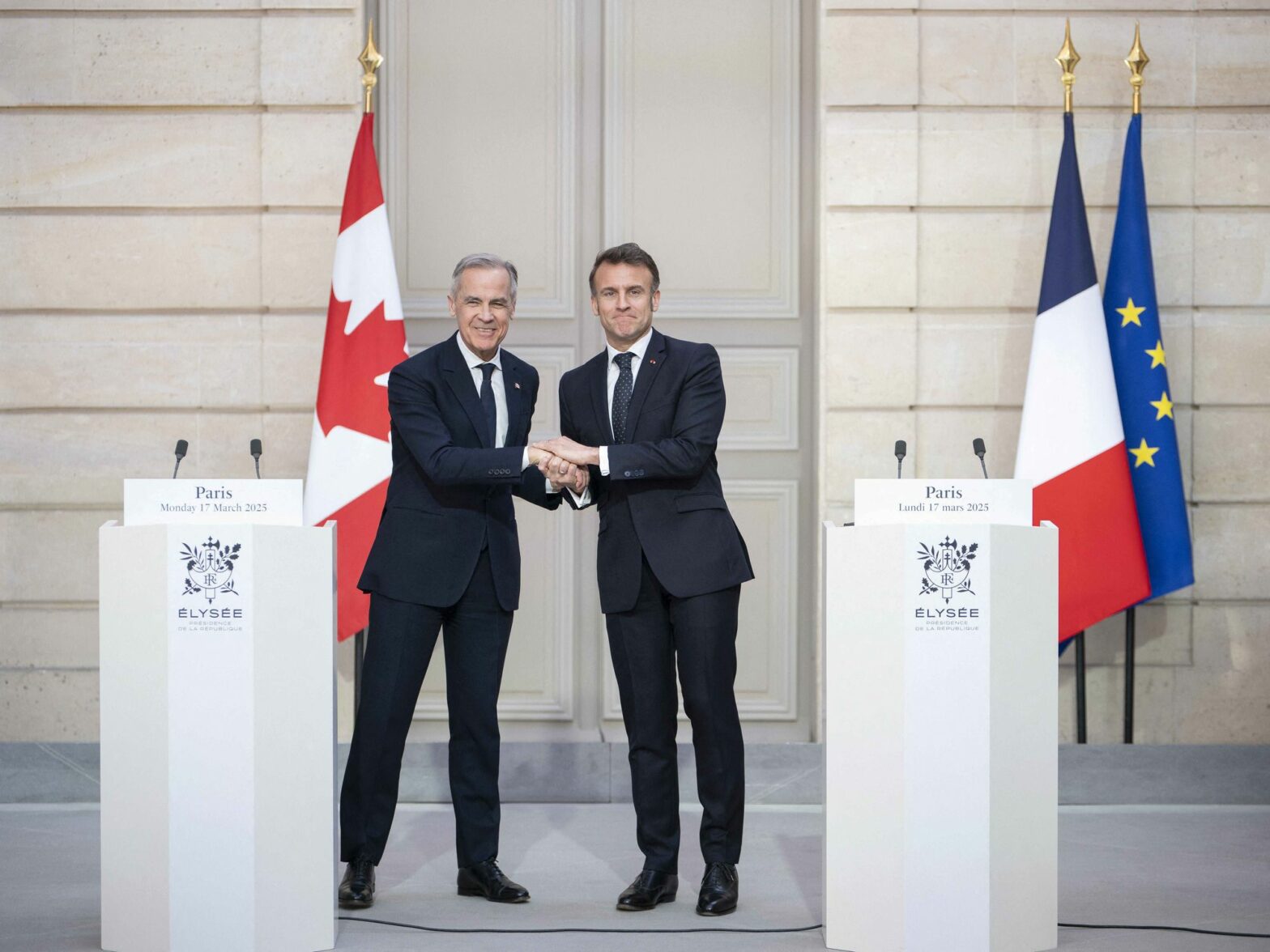
An international front is refusing to bow to the White House’s demands, and it’s the only way out of the crisis.
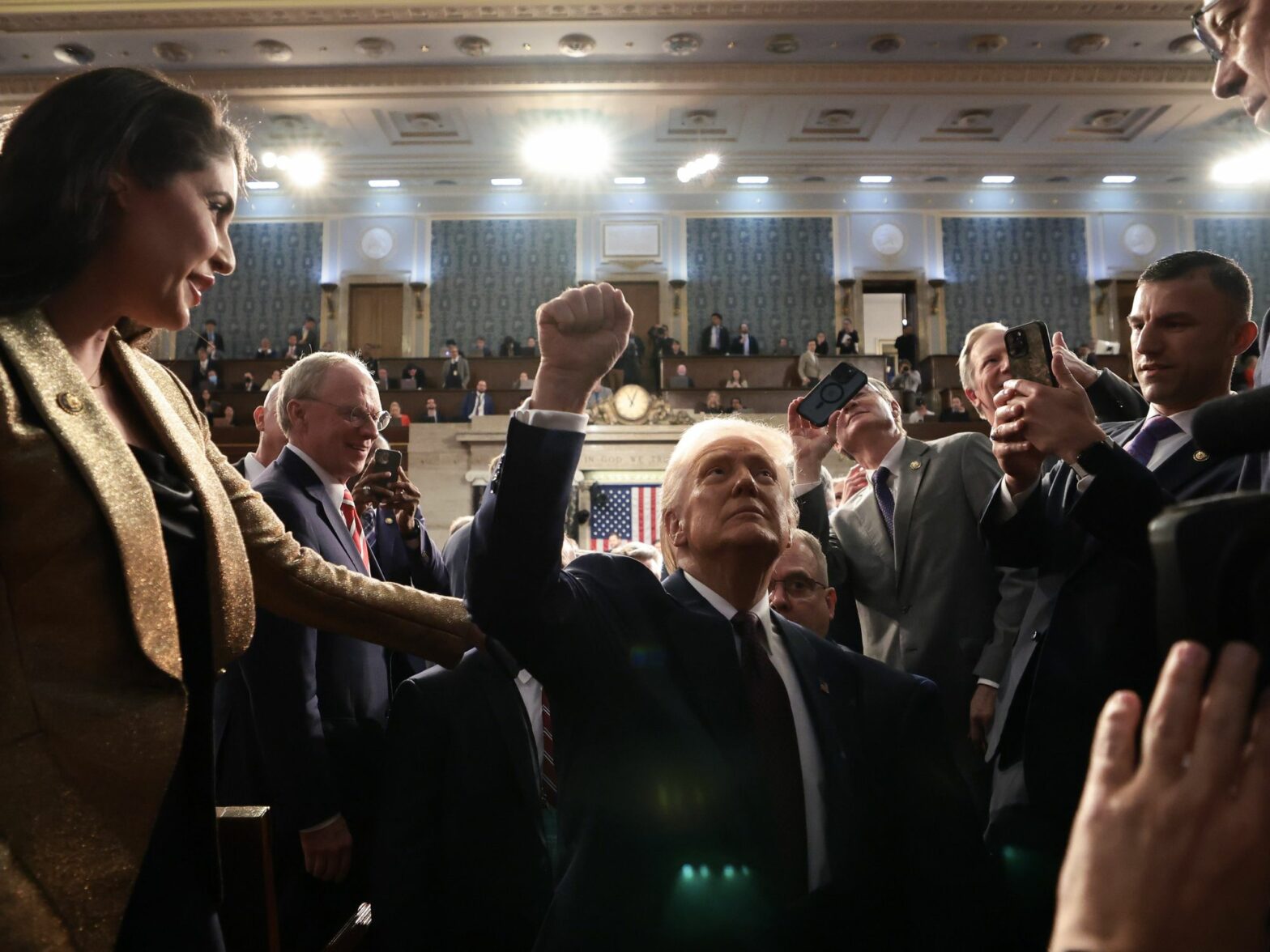
Who are the six people behind the decision to freeze military aid to Ukraine after the Oval Office clash with Volodymyr Zelensky? Their backgrounds are enough to raise concerns for Ukraine and Europe, which they see as relics of the past that need to be dismantled.
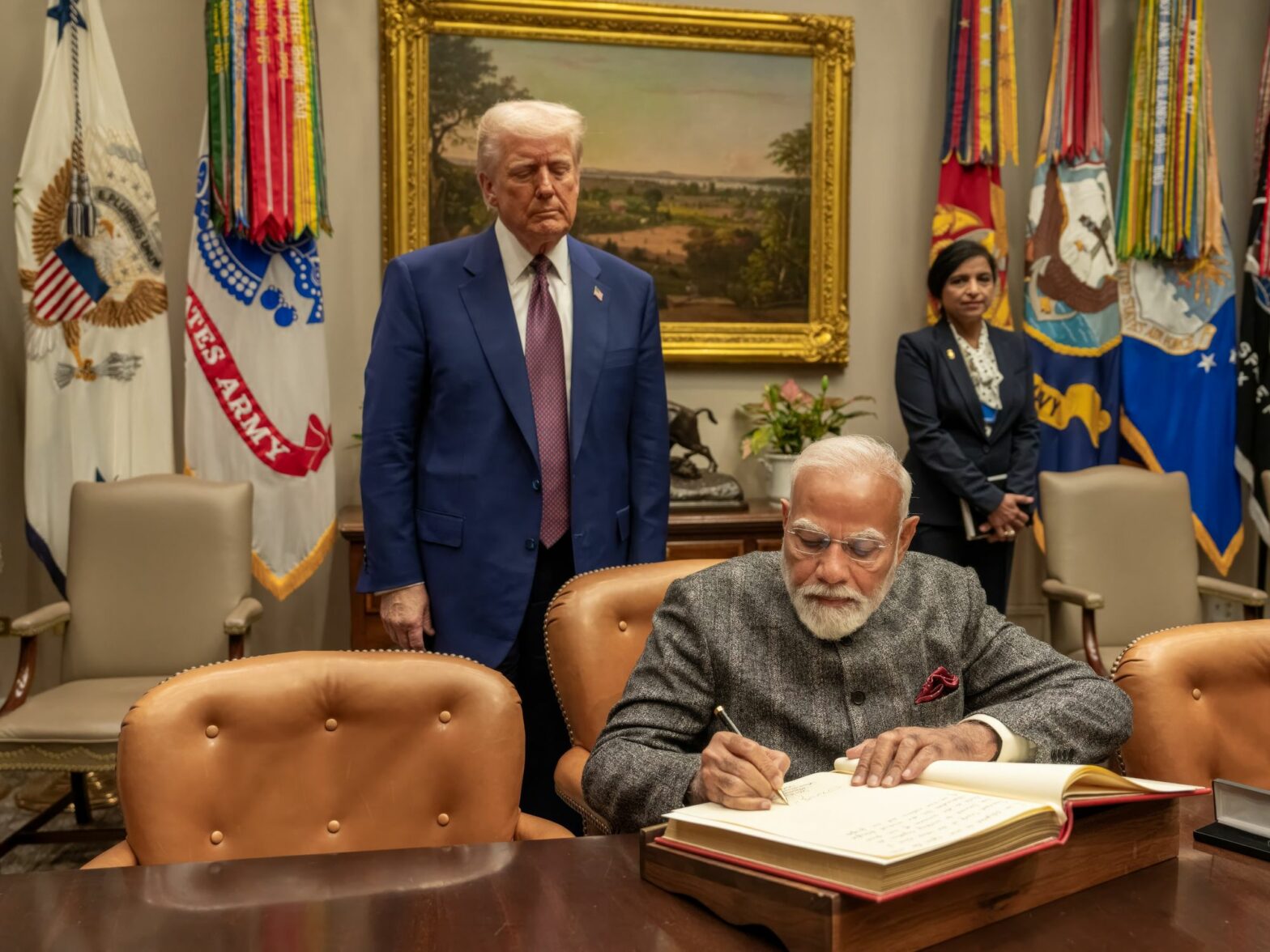
With the tremendous power it wields, the U.S. does not have, in real terms, any allies. All it has are servants. But
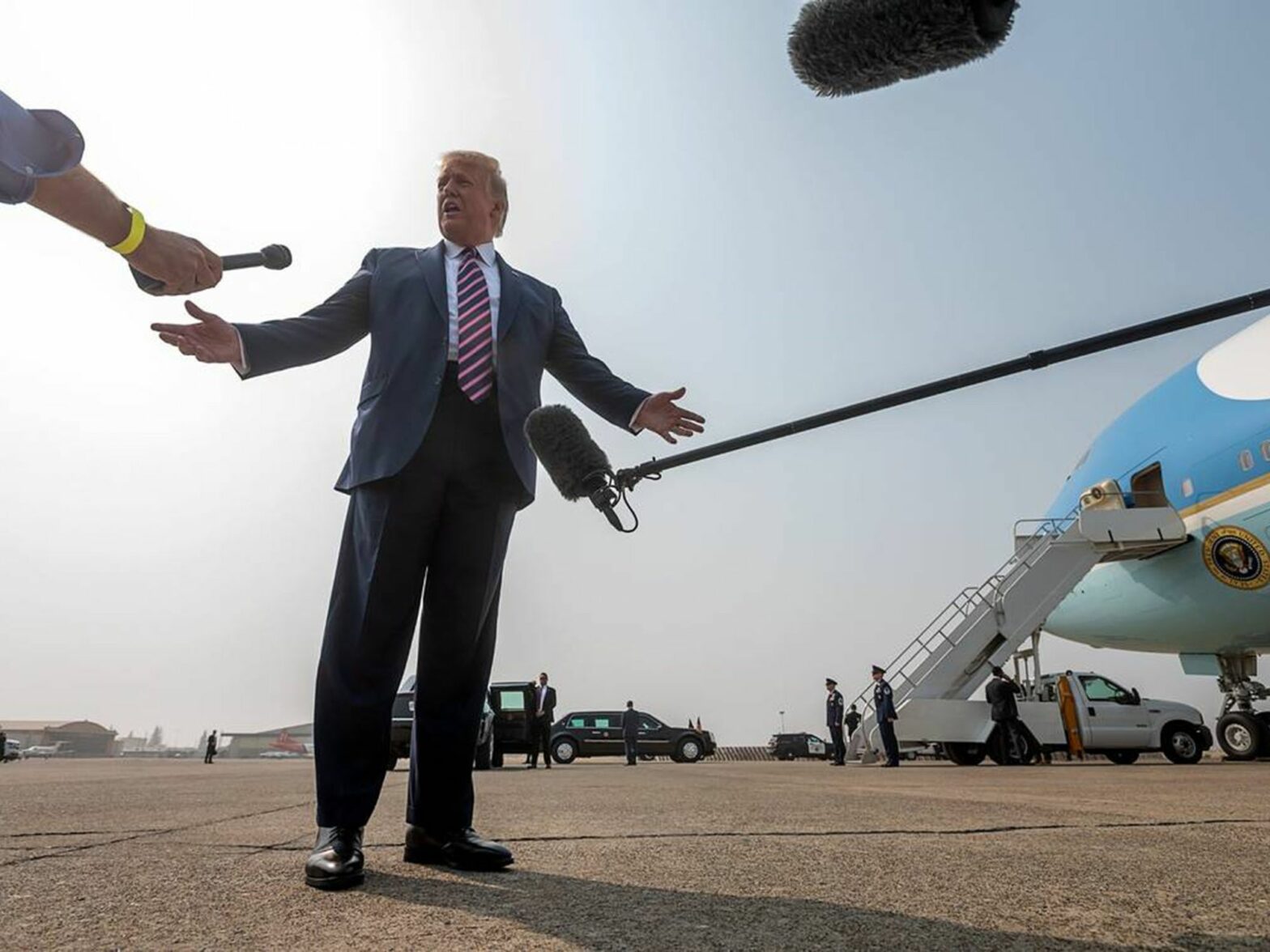
In the past, the Monroe Doctrine has pushed the United States to meddle in hemispheric affairs to strangle Soviet and communist subversion. Will incoming President Donald Trump revive this 19th-century U.S. foreign policy position to keep China out? And what would that mean for other countries in the Western Hemisphere.
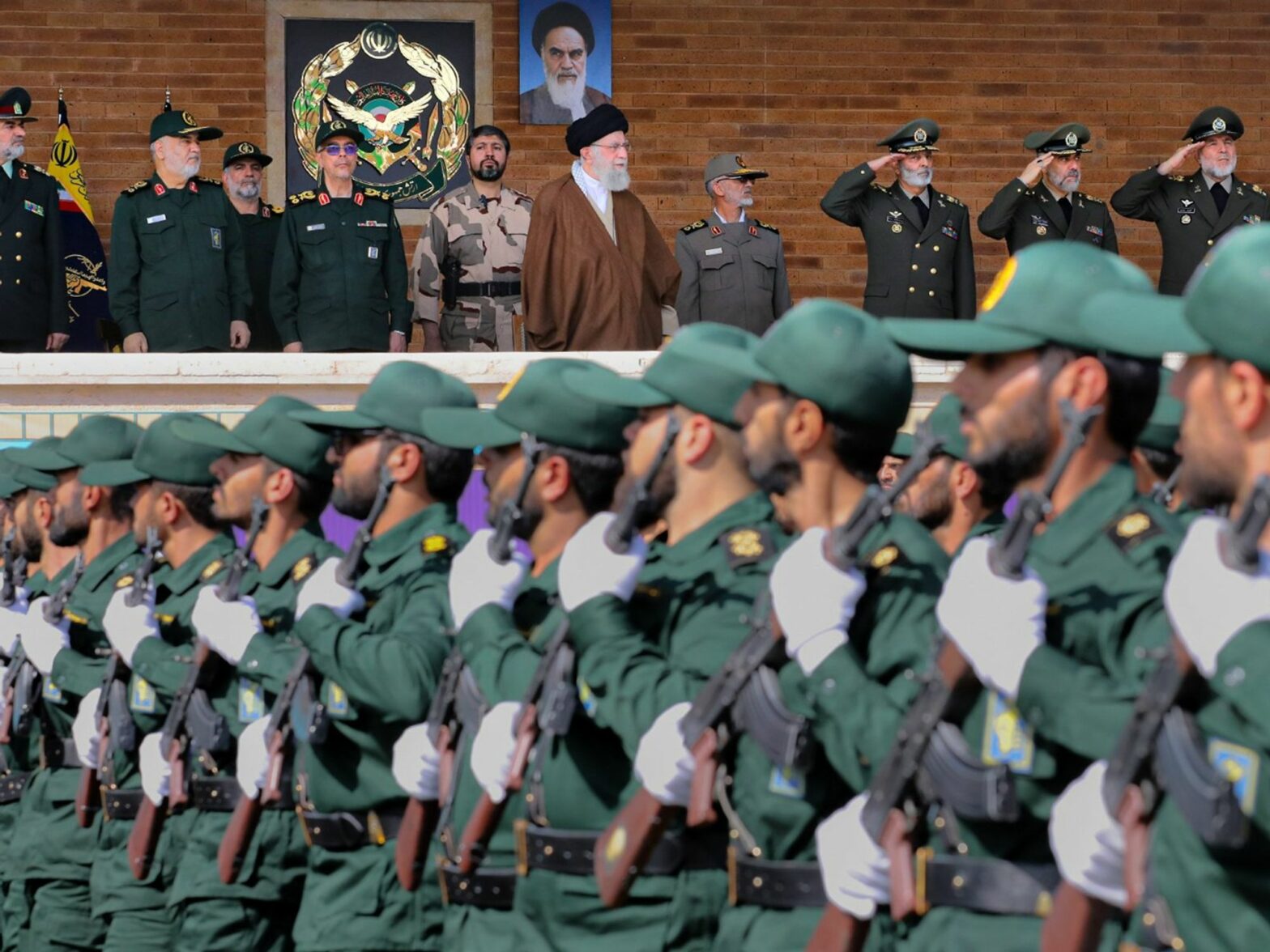
Iranian officials are still wondering how its dear ally Bashar al-Assad fell so fast, and why his military was lost before the rebellion even started.
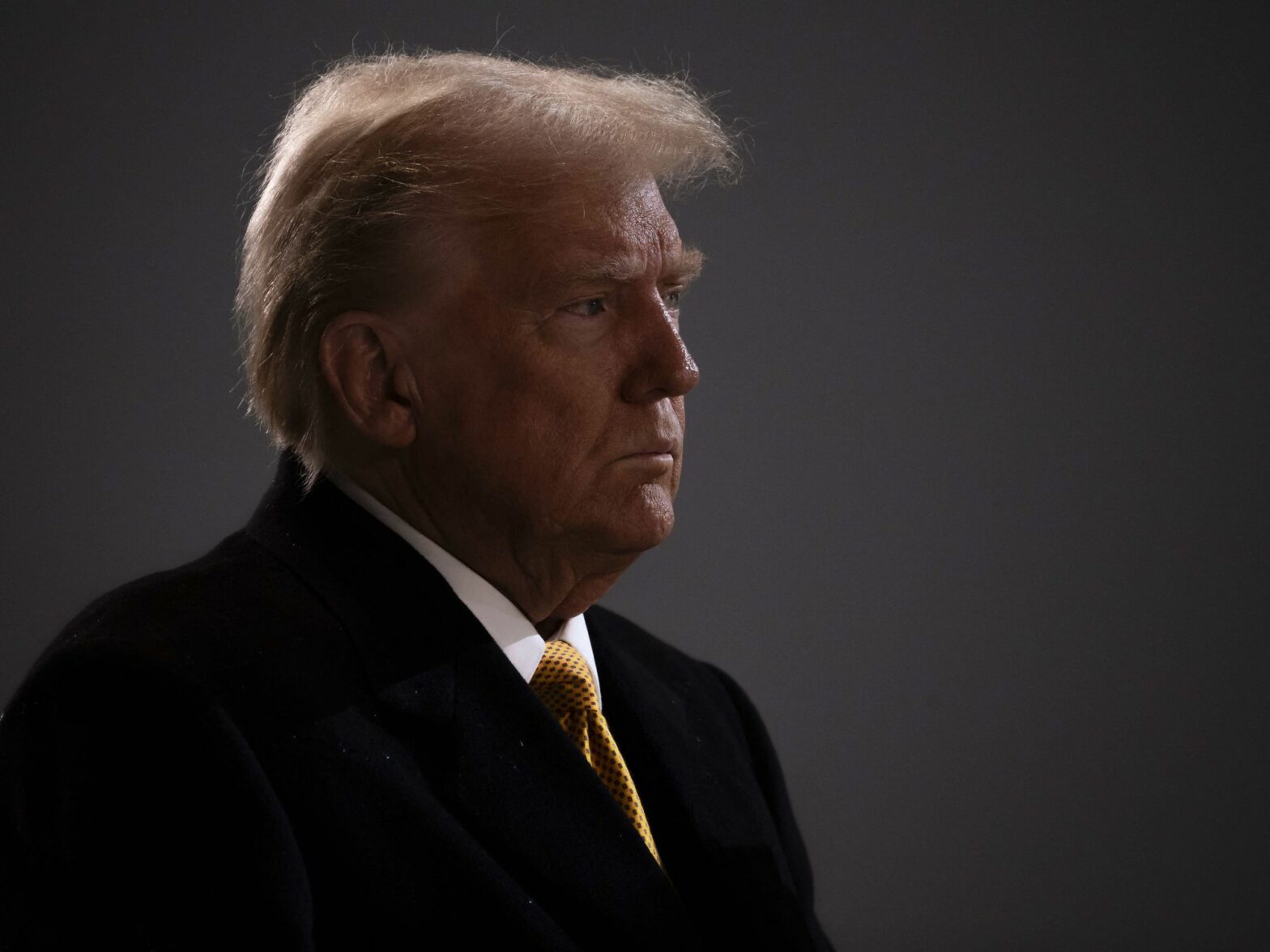
Donald Trump’s second term as U.S. president will undoubtedly bring about a transformation in geopolitics and the world economy. With a businessman rather than a politician in the White House, the country will take a more transactional approach based on negotiations.
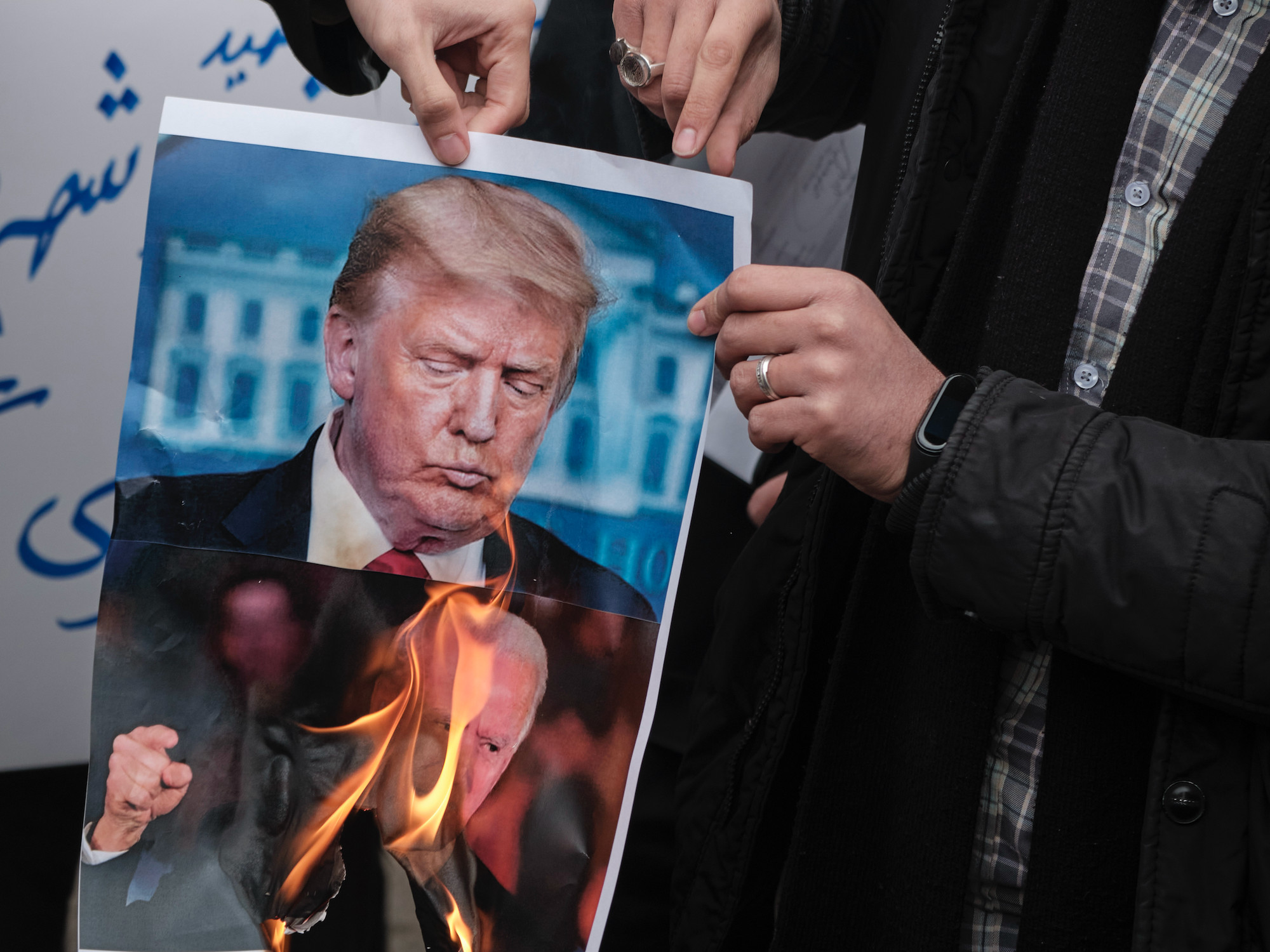
U.S. President-elect Donald Trump has said he is not out to topple Iran’s revolutionary regime, but his administration may, at the very least, seek intolerable concessions to the West from Tehran, or sink it with sanctions if it refuses.
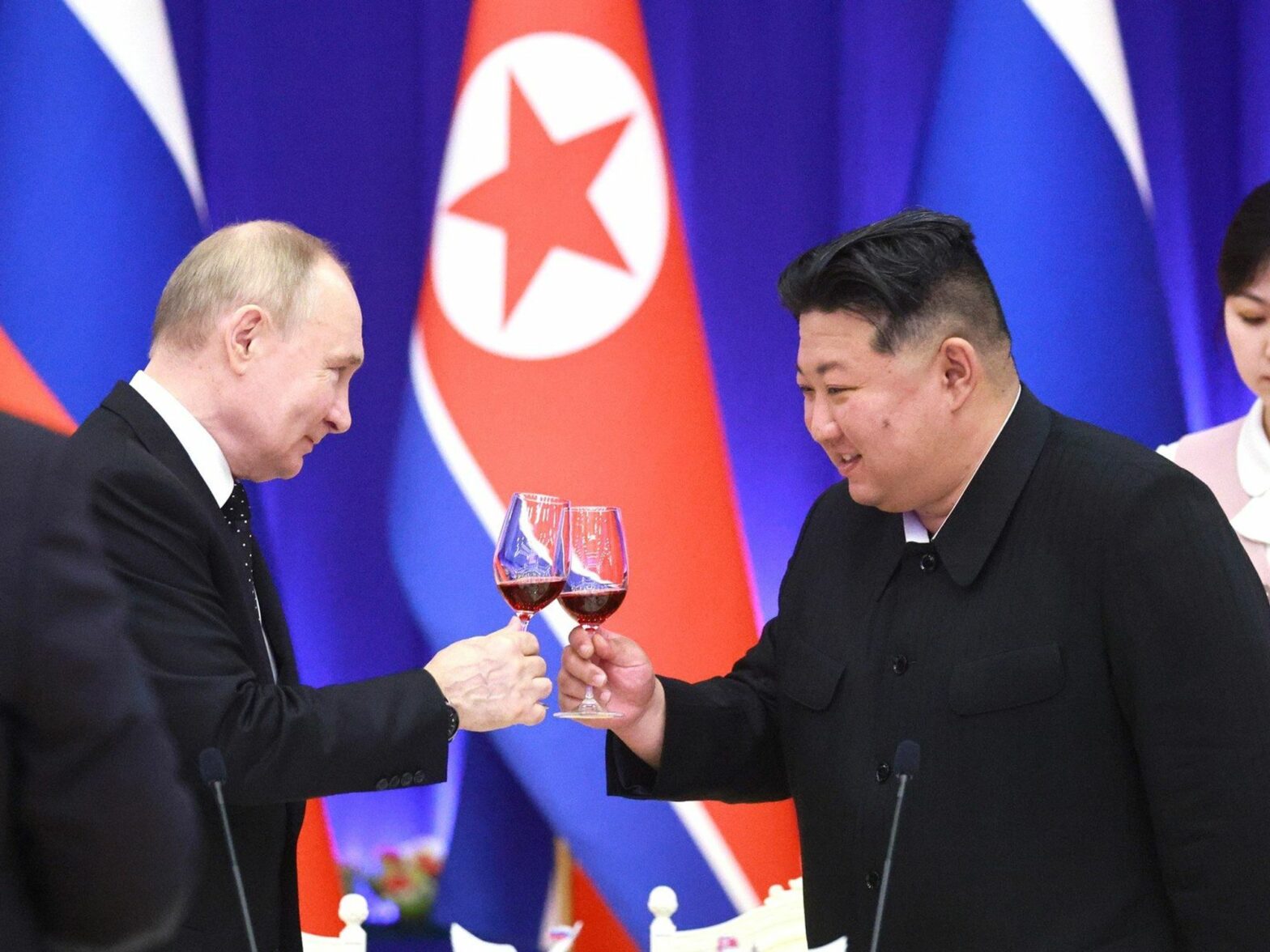
Pyongyang has just ratified its new defense pact with Moscow. North Korean soldiers are deployed near Kursk, in an unprecedented engagement that marks a reversal of Kim Jong-un’s foreign policy.
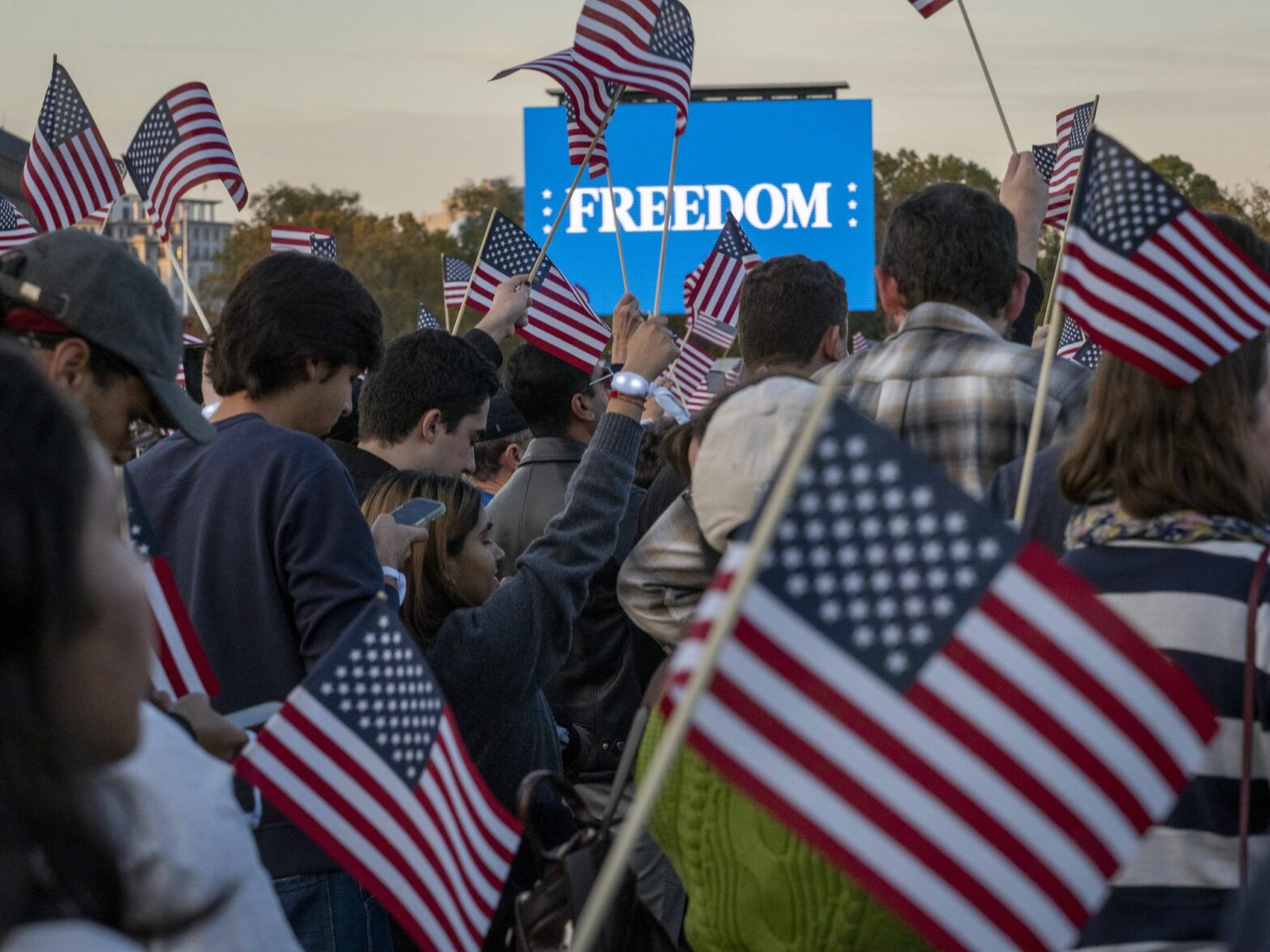
Whether it is Donald Trump or Kamala Harris, aggressive bullying or hypocritical well wishes, the actual decisions of U.S. foreign policy toward the Middle East always follow the same cynical script.
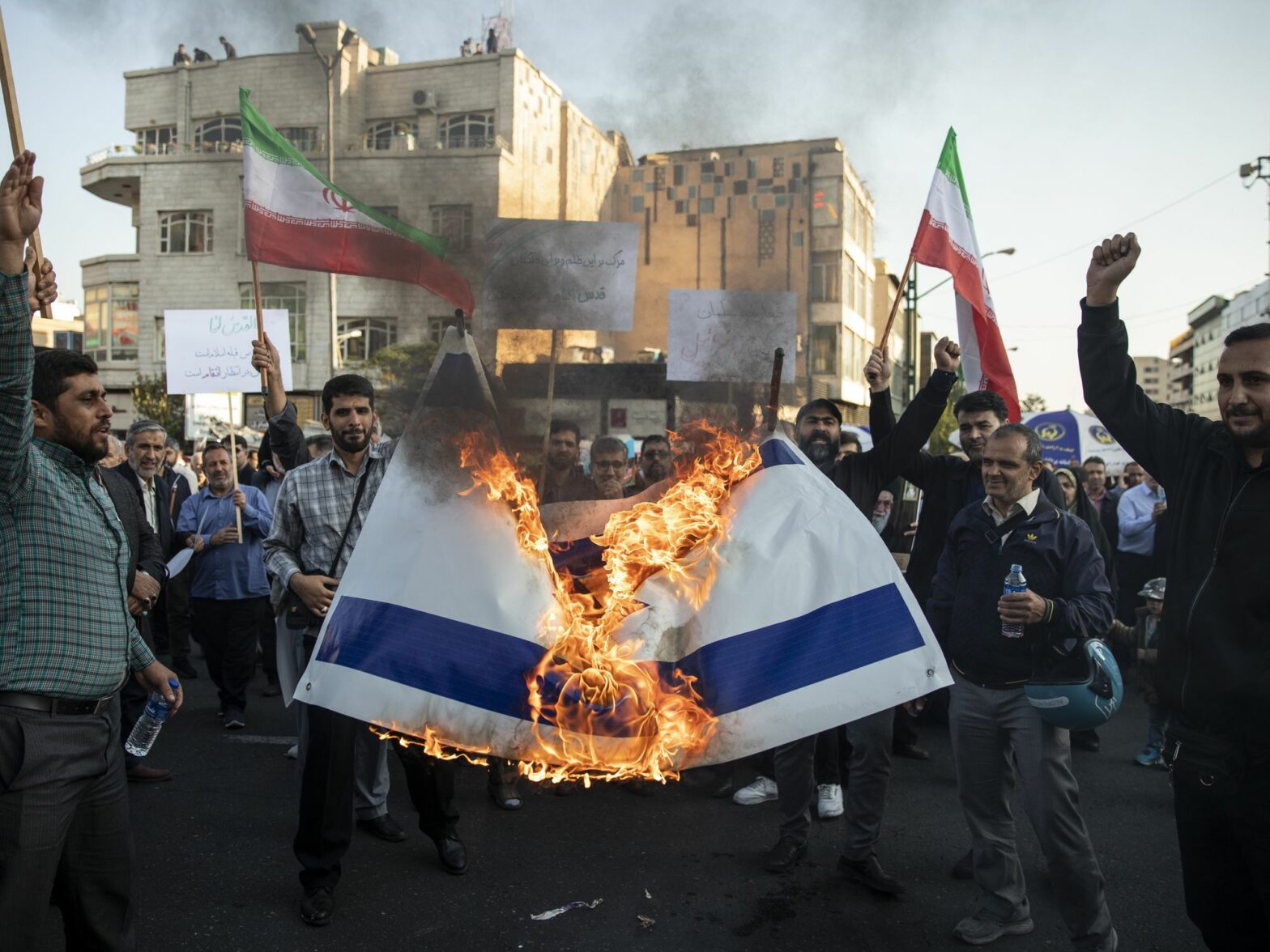
Iran’s 40-year policy of seeking the destruction of the Jewish state and “taking back” Jerusalem became the north star of the Tehran’s foreign policy. Now it may be its undoing.
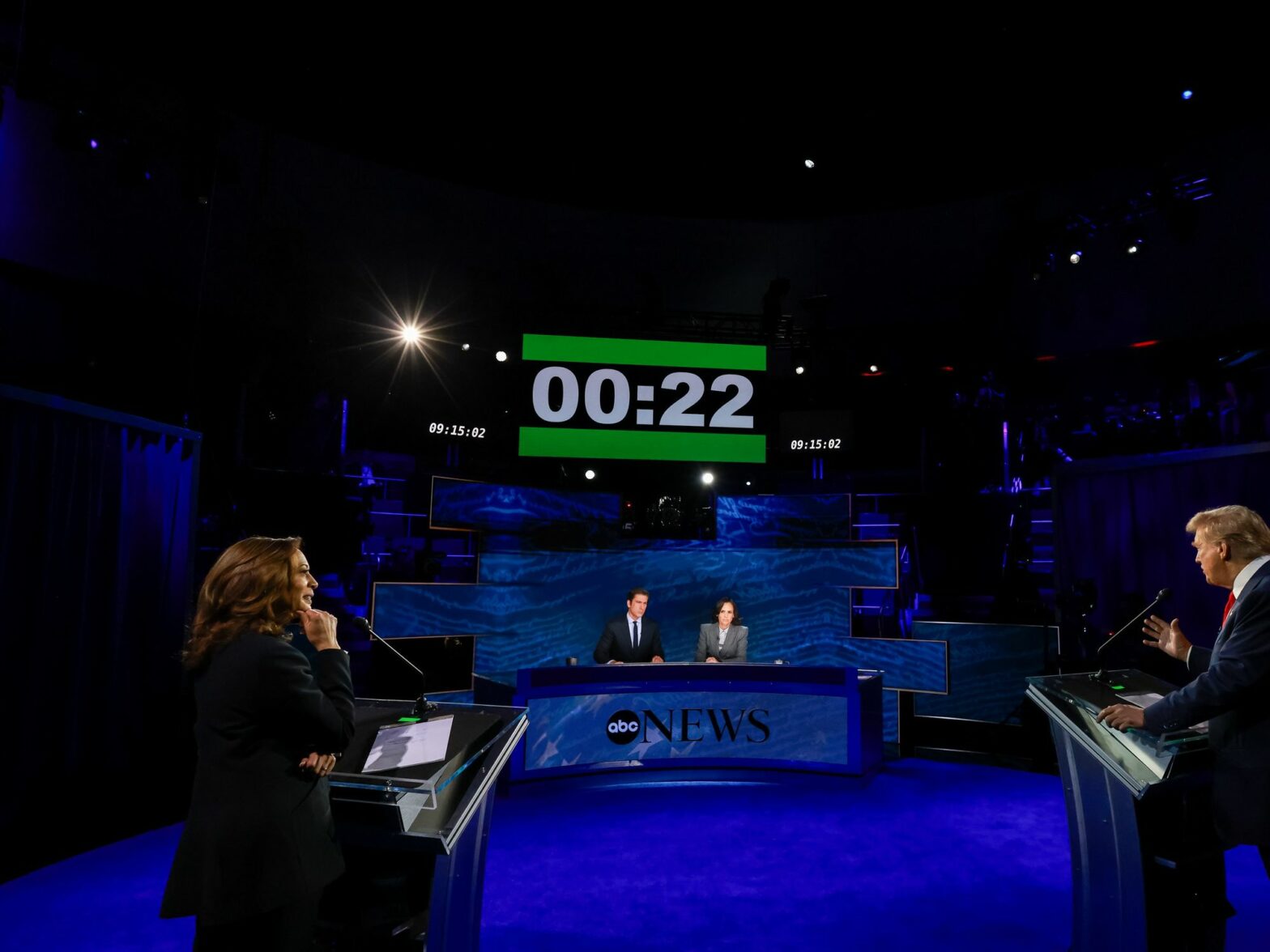
The two candidates for the U.S. presidential election presented two visions of the role of American power in the world. For Europeans, the choice of Kamala Harris may be more reassuring, but the fate of course is in the hands of the American people.
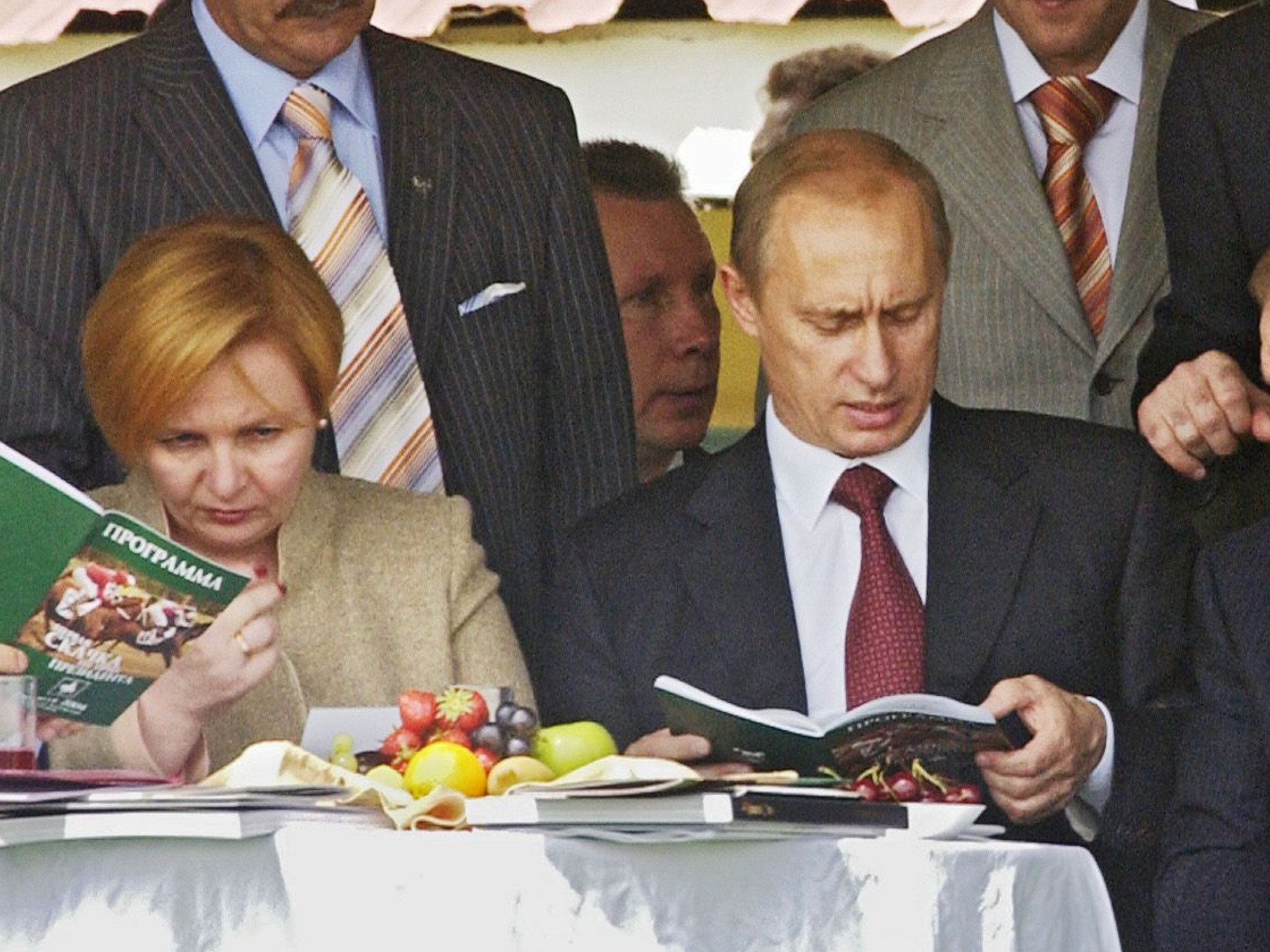
Even Russians are unlikely to have noticed that since Vladimir Putin came to power some 25 years ago, the biography the Kremlin presents of him has been repeatedly altered. A new investigation revealing details about his two sons is but an exception in a long history of authorities carefully hiding facts and evidence about Putin’s life and his relationship with his family and friends — and the Russian people.
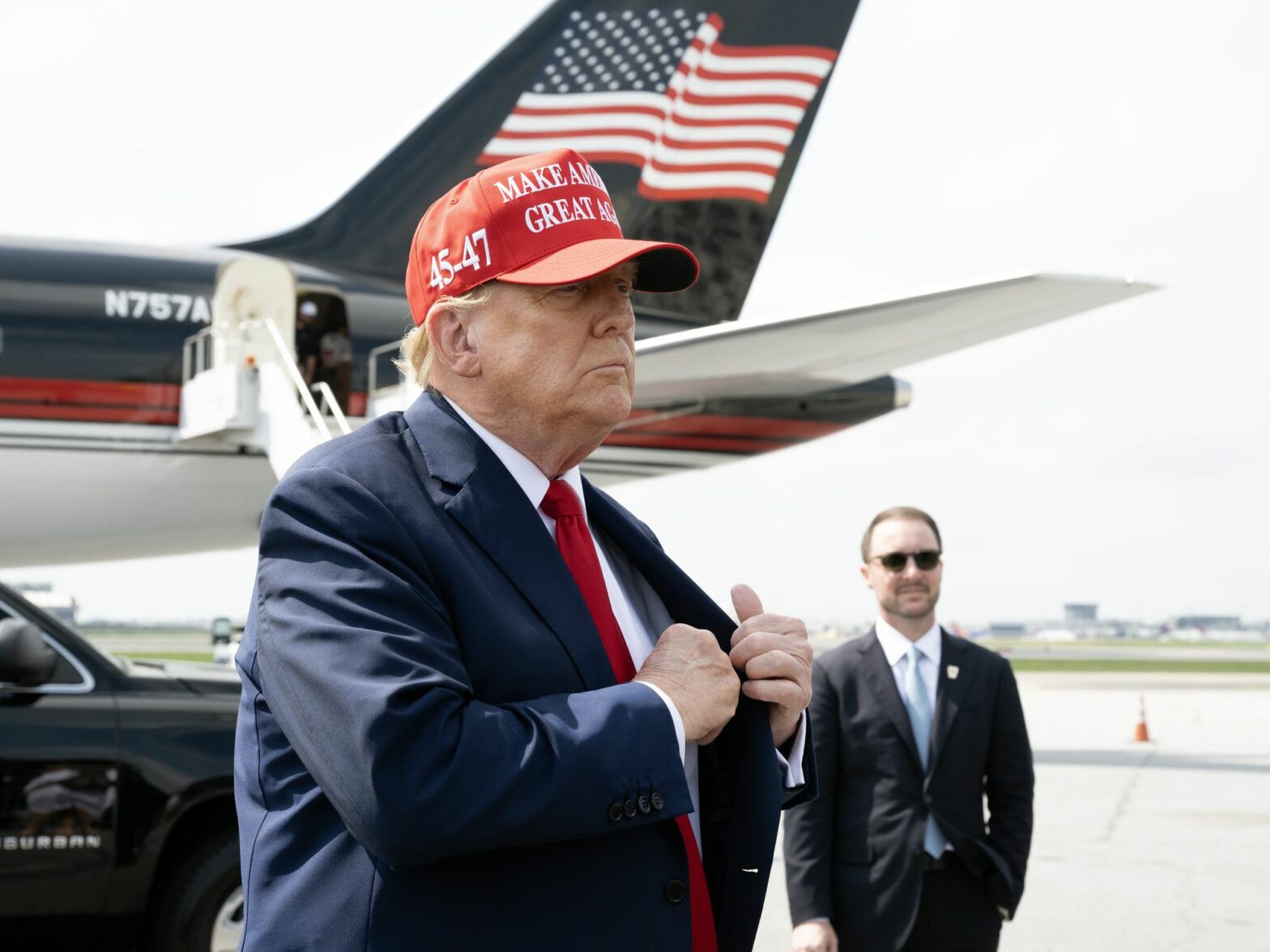
Ahead of the U.S. presidential election, Ivan Timofeev of the Russian International Affairs Council, considers which candidate would be better for Russia. While it’s often thought that Moscow should hope for Donald Trump to win, his first term as president shows his “transactional” nature and otherwise minor impact on foreign policy.
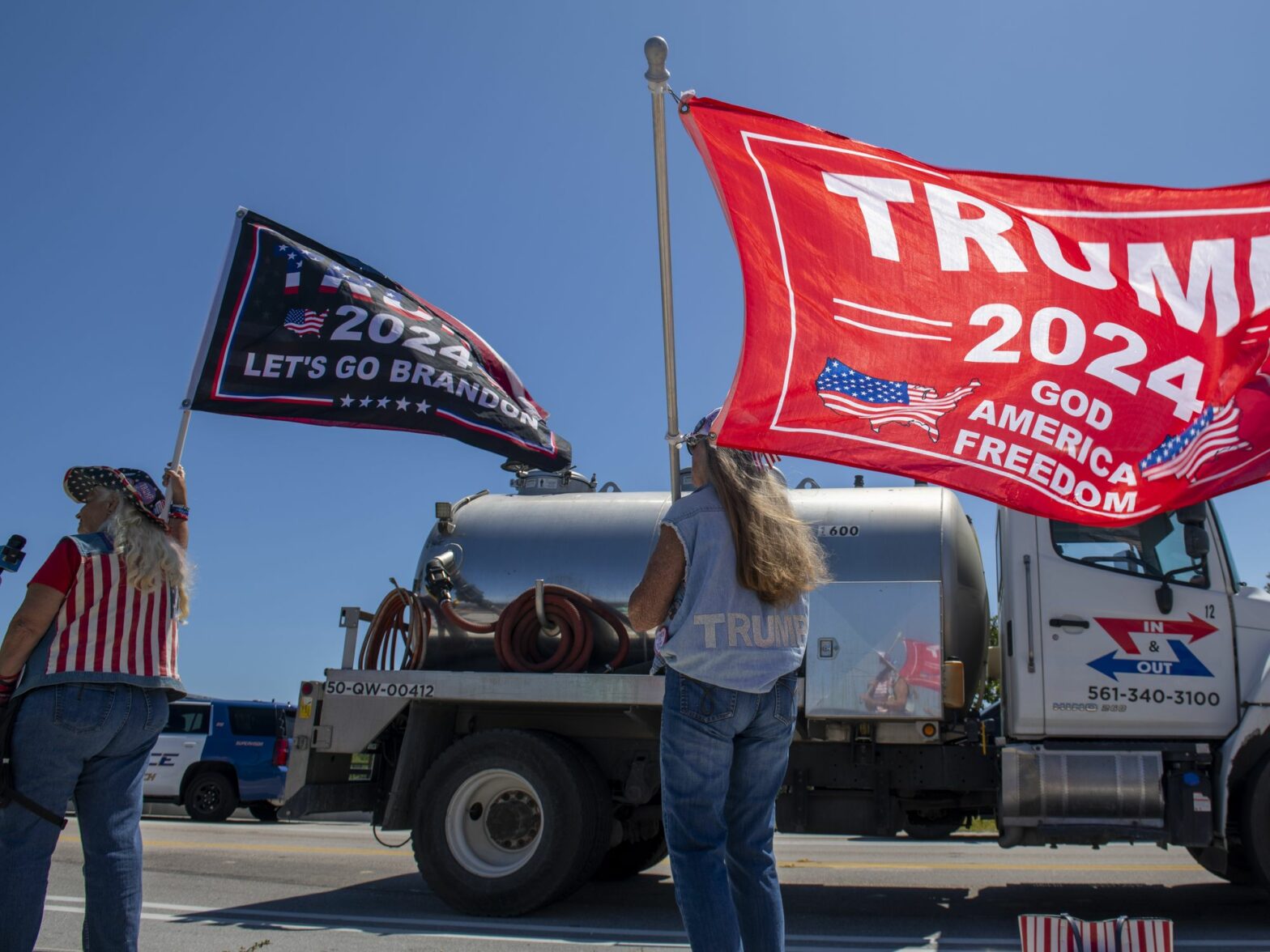
The West will be weakened should the United States turn its back on its alliances, but does the isolationist Donald Trump understand what that could mean for U.S. strength and security?
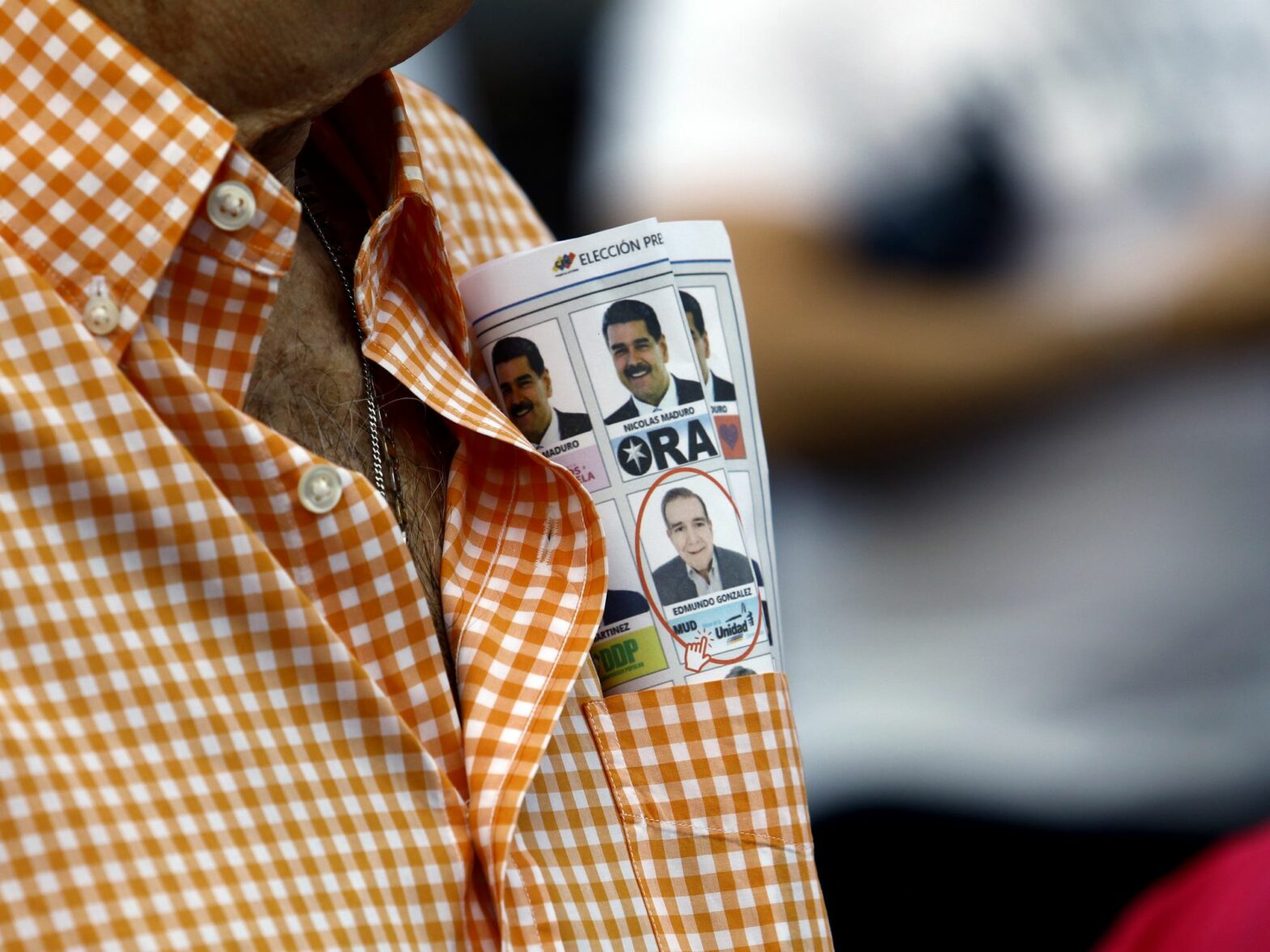
Corruption, human rights violations, and alliances with totalitarian regimes are all good reasons why the West should be paying attention to Venezuela ahead of the country’s presidential elections on July 28, writes Venezuelan journalist Miguel Henrique Otero in Nicaragua’s Confidencial newspaper.
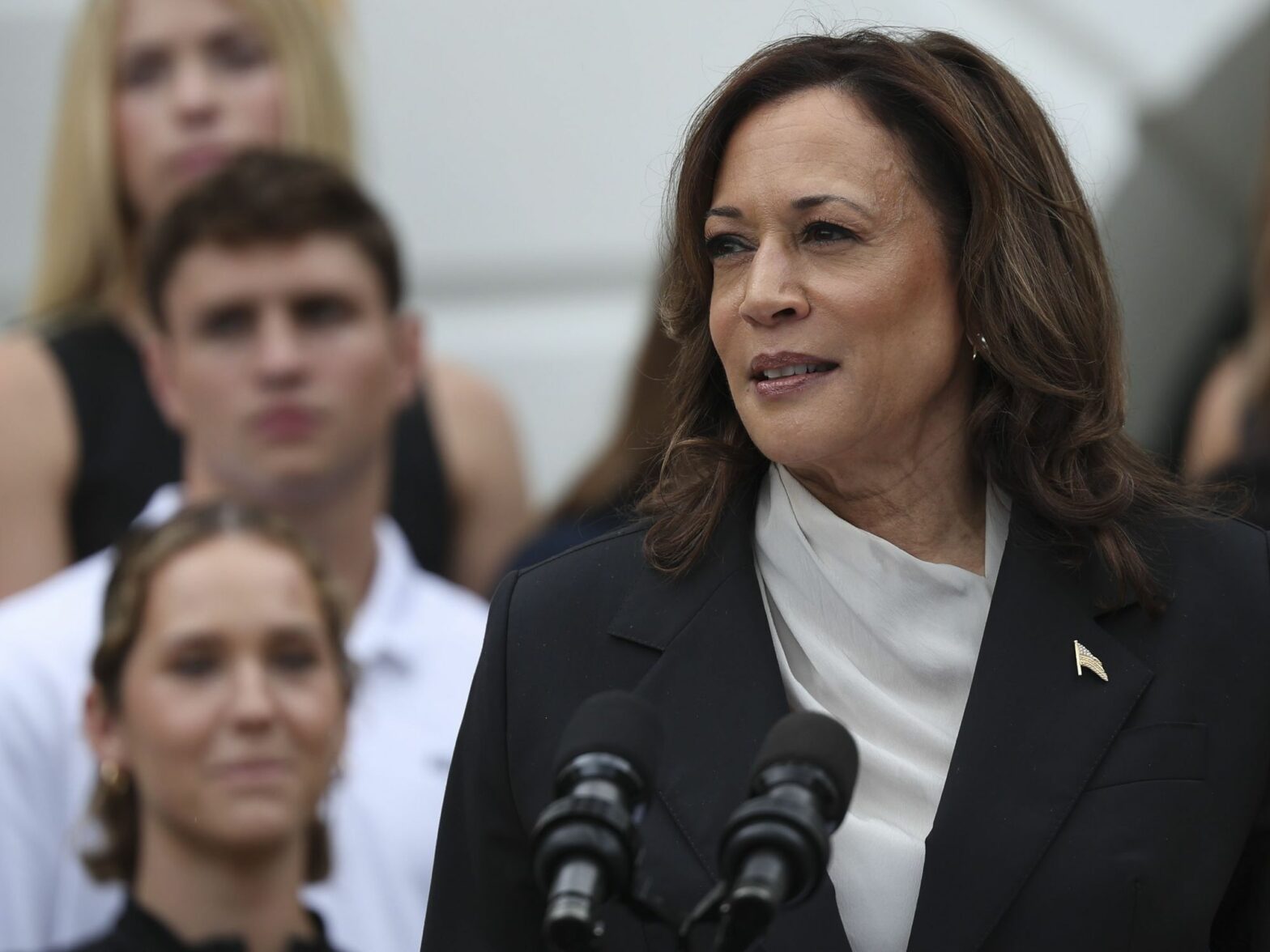
As the vice president is now virtually assured to face Donald Trump on November 5, questions arise on what her election to U.S. president would mean for the rest of the world.
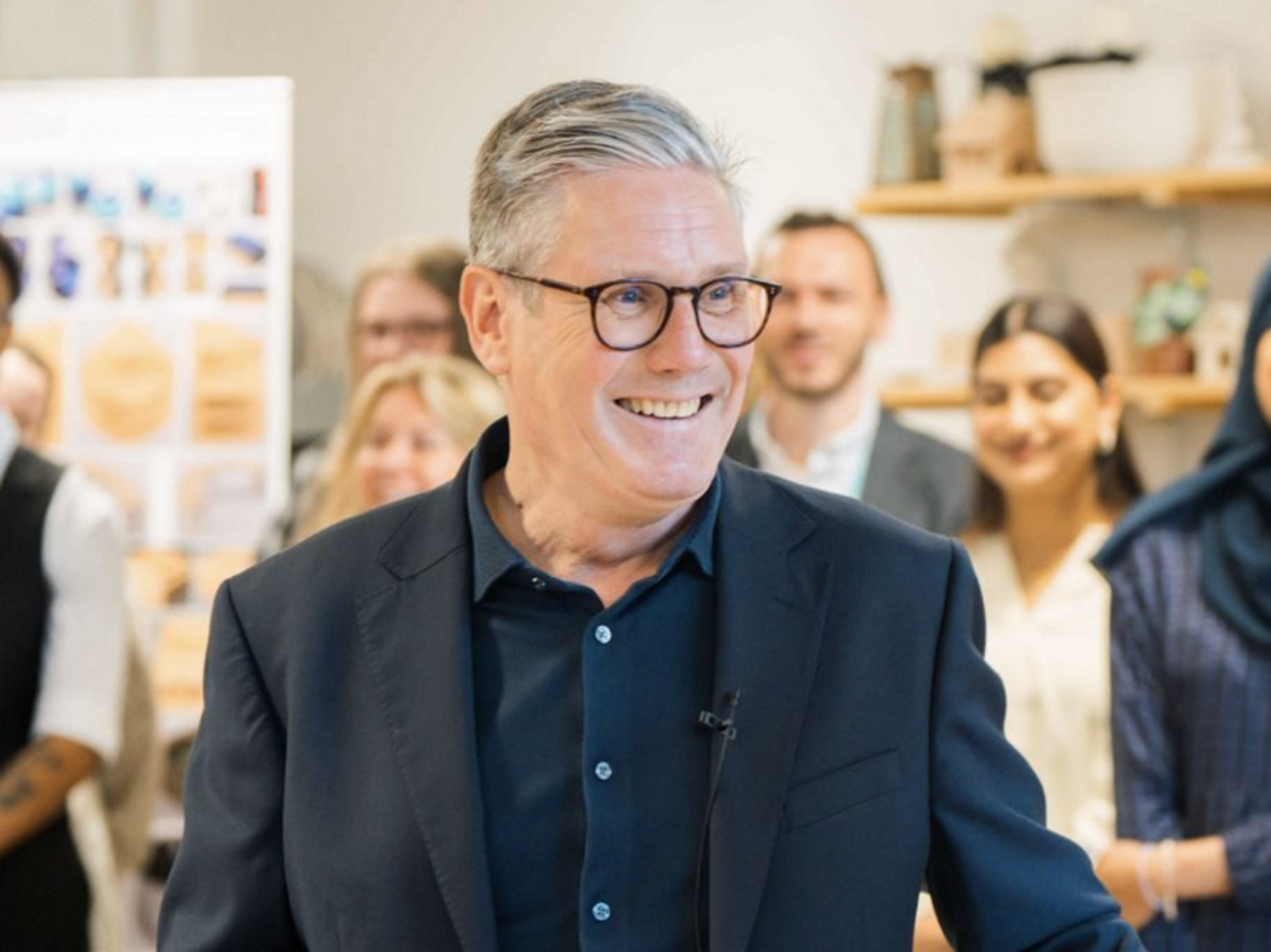
Those hoping that Labour unseating the Tories could change the diplomatic dynamic in the Middle East will be duly disappointed. Keir Starmer, the new British prime minister, appears as just an updated version of Tony Blair.
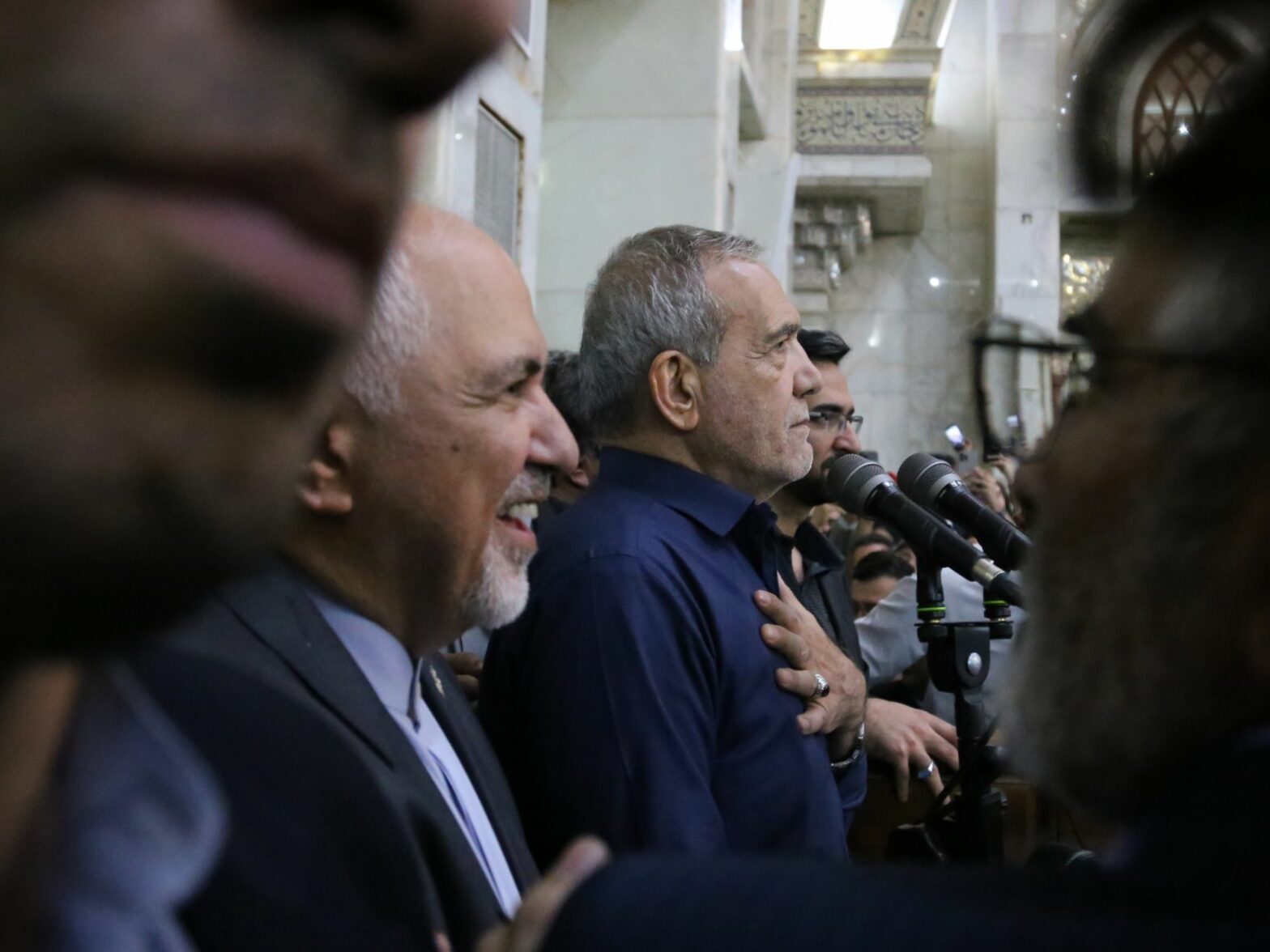
Fearing Europe’s shift to the right and a second Trump term, Tehran has dusted off its reformist credentials — with president-elect Masoud Pezeshkian and veteran diplomat Mohammed Javad Zarif — to show the West it is willing to talk. But this ploy will not work again.
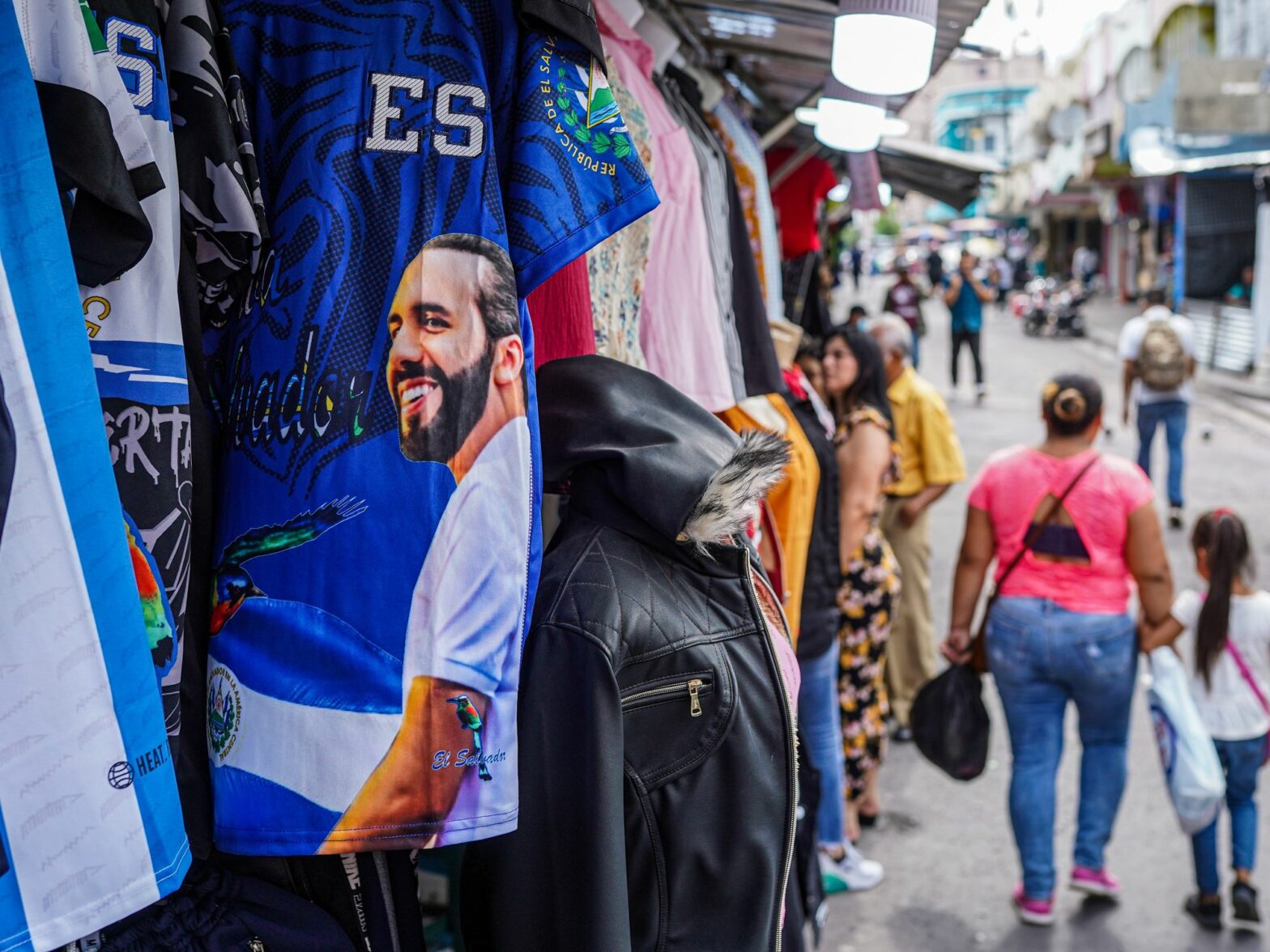
Through quiet diplomacy, Russia may be courting the rising star of Latin American populism, El Salvador’s President Nayib Bukele. In time, he must decide between international respectability and a bear hug from Vladimir Putin.

There is real generational disaffection that is pushing some young voters to the far right in Europe and the U.S.. But their skills, including on social media, is a real advantage for success among the youth.
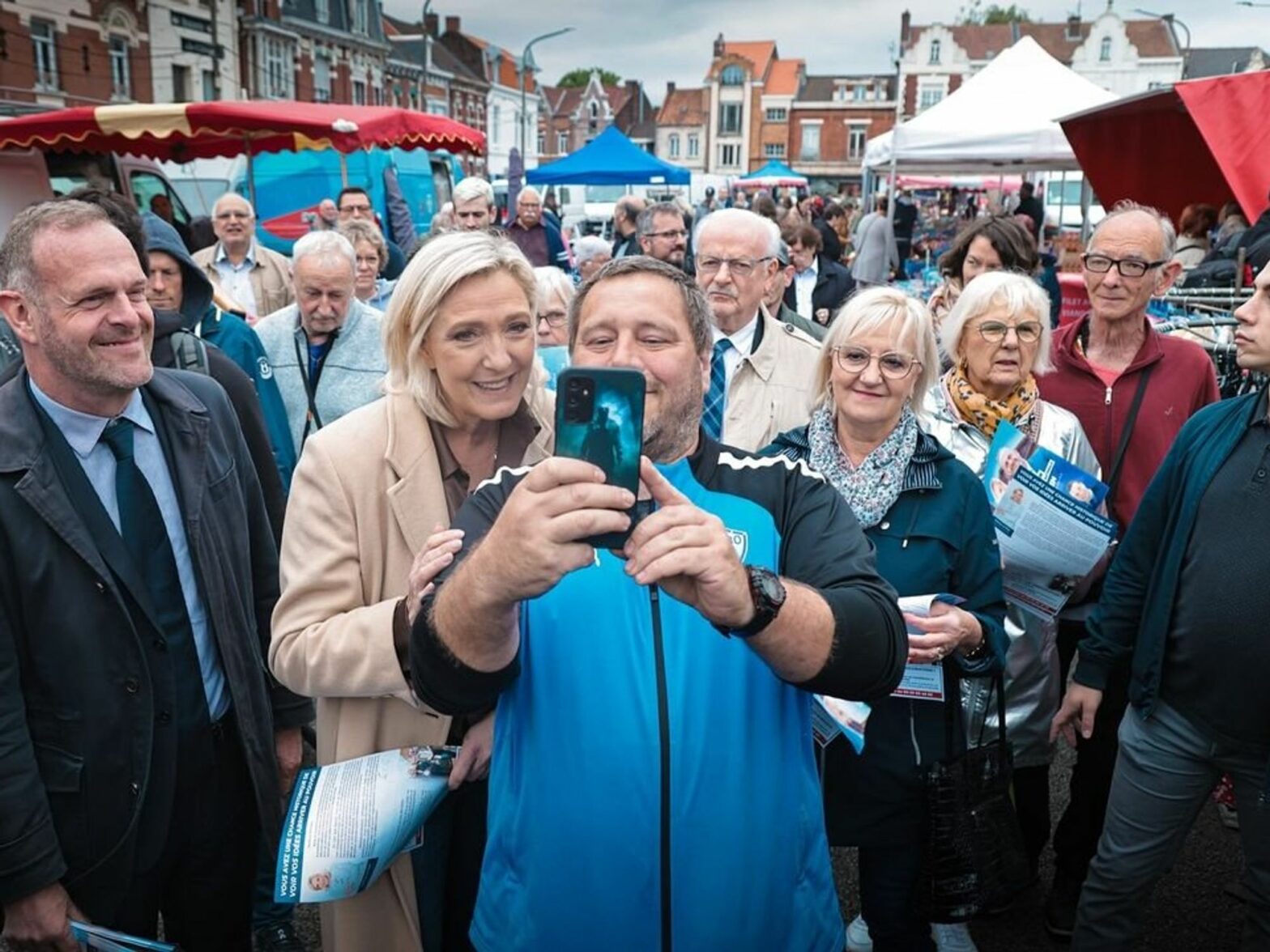
In matters of foreign policy, whether the war in Ukraine or in Gaza, the rejection of extremes should appear as an obvious fact of reason and ethics. Unfortunately, this is not the case.
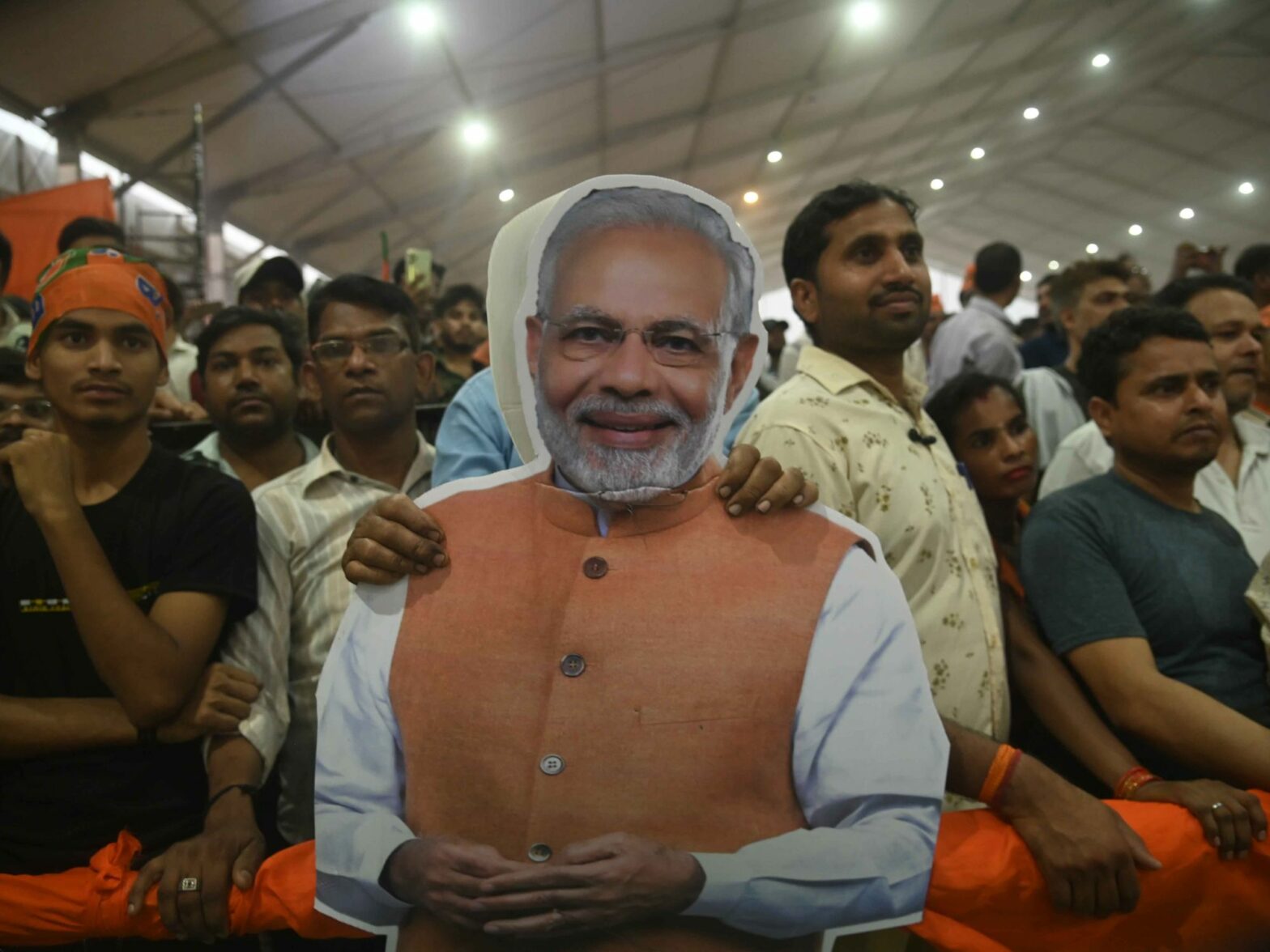
China will remain the elephant in the room when it comes to foreign policy during Narendra Modi’s third term too. Though he boasts of his closeness to many world leaders, Modi failed to charm President Xi Jinping.
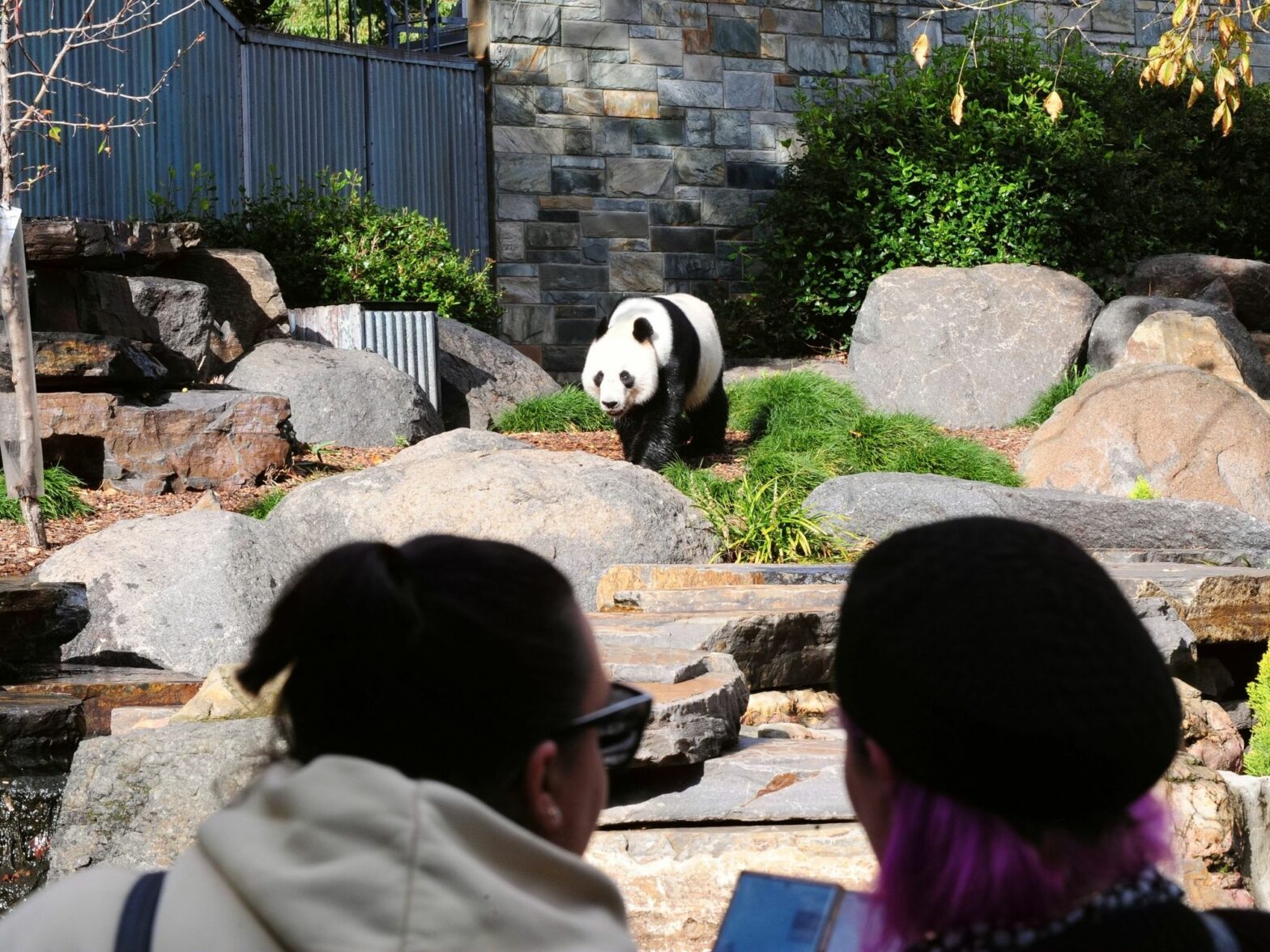
China’s Premier Li Qiang has offered to send Australia two new pandas during his visit to Adelaide Zoo, as “friendly messengers of China-Australia relations.” It’s the latest example of China’s enduring and unique “panda diplomacy.”
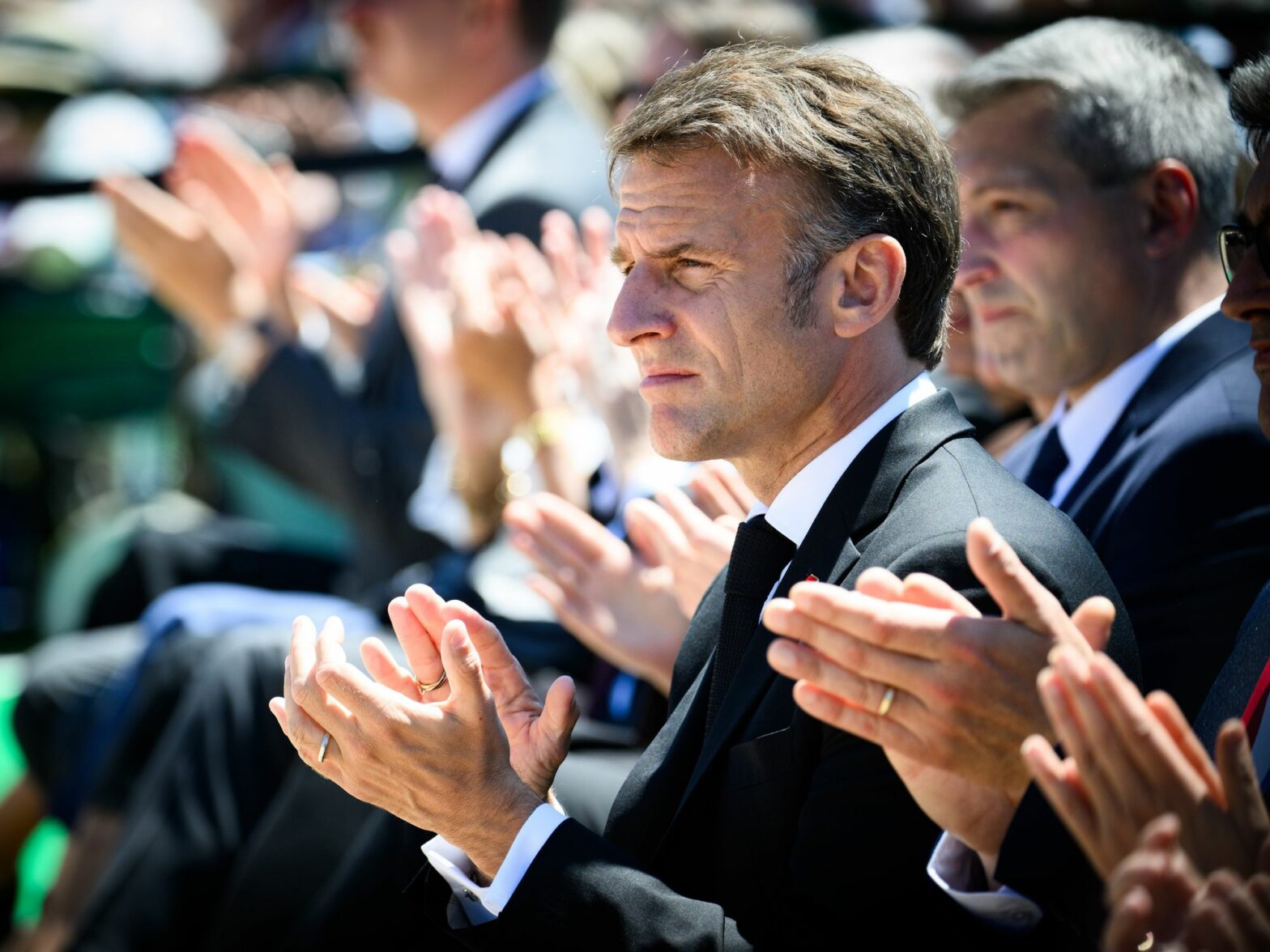
French President Emmanuel Macron’s decision to dissolve Parliament and call special elections caught his international partners by surprise. The stakes are high, especially for Ukraine.
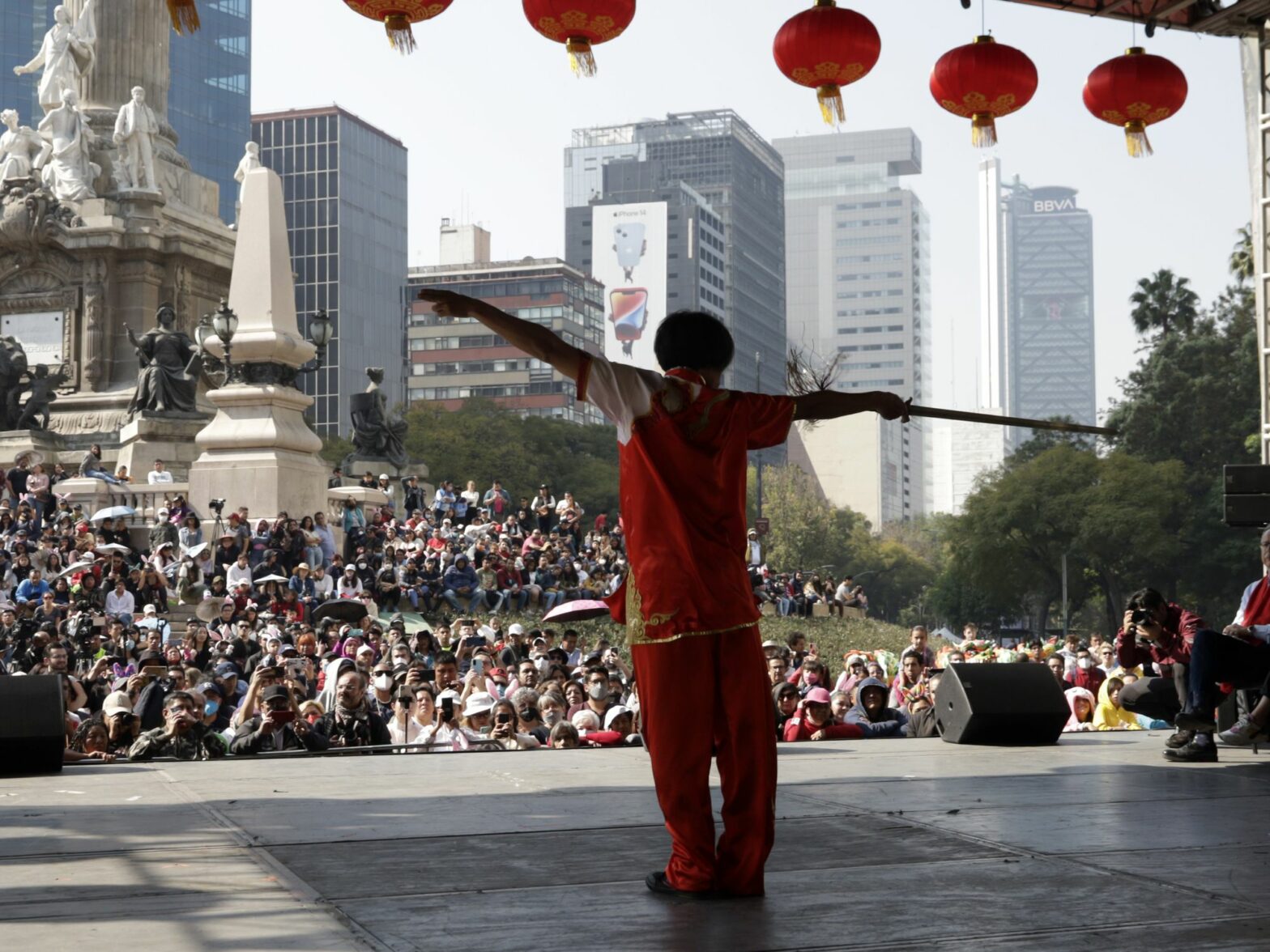
The United States has shown it prefers economic incentives over penalties to help keep regional democracies within its orbit and away from China. That is a national-interest opportunity Latin American states cannot ignore.
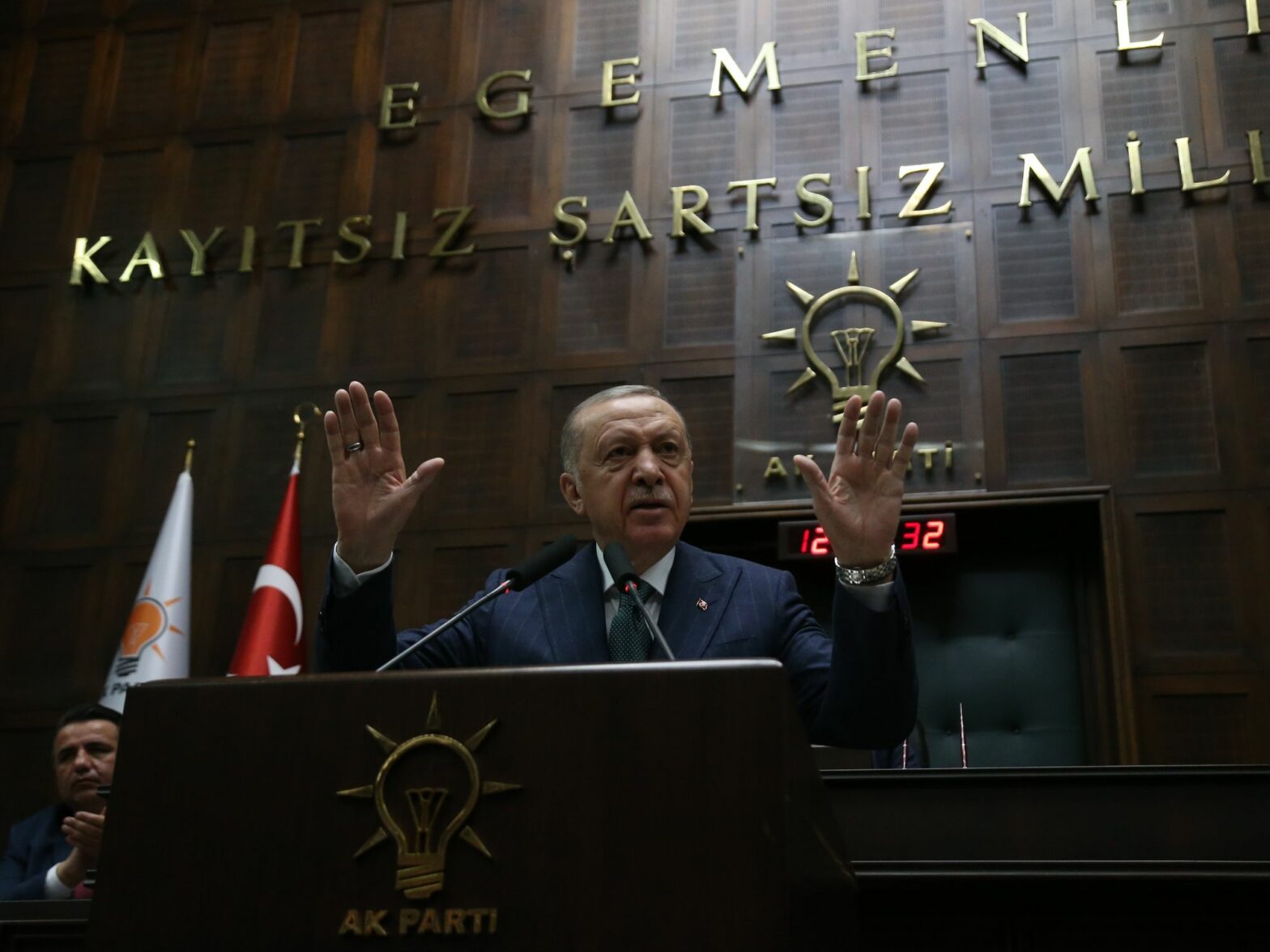
After its defeat in municipal elections in March, the ruling party of President Recep Tayyip Erdoğan has reopened a dialogue with the main opposition party after years of ruling by sheer political power. This has been touted as normalization of the Turkish political system. But there’s still much work to be done, and trust to be regained.
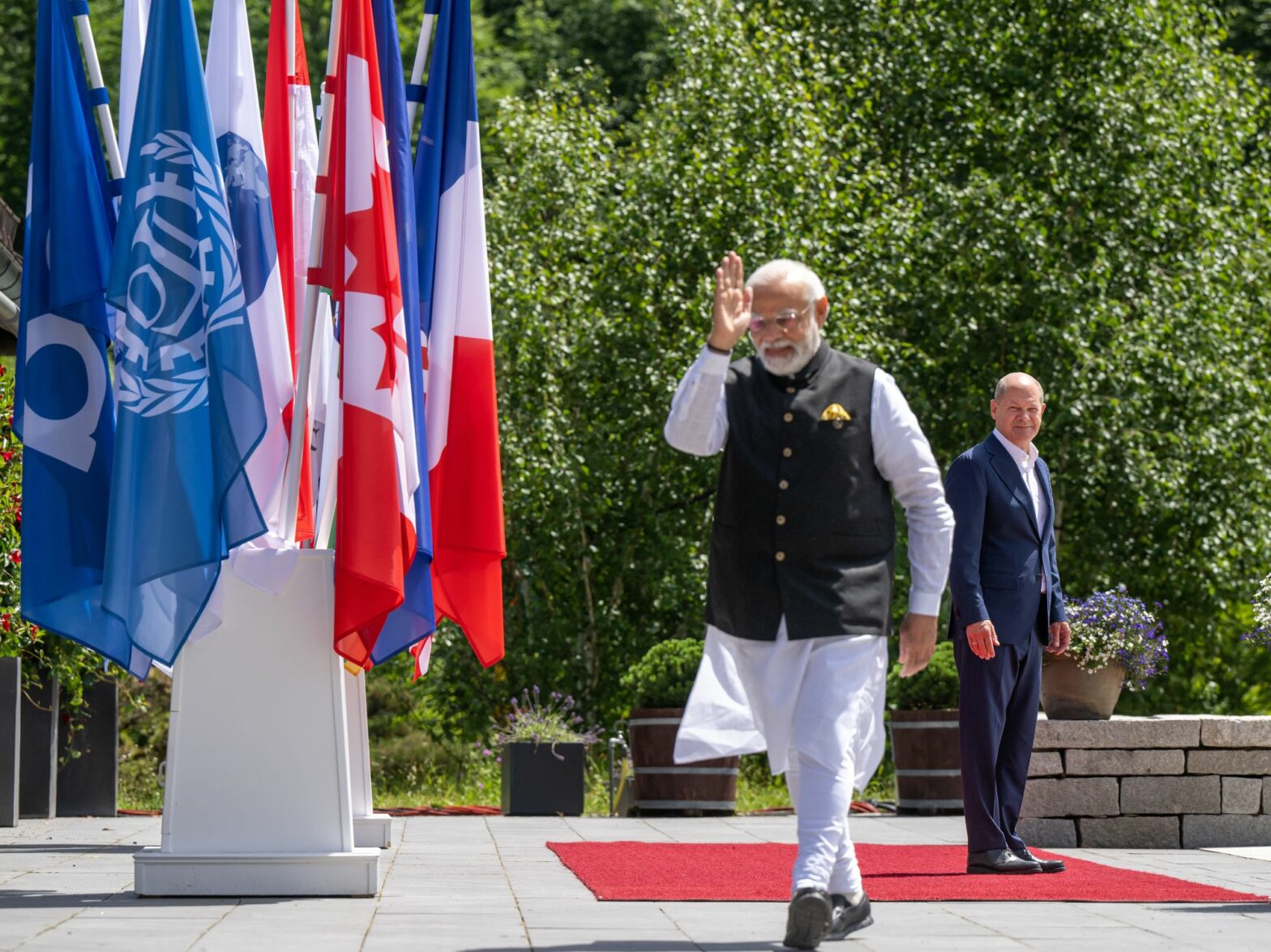
In not condemning Russia and openly siding with Israel, India’s foreign policy establishment is merely jettisoning the thin layer of politically-expedient, feel-good idealistic post-colonialism that veils an iron-fisted pragmatism.
Iran’s allies are attacking the West across the region. The Hamas massacre, attacks on U.S. troops and the Houthi targeting of ships are possibly just the beginning. The fact that the Middle East is so unstable today is due to a decision first made by the U.S. a generation ago.
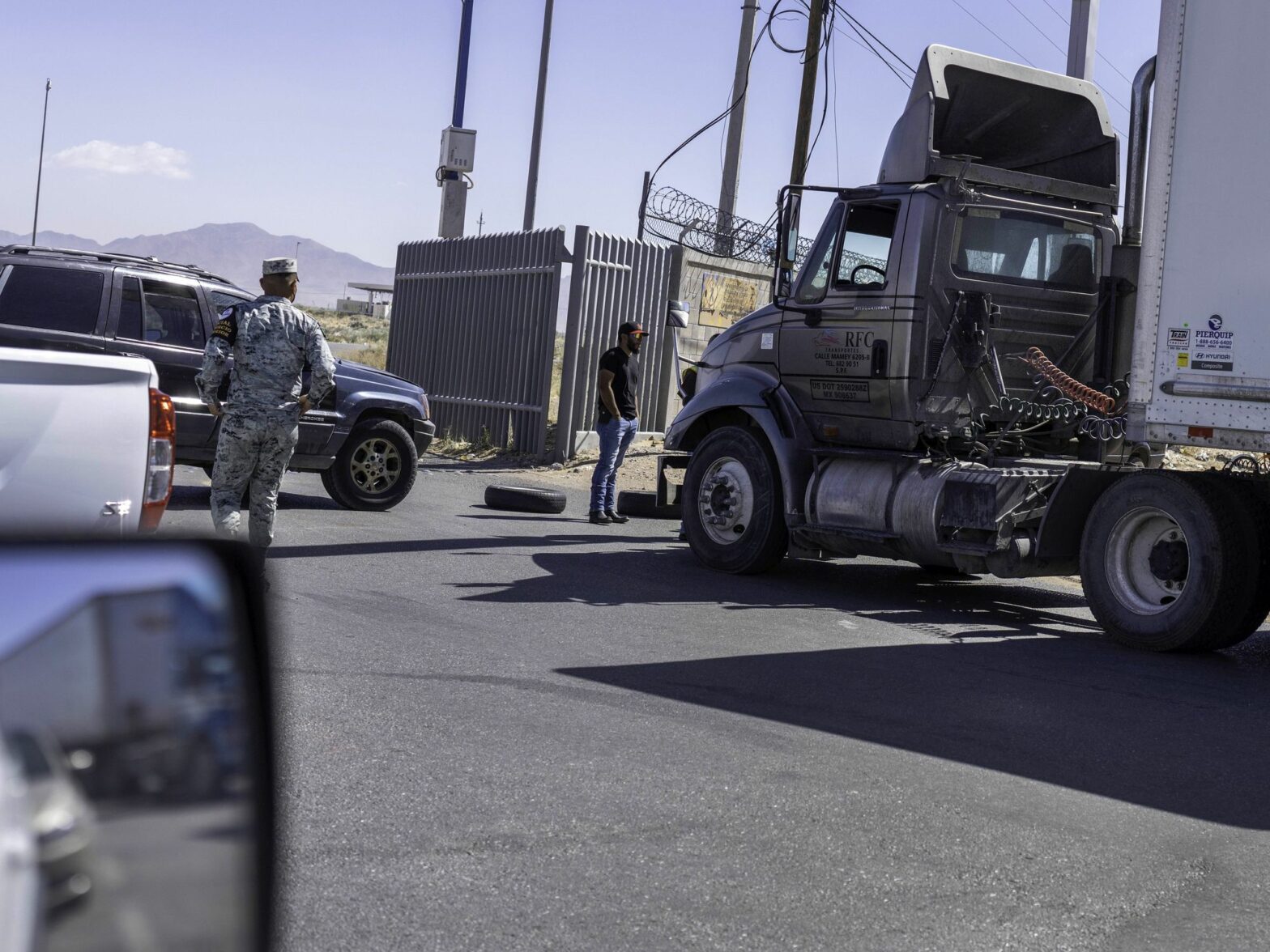
U.S. President Biden has quietly turned his Republican predecessor’s anti-foreign posturing into economic policies that strongly favor domestic manufacturing. Does Mexico, which depends on massive exports to the U.S., have anything to look forward to in the upcoming presidential elections?
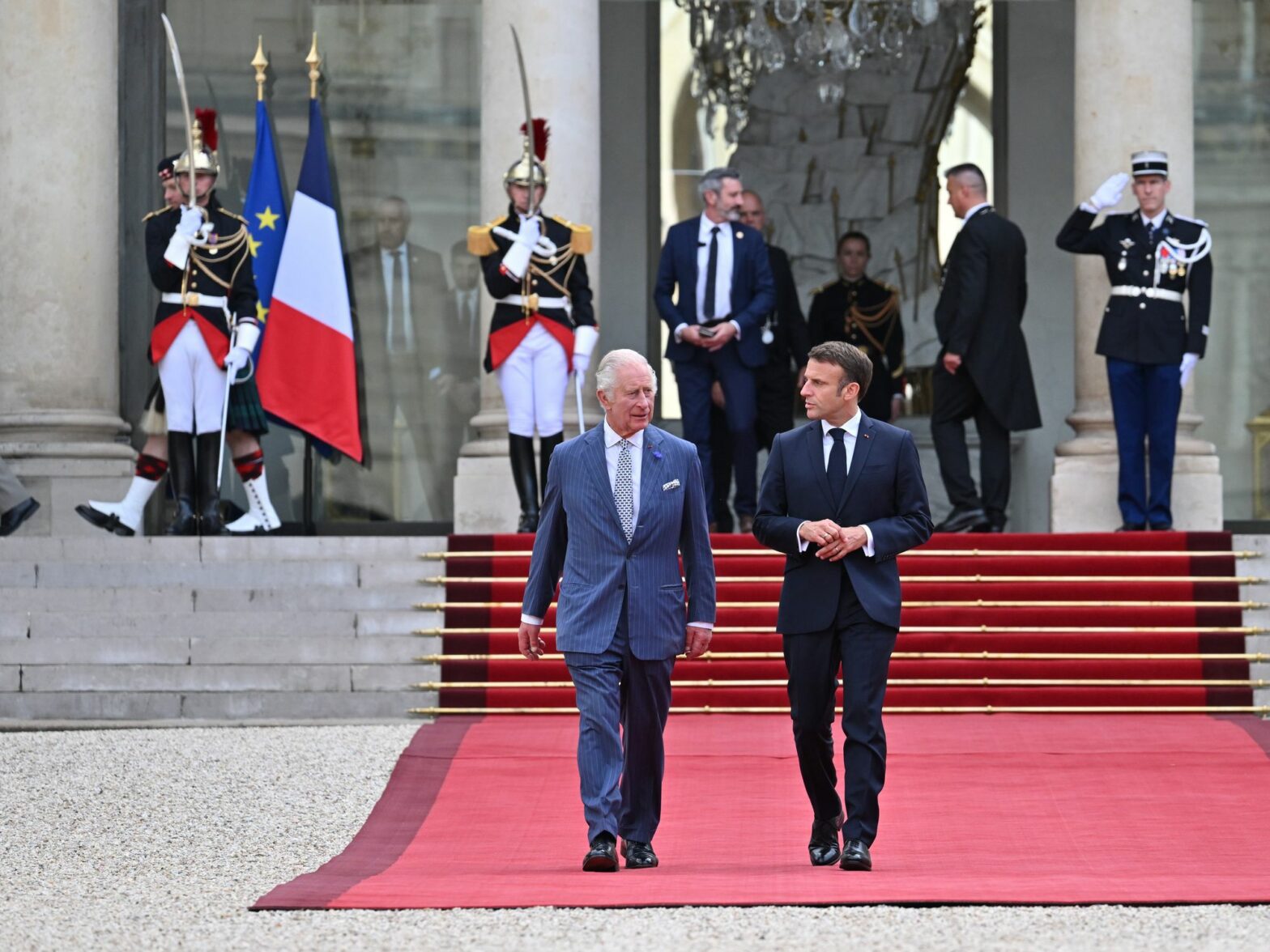
Organizing summits, placing flags, following schedules, dealing with the unexpected … The agents of France’s Quai d’Orsay who oversee the reception of foreign leaders and promote the country’s image don’t have an easy job.
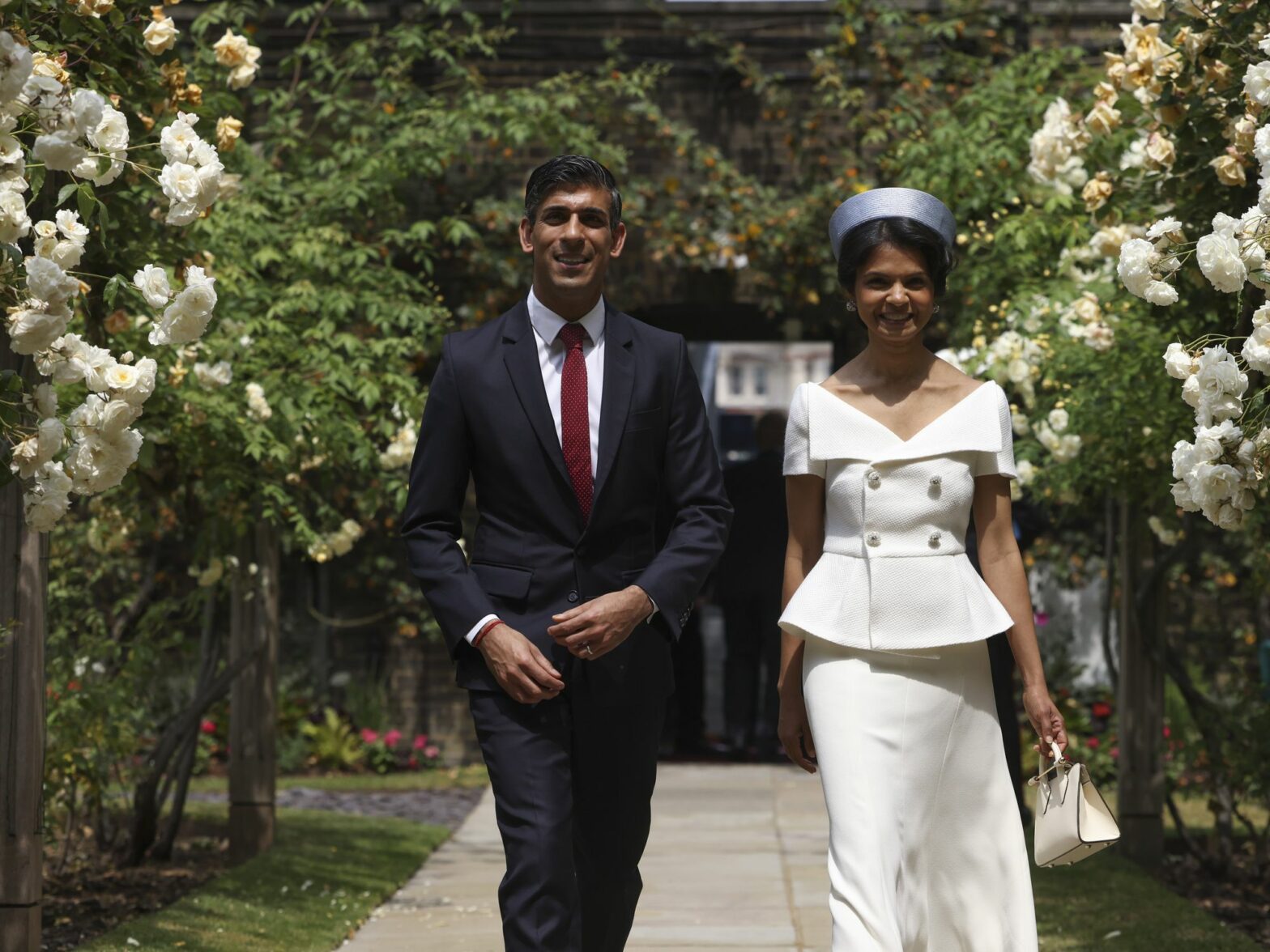
As a measure to limit immigration, the British government announced that the minimum income required to bring a foreign spouse into the country on a family visa will rise sharply.
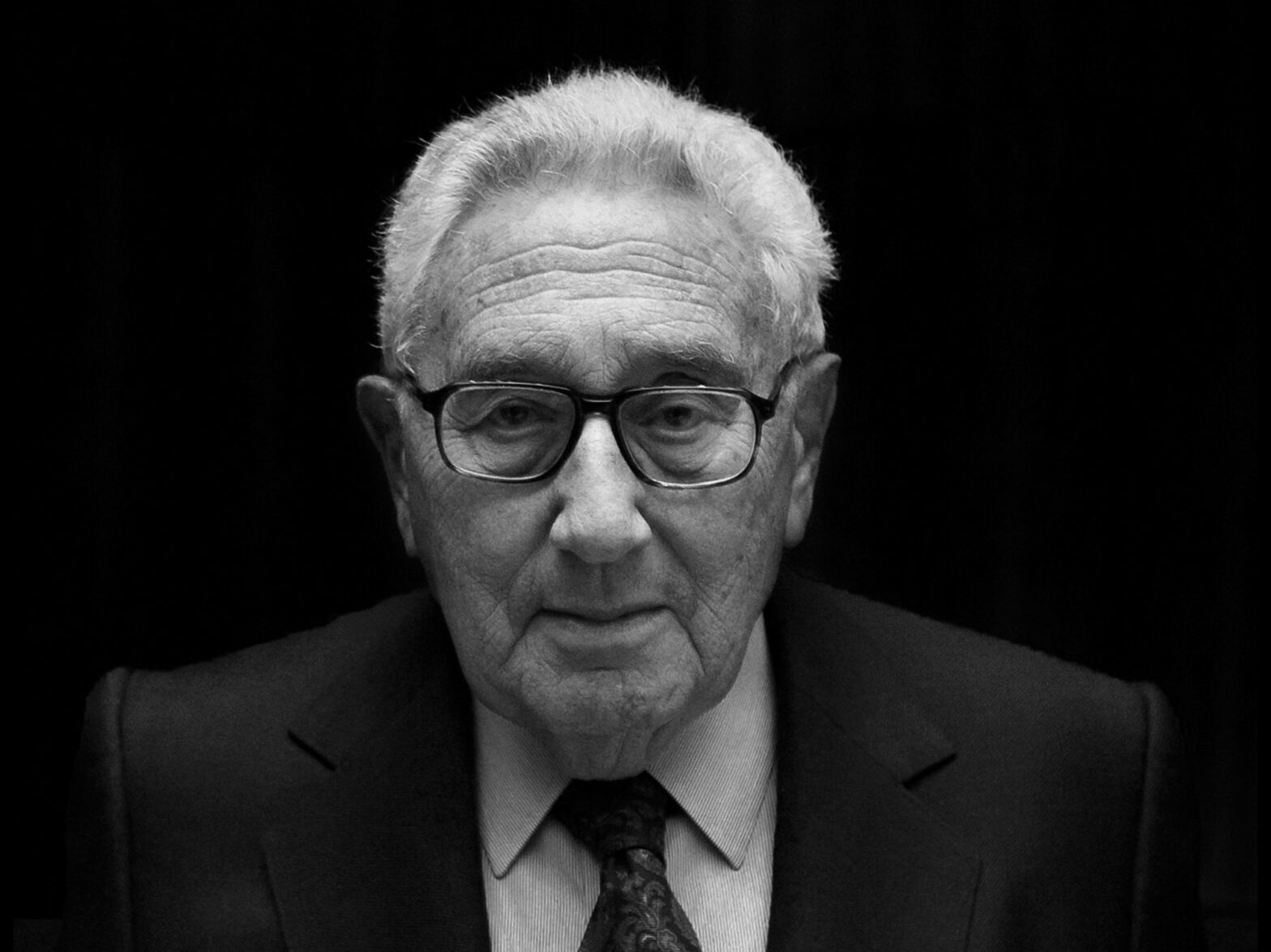
China shares praise, Cambodia throws shade, Germans show pride … and from Moscow?
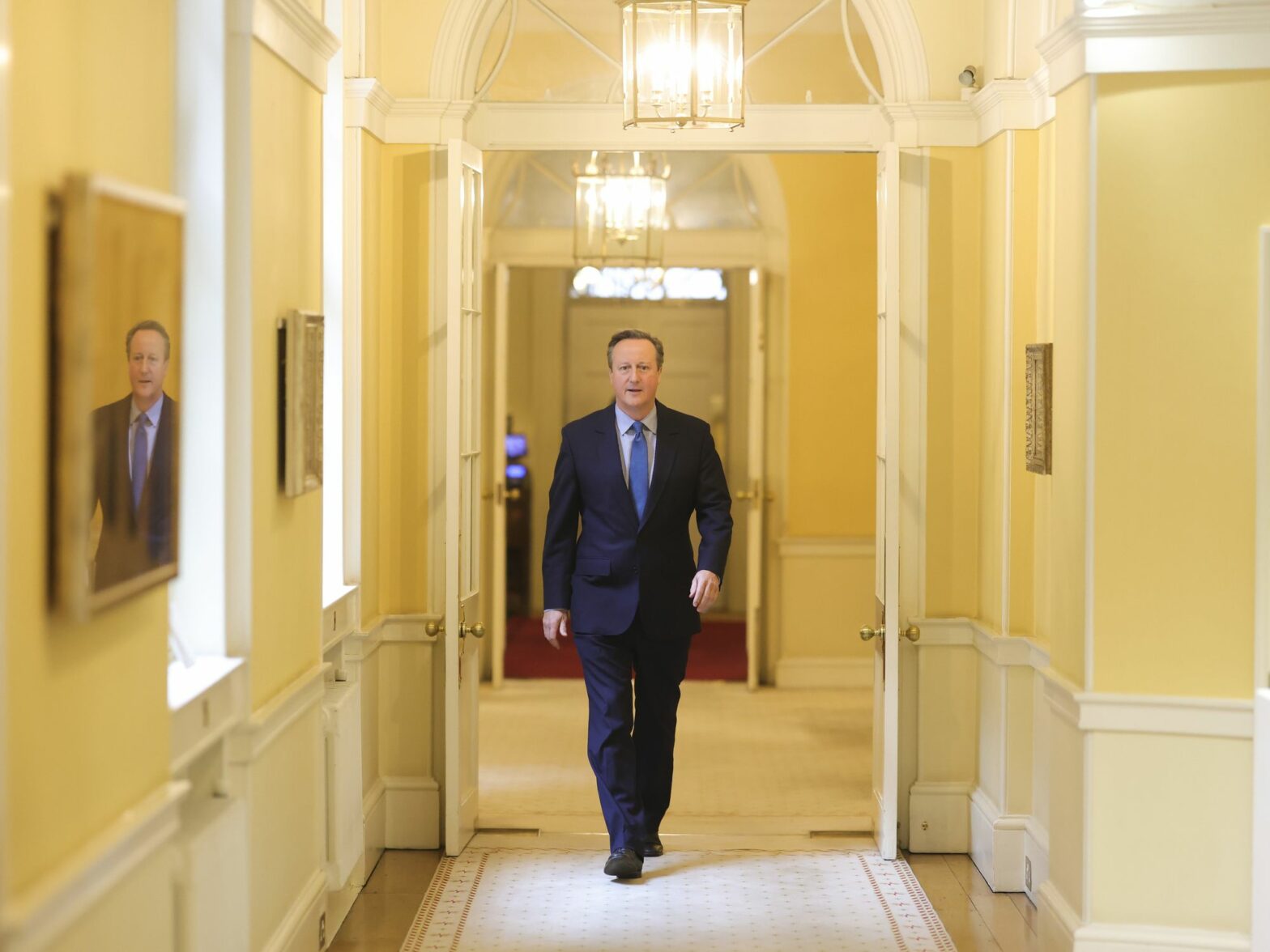
David Cameron’s reentry into British politics as the UK’s new foreign minister is being lauded by Chinese state media as a significant boost for Sino-UK relations. There is a good reason that Beijing is happy to see the former Prime Minister.
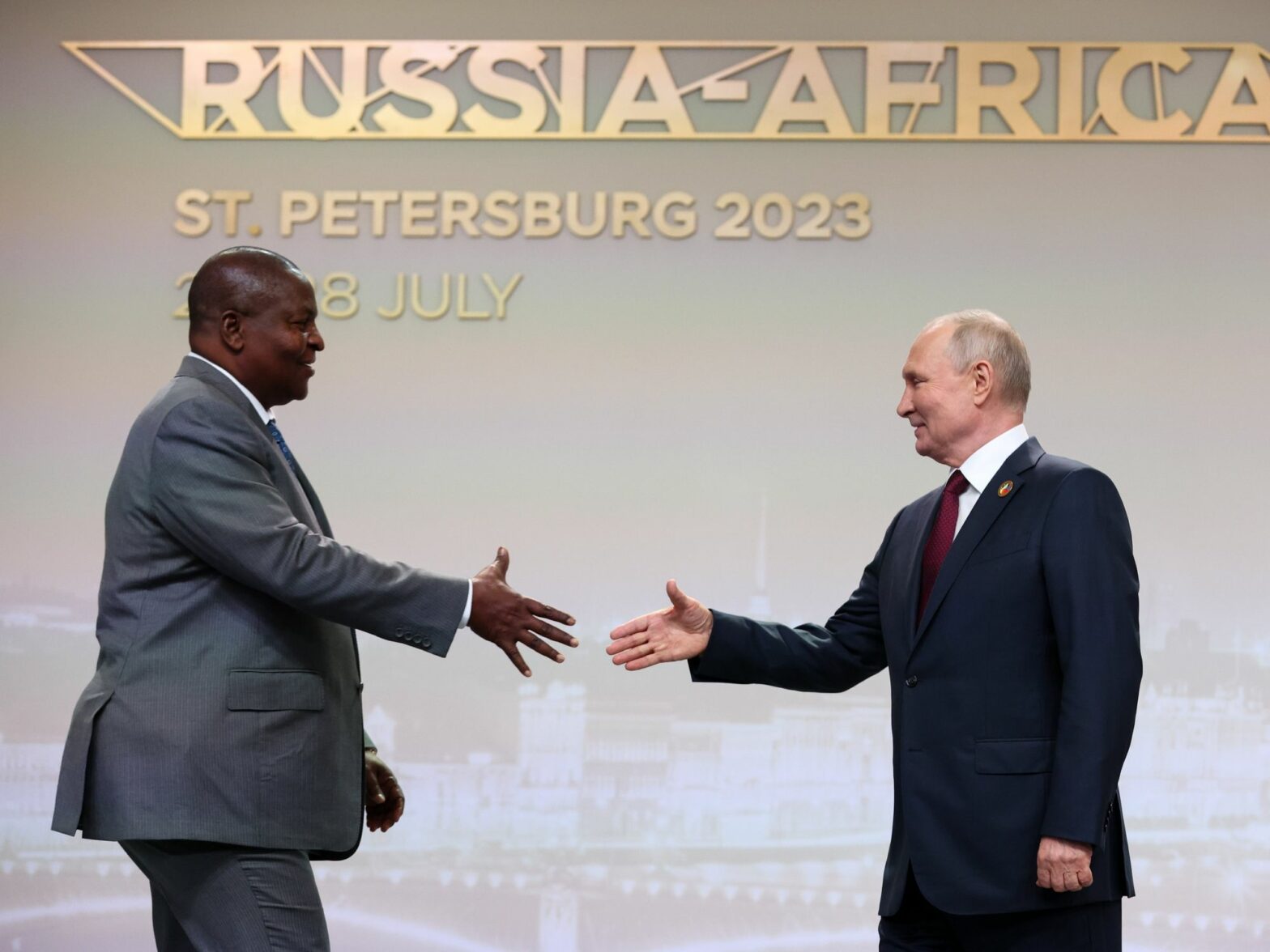
Russia has entered the race for influence in Africa over the past decade, largely on the shoulders of the Wagner Group and its founder, Yevgeny Prigozhin. What happens now is unclear, though Vladimir Putin won’t want to cede any ground to other world powers in the race for influence on the continent.
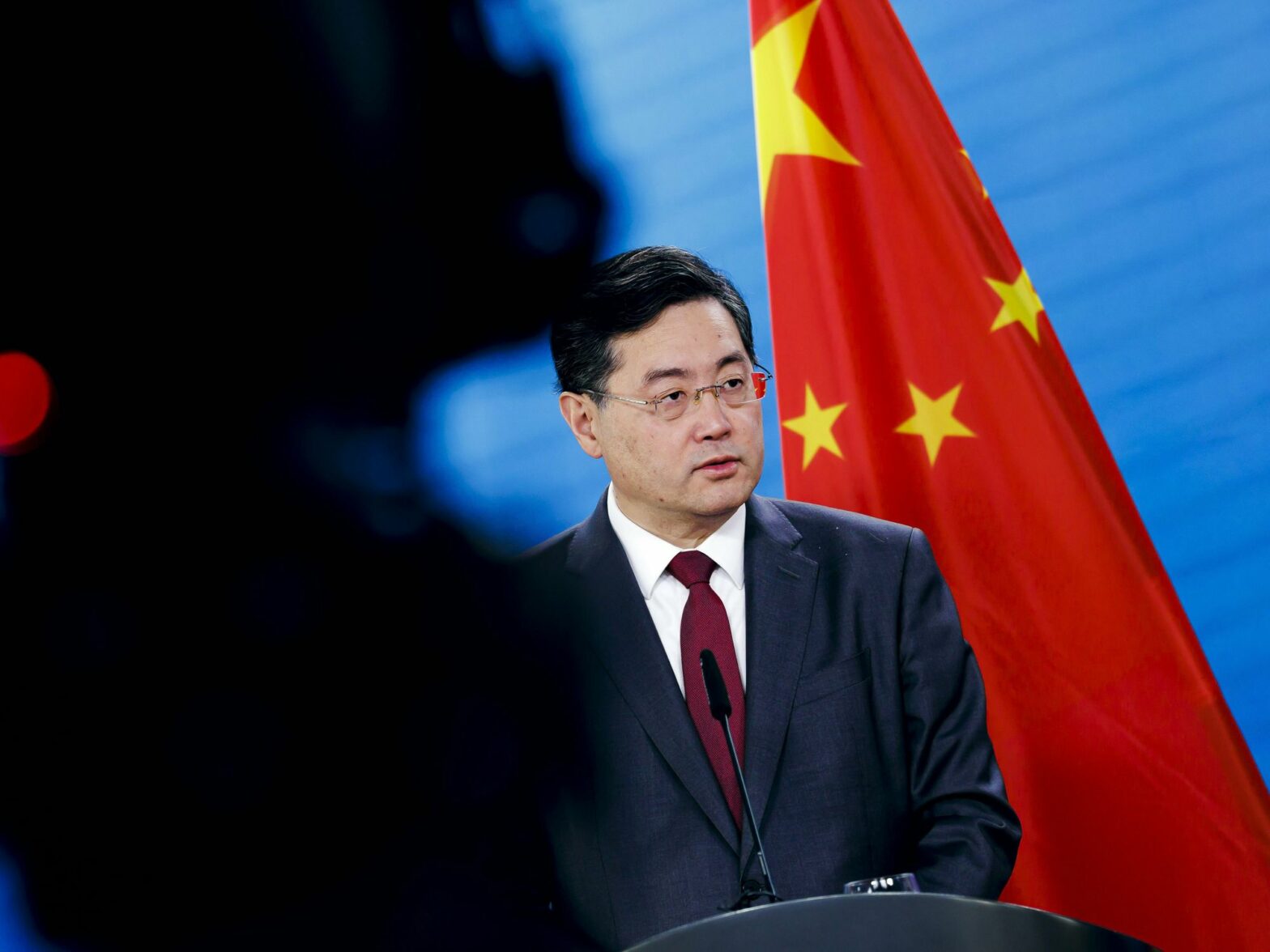
A movie star, a tennis player, a tech billionaire — and now the Foreign Minister: the Chinese Party’s parallel justice system does not discriminate when it comes to hushing down figures deemed “subversive.”