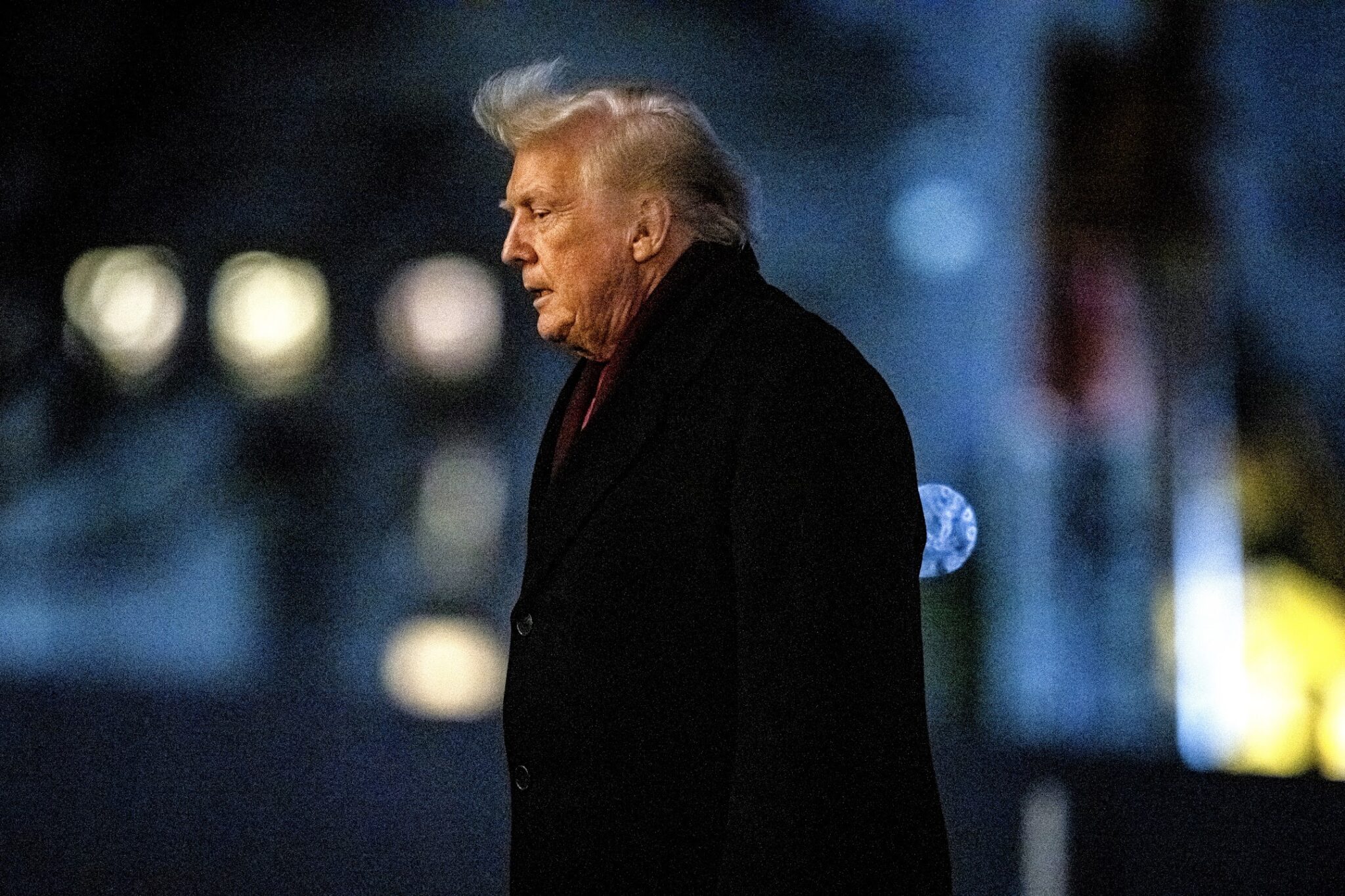
Donald Trump has doubled down on his criticism of Europe, calling it “weak” and “ decaying,” and of Ukraine, which he said has no chance because Russia is “bigger.” Why so much hatred?
 Worldcrunch
Donald Trump has doubled down on his criticism of Europe, calling it “weak” and “ decaying,” and of Ukraine, which he said has no chance because Russia is “bigger.” Why so much hatred?
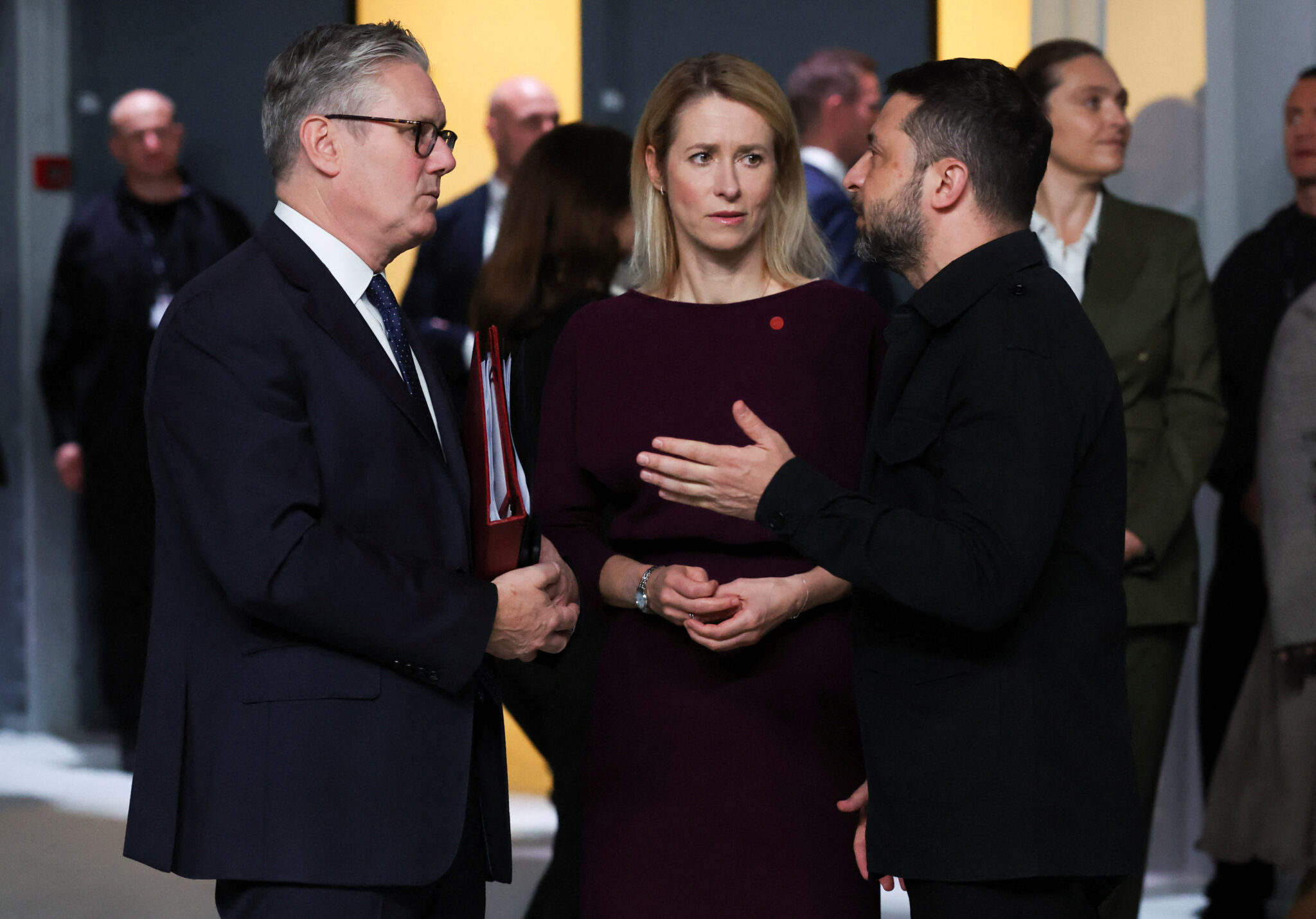
After a series of intrusions by unidentified drones, Denmark is hosting a two-day European summit focused on the Russian threat. The Danish prime minister has denounced Russia’s “hybrid warfare,” saying, “This is only the beginning.” But the EU must be careful not to overreact.
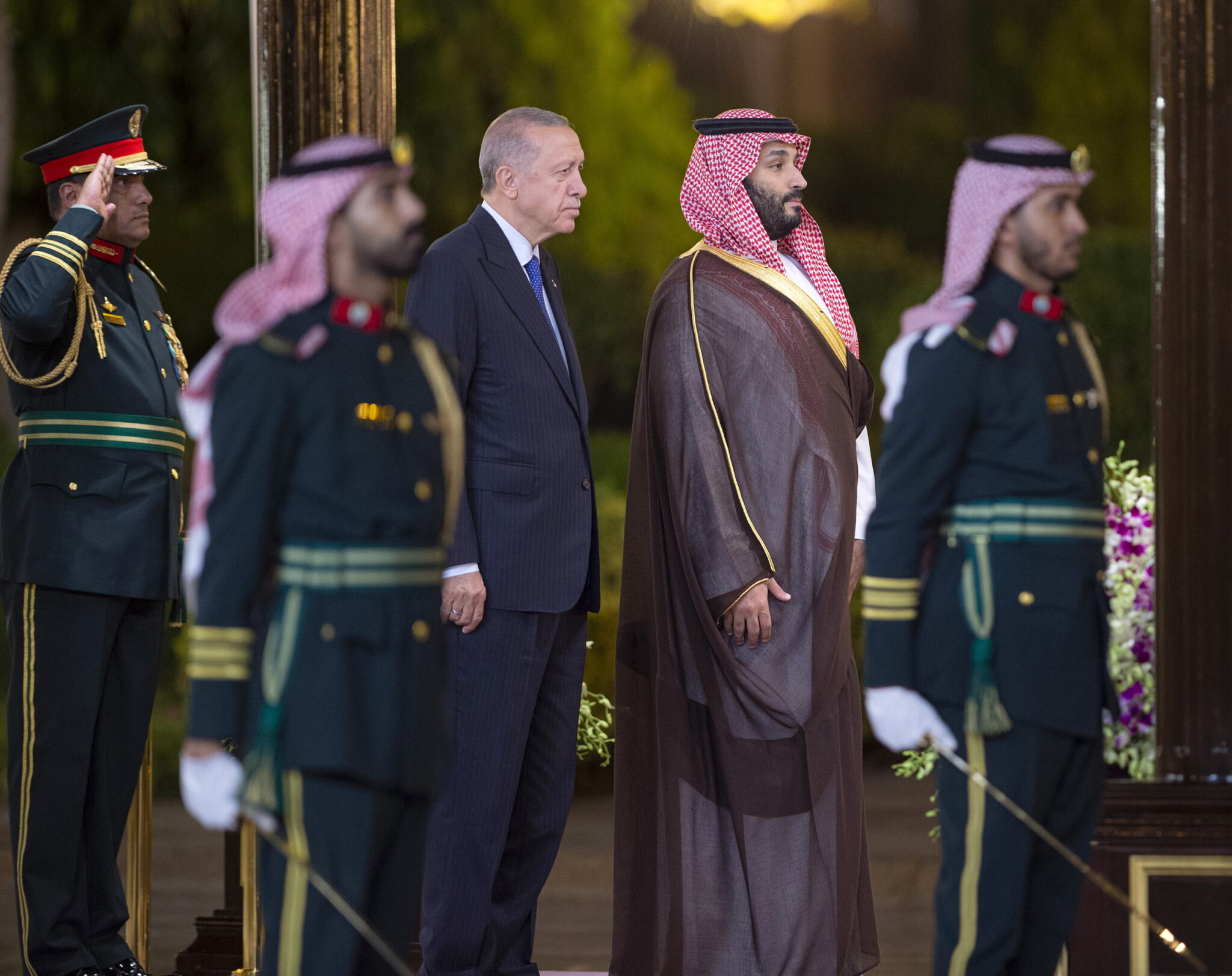
From Iran and Turkey, Egypt and Saudi Arabia, lasting peace can only arise from shared economic interests and the containment of regional power ambitions.
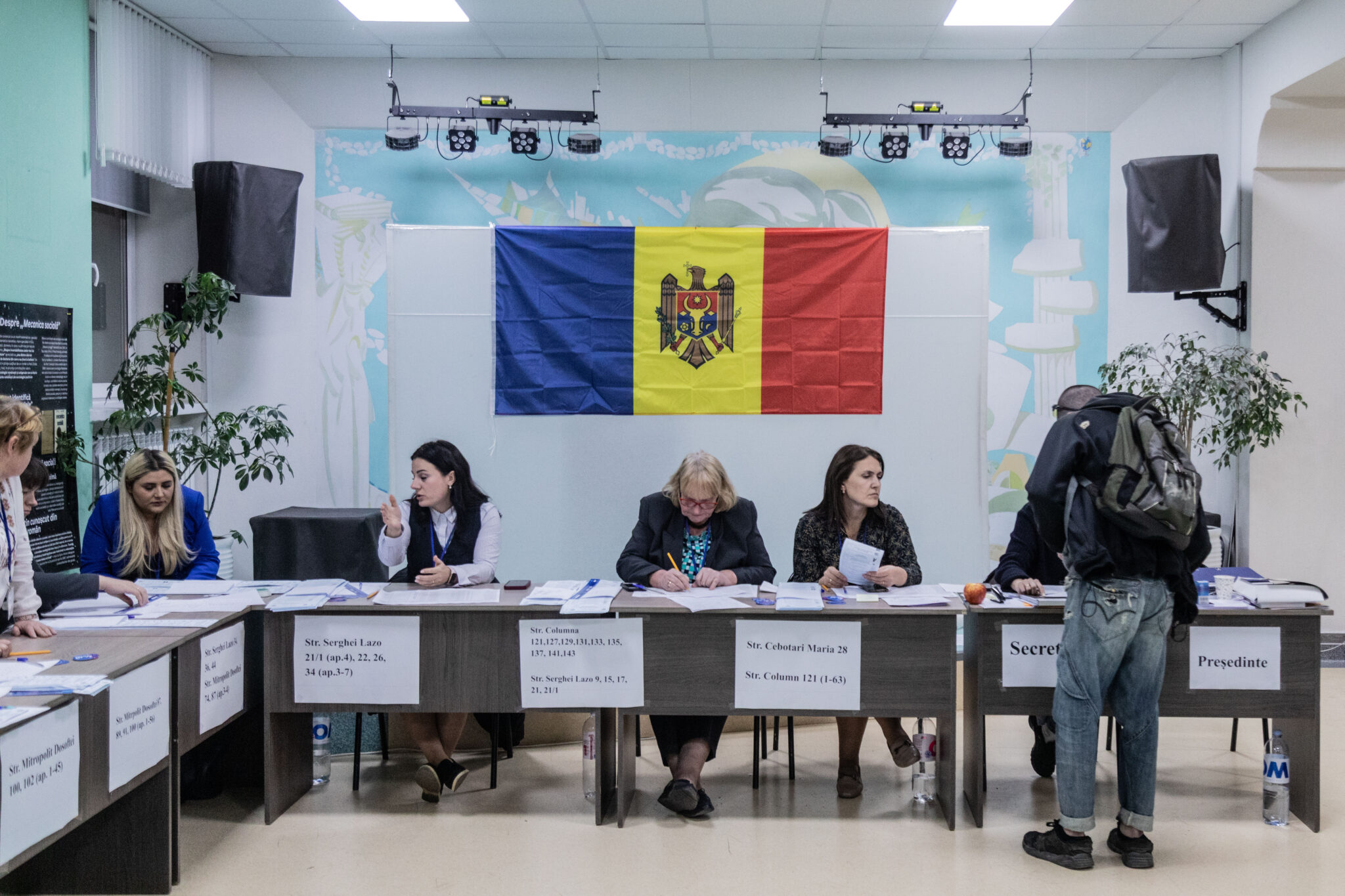
President Maia Sandu’s pro-European party is leading the vote count in Moldova’s parliamentary elections, pulling ahead of the pro-Russian party. The elections are seen as a test in the wider struggle between Vladimir Putin and Ukraine’s supporters along the European Union’s borders.
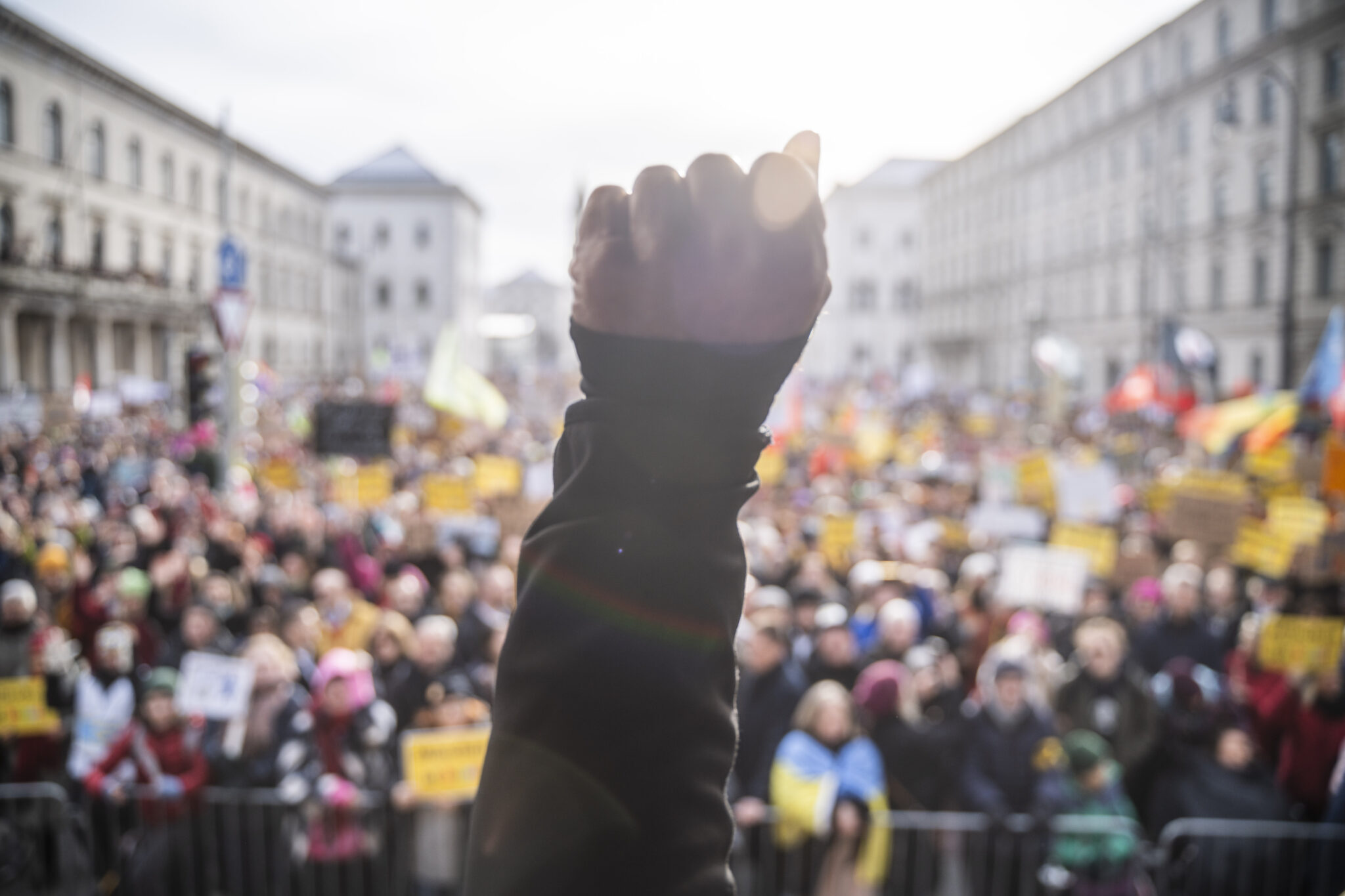
By trading class struggle for identity politics and lifestyle dogmas, Germany’s left has estranged ordinary citizens and handed the far right a chance to pose as their defenders.
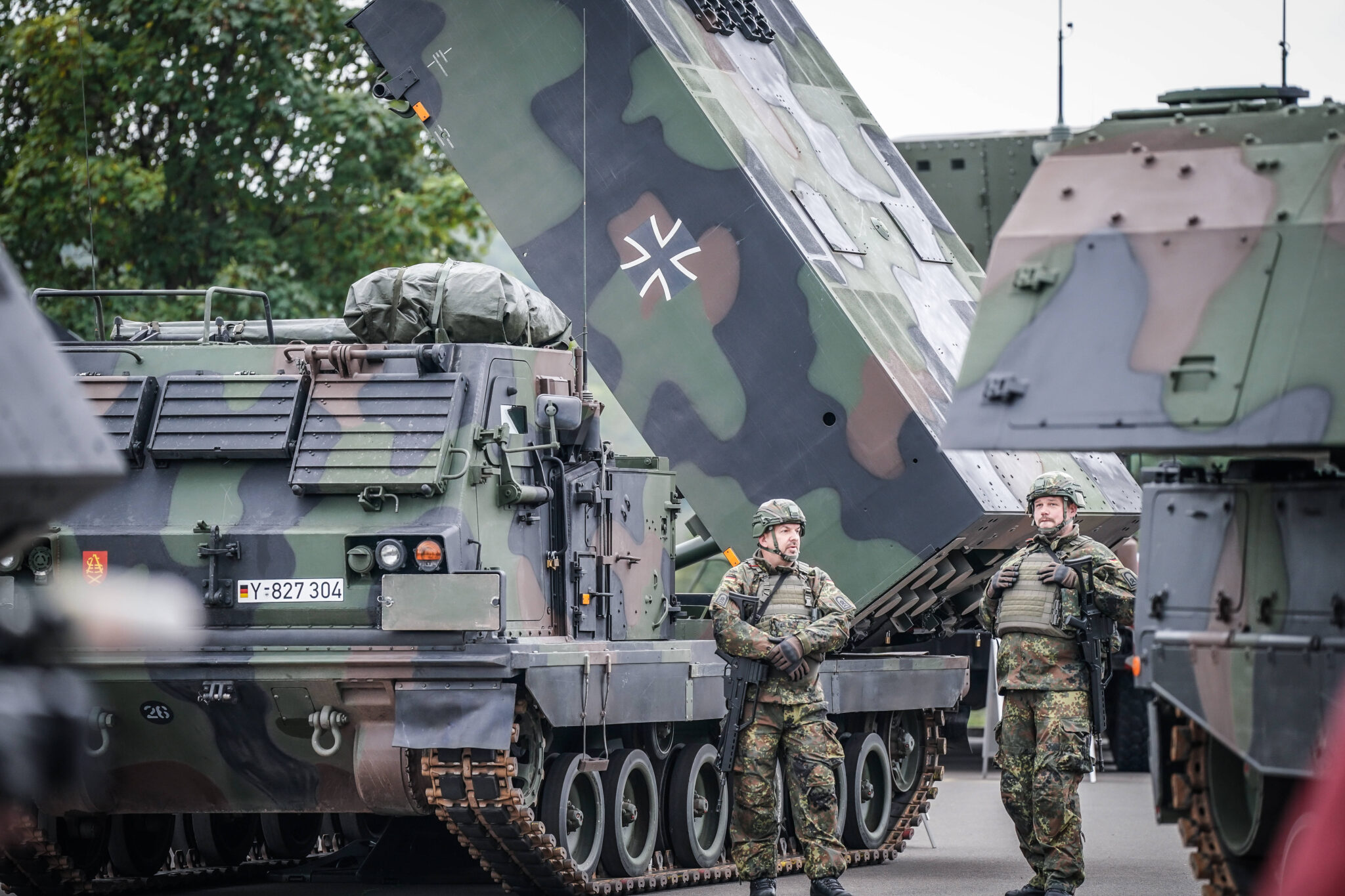
The United States faces a lack of practical alternatives to sustaining Ukraine’s defense. With missile production lagging and diplomacy stalled, Washington is struggling to deliver the air defenses Kyiv needs to slow Russia’s advance.

👋 Alò!* Welcome to Friday, where the EU imposes new sanctions on Russia, Donald Trump struggles to tamp down the Jeffrey Epstein uproar, and a famed Austrian daredevil dies in a paragliding accident. We also feature an article on the rise of the “Instagram Sheikhs” — a diverse group of digital-savvy Muslims who fuse Islamic […]
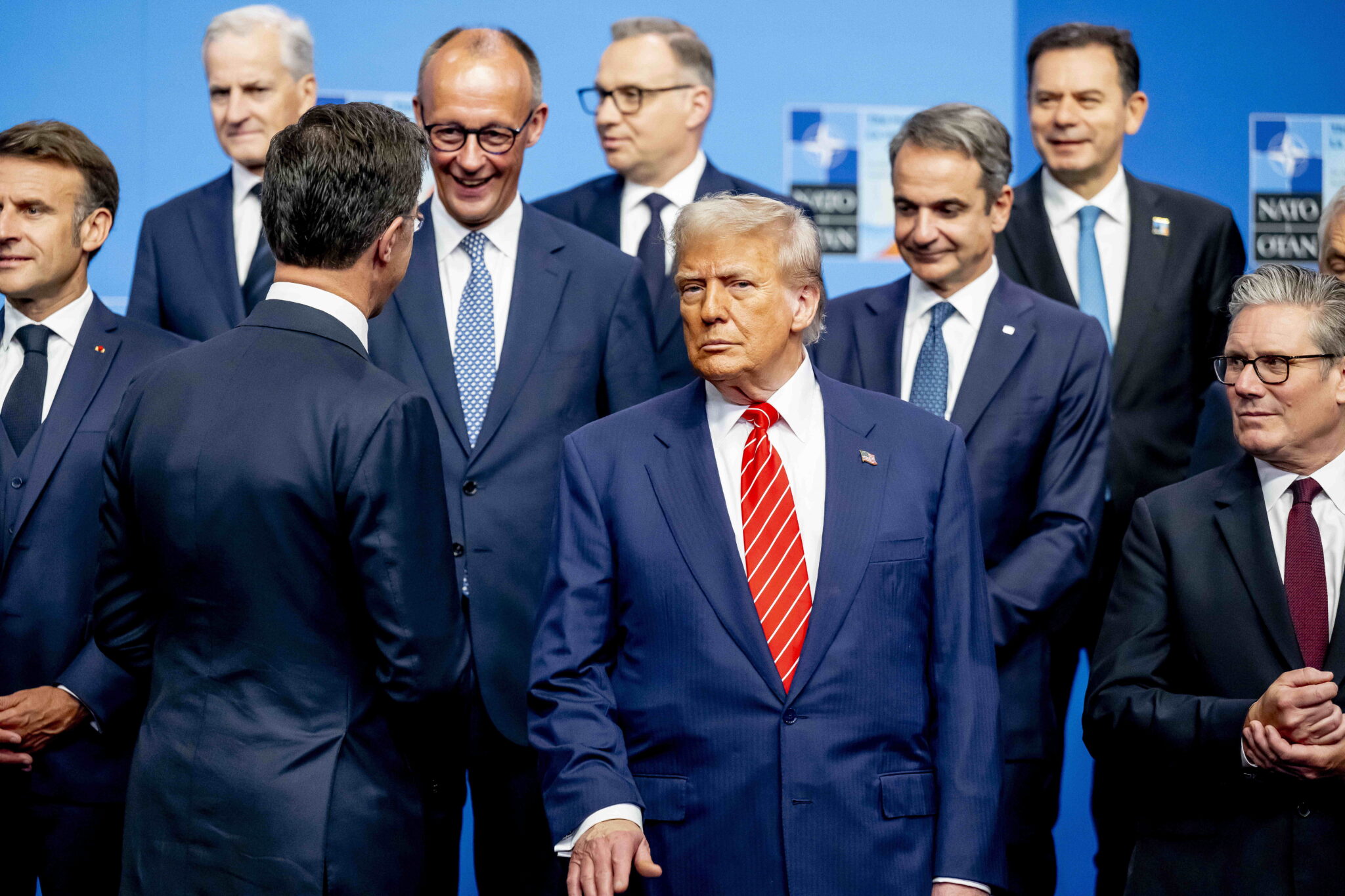
This is not (just) about awkward exchanges or conventional indignation. It’s about understanding what’s “happening” to us, the rest of the world, that is forced to adjust to this paradigm shift.
👋 ನಮಸ್ಕಾರ* Welcome to Thursday, where Iran’s nuclear sites are reported to be “severely damaged,” Gaza mediators are intensifying ceasefire efforts, and our daily quiz question is related to a very old discovery from a Polish cave. Meanwhile, Inma Mora Sánchez for Ethic outlines the issues surrounding women’s self-esteem, from the housewives’ awakening of the […]
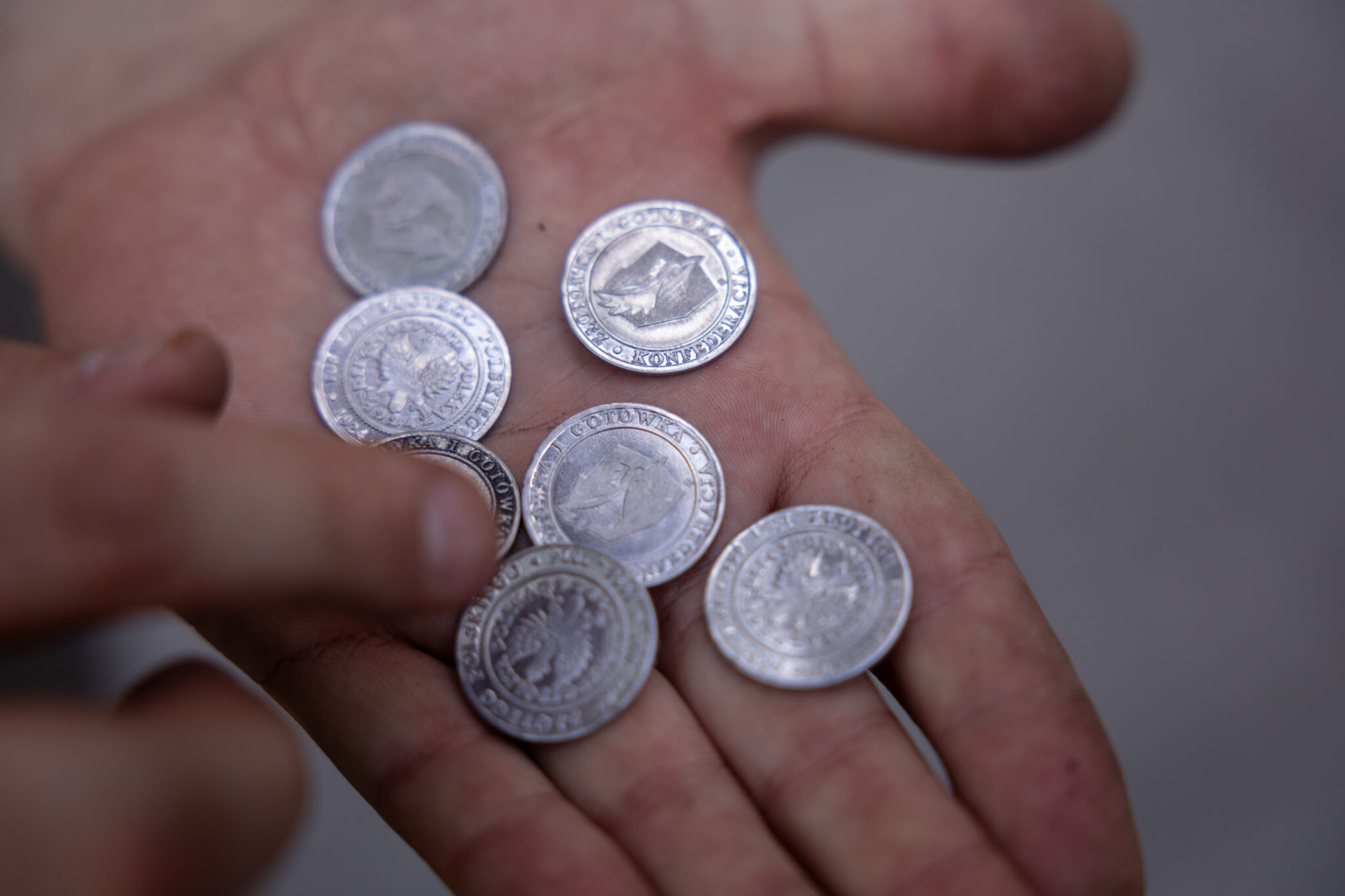
Poland is the EU country that is most afraid of adopting the euro. But why are Poles so afraid, and what economic prospects could help them change their mind?
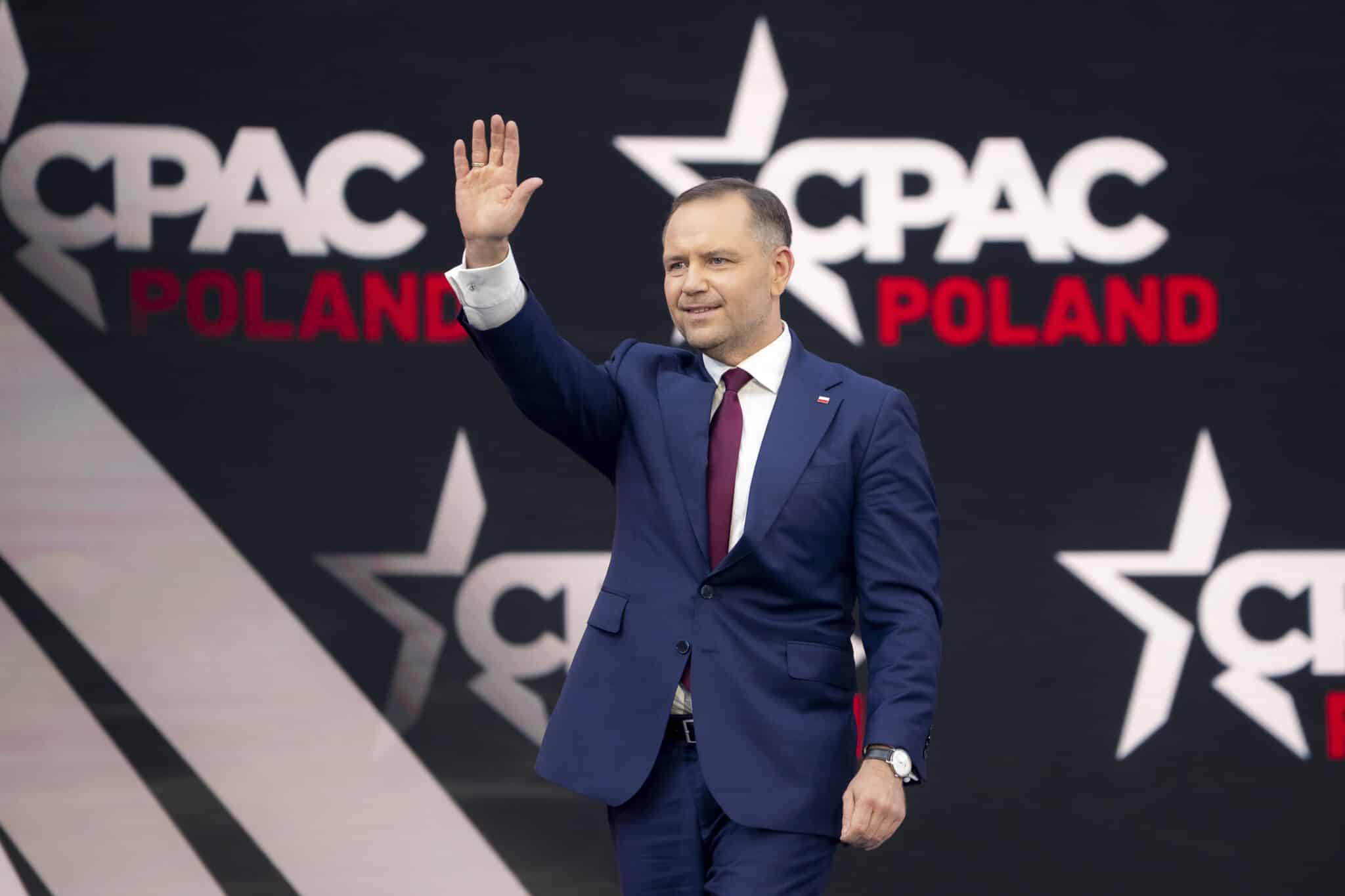
The Trump administration backed populist and far-right presidential candidates in Romania and Poland: It lost in Romania but won in Poland. Washington’s agenda is to weaken the European Union by supporting its detractors within it.
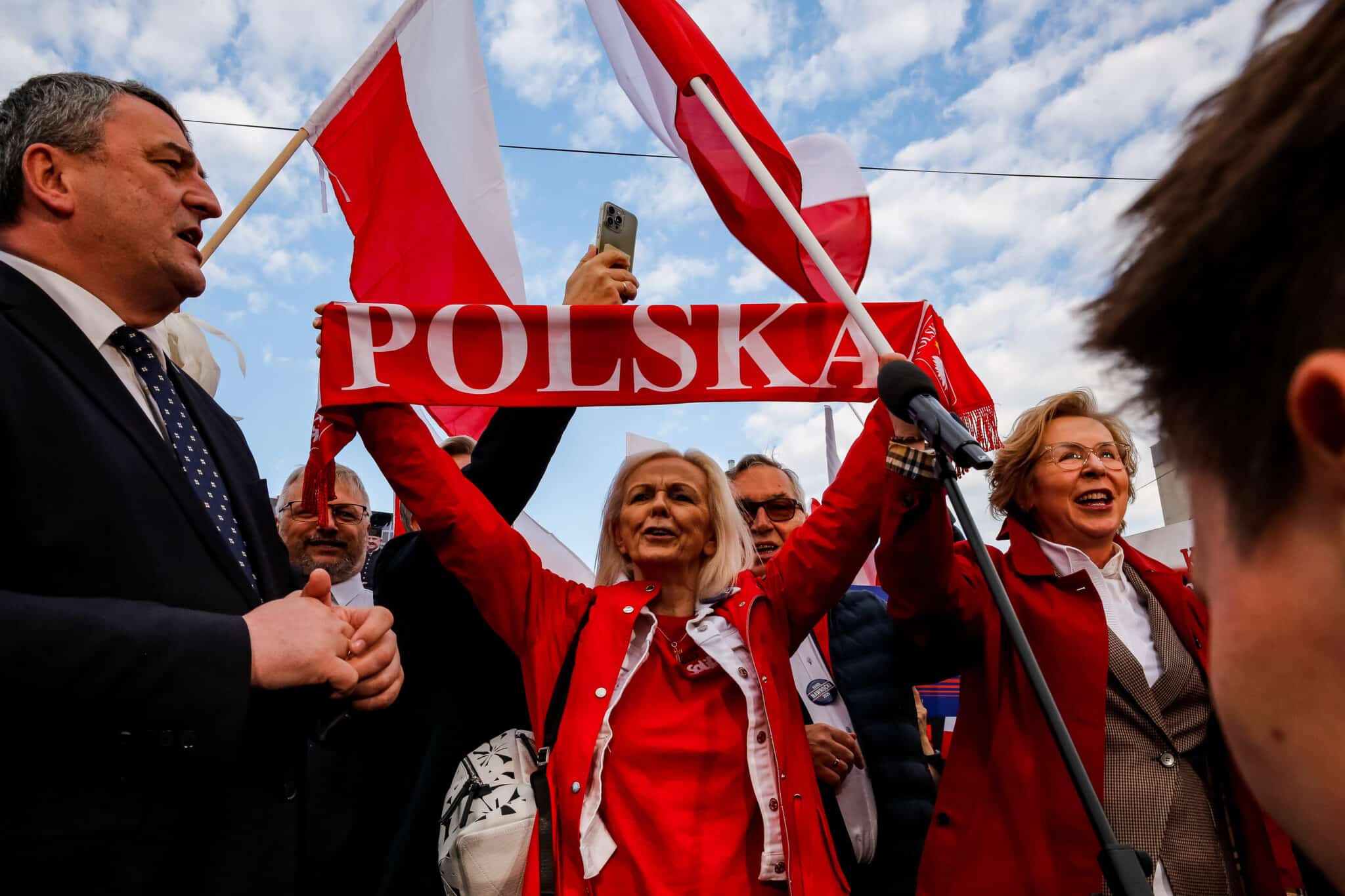
Sunday’s second round of the Polish presidential election feels like a clash between democratic values and nationalist conservatism, with high geopolitical stakes. With Poland’s international profile growing, Trump, Putin, Zelensky, and all the big European players are watching closely.
👋 Hej!* Welcome to Monday, where Israeli airstrikes kill at least 52 in Gaza, U.S. President Donald Trump has harsh words for Vladimir Putin, and today’s quiz question is about vandalism in the beautiful Belgian city of Bruges. Meanwhile, Viola Kiel in Die Zeit asks scientists: Is “ultra-processed” food truly the enemy? [*Danish] ✅ SIGN […]
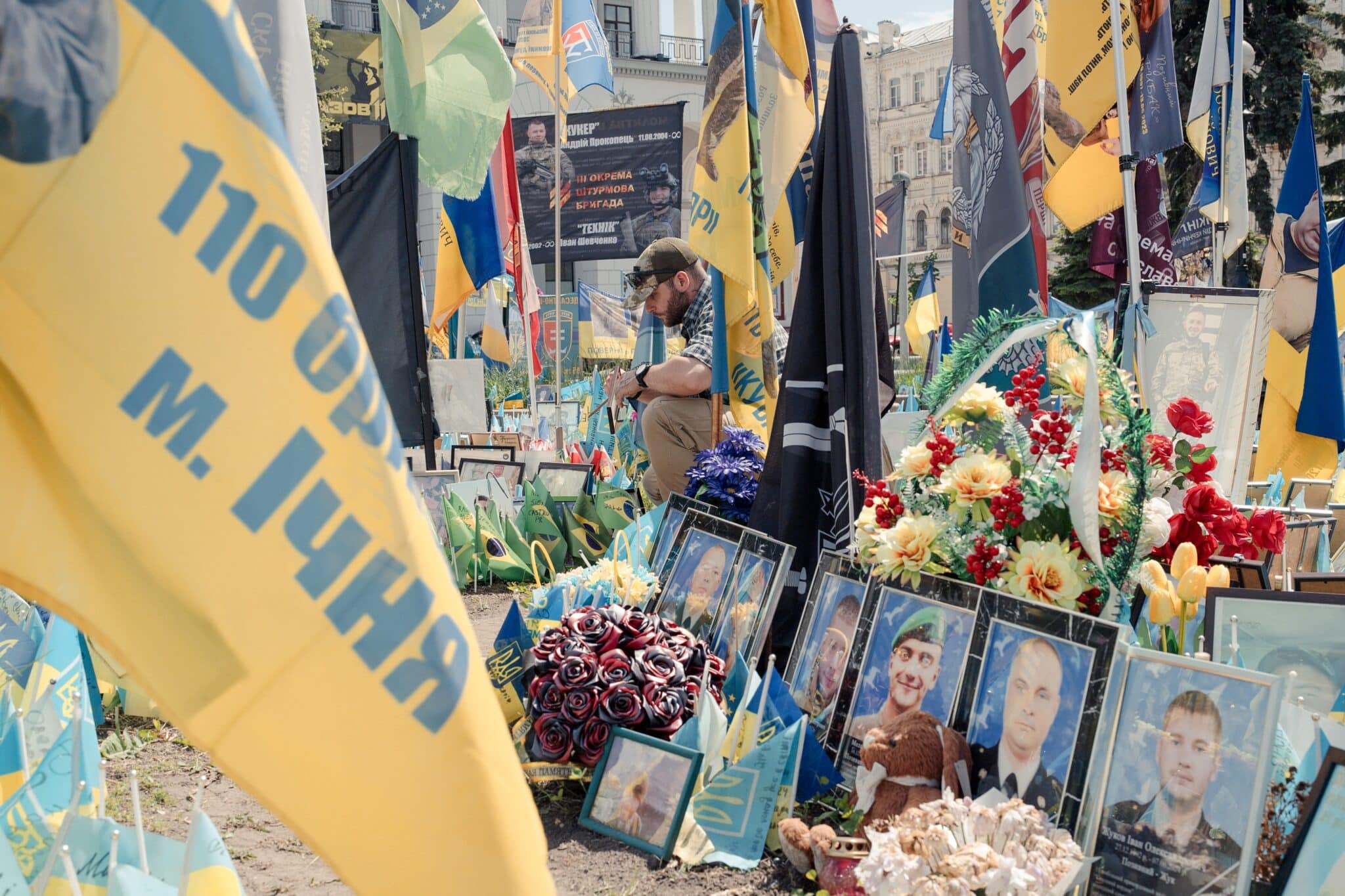
Following his call with Vladimir Putin on Monday, Donald Trump seemed to wash his hands of the rest. His ultimate agenda seems to be about inking business deals, just like he’s done on his recent visit to the Gulf states.
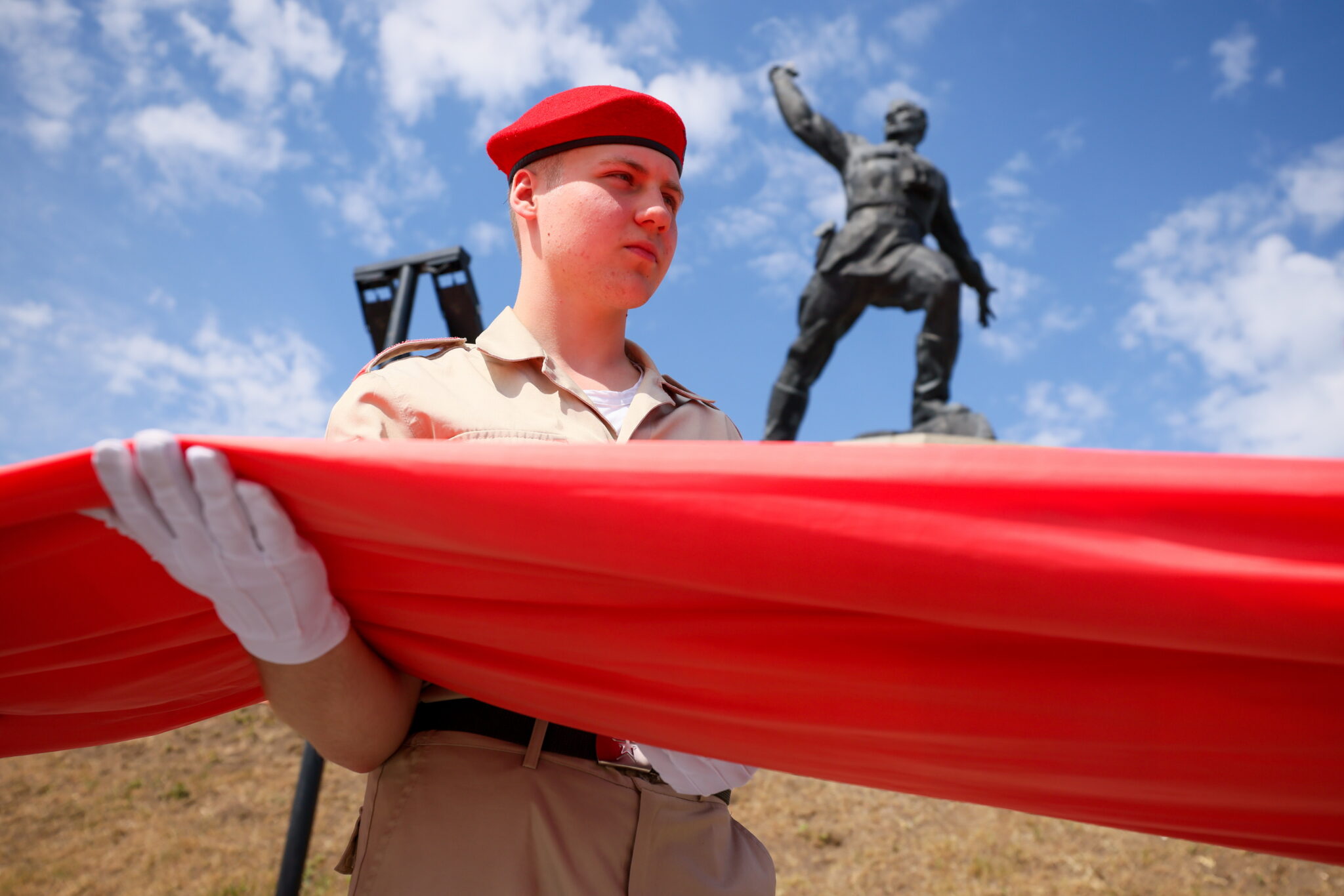
The 80th anniversary of victory in World War II shines a light on the world’s current fractures, because in addition to the war in Ukraine, which pits the allies of 1945 against each other, there’s Donald Trump wild card.
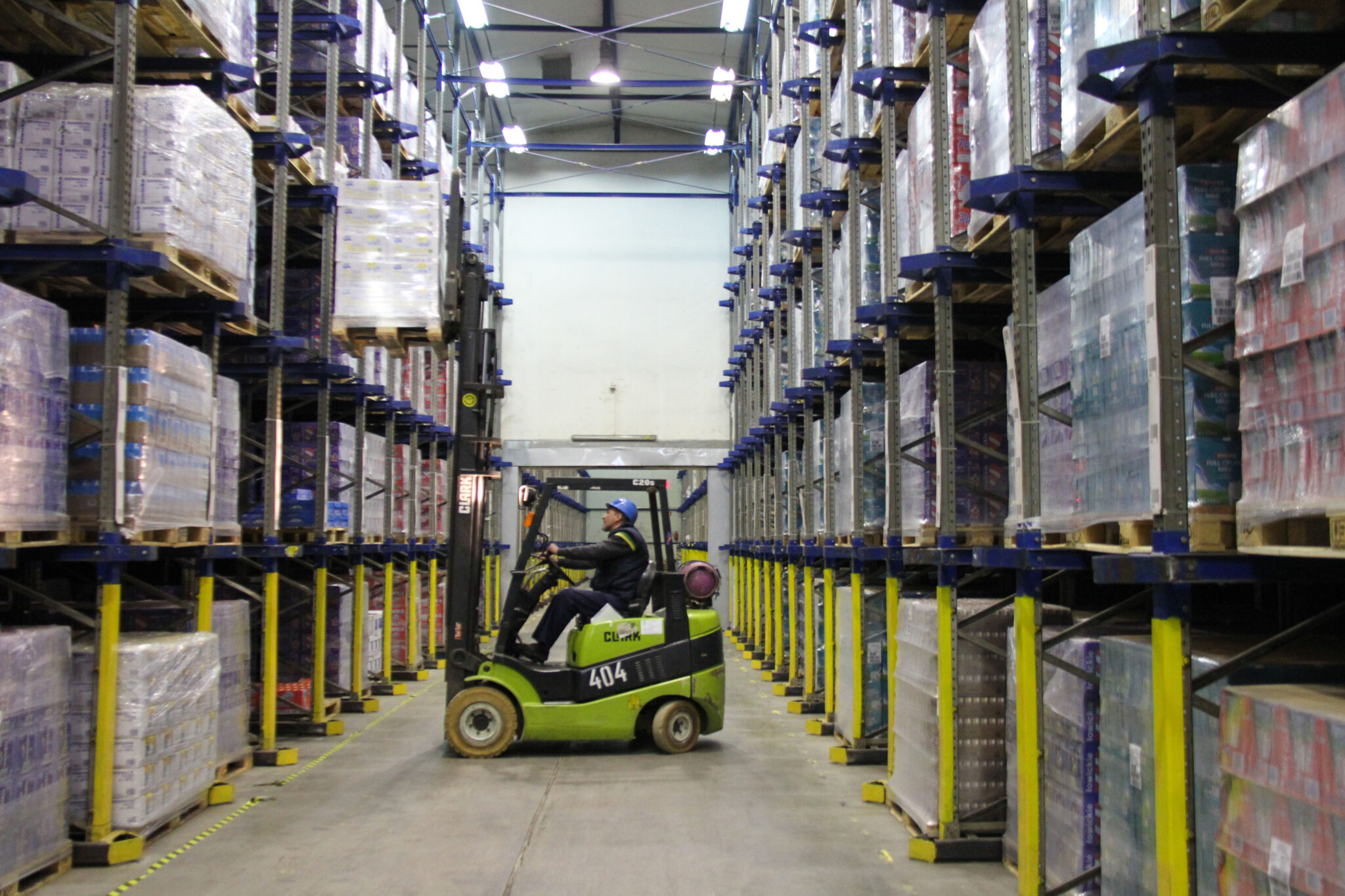
Since the 1990s and the fall of communism in Poland, the country’s economic life has changed drastically, moving from a command economy focused on national production to a global one, which is now becoming an increasingly important player in Europe and the world. In the face of Donald Trump’s protectionist inclinations, Witold Gamoski argues that globalization is exactly what economies need to grow.

Why is the U.S. suddenly hostile towards the EU? It’s a question of models and ideology, but also a wake-up call for Europeans for what’s at stake.
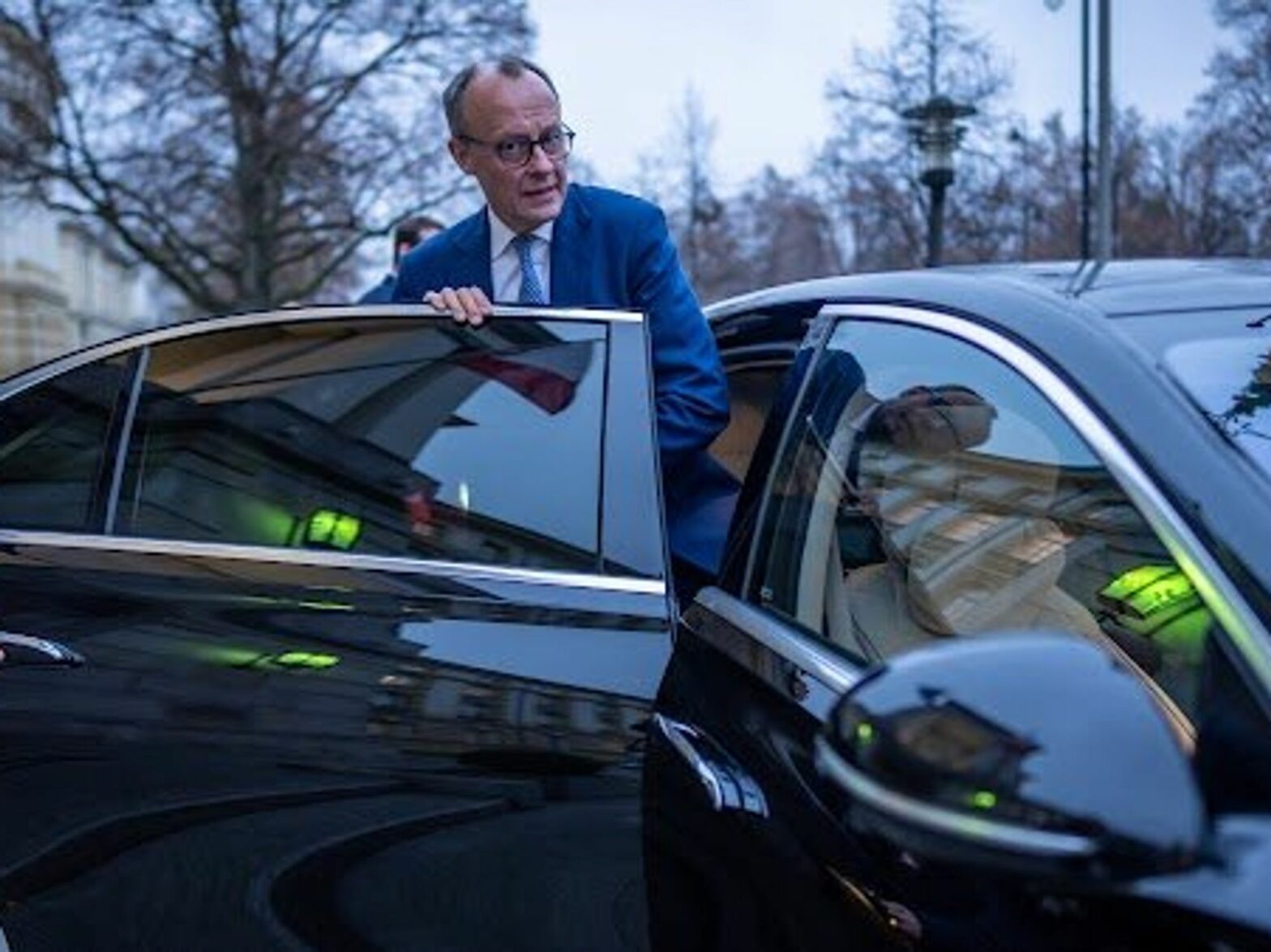
Europe is fortunate to have sensible men leading the UK, Poland and France: Keir Starmer, Donald Tusk and Emmanuel Macron. Germany’s likely next chancellor, Friedrich Merz, could be a crucial addition to this united front against the challenges posed by Donald Trump and Vladimir Putin.
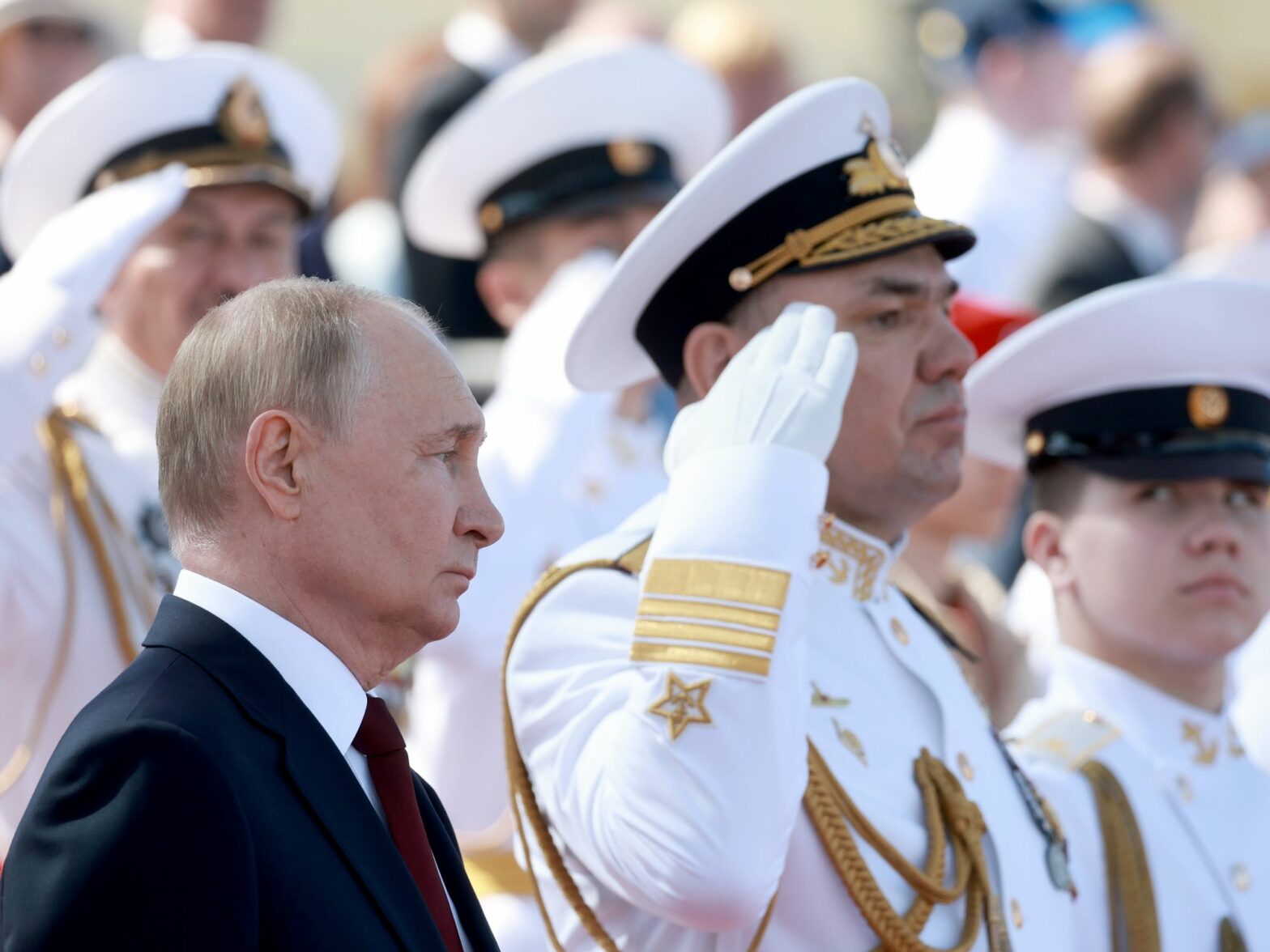
The Russian president has no problem talking about negotiations and peace treaties. But he’s a master decoy artist. Putin has built his power on conflict, and now he needs war to hold on to it.

The car industry is in shock, with the announcement from Washington of 25% tariffs on auto imports to the United States. Here’s what every car owner and business needs to know about how this crucial industry will be affected around the world.
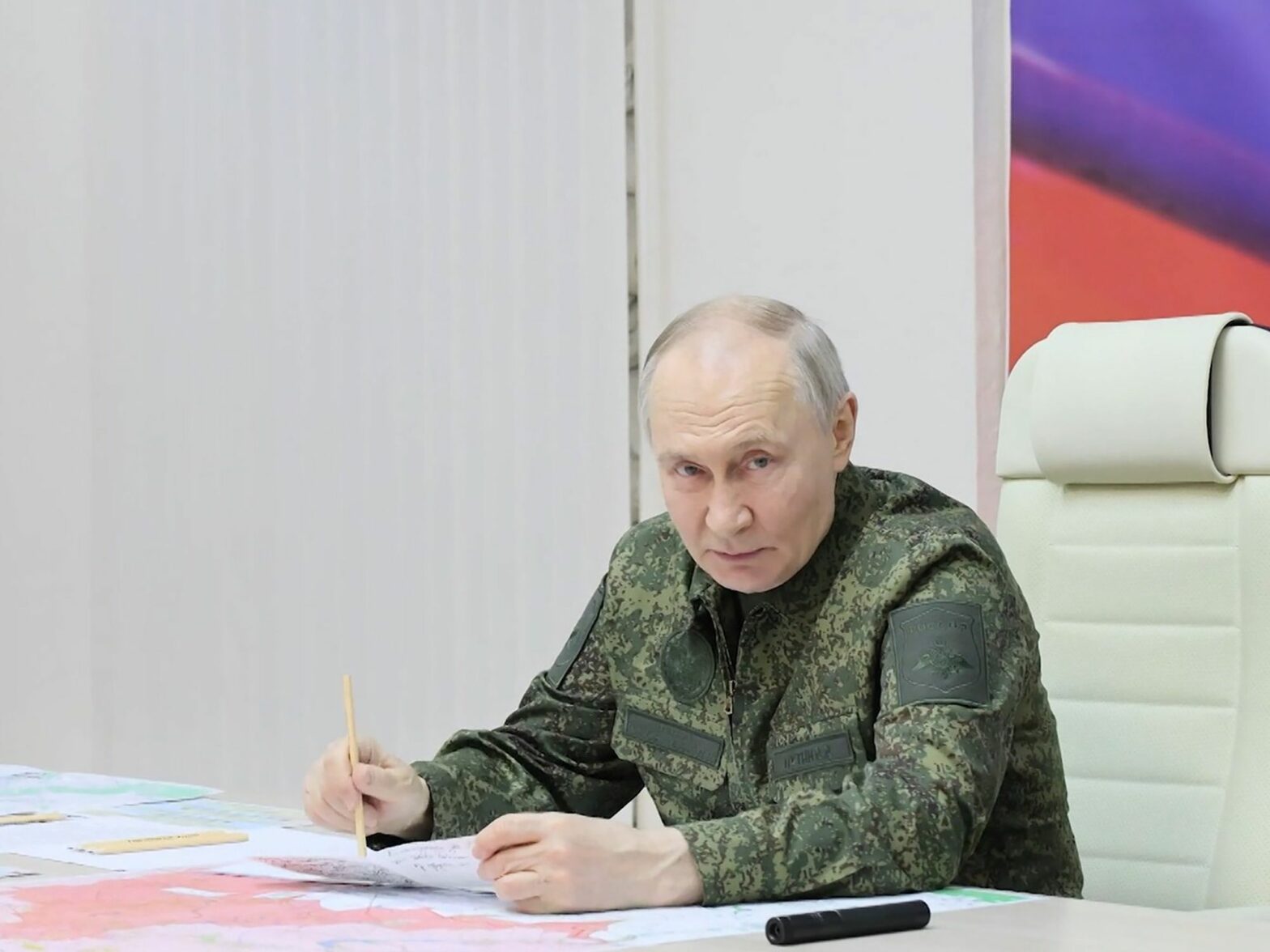
The Russian president has no problem talking about negotiations and peace treaties. But he’s a master decoy artist. Putin has built his power on conflict, and now he needs war to hold on to it.
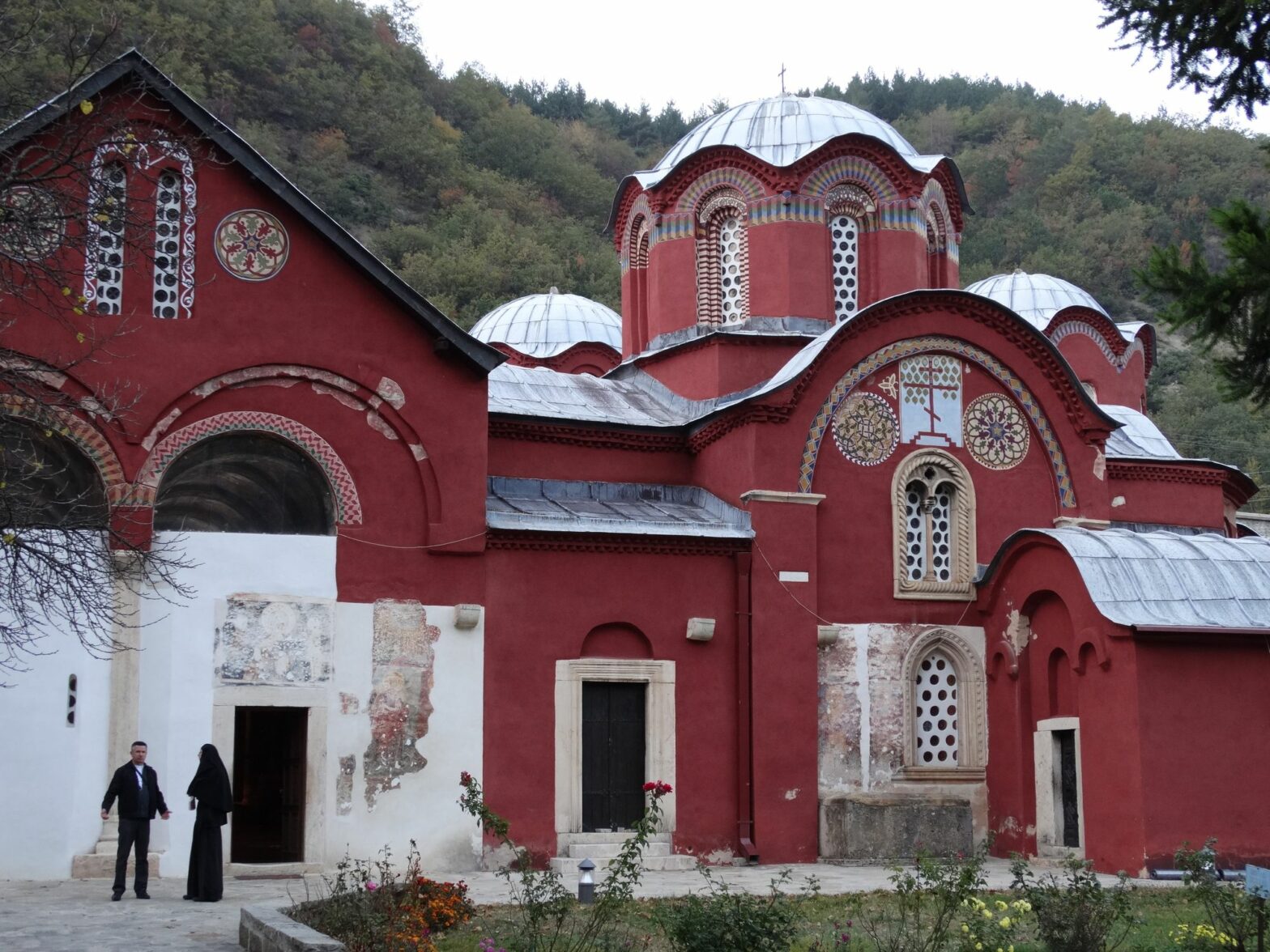
Once a Muslim-majority nation, Kosovo is witnessing a quiet but growing movement of Albanians converting to Catholicism. Advocates of the shift argue they are reclaiming their ancestral faith, once suppressed under Ottoman rule. With deep historical roots and political implications, this trend is reshaping Kosovo’s religious and cultural identity — while also positioning it closer to Europe.
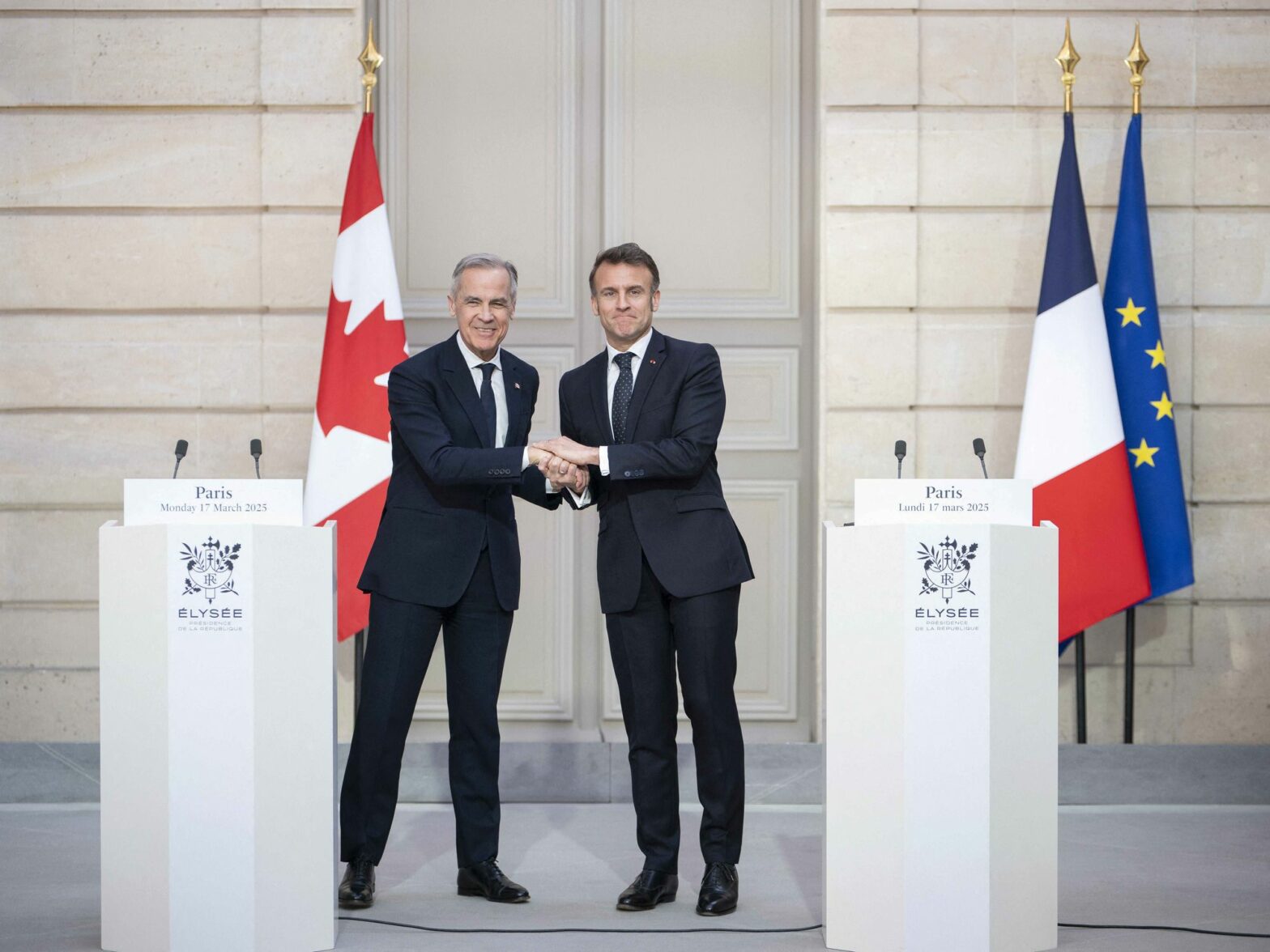
An international front is refusing to bow to the White House’s demands, and it’s the only way out of the crisis.

Europeans may see seizing Russian assets as a financial and moral boost, they should resist the idea to avoid a triple boomerang effect.
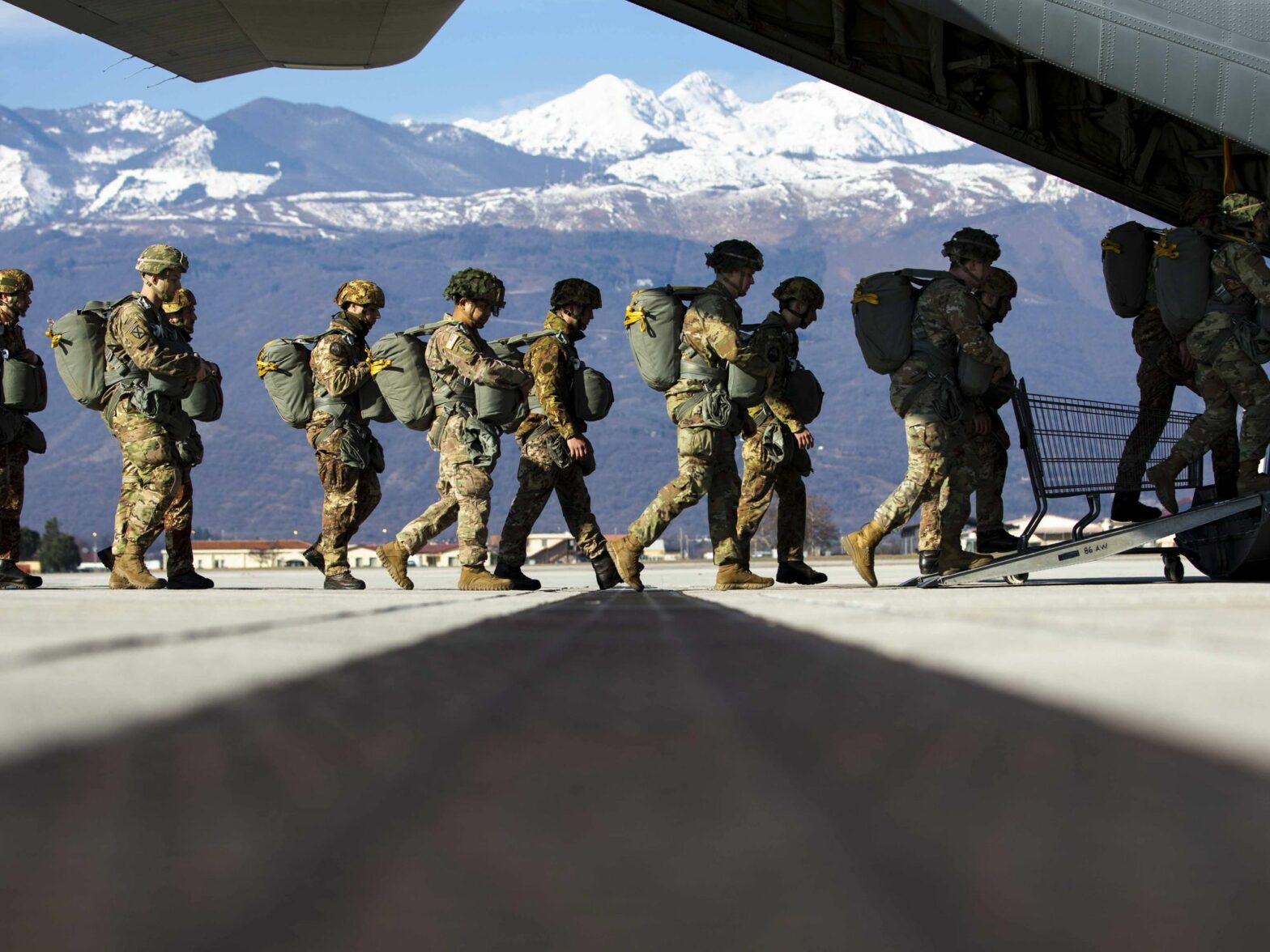
With Trump’s White House warming to Putin on international matters, Europe must rethink its military independence — and that may mean closing the many U.S. bases on its soil before they become threats rather than safeguards.

Washington once promoted an open, unrestricted internet, and criticized Beijing’s efforts to control its citizens’ access. But the recent “sell or ban” controversy over ByteDance’s social media platform TikTok shows that the United States may now be siding with China when it comes to digital sovereignty. Is internet freedom dead — and if so, who killed it?

The German elections showed rising support for the far-right AfD, and increased dissatisfaction running rampant in German society, Polish columnist Bartosz T. Wielinski asks whether this runs the risk of history of the early 20th century repeating.
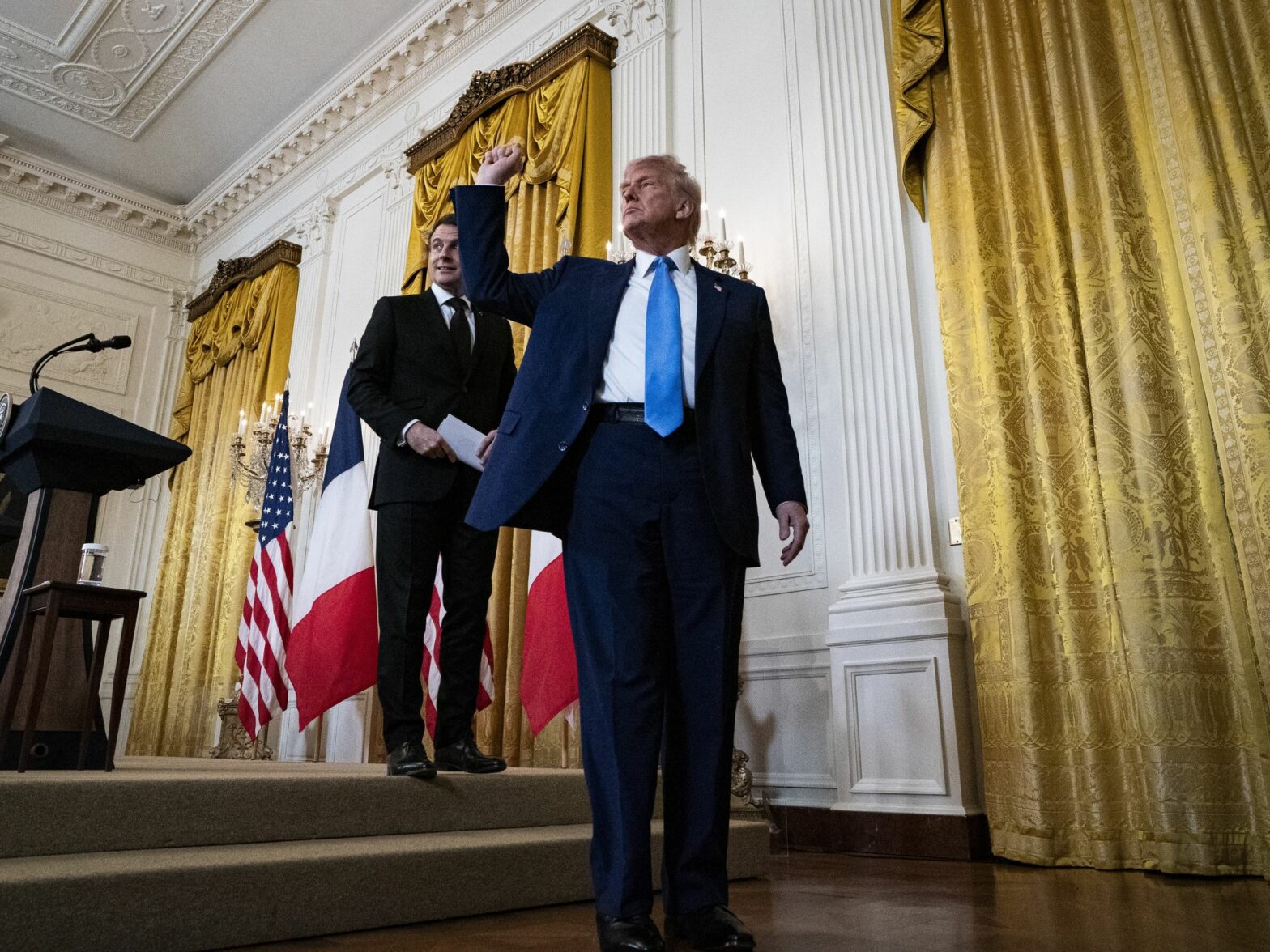
Europeans are coming to grips with a harsh reality: The United States is no longer the guardian ensuring the continent’s security — worse, it may have even turned into an outright adversary. Nothing underscores this shift more than the U.S. vote at the United Nations on Ukraine, siding with Russia and standing against EU nations.
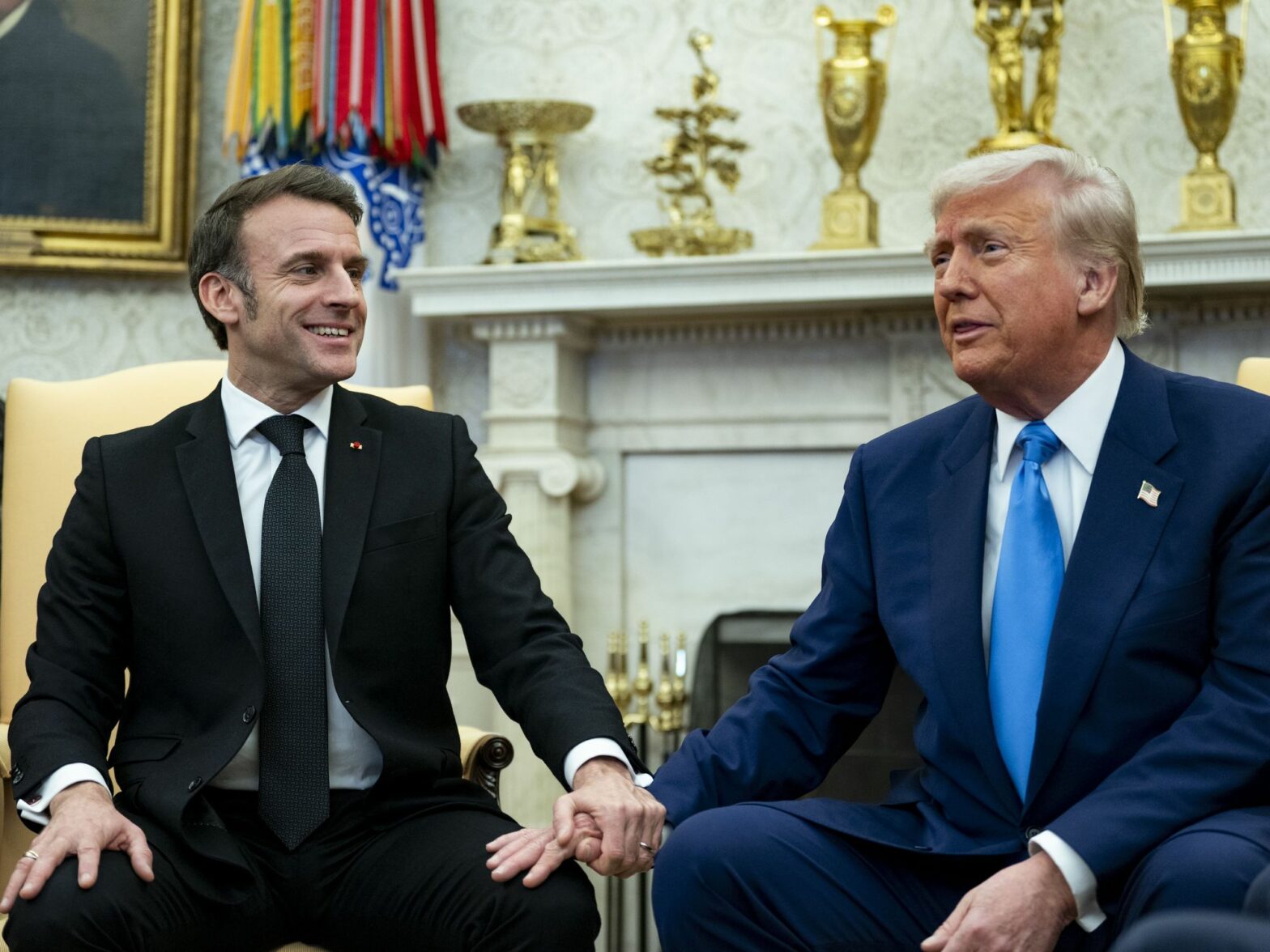
French President Emmanuel Macron spoke of a “turning point” after his discussions with his U.S. counterpart at the White House on Monday. But Donald Trump did not confirm. The United States remains ambiguous, especially as, at the United Nations, it voted with Russia and against the European Union and Ukraine — an unprecedented move.
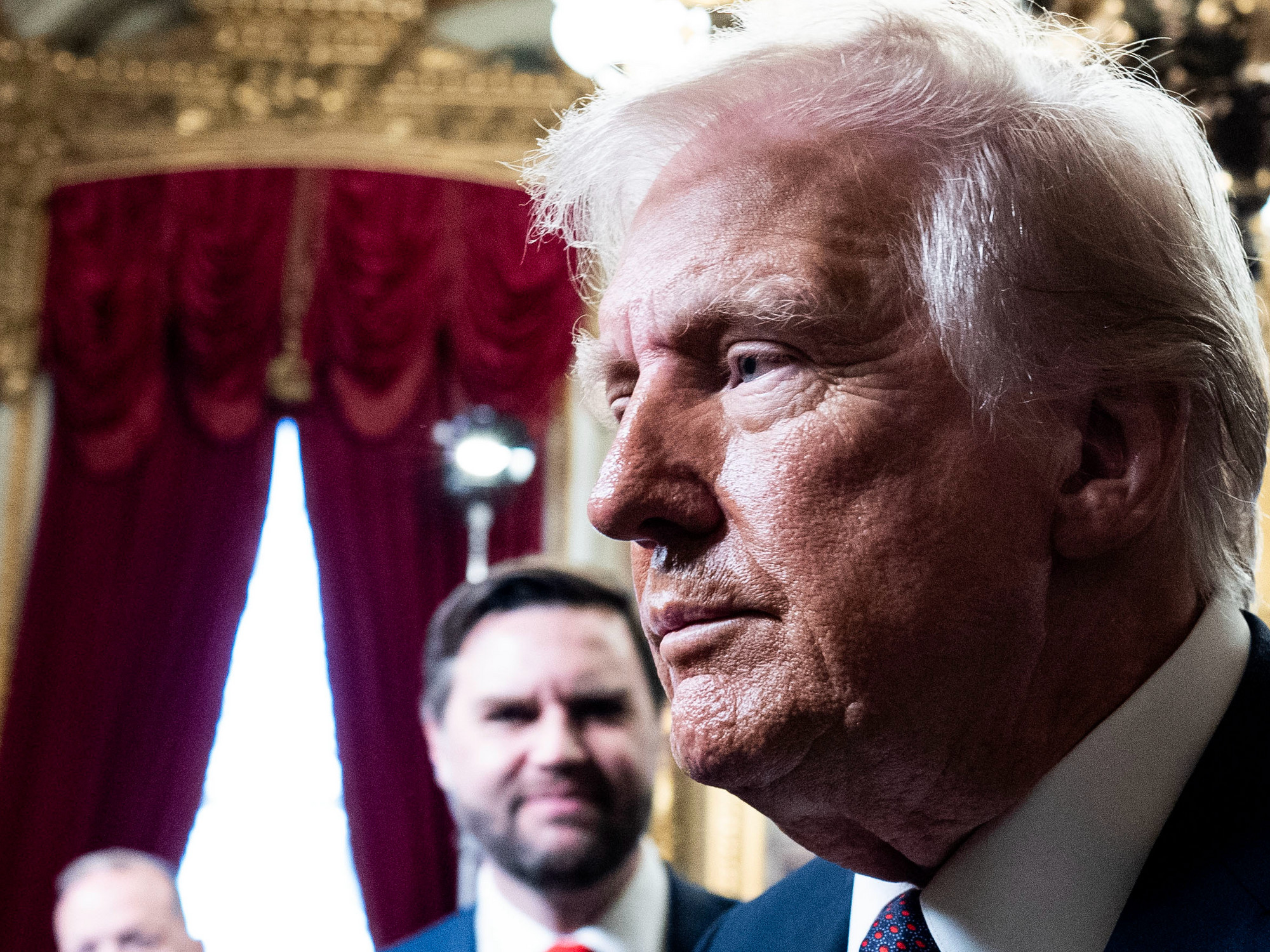
One month after his return to the White House, Donald Trump’s second term is proving far more ideological, imperial and aggressive than the first, awakening memories of the 1950s communist witch hunt at home and shaking relations with European allies abroad.
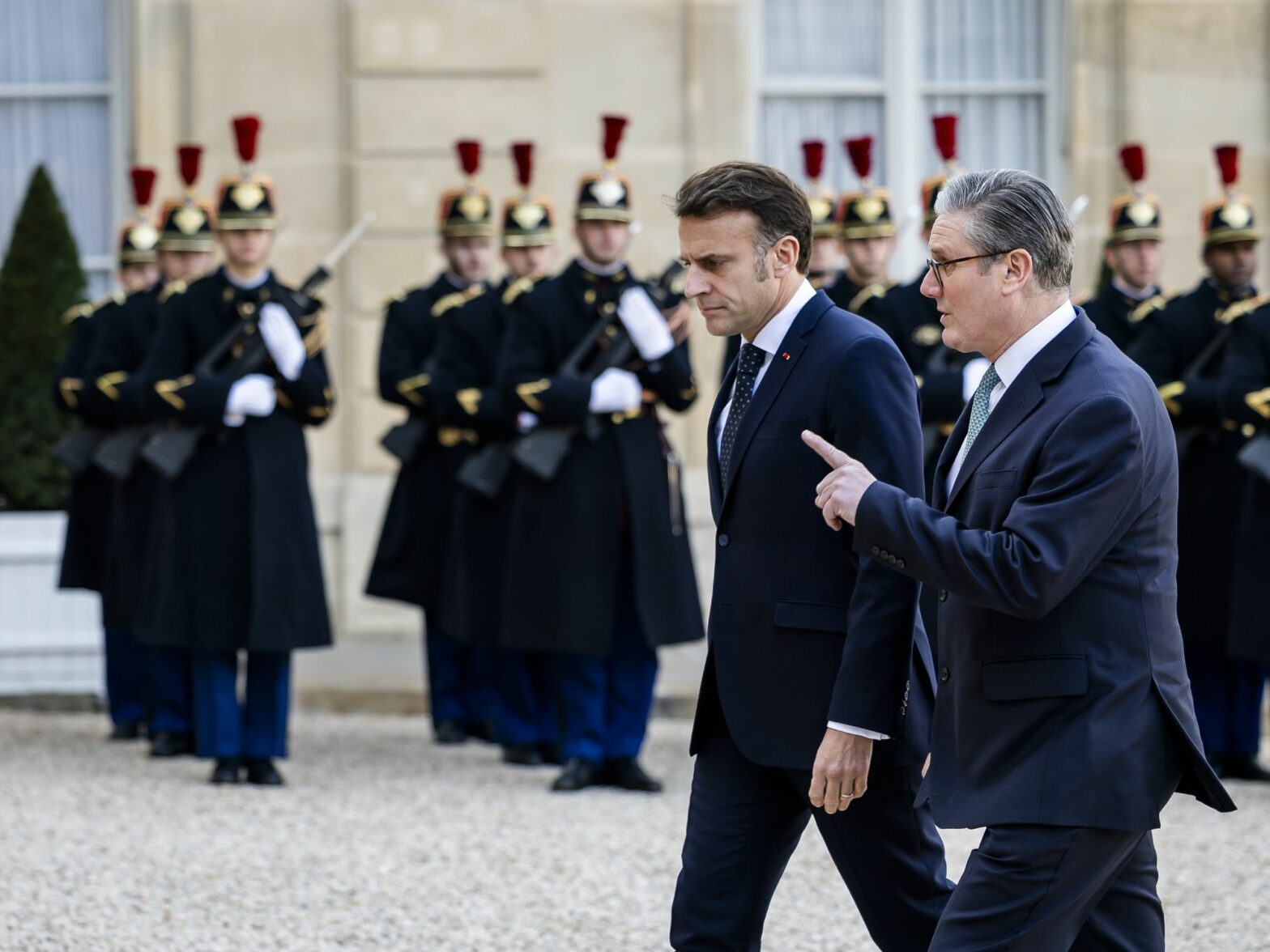
Europe’s back is against the wall — Putin’s wall. The meeting in Paris of European leaders who are ready to defend Ukraine in the face of U.S. withdrawal was an opportunity for Europe to rebuild itself to preserve its interests and its honor.
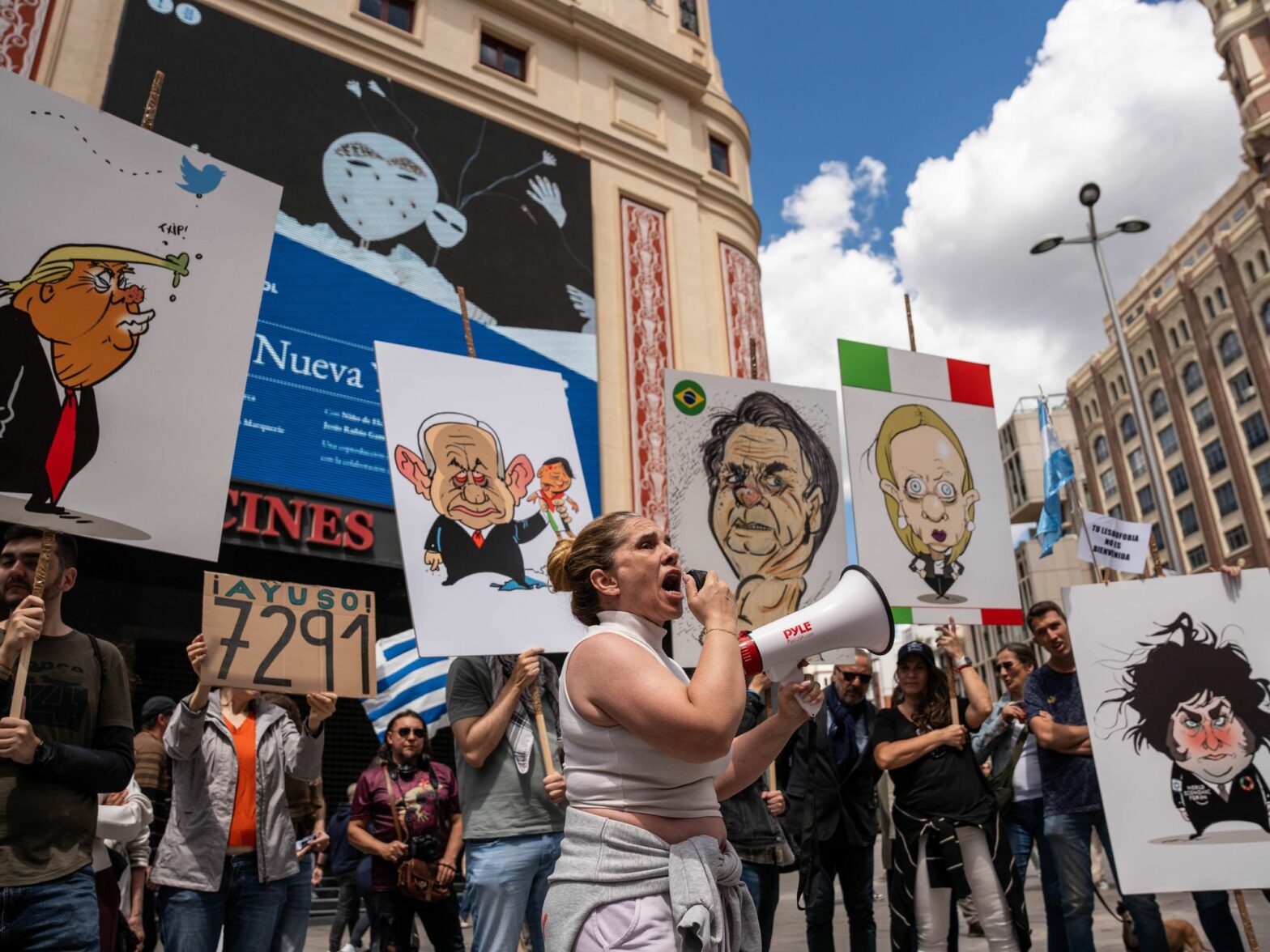
The reelection of U.S. President Donald Trump is the most recent act in the spectacular, and so far unstoppable, rise of fascism. Faced with his full-blown offensive, Europe must fully invest in its vision as an alternative to Trumpism by defending those most in need.
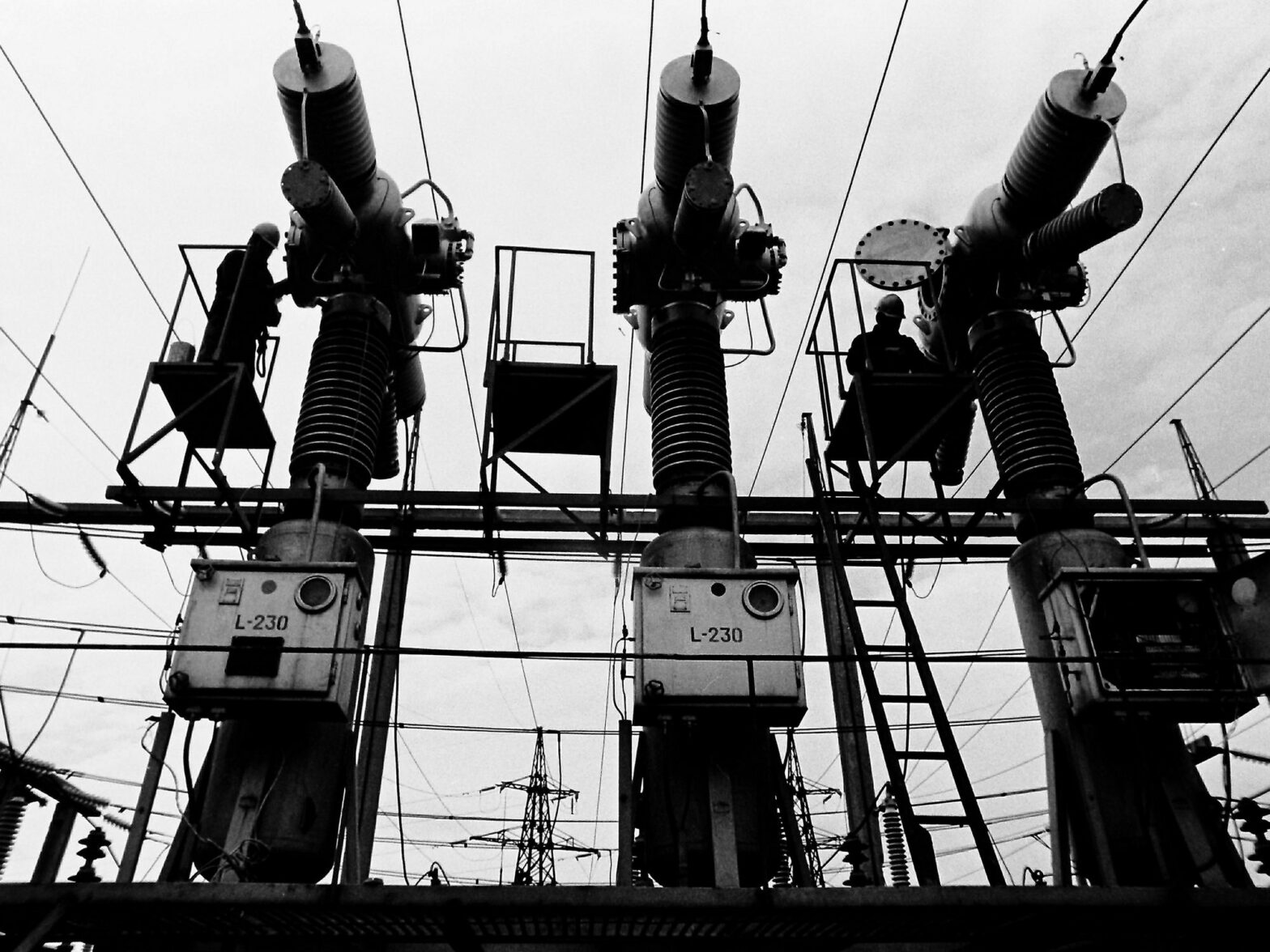
In a major move for sovereignty, the three Baltic states have cut their electricity supply from Russia and connected to the European grid. A collateral casualty of this shift is the Russian exclave of Kaliningrad, now cut off from Russia and forced to generate its own power.
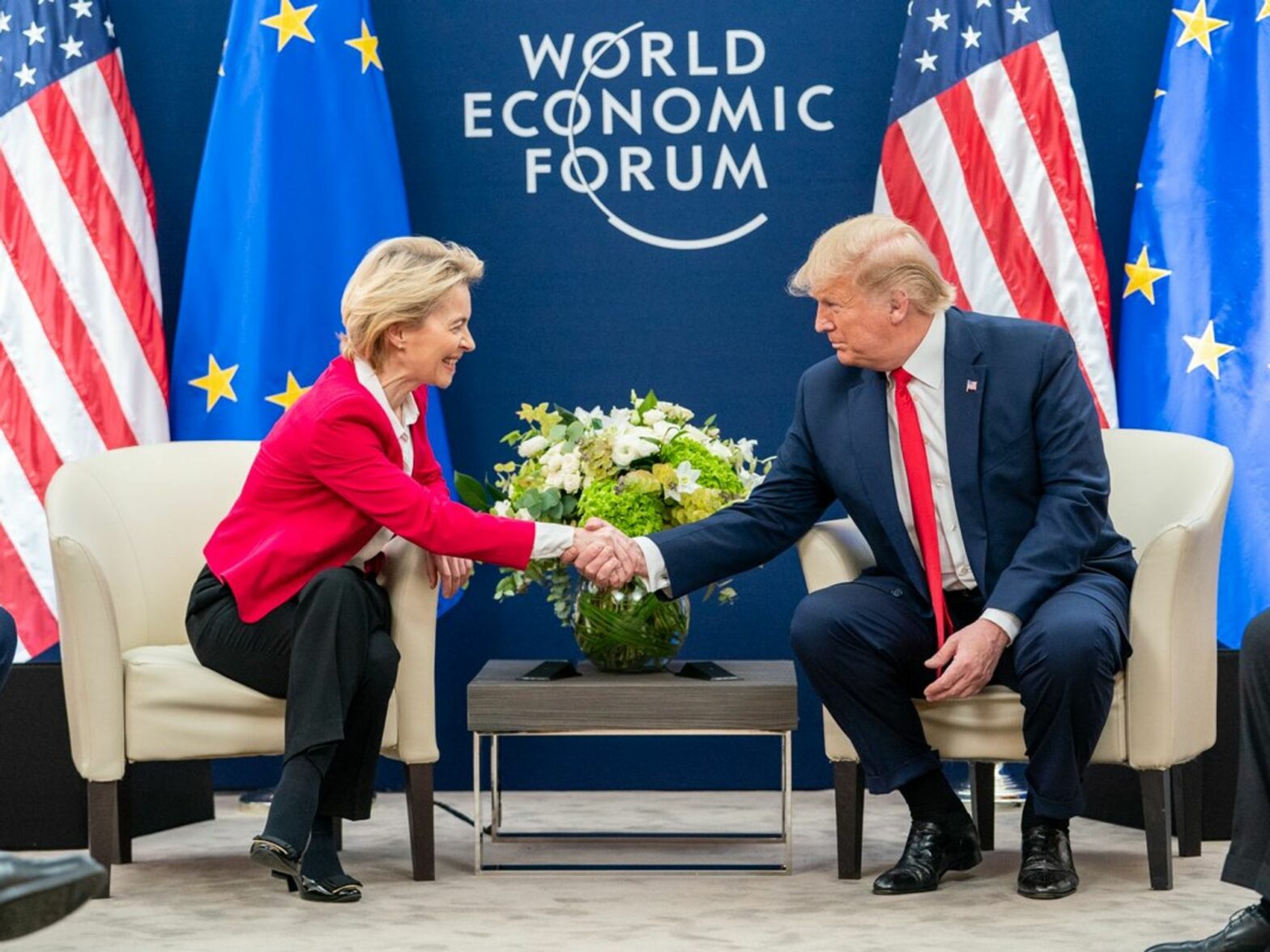
In a world of growing tensions, the European machine seems increasingly inadequate. In the face of unpredictable adversaries and allies alike, the ability to know how to play what you’re dealt may be the key to protecting the interests of the Old Continent.
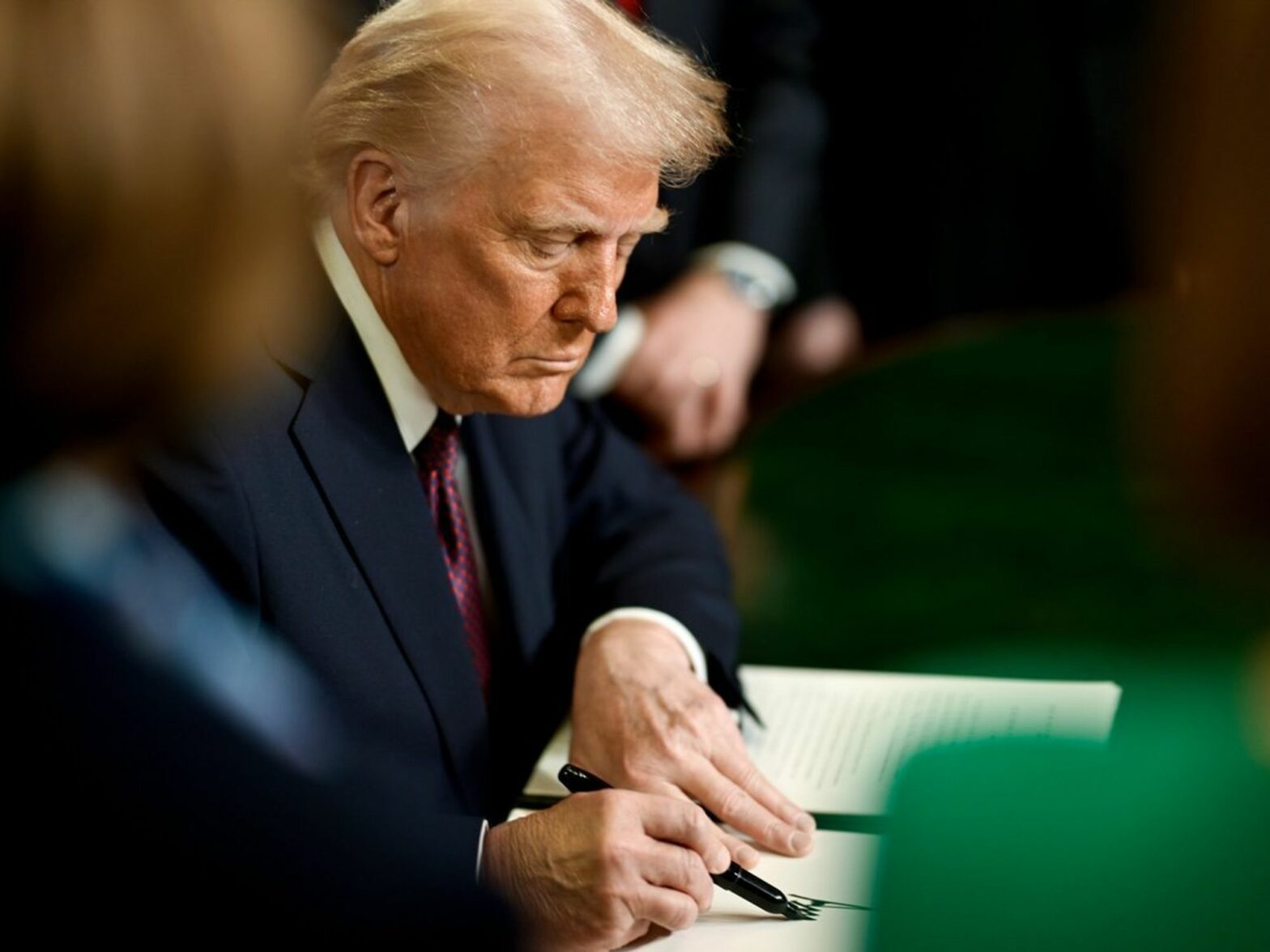
Just hours after taking office, Donald Trump signed his first presidential decrees, the well-known Executive Orders, swiftly advancing parts of his ultra-conservative agenda on issues like the Mexican border, immigration, and climate policy. His goal: to make a strong impression and neutralize any opposition.
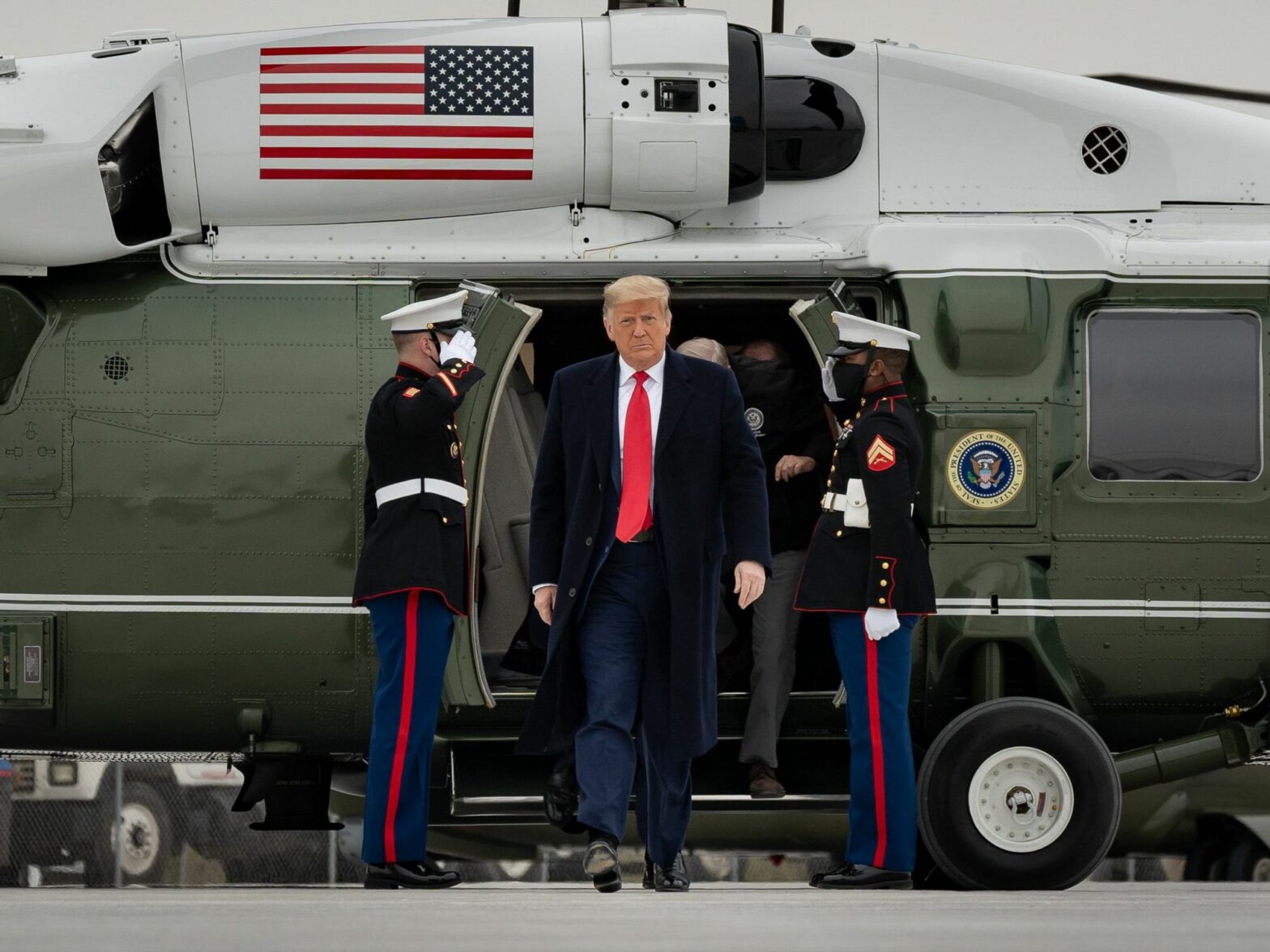
Donald Trump declares a shift in the world order established in 1945, prioritizing force over law and rejecting multilateralism. This marks a significant upheaval for the rest of the world, particularly for America’s allies, starting with a severely weakened Europe.
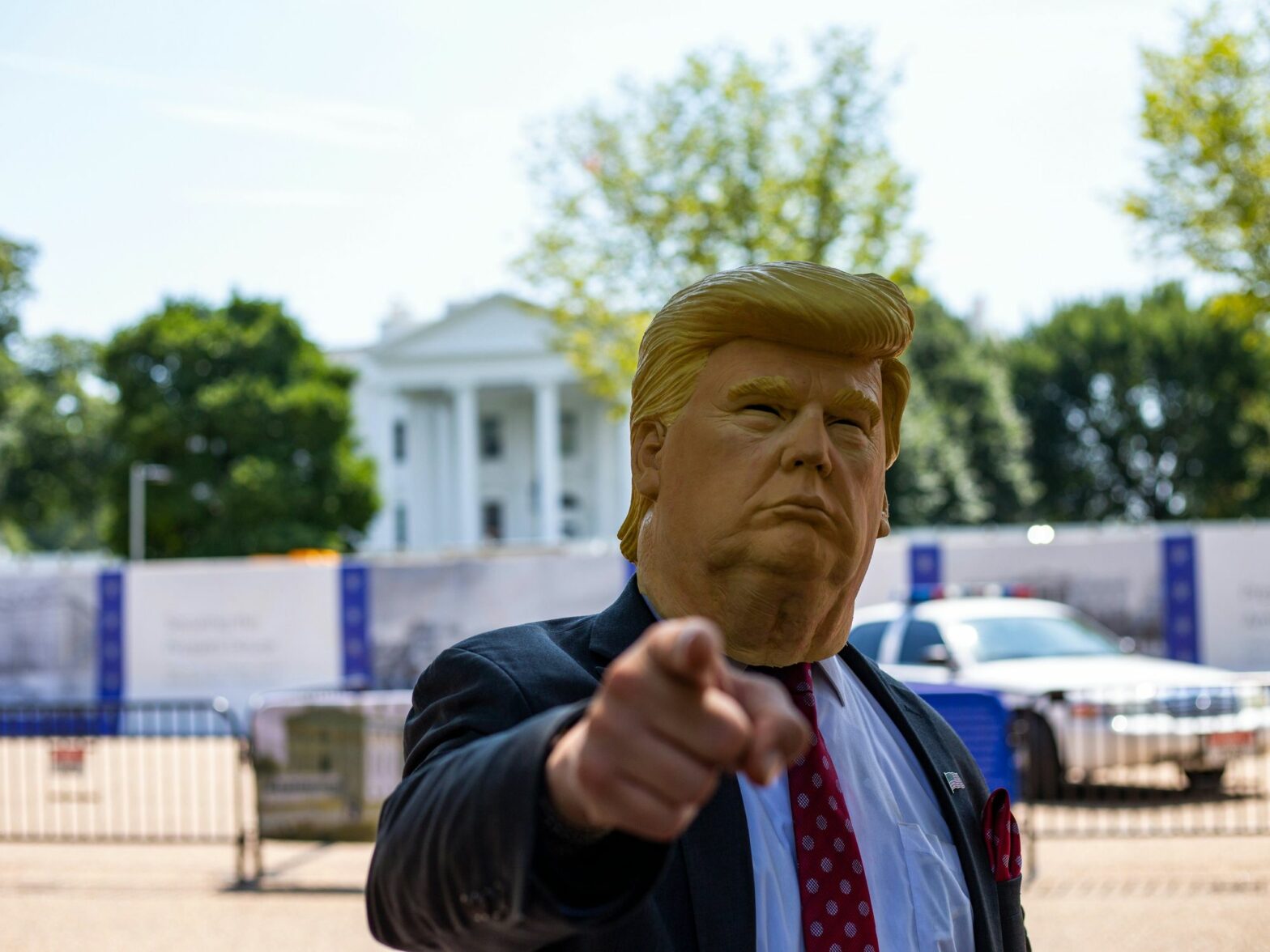
Will America become revisionist, unilateralist and expansionist under Donald Trump’s second term? In the early 1970s, French philosopher Raymond Aron spoke of the United States as an “imperial republic,” Now, in 2025, there is potentially much less “republic,” and much more “imperialism.”
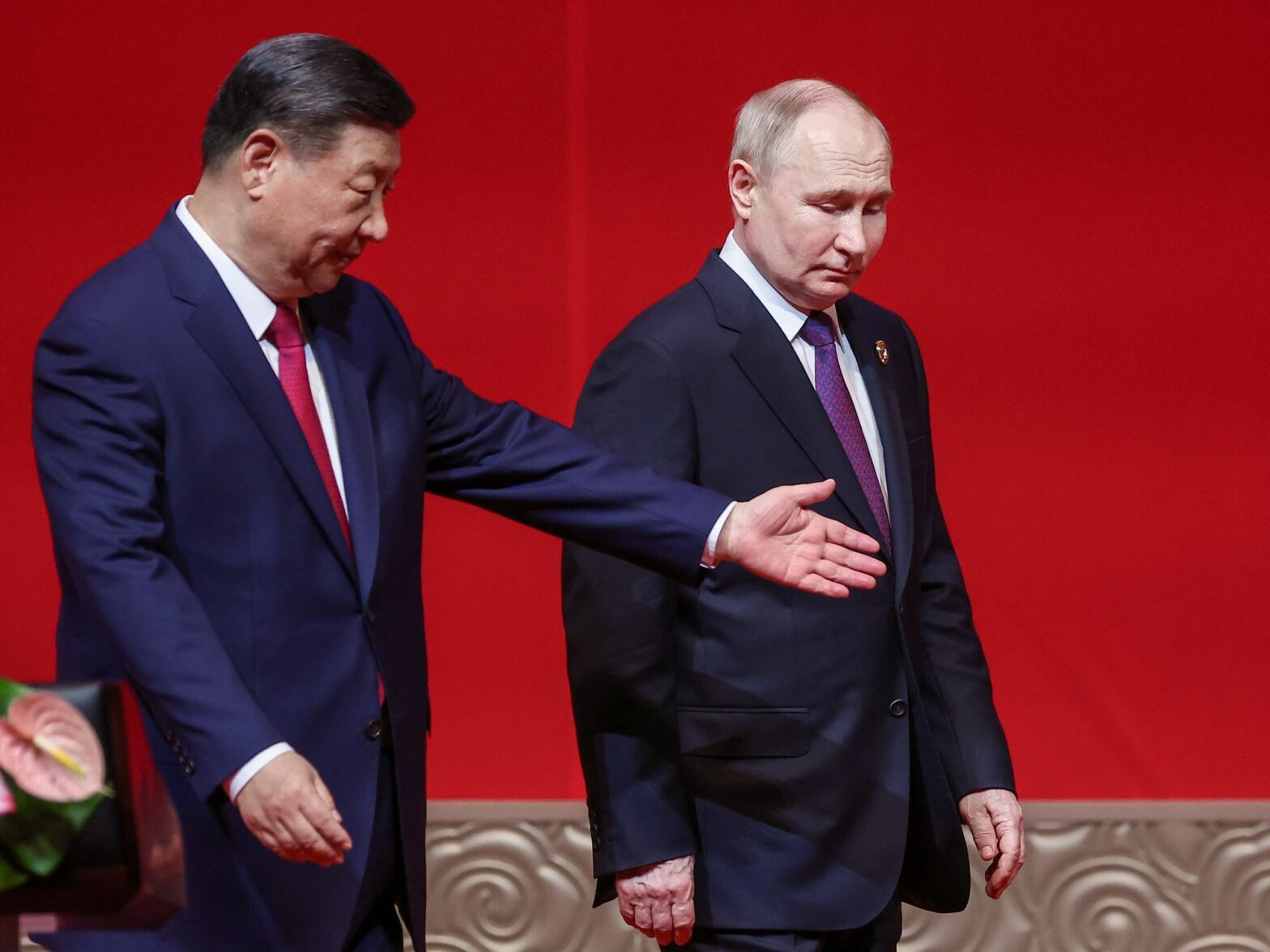
The emerging geopolitical paradigm is one of a kind of “armed peace” led by states equipped with nuclear weapons as the ultimate guarantee of security. The battlefield now spans the range of hybrid threats and technological breakthroughs, introducing the potential for “strategic surprises.”
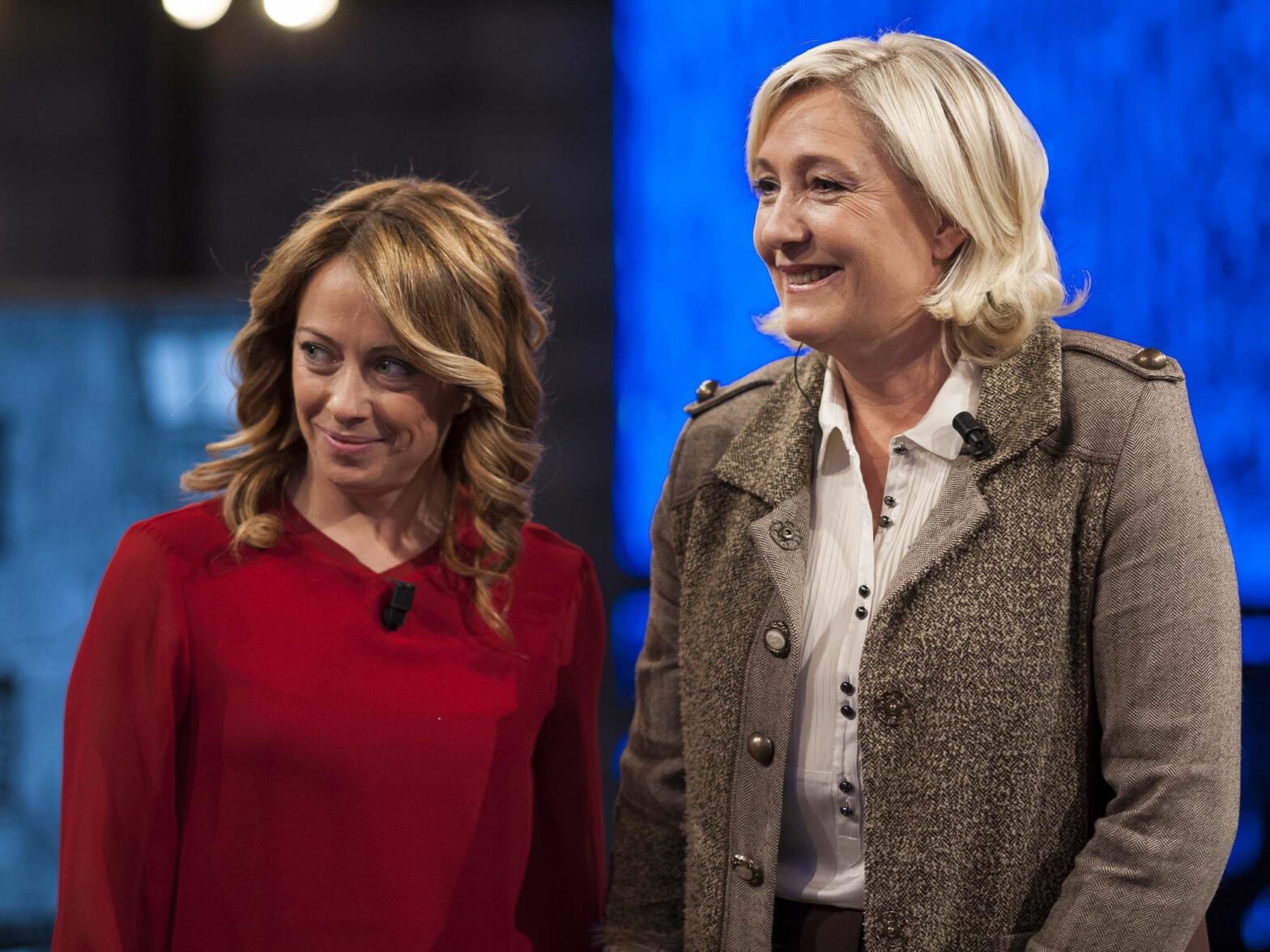
France is the latest European country to fall victim of destabilizing, anti-establishment forces. Now that the French government has collapsed, the question remains as to how Europe can integrate these powerful, far-right forces in its governing bodies without sweeping away democratic ideals.
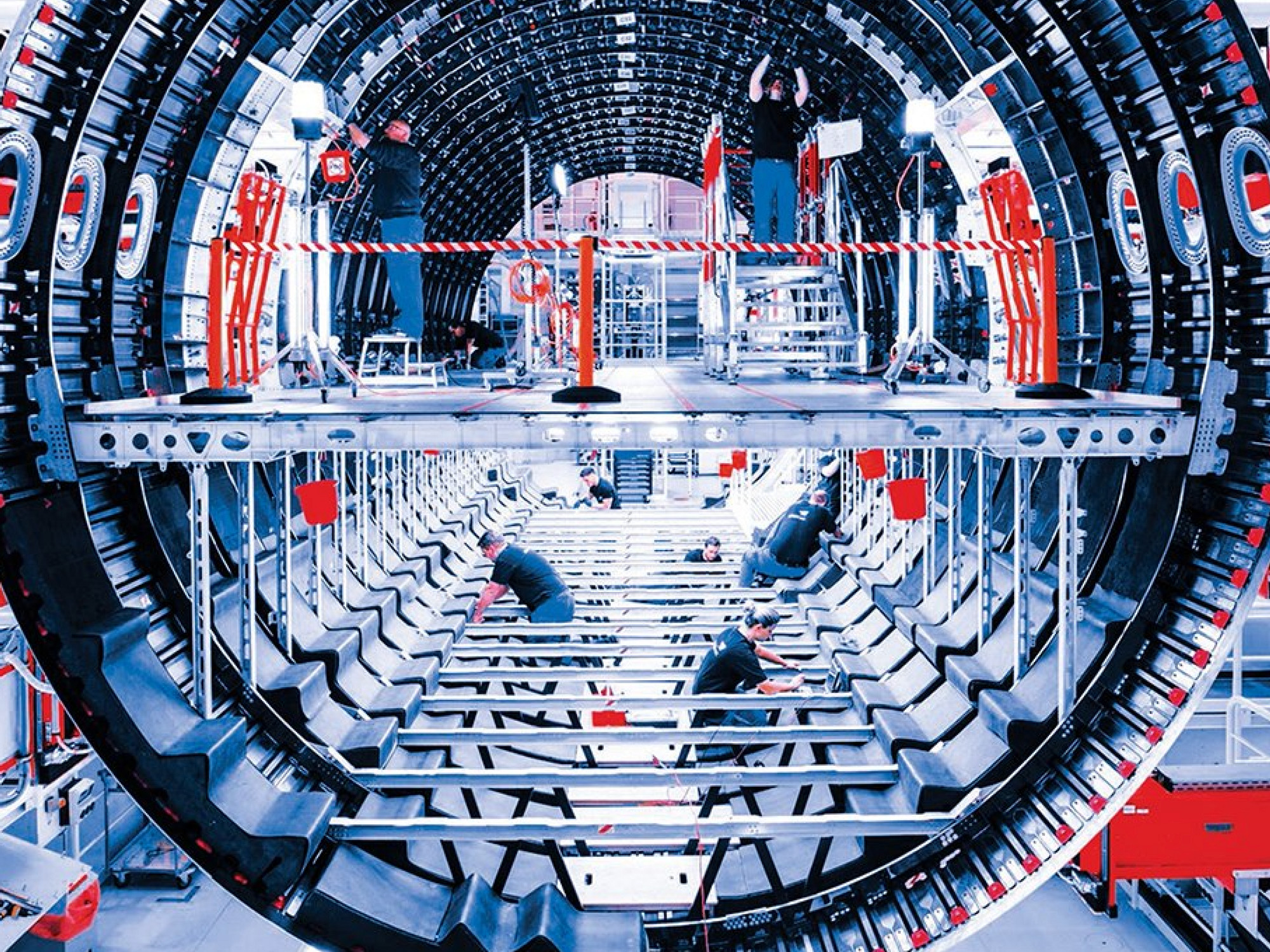
The United States seeks to strengthen its competitive edge over the European Union through broad deregulation. While this poses a genuine risk, it also presents Europe with a chance to step up and fill a void, globally.