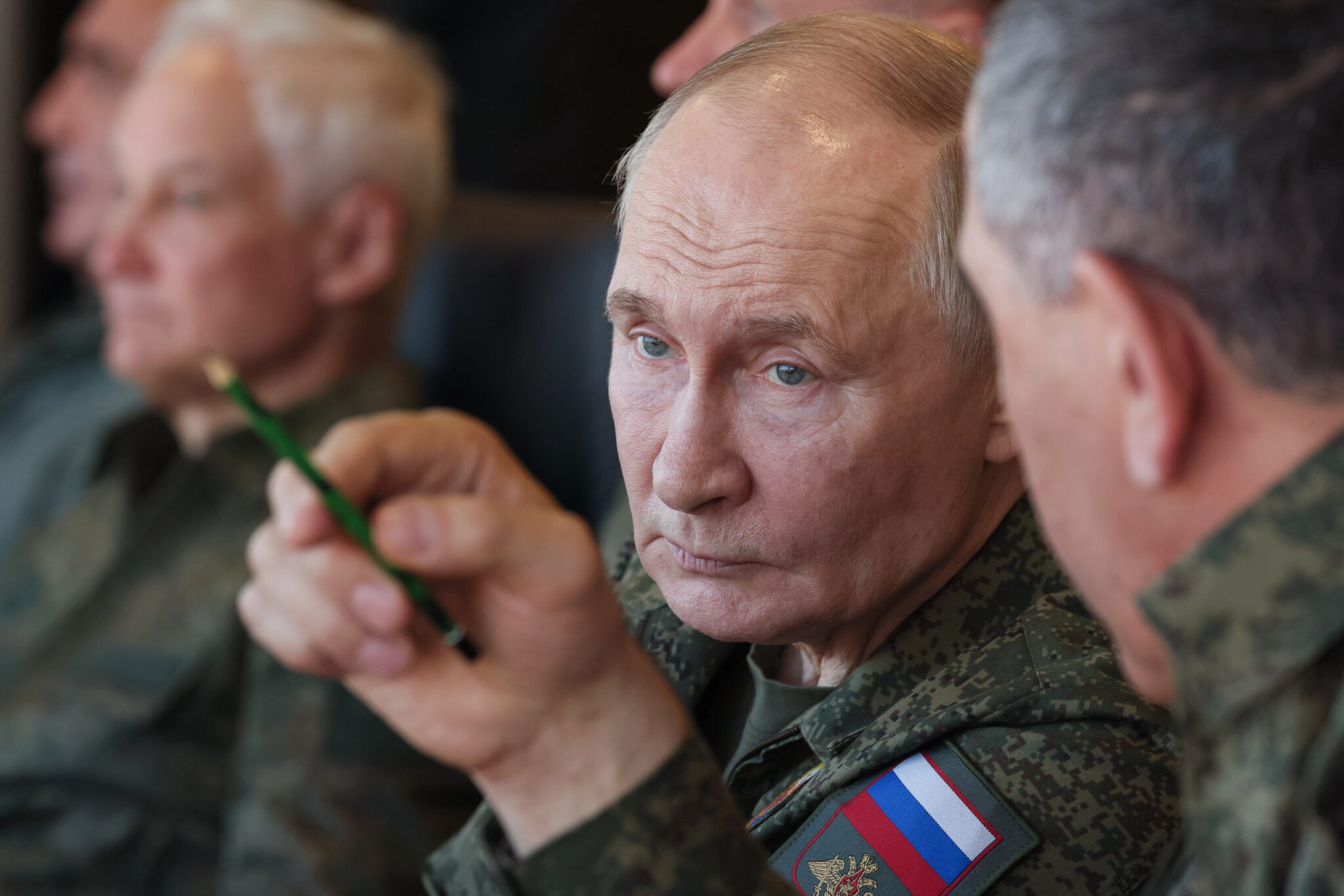
Russia is now faces slipping growth, high inflation, recruiting shortfalls, a static front, and a squandered opening with Trump, while Europe stiffens support for Ukraine and new U.S. sanctions hit its energy giants.
 Worldcrunch
Russia is now faces slipping growth, high inflation, recruiting shortfalls, a static front, and a squandered opening with Trump, while Europe stiffens support for Ukraine and new U.S. sanctions hit its energy giants.
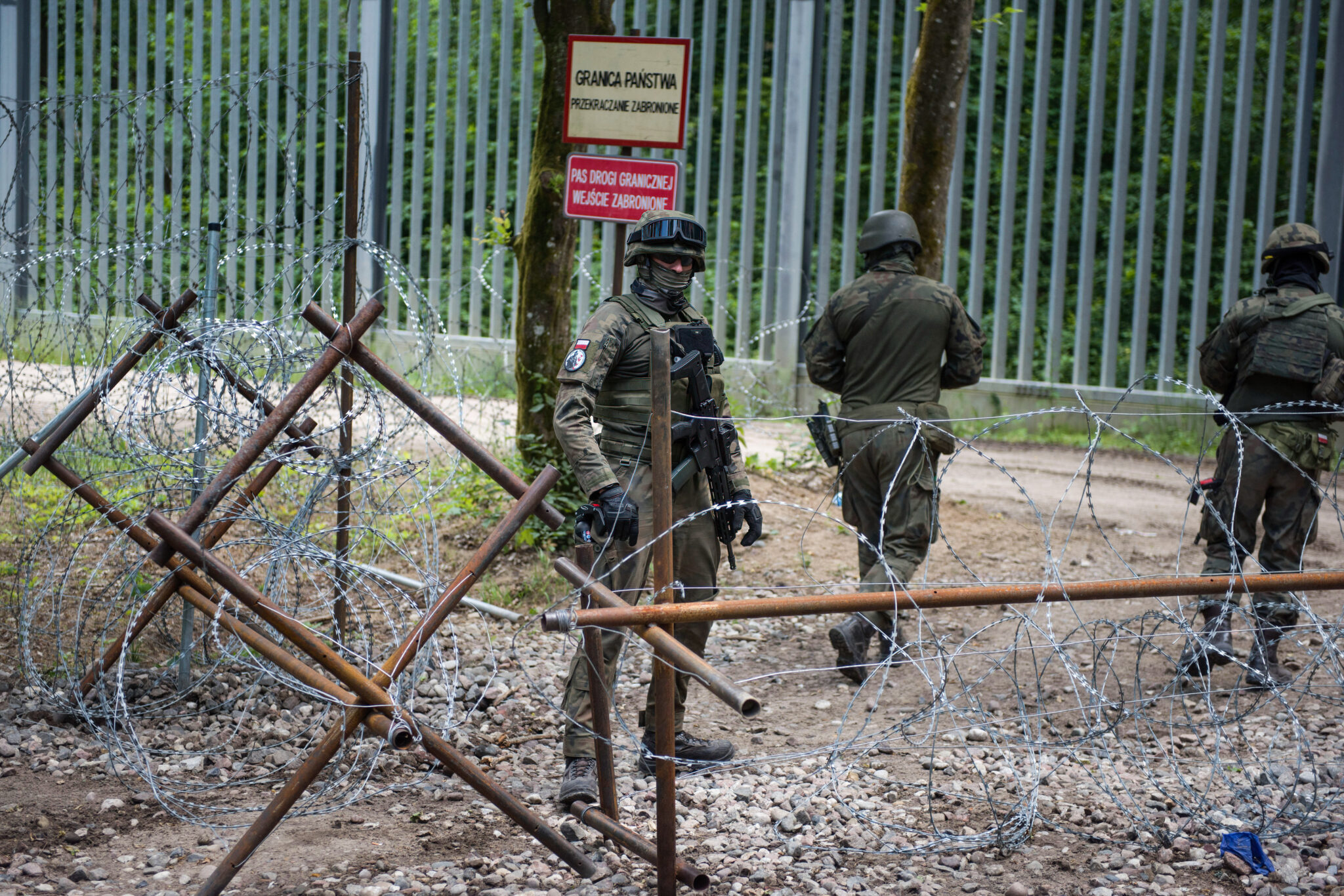
A historic ally of Kyiv, Poland has found itself on the frontlines of the Ukraine-Russia war. What began as a border crisis back in 2021 has now evolved into a full-scale struggle for security, sovereignty, and survival on NATO’s eastern flank.
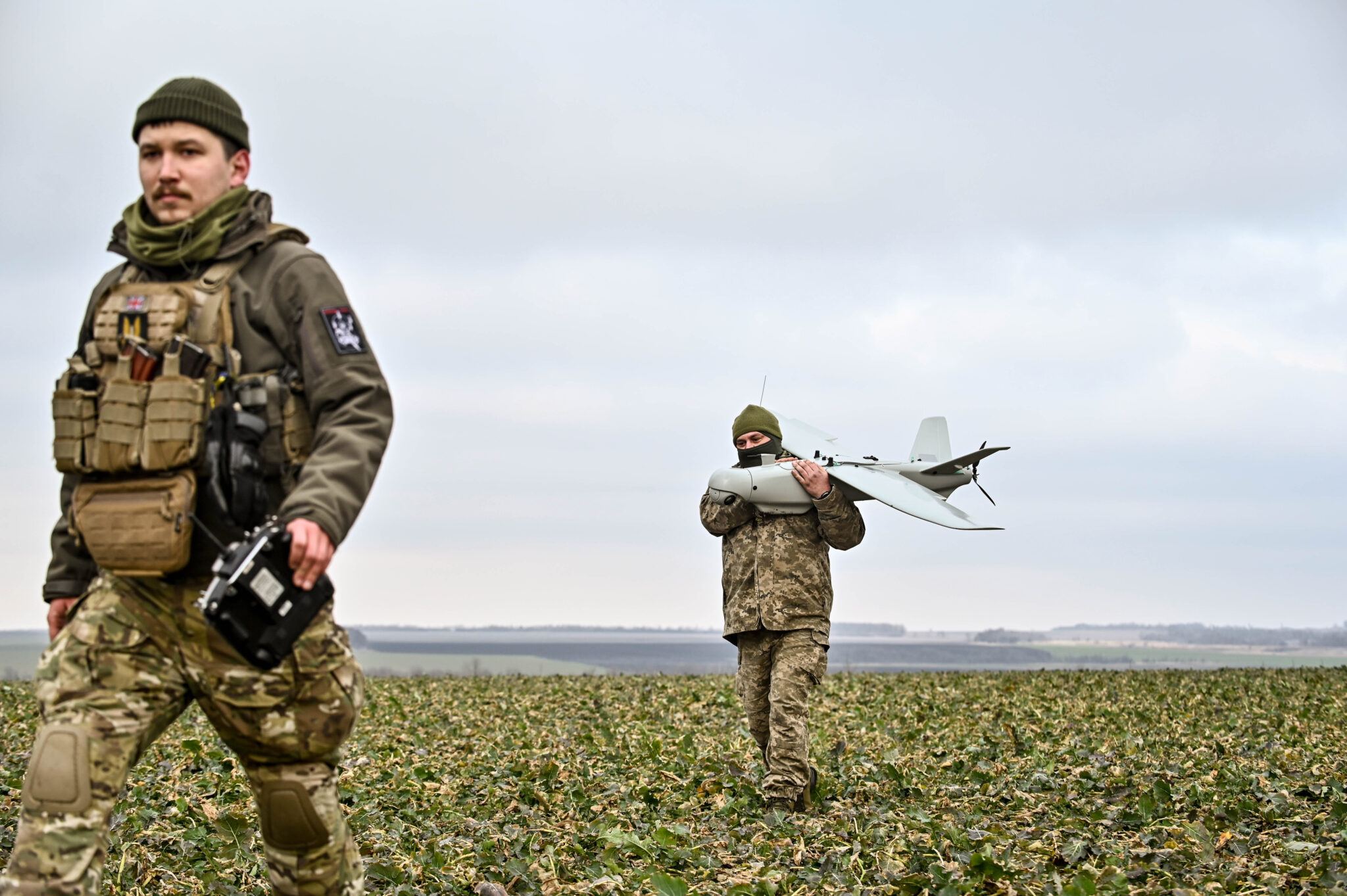
With strikes on Russia’s oil industry, Ukraine is showing just how effectively it can defend itself. A new missile could soon spell further trouble for Moscow.

As Spotify CEO Daniel Ek pours millions into an AI weapons company, bands like Deerhoof, Xiu Xiu, and King Gizzard & the Lizard Wizard are pulling their music from the streaming platform, challenging a model they say was never built for them.

More than three years into Russia’s full-scale invasion of the country, life in Ukraine is still marked by strikes and fear. But Ukrainians are also seeking getaways to catch a break and find relief.

👋 Ko na mauri!* Welcome to Wednesday, where Russia launches a record 728 drones and 13 missiles on Ukraine, the ICC issues arrest warrants for top Taliban leaders, and today’s quiz question is about a first-of-its-kind Barbie doll. Meanwhile, Pauline Gable in Le Figaro reports on the VTuber phenomenon that sees anime-inspired virtual avatars become […]
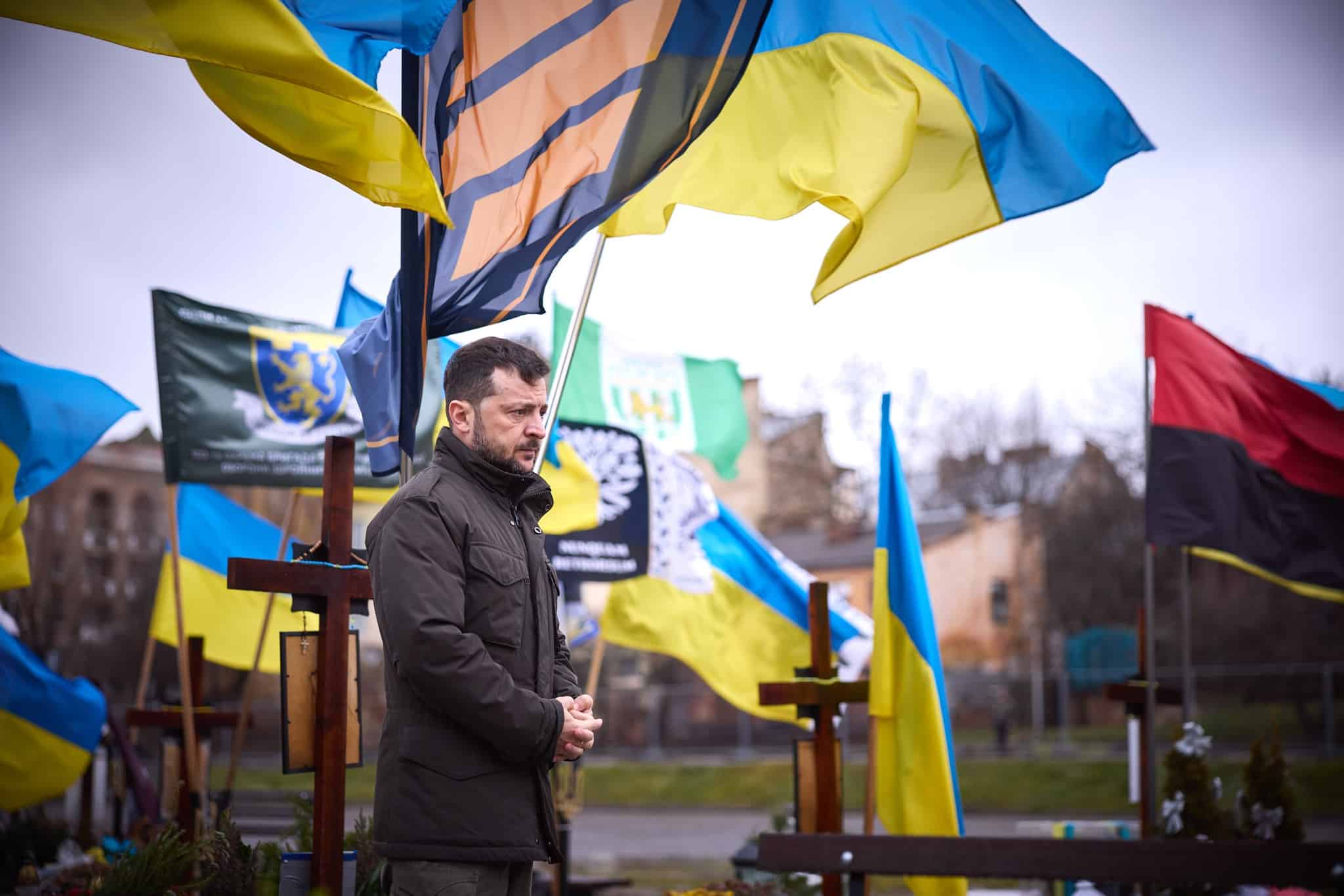
With a long-range drone strike deep inside Russia, Ukraine sends a clear message ahead of Istanbul peace talks: we are ready to keep fighting if Moscow insists on total victory.

As Argentina deregulates pesticide and herbicide drones, residents in Lobos fight the growing threat to health and the environment.
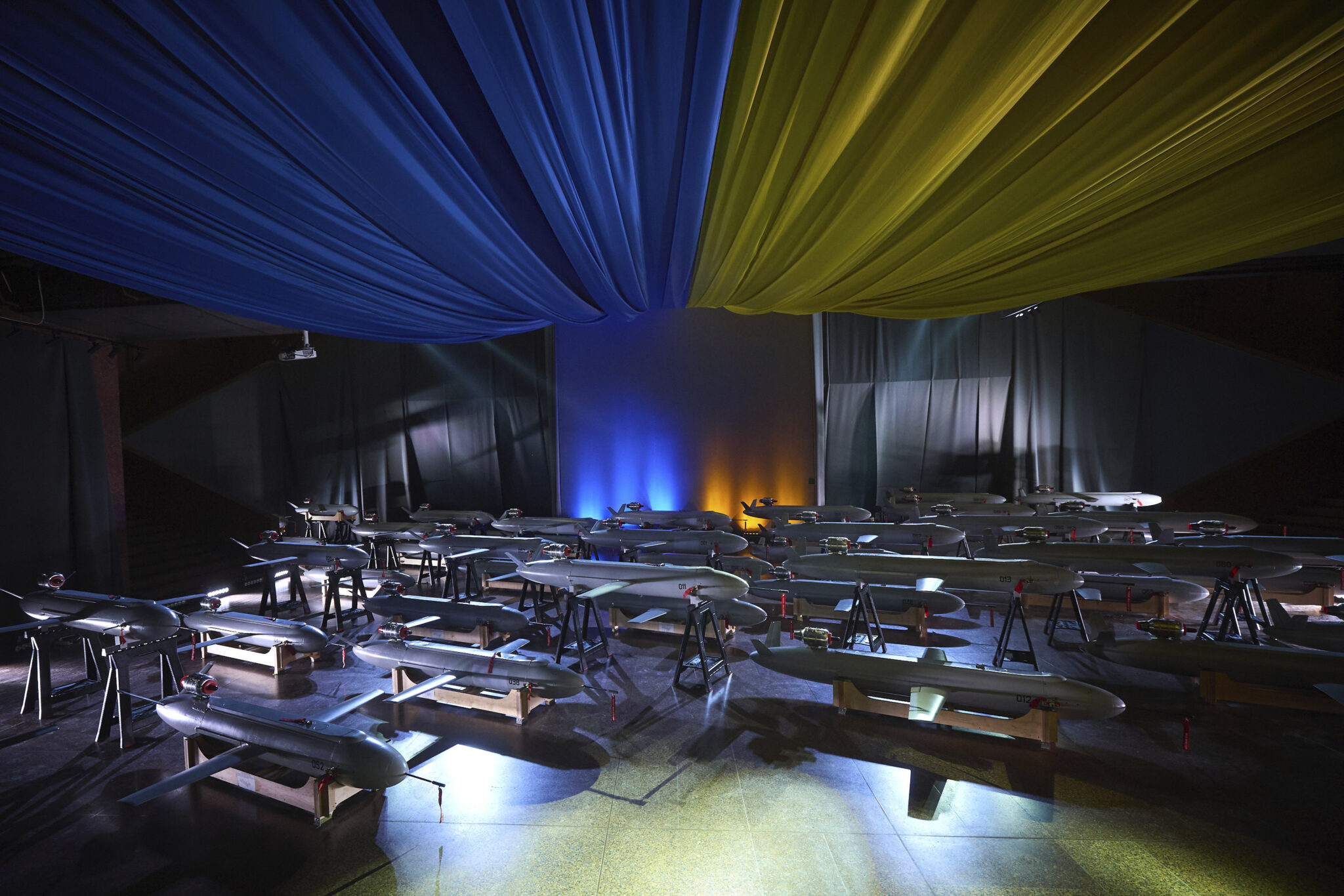
For Kyiv, the race to accelerate arms production capacity is especially crucial as it strives to replace the Western arms it once depended on.
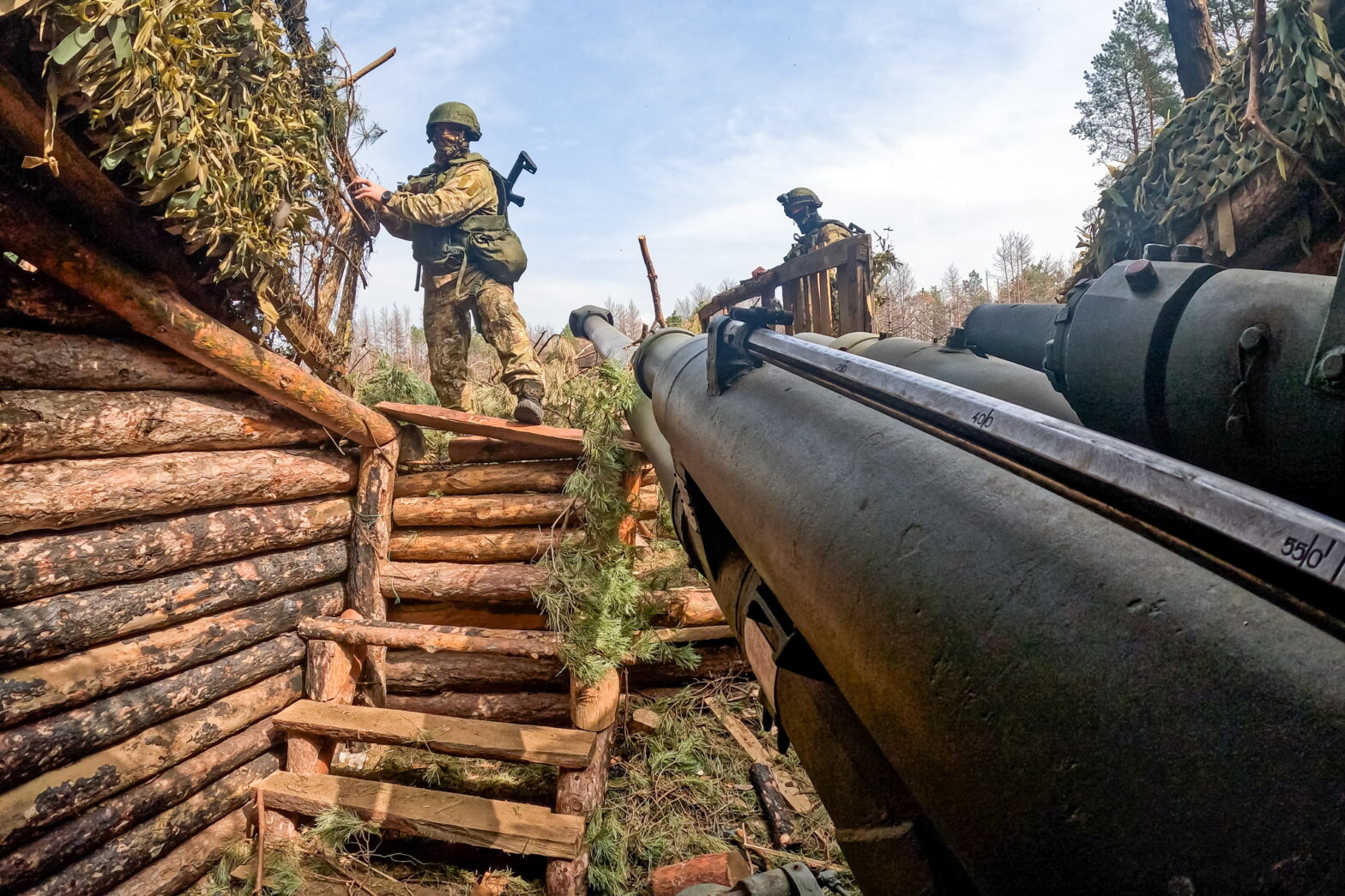
On the one hand, the prevalence of Soviet-era T-55 tanks, golf carts, donkeys and other makeshift transport are a clear sign of Moscow’s exhaustion. On the other hand, Russia is clearly investing in a transformation of its military. It’s the real reason that Europe is mobilizing.
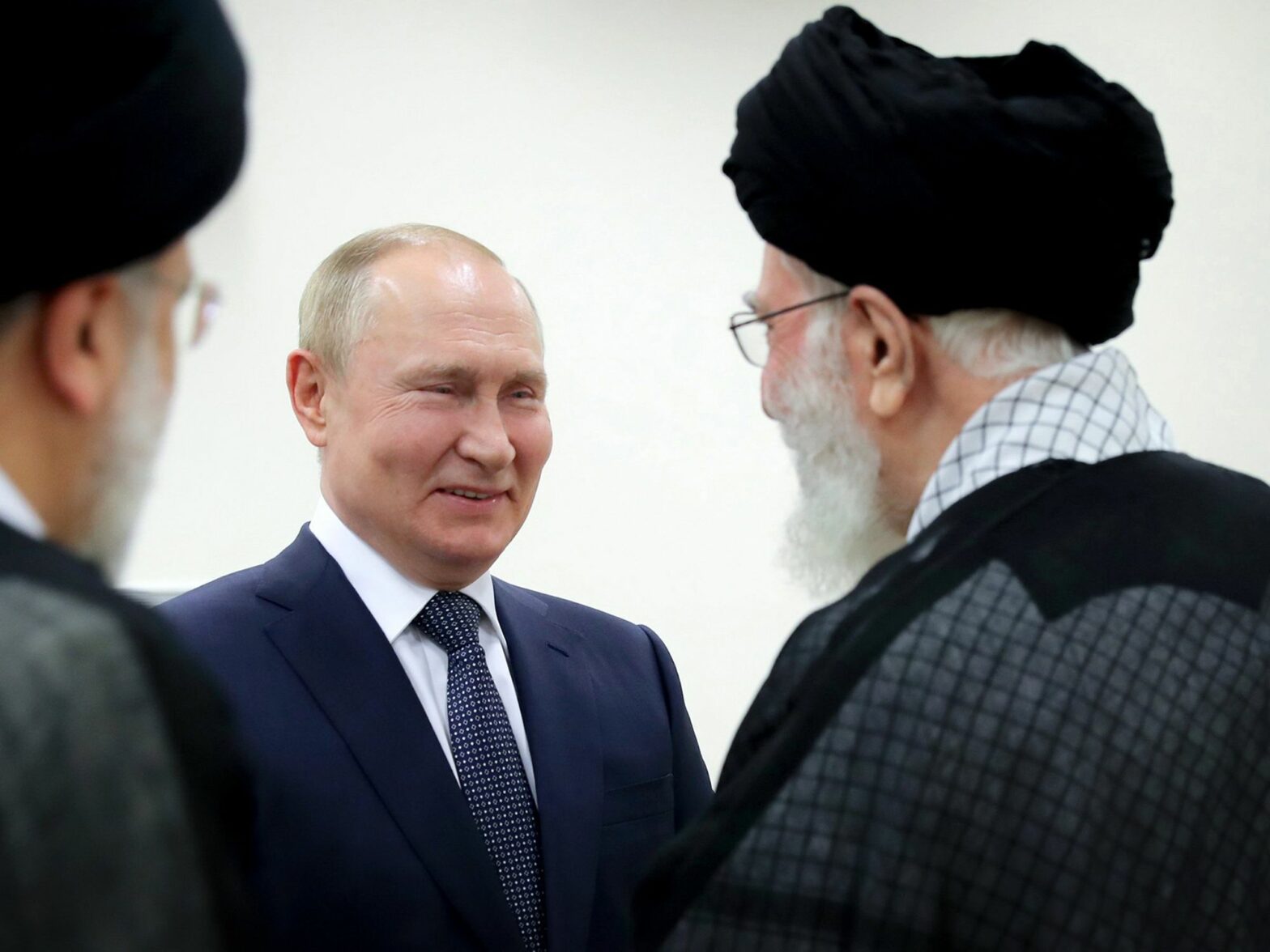
With Trump’s return to power, Russia is rapidly moving closer to the United States; Putin has even agreed to mediate talks between Washington and Tehran. But can Iran still trust Russia? Or is it, like Ukraine, just another bargaining chip?
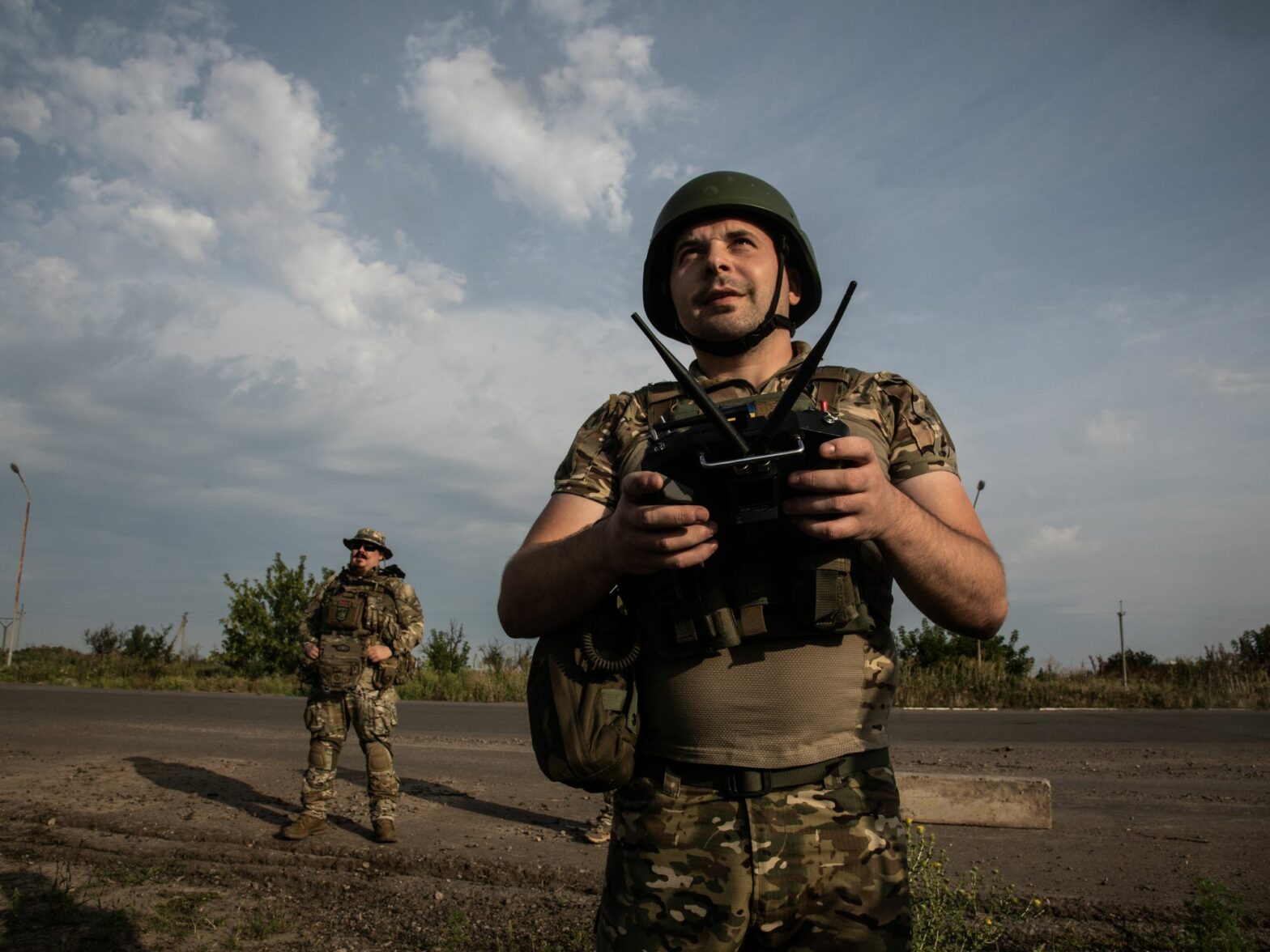
Ukraine needs satellite internet defense capabilities like that provided by Starlink. But do they really want to be dependent on Elon Musk? The good news is that Europe is not completely empty-handed. But time is of the essence.
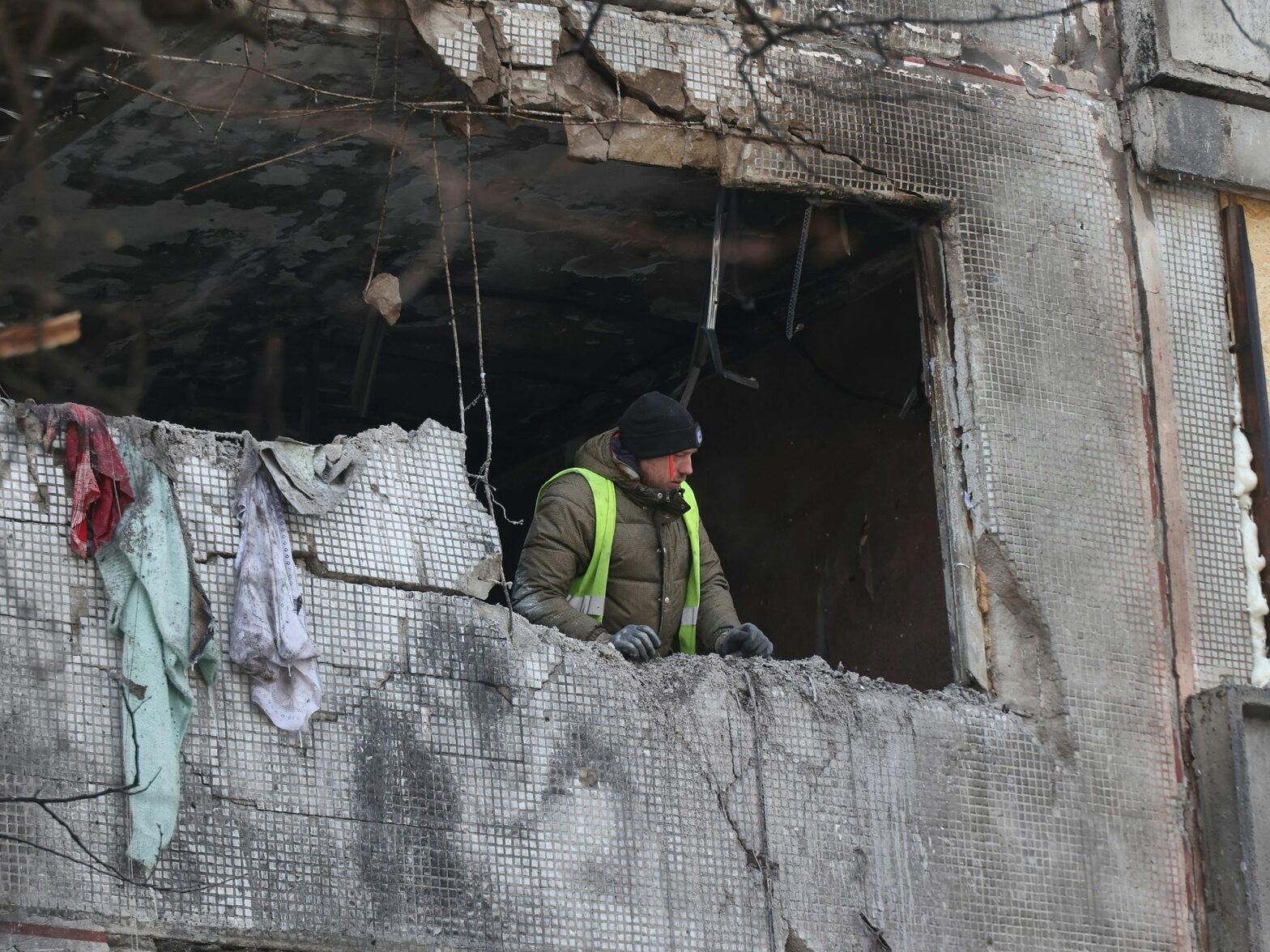
Following Volodymyr Zelensky’s Washington visit last week, Russia has started exerting more pressure on Ukraine, confident that Trump will do little to interfere. Monica Perosino reports from the Ukrainian side of the frontline.

From war zone risks to head-scratching tourists, the manipulation of the GPS navigation system by hackers (jamming and spoofing) can wreak havoc on our modern habits of relying on real-time digital mapping apps. The surest alternative may be going back to paper maps.
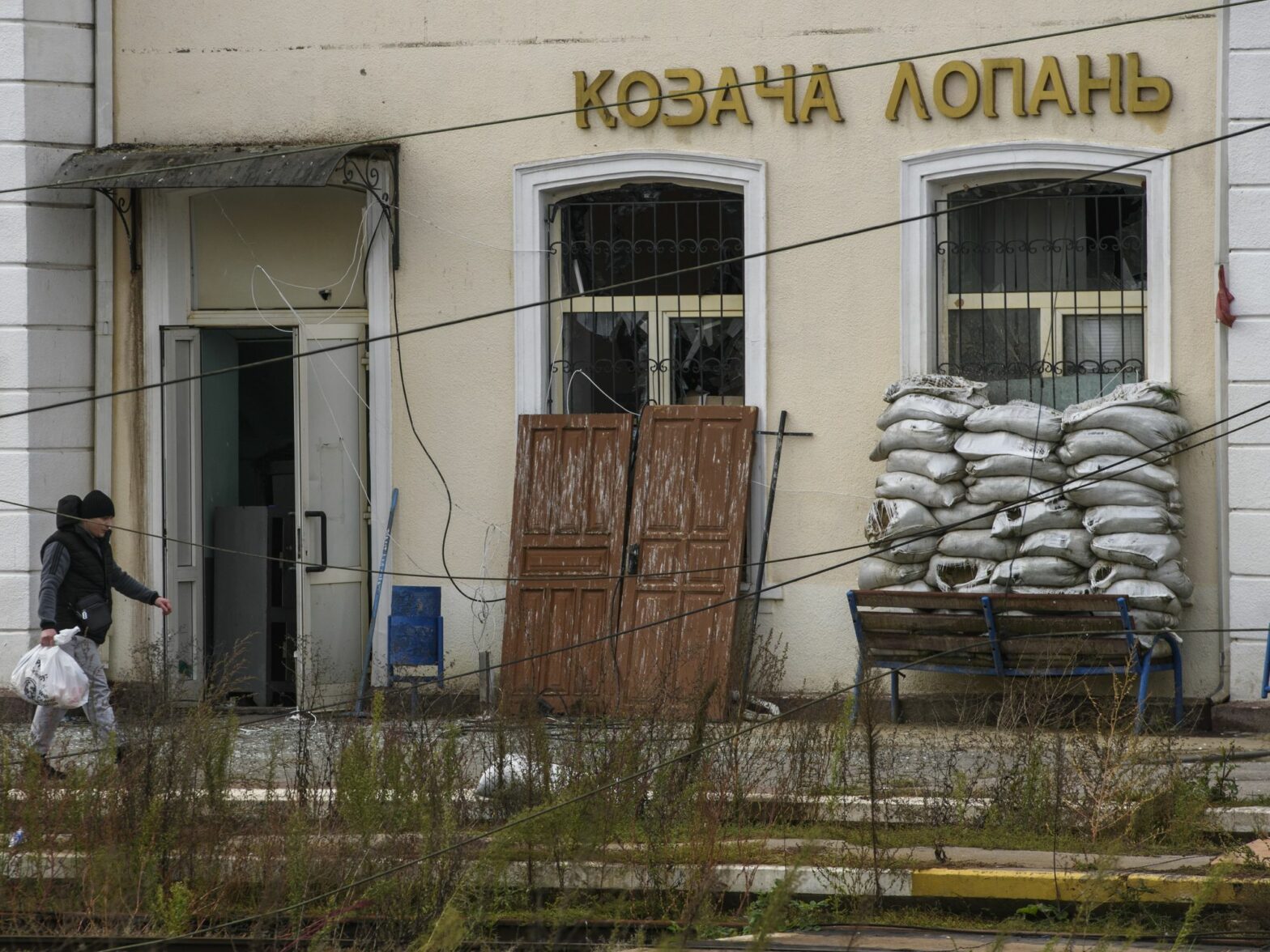
After walking the 50 kilometers that separate the Ukrainian city of Kharkiv and the Russian border, Spanish reporter Unai Aranzadi arrives in the small village of Kozacha Lopan. Places like these are perhaps the ones where it will be most difficult to heal the wounds of all that has been suffered to date.

From war zone risks to head-scratching tourists, the manipulation of the GPS navigation system by hackers (jamming and spoofing) can wreak havoc on our modern habits of relying on real-time digital mapping apps. The surest alternative may be going back to paper maps.
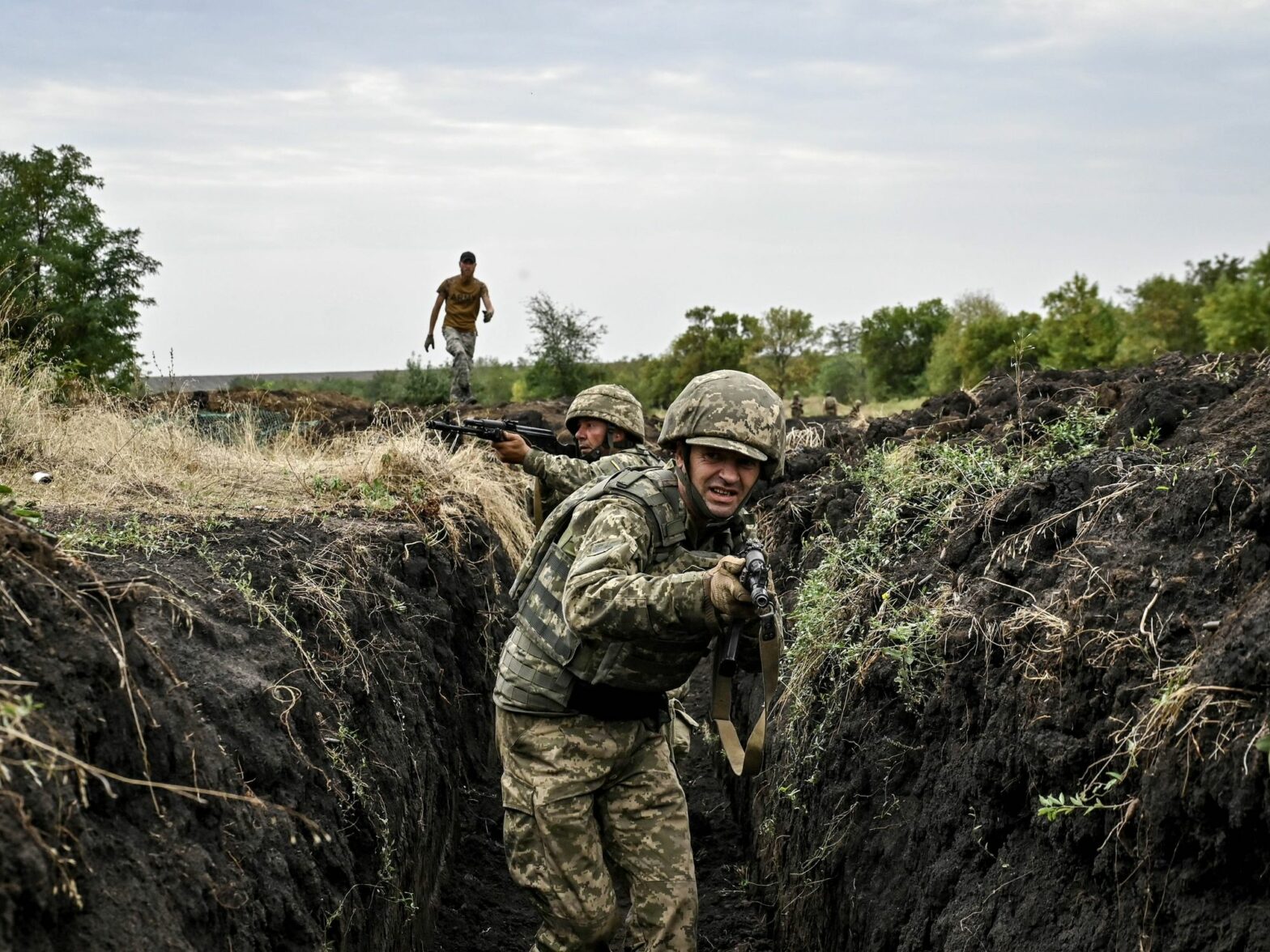
Drones and other new technologies are important, but the foundation of success remains the mobilization of the economy, numerical superiority, and artillery. A military expert reflects on three years since Russia’s invasion.
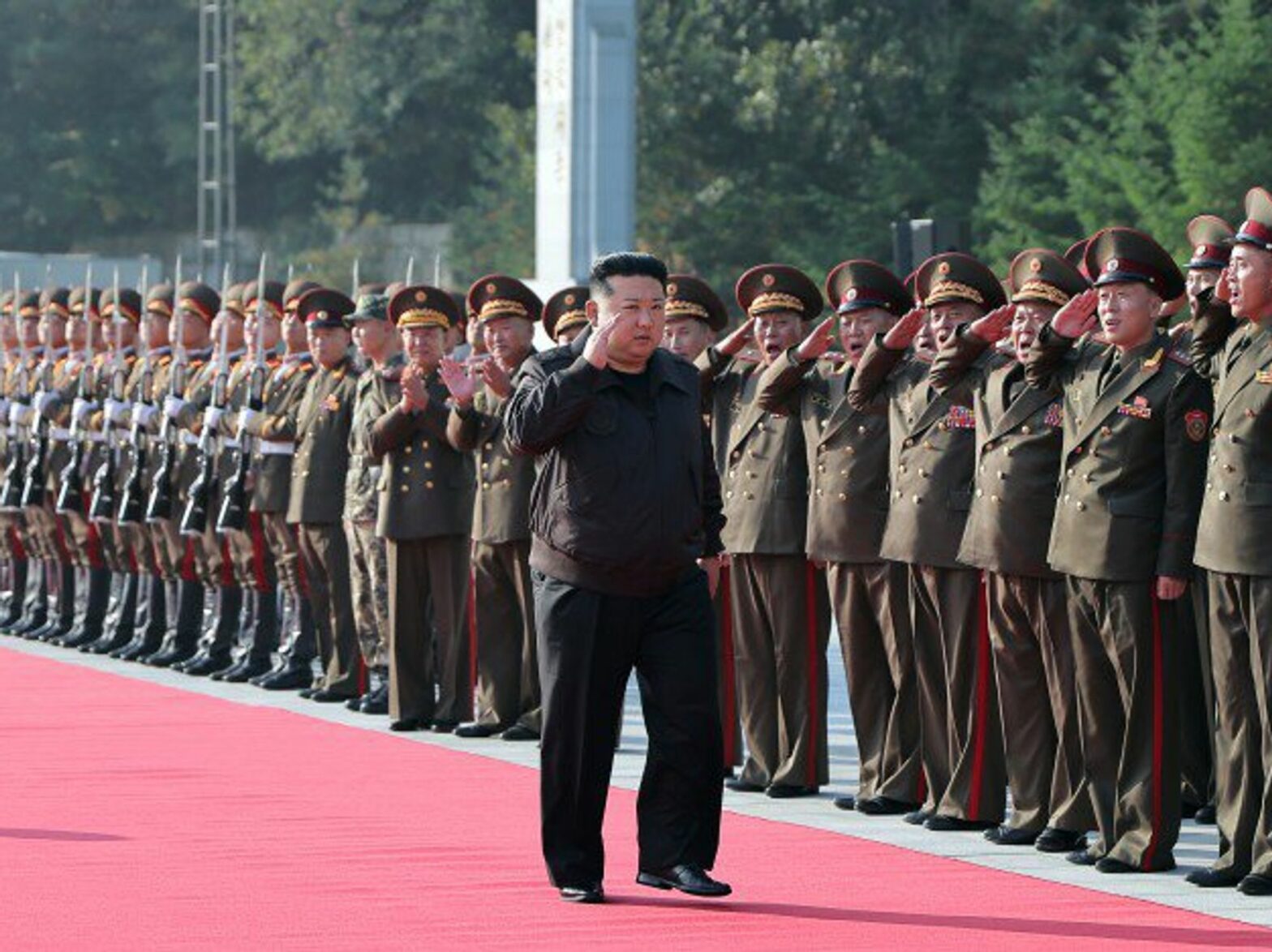
The United States’ confirmation of the presence of North Korean soldiers alongside the Russians in Ukraine has raised fears of an international escalation. All the more reason to fear that the current local or regional conflicts will gradually turn into global ones.

Tensions have suddenly escalated after North Korea accused South Korea of sending drones over its capital. Threats from Pyongyang are common, but amid an uncertain international context, experts are taking these latest ones more seriously.
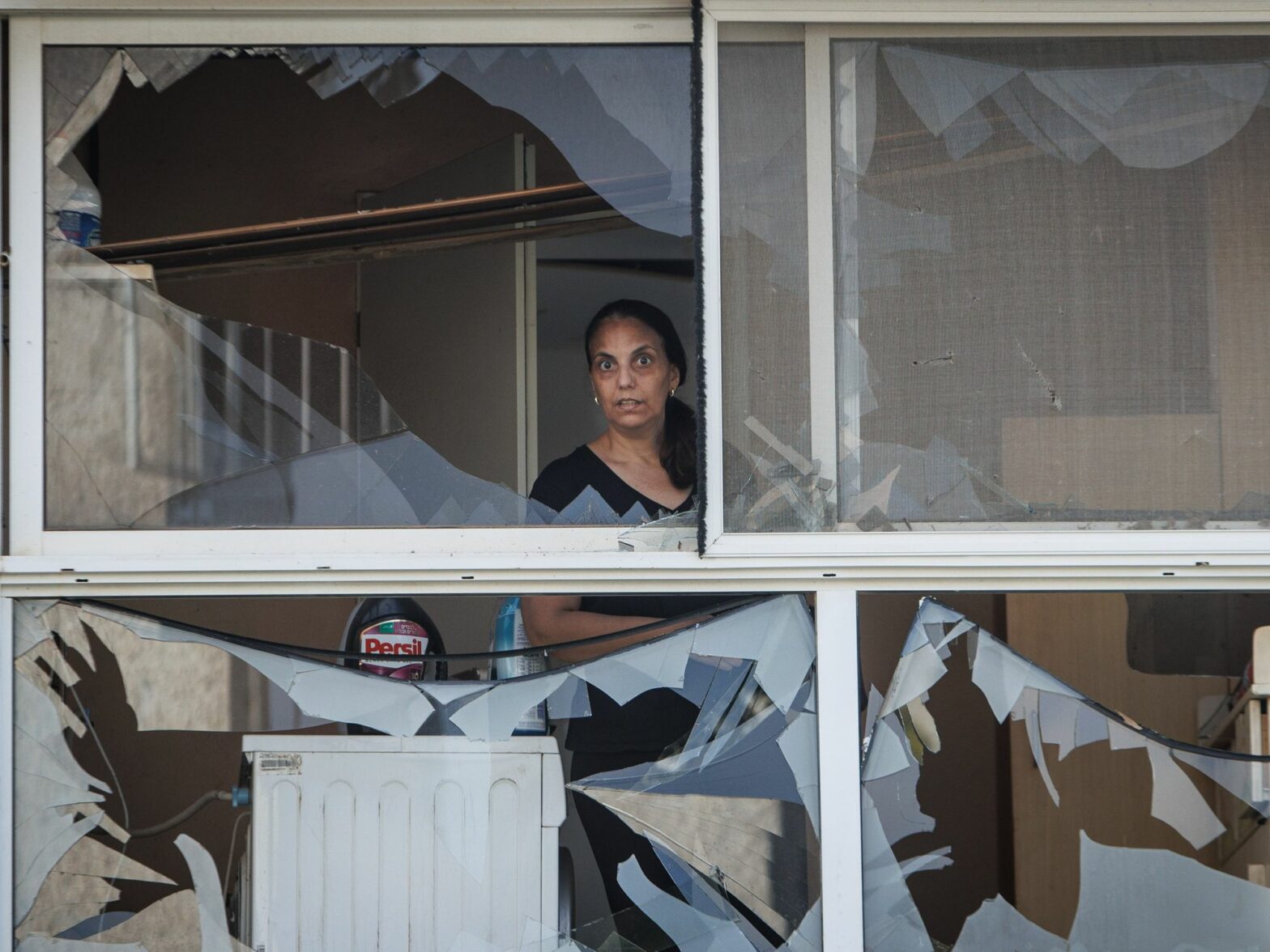
Between Hezbollah and Israel, the Sunday morning exchange of attacks looked to be the beginning of the long dreaded regional war. But the sound and fury of Israeli jets and Hezbollah weapons amounted to another round of warfare, but not (yet) total war as major power sponsors in Washington and Tehran try to wind them back.
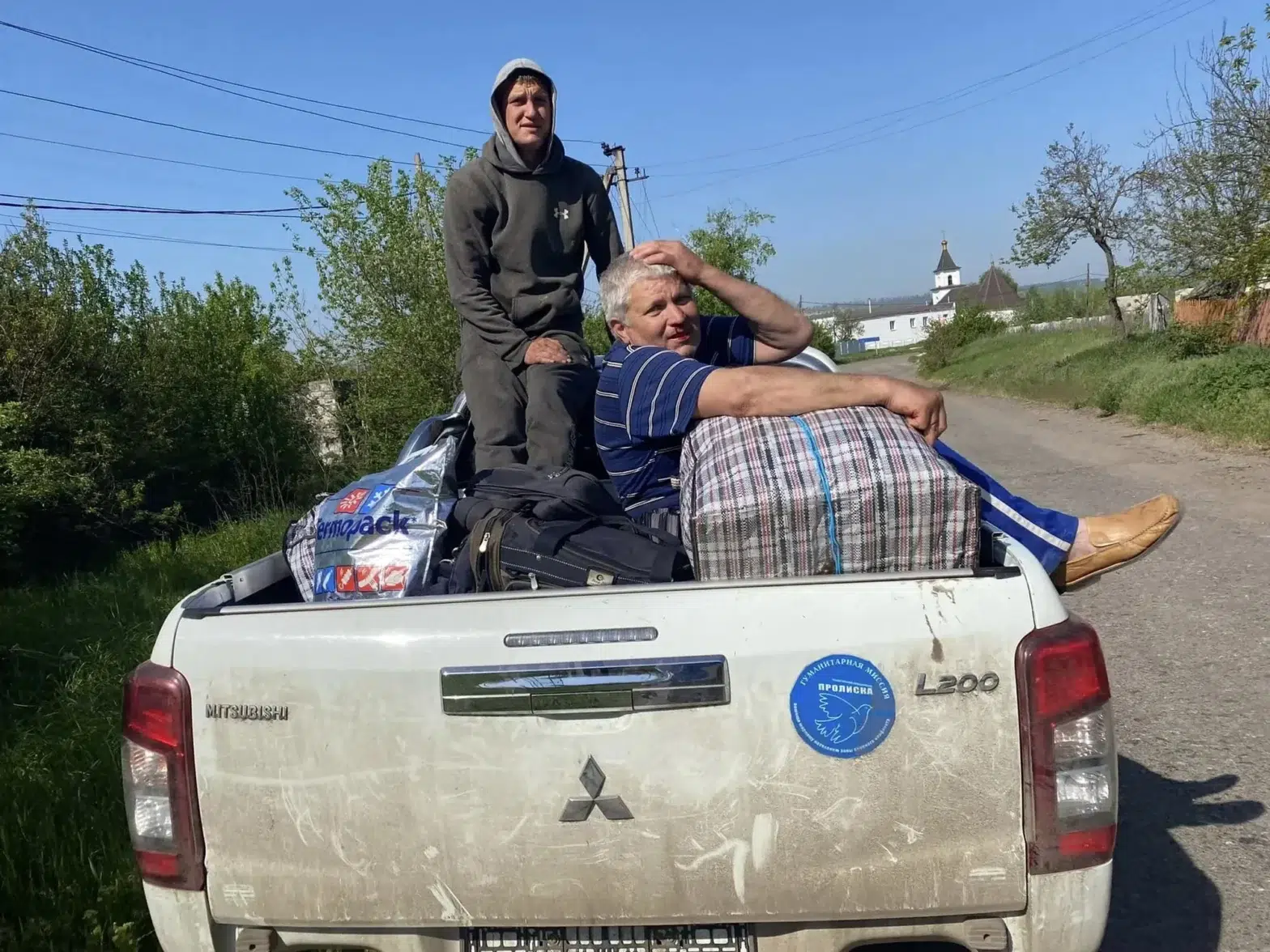
After going on humanitarian missions in Kenya and Rwanda, Ukrainian surgeon Evgeniy Tkachev returned home in 2014 when the Donbas war broke out. He recounts his experiences as a medical volunteer then and now, as his hometown of Chasiv Yar is being stormed by Russian troops.
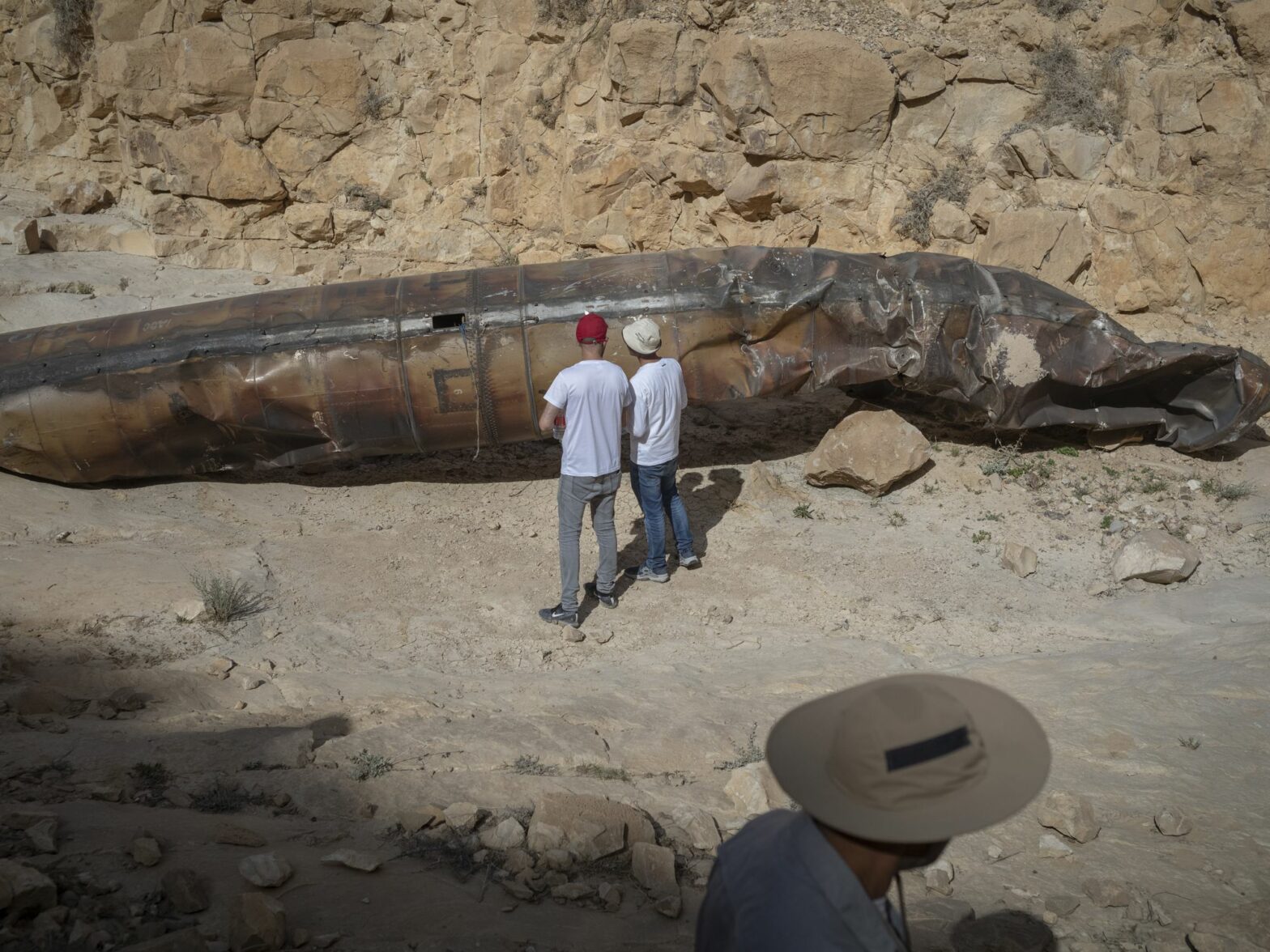
While the whole world was shocked by Iranian drones attacking Israel, which caused no casualties, nobody pays much attaention to the attacks being carried out by the same Iranian drones in northwestern Syria, where they regularly kill civilians.
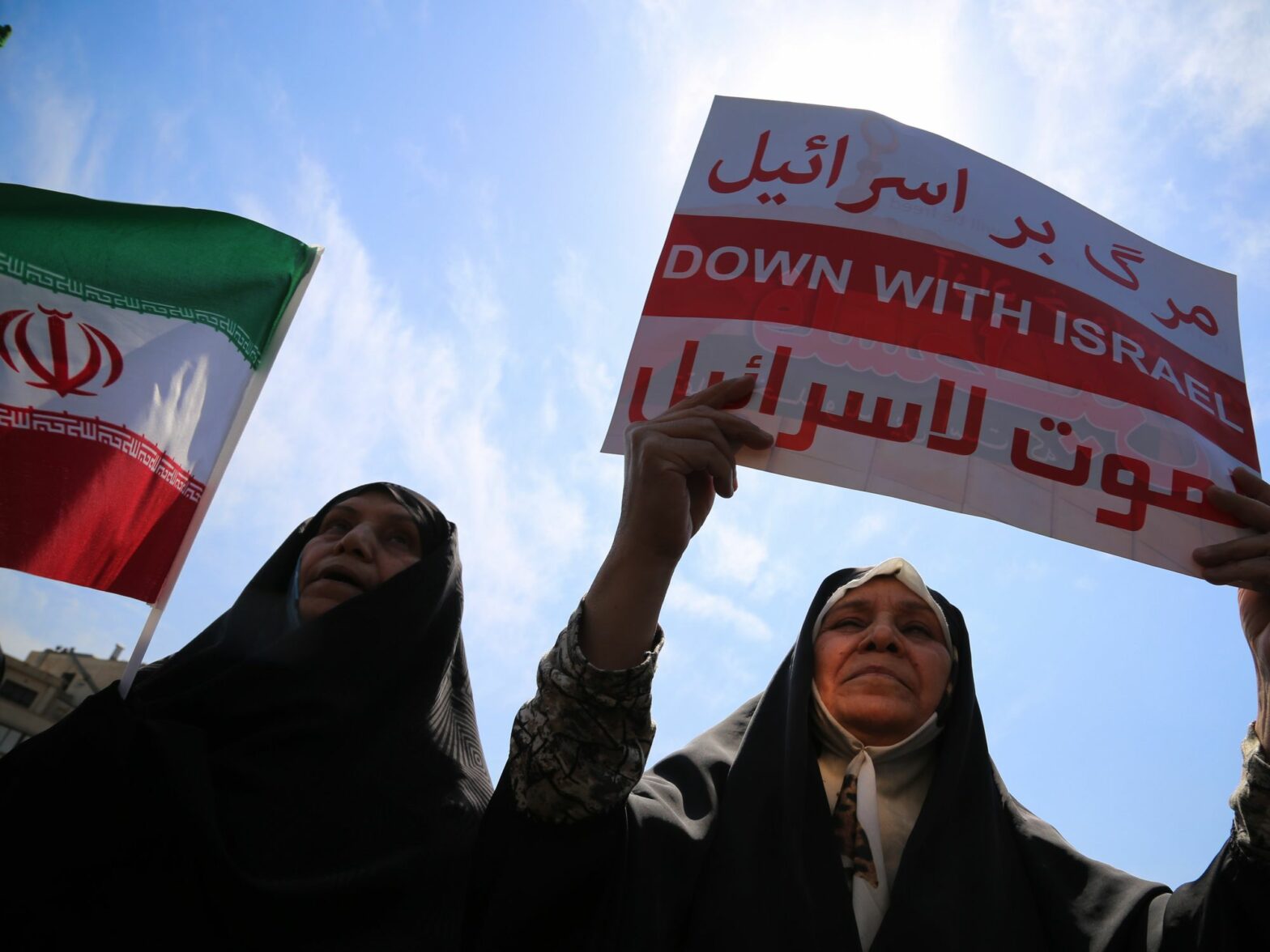
Israel’s recent strike on central Iran was a warning shot for Tehran, tempered by a desire to close the recent spate of tit-for-tat attacks and by pressure from the U.S. Yet this may have only ended round one of the Iran-Israeli showdown.
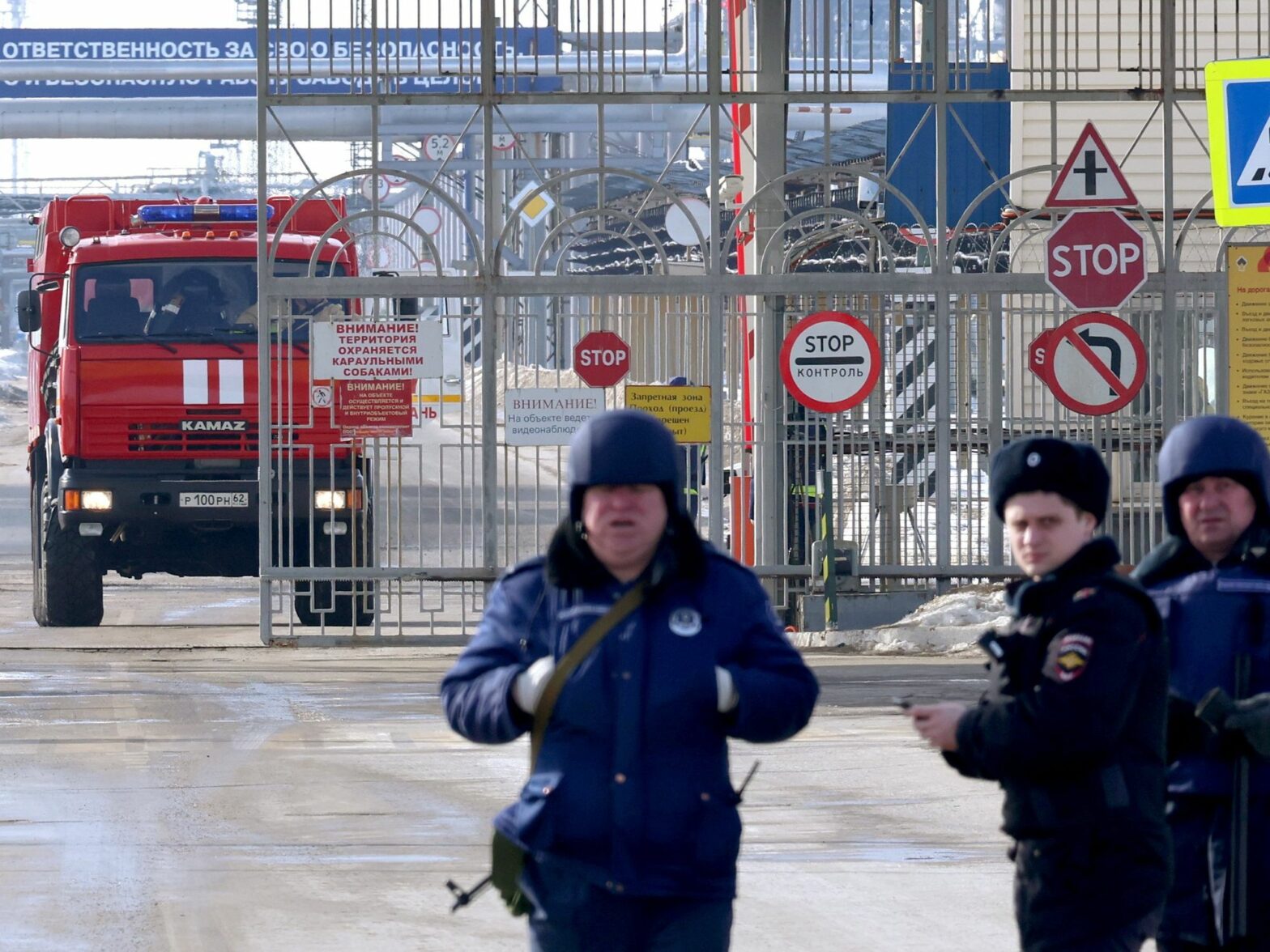
Ukrainian drones that struck nine Russian provinces on Tuesday while armed Russian dissident soldiers launched a ground attack against Moscow’s troops in the Bolgorod region, bordering Ukraine. It’s a reminder to the Russian people that the war is on them, and won’t be ending anytime soon.
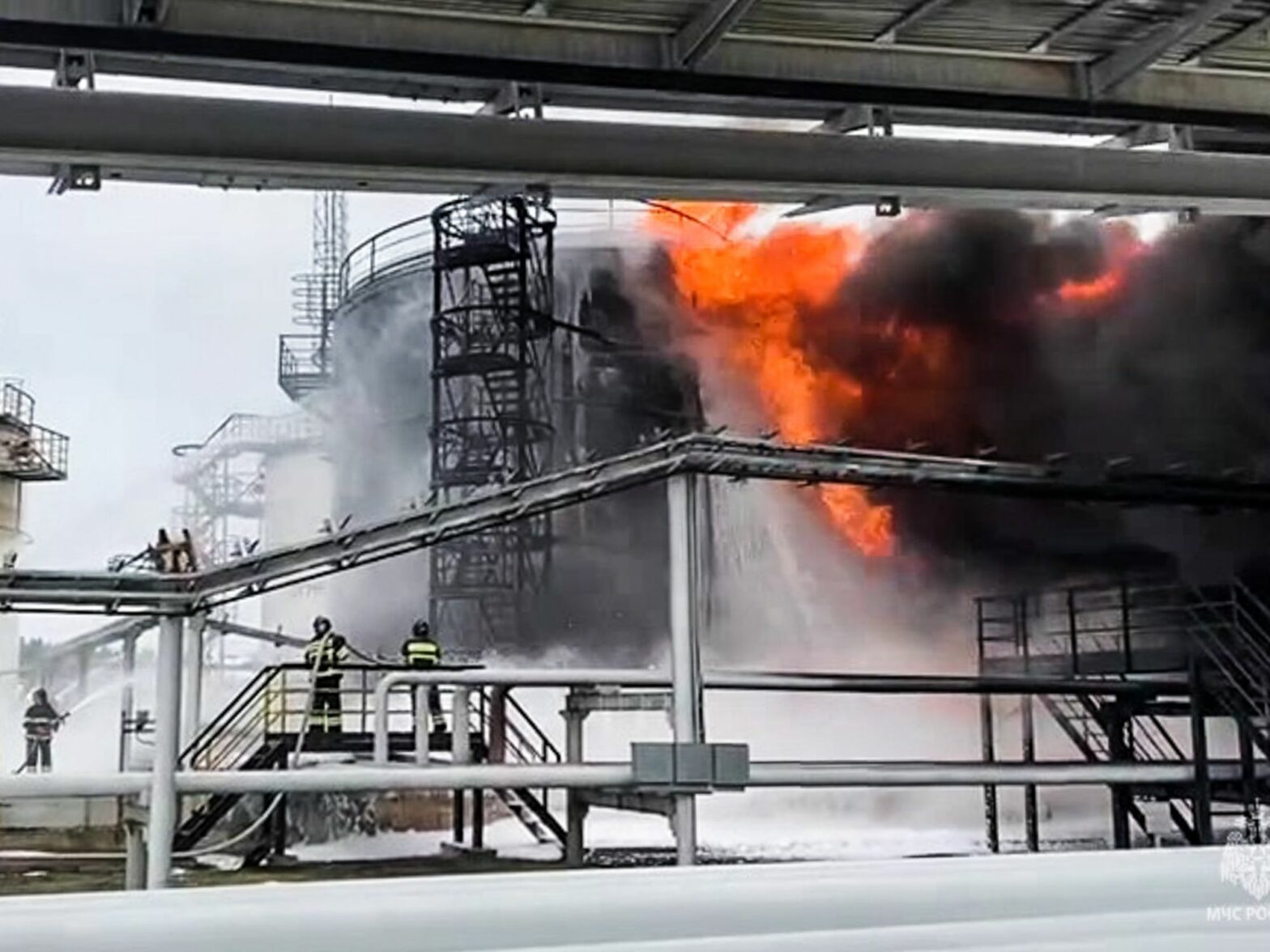
The targeting of oil industry sites in occupied or border regions has now been replaced by a series of drone strikes of energy-producing structures deep inside Russian territory. These attacks aim to cripple Russia’s economy, which could turn the tide on the war.
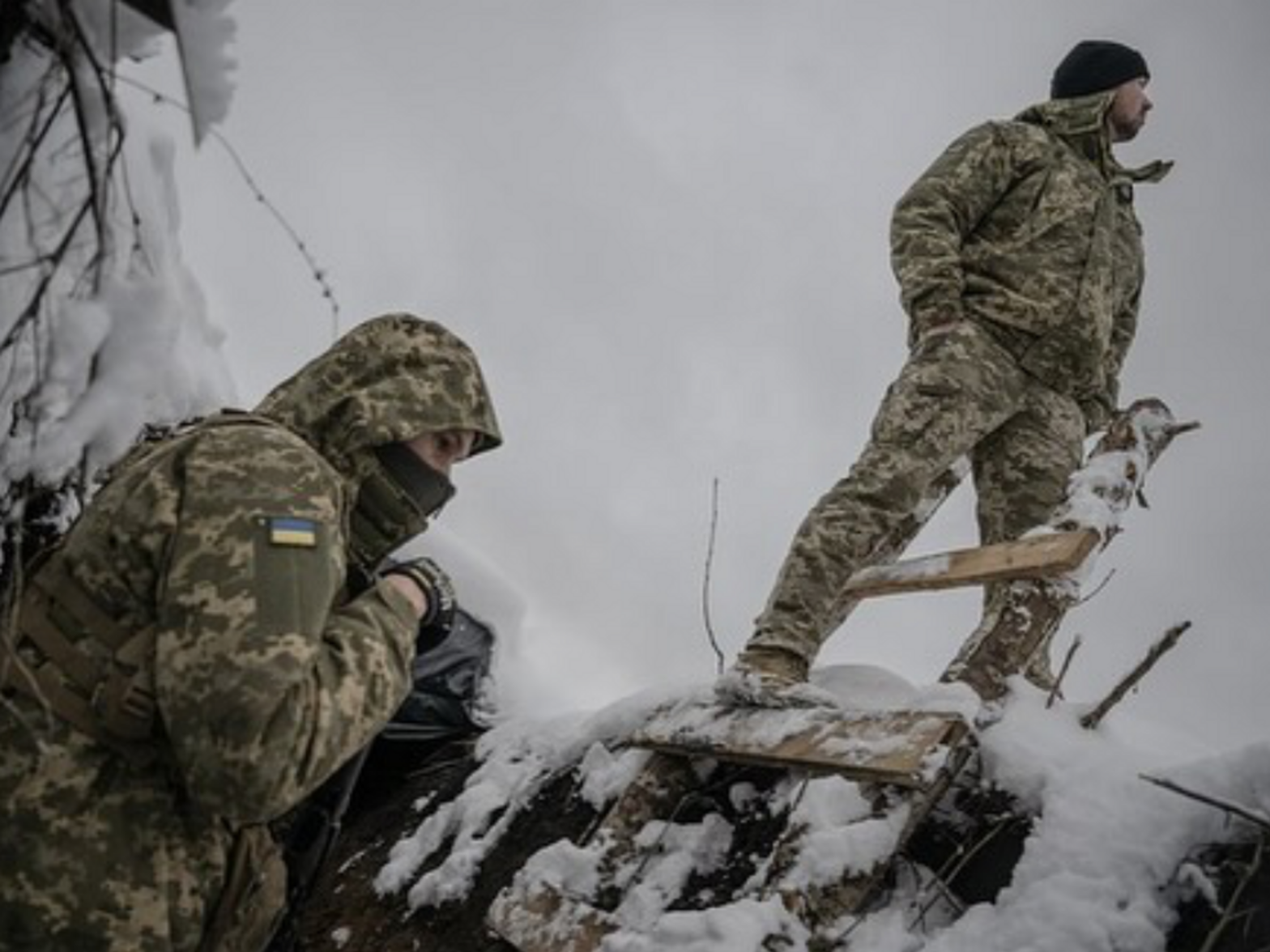
In Ukraine, kamikaze drones have gradually overtaken artillery as the main threat to soldiers — on both sides of the frontline. Meanwhile, a bitter winter is taking over life in the trenches.
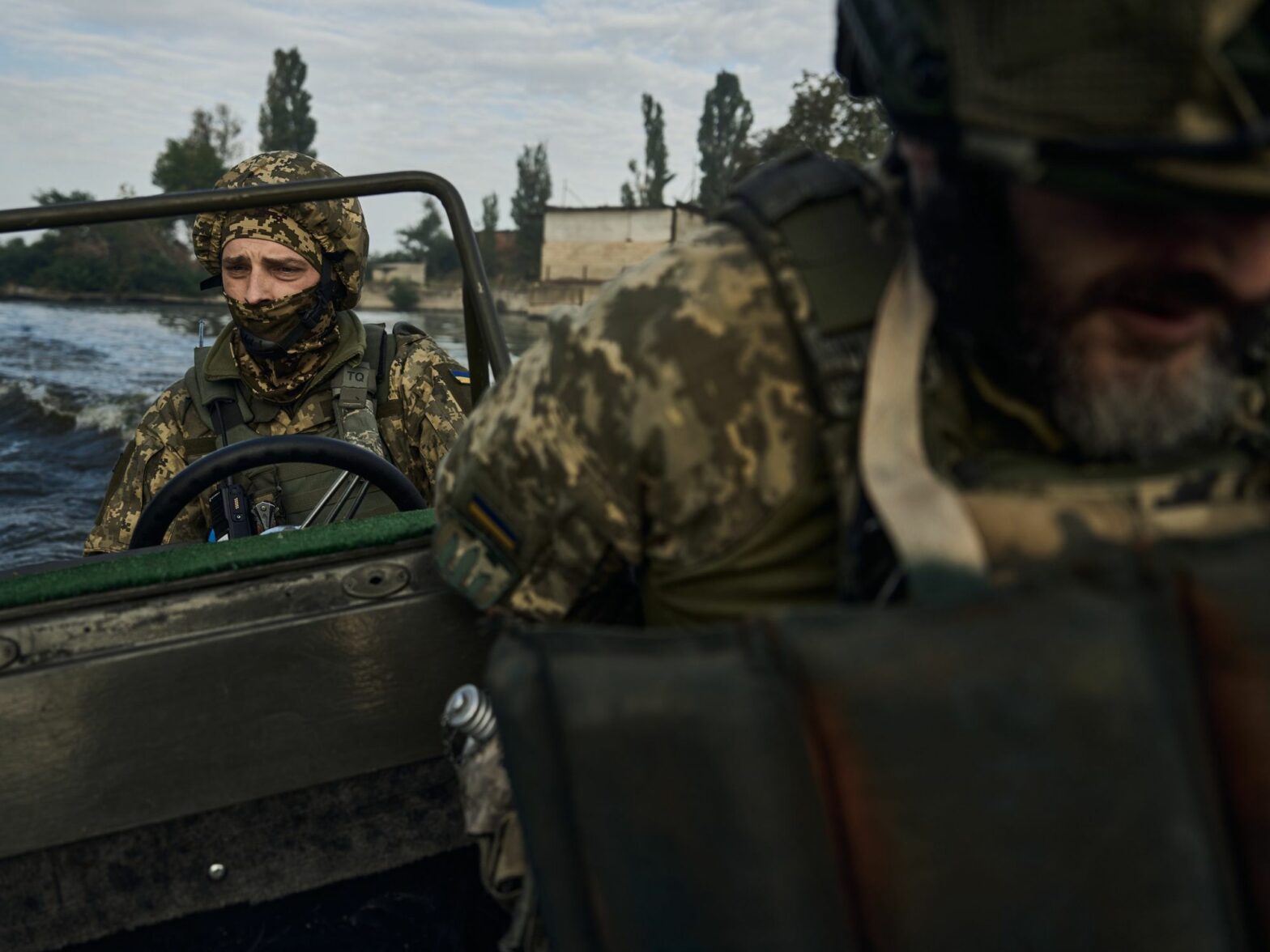
International support for Kyiv is waning and calls for negotiations are growing louder. But Ukraine has now managed to establish a bridgehead on the other side of the Dnipro River. From there, its troops could advance to Crimea — and turn the tide of the war.
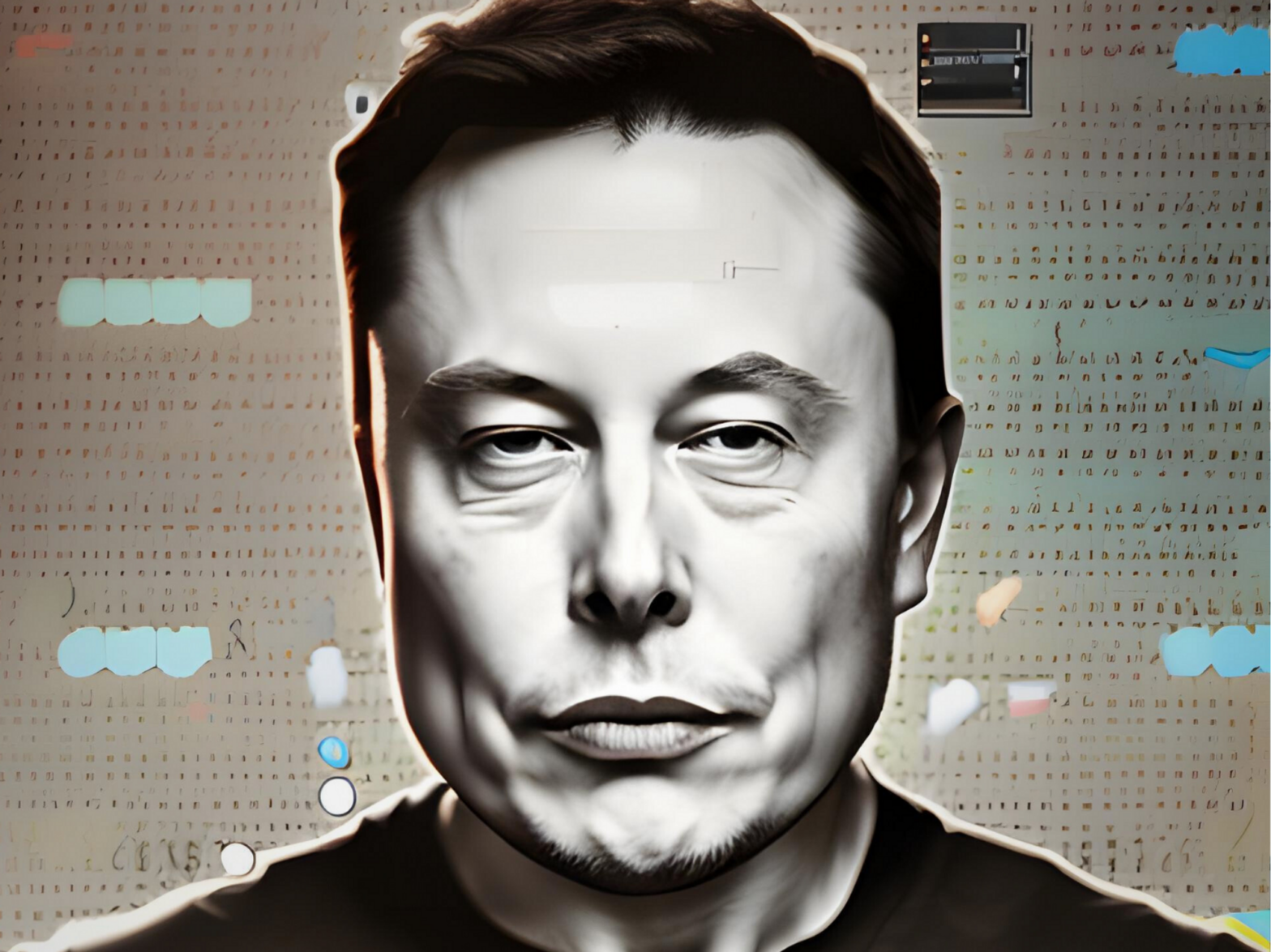
A new biography of the Tesla, X (formerly Twitter) and Space X boss reveals that Elon Musk prevented the Ukrainian army from attacking the Russian fleet in Crimea last year, by limiting the beam of his Starlink satellites. Unchecked power is a problem.
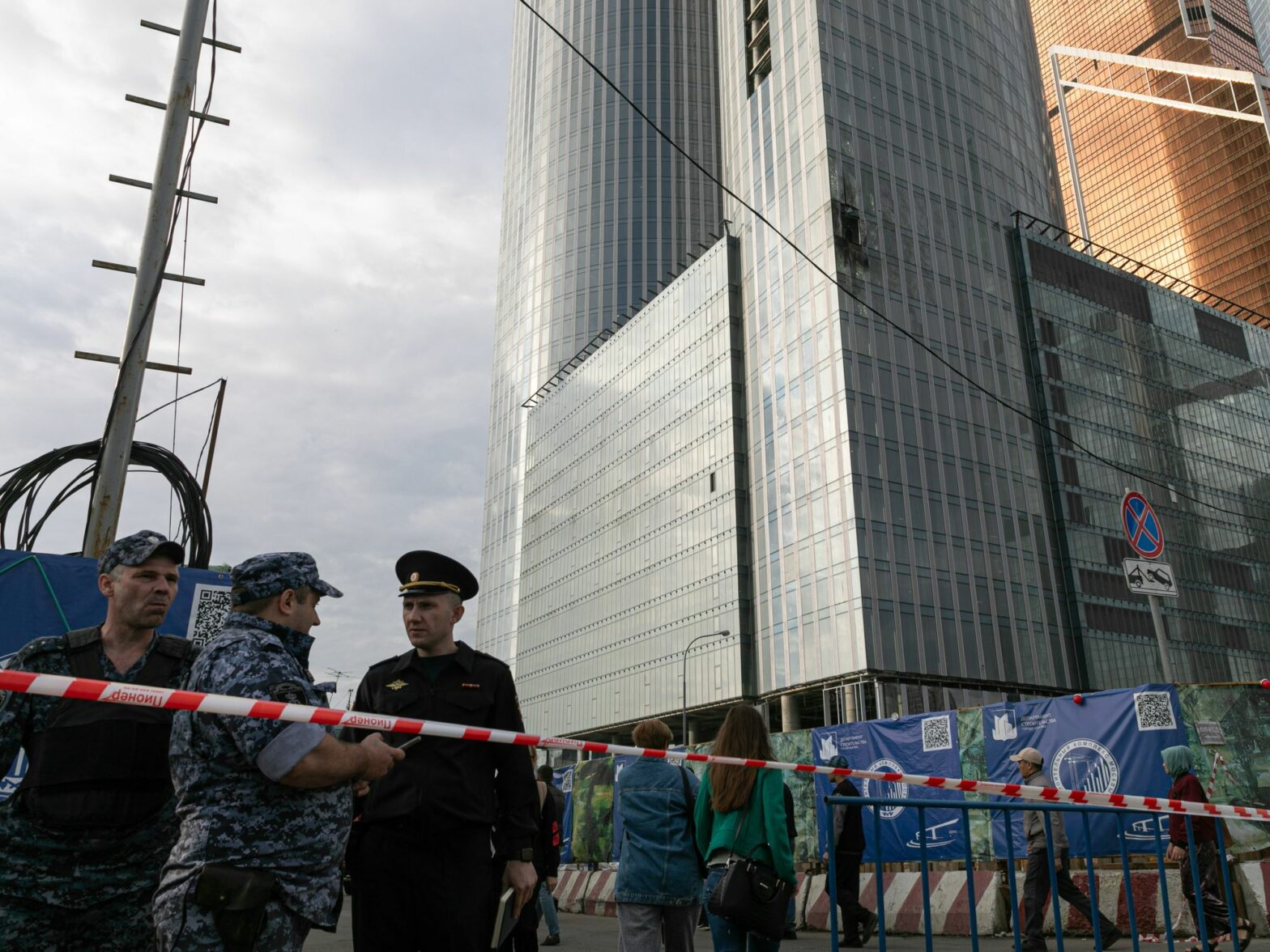
Drone air attacks continue in Russia’s capital, with evidence that Ukraine has figured out how to target certain buildings belonging to Vladimir Putin’s entourage. It’s a clear message from Kyiv.
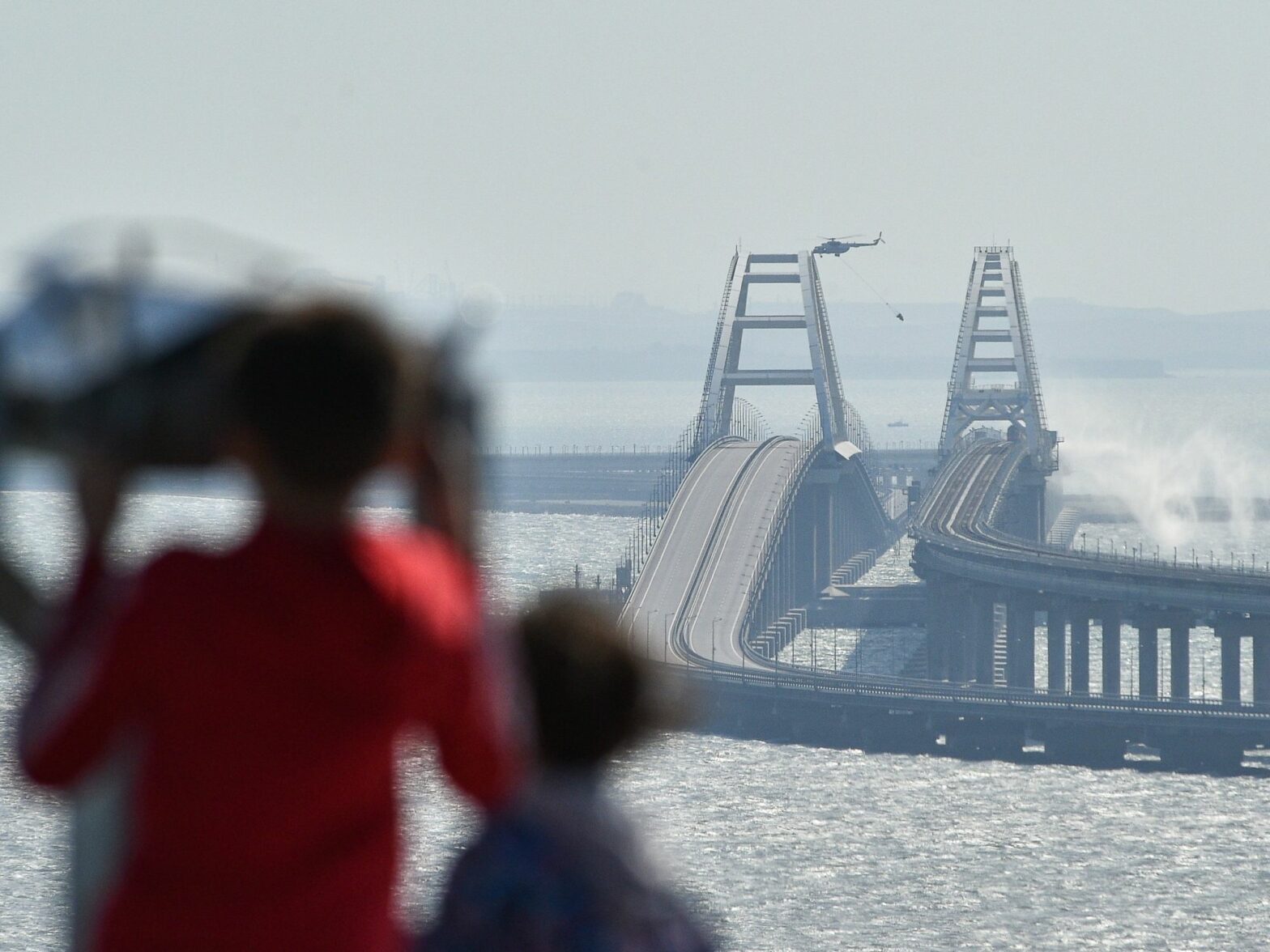
The Crimean bridge was attacked in the pre-dawn hours by two Ukrainian sea drones, the Russian National Anti-Terrorist Committee reported. The attack has impressed military analysts who spoke with Russian independent media agents.media (Agenstvo) about the weapons used and the potential next target.
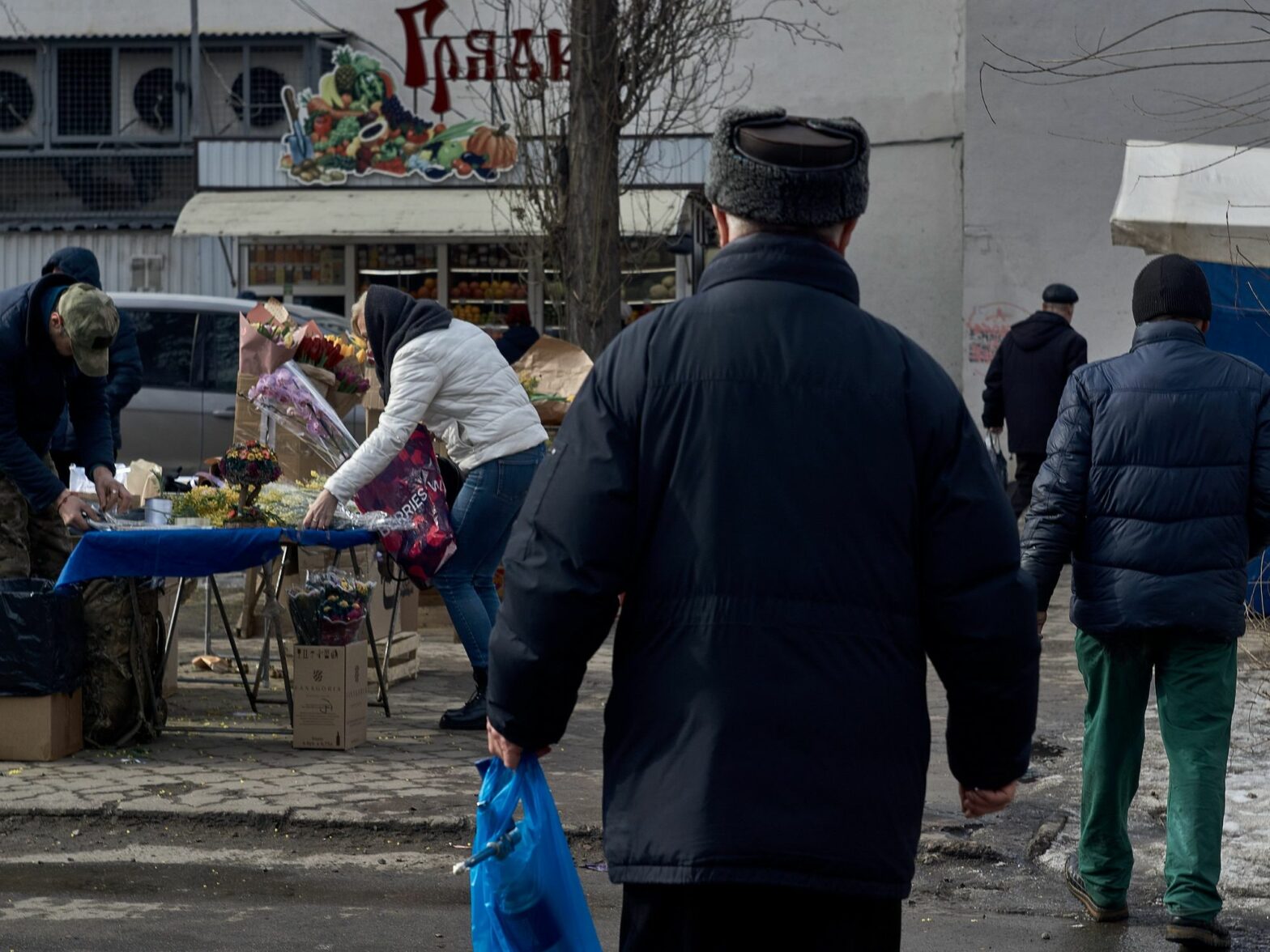
Countries around the world have imposed round after round of sanctions on Russia since the beginning of its full-scale invasion of Ukraine. But are they enough?
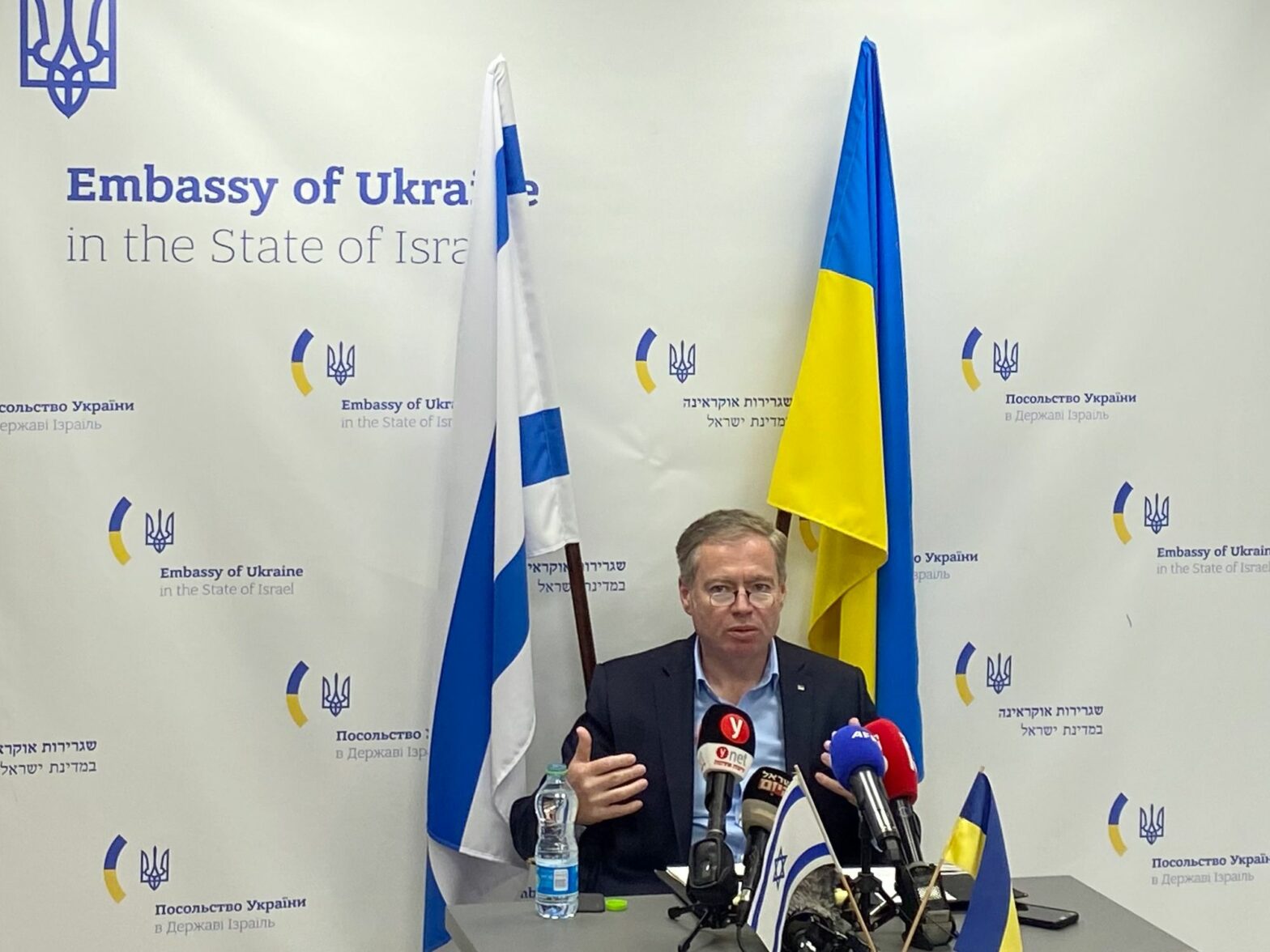
The Ukrainian Embassy in Israel says the current Israeli government is inching closer to Russia, while doing nothing to help Ukraine. A look at what may be driving the shift.
June 5 – June 11, 2023
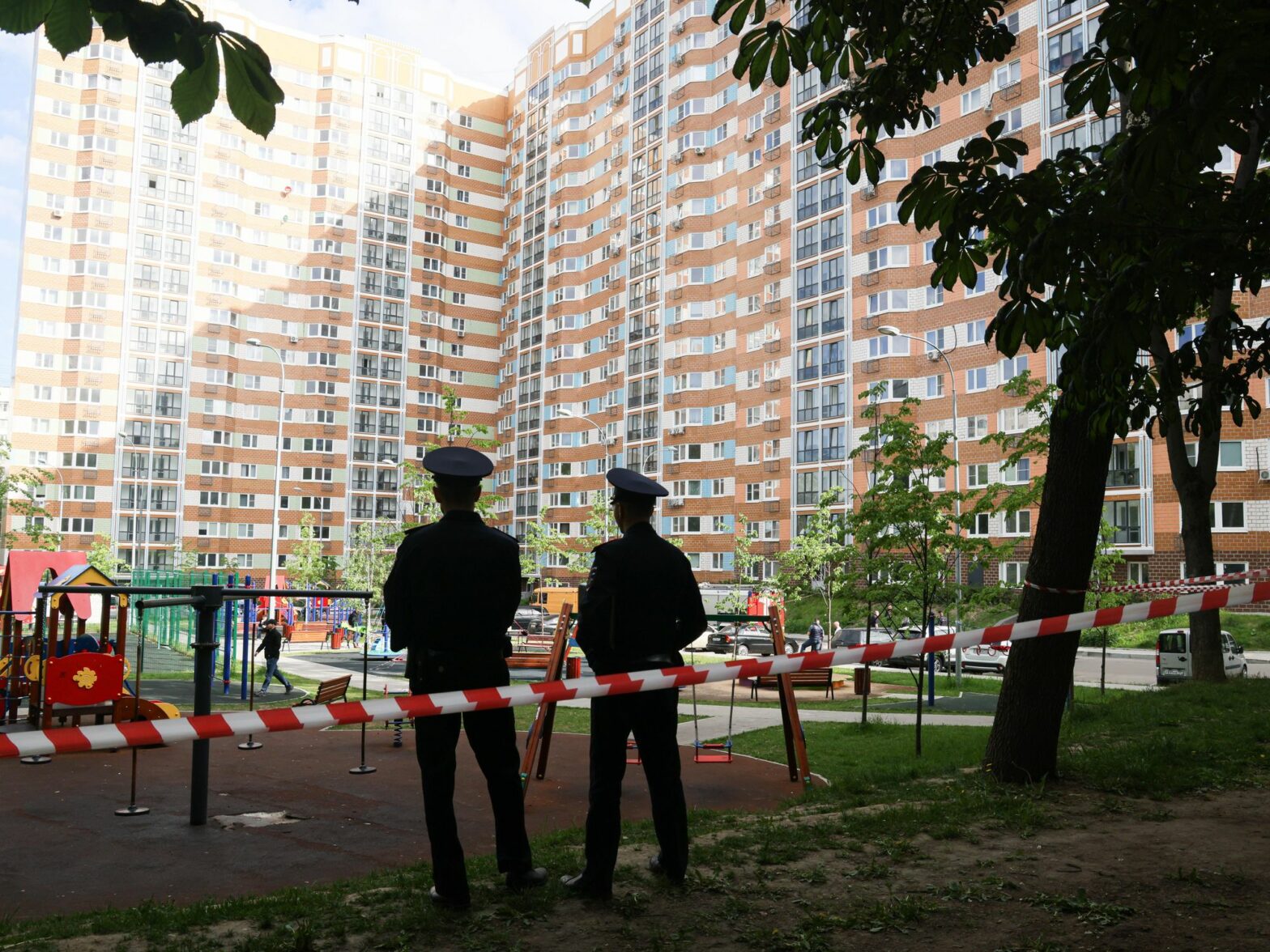
Putin is hesitant to mobilize troops for political reasons. And the Ukrainian military command is well aware that the key to a successful offensive lies in creating new front lines, where Russia will have to relocate troops from Ukraine and thus weaken the existing front.
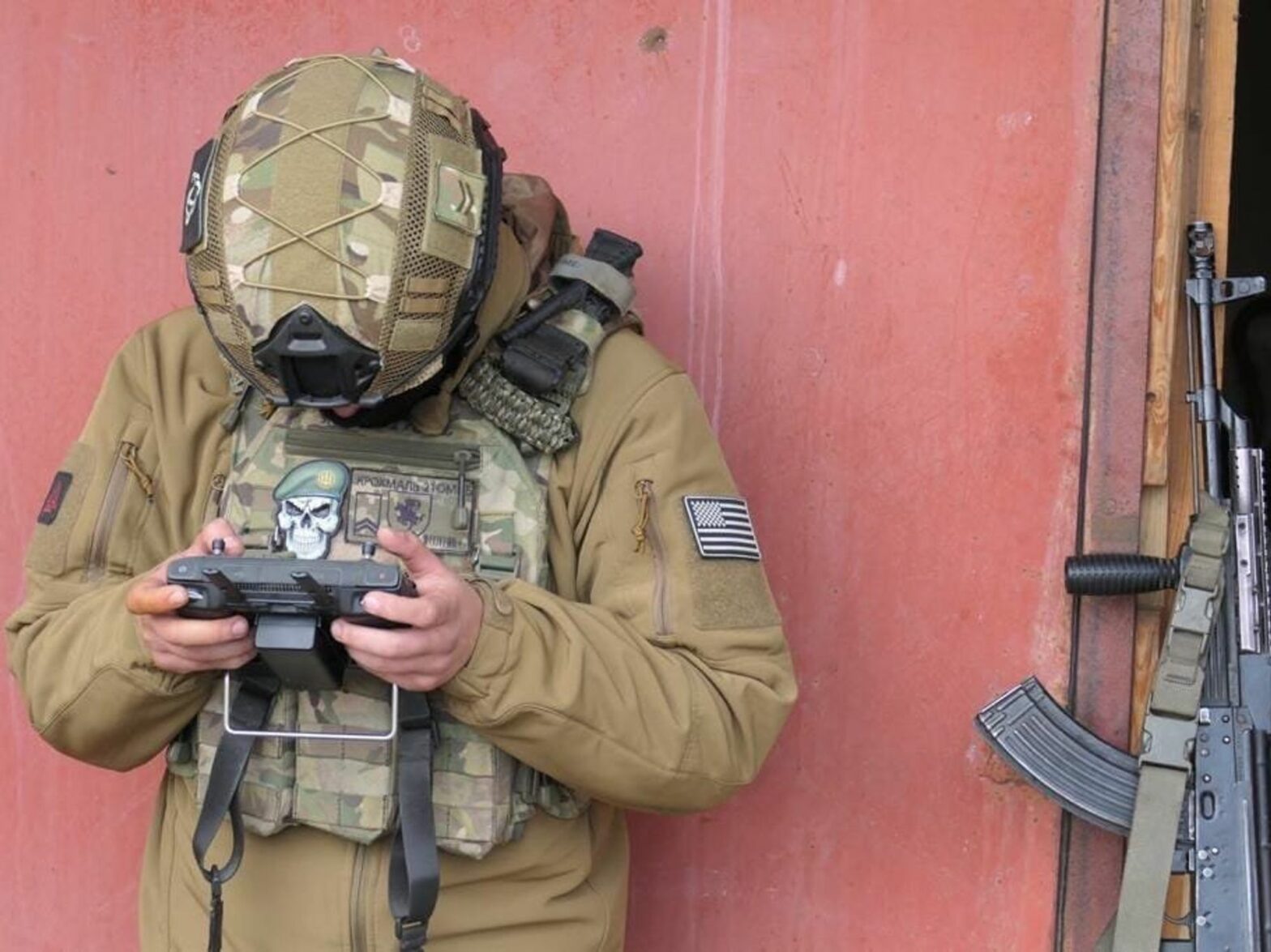
Near the embattled city of Vuhledar, Ukrainian artillery reconnaissance units detect enemy positions. They work with drones, tablets and satellite internet — and they are often the last line of defense from a Russian onslaught.
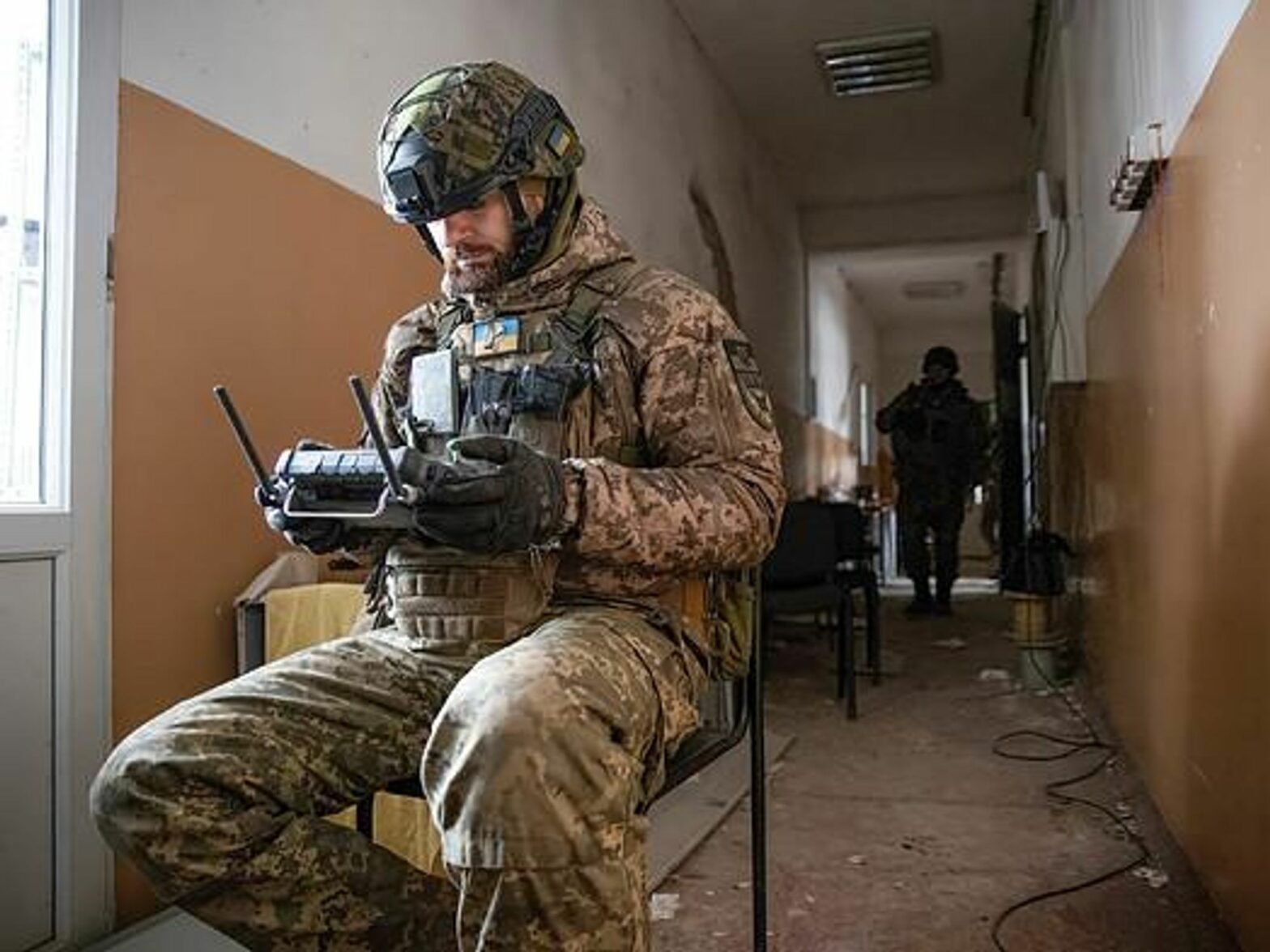
Russians who oppose the war in Ukraine face a tough moral question: How far are they prepared to go? Around the world, a group of Russians are organizing and raising money to send much-needed drones to help Ukrainian forces fight the Russian invasion.
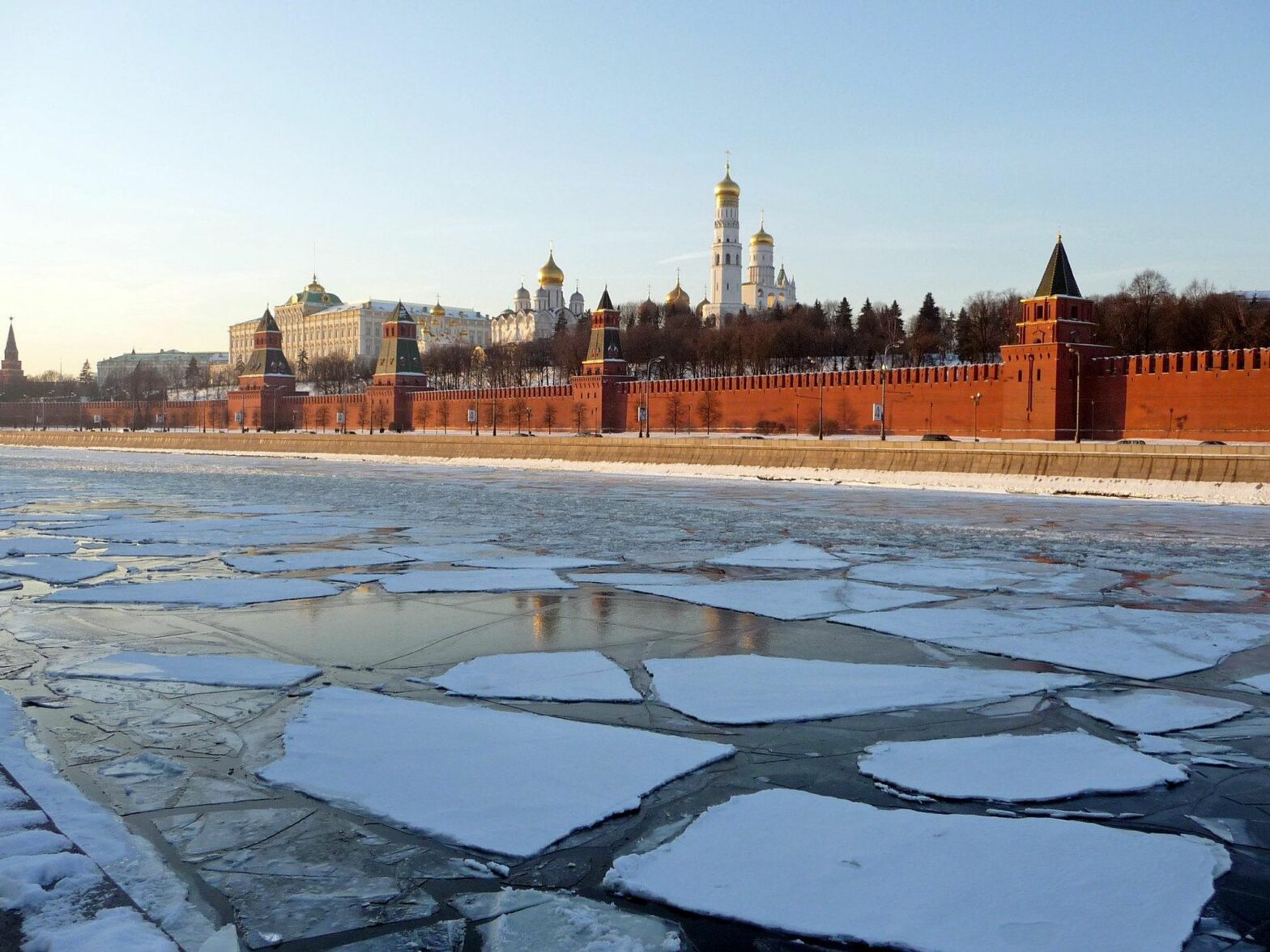
Russia is increasingly concerned about security from the sky: air defense systems have been installed on rooftops in Moscow’s government quarter. Systems have also appeared in several other places in Russia, including near Vladimir Putin’s lakeside home in Valdai. What is the Kremlin really worried about?
The war in Ukraine has shown how civilian drones can be effectively used as weapons. Meanwhile in Paris, with preparations on to host the Olympics in 2024, the city is testing some unlikely solutions to make sure the devices can’t be employed by terrorists.
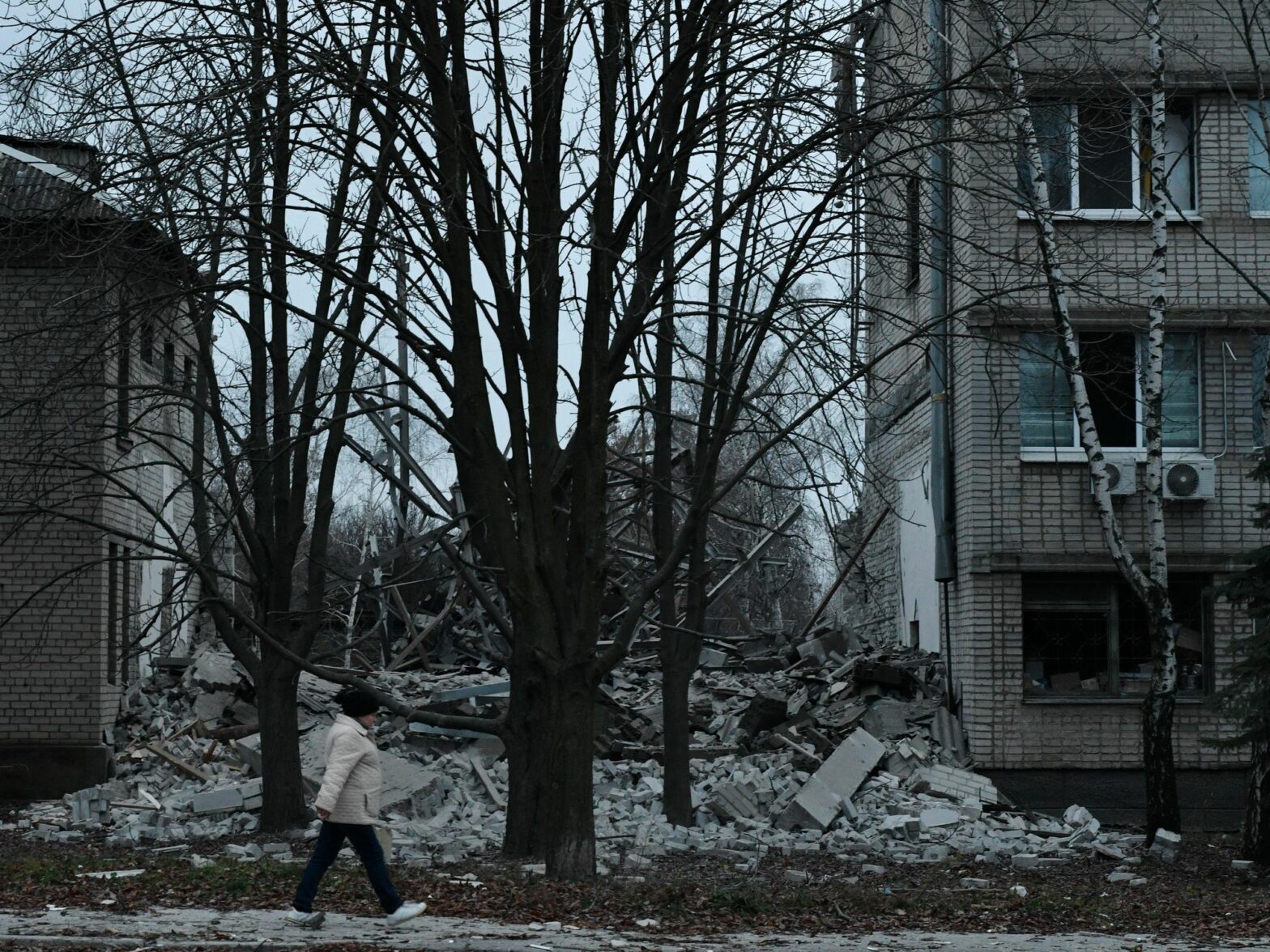
Ukraine’s case for pursuing Russia and its leadership for war crimes now includes Moscow’s current strategy of trying to cut off energy supplies to Ukrainian civilians by destroying the country’s power grid. Ukrainian Prosecutor-General Andriy Kostin told the BBC that strikes on key energy infrastructure targeted “the full Ukrainian nation,” which fall under the purview […]
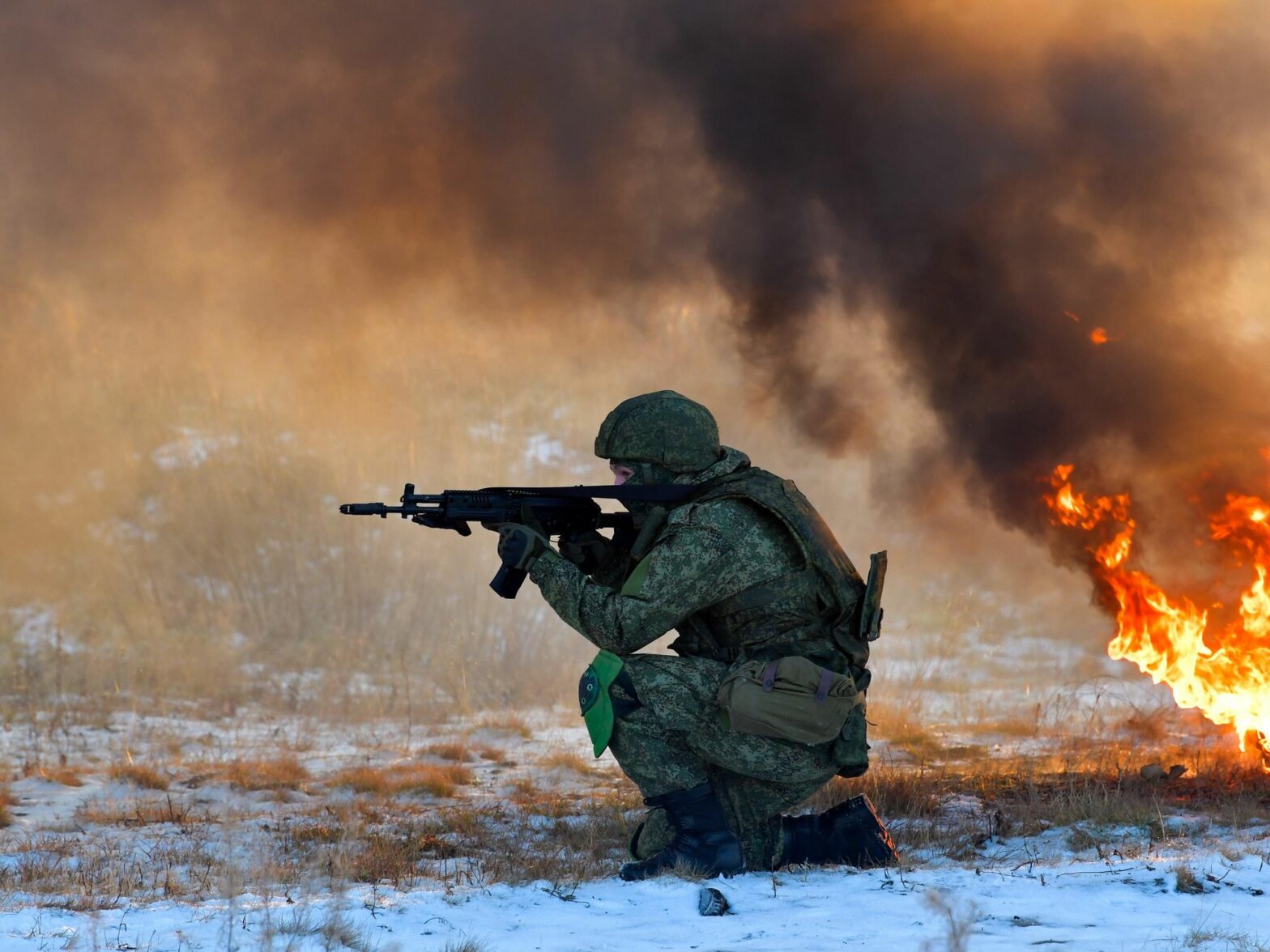
If not cannon fodder, many of the reservists are facing shortages of food, weapons and promised payments.