Trump’s victory is not some unforeseen accident. Europe should have been preparing for this. It didn’t. The actions we take now are vital for the future of democracy and the free world, writes Giovanni di Lorenzo, Die Zeit‘s editor-in-chief.
 Worldcrunch
Trump’s victory is not some unforeseen accident. Europe should have been preparing for this. It didn’t. The actions we take now are vital for the future of democracy and the free world, writes Giovanni di Lorenzo, Die Zeit‘s editor-in-chief.
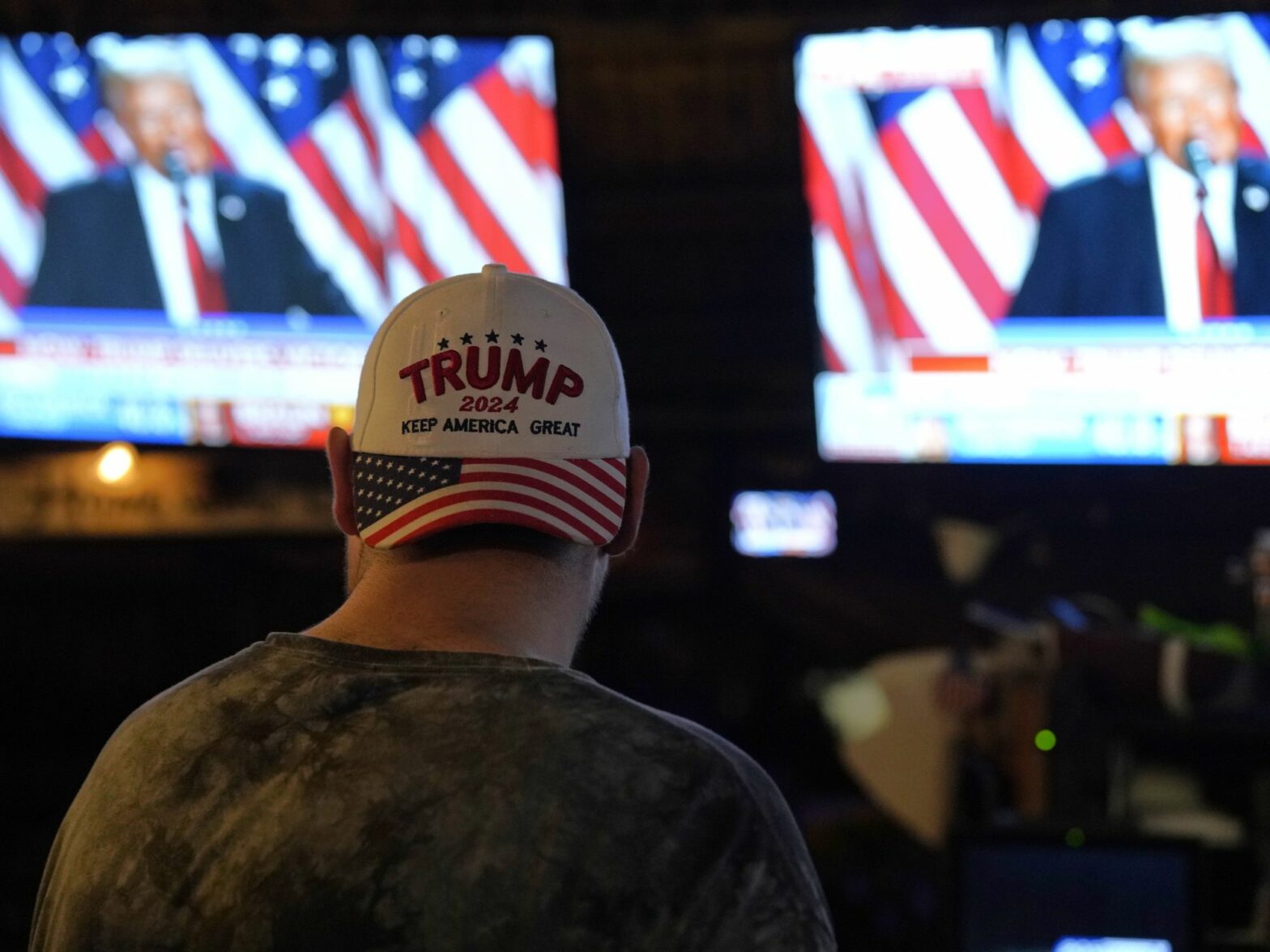
As Republican candidate Donald Trump is confirmed to have secured the U.S. presidential election, international news websites are devoting their homepages to the 78-year-old politician’s historic comeback.
Donald Trump’s victory comes in a world that is different from that of 2016. It is more fractured and dangerous. In this context, the European Union, divided and weakened, risks becoming Trump’s first casualty.
Stay tuned on this page for Worldcrunch’s real-time, multilingual coverage of the U.S. election 2024.
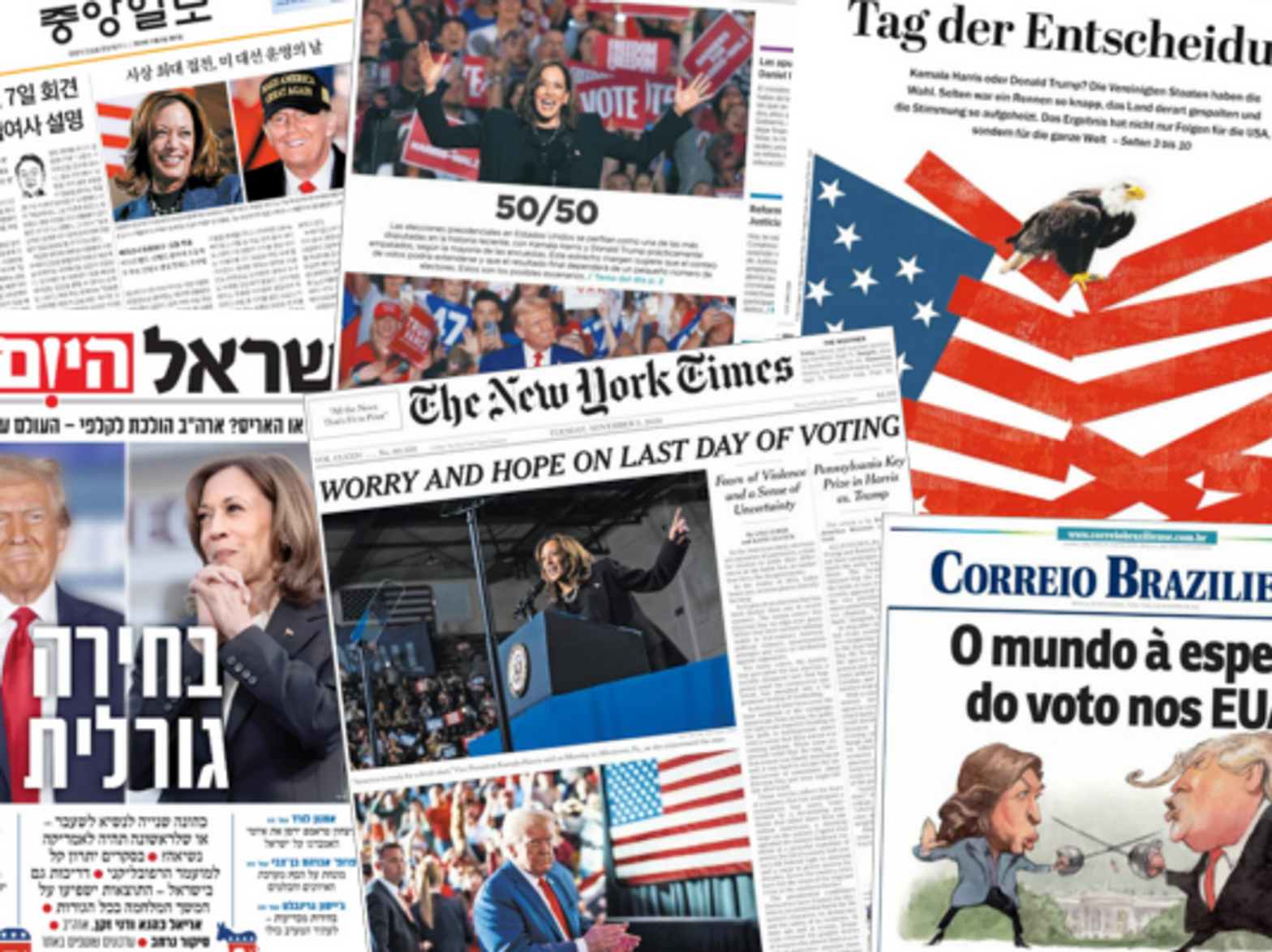
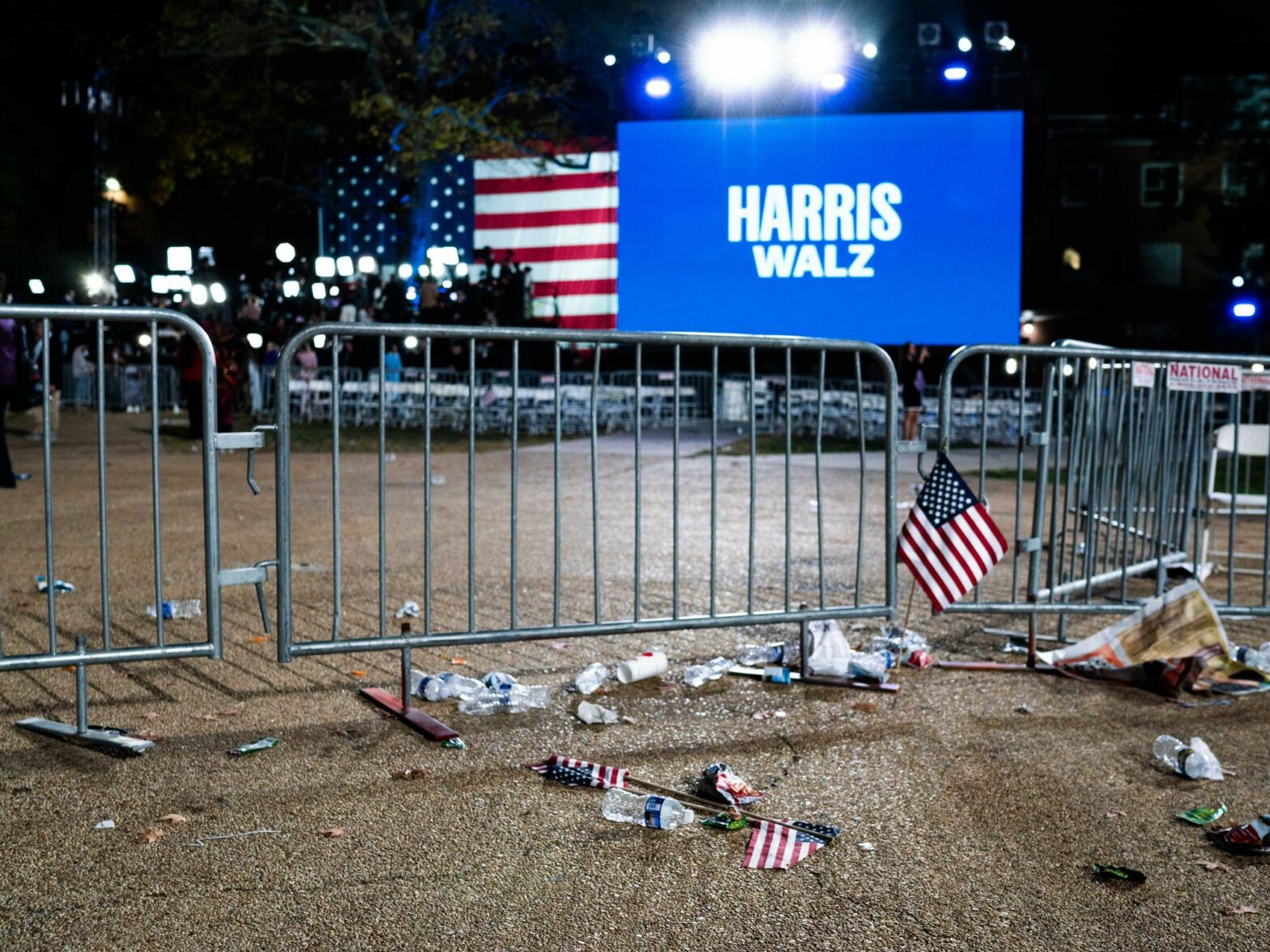
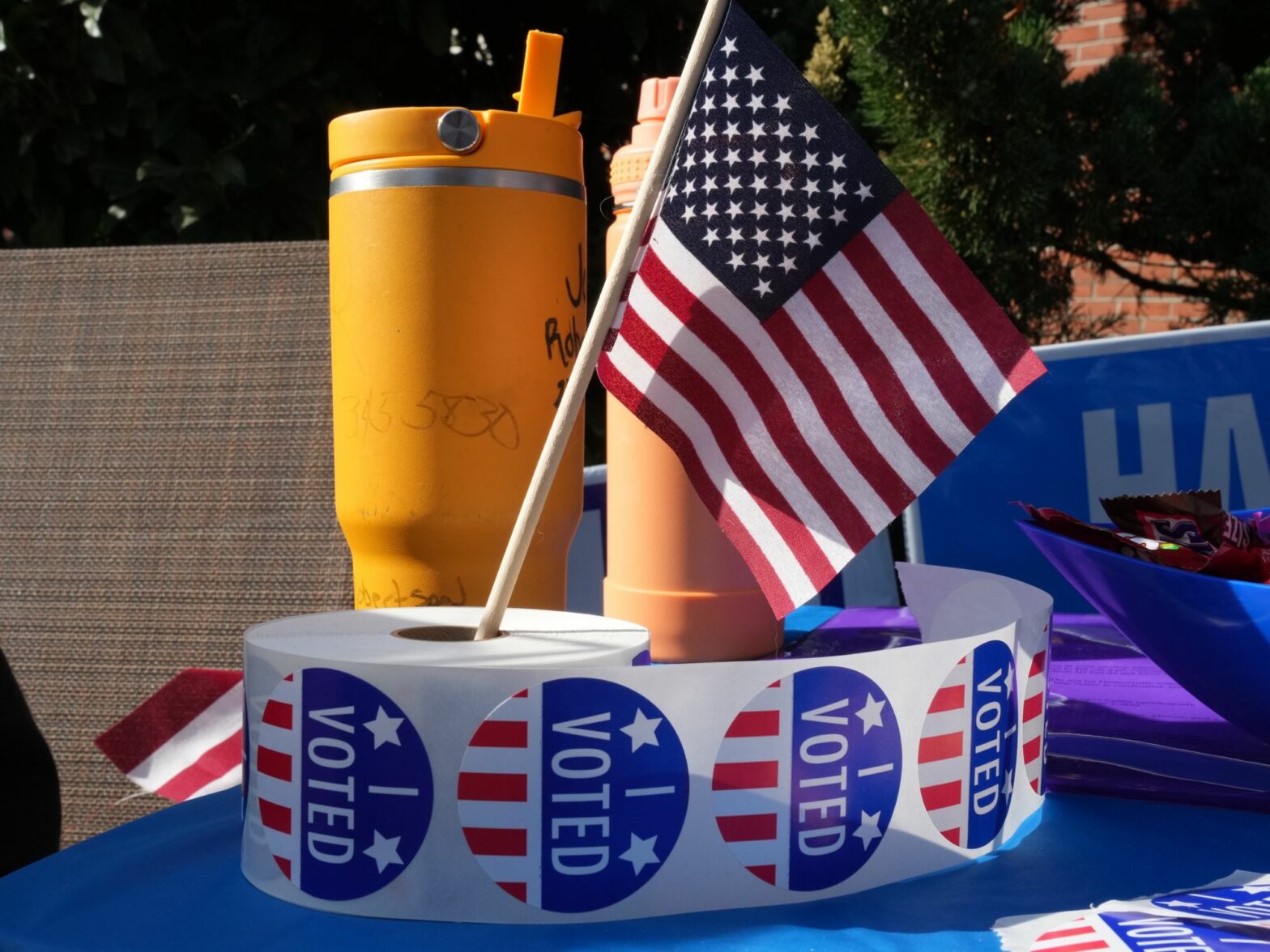
All media eyes are riveted on the U.S. where voting has begun in a tight presidential contest that will send either Vice President Kamala Harris or former president Donald Trump to the White House.
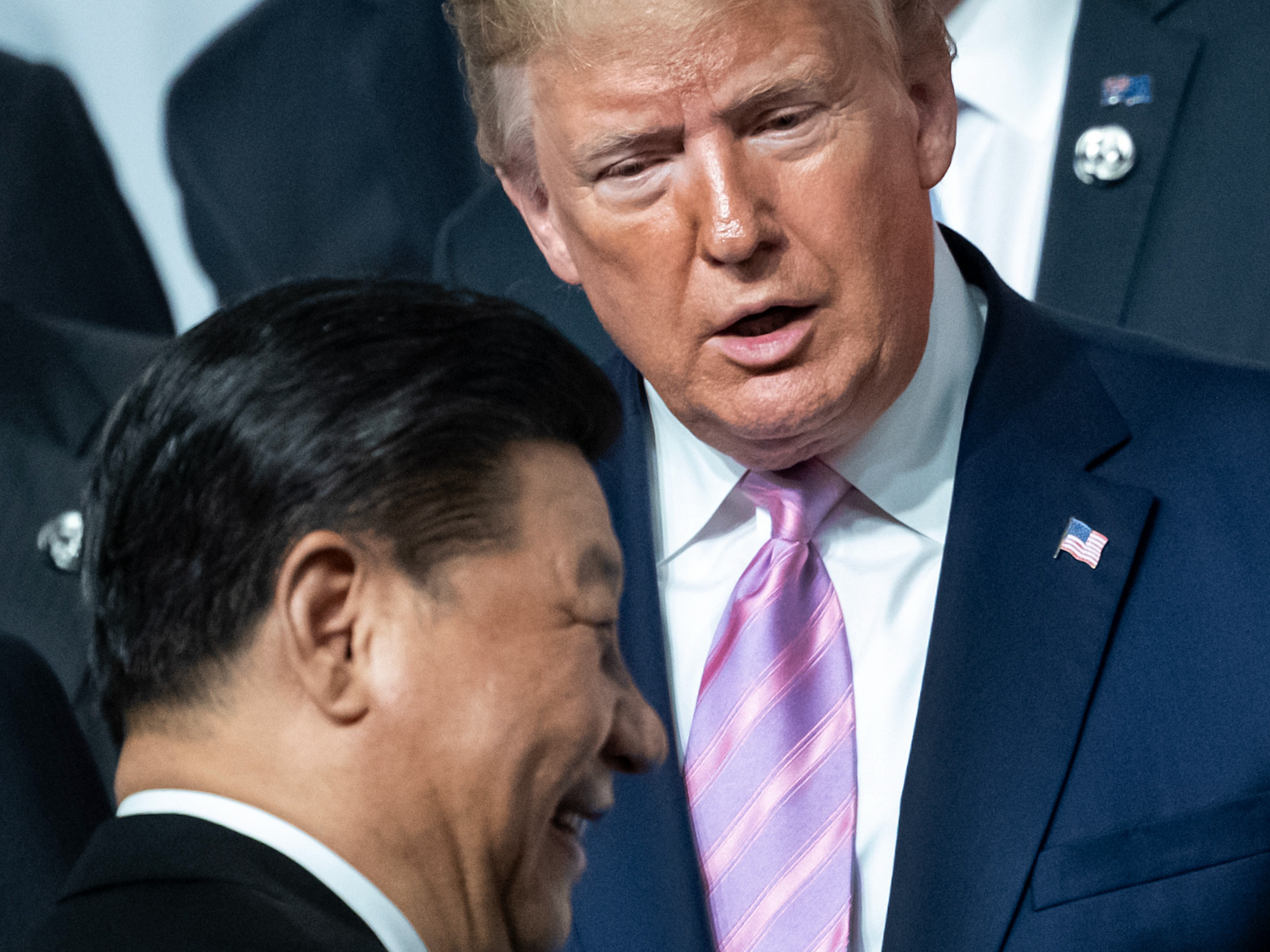
Republicans and Democrats agree on just one thing: being tough with China. That’s why Chinese leaders are not expressing a preference in the U.S. presidential election. Yet some in Beijing are leaning toward Donald Trump and what they see as his penchant for “pragmatism” and “deals” between China and the United States.
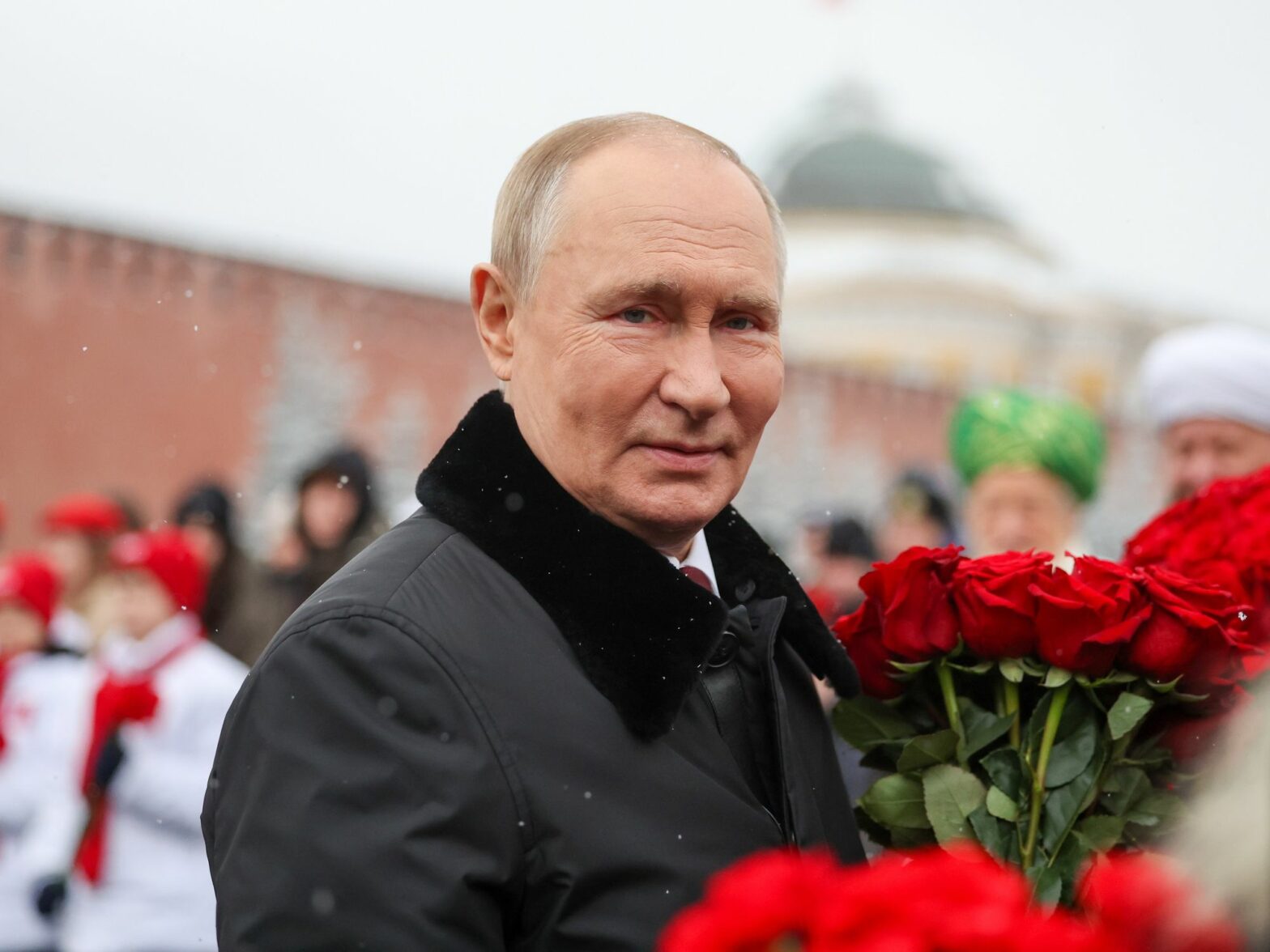
With the U.S. elections on the brink, and polls extra tight in swing states, the Kremlin is lapping it up. Rather than outwardly pulling for a Trump victory, however, Wacław Radziwinowicz argues that Moscow is above all, hoping for the high level of chaos that would come with a hung election.
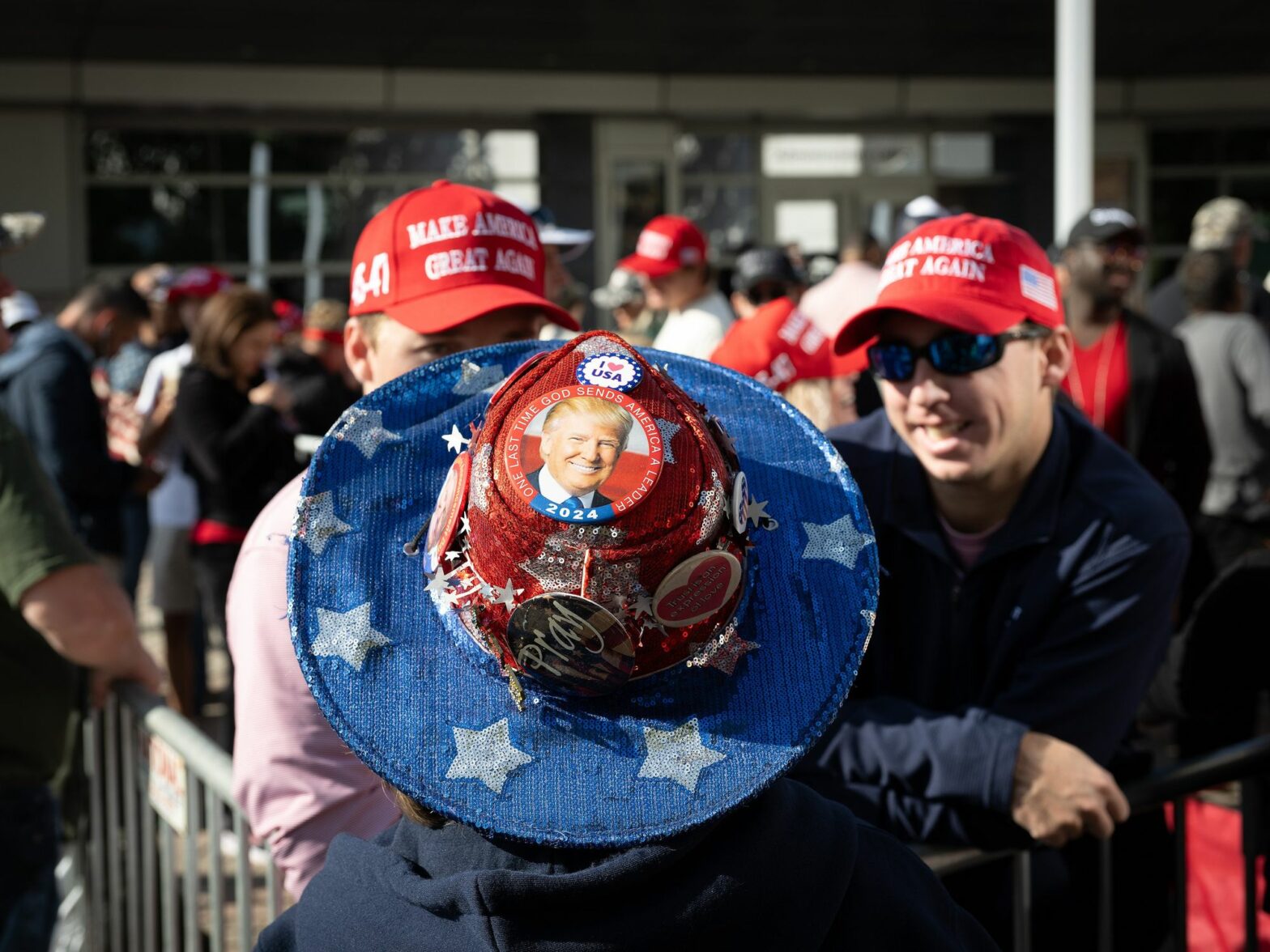
Allegations of widespread fraud in 2020 have left lasting impacts in Georgia. The state hopes to avoid renewed tensions this year, but both Democrats and Republicans are bracing for potential disputes in the case of a close result.
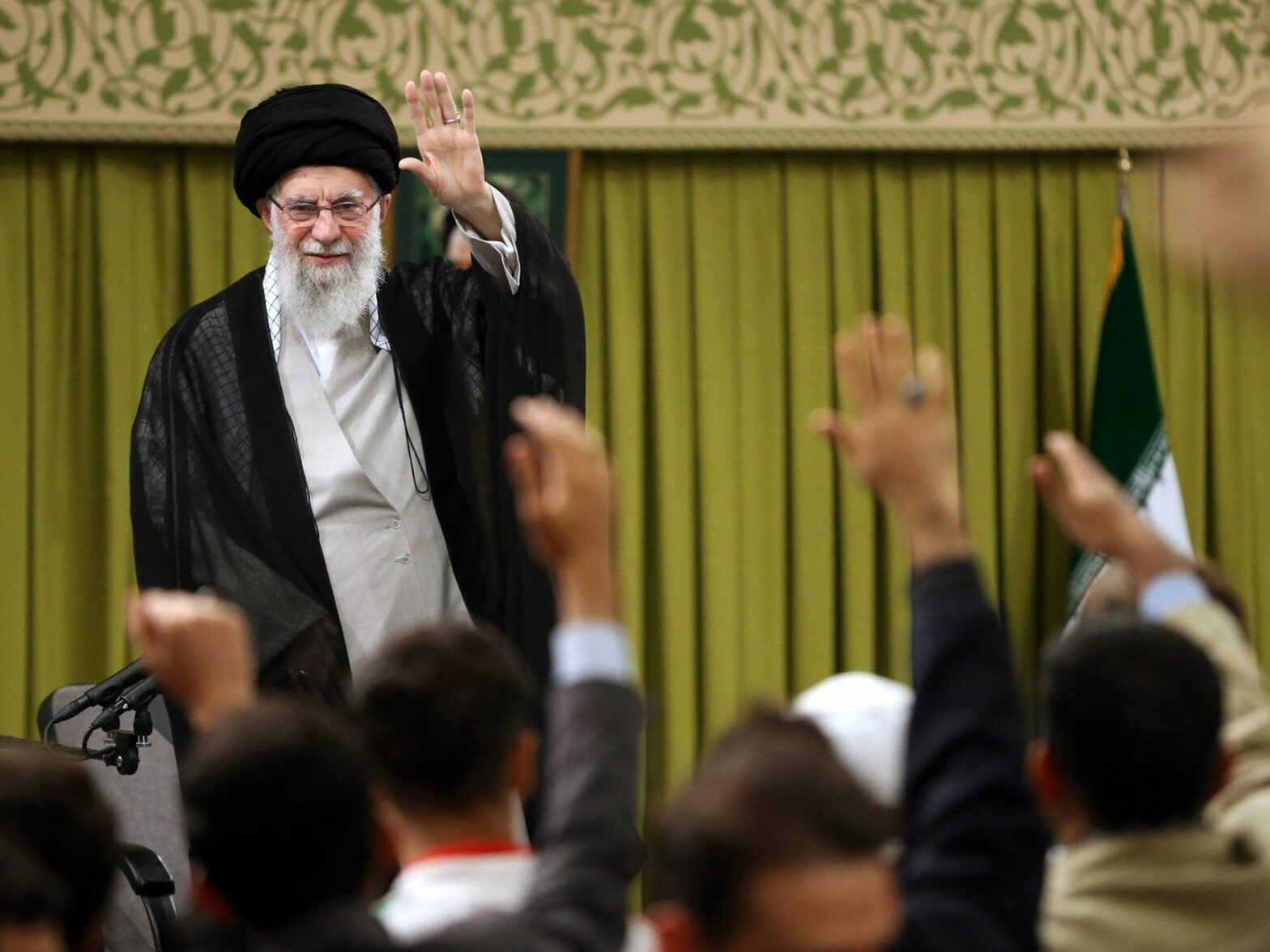
Whether it is Donald Trump or Kamala Harris, aggressive bullying or hypocritical well wishes, the actual decisions of U.S. foreign policy toward the Middle East always follow the same cynical script.
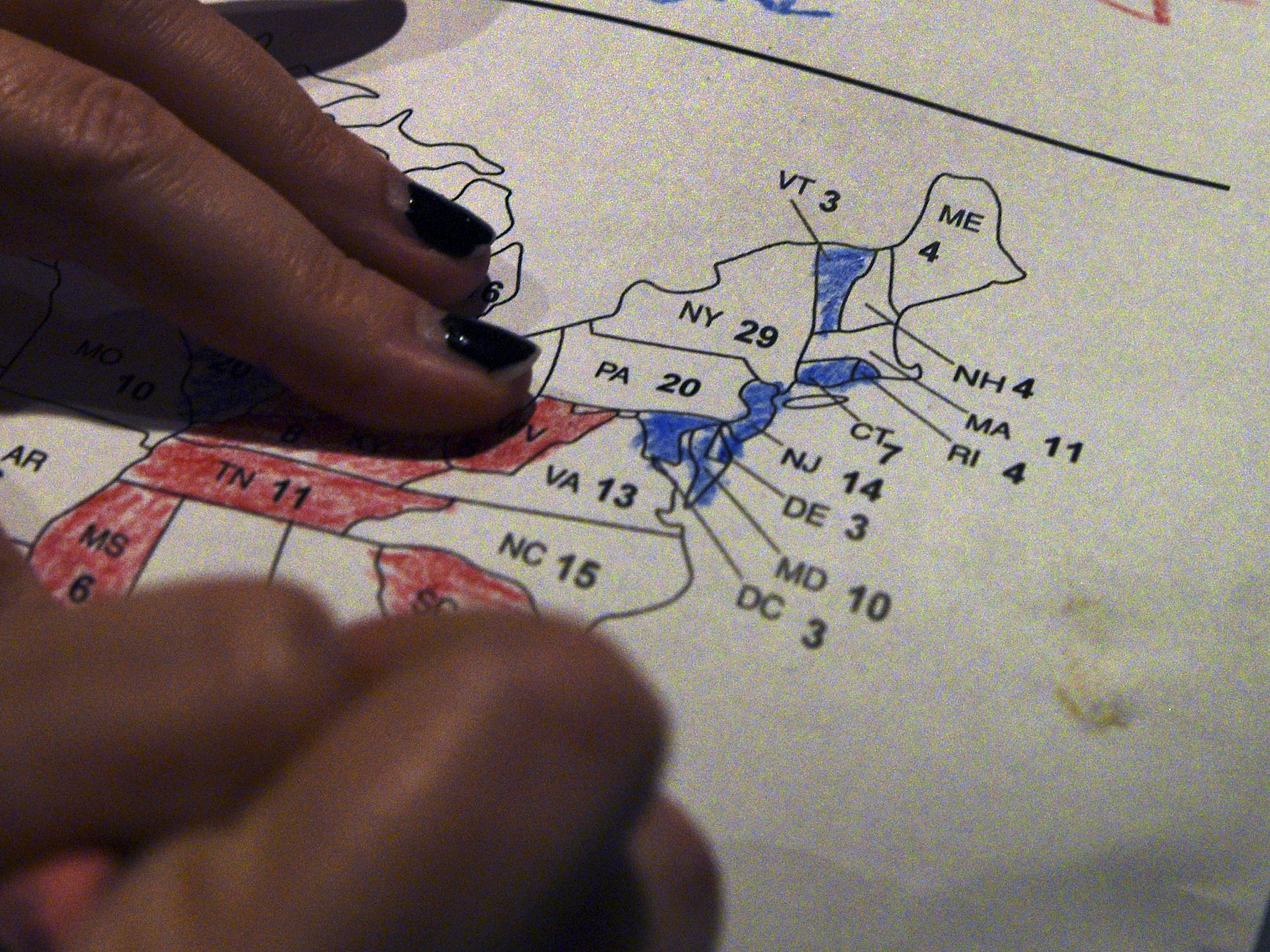
If the 2020 U.S. presidential election taught us one thing, it’s that it shouldn’t be about who’s the quickest to announce electoral results: it should be about being accuracy.
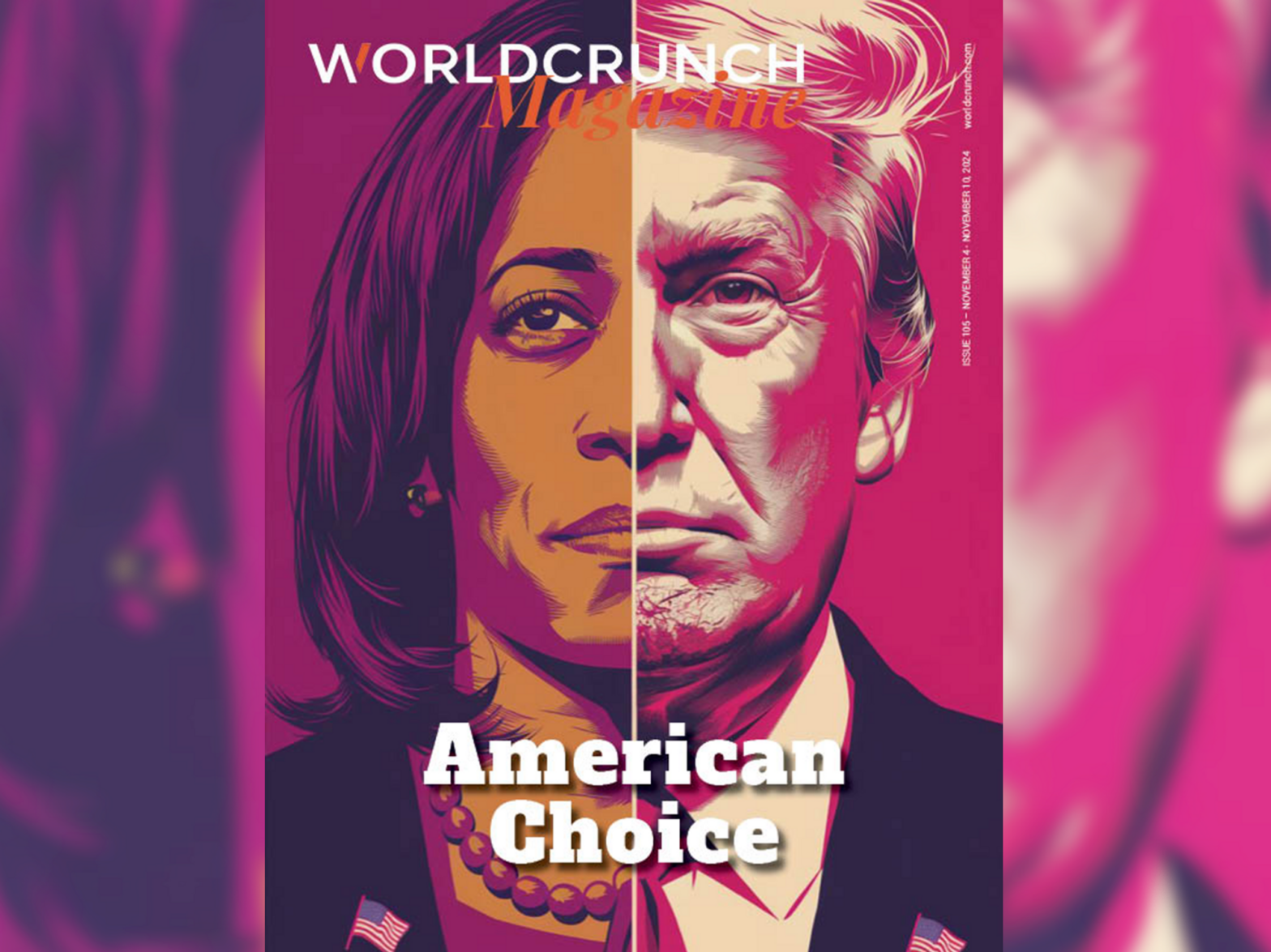
November 4 – November 10, 2024
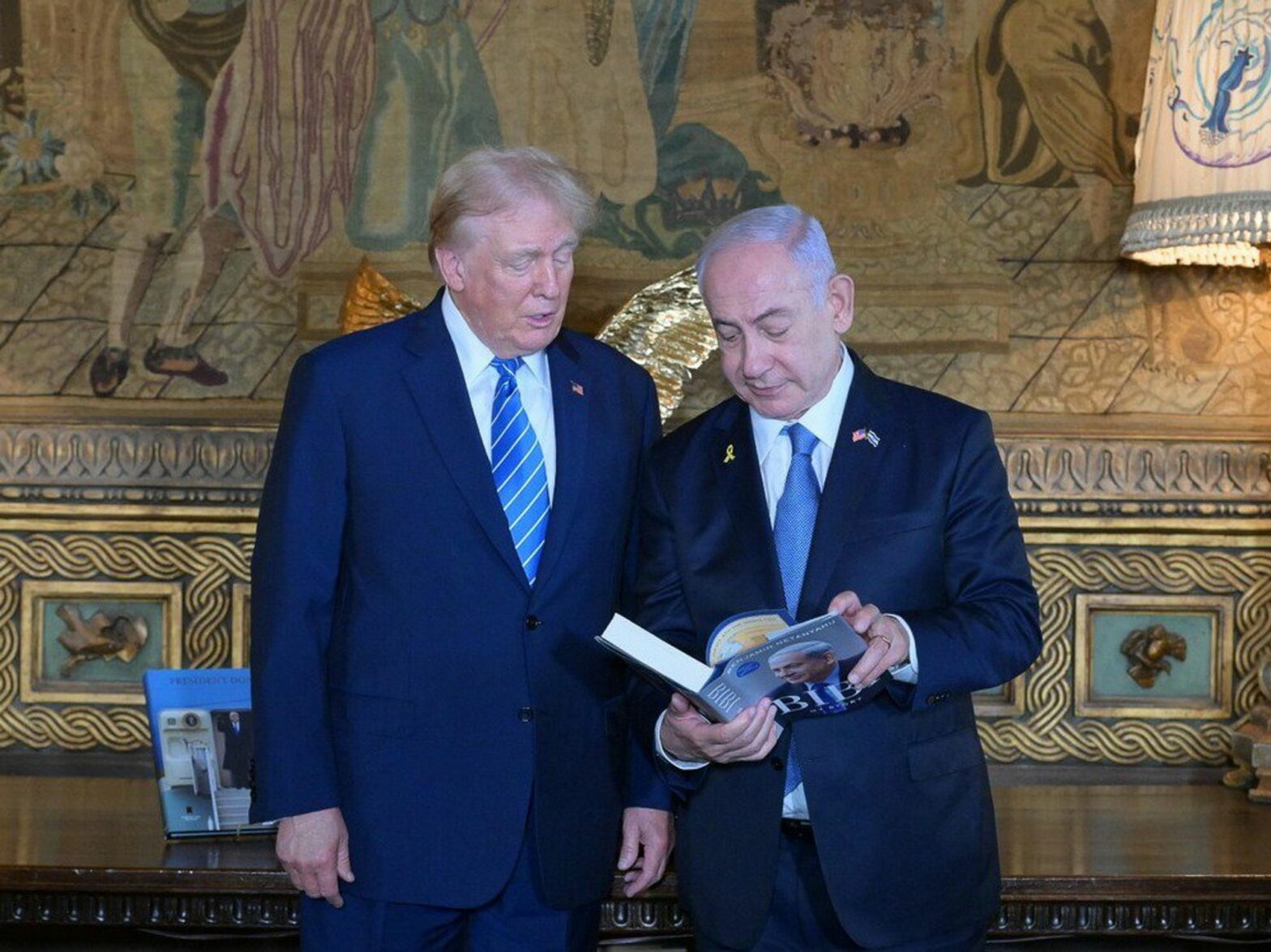
A Donald Trump victory would likely mean that the expected calm in the confrontation between Israel and Iran in the coming weeks will be just a warrior’s rest.

North Dakota’s last abortion clinic was forced to move to neighboring Minnesota two years ago, when the U.S. Supreme Court struck down federal protection of this right, guaranteed since 1973. Ahead of the presidential election, the fight for women’s rights is rallying Democrats.

Tensions have suddenly escalated after North Korea accused South Korea of sending drones over its capital. Threats from Pyongyang are common, but amid an uncertain international context, experts are taking these latest ones more seriously.
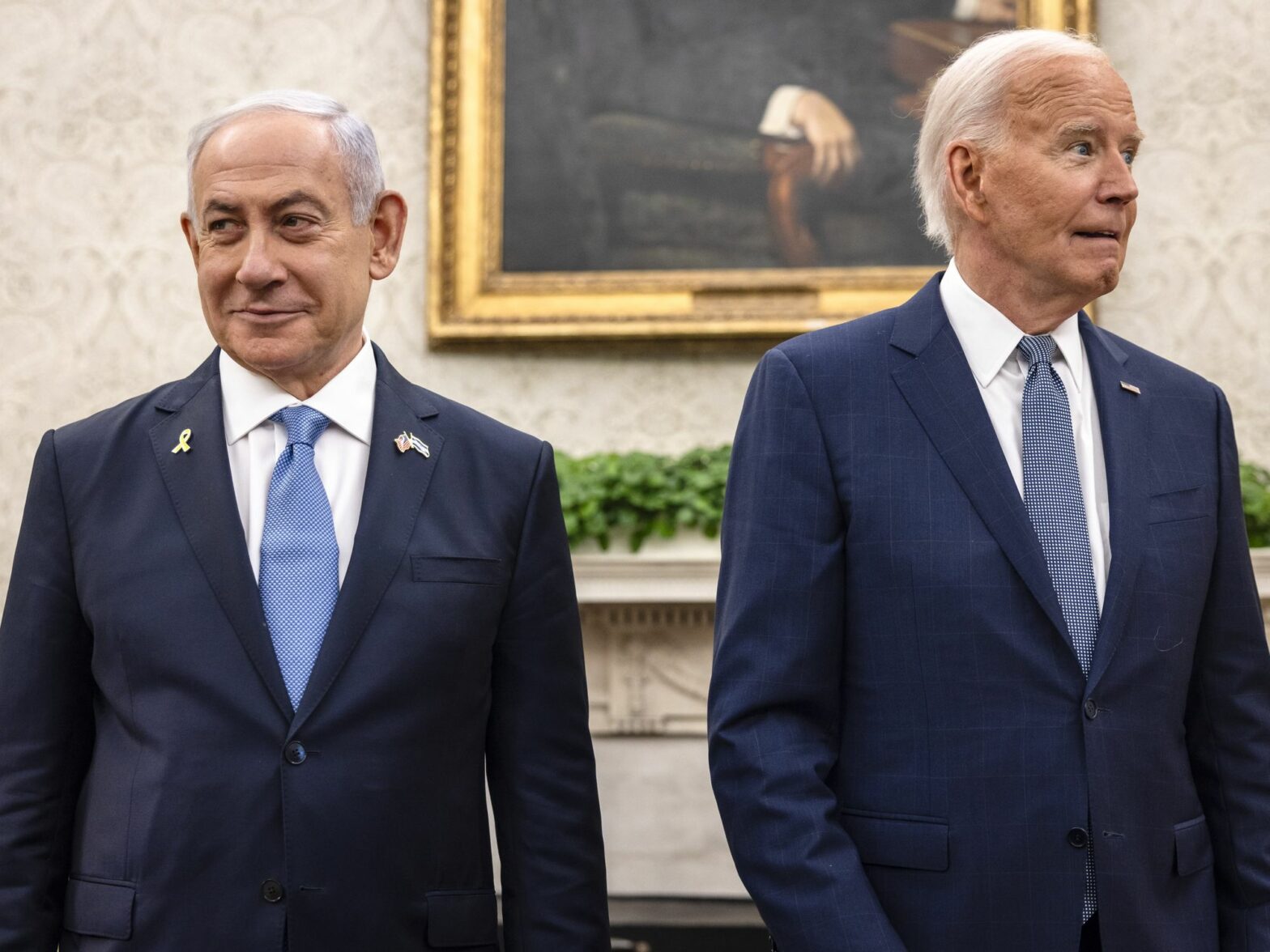
Never since it became the “great protector” of the Jewish state has the United States shown so much weakness towards Israel, as the Israeli prime minister stays one step ahead of his adversaries in a cunning maneuver to help Trump return to the White House.
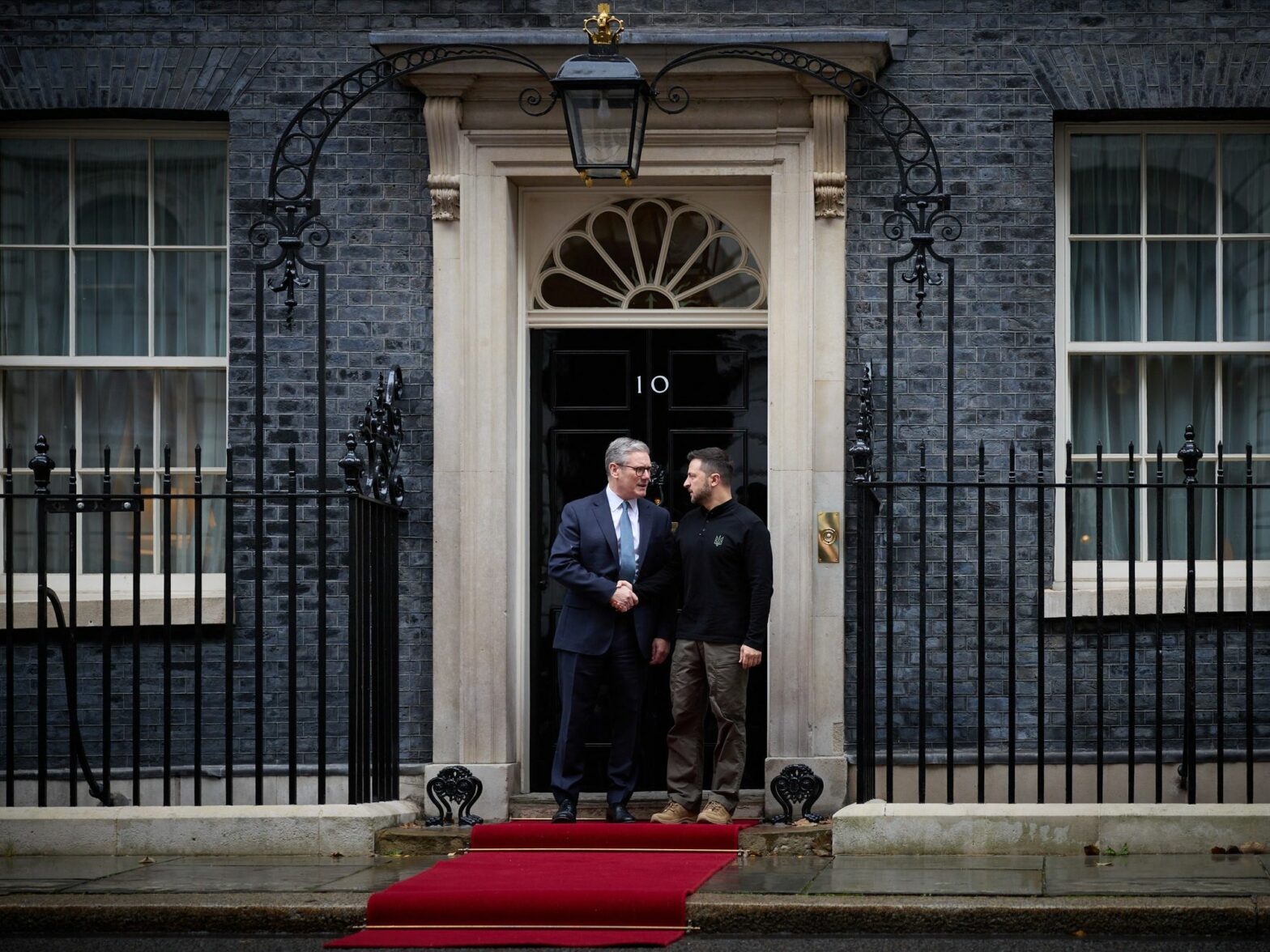
The Ukrainian president has begun a tour of Europe to present his “victory plan,” designed to reverse the balance of power with Russia before negotiating. It’s almost like asking for war and peace at the same time.
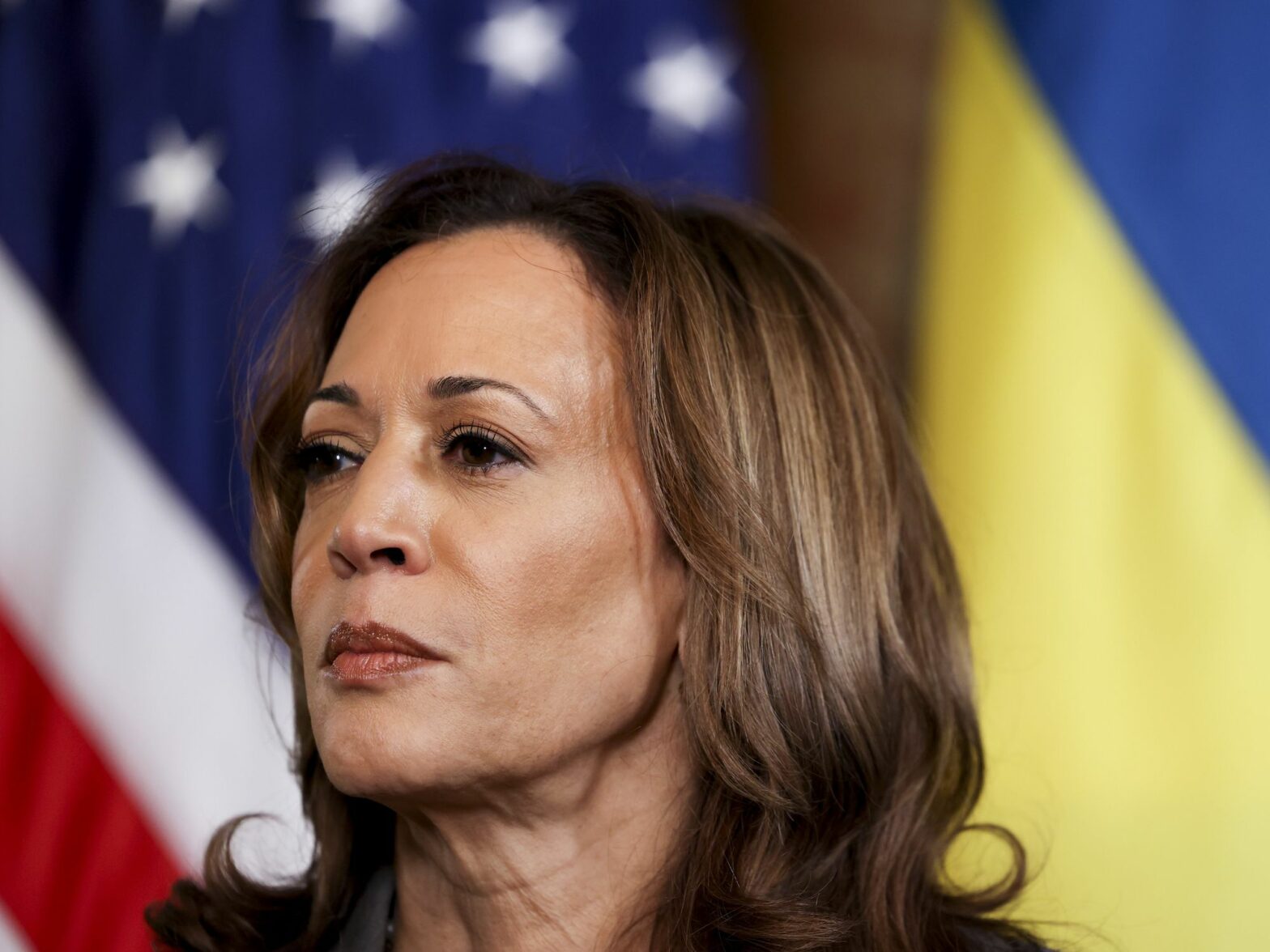
This year’s U.S. presidential candidates cannot ignore foreign policy issues, which are usually absent from the campaign; Ukraine and the Middle East are on the agenda. But while American voters will likely choose their next commander-in-chief based on domestic issues, the rest of the world will suffer the consequences.
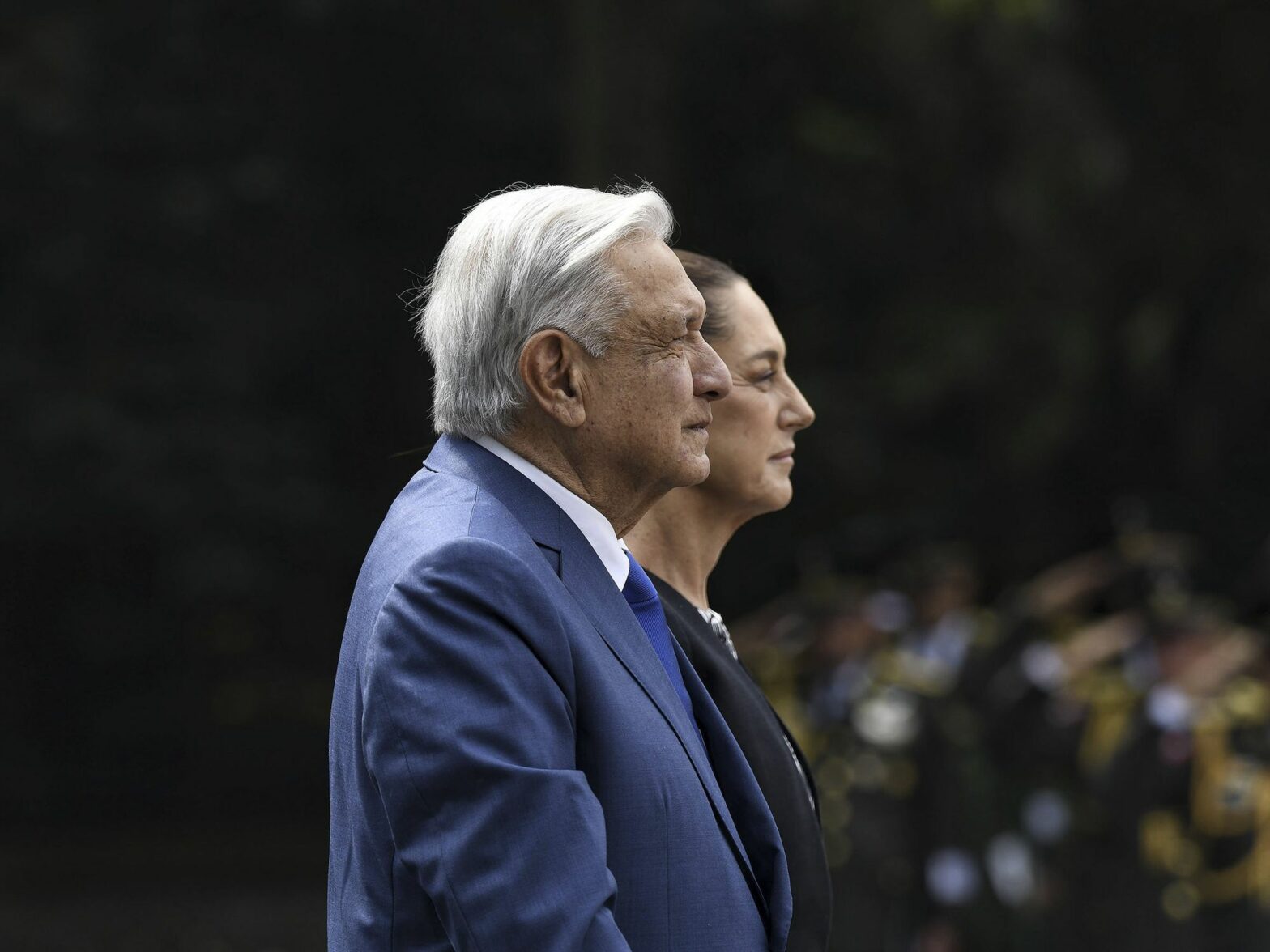
Mexico’s ruling party has reformed the constitution, forcing judges to run for office, supposedly to make them accountable to the people. But given the country’s history and singular problem with crime, it may turn them instead into ordinary politicians vulnerable to bribery and mob terrorism.
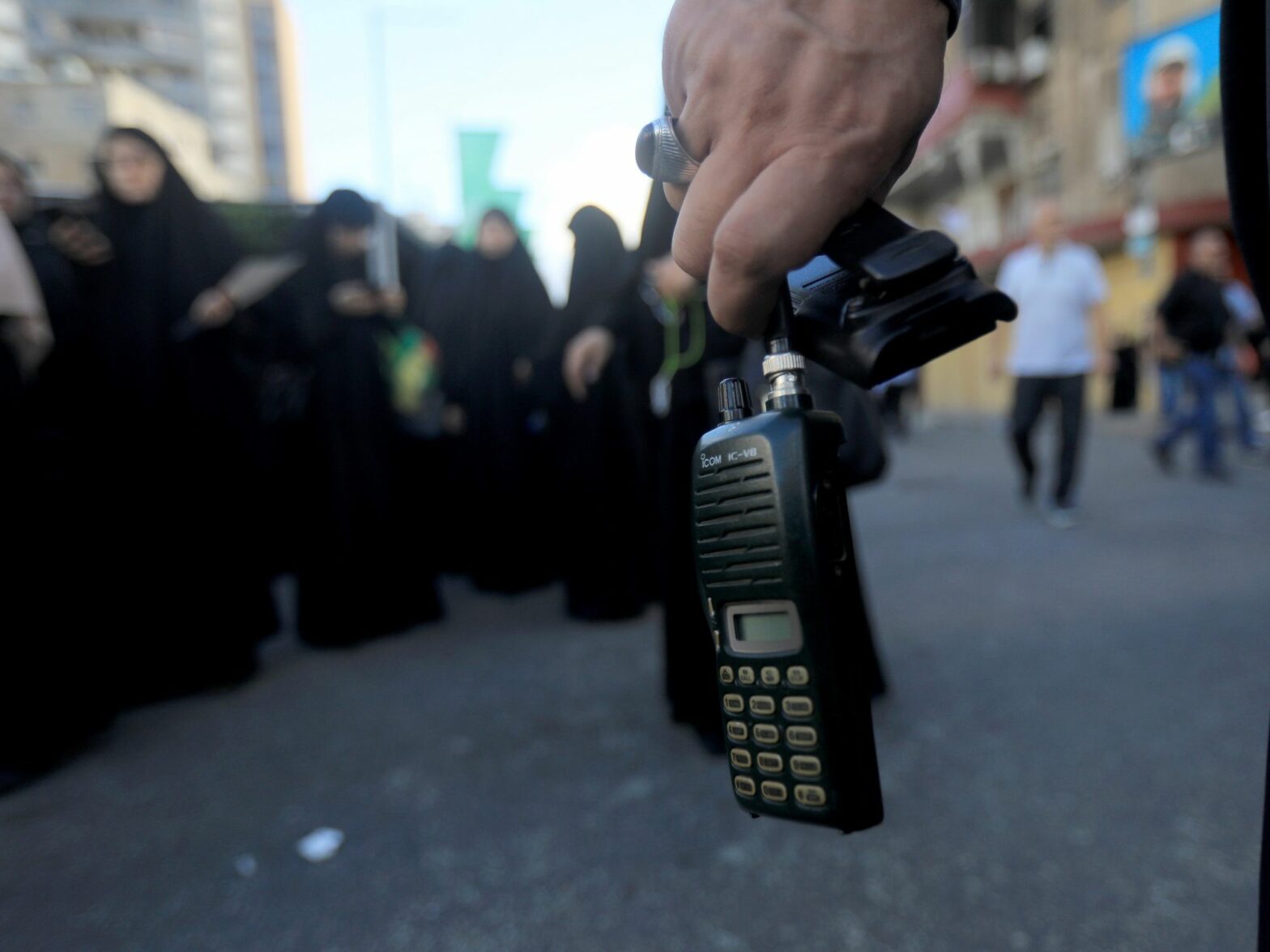
With its unprecedented attacks on pagers and walkie-talkies in Lebanon that again killed innocent victims, Israel now faces the risk of losing the war not just on moral and legal grounds, but also from a strategic perspective.
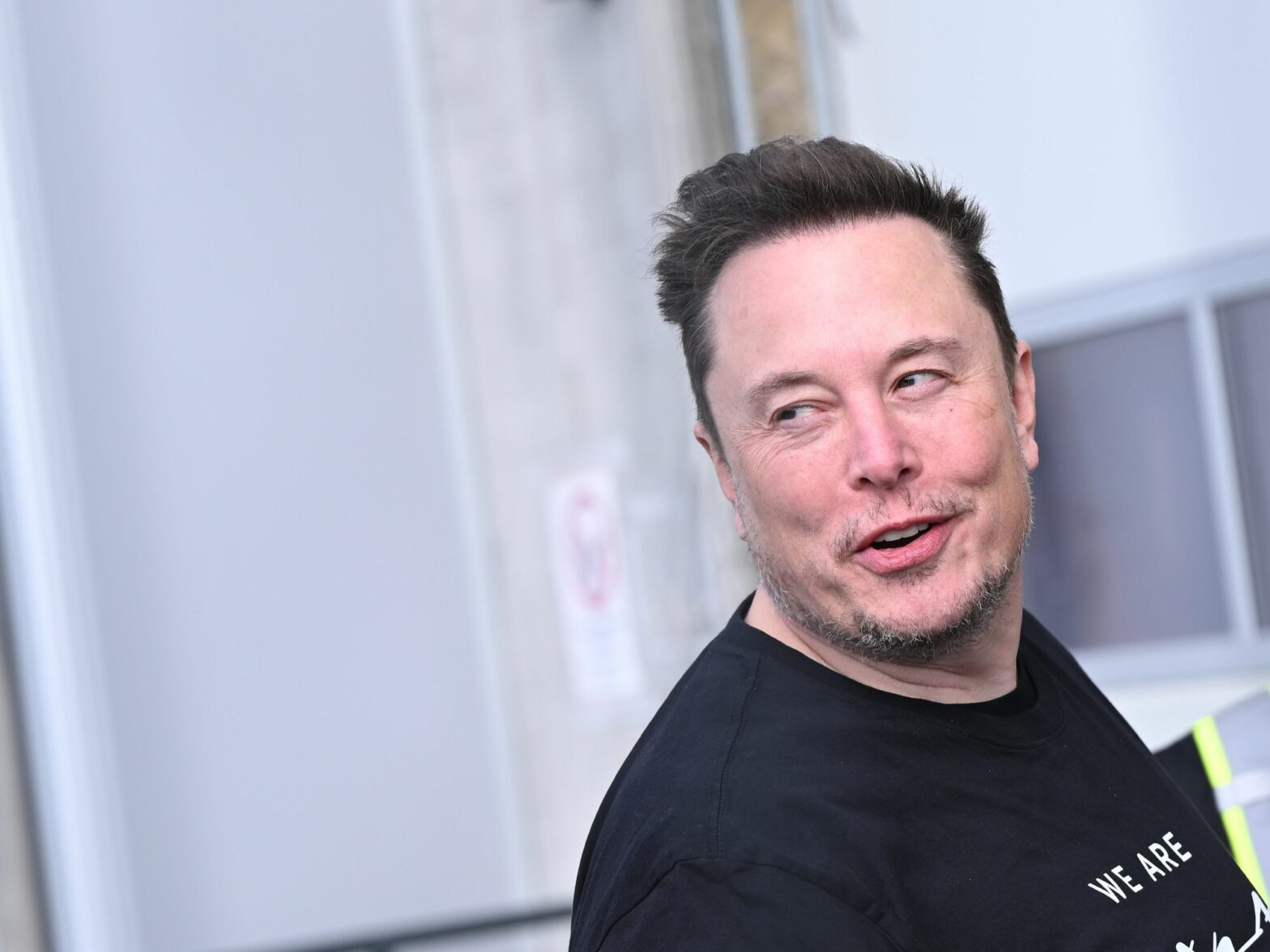
It says a lot about the state of U.S. politics that Elon Musk, a powerful supporter of Donald Trump and owner of the X platform, used that same platform to joke about the killing of the American president and vice president. Will political violence and the reaction to it shape the results of November’s election?
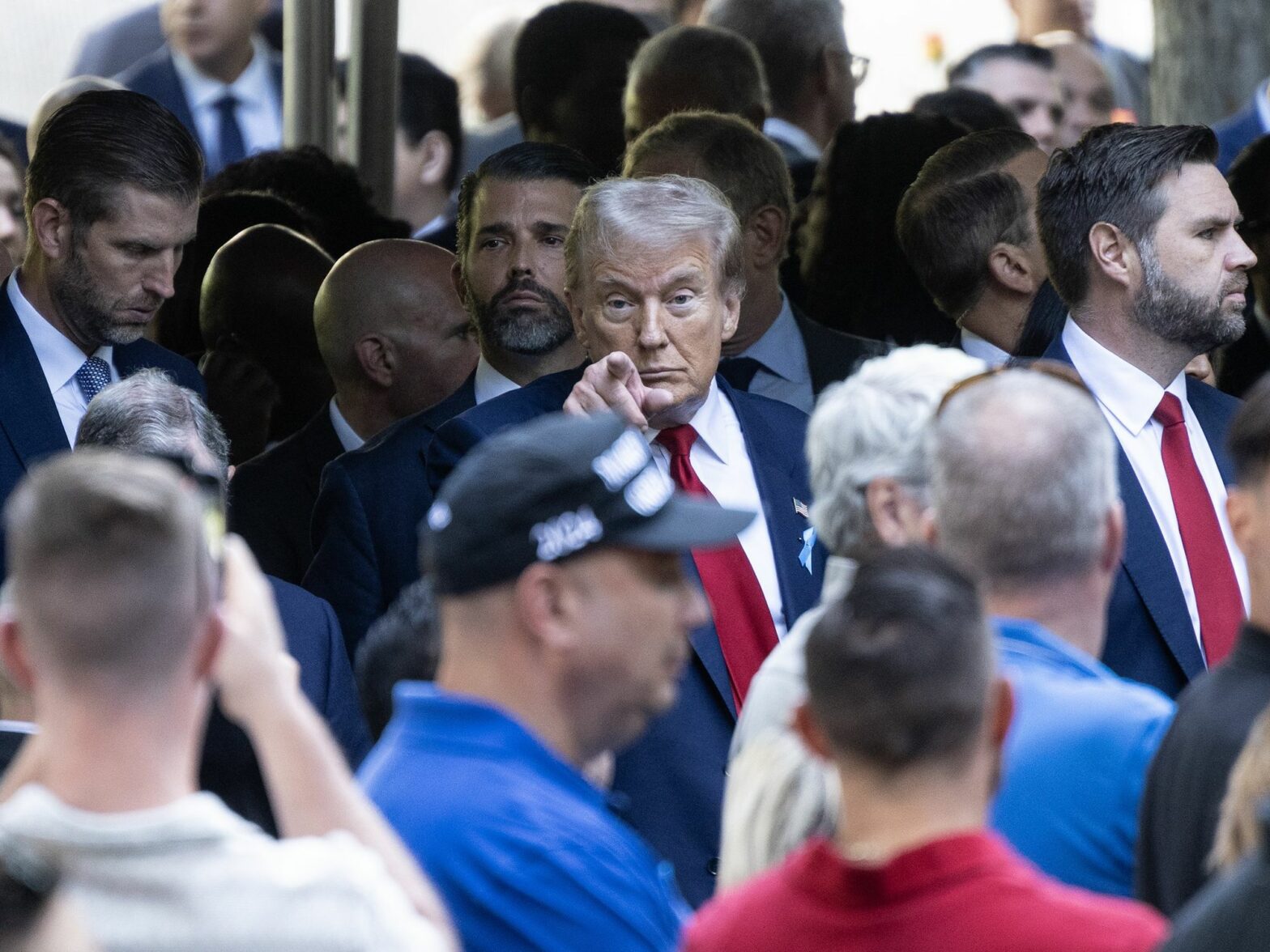
The first presidential debate between Vice President Kamala Harris and former President Donald Trump was an important reminder that the American election will help determine the fate of Ukraine. It did not take long to see which option was better. So much so the moderators had to ask Trump “Do you want Ukraine to win?”
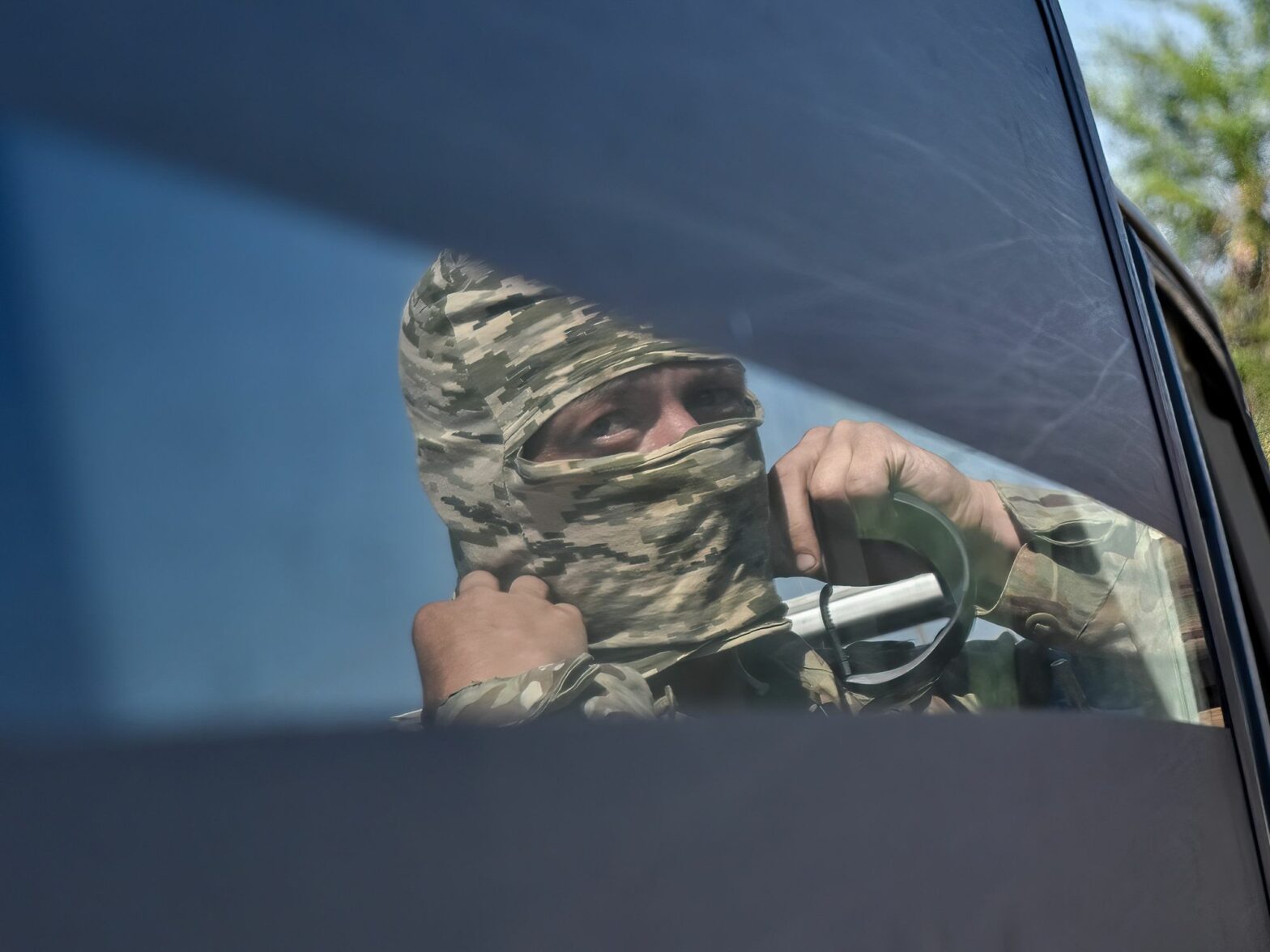
Russian President Vladimir Putin’s brutality and the escalation of Russian strikes on Ukrainian cities should prompt Ukraine’s allies to demonstrate total unity and solidarity against Moscow.
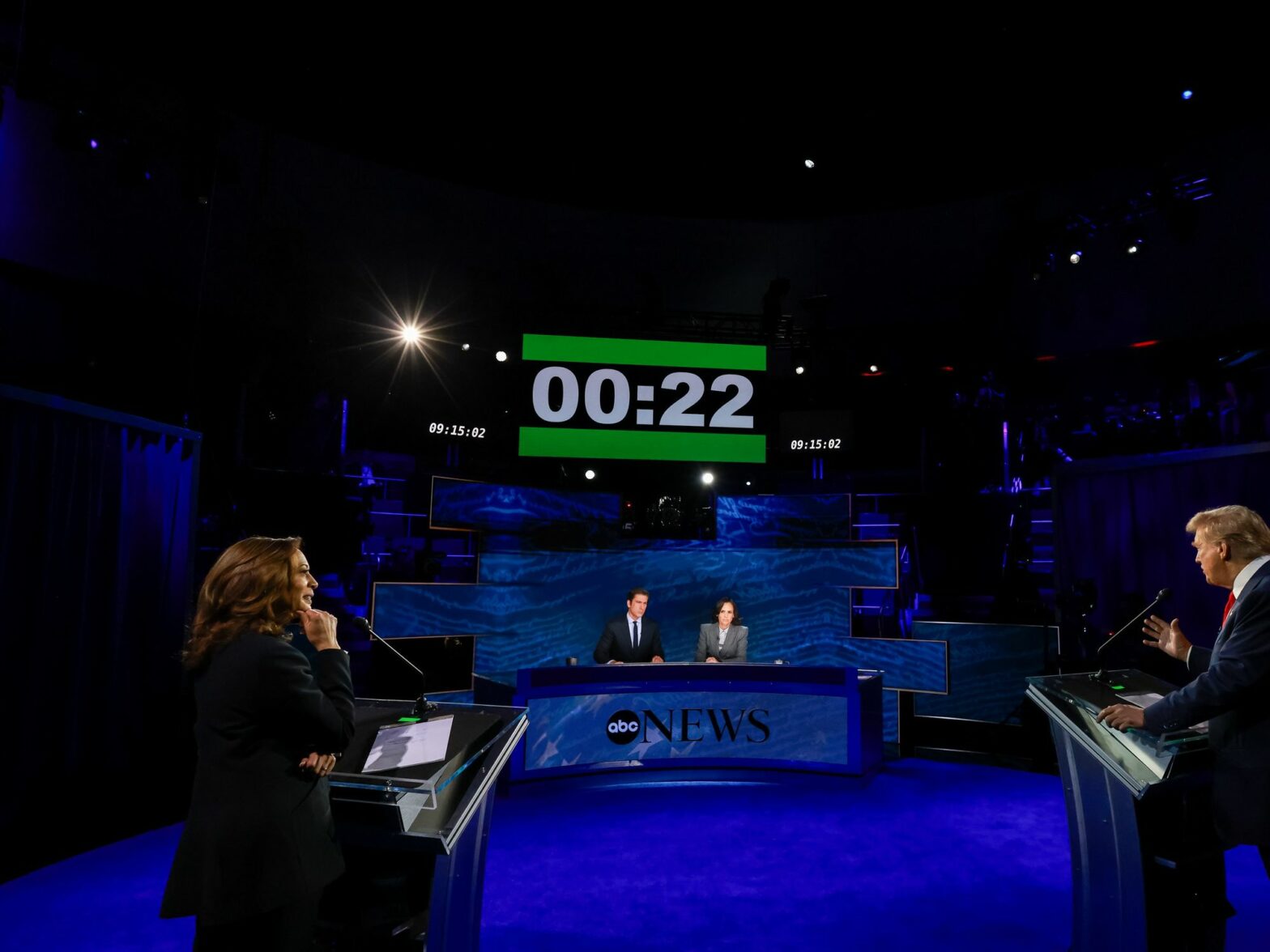
The two candidates for the U.S. presidential election presented two visions of the role of American power in the world. For Europeans, the choice of Kamala Harris may be more reassuring, but the fate of course is in the hands of the American people.
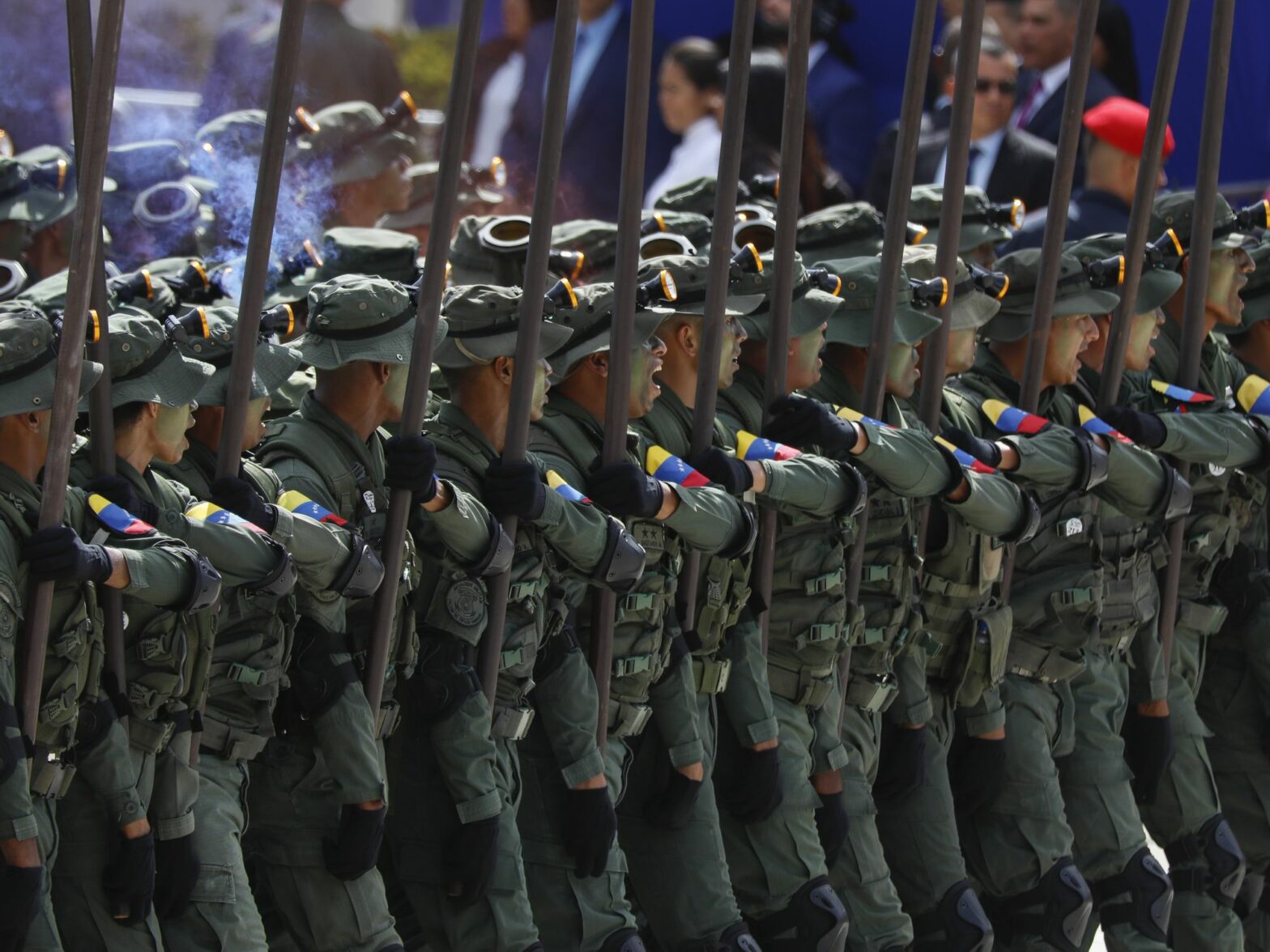
The armed forces have been dragged into political and electoral spats across the Americas, from the United States to Brazil to Venezuela. Is this another sign of liberal democracy’s decline in the West?
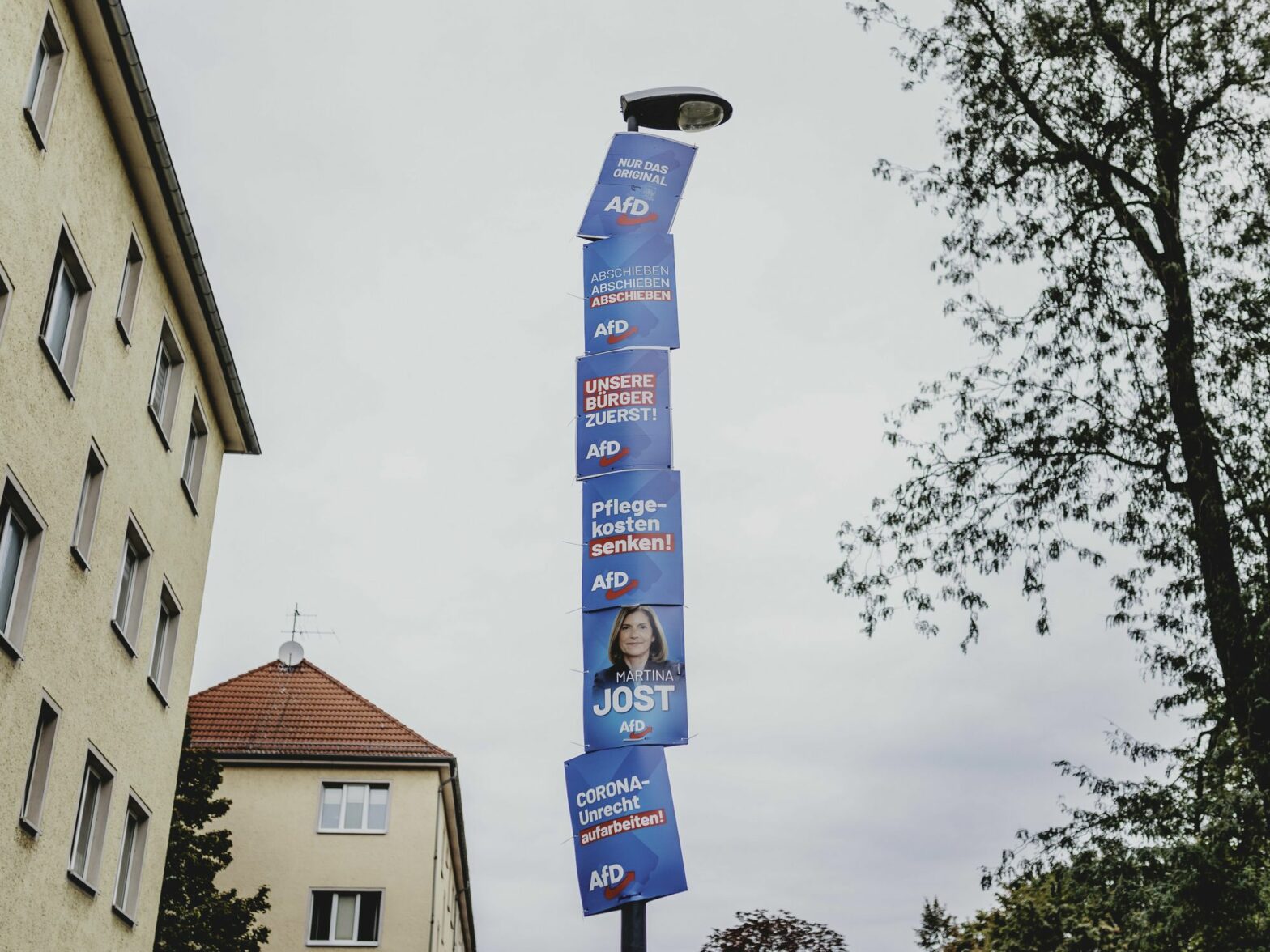
In Sunday’s regional elections in Thuringia, yes, 400,000 people voted for the extreme-right party AfD. Is that a lot? Depends on how you look at it. But looking at overall electoral trends, we know that the vast majority of Germans do not want right-wing extremists in power.
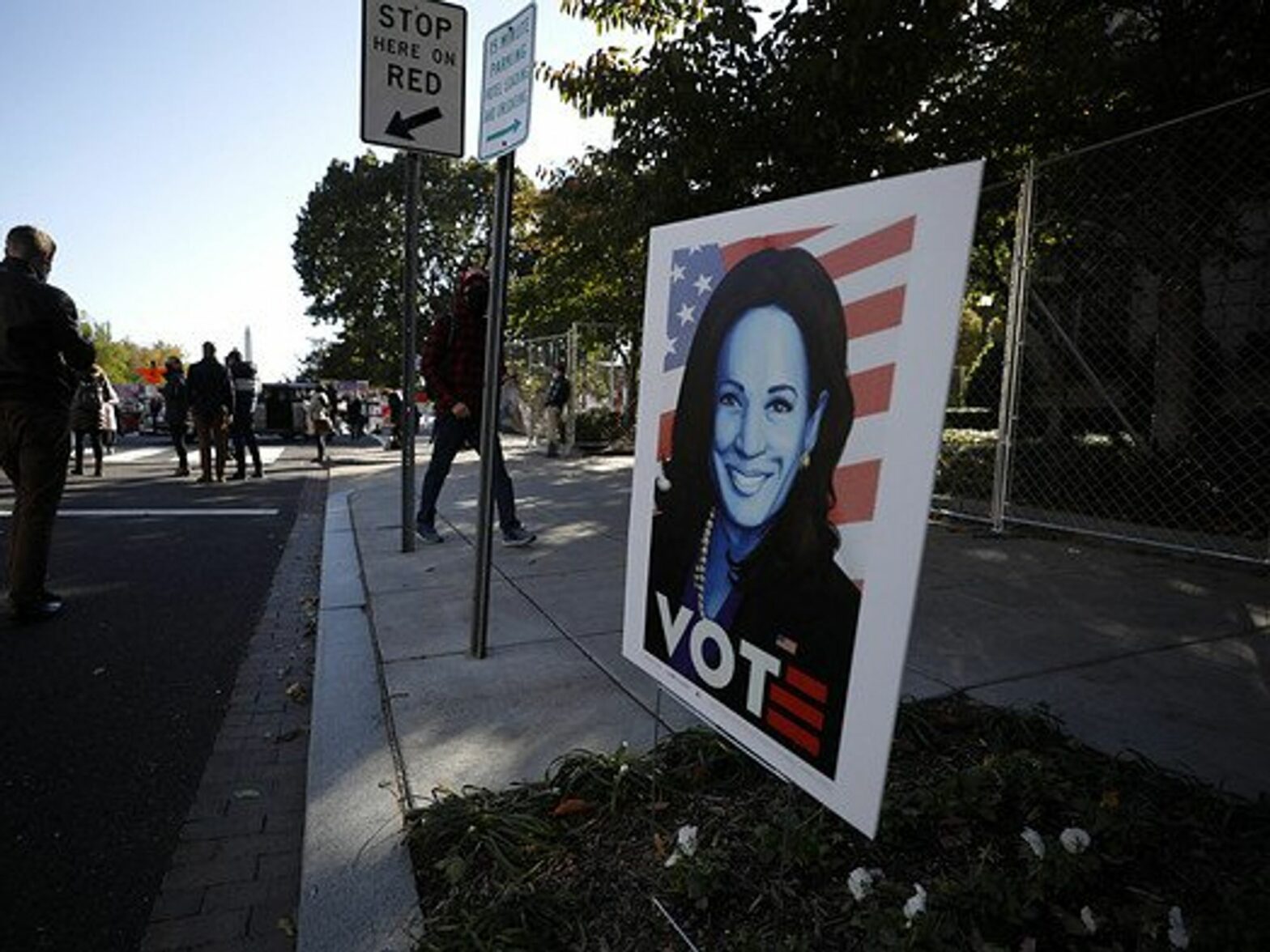
Arab Americans’ outrage over the Biden-Harris administration’s politics is understandable. But boycotting the election — or voting for a third-party candidate — would benefit Donald Trump, who has played up his relationship with Benjamin Netanyahu. What choice does that leave?
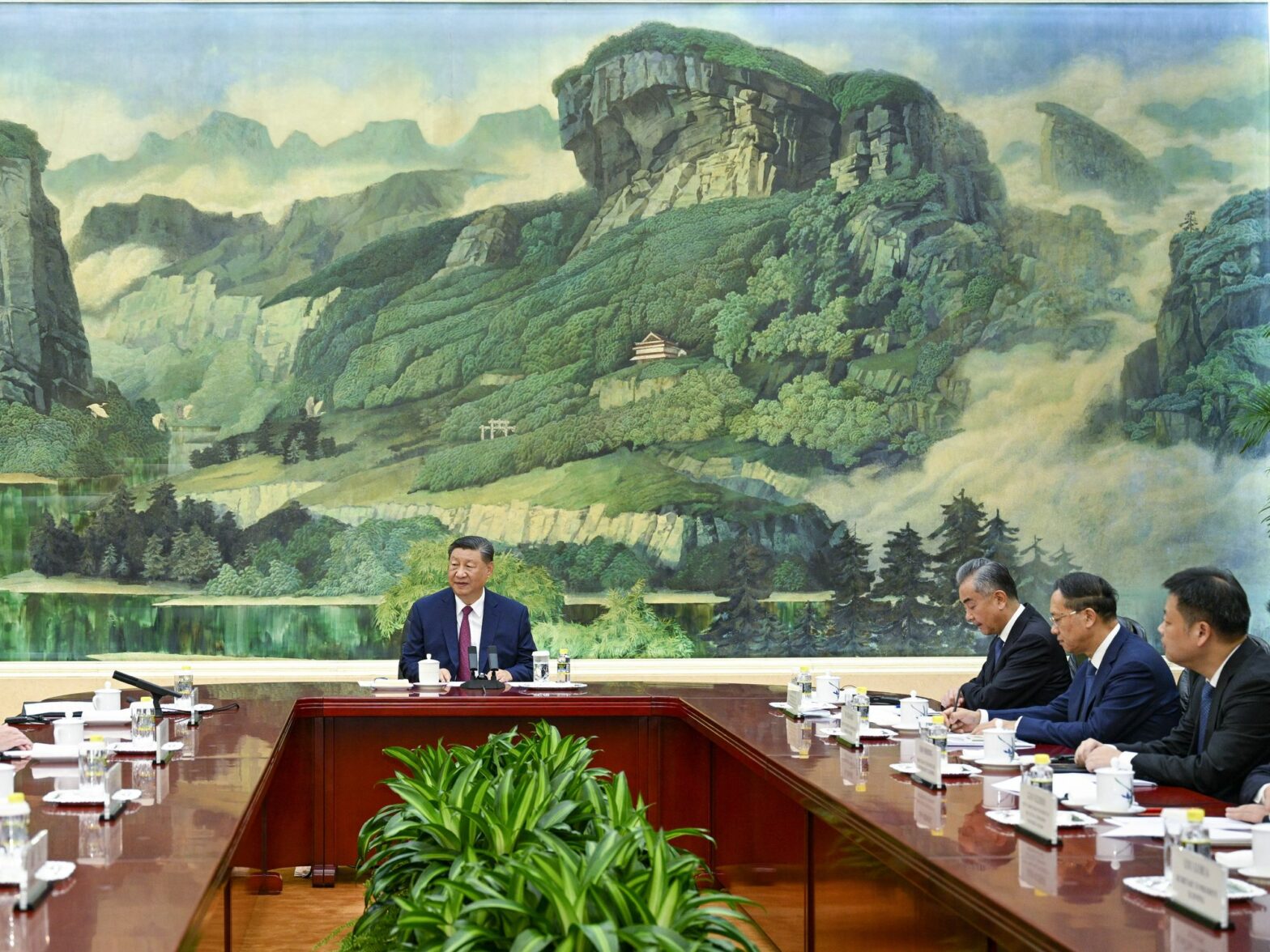
U.S. National Security Advisor Jake Sullivan has assured Xi Jinping that, if elected, Kamala Harris would handle ties between their countries “responsibly.” U.S.-China relations are the major issue of this century, as tensions rise over Taiwan, technology and the South China Sea. A Trump victory would make that prospect scary.
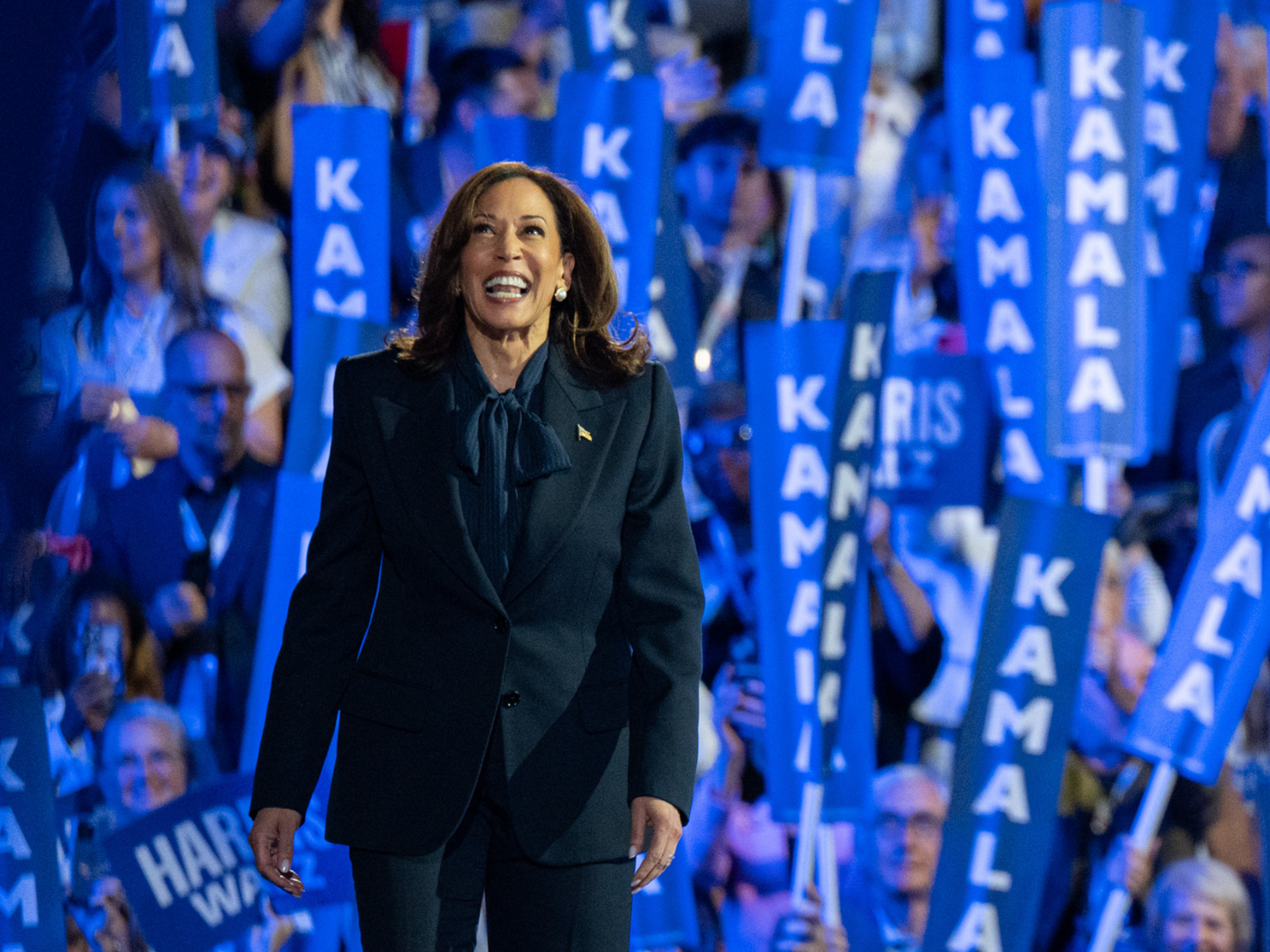
The author’s mother shares a name with the Democratic nominee for U.S. president. How our names are spoken in different countries and cultures has some surprising twists, even if Donald Trump’s weaponizing Kamala Harris’ name is pure bigotry and bullying.
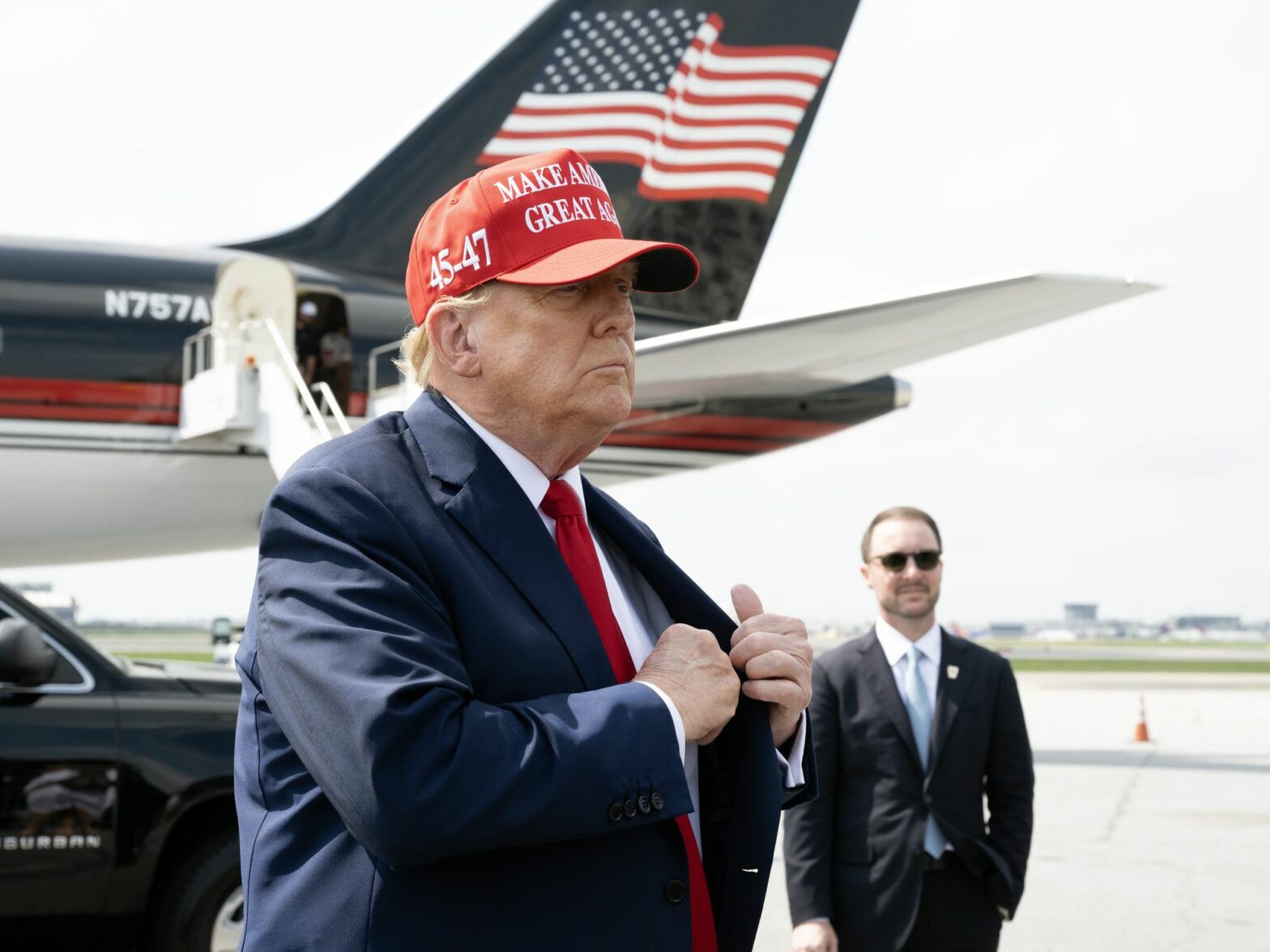
Ahead of the U.S. presidential election, Ivan Timofeev of the Russian International Affairs Council, considers which candidate would be better for Russia. While it’s often thought that Moscow should hope for Donald Trump to win, his first term as president shows his “transactional” nature and otherwise minor impact on foreign policy.
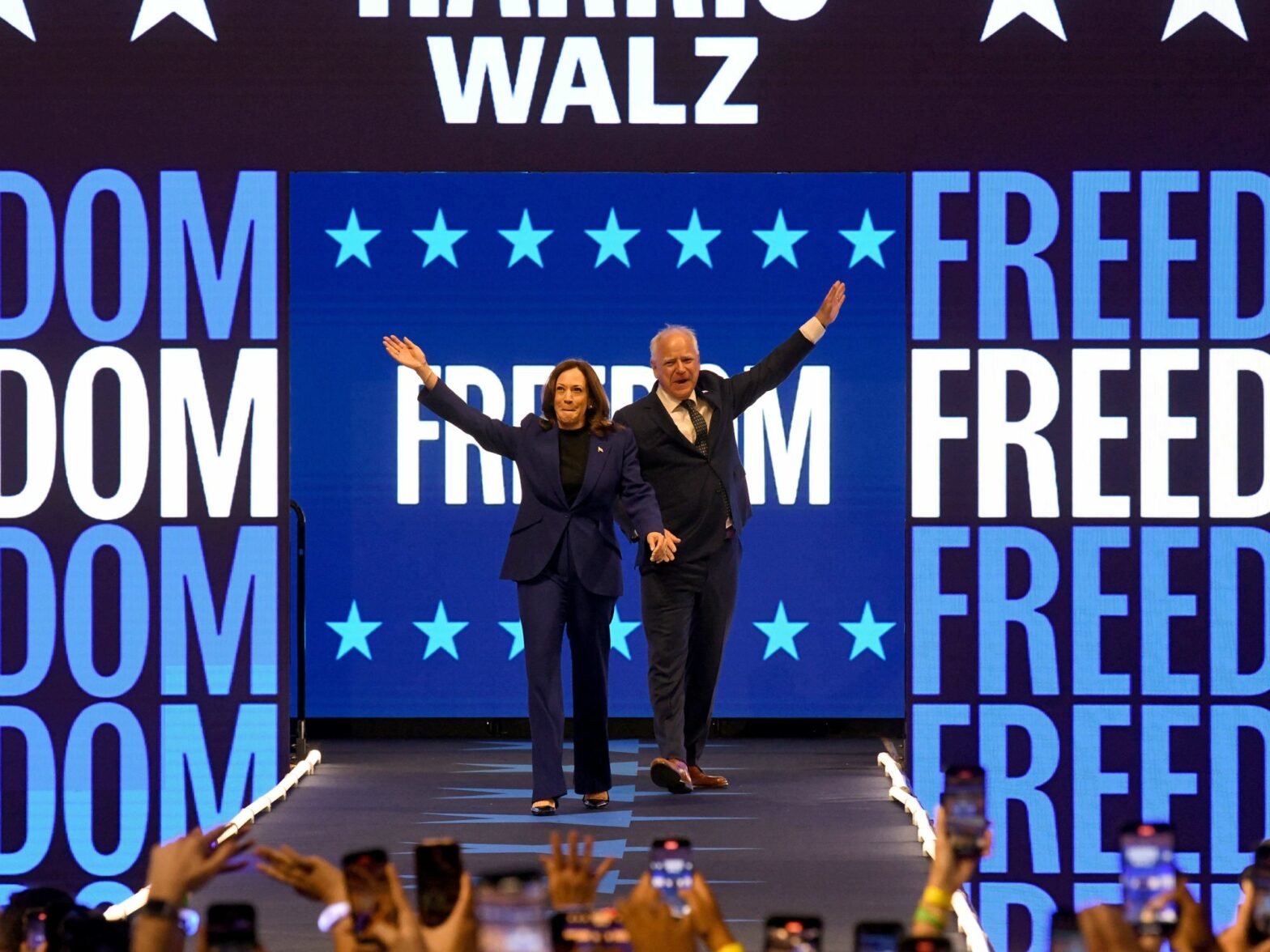
Tim Walz speaks Mandarin. But don’t expect to hear Kamala Harris’ running mate deploying his Chinese language skills on the U.S. election campaign trail.
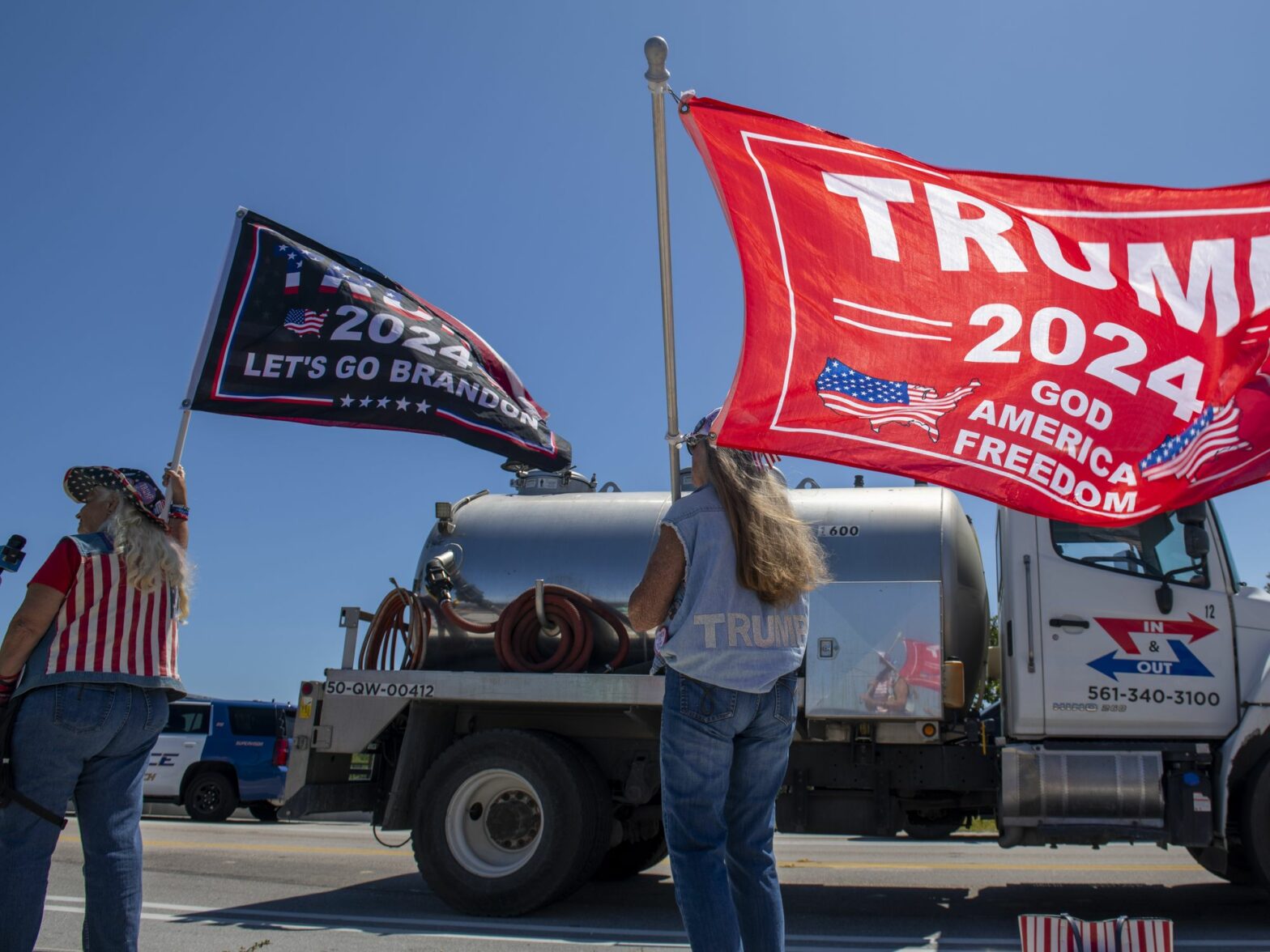
The West will be weakened should the United States turn its back on its alliances, but does the isolationist Donald Trump understand what that could mean for U.S. strength and security?
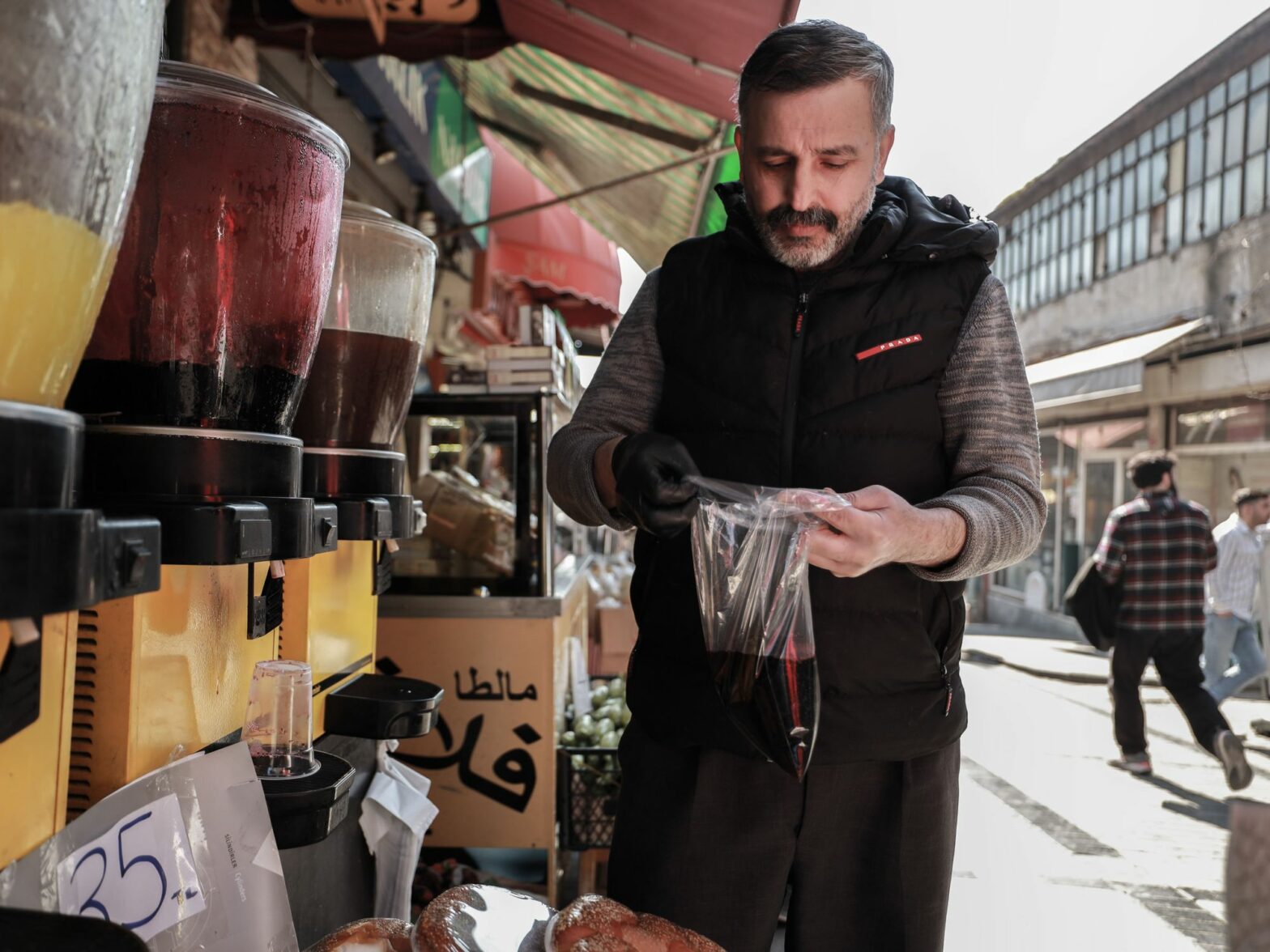
Scenes of violence against Syrian refugees are no longer unusual in Turkey, a country marked by rising nationalism amid a deepening economic crisis.
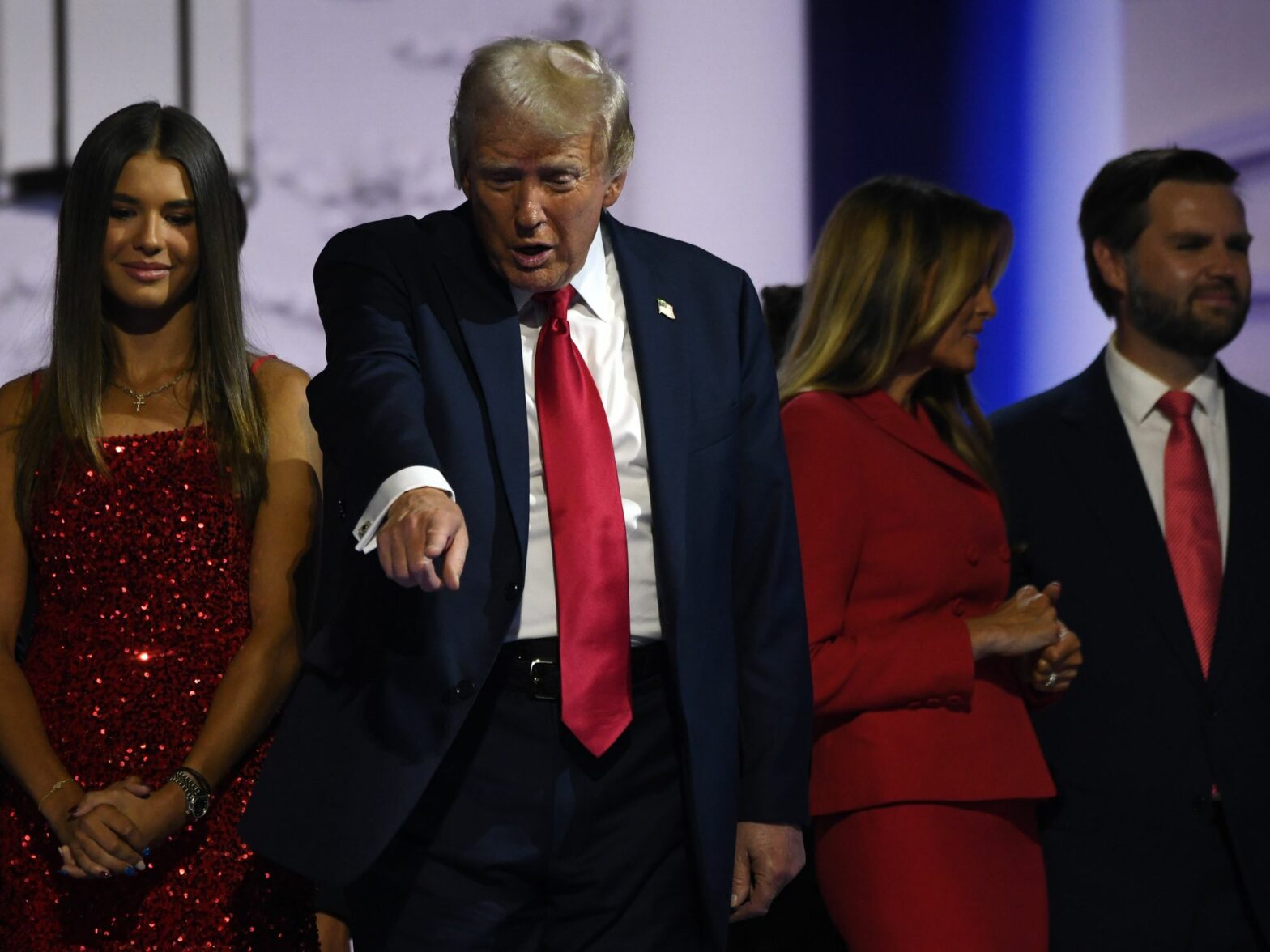
The former U.S. president and Republican nominee Donald Trump is threatening to revive his choice policies of curbing immigration and trade, and nobody would suffer as a result quite as much as the hundreds of millions of Latin Americans who may be forced to turn toward China and the Global South.
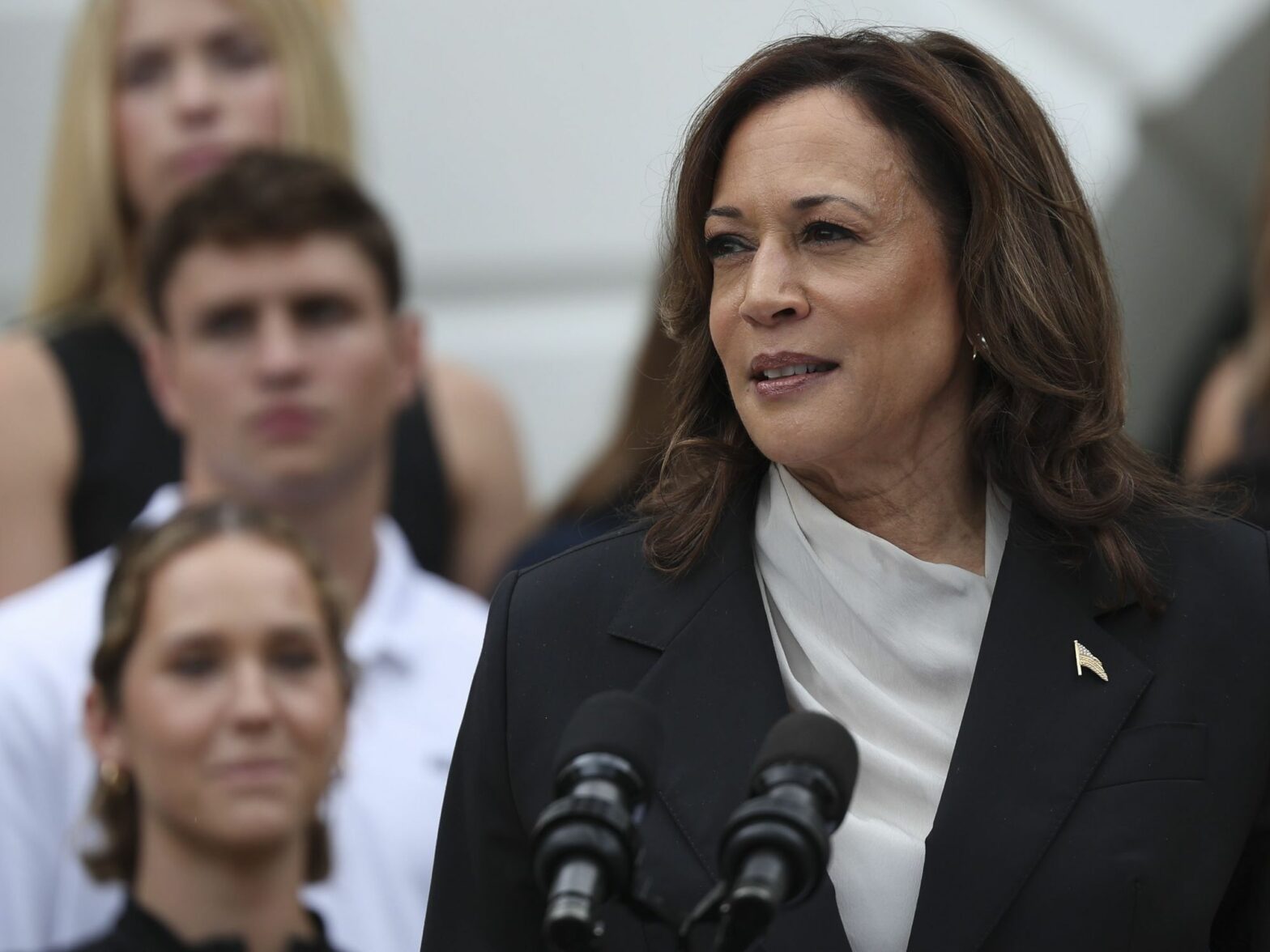
As the vice president is now virtually assured to face Donald Trump on November 5, questions arise on what her election to U.S. president would mean for the rest of the world.
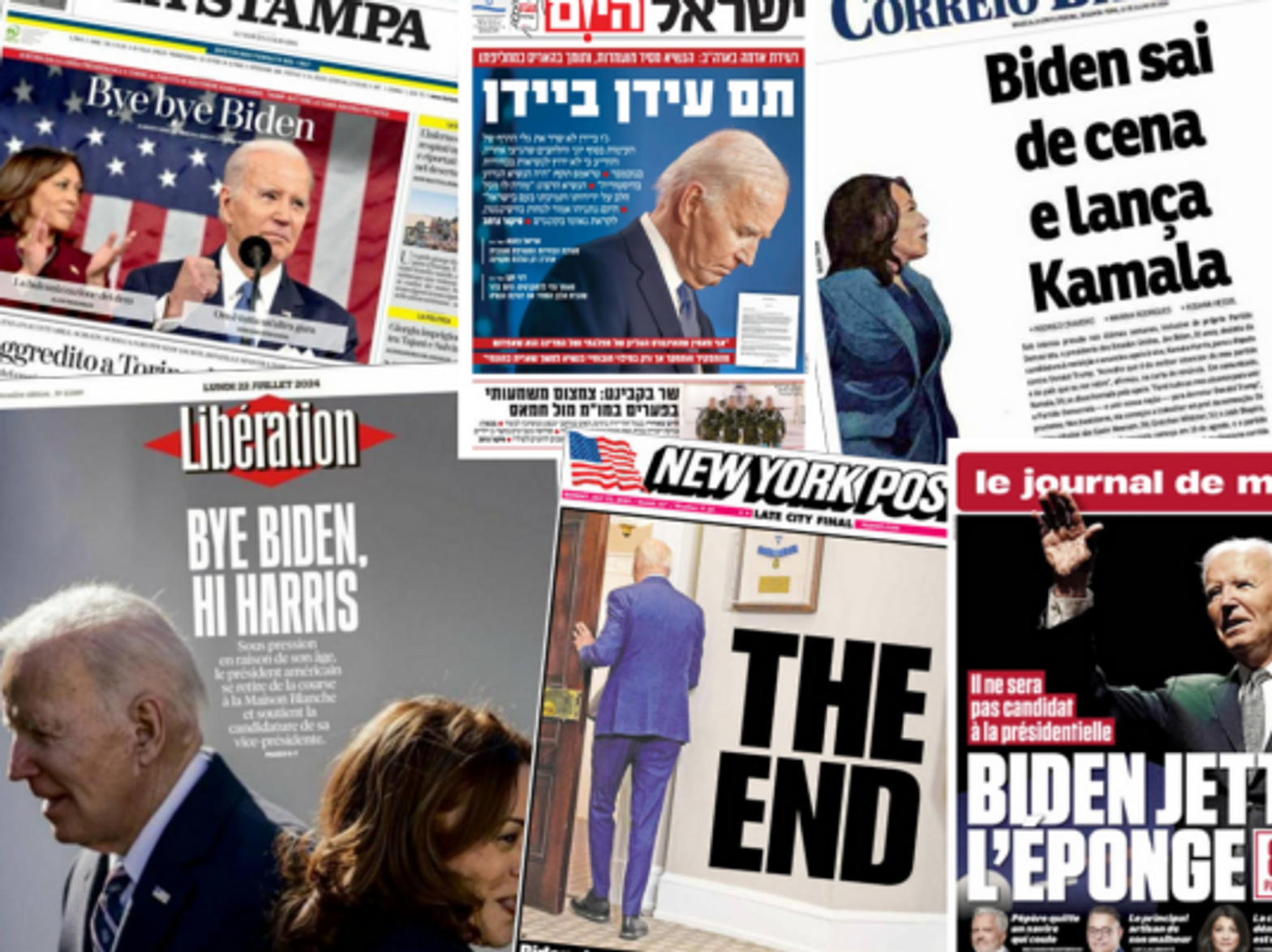
U.S. President Joe Biden has announced his withdrawal from November’s presidential election after weeks of pressure from fellow Democrats. Newspapers from around the world have reacted to the news, bidding au revoir to the Democratic leader on their front pages.
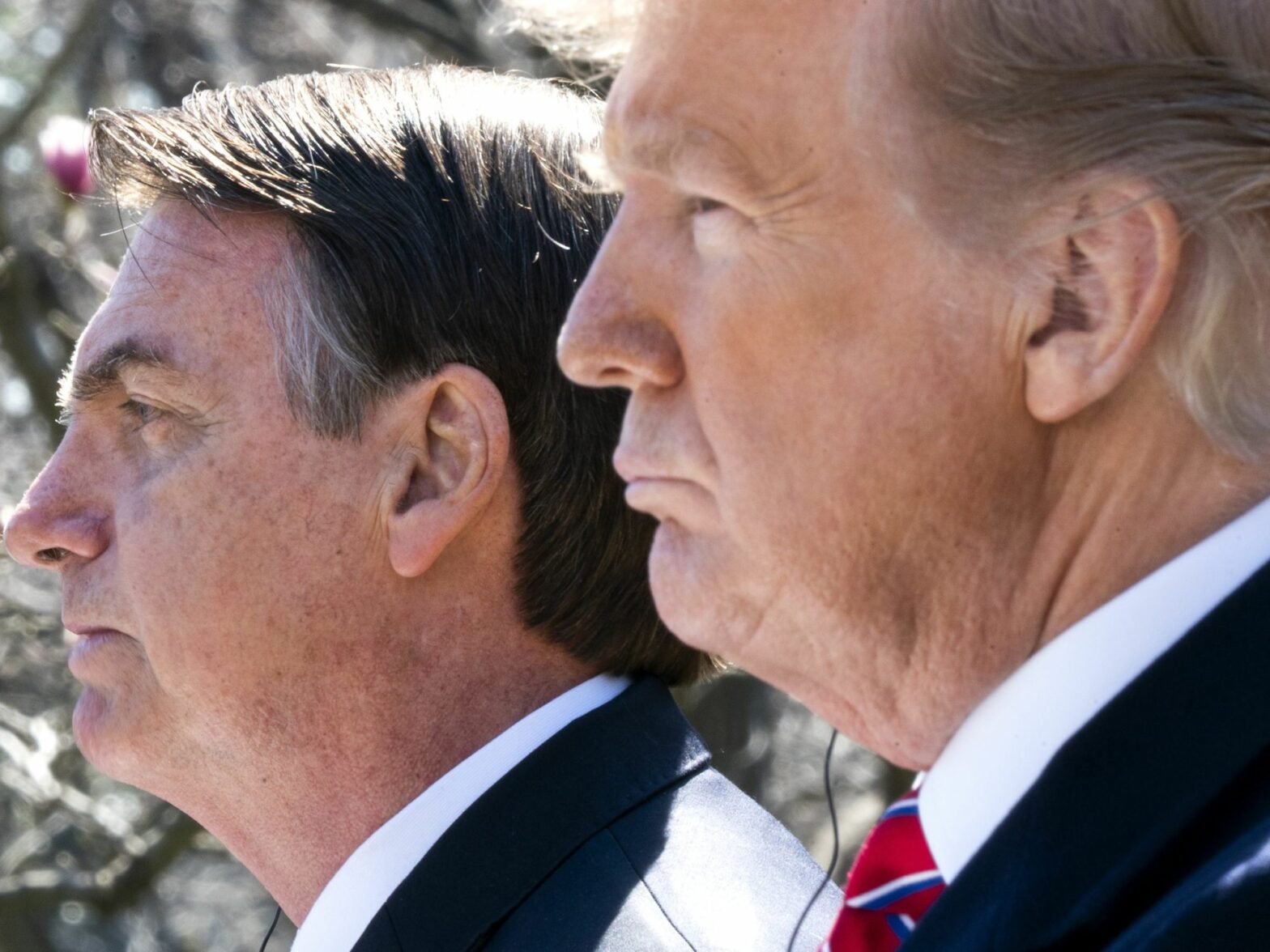
Natalia Viana, editor-in-chief of Agência Pública, draws a comparison between Trump and Bolsonaro, who survived an assassination attempt in 2018. The path to victory for the Democrats is narrowing with every passing day.
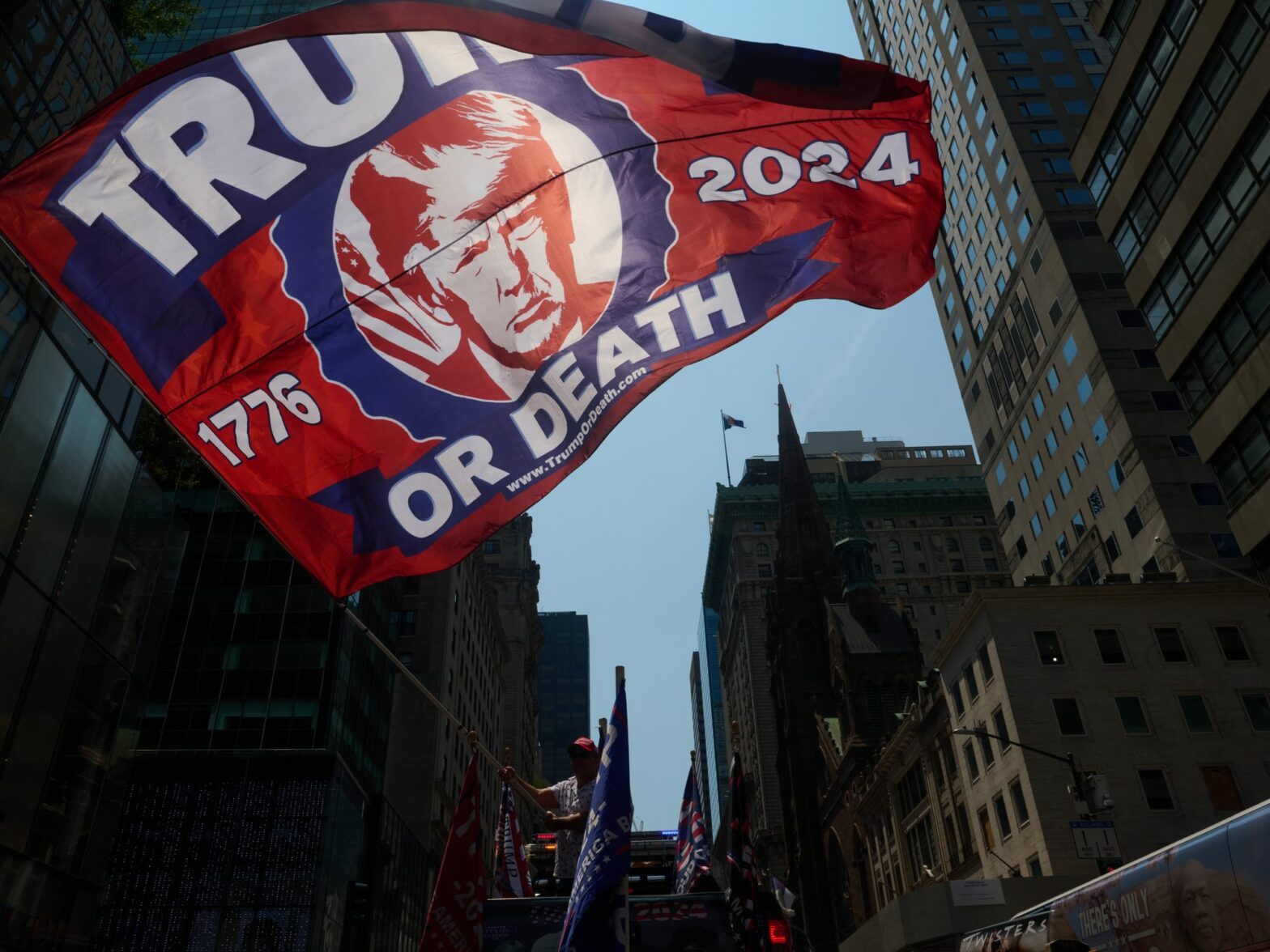
It is the right-wing movements internationally that have used hate speech as a political weapon, inciting political hatred as a form of fuel to create consensus. But that strategy can backfire, as the attack on Trump showed.
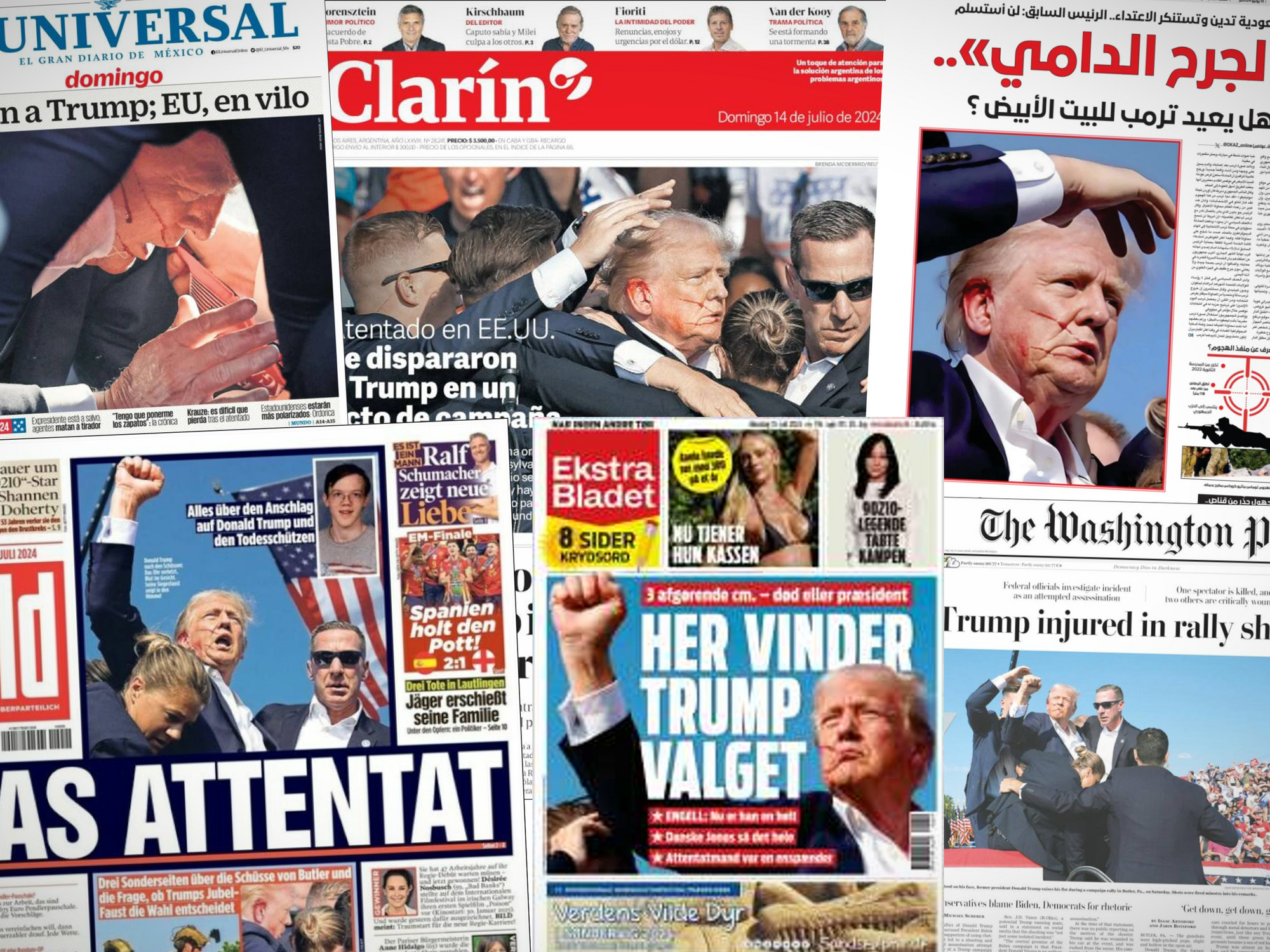
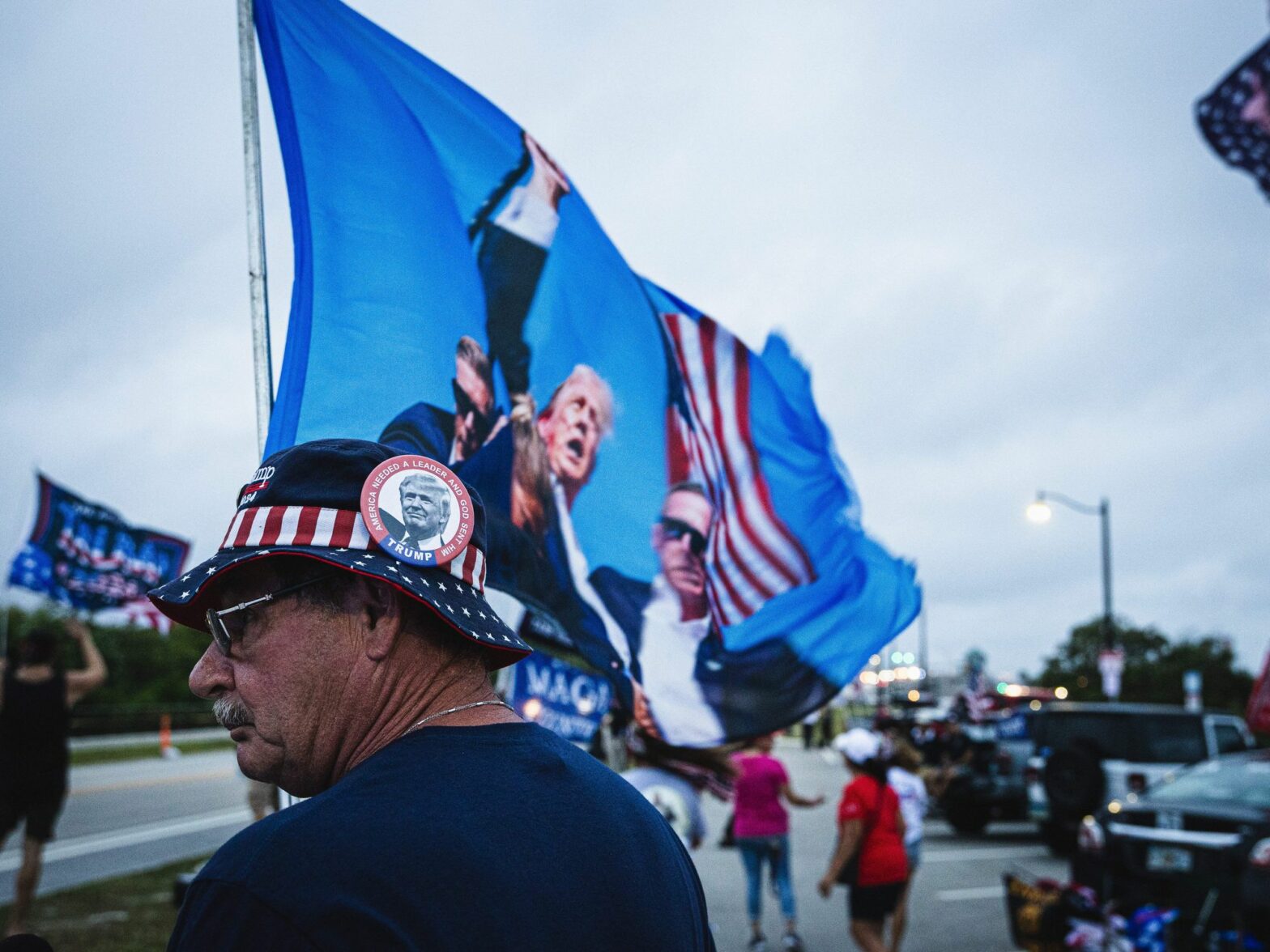
The assassination attempt on former U.S. President Donald Trump sent shockwaves through the American political landscape, and around the world. For the past two days, international newspapers have devoted their front pages to the dramatic attack at a campaign rally in Pennsylvania, the most serious attempt on a U.S. president since Ronald Reagan was shot in 1981.
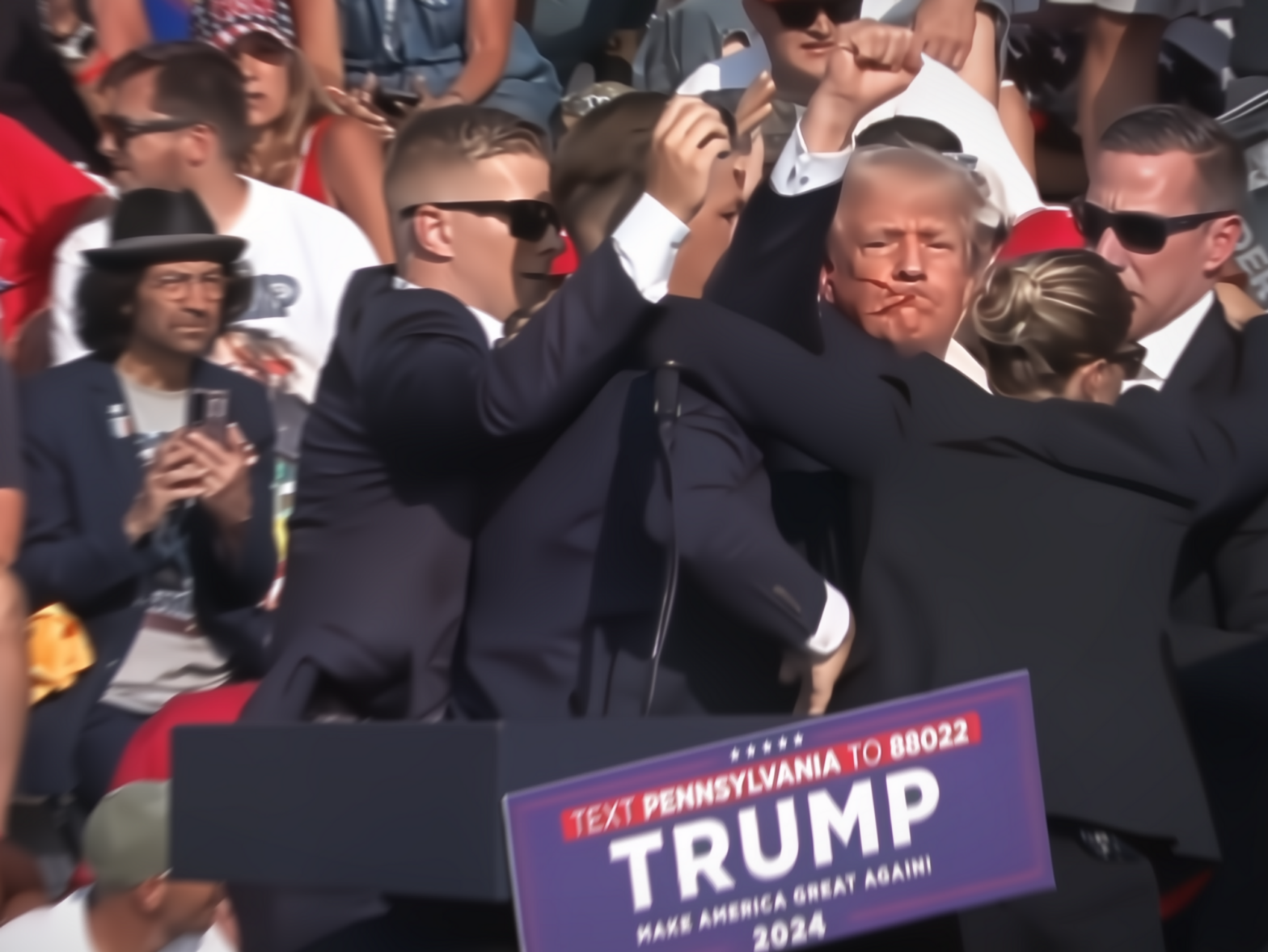
A day after former U.S. President Donald Trump was shot in the ear at a political rally in Butler, Pennsylvania, Professor of Criminology and Justice Studies at the University of Massachusetts Arie Perliger says the attempt, however unsurprising, exposes the depth of America’s political fault lines.