Why do the autocrats of this first quarter of the 21st century from Donald Trump to Jair Bolsonaro hate women so much? It may have something to do with the role of female activism in strengthening and expanding democracy.

 Worldcrunch
Why do the autocrats of this first quarter of the 21st century from Donald Trump to Jair Bolsonaro hate women so much? It may have something to do with the role of female activism in strengthening and expanding democracy.
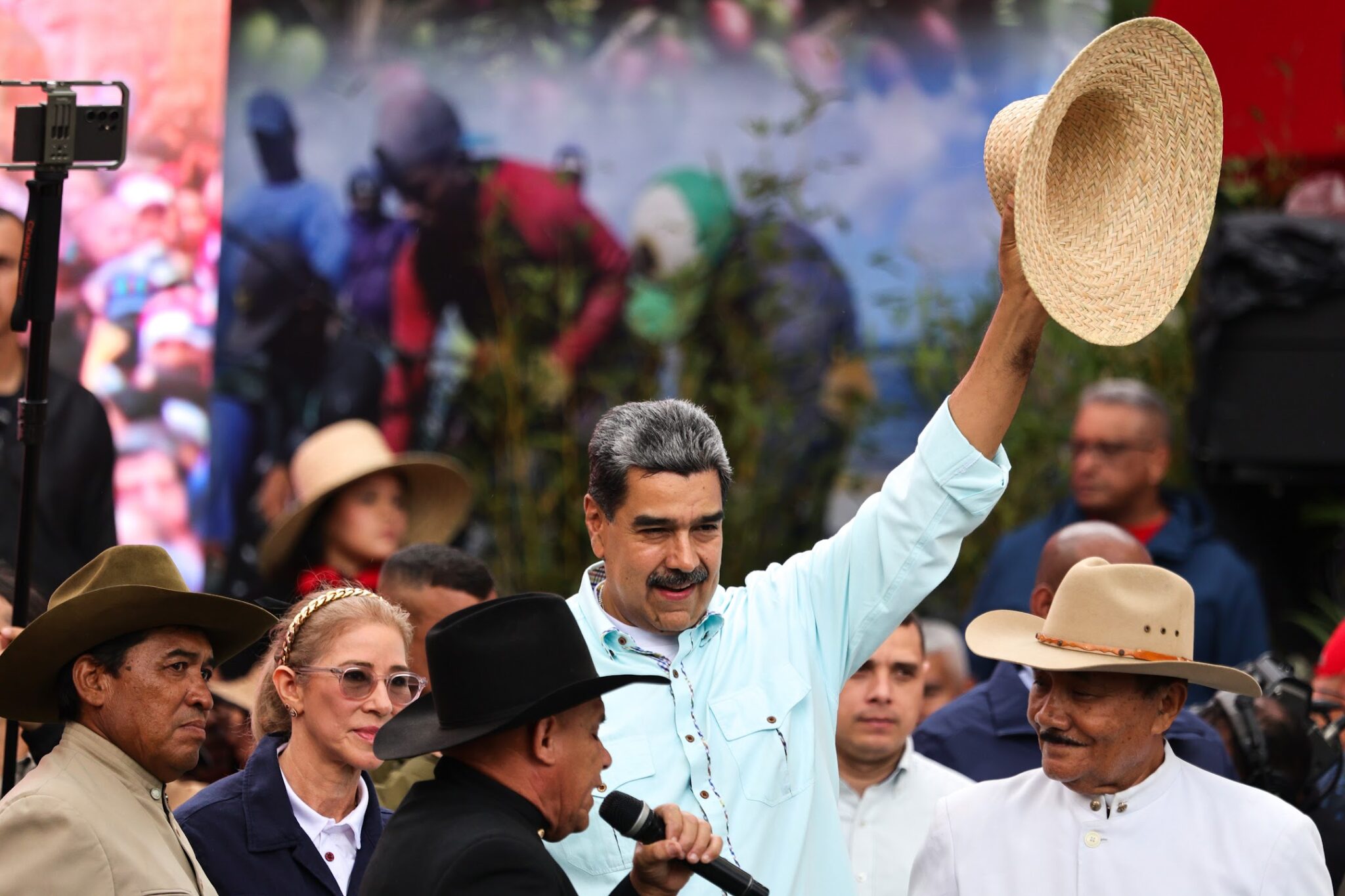
The United States has seized a Venezuelan oil tanker, attacking the country’s main source of income in an escalation of pressure aimed at bringing down the Maduro regime. Opposition leader Maria Corina Machado, who is in Oslo to receive the Nobel Peace Prize, supports the U.S.’s pressure tactics. But our Americans ready to revive imperialism?
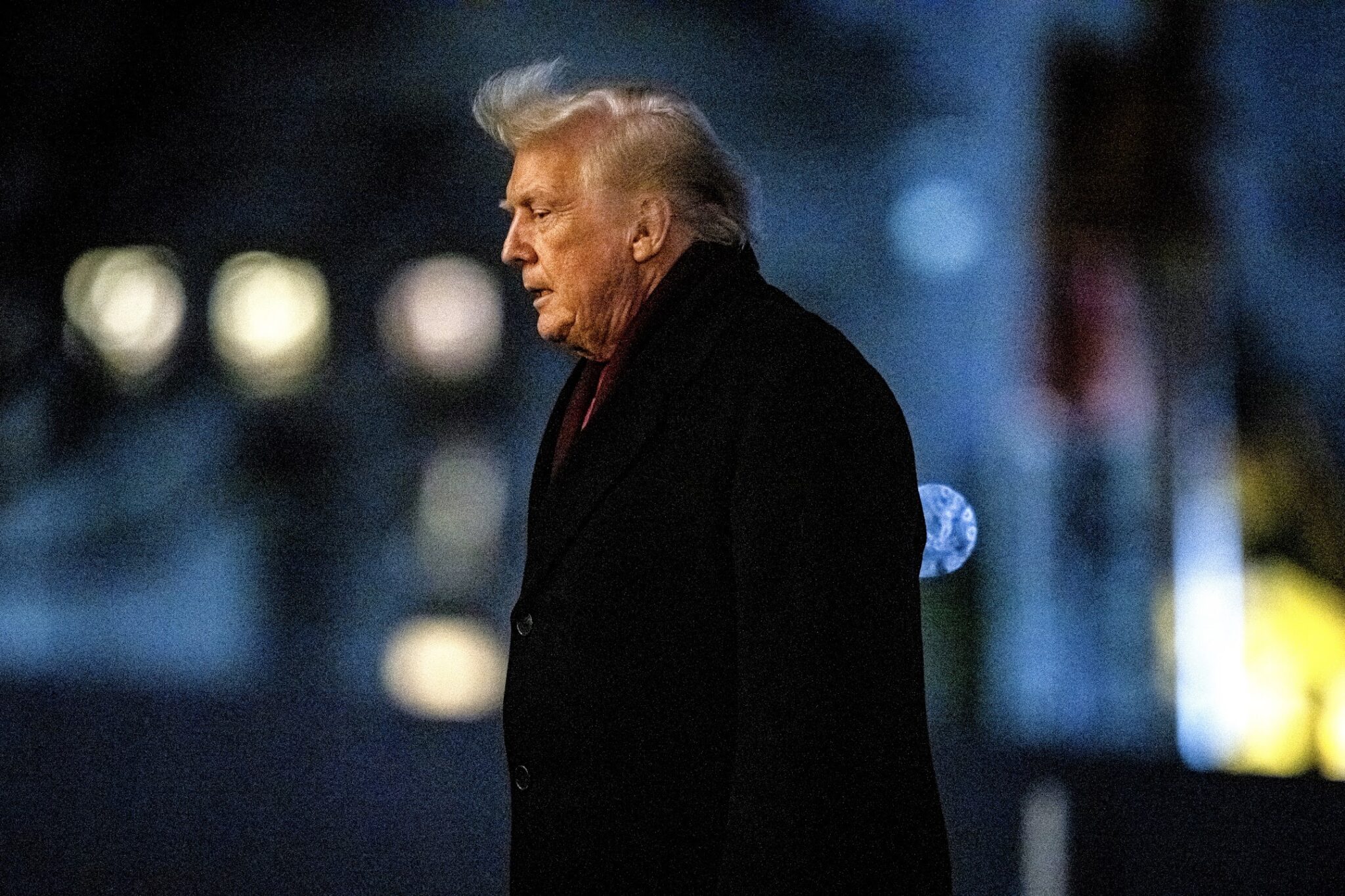
Donald Trump has doubled down on his criticism of Europe, calling it “weak” and “ decaying,” and of Ukraine, which he said has no chance because Russia is “bigger.” Why so much hatred?
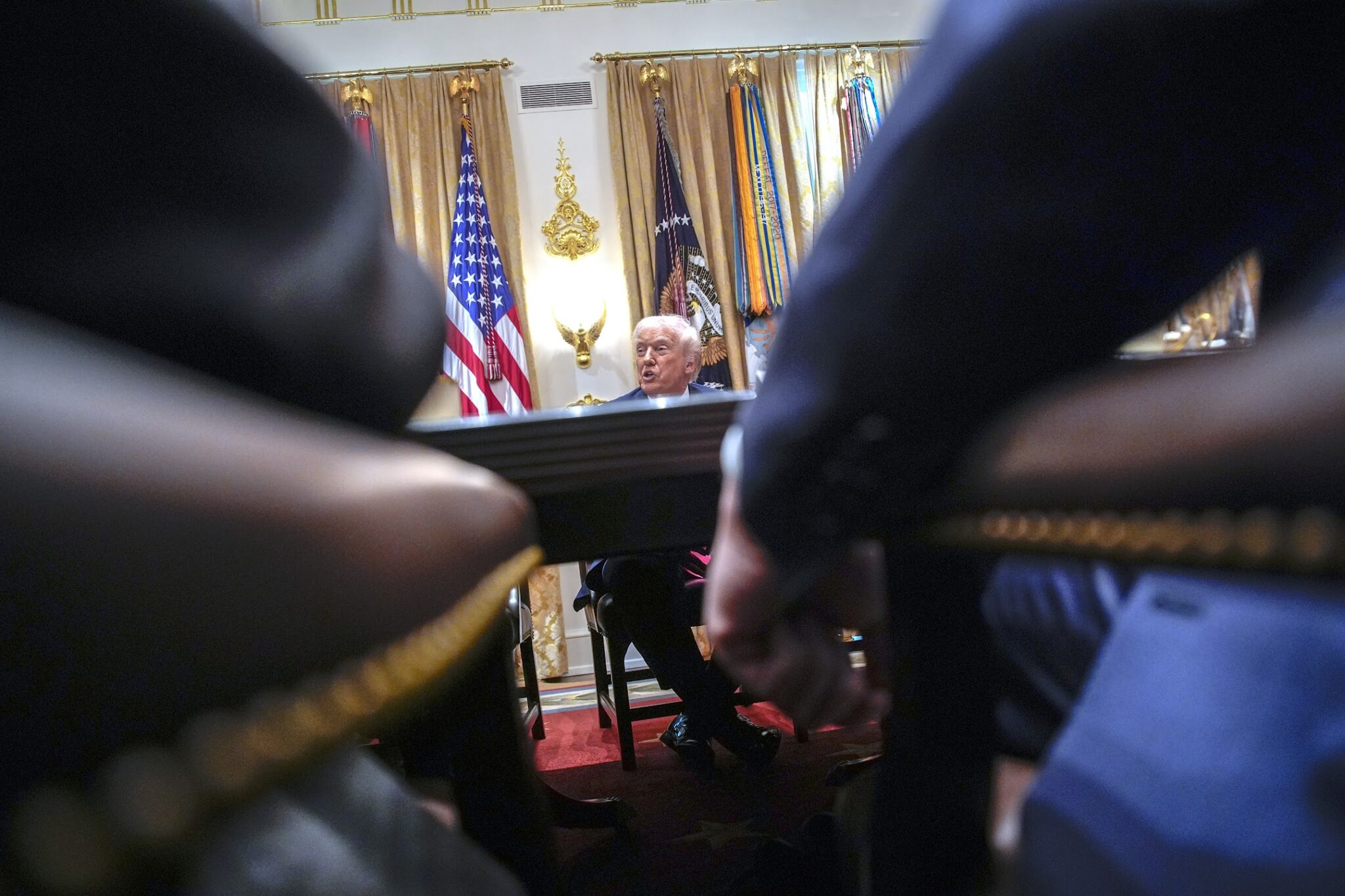
The National Security Strategy, an official document released Friday in Washington, delivers a sharp attack on Europe while echoing far-right themes. It signals a break with the Europe we know, one that threatens support for Ukraine and the continent’s security.
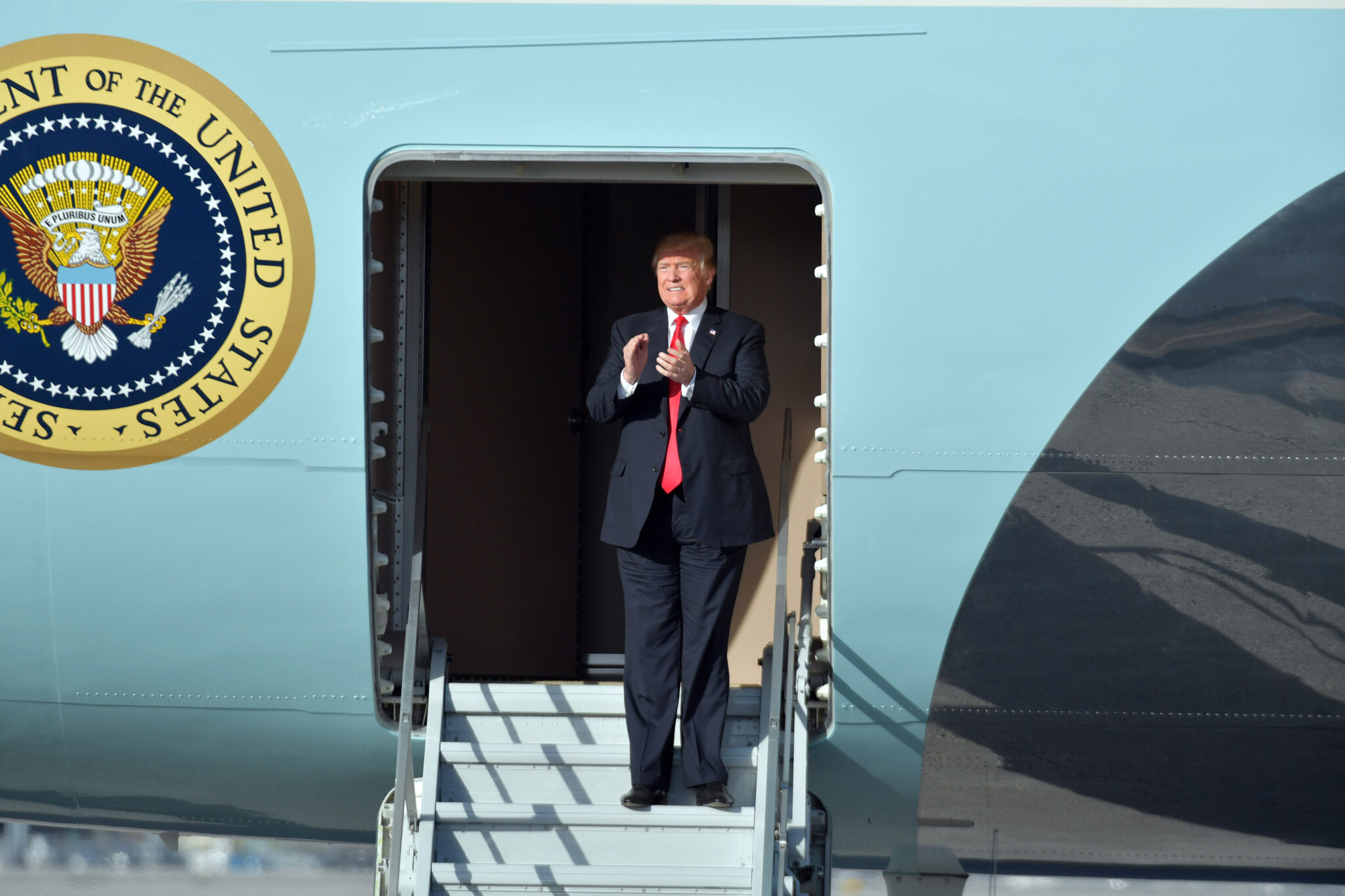
Trump’s interventions seem to correspond less to a conventional impulse toward peacemaking than to an attempt to secure strategic advantages for his country.
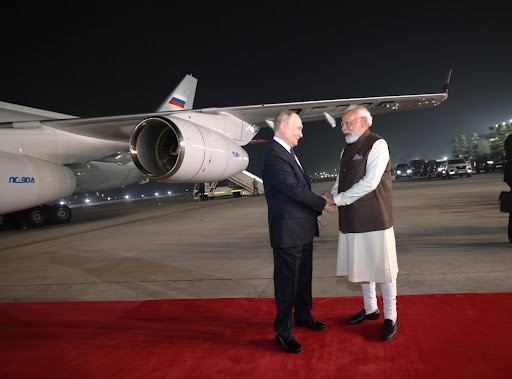
The Russian president’s visit to India is significant, indicative of the major moves aimed at redefining the world order — just like Emmanuel Macron’s trip to China.
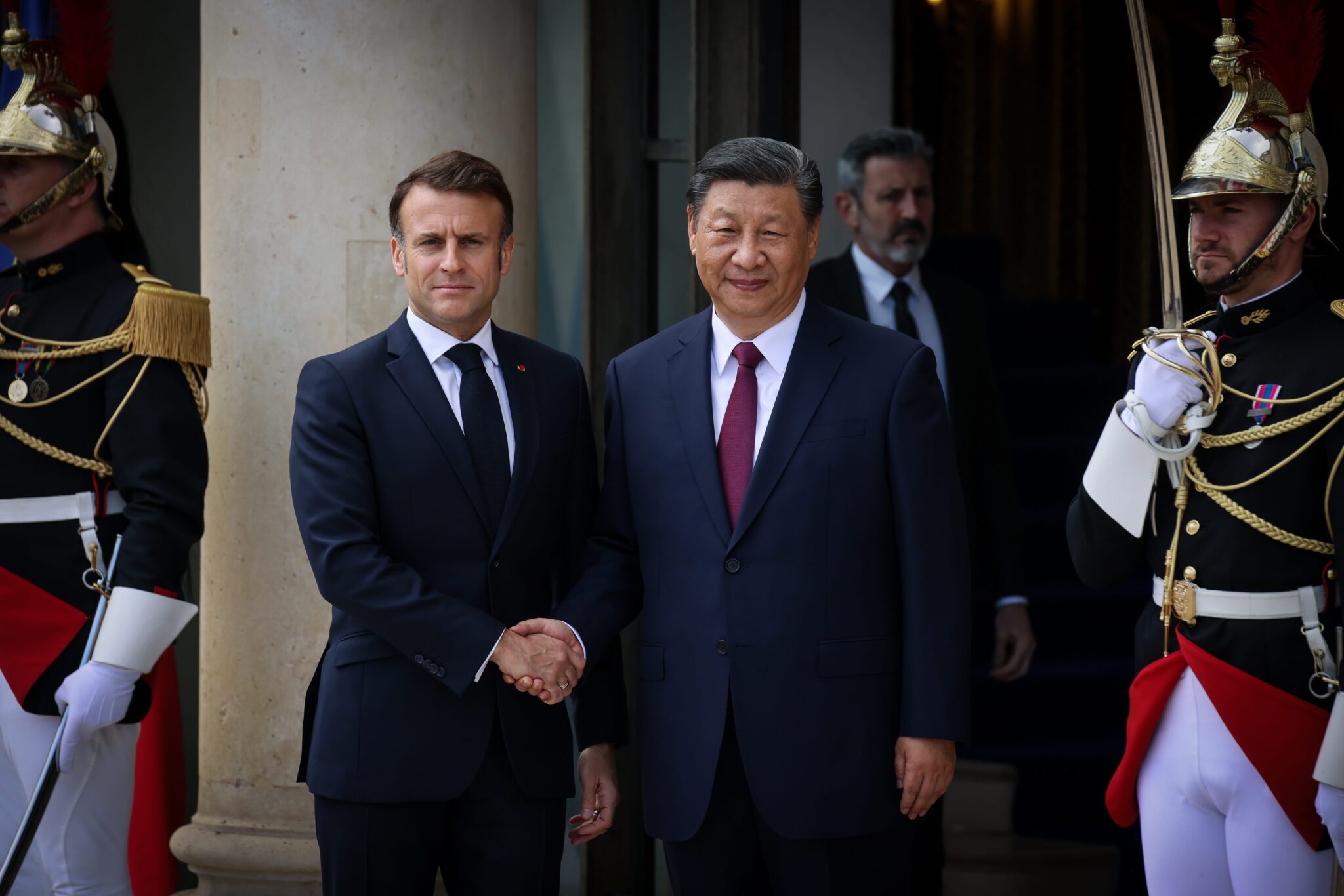
French President Emmanuel Macron has multiple and perhaps conflicting priorities as he lands in China to meet President Xi Jinping.
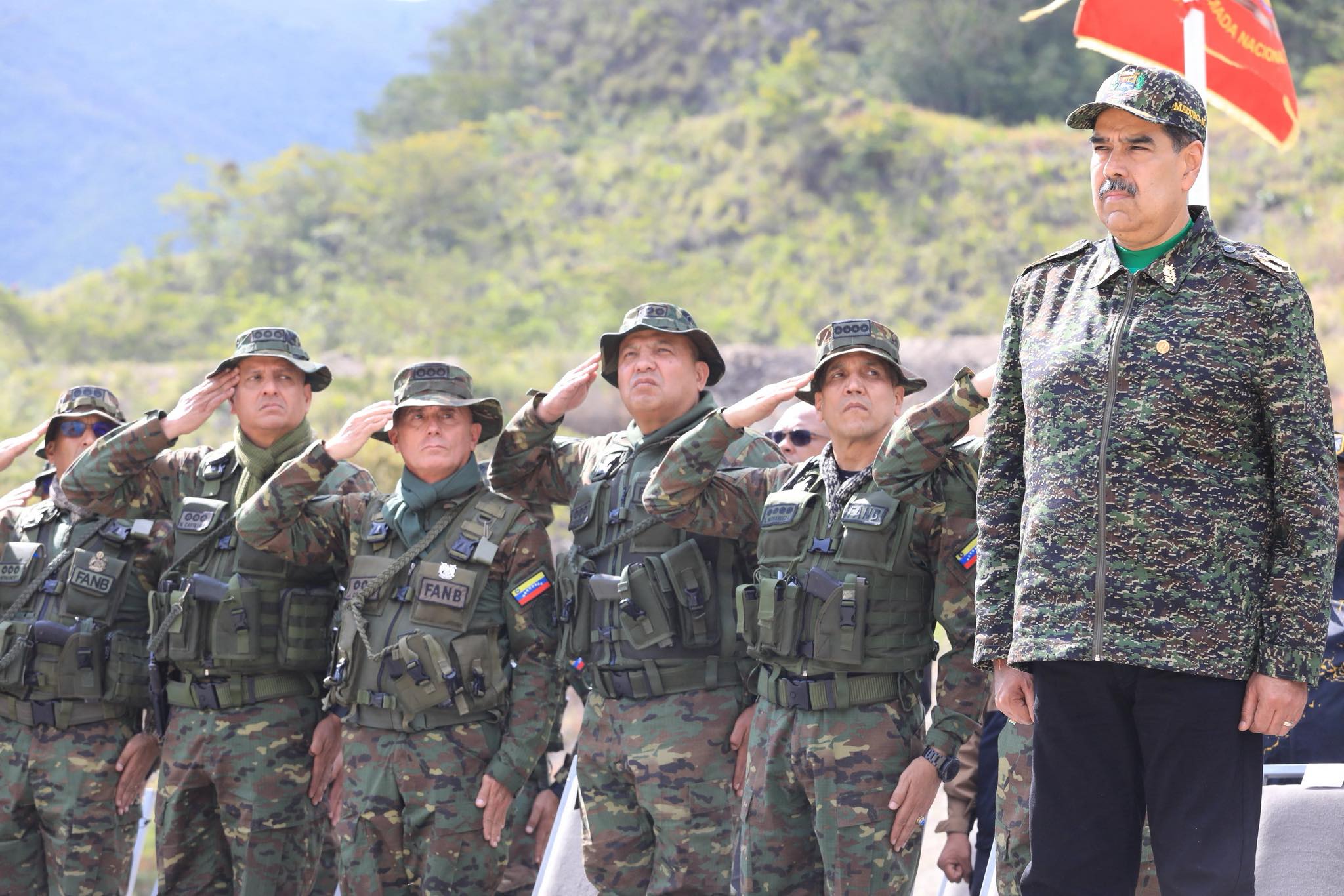
Donald Trump and Nicolas Maduro spoke on the phone, but the U.S. president gave him an ultimatum to resign and leave the country. The alternative is likely to involve military action, which would disregard international law.
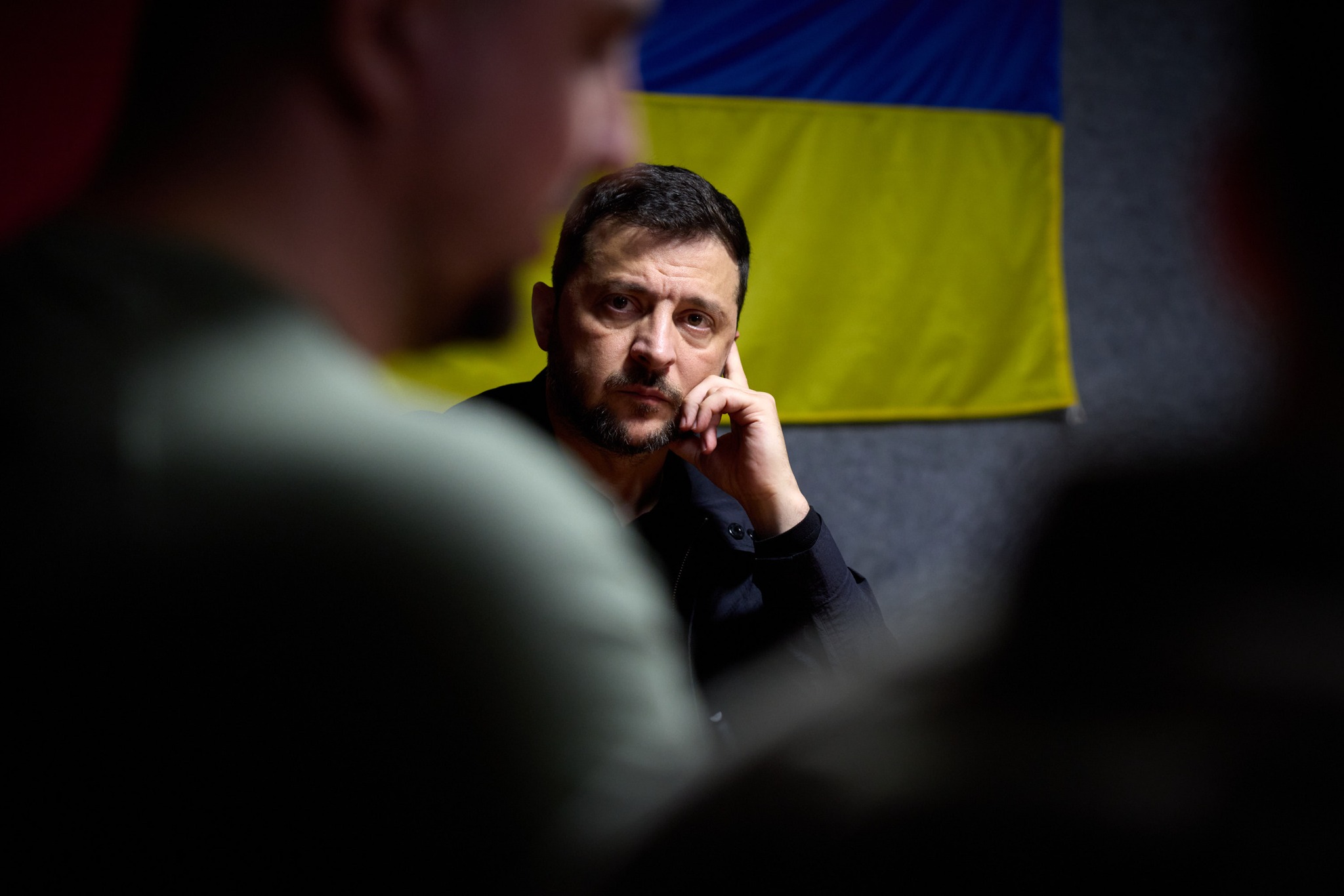
While Vladimir Putin describes Volodymyr Zelensky’s authority as “illegitimate,” the French foreign minister asserts that he has “every right to lead his country toward peace.” The weakened Ukrainian president is in Paris at a decisive moment in the conflict.
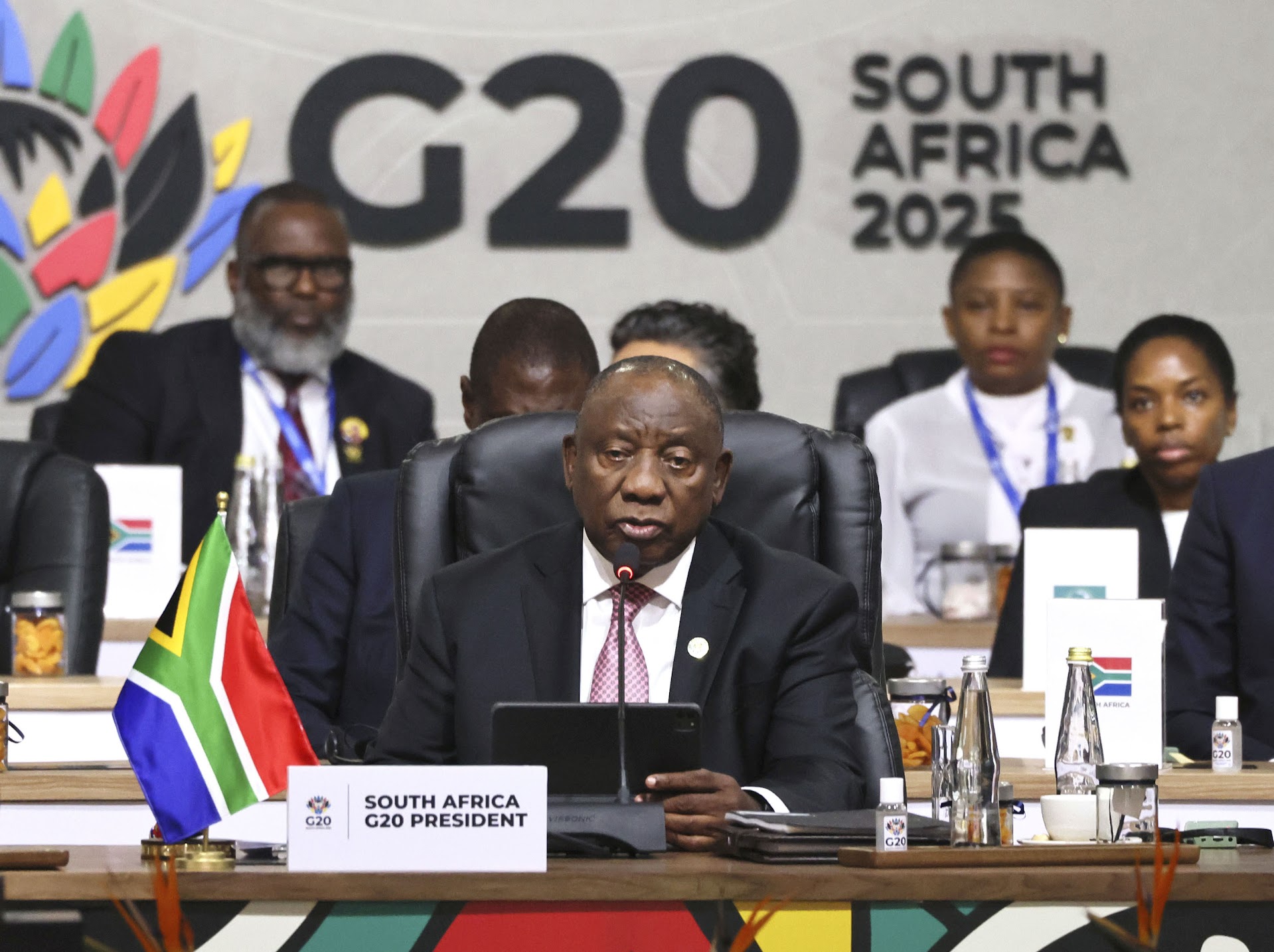
The U.S. president won’t invite South Africa to the next G20 on American soil and is cutting all funding to the country, accusing it of carrying out a genocide against Afrikaners. Official denials have changed nothing — Donald Trump is continuing to pursue South Africa with his absurd vendetta.
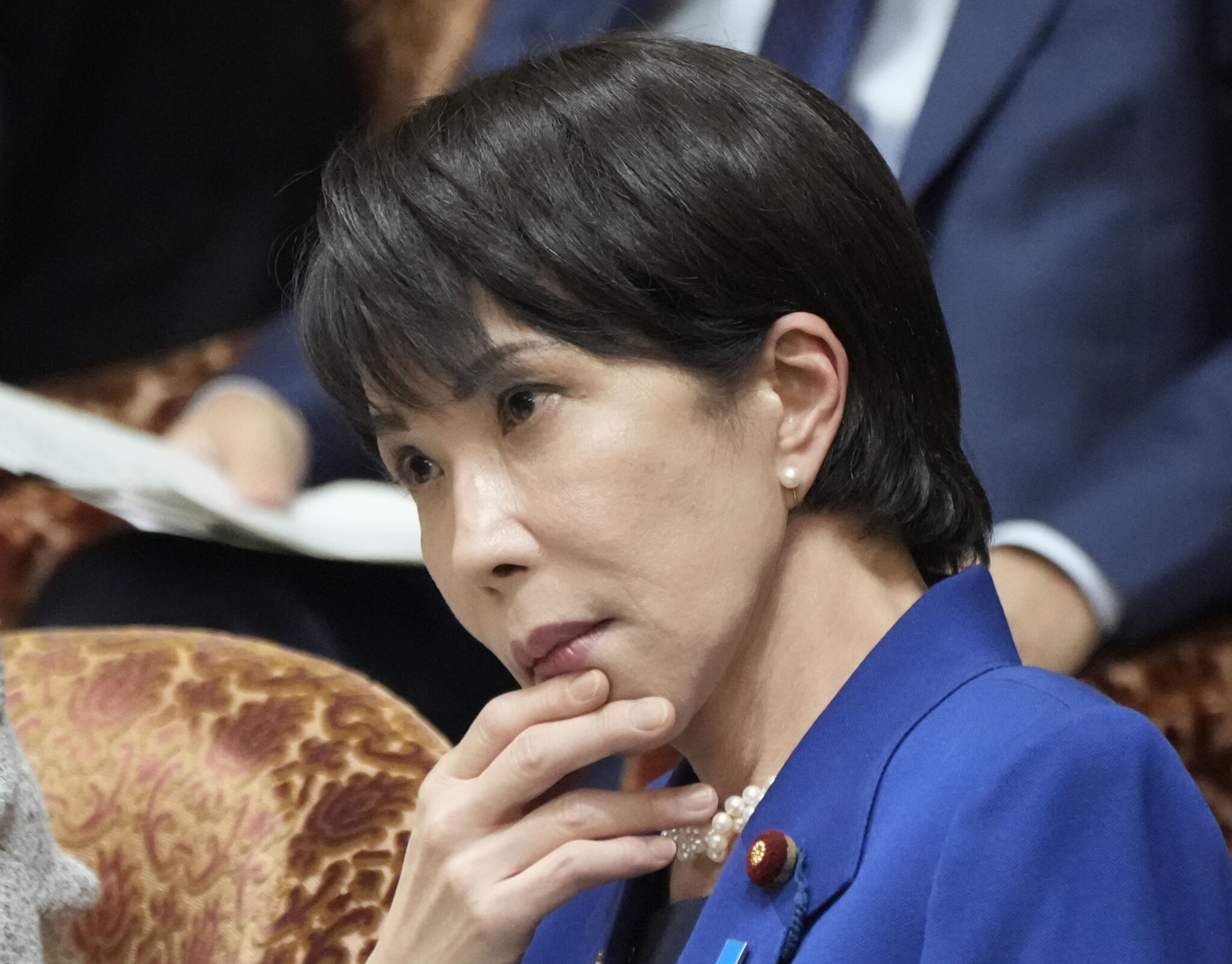
Because of her comments that a Chinese attack on Taiwan would constitute an “existential threat” to Japan, the Japanese prime minister has been facing Beijing’s wrath for three weeks. Taiwan is the central issue in East Asian tensions, and Donald Trump has stepped in with characteristic ambivalence.
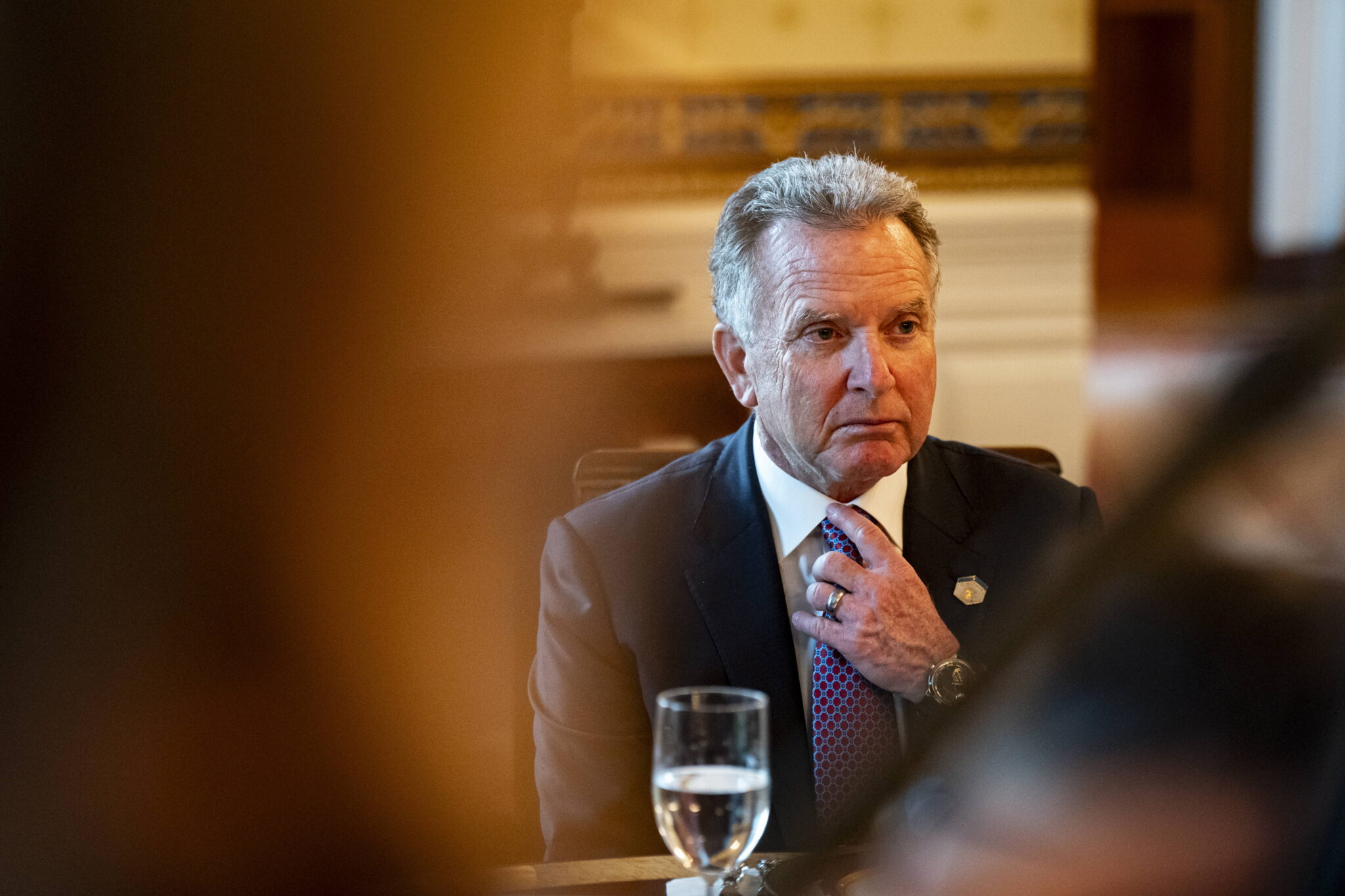
Exclusive reports by Bloomberg show transcripts of two secret phone calls involving the Trump administration’s apparent collusion with the Kremlin on the 28-point Ukraine plan Donald Trump seeks to impose on Volodymyr Zelensky.
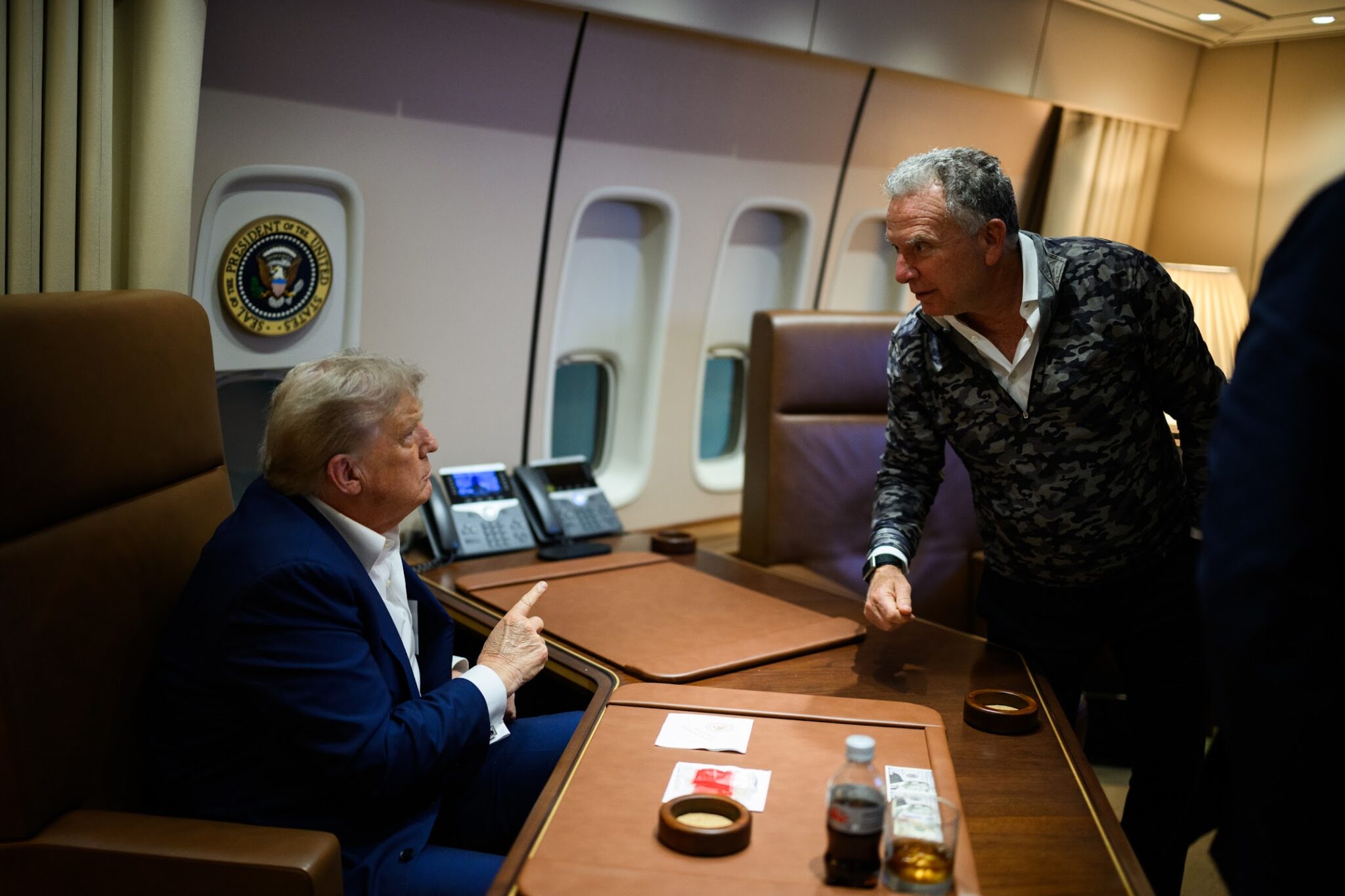
“Peace won’t be made by failed diplomats or politicians living in a fantasy land” tweeted Vice President Vance to explain why professionals are being dismissed, both on Gaza and Ukraine. The delegitimization of expertise is a major trend of our time.
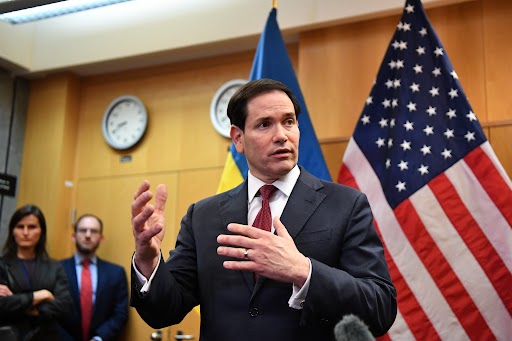
To Kyiv and the Europeans, the American 28-point plan for Ukraine looks like a demand for surrender, but Sunday’s negotiations in Geneva with the Americans attempted to amend it, at the risk of making it unacceptable to the Russians. The Trump method is once again in question.
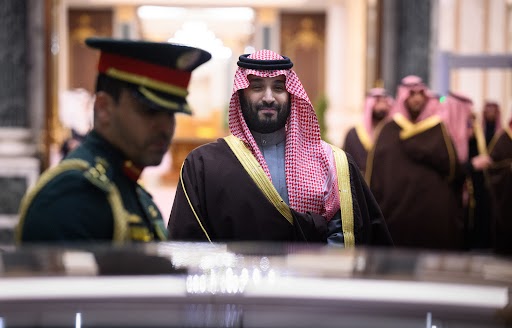
Saudi Crown Prince Mohammed bin Salman is expected in Washington on Tuesday, a visit that is preceded by a series of contradictory signals that reflect the kingdom’s current standing with the U.S. president. Every detail of the trip will be closely examined, especially in Israel.
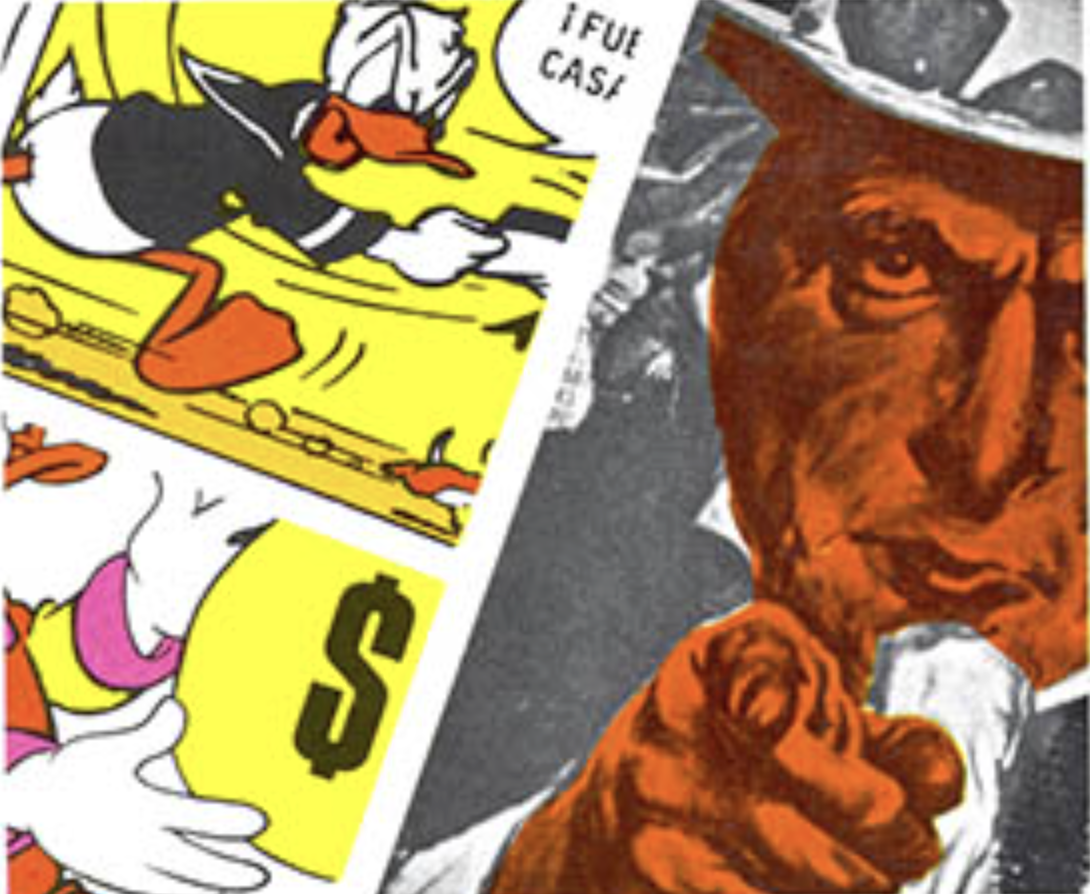
Ariel Dorfman and Armand Mattelart’s 1970s classic How To Read Donald Duck still offers a mirror to today’s politics and media circus — from Uncle Scrooge to Uncle Sam. Its thesis has been both reaffirmed and turned on its head in the Trump era.
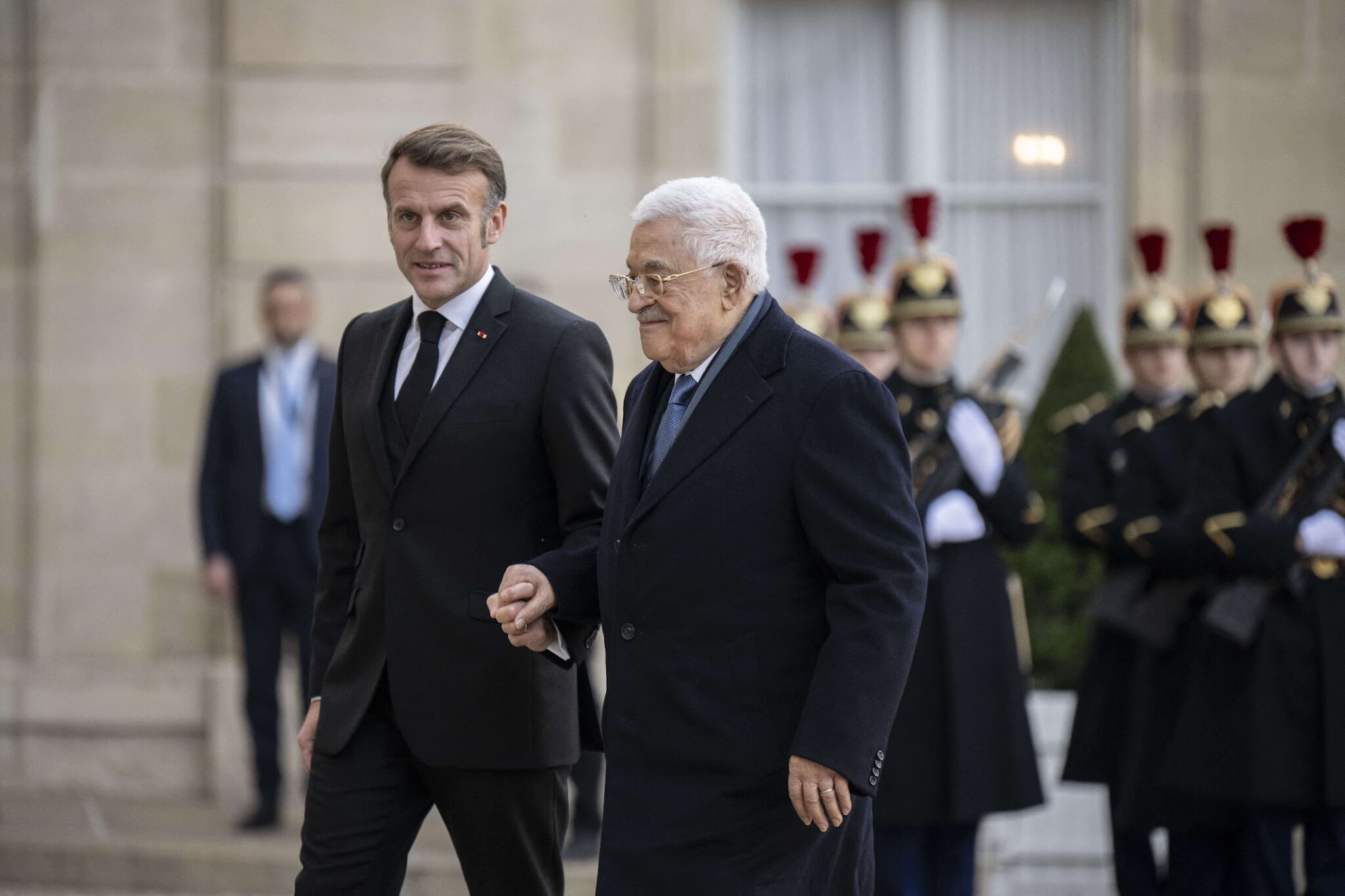
French President Emmanuel Macron received Mahmoud Abbas, the president of the State of Palestine, as recognized by France on September 22. The two leaders presented ideas for the future of Gaza that go beyond the Trump plan currently being implemented.
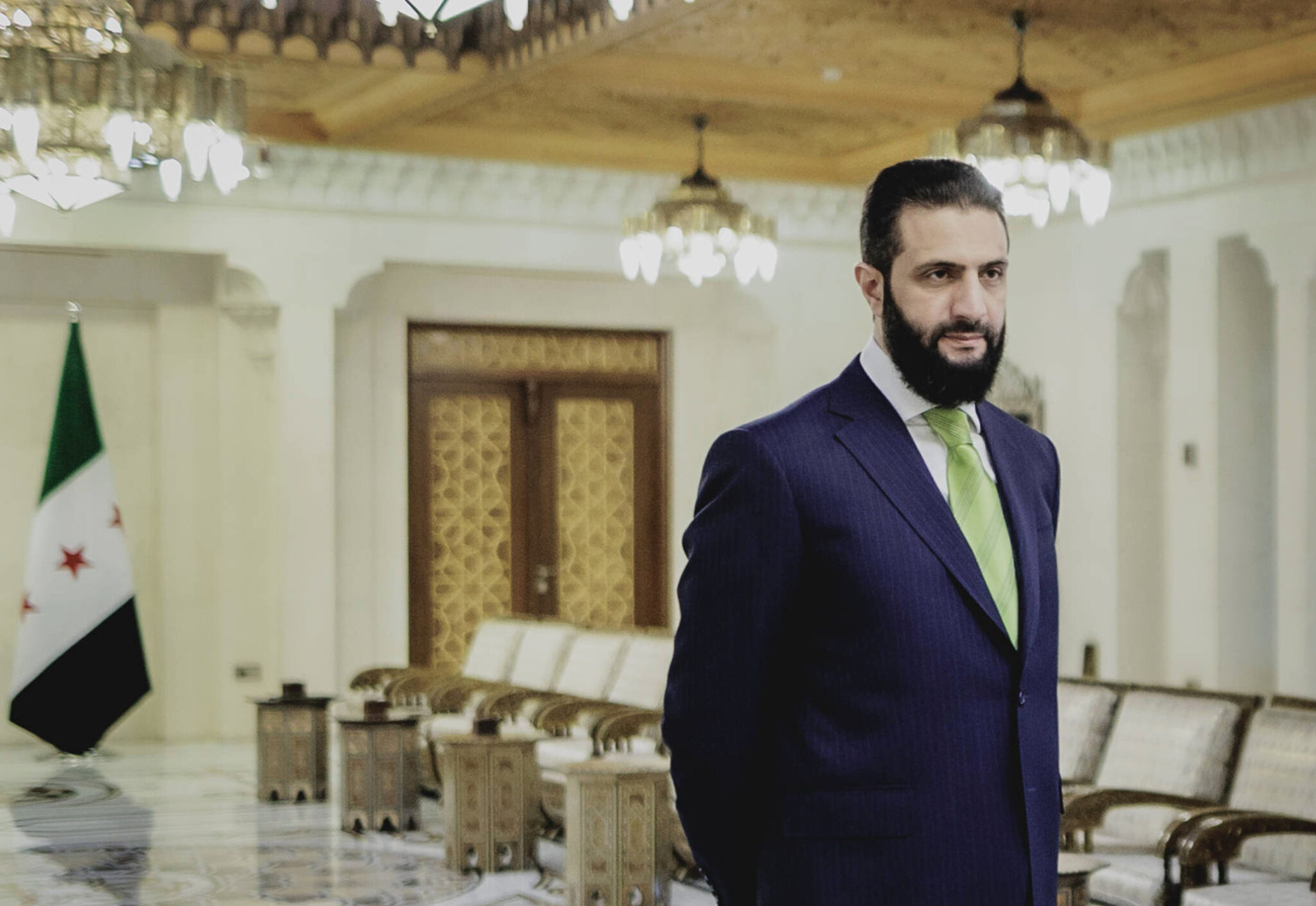
Ahmed al-Sharaa is the first Syrian president to make an official visit to the United States, but more importantly, he is the first former member of Al Qaeda to enter the White House. It marks Donald Trump’s bold bet on the Saudi-led Sunni consolidation in the Middle East.
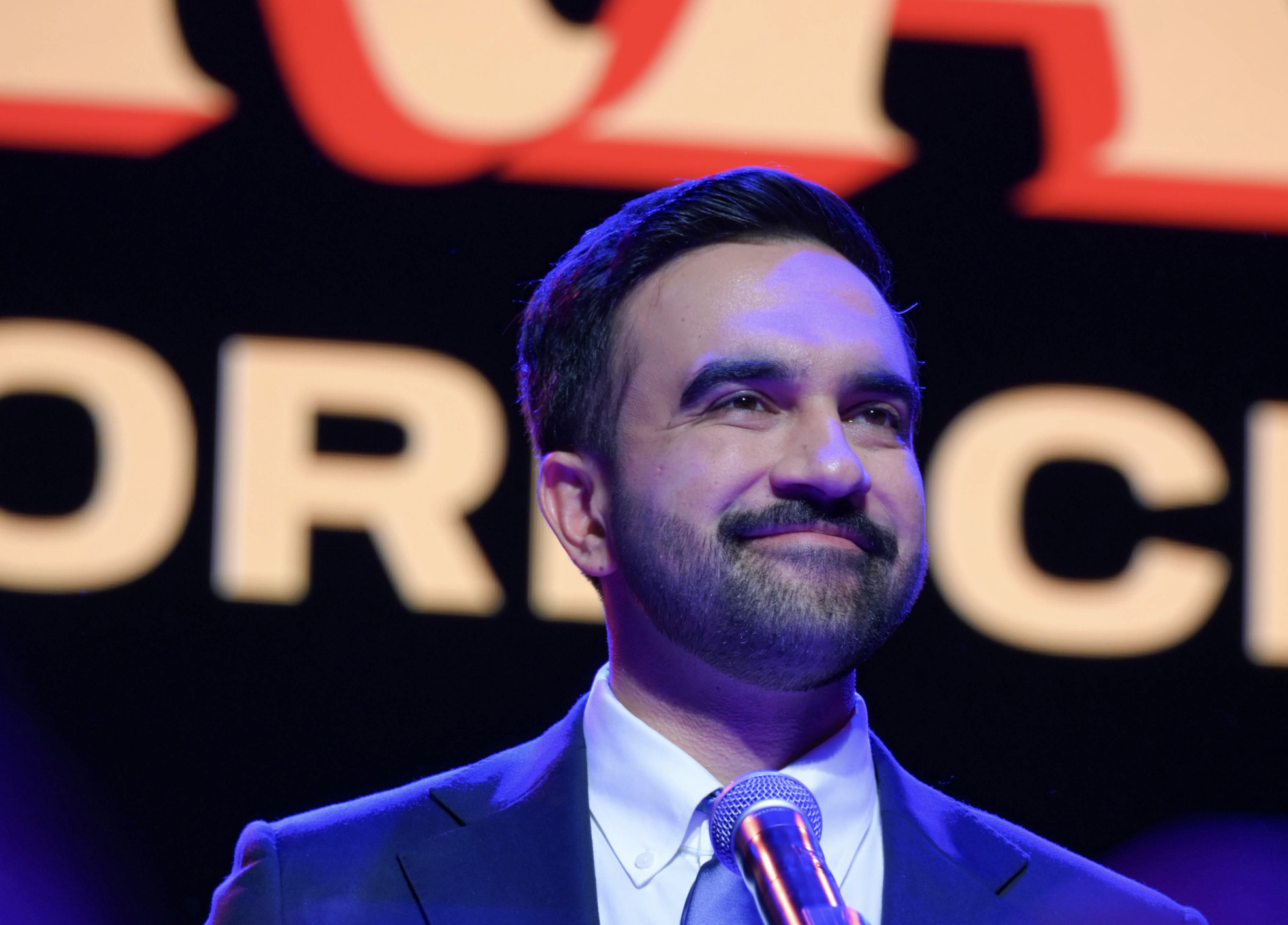
As Democrats secured a series of victories across the country on Tuesday, what lessons will Donald Trump draw? Or will he instead be tempted to take an authoritarian leap forward, as many of his opponents fear? Three key lessons from an election that may have changed everything in the United States.
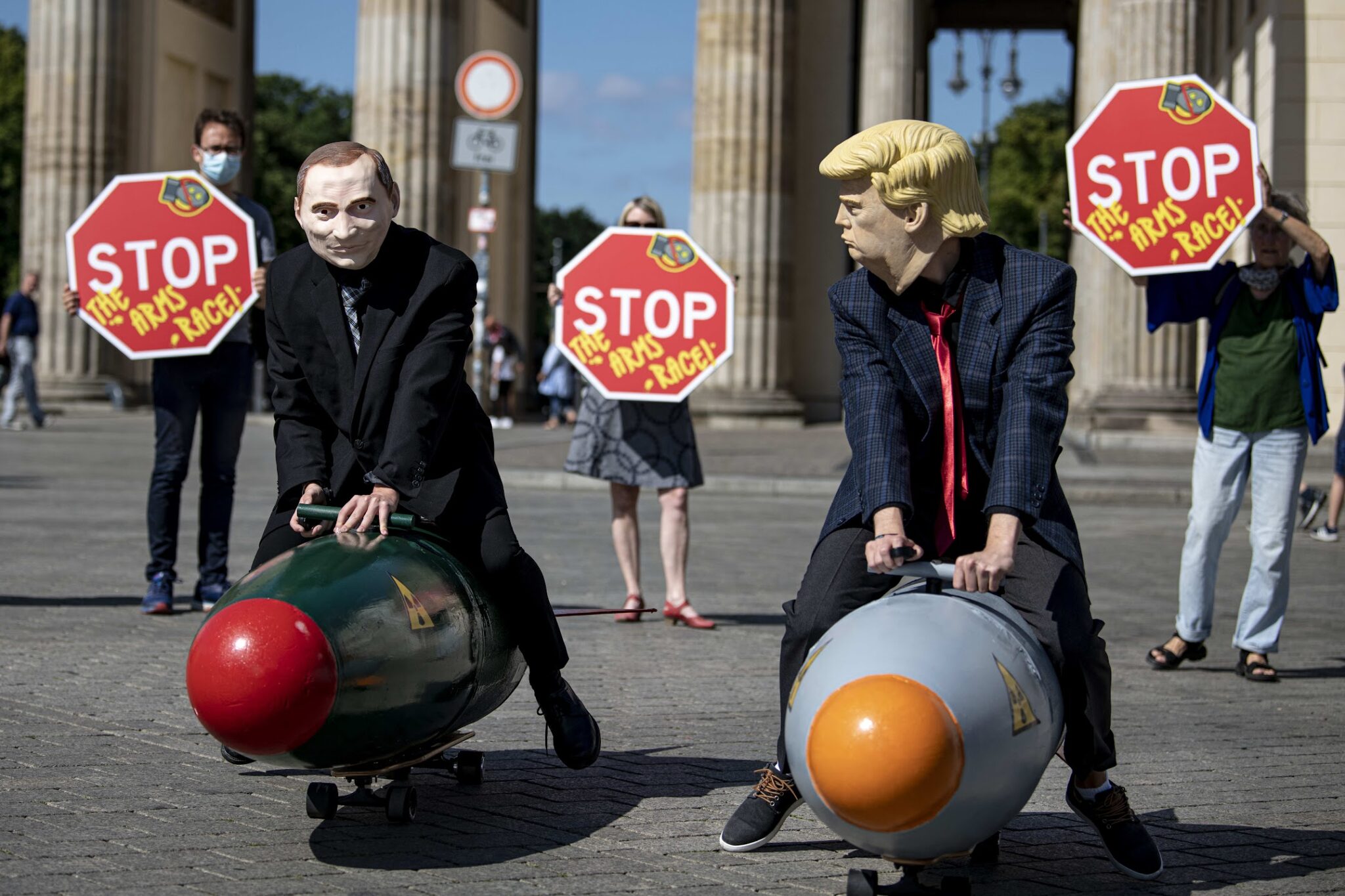
Donald Trump has ordered renewed testing of nuclear weapons, while Vladimir Putin is touting the power of his nuclear-capable missiles and underwater drones. Why all this noise about nuclear weapons?
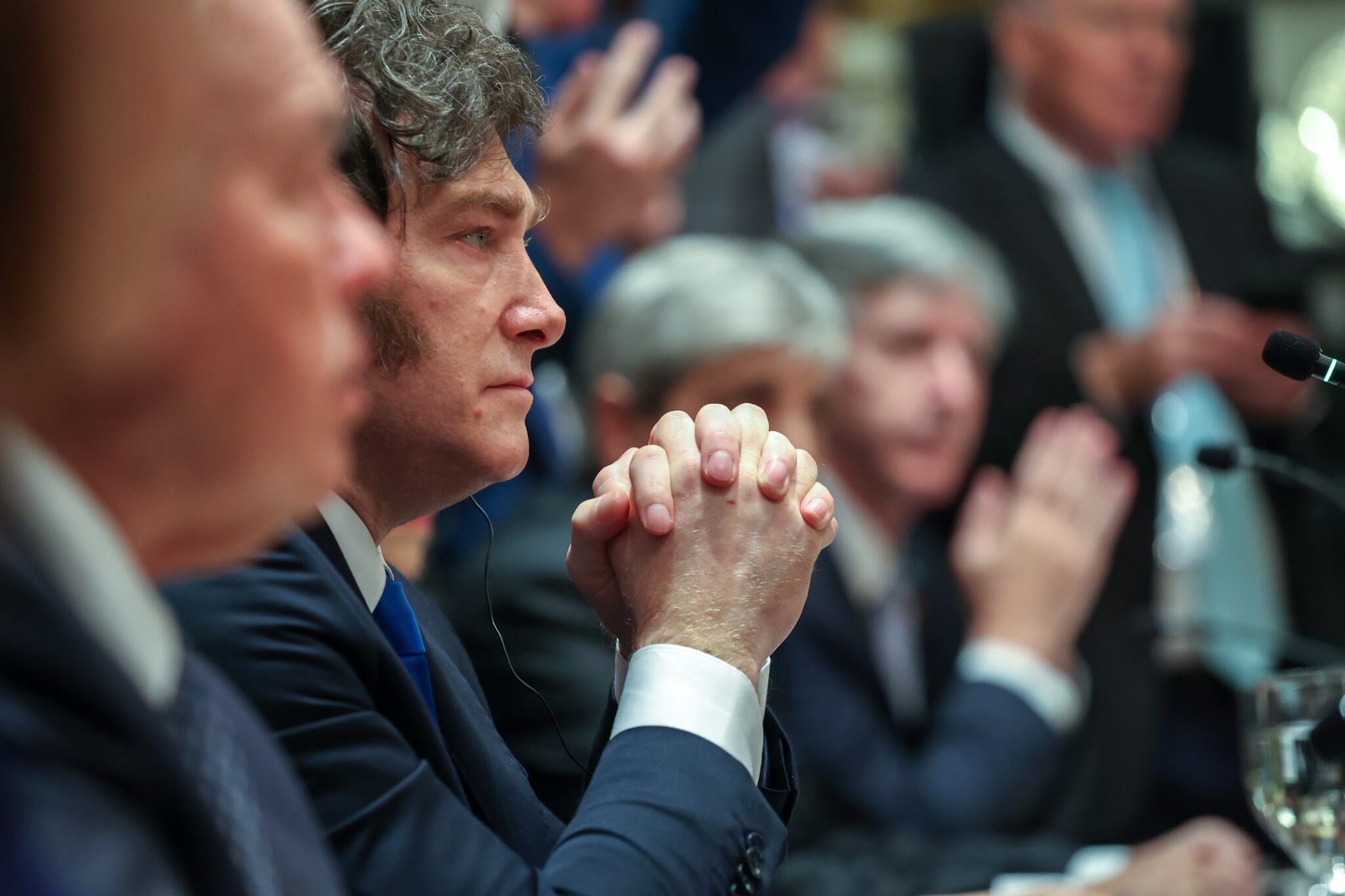
Perhaps the conditions are finally right for a shift in Argentine politics. Here are some reasons for hope — and reasons to fear.
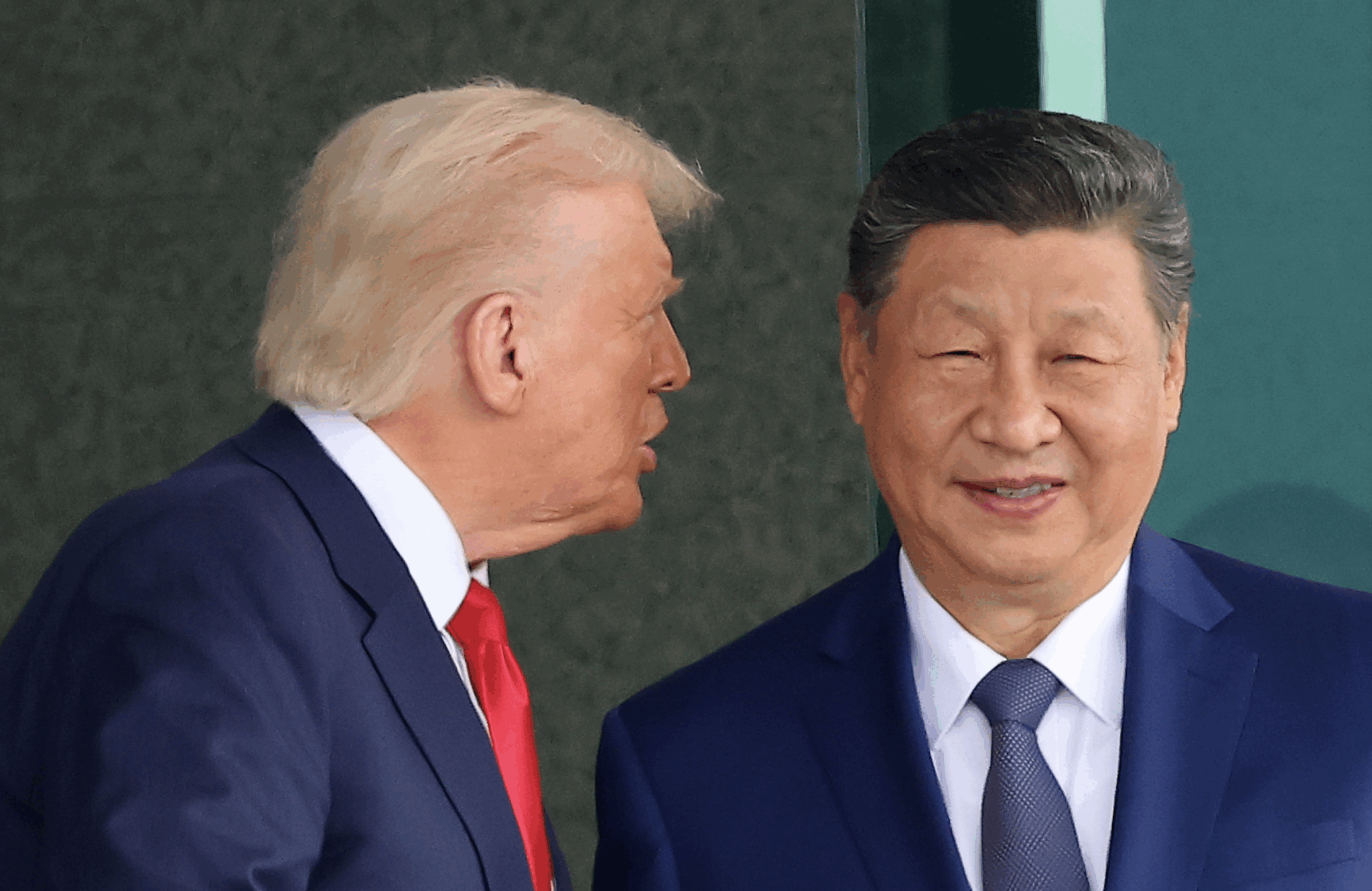
Donald Trump and Xi Jinping have negotiated a truce in their trade war, delaying China’s planned restrictions on rare earth exports. Yet Trump has been forced to back down in the face of a strong Chinese response, a miscalculation that could have long-term consequences, also for Taiwan.
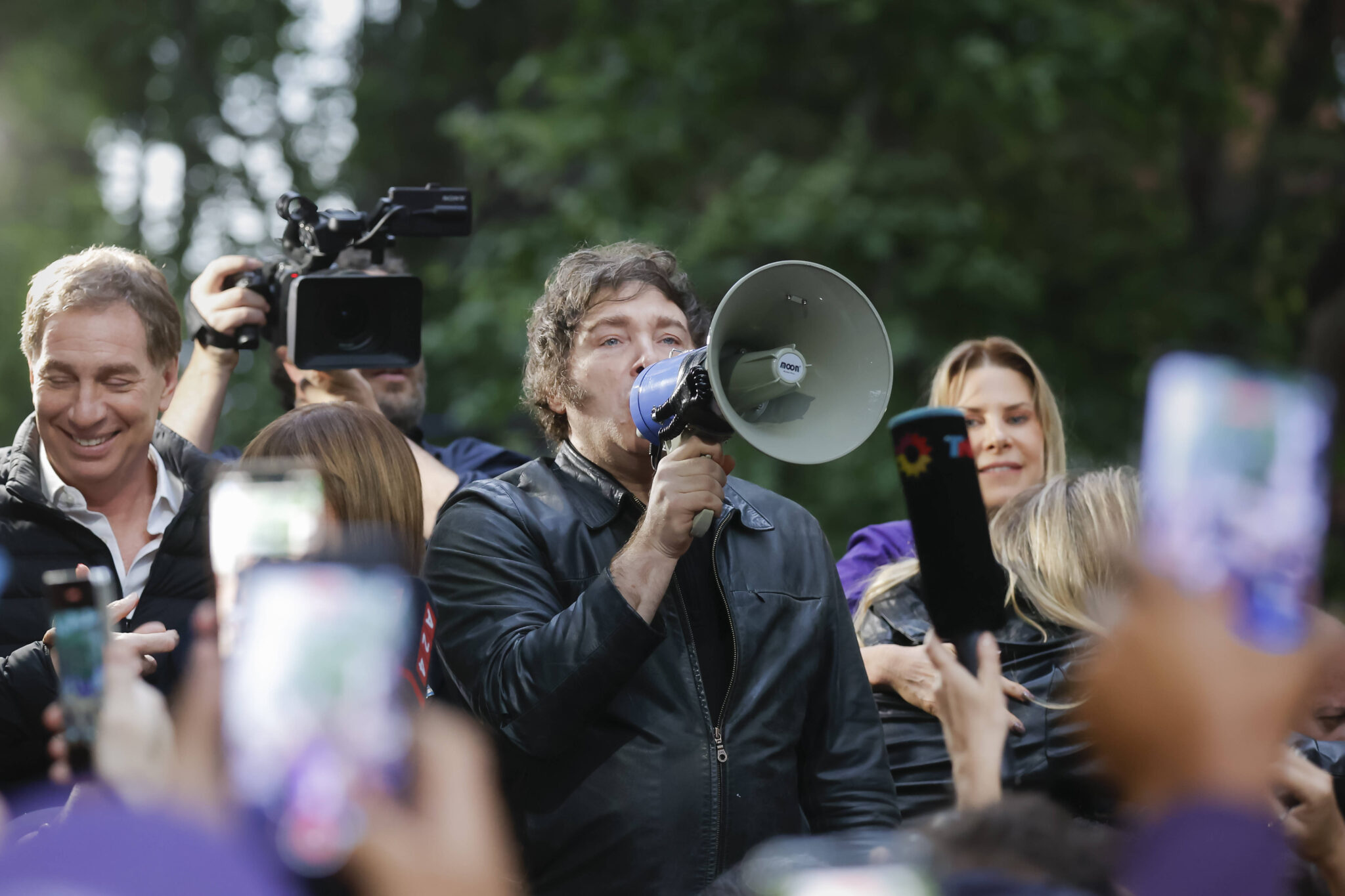
Donald Trump was the first to congratulate Javier Milei on his surprise victory Sunday, having earlier promised financial support tied to his Argentine ally’s campaign. But that alone doesn’t explain the success of a man who has slashed social services.
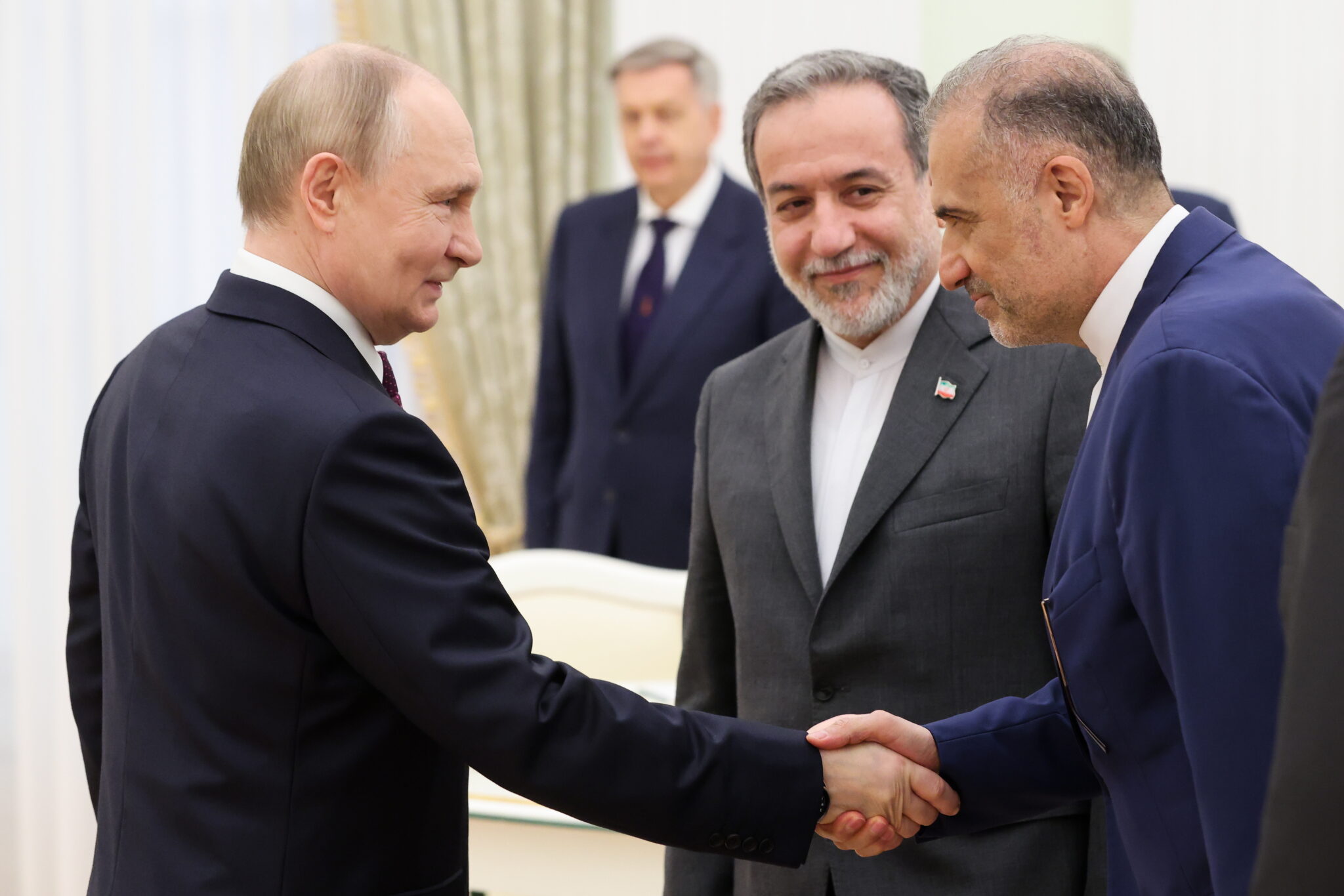
Like two centuries ago, Tehran is caught between two competing powers: Vladimir Putin’s Russia and the West, led by the U.S. and UK.
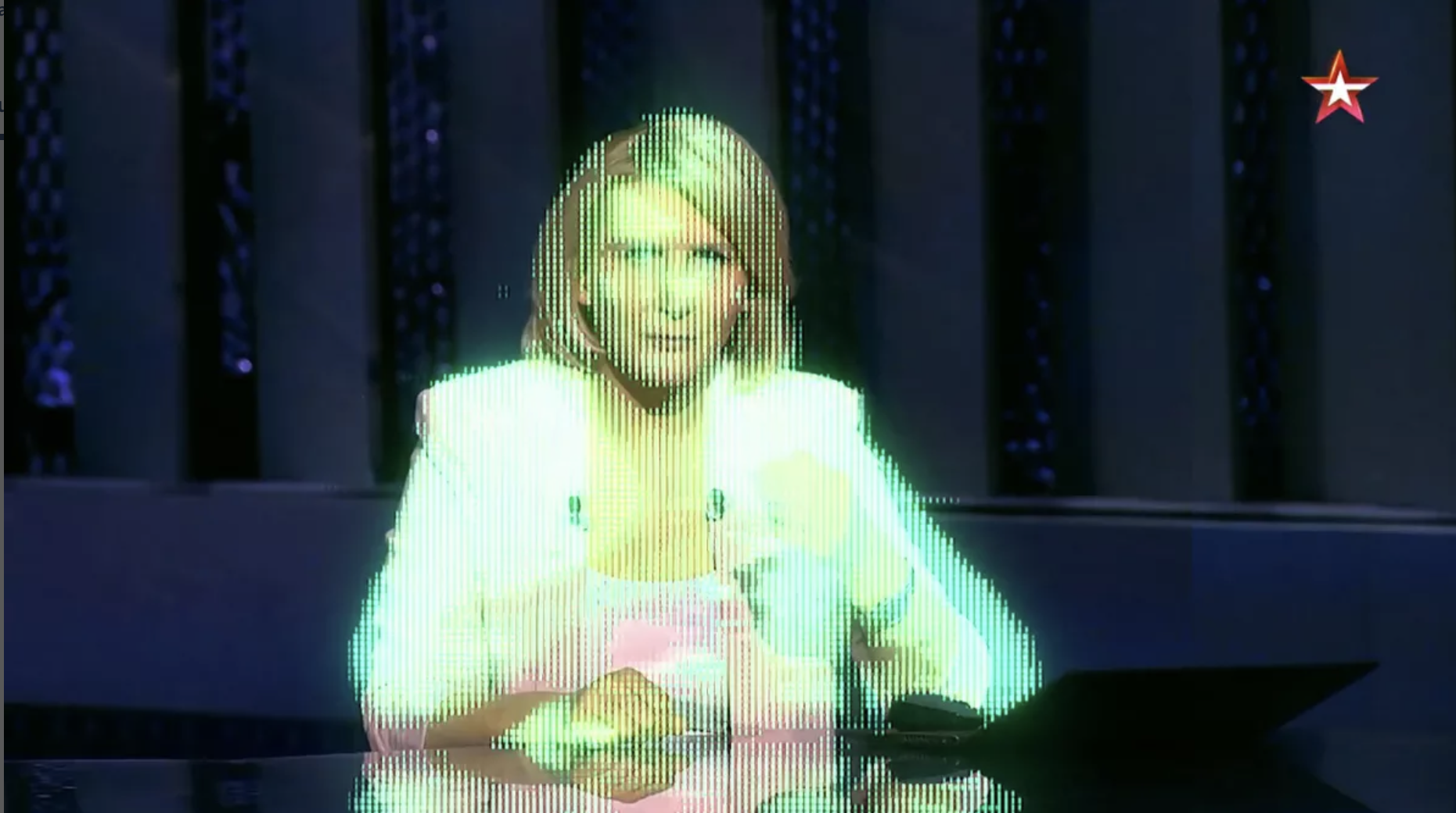
On the Russian army’s channel Zvezda (“Star”), a program entirely generated by algorithms takes fierce aim at Western leaders.
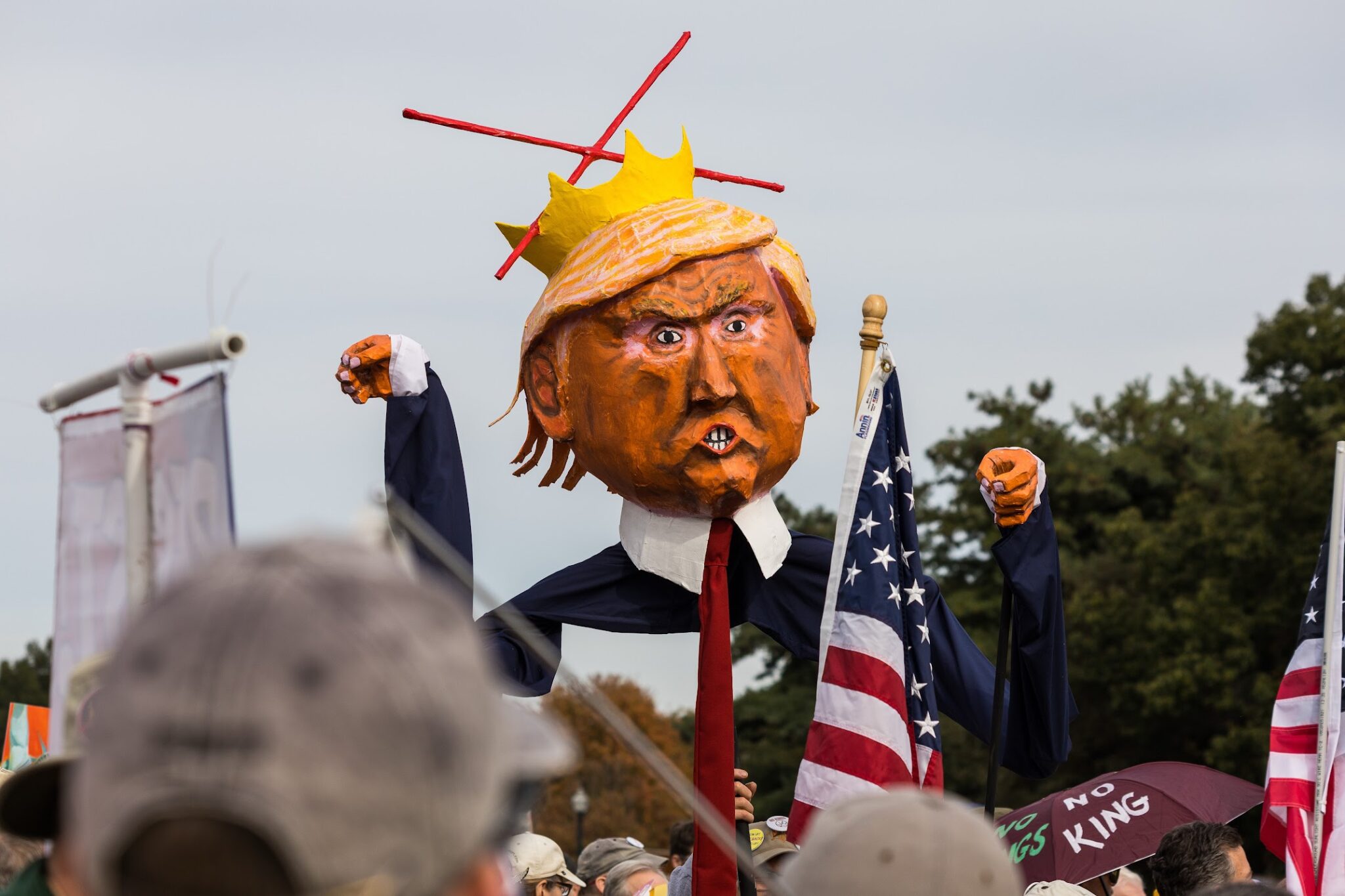
Donald Trump’s ultimate battle isn’t abroad — it’s at home. From campuses to city halls and the military, resistance is rising as America’s institutions push back against his power grab.
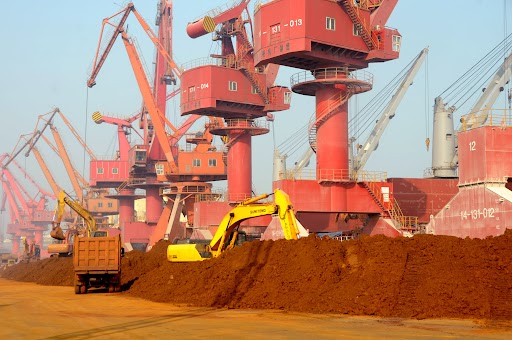
China is now wielding a U.S.-style extraterritorial law on rare-earth trade. It has tilted the balance of power in its favor, but rattled global markets and left the rest of the world caught in the crossfire.
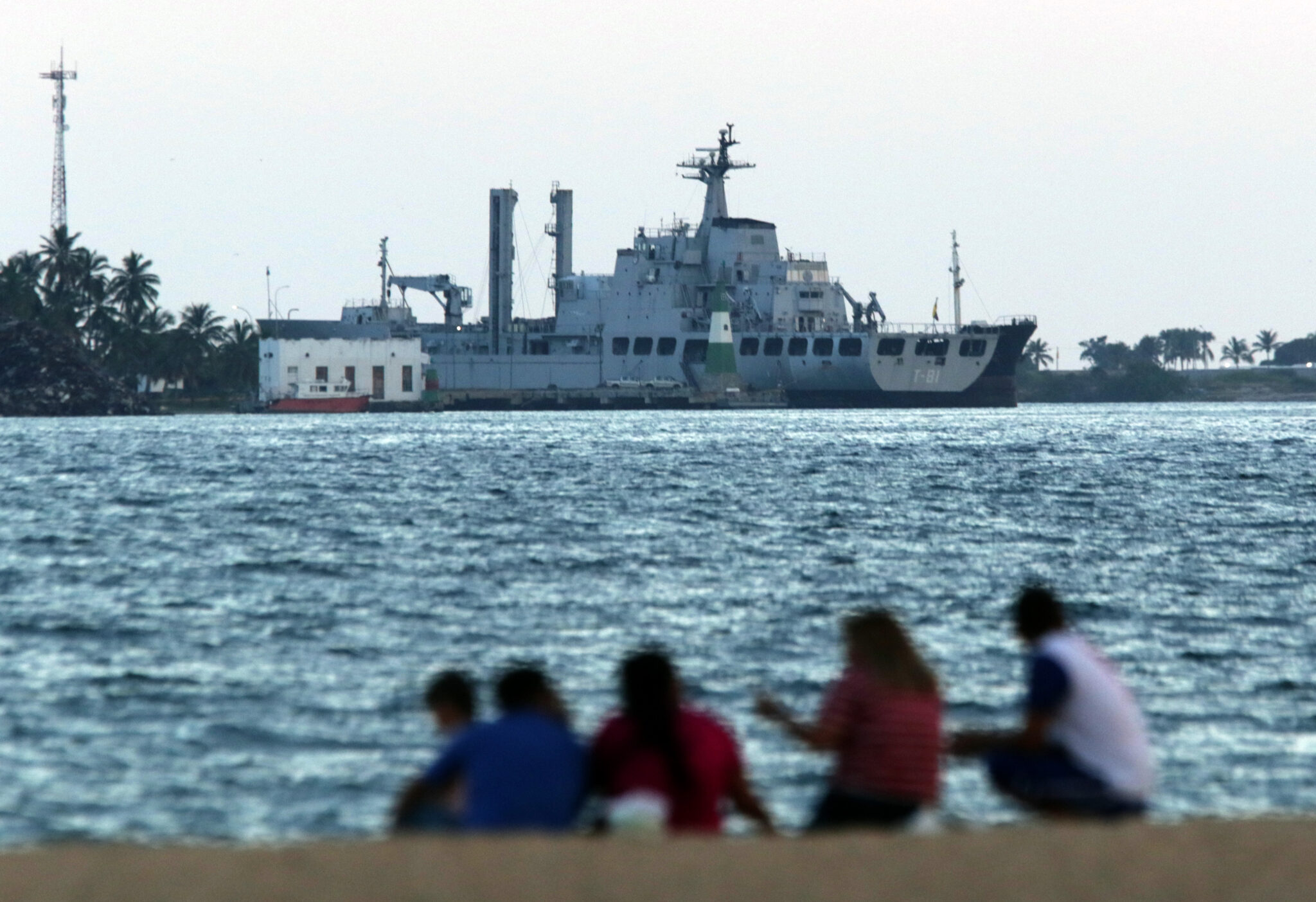
On five separate occasions, the U.S. Navy has sunk ships in the Caribbean accused of drug trafficking — yet no evidence has been presented. Acting without the approval of Congress or the backing of the international community, Donald Trump is pushing ahead. This return to power politics is causing alarm across Latin America.
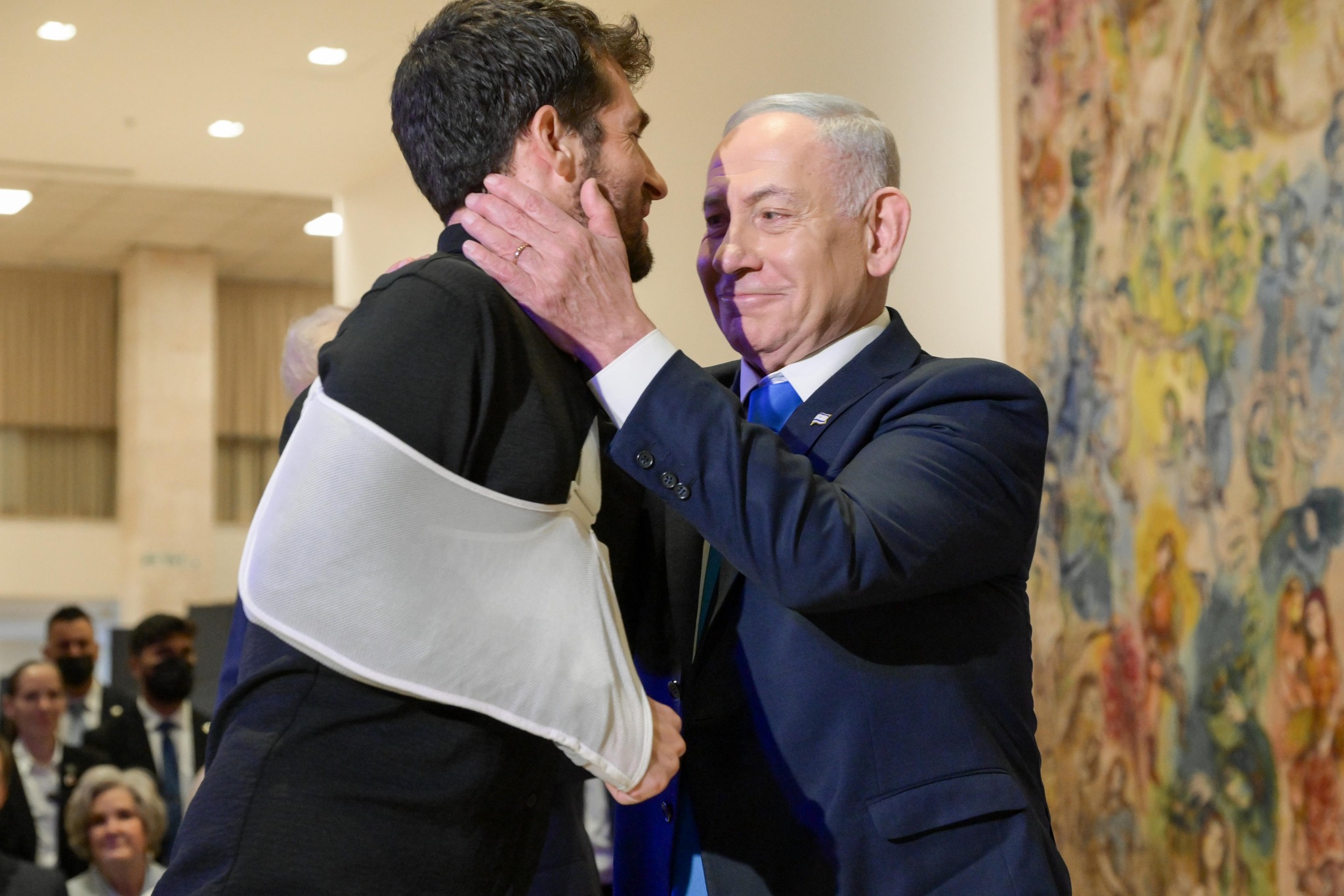
After the hostages’ release, will Israelis see Benjamin Netanyahu as the man who weakened Iran and its allies, or as the person responsible for the security failure of October 7? The answer will largely determine the future of the Gaza agreement and the state of Israel’s relations with the world.
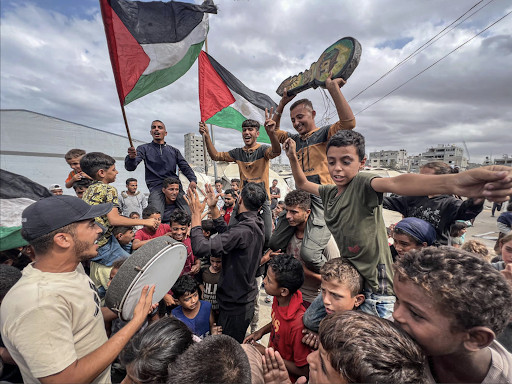
The first phase of the agreement will see the release of Palestinian hostages and prisoners. But can we really be optimistic about what comes next, when the tougher political choices are still to come? Not just yet, says geopolitical analyst Pierre Haski.
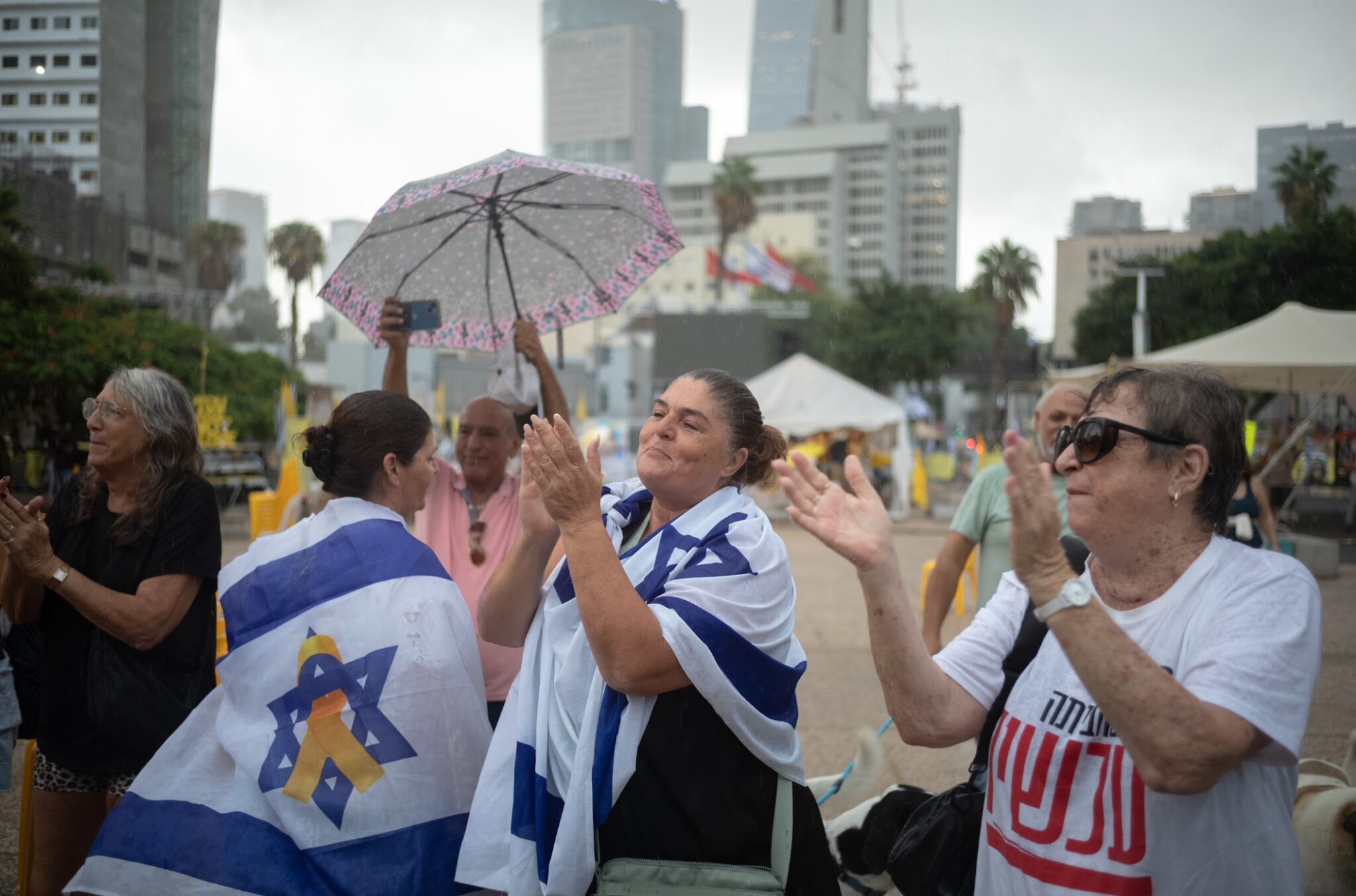
Under pressure from the U.S. president, Israeli and Hamas negotiators reached an agreement on the first phase of the Gaza plan — a deal that includes the release of Israeli hostages and Palestinian prisoners. But the path forward remains uncertain, with the next steps in the plan’s implementation still unclear.
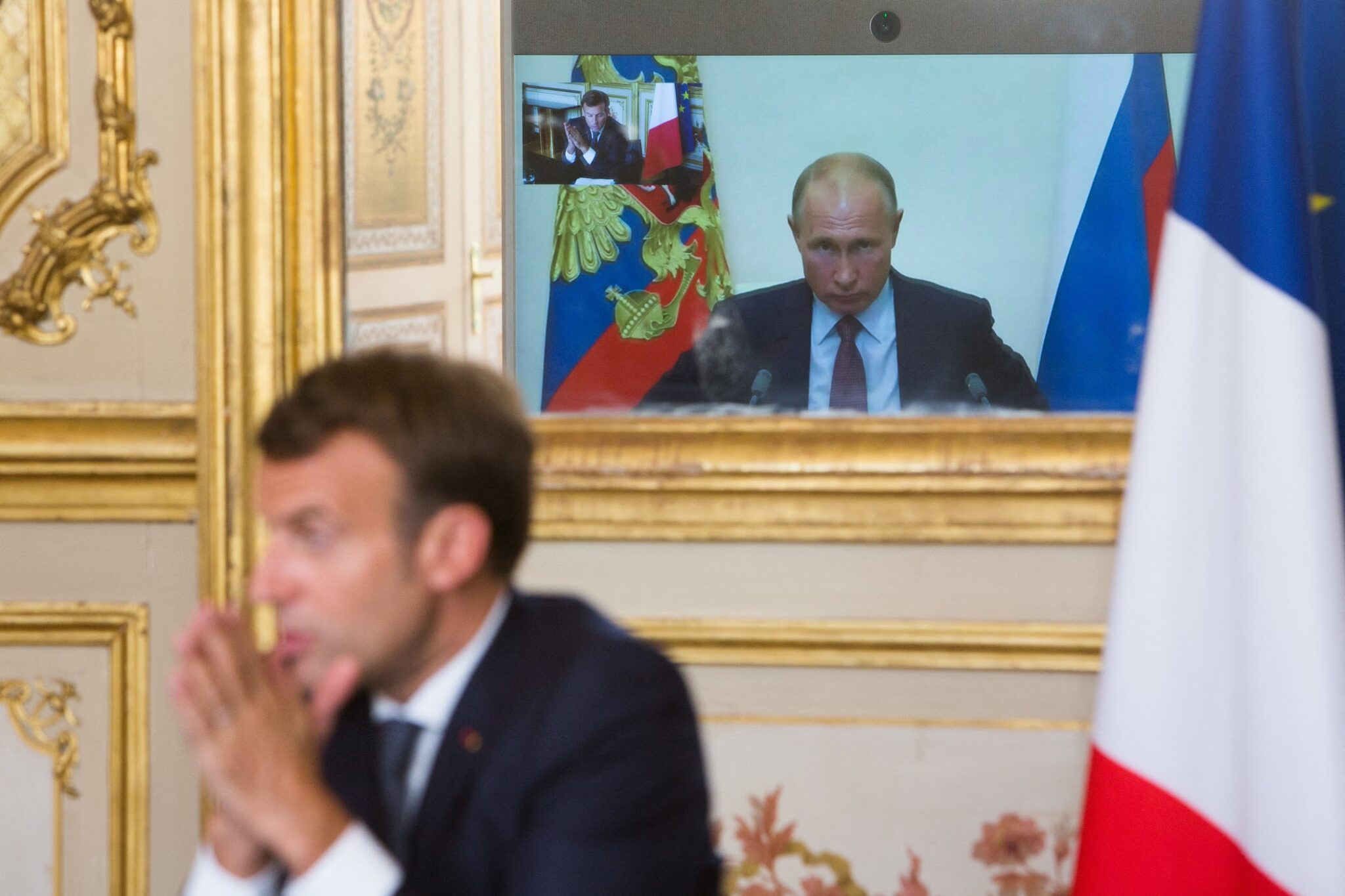
Put yourself in Vladimir Putin’s shoes for a moment: how satisfying must it be to see France and the United Kingdom, co-leaders of the “coalition of the willing” formed in support of Ukraine, sinking into political crisis.
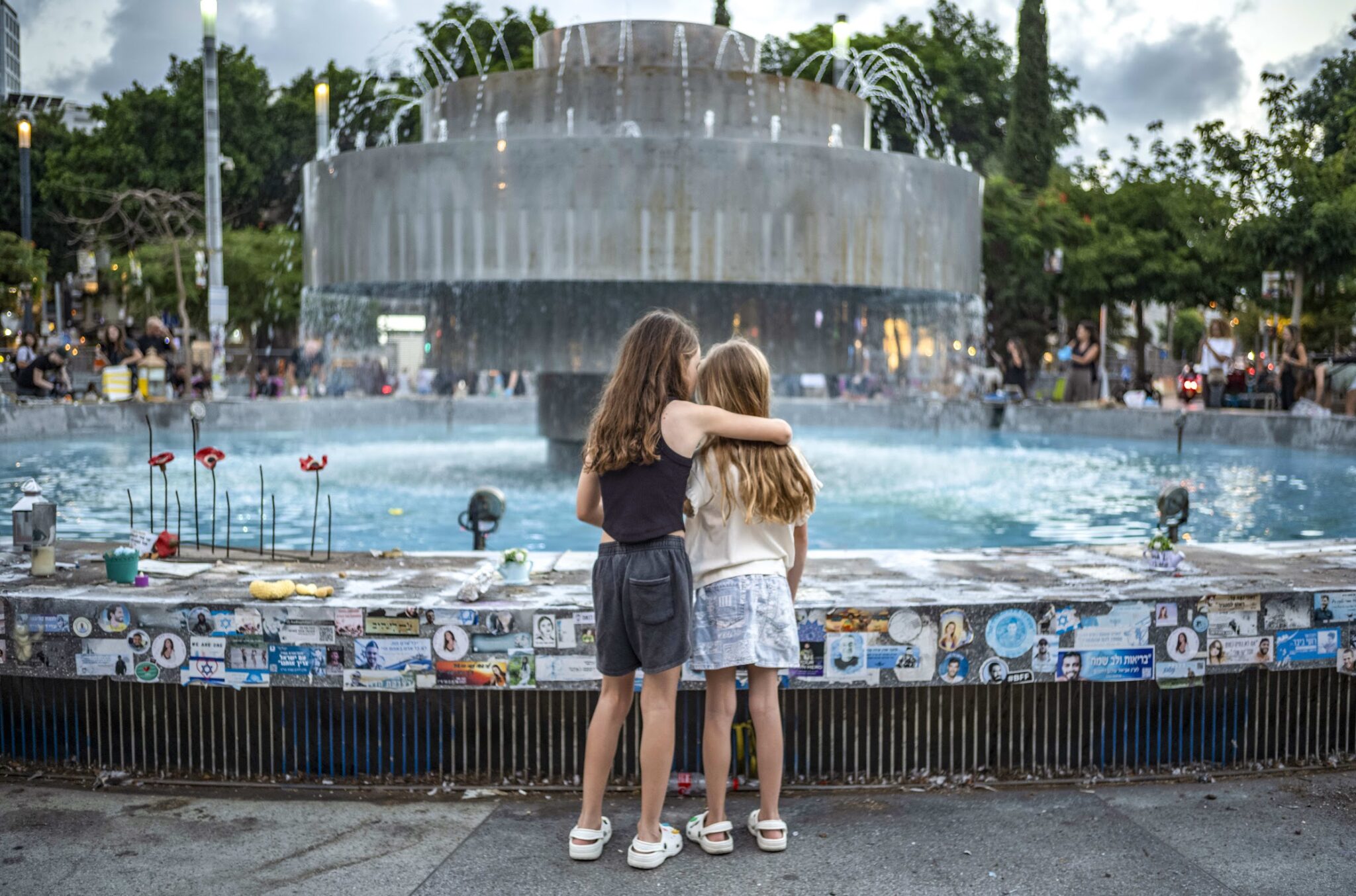
Two years after the worst massacre in their history, Israelis have yet to recover from the trauma. The war in Gaza still rages, with the nation waiting for the results of ongoing negotiations. While they have achieved military victories, the moral struggle remains unresolved — leaving Israel at a critical crossroads.
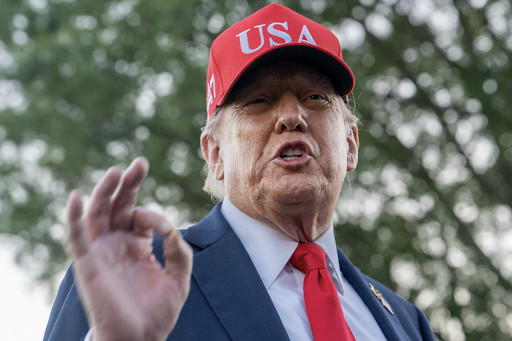
Negotiations on the implementation of Trump’s plan for Gaza began on Monday in Egypt. No one wants to be held responsible for failure, which gives the first phase— a ceasefire and the release of hostages and prisoners — a real chance of success. What comes next will be far more complex.
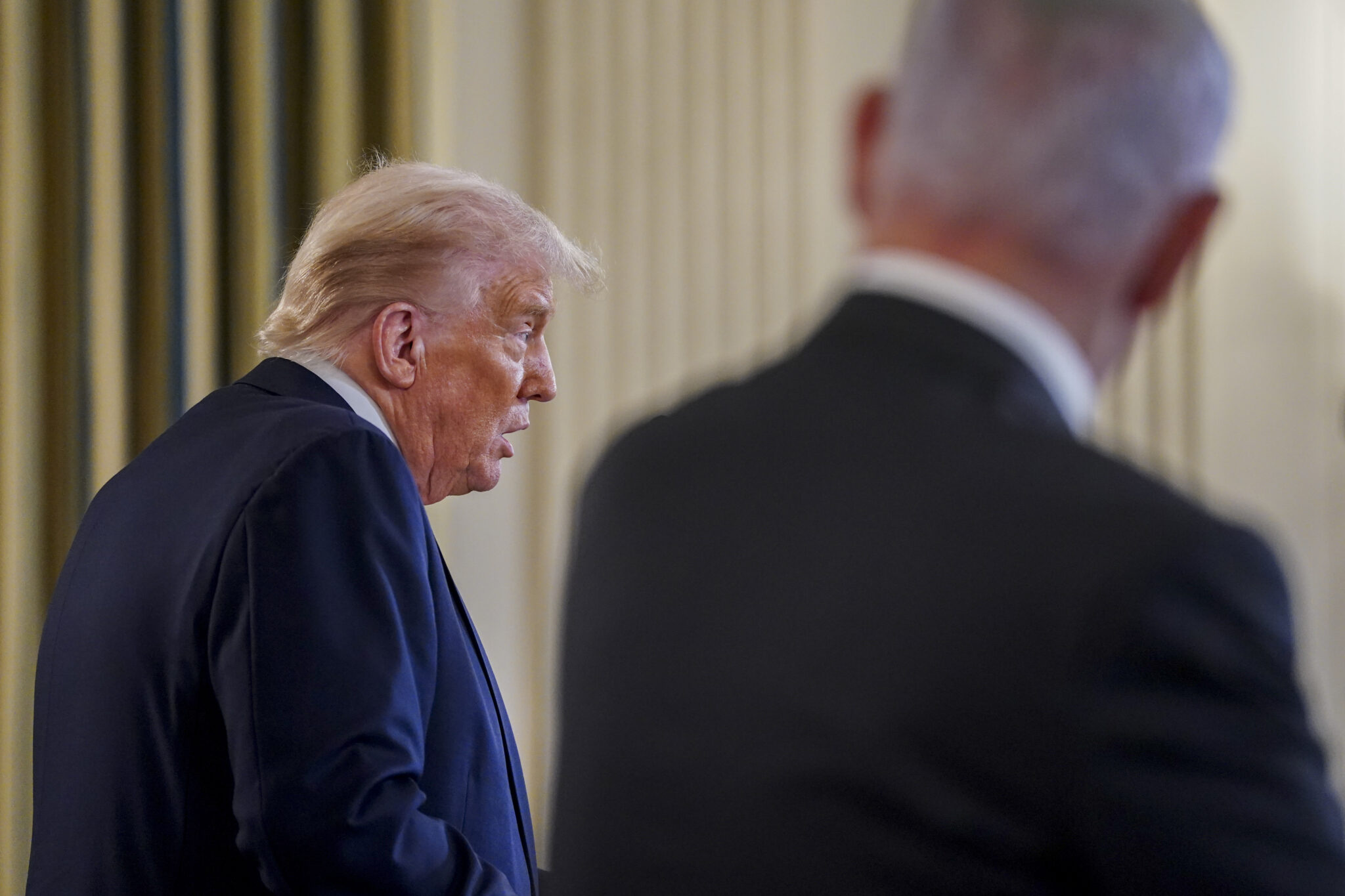
Donald Trump’s 21-point plan, unveiled after his meeting with Benjamin Netanyahu on Monday, falls short of the Franco-Saudi proposal adopted by the United Nations General Assembly. Even if implemented, it is unlikely to offer a viable path toward a political solution.
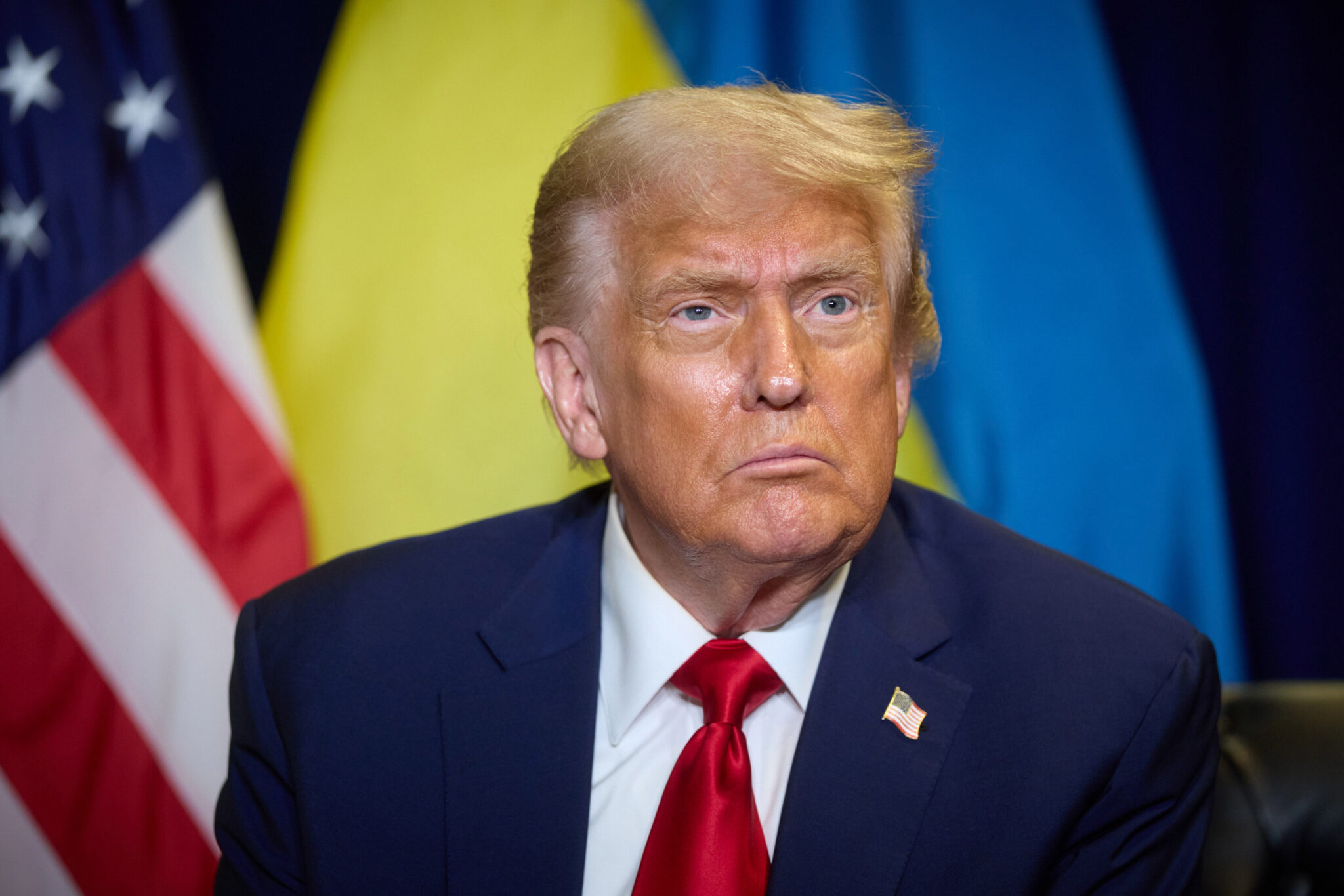
Donald Trump changed his tone toward Russia after his meeting with Volodymyr Zelensky, even saying he was ready to shoot down Russian planes that enter NATO airspace. Is this a real shift in favor of Ukraine, or just hurt feelings about his would-be pal Vladimir Putin.
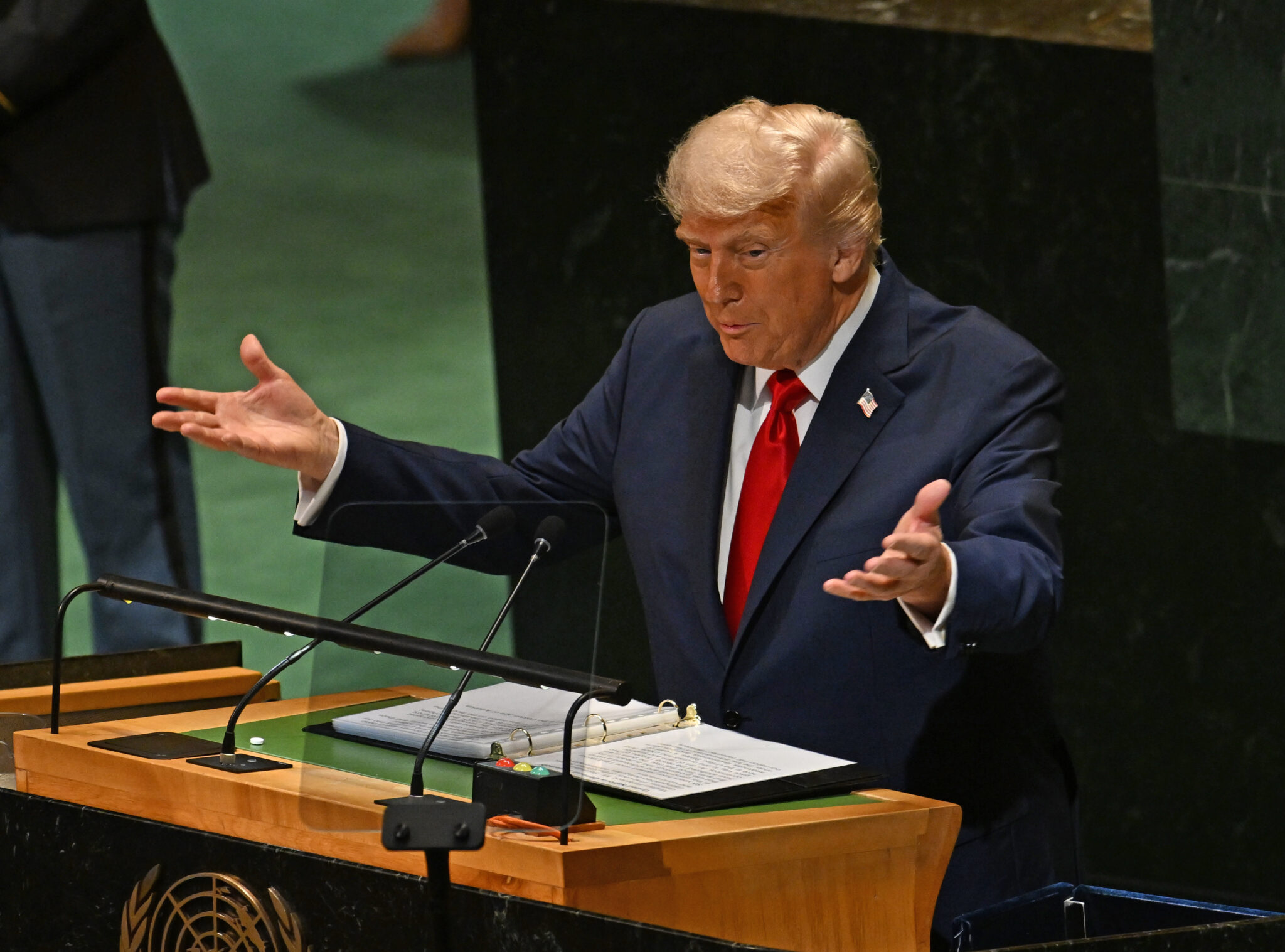
In his speech, the U.S. president denounced European immigration and climate policies, sharply criticized the UN, and, above all, revealed that American leadership has vanished — leaving only a superpower driven by the obsessions of its president.
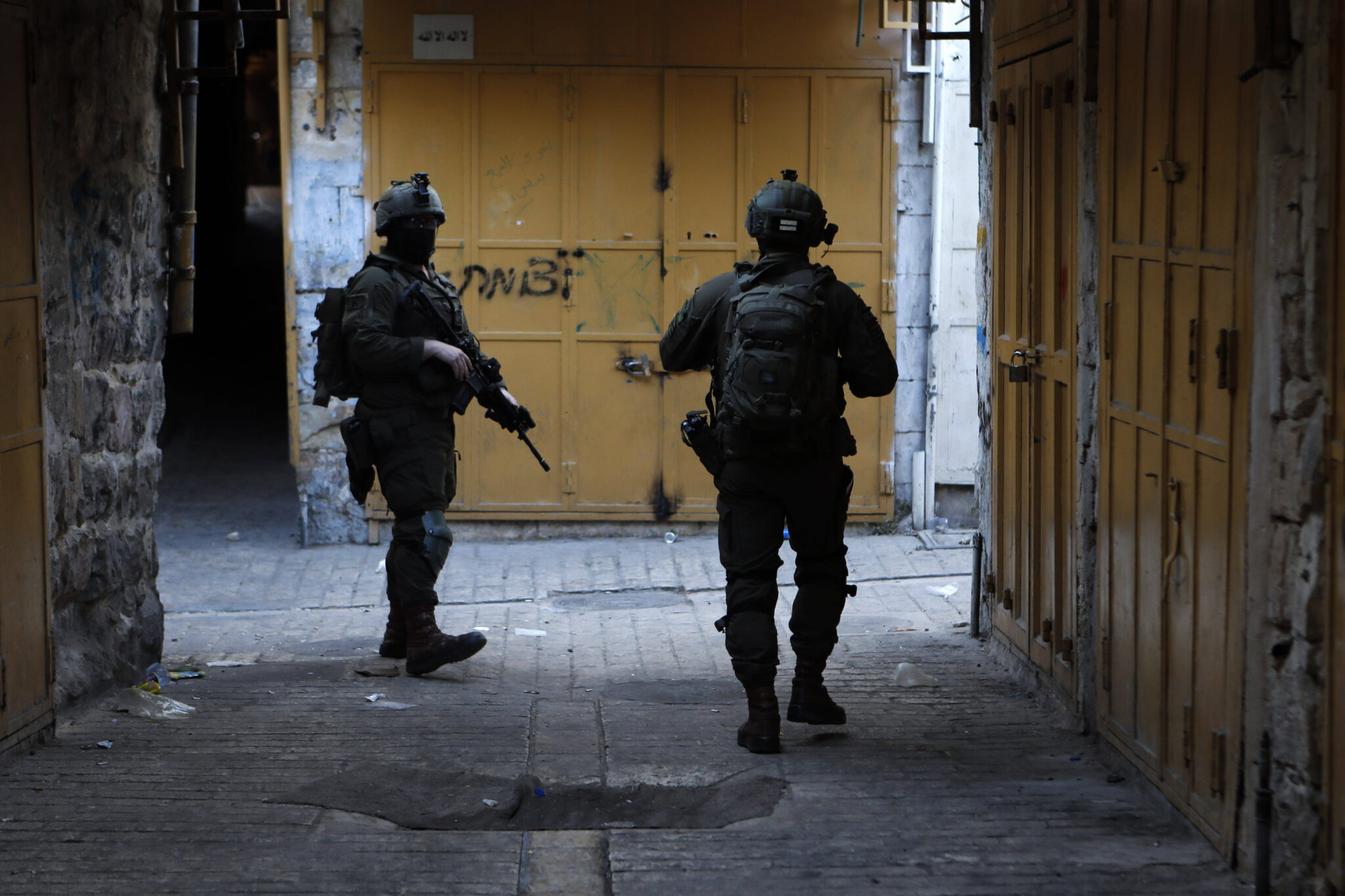
The Israeli prime minister is threatening to annex all or part of the occupied West Bank in retaliation for France and other countries recognizing the State of Palestine, but this is easier said than done, and Netanyahu is seeking the green light from Donald Trump.
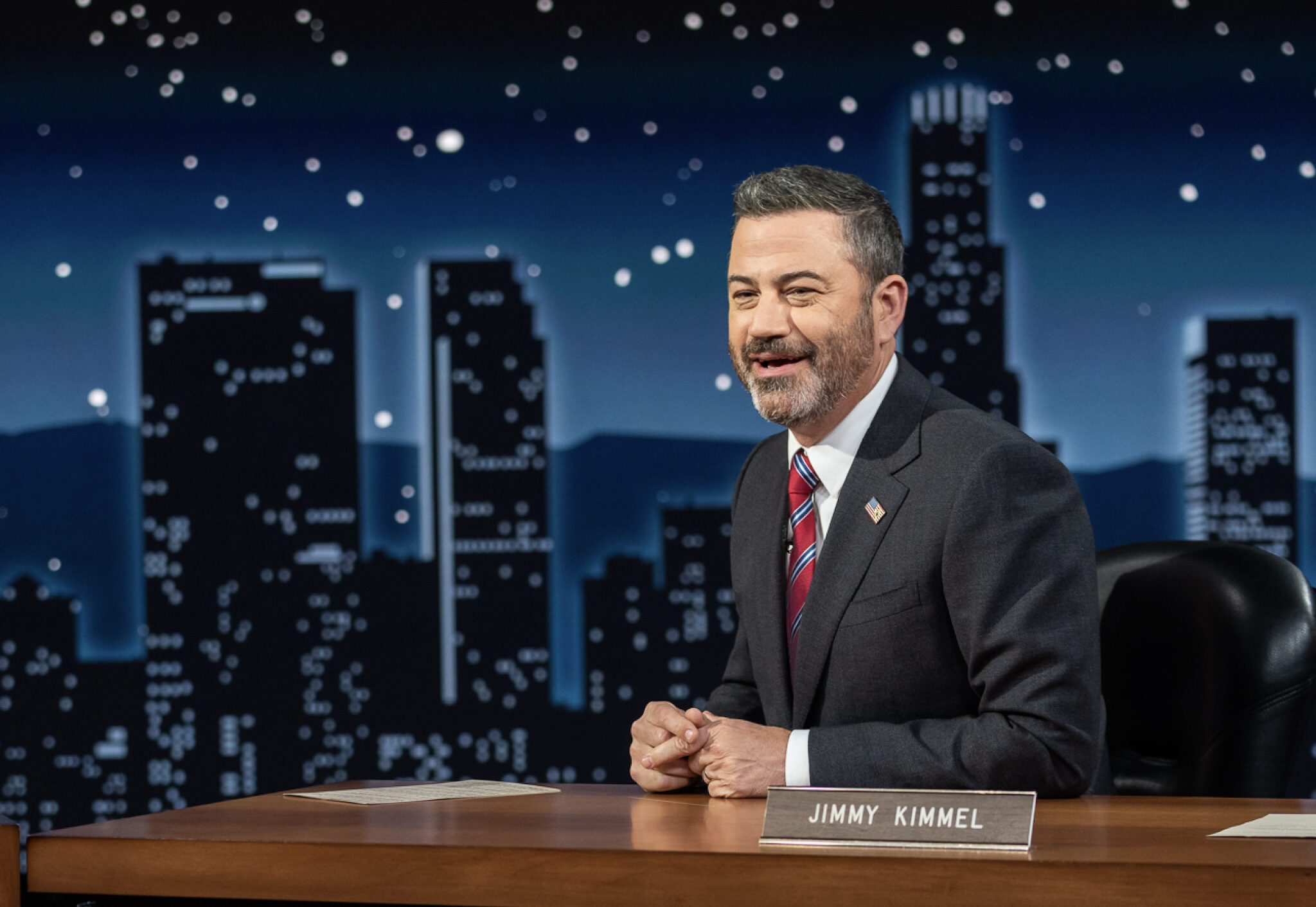
Jimmy Kimmel’s show on ABC has been suspended indefinitely because of his criticism of Donald Trump’s political exploitation of Charlie Kirk’s murder. Attacks on freedom of speech have been increasing at an alarming rate since Trump’s election.
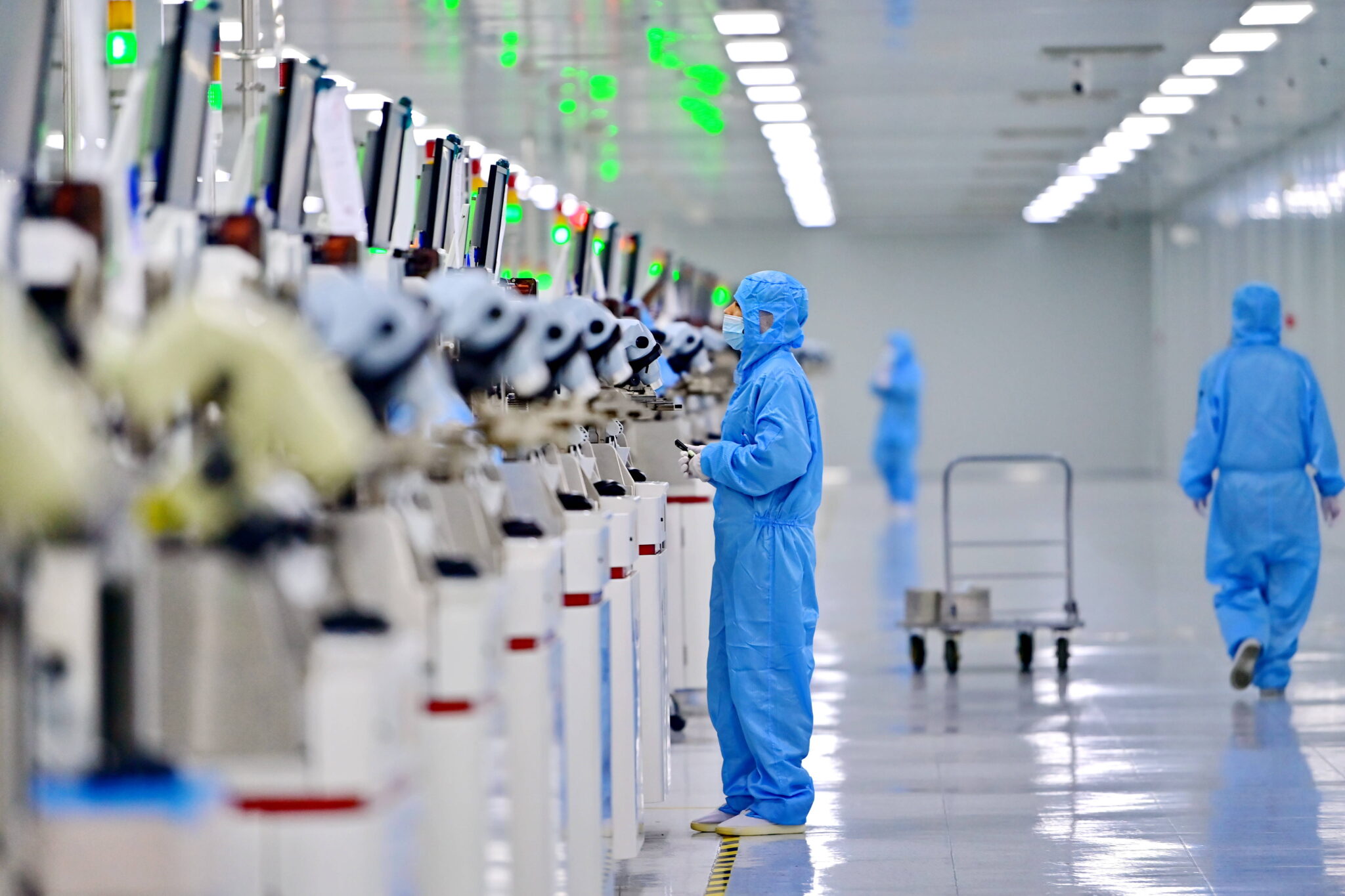
China has banned imports of semiconductors from the American company Nvidia, marking a new episode in their technological war with the United States. China is standing up to Donald Trump, bolstered by its technological capabilities that rival those of the Silicon Valley giants.