-Analysis-
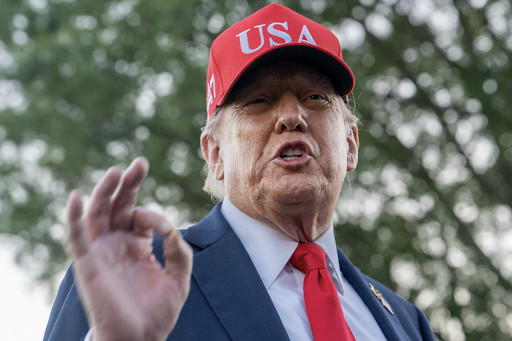
PARIS — The indirect talks in Sharm El-Sheikh have a particular advantage despite their difficulties: neither the Israeli nor the Palestinian participants wants to be seen as responsible for failure. The reason is clear: they do not wish to incur the wrath of Donald Trump, who has personally invested himself in the process and is determined not to see his image as a peacemaker tarnished.
For the latest news & views from every corner of the world, Worldcrunch Today is the only truly international newsletter. Sign up here.
This psychological factor, more than a political one, could at least make it possible to achieve the first phase of Trump’s plan: a ceasefire, the release of Israeli hostages — alive and dead — and the release of Palestinian prisoners from Israeli jails. Above all, this is what public opinion on both sides hopes to see.
Caution is still required until these results materialize, but the first outcome now appears within reach. It would already represent a success that the U.S. president could claim. The next stages will be far more difficult, as they involve the political aspects of the plan, which contain many ambiguities and inconsistencies.
Regional pressure
Everything changed when Israeli Prime Minister Benjamin Netanyahu ordered the bombing of Hamas targets in Doha, Qatar last month. As we noted at the time, it was one military operation too far.
Attacking Qatar, home to the largest U.S. military base in the Middle East — which Trump visited earlier this year — upset a fragile regional balance. Qatar has also played a decisive role in negotiations with Hamas. The Gulf countries, including the United Arab Emirates, which maintains diplomatic relations with Israel, reacted sharply and made their displeasure known to their friend and business partner, Trump.

Last week, Trump pushed Netanyahu to call the Emir of Qatar and apologize for the Israeli raid. He also personally guaranteed Qatar’s security—an unprecedented move that highlights just how much he values the relationship.
Time to align
This explains the shift in Washington’s stance, and Netanyahu will have to take it seriously and align with the U.S. president’s wishes.
It’s one step forward, and two steps back.
Yet what applies to the first phase does not apply to what comes next. Both sides are taking one step forward now — and two steps back are likely to follow. Hamas has no intention of disarming, let alone disappearing, while Netanyahu’s coalition with the far right risks imploding if Trump’s plan prevents the total destruction of Gaza.
For now, each side will do whatever it takes to avoid blame, hoping the other will make a mistake. If this at least leads to the release of hostages and an end to the suffering of the two million civilians in Gaza, the world can only welcome it. Even so, it is hard to be optimistic about the future: a ceasefire is not the same as peace.