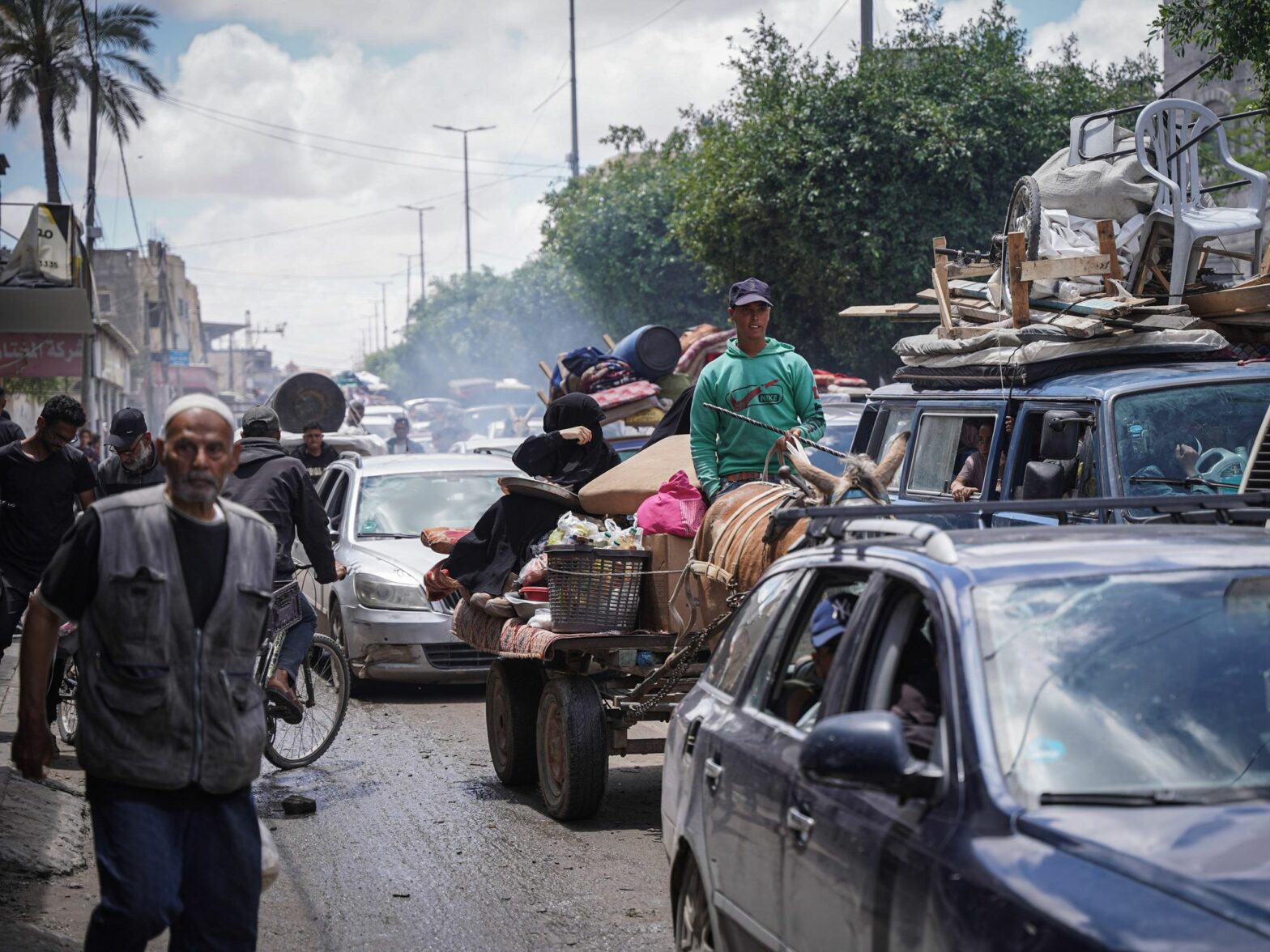
The Israeli prime minister has foreign and domestic pressure to accept a ceasefire deal, but he may be set to make the bloodiest decision of the war to date in the southern Gaza city of Rafah.
 Worldcrunch
The Israeli prime minister has foreign and domestic pressure to accept a ceasefire deal, but he may be set to make the bloodiest decision of the war to date in the southern Gaza city of Rafah.
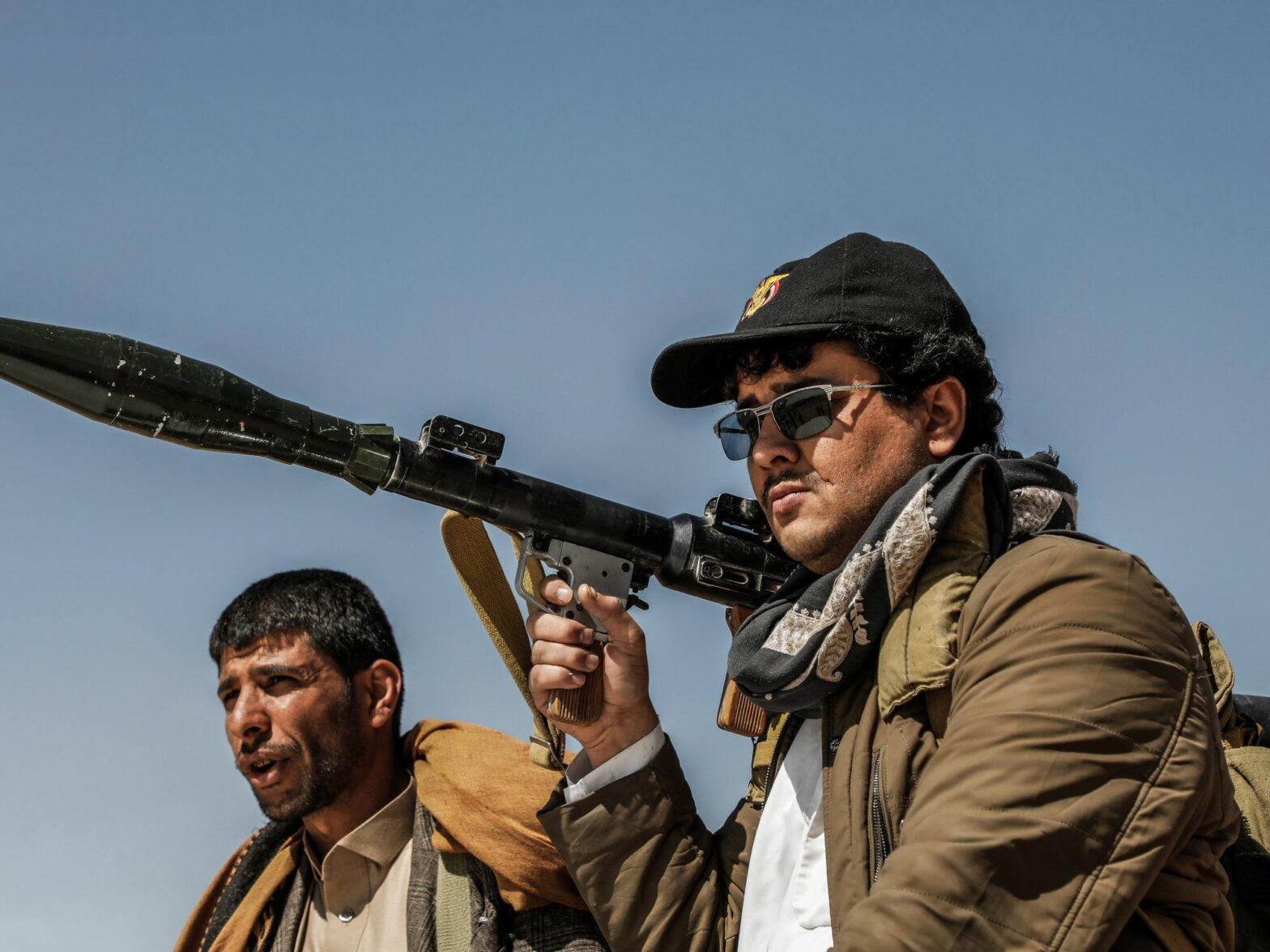
The Middle East’s militant and terror gangs, often described as Iran’s proxy forces, may have more in common with the cartels of a globalized war than with the fighters with a cause, more typical in the 20th century.
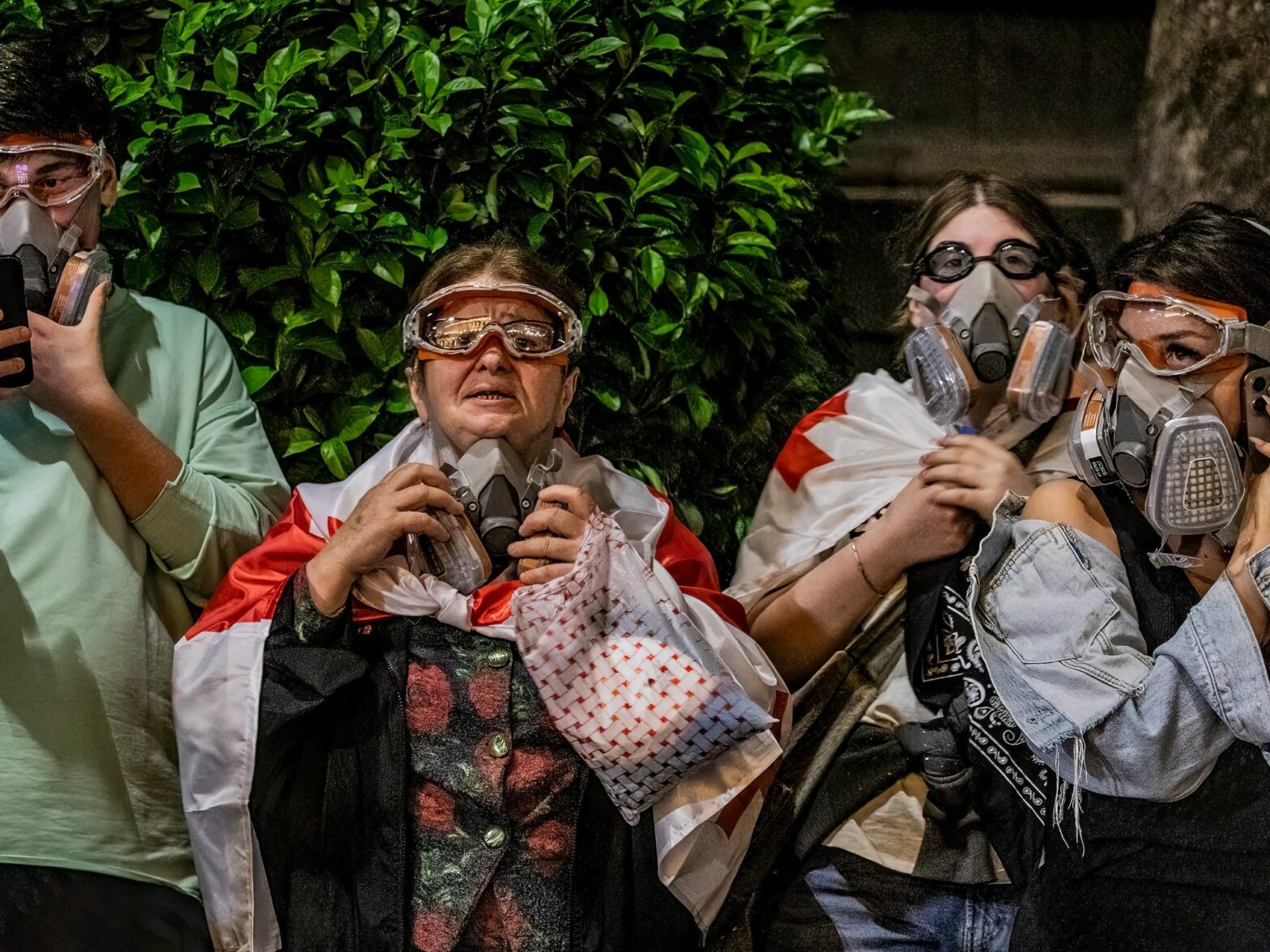
Demonstrations suppressed by the forces of order are taking place daily in the Georgian capital of Tbilisi around a draft law on “foreign interests”, considered by the protesters to be a “Russian law.” At stake is Georgia’s future, between the European Union and Putin’s Russia.
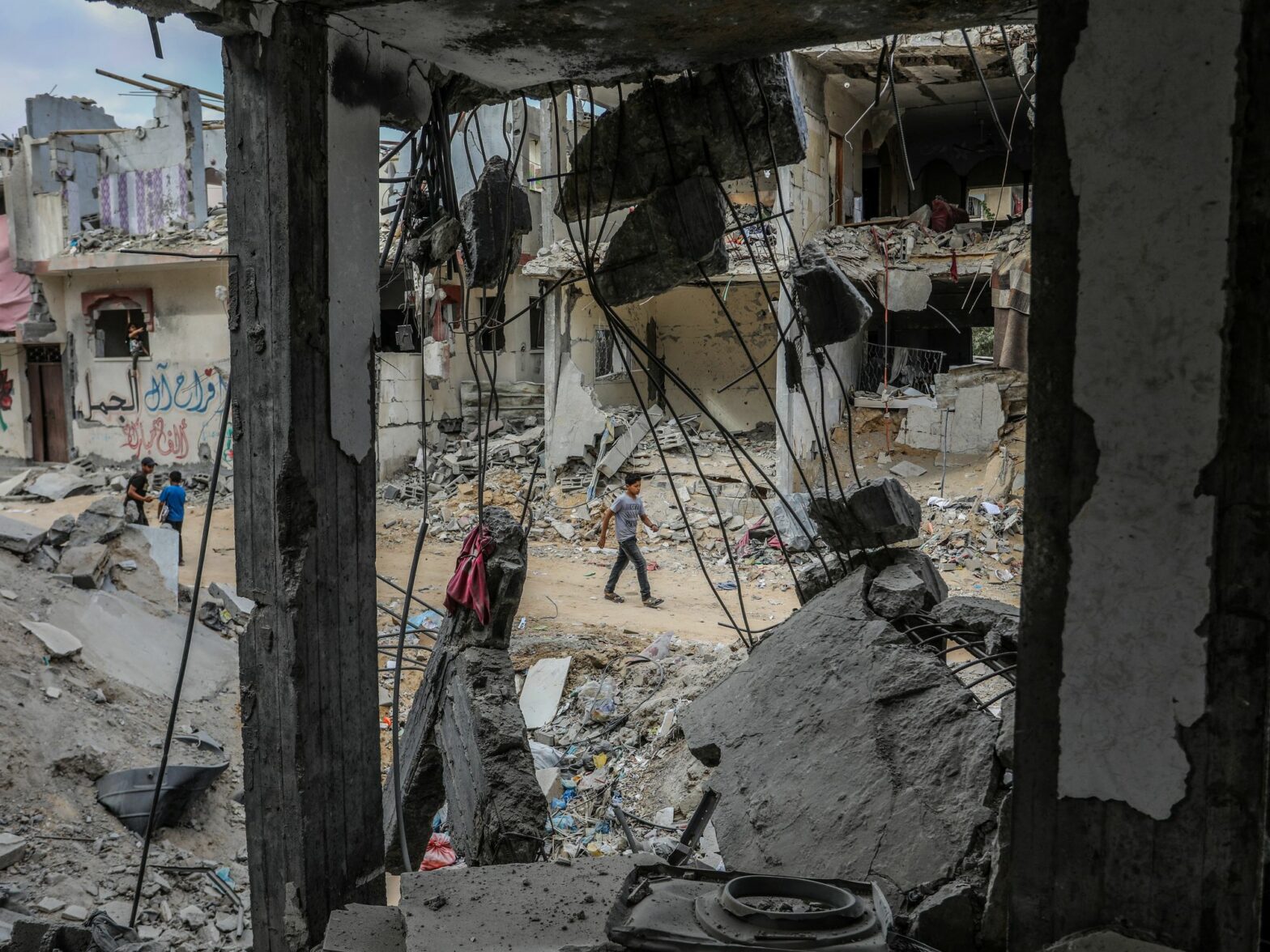
Israeli Prime Minister Benjamin Netanyahu and Hamas leaders both have deeply cynical reasons to prolong hostilities. Meanwhile, it’s in the self-interest of both the U.S. and Arab regimes to try all avenues to broker a ceasefire to ease the suffering of those caught in the crossfire.
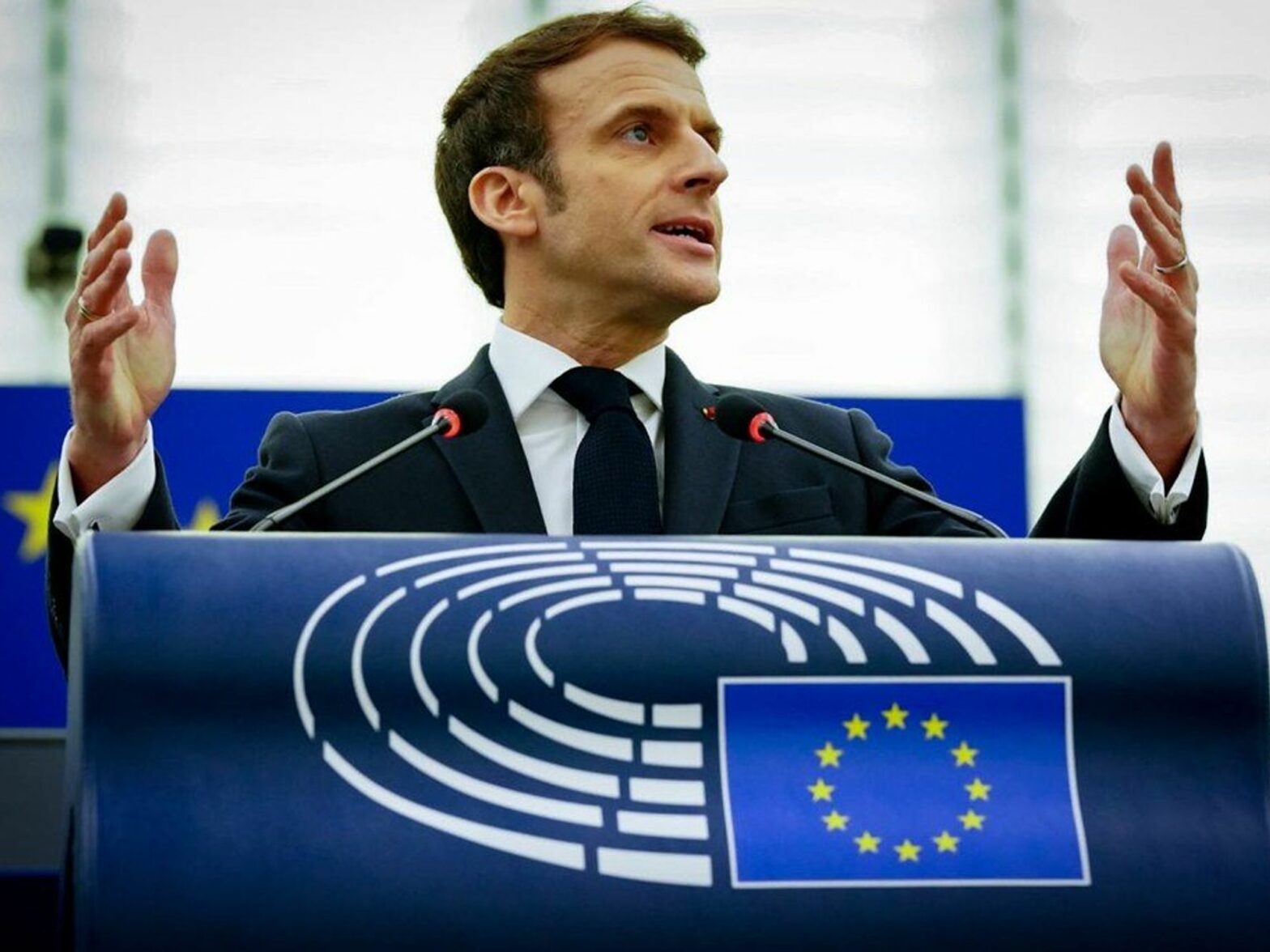
In an ominous speech in Paris, the French president warned that Europe is in mortal danger. Macron also suggested he may be just the man to save it.
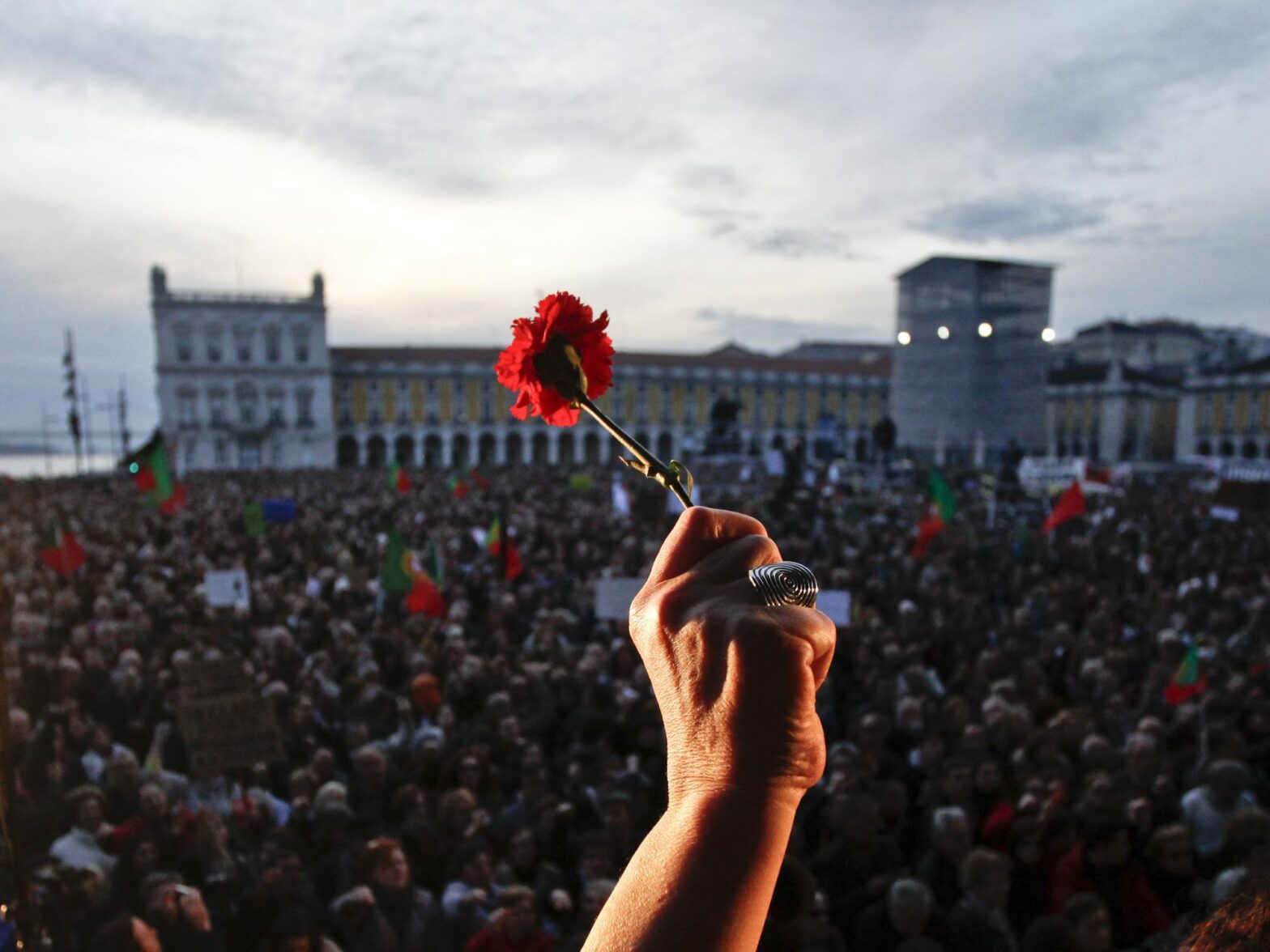
It all started on April 25, 1974, when some frustrated military officers — who had seen with their own eyes the effects of colonization in Western Africa — decided to overthrow the military regime. And over the past half-century, Portugal has gone from an archaic dictatorship to bona fide cool corner of the Western world.
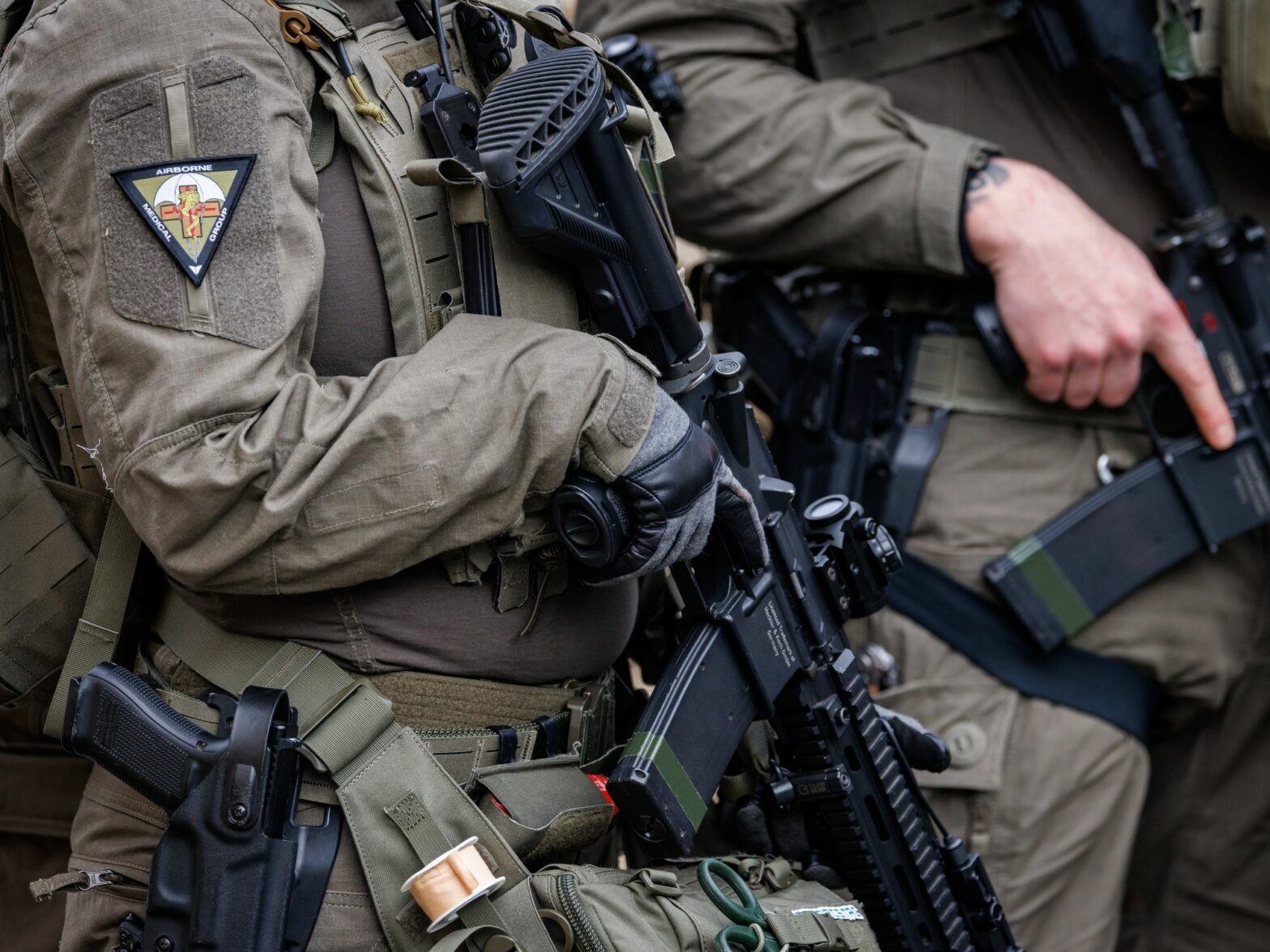
Governments spent 2.3 trilllion euros on the military, a 6% increase over 2022, the highest growth recorded in over a decade. This is the first time spending jumps were registered on all five continents, and not just countries at war. What does it say about this inflection point in history?
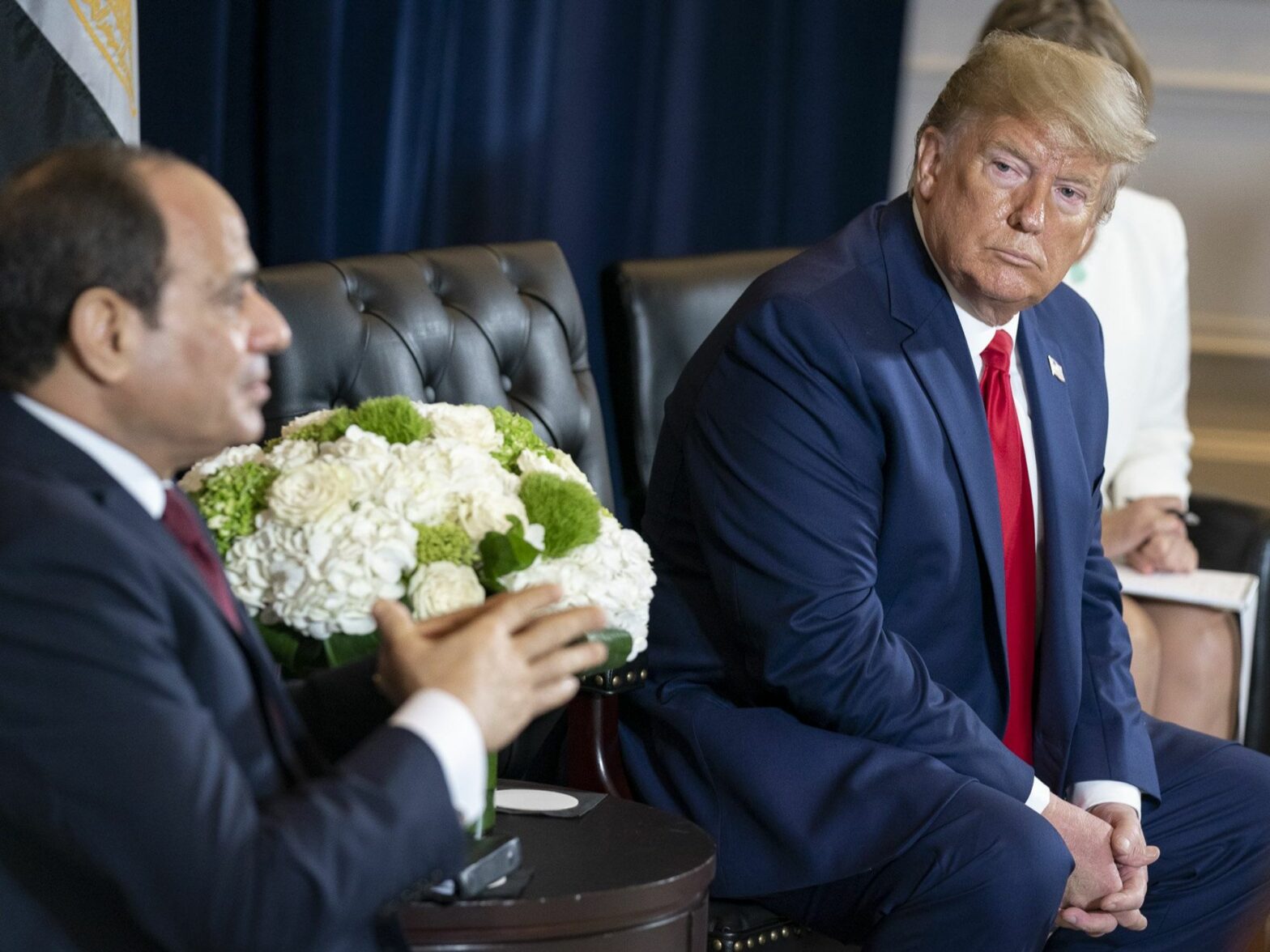
Will former U.S. President Donald Trump maintain his “dealmaker” approach towards Egypt in case he finds his way back to the White House?
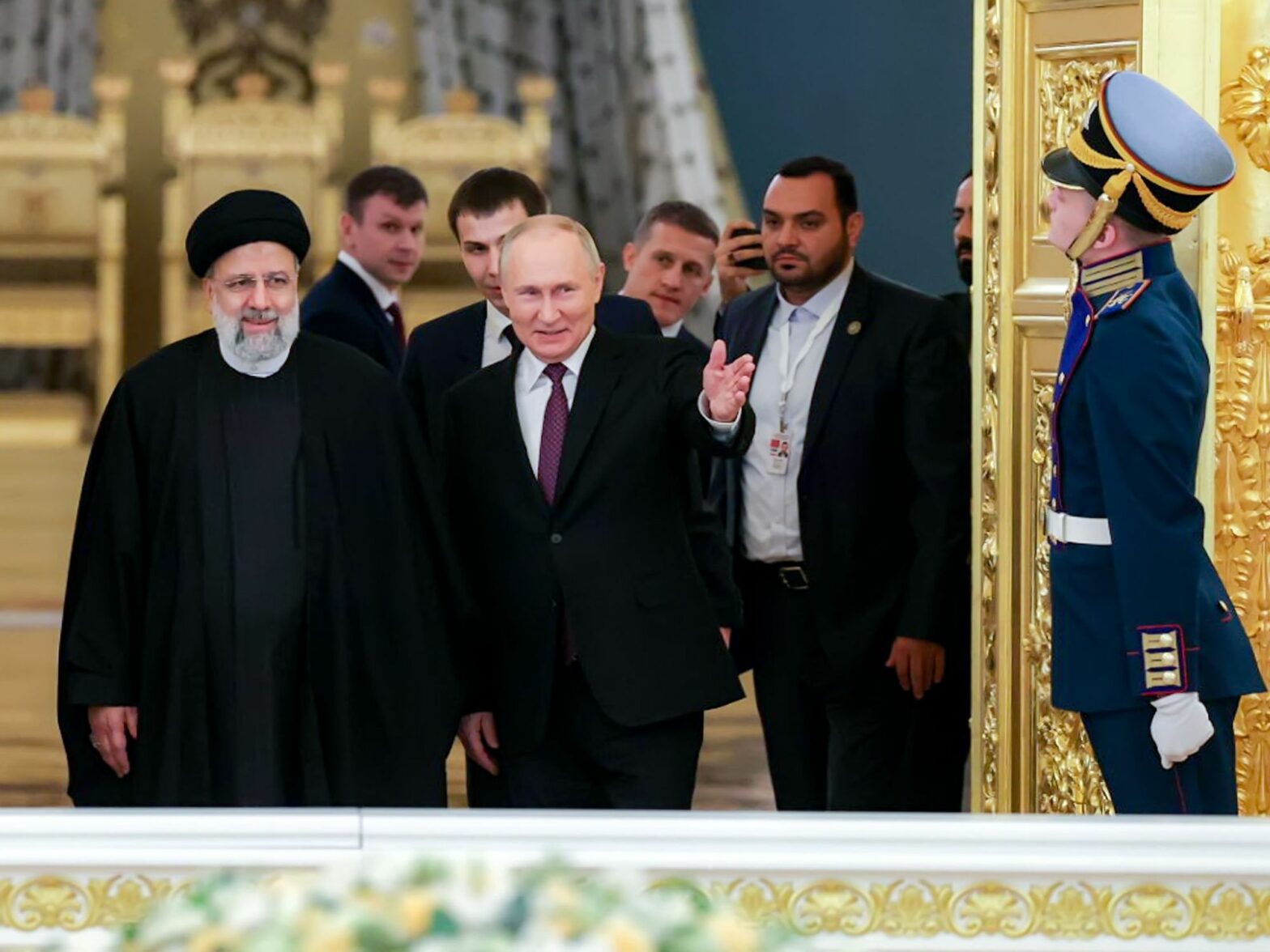
What are the links between Iran and the two powers challenging the Western order, Russia and China? And how do their relations affect the international climate? This is a key question at a time when the logic of war is at work in several regions of the world.

While “Most Views” which aired in Egypt during the month of Ramadan is credited with showing poverty in the country, the drama series misses an important opportunity to address the root causes of the TikTok girl trend.
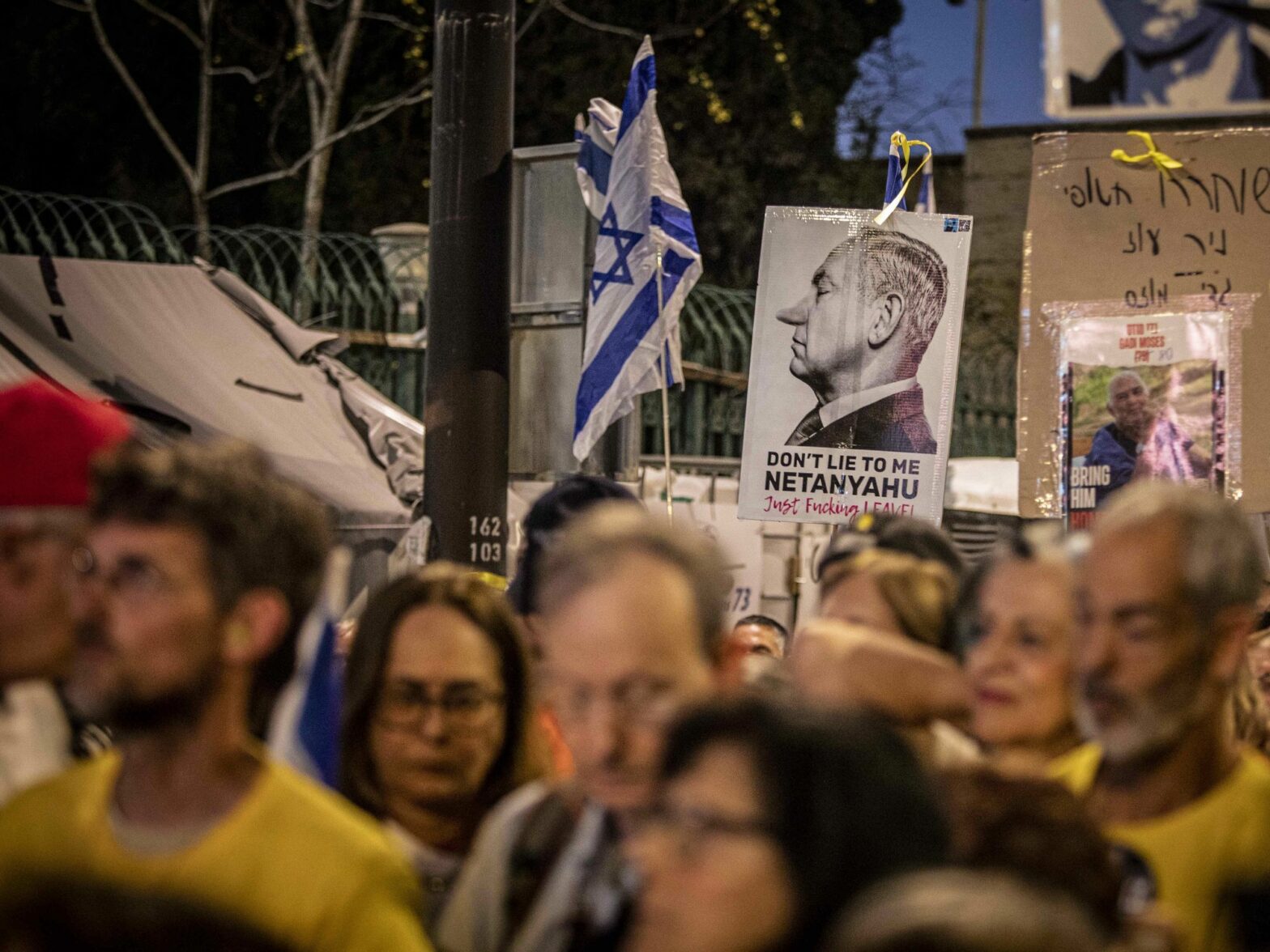
After Israel’s military killed seven aid workers from the World Central Kitchen — including six foreigners —, its closest allies in the West revolted. Some threatened to stop supplying Israel’s war machine. The Arab countries, meanwhile, are still taking the position of “concerned observer” of Israel’s killing of over 33,000 Palestinians, two thirds of them women and children.
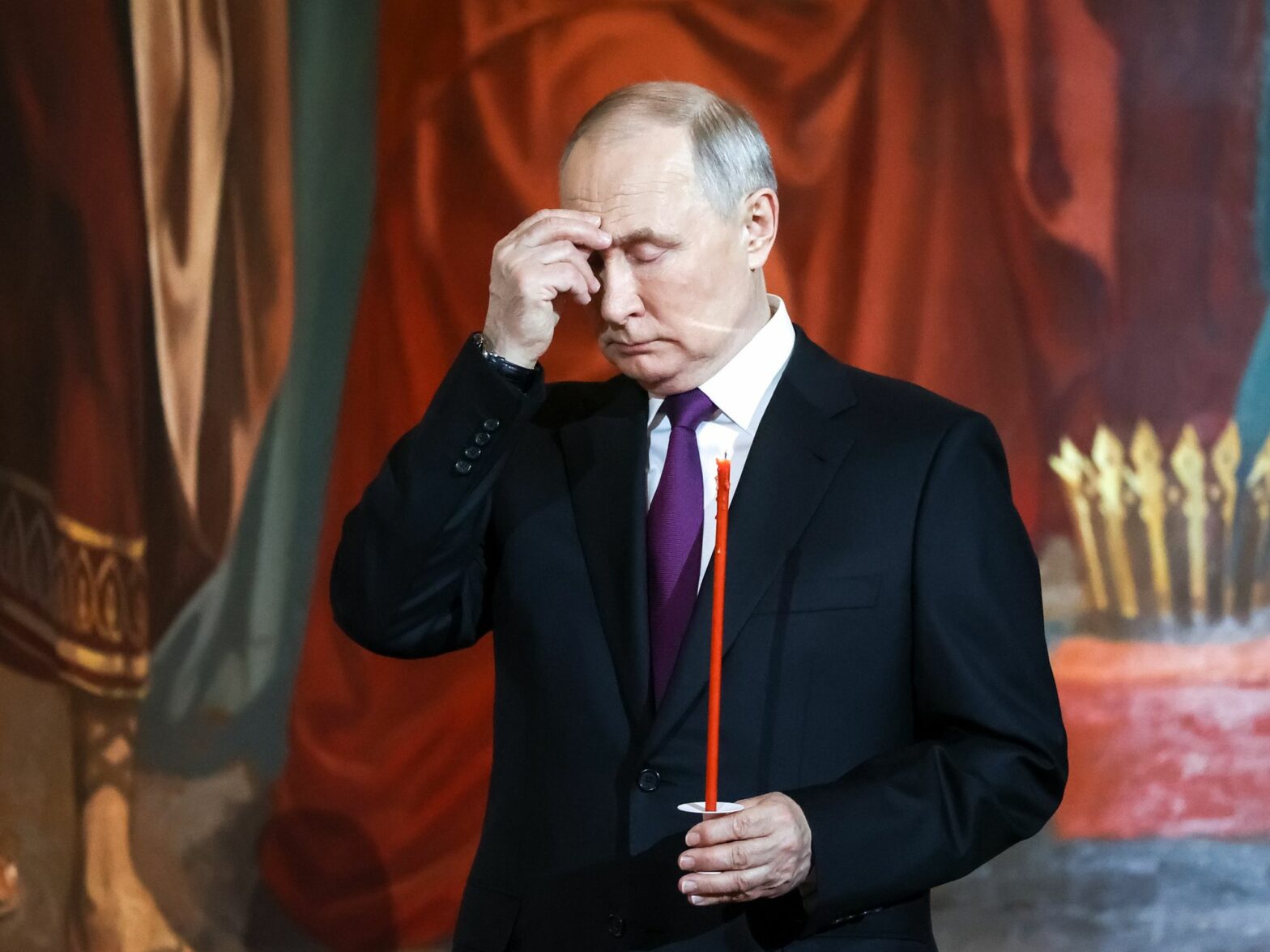
Geopolitical analysts who view Russia as an unpredictable force tend to understand Moscow’s actions in purely worldly, political terms. German Professor of Theology Hubertus Lutterbach has uncovered a different message hidden in Putin’s religiosity — an implicit threat to his neighbors and the world.
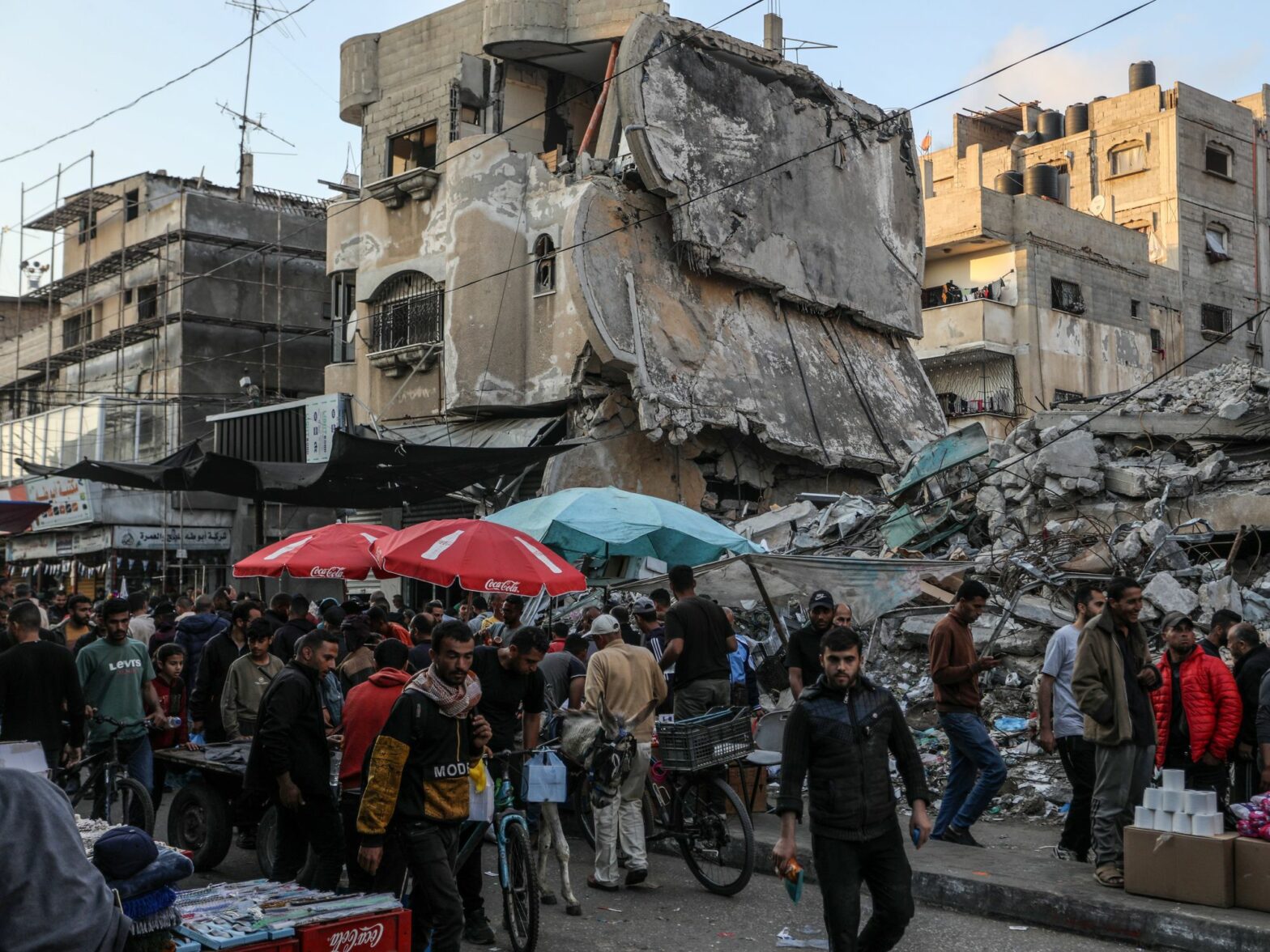
Rafah’s modern tragedy began with the U.S.-brokered Camp David peace treaty between Egypt and Israel. The misery brought on then peaked in 2014 with the forced displacement of the Egyptian city’s residents, and is now suffering more than ever as Israel vows to invade Rafah as part of its war on Gaza.
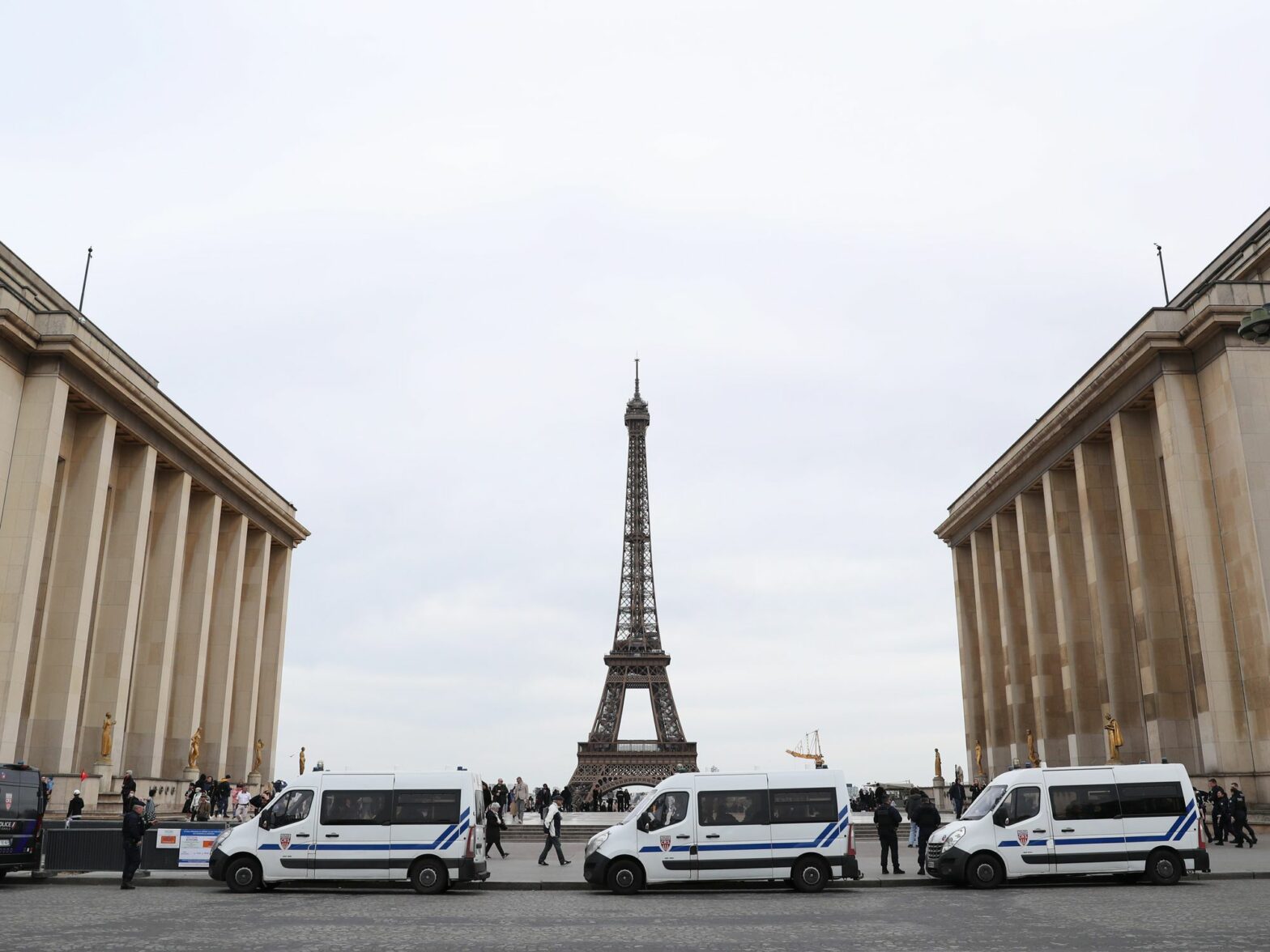
A telephone call between French and Russian defense ministers on Wednesday gave rise to Russian accusations and threats against France. The terrorist risk shared by the two countries did not allow the slightest progress to be made: this is worrying just a few months before the Paris Olympic Games.
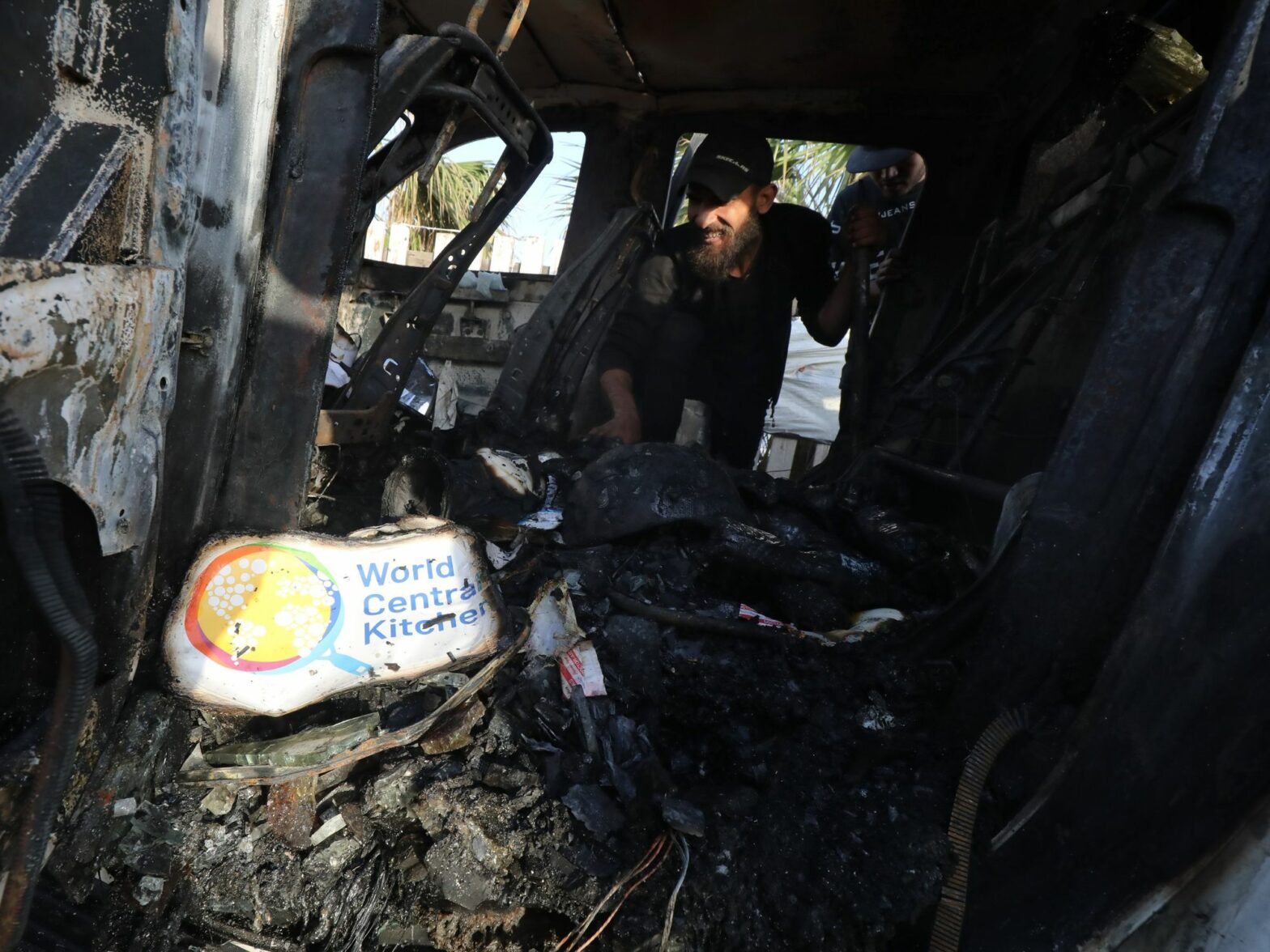
The Israeli drone strike that killed seven aid workers in Gaza has set off an international outcry. And Israeli Prime Minister Benjamin Netanyahu’s reaction was a reminder that cutting off humanitarian aid has been part of the strategy from the start of the war in Gaza.
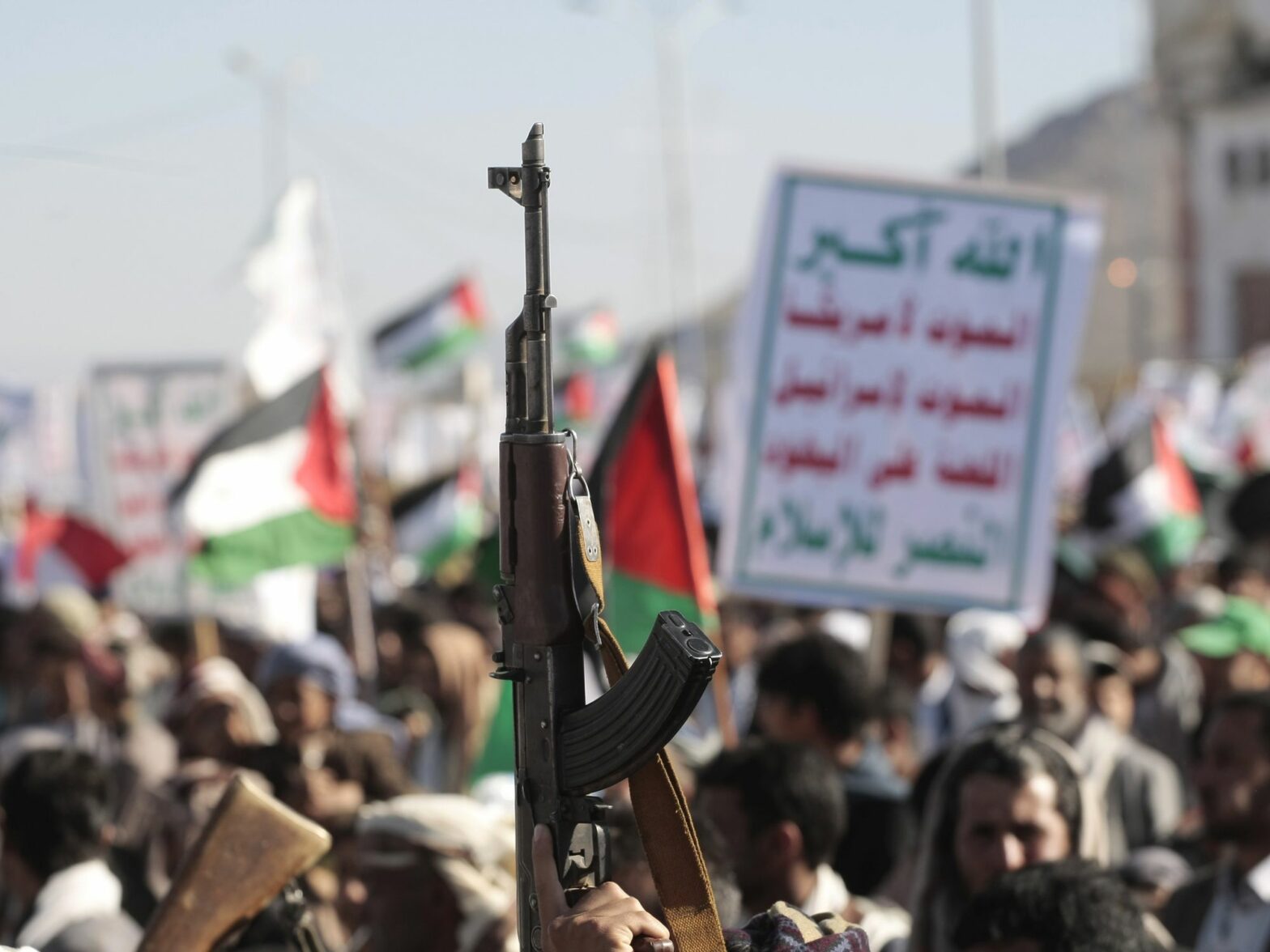
Hamas’s Oct. 7 attack and Israel’s subsequent war in Gaza have given Islamists new momentum and a new outlook on their recent political setbacks.
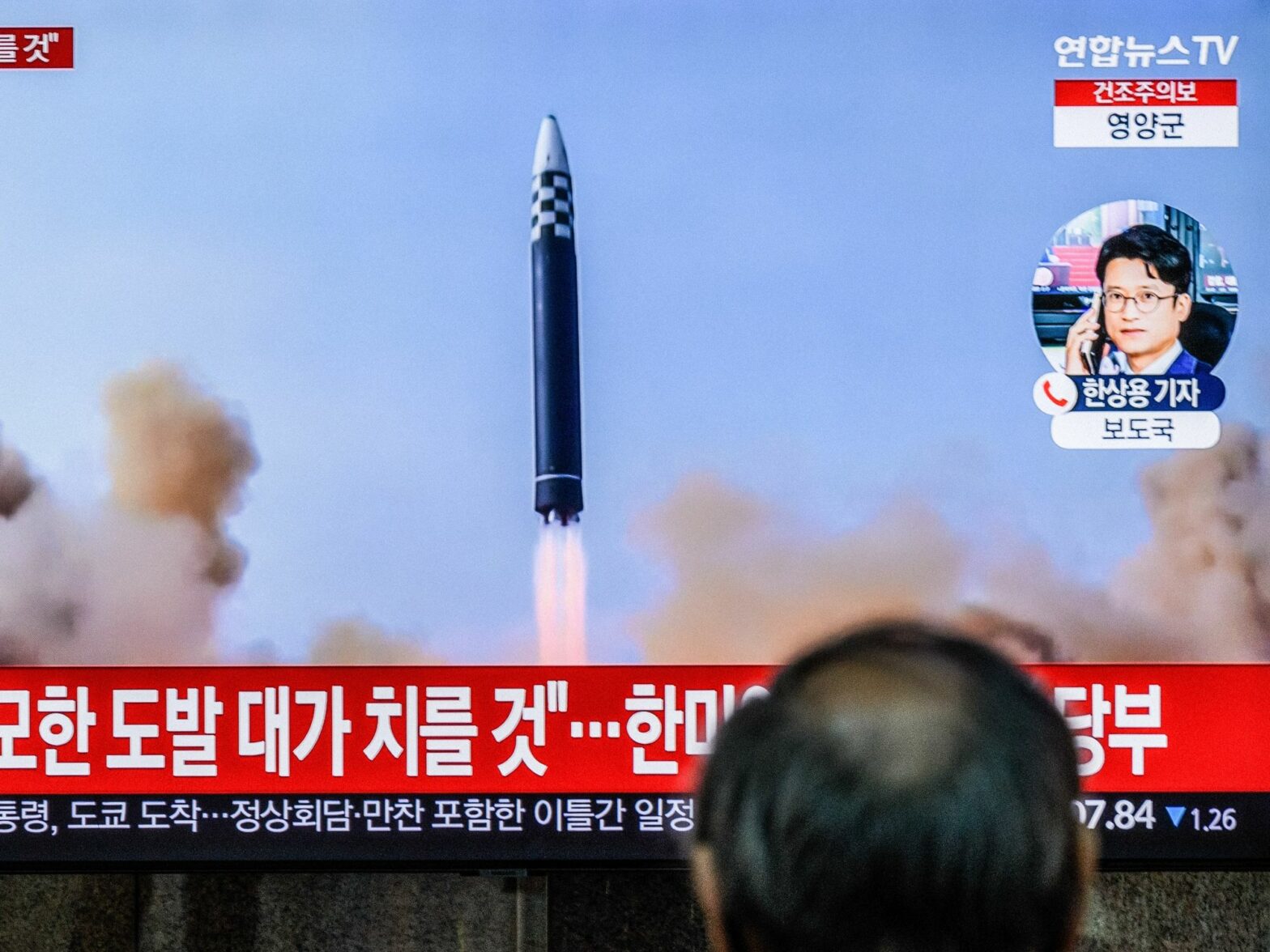
Moscow “killed” the body charged with overseeing the sanctions regime against North Korea — now Putin’s ally against Ukraine — dealing yet another blow to the edifice of global governance inherited from the post-war era.

The surprise election of Bassirou Diomaye Faye appears to be a wakeup call for French President Emmanuel Macron.
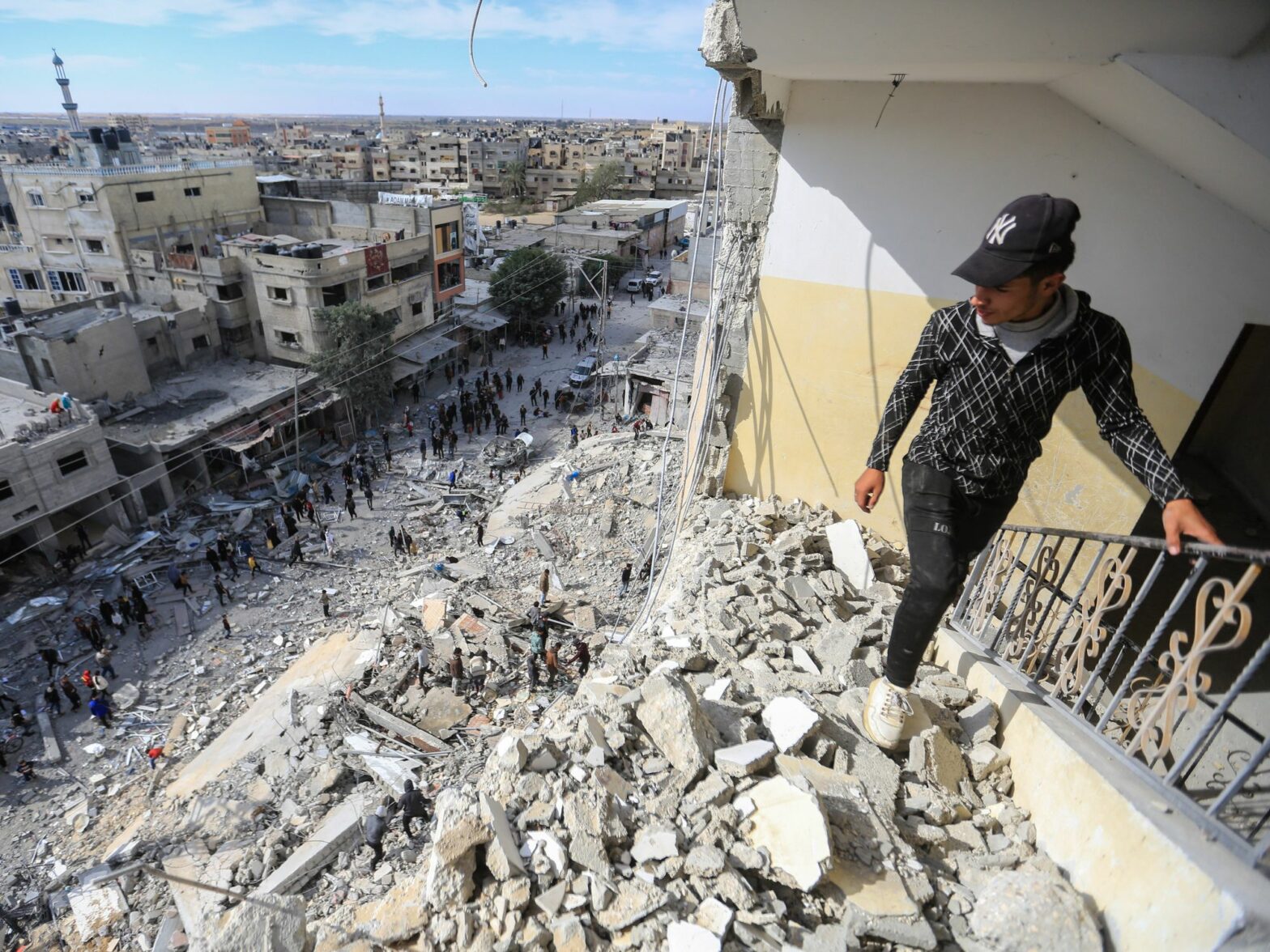
By abstaining from a UN resolution demanding an immediate ceasefire in Gaza, Washington has not only angered Benjamin Netanyahu — it has potentially altered the dynamics of the whole Israel-Hamas war.
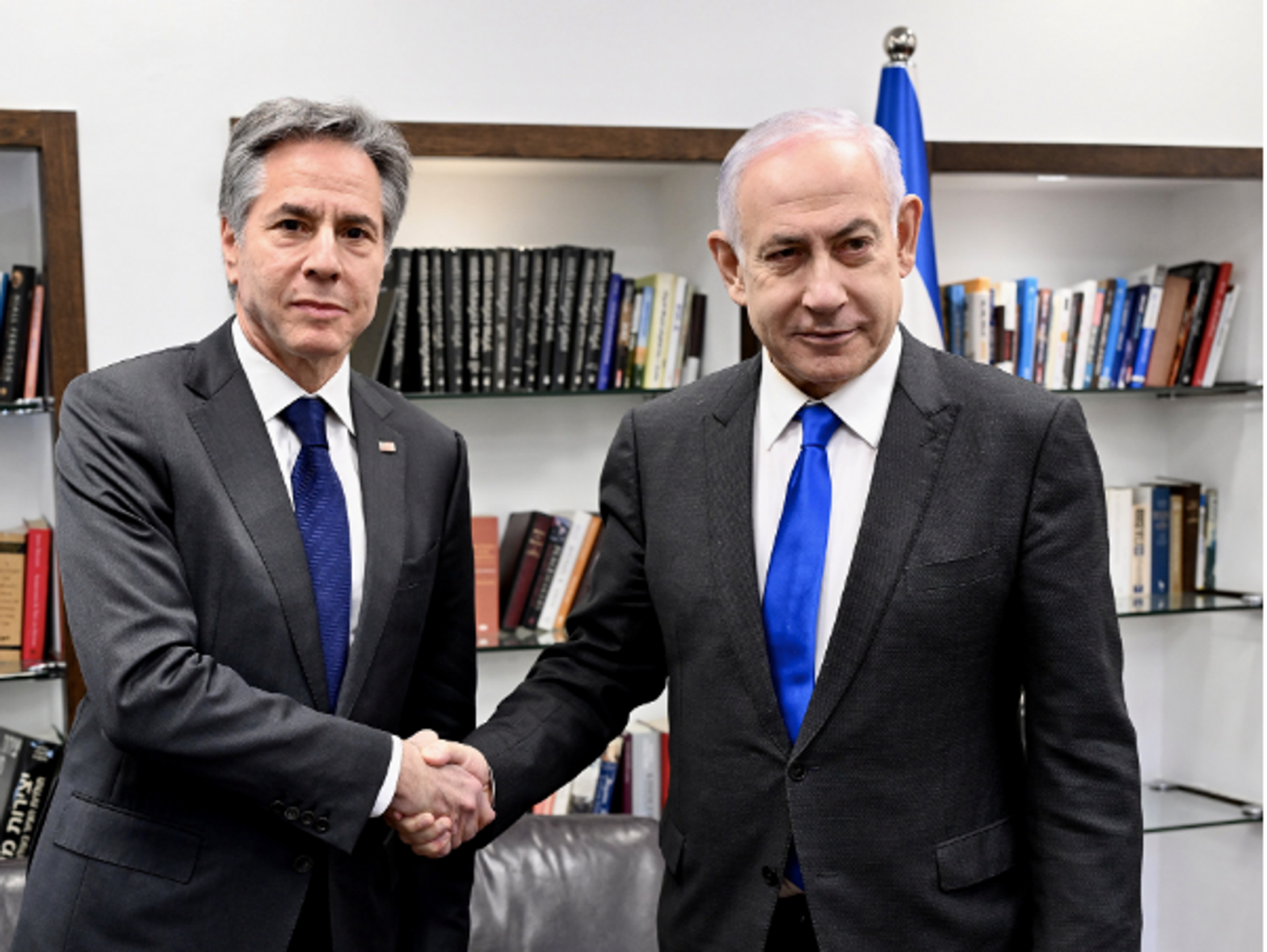
U.S. Secretary of State Antony Blinken meets with Israeli Prime Minister Benjamin Netanyahu, just as Washington has submitted a stunning resolution at the UN pressuring Israel into a ceasefire. But is there a way out?
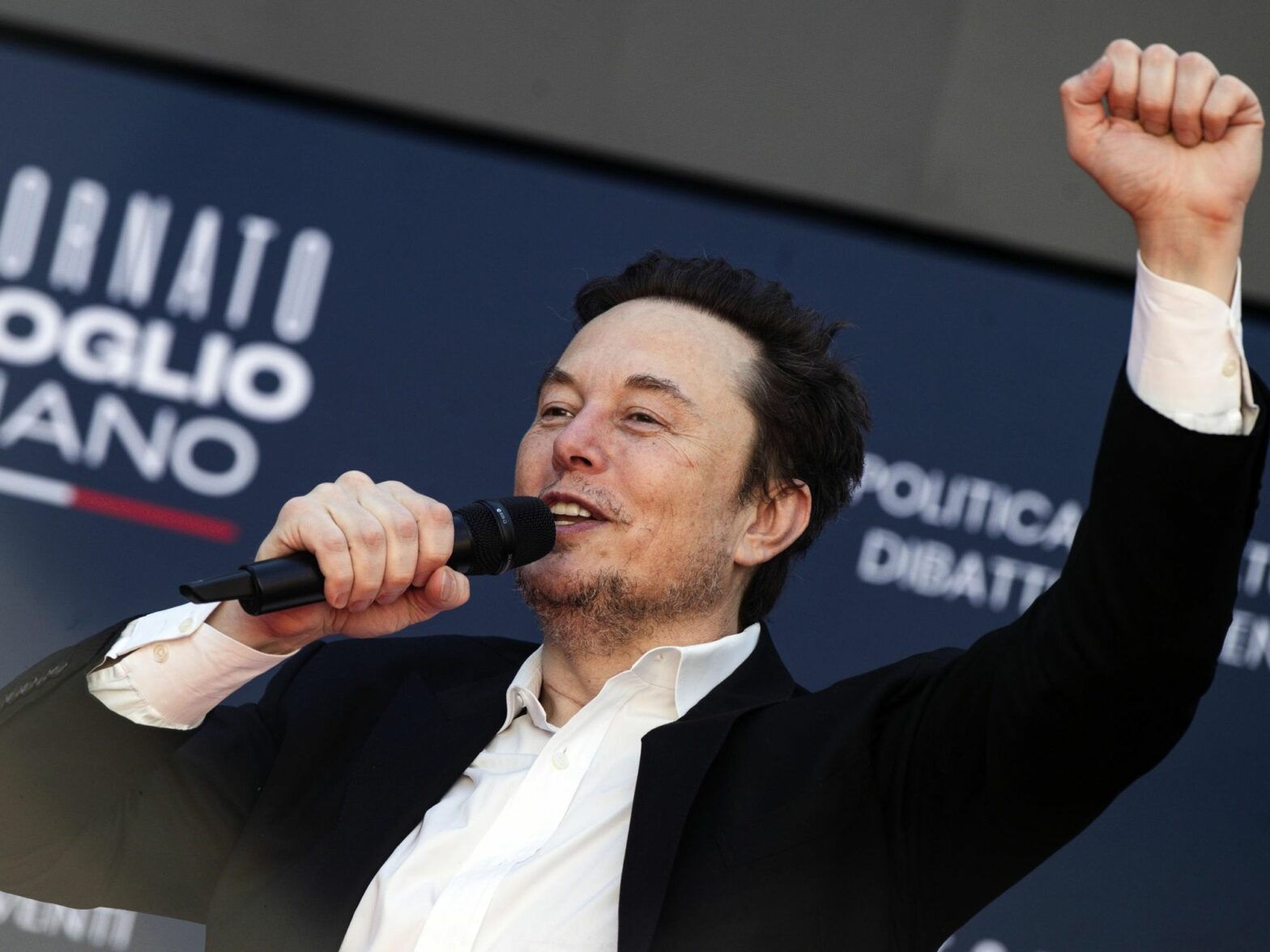
The American billionaire and founder of Tesla and SpaceX is increasingly openly supporting the ideas of the radical right and Donald Trump. Long gone are the days when Silicon Valley voted Democrat: Elon Musk is the embodiment of this openly self-assured “tech right”.
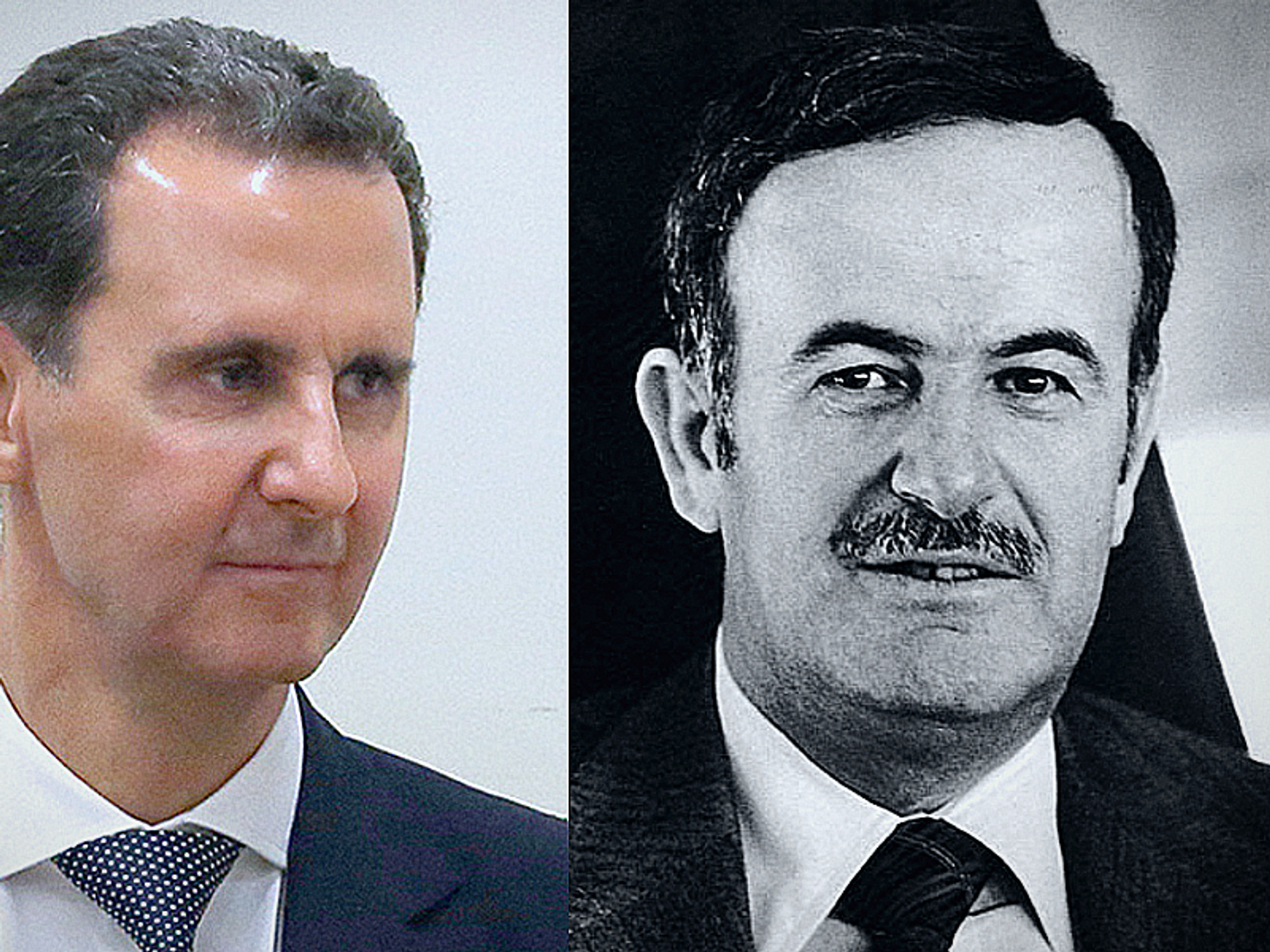
Recent changes in Syria’s security apparatus are yet another step in President Bashar al-Assad’s years-long effort to escape the shadow of his father and predecessor, Hafez al-Assad, more than two decades after his death.
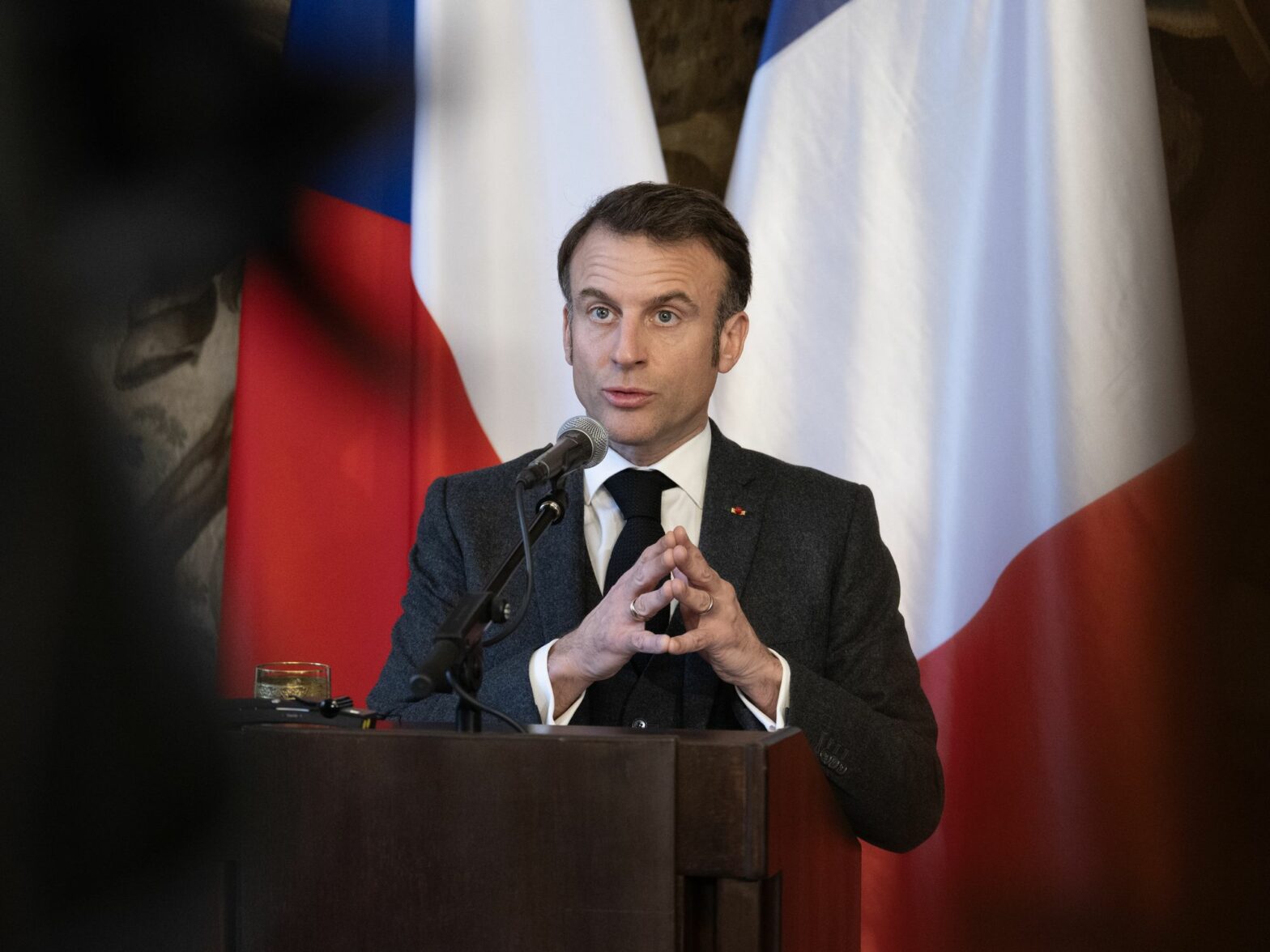
The French President has lost all hope in reasoning with Putin, hardening his tone toward Moscow after trying to position himself at the outset as a mediating force.
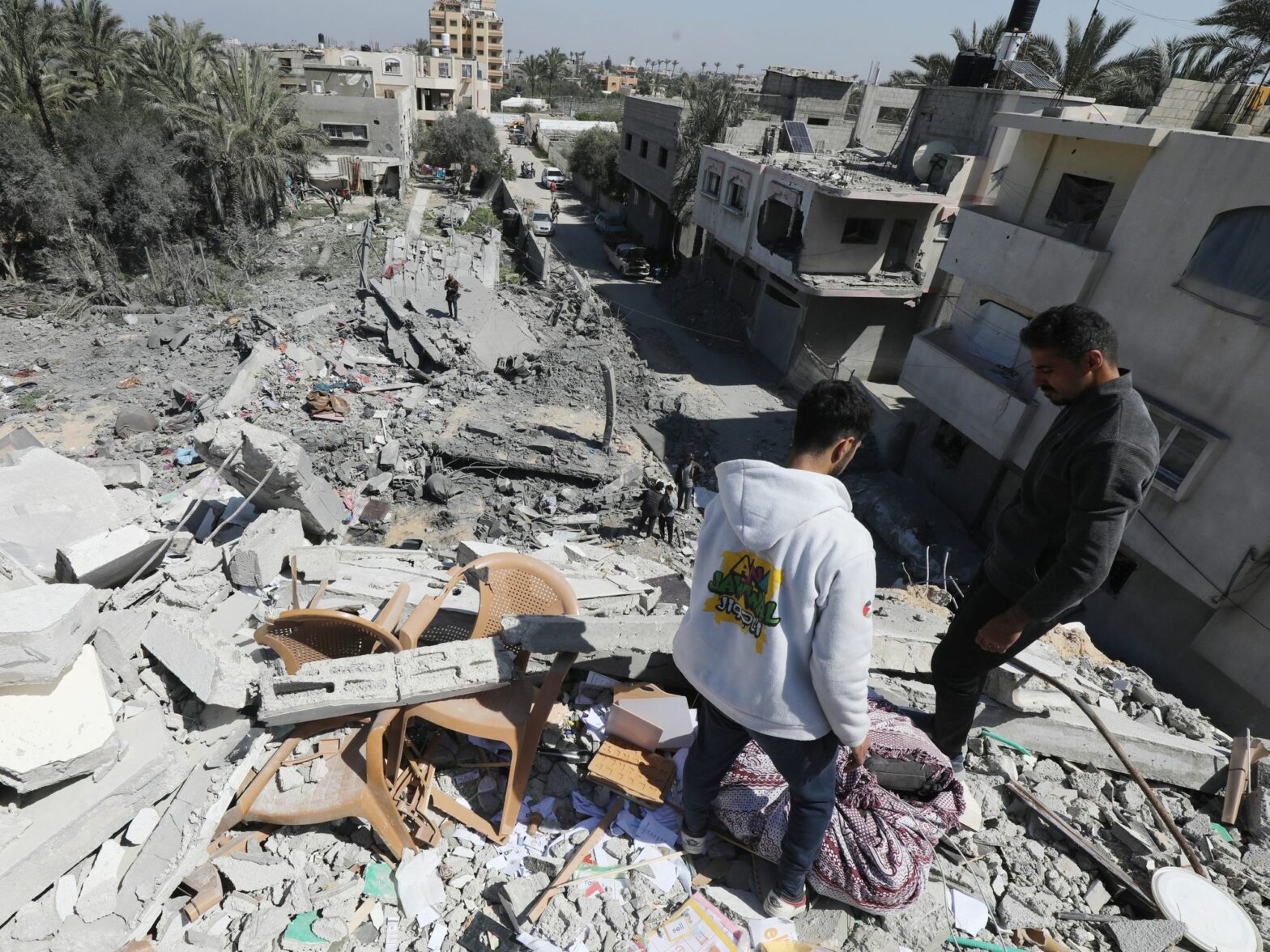
Famine creeps into Gaza, one could expect a certain pragmatism would push influential countries in the region to intervene. Yet each of these countries has its own political agenda.
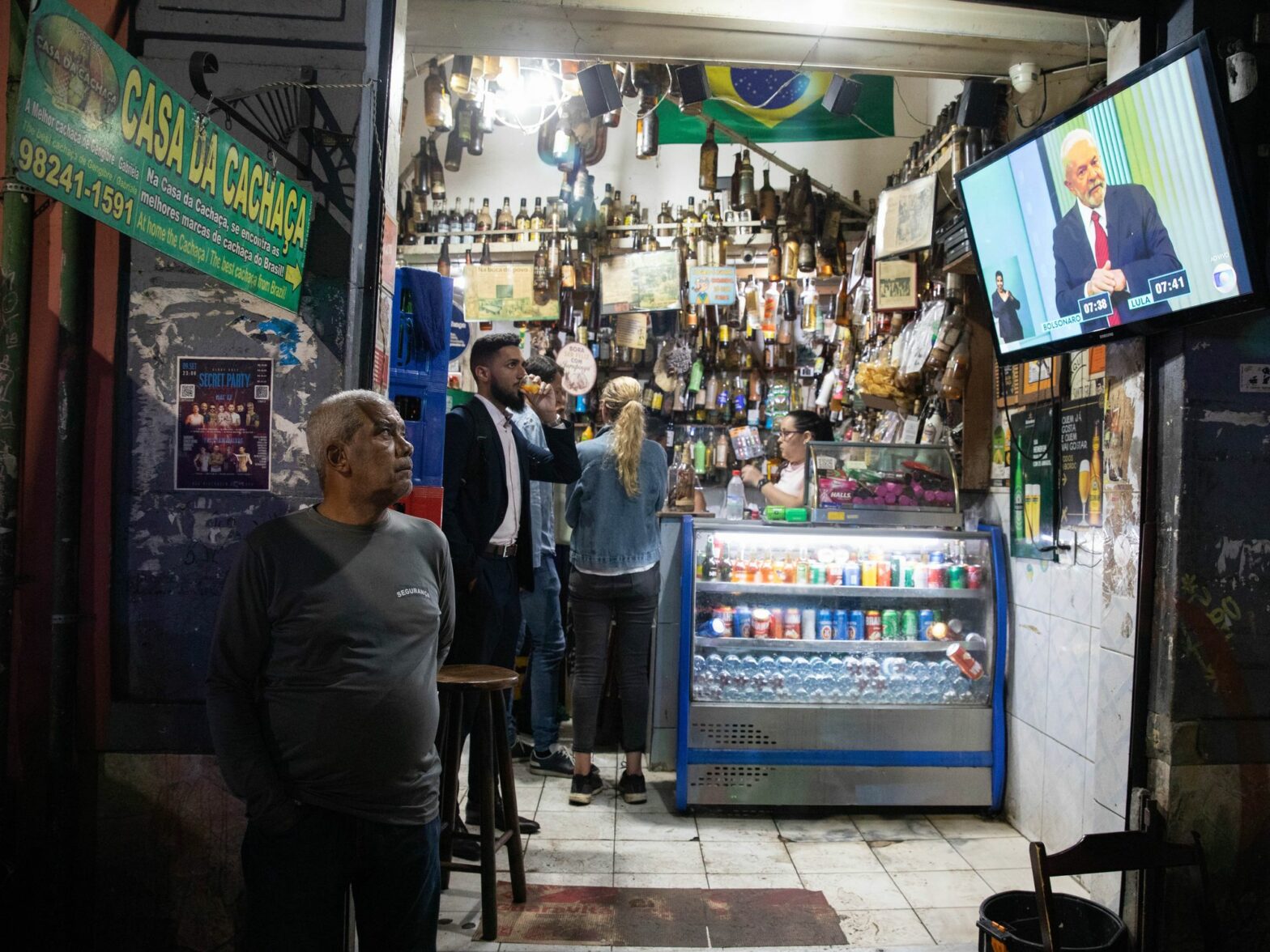
Uncertain economic conditions and divisive posturing in favor of the Global South may send Brazilian President Lula da Silva’s middle class voters back to the Right, where his predecessor Jair Bolsonaro is maneuvering between criminal charges and a return to the presidency.

After Super Tuesday, Americans (and the world) are now virtually assured of another Biden-Trump showdown in November. It’s a chilling reminder to Europe that their fate is tied too closely to the whims of U.S. politics.
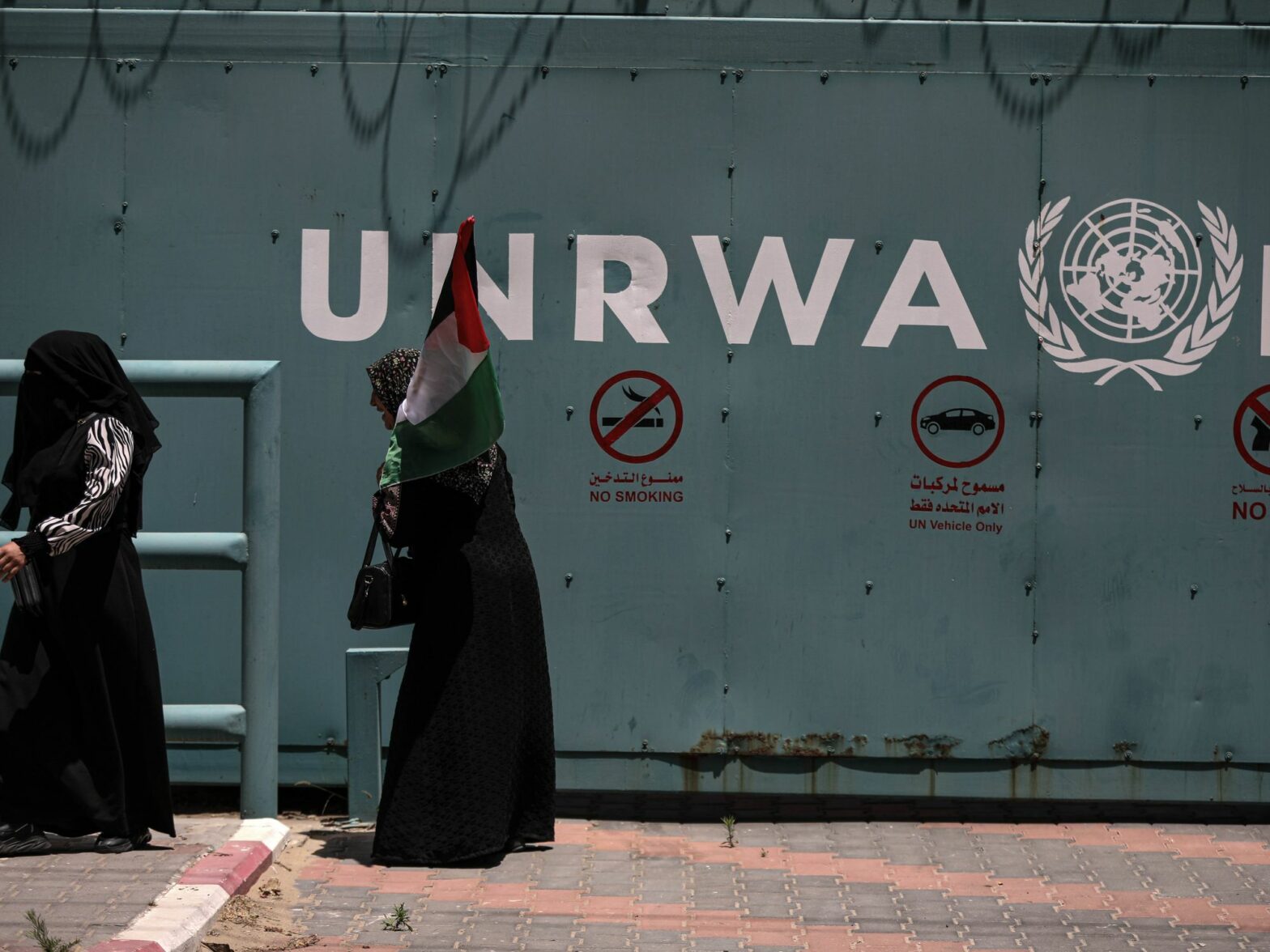
Tensions continue to rise between the UN and Israel, despite the publication of a UN report confirming Hamas’s accusations of sexual violence on October 7. It’s a long history of mistrust which has resurfaced in the current crisis.
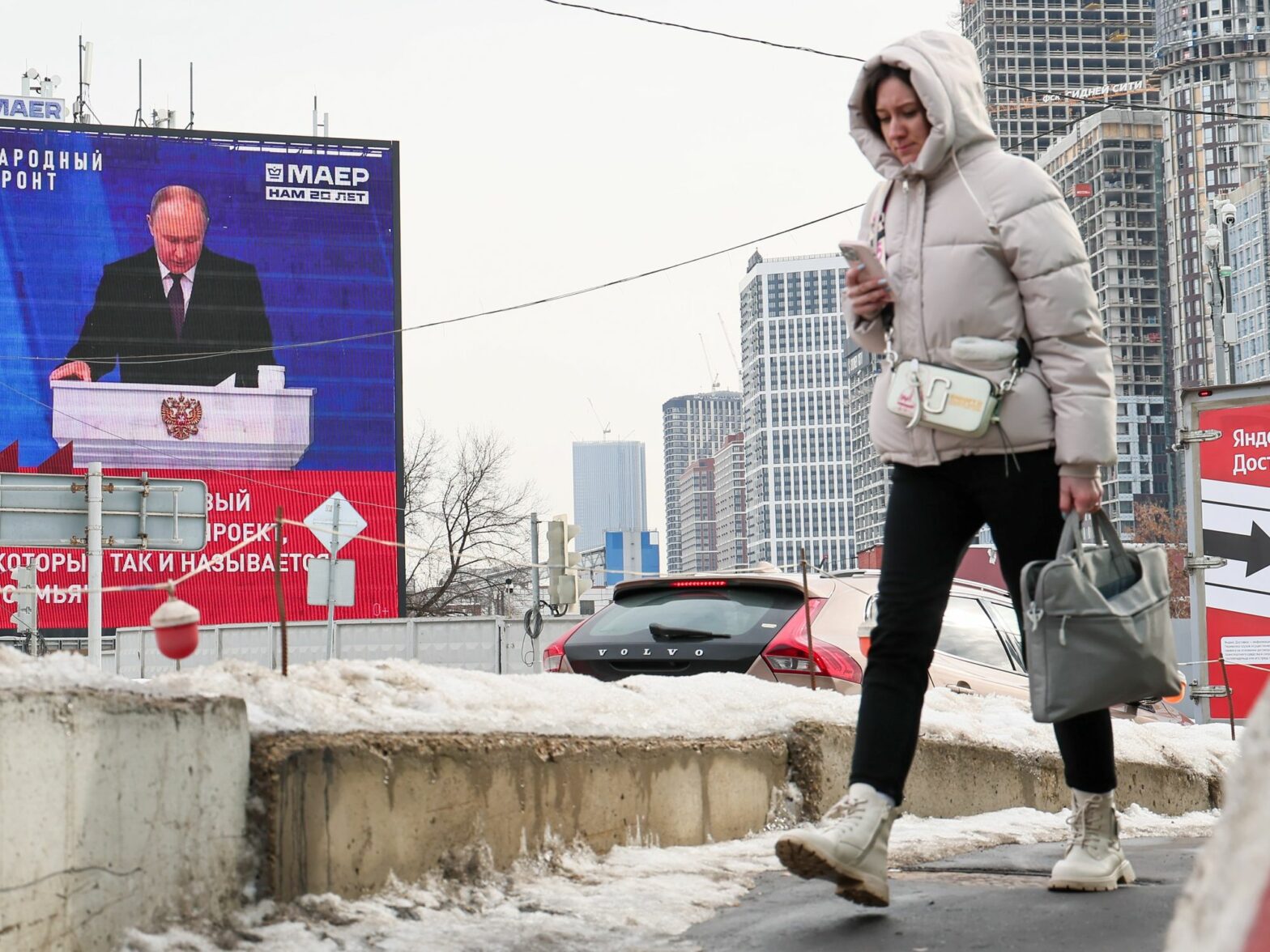
Three days after Emmanuel Macron’s statement on deploying troops to Ukraine, Putin warned that such a move could provoke nuclear war. It’s a serious threat that has regularly resurfaced over the past two years. So far, we’re all still here.
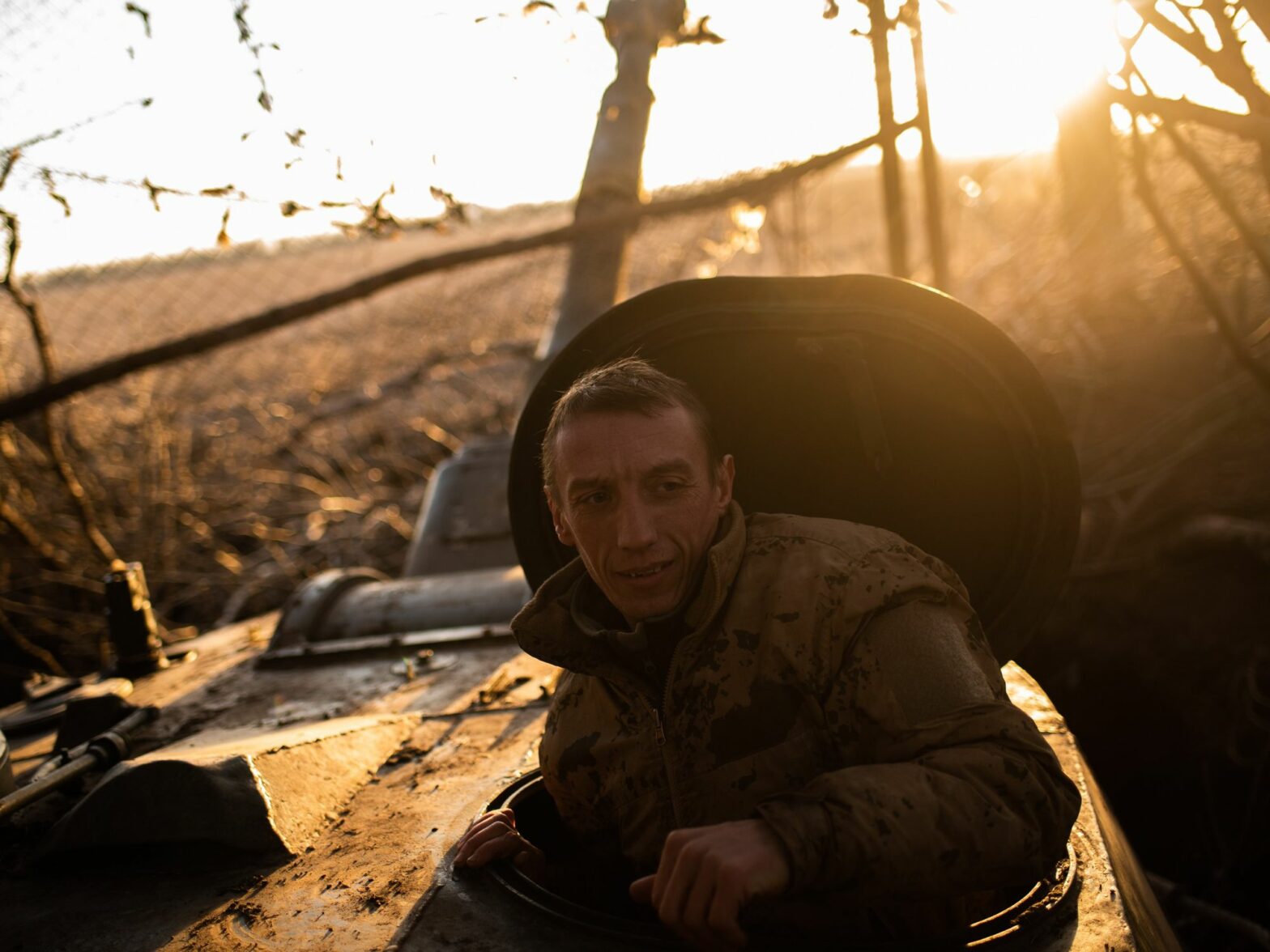
French President Emmanuel Macron crossed a line, at least rhetorically, in saying that the West doesn’t exclude sending troops to help Ukraine defend itself from Russia. Yet it may be time for the Western alliance to acknowledge that they’ve actually entered direct conflict with Moscow long before.
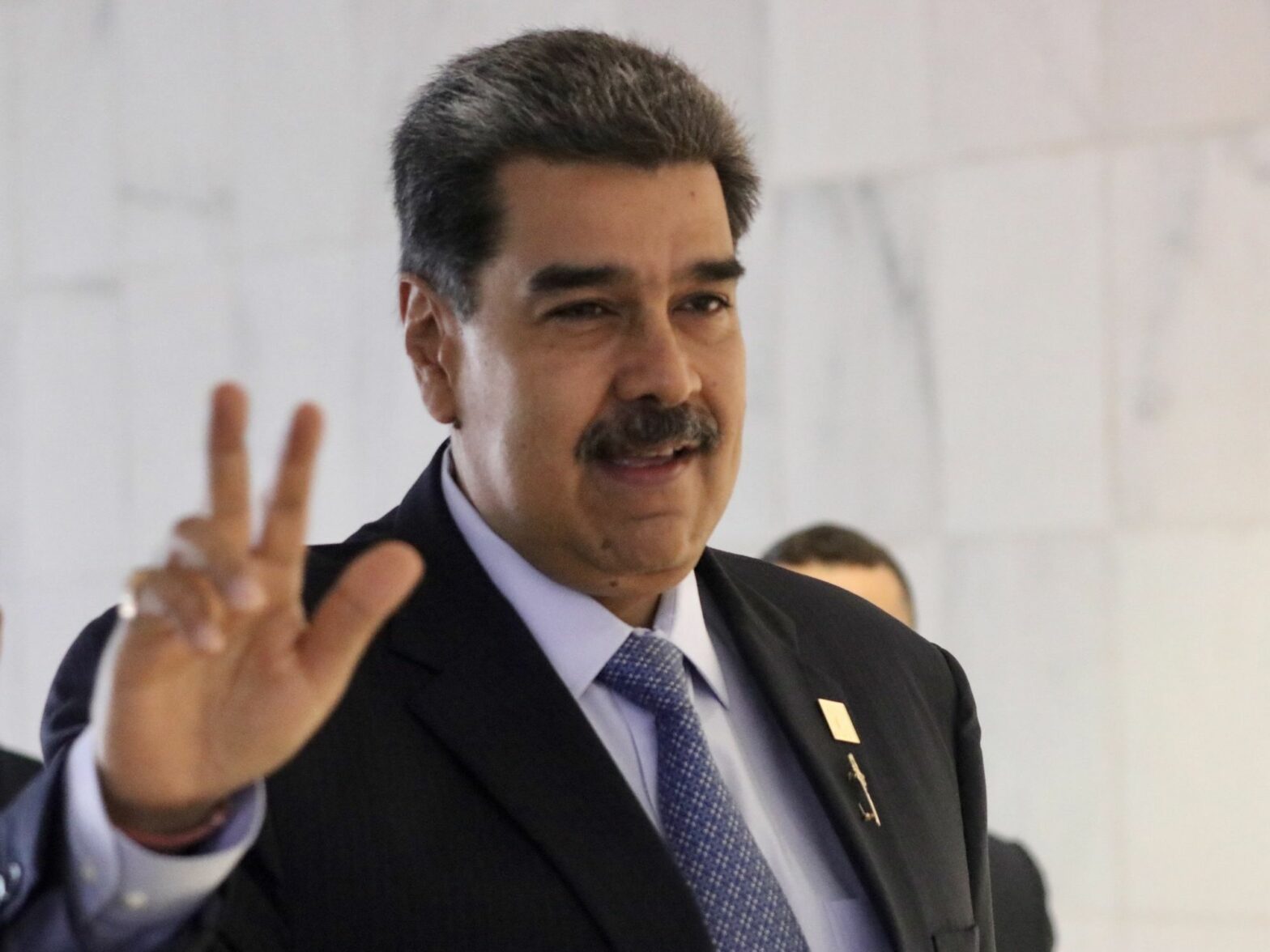
With a sham court ruling, Venezuela’s President Maduro has paved the way for his unchallenged reelection as president this year, regardless of U.S. sanctions. This is happening as Latin America’s leftist governments, notably Brazil, watch in silence.
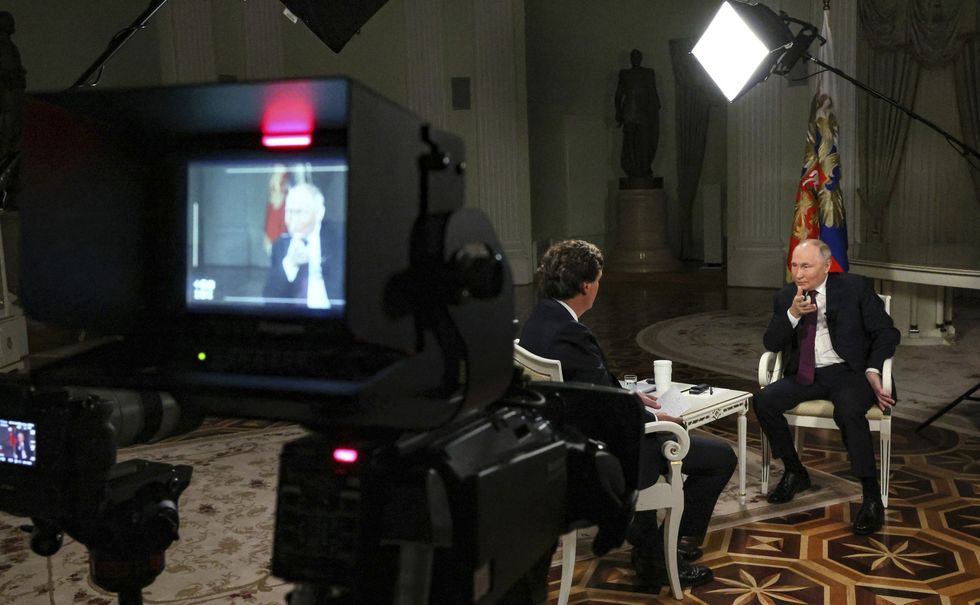
Look back over the past two decades, and you’ll see Vladimir Putin has always been the man revealed by the Ukraine invasion, an evil and sinister dictator. The Russian leader just manages to mask it well.

As the far-right propagates a simplified and emotionally resonant message, the lack of coordination and a shared vision among the “non-far-right” strengthens the far-right’s illusion of representing the entirety of “the people.”
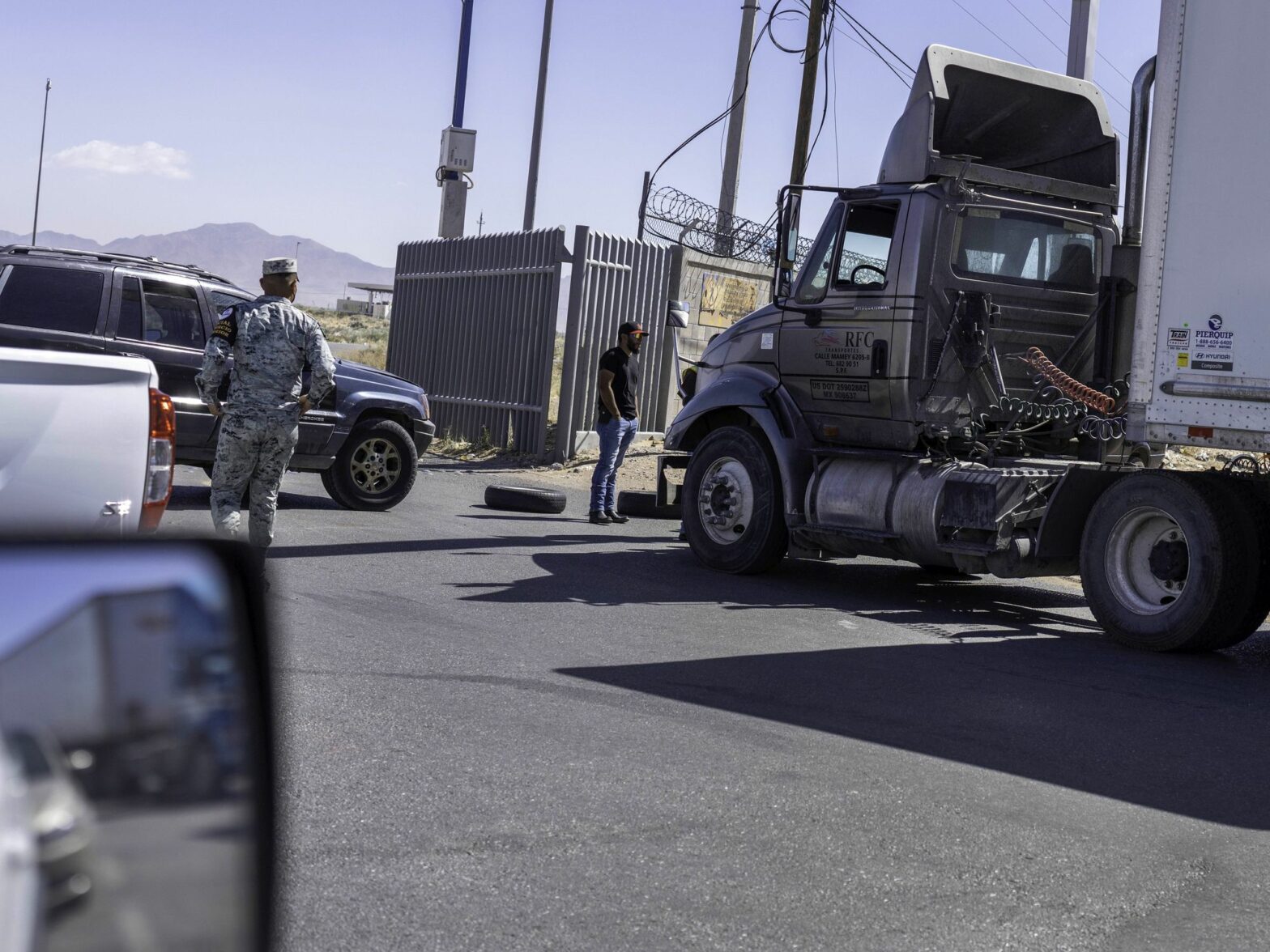
U.S. President Biden has quietly turned his Republican predecessor’s anti-foreign posturing into economic policies that strongly favor domestic manufacturing. Does Mexico, which depends on massive exports to the U.S., have anything to look forward to in the upcoming presidential elections?
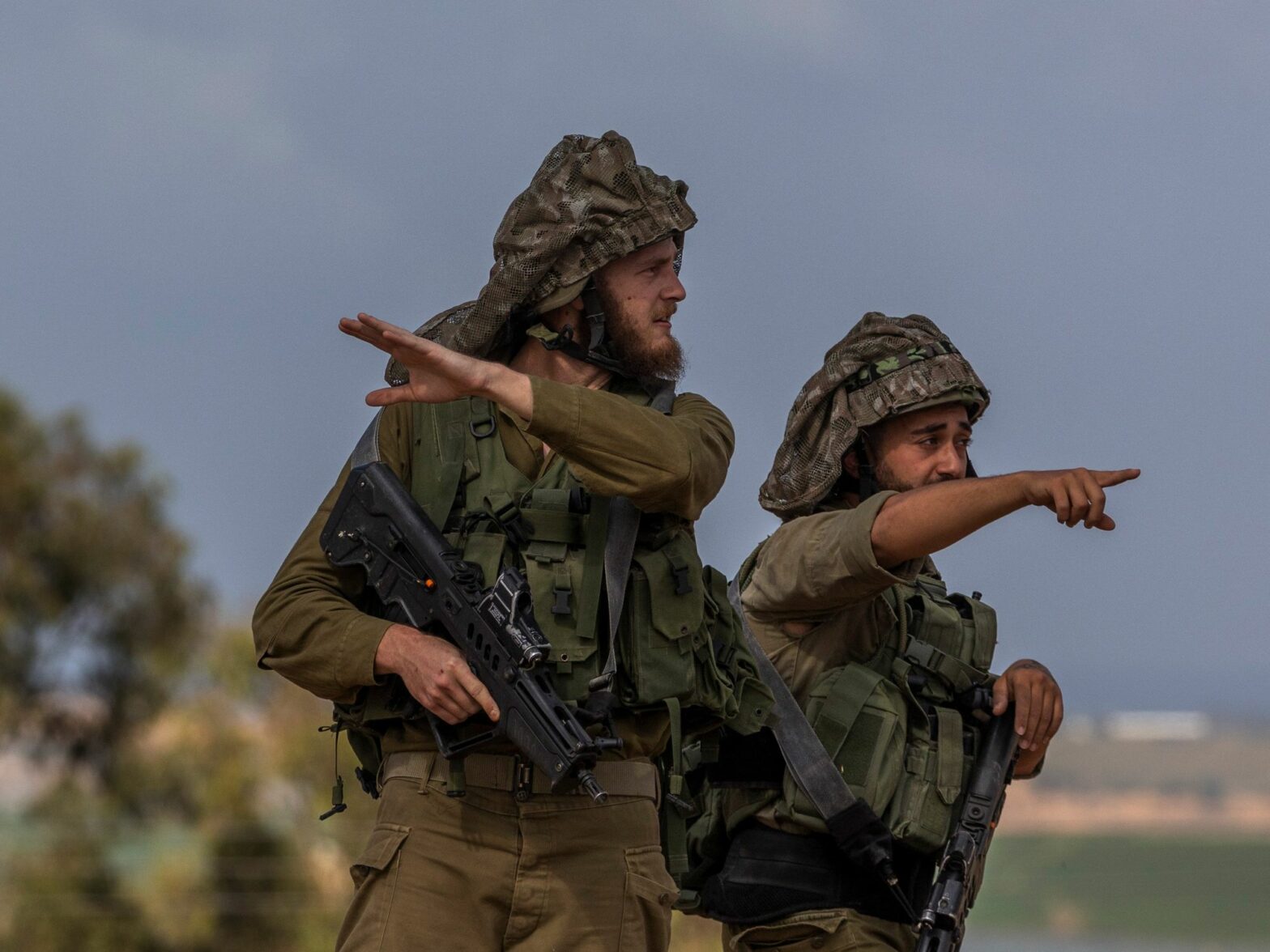
There are very real risks that this conflict may expand and re-shape the entire region. Israel appears to have the means to win on the battlefield, but risks losing along the way the very principles of justice on which it was founded.
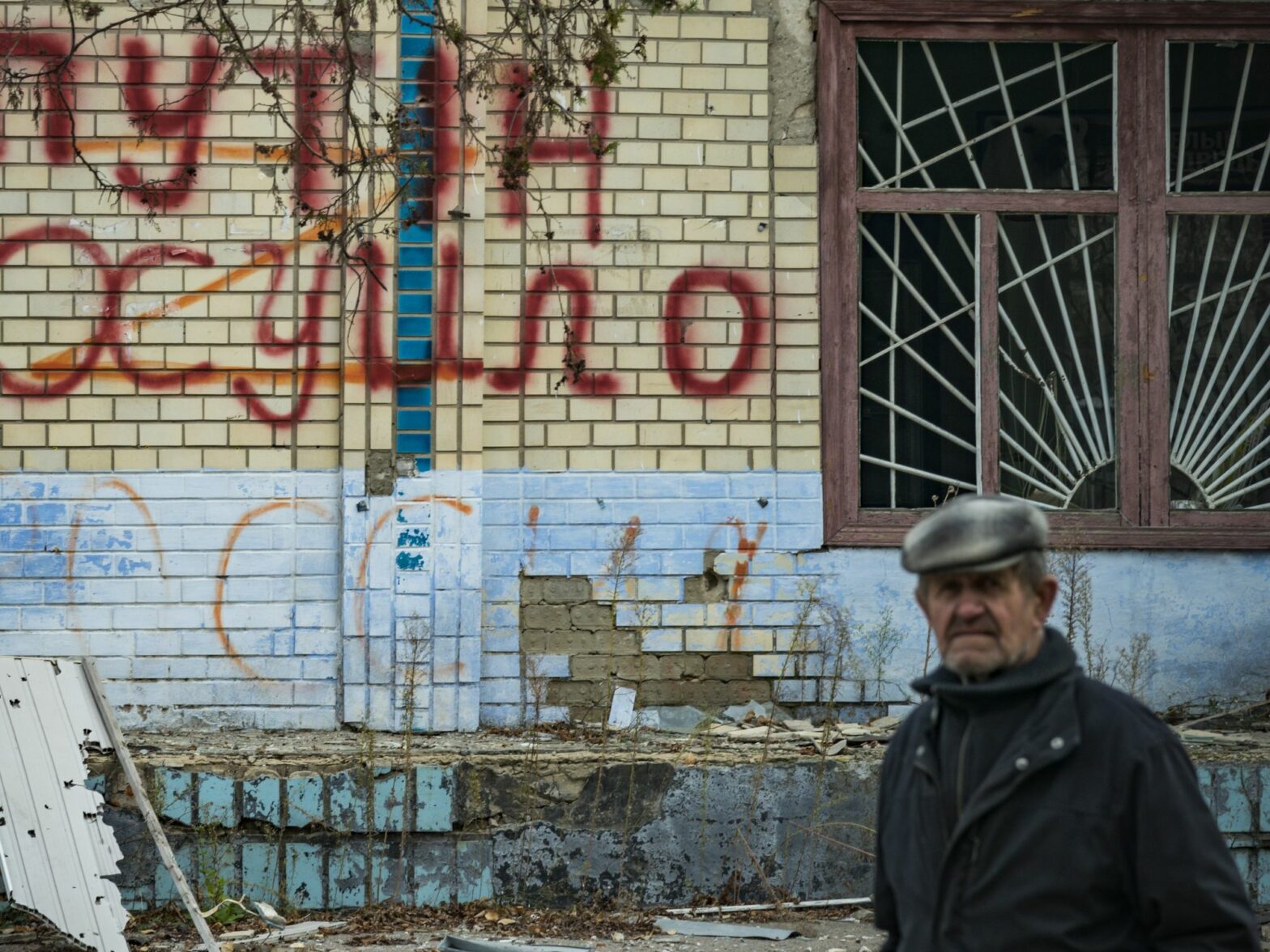
With multilateral diplomacy in tatters, the fighting gumption of weaker states against aggression by bigger powers is helping end the age of empires.
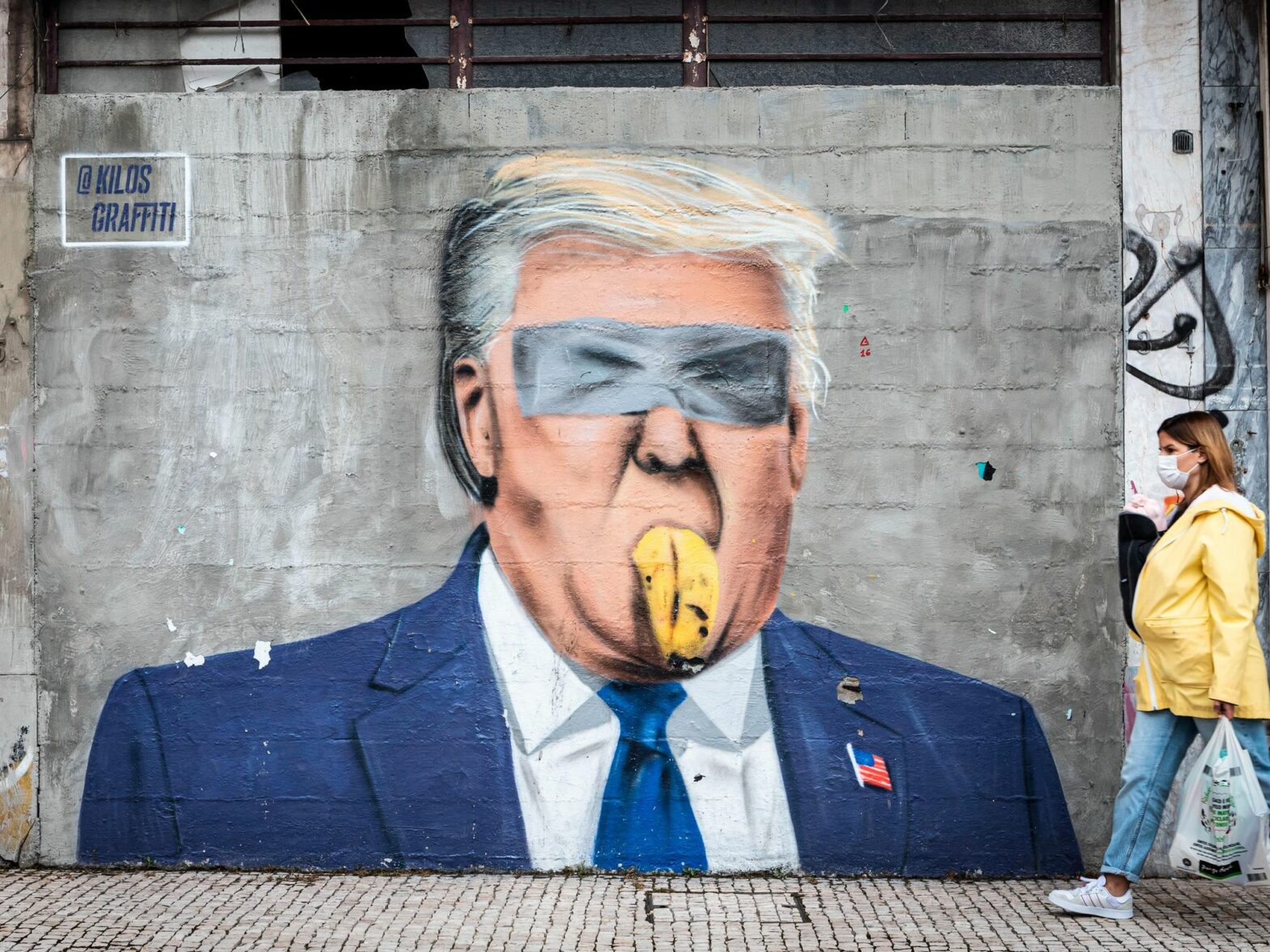
-Analysis- What do South Korea, Taiwan, Israel, Italy, France, Portugal, and Iceland all have in common? They’re all wealthy democracies that have charged and prosecuted former heads of state or heads of government for criminal acts committed while in office. The United States is not a member of this club — at least, not yet. […]
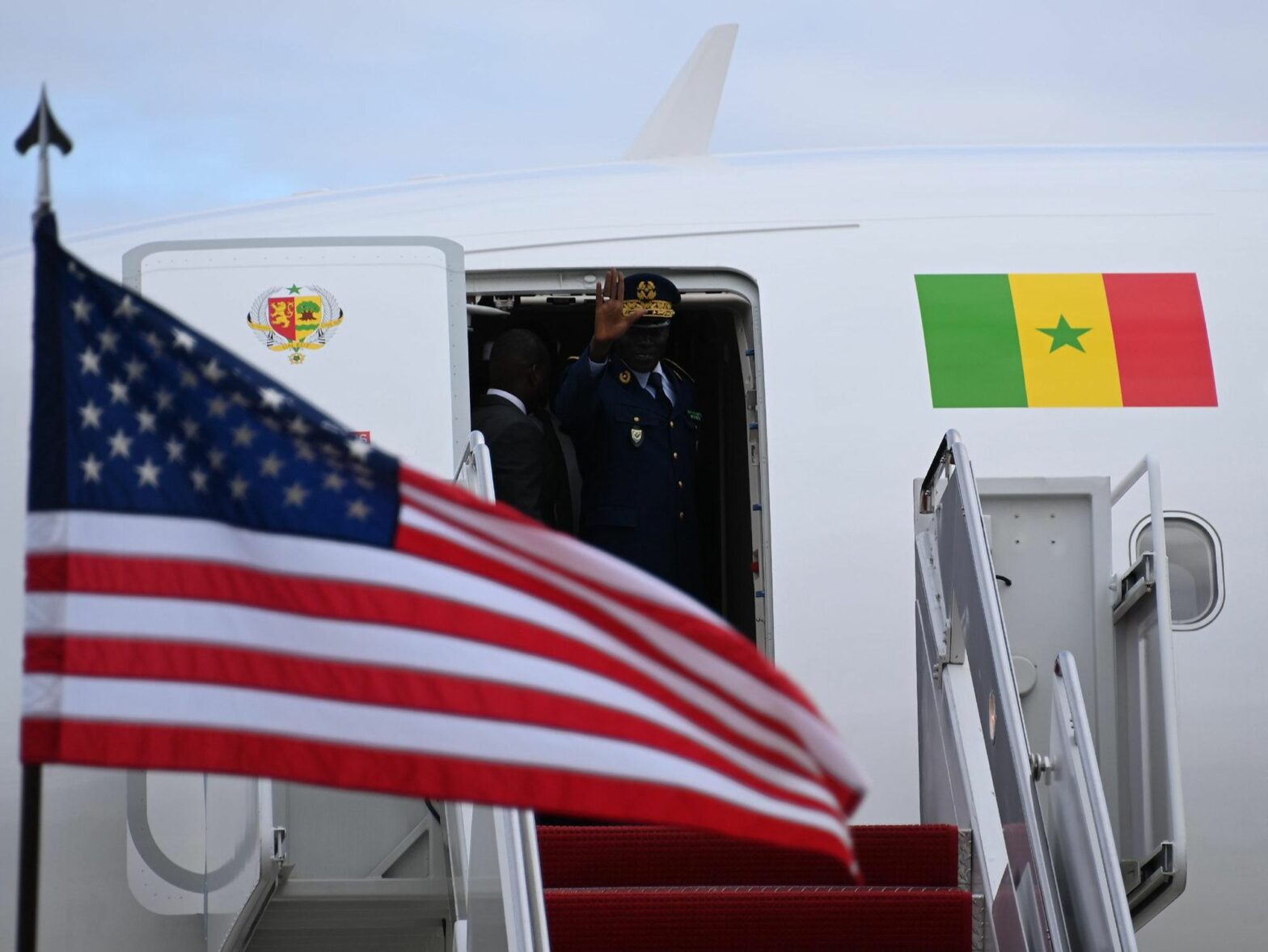
-Analysis- Some 100 of the most important political eyes in Africa aren’t turned towards the U.S. this week — they’re in the U.S. For the first time in eight years, the White House is hosting 49 African heads of state and leaders of government (and the Senegalese head of the African Union) for a U.S.-Africa […]
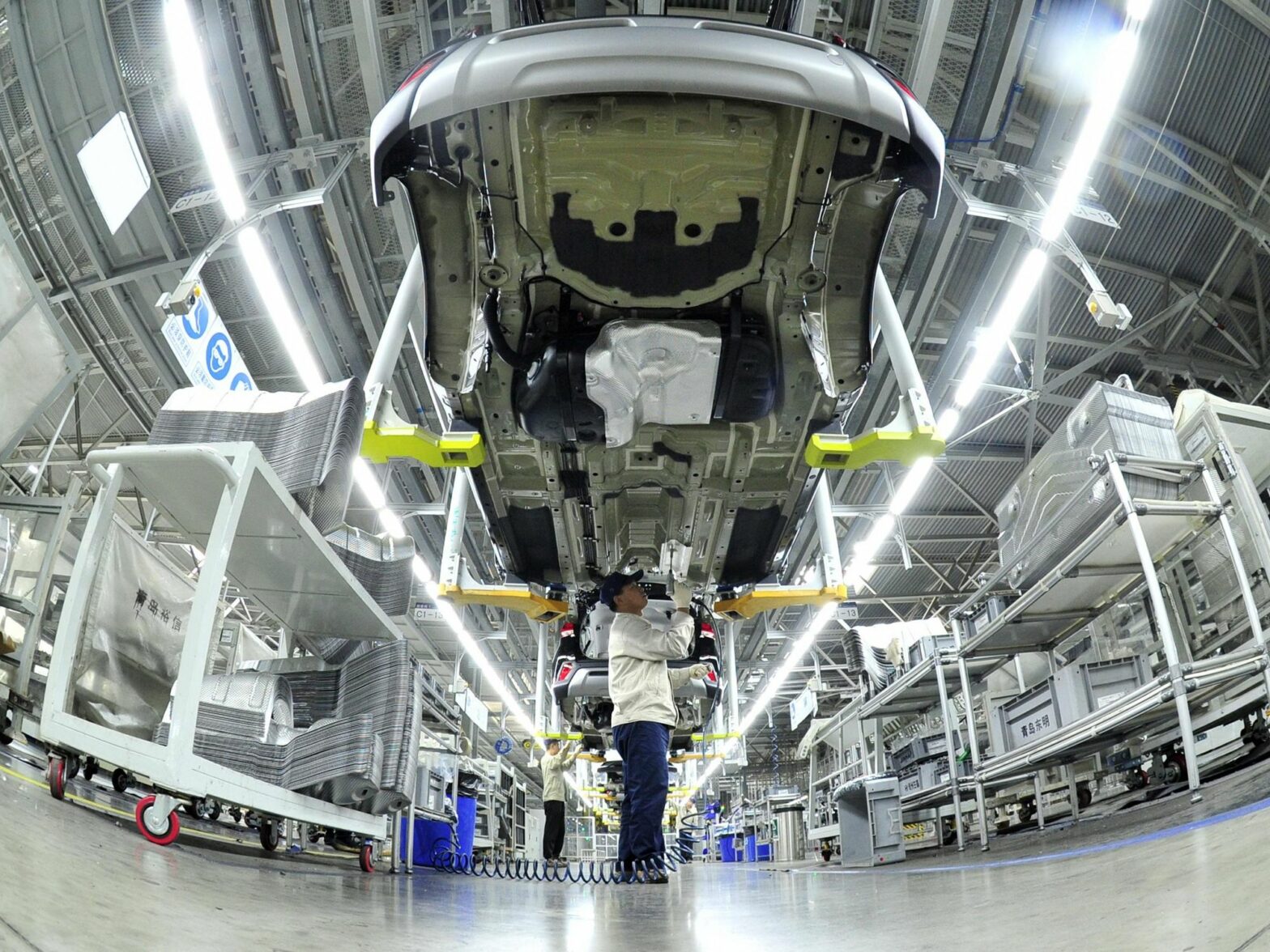
-Analysis- When the U.S. Congress passed the Biden administration’s landmark “green” spending bill in August, environmentalists around the world saw it as a very strong — and long overdue — step in the right direction on climate change. For years, the European Union’s far more stringent environmental regulations have produced a more carbon-efficient economy and […]

PARIS — The city of lights is littered with advertisements for “Black Friday” deals. Of course, virtually none of the city’s residents will celebrate Thanksgiving — and few probably even know that the traditional Friday shopping day is linked to the uniquely American (always-on-Thursday) holiday. To receive Eyes on U.S. each week in your inbox, […]
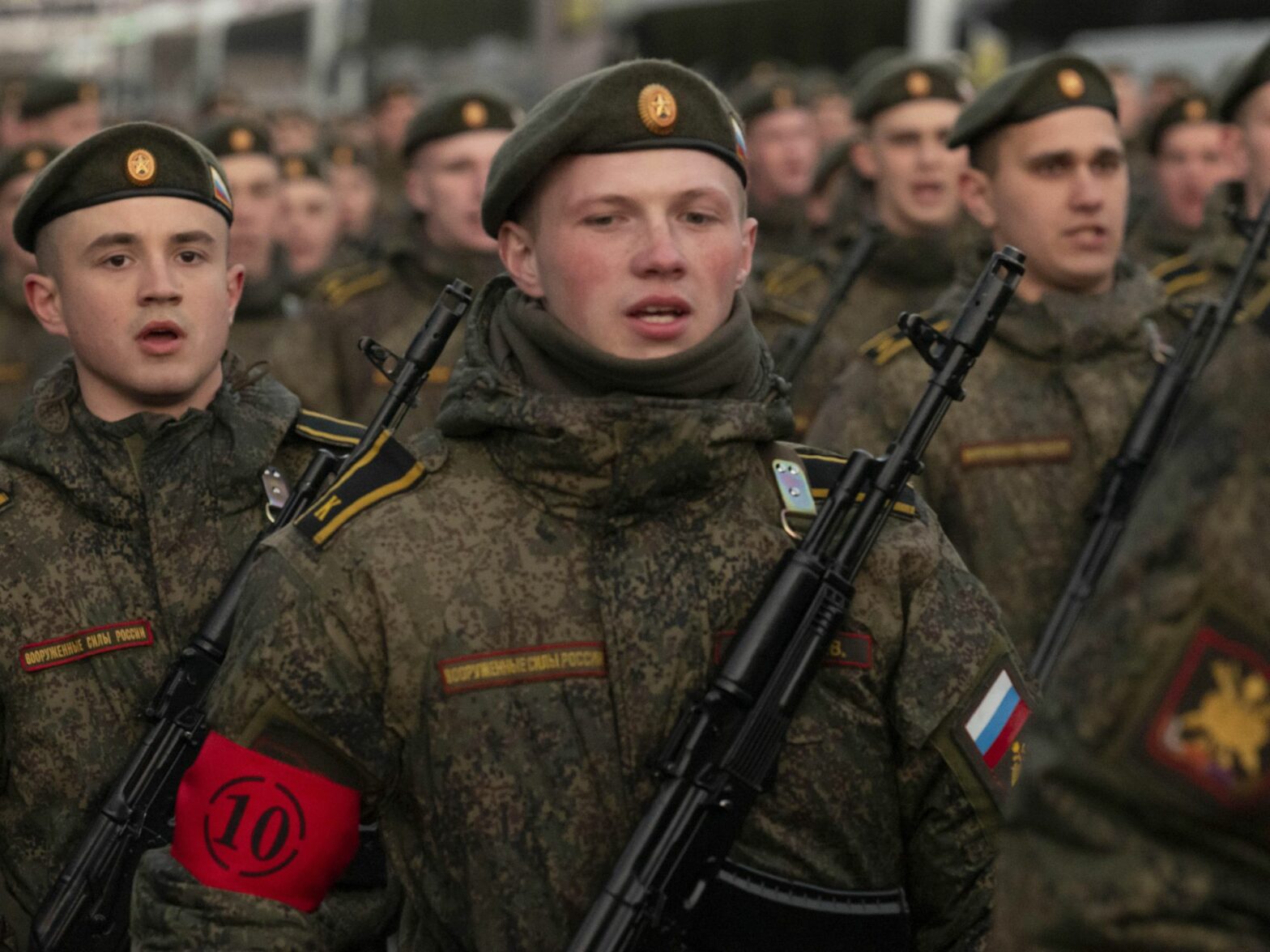
The deteriorating conditions among Russia’s front line troops, chronicled by a handful of foot soldiers who have spoken out, may explain why Ukraine’s recent counter-assault has been so successful.