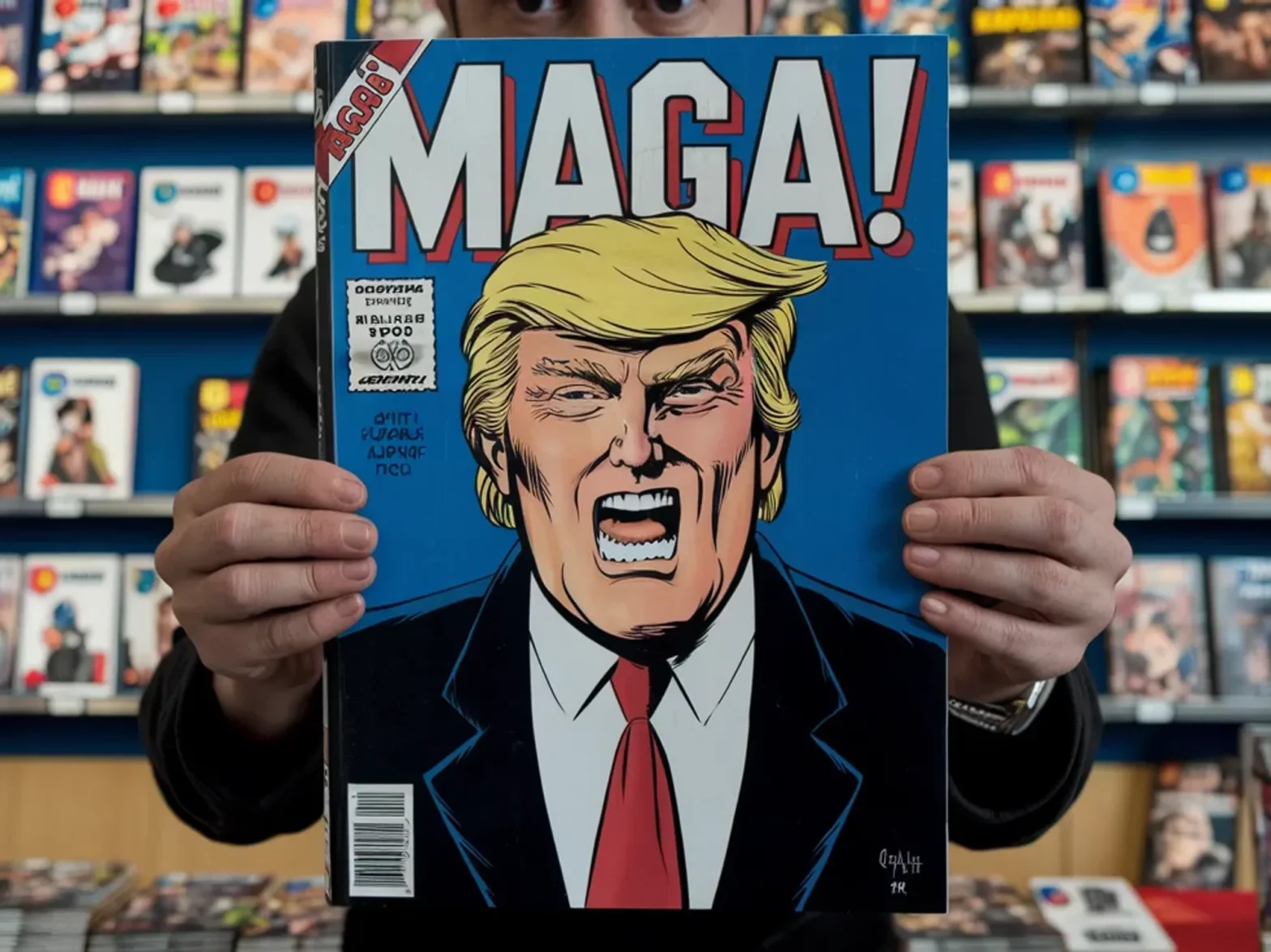
The U.S. president has unveiled a new round of tariffs against his trading partners. But Europeans have leverage against this policy, French essayist Édouard Tétreau writes.
 Worldcrunch
The U.S. president has unveiled a new round of tariffs against his trading partners. But Europeans have leverage against this policy, French essayist Édouard Tétreau writes.
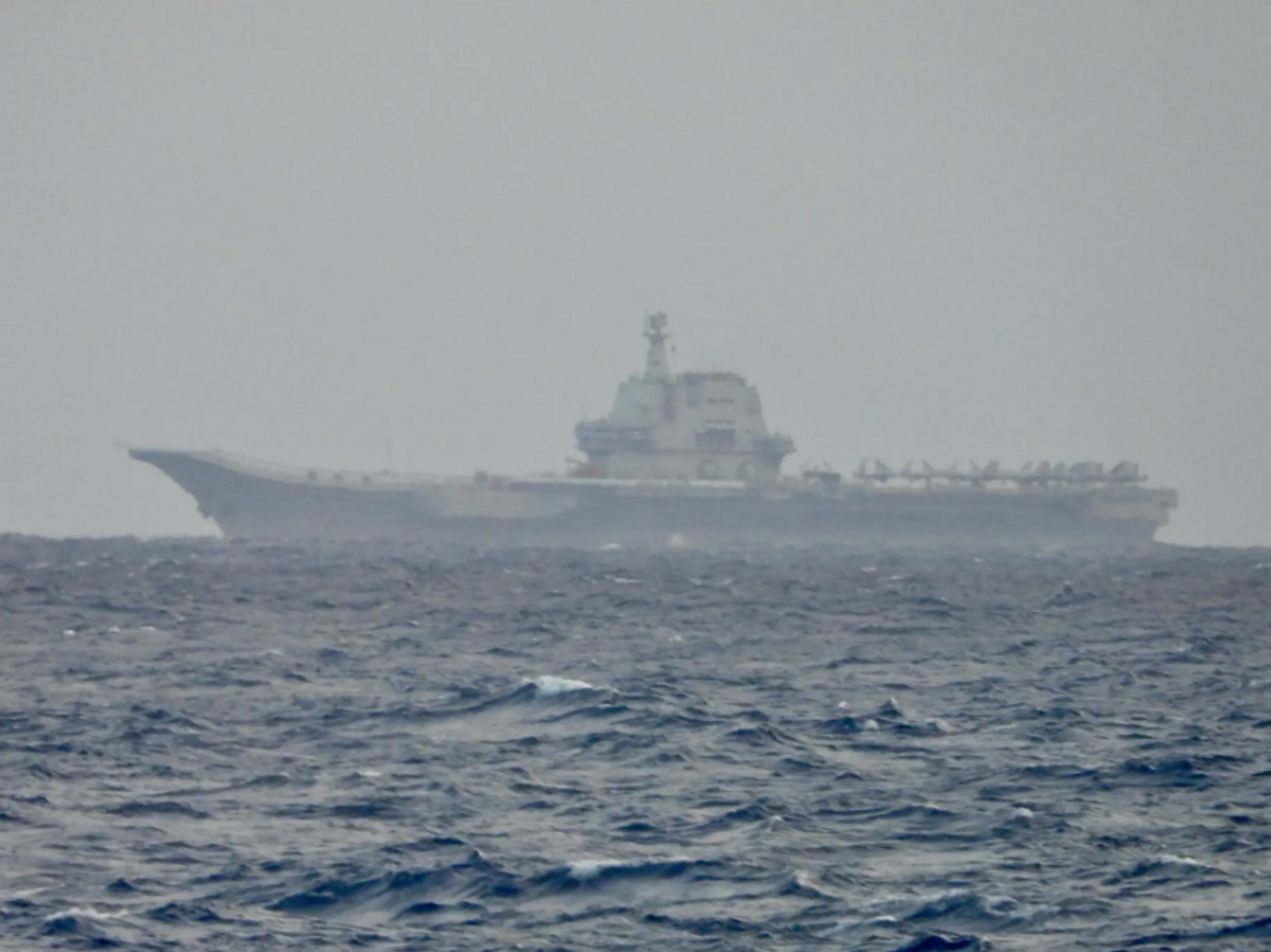
China has conducted military exercises around Taiwan, simulating a blockade of the island that Beijing seeks to take over — a test of the Trump administration’s resolve to defend the self-governing territory. So far, the U.S. president has kept his cards close to the chest in East Asia.
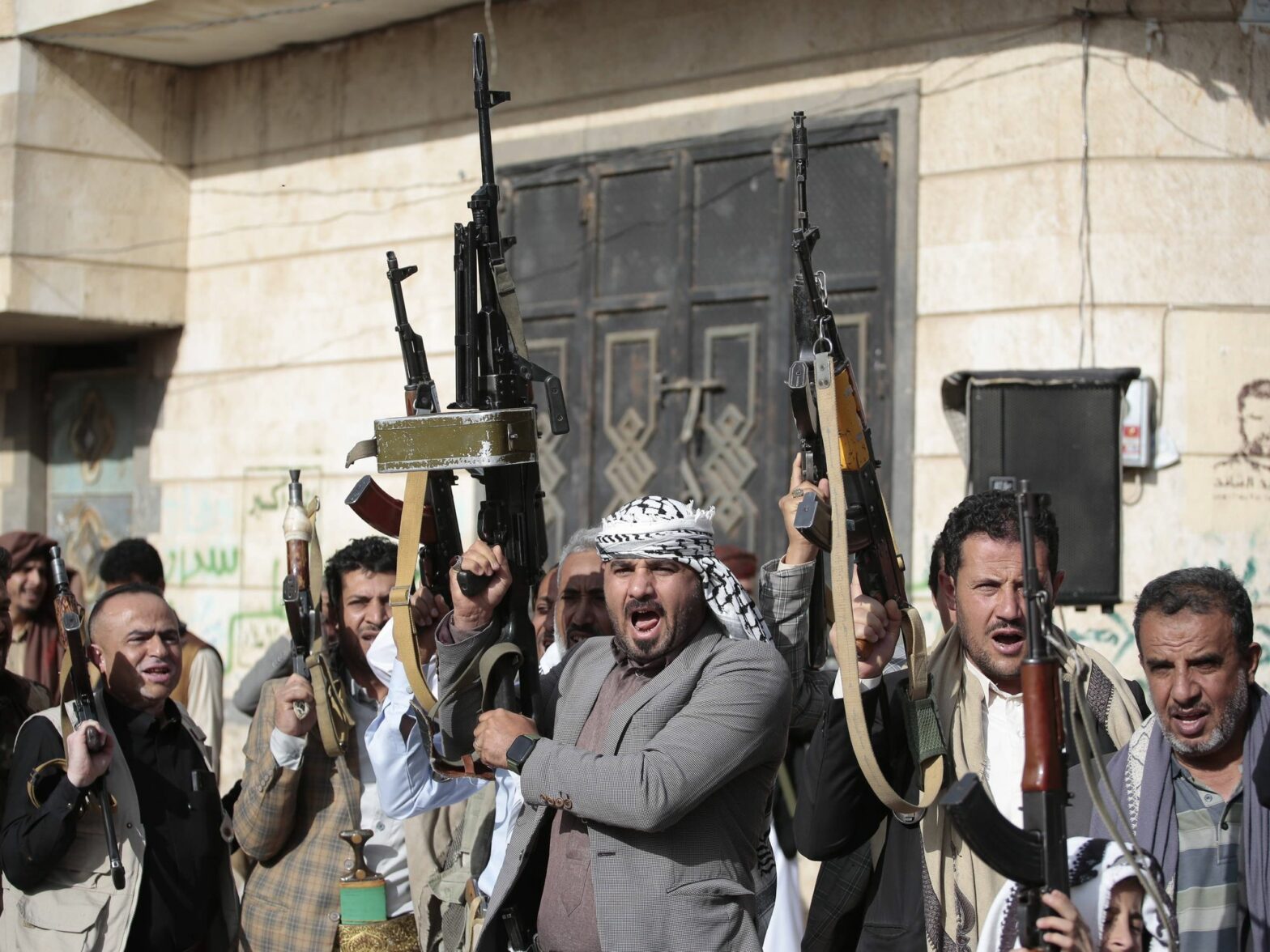
The United States has “quietly” kept bombing Yemen, more than 50 times in two weeks. But what if Donald Trump’s real target is Iran?
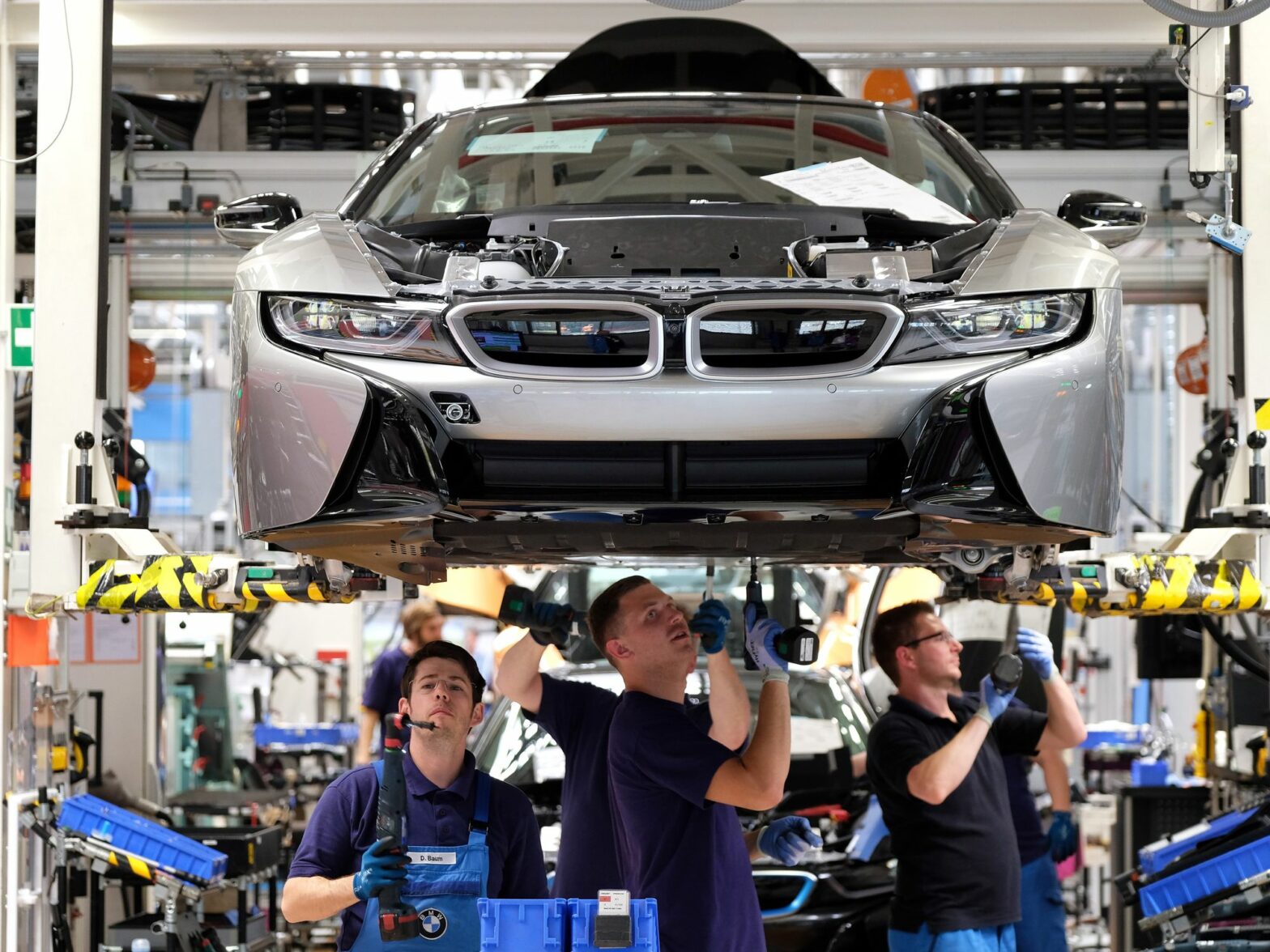
The EU should resist the temptation to retaliate against U.S tariffs on European cars. If we look closer at the recent past and the uncertain future, Trump’s bad intentions produce some good.
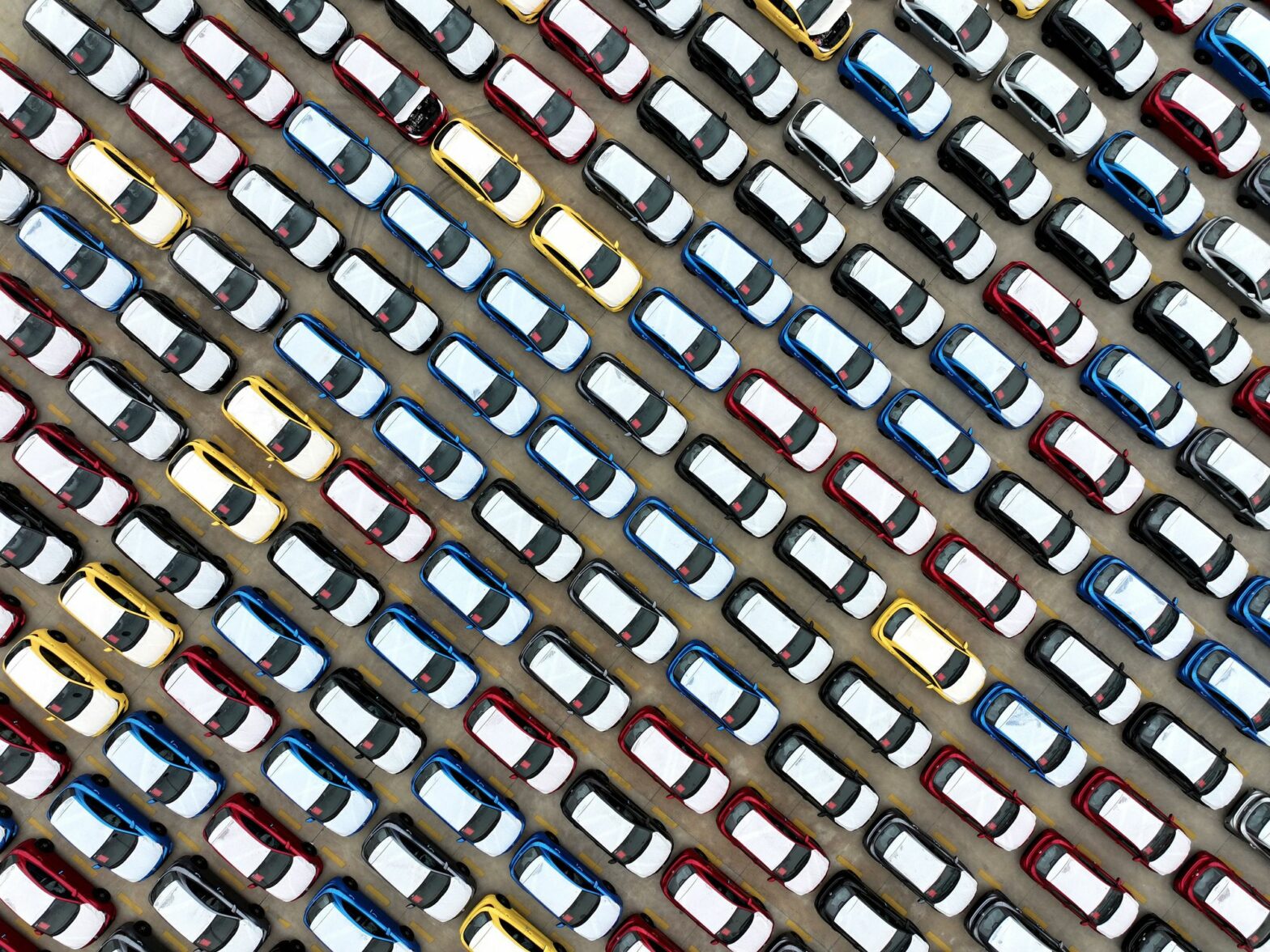
The car industry is in shock, with the announcement from Washington of 25% tariffs on auto imports to the United States. Here’s what every car owner and business needs to know about how this crucial industry will be affected around the world.
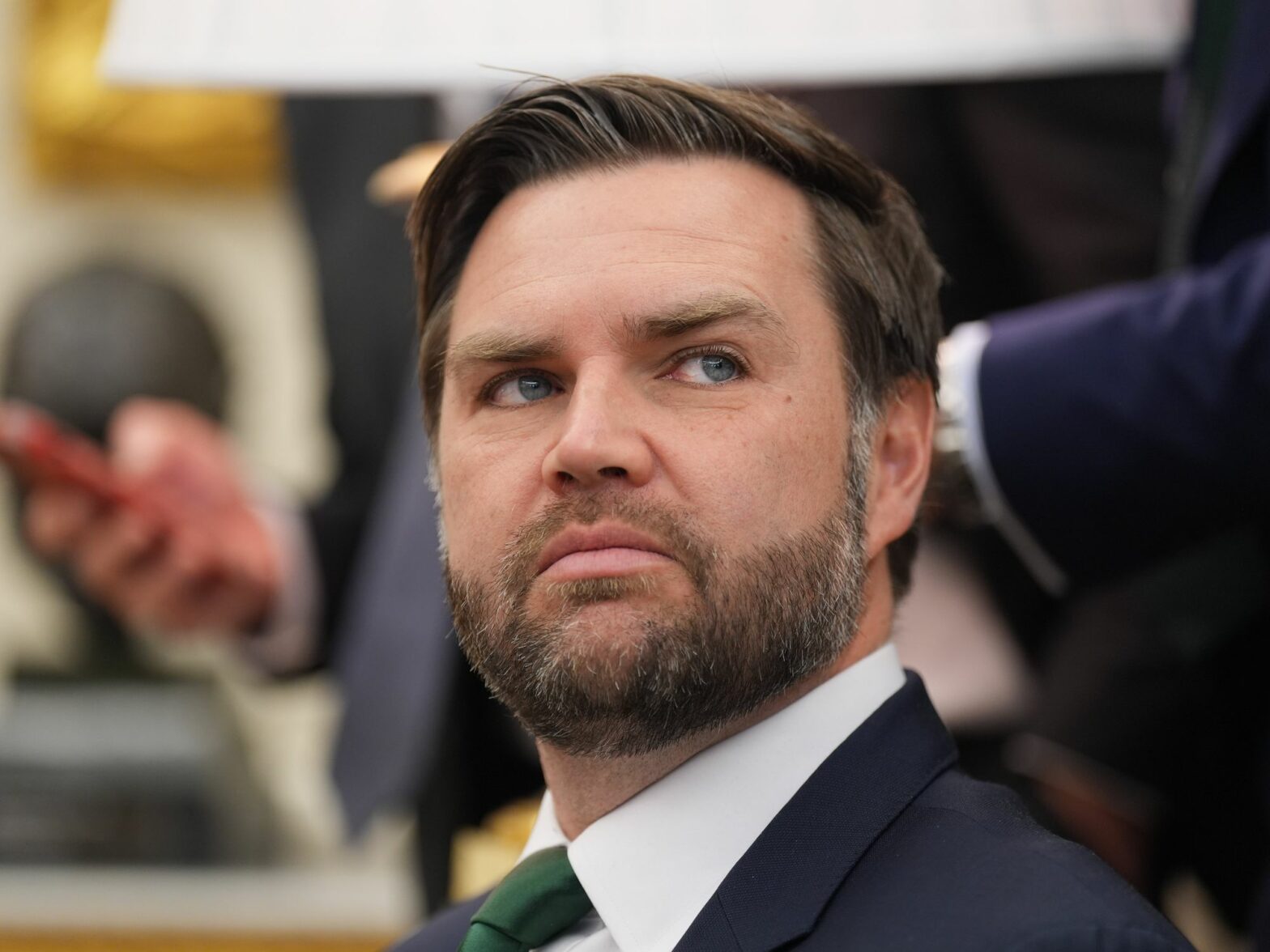
JD Vance finds himself in an unusually prominent role for a U.S. vice president, as evidenced by the leaked Signal messages that have sparked a scandal in Washington and his upcoming trip to Greenland, where he will carry Donald Trump’s “imperial” message. What exactly is going on in Vance’s mind?
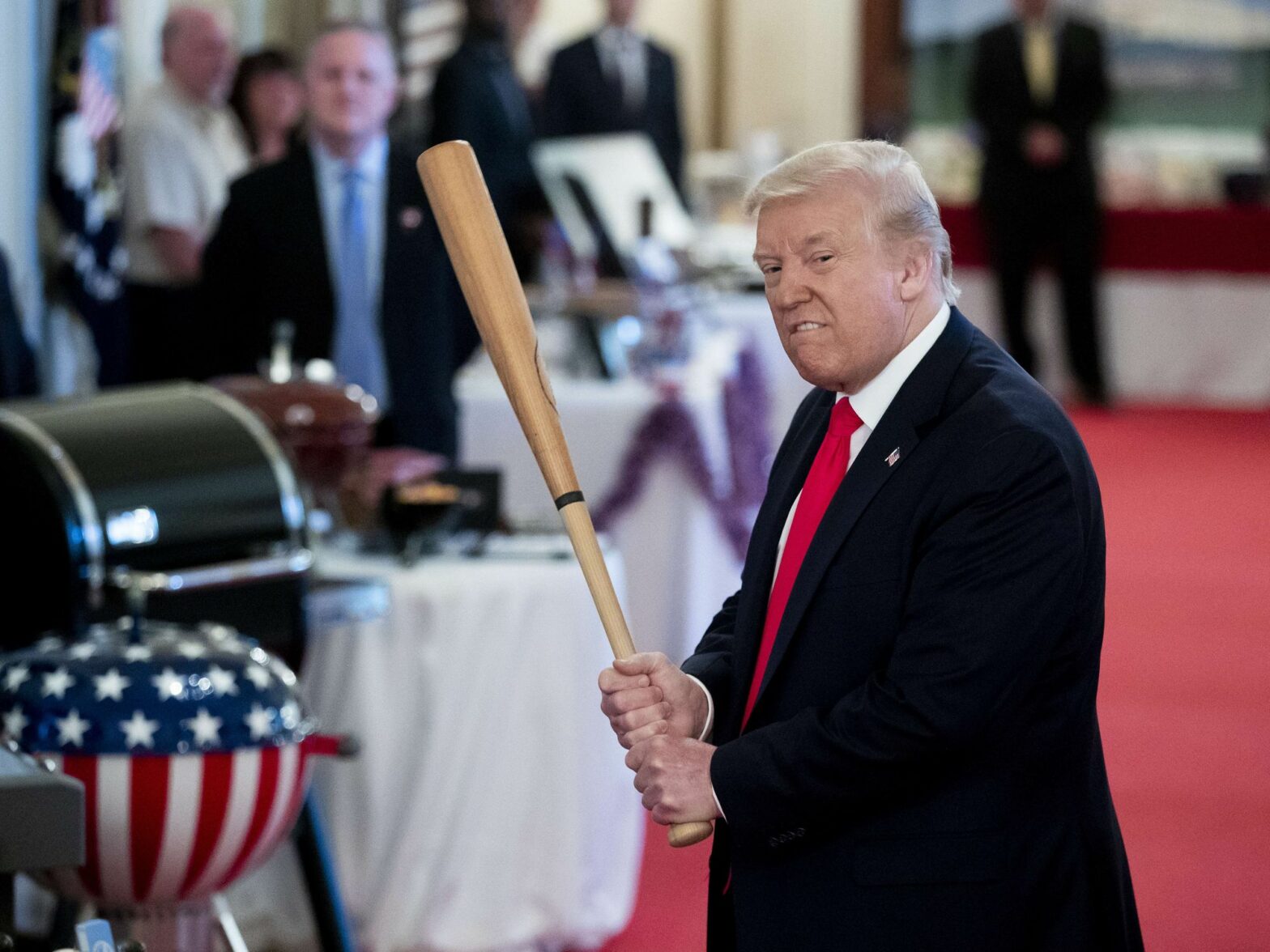
Driven by a relentless pursuit of spectacle, Donald Trump embodies the “destructive character” — a figure who reshapes history through chaos and upheaval. But is destruction itself enough to sustain power, or will it leave behind nothing but rubble? For Die Zeit, historian Susan Richter looks to destroyers of the past for an answer.
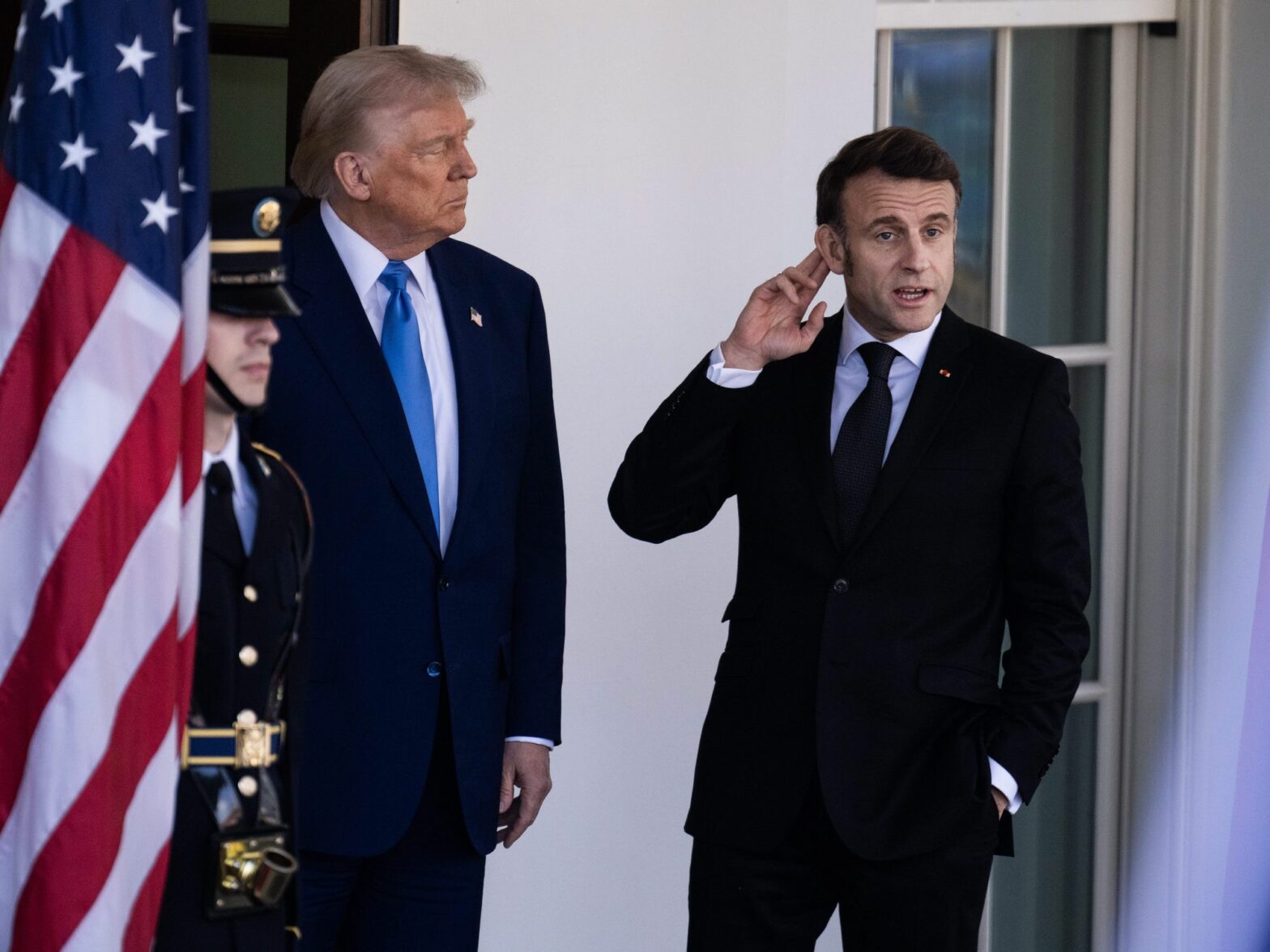
Will Trump be the American Gorbachev? It’s now or never for Europe to catch up with the United States’ economy, if the European Central Bank is willing to show the way, says economist Nicolas Goetzmann.
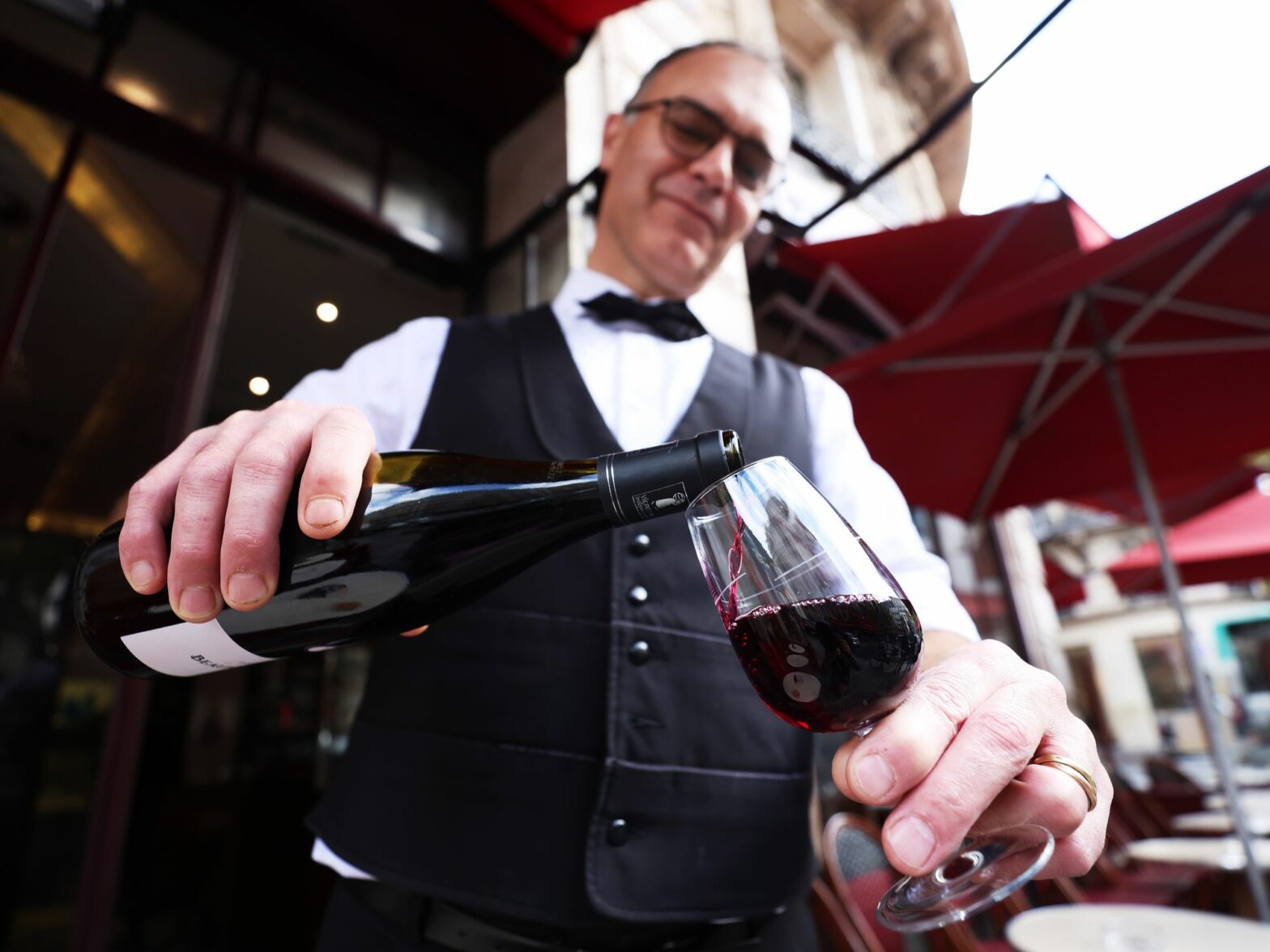
Following U.S. President Donald Trump’s flurry of tariffs on Canadian, Mexican and Chinese products, Europe is expecting similar announcements. France, whose wines and spirits are a traditional target in trade conflicts with the EU, is particularly at risk. Its cognac is already being targeted by China.
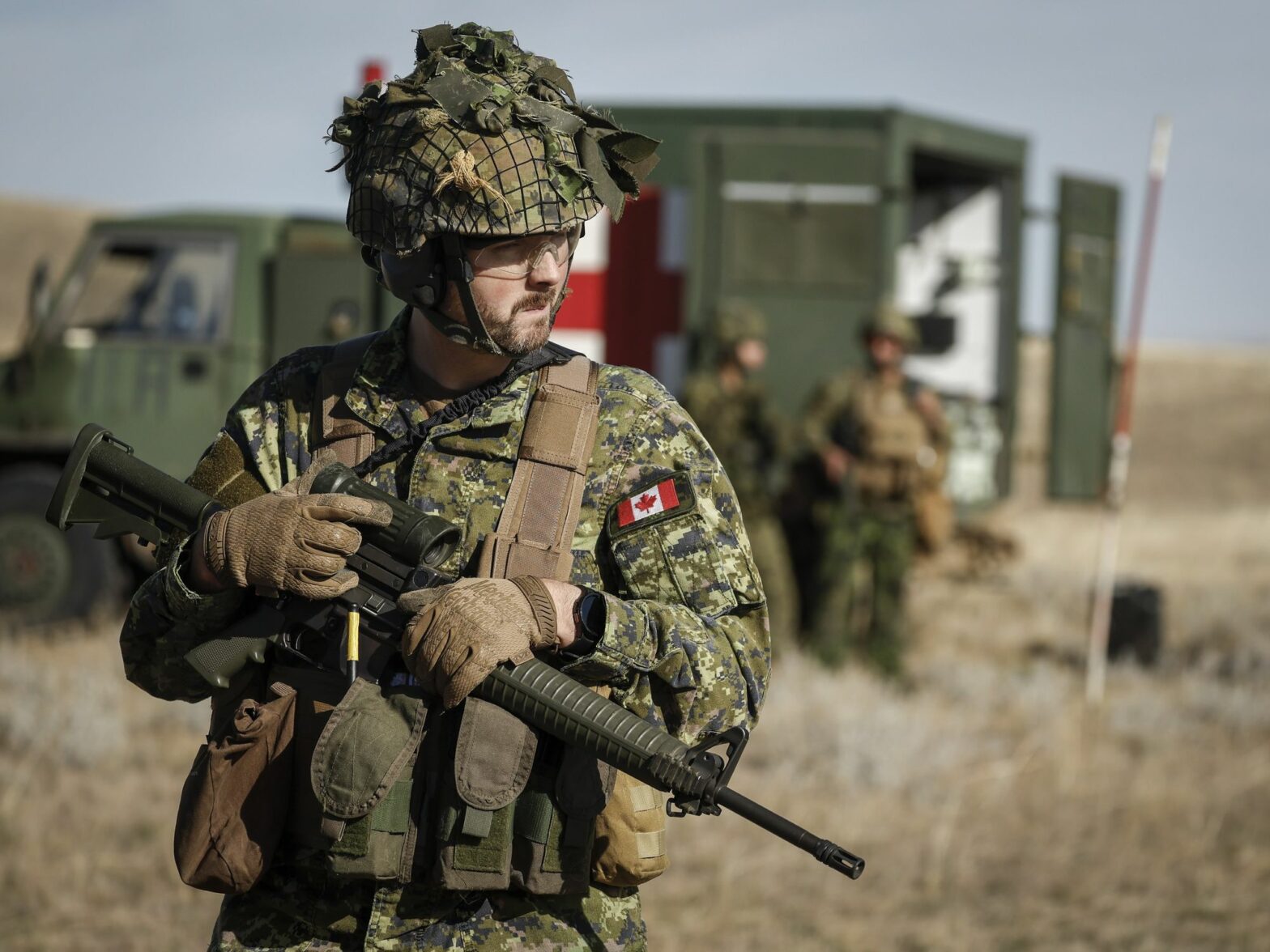
The fundamental premise of NATO is that an attack against one of its members is considered an attack on them all. These words of solidarity were written when they saw Russia as the threat. But what happens if one of its own members turns rogue?
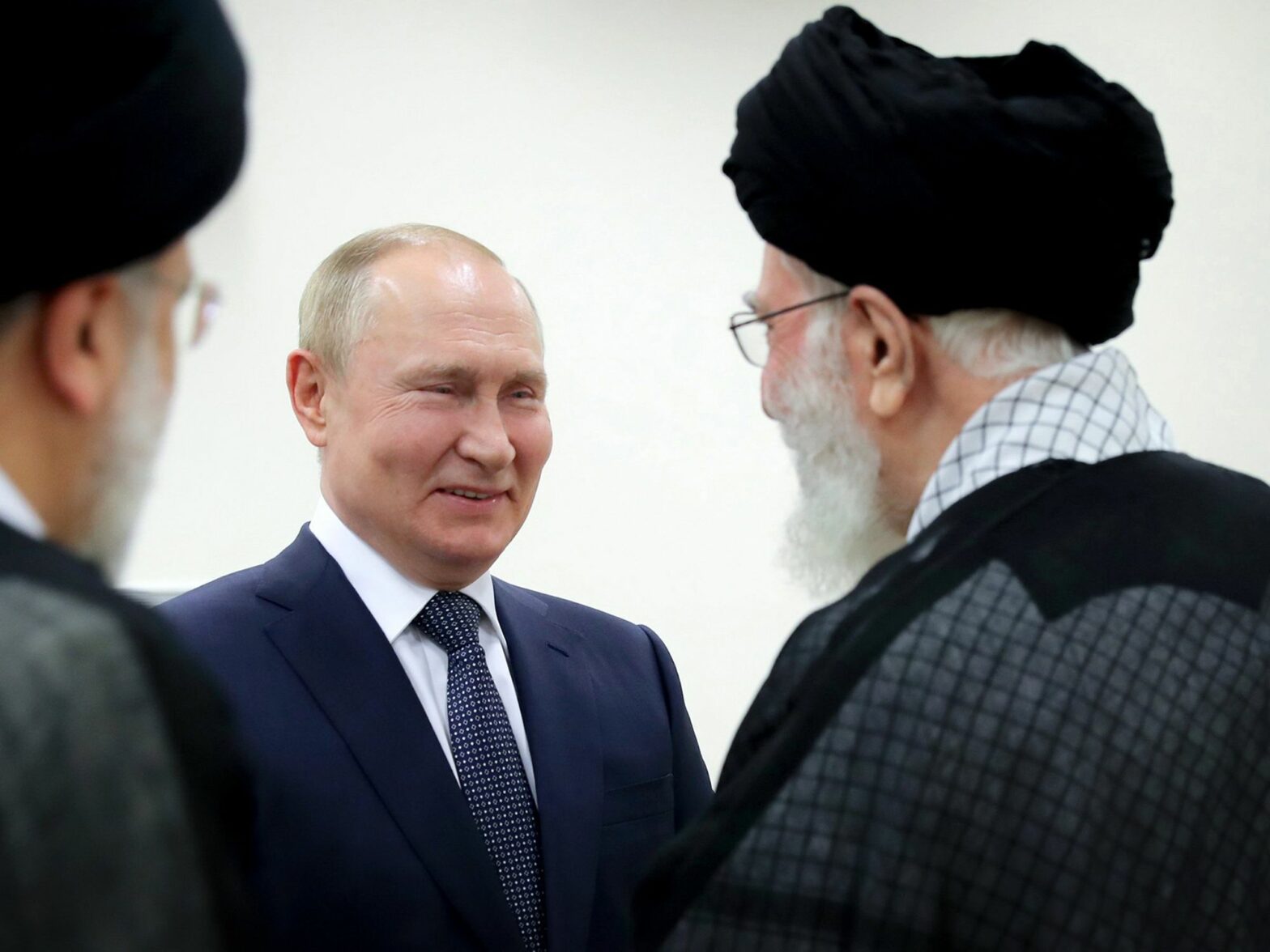
With Trump’s return to power, Russia is rapidly moving closer to the United States; Putin has even agreed to mediate talks between Washington and Tehran. But can Iran still trust Russia? Or is it, like Ukraine, just another bargaining chip?
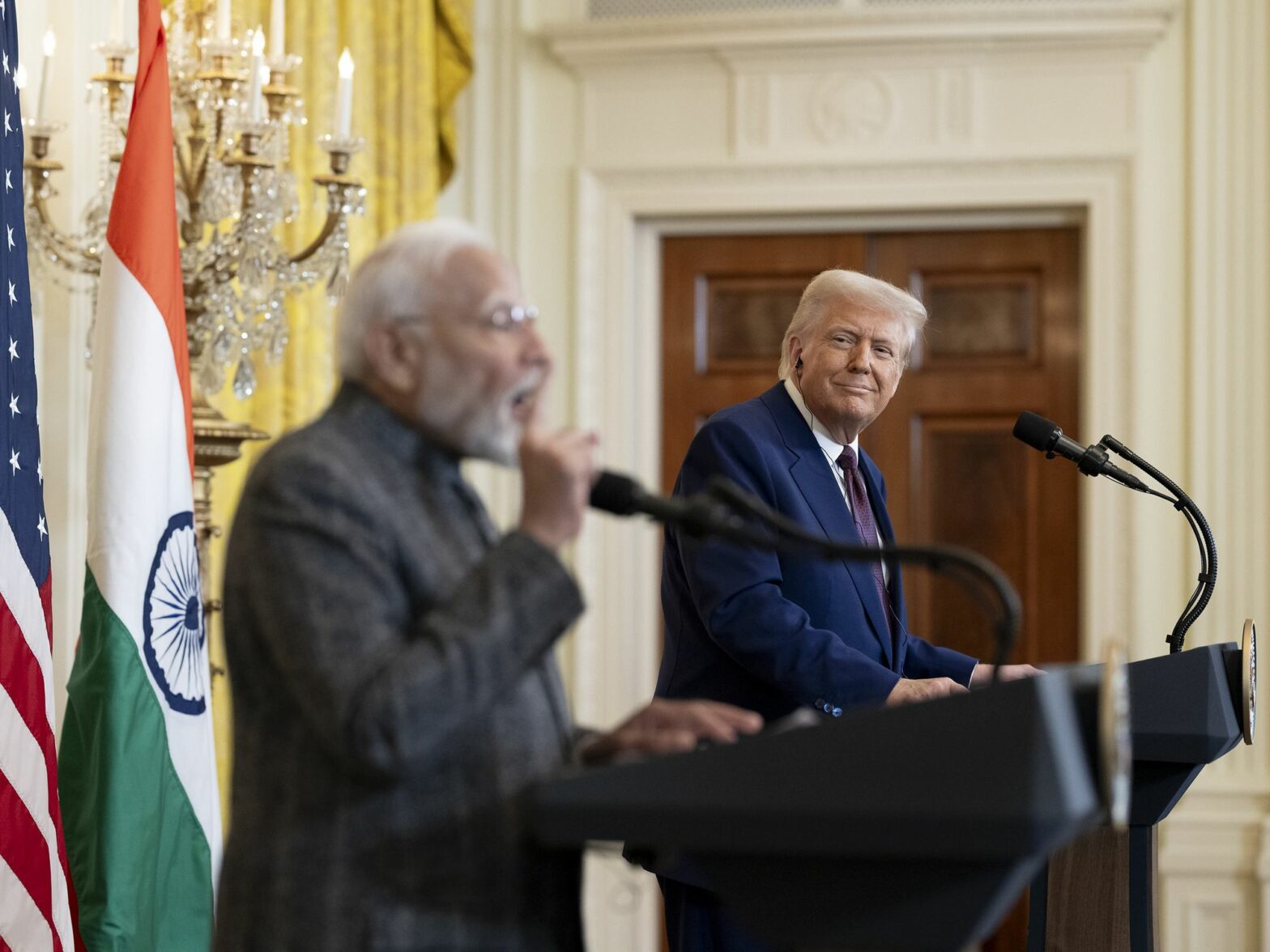
It is not surprising that many Hindutva groups in the U.S. support Trump’s policies. These align well with their own anti-migrant and anti-reservation stance back home.
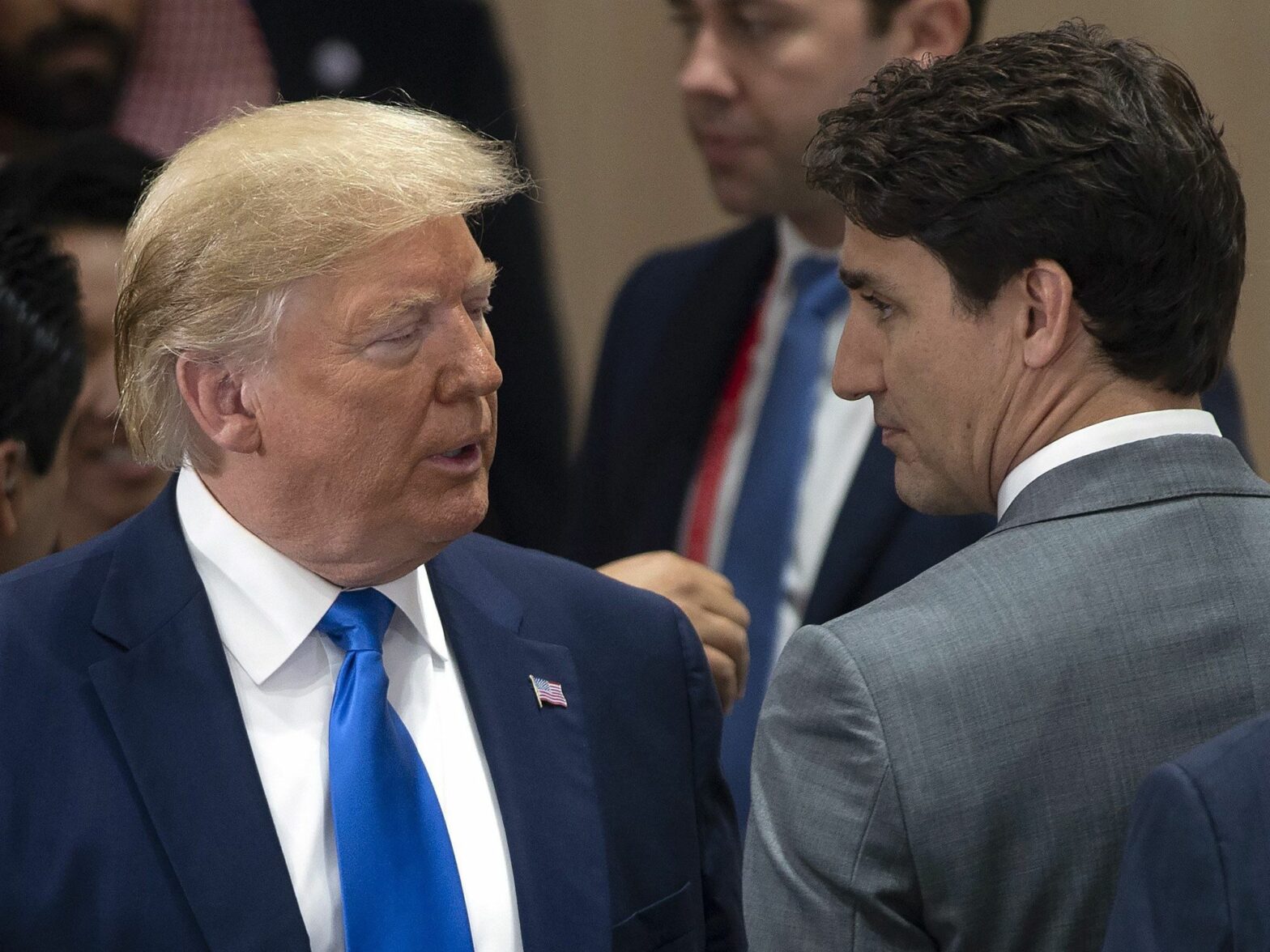
The fundamental premise of NATO is that an attack against one of its members is considered an attack on them all. These words of solidarity were written when they saw Russia as the threat. But what happens if one of its own members turns rogue?
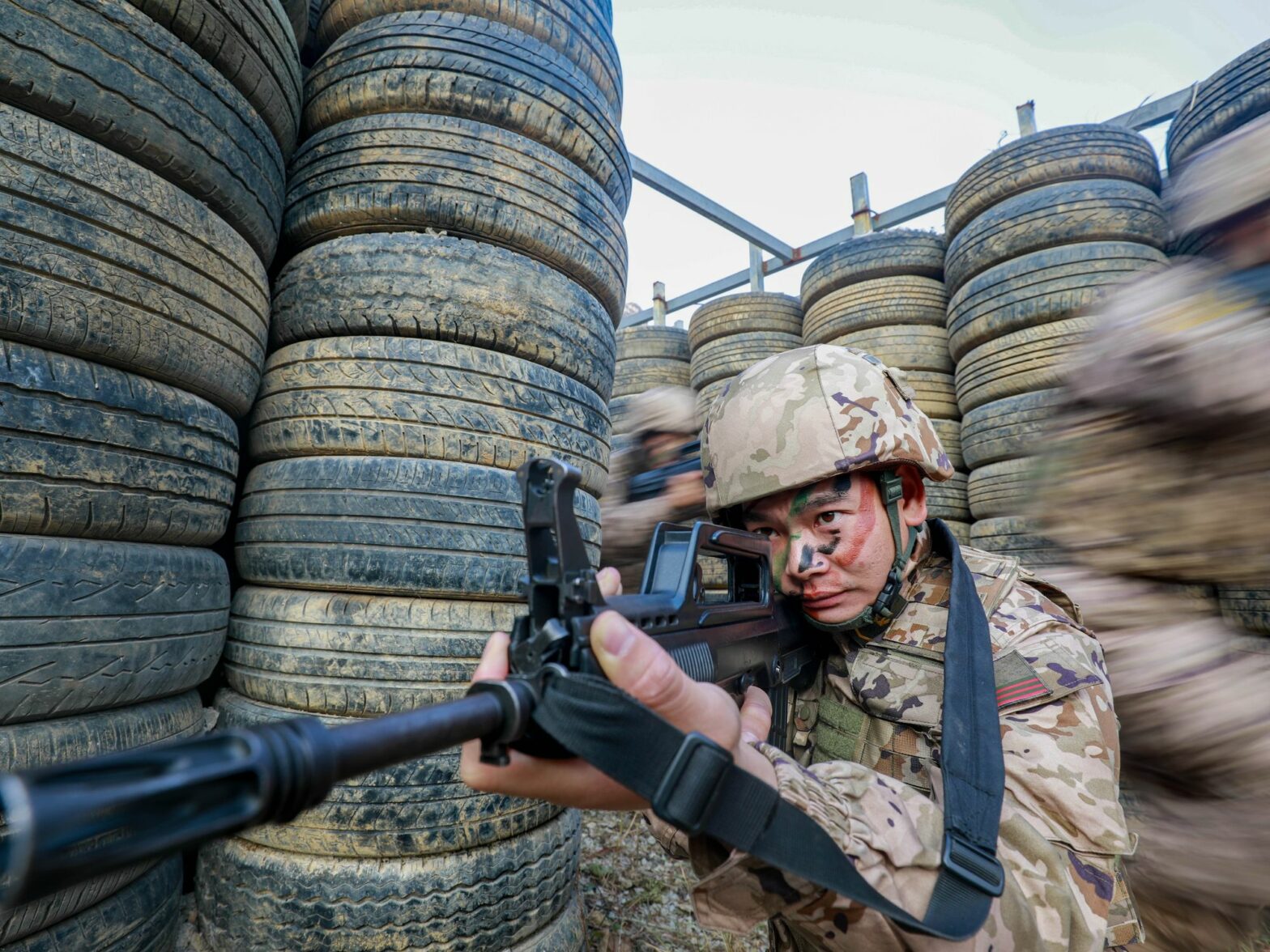
The new U.S. tariffs on China have triggered a sharp response from Beijing. Both countries are convinced that a war between them is inevitable someday — and they’re preparing for it. While Europeans keep their eyes on Russia, Americans remain fixated on China’s rise.
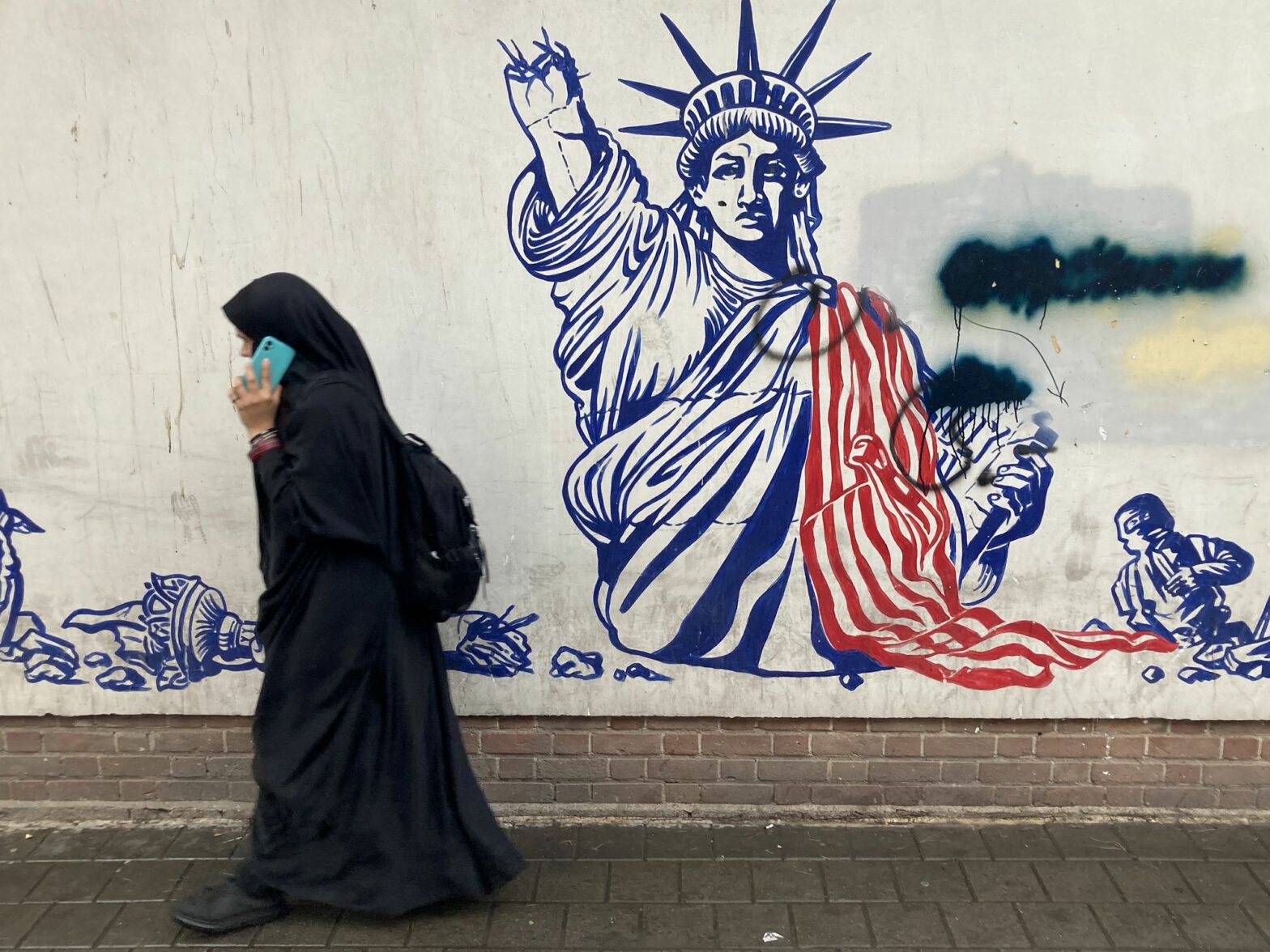
Given Donald Trump’s hardline with Volodymyr Zelensky, the U.S president may be even more draconian with Iran, which seems to have an even worse hand than during Trump’s first term.
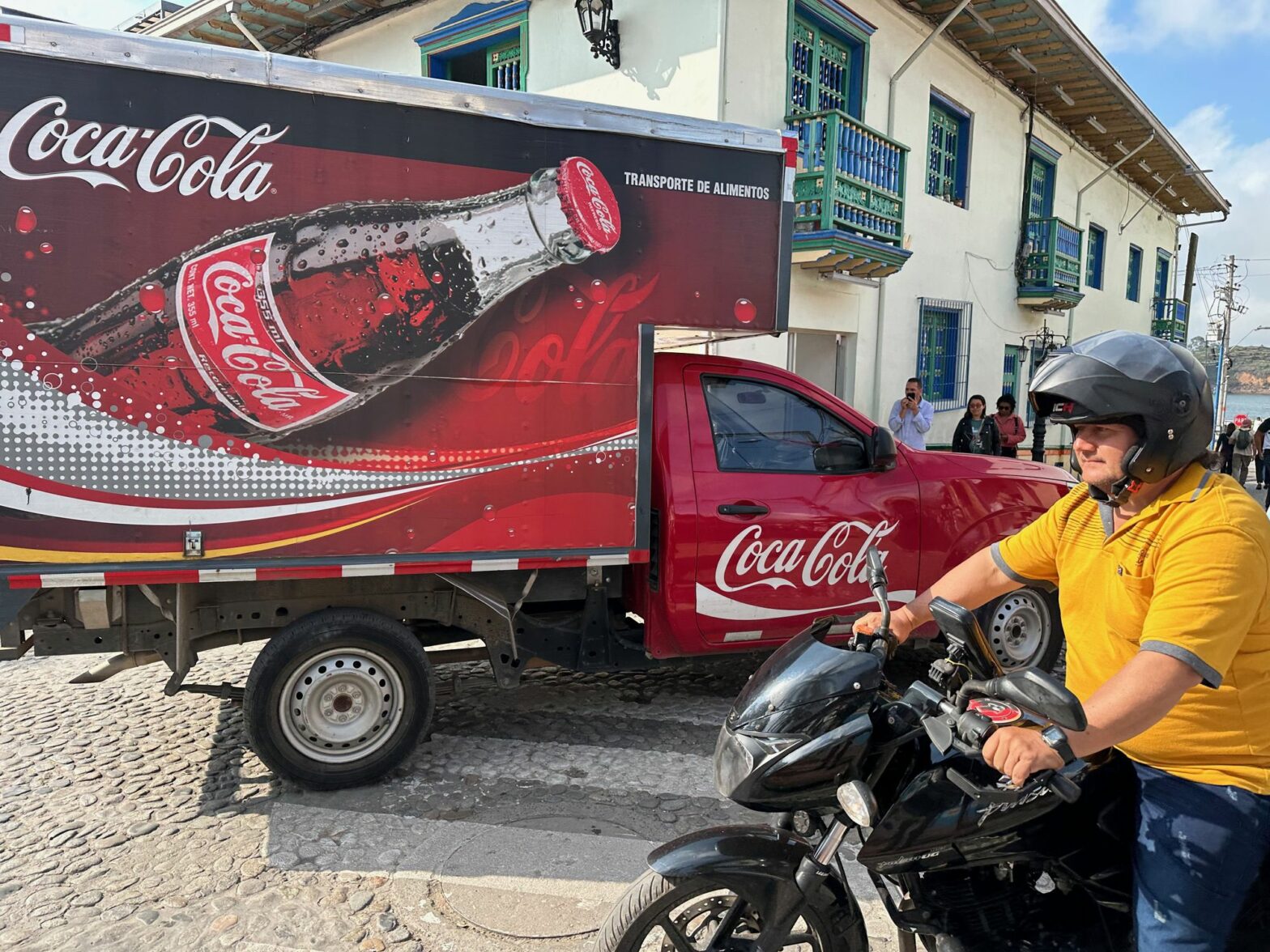
Colombian writer Mauricio Restrepo Posada says U.S. President Donald Trump is not only hostile to Latin America and the Third World, but also to the entire planet, including his fellow citizens. Faced with this monster who wants to own the planet, there is little ordinary global citizens can do — except for the firm decision not to buy U.S.-exported products.
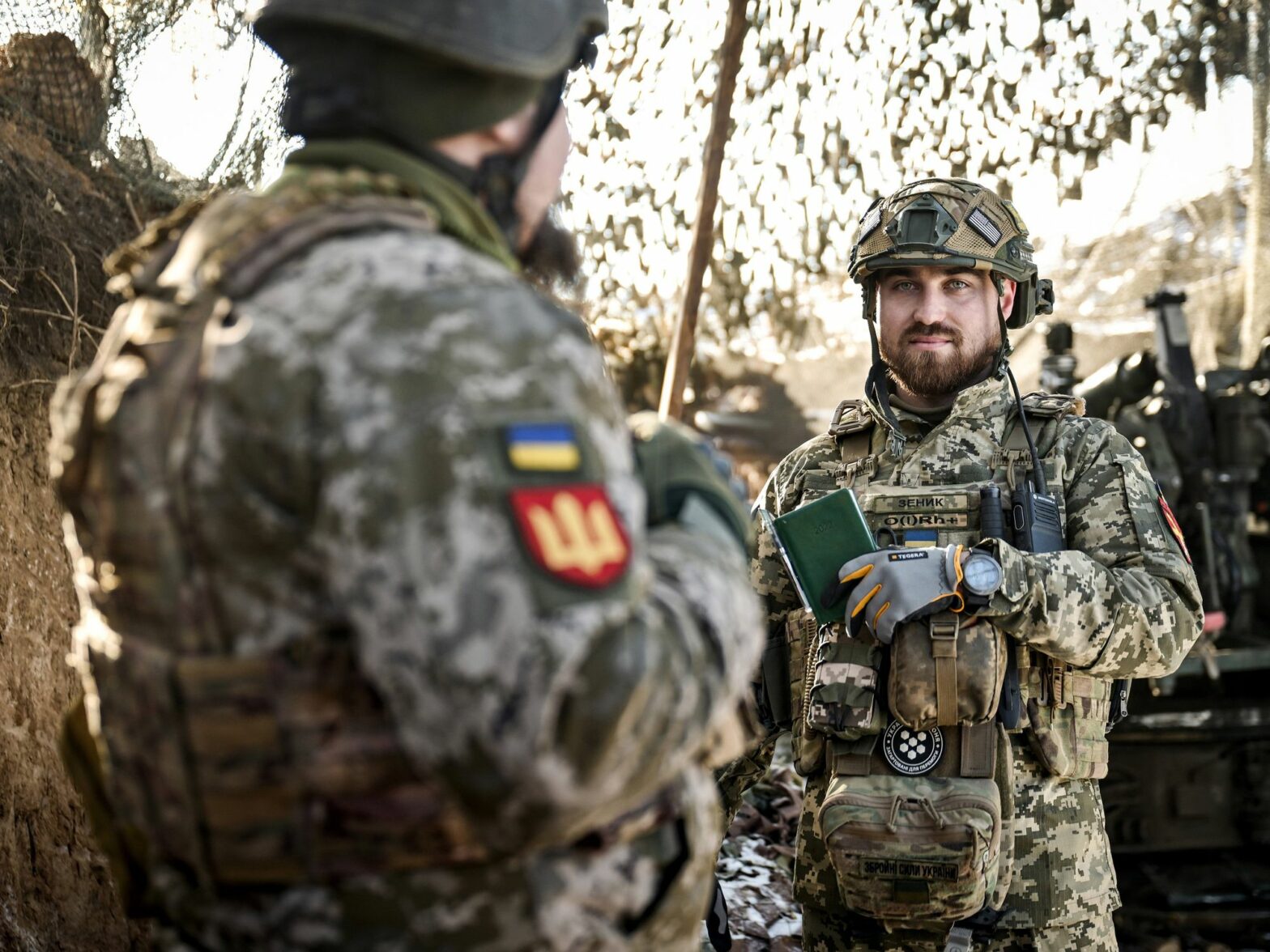
Donald Trump has suspended U.S. military aid to Ukraine until Volodymyr Zelensky demonstrates “good faith” in negotiating with Vladimir Putin. It’s an unprecedented move with an interesting parallel with what’s happening with Israel, where the U.S. Secretary of State Marco Rubio has expedited the delivery of $4 billion in military aid.
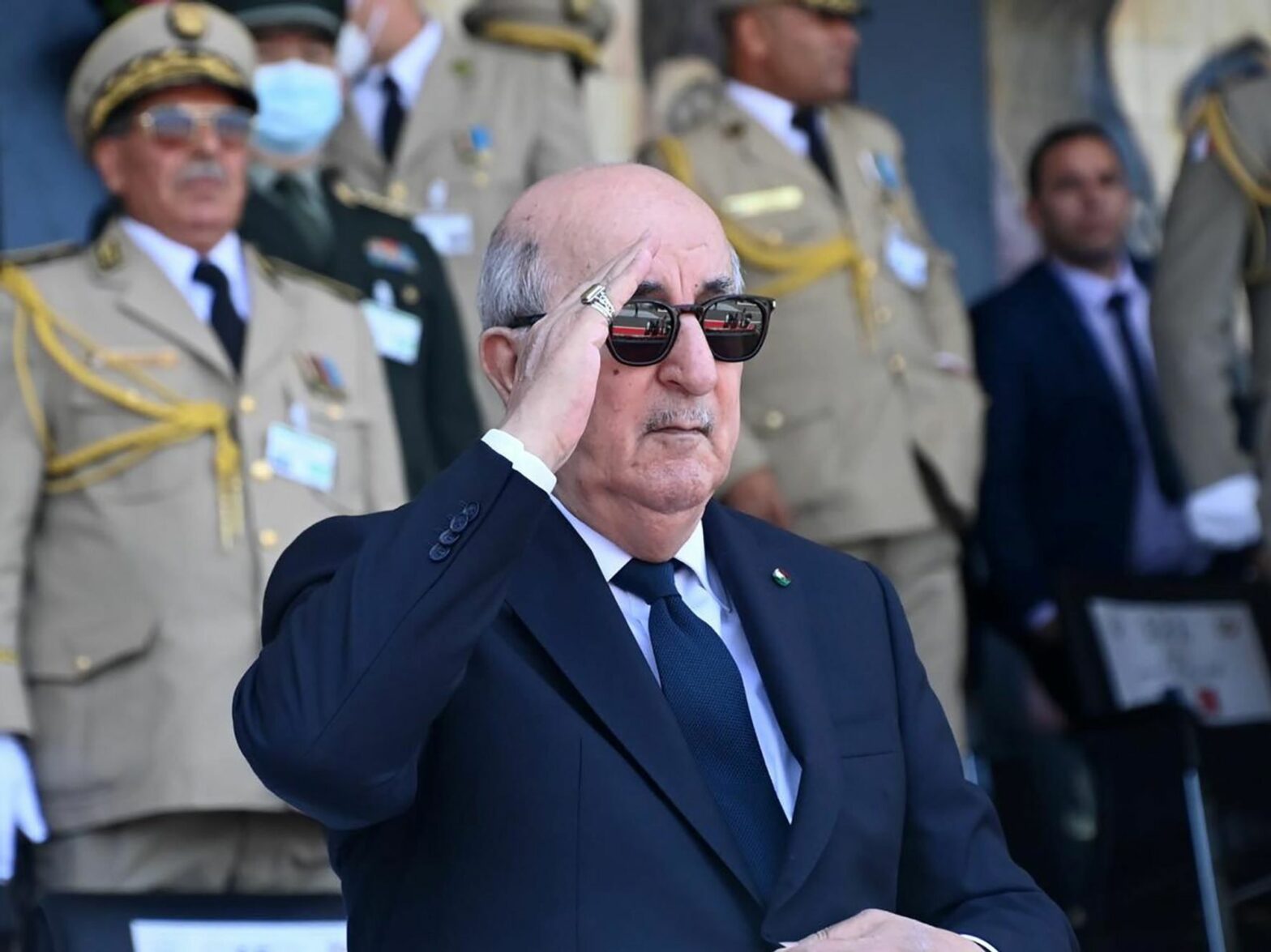
With the downfall of the Assad regime, Algeria lost a strong ally in the Arab region. Algiers is now seeking to establish relations with the new leadership in Damascus, hoping to maintain its old alliance despite the change of regime.
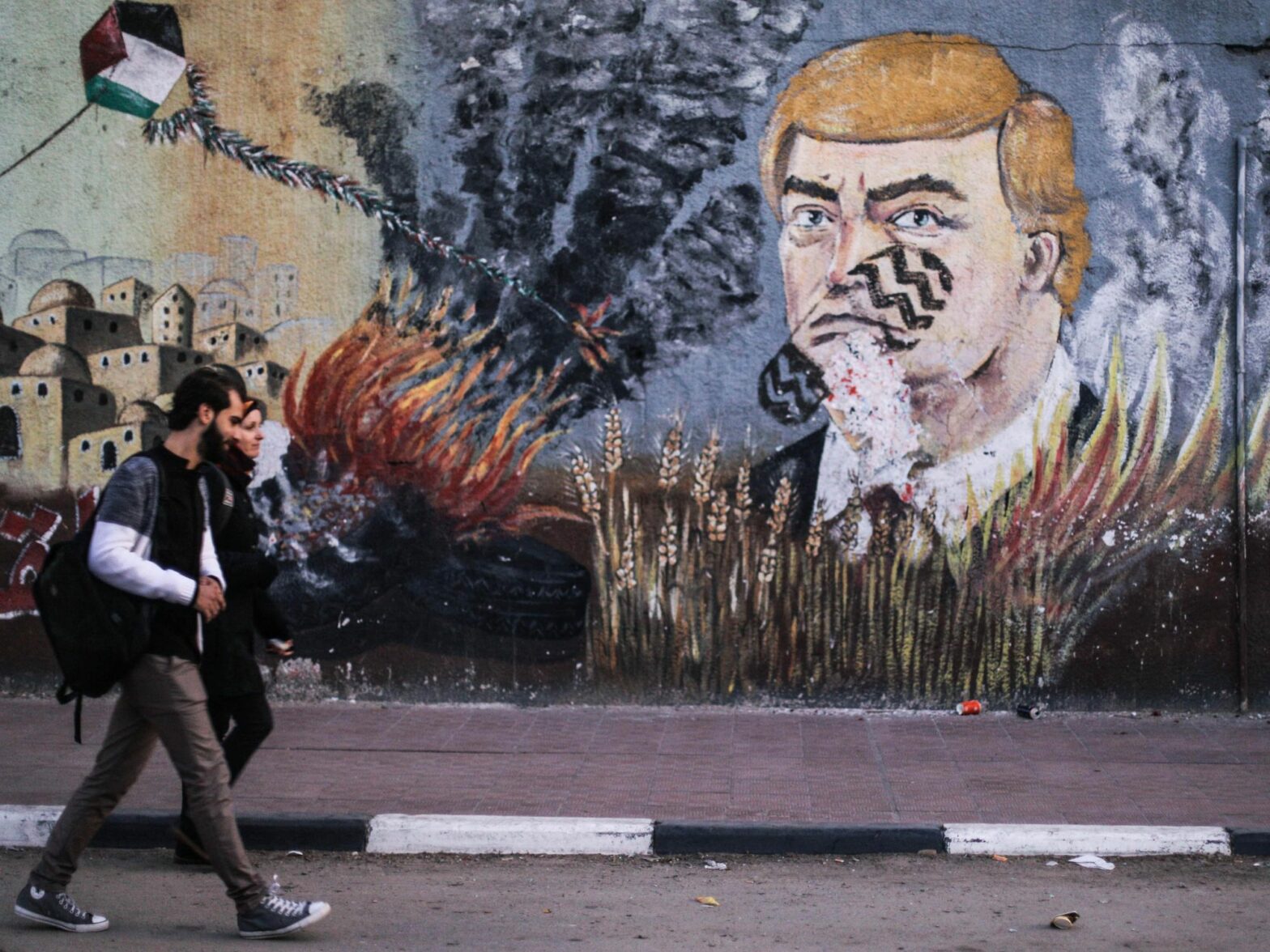
U.S. President Donald Trump’s vile proposal to take over Gaza has led to a shift in discourse Egypt, Saudi Arabia and Jordan. This moment could mark a new beginning, with Arab regimes aligning their politics with those of their peoples. That is the only safeguard against Trump’s blackmail and Israeli Prime Minister Benjamin Netanyahu’s ambitions.
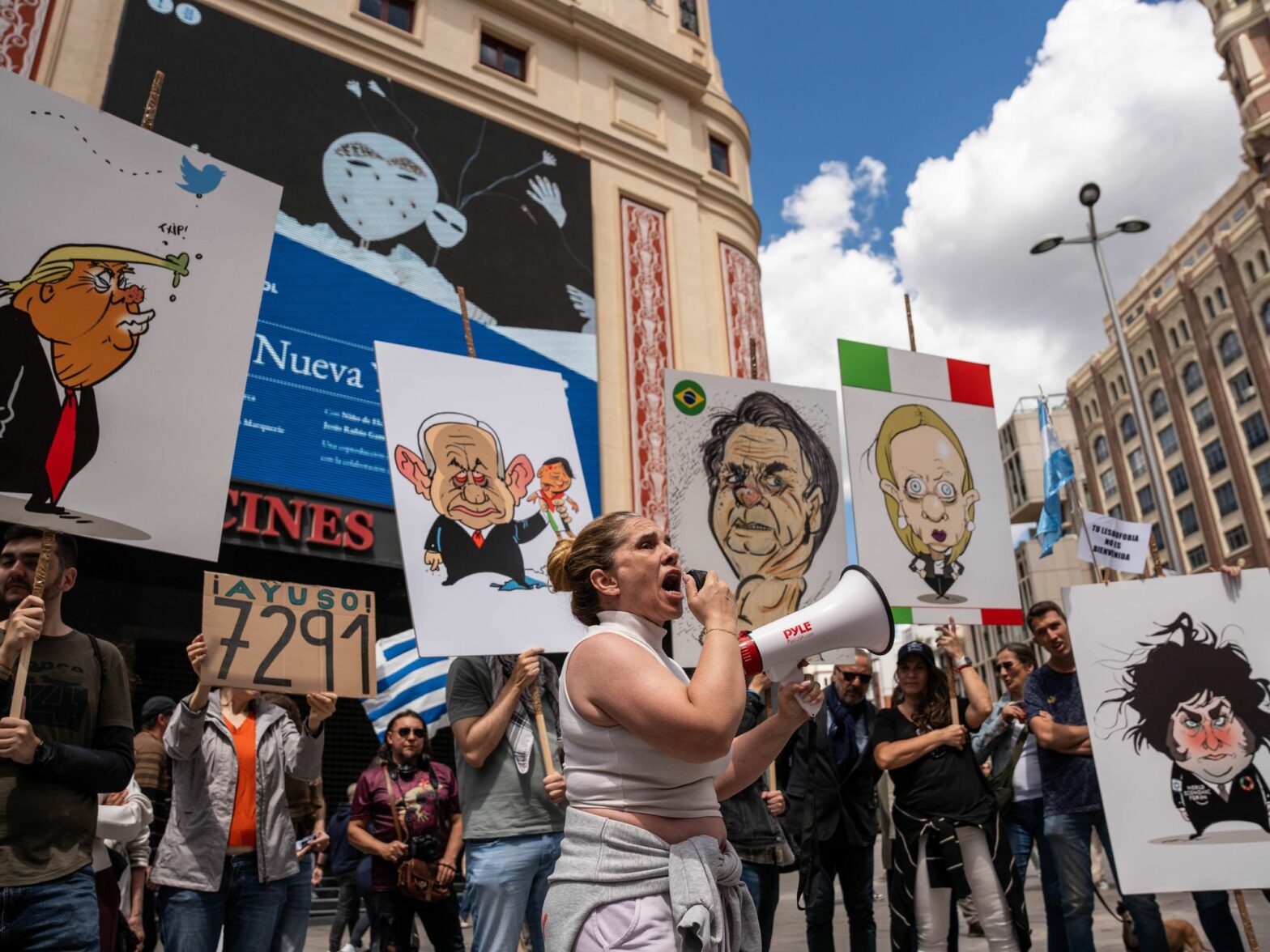
The reelection of U.S. President Donald Trump is the most recent act in the spectacular, and so far unstoppable, rise of fascism. Faced with his full-blown offensive, Europe must fully invest in its vision as an alternative to Trumpism by defending those most in need.
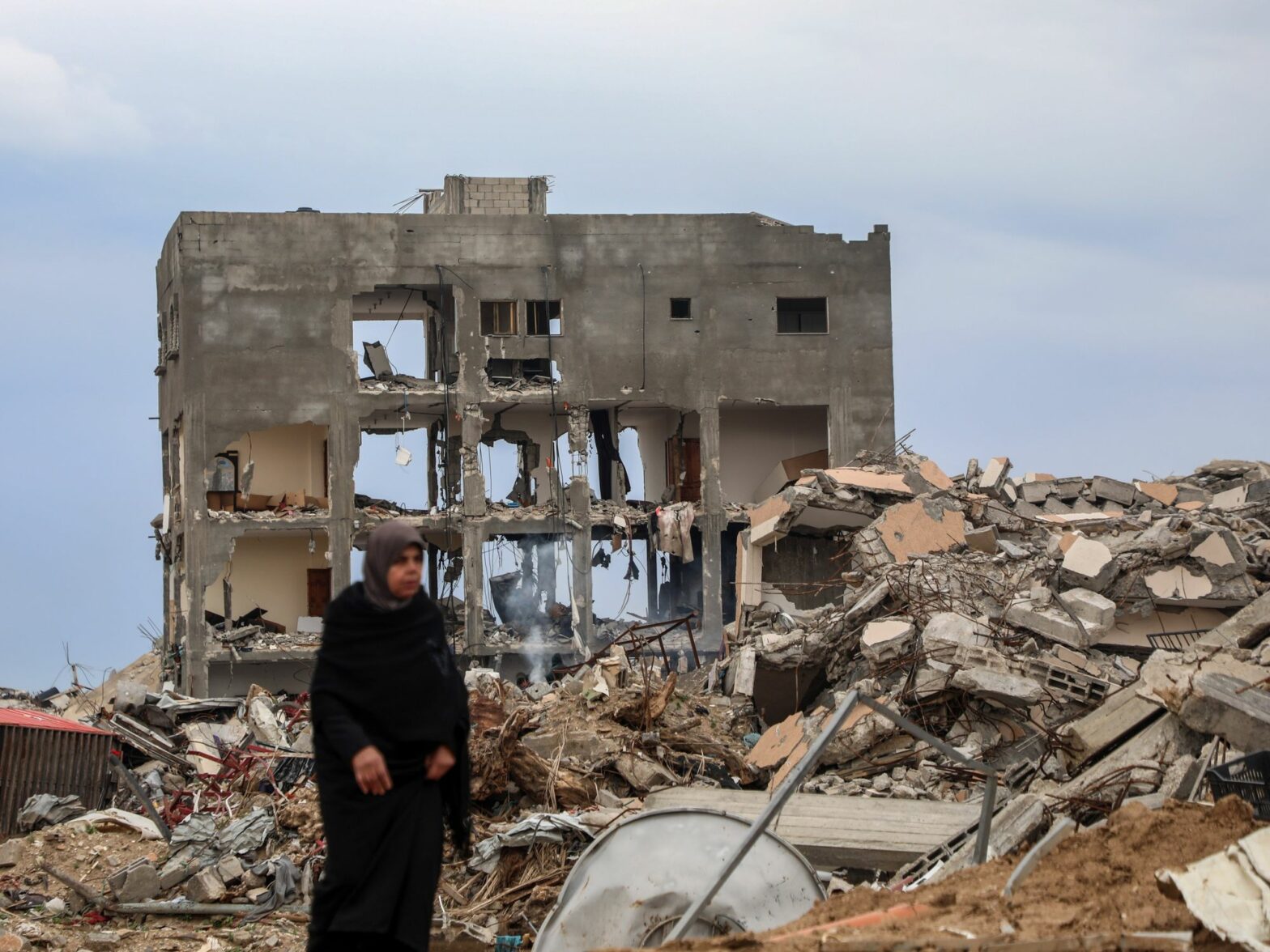
Donald Trump made ever more clearly Monday that he is serious about relocating Palestinians permanently outside Gaza. It’s a plan that the entire Arab world categorically rejects, and puts the U.S. back on the hook for resolving the thorniest of Middle East conflicts.
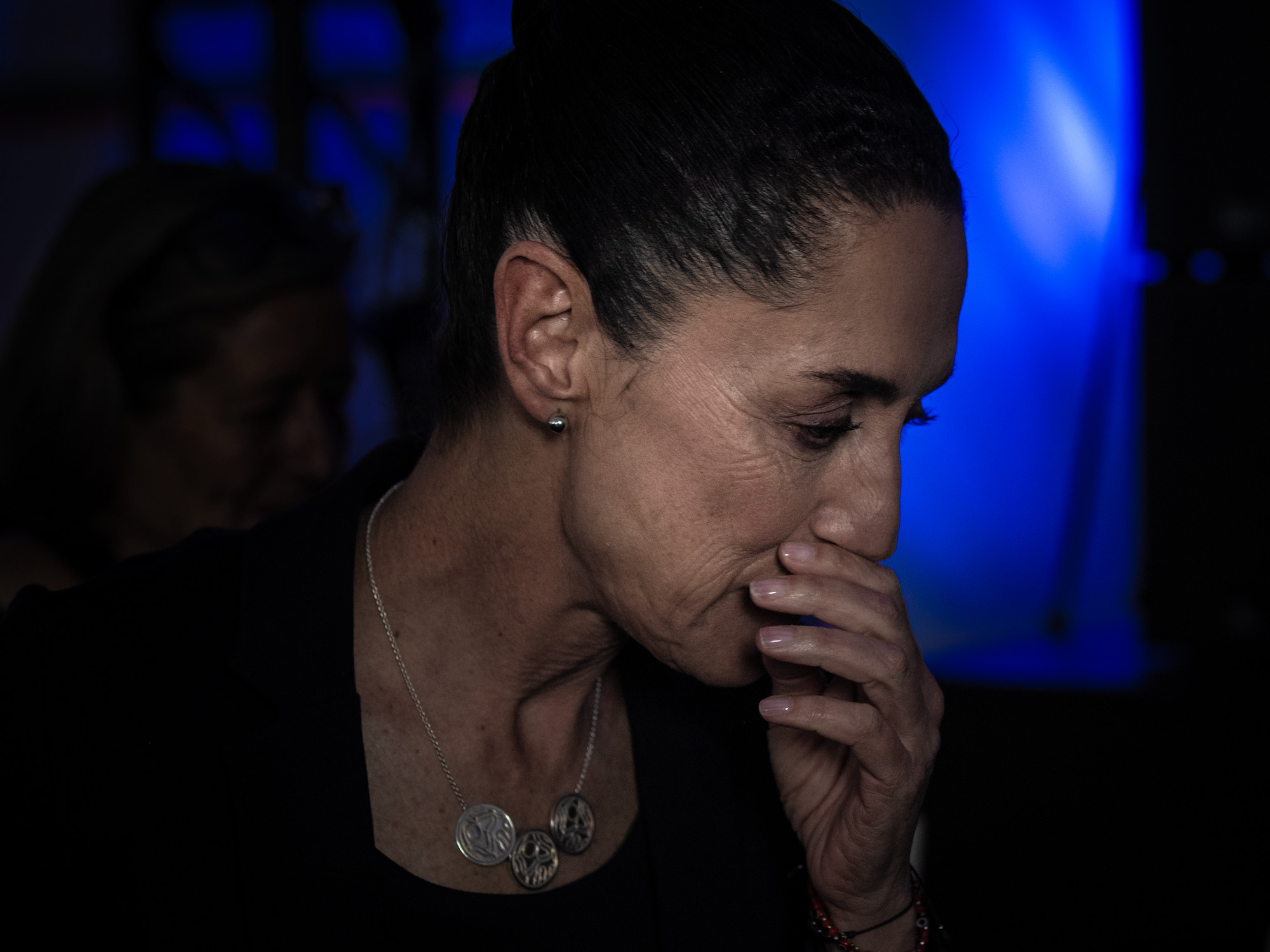
After Colombia’s president took on U.S. President Trump and lost, Mexican President Claudia Sheinbaum has managed this new complex relationship with remarkable deftness and clarity of purpose. But can this strategy be maintained with Trump’s mind set on tariffs everywhere?

Following U.S. President Donald Trump’s flurry of tariffs on Canadian, Mexican and Chinese products, Europe is expecting similar announcements. France, whose wines and spirits are a traditional target in trade conflicts with the EU, is particularly at risk. Its cognac is already being targeted by China.
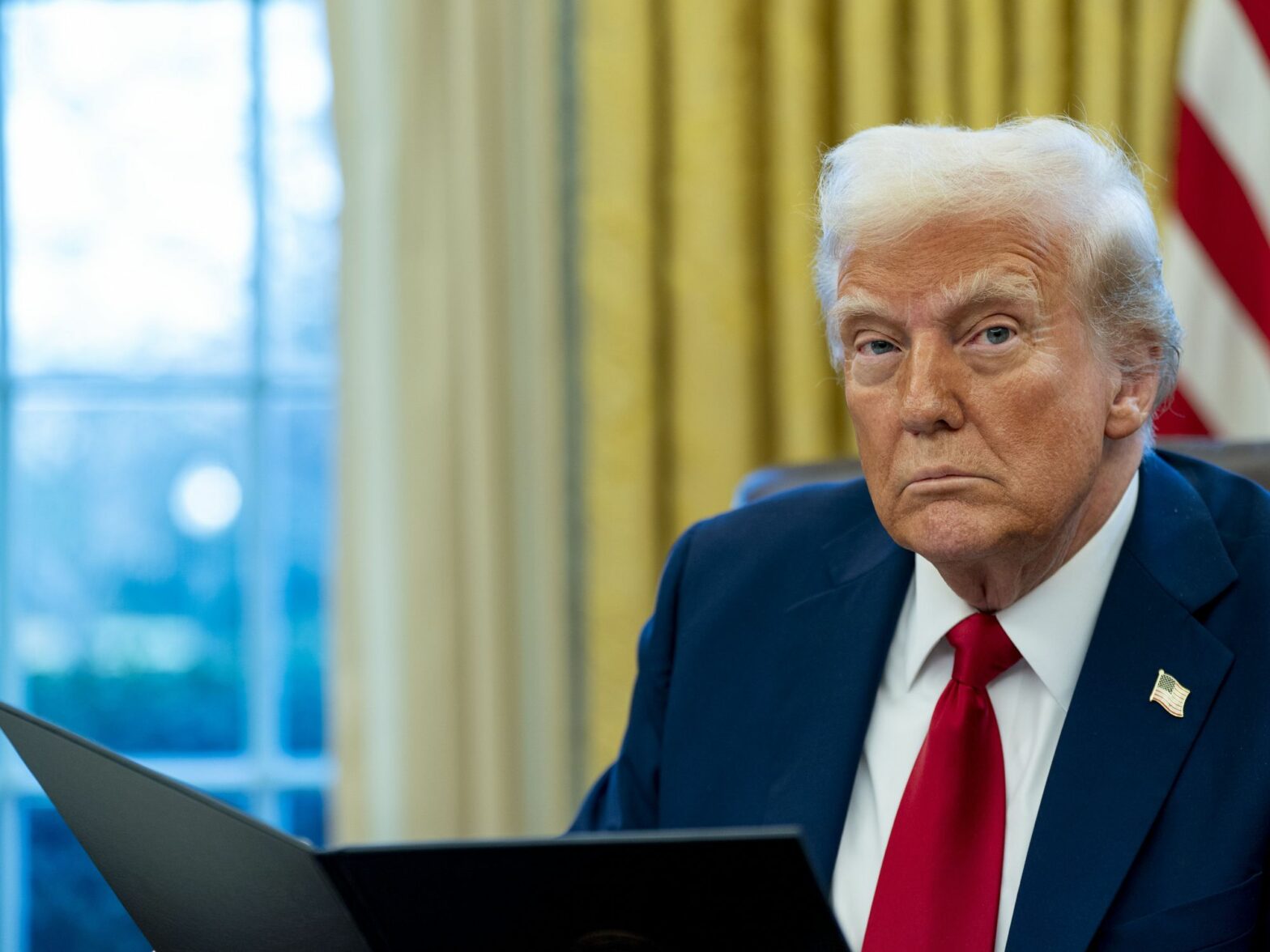
What’s Donald Trump aiming for with his flood of provocative statements? Part distraction, part negotiating ploy, it’s all meant to allow the marketer-in-chief to always claim victory.
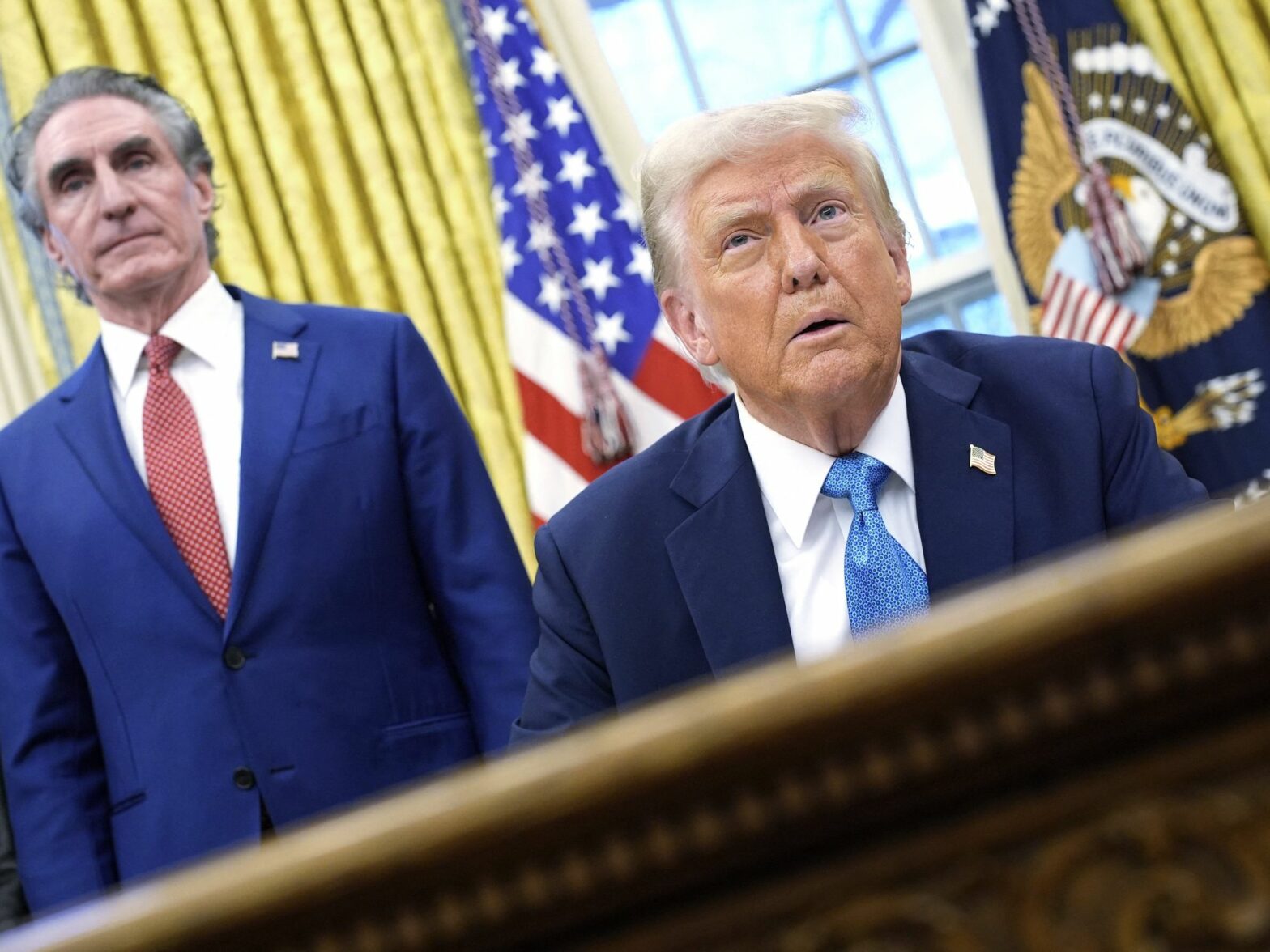
In economics, disruption describes an ordinary process: innovations replace outdated technologies. But in politics? It takes on a far darker meaning, writes German weekly Die Zeit.
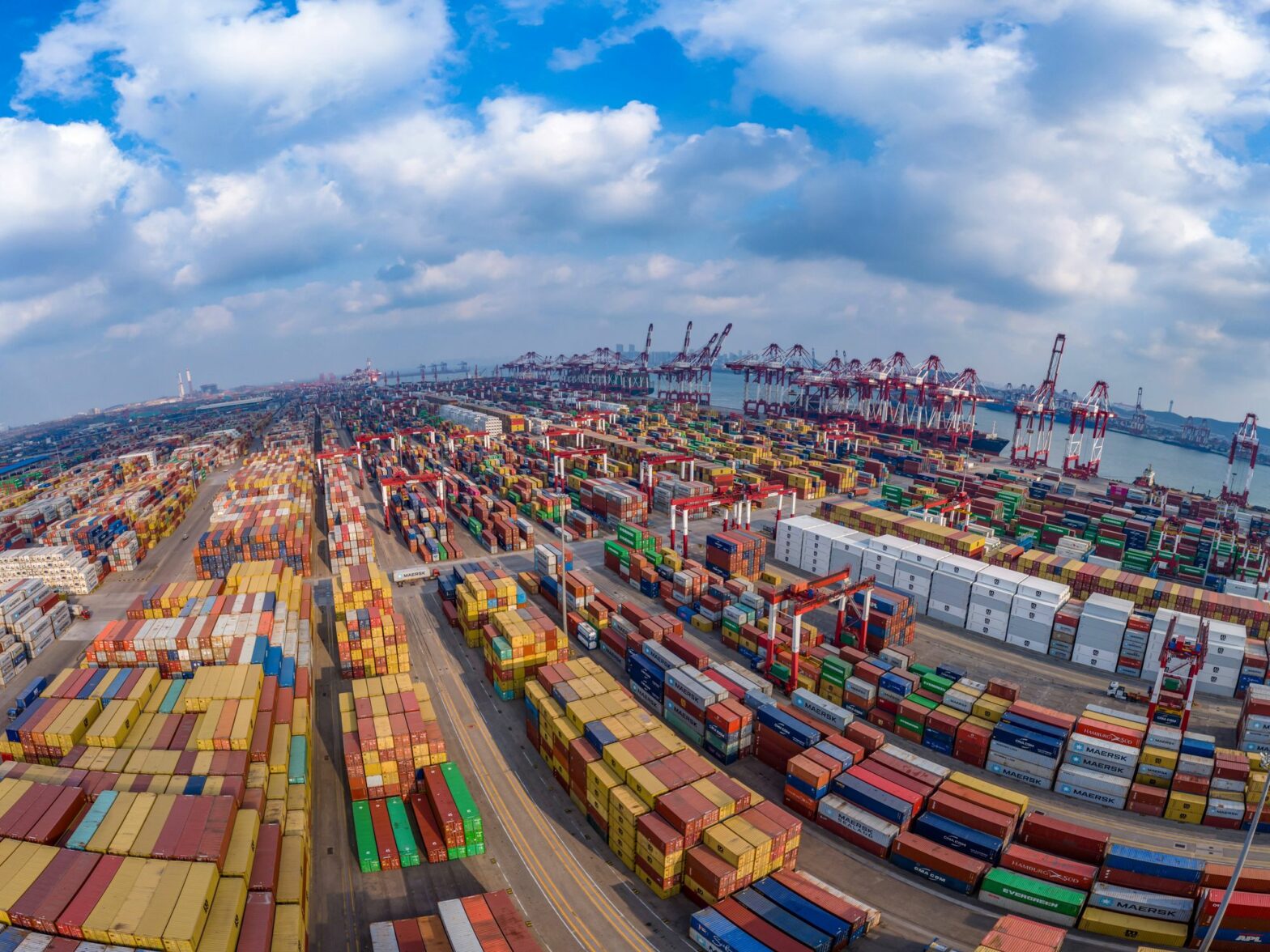
The American president had promised tariffs of at least 60% on all Chinese products. For now, it will be only 10%. Washington has other issues to negotiate with Beijing. Hitting old allies harder is part of a much different approach.
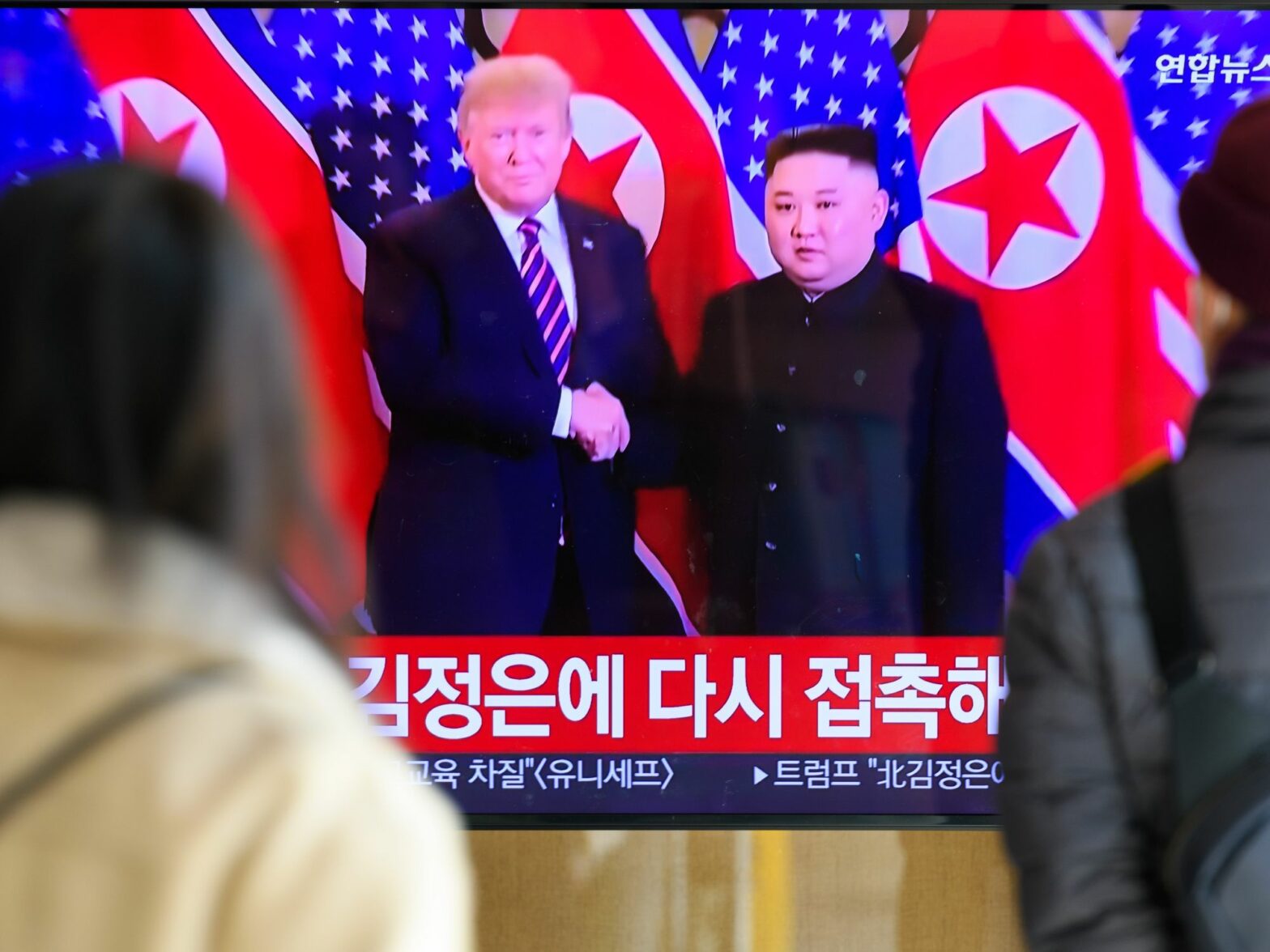
The post-liberal world needs an added dose of cautious and realistic diplomacy, and the United States remains its natural promoter. Yet there is little evidence, for now, that the Trump administration has an interest in diplomacy to keep the collective peace.
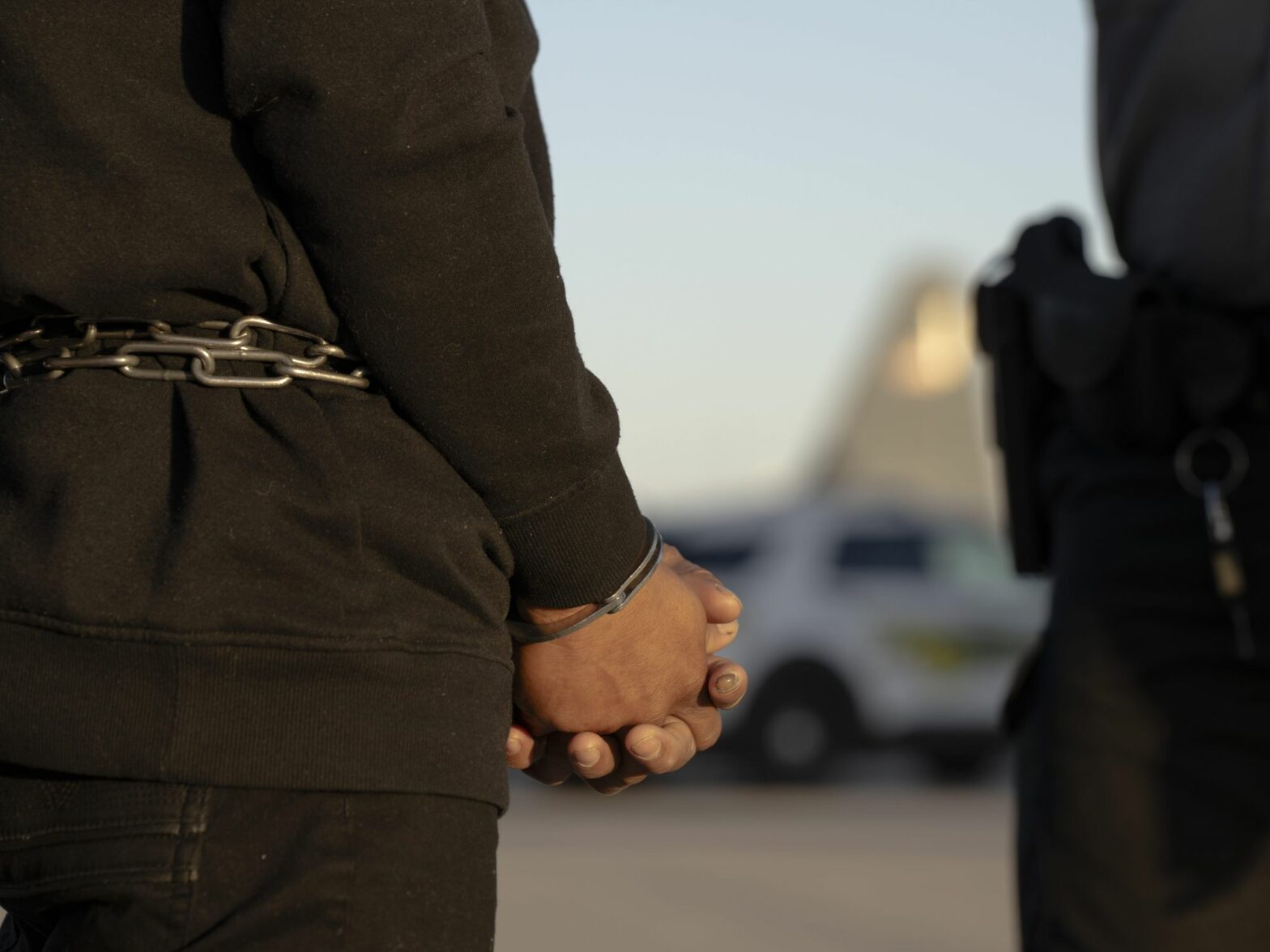
The White House has showcased images of deported migrants in shackles. This deliberate display of humiliation is part of a broader strategy that combines cruelty with political messaging, undermining both personal dignity and democratic values, writes Caterina Soffici for Italian daily La Stampa.
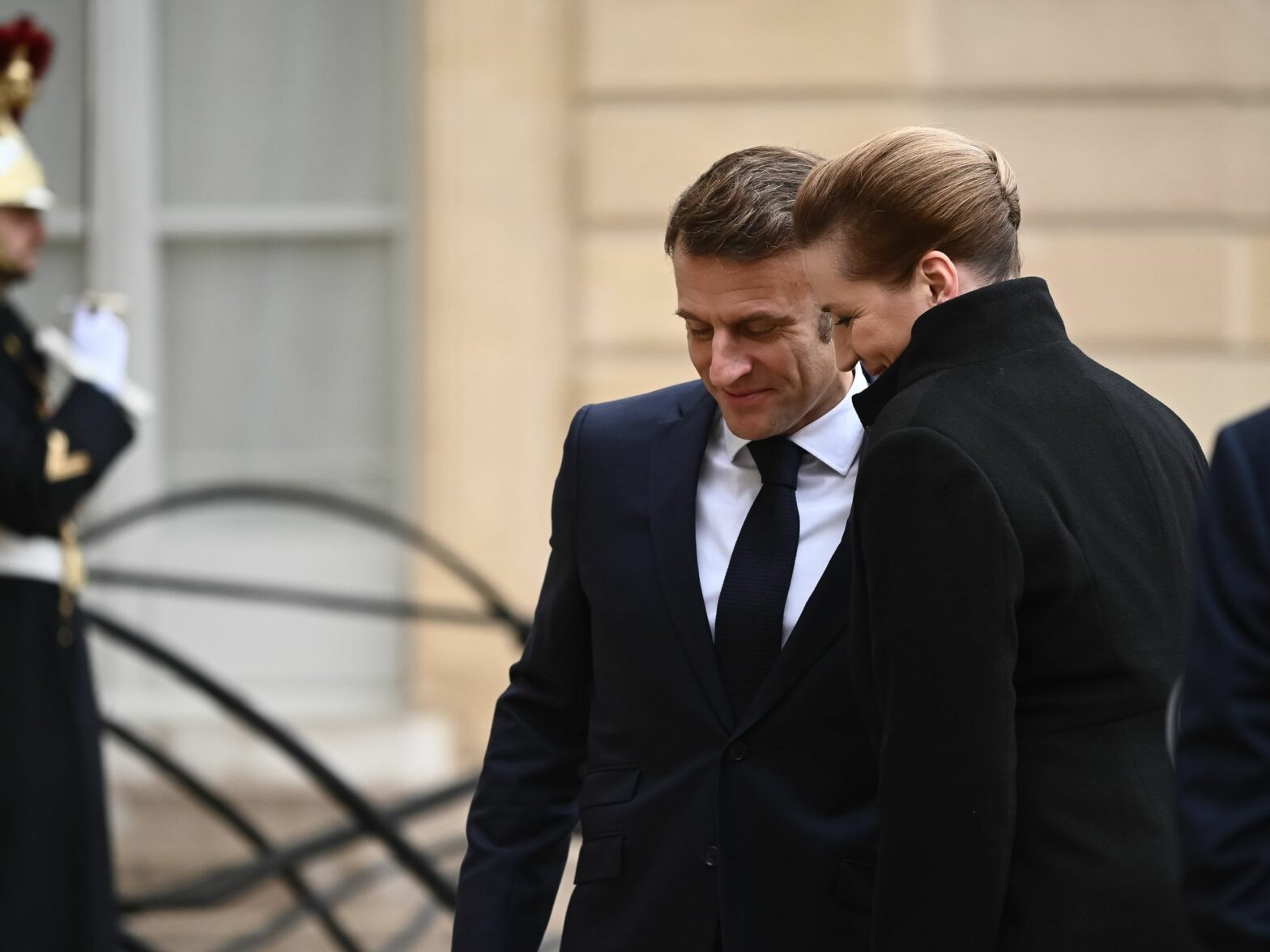
Europeans can never win if they face the relentless force of Donald Trump alone. With his sights fixed on Denmark, which controls Greenland, and the looming threat of tariffs, Trump is putting the rest of Europe to the test.

Having your own car means unlimited freedom. Right? A study shows that yes, it can increase life satisfaction. But freedom is a myth, and dependency on your vehicle will reduce overall happiness.
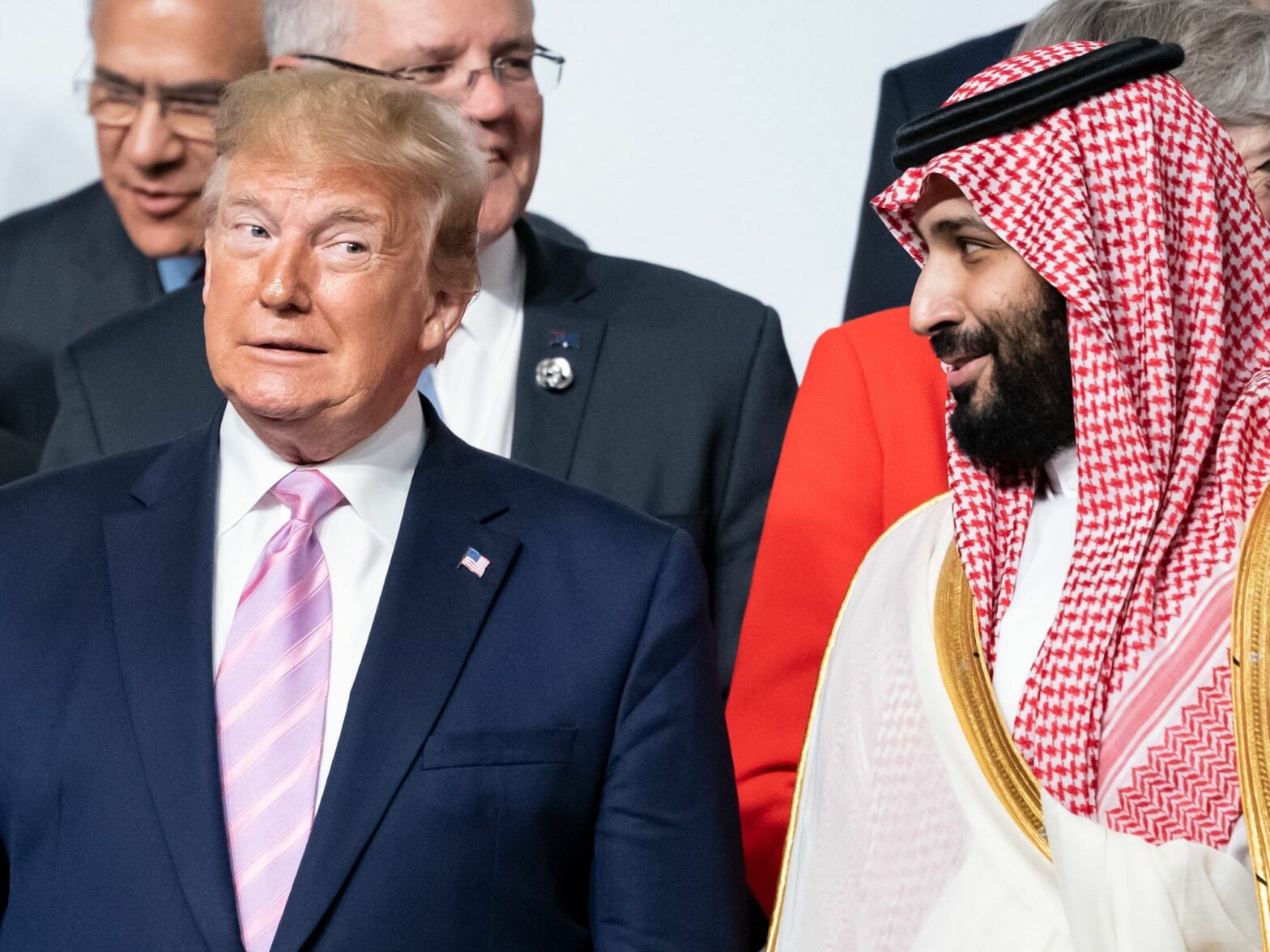
Donald Trump’s relationship with Saudi Arabia’s Crown Prince Mohammed bin Salman dates back to his first term as president. After his second inauguration, his first phone call was to the prince, who has pledged $600 billion in investments in the United States during Trump’s presidency.
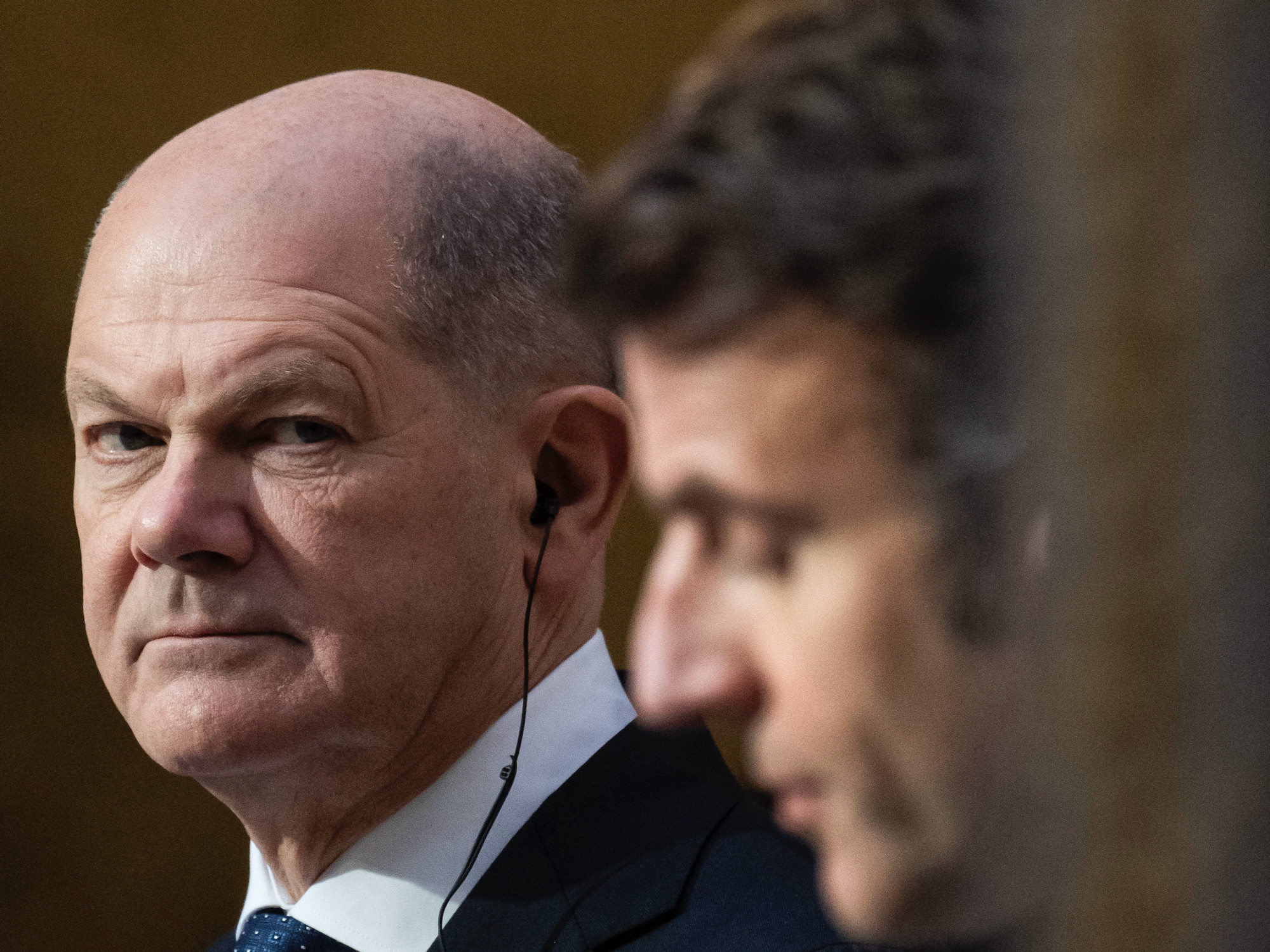
The bulldozer approach Donald Trump has deployed since his inauguration on Monday discards an American foreign policy approach in place since 1945. Who will survive, particularly in Europe, a purely transactional U.S. President?
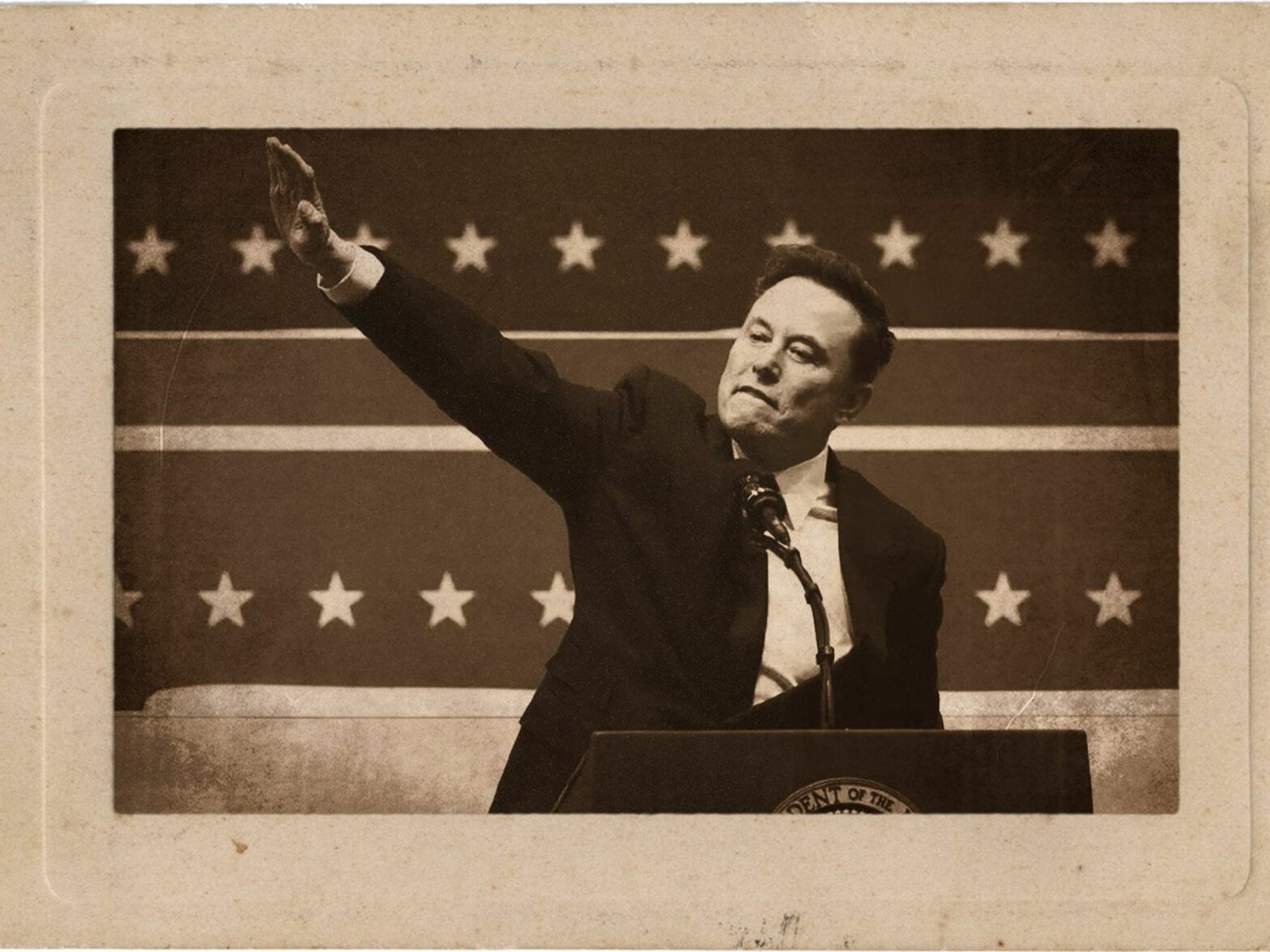
To the German author, watching Elon Musk stretching his right arm out at a Trump political rally could mean only one thing. The Neo-Nazis agree. But what is the billionaire’s real game? A view from Die Zeit on the Hitler Salute outrage.
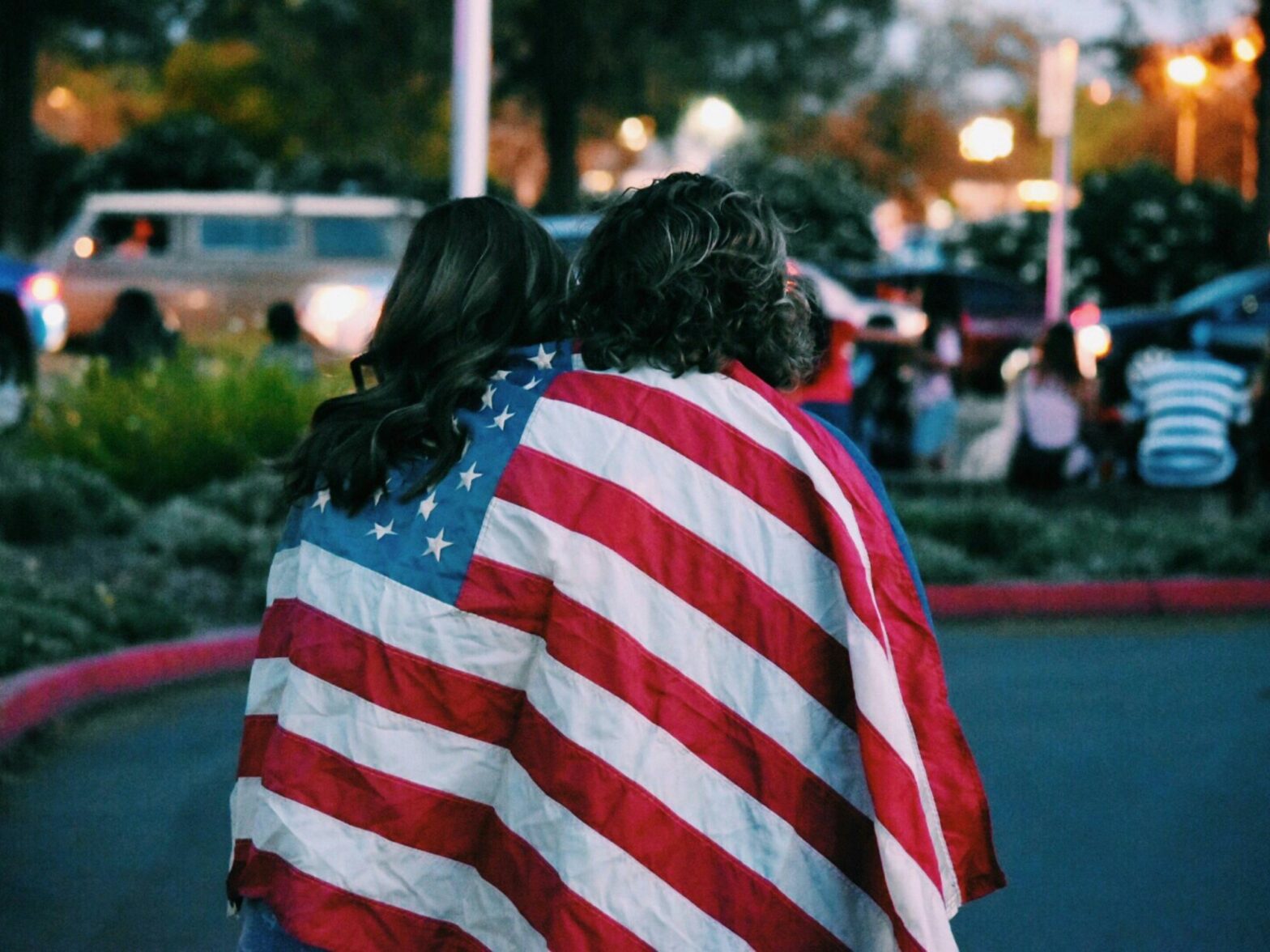
On his inauguration day, President Donald Trump signed the decree abolishing the law that grants U.S. citizenship to anyone born on American soil. For Italian writer Mattia Feltri, America was born from the idea that anyone could come, live freely, pursue their happiness. That dream is dead.
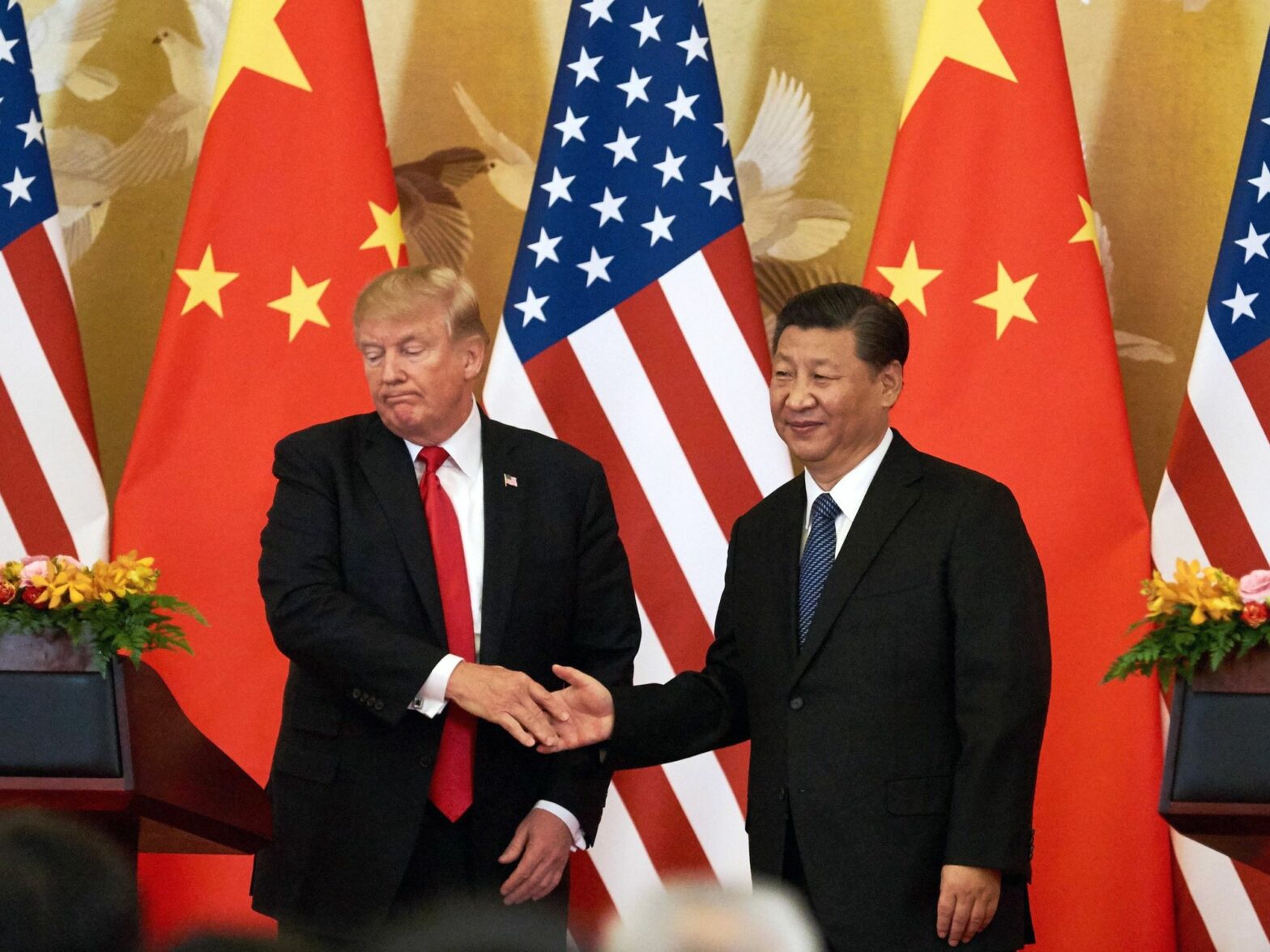
None of the major heads of state on the Asian continent has a direct link with U.S. President-elect Donald Trump, who regularly calls on America’s Far Eastern allies to “pay more” for their defense. Philippe Le Corre, professor of geopolitics, explains that military risk is a major concern in a region with many hotbeds of tension.
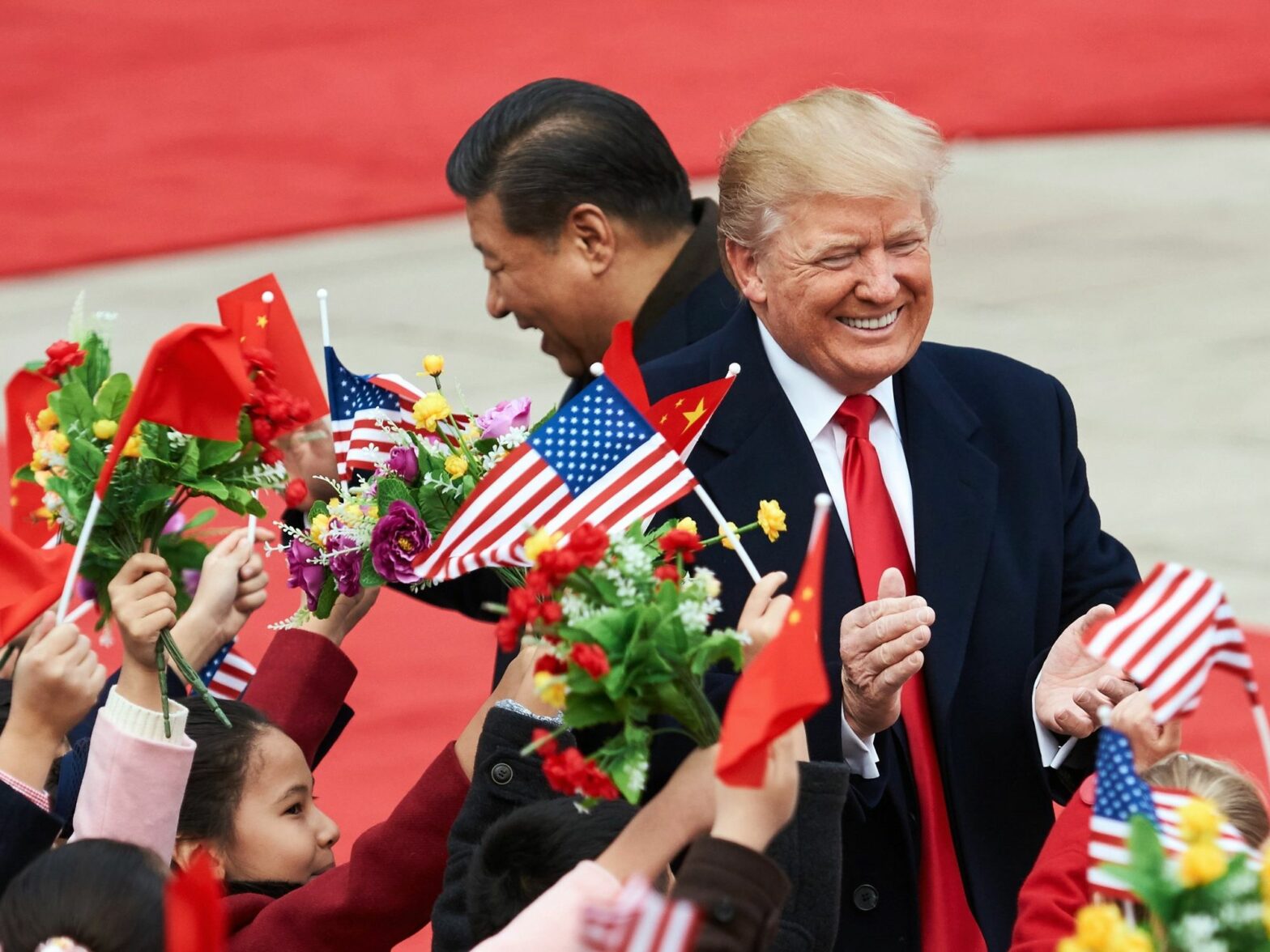
Donald Trump’s reelection has sent shockwaves through much of the world. Yet, surprisingly, many overseas Chinese — and even citizens within China — have openly celebrated his comeback. How does such admiration align with his openly anti-China rhetoric?
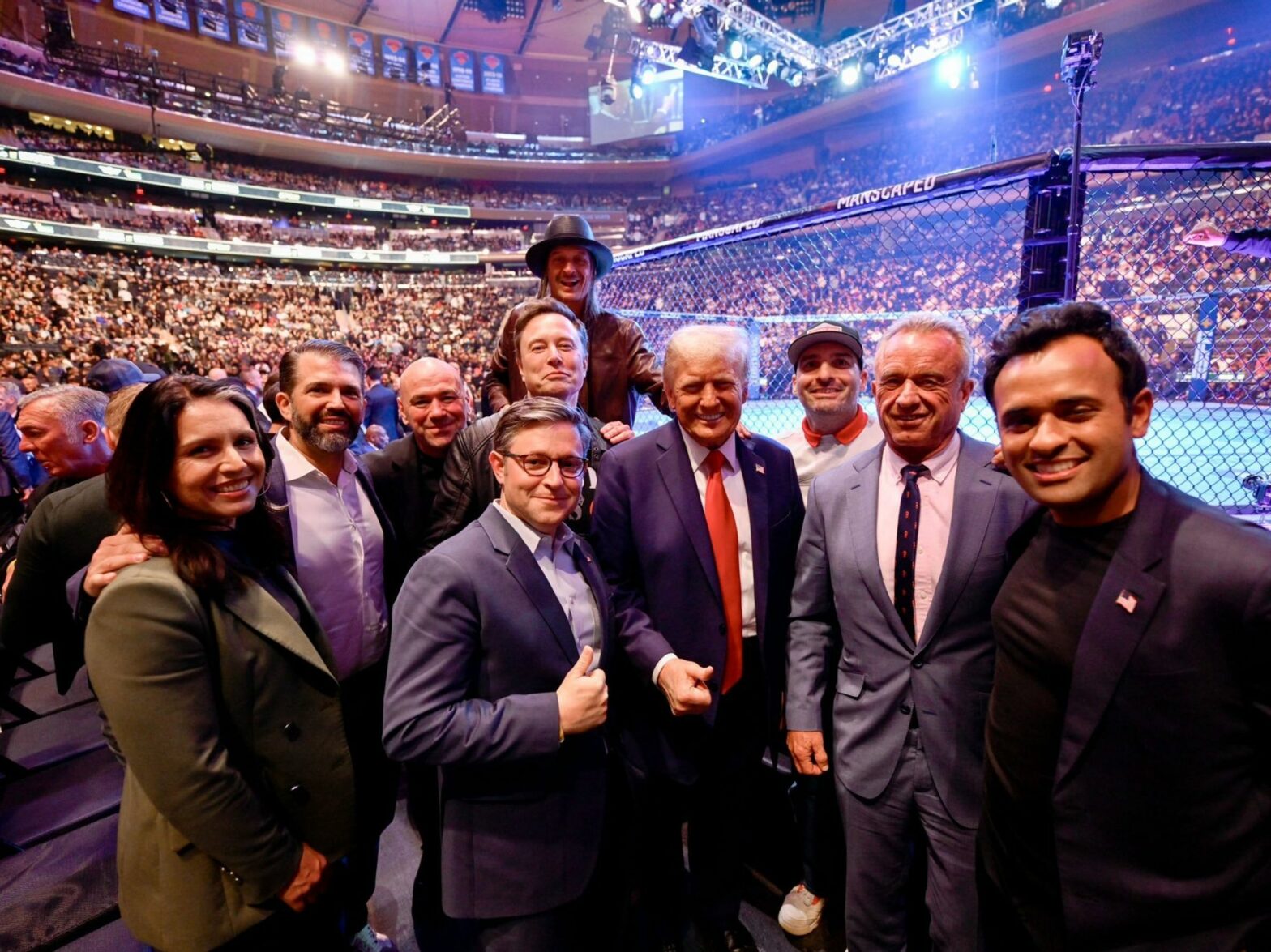
In his final address to the nation, just days before his departure, U.S. President Joe Biden warned against the emergence of a “tech-industrial complex” that threatens democracy; a charge against tech barons, including Elon Musk or Mark Zuckerberg, who have pledged allegiance to incoming President Donald Trump.
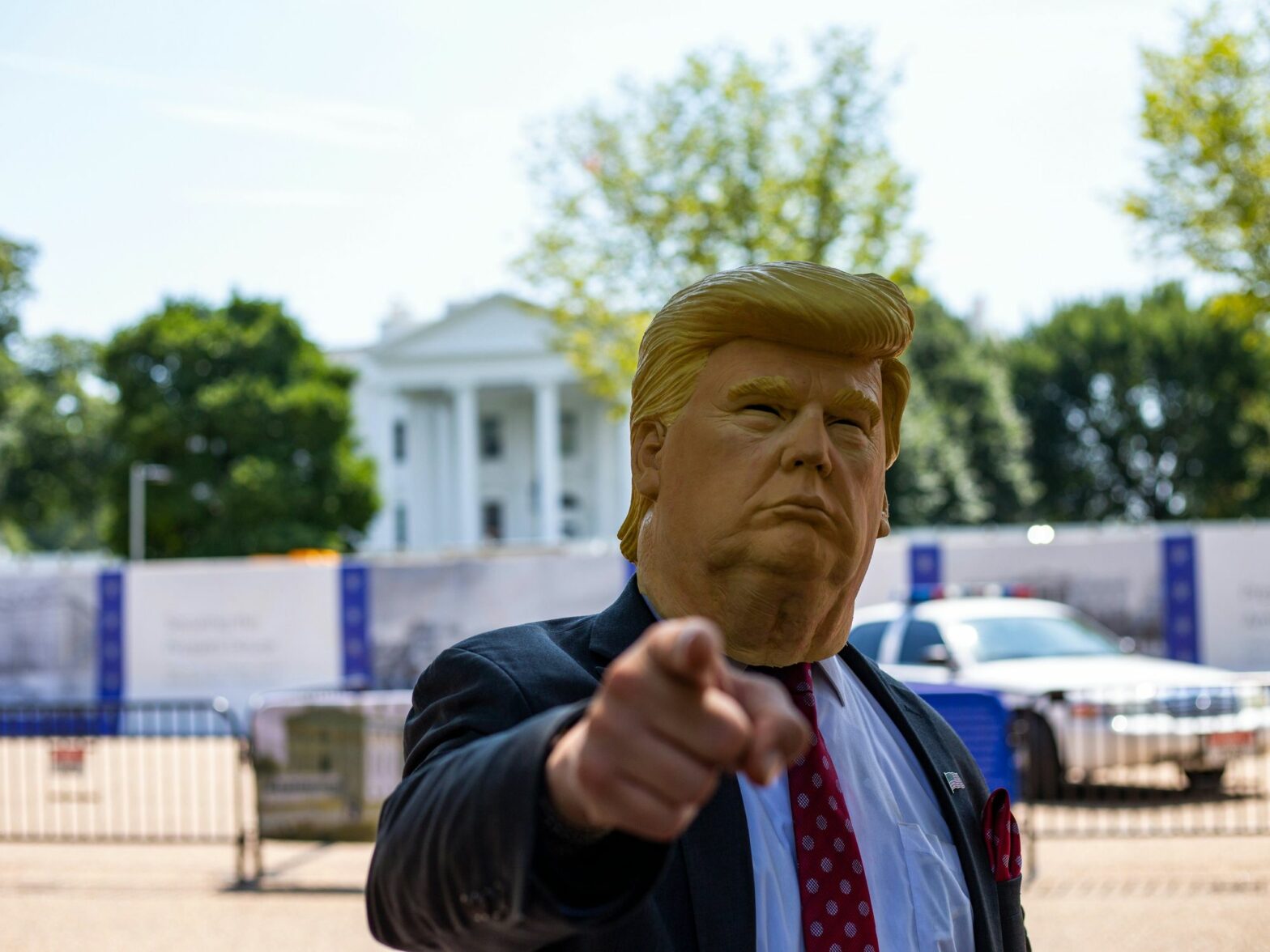
Will America become revisionist, unilateralist and expansionist under Donald Trump’s second term? In the early 1970s, French philosopher Raymond Aron spoke of the United States as an “imperial republic,” Now, in 2025, there is potentially much less “republic,” and much more “imperialism.”

A new French research laboratory was recently opened on the University of Rennes campus. The experimental facility, equipped with boreholes that reach 300 feet deep, focuses on studying soils and the microbiology of the underground.
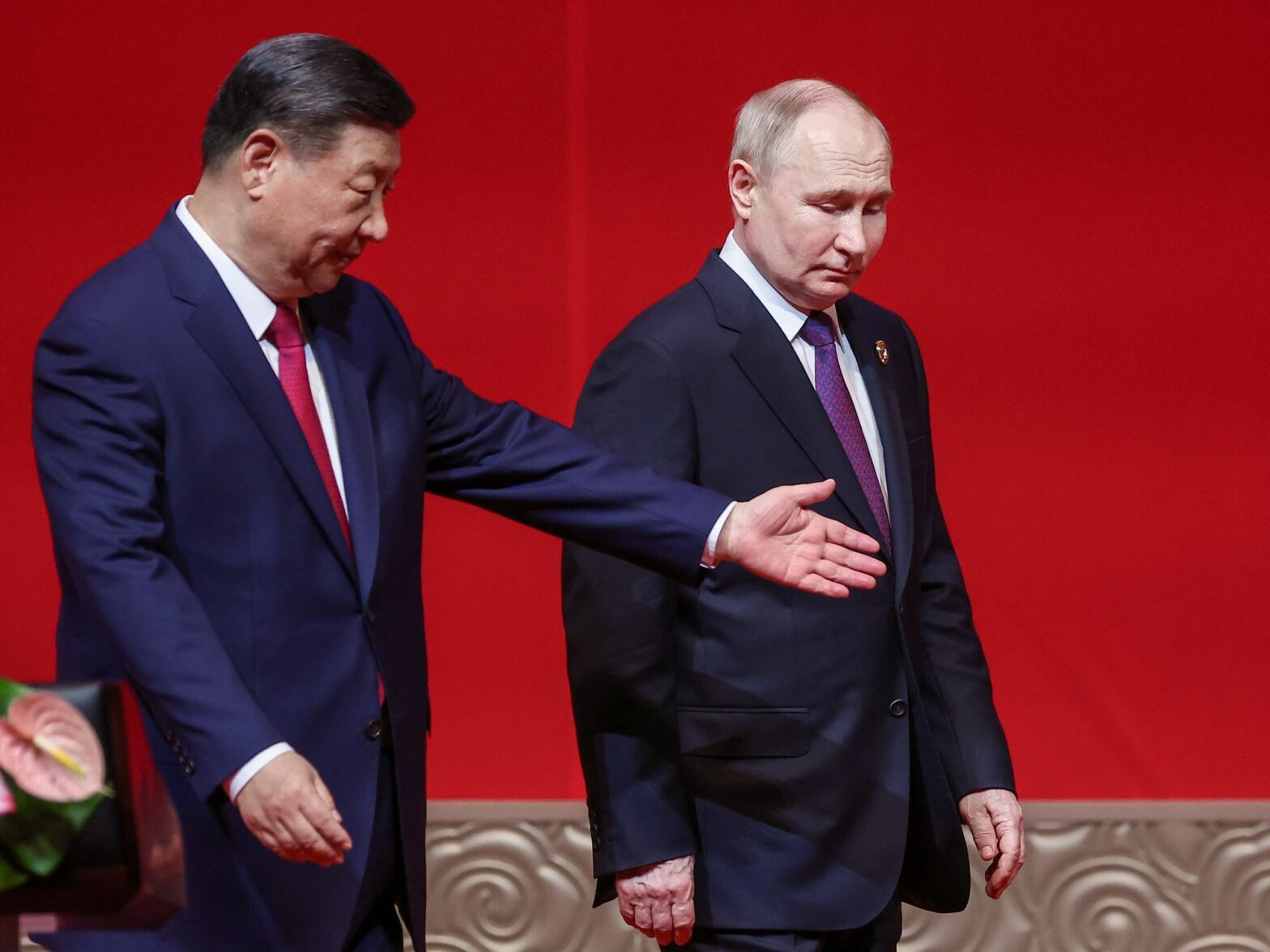
The emerging geopolitical paradigm is one of a kind of “armed peace” led by states equipped with nuclear weapons as the ultimate guarantee of security. The battlefield now spans the range of hybrid threats and technological breakthroughs, introducing the potential for “strategic surprises.”