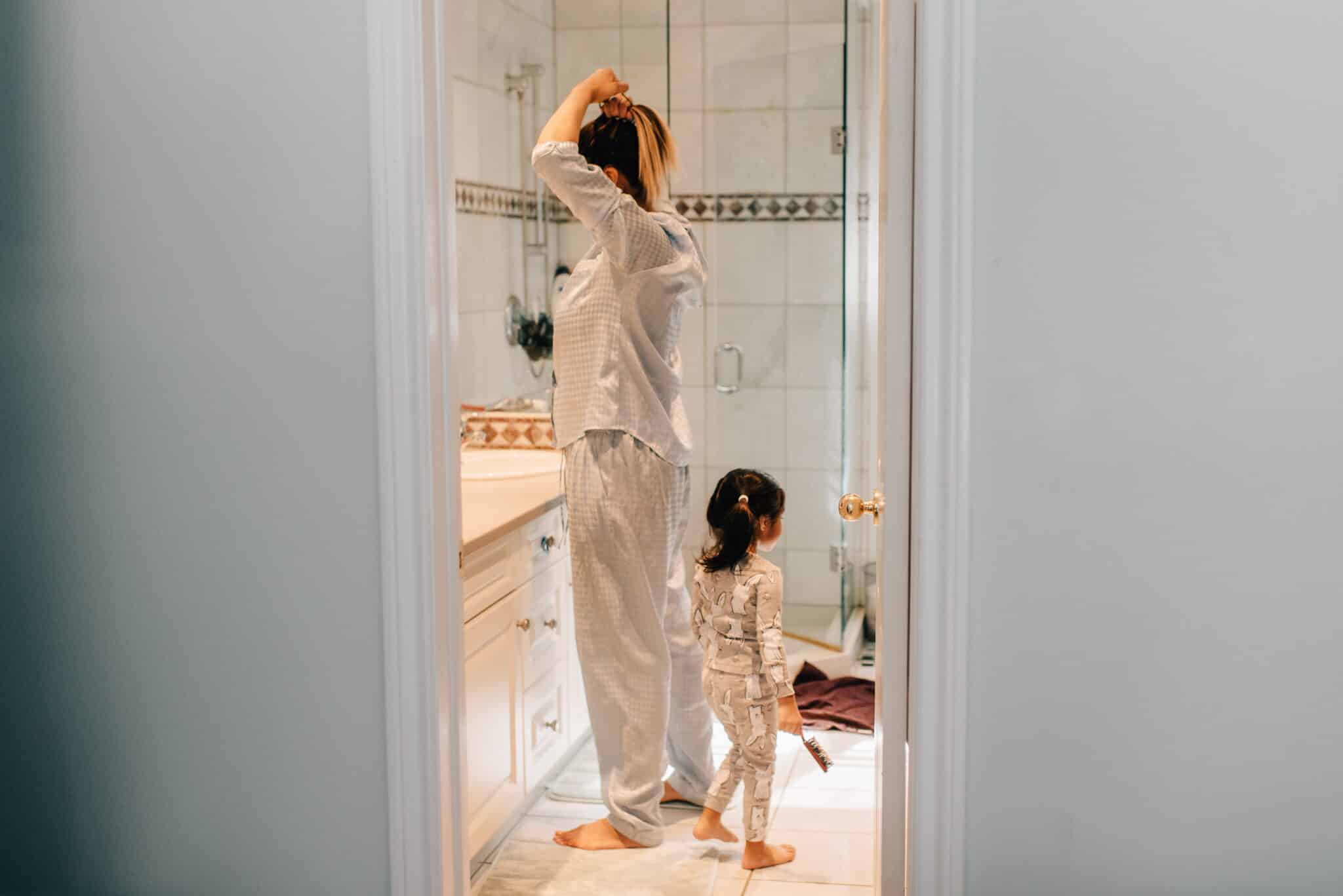
Psychoanalyst Cinzia Capobianco explains how daughters of narcissistic mothers often struggle with a deep inner emptiness, and how therapy can help them build a stronger, independent self.
 Worldcrunch
Founded in 1946, Die Zeit (“The Time”) is a German weekly and news website known for its in-depth coverage and intellectual rigor. The print weekly is published in Hamburg, while Zeit Online is headquartered in Berlin.
Psychoanalyst Cinzia Capobianco explains how daughters of narcissistic mothers often struggle with a deep inner emptiness, and how therapy can help them build a stronger, independent self.
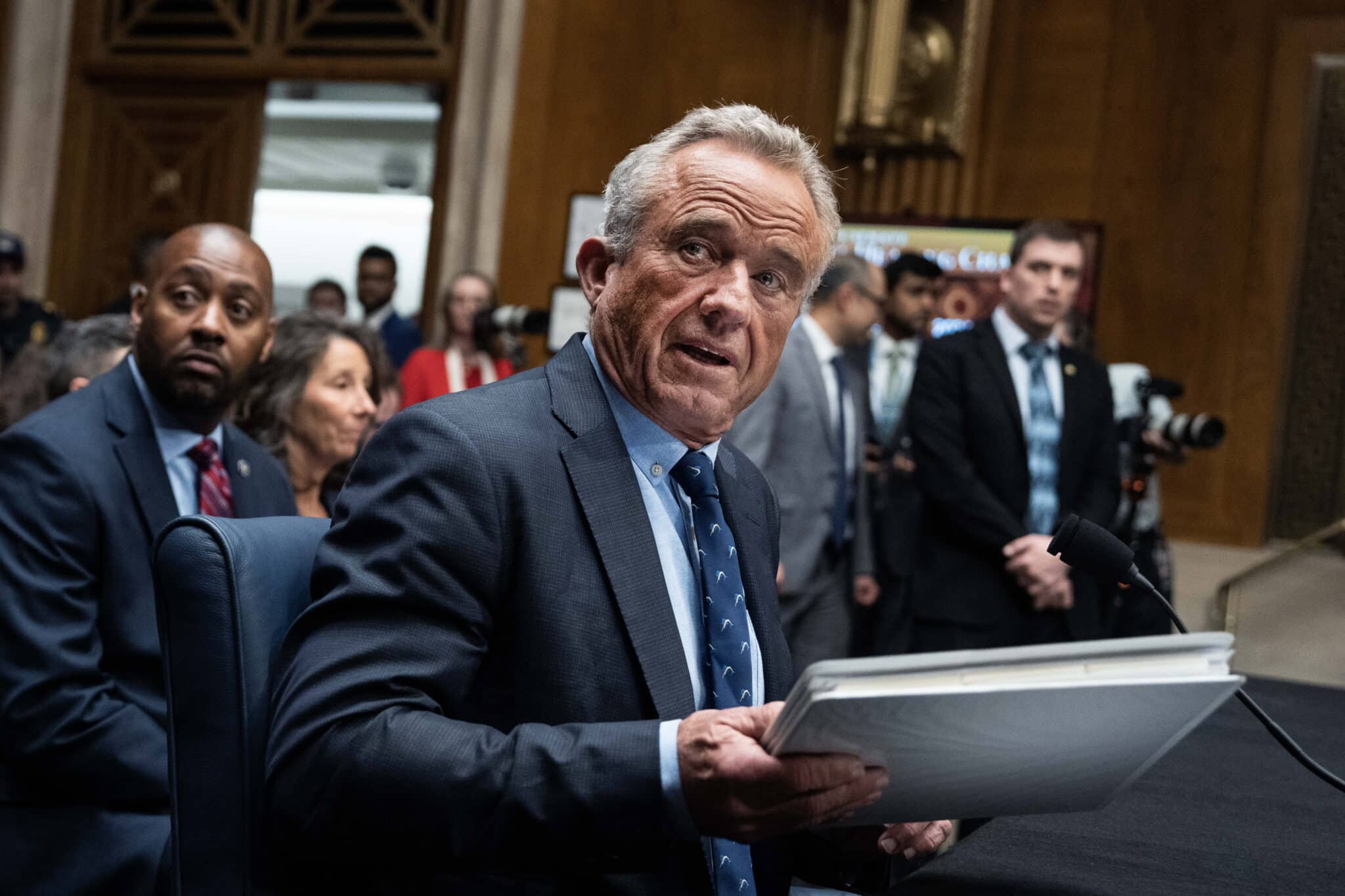
RFK Jr.’s rise reveals how pseudoscience paranoia now holds political power. Conceived in the late 19th century, the survival of the fittest ideas of Social Darwinism helped drive Nazi ideology.
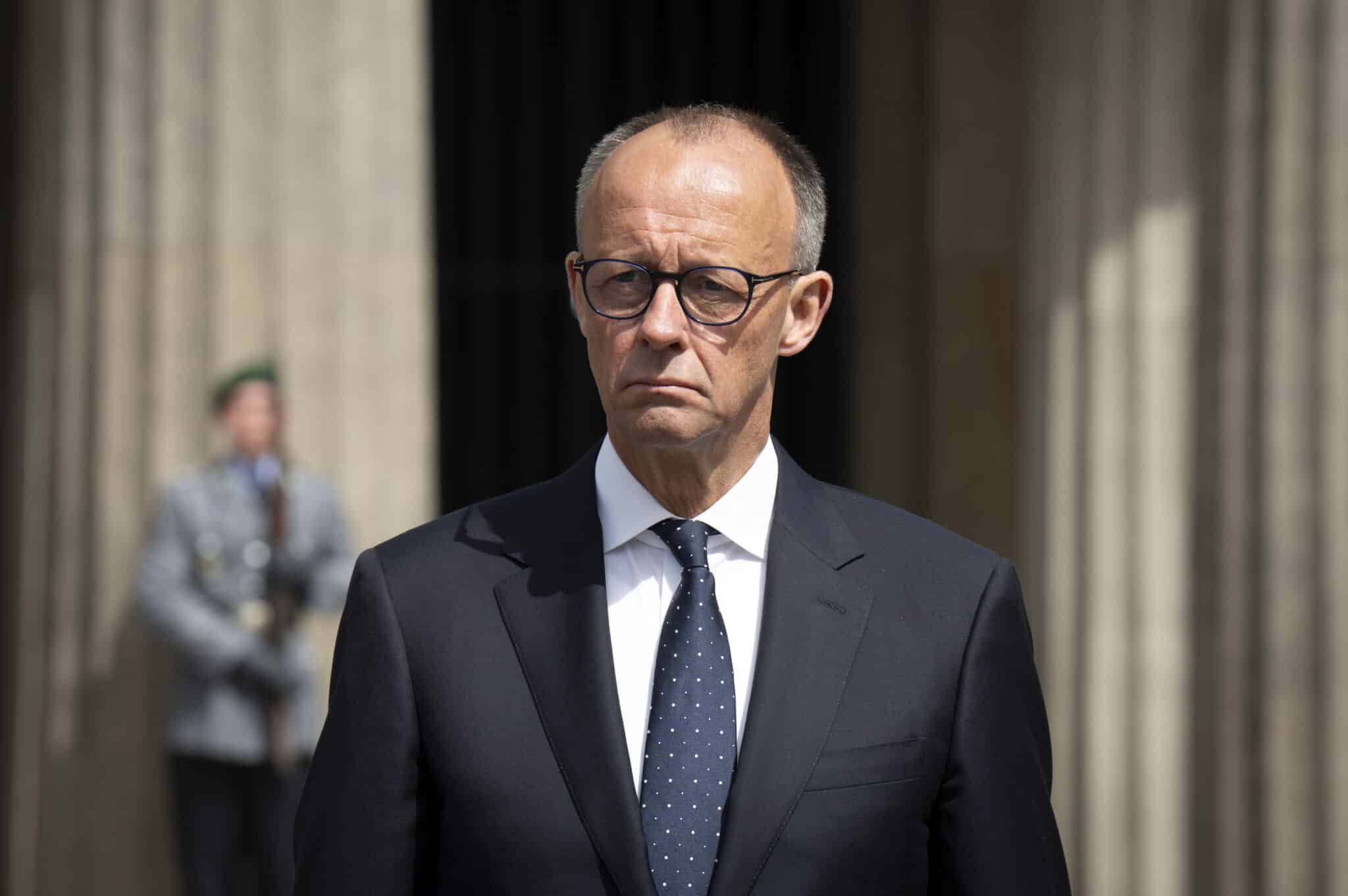
New German Chancellor Friedrich Merz talks about his private exchanges with U.S. President Donald Trump, his own lack of government experience, and why it’s not so clear how to handle the far right AfD.
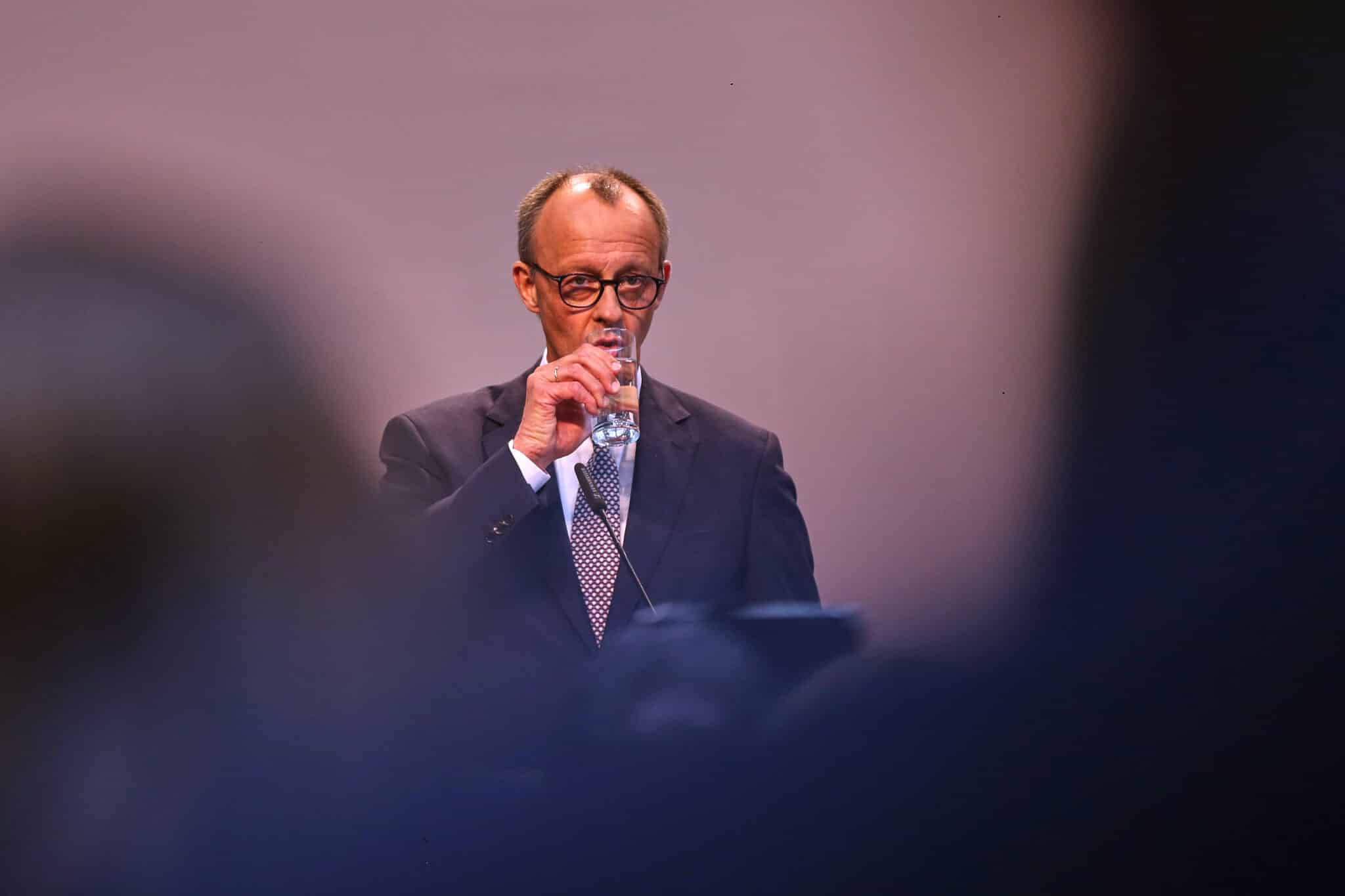
As pressure mounts to divvy up Germany’s largest infrastructure fund in decades, the new chancellor must resist scattershot spending and steer the country toward high-tech transformation.
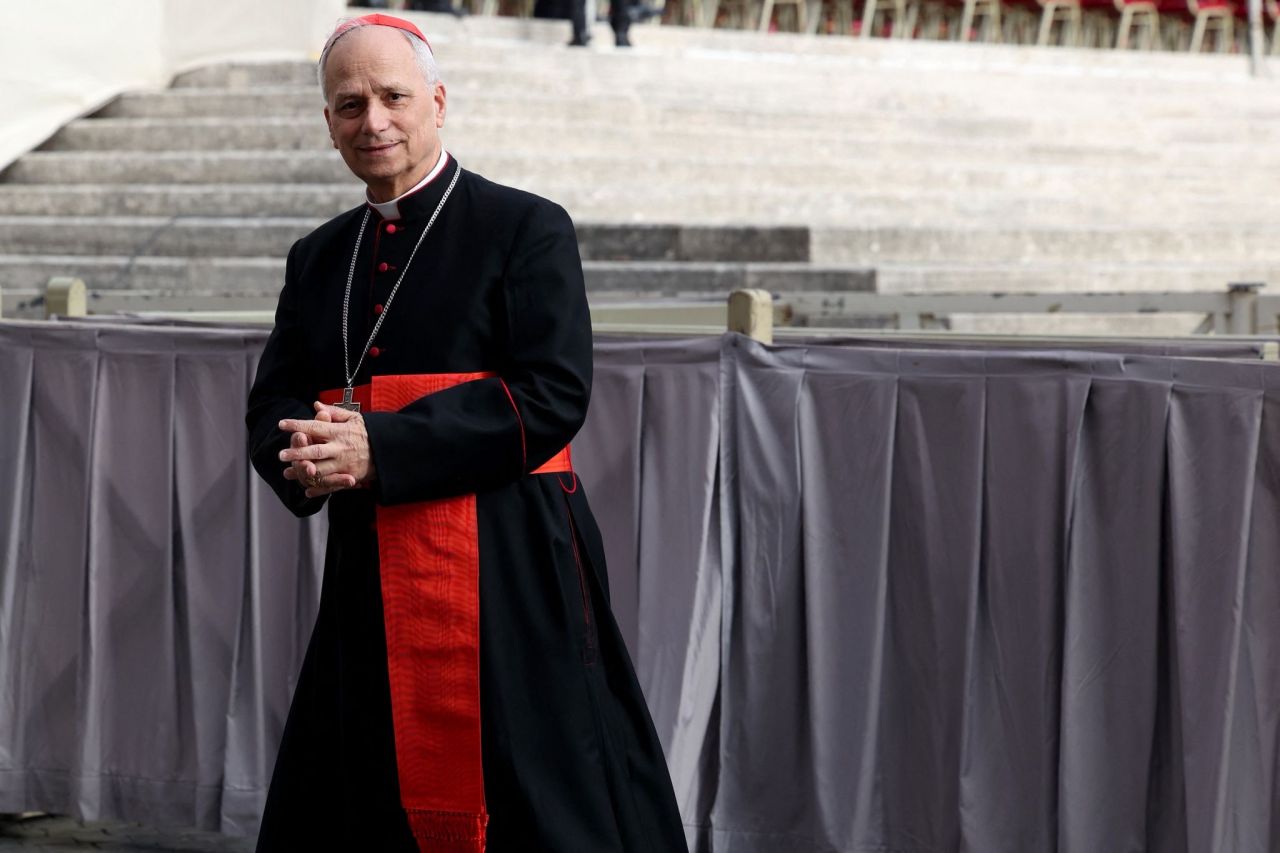
Die Zeit speaks with Father Lukas Schmidkunz, who has known Robert Provost for a long time, about the man who has become Pope Leo XIV.
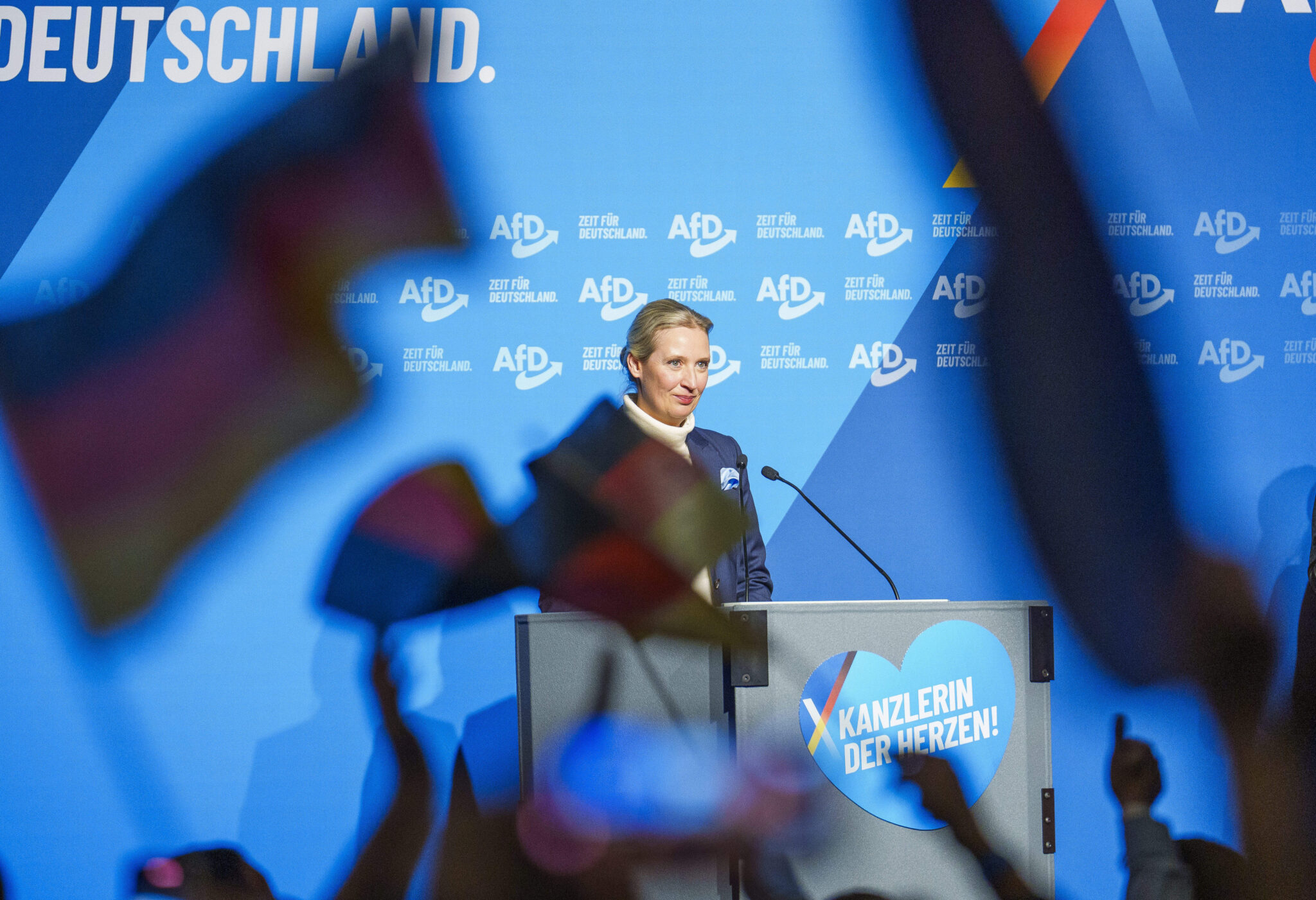
As AfD grows in popularity, it gets potentially more dangerous — but also harder to ban. This could become a test for democracy and cripple his leadership from the outset.
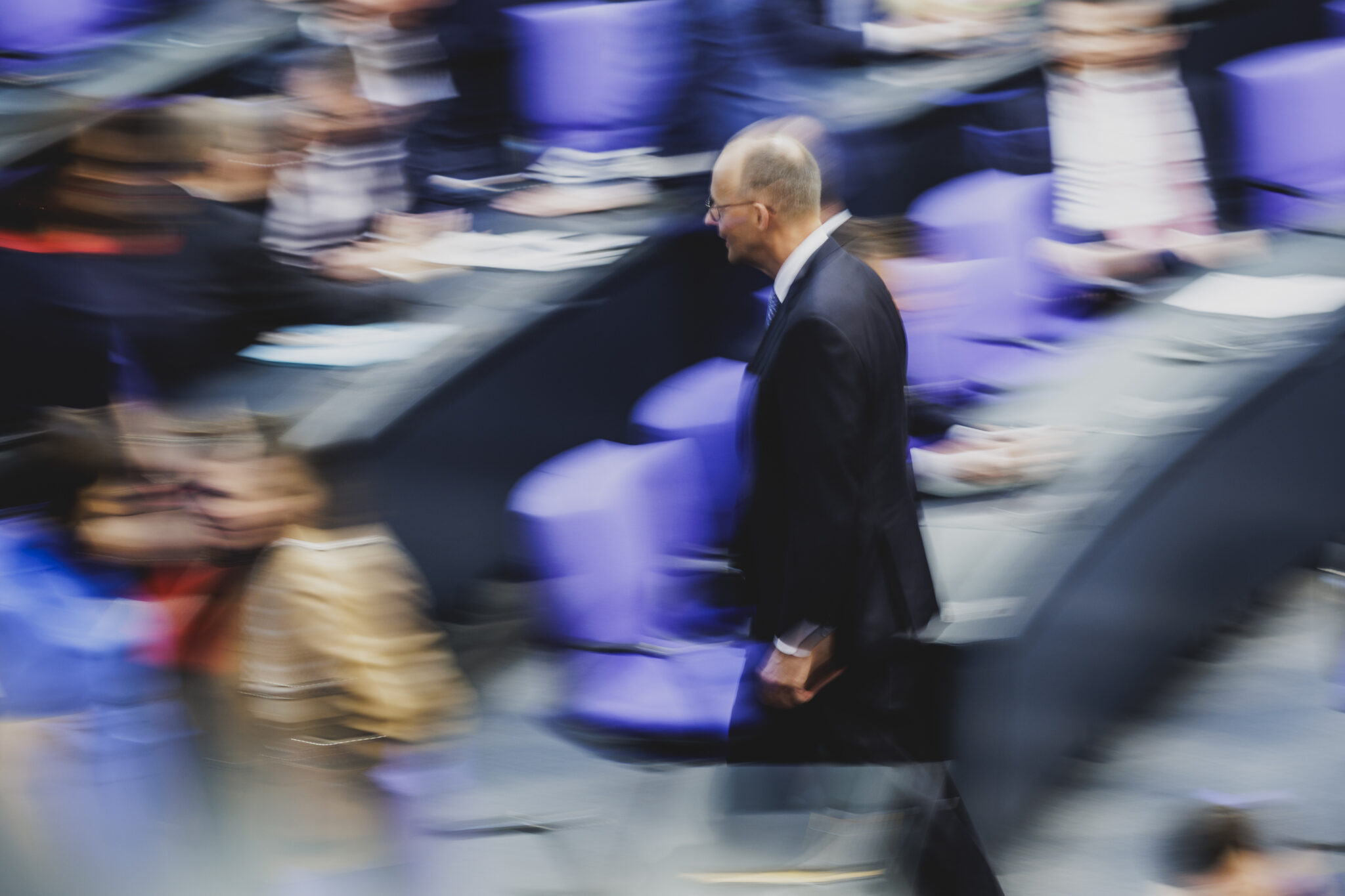
Friedrich Merz’s own coalition partners attempted to sabotage his path to the chancellorship. And although he was ultimately elected, just hours after a first-round debacle, he may never shake off the damage.
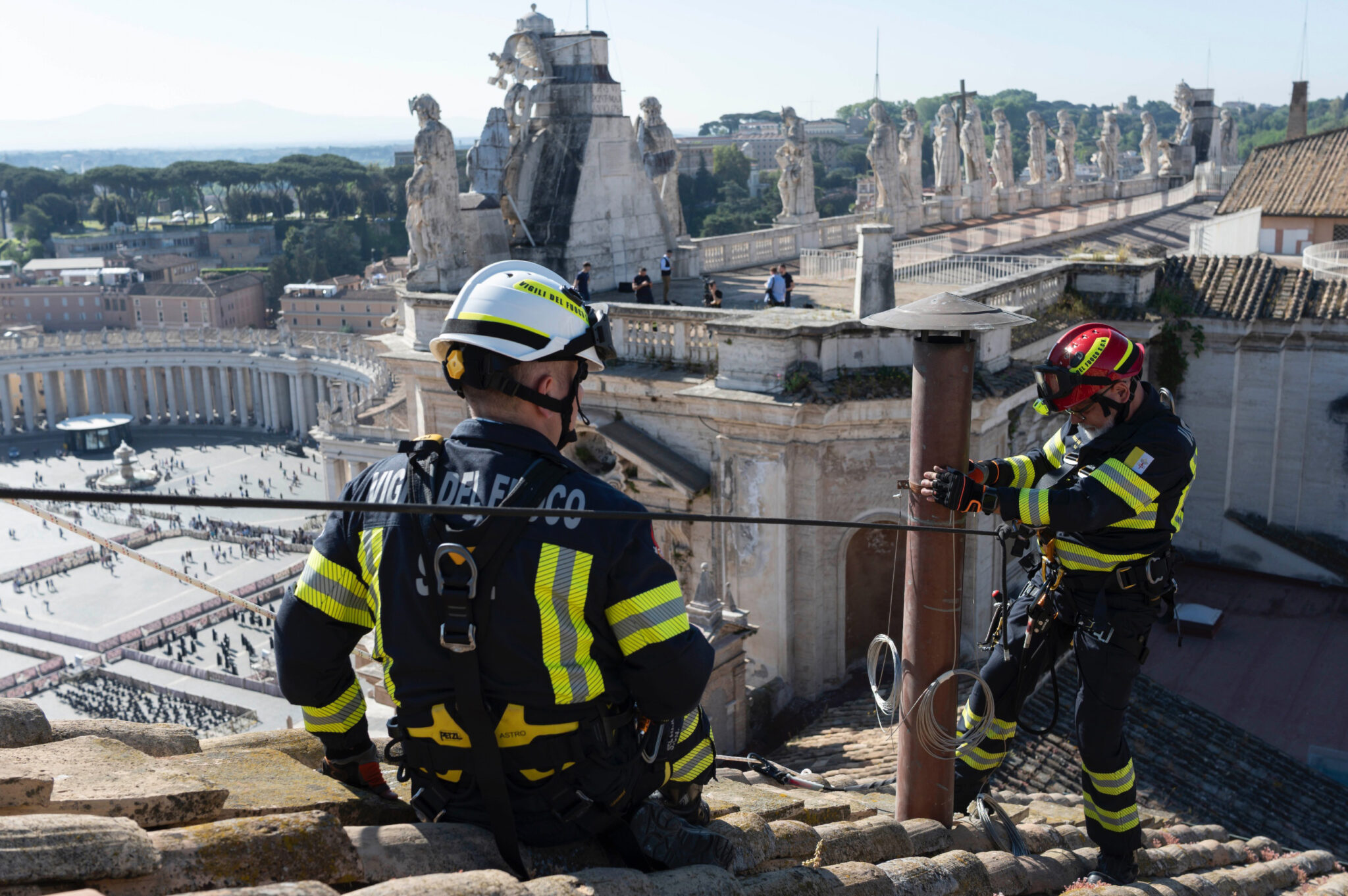
As the conclave approaches, Vatican intrigue intensifies, with Italian ambitions, global rivalries and conservative strategy shaping the next papal election.
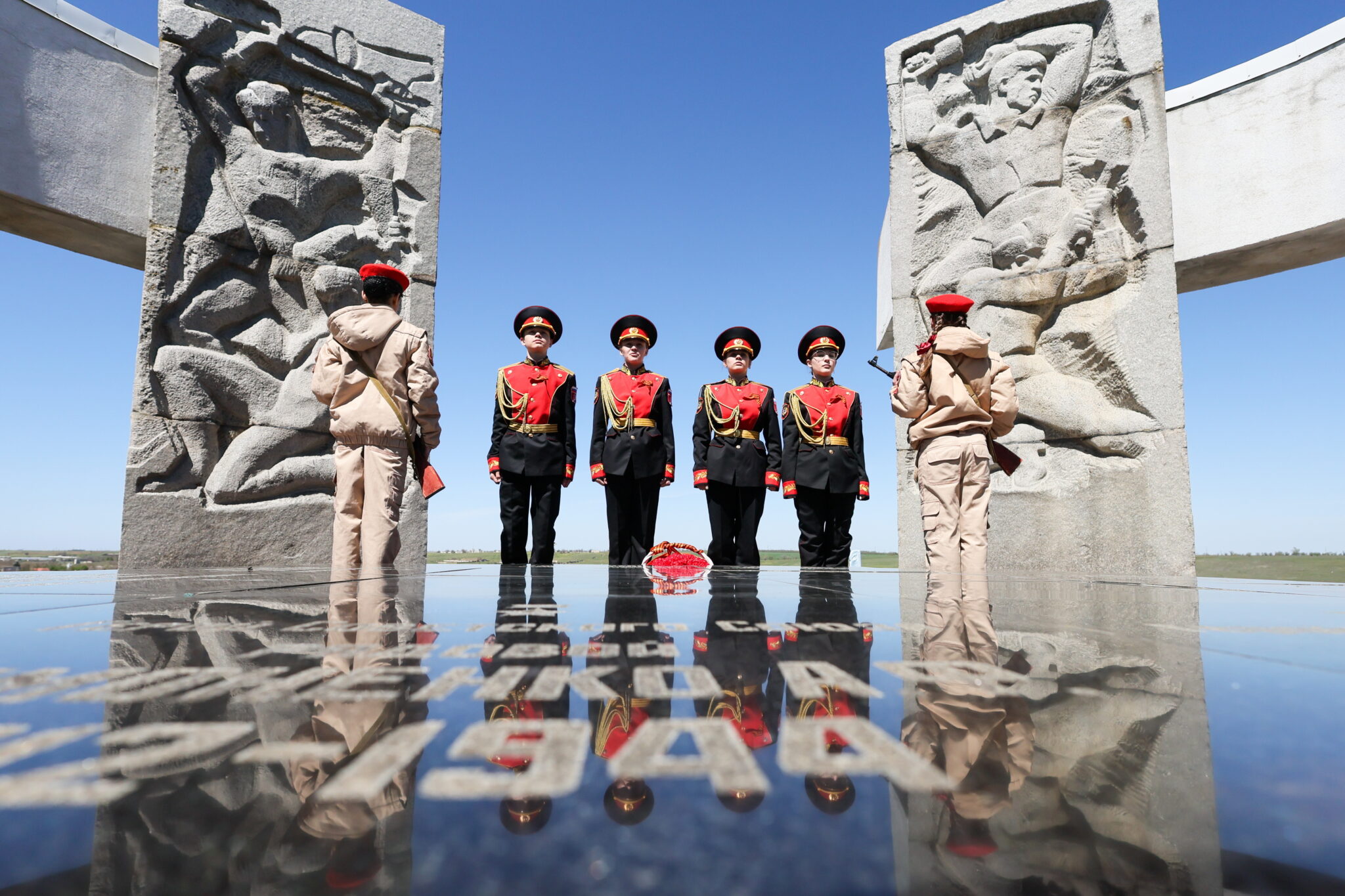
Ukraine’s tragic geography has long made it the target of imperial ambitions, epitomized by the prize of Crimea. As the war drags on, the battle for Ukrainian sovereignty exposes not just Russia’s hunger for power — but also the West’s uneasy past and present complicity.

Many people sabotage themselves, ignore their peak performance and work inefficiently. Here are 10 insights from brain research that can help you become five times more productive.
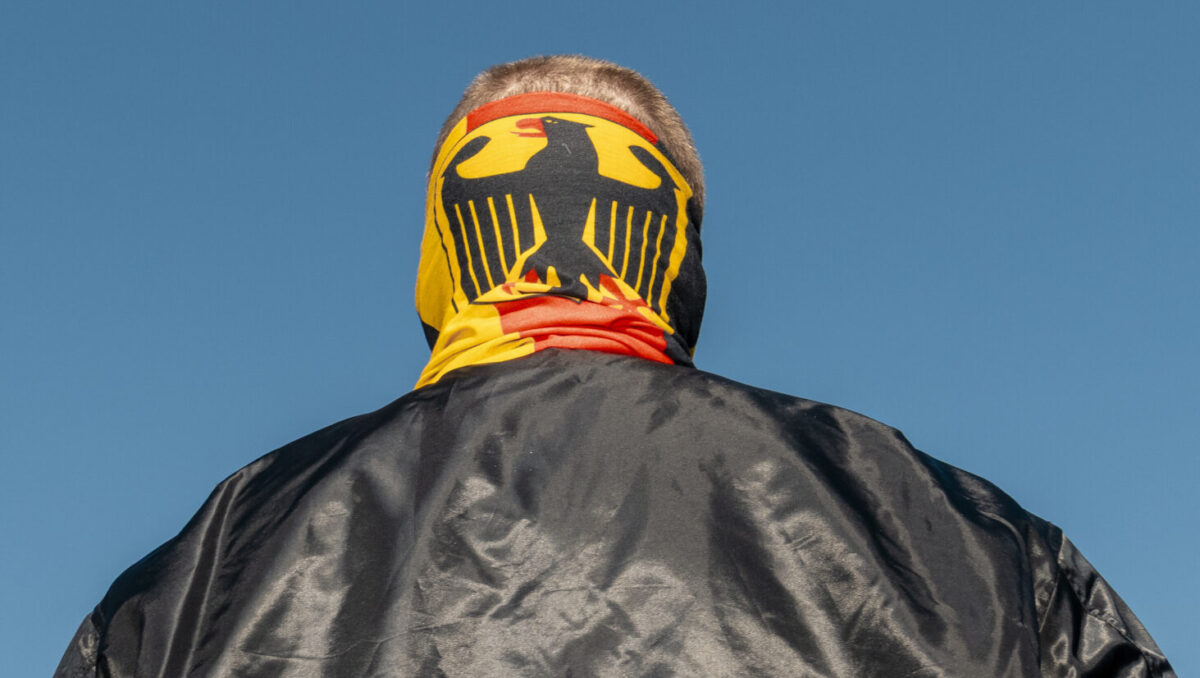
They train in the woods and strike at night against migrant and LGBTQ targets.Far-right youth groups are emerging across Germany. Die Zeit tracks a new generation of Neo-Nazis.
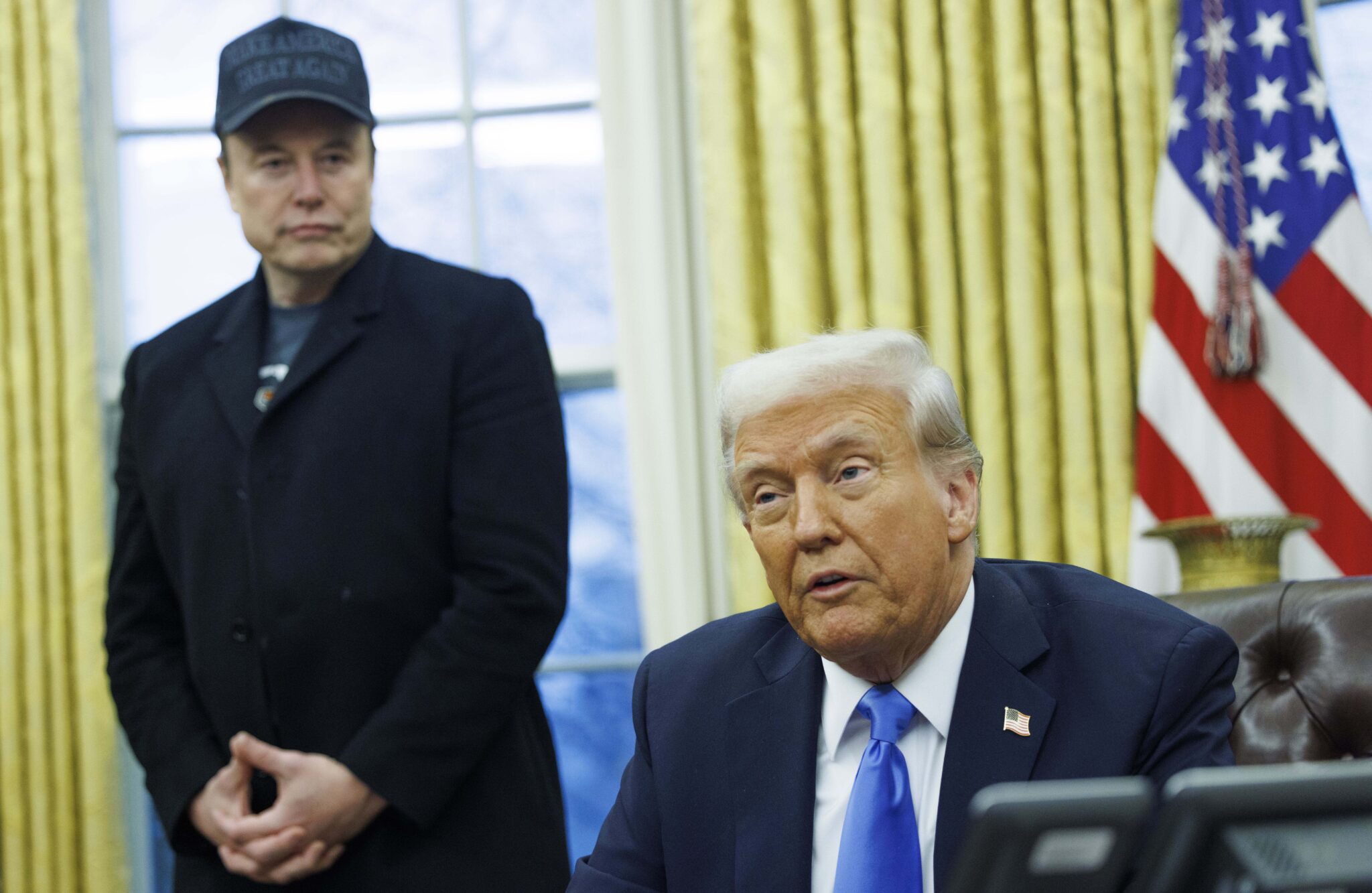
The unlikely alliance between Donald Trump and Elon Musk didn’t make it past the 100-day mark of the new presidency. What’s really to blame?
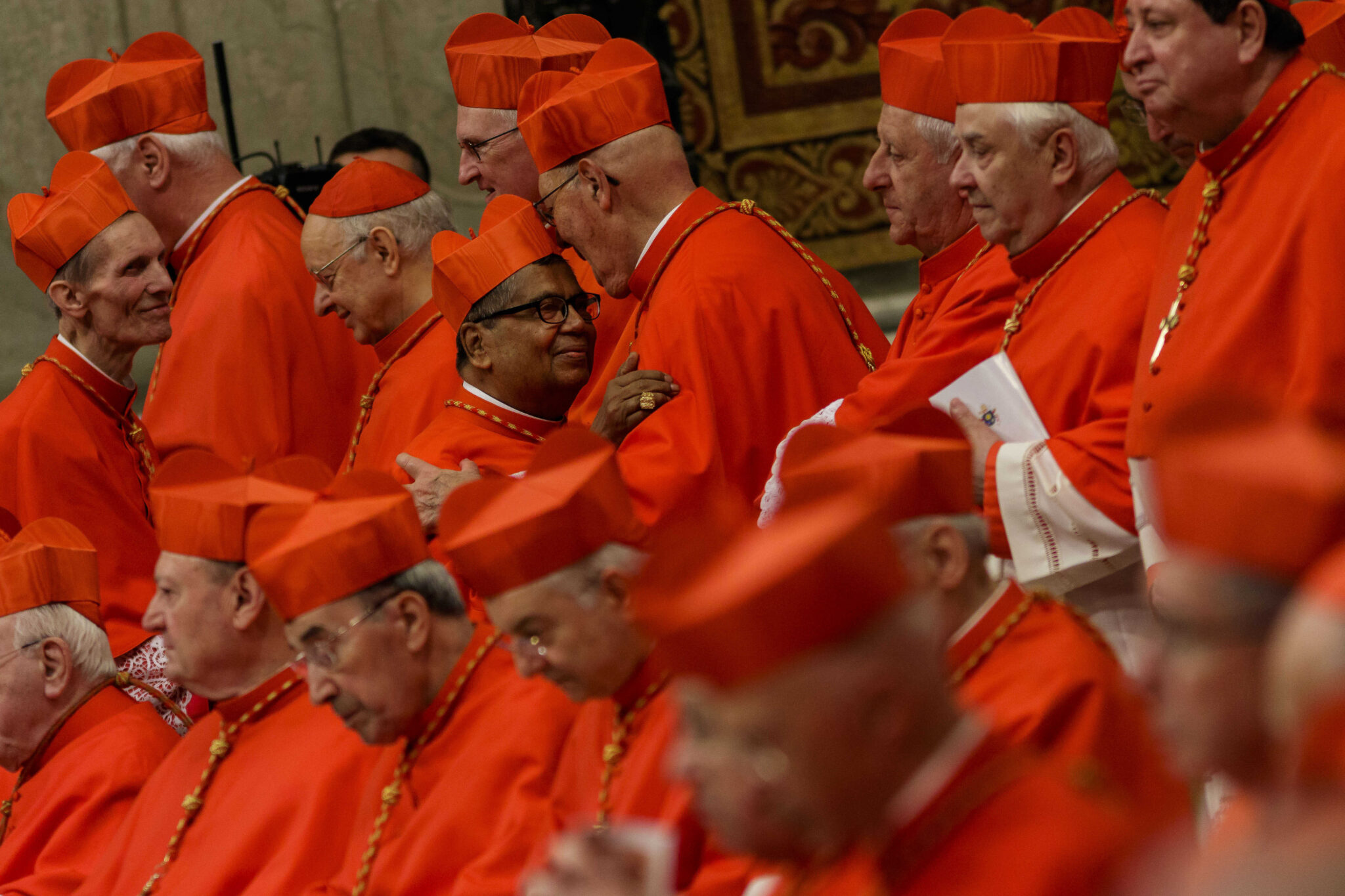
Right-wing authoritarians around the world are speculating on an opportunity: the next pope could be one of their own. It would provide much moral authority on a global stage.
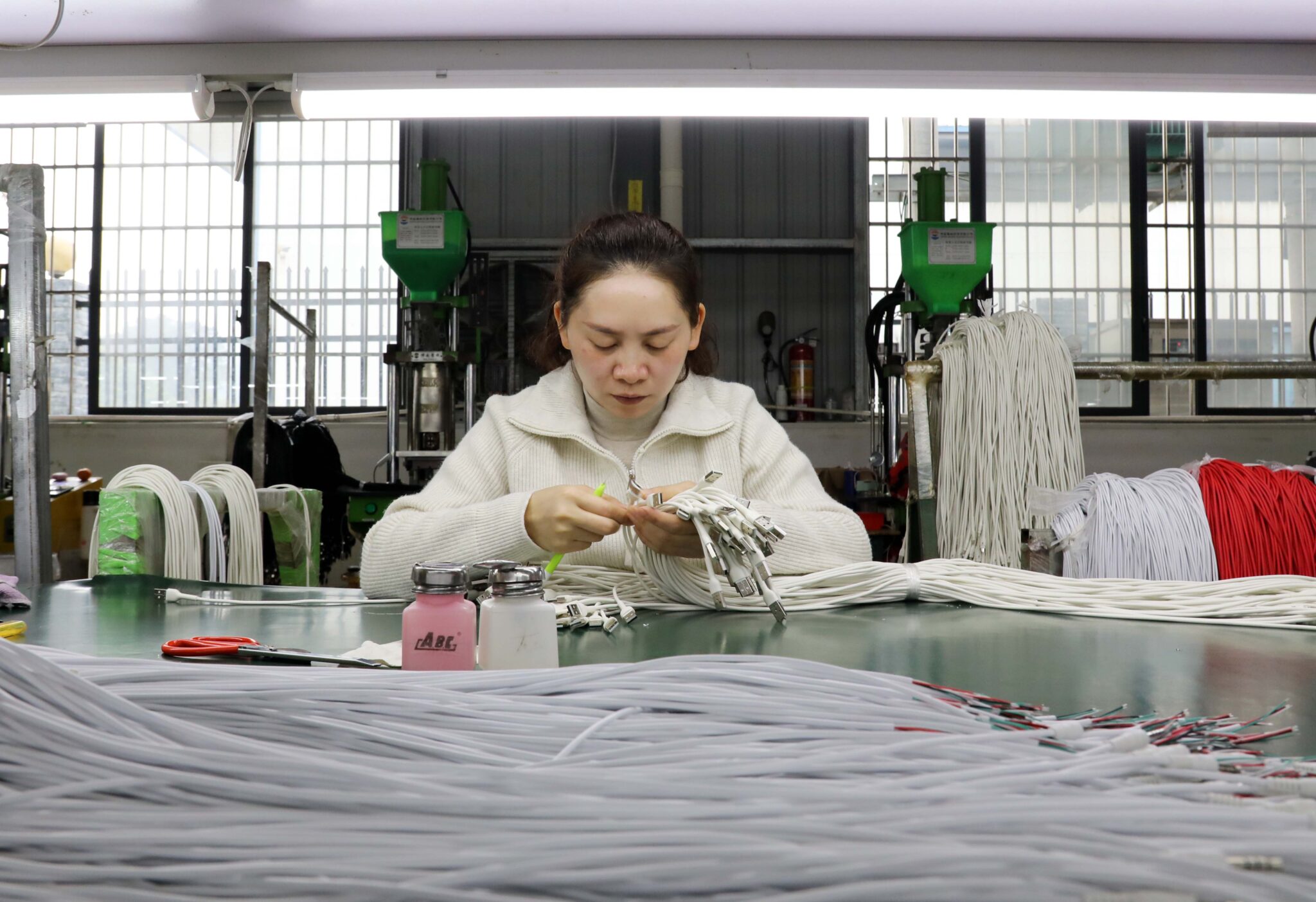
Xi Jinping and the rest of the Chinese leadership is defying Donald Trump in the tariff duel – and positioning itself as a more reliable superpower. The nation has been expecting this moment.
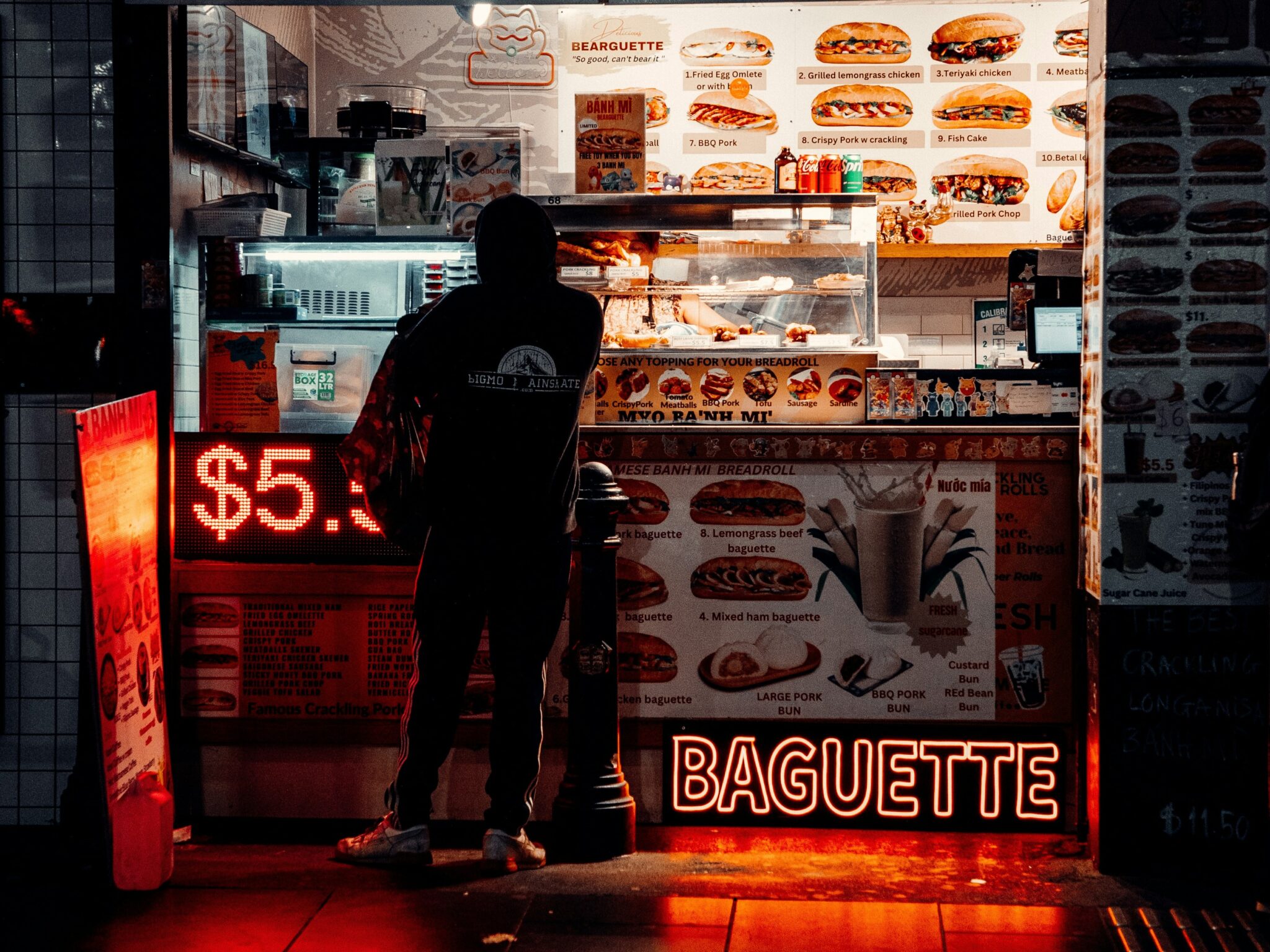
People who eat at the right times lose weight more easily, sleep better and live longer — according to chrononutrition influencers. But what does science really say? Intermittent fasters, listen up!
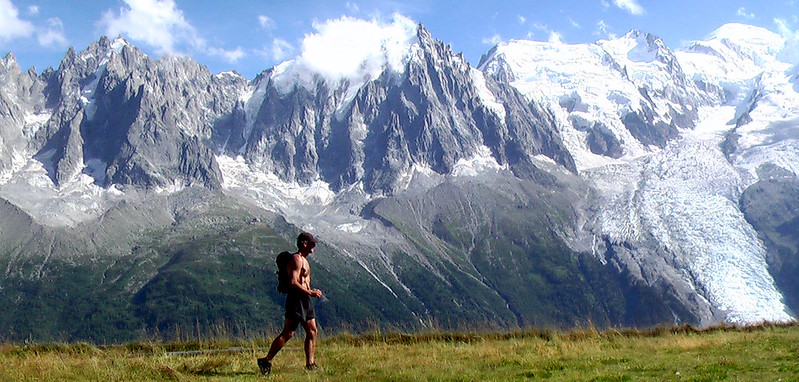
Stepping into the wild is more than just a journey — it transforms the way we think and feel. Here’s the science to prove it.
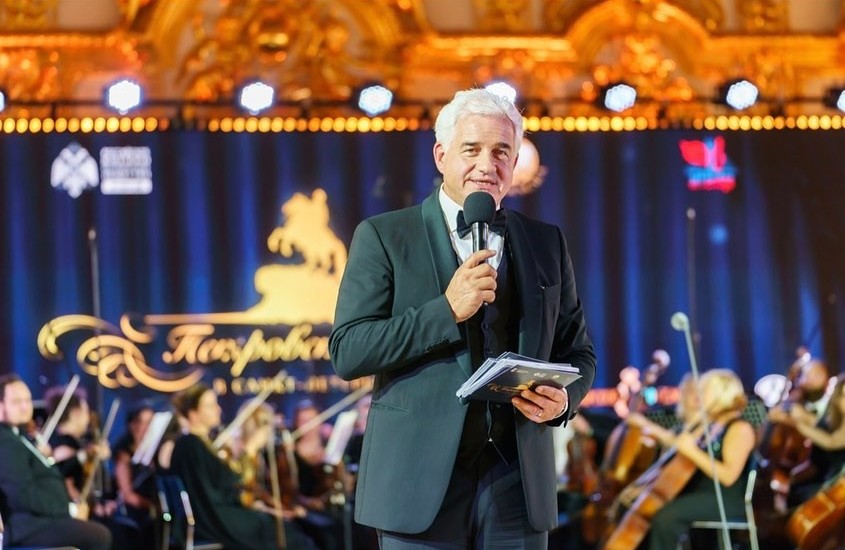
The Taschenbergpalais, a splendid baroque edifice in Dresden’s Old Town, stands as a luxury hotel complete with its own patisserie and oyster bar, catering to the affluent, the glamorous, and the influential. It was here that cultural manager Hans-Joachim Frey agreed to speak with Germany’s Die Zeit about his passion for music and his enduring ties to Russia and Vladimir Putin.
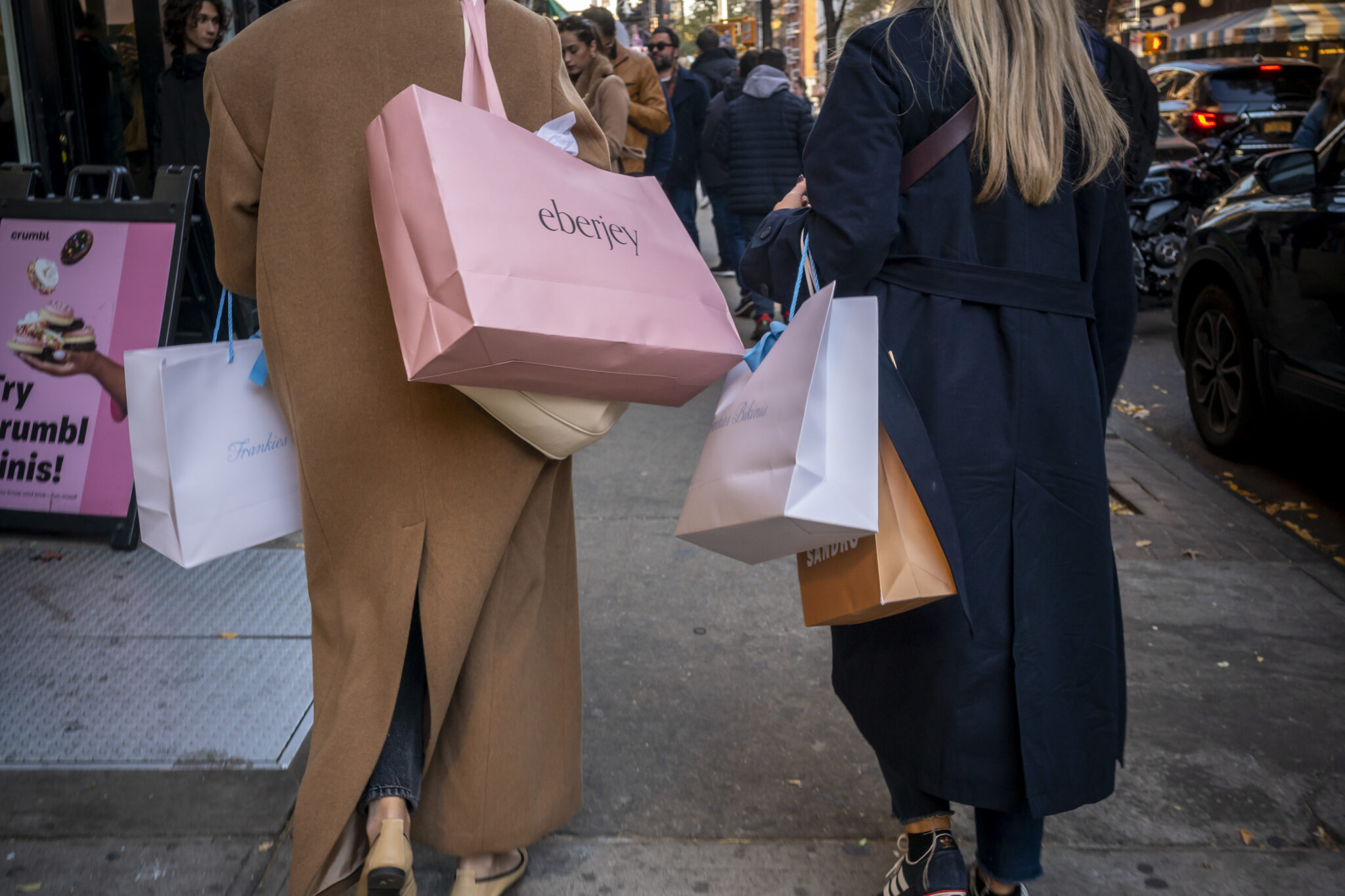
Clothing, air travel, food: we are once again consuming as if the climate crisis didn’t exist. But it may provide much needed clarity about how to actually protect the environment.
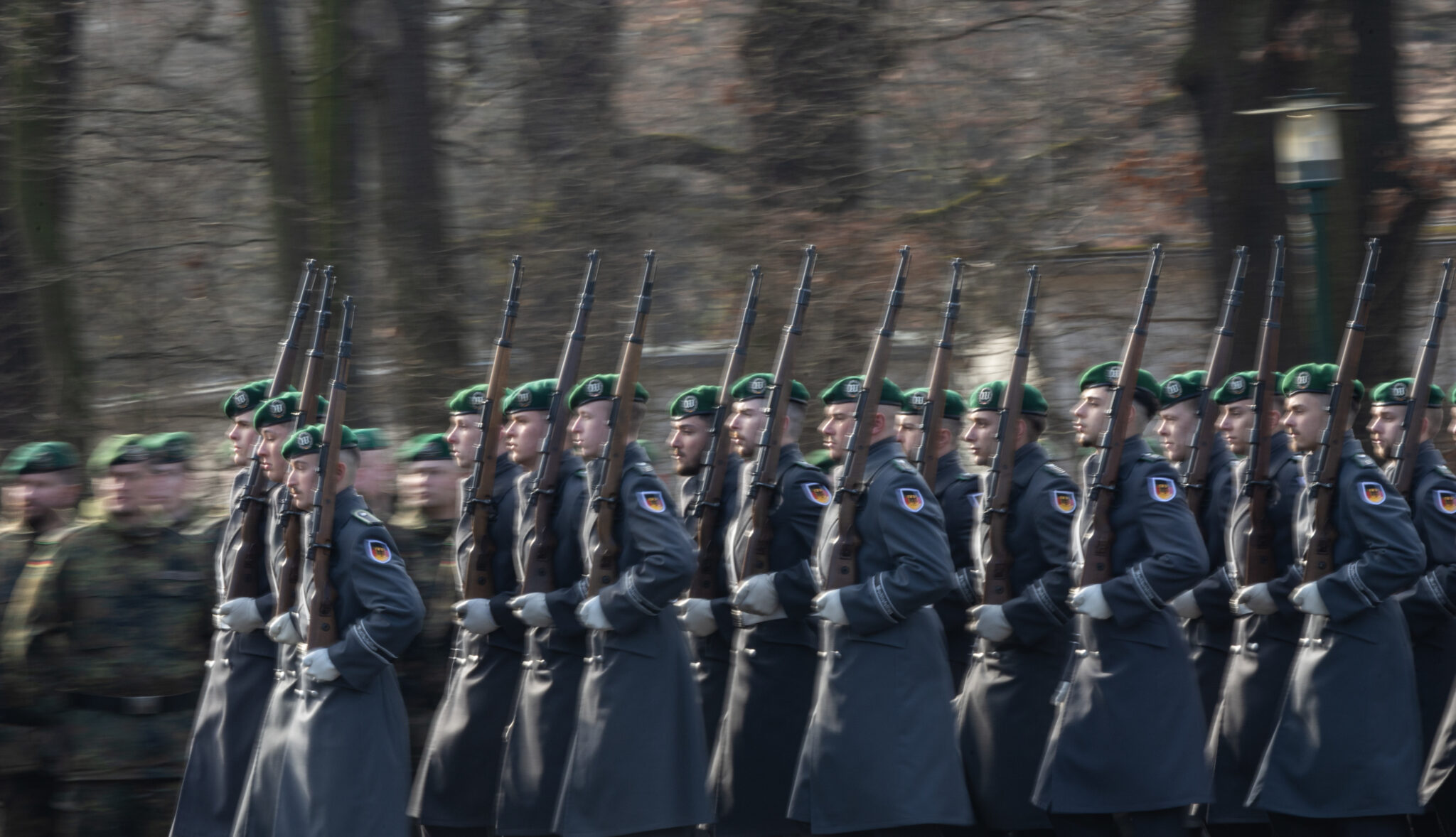
Obsessed with the military as a child, then a pacifist as a young man, Die Zeit columnist Andreas Öhler explores what it now means to defend peace in a world that may no longer allow it.
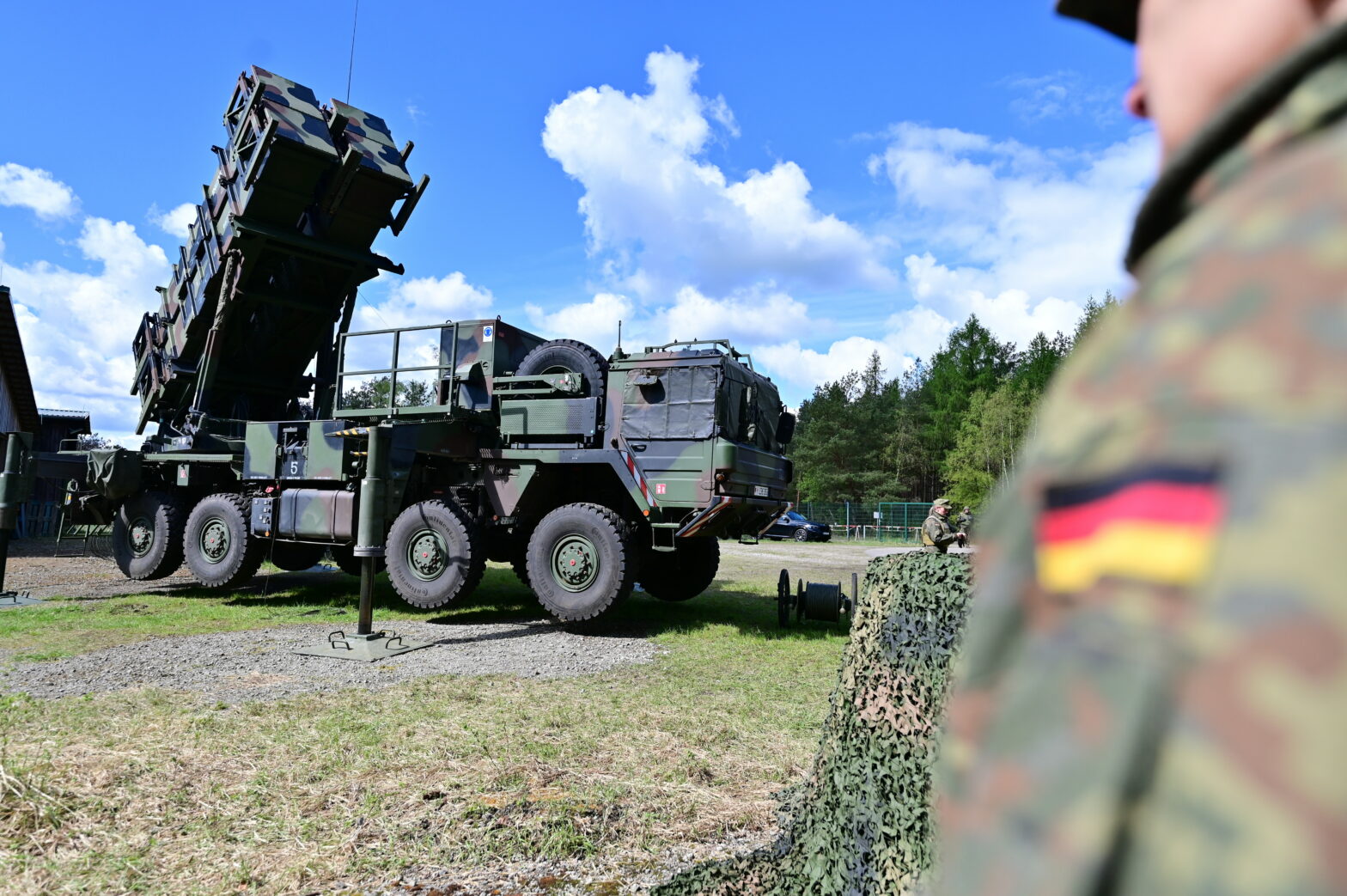
Metaphors like “nuclear shield” or “nuclear security guarantee” are being tossed around as if they meant something clear and specific. This shows a troubling lack of understanding of how nuclear strategy actually works, and how much power is in the hands of individual leaders.
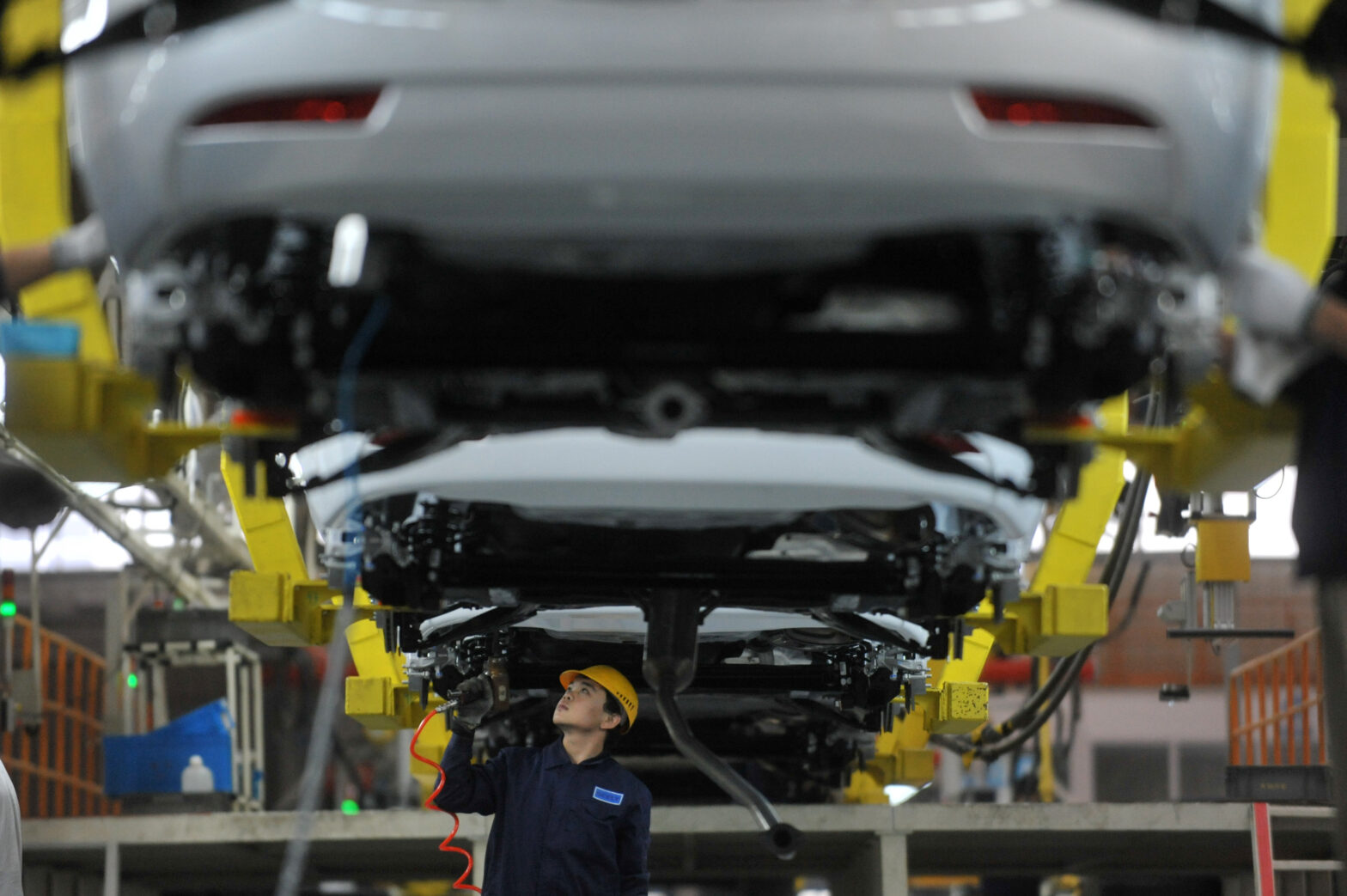
Volvo is setting records, especially with its electric cars. At its plant in Belgium, it becomes clear why the Swedish-Chinese brand is better equipped than its competitors to ride out a looming global trade war.
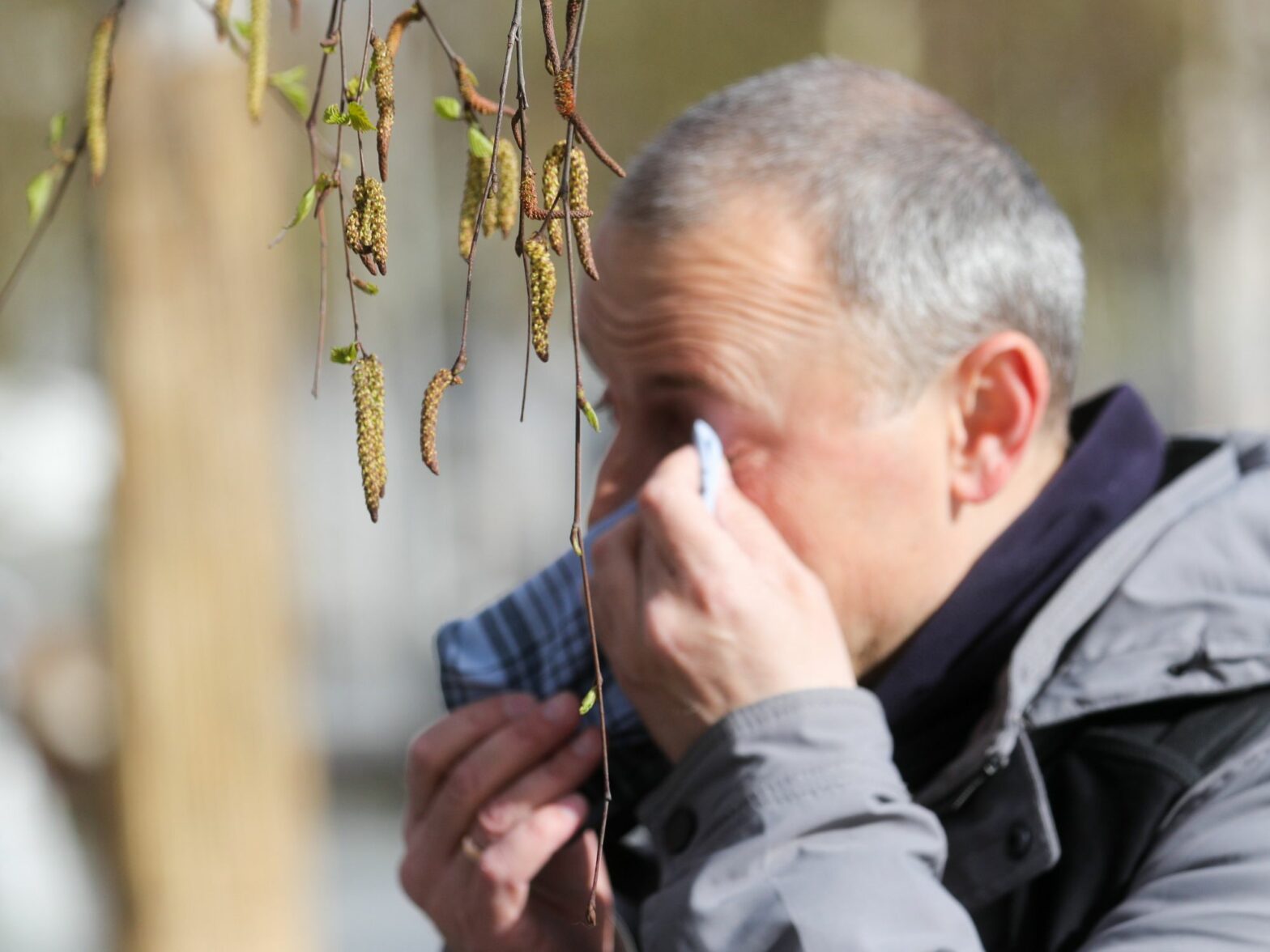
Have you suddenly developed hay fever? Have you had seasonal allergies, but it’s progressively worsened in recent years? You’re not alone. Why pollen is more aggressive in cities, why playing in the mud helps as a child, and what doctors recommend.
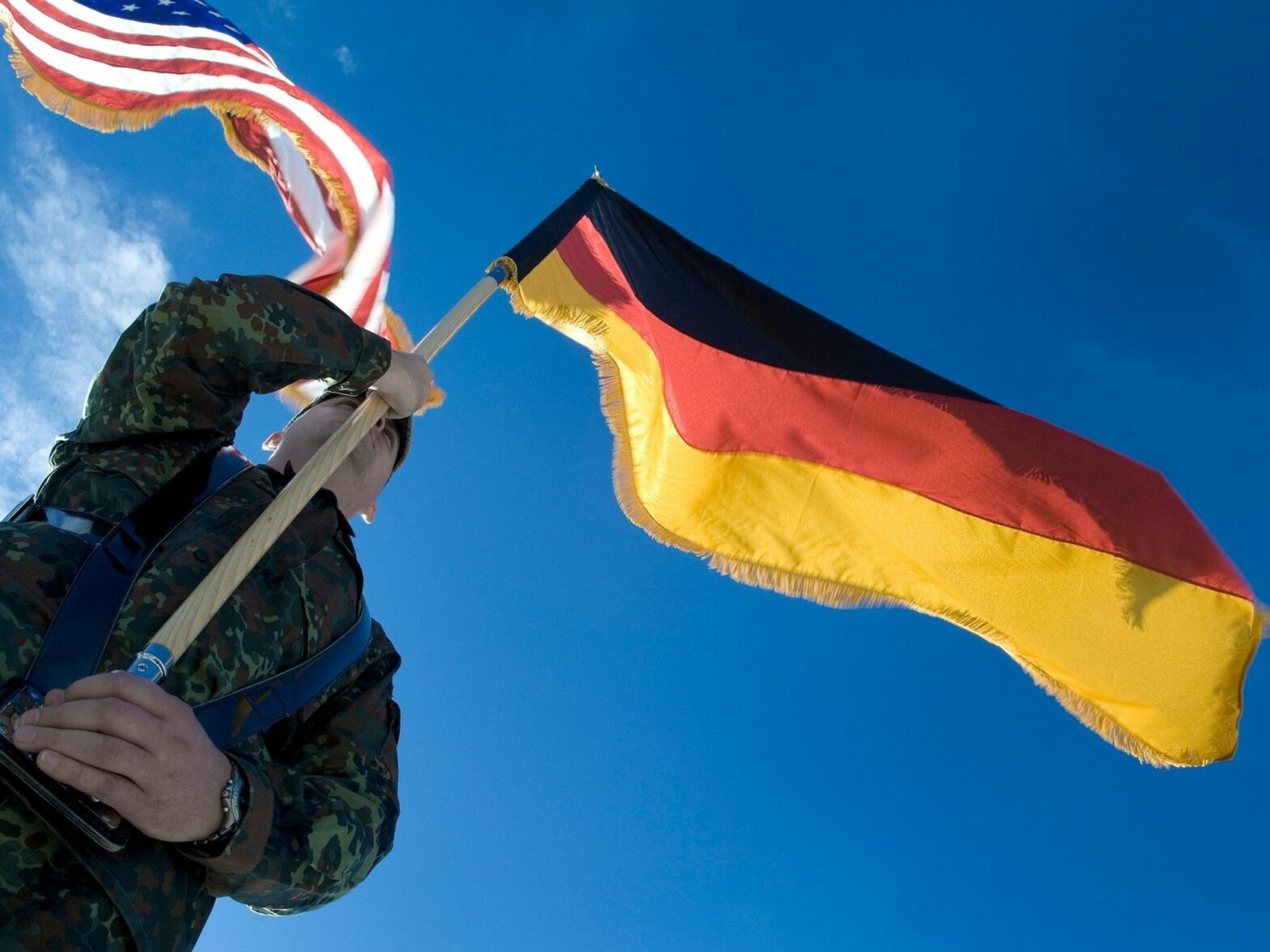
After decades of admiration, trust, and borrowed identity, Germans are waking up from their long love affair with the United States, and reckoning with what’s left.
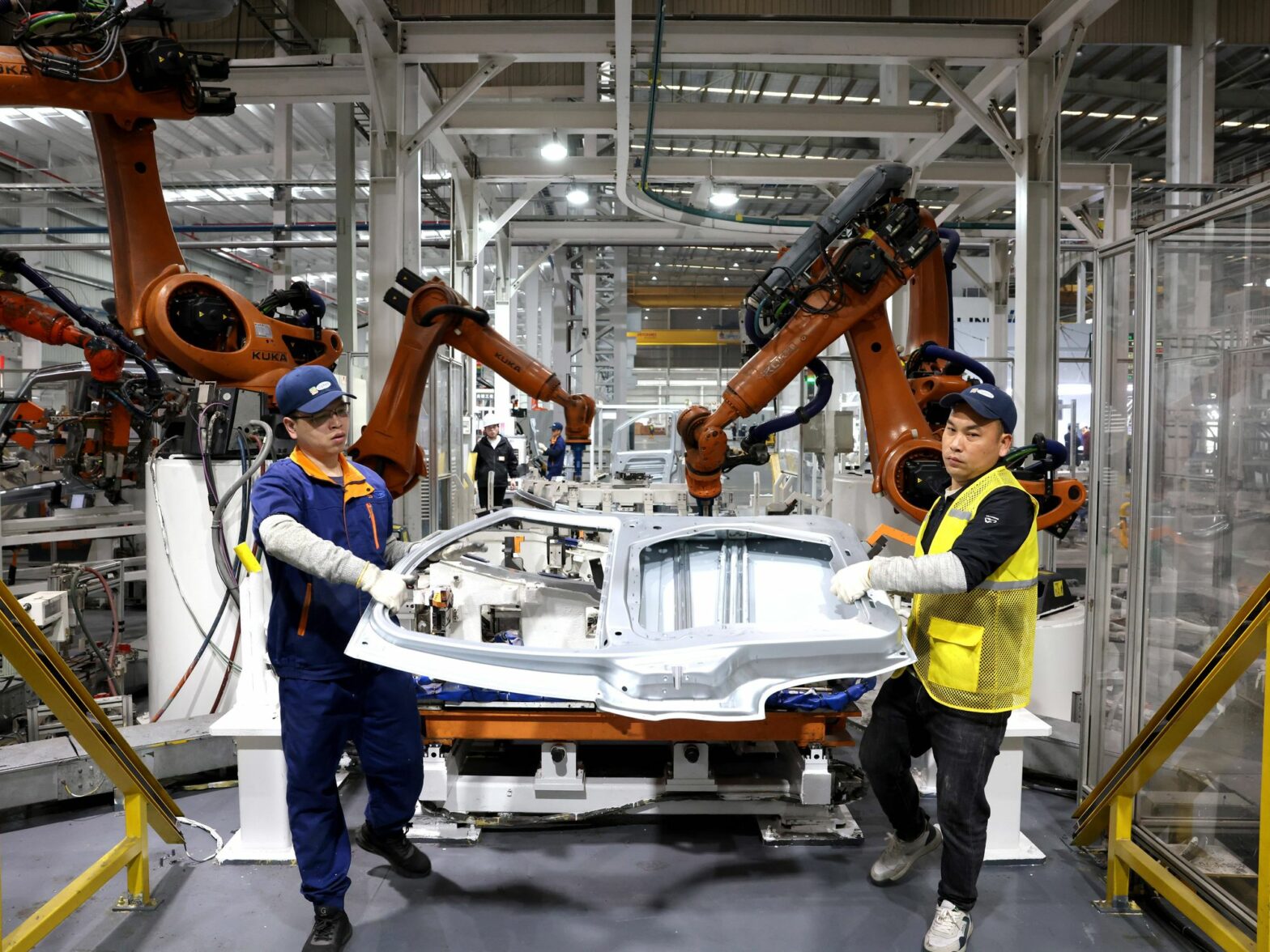
Trump’s tariffs are putting China’s shaky growth at serious risk. The standoff threatens to escalate across the globe, and the worst-case scenario would find the world’s two superpowers turning to other means.
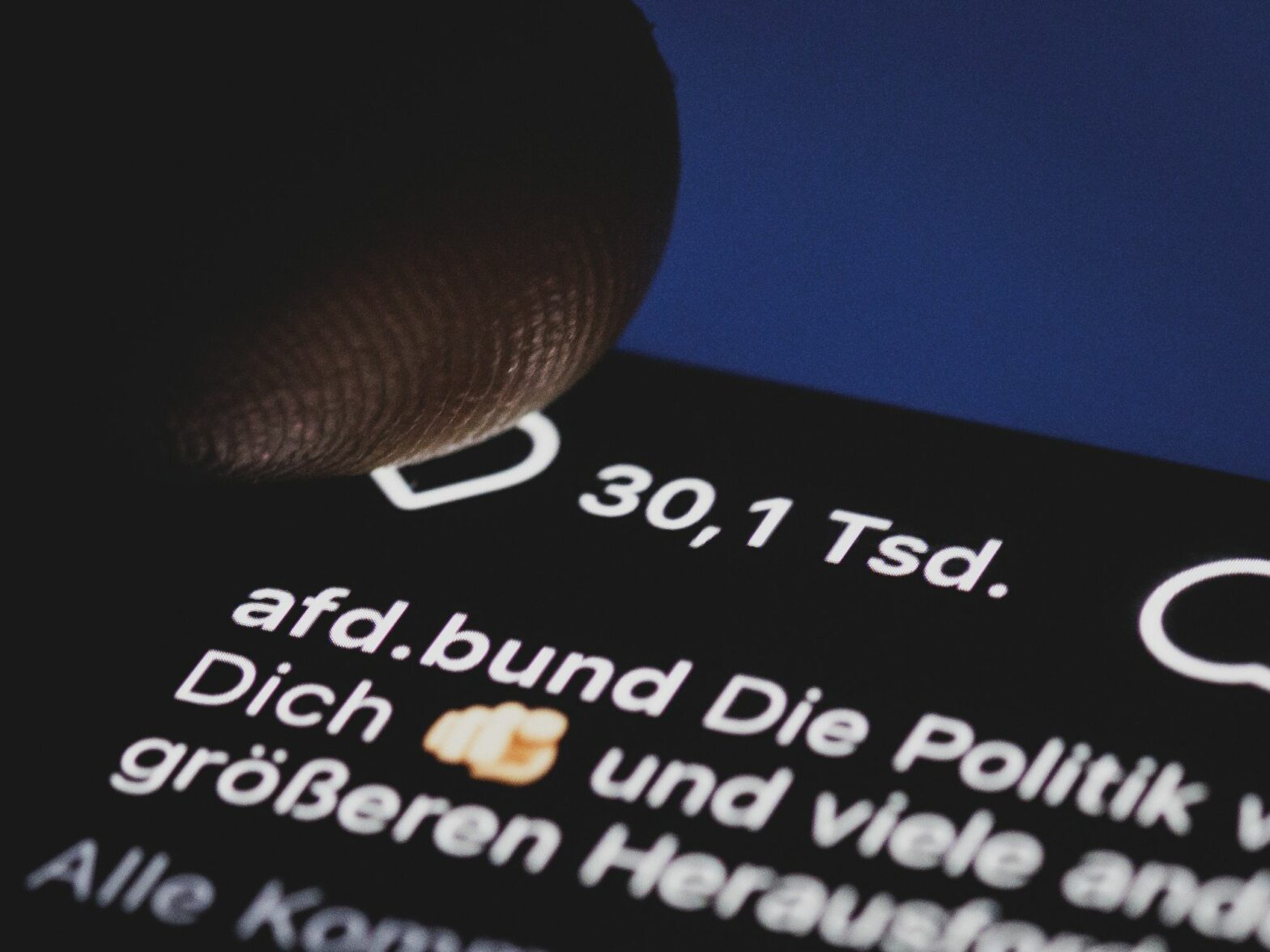
On social networks, people on the extreme right use emojis to encode their ideology. Over the past eight years, two Dutch researchers have become experts in this symbolic language that operates across borders — in the United States, the Netherlands and Germany alike.
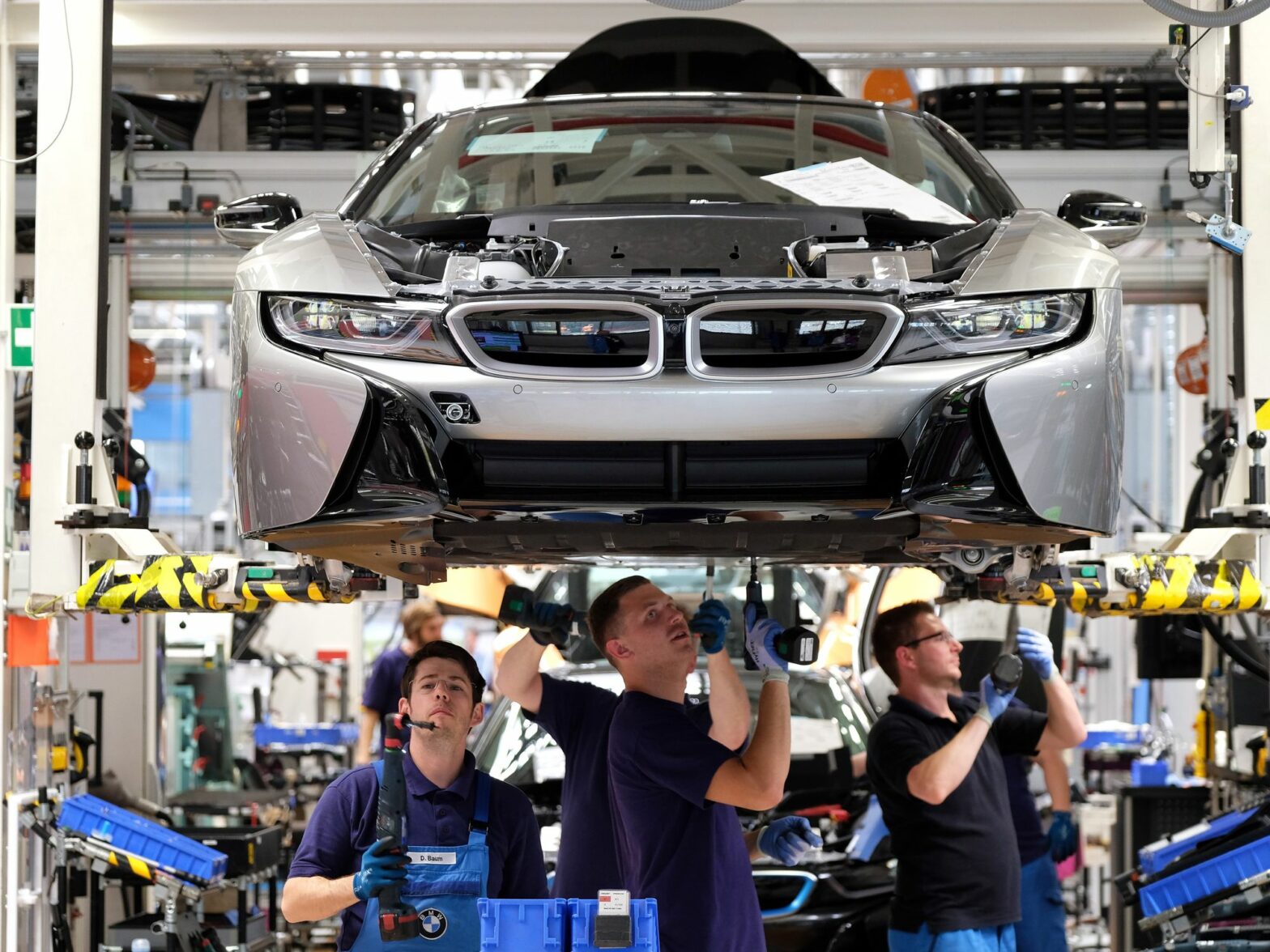
The EU should resist the temptation to retaliate against U.S tariffs on European cars. If we look closer at the recent past and the uncertain future, Trump’s bad intentions produce some good.
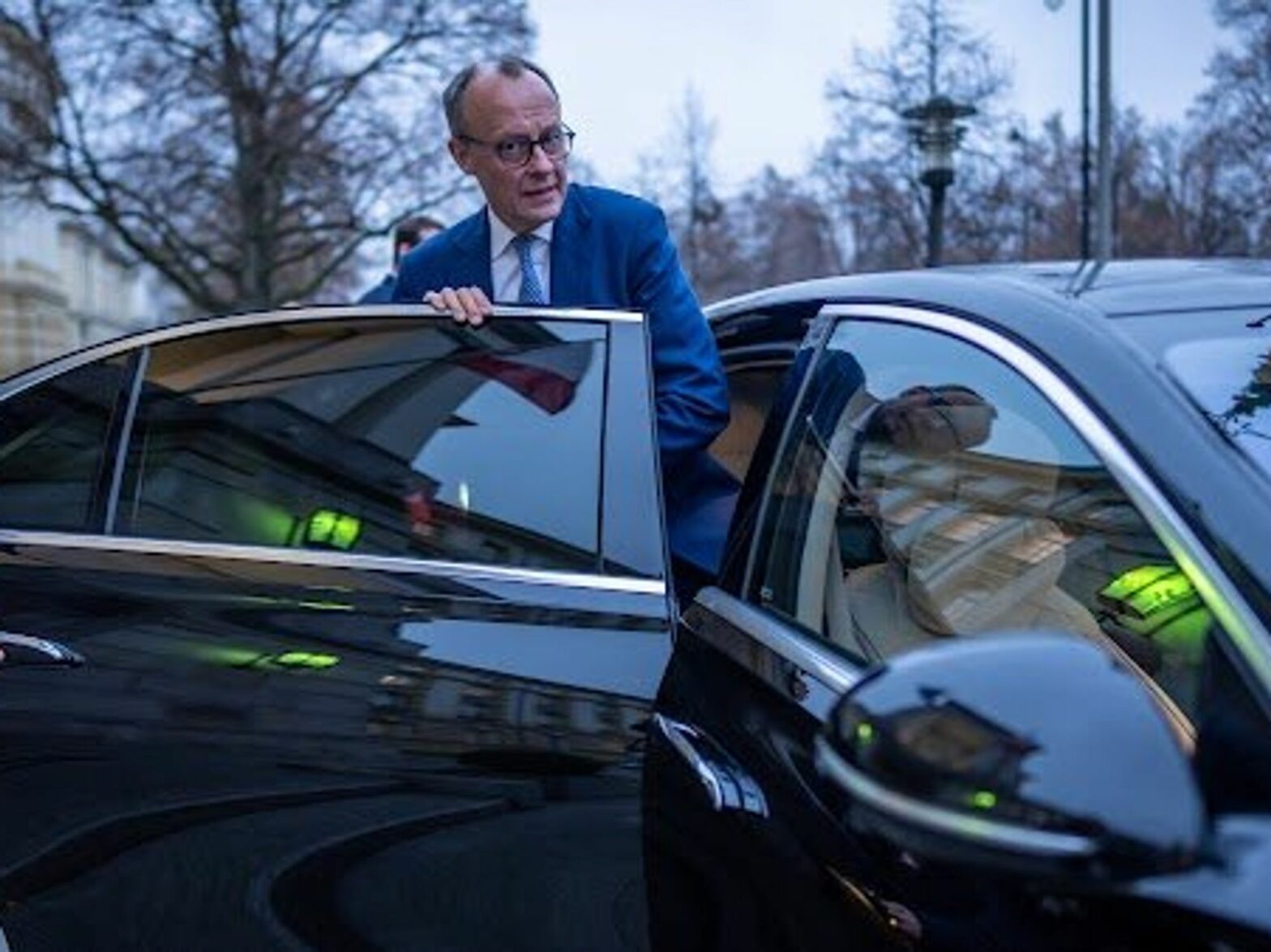
Europe is fortunate to have sensible men leading the UK, Poland and France: Keir Starmer, Donald Tusk and Emmanuel Macron. Germany’s likely next chancellor, Friedrich Merz, could be a crucial addition to this united front against the challenges posed by Donald Trump and Vladimir Putin.
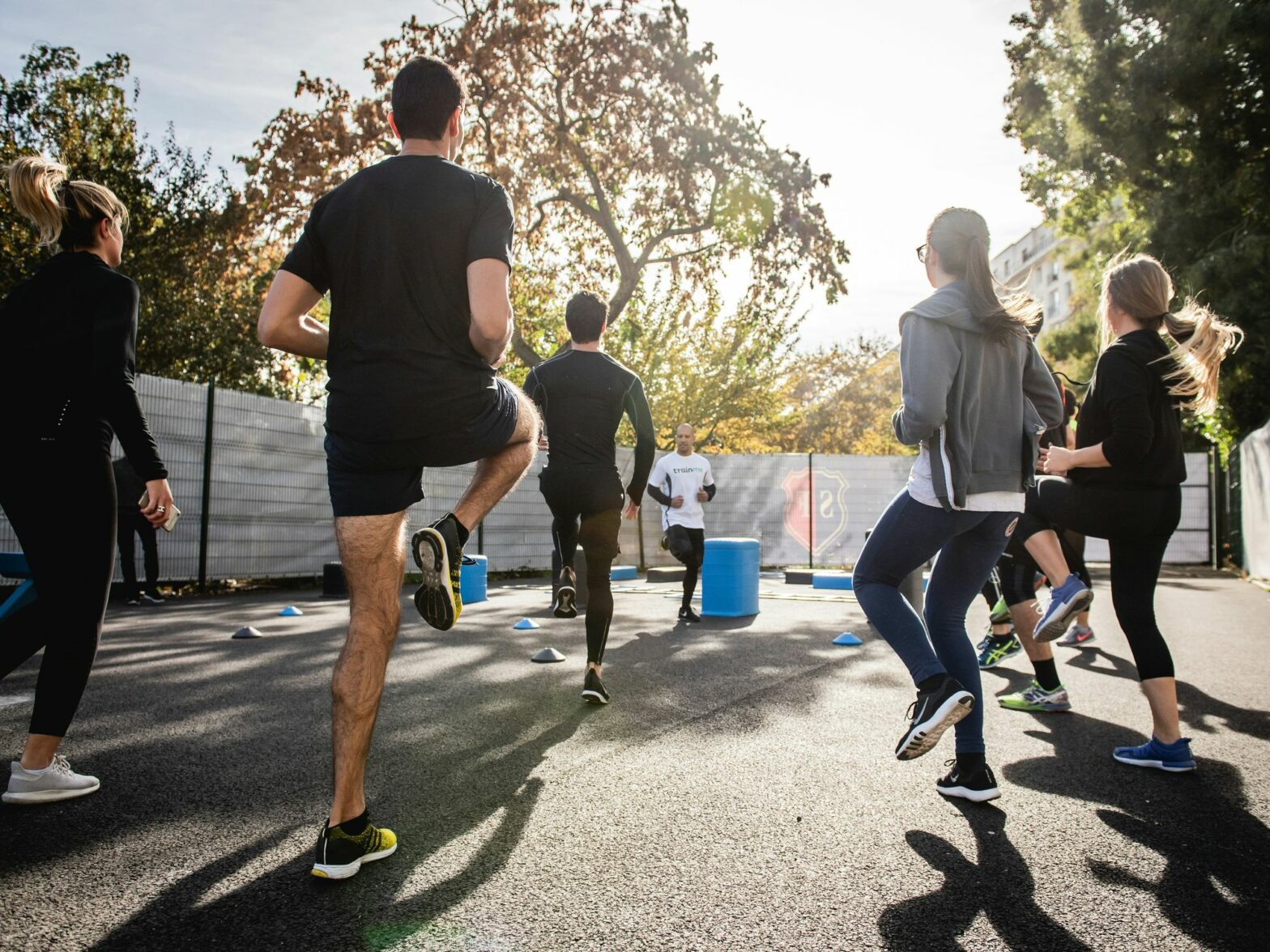
Physical activity has profound effects on brain performance, cognition and resilience. How often and how intensely should you train to maximize these benefits?
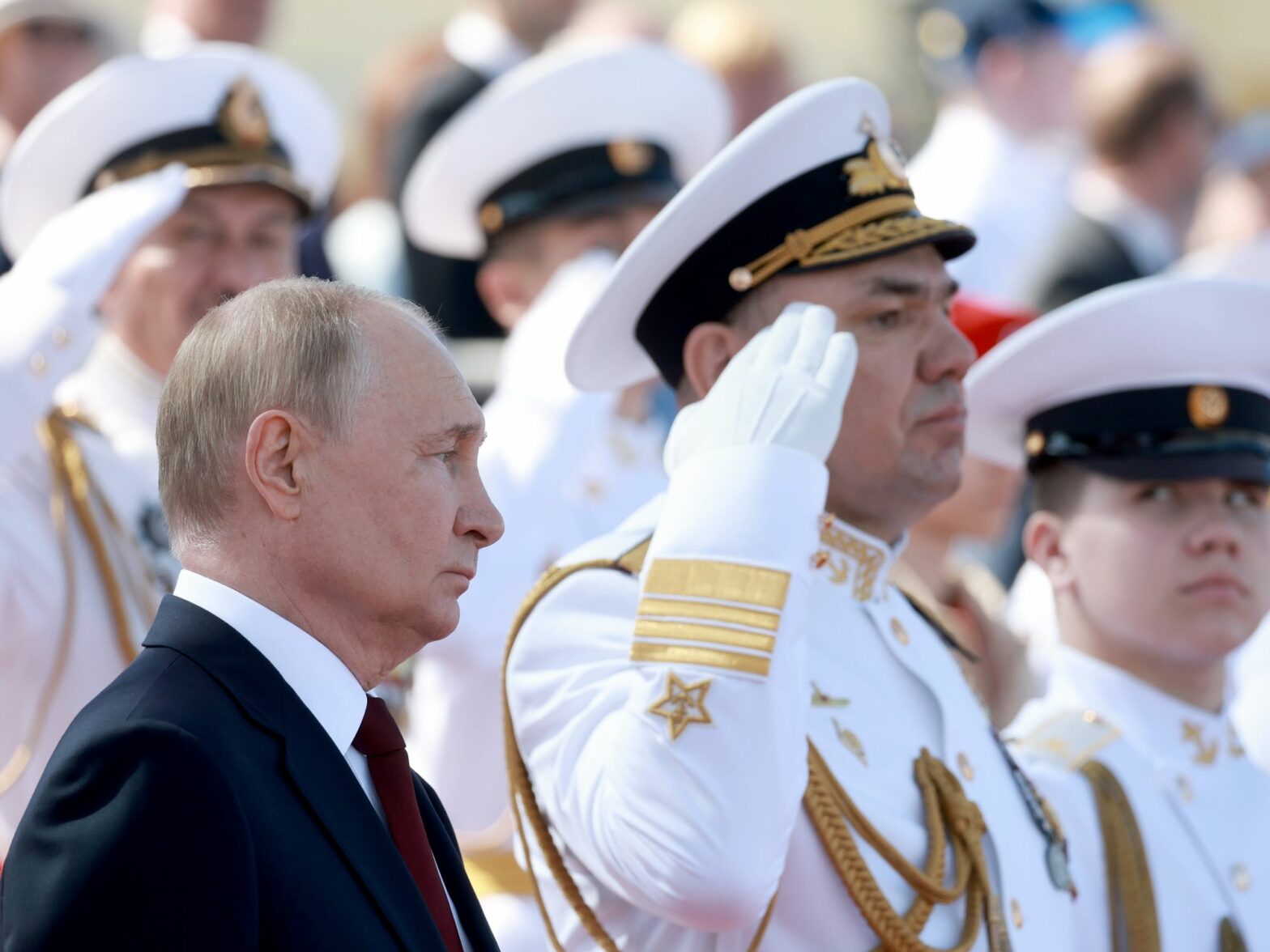
The Russian president has no problem talking about negotiations and peace treaties. But he’s a master decoy artist. Putin has built his power on conflict, and now he needs war to hold on to it.
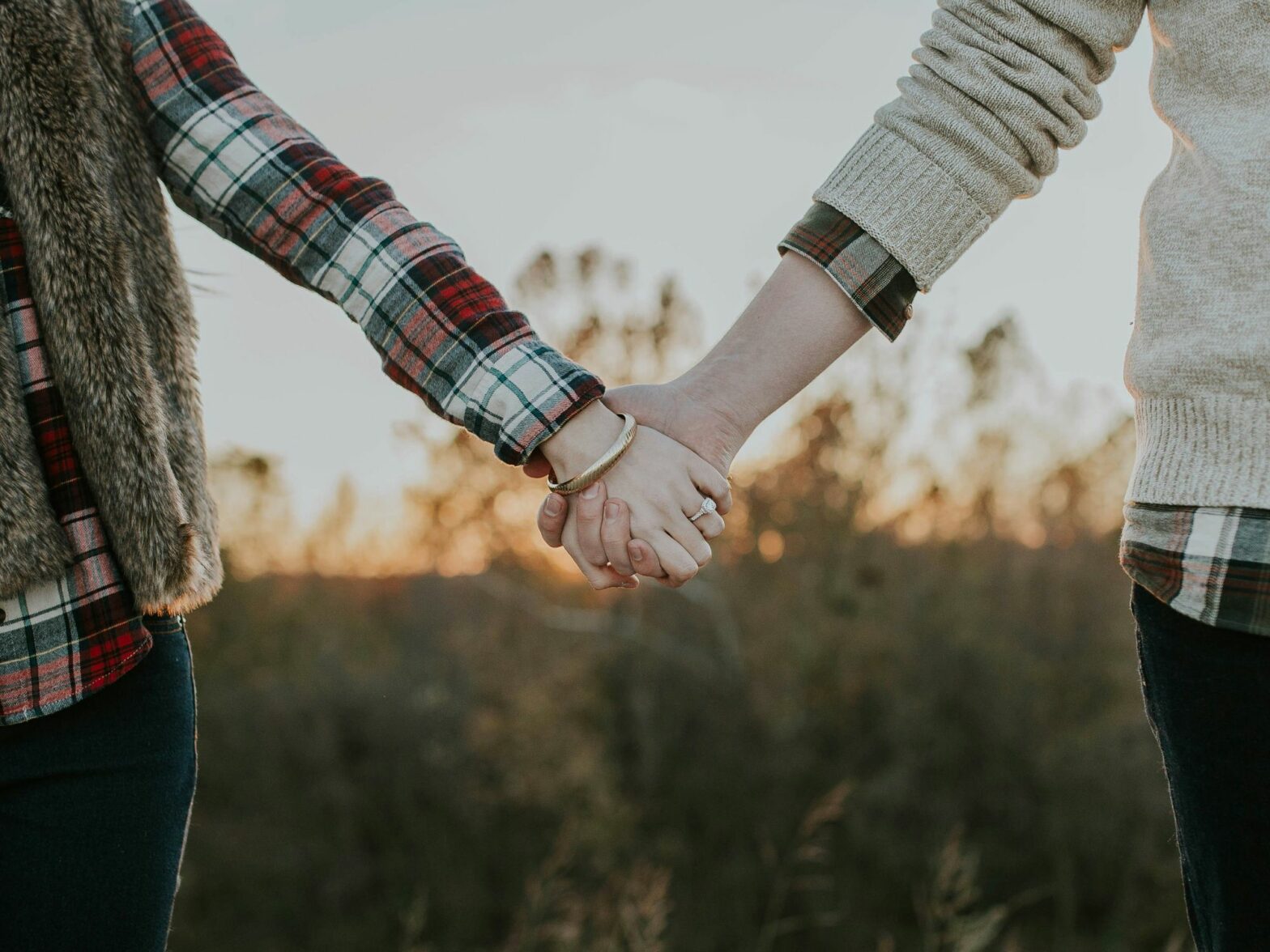
In a world of fleeting relationships and endless options, choosing just one person for life might seem outdated — or even absurd. But for Alard Von Kittlitz, it’s exactly this all-in commitment that makes marriage one of the most meaningful, liberating and intimate experiences we can have.
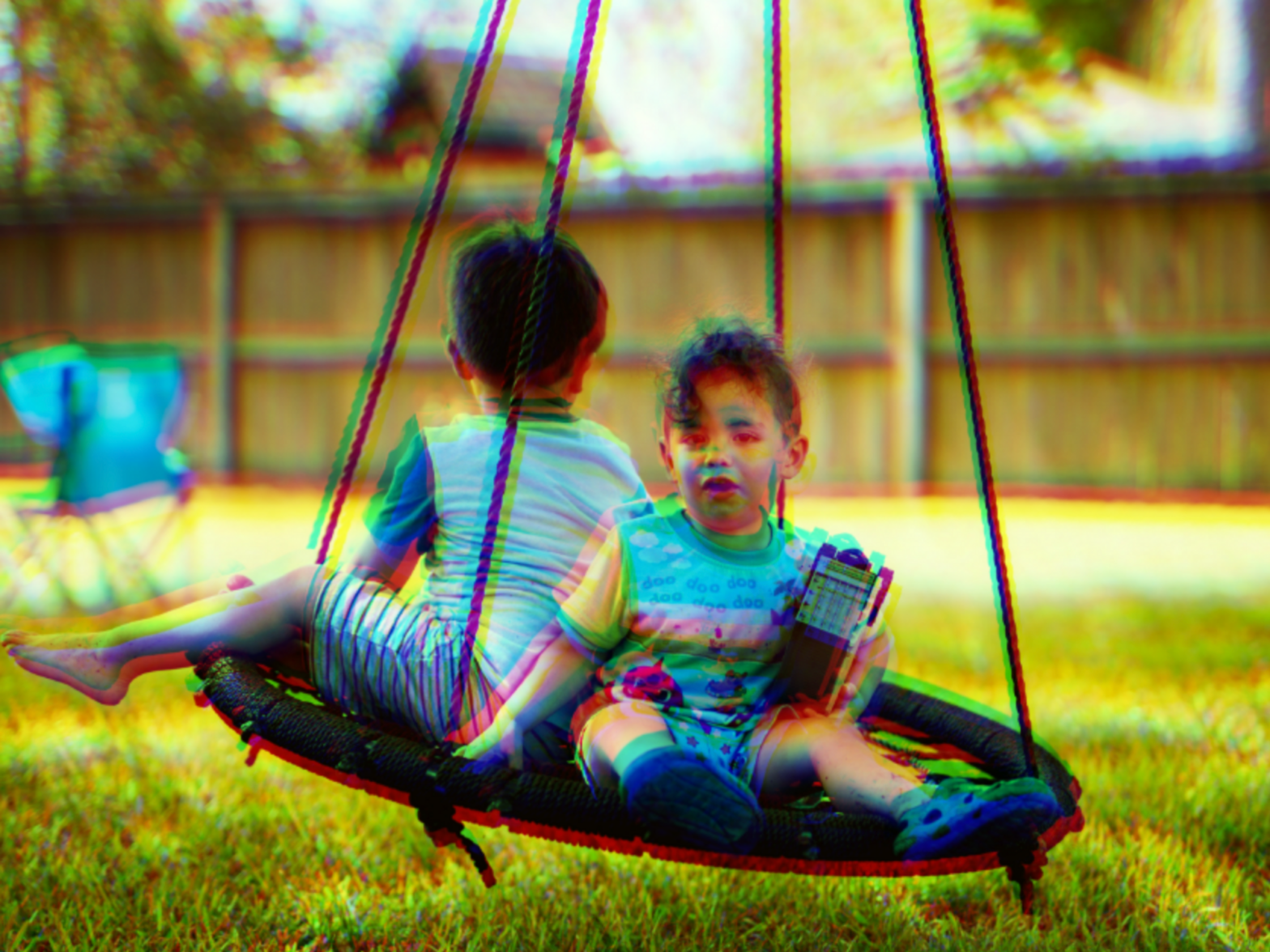
Small doses of psychedelic drugs are said to make parents more engaged and even childlike in their enthusiasm. Is this reckless nonsense, or a parenting breakthrough?
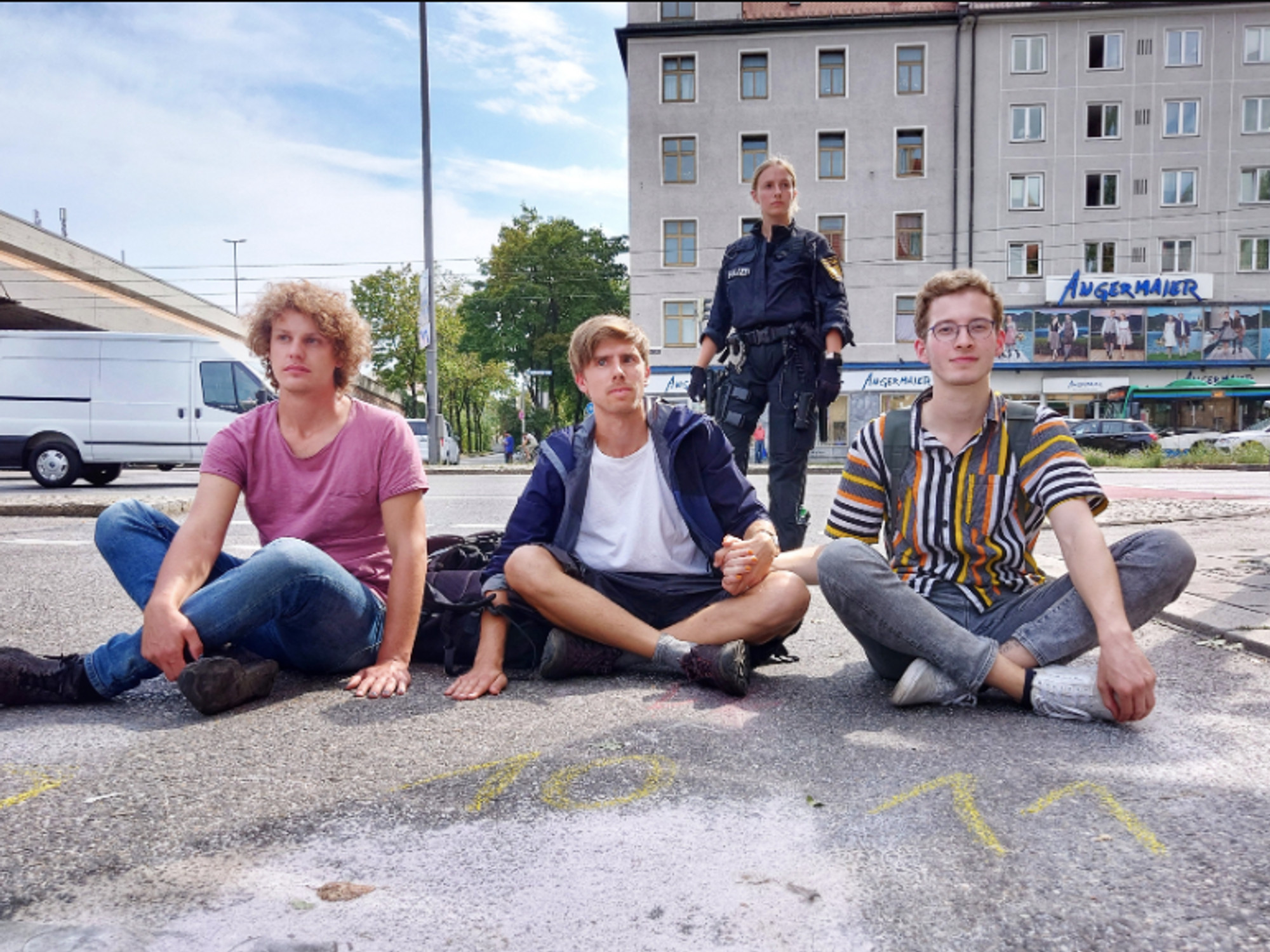
Would you fight for your country? My generation hears this question a lot these days. But my generation was taught to fight for peace — so why aren’t we holding onto that aim, especially now?
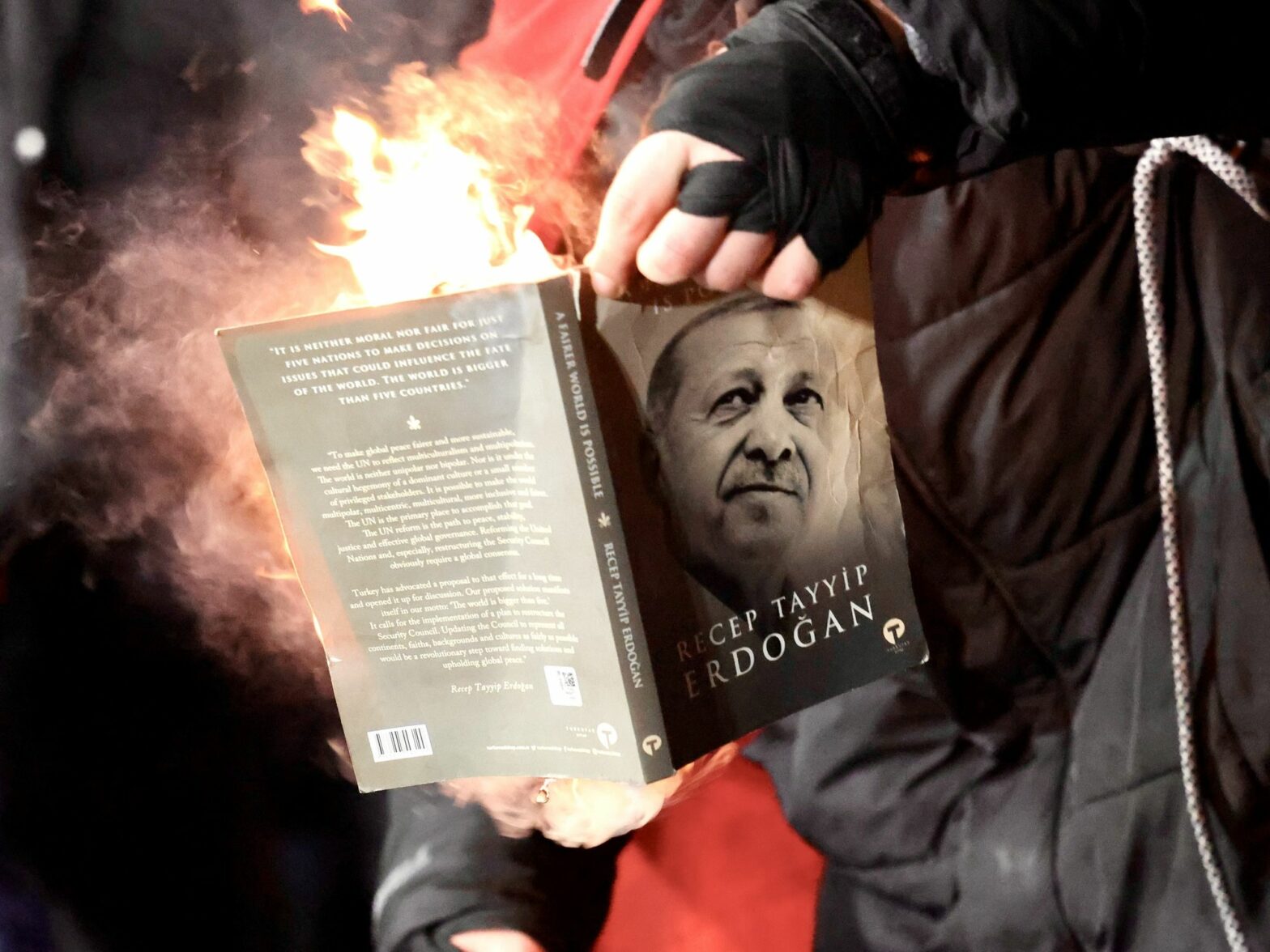
When Istanbul’s Mayor Ekrem İmamoğlu was arrested, it sent shockwaves through Turkey, igniting fears that no opposition figure was safe. But instead of silencing dissent, Erdoğan’s crackdown has sparked a nationwide movement that could shape the country’s political future.
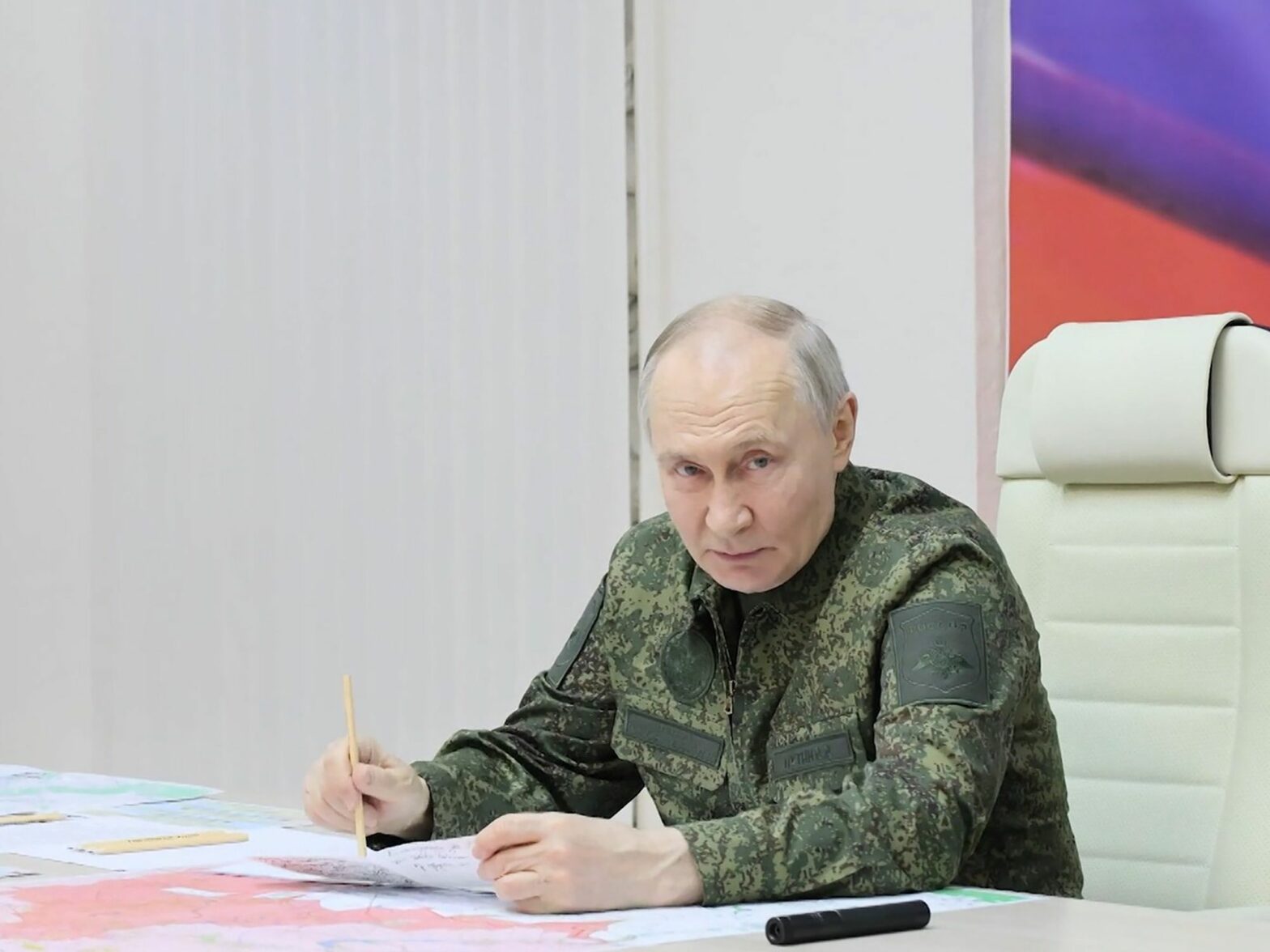
The Russian president has no problem talking about negotiations and peace treaties. But he’s a master decoy artist. Putin has built his power on conflict, and now he needs war to hold on to it.
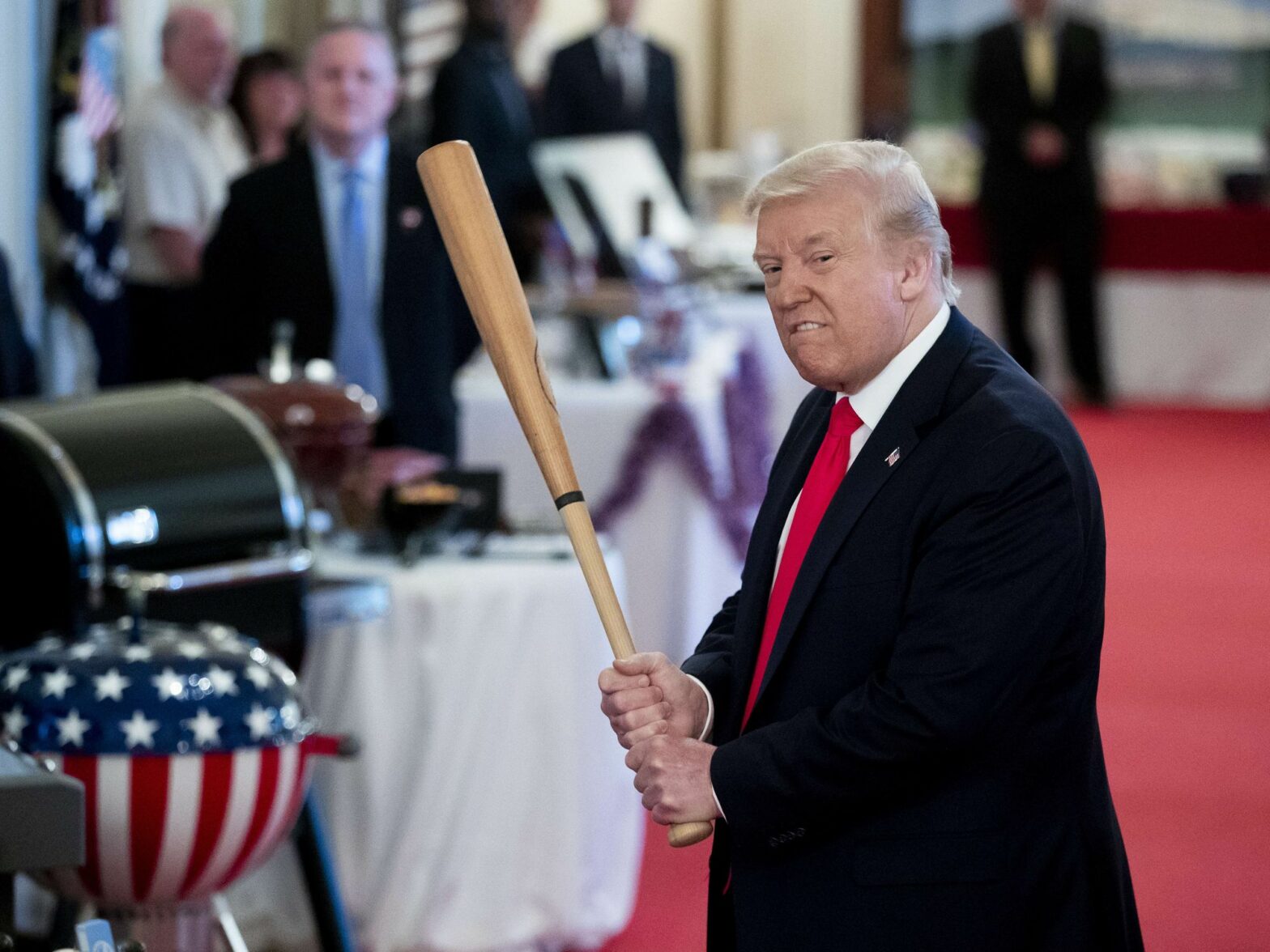
Driven by a relentless pursuit of spectacle, Donald Trump embodies the “destructive character” — a figure who reshapes history through chaos and upheaval. But is destruction itself enough to sustain power, or will it leave behind nothing but rubble? For Die Zeit, historian Susan Richter looks to destroyers of the past for an answer.
Small doses of psychedelic drugs are said to make parents more engaged and even childlike in their enthusiasm. Is this reckless nonsense, or a parenting breakthrough?
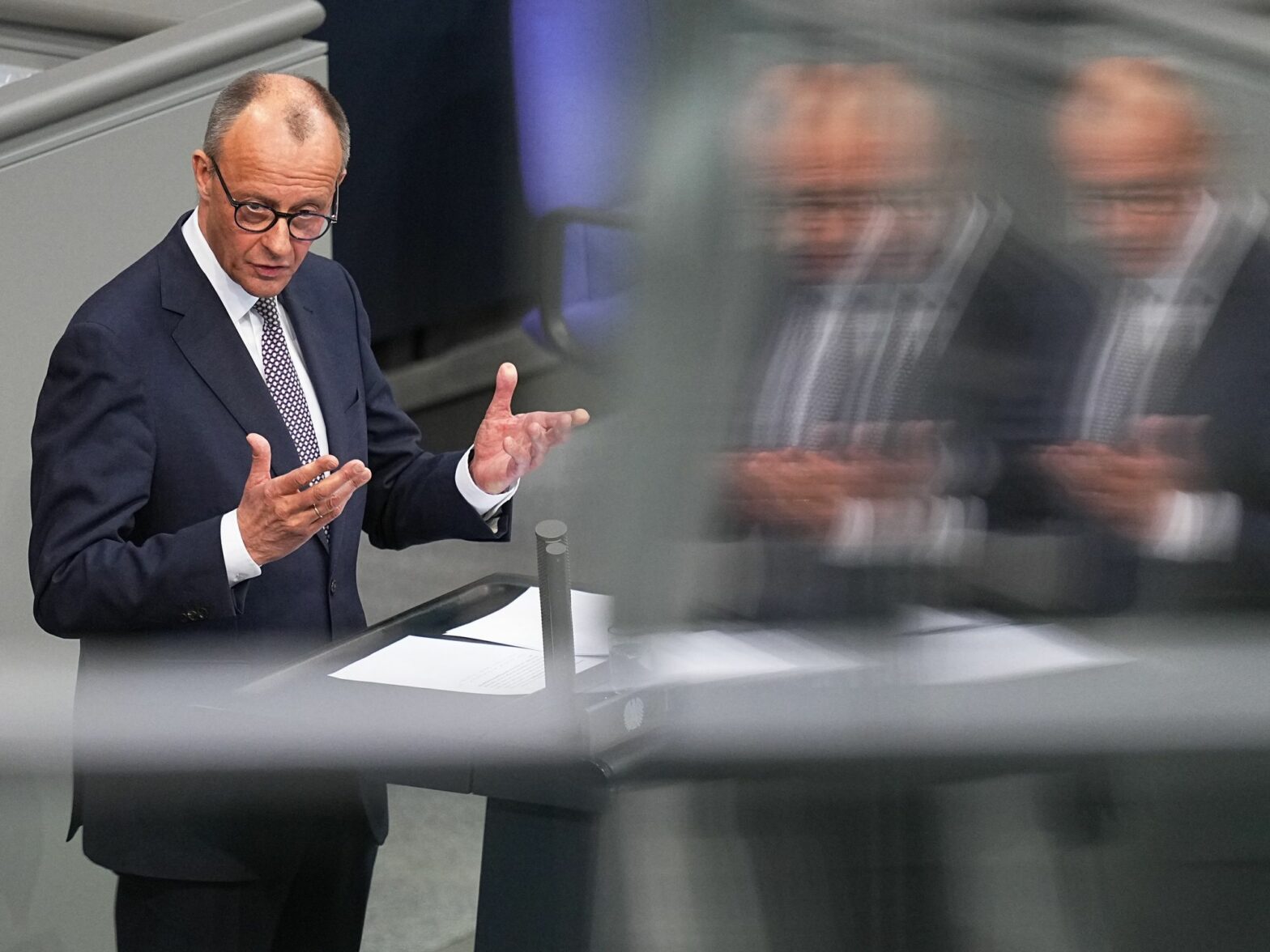
Germany has finally decided to start spending. Is this going to save its stagnating economy? The new fiscal package is the biggest economic policy test in post-War German history. Now it’s crucial that the government avoids any mistakes.
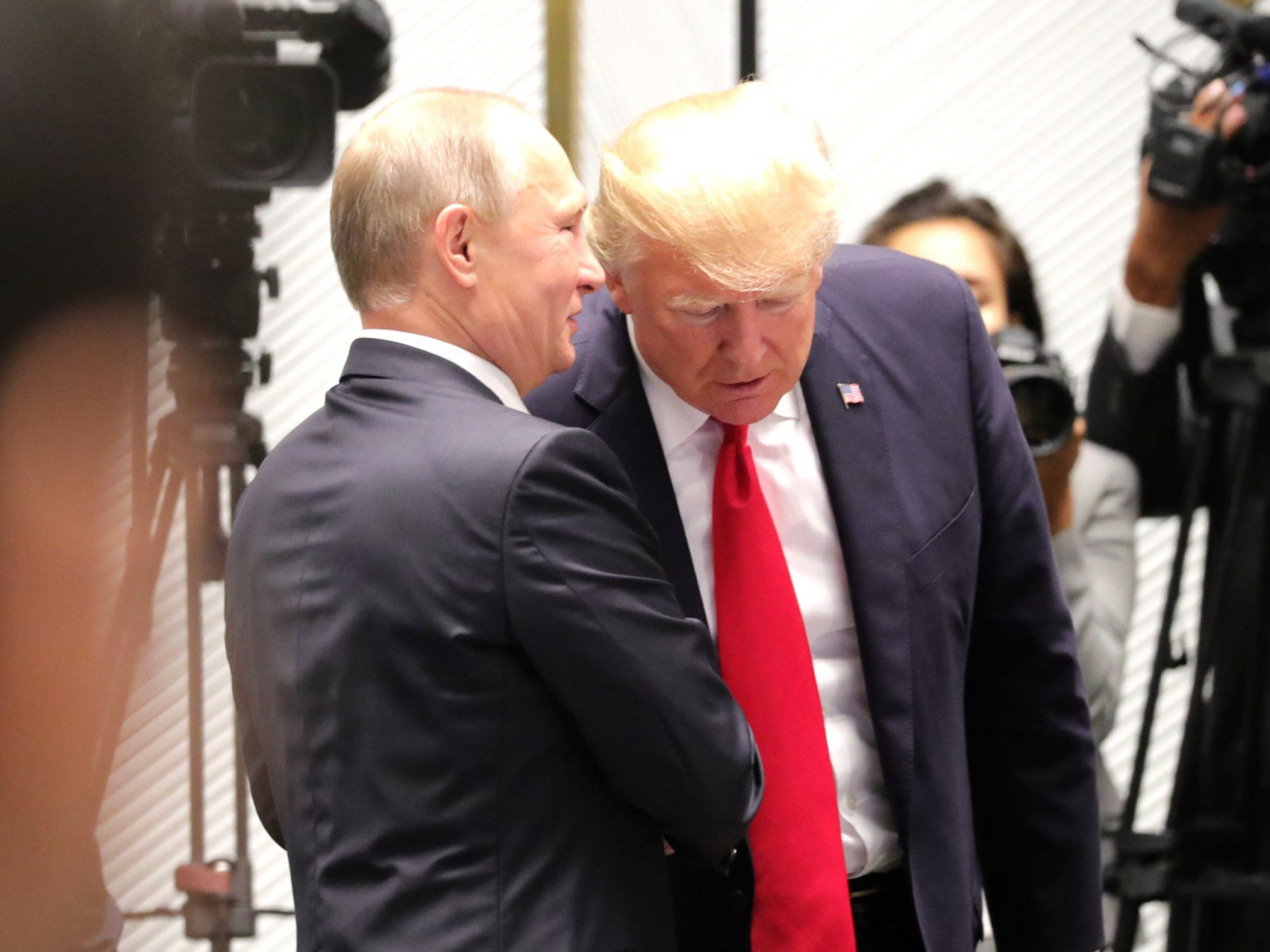
Donald Trump and Vladimir Putin discussed Ukraine and other international matters during a call on Tuesday. What do the two leaders have in common? A shared worldview alone no longer explains it.
Young people have been living in a world of escalating drama for the past five years, since the outbreak of the COVID-19 pandemic. It’s also a challenge for parents. The seven-point plan of a leading researcher can help navigate these unprecedented times.

Some people seem to breeze through a 40-hour workweek, housework, workouts, and personal projects, while others barely make it to the couch after work. But what if you, too, could become one of those high-energy people?