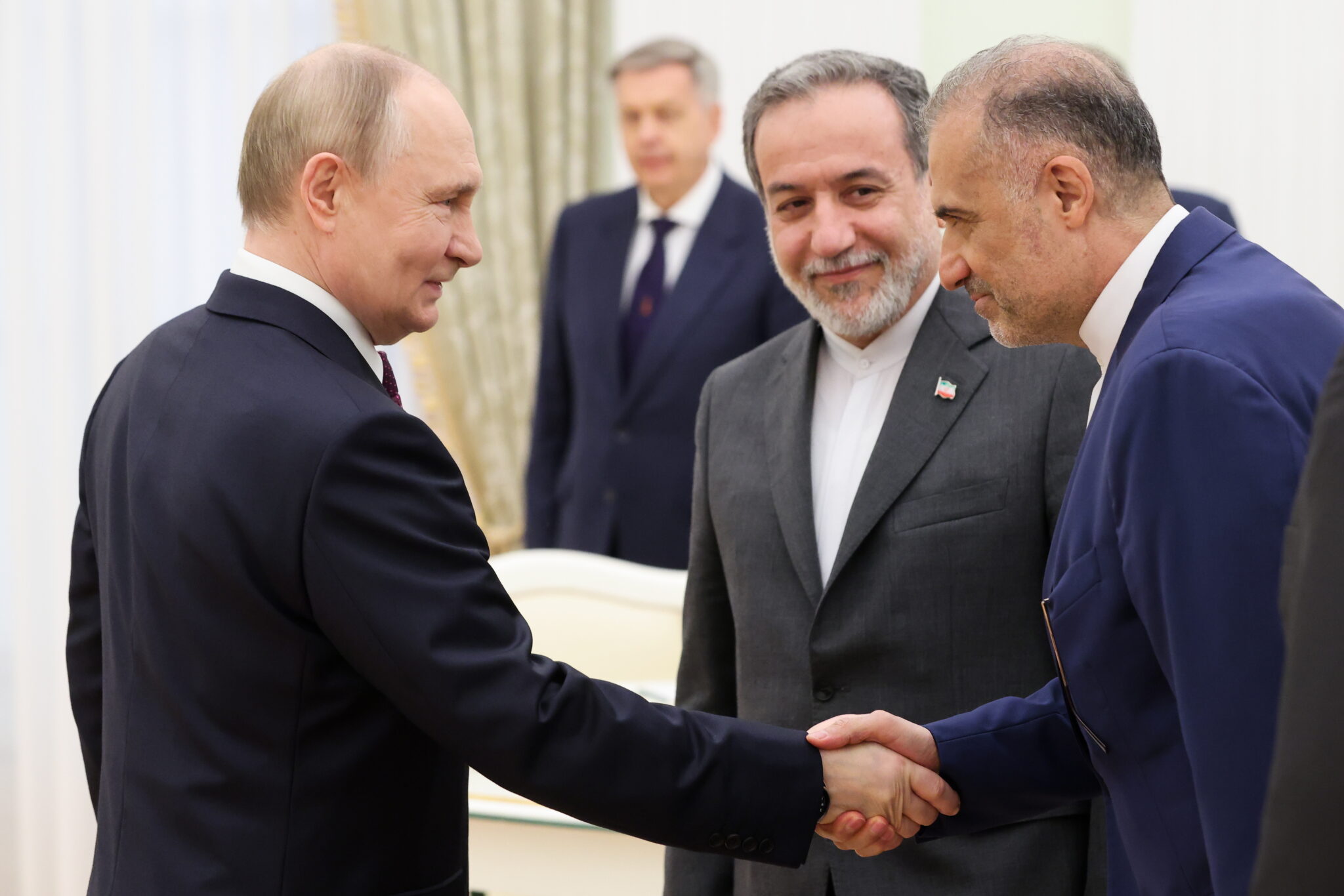
Like two centuries ago, Tehran is caught between two competing powers: Vladimir Putin’s Russia and the West, led by the U.S. and UK.
 Worldcrunch
Bahram Farrokhi is an Iranian-born, Rome-based political analyst. His work has appeared in Kayhan London, Worldcrunch,Radio Zamaneh InOltre, Gooya News and Iranglobal.
Like two centuries ago, Tehran is caught between two competing powers: Vladimir Putin’s Russia and the West, led by the U.S. and UK.
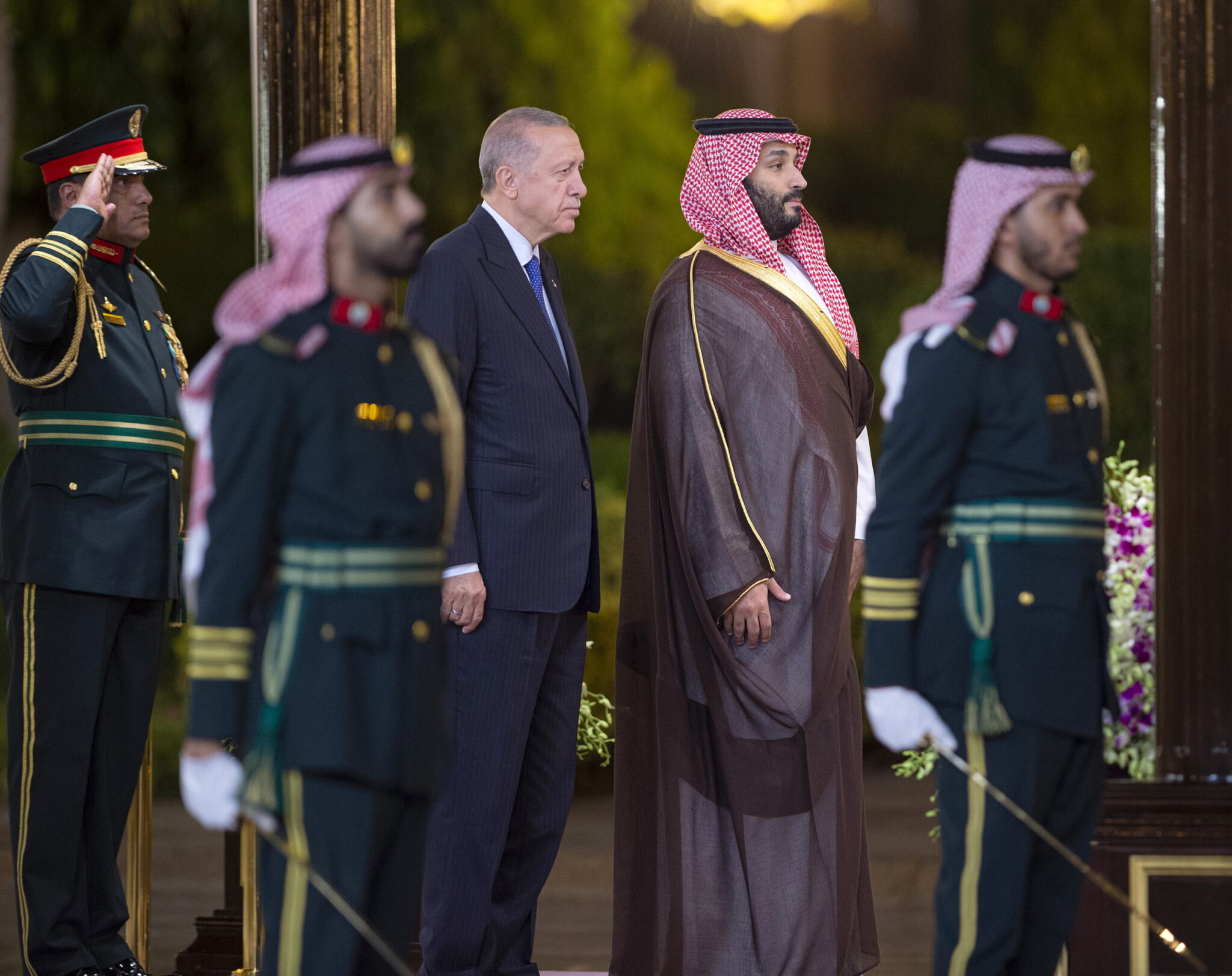
From Iran and Turkey, Egypt and Saudi Arabia, lasting peace can only arise from shared economic interests and the containment of regional power ambitions.
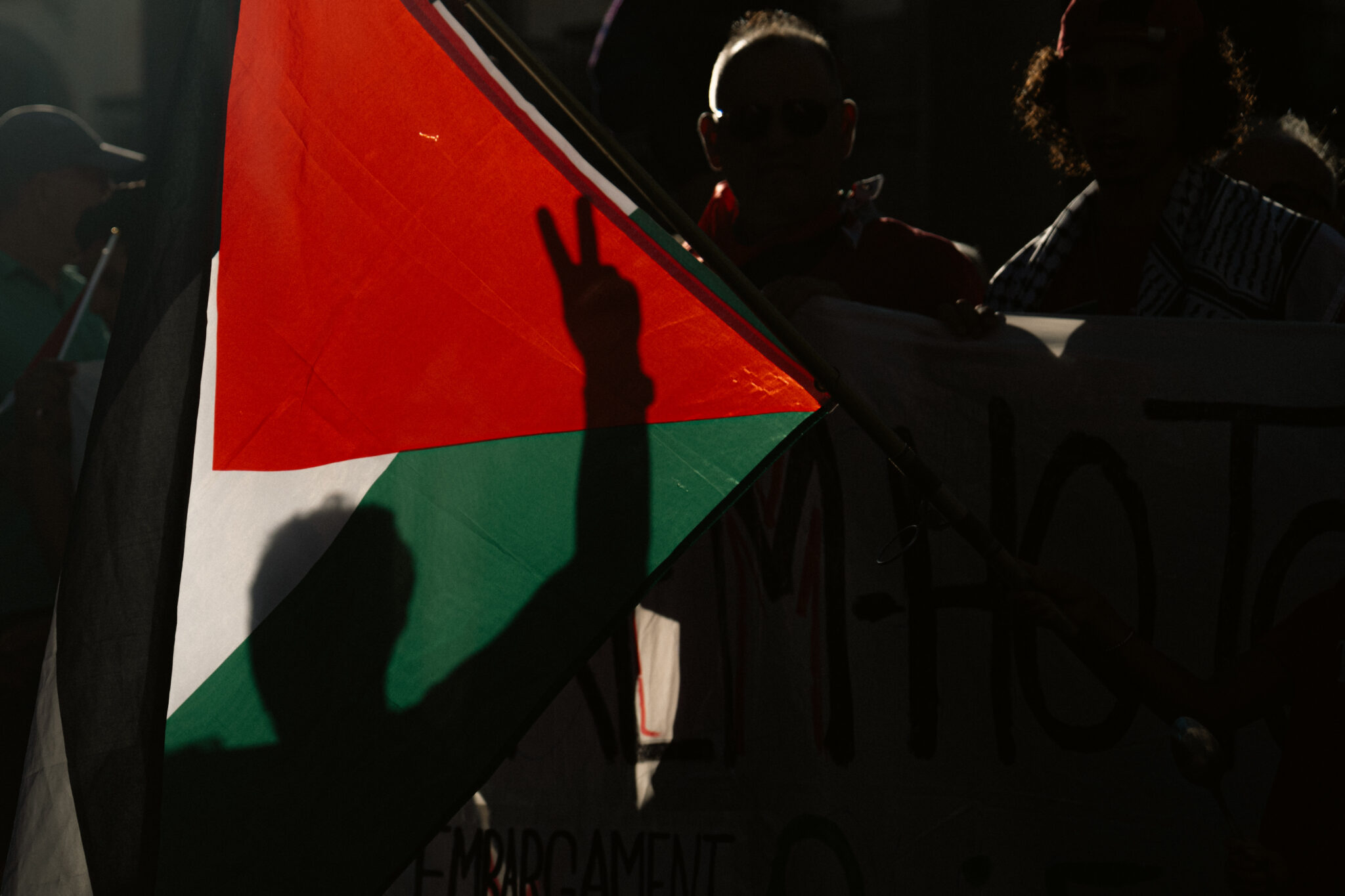
As the UN vote to formally recognize the State of Palestine gets closer, pressure on Donald Trump is growing. He must decide, once and for all, whether to continue his unconditional support for Netanyahu or seek a viable way forward.
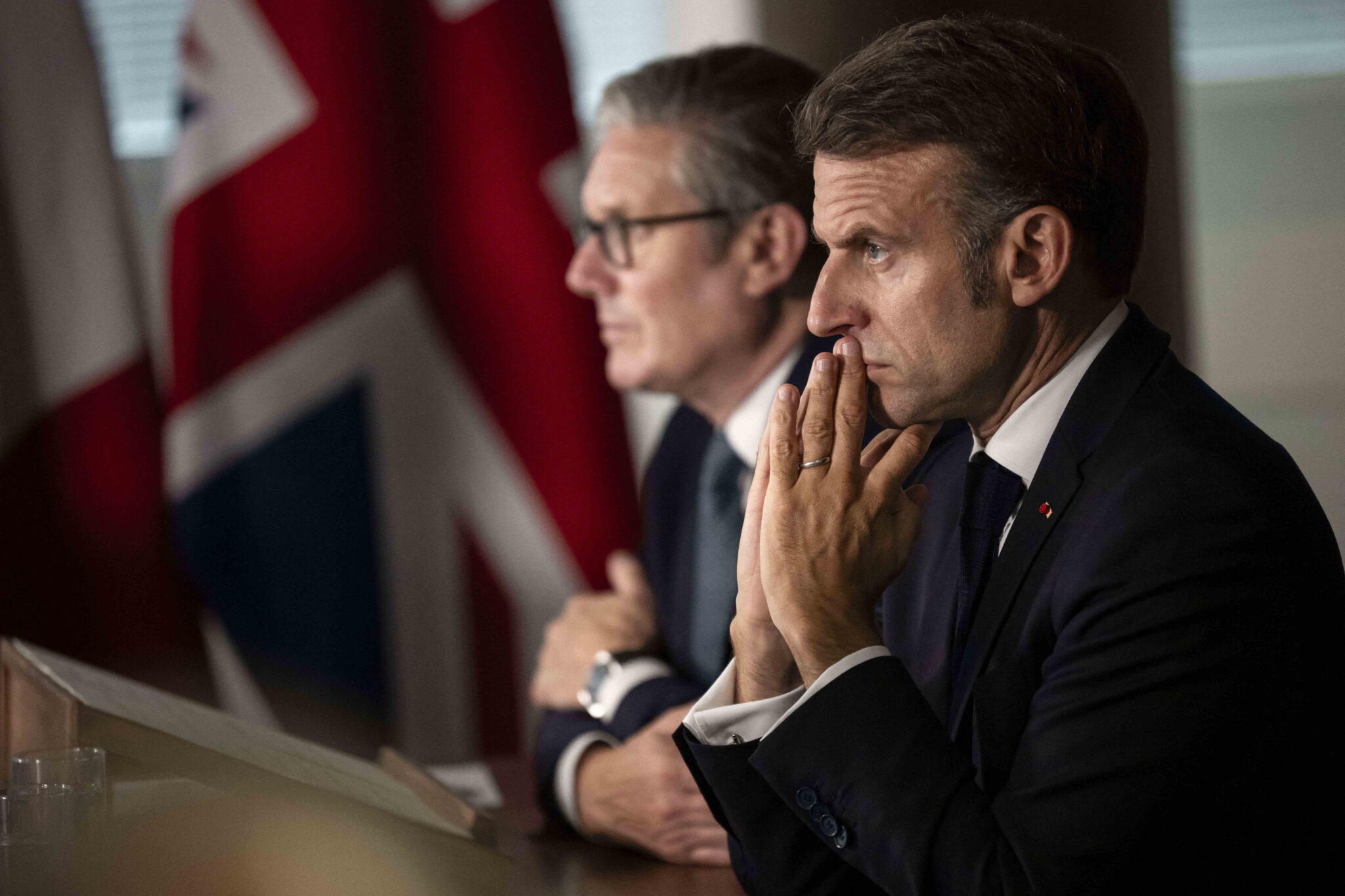
France, the UK and Canada are preparing to formally back Palestinian statehood at the UN this September. Behind the symbolic gesture lies a strategic power play aimed at Benjamin Netanyahu — and Donald Trump.
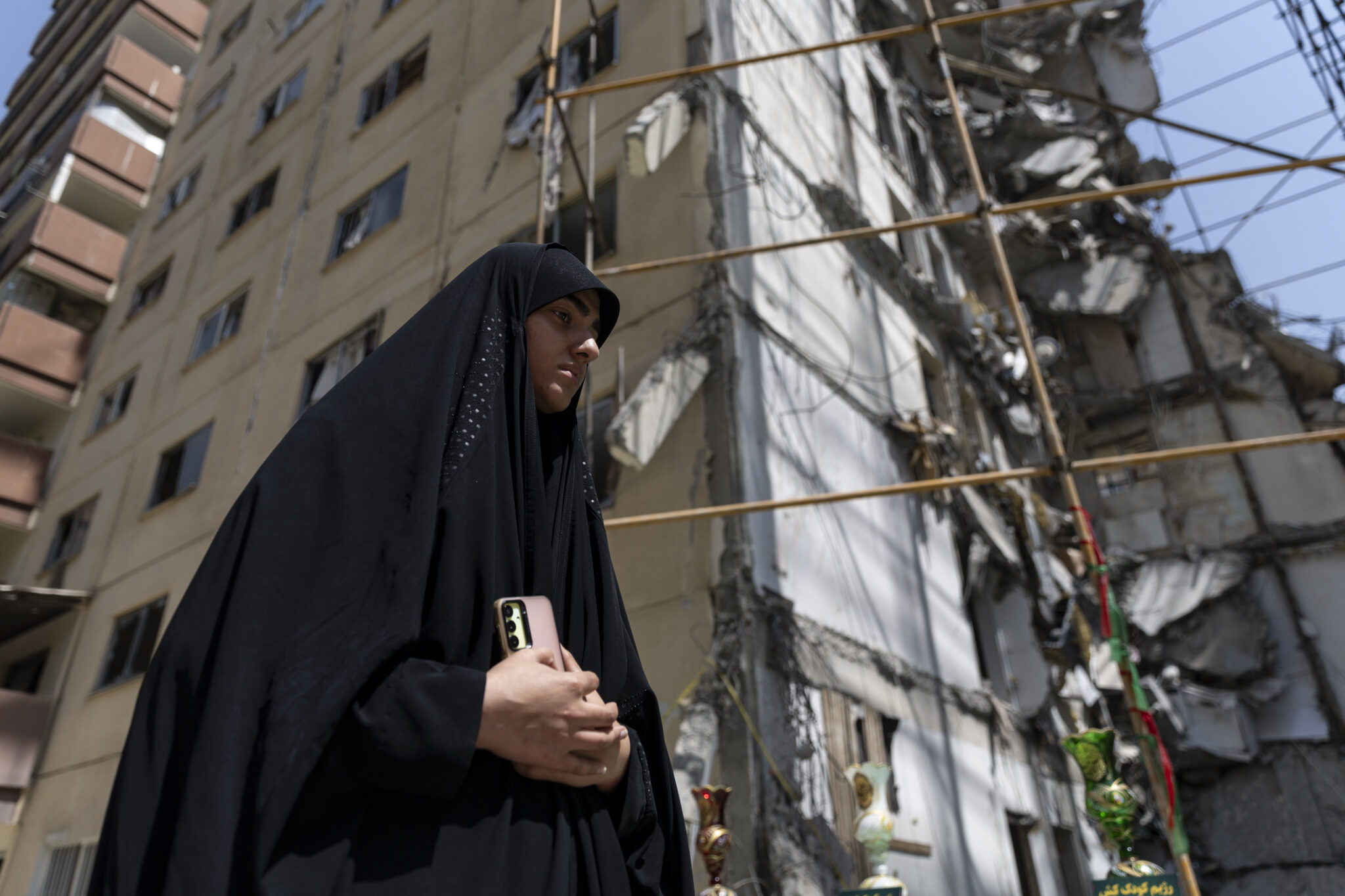
One-quarter of the way into the 21st century, Israel is emerging not only as a staunch ally of the United States but also as the dominant regional power. That inevitably places it in direct competition with Iran, both in its current theocratic form and in a potential free and democratic future.
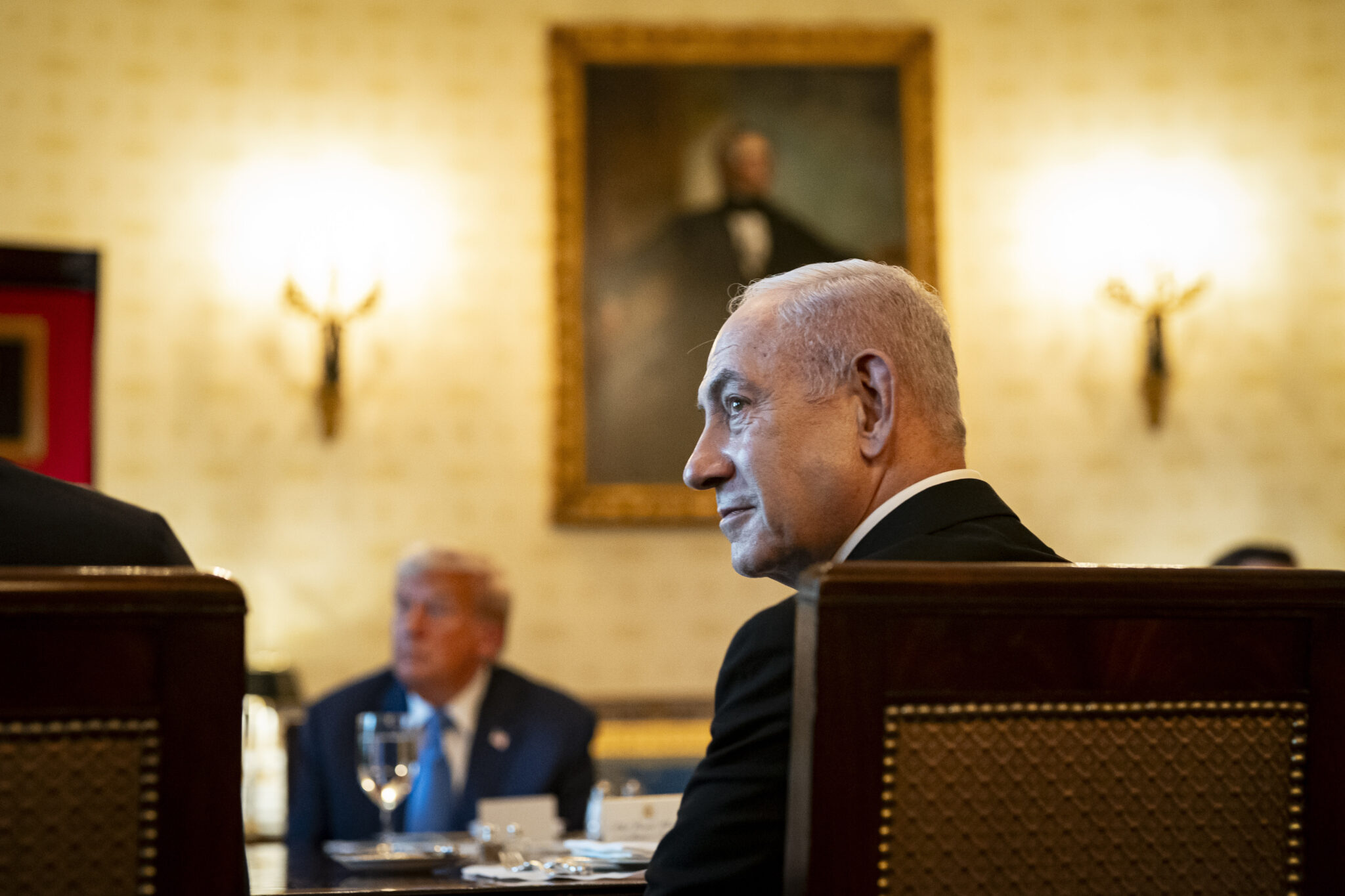
As Netanyahu visits Washington, Israel’s intelligence gears up for a covert campaign against Iran, aiming not just at military targets but at the very core of the regime’s power.
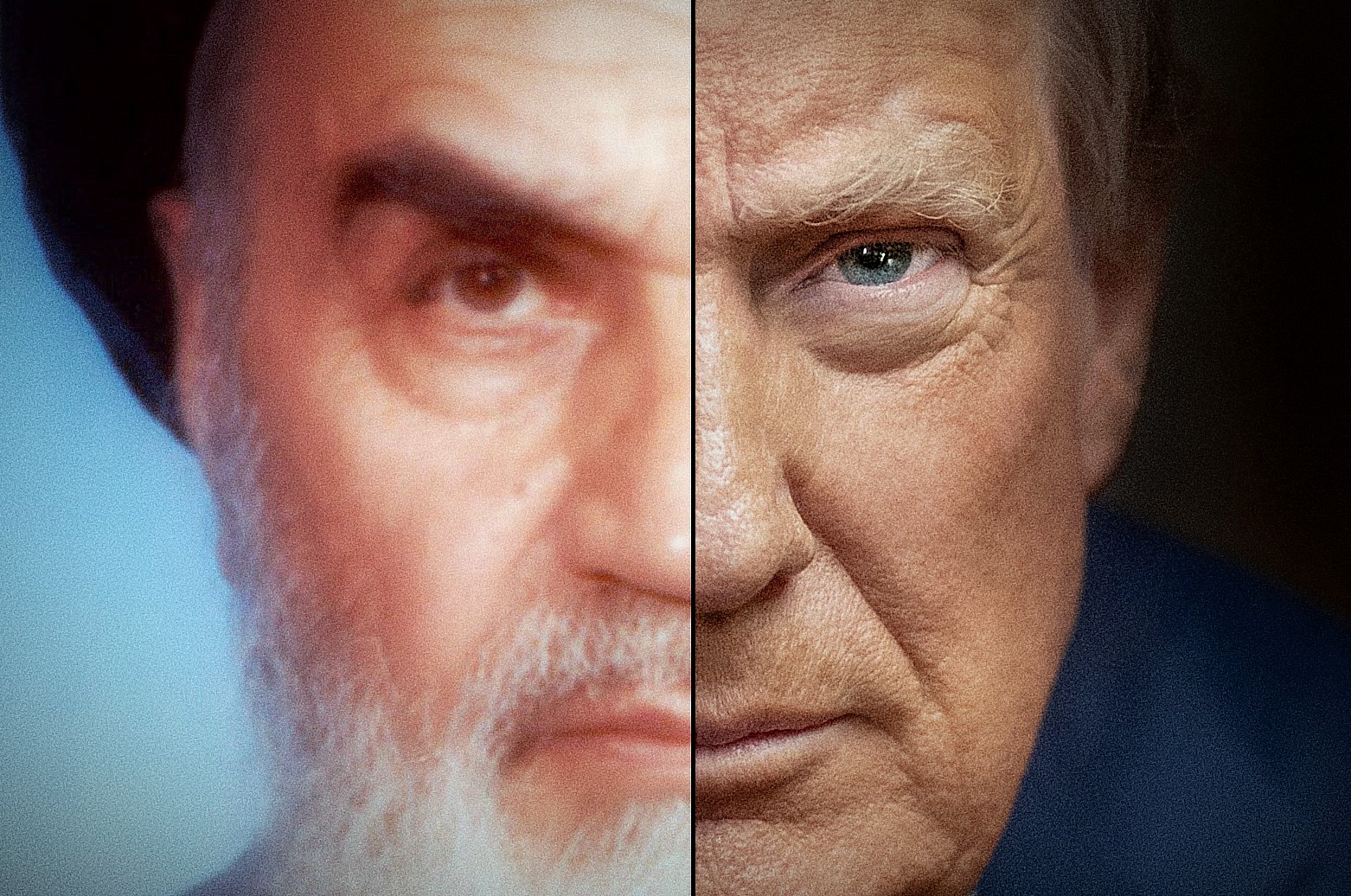
In 1979, Iran was seduced by a cleric who promised freedom and delivered tyranny. In 2025, a chaotic U.S. president may be using lies of his own to help dismantle that same regime.
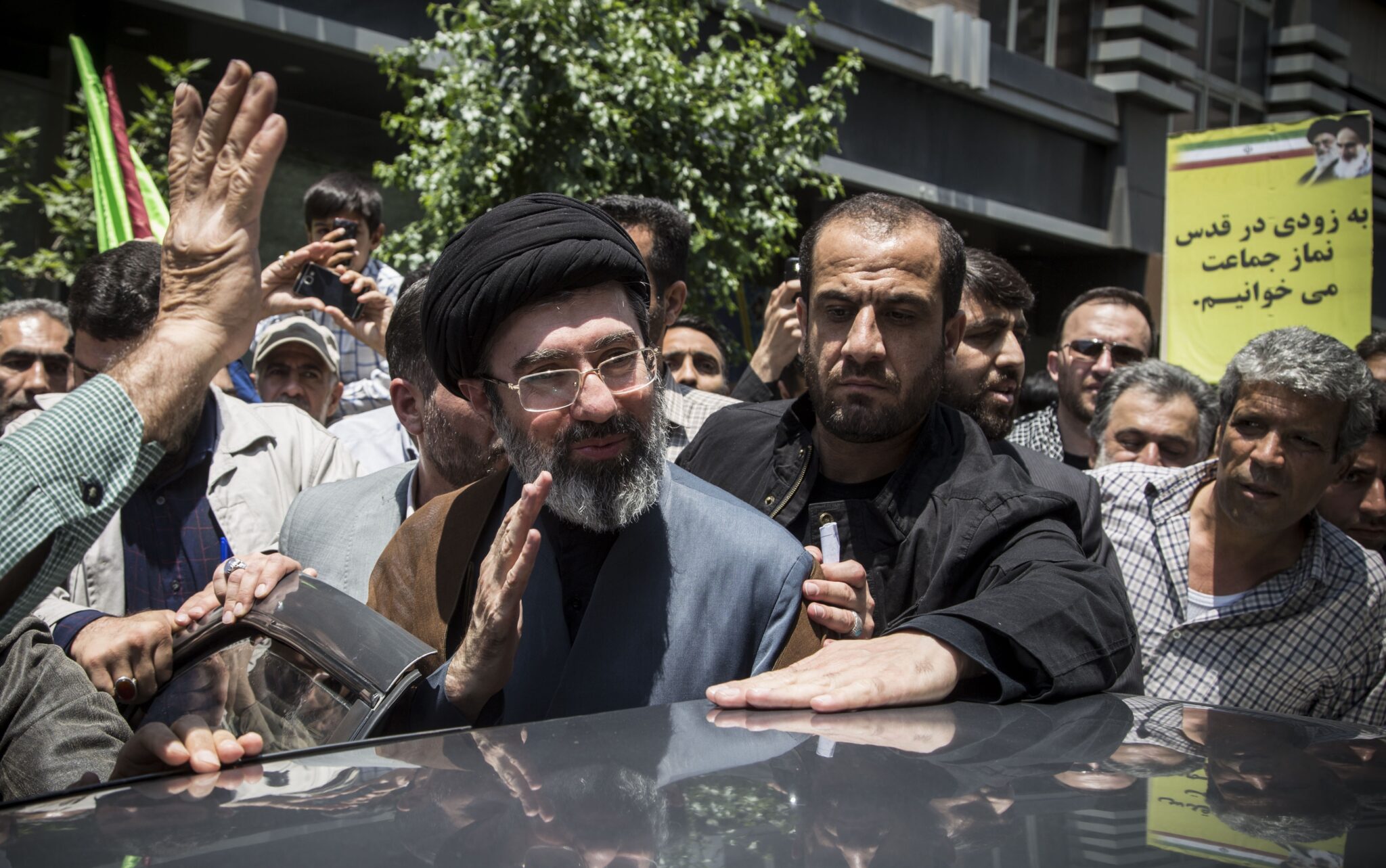
After the bombs, Iran stands at a crossroads, torn between dynastic succession, military takeover and revolutionary implosion.
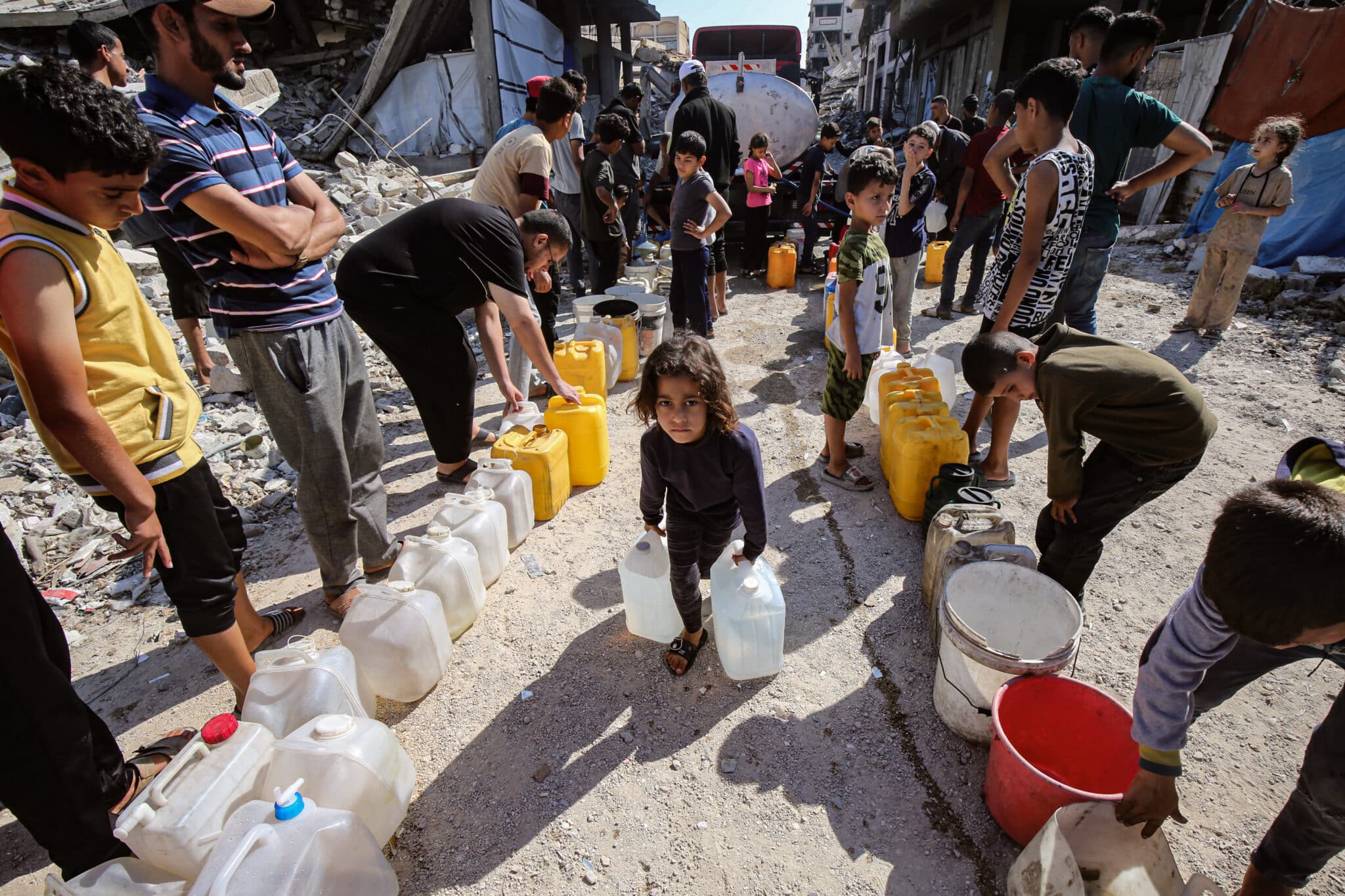
Beyond the immeasurable horror for the people of Gaza, the war is also seeing a rise in hatred against Israelis, and Jews. Netanyahu says he wants to defend Israel, but is instead exposing his nation and all Jews to contempt and isolation.
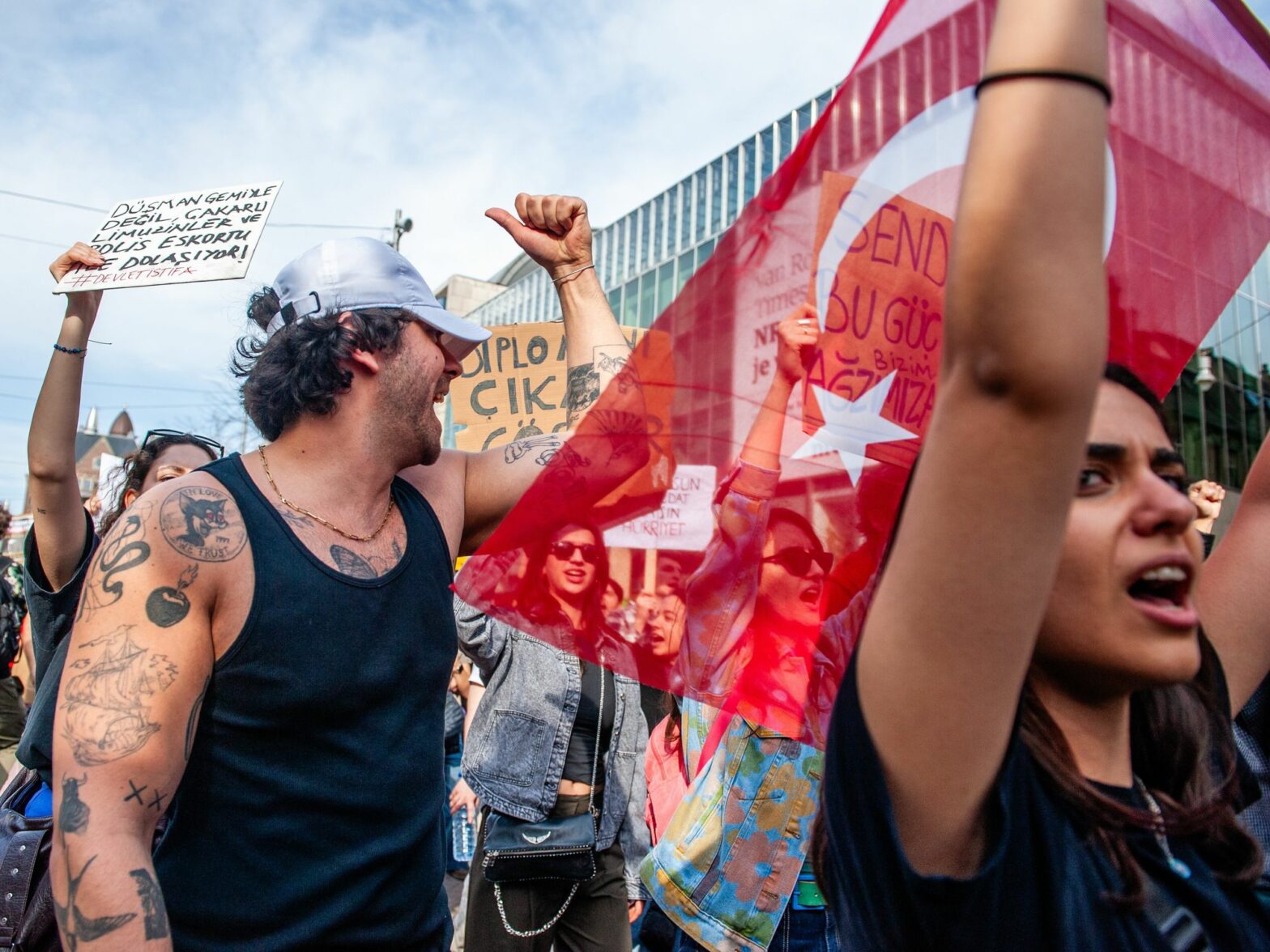
Facing protests over the arrest of Istanbul’s opposition mayor, the Turkish government has found its culprits: Greece and Israel, two obstacles to its ambitions in the eastern Mediterranean.
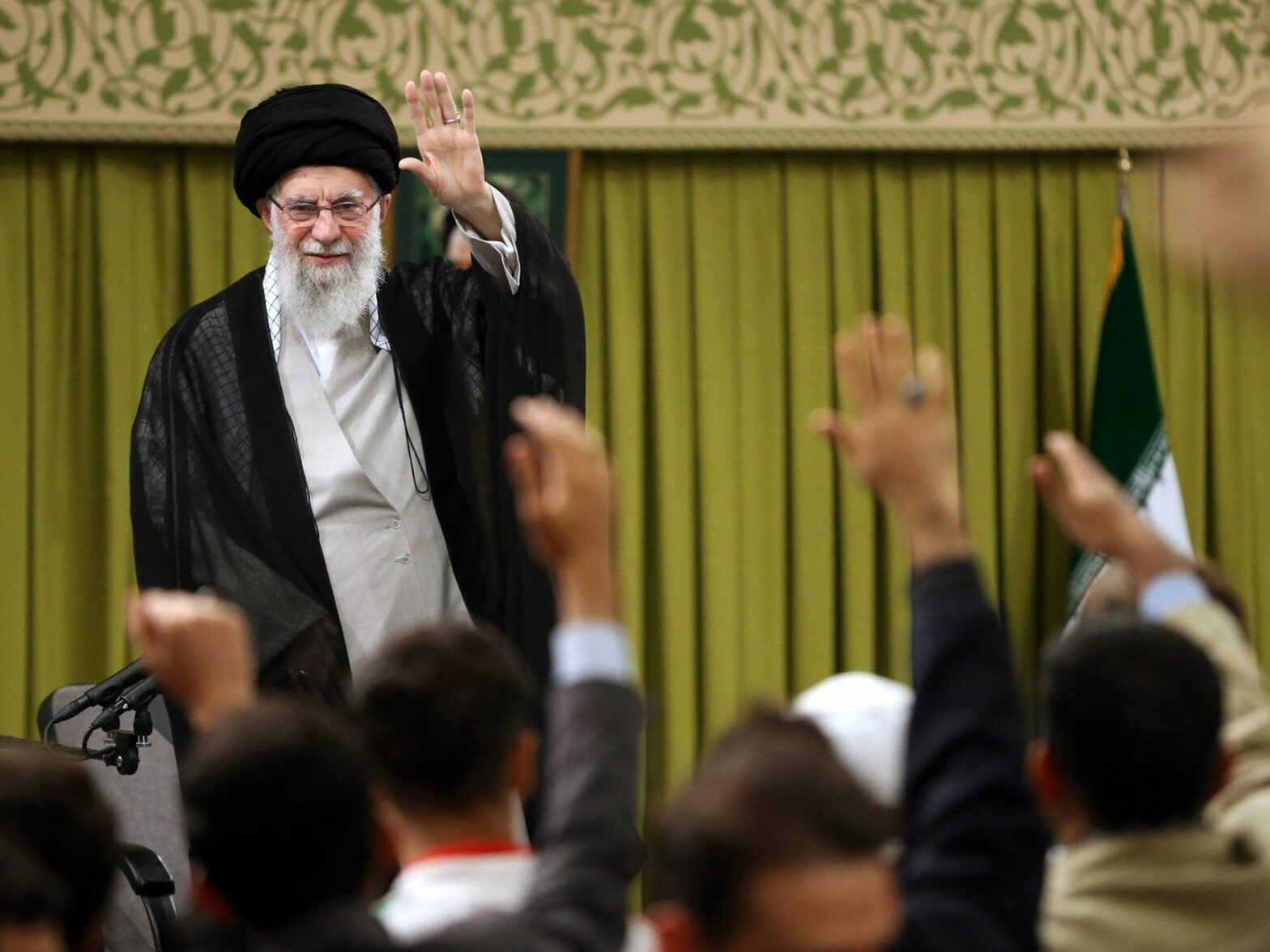
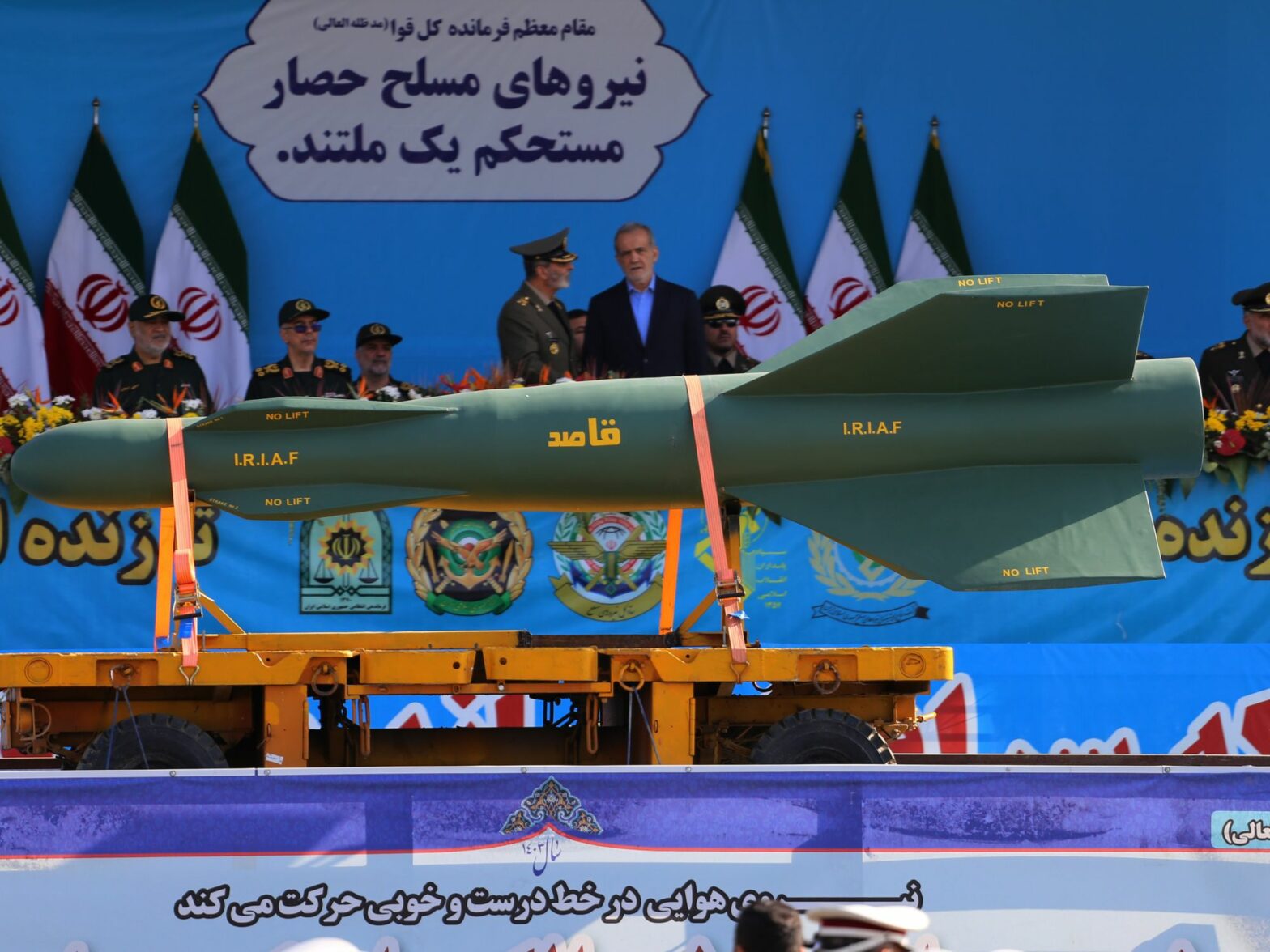
Israel and the West are seeking a stabilized Middle East to shorten the trading corridor with India and Asia. It’s a win-win situation for prosperous economies and the West, but what about Tehran’s truculent regime?
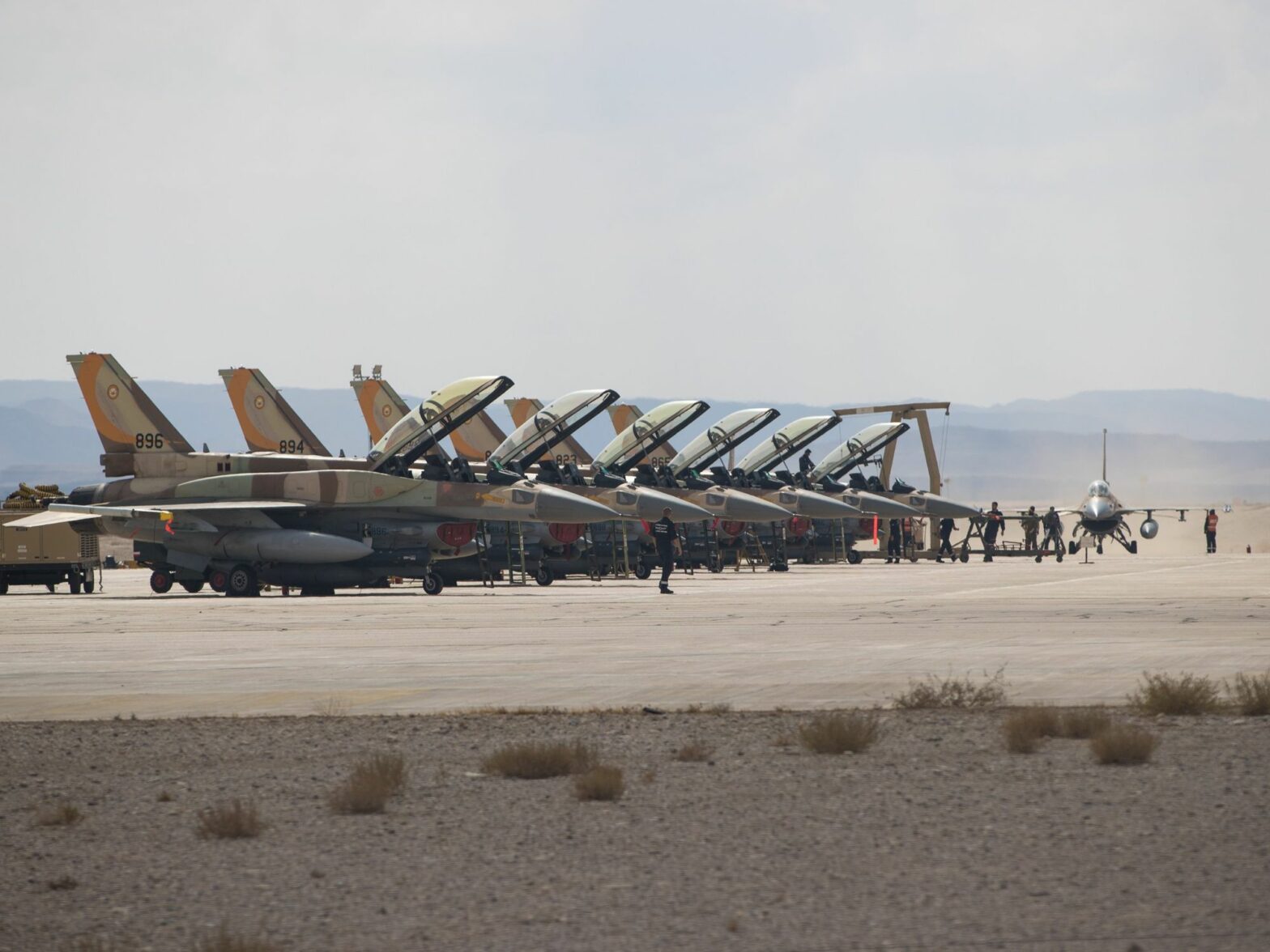
Israel is keeping the Tehran regime and outside observers guessing on the scope and timing of its threatened strikes on Iranian territory. Some say it is seeking to win itself time to “finish up” in Lebanon and Gaza, others say a massive attack on Iran could help reorder the whole region.
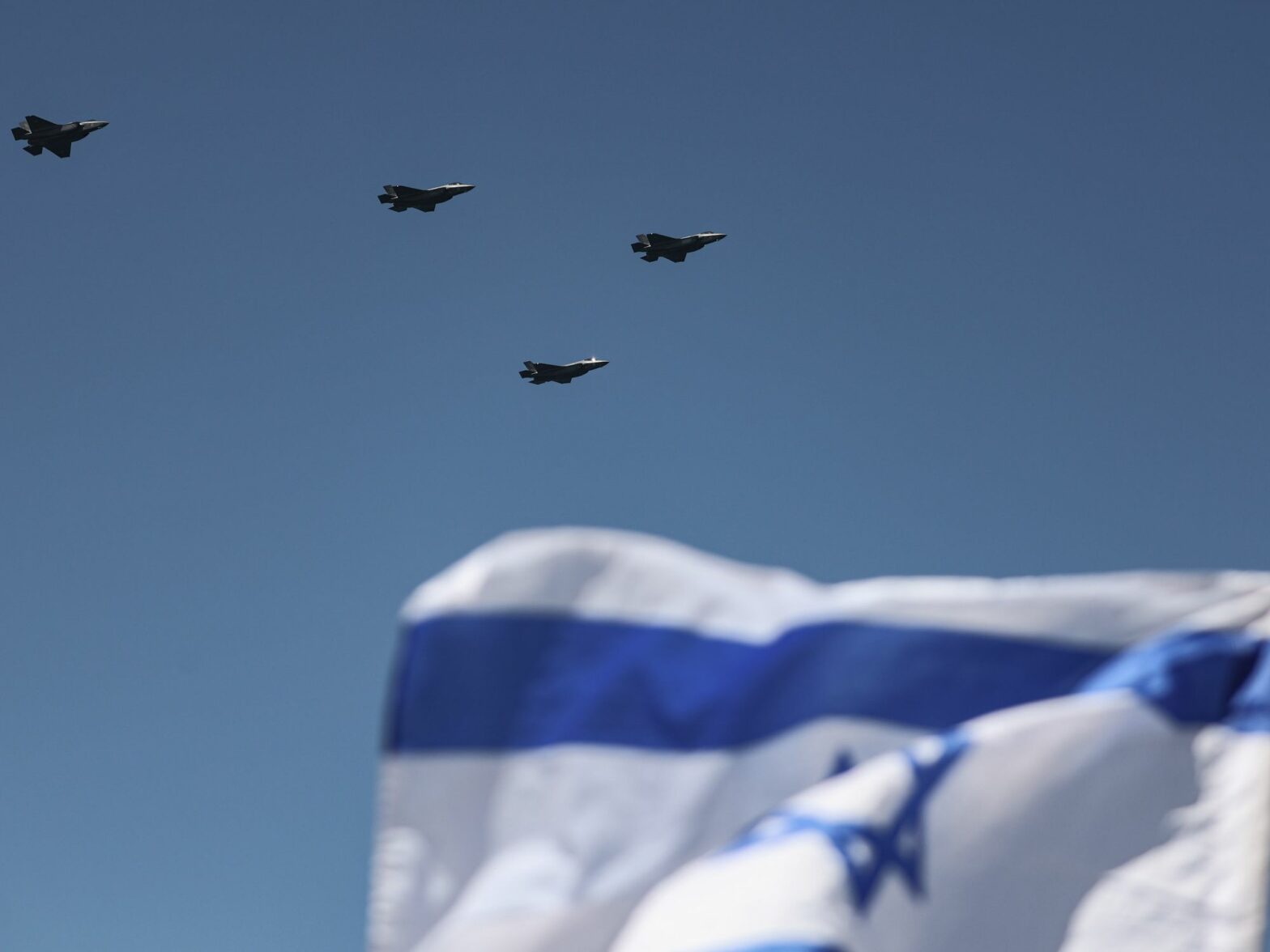
Was it the “Mother of Miscalculations?” Tehran’s decision to launch a second missile attack on Israel demonstrates its weakness at home and abroad. The Iranian regime may soon face the consequences, as a possible series of events could be triggered by a reprisal from the better-equipped Israeli military.
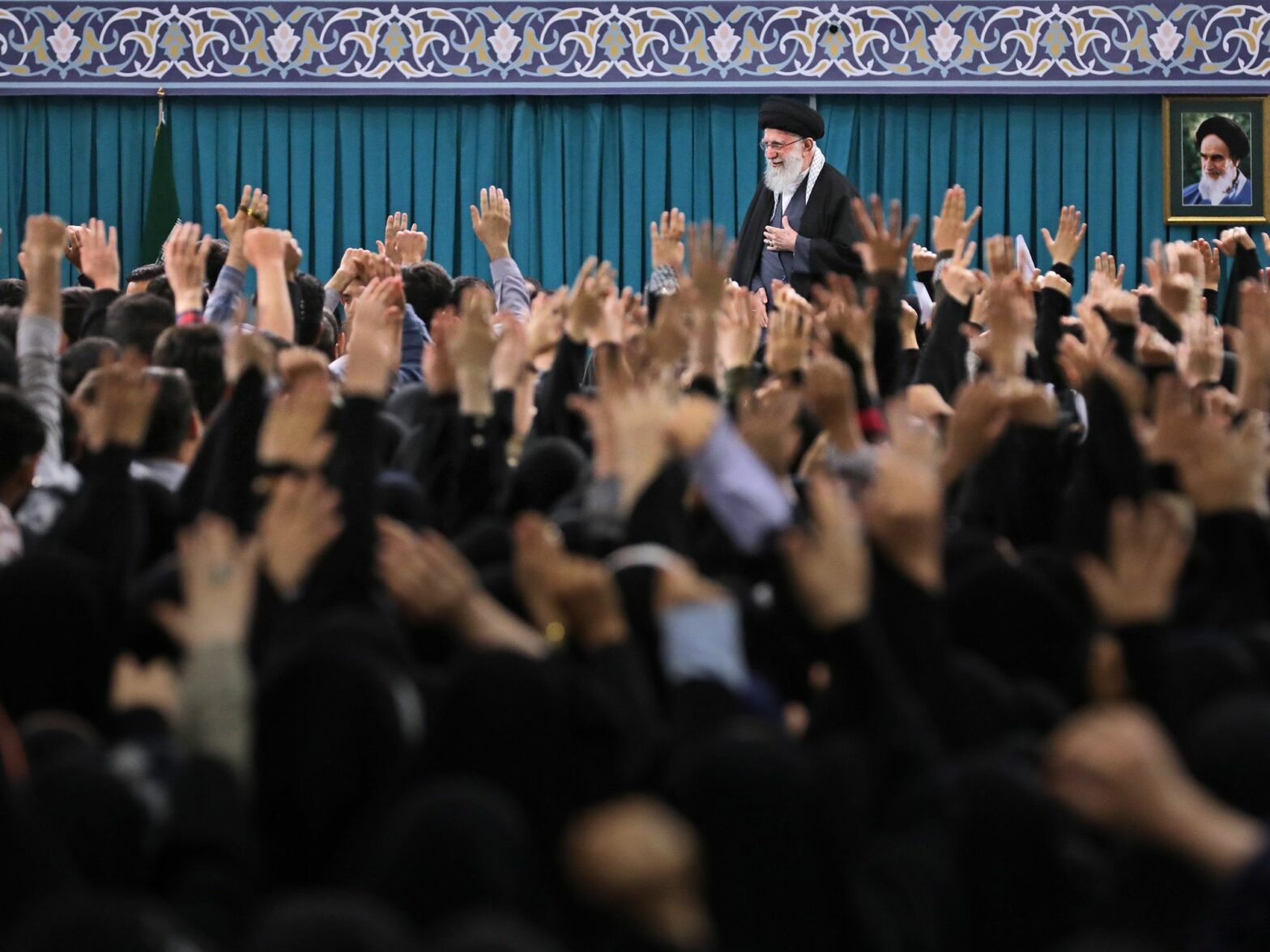
The death of Iran’s hardline president might create some political terrain for moderates there and stabilize relations with a complacent West and especially the Biden administration, eager to put a lid on the Middle East before November’s presidential elections.
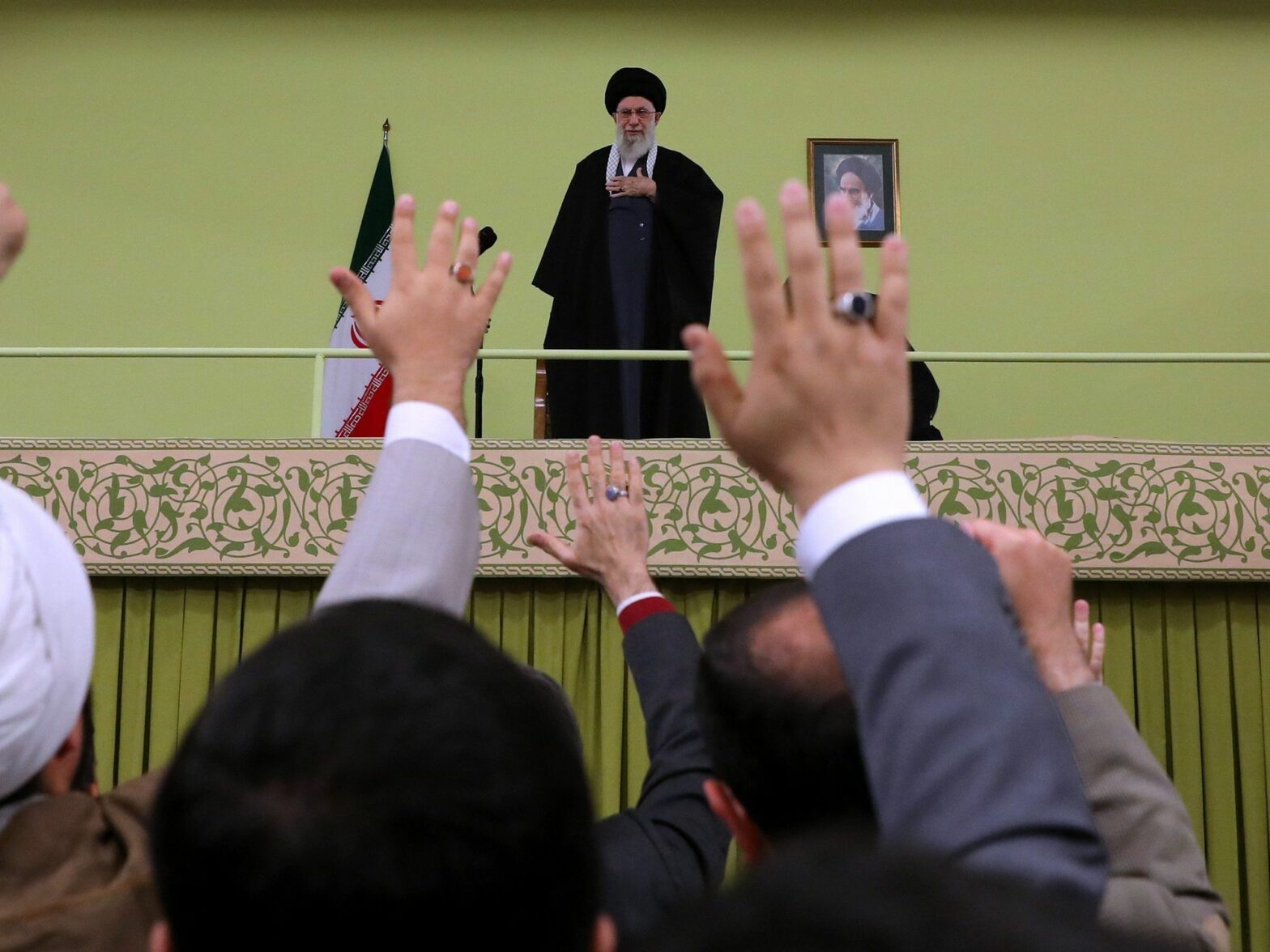
Iran’s Supreme Leader Ali Khamenei, now 84, has been in power since 1989. What will happen when he dies? His death may lead to a hybrid military-Islamic regime, with members of the Revolutionary Guards imposing a more pragmatic yet equally corrupt regime. It is time for the opposition to find a unified leader they can rally behind and that can help mobilize Iranians in the transition.
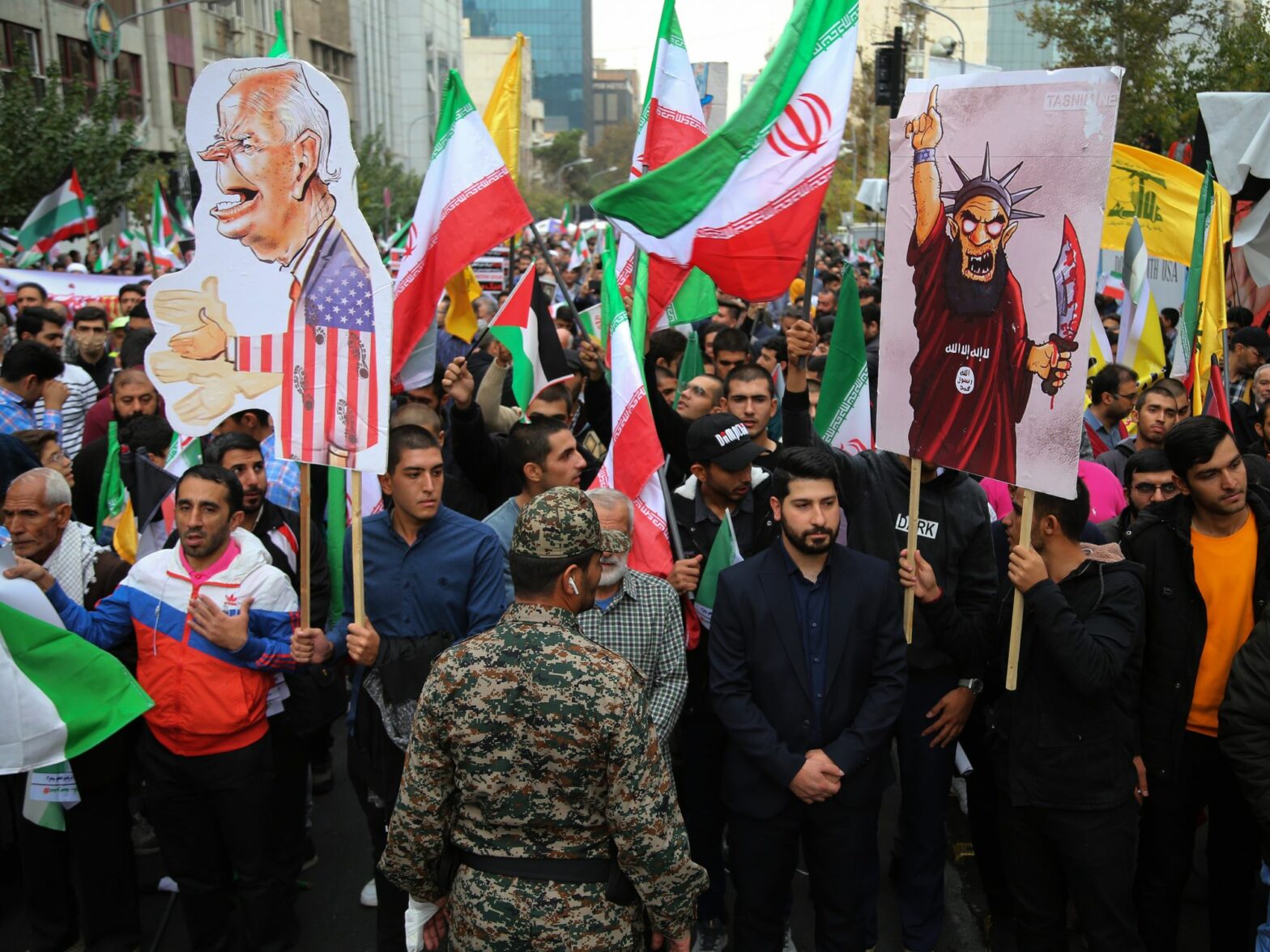
The West’s decision to pressure Israel over Gaza, and indulge Iran’s violent and troublesome regime, follows the U.S. Democrats’ line with the Middle East: just keep us out of your murderous affairs.
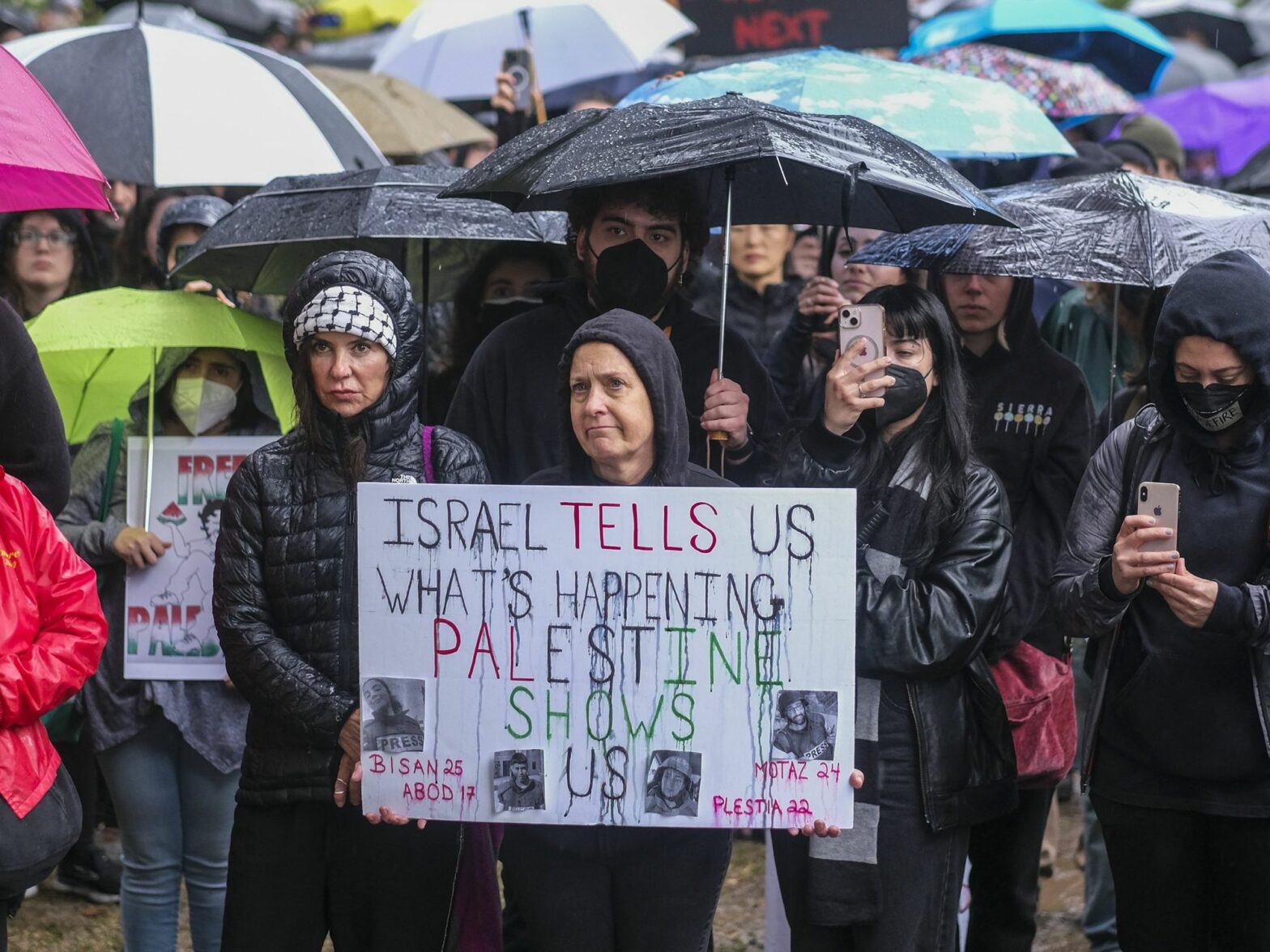
Protests in big cities in the U.S. and Europe against Israel may remind some Iranians of the Western Left’s deluded, and arrogant, support in 1979 for a revolution that turned Iran and the Middle East into a cesspool of terrorism.