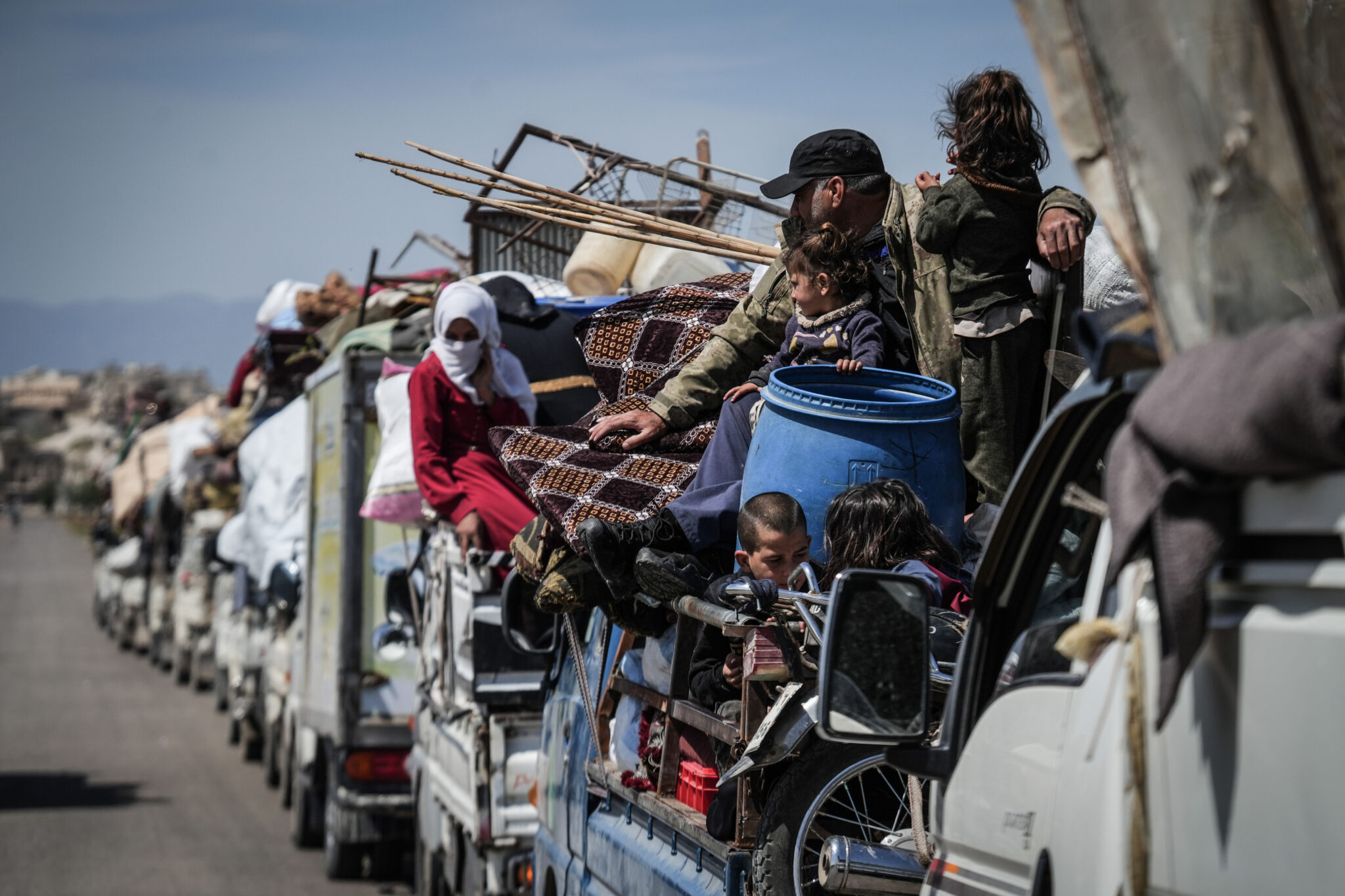
After Assad fled to Russia, Moscow opened the door for asylum and humanitarian protection to many Syrians, including former military members. Yet their journeys north are very different.
 Worldcrunch
After Assad fled to Russia, Moscow opened the door for asylum and humanitarian protection to many Syrians, including former military members. Yet their journeys north are very different.
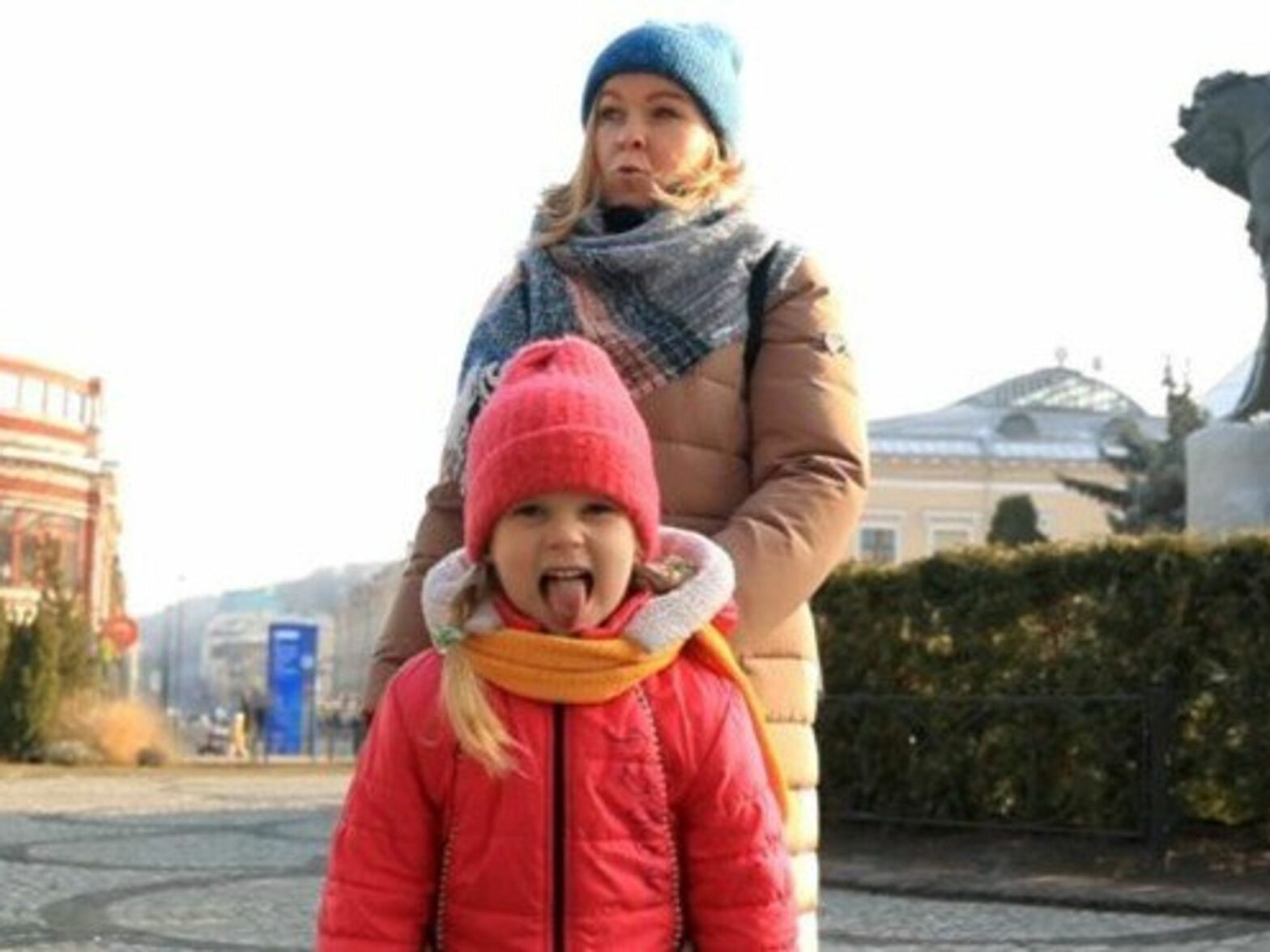
Russia’s invasion pushed some 8 million Ukrainians to leave the country. While some are starting to return — for their families, education or other reasons — the total number of Ukrainians who return home depends on the duration of the war. And some demographers warn that only one-third or one half of emigrants may come back.
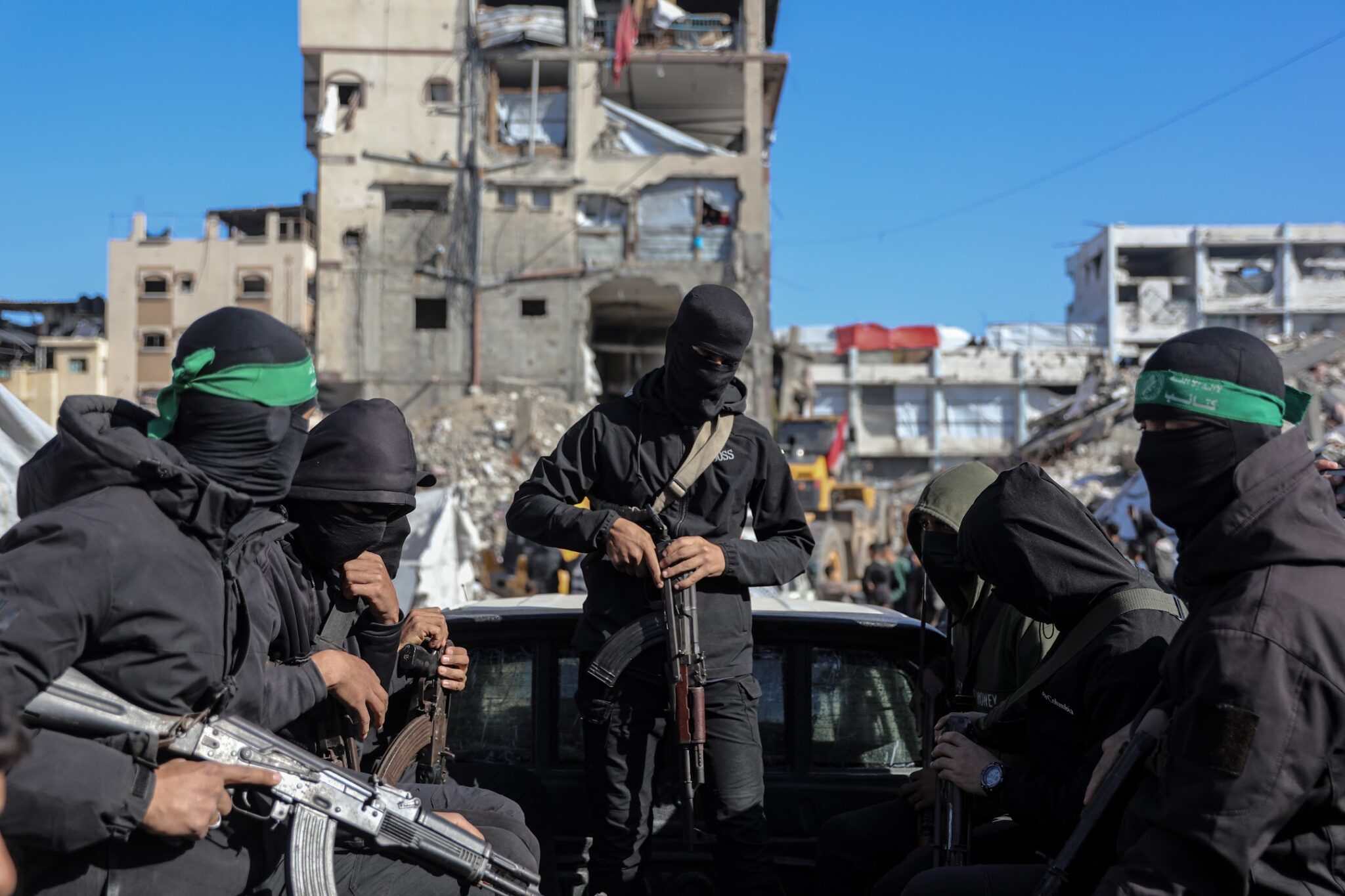
Amnesty International has published a report accusing Hamas of war crimes and crimes against humanity. The report is particularly significant given that the human rights organization had previously accused Israel of committing genocide in Gaza. It’s a timely reminder that the law applies to everyone.
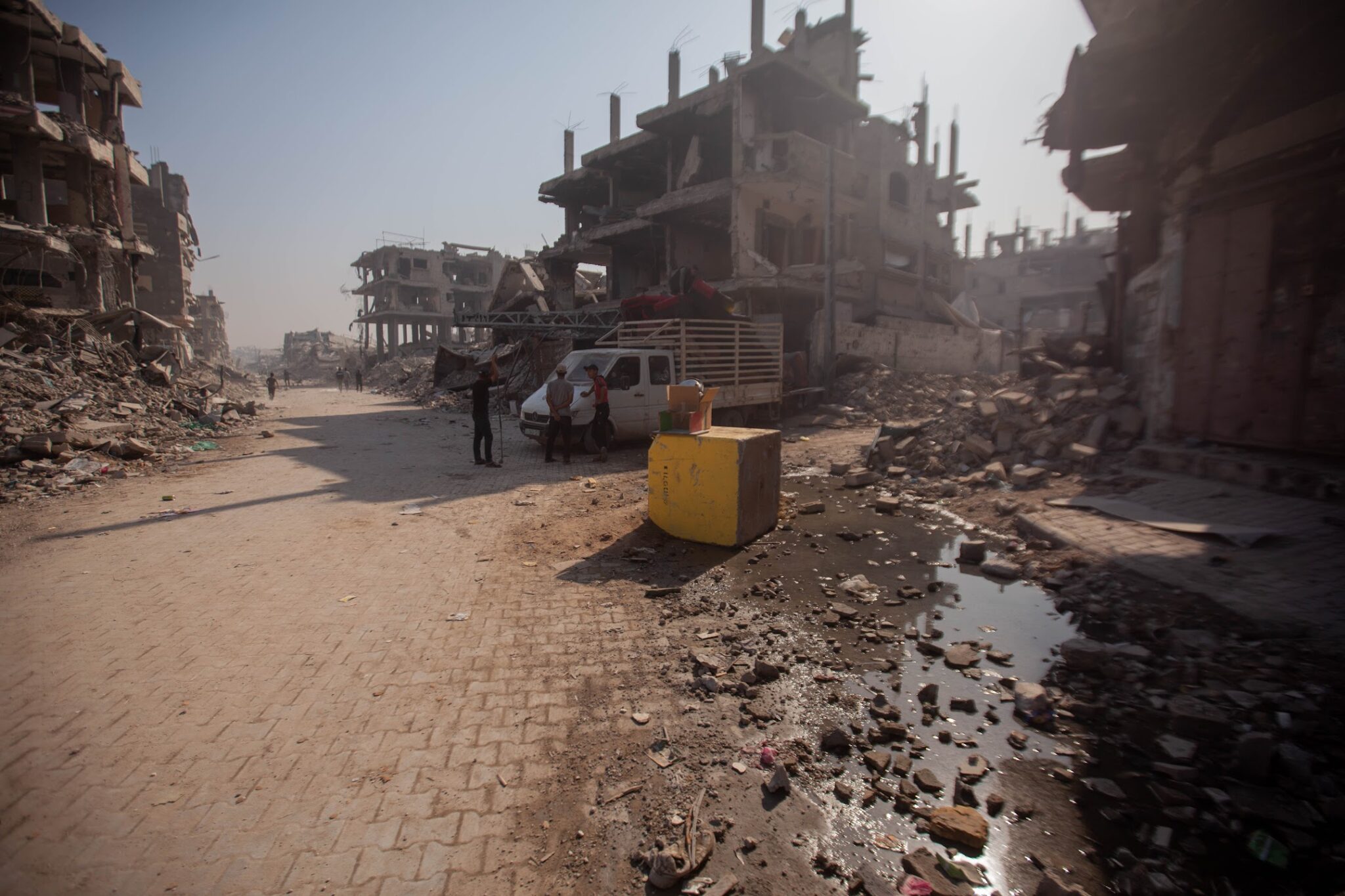
The Israeli army chief of staff has described the separation between the two areas of Gaza as a “new border,” raising fears that the situation will become permanent when it was only supposed to be temporary pending the second phase of the “Trump plan.” But that plan may be destined to go nowhere.

In a small Valencian town shaped by migration and memory, everyday places like lunch bars have become unexpected points of arrival for people displaced by war and economic upheaval. Alberic (Valencia, Spain) is one such place, where new lives quietly take root amid sandwiches, shared routines, and informal networks of support.
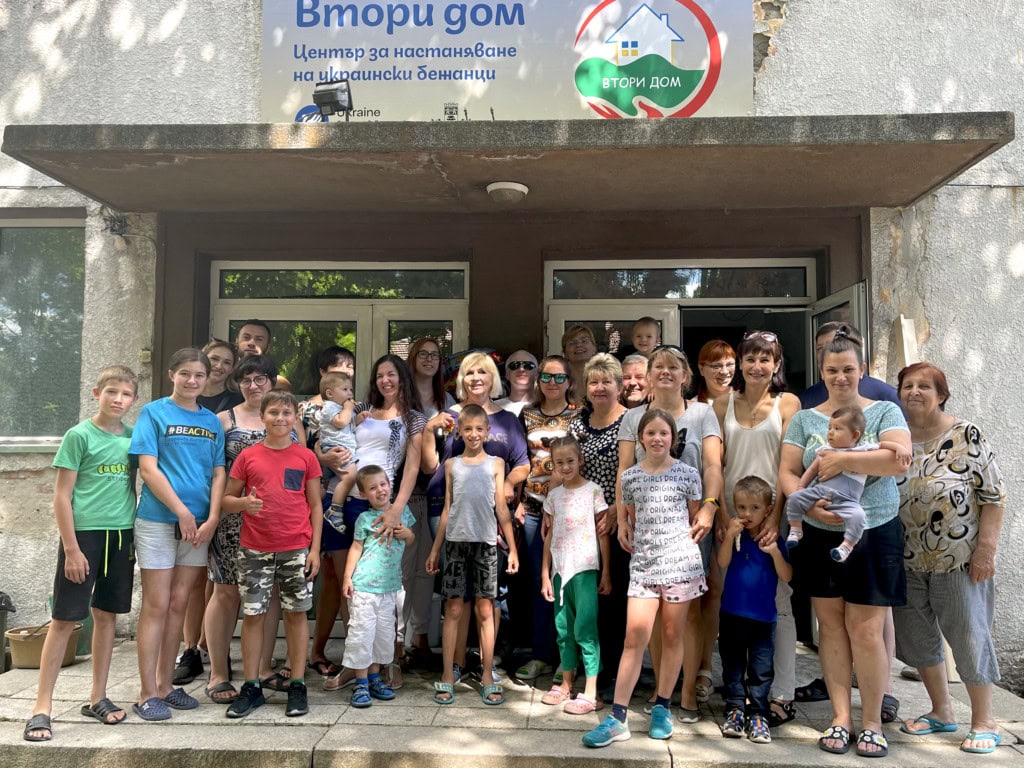
Plovdiv and the surrounding region have become a second home to nearly 12,000 Ukrainians who fled the war, around 4,000 of them children. This places the city among the leading Bulgarian communities in terms of the number of refugees received and turns it into a model of social solidarity and successful integration on a European scale.
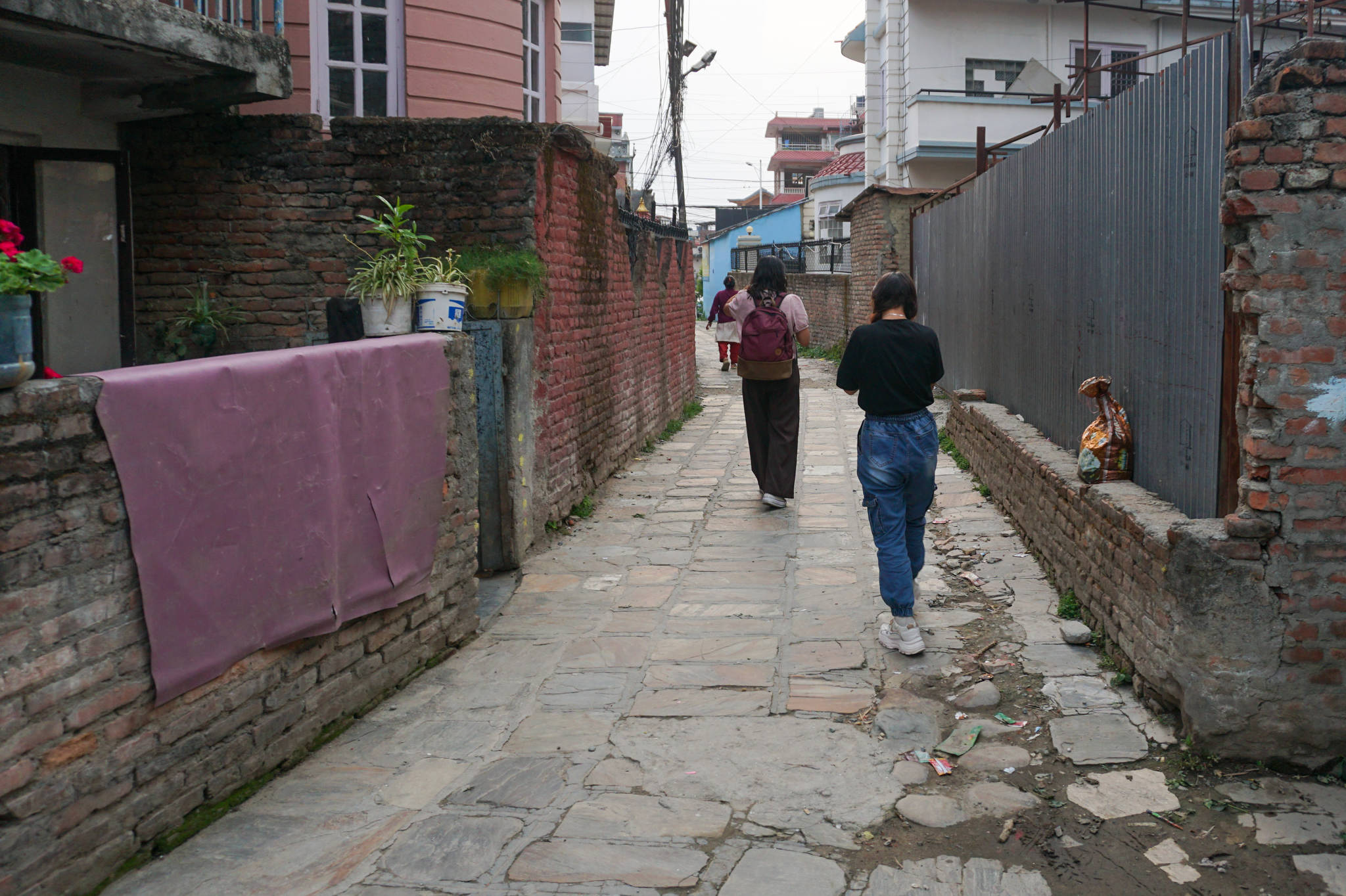
The Nepali government bars working abroad in Iraq for safety reasons. But more Nepali women are ending up there in abusive domestic work — including some who were trafficked.

Most are working and paying taxes. Yet hundreds of thousands of women given refuge in Czechia must deal with public distrust and a shrinking pool of state aid.

Refugees face challenges integrating into Portugal’s labor market, ranked as the 4th most precarious in Europe for foreign workers.
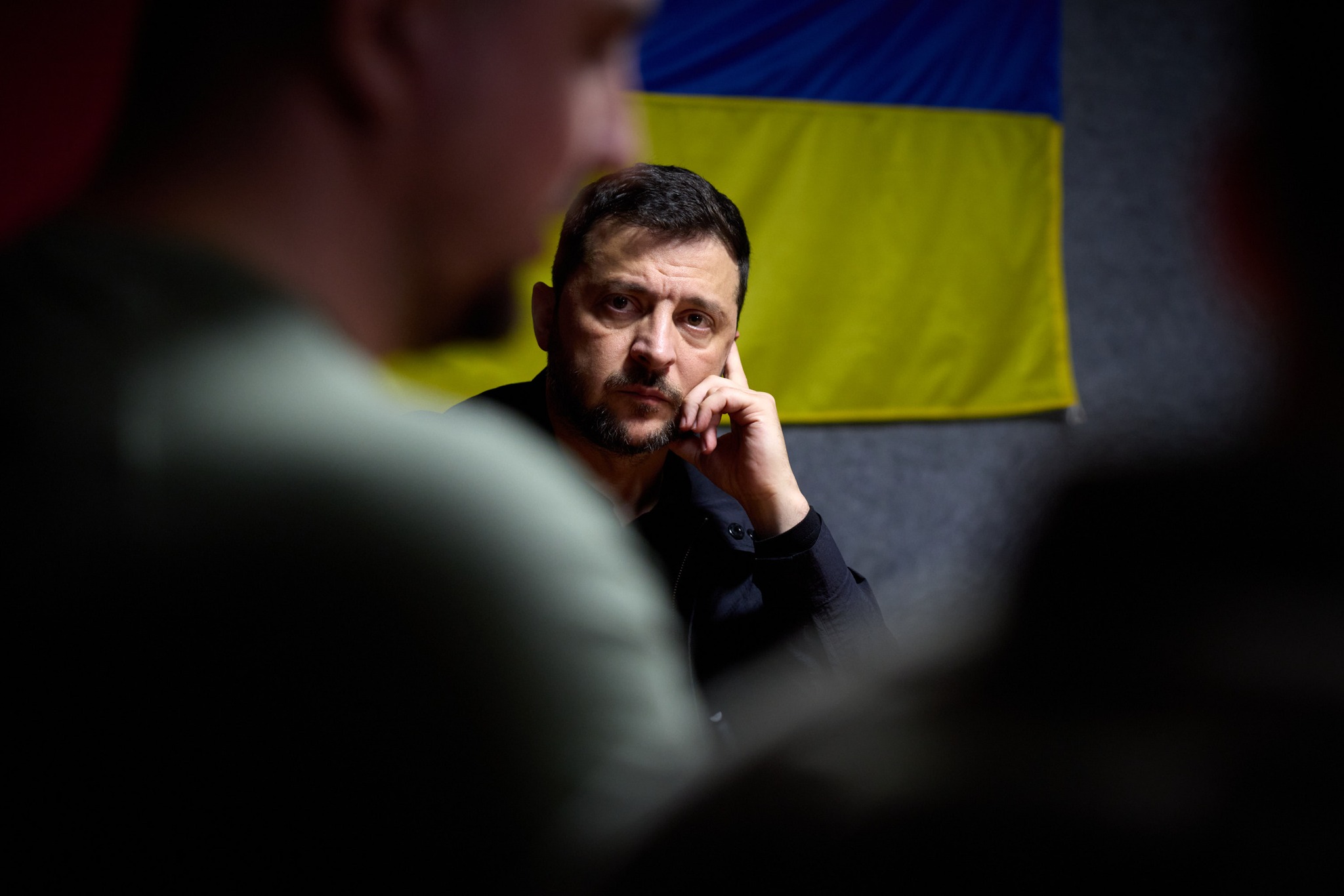
While Vladimir Putin describes Volodymyr Zelensky’s authority as “illegitimate,” the French foreign minister asserts that he has “every right to lead his country toward peace.” The weakened Ukrainian president is in Paris at a decisive moment in the conflict.
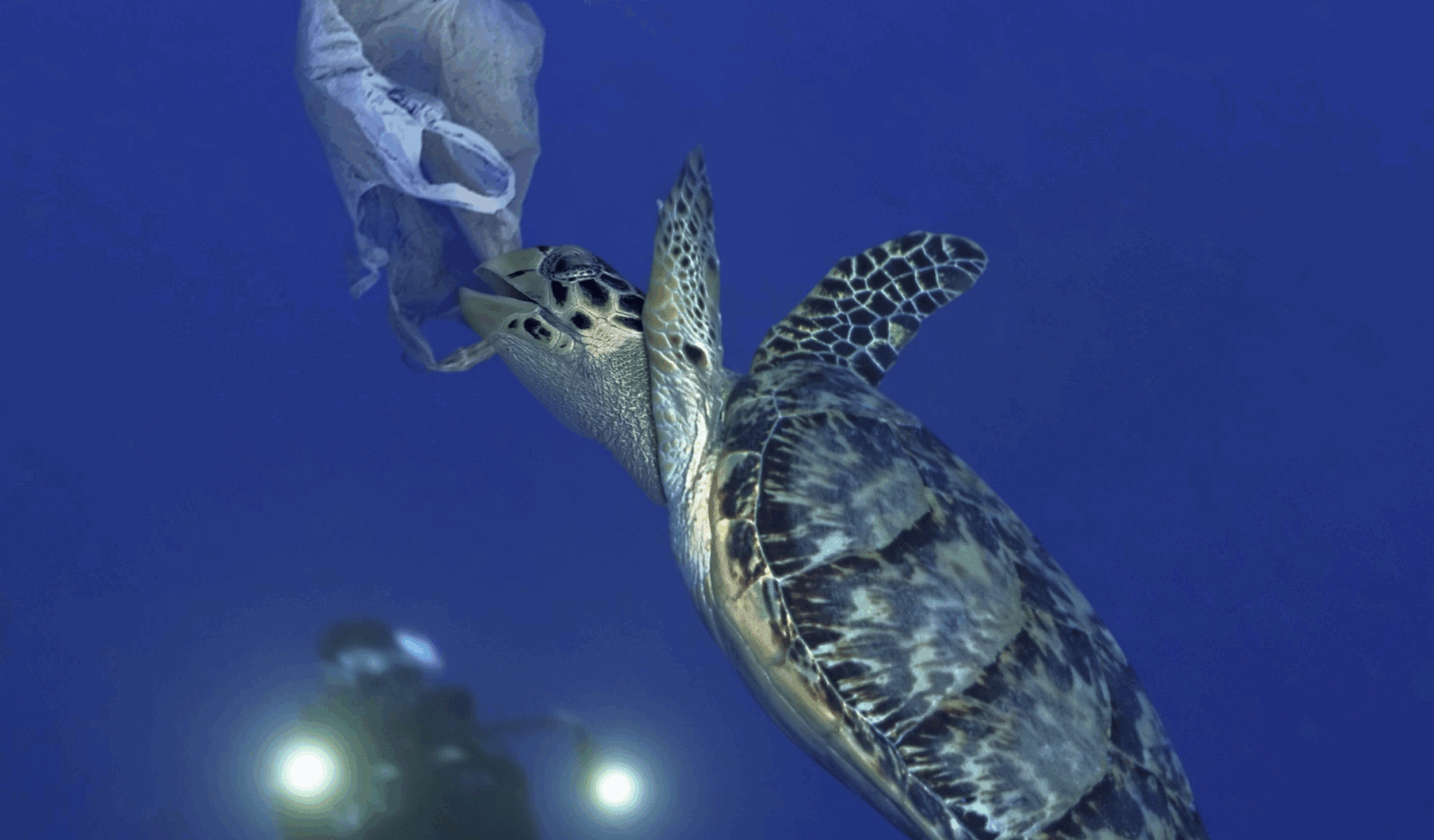
A new study found that even tiny amounts of ingested plastic can be fatal to marine animals, with lethal doses far lower than previously believed. More than ever, this highlights the urgent need to reduce plastic pollution to protect vulnerable ocean species.
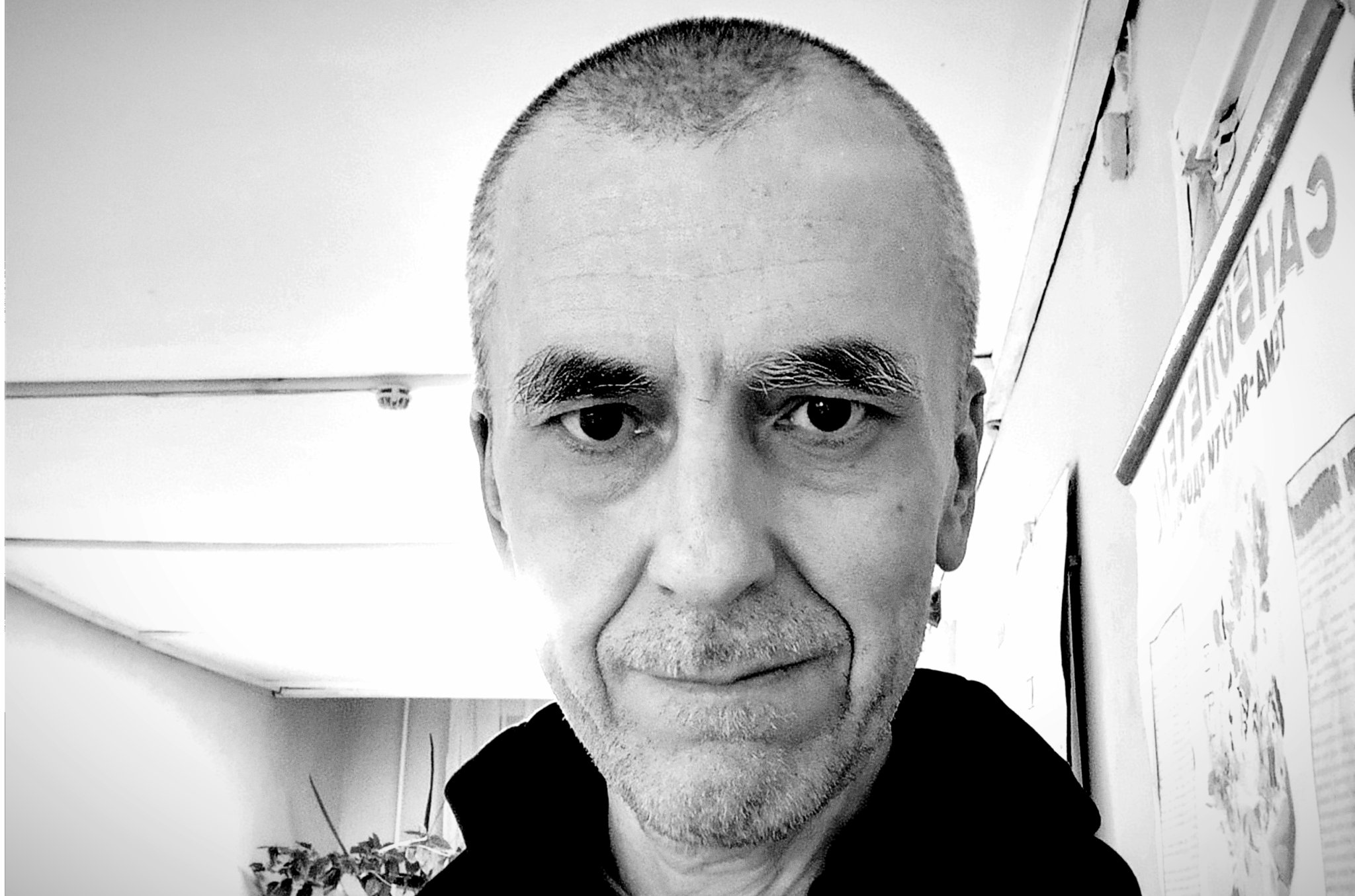
In the language of math or geography: two thousand kilometers and three and a half years — that’s five settlements. Bucha. Hostomel. Narovlya, Belarus. Novozybkov, Russia. Pakino, Russia. Udarnoye, Russia.
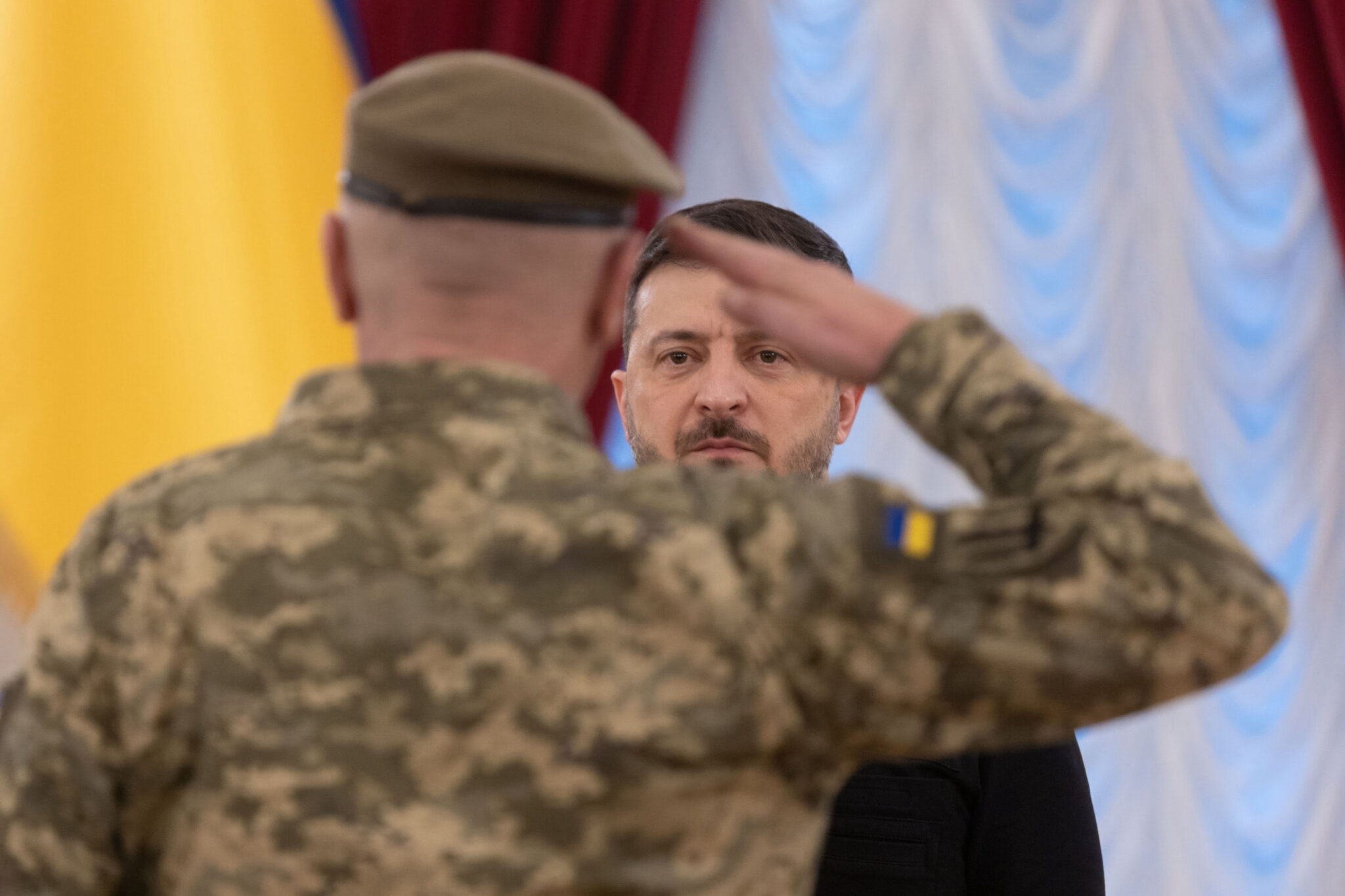
Ukraine’s president must confront demands to concede occupied territories while navigating red lines set in Kyiv and mounting pressure from both Washington and the Kremlin.
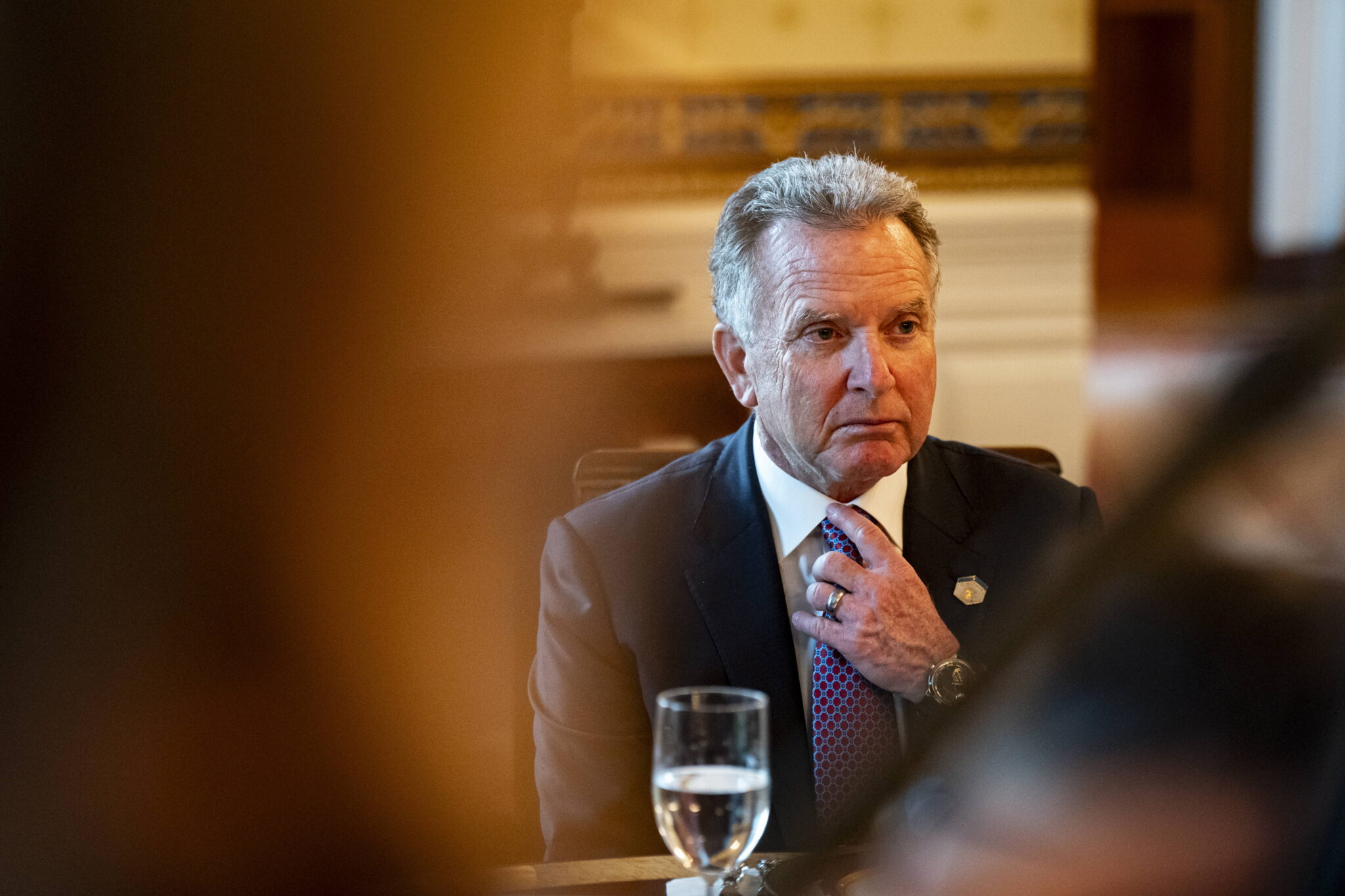
Exclusive reports by Bloomberg show transcripts of two secret phone calls involving the Trump administration’s apparent collusion with the Kremlin on the 28-point Ukraine plan Donald Trump seeks to impose on Volodymyr Zelensky.
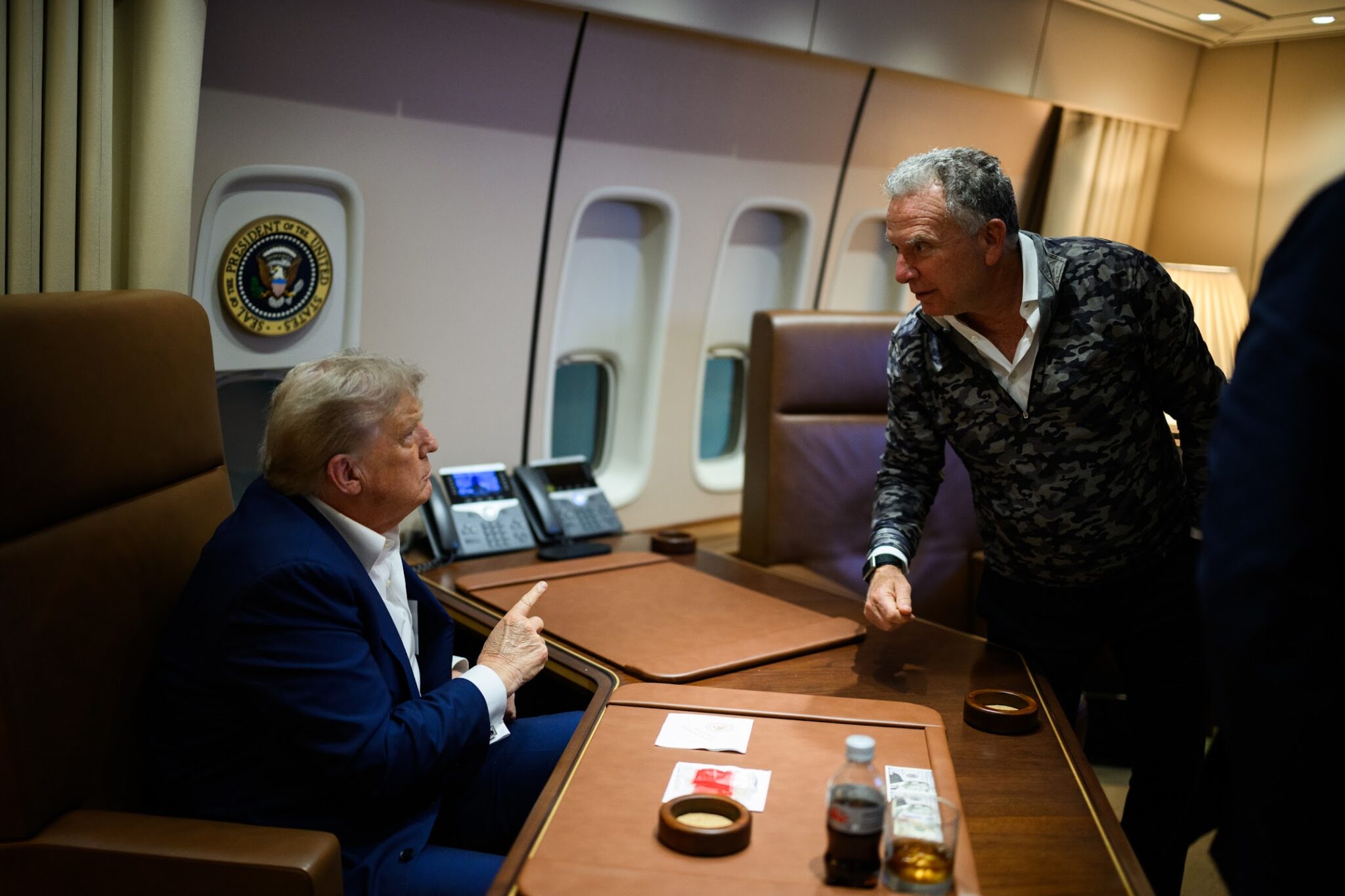
“Peace won’t be made by failed diplomats or politicians living in a fantasy land” tweeted Vice President Vance to explain why professionals are being dismissed, both on Gaza and Ukraine. The delegitimization of expertise is a major trend of our time.

The reality is that Hezbollah no longer poses a threat to Israel, but rather to the Lebanese state itself; whereas Israel represents an existential threat to the state, to Hezbollah, and to Lebanese society as a whole.
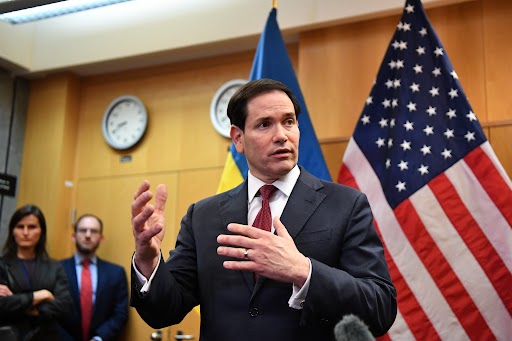
To Kyiv and the Europeans, the American 28-point plan for Ukraine looks like a demand for surrender, but Sunday’s negotiations in Geneva with the Americans attempted to amend it, at the risk of making it unacceptable to the Russians. The Trump method is once again in question.
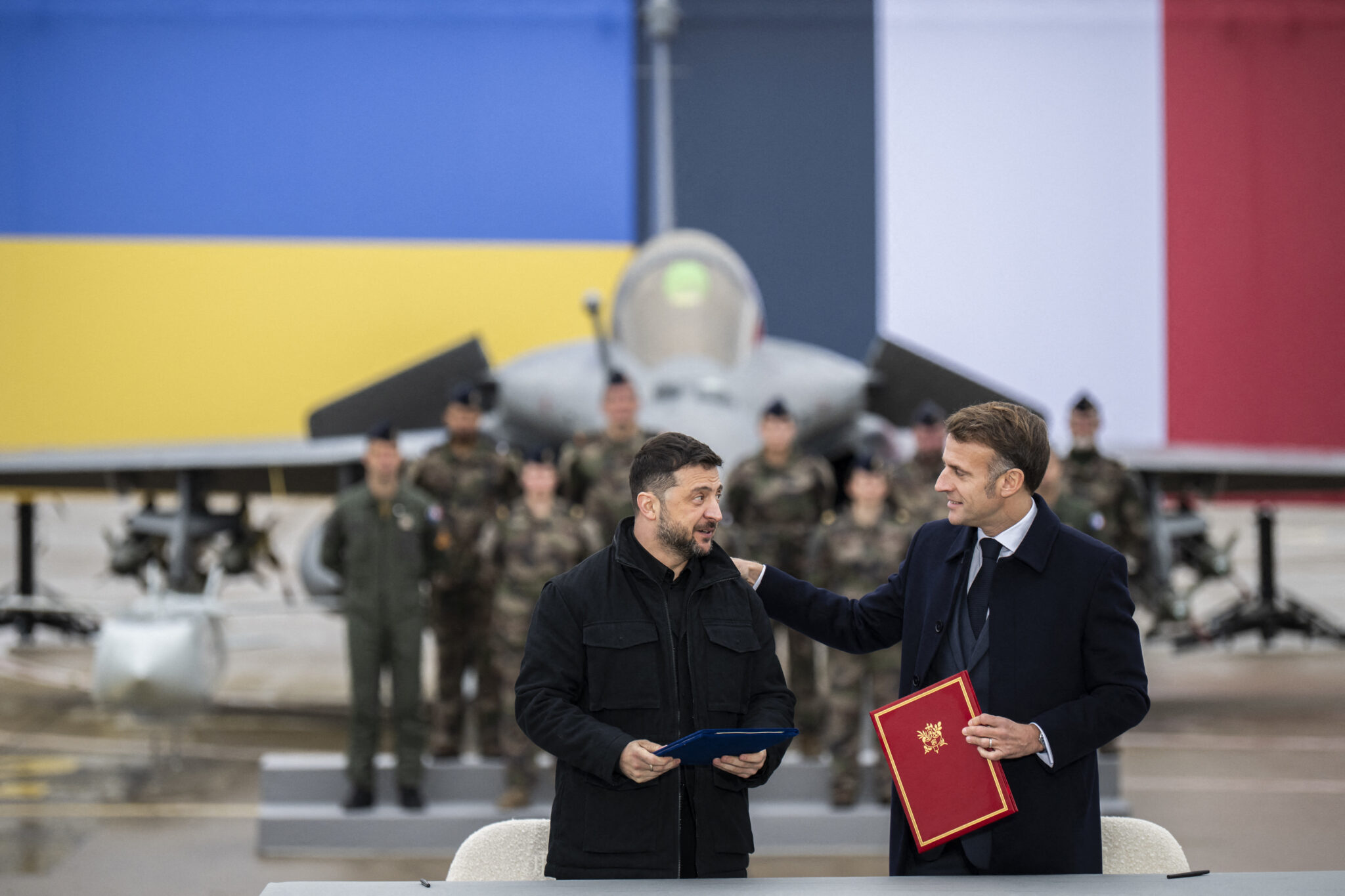
France has promised to deliver 100 Rafale fighter jets to Ukraine, but the planes won’t be appearing in Ukrainian skies for a long while. The real issue is Ukraine’s long-term military alignment within European defense cooperation. But the funding for such a program remains an open question.
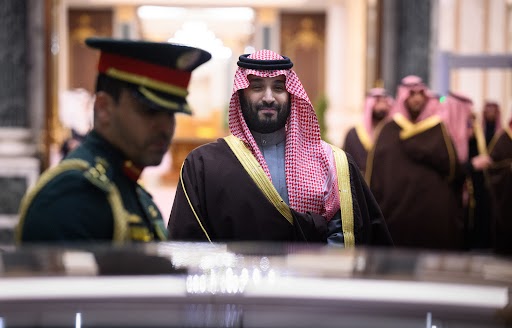
Saudi Crown Prince Mohammed bin Salman is expected in Washington on Tuesday, a visit that is preceded by a series of contradictory signals that reflect the kingdom’s current standing with the U.S. president. Every detail of the trip will be closely examined, especially in Israel.
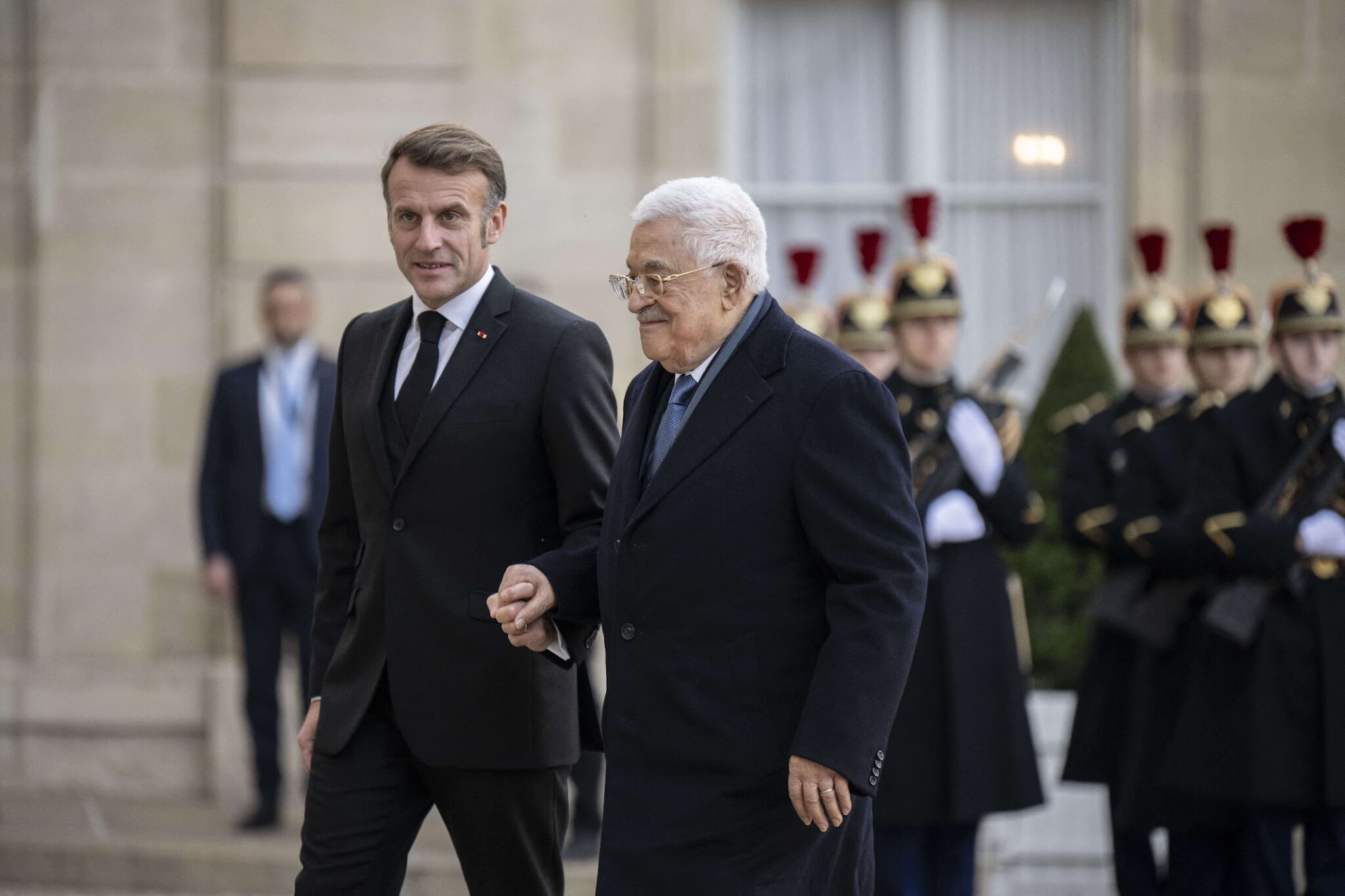
French President Emmanuel Macron received Mahmoud Abbas, the president of the State of Palestine, as recognized by France on September 22. The two leaders presented ideas for the future of Gaza that go beyond the Trump plan currently being implemented.
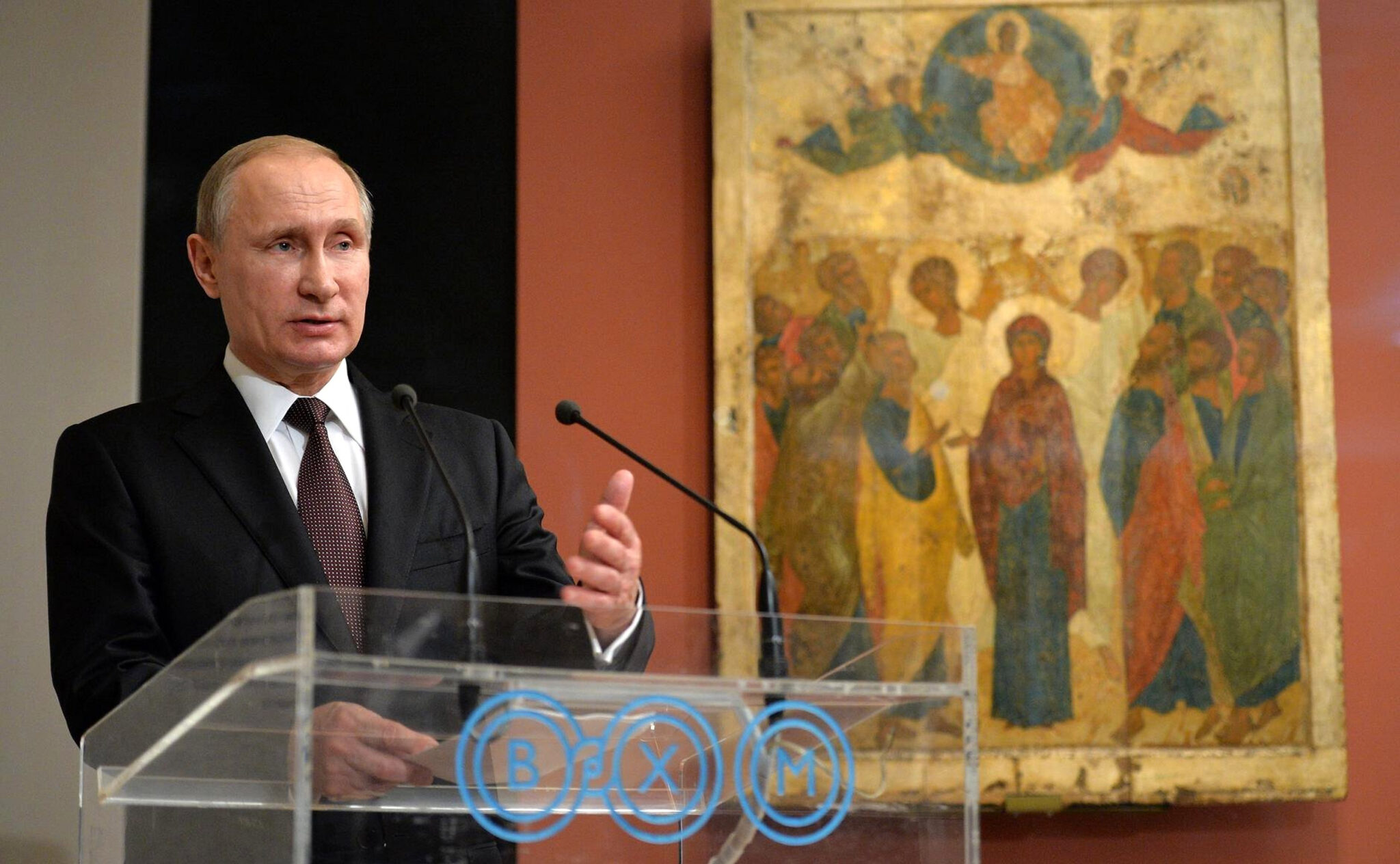
By resurrecting the “Anglo-Saxon threat,” Putin’s Russia is using history as a weapon — turning old myths into modern geopolitics.
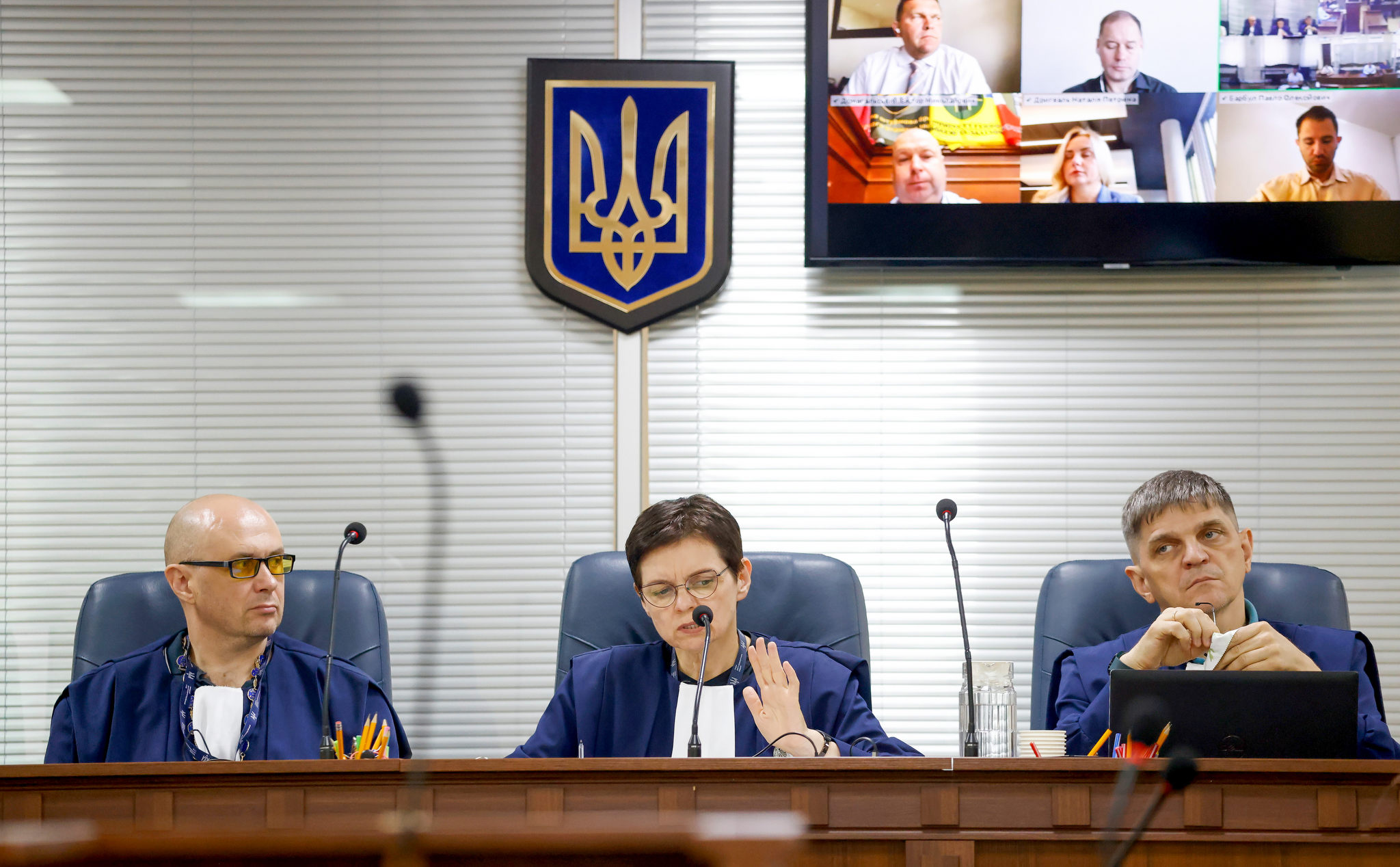
A former defense industry insider, once praised for exposing corruption, stands accused of the same abuses. His accuser was recently murdered.
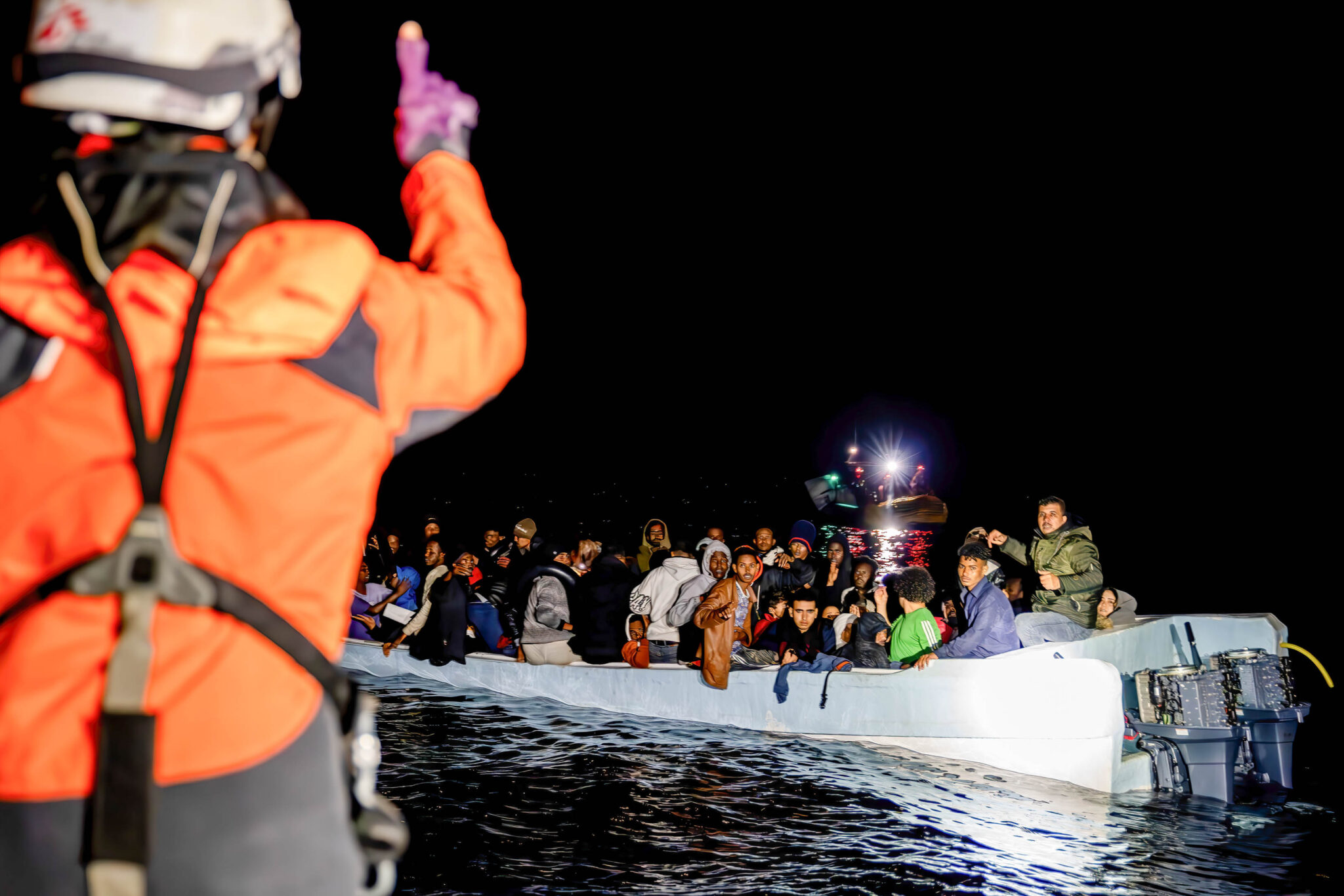
A warning from Monica Minardi, president of the Italian branch of Doctors Without Borders, on how EU and Italian policies dehumanize migrants, empower Libyan abuses, strip reception services, and dodge safe legal routes as the “Fortress Europe” deal is silently renewed.

👋 Bonghjornu!* Welcome to Tuesday, where Ukraine’s army remains locked in an intense battle to hold back a Russian push on the key city of Pokrovsk, Peru severs its diplomatic ties with Mexico and today’s quiz question is about breaking a world record. Meanwhile, Olivia Carballar for Spain’s La Marea’s – Climática examines the data […]
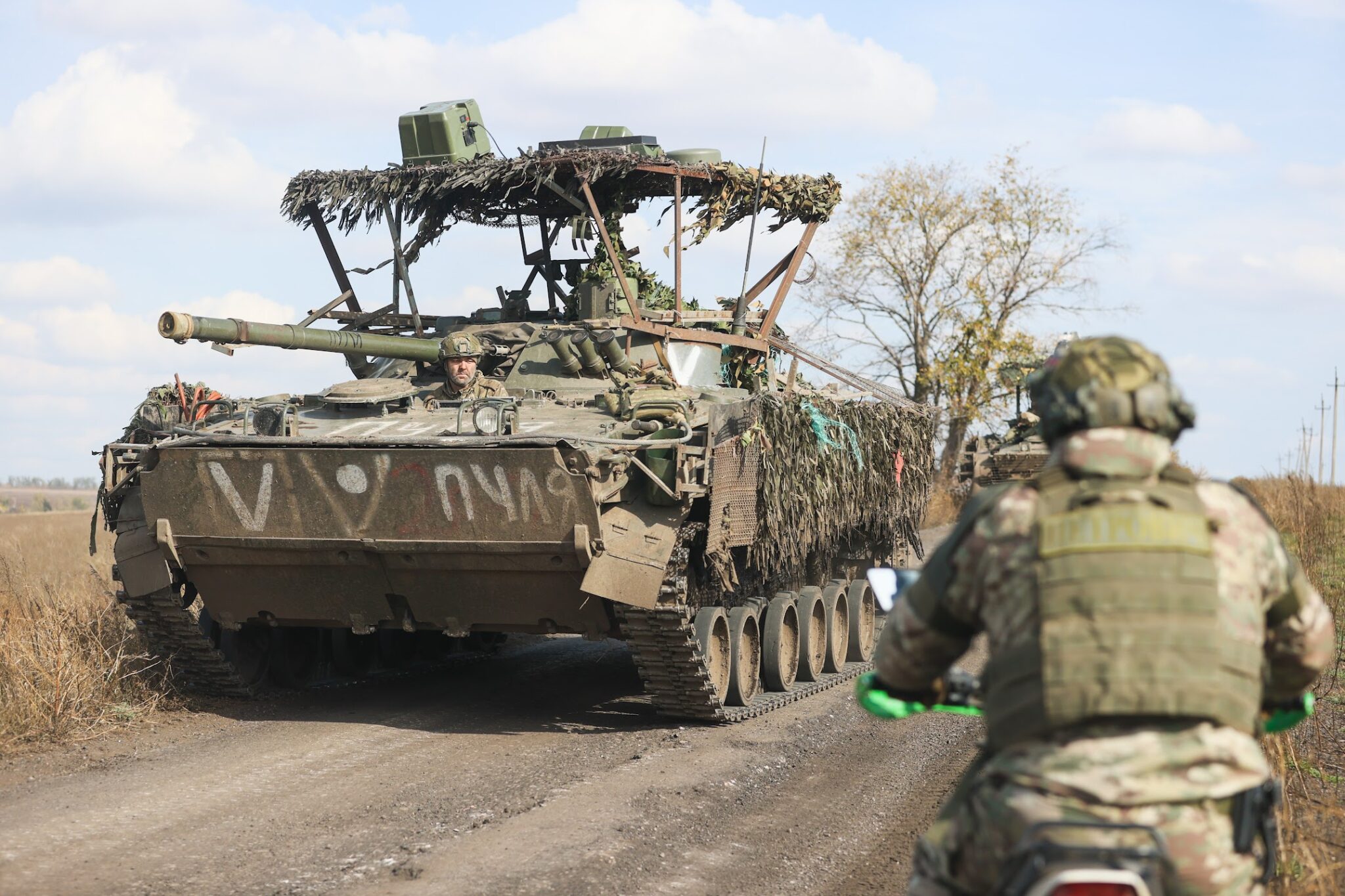
The strategically important city of Pokrovsk, in the Donetsk region, is the scene of intense fighting between Russian attackers and Ukrainian defenders. This is an important test as Vladimir Putin seeks to assert his dominance on the ground, not only over Ukraine but also over Europe.
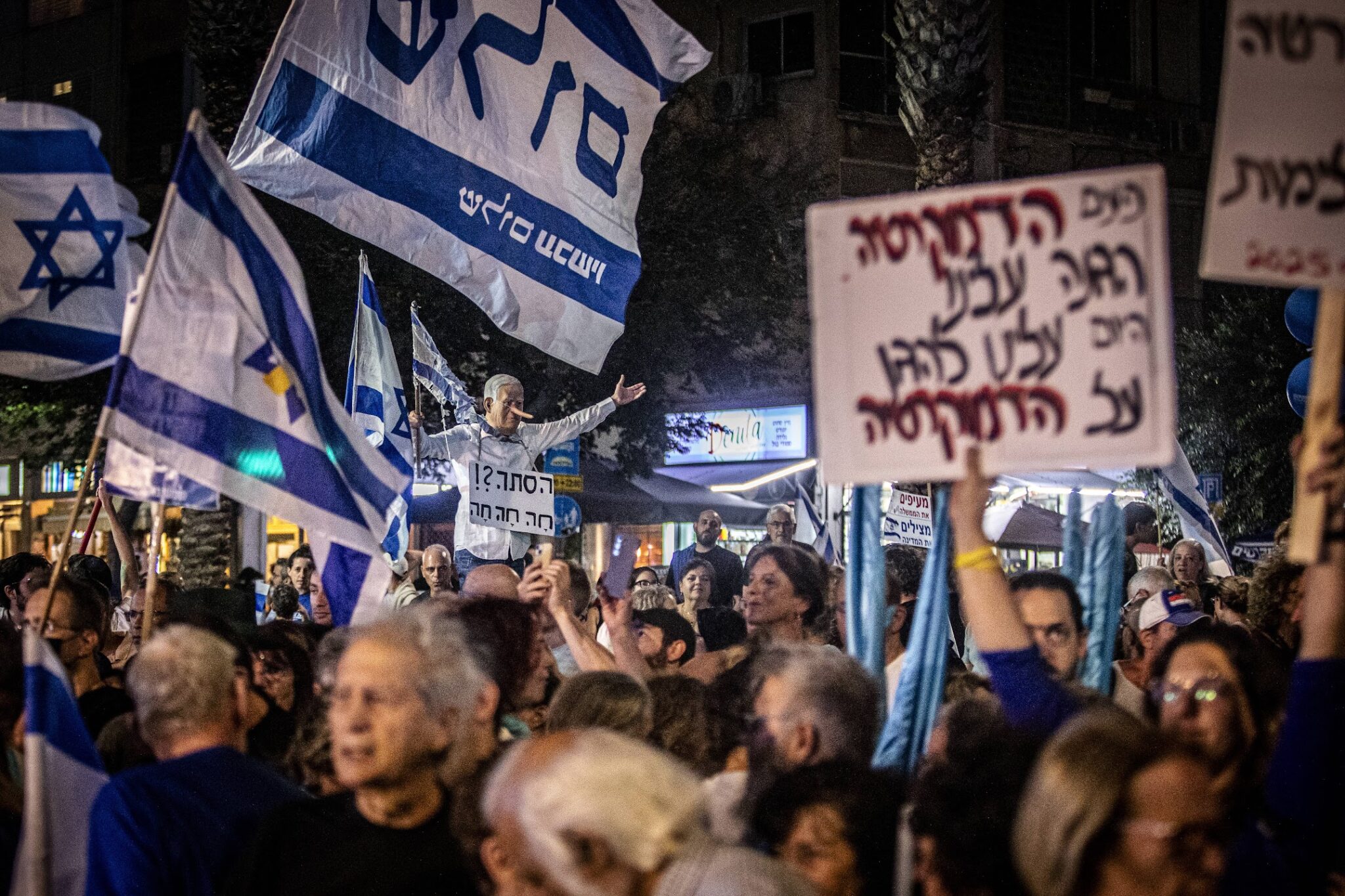
The anniversary of the former prime minister’s assassination comes at a moment when both Israeli and Palestinian extremists have the upper hand. But it is at least a reminder that belief in a resolution to the Middle East conflict once existed, on both sides.
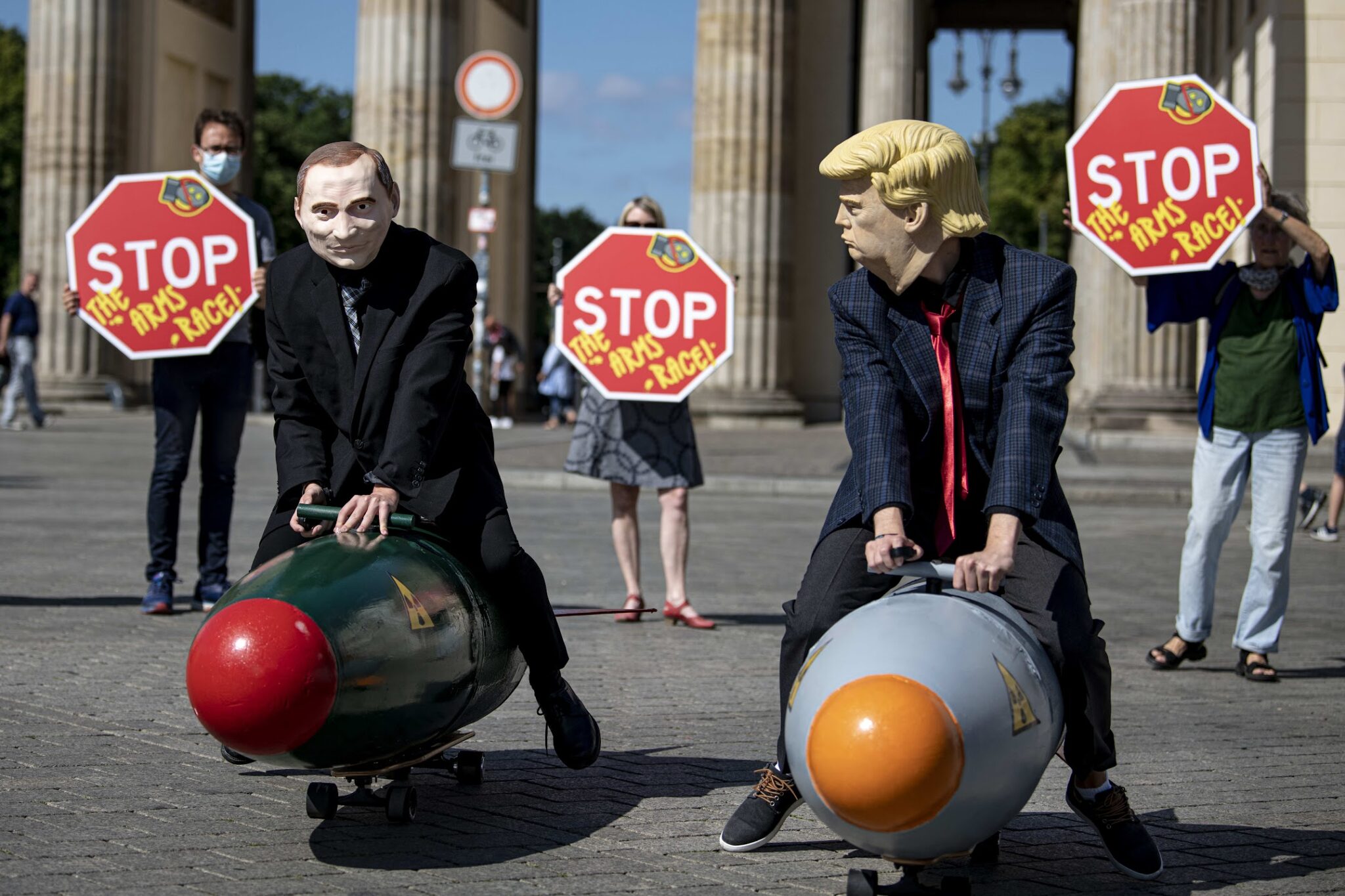
Donald Trump has ordered renewed testing of nuclear weapons, while Vladimir Putin is touting the power of his nuclear-capable missiles and underwater drones. Why all this noise about nuclear weapons?
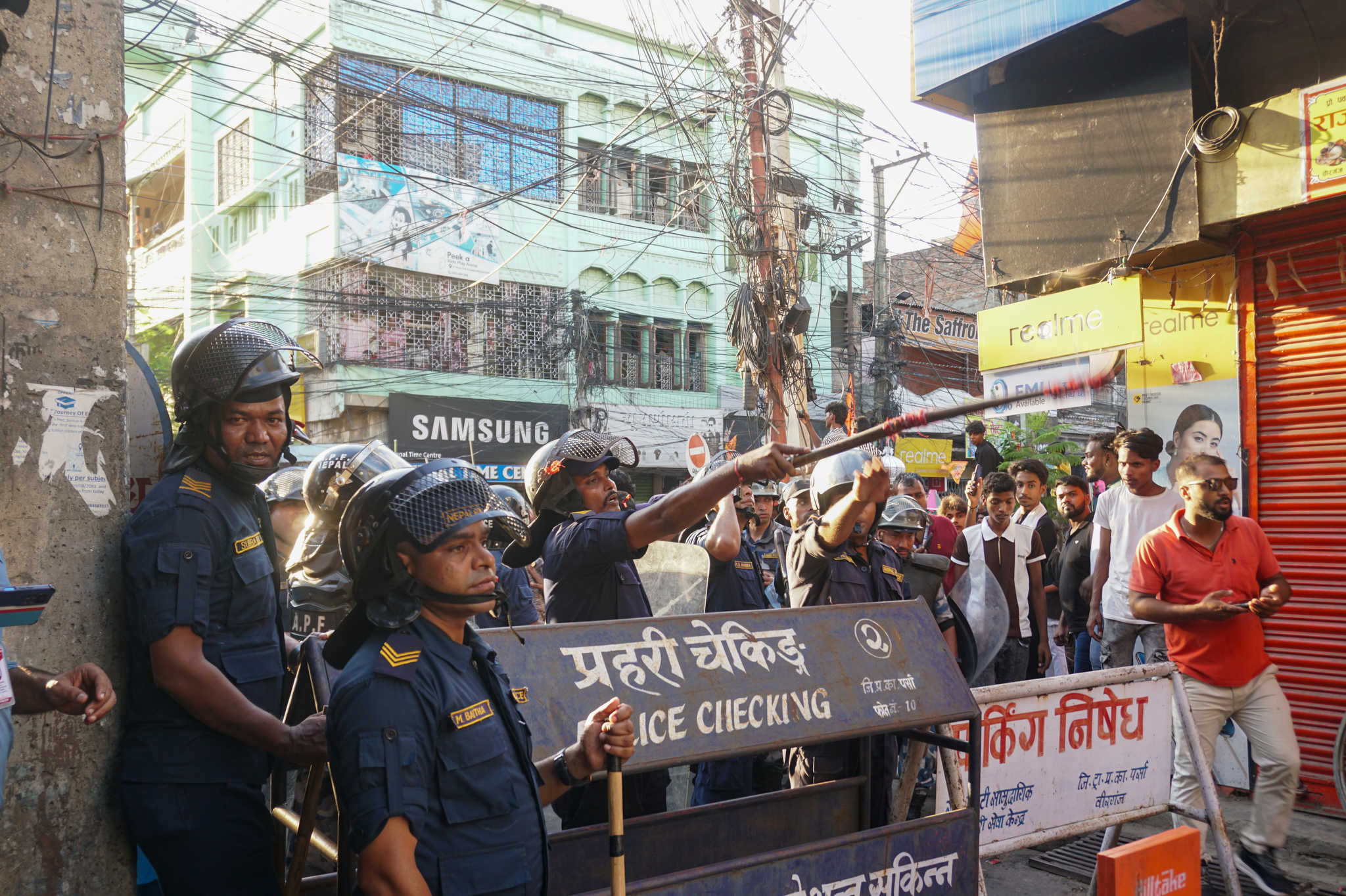
In border towns, rallies organized by Hindu nationalists often end in violence — fracturing communities and threatening Nepal’s fragile secularism.
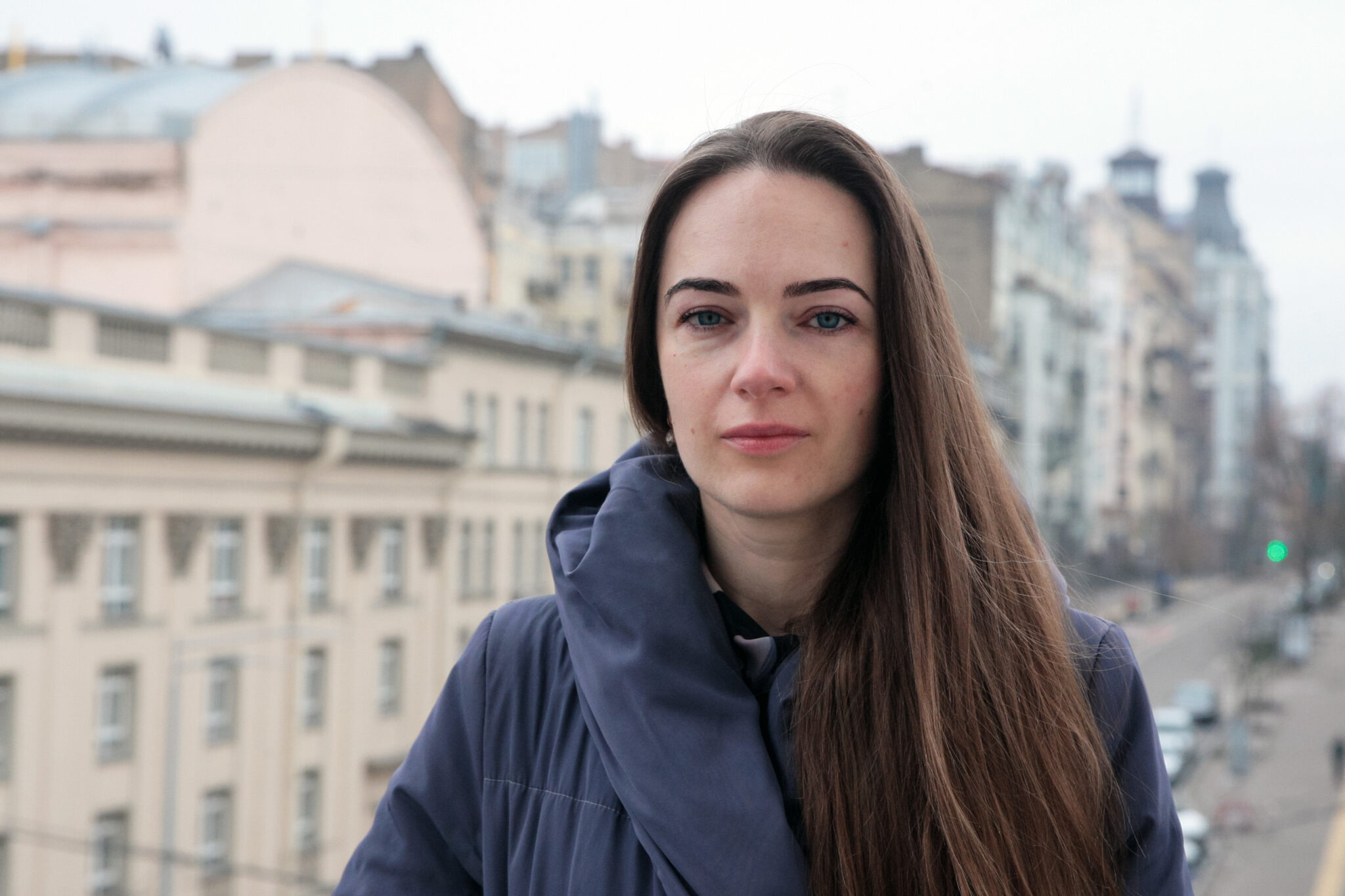
At a cultural diplomacy forum in Kyiv, Nobel laureate and human rights defender Oleksandra Matviichuk urged the world to see culture as a force for justice and freedom — and as essential to building a lasting peace.
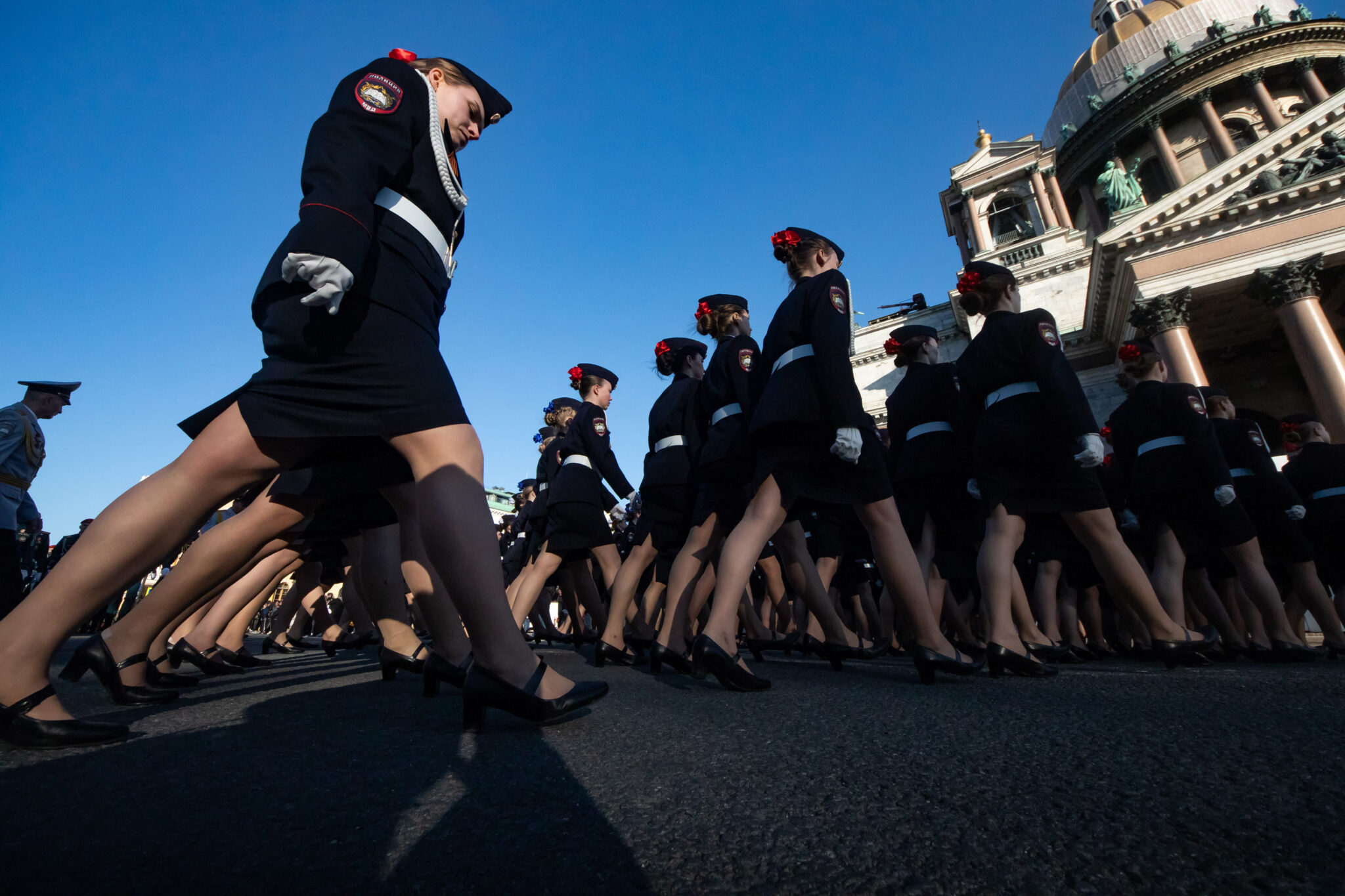
Ukrainian intelligence reports reveal that Cuban women are among the foreign and female recruits serving in Russia’s war in Ukraine, raising new questions about recruitment networks and human trafficking.
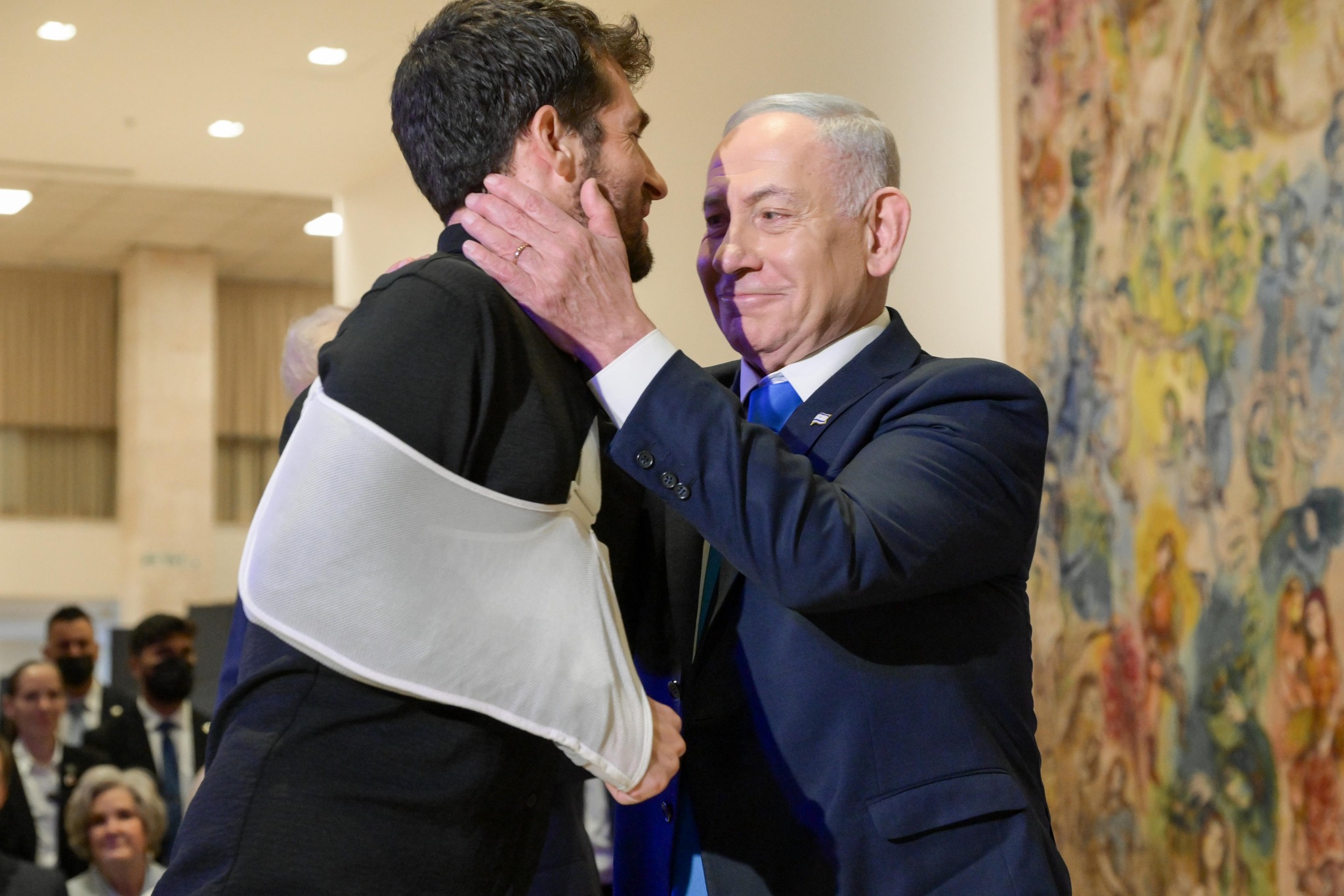
After the hostages’ release, will Israelis see Benjamin Netanyahu as the man who weakened Iran and its allies, or as the person responsible for the security failure of October 7? The answer will largely determine the future of the Gaza agreement and the state of Israel’s relations with the world.
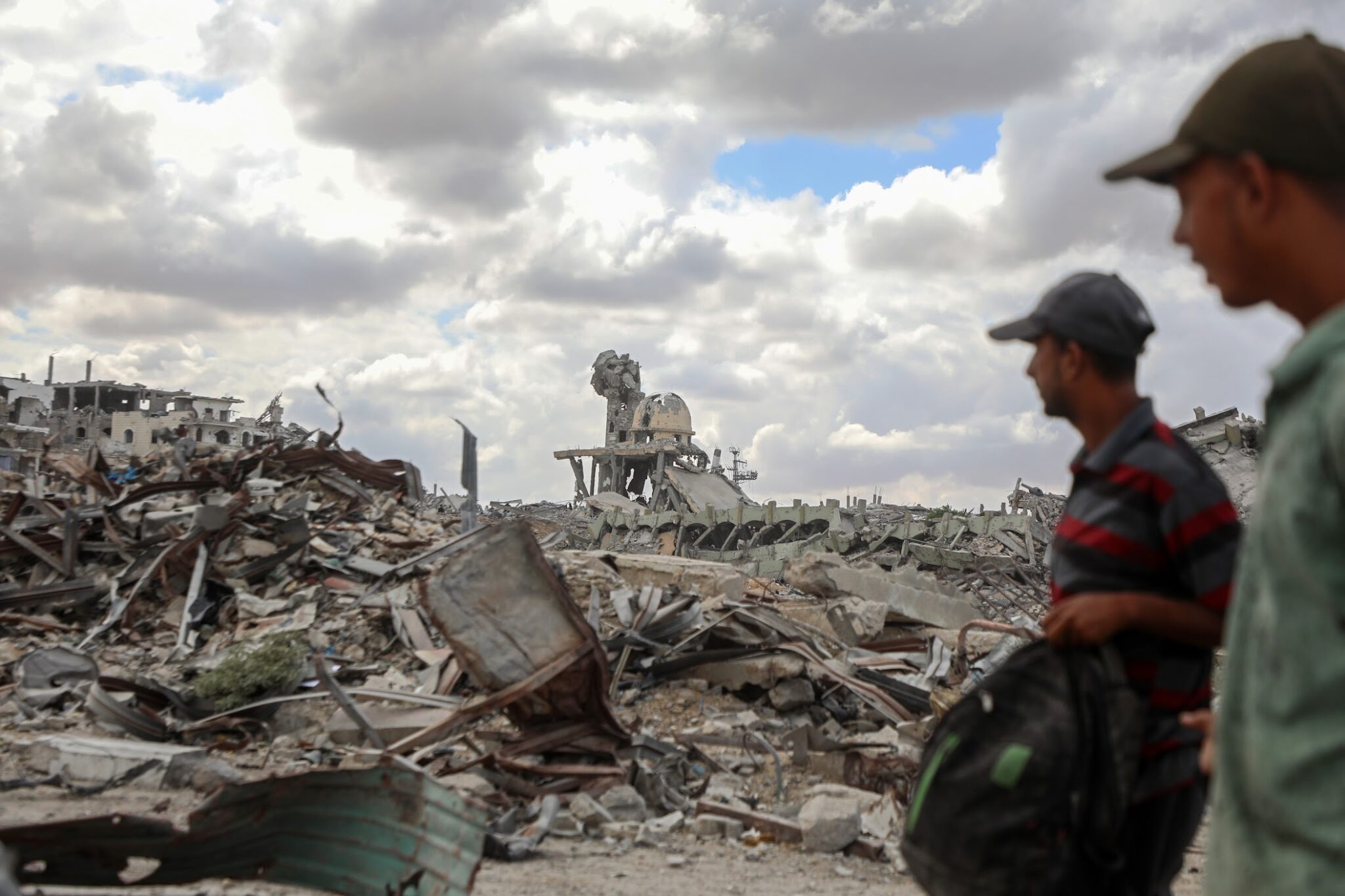
Donald Trump and some 20 European and Middle Eastern leaders meet Monday in Egypt to discuss Gaza, but with different agendas and objectives. The risk is that this will lead to a ceasefire without a peace process, which is a recipe for future disasters.
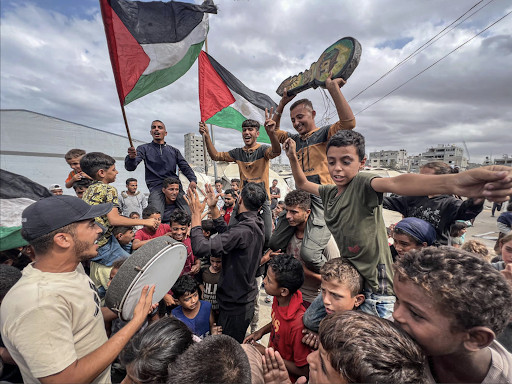
The first phase of the agreement will see the release of Palestinian hostages and prisoners. But can we really be optimistic about what comes next, when the tougher political choices are still to come? Not just yet, says geopolitical analyst Pierre Haski.
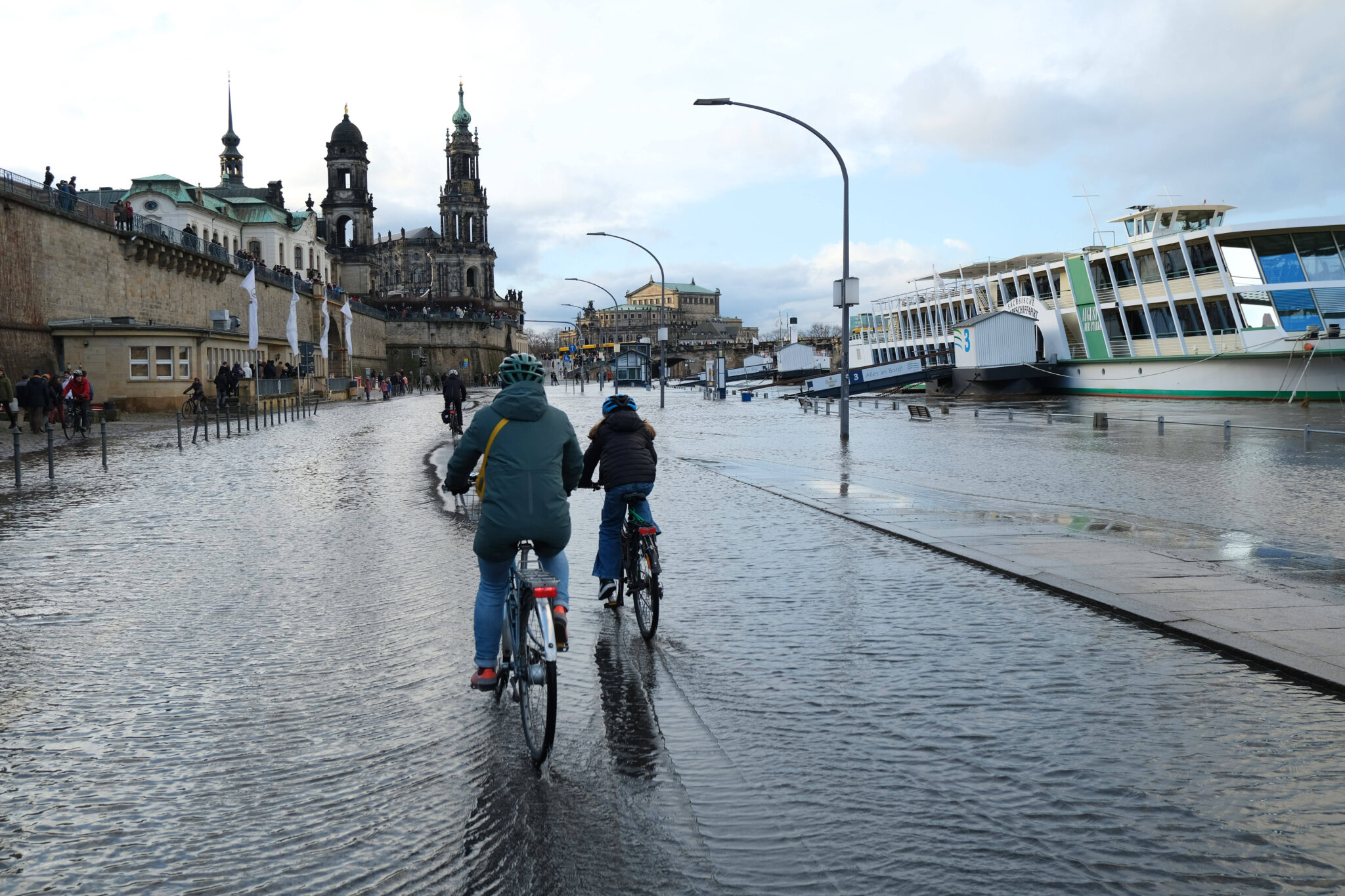
German scientists warn global warming is accelerating faster than expected, raising the risk of a 3 °C rise by 2050 and forcing Europe to confront unthinkable adaptation plans.

Under pressure from the U.S. president, Israeli and Hamas negotiators reached an agreement on the first phase of the Gaza plan — a deal that includes the release of Israeli hostages and Palestinian prisoners. But the path forward remains uncertain, with the next steps in the plan’s implementation still unclear.
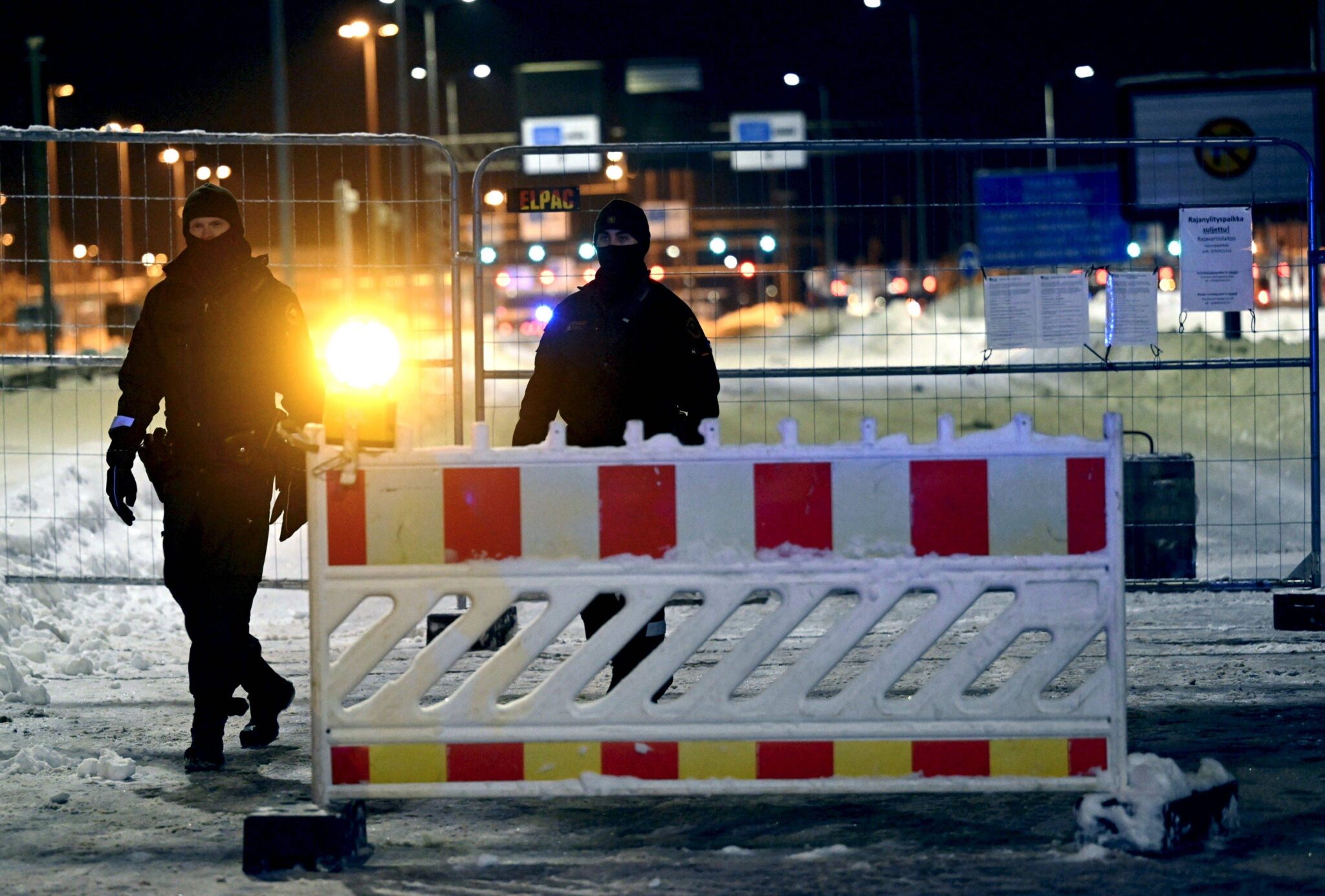
Since the Russian border was closed, people in the far east of Finland have been living with a new Iron Curtain that is reshaping daily life and upending the regional economy.
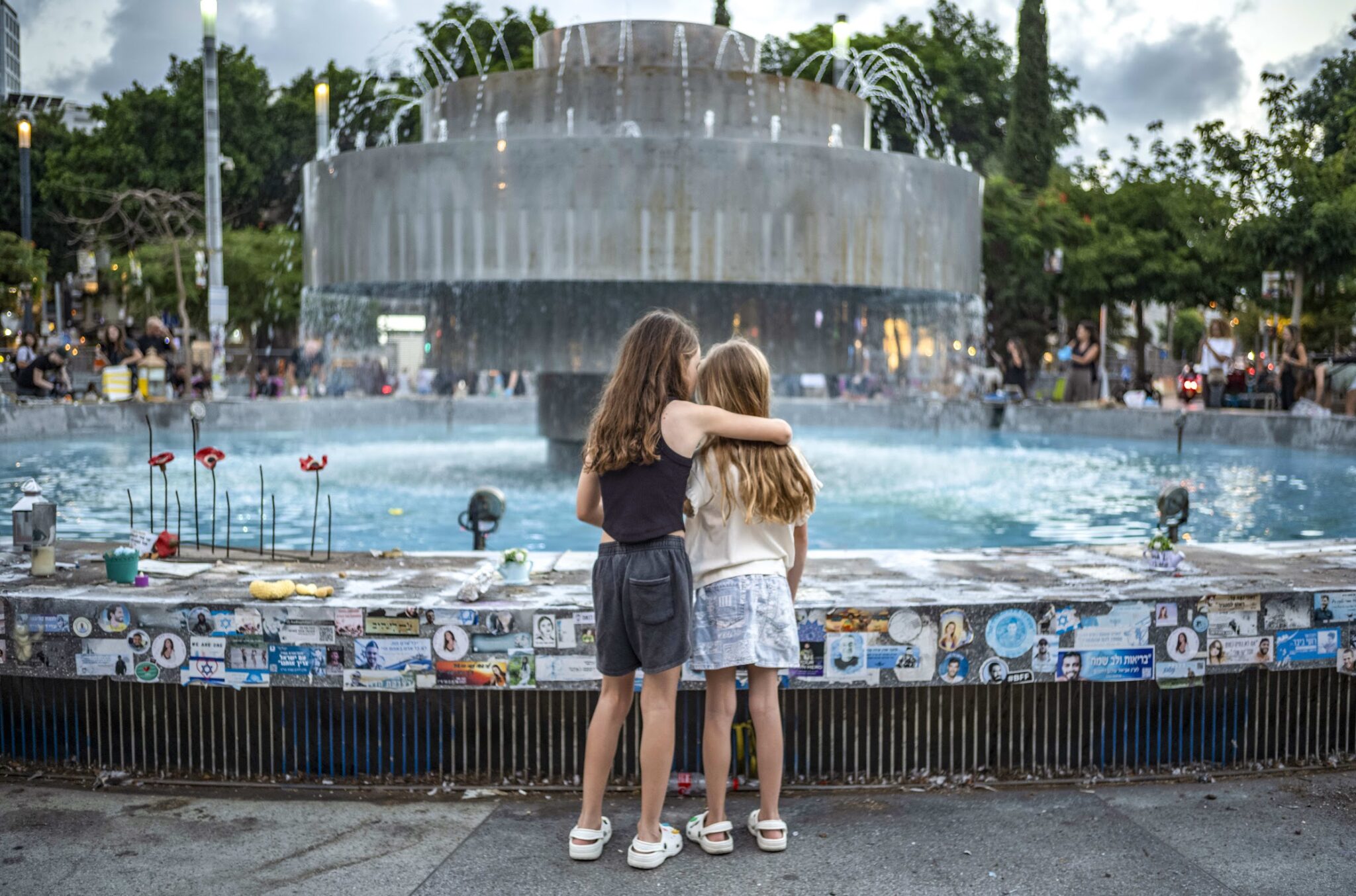
Two years after the worst massacre in their history, Israelis have yet to recover from the trauma. The war in Gaza still rages, with the nation waiting for the results of ongoing negotiations. While they have achieved military victories, the moral struggle remains unresolved — leaving Israel at a critical crossroads.

Negotiations on the implementation of Trump’s plan for Gaza began on Monday in Egypt. No one wants to be held responsible for failure, which gives the first phase— a ceasefire and the release of hostages and prisoners — a real chance of success. What comes next will be far more complex.

Israeli authorities intercepted boats from the international Gaza aid flotilla late Wednesday. But the standoff is bound to continue to weigh on the Middle East conflict.

After a series of intrusions by unidentified drones, Denmark is hosting a two-day European summit focused on the Russian threat. The Danish prime minister has denounced Russia’s “hybrid warfare,” saying, “This is only the beginning.” But the EU must be careful not to overreact.