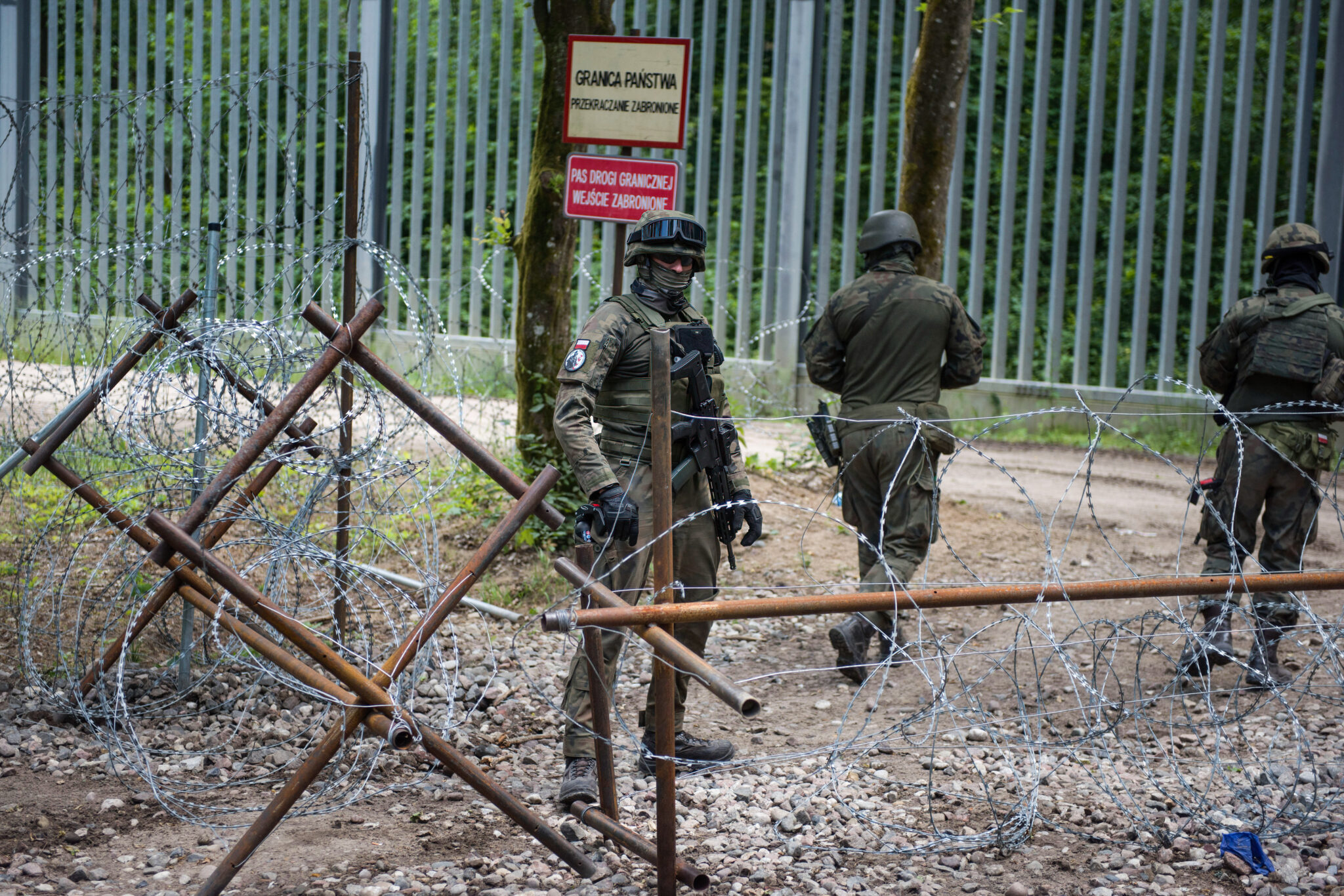
A historic ally of Kyiv, Poland has found itself on the frontlines of the Ukraine-Russia war. What began as a border crisis back in 2021 has now evolved into a full-scale struggle for security, sovereignty, and survival on NATO’s eastern flank.
 Worldcrunch
Stay updated with comprehensive news on Poland from Worldcrunch. Discover insights on Polish politics, economic strategies, societal issues, and cultural landmarks with translations from top international sources. Highlights include Warsaw, Polish history, and cultural events.
A historic ally of Kyiv, Poland has found itself on the frontlines of the Ukraine-Russia war. What began as a border crisis back in 2021 has now evolved into a full-scale struggle for security, sovereignty, and survival on NATO’s eastern flank.
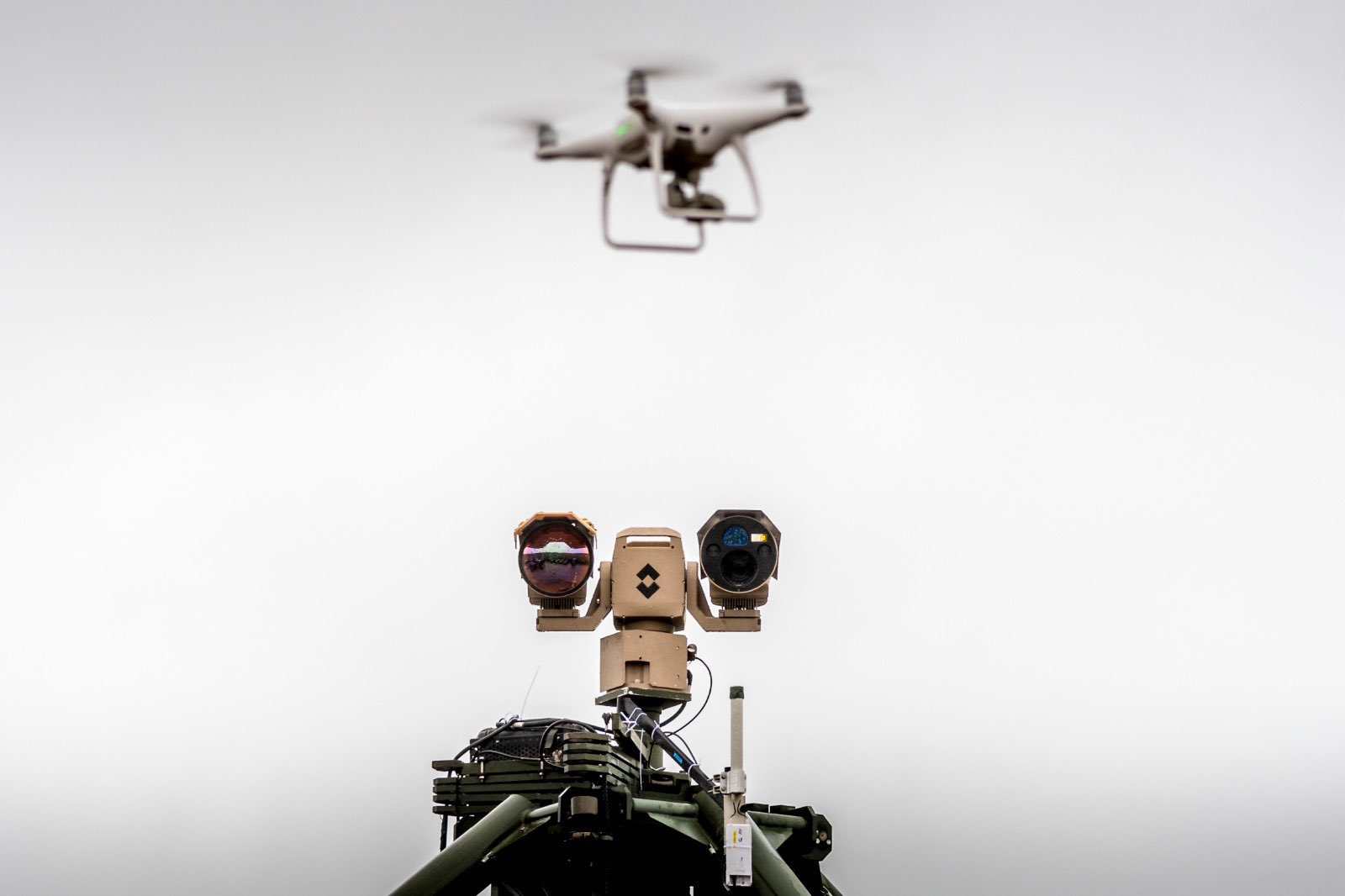
The incursion of 19 Russian drones into Polish airspace prompted several NATO countries to mobilize, but also highlighted the weakness of the alliance’s defense capabilities. Warsaw has called it a “provocation” and the incident will accelerate the move towards European defense.
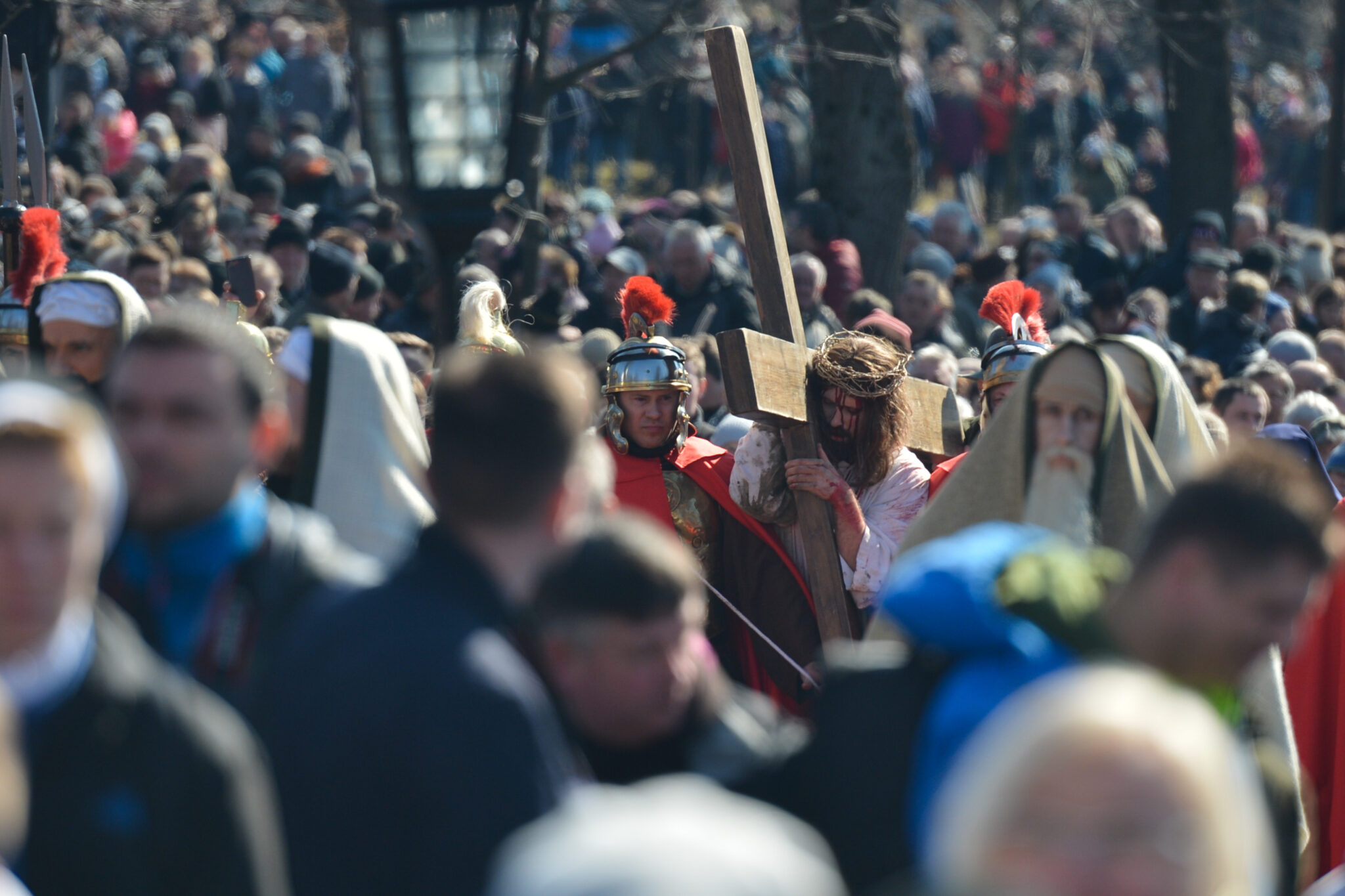
Poland’s historic “New Jerusalem” once housed a vibrant Hasidic Jewish community before being destruction in the horrors of the Holocaust.
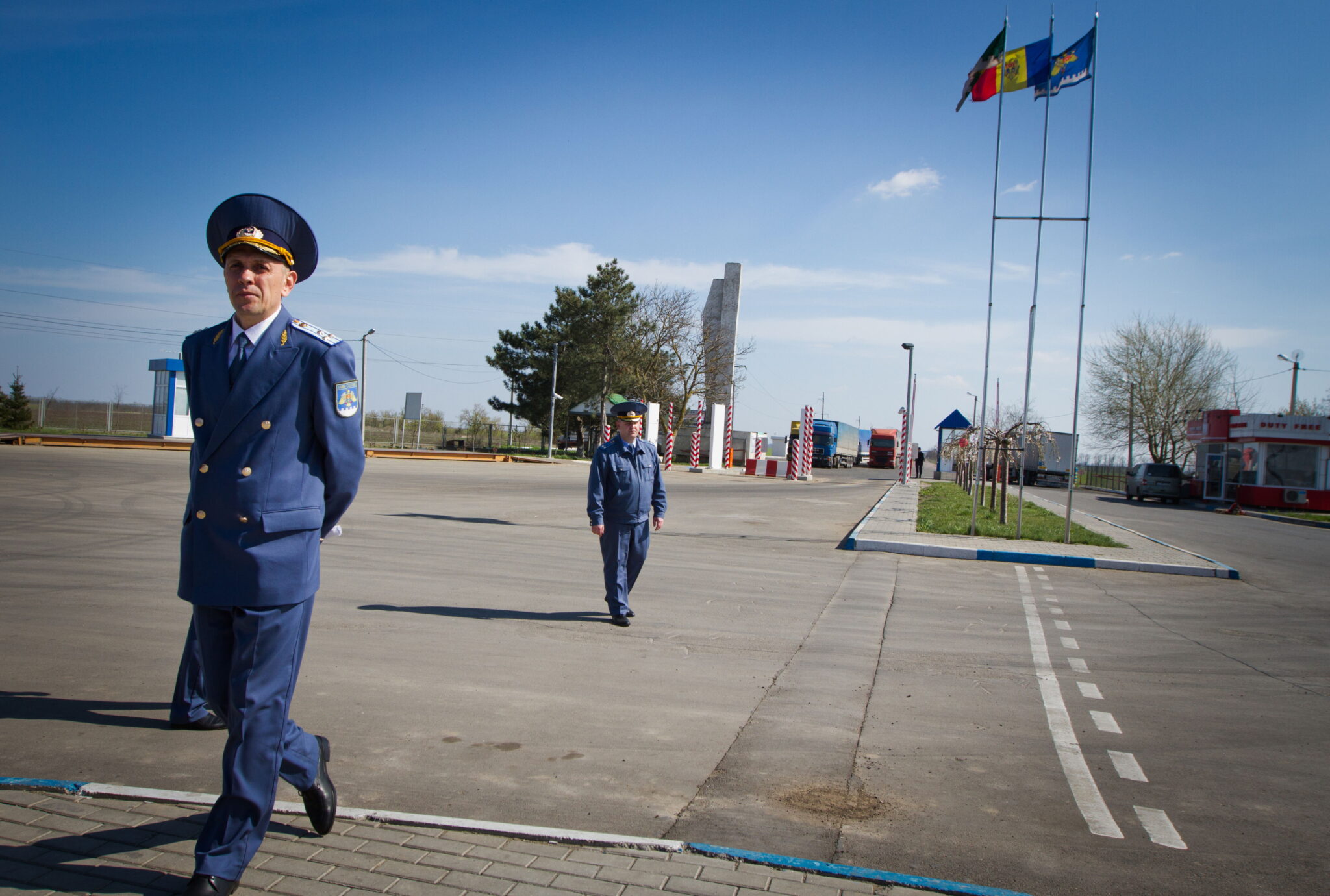
Macron, Merz and Tusk are in Moldova on Wednesday to celebrate the anniversary of its independence and to lend political support to pro-European President Maia Sandu, one month before parliamentary elections marked by a pro-Russian offensive.
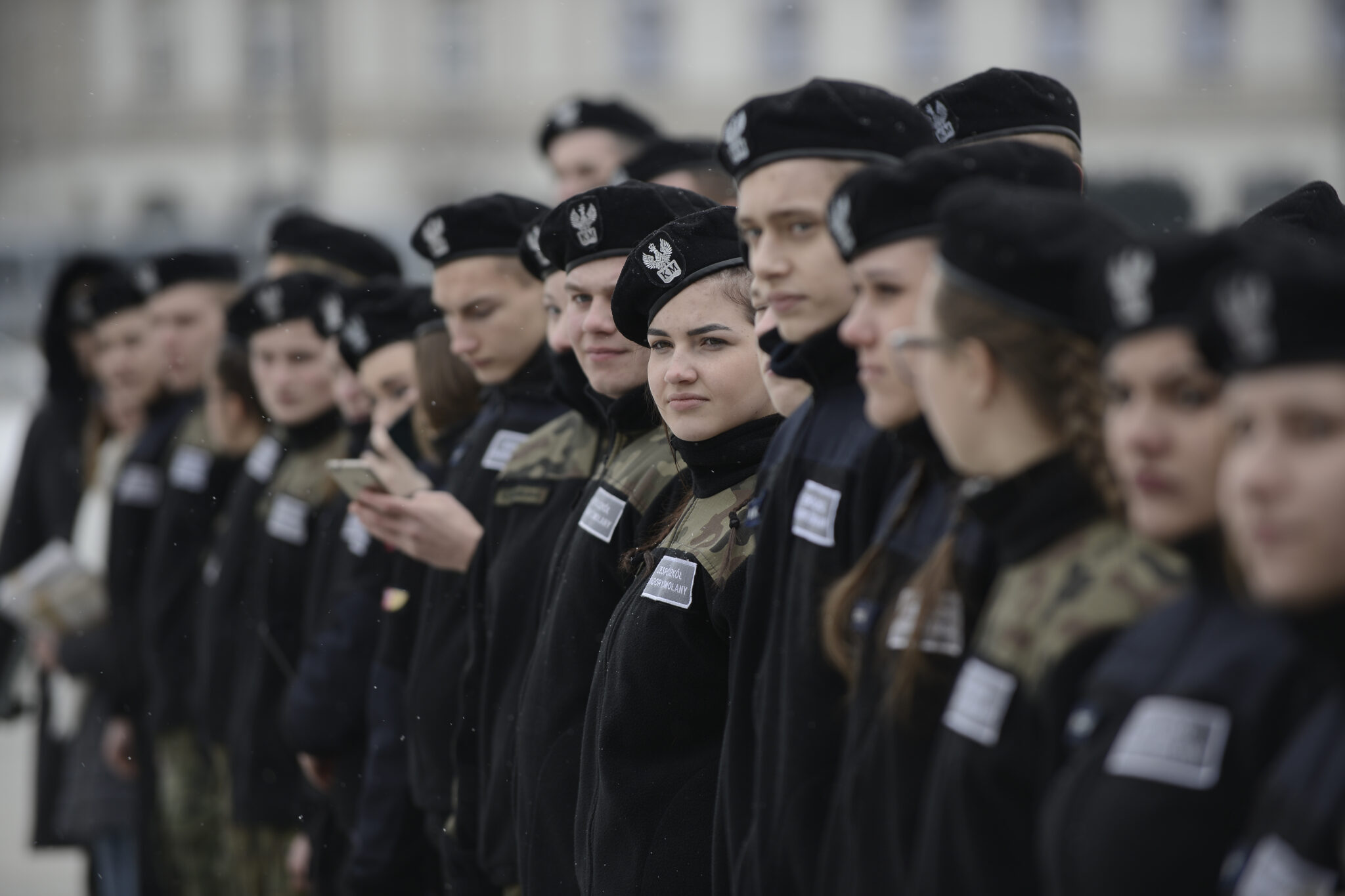
Interest in professional military service is growing among Gen Z in Poland, a frontline state in the Ukraine war. But is this generation, who spent much of their coming of age indoors during COVID-19, really ready to fight?
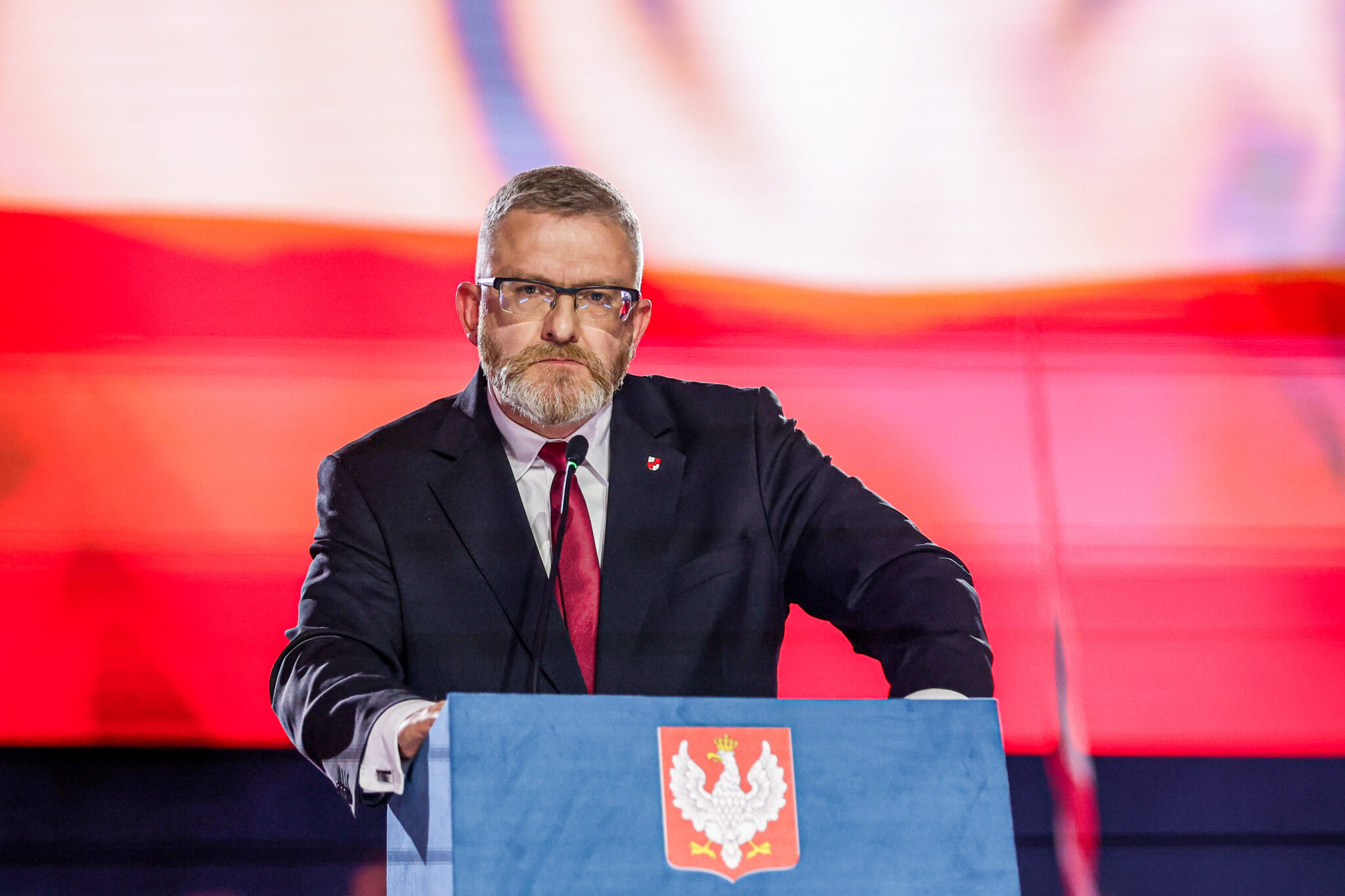
After splitting from the Confederation party, Poland’s far-right leader Grzegorz Braun has continued to say ever more extreme statements, including blatant Holocaust denial. It all seems to give him a boost in popularity.
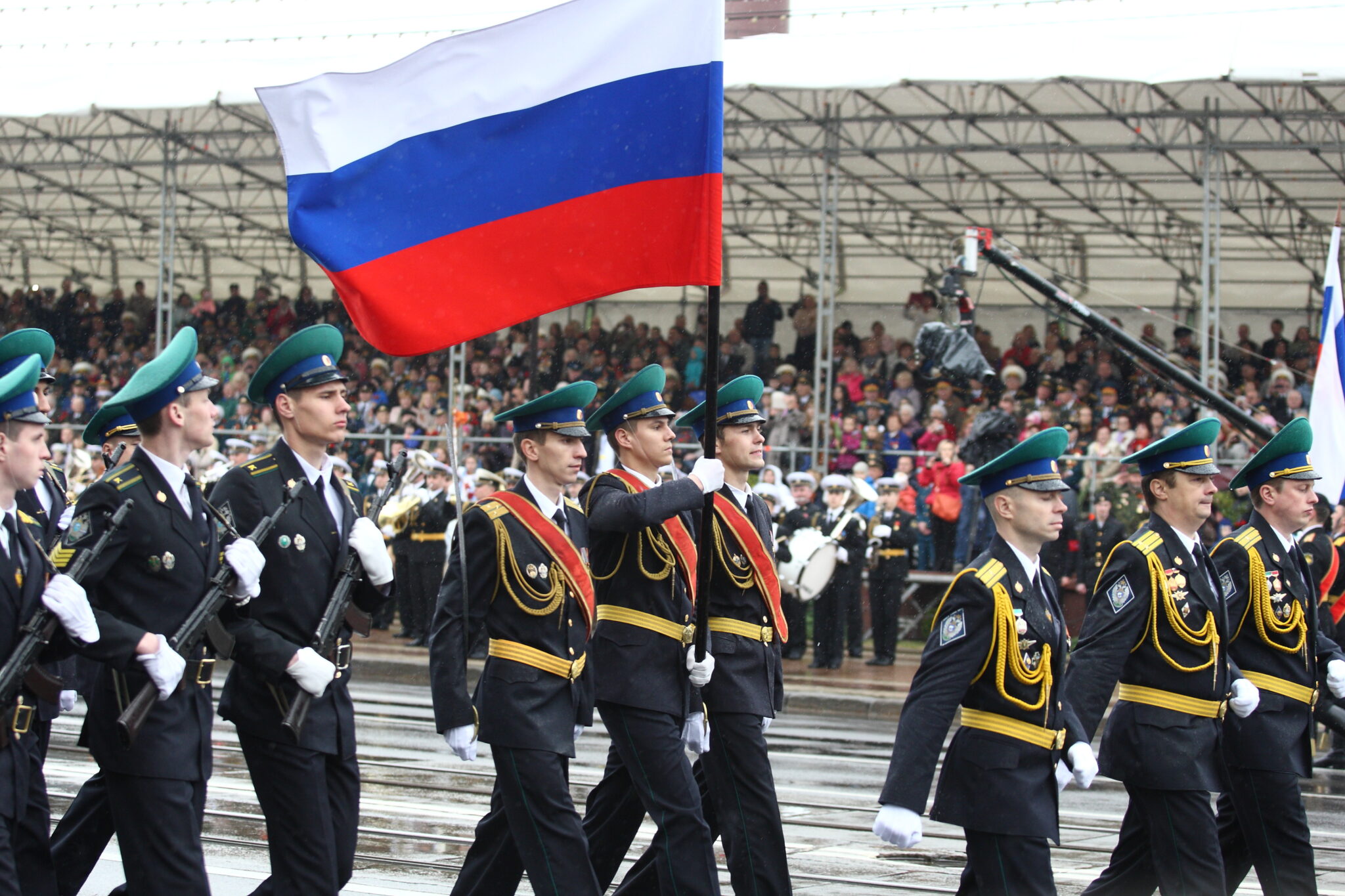
This small but strategically located Russian exclave is the most militarized area in Europe. Much of the continent remains within range of Kaliningrad’s Iskander missiles which allows Russia to keep NATO in check. What is the real potential of the Russian military forces stationed just beyond our northern border?
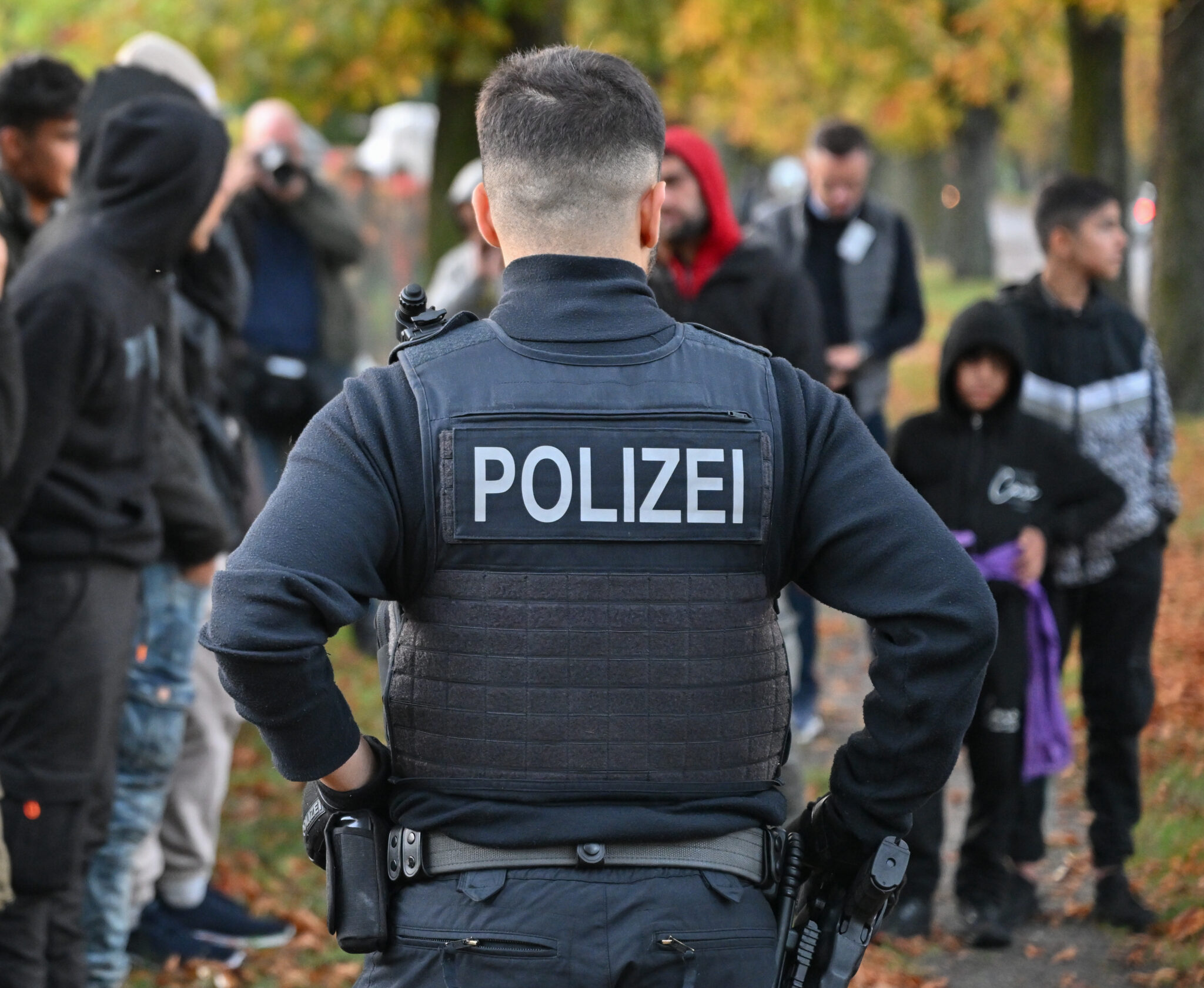
As Poland reinstates border checks with Germany and Lithuania over immigration concerns, experts warn that the situation at the Polish-German border increasingly unregulated, threatening the life and health safety of migrants.
A Polish influencer is claiming that the U.S. streaming giant has illegally stolen her ideas — and even her pink hair.
Poland is the EU country that is most afraid of adopting the euro. But why are Poles so afraid, and what economic prospects could help them change their mind?
Parents throwing punches. The ways we try — and fail — to coexist. Bill Watterson and ambition. Calvin & Hobbes and the adult world. Do kids worsen our quality of life? Would my mom have lived 13 more years?
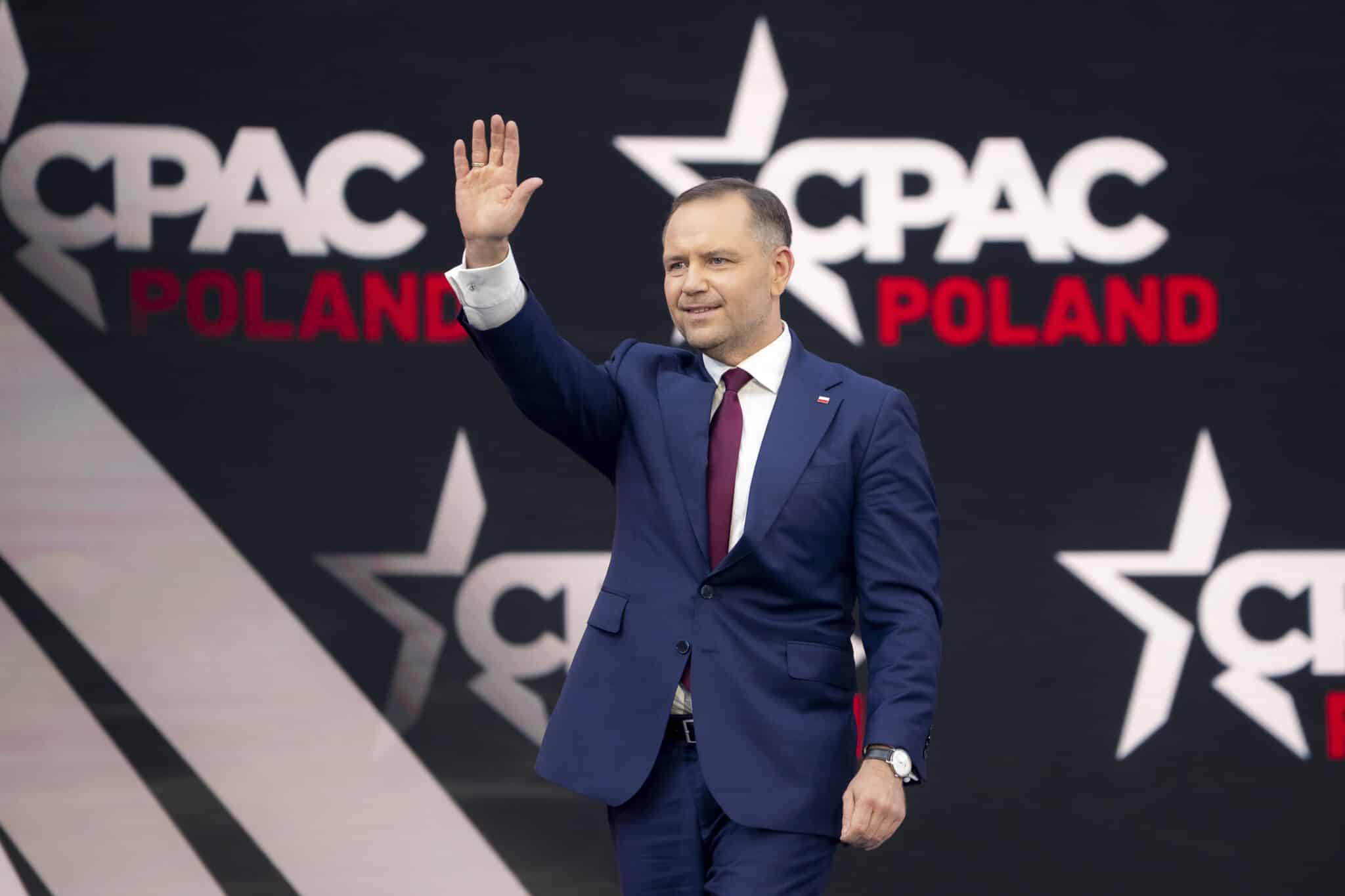
The Trump administration backed populist and far-right presidential candidates in Romania and Poland: It lost in Romania but won in Poland. Washington’s agenda is to weaken the European Union by supporting its detractors within it.
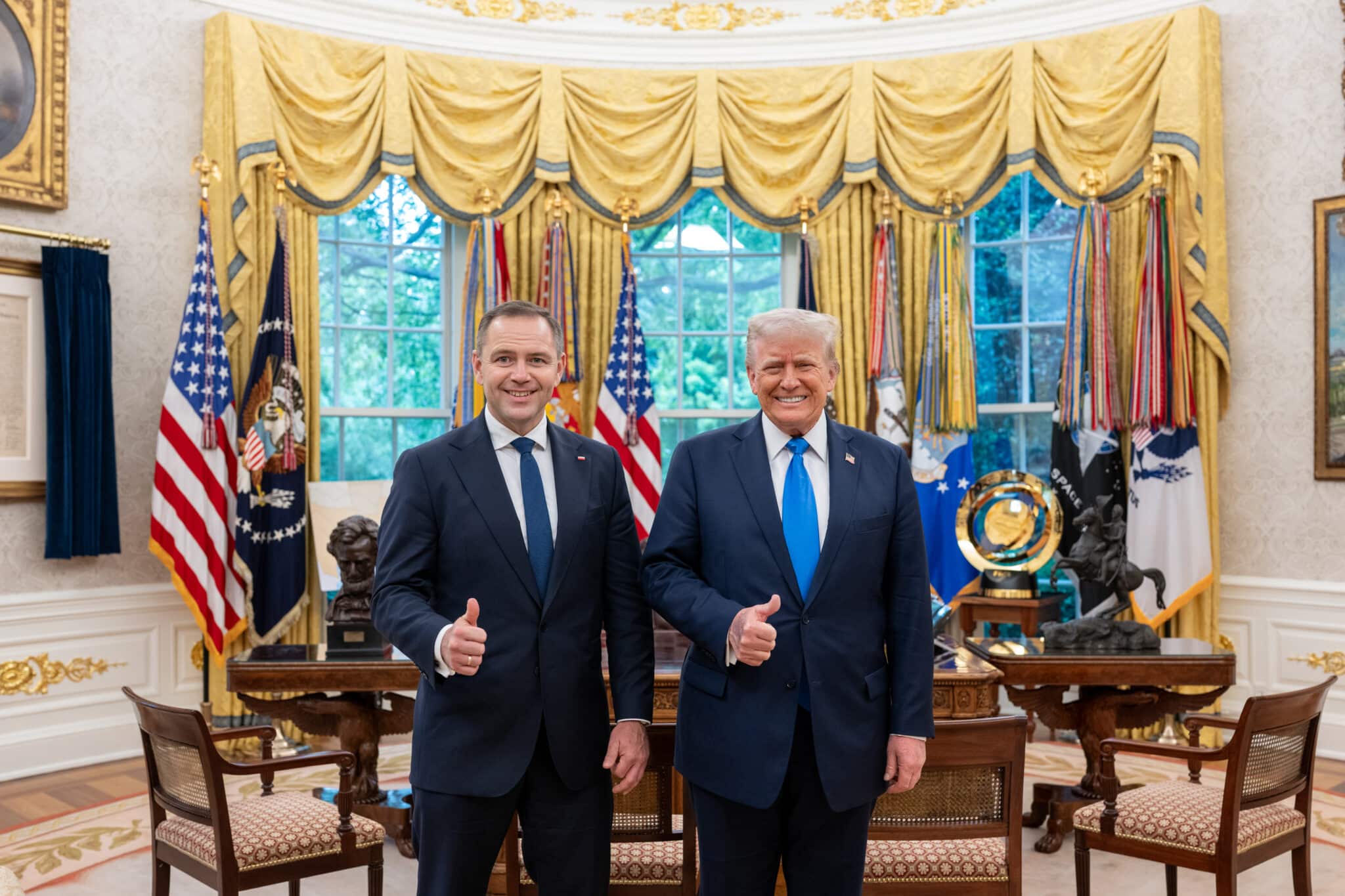
Poland’s new president Karol Nawrocki, a political outsider backed by the far right, won with a campaign echoing Donald Trump. His victory closes the door on liberal reforms and paves the way for a nationalist comeback.
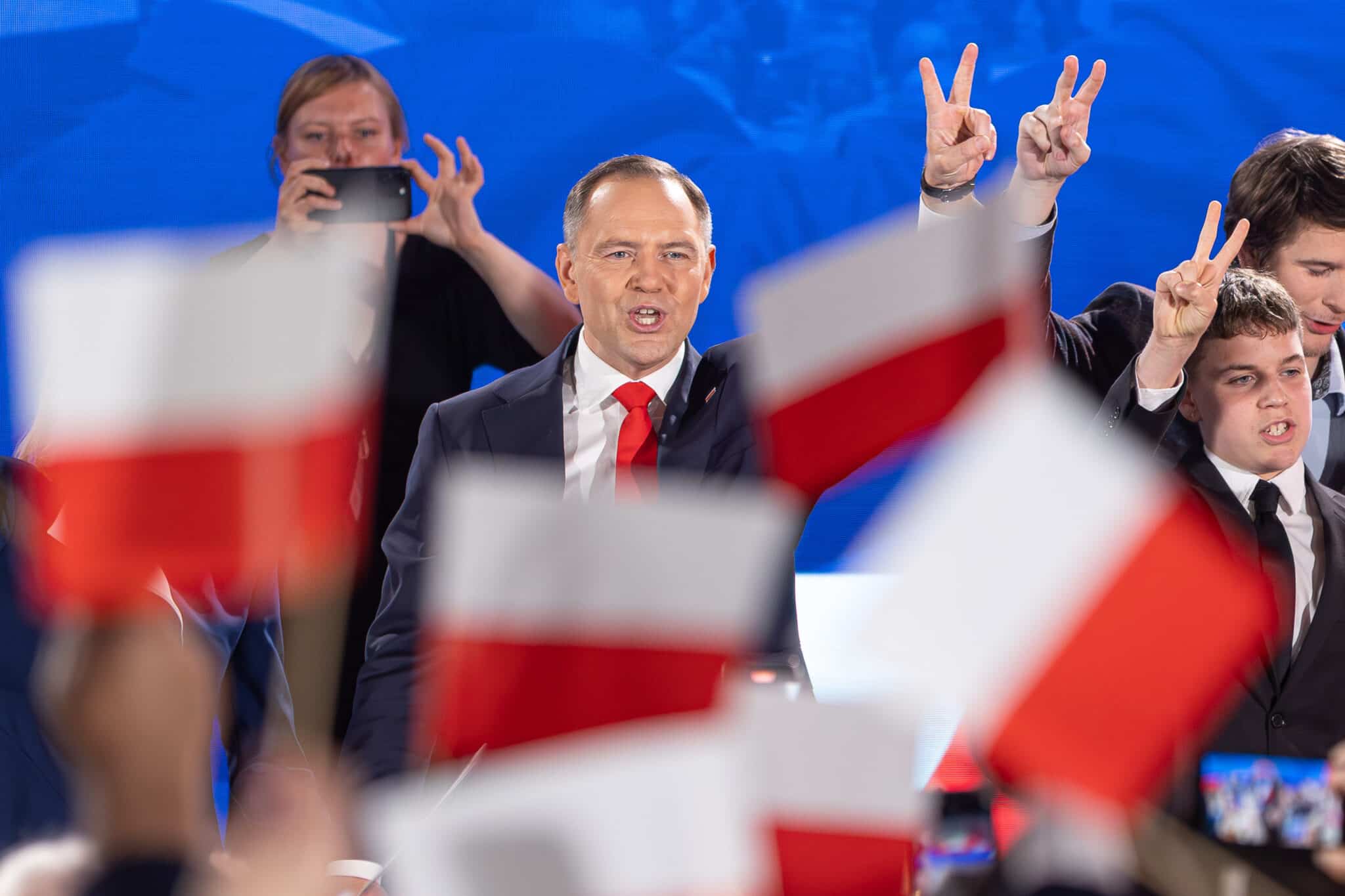
In a tightly contested election night marked by twists and turns, Karol Nawrocki emerged victorious as Poland’s next president. But what does the rise of this conservative-nationalist, backed by the Law and Justice party, signal for the country’s future?
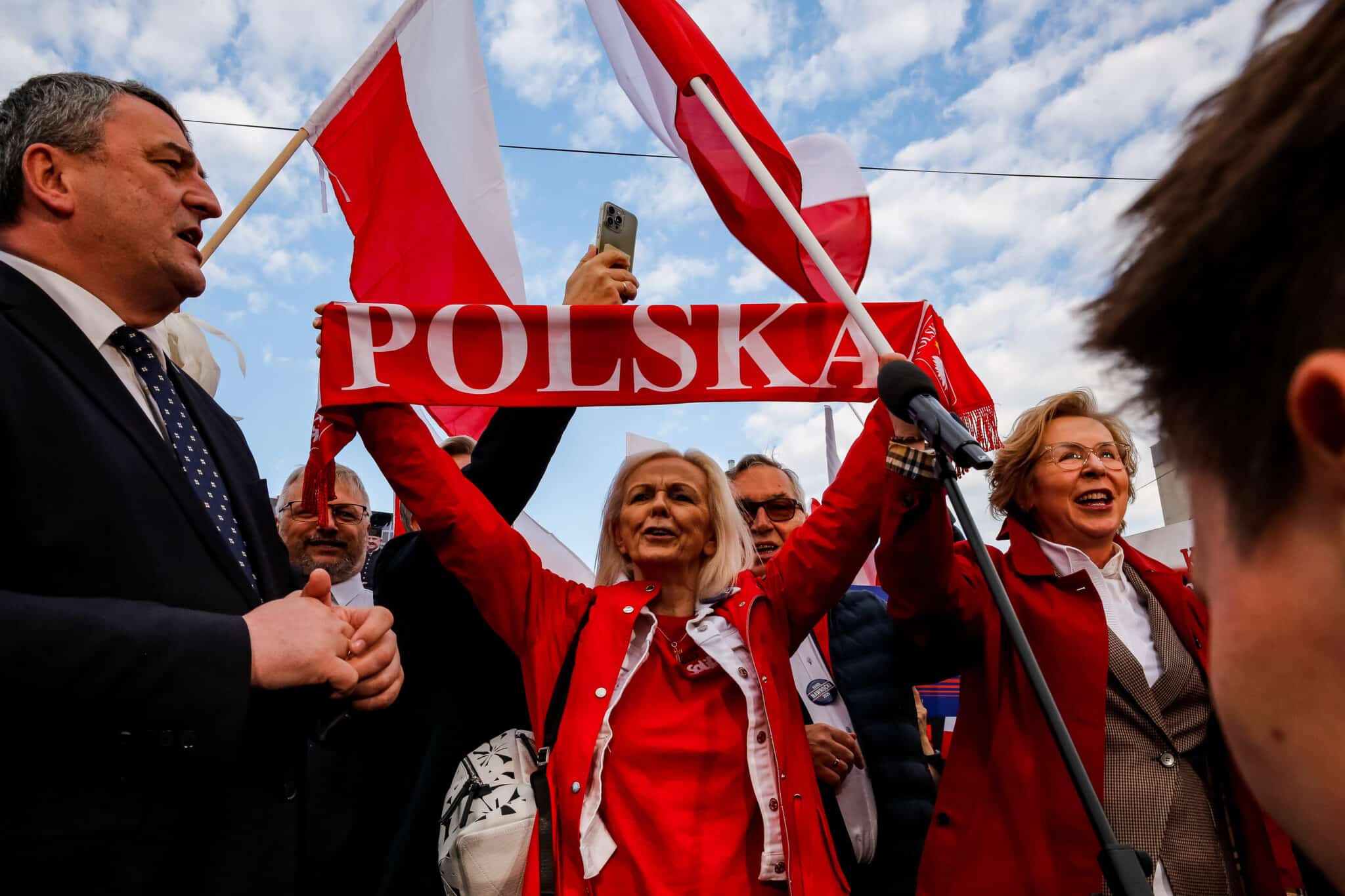
Sunday’s second round of the Polish presidential election feels like a clash between democratic values and nationalist conservatism, with high geopolitical stakes. With Poland’s international profile growing, Trump, Putin, Zelensky, and all the big European players are watching closely.
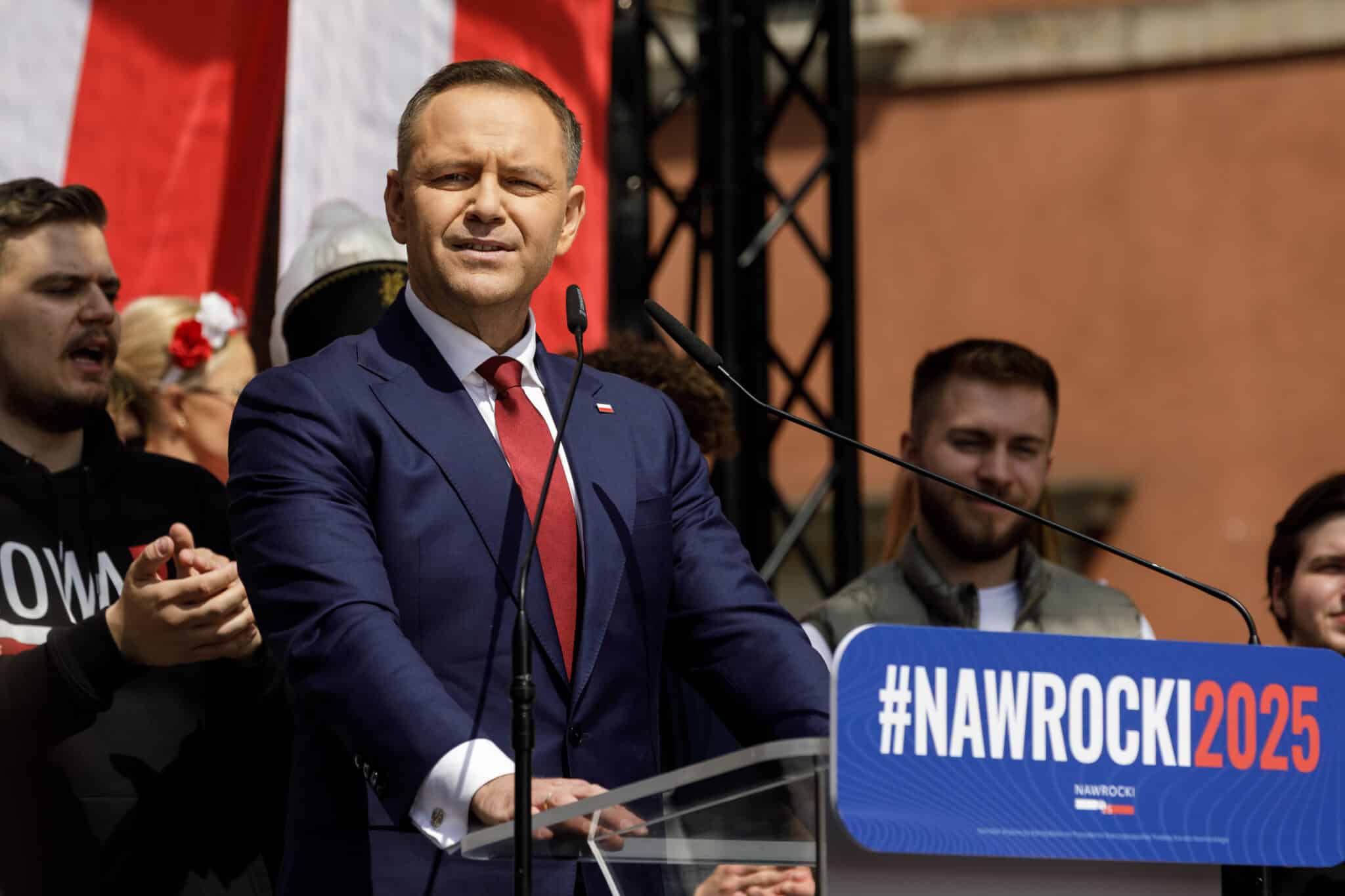
Romania and Poland, both countries divided between their liberal Pro-European and conservative nationalist parties, both countries with a communist past, have now had to make a choice about which direction they wish to go in.
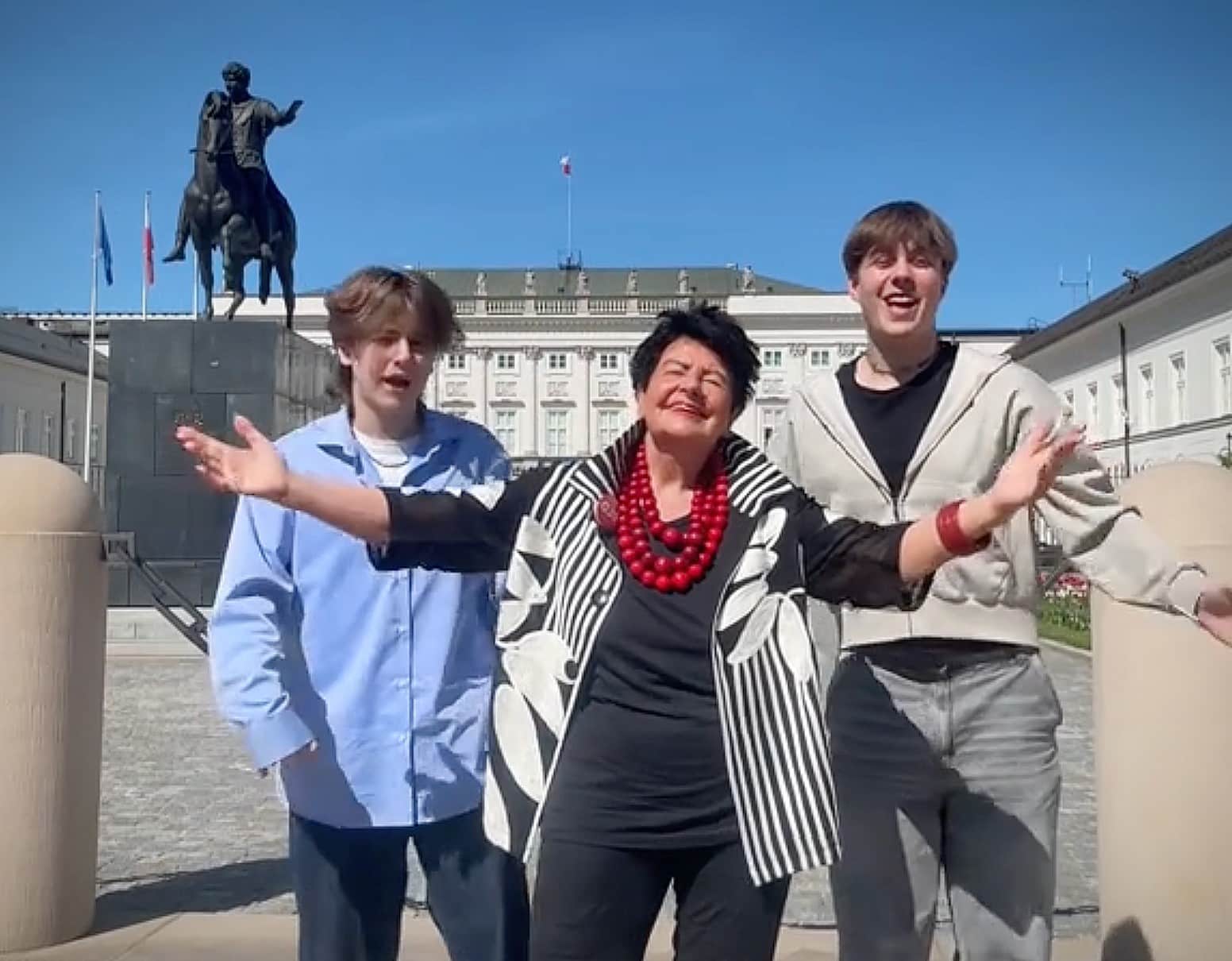
With her open-armed gestures and lack of filter, left-wing candidate Joanna Senyszyn has won the hearts and minds of many Gen Z voters preparing for Poland’s May 18 presidential elections. Can it take her to the second round?
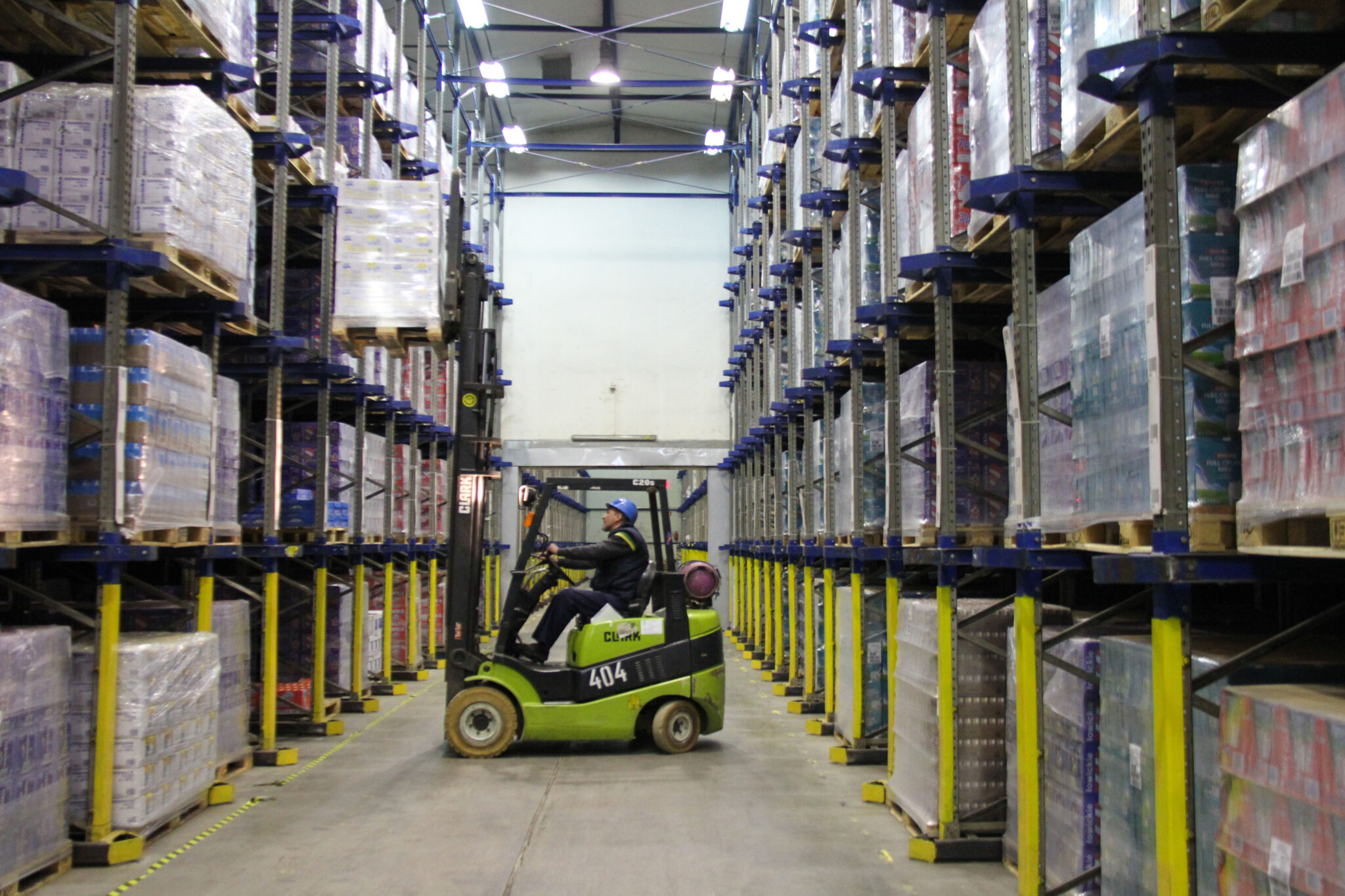
Since the 1990s and the fall of communism in Poland, the country’s economic life has changed drastically, moving from a command economy focused on national production to a global one, which is now becoming an increasingly important player in Europe and the world. In the face of Donald Trump’s protectionist inclinations, Witold Gamoski argues that globalization is exactly what economies need to grow.
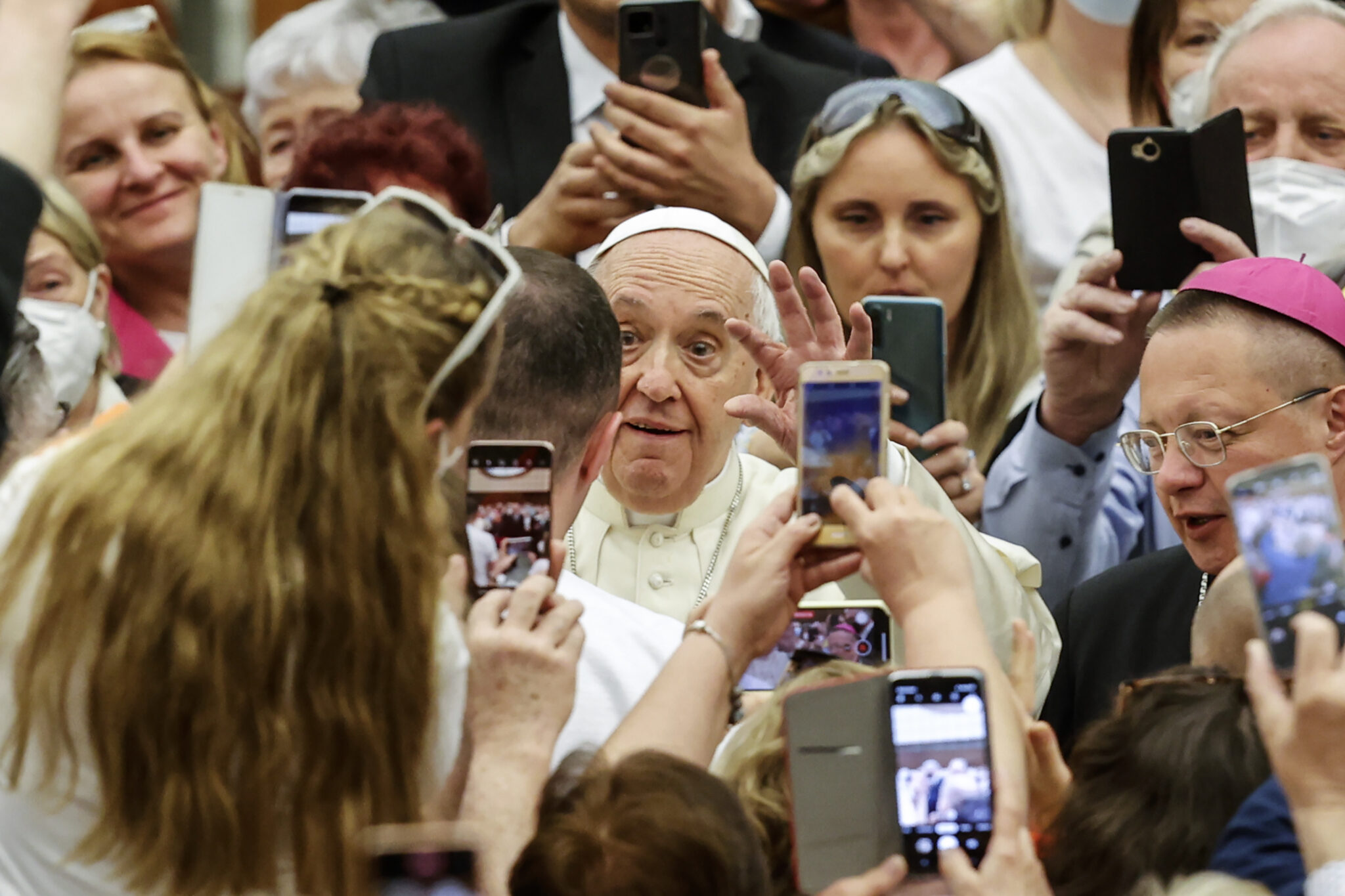
Pope Francis had a remarkable impact on the Vatican. In Poland, the last Catholic stronghold of Europe, Francis took action, forcing high-ranking officials in the Church to resign, and dismissing some altogether. For Poland, a country still reckoning with the impacts of Pope John Paul II, both positive and negative, Francis’s papacy held particular weight.

A new exhibit, “Eastern Europeans From a Polish Perspective,” in Brussels aims to shed new light on Poland, which has long been seen as an outlier to European affairs.
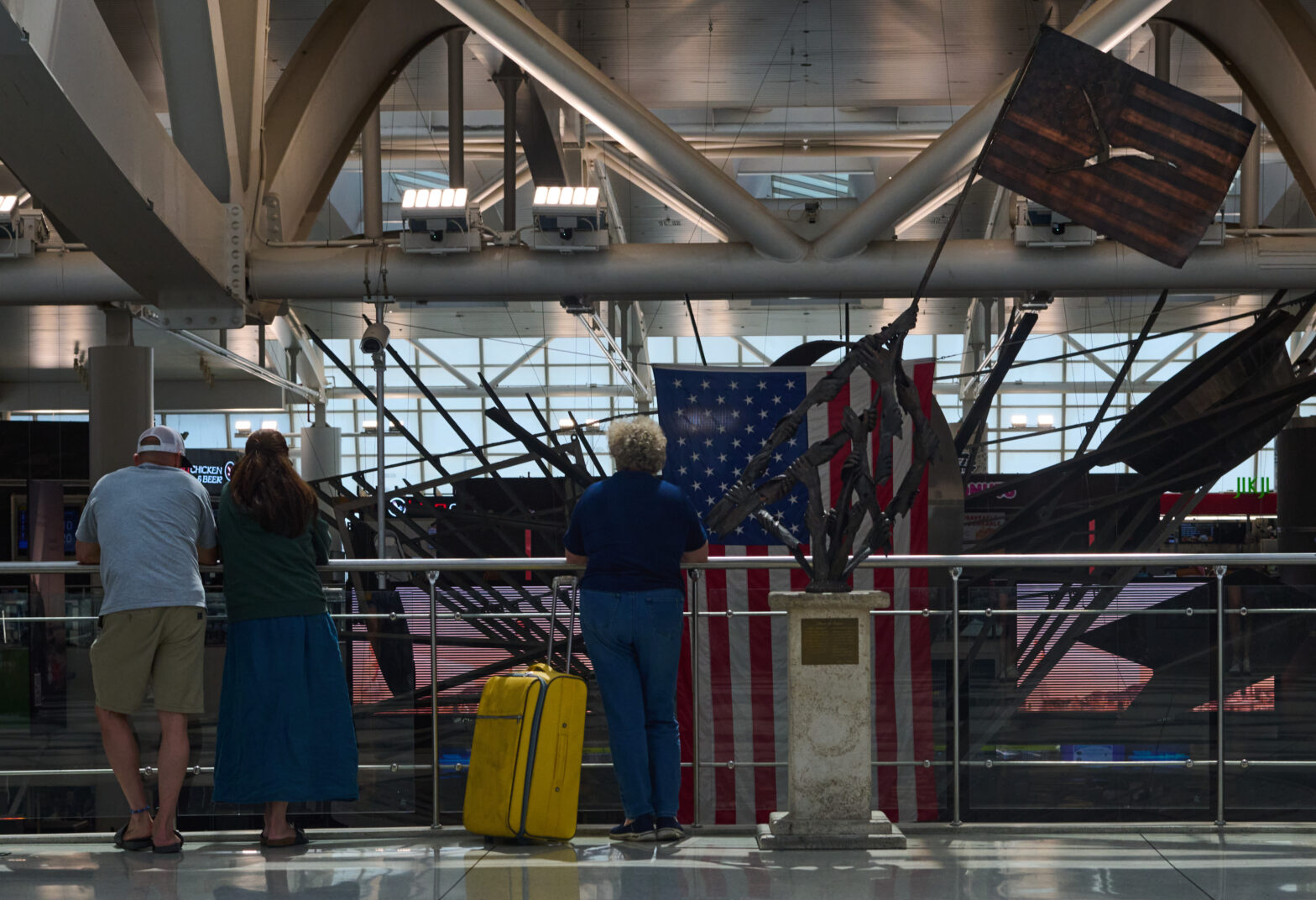
After Donald Trump returned the White House, he quickly began implementing stricter immigration and security policies, including increased checks in airports. Many cases, such as that of a German tattoo artist being detained, became highly publicized around the world. But are the changes under Trump as harsh as they seem?
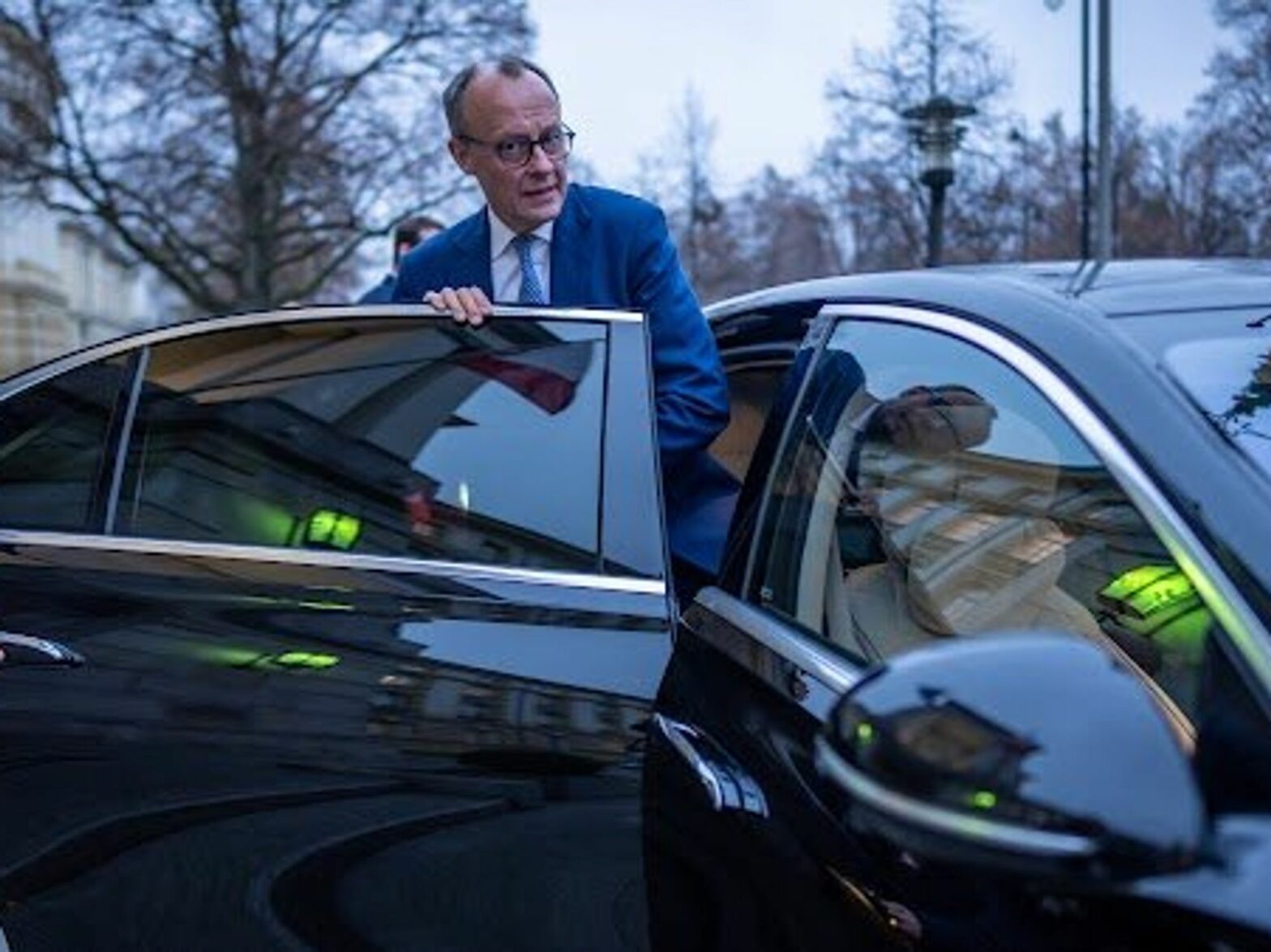
Europe is fortunate to have sensible men leading the UK, Poland and France: Keir Starmer, Donald Tusk and Emmanuel Macron. Germany’s likely next chancellor, Friedrich Merz, could be a crucial addition to this united front against the challenges posed by Donald Trump and Vladimir Putin.
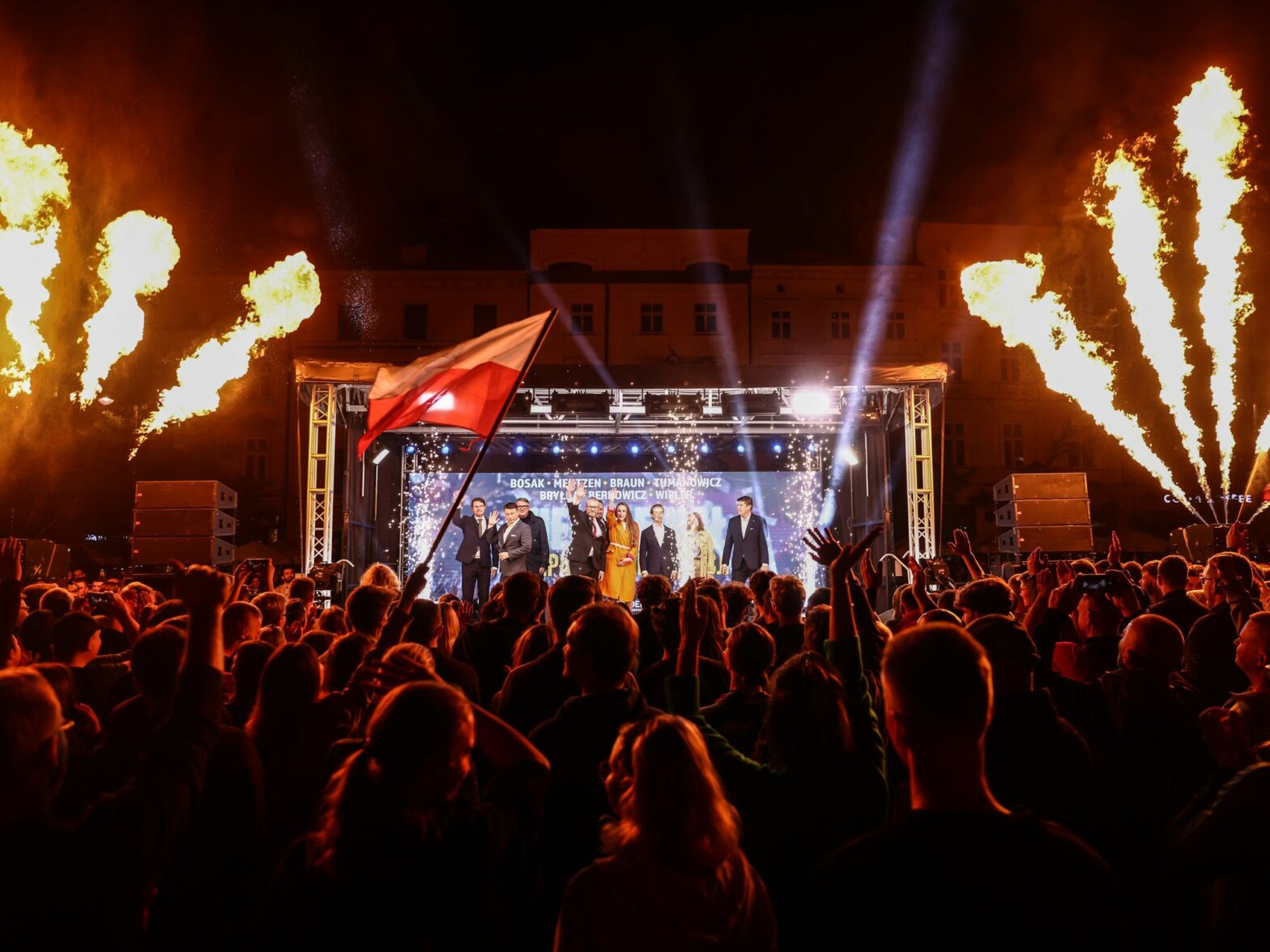
Konfederacja, or Confederation, is Poland’s furthest-right mainstream party. Describing itself as economically liberal and nationalist, the party has been rising in the polls ahead of the the May 18 and June 1 presidential election, with growing support from women, young people and the LGBTQ community.
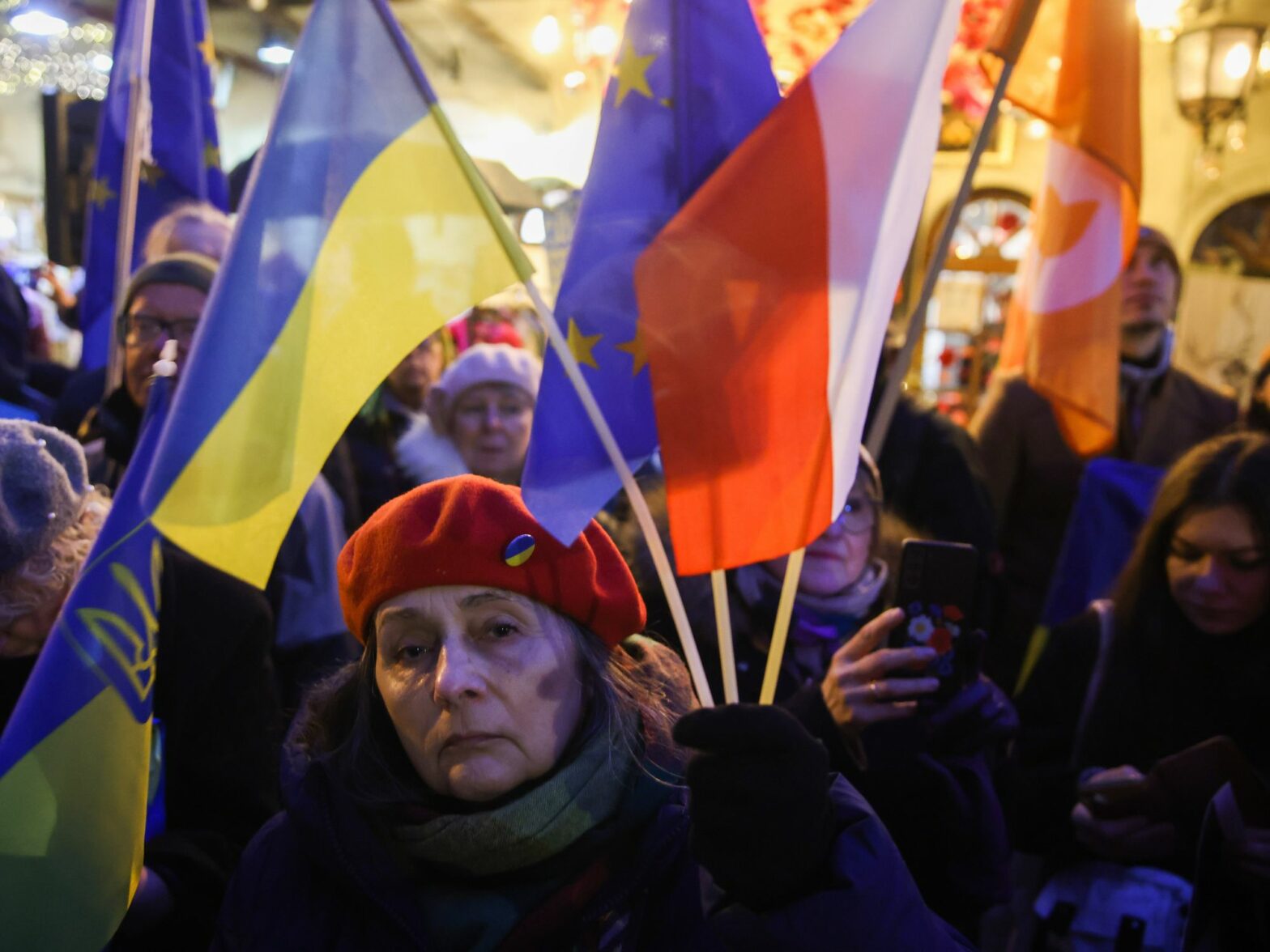
Poland, one of the staunchest supporters of Ukraine since the beginning of the war, and a neighboring country to Ukraine, has accepted over one million refugees fleeing the Russian invasion. However, as time has gone on, Poles have grown to increasingly resent Ukrainians. But why? Olena Babakova, a Ukrainian journalist, explains for Polish daily Gazeta Wyborcza.
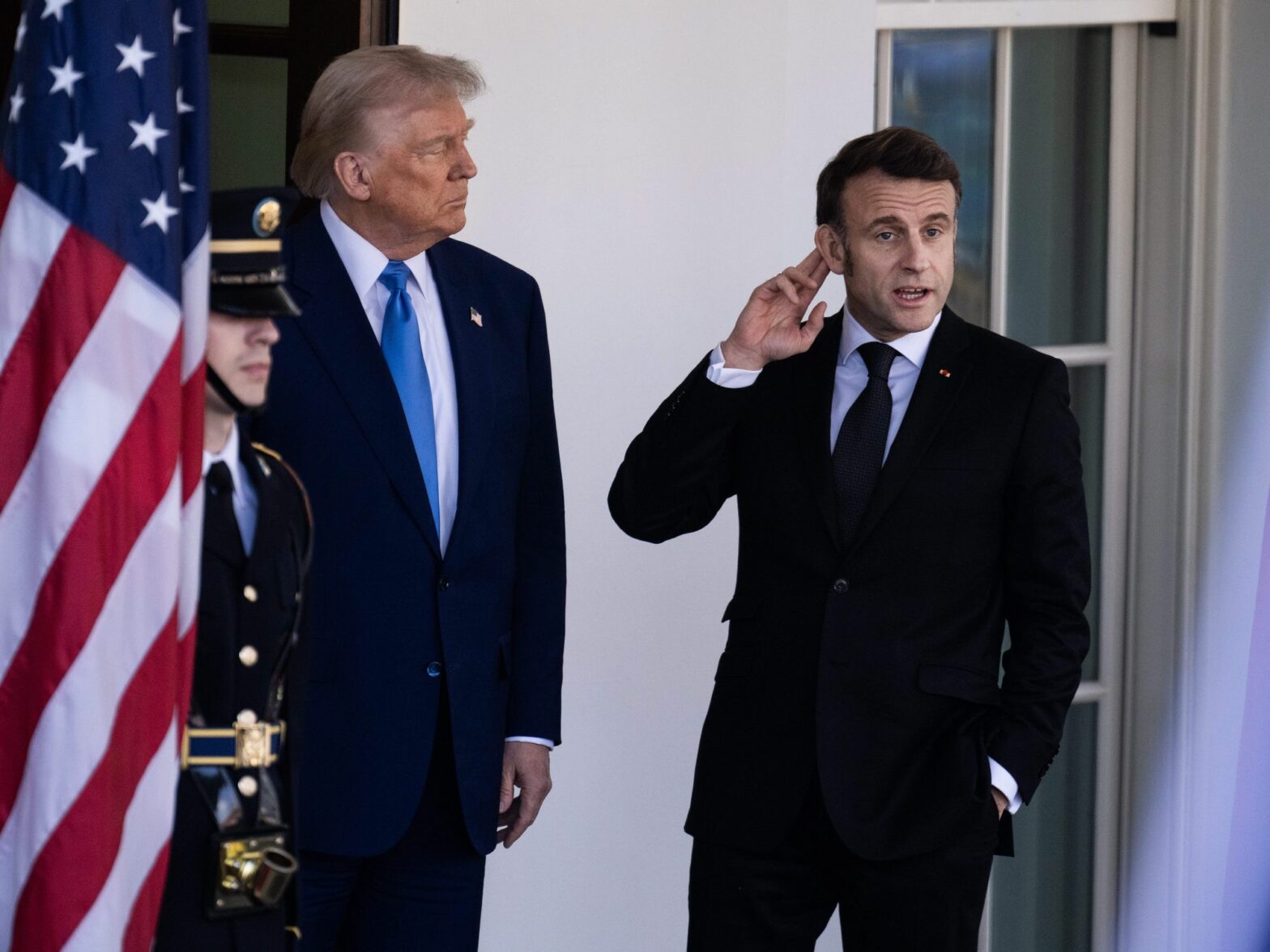
A survey conducted in nine European countries reveals strong opposition to Donald Trump and his policies, along with fears of a conflict on European soil. This has led to overwhelming support for an independent European defense — even in traditionally pro-U.S. nations. A turning point.
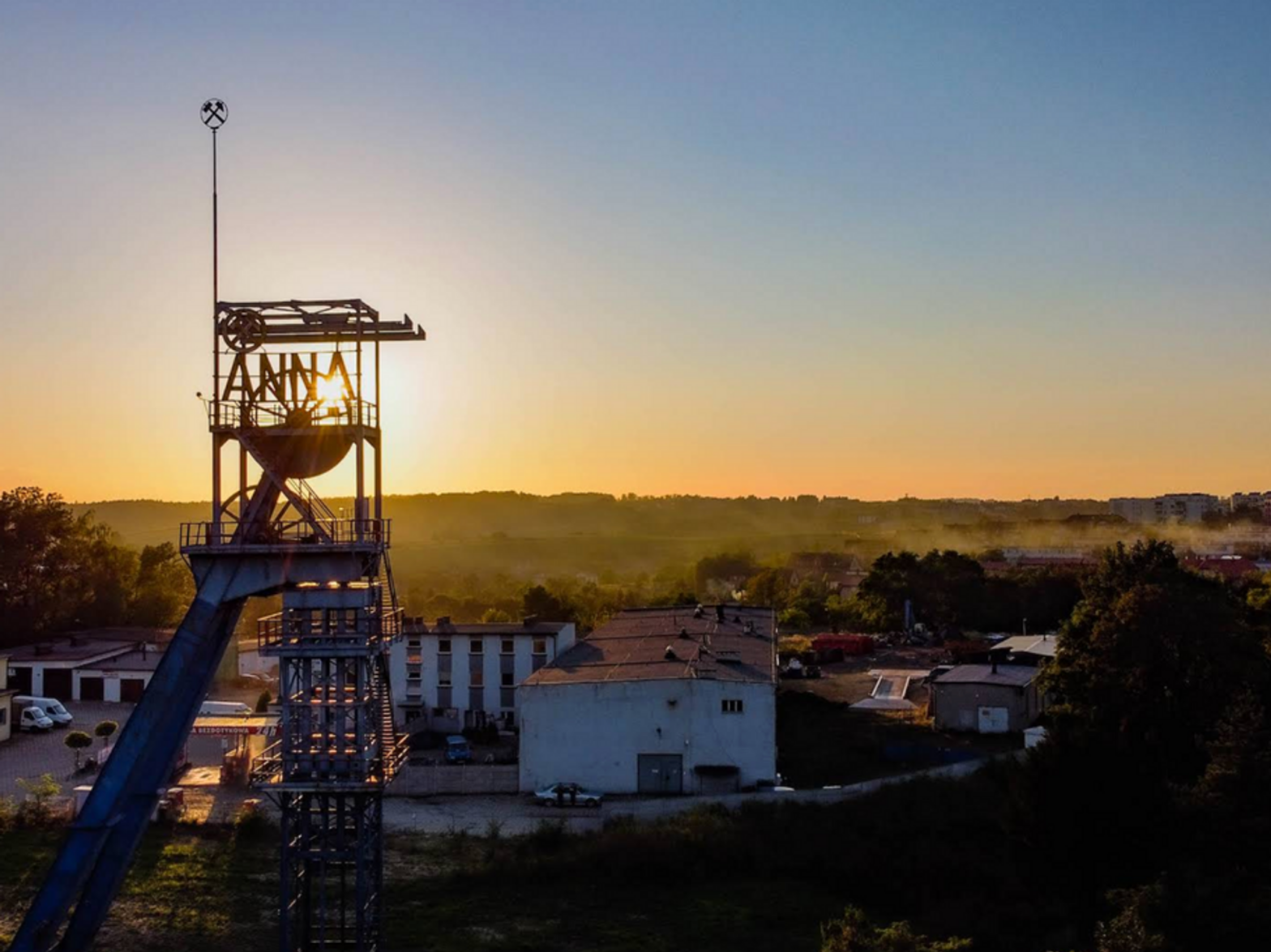
In a region known for its strong, centuries-long ties to the mining industry, areas once dedicated to coal are now being transformed into cultural hubs. Among these is a disused mine in the town of Pszów, which has now been transformed into a library.
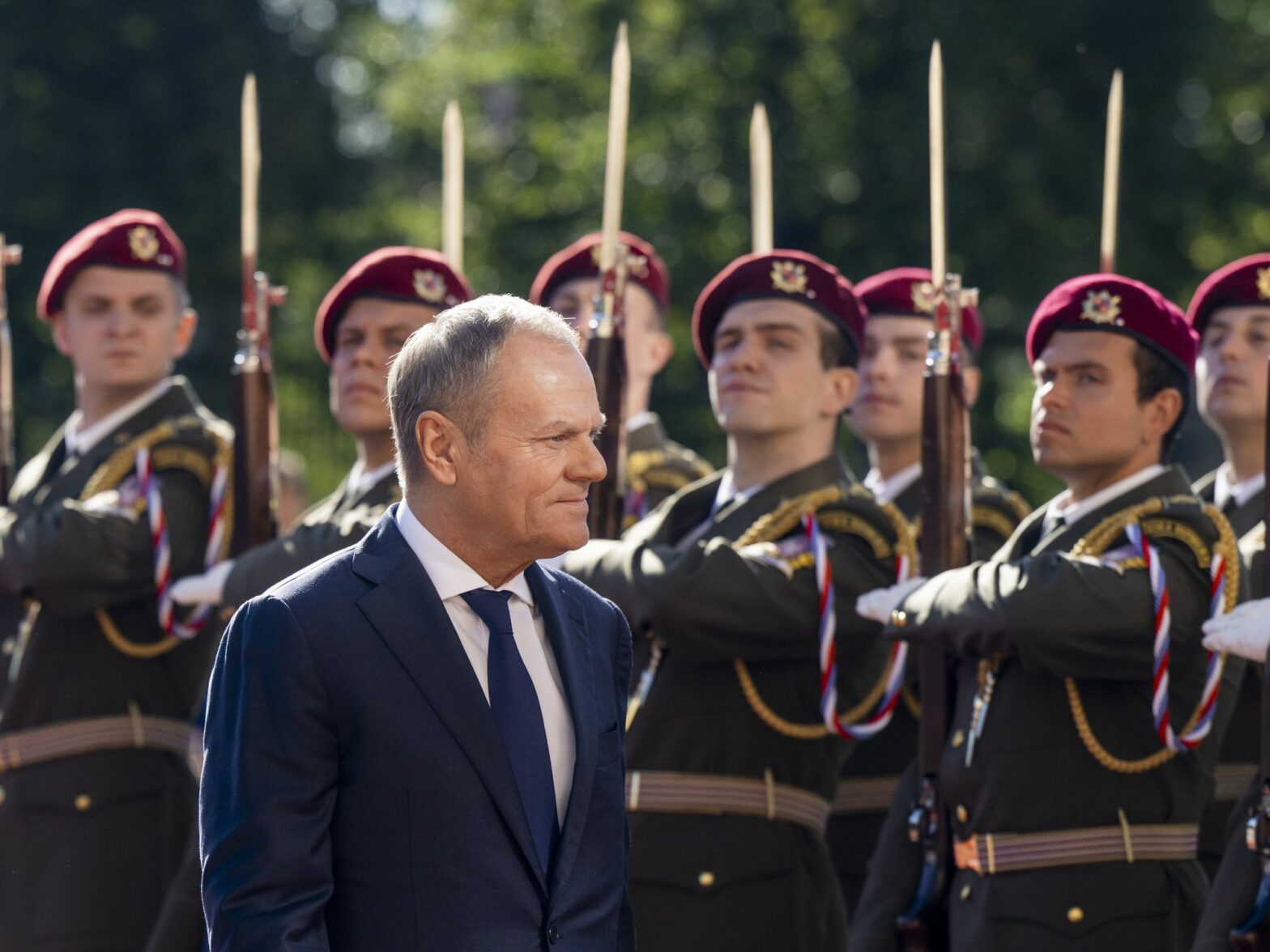
Poland, which borders Ukraine and has been their close ally since the beginning of the war, is one of the many European countries that began reasserting their security priorities after Donald Trump began peace talks with Russia. Now, wanting to deter Russian aggression, Polish political leaders are floating the idea of procuring nuclear weapons.
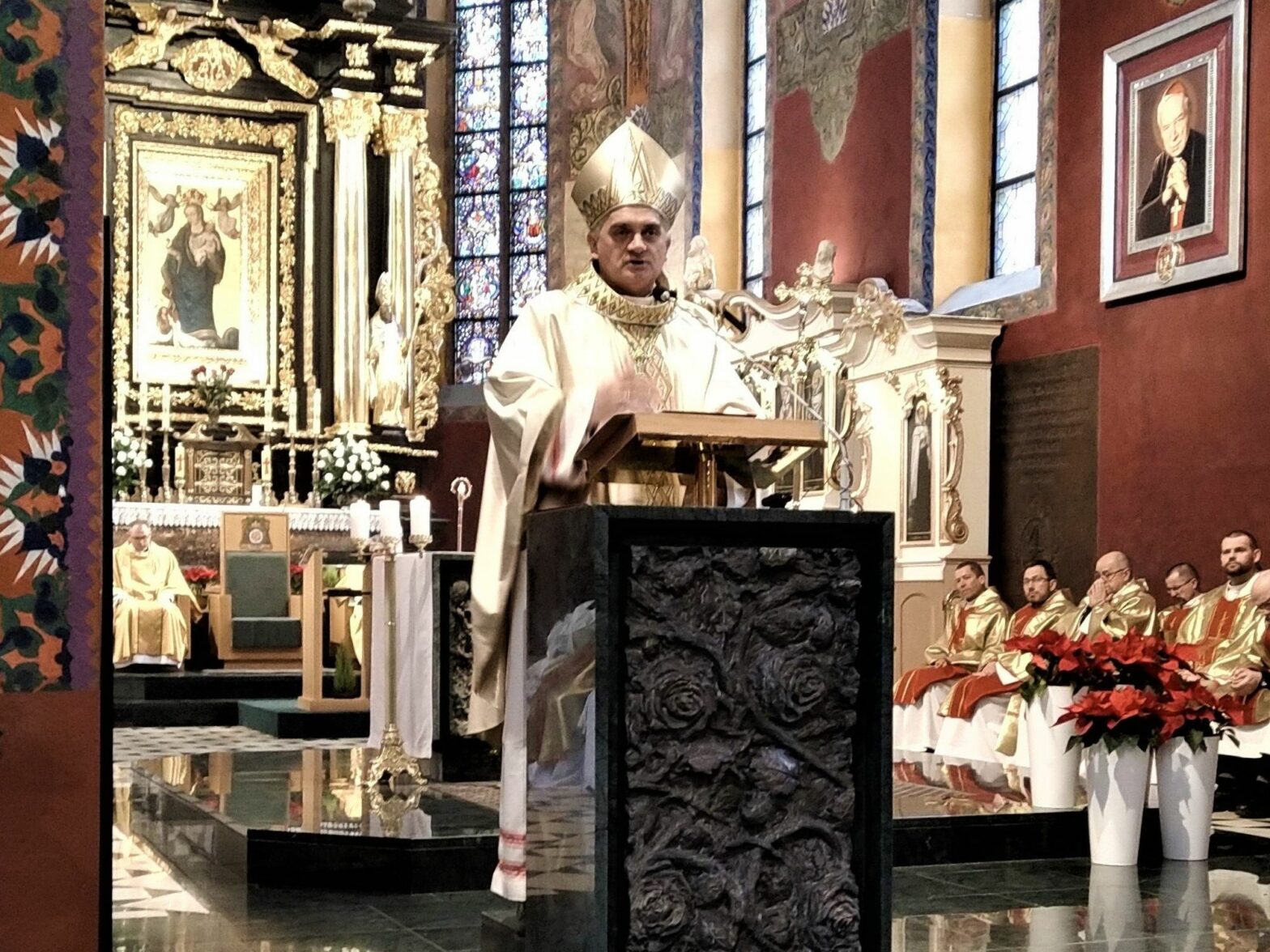
In an exclusive for Polish daily Gazeta Wyborcza, a bishop speaks to the journalist about why he offered money to a former altar boy who claimed to have been abused by a Catholic priest in the city of Bydgoszcz in Poland.
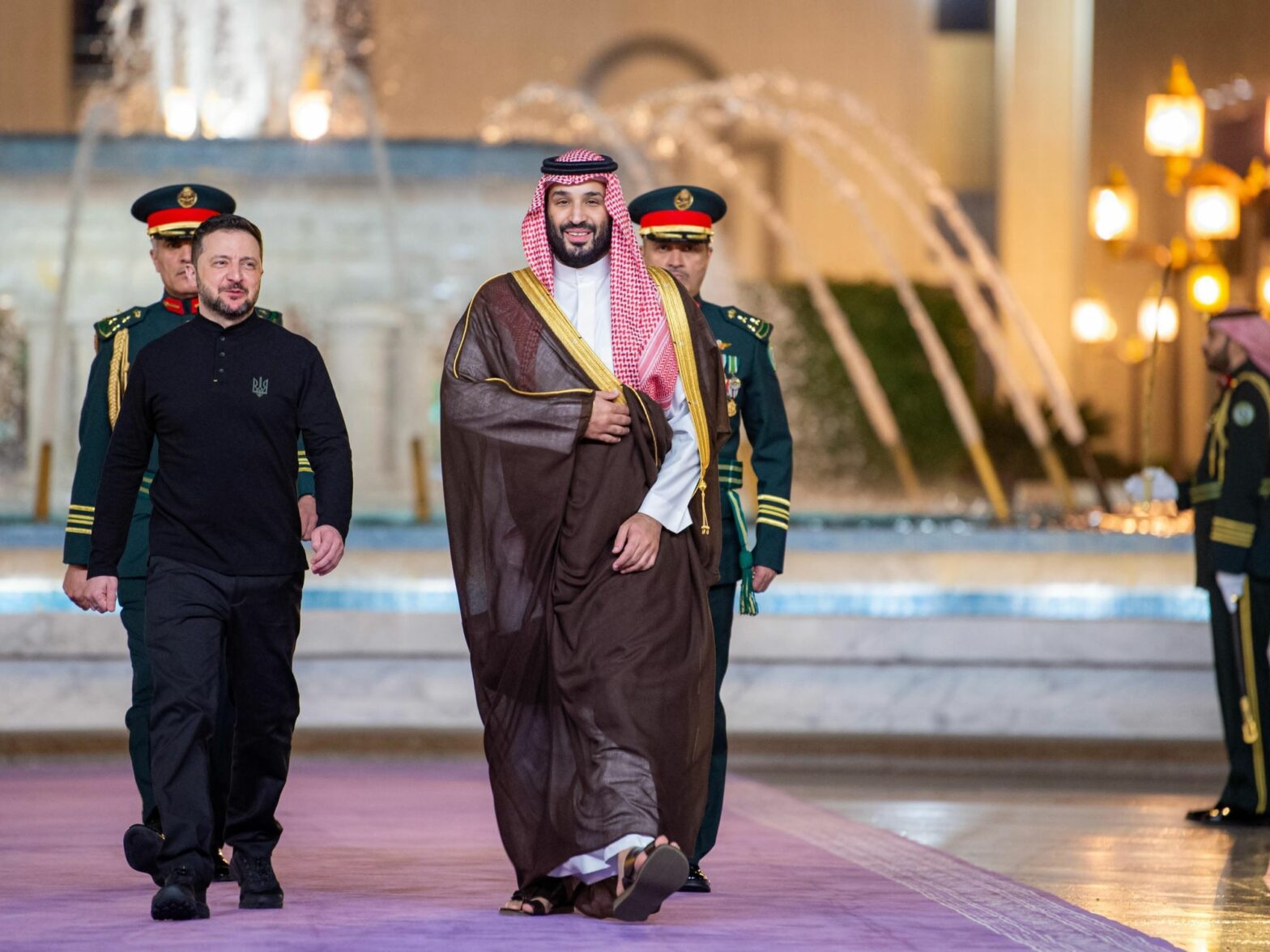
Ukraine is at the heart of two key meetings: one in Jeddah between top Ukrainian and American diplomats, another in Paris gathering the chiefs of staff of European armies. Both share a common stake — the fate of Ukraine and, by extension, the future of European security in the era of Donald Trump.
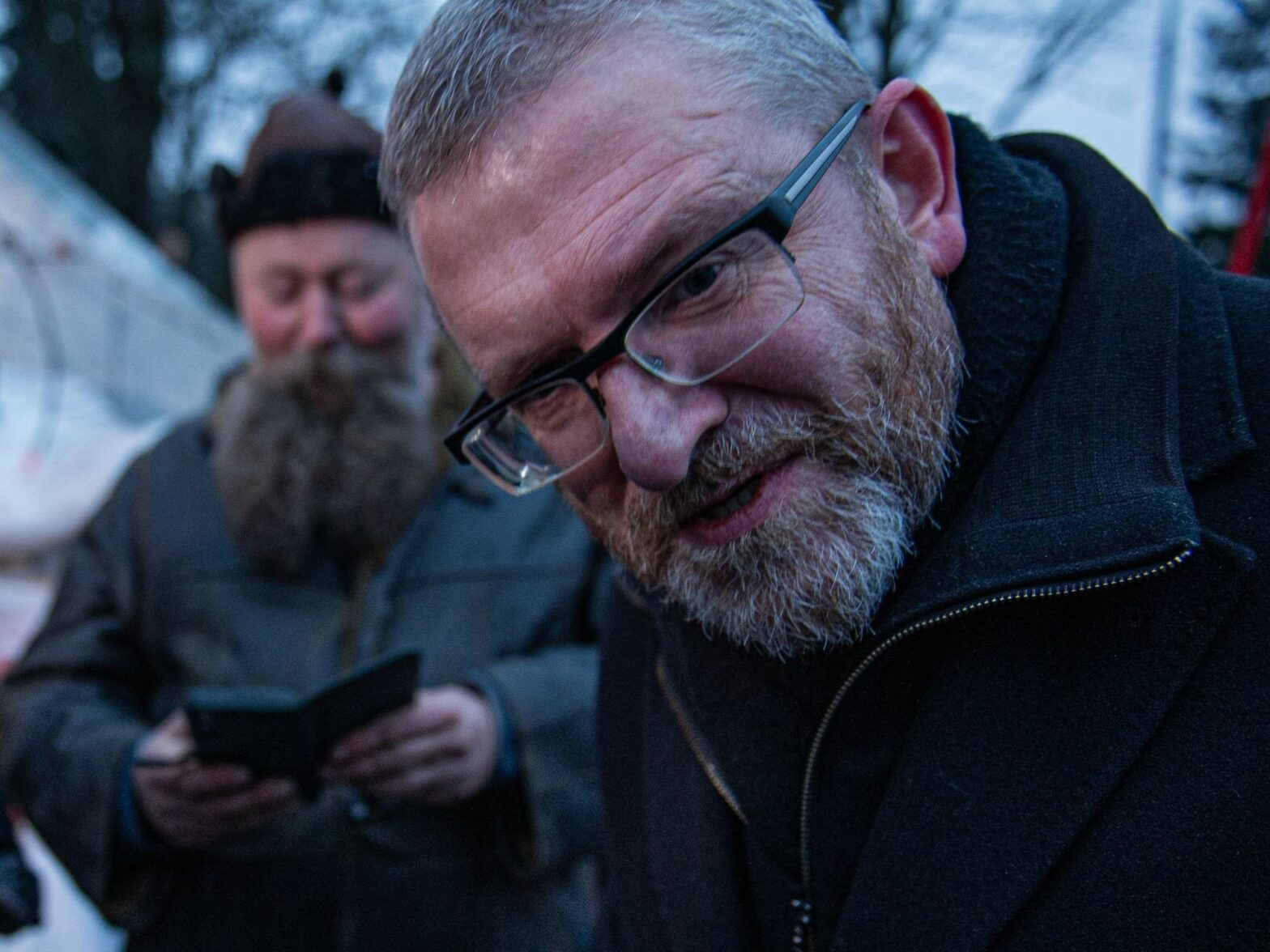
Although Poland is known as a key supporter of the Ukrainian cause, public opinion is beginning to shift, especially among the far-right. Leading the charge is far-right presidential candidate Grzegorz Braun.
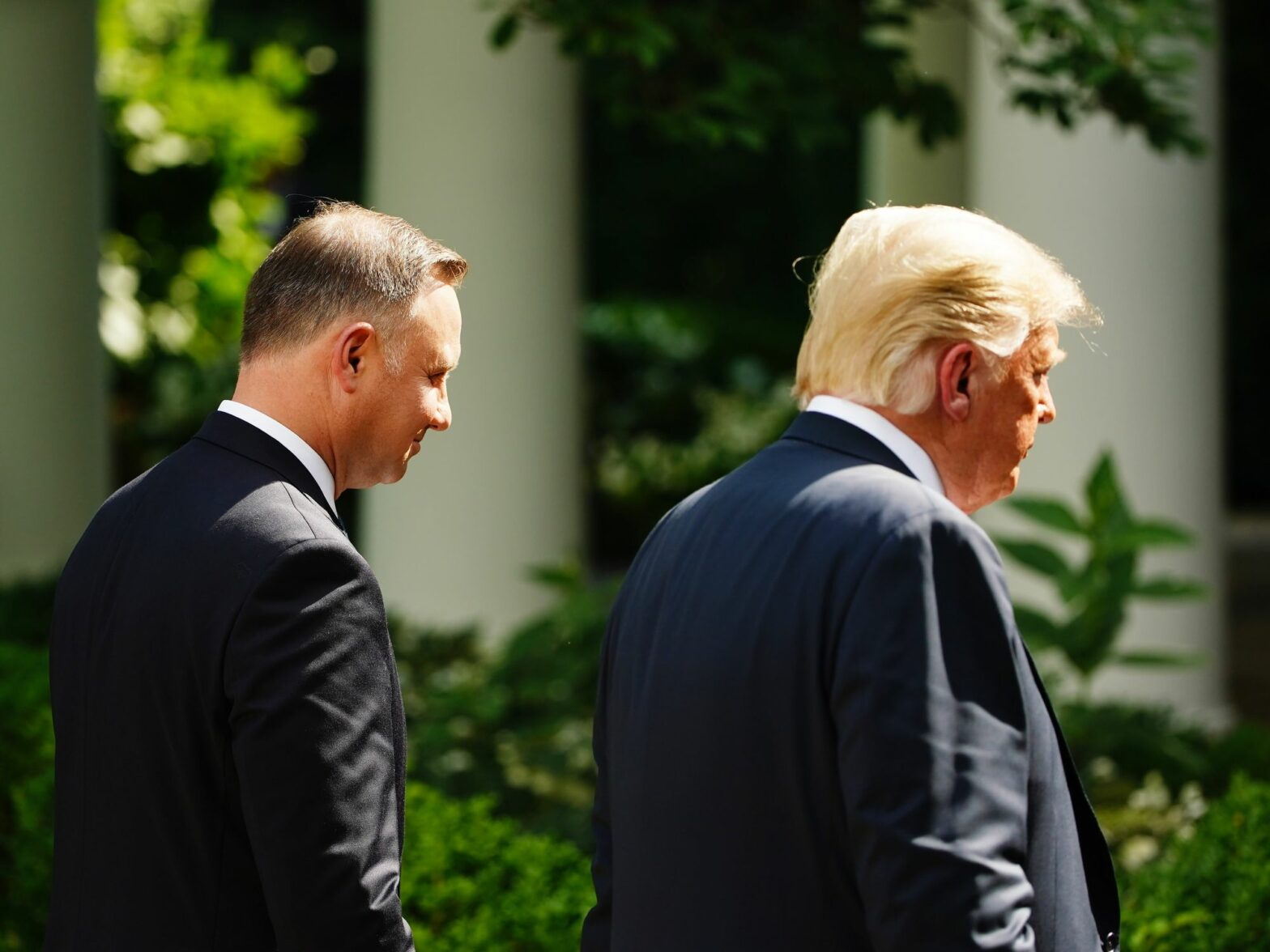
Poland was right to vote alongside Ukraine and other Western countries on a UN resolution this week that clearly indicated President Vladimir Putin’s Russia as the culprit in the outbreak of the war in Ukraine. But would Polish diplomats have made that same choice if the nationalist-conservative Law and Justice Party (PiS) were in power. The election in May could see that happen.
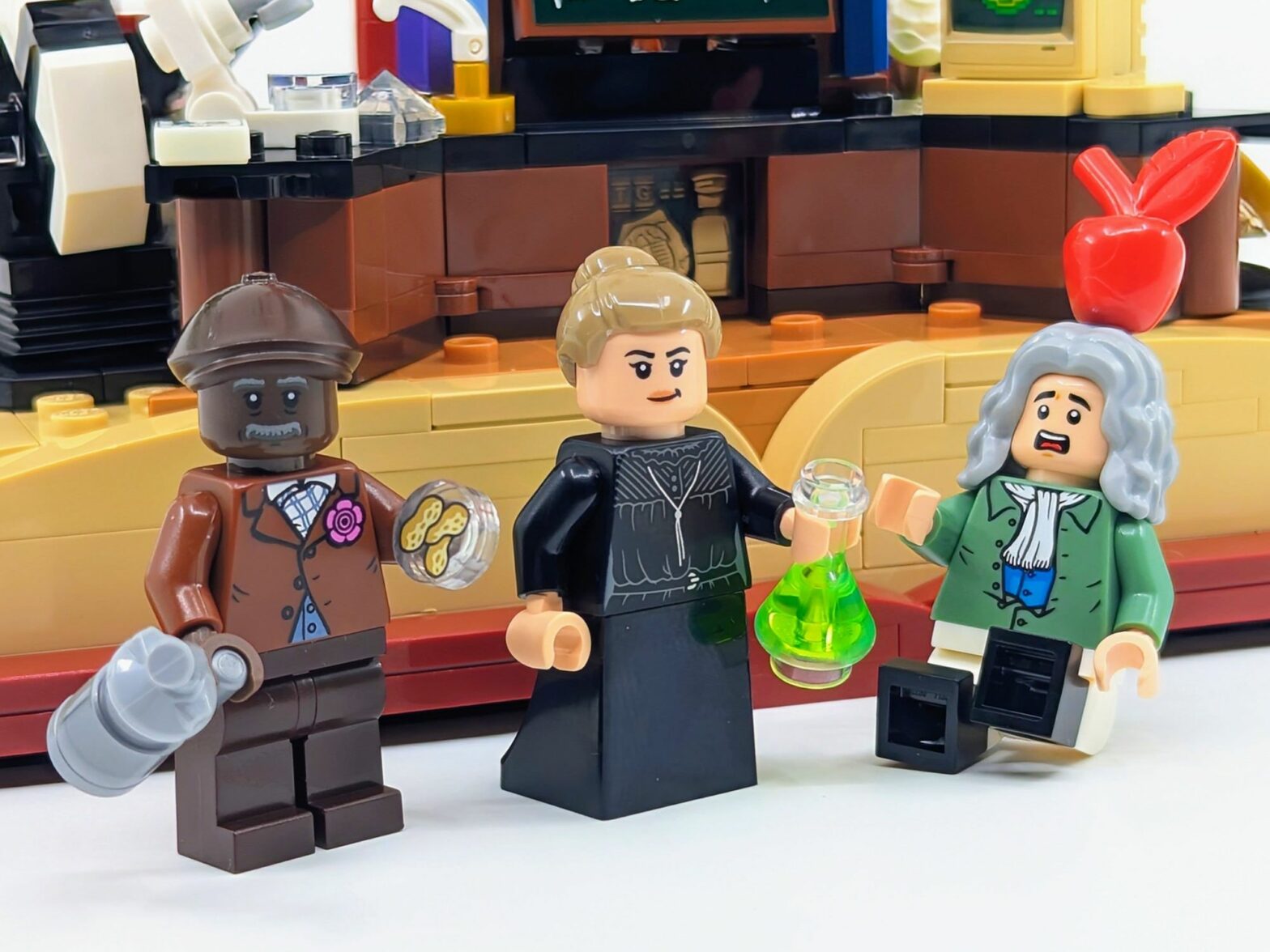
Polish scientist Maria Skłodowska-Curie, also known as Marie Curie, has often caused controversies entirely unrelated to the scientific breakthroughs she achieved. Rather, almost 70 years after her passing, a heated debate on the inclusion of her Polish maiden name, and the Polish spelling of her name, continues.
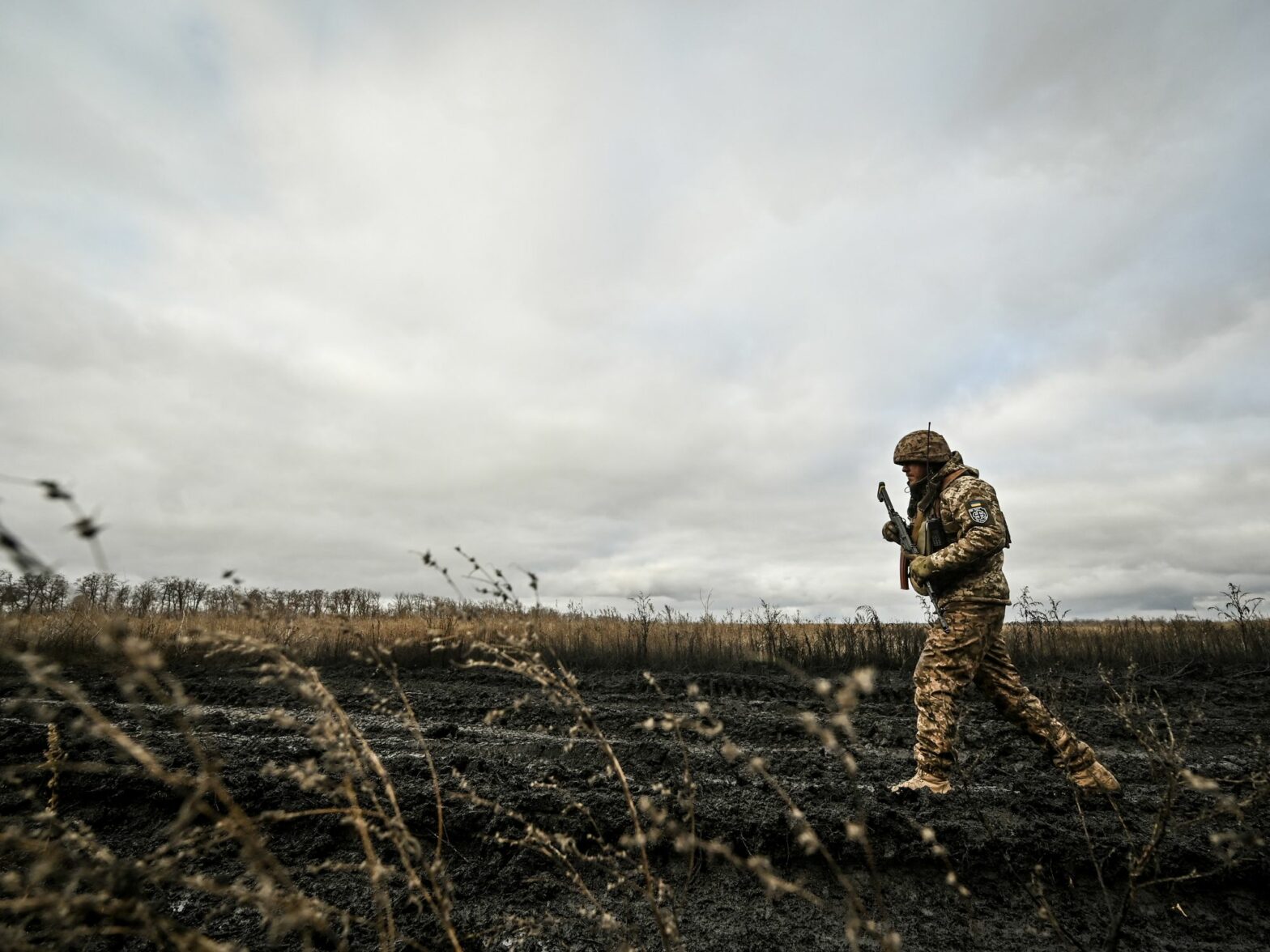
As Russia negotiates exclusively with the U.S., Putin aims to redraw spheres of influence, pulling former Soviet states back under Moscow’s control. All of this, paradoxically, continues to leave the fate of Ukraine as the vital issue for our times.
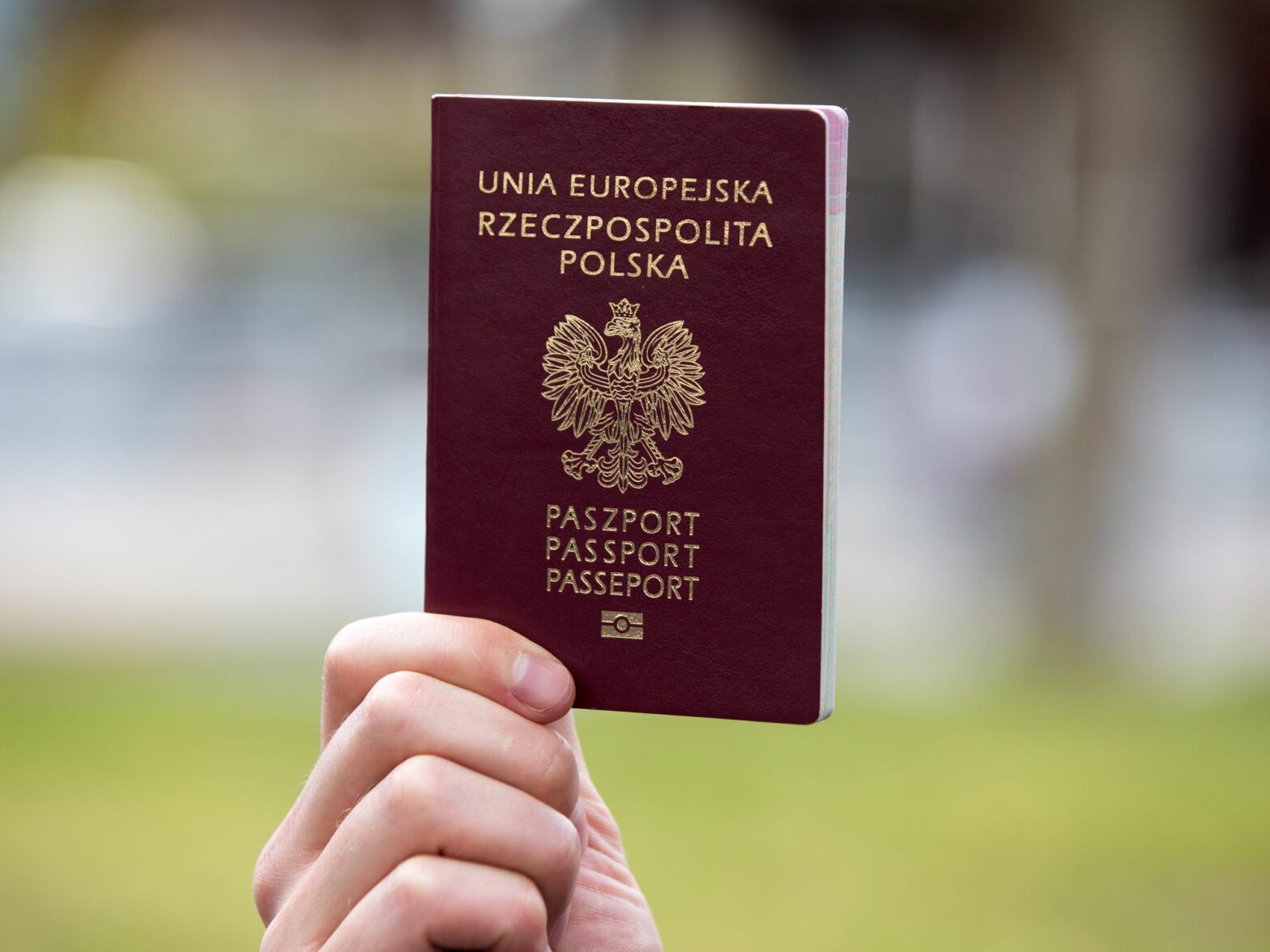
The number of Israeli citizens applying for a Polish passport has quadrupled, and law offices as well as provincial citizenship offices have been struggling to keep up with the rising demand. But why have so many people suddenly taken an interest in Poland?
For years there has been a visible increase in the percentage of so-called “nesters,” people entering adulthood who do not move out of their family homes. But is the explanation for this problem really limited to the lack of housing availability or the economy more broadly? Or are they some other factors at play?
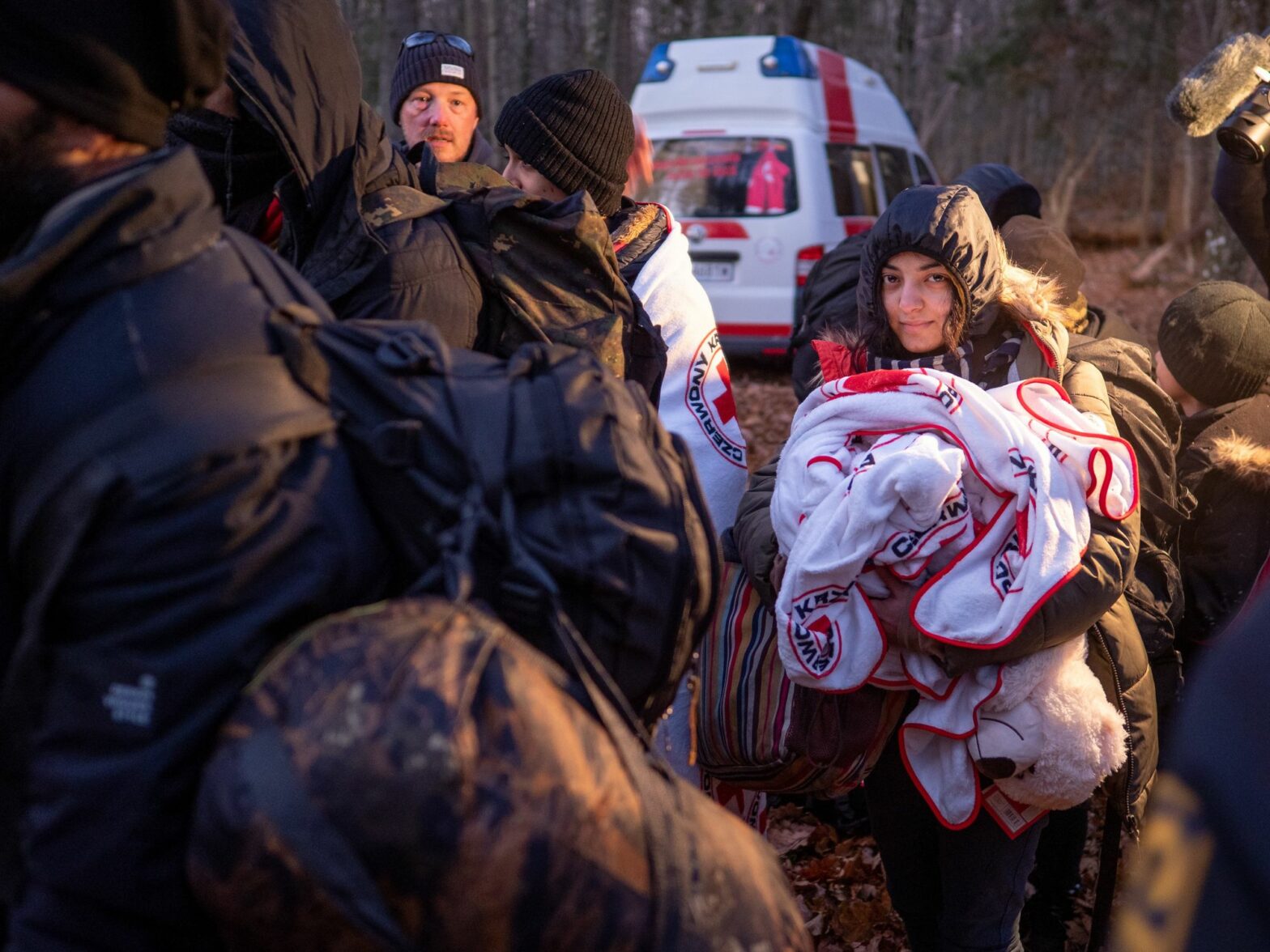
Since 2021, Poland has been facing a humanitarian and migration crisis along its border with Belarus. In the meantime, several collectives of volunteers have sprung up, providing aid to migrants stuck between the two borders, such as food, water, and emergency blankets. Now, facing a harsher Pan-European border policy, and security pressure at home, some of these volunteers may be prosecuted for their efforts.
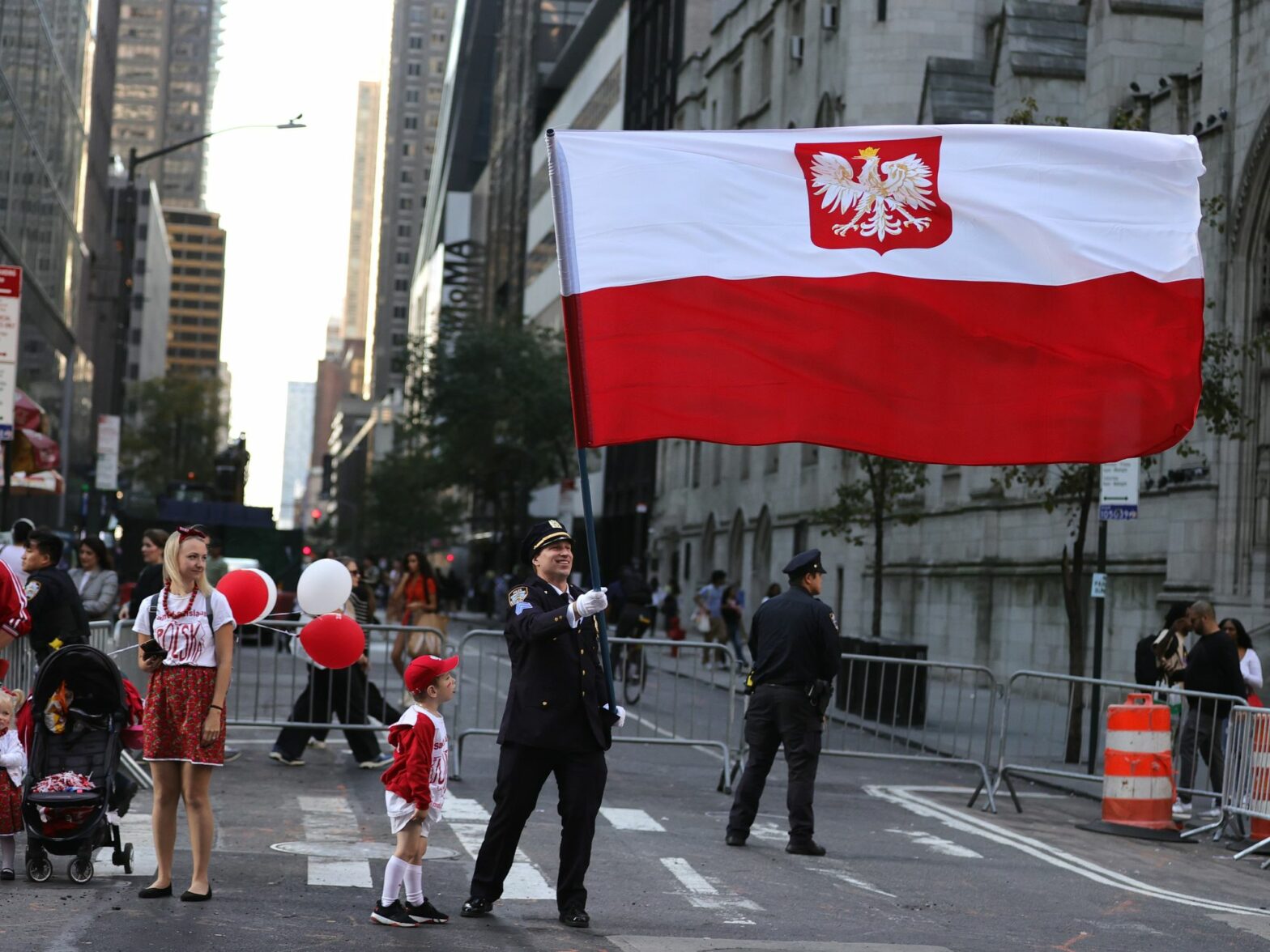
Trump’s politics of mass deportation have long been associated with migrants coming from Latin America and the Caribbean. However, as the first roundups begin in Chicago, home to the largest Polish community in the U.S., Warsaw-based looks at thousands of Polish immigrants who have been there for decades without proper documentation.
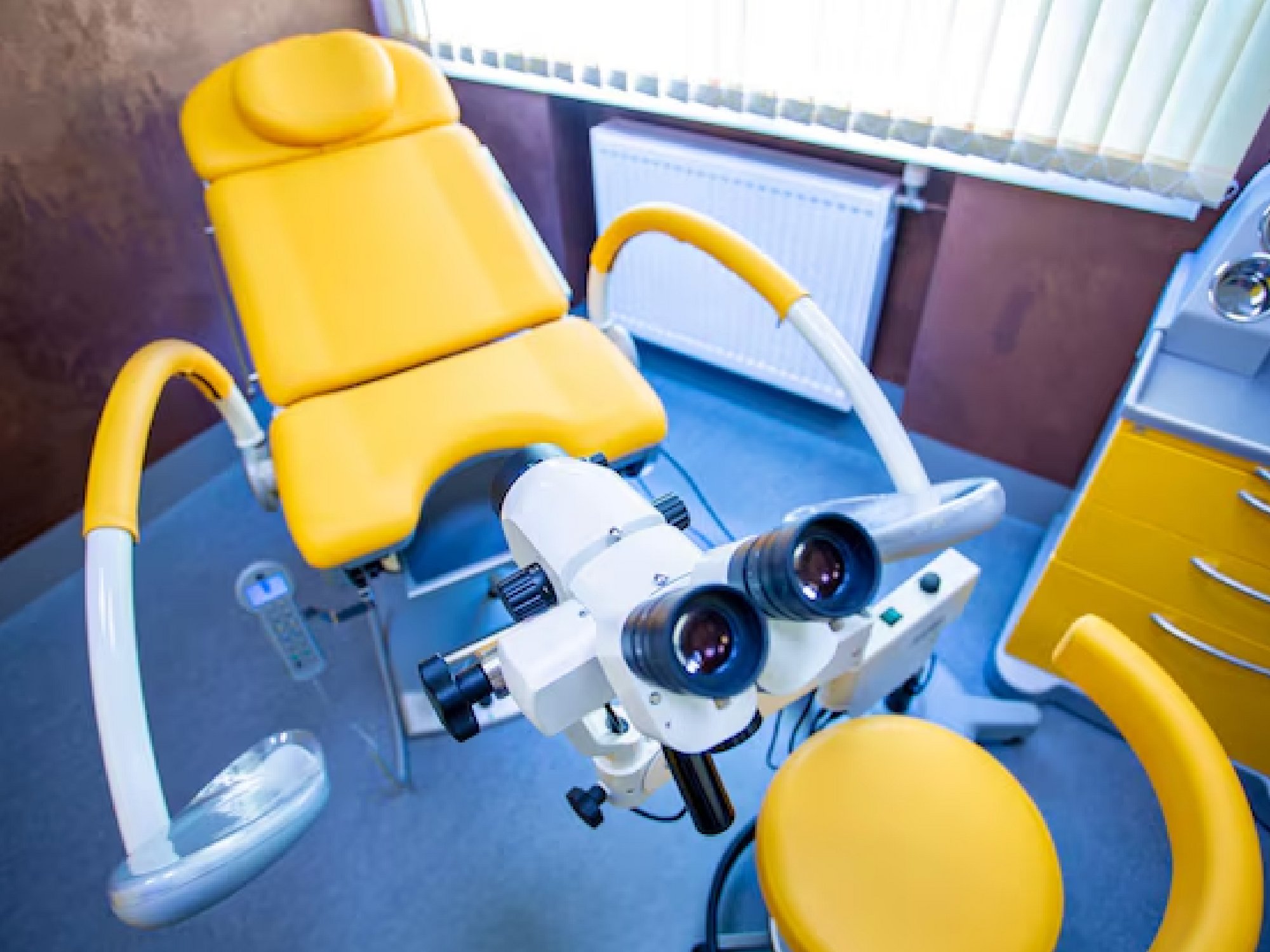
One-third of young Polish women don’t go to the gynecologist from fear of being judged. Catholic Polish doctors often refuse to prescribe birth control, openly make references to their religion, make judgmental remarks about their patients, and, in the worst cases, deny women life-saving care because of Poland’s draconian abortion laws.
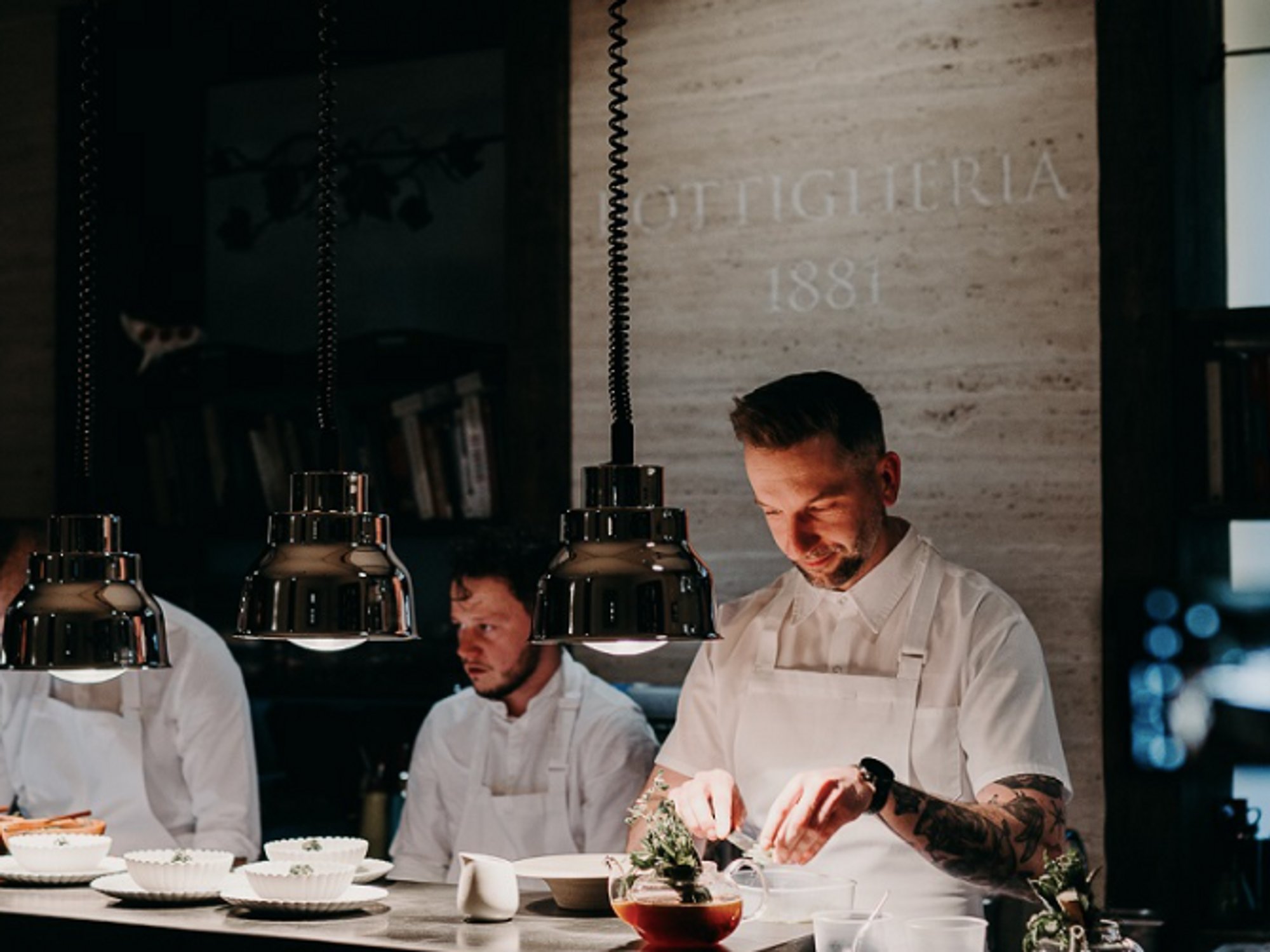
With the popularity of food travel shows, the rise of international dishes like Basque cheesecake and Japanese ramen, and the enduring allure of the culinary traditions of Italy and France, Gazeta Wyborcza‘s culture editor Małgorzata Muraszko argues that Poland should (and can) become a foodie destination.
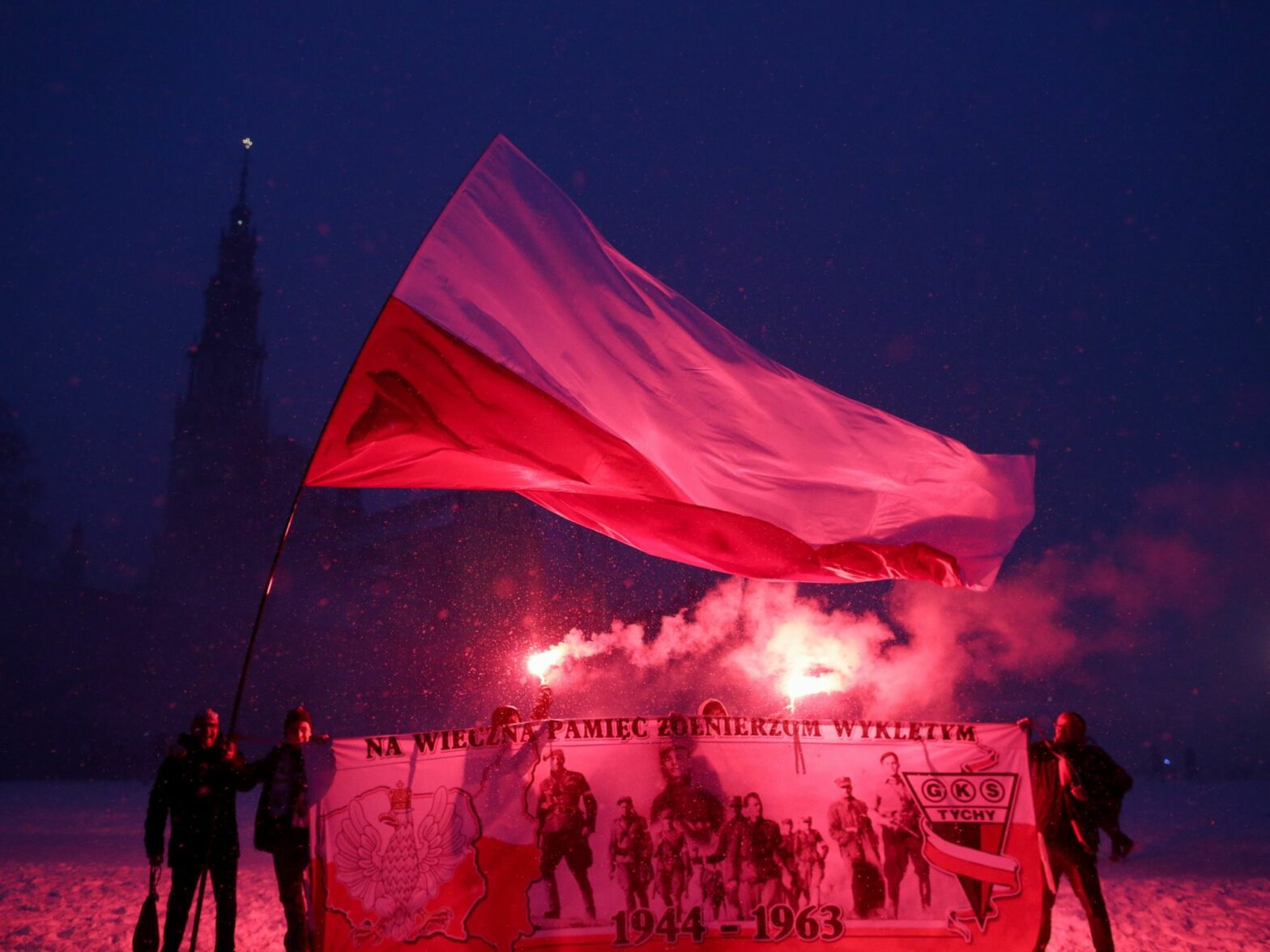
With a growing number of far-right victories in Western democracies, many individuals have begun idealizing Poland as “the ideal combination of capitalism and tradition.” What are the origins of the conservative fascination with Poland, and is it even true?