This is a debate that must challenge those in our region who benefit from the perpetuation of the male culture of violence.
 Worldcrunch
Stay updated with comprehensive news on Israel from Worldcrunch. Discover insights on Israeli politics, economic strategies, societal issues, and cultural landmarks with translations from top international sources. Highlights include Jerusalem, Israeli history, and cultural events.
This is a debate that must challenge those in our region who benefit from the perpetuation of the male culture of violence.
Israeli settlements in the occupied West Bank, which reached record levels in the first year of Netanyahu’s far-right government, have accelerated since Oct. 7 and are undermining a two-state solution to the Israel-Palestine conflict.
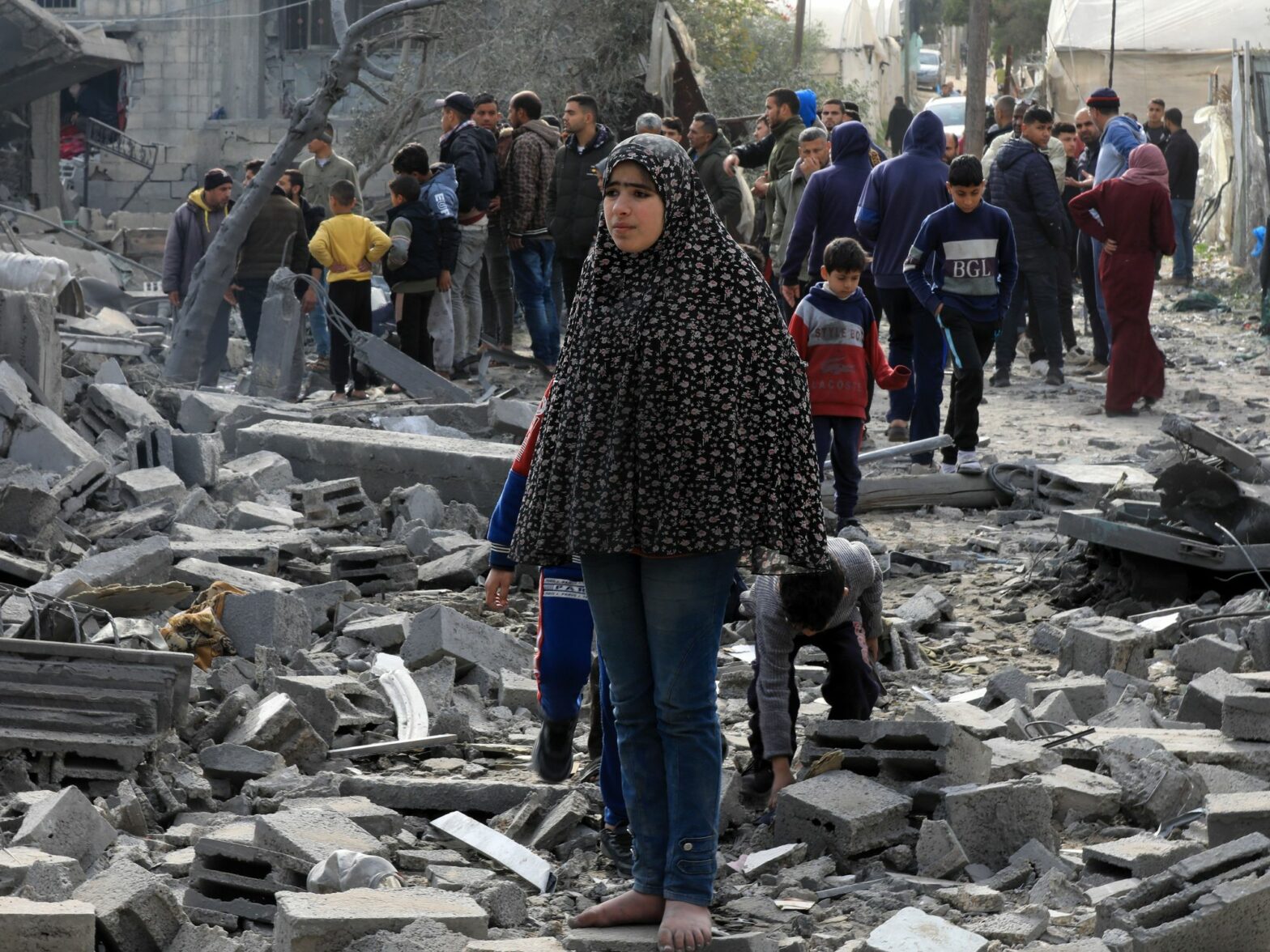
As the humanitarian situation worsens in Gaza, and the Israeli government still threatens to launch an offensive on the town of Rafah, there is one piece of positive news: negotiations on a possible ceasefire are not stalled. And in recent hours, there are some good reasons to believe that the ceasefire could become a reality.
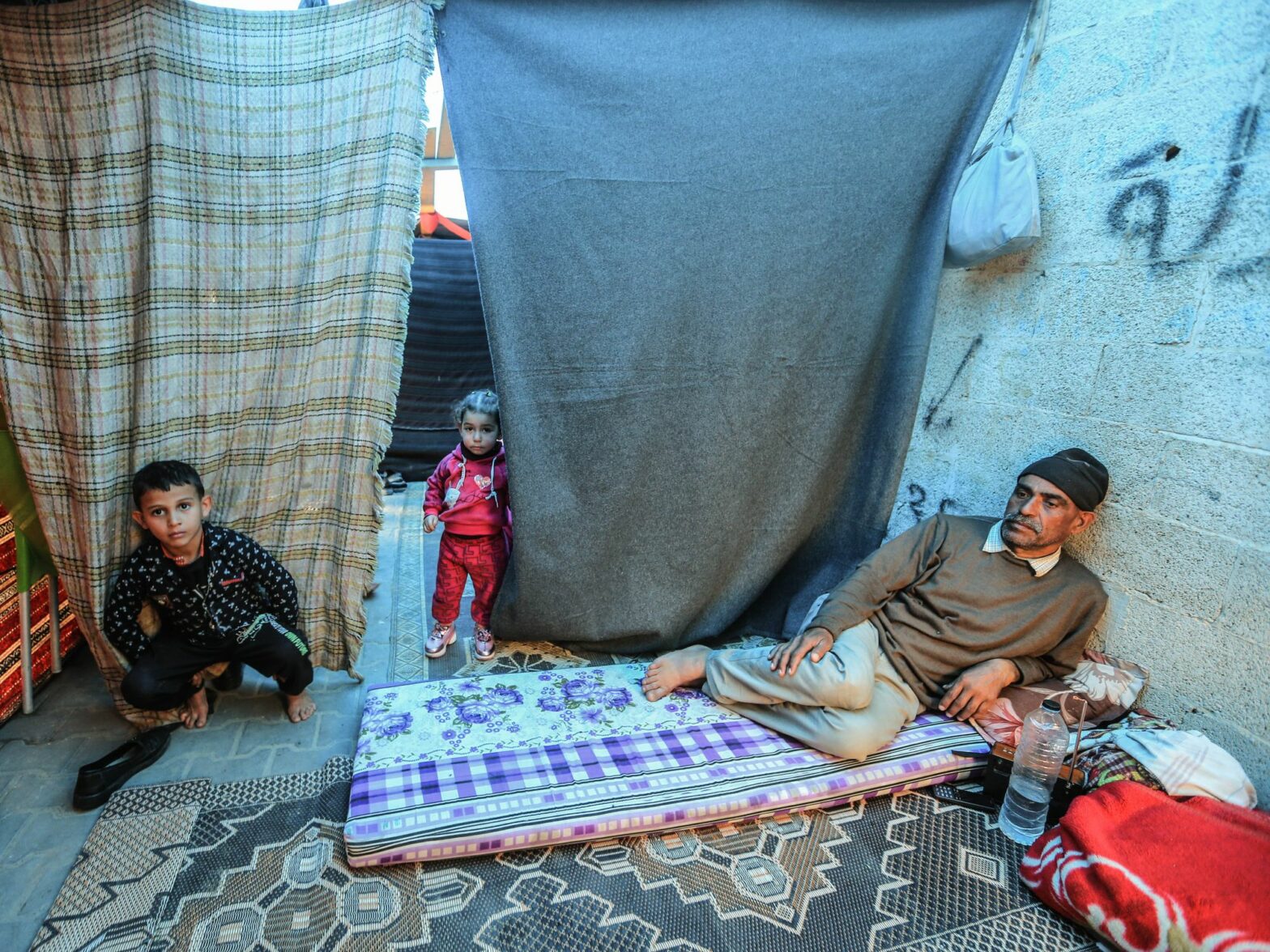
As Israel insists on launching a ground offensive on Gaza’s packed city of Rafah, many of the 1.4 million mostly temporary residents are consumed by plans for what their next move will be. If there is a next move.
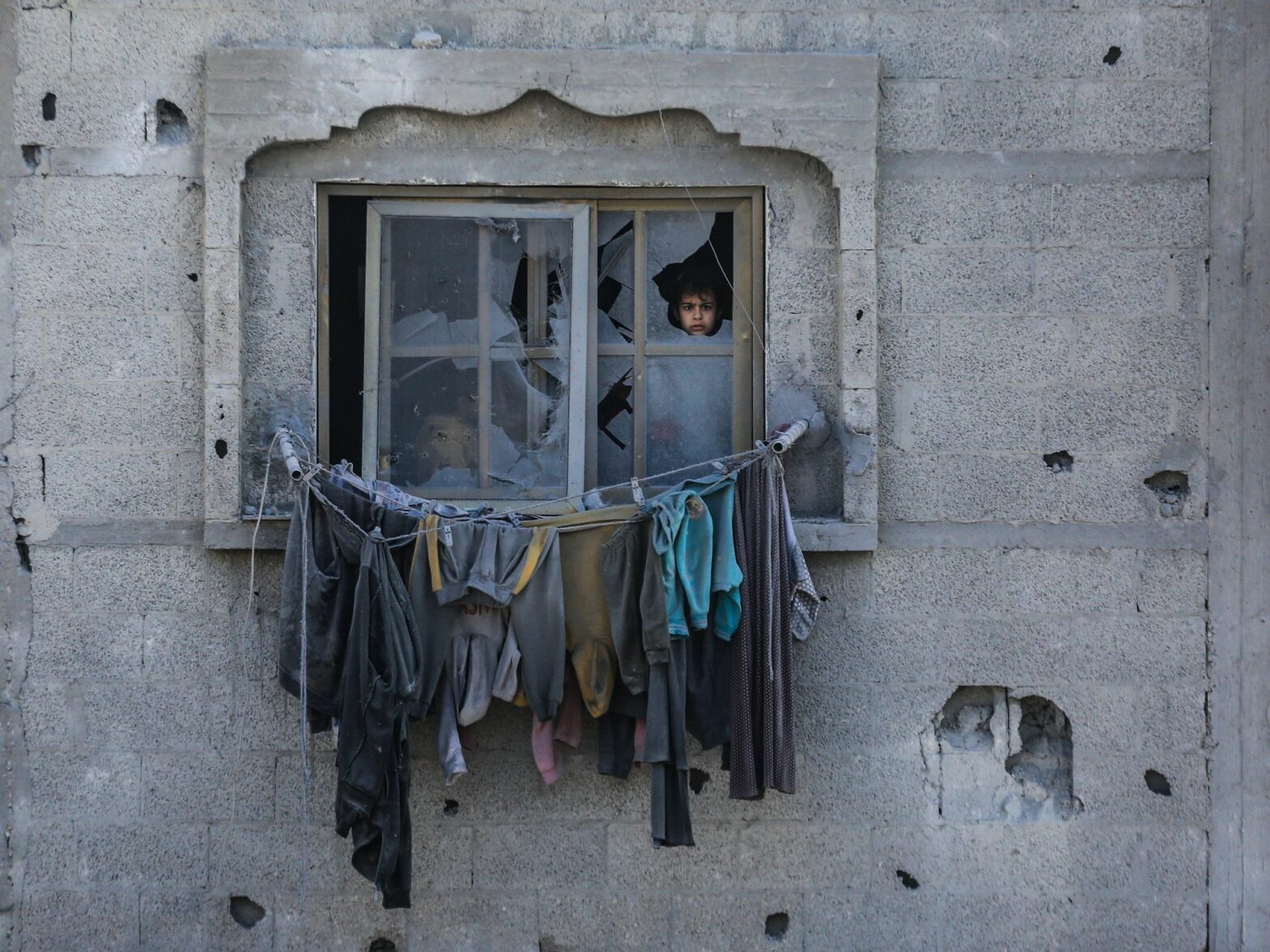
Rafah has become the new focus of Israel’s war. It is pressing to invade the city on the border with Egypt, where 1.4 million people — more than half of Gaza’s population — are now sheltering.
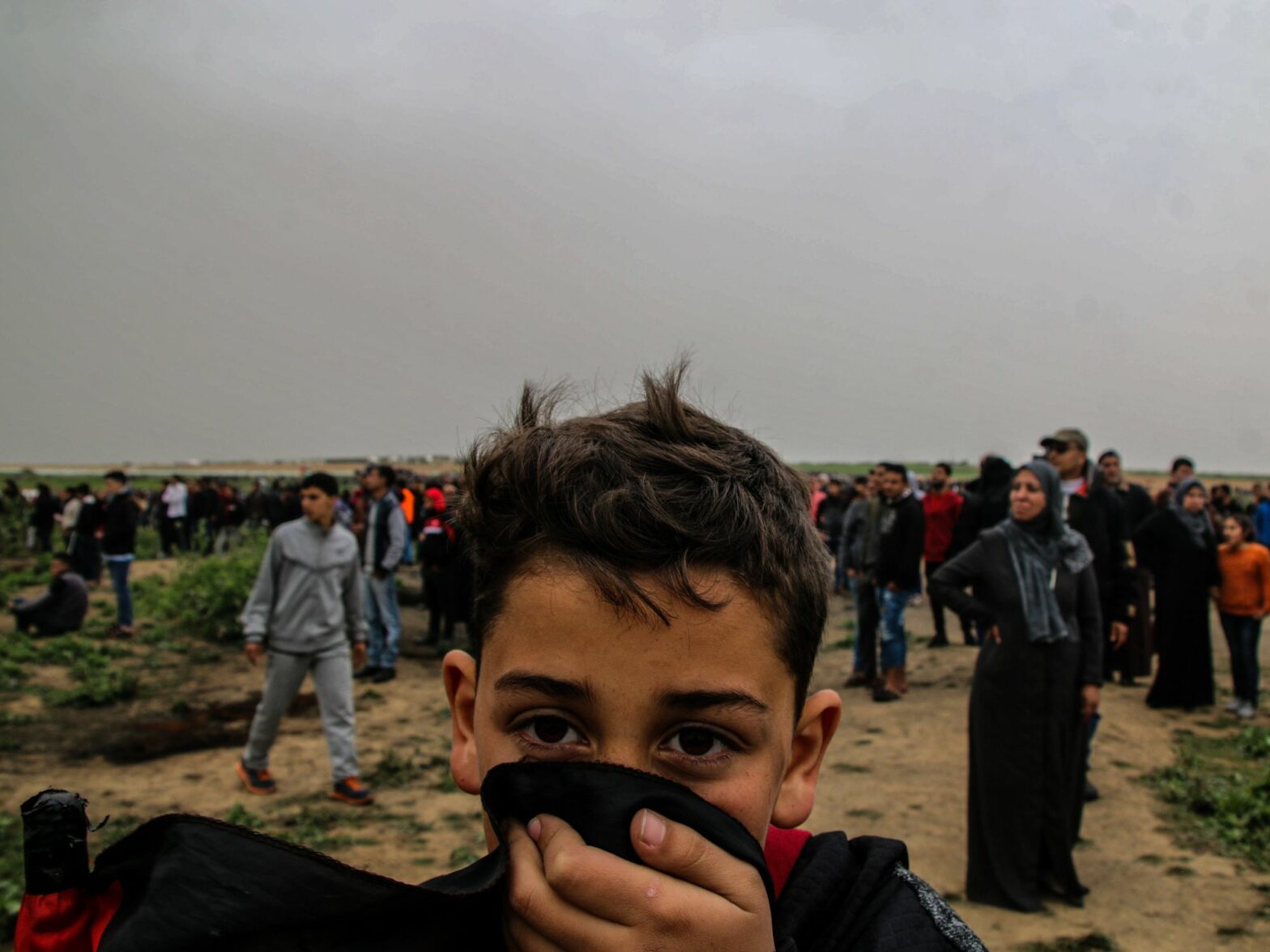
When Arab countries started normalizing relations with Israel, they did so disregarding the fate of Palestinians. It was a terrible error of judgment, and worse. Yet while the Palestinian cause remains a cornerstone of political legitimacy in the Arab world, few reasonable solutions are being brought forward, and radicalization continues to gain ground among the masses.
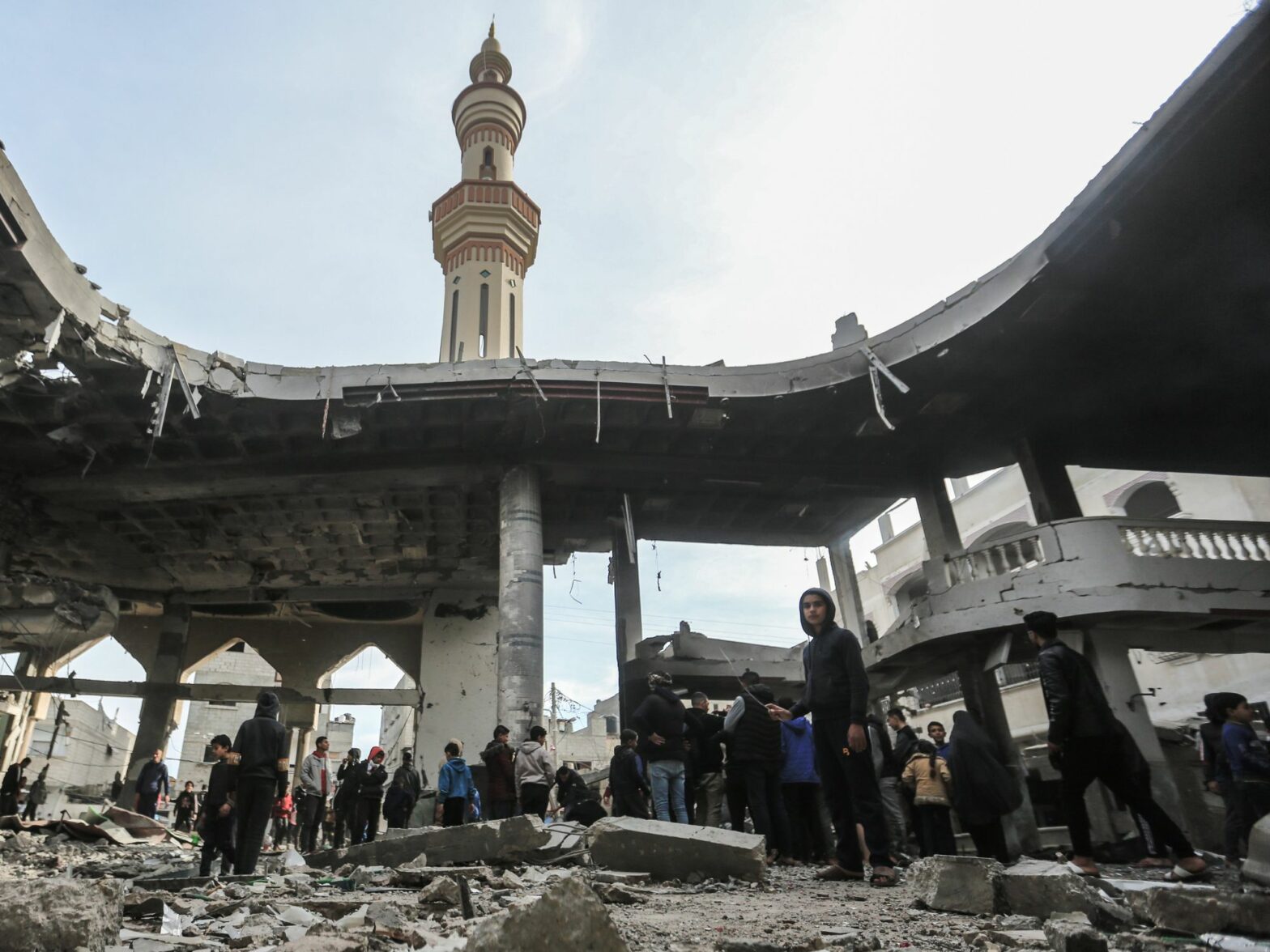
The West’s passive response to Israel’s actions in Gaza is increasingly difficult to maintain in front of the looming humanitarian crisis in Rafah. The lip service of “deep concern” doesn’t bother Netanyahu at all.
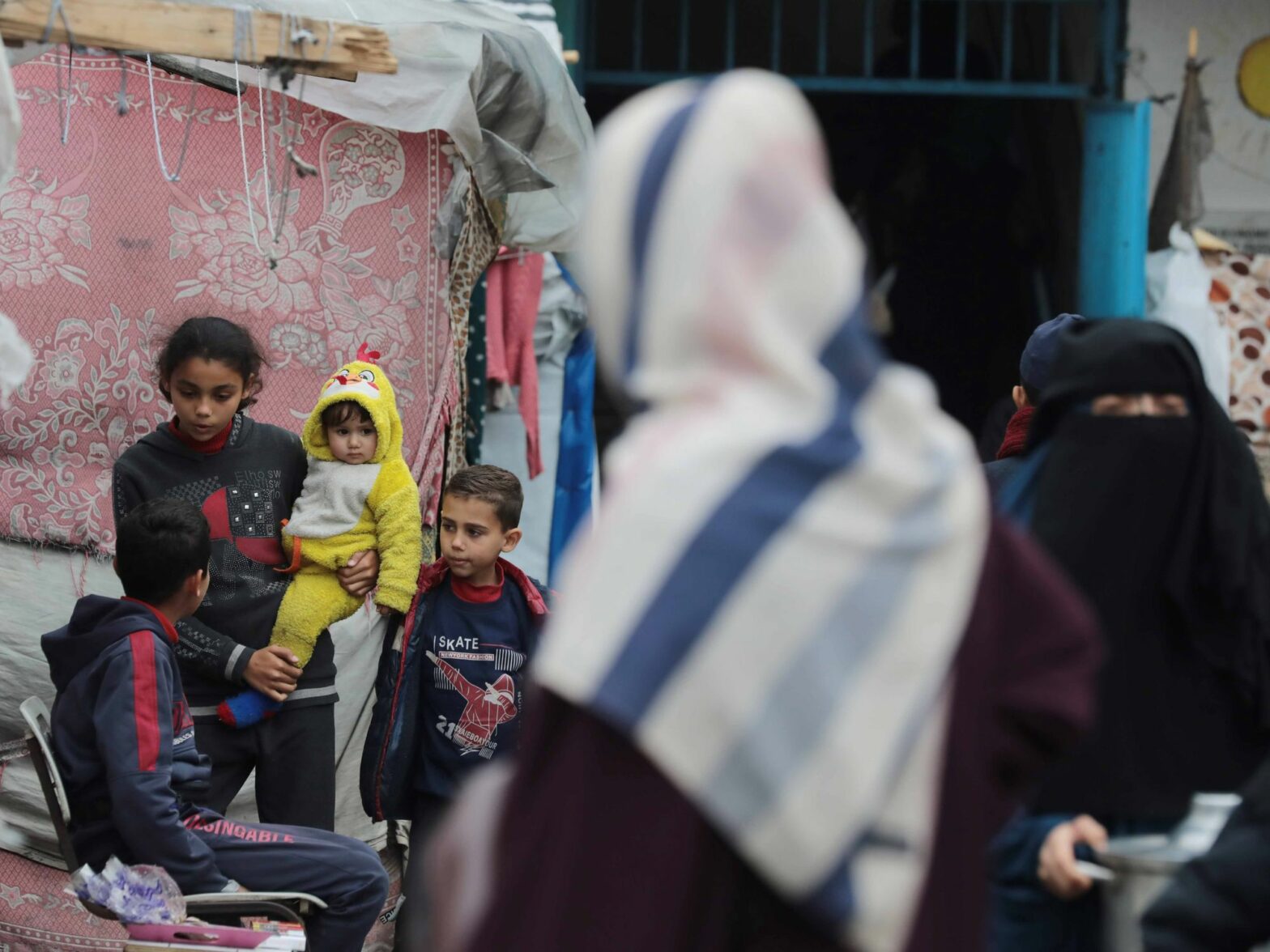
Desperate Gaza residents now wait for a word on the success of ceasefire deal, which could allow them to return home. Even if They don’t know what will come next. But they definitely want an end to the war, and so their significant suffering. They want to return to their homes, even if they are demolished.
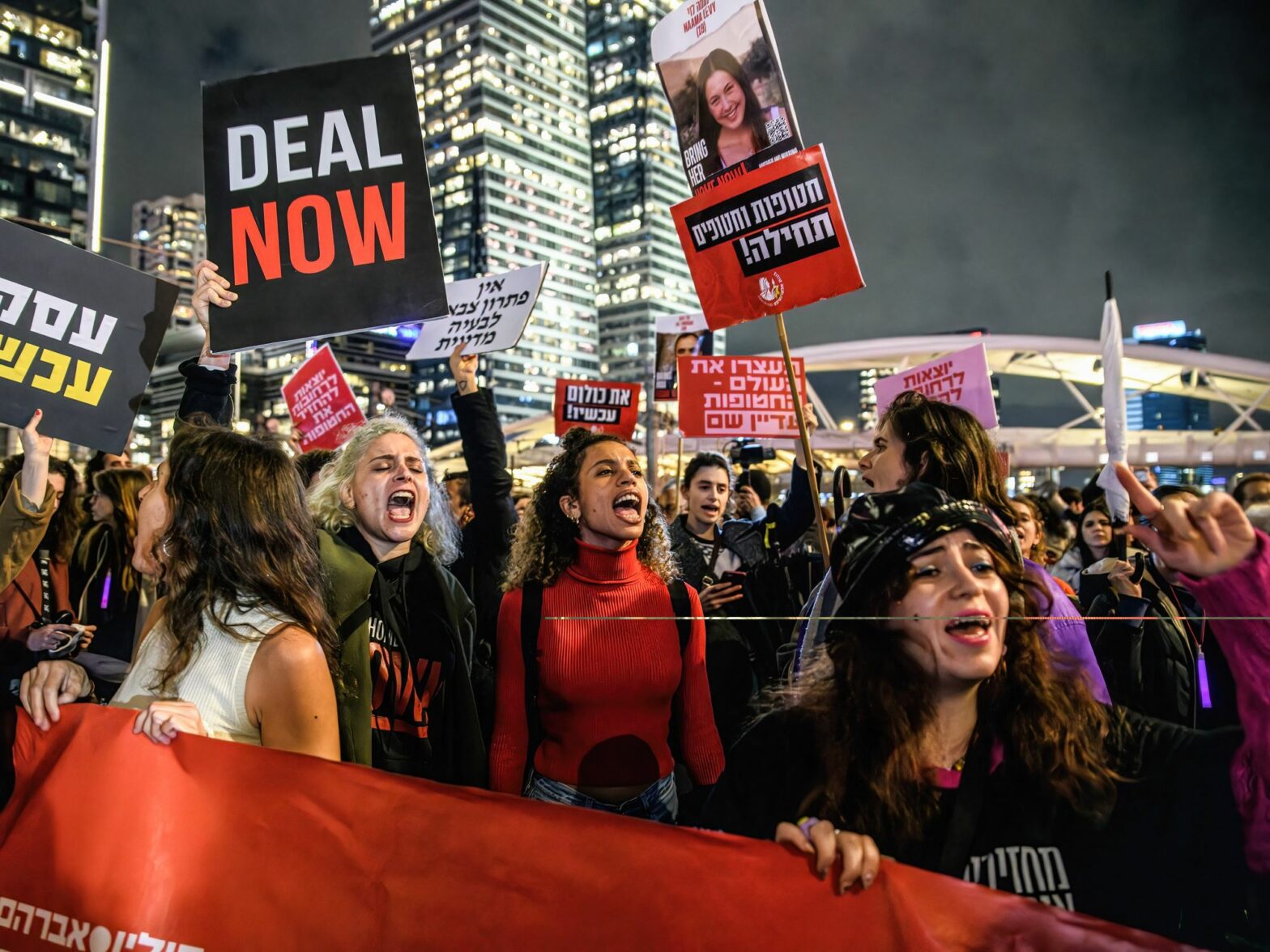
The gap between the positions of the two parties revealed itself to be too wide Wednesday, though talks are continuing in Cairo. When will Prime Minister Benjamin Netanyahu no longer be able to justify leaving the hostages in Gaza, and the damage of Israel losing its own allies?
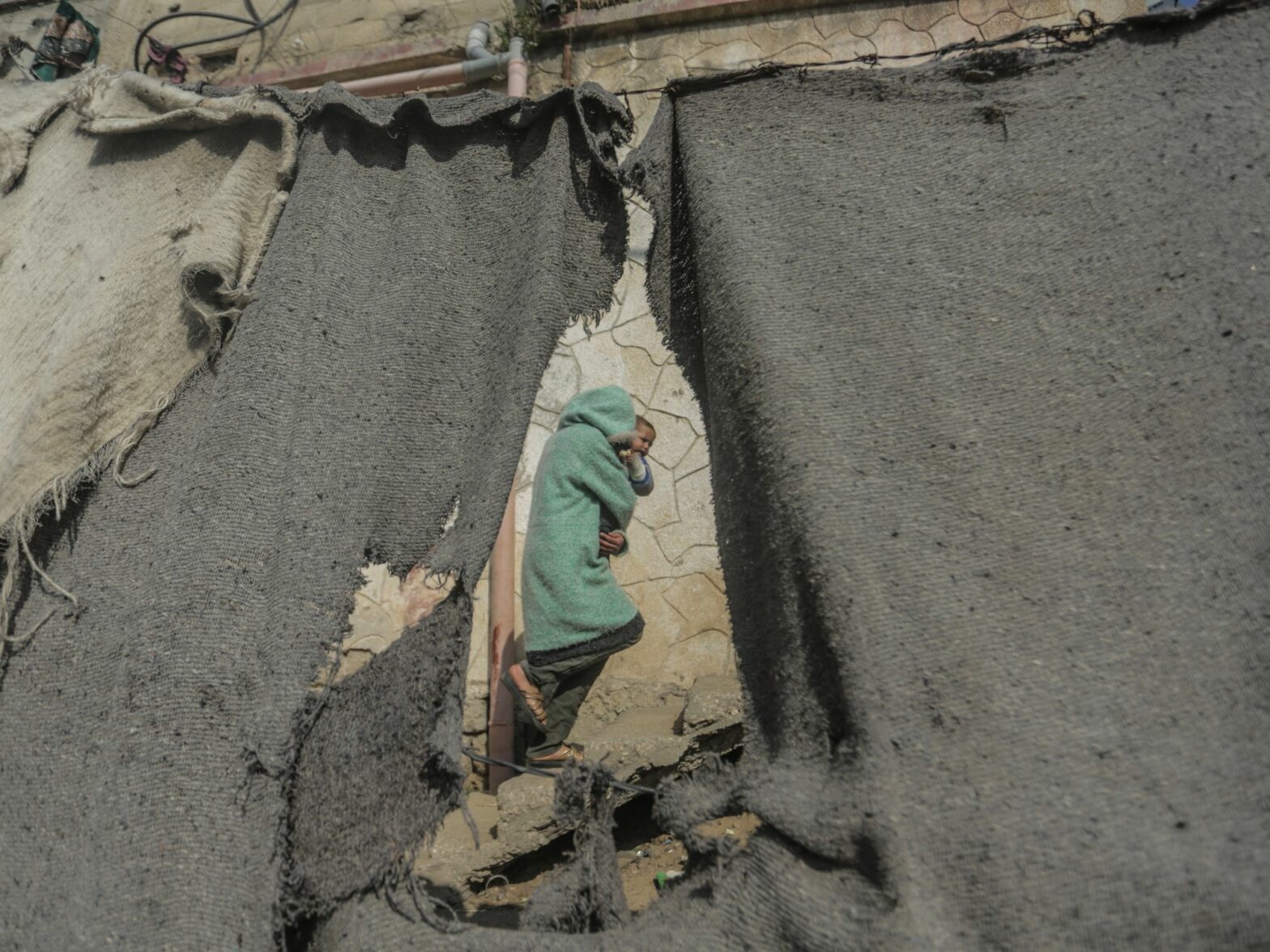
An Israeli soldier took an infant girl from Gaza after her family was killed during bombings, and brought her to an undisclosed location in Israel. When the news emerged, the Palestinian Foreign Ministry, based in the West Bank city of Ramallah, called it a “heinous crime” and demanded the return of the child to Palestine.
Iran’s allies are attacking the West across the region. The Hamas massacre, attacks on U.S. troops and the Houthi targeting of ships are possibly just the beginning. The fact that the Middle East is so unstable today is due to a decision first made by the U.S. a generation ago.
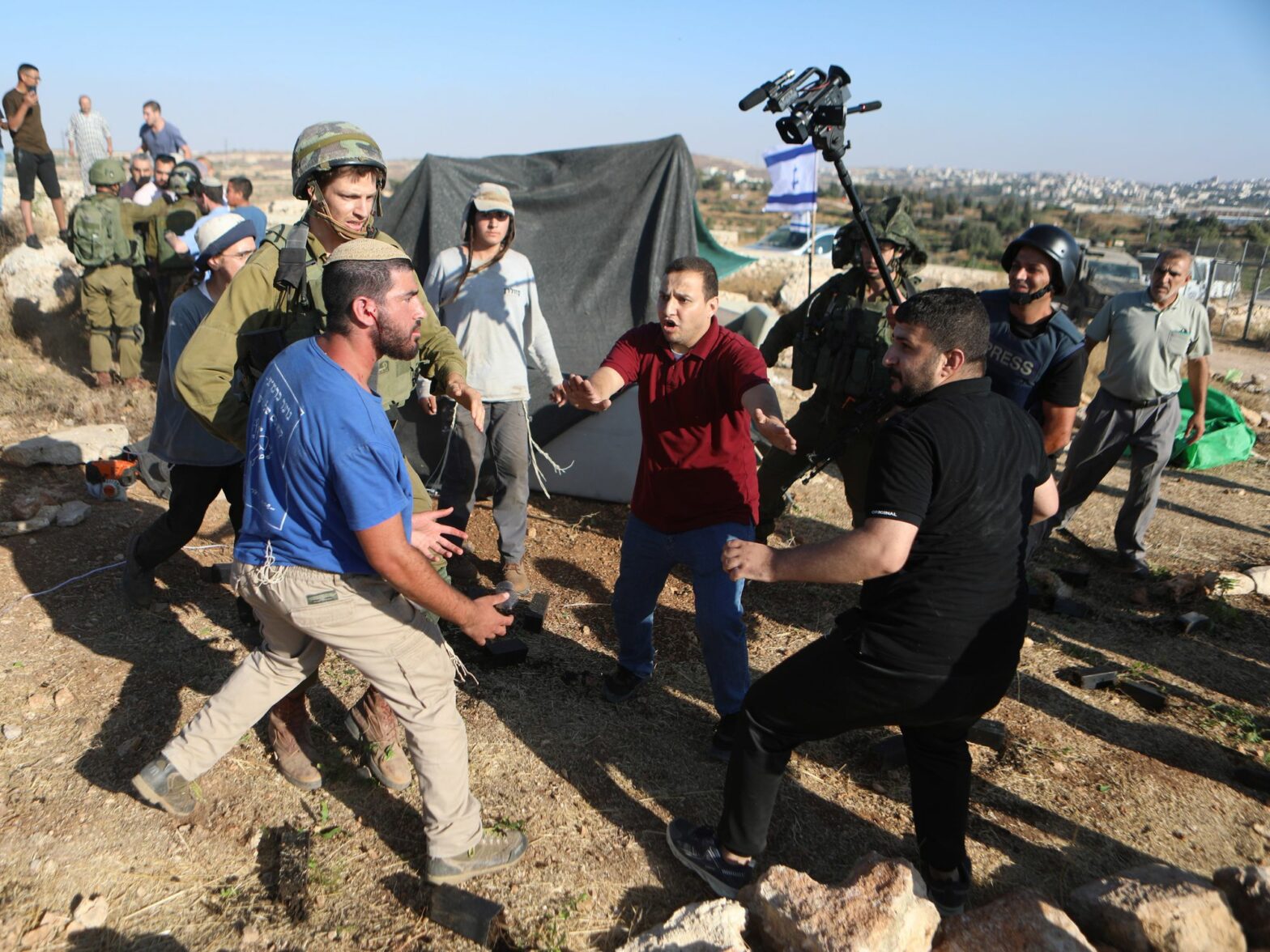
By sanctioning violent settlers in the West Bank, U.S. President Biden aims to reassure voters unhappy with his support for Israel, and to push Israeli Prime Minister Netanyahu to accept a ceasefire agreement.
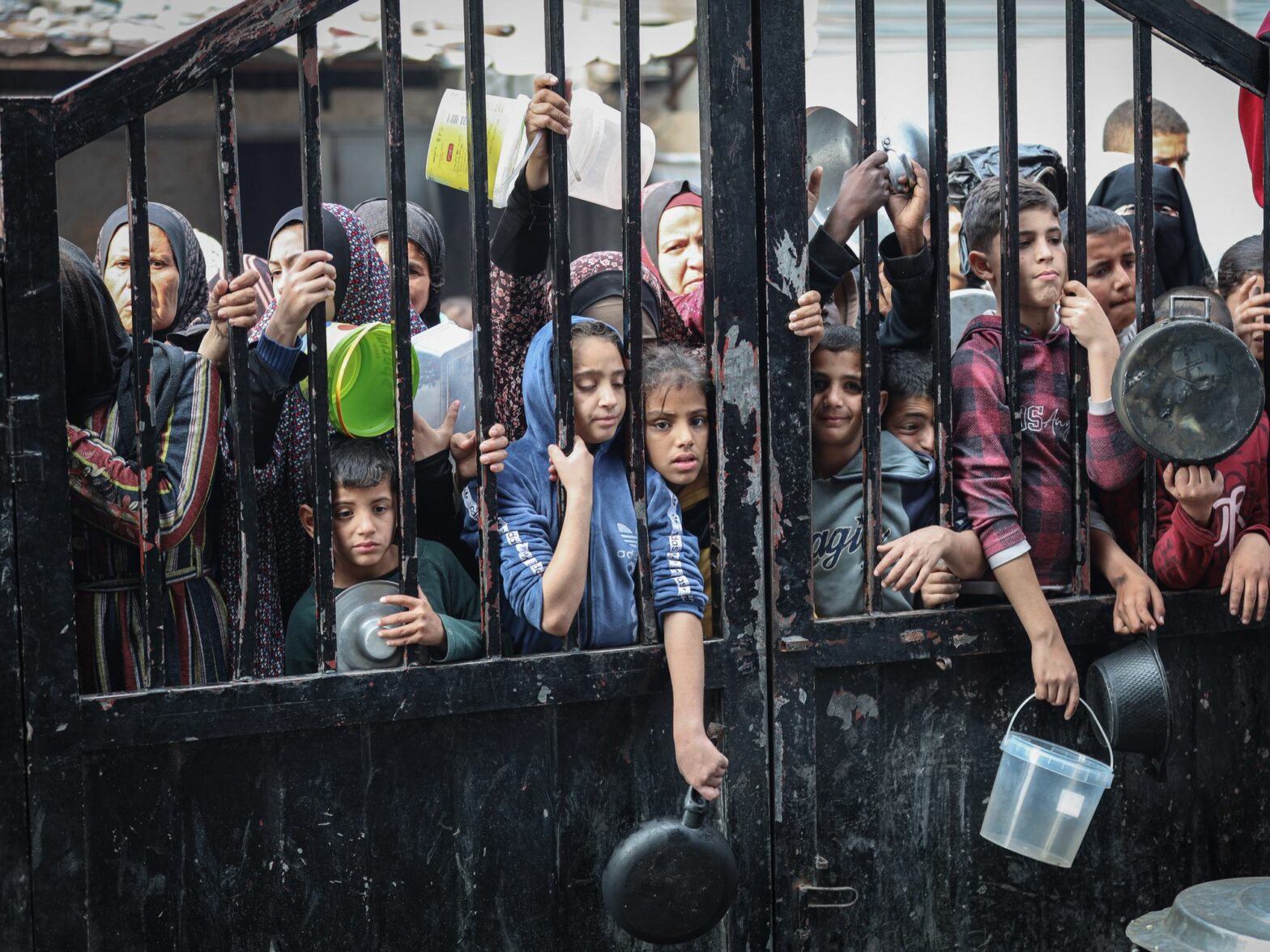
As the Israel-Hamas war continues unabated, the U.S., Egypt and Qatar are pushing to quickly reach an agreement. Will internal divisions be overcome? But even if a deal is struck, the war is far from over.
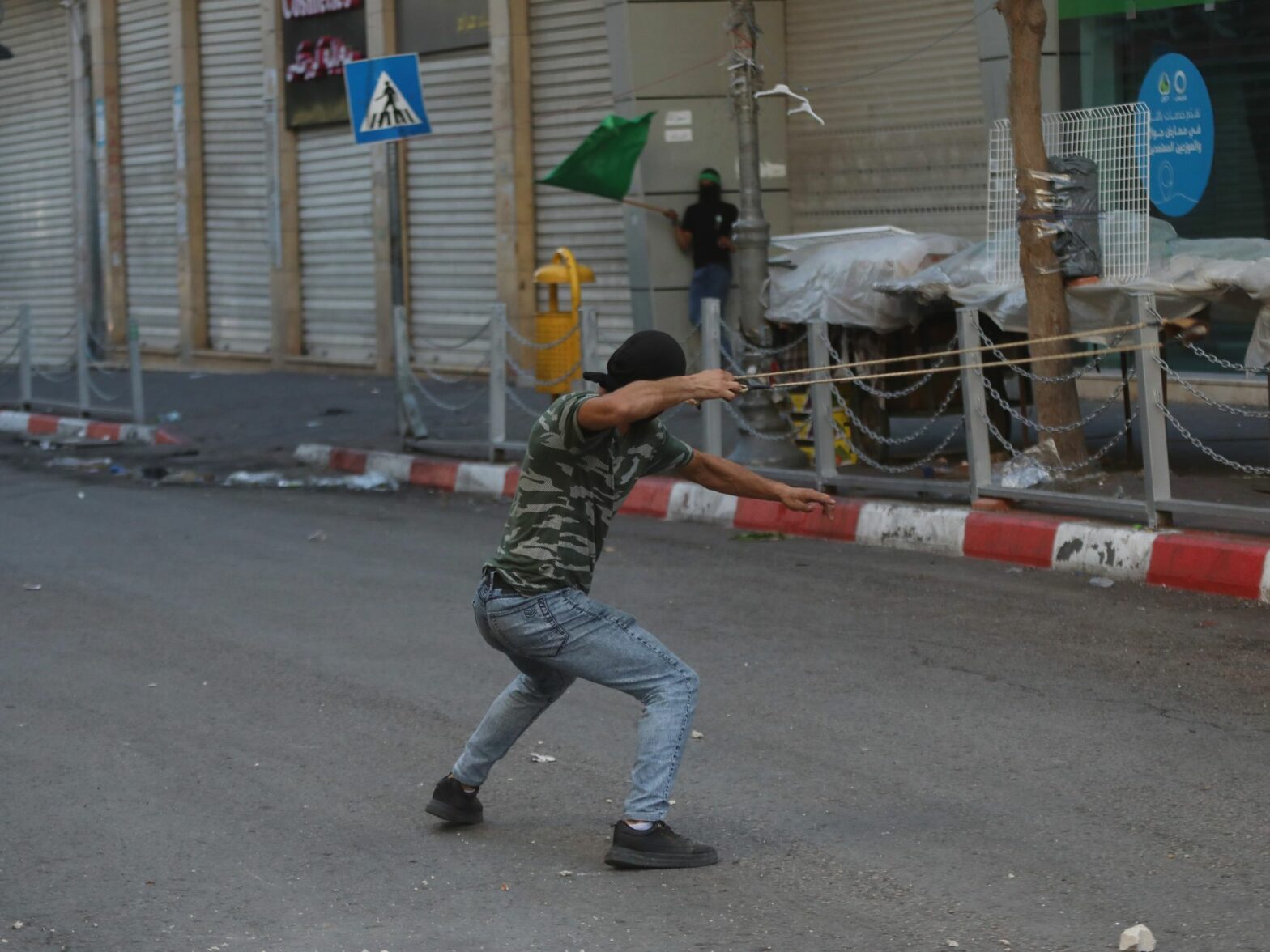
The “day after” the war and after Prime Minister Benjamin Netanyahu, a desperate man standing on the edge of his political demise, is the first day of a the two-state solution.
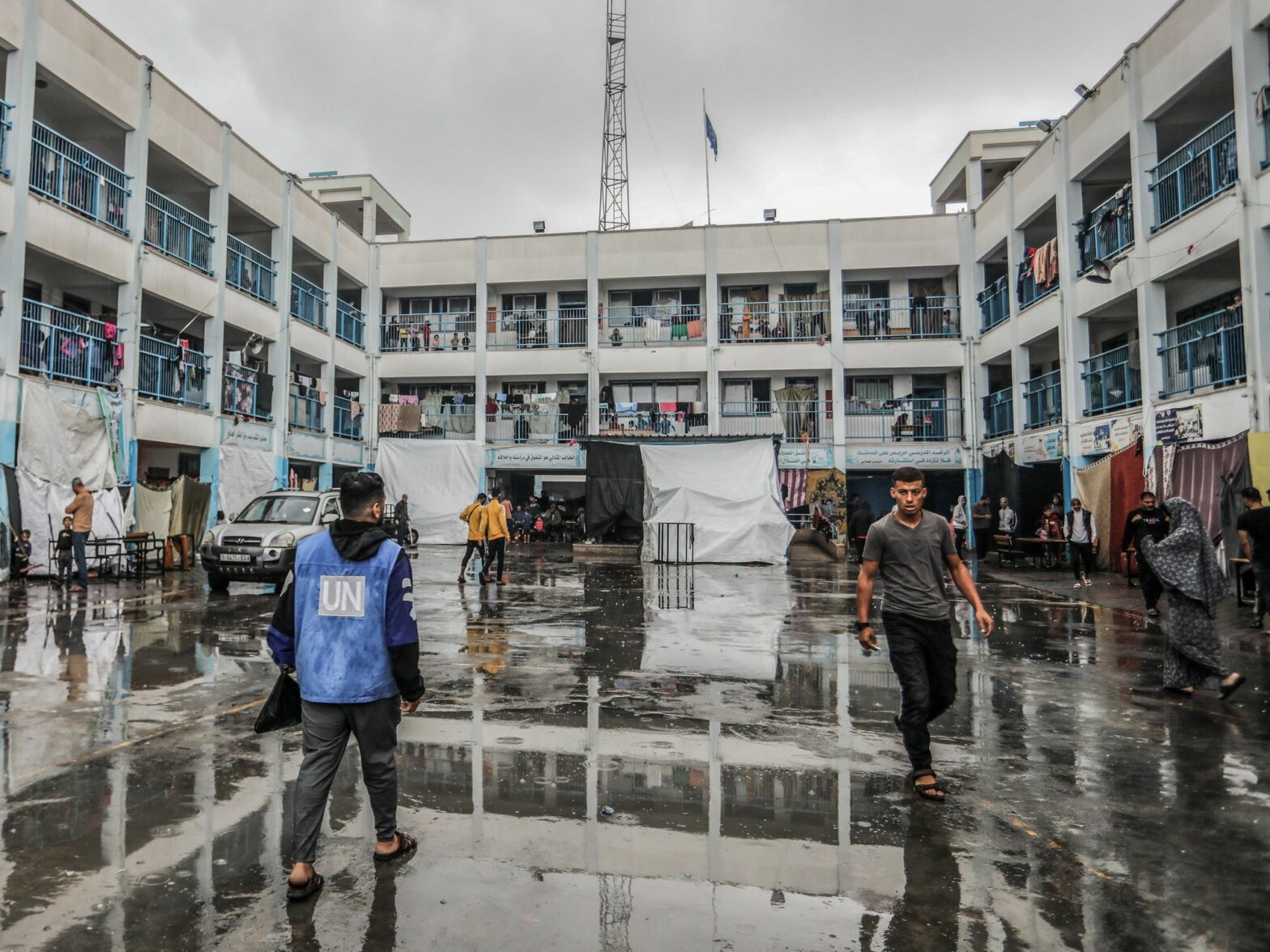
Israel has accused 12 employees the UN agency for Palestinian refugees UNWRA, of participating in the Oct. 7 attack. The United States and other countries have suspended their funding, which risks worsening the ongoing tragedy for the two million Palestinians in Gaza.
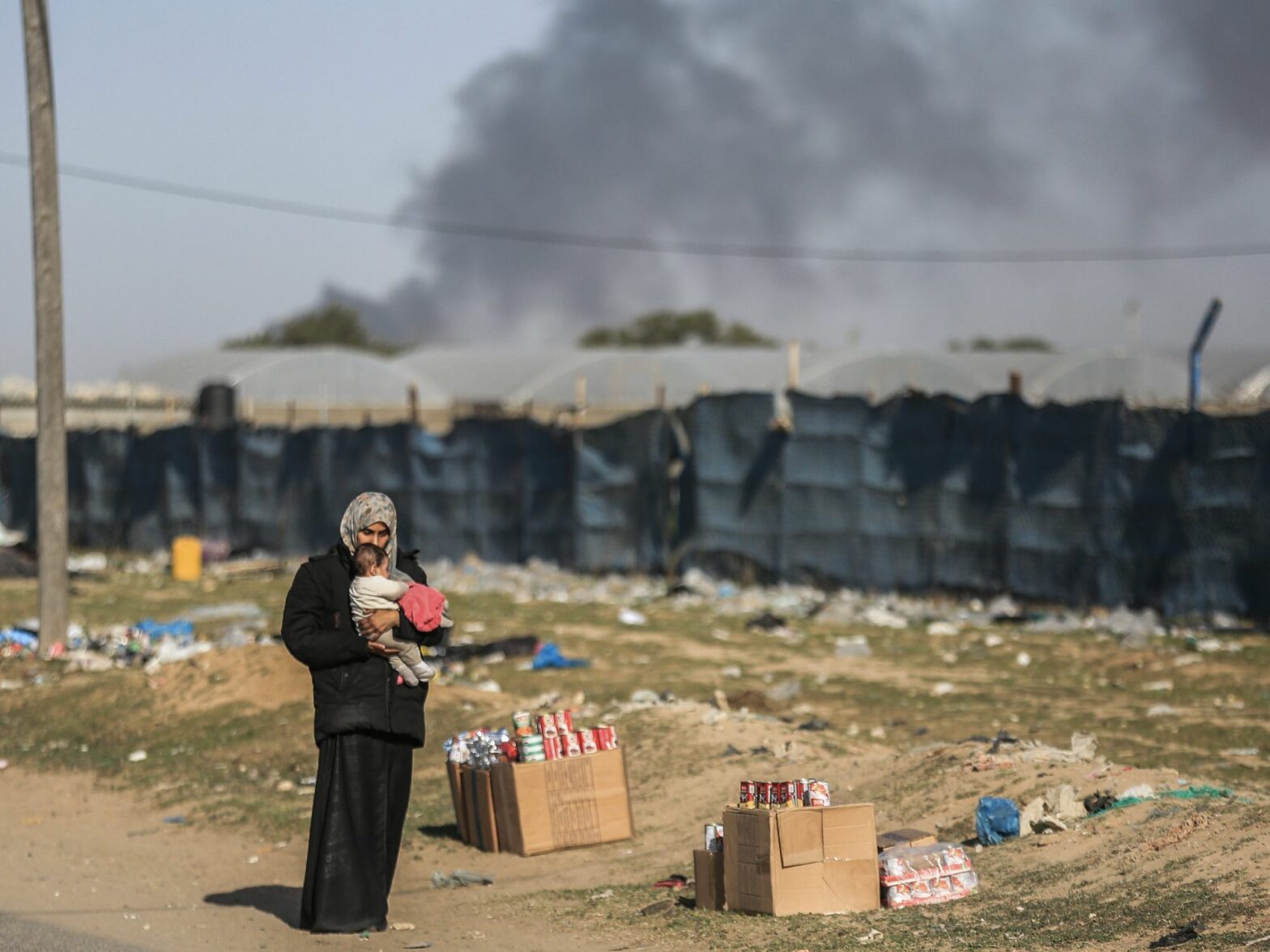
After suffering its heaviest losses in a single day, the Israeli army continues its hunt for Hamas leaders and troops in Khan Younis, an overcrowded refugee camp in southern Gaza. Even heavier Palestinian civilian casualties are feared, as the war appears to be reaching a moment of truth.
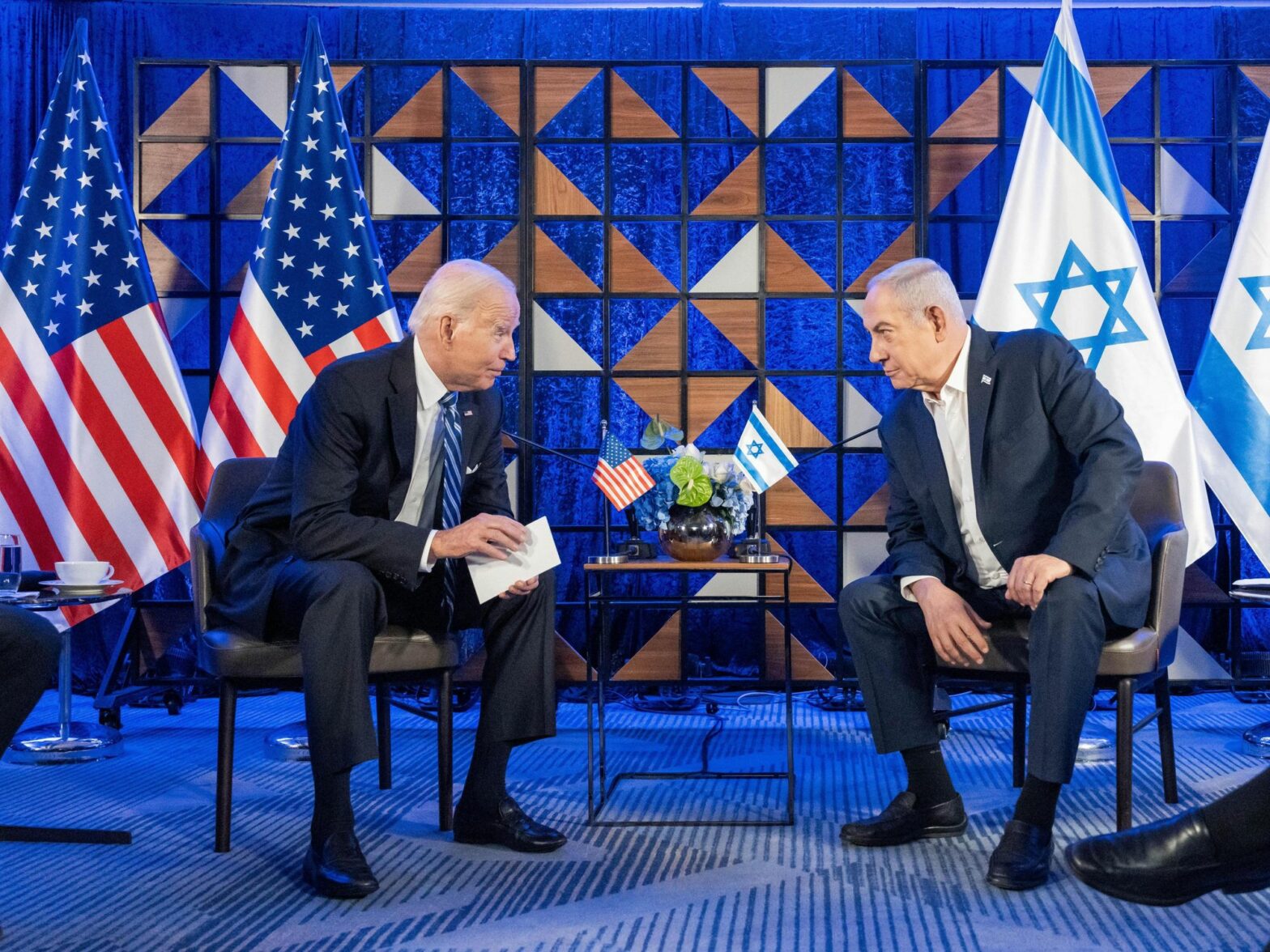
The rising tensions between U.S. President Joe Biden and Israeli Prime Minister Benjamin Netanyahu are about different visions of the geopolitics of the Middle East — but the stakes are also personal for each leader.
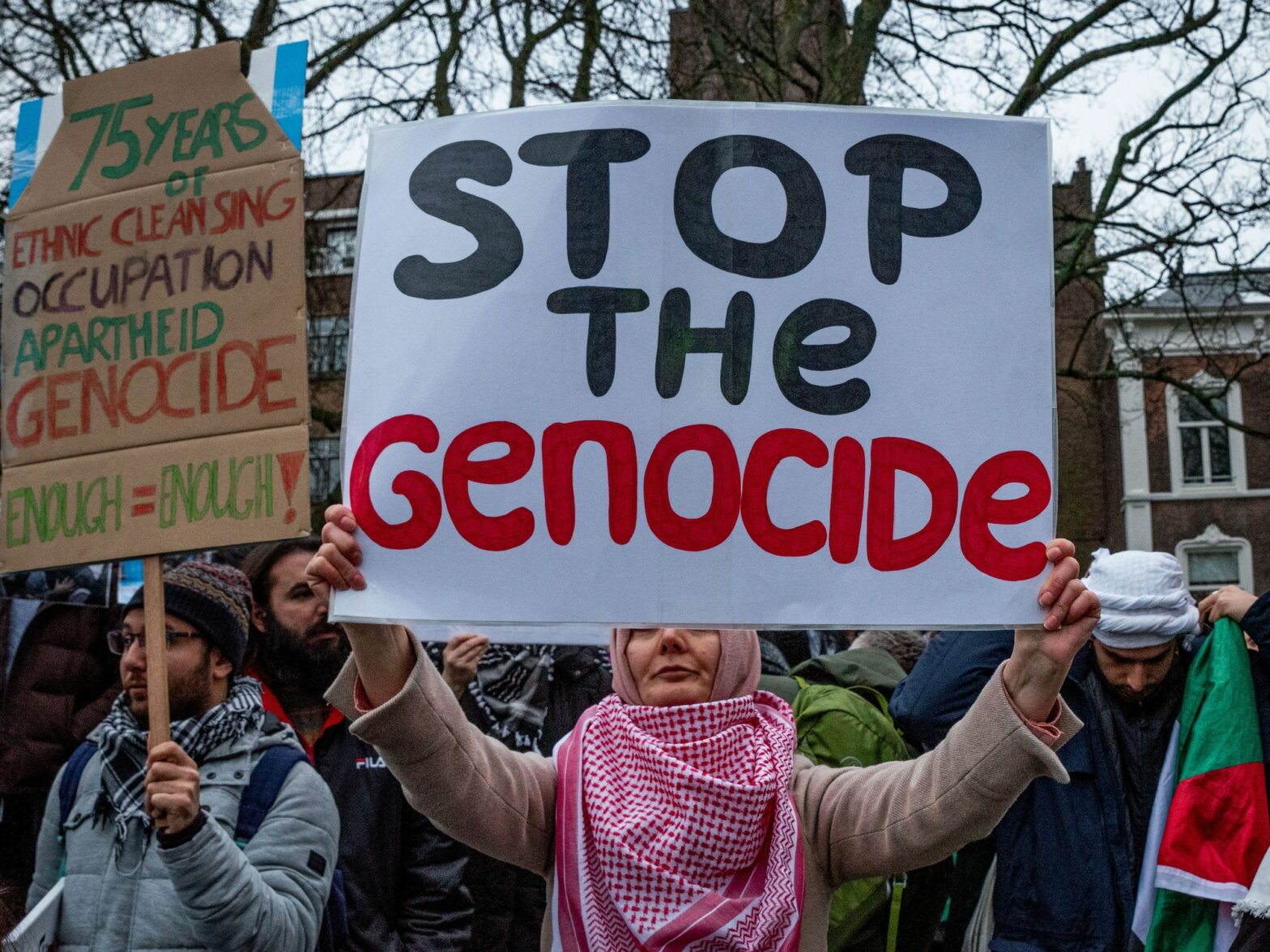
South Africa’s genocide case against Israel at the International Court of Justice attempts to turn longstanding international law on its head, writes Kai Ambos, a top expert on international law, for German daily Die Welt.
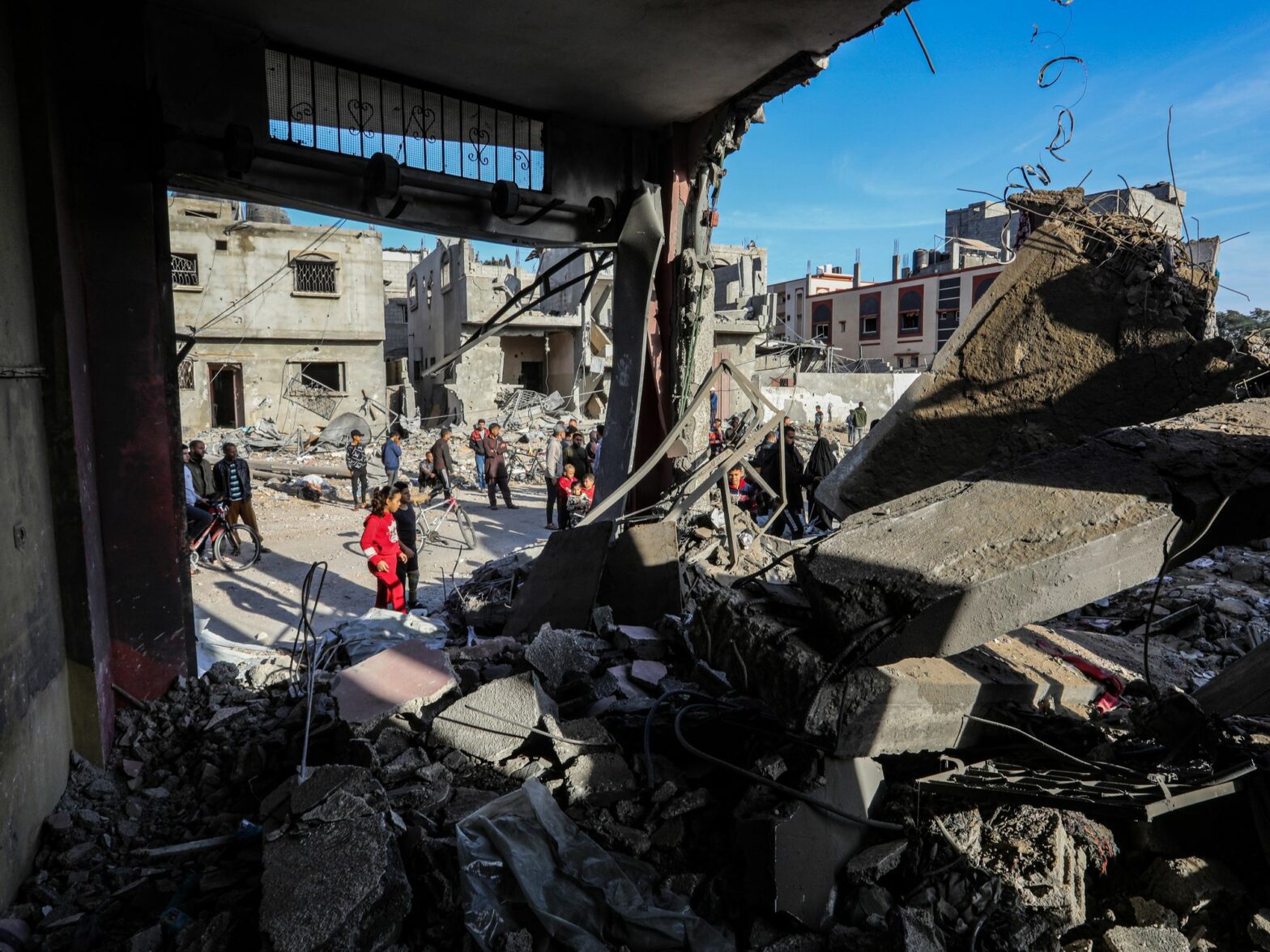
When the guns fall silent, Saudi Arabia and its ambitious prince want to be the historic peacemaker in the Middle East.
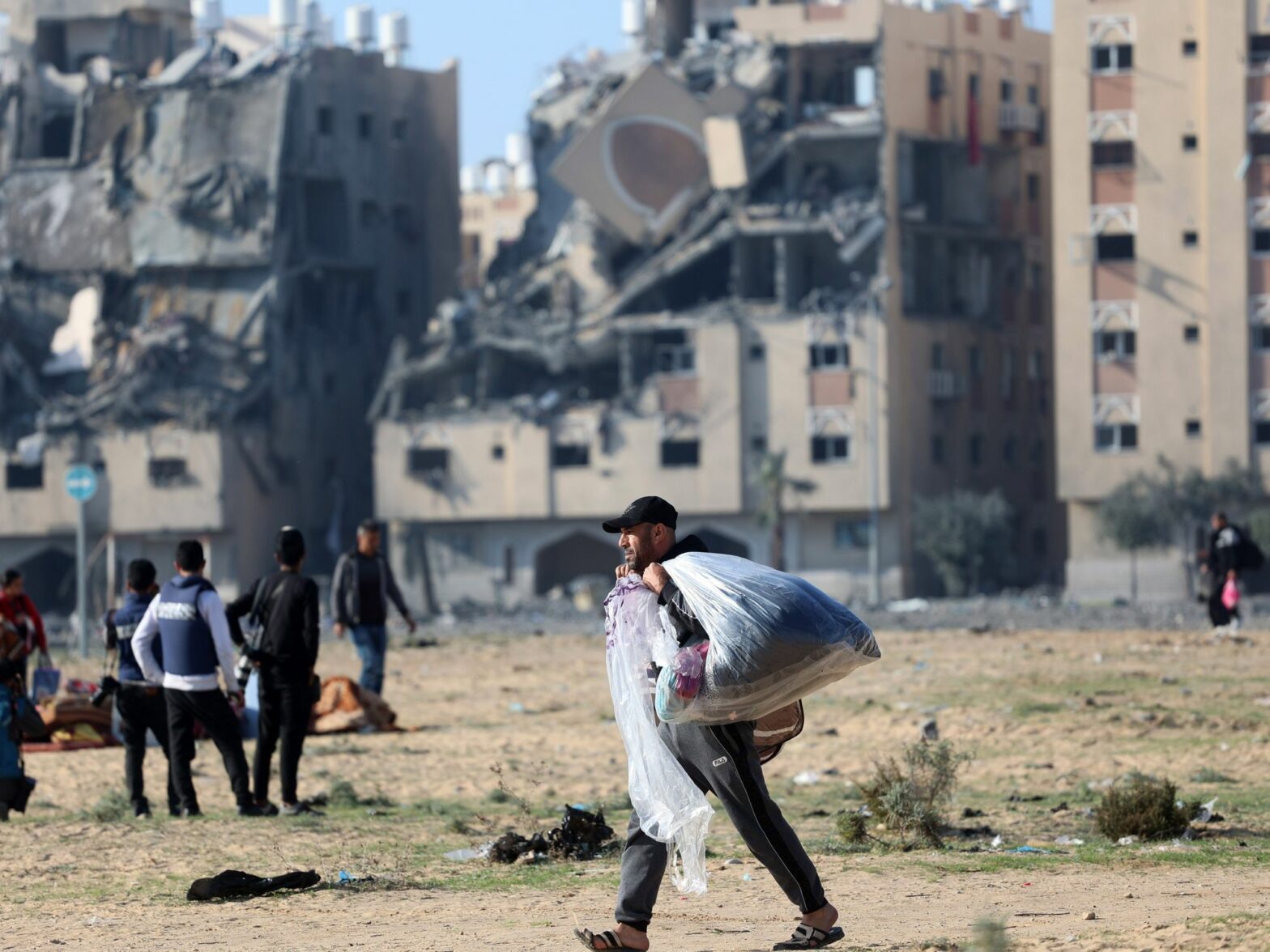
Omar Sharara, a journalist for the Cairo-based media Mada Masr reports on his exchanges with a Aden, a Palestinian photojournalist in Gaza, since the war began. Amid bombings and communications blackouts, Aden relays his family’s efforts to seek shelter.
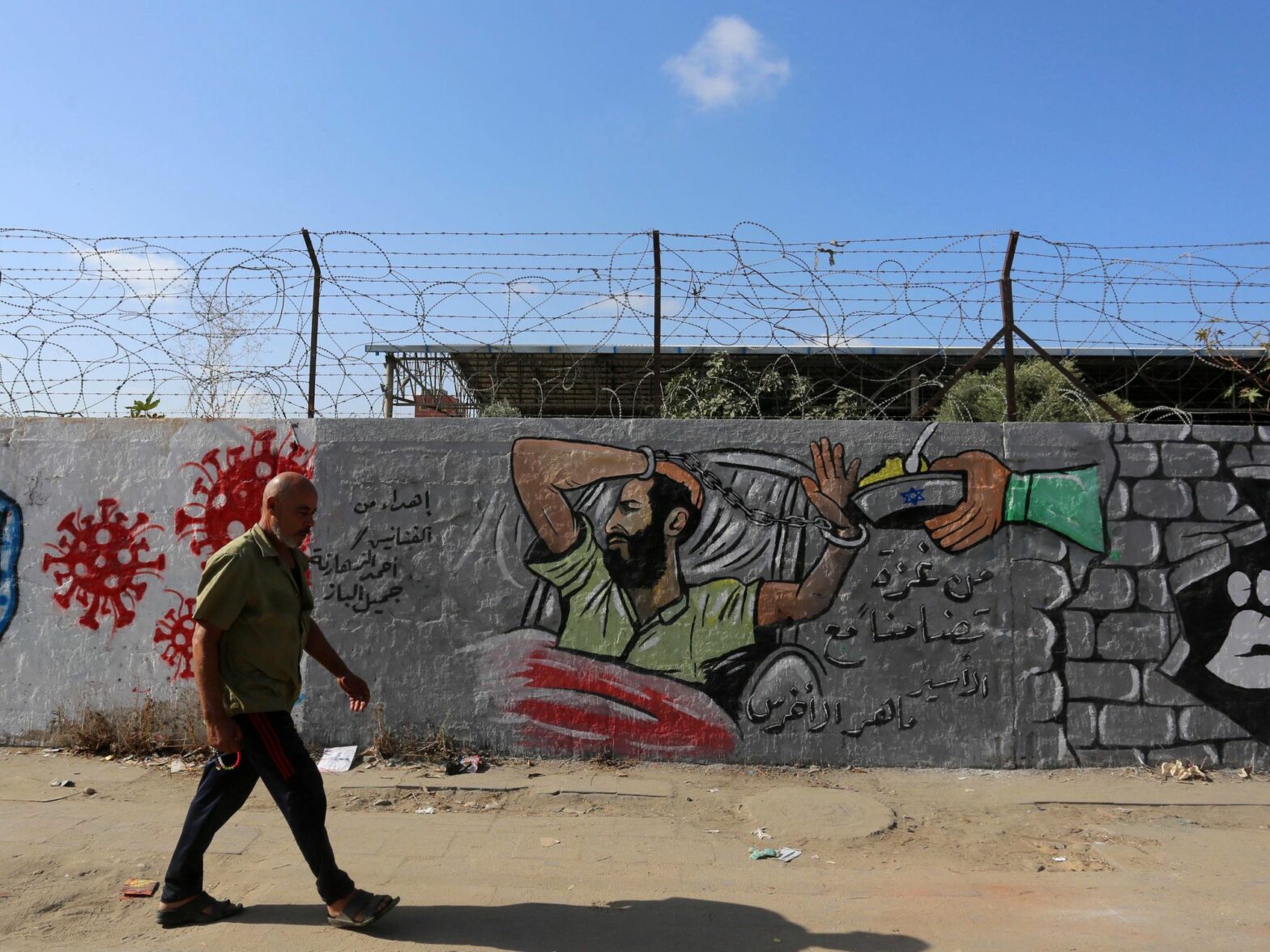
Since Oct. 7, Israel has launched a crackdown on Palestinians, in both Gaza and the West Bank. Once the new detainees are taken to jail, they allege that authorities regularly take an extra hard line, including a disturbingly high number of prisoners killed.
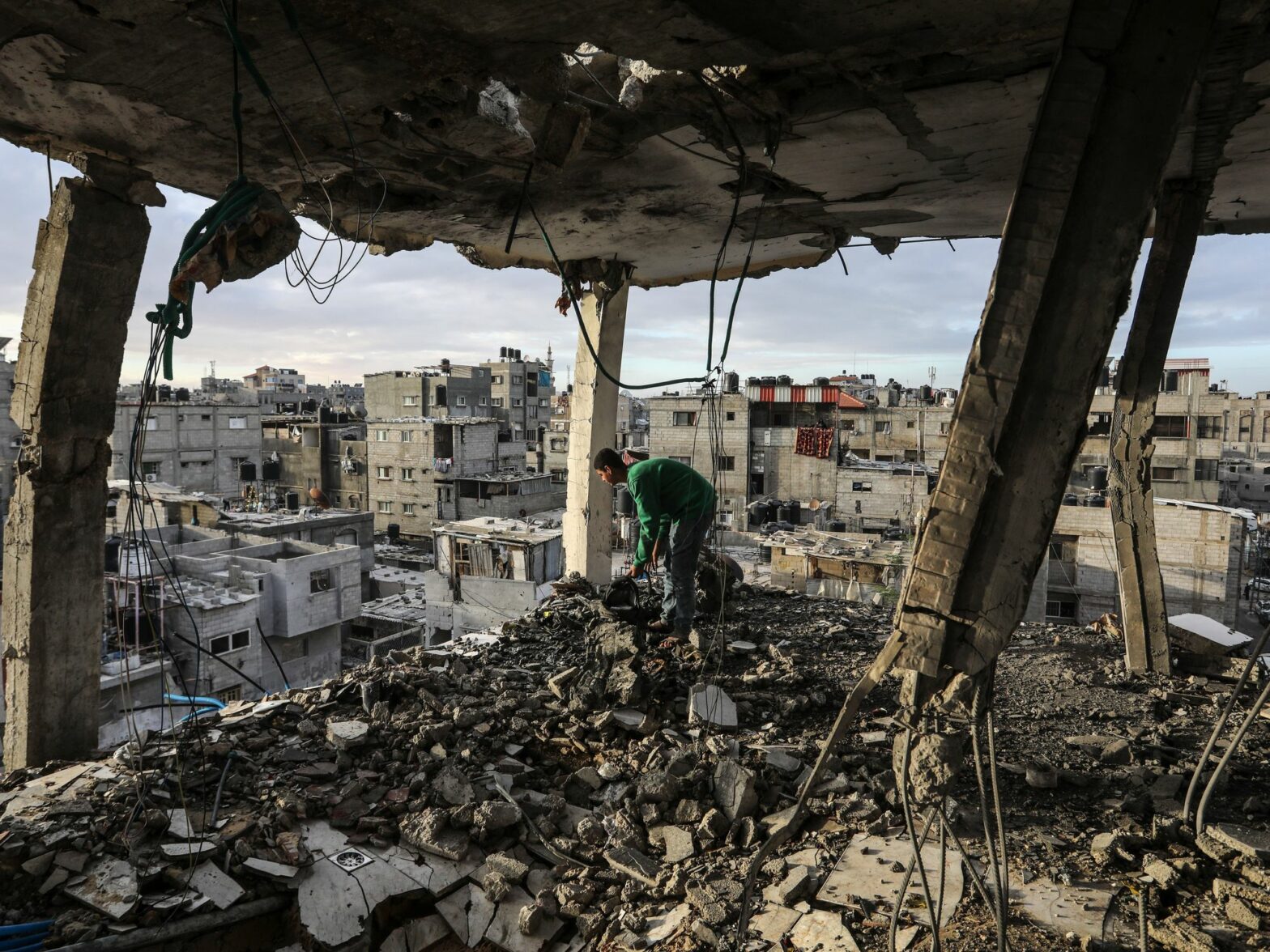
After 100 days of war, Israeli Prime Minister Benjamin Netanyahu has made it clear that he has no plans to listen to what any other country has to say, including his closest allies. There’s every reason to expect the situation to get worse.
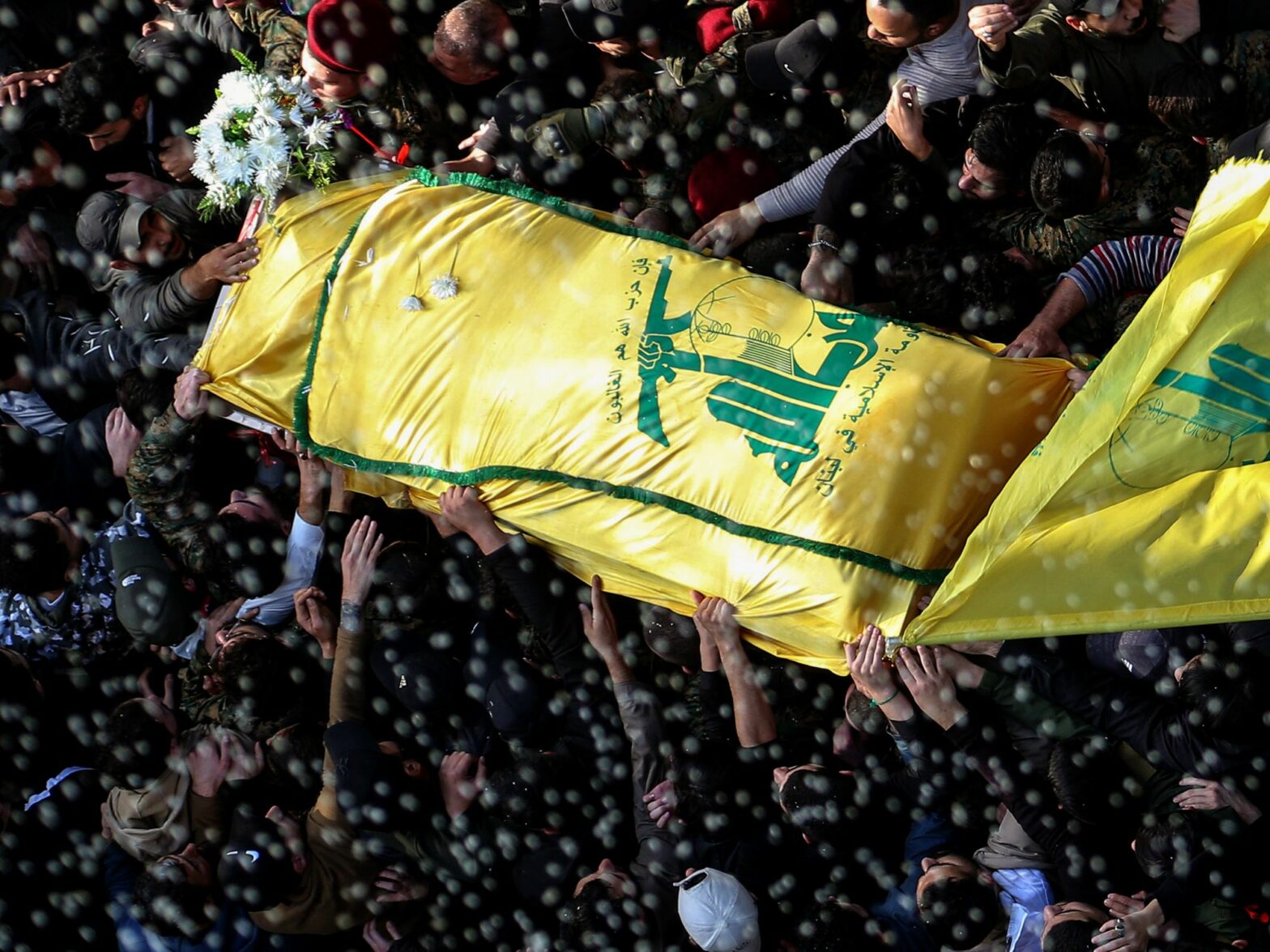
The killing of Hezbollah commander Wissam al-Tawil, which came after the Lebanese group launched its biggest strike on Israel since the war began, shows that Israel is more confident than ever of its military and intelligence superiority.
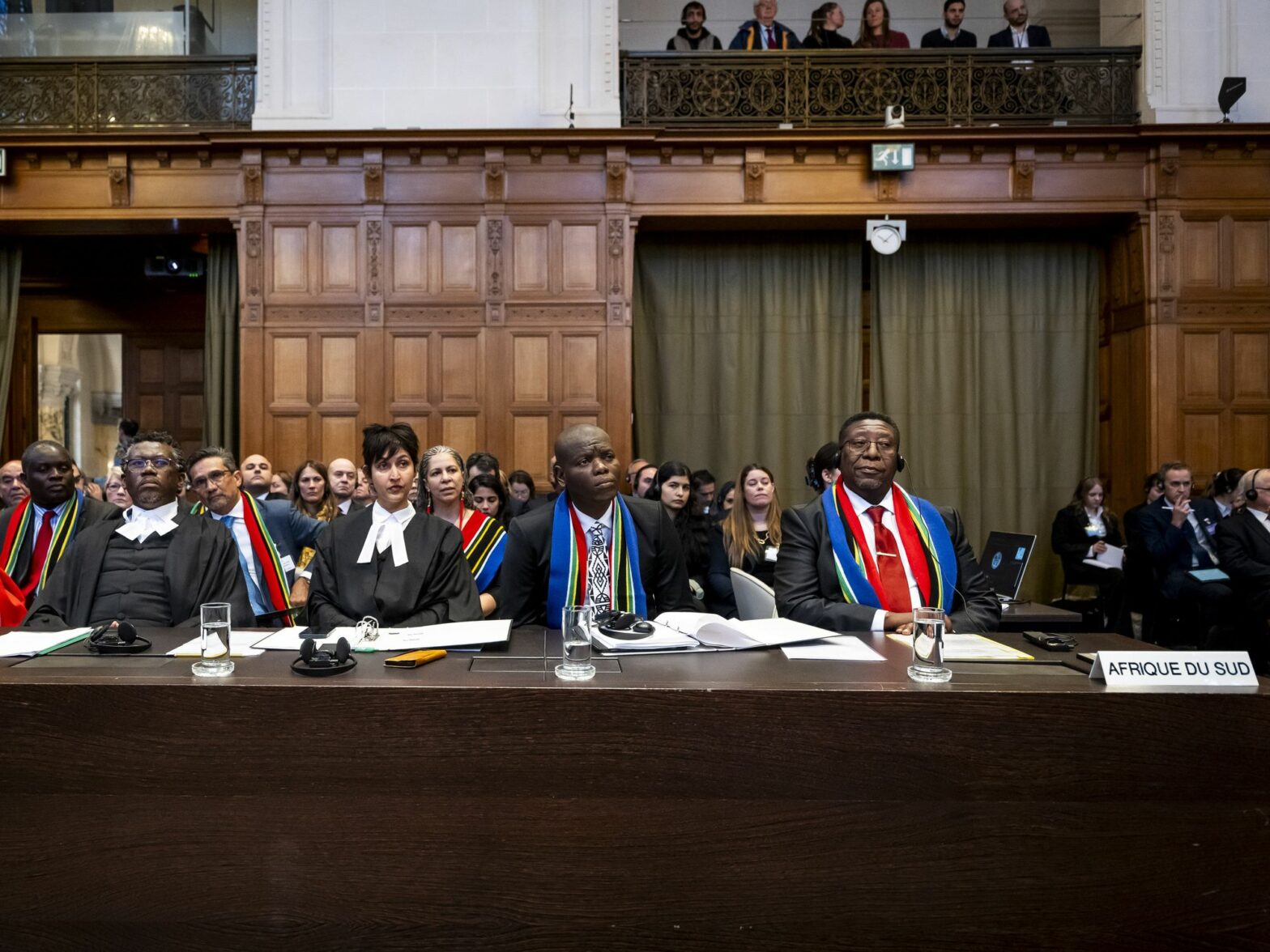
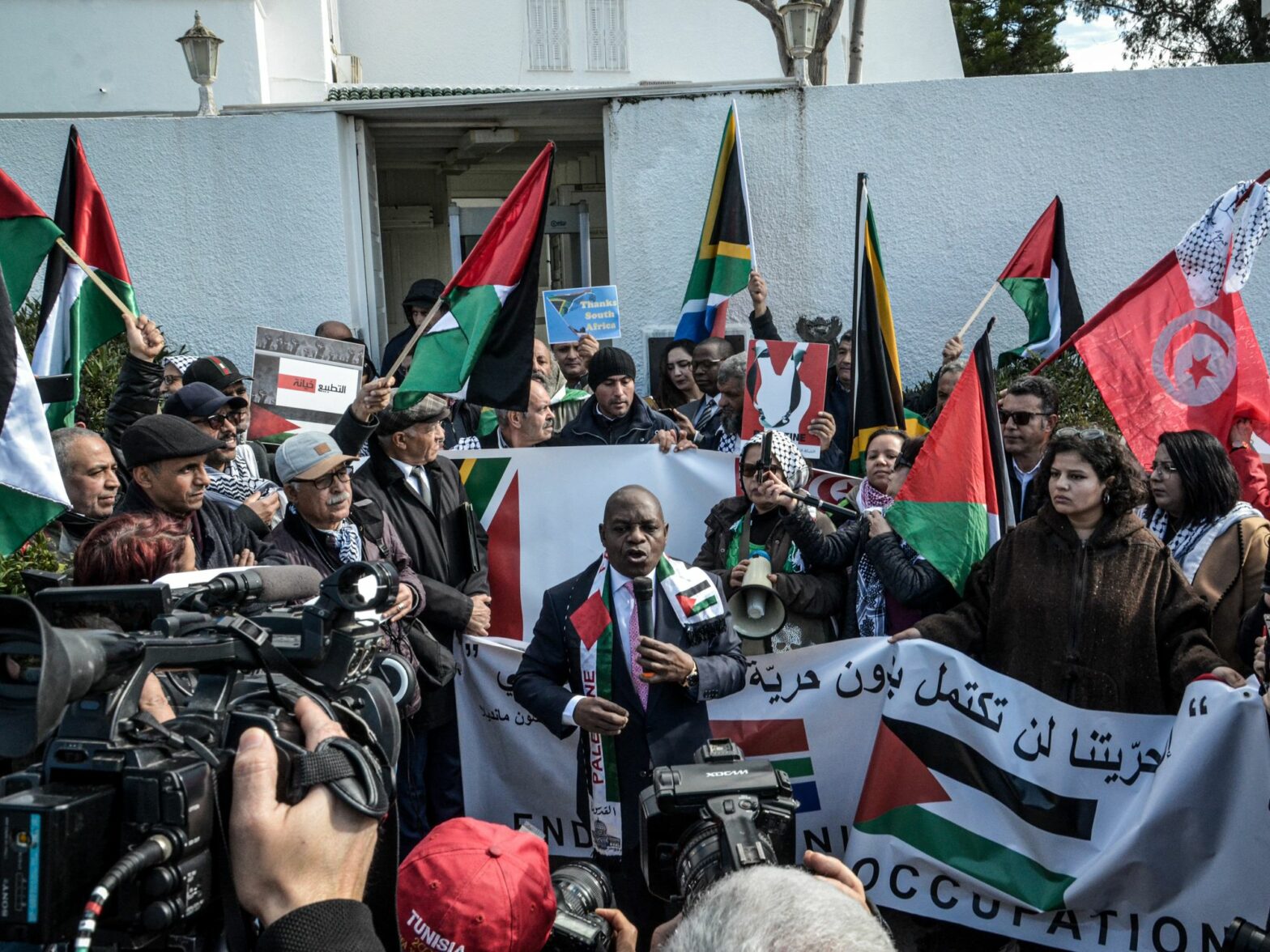
Following South Africa’s genocide allegations against Israel, Netanyahu’s government now has to defend itself at the International Court of Justice. But the lawsuit does not come as a surprise. For decades, there have been tensions between Israel and South Africa, where there is great sympathy for the Palestinian cause going back to the times of apartheid.
Cicero declared that when weapons speak, the law goes mute. So what happens when the law speaks up even as the weapons keep firing? That’s what happening now at the International Court of Justice at the Hague.
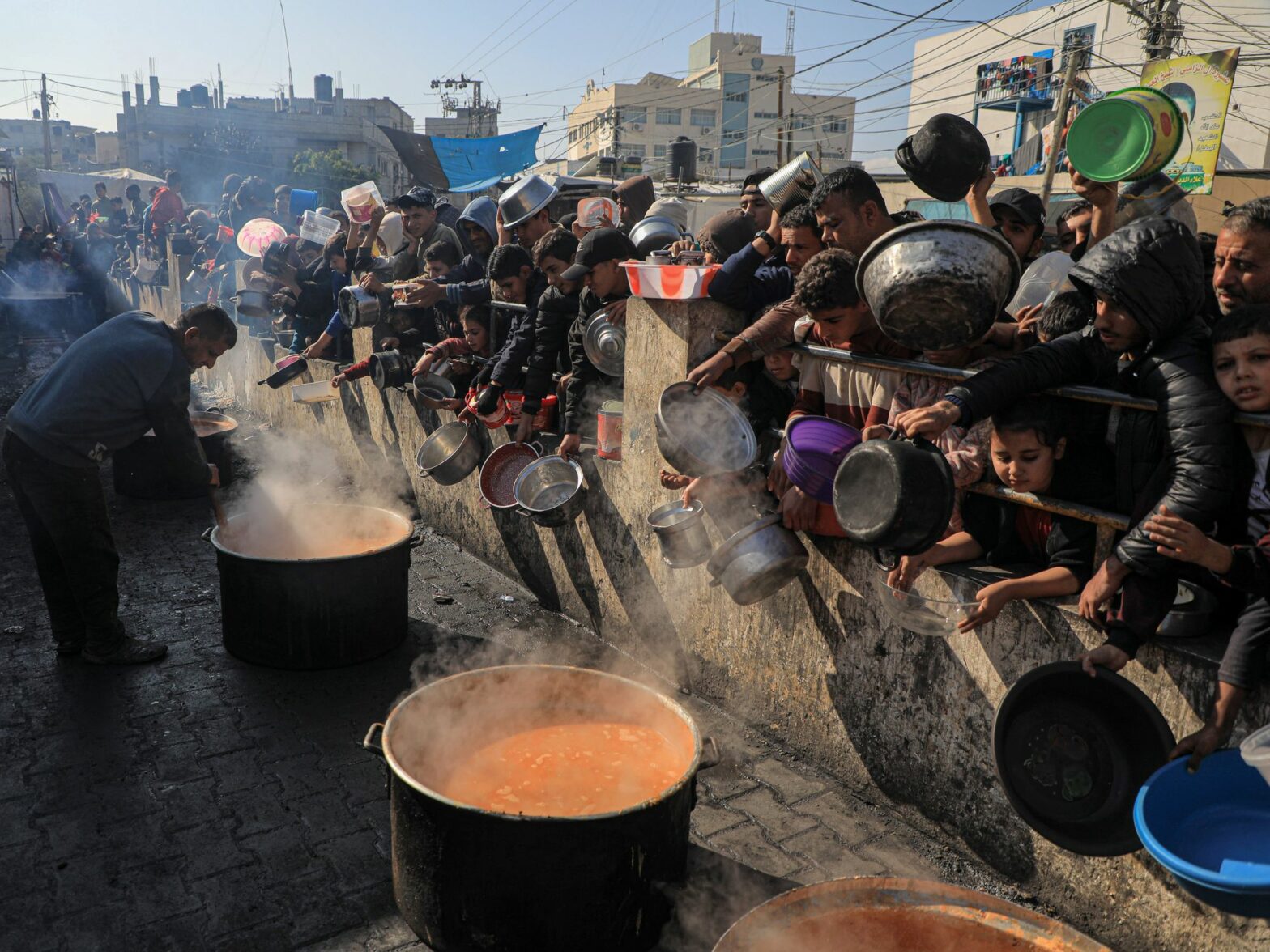
The UN Security Council resolution providing for the safe, unhindered and widespread delivery of humanitarian aid to Gaza has done little to avoid the most dire conditions from spreading in the war-torn enclave.

Ahead of Secretary of State Antony Blinken’s arrival, Israeli officials declared that the army will shift to a more targeted campaign in Gaza. Benjamin Netanyahu may just be bidding his time.
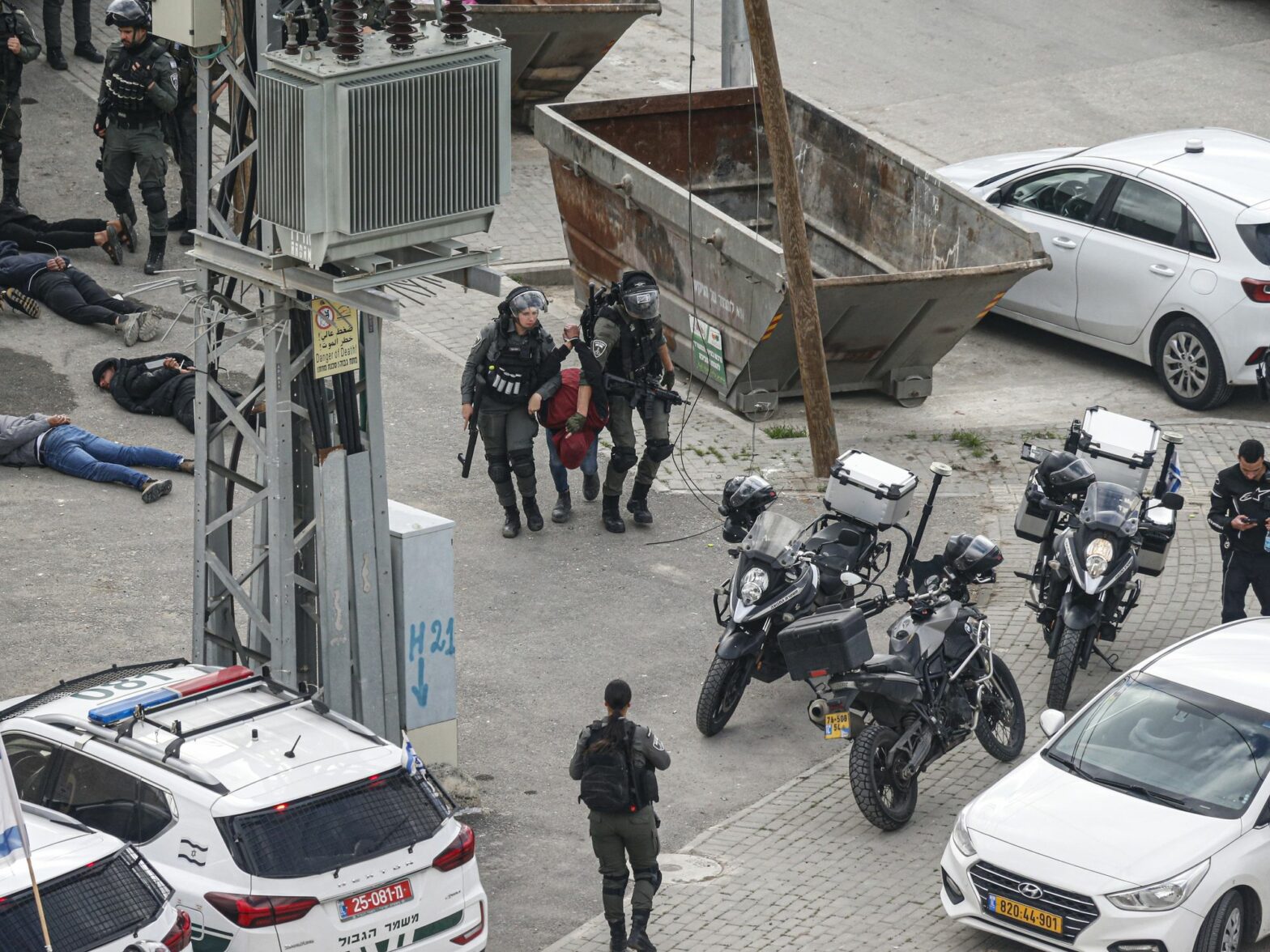
Since October 7, the Israeli army has imposed more restrictions and treated Palestinian residents of Jerusalem with unprecedented brutality, appearing to follow up on intention of some of Israel’s leaders to empty the holy city of its longtime Arab residents.
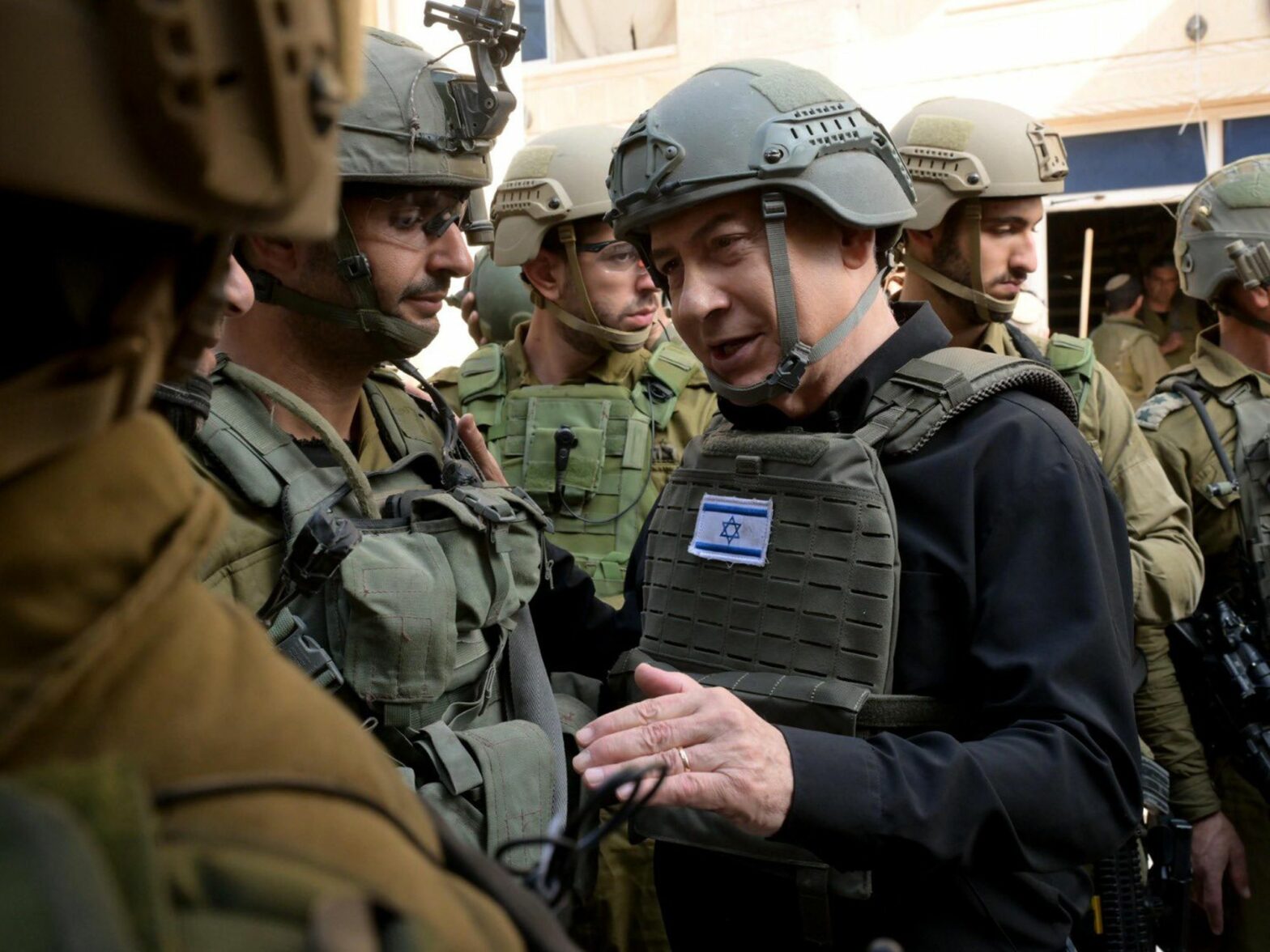
It is rare that a wartime leader doesn’t gain the support of his people. Israeli Prime Minister Netanyahu, instead, has the most dismal popularity ratings in memory. But he is also Israel’s longest-serving leader for a reason. The coming days and weeks will be crucial in deciding his fate, along with that of his troubled nation.
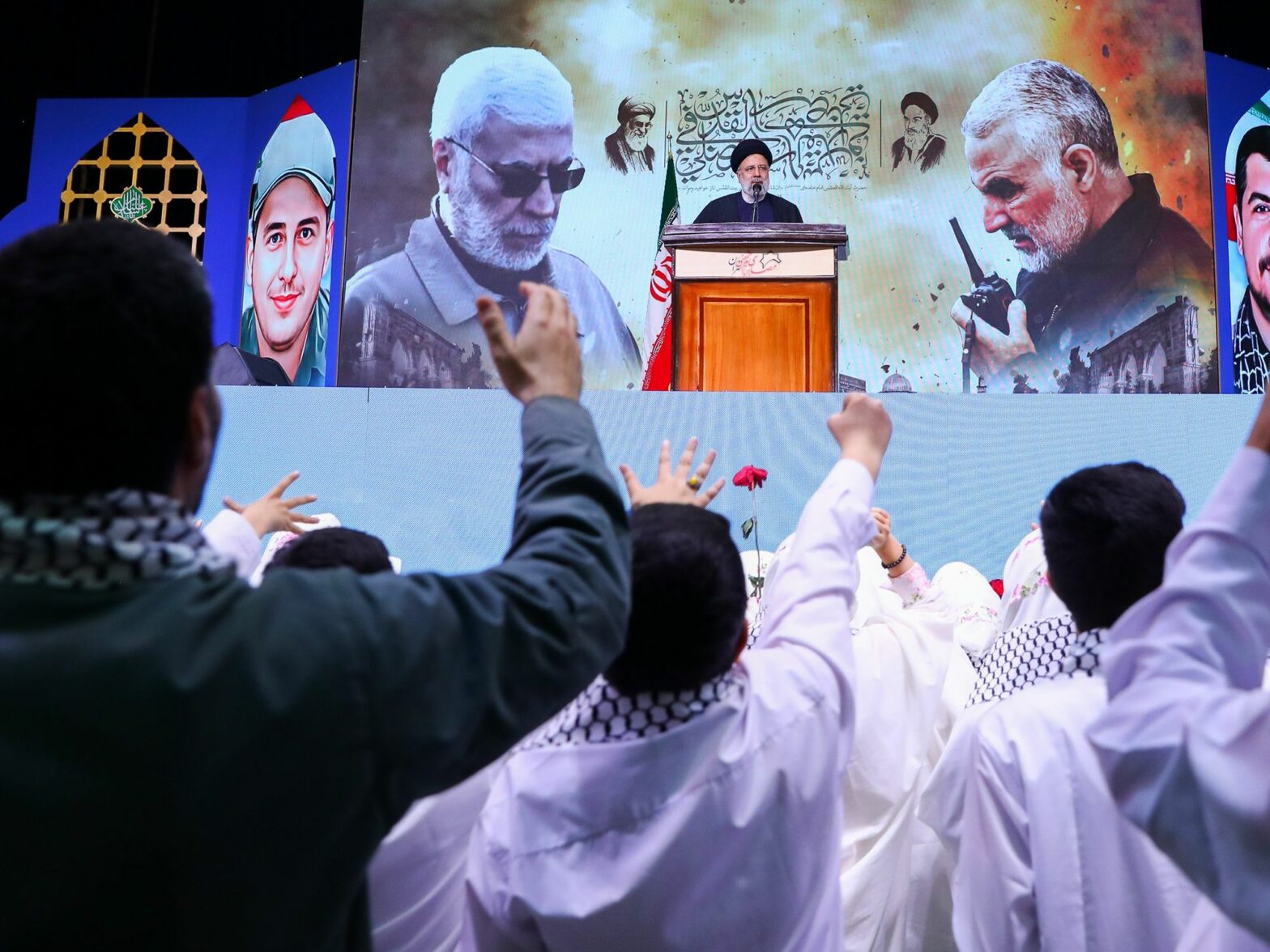
Though all-out war has not yet spread, there are a multiplying number of attacks, targeted and otherwise, taking place across borders that has all the makings of a region-wide conflagration.
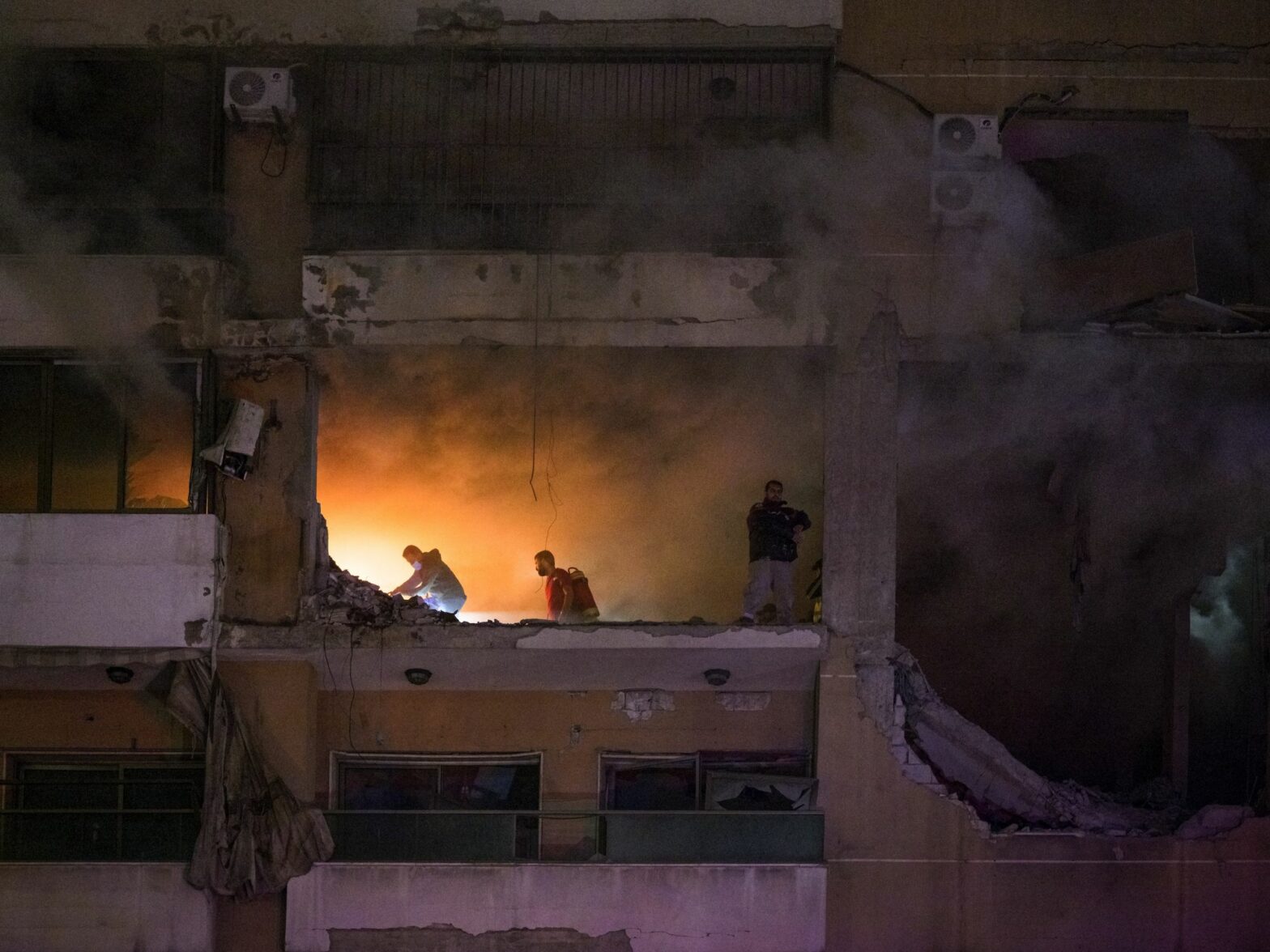
By eliminating Saleh al-Arouri, an important Hamas leader, with a drone strike in Beirut, Israel has taken a risky gamble: that Lebanon’s Hezbollah and its Iranian allies will not go to war over the death on Lebanese territory of a top Hamas figure.
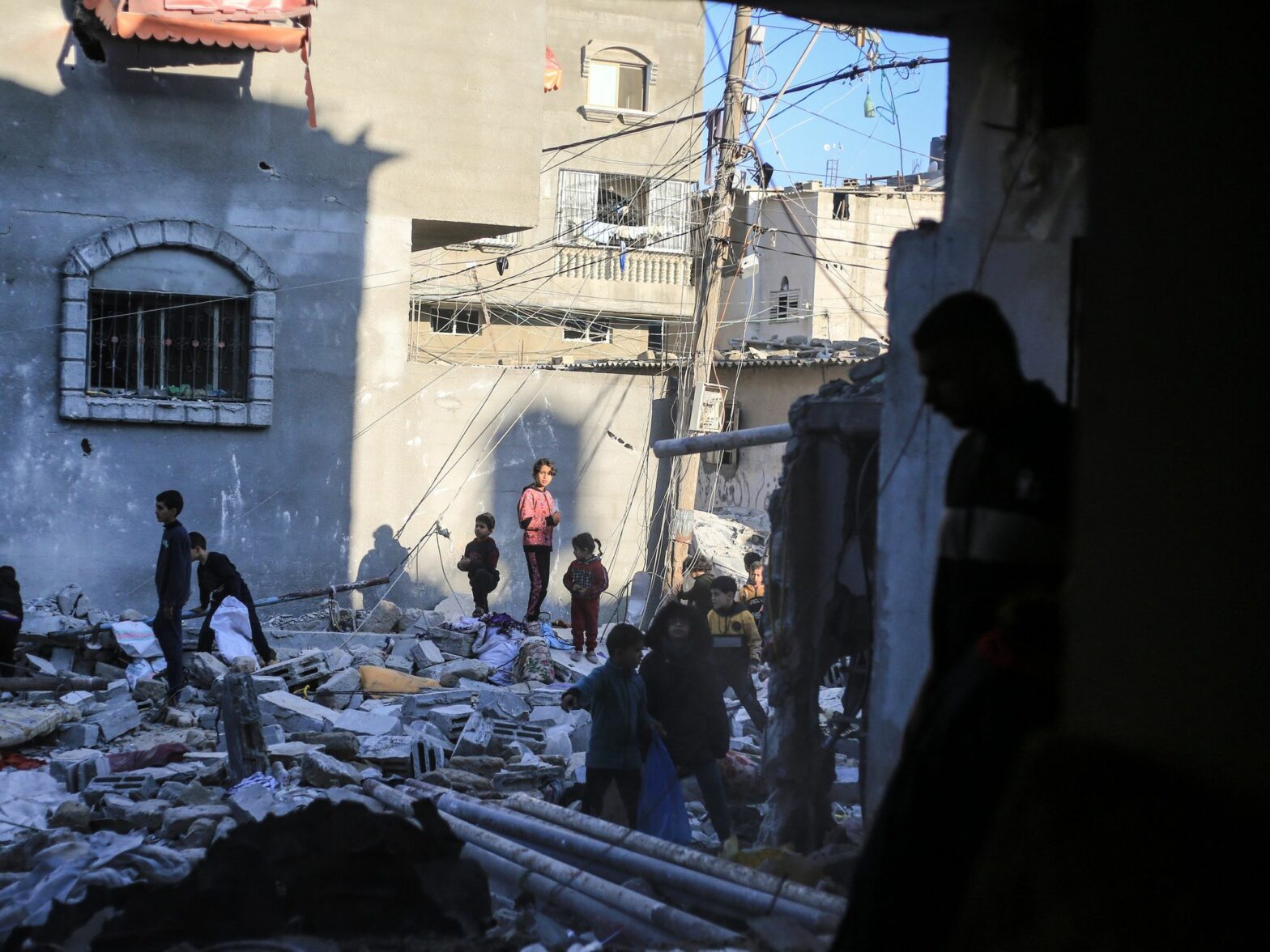
In Ukraine and Gaza alike, international laws on the proper conduct of war, largely established by the post-War Geneva Convention, are being trampled on by all parties, to varying degrees. Civilians are paying the ultimate price for this.
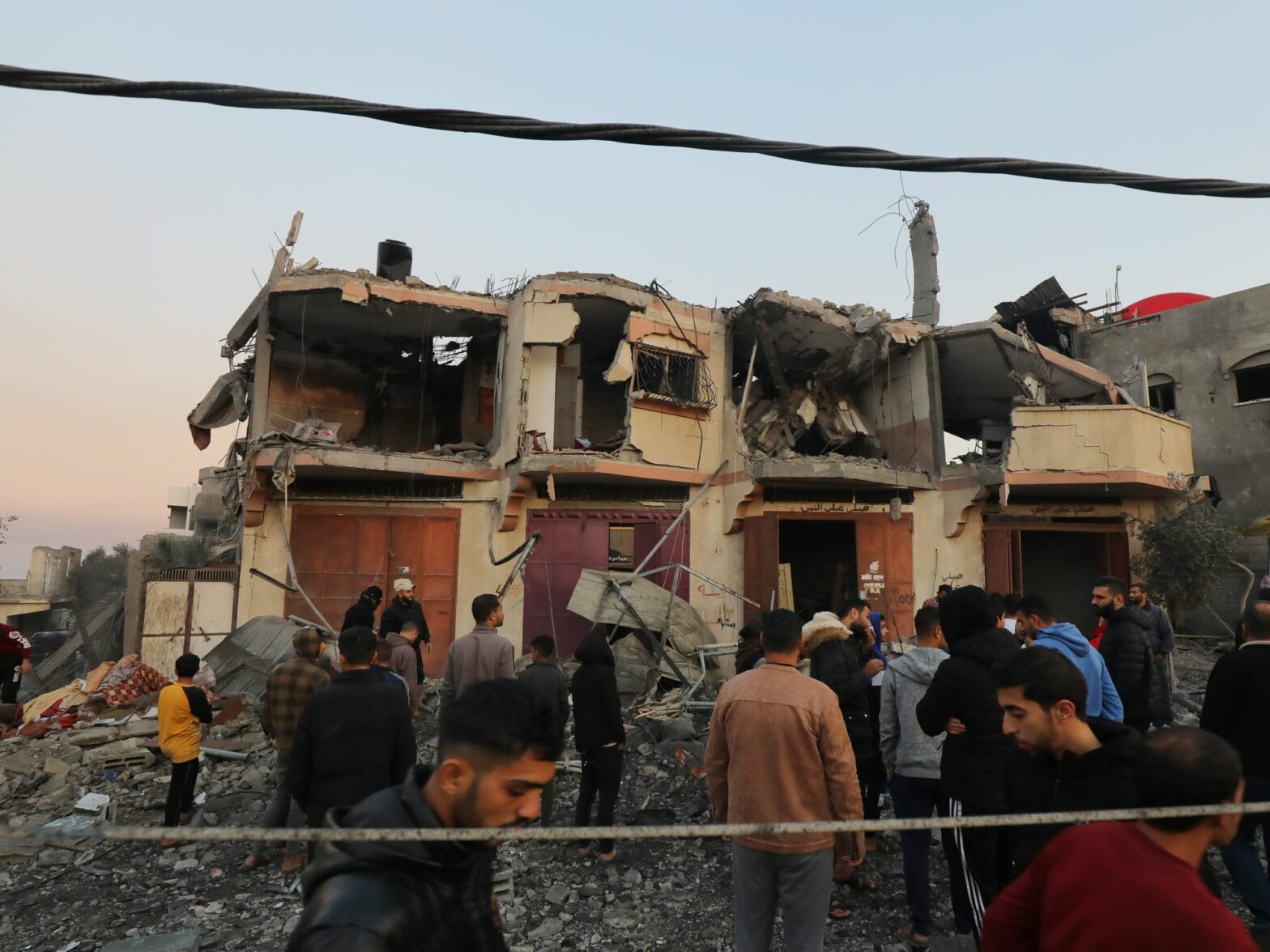
Are the Israelis perpetrating a genocide in Gaza? The answer is tied up in the definition and legal significance of the word itself, which is still not settled.
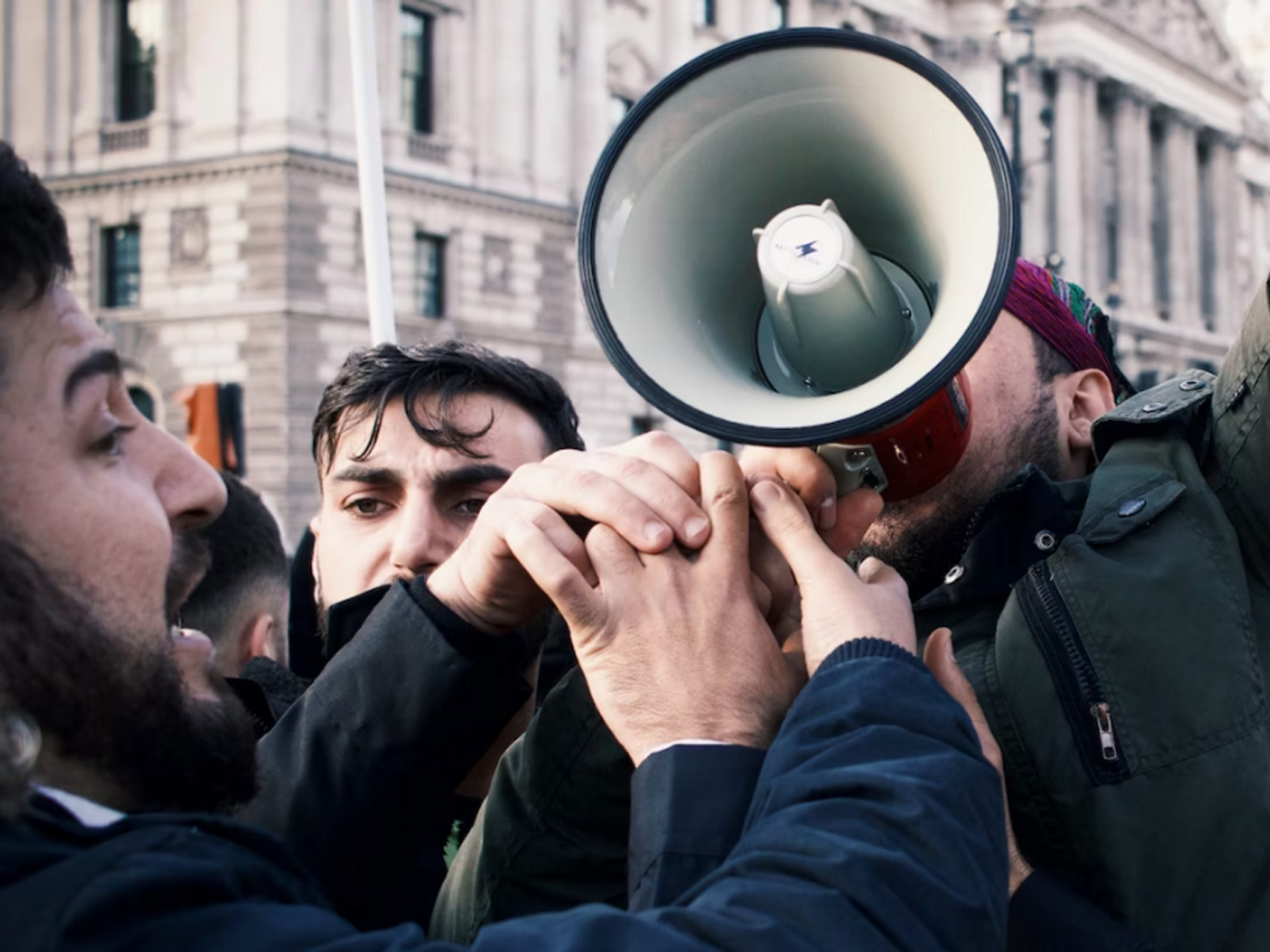
The black-and-white view of the world which separates people into loyalists and traitors is incompatible with the compromises and moderation that make a liberal democracy tick, and which make society free and livable.
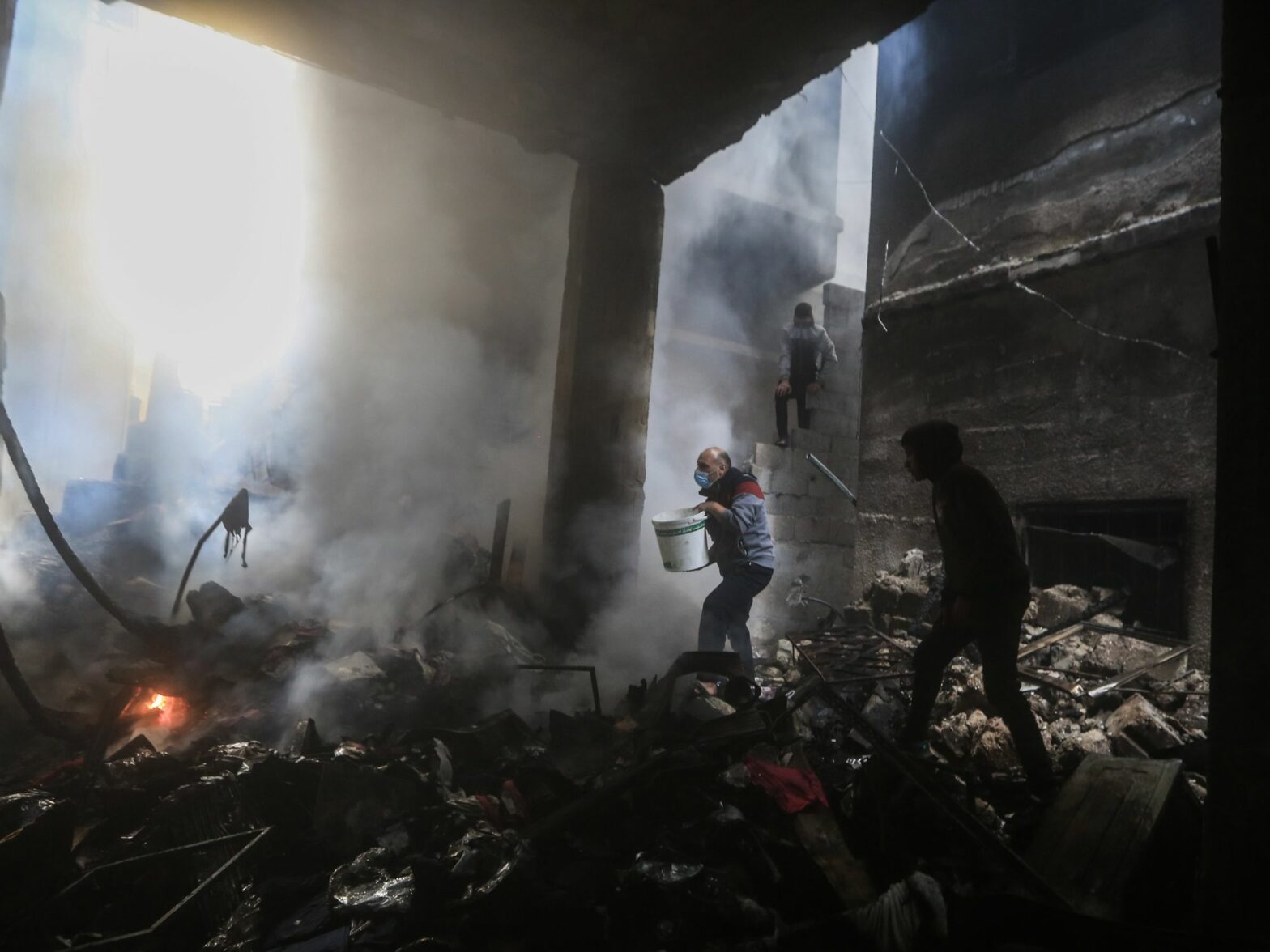
Daraj looks at the long-term deadly effects of Israeli munitions which will threaten Gaza for years after the current war ends.
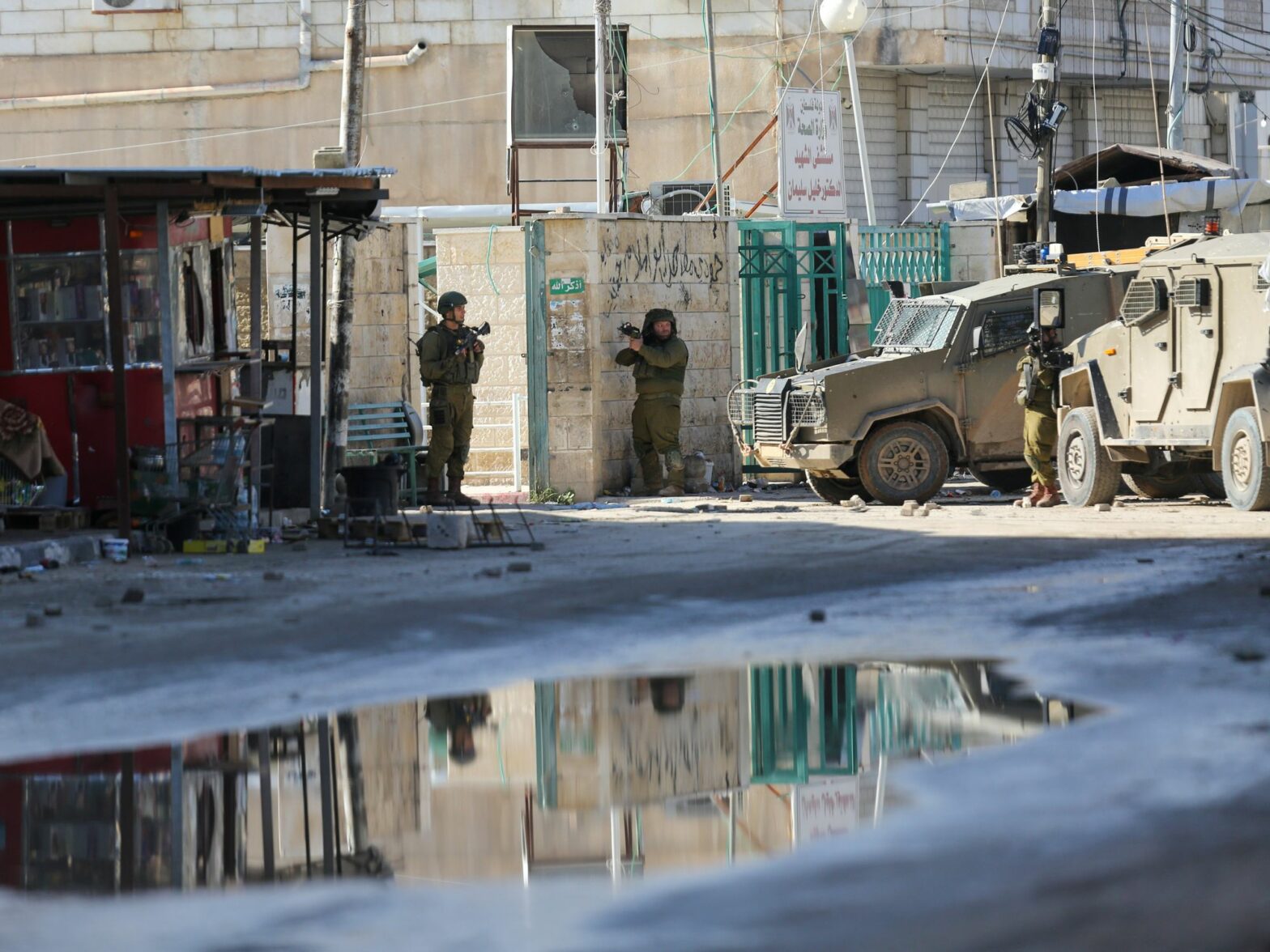
Israel has launched a massive campaign of retaliatory detentions in the occupied West Bank. The campaign aims not only to humiliate the detainees, but it has also targeted those who have been released and it has revealed widespread violations and Israel’s determination to punish “all” Palestinians.
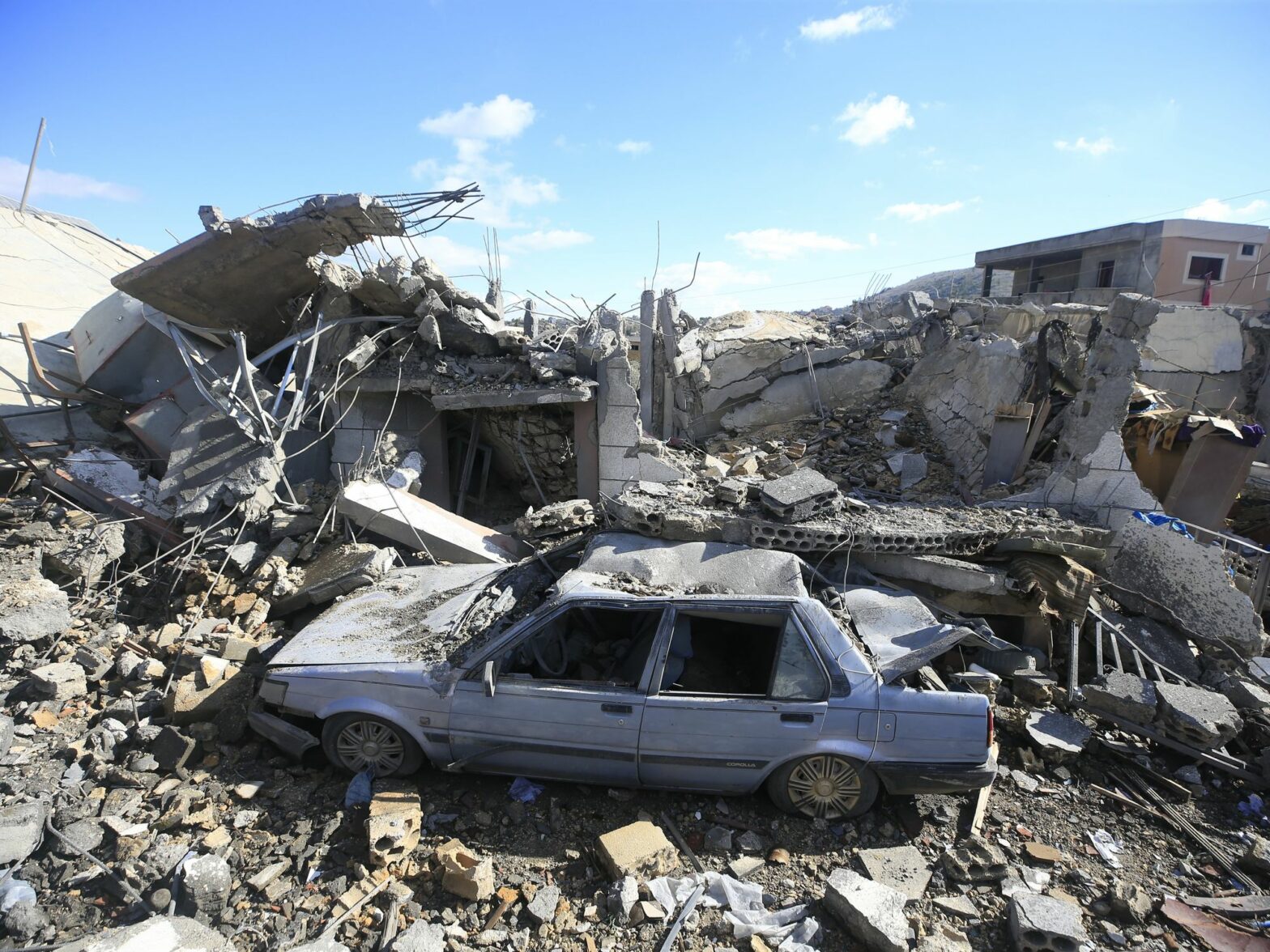
Pressure is rising from allies for Israel to change its tactics, which may only harden the position of Prime Minister Benjamin Netanyahu — which may only raise the stakes with regional adversary Iran. Here are three questions that are both crucial and connected.
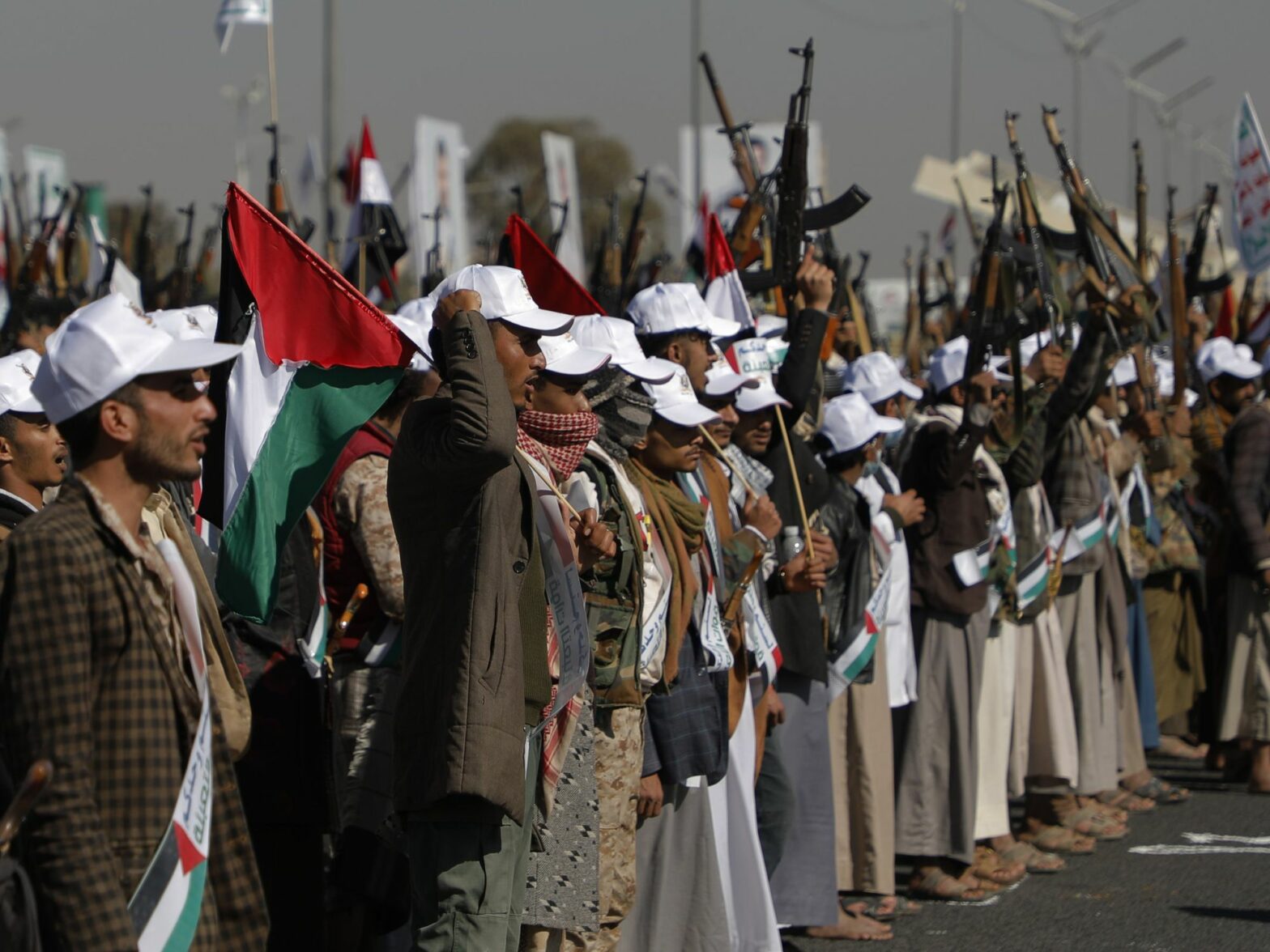
Nuclear weapons are a constant fear simmering in the background of modern-day conflicts. With the potential for Iran to join the Israel-Hamas war, and a threatening Russia at war with Ukraine, there is a more urgent necessity of reestablishing communication channels and confidence-building measures among nuclear powers.
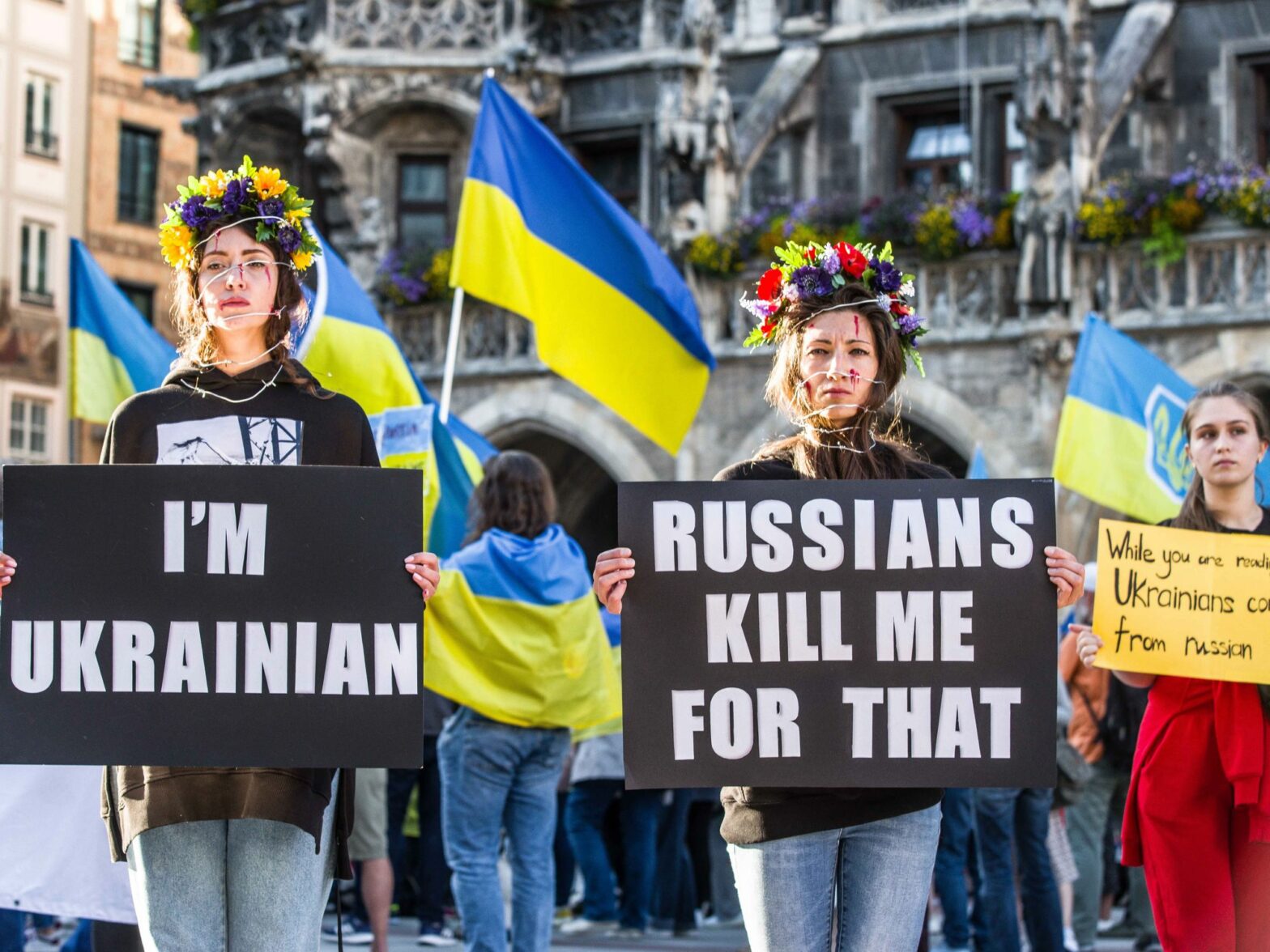
Wars in Ukraine and the Middle East are only the most recent and glaring conflicts that are driven, at least in part, by extreme animosity fueled by ethnic and national identity. For independent Russian website Important Stories, Vsevolod Bederson looks at what we can learn from other ethnic conflicts, what has worked, and what has not, when it comes to extinguishing animosity and violence.

Faced with rising violence and climatic catastrophes, stoicism teaches us how to cultivate our inner selves, and how to continue living without giving in to fear.