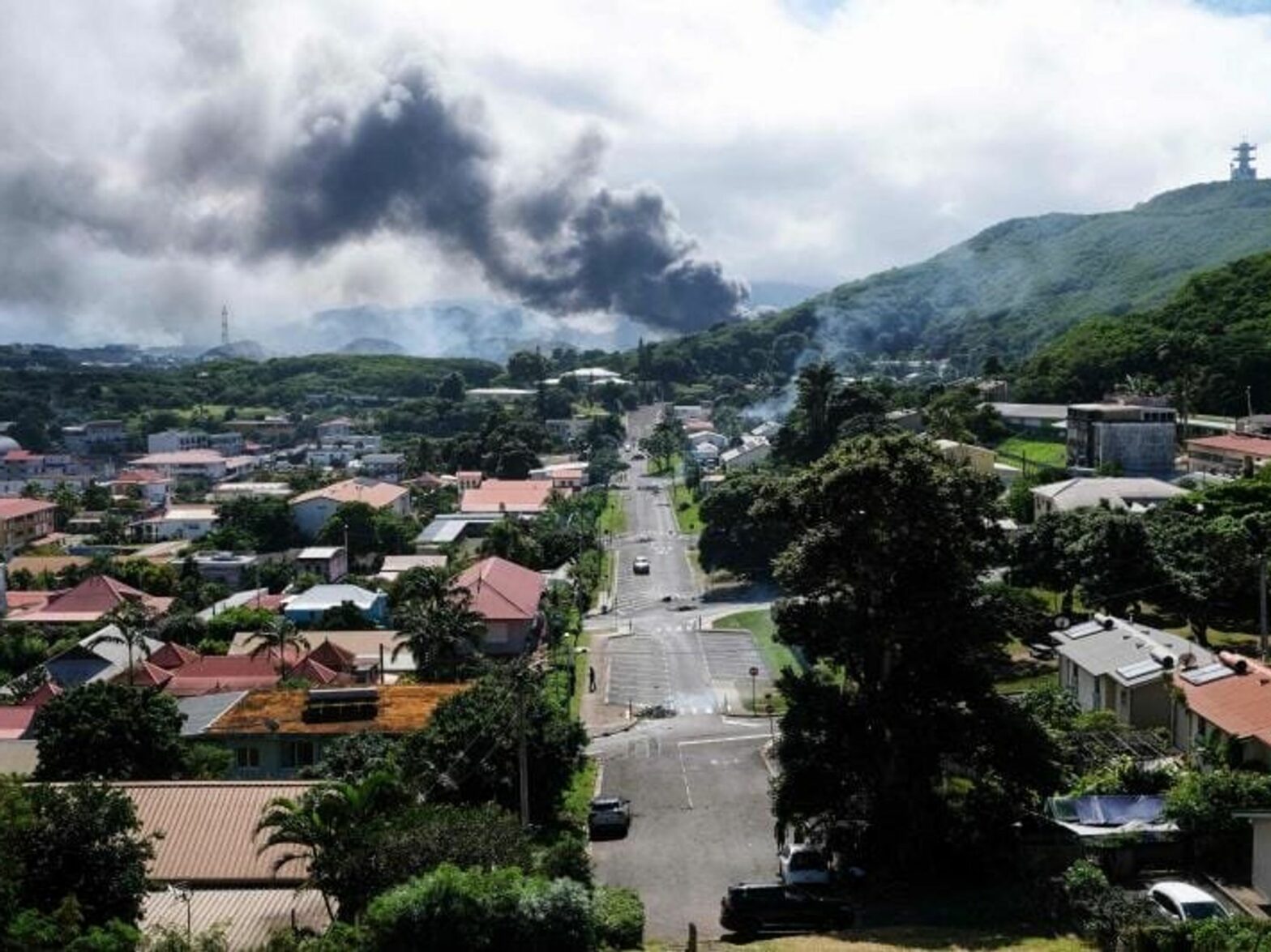
Paris has accused Azerbaijan of meddling in the unrest in the French Pacific territory of New Caledonia. But in this new hybrid war of influence, external actors don’t create problems, they amplify them.
 Worldcrunch
Paris has accused Azerbaijan of meddling in the unrest in the French Pacific territory of New Caledonia. But in this new hybrid war of influence, external actors don’t create problems, they amplify them.
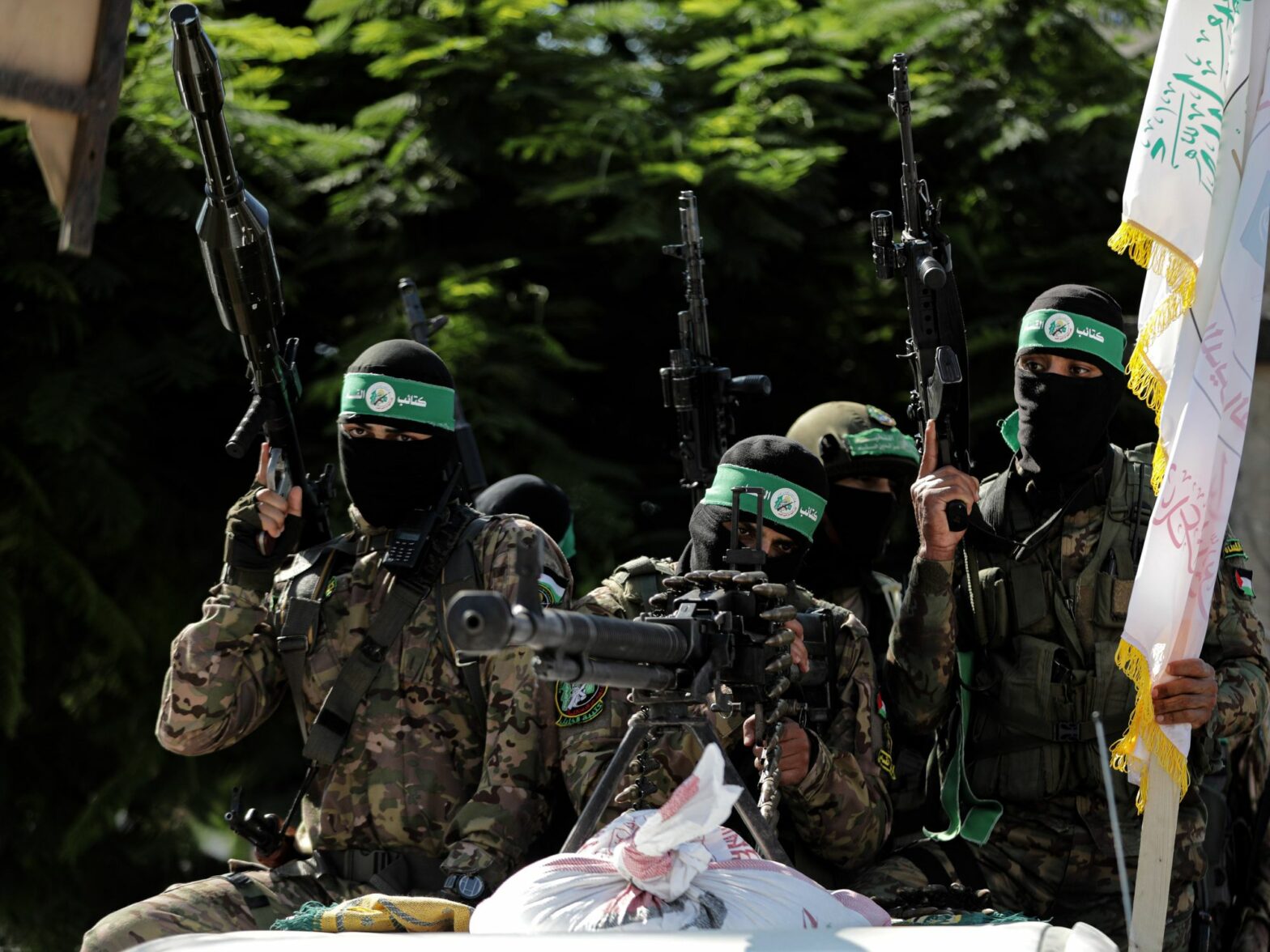
The higher cost of the war will not deter Hamas leaders from claiming victory once any truce is reached. It will only push the discussion of a real solution for the region farther away from all.
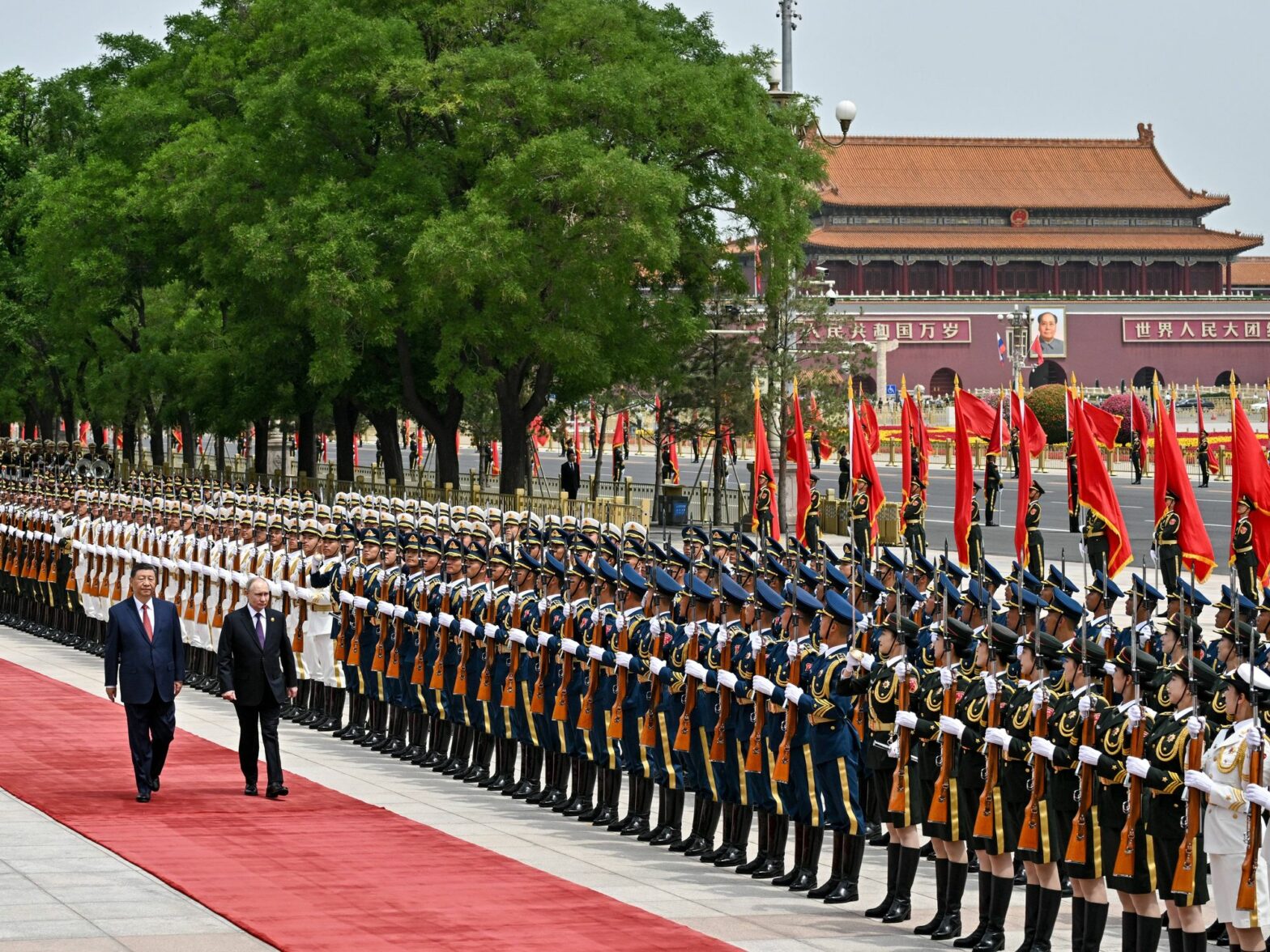
The Russian president is in Beijing on Thursday and Friday, his first foreign trip since his re-election. Beijing and Moscow have their differences, but share the same long-term objective of changing the international order.
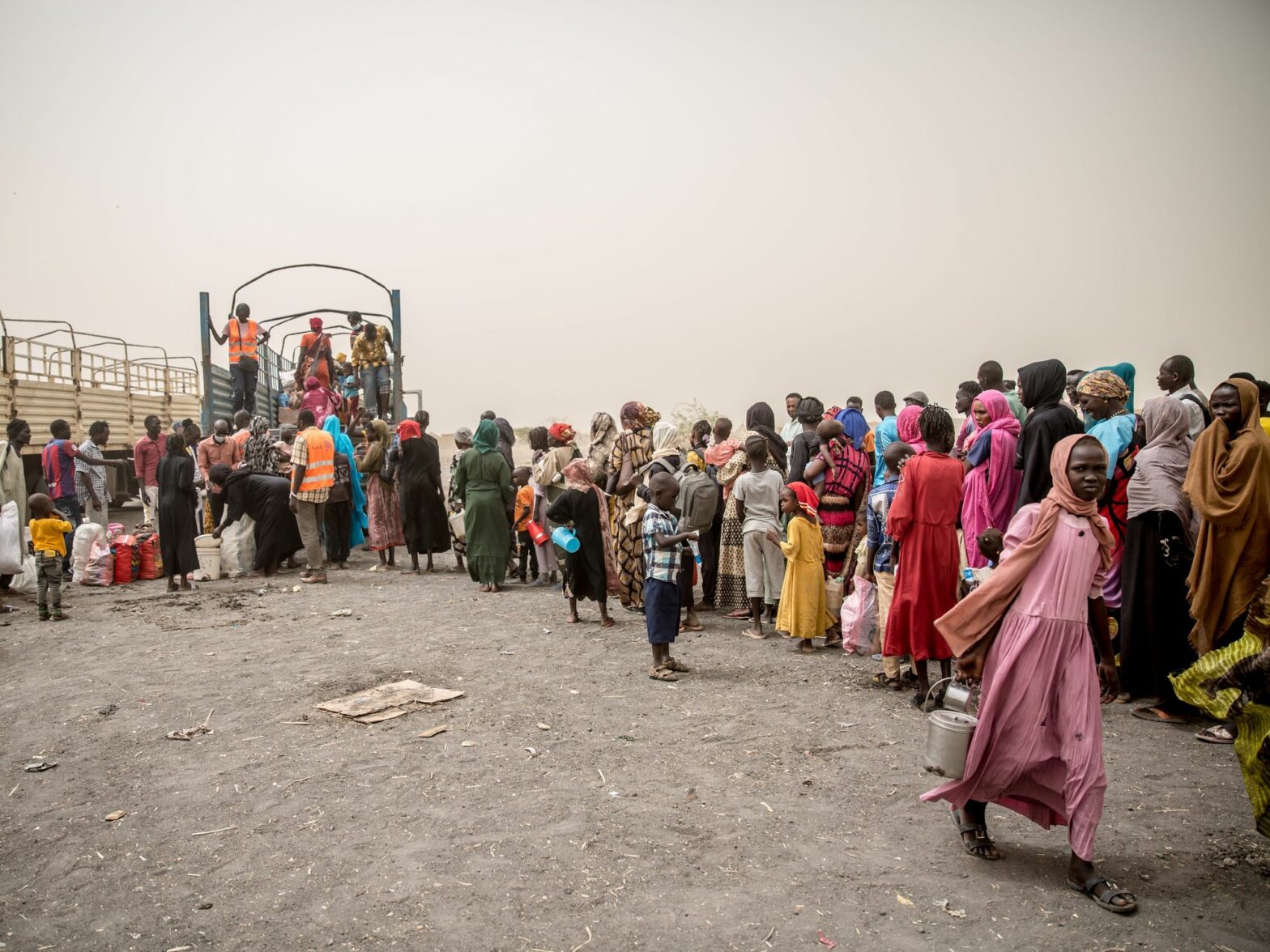
Many Sudanese fleeing the war in their country are risking their lives and cross to Egypt through the desert road. They pay traffickers between $300 and $509 for each person for the perilous trip.
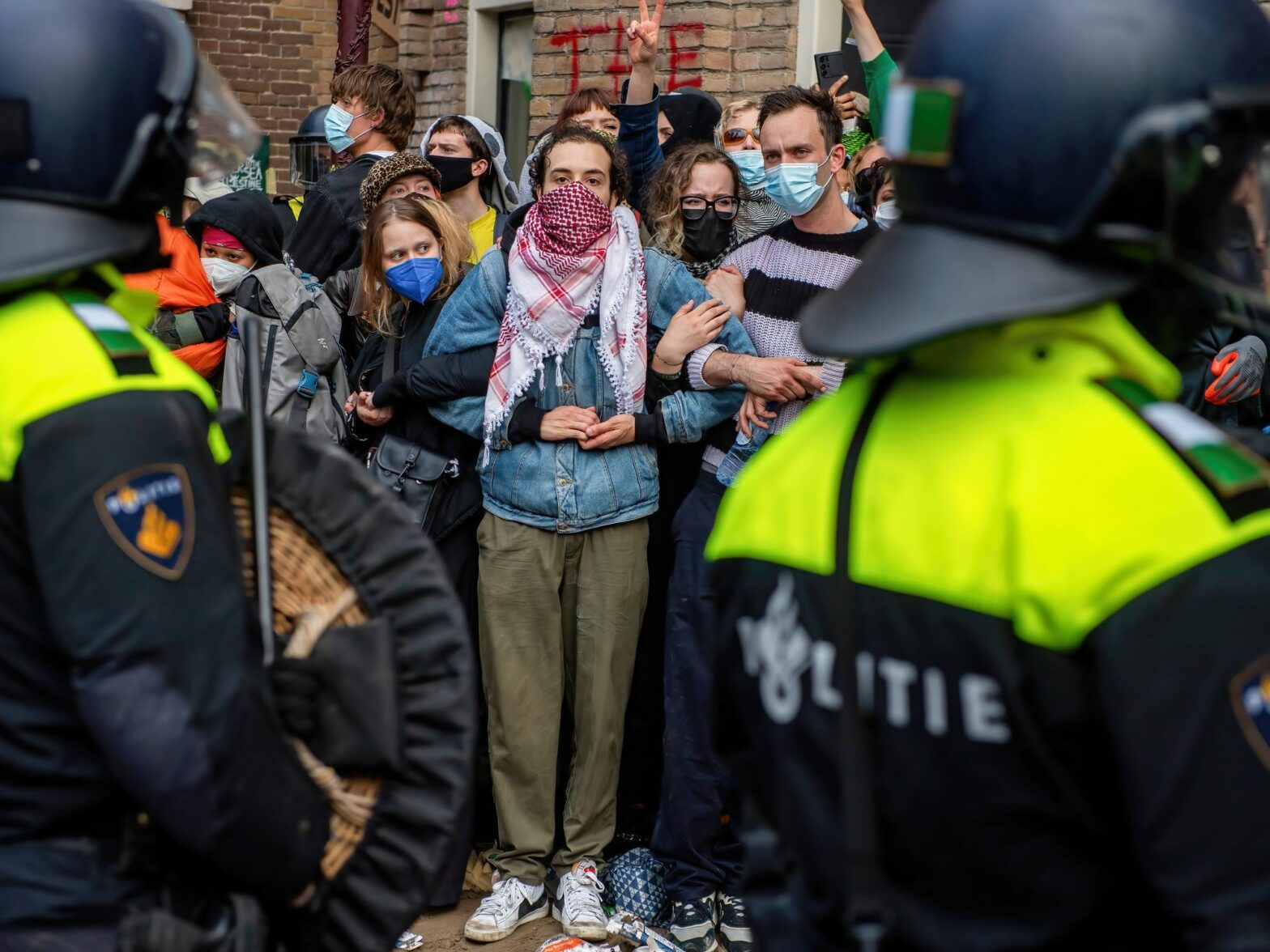
According to Egyptian poet Alaa Khaled, student protests in the universities in the United States and Europe are not only directed against the practices of Israel, and in solidarity with Palestine, but are an instinctive expression of the desires of young people lost in a nihilistic modern culture.
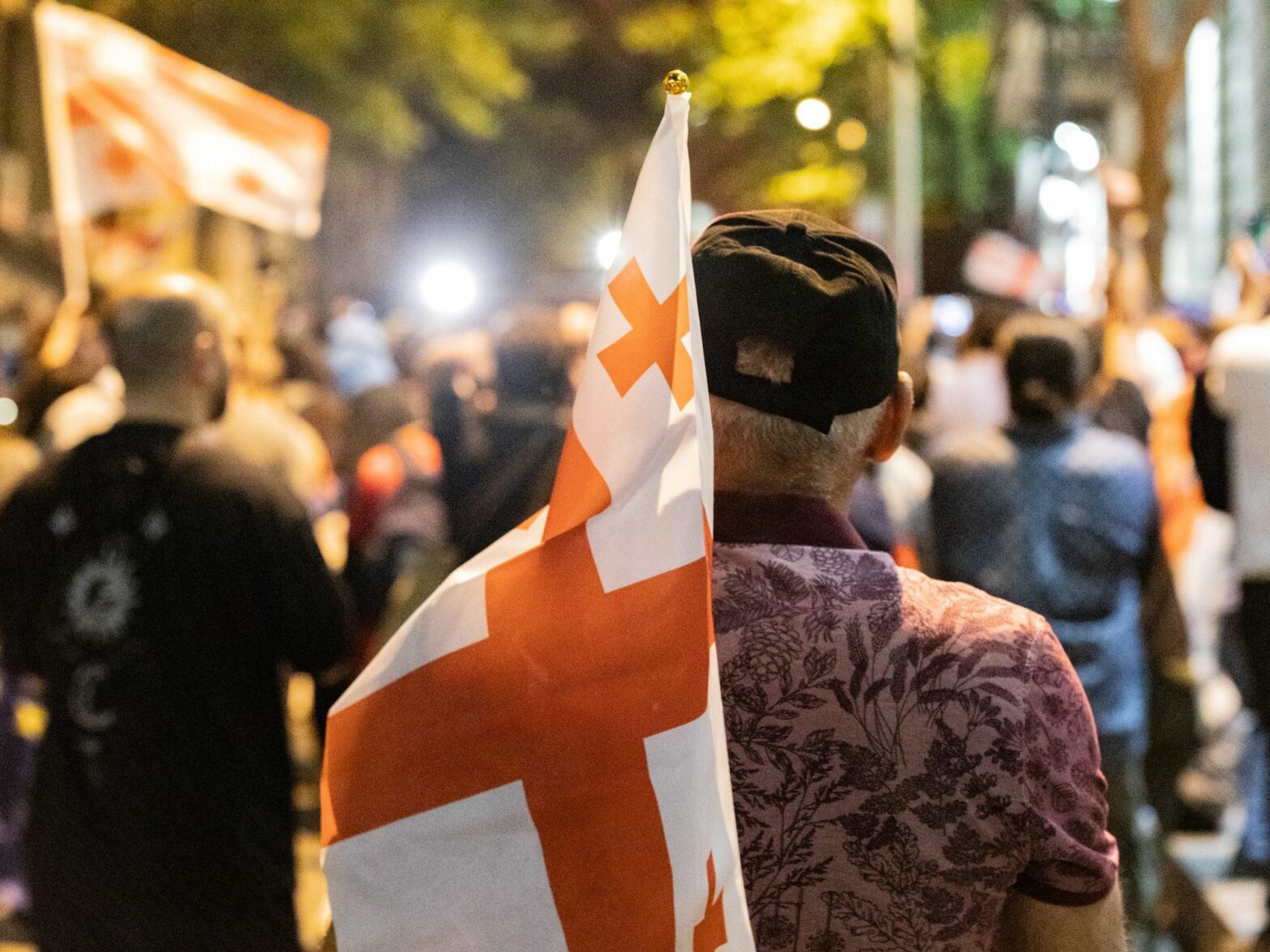
Europe’s fate is also being played out in countries outside the EU, where East and West are battling for influence. In Georgia on Tuesday, the government bowed to pressure from Moscow, and passed a law on “foreign influence” modeled on a Russia law.
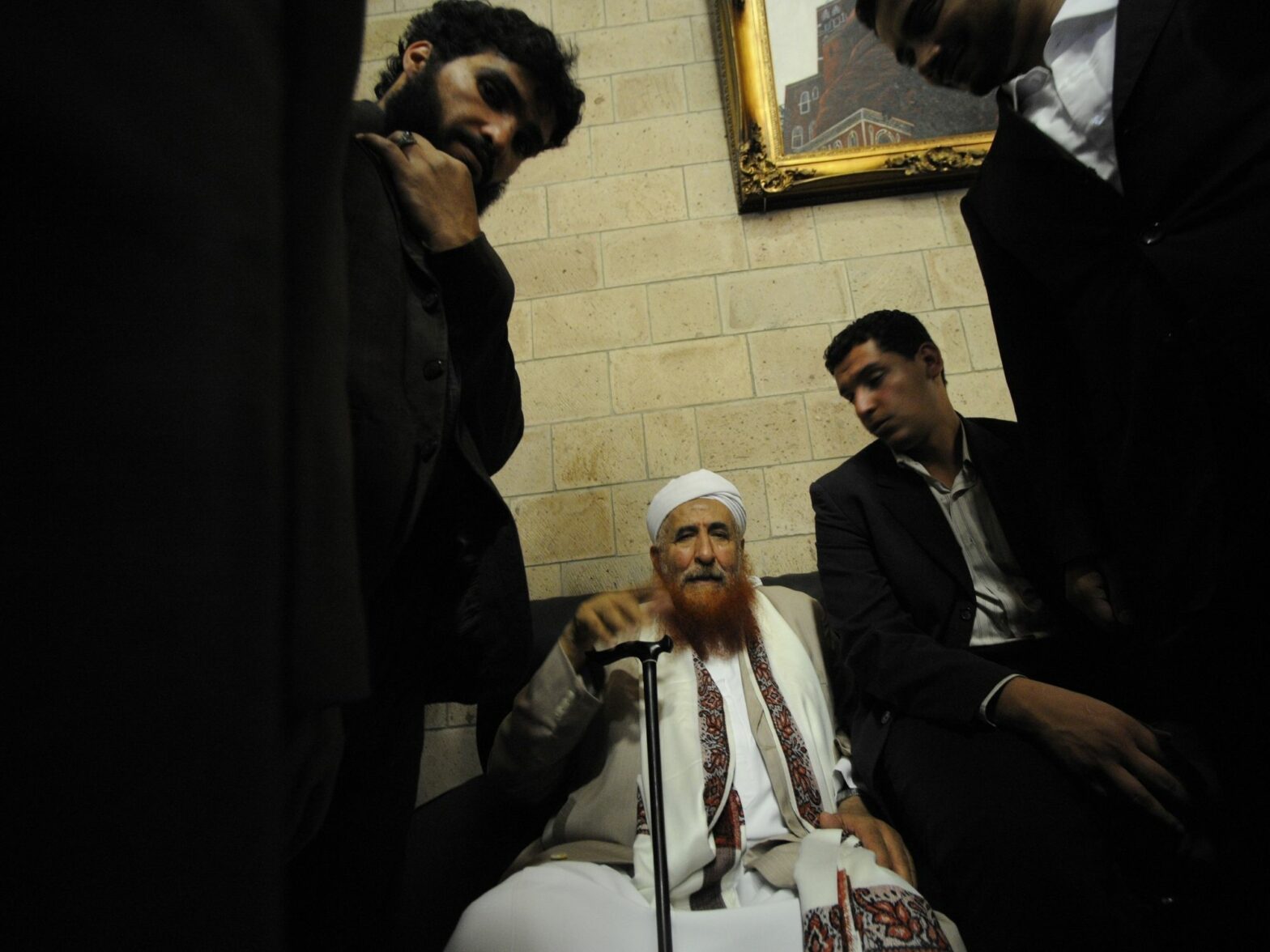
Abdul Majeed al-Zindani was one of the most prominent founders of what was known as the “Islamic Movement” – the Muslim Brotherhood affiliate in Yemen. He was sanctioned by the United States and United Nations’ Security Council over his links with al-Qaeda and Osama Bin Laden.
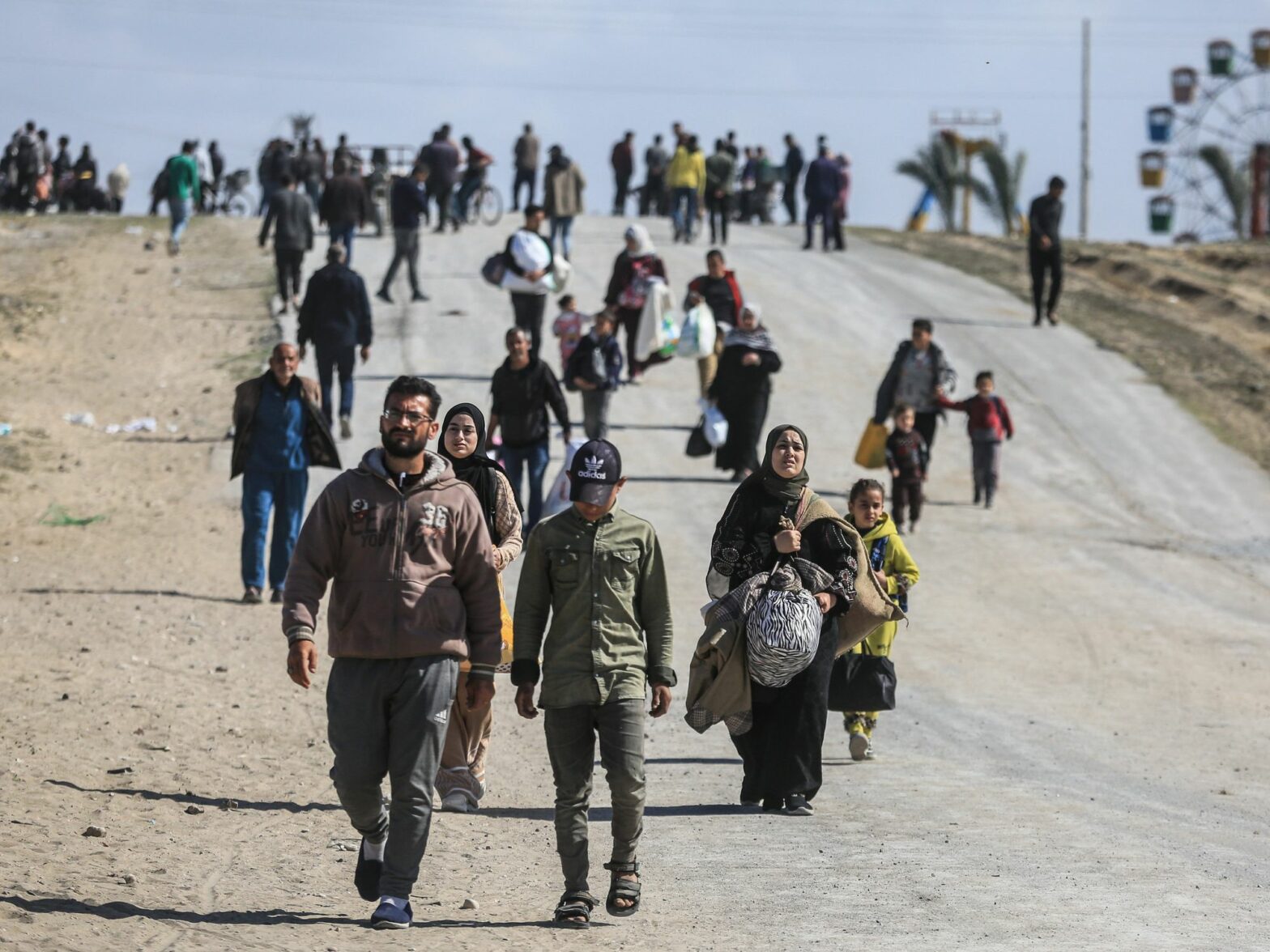
An Egyptian journalist surprised by the growing and incomprehensible campaign over the past months that raises slogans against Arab “refugees” who were forced by civil wars in their countries — Iraq, Syria, Yemen and Sudan — to reside in Egypt.

Brazilian journalist Ludmila Pizarro grew up surrounded by idealists who were targeted and tortured during Brazil’s brutal dictatorship. But it wasn’t until she started researching a story to mark 60 years from the beginning of the dictatorship that she learned the details of her father’s own ordeal. For Agência Pública, she reconstructs the story of her family’s past.
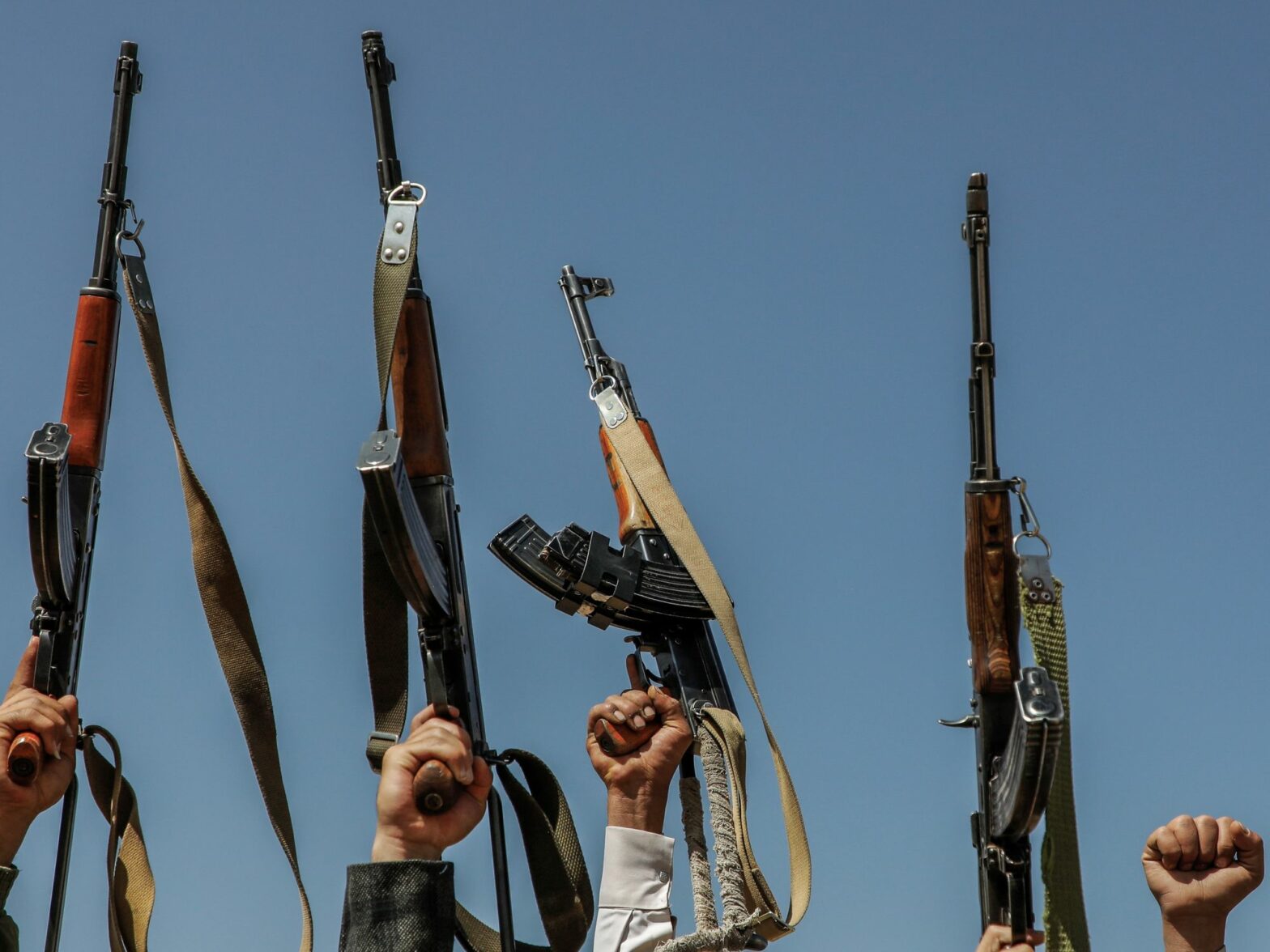
While the Palestinian cause is important for Iran and the Arab militias it backs, the return of this issue to the forefront may not benefit the resistance camp. And its tactic of strategic patience may not produce the intended results.
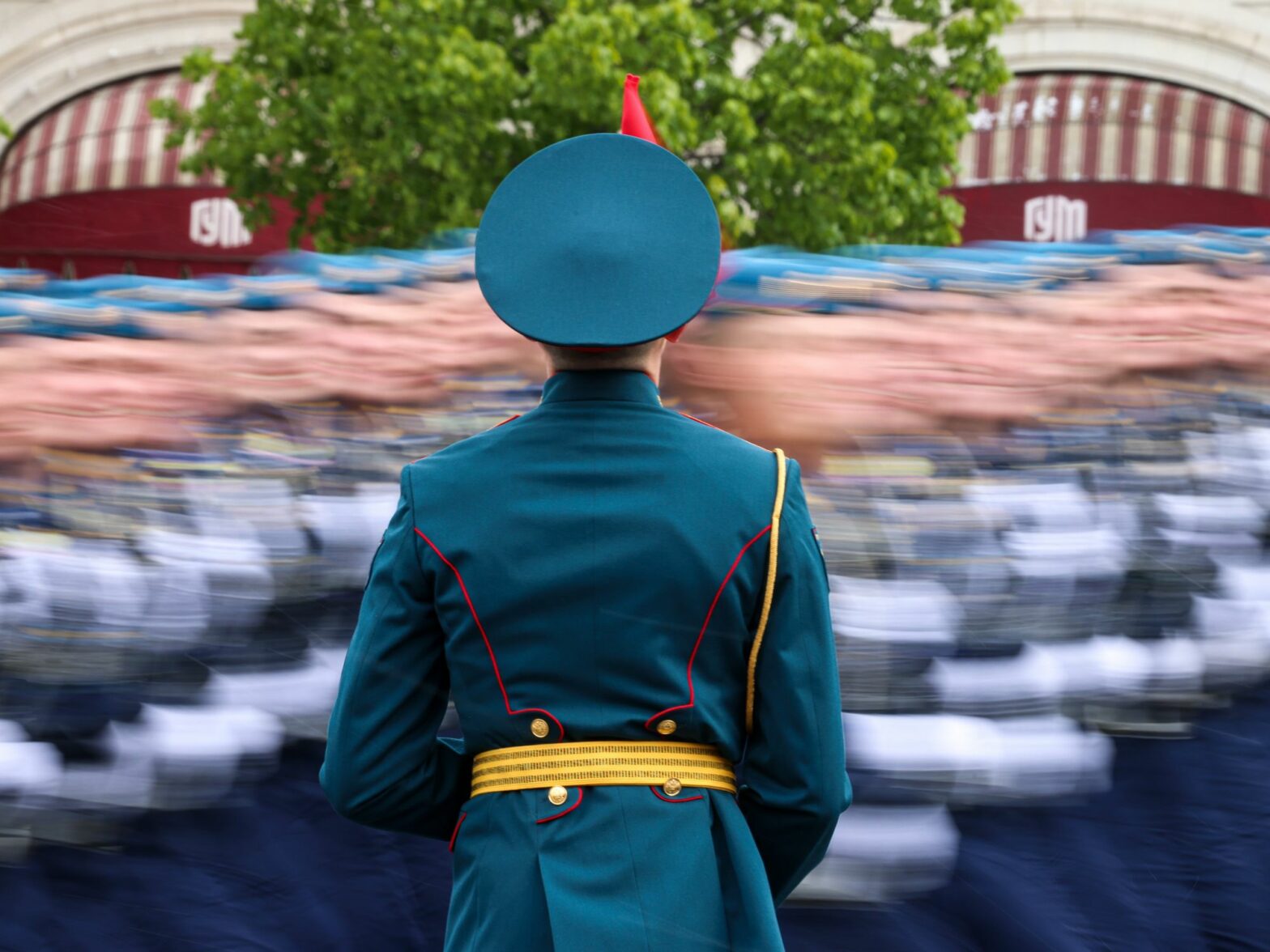
The competing May 8 and May 9 World War II victory celebrations, and an upcoming D-Day snub to Vladimir Putin, show how uncertain the future appears right now. Perhaps even more uncertain than the Cold War.
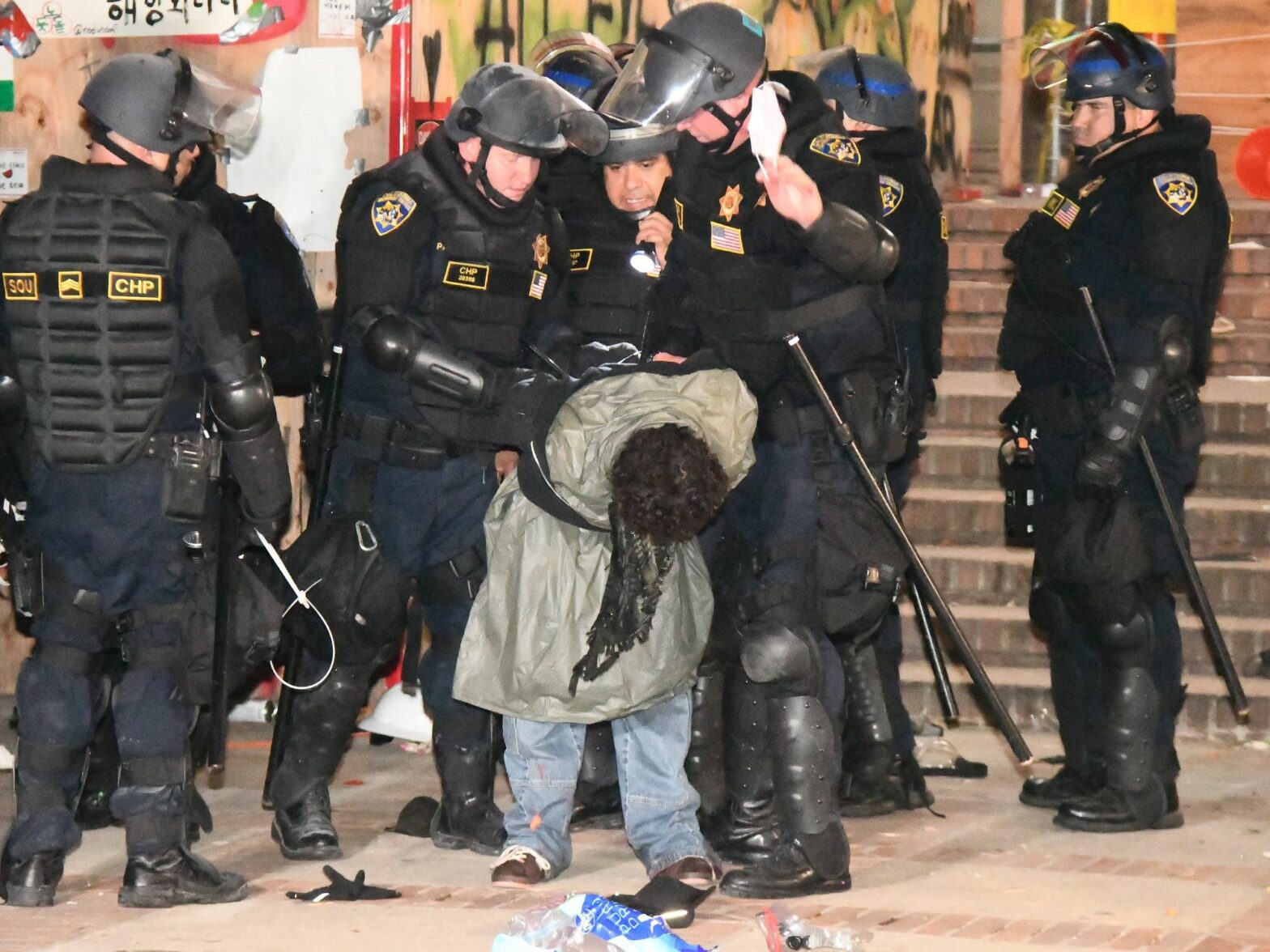
The context and scale are different, but there are common methods in the suppression of demonstrations in the Arab Spring in 2011 and crackdowns against pro-Palestinian groups on university campuses in the U.S. Will President Biden, like Hosni Mubarak 13 years ago, lose power as a result?
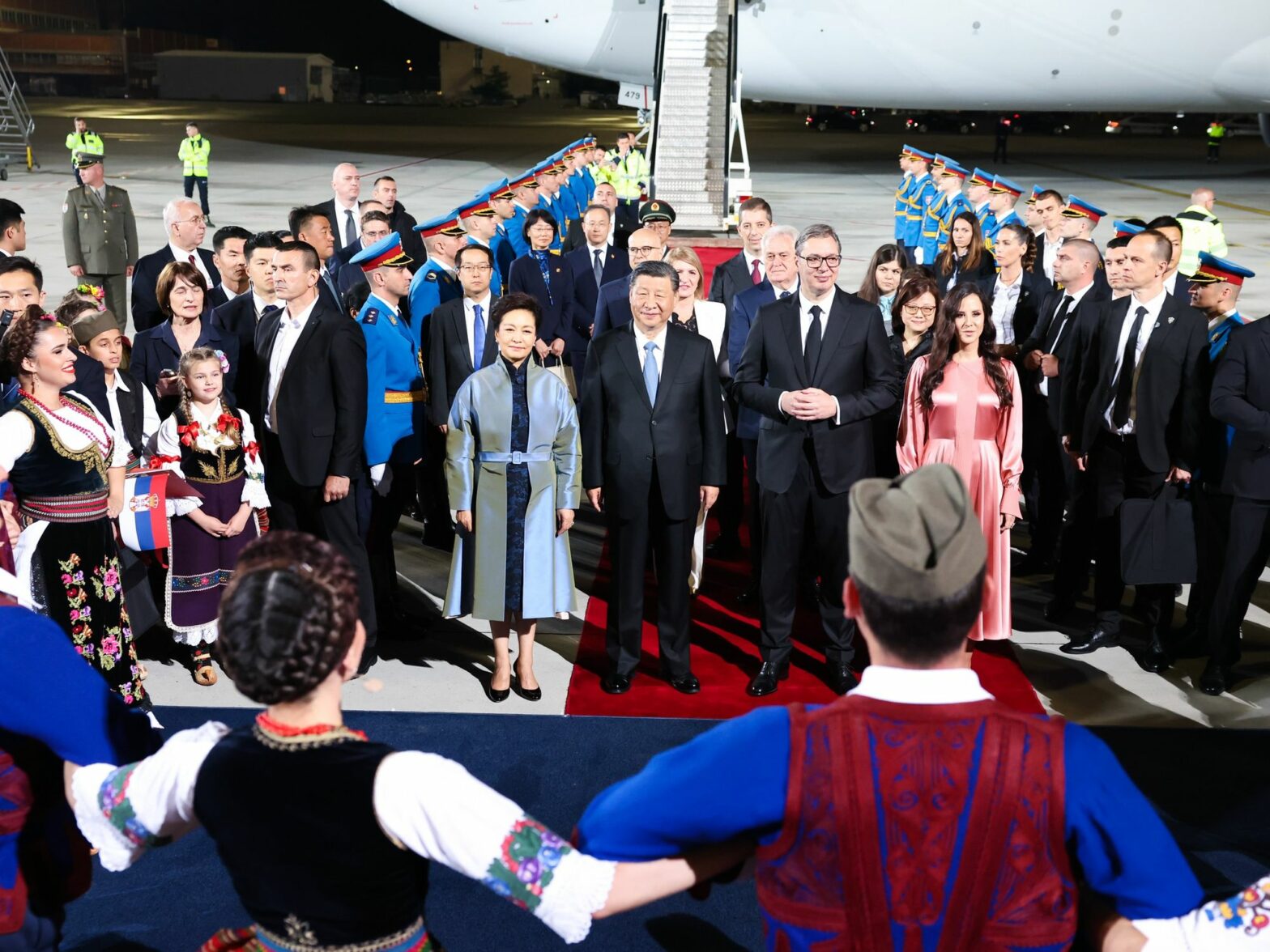
By visiting Serbia and Hungary, two countries that will soon be linked by a railroad built and financed by China, Xi Jinping is showing that he has not given up on cultivating special friendships on the continent, even if it undermines relations with Europe’s more influential leaders.
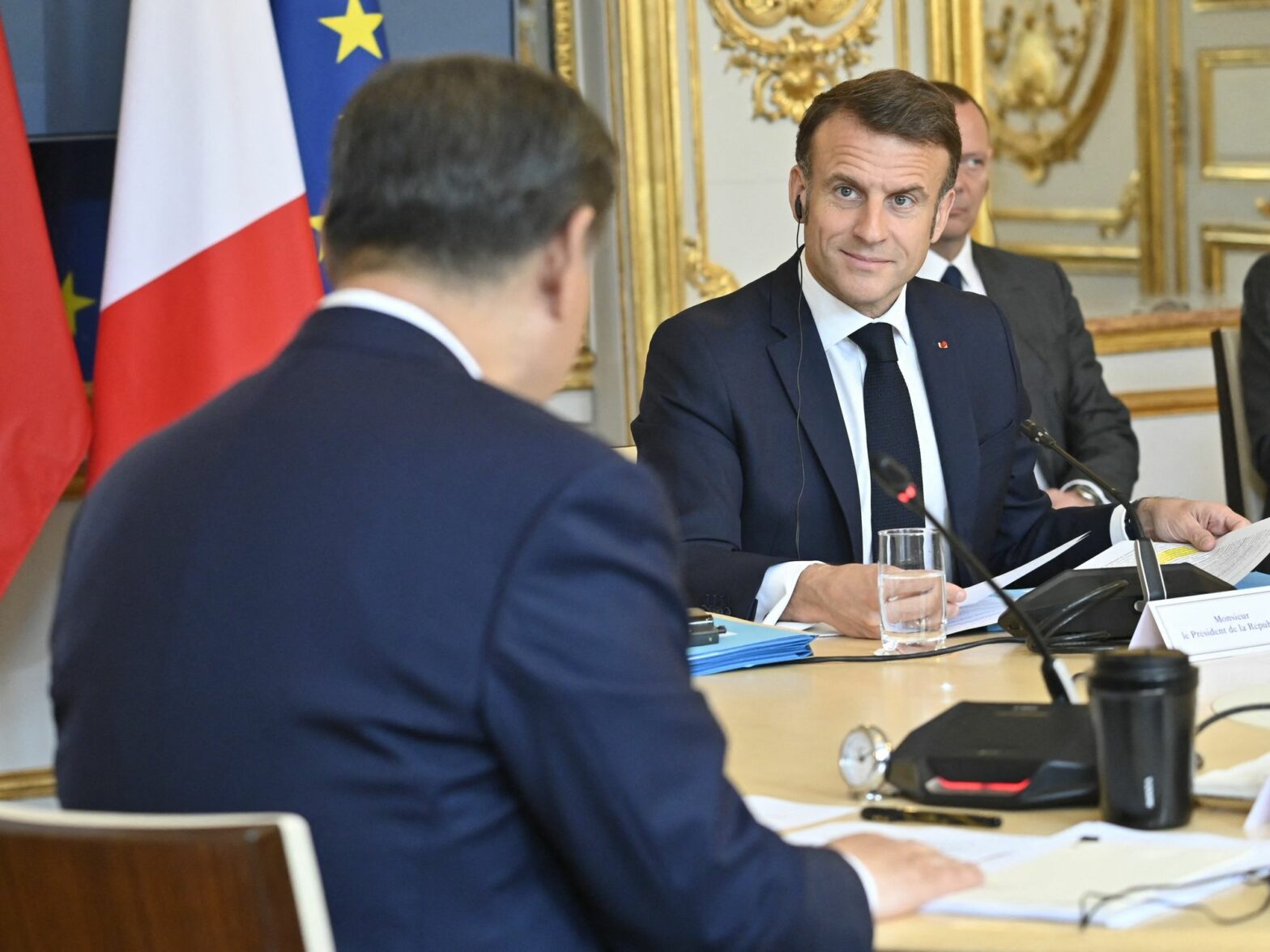
The Chinese president is in France for the 60th anniversary of French-Chinese diplomatic relations. He will play up Europe’s independence from the United States, but behind the smiles will be the war in Ukraine and the Russian-Chinese “friendship.”

The French President and the German Chancellor, joined by their wives, dined together in a top Parisian restaurant on Thursday evening; a “private” meal at a decisive moment for “Europe in mortal danger,” as Emmanuel Macron repeated in a new interview.
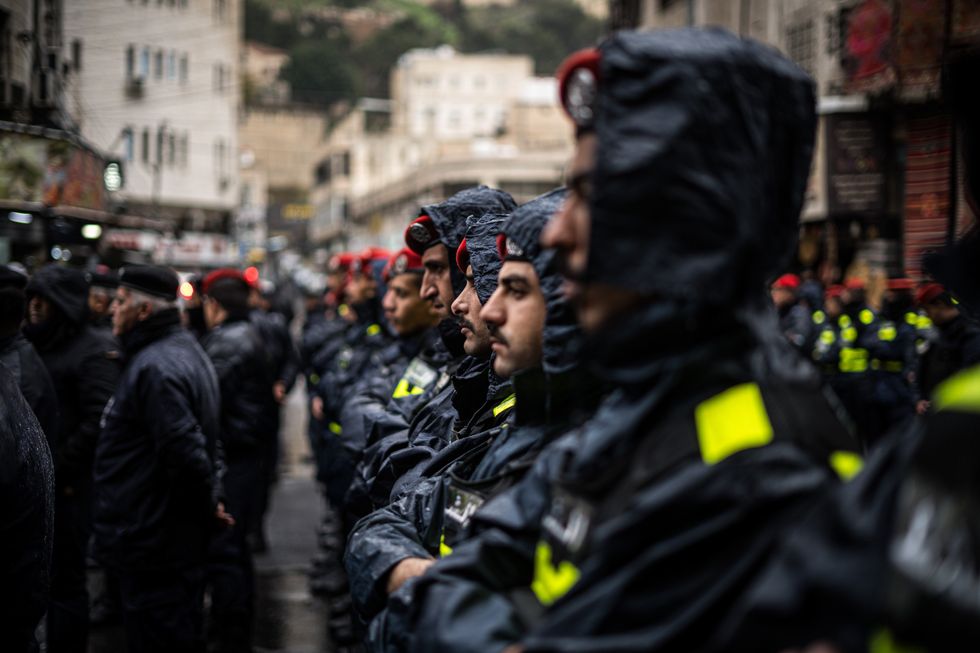
Iran has some influence over Hamas, but not like Hezbollah in Lebanon or other Iranian-backed groups in the region. Hamas, instead, has more links with Jordan, the birthplace of some of its top leaders.
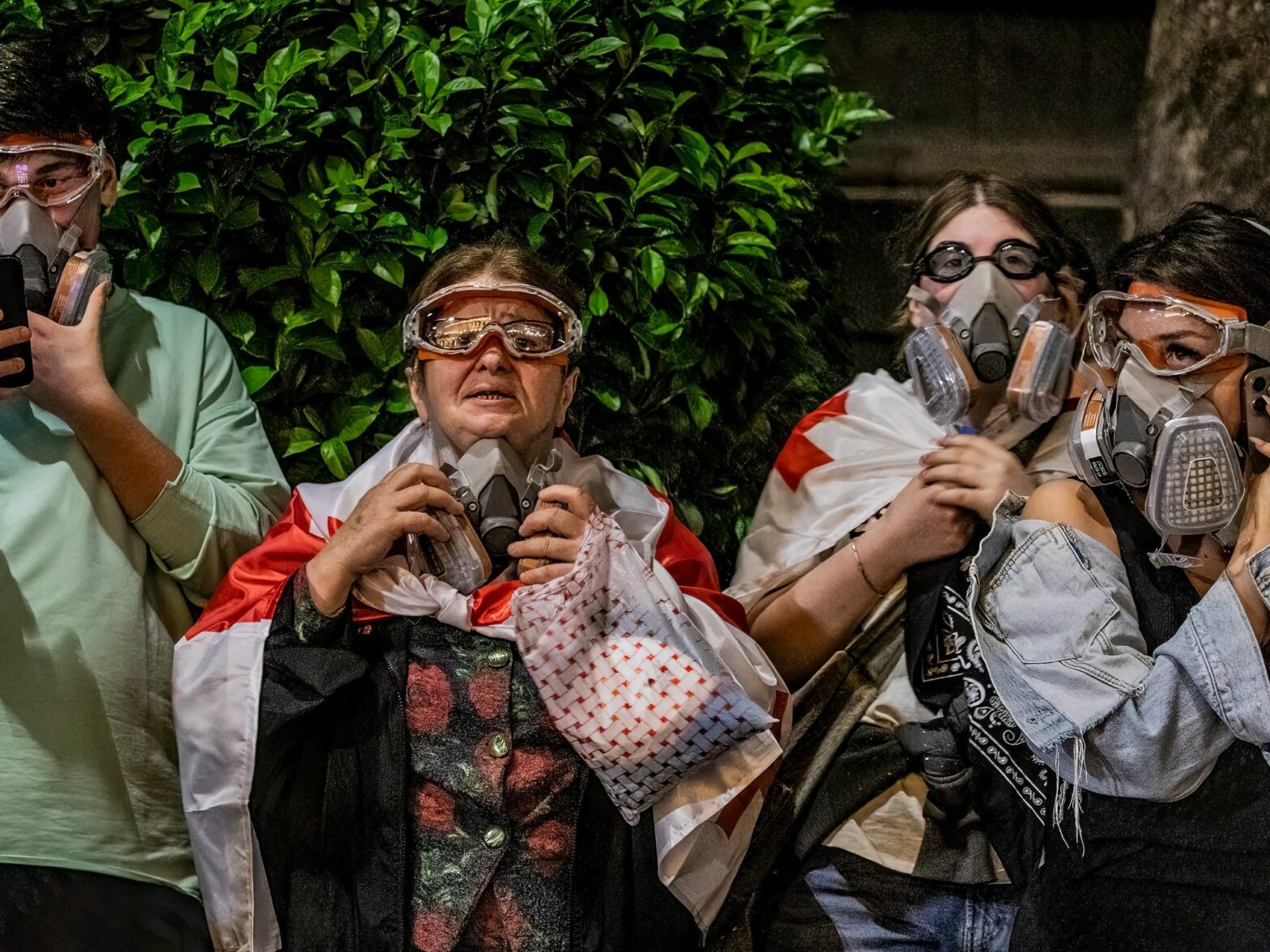
Demonstrations suppressed by the forces of order are taking place daily in the Georgian capital of Tbilisi around a draft law on “foreign interests”, considered by the protesters to be a “Russian law.” At stake is Georgia’s future, between the European Union and Putin’s Russia.
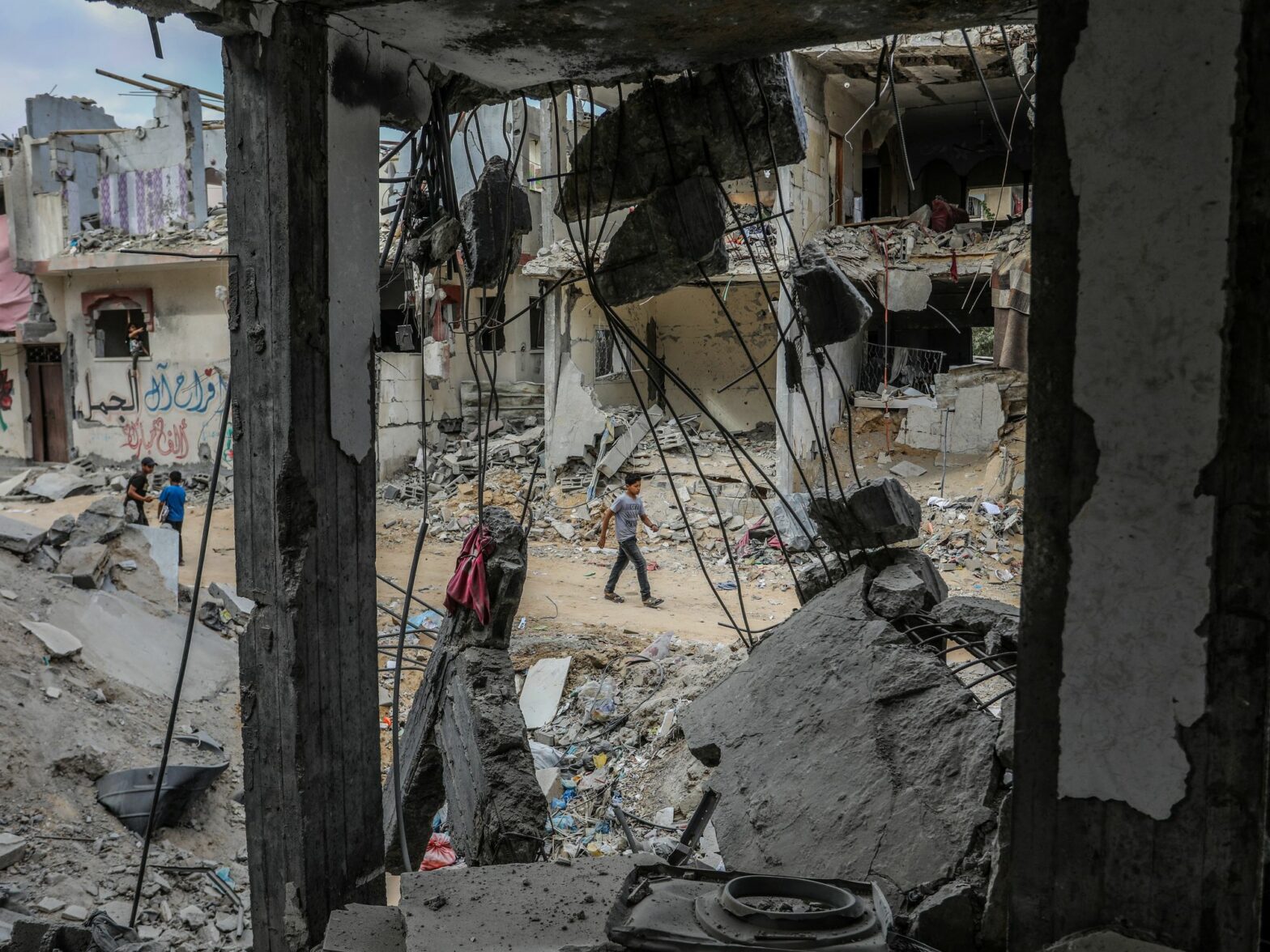
Israeli Prime Minister Benjamin Netanyahu and Hamas leaders both have deeply cynical reasons to prolong hostilities. Meanwhile, it’s in the self-interest of both the U.S. and Arab regimes to try all avenues to broker a ceasefire to ease the suffering of those caught in the crossfire.
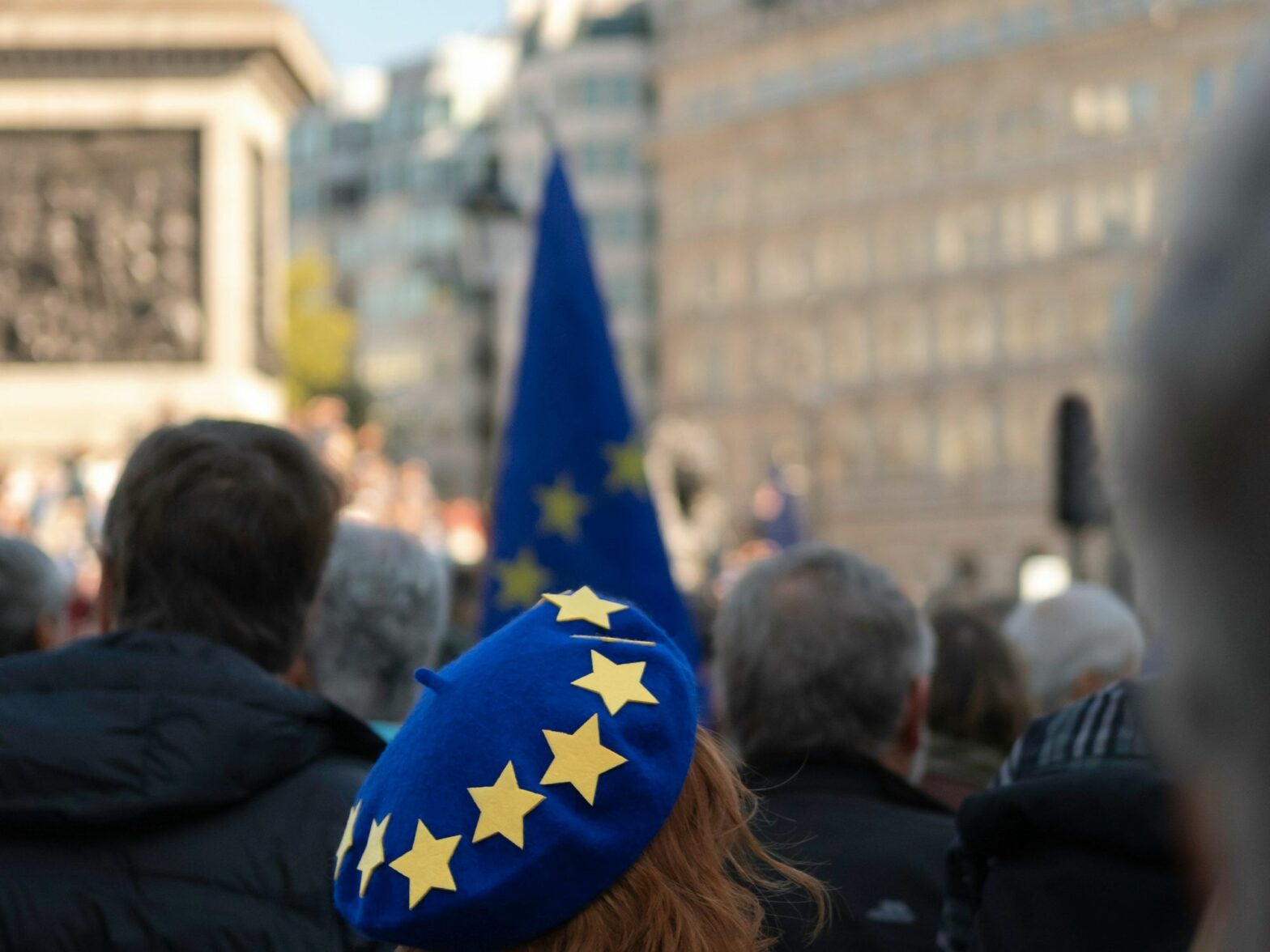
May 1 marks the 20th anniversary of the last large round of European enlargement, when 10 countries, mainly from the former Soviet bloc, joined the Union. Their economic successes, the war in Ukraine and their determined leaders have given these countries new weight in Brussels — and provide useful lessons, as the EU considers a new round of enlargement.
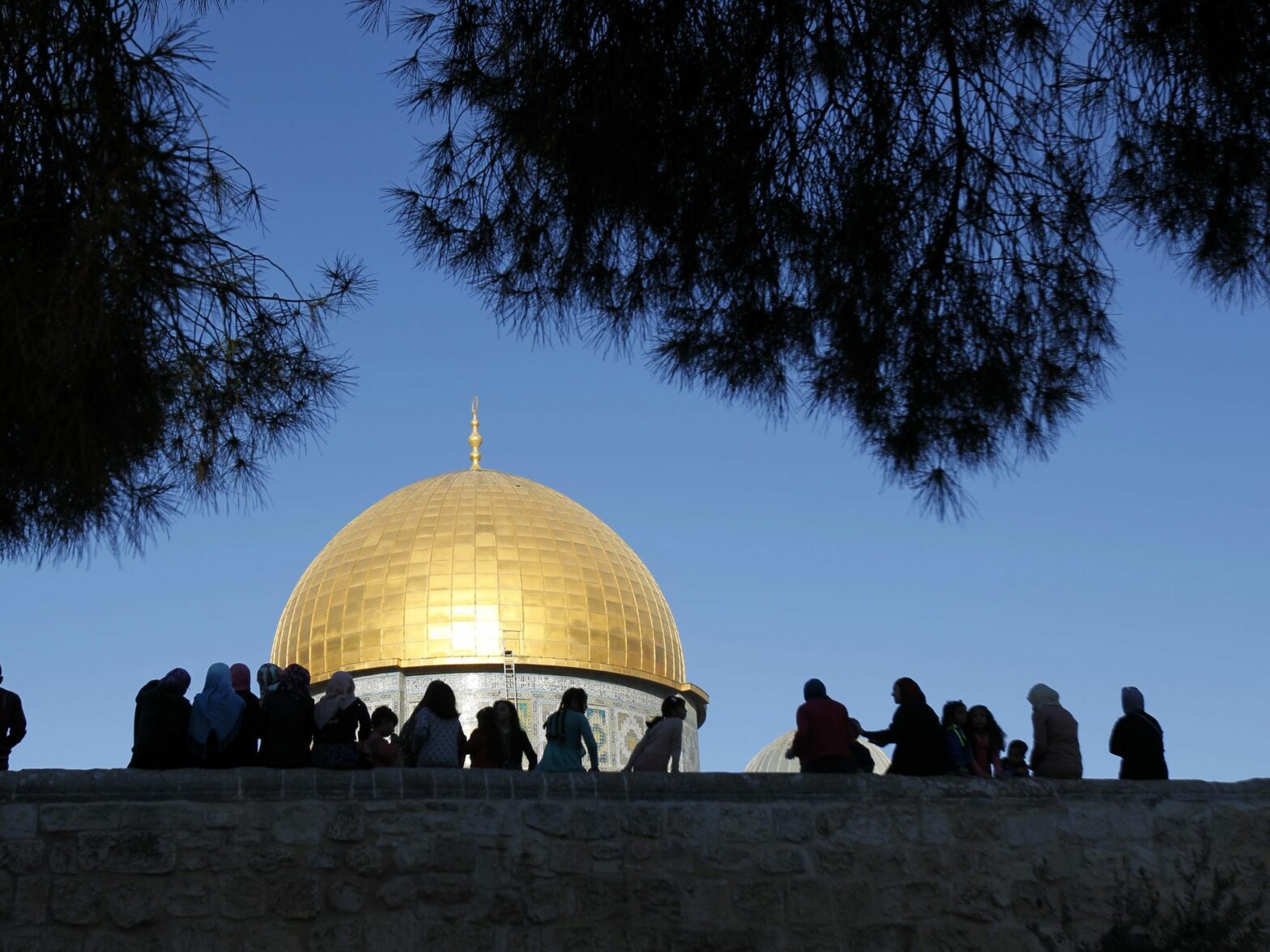
A Jewish attack on the revered Al-Aqsa Mosque during passover may be part of a plan to fulfill an obscure slaughtering rite of a “Red cow” to achieve the prophecy that will trigger the push to construct the mythic third temple of Jerusalem. The war in Gaza is raising the stakes.
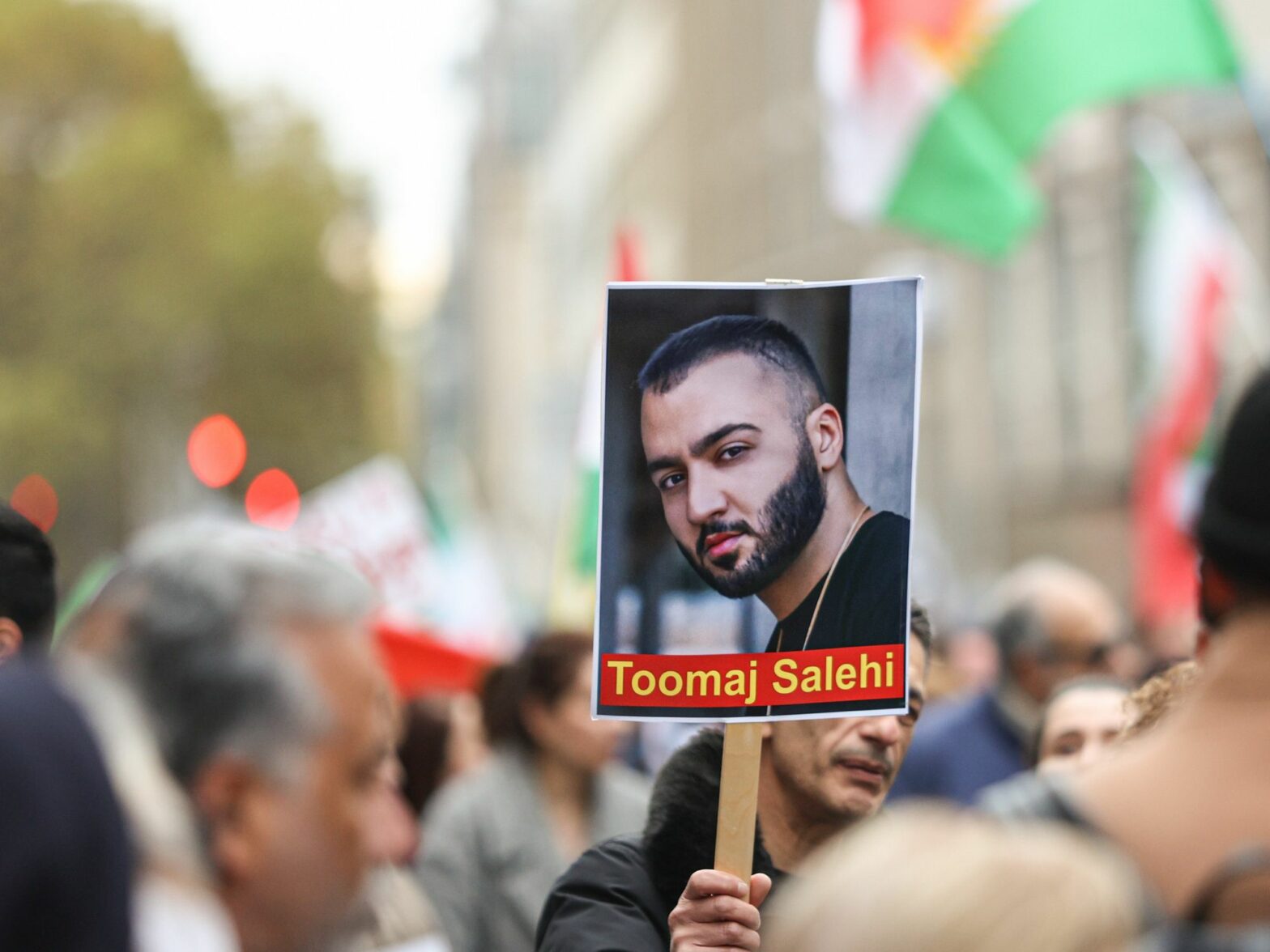
Injustice and inhumanity comes in many forms and places in the Middle East, including the Iranian regime’s death sentence for the rapper Toomaj. Why can’t those protesting the deaths of civilians in Gaza take a moment to try to save this innocent life as well?
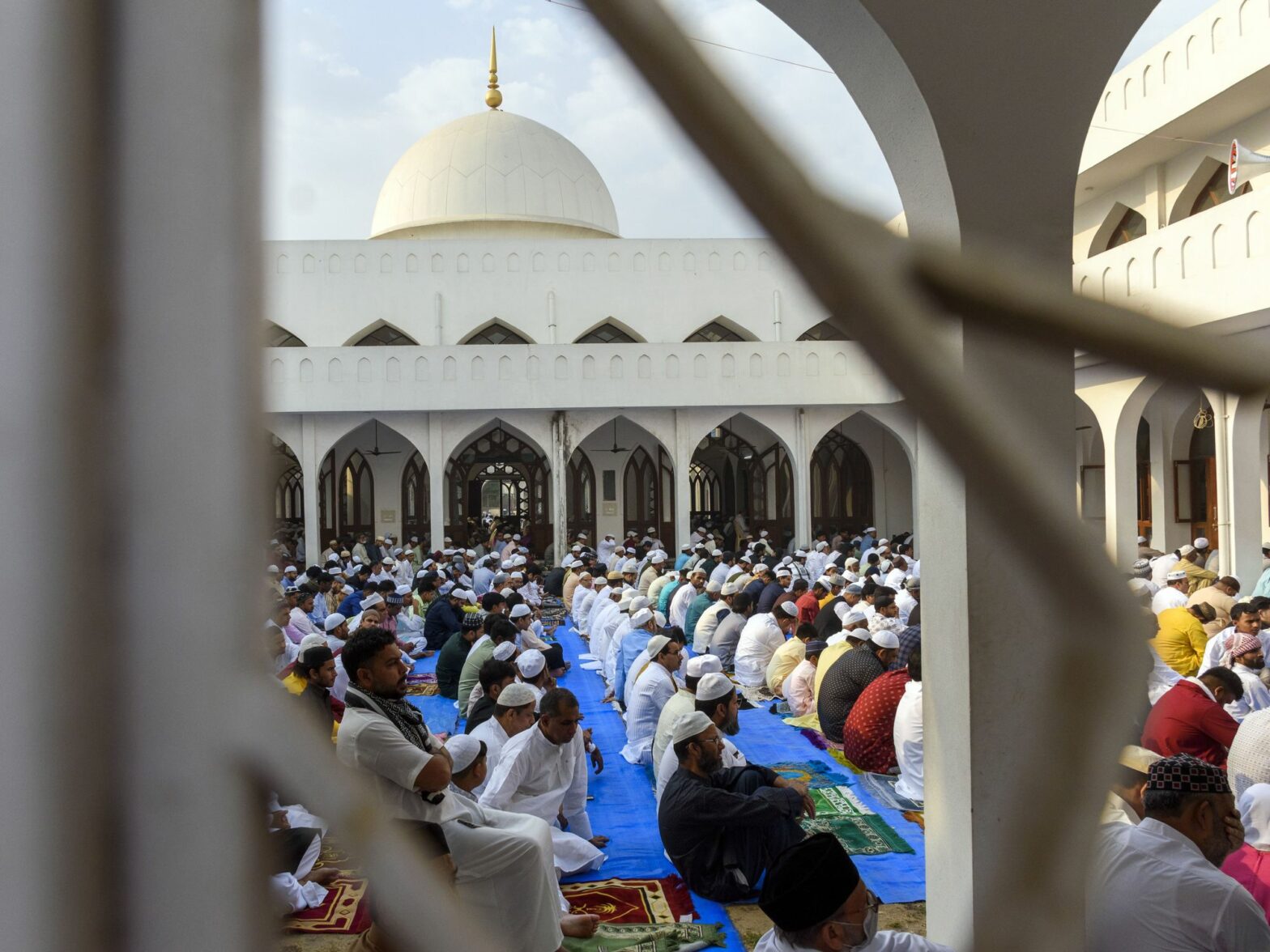
It is hard to reconcile the long list of brutalities and a government validating hate toward its Muslim minority. But the leaders are not the country. Elections are when people get to choose new ones.
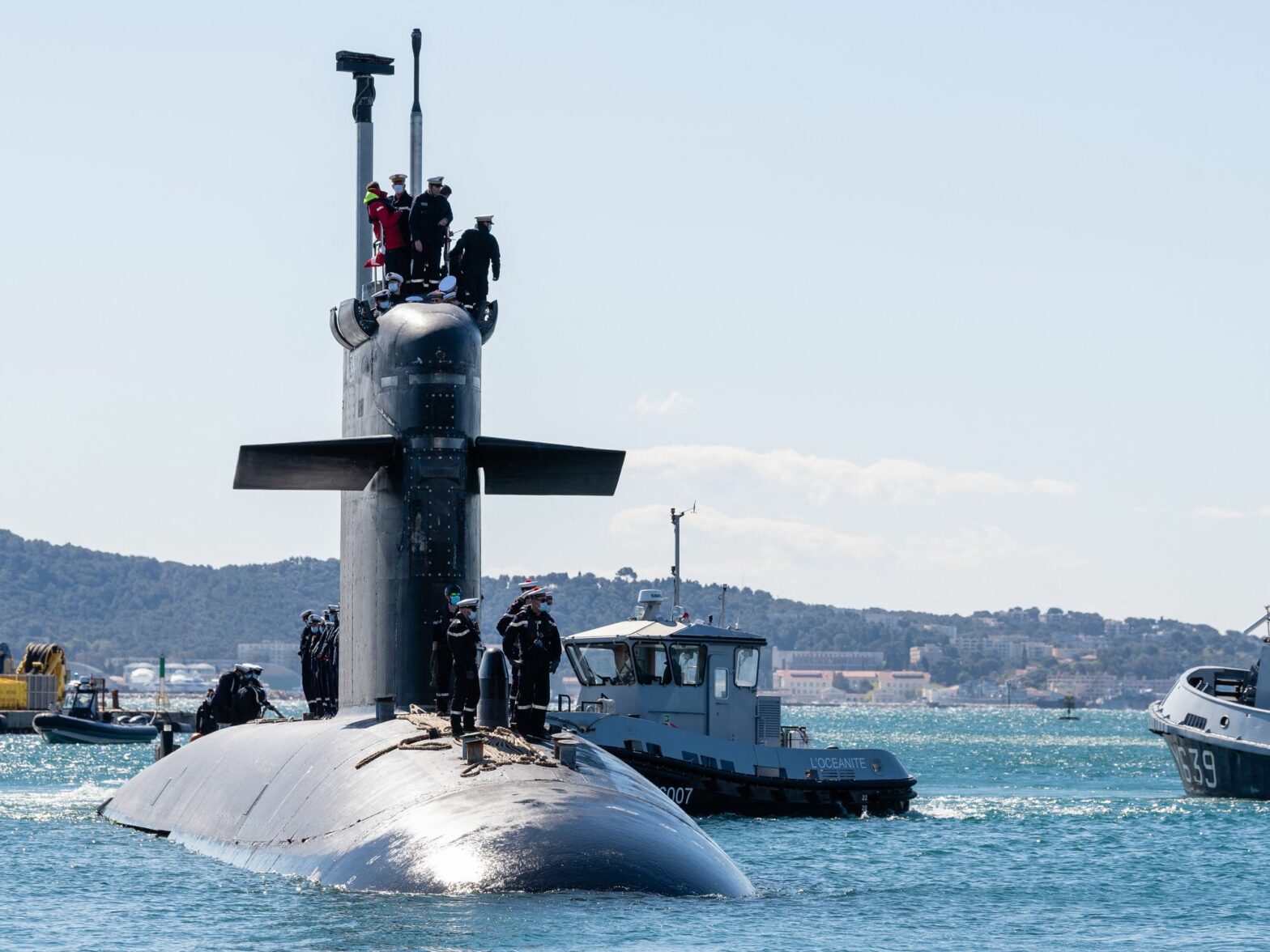
The French president has voiced France’s readiness to “contribute more to the defense of Europe” through its nuclear arsenal. It’s a message fro European allies and for Putin’s Russia — and another reminder of how much hangs on November’s U.S. elections.
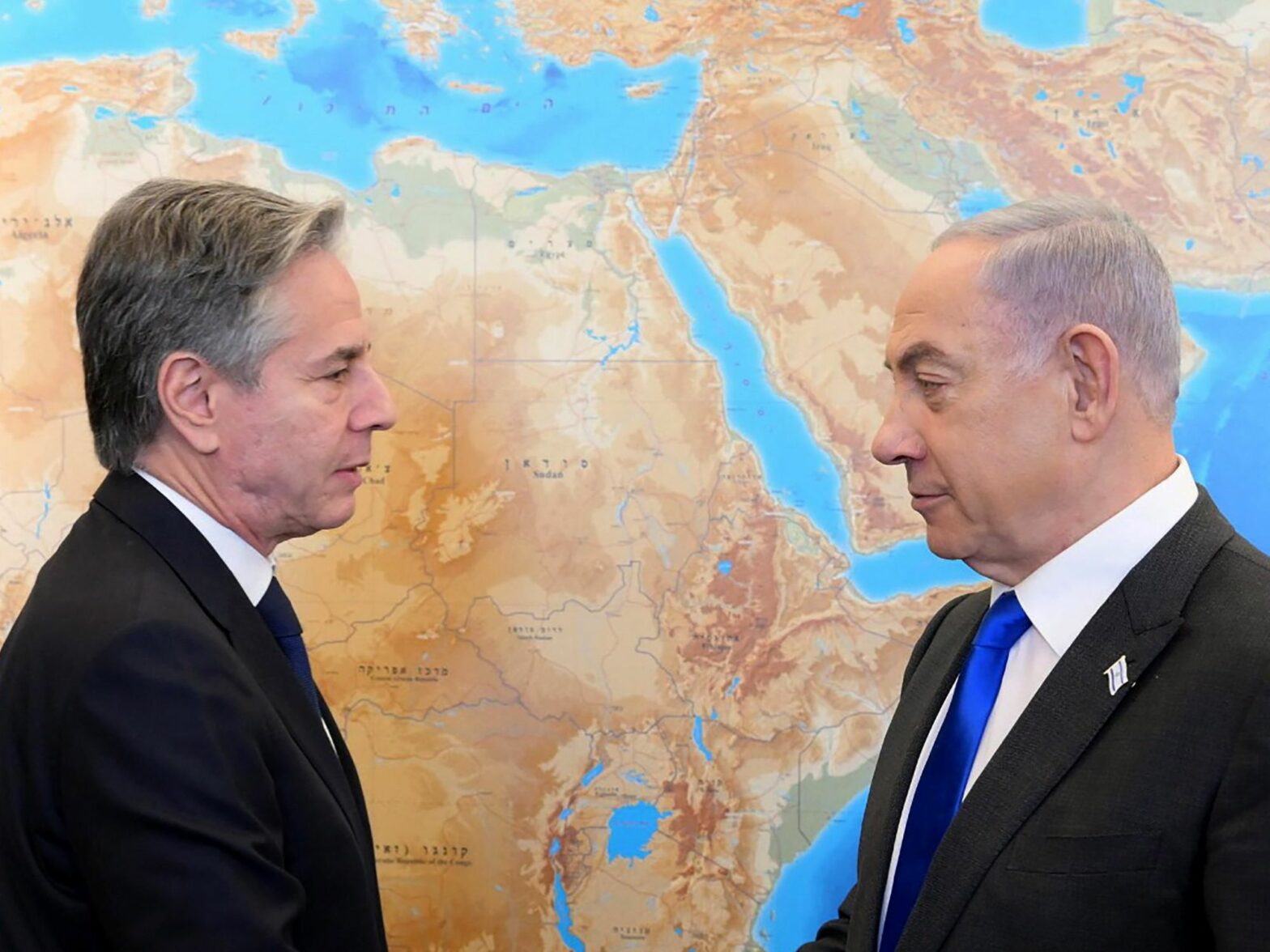
Have the ruling institutions in the United States learned the lesson and realized that the main means of confronting Iran’s influence — if they really wanted to — is to put pressure on Israel.
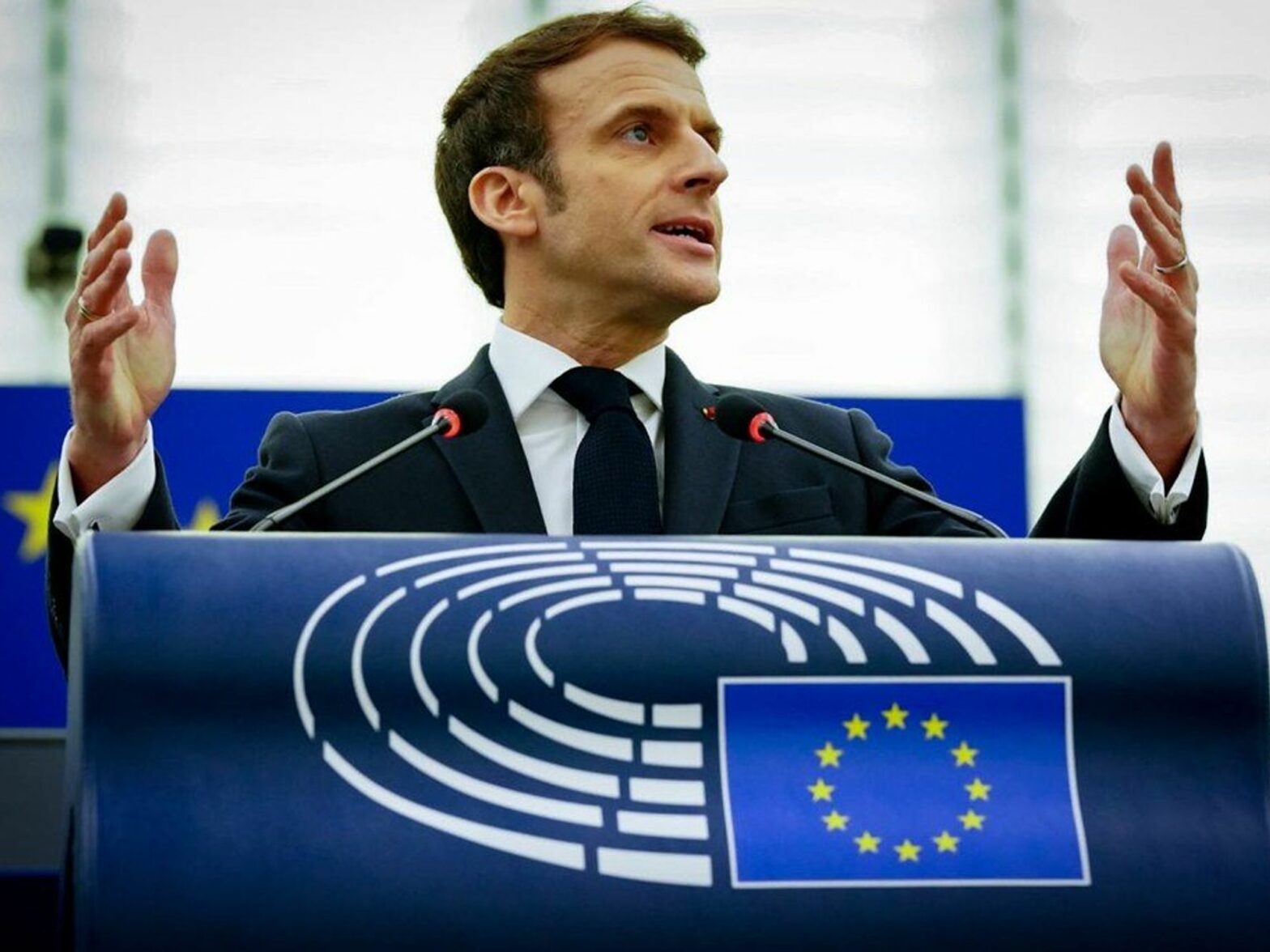
In an ominous speech in Paris, the French president warned that Europe is in mortal danger. Macron also suggested he may be just the man to save it.
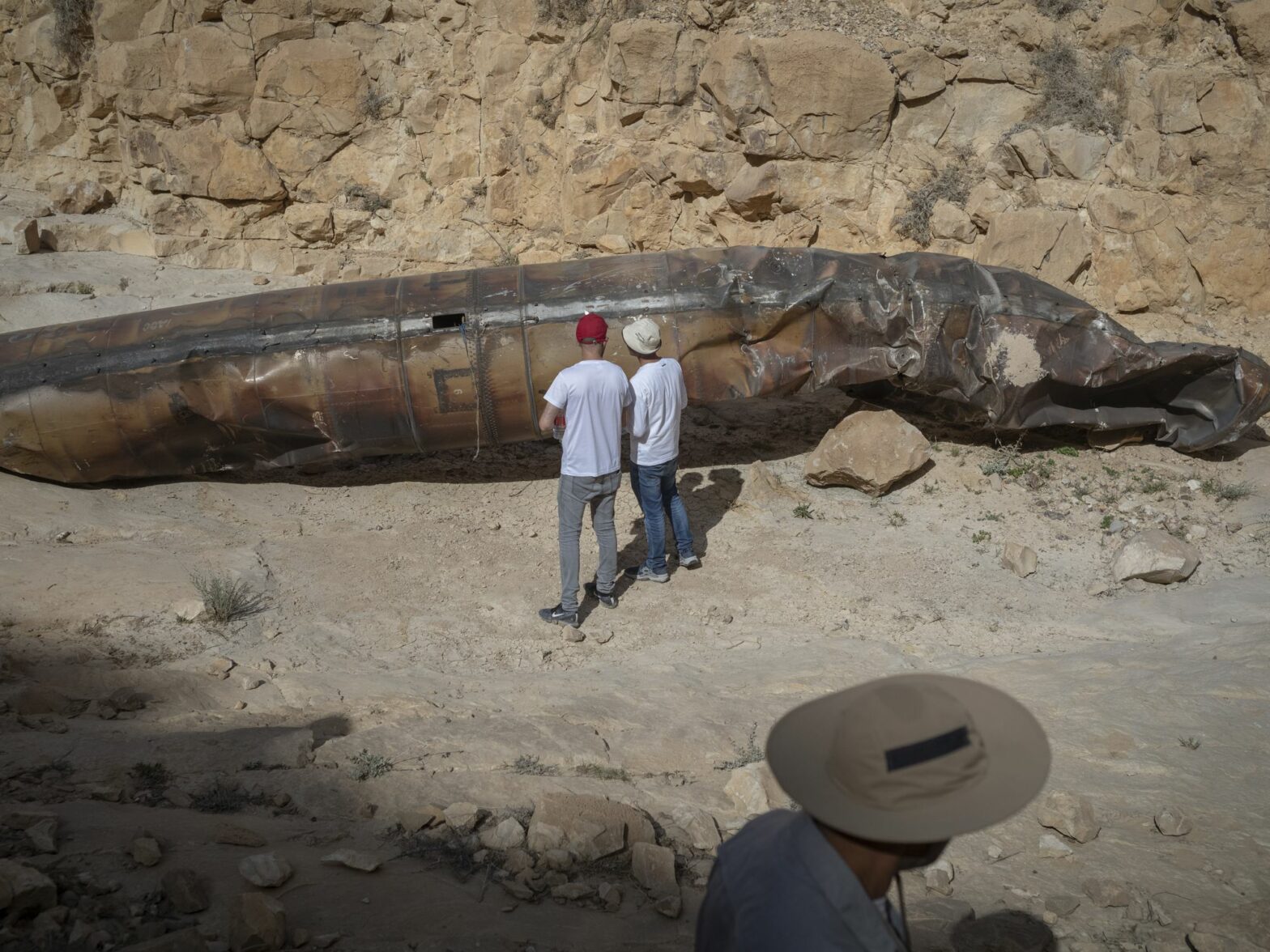
While the whole world was shocked by Iranian drones attacking Israel, which caused no casualties, nobody pays much attaention to the attacks being carried out by the same Iranian drones in northwestern Syria, where they regularly kill civilians.
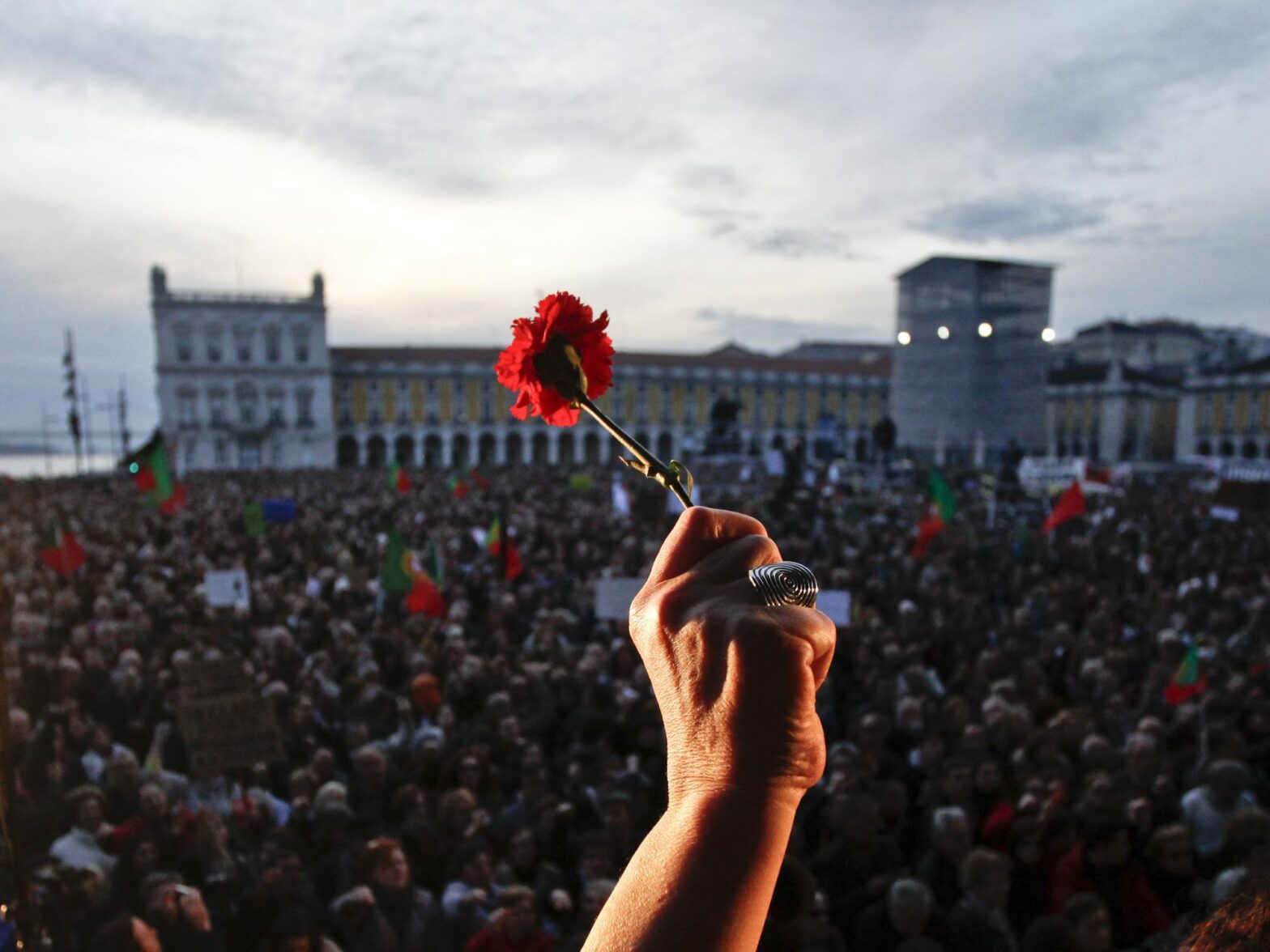
It all started on April 25, 1974, when some frustrated military officers — who had seen with their own eyes the effects of colonization in Western Africa — decided to overthrow the military regime. And over the past half-century, Portugal has gone from an archaic dictatorship to bona fide cool corner of the Western world.
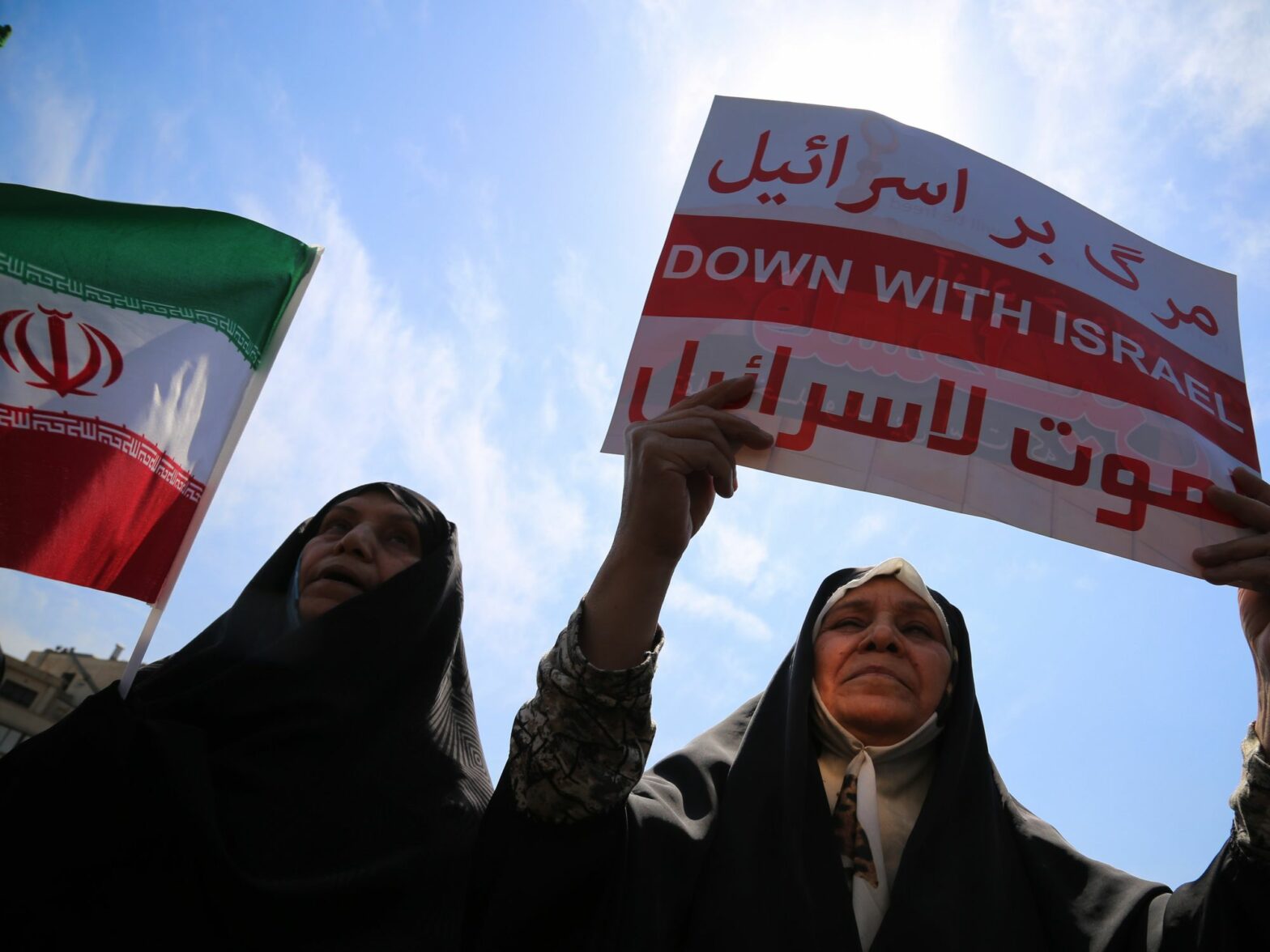
Israel’s recent strike on central Iran was a warning shot for Tehran, tempered by a desire to close the recent spate of tit-for-tat attacks and by pressure from the U.S. Yet this may have only ended round one of the Iran-Israeli showdown.
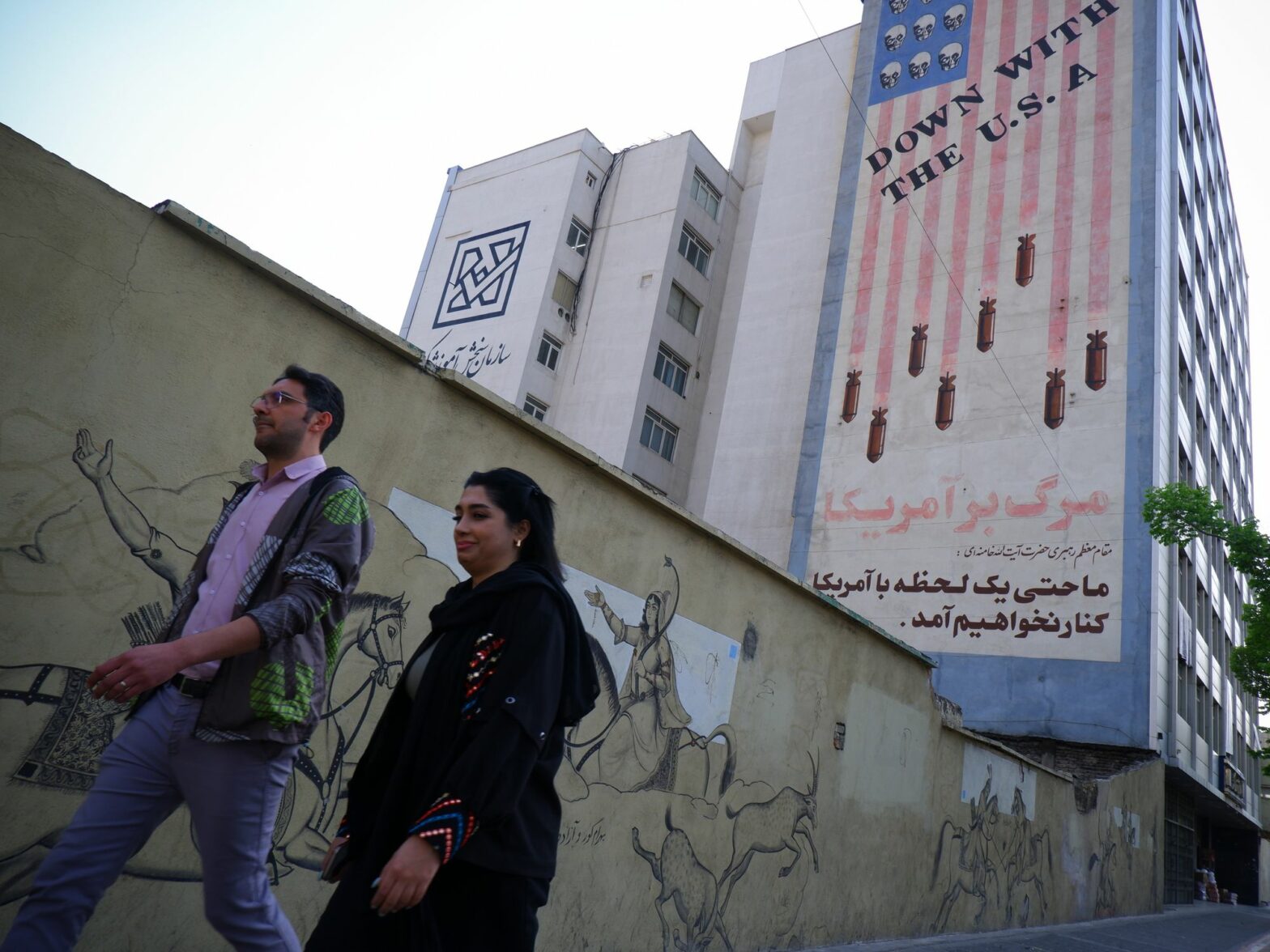
Iranian authorities are enforcing Islamic dress norms with renewed vigor and the backing of a new law, and insist a “hostile West” is goading Iranian women into living indecent lives.
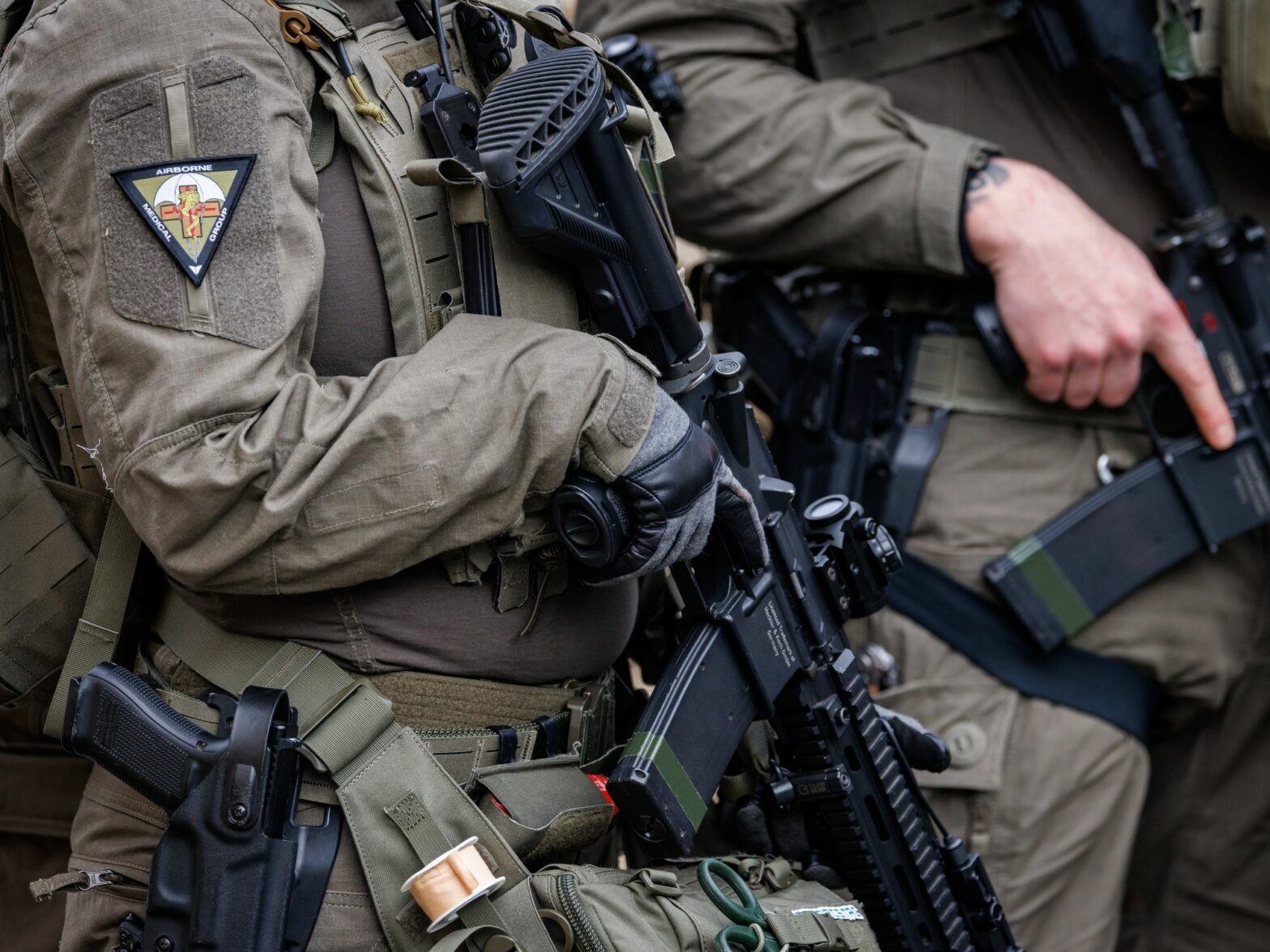
Governments spent 2.3 trilllion euros on the military, a 6% increase over 2022, the highest growth recorded in over a decade. This is the first time spending jumps were registered on all five continents, and not just countries at war. What does it say about this inflection point in history?
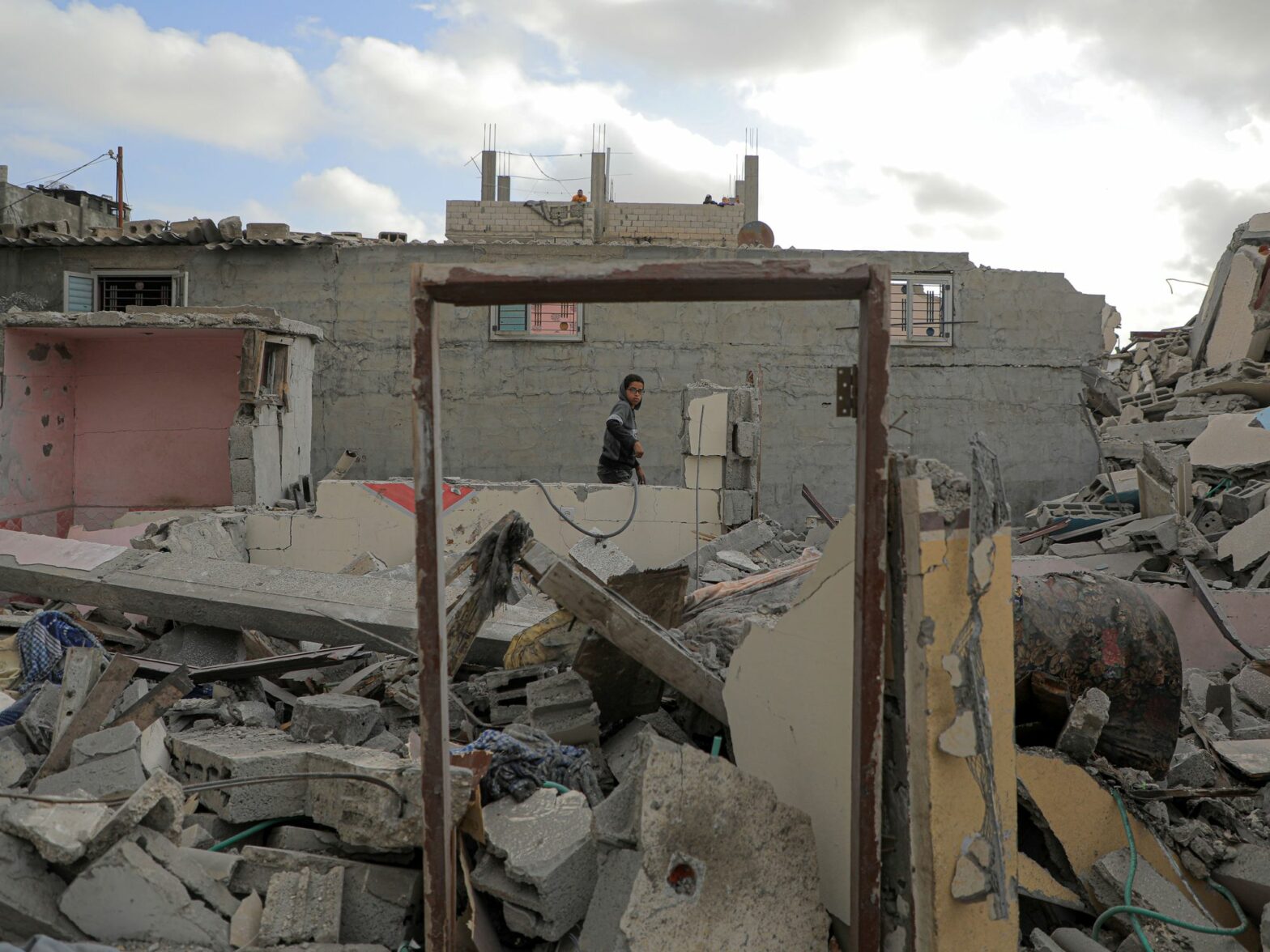
Despite talk of a smaller impact, Israel is prolonging its war on Gaza with more bombing campaigns that regularly kill civilians. The daily slaughter continues as the international community and Middle East have been focused on the growing tensions between Israel and Iran.
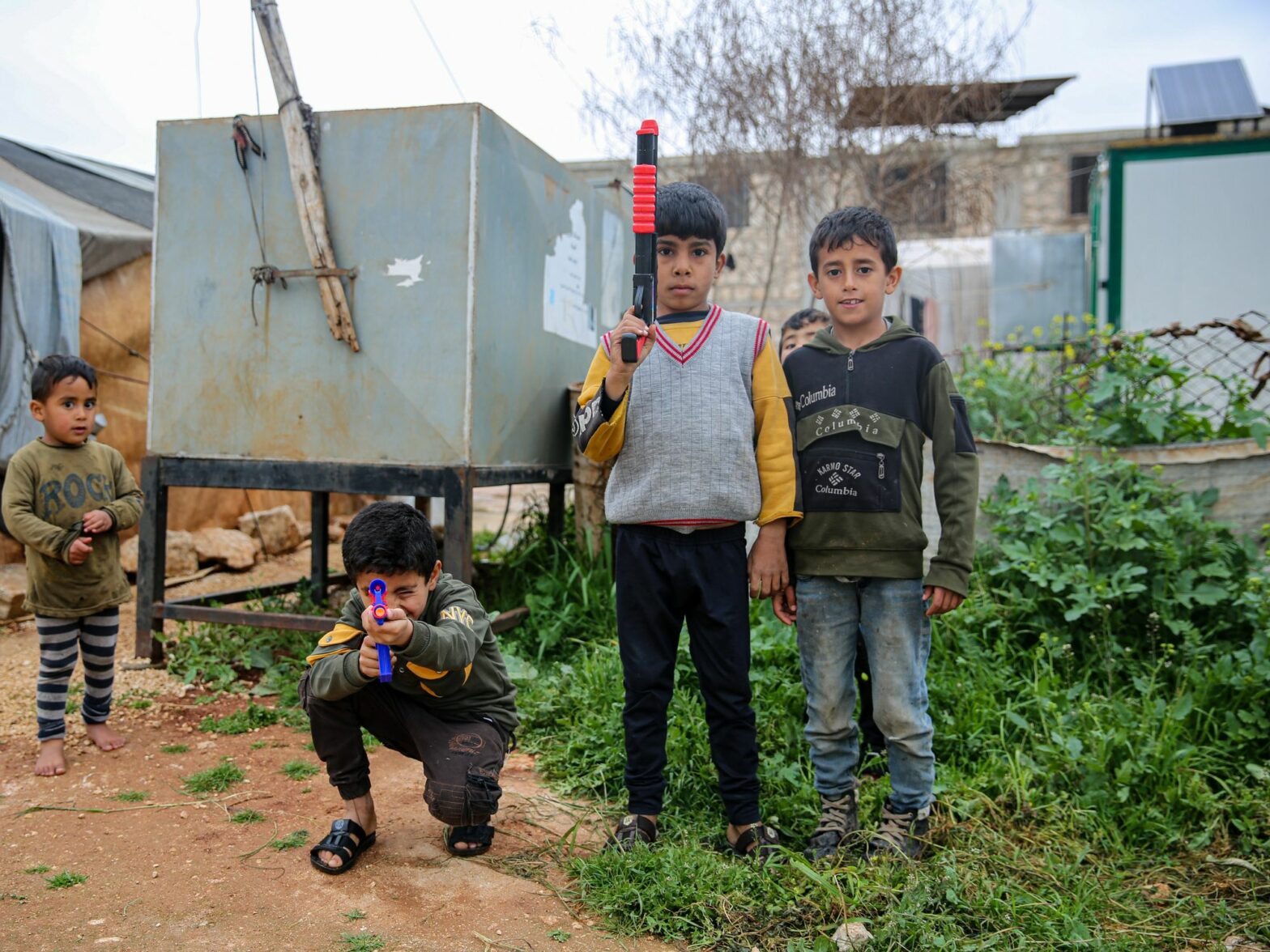
After more than a decade of war in Syria, where some 90% of the population now lives in poverty, children are working as fighters for the armed factions to help feed their families.
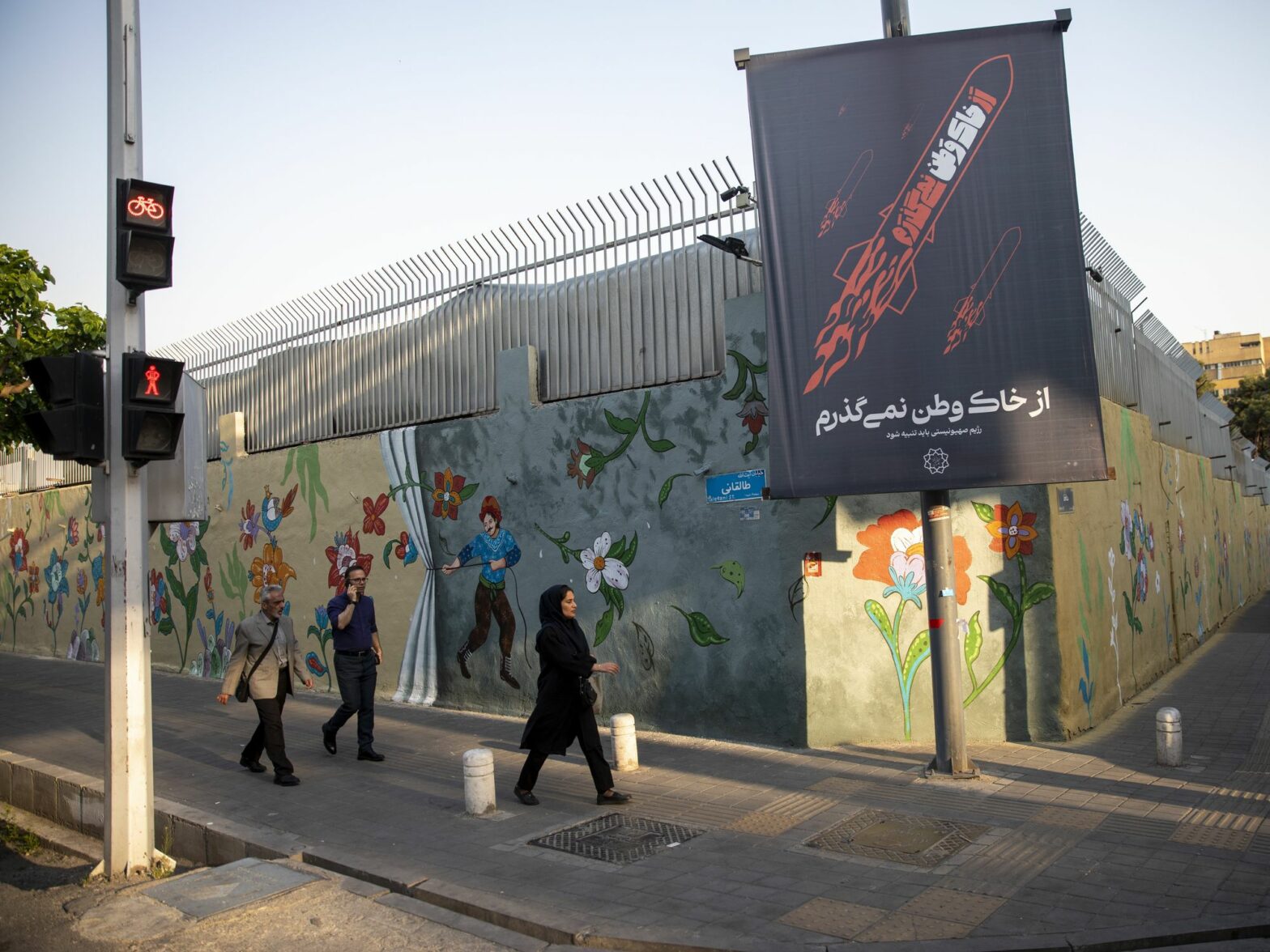
The Islamic Republic of Iran wants to destroy Israel and seems willing to obliterate Iran in the process. How do you deal with a regime that sees international chaos as serving divine wishes? Many in Iran see the direct challenge from Israel as the path to their nation’s liberation.
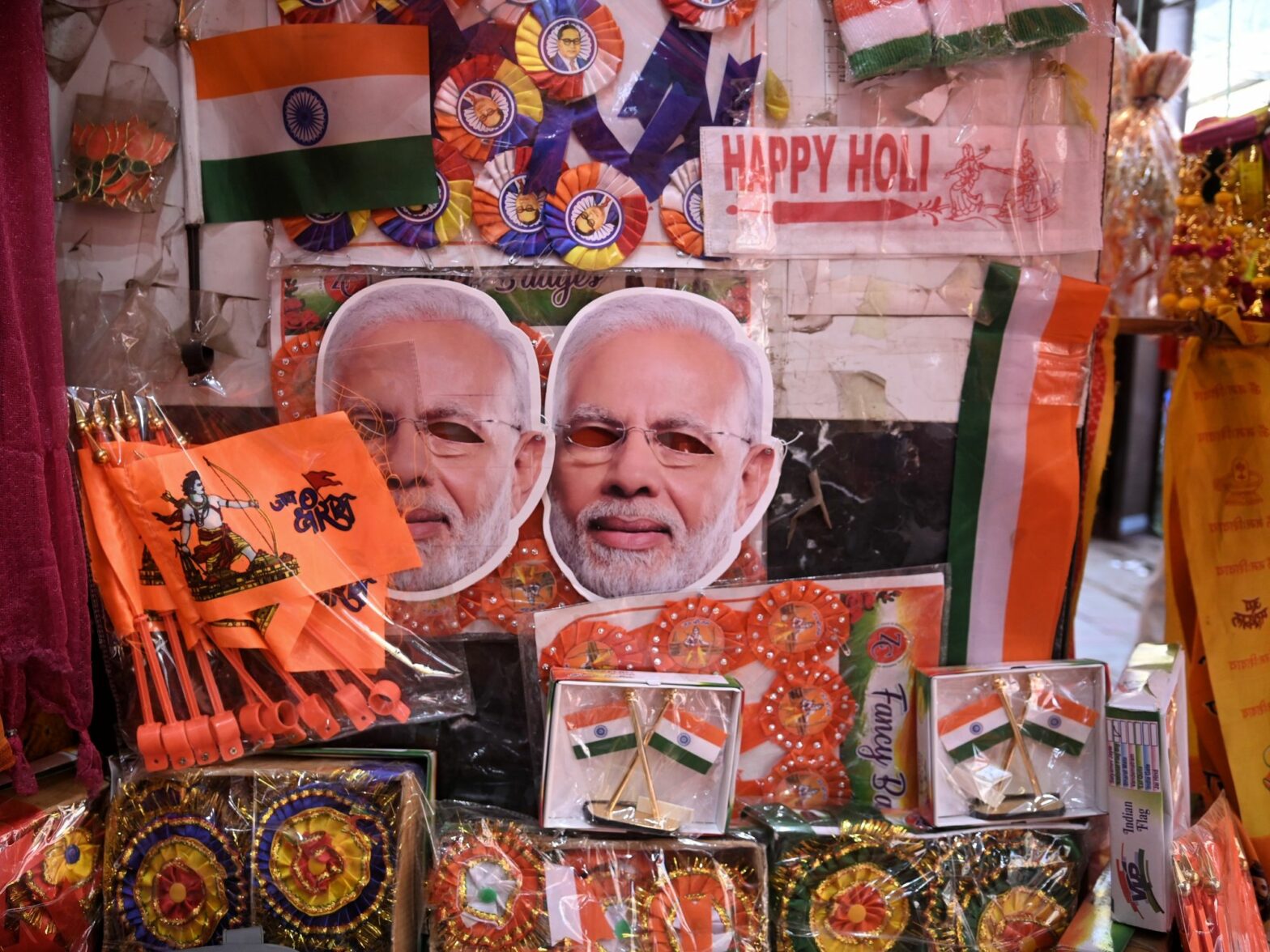
As a jaded and faded minister over-stretches himself, the BJP can see the election is far from being a done deal.
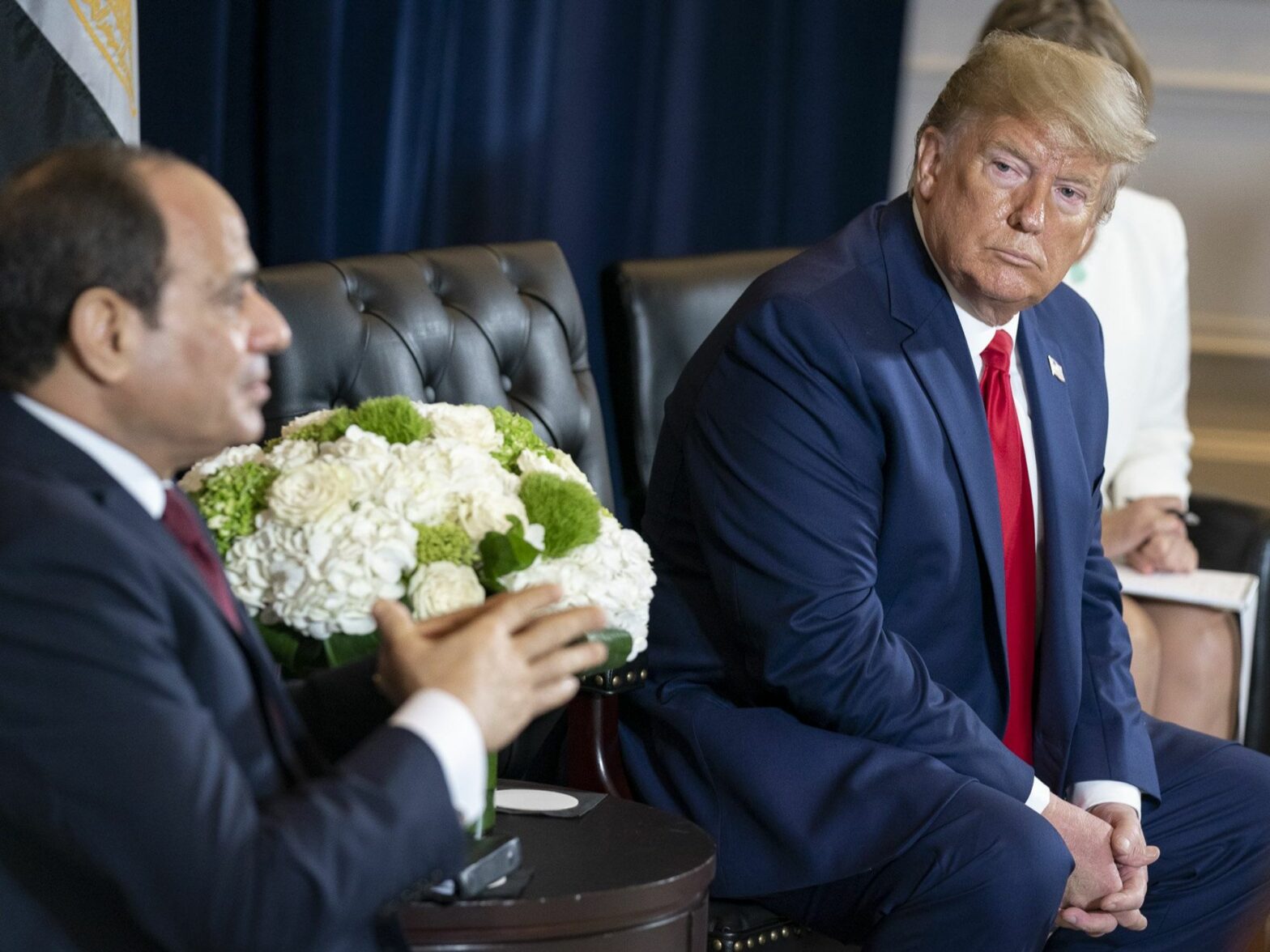
Will former U.S. President Donald Trump maintain his “dealmaker” approach towards Egypt in case he finds his way back to the White House?
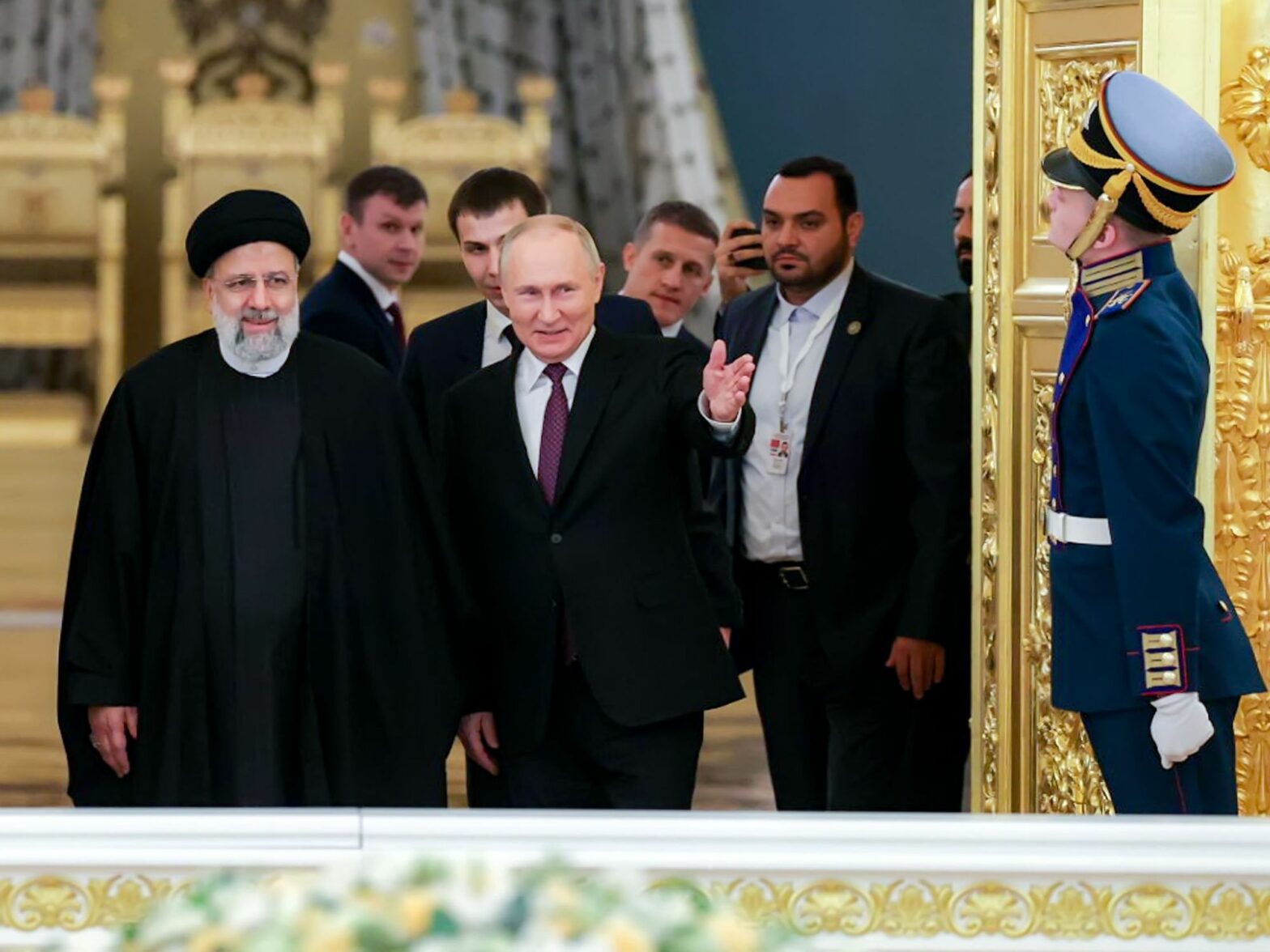
What are the links between Iran and the two powers challenging the Western order, Russia and China? And how do their relations affect the international climate? This is a key question at a time when the logic of war is at work in several regions of the world.
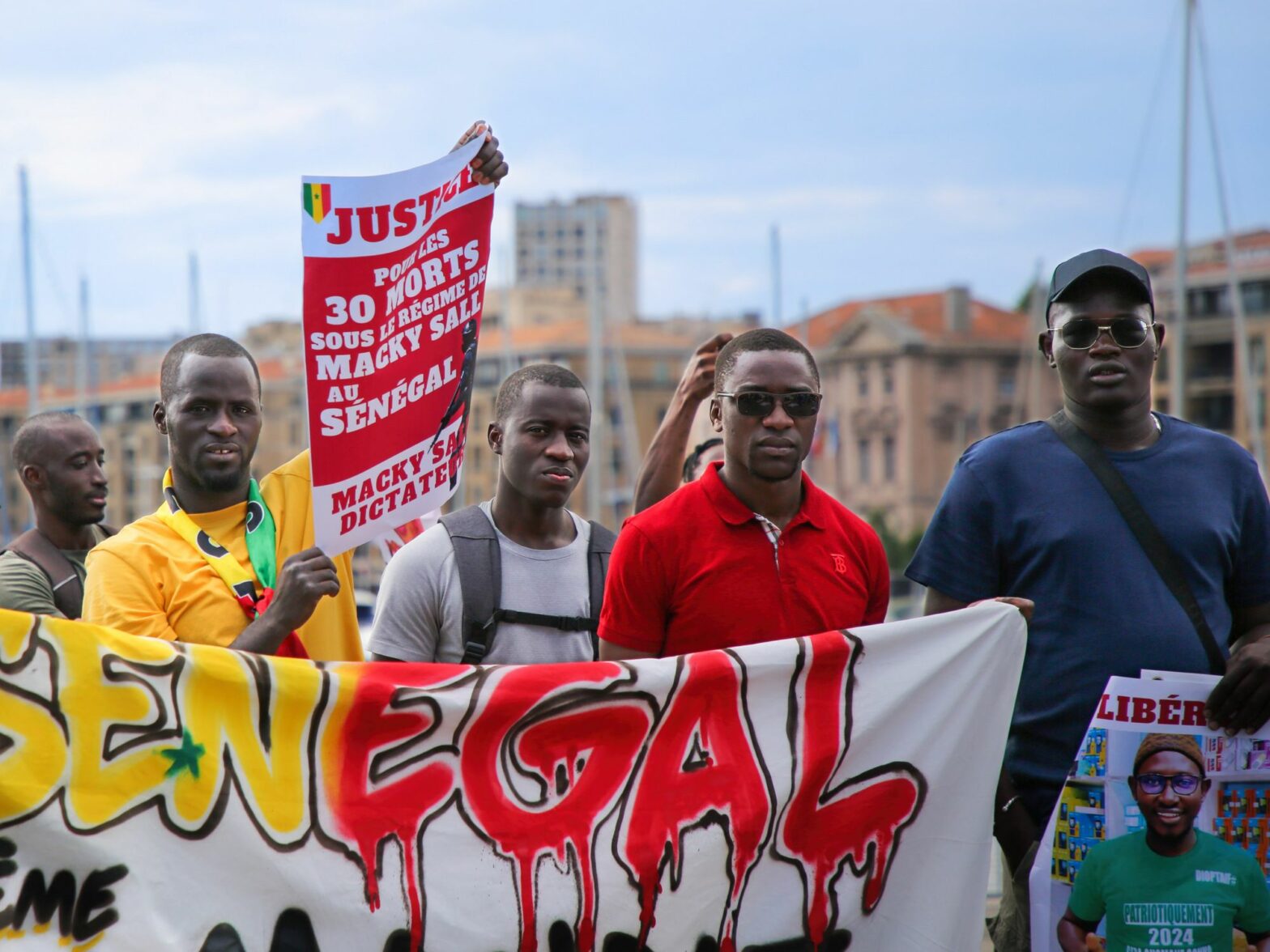
The election of the new president of Senegal, Bassirou Diomaye Faye, paves the way for a period of deep uncertainty between Paris and Dakar, amidst the spread of an “anti-French sentiment” in West Africa.
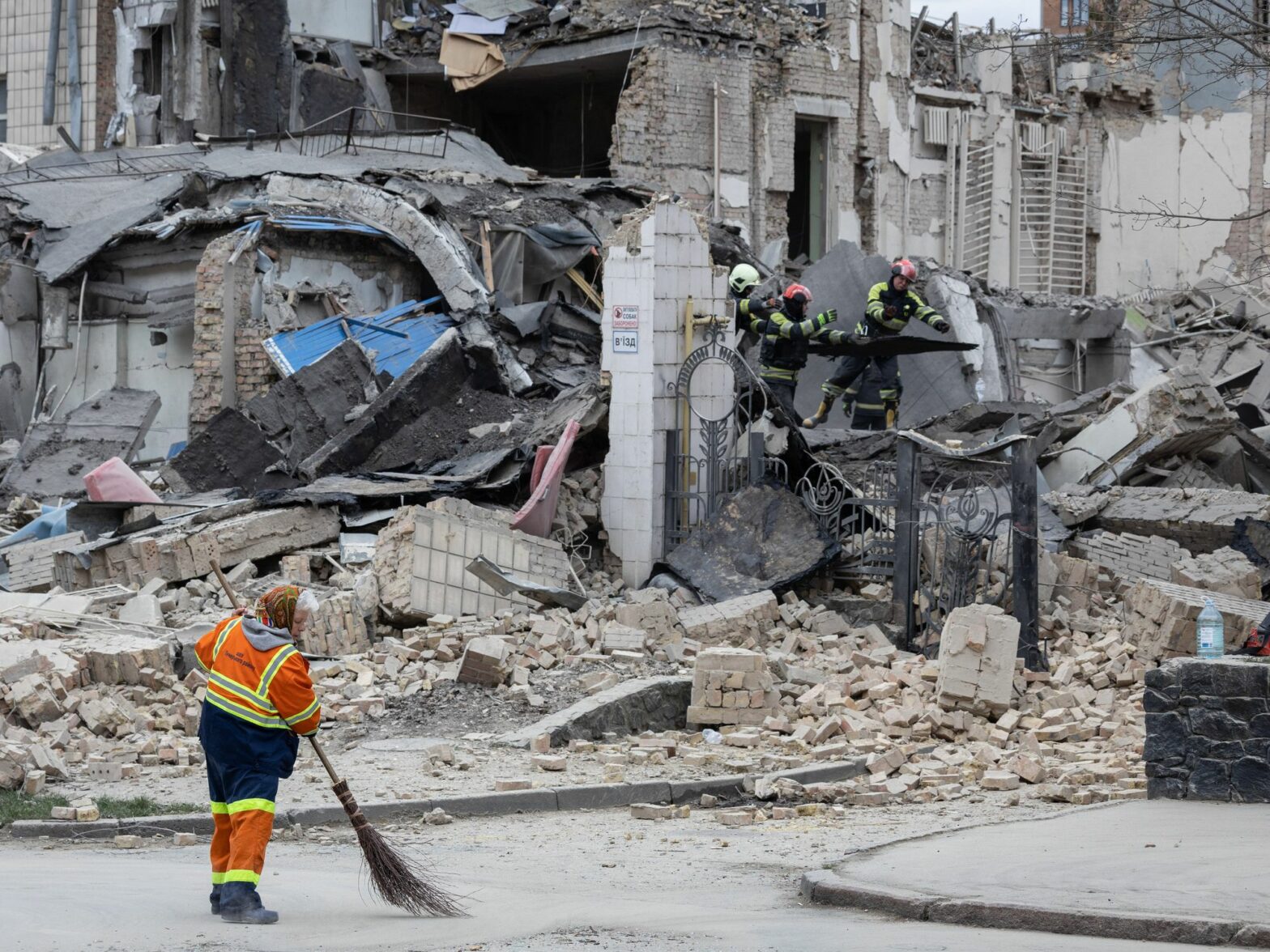
Seeing the near-perfect effectiveness of Israel’s defense against Iranian drones and missiles, Ukrainians are bitterly wondering why the West is denying them life-saving assistance. Fear of confrontation with a nuclear Russia remains the main reason.
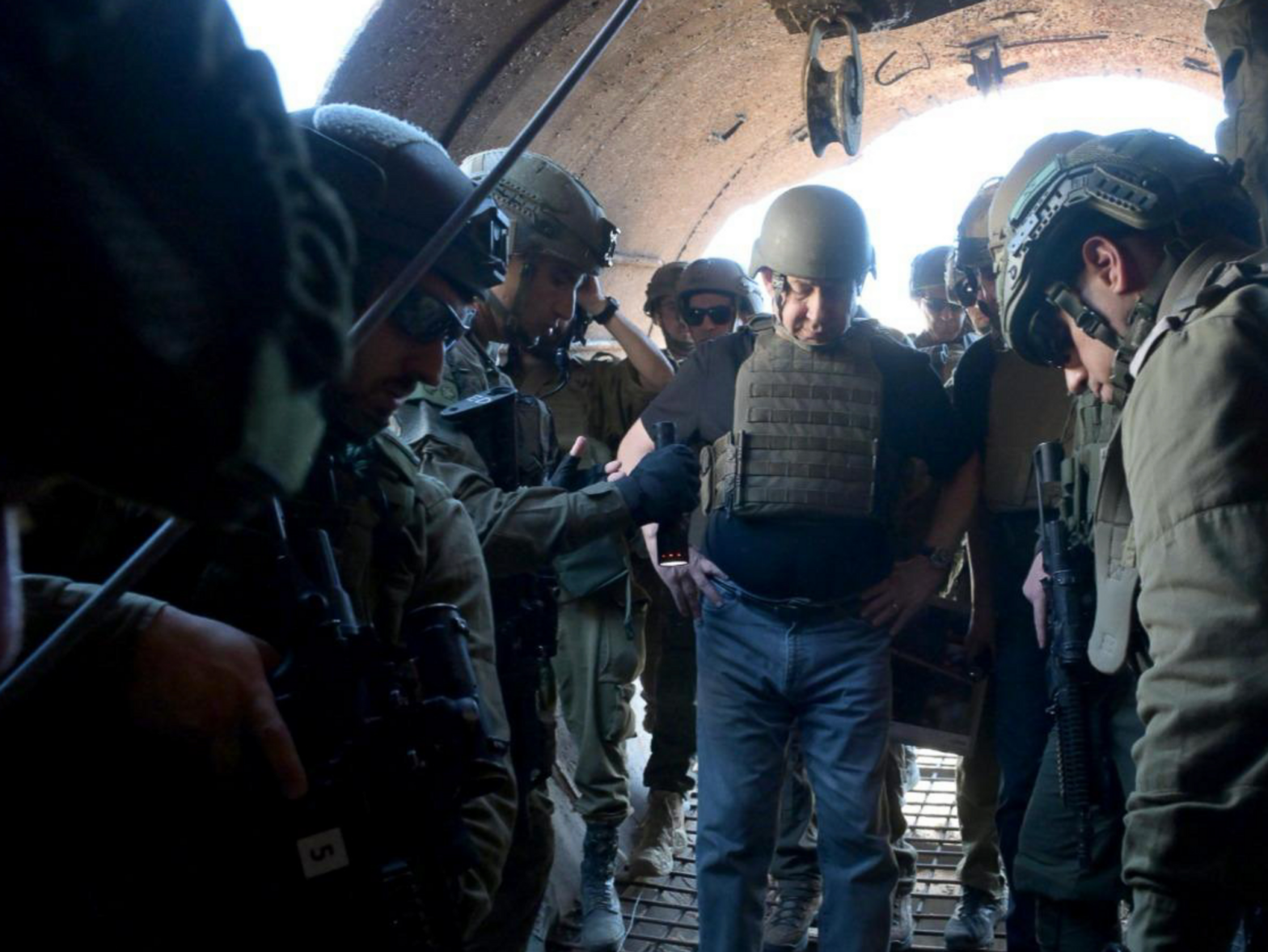
By helping to intercept Iran’s counter attack against Israel, the U.S. and Western allies, along with Jordan, have deprived Benjamin Netanyahu of a pretext to expand the war and to divert attention from his actions in Gaza.
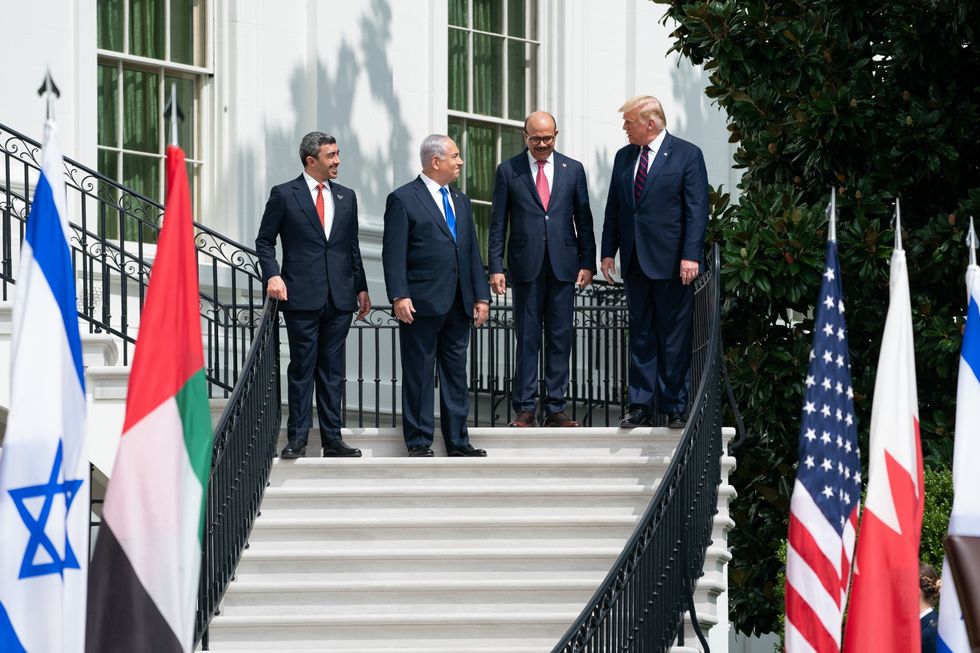
Despite Israel’s bloody war on Gaza, Jordan participated, on Saturday, in the destruction of Iranian missiles and drones targeting Israel. But it is not the only Arab country involved, a major regional shift that follows years of discreet military contacts orchestrated by the United States.