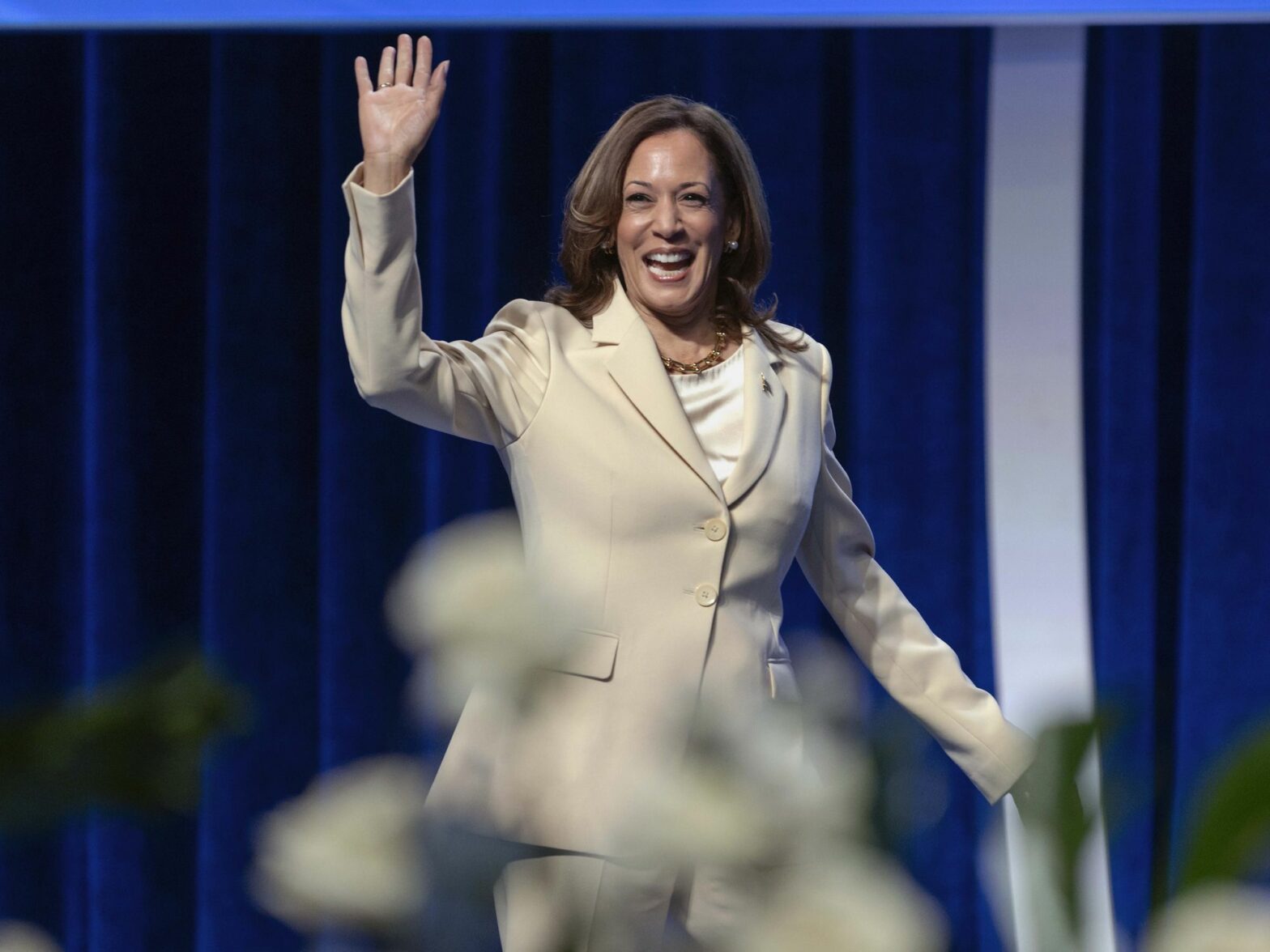
Kamala Harris and Donald Trump have starkly different communication styles, starting with laughter v scowls. Would a Harris victory in November usher in a new era of more feminine form of political communication? asks Italian writer Nicoletta Verna.
 Worldcrunch
Kamala Harris and Donald Trump have starkly different communication styles, starting with laughter v scowls. Would a Harris victory in November usher in a new era of more feminine form of political communication? asks Italian writer Nicoletta Verna.
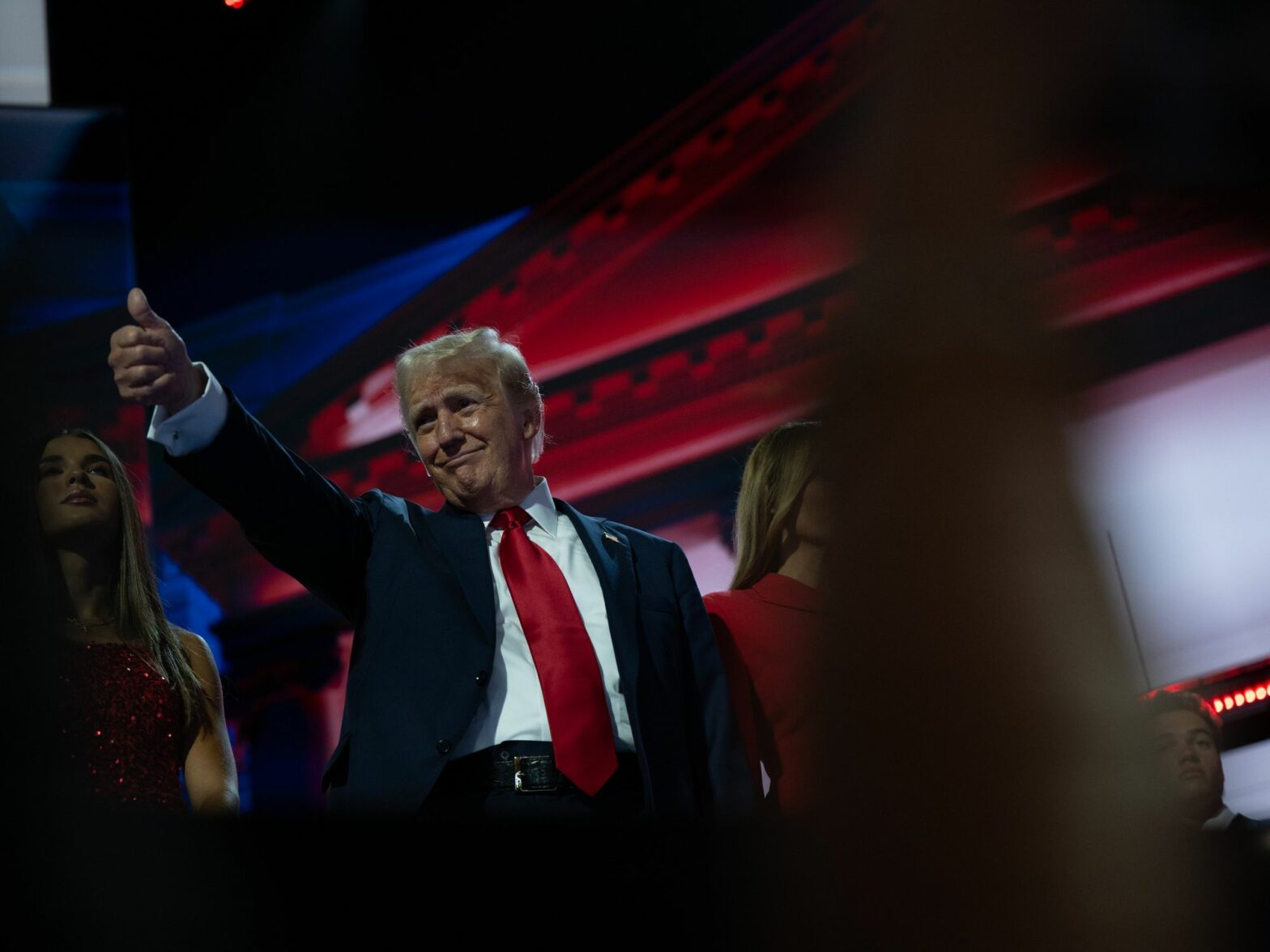
The current unprecedented political crises in France and the United States — two very different systems and political cultures — have points in common, notably that partisan issues are still taking precedence over the need to rethink the democratic system and its practices.
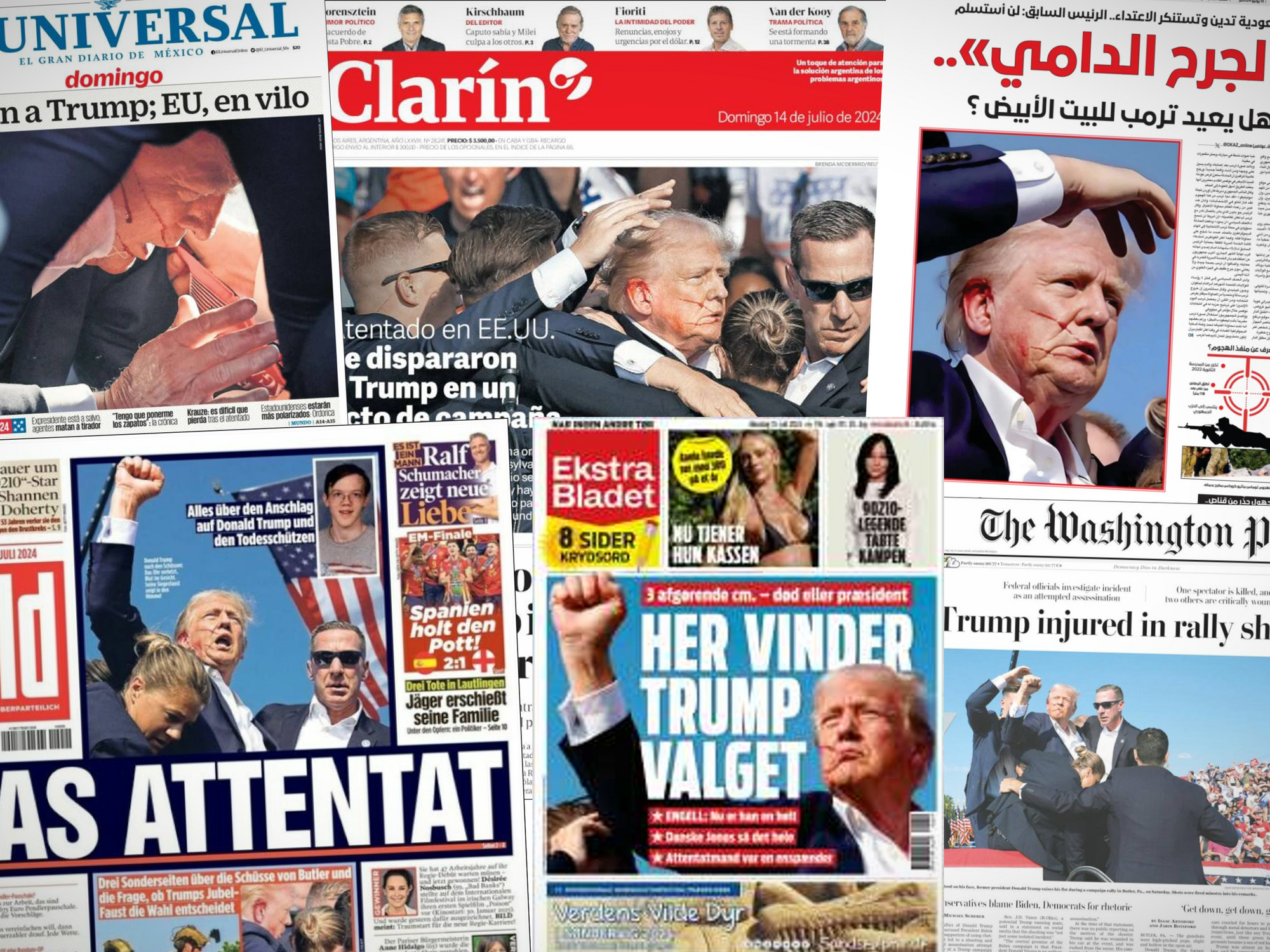
The assassination attempt on former U.S. President Donald Trump sent shockwaves through the American political landscape, and around the world. For the past two days, international newspapers have devoted their front pages to the dramatic attack at a campaign rally in Pennsylvania, the most serious attempt on a U.S. president since Ronald Reagan was shot in 1981.
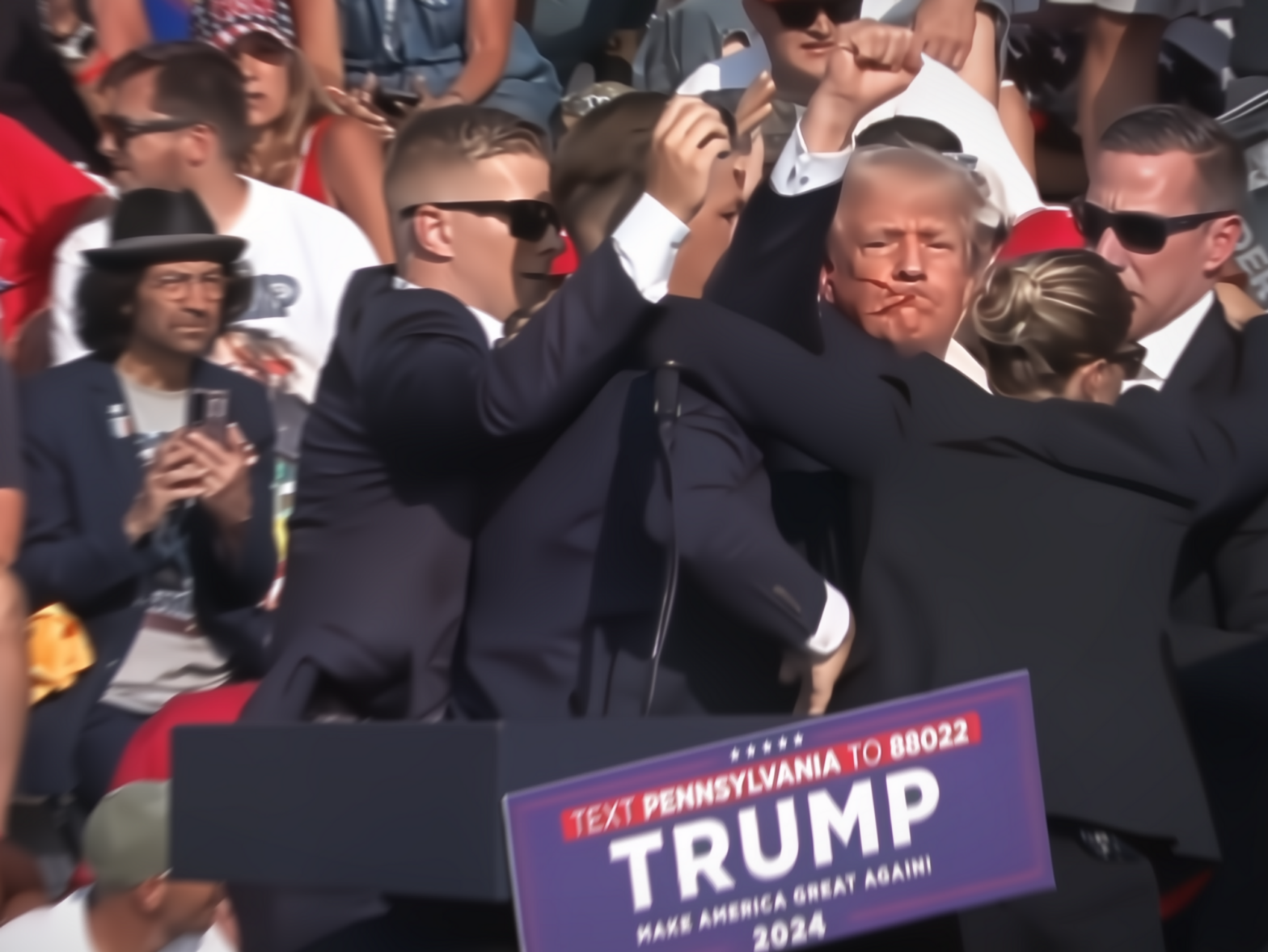
A day after former U.S. President Donald Trump was shot in the ear at a political rally in Butler, Pennsylvania, Professor of Criminology and Justice Studies at the University of Massachusetts Arie Perliger says the attempt, however unsurprising, exposes the depth of America’s political fault lines.
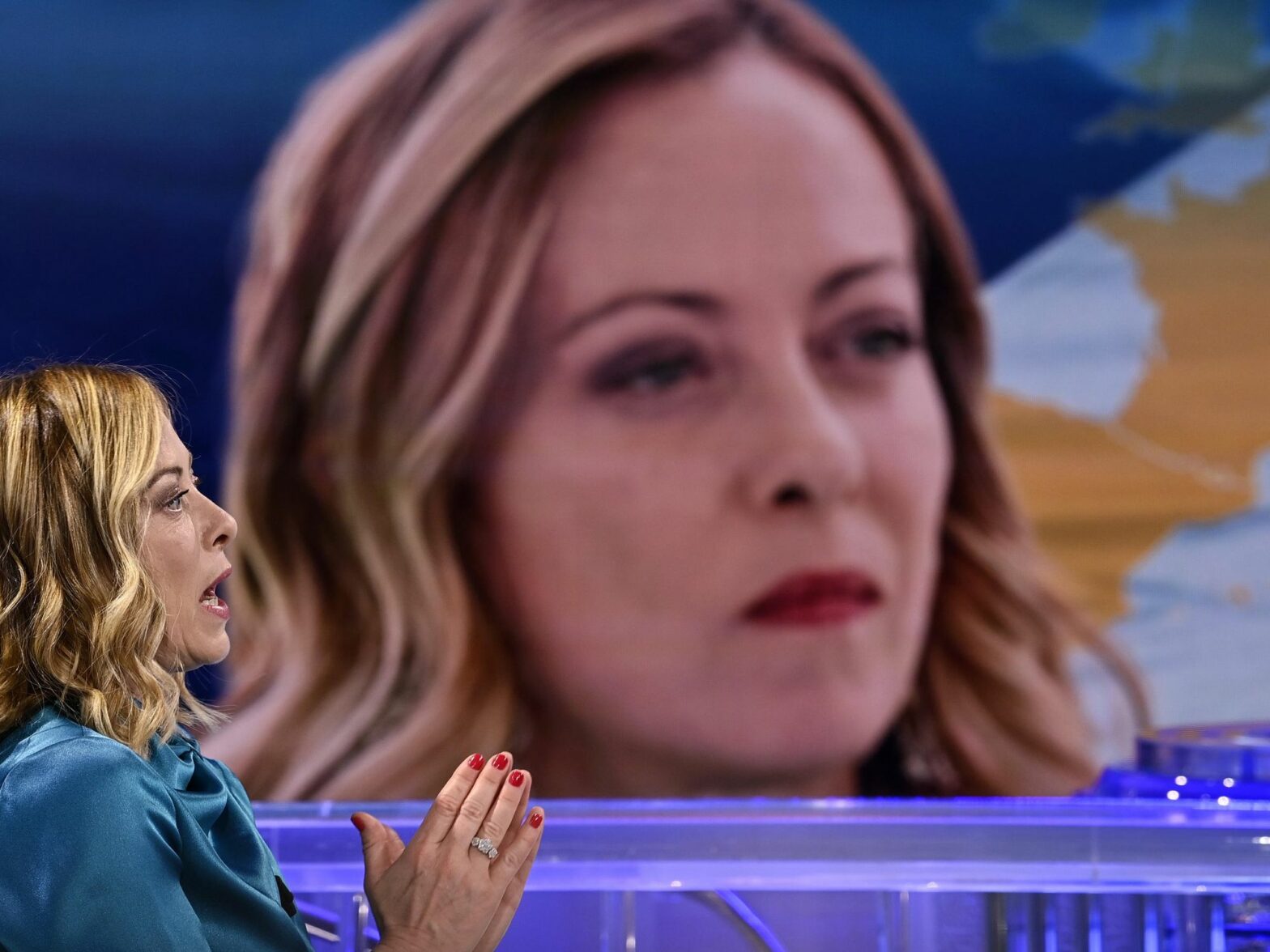
As Marine Le Pen’s party National Rally (RN) is on track to become the largest party in the French parliament, Giorgia Meloni will have to look out for a new leader that might threaten her undisputed leadership of the far right at the European level.

There is real generational disaffection that is pushing some young voters to the far right in Europe and the U.S.. But their skills, including on social media, is a real advantage for success among the youth.
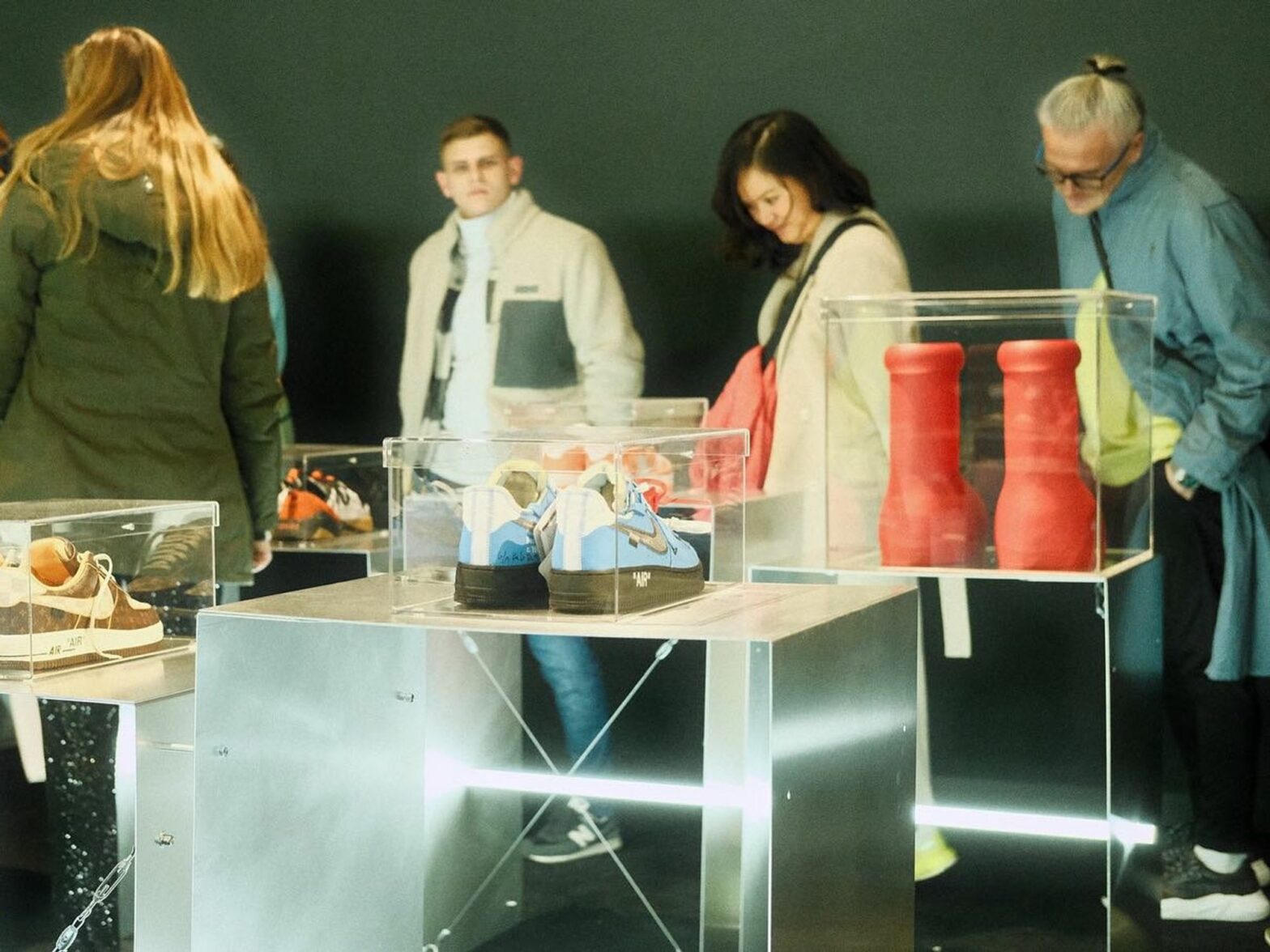
The new “Sneakers” exhibition in Dusseldorf features pairs that sell for six figures and explores how the simple sports shoe became a global obsession.
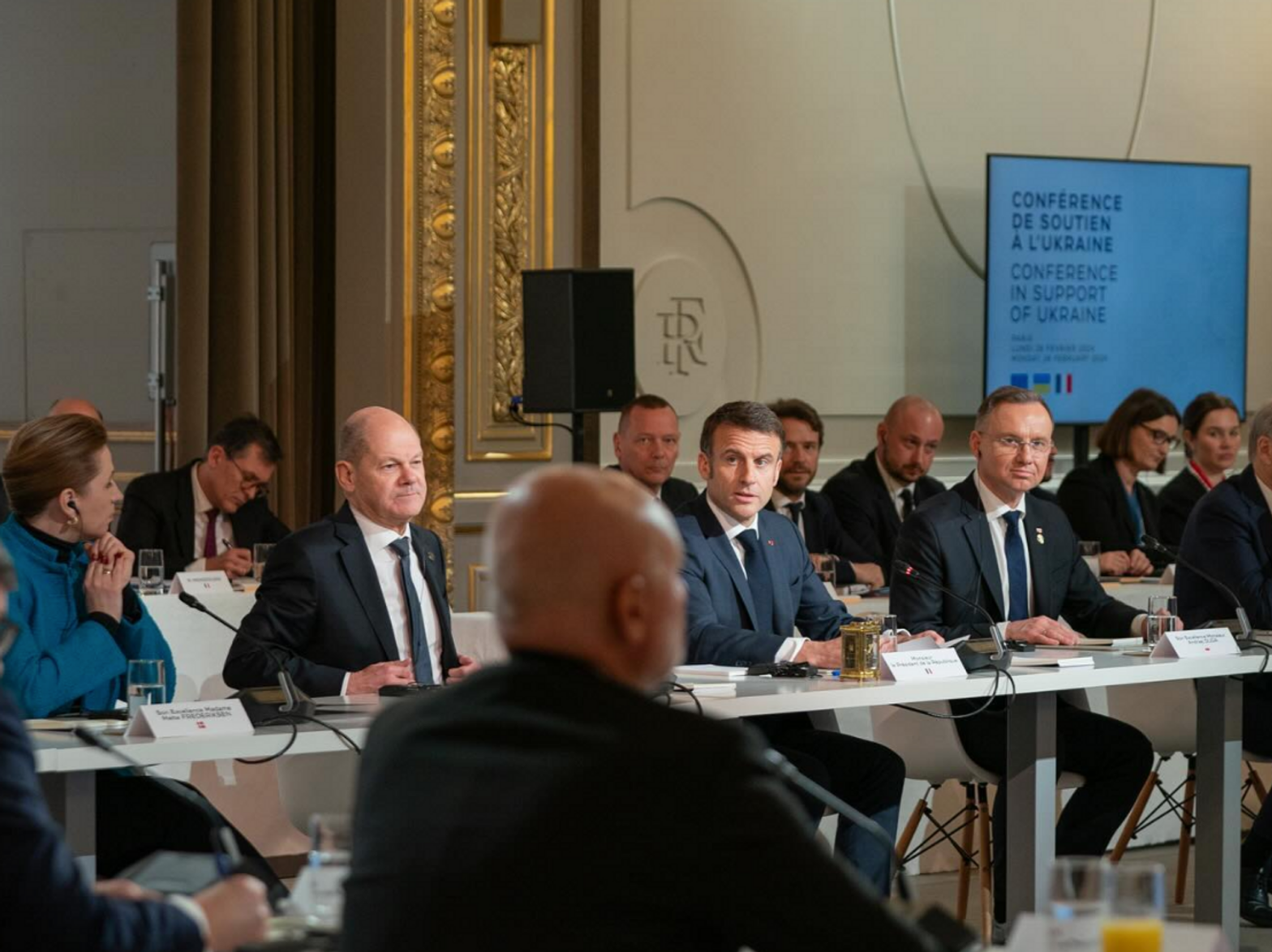
The French president’s suggestion that Western troops could be sent to Ukraine, took Western allies by surprise. Yet Macron wanted to send a double message at a key moment — to ally and adversary alike.
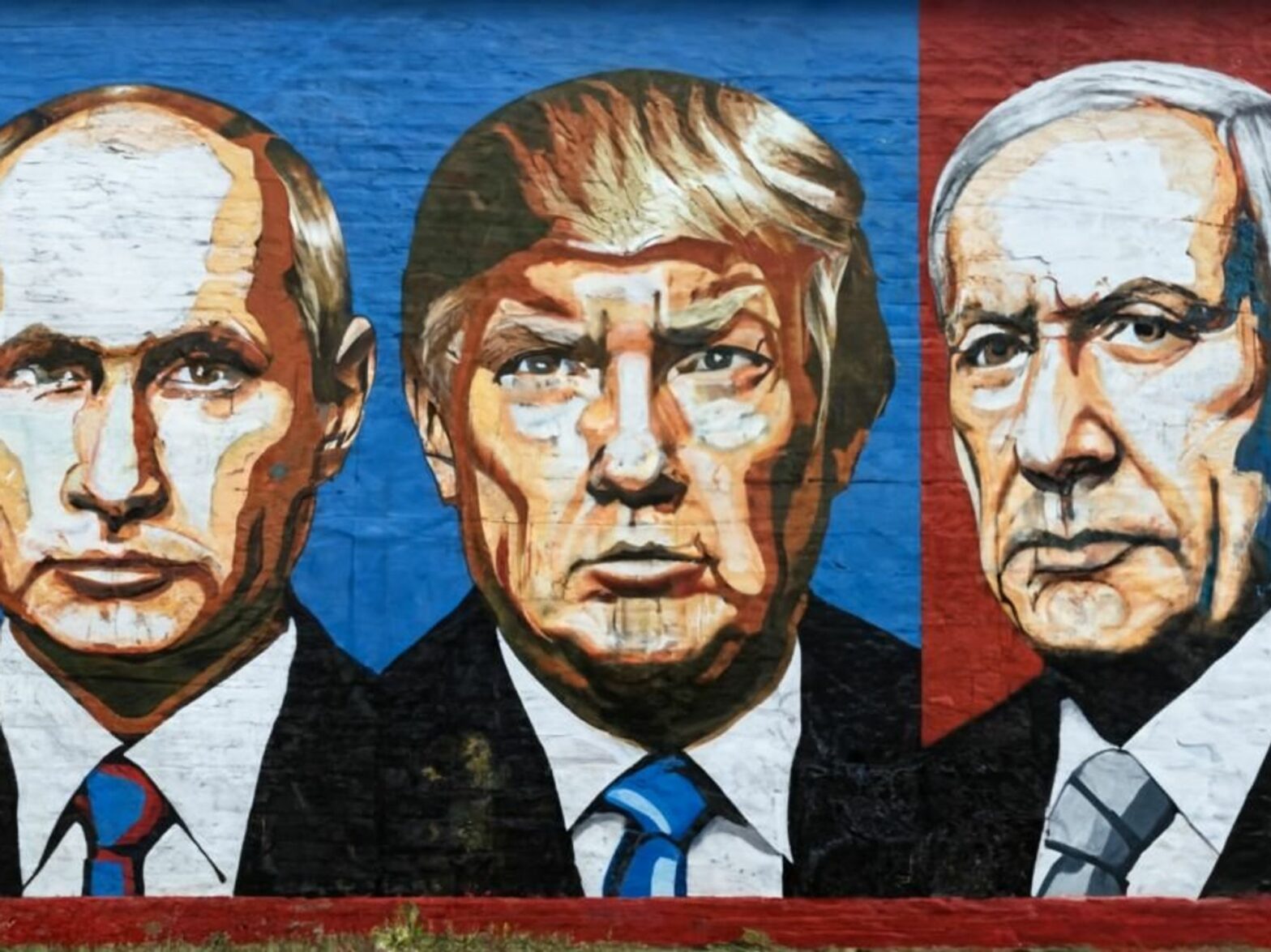
Donald Trump is not creating the U.S. malaise any more than Putin is creating the Russian malaise or Netanyahu the Israeli identity crisis. But all three illustrate the inescapable risk if a “me-first” attitude is taken to an extreme degree by individuals who’ve accumulated power.
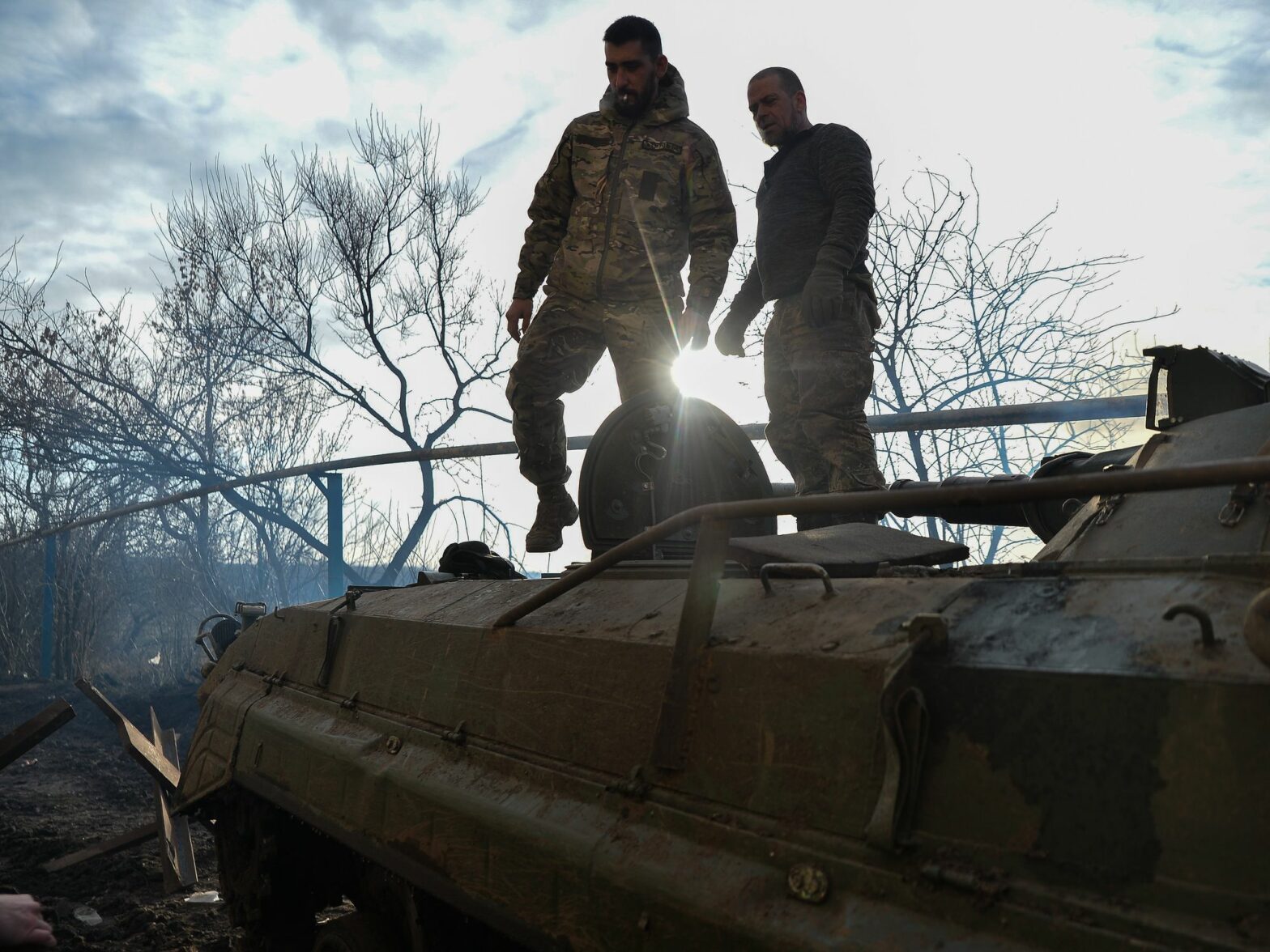
There are many analogies between 1916 and 2024, two years into World War I and the War in Ukraine respectively. It offers a clear way to try to understand what may happen next in Ukraine — and the world.
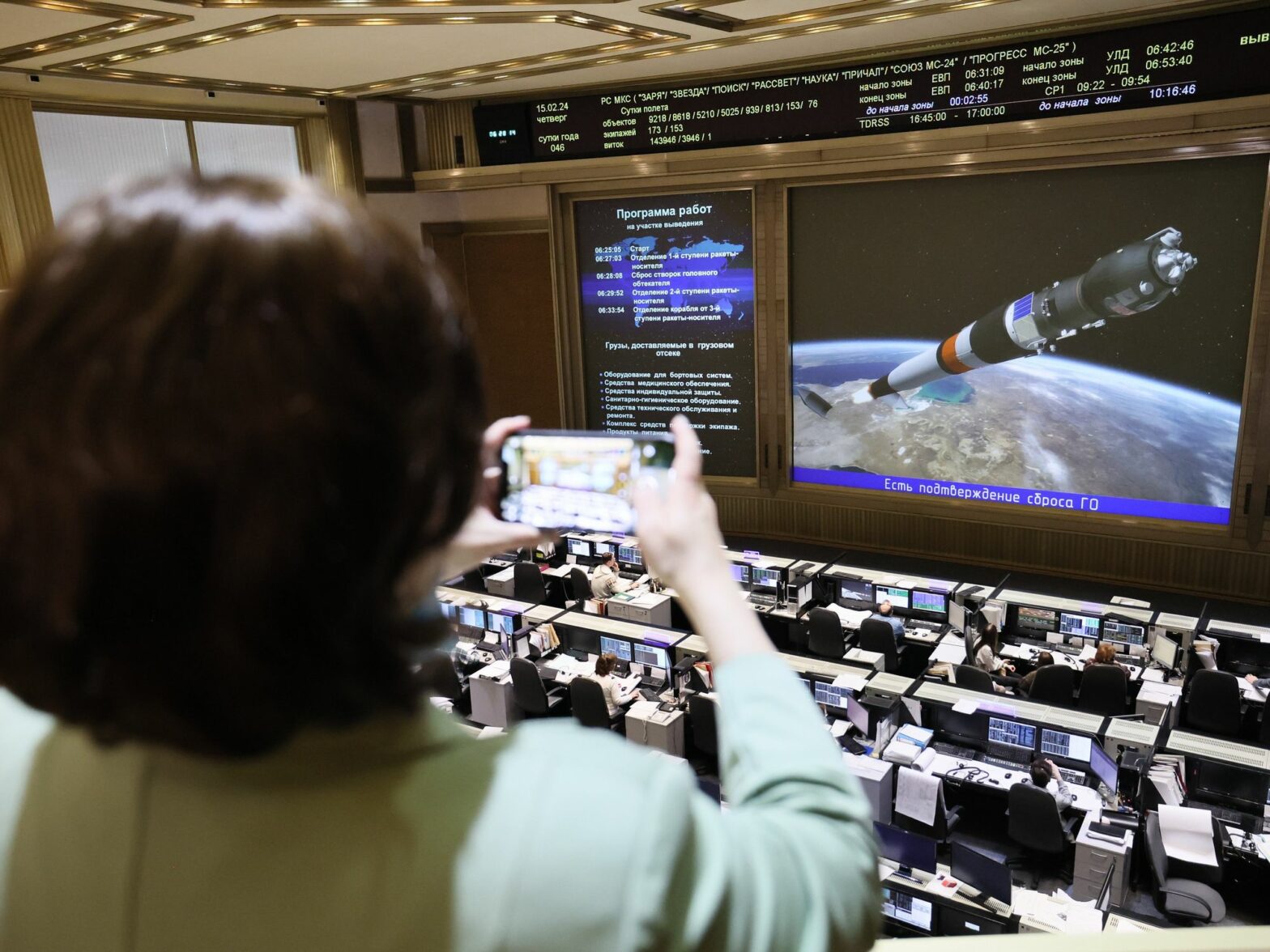
Space may be the true battleground of the future, which explains Washington’s growing concerns over Russia’s alleged plans for deploying anti-satellite weapons. Yet what if not even this can push Trump and his Republican allies to support Kyiv?
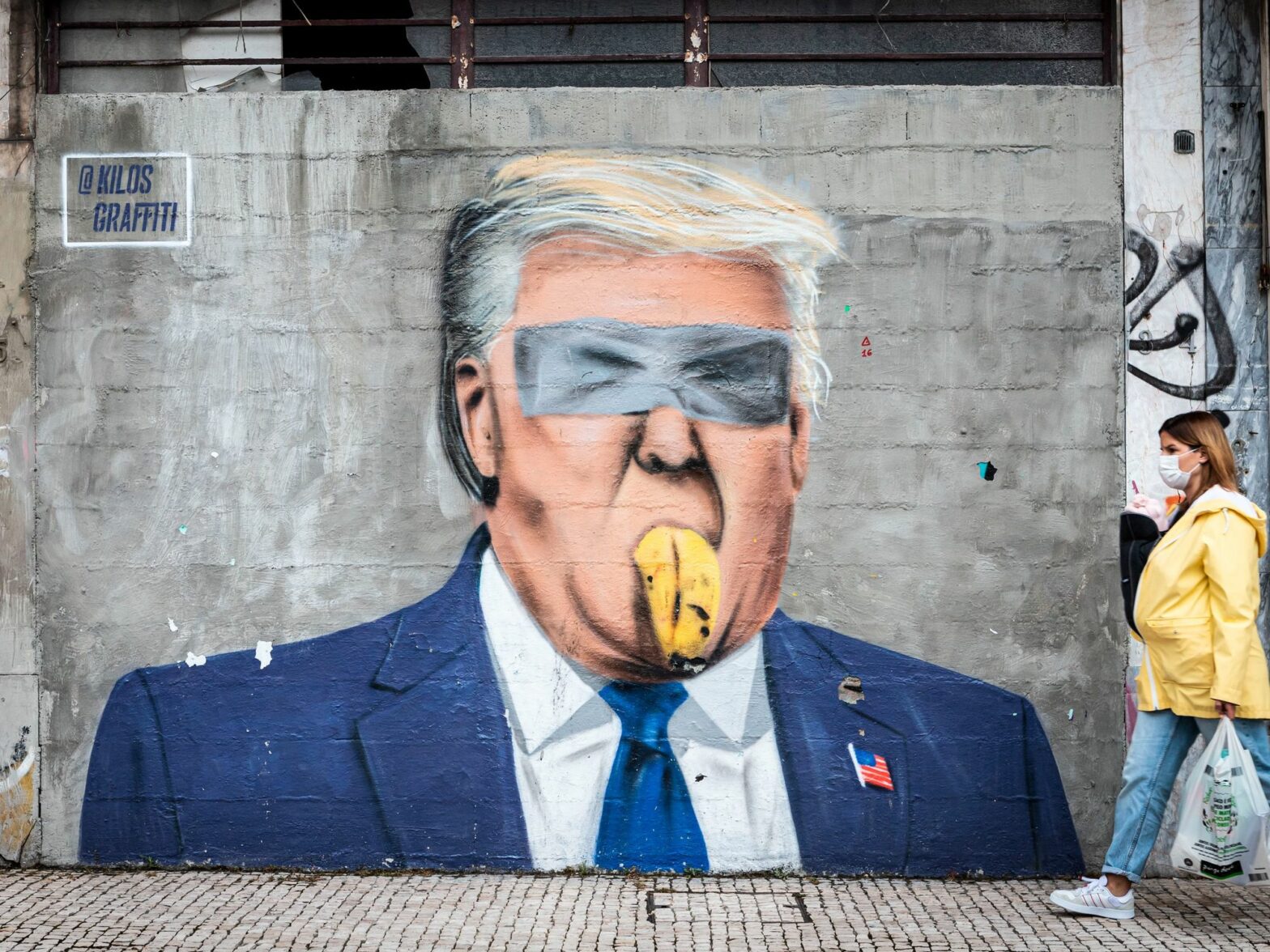
Donald Trump’s recent campaign remarks have escalated concerns in Europe as he questioned the credibility of NATO’s collective defense and went as far as encouraging Russia to act freely.
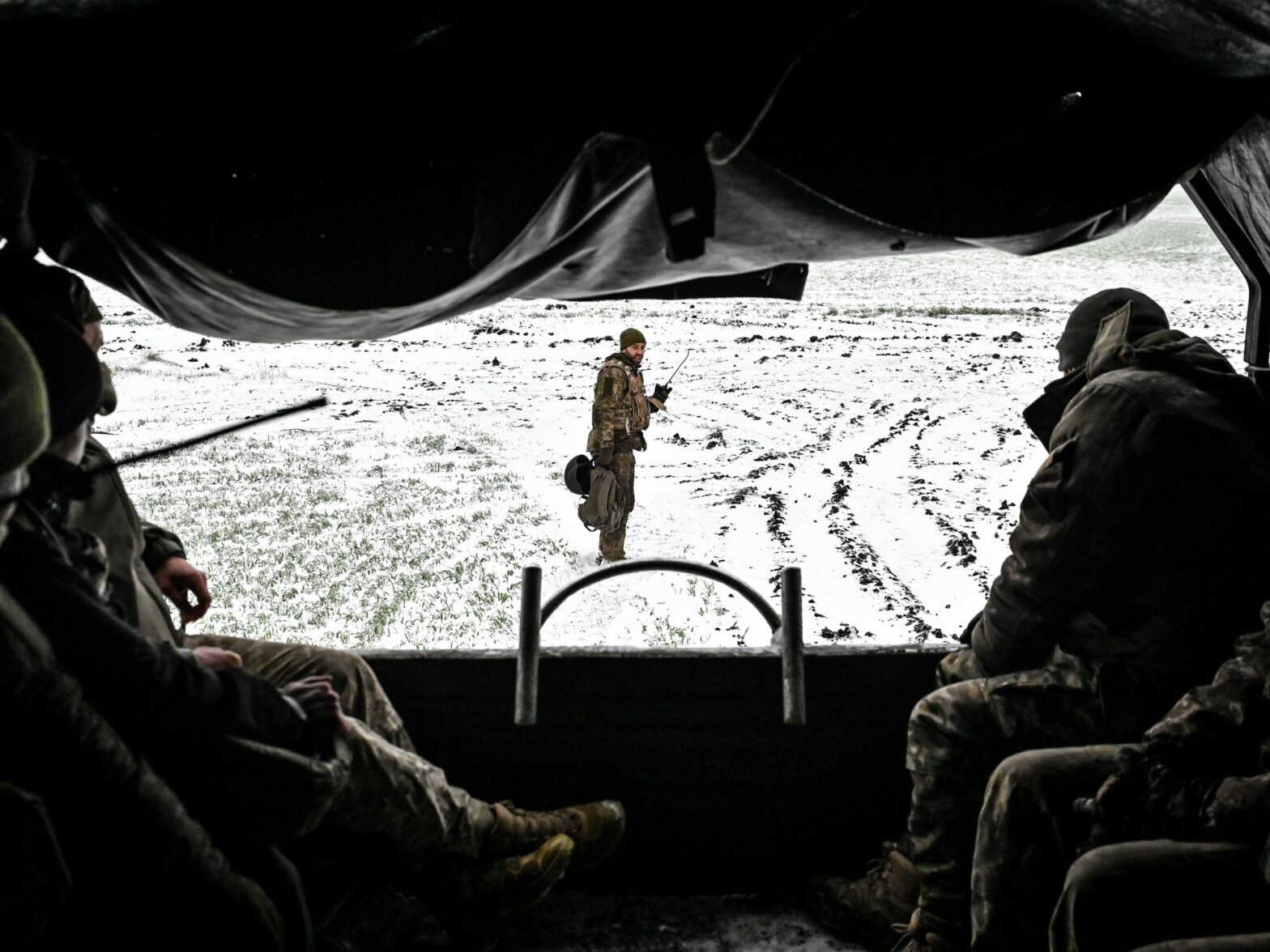
With the rejection of the aid plan for Ukraine, Eastern Europe fears that Trump’s isolationist policy will mark the end of U.S. protection from the Putin regime. News from Ukraine of President Volodymyr Zelensky replacing his head of armed forces, General Valerii Zaluzhnyi, together with the difficult situation on the battlefield, are generating a lot of tension in Ukraine — and in the wider Europe.
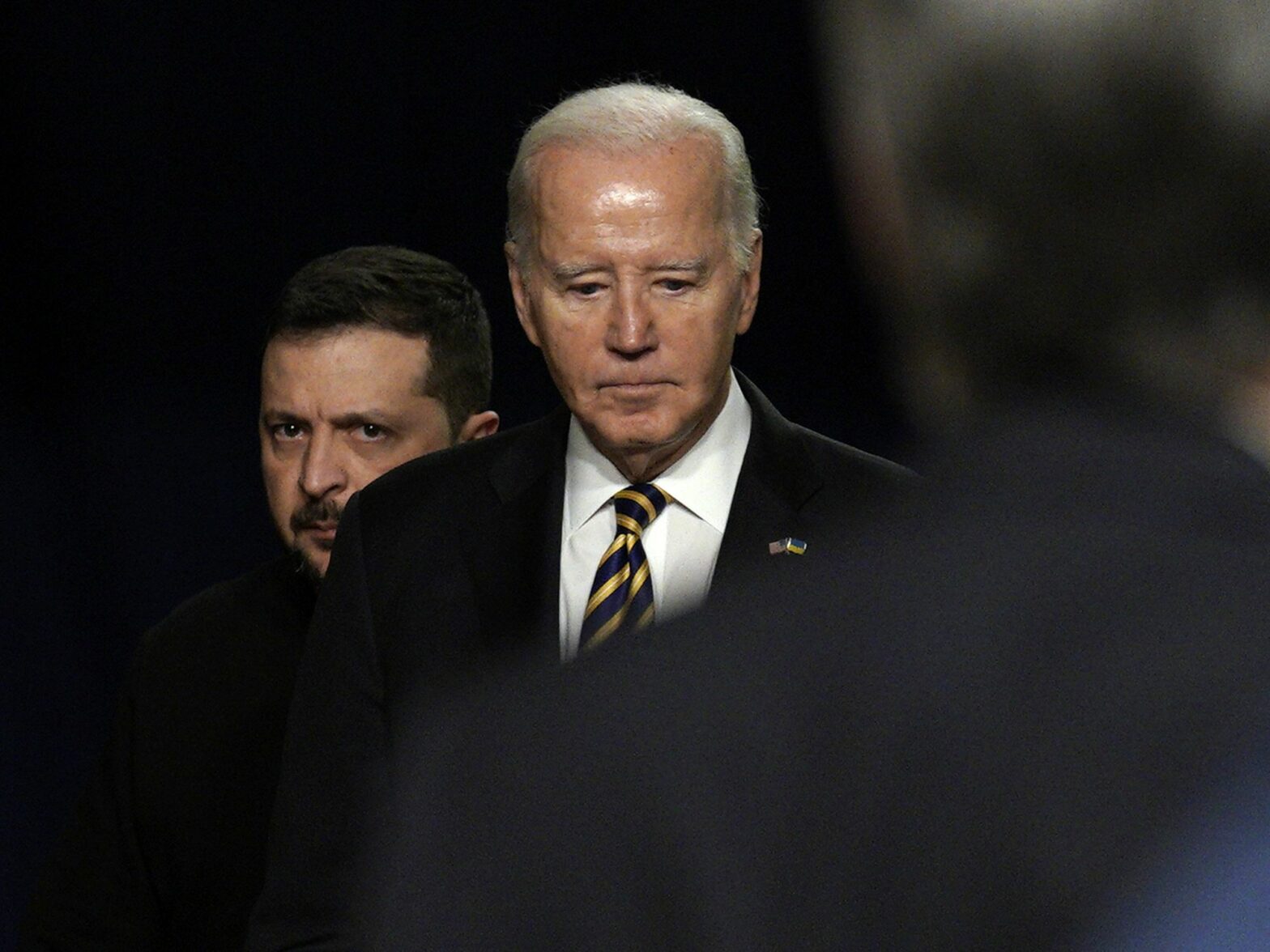
With U.S. elections slated for November, support to Ukraine is becoming a divisive electoral issue. Wednesday’s vote in the U.S. Senate over Ukraine aid will be telling, but it won’t end there.
Iran’s allies are attacking the West across the region. The Hamas massacre, attacks on U.S. troops and the Houthi targeting of ships are possibly just the beginning. The fact that the Middle East is so unstable today is due to a decision first made by the U.S. a generation ago.
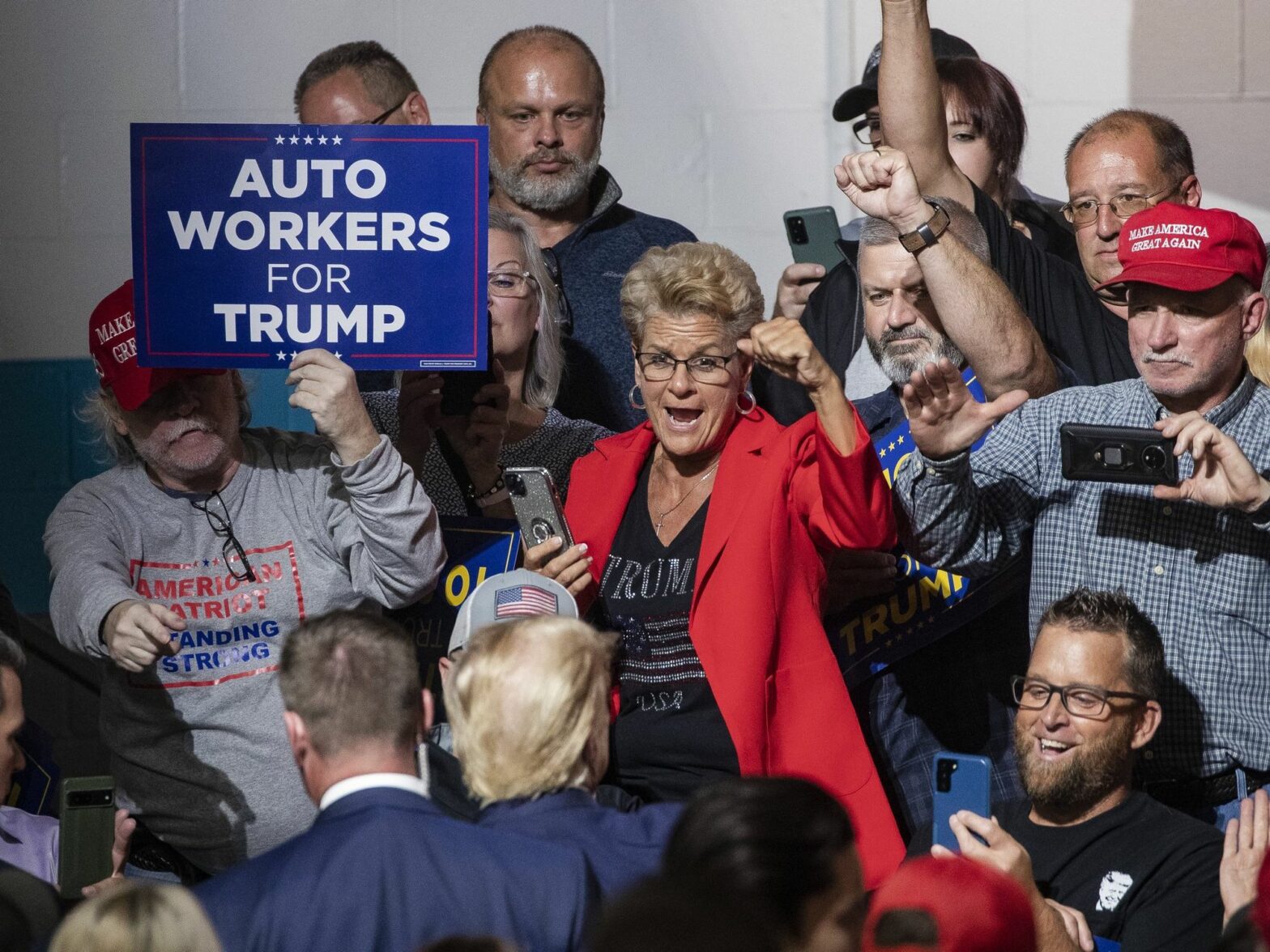
The 2024 U.S. presidential election is set to have far-reaching implications for the world. But the Republican and Democrat frontrunners, Donald Trump and Joe Biden, both have their own sets of hurdles to jump before then if they hope to secure voters’ support.
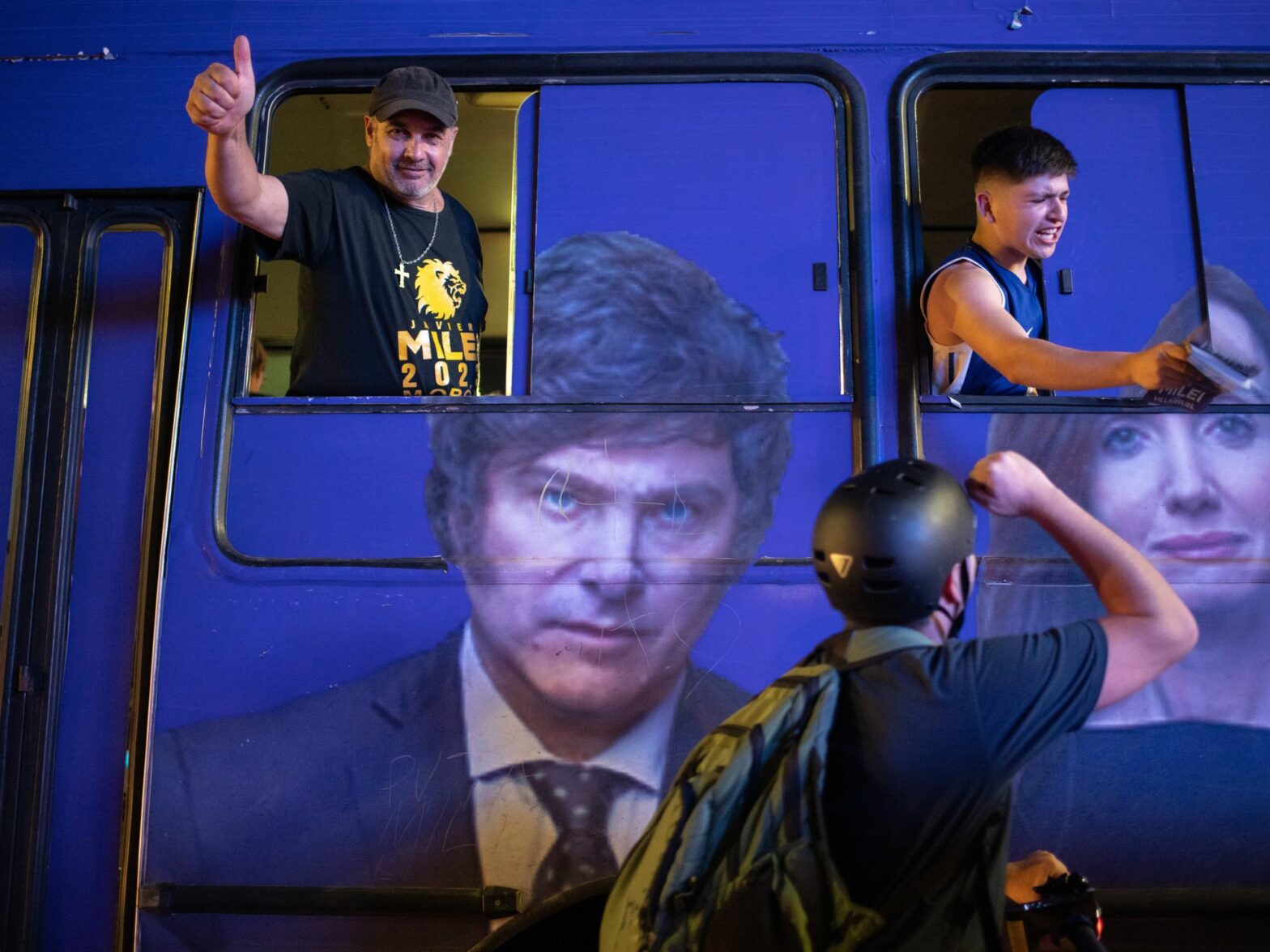
Argentina has elected a “paleolibertarian” outsider with little experience, and by a wide margin. What does this say about the existing structures of power around the democratic world?

Trashing politics and politicians is a classic tool of populists to seduce angry voters, and take countries into quagmires far worse than the worst years of democracy. It’s a dynamic Argentina appears particularly vulnerable to.
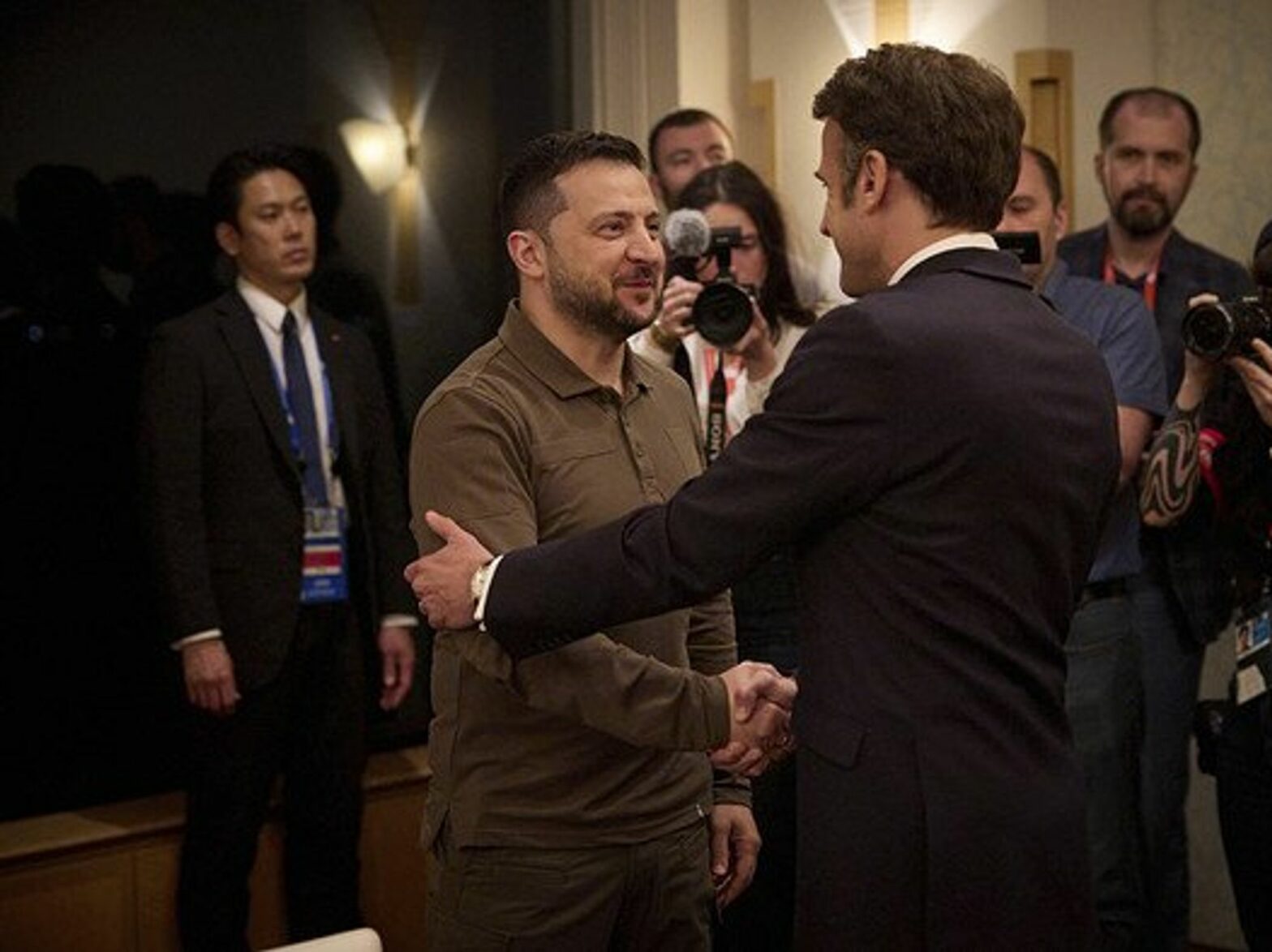
It’s undeniable that questions are being raised in the West about the cost of supporting Ukraine in its defense against Russia’s invasion. But no time soon will Western powers turn their backs on Kyiv. And the U.S. in particular has one big extra reason to work against a Russian victory: China.
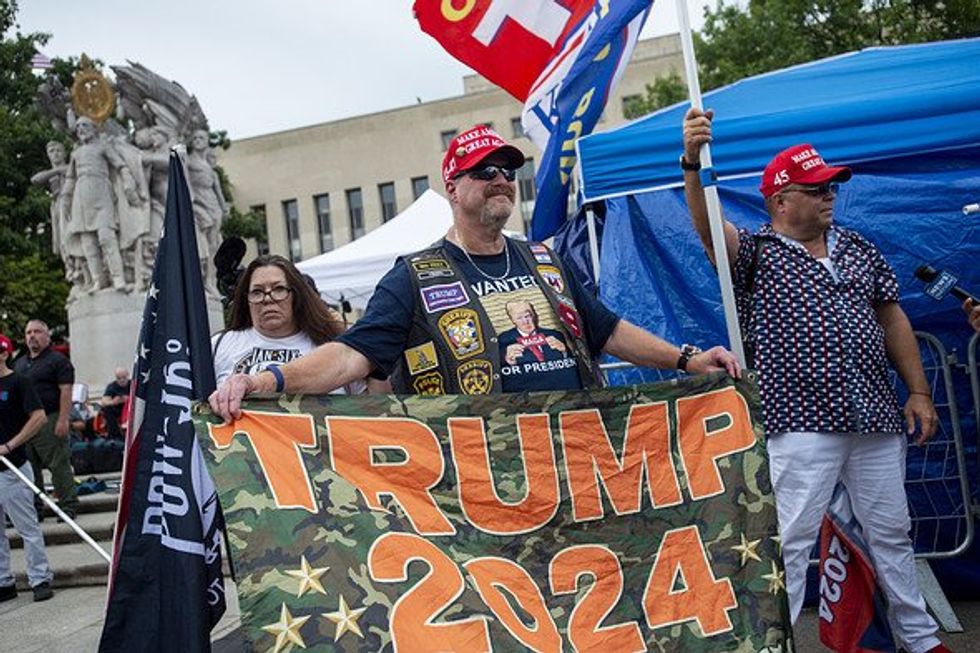
If anything, the fourth indictment leveled against former U.S. President Donald Trump will only increase the fervor among his diehard fans.
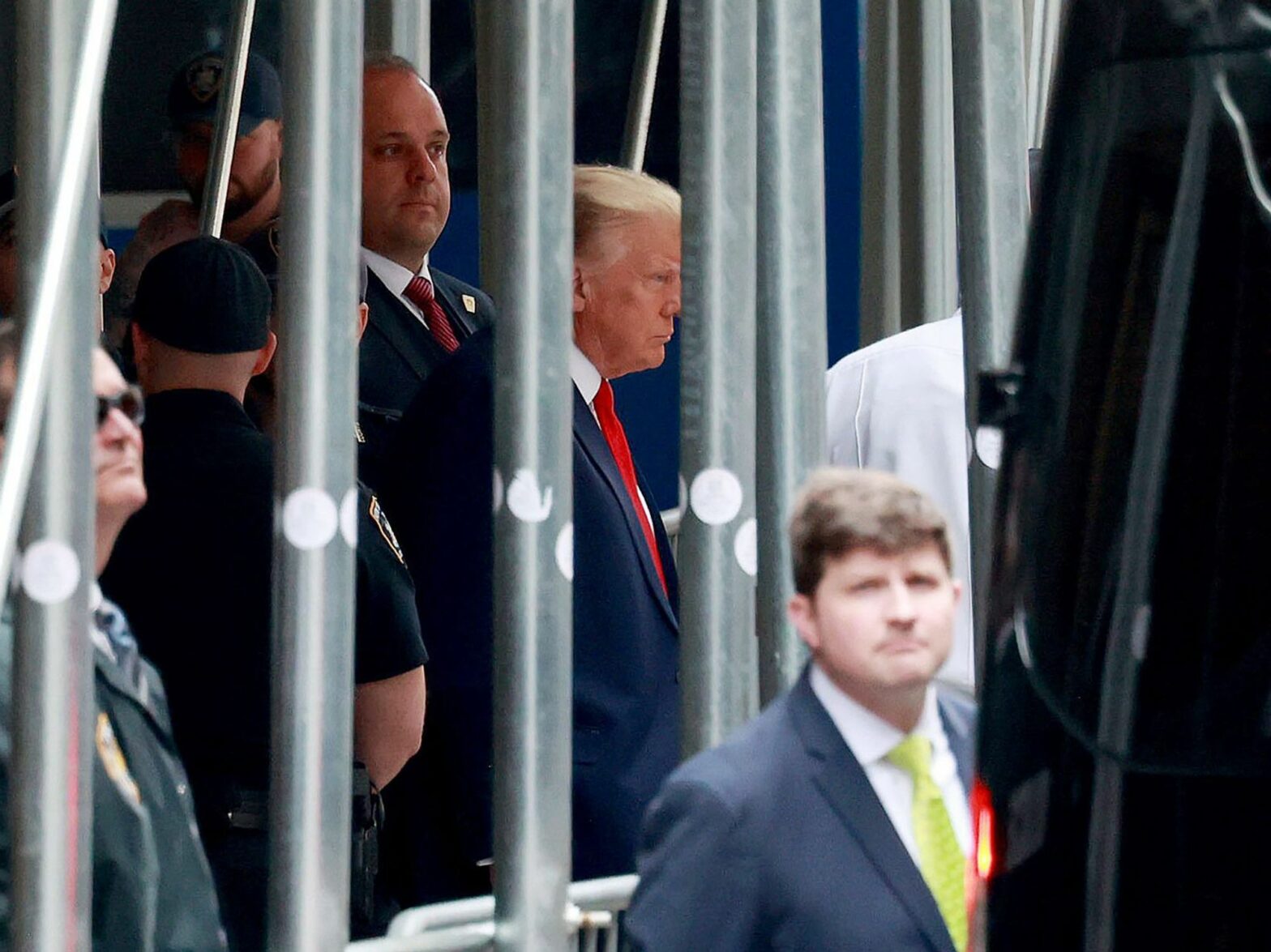
The third indictment against Donald Trump raises the legal dispute between the United States and its former president to a new level. While Trump cries foul play, drawing shameful comparisons with Nazi persecution 1930s Germany, the consequences of the trial can’t be predicted.
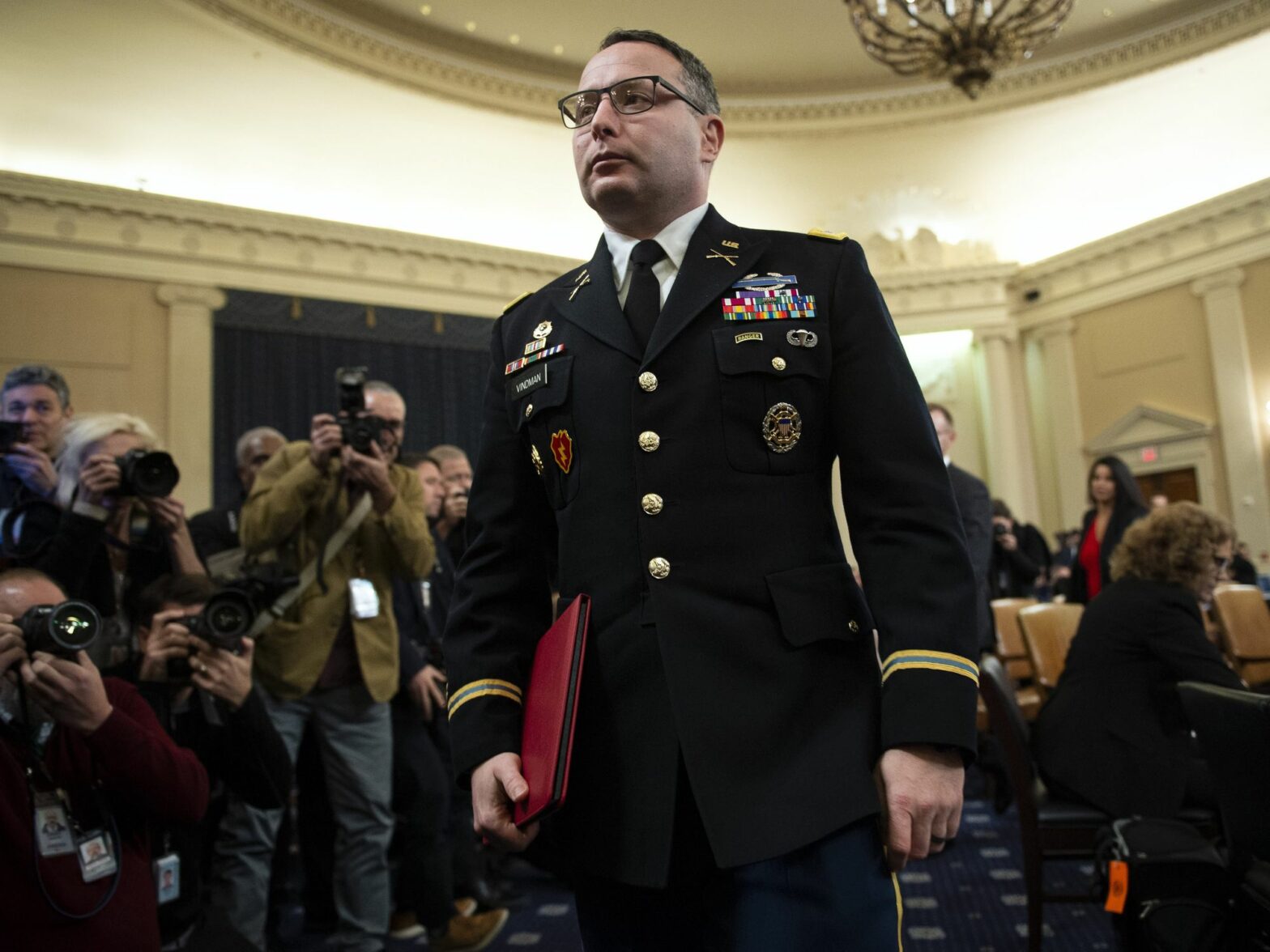
Former Director for European Affairs for the U.S. National Security Council, Alexander Vindman is the Ukrainian native who got ensnared in Donald Trump’s first impeachment investigation. Since the Russian invasion of his native Ukraine, he has been urging more Western support for Kyiv. The coming NATO summit is key, but so to are the 2024 U.S. elections.
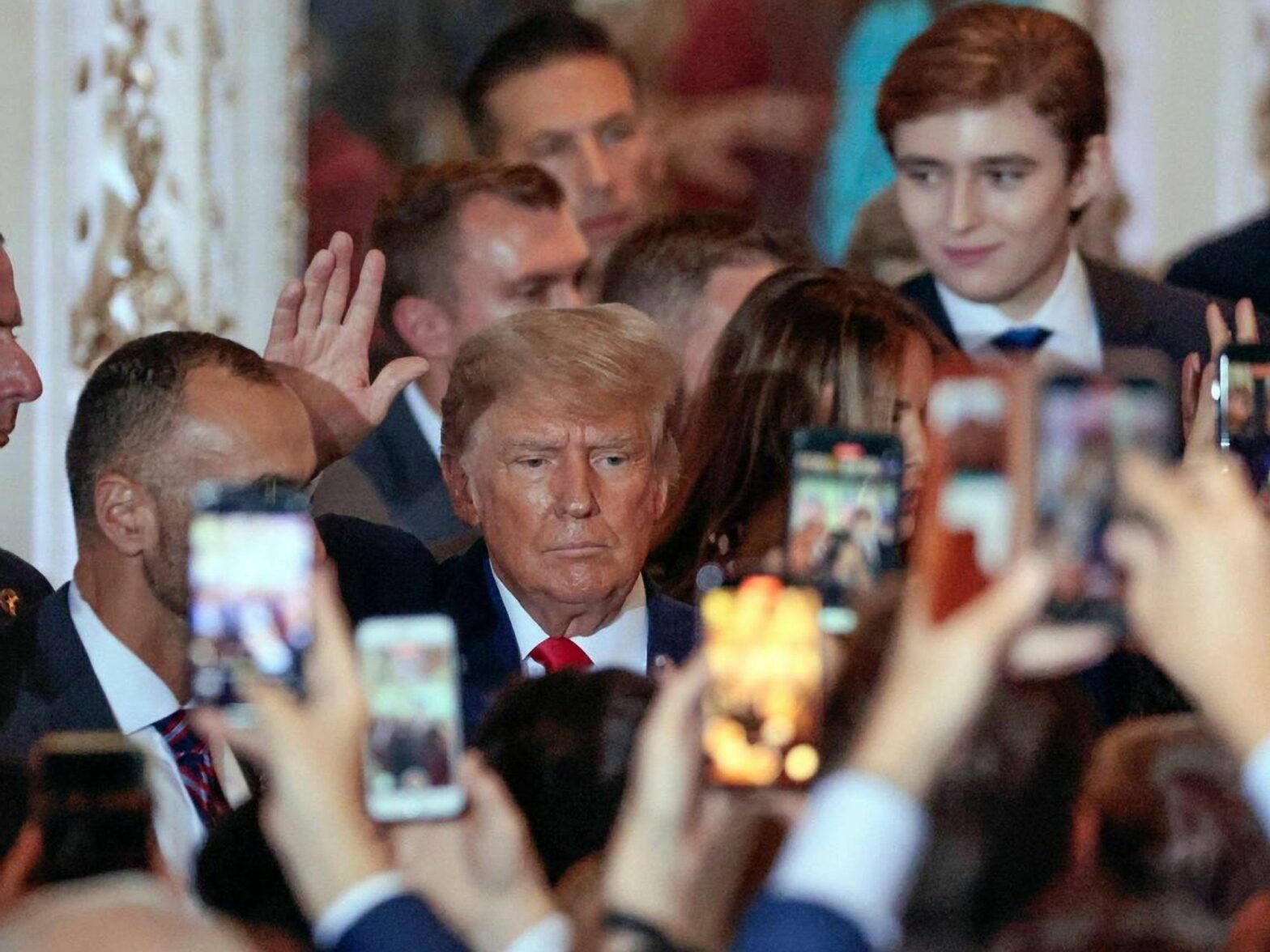
Prosecuting a former president is never an easy decision. A criminal law professor at Harvard University, Ronald S. Sullivan Jr., explains why.
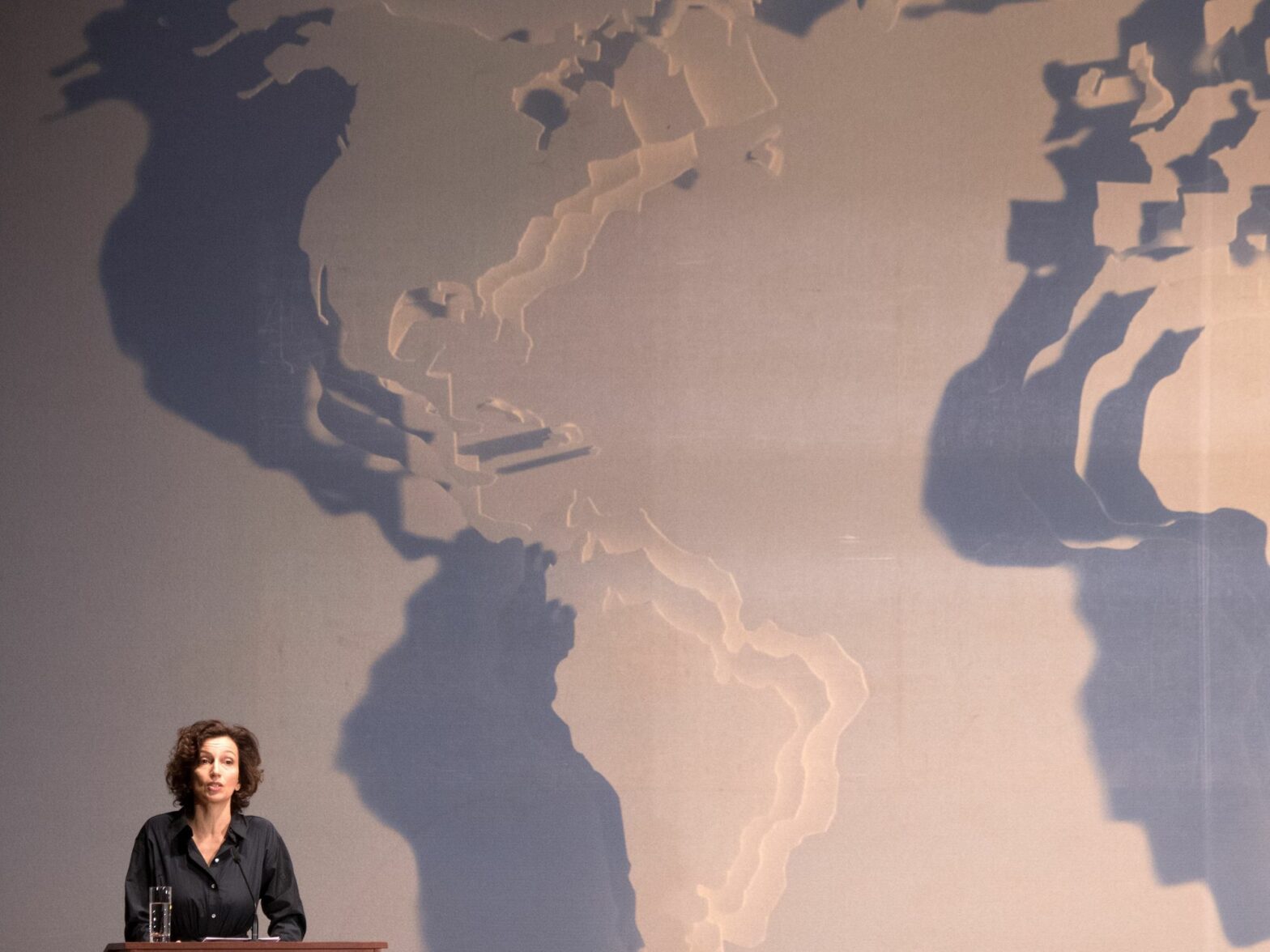
The U.S. is set to rejoin UNESCO, after Donald Trump pulled the country out in 2017, accusing it of being biased against Israel. The reasons for the return include artificial intelligence and pure geopolitics.
On this day in 2018, the G7 summit was held in La Malbaie, Quebec, Canada. It brought together Canada, France, Germany, Italy, Japan, the United Kingdom, and the United States. The European Union was also represented at the summit. And Donald Trump’s stubbornness would steal the show. What were the main topics discussed during the […]
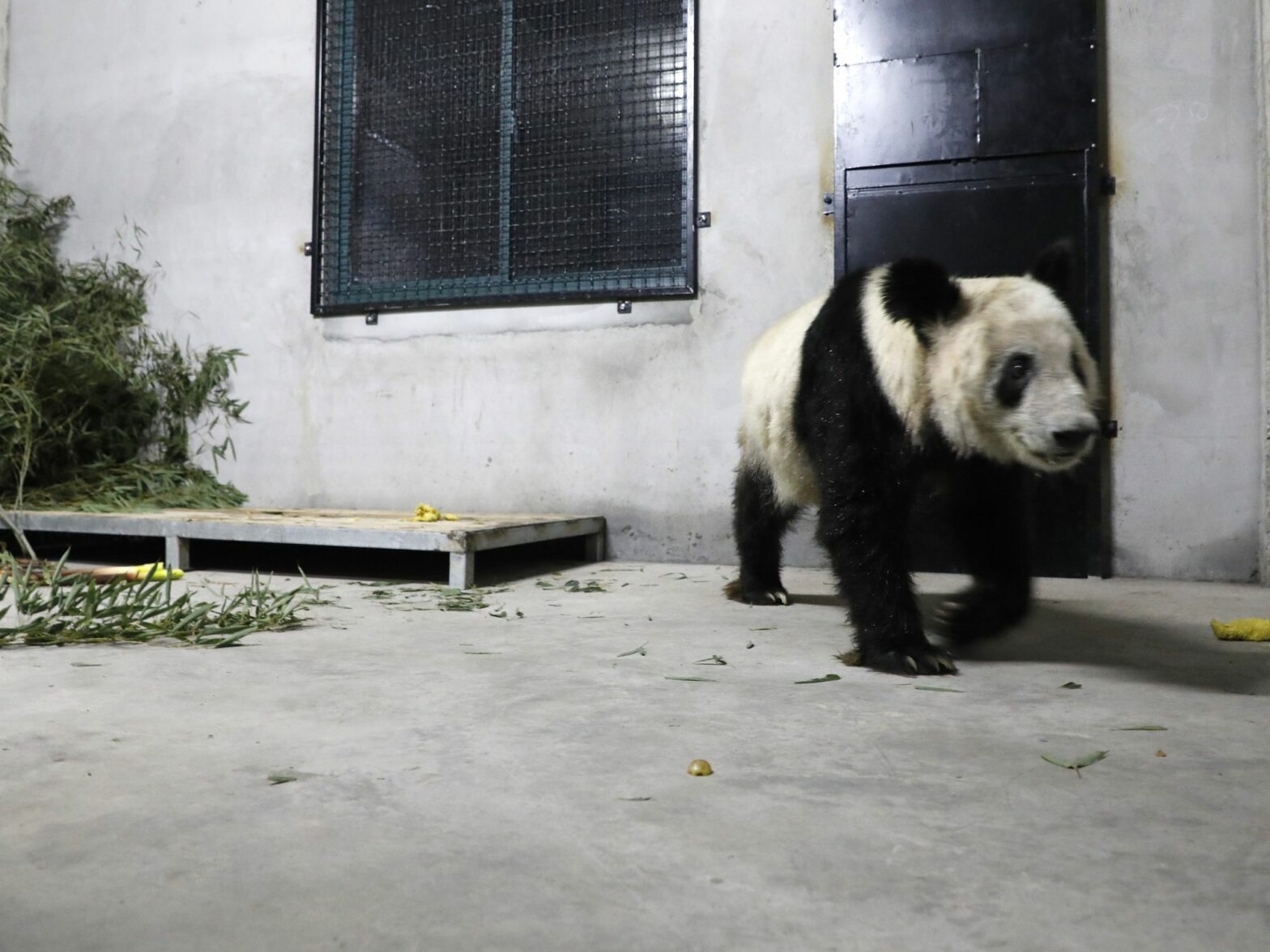
This is the story of Ya Ya, a female panda whose fate captures for the degrading relationship and eroding trust between China and the U.S.
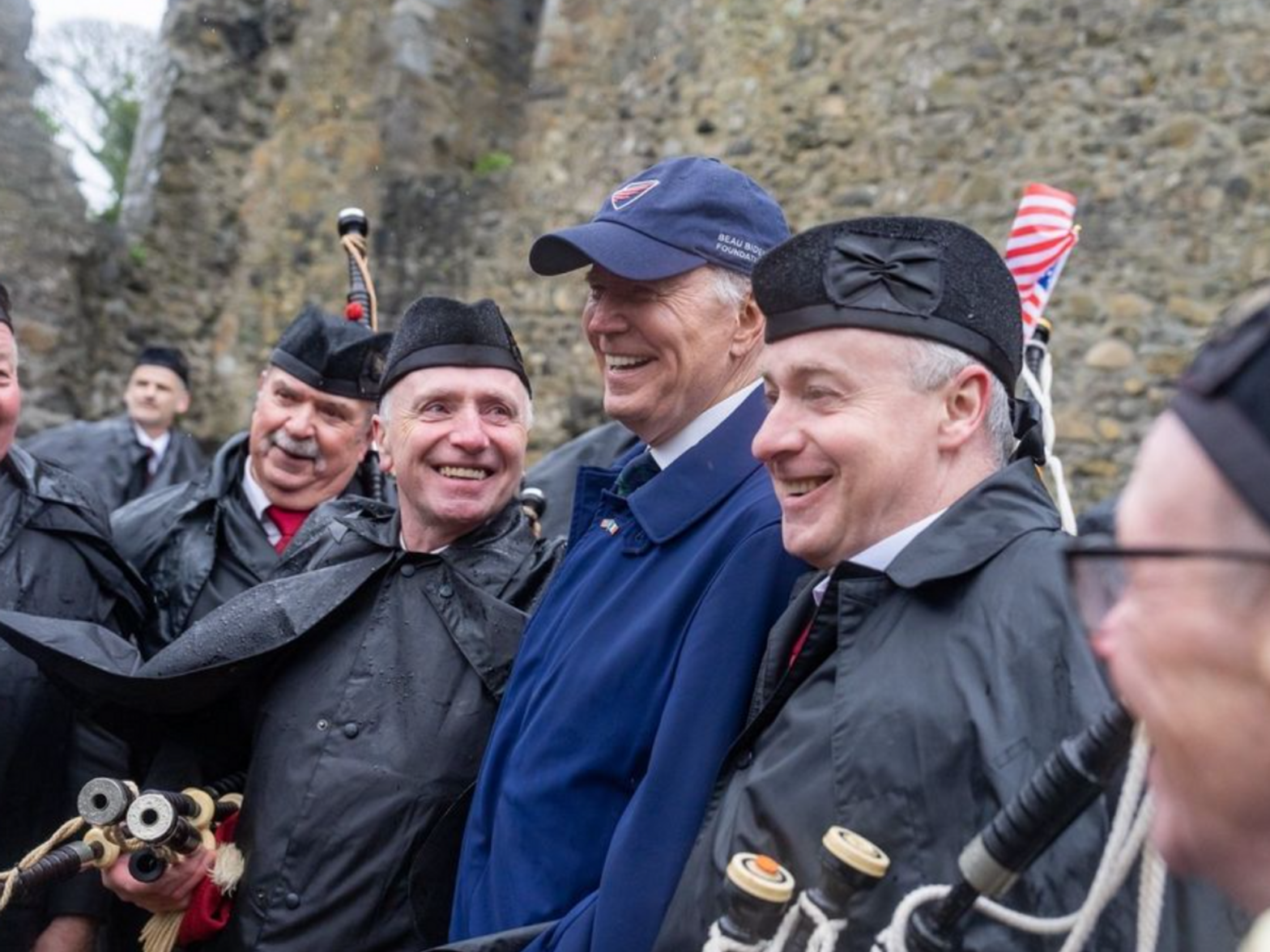
President Biden finishes his much-publicized trip to Ireland today in my tiny hometown. We’re enjoying the pomp, but it’s a reminder that the glory days of Irish America are well and truly gone.
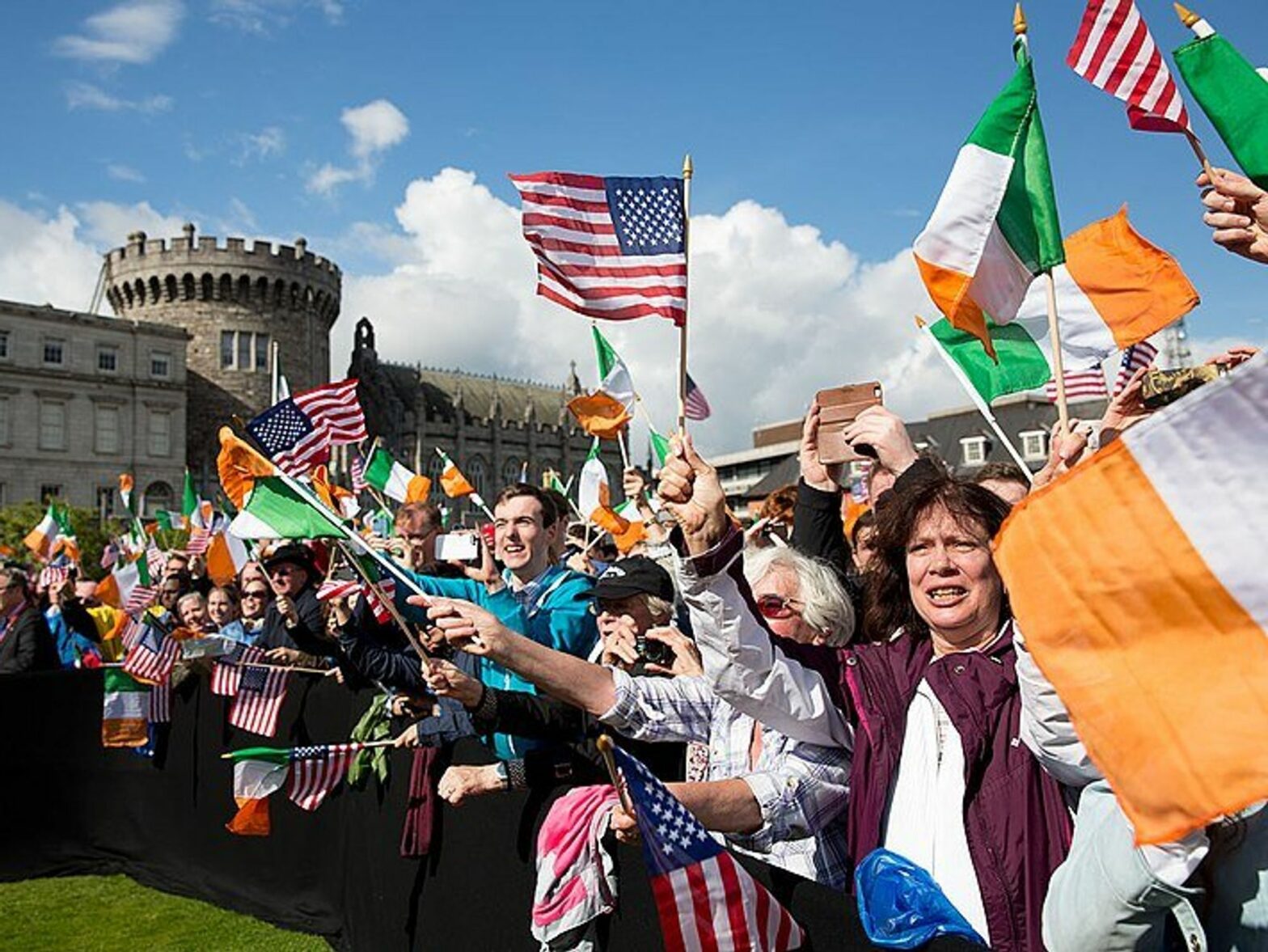
There’s a long tradition of U.S. presidents — many of whom have been of Irish heritage — visiting Ireland. But Joe Biden’s visit is much more than just a diplomatic mission.
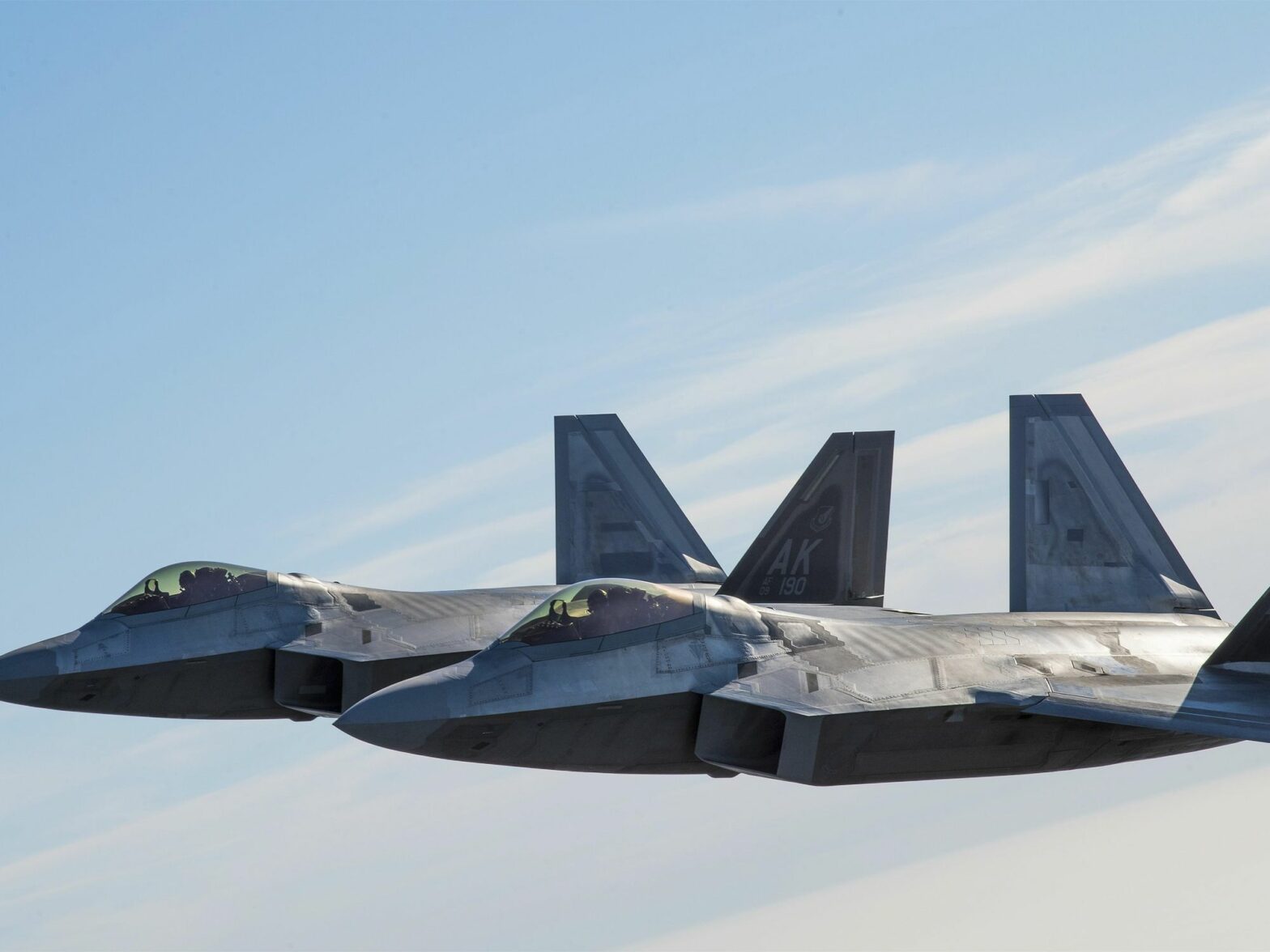
Let’s call it the “war of the balloons”: Four unidentified flying objects have now been shot down by fighter jets in one week over North America. But the mystery of the details should not hide the bigger picture of how far U.S.-Sino relations have sunk in the past 10 days.
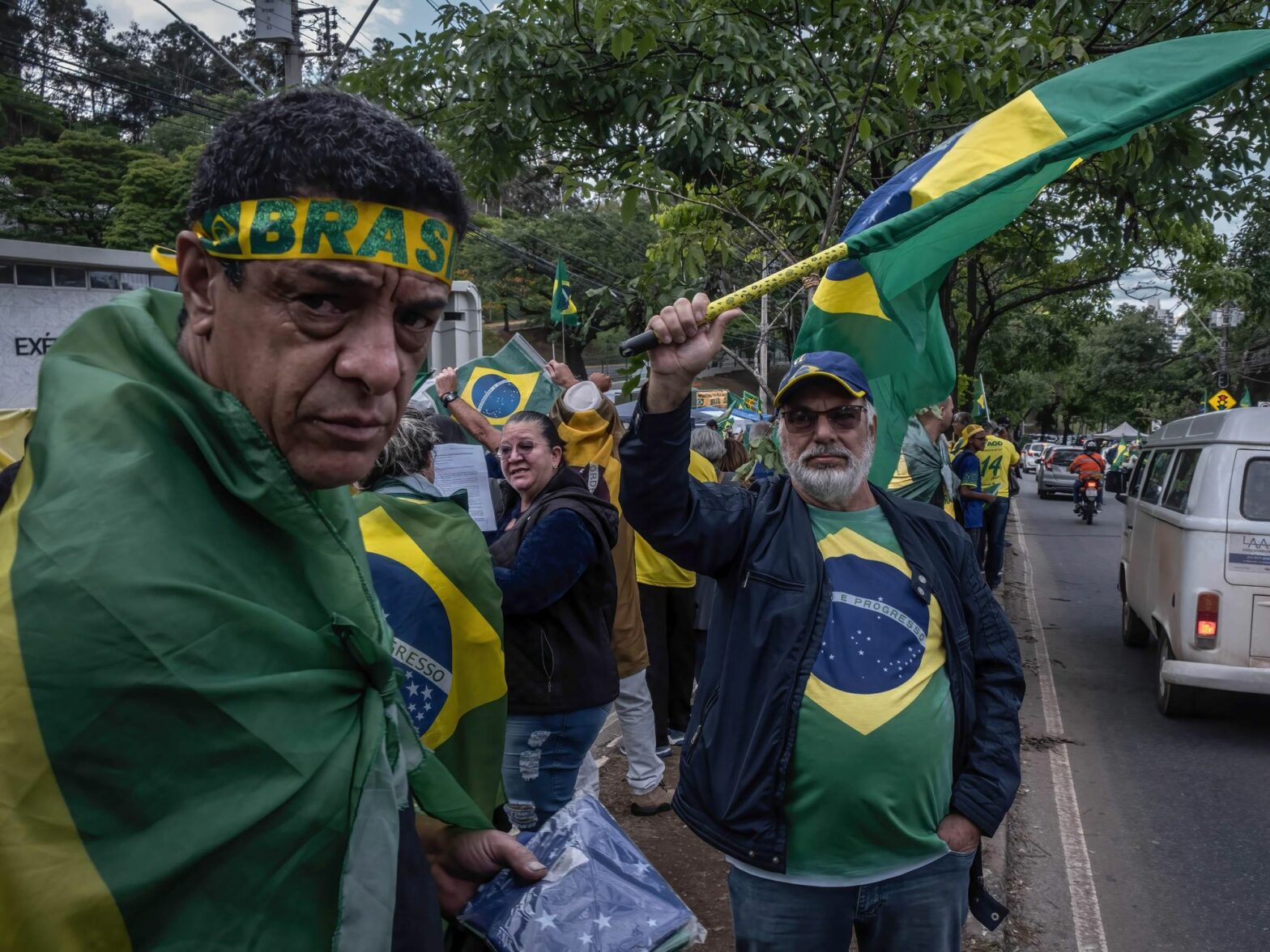
Taking inspiration from events in the United States over the past four years, rejection of election results and established state institutions is on the rise in Latin America.
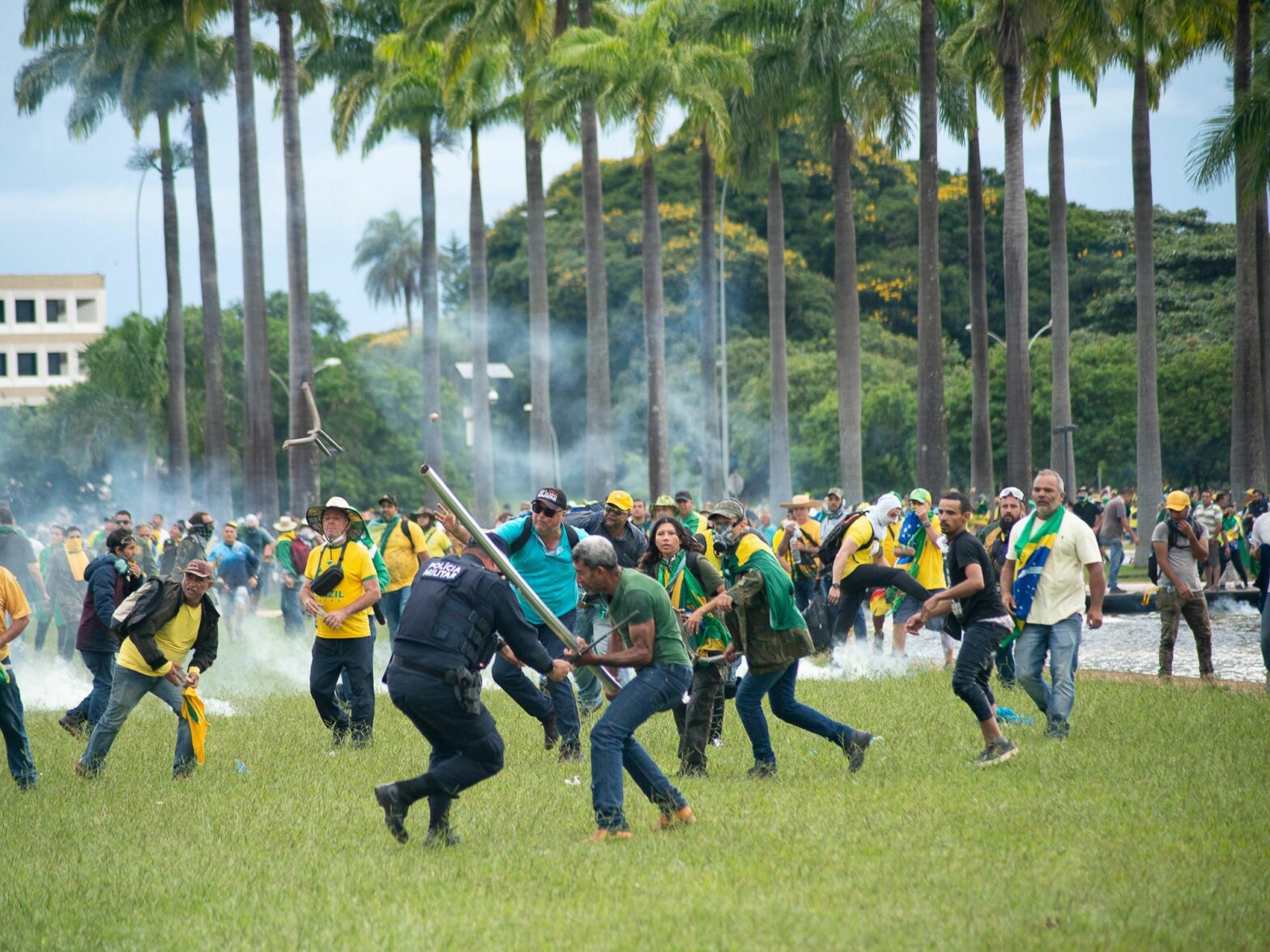
What do we make of the echos from the U.S. Capitol assault on Jan. 6? Will Lula be able to heal Brazil’s democratic institutions?
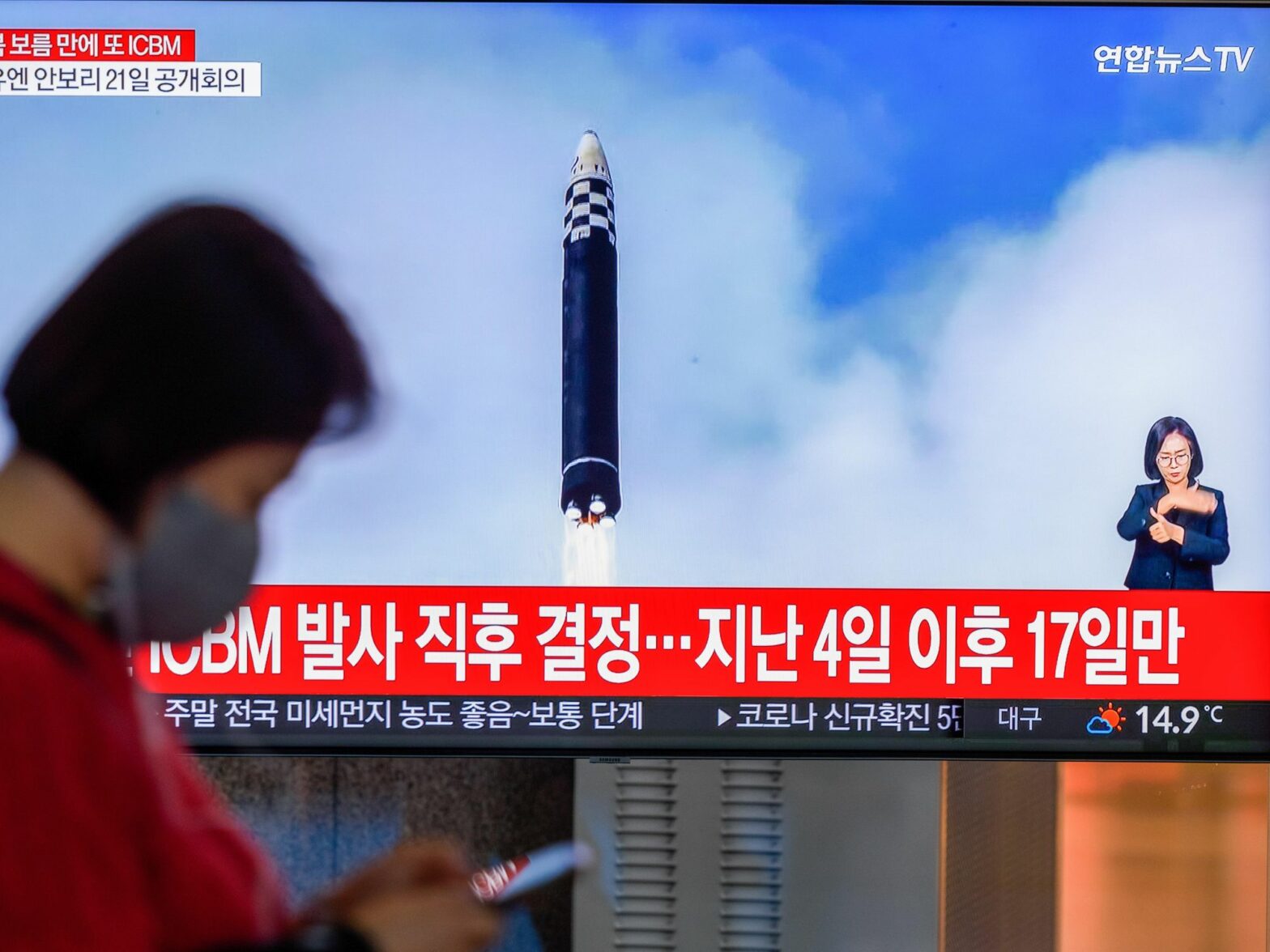
How to handle a nuclear armed pariah state is not a simple question.
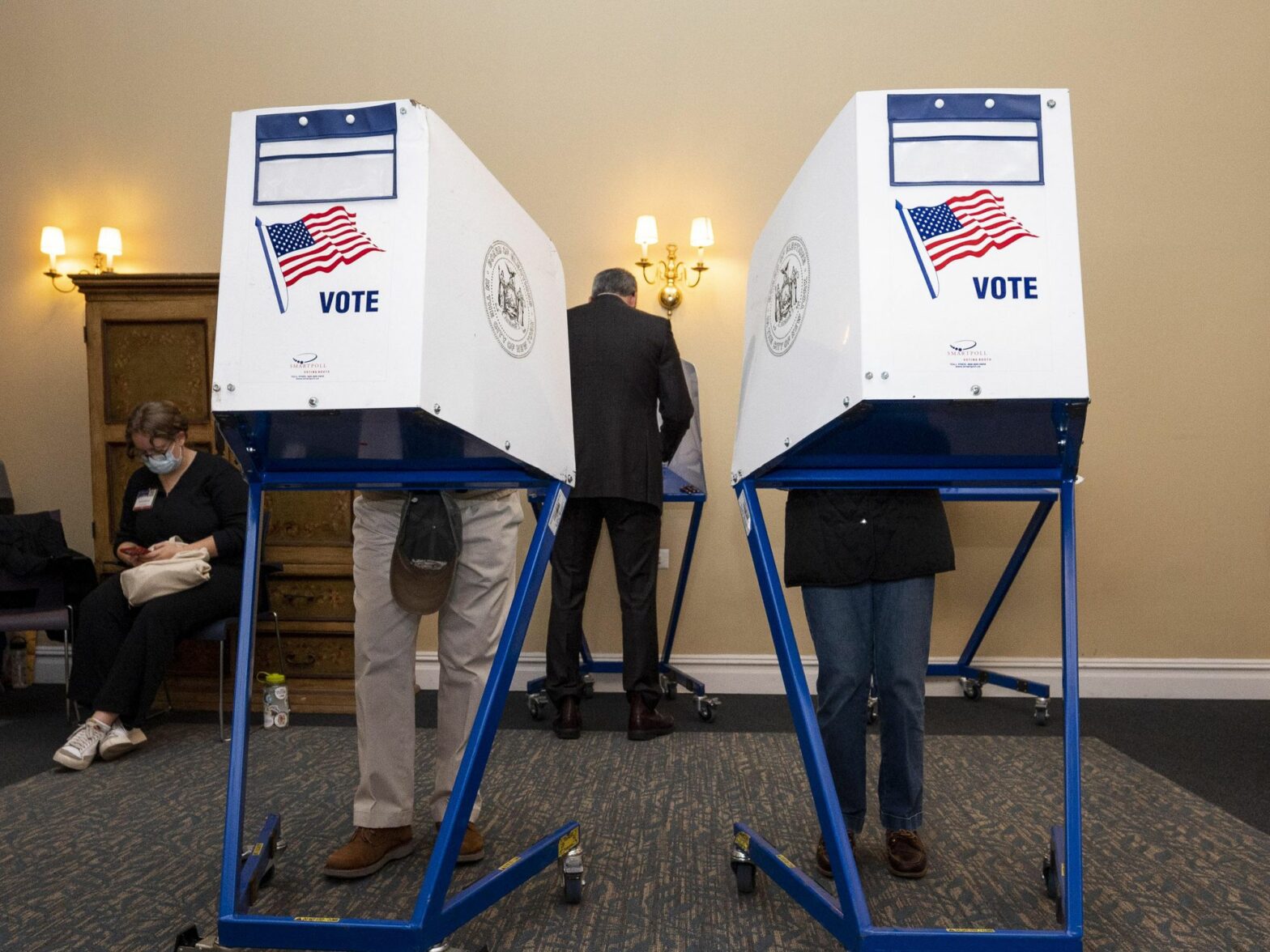
After the Brazilian presidential election and the American midterms, checking the temperature on the state of democracy in a world that has been heading in the opposite direction for too long.
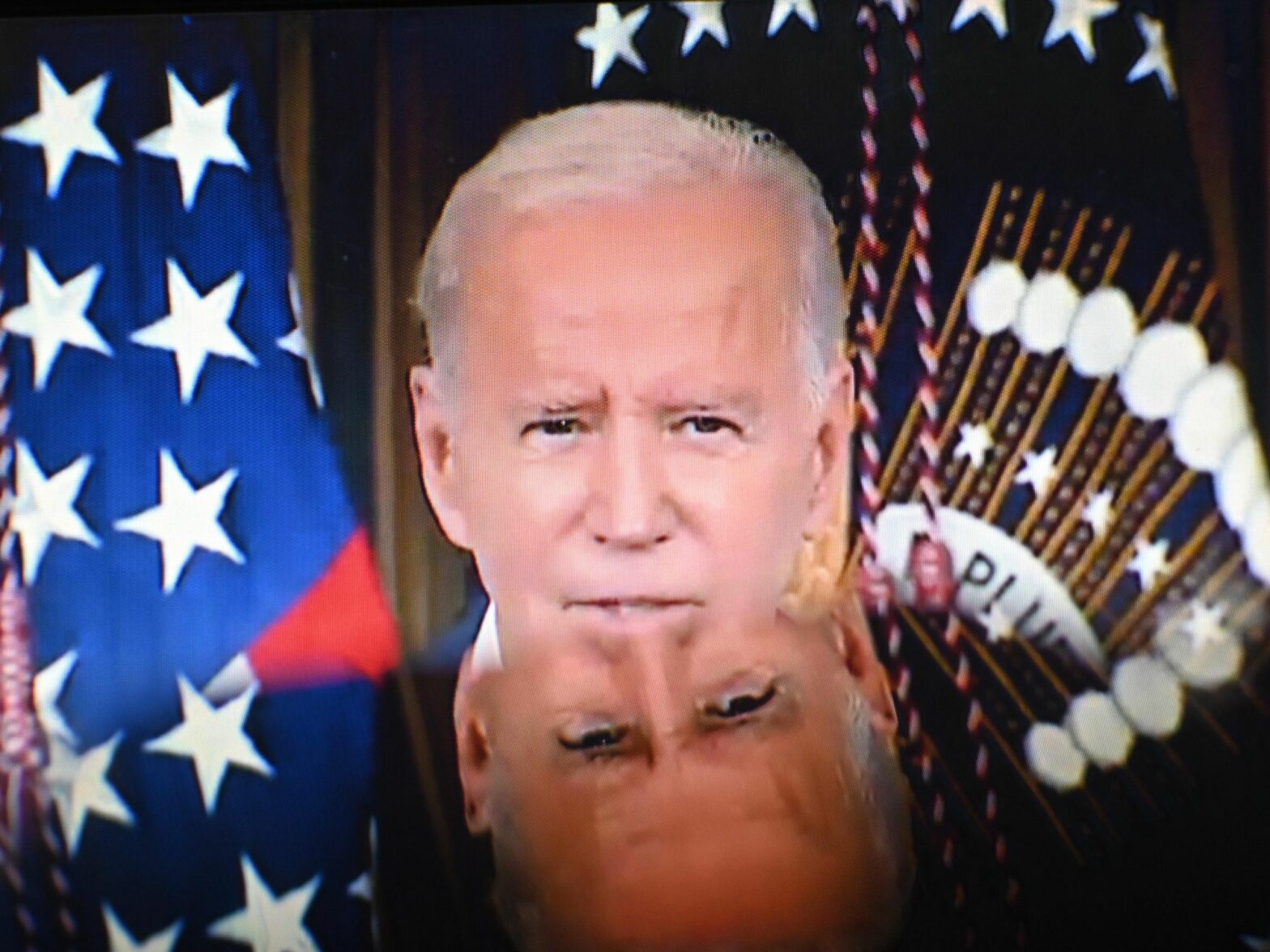
While some breathed sighs of relief that the Republicans’ predicted “red wave” sweep didn’t happen, others chuckle at how long it takes to count the votes. And then there’s Senõr Musk…
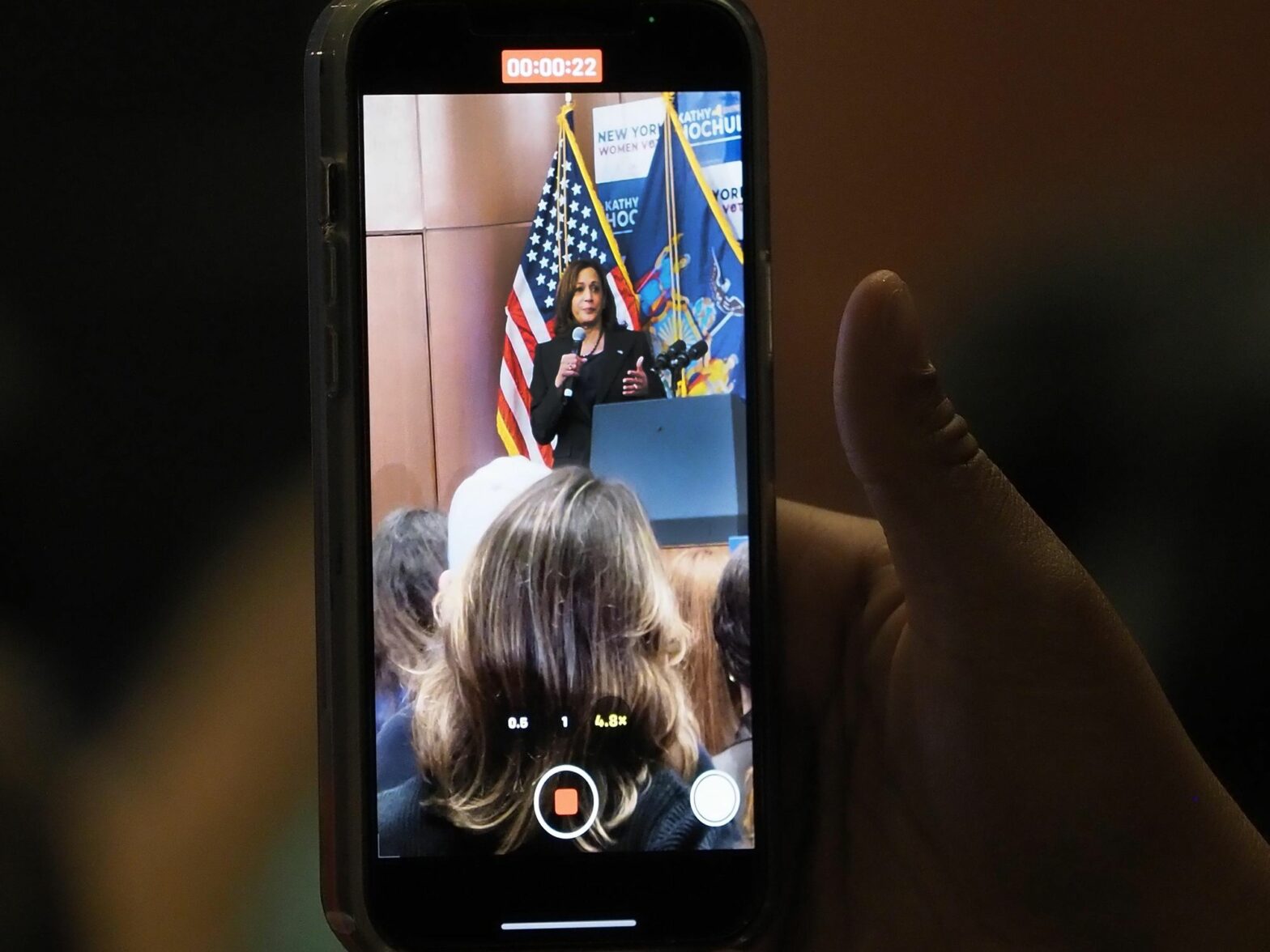
The international media is tuning in closely to Tuesday’s U.S. midterms, with global ramifications for everything from the war in Ukraine to action on climate change to the brewing superpower showdown with China.
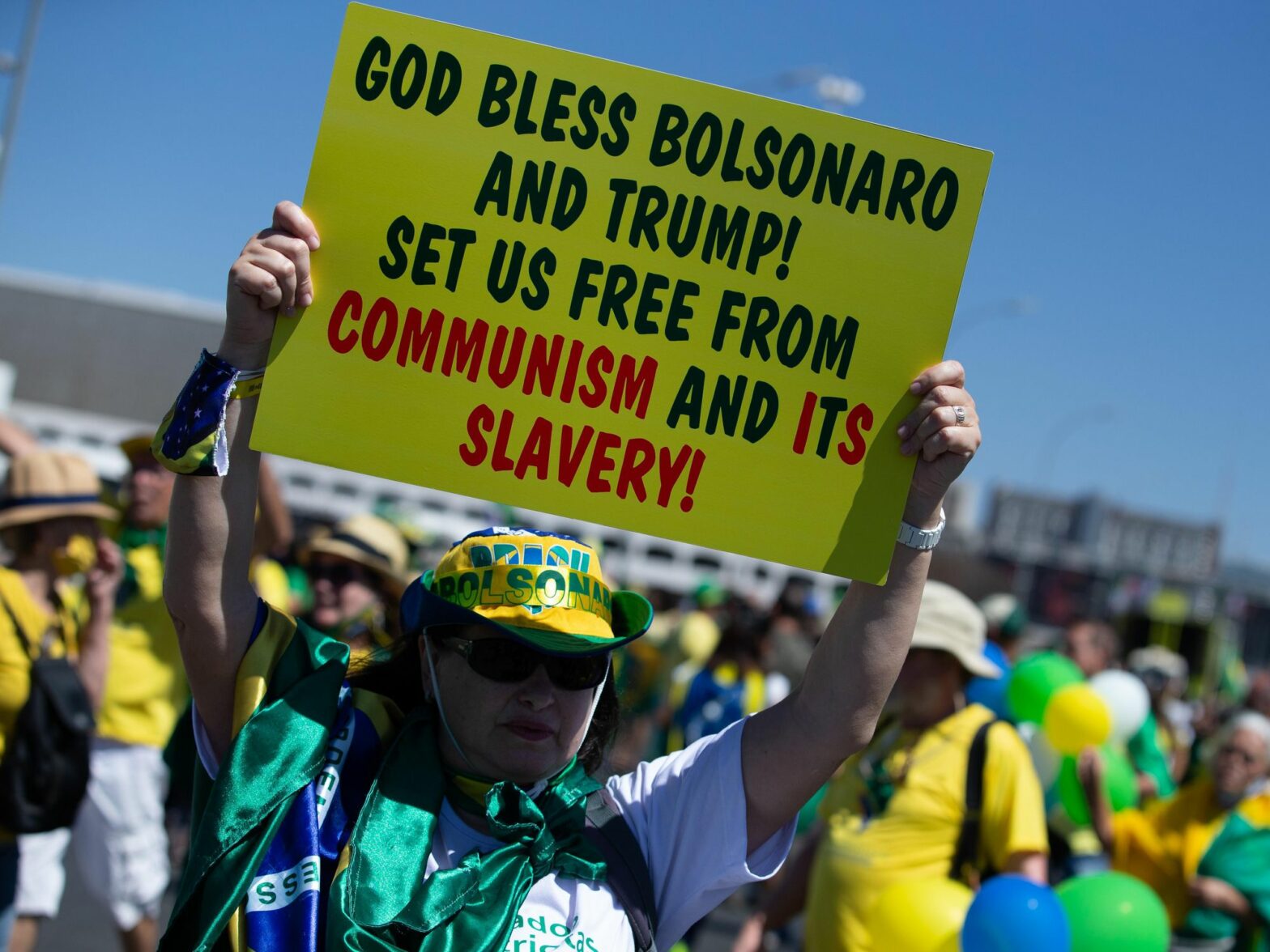
Brazil’s Agência Pública reveals that Gettr, the social network run by Donald Trump’s former adviser Jason Miller, has sponsored conservative conferences in Brazil ahead of October’s presidential elections, which Steve Bannon has called the most important in South American history.
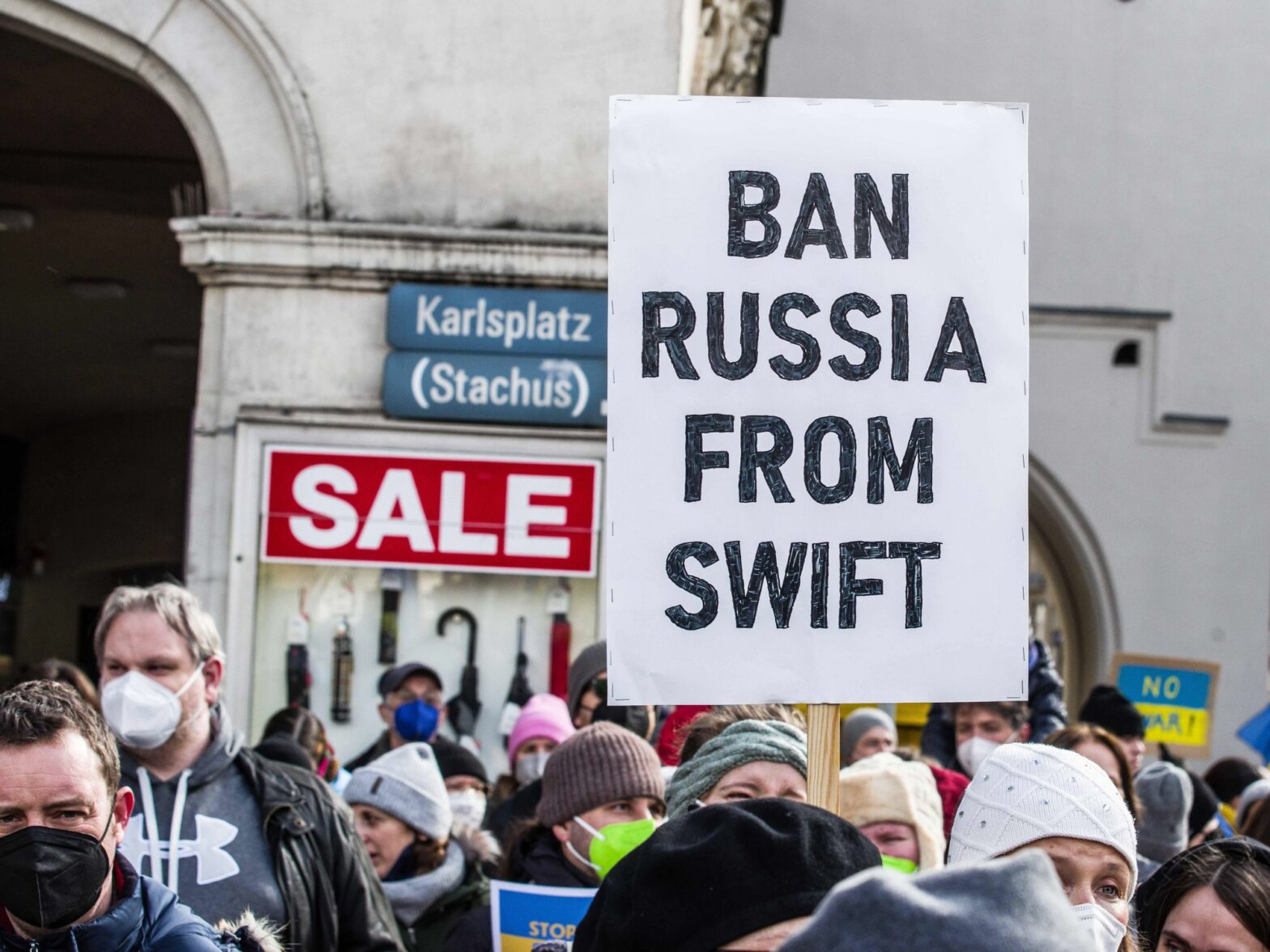
Europe’s addiction to Russian energy paid for the assault against Ukraine. And in spite of crippling sanctions, it is inadvertently continuing to fund the war by not cutting two major Russian banks from SWIFT.
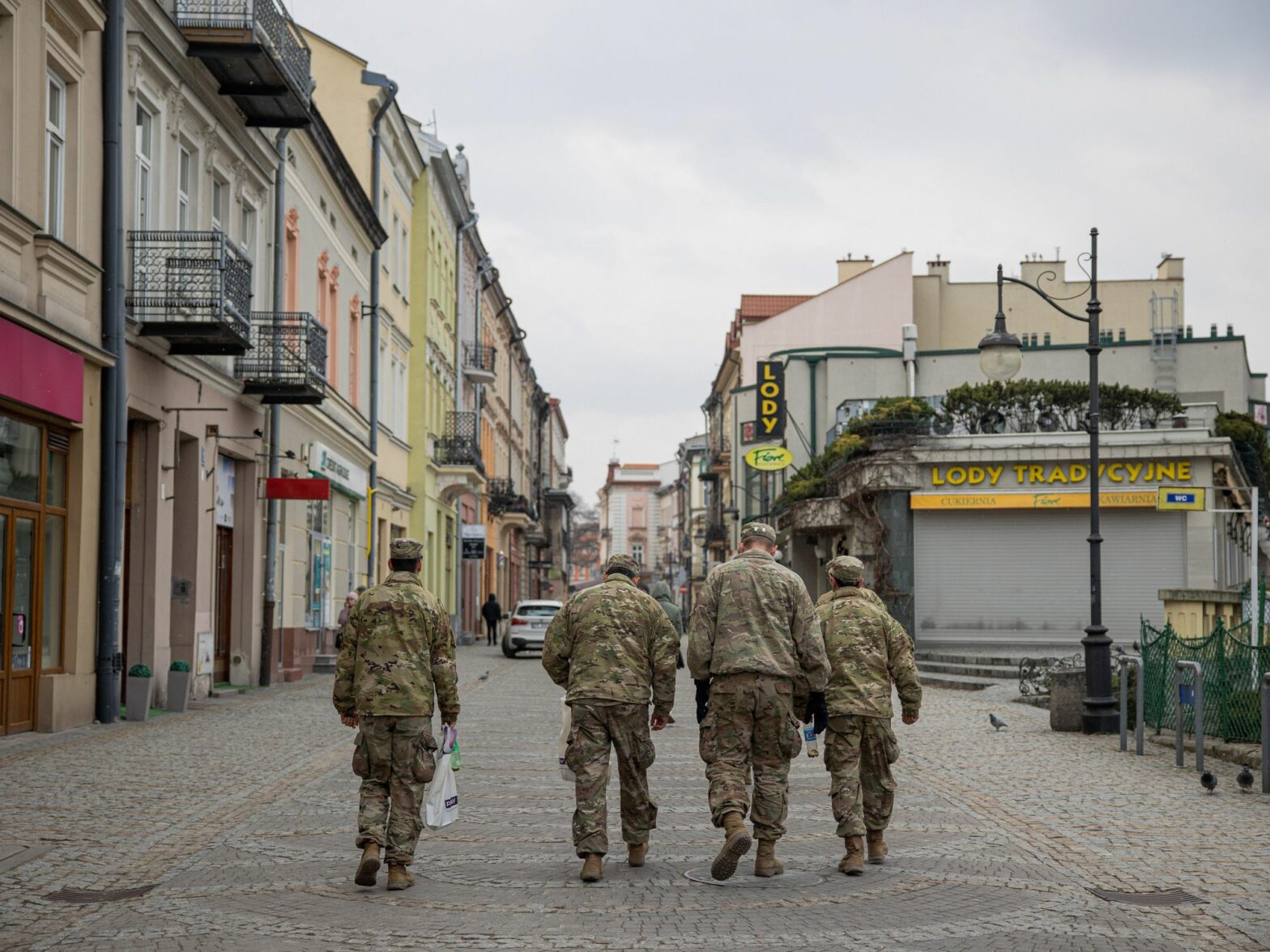

? Hallo!* Welcome to Thursday, where Kazakhstan police kill dozens of protesters, Australia revokes No-Vax Djokovic’s visa and an Argentine judge gets caught on camera kissing an inmate. We also look at the measures countries around the world are implementing to force the hands of unvaccinated citizens to get the jabs. [*Flemish] SIGN UP This […]

What we got wrong about the vaccines, what we still don’t know…and why we need to keep vaccinating.