In the language of math or geography: two thousand kilometers and three and a half years — that’s five settlements. Bucha. Hostomel. Narovlya, Belarus. Novozybkov, Russia. Pakino, Russia. Udarnoye, Russia.
 Worldcrunch
In the language of math or geography: two thousand kilometers and three and a half years — that’s five settlements. Bucha. Hostomel. Narovlya, Belarus. Novozybkov, Russia. Pakino, Russia. Udarnoye, Russia.
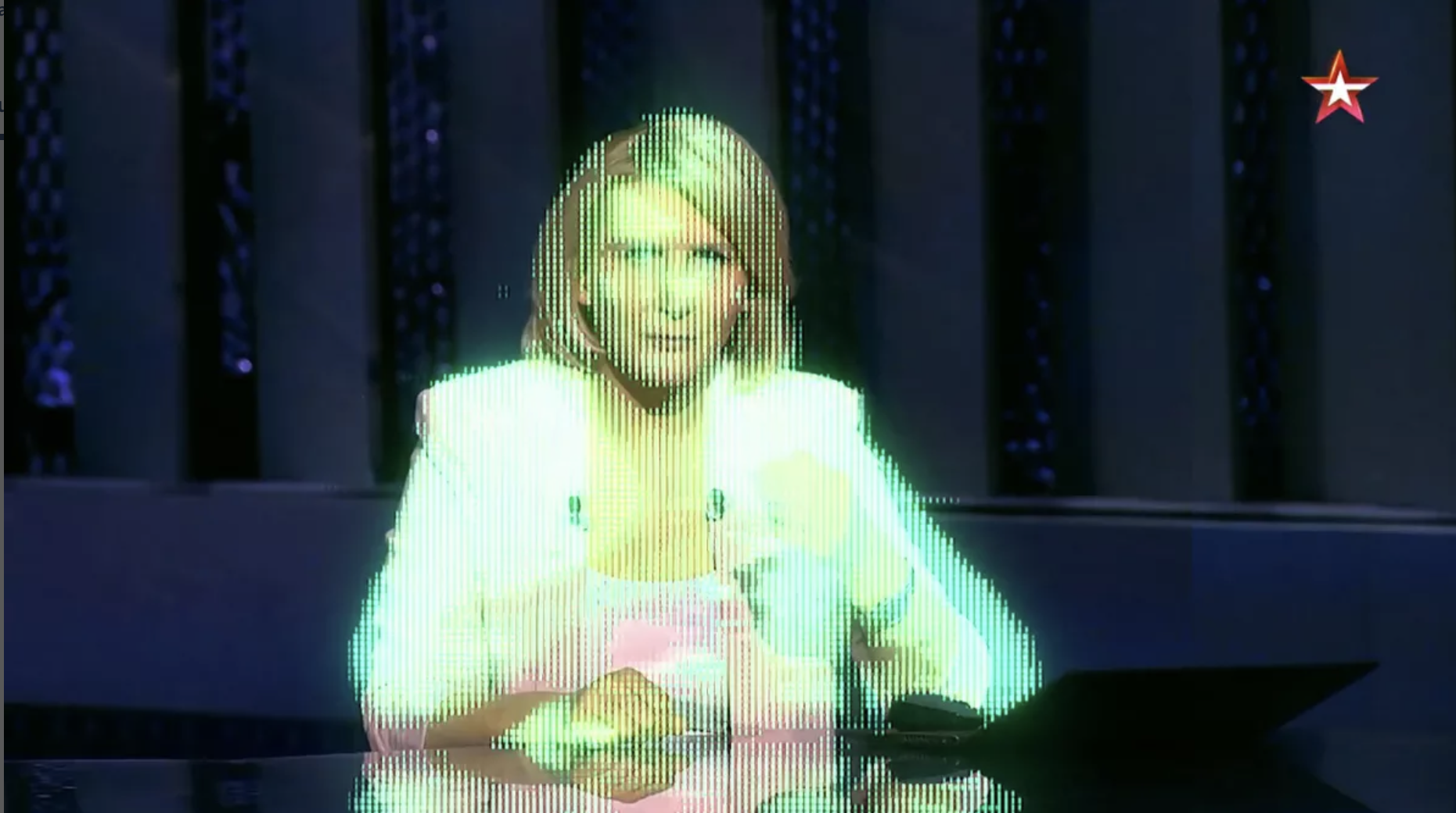
On the Russian army’s channel Zvezda (“Star”), a program entirely generated by algorithms takes fierce aim at Western leaders.
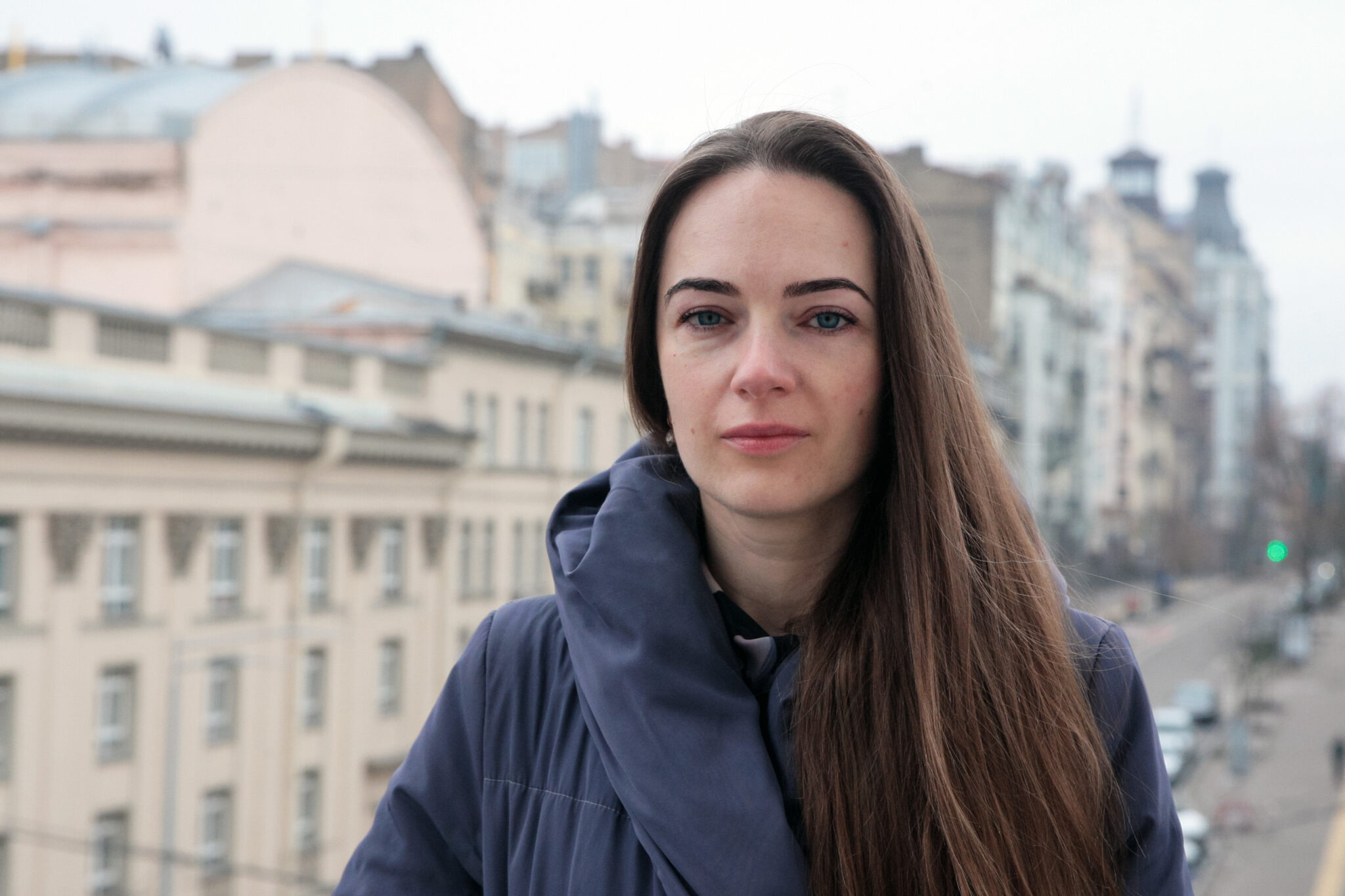
At a cultural diplomacy forum in Kyiv, Nobel laureate and human rights defender Oleksandra Matviichuk urged the world to see culture as a force for justice and freedom — and as essential to building a lasting peace.
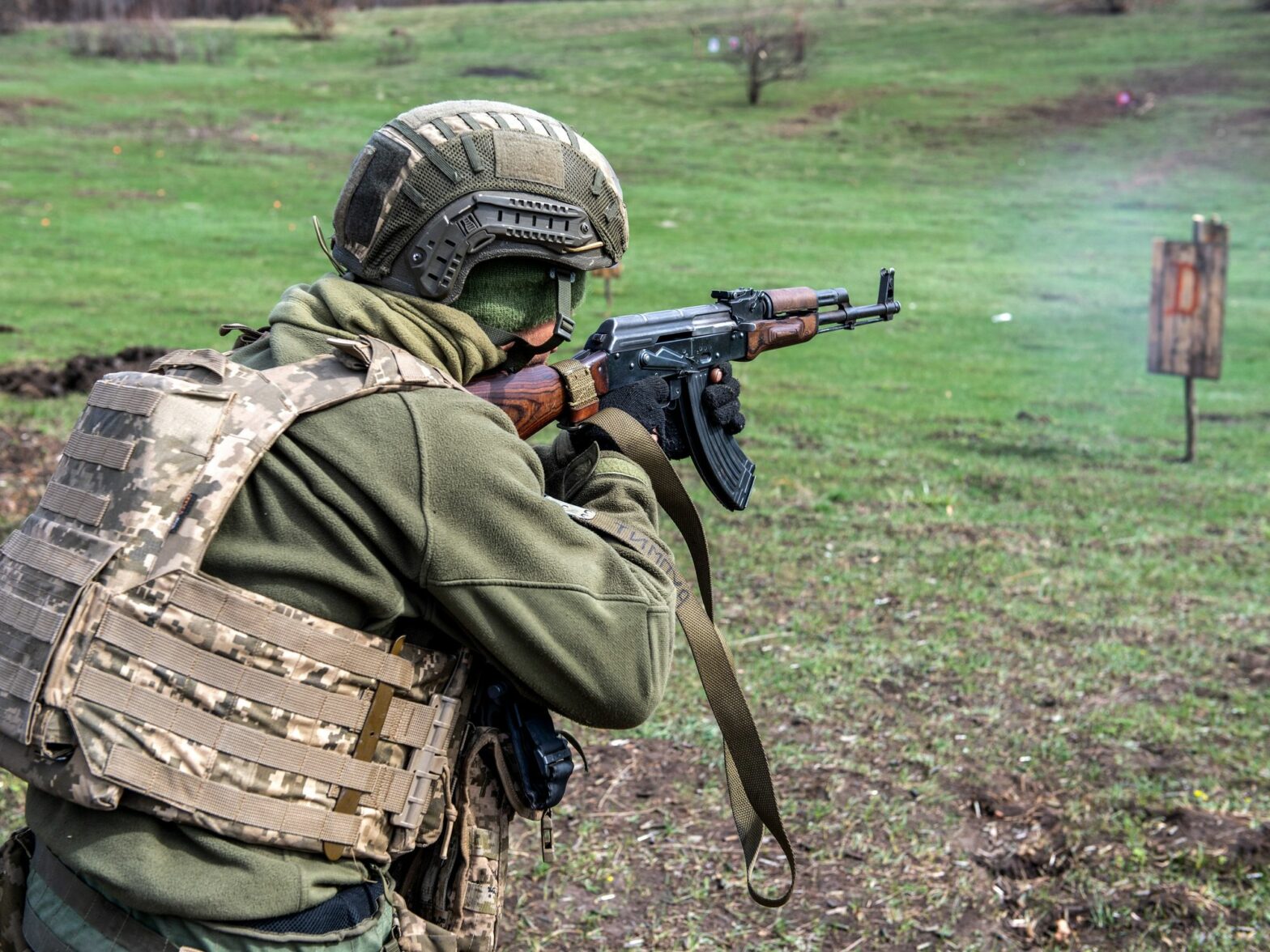
While voluntary enlistment is still strong in Ukraine, it is no longer enough. Kyiv has begun allowing prisoners to apply for early release in exchange for military service. While Russia’s similar policy was criticized, Ukrainian officials insist there are crucial differences.
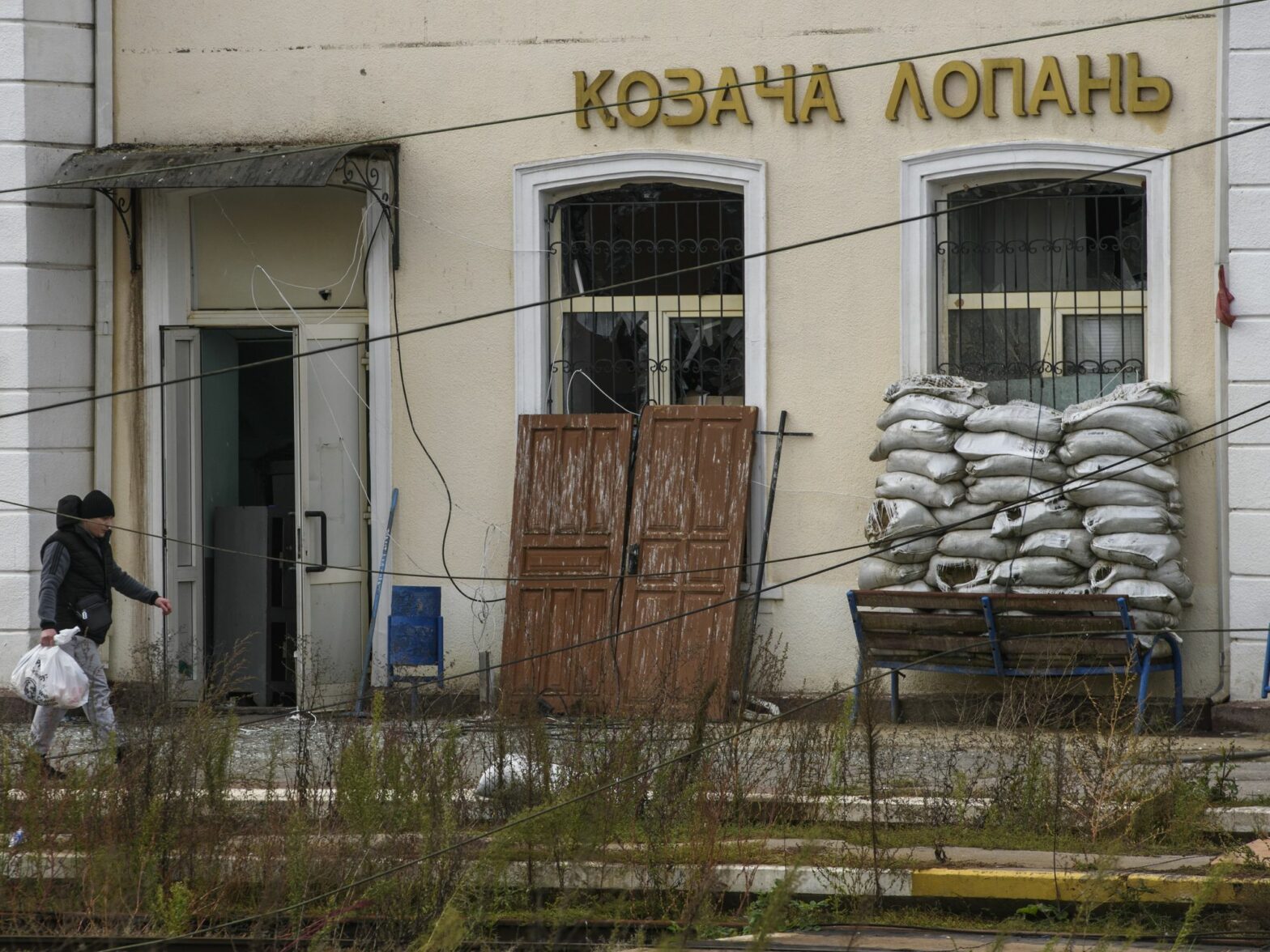
After walking the 50 kilometers that separate the Ukrainian city of Kharkiv and the Russian border, Spanish reporter Unai Aranzadi arrives in the small village of Kozacha Lopan. Places like these are perhaps the ones where it will be most difficult to heal the wounds of all that has been suffered to date.
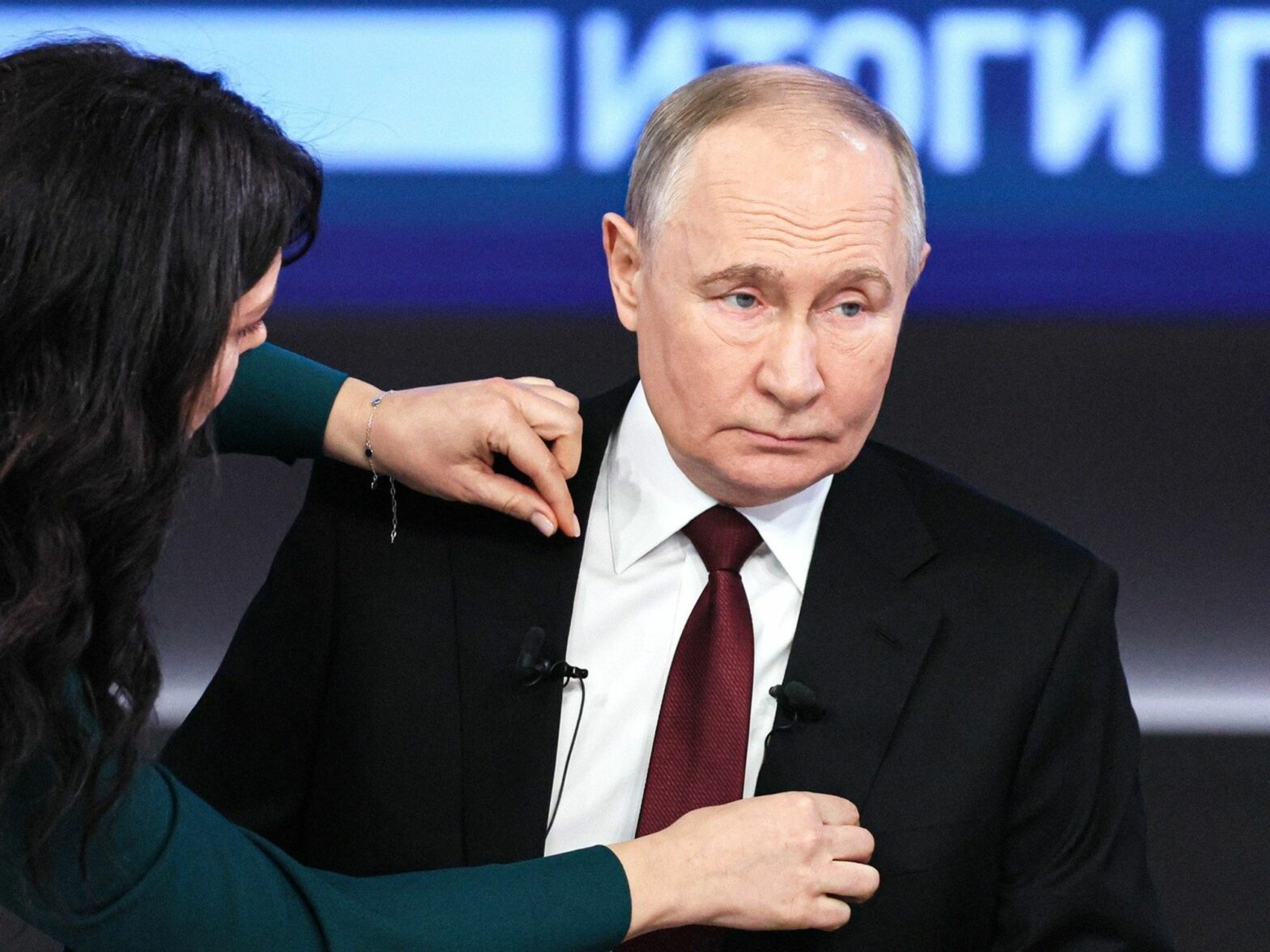
While Russia had to negotiate with former Syrian rebels for the withdrawal of around 500 Russian soldiers trapped in Damascus, Vladimir Putin remained silent on the crushing defeat he suffered in Syria. Instead, he has threatened the West, as if to show he is not weakened by the fall of his ally Assad.
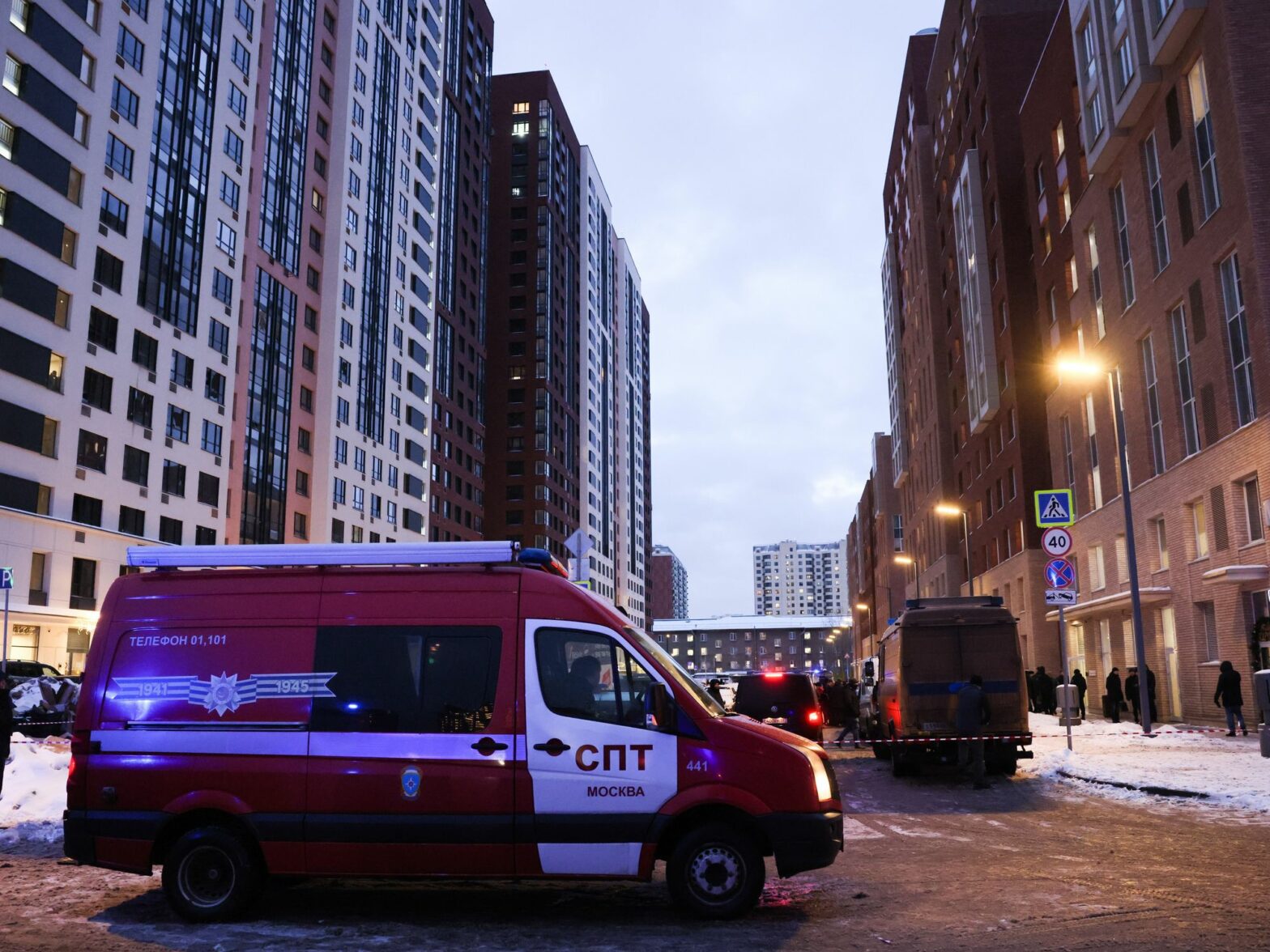
The unprecedented assassination of the head of the Russian army’s chemical weapons division is an act of war that is hard for Ukraine’s allies to defend. Still, Ukrainians can’t be faulted for fighting for the nation’s very existence, especially as the West shows signs of slowing down its support.
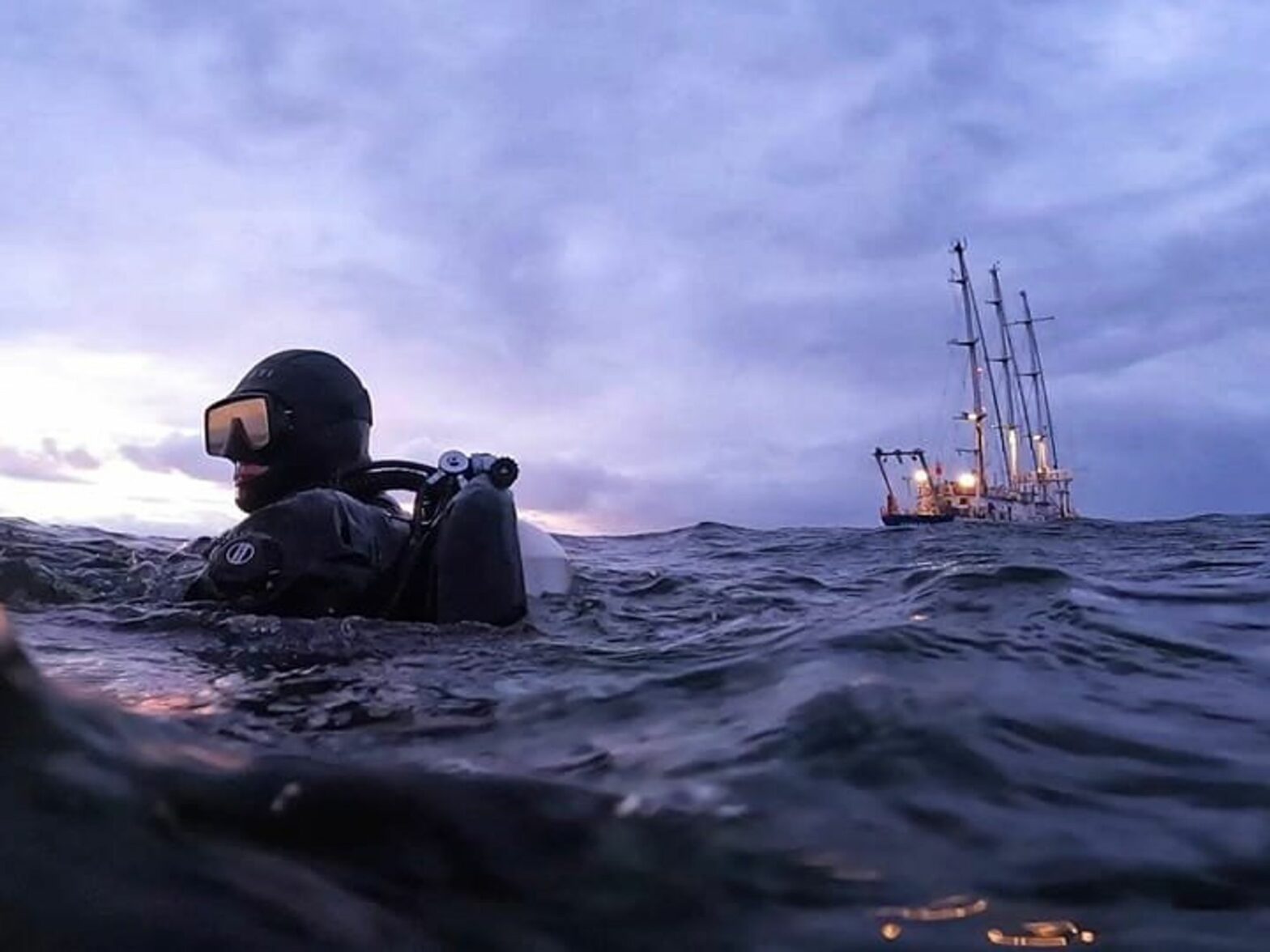
Russia’s invasion of Ukraine and fears of westward escalation have already led many European countries to up their own defense strategies. But instead of the latest technologies, rockets, and fighter jets, the true key to fighting back may lie in studying the polar region, critical for world stability.
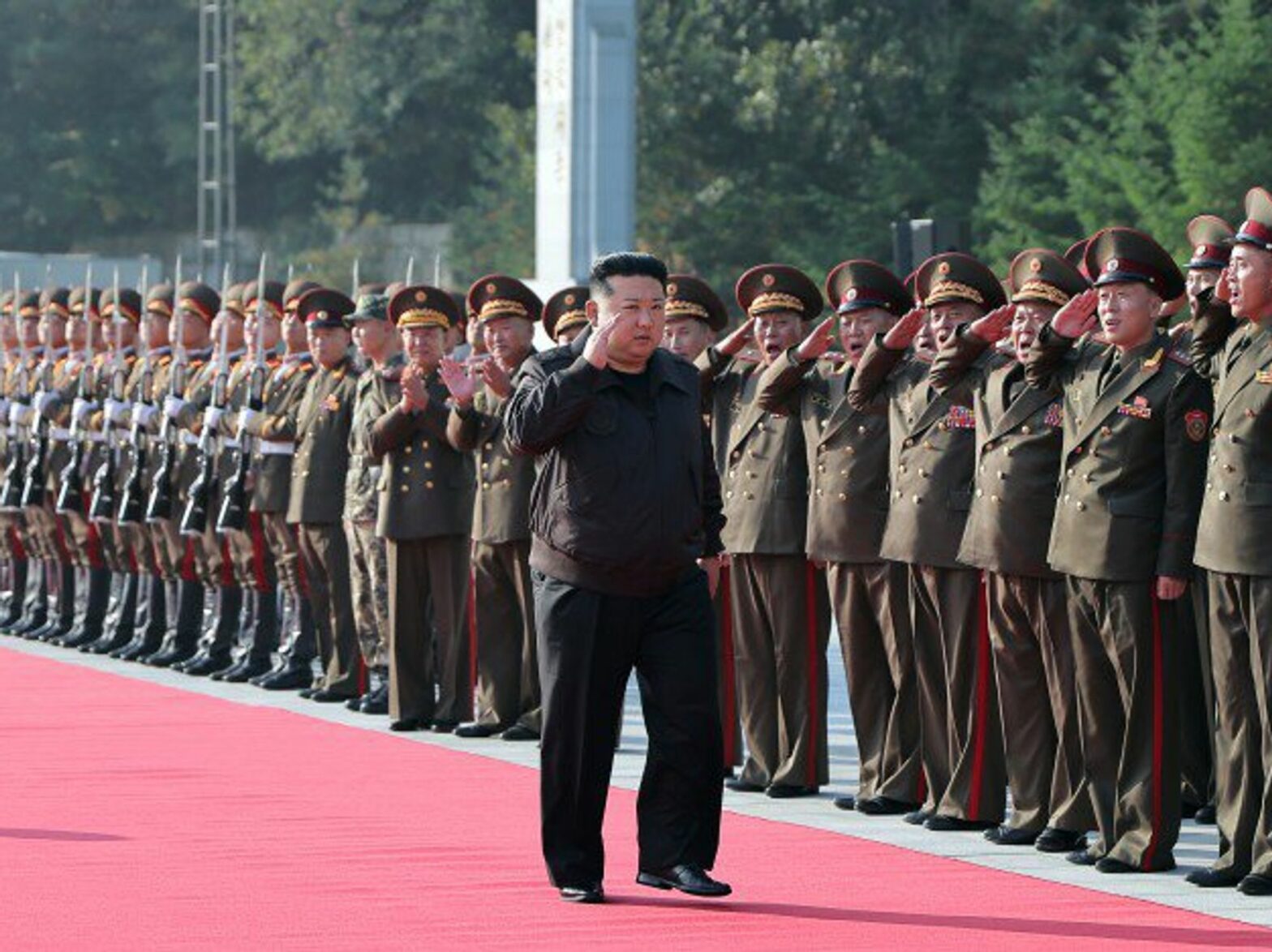
The United States’ confirmation of the presence of North Korean soldiers alongside the Russians in Ukraine has raised fears of an international escalation. All the more reason to fear that the current local or regional conflicts will gradually turn into global ones.

With increased aggression from clients, police repression and a sudden decrease in their livelihoods, Russia’s invasion of Ukraine is impacting this already-vulnerable group of women.
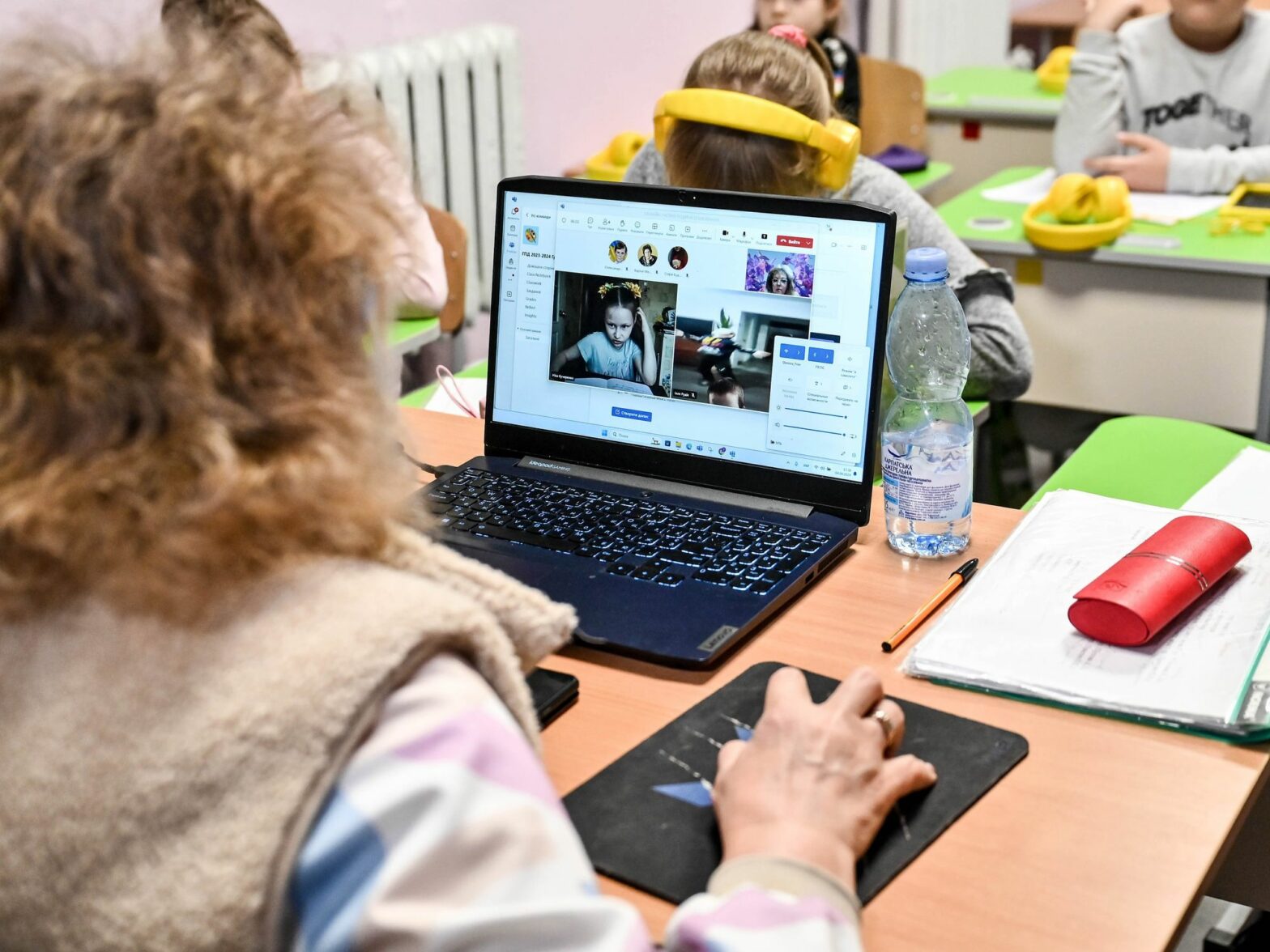
A network of Ukrainian teachers, parents and administrators teach online classes to families trapped in Russian-occupied territories. But it comes with serious consequences if they are discovered.
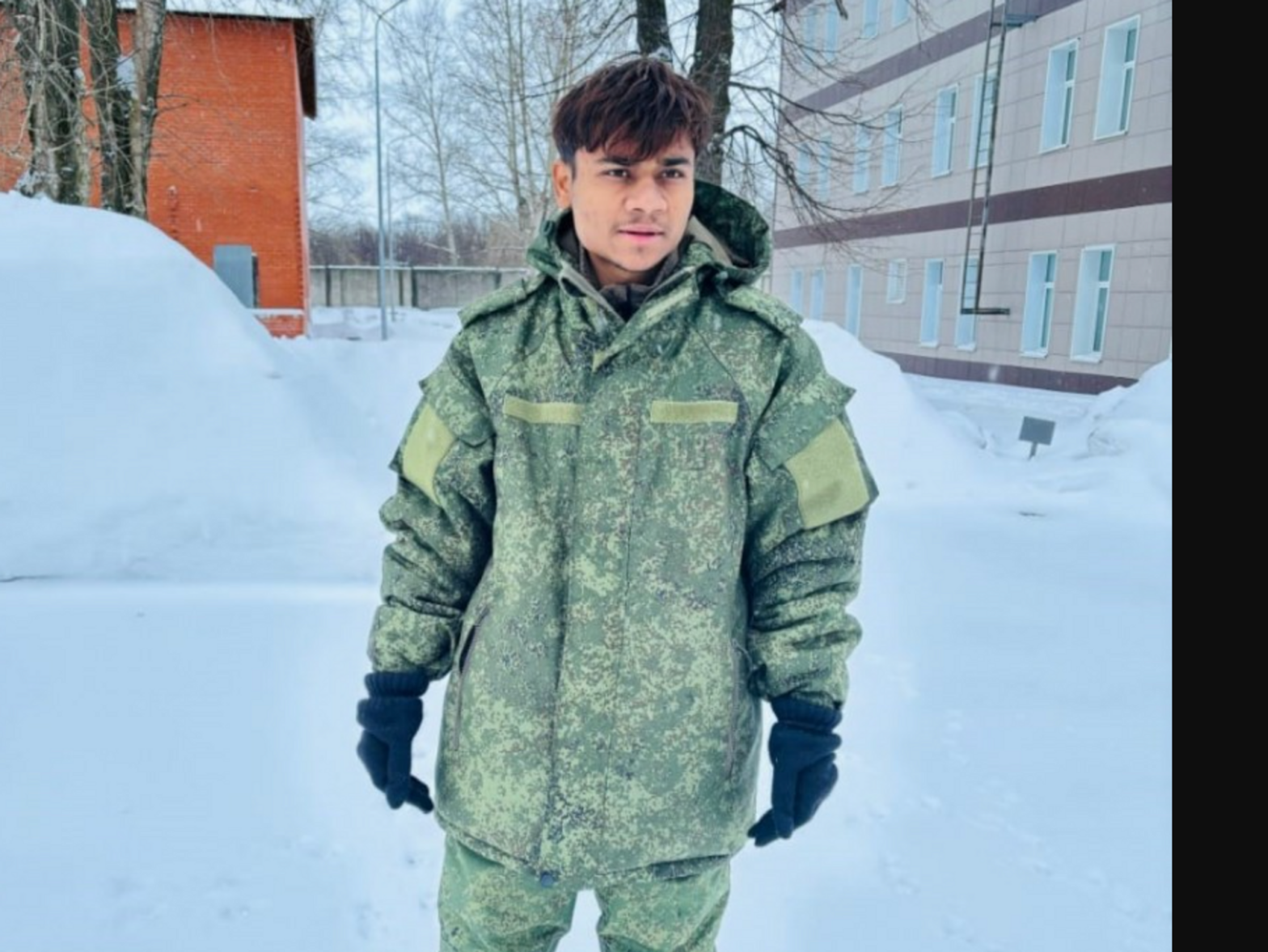
At least 91 Indians have been forced to fight alongside the Russian army on the frontlines, and so far, eight Indian nationals have been killed. Many families have been waiting agonizingly long for their loved ones to return home.
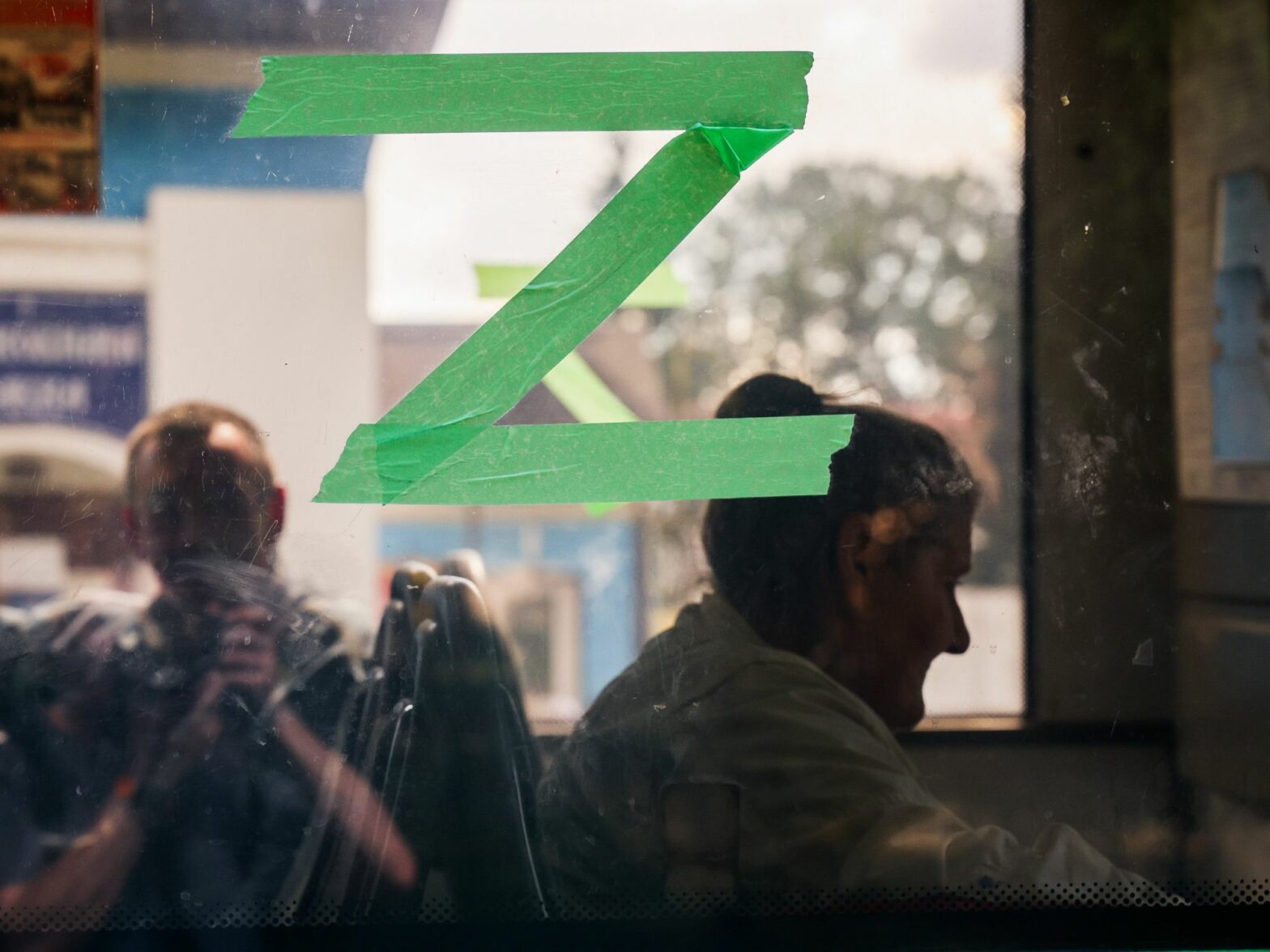
Fighting in the Kursk Oblast — following Ukraine’s incursion into the region — is not abating, and volunteers from across Russia are coming to help: bringing goods and food, evacuating residents and providing medical assistance. Kommersant correspondent Alexander Chernykh visited a makeshift clinic and observed how volunteer doctors are saving wounded soldiers near the front line.
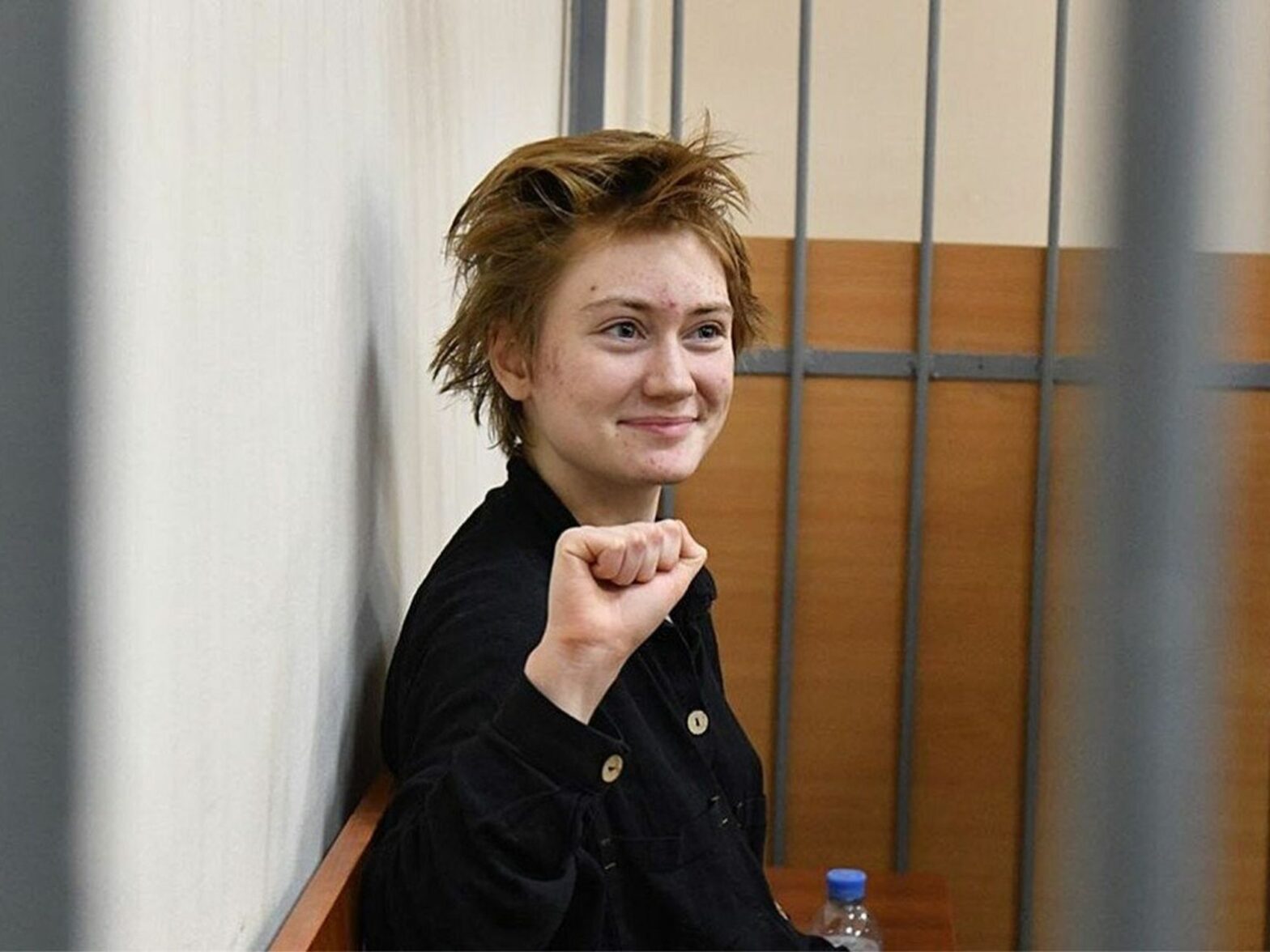
At just 18-years-old, Daria Kozyreva sits in a pre-trial detention center. She is facing five years for “repeatedly discrediting the Russian army.” Here is her letter to all Russians, trying to convince people of good will to denounce the Kremlin regime.
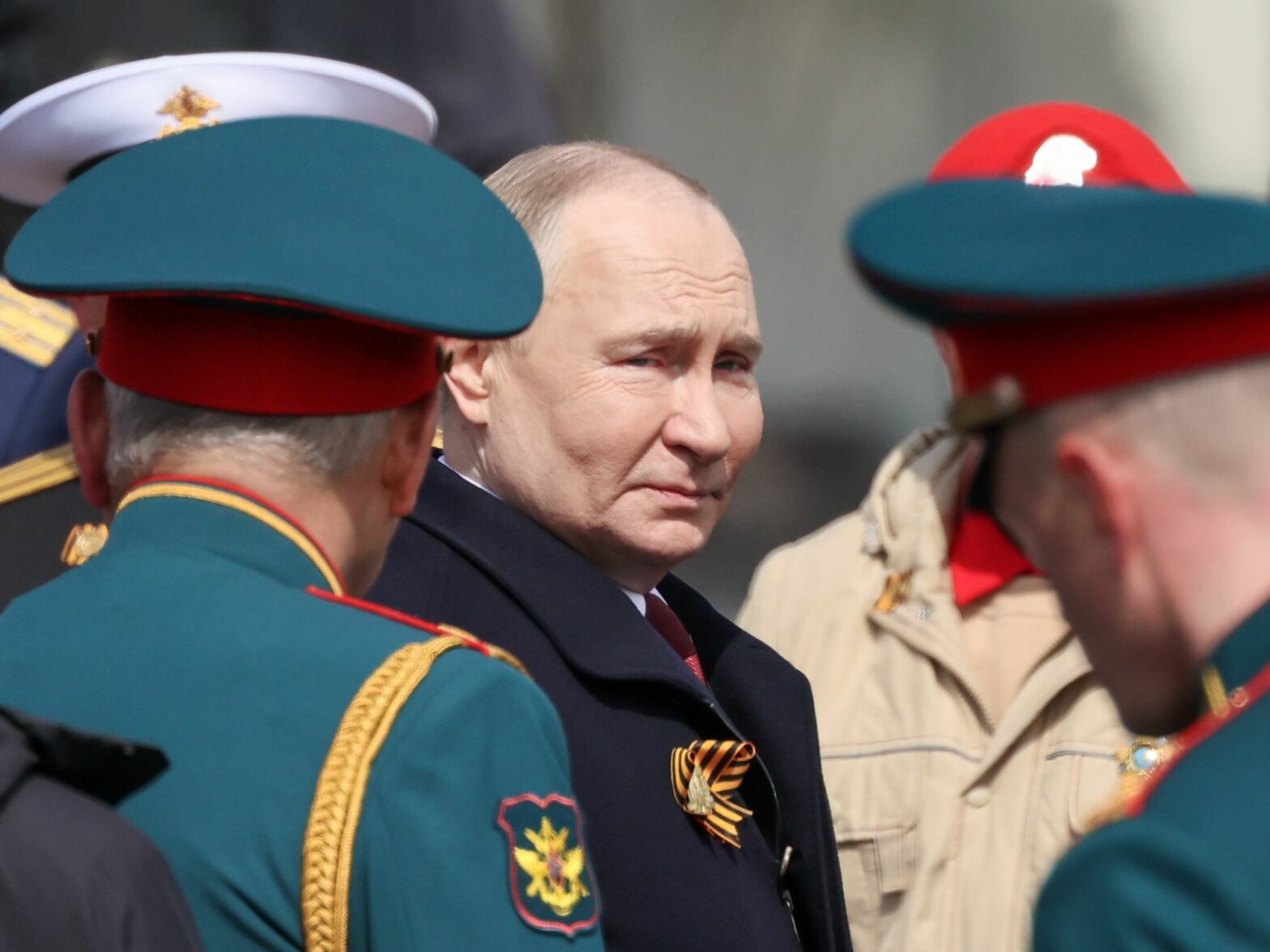
Over the past two weeks, Vladimir Putin has stated four times that Russia is ready for peace talks with Ukraine, but that those negotiations would be based on “current realities at the front,” by which he means maintaining occupied territories under his control.
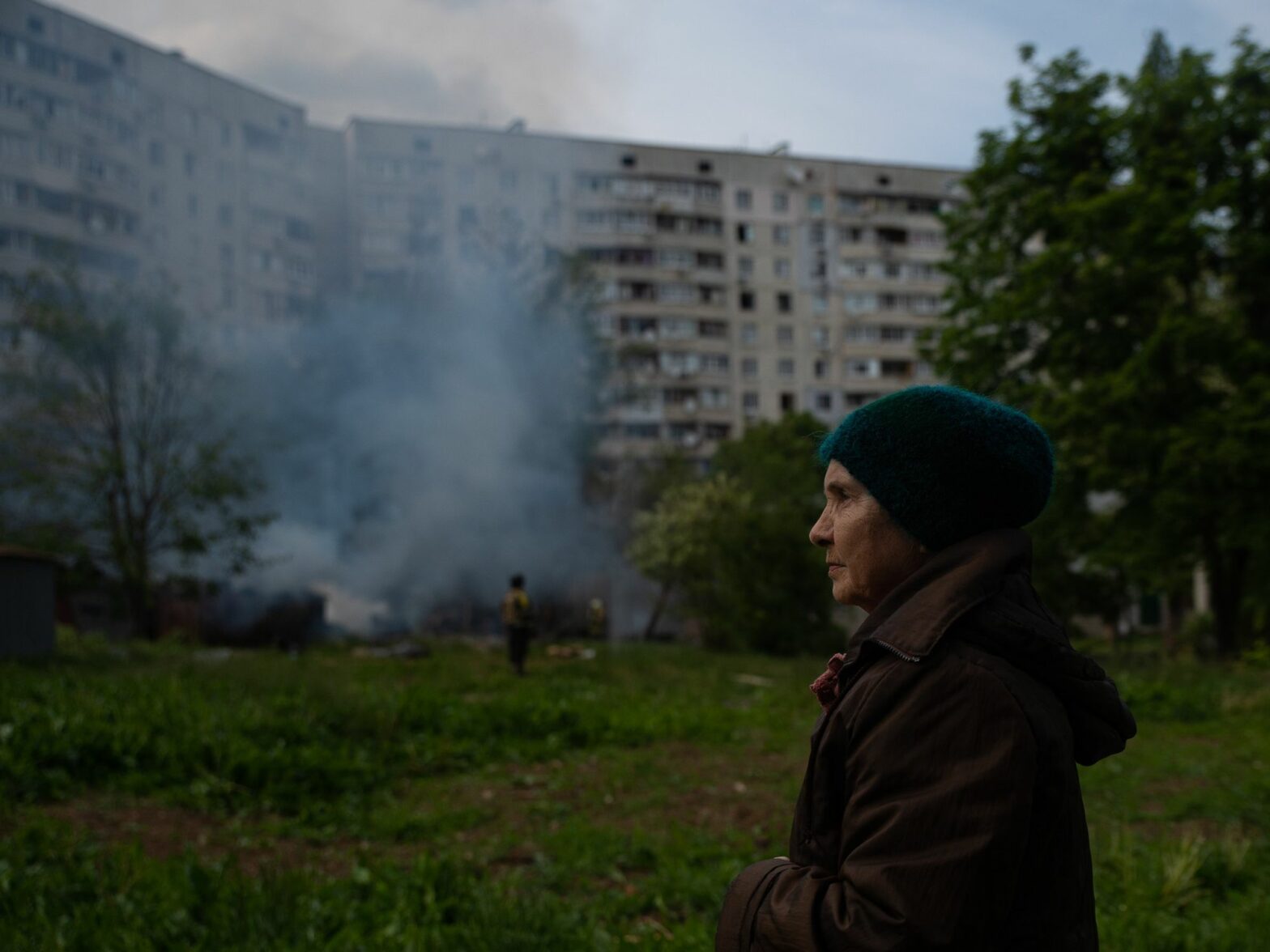
Russia is on the offensive, bombing the northern Ukrainian city of Kharkiv almost every day. Visiting the city over the weekend, President Zelensky again called for stronger, faster Western aid.
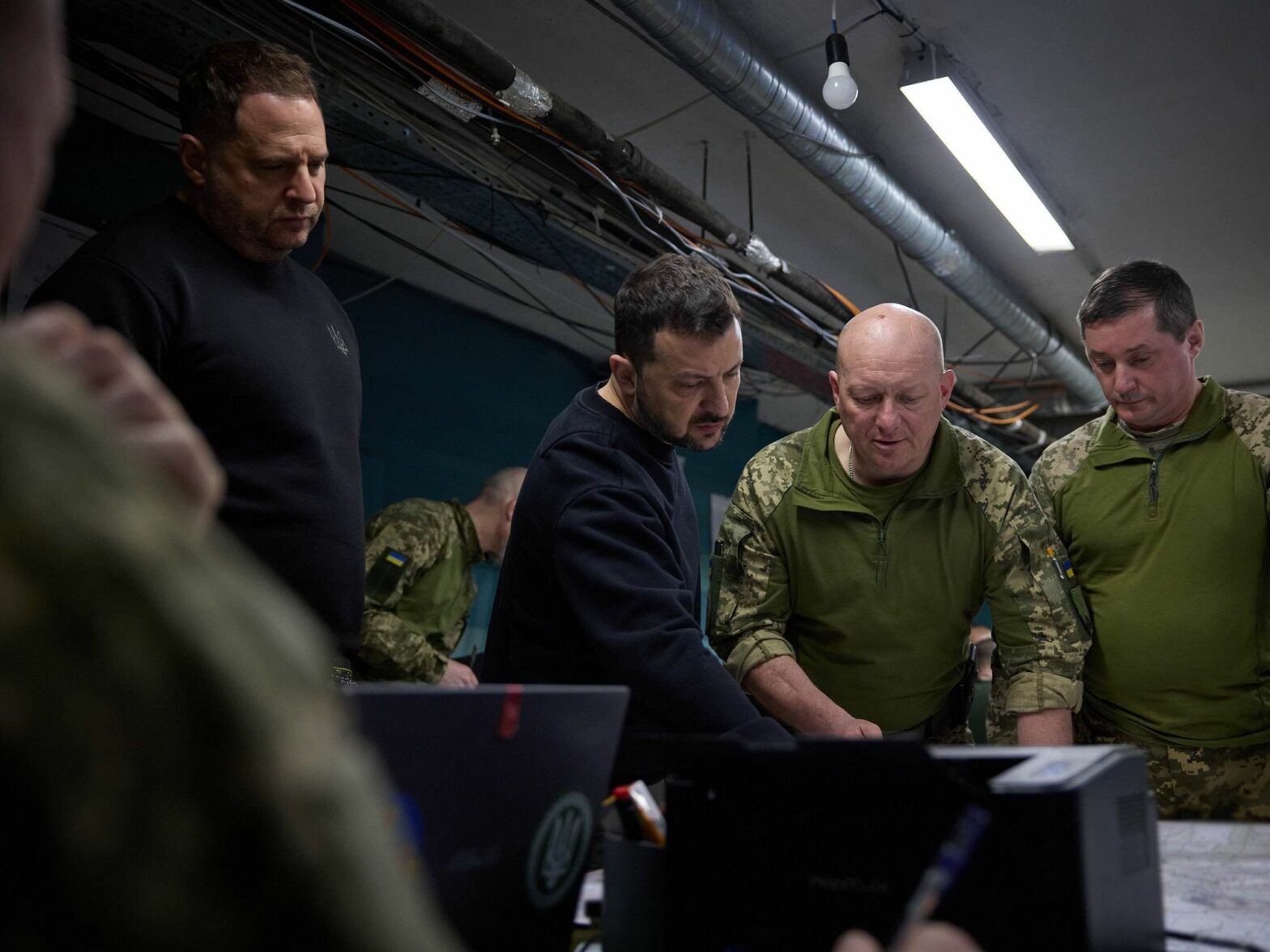
It has taken months for Ukraine to be able to celebrate the U.S. approval of a much-needed aid package. Now that the House of Representatives has voted in favour, what is crucial is the timing of the arms delivery. Because the aid package comes late, but hopefully not too late for Ukraine to reverse its losses on the battlefield, writes Pierre Haski for France Inter.
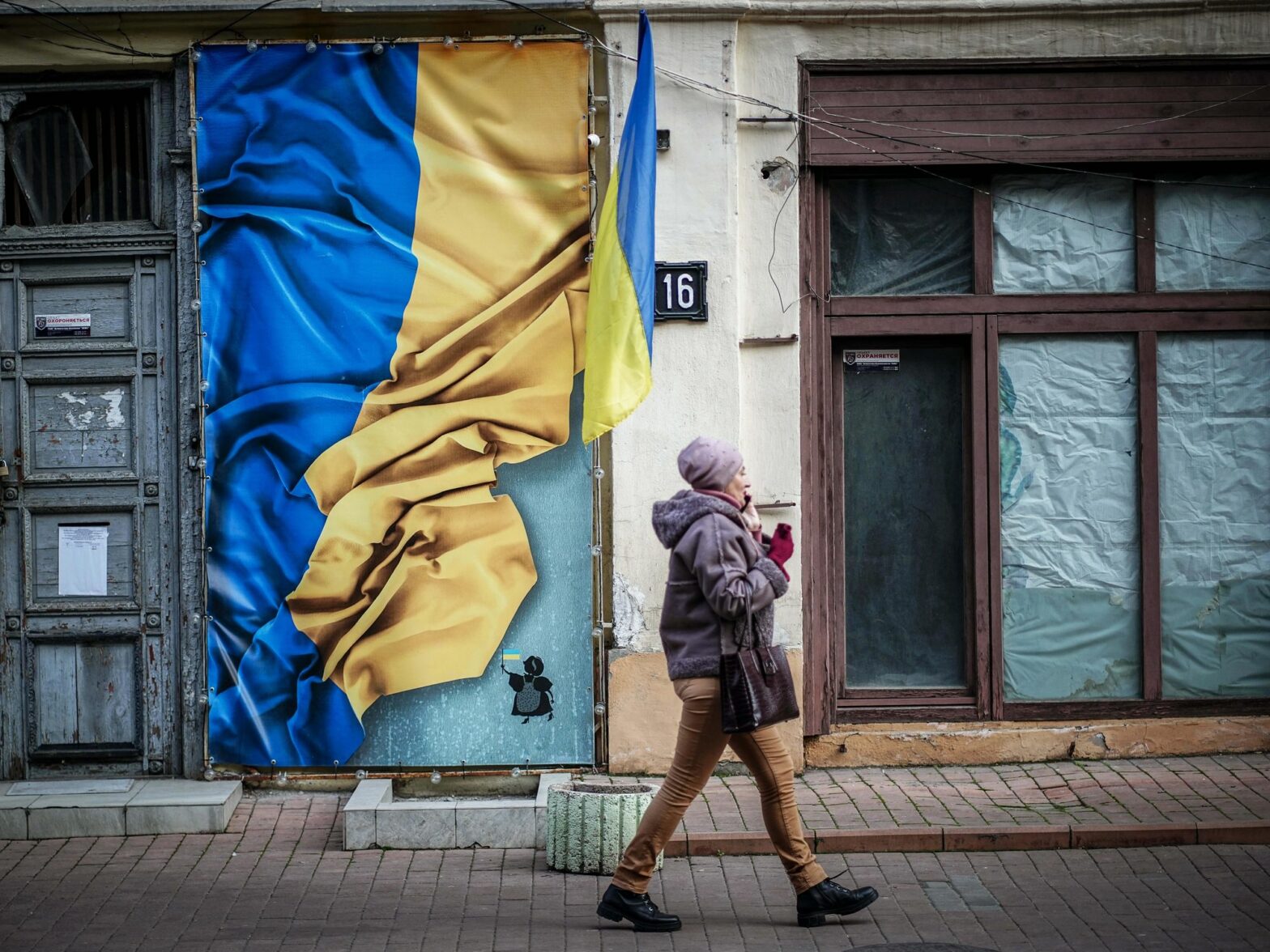
As the war in Ukraine enters its third year, results of a survey suggest that only one European out of ten thinks that Ukraine will come out of this war with a victory. While their support has not shifted towards Russia, the poll results give an insight into how fatigue is playing in citizens’ minds — and what European governments have to put up with if they want to continue supporting an expensive war.
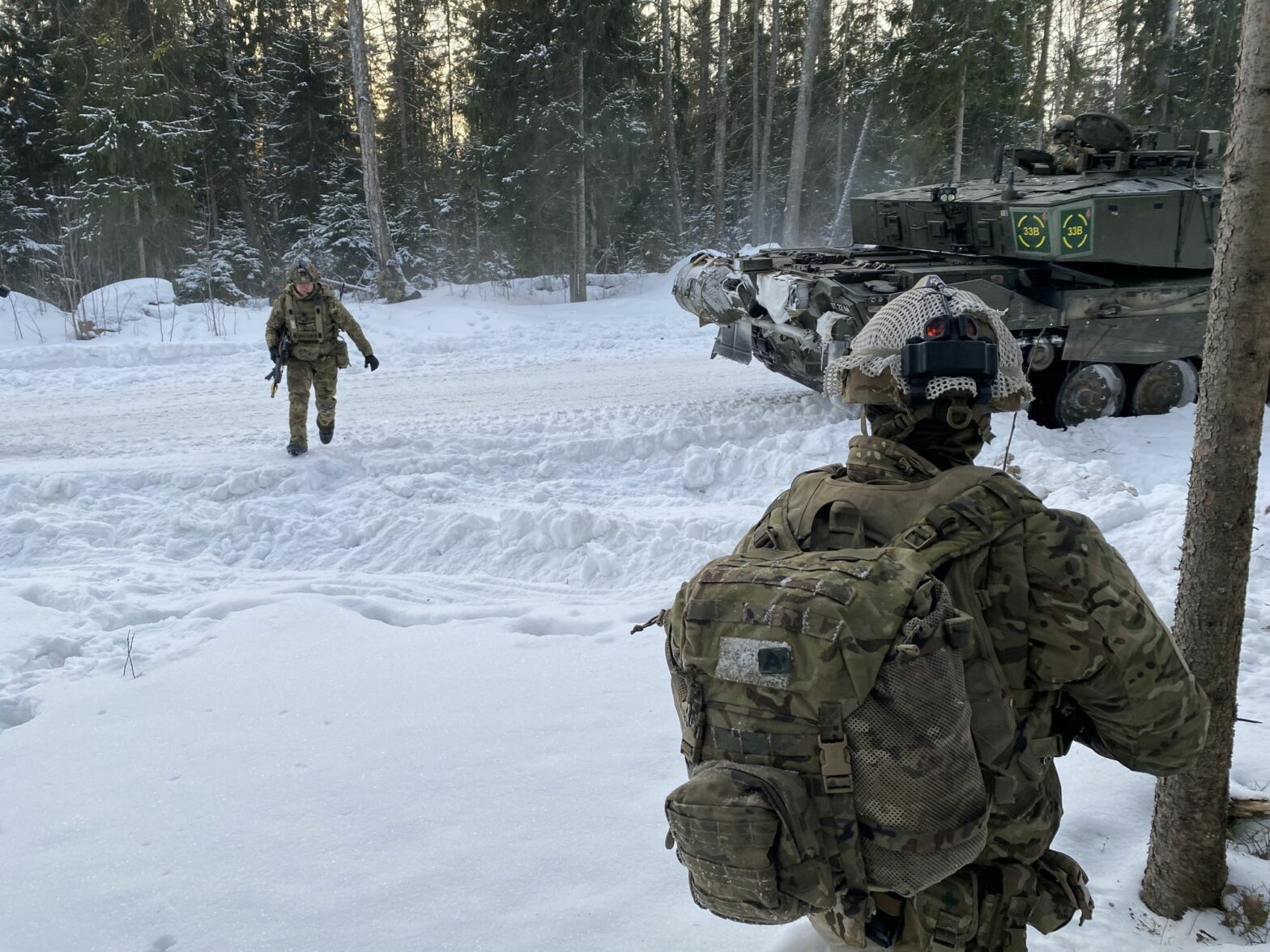
With Estonian Prime Minister Kaja Kallas suddenly appearing on Moscow’s wanted list, both the past and present offer plenty of evidence that the small Baltic nation — with 40% Russian speakers — could be the next neighbor after Ukraine in the Kremlin’s crosshairs.
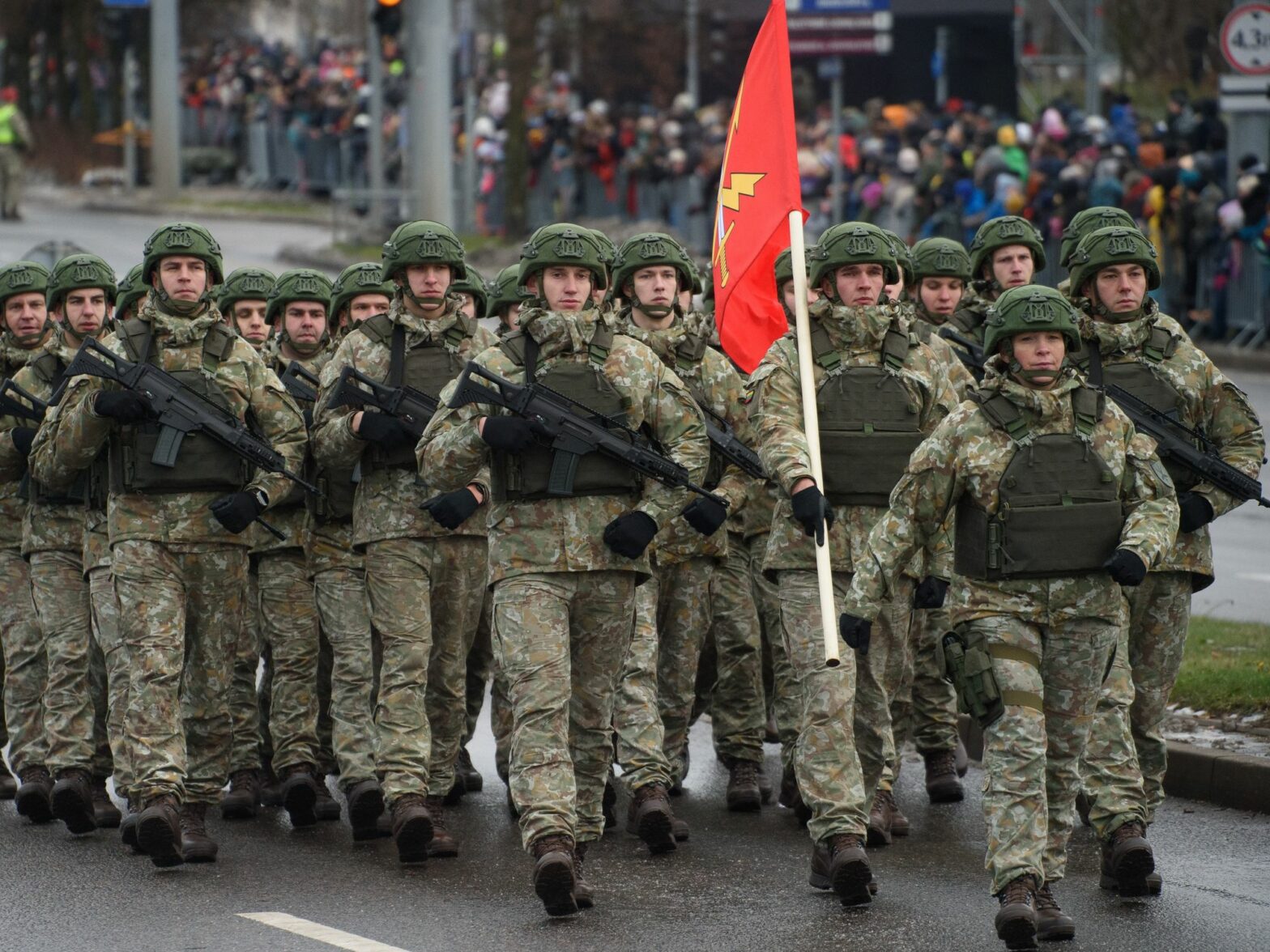
With Estonian Prime Minister Kaja Kallas put on Russia’s Most Wanted list, Tallinn is drawing up clear plans on how it intends to secure its border with Russia — an idea it shares with Latvia and Lithuania. But the three small countries don’t have the territorial or strategic depth to absorb an attack the way Ukraine did, which is why they ultimately rely on NATO.
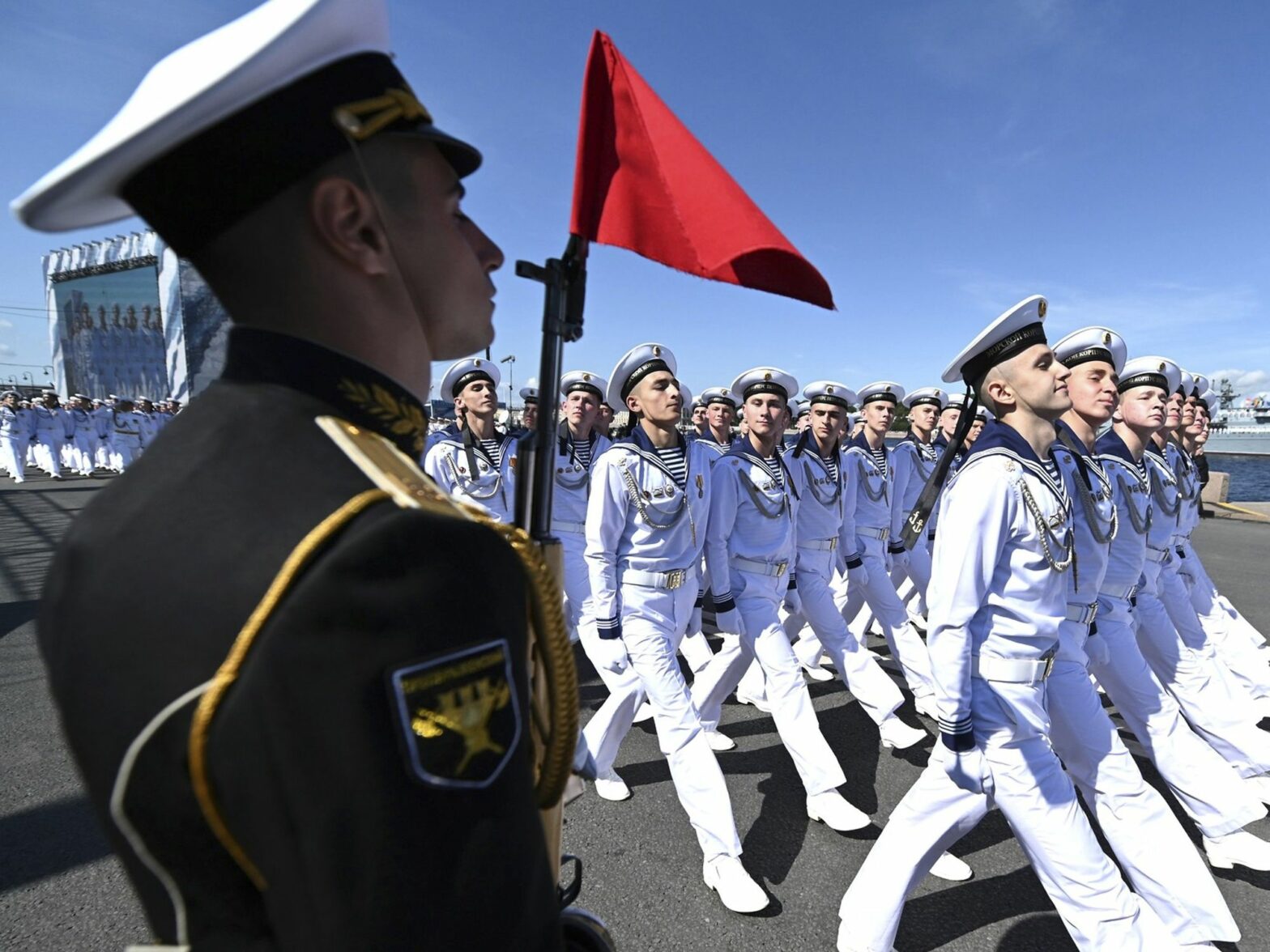
Now that the Ukrainian counter-offensive has ground to a halt, pressure is growing for Kyiv to negotiate with Moscow. But increasingly, despite his claims to the contrary, it looks like Putin is simply not interested in negotiating, whatever he may claim. In fact, the opposite appears to be the case: he’s betting his future on a long war.
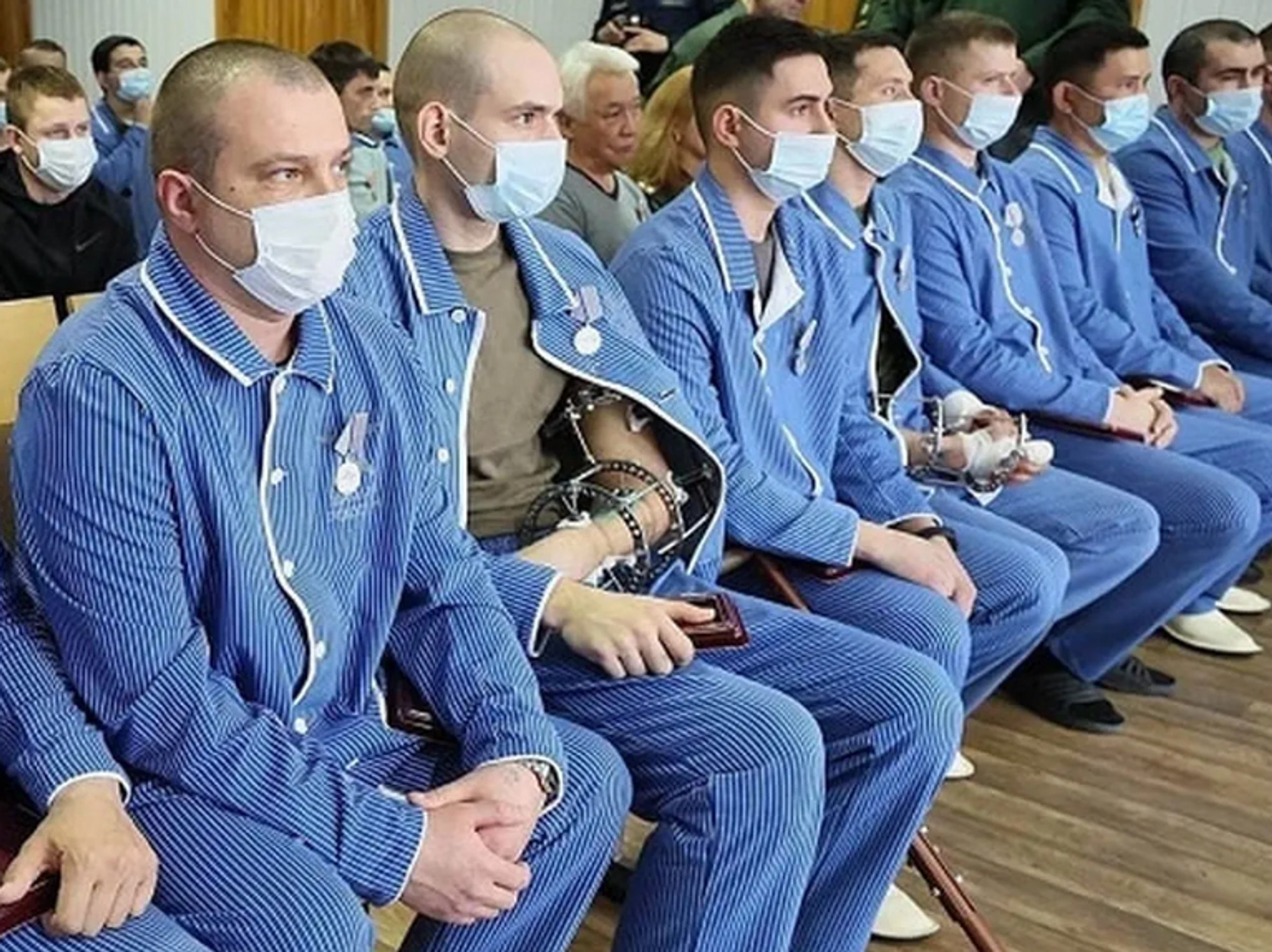
So-called “convalescent regiments” have been formed within the Russian army in an apparently desperate, and inhumane, attempt to avoid a deepening shortage of troops.
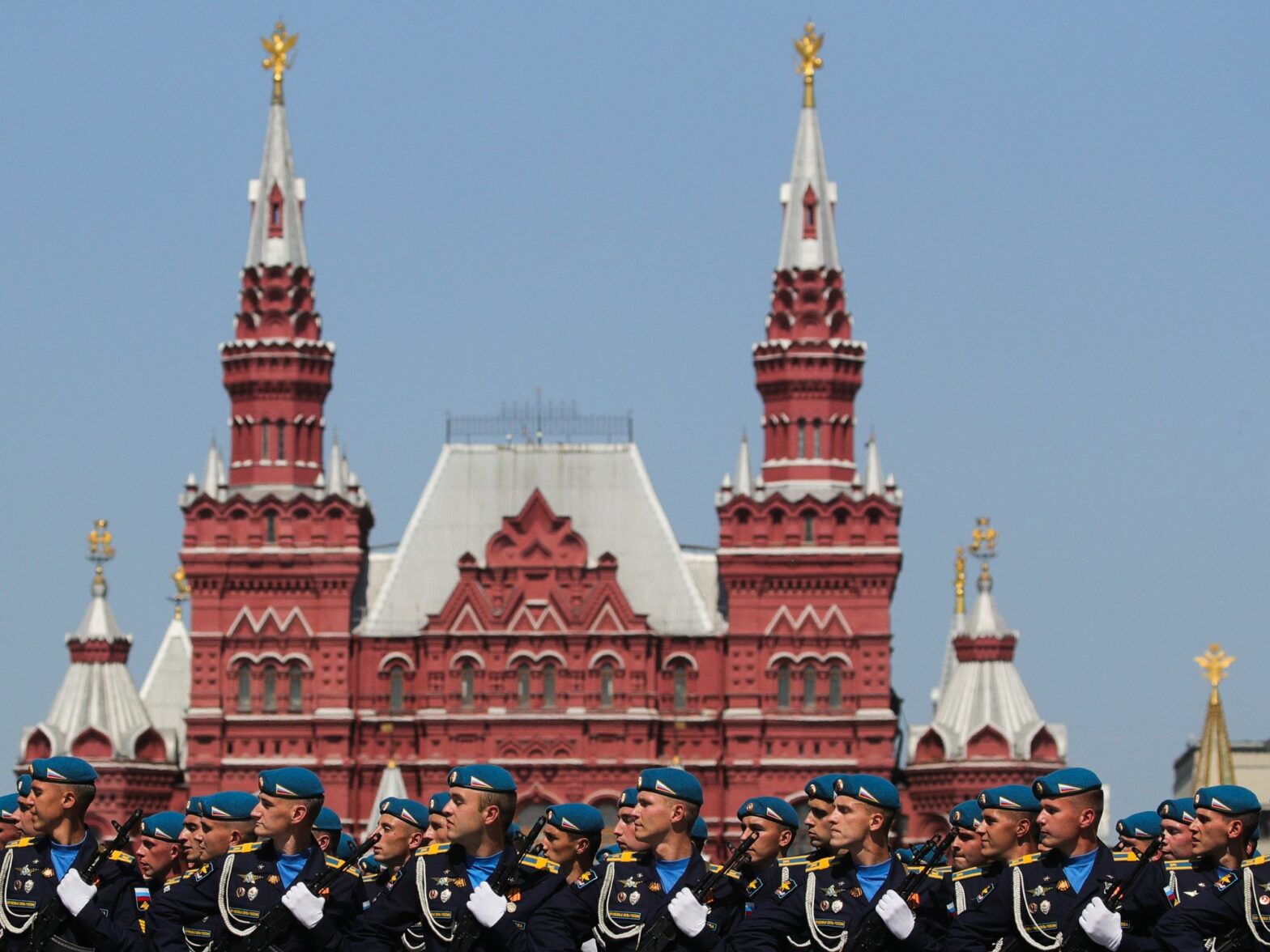
Russian ambitions to expand its empire have existed for centuries. But are they doomed to be this way forever? Janusz Onyszkiewicz, the former defense minister of Poland, digs into the history — and the future.
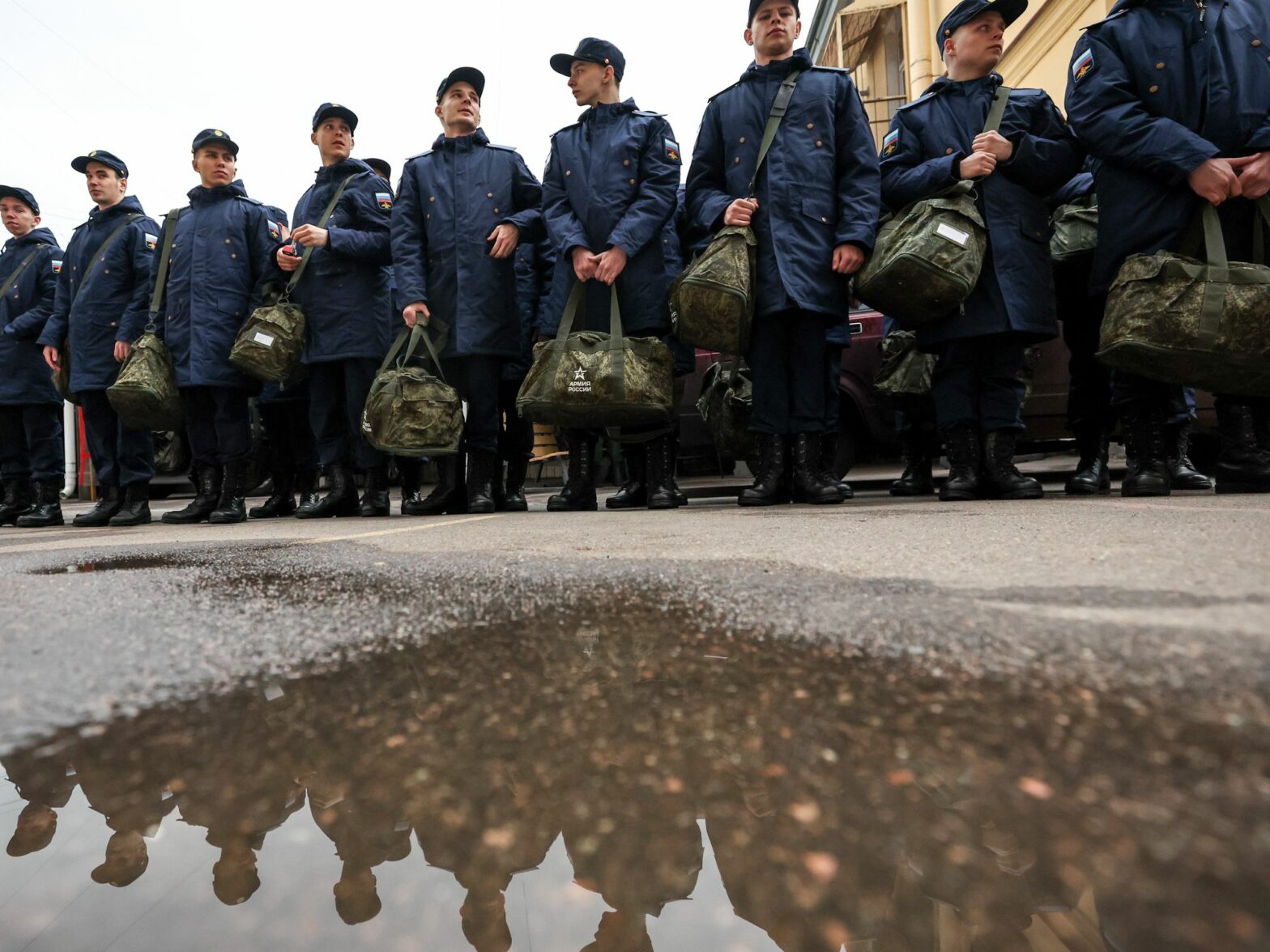
A year has passed since Russian President Vladimir Putin declared a partial mobilization of military reservists on Sept. 21, 2022. As rumors of a second wave of mobilization continue to circulate on social media, the independent Russian news site Vazhnyye Istorii (Important Stories) and the Conflict Intelligence Team found how the Russian draftees were largely treated as cannon fodder for the Ukraine war.
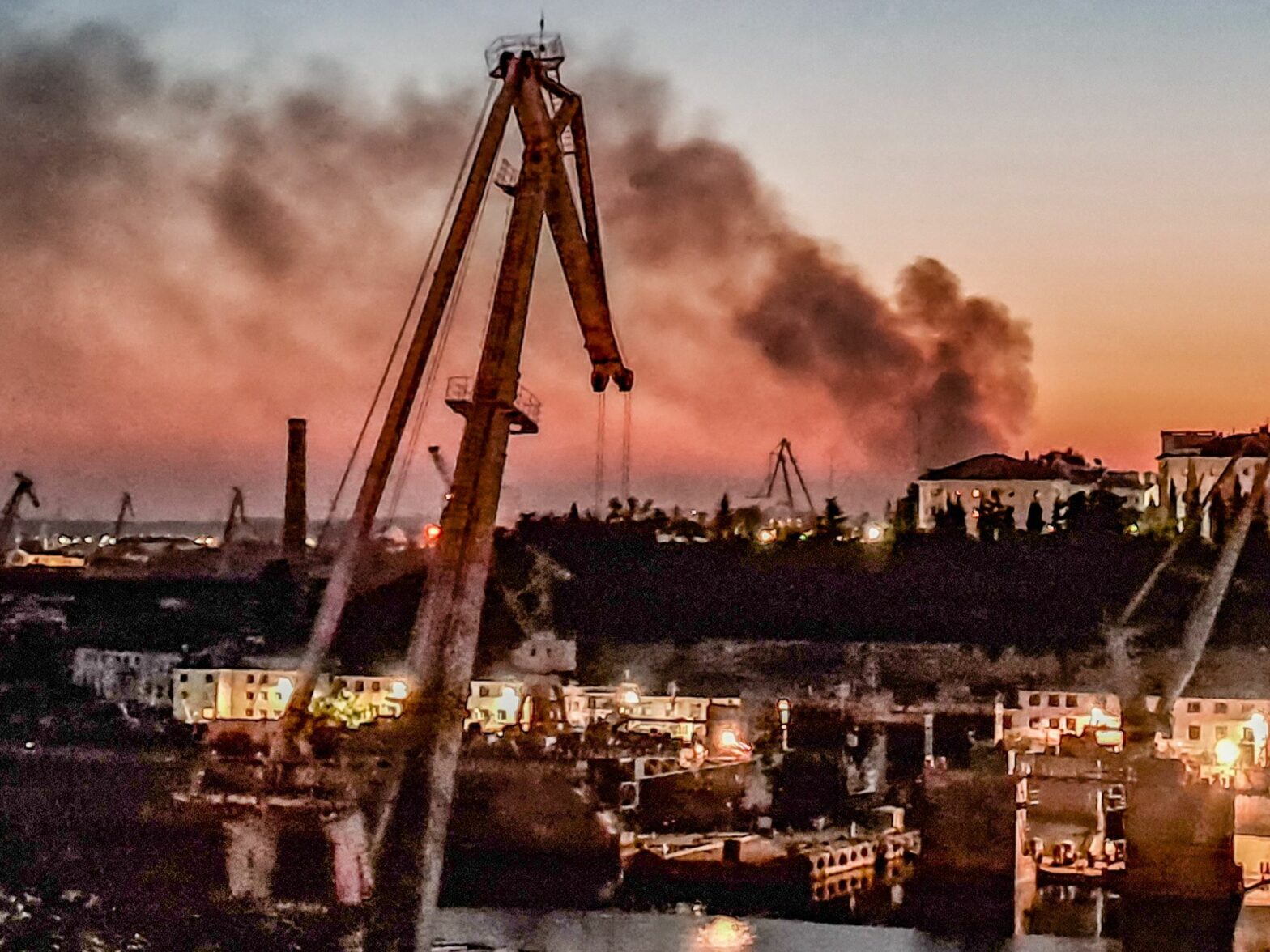
As Ukraine steps up its attacks on the Black Sea fleet and other targets in Crimea, here’s the inside story of Russia’s devastating naval defeat in April, 2022.
The Beslan school hostage crisis began on this day in 2004. What was the Beslan school hostage crisis? The Beslan school hostage crisis was a violent terrorist attack that occurred in September 2004, in the town of Beslan, North Ossetia, Russia. Armed militants took over School Number One, holding hostage more than one thousand people, […]
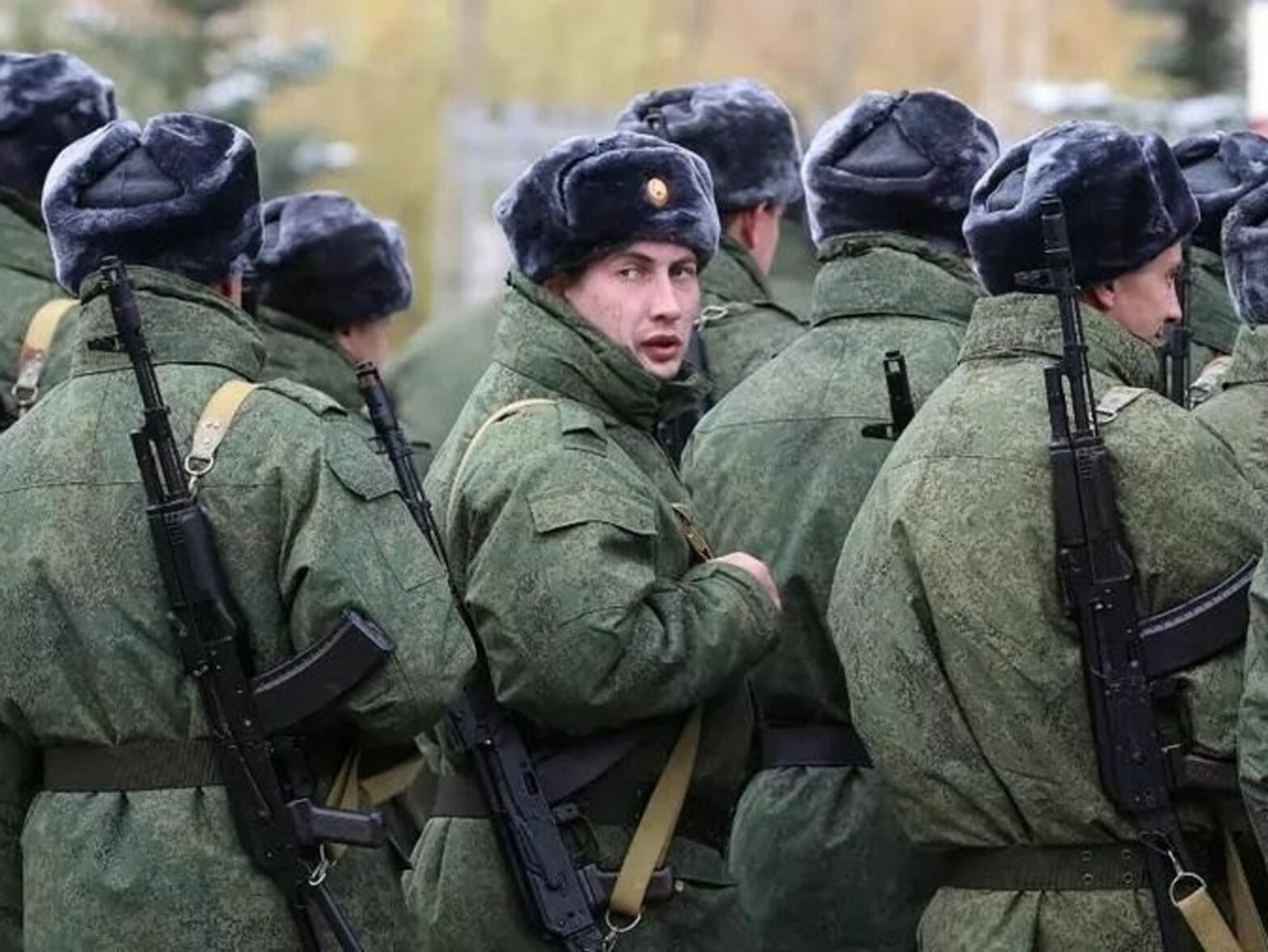
The Ukraine war is not just physical — it’s also being fought on a psychological front. Russian soldiers are subjected to complex psychological pressures at home and abroad.
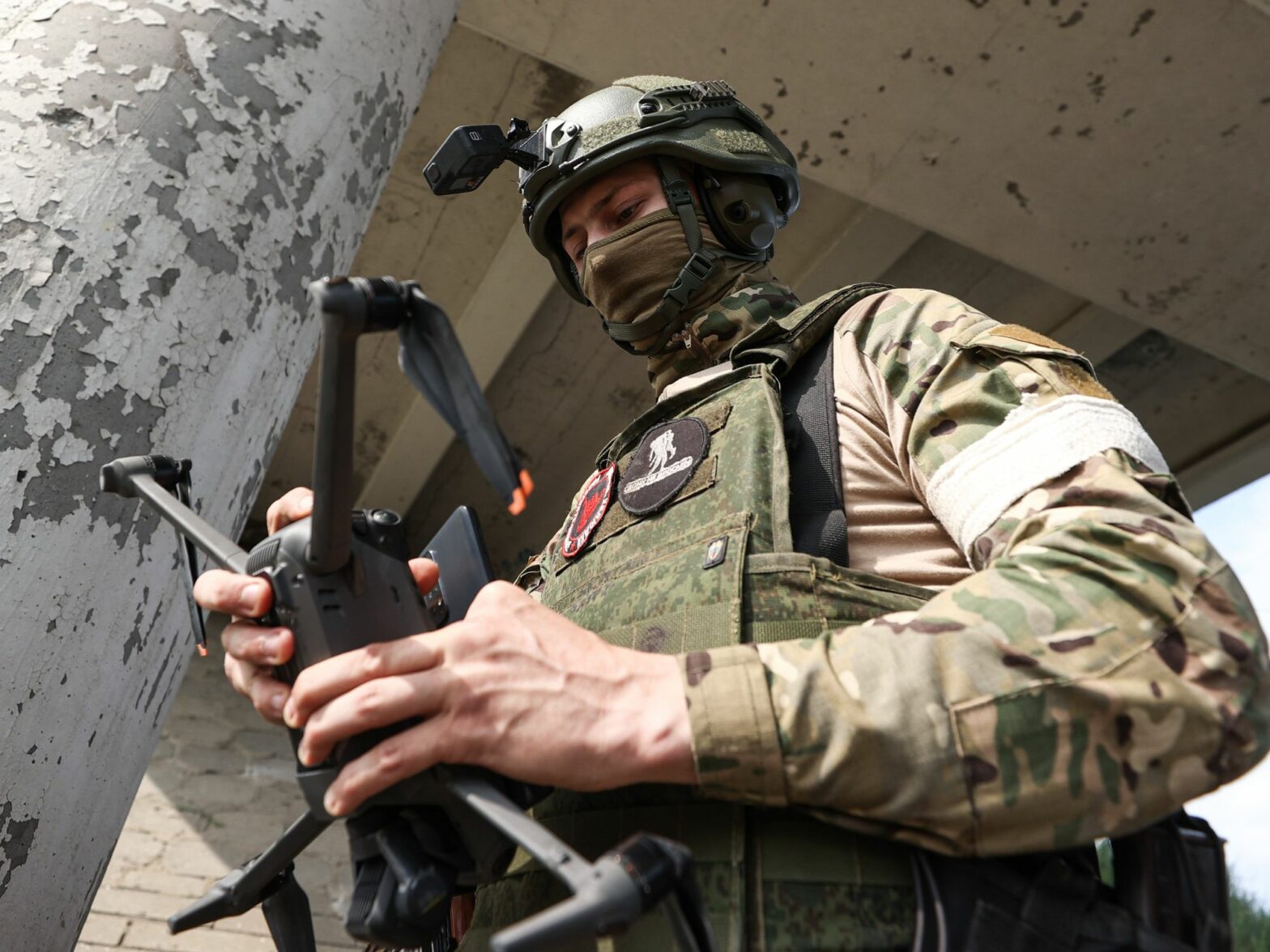
In spite of commonly-held beliefs that the Russian military is fighting with outdated weaponry and uncoordinated assaults, the truth is that complex weaponry is still making its war onto the Russian side on the front, even in spite of technology sanctions from the West.
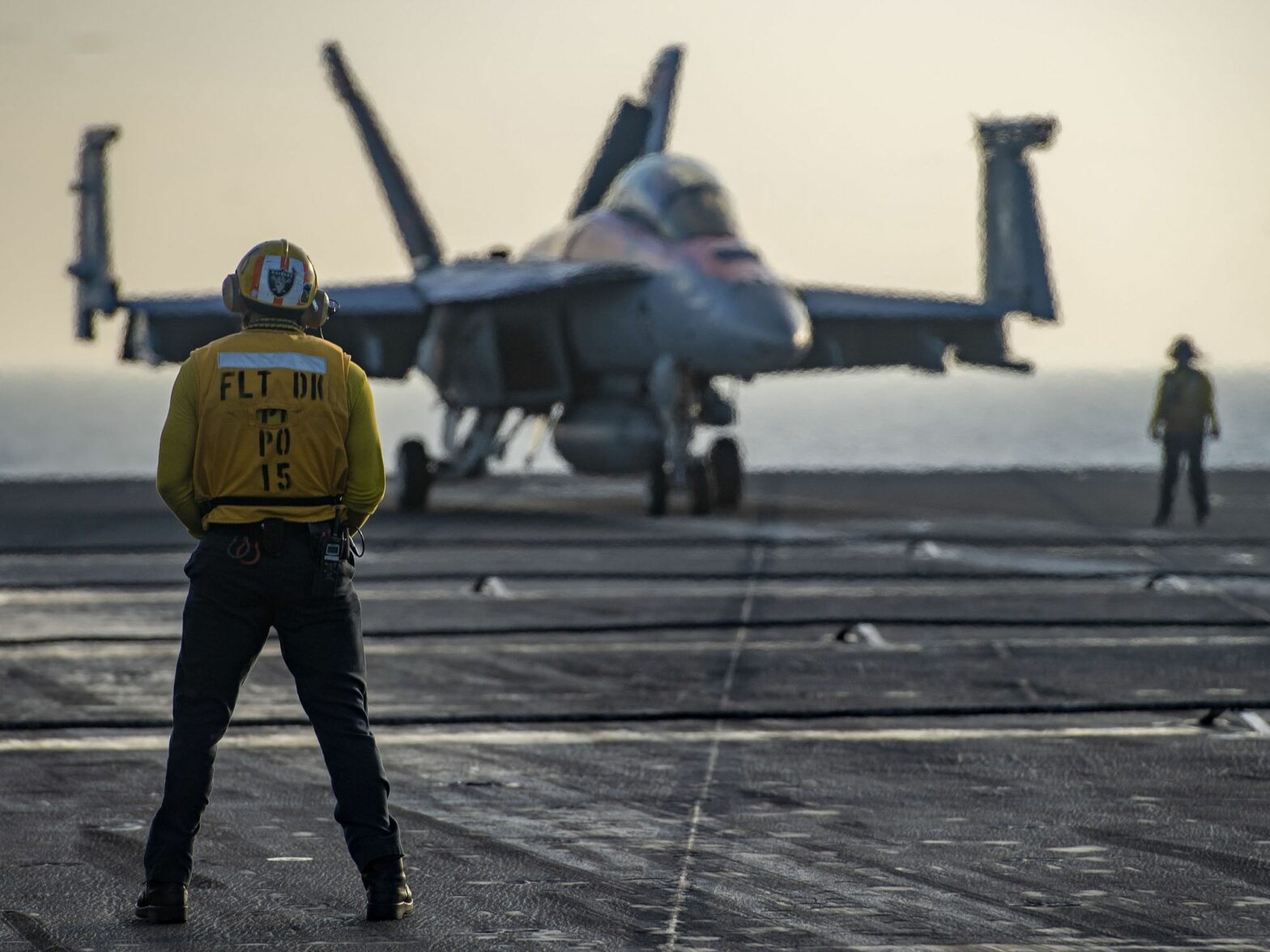
Denmark and the Netherlands have jointly declared their intention to dispatch F-16 fighter jets to bolster the Ukrainian Air Force. Once Ukrainian pilots are trained, it may help tip the balance in Kyiv’s favor.
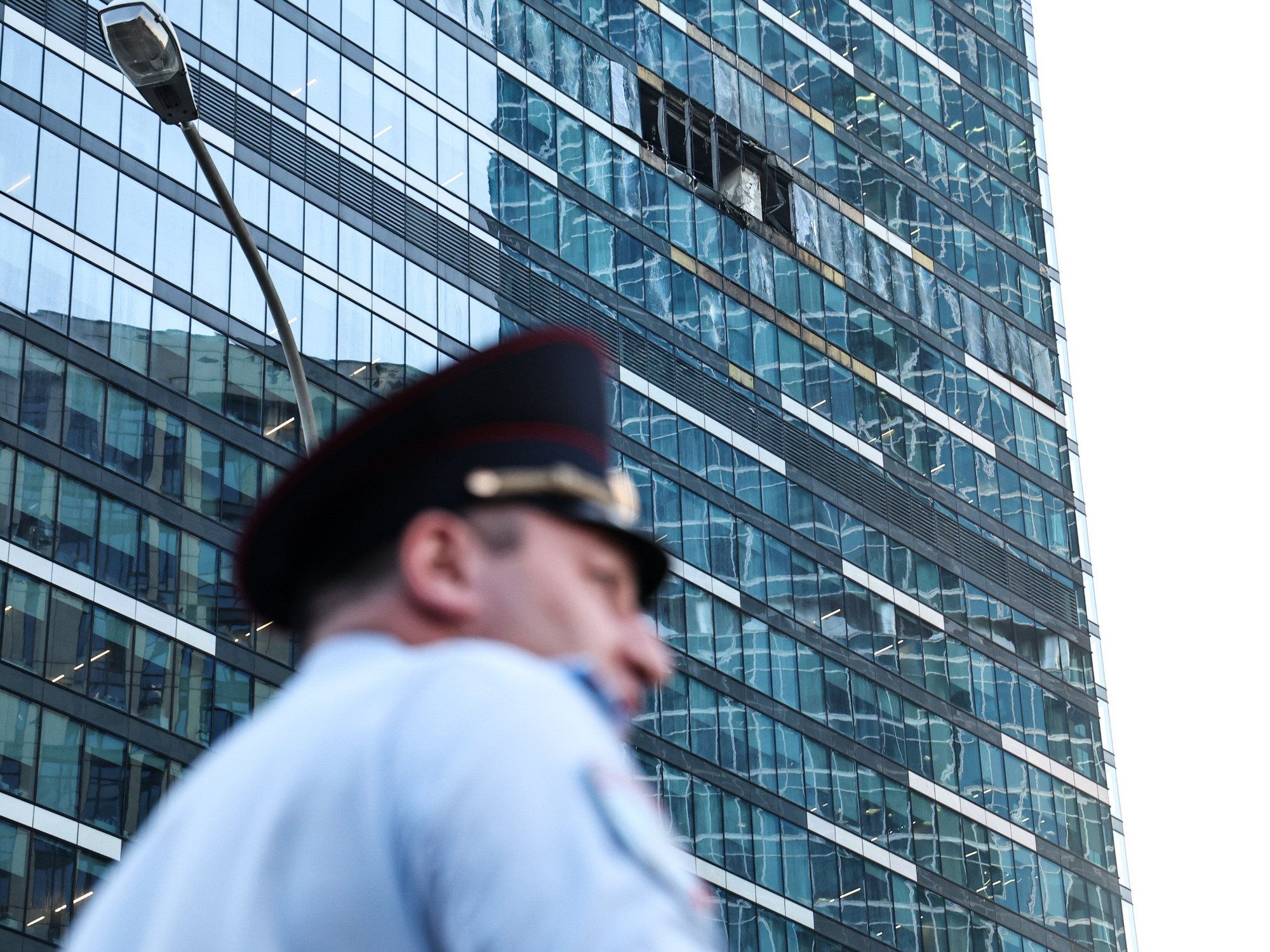
In recent days, multiple drone attacks targeted and hit skyscrapers in Moscow’s business district. These strikes are thought to have been led by Ukrainian unmanned aerial vehicles (UAVs), reportedly belonging to a new category of “Beaver” drones. Here’s what we know about them.
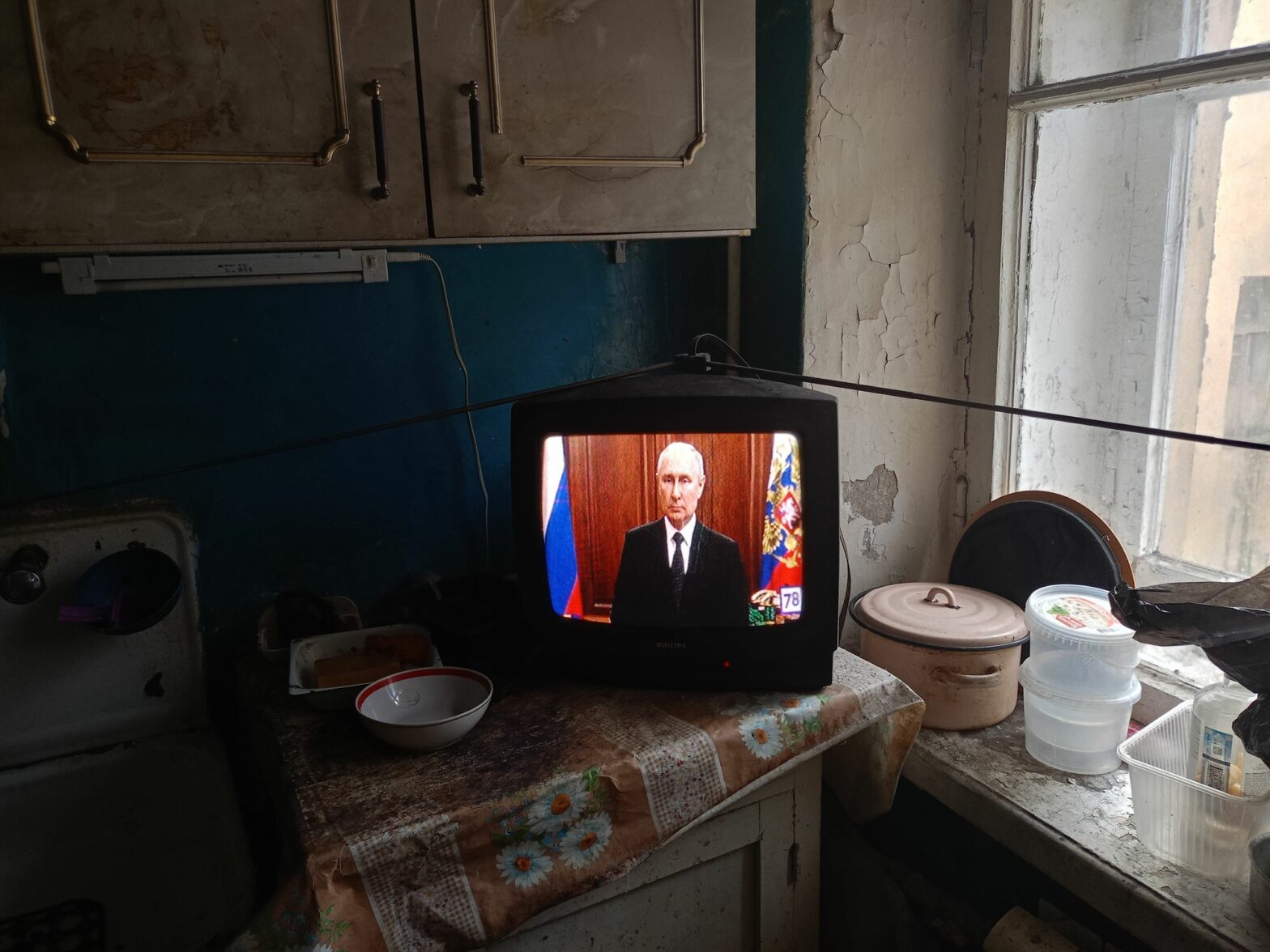
The recent revolt led by Wagner mercenary chief Yevgeny Prigozhin has opened the door to what Russia could become after Vladimir Putin is deposed.
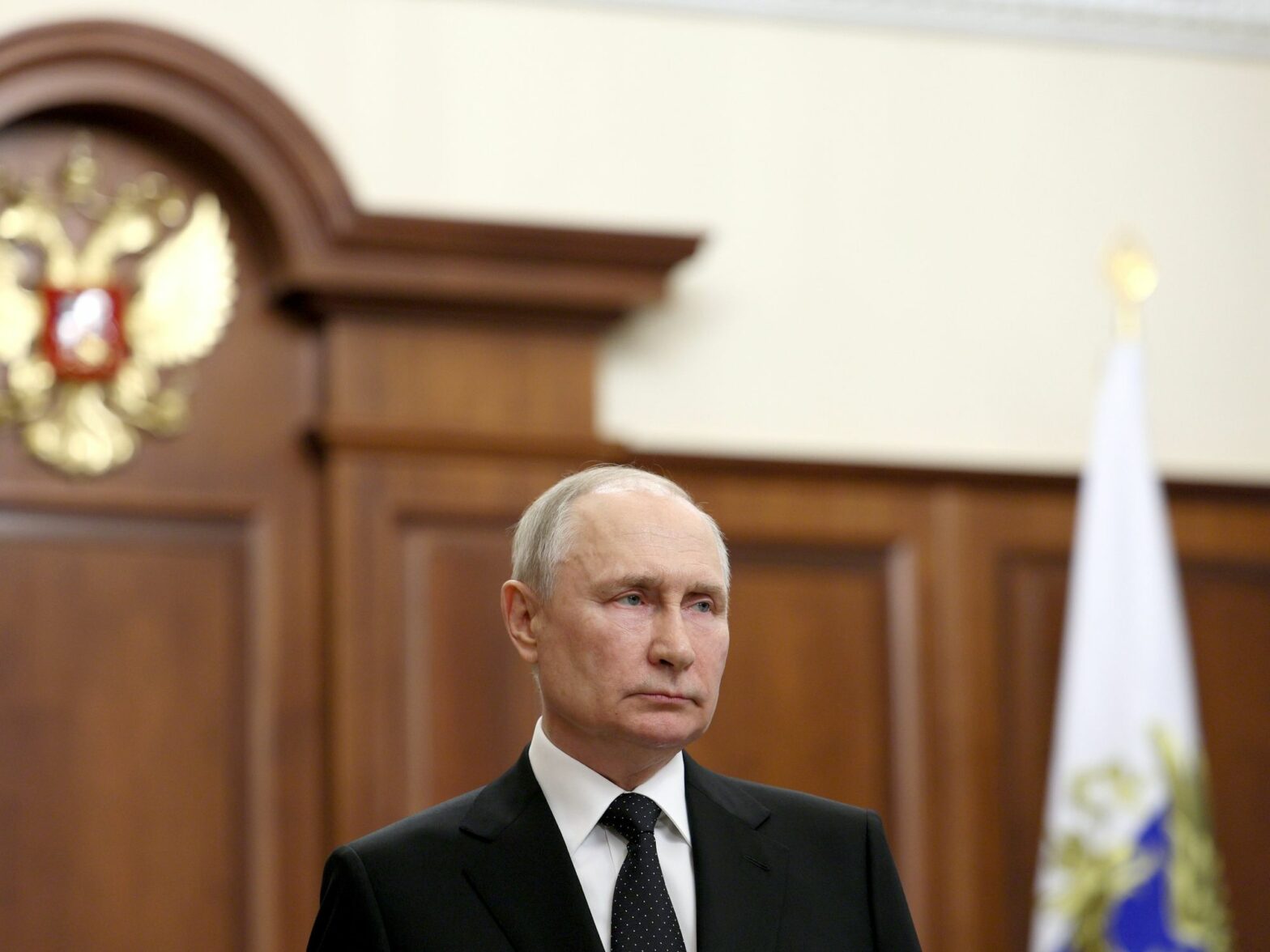
Wagner mercenary chief Yevgeny Prigozhin’s aborted coup against Russian President Vladimir Putin reveals the great confusion that reigns in Russia, and the weakness of the Kremlin’s leader — but it’s a weakness that makes him all the more unpredictable.
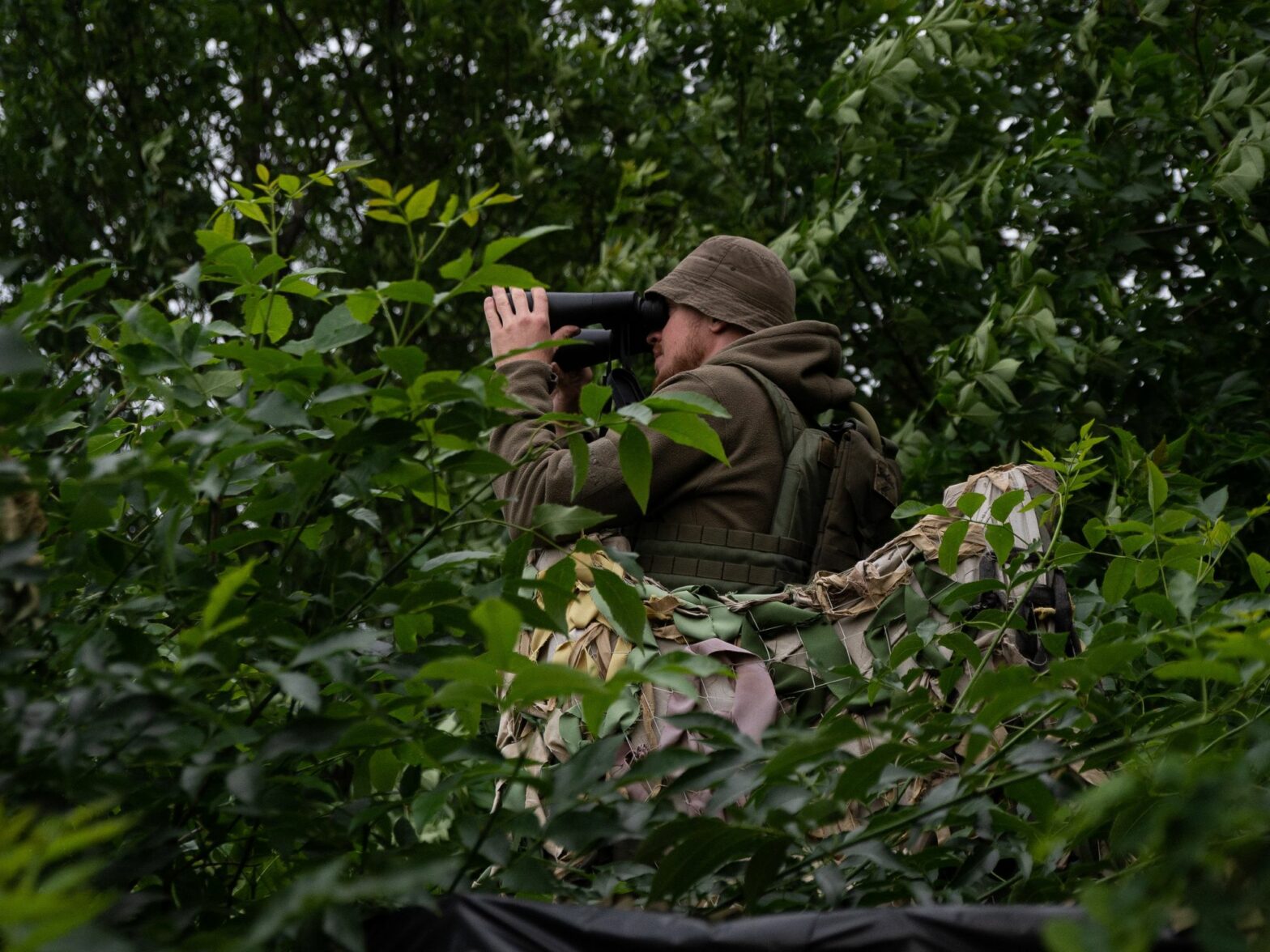
Ukraine’s counteroffensive has been marked by grueling combat. Independent Russian news site Agenstvo spoke to military experts who explain why progress is slow and how worrying the situation is for Ukraine.
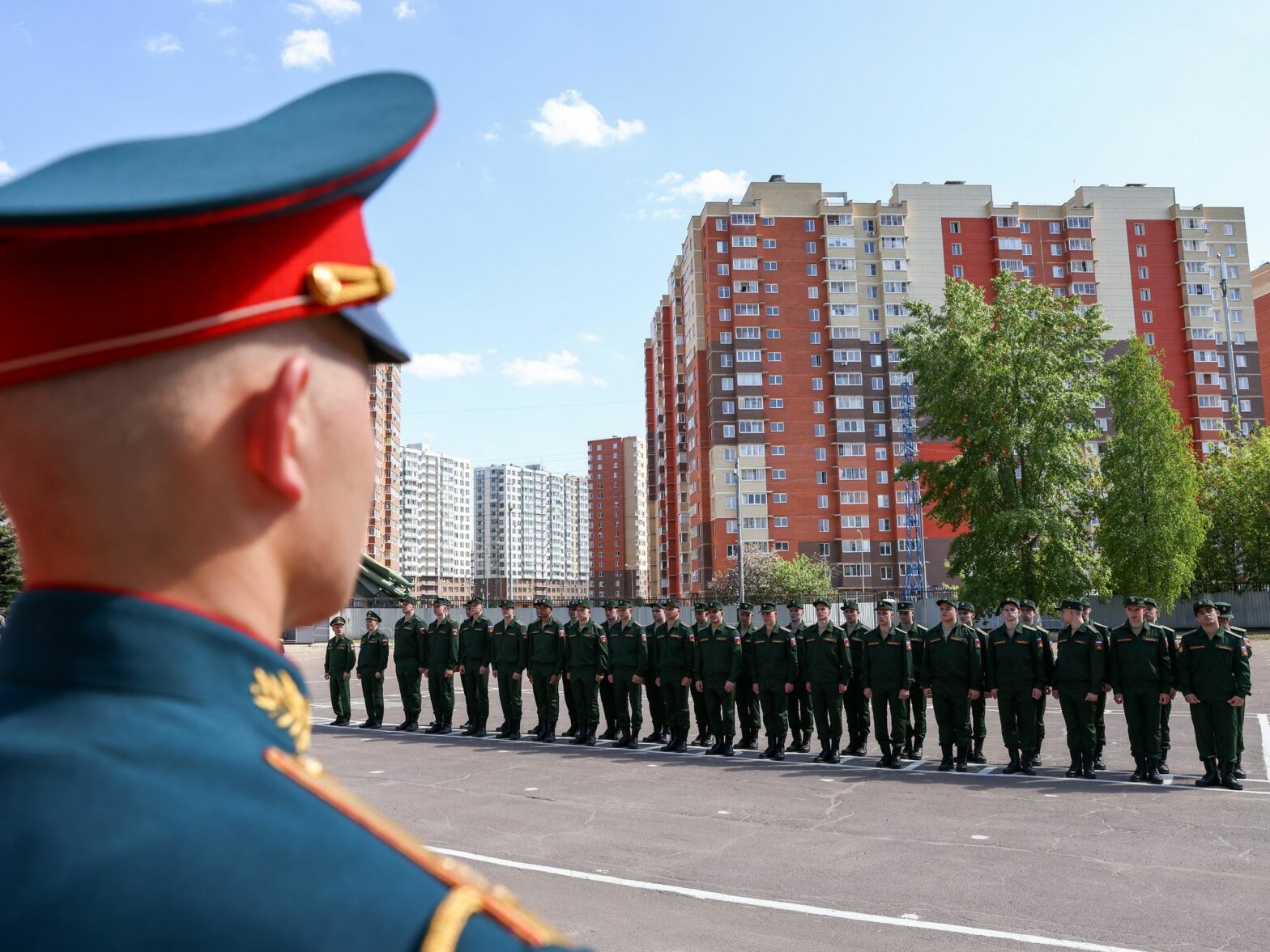
The Defense Ministry had pushed for a bill to adopt the same dubious method of recruiting volunteers from prisons begun by the Wagner Group private mercenary outfit. Parliament approved it on Tuesday, the latest sign of the Kremlin’s desperate search to recruit soldiers to stave off the Ukrainian counteroffensive.
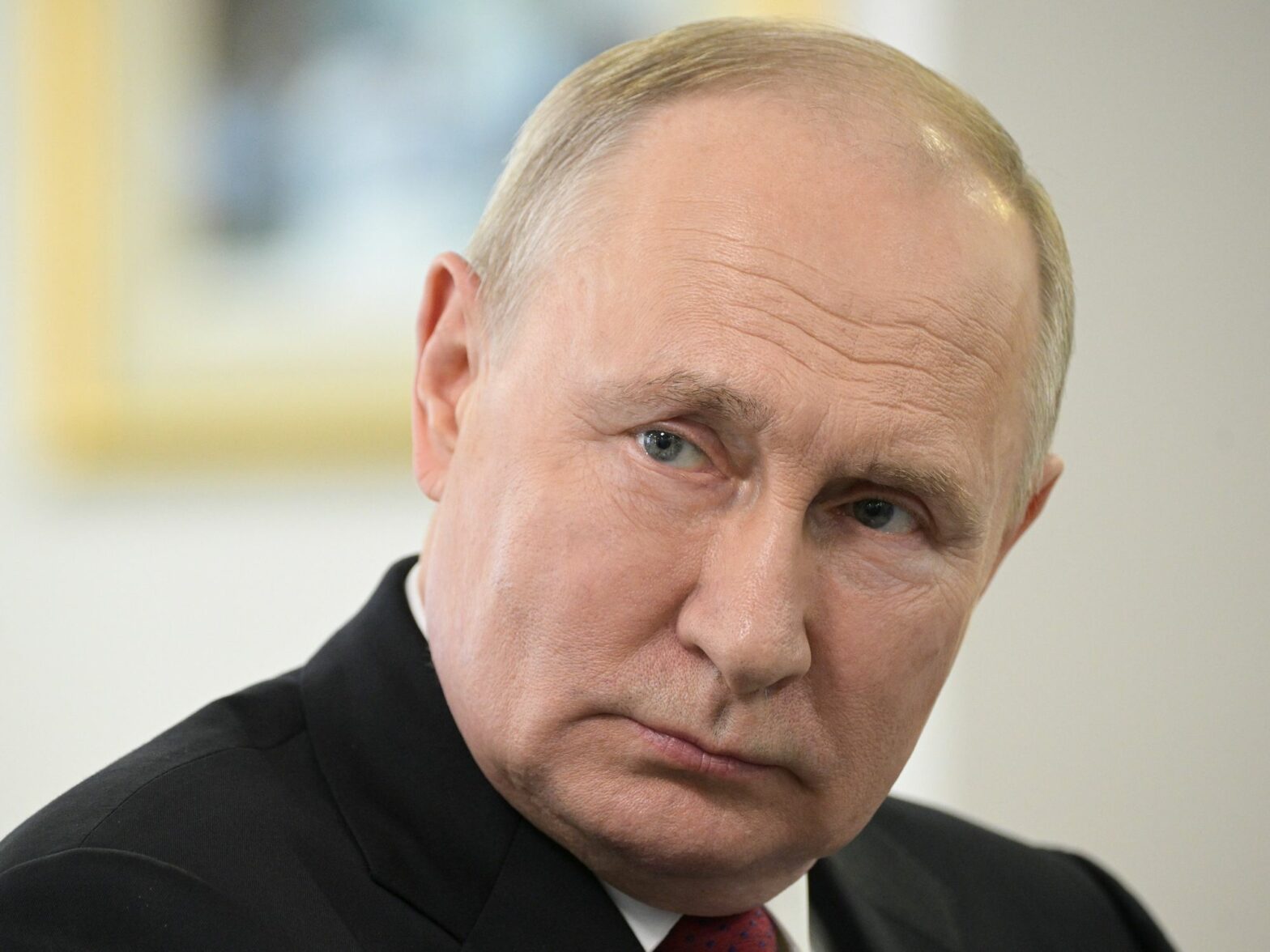
The idea of “peacemaking” with Russia has been creeping into Western media, bolstered by fears that Putin could ultimately resort to nuclear weapons. But Oleksiy Danilov, Secretary of the National Security Council of Ukraine, warns of the traps of this thinking.
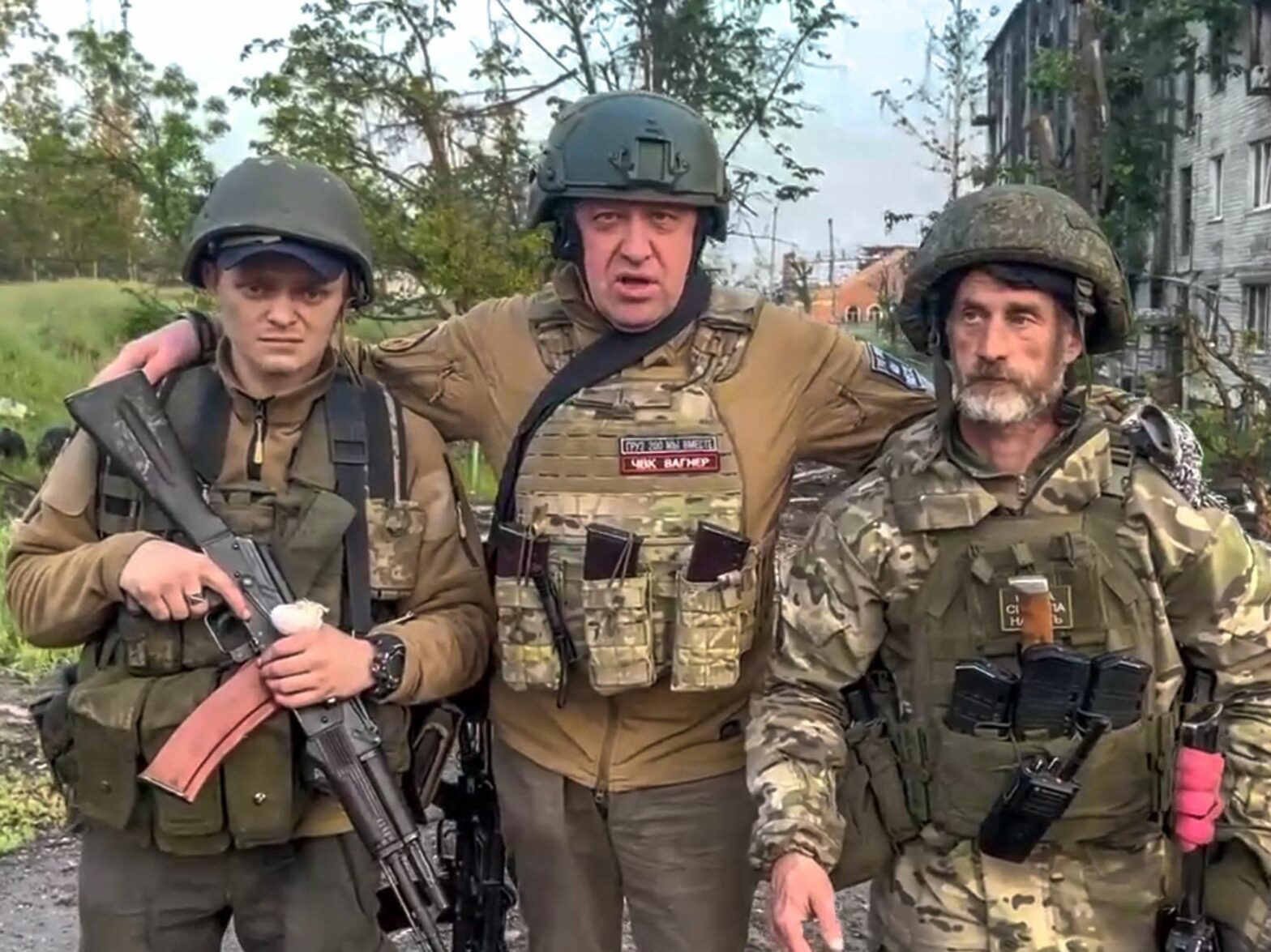
The owner of the Wagner mercenary group says he will refuse an order from Russia’s defense ministry to fold his fighters into the regular military — but it may be a sign that the Russian government finally wants to get rid of the increasingly powerful mercenary chief.
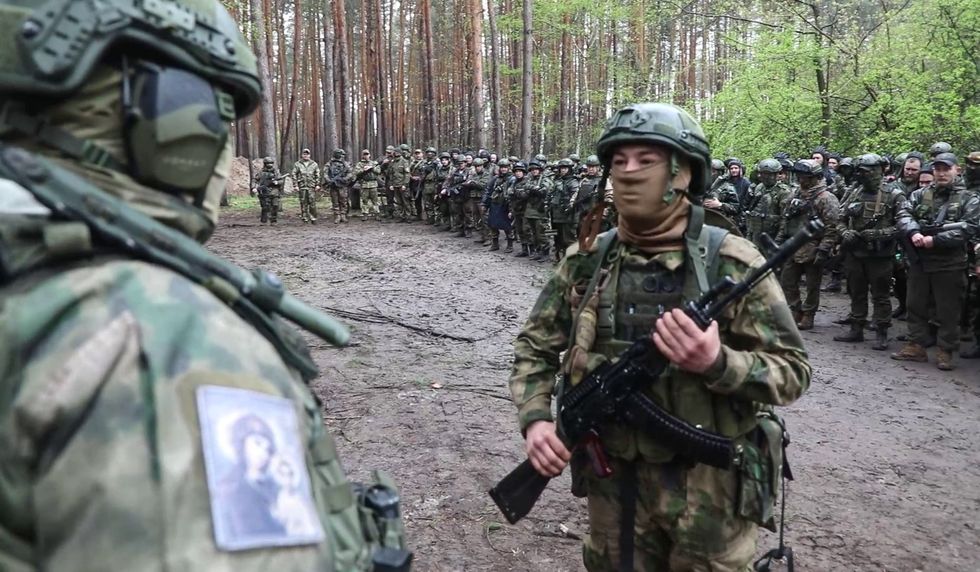
Moscow quickly deleted an article detailing the mobilization process and the formation of new units, which made clear that potential Russian conscripts have two choices: flee or fight.
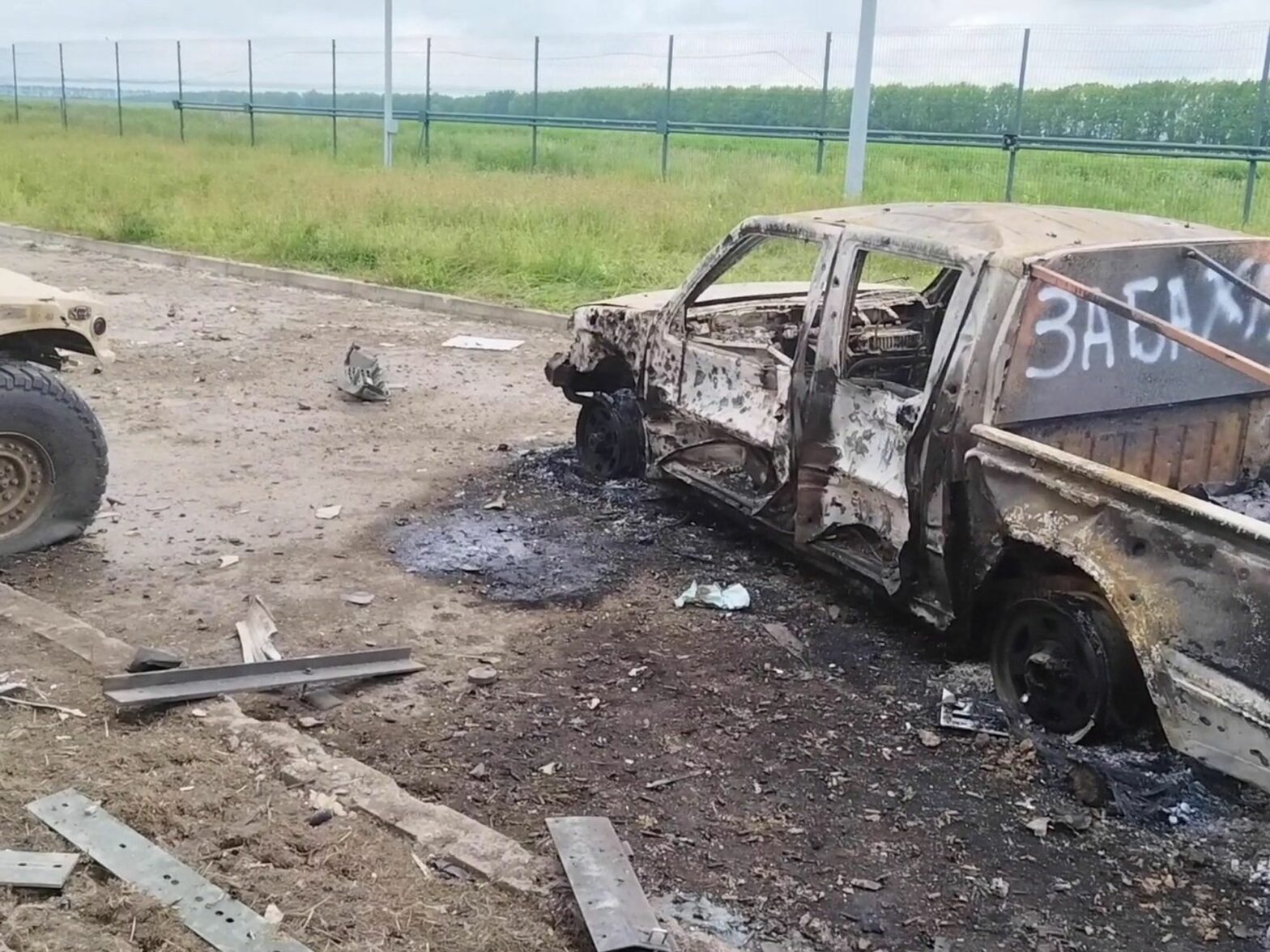
Russia failed to respond in time to an attack in the Belgorod region, close to the Ukraine border. Now, independent Russian news outlet Vazhnyye Istorii/Important Stories reveals hears from Russian security forces and military analysts about what this week’s brazen incursion reveals about the vulnerability country’s defenses.
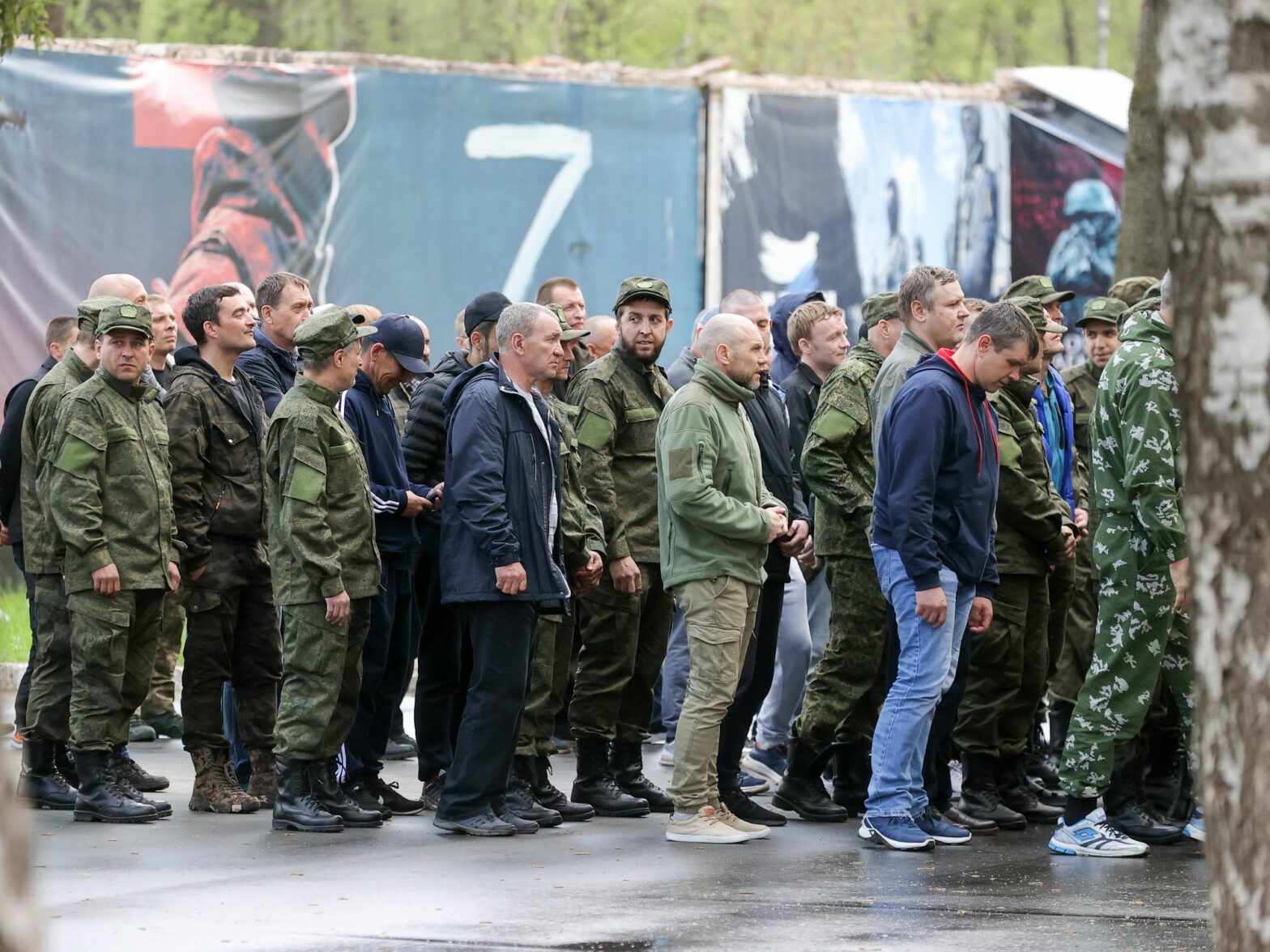
As Russia continues to suffer heavy losses in Ukraine, President Vladimir Putin has signed a decree to mandate training for military reserves, which human rights activists is meant to be used to force new recruits to the frontlines.
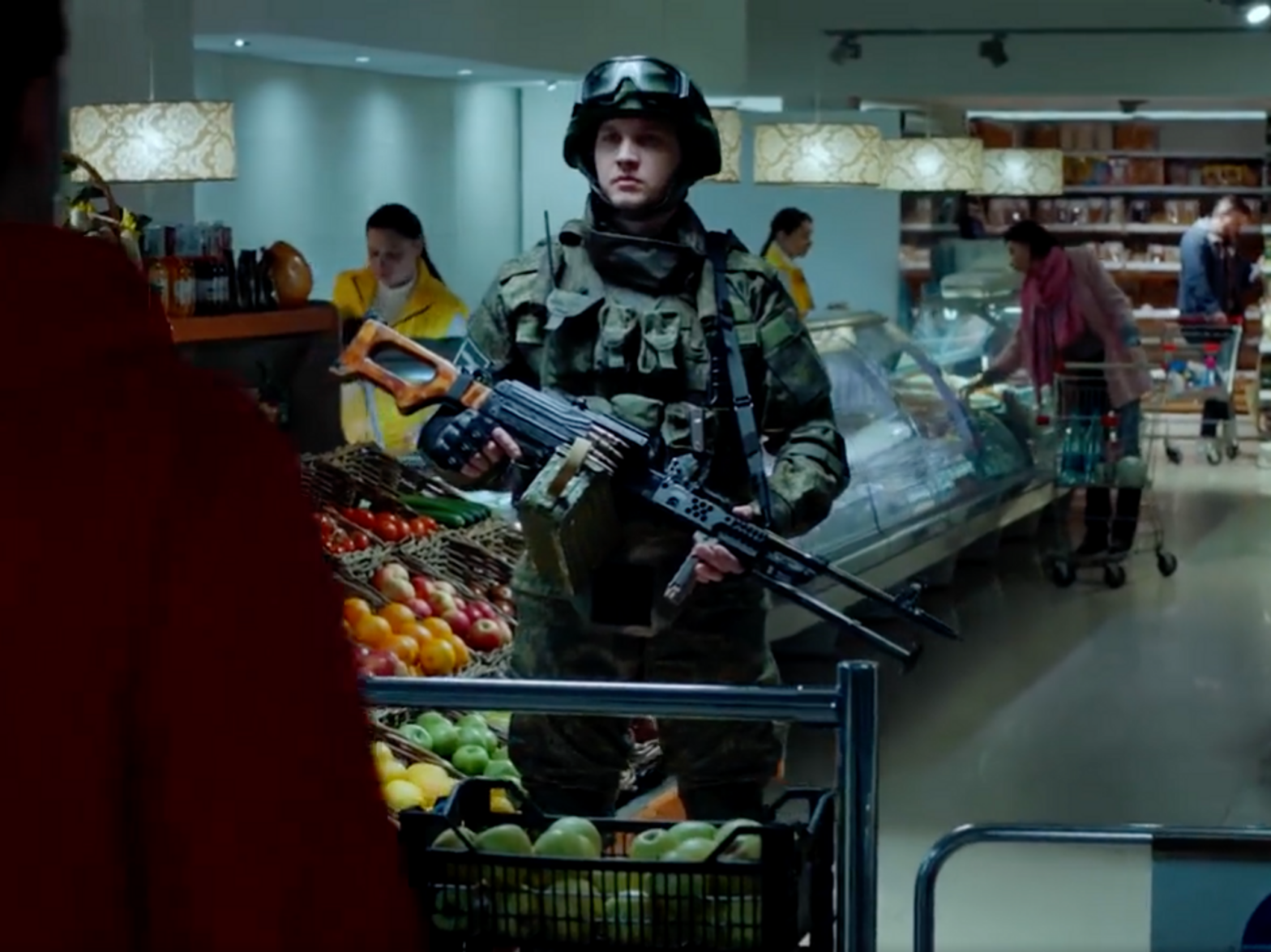
Suffering heavy losses, the Russian army is undertaking an intensive recruitment drive. We take a look at the heavy-handed adverts and offers that encourage men to go to war.