NATO’s warning signals a shift in how Europe must confront Russian cyber attacks, sabotage, and pressure on critical infrastructure, as Moscow turns sub-threshold conflict into a strategic weapon.
 Worldcrunch
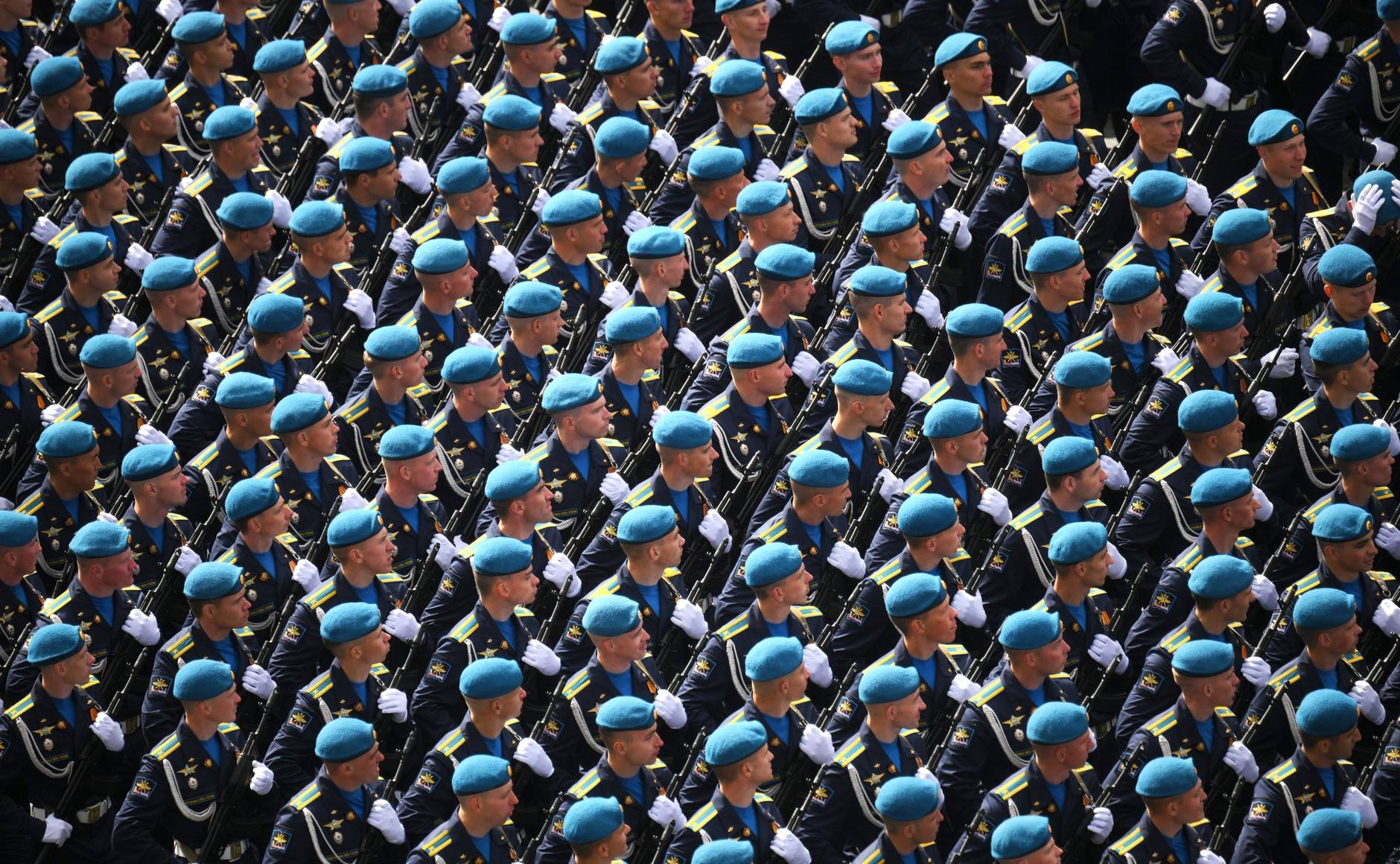
NATO’s warning signals a shift in how Europe must confront Russian cyber attacks, sabotage, and pressure on critical infrastructure, as Moscow turns sub-threshold conflict into a strategic weapon.
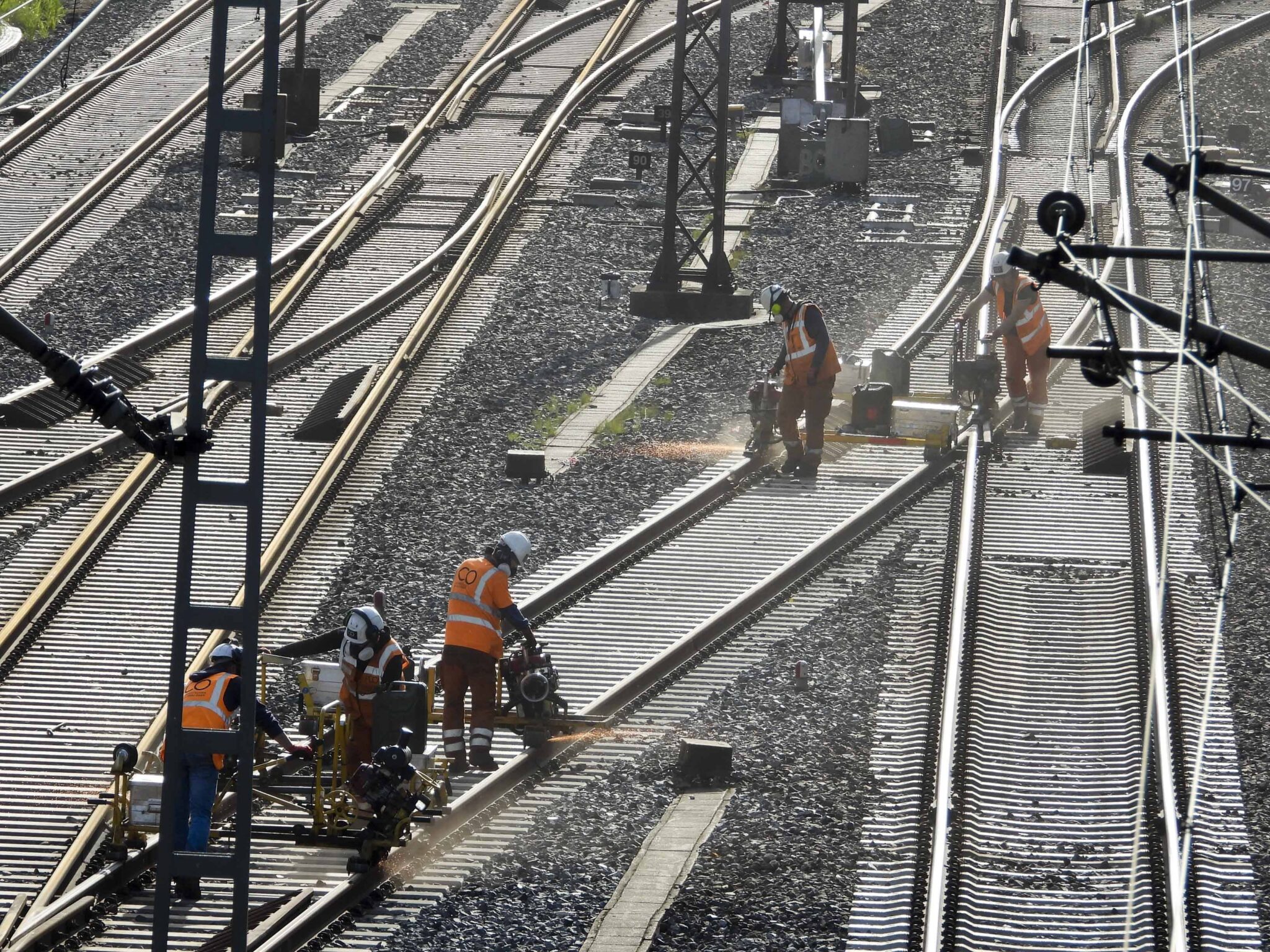
The EU’s new military mobility push is turning delayed infrastructure projects like Germany’s Murr Railway into potential defense assets, reshaping transport priorities across the continent.
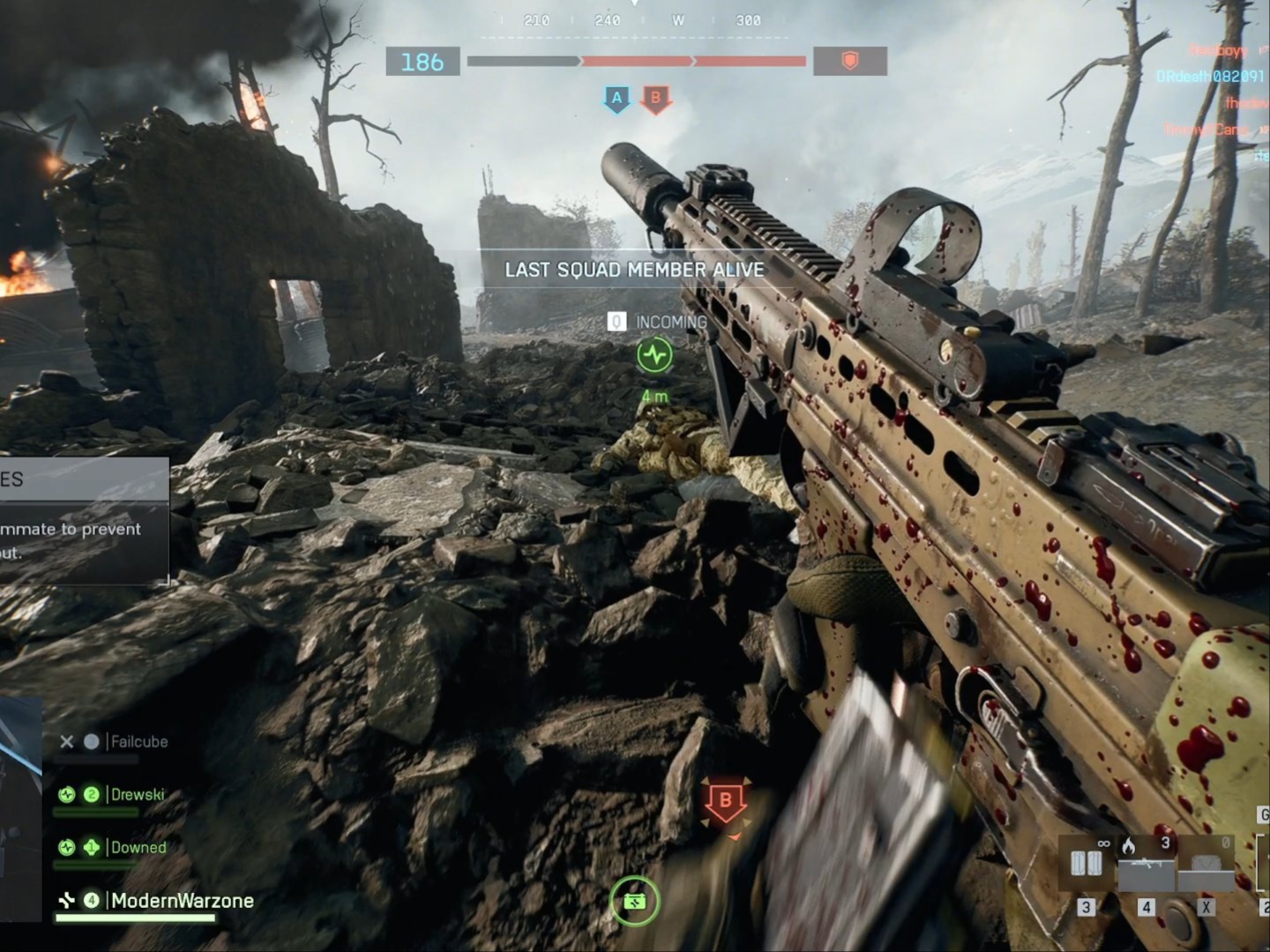
A longtime first-person shooter fan finds Battlefield 6’s glossy near future combat disturbingly close to today’s wars, and uncomfortably like training rather than escapism.
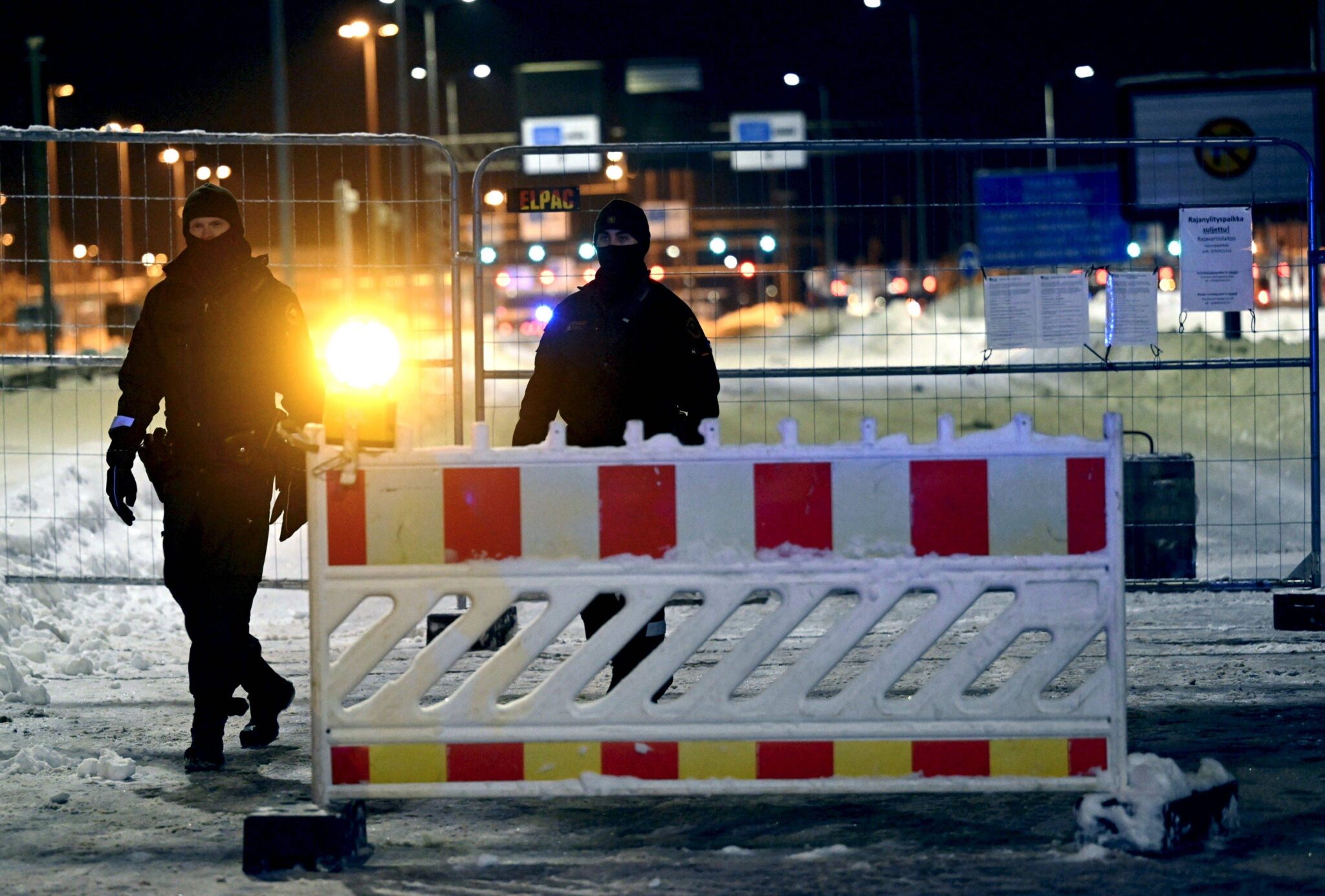
Since the Russian border was closed, people in the far east of Finland have been living with a new Iron Curtain that is reshaping daily life and upending the regional economy.

As Russian jets breach Estonian airspace, Tallinn’s mayor Jevgeni Ossinovski explains how the capital is preparing for war while holding on to faith in NATO protection.
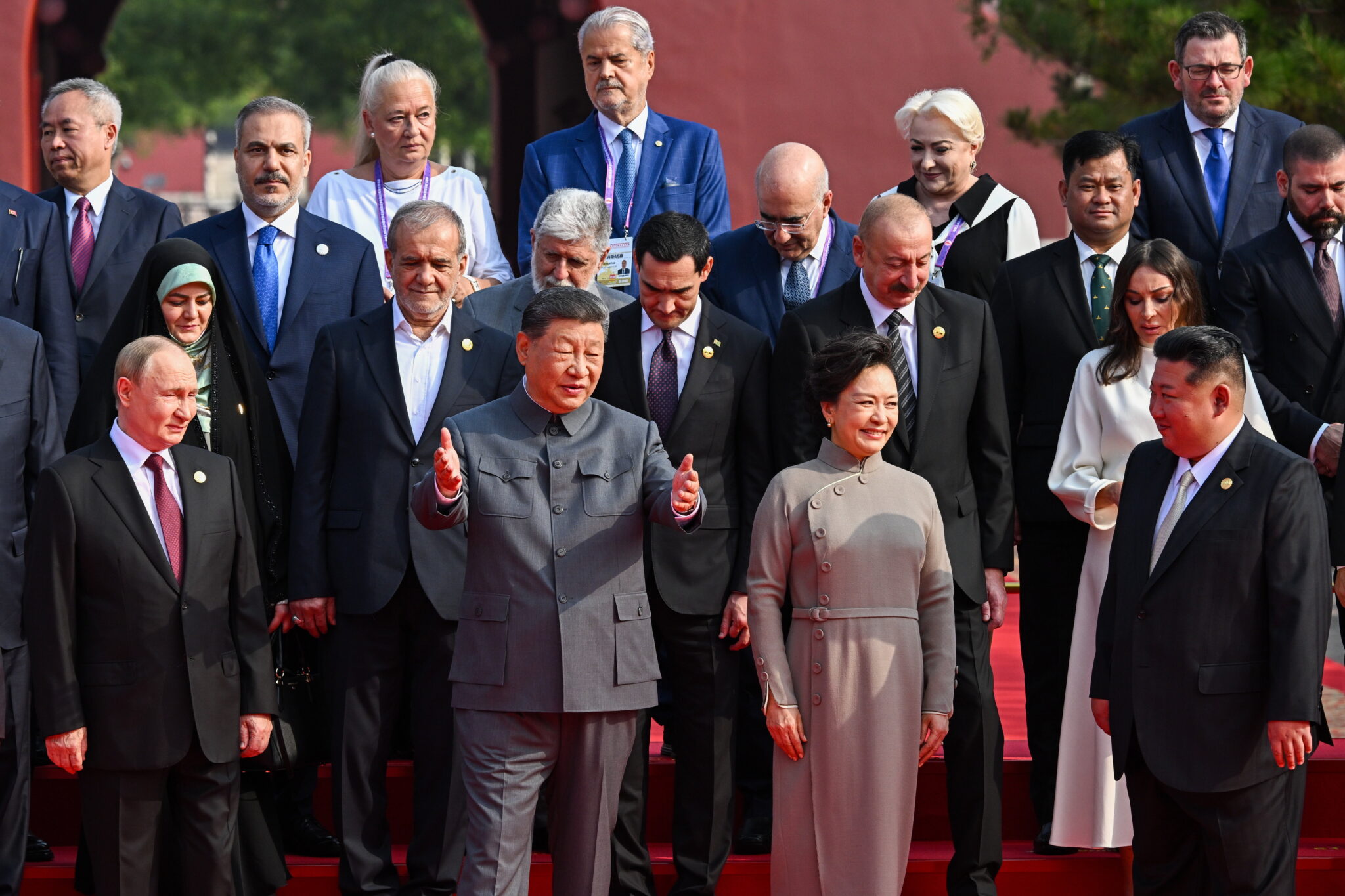
Xi Jinping’s military show in Beijing and his alliance of autocrats may look like the dawn of a new world order, yet the economic, scientific, and military balance still tilts toward the democracies of the West.
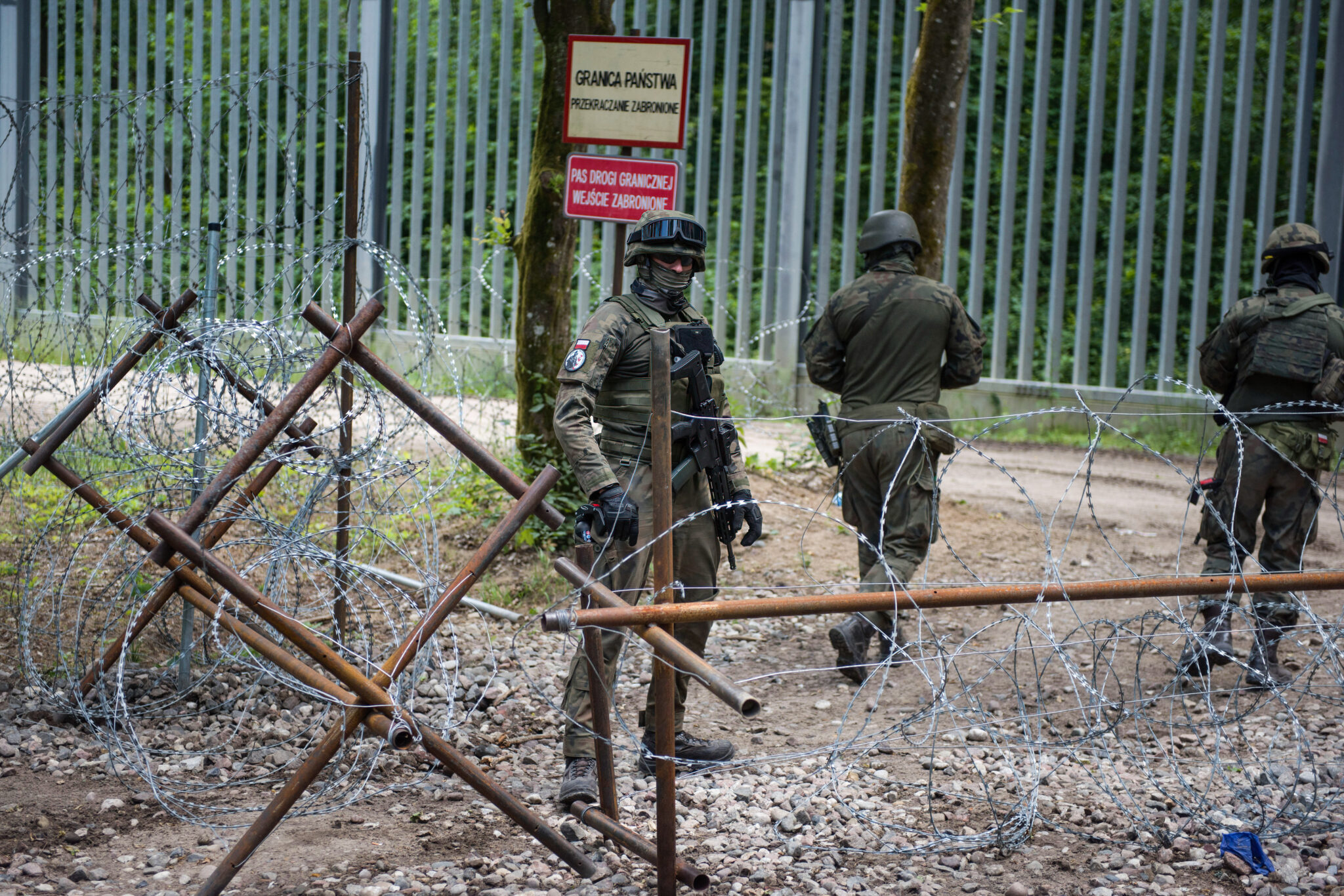
A historic ally of Kyiv, Poland has found itself on the frontlines of the Ukraine-Russia war. What began as a border crisis back in 2021 has now evolved into a full-scale struggle for security, sovereignty, and survival on NATO’s eastern flank.
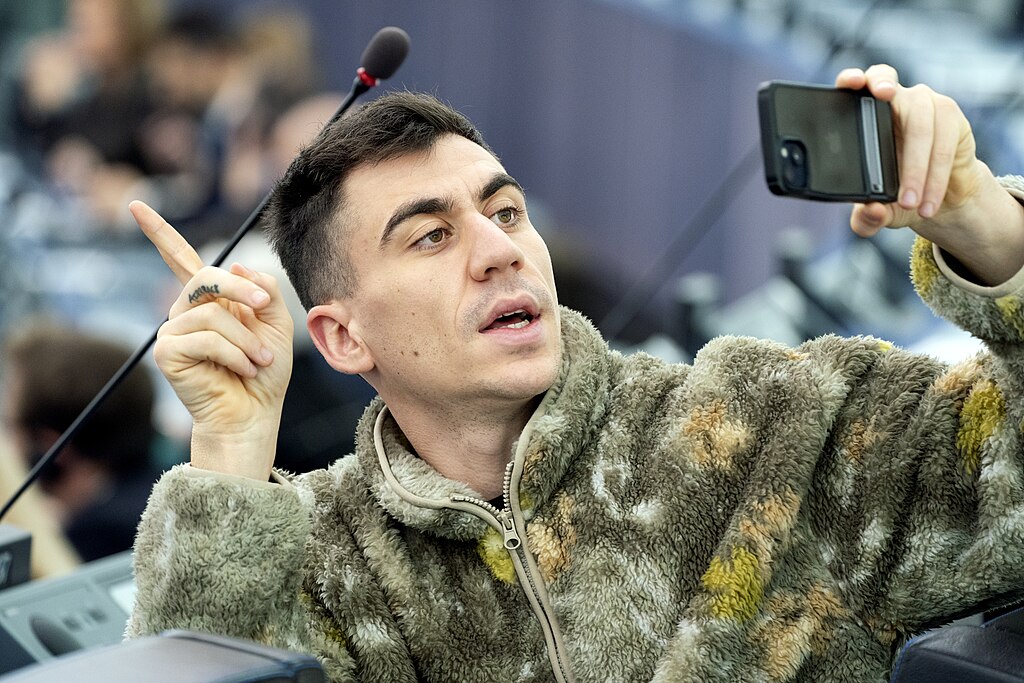
He ran “for fun,” filmed every step, and turned controversy into content. Now, from the back row of Brussels, Panayiotou is rewriting what it means to be an MEP in the age of the algorithm.
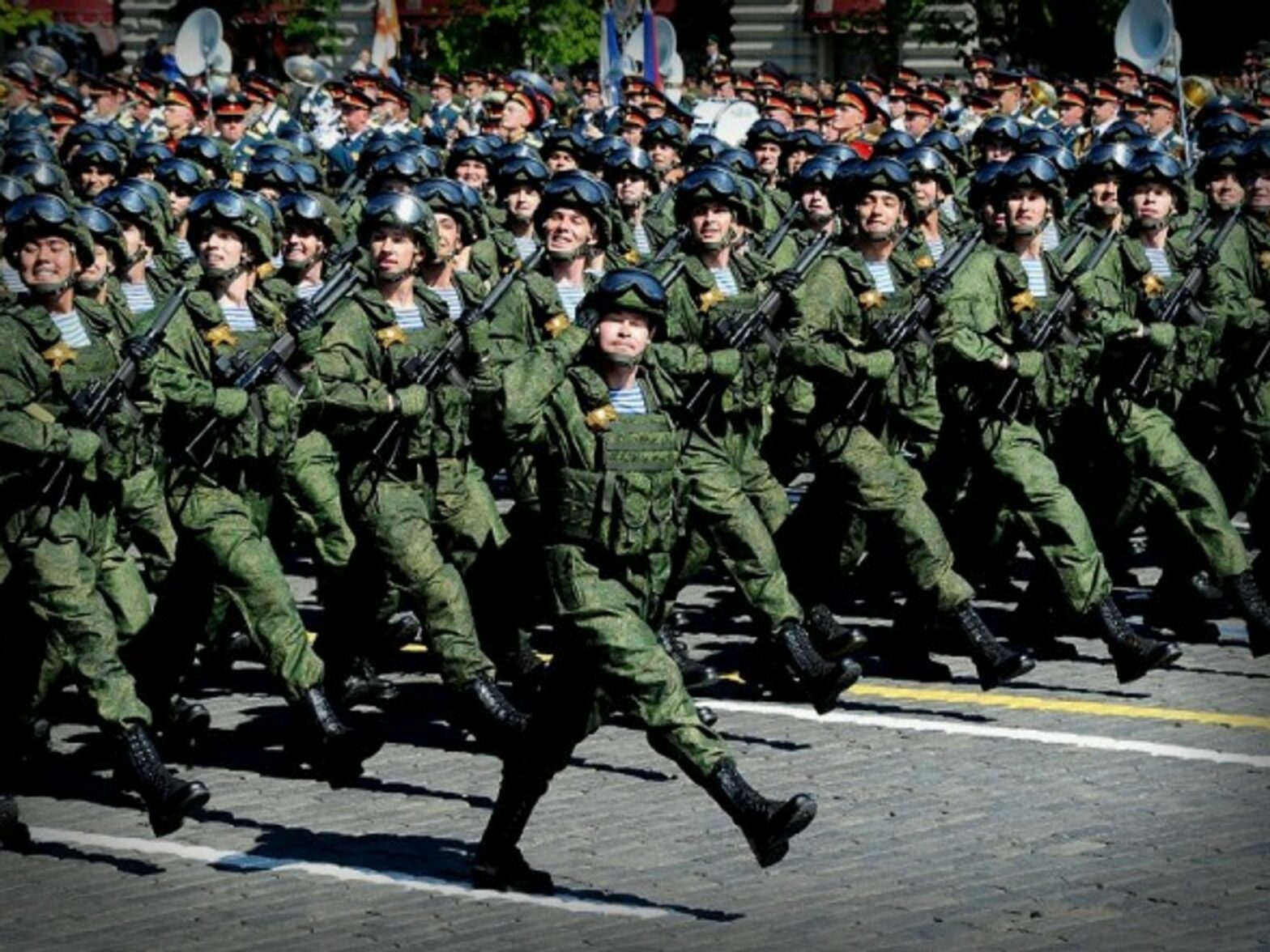
Chancellor Merz and Foreign Minister Wadephul warn of direct threats from Moscow on the lives of people in Germany, and yet hesitate to back their words with the kind of support Ukraine urgently needs to avoid that Putin goes further.
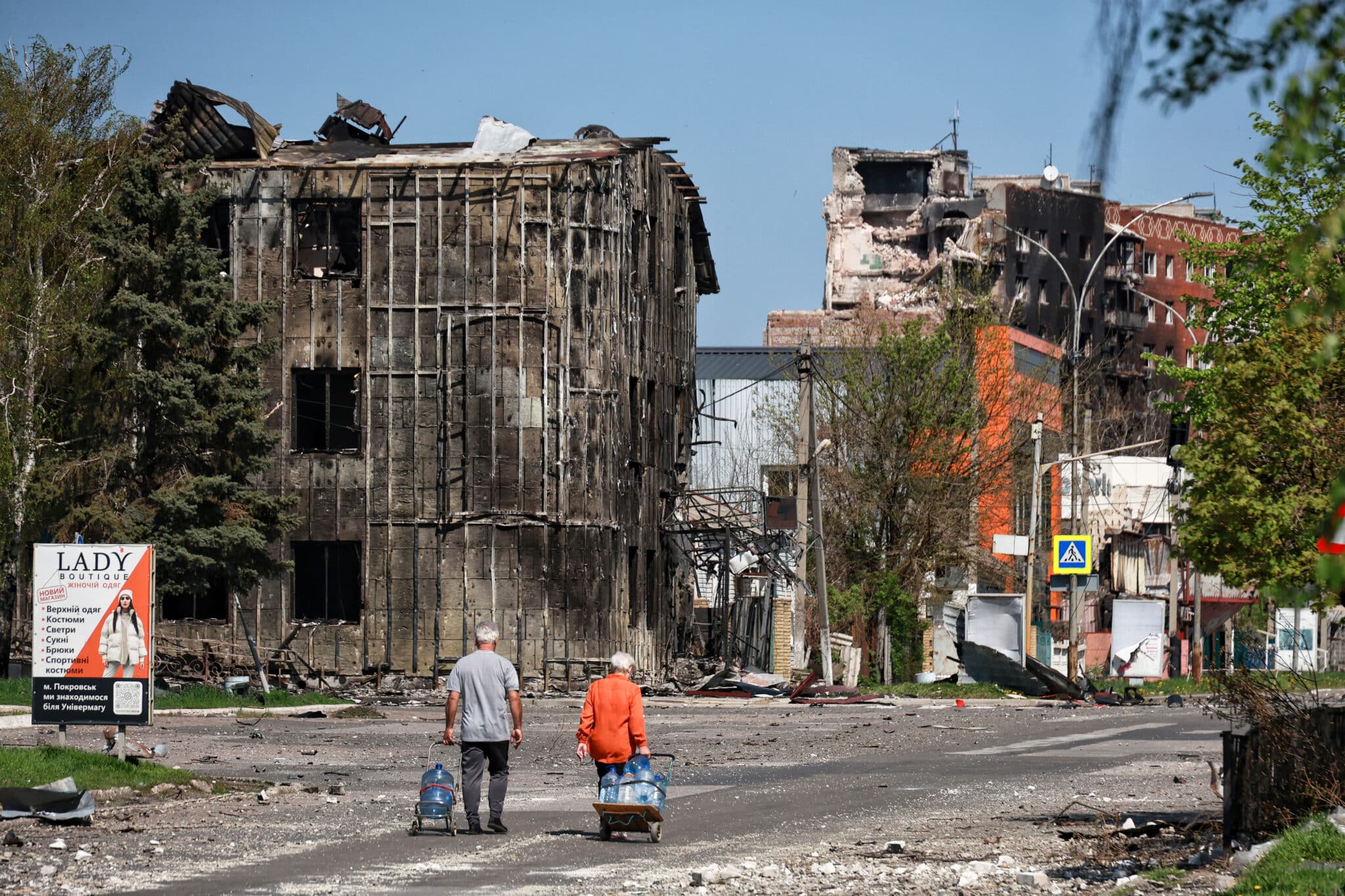
With Russian troops slowly but steadily advancing, and Western support wavering, we should be well aware that a Ukrainian defeat would trigger mass displacement, destabilize Europe, and hand Putin a historic opportunity. We risk sleepwalking into a historic disaster.
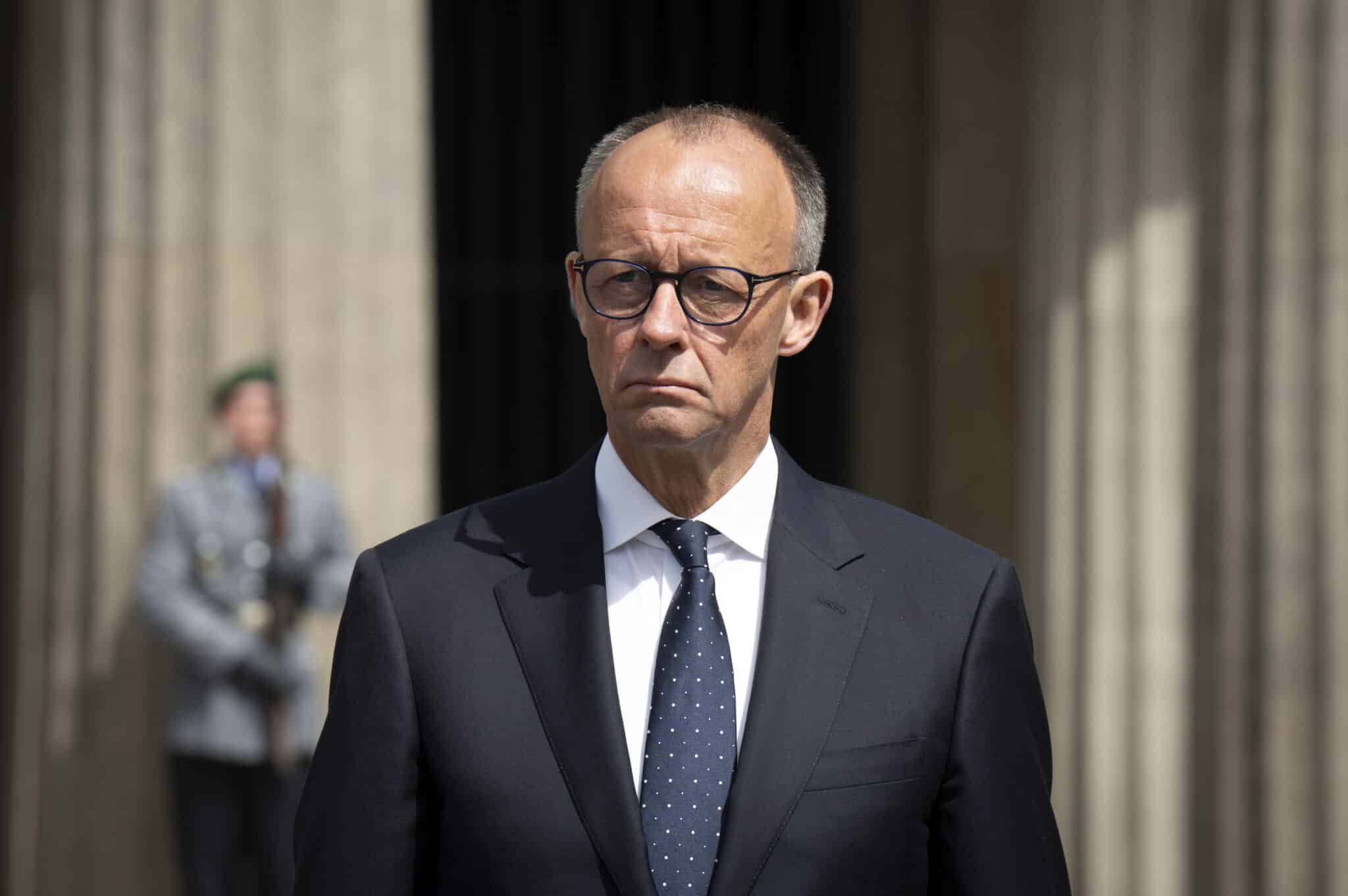
New German Chancellor Friedrich Merz talks about his private exchanges with U.S. President Donald Trump, his own lack of government experience, and why it’s not so clear how to handle the far right AfD.
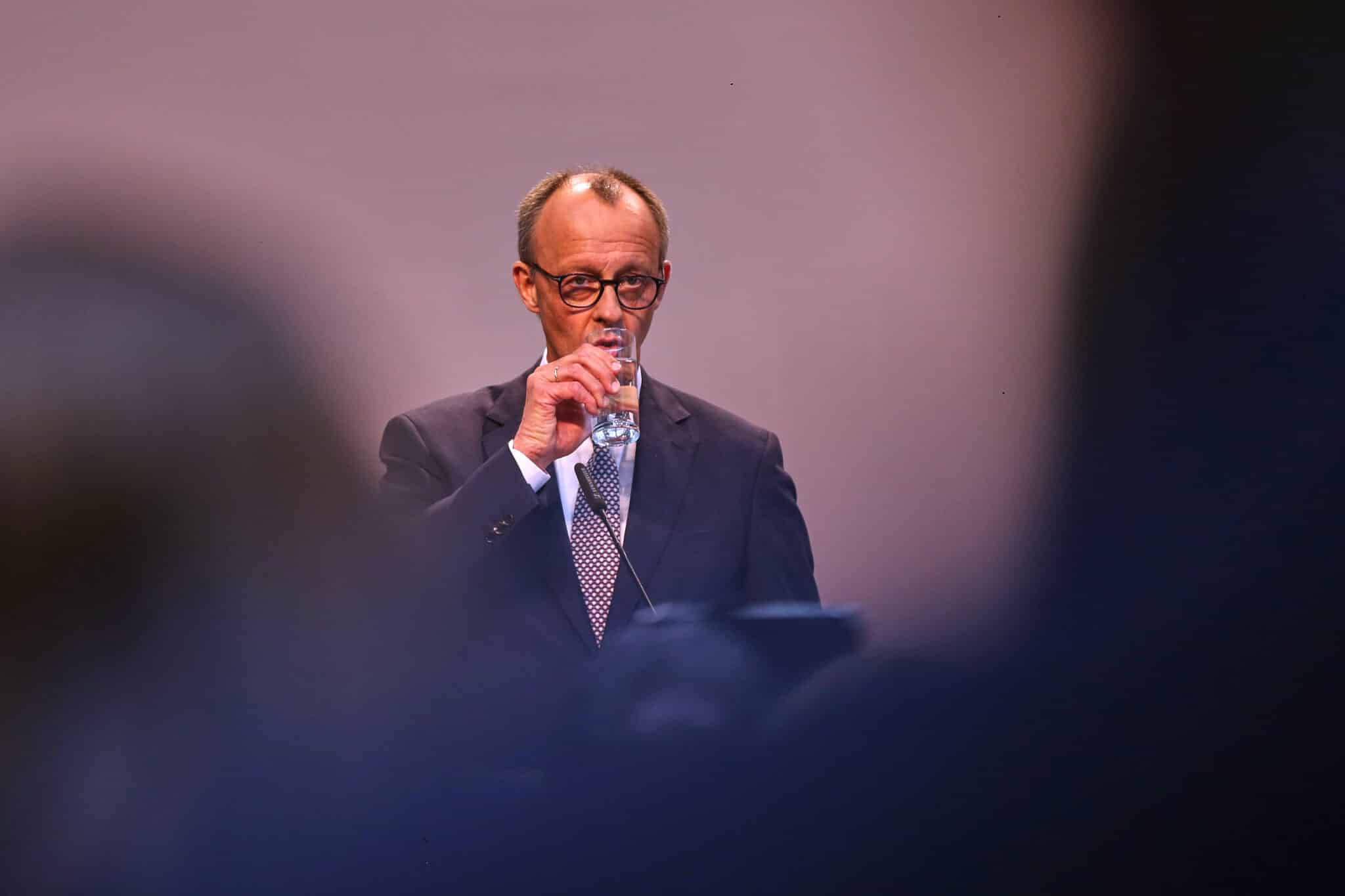
As pressure mounts to divvy up Germany’s largest infrastructure fund in decades, the new chancellor must resist scattershot spending and steer the country toward high-tech transformation.
Europe is fortunate to have sensible men leading the UK, Poland and France: Keir Starmer, Donald Tusk and Emmanuel Macron. Germany’s likely next chancellor, Friedrich Merz, could be a crucial addition to this united front against the challenges posed by Donald Trump and Vladimir Putin.
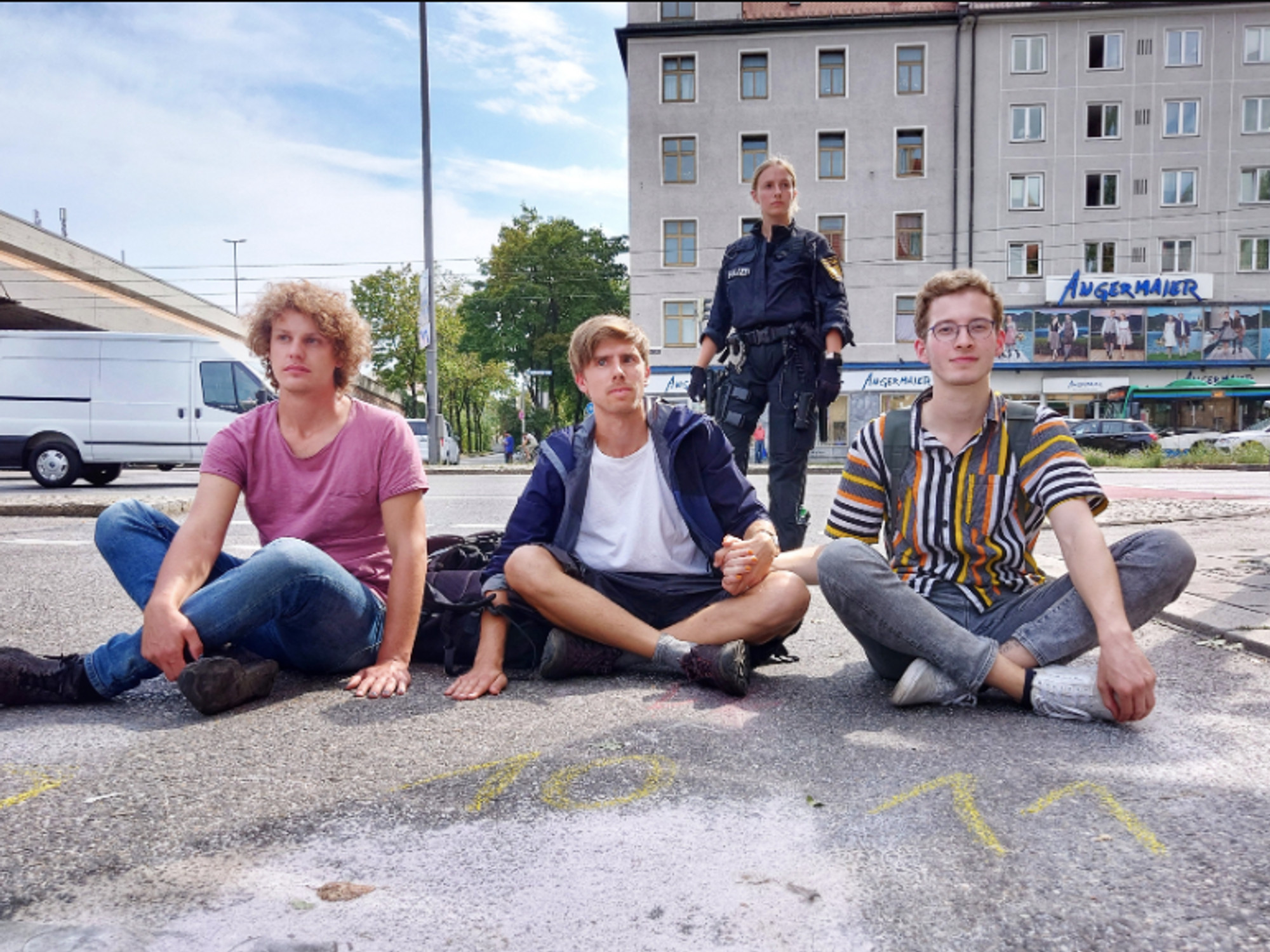
Would you fight for your country? My generation hears this question a lot these days. But my generation was taught to fight for peace — so why aren’t we holding onto that aim, especially now?
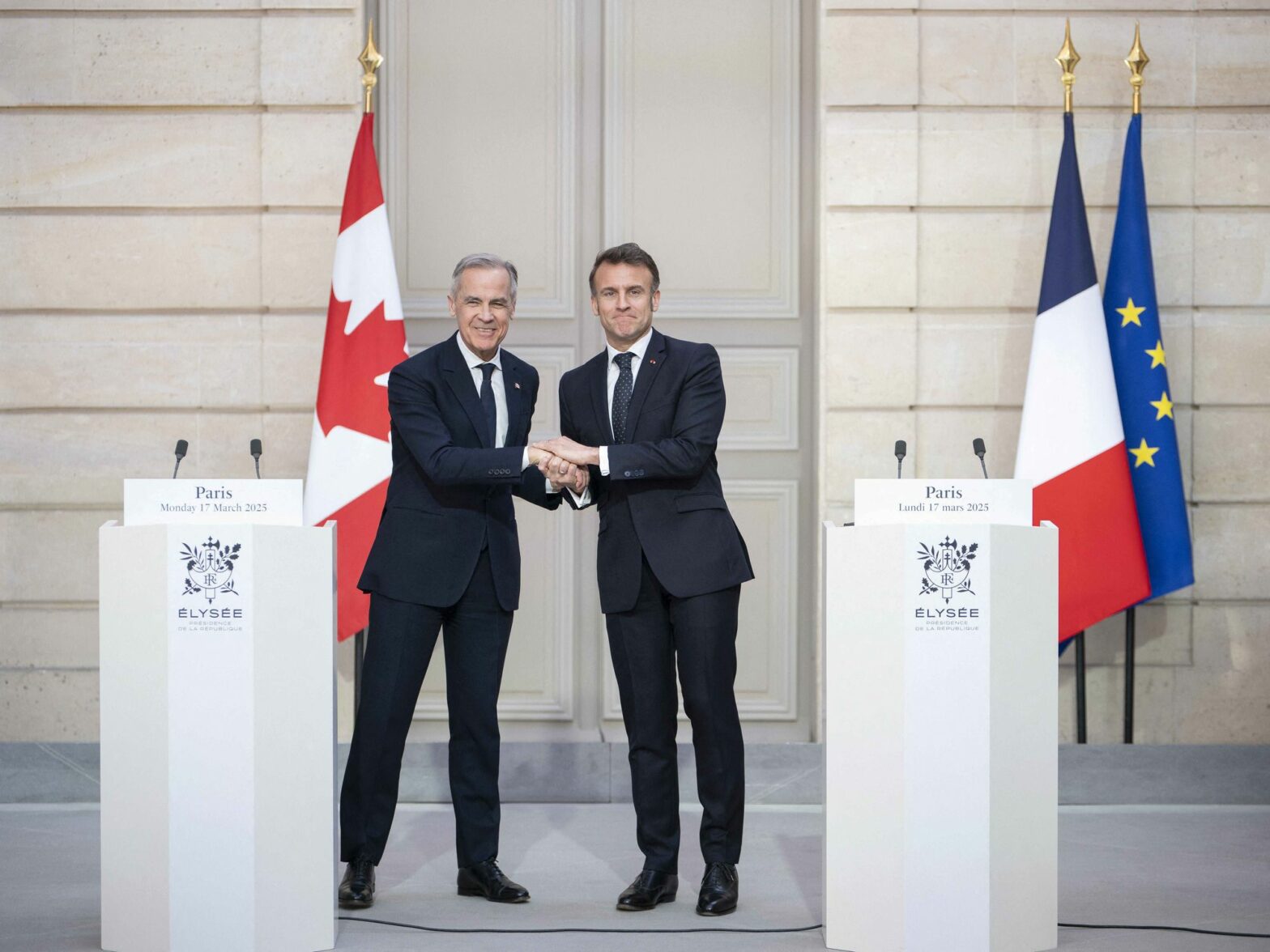
An international front is refusing to bow to the White House’s demands, and it’s the only way out of the crisis.
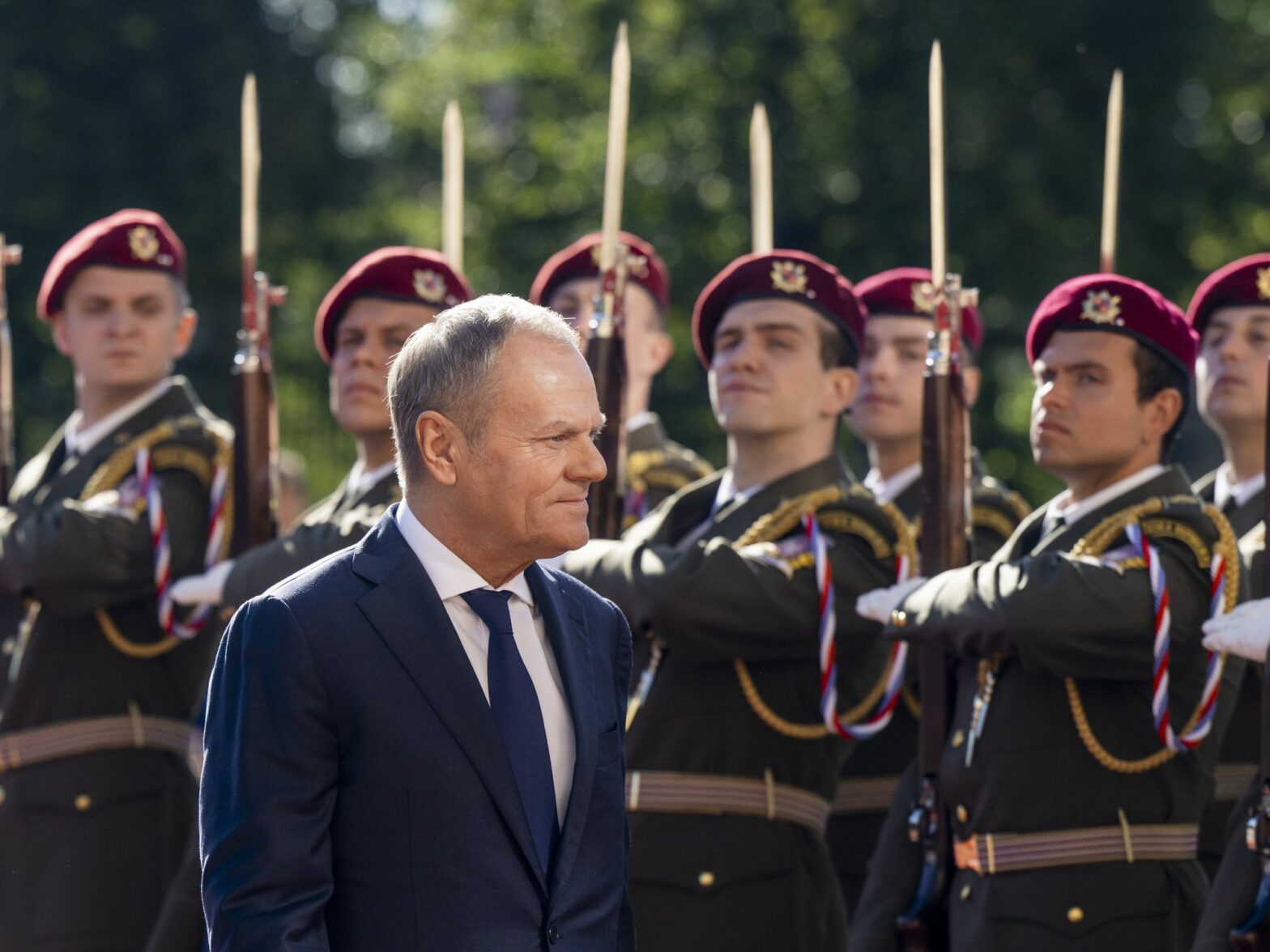
Poland, which borders Ukraine and has been their close ally since the beginning of the war, is one of the many European countries that began reasserting their security priorities after Donald Trump began peace talks with Russia. Now, wanting to deter Russian aggression, Polish political leaders are floating the idea of procuring nuclear weapons.
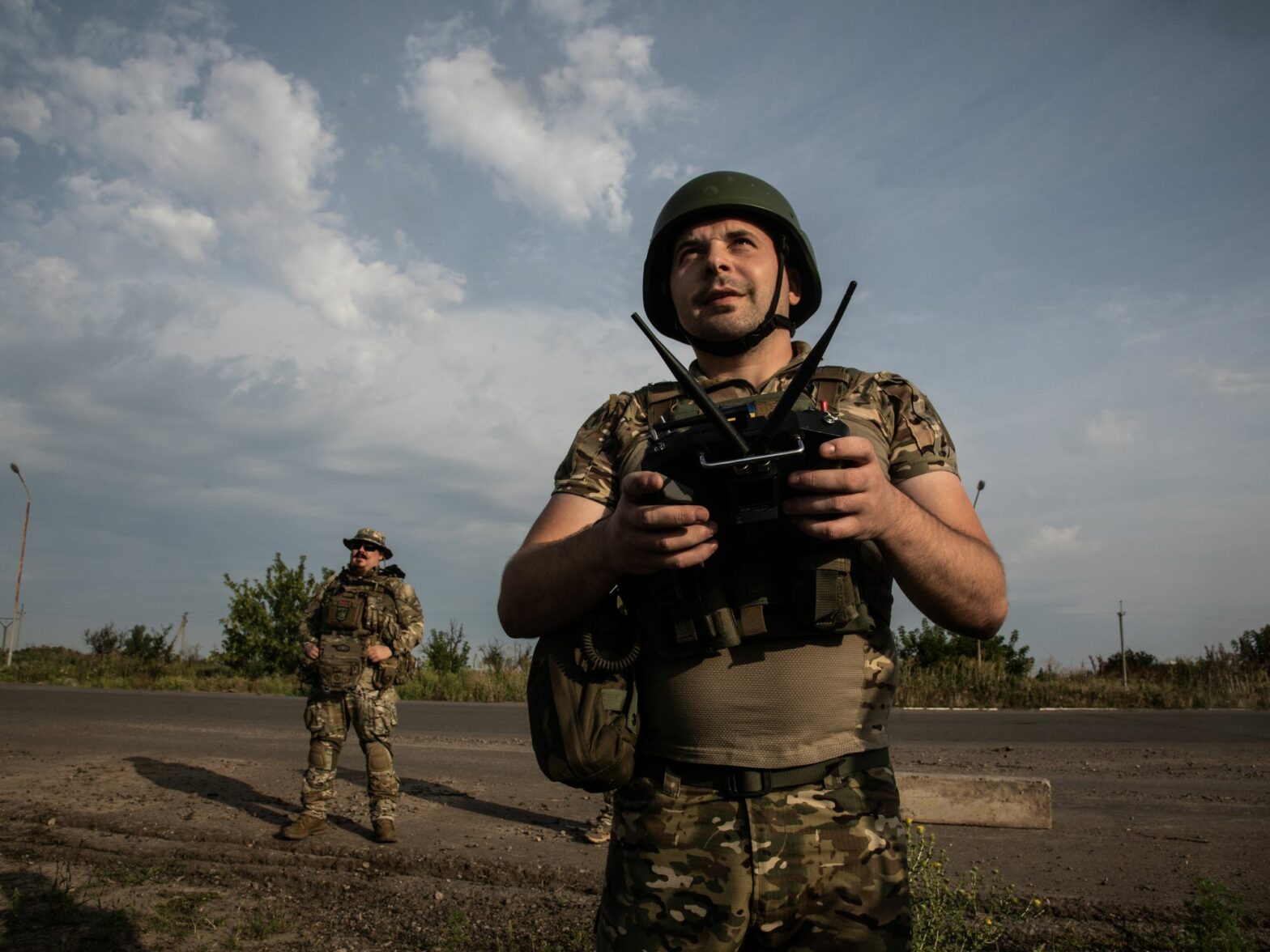
Ukraine needs satellite internet defense capabilities like that provided by Starlink. But do they really want to be dependent on Elon Musk? The good news is that Europe is not completely empty-handed. But time is of the essence.
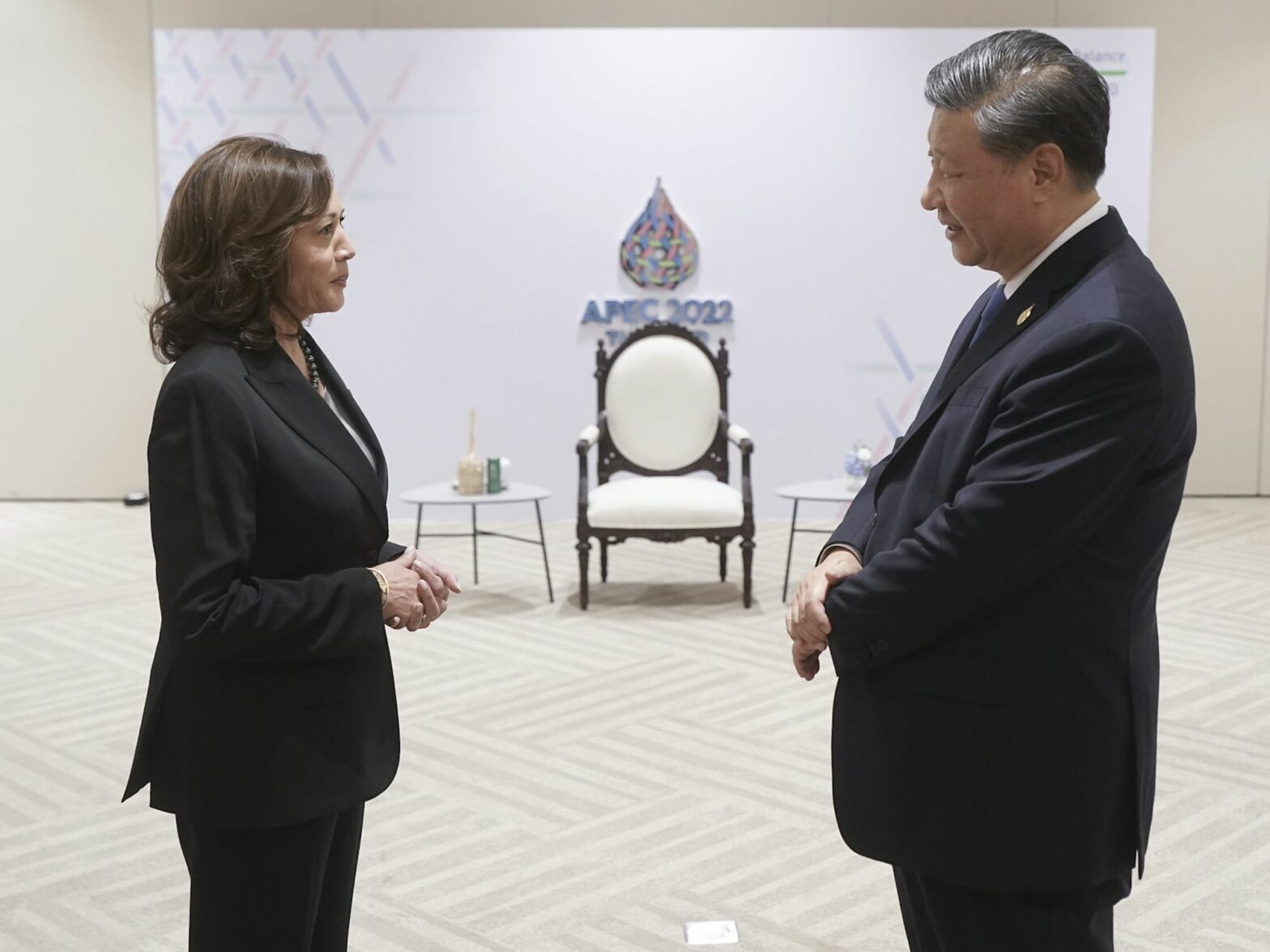
If there’s one thing Kamala Harris and Donald Trump can agree on its the demonization of China. After the fall of the Soviet Union, China has become the United States’ ideological adversary — a rival shaping America’s own identity, uniting both left and right. Why does American politics always seem to need an external enemy?
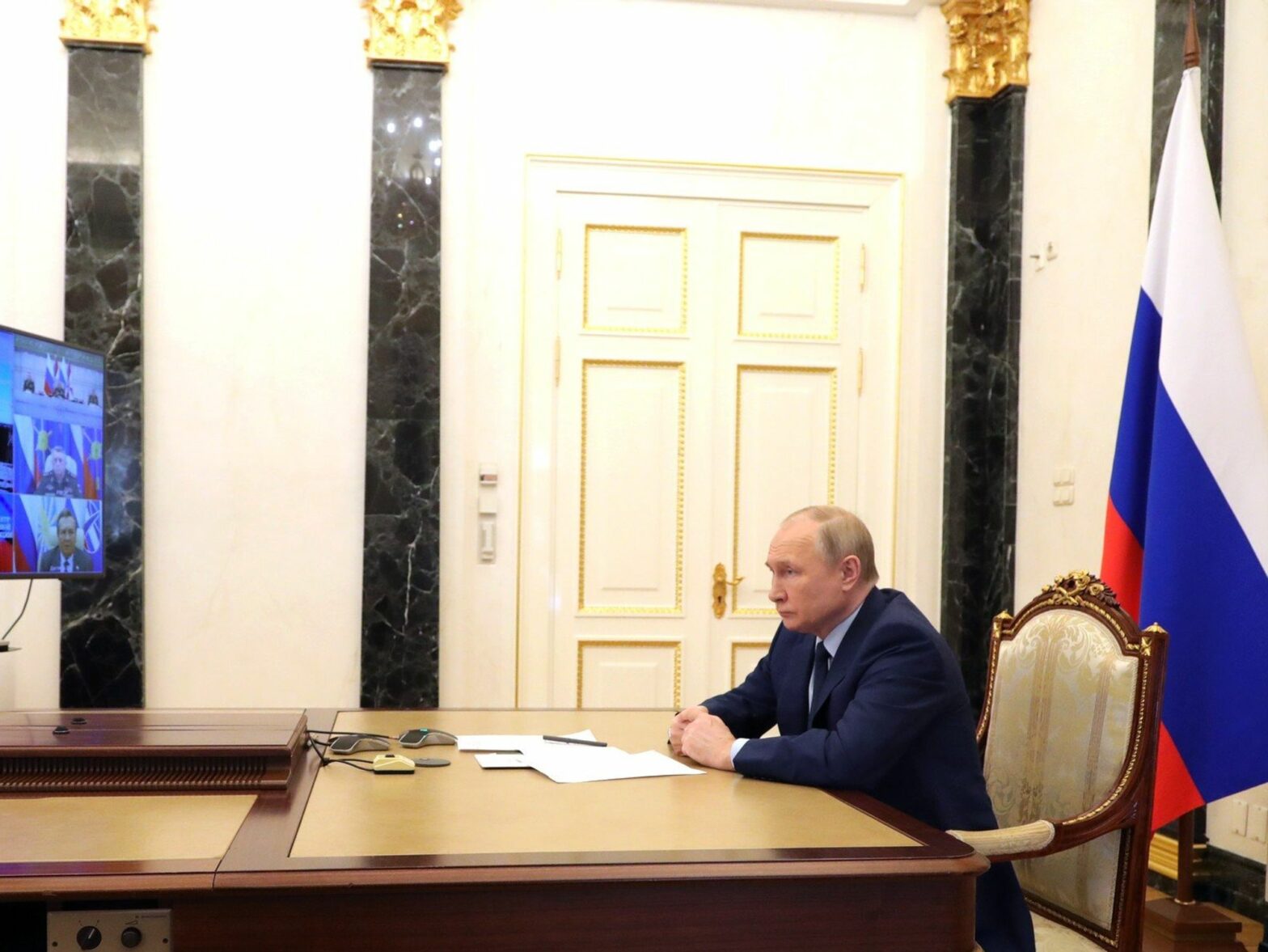
What should we make of Vladimir Putin’s “new rules” regarding what constitutes a nuclear aggressor and how Moscow might retaliate? A closer look, especially after another recent failed launch test of the Sarmat missile system, shows the Soviet legacy increasingly appears to be a rusting shell of its former self.
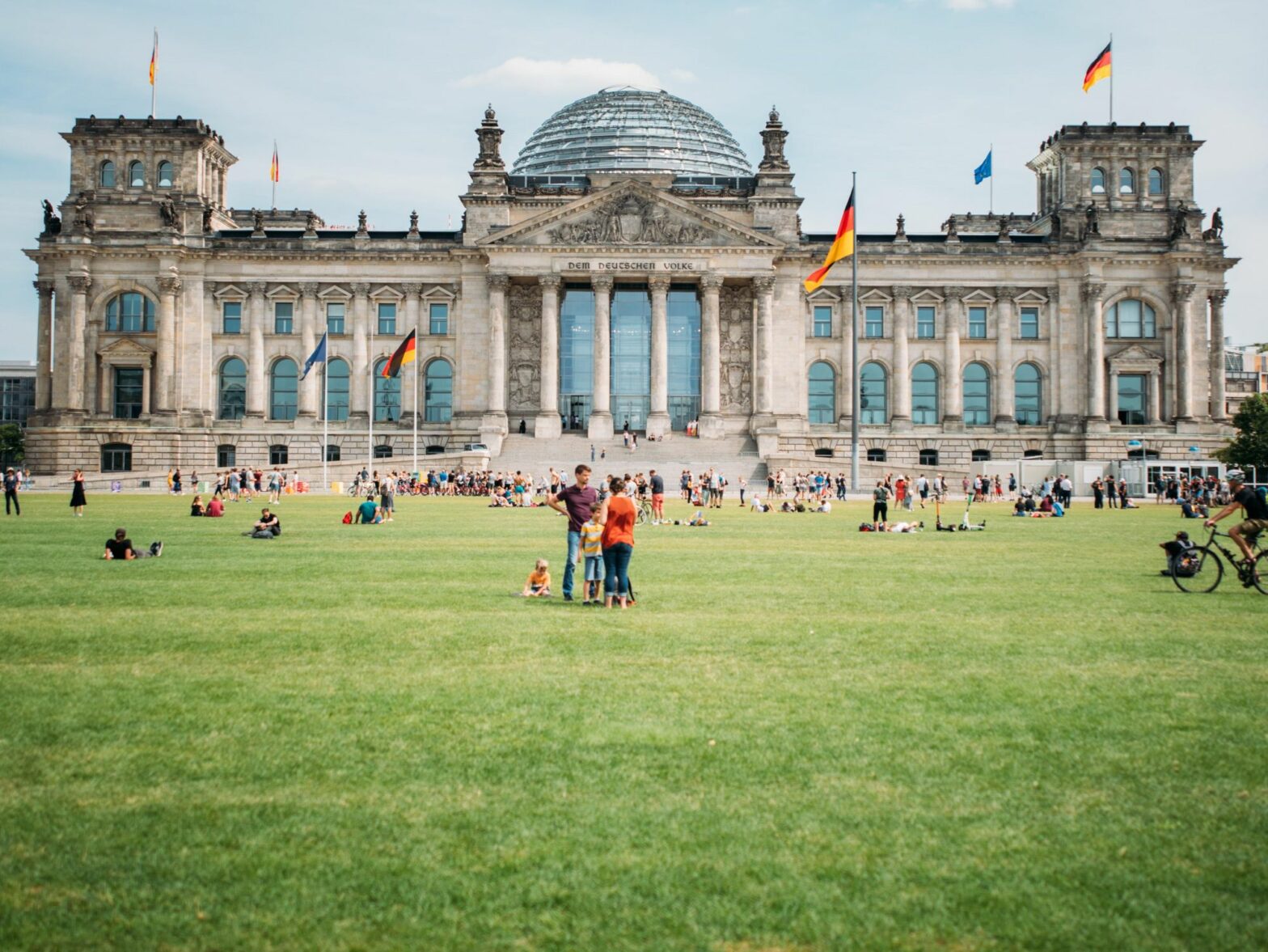
A group of pro-peace German intellectuals published a letter asking the country not to deliver heavy weapons to Ukraine, but they’re missing the point completely. Germany needs to reinvent itself in order to face today’s challenges — and threats.
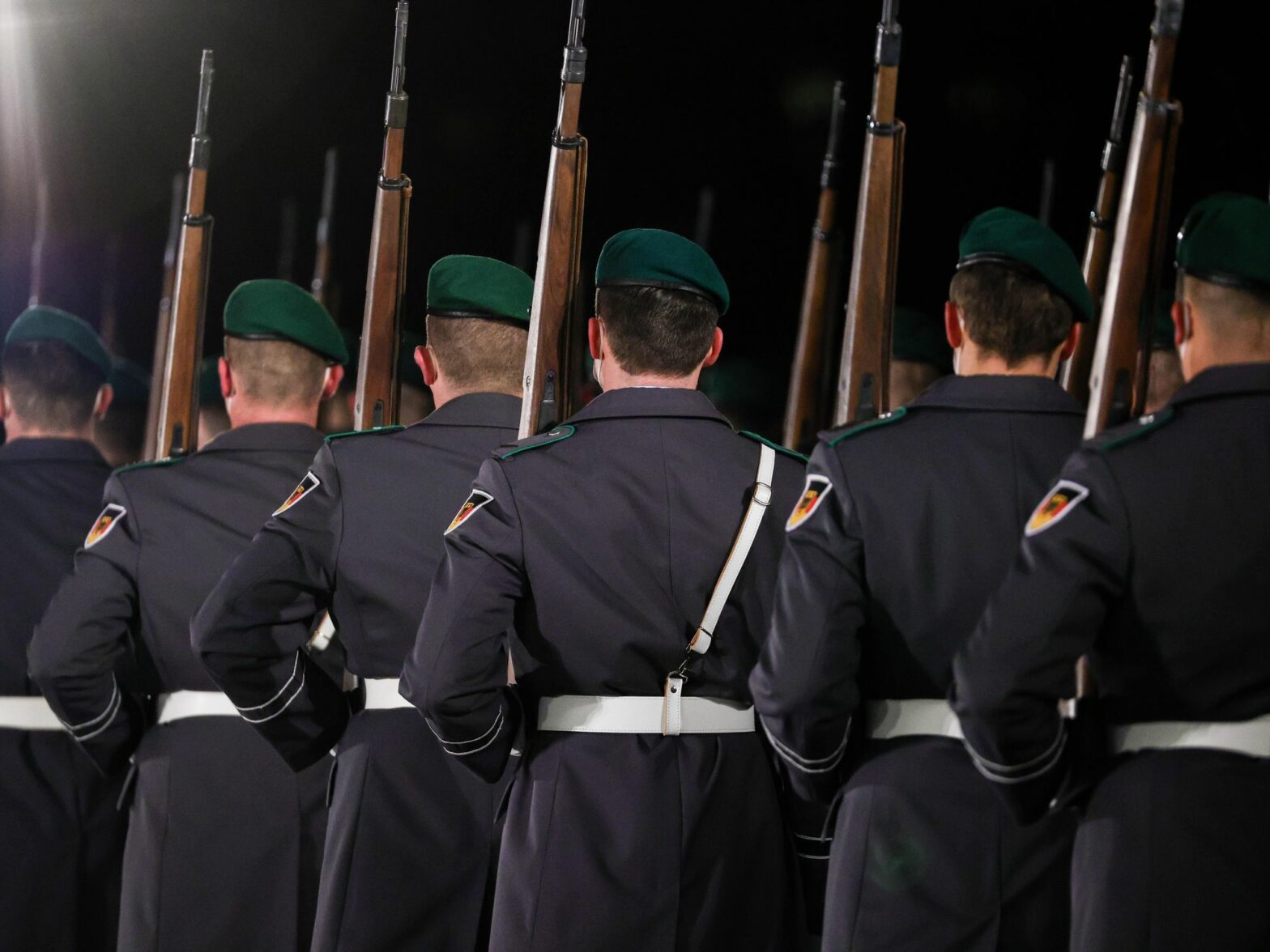
For decades, burdened by its history, Germany refused to face the harsh realities of foreign policy. Now, suddenly spurred by the Ukraine crisis, the German government is ready to once again show strength — long-awaited good news, for all.