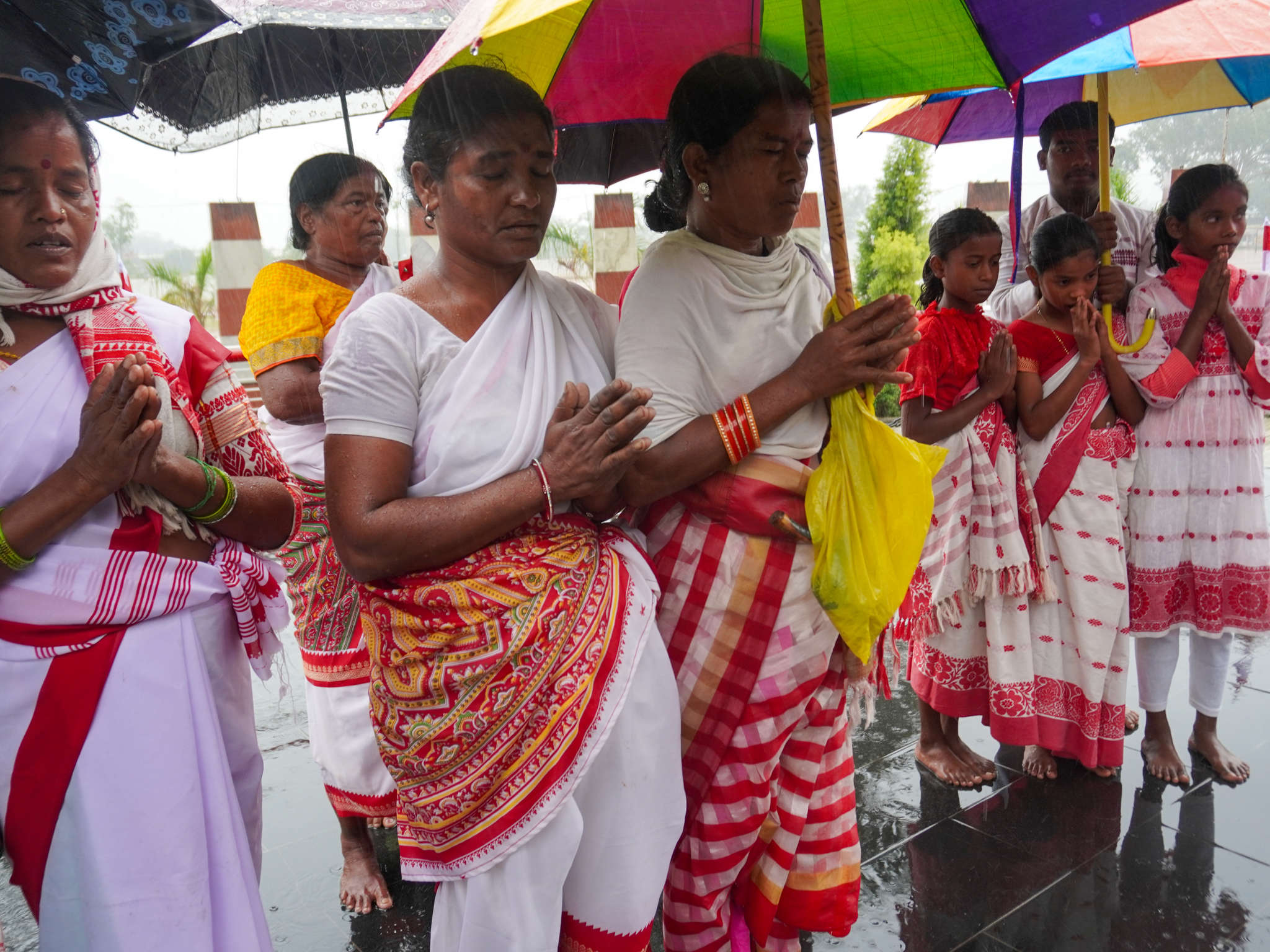
Followers of Sarna, a nature-worshipping faith, want visibility, respect — and political power.
 Worldcrunch
Followers of Sarna, a nature-worshipping faith, want visibility, respect — and political power.
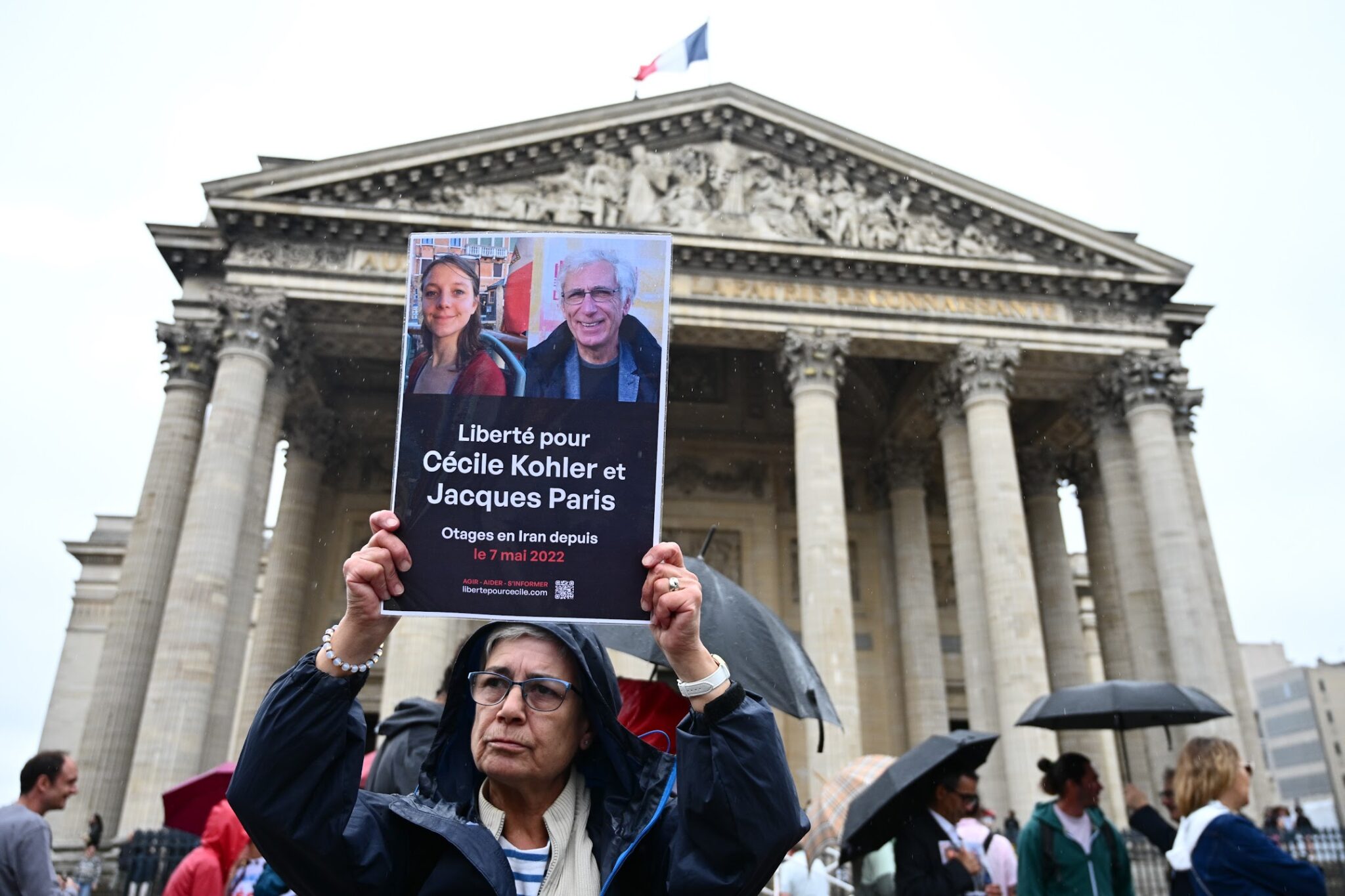
The last two French citizens imprisoned in Iran, Cécile Kohler and Jacques Paris, were released in Tehran. They were considered “state hostages,” an increasingly common problem, not only in Iran.
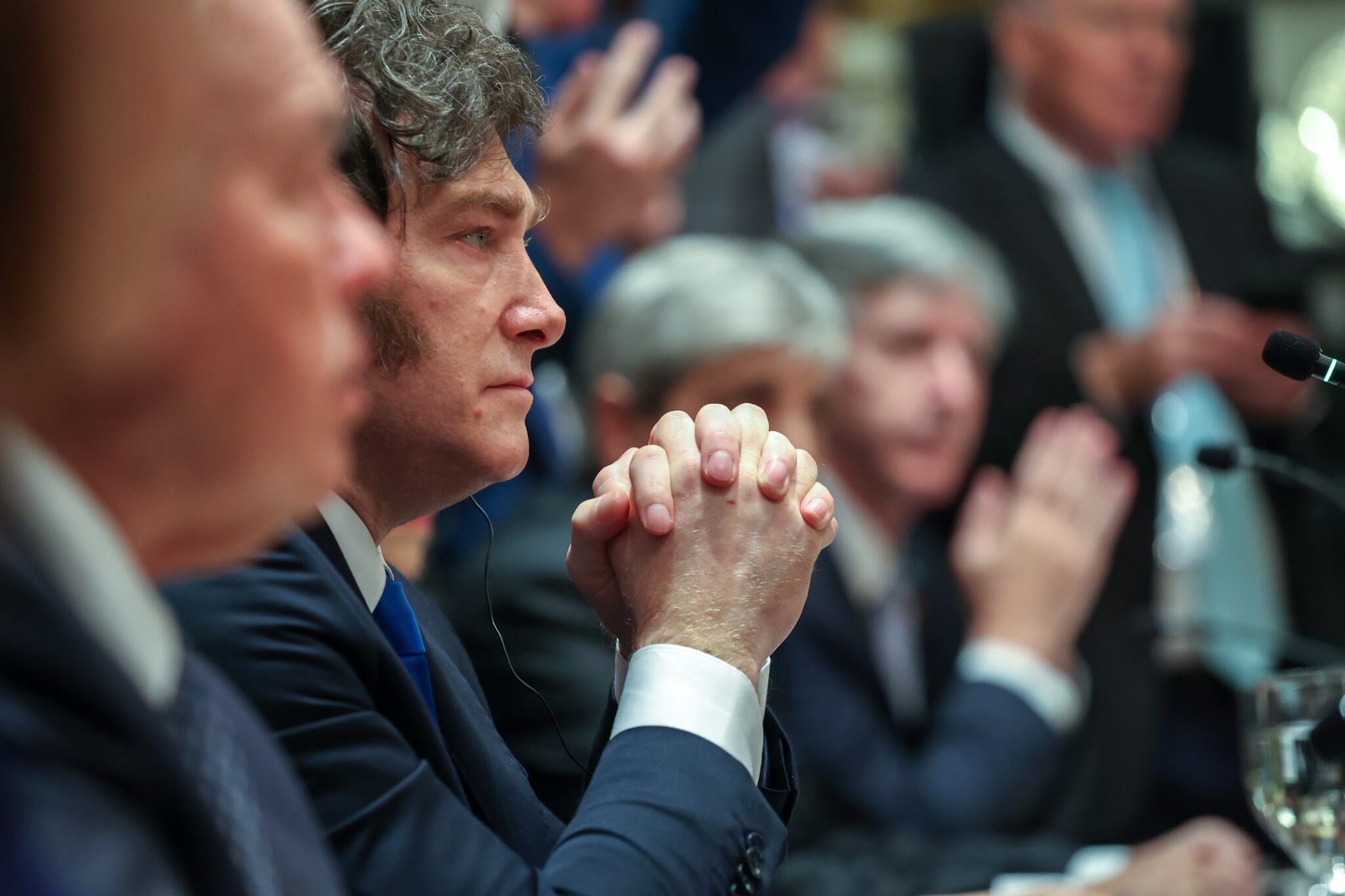
Perhaps the conditions are finally right for a shift in Argentine politics. Here are some reasons for hope — and reasons to fear.
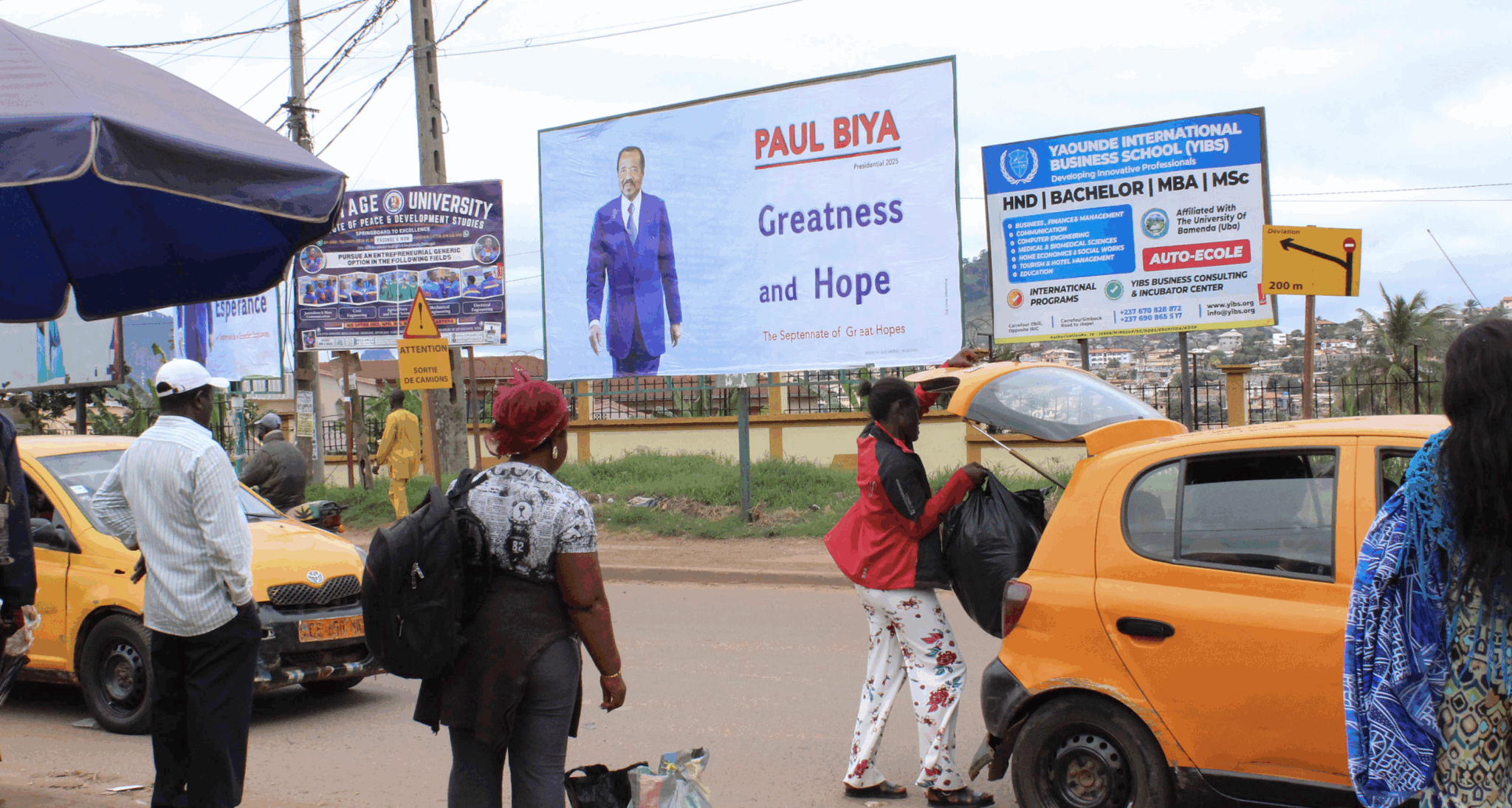
Paul Biya, 92, has been reelected for an eighth seven-year term, while Alassane Ouattara, 83, will serve a fourth five-year term in Côte d’Ivoire. The question of democracy remains unresolved in Africa, where countries that regularly change their leadership are still in the minority.

Donald Trump was the first to congratulate Javier Milei on his surprise victory Sunday, having earlier promised financial support tied to his Argentine ally’s campaign. But that alone doesn’t explain the success of a man who has slashed social services.
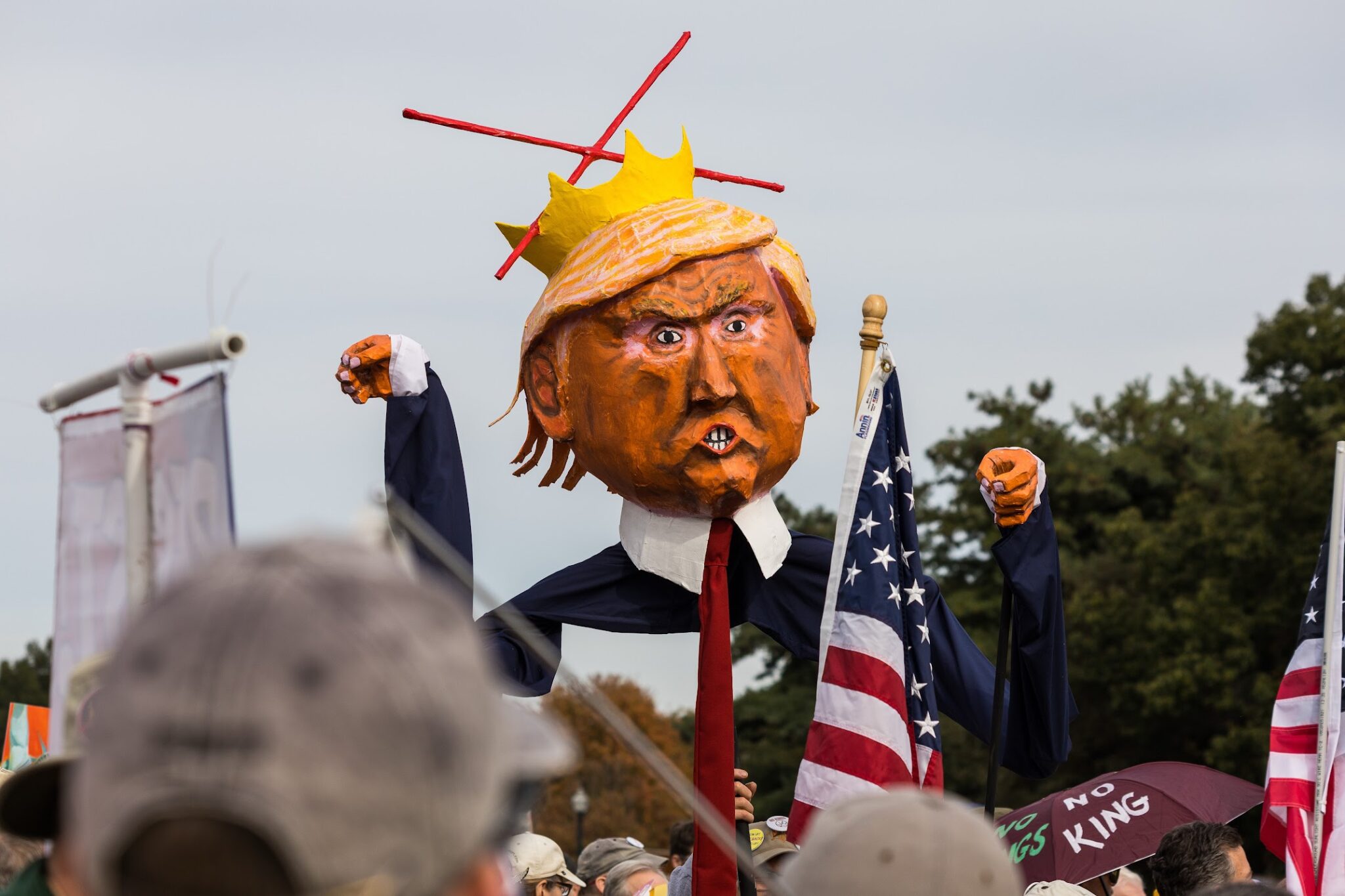
Donald Trump’s ultimate battle isn’t abroad — it’s at home. From campuses to city halls and the military, resistance is rising as America’s institutions push back against his power grab.
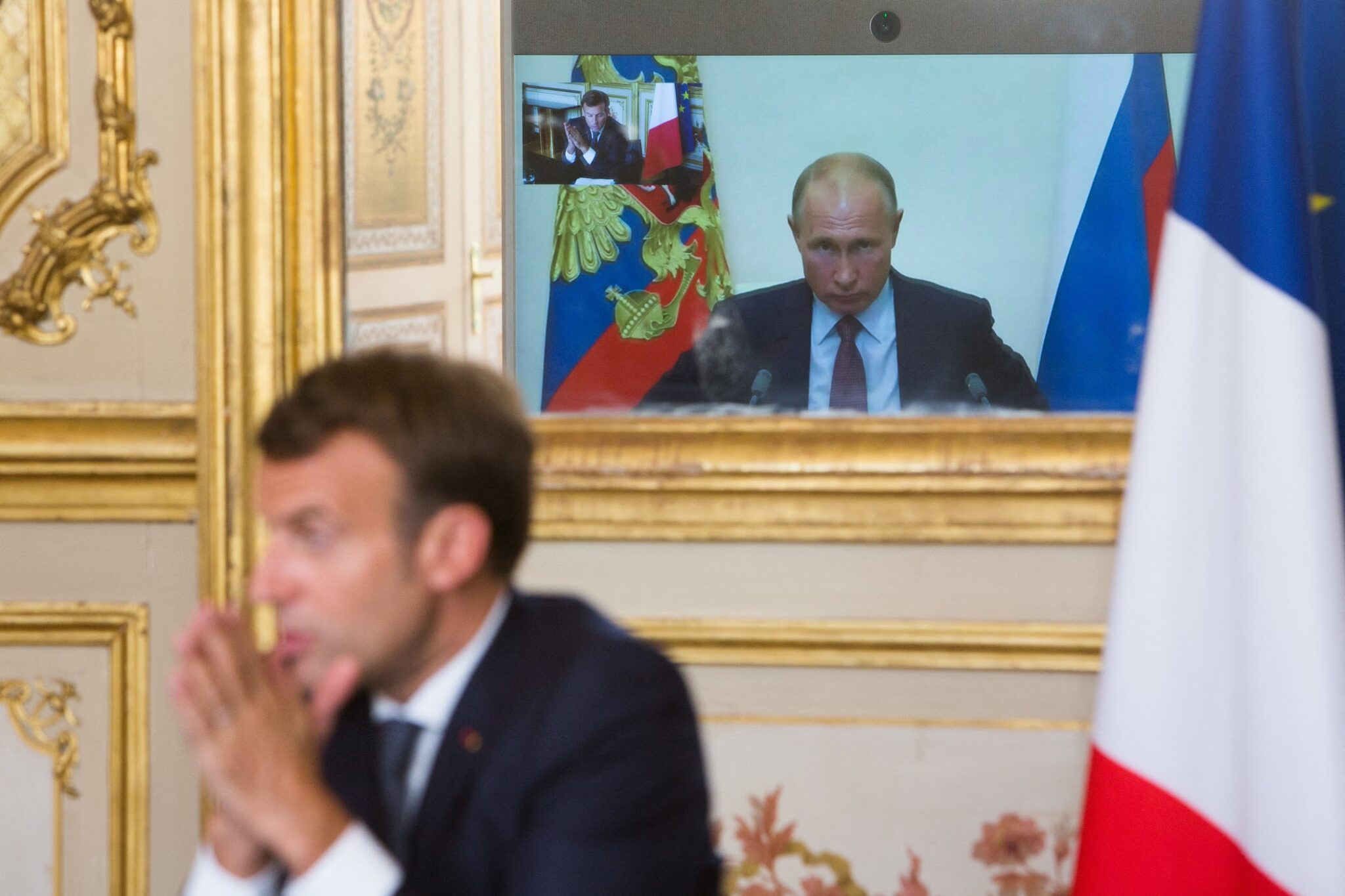
Put yourself in Vladimir Putin’s shoes for a moment: how satisfying must it be to see France and the United Kingdom, co-leaders of the “coalition of the willing” formed in support of Ukraine, sinking into political crisis.

Democracies weaken not only for institutional reasons, but also because citizens stop thinking and surrender to impulse.
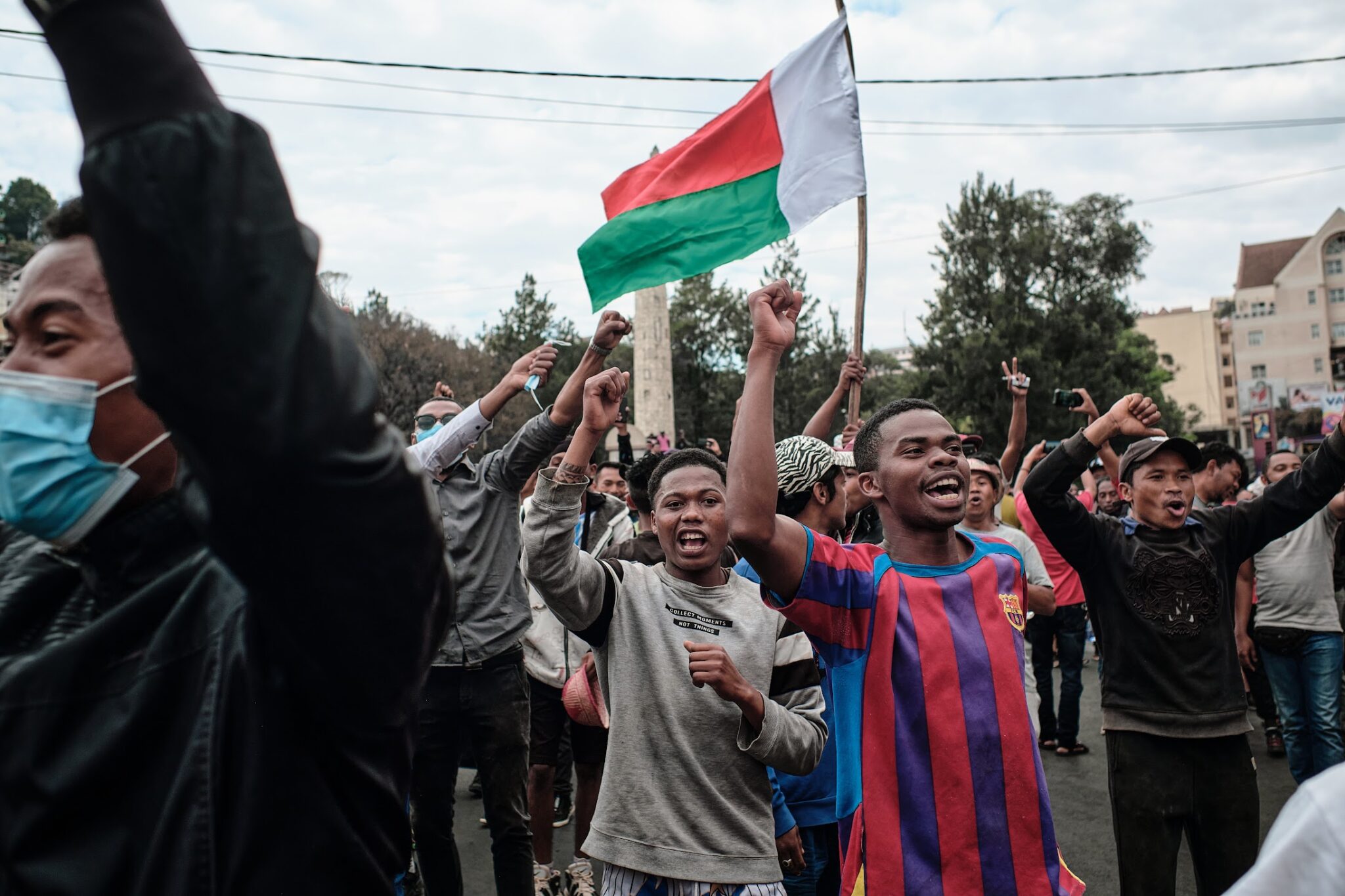
Gen Z, the first truly digital generation, is uniting across borders to challenge corruption and demand social justice.
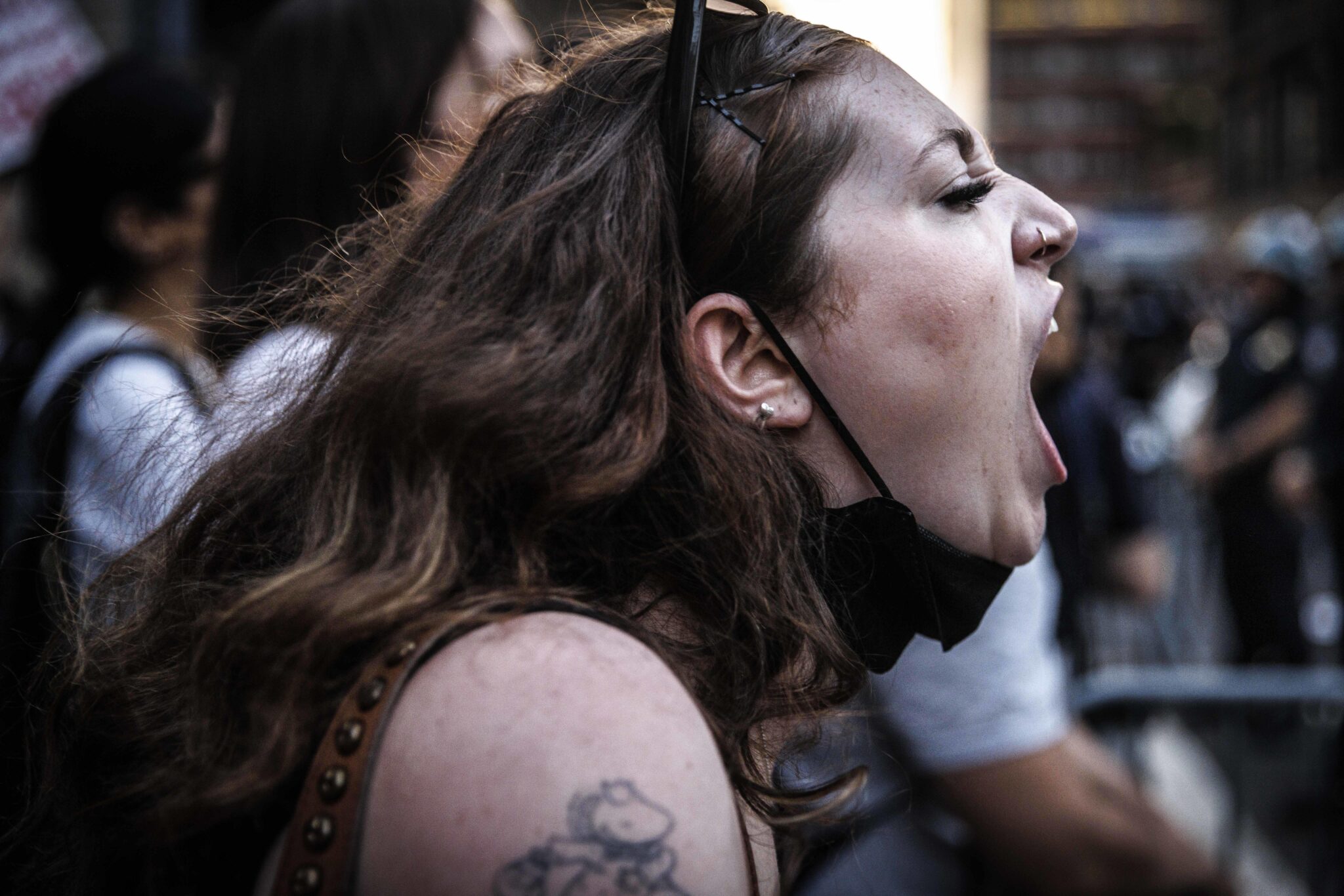
Is it possible to think about hatred in terms that do not reject it outright? Are there groups in society who are allowed to hate and others who are not? These are questions fundamental to today’s politics of resistance.
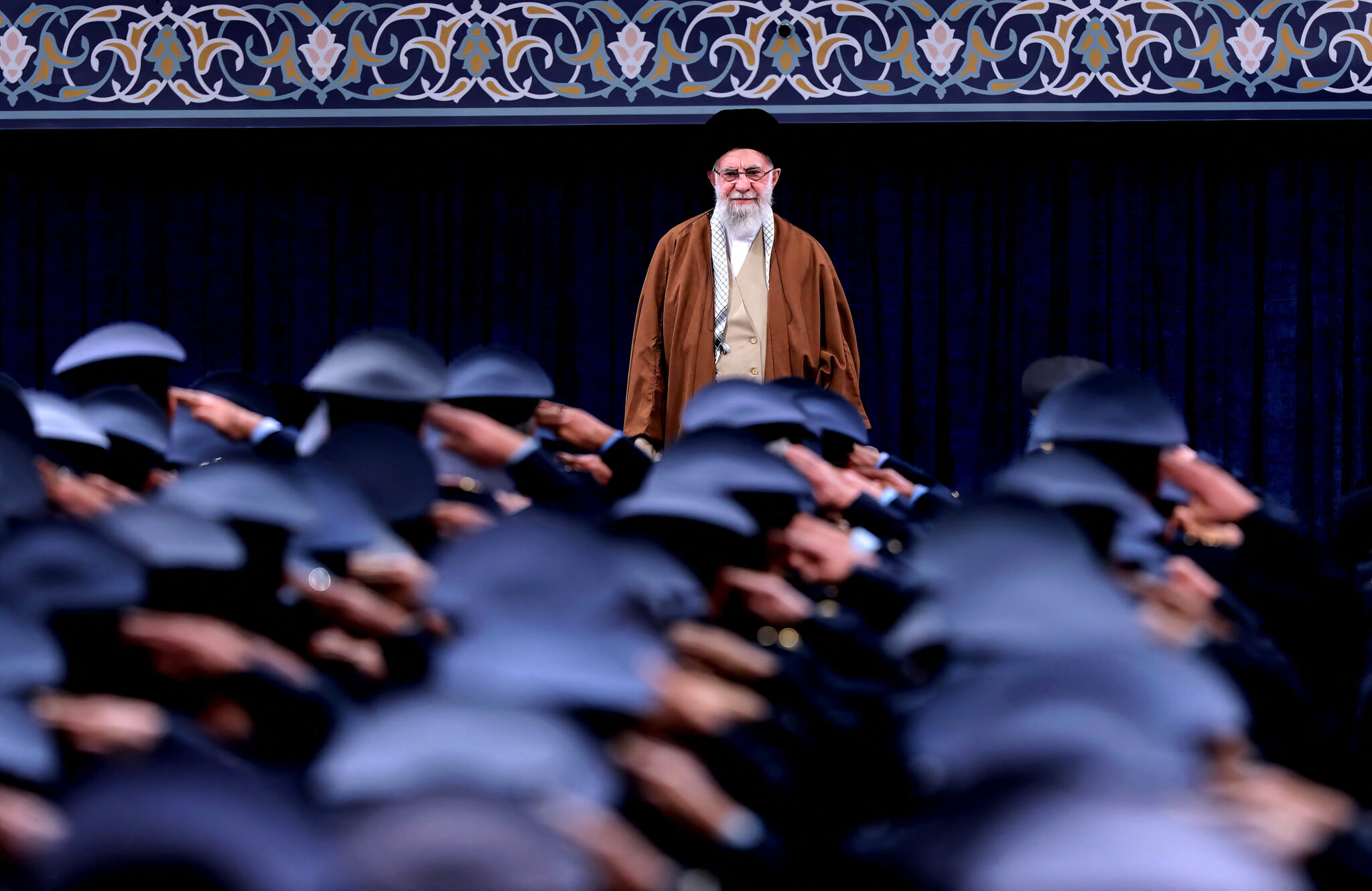
Iran’s post-revolutionary constitution concentrated all the power in the hands of the country’s supreme leader — a mistake that is still costing Iranians today.
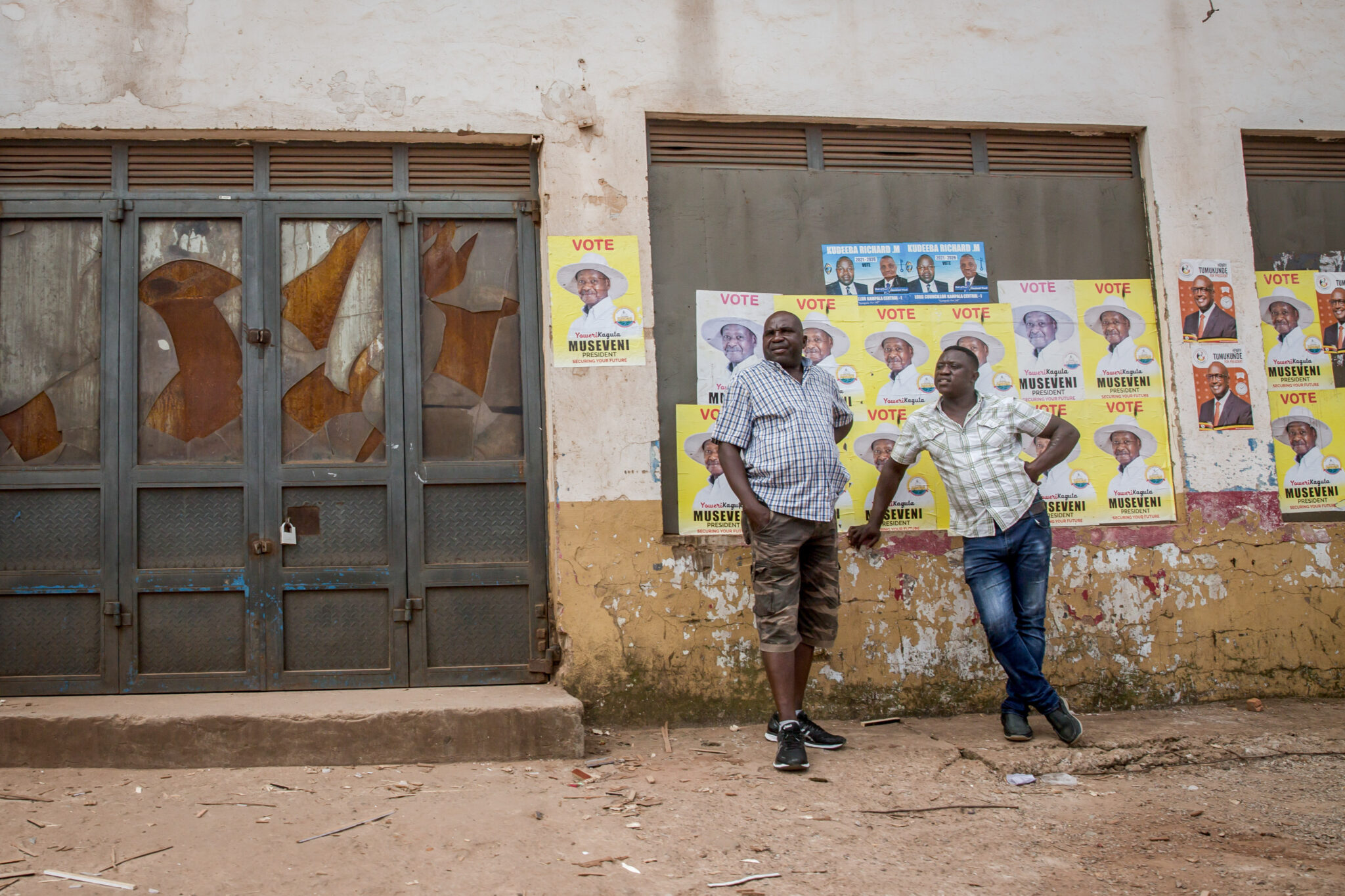
Family ties are shaping Uganda’s Parliament. People who die in office are increasingly succeeded by close relatives — children, spouses or even siblings — and often with strong support from political parties and local communities. At least five members of the current Parliament have succeeded their relatives, and in previous Parliaments, multiple members did as well.
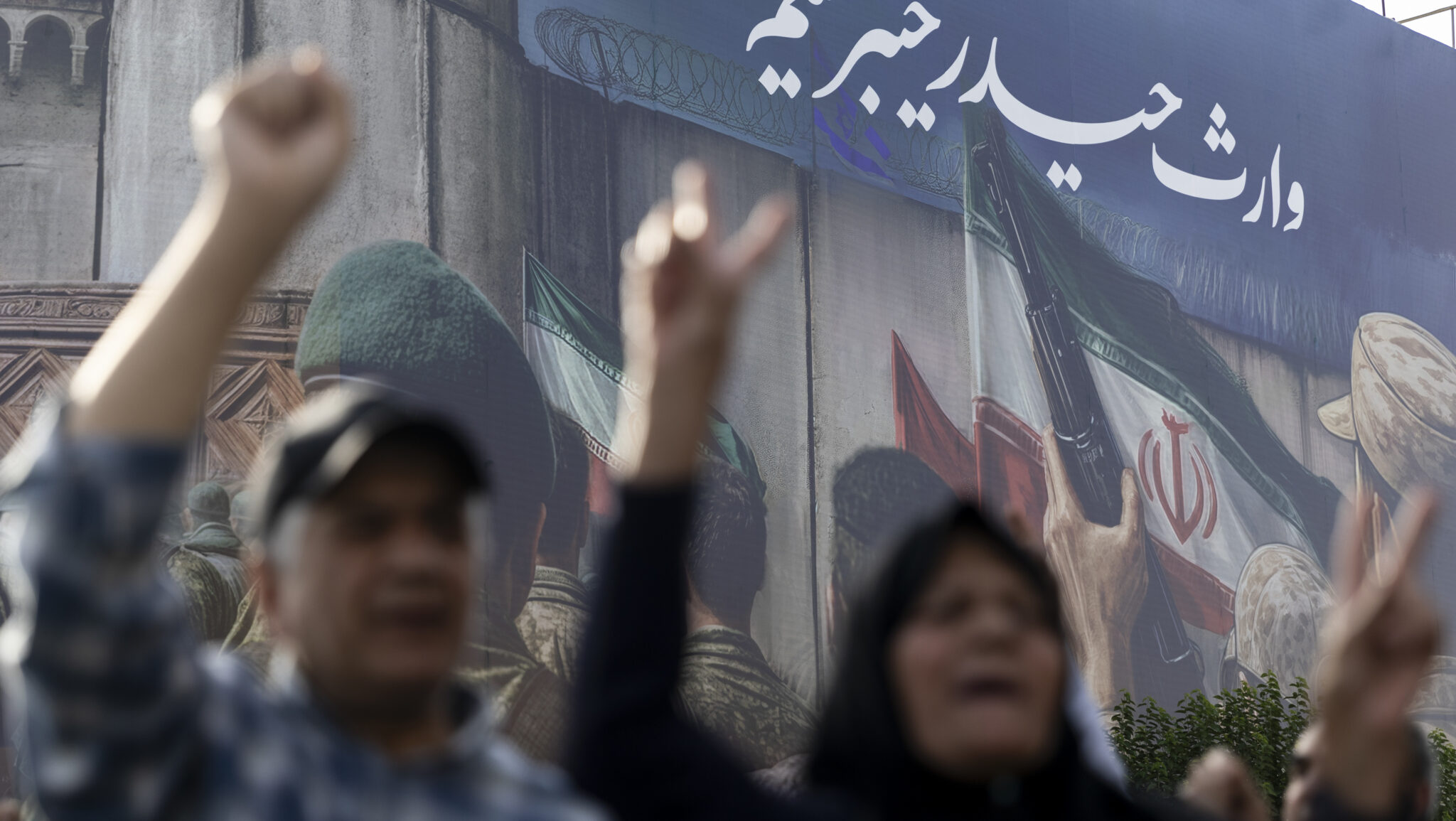
War with Israel and the United States may harm Iran and its infrastructures. But for the regime, it’s a chance to distract opinion from its economic failures and to quell dissent.
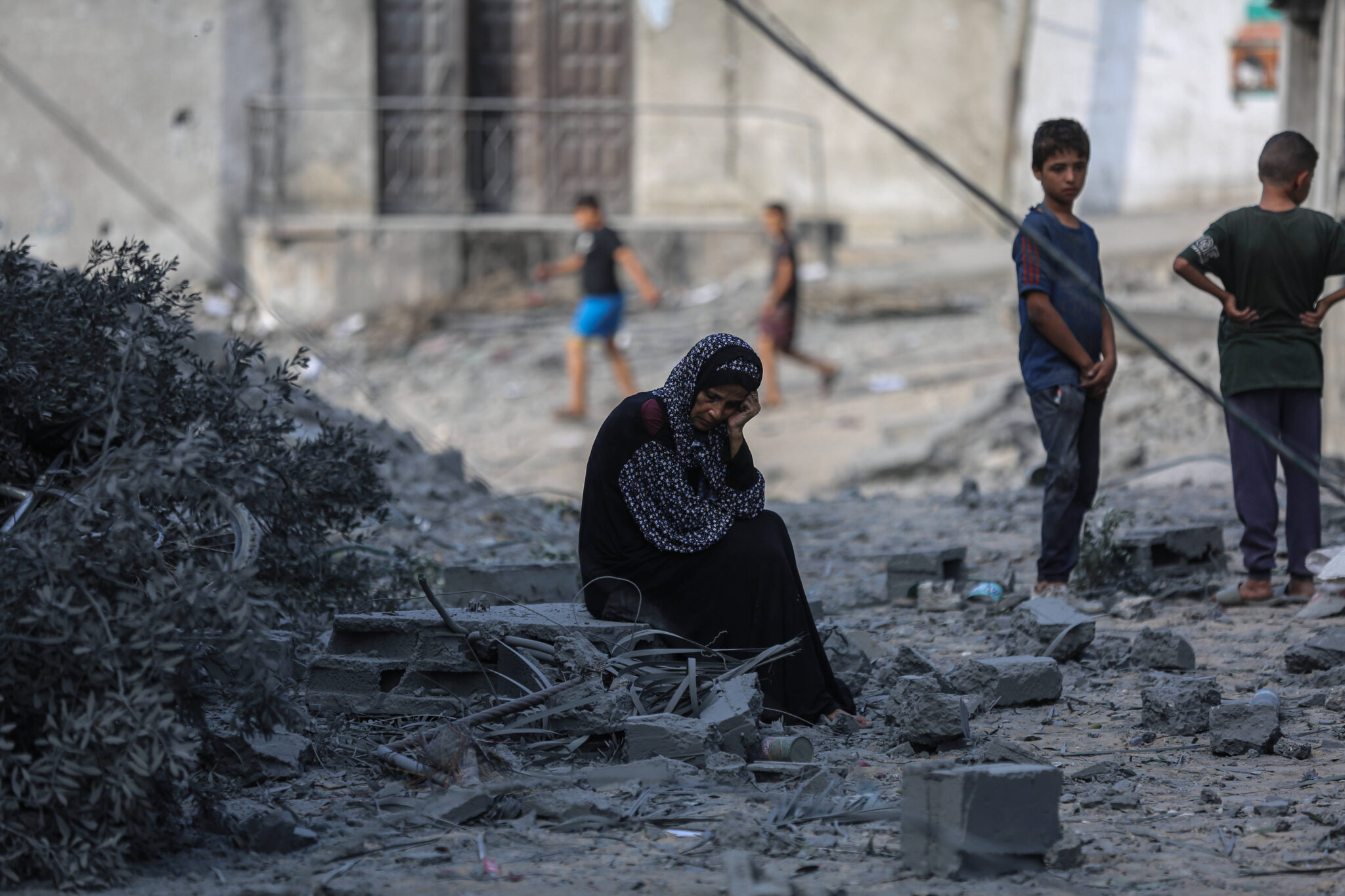
Even as the Israeli army continues to leave a trail of destruction in northern Gaza, some families refuse to leave their homes as ordered by the Israeli government. They have experienced displacement before, and saying risking death is better than returning to such a state.
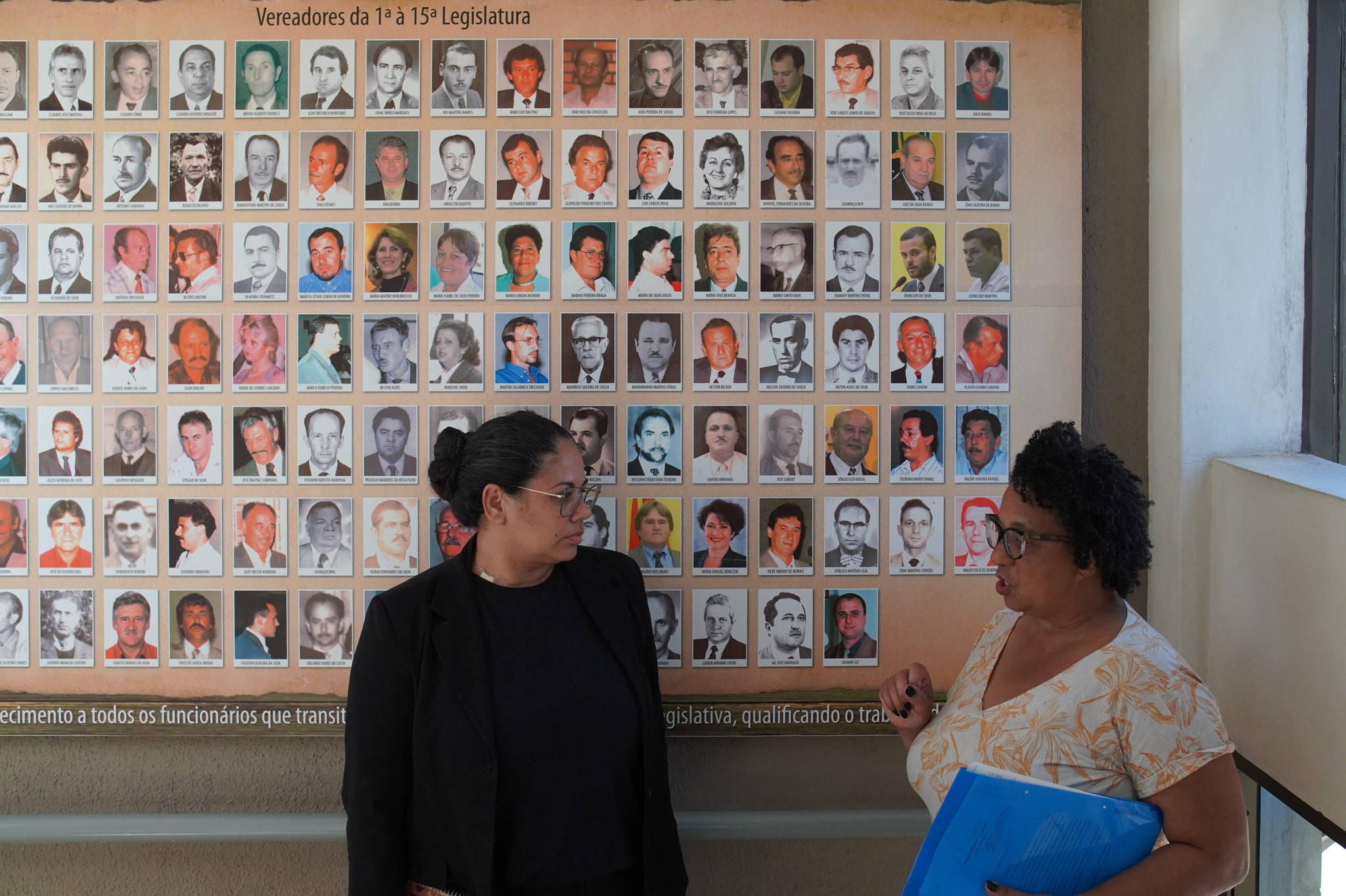
Decades after the country introduced quotas, phantom candidacies and political deals still stifle women’s representation.
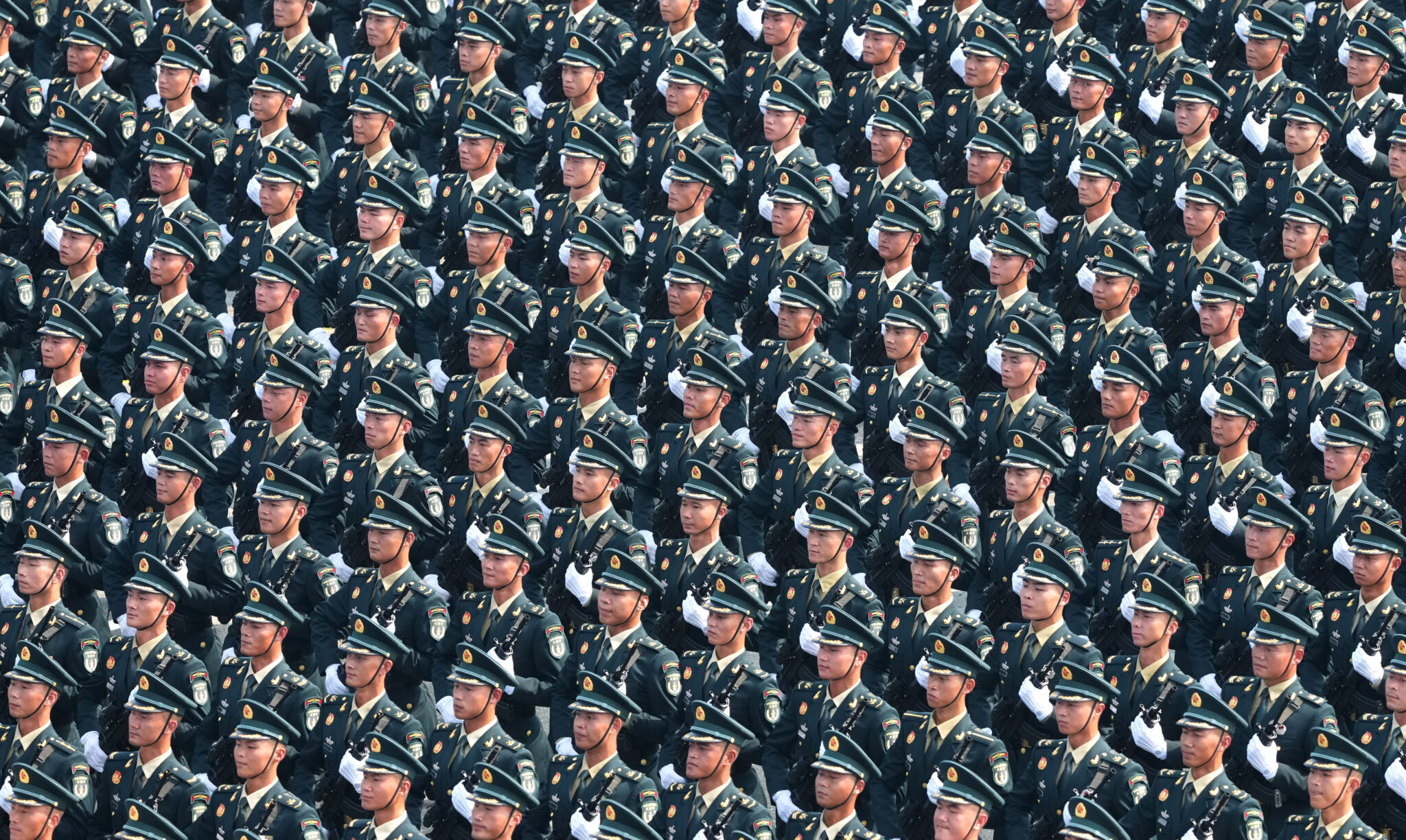
Beijing is using the anniversary of the end of World War II to project its new power in opposition to the United States. Donald Trump has accused Xi Jinping of downplaying American support for China in defeating Japan and of “plotting” against America.
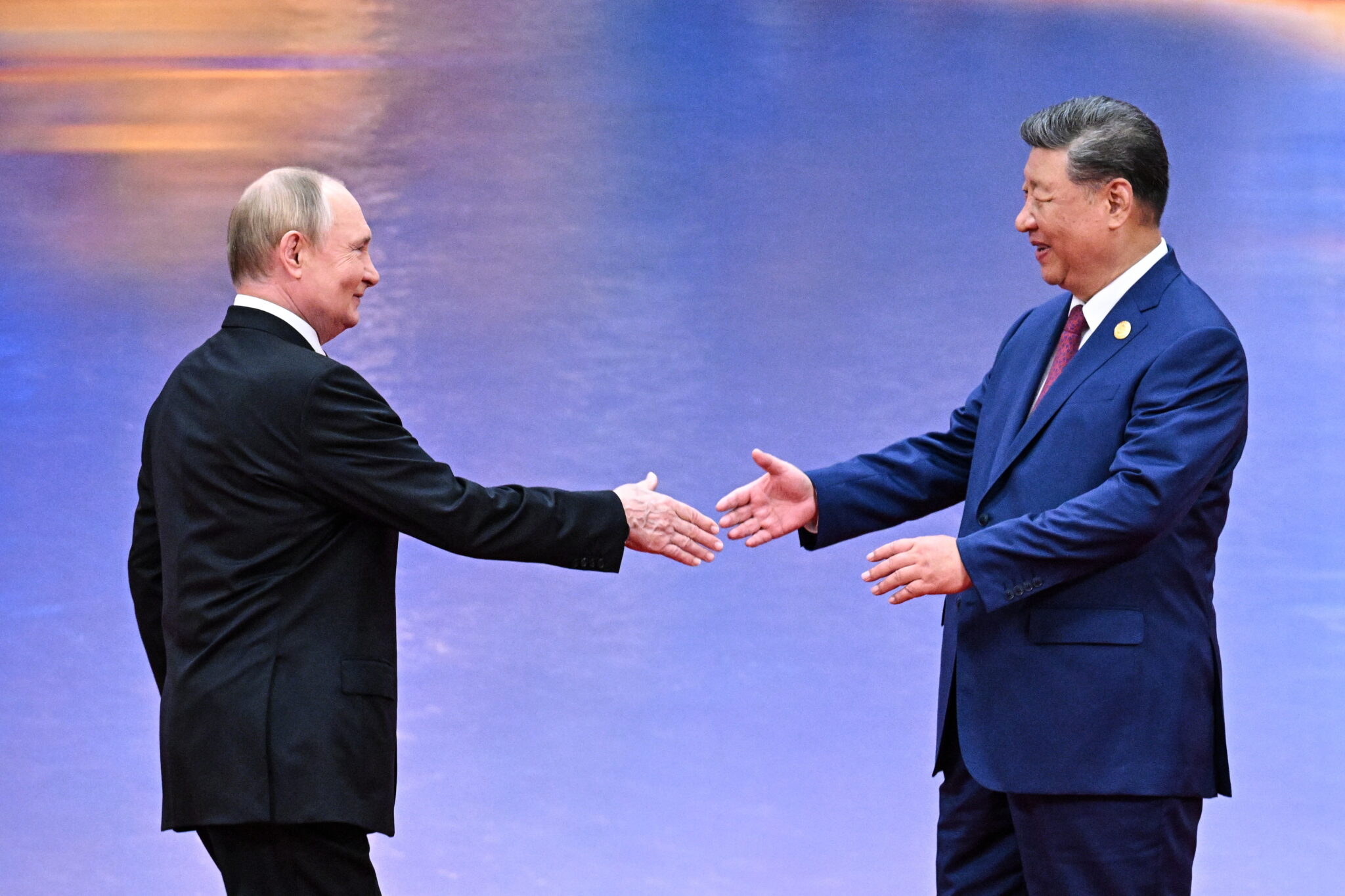
With the regional summit in Tianjin and the impressive military parade planned for Wednesday in Beijing, to be attended by Vladimir Putin and other non-Western leaders, Xi Jinping’s China is showing its ambition to position itself as the leader of a “front of opposition” to Trump’s America.
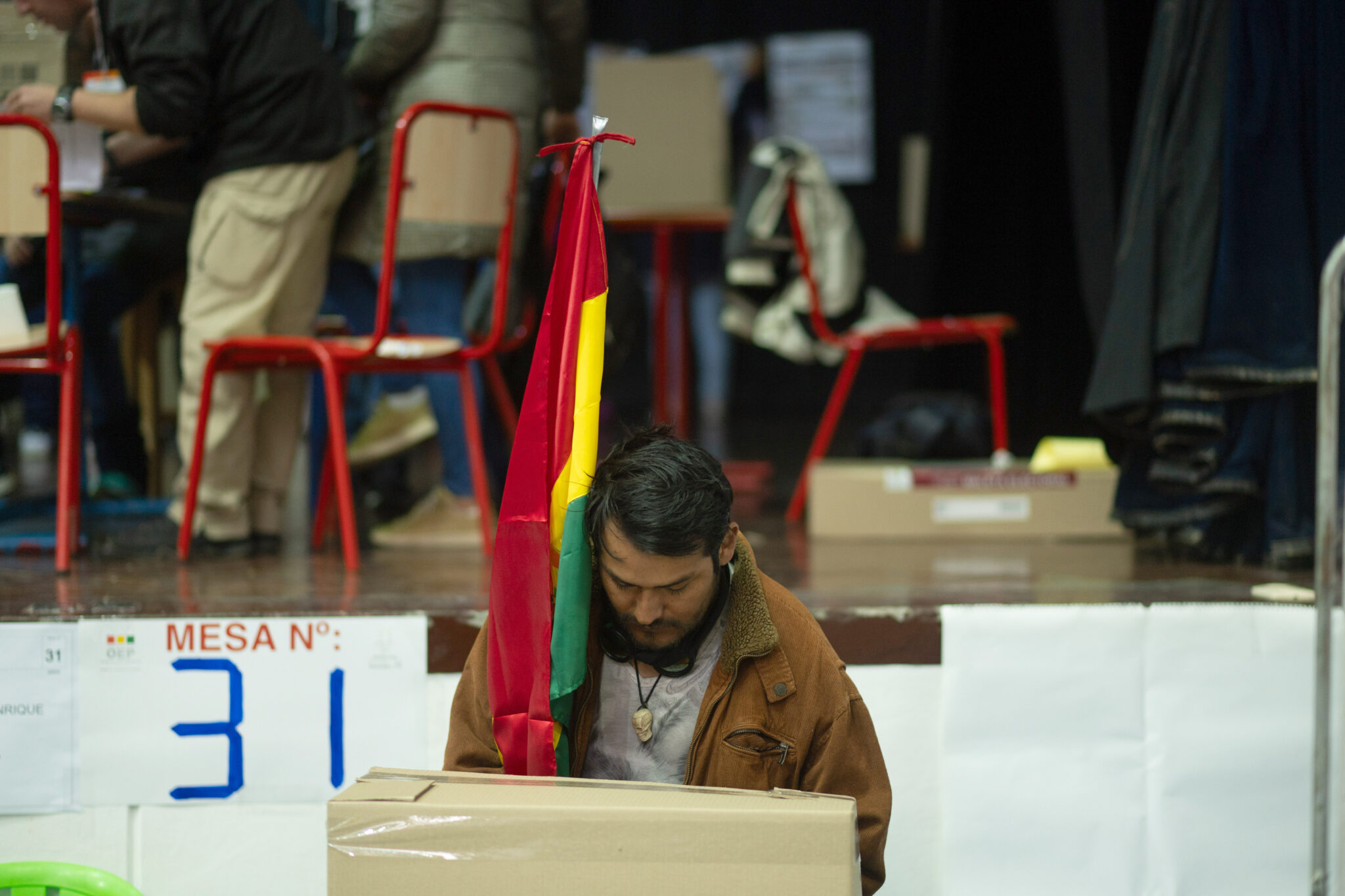
The first round of Bolivia’s presidential election on Aug. 17 brought an end to 20 years of socialist rule. The winner of the Oct. 19 runoff will be handed the responsibility to fundamentally change the country.
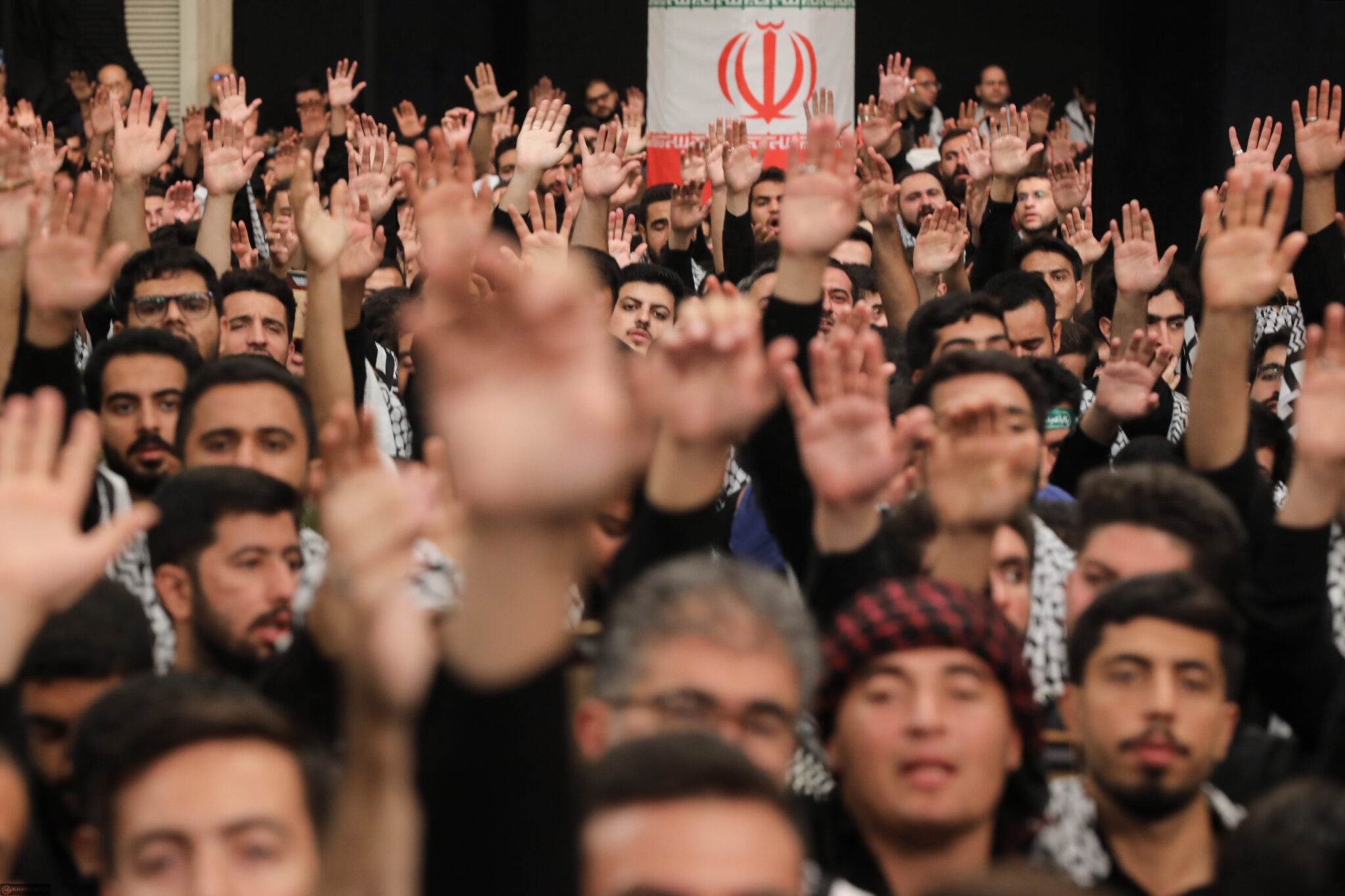
There is a pervasive fear among Iranians, which the Tehran regime does nothing to abate, that chaos could follow the fall of the Islamic Republic. But Iranians should know that opting for superficial reforms or a republic similar to this regime will simply perpetuate its oppression, corruption and ineptitude.
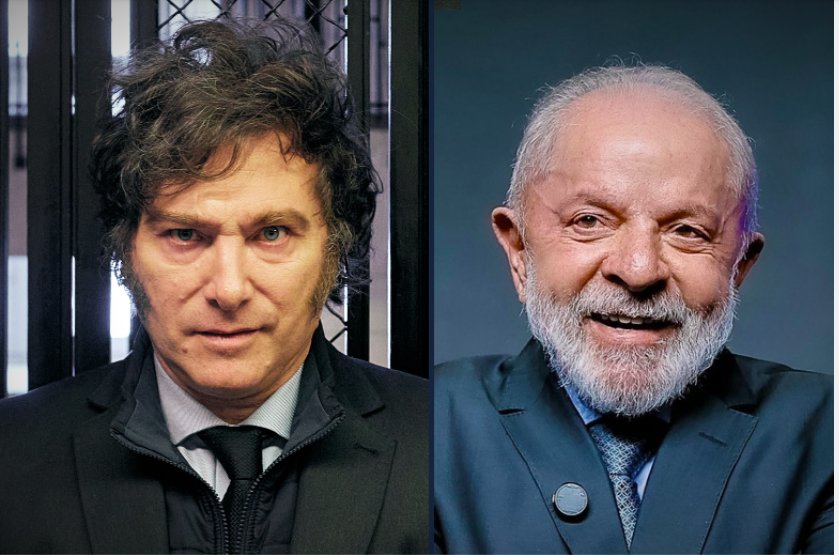
Despite their leaders’ opposing politics, Argentina and Brazil’s similarities outnumber their differences. These neighboring countries must work together, writes former Argentine ambassador to Brazil Juan Pablo Lohlé.

The death of Ziad Rahbani, Lebanon’s legendary composer, playwright, musician, and political provocateur, leaves a profound cultural and emotional void. His plays and songs expressed the nation’s tragedies, anger, and resilience, making him a “living echo” of Lebanon’s struggles that will continue to resonate for generations.
A new phone, a fancy car, a full fridge: for a long time, politicians assumed that prosperity was all it took to keep democracies running. But that view of human nature is now having serious consequences.
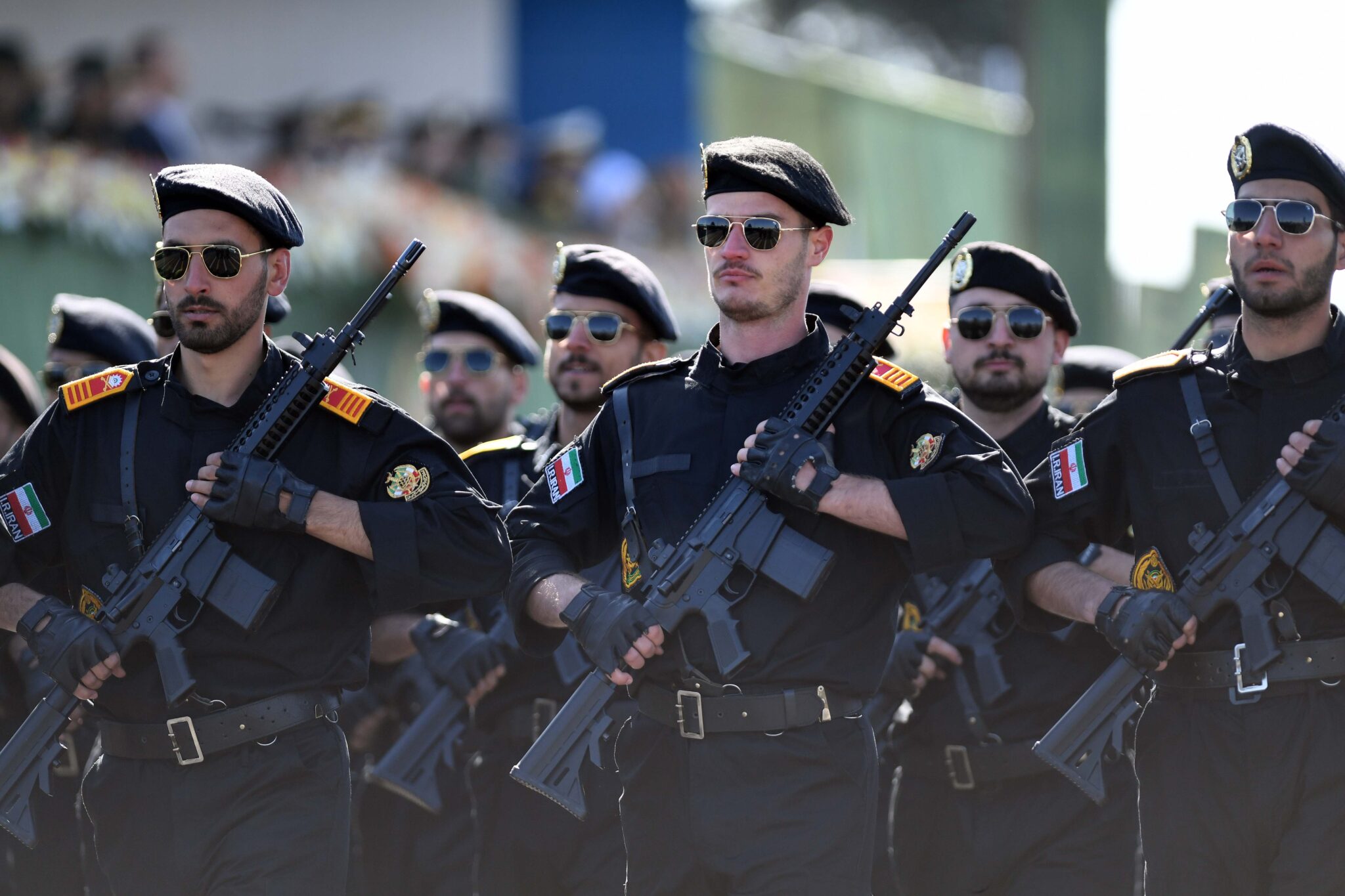
Iran’s revolutionary regime imagined it could assure its survival by becoming an armed bunker like North Korea, ready to shoot if threatened. They seemed to forget that, for its location and resources, Iran is too important for the world to tolerate a “crazy” regime threatening vital oil routes.

It is not the first time in history demagogues have spoken of mass movements led by a charismatic leader as “true” democracy, as is happening in several Western nations today. Even the ancients could see this for what it was: a mix of mob rule and political manipulation.
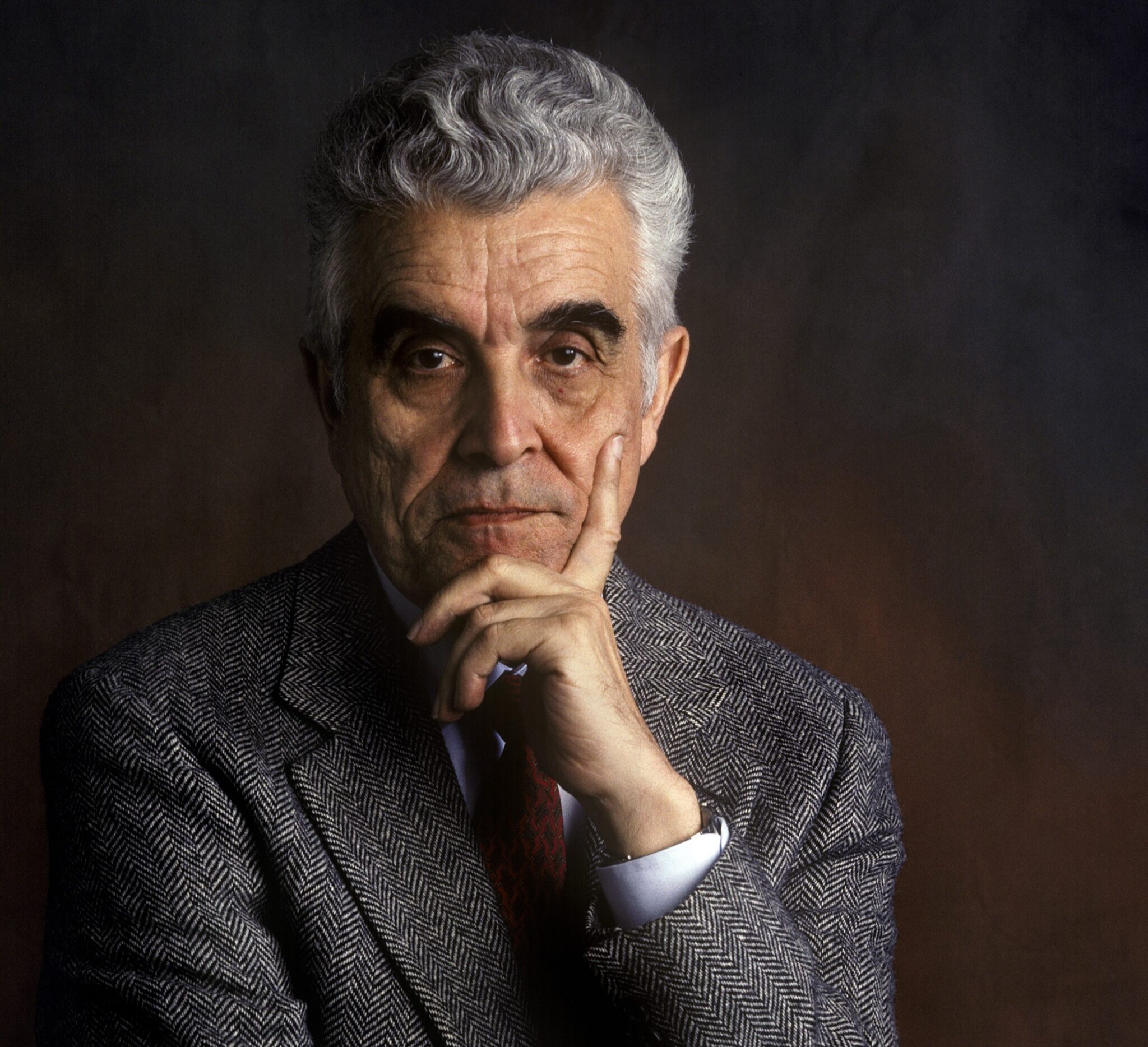
René Girard’s theories of mimetic desire, scapegoating, and Christianity have found unexpected champions among American conservatives like Peter Thiel and JD Vance, who see his work as both spiritually profound and politically useful. But critics argue this appropriation distorts Girard’s deeply nonviolent, apolitical philosophy into a tool for nationalist agendas.
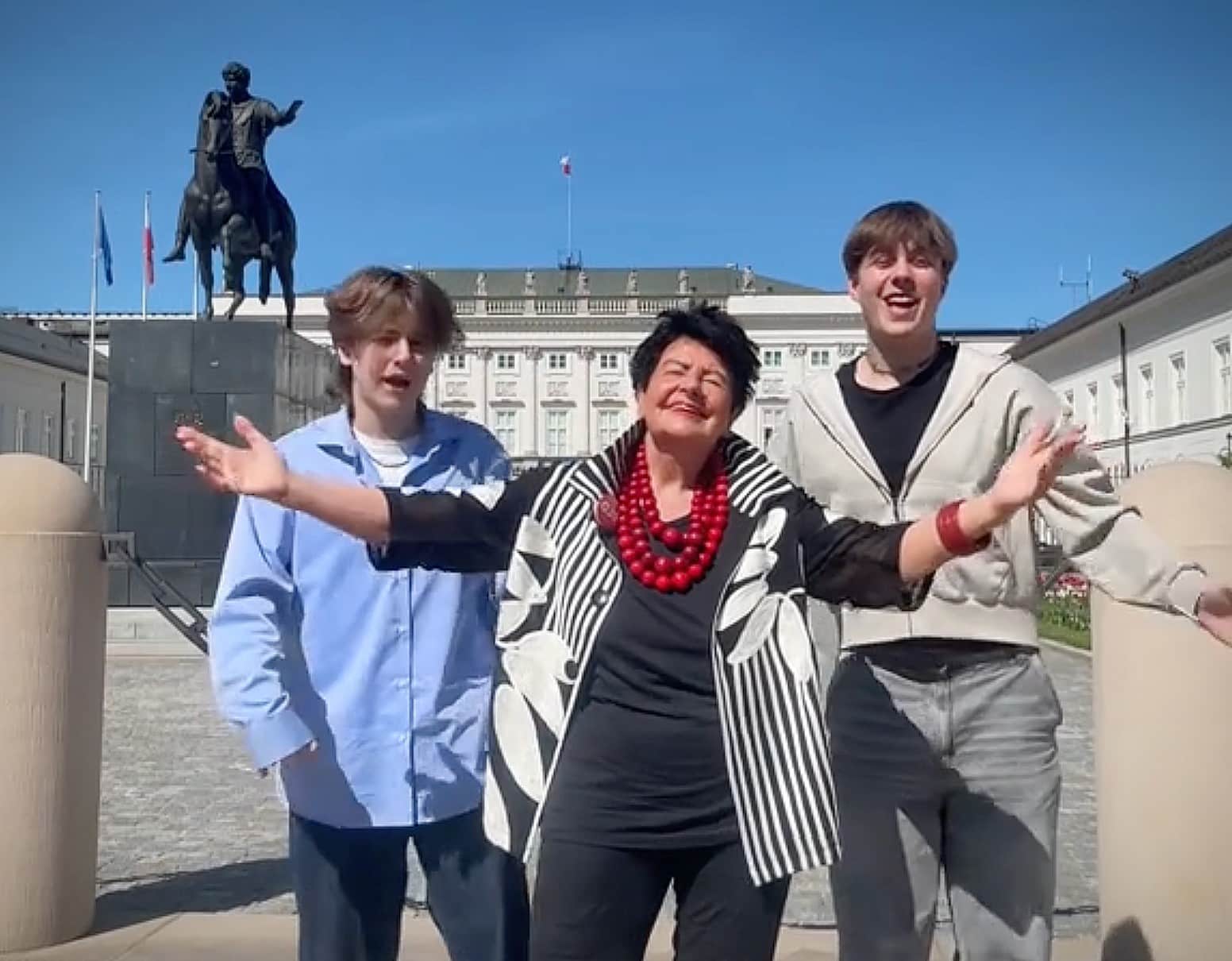
With her open-armed gestures and lack of filter, left-wing candidate Joanna Senyszyn has won the hearts and minds of many Gen Z voters preparing for Poland’s May 18 presidential elections. Can it take her to the second round?
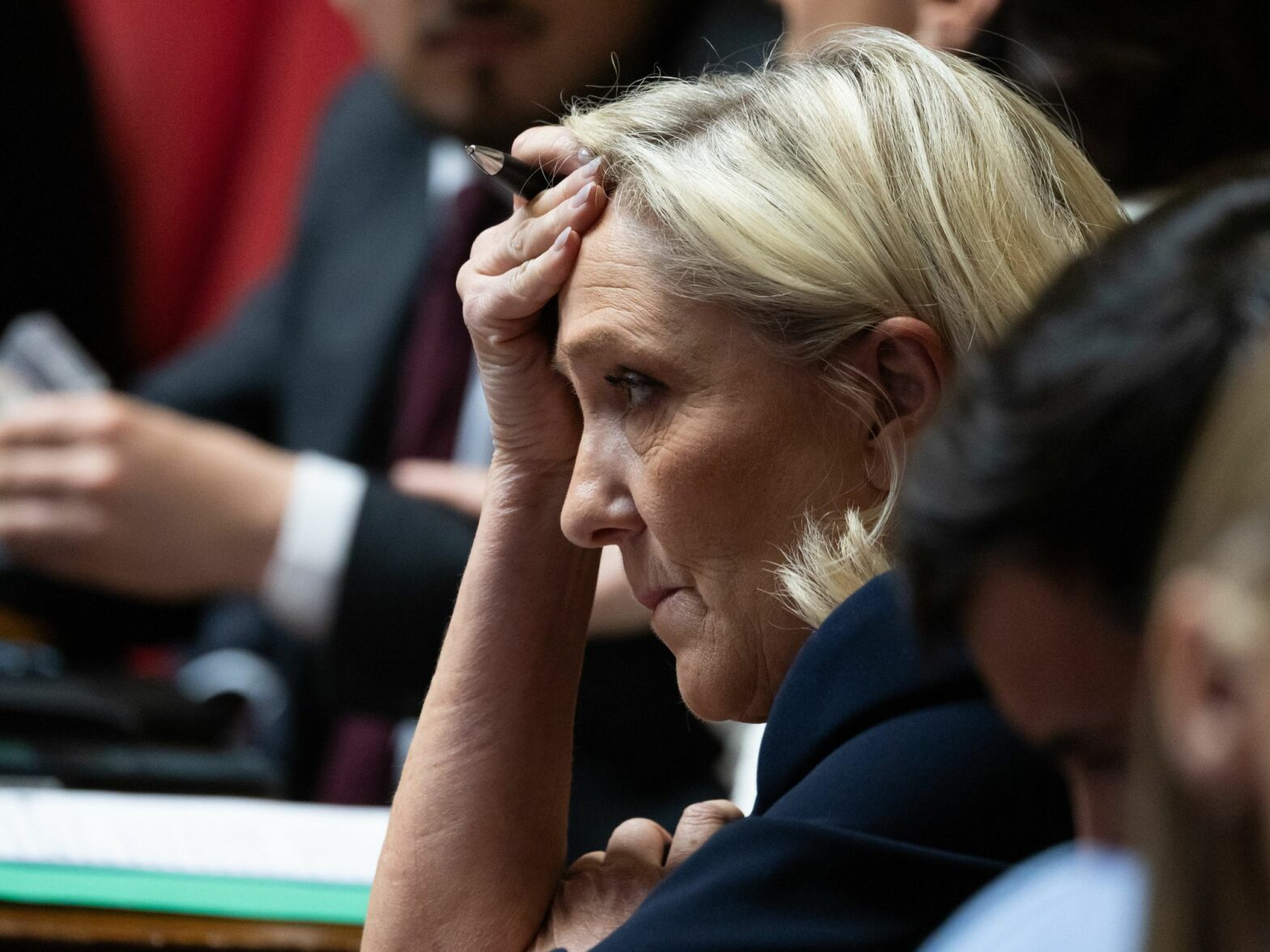
France is just the latest in what appears lately to be a non-stop showdown on this fundamental tension of any democratic society: On the one hand, an independent judiciary that treats even the most popular political leaders like every other citizen; on the other, the risk of judicial system usurping the will of voters to choose the leaders they want.
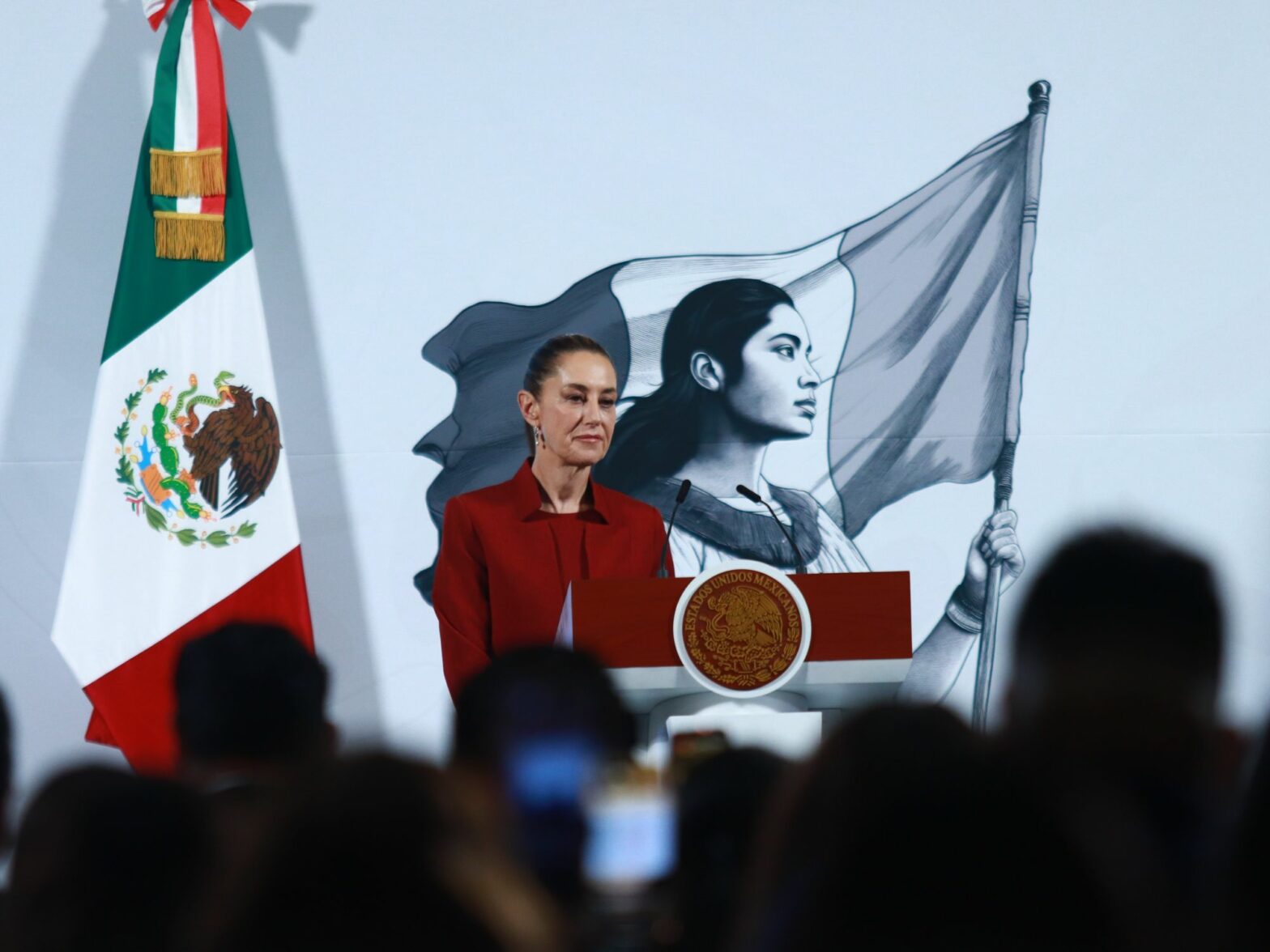
More good news this week from Mexico’s President Claudia Sheinbaum, who has avoided new tariffs from the U.S. What’s the secret to her success? It has to do with her pragmatic interpretation of from the same socialist National Regeneration Movement as her predecessor, Andrés Manuel López Obrador.
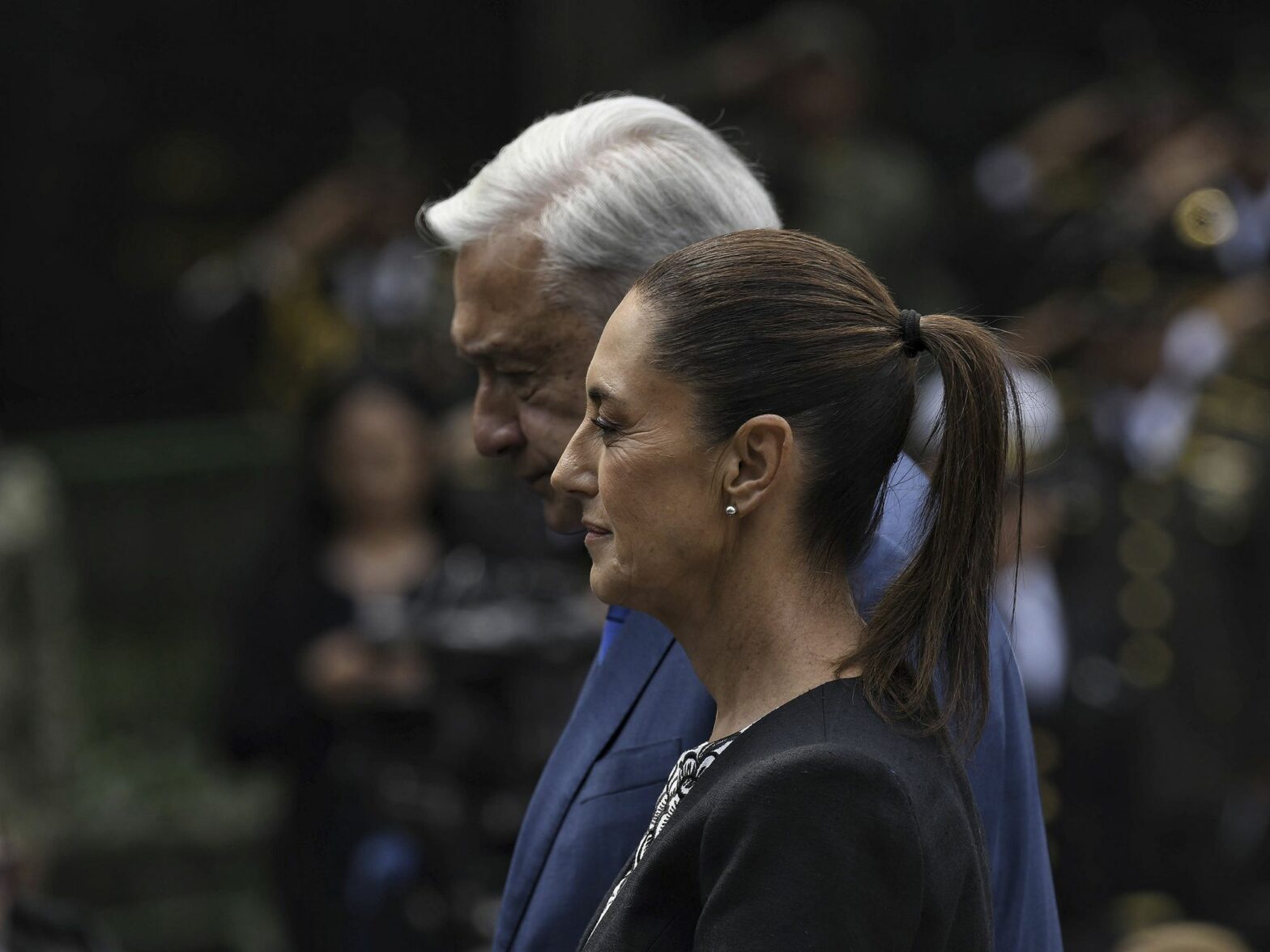
While Mexico’s President Claudia Sheinbaum comes from the same socialist National Regeneration Movement as her predecessor, Andrés Manuel López Obrador, their stories are different. What does that mean for the country’s future?
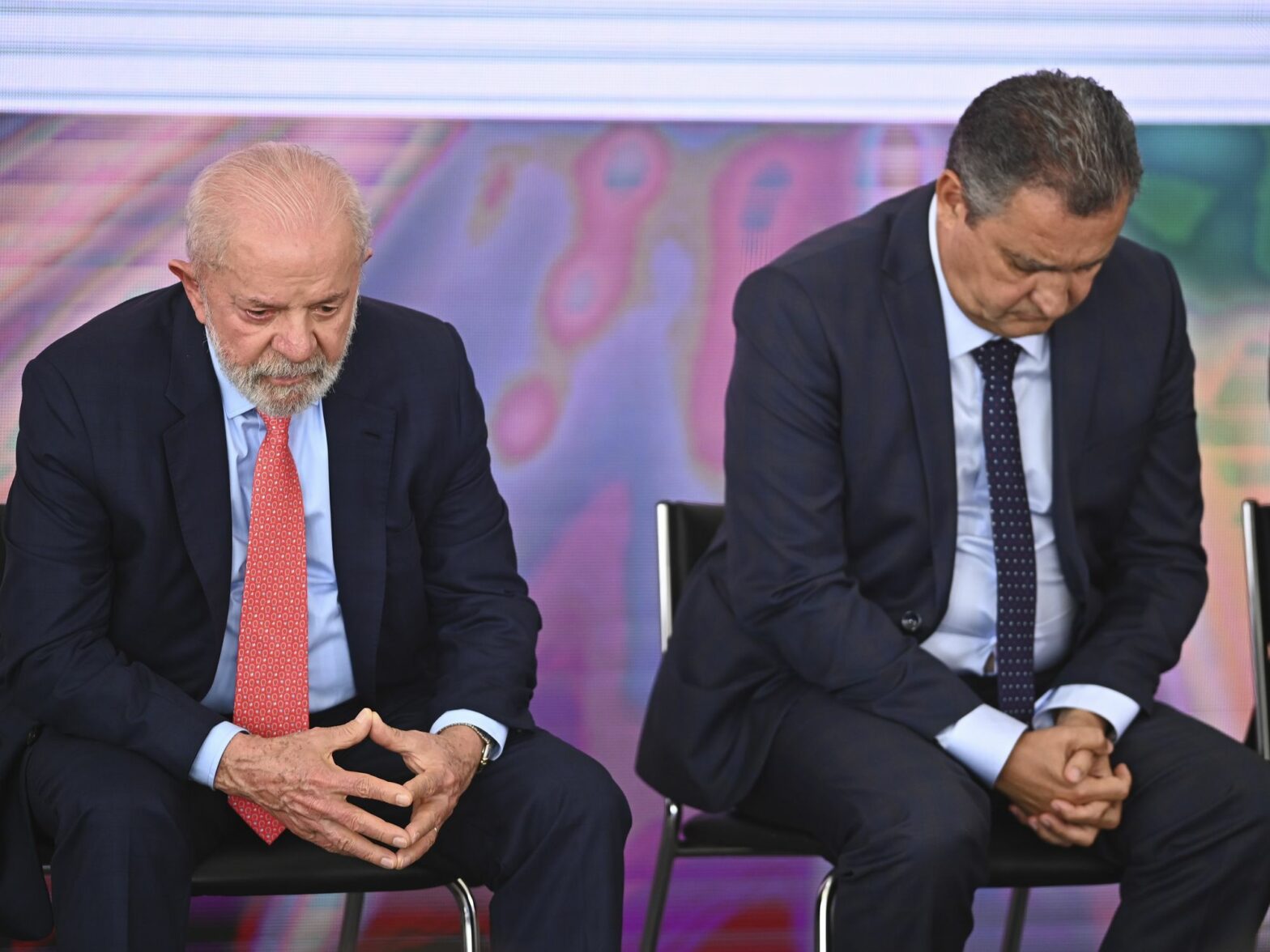
Voters used to reward good governance, but not anymore. From Brazil to the United States to the UK, a new political reality is unfolding, where incumbents struggle for reelection regardless of their performance. Our addiction to digital platforms may help explain this shift?
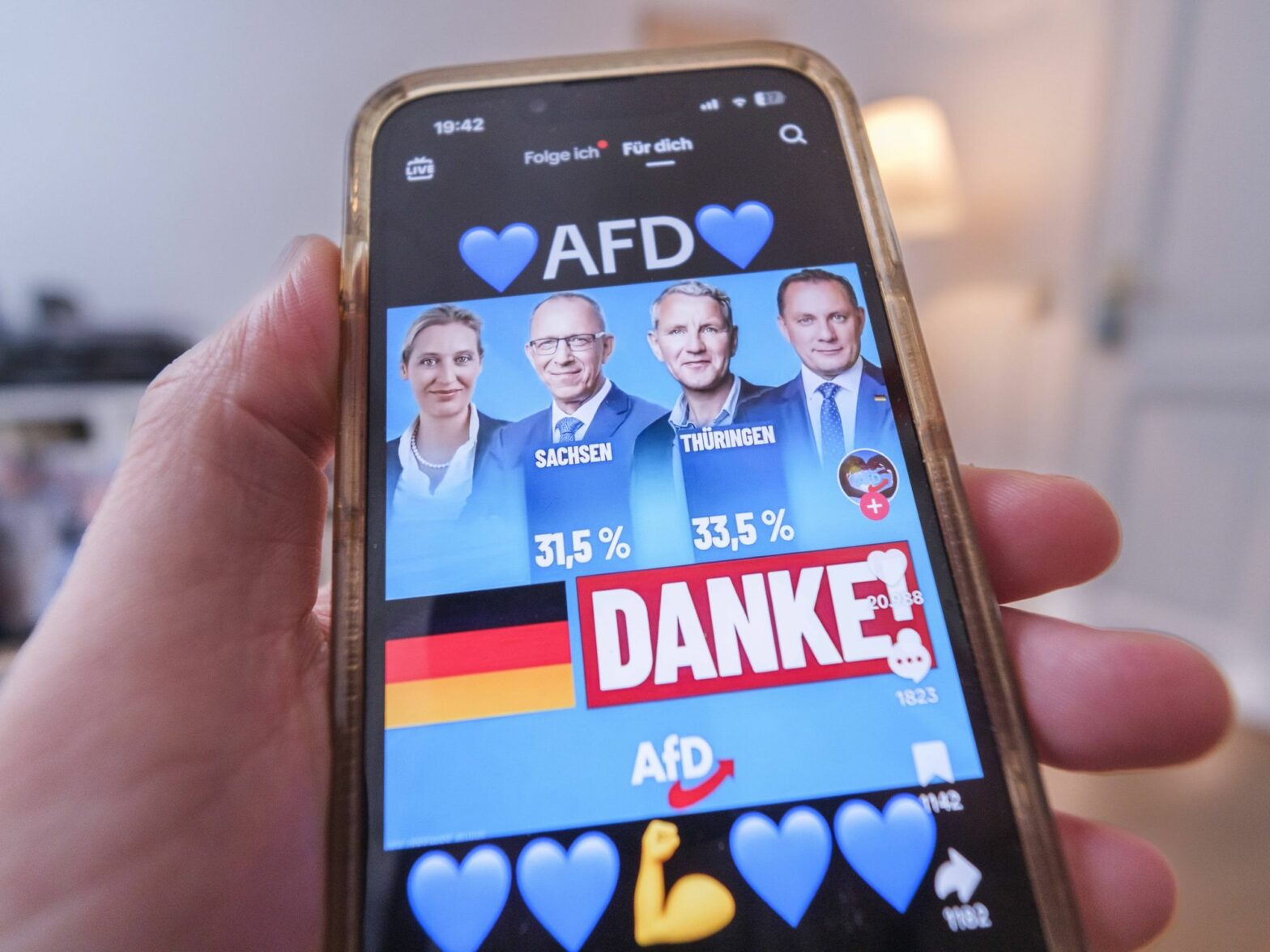
Germany’s AfD has leveraged TikTok as a key tool in its political strategy, flooding the platform with catchy, populist posts whose virality has strengthened the party’s far-right discourse among a younger demographic.
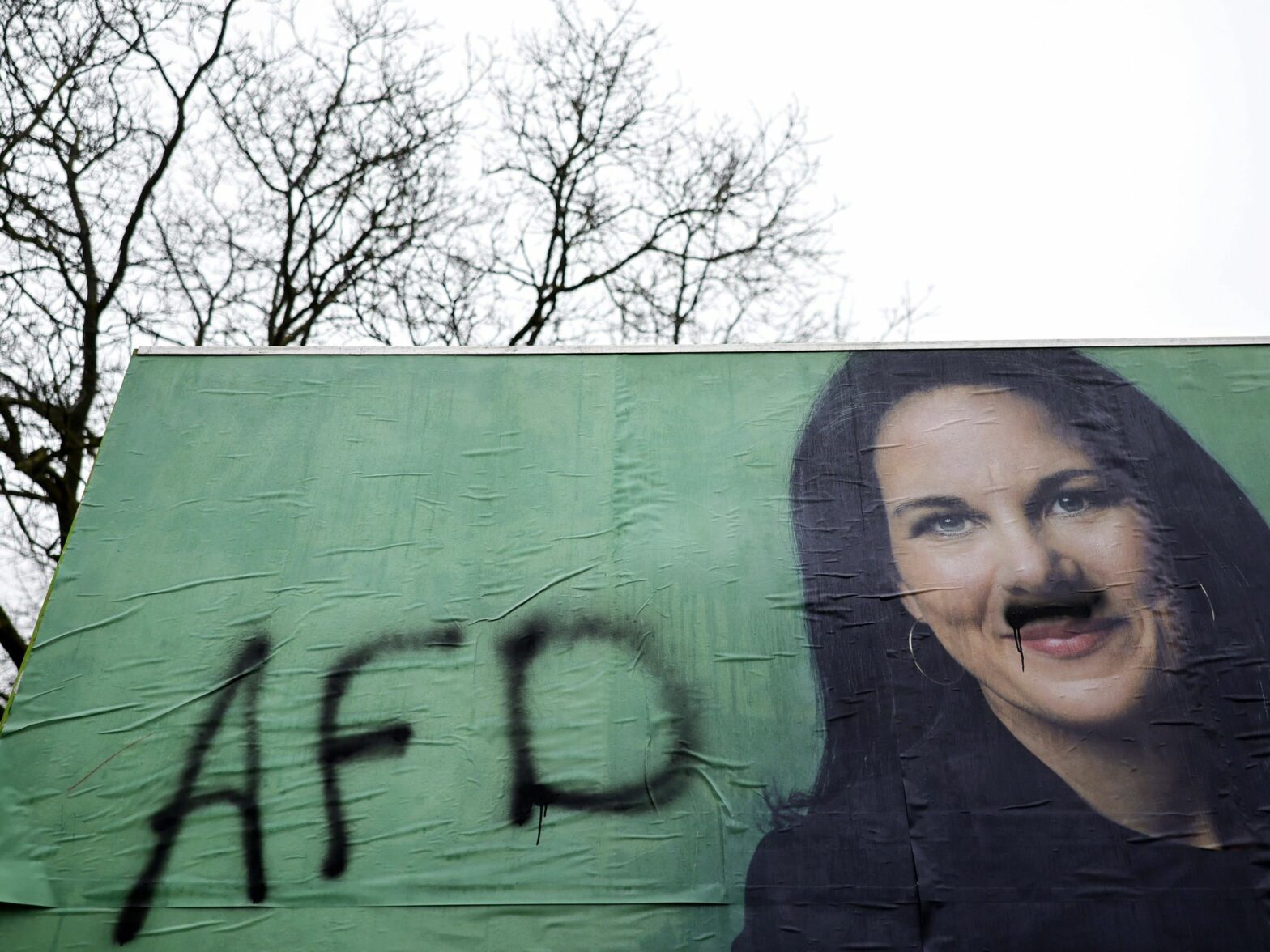
An analysis of all election programs shows that German political parties have never been more right-wing than today. Of course, there’s the AfD — but other groups have also toughened their stance.
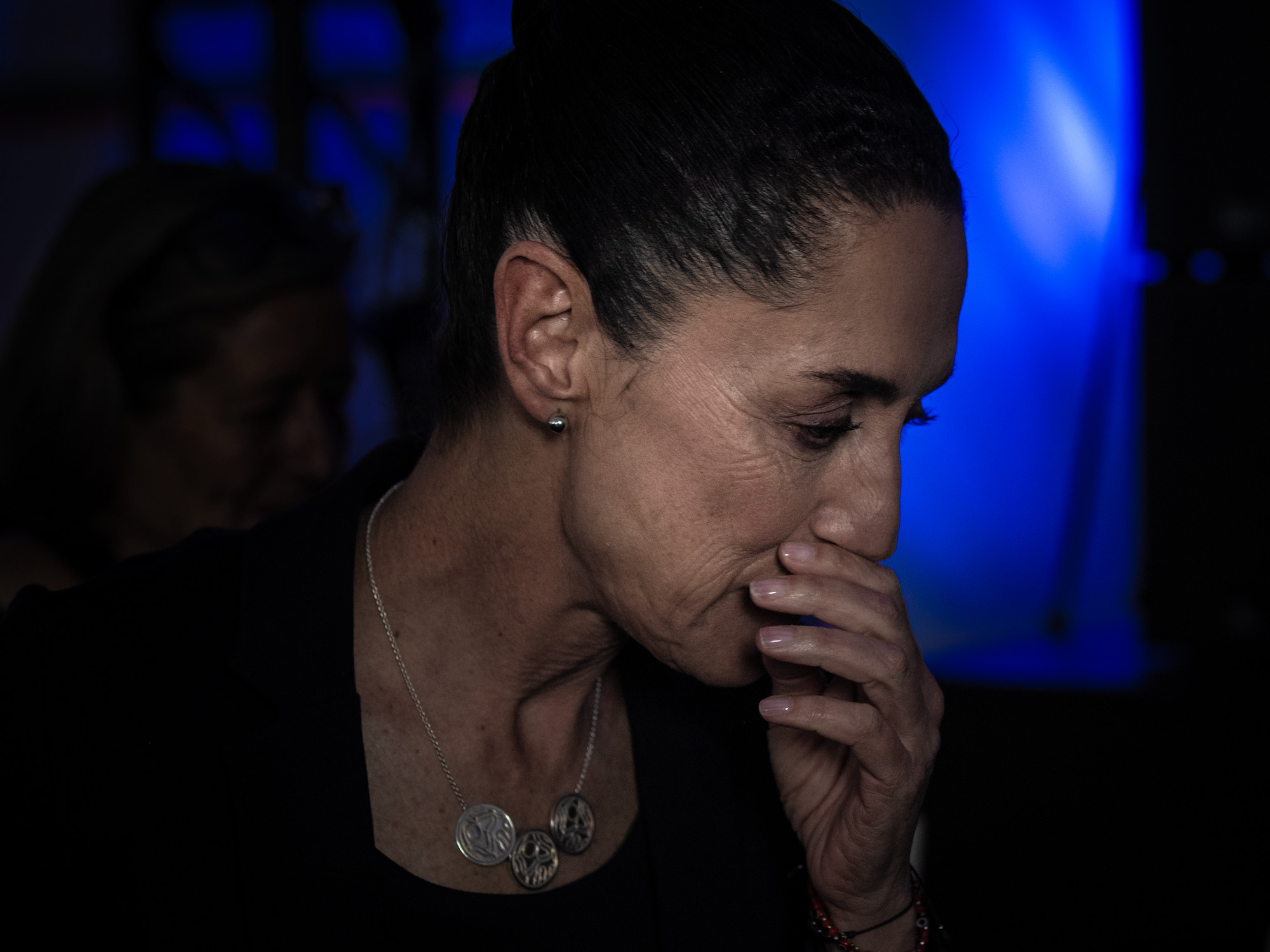
After Colombia’s president took on U.S. President Trump and lost, Mexican President Claudia Sheinbaum has managed this new complex relationship with remarkable deftness and clarity of purpose. But can this strategy be maintained with Trump’s mind set on tariffs everywhere?
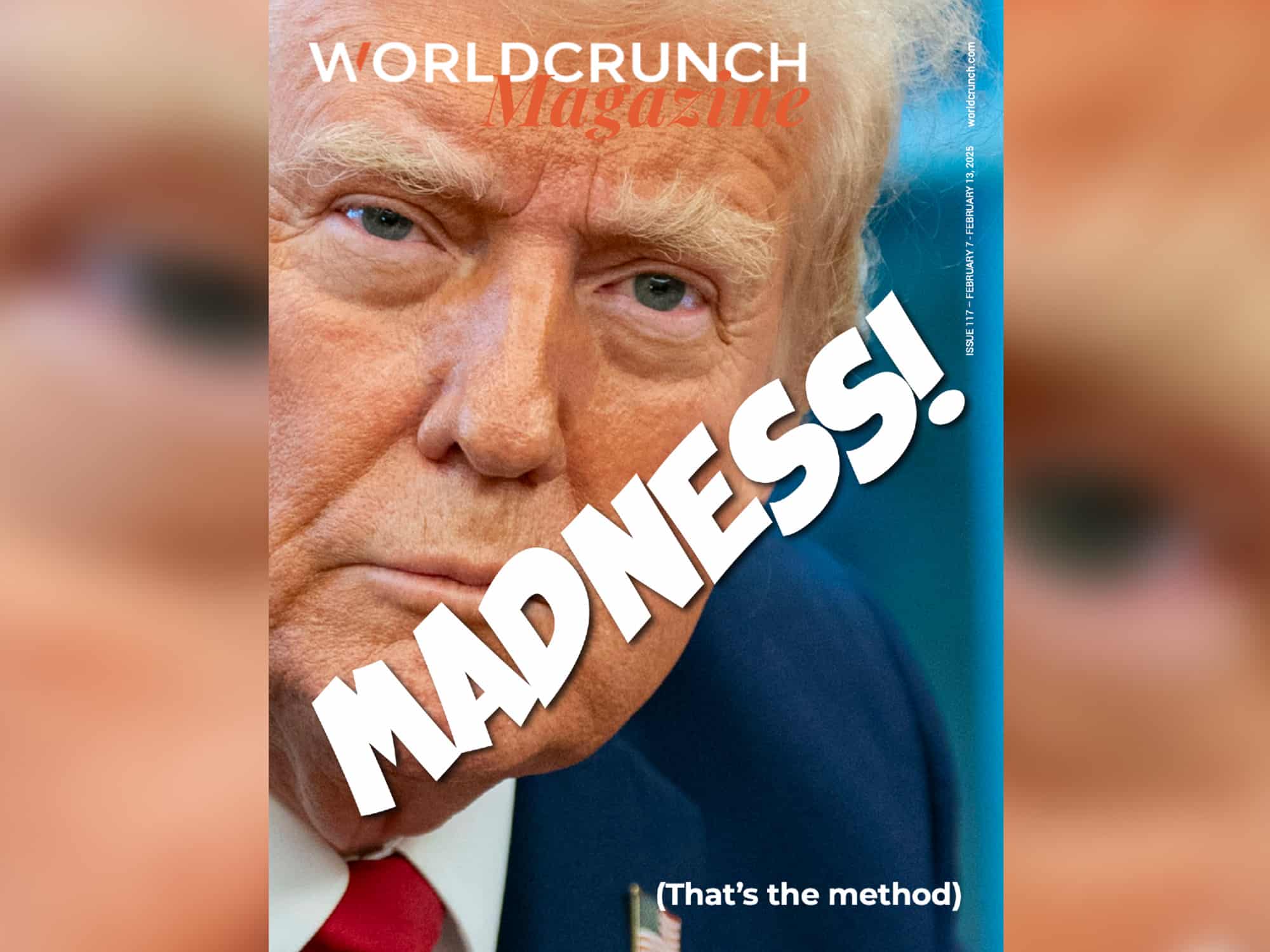
February 7 – February 13, 2025
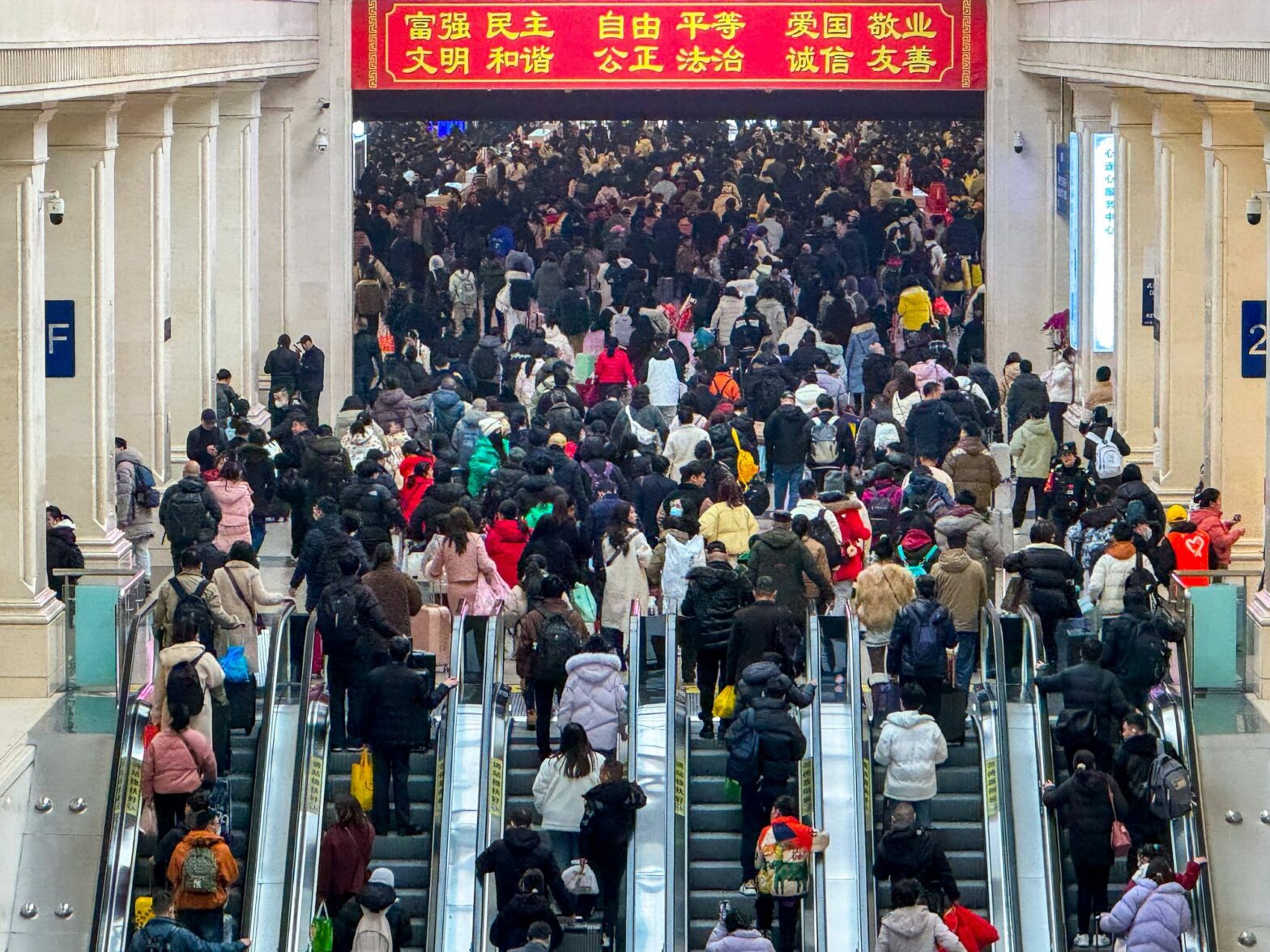
Life has resumed its course in the large industrial city in central China, where the virus first appeared at the end of 2019. Five years after confinement, the 14 million people of Wuhan are drowning in economic difficulties. Meanwhile, China has erased this period from its history.
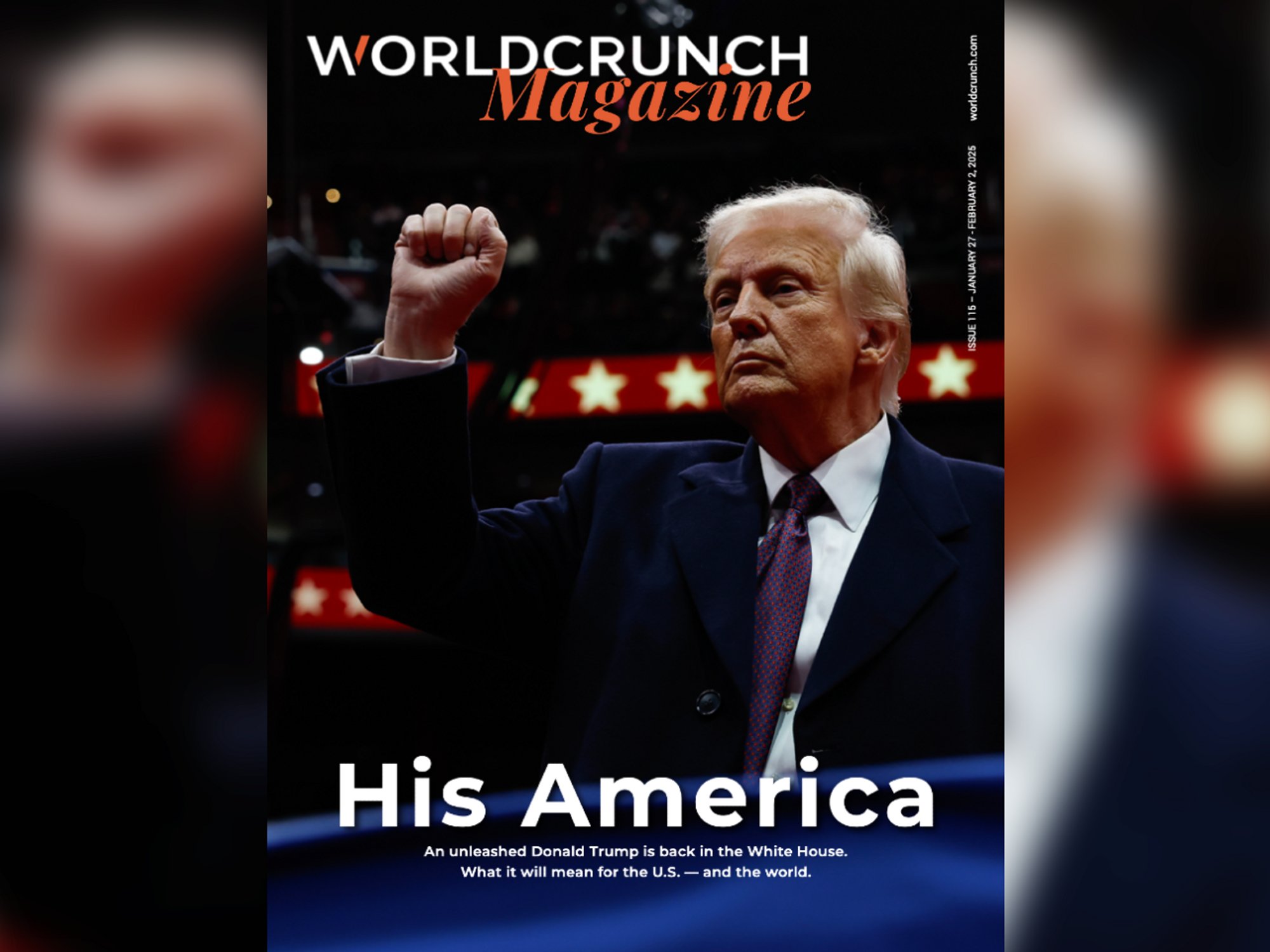
Janurary 27 – February 2, 2025
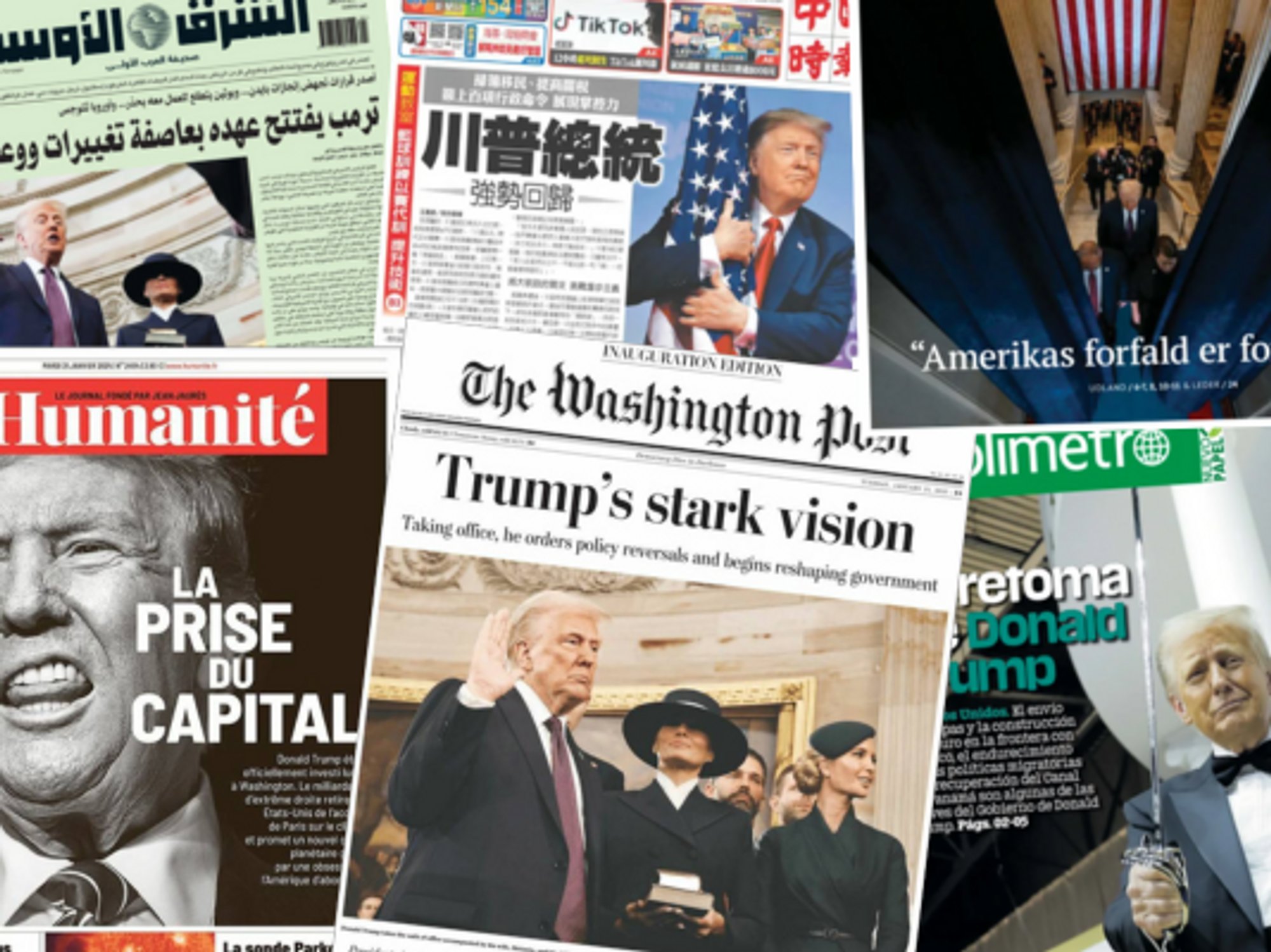
A vast majority of newspapers from around the world have chosen to devote their front pages to the comeback of Donald Trump, who took the oath of office on Monday.
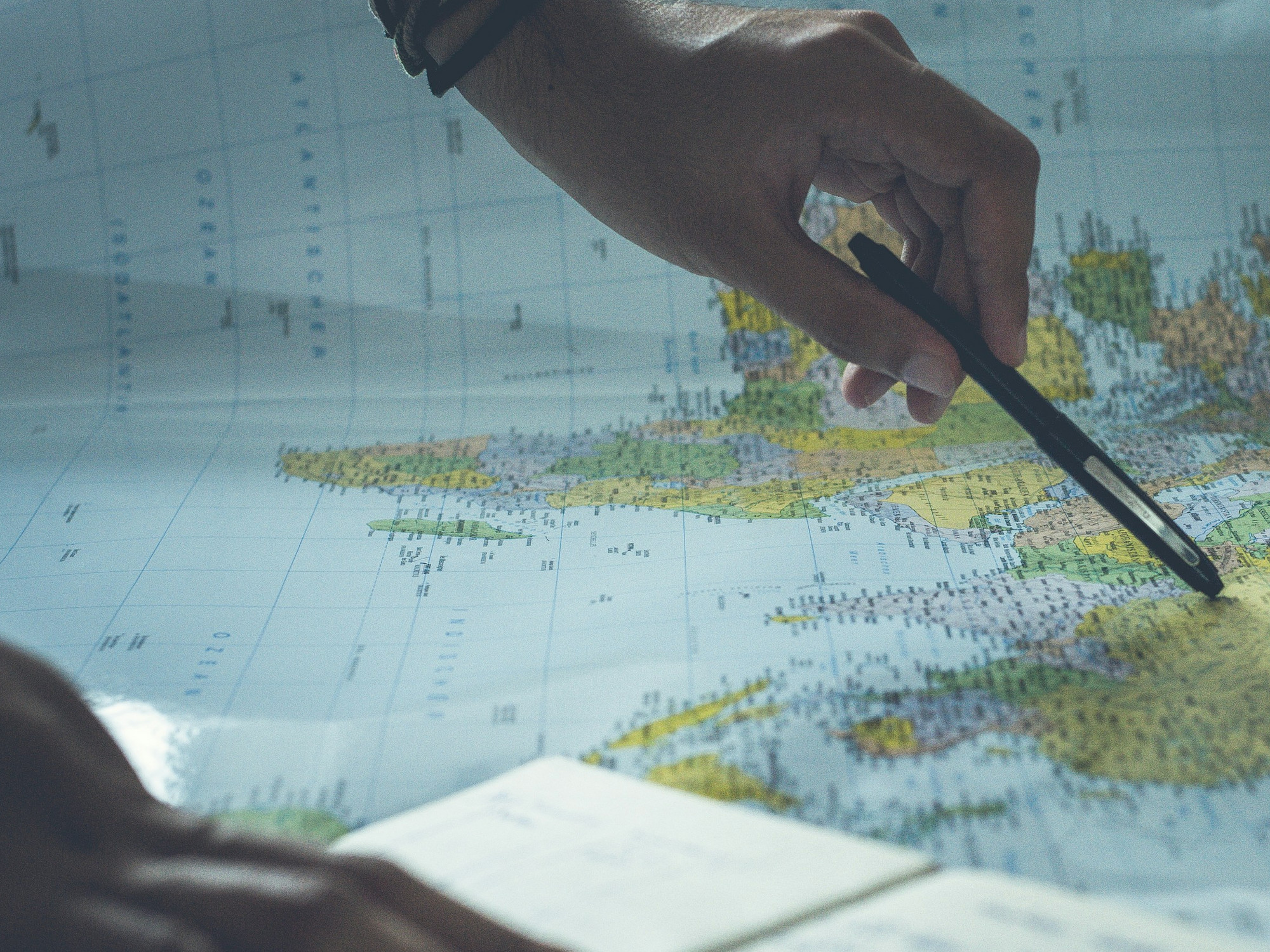
Greenland, Canada and Panama: Why is Donald Trump using maps for his politics? And what does Elon Musk’s Nazi-loving grandfather have to do with mapped utopias?
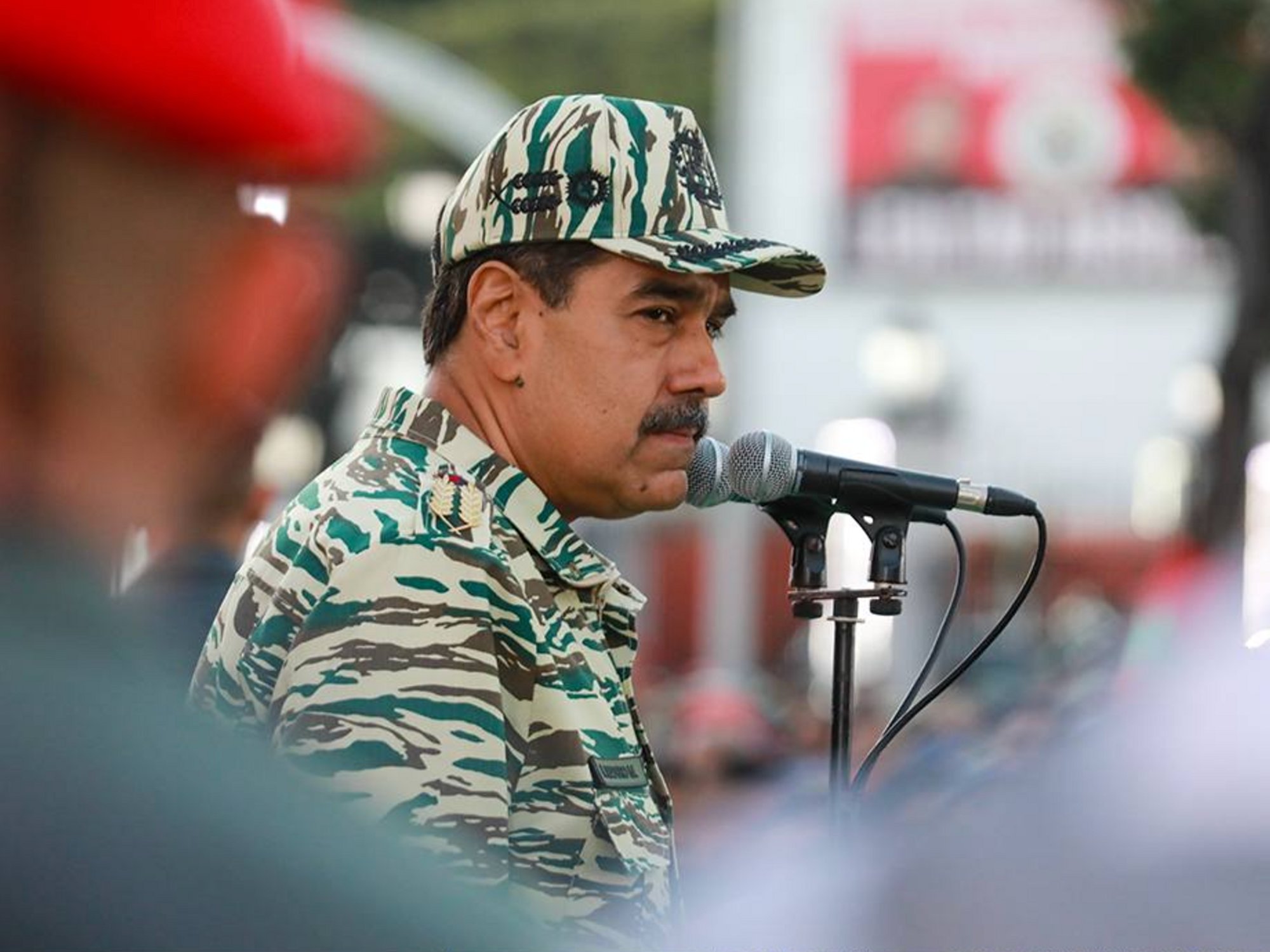
In its first decade, Venezuela’s Bolivarian revolution was radical yet legitimate, and enjoyed the people’s electoral support under leader Hugo Chávez. This changed when his successor, Nicolás Maduro, took over after Chávez’s death, and decided he wasn’t going to let votes thwart his insatiable love of power and money.
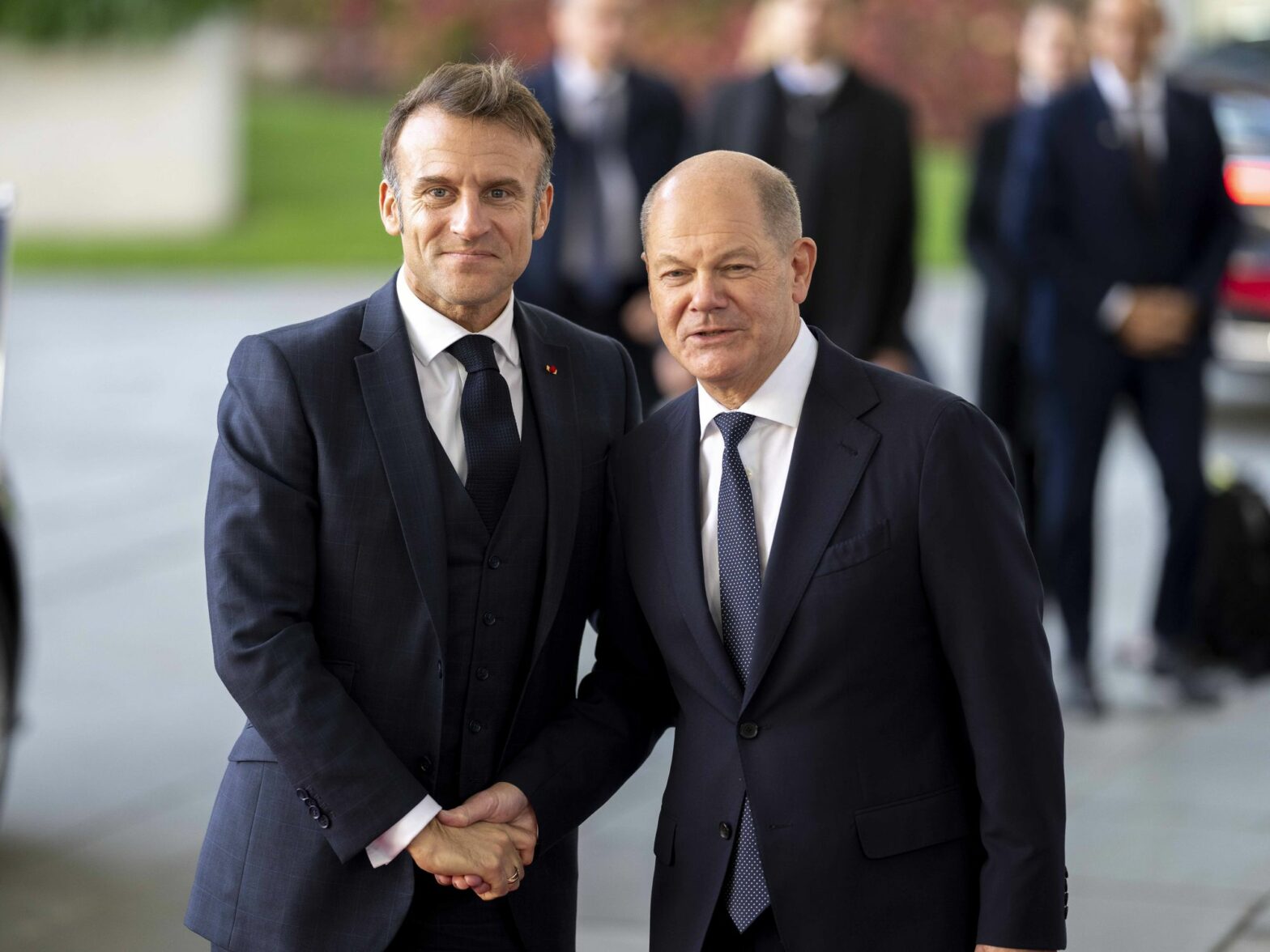
Having long been the driving force of the European Union, France and Germany are facing multiple crises simultaneously, threatening the balance of their relationship. It couldn’t have come at a worse time.