-Analysis-
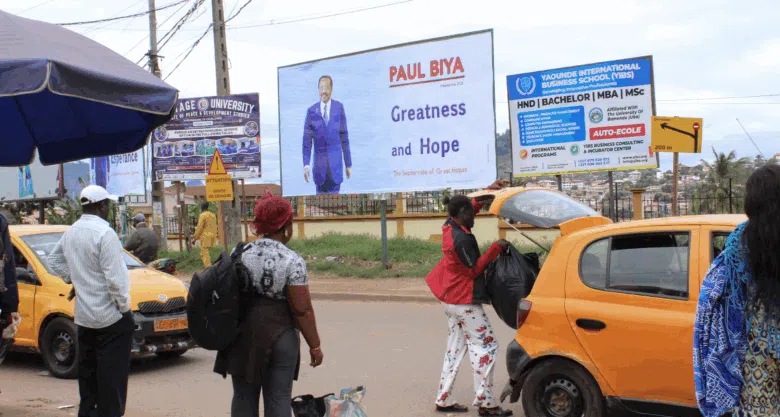
PARIS — Paul Biya, 92, has been reelected in Cameroon for an eighth seven-year term, in a nation where half the population is younger than 18.
Alassane Ouattara, 83, was reelected in Côte d’Ivoire for a fourth five-year term, in a country where 18 is the median age.
These two presidential elections, in two major French-speaking African nations, raise serious questions — and not only about the age of the men in charge. They expose the broader challenge many African countries face in achieving peaceful political transitions and renewing the political class when those in power refuse to step down.
For the latest news & views from every corner of the world, Worldcrunch Today is the only truly international newsletter. Sign up here.
In 1980, Senegal’s President Léopold Sédar Senghor caused a sensation by becoming the first leader on the continent to voluntarily step down from office without pressure from the streets or the army. His peers were furious, accusing him of setting a bad example. Senghor had governed for 20 years since Senegal’s independence and decided it was wiser to hand power over to a new generation.
Two years later, Paul Biya became president of Cameroon. Forty-three years on, he is still there — a world record for political longevity.
Elections without suspense
In both of the recent elections, the outcome was a foregone conclusion. In Cameroon, Biya’s main opponent, Issa Tchiroma Bakary, declared victory, but the Supreme Court, being loyal to the ruling party, proclaimed the incumbent as the winner. Protests erupted, but Biya remains unshakable, even though he spends much of the year receiving medical treatment in Switzerland, while his country is awash with rumors about his health.
In Côte d’Ivoire, a nation that has already suffered civil war following disputed elections, the main opposition figures — former president Laurent Gbagbo and businessman Tidjane Thiam — were barred from running. Unsurprisingly, the incumbent president won 90% of the vote.
Neither of these elections convinced anyone, nor did the justifications offered by those in power who insist on portraying themselves as indispensable, providential figures.

Gen Z rage
In recent months, several countries have witnessed a wave of protests led by Generation Z — those born between the late 1990s and the late 2000s. Governments have fallen in places like Nepal and Madagascar, despite the spontaneous and unstructured nature of these movements.
The problem lies in the political stagnation created by such prolonged rule.
The problem lies not so much in the fact that national leaders are 83 or 92 years old, but in the political stagnation created by such prolonged rule. When peaceful change becomes impossible, it tends to come through other means — street protests, military coups, or both, as was recently the case in Madagascar.
Africa is not condemned to this stalemate. Senegal, which has experienced several democratic transitions, the most recent being just last year, despite some tensions — and English-speaking Ghana, also in West Africa, show that genuine political renewal is possible.
The question of democracy in Africa remains open — not because the continent seeks to imitate a West that has little moral authority to lecture, but because it must respond to the aspirations of its young people, frustrated by seeing, as Michel Delpech once sang: “Always the same president.”