Iran’s post-revolutionary constitution concentrated all the power in the hands of the country’s supreme leader — a mistake that is still costing Iranians today.
 Worldcrunch
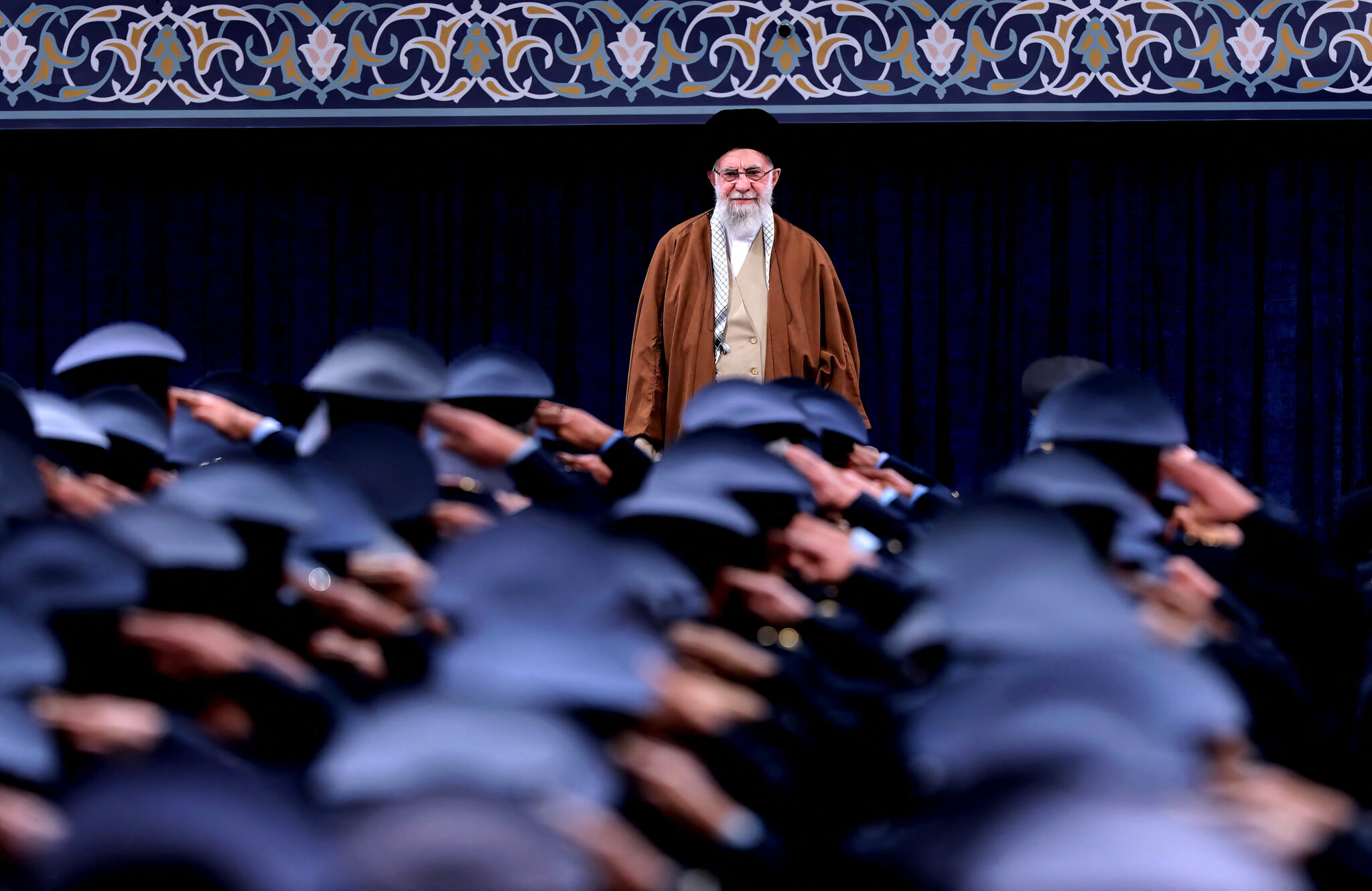
Iran’s post-revolutionary constitution concentrated all the power in the hands of the country’s supreme leader — a mistake that is still costing Iranians today.
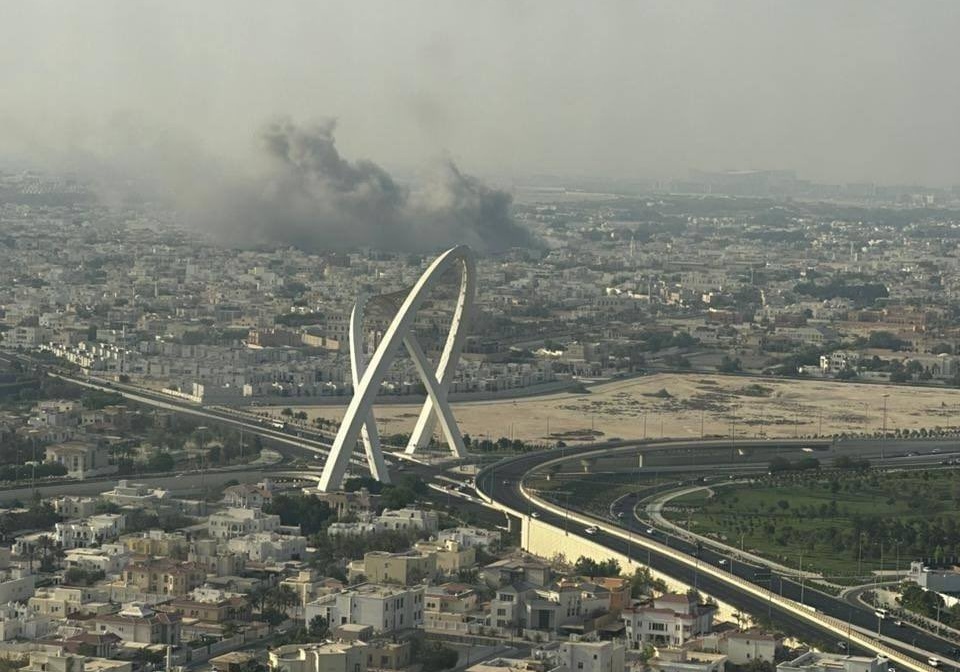
Once a fortress of neutrality and wealth, Qatar now finds itself on the front lines of an escalating regional conflict, as Israel, Iran, and Gulf powers maneuver for strategic advantage.
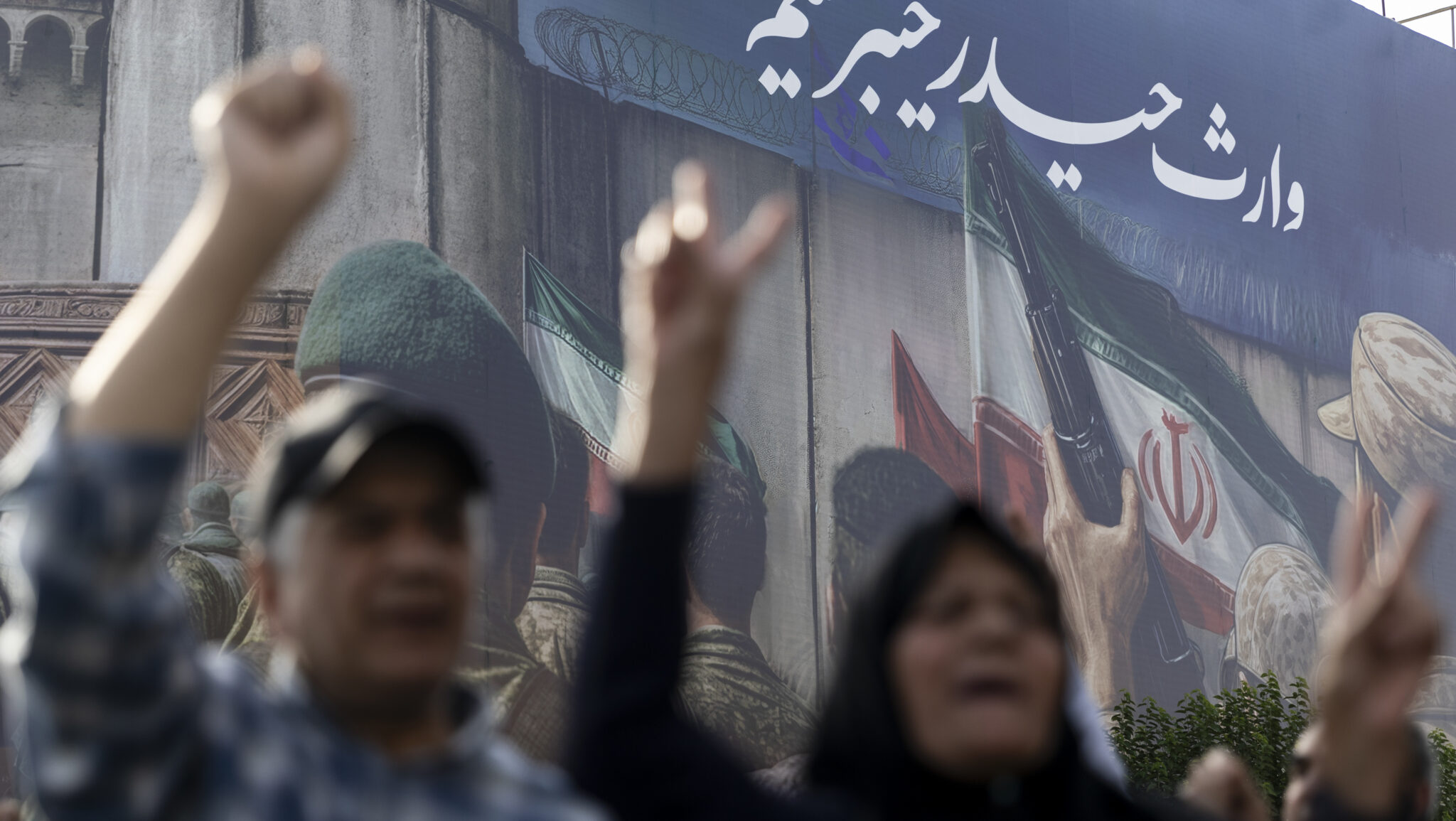
War with Israel and the United States may harm Iran and its infrastructures. But for the regime, it’s a chance to distract opinion from its economic failures and to quell dissent.
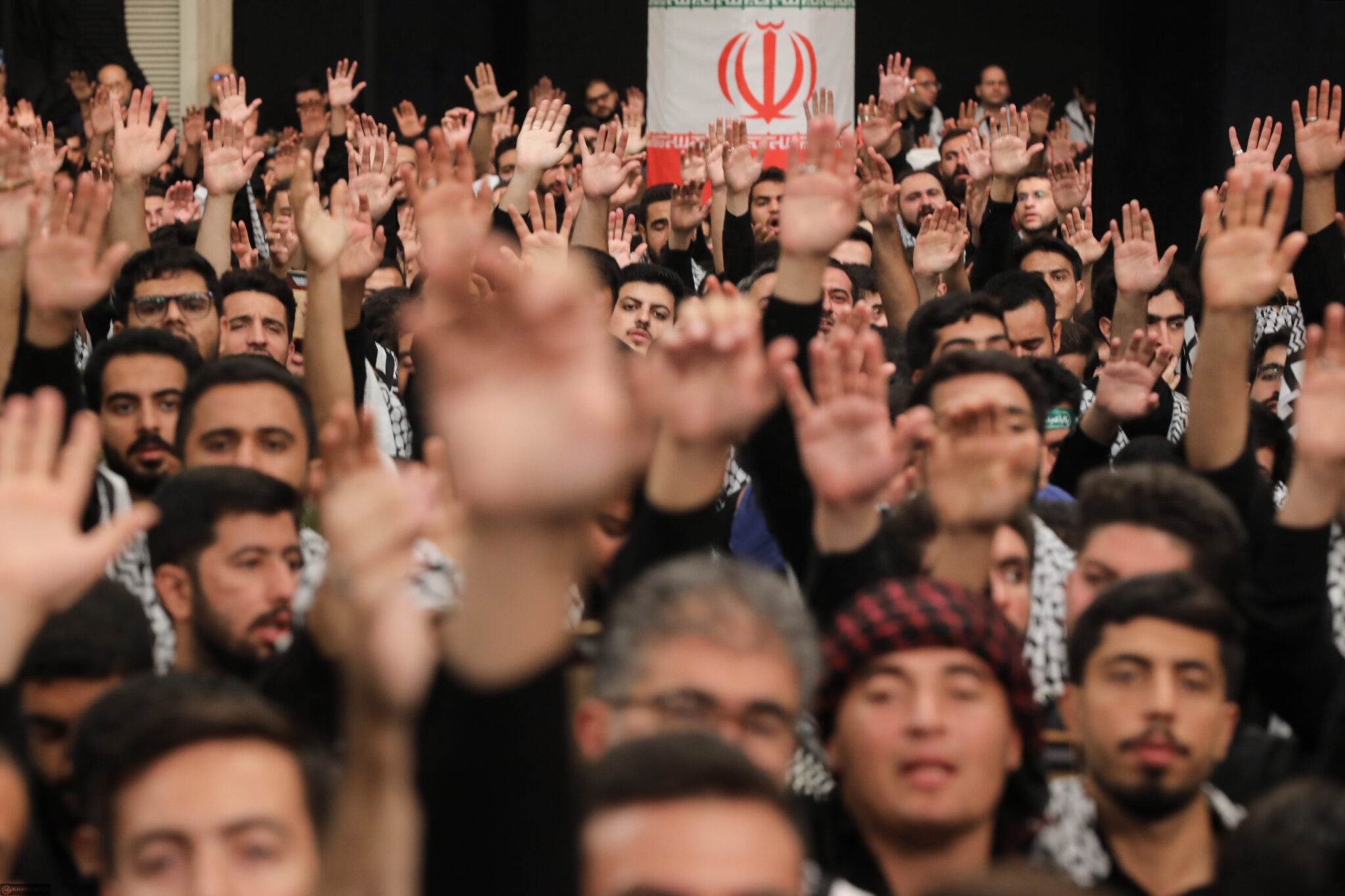
There is a pervasive fear among Iranians, which the Tehran regime does nothing to abate, that chaos could follow the fall of the Islamic Republic. But Iranians should know that opting for superficial reforms or a republic similar to this regime will simply perpetuate its oppression, corruption and ineptitude.
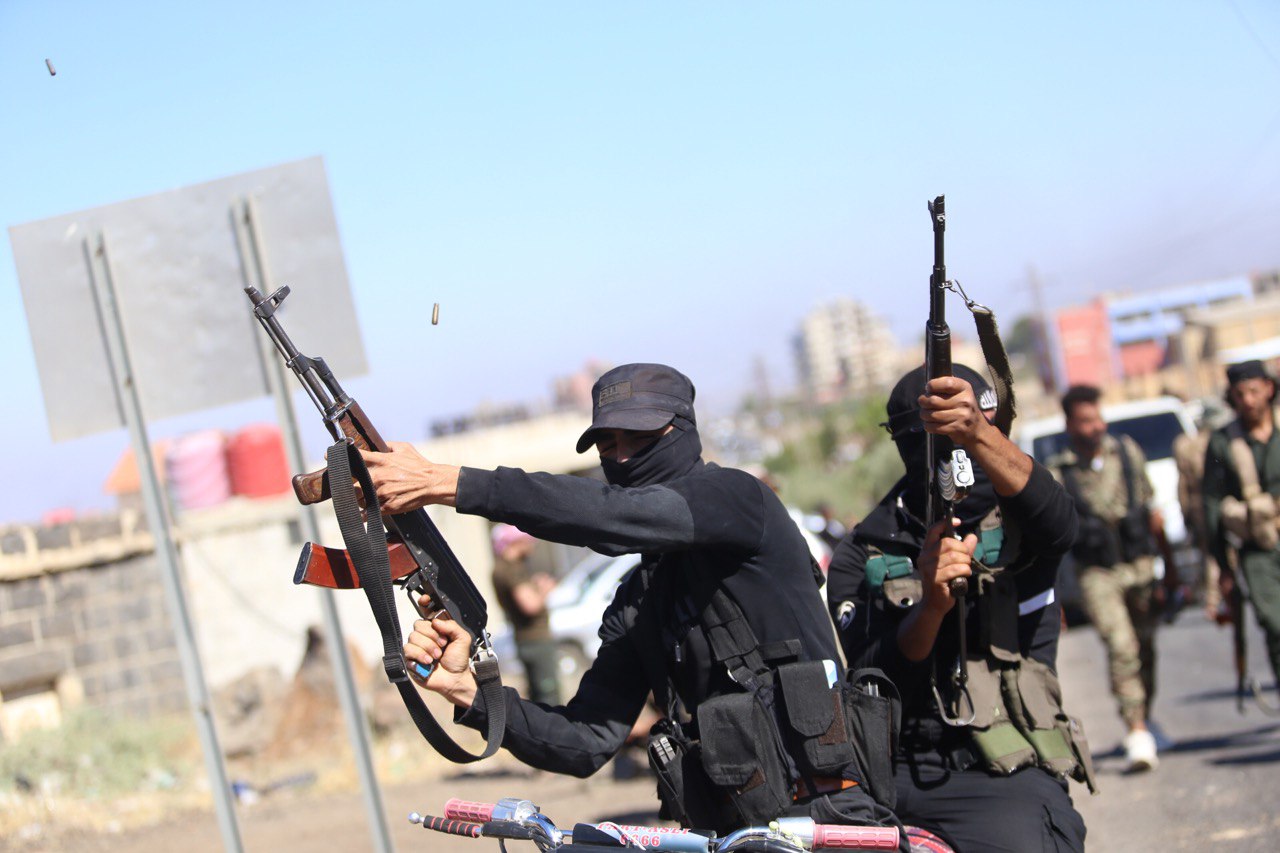
With Israel and Iran’s shadow war spilling into Syria, the new government in Damascus has warned that “foreign actors” aim to plunge the country into a cycle of instability and chaos.
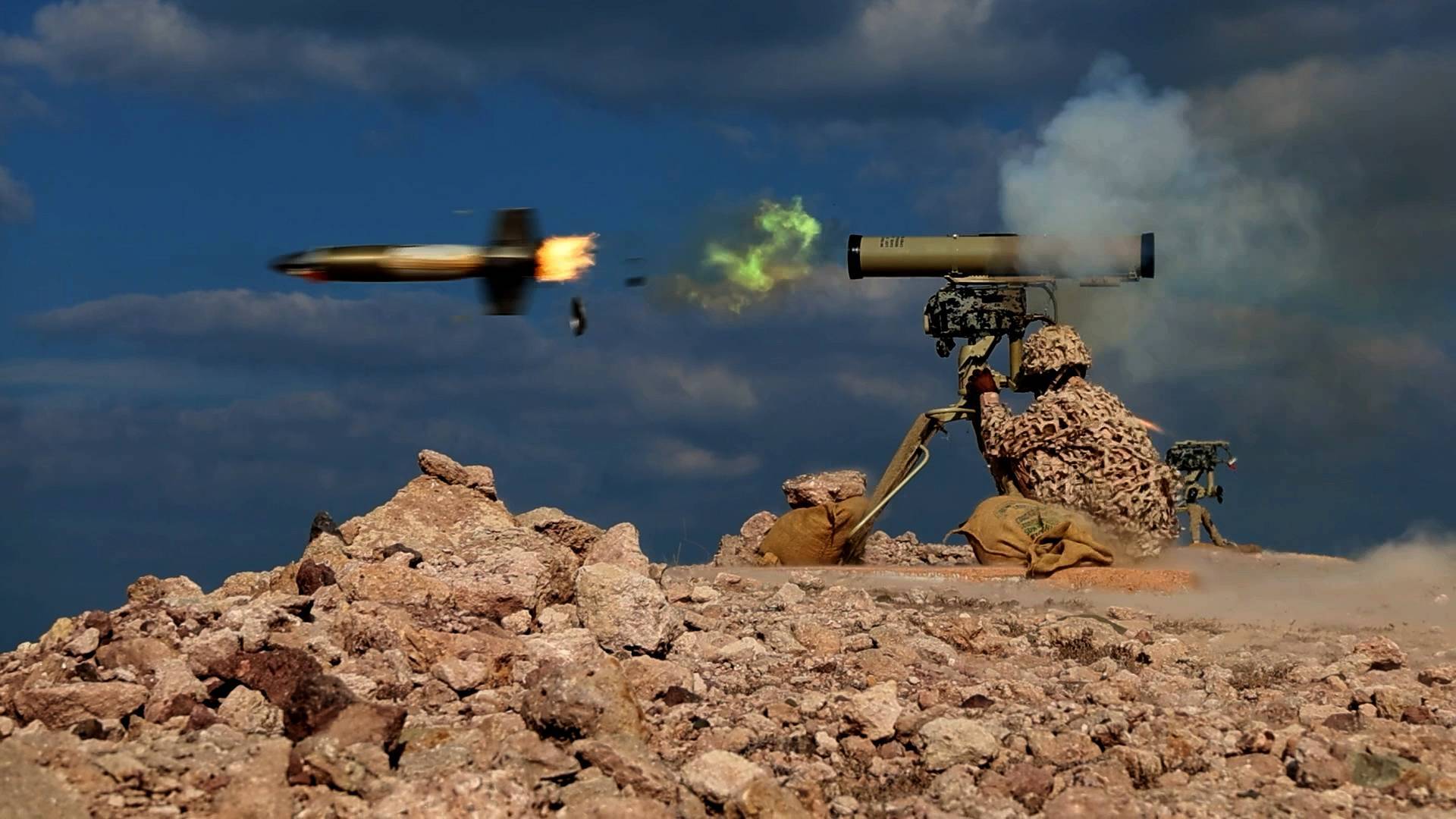
The Islamic Republic of Iran recently sent Ismail Qaani, the Revolutionary guards general who keeps ‘resurrecting’ after being reported as killed or maimed, to Baghdad to discuss rearming its proxy militias. This appears to be Tehran’s first act of regional interference since Israeli strikes in June.
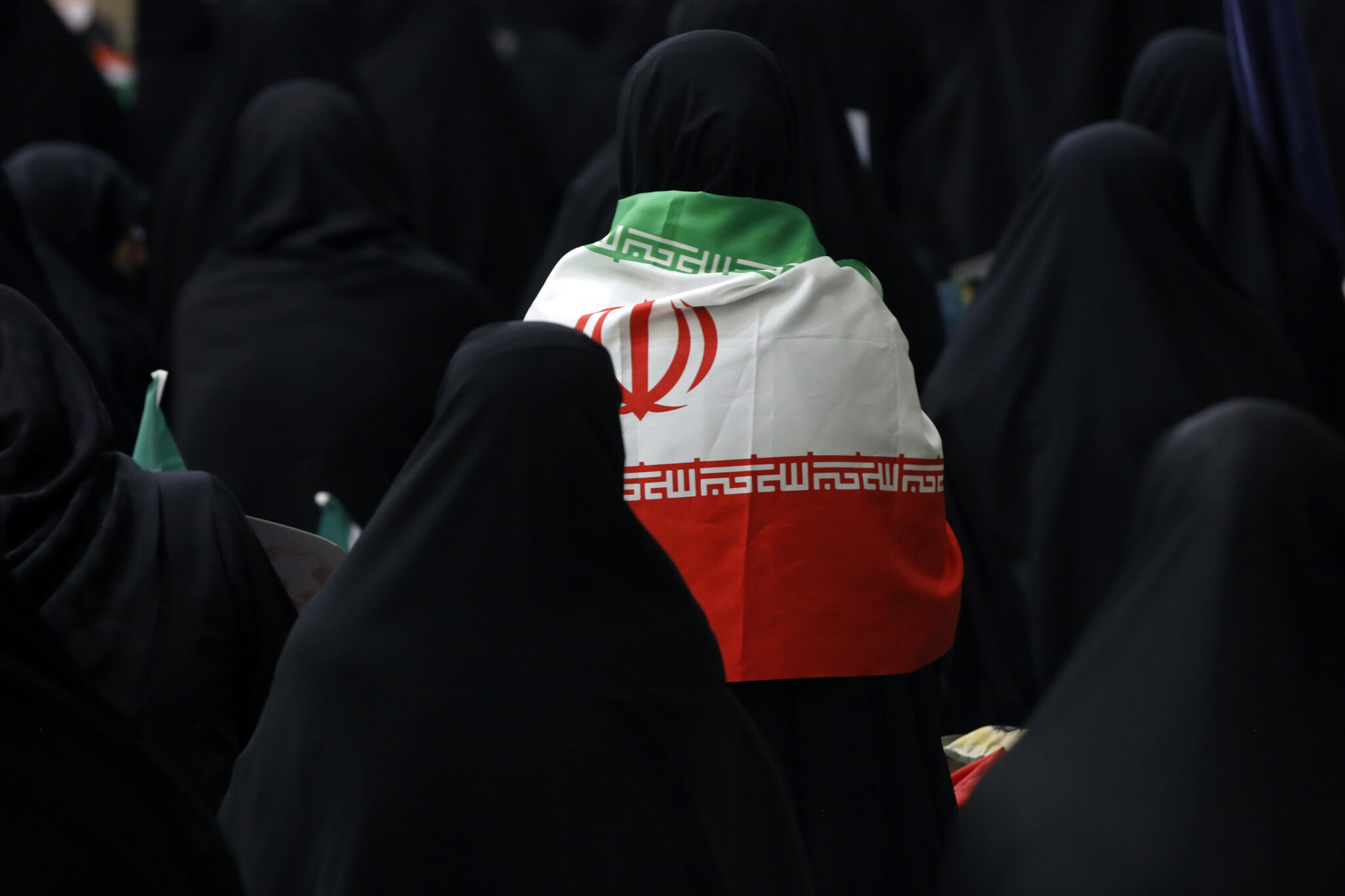
Citing the costly or disastrous cases of Afghanistan, Iraq and Libya as warnings to the West to steer clear of regime change in Iran is mistaken and cynical. If transitions failed before, it was for a lack of planning and vision, not because toppling tyrants is a bad idea.
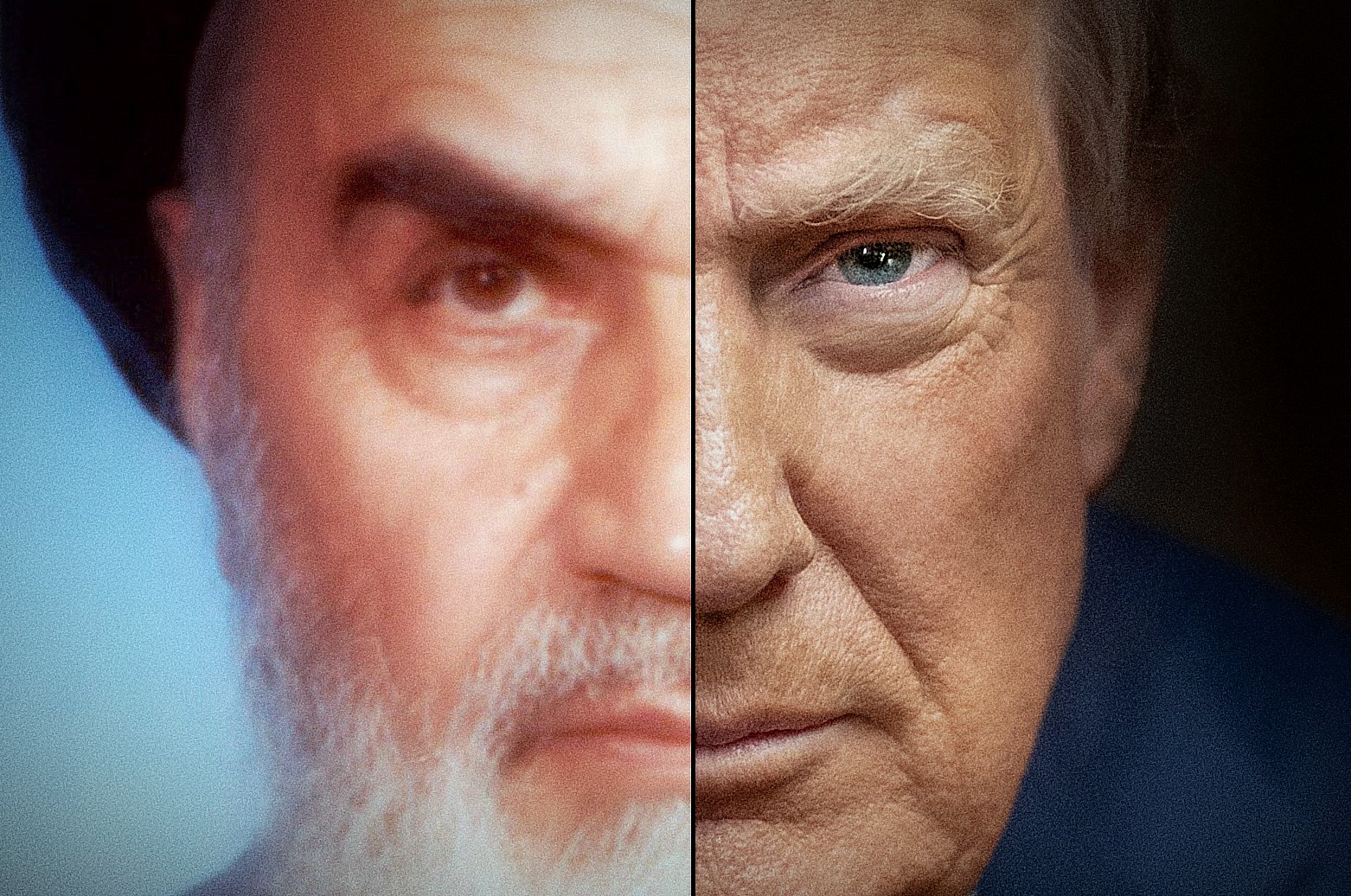
In 1979, Iran was seduced by a cleric who promised freedom and delivered tyranny. In 2025, a chaotic U.S. president may be using lies of his own to help dismantle that same regime.
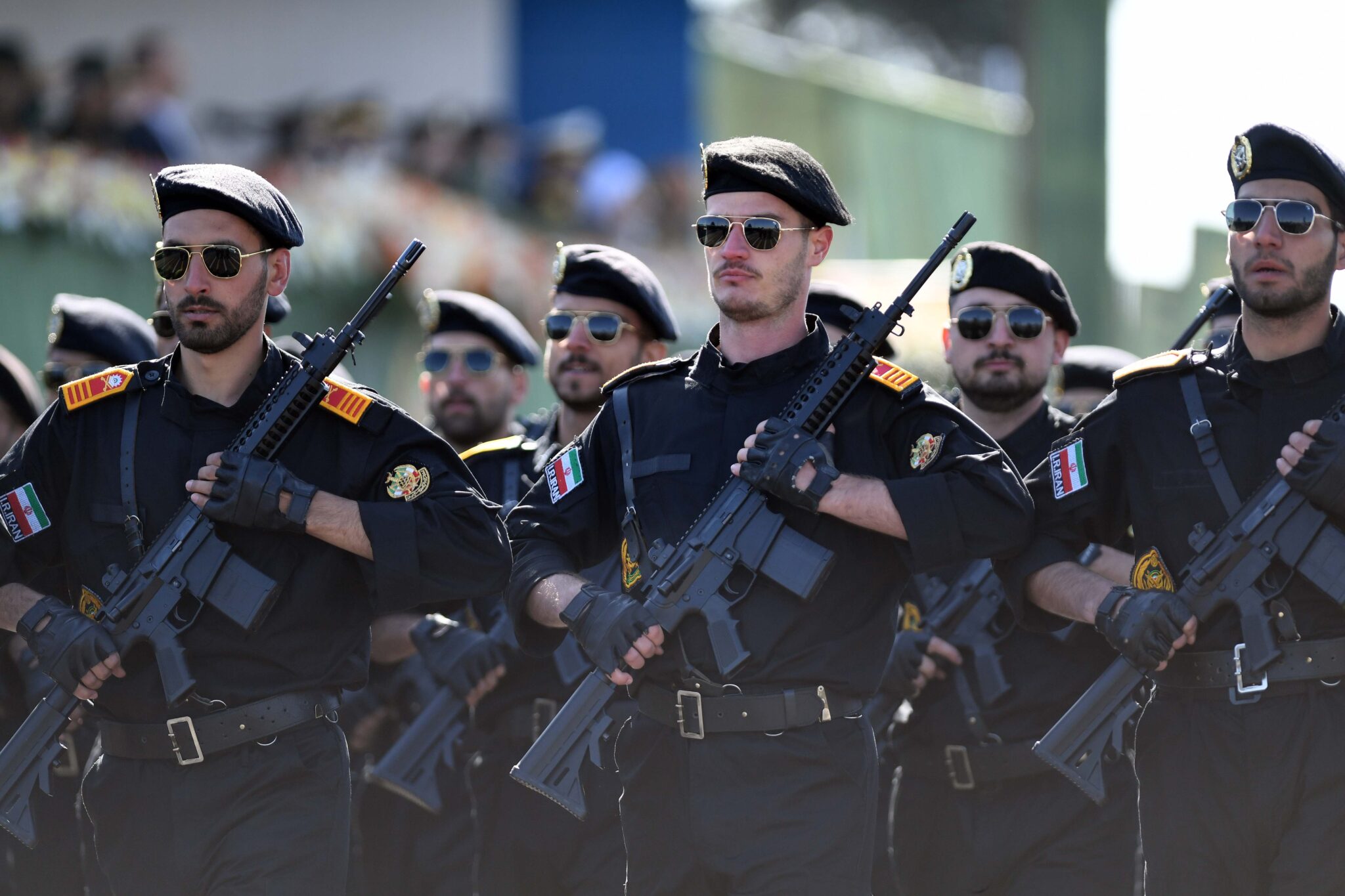
Iran’s revolutionary regime imagined it could assure its survival by becoming an armed bunker like North Korea, ready to shoot if threatened. They seemed to forget that, for its location and resources, Iran is too important for the world to tolerate a “crazy” regime threatening vital oil routes.
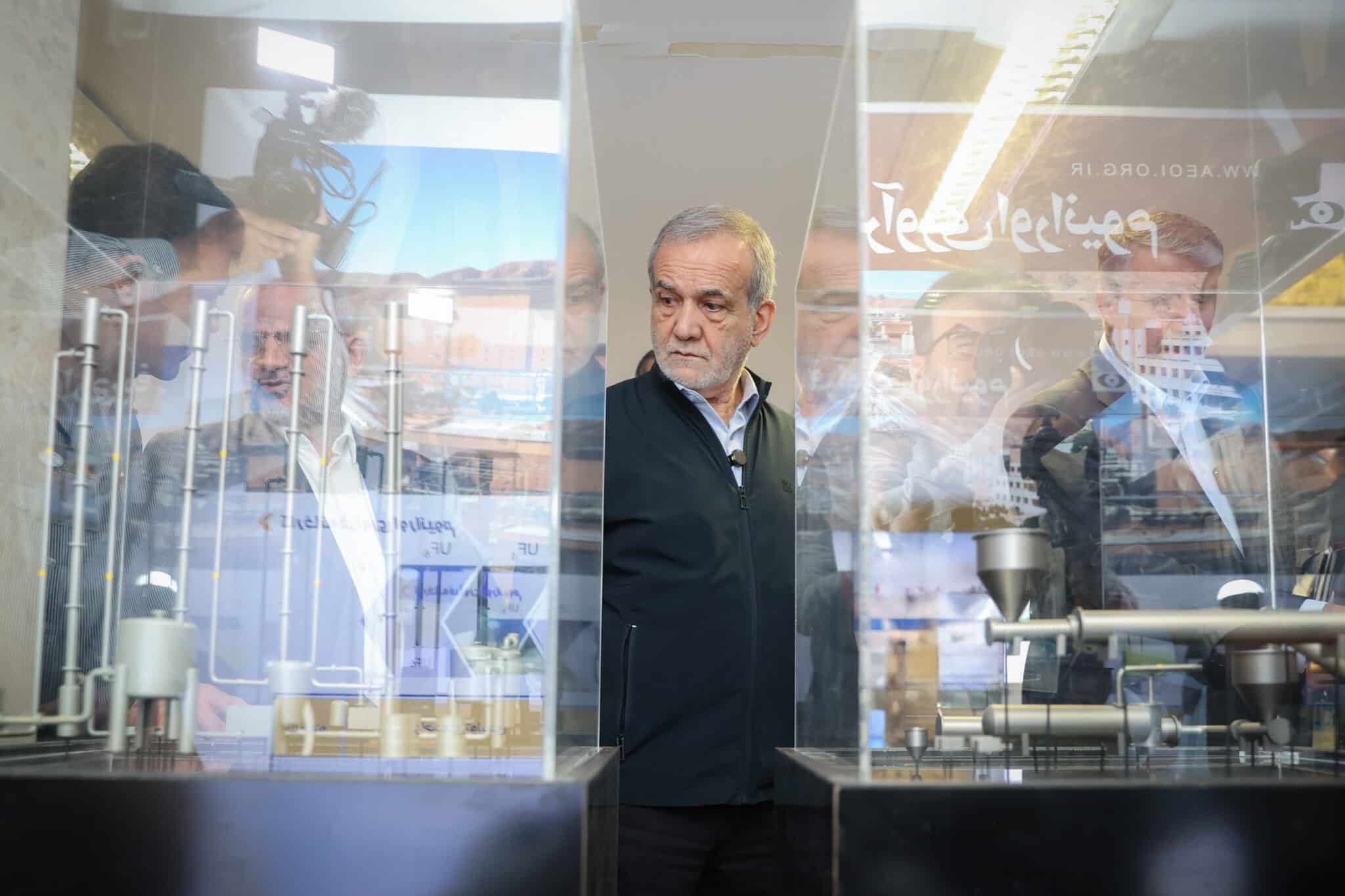
Both Iranian negotiators and U.S. President Donald Trump have stated that they are on the verge of a major deal on the Tehran’s nuclear program. But a closer look reveals an old game of bait and switch.
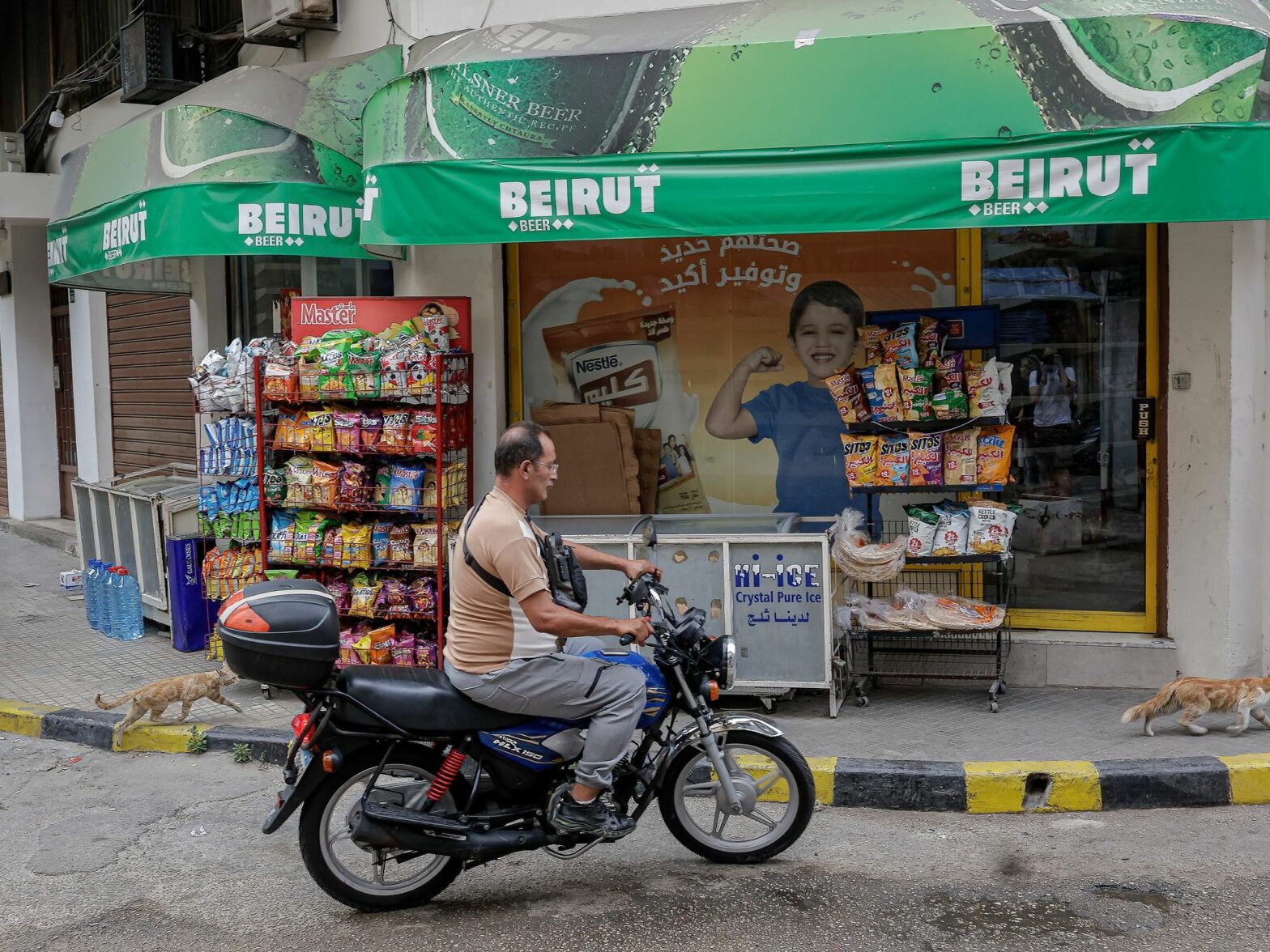
The Saudis could regain the political and financial clout they once enjoyed in Lebanon, which was lost for two decades to Hezbollah and its foreign patrons. Could that restore a measure of prosperity to a country brought to its knees by decades of civil war and the unwelcome interventions of Tehran and Damascus.
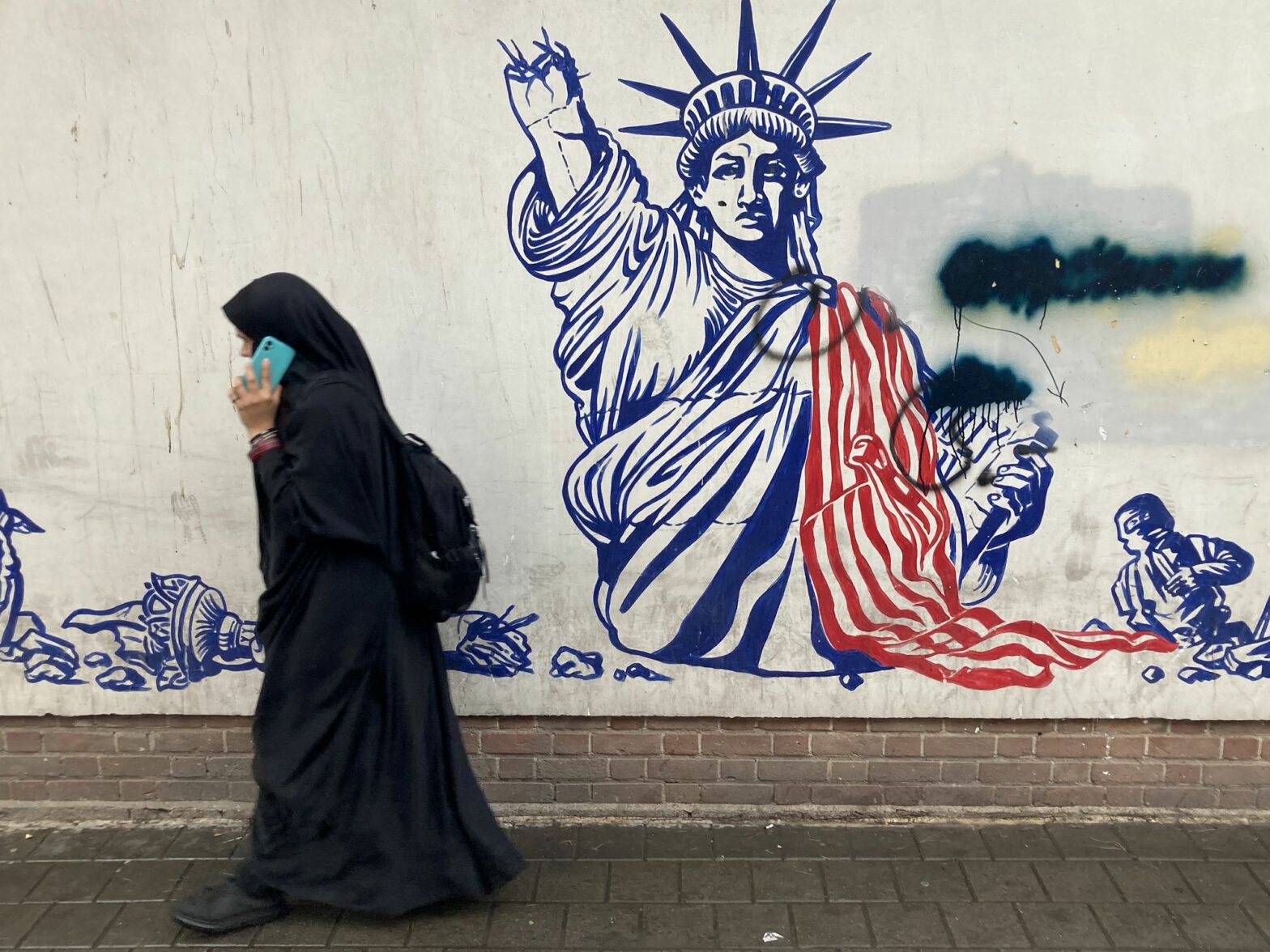
Given Donald Trump’s hardline with Volodymyr Zelensky, the U.S president may be even more draconian with Iran, which seems to have an even worse hand than during Trump’s first term.
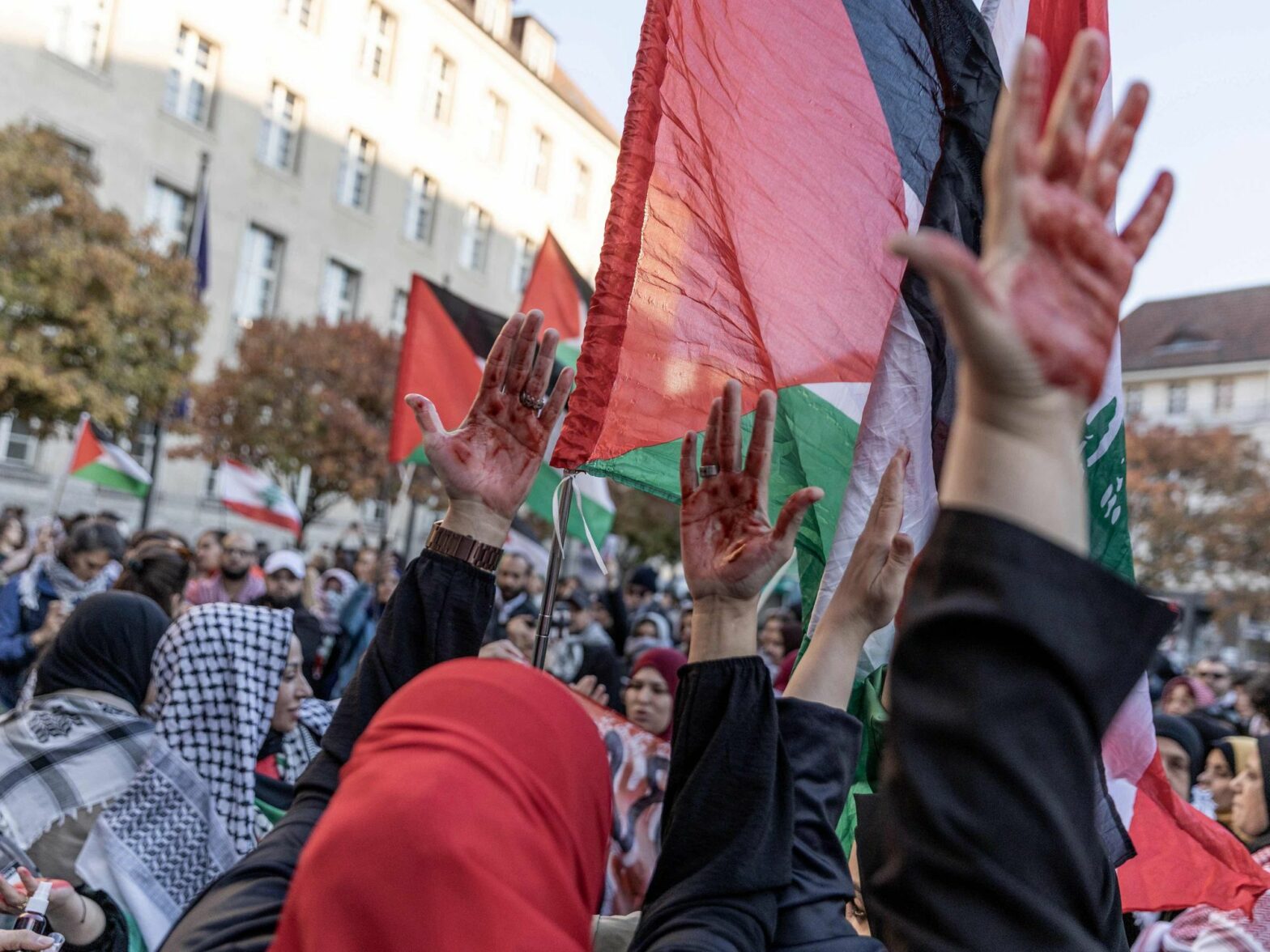
Around the world, the left and progressive media are serving Russia’s interests against the West when they lambast Israel. Since the Cold War, Russia has exploited and distorted the Palestinian cause to serve its ideals. And Iran is pursuing it on a smaller scale and with its own proxies, as Moscow’s geopolitical tool in the region.
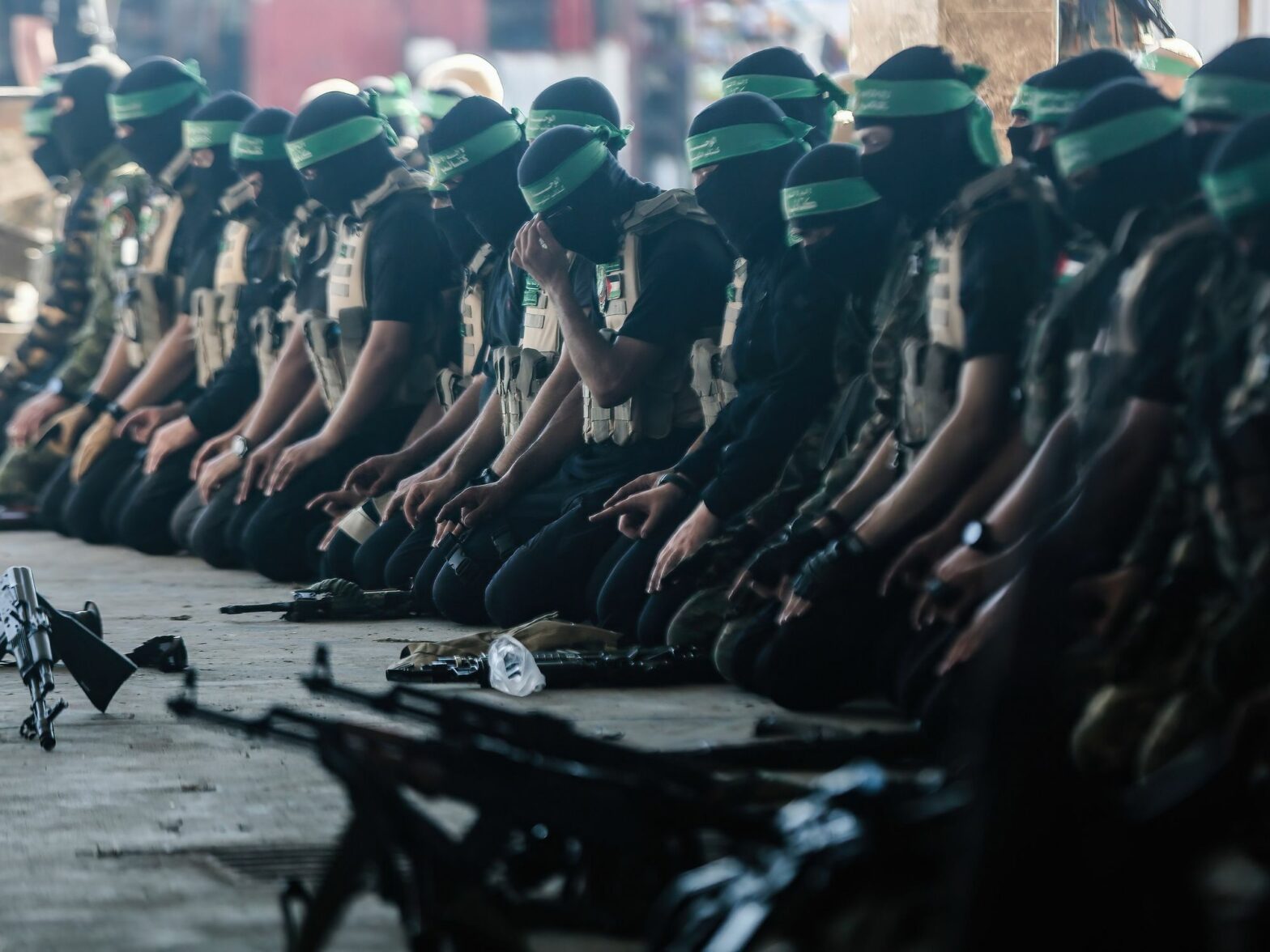
Israel has killed thousands of Hamas fighters. But the Gaza-based terrorist organization has not yet been completely destroyed, nor have its allied militias in the region.
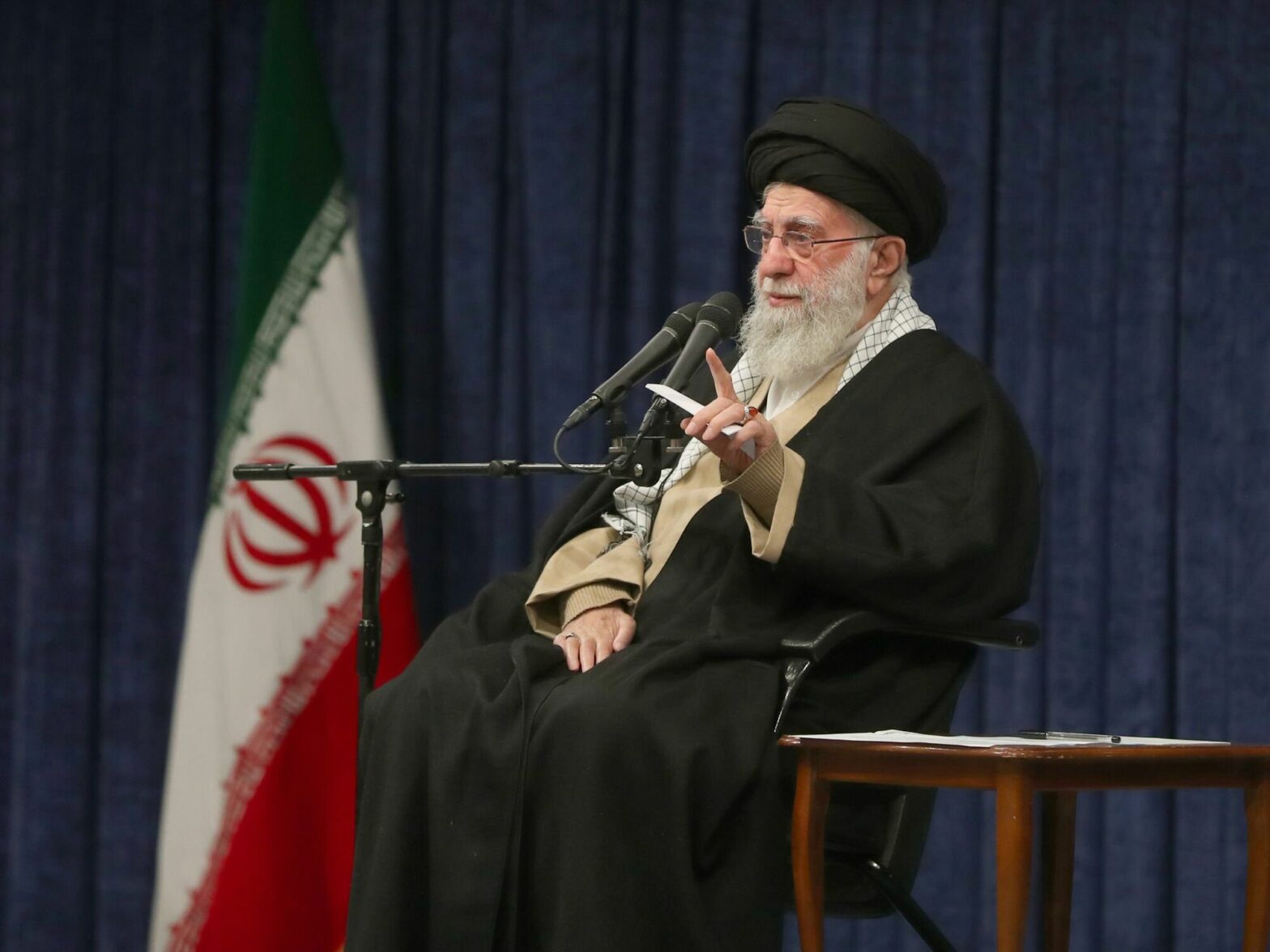
The incoming Trump administration will likely abandon its predecessor’s efforts to persuade the Iranian regime to change its disruptive and violent policies. Yet for ultimate survival, Tehran may be counting on an unexpected factor: Trump’s erratic mindset.
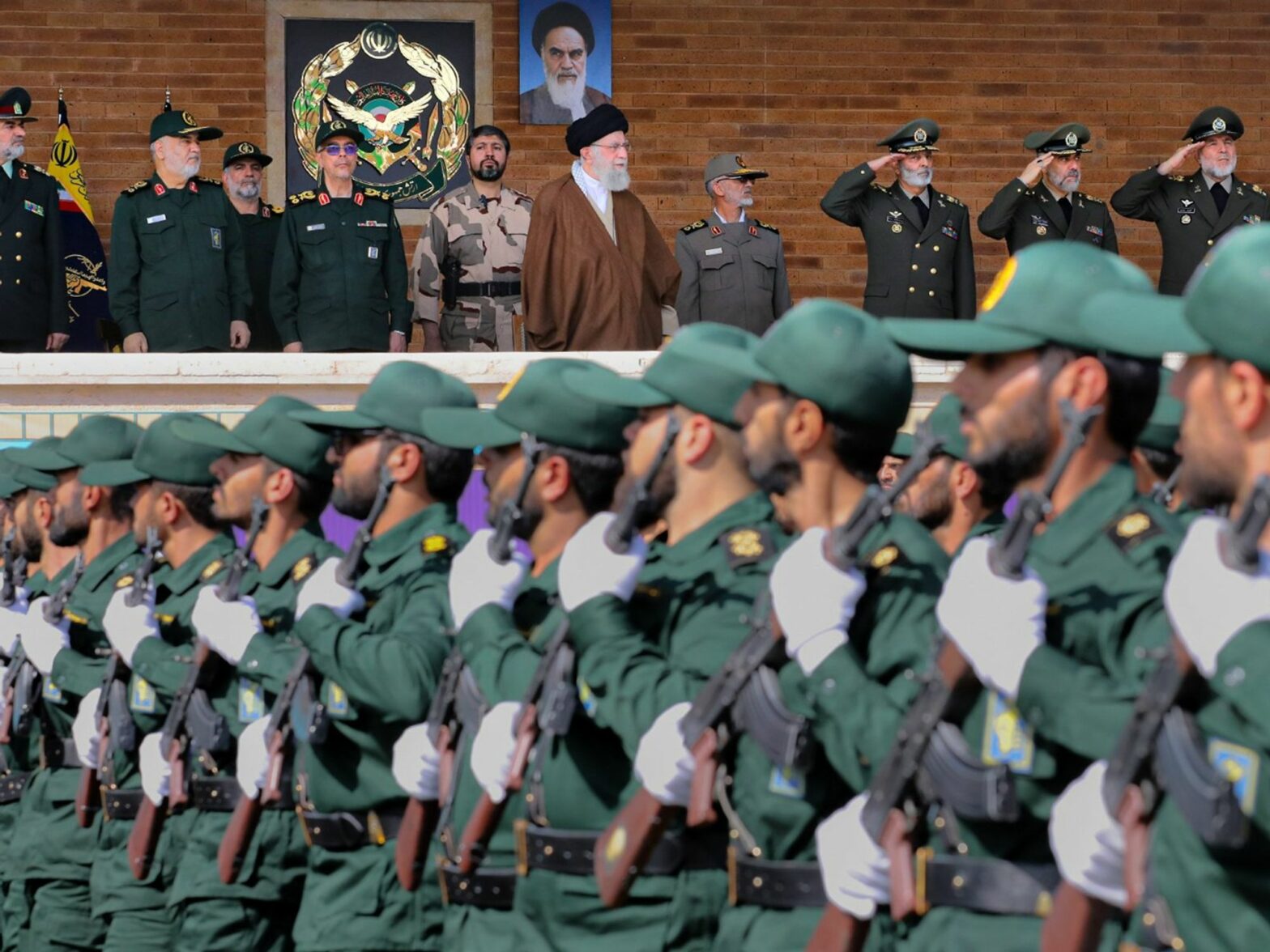
Iranian officials are still wondering how its dear ally Bashar al-Assad fell so fast, and why his military was lost before the rebellion even started.
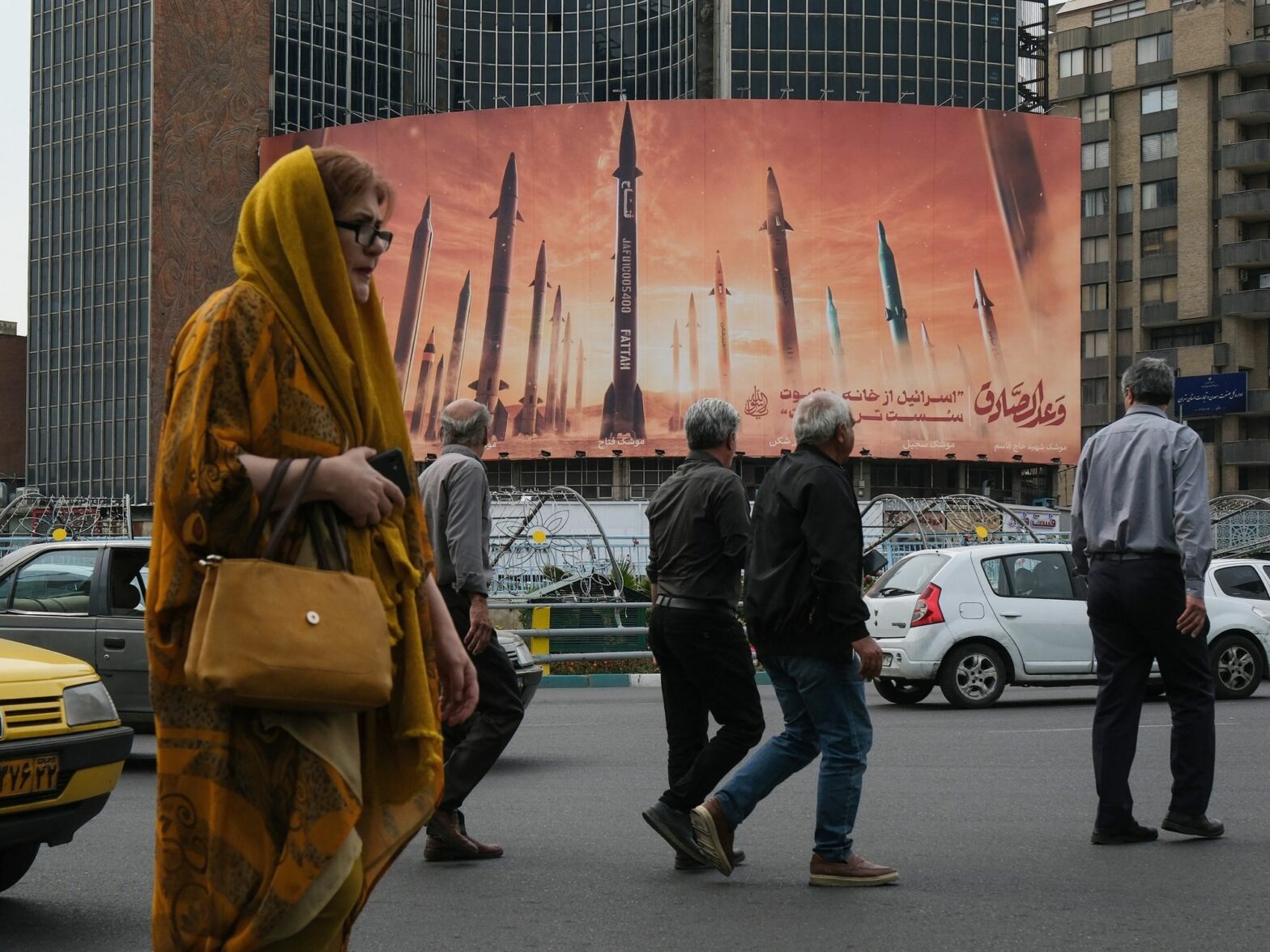
Donald Trump, Vladimir Putin and Israel are reshaping the Middle East in a possible, bigger deal involving a peace deal in Ukraine. With the regional militias and Syria out of the strategic equation, is the next step removing the Tehran regime?
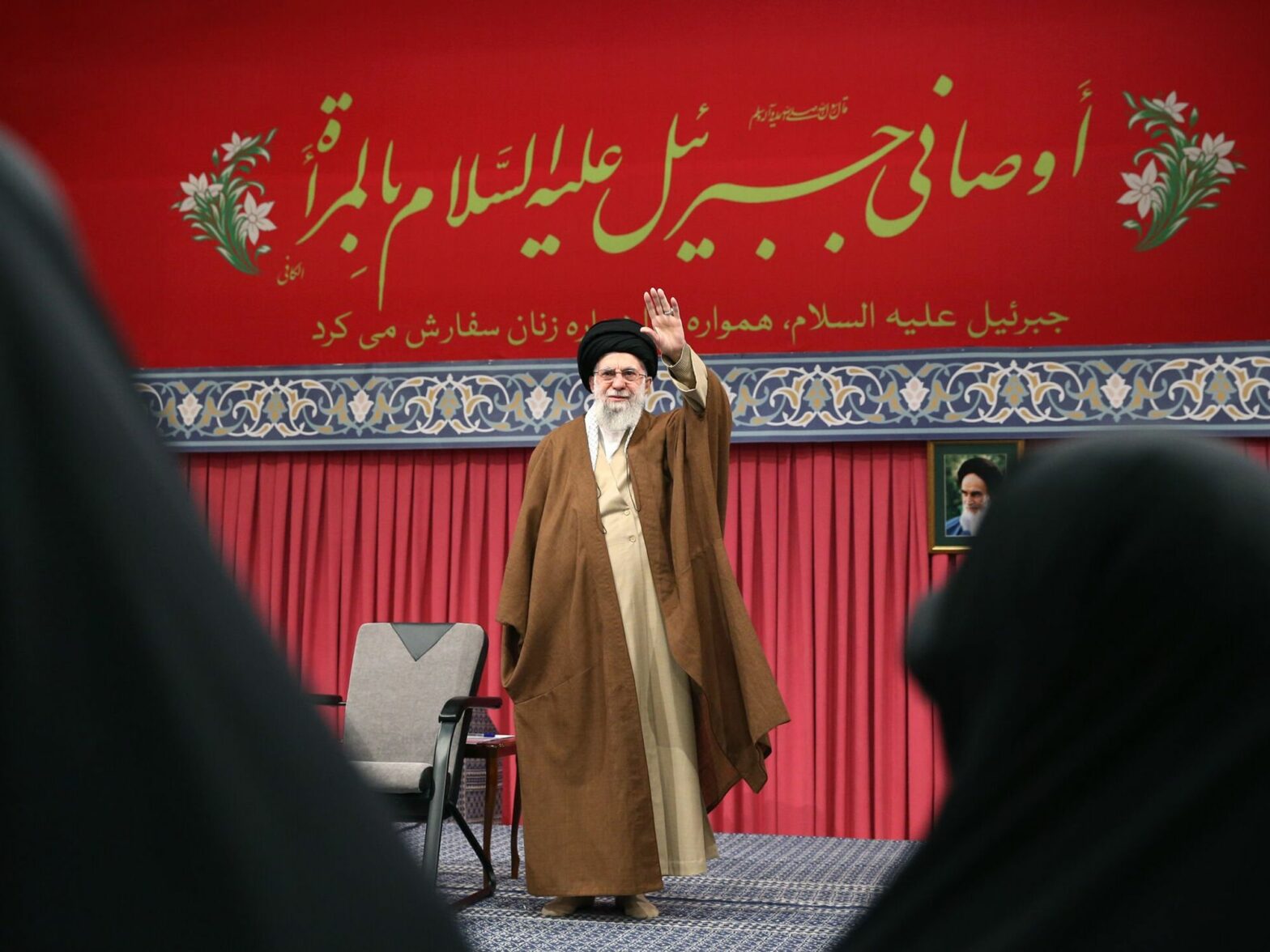
Israel’s decimation of Iran’s proxies in Gaza and Lebanon, and now events in Syria, have shown the Tehran regime is far weaker than it had wanted the world and its neighbors to believe. The Supreme Leader is now scrambling to rationalize it all, as the Islamic Republic clings to power.
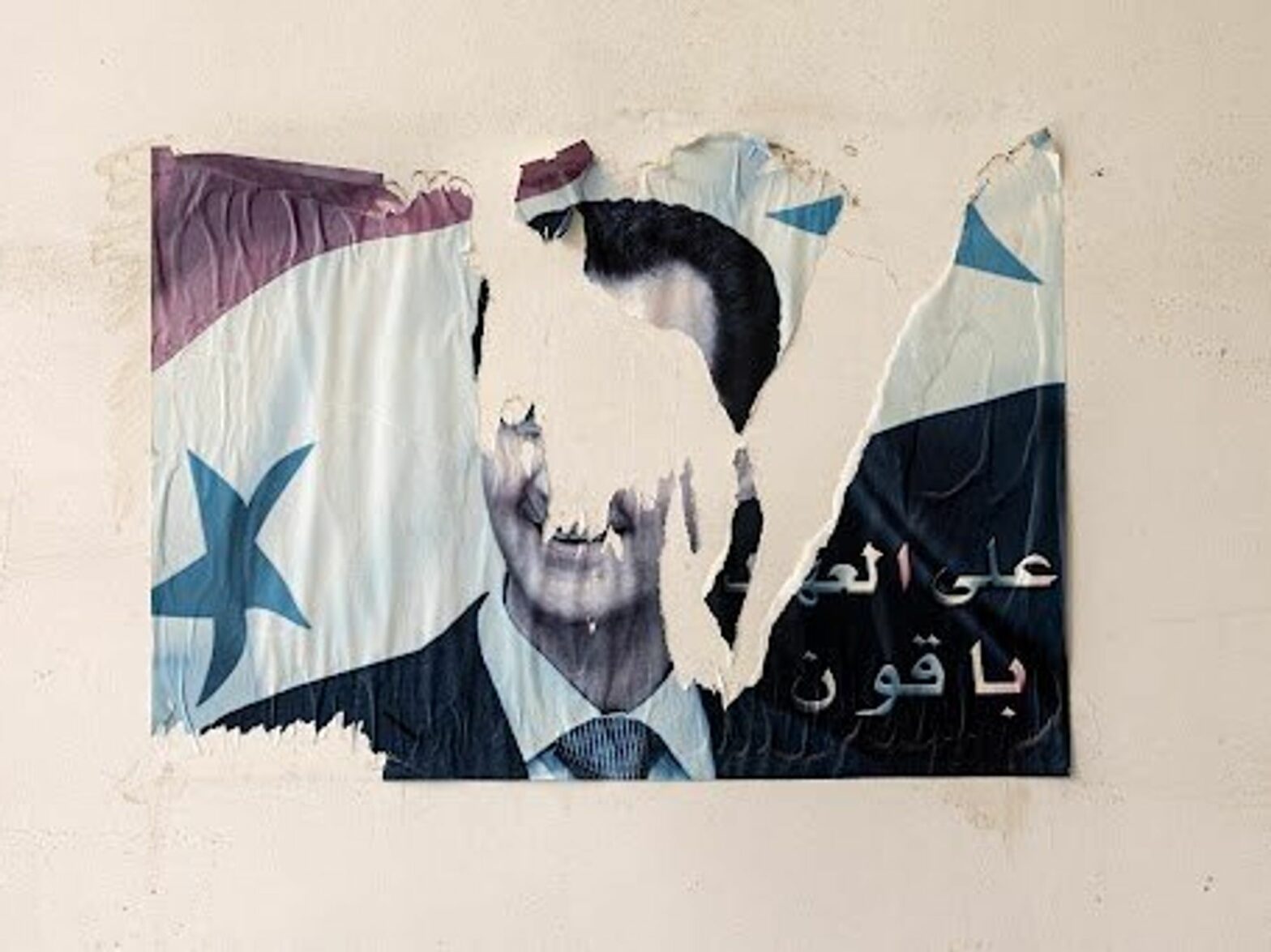
Whatever the official explanations given in Tehran over Bashar al-Assad’s downfall, Iran’s thuggish regime must have noticed that no amount of terror and torture can assure a hated regime’s permanence.
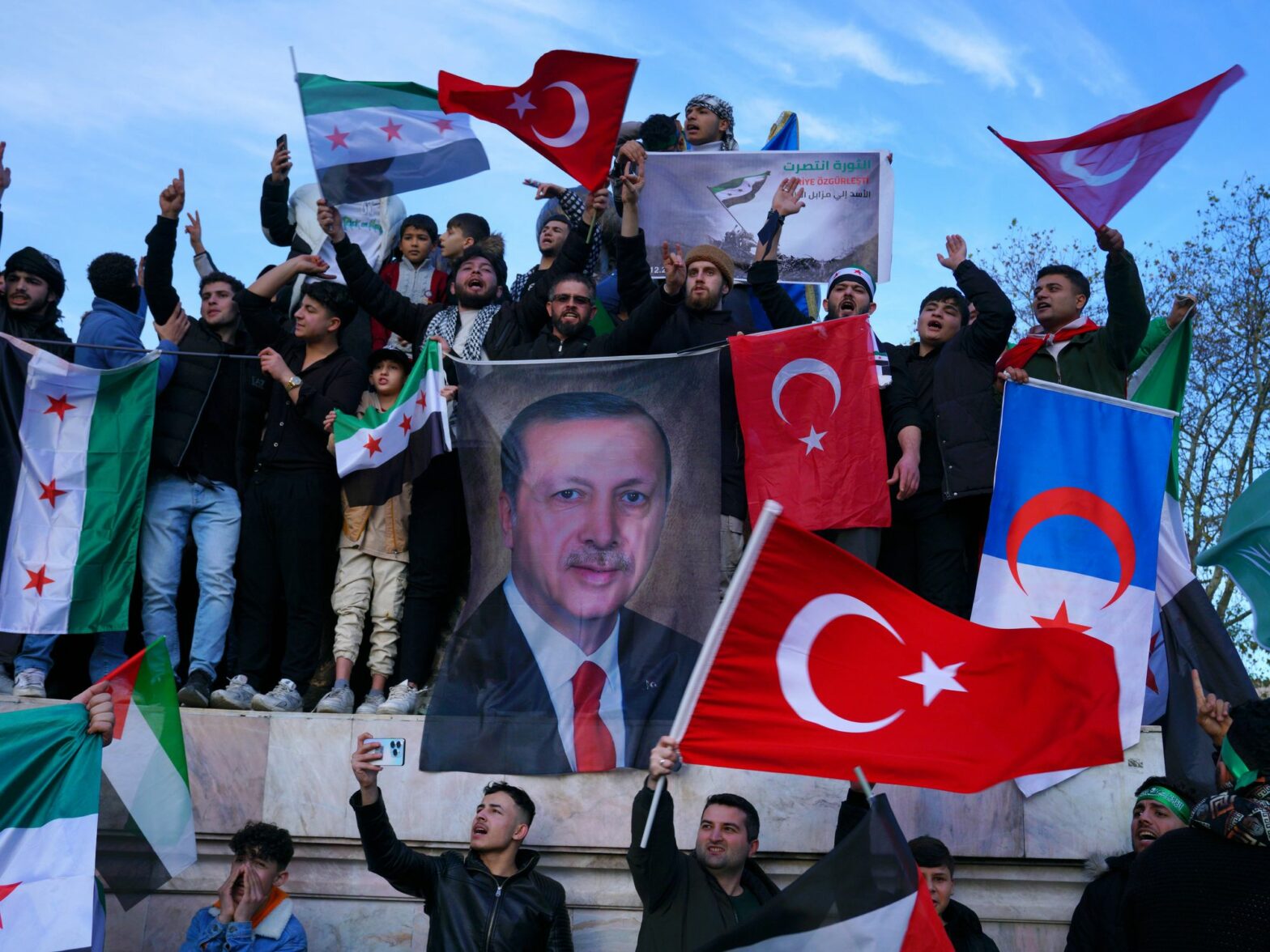
While the Islamic Republic of Iran mulls an official response to the fall of its Syrian ally Bashar al-Assad, Iranian politicians are already voicing their anger at the “backstabbing” conduct of two key powers, Turkey and Russia. Could Tehran be the next to get left to fend for itself?
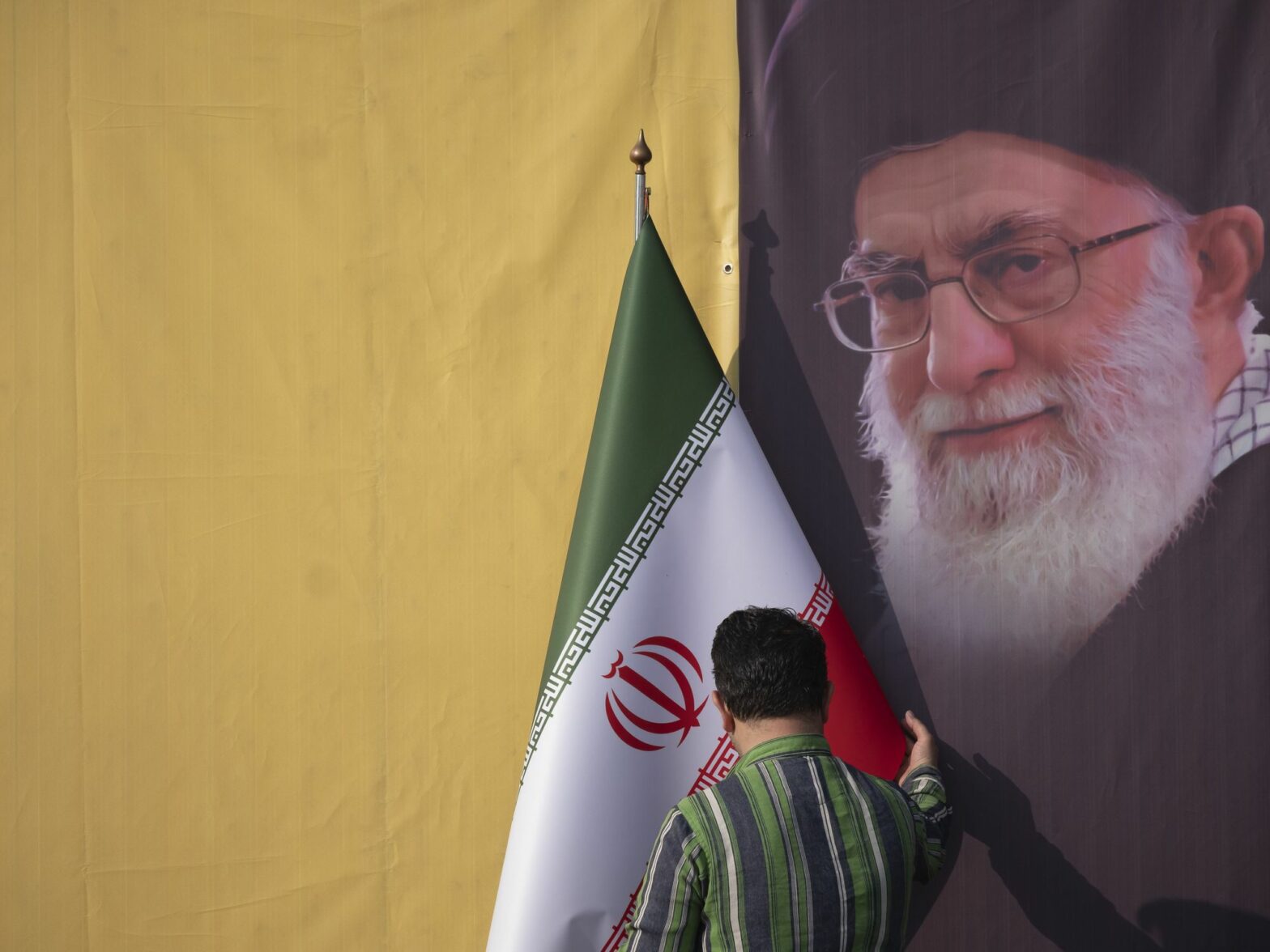
Members of the Tehran regime are cautiously broaching the question of who will be Iran’s next Supreme Leader, but is this of real public concern or a ploy to distract an exasperated population from the country’s dismal socio-economic conditions?
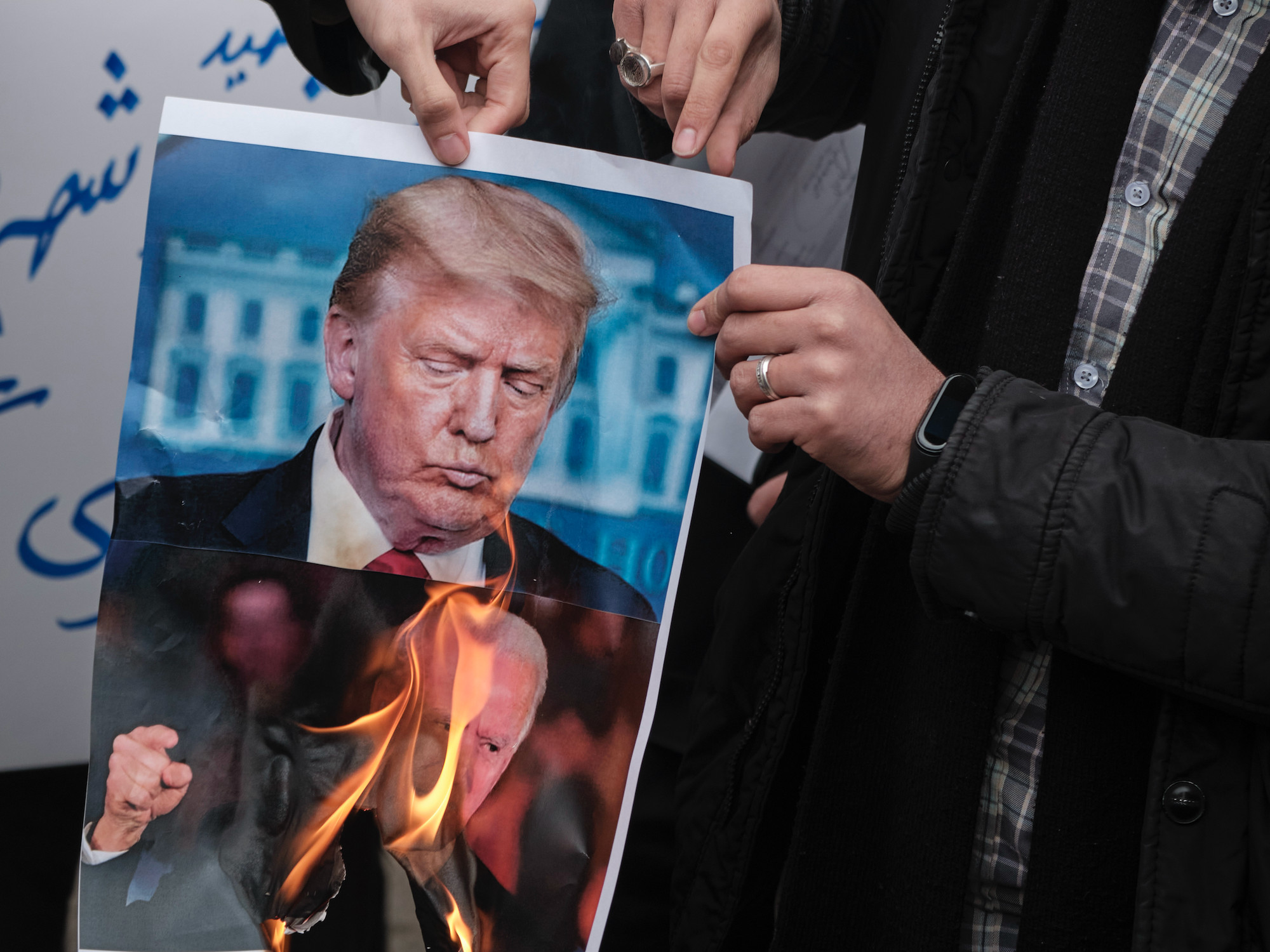
U.S. President-elect Donald Trump has said he is not out to topple Iran’s revolutionary regime, but his administration may, at the very least, seek intolerable concessions to the West from Tehran, or sink it with sanctions if it refuses.
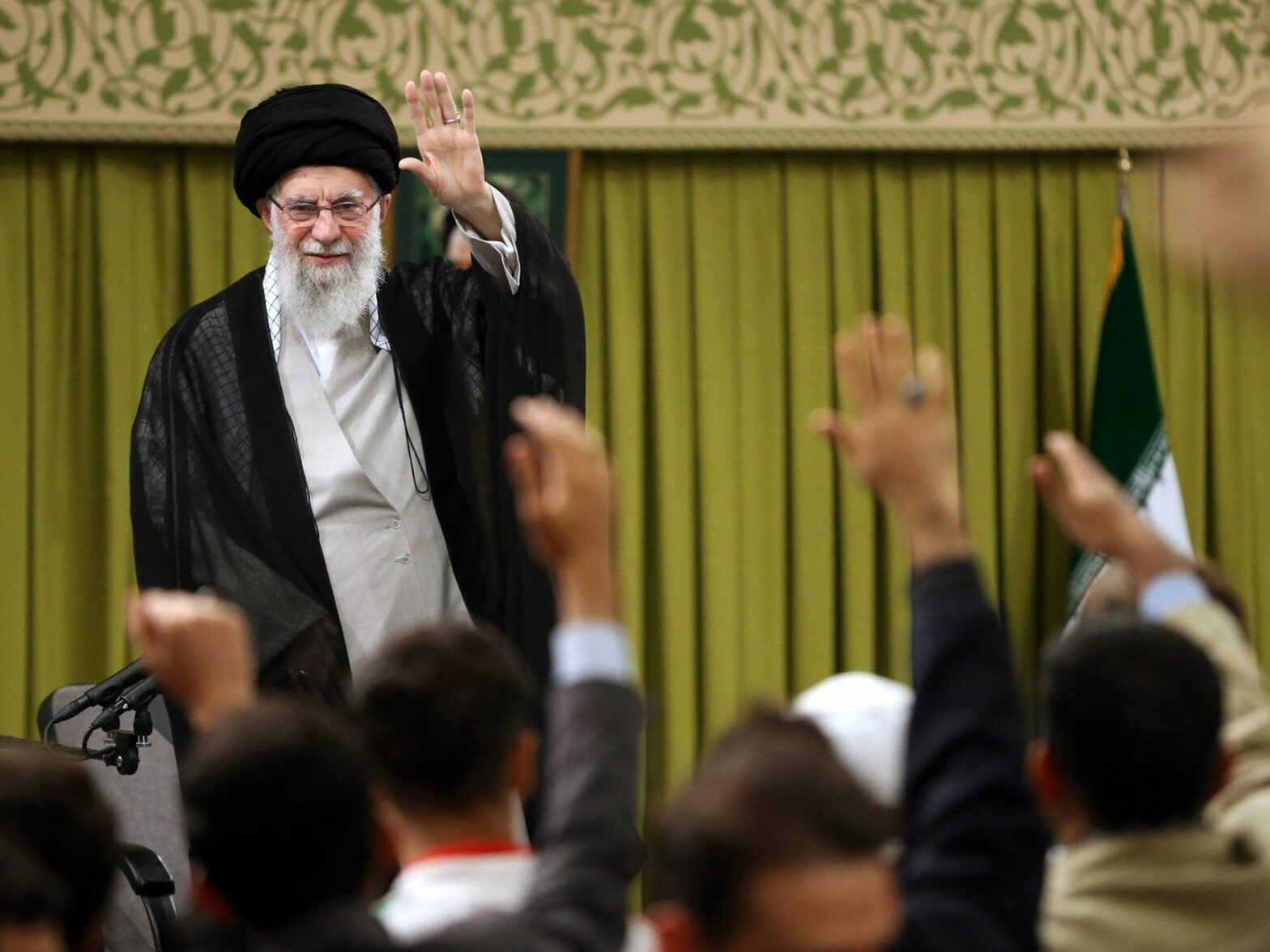
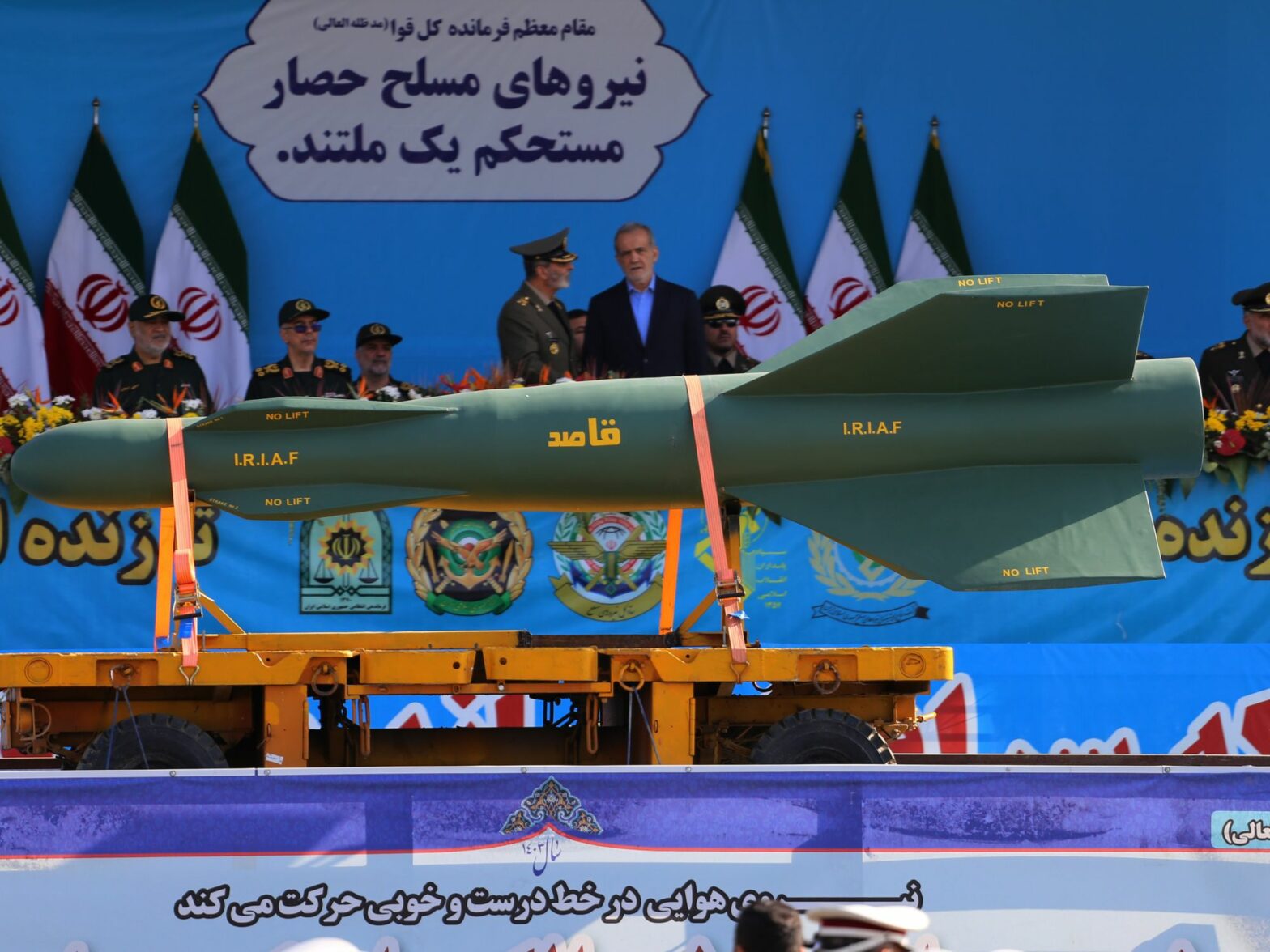
Israel and the West are seeking a stabilized Middle East to shorten the trading corridor with India and Asia. It’s a win-win situation for prosperous economies and the West, but what about Tehran’s truculent regime?
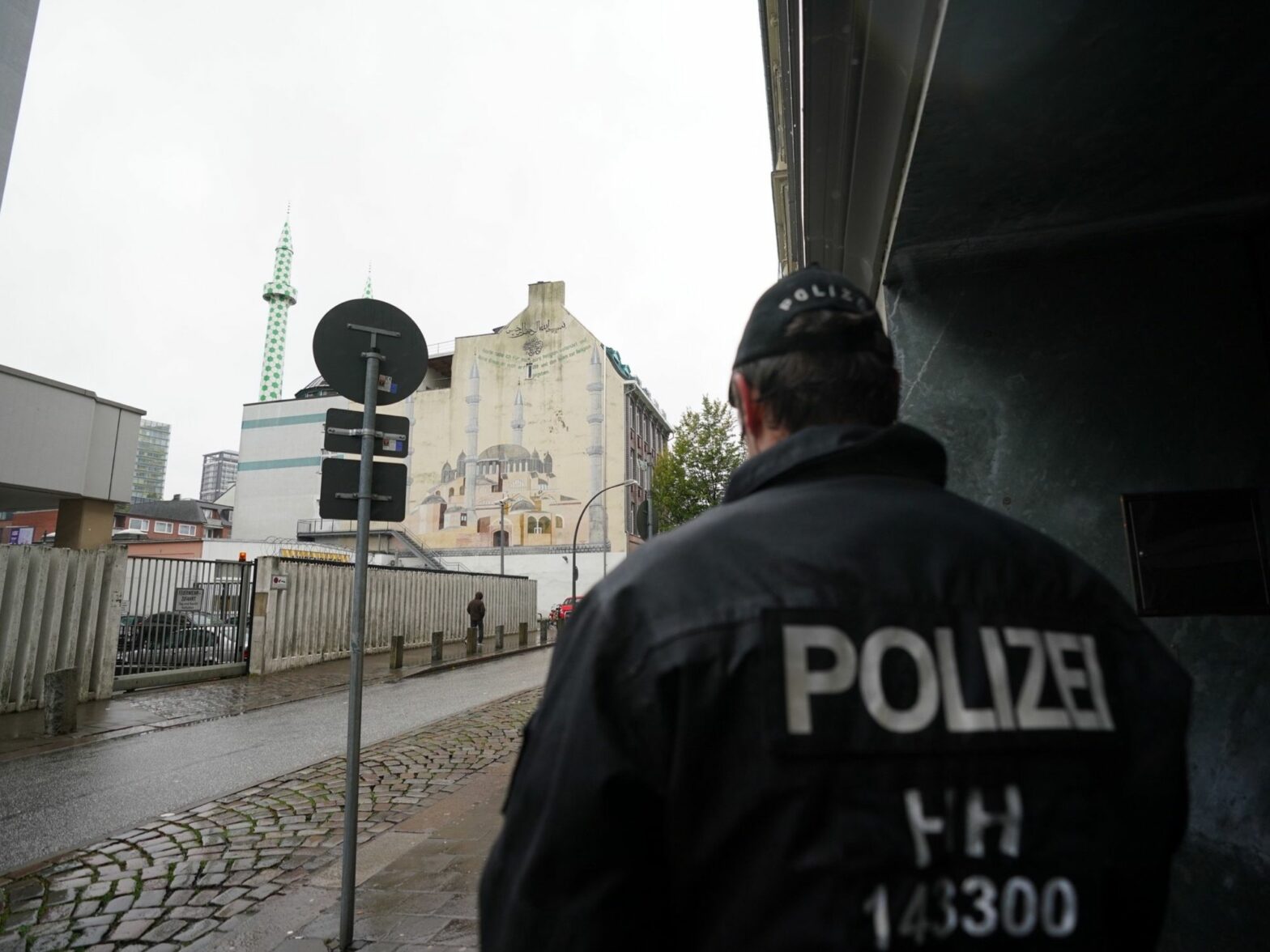
The Islamic Republic of Iran has specialized in getting gangsters and low-lives to undertake its terror operations abroad, making it more difficult to thwart its longstanding, and laughable, claim that it is a victim, not a sponsor of terrorism,.
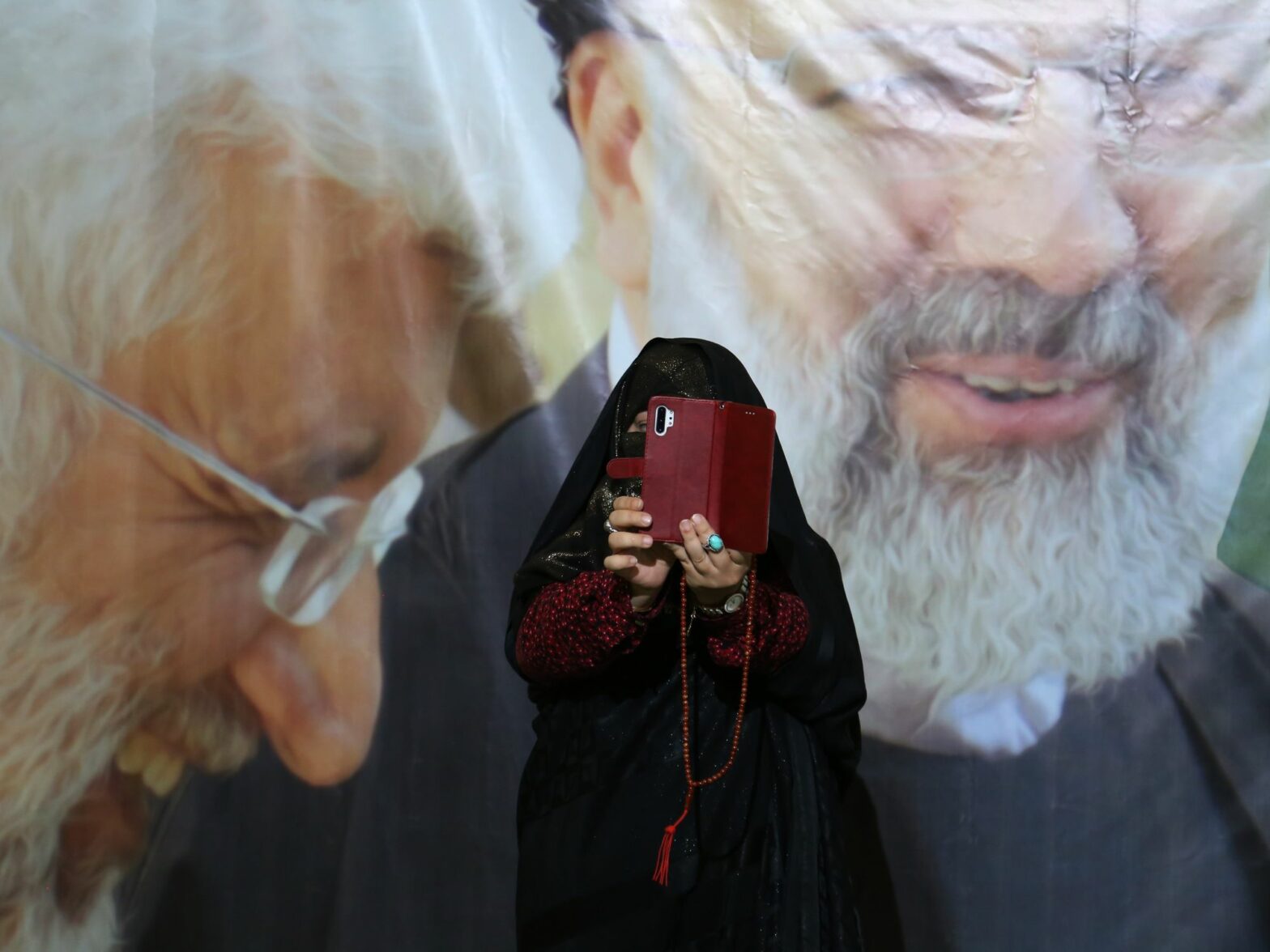
The decision is yet another example of how Iran’s laws since the 1979 revolution have restricted women’s rights both inside and outside the home.
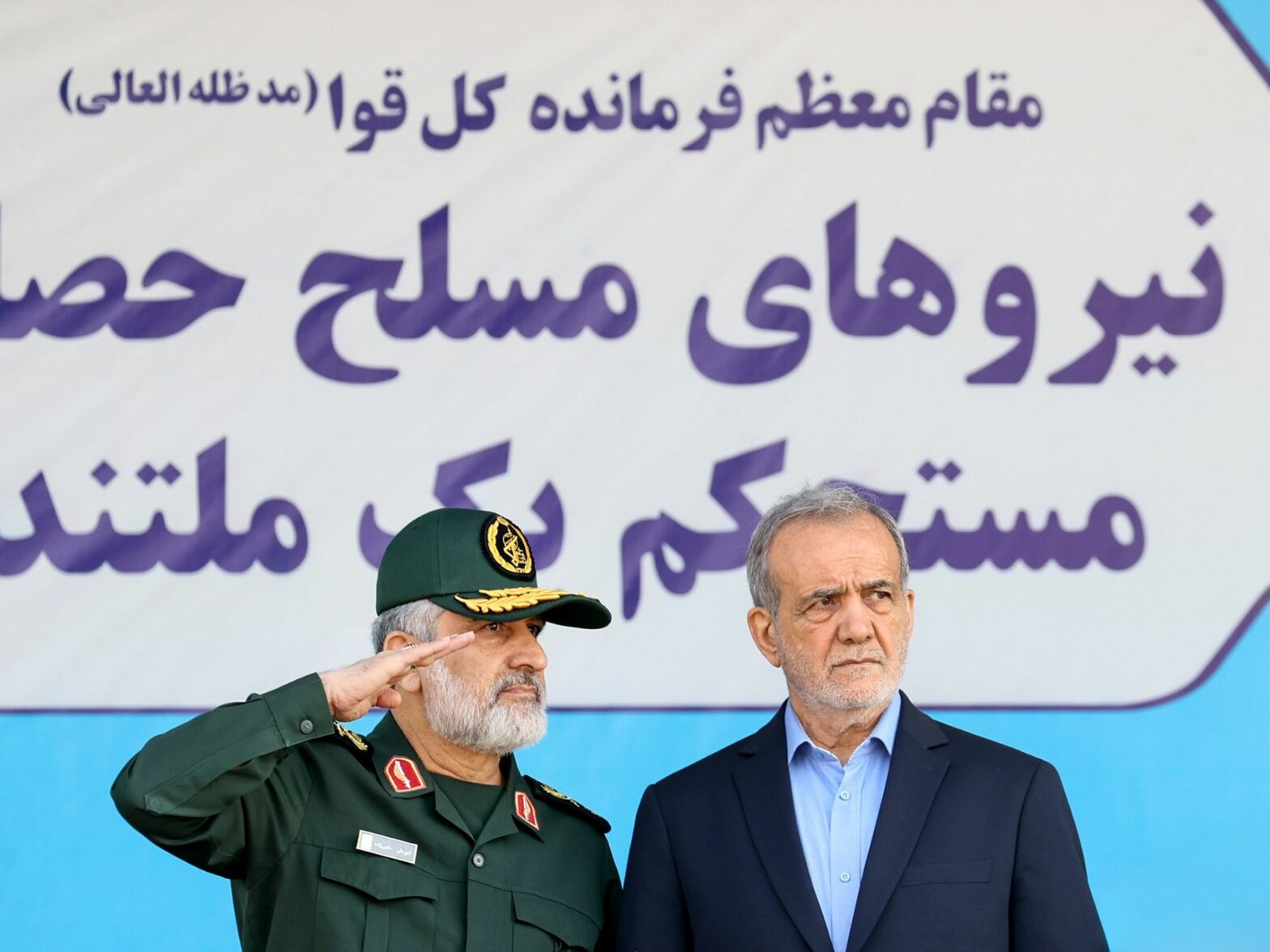
As Israel pounds Hezbollah in Lebanon, after its well-orchestrated attack on the group’s remote devices, the militia’s patrons in Tehran were increasingly concerned they could become the next targets of Israel’s ruthless campaign.
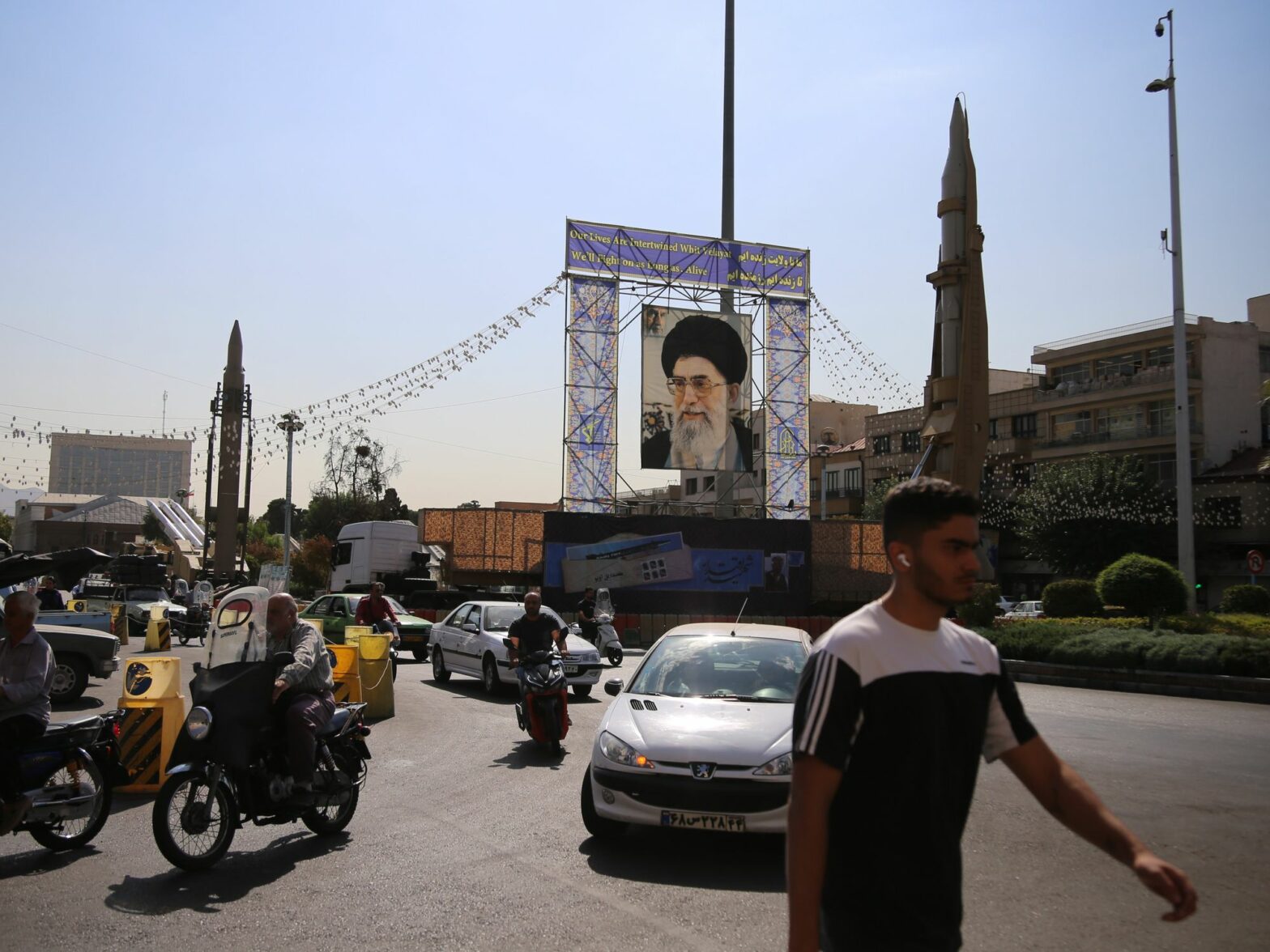
Iranian authorities have been fining young men for wearing shorts. But while this may be an effort to show they are unbiased in their drive to safeguard public decency, reports suggest the men are treated less harshly than women.
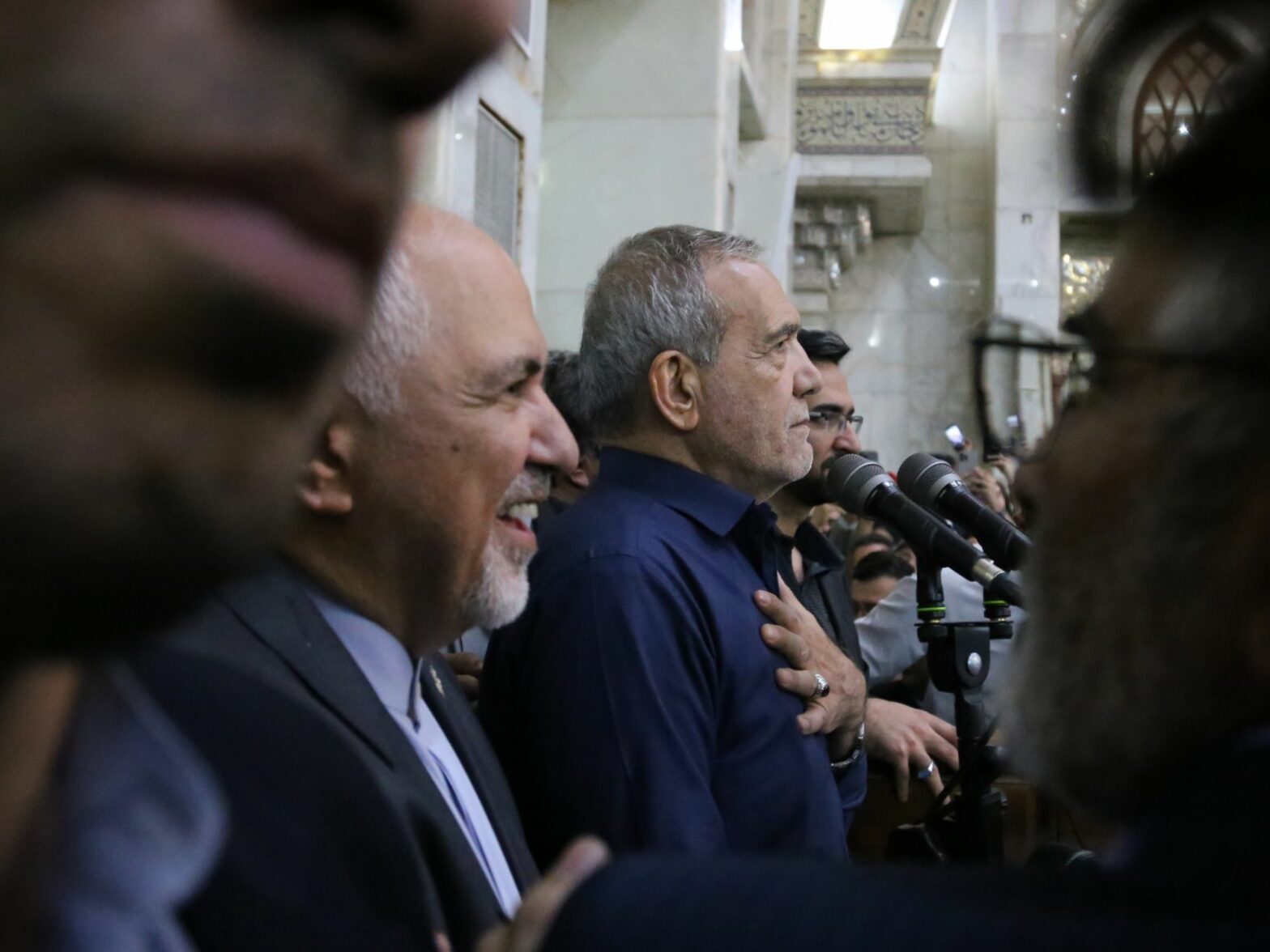
Fearing Europe’s shift to the right and a second Trump term, Tehran has dusted off its reformist credentials — with president-elect Masoud Pezeshkian and veteran diplomat Mohammed Javad Zarif — to show the West it is willing to talk. But this ploy will not work again.
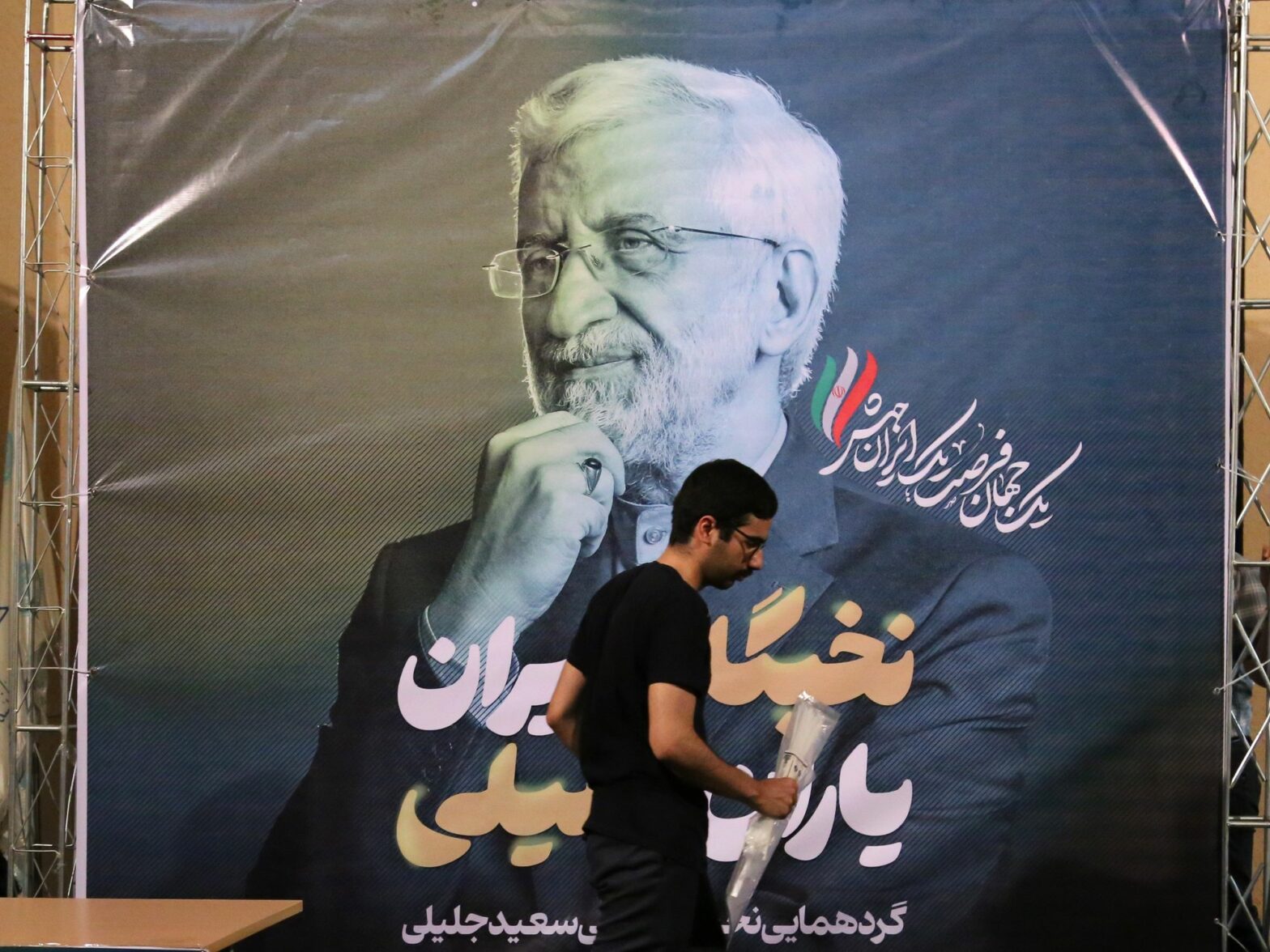
Tehran seems to be paving the way for a moderate to become the country’s next president. But the regime’s goal is not to make life better for Iranians, but to leave him with the daunting task of handling a second Trump administration.
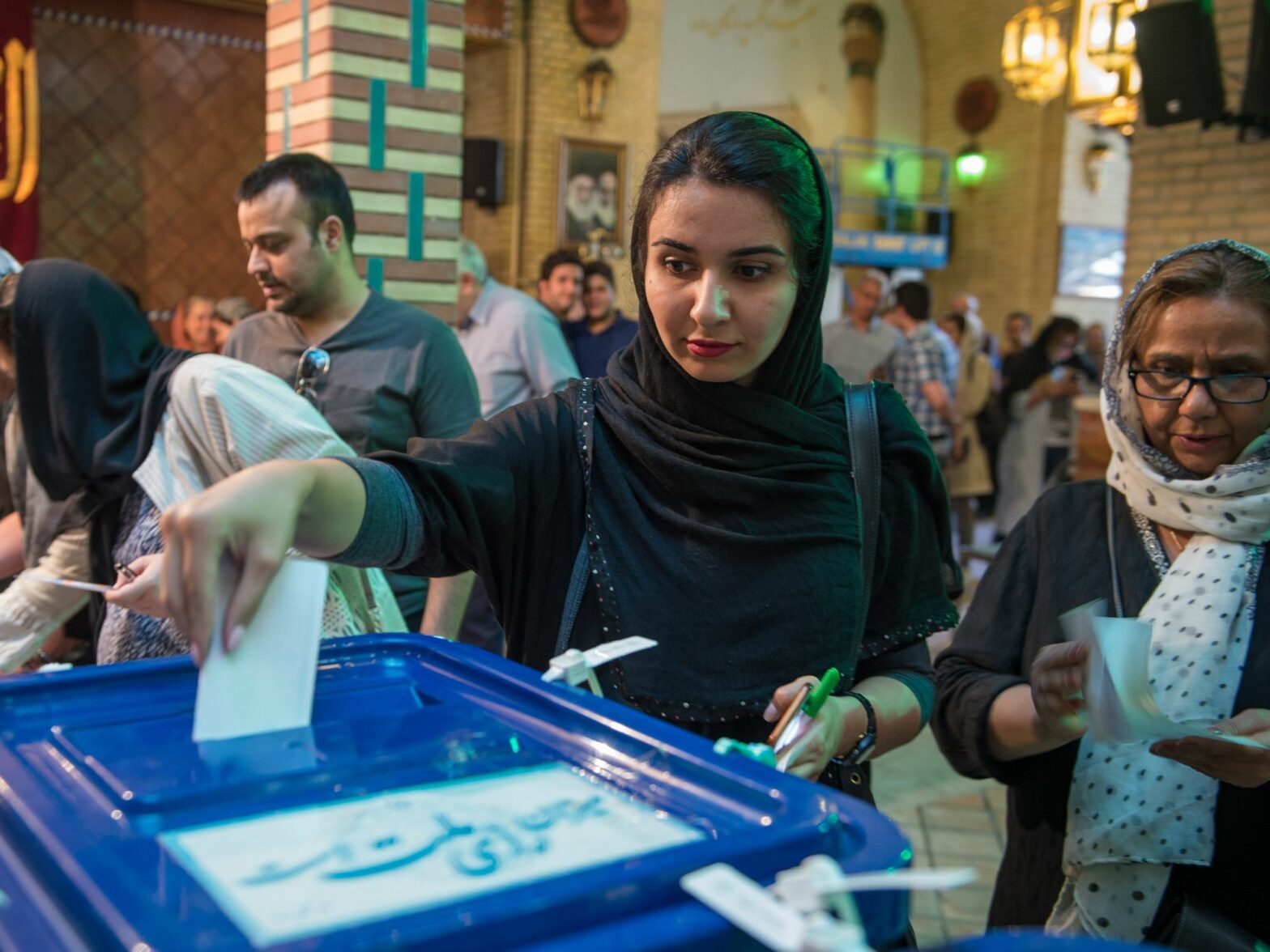
Iran’s regime has selected six candidates for the presidential elections due in late June, and possibly even a winner, just as millions of Iranians may have made their own choice, to no longer vote in a dictatorship.
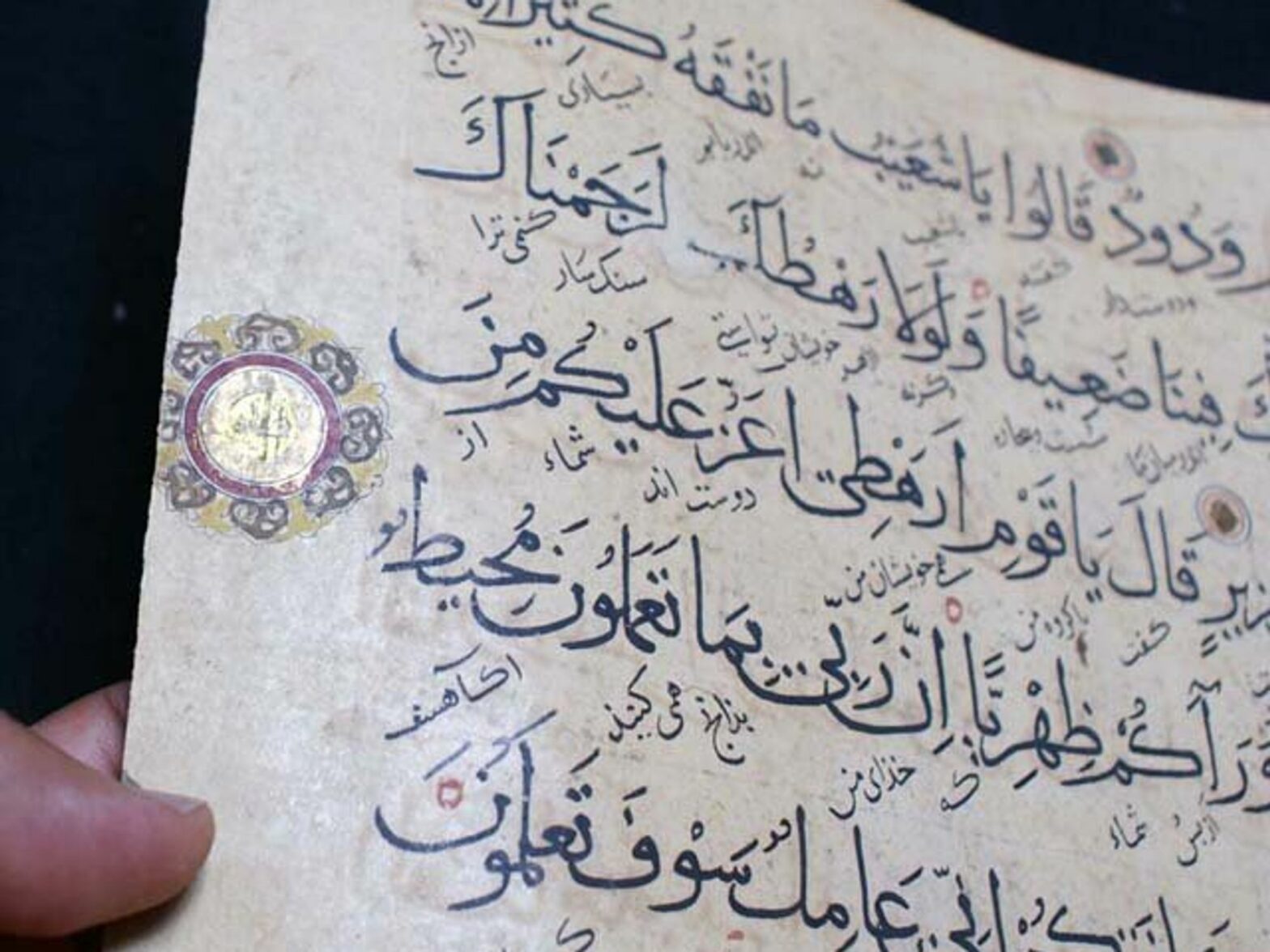
Sunnis were historically resistant to have this sacred text translated from Arabic — but especially into Persian, the language of a nation sometimes viewed as reluctantly Muslim. What does that mean today under the Sharia law of the Islamic Republic.
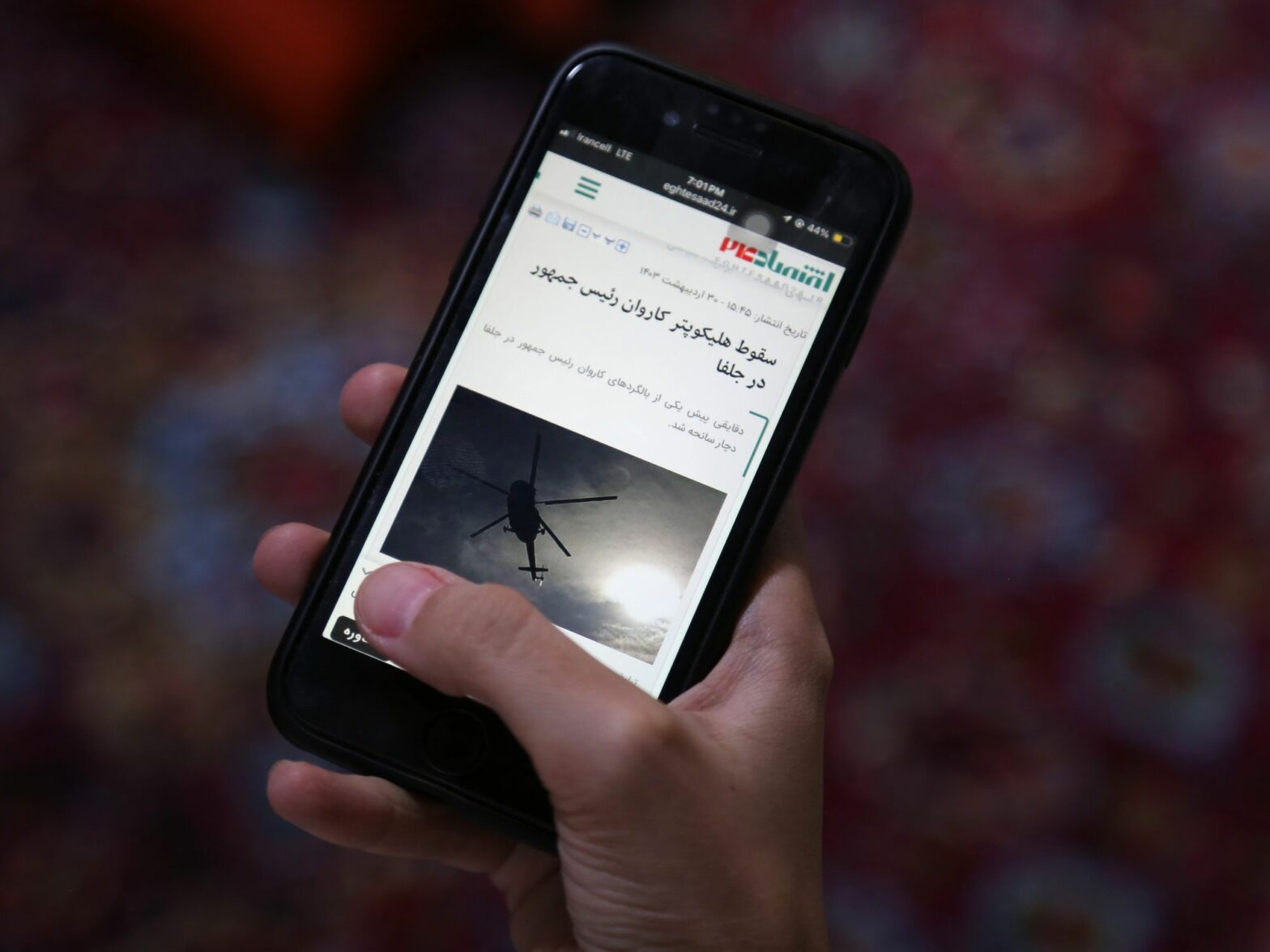
With the passing of President Ebrahim Raisi, some dare hope for a boost in anti Iranian regime movements. Others mourn the death of a martyr or blame Israel. But his succession is for all a high-stake issue.
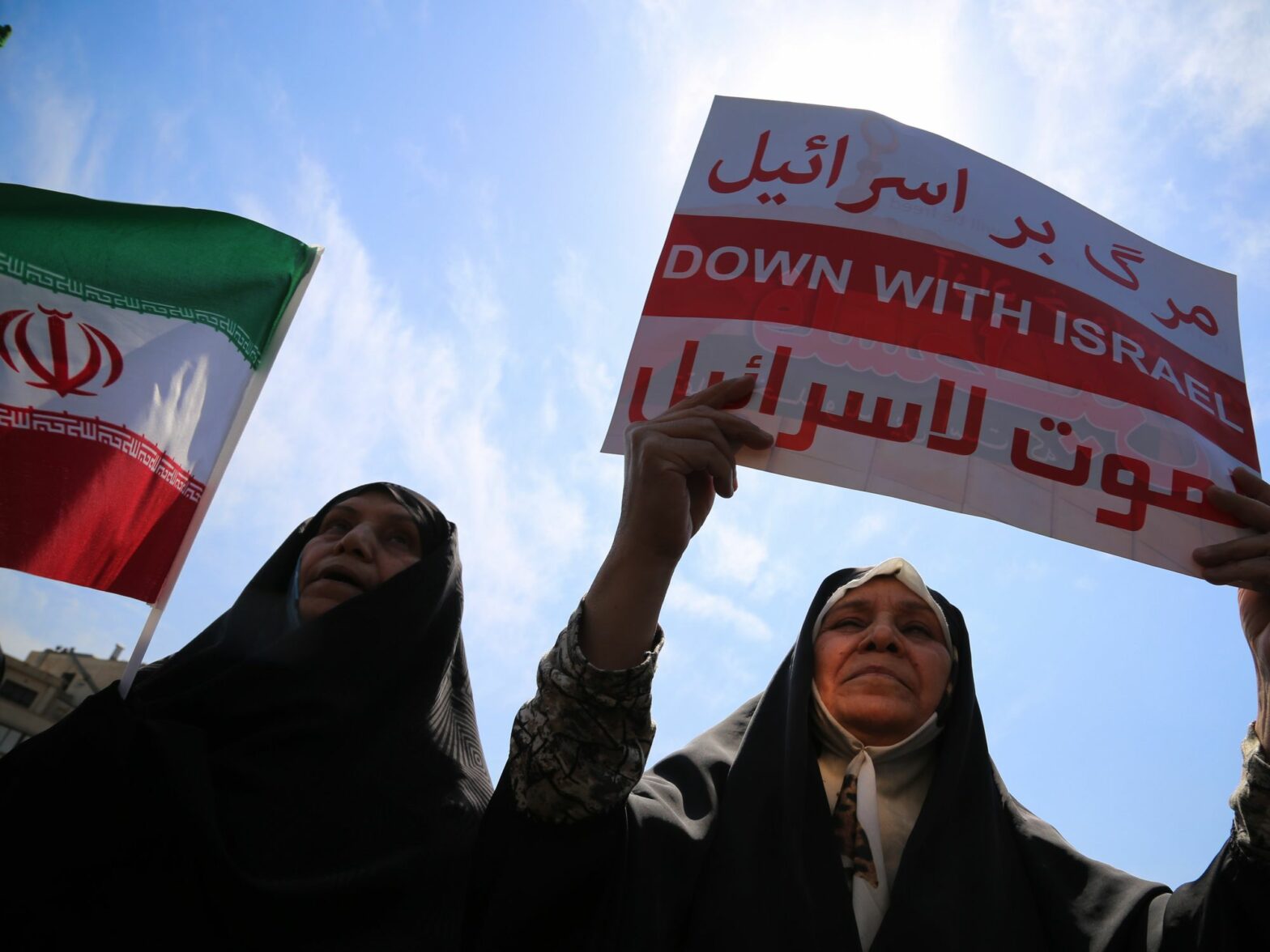
Israel’s recent strike on central Iran was a warning shot for Tehran, tempered by a desire to close the recent spate of tit-for-tat attacks and by pressure from the U.S. Yet this may have only ended round one of the Iran-Israeli showdown.
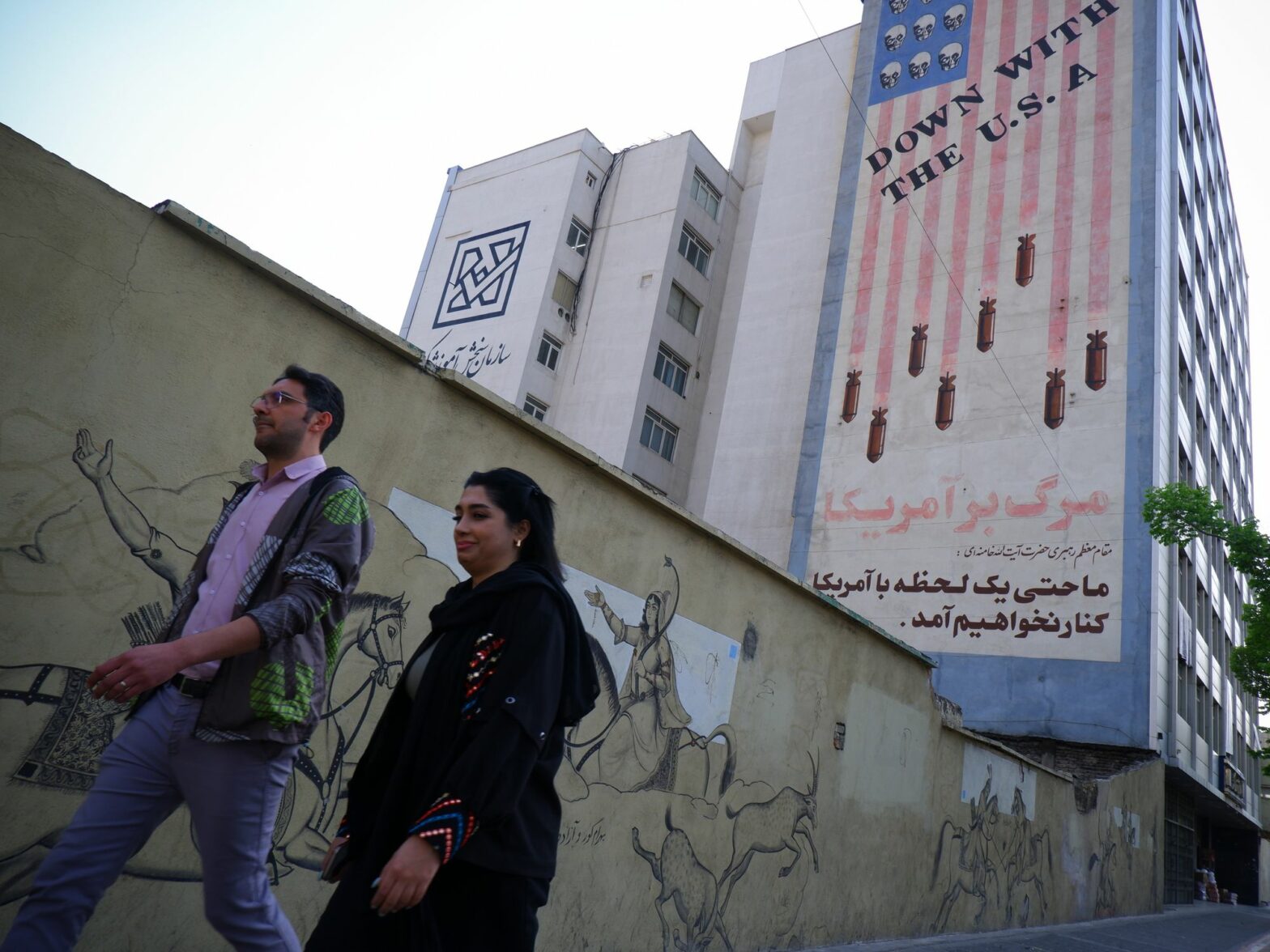
Iranian authorities are enforcing Islamic dress norms with renewed vigor and the backing of a new law, and insist a “hostile West” is goading Iranian women into living indecent lives.
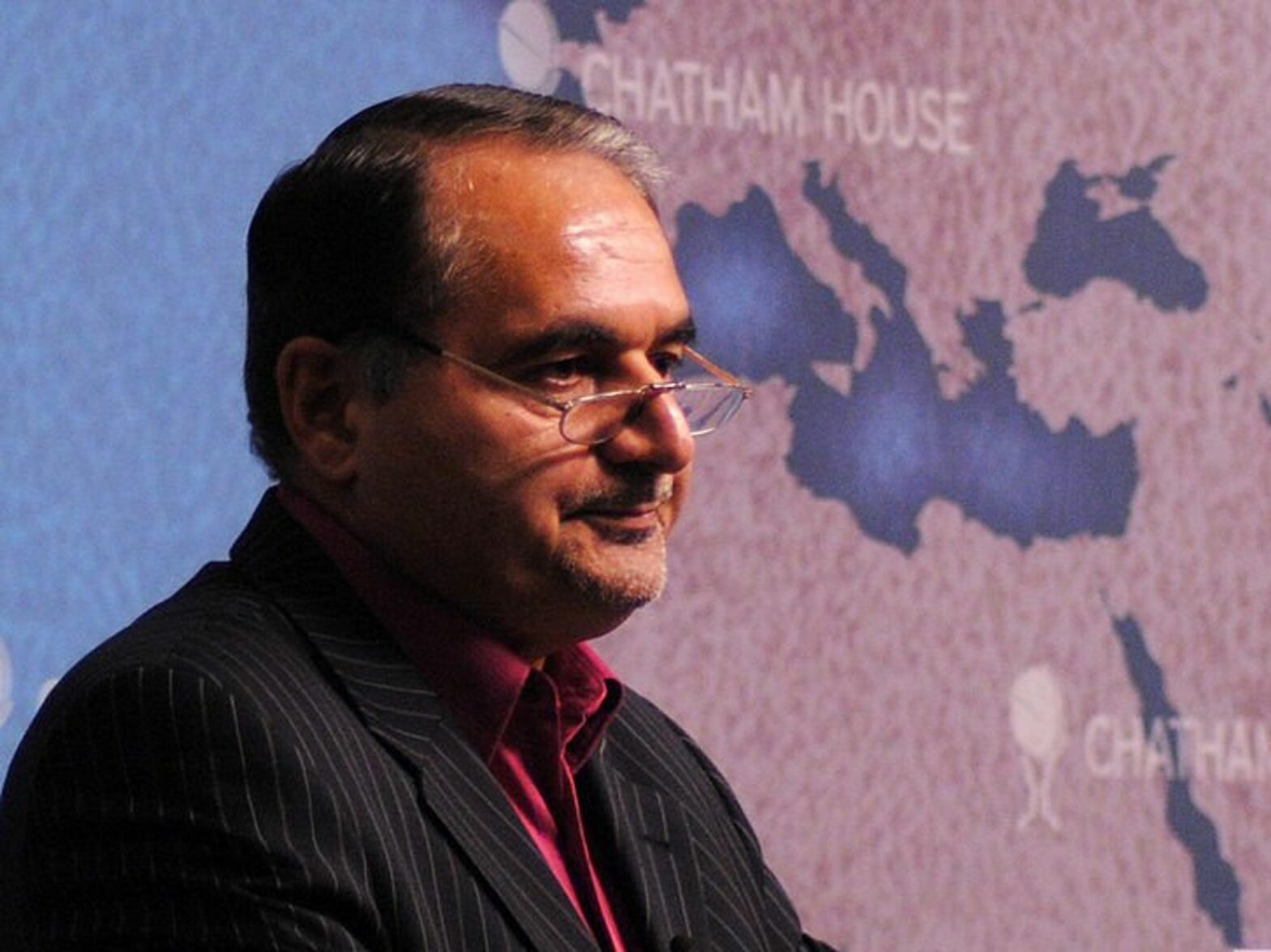
U.S. Congressmen and Iranian opponents want to know why Seyed Hossein Mousavian, a veteran official of the Tehran regime is working at Princeton University, when he is suspected of involvement with terrorist activities.
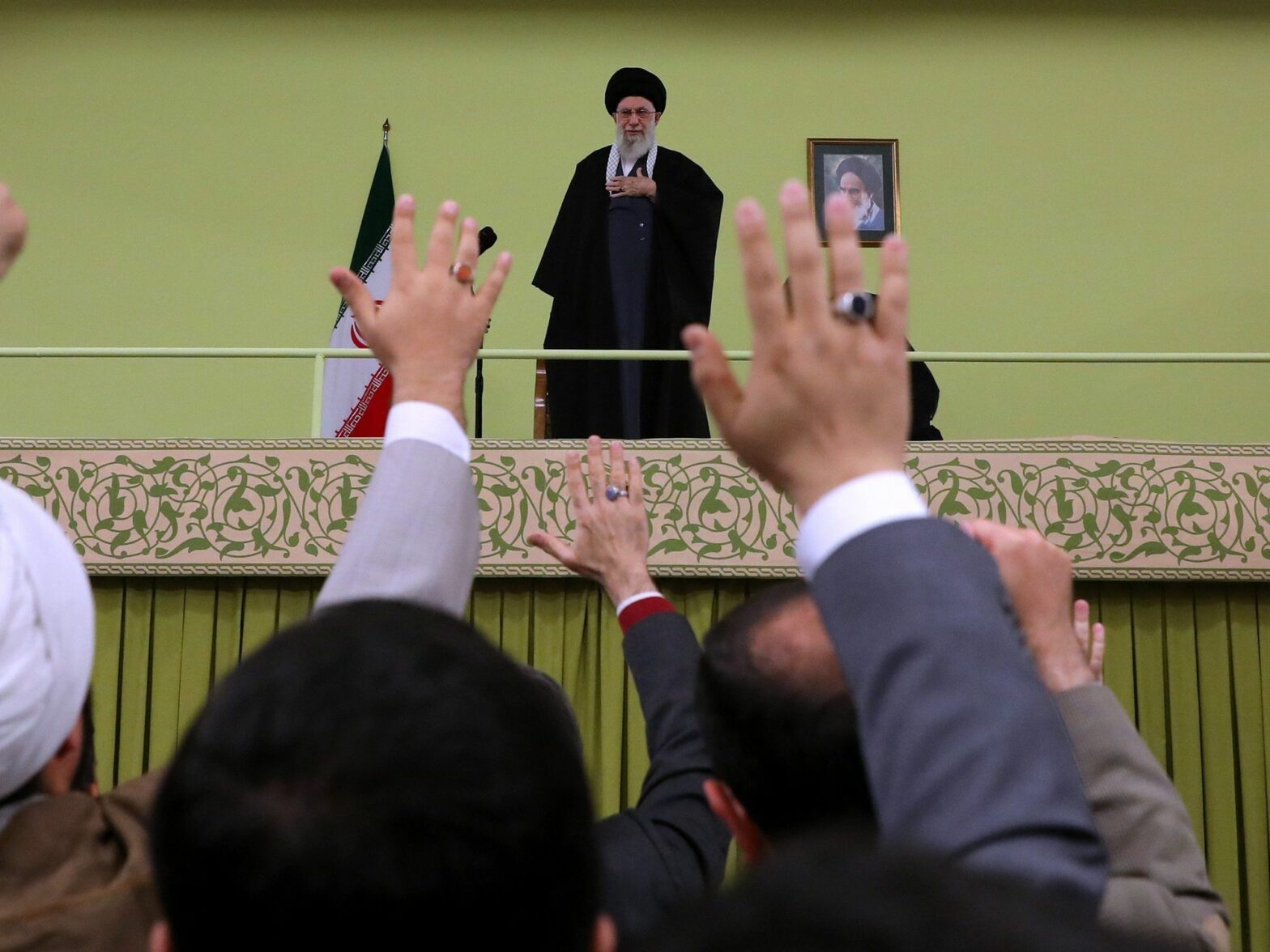
Iran’s Supreme Leader Ali Khamenei, now 84, has been in power since 1989. What will happen when he dies? His death may lead to a hybrid military-Islamic regime, with members of the Revolutionary Guards imposing a more pragmatic yet equally corrupt regime. It is time for the opposition to find a unified leader they can rally behind and that can help mobilize Iranians in the transition.
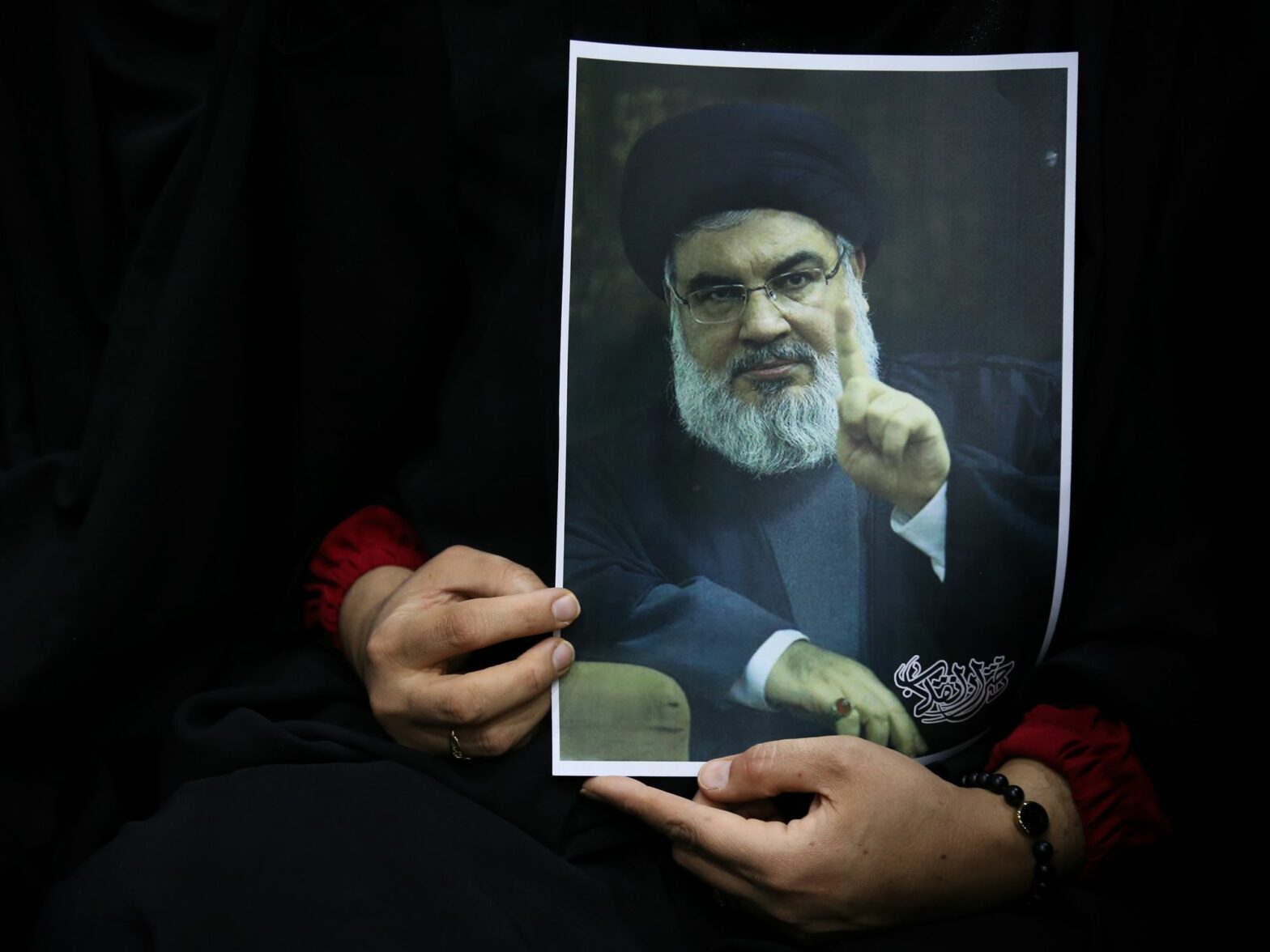
Iran’s constitution effectively allows any Shia theologian to become Supreme Leader, and the maneuvering to succeed Ali Khamenei now appears to include Hassan Nasrallah, longtime influential leader of Lebanon’s Hezbollah militia. It could redraw the map of the Middle East, but would ordinary Iranians and politicians stomach such an audacious imposition?
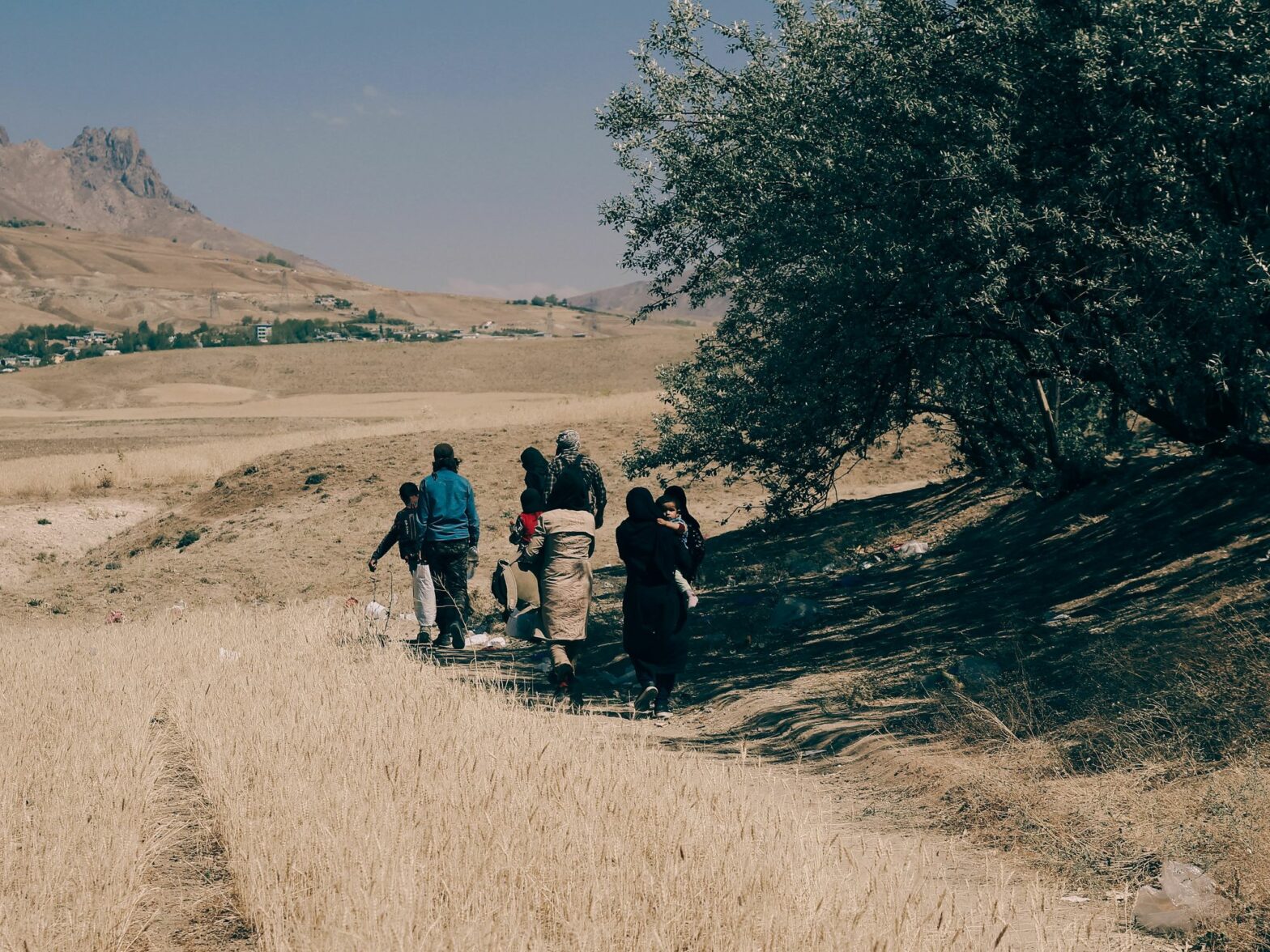
Many Iranians fear unchecked immigration, mostly by Afghans but also Iraqis, will overwhelm a fragile economy that is weakened by the many qualified employees leaving Iran.
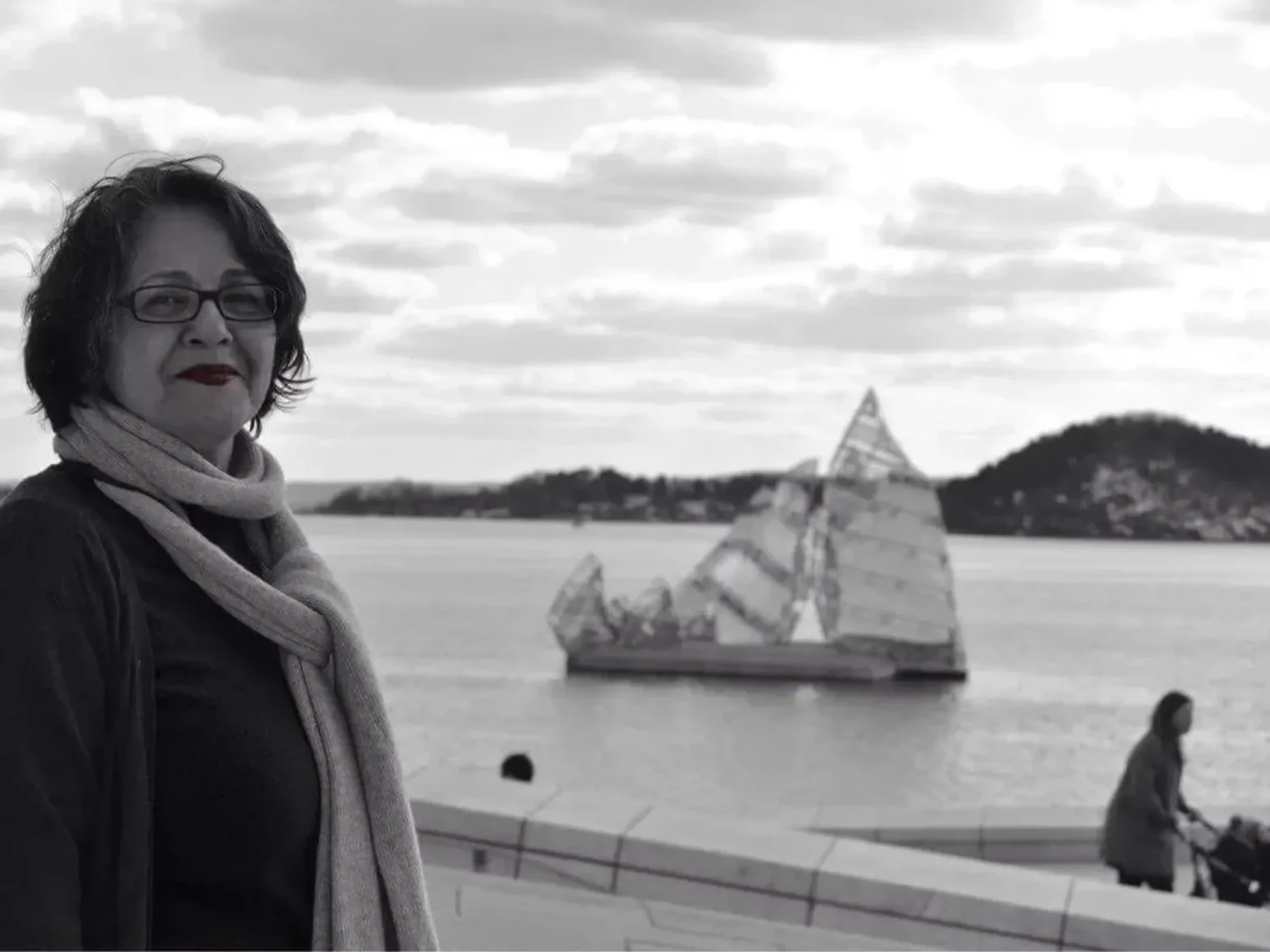
For the third year in a row, Nahid Taghavi, a retired architect and German citizen, is in Tehran’s brutal Evin Prison, where she has been mistreated after being wrongly convicted on trumped up charges as the Iranian regime exploits her foreign citizenship for money and influence.