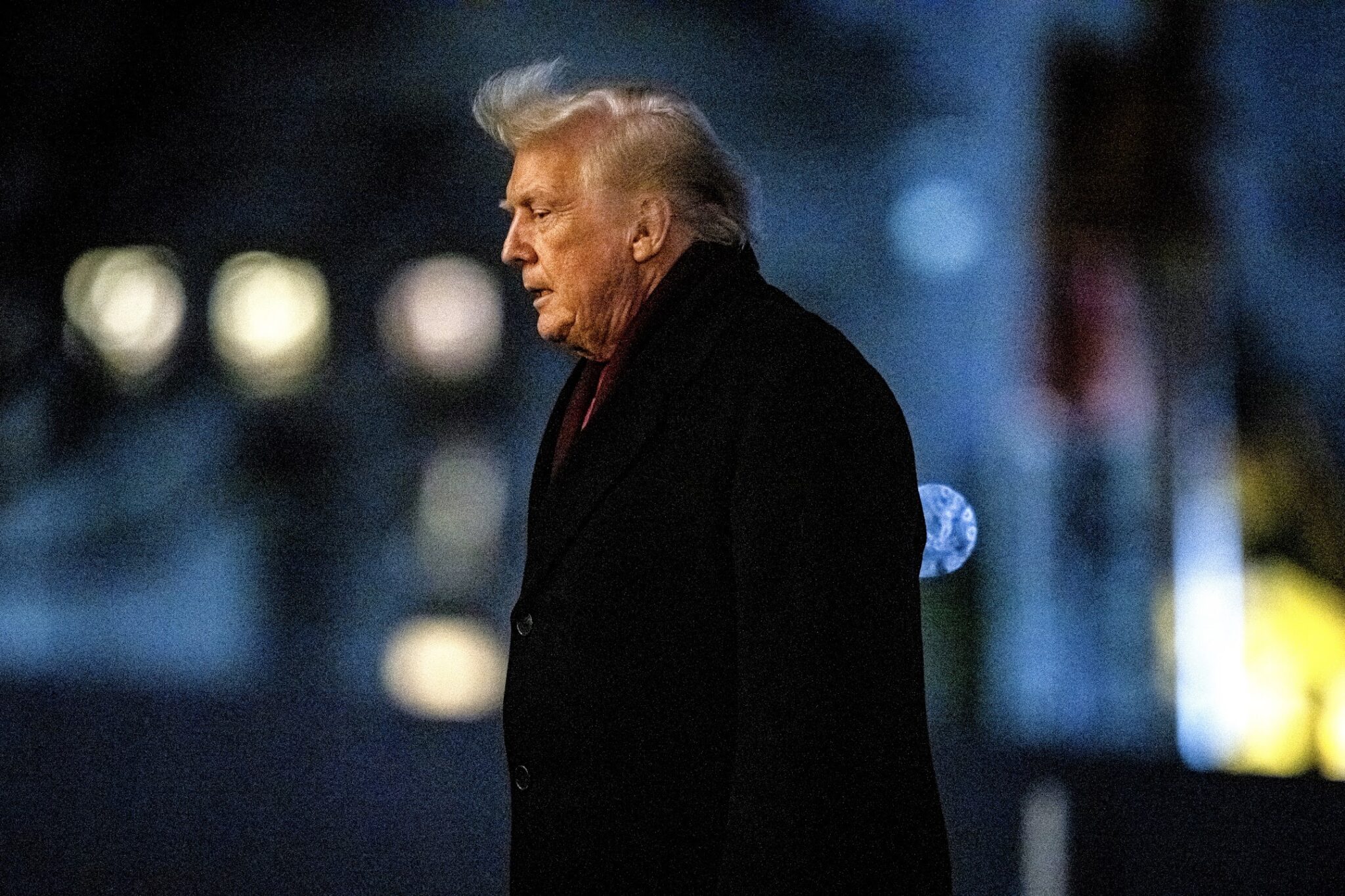
Donald Trump has doubled down on his criticism of Europe, calling it “weak” and “ decaying,” and of Ukraine, which he said has no chance because Russia is “bigger.” Why so much hatred?
 Worldcrunch
Donald Trump has doubled down on his criticism of Europe, calling it “weak” and “ decaying,” and of Ukraine, which he said has no chance because Russia is “bigger.” Why so much hatred?

A German woman’s vision of “racial purity” has grown into an international platform linking neo-Nazis, conspiracy theorists, and white nationalists in search of partners.
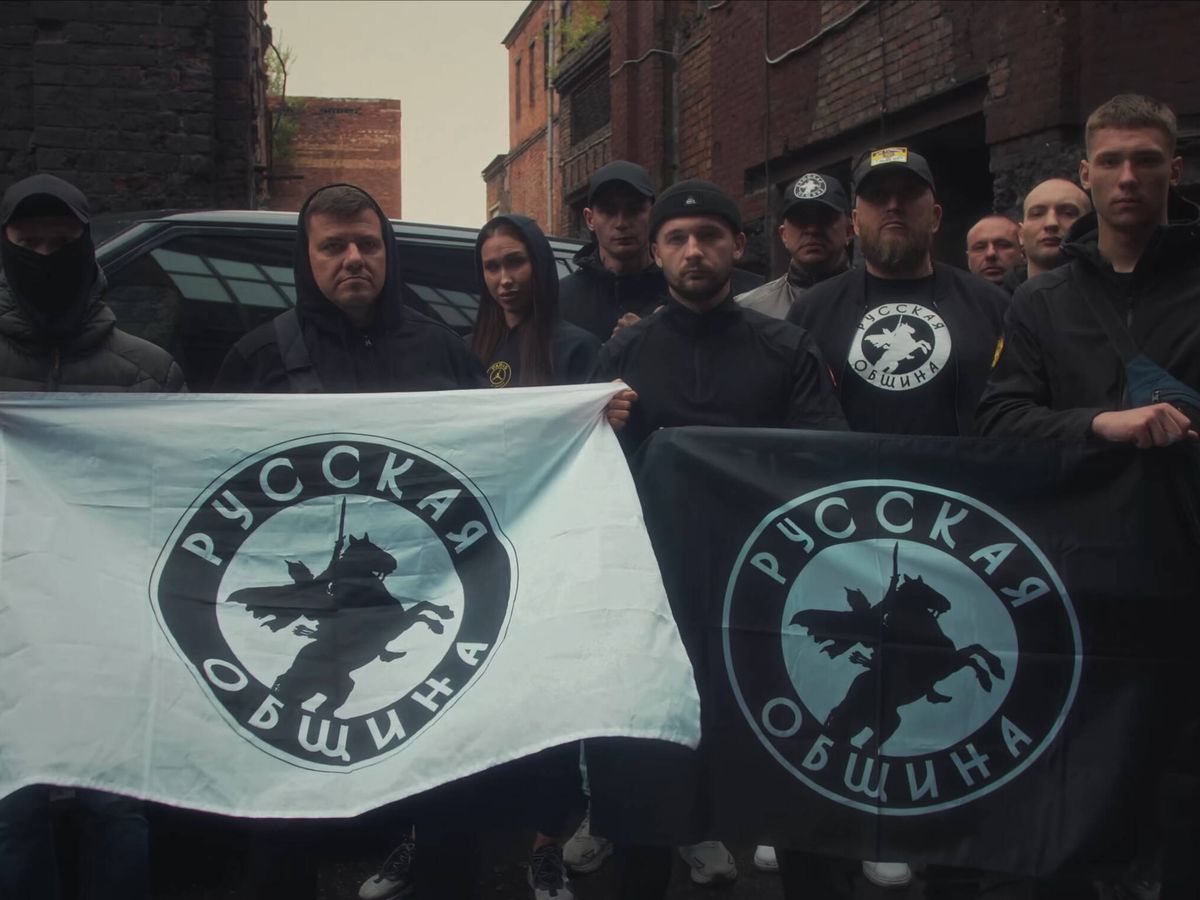
As Russia faces a shortage of law enforcement agents — which some observers blame on the war in Ukraine —- Russkaya Obshchina is filling the gaps. The group is increasingly involved in public order maintenance, but its far-right ideology risks being legitimized by institutions.
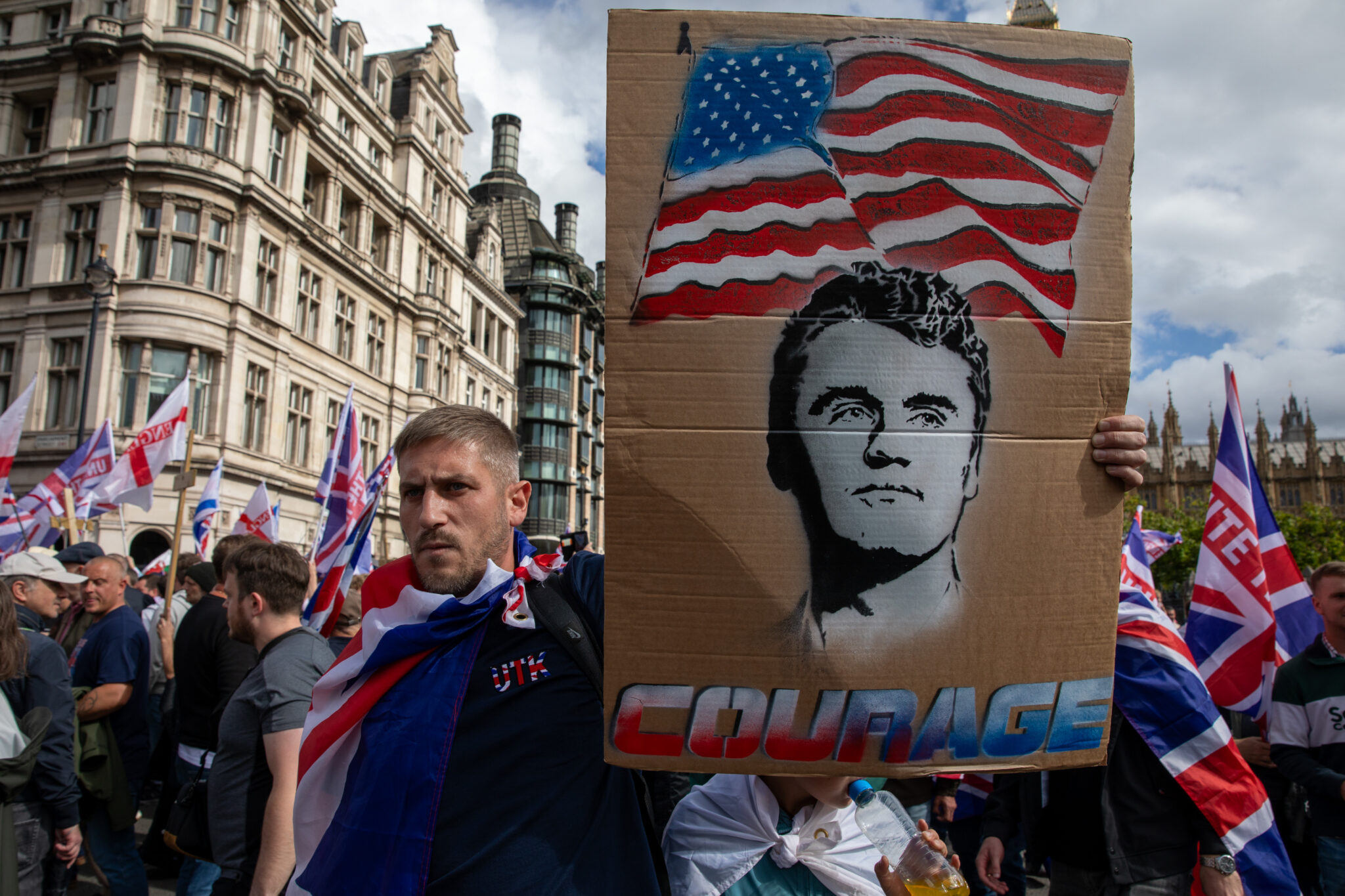
The assassination of Trump supporter Charlie Kirk has provoked strong reactions from the far-right internationally, as the culture war appears to accelerate around the world.
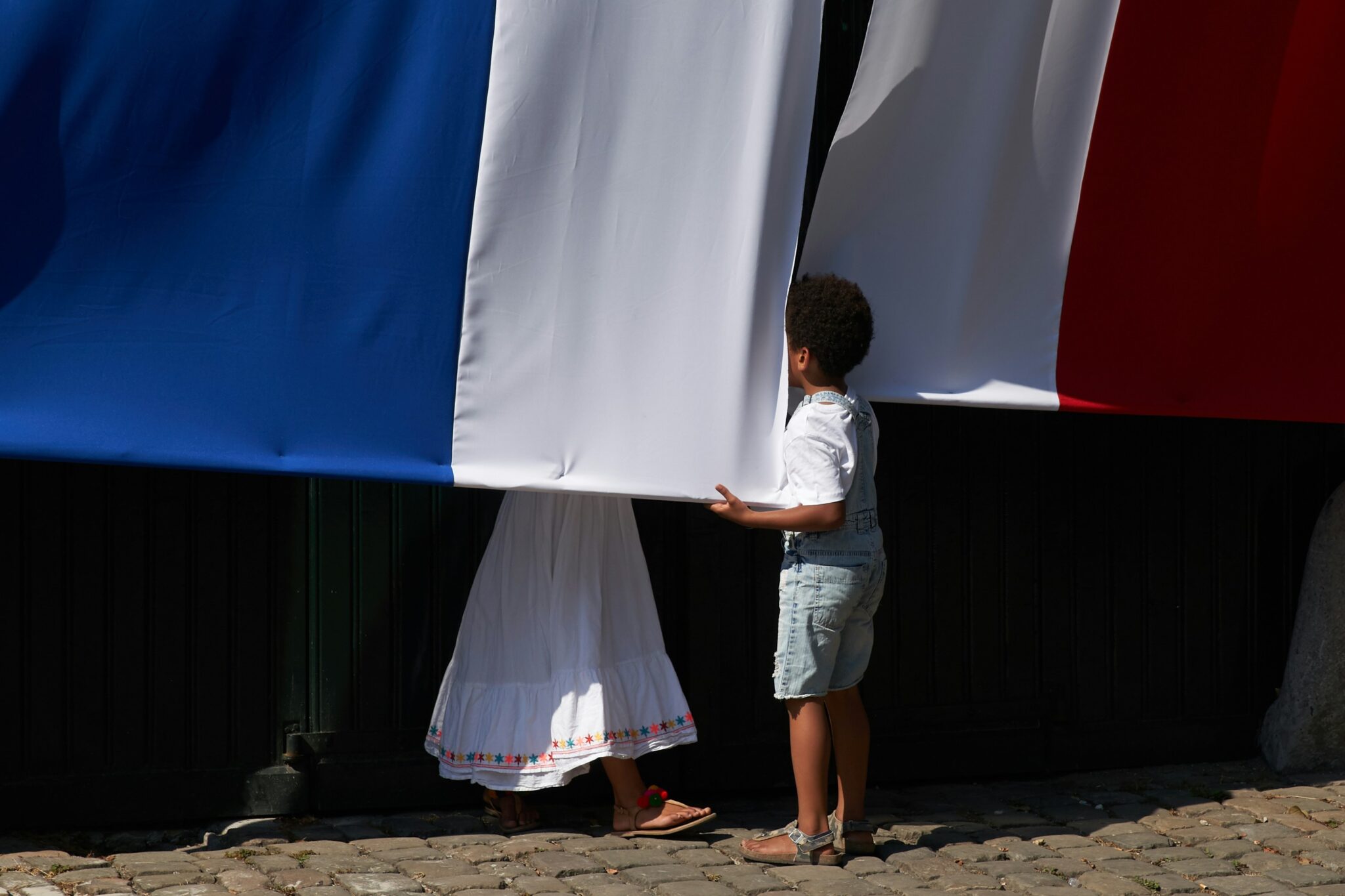
Even those on the French left who resist the country’s color-blindness were dismayed when an optional question on parental origin was added to the census. Although the issue may seem benign in countries where race is routinely asked about, in France the question acted as a lighting rod for debates over how to address discrimination considering the country’s dark past and the current rise of the far right.
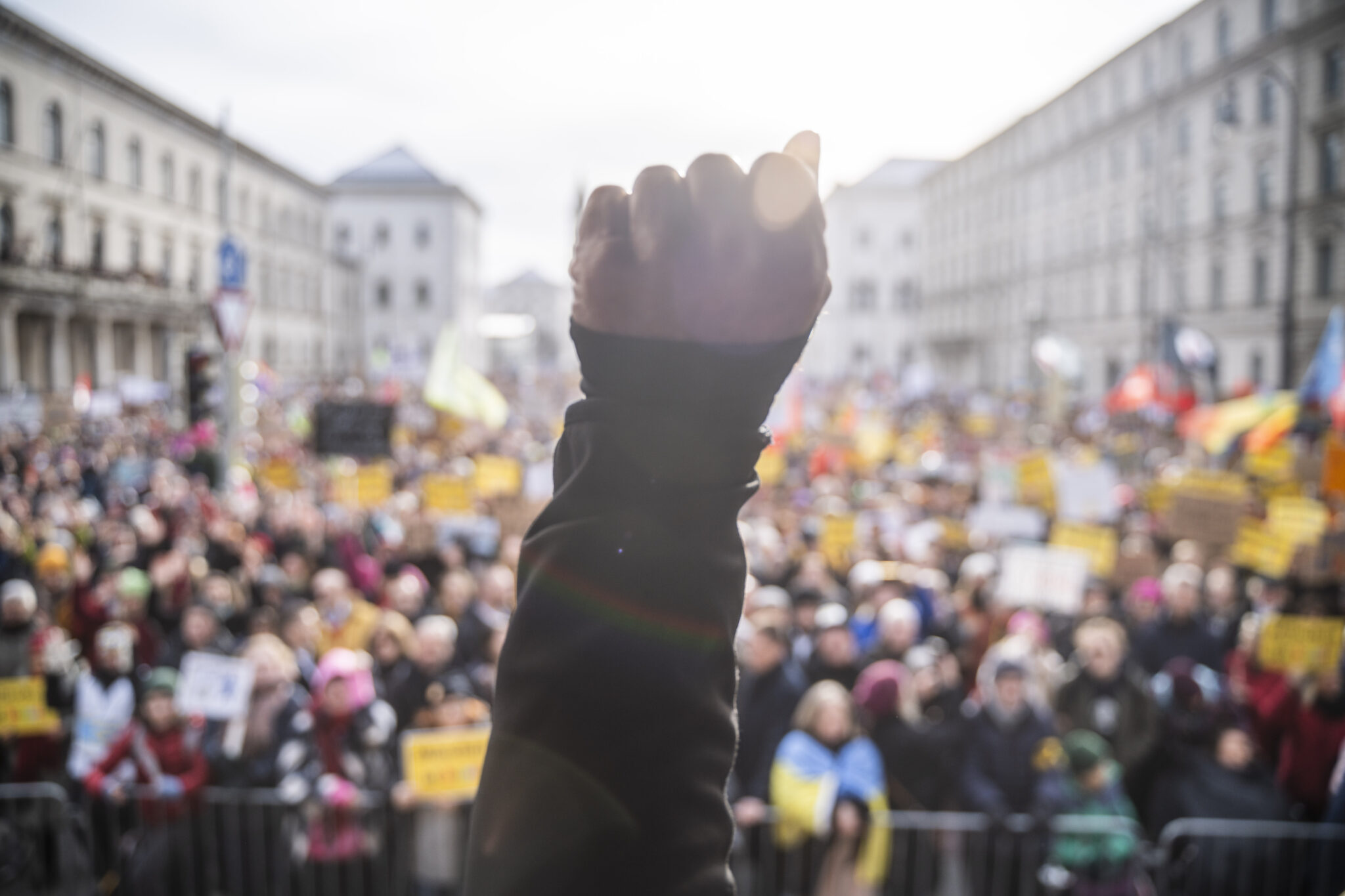
By trading class struggle for identity politics and lifestyle dogmas, Germany’s left has estranged ordinary citizens and handed the far right a chance to pose as their defenders.
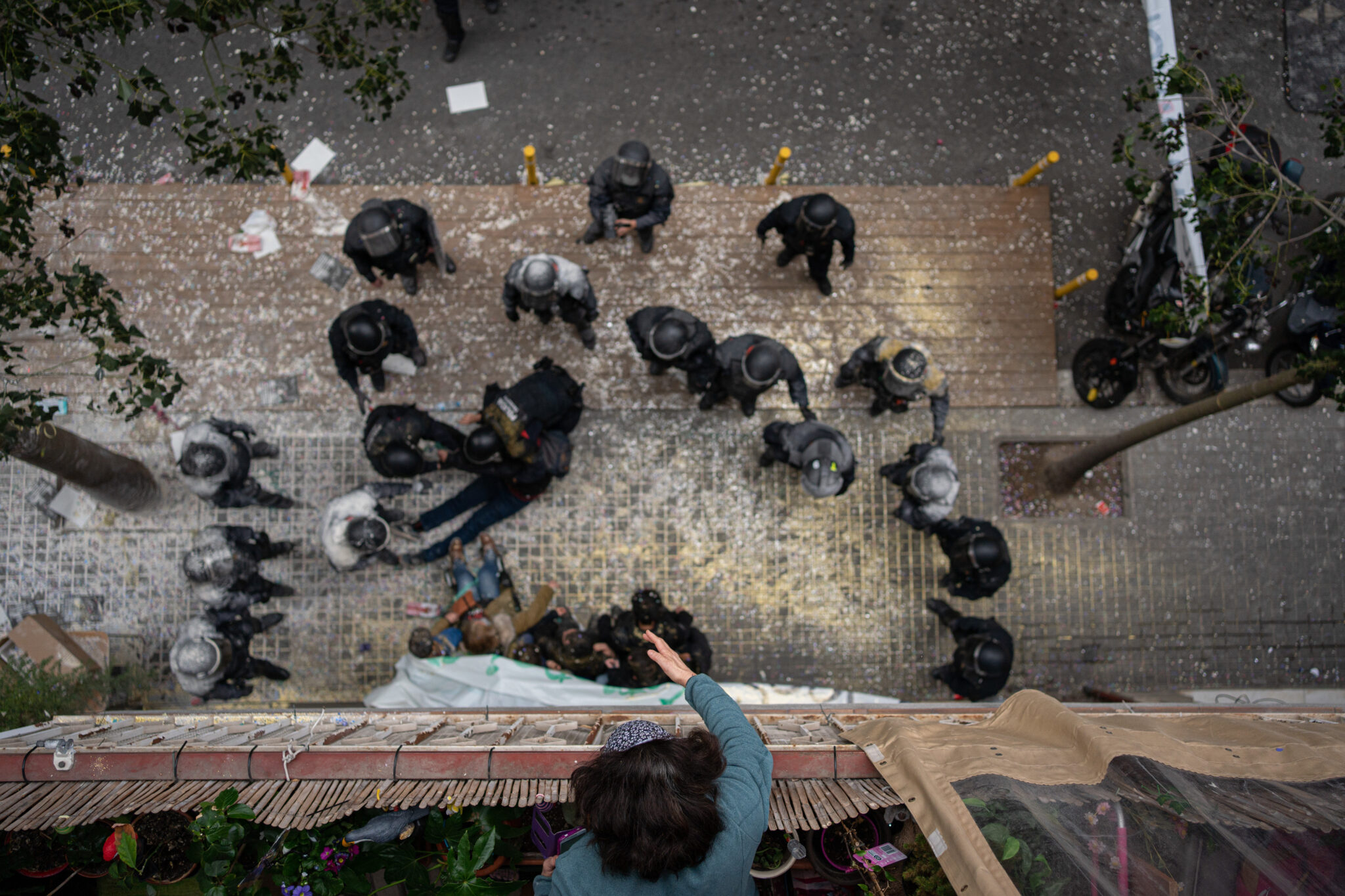
The housing crisis is not only driving families from their homes, it is also emptying democracy of its substance. Into this vacuum, fear, hatred, and authoritarian rhetoric are growing and gaining ground, especially among young people and the working classes.
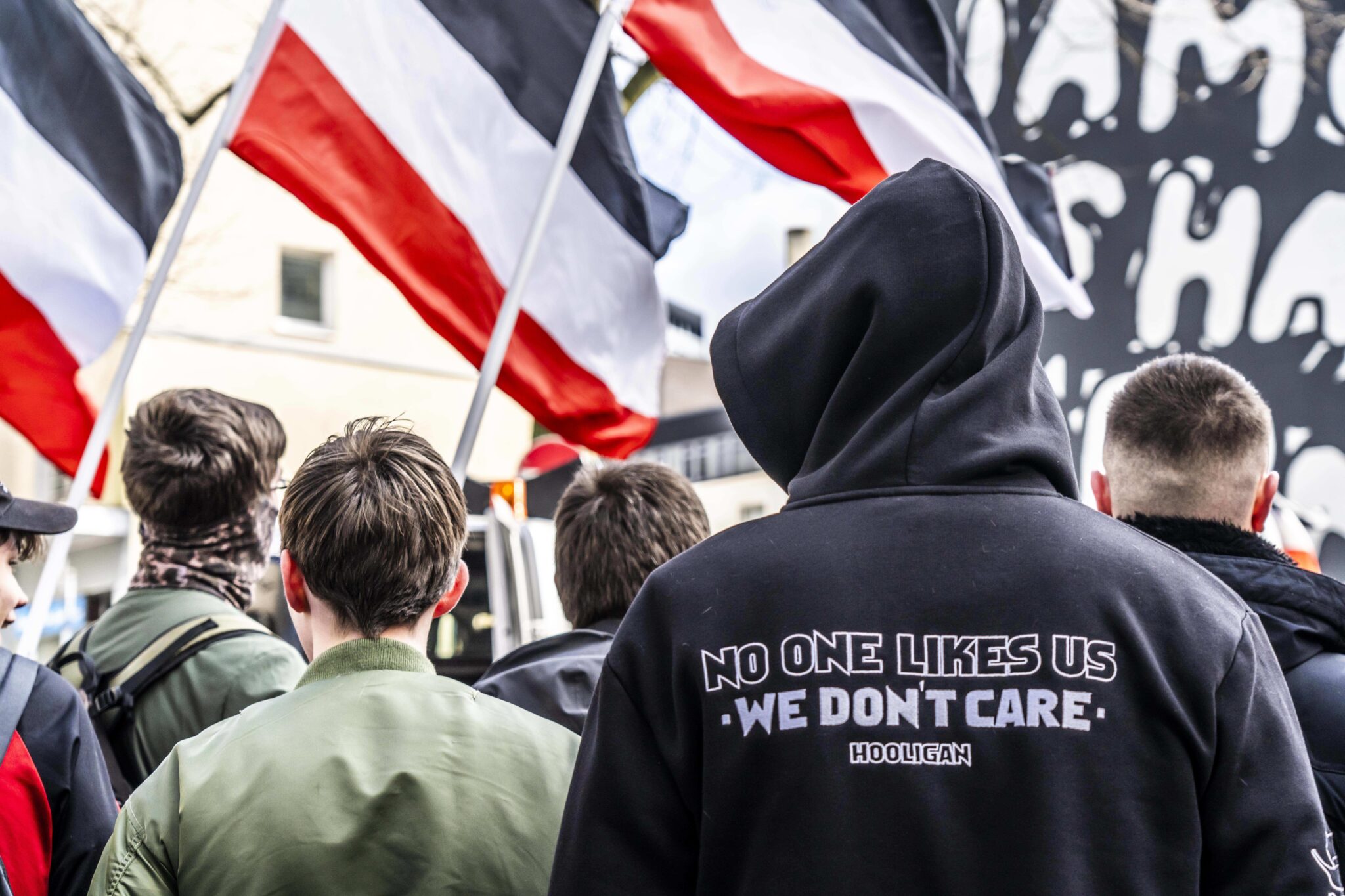
From the family home to online networks, the stories of Fabian K. and Hagen R. show how extremist ideas are passed down and reinforced.
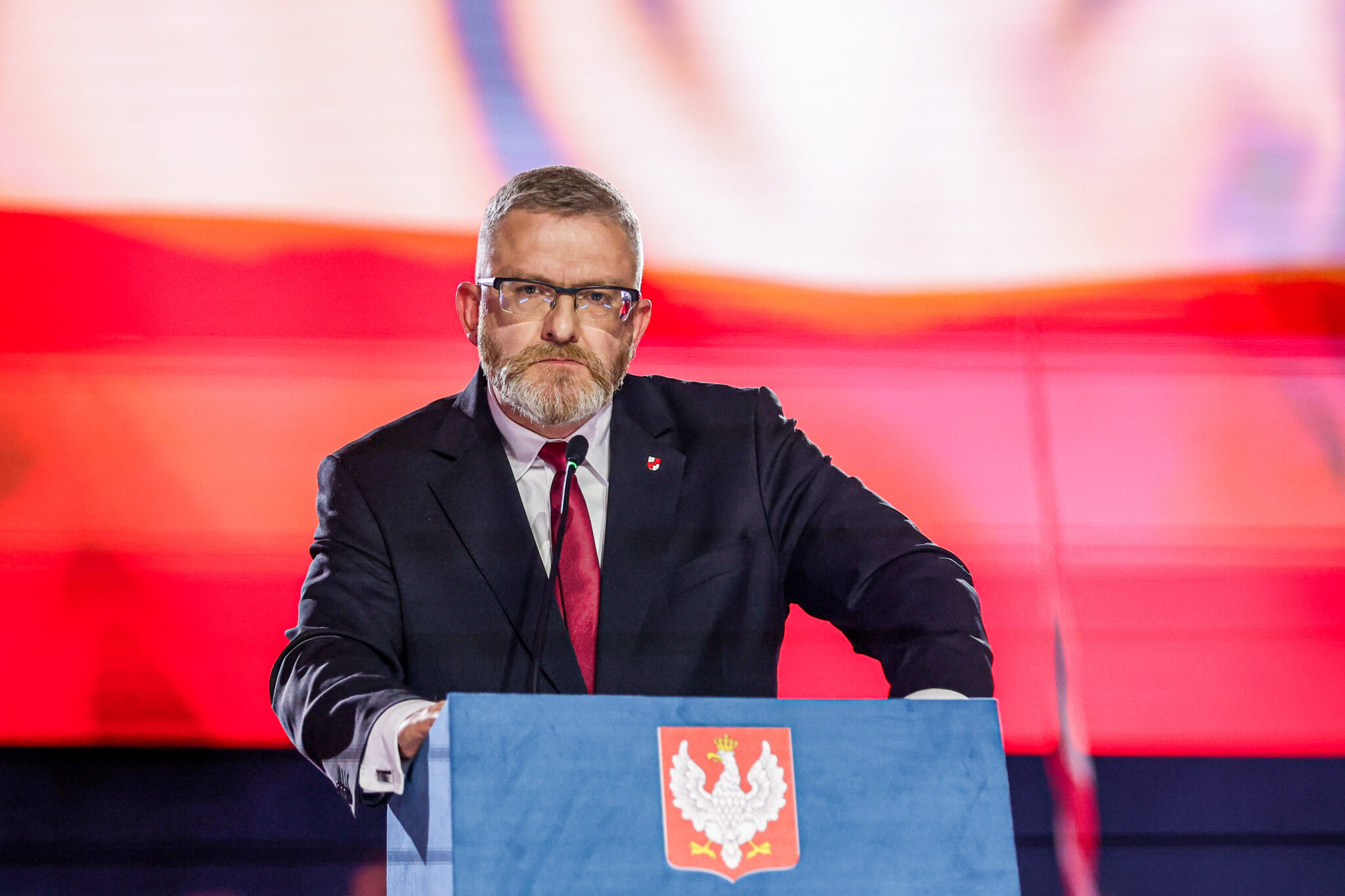
After splitting from the Confederation party, Poland’s far-right leader Grzegorz Braun has continued to say ever more extreme statements, including blatant Holocaust denial. It all seems to give him a boost in popularity.
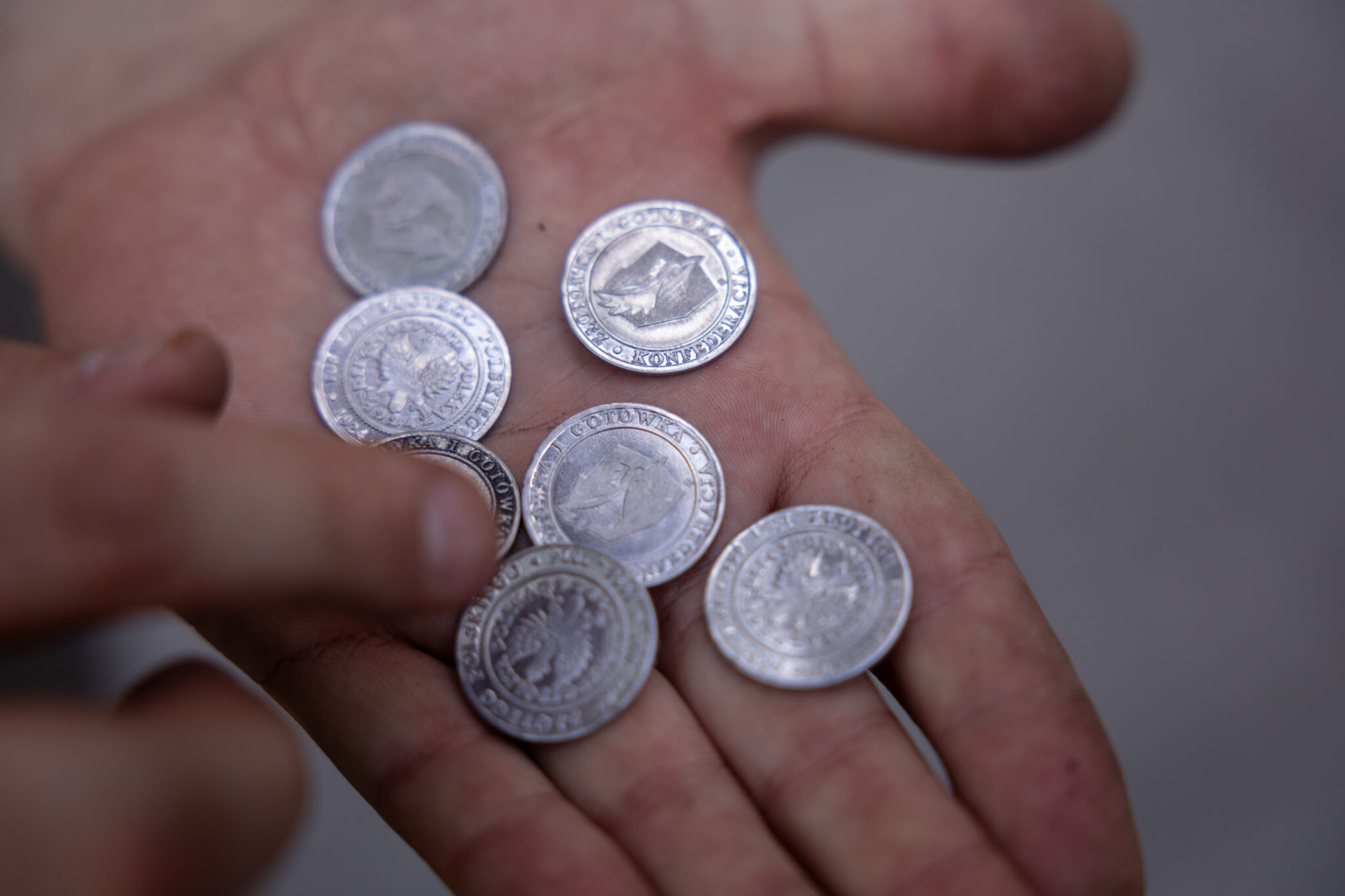
Poland is the EU country that is most afraid of adopting the euro. But why are Poles so afraid, and what economic prospects could help them change their mind?
👋 Alii!* Welcome to Tuesday, where at least eight people were killed in a school shooting in Austria, Israel is set to deport Gaza aid boat activists including Greta Thunberg, and today’s quiz question looks into a small marble sculpture that sold for nearly 900,000 euros in central France. Meanwhile, La Marea’s Juan Samaniego reports […]
As Berlin and Tel Aviv mark a diplomatic milestone, the relationship born out of pragmatism, guilt and survival faces its toughest questions yet — especially amid war, protest and growing calls for criticism.
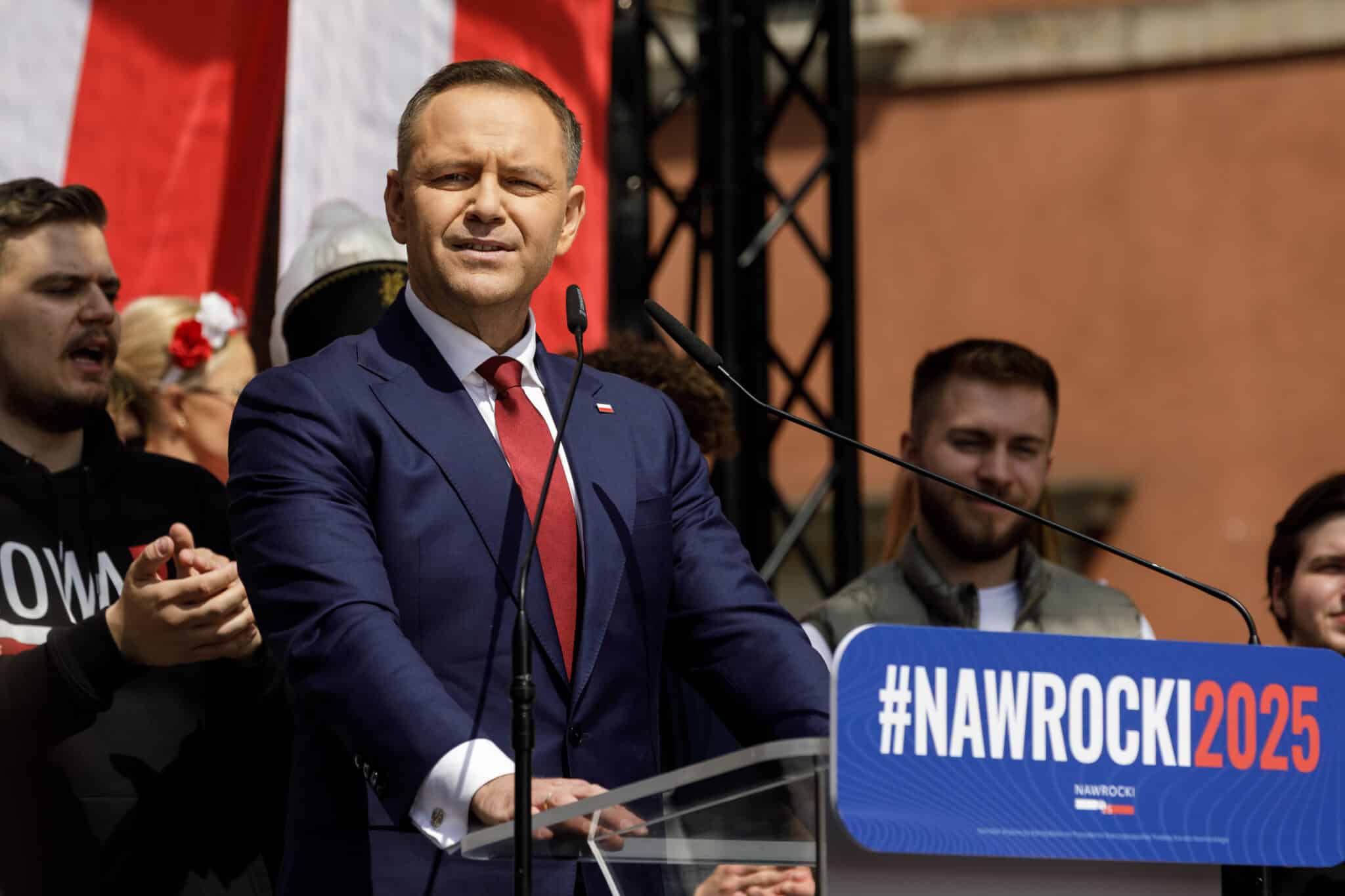
Romania and Poland, both countries divided between their liberal Pro-European and conservative nationalist parties, both countries with a communist past, have now had to make a choice about which direction they wish to go in.
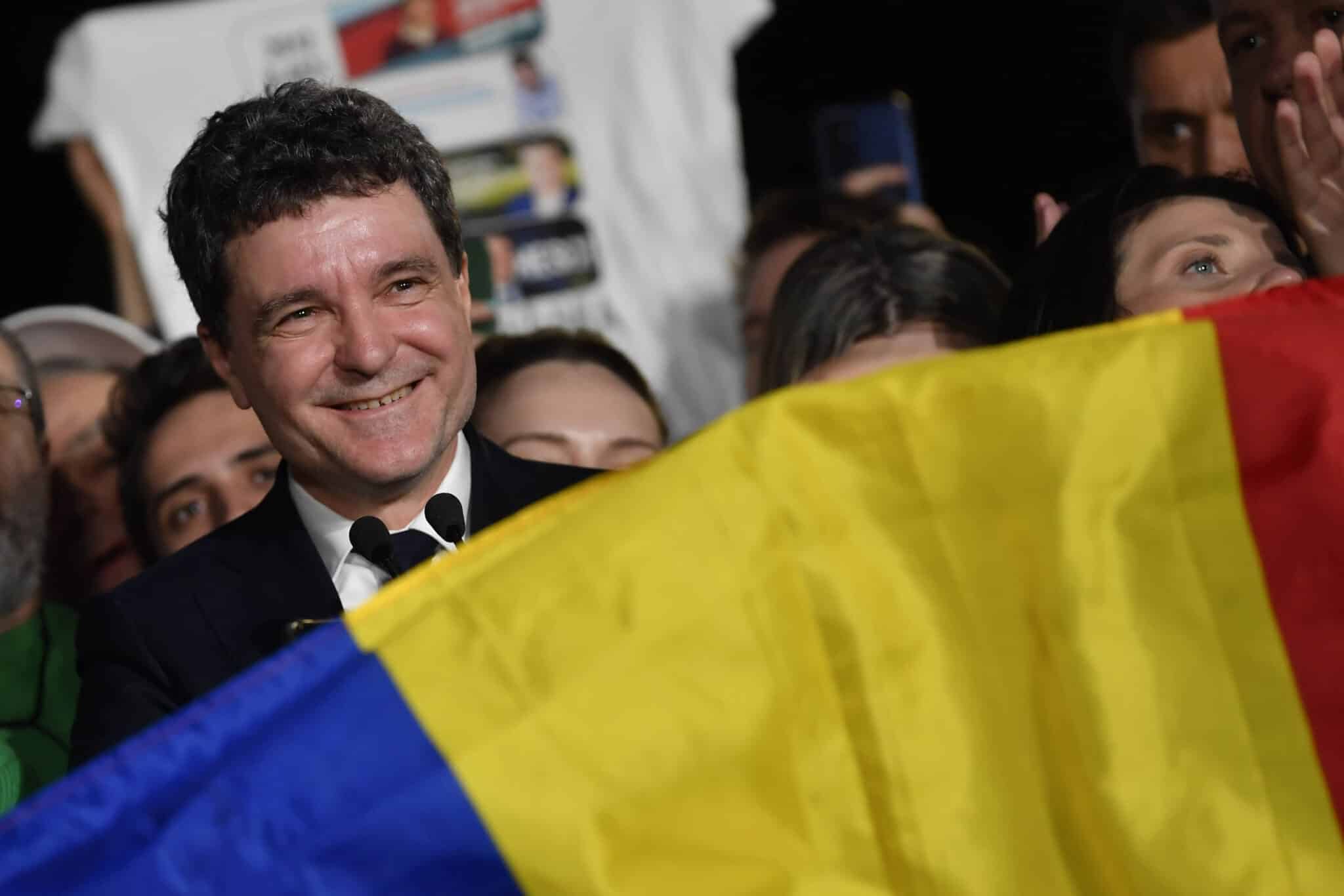
Against all expectations, the far-right candidate George Simion, who had come well ahead in the first round of the Romanian presidential election, lost in the second round to the liberal Nicusor Dan. An election that could be seen as a test between liberal democracy and far-right nationalism.
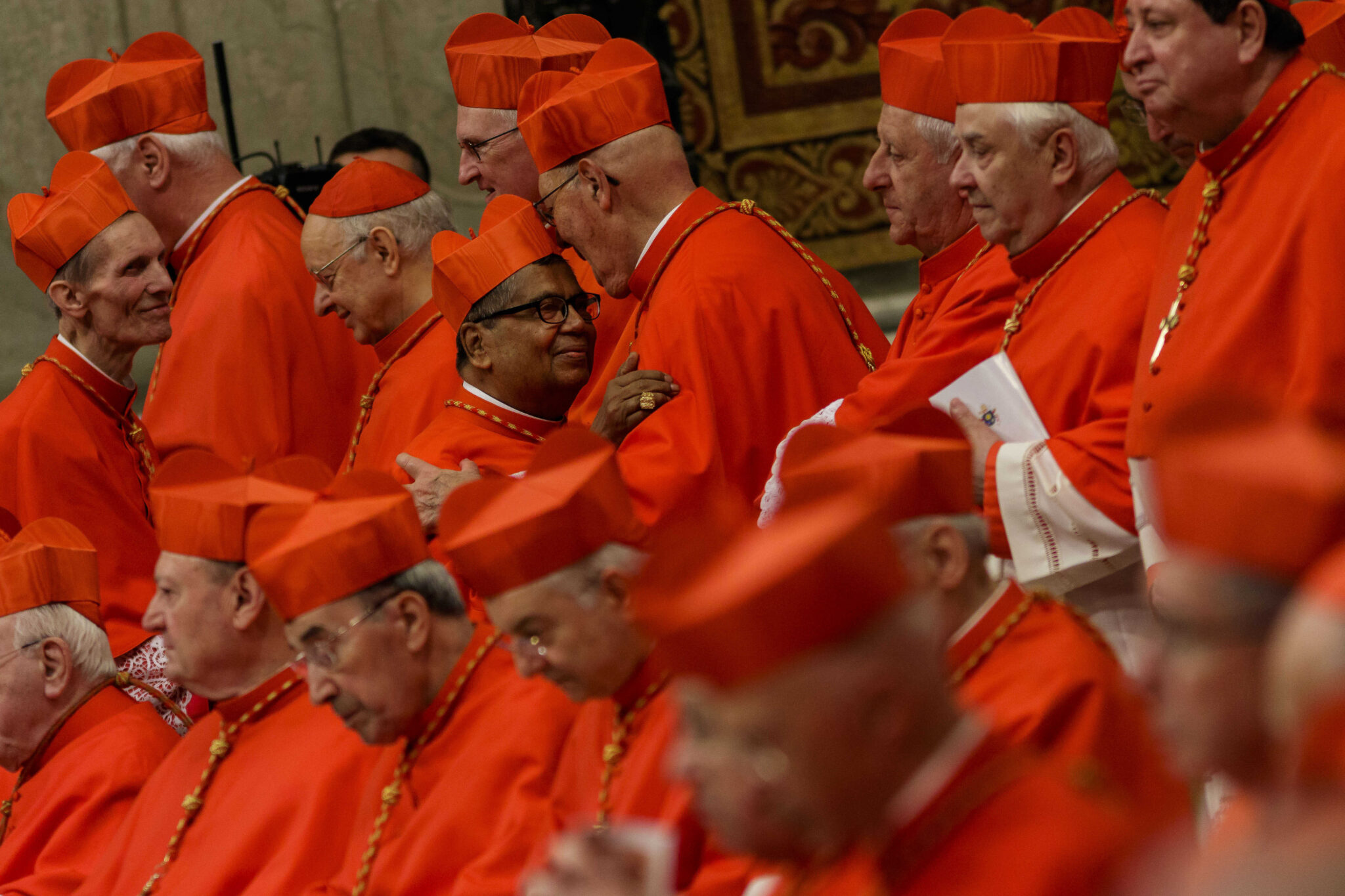
Right-wing authoritarians around the world are speculating on an opportunity: the next pope could be one of their own. It would provide much moral authority on a global stage.
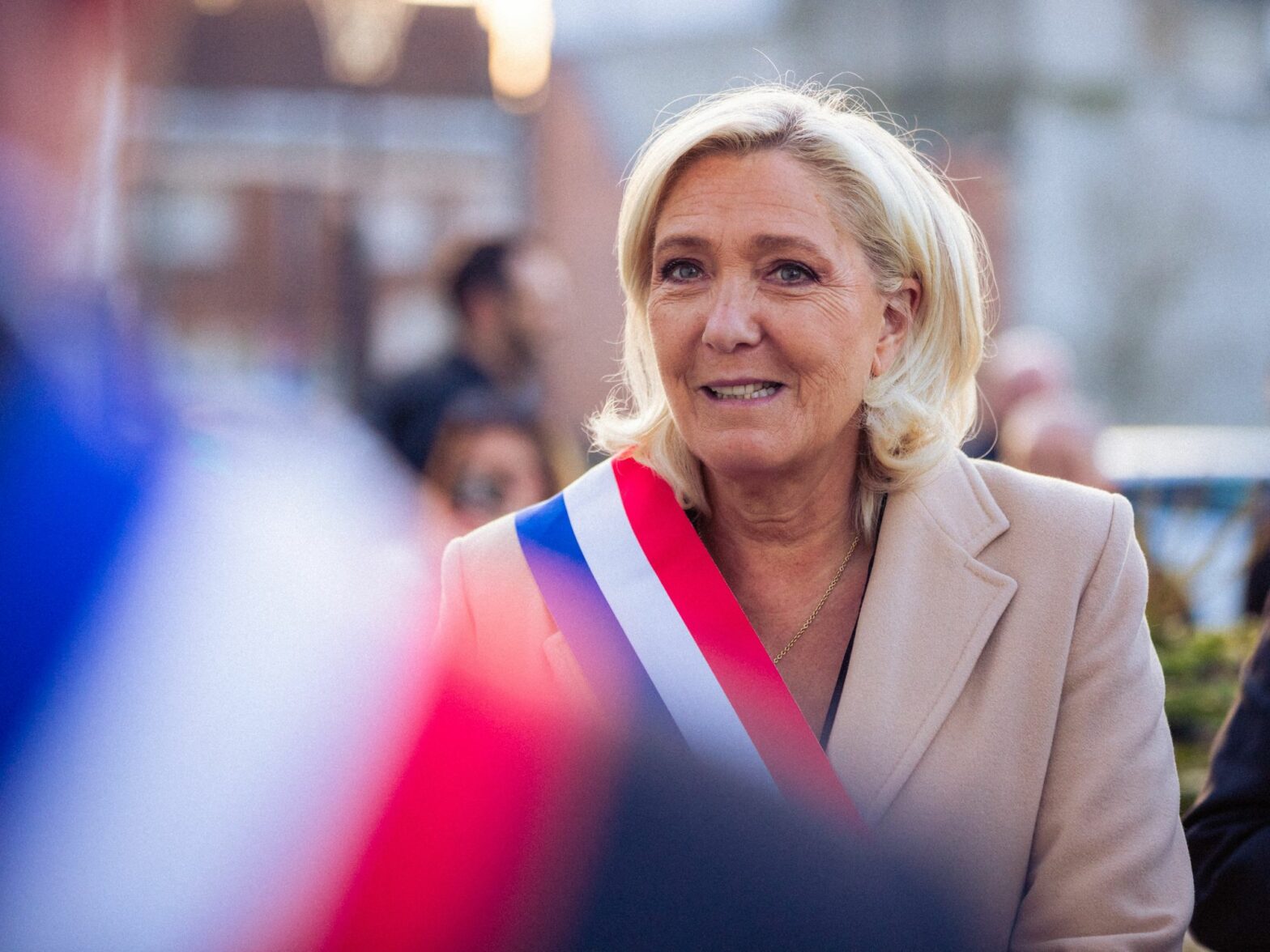
How can we avoid a Trumpification of the debate in France? This is one of the big-picture questions after far-right leader Marine Le Pen was barred from running for public office, after her conviction in an embezzlement trial may mean she will not be able to stand for president in the 2027 elections
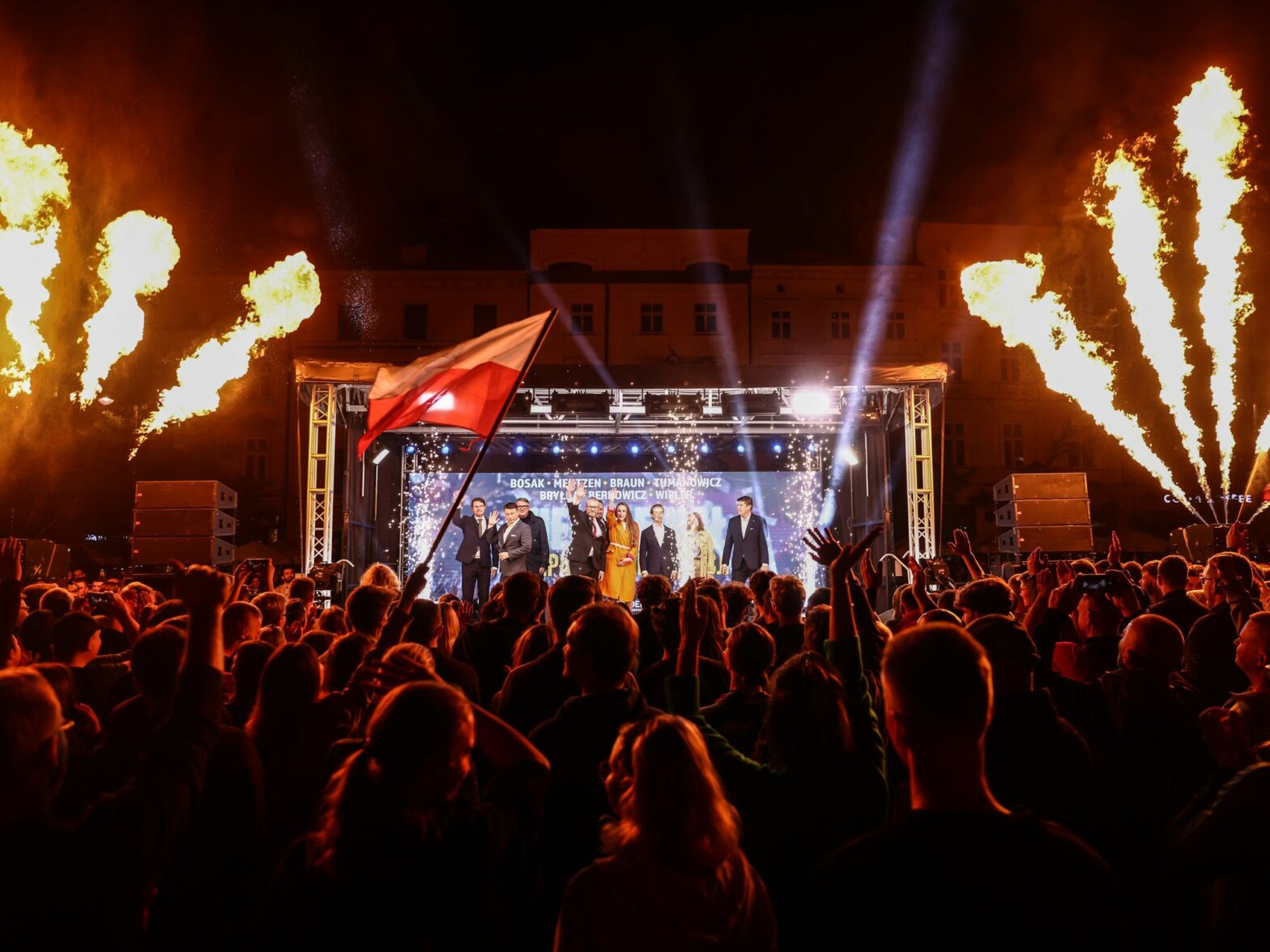
Konfederacja, or Confederation, is Poland’s furthest-right mainstream party. Describing itself as economically liberal and nationalist, the party has been rising in the polls ahead of the the May 18 and June 1 presidential election, with growing support from women, young people and the LGBTQ community.
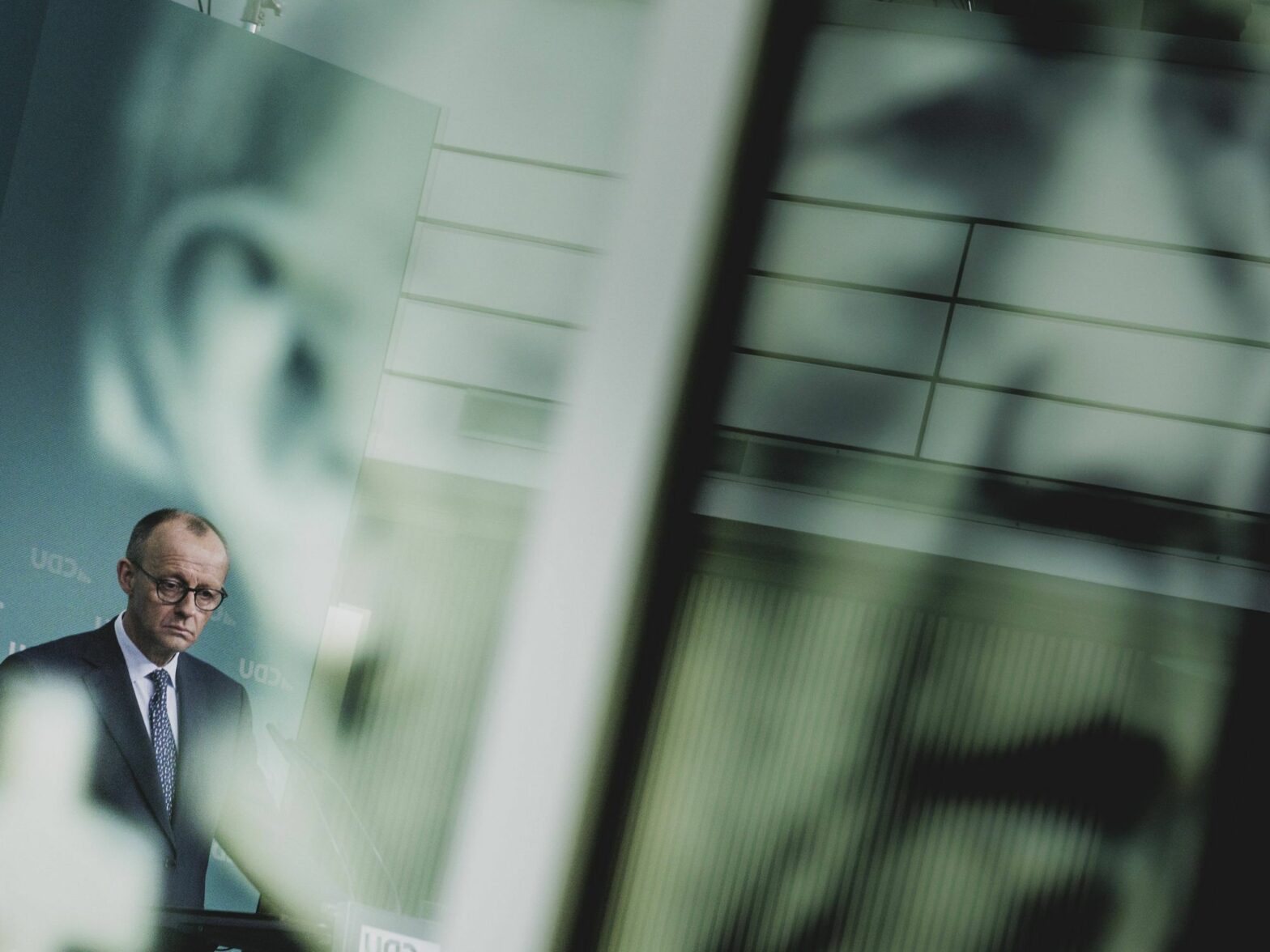
The German elections showed rising support for the far-right AfD, and increased dissatisfaction running rampant in German society, Polish columnist Bartosz T. Wielinski asks whether this runs the risk of history of the early 20th century repeating.
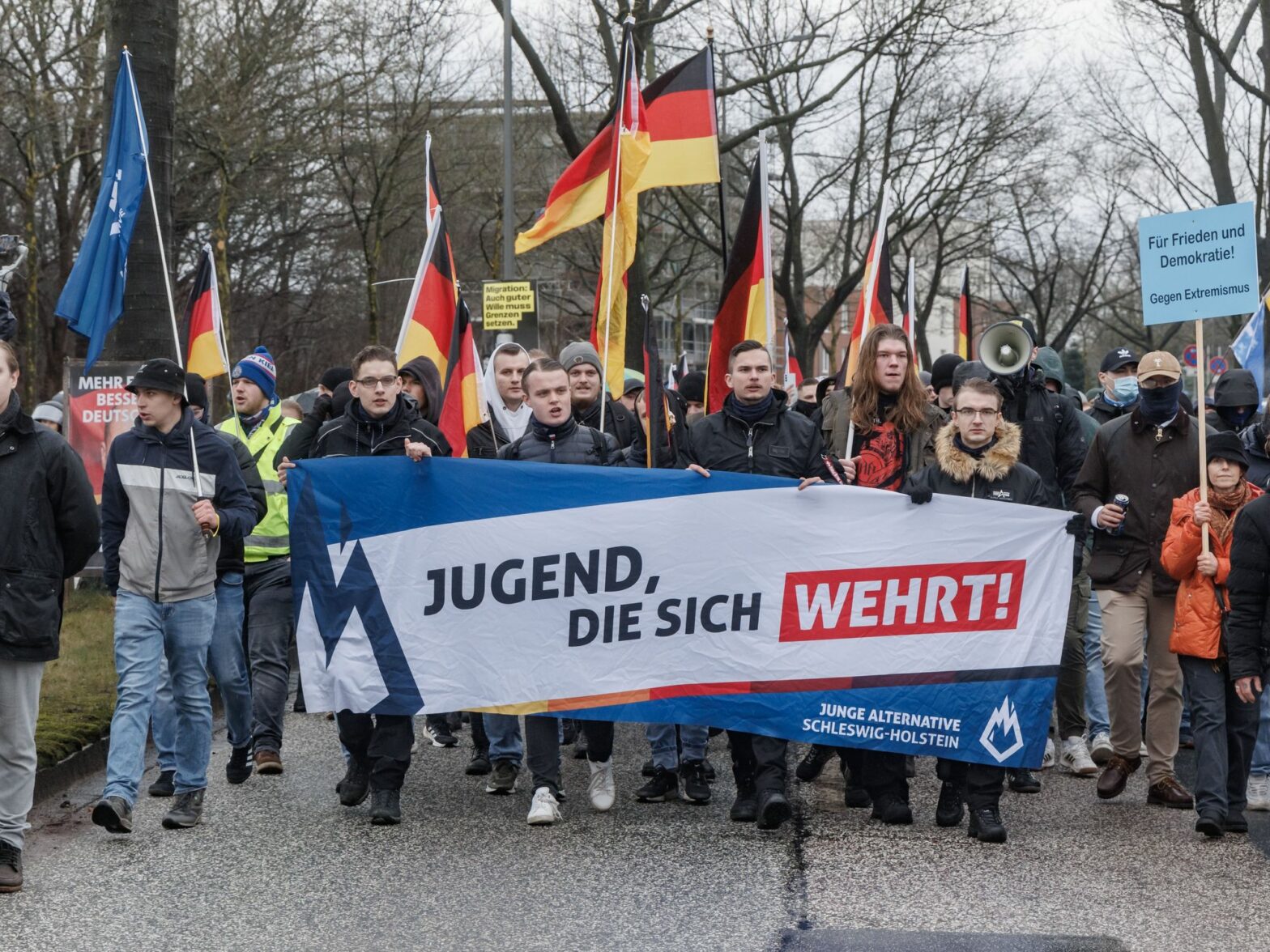
Young men showed one of the most dramatic shifts toward Donald Trump in this year’s election. But with rightward shifts among both men and women of the Gen Z demographic, the reality is reaching deeper — and farther — than most pollsters or analysts can explain.
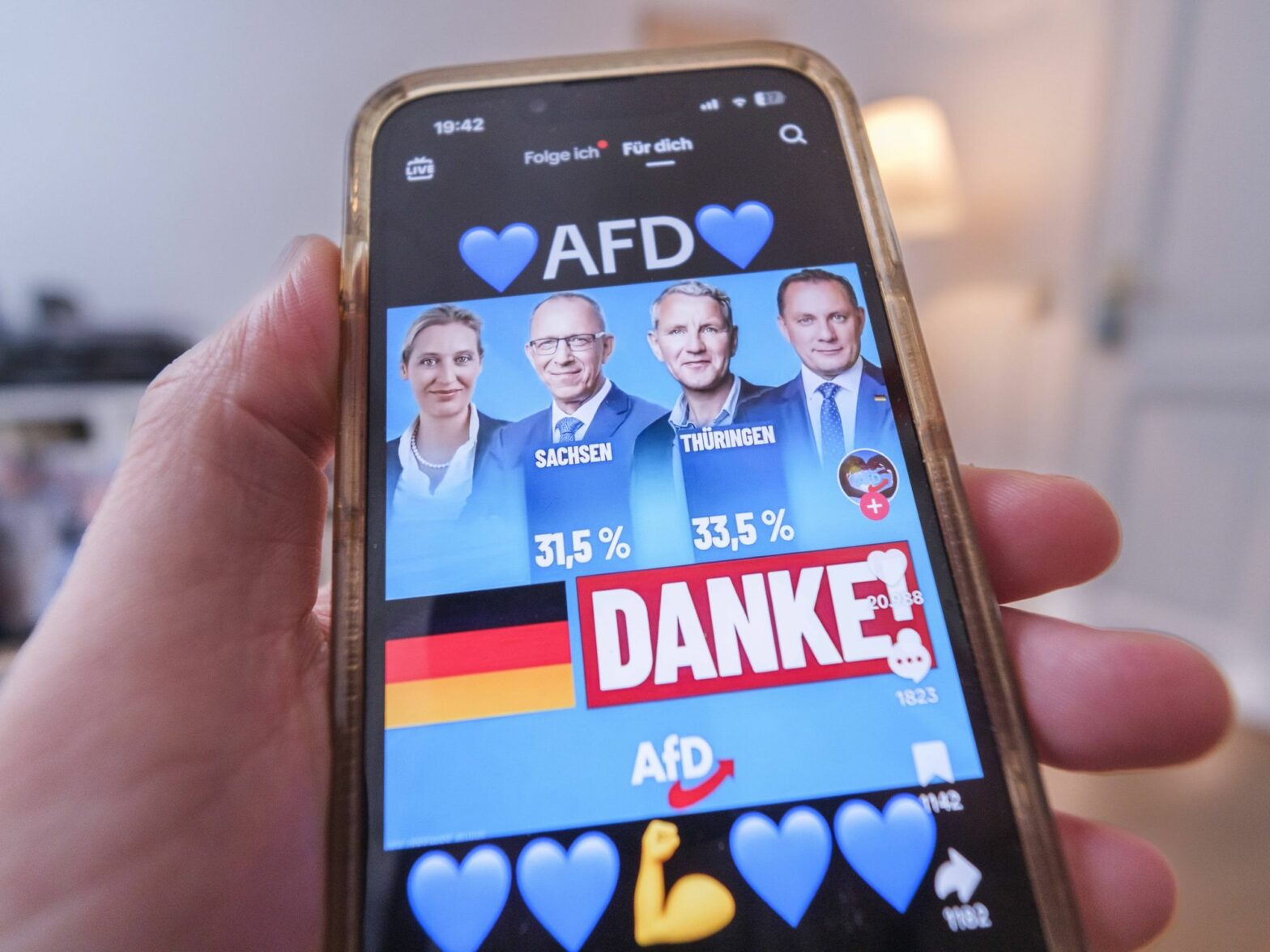
Germany’s AfD has leveraged TikTok as a key tool in its political strategy, flooding the platform with catchy, populist posts whose virality has strengthened the party’s far-right discourse among a younger demographic.
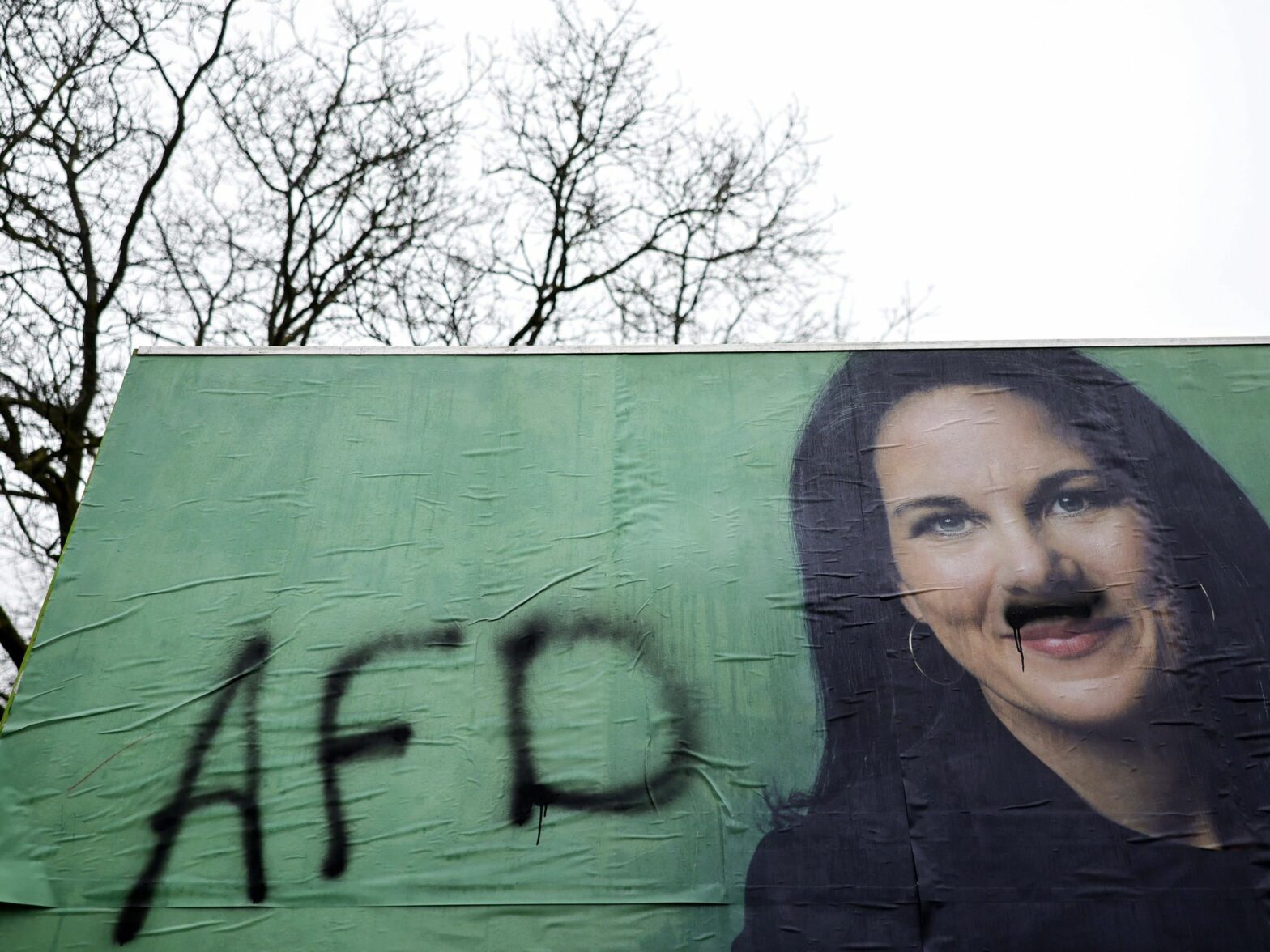
An analysis of all election programs shows that German political parties have never been more right-wing than today. Of course, there’s the AfD — but other groups have also toughened their stance.
Ahead of Germany’s crucial national elections Sunday, Russia is actively working to destabilize the country through cyberattacks, agents, and disinformation campaigns. Can anything be done to stop or at least counter these attacks?
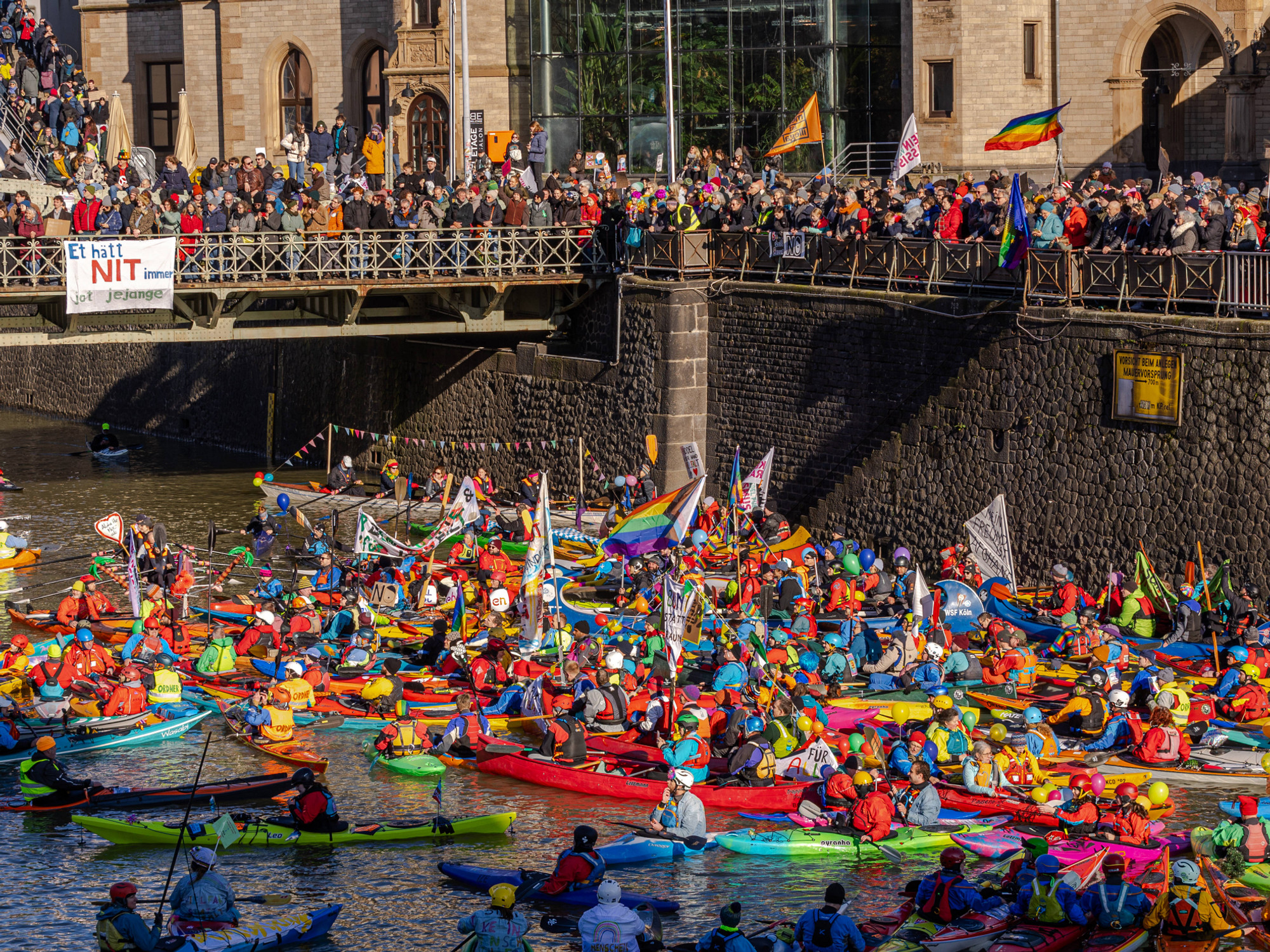
With striking shots from Washington, D.C., Gaza, Cologne, Russia’s far east, and more.
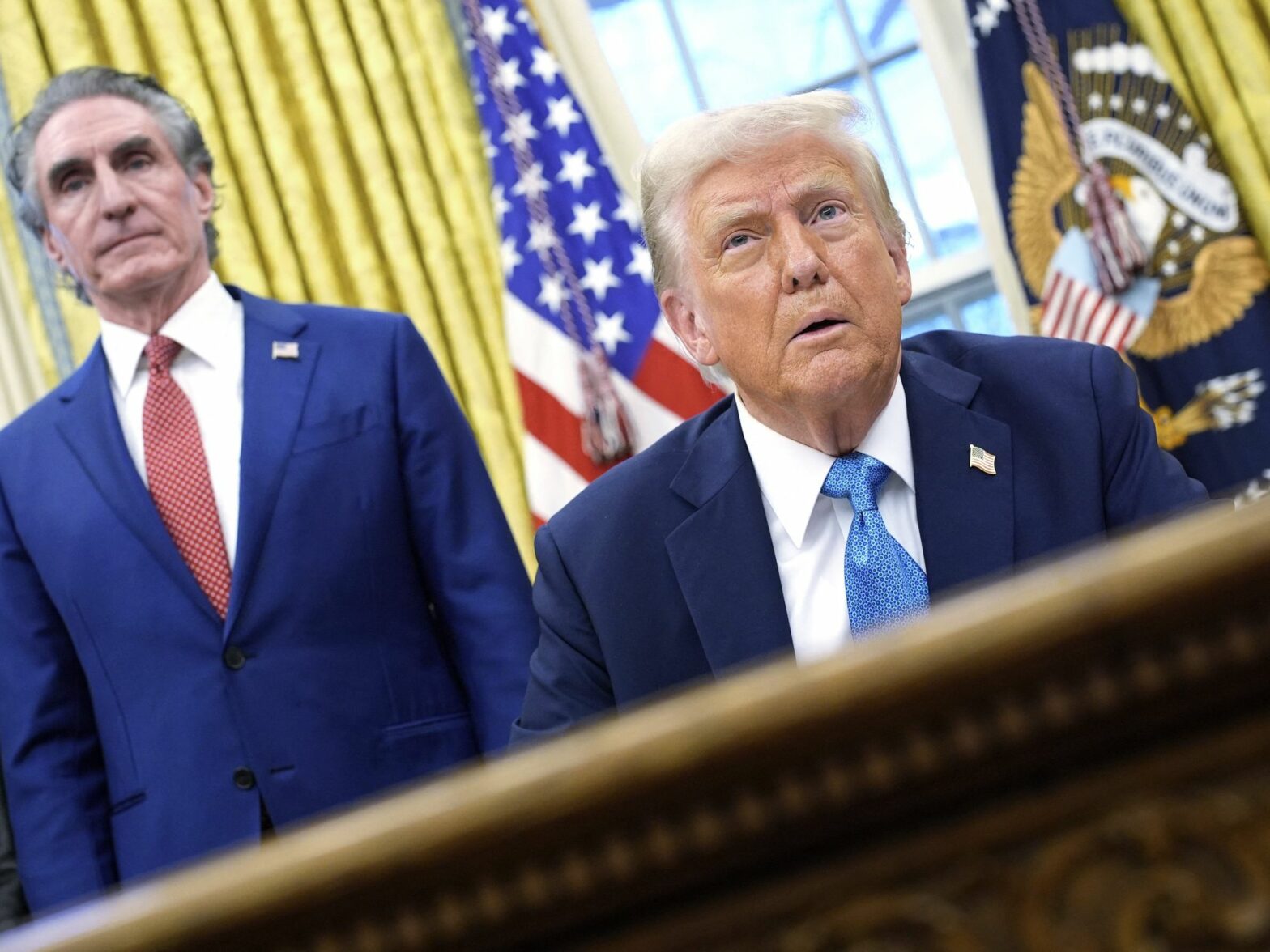
In economics, disruption describes an ordinary process: innovations replace outdated technologies. But in politics? It takes on a far darker meaning, writes German weekly Die Zeit.
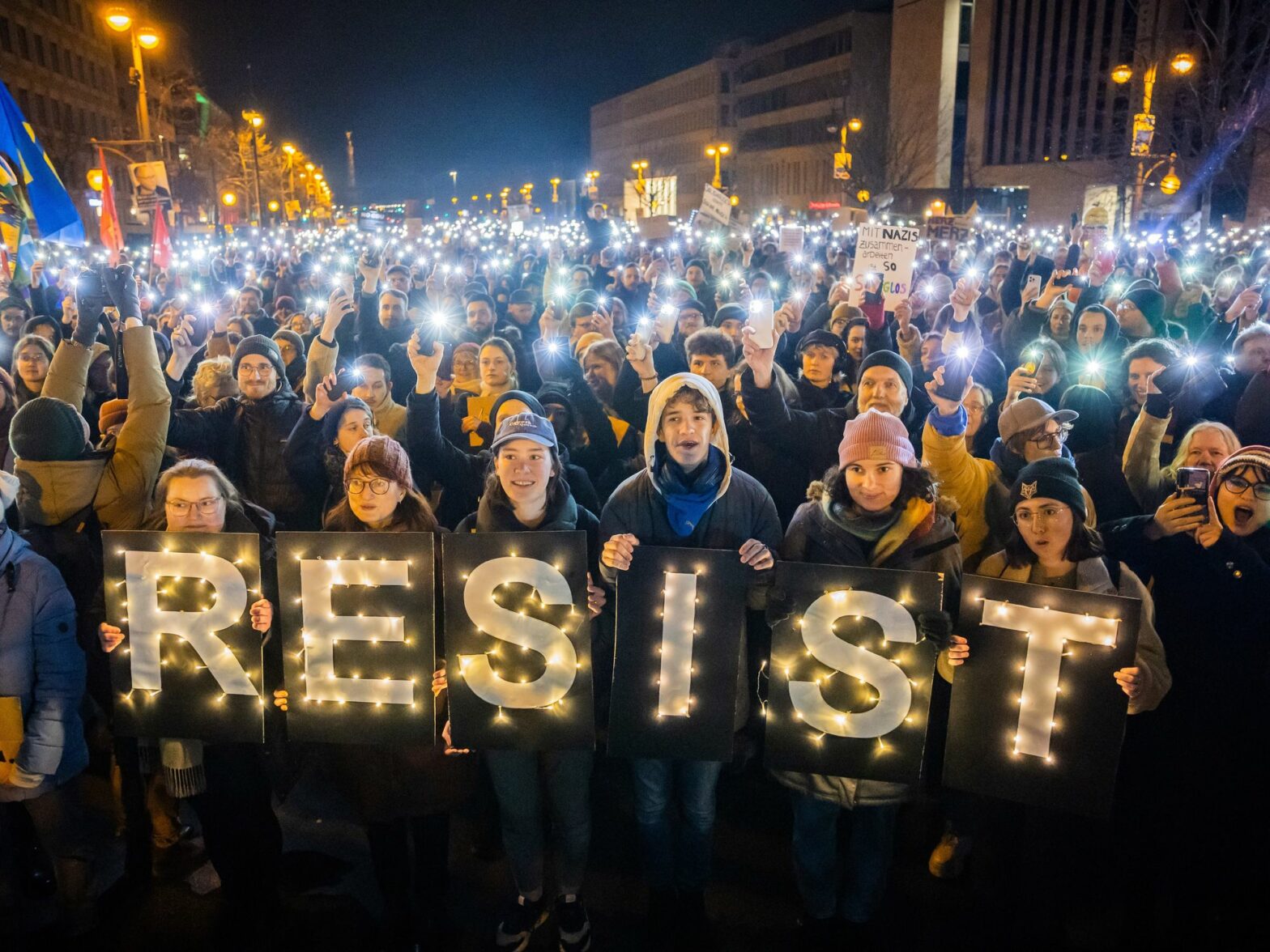
How Germany, like other countries in the West, can avoid sweeping judgments and take a clear-eyed approach to a complex reality.
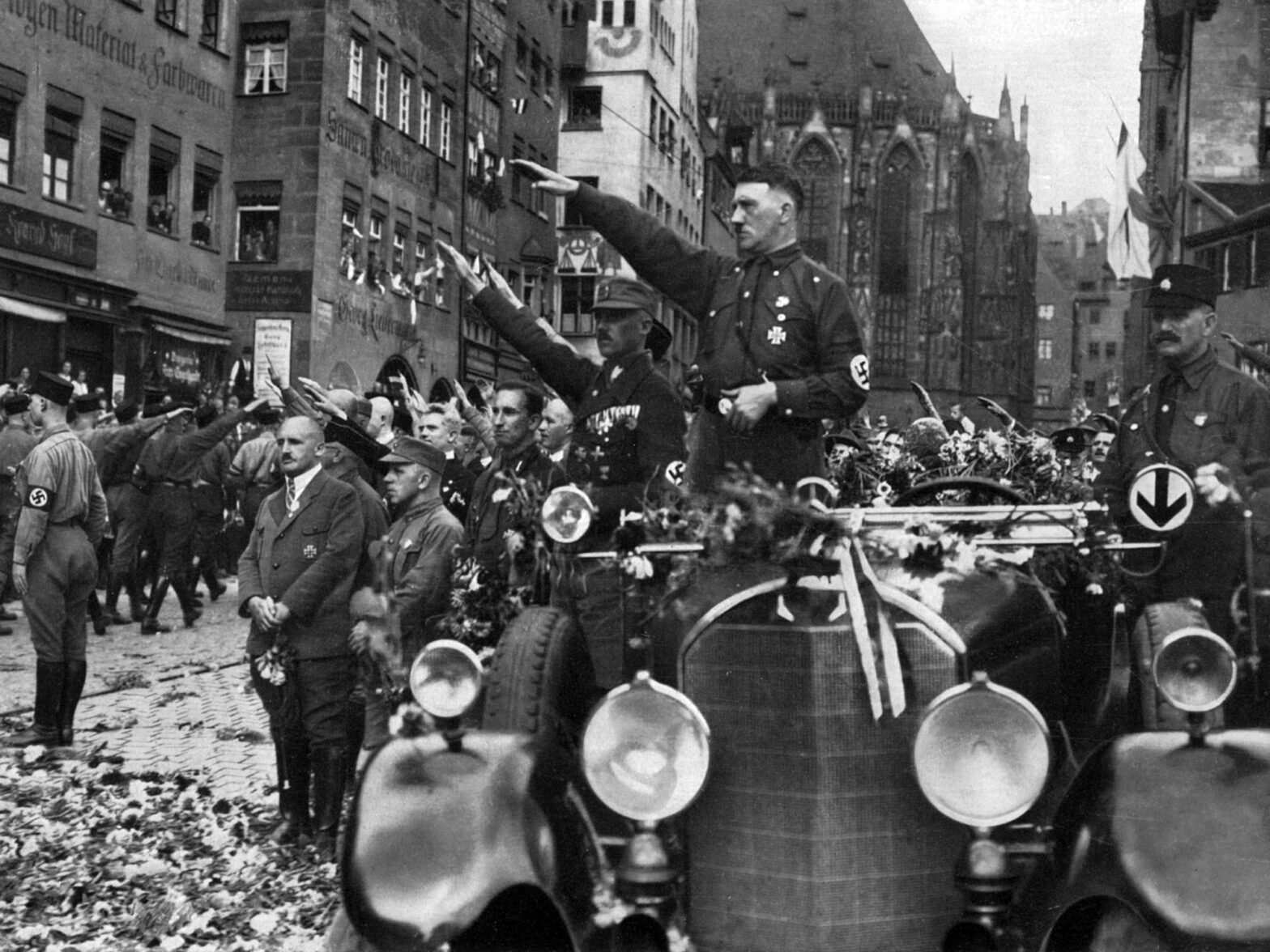
With the global rise of the far-right, many Germans are afraid that the past is about to repeat itself. German writer Florian Illies explains the trap about such analogies — even as other dangers lurk.
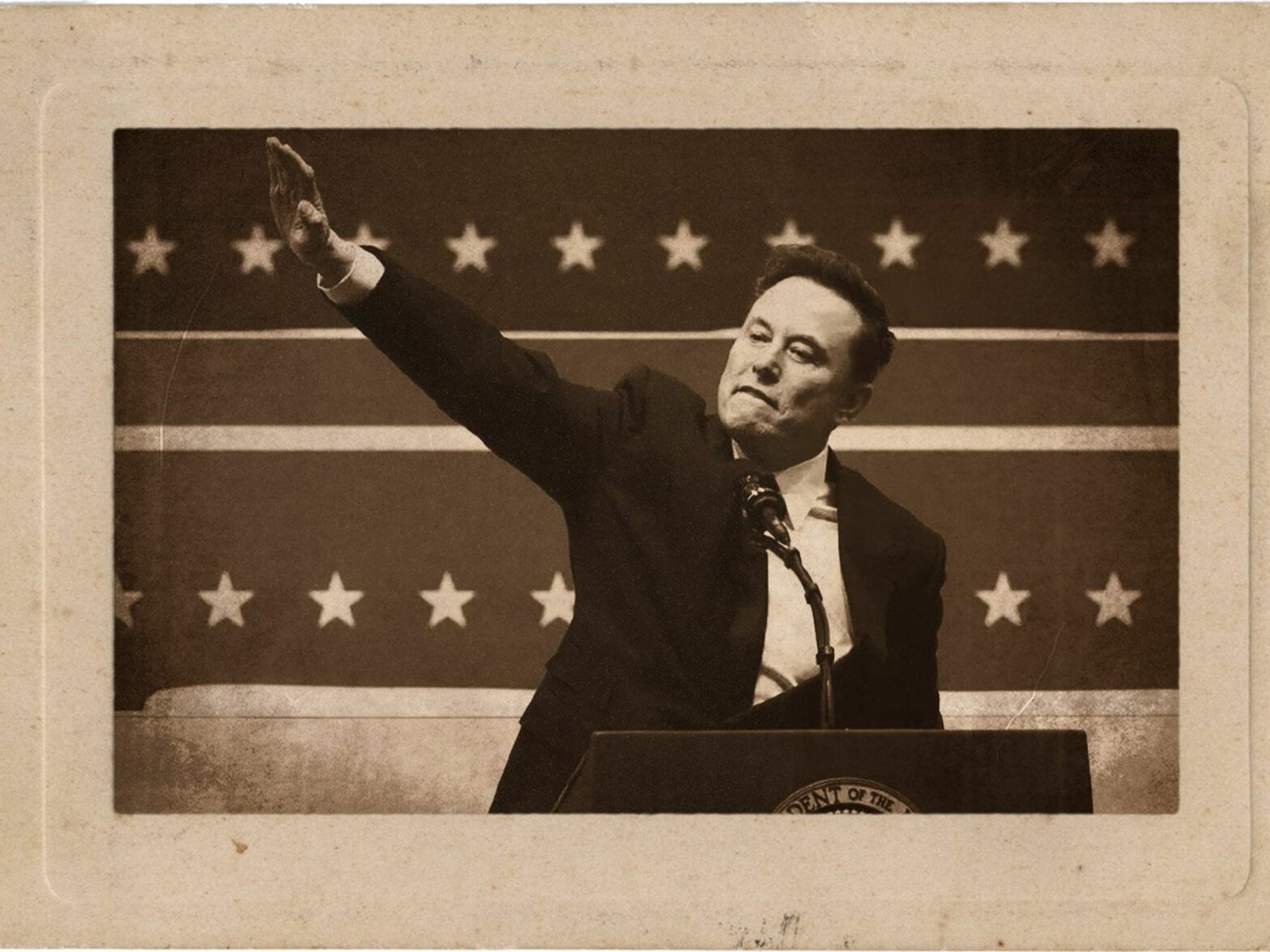
To the German author, watching Elon Musk stretching his right arm out at a Trump political rally could mean only one thing. The Neo-Nazis agree. But what is the billionaire’s real game? A view from Die Zeit on the Hitler Salute outrage.
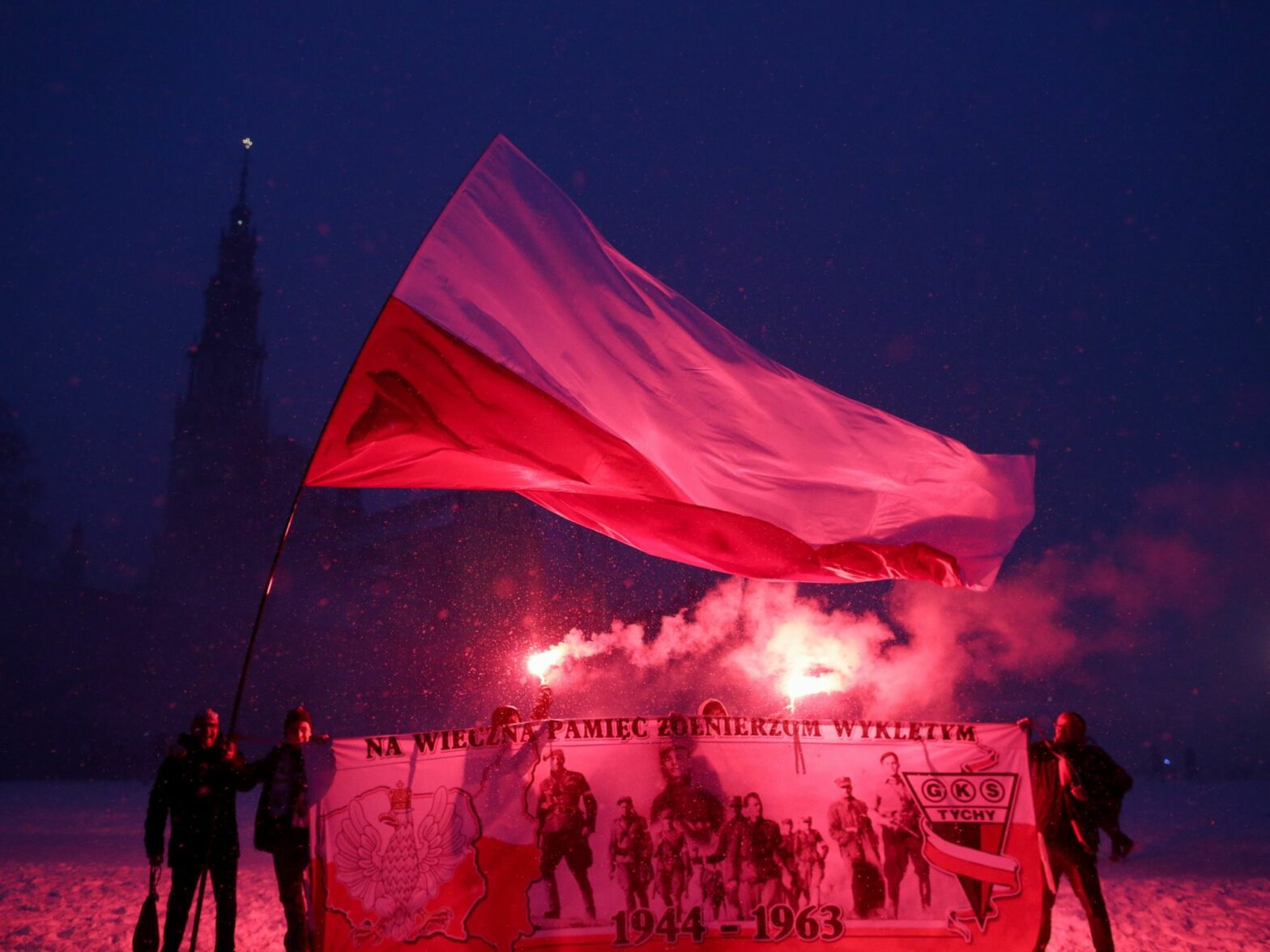
With a growing number of far-right victories in Western democracies, many individuals have begun idealizing Poland as “the ideal combination of capitalism and tradition.” What are the origins of the conservative fascination with Poland, and is it even true?
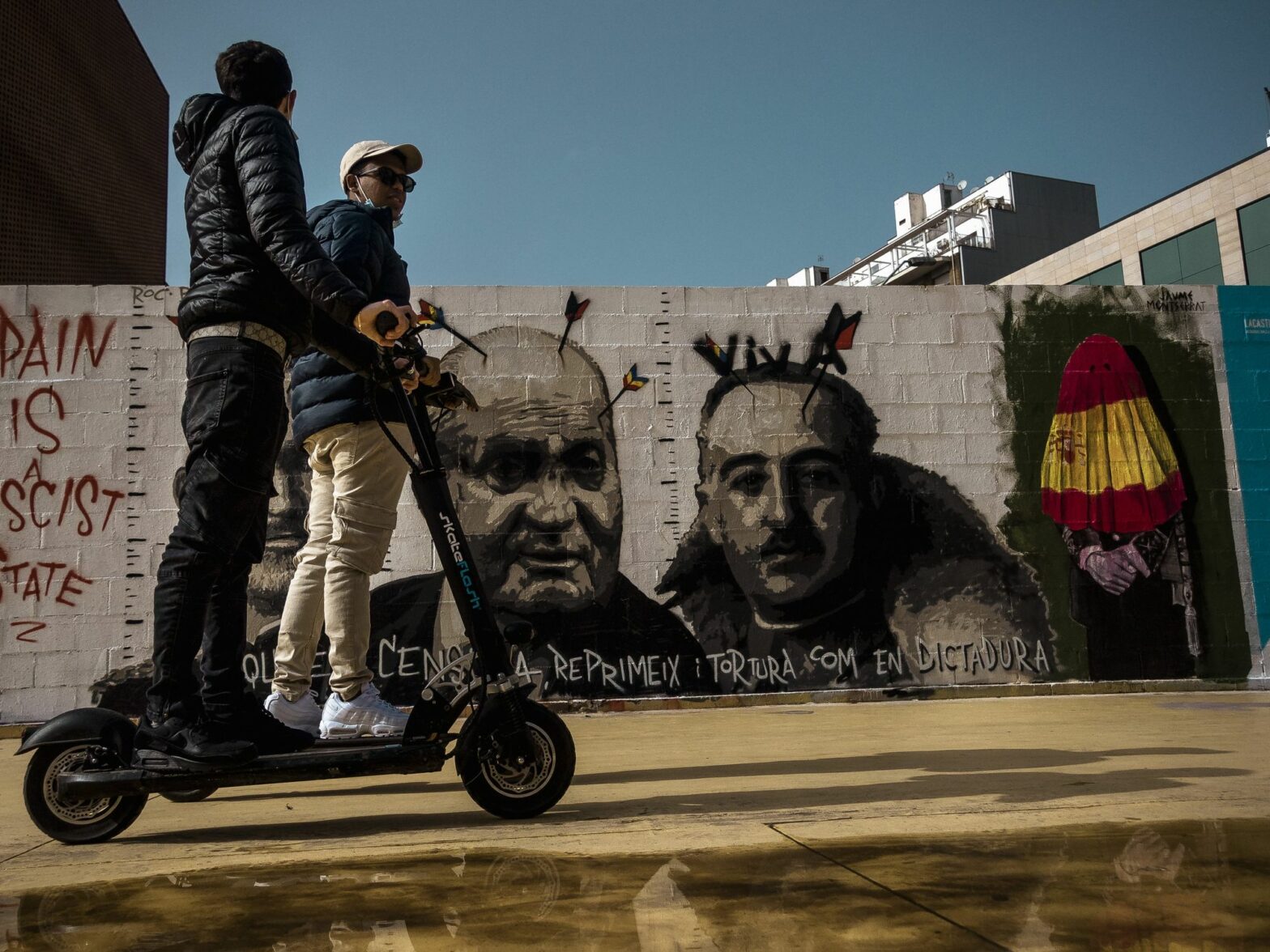
As Spain prepares to mark the 50th anniversary of dictator Francisco Franco’s death and the return of democracy, fascism is returning around the world. It’s proof, as philosopher Walter Benjamin said, that nothing that has once happened should be considered lost to history.
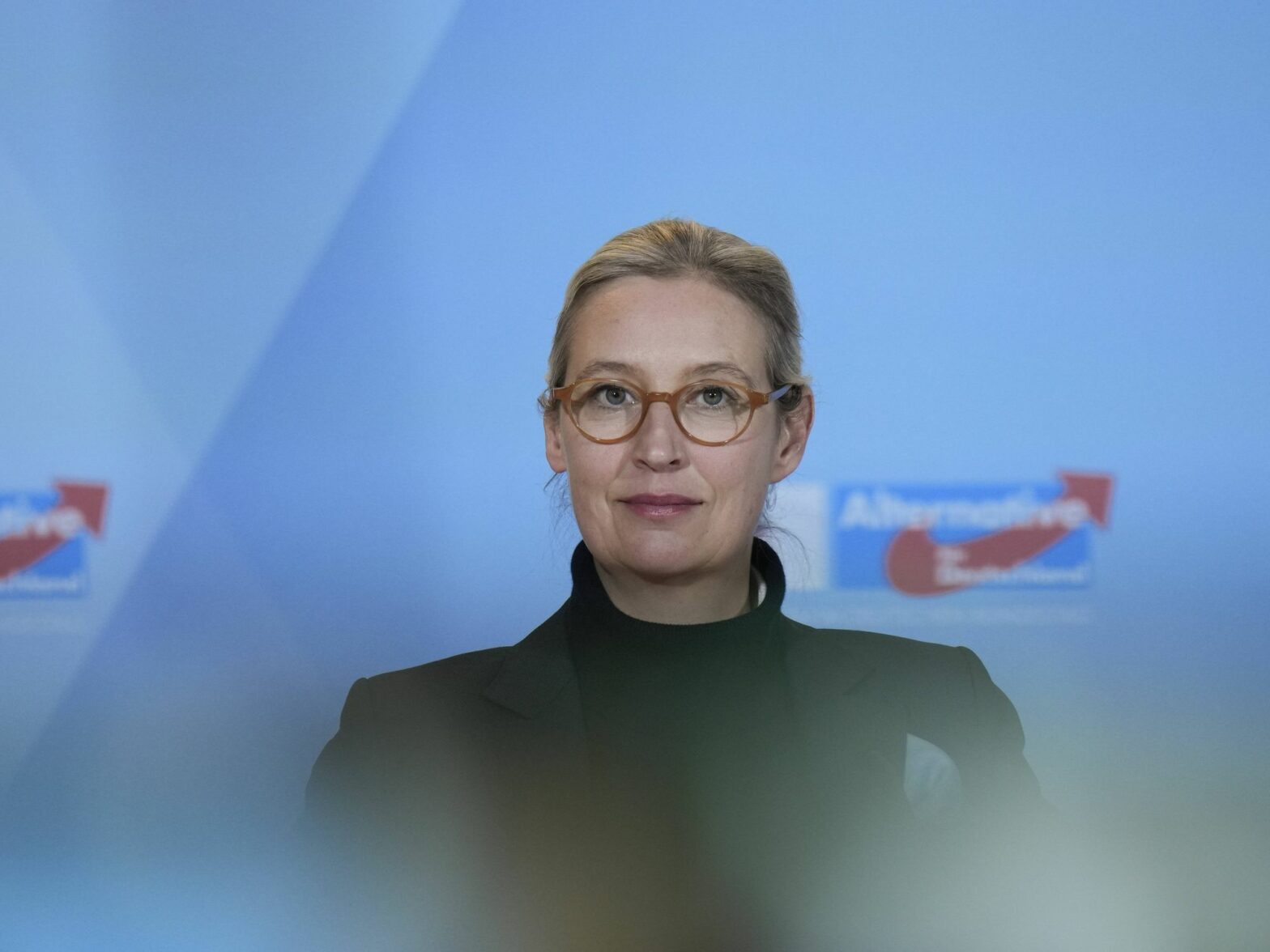
Elon Musk is hosting Alice Weidel in an interview on X, having tried to convince the American tech billionaire she’s not an extremist. But who is Weidel, really? She’s described the Germans as “slaves” of the U.S. and quotes the infamous text of a nationalist philosopher that is a dog-whistle for the far right in Germany.

Misleading videos on the platform are said to have influenced the election in Romania, with accusations against Russian influence. Have we learned anything about manipulation and disinformation since Facebook faced a similar outcry in 2016?
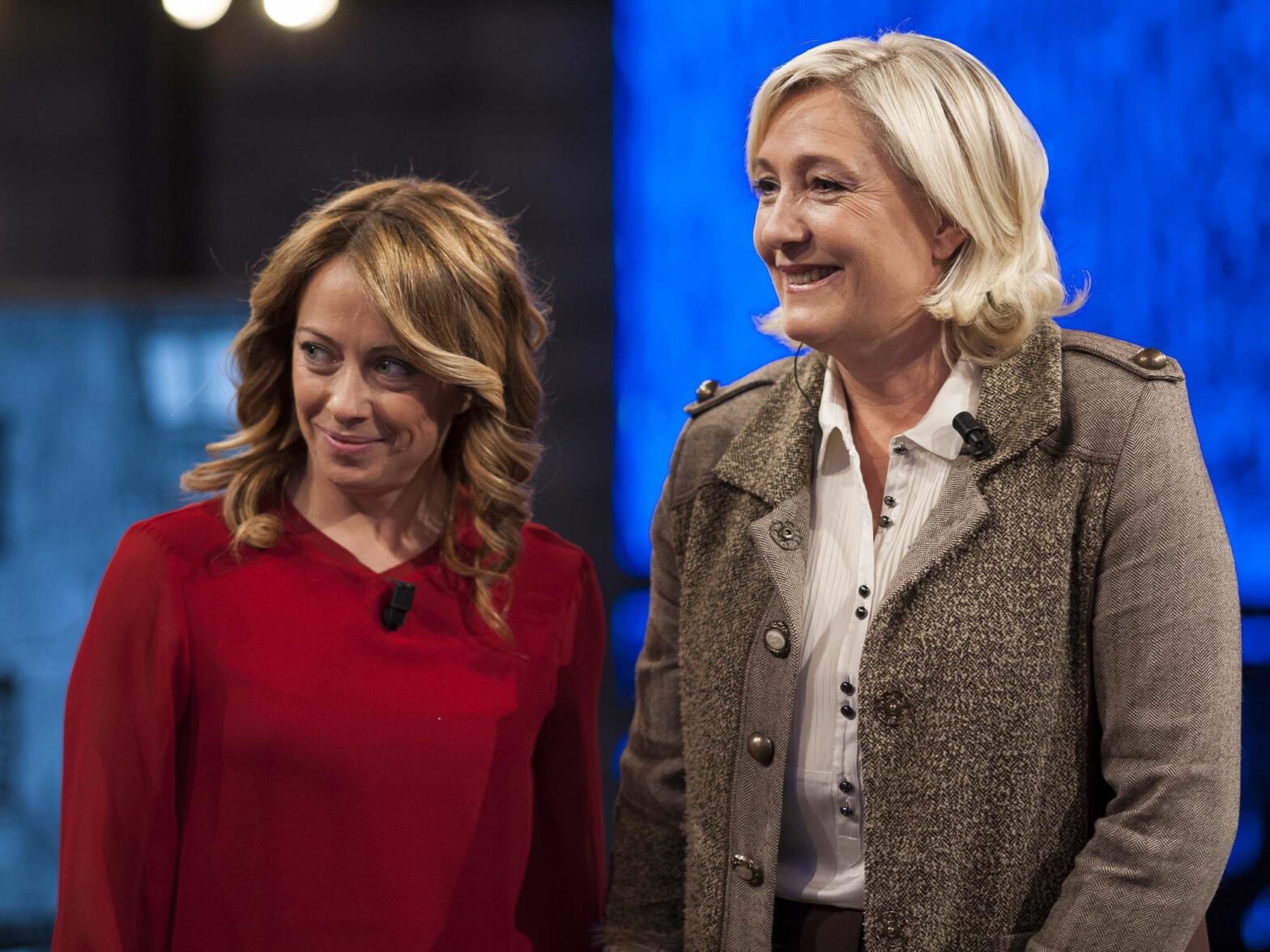
France is the latest European country to fall victim of destabilizing, anti-establishment forces. Now that the French government has collapsed, the question remains as to how Europe can integrate these powerful, far-right forces in its governing bodies without sweeping away democratic ideals.
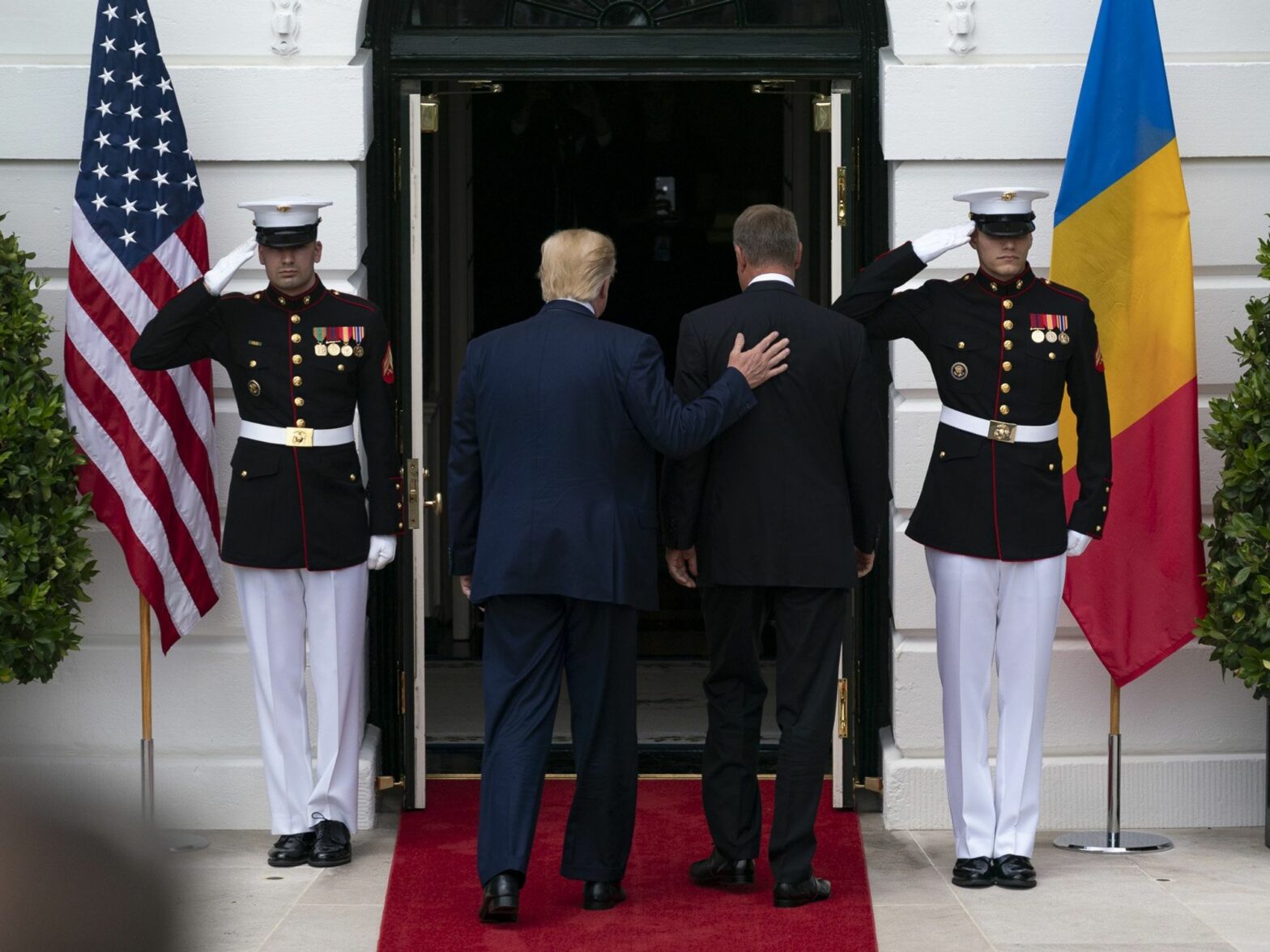
The impacts of the impending Trump presidency, and its unscrupulous use of social media platforms, are already being felt internationally. Trump’s unprecedented comeback is becoming the playbook for how to capitalize on dissatisfaction and regain power.
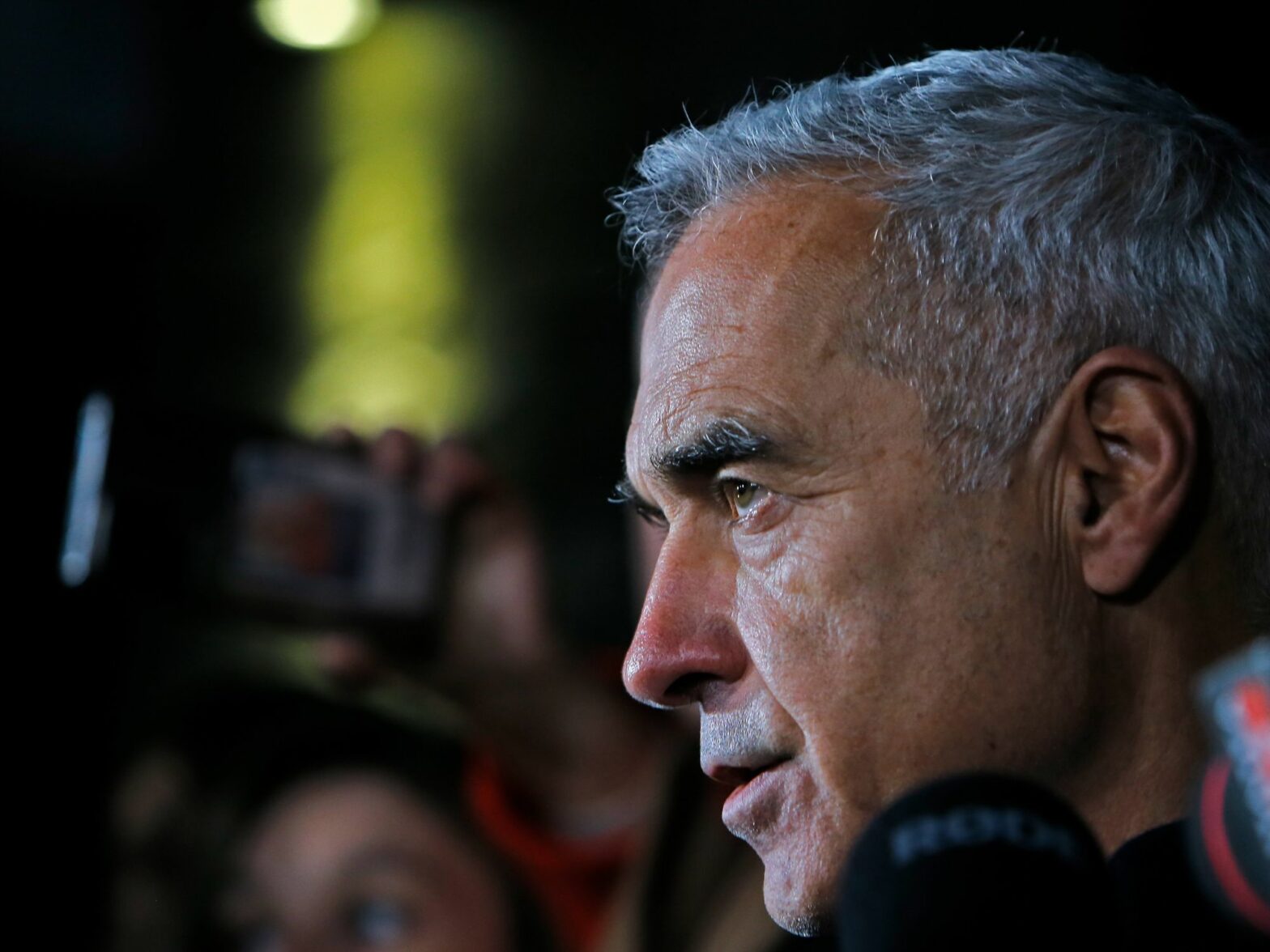
Romania’s out-of-nowhere far right presidential candidate Călin Georgescu has become the latest case study showing just how much sway social media platforms can have over elections, going even farther than Donald Trump on Elon Musk’s X.
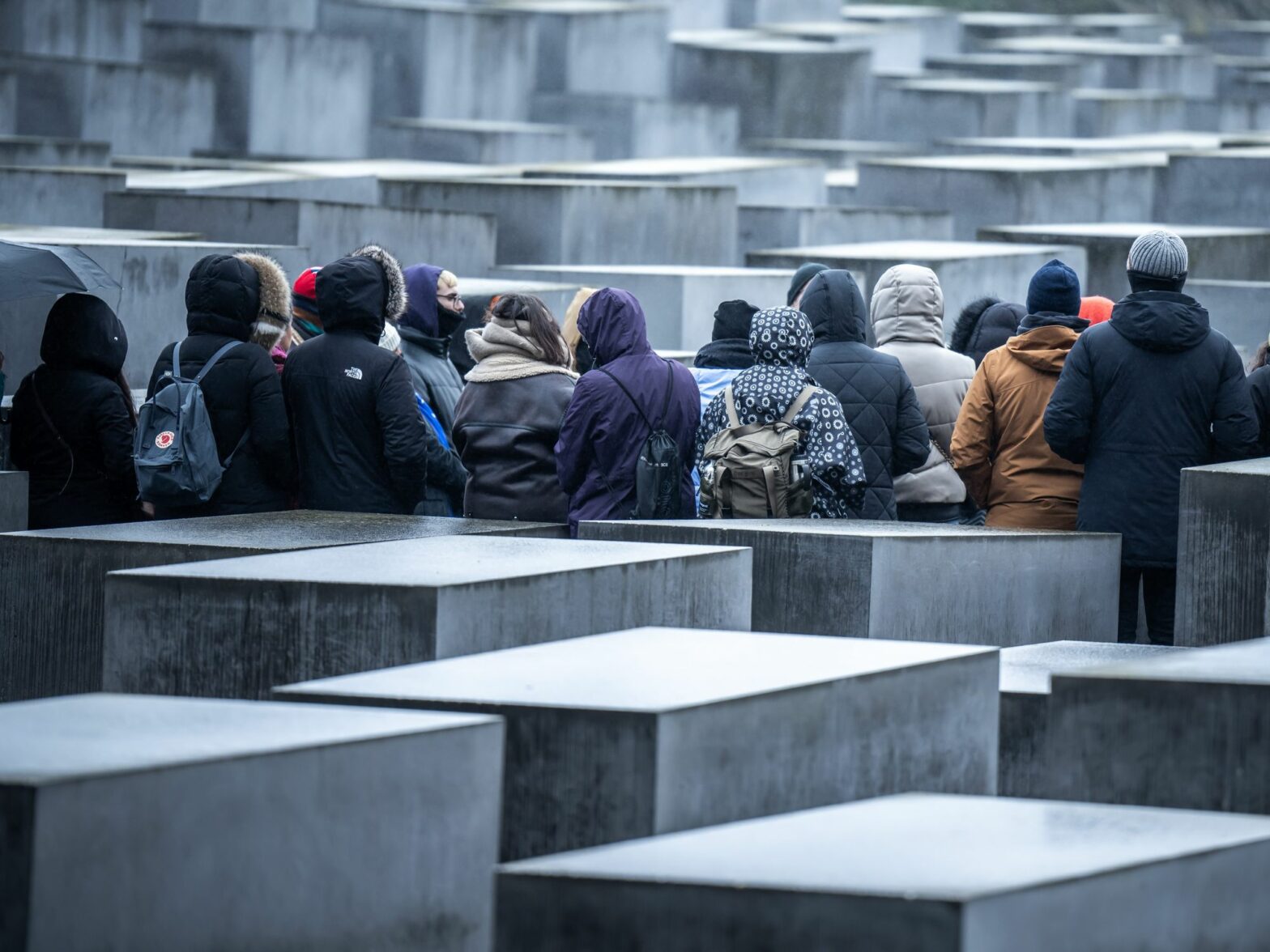
German history teachers talk about teaching their subject during a resurgence of the far-right AfD party and rising antisemitism in the country.
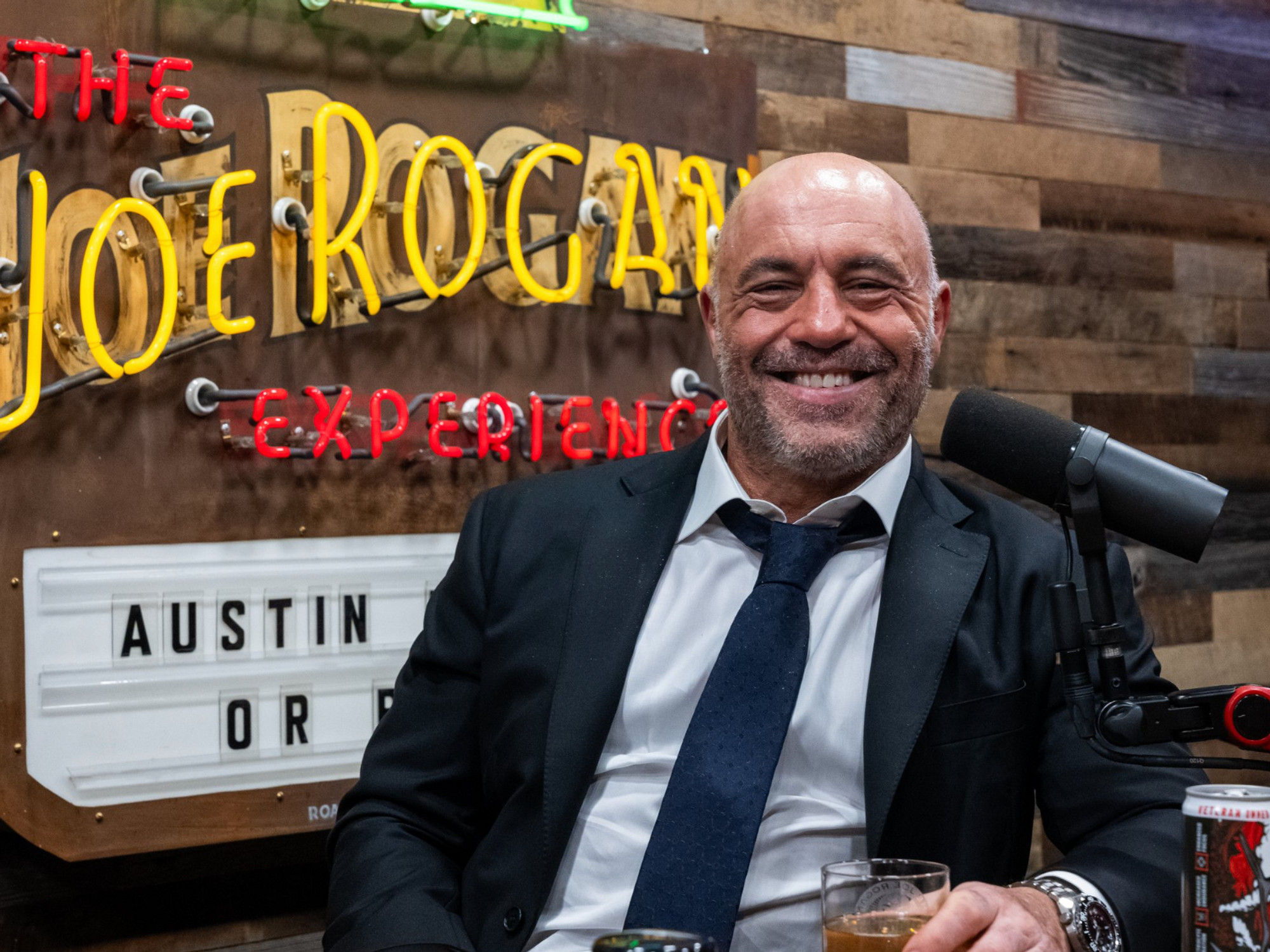
Joe Rogan is considered America’s king of podcasters and the voice of hyper-masculinity in the United States. His support for Donald Trump is considered by some to have been decisive in the presidential election. But what’s behind this world of hyper-masculine podcast bros? For Die Zeit, Berlin-based author Norman Ohler writes about his experience as a guest on Rogan’s show.
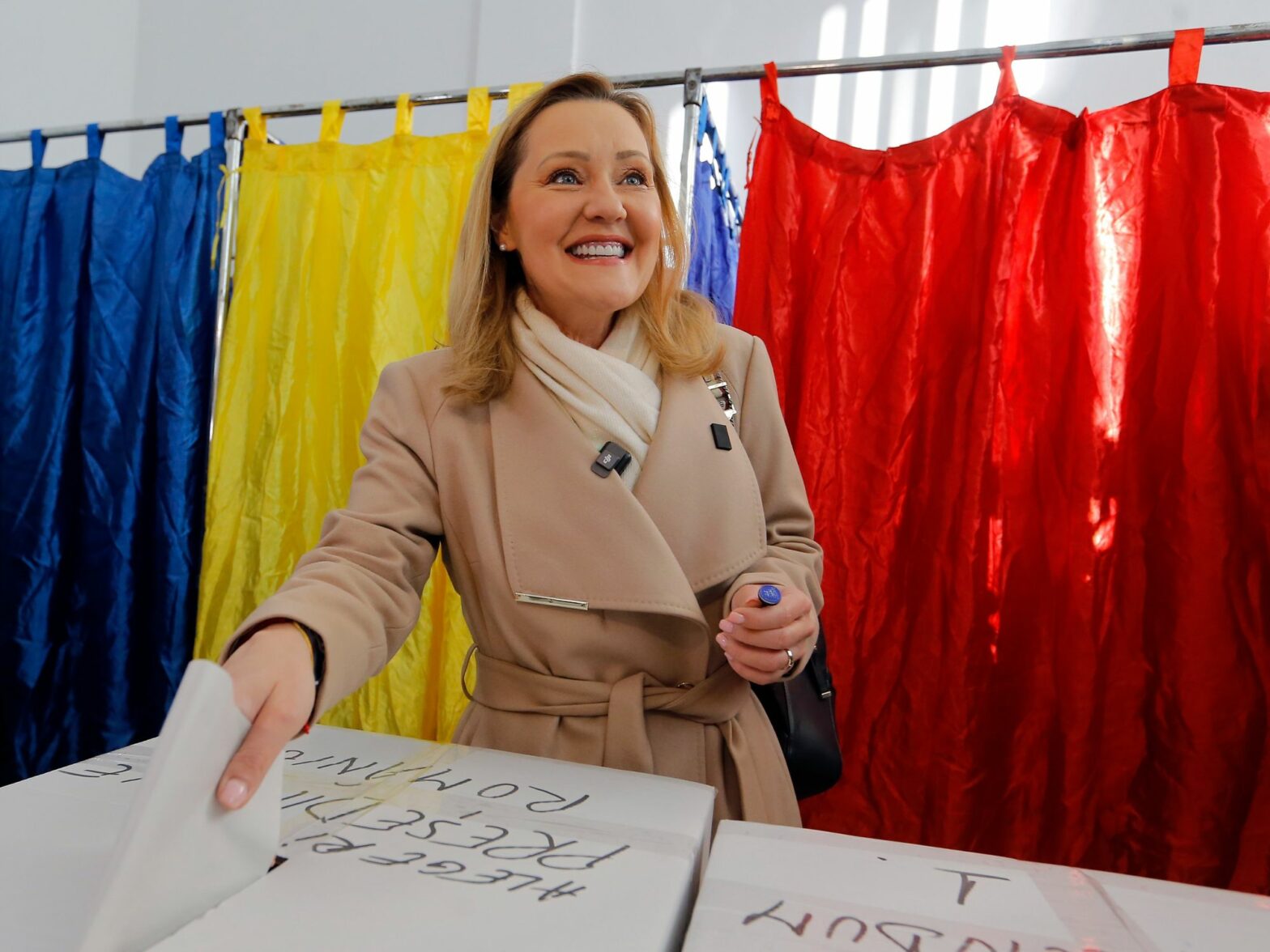
The “diaspora” of Romanians forced to leave the country in search of work is estimated at 4 million, and far-right parties have figured out how to appeal to them for support. It largely mirrors the rightward shift of the nation’s youth as well.
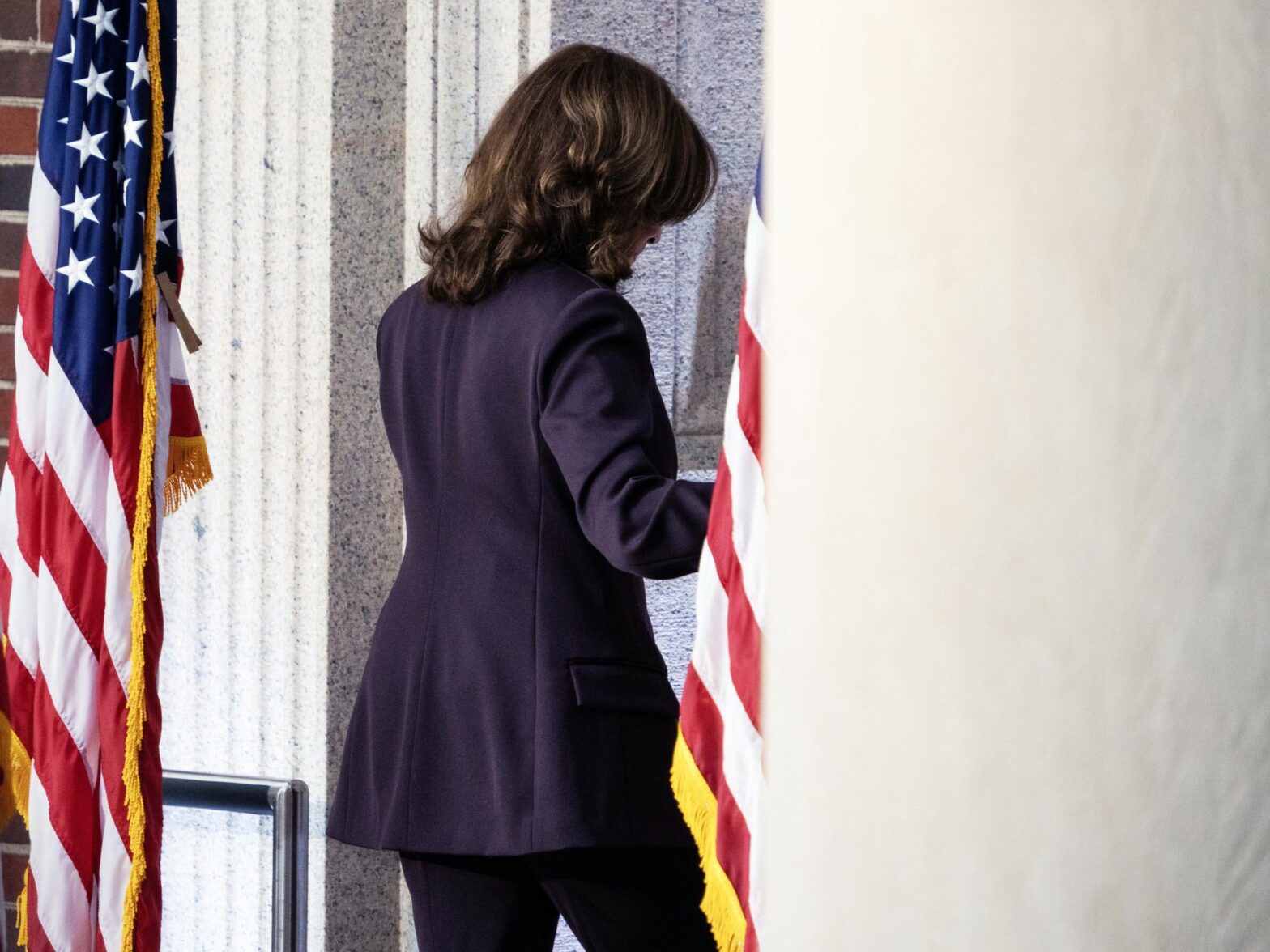
Donald Trump’s success is also a revelation of the weaknesses of the American left, which is plagued by self-righteousness and the belief that painting your opponent as a threat to democracy is a political agenda. But blackmail is not a strategy.
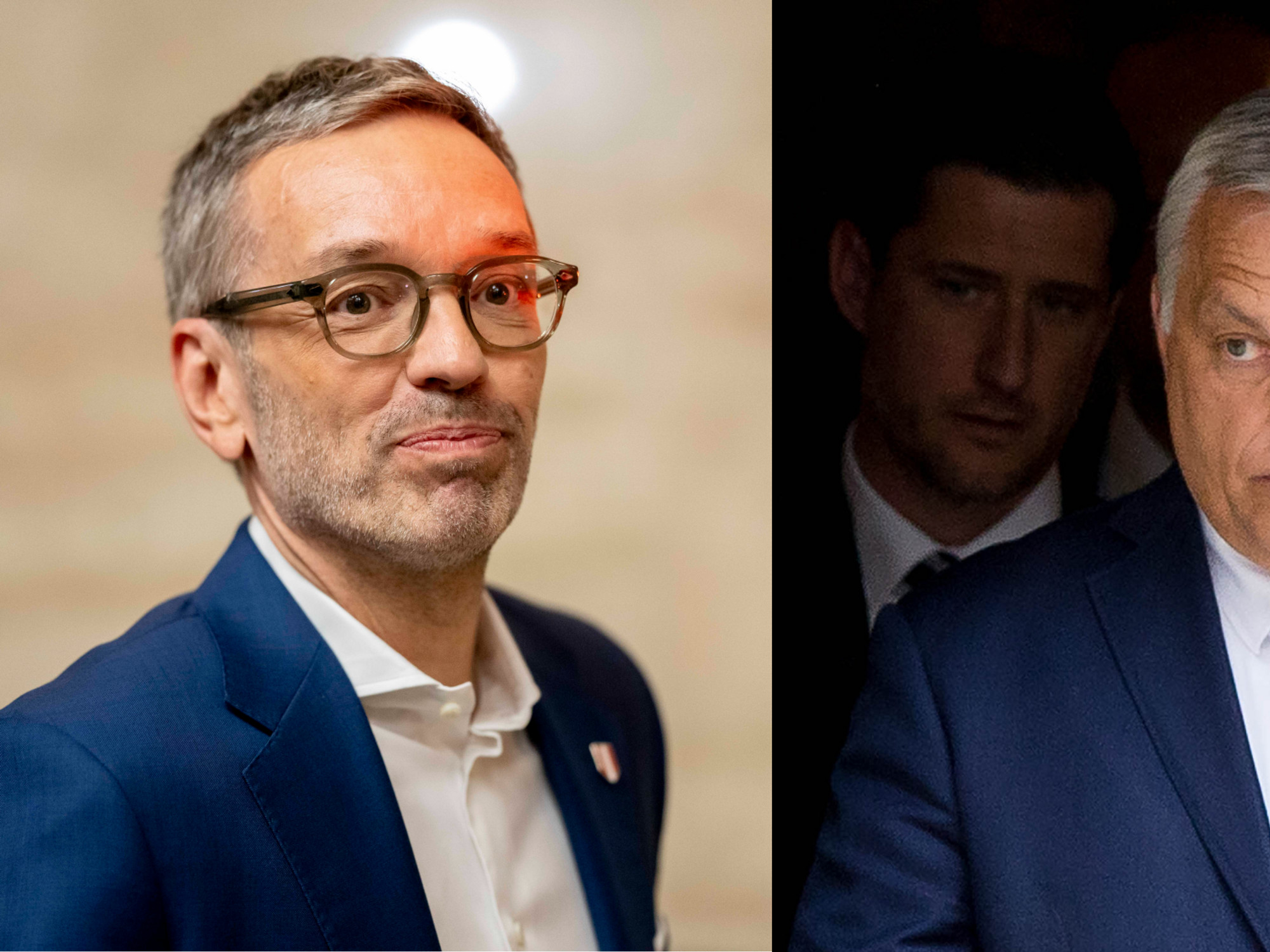
Just like the far-right electoral triumphs in France and Germany earlier this year, Sunday’s electoral victory by the Freedom Party of Austria (FPÖ) is likely to create political chaos within the country. Will Austria’s new leadership turn to Viktor Orbán’s Hungary and reignite their old alliance?
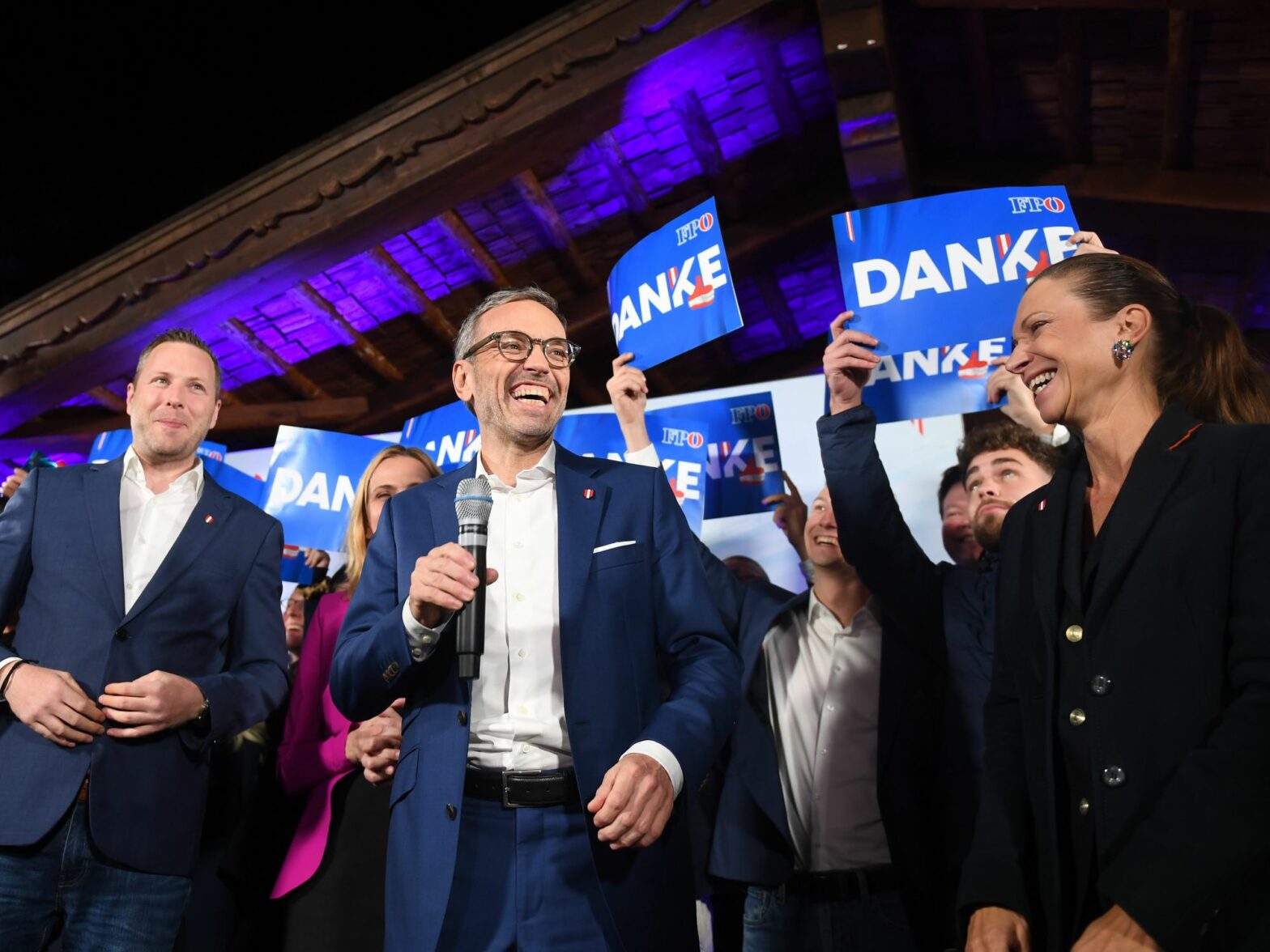
After Italy and the Netherlands, Austria has also broken a post-War taboo in choosing the far-right party in Parliamentary elections. It is a direct challenge to the European Union’s founding ideals at a moment when global uncertainty requires a strong democratic voice.