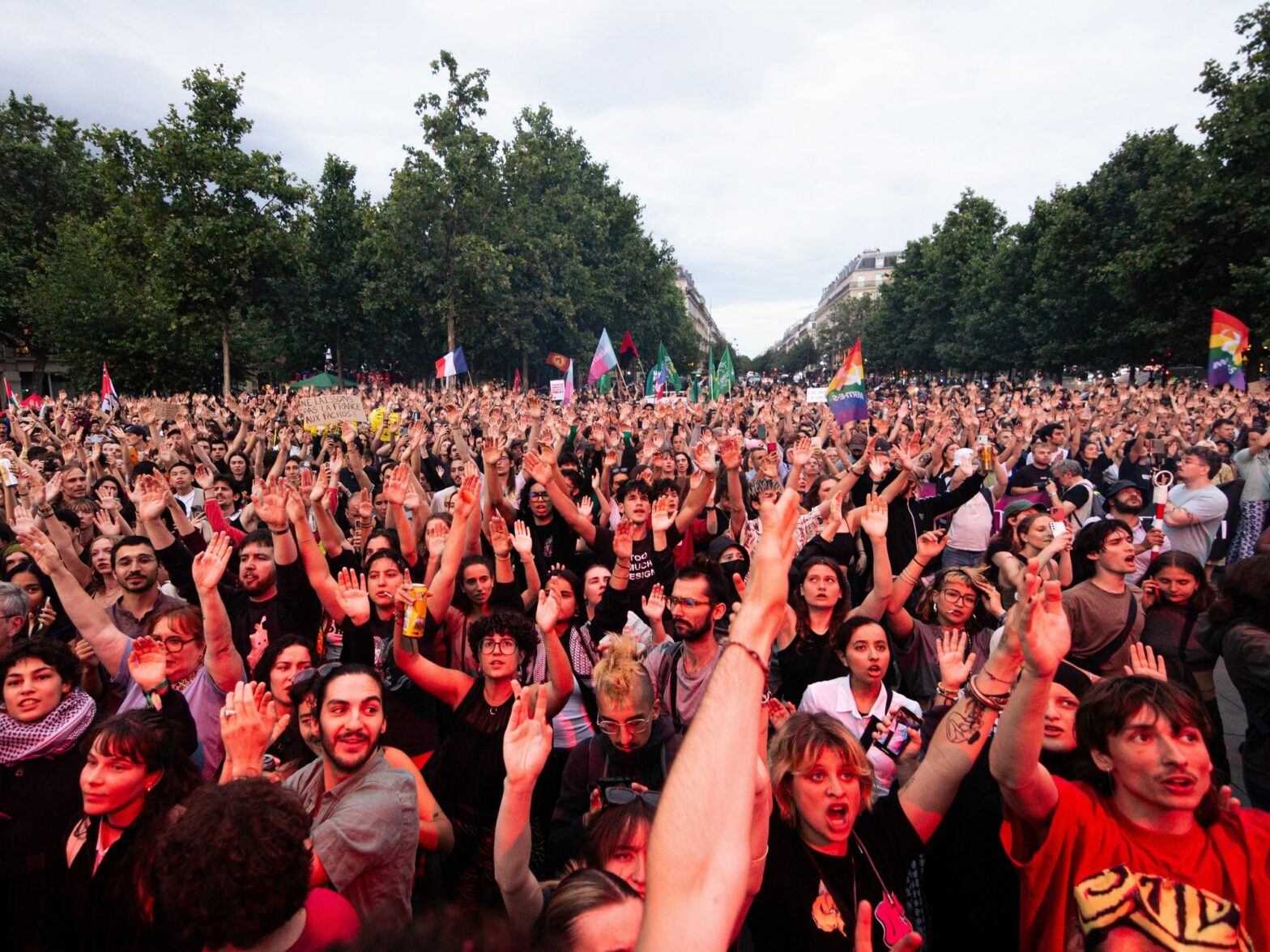
Ahead of the second round of French parliamentary elections, a possible far-right takeover forces the youth around the world to face a future that might be different from the one they were hoping for.
 Worldcrunch
Ahead of the second round of French parliamentary elections, a possible far-right takeover forces the youth around the world to face a future that might be different from the one they were hoping for.
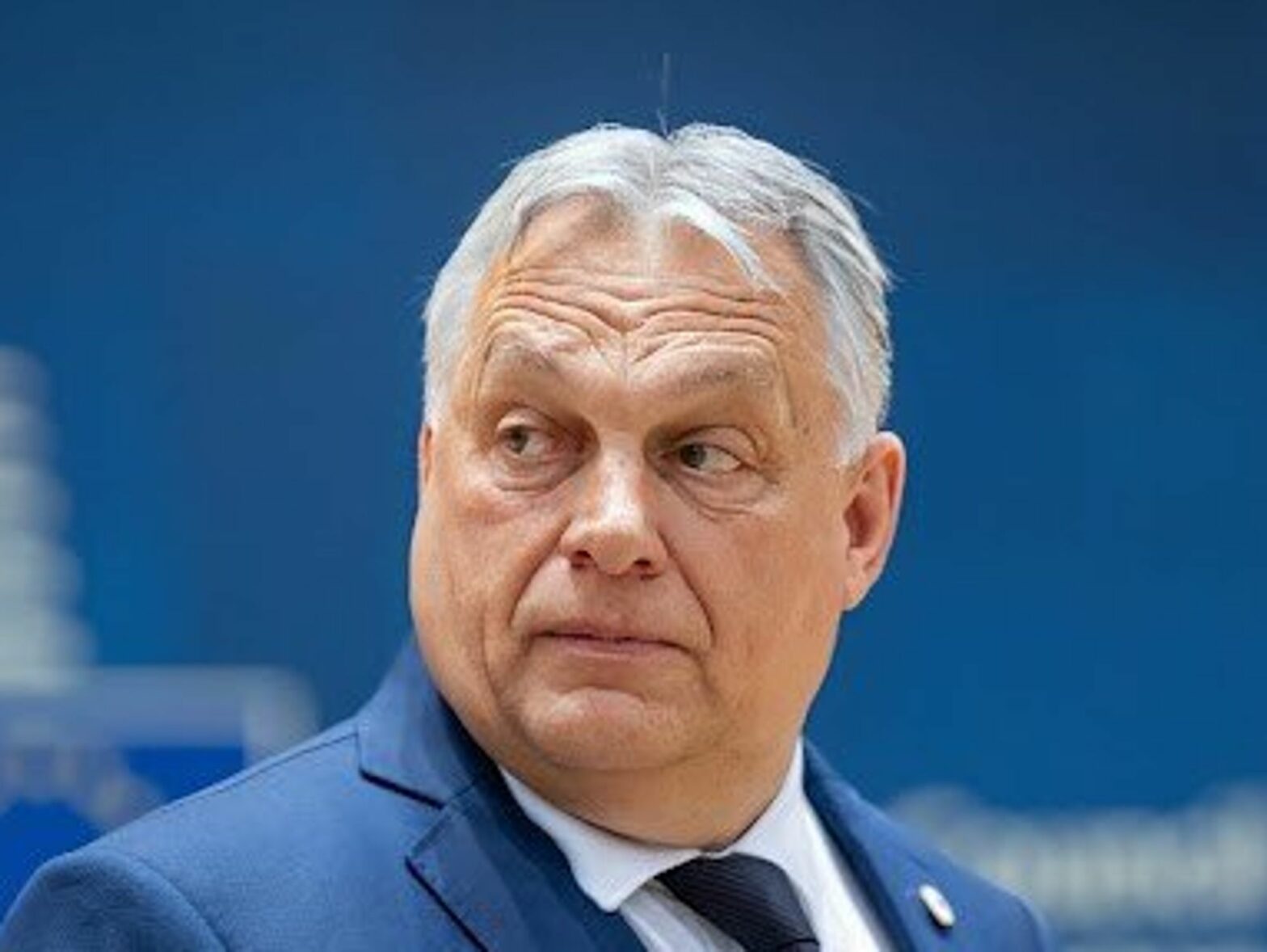
Hungarian Prime Minister Viktor Orban officially announced the creation of a new group in the European Parliament, the “Patriots for Europe” to gather extremist parties that have been sidelined by the establishment. It can also be a bridge to Trump and Putin.

There is real generational disaffection that is pushing some young voters to the far right in Europe and the U.S.. But their skills, including on social media, is a real advantage for success among the youth.
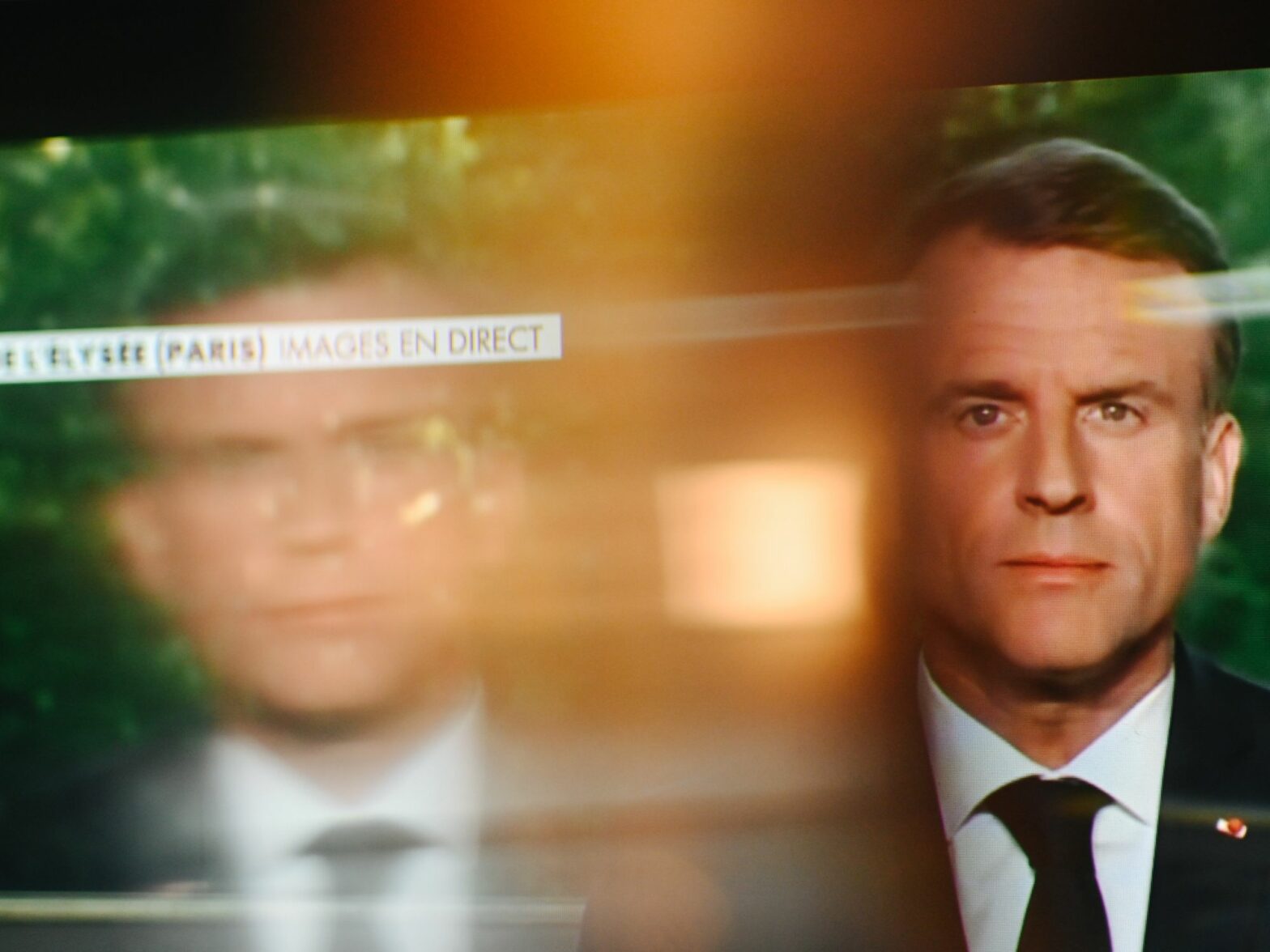
There is a striking paradox: the European elections, which were expected to cause a seismic shift, ended in relative continuity in most places. The crisis erupted where it was least expected: in France, snap elections could have serious consequences in the whole of Europe.

As the upcoming French and American elections show, the Western democratic model is being put into question — both externally by revisionist powers, and internally.
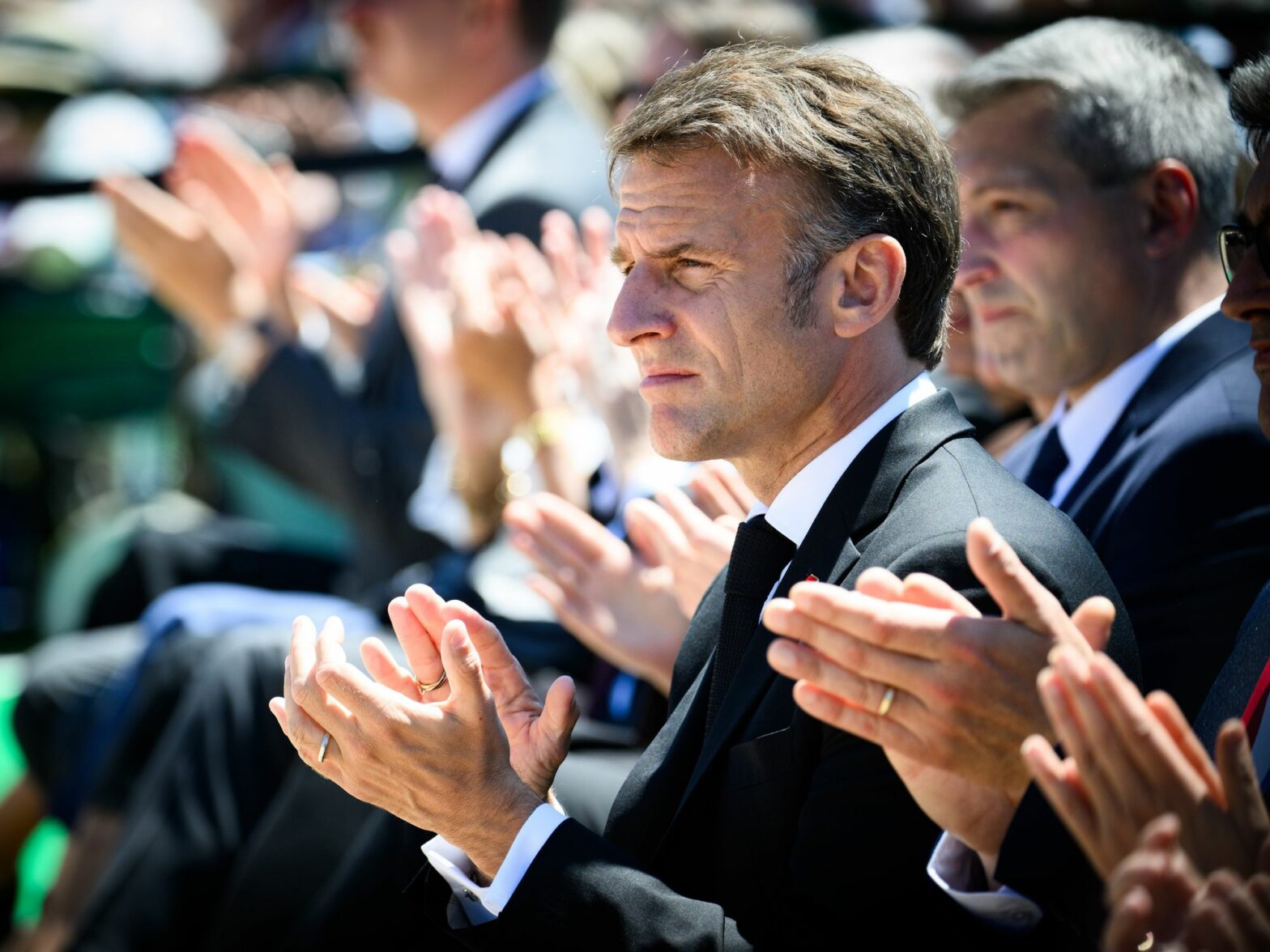
French President Emmanuel Macron’s decision to dissolve Parliament and call special elections caught his international partners by surprise. The stakes are high, especially for Ukraine.

Olaf Scholz has refused to dissolve Germany’s parliament, even though his coalition suffered a major defeat at the European elections. The Chancellor’s weakened position comes at a bad time for Europe, where the union’s other major power, France, is also in a fragile state.

Can the surge of the far right in Europe pave the way for Donald Trump’s victory in the United States in November? Or will a majority of Americans reject a convicted former president running for office? Though political patterns are hard to detect, young voters play an important role in what comes next, writes political scientist Dominique Moïsi in French business daily Les Echos.
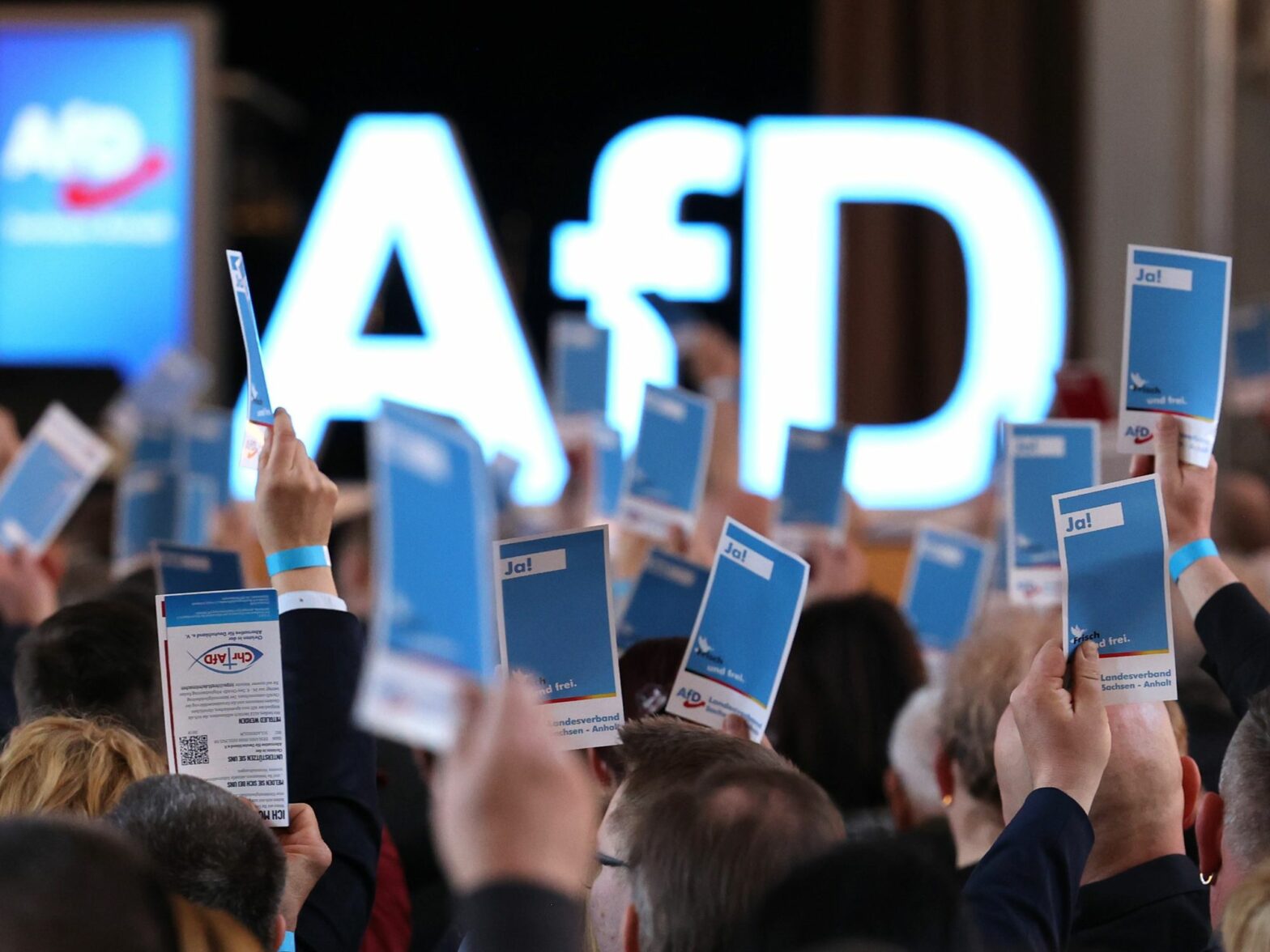
There’s the risk both for over and underestimating the unprecedented gains of far-right parties in the European elections.
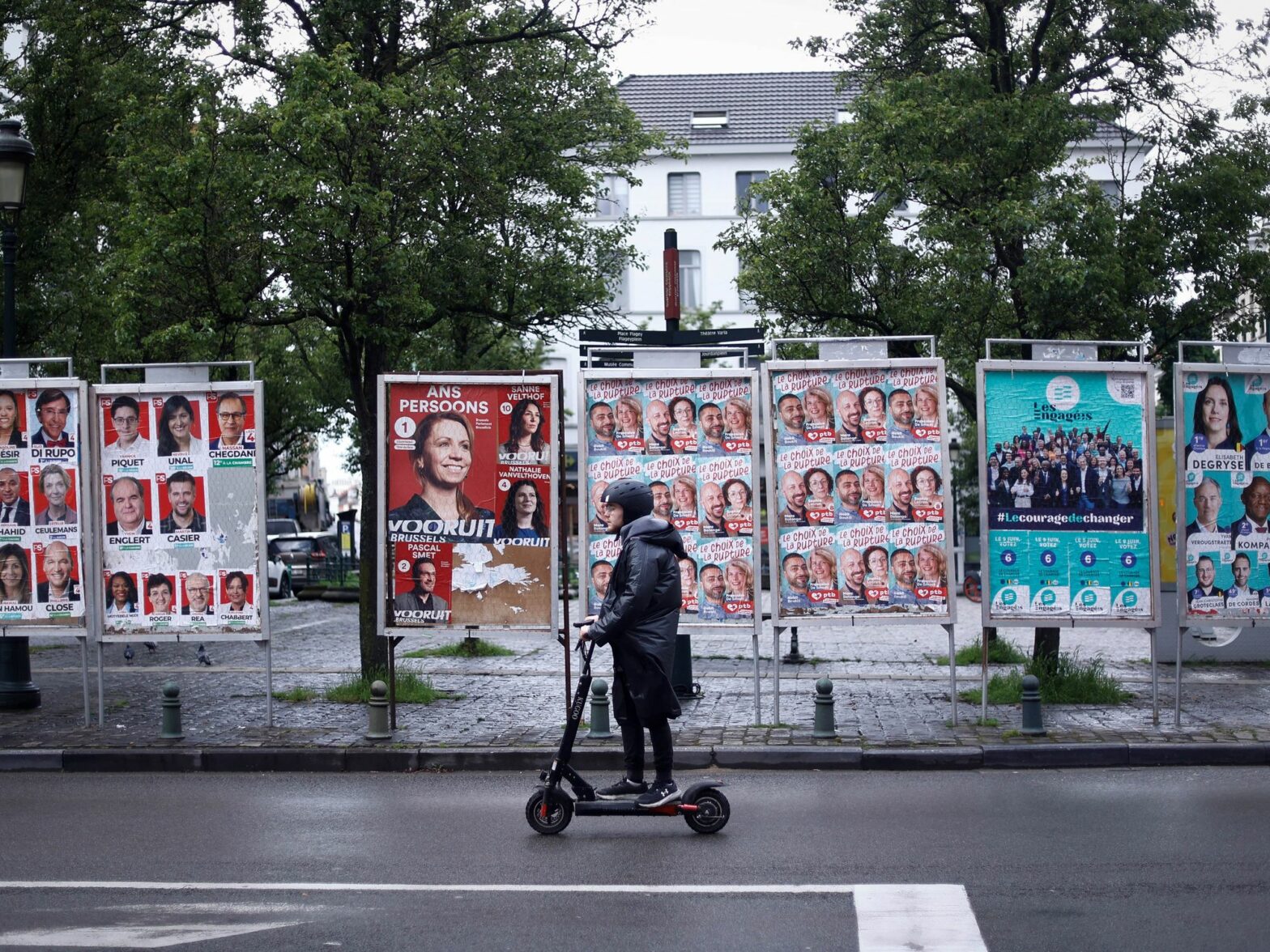
This week, 360 million voters across the EU will elect 720 Members of the European Parliament. Nationalist and far-right forces are expected to gain ground. At stake is the Europe’s ability to implement its security and competitiveness agenda over the next five years.

As citizens across the EU prepare to elect a new parliament, Italian author Viola Ardone remembers her late grandmother who, despite an elementary education and lack of political interest, never missed an election.
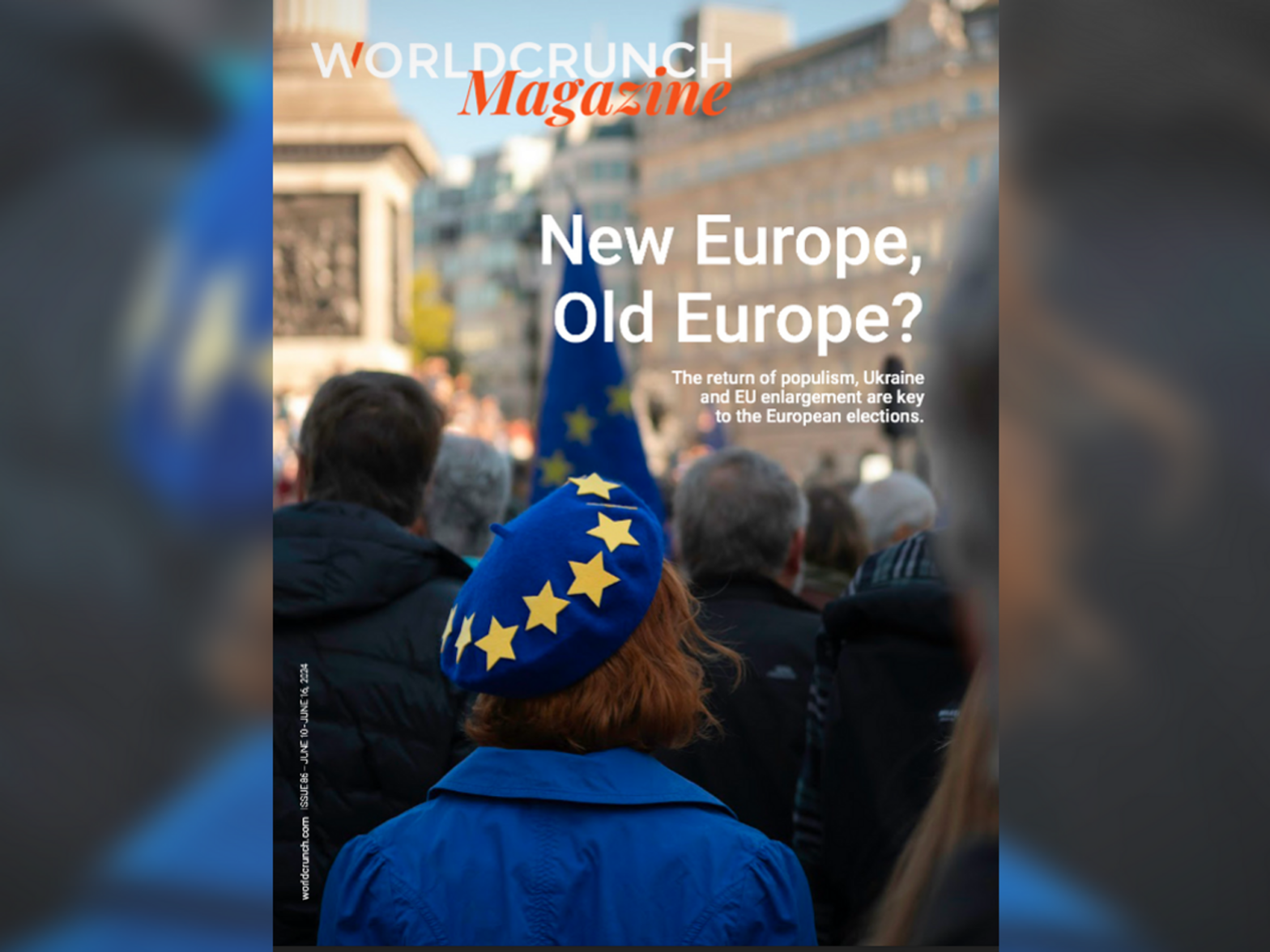
June 10 – June 16, 2024
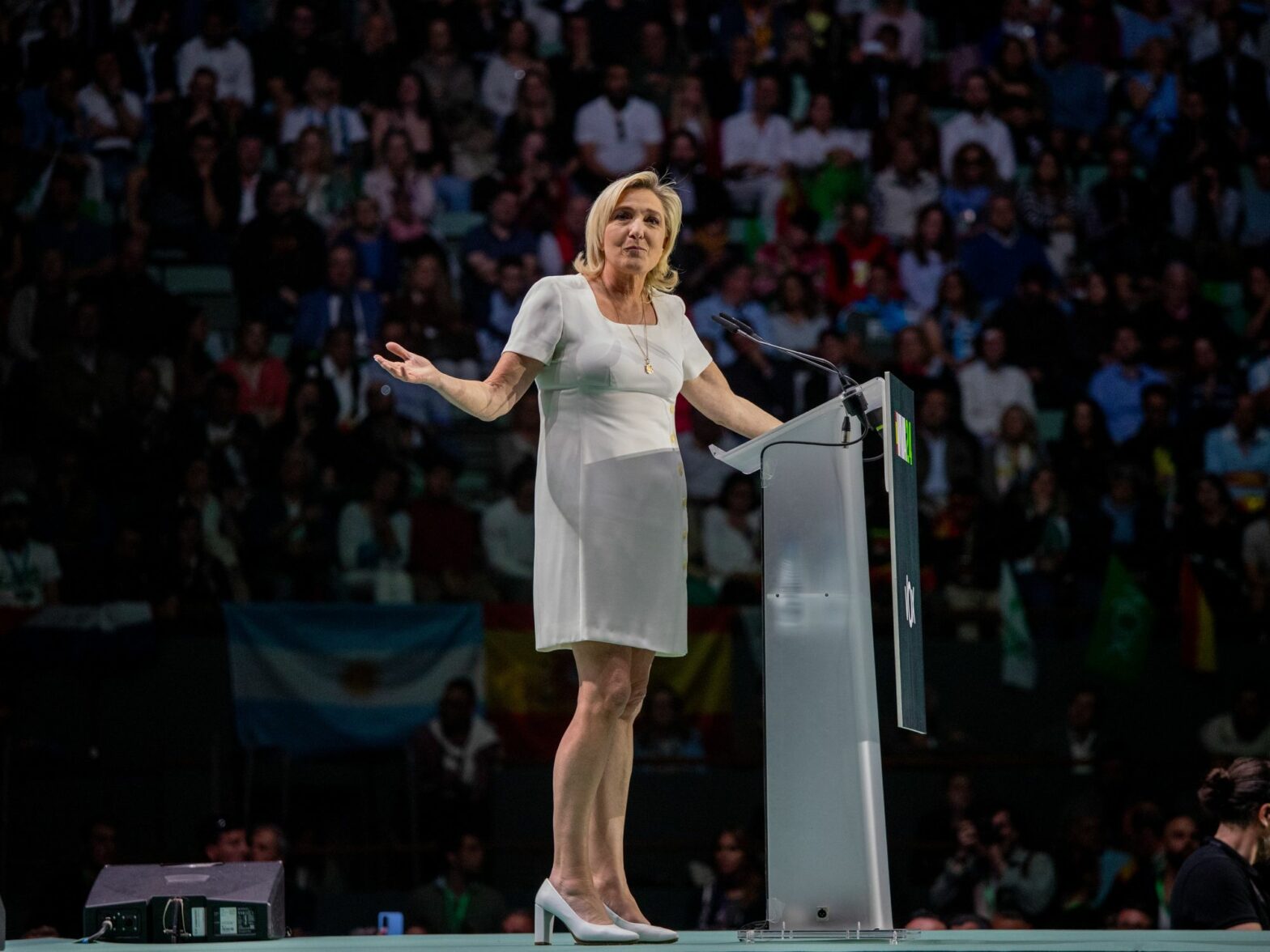
In Germany, support for the far-right AfD party is dwindling while its French counterpart, the Rassemblement National of Le Pen, is leading the polls. Opposed trajectories that stem from very different approaches: German radicalization vs. French “dédiabolization.”
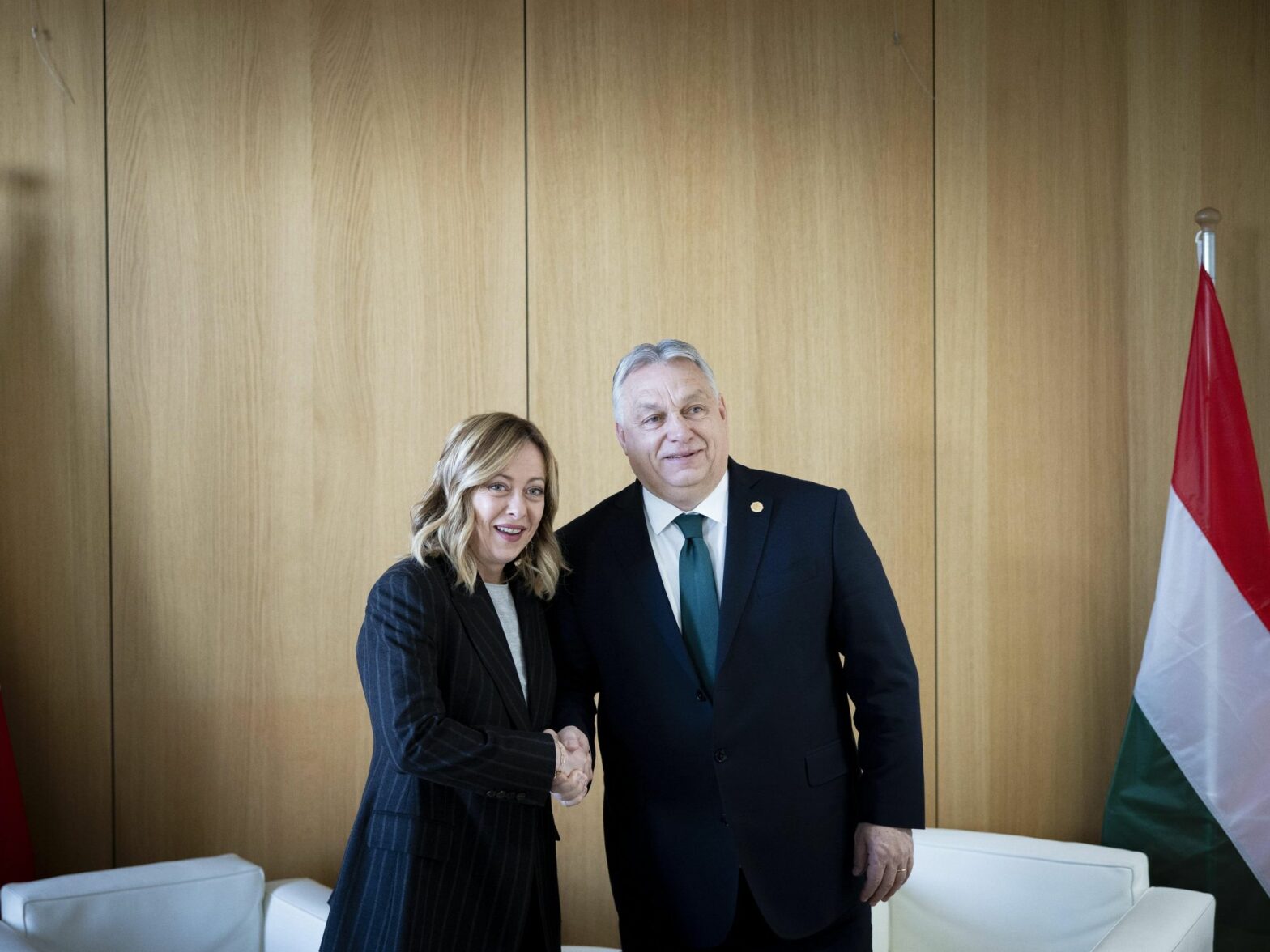
Ahead of the June’s EU elections, Europeans are deeply divided between fears of migration and of the Ukraine war, between emotion and reason. How can the EU respond in the most united and credible manner to the Russian threat?
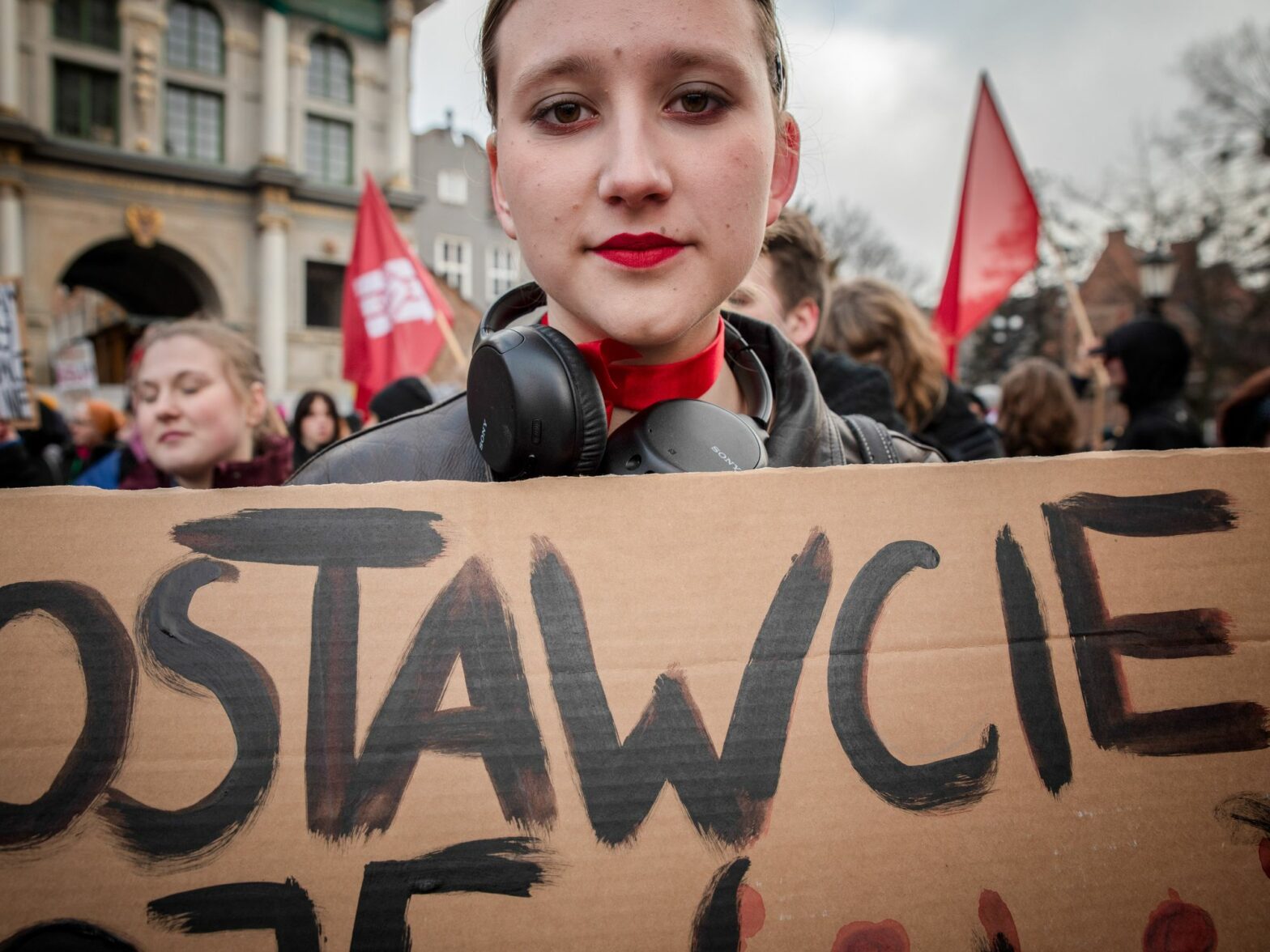
As Poland considers lowering the voting age to 16, what can other countries’ experiences with reducing the voting age teach us about political trends and ralling young constituents?

It’s what we call lighting a counter-fire. At a time when U.S. support for Ukraine is under threat, Europe is coming together. But can it fill the void that may be left by Washington?
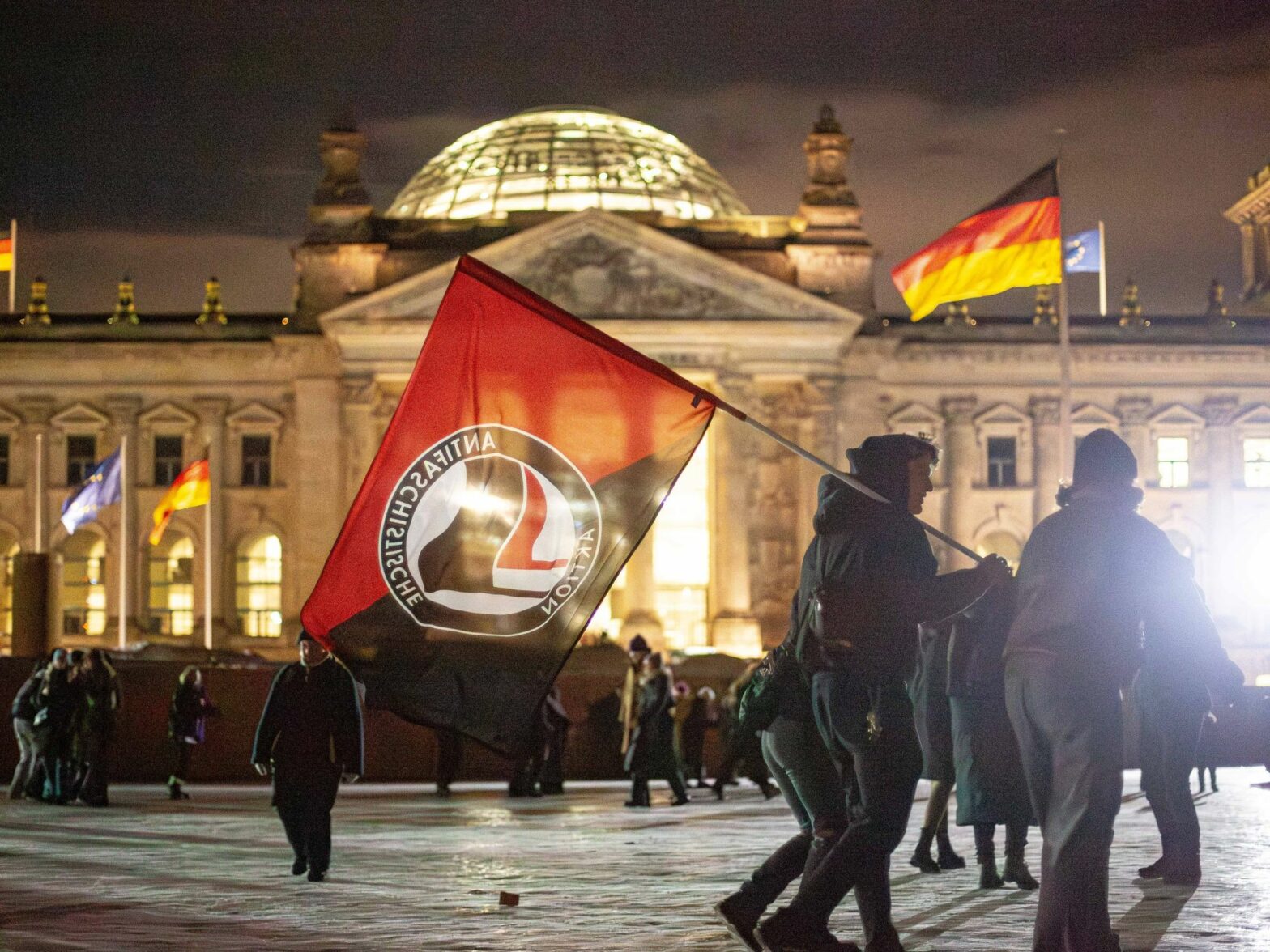
The far-right AfD party chief has threatened a “Dexit” referendum, where Germany (Deutschland) leaves the European Union. But just ask the British people what they think about how that turned out. Right wing leaders in Italy and France seem to have understood the message.