Former German government ministers and lobbyists have been meeting Putin associates in the Gulf, preparing reciprocal visits that could undermine Berlin’s official Russia policy.

 Worldcrunch
Former German government ministers and lobbyists have been meeting Putin associates in the Gulf, preparing reciprocal visits that could undermine Berlin’s official Russia policy.
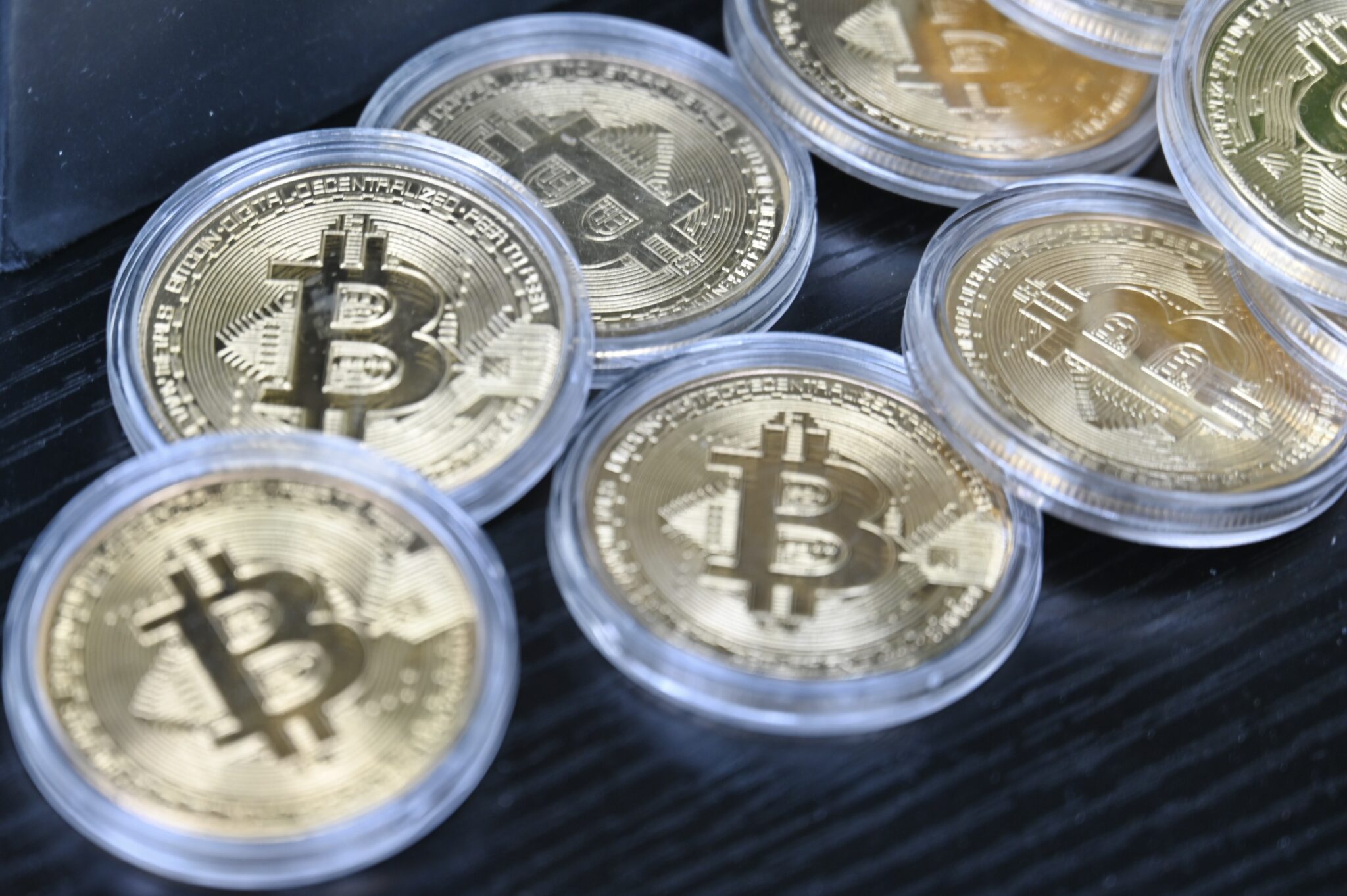
A 34-year-old programmer from Braunschweig is wagering that Michael Saylor’s debt fueled Bitcoin empire cannot withstand a crash, setting up an unlikely duel between a small investor and crypto billionaire.

As natural disasters intensify, insurers are withdrawing from high-risk regions, mortgages are failing, and real estate values are weakening. Analysts fear a chain reaction that could resemble, or surpass, the 2008 crisis.

Beyond U.S. tariffs, the deeper economic drag in China is domestic: weak demand, a deflationary price war, debt laden local governments mortgaging assets, and collapsing trust between private business and the state.
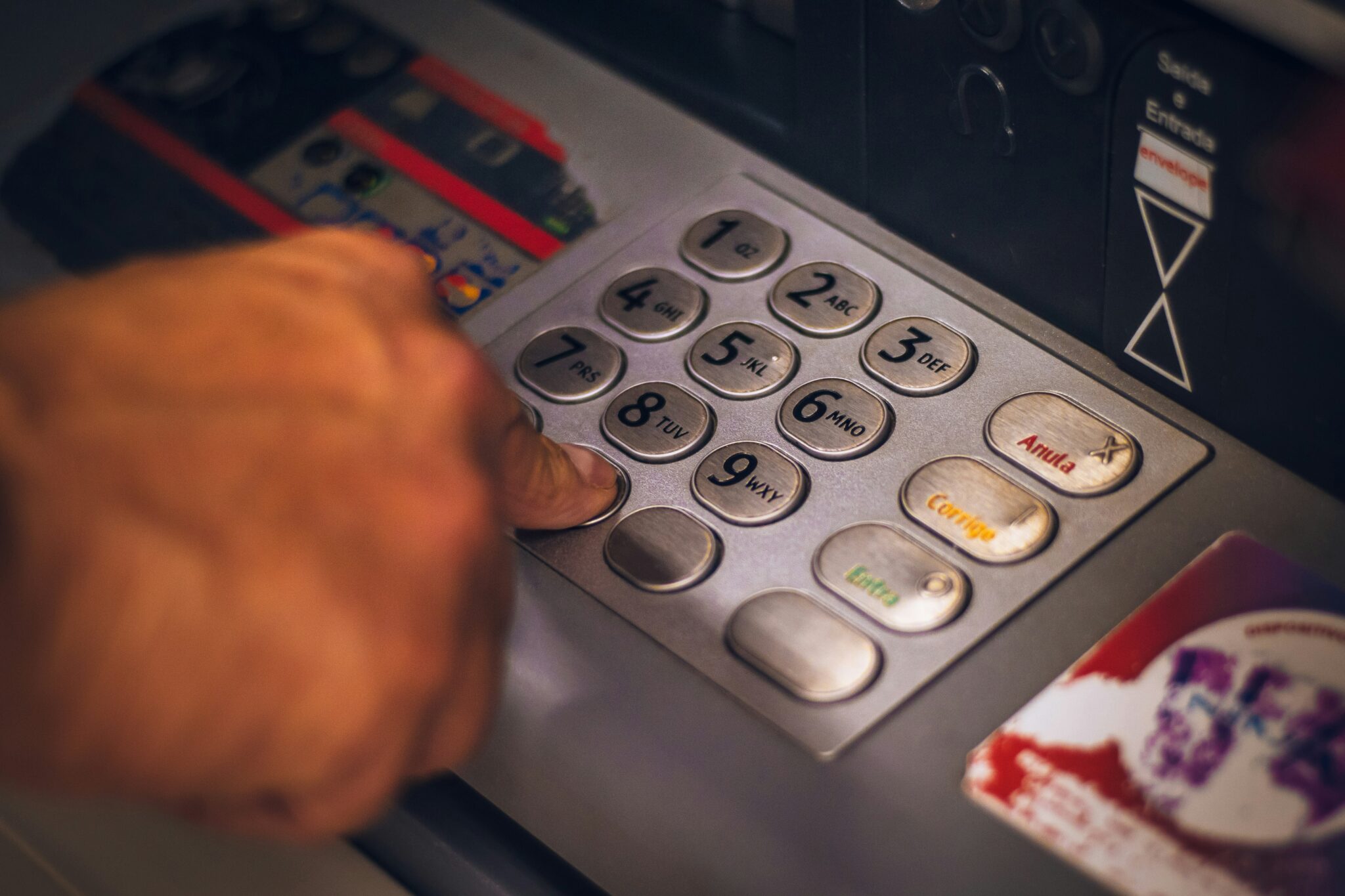
In parts of Europe, some shops already run on card-only payments. While many nations are pushing toward a cashless future, global tensions are prompting them to reconsider.
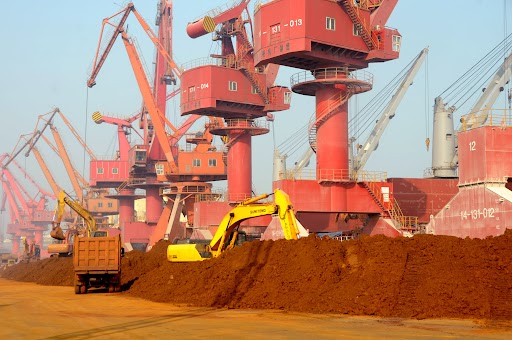
China is now wielding a U.S.-style extraterritorial law on rare-earth trade. It has tilted the balance of power in its favor, but rattled global markets and left the rest of the world caught in the crossfire.

A week of record highs flipped to panic with new China tariff talk, exposing fragile nerves as experts warn that a fast growing $2.2 trillion private credit market with light oversight, risky PIK structures, and bank and insurer exposure could turn the next shock into a chain reaction.

The pandemic has put a damper on the Japanese tourism boom. Also discouraged by international crises, they now prefer local vacations.

Democracies weaken not only for institutional reasons, but also because citizens stop thinking and surrender to impulse.
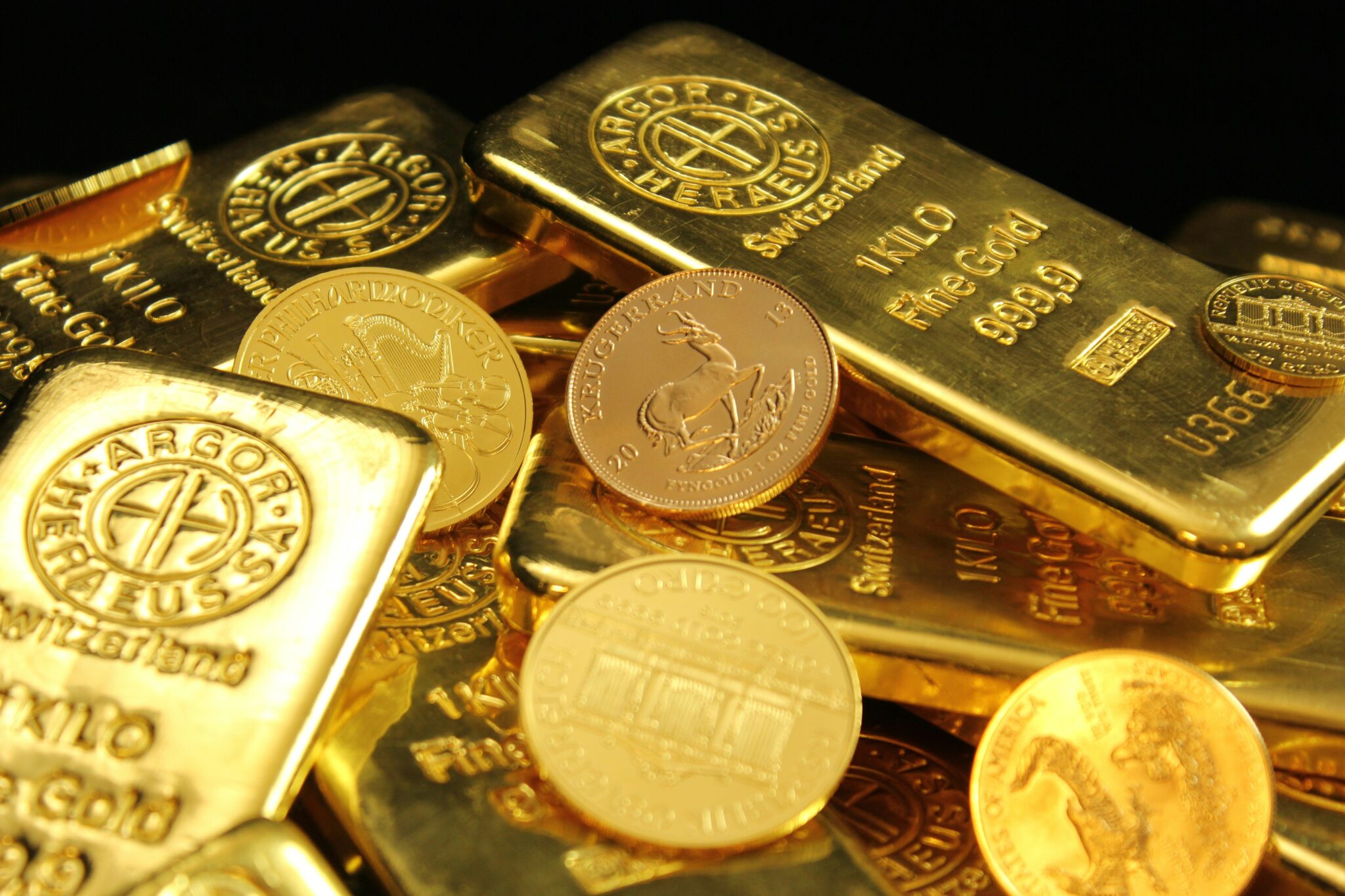
From political folly to looming crises, investors are betting on collapse — and turning to gold as their safe haven.
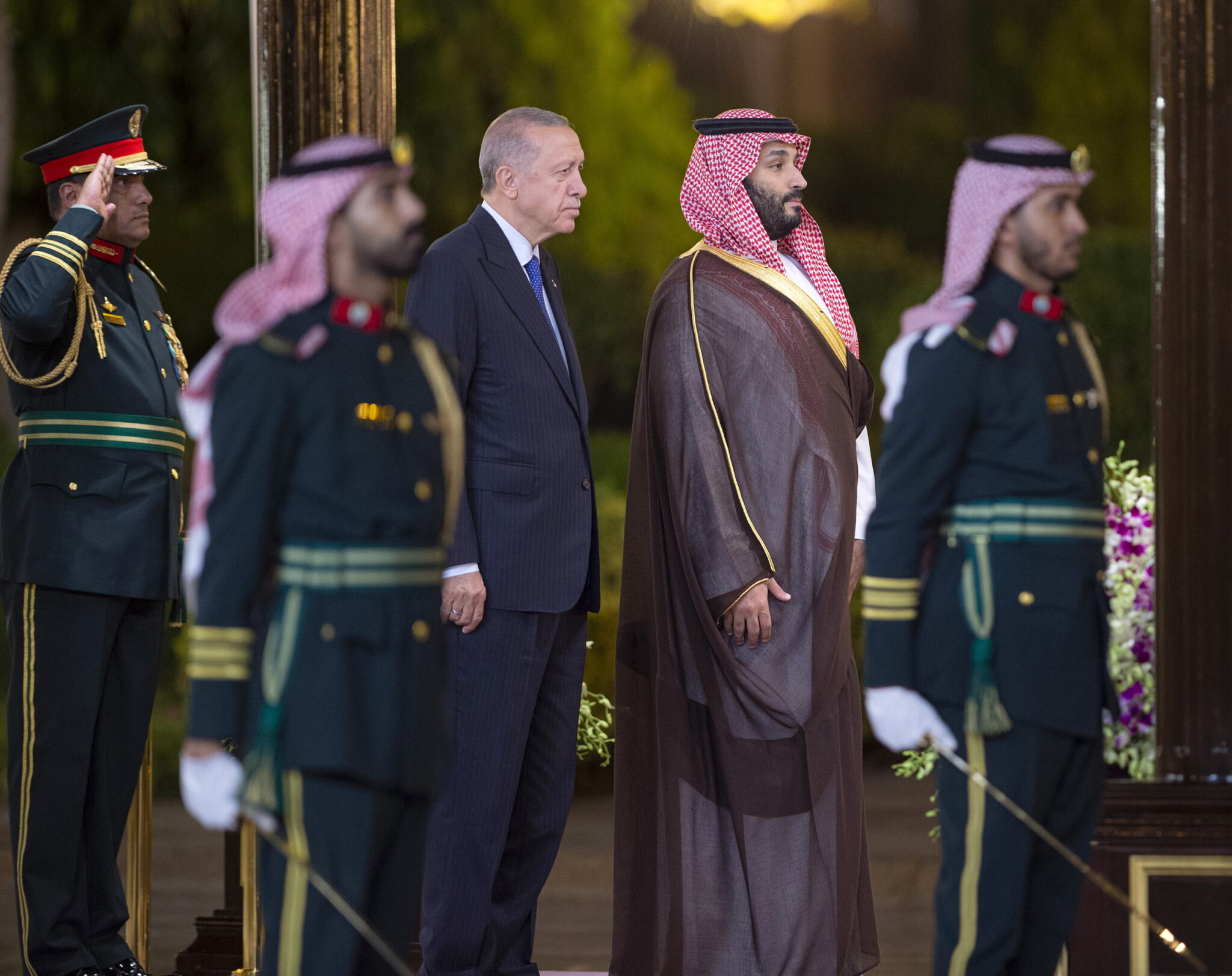
From Iran and Turkey, Egypt and Saudi Arabia, lasting peace can only arise from shared economic interests and the containment of regional power ambitions.

Nowadays, the auto industry produces “entry-level” cars that are going for double what they cost 25 years ago, leaving young buyers struggling to enter the market while luxury and high-performance brands continue to thrive

Will compulsory social security weigh down small and medium-sized enterprises and jobs, or safeguard the future of ordinary workers?
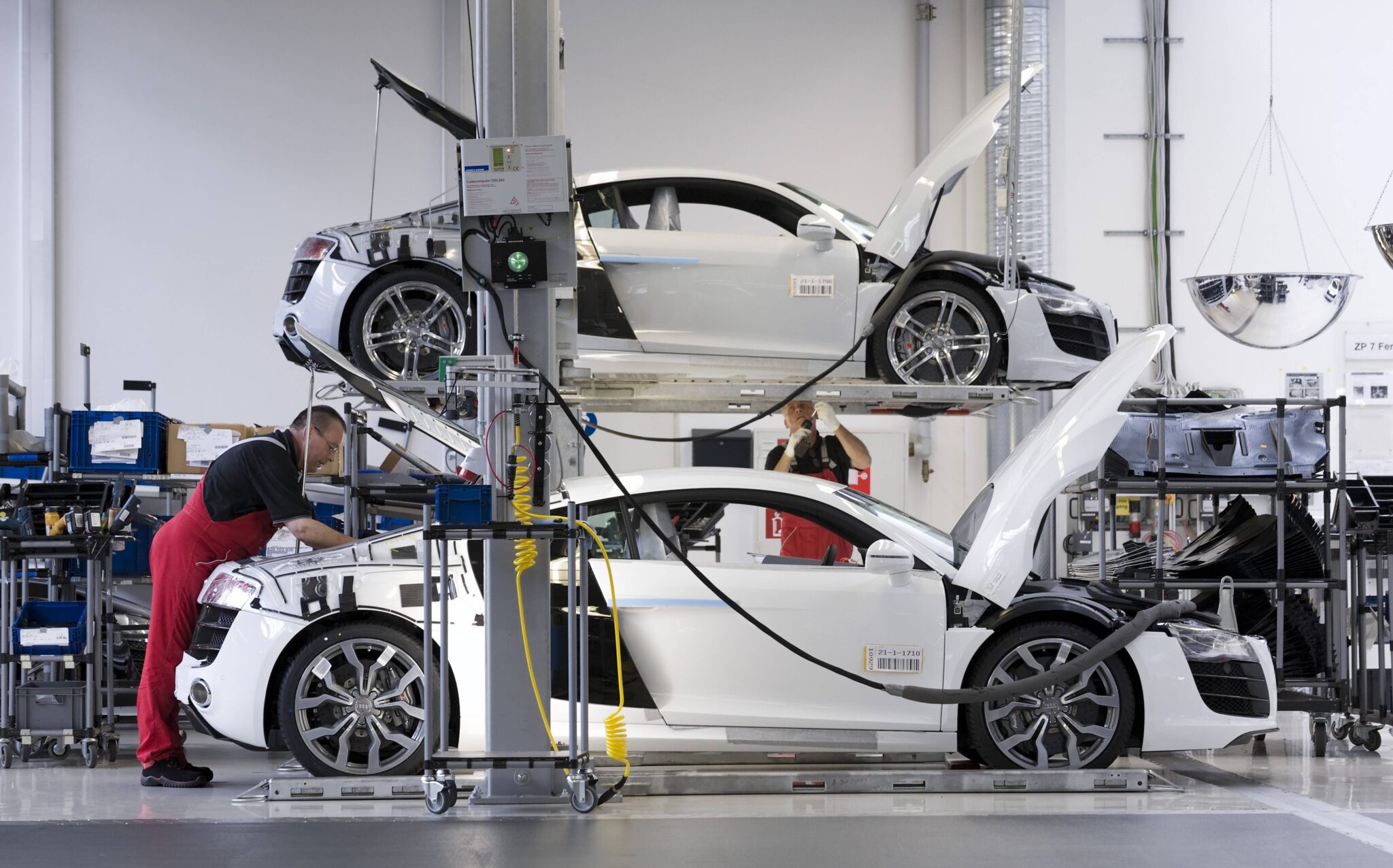
Sales are falling, rivals are surging, and China no longer craves the four rings. CEO Gernot Döllner is cutting bureaucracy, betting on speed, and trying to steer the brand through a maze of tariffs, scandals, and shifting markets.
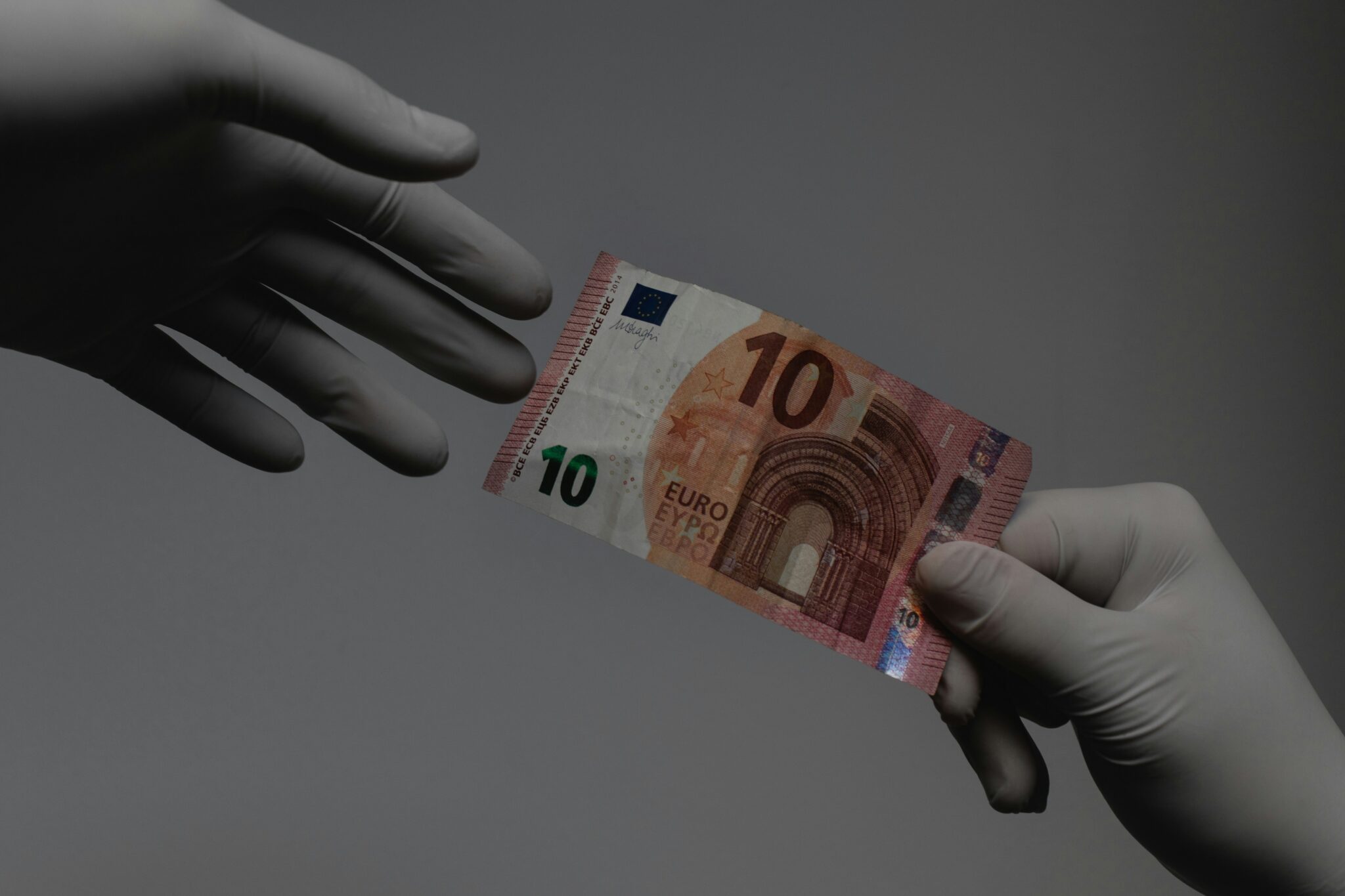
An instrument for exchanging goods and services, money often becomes a symbol loaded with meanings, emotions and values.

Luxury havens abandoned overnight, summer resorts that were the victims of bad business decisions. As summer ends, we look at seven abandoned vacation spots that were once the height of glamor before fading — or rusting — away.
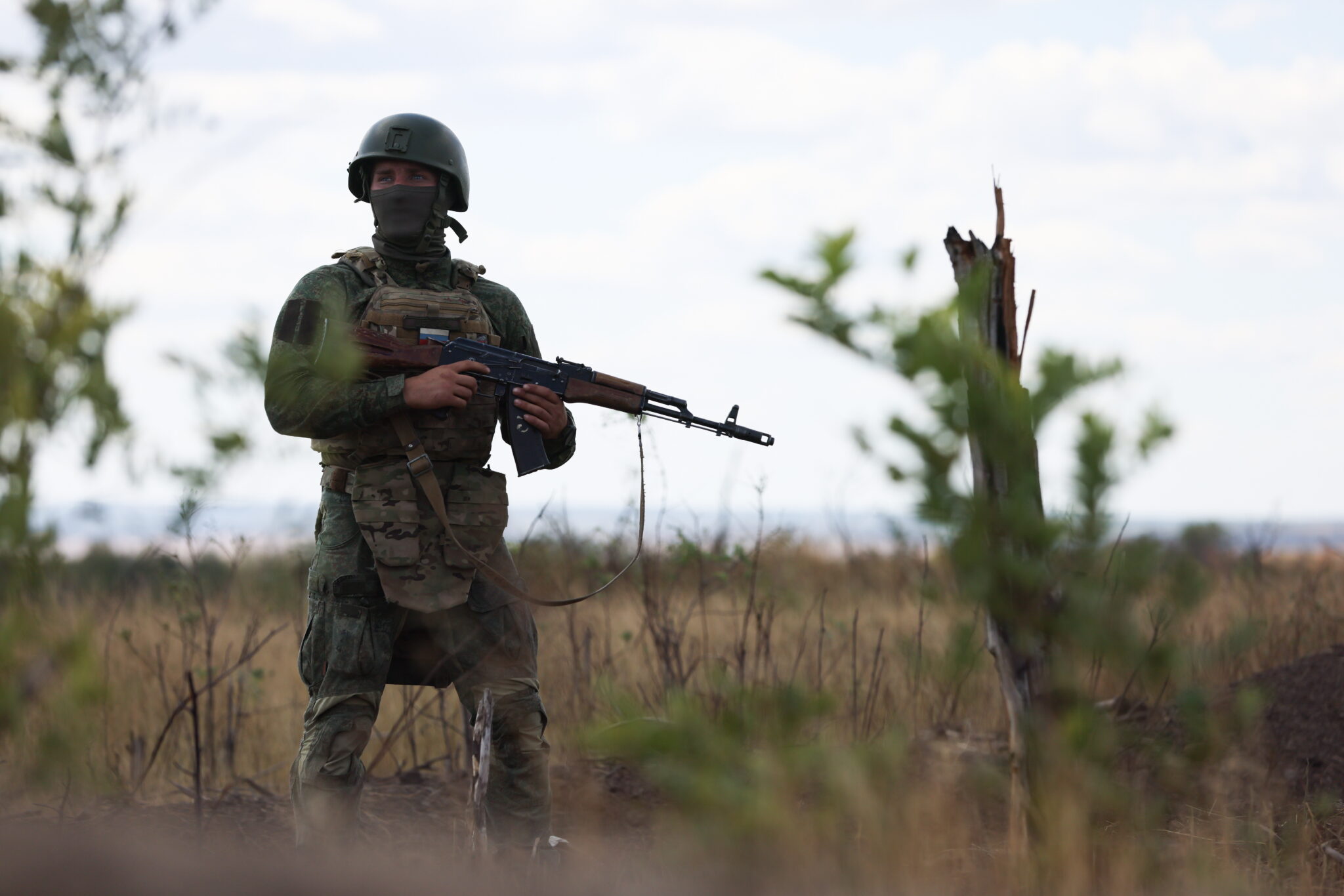
The Kremlin is shutting off access to crucial data on its population and economy. What did those figures reveal — and why is the government afraid of them?
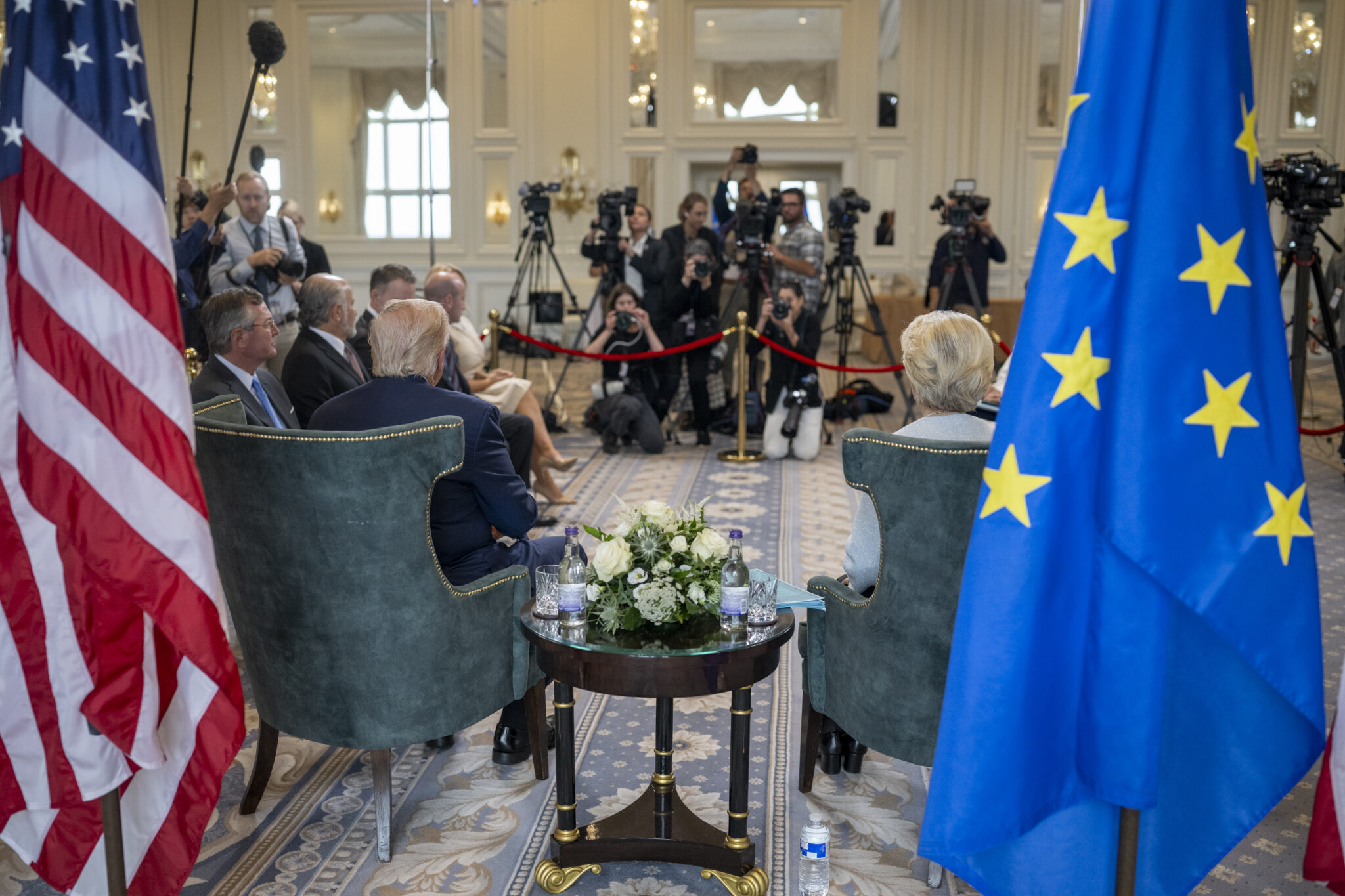
Trump’s approach to U.S.-EU trade relations prioritizes dominance and loyalty over partnership, leaving Europe with little choice but to comply to avoid severe economic fallout. Breaking free from U.S. leverage would require Europe to build a new global alliance, effectively acknowledging the end of the traditional transatlantic trade partnership.
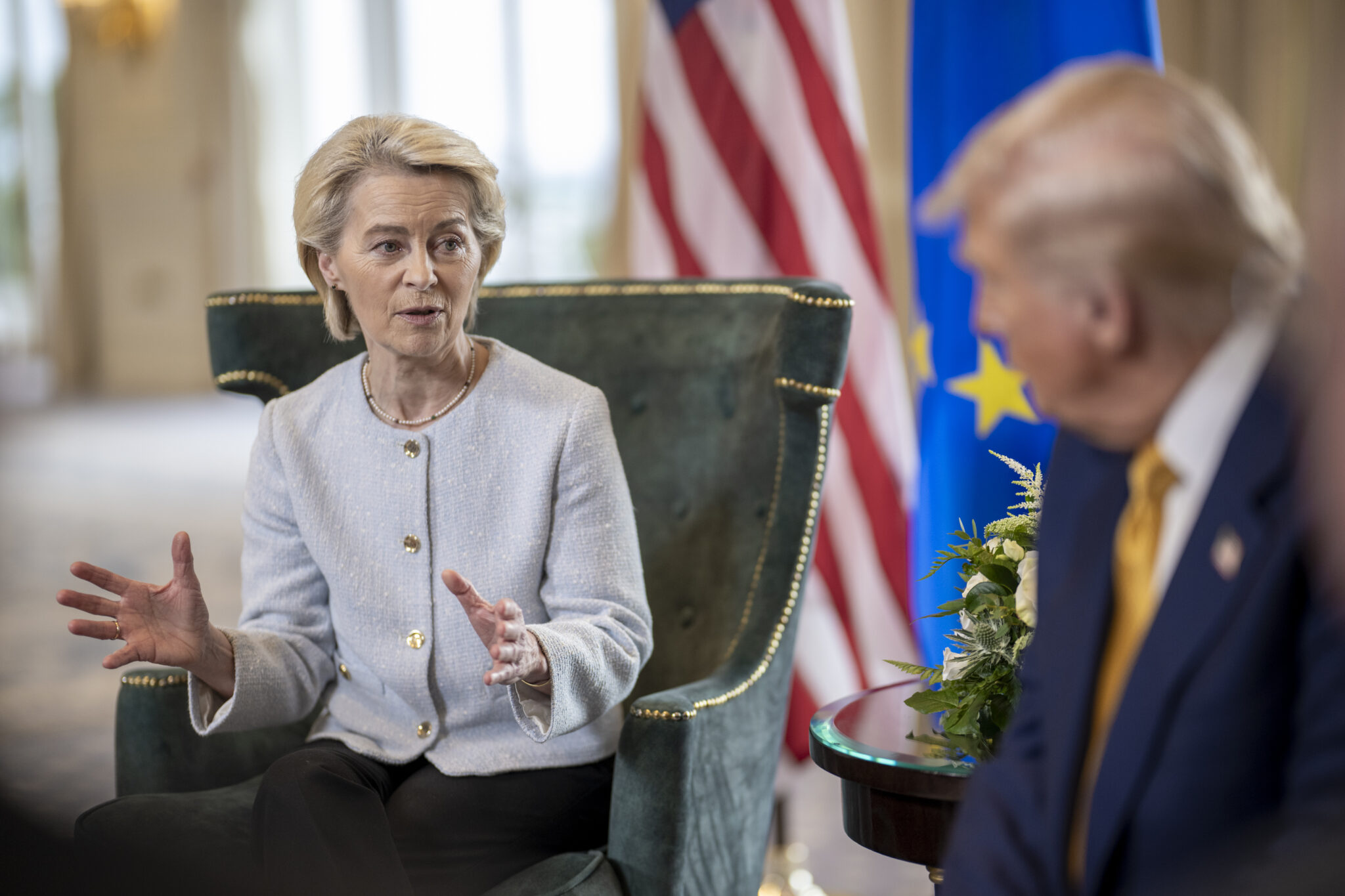
European Commission President Ursula von der Leyen’s controversial trade deal may look like a surrender to U.S. President Donald Trump, but it could be a calculated play in a surreal game of bluff, designed to keep Europe afloat — and Trump distracted.
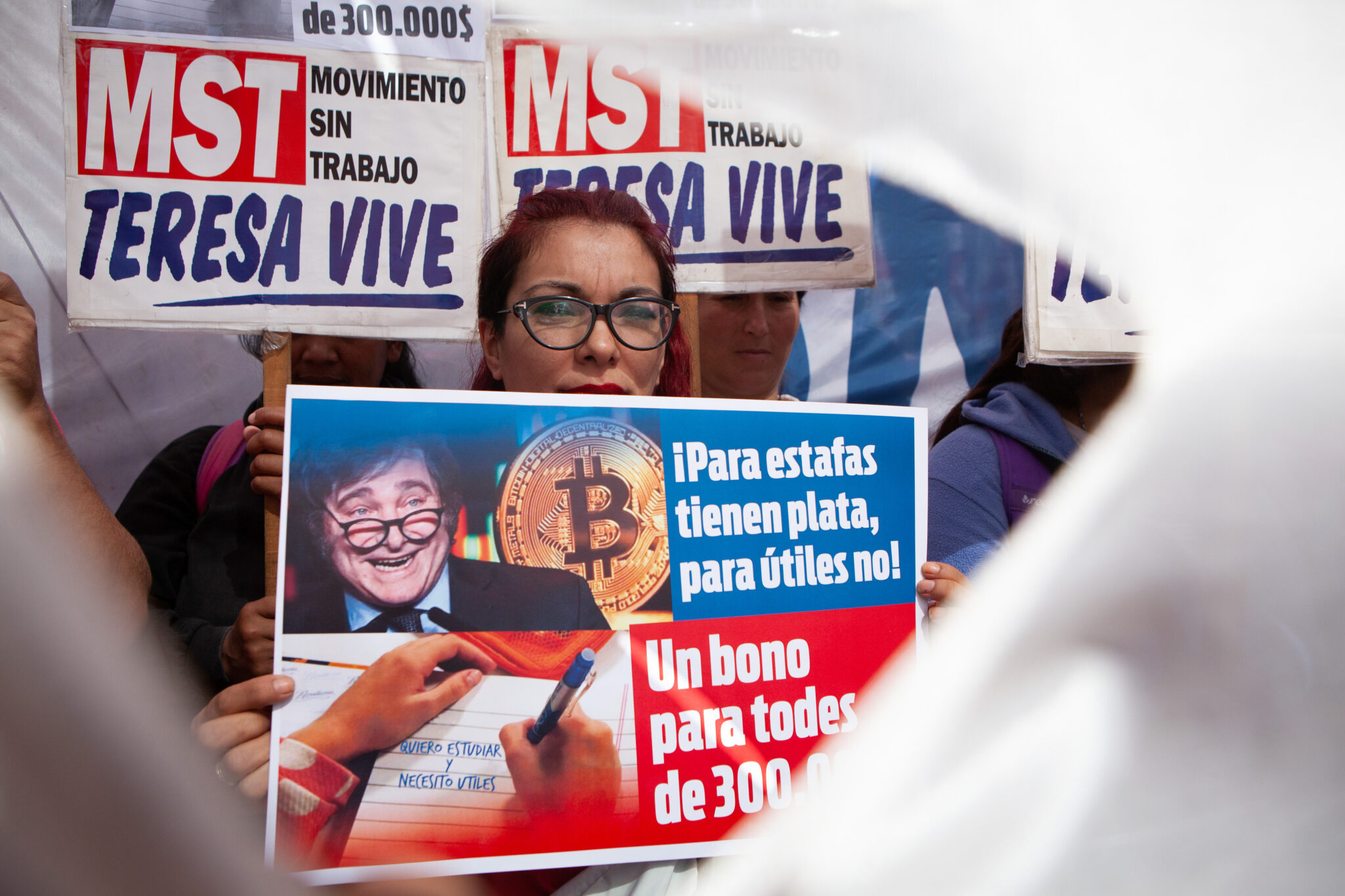
From the ancient Greeks to modern times, thinkers and economists have pointed to the economic virtues of sympathy. So what role should empathy — and even social equity — have in Argentina’s economy?

Homeownership for young people is becoming less attainable across the globe, in the face of record high home prices, cost of living crises and high debt. The economic shift is changing the very nature of society.
China is taking a growing interest in investing in Latin America — just as the Trump administration is making the United States less reliable. But what are Beijing’s real motivations.

As pressure mounts to divvy up Germany’s largest infrastructure fund in decades, the new chancellor must resist scattershot spending and steer the country toward high-tech transformation.

President Donald Trump has begun eroding the United States presence in Antarctica by announcing deep funding cuts to his nation’s science and logistics on the icy continent.
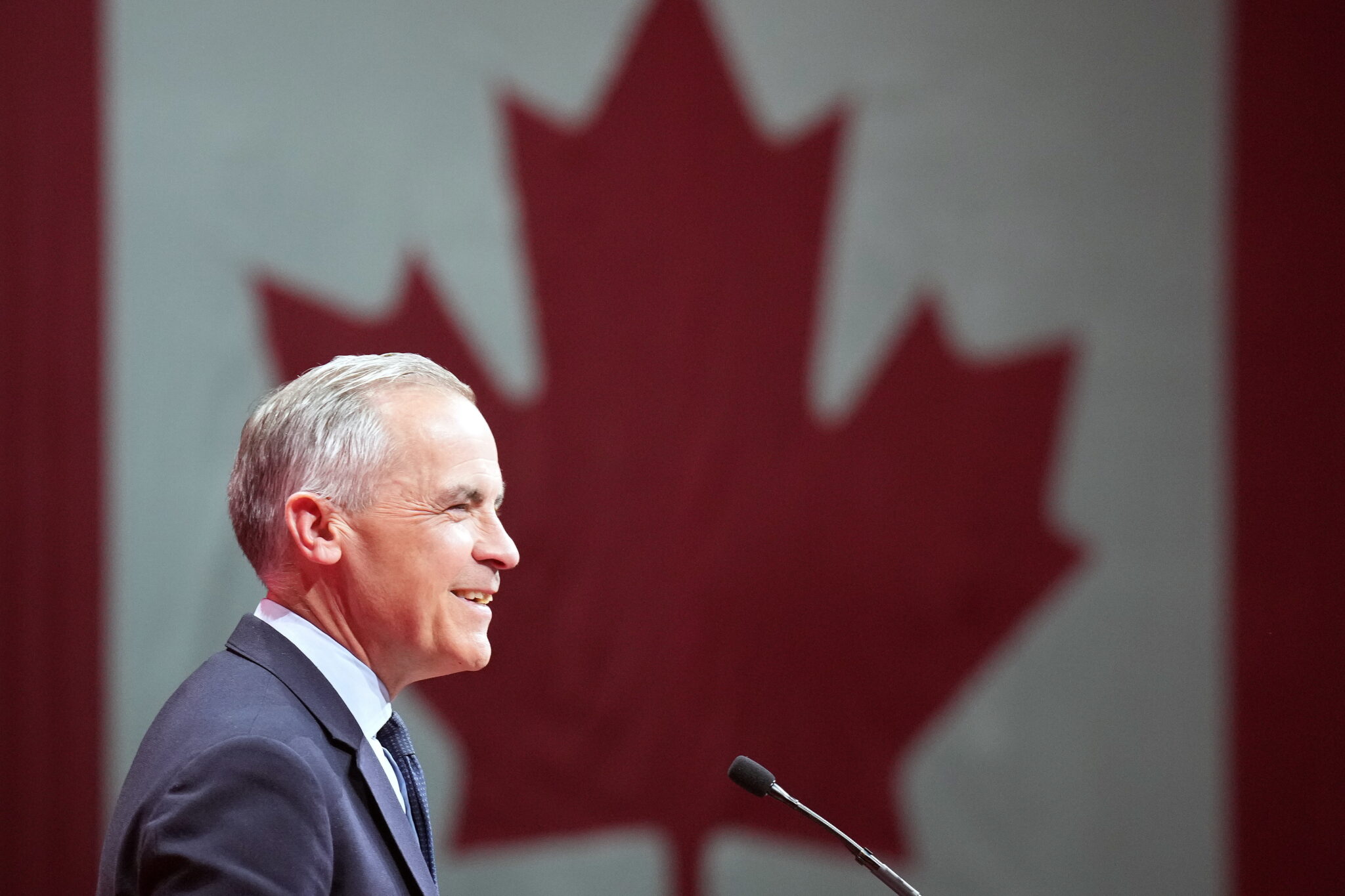
In a stunning turnaround, interim Prime Minister Mark Carney has led Liberals to their fourth consecutive win since 2015 following an election dominated by U.S. President Donald Trump’s threats of annexion.
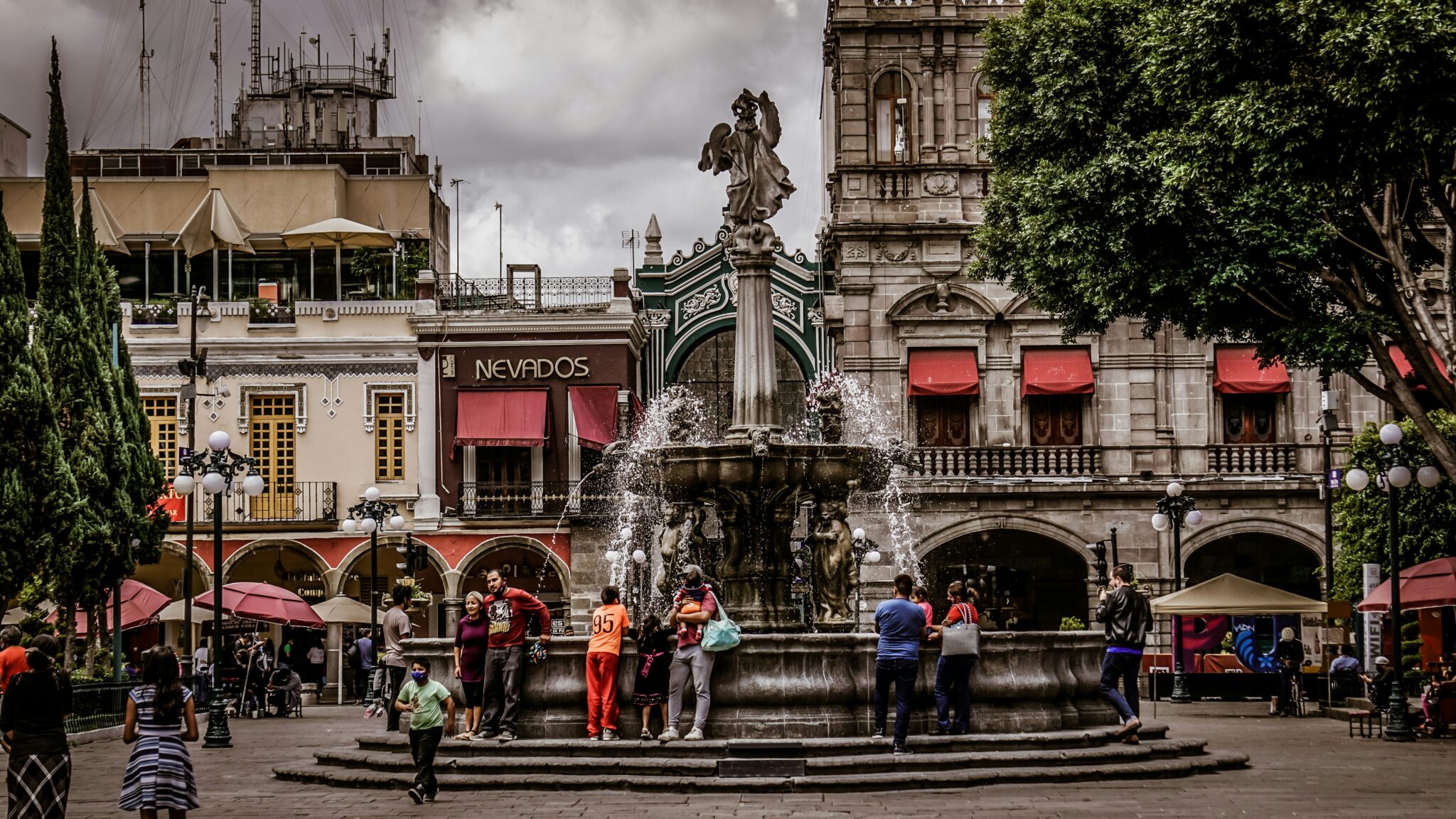
Mexico failed to use the legal stability provided by the NAFTA treaties to consolidate lawful governance at home. Now, as U.S. President Trump shakes up all his country’s ties, millions of Mexicans are up against the consequences of their country’s endemic and unresolved problems.
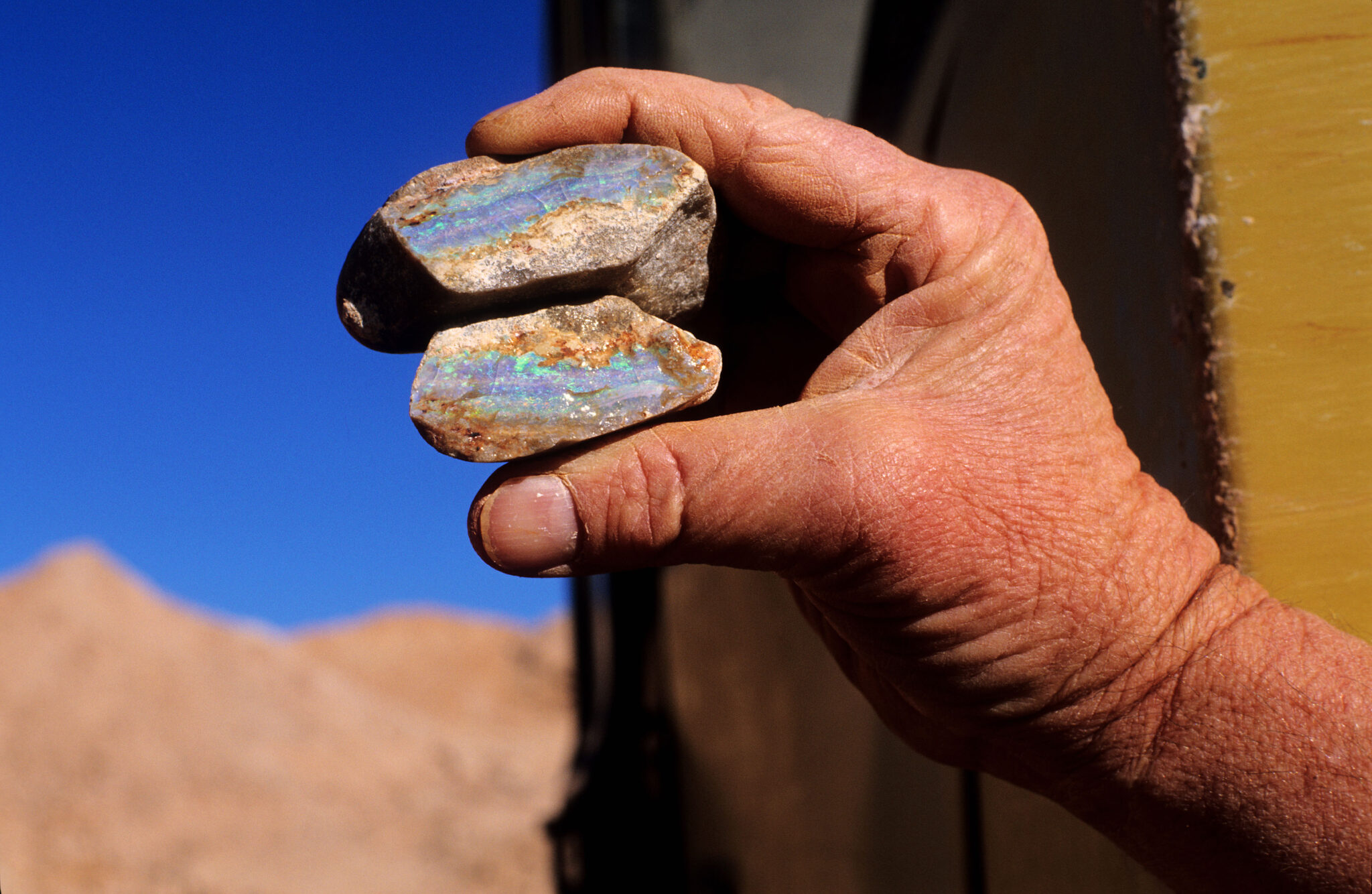
In the trade war against the U.S., China has moved to curb supply of critical minerals. Can Australia seize this opportunity – or will it come with strings attached?
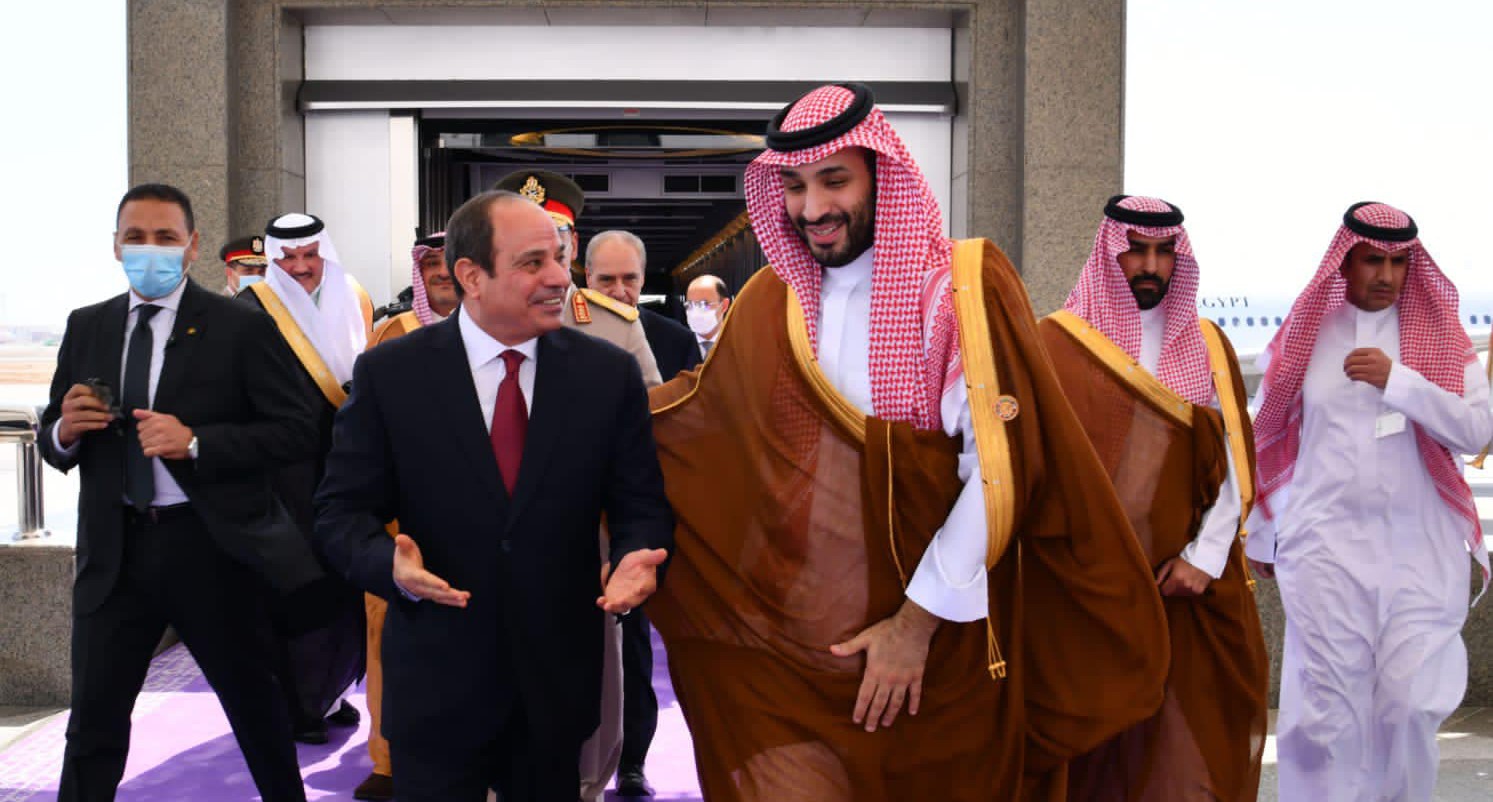
Egypt’s economic subjugation: A nation for sale.
Trump’s “Liberation Day” tariffs may have sparked a new era of wealth for America’s economy, but at what cost? As trade wars escalate, vulnerable countries will bear the brunt of economic turmoil.
The U.S. president has unveiled a new round of tariffs against his trading partners. But Europeans have leverage against this policy, French essayist Édouard Tétreau writes.
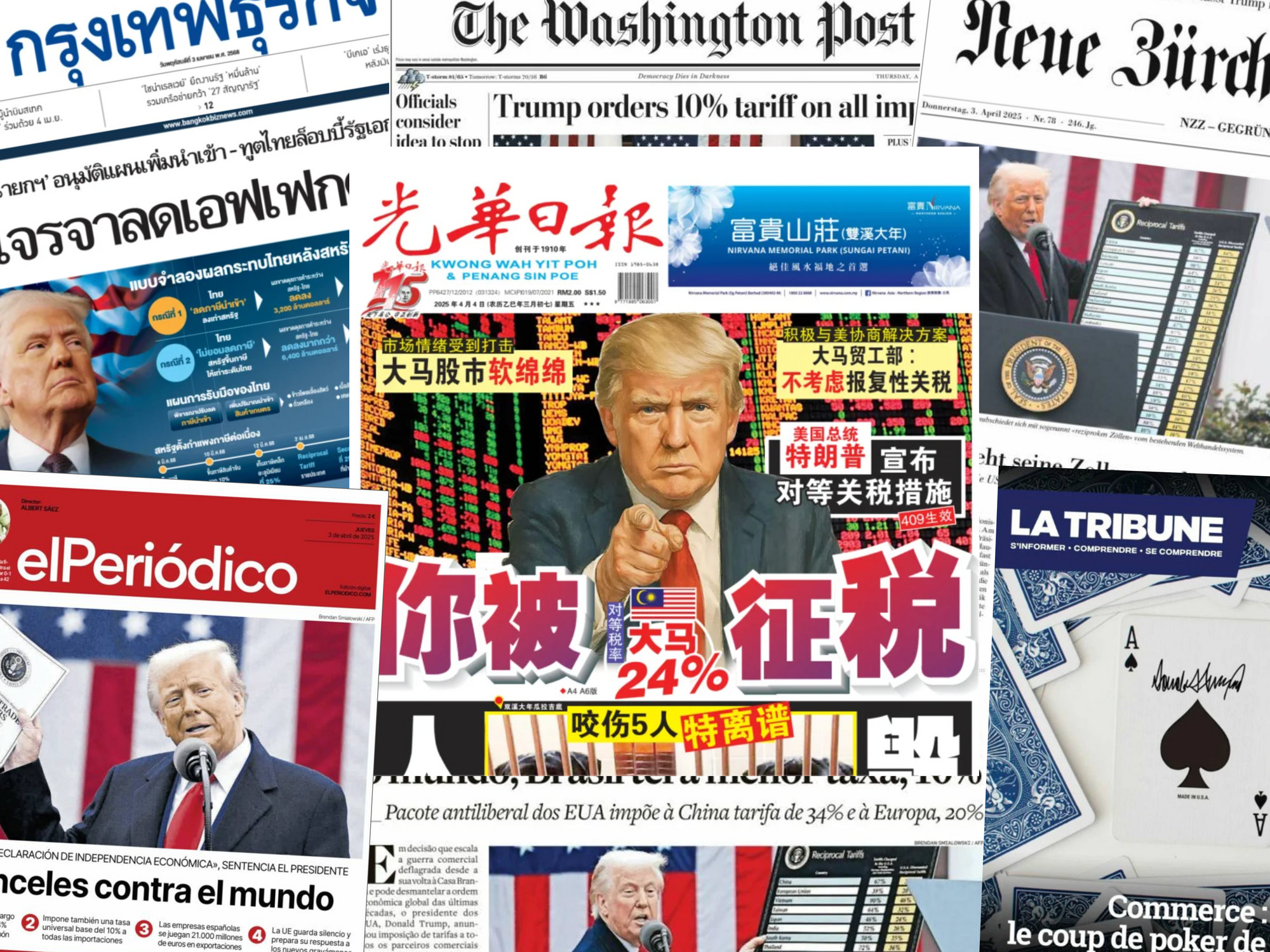
U.S. President Donald Trump’s far-reaching new tariffs have sent markets falling, in a watershed moment that made the front page of many newspapers around the world.
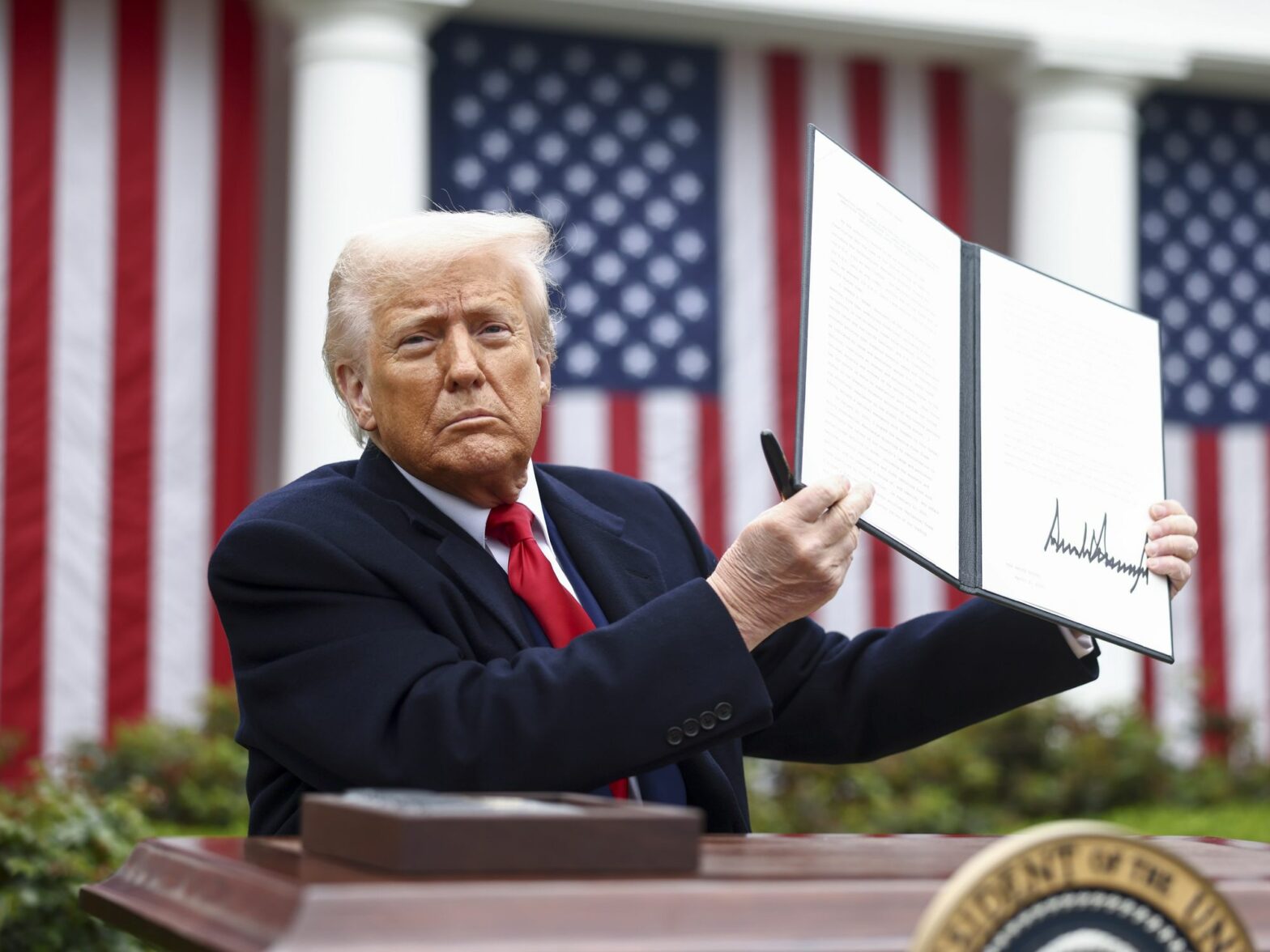
American protectionism has returned, with tariffs that vary by country, but are permanent. There will be exceptions and specific negotiations but, in Trump’s intentions, they become one of the foundations of the American economy. The world must respond with this reality in mind.
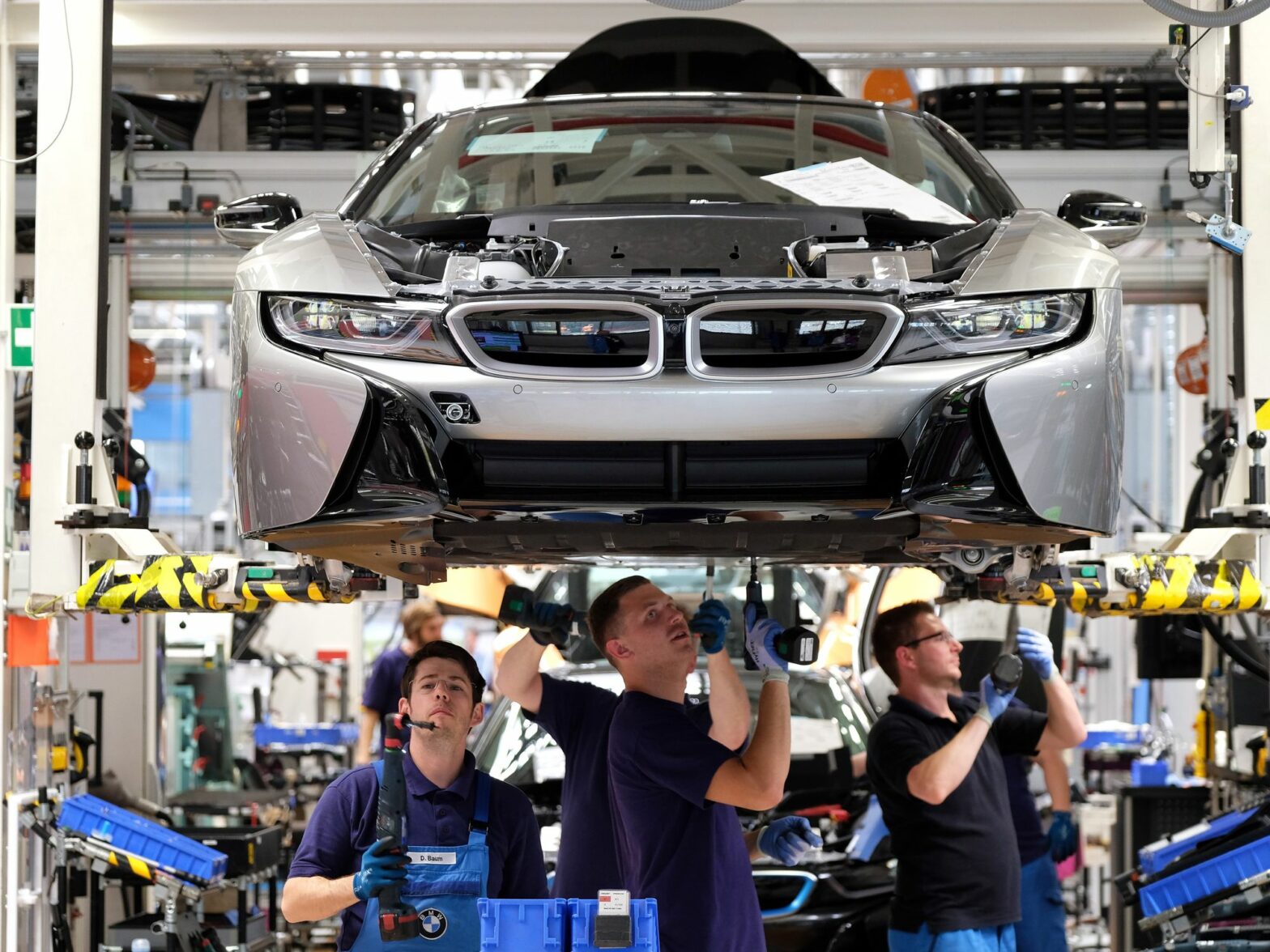
The EU should resist the temptation to retaliate against U.S tariffs on European cars. If we look closer at the recent past and the uncertain future, Trump’s bad intentions produce some good.
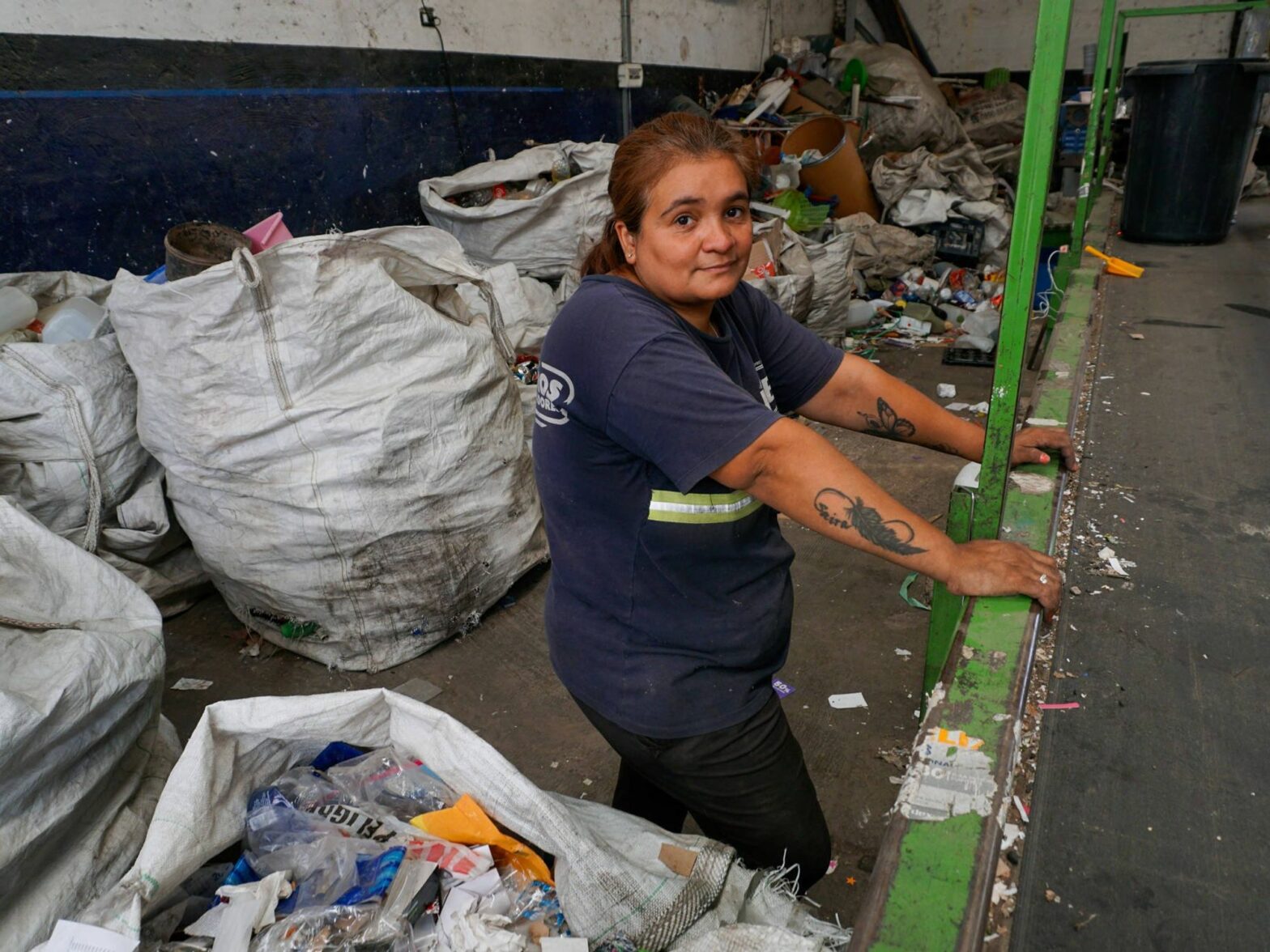
Argentina’s informal recycling network, once a lifeline for thousands, is unraveling as falling prices and new policies make waste-picking unsustainable.

Europeans may see seizing Russian assets as a financial and moral boost, they should resist the idea to avoid a triple boomerang effect.
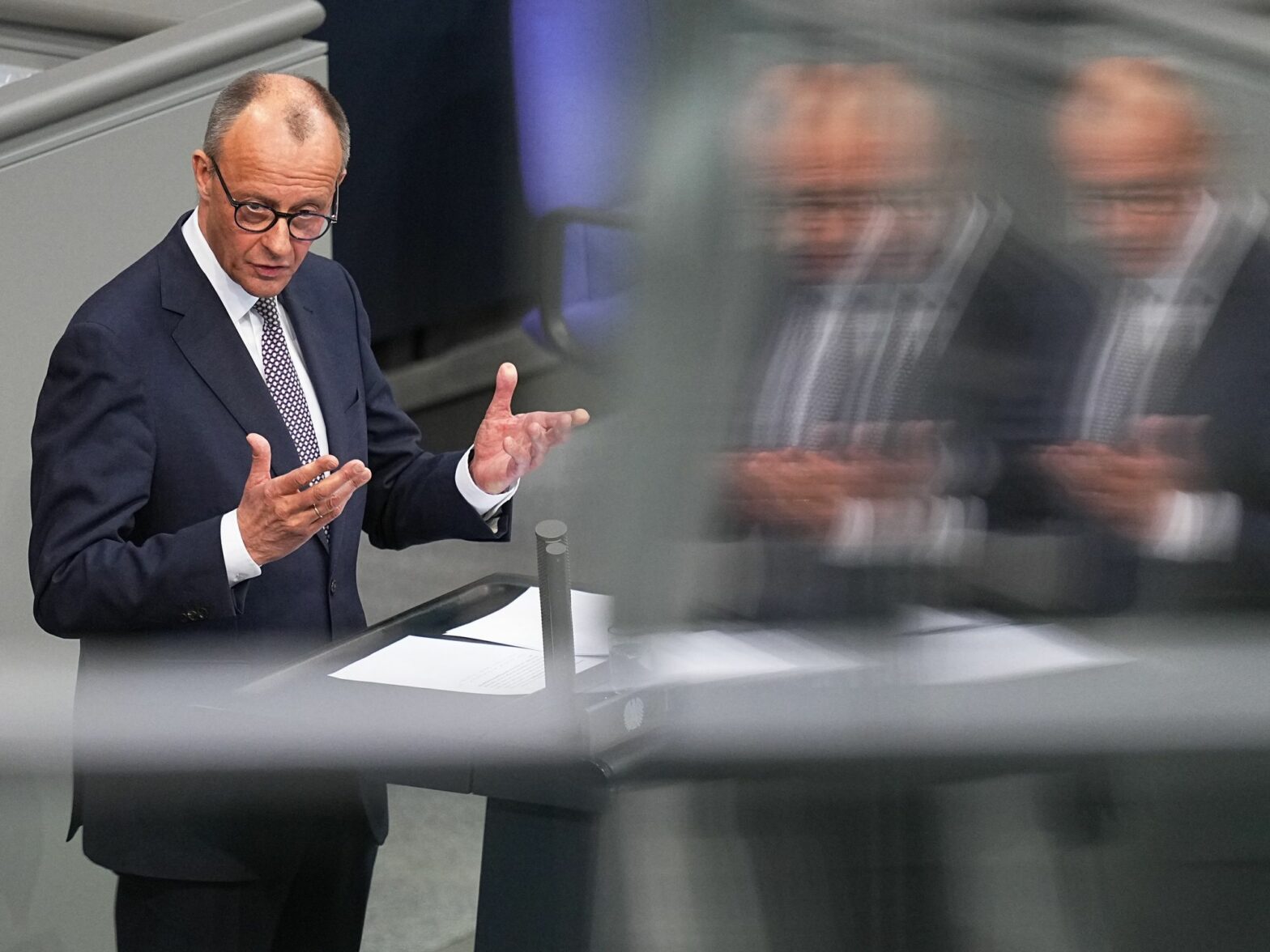
Germany has finally decided to start spending. Is this going to save its stagnating economy? The new fiscal package is the biggest economic policy test in post-War German history. Now it’s crucial that the government avoids any mistakes.
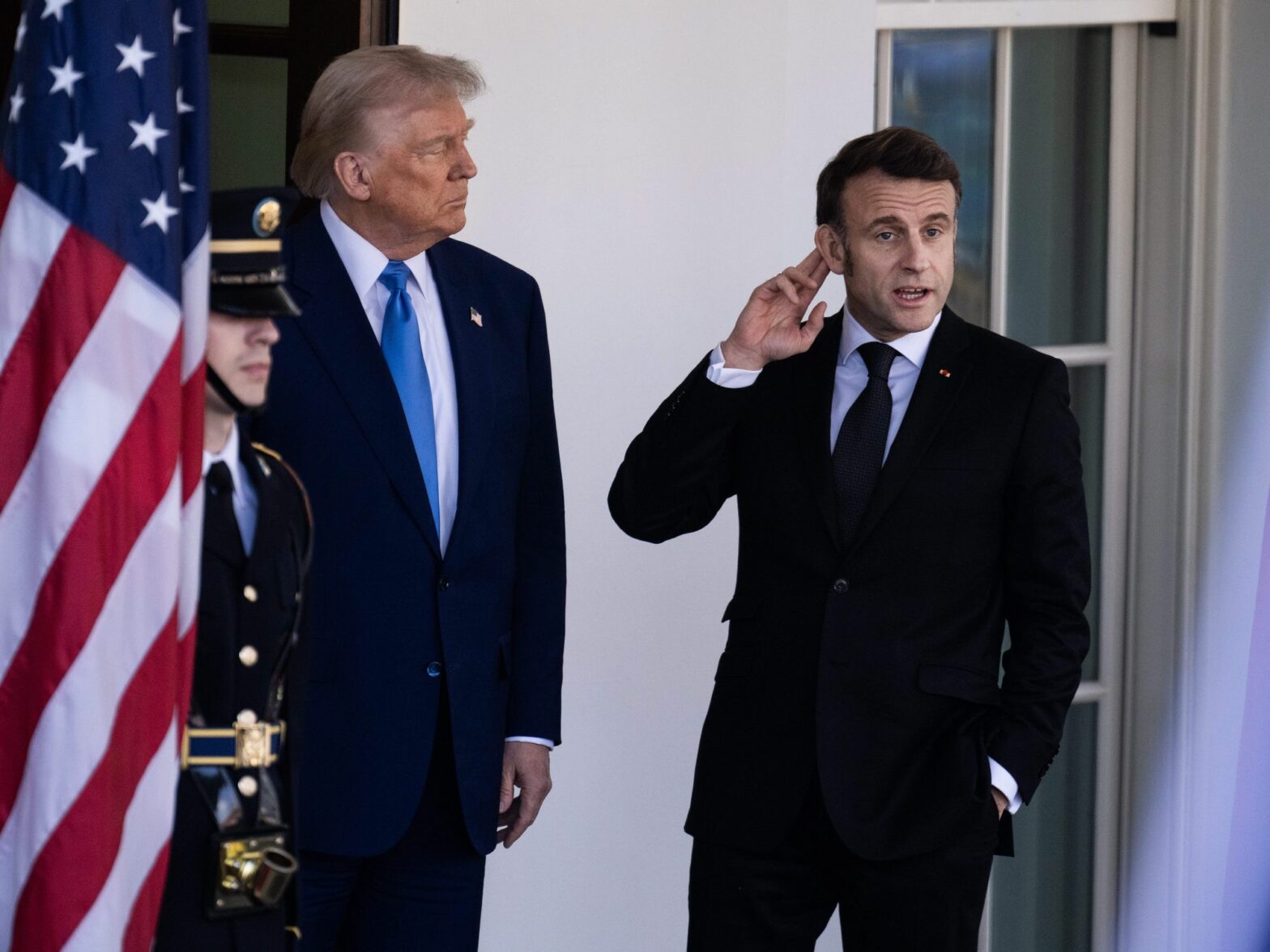
Will Trump be the American Gorbachev? It’s now or never for Europe to catch up with the United States’ economy, if the European Central Bank is willing to show the way, says economist Nicolas Goetzmann.
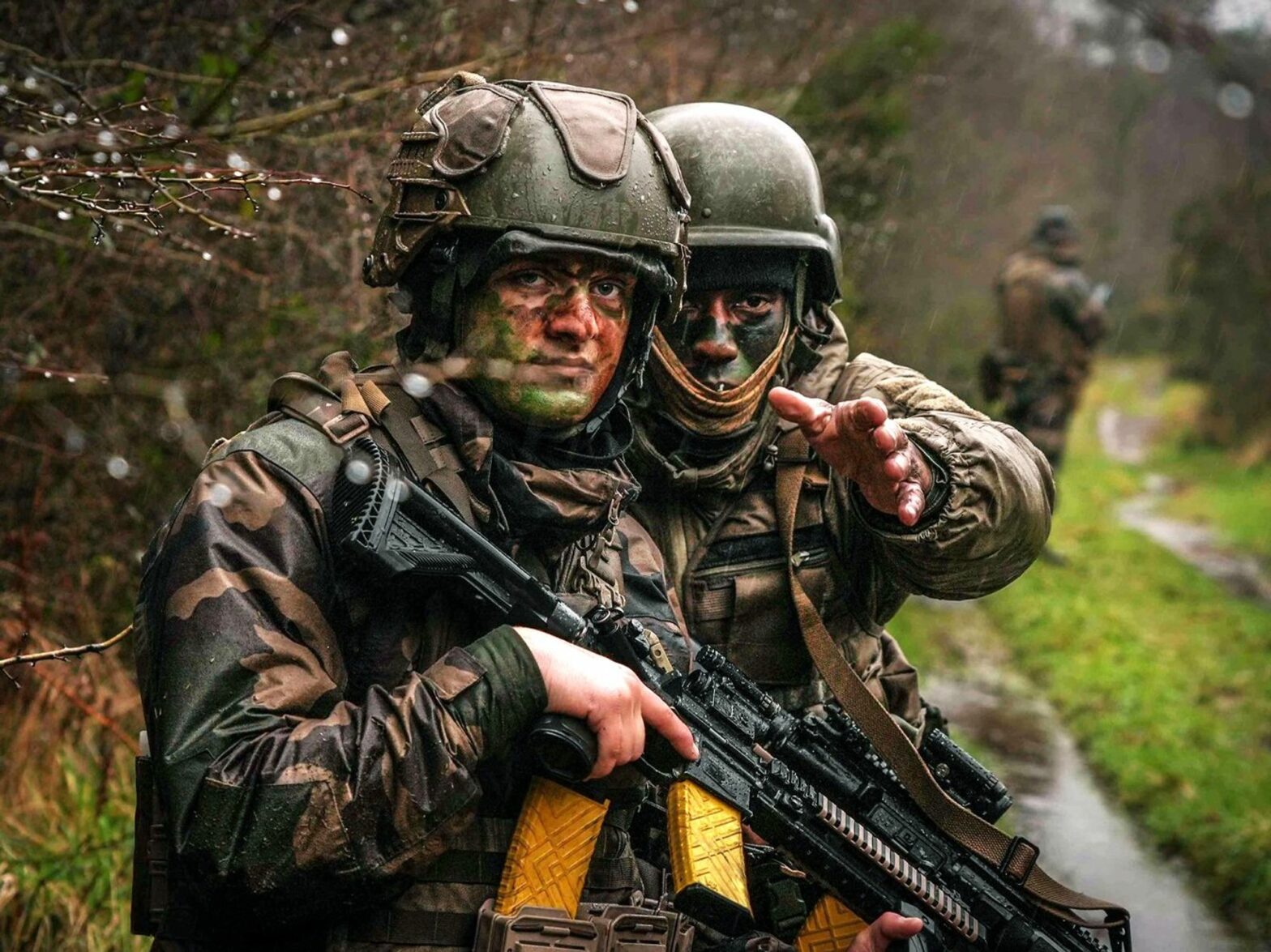
Now that the U.S. has relinquished its role as “leader of the free world,” Europe is on its own. But that doesn’t mean it’s out of options, writes former German diplomat and ambassador Hans-Dieter Heumann.
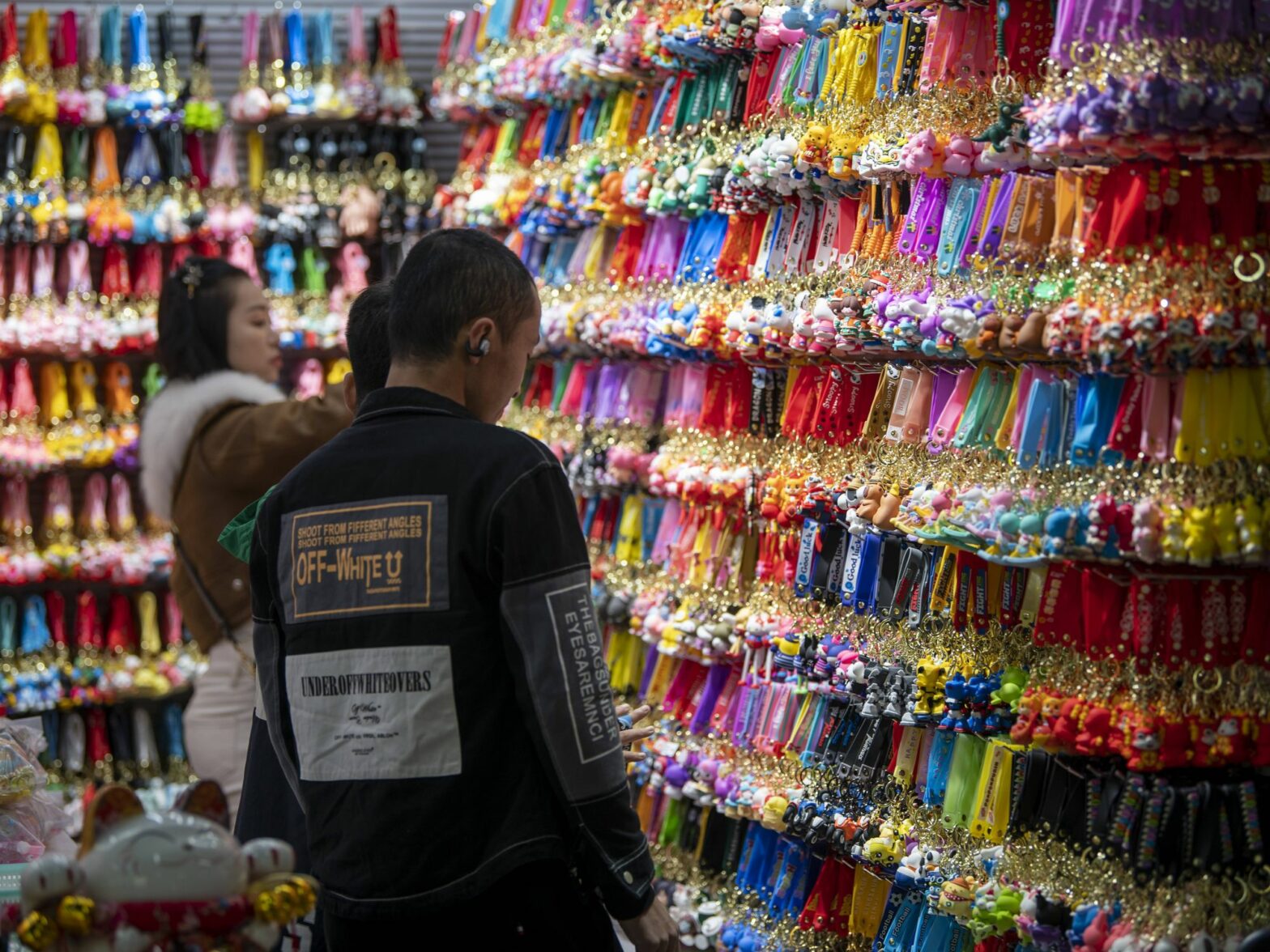
The 75,000 wholesalers in the export manufacturing hub of Yiwu say they have been moderately affected by the tariffs imposed by U.S. President Donald Trump, which he has just announced he will double. Many had already pivoted to developing countries to sell their goods.
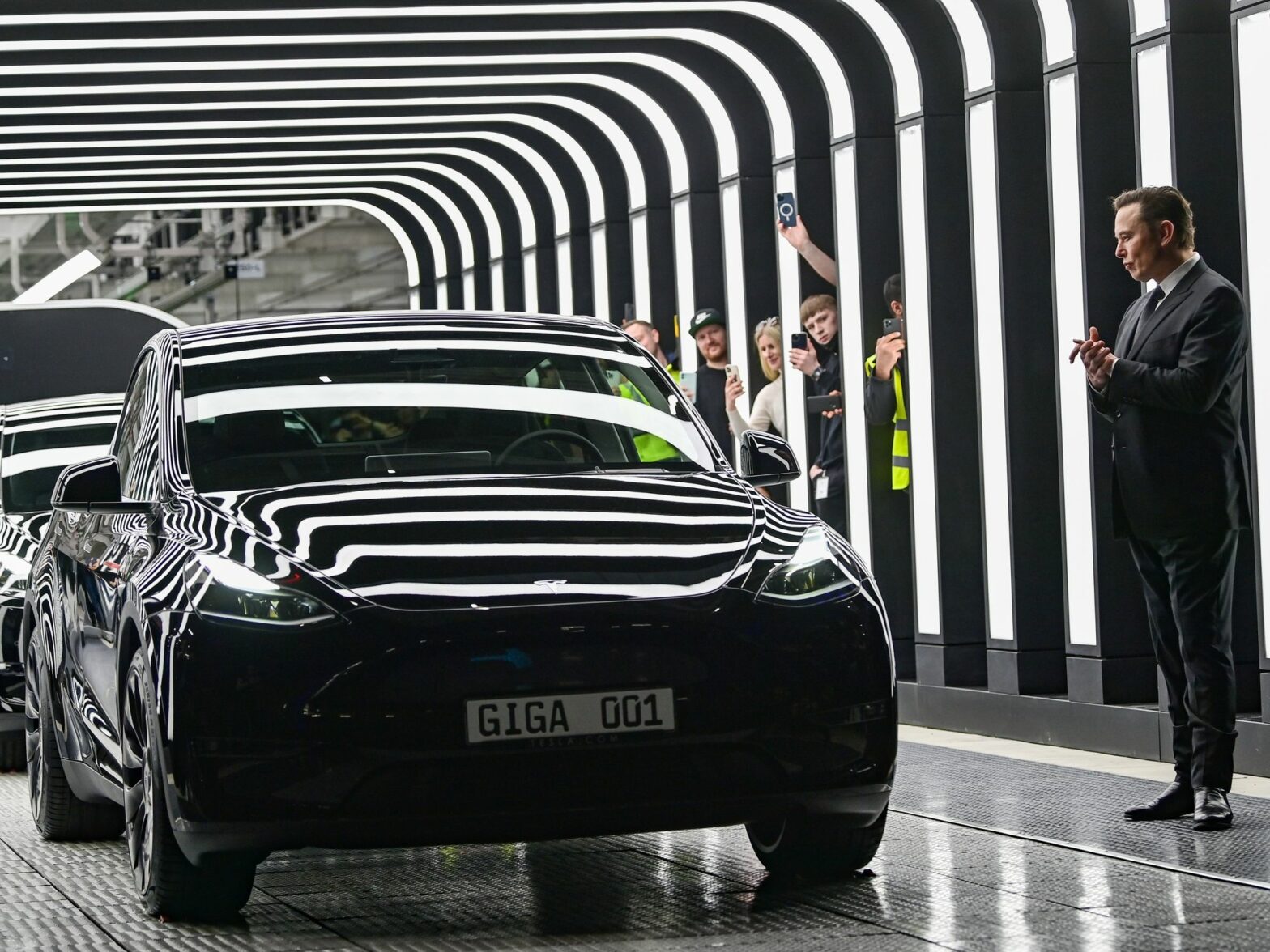
Demand for the U.S. automaker’s vehicles is waning, with sales of new Tesla cars almost halving in Europe in January 2025. While this is partly due to its CEO Elon Musk’s cahooting with President Donald Trump, there are also other factors at play.