Democracies weaken not only for institutional reasons, but also because citizens stop thinking and surrender to impulse.

 Worldcrunch
Born in Tehran, educated in Britain and France, I have been a freelance translator since the late 1990s.
Democracies weaken not only for institutional reasons, but also because citizens stop thinking and surrender to impulse.

It is easy to feel buried by the avalanche of bad news from around the world. But we have a duty to gratefully enjoy the moments of our lives, come what may.
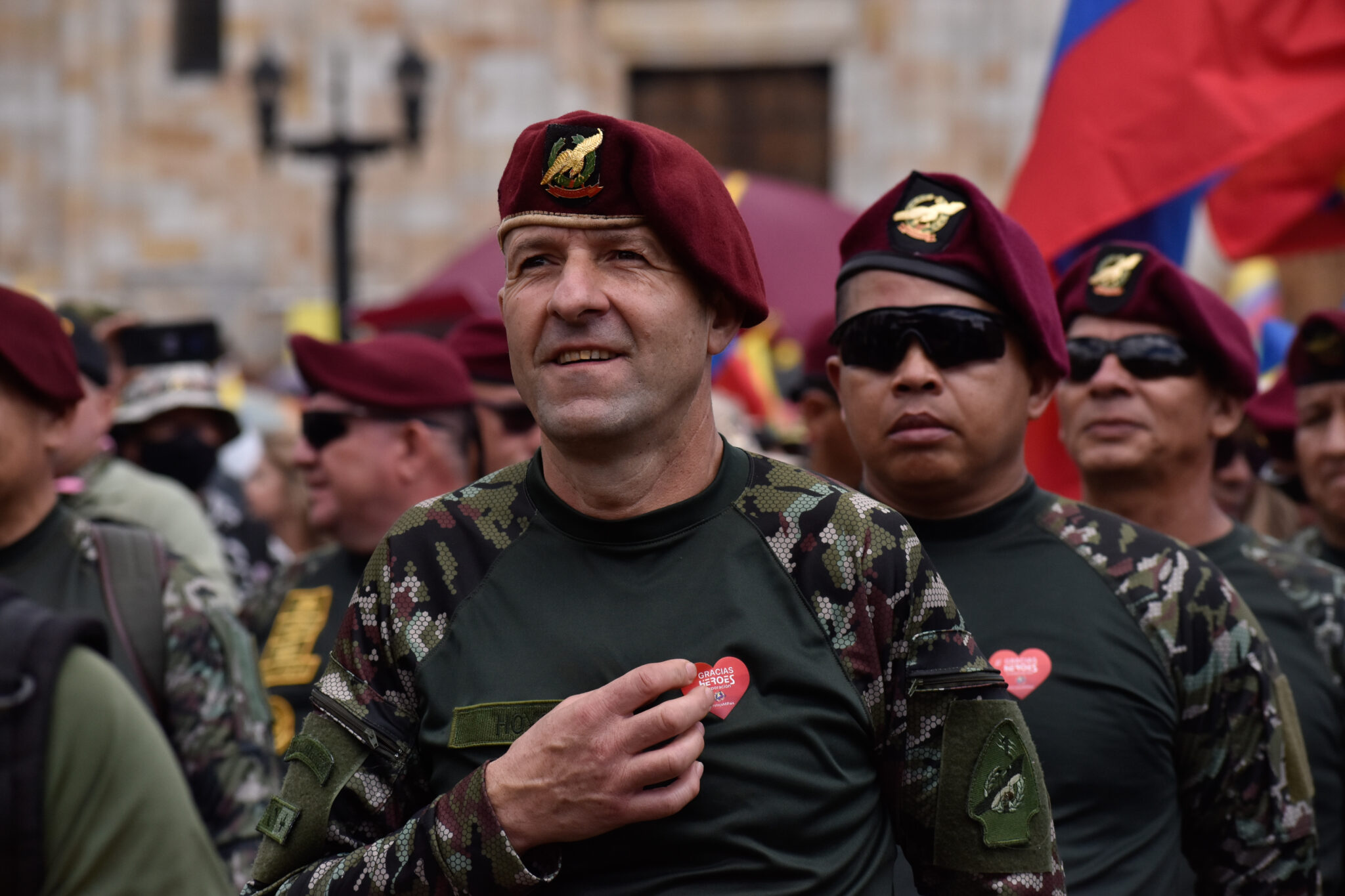
As Colombia considers banning former soldiers from fighting as mercenaries abroad — in places like Sudan — the government should first look into the economic conditions that push them into this ugly line of work.
An instrument for exchanging goods and services, money often becomes a symbol loaded with meanings, emotions and values.
The Russian author of “Crime and Punishment” thought plain-old realism was not good enough in art. Realism, he believed, must be but a tool to reveal a bigger, “hidden” and even implausible realities of earthly existence. The notion was expanded on a century later far away in South America.
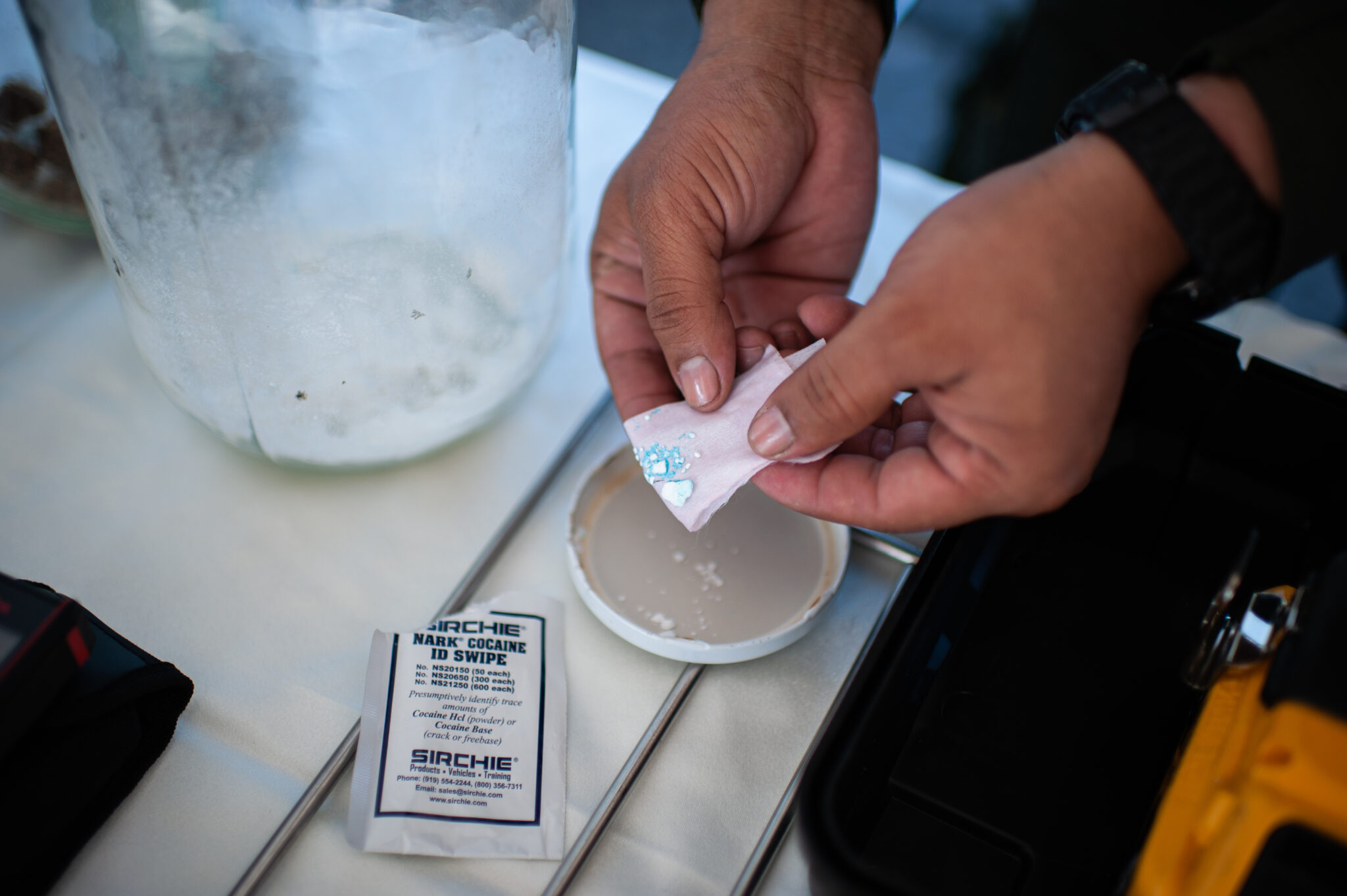
With synthetic drugs like pink cocaine on the rise, Colombia should not mimic its fight against the drugs like marijuana or cocaine in the 1990s; anti-drug policies must turn their focus from users to dealers.
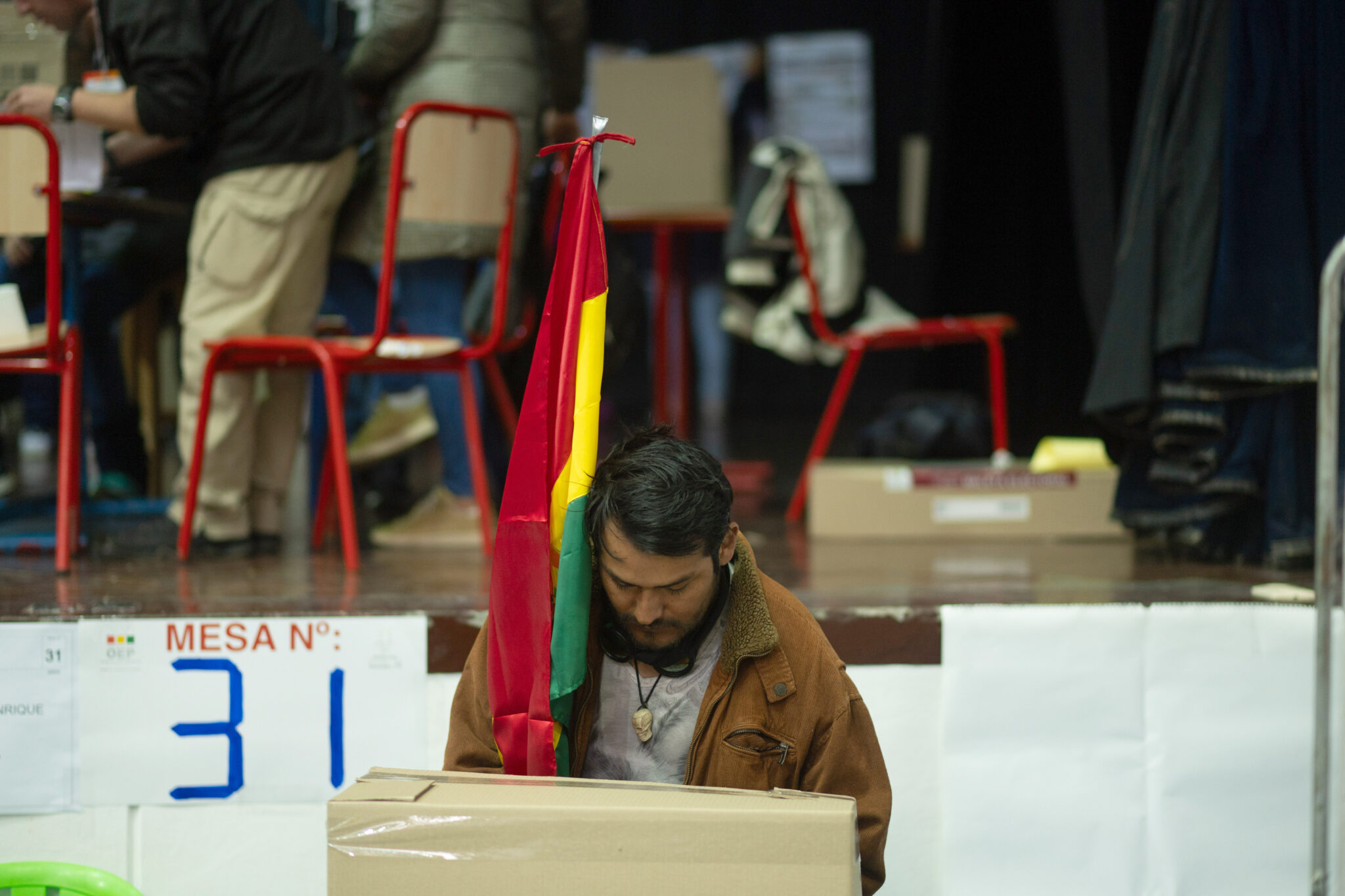
The first round of Bolivia’s presidential election on Aug. 17 brought an end to 20 years of socialist rule. The winner of the Oct. 19 runoff will be handed the responsibility to fundamentally change the country.
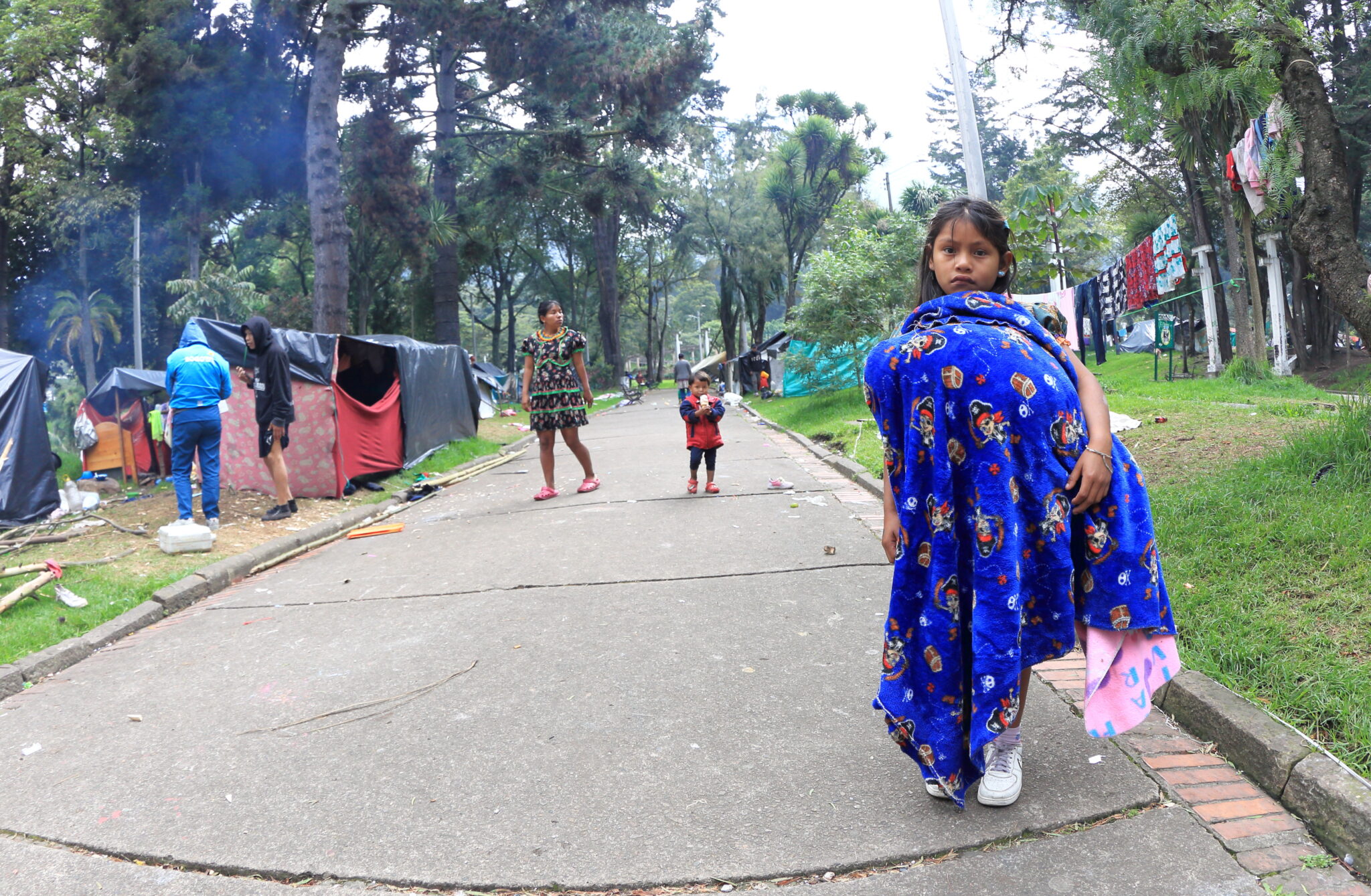
Armed groups are increasingly restricting movement in Colombia’s northwestern Chocó region — a growing problem across the country.
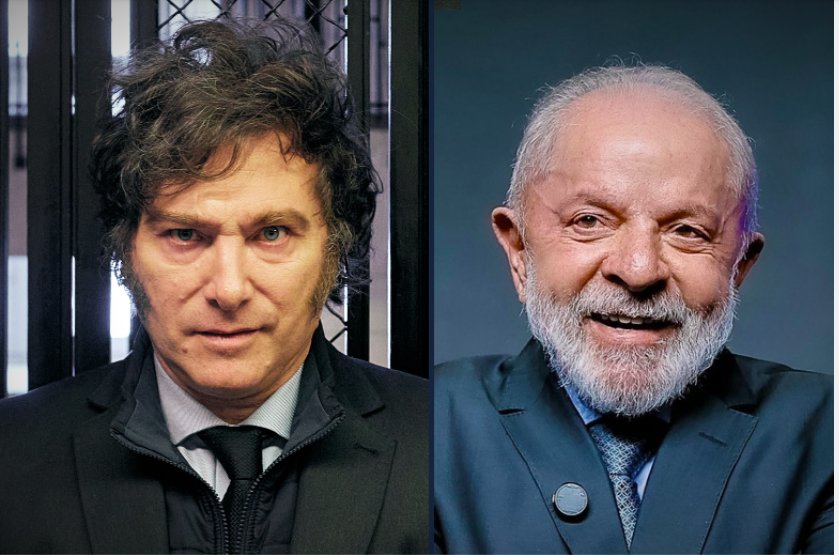
Despite their leaders’ opposing politics, Argentina and Brazil’s similarities outnumber their differences. These neighboring countries must work together, writes former Argentine ambassador to Brazil Juan Pablo Lohlé.
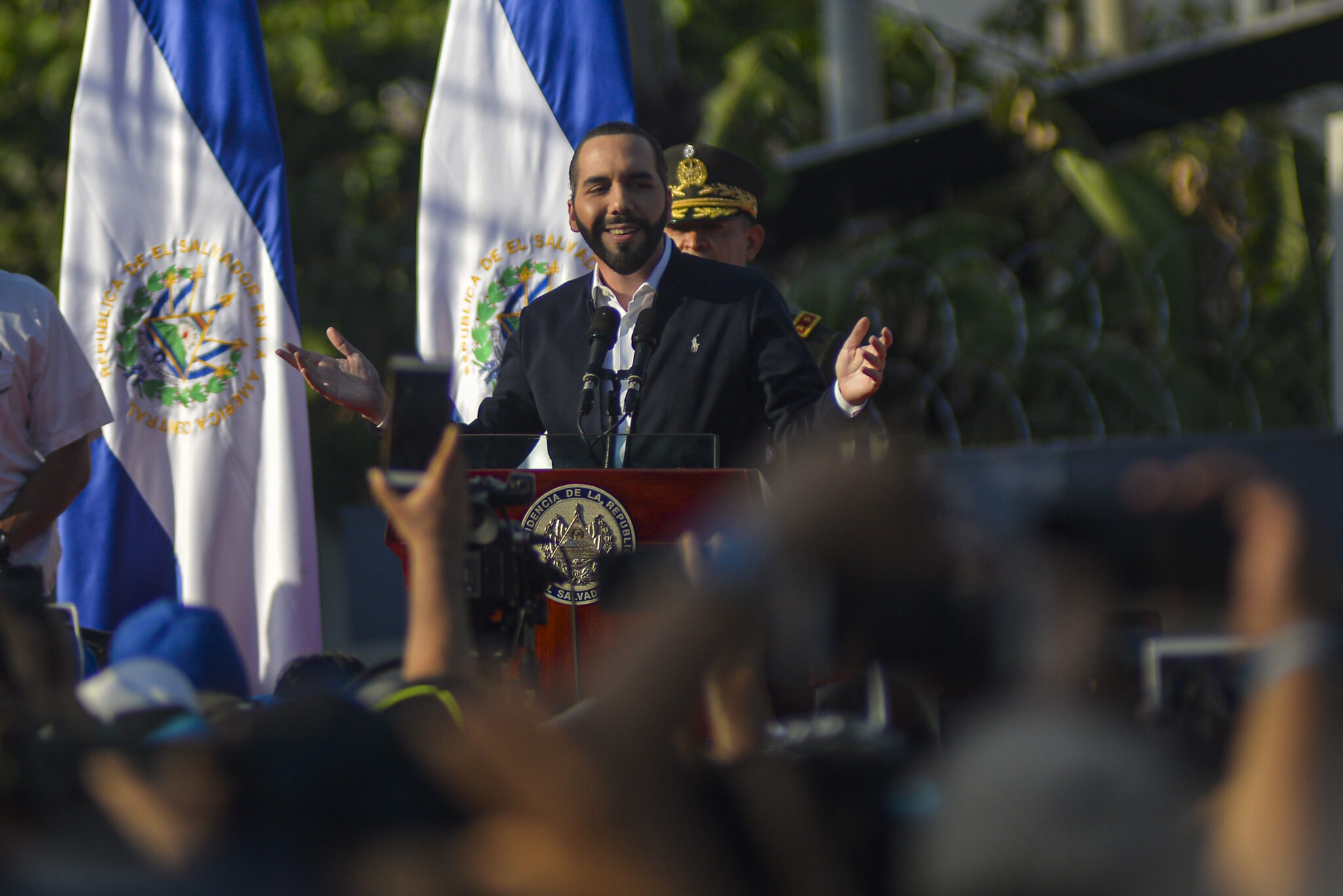
Getting El Salvador’s compliant parliament to legislate and scrap presidential term limits is the latest and sure-fire sign that President Nayib Bukele has no intention of ending his no-nonsense rule any time soon.
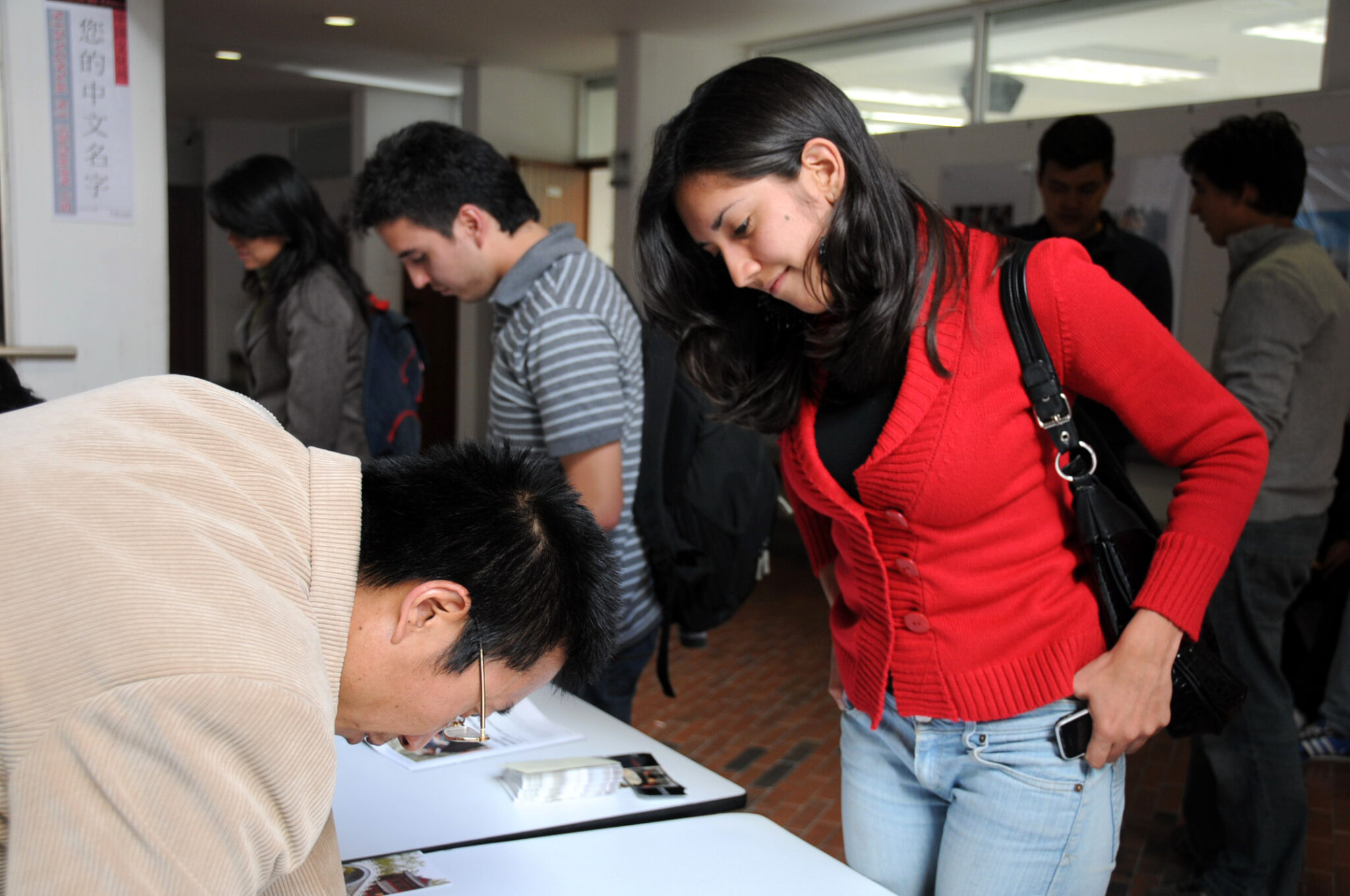
Maoism seduced universities worldwide in the 1960s and 70s, harming tolerance and academic excellence in the process. Today, that fascination has morphed in countries like Colombia into awe of China the superpower, which is equally unnerving.
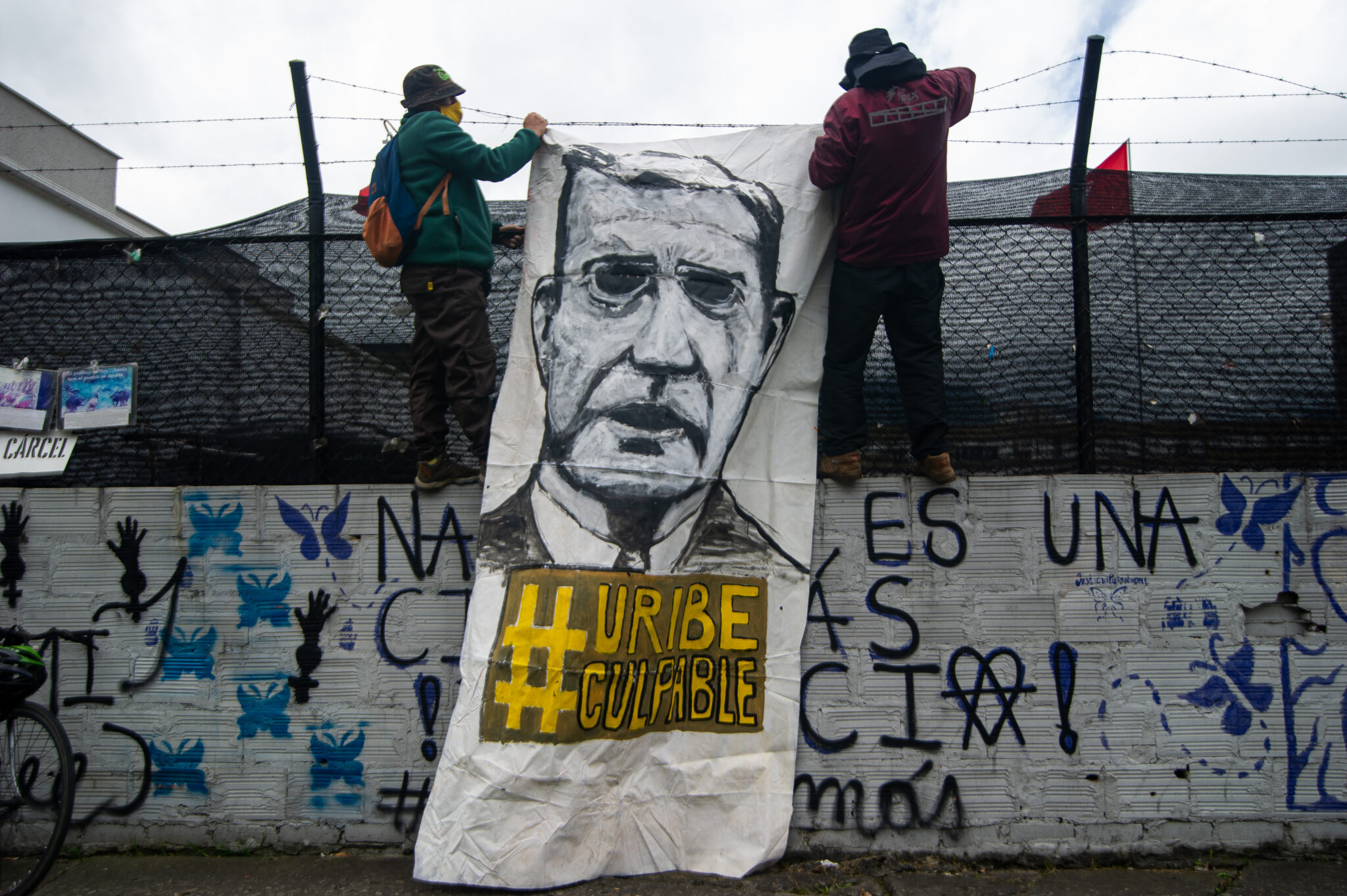
As it recently did with Brazil, the United States is now dissing a court ruling against another conservative politician, in Colombia, and showing the Trump administration’s reluctant respect not just for state sovereignty, but for the rule of law.
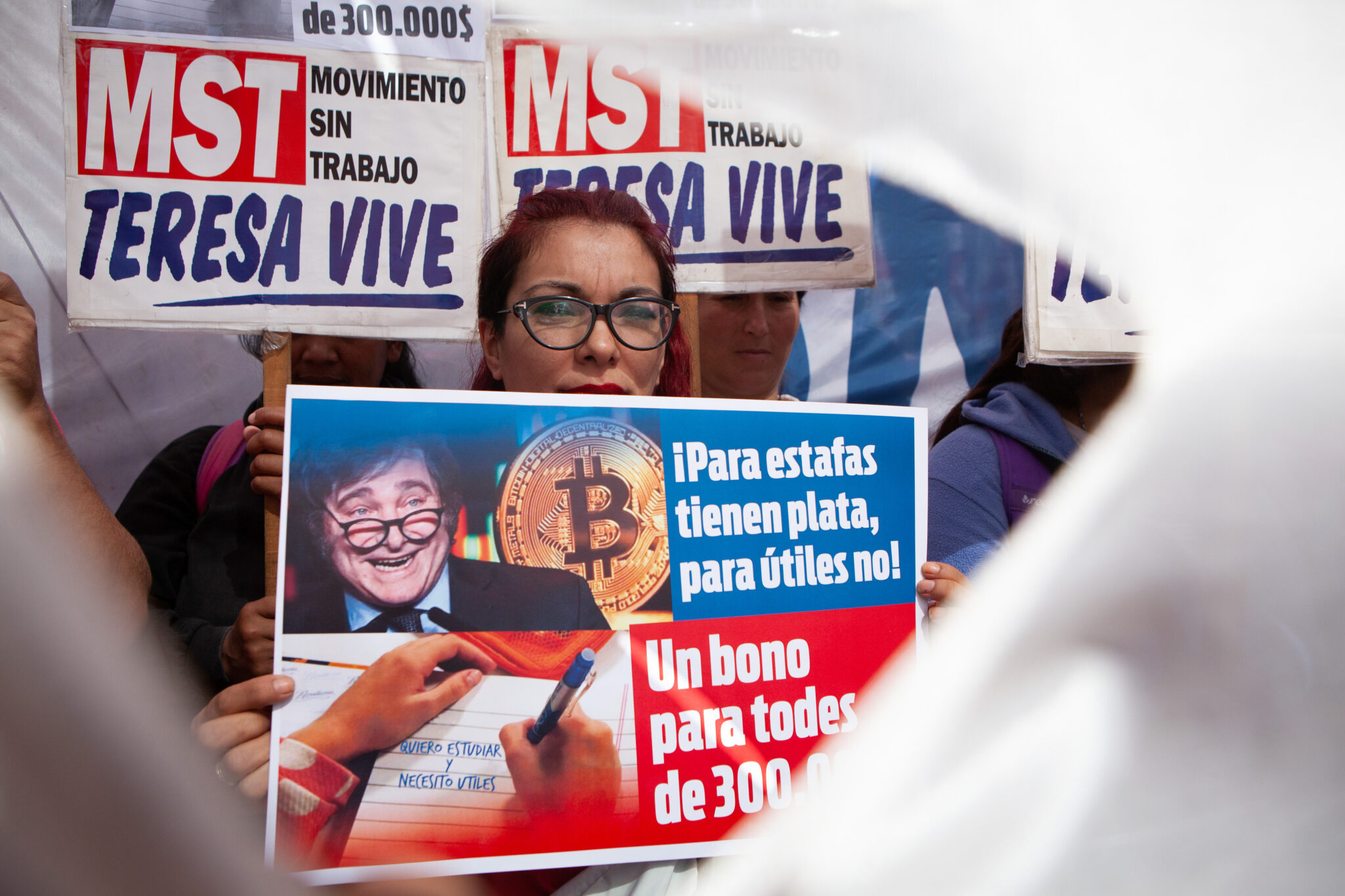
From the ancient Greeks to modern times, thinkers and economists have pointed to the economic virtues of sympathy. So what role should empathy — and even social equity — have in Argentina’s economy?
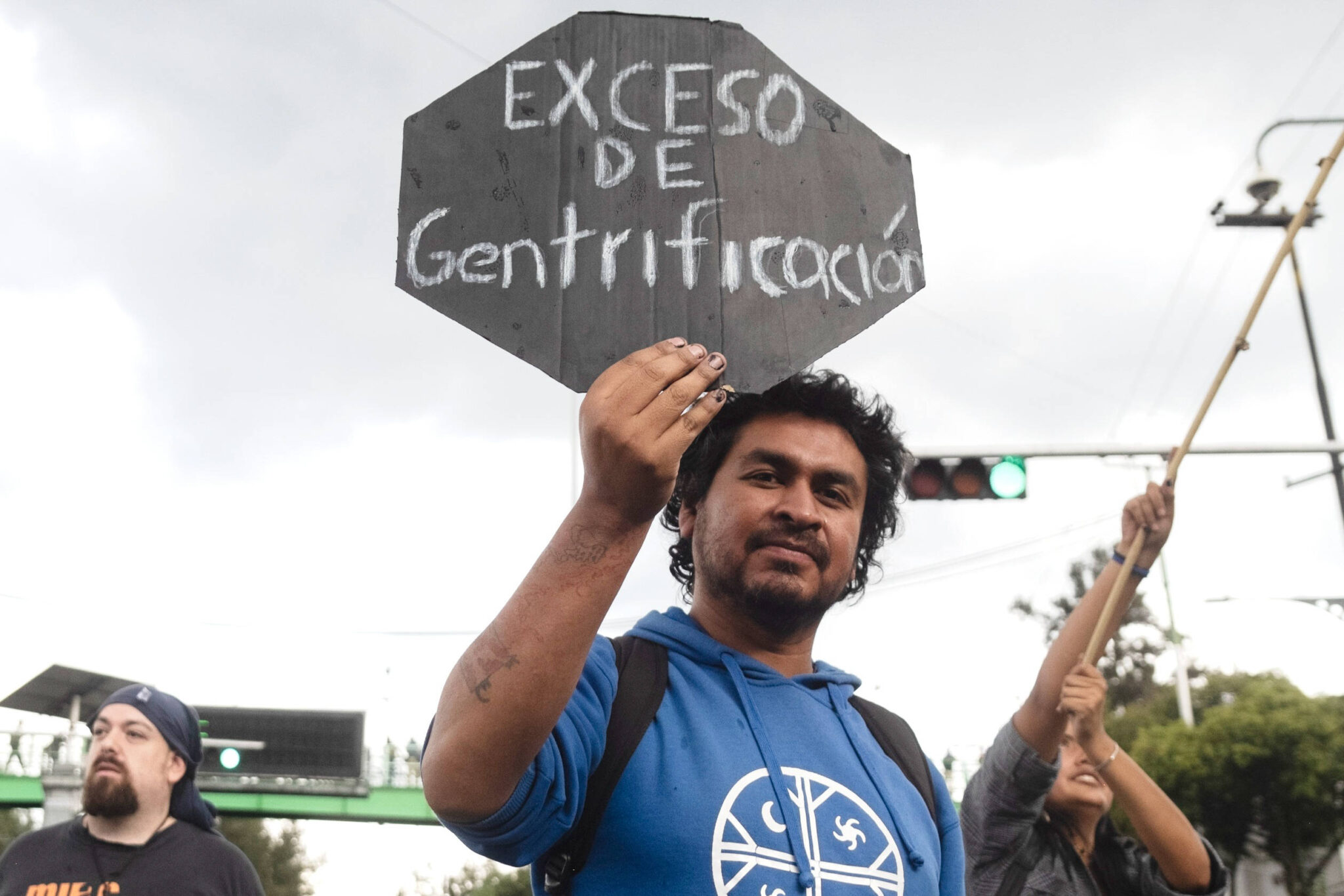
Across Mexico, where gentrification has pushed housing prices up by 247% from 2005 to 2021, locals are angry over their forced displacement and lack of housing rights. They recently protested against mass tourism and “digital nomads.”

Technoliberalism and toxic masculinity tell us that the comfort zone is cowardice. Yet inhabiting this space may be the most revolutionary gesture of our time.
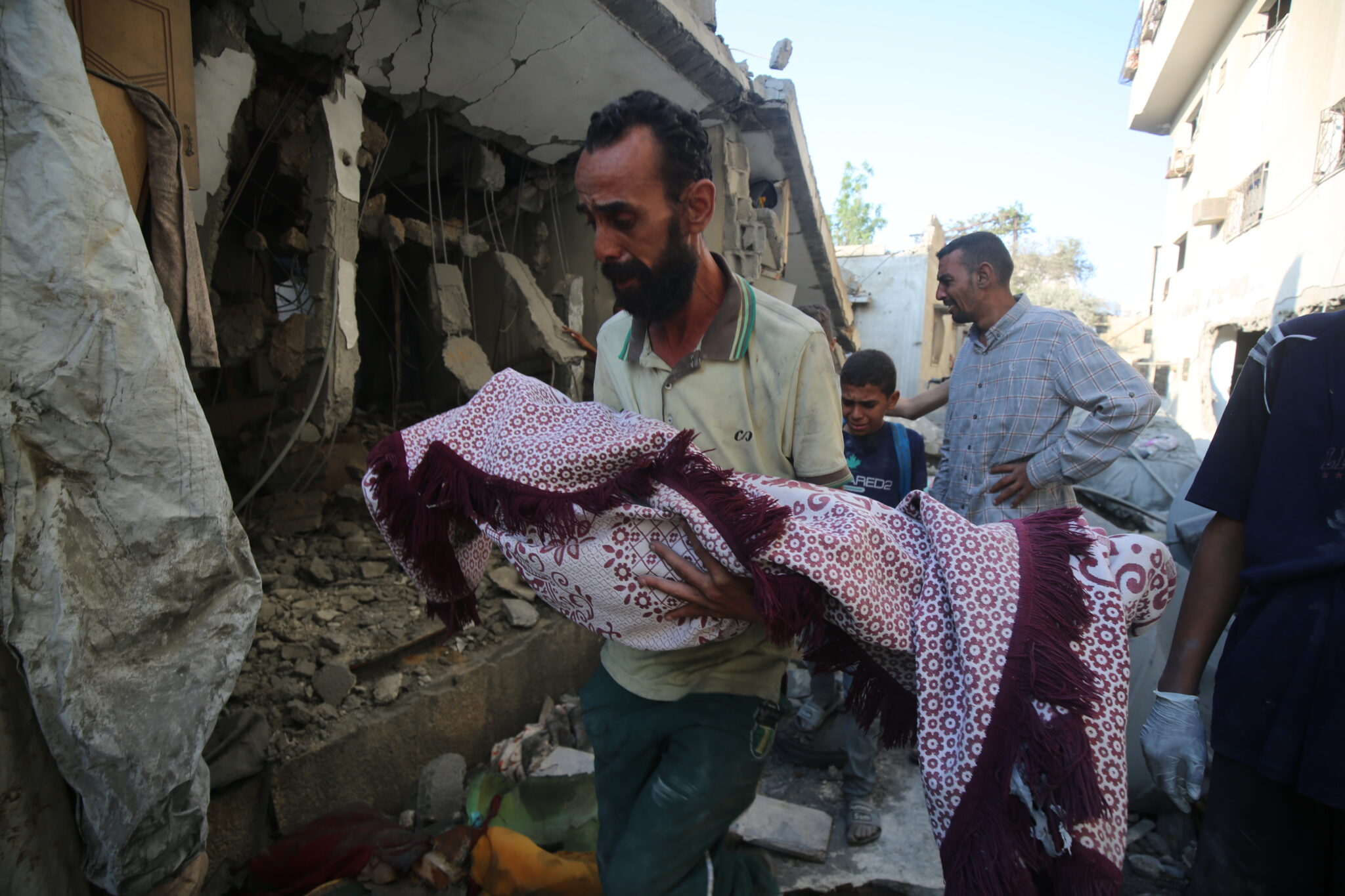
People would have understood Israel’s punitive retribution, even a singularly harsh response, to the October 7 massacre of Israelis by Hamas gunmen. But it has since gone far too far, prompting even sympathizers to wonder in horror, is a democracy committing genocide.
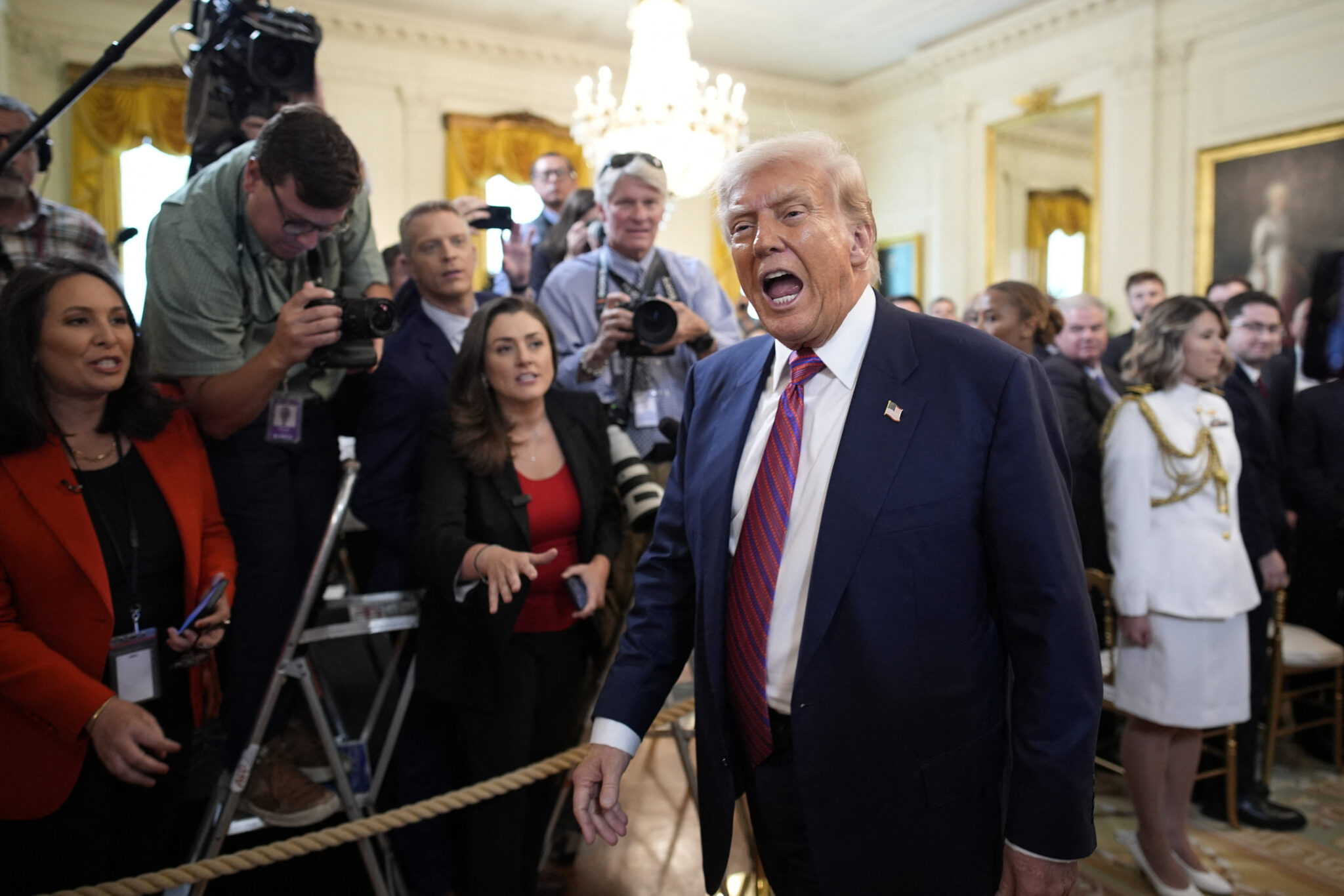
Benjamin Netanyahu proposing the U.S. president for the Nobel Peace prize may seem a sinister joke, but it seems the Gaza genocide these laureates-in-waiting are boasting about is reaping them benefits. It is giving them wings, like those of vultures.

Some of Colombia’s wealthiest families prefer to move abroad, with their money, following a custom of the super-rich in many places. They should remember, the homeland they spurn gave them all the opportunities to become rich.
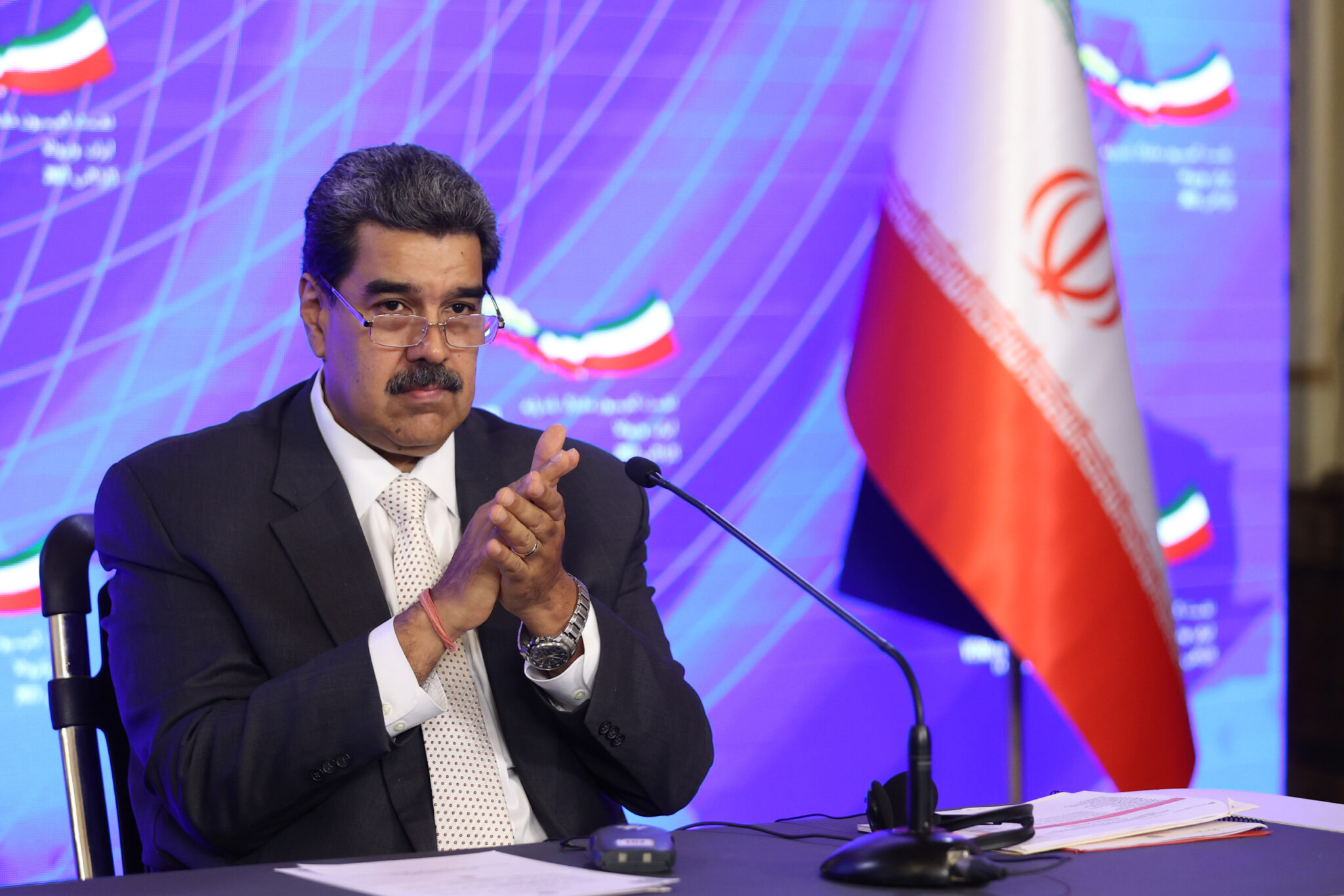
Venezuelan media lambasted Israel during its 12-day assault on the Islamic Republic of Iran, not for justice’s sake, but as an illustration of just how much clout the Tehran regime has bought itself in the Western Hemisphere.

Water Buffalo farming and consumption are expanding in beef-loving Argentina, where chefs and younger diners are already noting advantages: it’s lean, nutritious and helps preserve swamplands.
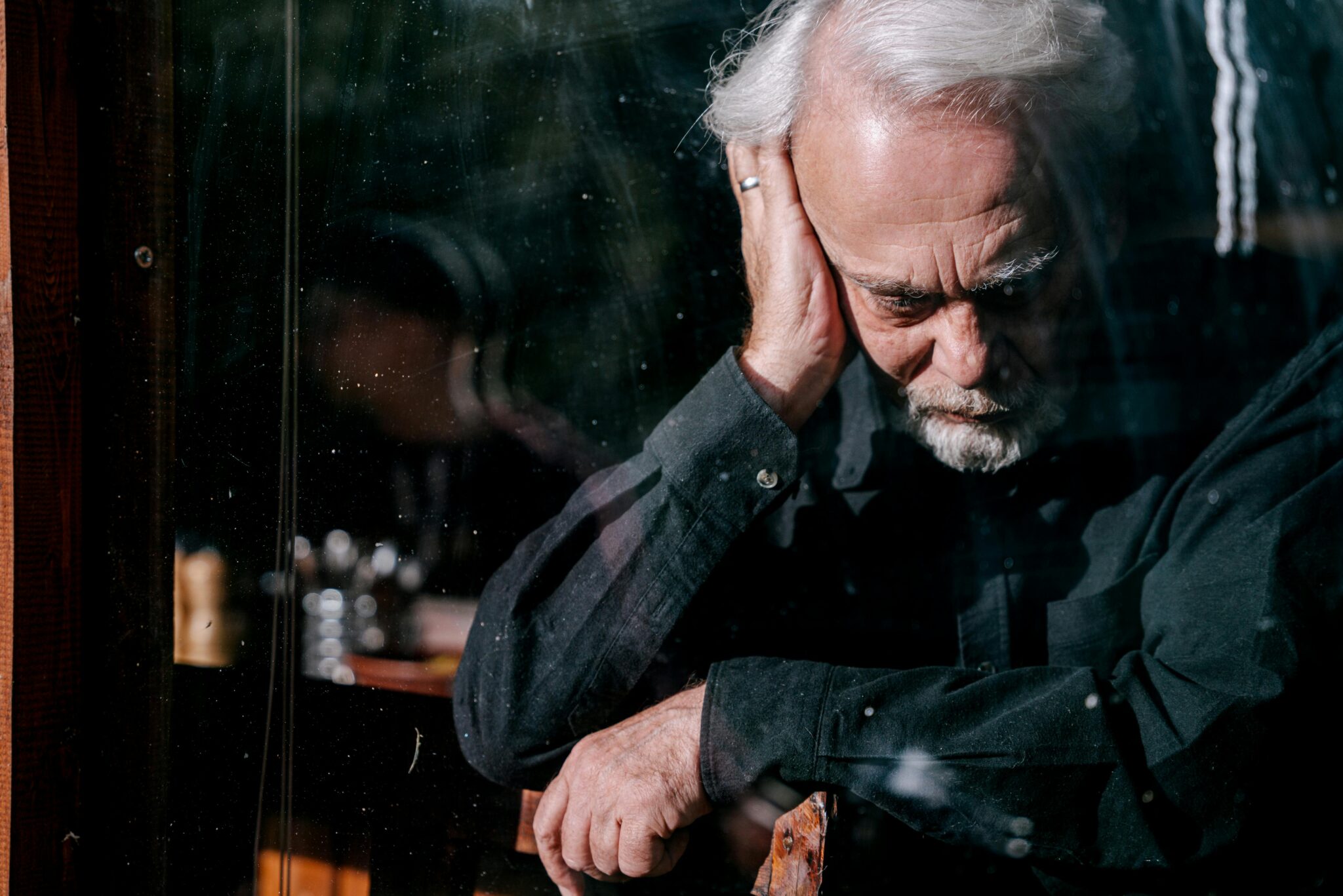
Research has shown how isolation or loneliness can cause mental and physical ailments. Being alone is an objective state but feeling lonely is a fuzzier predicament. One recurring trait among lonesome people is a sense that nobody really cares about them anymore.
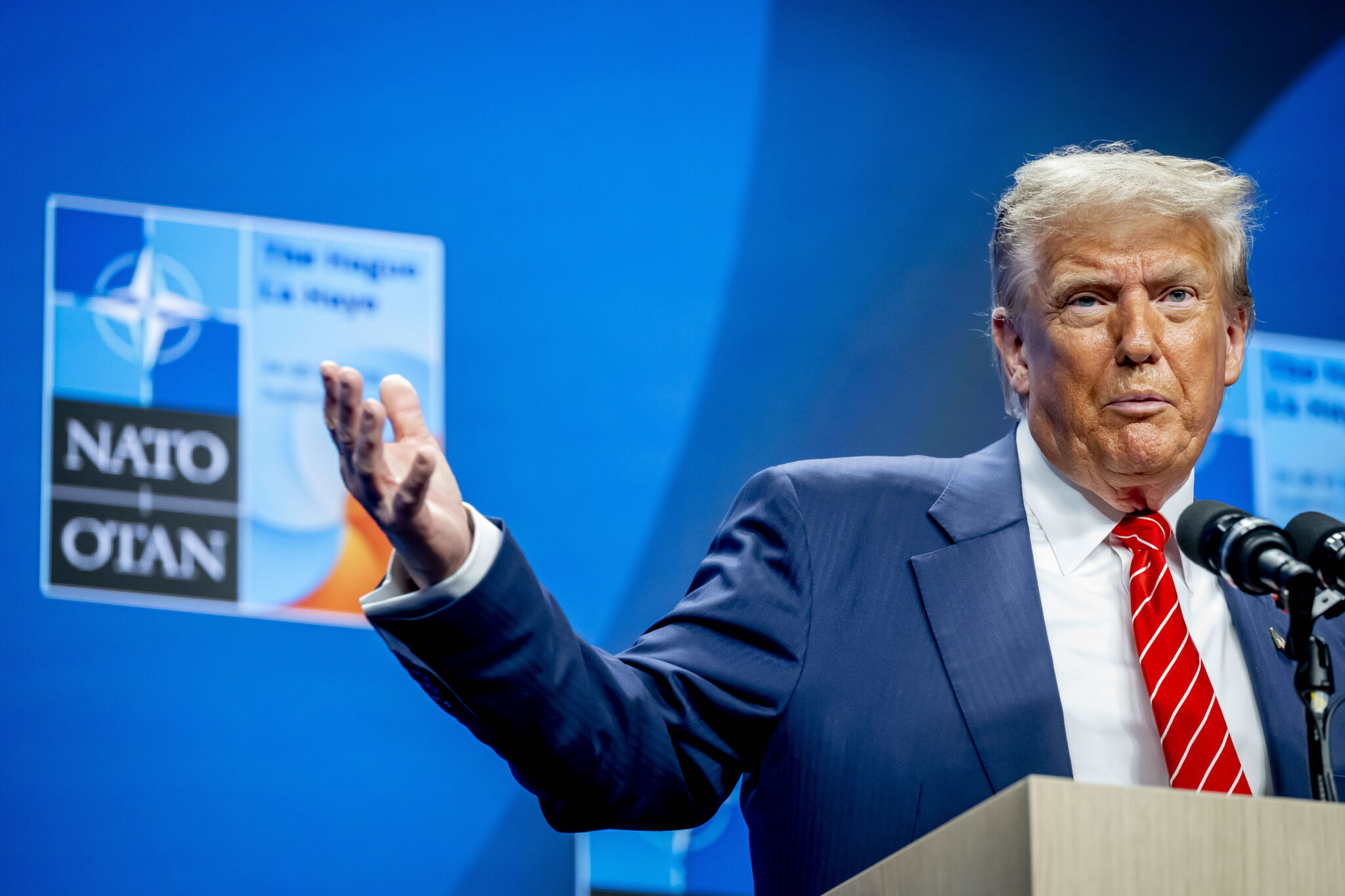
The so-called “liberal international order” was neither very orderly nor very liberal, nor even very international. Rebuilding from the current troubling state of the world means being clear-eyed about interests and influence, both past and future.
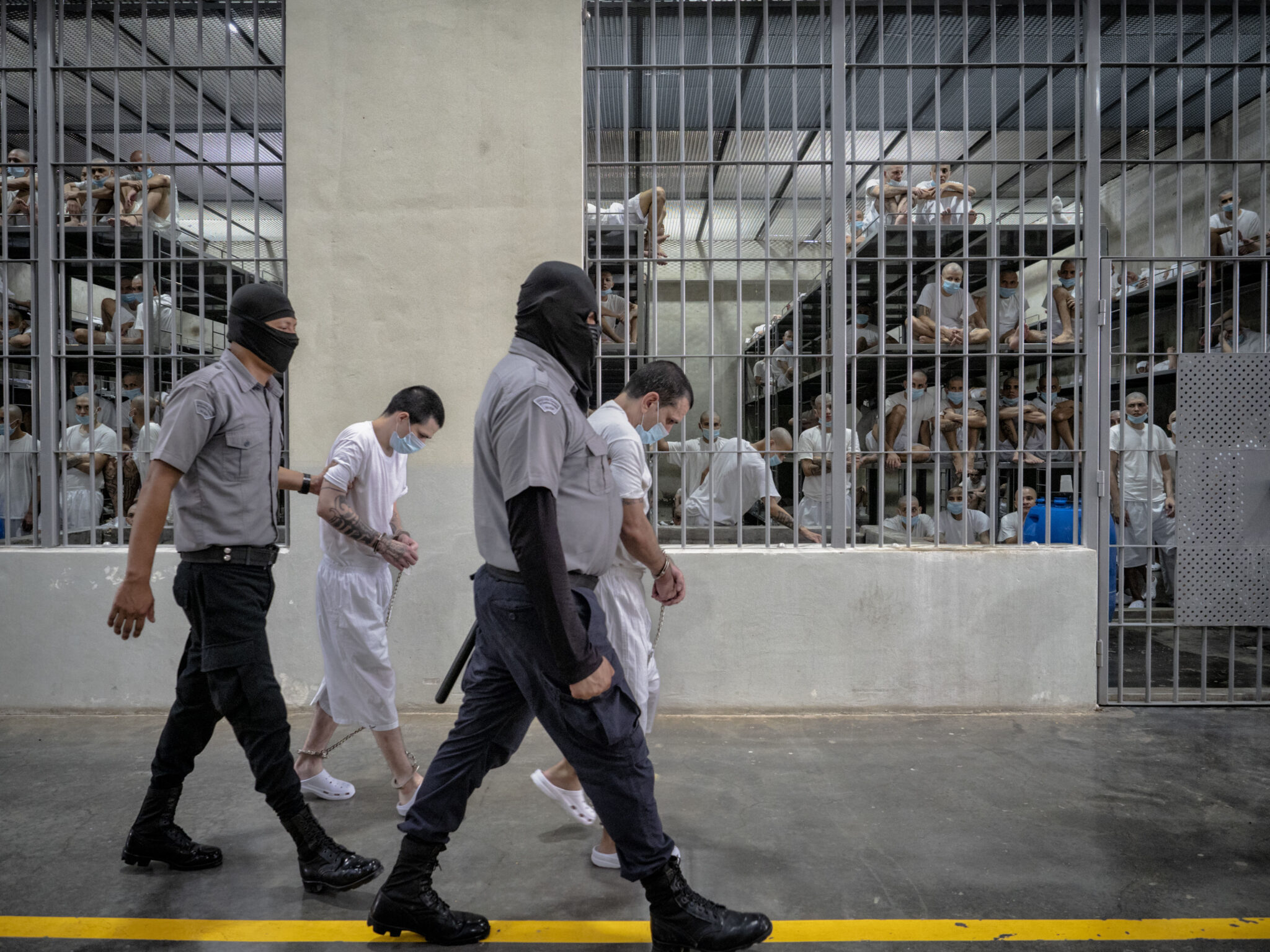
After turning his war on crime into a global spectacle, El Salvador’s President Nayib Bukele has reportedly cut deals with the Mara gangs, like his predecessors, possibly in return for their quiescence in order to keep Donald Trump happy.
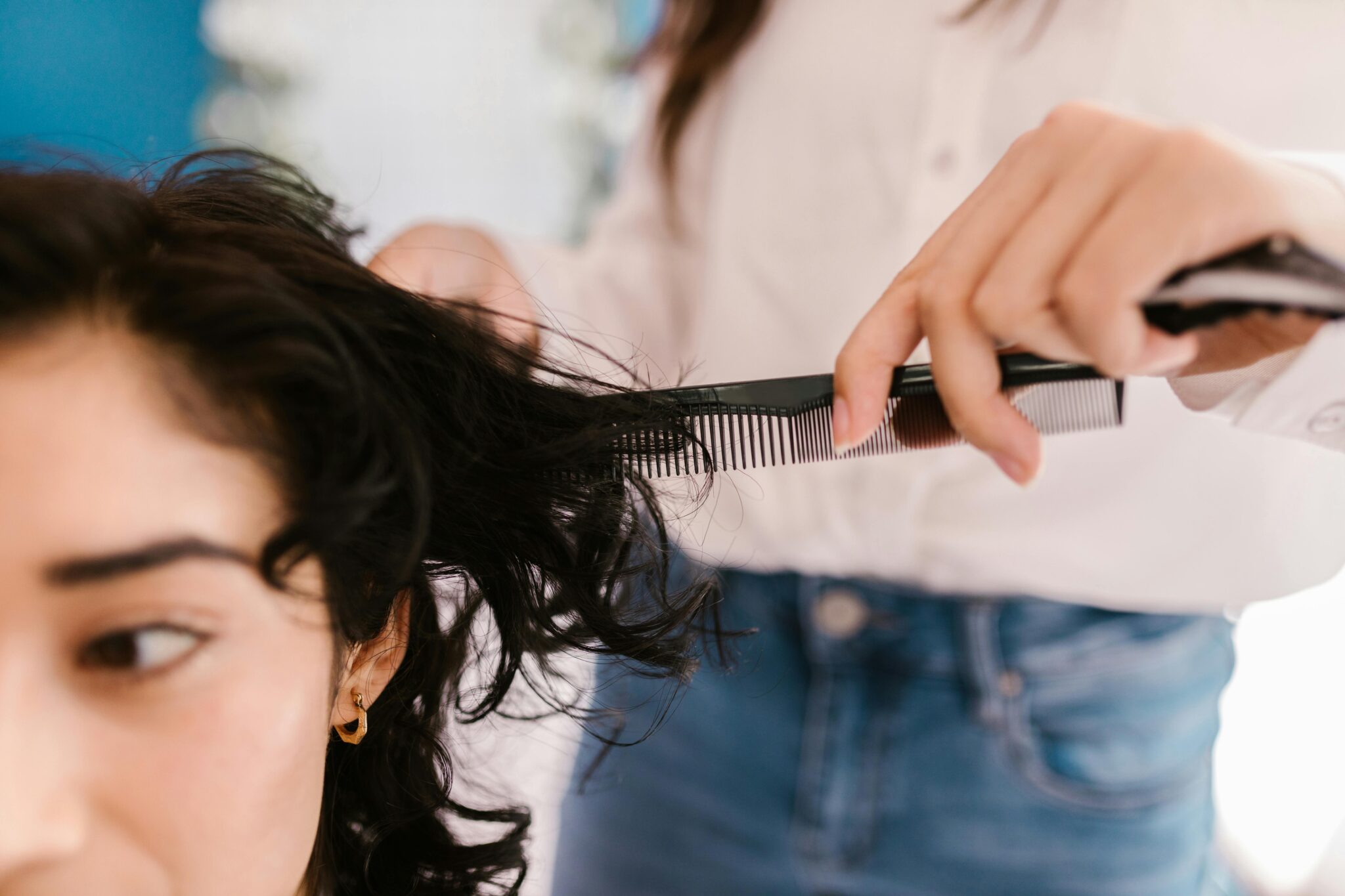
The hair salon or barbershop can easily become a friendly, therapeutic space for people who need to talk, but only if a sensitive owner can foment the right level of coziness

A bracelet from Spain is one of the products helping detect if your drink was ‘spiked’ at a nightclub to cause torpor and impede self-defense. But while such tools may prevent incidents like rape, activists say they’d prefer solutions to the plague of sexist violence, Luisa Lara reports in El Espectador.
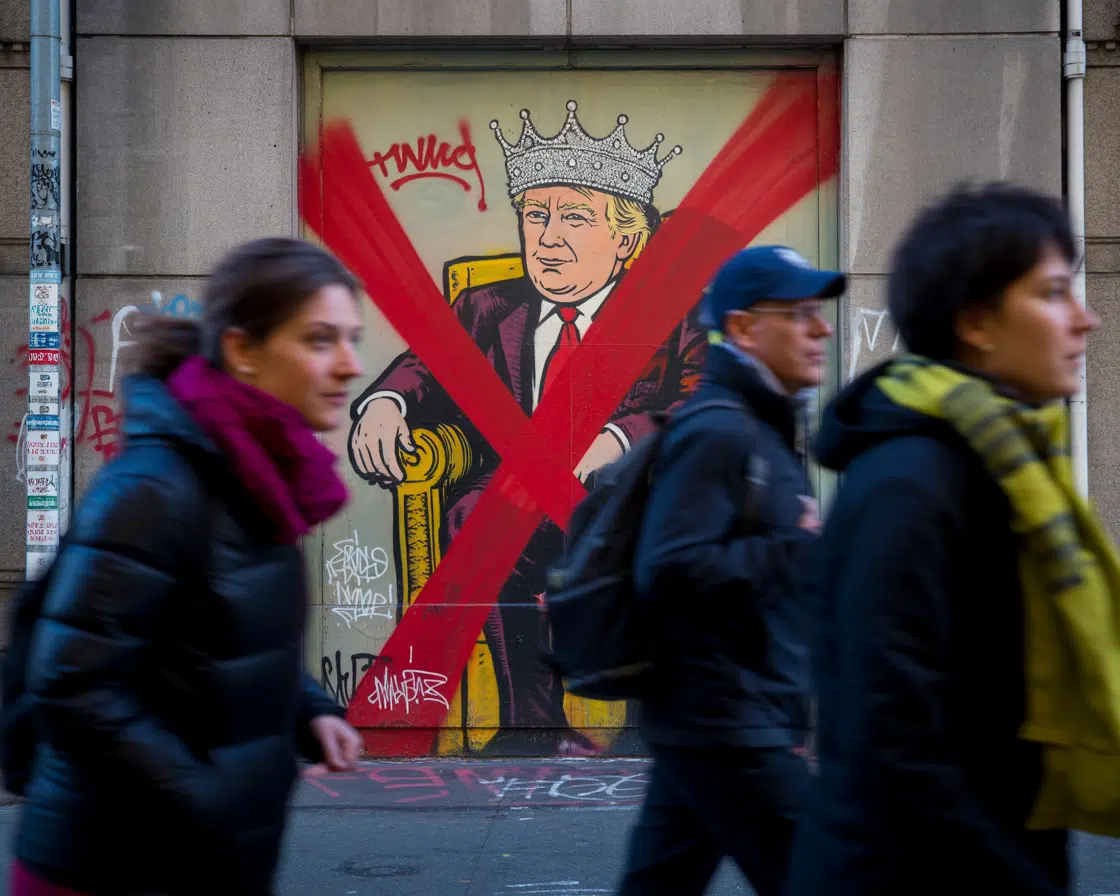
In the 21st century, international leadership is not defined by force alone, but by the strategic intelligence to understand that openness is not a threat, but an opportunity.
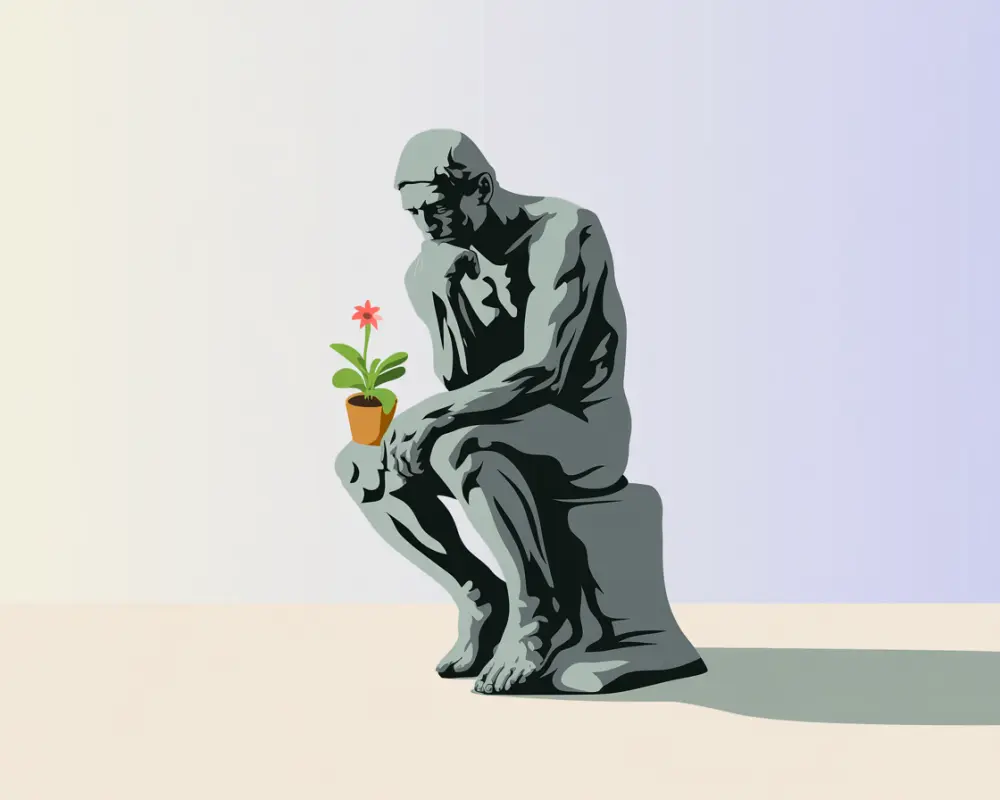
A laboratory at Spain’s University of Murcia is trying to find the common denominator among all the intelligences that inhabit this planet, no matter how different they may be.
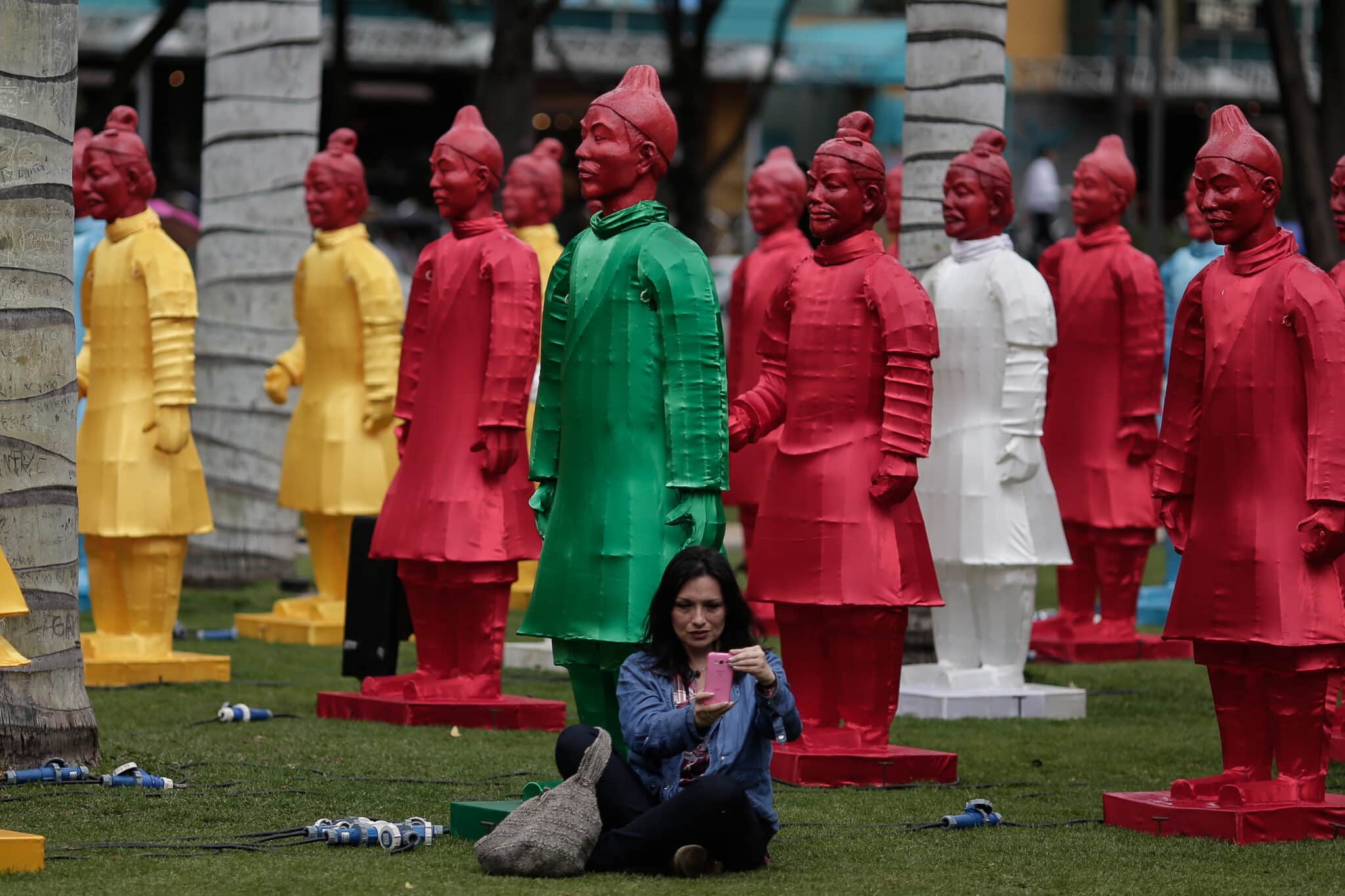
China is taking a growing interest in investing in Latin America — just as the Trump administration is making the United States less reliable. But what are Beijing’s real motivations.

Rats, which can transmit deadly diseases, seem to have proliferated everywhere, unchecked. Is the anthropocene a mere prelude to a nightmarish, golden age of rats?

Far fewer Latin American migrants are trying to reach the United States under the Trump administration, but is this a “problem solved”? For now?

Gang crime, explosions and hitmen killings, linked to guerrillas or cross-border trafficking, are turning the Colombian frontier city of Cúcuta into a lawless free-for-all. The locals however, are not as shocked as they should be.
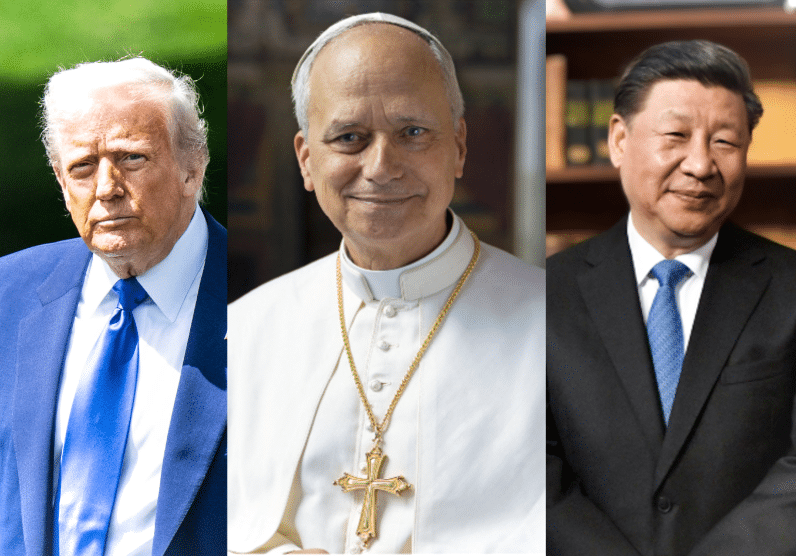
In the 1980s, a U.S. president, a Soviet reformer and a determined pope helped end the Cold War to change the world. It was a “coincidental” partnership, but could it be repeated today with Trump, China’s Xi and Pope Leo XIV?

In the U.S., Catholics have been embracing technological innovations to transform the way their faith is practiced and shared. Even Pope Leo XIV has highlighted the importance of using modern communication tools such as social media.
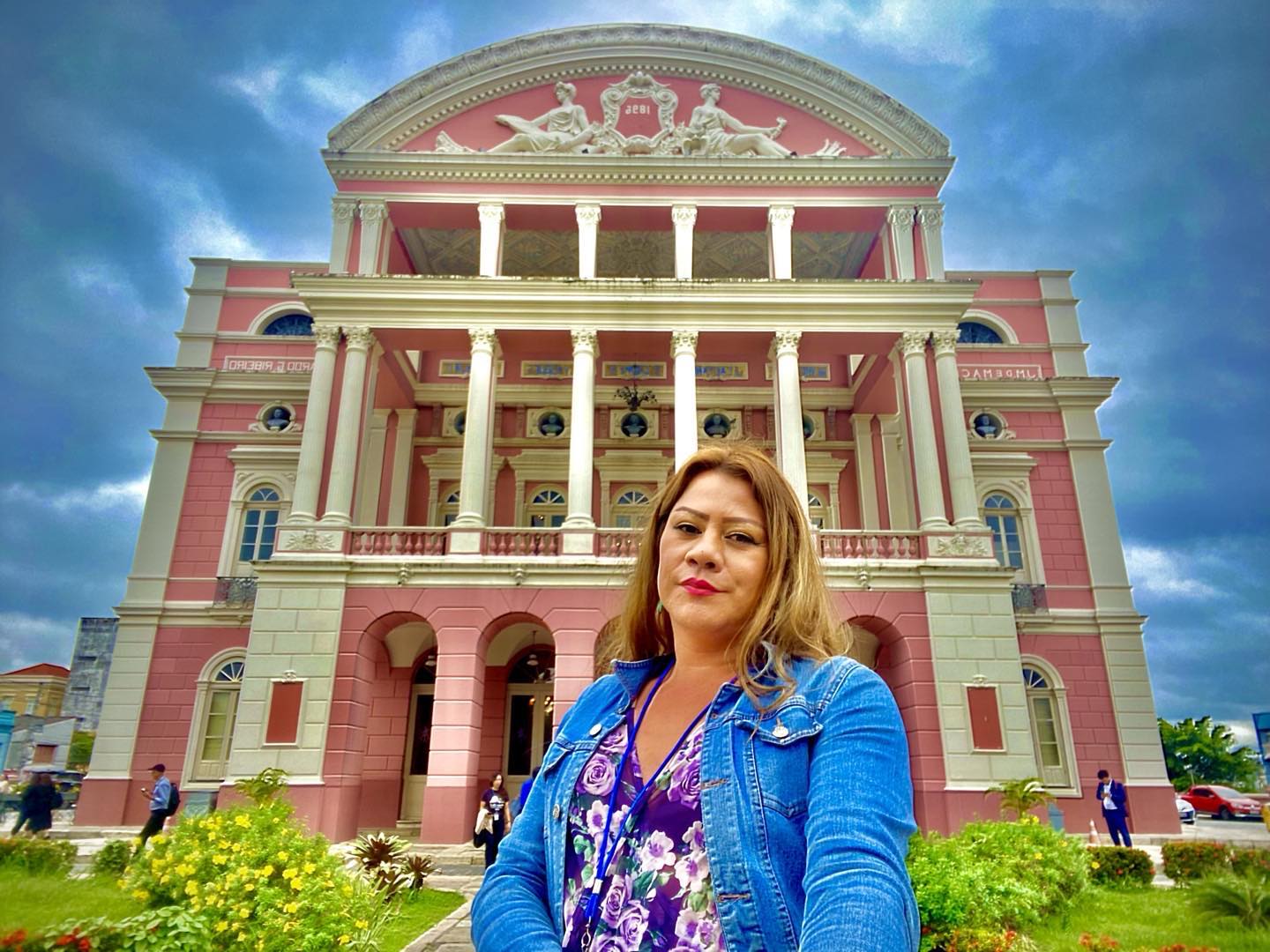
Mother figures don’t always look the same. In the lives of many trans people, that presence comes in the form of a trans mother — a role that is born out of love and chosen care.

Pope Leo XIV’s Latin American connections and first-hand familiarity with the lives of the poor in Peru, will likely reinforce his predecessor’s social vocation and vigorous concern for migrants. But that’s not the only way he expresses his Peruvian side.
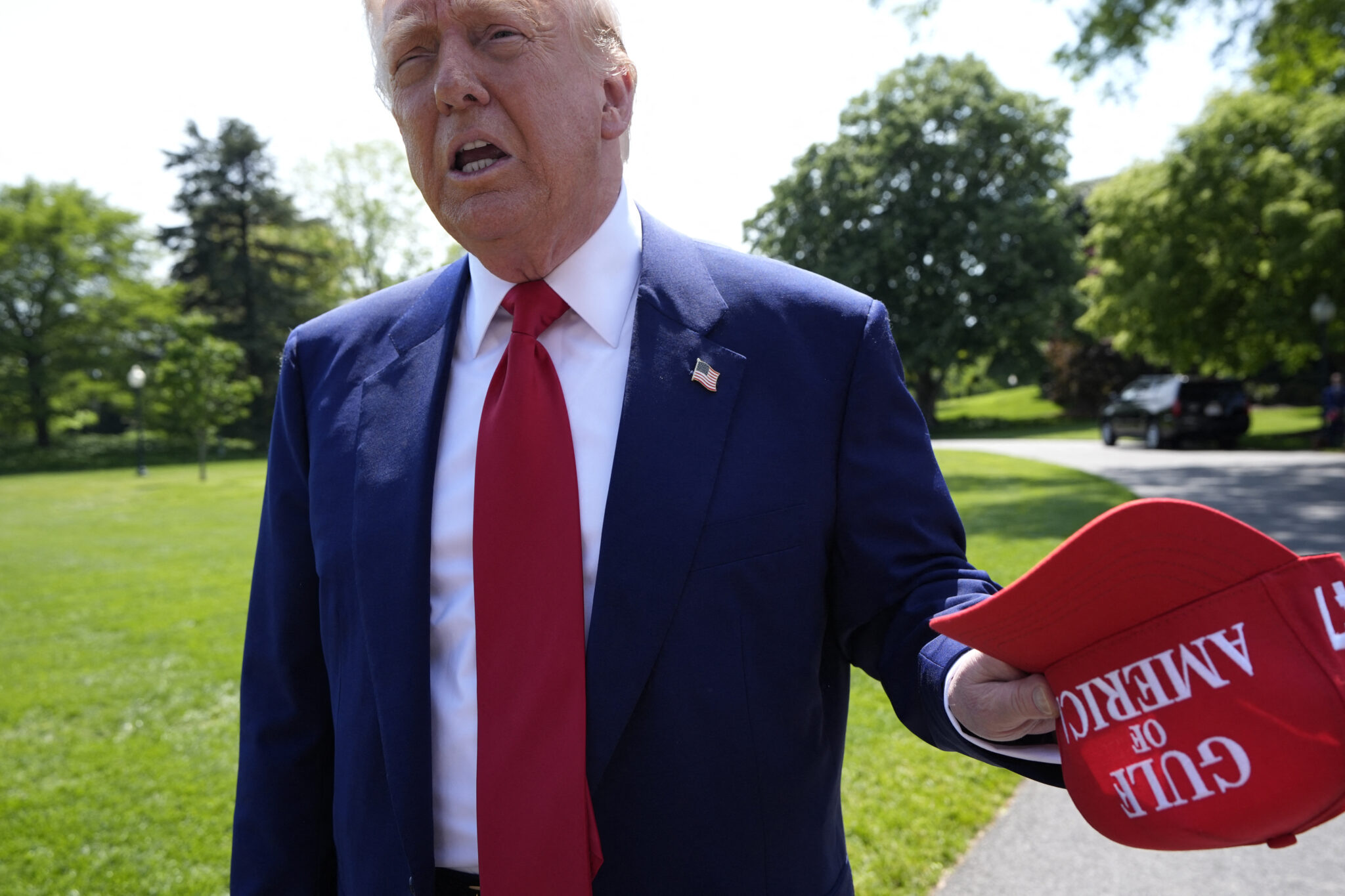
While place names often change in history — closely following power dynamics — there is very little geographical or historical justification for the Trump administration renaming the Gulf of Mexico.

Latin American voters are turning to leaders seen as efficient and able to tackle endemic problems like crime and corruption. Does it mean they have also turned their back on party politics for good, and even their own rights or liberties?
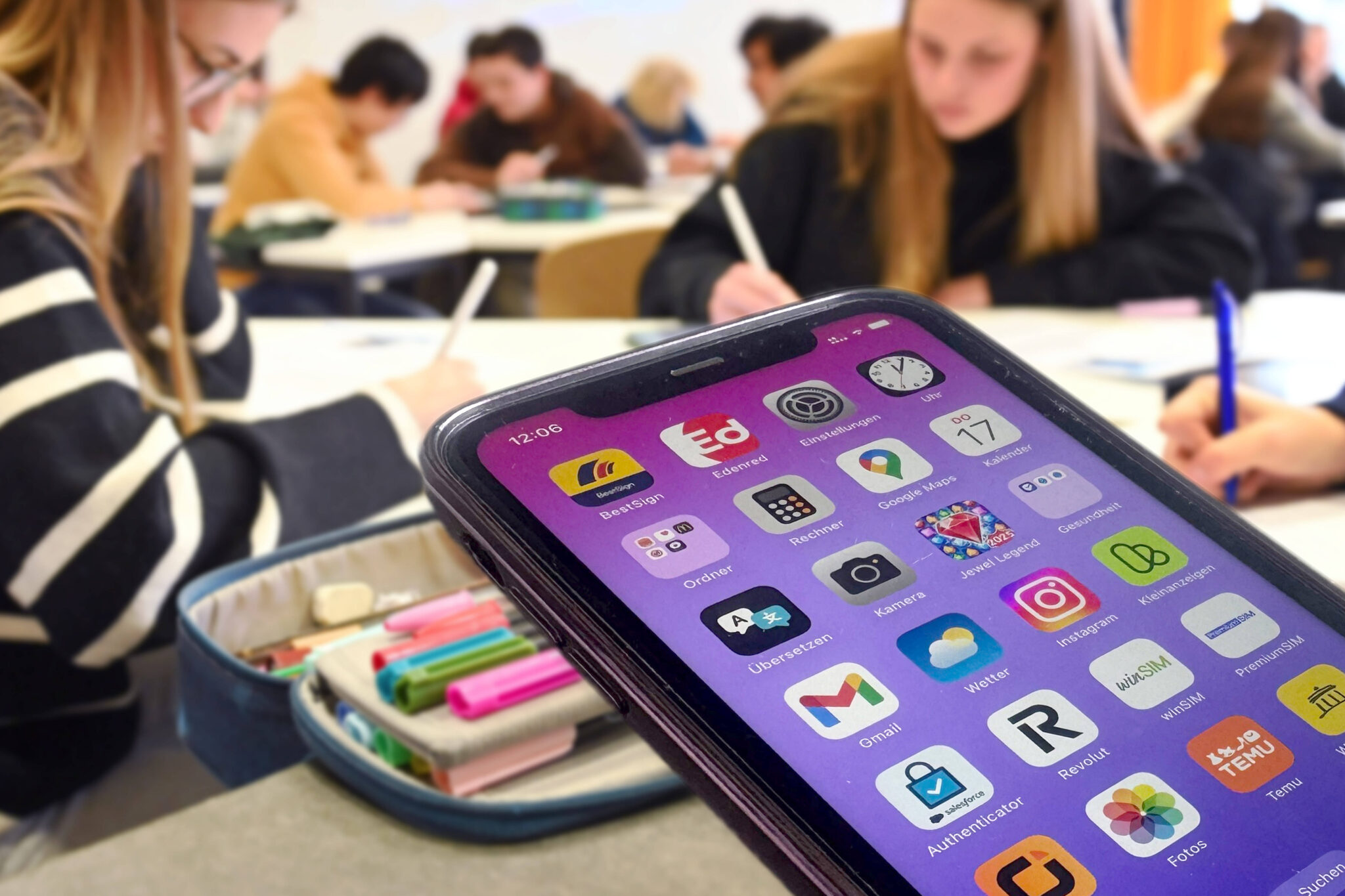
There is enough evidence already on the harm done by screen addiction among minors to justify banning smartphones for the entire school day, yet many schools and countries have yet to take strict action on this issue.
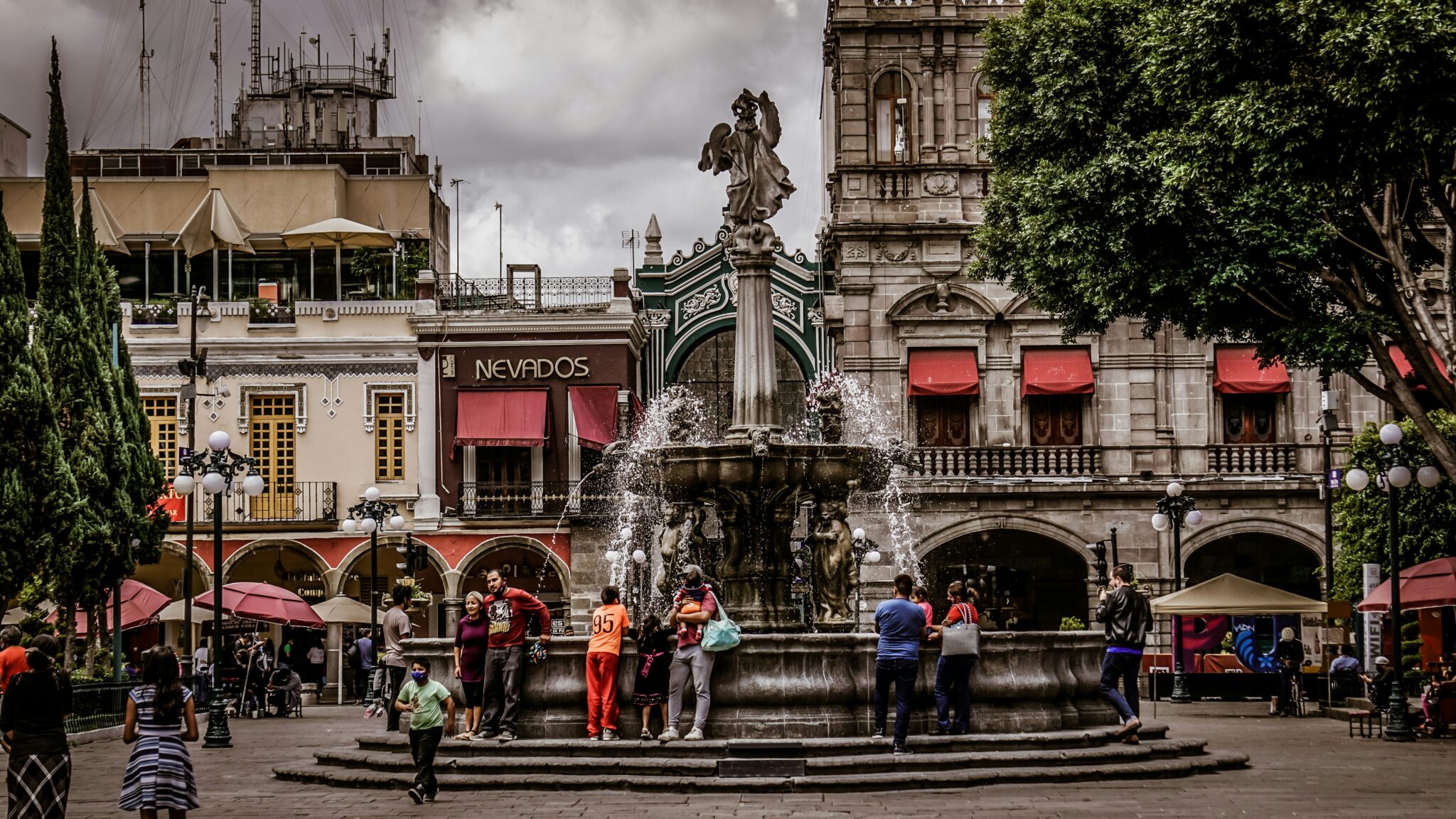
Mexico failed to use the legal stability provided by the NAFTA treaties to consolidate lawful governance at home. Now, as U.S. President Trump shakes up all his country’s ties, millions of Mexicans are up against the consequences of their country’s endemic and unresolved problems.
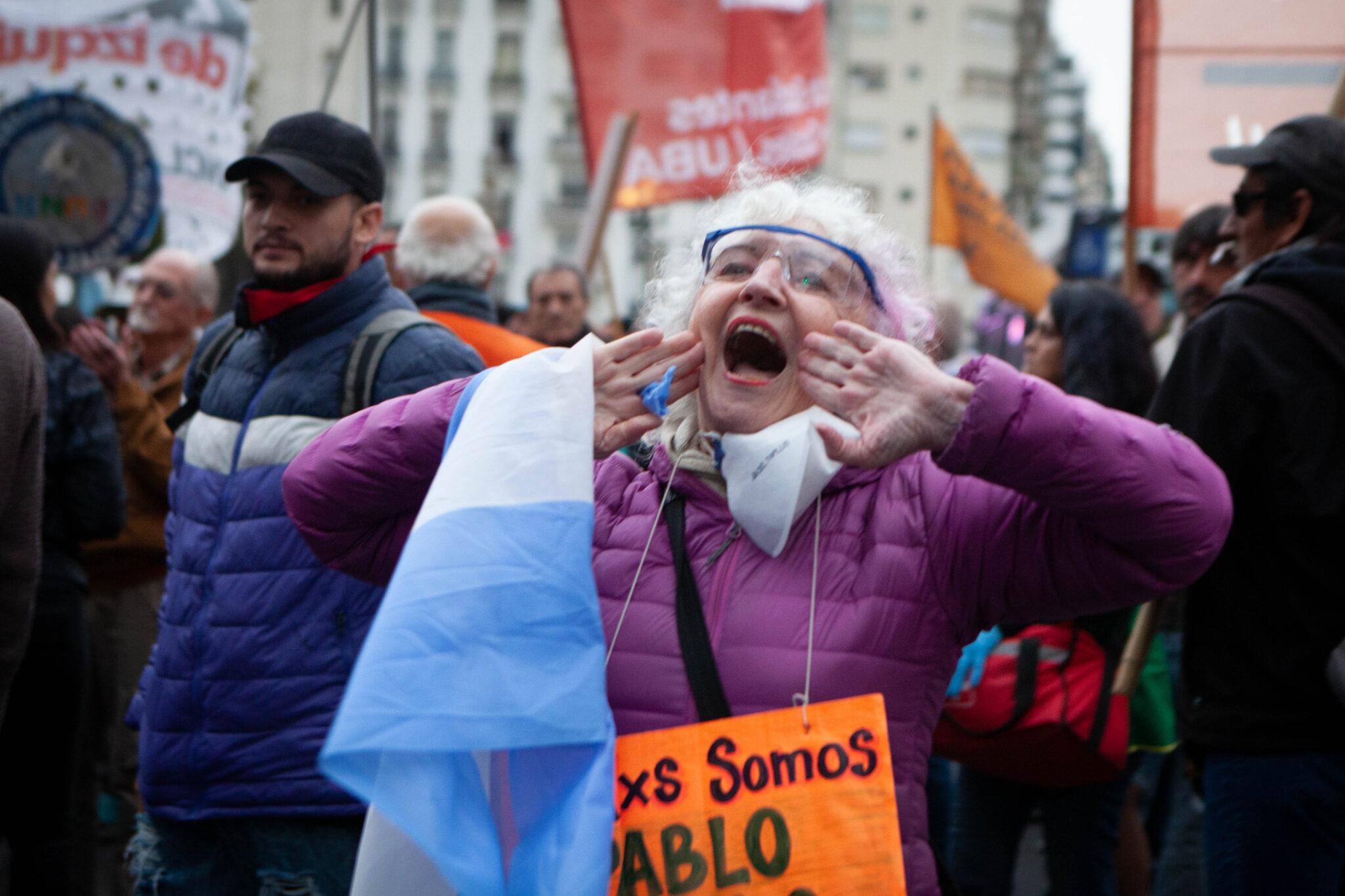
Latin Americans must do more than just keep afloat and survive the harsh times reflected in the Trump presidency. They can show the world a model of humane governance that shuns the economic, environmental and military violence of our time.