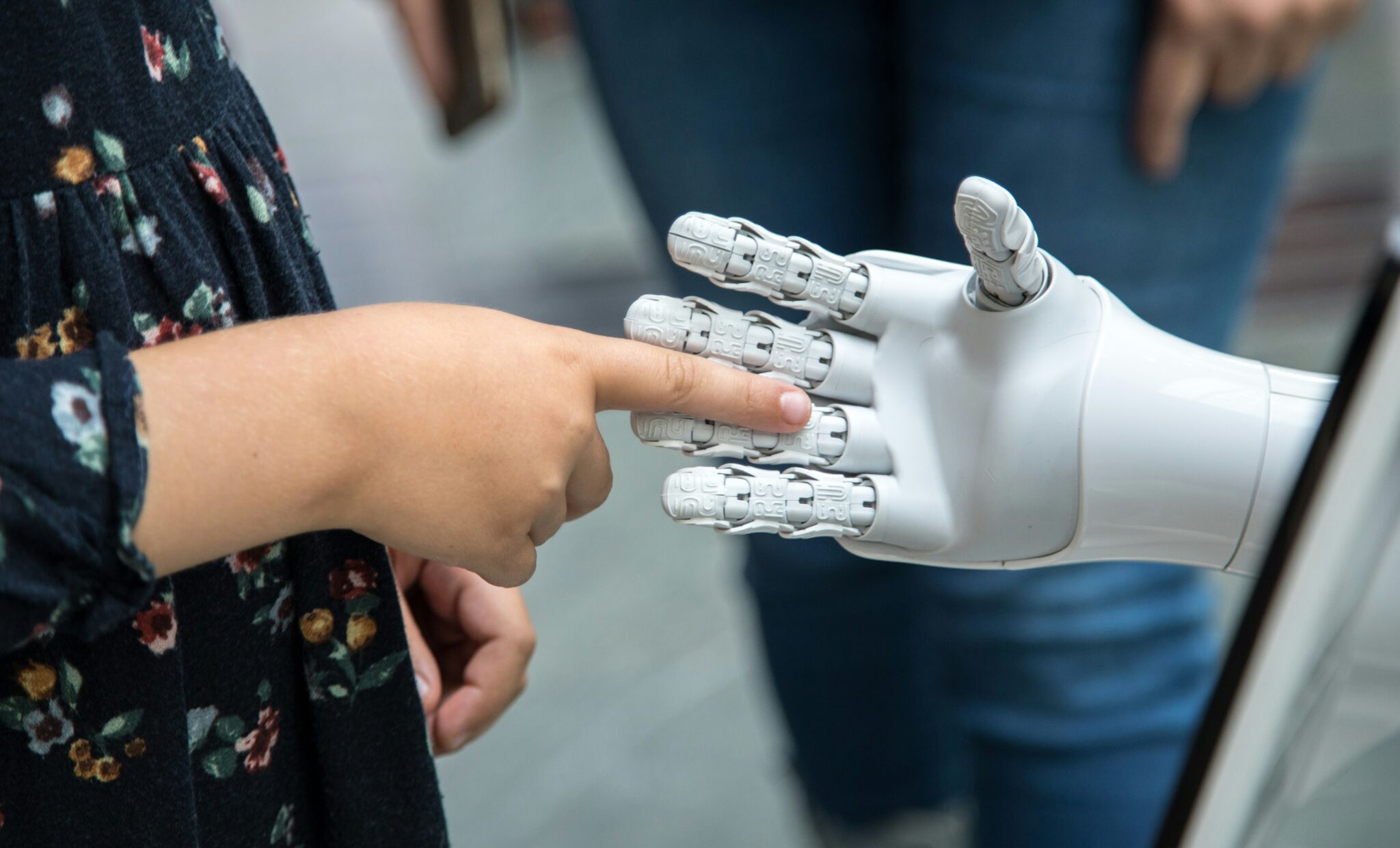
Why do some people love using artificial intelligence tools while others feel anxious or suspicious of them? The answer isn’t just about how AI works. It’s about how we work.
 Worldcrunch
Stay updated with comprehensive news on the United Kingdom from Worldcrunch. Discover insights on British politics, economic strategies, societal issues, and cultural landmarks with translations from top international sources. Highlights include London, Manchester, and cultural events.
Why do some people love using artificial intelligence tools while others feel anxious or suspicious of them? The answer isn’t just about how AI works. It’s about how we work.
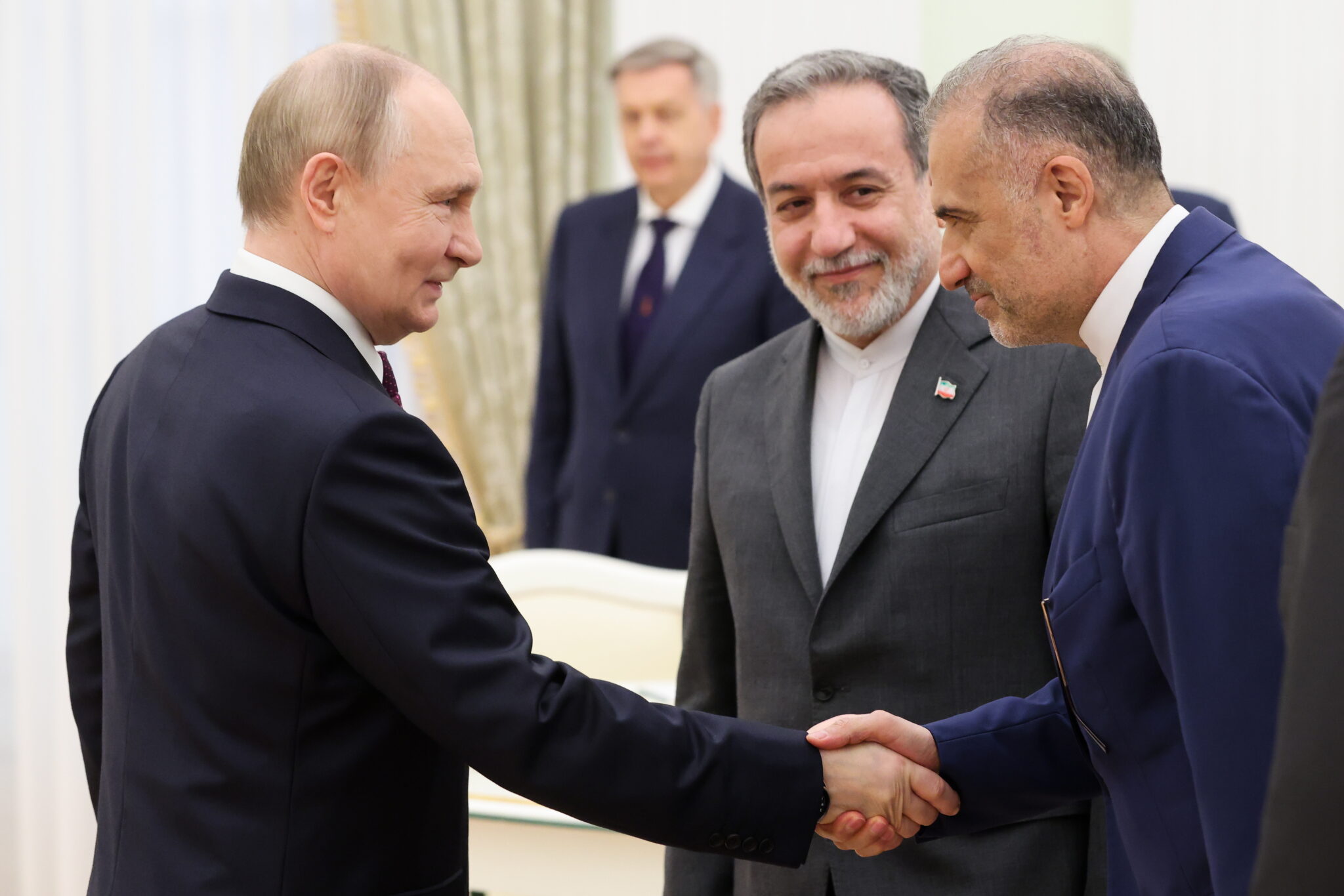
Like two centuries ago, Tehran is caught between two competing powers: Vladimir Putin’s Russia and the West, led by the U.S. and UK.
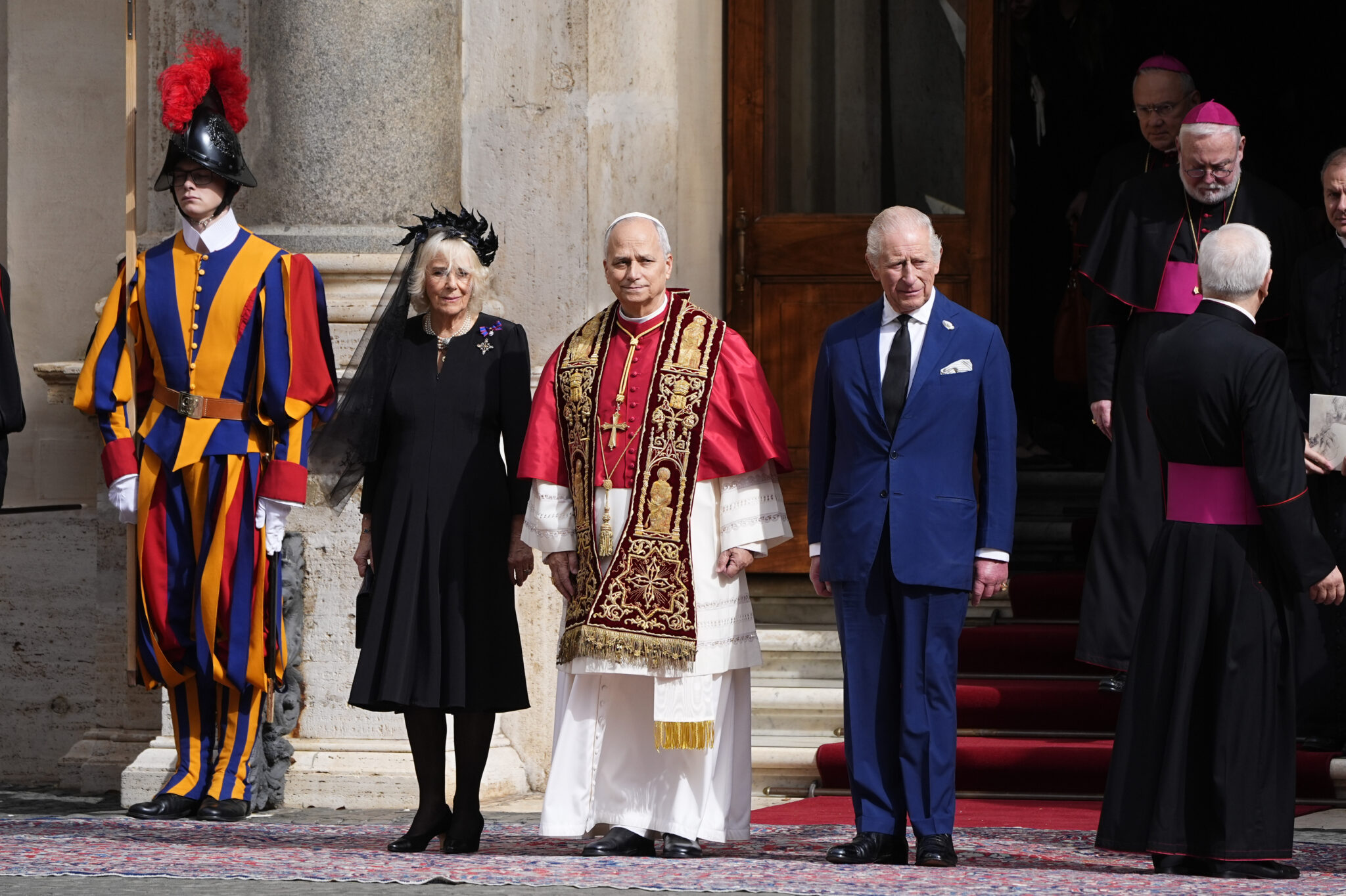
The first joint prayer since Henry VIII anchors a Vatican day focused on peace, climate ahead of COP30 in Belém, and closer Anglican Catholic ties, with Charles named Royal Confrater at Saint Paul Outside the Walls.
From Spotify playlists to algorithm-driven hits, streaming platforms and financial pressures are turning pop into a uniform, predictable sound.
The concept of the “autism spectrum,” once revolutionary, may now oversimplify autism’s complexity. Experts argue autism isn’t a line from mild to severe but a diverse set of traits and needs, requiring language that reflects individuality, not hierarchy or severity.

The UK government will not meet its pledge to halve violence against women and girls unless it tackles tech companies.
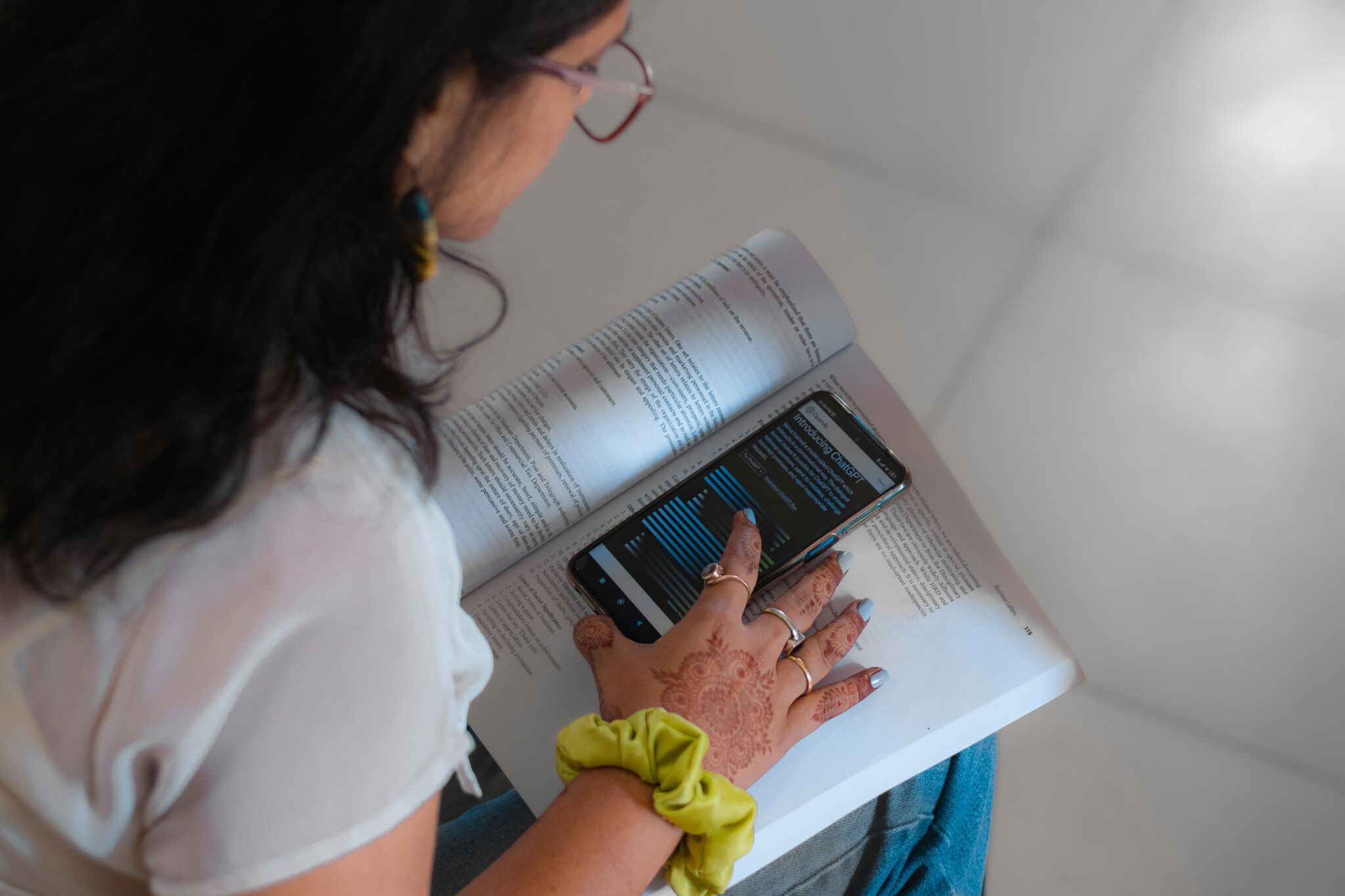
Research, much if it by companies with deep investment in AI, suggests that chatbot interactions alter how users think.
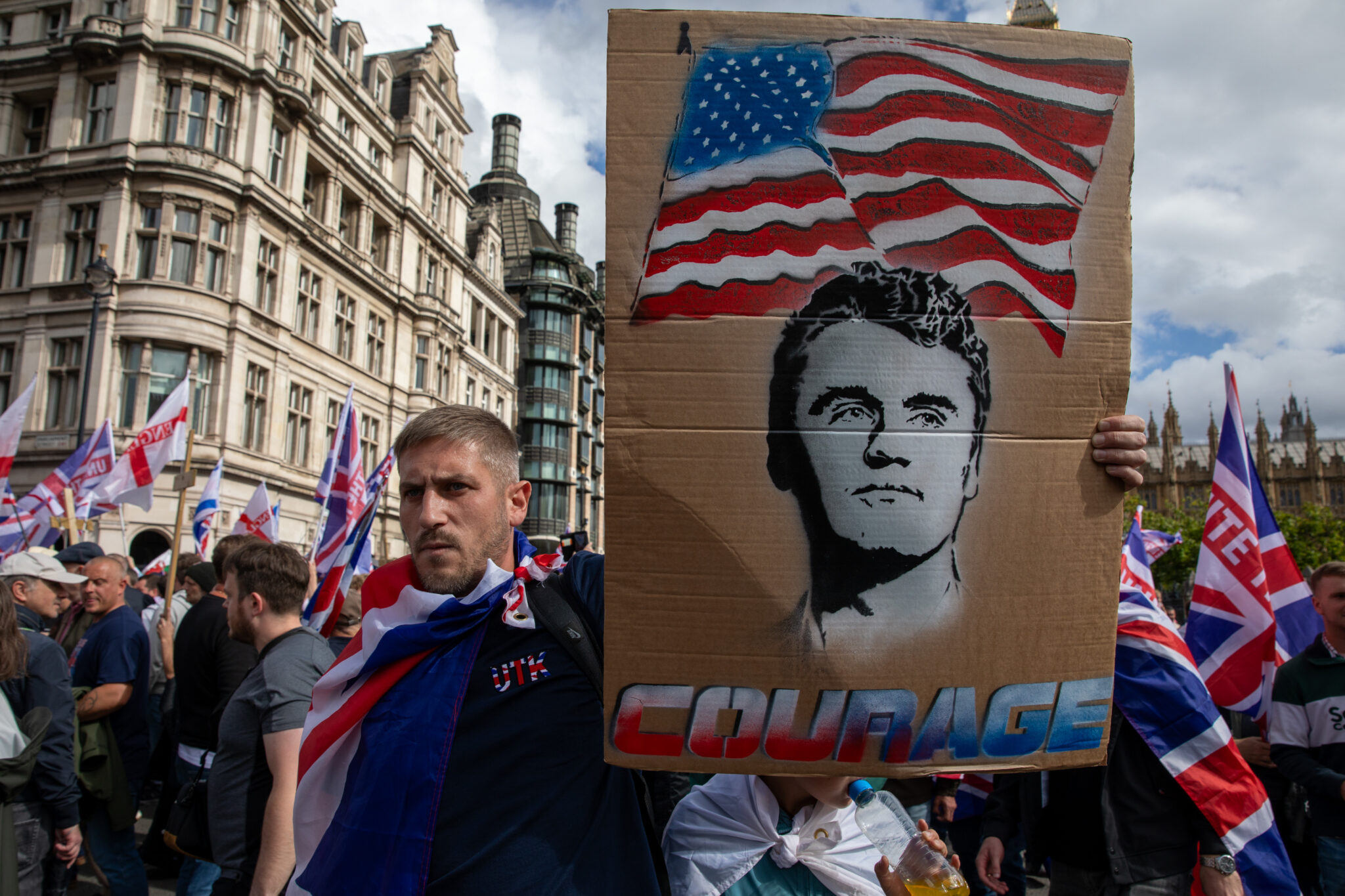
The assassination of Trump supporter Charlie Kirk has provoked strong reactions from the far-right internationally, as the culture war appears to accelerate around the world.
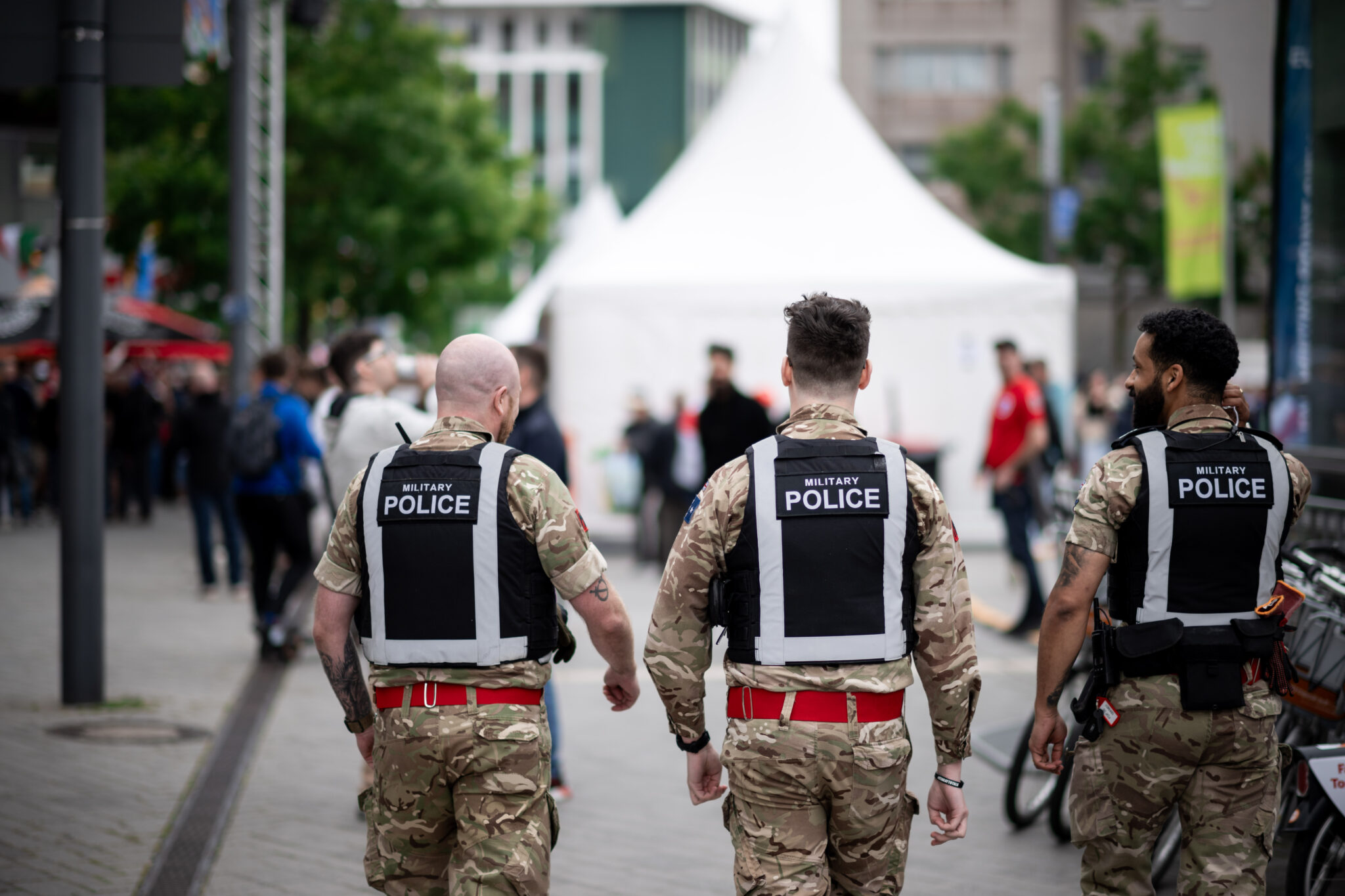
The UK Ministry of Defence has paid more than £8 million in compensation to survivors of child sexual abuse by military personnel since 2017. Military police now face allegations of cover-ups and failures to properly investigate cases, raising fresh questions about accountability.
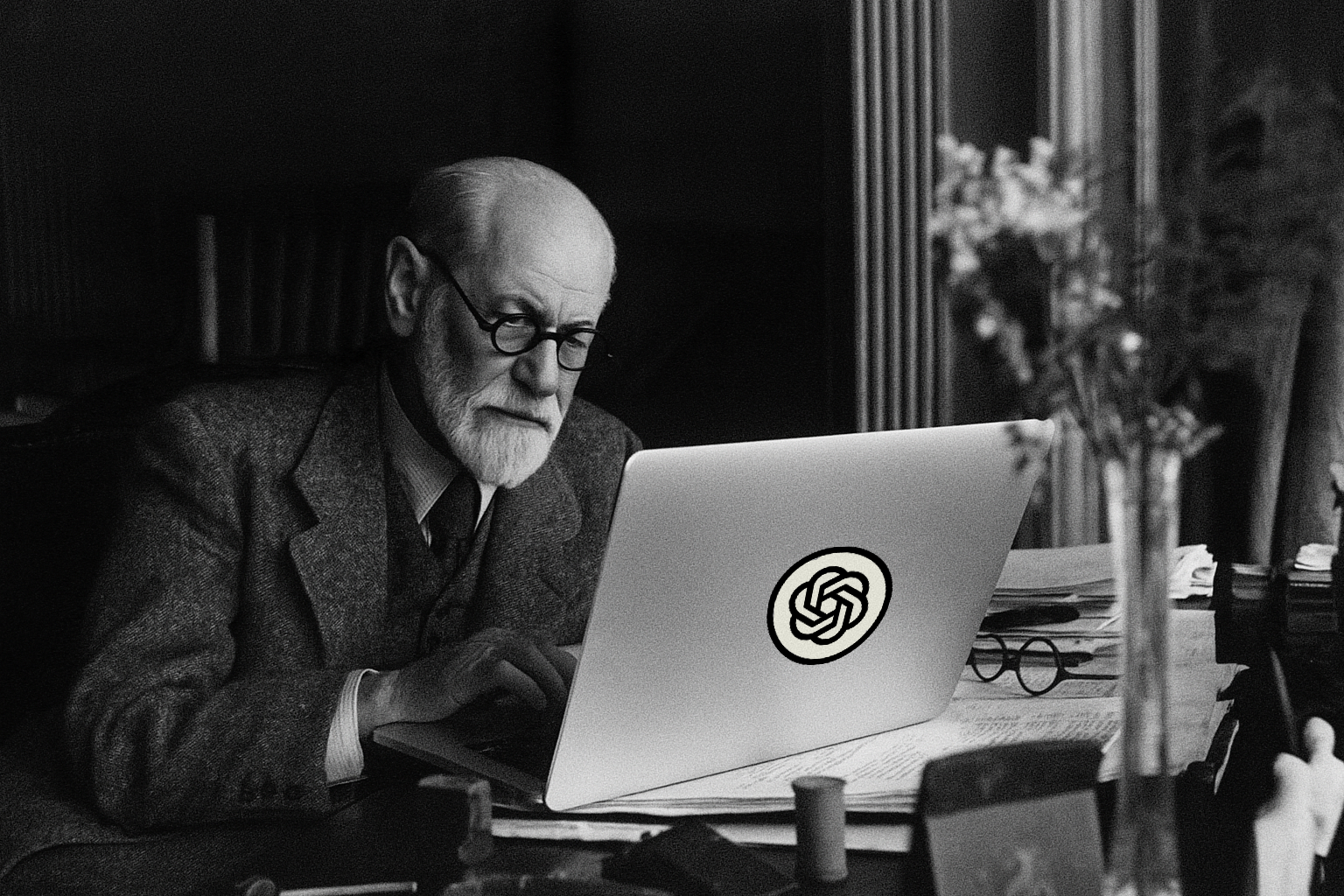
If Freud were alive for the dawn of artificial intelligence he would understand the insult this scientific development, like other’s before it, poses to human intelligence. Here’s how we can protect ourselves.

As the UN vote to formally recognize the State of Palestine gets closer, pressure on Donald Trump is growing. He must decide, once and for all, whether to continue his unconditional support for Netanyahu or seek a viable way forward.
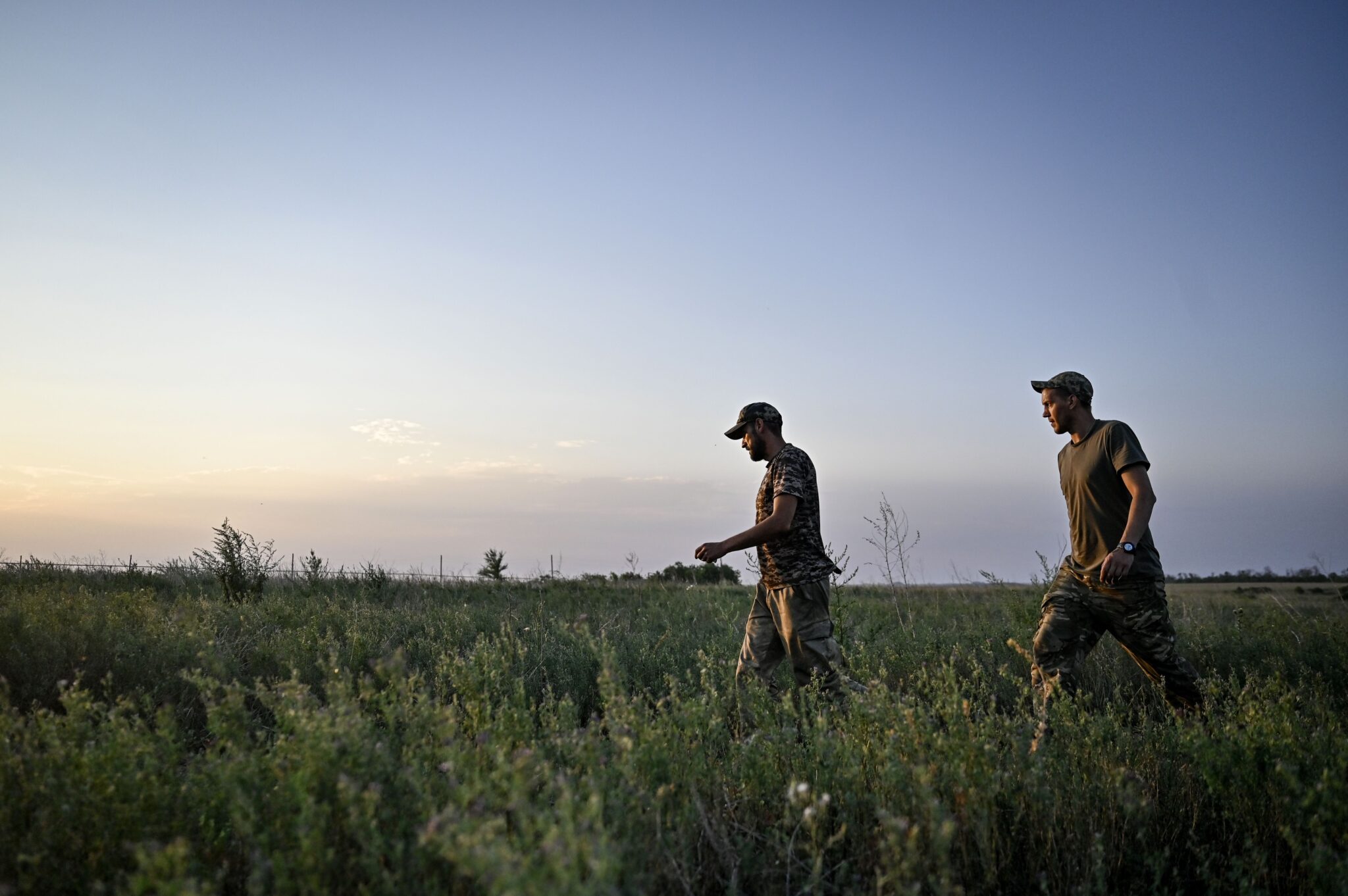
Washington is pushing for a security corridor protected by international and EU forces, with a certain degree of U.S. military, logistical and technological backing to deter Russia. It recalls the practical if imperfect decades-long status quo on the Korean Peninsula

A diocese in the UK found that many people lacked the confidence and faith to walk into a conventional church — so it decided to take the church to wherever people were.

Throughout the working year, many of us build up a chronic sleep debt — and our bodies keep scores. On holidays, our internal systems seize the opportunity to reset and recover.

With photographs from Gaza, Rome and Buenos Aires — among other places.
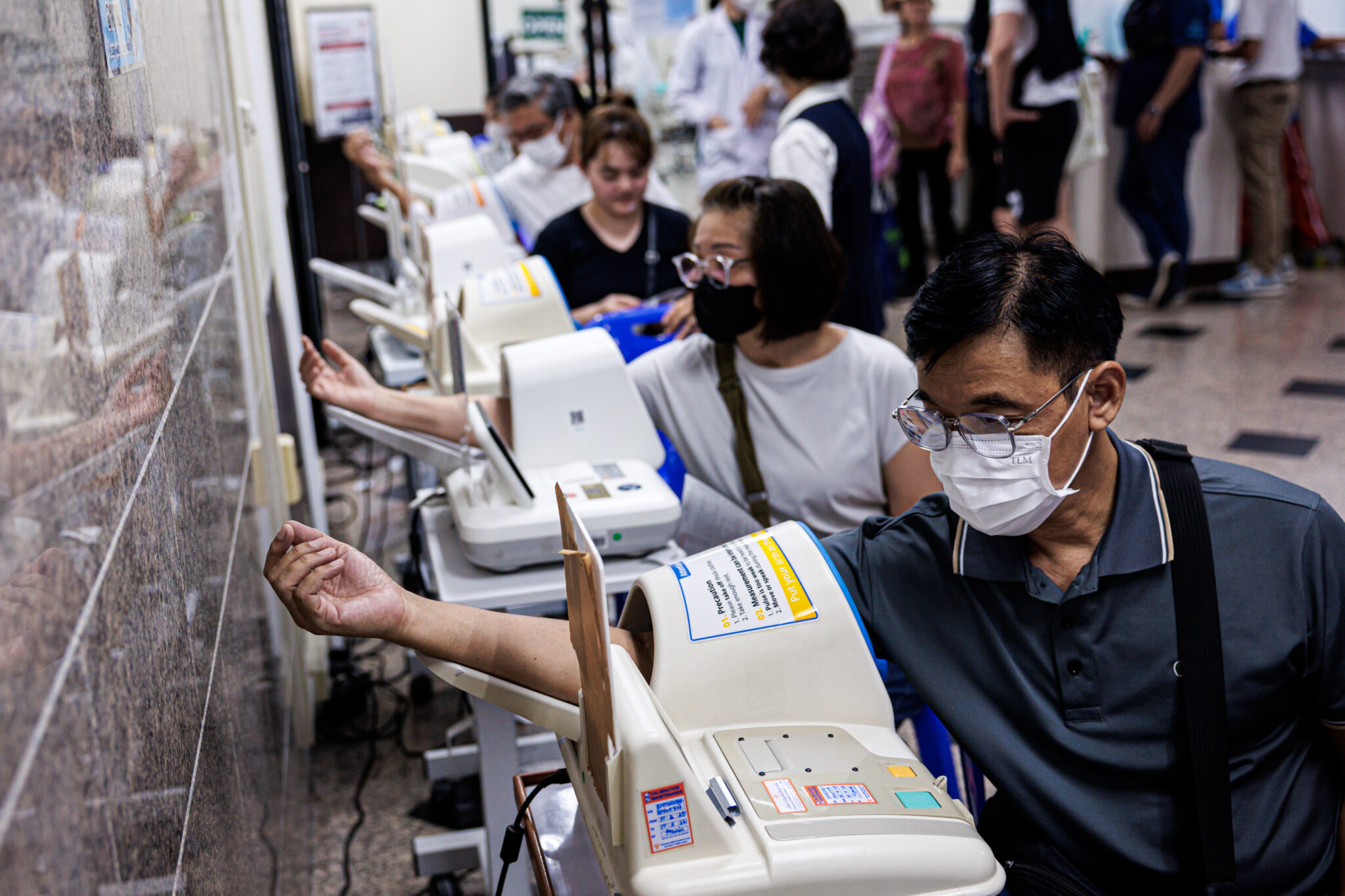
With photographs from Kyiv, Bangkok and Zurich — among other places.
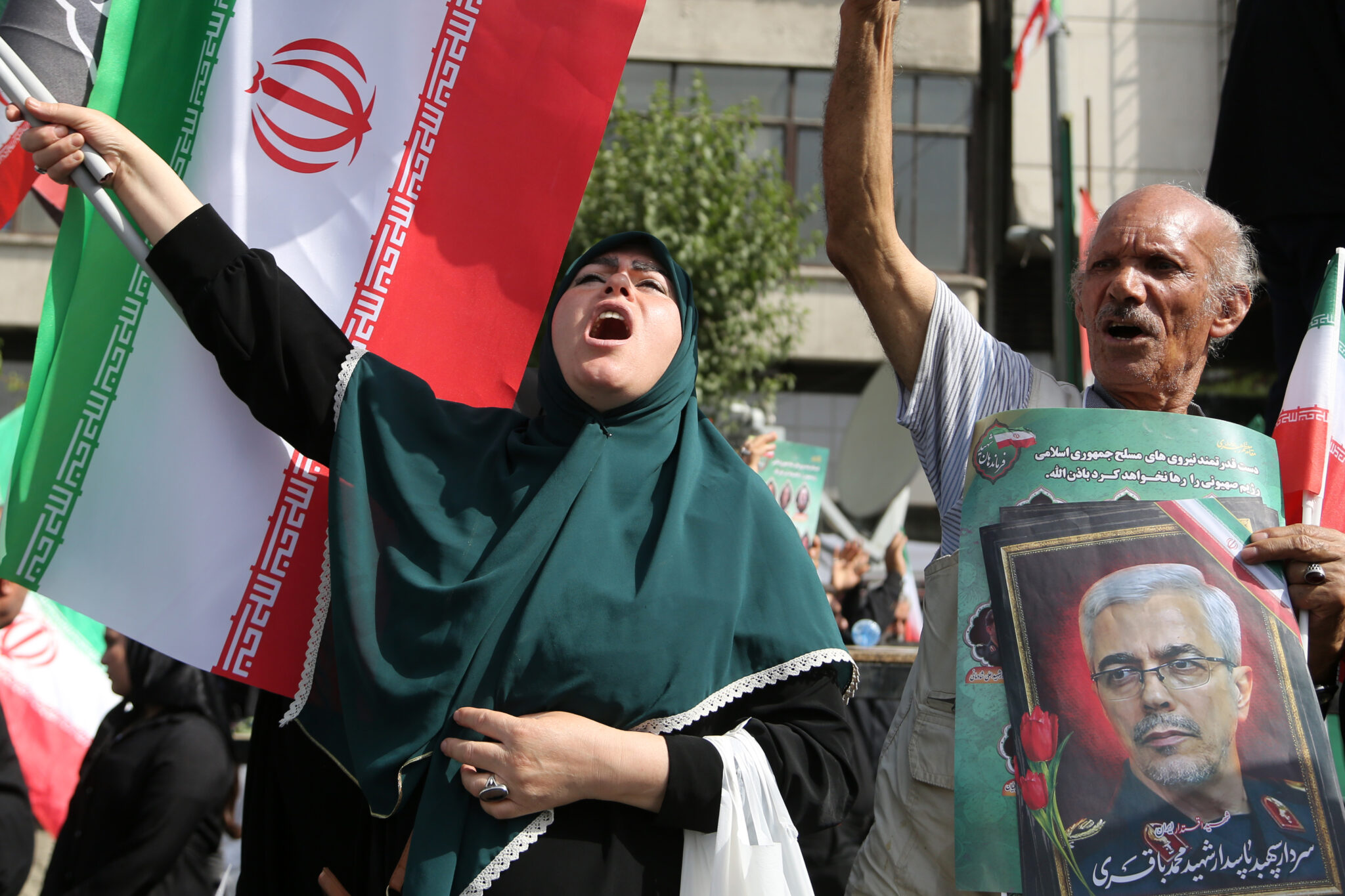
Negotiations over Iran’s nuclear program have resumed. While Europe demands guarantees that Tehran will not build a nuclear bomb, Trump is also pushing for a deal. Is the regime willing to give ground, or is it bluffing?
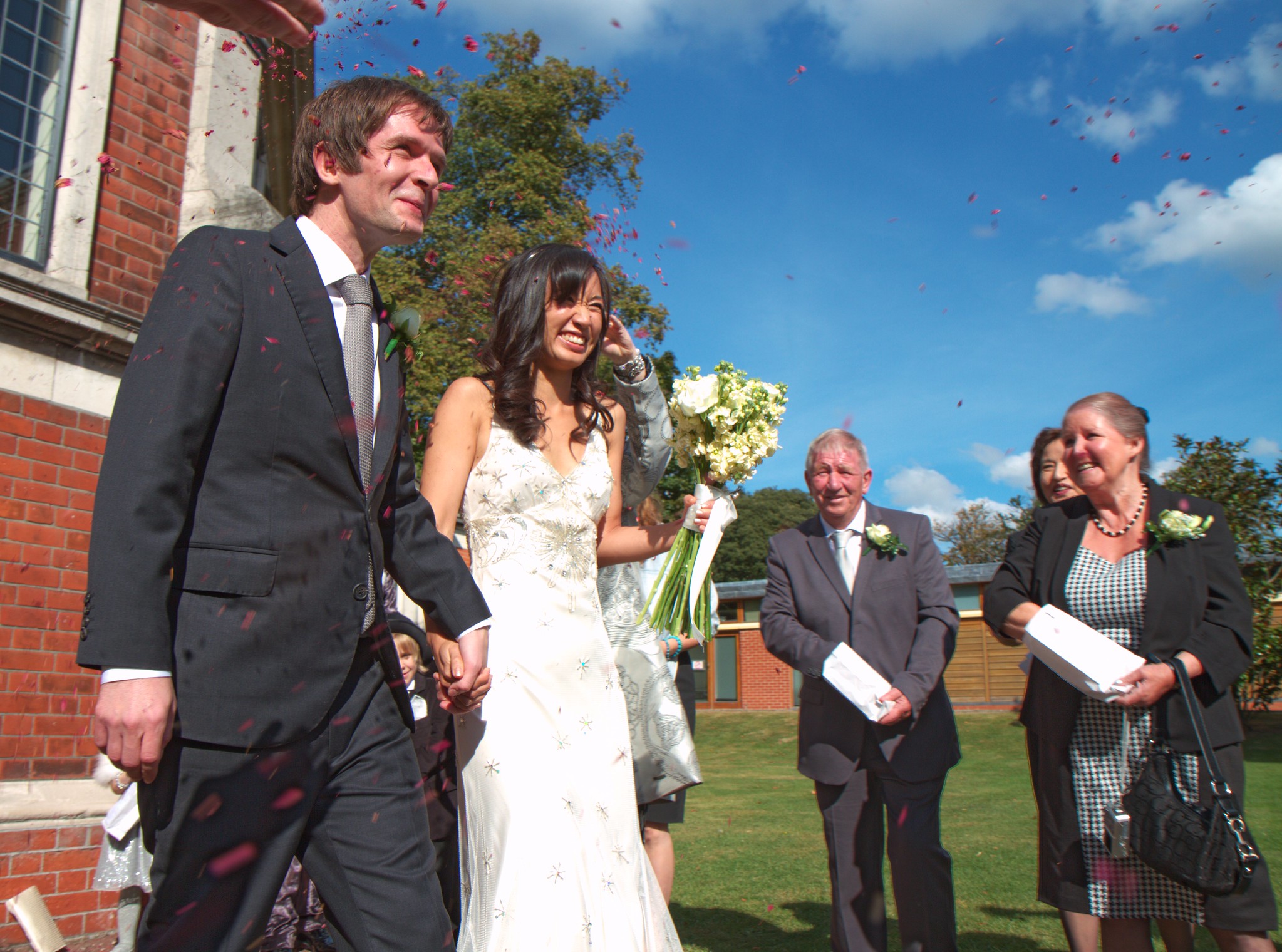
Getting along with your partner’s parents doesn’t mean becoming family. For writer Adam Fletcher and his partner, the secret to harmony lies (mostly) in boundaries.
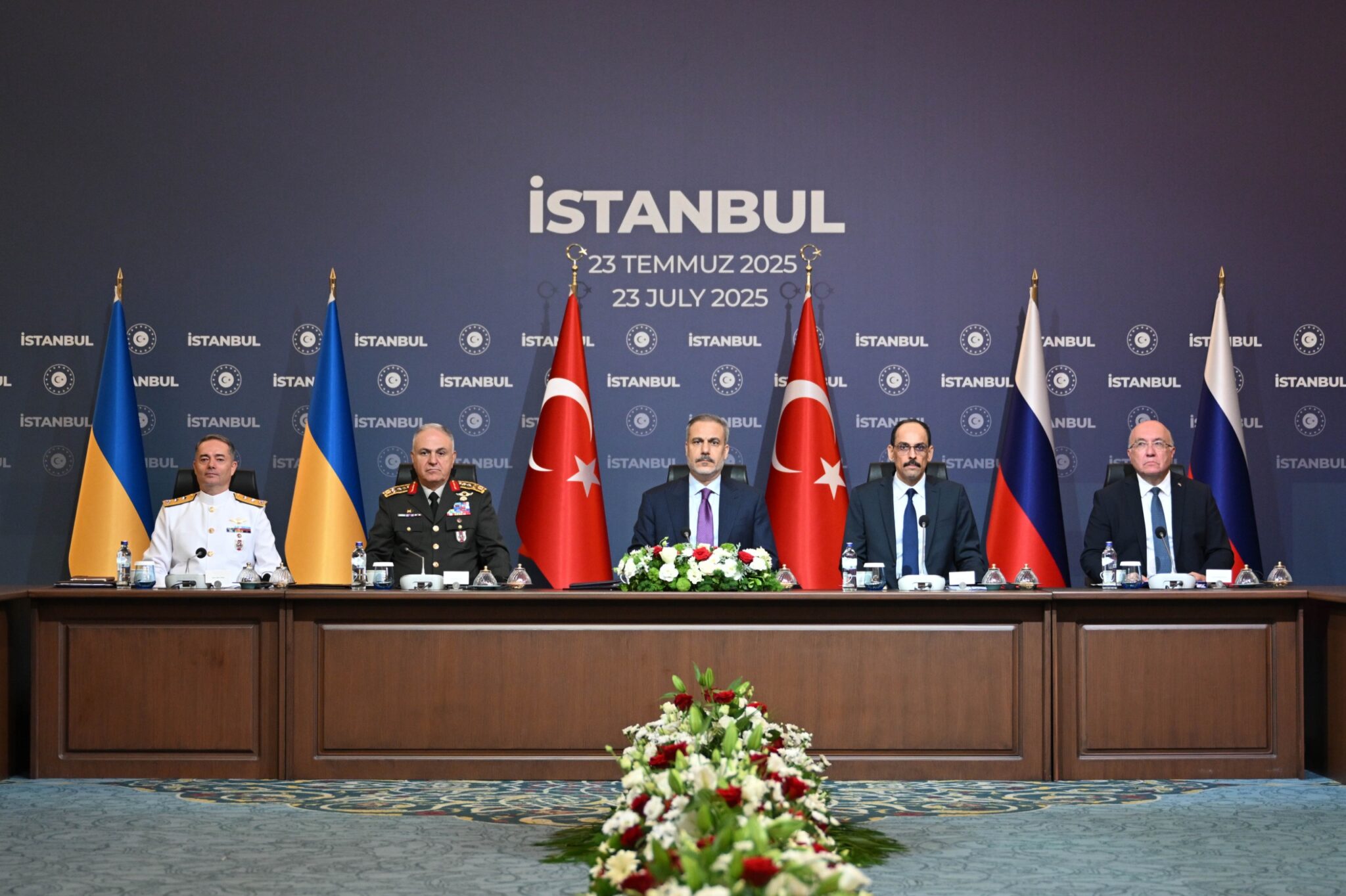
Europe, Iran and global powers are meeting in Istanbul on Friday to discuss Iran’s nuclear program. The talks may determine whether dialogue or confrontation will shape their future relations. It’s also a reminder that diplomacy is a better way than war to settle disputes.
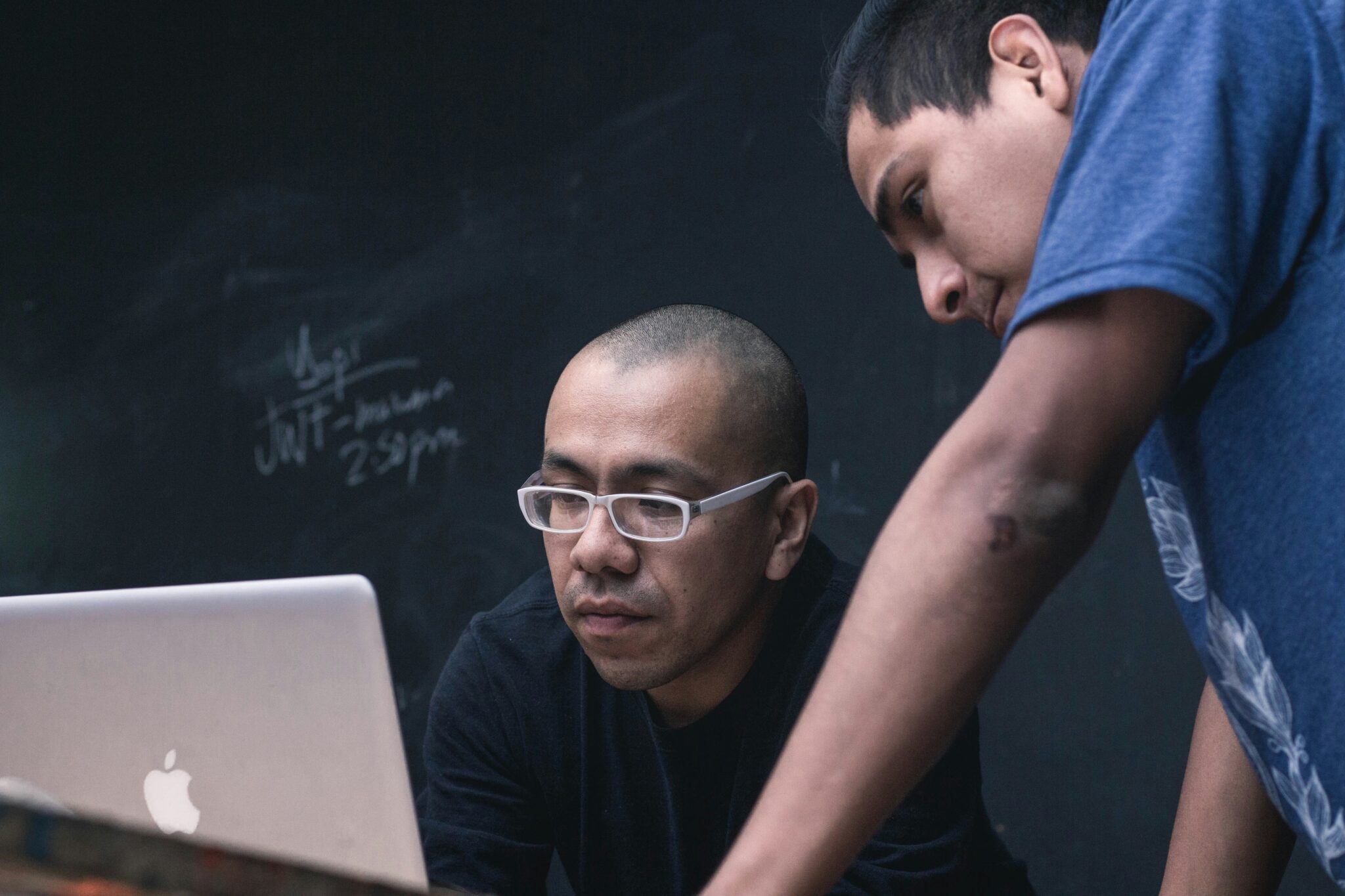
Millions have been spent to catch plagiarism and AI with tools from education company Turnitin. Is the tech worth it?
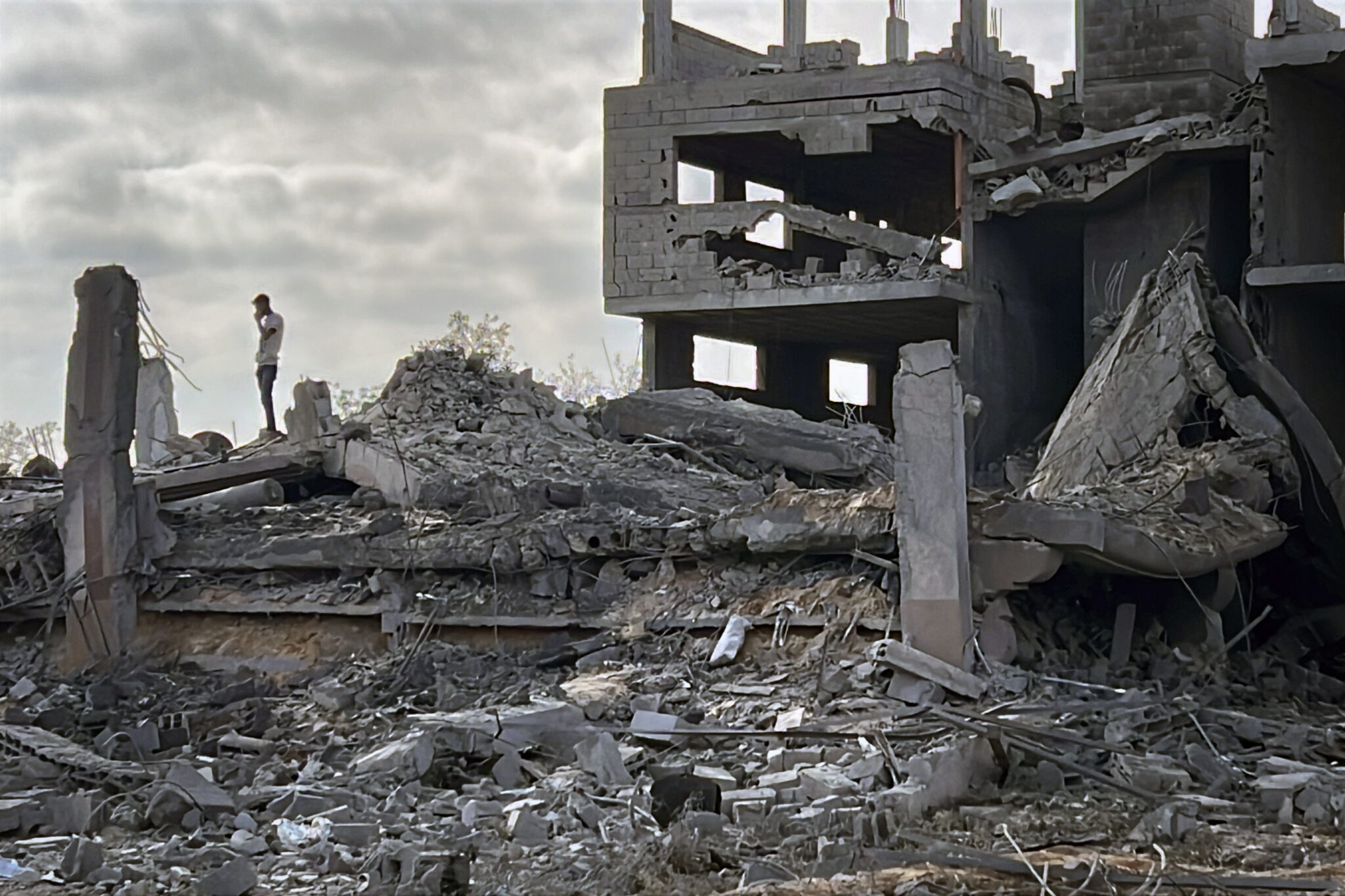
With photographs from Nakuru, Pamplona and Paris — among other places.
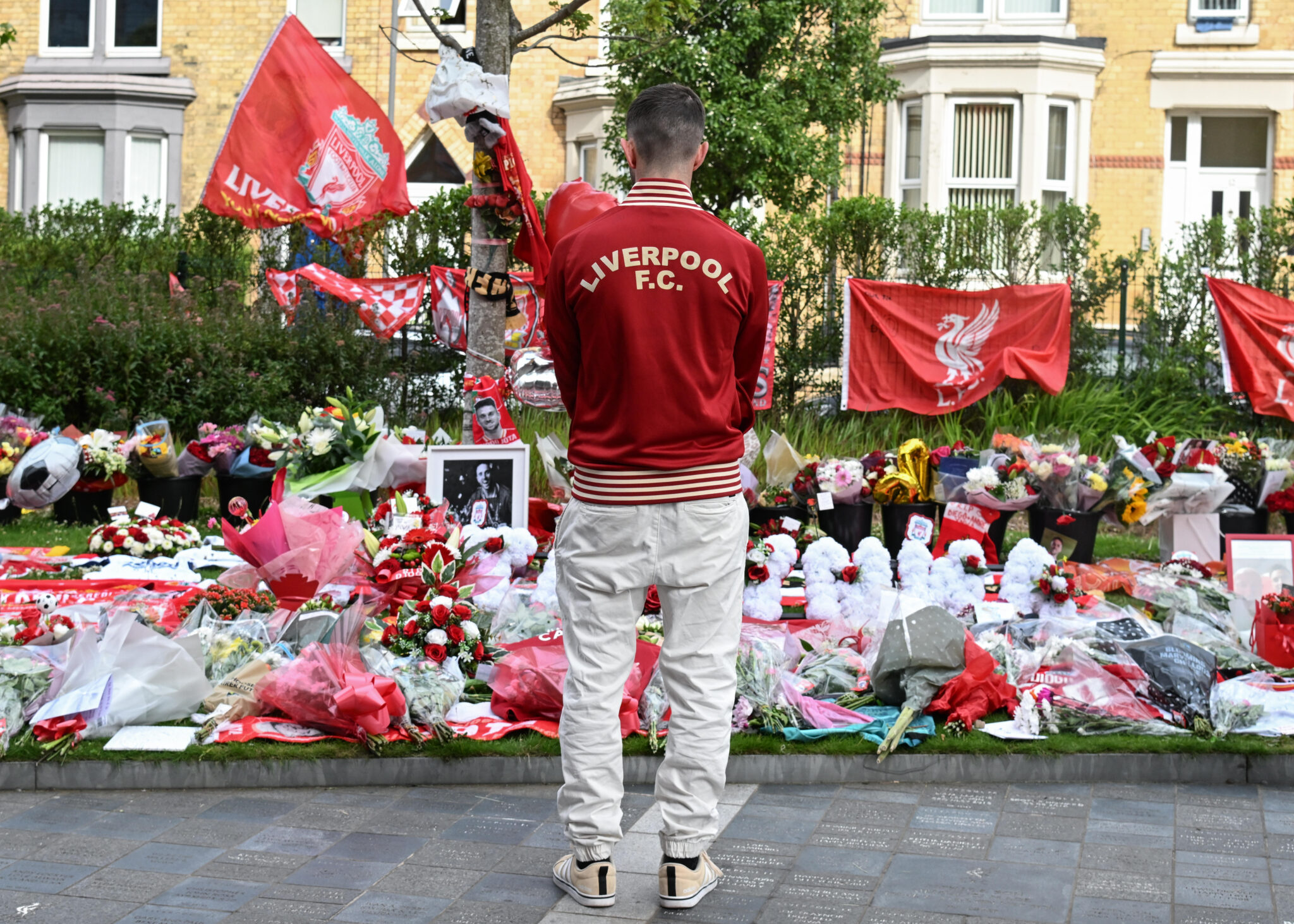
With remarkable shots from Waterloo, Wimbledon and Crete, among other places.

With remarkable shots from Ciutadella de Menorca, Yangon, London, Nakuru, among other places.
A report from Oxford University lists the 32 countries – 16% of the world’s nations – with the infrastructure needed to develop artificial intelligence. The gap is widening with the rest of the world, in the key technological sector of the 21st century.
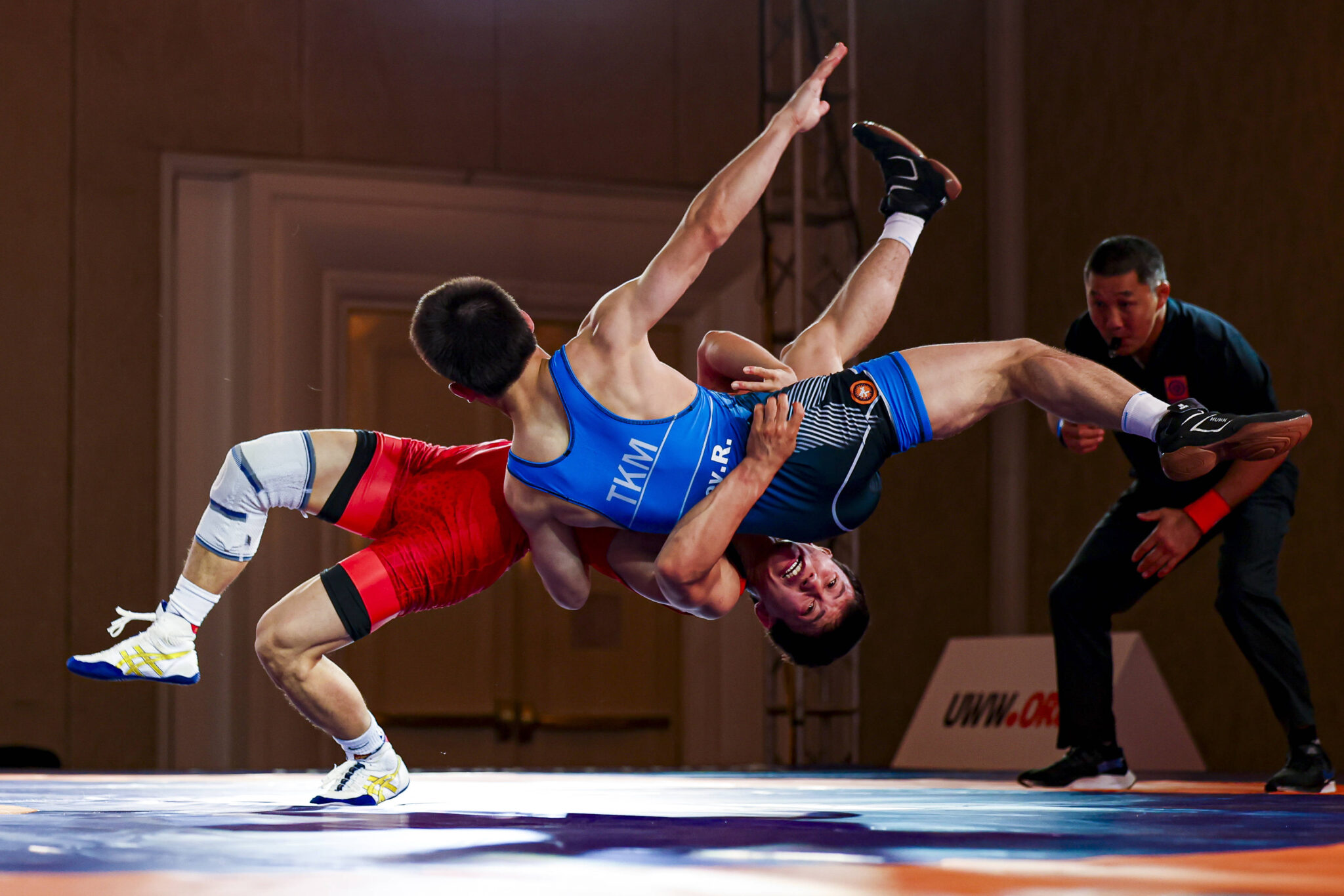
With remarkable shots from Khan Younis, Barcelona, Kananaskis and Ascot, among other places.
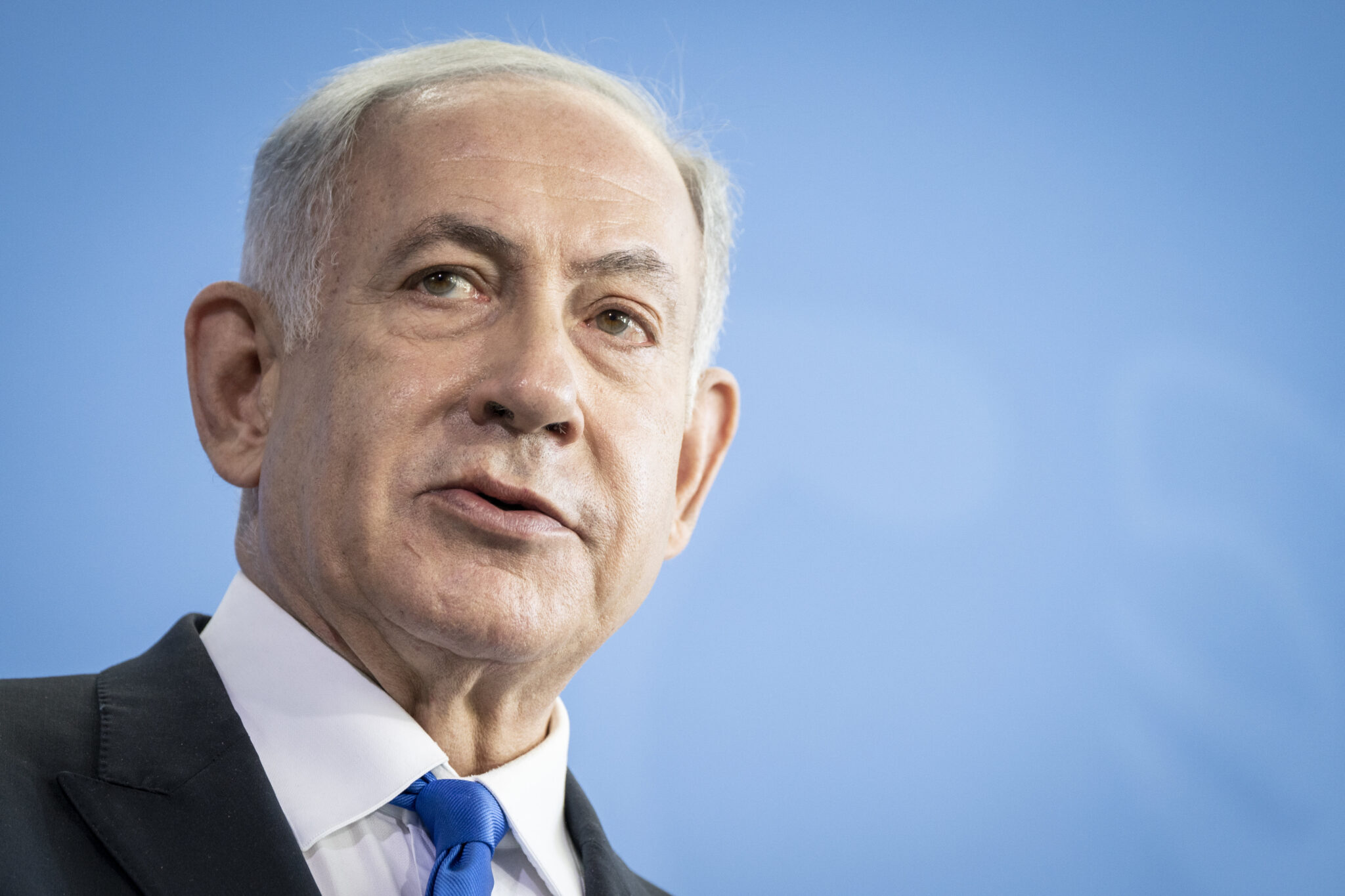
Israeli Prime Minister Benjamin Netanyahu has long viewed the Iranian regime as an existential threat to the Jewish state. Now, with direct strikes on Iran, he may be realizing a goal he’s pursued for decades — driven by history, personal conviction and political survival. But the risks for Israel and the region are huge.

Five countries have imposed sanctions against the two most important far-right ministers in Israel’s Netanyahu government — Finance Minister Bezalel Smotrich and Internal Security Minister Itamar Ben Gvir — a first that marks the deterioration in relations between Israel and its allies. But with the Trump administration standing behind Netanyahu, little can be actually be done.
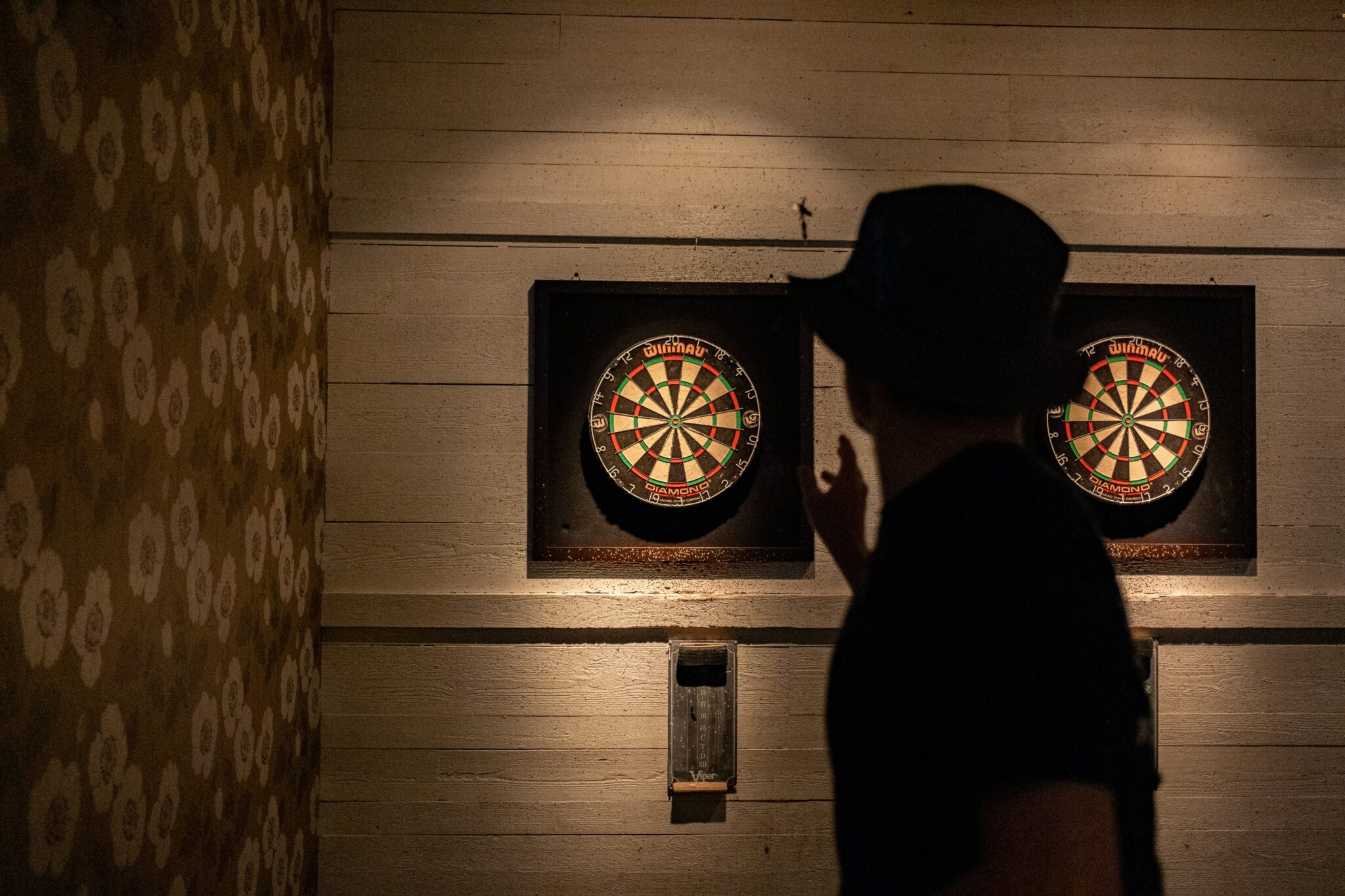
Once a pub pastime, darts is now drawing millions of viewers and breaking broadcast records. Its mix of entertainment, accessibility, and fast-paced action has turned it into a commercial powerhouse.
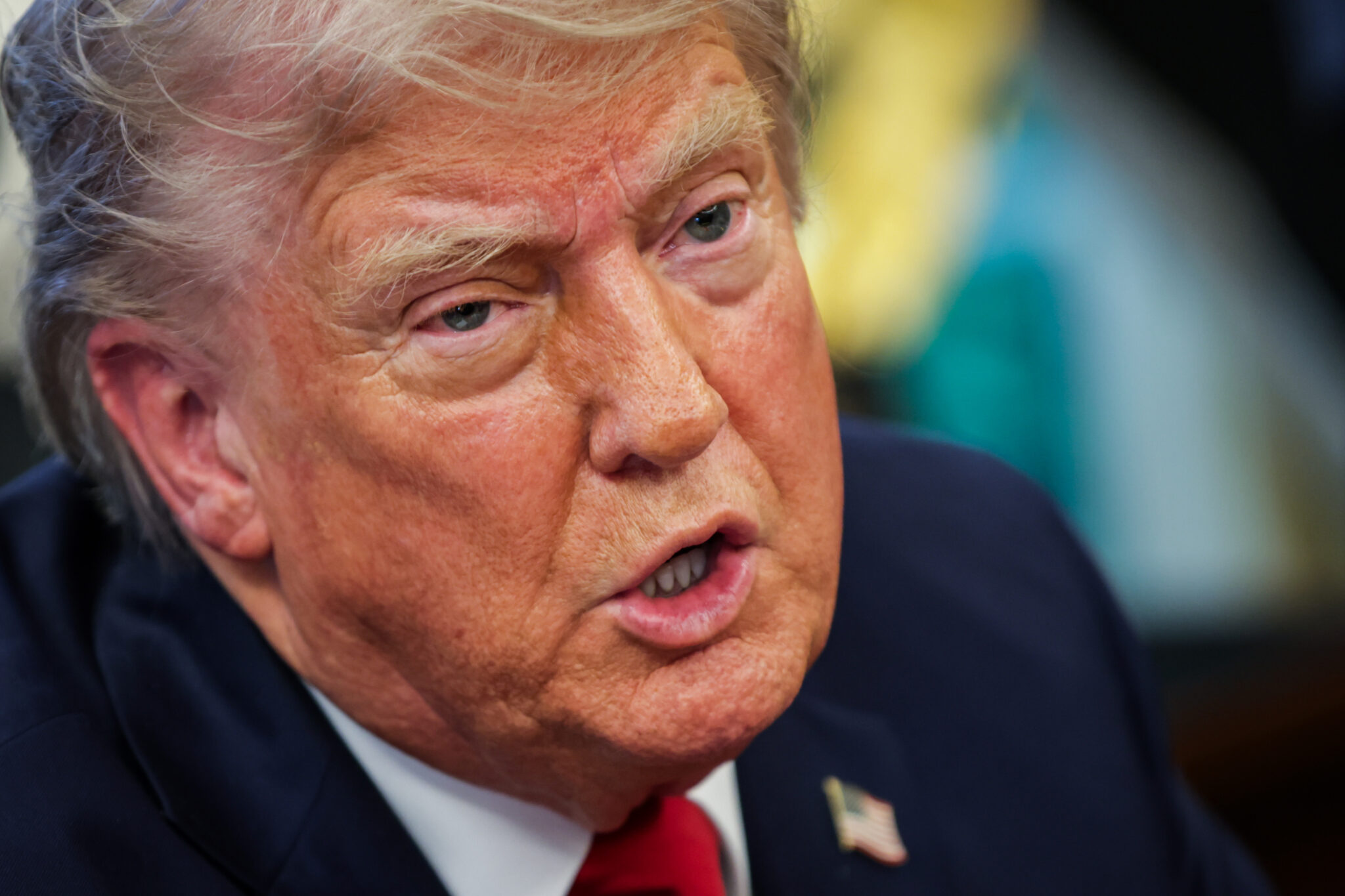
In just the past 24 hours, the gulf between the Trump Administration and its (former) European allies has widened even further. Both on Ukraine and Gaza.
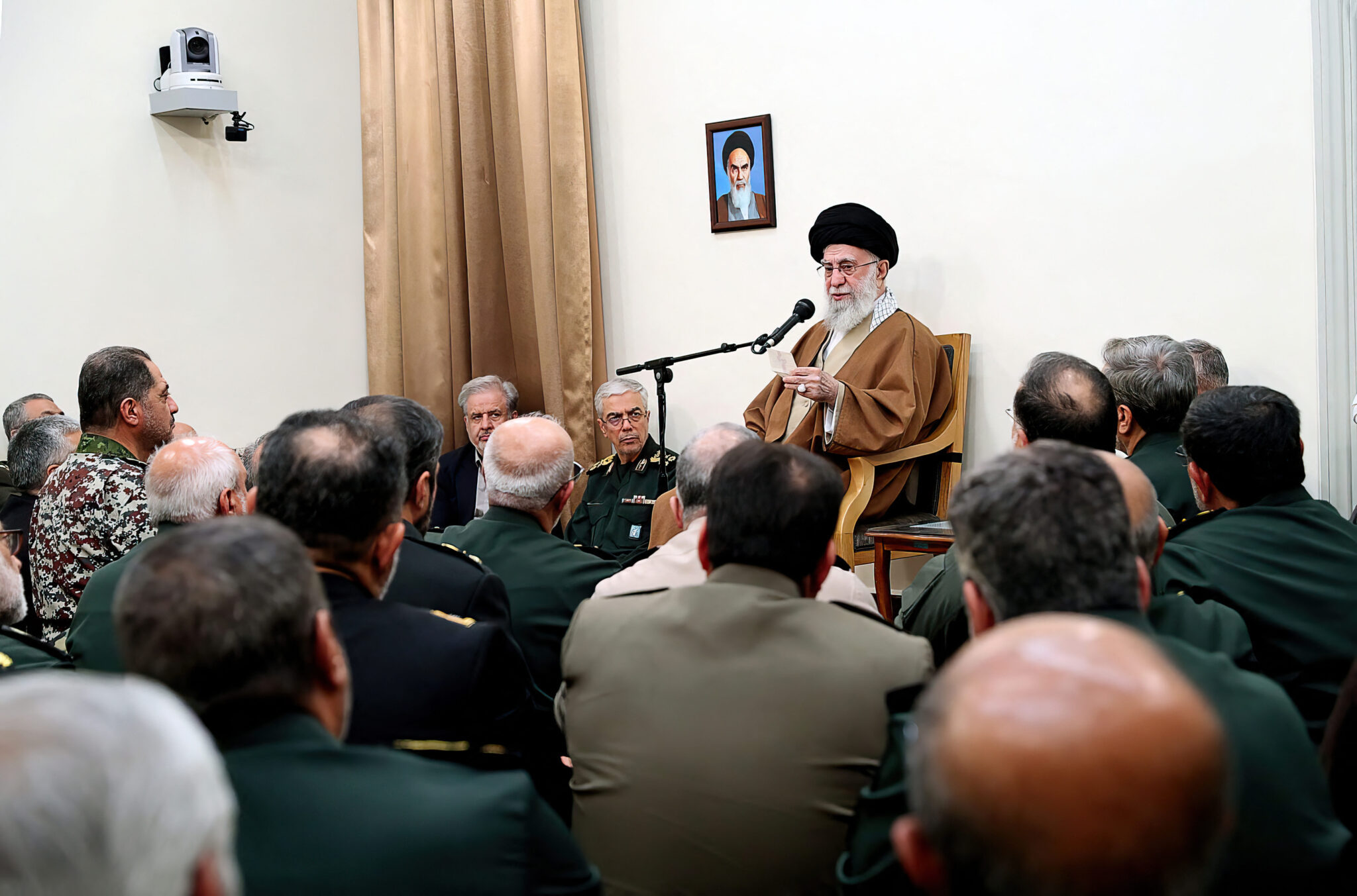
Iran’s battered regime had no choice but to talk to the Trump administration on its terms, but few Iranians expect real benefits for themselves from negotiations between a “thug regime” and “rapacious imperialism.”

Researchers in Norway and the U.S. are training artificial intelligence to address cybergrooming. Will it work?
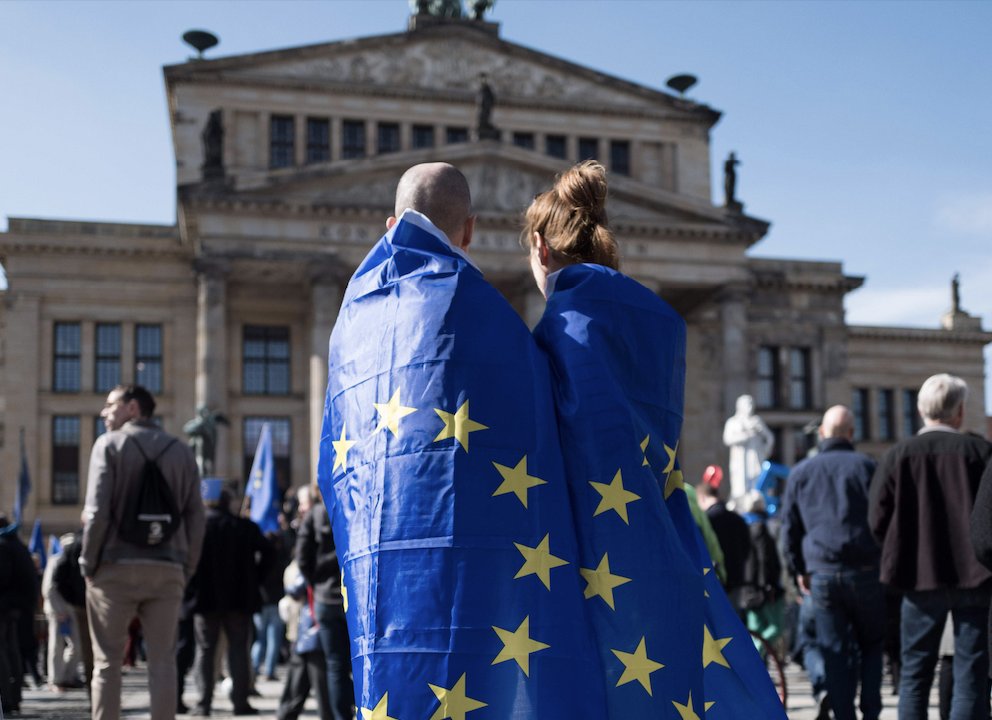
Europe is holding on to qualities that are gradually disappearing elsewhere. How can these be preserved? How can we avoid a return to power struggles of imperial times, to the brutality toward which we all suddenly appear to be heading?
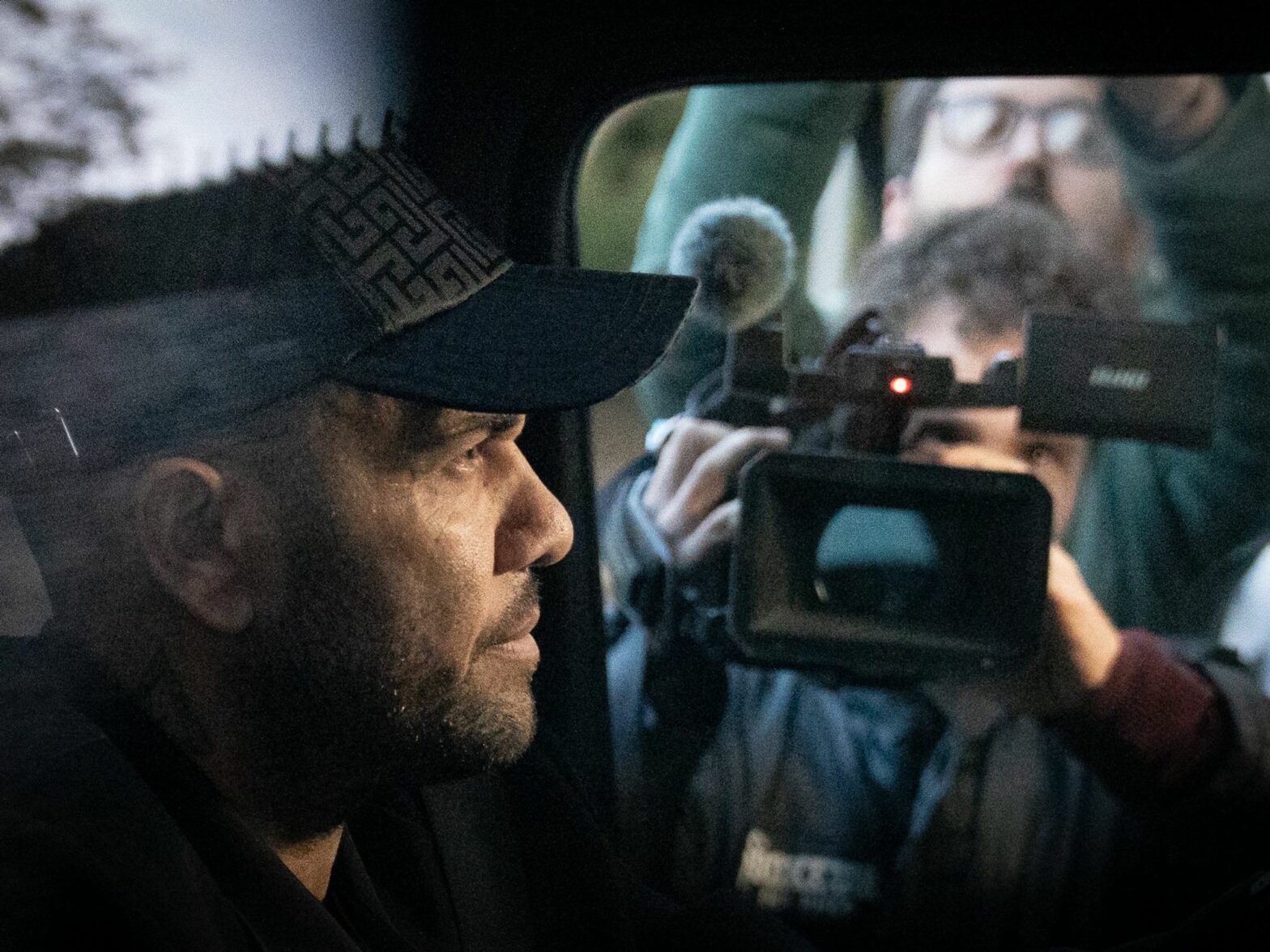
A Spanish court has quashed a rape conviction against a Barcelona soccer star, describing it as based, technically speaking, on evidence that was not compelling. This can only further discourage women already daunted by having to take an aggressor to court.
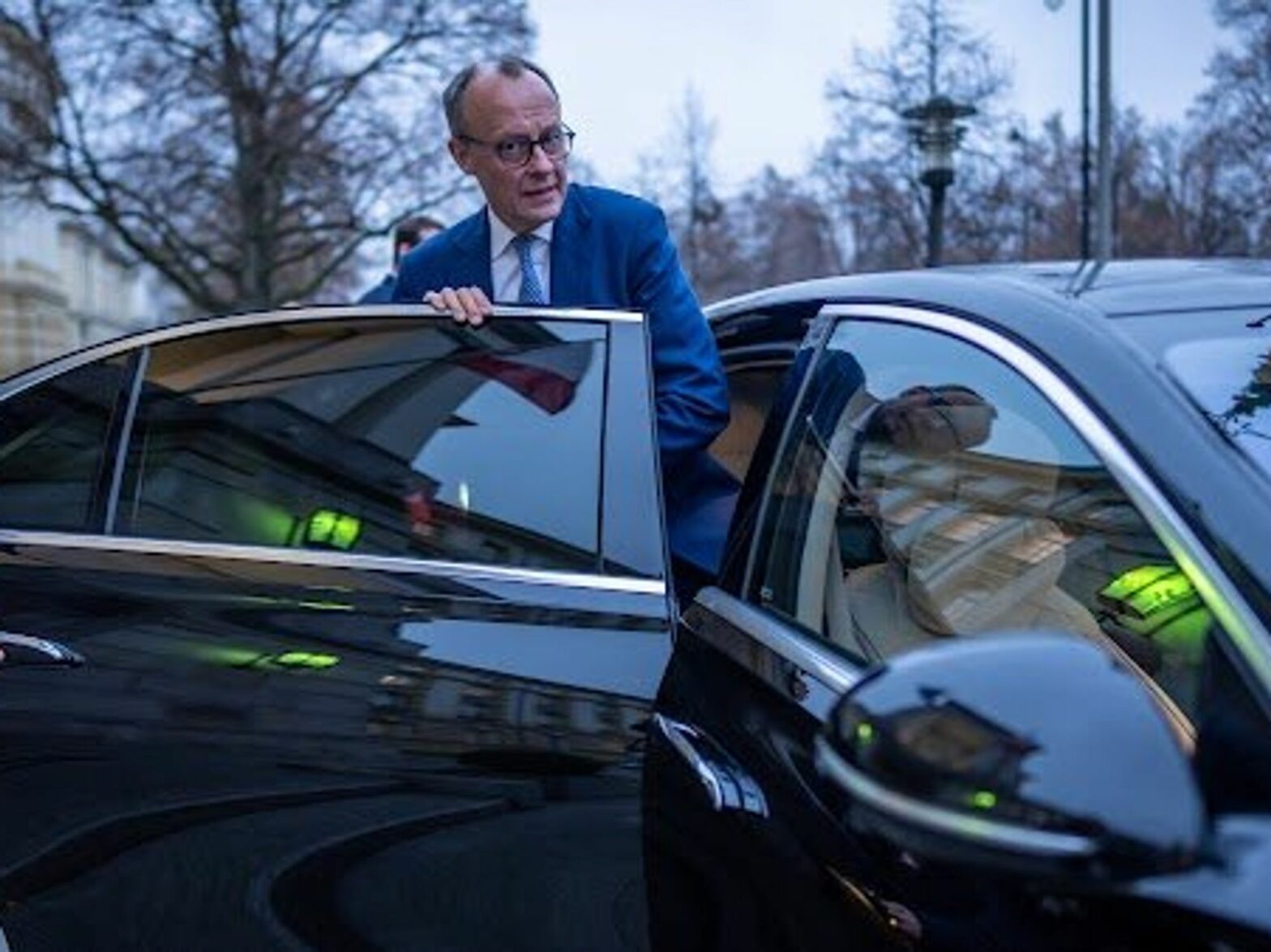
Europe is fortunate to have sensible men leading the UK, Poland and France: Keir Starmer, Donald Tusk and Emmanuel Macron. Germany’s likely next chancellor, Friedrich Merz, could be a crucial addition to this united front against the challenges posed by Donald Trump and Vladimir Putin.
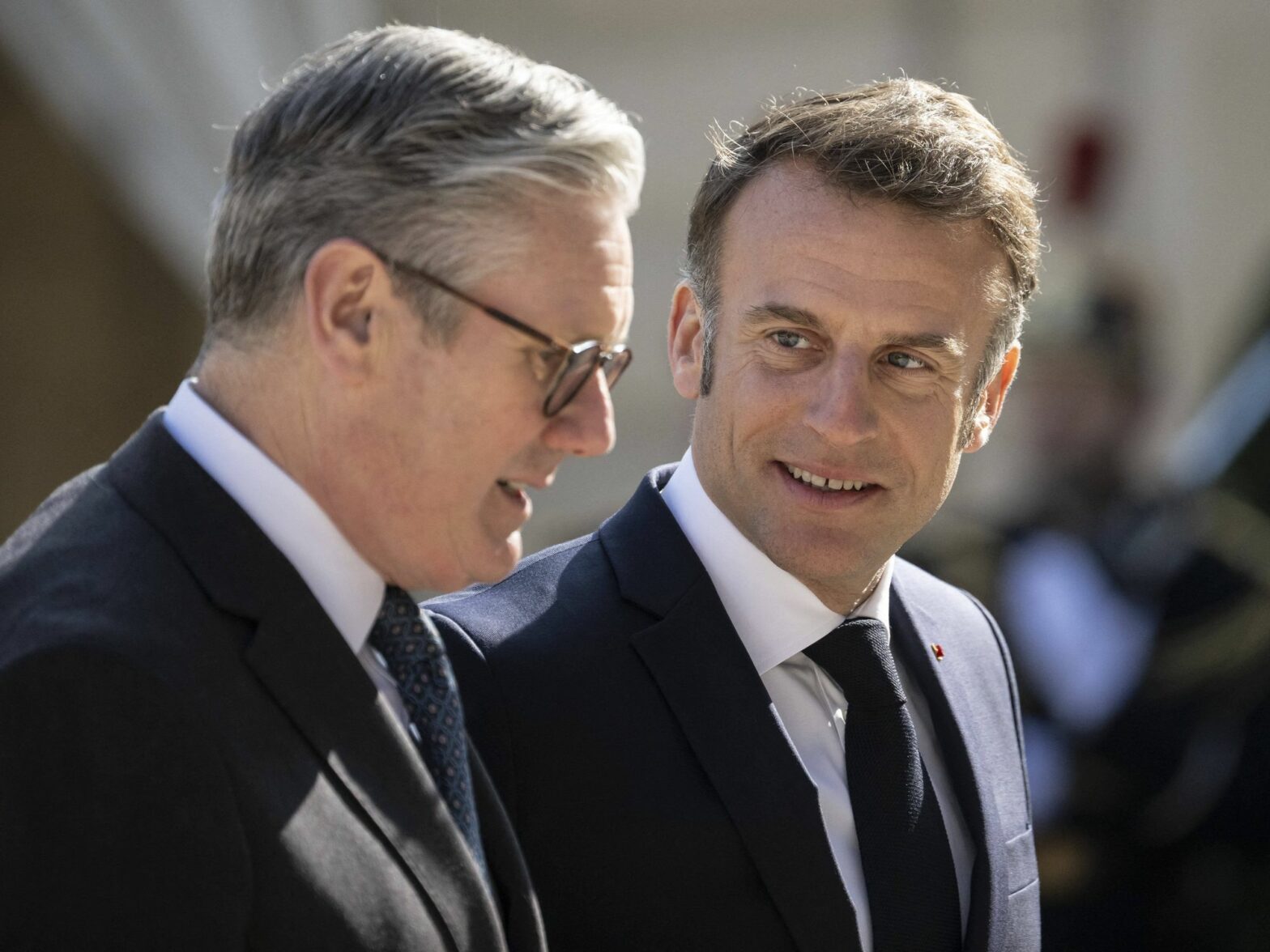
Thirty-one countries gathered in Paris — without the United States — to coordinate their support for Ukraine during this critical time. This unprecedented “soft NATO” initiative comes as Washington turns its back on its allies. And two main leaders emerge.
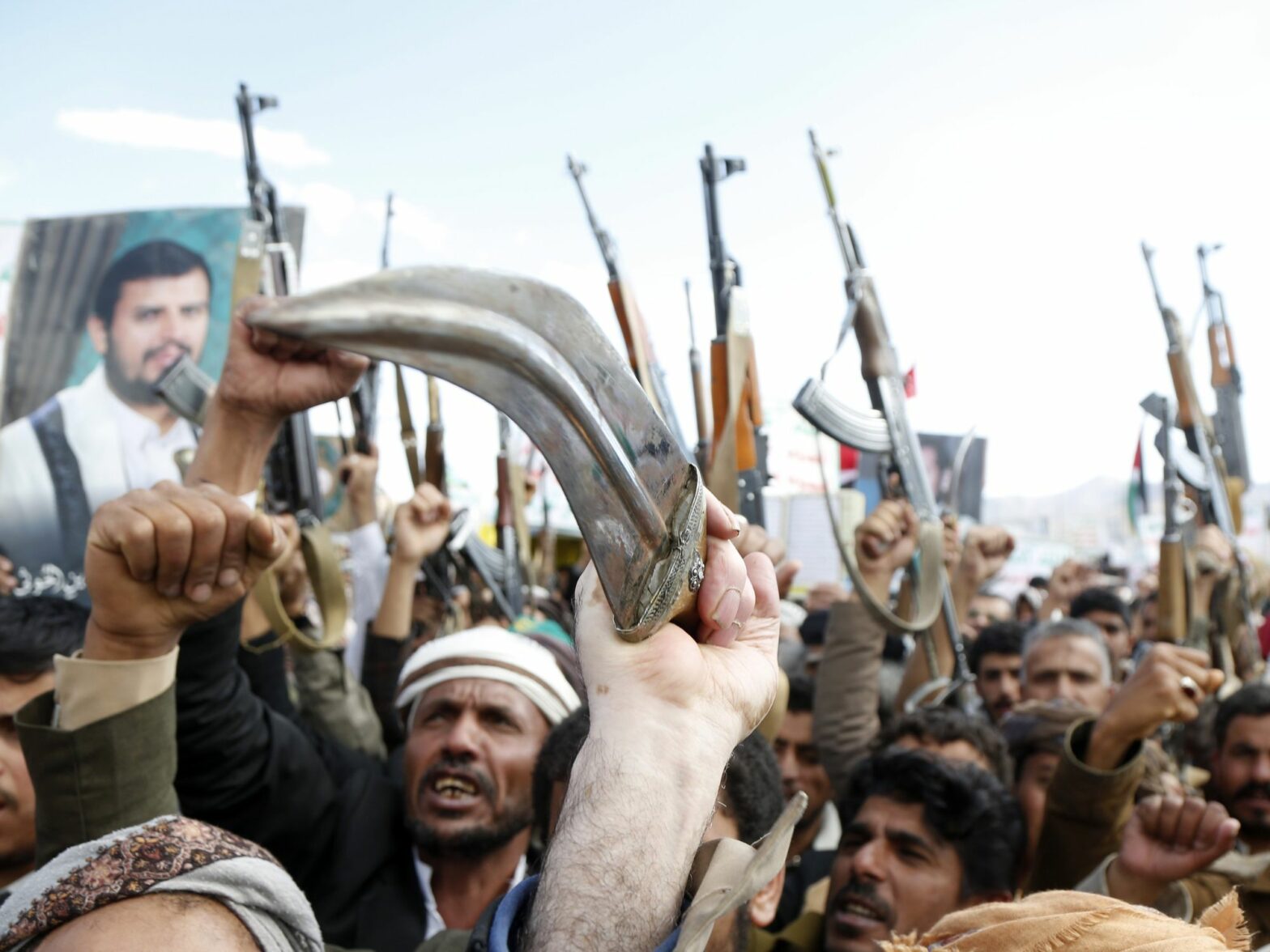
Donald Trump has launched his most significant military operation since taking office, ordering airstrikes on Yemen’s Houthis. At the same time, he is directly threatening Iran while also offering a nuclear compromise — a dual approach that keeps the possibility of war on the table.
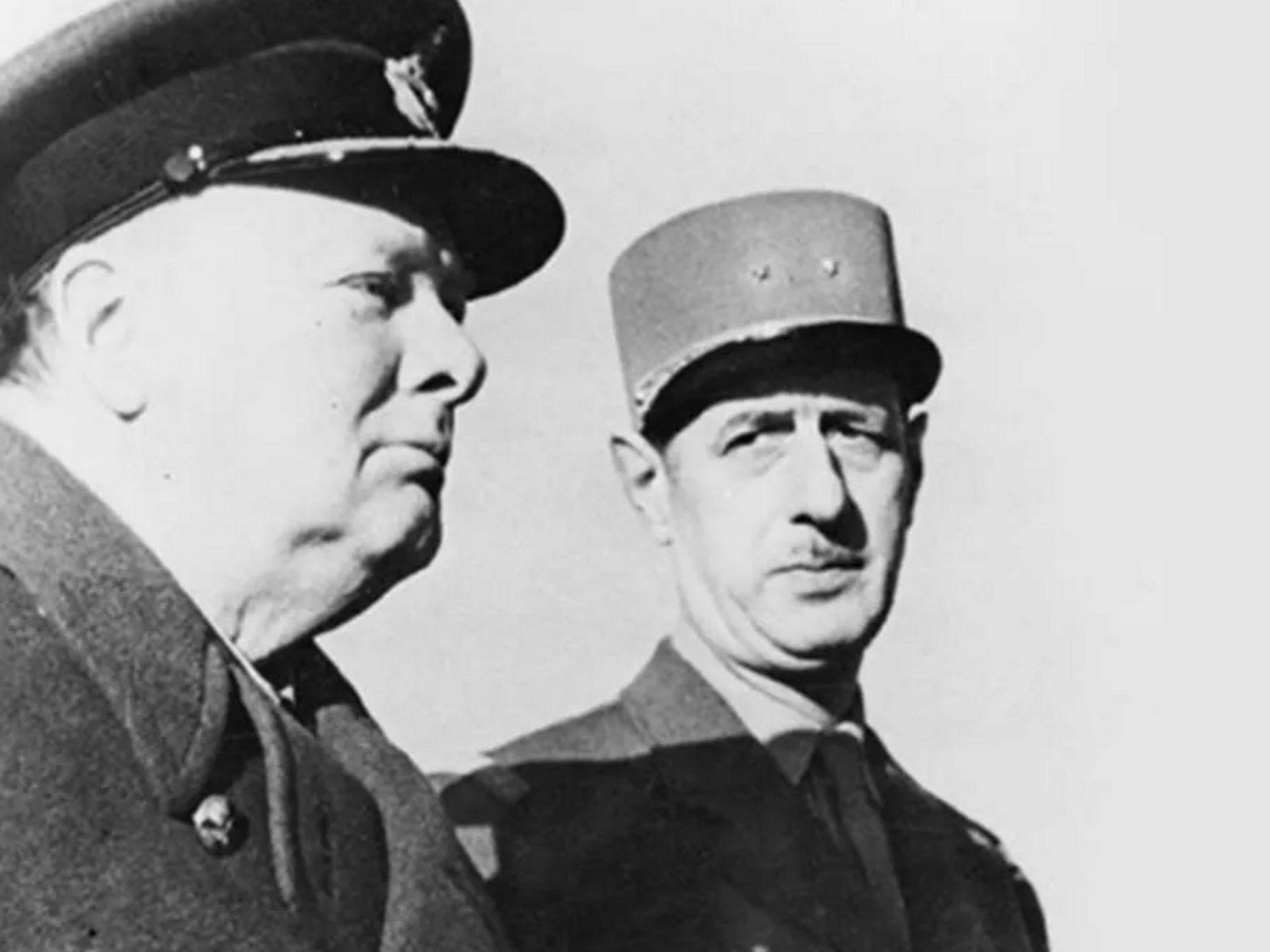
A British author has invoked the spirits of Churchill and De Gaulle to describe Europe’s “moment” amid America’s disengagement. While historical analogies have their limits, both leaders above all embody a spirit of resistance forged in one of history’s darkest hours.
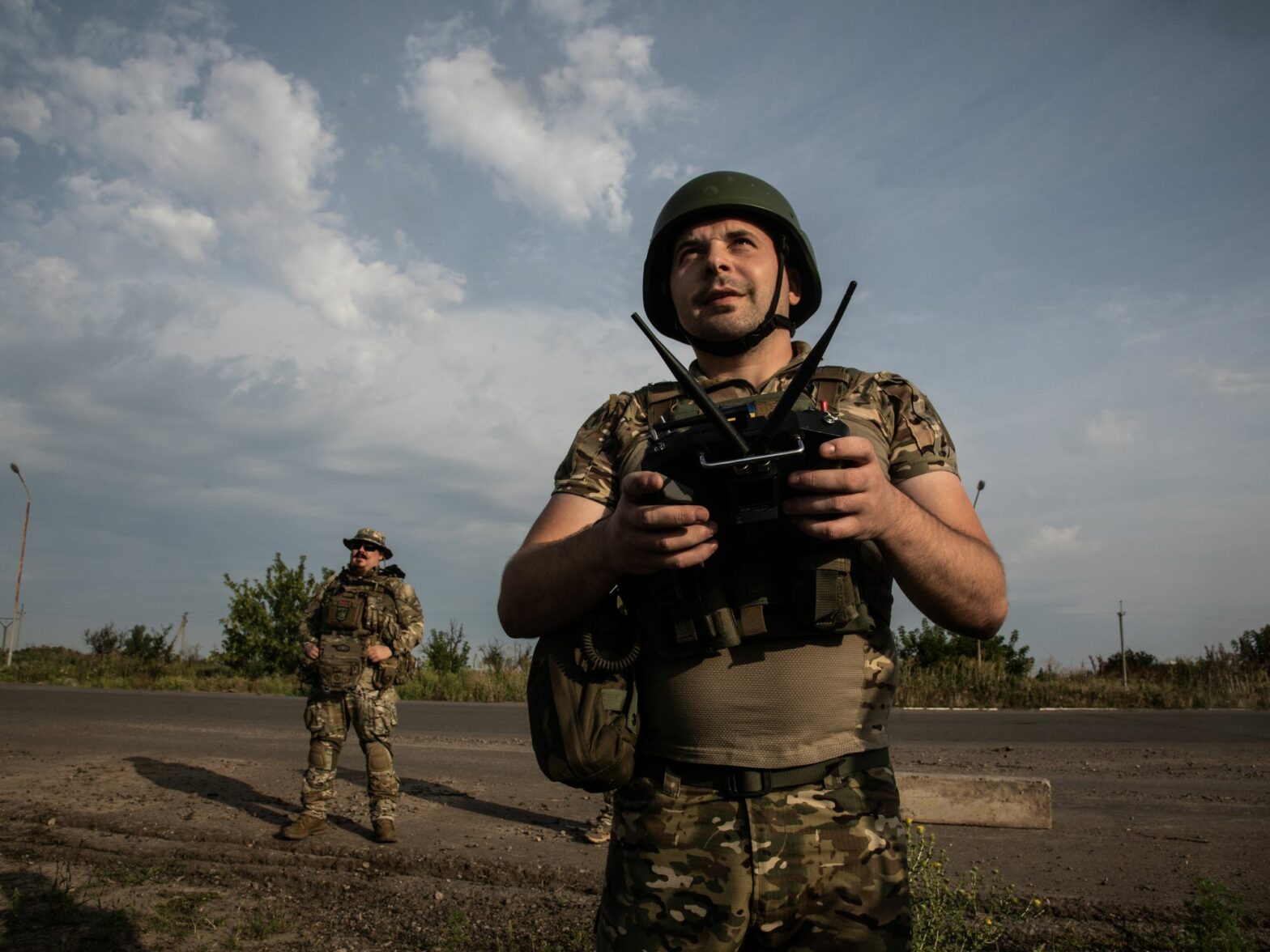
Ukraine needs satellite internet defense capabilities like that provided by Starlink. But do they really want to be dependent on Elon Musk? The good news is that Europe is not completely empty-handed. But time is of the essence.
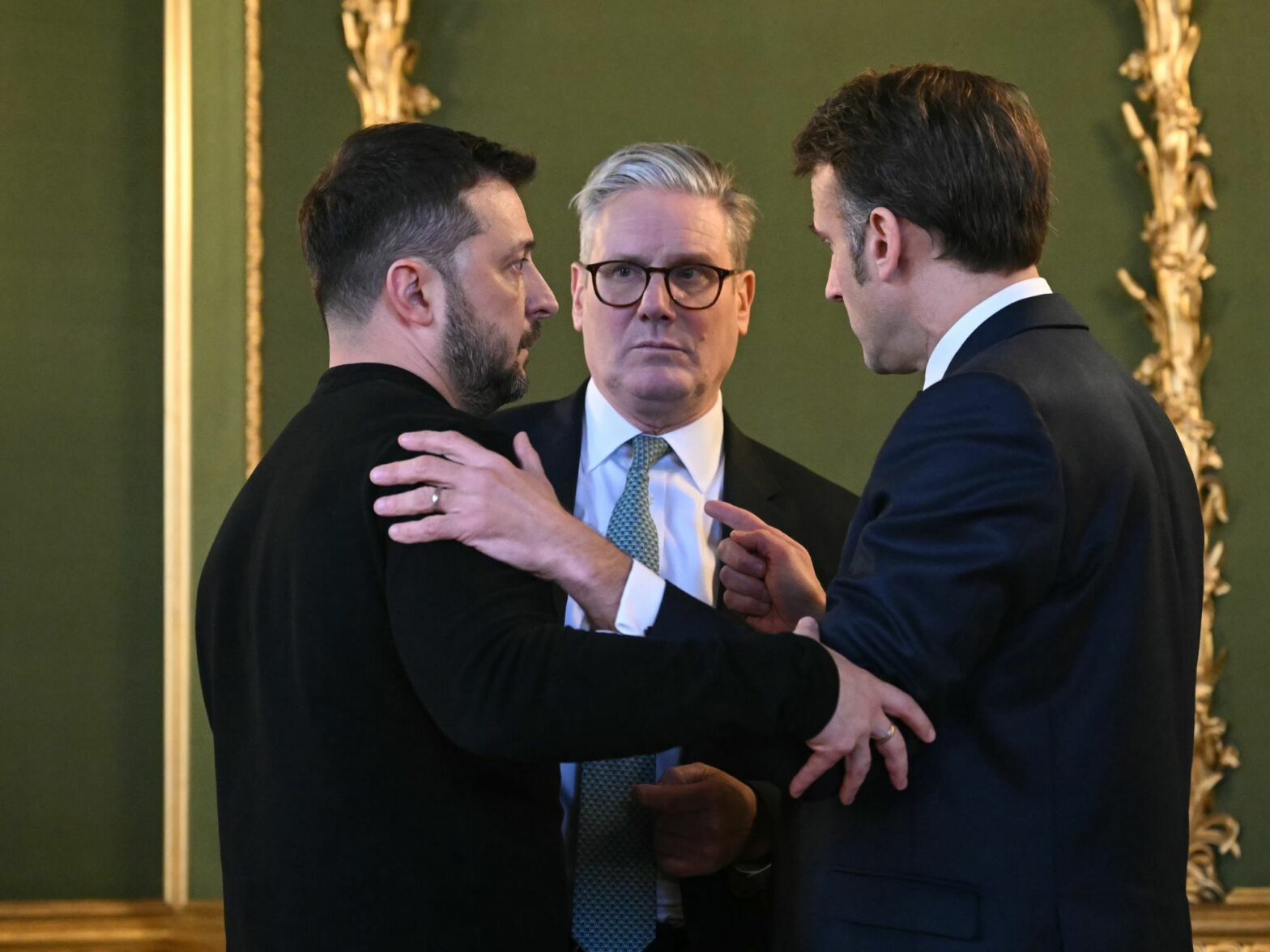
Gathered in London alongside Ukrainian President Volodymyr Zelensky, top European leaders set forth the goal to keep the U.S. engaged, even if it means swallowing their pride in the face of the disgraceful behavior of America’s top leaders.
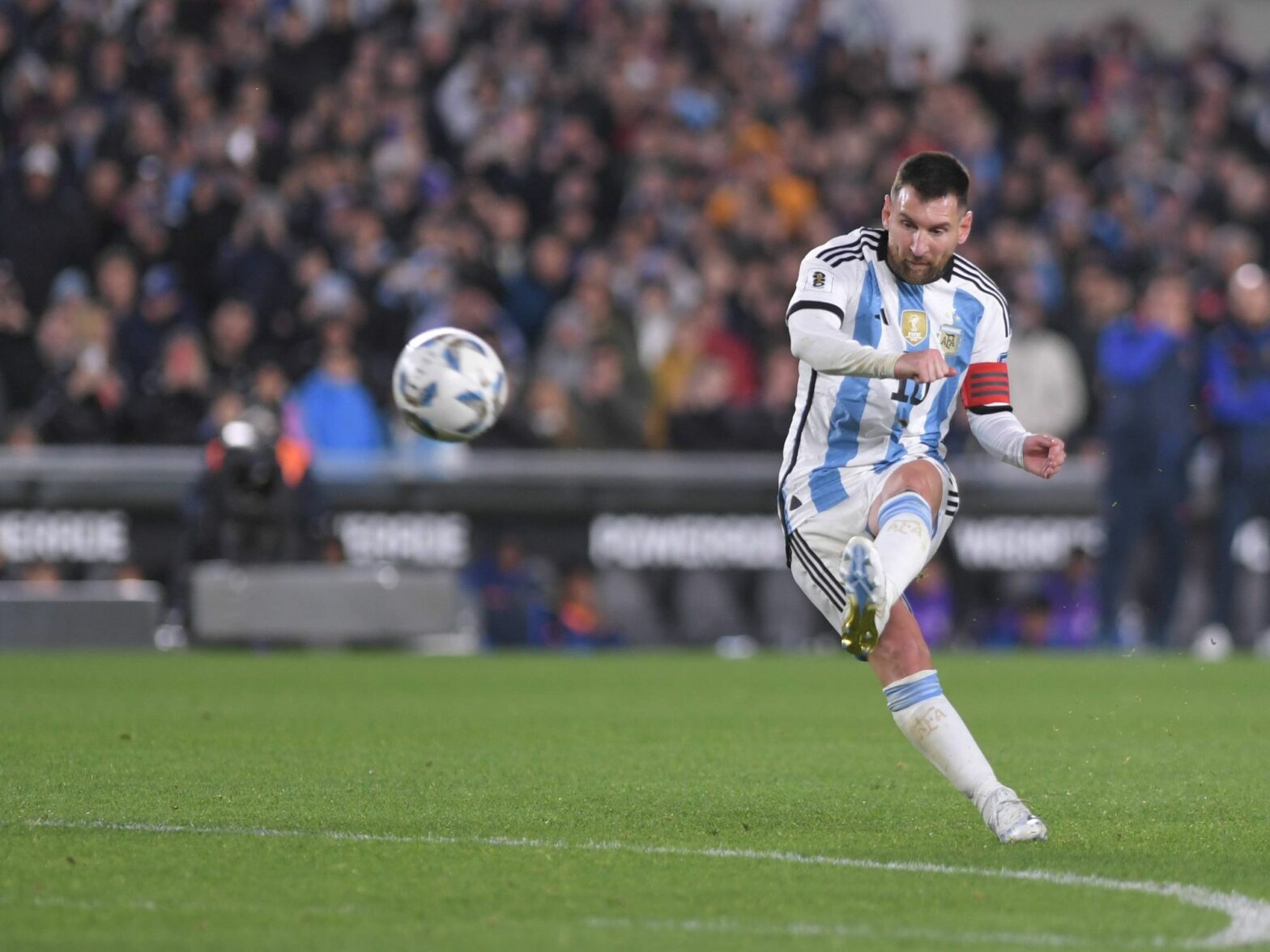
Several top athletes from racing drivers to sprinters have reported experiences of time slowing down. Can neurological science explain this phenomenon?