Lebanon is bracing for a new assault by Israel, while the recent ceasefire in Gaza looks bound to break. In the Middle East, there’s a massive gap between pause and peace.
 Worldcrunch
Stay updated with comprehensive news on the Palestinian Territory from Worldcrunch. Discover insights on Palestinian politics, economic strategies, societal issues, and cultural landmarks with translations from top international sources. Highlights include Gaza, Ramallah, Palestinian history, and cultural events.
Lebanon is bracing for a new assault by Israel, while the recent ceasefire in Gaza looks bound to break. In the Middle East, there’s a massive gap between pause and peace.
Israel’s post-hostage relief must not harden into absolution, but must be taken as a moment for accountability and a rethinking of coexistence.
Recently released, a former Palestinian detainee recounts the beatings, humiliation, and deprivation he endured as human rights groups warn of a prison system turned into an instrument of state violence.
As the region transforms after October 7, Berlin needs both empathy for Israel and the courage to rethink its own foreign policy doctrine.

Israeli authorities intercepted boats from the international Gaza aid flotilla late Wednesday. But the standoff is bound to continue to weigh on the Middle East conflict.

Italy’s prime minister signals support for a Palestinian state at the UN with conditions attached, breaking with Netanyahu and Trump but stopping short of a full embrace.
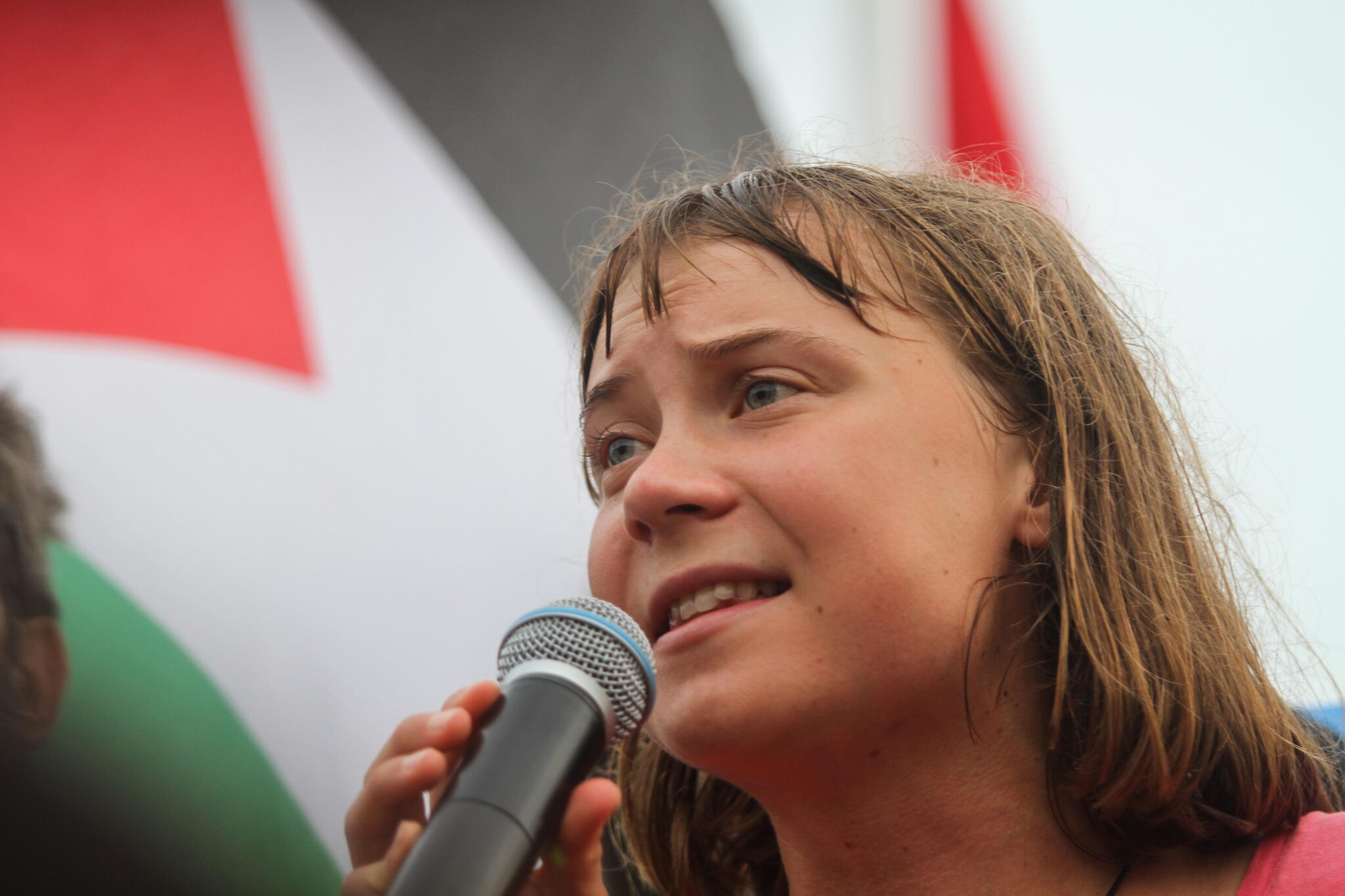
As Israel’s devastating war on Gaza continues, Swedish climate activist Greta Thunberg draws a clear link between environmental devastation and political violence. Her stance is based on a reality: in Gaza, like elsewhere, environmental destruction is yet another weapon of war.
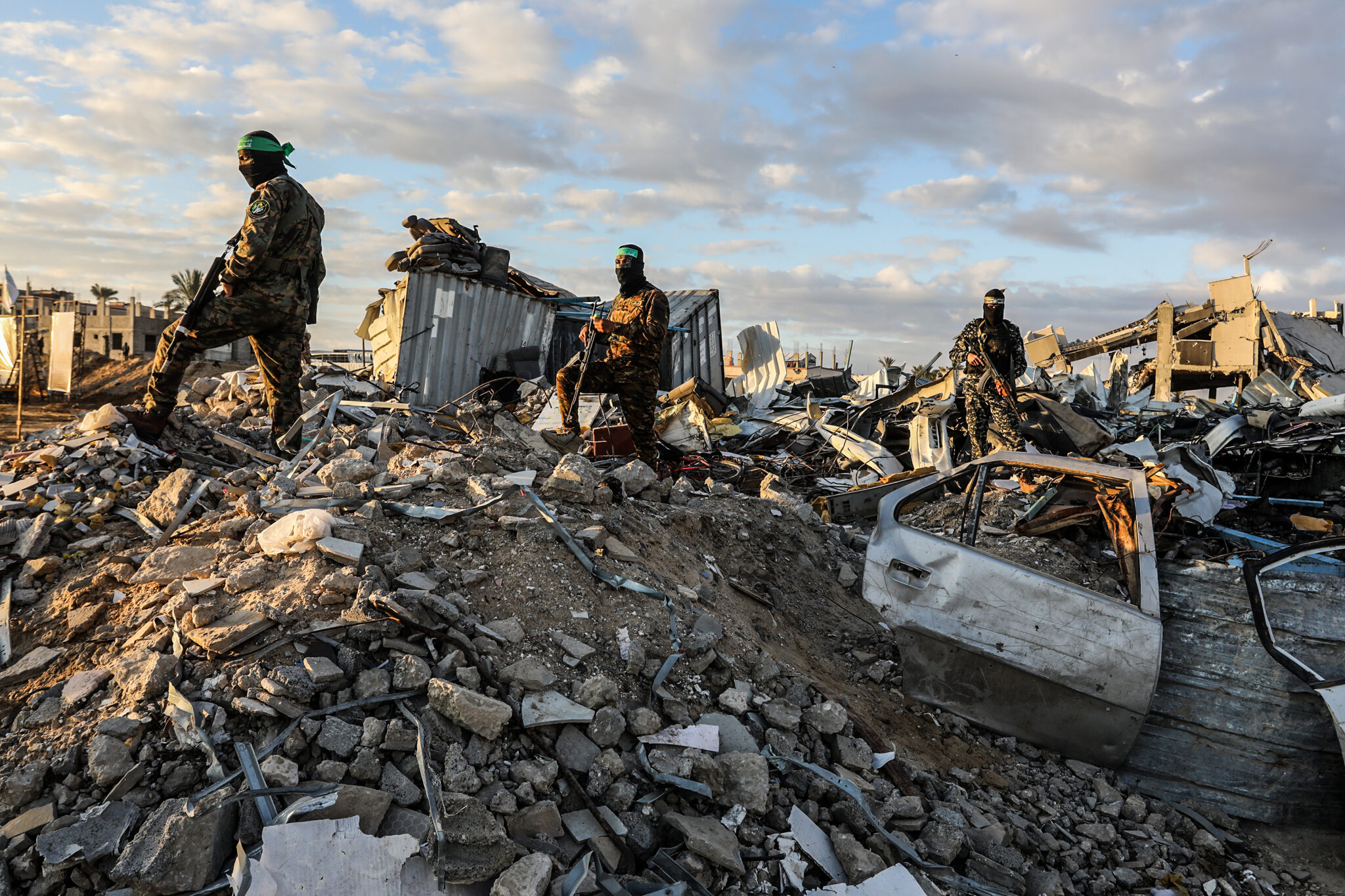
None of this means submission or surrender or a call to capitulation, but a call to read the reality in Gaza where we are threatened with extermination and settlement and annexation.
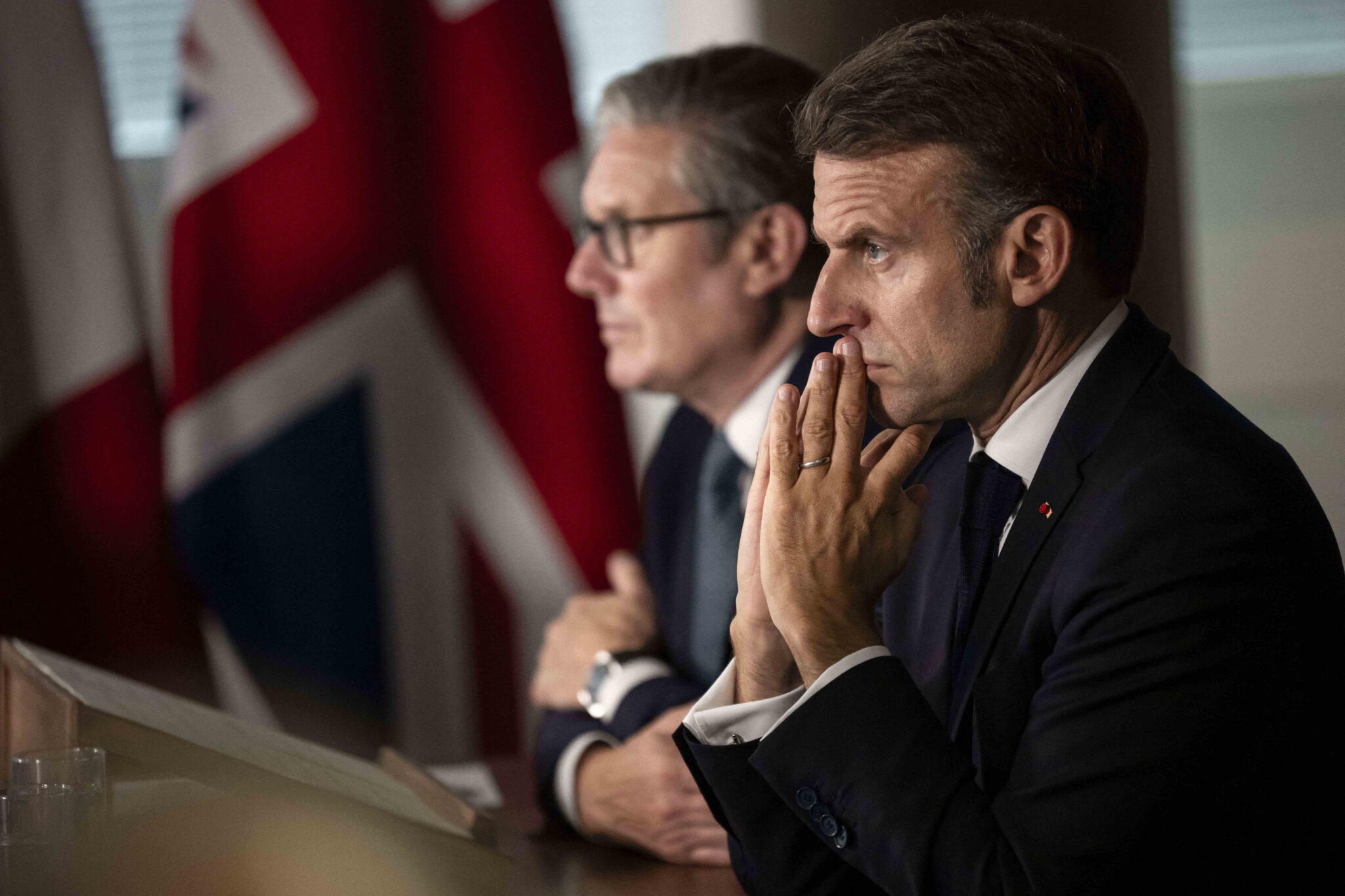
France, the UK and Canada are preparing to formally back Palestinian statehood at the UN this September. Behind the symbolic gesture lies a strategic power play aimed at Benjamin Netanyahu — and Donald Trump.

With photographs from Gaza, Rome and Buenos Aires — among other places.
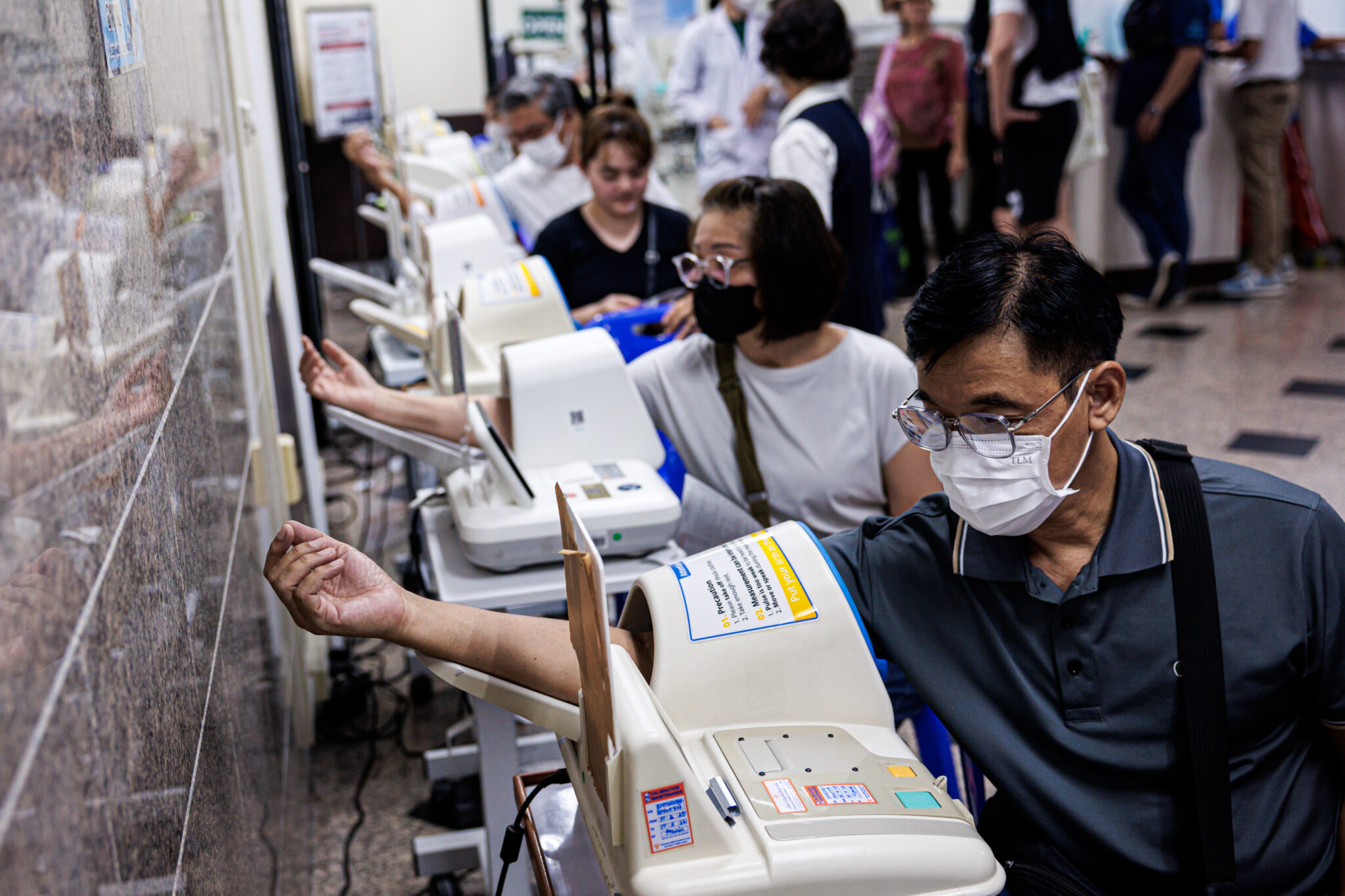
With photographs from Kyiv, Bangkok and Zurich — among other places.
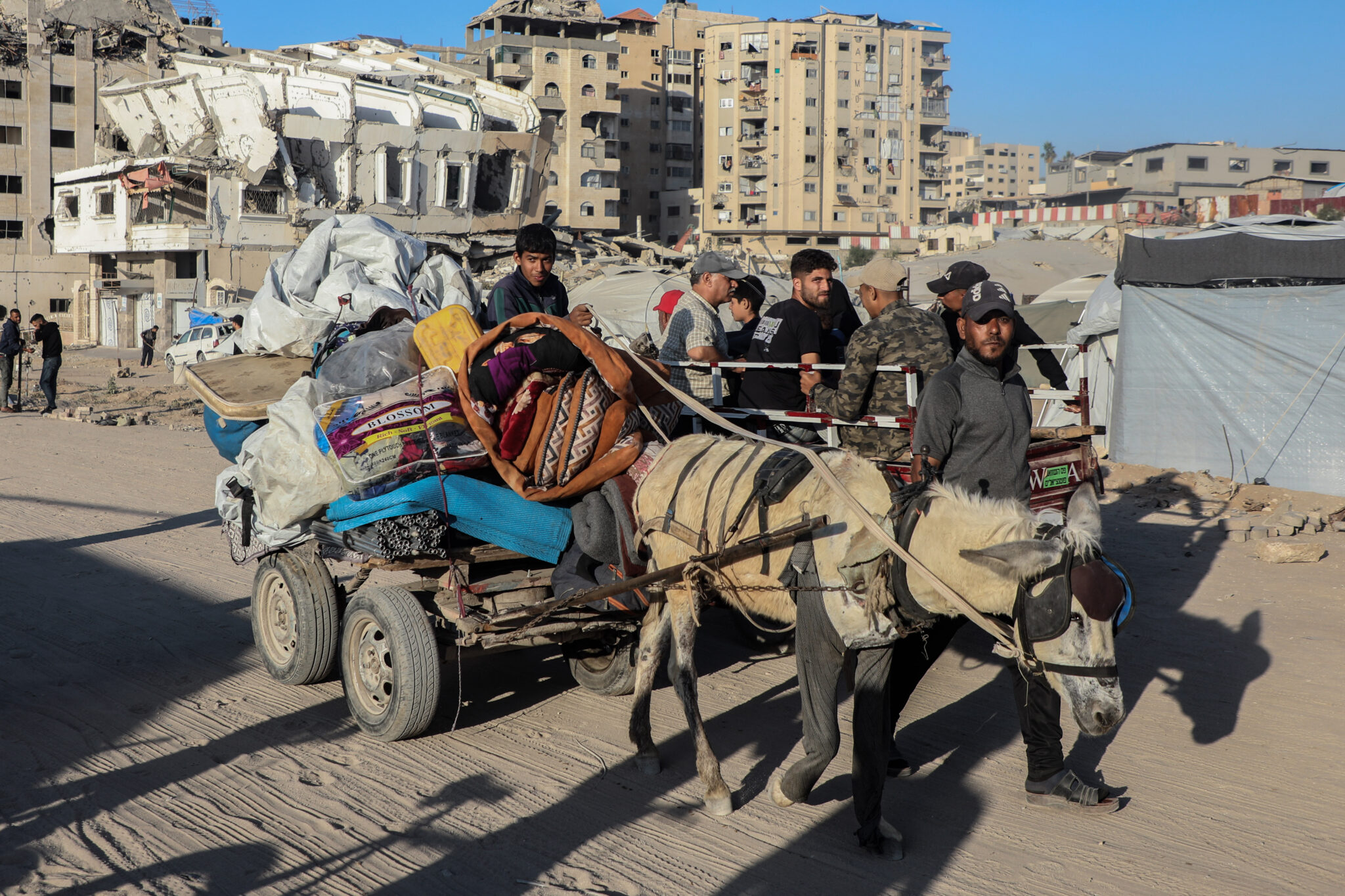
The area where the city will be established will lie on the ruins of thousands of homes in Rafah, after the Israeli army “cleanses” it. It overlooks the Mediterranean Sea and is directly adjacent to Egypt — which means the next step could be pushing hundreds of thousands of residents into Sinai.
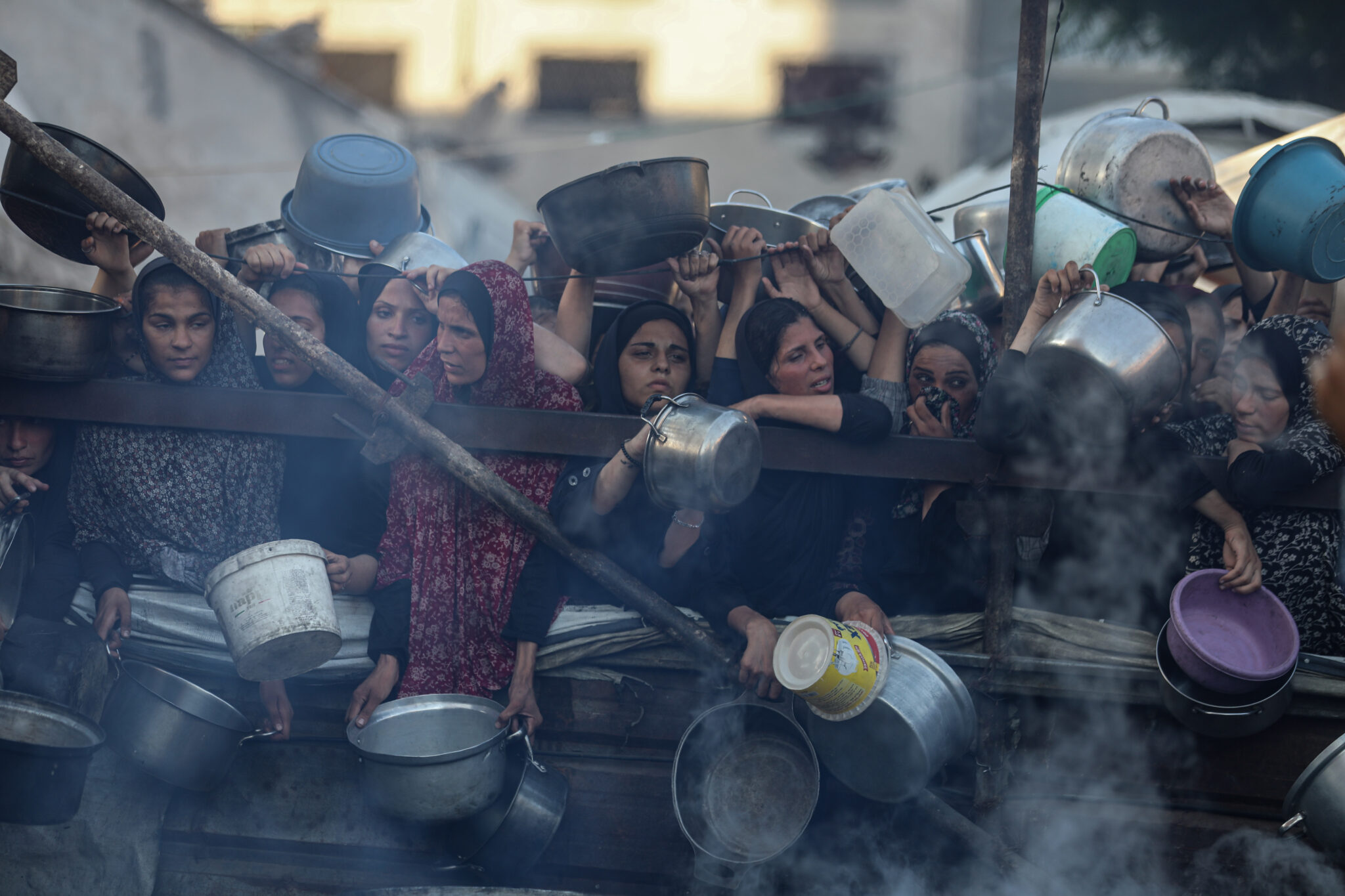
Israel is attacking an area that had been designated as a “humanitarian zone,” offering shelter to around 70,000 displaced people and humanitarian workers. This comes after scores of civilians had been killed by Israeli troops while attempting to get food and other basic supplies for their families.
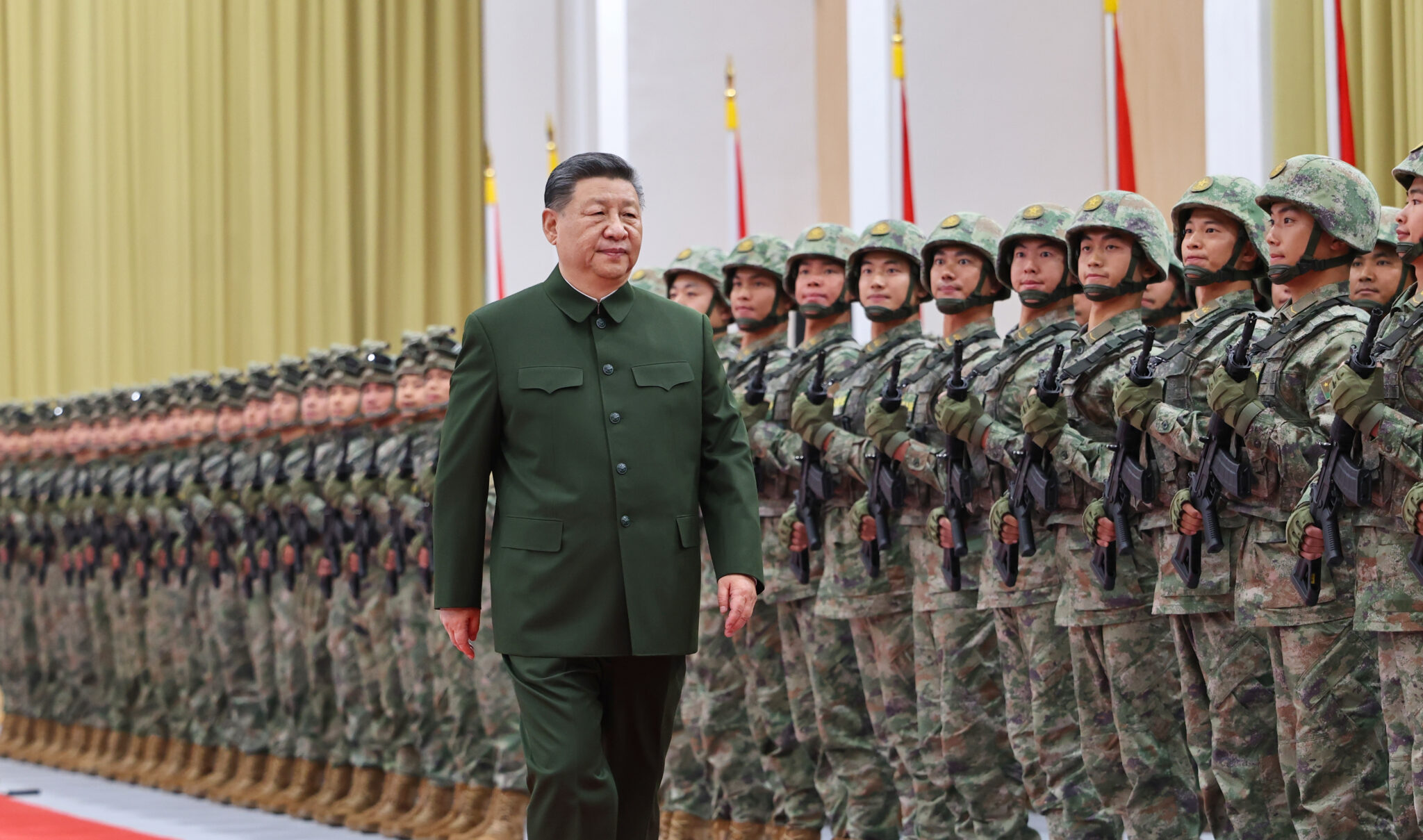
Eight decades after the UN Charter was signed, the so-called rules-based order is looking pretty battered. Still, the fact that someone breaks a rule doesn’t make it invalid. Law and reality never fully align. Otherwise, we wouldn’t need law.

With remarkable shots from Ciutadella de Menorca, Yangon, London, Nakuru, among other places.
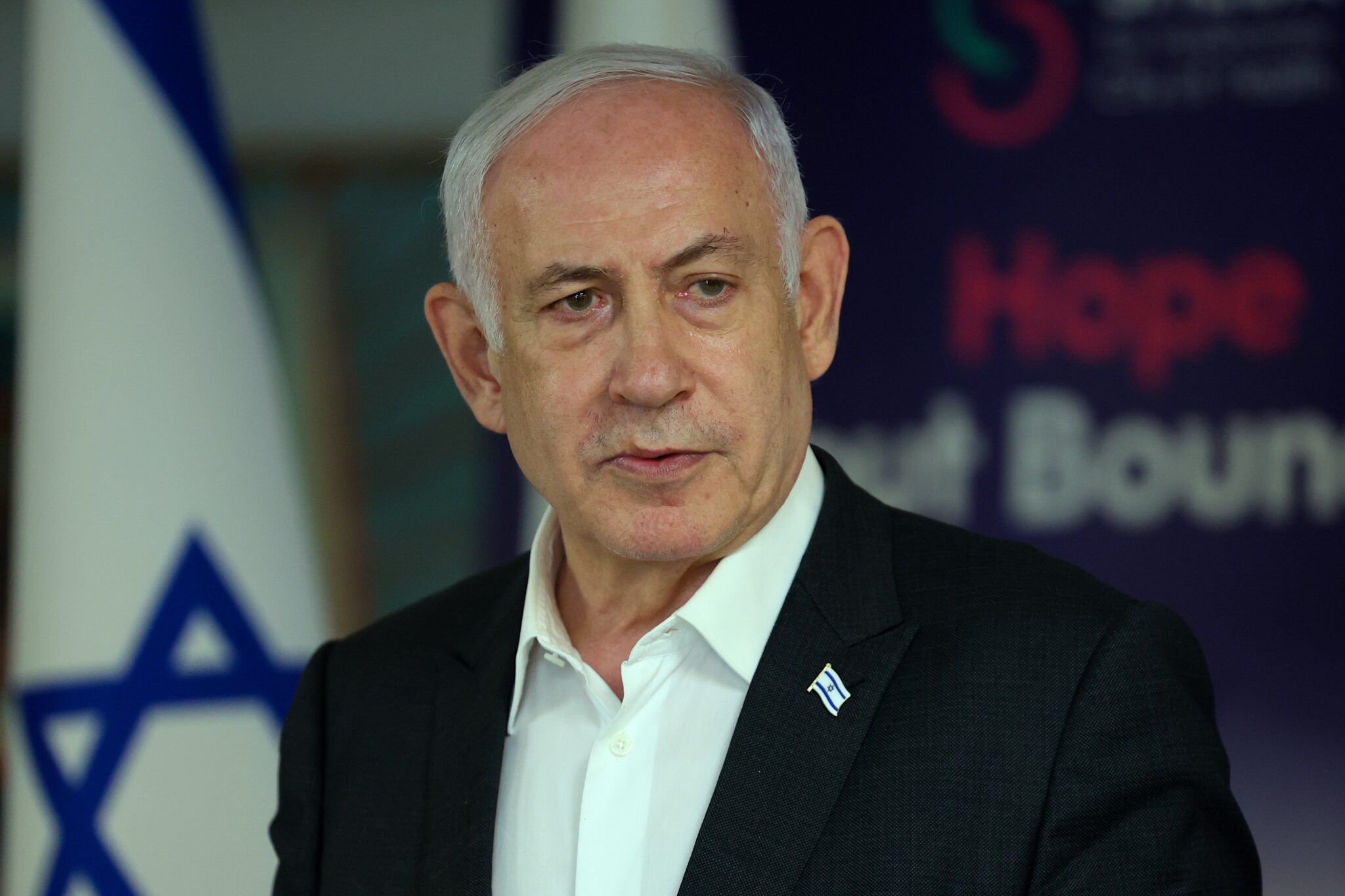
The intervention of American bombers in Iran has strengthened Israeli Prime Minister Benjamin Netanyahu’s position, allowing him to assert military supremacy over the Middle East. What comes next will be more difficult, as no solution is on the horizon for Gaza, and the Saudis are growing more skeptical than ever of Israel.
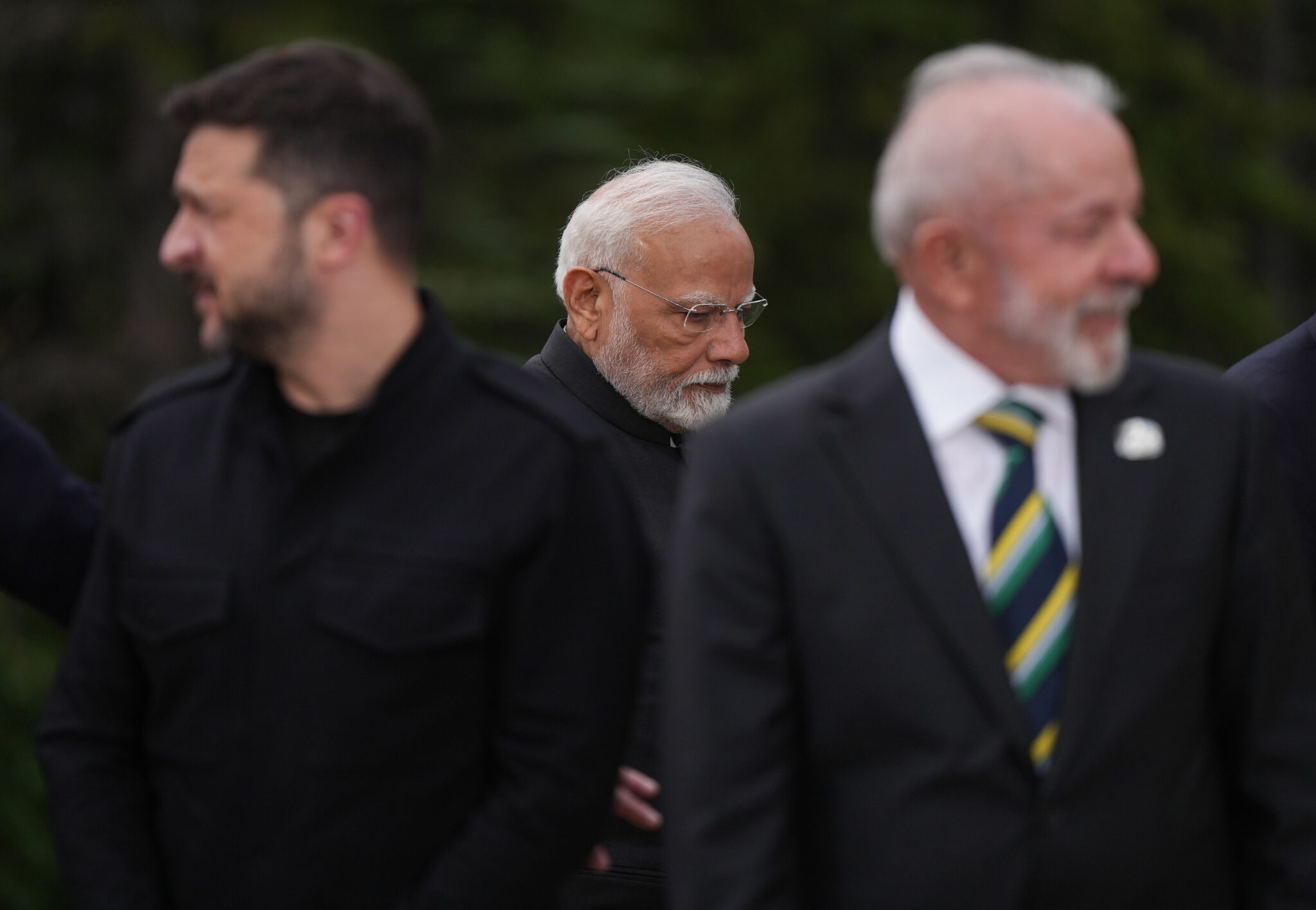
India’s inconsistent stance on Gaza reflects a broader diplomatic drift — from principled leadership to transactional alignment.

With remarkable shots from Khan Younis, Barcelona, Kananaskis and Ascot, among other places.
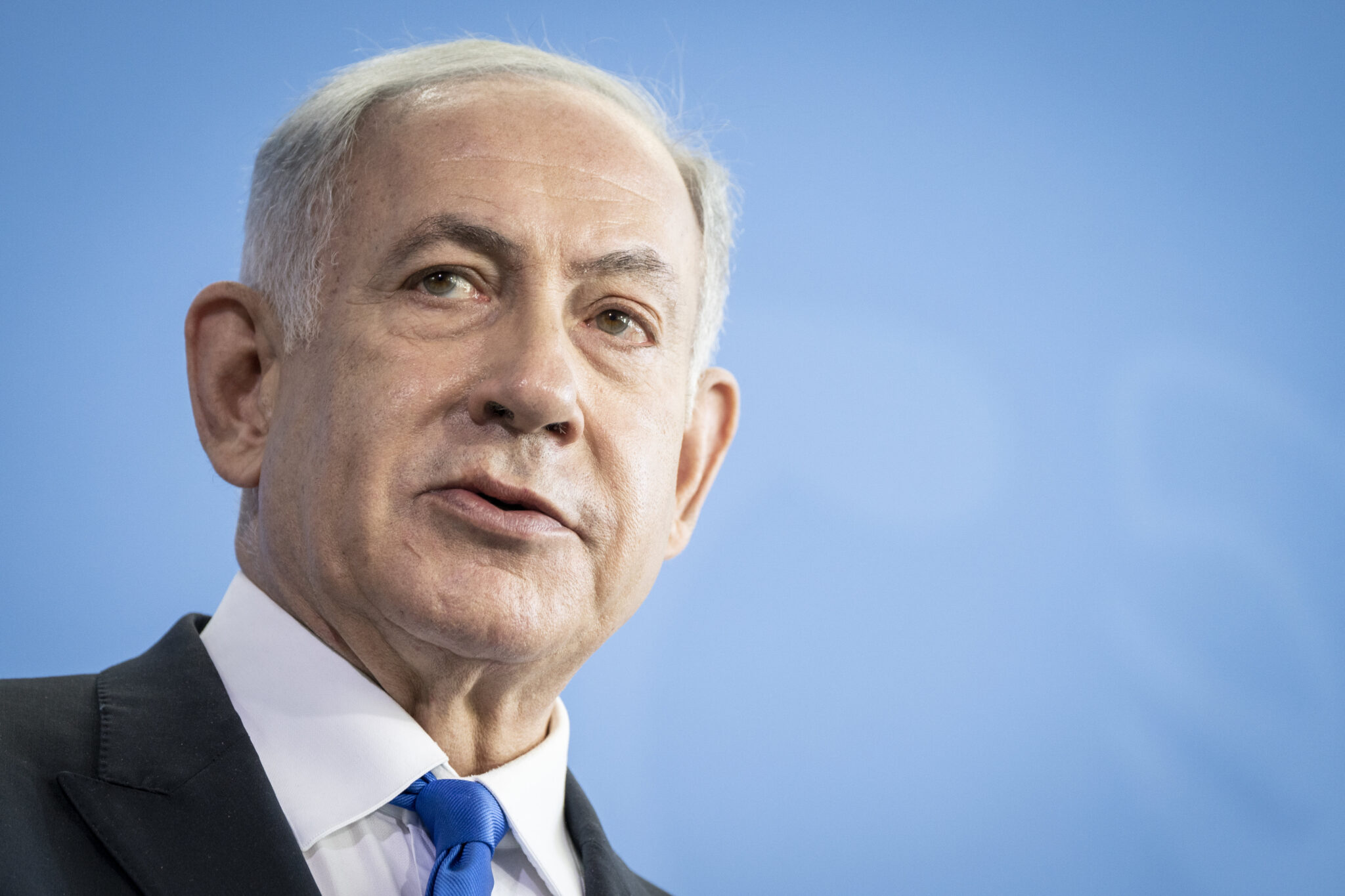
Israeli Prime Minister Benjamin Netanyahu has long viewed the Iranian regime as an existential threat to the Jewish state. Now, with direct strikes on Iran, he may be realizing a goal he’s pursued for decades — driven by history, personal conviction and political survival. But the risks for Israel and the region are huge.
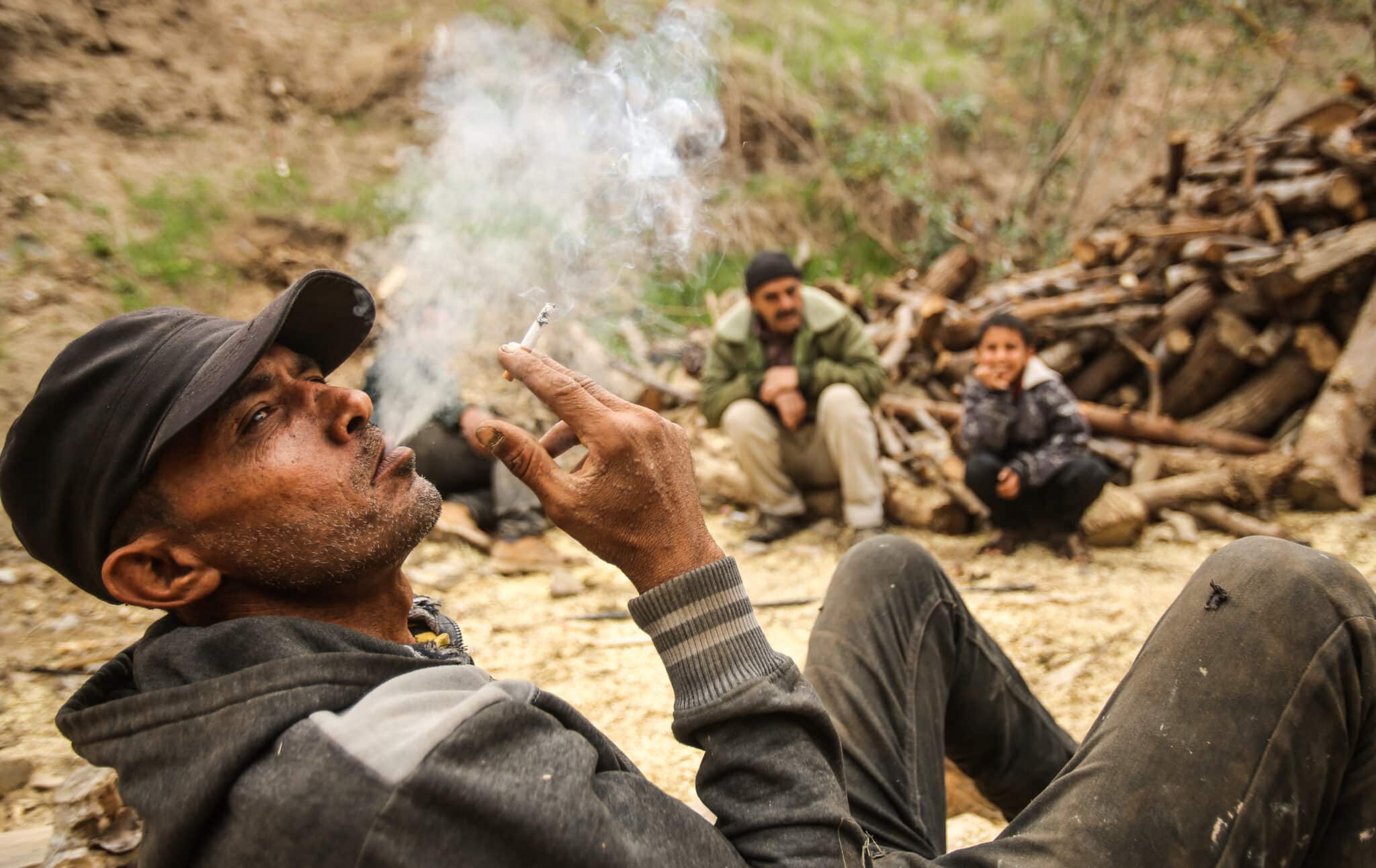
As famine grips Gaza under Israel’s blockade, drones drop cartons of cigarettes and hookah tobacco into the Strip. Lebanon-based journalism platform Daraj investigates the perverse profiteering that thrives in war zones, exposing how tobacco continues to flow even as food and medicine are denied.
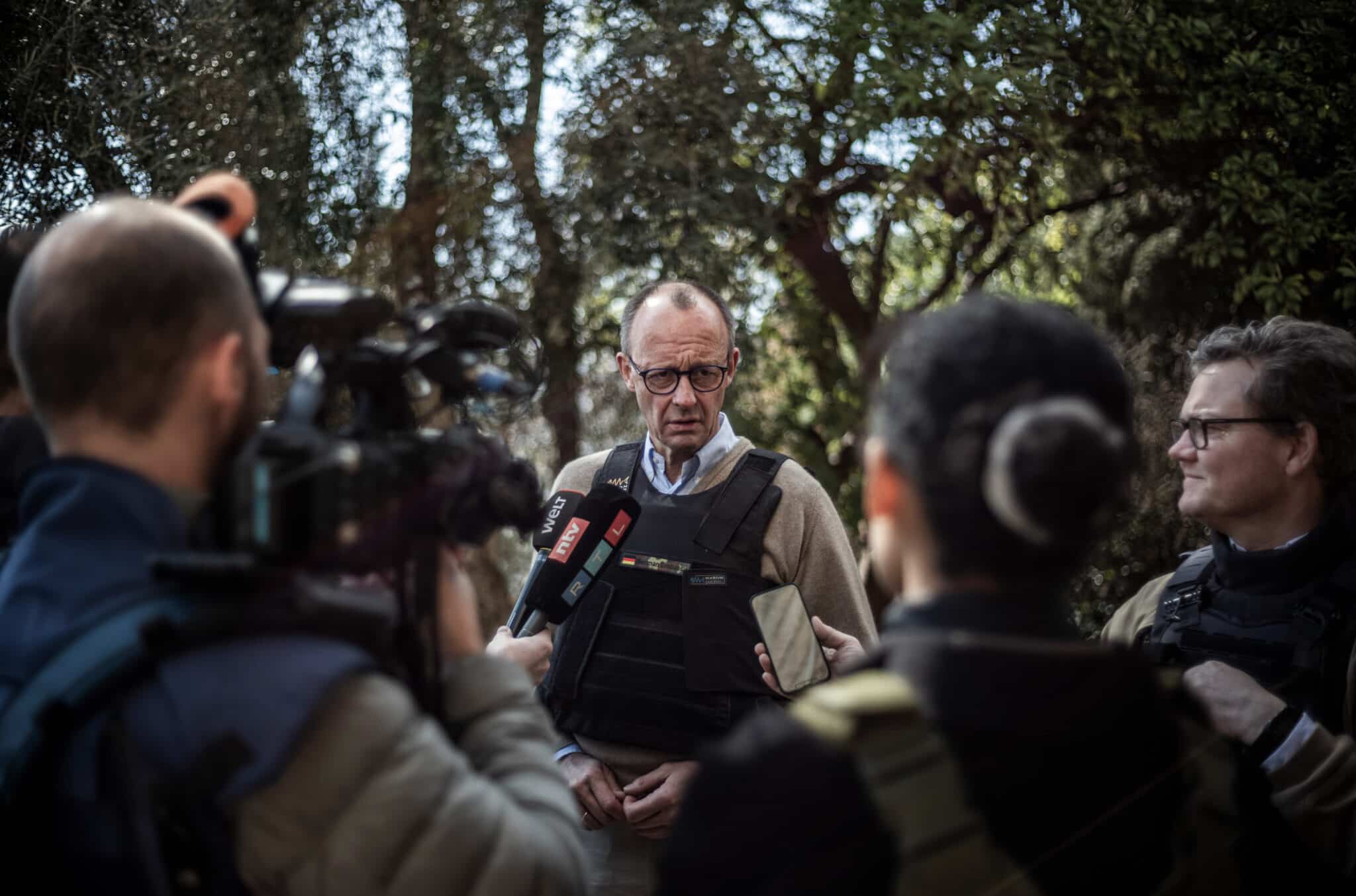
As Berlin and Tel Aviv mark a diplomatic milestone, the relationship born out of pragmatism, guilt and survival faces its toughest questions yet — especially amid war, protest and growing calls for criticism.
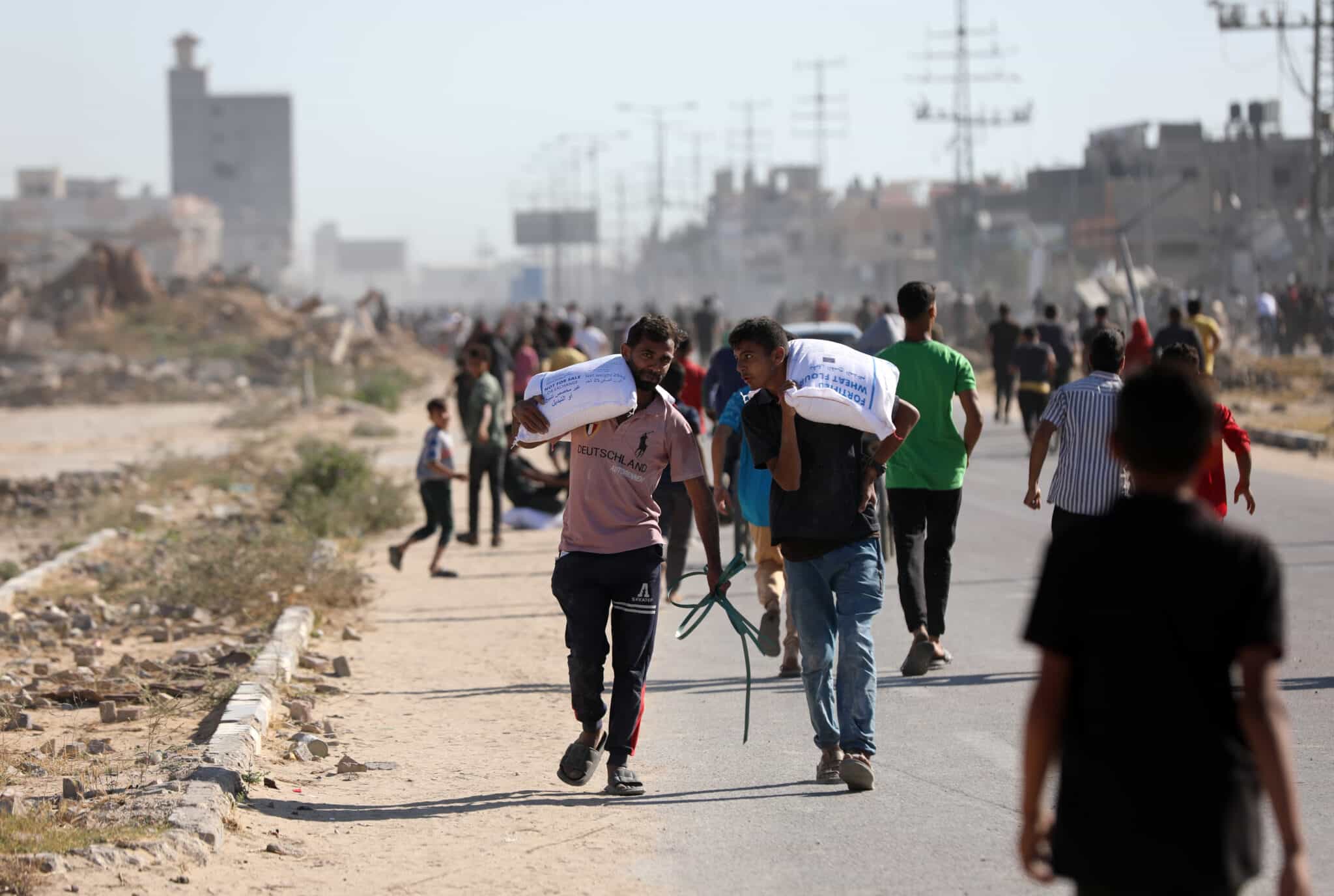
The distribution of food aid in Gaza was suspended yesterday after chaotic scenes prompted the Israeli army to open fire. Humanitarian experts had warned the effort was doomed to fail after Israel bypassed established aid organizations in favor of an unknown foundation.
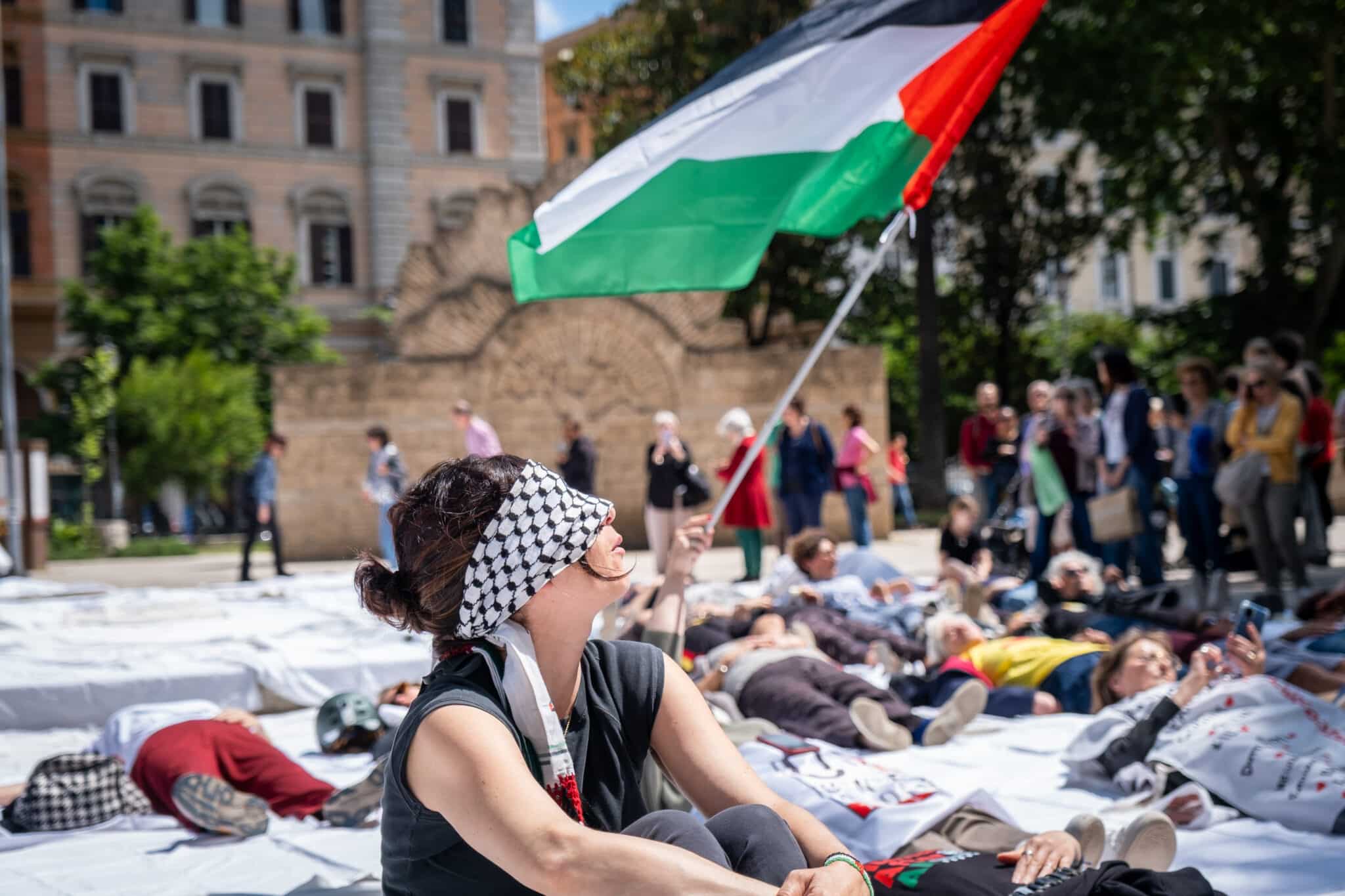
There may be plausible explanations for the delay in international reactions to the tragedy in Gaza. But in the past two months of killing and blockades, the tide has turned.
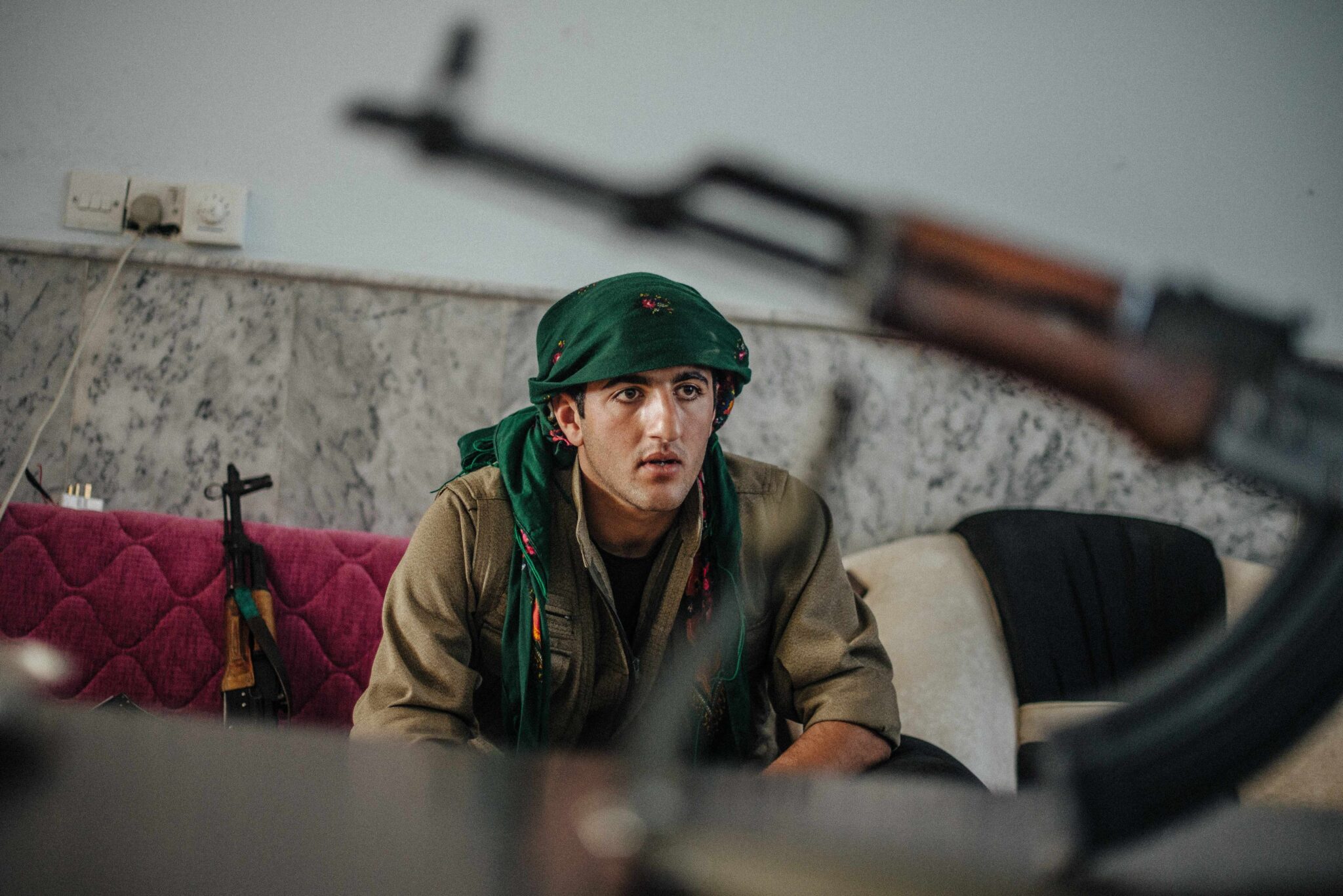
The Kurdish PKK’s historic decision to lay down its arms is just the latest sign that armed struggle has not lived up to its promises of liberation, and now appears to be on its last breaths across the region.

Amid the ruins of Gaza City, women gather in a hair salon not to escape war, but to reclaim fragments of life, beauty, and selfhood. In a city scarred by loss, they color sorrow with dye, memory, and quiet defiance.
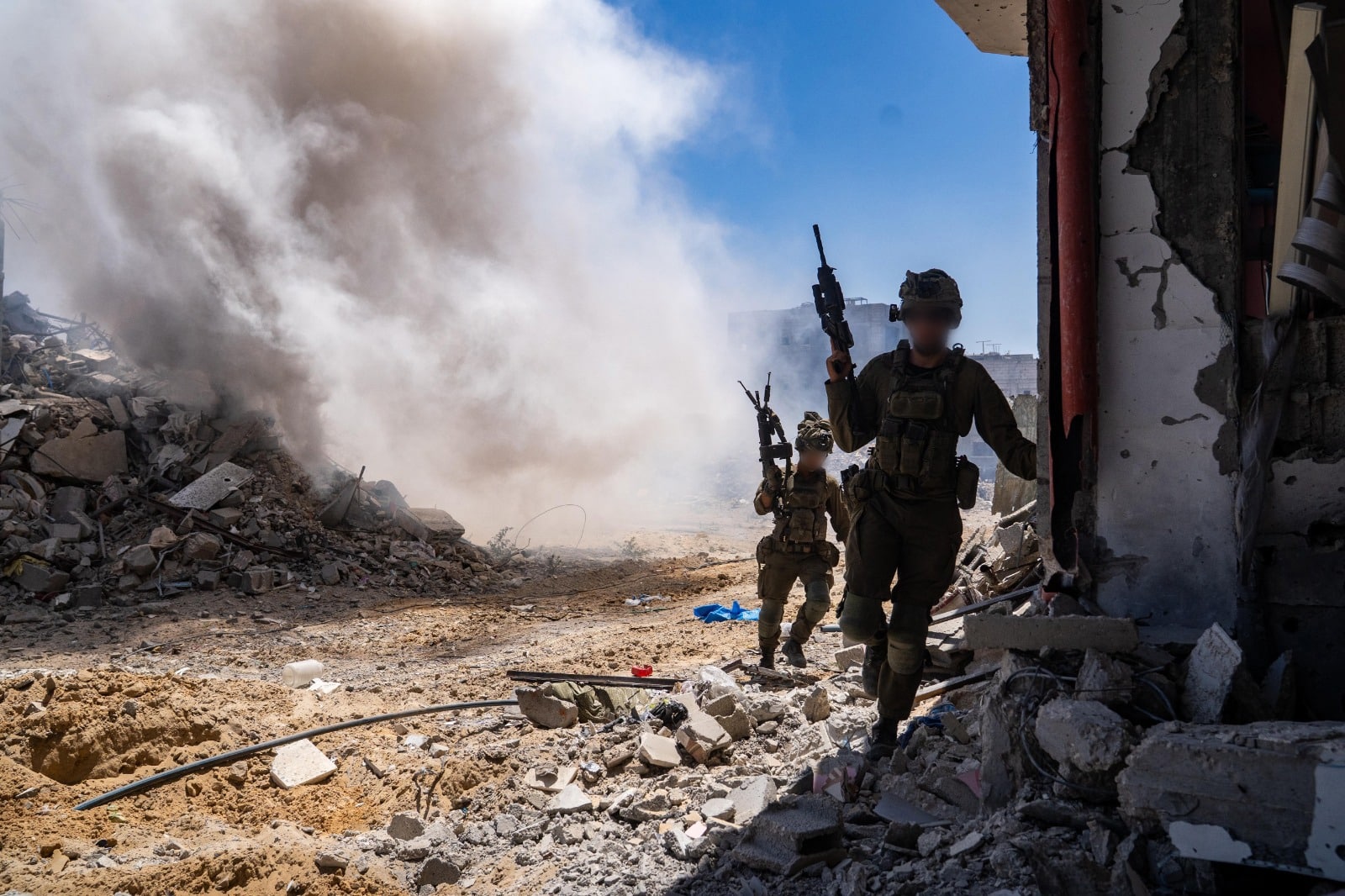
Netanyahu has resumed limited food aid to Gaza for “diplomatic reasons.” Meanwhile, the Israeli army continues its offensive to take control of the entire territory, and the West’s diplomatic weakness is glaring.
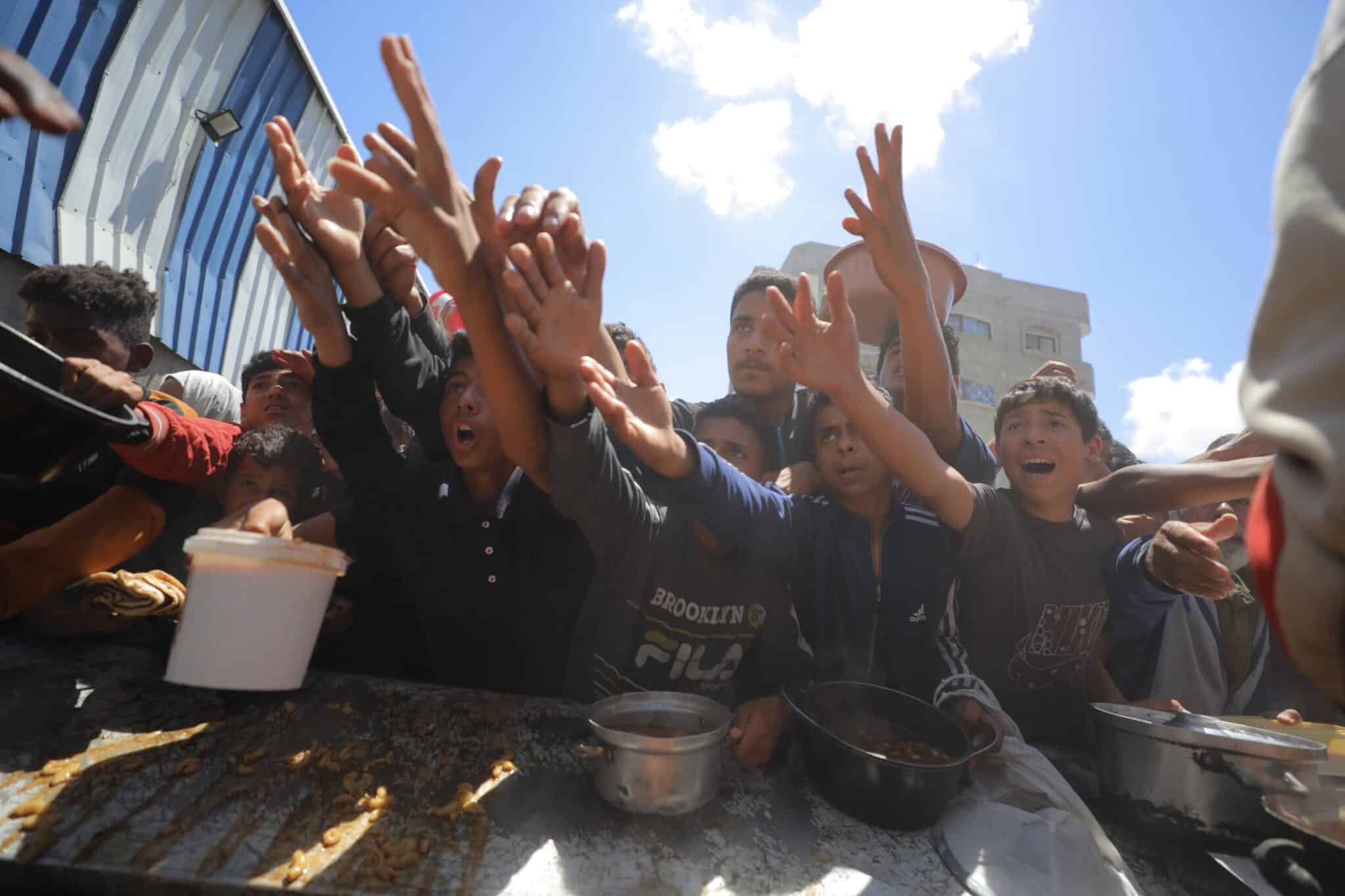
More than two months after Israel closed the borders into Gaza and blocked aid from entering the enclave, the UN World Food Programme has warned that the entire population of the Gaza Strip is at risk of famine.
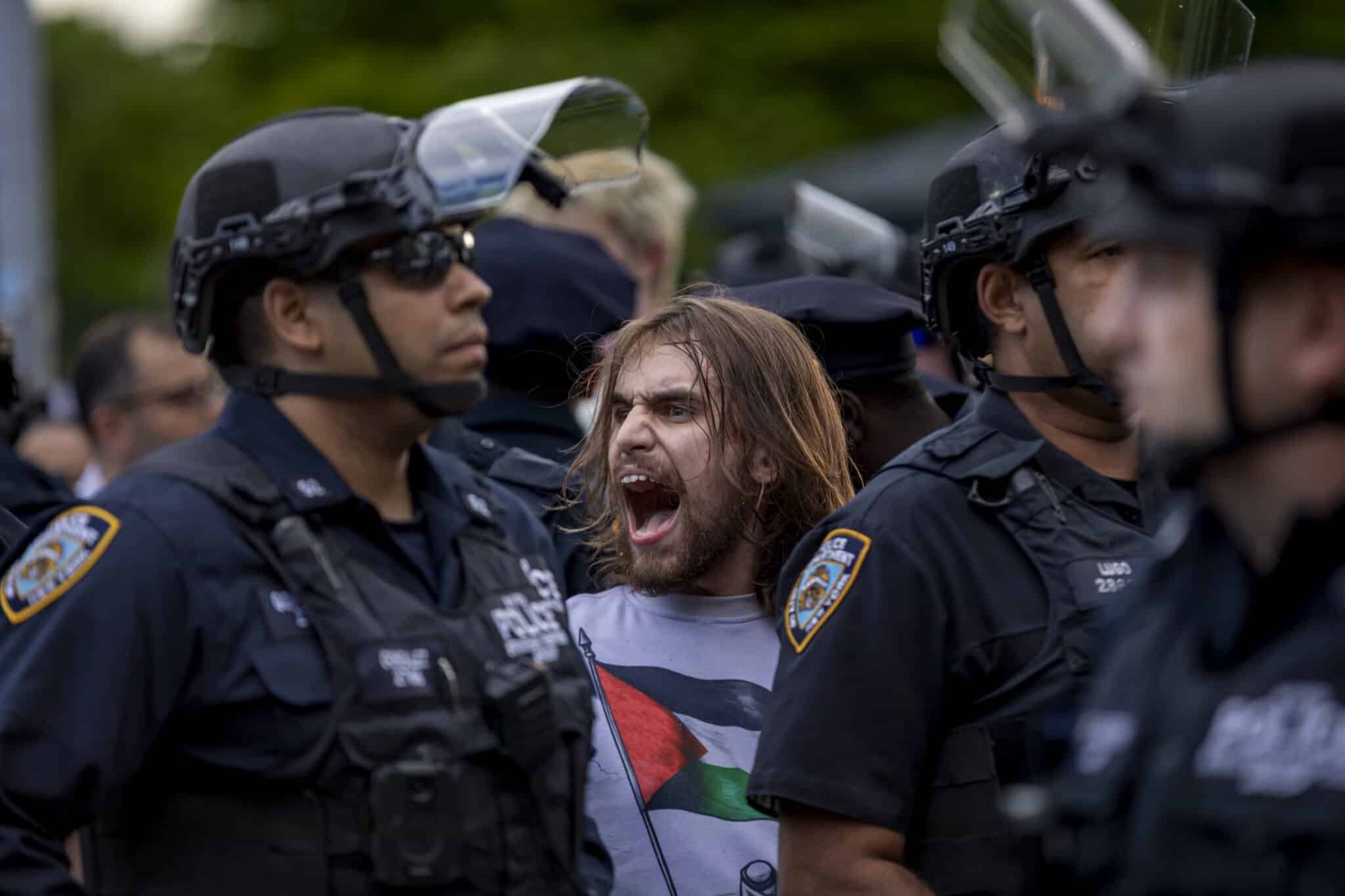
The West’s treatment of Pro-Palestinian protesters has shattered the image of democracies as bastions of free expression. But the West’s contradictions hold lessons for the Arab world.
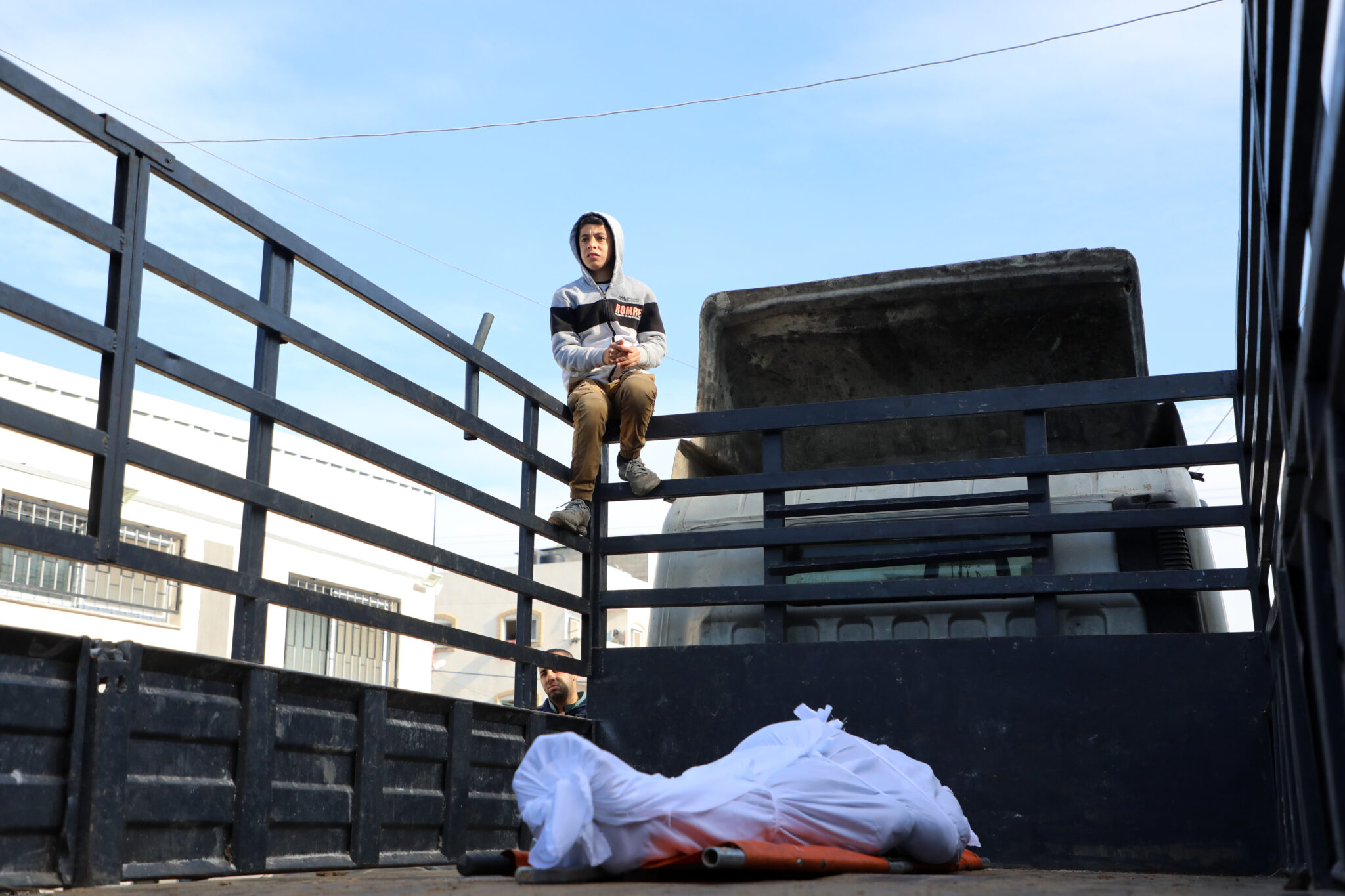
What’s happening today in Gaza goes beyond the bounds of human suffering, a complete eradication of dignity. The humiliation and despair has now reached a point where the living are forced to pay money for the right to bury their dead.
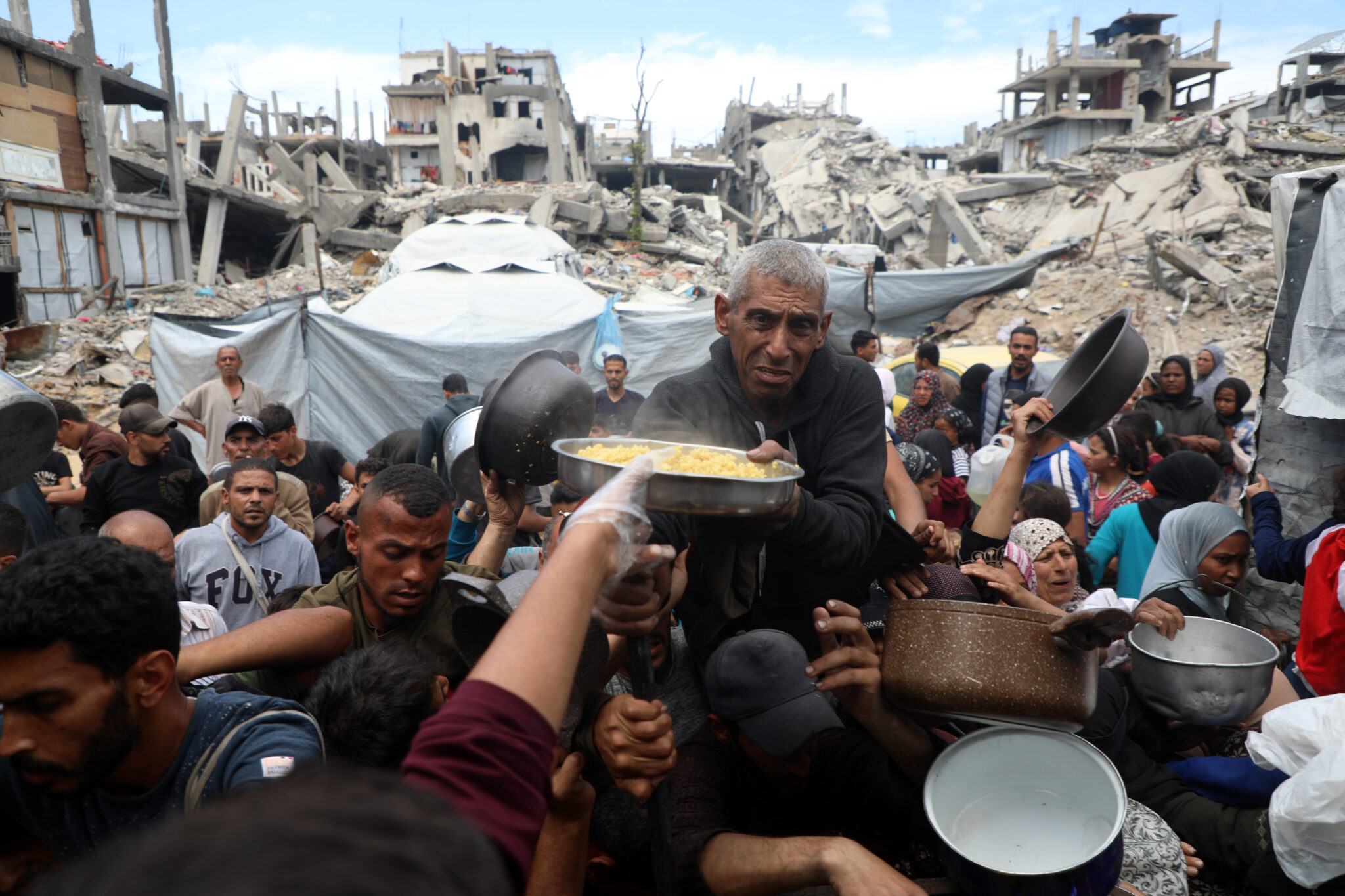
For 59 days now, Israel has prevented the supply of humanitarian aid into Gaza, and the UN is warning that stocks are running out. The International Court of Justice (ICJ) in The Hague opened proceedings where Israel is accused use of hunger as a weapon. This practice should have been left in the 19th century.
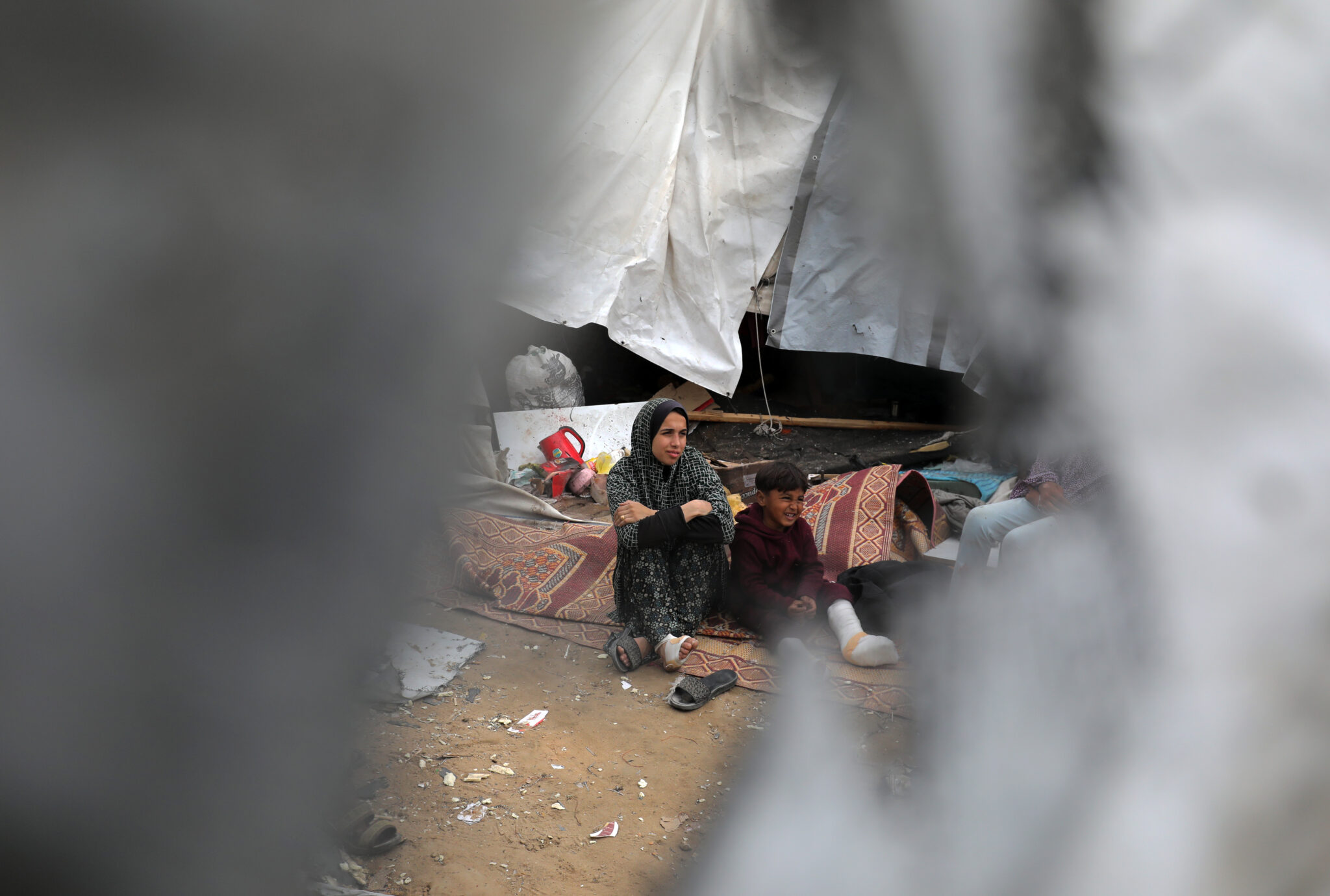
The Israeli army deliberately issues repeated warnings — whether through leaflets dropped from planes or digital statements on social media — calling on Gaza residents to “move to safe areas.” By now, experience has shown that these areas are often later targeted by airstrikes.
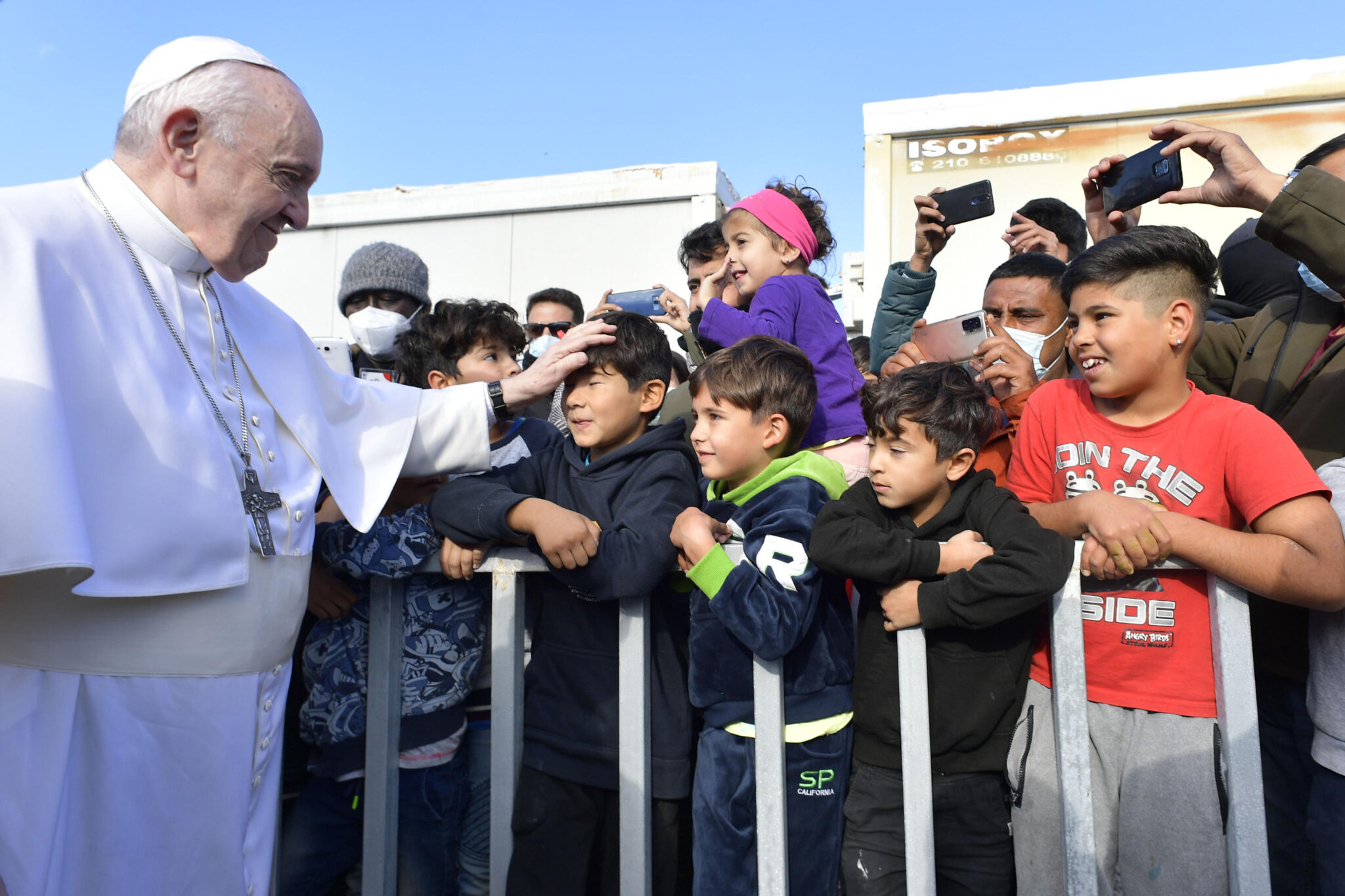
A defender of immigrants and leader of interfaith dialogue, Pope Francis’ strength was his presence where people needed him.
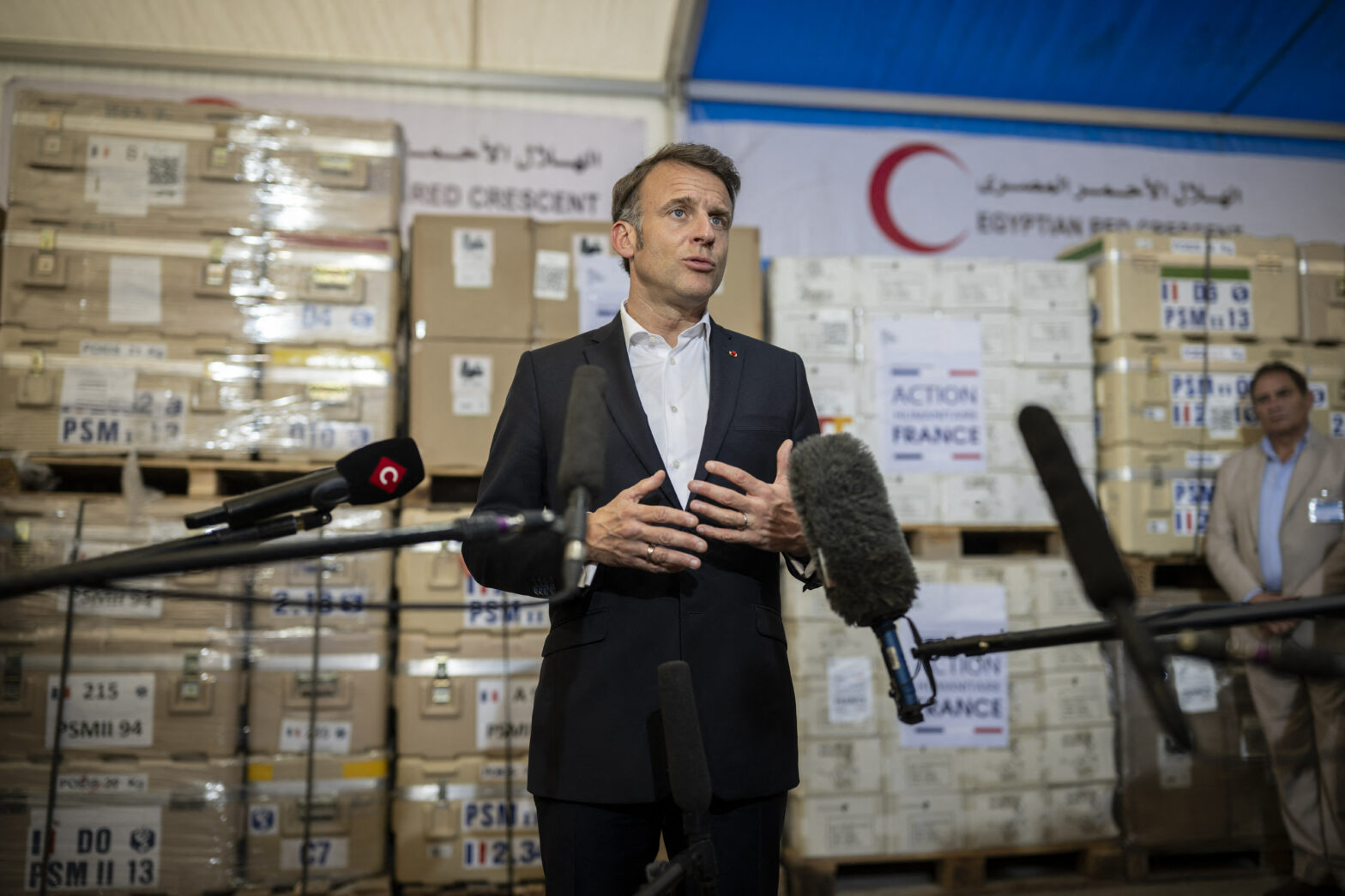
France may recognize the State of Palestine as early as June, President Emmanuel Macron said Wednesday. It marks a clear hardening of the French position, and a possible return to the country’s “Arab policy” of a generation ago.
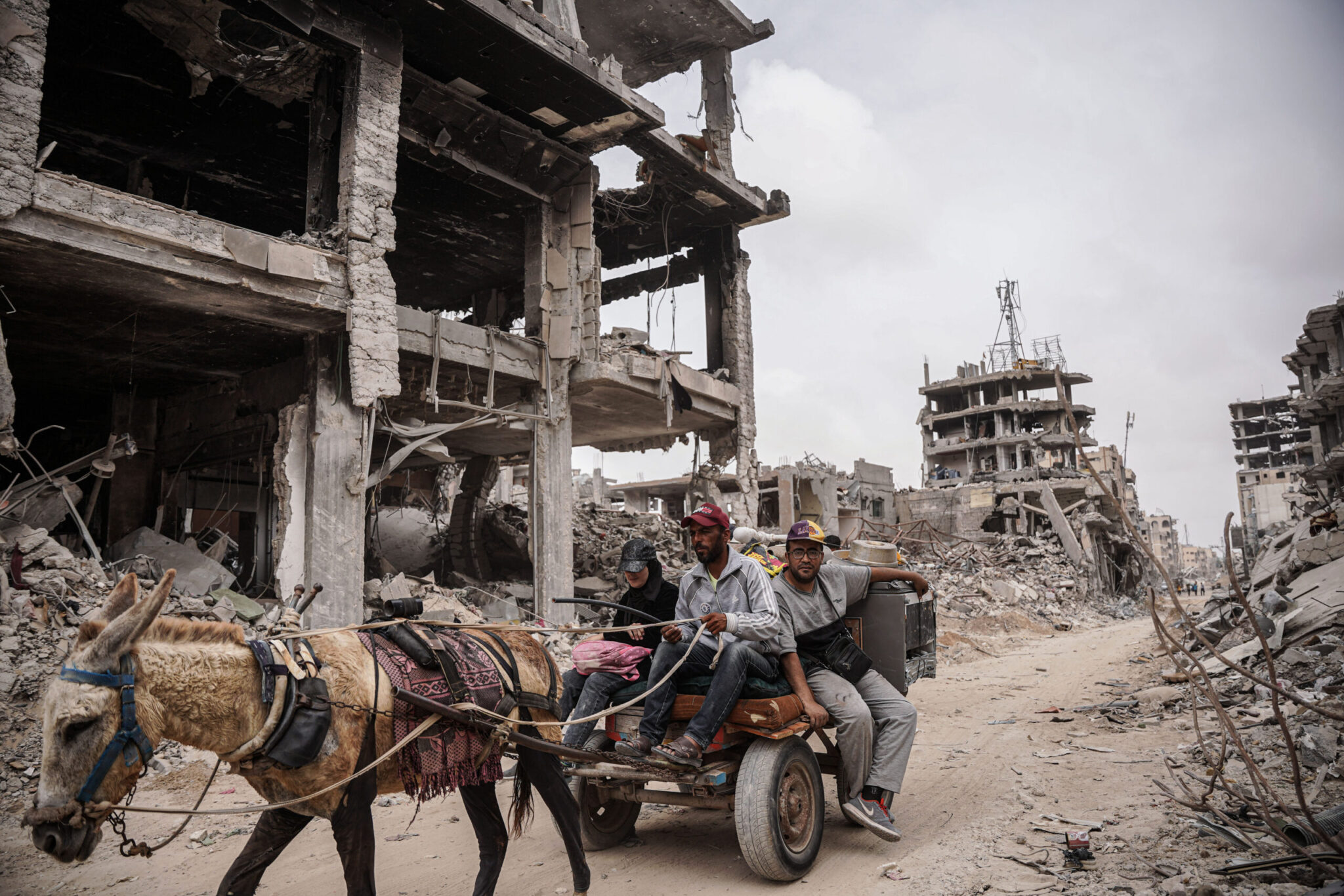
Trump and Netanyahu have both pushed the idea of forcing Palestinians out of Gaza, but it has gotten nowhere. The specter of a massive displacement of people has gotten vocal push back from large parts of the world. Instead, the recent return to slaughtering innocents doesn’t seem to provoke must international opposition.
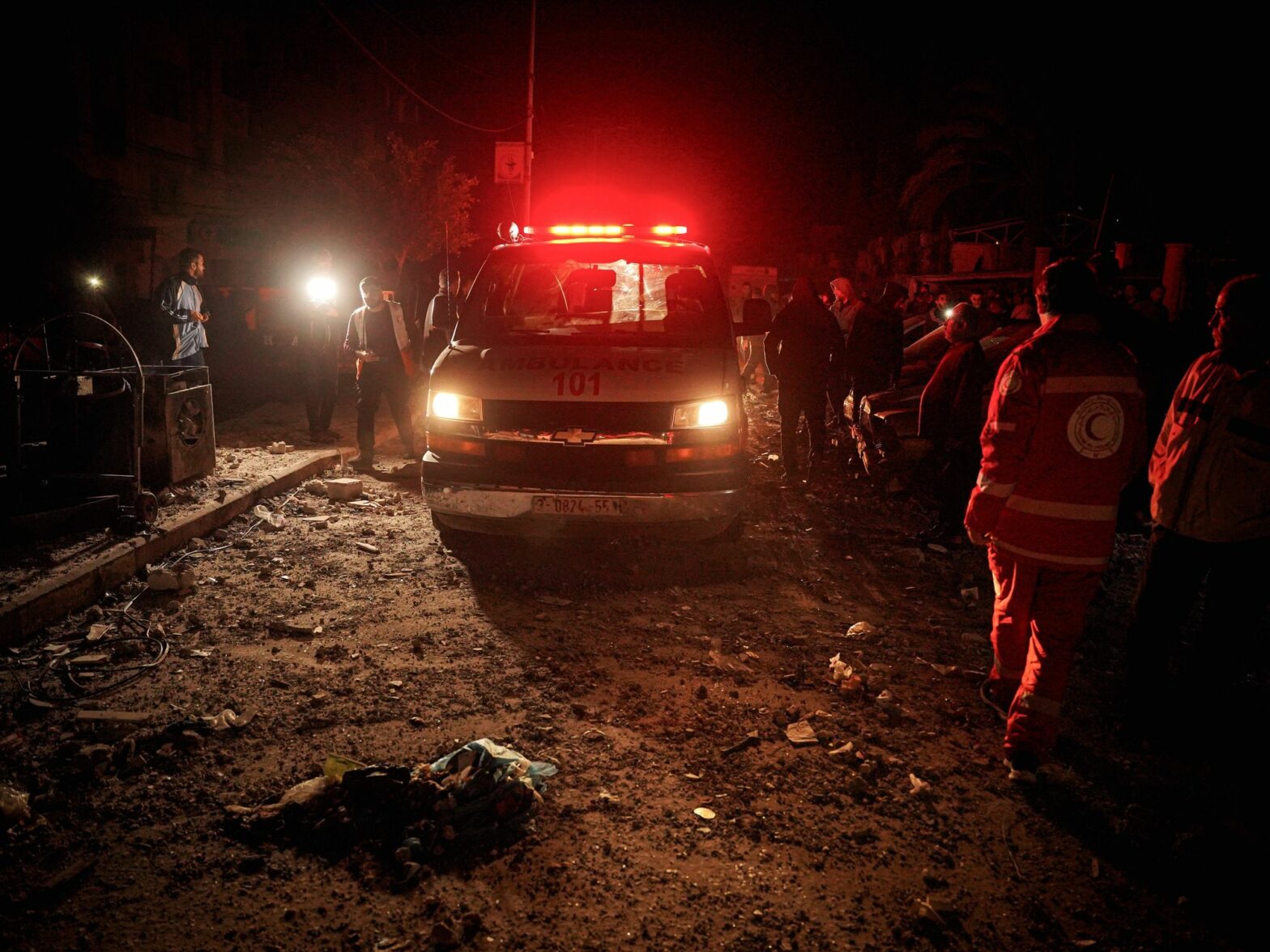
The Israeli account of the deaths of 15 Palestinian aid workers is contradicted by a video. But that won’t change anything in this war that follows no rules. In this context, Emmanuel Macron is in Egypt, but this rare diplomatic initiative is unlikely to carry much weight for now.
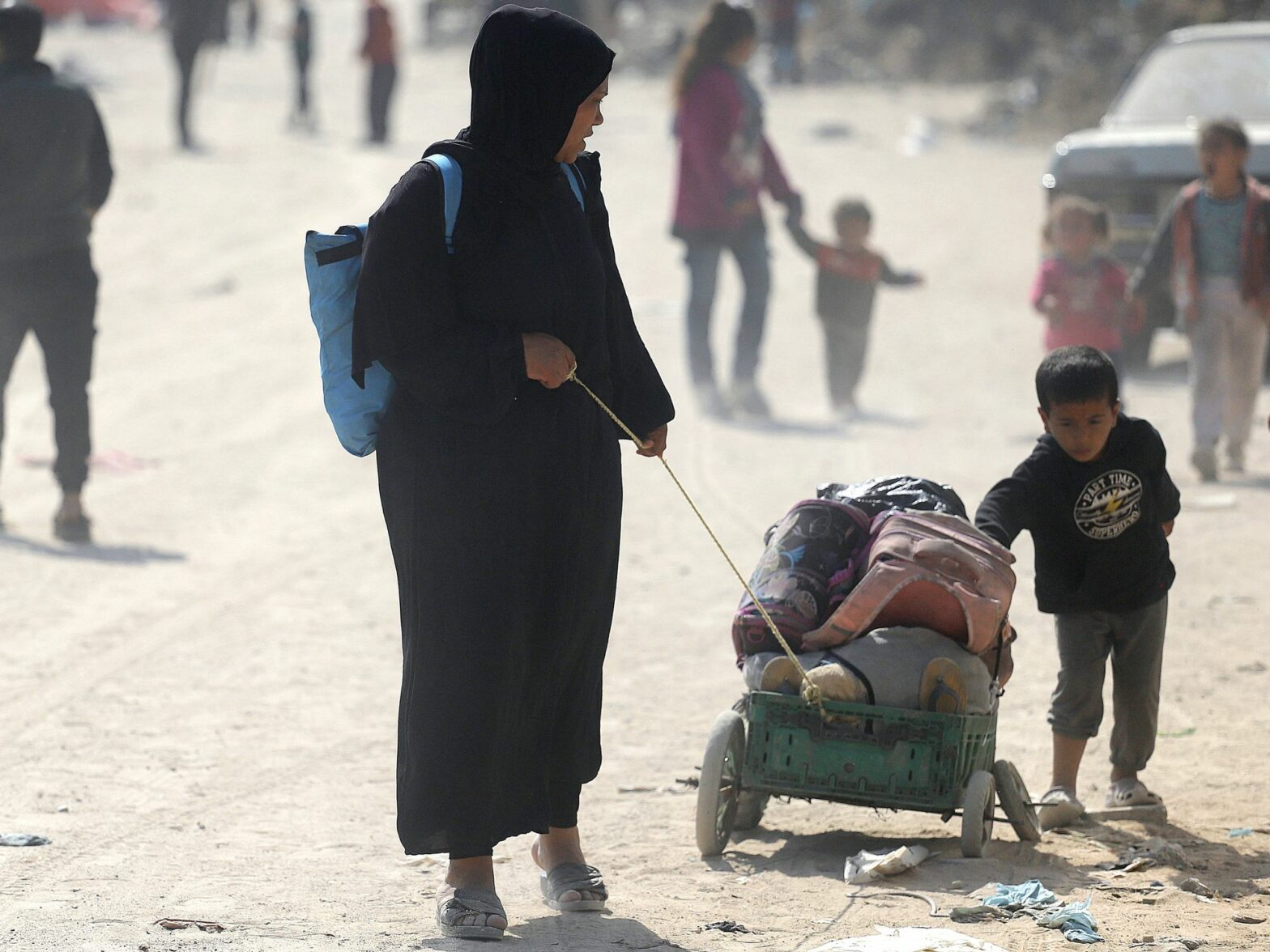
Gazans who had long sought to leave the enclave are suddenly getting permission, but now they’re wondering why. It may be the first step to fulfill the idea proposed by Israeli Prime Minister Benjamin Netanyahu and U.S. President Donald Trump to clear out the territory of its Palestinian inhabitants.
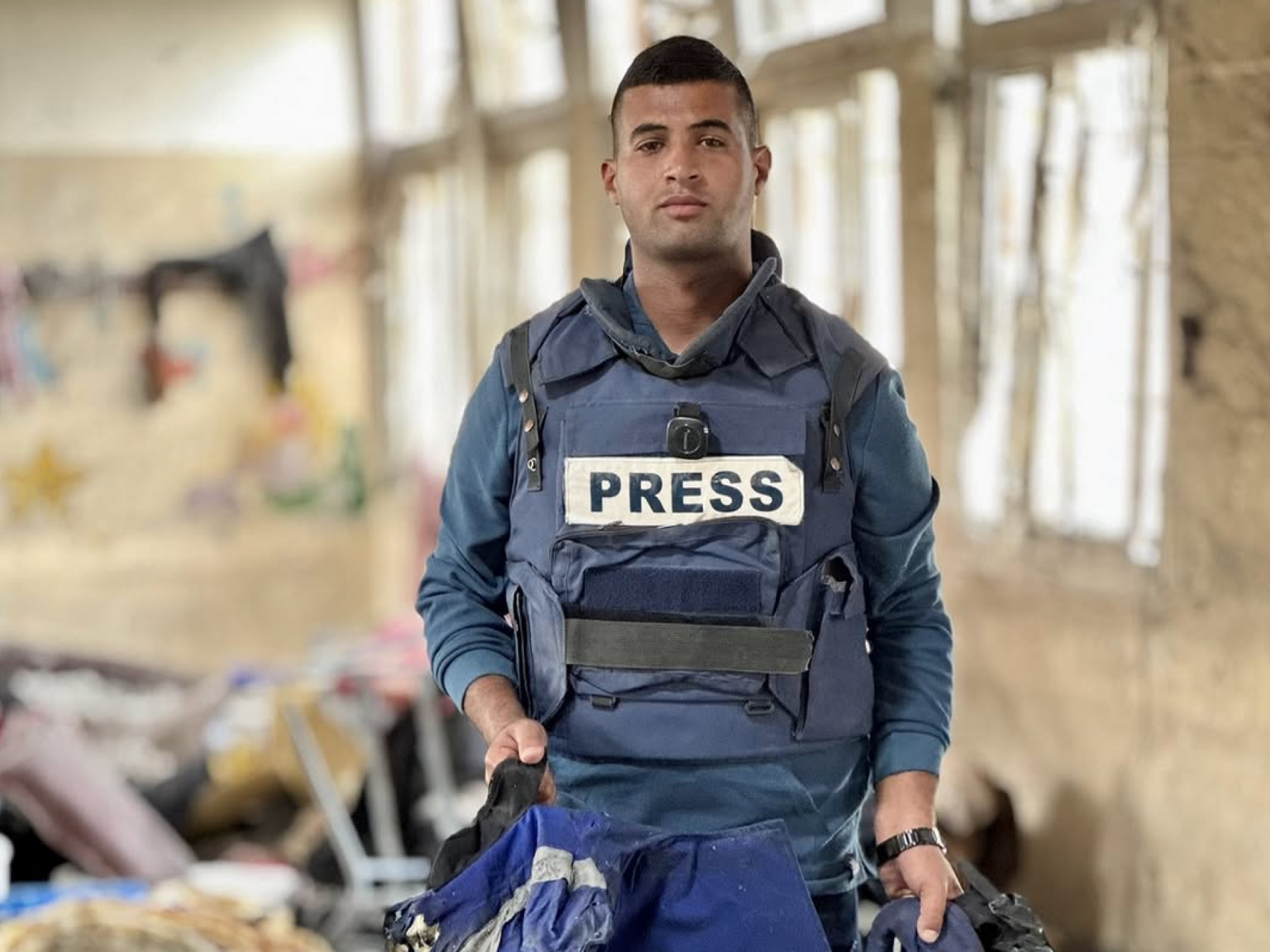
Hours before he was killed in an Israeli airstrike, 23-year-old journalist Hossam Shabat filed an article with Drop Site News describing Israel’s scorched-earth campaign in his hometown of Beit Hanoun. His editor Sharif Abdel Kouddous shares his thoughts, and we share Shabat’s final piece.
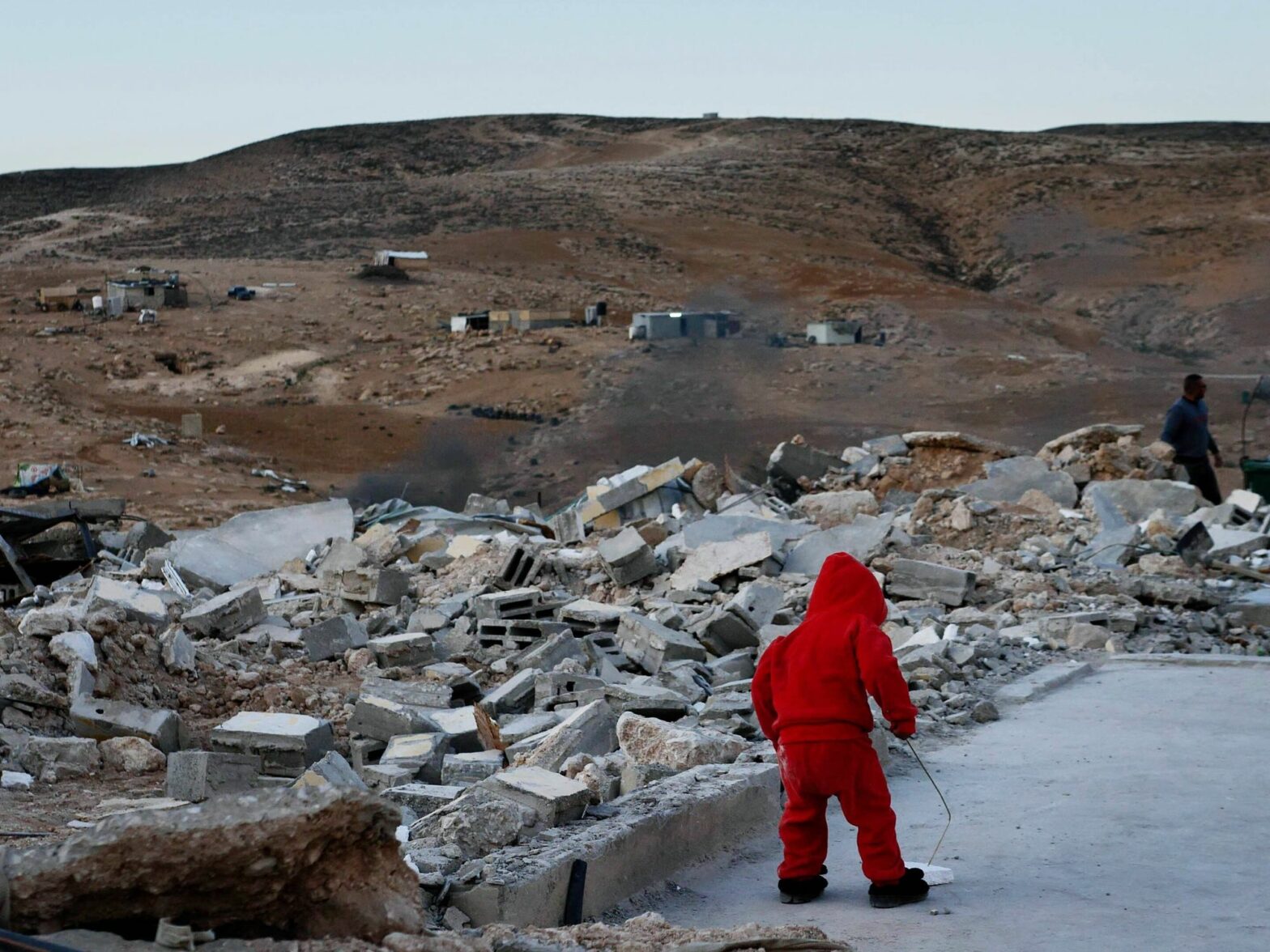
The documentary by a Palestinian-Israeli collective satisfies multiple and divergent audiences at the same time, and has been met with critical success. But the film never evokes the idea that there is another land for Palestinians: that of historic Palestine.
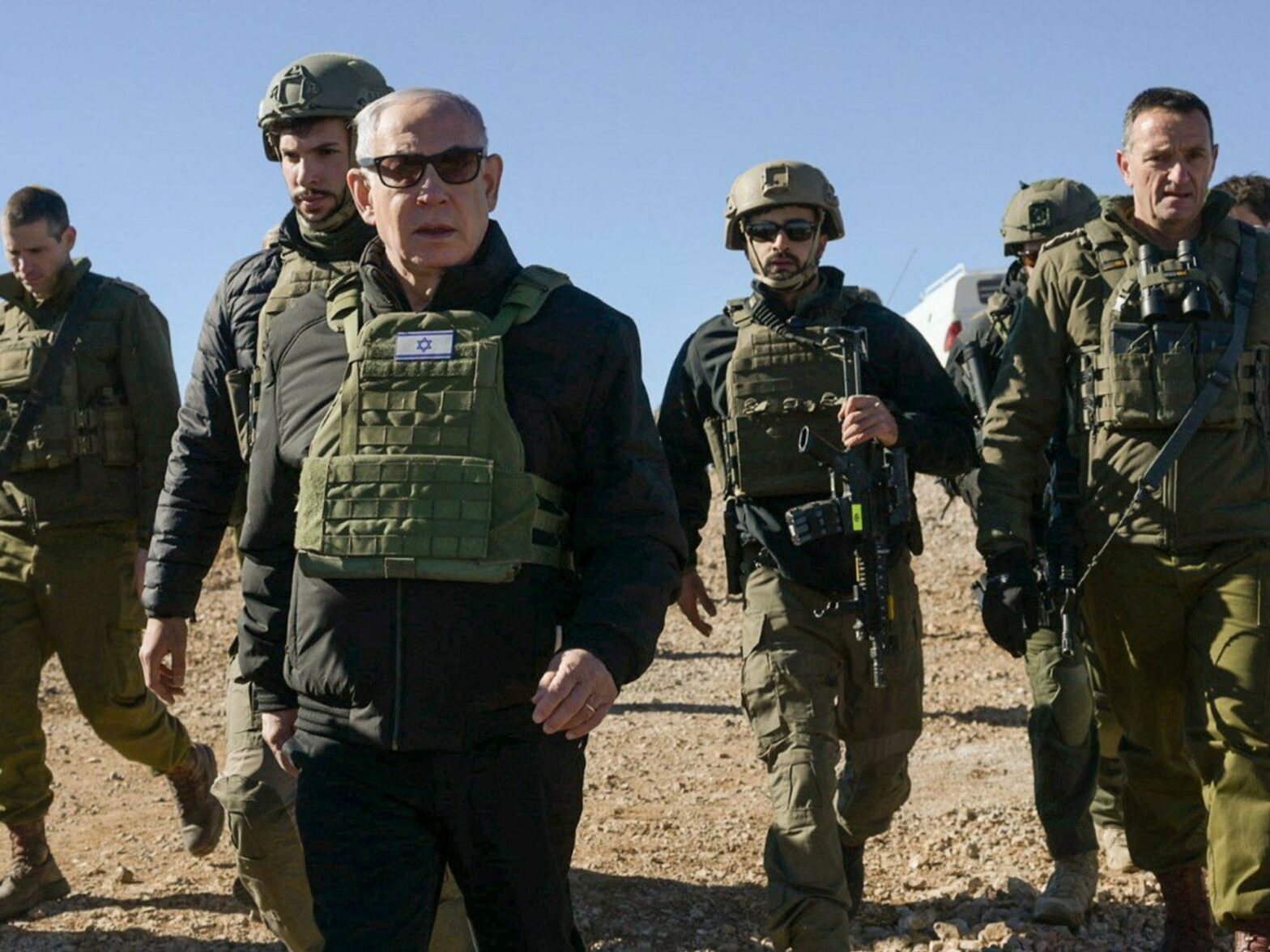
For three days, war has raged once again in Gaza, leaving hundreds of Palestinians dead. Yet a segment of Israeli society is pushing back against the justifications put forth by Prime Minister Benjamin Netanyahu. Backed by Trump, Netanyahu carries on his brutal policy.
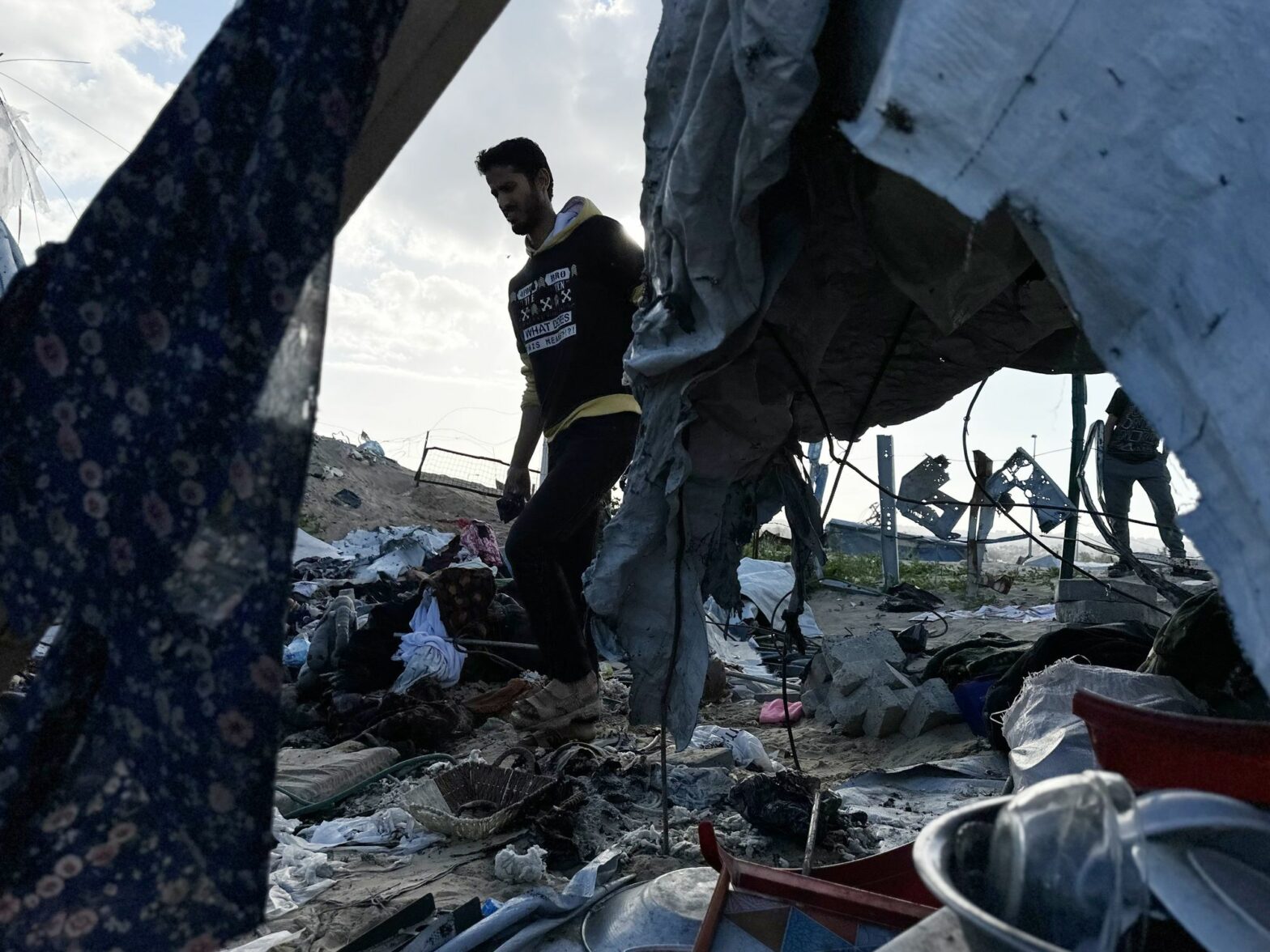
Israel has upended the ceasefire in Gaza, resuming war amid propaganda of continuing negotiations under fire. Can Egypt spearhead a “semi-permanent” solution to end the conflict and prevent further escalation?